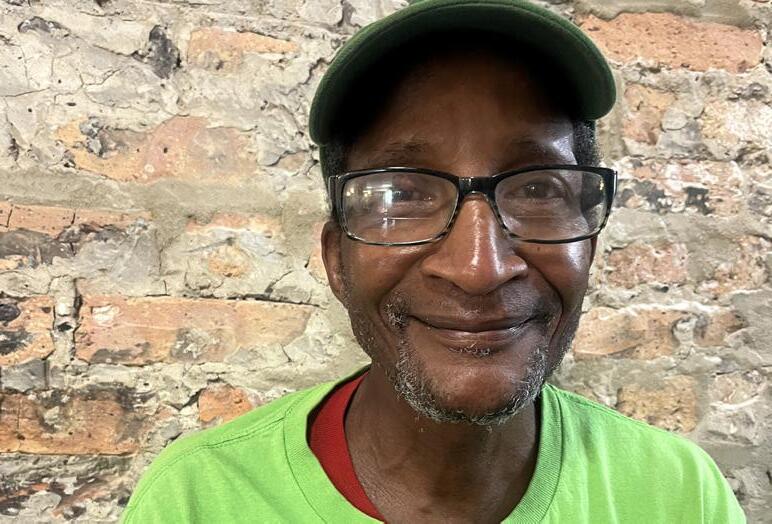
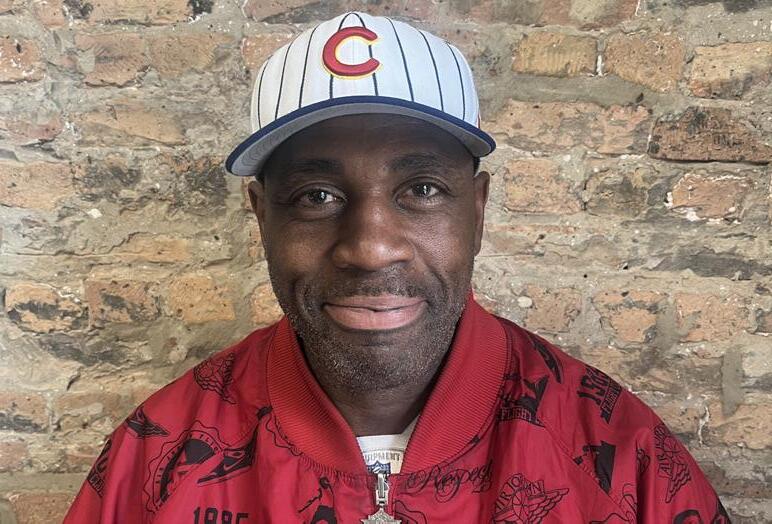
The SportsWise team talks about the chances of the Cubs and White Sox making the playoffs.
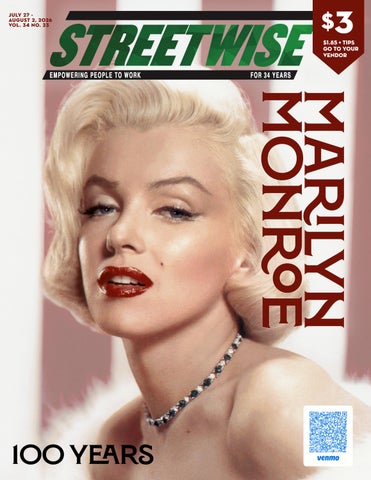
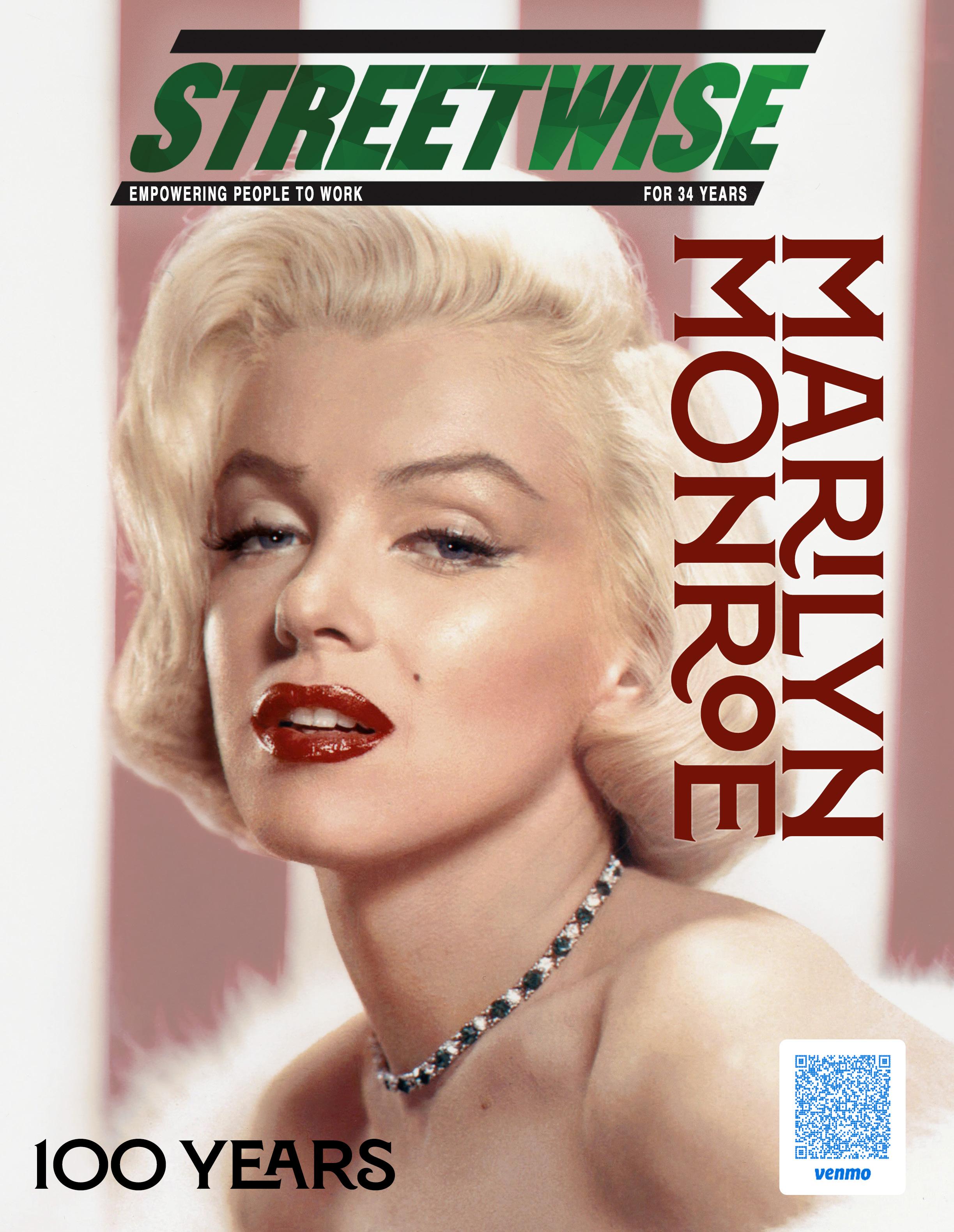
Cover Story: Marilyn Monroe's Legacy
Recreated, reprinted, reimagined: how much can we ever truly know about the elusive Marilyn Monroe? A century after her birth, The Big Issue Australia revisits the life, death and immortality of one of the most famous women in the world. Also, TMZ resurects the crime scene and theories about Marilyn's death.
From the Streets
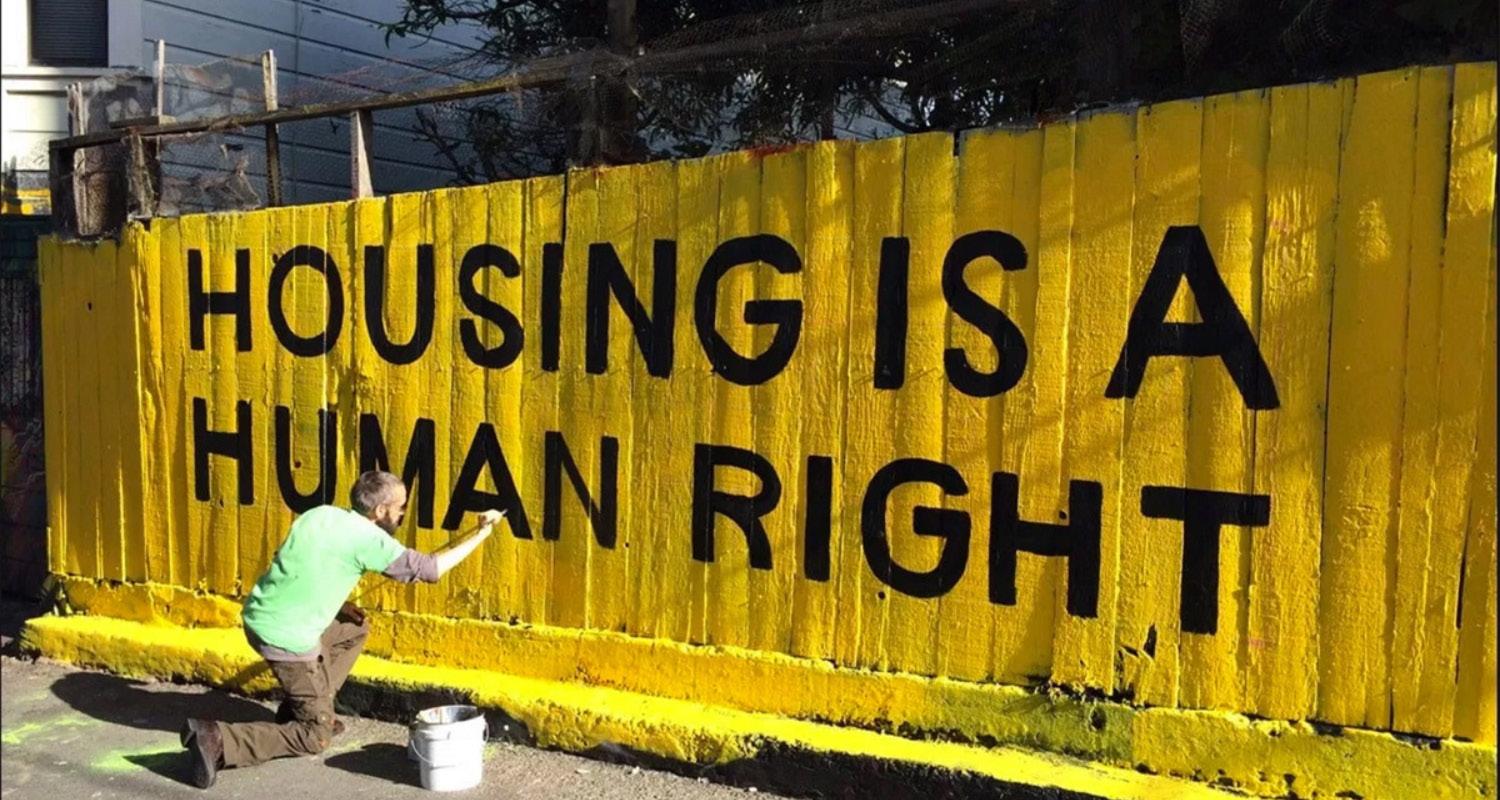
The FY2026 Notice of Funding Opportunity (NOFO) for the Continuum of Care national grant program, released June 1, would deprioritize “Housing First” programs that have been the model for the last two decades.
The Playground
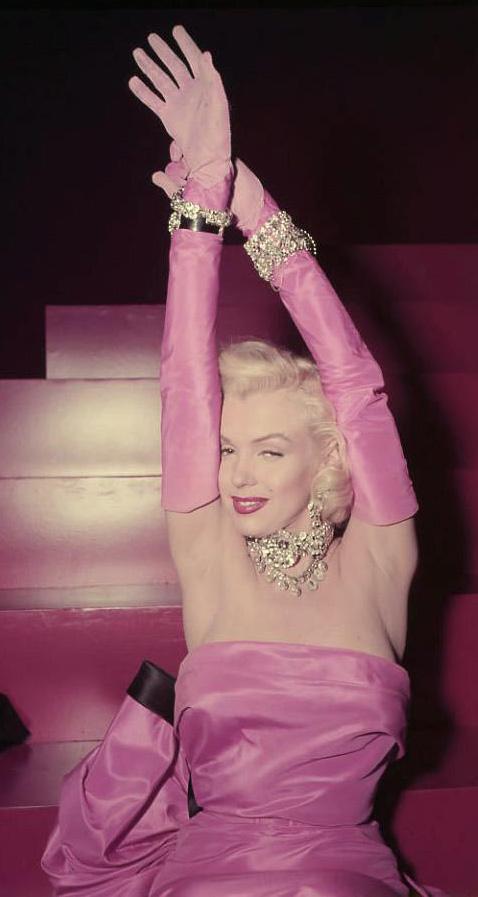
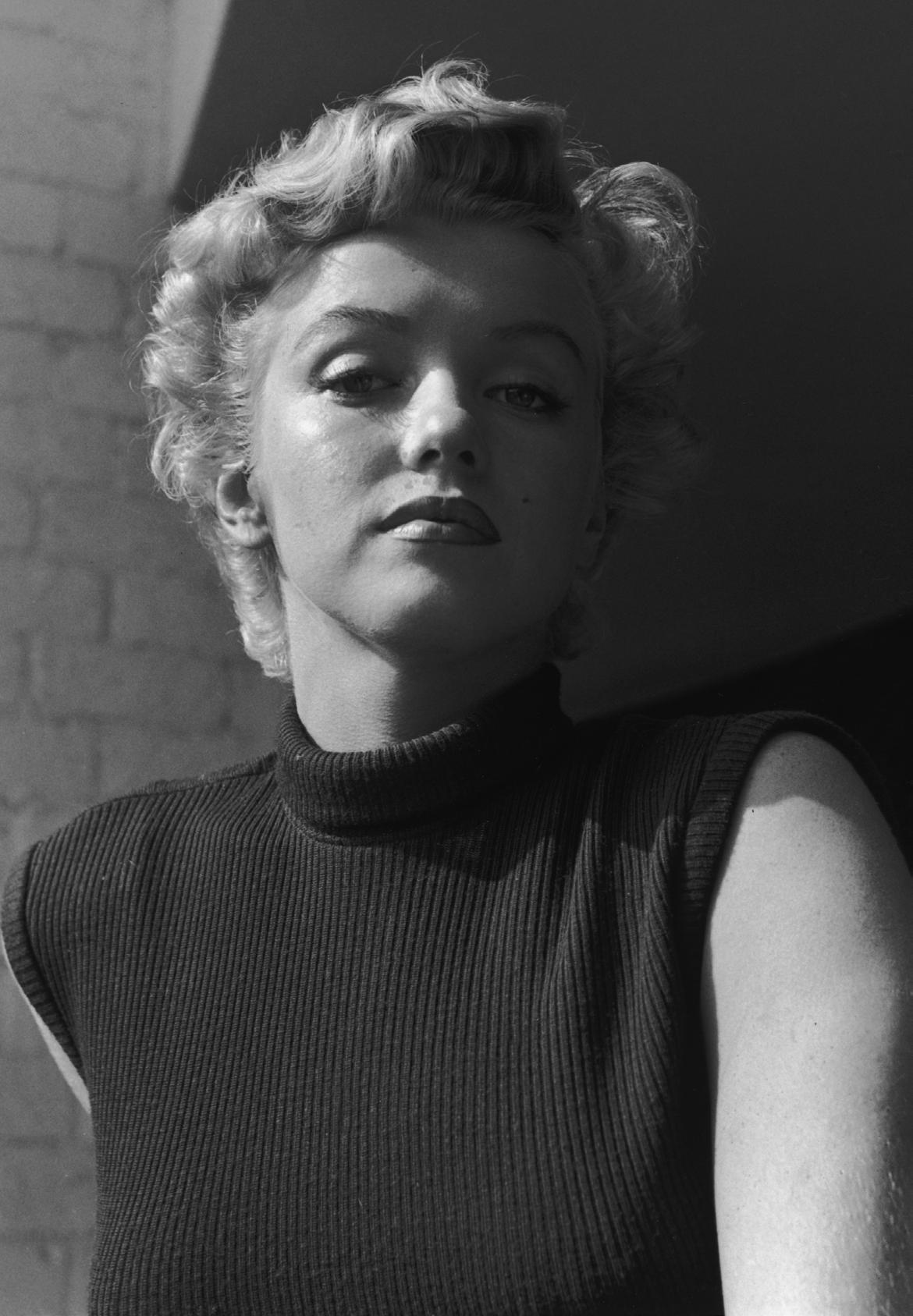
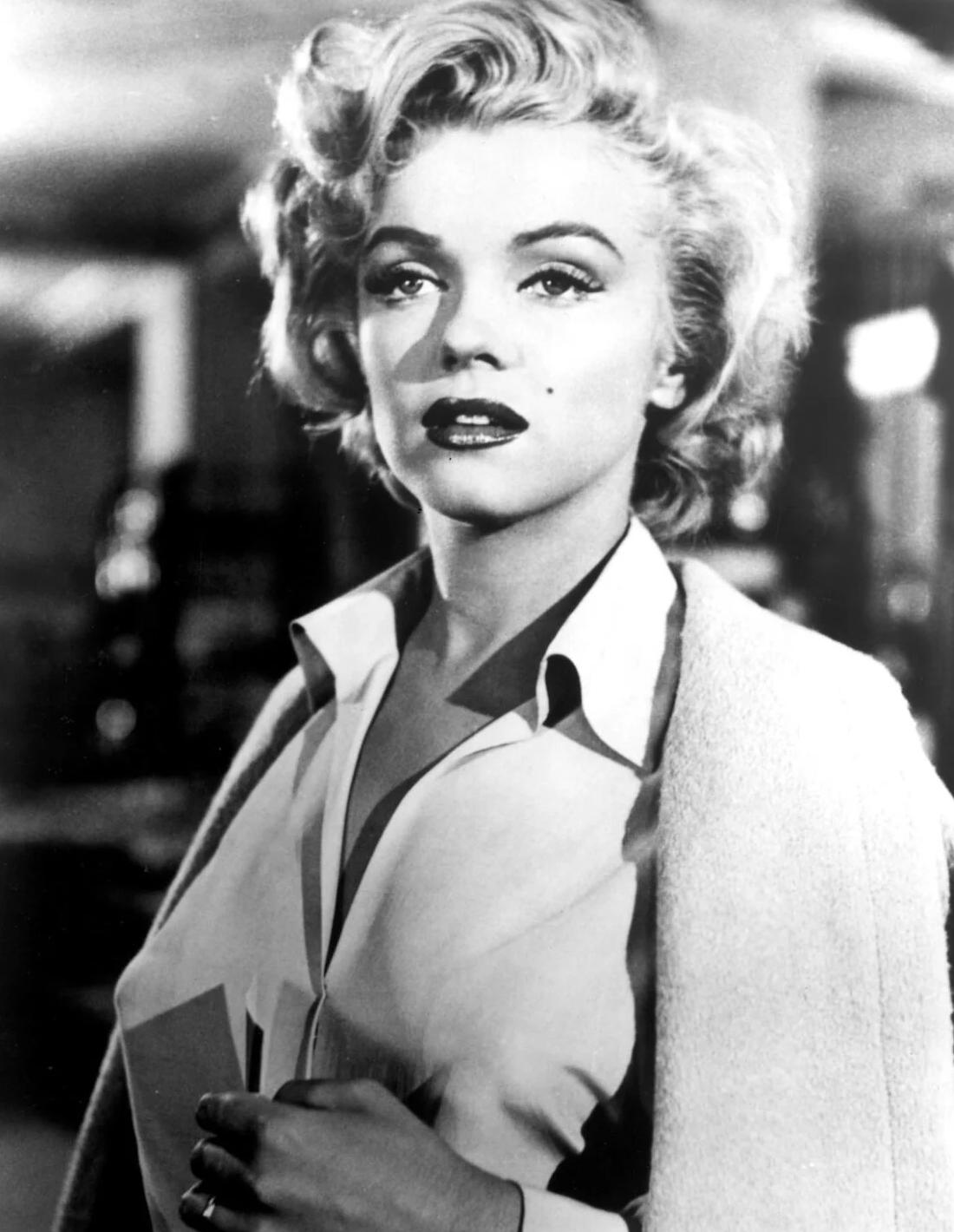
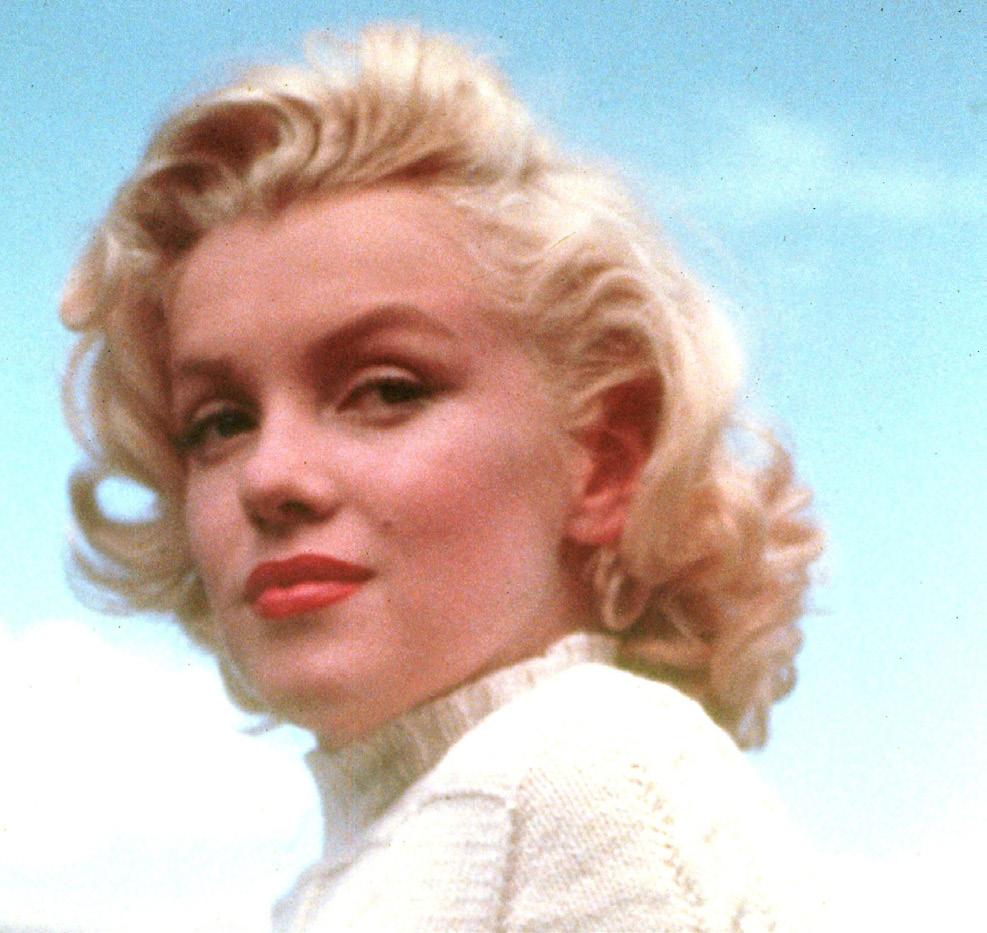
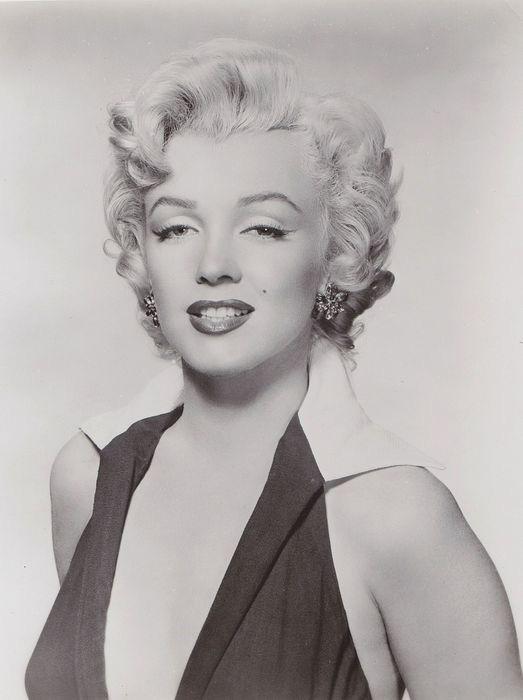
ON THE COVER: Marilyn Monroe in 1953 as she appears on December 1953 issue of Photoplay magazine. THIS PAGE: Monroe in a publicity shot for "Gentlemen Prefer Blondes," featured on pages 48–49 of June 1953 issue of Modern Screen.
DISCLAIMER: StreetWise publishes perspectives from vendors and contributors to reflect a range of lived experiences and viewpoints. These opinions do not necessarily reflect the views of StreetWise. We are committed to fostering dialogue grounded in dignity and respect, and we do not endorse language or perspectives that harm or dehumanize others.
Dave Hamilton, Creative Director/Publisher dhamilton@streetwise.org
Julie Youngquist, Executive director jyoungquist@streetwise.org
Ph: 773-334-6600
Office: 2009 S. State St., Chicago, IL, 60616
ARTS & ENTERTAINMENT RECOMMENDATIONS
Compiled by Dave Hamilton
Look! In the Sky!
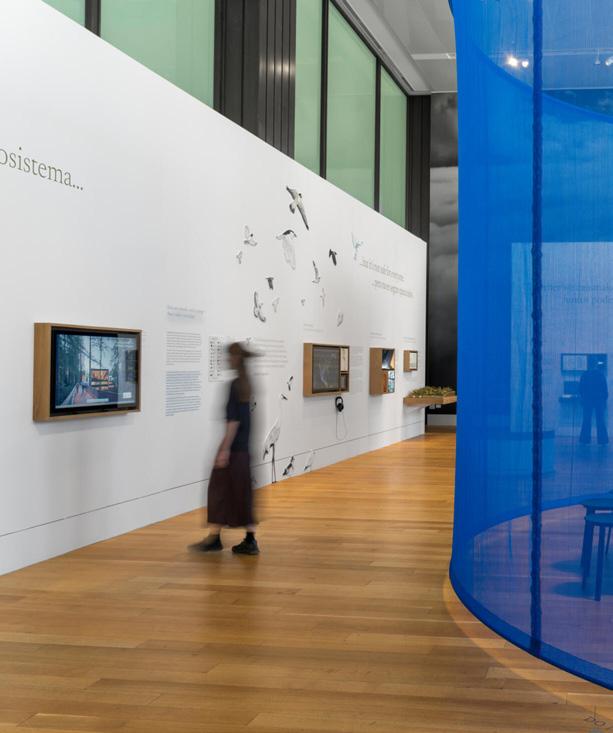
‘Flyway City: Architecture for a Flourishing Ecosystem’
“Flyway City: Architecture for a Flourishing Ecosystem,” designed and co-curated by architecture and urban design practice Studio Gang in collaboration with the Chicago Architecture Center, spotlights bird-friendly architecture and design. Chicago poses a particular danger to birds because of the city’s location on the migratory Mississippi Flyway and its prevalent use of glass as a building material. The exhibition explores effective approaches to creating a bird-safe built environment that also inspire design creativity and innovative urban development. Through architectural models and mock-ups, original illustrations, photography, building materials and interactive media, along with bird-related artifacts from local Chicago organizations and individuals, the exhibition aims to inspire positive change to make cities safer and more welcoming for birds and diverse wildlife. It also reveals how people can take scalable action to create healthier urban habitats and save birds from colliding with building glass. Presented concurrently with companion exhibition “Chicago’s Living Habitat,” through Jan. 3, 2027, at the Chicago Architecture Center, 111 E. Wacker Drive. Gallery admission is included with Chicago Architecture Center admission.
'We Matter!'
Black Women’s Expo
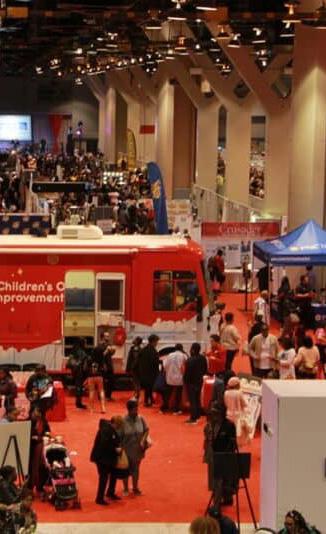
The Black Women’s Expo is the premier destination for everything that matters to the Black woman and her family. This 3-day event features the latest in beauty and hair trends, health and wellness, financial empowerment, culture, creativity, and so much more. The weekend features topical seminars by subject matter experts, an Exhibitor’s Marketplace full of small business vendors, corporate activations, and live musical entertainment from your favorite local & national artists! This year’s focus is a declaration, a reminder, and a celebration: “We Matter!” July 31 - August 2 at McCormick Place, 2301 S. Lake Shore Drive. For a full schedule and tickets ($30 daily, half-price tickets available at Walgreens), visit bwenext.com
Culture on Display!
Argyle Night Market
Started in 2013 by Uptown United, the Argyle Night Market is an annual event that features food from local Argyle restaurants plus live cultural and musical performances on Thursday evenings each summer. This free outdoor event draws an average of 5,000 visitors each week and continues to grow in popularity. Part market, part street festival, this vibrant and award-winning event is located on Argyle, the city’s first shared street. In addition to the delicious Asian street food that can be found at the night market, a highlight for guests is the live cultural and musical performances offered weekly. In partnership with local arts organizations, the Night Market seeks to make everyone feel welcome. Every Thursday, 5-9 p.m. through August 27 at Argyle and Sheridan. Admission is FREE.
Yes, And?
TJ & Dave
TJ Jagodowski and David Pasquesi—"two of the world’s finest practitioners of the art of long-form improv” (Time Out Chicago)—bring their unforgettable live performance back to The Goodman, 170 N. Dearborn St. Over the past two decades at venues across the country and overseas, TJ and Dave walk out on stage without characters, dialogue or plot. One hour later, their two-person completely improvised show leaves an audience with one of the funniest nights of their lives. Hailed as “Second City-seasoned masters of long form improv” (The New York Times) and “Zen masters of their art; improv virtuosos, blissful to watch” (The Guardian) serving up “the best improv comedy we’ve ever seen: brilliant, heart-breaking, mind-blowing and inspiring” (Time Out New York), Jagodowski and Pasquesi have become living legends in their field. Don’t miss their limited three-night-only engagement, July 30 - August 1, 7:30 p.m. nightly—with special musical guest, Ike Reilly. Tickets are $29-$49 at GoodmanTheatre.org/TJandDave
Evening Market!
City Market IRL
Water Tower Place, 835 N. Michigan Ave., will play host to City Market IRL, a new evening market experience that blends local food, artisan vendors, live music and community gathering. Held weekly on Thursdays through September 24 from 4-8 p.m. on Level 4 of the Mag Mile shopping center, City Market IRL will feature live music and family-friendly community programming alongside more than 100 local vendors offering ready-to-eat dinner options, vintage and upcycled goods, and hand-crafted gifts. FREE admission.
Art & Relaxation!
Guided Meditation with CHILL
Visit the Driehaus Museum, 50 E. Erie St., for a guided meditation and mindfulness experience led by CHILL’s Lead Instructor, Darrell Jones. Through intentional awareness of sight, sound, smell, taste, and touch — combined with guided meditation — guests will explore how the senses shape emotion, presence, and our connection to art, ourselves, and one another. This immersive, meditation experience invites participants to engage with and reflect on artist Brendan Fernandes’ site-specific installation at the Driehaus Museum. Available August 1, 9:30 - 10:30 p.m., or August 4, 5:30 - 6:30 p.m. Tickets are $35 at driehausmuseum.org
Rock Out!
‘The Real Time - Live!’
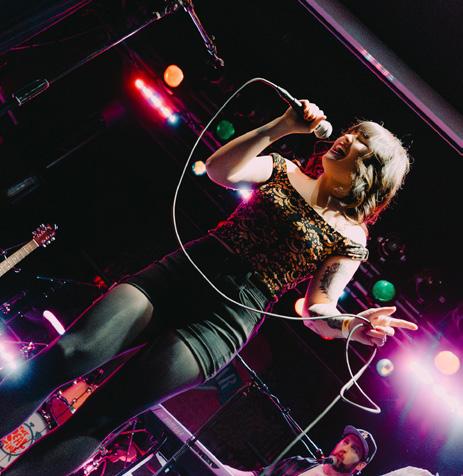
“The Real Time” is a Chicago-based, female-fronted, five-piece band specializing in unique original music. Their music blends multiple eras and genres resulting in their poprock-funk sound. They’ll be sure to get you movin’ and groovin’ with their upbeat jams and four-part harmonies. Playing Thursday, July 30, 7:30 p.m., at Steppenwolf, 1650 N. Halsted St. Tickets are $23 at steppenwolf.org
When Nature Attacks!
‘Michiganderish’
Julie Ganey finds a little place for her family to get away from it all in the Great Lakes State and discovers it's not that simple. Cue chainsaws, chipmunks, menacing deer and eco-heroes!
“Michiganderish” is a solo show about apocalyptic nature, reaping what we sow and an examination of what it means to truly belong to a place. August 1 at 7:30 p.m., and August 2 at 3 p.m., at Steppenwolf, 1650 N. Halsted St. Tickets are $15-$50 at Steppenwolf.org
Free Concerts!
Millennium Park Summer Music Series
Millennium Park Summer Music Series features a wide variety of music from established and emerging artists at the iconic Jay Pritzker Pavilion, 201 E. Randolph St. On Monday, July 27 enjoy a concert by Aterciopelados (pictured), La Rosa Noir, and the Lumpen Radio DJs. On Monday, August 3 the performers are The Budos Band, Zeshan B, and Radius. The series ends on Thursday August 6 with a “Grammy Legacies and Looking Ahead” theme featuring performances by Lila Iké, Matt B, and DJ Blair Elise. FREE.
Culture Meets Environment!
Destination Asia Festival
Bring family and friends to The Morton Arboretum, 4100 Illinois Route 53, Lisle, for a weekend celebration of the cultures and traditions of Asia, featuring food from local vendors, traditional performances, and a bonsai show. The festivities kick off Friday evening, July 31, at 5:30 p.m. with lantern making, origami crane stations, sumo demonstrations and a large-scale puppet display. At 8 p.m., a special Toro Nagashi lantern ceremony will take place on Meadow Lake, where decorated lanterns can be released to float on the water. The celebration continues Saturday, August 1, and Sunday, August 2, 9 a.m. - 4 p.m. daily. This event is included with Arboretum general admission. For more information, visit mortonarb.org
Cubs & Sox Playoff Chances?
John: This is the first time in many, many moons that both the Cubs and the White Sox could make the playoffs. Both teams have needs and could be buyers before the August 3 trade deadline. According to MLB.com , their biggest need is pitching, pitching and more pitching.
Russell: The Cubs need starting pitching. To be ready for the Dodgers, they need good pitchers; they are not even ready for the Brewers. The White Sox: same. Ninth inning games – weak pitching just didn’t come through. The Guardians beat them twice last week in the last inning – that’s two games they coulda had. They need relief pitching too.
Allen: The Sox have a pretty good pitching team. They got Noah Schultz in April, when he struck out six batters in five innings, and now Zach Bove as their pitching coach. They’ve come a long way, but they need a little more pitching.
John: The White Sox especially need help in the bullpen. Since June 19, there have been won four games in which the bullpen let them down. They lost to the Detroit Tigers 4-3 on June 19 and in 10 innings on June 21, 5-4. On July 2 and 3, backto-back with the Guardians they lost games by 6-5 and 4-3. Without those four
losses in which the bullpen let them down, they would have a more comfortable situation with their lead and could talk about printing playoff tickets in August. But now things are looking precarious.
As of July 8, about four teams in that division were within five games of each other: the White Sox of course; the Cleveland Guardians, the red-hot Minnesota Twins and the Detroit Tigers. The Cubs -- their injuries to Phil Maton and Daniel Palencia made the bullpen even thinner.
Percy : For the White Sox it has been an iffy season, but I am proud of the outcome so far to get to the position they’re in. My Cubs, I am so happy for their wins, I’m not tripping on their losses.
Russell: The Cubs were doing OK for a while, twice on a two-game winning streak. I would hope for at least a wild-card run. The White Sox, same thing, stay healthy. You can’t keep losing games like that. Whatever, the Dodgers are waiting for the Cubs and the White Sox.
Allen: The White Sox are doing much, much better than last year. As of July 16, the Sox have 50 wins and 45 losses and are tied with the Guardians atop the American League Central. We won't be won’t be caught with 100 losses. General manager Chris Getz mentioned other needs besides pitcher: corner outfielder and a left-handed batter.
Percy : I really wish the Cubs were still in the No. 1 position, but I am grateful they
obtained the No. 2 spot. We are over 50 wins. I am proud of the White Sox because they are better than last year, as Allen said. I see them both going forward.
John: I disagree about the Cubs being a great team; they’re a good team right now because they are inconsistent: a 10-game winning streak and then a 10-game losing streak. The White Sox need to get some bullpen. If they do, they will likely be in a playoff spot. If they don’t get any help by the August 3 trade deadline, they can go from first to fourth place in the blink of an eye.
Any comments, suggestions or topic ideas for the SportsWise team? Email StreetWise Editor Suzanne Hanney at suzannestreetwise@yahoo.com
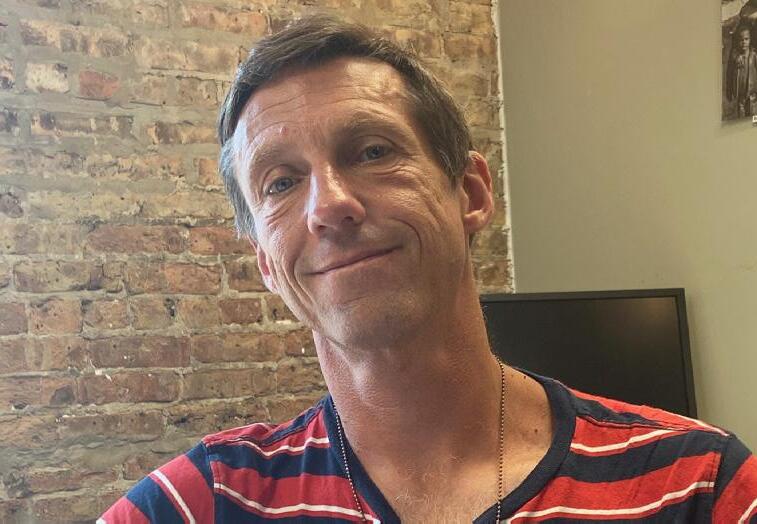
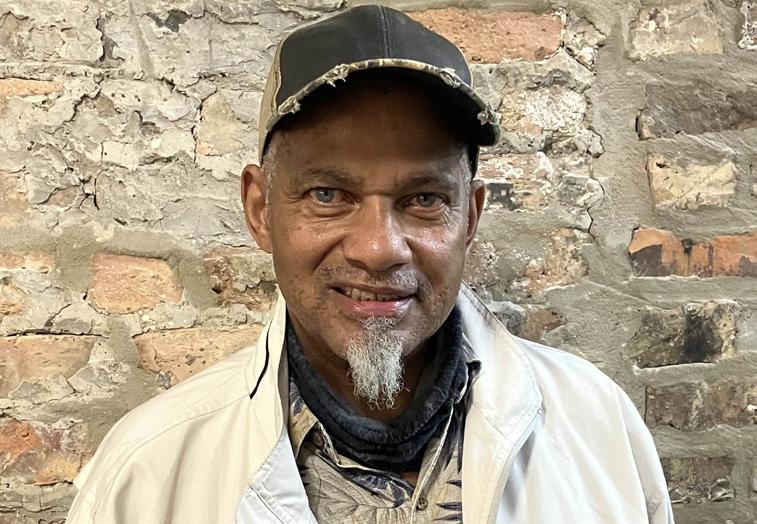
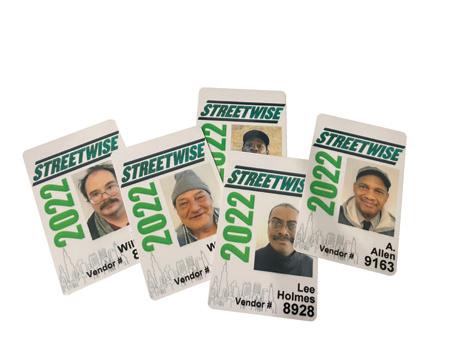
Vendors (clockwise) John Hagan, Russell Adams, Percy Smith and A. Allen chat about the world of sports.
Pictures of a Beauty Queen Remembering Marilyn Monroe
Courtesy of Getty Imagaes.
by Brodie Lancaster
“The more you look aT The same exacT Thing, The more The meaning goes away, and The better and empTier you feel.”
So said Andy Warhol about the images of celebrities that he repeated over and over – displayed alongside one another in flat black and white or lurid, unreal colors. The first of these screen-printed images that became synonymous with Warhol’s works were the ones he made of Marilyn Monroe shortly after her death in 1962.
Perhaps no one better understood what celebrity did to the person and their persona more than Warhol – the master of turning fleeting images into lasting spectacles. And perhaps no one embodies the idea more than Monroe.
Now, in the year that she would have turned 100, Monroe has been looked at endlessly and the search for meaning has only grown. In a 1955 radio interview, she remembered “sitting in the front row at the movies” as a child, enraptured by the moving pictures: “I would never come out of the movie. They’d have to come and get me.” This, Monroe explained on air, is where her Hollywood dream began: “The thing I’d like the most is to become a real actress.” Not just a flickering image – something real.
The heavy cultural weight attached to Monroe during her life has only intensified over time and, with it, a sense that she is now less a person than an object. She’s America personified, her peroxide hair and beauty mark as recognizable as Mickey Mouse’s ears or a red Coca-Cola can. She’s a lyric in Madonna’s “Vogue.” She’s Schiaparelli pink. She’s a silhouette and vapor. And this will always be true; her death has ensured it.
“The Thing I’d like The mosT is To become a real acTress.”
Instead of growing older and writing new chapters in her story – ones that might have seen her moving away from Hollywood, acting in the theatre, becoming a mother, controlling her own legacy or choosing her own adventure –Monroe is preserved in amber like a beautiful blonde mosquito.
The feminist reassessment of Monroe has been long and uneven. Journalist and social-political activist Gloria Steinem wrote one of the most significant reappraisals of Monroe’s life in the 1988 biography "Marilyn: Norma Jeane." In it, she recalls leaving a screening of Gentlemen Prefer Blondes (1953) embarrassed at Monroe’s performance as, in Steinem’s words, a “female impersonator”: helpless, hapless, passive and valued only for how she looks and how sweetly she reacts.
The persona Monroe deployed was not just molded for the male gaze but also created and self-managed. It took years, and a closer reckoning with the record of Monroe’s actual life, for Steinem to understand that her resistance said as much about the culture’s framing of Monroe as it did about Monroe herself. In her unfinished autobiography, "My Story," Monroe recalls telling one acting coach: “I want to be an artist, not an erotic freak. I don’t want to be sold as a celluloid aphrodisiac.”
In the 21st century, socialites and stars from Paris Hilton and Kim Kardashian to Sydney Sweeney have faced fierce debate over their perceived artifice, intellect and sex symbol status, much like Monroe. Kardashian made the reference literal at the 2022 Met Gala, wearing Monroe’s original “Happy Birthday, Mr. President” dress, as if she were squeezing herself into a myth.
Reports that the dress was damaged in the process – its 2500 delicate crystals strained and displaced – struck many as a grotesque metaphor: a woman’s image, already stretched impossibly thin in life, exhumed and manipulated by those who came after.
Monroe performed in that dress in May 1962, just three months before she was found dead of a barbiturate overdose. Her voice was barely a whisper above the music, her Jean Louis gown so sheer she had to be sewn into it. The performance has been interpreted as proof of an affair with JFK, as a final act of power, as camp, as high art. The moment sustains all these readings simultaneously and is a testament to what Monroe had become: everything and nothing. A canvas for us to project everything onto. A trick mirror. That was, in many ways, the tragedy at the center of Monroe’s life.
Norma Jeane Mortenson was born in Los Angeles on June 1, 1926. Her mother’s mental illness meant Norma Jeane was in and out of foster care; her father was absent. Ulti-
mately, though, she underwent such a complete metamorphosis into Marilyn Monroe that her original self became almost archaeological.
The bleach, the voice (pitched soft and high) and the “horizontal walk” were not simply affectations. They were architecture, a new structure that would provide her both shelter and enclosure.
The mythology of her origins was another kind of construction. She was marketed as the living proof of the American Dream: the girl from nowhere who climbed to the summit of Hollywood. But the details of her childhood deprivation were exaggerated and, in places, fabricated. What was true was deployed when it came in handy.
In 1952, Monroe testified to Redbook magazine’s account of her “orphan’s life”, writing in a letter to the editor that she and her single parent “have never enjoyed the normal relationship of mother and daughter.” Rather than eliciting sympathy, her working-class roots, lack of family and apparent unbelonging were read by the culture as evidence of her availability. She was an unclaimed, parentless woman. And that which is unclaimed can be possessed.
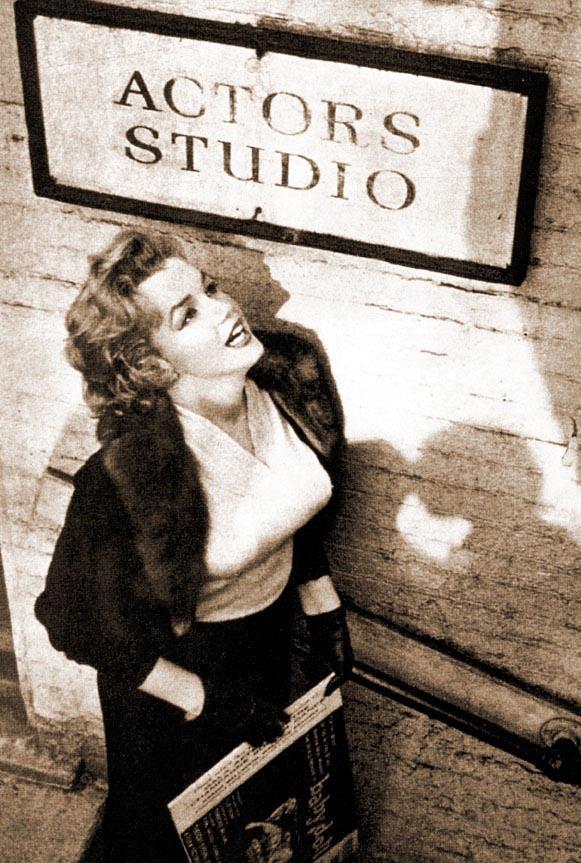
Towards the end of her career, Monroe began to reclaim a sense of agency, forging ahead with her own creative goals and influences. In 1955, she founded her own production company. She studied at the Actors Studio and read Dostoevsky, Joyce and Whitman. Yet the years following the height of her fame were marked by a private disintegration the persona could not contain.
In one New York Times interview, it’s hard to tell whether Monroe is giddy with gratitude for her success – or having a dissociative episode. “Everything’s so wonderful, people are so kind, but I feel that it’s all happening to someone right next to me. I’m close – I can feel it, I can hear it – but it isn’t really me.”
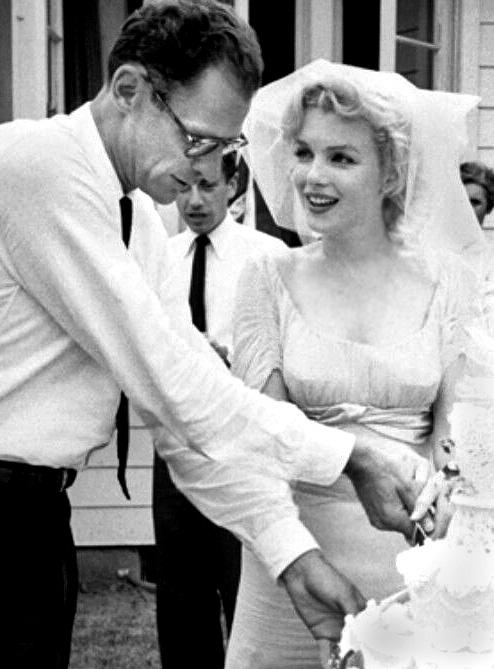
After marrying one of the most celebrated playwrights of the 20th century, Arthur Miller, she suffered an ectopic pregnancy, then a miscarriage. She was hospitalized after a barbiturate overdose. By the time she was filming “The Misfits” – which Miller wrote for her and would became the eulogy for their marriage – her dependence on sleep-
Marilyn Monroe and Arthur Miller at their wedding from the May 1961 issue of TV-Radio Mirror.
ing pills had deepened to the point where some accounts allege her makeup had to be applied while she slept. Even as she deteriorated beneath it, the image needed to be maintained.
The German photographer Bruno Bernard met Monroe as the young, hopeful Norma Jeane. Eventually, his archive spanned more than seven rooms of negatives, contact sheets, prints, diaries and an unpublished memoir documenting many of the conversations he had with Monroe across the years.
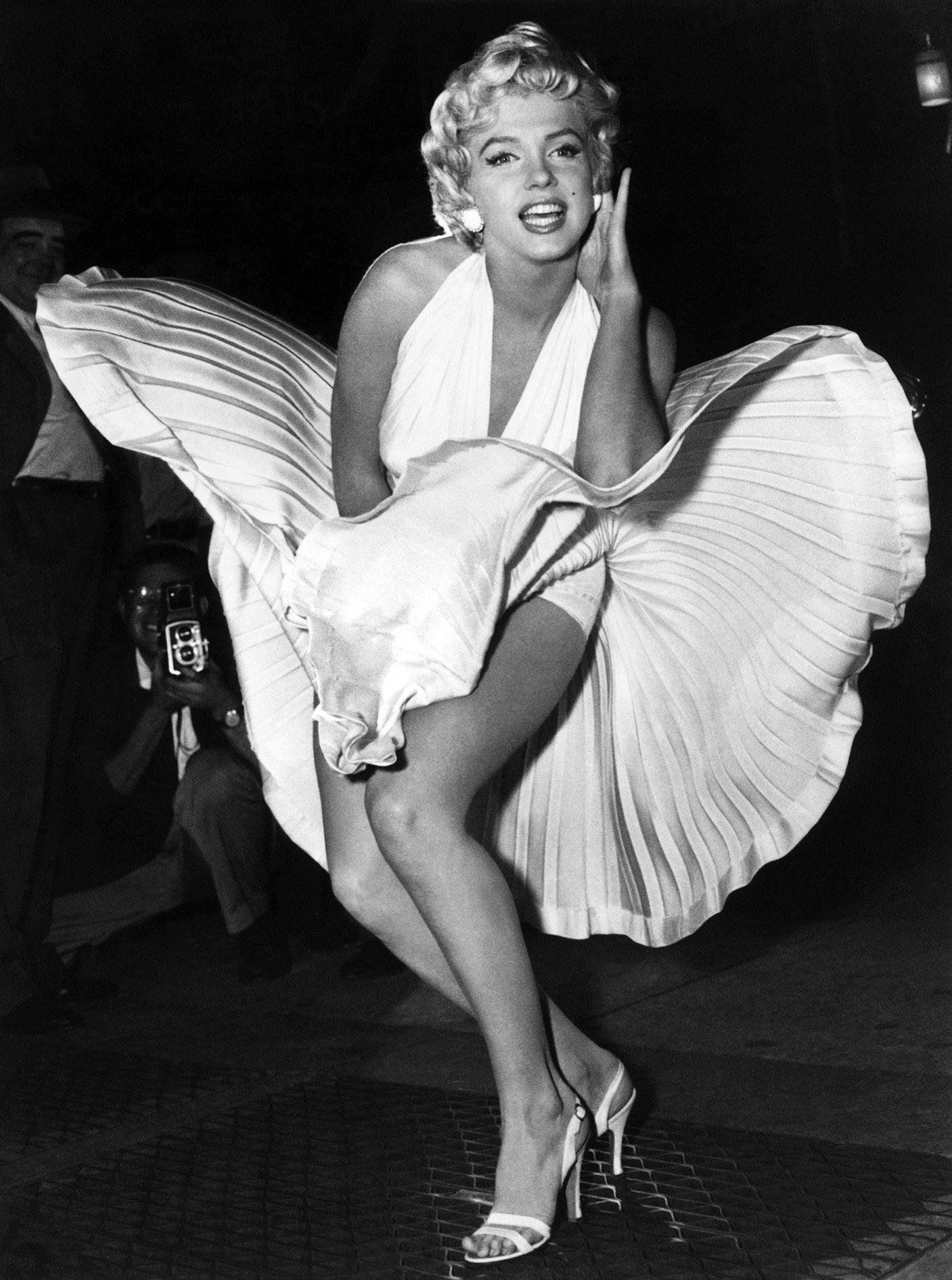
Bernard was on the set of 1955’s “The Seven Year Itch” for the scene that would birth a defining image – not just for Monroe but for the 20th century. It was his camera that captured her white, pleated halter dress whooshing up around her ears as she stood above a New York subway grate.
Left: Marilyn Monroe while filming "The Seven Year Itch" on the streets of New York. She apparently stopped at some point during the shooting of the famous "skirt scene" and posed for the reporters and photographers who were covering the film shoot.Sam Shaw photo /Corpus Christi Caller-Times).
Above:
Right top: Monroe in promotional image for 1954's "River of No Return."
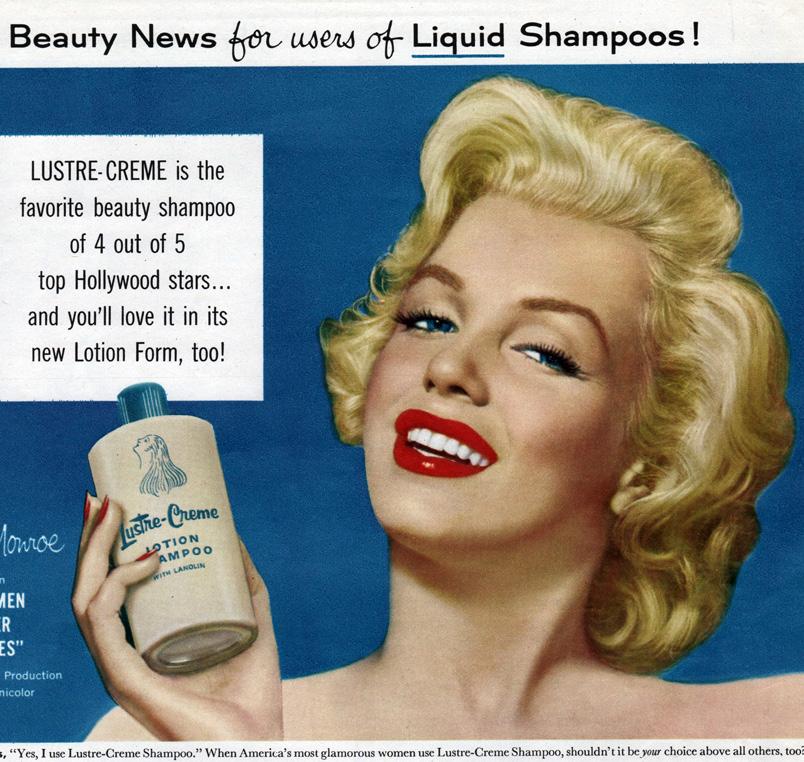
Right bottom: Monroe in an advertisement for Lustre Creme shampoo in a September 1953 issue of Modern Screen.
Far Right: Monroe in a publicity photo for "Niagara" in 1953. One of the most iconic photos of Monroe, it was the basis for Andy Warhol's 1962 silkscreen painting, "Marilyn Diptych."
This year, Bernard’s grandson, Joshua John Miller, and his partner, MA Fortin, published “The Marilyn Monroe Century: From Norma Jeane to Icon,” drawing on that archive to create something that functions as a dual biography – of Monroe and of the Bernards themselves. In one discovered note, the photographer reflects: “In retrospect, I feel as guilty as anyone that I helped launch a career which killed her in the end.”
Another eerie fragment quotes Monroe herself: “Sometimes I think it would be easier to avoid old age, to die young, but then you’d never complete your life, would you? You’d never wholly know yourself.”
That she died young and largely unknowable is a tragic rendering of her prophecy – as is the fact that we have spent 60 years arguing about who she wholly was. Monroe moved through the world distributing fragments of herself – to Miller, to photographers like Bernard, to directors and presidents – and no single person ever held the whole.
Sixty-four years later, in the shadow of Marilyn, what we are left with is the image: flat and bright and endlessly reproducible, like a Warhol print. The woman underneath it – the one who grew up in foster care, who miscarried multiple times, who sang "Happy Birthday" while covered in thousands of crystals – has not disappeared, but she is harder to hold. If there was anyone who truly knew her, they’re gone. In their place are millions who believe they do.
So we keep trying, as though repeatedly looking from different angles might eventually reveal something to us –as though the emptiness that Warhol spoke of, rendered through thousands of screen-prints, might yield some kind of truth.
Courtesy of The Big Issue Australia / INSP.ngo
Public ObsessiOn with mOnroe continues
Just ahead of Marilyn Monroe’s 100th birthday in June, TMZ used AI to replicate the scene of her death – and to resurrect conspiracy theories about her officially-ruled “probable suicide…caused by a selfadministered overdose of sedative drugs.”
“Celebrity Crime Scene: Marilyn Monroe,” which premiered June 19 and is available on Hulu, Disney+ and compatible Fox live TV, points out that the prescription bottles on Monroe’s nightstand were all capped and facing the same way – but that there was no water glass to accompany the empty bottle of Nembutal. Investigator Paul Holes, discussing the case on TMZ Live, said that Los Angeles Police Department homicide detectives who saw inconsistencies were pulled from the case – the result of “high-level interference.”
Monroe was killed elsewhere, according to TMZ, and the crime scene – the Brentwood home where she was found just before dawn on Aug. 5, 1962 – was staged.
Two decades after Monroe’s death, her housekeeper Eunice Murray announced that Robert Kennedy, attorney general in the cabinet of his brother, President John F. Kennedy, had visited with Monroe the night before and quarreled, according to History.com in May 2025. The star was rumored to have had affairs with both Kennedys.
Meanwhile, PBS noted in 2016 that Monroe suffered from insomnia and fragile mental health. In order to fall asleep, she would crack open a Nembutal (so that it would absorb faster into her bloodstream), follow it up with a chloral hydrate tablet (knockout drops known in detective stories as a Mickey Finn) and sometimes wash it down with Champagne or vodka.
“This is a particularly lethal cocktail, not only because each of these drugs increase, or potentiate, the power of the other, but also because people who take this combination often forget how much they previously consumed.”
Trump administration policies around short-term assistance rather than permanent housing are reflected in the annual application for federal funding against homelessness released June 1, which puts 5,105 Illinoisans at risk of losing their housing, according to the National Alliance to End Homelessness (NAEH).
The U.S. Department of Housing and Urban Development (HUD) Continuum of Care (CoC) program is the nation’s largest investment in ending homelessness – funded last year at $4 billion through a national competitive process. However, the FY2026 Notice of Funding Opportunity (NOFO) for the CoC national grant program, released June 1, would deprioritize so-called “Housing First” programs that have been the model for the last two decades in order to fund $1.3 billion for short-term assistance, transitional housing and mandatory treatment.
As a result, All Chicago: Making Homelessness History, the CoC for Chicago, could lose more than $38 million in funding, because 61% of its permanent housing was CoC-funded last year, according to the NAEH; 3,247 Chicagoans would be at risk for reentering homelessness. The Alliance to End Homelessness in Suburban Cook County, the CoC there, could lose $7.8 million; 49% of its permanent housing is CoC-funded, which affects 602 people.
Housing First has been the policy for HUD and the Department of Veterans Affairs since the George W. Bush administration of the early 2000s. The stairstep approach that preceded it was “punitive and judgmental” – and less effective, Kathleen Molnar, director of external resources at Sarah’ Circle in Uptown, told Block Club.
“What came before was: Fix yourself, make sure you’re abstinent from drugs or alcohol, make sure you’re getting your mental health treatment and taking all your meds. And then, we’ll get you housing,” Molnar said. “It really discounts how difficult it is to take care of your health, including your mental health, when you are without a home — whether you’re in a shelter or on a street or couch surfing.”
“To get somebody into housing where they’re safe, where they can start to form relationships with case managers and other program staff … tends to make people more open to looking at their substance use or looking at their mental health, and what they could do to better address it,” Molnar said.
NAEH and the National Low Income Housing Coalition joined with King County, Wash., Boston, Nashville, Tucson and other legal entities to ask a federal court in Rhode Island to stop implementation of the NOFO, citing more than 200 legal flaws.
The $1.3 billion set-aside, for example, will likely provide only transitional housing at the expense of existing, superior permanent housing grants, NAEH noted. The new NOFO also would require grantees to comply with requirements that have nothing to do with homelessness, such as adhering to executive orders that seek to eradicate diversity, equity and inclusion initiatives; reject transgender and nonbinary individuals’ identities; force jurisdictions to help with federal immigration enforcement or reward those that crack down on homeless encampments.
“Housing is not a political reward—it is the foundation from which people rebuild their lives,” said Renee M. Willis, president and CEO of the National Low Income Housing Coalition. “The administration cannot ignore the law or decades of evidence in pursuit of an ideological agenda that puts more people at risk of homelessness.”