




























































































































suggested contribution goes directly to your vendor






























suggested contribution goes directly to your vendor
In 2017, we began hosting a number of different workshops aimed at helping our vendors develop skills beyond writing for our newspaper. On any given day, our vendors are illustrating, painting, recording podcasts, taking photos, rehearsing plays, organizing advocacy groups, and coming together as a community.
We ran workshops in 2025
Last year, artists/vendors performed a self-written show, sold their art,
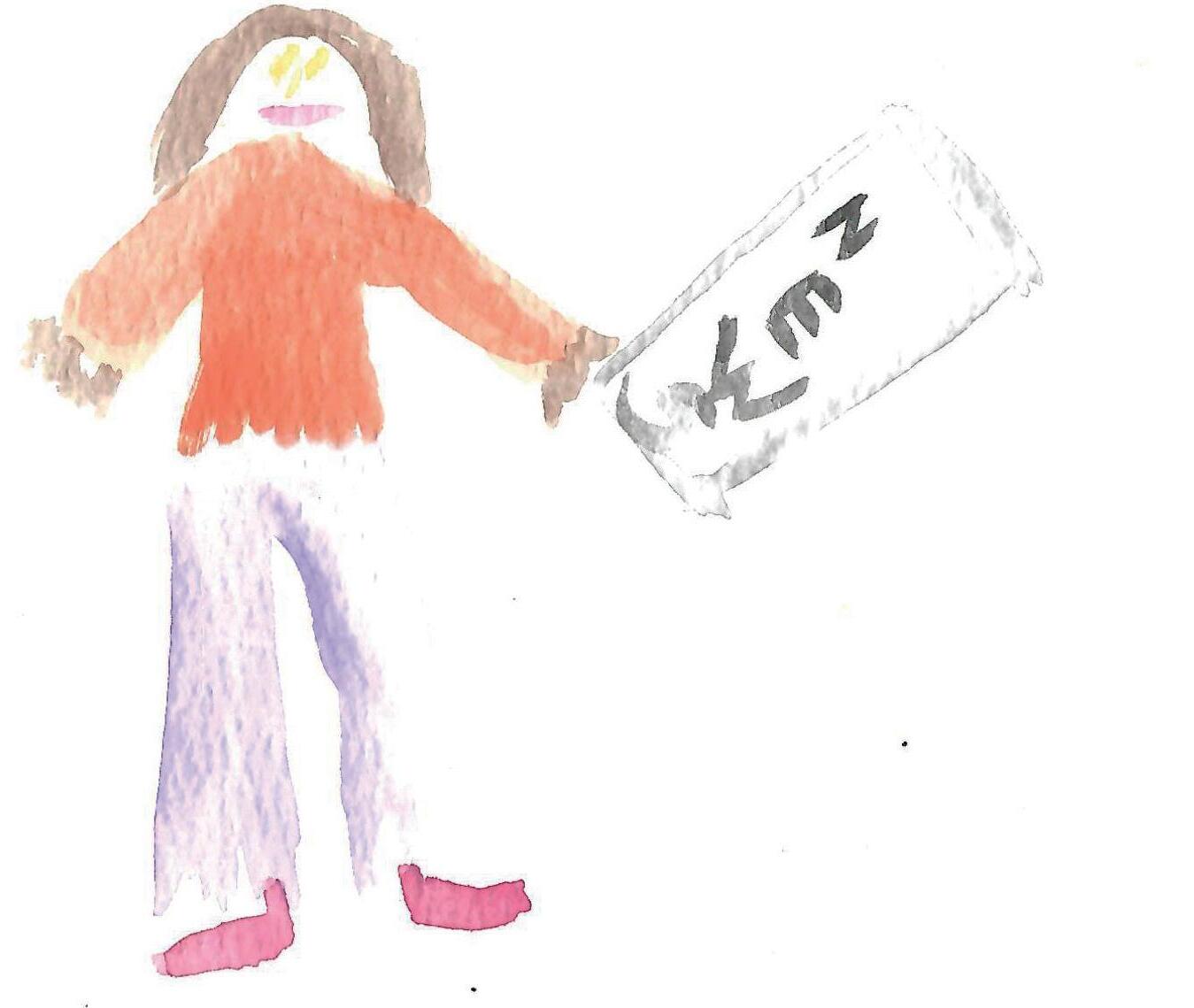
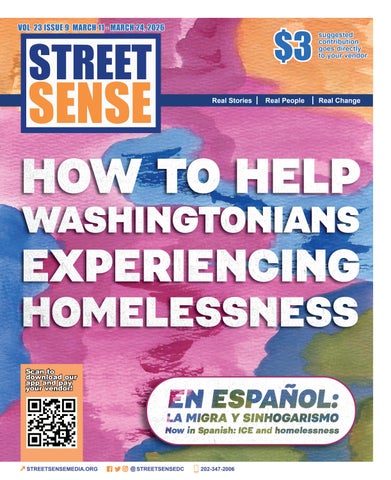
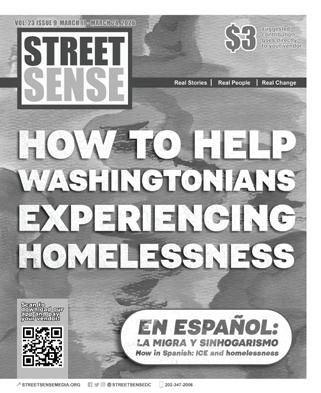
The Cover
Abel Putu, Abraham Aly, Archie Thomas, Aida Peery, Akindele Akerejah, Alia Huag, Amia Walker, Andre Brinson, Andre Baltimore, Andrew Anderson, Angie Whitehurst, Angela Morris, Anthony Carney, Apollos Robinson, Beverly Sutton, Brian Holsten, Brianna Butler, Cameé Lee, Carlos Carolina, Carlton Johnson, Charles Armstrong, Chris Boone, Chris Cole, Chon
We publish vendor art and writing every week! and joined a new watercolor workshop!
COVER DESIGN BY KEVIN AKAKPO, ART BY CARLOS CAROLINA
Gotti, Conrad Cheek, Craig Thompson, Cynthia Herrion, Daniel Ball, Darrel Stone, Darlesha Joyner, David Snyder, Debora Brantley, Degnon Dovonou, Dominique Anthony, Don Gardner, Drake Brensul, El-O-Him, Elizabeth Bowes, Elynora Houston, Eric Glover, Eric Thompson-Bey, Evelyn Nnam, Faith Winkler, Flegette Rippy, Frederic John, Frederick Walker, Gerald Anderson, Gloria Prinz, Gracias Garcias,
Greta Christian, Henrieese Roberts, Henry Johnson, Invisible Prophet, Ivory Wilson, Jacqueline Gale, Jacqueline Turner, James Davis, James Hughes, James Lyles III, Jay B. Williams, Jeanette Richardson, Jeff Taylor, Jeffery McNeil, Jeffrey Carter, Jemel Fleming, Jenkins Dalton, Jennifer McLaughlin, Jewel Lewis, John Littlejohn, Josie Brown, Julienne Kengnie, Kenneth Middleton, Kannon Brown,
Kendarius Tucker, Kym Parker, L.Q. Peterson, Lawrence Autry, Leo Hughes Jr, Levester Green, Lillie Thomas II, Marc Grier, Marcus McCall, Mars, Maurice Carter, Melody Byrd, Melveon Harp, Milan Stevenson, Nikila Smith, Patricia Donaldson, Patty Smith, Paul Martin, Phillip Black, Qaadir El-Amin, Queenie Featherstone, Rachelle Ellison, Randall Smith, Rashawn Bowser, Reginald Black, Denny,
Reneece Brinkley, Ricardo Meriedy, Richard Mooney, Rita Sauls, Robert Vaughn, Robert Warren, Rochelle Walker, Ron Dudley, Ronnell Wilson, S. Smith, Sasha Williams, Saul Presa, Shawn Fenwick, Sheila White, Shuhratjon Ahmadjonov, Starchild BLK, Susan Wilshasen, Sybil Taylor, Tasha Savoy, Tim Holt, Tonya Williams, Tony Morris, Vincent Watts, Warning Label, Warren Stevens, Wayne Hall, Wendell


Williams, Wendy Brown, William Hargrove, William Shuford, Willie Futrelle, William Young, Zero

BOARD OF DIRECTORS
Ashley McMaster, Blake Androff, Clare Krupin, Chris Curry, Cole Ingraham, David Grant, Jonquilyn Hill, Matt Perra, Michael Vaughan Cherubin, Nana-Sentuo Bonsu, Stanley Keeve
NIKILA CAMPBELL Vendor Reporting Fellow
When I was growing up, a lot of kids depended on school meals; without them, we would go hungry. Even on snow days when school was closed, students still would head to school for a meal, then take it home. Not every parent needs their kids to go to school to eat, but some really do, even if the topic’s sensitivity means parents and kids alike struggle to talk about it.
The intersection of inclement weather policies, students’ safety, and food security within the District isn’t an issue that should be ignored, because it’s a reality low-income parents face every snow day. Current inclement weather policies often require students to travel during unsafe weather conditions, and transitioning to virtual learning during these instances is a safer alternative. This approach would prioritize students’ well-being, maintain consistent attendance, and eliminate the need for makeup days at the end of the year. But probably the most important question is, if school is closed, how can students get food?
Chris Sams is a mother of two and an administrative assistant. Sams is most frustrated by the hard commute when there’s a twohour delay, which pushes school dropoff to after her work’s start time.
“Honestly, I think the food isn’t good, but it’s good for those who are hungry, and if D.C. schools know they’re going to be closed, maybe we should explore ways to get the food to the kids while they are home,” Sams said.
The mayor factors in temperature, road safety, and public transit before making the decision to close D.C. Public Schools (DCPS) due to inclement weather like wind chill, snow, and ice, and informs parents via email, text, or social media.
Absences spike in December, according to the DC Policy Center. In December, 16.3% of students were absent post-pandemic, compared to 10.5% of students pre-pandemic. But for at-risk students, Black


CHIEF EXECUTIVE
OFFICER
Brian Carome
DIRECTOR OF PROGRAMS
Darick Brown
DIRECTOR OF VENDOR
EMPLOYMENT
Thomas Ratliff


Tasha Savoy
March 11
ARTIST/VENDOR
students, and students with disabilities, the study found the rise in absences was similar to other months, “indicating that their absenteeism is more consistent throughout the year and likely driven by persistent structural barriers,” the researchers wrote.
In D.C. schools, 49% of students were identified as economically disadvantaged, which DCPS defines as students who qualify for Temporary Assistance for Needy Families or the Supplemental Nutrition Assistance Program, are homeless, or are working with the Child and Family Services Agency. For nearly a majority of children, schools are a primary source for food and socializing with peers. It is extremely difficult to function in school when you’re hungry.
Sieeda Jones is a therapist and mother of three. She was concerned and frustrated with the city’s response to the snowstorm in January and February.
“It was scary with the kids returning in the conditions the city was in,” Jones said. She knows most kids don’t like school lunches because her kids often tell her the food is not good. But “if you are hungry, you will eat anything,” Jones said.
Jones suggested DCPS use or modify the summer meal assistance program that gives students an Electronic Benefits Transfer card with $120 called DC SUN Bucks for snow days, so kids have consistent food access.
As a community, we must address the impact of school closures on students who rely on school meals. Given the rising costs and funding challenges faced by nutrition programs, school closures can significantly intensify financial pressures for families. Parents too often have to make the choice between keeping their kids safe at home or facing repercussions for absent days, or worse, a good meal. Can the District update its inclement weather and nutrition policies to better support families and ensure students have access to nutritious meals without compromising their safety?

Wayne Hall
March 14
ARTIST/VENDOR


Melveon Harp
March 15
ARTIST/VENDOR
□ The March vendor meeting will be Friday, March 20, 2:00 p.m. - 3:00 p.m. Come for pizza, business, and fellowship!
□ New workshop! Yoga (in a chair). Every Thursday from 11:30 a.m. - 1:00 p.m. No need to bring anything but yourself.

William Shuford William recently got a job!
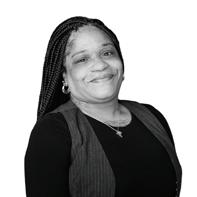


Nikila Campbell Nikila was recently accepted to and began at the Peer Case Management Institute!
Rachelle Ellison Rachelle was recently accepted to and began at the Peer Case Management Institute!
Read this democratically elected code of conduct, by vendors, for vendors!
1. I will support Street Sense Media’s mission statement and in so doing will work to support the Street Sense Media community and uphold its values of honesty, respect, support, and opportunity.
2. I will treat all others, including customers, staff, volunteers, and fellow vendors, respectfully at all times. I will refrain from threatening others, pressuring customers into making donations, or engaging in behavior that condones racism, sexism, classism, or other prejudices.
3.
Ibn Hipps March 17
ARTIST/VENDOR


Qaadir El-Amin March 18


Patty Smith
March 19


ARTIST/VENDOR
EMPLOYMENT SPECIALIST
Esmat Amin
VENDOR PROGRAM
ASSOCIATES
Aida Peery, Chon Gotti, Nikila Smith
VENDOR PROGRAM
VOLUNTEERS
Ann Herzog, Aiden


ARTIST/VENDOR
Eisenschenk, Beverly Brown, Roberta Haber
EDITOR-IN-CHIEF
Annemarie Cuccia
DEPUTY EDITOR Donte Kirby
EDITORIAL INTERNS
Aubrey Butterfield,
Elizabeth Short, Grace Copps, Katie Doran, Kordell Martin, Natalie Note
WEB INTERN
Zachi Elias
GRAPHIC DESIGN INTERNS
Arisha Shumael, Kevin Akakpo
SOCIAL MEDIA INTERN
Harmony Jones
ARTISTS-INRESIDENCE
Alexandra Silverthorne (Photography), Bonnie Naradzay (Poetry), David Serota (Illustration), Willie Schatz (Writing),
Wendy Brown
March 20
ARTIST/VENDOR
Molly Pauker (Watercolor), Debbie Menke (Watercolor), JM Ascienzo (Yoga)
EDITORIAL VOLUNTEERS
Diane Shinn, Joe Davidson, Erin Swain, Mark Rose, Megan Praschak, Ned Cabot, Nora Scully, Rachel Santarsiero
5.
6.
7.
8.
influence of drugs or alcohol.
10. I understand that my badge and vest are property of Street Sense Media and will not deface them. I will present my badge when purchasing “Street Sense” and will always display my badge when distributing “Street Sense.”
DYLAN CESTARO High School Editorial Intern
head of the new year, many people set resolutions to get more involved in their communities, but figuring out how can be overwhelming. If you’re looking for ways to support people experiencing homelessness in D.C., there are many local organizations where your time can make a difference. Here’s a closer look at a few organizations and other ways you can get involved.
There are a few things anyone can do day-to-day to help without needing a scheduled shift:
1. Save the D.C. shelter hotline number: (202)-399-7093 or 311. This number helps connect people to shelters. You can call if someone asks for help finding shelter, if you see someone outside during extreme cold or heat, or if you’re worried about someone’s safety.
2. Respond to requests for help: If someone asks for money, food, water, or hygiene products and you’re able, provide those resources. Try to tailor your support to what they ask for; someone may have enough toothbrushes, or be allergic to the sandwich you think they’d like. People know best what sort of help they need, so just stop and listen.
Bread for the City serves low-income D.C. residents and families who need food, clothes, and medical or legal help. It is especially looking for volunteers who speak Spanish or Mandarin. Volunteers give out food, organize clothes, and help clients. They also help keep the pantry and clothing areas clean and organized. Go to the volunteer page on the Bread for the City website to sign up and learn more. (Shaw and Anacostia)
Catholic Charities supports individuals, families, immigrants, and people experiencing homelessness through meal programs, shelters, and support for families in need. Volunteers help prepare and serve meals, assist with clothing drives, or work in administrative roles. It offers flexible shifts and encourages both one-time and continuous volunteer opportunities. To get started, prospective volunteers can fill out an application on the Catholic Charities website and attend a brief orientation. (Various locations)
CFLS provides holistic support to families and individuals experiencing homelessness. Support includes childcare, educational programs, and maintenance projects. Volunteers can sign up for individual opportunities, like childcare, or participate in group projects, such as maintenance improvements. Contact CFLS through its website and fill out a volunteer application to learn about volunteer needs and schedule shifts. (Fort Totten)
Central Union Mission primarily serves single adult men experiencing homelessness, offering food, shelter, and recovery programs. Volunteers as young as 12 can participate if they are accompanied by an adult. Tasks include meal service, sorting clothing donations, and helping with community events. Volunteer applications are submitted online, and first-time volunteers must attend an orientation session. (Union Station, additional locations)
Charlie’s Place works to provide both immediate relief and long-term resources for individuals experiencing homelessness. Volunteers can assist with meal preparation or organizing the clothing closet. Shifts are flexible, and it encourages both one-time and continuous volunteer opportunities. Interested volunteers can reach out through the Charlie’s Place website to sign up or learn about upcoming orientations. (Kalorama)
3. Donate when you can: Many organizations listed accept donations in addition to volunteers, as do local mutual aid groups. For many, cash is best, but some items are needed.
Most local mutual aid groups enable people to both volunteer and donate. Here are a few often focused on homelessness.
Remora House - Remora House provides food, clothing, and basic supplies to people experiencing homelessness in D.C., doing regular outreach to those living outside.
Ward 2 Mutual Aid - Ward 2 Mutual Aid helps people with different types of support in the downtown area. It runs an aid warmline and often has campaigns supporting people living outside.
Food Not Bombs - Food Not Bombs, D.C. chapter, shares weekly free (vegetarian and vegan) meals with the community and provides assistance to people living on the streets.
Christ House serves men experiencing homelessness, offering medical care, meals, and social services to people experiencing homelessness. Volunteers can help with meal service, assist with activities, or support administrative staff. The organization prefers volunteers who can commit to regular shifts, and new volunteers are required to attend an orientation session. Register for volunteering through the Christ House website. (Adams Morgan)
Friendship Place focuses on ending homelessness by helping individuals access housing, employment, and support services. Both short-term and long-term volunteer roles are available, and opportunities are listed on the Friendship Place website. (Tenleytown)
Martha’s Table works to end childhood hunger and poverty in Washington D.C., providing meals, education programs, and family support services. Volunteers can help prepare and serve meals, assist with educational programs, or help sort donated items. Martha’s Table has both one-time and continuous volunteer opportunities. Sign up online for shifts. (Columbia Heights, several locations in Southeast D.C.)
Miriam’s Kitchen works to help people in Washington, D.C. who are experiencing long-term homelessness. Volunteers perform many tasks, like serving meals, giving out drinks, condiments, toiletries, and clothing, and welcoming guests at the front desk. They also help prepare food in the kitchen and organize clothing bags for guests. New volunteers are required to attend an orientation session. Go to the Miriam’s Kitchen website to sign up. (Foggy Bottom)
N Street Village supports women experiencing homelessness through housing, health care, meals, and job programs. Volunteers can help serve meals, organize donations, or support wellness programs. Both group and individual volunteer opportunities are available. Sign up on the N Street Village website. (Logan Circle)
Thrive DC provides meals, groceries, showers, laundry services, and case management for people experiencing homelessness. Volunteers help serve meals, distribute groceries, and organize donations. Thrive DC offers flexible volunteer shifts Monday - Friday, with shifts ranging from 7:30 a.m.- 3:00 p.m., and volunteers can sign up through the website. (Columbia Heights)
AUBREY BUTTERFIELD Editorial Intern
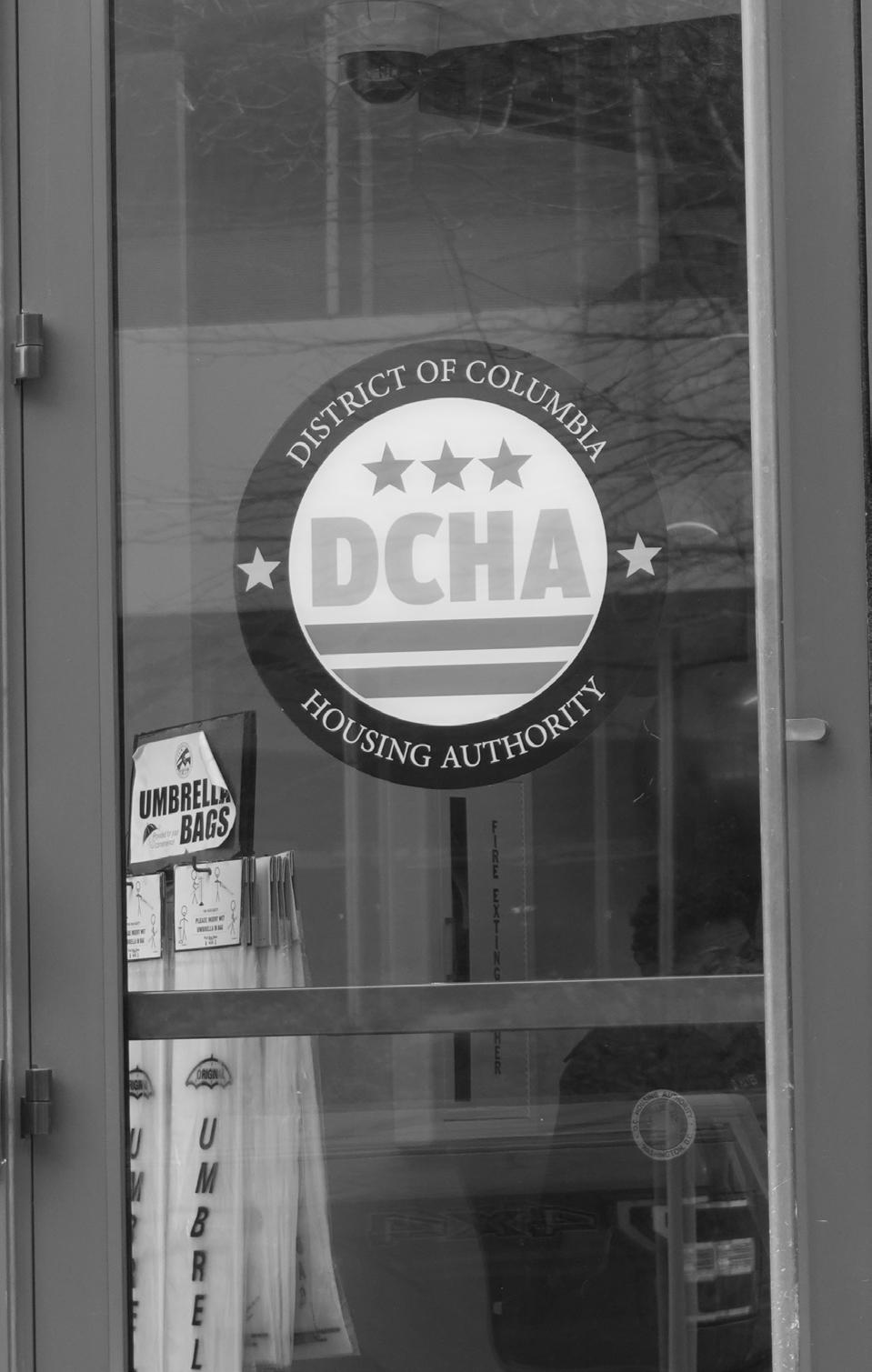
or several years, the D.C. Housing Authority (DCHA) has been under fire for violations of federal policy, slow auditing, and a lack of communication with tenants and landlords. The agency, which runs both public housing and the voucher programs that supply thousands of low-income D.C. residents with housing, has been working to resolve these concerns, but many residents say they remain unsatisfied with the agency.
FOn Feb. 25, the D.C. Council hosted an 11-hour annual oversight hearing on DCHA. The event gave the agency the opportunity to respond to these continued concerns, laying out the groundwork for how DCHA plans to improve its services to low-income tenants. Here are four key takeaways.
1. Failures in communication with tenants continue, leading to a struggle to find and keep housing
A recurring theme across the seven hours of public witness testimony was inconsistent communication from the agency, particularly when addressing questions raised by people it serves. Witnesses said communication with DCHA could take months, as evidenced by pages-long email chains. Residents said they felt out of the loop about the status of their public housing complexes, especially those facing remodeling or other large-scale updates. Sometimes, those communication breakdowns threaten people’s housing.
“I put everybody — their mother, father, uncle, aunt — on the email to see that we are in need of help. Nobody threw a raft in to save me,” Velle Perkins, a witness who said she recently lost her voucher due to her landlord’s failure to submit proper paperwork, said. “I could be evicted any day.”
Residents like Perkins reported issues with both their landlords and agency-assigned housing specialists, particularly when it comes to paperwork submissions and response rates. This can cause vouchers to be delayed or declined, leaving people without reliable housing.
“I wanted to find out why I was denied, because it was not explained to me. They told me, ‘Because your landlord did not upload certain documents,’” Perkins said. “I did not know this was going to be a nightmare.”
According to DCHA, when voucher holders are moving in or recertifying their eligibility for the program, landlords must submit some parts of the voucher paperwork. When this paperwork is not submitted, tenants should notify their landlord to fix it, though the agency said it has had issues getting in contact with some landlords.
Voucher holders may also work with DCHA housing specialists, who are the primary point of contact for tenants in the housing voucher program. But the specialists are understaffed and overworked, according to the agency and its union. There are currently 57 housing specialists covering nearly 20,000 units, leaving oversight of 300 units to a single specialist, which can delay responses.
Anton Shaw, director of the Housing Choice Voucher Program, said he has worked to improve response rates through weekly reports and an accountability document, signed by staff.
“That accountability document requires them to do their jobs,” Shaw said. “And to understand what their requirements are.”
In response to broader concerns about communication, DCHA Director Keith Pettigrew said the agency has received customer service training, though he plans to increase training
in response to the testimonies. The agency is also working to reorganize its website to better communicate building updates and clarify proper channels to get help.
“We’re not perfect. Our executive director has given us the charge to improve our customer experience, not just customer service. And to do that, it’s just going to take some time,” DCHA Director of Customer Engagement Cheryl Robinson said. “But at the same time, we’ve made some significant improvements in my opinion.”
Housing Committee Chair and At-large Councilmember Robert White pressed agency representatives for updates on findings that allege the misuse of millions of taxpayers’ dollars, discussed at a Jan. 27 roundtable.
Since that hearing, DCHA has established an interim chief of the Office of Audit and Compliance (OAC), Randy Sherard, to review the findings of alleged financial mismanagement.
Sherard reported his office is still working on the allegation of stale checks, but has closed seven other allegations, including unsupported bank transfers, though he did not describe the findings. The OAC is continuing to address the failed distribution of penalties under the Davis-Bacon Act, which the agency said was due to difficulties finding the people owed money.
The timeline for closing the last issues should be a few weeks, according to Sherard. However, a final report on the allegations is not expected until June, as DCHA must first complete its audit for fiscal year 2025 first. Sherard said that the agency is putting in its utmost effort to comply and complete the process.
Witness testimony raised concerns regarding rent reasonableness, a process through which DCHA ensures the rent for voucher holders is fair with market prices and the state of the unit. This process is legally required, but it can cause the agency to reject apartments voucher holders want to rent and slow the process. Susan McClanahan, the fair housing director at the Equal Rights Center, who testified at the hearing, said the agency deemed 55% of units in 2024 to not be rent reasonable, delaying the process for tenants and landlords, who also raised concerns.
“What we were told as of last week was we could not move forward to the inspection until the rent reasonableness is done. And I don’t understand why we need to revisit a rent reasonableness when literally three weeks earlier, two weeks earlier got a rent reasonableness,” Maria Reddick, a real estate broker whose prospective tenant is waiting for an apartment, said.
DCHA said a rent reasonableness determination should take as little as 15 to 20 minutes, while the appeals process can take multiple weeks. The agency said the process should not take months, and it will work to address cases when it does. DCHA also said unit denials due to failures in the inspection process of a unit, such as poor housing conditions, “far outpaced” denials due to rent reasonableness, but the agency must comply with market standards for rent costs.
As of Jan. 9, DCHA no longer covers security deposits for voucher holders moving into apartments. This is the first time the program has run out of funds after 2,000 voucher holders moved in in the past year, according to the agency. Moving forward, families will have to pay their security deposit out of pocket.
Rent increases for landlords renting units under the voucher program have also been indefinitely paused, as the agency awaits its budget from the Department of Housing and Urban Development (HUD). DCHA expects to receive its budget in May and has been operating with only a few months’ notice on available budget amounts.
Last year, HUD also mandated a review of the immigration status of all residents in federally funded programs to verify units were occupied by families eligible for housing assistance. This includes citizens and eligible non-citizens, as well as some mixed-status families. Documentation from all properties has been submitted, and the agency has no concerns any units will be denied eligibility.
The Committee on Housing will hold a budget hearing with DCHA in the coming months, where the agency and committee may have updates on progress regarding the financial audit findings and improving issues like customer service and communication. More information can be found at https://lims. dccouncil.gov/hearings/.
KATIE DORAN Pasante editorial
l verano pasado, un residente de Washington D. C. buscaba apartamentos para alquilar con el cupón de vivienda que acababa de recibir. El hombre, que Street Sense no nombra para proteger la privacidad de su familia y la organización de ayuda con la que trabajaba, nació en El Salvador. Sus padres lo trajeron a Estados Unidos hace más de 20 años, cuando tenía ocho años. Tras años en el sistema de servicios para personas sin hogar, estaba a pocas semanas de tener una vivienda permanente, según una directora de grupo de servicios para personas sin hogar que trabajó con él. Luego vino la intervención federal en Washington D.C.
EEn agosto, el Servicio de Inmigración y Control de Aduanas (por sus siglas en inglés, ICE) deportó al hombre, afirmó la directora. El mes pasado, fue asesinado en El Salvador.
“Tanto la deportación como su asesinato son, obviamente, muy impactantes”, expresó la directora. “Esto demuestra los costes humanos muy reales que las deportaciones—que el ICE—están teniendo en todas estas personas y en todas estas comunidades”.
La directora pidió no ser nombrada para proteger a la organización y sus clientes de las represalias del ICE. Su cliente, que fue asesinado en El Salvador, es solo una de las decenas de personas sin hogar o en situación de inseguridad en materia de vivienda en el distrito que se han visto afectadas por las deportaciones del ICE desde verano.
Las detenciones del ICE en Washington D.C. aumentaron a unas 30 diarias durante la intervención de poder federal en agosto y se mantuvieron en números altos durante las semanas siguientes. Los datos, extraídos del Deportation Data Project (Proyecto de Datos sobre Deportaciones), solo están disponibles hasta mediados de octubre. El grupo obtiene sus cifras mediante solicitudes realizadas al ICE en virtud de la Ley de Libertad de Información y el ICE no ha actualizado el panel de información público de deportaciones desde que Trump asumió el cargo. No hay una lista exhaustiva de personas sin hogar que hayan sido deportadas o estén en el punto de mira del ICE. Pero desde la intervención de poder, las deportaciones y la presencia del ICE en Washington D.C., especialmente cerca de lugares que prestan ayudas, han profundizado el temor entre las personas sin hogar y con inseguridad en cuanto a la vivienda y han dificultado el acceso a los servicios de ayuda.
Chewy, un inmigrante indocumentado de Washington D.C. que pidió no ser identificado con su verdadero nombre para protegerse de ser objetivo del ICE, se ha mudado recientemente a una vivienda gracias a un cupón de vivienda. (Aunque los programas federales de vivienda suelen exigir que las personas sean ciudadanas, los programas con financiación local ofrecen cupones a los residentes de Washington D.C. que no lo son). Chewy confesó que muchos de sus amigos que tampoco tenían hogar fueron deportados.
“La mayoría de ellos, gente con la que me juntaba cuando era un sintecho, ya han sido deportados”, añadió Chewy. “Mi reacción es como, ‘Guau’, ¿sabes? Son personas. Eran amigos cercanos”. No está claro si el ICE se ha centrado intencionadamente en las personas sin hogar de la ciudad. En enero, la concejala del distrito 1, Brianne Nadeau, publicó un informe sobre el impacto de la intervención federal, argumentando que la policía
de Washington D.C. perdió la confianza ciudadana al colaborar con el ICE. El informe, elaborado tras una mesa redonda pública celebrada el pasado otoño, no recogía las repercusiones del ICE en las personas sin hogar.
“No oímos ni en la sesión ni en otras declaraciones que la aplicación de la ley de inmigración se haya centrado en las personas sin hogar”, escribió Nadeau a Street Sense en un correo electrónico. Sin embargo, debido al tiempo que pasan en espacios públicos, las personas sin hogar pueden correr un alto riesgo de ser detenidas por el ICE, según la abogada supervisora de Legal Aid DC Deepa Bijpuria.
“El ICE ha detenido a personas únicamente por su raza, idioma u otro indicio percibido de su situación como inmigrante. Cuando el mero hecho de ser visible es un riesgo, las personas que pasan gran parte de su tiempo en la calle son extremadamente vulnerables”, escribió Bijpuria en un correo electrónico a Street Sense.
Los trabajadores que prestan ayuda a los sintecho también contaron a Street Sense que han visto cómo deportaban a clientes con situaciones de vivienda diferentes, desde durmiendo a la intemperie hasta cuando habían recibido una vivienda permanente.
La directora del programa de ayuda a personas sin hogar afirmó que al menos seis clientes de su organización fueron deportados tras completar el proceso para acceder a una vivienda permanente financiada por el gobierno en Washington D.C., trámite que normalmente lleva al menos dos años. Ese proceso “no es fácil, independientemente del estado de la documentación”, dijo. “Es desgarrador. Mucha de esta gente ha luchado incansablemente para cumplir con el sistema y hacer todo de la ‘manera correcta’ y, aun así, siguen siendo deportados”.
A veces, los seres queridos de una persona solo se enteran de que el ICE la ha detenido o deportado a través de publicaciones en las redes sociales, de charlas en grupos comunitarios o de noticias. Un trabajador social dijo que se enteró de que un cliente había sido deportado porque el ICE publicó un vídeo en Facebook en el que se le veía esposado y metido en un coche. “Para la comunidad en su conjunto, para los amigos y familiares de las personas que se enteran de las deportaciones a través de videos en línea que circulan, es realmente horrible”, expresó la directora de alcance a personas sin hogar.
Cuando deportan a alguien, sus seres queridos y su comunidad en Estados Unidos a menudo tienen que vivir con la incertidumbre de no saber qué les ha ocurrido. En algunos casos, la directora ha podido contactar con personas deportadas o con sus familias para “confirmar que están vivas, como mínimo”, dijo. “Pero de muchos otros, no tengo ni idea de qué les ha pasado. Si están bien, si están vivos, nada”.
En Chicago, Nueva York y otras ciudades, el ICE se ha centrado en personas sin hogar y patrullan fuera de los albergues o entran en ellos. En Washington D.C., algunos trabajadores sociales y residentes de los albergues confirmaron a Street Sense que habían notado una mayor presencia del ICE o de la Guardia Nacional cerca de los albergues y de los proveedores de servicios para personas sin hogar, especialmente durante la intervención de posesión federal.
“Cuando la operación se puso en marcha, [el ICE y otros agentes federales] no entraban en los locales, pero sí se quedaban fuera de los lugares que sabían que frecuentaba la gente”, explicó la directora.
Este otoño, el ICE también detuvo a varias personas que vivían en el centro de acogida para hombres de New York Avenue en las manzanas de alrededor del centro, según contaron los residentes a Street Sense. Según los residentes, algunos fueron detenidos al acudir a buscar trabajo en el Home Depot de la zona, que se había convertido en un punto frecuente de control de agentes de inmigración.
“Esos tipos estaban trabajando, ¿sabes lo que quiero decir”? Gerald, residente en el albergue en New York Avenue, exclamó sobre los detenidos. Gerald y otros residentes estimaron que, entre agosto y noviembre, decenas de personas—más de 40—fueron detenidas por ICE o no regresaron al albergue tras las operaciones de control migratorio en la zona.
Aunque algunos residentes afirmaron haber visto a agentes del ICE entrar en el refugio, otros dijeron que los agentes no llegaban a entrar, sino que estaban a veces por los alrededores del edificio o en el callejón que hay detrás. El Departamento de Servicios Humanos de Washington D.C. (DHS), que supervisa los refugios, y la oficina del alcalde declinaron hacer comentarios sobre esta historia, incluidas las preguntas sobre si el ICE había entrado en los refugios o había frecuentado cerca de ellos.
A nivel nacional, los agentes del ICE no pueden entrar en espacios privados, como zonas privadas o restringidas de los albergues o centros de servicios, sin una orden de registro o sin consentimiento para entrar.
En Washington D.C., una guía del DHS que estuvo disponible en línea hasta este mes instruía a los trabajadores a pedir órdenes judiciales si el ICE quería entrar a un refugio o centro de servicios. Si un agente del ICE entraba en las instalaciones sin una orden judicial, los trabajadores tenían que documentar el incidente. Las directrices les indicaban que “nunca se debían enfrentar ni frenar a un agente del ICE”.
Estas orientaciones estuvieron a disposición del público desde al menos 2022 hasta mediados de febrero; cuando se pidió la confirmación de si el documento seguía actualizado, un portavoz del DHS se negó a comentar. El documento de orientación ha sido retirado.
La actividad del ICE ha creado un “ambiente de miedo” en el distrito, escribió Bijpuria de Legal Aid DC en su correo electrónico. “La gente tiene que hacer cálculos imposibles sobre si solicitar prestaciones y así convertirse en un objetivo potencial”. El miedo a ser objetivo del ICE no solo afecta a los indocumentados, sino también a muchos latinos e inmigrantes con documentación legal. La directora del programa de ayuda a personas sin hogar dijo que tiene clientes—entre ellos, dos personas sin hogar—que están en Estados Unidos legalmente, pero han sido detenidos por el ICE en varias ocasiones, a veces durante varios días.
La ansiedad que suscita la presencia del ICE en el distrito puede disuadir a los inmigrantes y a los latinos sin hogar o que sufren inseguridad en cuanto a la vivienda de buscar recursos y servicios. “La gente tiene miedo, incluso de ir a los centros de servicios, de acceder a la vivienda, de acceder al seguro médico, porque temen que esto les ponga en peligro”, dijo Sierra Barnedo, gestora de programas de realojamiento rápido y divulgación callejera latina en SMYAL, un proveedor de servicios para jóvenes sin hogar. “Los servicios que teníamos ya eran de difícil acceso para la gente que no hablaba inglés”.
Las personas sin vivienda temen ser objetivo del ICE ya vivan en albergues o a la intemperie, pero también temen encontrarse
con el ICE durante el largo proceso de intentar acceder a una vivienda. Ese proceso implica reunirse con los gestores de casos o, en ocasiones, presentarse ante distintas oficinas gubernamentales.
Los que tienen vivienda, como Chewy, pueden sentirse desanimados a la hora de acceder a otros servicios esenciales. “En realidad no salgo mucho si no es necesario, pero cuando debo ir al médico, tengo que estar pendiente del ICE y de otras cosas, o cuando tengo que ir a comprar. Y da miedo”, dijo.
Según los trabajadores de servicios de alcance social, la actividad del ICE ha obligado a sus organizaciones a reducir la visibilidad de su labor, sobre todo en reuniones y eventos que podrían exponer a sus clientes.
“El ICE ha alterado nuestra manera de trabajar, tal vez de forma permanente”, dijo un trabajador social, añadiendo que su organización ya no comparte públicamente información sobre sus eventos, incluidos los que pueden proporcionar alimentos, ropa de abrigo u otros artículos de primera necesidad. “Ya no publicamos nada... al público en general, en absoluto”.
Barnedo afirmó que el SMYAL ha incrementado sus esfuerzos para ofrecer asistencia de transporte en los eventos, con el fin de ayudar a los clientes a sentirse más seguros para asistir. Además, destacó la importancia de que las organizaciones de divulgación cuenten con personal hispanoparlante.
“Ahora más que nunca necesitamos gestores de casos que hablen español”, pidió Barnedo. “La gestión de casos y la competencia cultural necesarias para trabajar con estas poblaciones no es algo que, sinceramente, la mayoría de quienes trabajan en el sistema tengan”.
Aunque los trabajadores de divulgación coincidieron en la necesidad de más servicios bilingües, también afirmaron que las organizaciones de ayuda no pueden hacer mucho para mitigar el impacto del ICE y el miedo que lo rodea.
“Esto es simplemente una operación diseñada para dañar y asustar a las personas”, declaró la directora de alcance social. “El impacto es insondable, no solo en mis clientes, sino en la comunidad en general”.
Annemarie Cuccia contribuyó. Este artículo originalmente fue publicado en inglés y fue traducido con la ayuda del INSP y Translators Without Borders.
We originally ran this story in English. If you missed it, you can read it on our website!
AUBREY BUTTERFIELD Editorial Intern
As D.C.’s Housing Production Trust Fund (HPTF), the city’s main tool for financing affordable housing, nears 25 years of activity, some lawmakers are proposing a potential successor.
A bill by Ward 1 Councilmember Brianne Nadeau and At-large Councilmember Robert White would sunset the HPTF and instead launch the Housing Opportunity Fund, a new financing system for building and protecting existing affordable housing in the District. The five-account setup, according to Nadeau, would ensure funding is properly distributed to better support affordable housing.
Currently, the District is needs more affordable housing units to meet the demands of D.C. residents. Over 40% of all D.C. renters are rent burdened, and resources that can help people afford housing, like voucher programs, are limited, leading to a widespread push for more housing in the city.
Between 2015 and 2022, the HPTF funded over 9,000 affordable units in the city, and, according to Mychal Cohen, the senior policy analyst at the D.C. Fiscal Policy Institute, has been a reliable mechanism for funding affordable housing. But the fund has struggled to secure deeply affordable housing for District residents most in need. In years past, under 20% of HPTF funding was utilized for deeply affordable housing.
“There’s a requirement for a certain amount of the funding to go to deeply affordable units, so that’s units that are affordable to households making 30% of the area median income,” Cohen said. “The trust fund has pretty routinely failed to meet that funding goal for deeply affordable units.”
This is one of the ways supporters hope the Housing Opportunity Fund would improve on the current system, as well as increasing transparency surrounding approved projects and better targeting funds for affordable housing.
Reforming the city’s housing support structures, Nadeau said, has been a long time coming.
“We ultimately determined that D.C.’s housing investments and strategies have not kept up with the need, and that we needed a comprehensive reform of housing finance in the District. And so that’s what this bill is,” Nadeau said.
According to Nadeau, this has been the first time since the HPTF was created almost 40 years ago the city considered new options for affordable housing. (While the HPTF was created in 1988, it did not receive any funding until 2002. Today, the fund operates on $100 million annually, an amount Mayor Muriel Bowser has committed to providing since 2015.) While policy experts have been wary of calling the new bill a “replacement” of the fund, the bill features a high-level restructuring of the current affordable housing support system.
The fund, which lawmakers hope would receive $150 million in funding annually, would be divided into five accounts: Housing Production, Preservation, Tenant Purchase Support, Affordable Housing Subsidy, and District Acquisition. The Housing Production Account would be dedicated to the creation of new homes and apartments, while the Preservation Account would work to keep existing affordable housing in place.
The Tenant Purchase Support Account, meanwhile, would help residents buy their buildings under the Tenant Opportunity to Purchase Act, which, according to Nadeau, has received no funding recently. To ensure these homes remain affordable, the Affordable Housing Subsidy Account would work to provide deep affordability for lowincome households.
The fifth account in the bill, which Nadeau referred to as her “pet project,” would enable the District to invest its money in affordable housing by purchasing land with the intention of selling to a developer of affordable housing units, further expanding options in the District.
The District Acquisition Account, alongside tools allowing the city to purchase and lease land to developers and tenants in high-need areas, is designed to support housing development at every step.
“It’s really the whole picture and the whole spectrum of what we need to do to be building enough housing here in the District of Columbia,” Nadeau said.
The bill will also enable the District to invest retirement funds in affordable housing, which has been illegal since the 1970s. According to Nadeau, its prohibition was the result of a misused preposition within the law that outlawed it.
“We think that it really was intended to not be investing in public property, not any housing in the District of Columbia,” she said. “It’s been a missed opportunity ever since.”
Other features of the bill include an increase in transparency. For Nadeau, having open-access records of which projects have applied for the fund’s support — and which have received it — is a crucial step in bridging the gap of understanding between contractors and distributors of funds.
“We’ve seen that people who don’t win projects don’t understand why. There’s always been a backlog, because there’s more projects, there’s more demand than there is money,” Nadeau said.
Cohen anticipates the bill could solve the issue of meeting requirements for deeply affordable housing, particularly because splitting the fund into five accounts increases transparency. He said other aspects of the bill, such as anti-displacement and relocation strategies for tenants in rehabilitated housing, are vital to the overall mission of protecting lowincome residents.
“I think that’s like a really thoughtful piece of ensuring that tenants have clarity and understanding about how they’re going to get back into their units, how they will not be displaced,” they said.
These additions, he believes, are promising signs for the future of affordable housing in the District.
“It does a few things that I think are really sort of innovative possibilities that aren’t required in the legislation, but would allow an administration to pursue those kind of unique progressive opportunities to create more affordable housing in the city,” they said.
The next step for the Housing Opportunity Fund is a hearing in the D.C. Council Housing Committee, which is scheduled for March 30, at 10 a.m. The hearing can be viewed at lims.dccouncil.gov/hearings/.
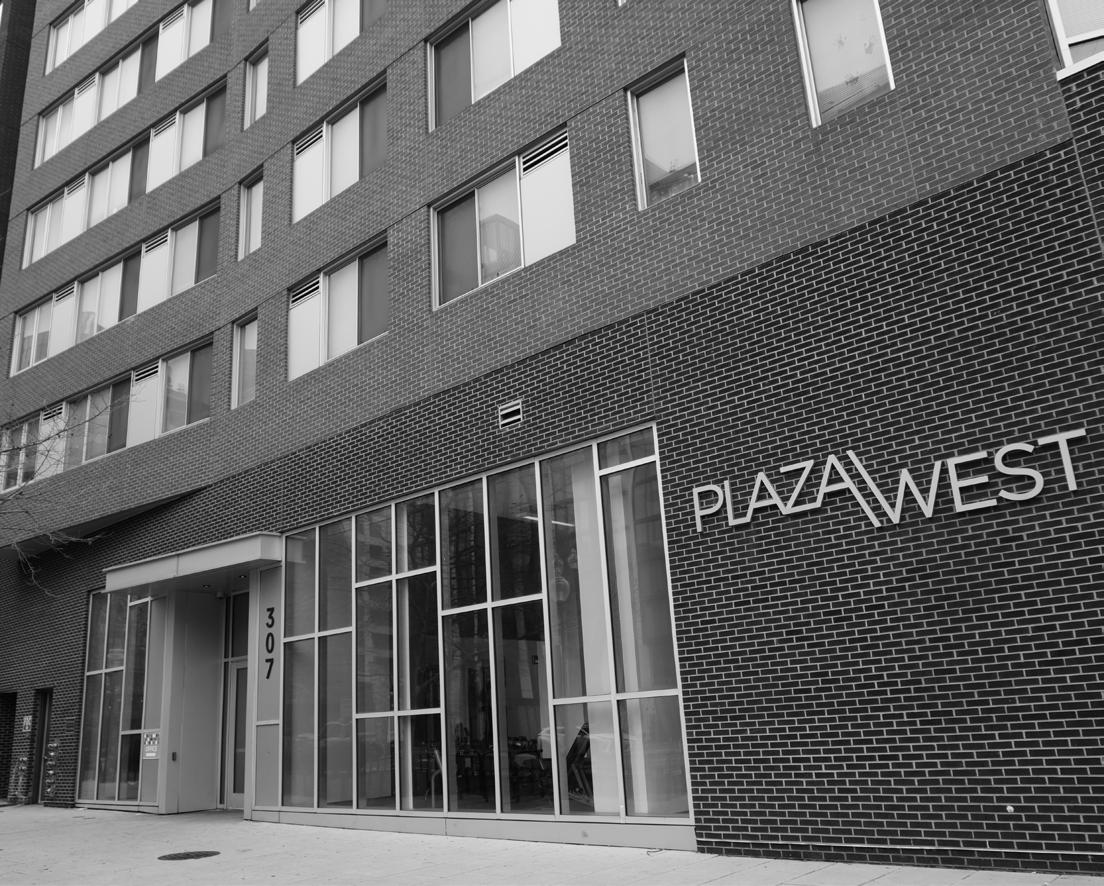
More than half a dozen local advocates slammed the November rollout of D.C.’s Emergency Rental Assistance Program (ERAP), calling the city’s approach to connecting residents with emergency support “chaotic,” at an oversight hearing late last month.
Multiple local organizations advocating for D.C.’s low-income and unhoused population, including Legal Council for the Elderly and The Coalition for Nonprofit Housing and Economic Development, testified at a Feb. 26 Committee on Human Services hearing, criticizing the D.C. Department of Human Services’ (DHS) use of an appointment-based system for ERAP. Advocates shared stories of individuals looking for assistance standing in long lines for hours when the program opened for applications on Nov. 20, only to be turned away when appointments ran out midway through the day.
“With less than two weeks’ notice, DHS replaced a long-standing online application system with an appointment-only process that forces residents to stand outside in the cold for hours or repeatedly calling phone lines that simply did not work,” said Sunny Desai, a managing attorney with Legal Counsel for the Elderly (LCE).
ERAP, which is run by DHS, provides funding for overdue rent, security deposits, and the first month’s rent to D.C. residents who earn less than 40% of the Area Median Income (AMI) and are facing a housing emergency, according to the program’s website. Despite D.C. residents showing a high level of need for housing assistance, the city has reduced funding for ERAP over the past few years. The District allotted $63 million in funds for ERAP in fiscal year 2024, but dropped it to $8.6 million for fiscal year 2026. City officials, including the mayor, have said many people who apply for the program are not facing emergencies, but rather in housing they can’t afford long-term, which is not the issue they say ERAP is designed to solve.
In the past, people seeking help applied for ERAP via an online portal, which opened either once every three months or once a year. In 2024, residents applied for more than $20 million in rental assistance in less than six hours, causing the portal to close for the rest of the fiscal year. Individuals reported issues accessing and completing their application through the portal, prompting DHS to change the process for the next year to be largely in-person.
In November, DHS told Street Sense the change was designed to increase transparency, provide applicants with more up-to-date information on funding availability, and improve the eligibility and payment processing timeline. D.C. officials also said they hoped the new system would help keep ERAP open to applicants for longer, though that did not happen.
“There’s been repeated implementation problems in the past when it was an online-only system. There’s multiple reports in the past of not being able to get through the online system, of the portal closing in 20 minutes sometimes,” Desai said at the hearing. “So DHS was well aware that demand for this program is very high.”
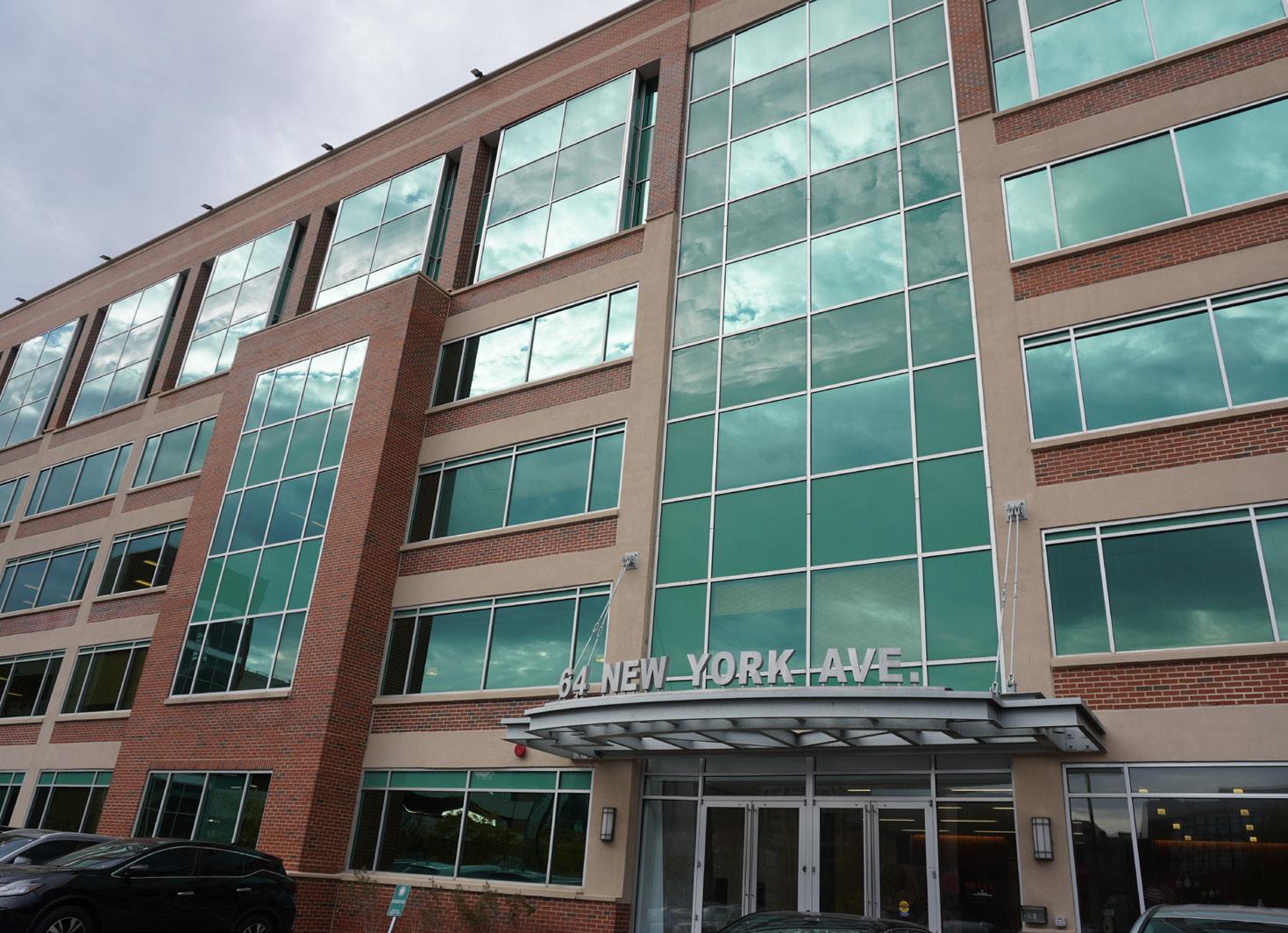
On Nov. 20, hundreds of low-income residents arrived at the Virginia Williams Family Resource Center to apply for ERAP and waited for hours in a line that went from the front doors of the building, through the parking lot, down the street, and around the corner. Some were turned away and told all appointments had been filled.
At the second half of the oversight hearing, on March 6, DHS Director Rachel Pierre fielded questions from Ward 3 Councilmember Matthew Frumin. Pierre said DHS does not want a repeat of what occurred last fall in the upcoming fiscal year, but did not confirm specific changes with the agency would make for when ERAP reopens in fiscal year 2027.
Pierre said DHS has “lessons learned” after the rollout in November and may consider adding a platform where individuals could schedule an appointment online, as opposed to only in person.
“Obviously, in the fall, we wanted to be able to do both. The phone lines sort of crashed, so then more people came in person,” Pierre said. “So we would look to make sure that what happened in the fall does not happen again.”
Kyle Rush, a staff attorney with LCE, said support staff experienced firsthand that the process was a “complete nightmare.”
“DHS forced people with mobility concerns to wait without proper cover or access to proper facilities for their medical needs,” Rush said. “Some people left the event, stating that rental assistance was not worth putting their health at risk.”
Those who testified on Feb. 26 highlighted specific concerns about the process, including challenges for non-English speakers and people with disabilities, that they hope will be considered as DHS plans for its ERAP rollout in fiscal year 2027.
Mr. M is a Spanish-speaking 60-year-old man from Ward 4 and one of LCE’s clients, Rush said. Before Nov. 20, Mr. M was told to call in for an appointment and not physically attend, as interpreters would not be provided in person. He began calling at 9 a.m., as he had been instructed, but could not reach a staffer. Shortly after, the phone lines jammed.
“At that point, it was too late for Mr. M to attend in person, even if interpreters had been available,” Rush said. “Mr. M was deprived of ERAP simply because he’s a Spanish speaker.”
Rush also talked about Mr. R, a 71-year-old man from Ward 8. Mr. R commuted for over an hour to the event site and was told everyone would be given an appointment in due time. However, DHS did not have enough slots available. When DHS began calling residents to create a second line specifically for individuals with disabilities or mobility and health issues, Mr. R felt bad about joining it, as he thought others at the event had greater physical limitations than he did.
“Because Mr. R was a good Samaritan, DHS could not provide him with the assistance, and now he continues to face an eviction as a result,” Rush said.
Individuals with disabilities and mobility issues faced significant challenges throughout the day while trying to get an ERAP appointment. In his testimony, Rush said lines to get into the building ran down both ramps, forcing people to use stairs as their only exit.
“Our team witnessed bystanders carrying multiple individuals with disabilities down the stairs, including those in wheelchairs,” Rush said.
In addition to critiques of the fiscal year 2026 rollout, some advocates asked for broader changes in ERAP’s structure.
Maya Brennan, the chief housing officer at The Coalition for Nonprofit Housing and Economic Development, said ERAP opening applications all at once, as it has in the past few years, may be impeding its effectiveness. Before the COVID-19 pandemic, ERAP operated with a rolling application process, which Brennan said was more effective and allowed residents to apply for assistance when they needed help, and housing providers to get rent sooner.
“We believe the ERAP system overcorrected after the pandemic-era rules ended. We would like to see program administration and application processes return to these pre-pandemic norms,” Brennan said.
Lawmakers will soon decide the fate of the program in the fiscal year 2027 budget, and advocates urged them to increase funding for the program, something that might be a challenge in a tight budget year. Pierre noted in her testimony DHS still denies a substantial percentage of applicants the program, suggesting ERAP is not the most successful intervention for all residents seeking rental assistance.
Andria Chatmon, a community organizer with Empower DC, said the “predictable” failure of the ERAP rollout in November and D.C.’s steady disinvestment of the program show the city is “getting comfortable” with displacement.
“ERAP keeps residents housed. It’s a simple program that works.” Chatmon said. “We should not be content as a city with allowing people to be evicted who we could keep housed with one-time funds.”
is preparing to implement new SNAP work requirements this May. Here’s what to know.
ELIZABETH SHORT Editorial Intern
he D.C. Department of Human Services (DHS) announced the District will implement new Supplemental Nutrition Assistance Program (SNAP) work requirements on May 1, following the Trump administration’s changes to federal policy. The city says these new requirements will apply to 17,000 D.C. residents. Changes to SNAP will primarily impact adults without children, older adults, caregivers for children aged 14-17, people transitioning out of foster care, veterans, and unhoused people.
TDHS will screen current SNAP recipients during their next recertification after May 1, on a rolling basis. There’s a threemonth grace period, meaning D.C. residents will receive benefits until the end of July, even if they don’t meet the new requirements. After three months, though, recipients who don’t meet the requirements or show they have an exemption, like raising a young child or having a disability, will be disqualified from the program. According to DHS, once someone is disqualified, they will not be able to receive benefits again until 2029, unless they begin to meet the work requirements or can show they have an exemption.
The city has estimated up to 12,900 people could lose their benefits under the new requirements, but even more people could be impacted due to confusion about the changes, said Nicole Dooley, supervising attorney in the public benefits law unit at Legal Aid DC. The changes are coming at a time when food prices are rising due to inflation, and D.C. is cutting other local benefit programs.
“SNAP is a lifeline for D.C. residents,” Dooley said. “It’s low for the amount of money that people have to spend on food for their families, but it’s so necessary… to meet those basic needs. To link it to meeting these work requirements is just not the direction that we should be going in right now.”
On July 4, 2025, President Donald Trump signed HR-1, also known as the “One Big, Beautiful Bill Act.” The Republican tax bill introduced work requirements for Medicaid recipients, reduced federal spending on SNAP and Medicaid, and increased work requirements for SNAP recipients. Under the bill, asylum seekers and refugees will also lose SNAP eligibility unless they have lawful permanent resident status.
In the biggest change affecting D.C., the bill discontinued a waiver that exempted states with high unemployment rates from implementing work requirements for able-bodied adults without dependents (ABAWD). D.C. received this waiver in February 1999, and it was renewed annually until the end of 2025. Updated ABAWD work requirements began in most states late last year, with the waiver delaying implementation in D.C. till the spring. Starting this year, most D.C. residents considered ABAWDs will be required to work or be in an approved training program 80 hours a month, or participate in the SNAP Volunteer Program, and report this to the government. All adults who are 18-64 years old and who do not have an exception (including having a verified disability, being pregnant, caring for a relative, receiving unemployment, meeting TANF work requirements, or having a child under 14) will have to meet new work requirements. D.C. has no say in these changes.
The federal bill also removed exemptions for several groups of able-bodied adults. The bill requires older SNAP recipients, between 60 and 65, previously exempt from work requirements, to return to work or volunteer in a job market that is more difficult to navigate for older adults in order to continue receiving benefits. The requirements will also force more parents to work, by lowering the age of youth considered dependent from 17 to

14, making their parents or guardians no longer exempt from work requirements.
The federal bill also removes exemptions for unhoused people, veterans, and people transitioning out of foster care –groups which were exempt from previous work requirements. Seeking employment, unhoused people face discrimination and systemic barriers. Basic requirements for applying to jobs, such as having an address, ID, and access to professional clothing, can be barriers to employment for people experiencing homelessness.
In the District, the changes will “put a lot of households at risk,” said LaMonika Jones, director of D.C. Hunger Solutions. “The majority of SNAP clients are already working, but it doesn’t take into account the dynamics that exist within a particular state [territory, or district], D.C. being one of them.”
If people do not meet ABAWD work requirements, they will lose benefits after three months. In order to be eligible for the program again, they must begin to meet the work requirements. If someone is not able to meet their requirements because of a one-time event, like an illness or car trouble, they can report it to DHS and may be able to keep their benefits.
At a March 6 hearing, DHS Director Rachel Pierre testified that to prepare for these changes, D.C. extended slots in its SNAP Employment and Training program, which helps recipients find jobs, and is working with community members to help document when they are giving back to the community. The DHS website includes information on how to connect with the training and volunteer programs.
According to Brookings, there is little correlation between SNAP work requirements and increased employment. Instead, there is a large decrease in the number of people who use SNAP. In a March 6 DHS performance oversight hearing, officials predicted between 8,500 and 12,900 people would lose SNAP benefits due to federal changes.
Because D.C. is a high minimum wage jurisdiction, simply working a minimum wage job in D.C. could disqualify some people from SNAP benefits, depending on family size. But D.C. also has a high cost of living. Ward 3 Councilmember Matthew Frumin questioned DHS officials about these issues during the hearing.
Brian Campbell, administrator for DHS’s Economic Security Administration, said the goal of DHS is to get people employed.
At the same time, “We want to make sure that we help people keep their SNAP benefits as much as possible,” Pierre said.
But some people affected say they understand the change.
“They should have done that a long time ago because it’s not right that you’re skimping the government off of the food stamps,” said
Cynthia Herrion, a vendor at Street Sense. “A lot of people get caught up with that now. It’s a good thing that it’s happening this way.” Herrion, 69, receives $30 in SNAP benefits monthly, in addition to Medicare food allowances. She usually spends this money on “the main groceries everybody else gets:” fish, chicken, fruit, frozen vegetables, water, and eggs. Before she retired, Herrion worked for the Westin Hotel on 14th and M St. as a supervisor for laundry. While Herrion will not be impacted by the changes because of her age, she knows other older people who’ve been confused by the process.
This winter, DHS sent a notice to all D.C. SNAP households of these changes, including to many residents who will not be impacted by the changes, but then thought they would be. According to DHS’s webpage, the agency is informing all recipients about the changes, whether or not they will be impacted by them.
“A lot of people, even the elderly, they don’t understand…I wish they would send letters out to, mainly the seniors, because they’re confused,” said Herrion. “They don’t know what’s what.” Legal Aid’s Dooley also said there could be “hiccups” with implementation, as there could be issues with providing certification and processing documents to verify somebody meets these work requirements. Because of these reasons, Dooley said she expects some people to lose coverage even if they meet work requirements or are exempted.
The tax bill also changes how SNAP benefits will be calculated, which may lead to some people receiving less each month. Previously, DHS used the maximum standard utility allowance for most SNAP households in D.C., allowing them to receive a higher level of benefits. Now, recipients, except for older adults and disabled people, will have to provide documentation to receive these benefits.
This “will ultimately decrease the amount of SNAP benefits that a household will receive, making an issue for households to afford groceries,” said Jones.
Work requirements are coming to D.C. alongside significant cuts to local benefits. The city substantially cut D.C. Health Care Alliance and created new eligibility requirements, restricting access to health care for low-income and undocumented residents. Additionally, D.C.’s budget includes significant cuts to Temporary Assistance for Needy Families, which will begin in October.
Tazra Mitchell, chief policy and strategy officer at D.C. Fiscal Policy Institute, warned of the impacts of these changes during the Feb. 26 DHS performance oversight hearing. “These SNAP changes are coming at a time when we’re facing likely the largest cut to D.C.’s local safety net in a generation,” she said.
JEFFERY MCNEIL
As winter fades and March Madness begins, people start putting away their ice skates and instead start dribbling basketballs. Spring arrives, the NBA playoff picture forms, and the same question returns like clockwork: Who is the NBA’s greatest of all time (GOAT) — Michael Jordan or LeBron James?
I’m here to say: wait a minute. Let’s not reduce the GOAT debate to two names without giving context to the rules, eras, and structure.
Jordan and LeBron are two of the greatest basketball talents ever. But could they dominate in every era? And if Oscar Robertson had played for the Celtics or Lakers instead of a franchise that couldn’t build around him, would this debate even look the same?
Kareem Abdul‑Jabbar was drafted by an expansion team and won a championship in year three. Jordan spent his first eight seasons putting up scoring titles while the Bulls struggled to build a contender. LeBron walked into Cleveland and instantly transformed a lottery team. Yes, Jordan and LeBron could play in any era. But depending on the team, the system, and the rules, they might have been the go‑to guy or a complementary piece. That’s the part the modern debate ignores.

Basketball history didn’t start in 1990
There’s a growing attempt to rewrite basketball history as if it began with Jordan’s first ring in 1991 or LeBron’s arrival in Los Angeles. Before Jordan, Kareem, Magic Johnson, and Larry Bird were shutting him down. Before LeBron, the “Bad Boy” Pistons were beating teams into submission. I would put those ’80s Pistons up against any modern team.
I’m nearly 60. I grew up in New Jersey. My father took me to Rucker Park to see Dr. J, Pearl Washington, and street legends who could cook half the league today. When you’ve seen that kind of raw greatness up close, it doesn’t sit right when the GOAT conversation begins and ends with two players.
The game was different
Before today’s era, careers didn’t stretch comfortably into two decades. Fouls were real fouls — elbows, body blows, hard landings. There were no recovery labs, no load management, no guaranteed generational wealth. Players rode buses, worked off‑season jobs, and played 40 minutes a night because that was the job.
Wilt Chamberlain was so dominant the league widened the lane and adjusted rules to neutralize him. Kareem was so dominant the NCAA banned dunking, so he invented the skyhook — the most unblockable shot in NBA history. Shaquille O’Neal was so dominant he broke backboards and forced teams to change roster construction just to deal with him.
Context matters. Comparing eras is incomplete without acknowledging economics, rules, and medicine. You wouldn’t compare Babe Ruth to Shohei Ohtani without context. Basketball deserves the same respect.
How I judge greatness
For me, the real question is simple: Could this player dominate in ANY era? Not just produce numbers — dominate. Regular‑season stats measure production. Playoffs measure consequence.
So I ask: Did they rise when the lights were brightest? Were they bigger than the game? Did they change it?
Longevity is impressive, but there’s a difference between sustained excellence and extended presence. Some players build a myth that feels inevitable. When they have the ball, even a 20‑point lead doesn’t feel safe.
Tom Brady had that in football. Michael Jordan had that in basketball.
As a Knicks fan, I lived it. Up 20 didn’t matter. Up 30 didn’t matter. Jordan erased leads like pencil marks. He hit daggers and made the arenas silent.
LeBron is an all‑time great. But Jordan’s prime felt compact and absolute.
Jordan played nine full 82‑game seasons, logged heavy minutes, won 10 scoring titles, six Finals MVPs, and a Defensive Player of the Year award. He was the best player on the 1992 Dream Team — the greatest collection of talent ever assembled.
LeBron’s 10 Finals appearances are remarkable. But in a GOAT debate, closing carries more weight than participation.
Greatness isn’t accumulation. It’s dominance without interruption.
LeBron’s greatness stretched across eras, teams, and roles. Jordan’s felt inevitable. That doesn’t diminish LeBron. Being “top four all‑time” is rare air. But rings and defining moments carry more weight than longevity alone.
Just outside my top 10
Giannis Antetokounmpo — still building. Moses Malone — three MVPs.
Oscar Robertson — ahead of his time. Hakeem Olajuwon — footwork clinic.
Stephen Curry — changed geometry. Nikola Jokić — still writing his story. Rings matter. Some legacies are still unfolding.
My top 10
10. Wilt Chamberlain — the greatest statistical force ever.
9. Larry Bird — unmatched IQ and three titles.
8. Bill Russell — 11 rings and defensive dominance.
7. Shaquille O’Neal — unstoppable at his peak.
6. Tim Duncan — five championships, consistency personified.
5. Magic Johnson — redefined the point guard position.
4. LeBron James — versatility and longevity at historic levels.
Then the elite three.
3. Kobe Bryant — five rings, relentless edge.
2. Kareem Abdul‑Jabbar — six MVPs, six titles, the skyhook.
1. Michael Jordan — six championships, six Finals MVPs, defensive excellence, cultural icon. When the moment arrived, he arrived bigger.
The GOAT debate isn’t about analytics alone. It’s about sacrifice, dominance, and what players did for the team.
Every generation wants to crown its hero. That’s natural. But respect means remembering the players who built the stage before the spotlight got brighter. The game didn’t start in 1990, and it doesn’t belong to one debate.
And that’s the beauty of basketball.
have to say that to me, Donald Trump is a threat to the American people. I believe he still has ties with the Proud Boys, which is scary. We have no idea what this gang looks like, and we need to be careful of our surroundings in case they are planning something violent, or God knows what. Trump has these people believing they're untouchable. I believe Trump is playing a major part in the war between Iran and Israel. He is just seeking glory.
Would we die this early if we were in any other group?
WENDELL WILLIAMS
Another Street Sense vendor passed away recently, and I just hated having to see another vendor’s face on an issue’s cover, knowing one day, God forbid it’s any time soon, it’ll be mine. I just hope they’ll use a photo of me that shows me out in the community, full of life and smiling.
I’ve been in the street paper movement for 29 years, including both in D.C. and in Cincinnati, but experiencing these deaths makes it seem longer. I’ve had to process way too many passings and attend too many memorial services for the unhoused. You’ll never get used to it, and it weighs heavily on you, whether you were close to the individual or not. I can’t get it out of my head, for fear of it happening to me or someone I care about. Once, I went to a service, went up to say goodbye, and as I walked around the “casket,” I noticed they were literally laid in a cardboard box with a piece of tie dyed materiel draped over it. When the unhoused go unclaimed, it’s like they were swept away by some kind of tsunami; only the next day, no one will come searching for the unhoused person, and definitely no one will mourn them. Their name won’t be in the local newspaper or mentioned on the Six O’Clock News.
In The Beatles’ song “Eleanor Rigby,” the lonely and friendless lady had a much better send off than the unclaimed bodies of homeless individuals. At least she had Father McKenzie to bury her in a churchyard with his personal prayer for her soul’s rest and salvation. Most of us in our homelessness will leave this world much in the same way we walked around in it, unnoticed and unappreciated as a fellow child of The Creator.
When an unhoused person dies in D.C., unless family claims their body, it is held by the medical examiner for 30 days. At one time, they were buried in a version of Potter’s Field. Now, the city cremates all unclaimed bodies and places them in a common grave site in Congressional Cemetery in Southeast. It’s just blocks from where I grew up and went to grade and high schools, but I never had been in. It’s near the D.C. jail, in the corner of what’s now become an upscale, membership only dog park. Not exactly a place of honor. It appears each time there’s more remains to add, they just turn over the soil and rake them in. There is no signage to guide you there. I just happened to bump into a staff member after someone snitched me out. They put me in a golf cart for the journey to the furthest corner of the property. There it was at the end of a row, in the rear of the cemetery, with nothing significant about it. I was underwhelmed by the very small place given to the souls who had passed on alone.
I surely have some old buddies in that basically unmarked grave, but no idea how many are there because the headstone just says “D.C. Medical Examiner” on it, like that city official is buried here. This grave deserves all the reverence given to something like The Tomb of the Unknown Soldier by the community of homeless advocates. At least place a short little decorative barrier/fence around this solemn space to discourage Lassie from taking a piss on my brothers and sisters. In death, the world continues to turn its back on us and allows us to be pissed on, too.
Look, I understand none of us are going to get out of this sometimes crappy existence alive, but the constant premature deaths leave me permanently saddened; the sun will never shine as bright, even if I didn’t know them. Because I knew exactly what they experienced being chronically unhoused, how and why it cut their lives short.
“All the lonely people, where do they all come from?” Well, they came from the same beginnings everyone does; it’s just their lives happened to take a left when everyone else’s turned right at a crucial point, that’s all it was. And most, unlike myself and others, had no safety net to break their fall. Why some uninformed housed individuals think someone would choose to be homeless is beyond me. It leaves you beat up so bad physically, it’s almost as if you’ve been in combat or in one car wreck after another with no personal injury settlement to help you through. Mentally and emotionally, it leaves you with a chronic condition that resembles what my WWII veteran dad and his friends used to describe as “shellshocked.” Most of us “veterans of homelessness” suffer from a form of PTSD. Add in that we expect to be rejected, laughed at, and most times, we feel so undeserving we self sabotage. So, all the encouragement towards positive thinking is sometimes wasted, and our negativity affects our willingness to follow through with a lot of health related issues.
In my opinion, this accounts for part of the reason why those of us having experienced homelessness typically pass away much sooner than the average person in America. The Centers for Disease Control and Prevention says that for Black men, the average life expectancy at birth in 2025 was 70. For Black women, it’s 78, white men, 76, and white women, 81. But how much sooner do the unhoused die in comparison to those who have never experienced being homeless? Some studies now say 20 years sooner on average. One study even says the average age of death is between 50 and 56 for a person currently experiencing homelessness. There are a lot of reasons why those experiencing or having experienced homelessness are dying younger. I truly understand, so I reached out to my friend and mentor, Donald Whitehead, who is the executive director of the National Coalition for the Homeless, to get his take. We talked at

length about both our journeys and the lack of the kind of support needed to see a change in those numbers. The support that would show up in a heartbeat if this were happening to another group of people.
First of all, we in the community of people experiencing homelessness are slow to address our health issues or don’t address them at all. That comes from not being able to trust anyone, making it more difficult to recover from the conditions we find ourselves in. Trusting another person to help us is crucial to addressing our health issues, and it’s hard to trust anyone after seeing what we’ve seen and having to live in humanity’s darkness for so long, knowing humanity sees us suffering. After a while, that’s all we know, that darkness of life. We’ve become accustomed to those conditions, not comfortable at all with them, as a lot of people think. And for some, we may not even care about dying when we’re dead already, based on the way we’re treated. There’s a story I could tell you about being on a bus one day, but I won’t.
There’s no way anyone with an ounce of sanity would sign up for being homeless. No, we just learn how to adapt to the worst settings humanly possible while surviving until the angels choose us for a miracle if we haven’t had all of the hope kicked out of us. We literally learn to live each day as if it is all we’ll get, knowing that for any one of us it could be. And that’s what makes us this band of brothers and sisters who understand those nights of wandering around and trying to figure out just where it’s safe to sleep or rest. Get that decision wrong, and it’s very possible we could not wake up the next day.
Slowly noticing what was happening right around me at Street Sense, I wrote some issues ago about turning 75 and the fears involved with my own health challenges. I was blessed with recovery, having gotten sober again just in the nick of time to start addressing some pressing health scares, and have been housed a long while. But what about those who are still struggling with an unstable housing situation? How are they to adequately address their serious health issues or any illness when they don’t know from one day to the next where they will be?
Since 2021, the Street Sense vendor force has lost 17 precious souls, 11 of them well before the age of 60, and some in their 30s and 40s. This matches the trend one study was seeing with the unhoused passing somewhere in the range of 50 56 years of age.
Is this picture getting clearer about a shorter life span for the homeless? And how, in a Random Act of Kindness based on nothing I’ve done other than getting sober when I did, have I been blessed with the gift of a much longer life? I now suffer from a serious case of survivor’s guilt, and it still hurts each time one of us leaves early. I asked Donald for an official quote, and here’s his position on the phenomenon.
“It is very disturbing to hear about the untimely deaths by our brothers and sisters. It speaks to the need for unmet needs that exacerbate homelessness and lead to premature, preventable deaths. The average life span of a person experiencing homelessness is 20 years less than a housed person. We are the richest country in the world, and no citizen should lack affordable housing or adequate health care. We must do better,” he said.
As Donald and I continued to talk — both working hard not to debate, but think of solutions — we quickly agreed on this: the lack of hospital beds. We know, having worked for a suburban county south of D.C., because we had none of those beds at all.
There’s one shelter in D.C., Christ House, that has all hospital beds with a medical staff, and it stays full. What a beautiful world it would be if each shelter had at least sick beds with visiting medical professionals checking in regularly. When I would take my clients living on the streets to the emergency room, before I could point my car back in the direction of the beltway, they’d be discharged. Why? Because hospital corporations now own all the community hospitals. I can’t help but think of a seriously ill, unhoused person living in the elements, at a bus stop, or sleeping on the ground without proper nutrition and rest, trying to recover from serious ailments.
And another thing my fellow advocate and I agreed on: if this phenomenon were present in any other population group in America, there’d be a study, a commission or two convened to look into it overnight, and of course, the accompanying media circus of congressional hearings. But for the unhoused folks in D.C., like Eleanor Rigby, nobody came. Ah, look at all the lonely people.
ANDRE BALTIMORE
Artist/Vendor
The first time I held hands
Was with a girl for a world
Full of contraband, land, and Curls. Heritage to undo a Thesaurus, that knew no fun For fun and an air cartridge
Firing pin on a penitentiary
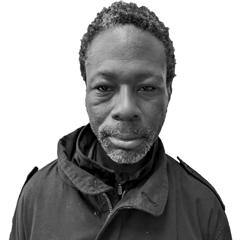
Of bumps, compounding, towering At peace. That’s humming range Of rain for her, my girl, I give her The upper hand of us. Two hands The game of marriage is life MAN.
CARLTON JOHNSON
Artist/Vendor
The icy stream of snow I see in the cold wind chills the air.
No protection from streams of more snow.
Lonely, I wake up to a day where there I stand, and only... snow. I wake up on top of the mountain. I wish to walk over into the valley for protection from the streams of cold and snow.
I put on my shoes — protection from the systems of winter where I walked all by myself. No one on the streets. Just the snow and me. In the cold.

KYM PARKER Artist/Vendor
I know when I wake up when I sleep when I breathe air when I eat food when breath comes through my body when I sleep I feel Her path I know Her inside and out
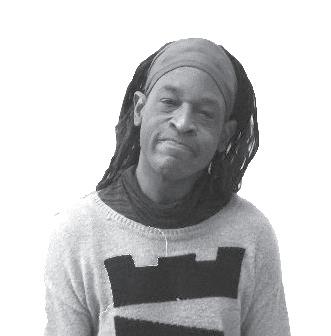
She has always been there She walks me through my pain blesses me and sends me on my way
my path my way it’s all because of Her will she wills it so it’s done
I know in my heart what love is so feel true feel love know when you pray when you talk to Her She will answer She will never mistake you
She will never forgive your pain unless you ask
know you’re not alone know your pain matters we are still here because She wills it
I know and I claim faith
APOLLOS ROBINSON
Artist/Vendor
Pros and cons, Rights and wrongs

Feeling unheard, like nobody’s listening
I say yes to my day to my life miracles of God
She will never forsake us no more drama no more pain no more aloneness
She’s here I love Her
My blessing kept coming, so I kept on whistling Elite minds must have dog ears to hear with They’re the only ones who inch on, grin and bear it, my cries

DOMINIQUE
ANTHONY Artist/Vendor
These were my valentines this year. My first person is Micah, my son, who was born on Feb. 22. I went to Washington Hospital Center thinking he was coming on Valentine’s Day, but he didn’t. He came on Feb. 22. He is my funny Valentine’s gift because I hoped I’d have my son on Valentine’s Day.
He is all grown up. He’s 23 years old. I saw him graduate from college, and he is a very kind young man. He’s been through a lot, like having me for a mom isn’t easy at all. He is strong and has given me a lot of courage and told me never to give up. And I can’t give up now, not just for myself but for my boys.
I love you, my funny valentine, Micah. When he asked as a joke what he would get for Valentine’s Day, I would laugh. I love you so much.
My second person is Mr. King. We’ve been together for going on five years now. When I met him, I wasn’t ready for no man to come into my life. But God sent him from heaven. I was hurting at the time, and from being hurt, it was hard to accept people who came with love. He told me I would be ok, and he has been with me every step of the way. He was there through all the stuff I went through with my children. They are my two Valentine’s Day gifts.
DANIEL BALL
Artist/Vendor

I have been working for Street Sense for at least 10 years. I’ve learned to respect all the people here at Street Sense all the time. If you want to be a new vendor, you can see Thomas. And we celebrate our great work with vendor meetings and parties! We have pizza and soda at our parties. So please come very soon to one of our parties.

GRETA CHRISTIAN
Artist/Vendor
Spring is coming!
Children will play on the swings in the playground.
They will have so much fun.
JACQUELINE TURNER
Artist/Vendor
you can see the array of cold hovering like a cloud of gray bitter and taunting, until you feel like ice.
you can see cold don’t understand its need, though it kills the germs to make food last safely.
run and hide on the inside that’s what people do yet when you see clear skies after the cold is gone, it is beautiful.
In spring, you go to the swimming pool.
You go to the beach where you laugh, you smile, and you have fun!
You listen to your favorite music and your favorite songs.
You go to the store and shop, shop, shop.
You go out and help homeless people.
You go downtown and go to the movies.
You put on summer clothes when it is hot.
You visit museums.
You ride in your car and on the bus.
You love God more in your life.
You take your pets outside more.
You go out and sell your Street Sense paper.

Get up no less than 20 minutes before you have to leave. You have to push instead of pull in life! This lesson will keep repeating itself, so remember it and move on.
ANGELA NORRIS
Artist/Vendor
Community is common unity, a co existing way of living more than sharing a meal.

It is eating in union and connecting in all places, looking after each other in kindred love, beyond the tribal; it is the village that is selfless and shares all the above. Its perfection displays the Divine’s society and the most successful and inclusive one is where we should seek to love in solidarity, inclusivity, in sickness and in health, in a covenant relationship with transcendental meaning. A first take experience which leads us to the eternal.
Have you ever co muned, ever loved in such a way? Ever been in happier times in which you meant to stay? Or, have you been deprived of such by division and strife? Well, do not despair, lose no hope — that is not the be all to life!
BRIANNA BUTLER Artist/Vendor
A knock out party, they said. I was left out. They went to dance; I went to learn something at school. They drank spiked punch. I drank Coca Cola at lunch while chowing down on an Italian hero.
I went to study at the library to embrace my intellect and broaden my mind, I just could not stop reading, while they looked at something raunchy and nasty.
So, guess what? They got caught in the act and got into trouble for skipping school. Then I got the last laugh by earning an A+ on our assignment!
That led to a fantastic cheer, and I got to party with some cool people. We had balloons. We danced all weekend while listening to LL Cool J and Kirk Franklin.

We ate lots of good food and drank clean drinks. So much fun together. This time... the misfits WIN!
ELISABETH BOWES Artist/Vendor
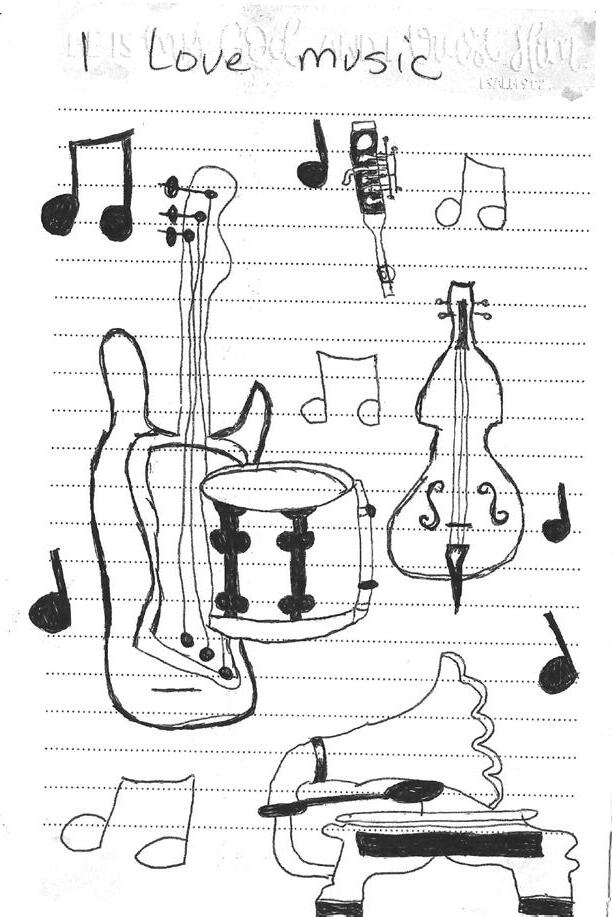
by Elisabeth Bowes
I have always loved the different types of music around the world, the pop, rock, classical, hip hop, rap, jazz, electronic dance, country, folk, and Latin. I have always loved contemporary and classical and some piano music, and opera music is a favorite also.
I enjoy most singers today, and French singers. My favorite French song is Edith Piaf’s “Non, je ne regrette rien (No, I Regret Nothing).” Most of the music today isn’t anything like French songs. It’s because of the different countries. I believe most people listen to rap or country music.
Some songs that are big here in America: “American Pie,” “Born in the USA,” “Star Spangled Banner,” “Take Me Home,” “Country Roads,” and “This Land is Your Land.”
In my country, England, we have our iconic football anthems, “Three Lions” and “World in Motion,” to our traditional anthems such as “Land of Hope and Glory.” Our popular music includes The Clash’s “London Calling” and Kate Bush’s “Oh England My Lionheart.” Songs that are popular right now are “Beautiful Things” by Benson Boone, “Lose Control” by Teddy Swims, and “That’s So True” by Gracie Abrams.
Music has always been a very important part of my life, and here’s a drawing of some instruments I like. I hope you enjoyed reading!
CHRIS BOONE Artist/Vendor

I've been homeless since 2017. My aunt started my fall. Sometimes she helps me with somewhere to stay. Sometimes she will not pay my rent and makes me sleep outside because she thinks she has power over me and thinks she can manage my money through court. Mostly, she has been giving me hell. She had my ex wife leave me, and she is the reason I cannot see my kids. My aunt keeps playing with my money when I really need it. I can't take care of my family without it. But thank god for Street Sense. It has turned my life around. And thank y’all for listening to my story.
ANTHONY CARNEY
Artist/Vendor
Doing the right things gives you gumption to win.

When I sell my Street Sense papers with gumption, I win all of the time. Respecting my customers and putting a smile on their faces makes my day. So let’s put a smile on everyone’s face with gumption.
Spread love.
TONYA WILLIAMS
Artist/Vendor

Black History Month means appreciating and acknowledging Blackness and how it permeates all aspects of society. It is recognizing the people and their cultures that transcend the racist and imperialist formation of the United States. It celebrates Black women and Black men.
Black History Month is an important time to celebrate the impact and the effect of African American culture in the past, in the present, and to remind us of the hopeful opportunity to mold and shape the future.
Black History Month gets me closer to my roots by acknowledging and highlighting the pioneers who came before us. Black History Month means looking at our past, our present, and our future worlds as we learn about our history.
Black History Month also goes further than that. It should not only be in February; it should be celebrated and honored year round.
MELVEON HARP
Artist/Vendor

I began working at the age of 17, bagging groceries in a neighborhood store. I learned a lot about how to treat people, how to trust people, and how to respect them. I worked a number of other jobs until 1999, when I was shot in my left leg during a robbery. So I’m not able to work as I once could. But I can still make people happy by sharing my cooking with them because I love cooking, and it shows in my food.
Fortunately, I’ve found work I can do at Street Sense. Selling the paper lets me interact with people as I did at the grocery store. Our writers group helps me open up and write what I feel. That makes me feel really good!
Remember the world does not owe you anything; you have to earn everything. You are also responsible for doing the right thing and helping people who need it. Also, remember God is good and recognizes your good deeds. So I pray for people who have a job they can hold onto. Yes, times are hard. But when you do your best, God will bless you.
Across
1. Fed. crash investigating agcy. (abbr./init.)
5. Gold layer that sounds like a shame related emotion
9. Chow line or Shih Tzu strap?
14. Best selling and most awarded gospel artist Winans
15. “Myself as well” (2 wds.) (1,3)
16. Boredom
17. Crawling, for an infant or doing push ups, for an adult (4 wds.) (2,3,5,5)
20. ___ v. Wade
21. “___ show time!”
22. Him, to Henri (Fr.)
23. “Oh shoot, clumsy me!!” (4 wds.) (3,3,4,5)
29. A butcher’s cleaver, basically (2 wds.) (4,3)
30. “___loves you, yeah, yeah, yeah...” (popular Beatle’s lyric)
31. Situation Room grp. of D.C. advisors (abbr./ init.)
32. Tell this to the judge
35. ___ and aahs
38. Mineral suffix
39. Elevator operator’s announcement... or a statement about the relationship of the circled letter and shaded letter words found in 17 , 23 ,
52 and 60 Across (2 wds.) (5,2)
41. Motorist’s org. (abbr./init.)
43. Cheese that’s made with a spin?
45. Canyon or cave sound effect
46. 41 Across recommendation (abbr.)
47. “___ Kapital”
49. Major in automobile source for talk, traffic and weather (2 wds.) (2,5) (incls. abbr./init.)
52. “I’m going to do it less frequently” (5 wds.) (2,4,2,2,5)
57. Murmur like a dove or pigeon
58. Maj. Calif. airport inits.
59. Tech ____ (a typical member of Elon Musk’s DOGE squad)
60. Committed a faux pas involving asking a highly sensitive personal question of a lady
67. Apprehensive (about)
68. Got bigger
69. Boardroom V.I.P.’s (abbr./init.)
70. “Tootsie” Oscar winner Hope
71. Dish cooked in a pot
72. Perched on Down
1. Cpl. or sgt. (abbr//init.)
2. Number retired by the Seattle Storm in honor of Sue Bird
3. Feature of Chicago mob boss Capone that inspired a widely repeated nickname
4. Wisconsin college or its city
5. JPEG cousin (abbr./init.)
6. Four time Japanese prime minister
7. Danny : DeVito :: ____ : De Palma (“Taxi” tv show)
8. German dessert
9. “Malcolm X” director
10. Abbr. associated with mailing letters
11. Anoint with sacred oil, old style
12. Dawn
13. Starting command to the band (2 wds.) (3,2)
18. Bulgarian bucks (VALE anagram)
19. Apr. 15th IDs (abbr./init.)
23. Old Dodge model or a prefix sometimes seen with “bus” and/or “vore”
24. Sunset dirreción for Santiago (Sp.)
25. Montreal MLB player
26. Show to be inaccurate
27. Breakfast restaurant chain acronym
28. Prefix meaning new
33. Abbr. associated with mailing letters
34. Turkish generals
36. How many coquettes play? (3 wds.) (4,2,3) (RED HOT TAG anagram)
37. French composer Erik
39. F.B.I. operative, familiarly (1 3)
40. Italian word for “man”
42. Long, long time
44. Big deal
48. Allied victory site of 1944 (2 wds.) (2,2) (incls. abbr.) (LOST anagram)
50. Wear for a jurist or pugilist
51. Continent that’s home to 54 countries
52. “Let’s see what you’ve got,” in poker (2 wds.) (1,4)
53. Where commodores, captains, crews, cooks and cabin boys all go (2 wds.) (2,3)
54. Roused from slumber
55. Hairstyle repopularized by Taylor Swift
56. Put forth, as effort
61. Unit of work
62. Blonde’s secret, maybe
63. “Didn’t I tell you?”
64. Part of a U.R.L. (abbr./init.)
65. Boo follower, sadly or Ya follower, happily
66. One of the 3 in a tbsp. (abbr.)
This crossword puzzle is the original work of Patrick “Mac”McIntyre. It is provided to us courtesy of Real Change News, a street paper based in Seattle, Washington. Learn more about Real Change News and the International Network of Street Papers at realchangenews.org and insp.ngo.
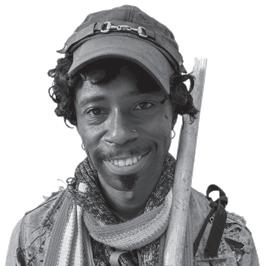
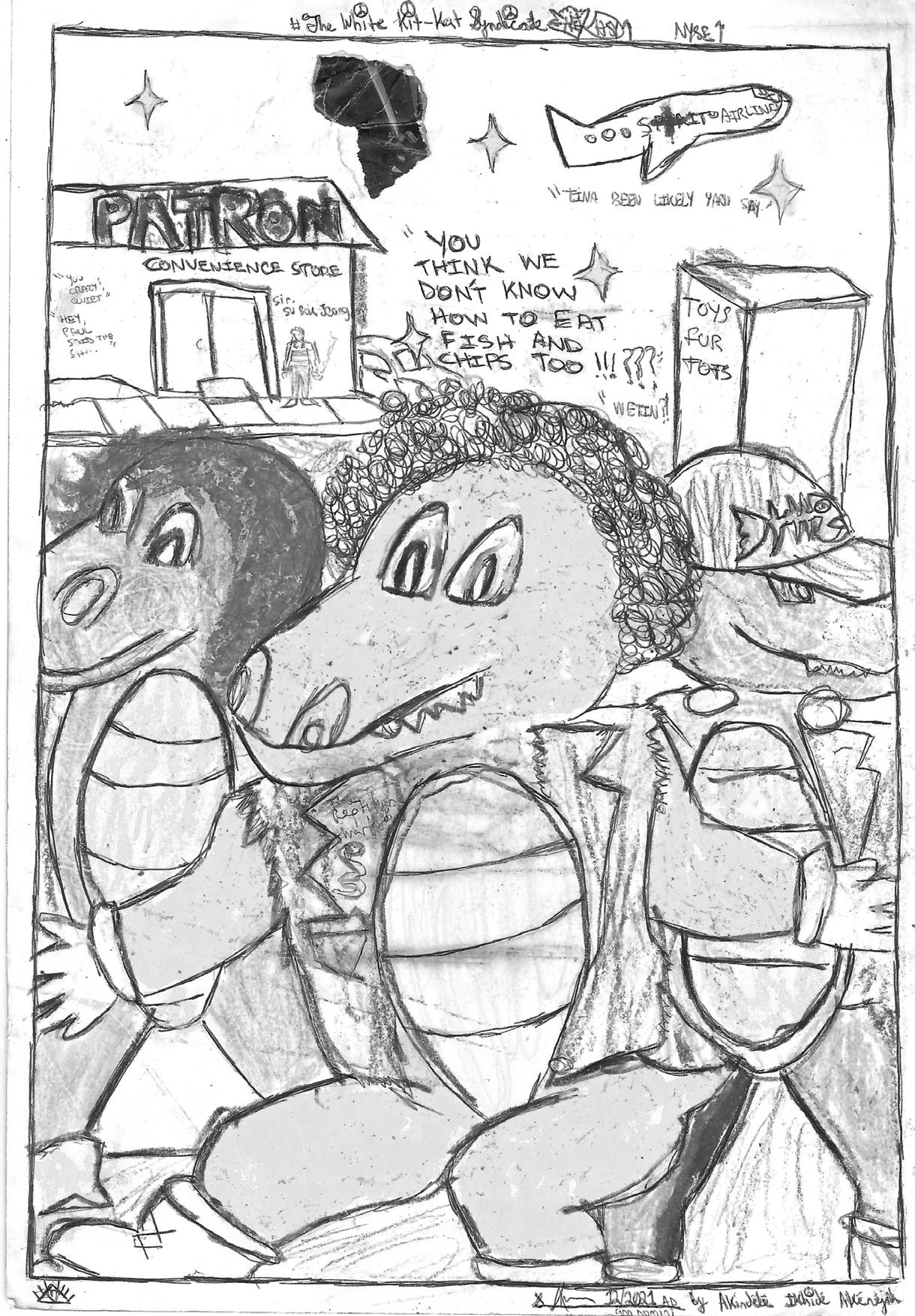
Housing/Shelter Vivienda/alojamiento Case Management Coordinación de Servicios
Academy of Hope Public Charter School
202-269-6623 // 2315 18th Pl. NE
202-373-0246 // 421 Alabama Ave. SE aohdc.org
Bread for the City 1525 7th St., NW // 202-265-2400 1700 Marion Barry Ave., SE // 202-561-8587 breadforthecity.org
Calvary Women’s Services // 202-678-2341 1217 Marion Barry Ave., SE calvaryservices.org
Catholic Charities // 202-772-4300 catholiccharitiesdc.org/gethelp
Central Union Mission // 202-745-7118 65 Massachusetts Ave., NW missiondc.org
Charlie’s Place // 202-929-0100 1830 Connecticut Ave., NW charliesplacedc.org
Christ House // 202-328-1100 1717 Columbia Rd., NW christhouse.org
Church of the Pilgrims // 202-387-6612 2201 P St., NW (1-1:30 on Sundays only) churchofthepilgrims.org/outreach
Community Family Life Services 202-347-0511 // 4860 Fort Totten Dr, NE cflsdc.org
Community of Hope // 202-232-7356 4 Atlantic St., NW communityofhopedc.org
Covenant House Washington 202-610-9600 // 2001 Mississippi Ave., SE covenanthousedc.org
D.C. Coalition for the Homeless 202-347-8870 // 1234 Massachusetts Ave., NW dccfh.org
Father McKenna Center // 202-842-1112 19 North Capitol St., NW fathermckennacenter.org
Food and Friends // 202-269-2277
(home delivery for those suffering from HIV, cancer, etc) 219 Riggs Rd., NE foodandfriends.org
Foundry Methodist Church // 202-332-4010 1500 16th St., NW foundryumc.org/idministry
Identification services
Friendship Place // 202-364-1419 4713 Wisconsin Ave., NW friendshipplace.org
Georgetown Ministry Center // 202-338-8301 1041 Wisconsin Ave., NW georgetownministrycenter.org
Jobs Have Priority // 202-544-9096 1526 Pennslyvania Ave., SE jobshavepriority.org
Loaves & Fishes // 202-232-0900 1525 Newton St., NW loavesandfishesdc.org
Martha’s Table // 202-328-6608 marthastable.org 2375 Elvans Rd, SE
2204 Martin Luther King Ave. SE
Miriam’s Kitchen // 202-452-8926 2401 Virginia Ave., NW miriamskitchen.org
My Sister’s Place // 202-529-5991 (24-hr hotline) mysistersplacedc.org
N Street Village // 202-939-2076 1333 N St., NW nstreetvillage.org
New York Avenue Shelter // 202-832-2359 1355-57 New York Ave., NE
Patricia Handy Place for Women 202-733-5378 // 810 5th St., NW
Samaritan Inns // 202-667-8831 2523 14th St., NW samaritaninns.org
Samaritan Ministry 202-722-2280 // 1516 Hamilton St., NW 202-889-7702 // 1345 U St., SE samaritanministry.org
Sasha Bruce Youthwork // 202-675-9340 741 8th St., SE sashabruce.org
So Others Might Eat (SOME) // 202-797-8806 71 O St., NW some.org
St. Luke’s Mission Center // 202-363-4900 3655 Calvert St., NW stlukesmissioncenter.org
Thrive DC // 202-737-9311 1525 Newton St., NW thrivedc.org
Unity Health Care unityhealthcare.org - Healthcare for the Homeless Health Center: 202-508-0500 - Community Health Centers: 202-469-4699
1500 Galen Street SE, 1251-B Saratoga Ave NE, 1660 Columbia Road NW, 4414 Benning Road NE, 3924 Minnesota Avenue NE, 765 Kenilworth Terrace NE, 850 Delaware Ave., SW, 3240 Stanton Road SE, 3020 14th Street NW, 425 2nd Street NW, 4713 Wisconsin Avenue NW, 2100 New York Avenue NE, 1333 N Street NW, 1355 New York Avenue NE, 1151 Bladensburg Rd., NE, 4515 Edson Pl., NE
Washington Legal Clinic for the Homeless 1200 U St., NW // 202-328-5500 legalclinic.org
The Welcome Table // 202-347-2635 1317 G St., NW. epiphanydc.org/thewelcometable
Whitman-Walker Health 1525 14th St., NW // 202-745-7000 1201 Sycamore Dr., SE whitman-walker.org
Woodley House // 202-830-3508 2711 Connecticut Ave., NW
For further information and listings, visit our online service guide at StreetSenseMedia.org/service-guide
Guest Advocate (Cashier / General Merchandise / Inbound) Target // Washington, D.C.
Part-Time (Onsite) | $18.50 – $27.75 per hour
Assist guests at checkout, handle returns, restock merchandise, maintain store presentation, and support guest service across the store.
Requirements: Able to lift up to 40 lbs. Flexible schedule including nights, weekends, and holidays.
Apply: shorturl.at/xWJhI
Front Desk Agent
Marriott International // Washington, D.C. Full-Time (Onsite) | $29.70 per hour
Process guest check-ins and check-outs, handle reservations, answer guest requests, manage billing, and provide information about hotel services and local attractions.
Requirements: Strong communication and customer service skills, basic computer skills, and the ability to stand for long periods.
Apply: shorturl.at/M2cNi
Customer Service / Sales Associate The Home Depot // Washington, D.C.
Part-Time / Full-Time (Onsite) | $18.50 – $21.50 per hour
Provide customer assistance on the sales floor, help customers find products, maintain stocked and organized shelves, and ensure the store remains clean and safe. Associates may work in departments such as garden, hardware, paint, or flooring.
Requirements: Strong communication and customer service skills, ability to stand for extended periods, ability to work evenings, weekends, and holidays.
Apply: shorturl.at/NHtxG
SASHA WILLIAMS Artist/Vendor
I remember being a mom for the first time, holding my daughter, counting her toes and fingers after getting an epidural. I’m celebrating 13 years now of being a mom to Eboni. It’s beautiful, interesting, and I hope to get better and better every year.














at peace in her mansion in Heaven with my dad. Two lovebirds in the angels’ hearts, together forever. And they’re with the rest of my family members. It's been two years since my mom passed away on March 9, 2024. It's hard to believe she's gone, and my dad is too. They both suffered terribly from cancer. I watched both of them die at home. They’re no longer suffering the pain and agony. I visit their grave and cry. I always place a wreath with a big heart and a big bow ribbon. I love them both forever and ever; they are joined together forever and ever. I hope they are healthy and well, looking good and feeling good, listening to heavenly songs all day from the best gospel choir in the world. Peace within them.
Playlist songs: “Sad Tomorrows,” “His Eye is on the Sparrow,” “Wholy Holy,” “Mercy Mercy Me (The Ecology),” and “Sunny” by Marvin Gaye, “What the World Needs Now Is Love” by Tom Clay, “A Song for Mama” by Boyz II Men, “Ask the Lonely” by Four Tops, “Hey Love” by Stevie Wonder, and “The Beginning of My End” by The Unifics.