ahead of the 2018 La Femme Magnifique Washington Pageants May 20
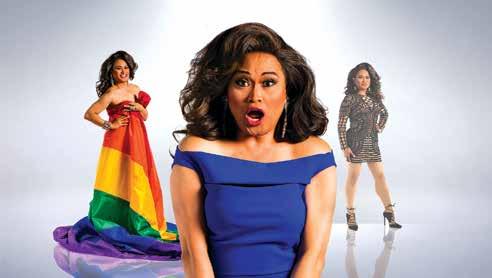
by Gaysha Starr Special
to the SGN
Drag. For over half my life, 25 years, I’ve been doing it – Dressed As A Girl. I’m 46 and started this crazy, wonderful, and sometimes even hateful relationship when I was 21, in April of 1993.
Next to the relationships I have with my family and a few friends, it’s the longest relationship I’ve ever had. I often joke that in my era RuPaul was known for being the Supermodel of the World and not for “RuPaul’s Drag Race.”
see GAYSHA STARR page 3
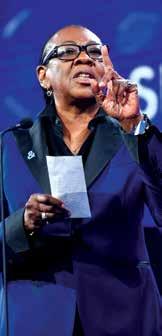
Ava DuVernay, Samira Wiley, and Ms. Gloria Carter receive standing ovations in groundbreaking speeches
by GLAAD with intro by MK Scott SGN Contributing Writer
Just a month after I personally attended the first half of the 29th Annual GLAAD
see GLAAD AWARDS page 4
by Mike Andrew SGN Staff Writer
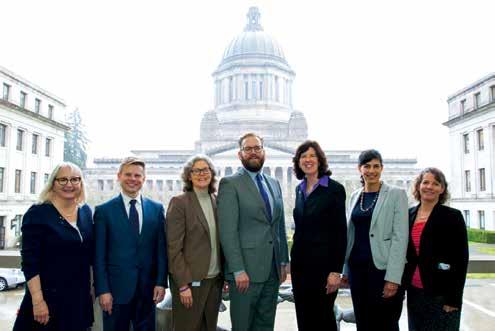
Members of the Washington State Legislature’s LGBTQ Caucus scored 100%
ratings from the Washington State Labor Council (WSLC).
The seven members of the caucus are Senators Jamie Pedersen (D-Seattle) and see LGBTQ CAUCUS page 6
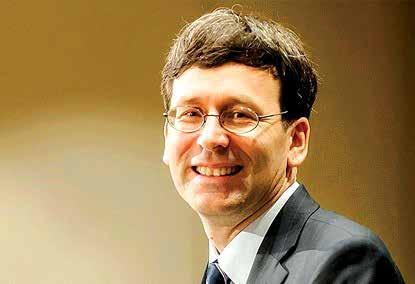
WA State Attorney General Bob Ferguson – Photo courtesy of Seattle Public Library
The Seattle Public Library will co-host a discussion with Washington state Attorney General Bob Ferguson on the successes, challenges and future of the Fair Housing Act (FHA) from 1pm to
2pm on Tuesday, May 15 at the Central Library, 1000 Fourth Ave., Level 1, Microsoft Auditorium, (206) 386-4636.
see BOB FERGUSON page 11




continued from cover
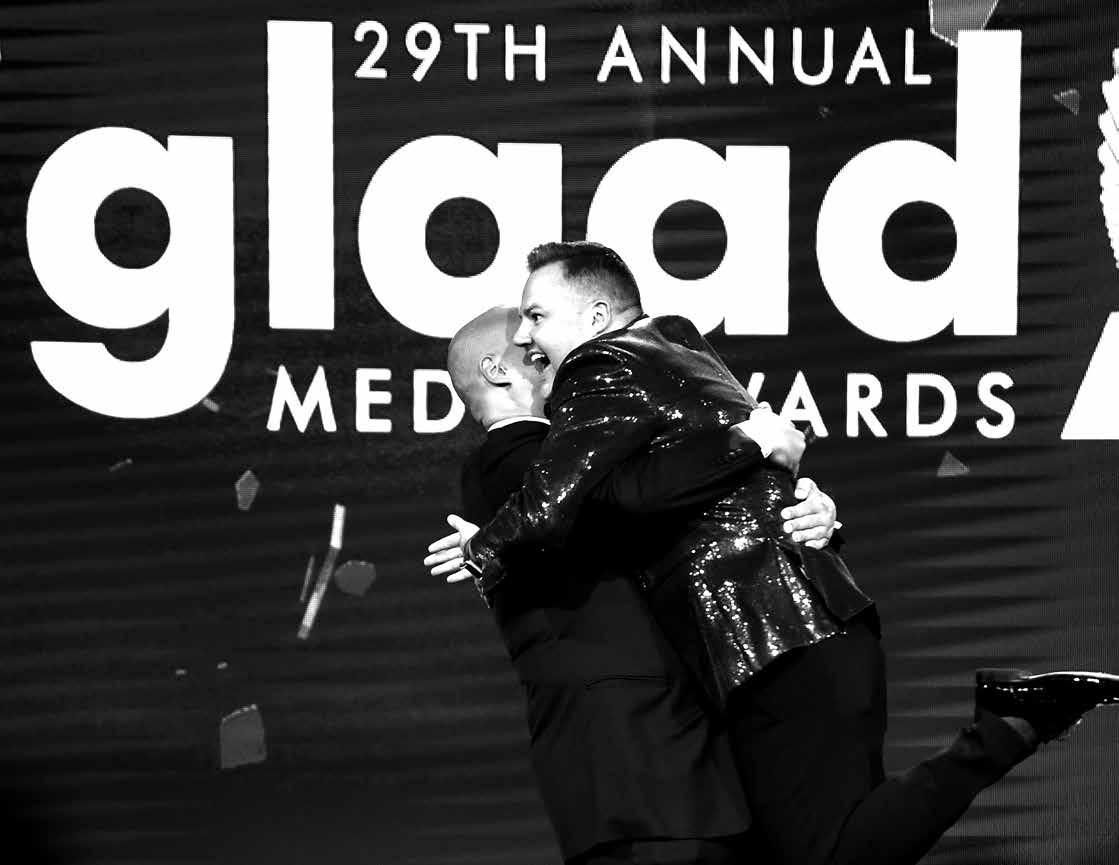
Media Awards in Los Angeles (April 12), the second half was held this past Saturday (May 5th) at the New York Midtown Hilton. GLAAD honored Ava DuVernay, Samira Wiley, and outstanding LGBTQ images in film and television at the 29th Annual GLAAD Media Awards in New York. The GLAAD Media Awards recognize and honor media for their fair, accurate, and inclusive representations of the LGBTQ community and the issues that affect their lives.
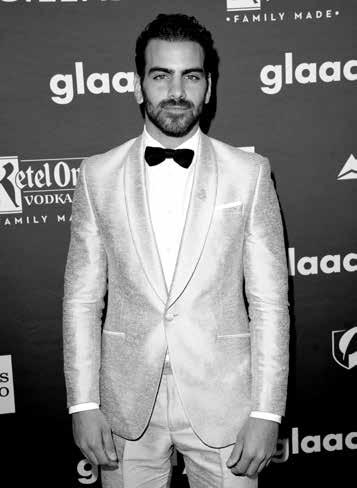
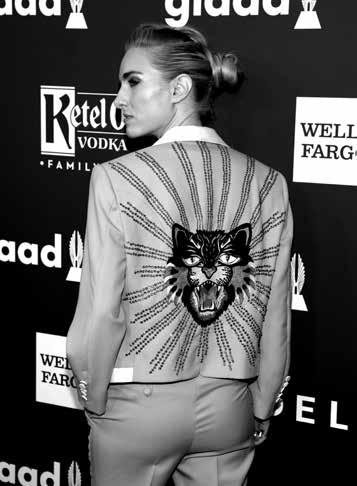
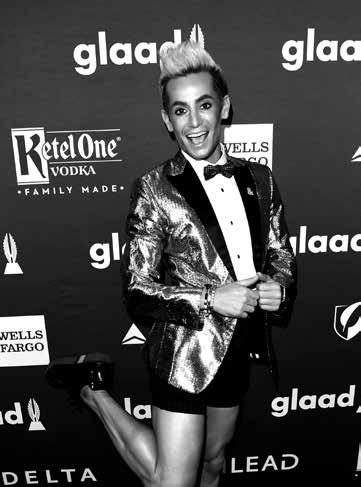
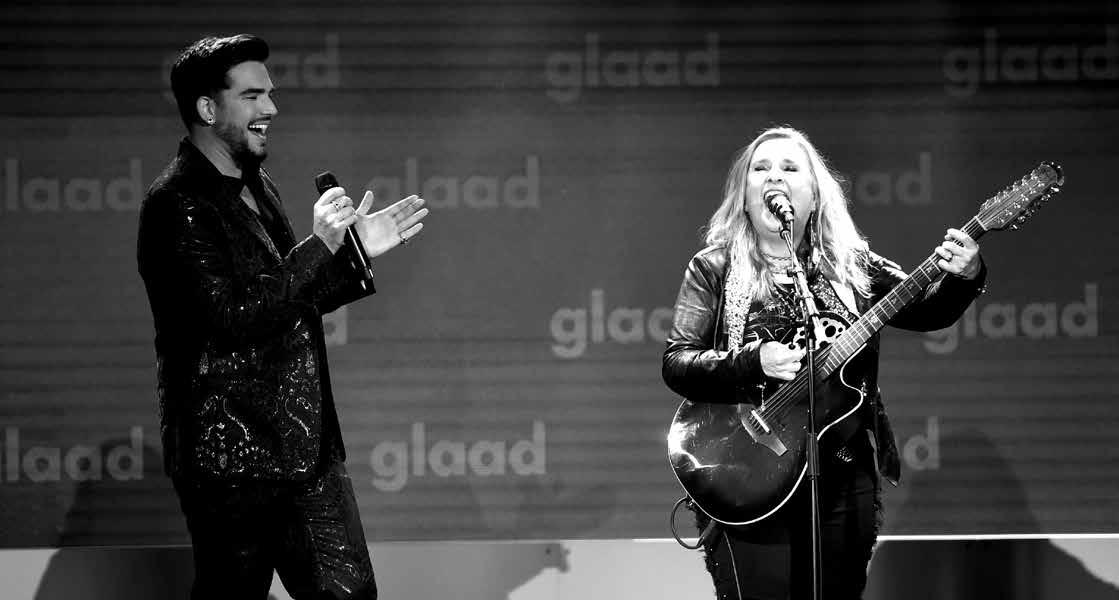
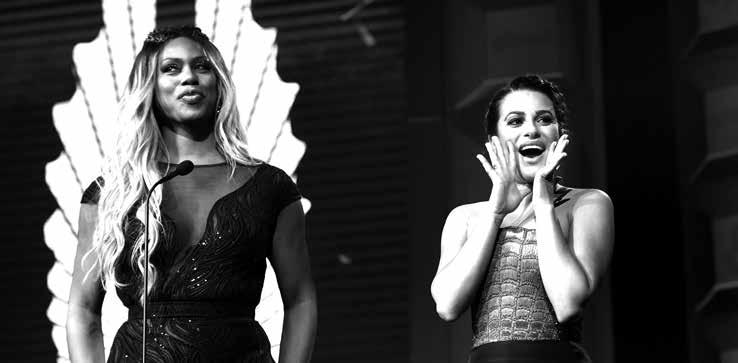
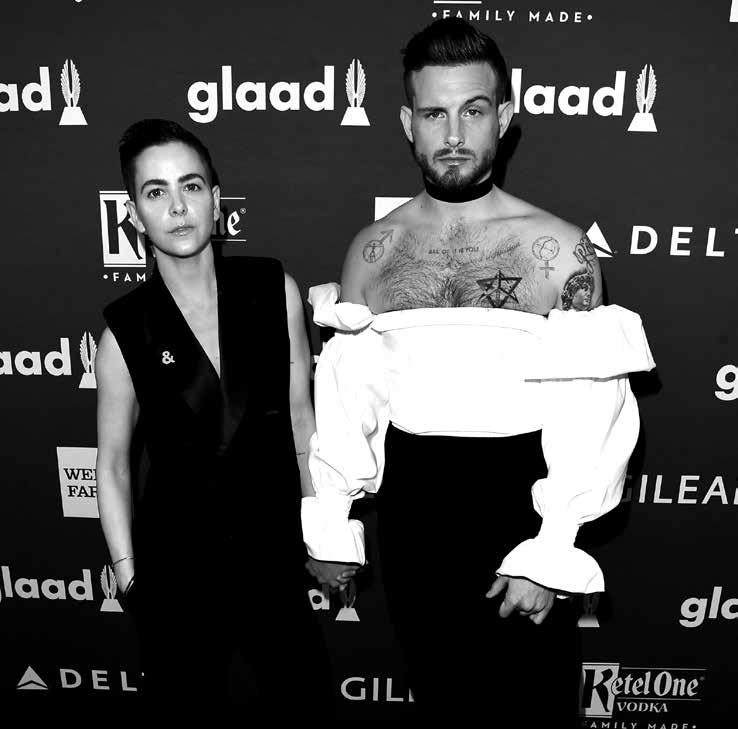
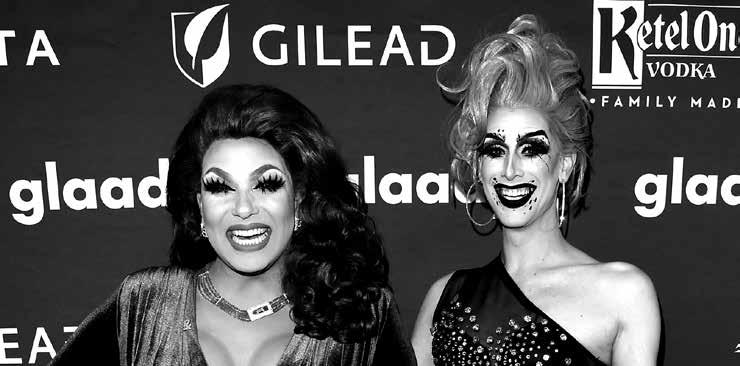
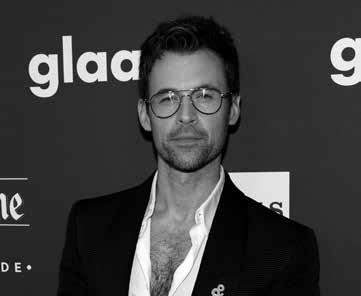
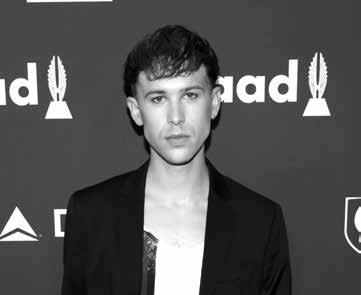
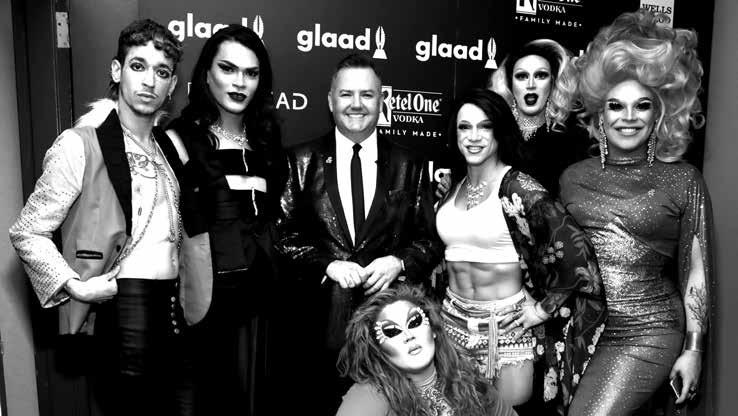
Television personality Ross Mathews hosted the event that included an opening duet with Melissa Etheridge and Adam Lambert celebrating the 25th anniversary of her breakthrough album Yes I Am by performing an unforgettable new arrangement of her song “I’m The Only One.” Special guests at the event included Robin Roberts, Laverne Cox, Alexis Bledel, Lea Michele, Asia Kate Dillon, Nyle DiMarco, Angelica Ross, Blair Imani, Frankie Grande, Auli’i Cravalho, Janet Mock, Stephanie Rice, Tommy Dorfman, Amiyah Scott, Brad Goreski and Zeke Smith, among others.
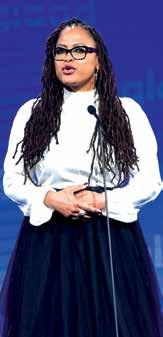
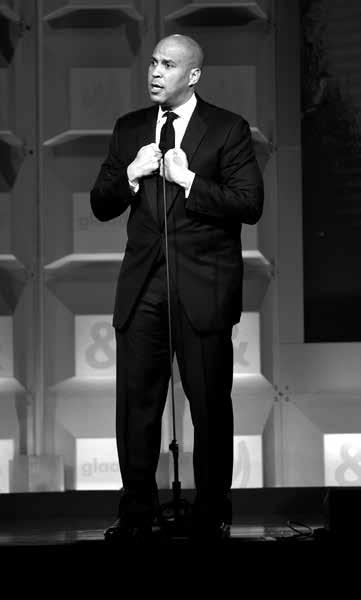
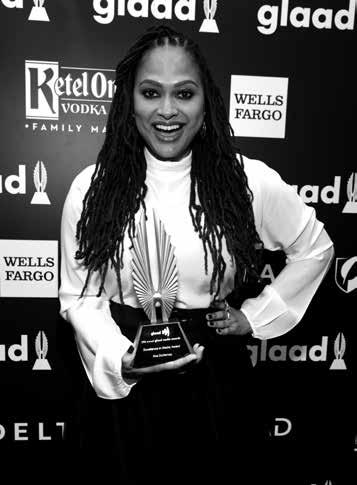
At the ceremony, Ava DuVernay (Selma, A Wrinkle in Time) received GLAAD’s Excellence in Media Award from surprise presenter U.S. Senator Cory Booker (New Jersey), who received a standing ovation when he entered the room. The Excellence in Media Award is presented to media professionals who have made a significant difference in promoting acceptance of LGBTQ people.
During her speech, DuVernay powerfully stated: “People ask me a lot about being an activist and an artist. To me they are one in the same. To be an activist one must be highly creative. It takes great imagination to envision a world and a way of being that is not there. That’s the same definition of art, to me. When I look at the many warriors who have to apply this art, this imagination to their very lives as LGBTQ people, to just survive in this country, I stand in salute. And I feel honored to be able to share some of these stories in the films and TV I make and in the films I distribute.”
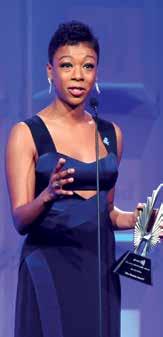
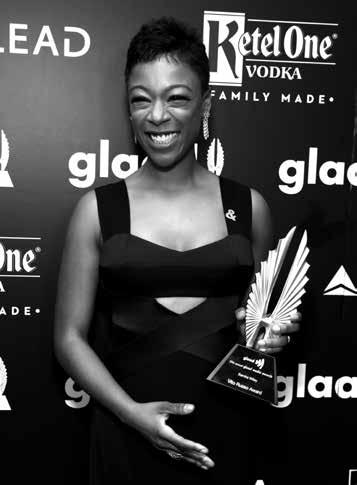
Also at the event, Alexis Bledel presented her co-star from “The Handmaid’s Tale,” Samira Wiley, with the Vito Russo Award, which is bestowed on an openly LGBTQ media professional who has made a significant difference in promoting LGBTQ acceptance. The Award is named for Vito Russo, a founder of GLAAD, LGBTQ film historian and celebrated ACT UP activist, who pushed open the door for news and entertainment industries to include LGBTQ performers and stories.
In her electric speech, Wiley remarked that it had been 10 years since she came out to her parents. She also sent a powerful message of support to LGBTQ youth that brought the crowd to its feet: “You are loved. You have a community that is here for you. Is dedicated to protecting to you. And accepts you for exactly who you are, right in this moment.”
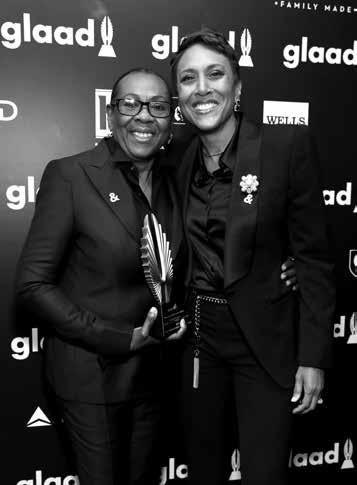
Ms. Gloria Carter accepted a Special Recognition Award on behalf of her son, JAY-Z, for the song “Smile” off of the album 4:44. The award was presented to her by Robin Roberts.
When she took to the podium, Carter shared her story, and told of the love and support she received from her family. She further said: “Love gave me the courage to take the power that I allowed other people to have over my life for fear of them revealing my secret.”
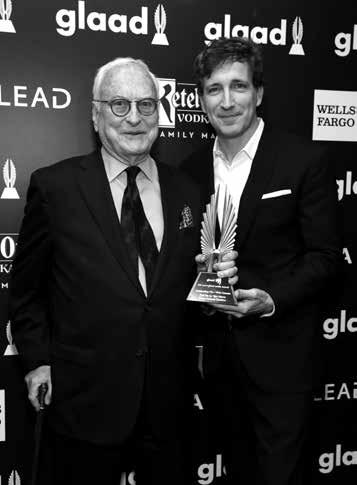
Melissa Etheridge and Adam Lambert presented the award for Outstanding Film –Wide Release to Academy Award-winning screenwriter James Ivory and producer Peter Spears for Call Me by Your Name.
In his acceptance speech, Spears shared with the audience the importance of LGBTQ visibility and GLAAD’s work. He left the room with a powerful message: “In these challenging times, I keep thinking of the advice a friend gave me, something
everyone gathered here in this room shares in common – everyday, going forward, tell your stories of who you are and how you love, what you believe and what you learn along the way. Don’t be silenced. Refuse to be erased. It matters. We matter. Now more than ever.”
Asia Kate Dillon and Nyle DiMarco presented additional winners at the ceremony. Dillon said of the evening: “Tonight we’re here to celebrate art that creates empathy. Thanks to GLAAD – and to all of you – visibility for trans, non-binary and gender nonconforming people is increasing at a rapid rate. But there is still so much representation and visibility needed.”
Detroit Pistons player Reggie Bullock spoke at the event about his support for the LGBTQ community and his trans sister Mia, who lost her life to fatal violence in 2014. Actresses Amiyah Scott (“Star”) and Angelica Ross (“Pose”) introduced Bullock and spoke about their own experiences as trans women of color.
“GLAAD is working to ensure the spirit of unity and intersectionality that was celebrated tonight extends throughout the year,” said Sarah Kate Ellis, GLAAD President and CEO. “Tonight’s award recipients are the front lines to ensuring that LGBTQ acceptance moves forward in a political and cultural climate that is working against us.”
Following is a complete list of GLAAD Media Awards presented on stage, and the individuals that accepted the trophies:
• Excellence in Media Award: Ava DuVernay [presented by: U.S. Senator Cory Booker (New Jersey)]
• Vito Russo Award: Samira Wiley [presented by Alexis Bledel]
• Special Recognition Award: “Smile” by Jay-Z featuring Gloria Carter, 4:44 [accepted by Ms. Gloria Carter]
• Outstanding Film – Wide Release: Call Me by Your Name (Sony Pictures Classics) [accepted by Academy Awardwinning screenwriter James Ivory and producer Peter Spears]
The following is a list of other award recipients announced at the 29th Annual GLAAD Media Awards in New York:
• Outstanding Documentary: Gender Revolution: A Journey with Katie Couric (National Geographic)
• Outstanding Reality Program: “Survivor: Game Changers” (CBS)
• Outstanding Talk Show Episode: “Australian Marriage Equality” – “Last Week Tonight” with John Oliver (HBO)
• Outstanding Music Artist: Halsey, Hopeless Fountain Kingdom
• Outstanding TV Journalism – Newsmagazine: “The Pulse of Orlando: Terror at the Nightclub” – “Anderson Cooper 360” (CNN)
• Outstanding TV Journalism Segment: “Murders Raise Alarm for Transgender Community” – “NBC Nightly News” with Lester Holt (NBC)
• Outstanding Newspaper Article: “The Silent Epidemic: Black Gay Men and HIV” by Gracie Bonds Staples (The Atlanta Journal-Constitution)
• Outstanding Magazine Article: “Forbidden Lives: The Gay Men Who Fled Chechnya’s Purge” by Masha Gessen (The New Yorker)
• Outstanding Magazine Overall Coverage: Billboard
• Outstanding Digital Journalism –Multimedia: “This Is How We Win: Inside Danica Roem’s Historic Victory” by Diana Tourjée (Broadly.Vice.com)
Spanish-Language Award Recipients:
• Outstanding TV Journalism – Newsmagazine: “Pulse, Huellas de la Masacre” – “Docufilms” (CNN en Español)
• Outstanding TV Journalism Segment: “Comunidad LGBTQ Vulnerable Bajo Nuevo Gobierno” – “Perspectiva Nacional” (Entravision)
GLAAD previously announced that the short animated short film In A Heartbeat would receive a Special Recognition Award.
Courtesy of GLAAD
by Gothic Pride Seattle Special to the SGN
The Gothic Pride Seattle Pageant will be held at Mercury@Machinewerks (1009 E. Union St.) on Sunday, May 27, at 6pm. There will be a $7 cover to attend, with a $2 discount if wearing a Gothic Pride Seattle patch. DJs Daemon Chadeau and Ashen to provide musical intermissions.
Gothic Pride Seattle is celebrating its 16th year of hosting Seattle’s only Gothic Pageant! This event is the biggest annual fundraiser for Gothic Pride Seattle. Proceeds from the pageant go to fund the Gothic Pride Seattle float and to make its participation in the Seattle Pride Parade possible.
Participants in the pageant will compete for the opportunity to become a Gothic Pride Seattle titleholder for one year. Judges, who are chosen from a group of local Gothic business owners, past title holders, and involved community members, will evaluate contestants and decide who will become a title holder. There are 4 titled positions.
The new title holders will represent Gothic Pride Seattle throughout their yearlong reign by planning and hosting additional community events and fundraisers, but their first official responsibility will be leading the Gothic Pride Seattle contingency at this year’s Pride Parade in June.
Gothic Pride Seattle (GPS) is a federally recognized 501(c)(3) organization. Formed in 2000, and incorporated as a Washington state nonprofit in 2014. Gothic Pride Seattle relies on donations and volunteers to continue its participation in the parade, to produce the Gothic Seattle Pageant, and host other events for and within the Greater Seattle area. To learn more visit: http://gothicprideseattle.org or on Facebook at https://www. facebook.com/gothicprideseattle
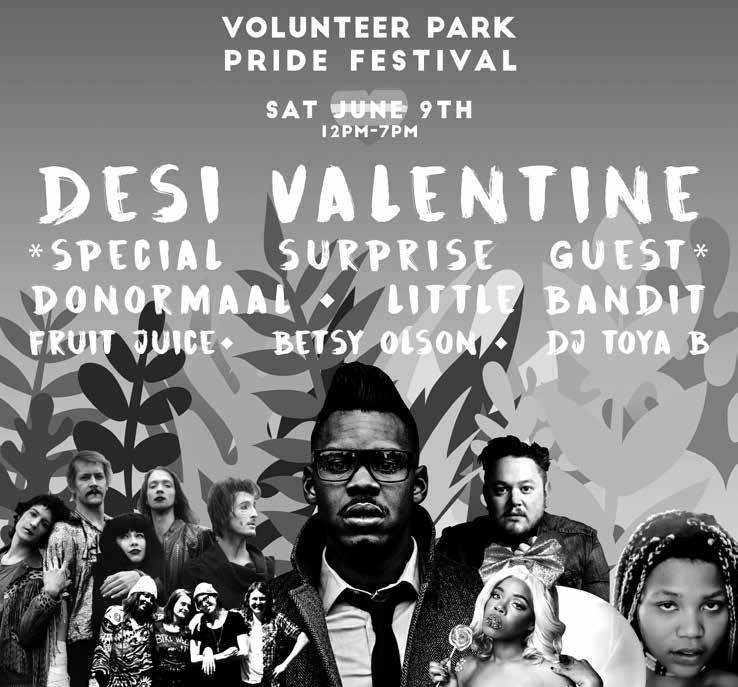
Volunteer Park Pride Festival is back on June 9th from 12pm-7pm with a musical line-up of exciting new LGBTQ up-andcomers and hometown favorites!
The lineup includes Desi Valentine a London-born, L.A.-based soul singer and songwriter known for his bluesy baritone voice, unique retro R&B style, and radiant charisma. Adding to the mystery this year is a Special Surprise Guests, we can’t tell you who they are just yet, other than they are staples of the Seattle LGBTQ scene who are ready to ROCK! DoNormaal, a Seattle-based hip-hop artist who experiments in “morbid, emotional prayer” through her unique, genre-bending style of rap. Little Bandit, who Rolling Stone Magazine describes as “A crew of East Nashville rule-breakers putting a gorgeous,
Marko Liias (D-Lynnwood); and Representatives Laurie Jinkins (D-Tacoma), Christine Kilduff (D-University Place), Joan McBride (D-Kirkland), Beth Doglio (D-Olympia), and Nicole Macri (D-Seattle).
WSLC represents some 400 union locals, district councils, and other labor organizations, and 450,000 workers in Washington State. The group publishes ratings of lawmakers after every legislative session.
Because the special election that installed Democratic Senator Manka Dhingra in place of the late Republican Senator Tim Hill broke the Republicans’ lock on the state Senate, this legislative session was unusually productive, WSLC noted.
“Many bills supported by the Washington State Labor Council, AFL-CIO and its affiliated unions had been blocked from votes by Senate Republican leaders. But in 2018, they finally got fair votes and many passed with strong bipartisan majorities,” WSLC said in its report.
“From voting rights to equal pay, from bargaining rights to prevailing wages, many pro-worker bills were approved and signed into law by Gov. Jay Inslee.”
Their ratings were based on 20 Senate bills and 22 House bills, including state voting rights legislation, a state DREAM Act, gender equity bills, and reproductive rights measures.
While the shift in control of the State
Senate resulted in many positive measures, there are still outstanding problems, WSLC President Jeff Johnson noted in an article accompanying the group’s legislative report.
“The Legislature was not able to address the structural deficit Washington State has suffered for more than a decade,” Johnson wrote. “We simply do not raise enough revenue enough revenue to adequately pay for the needs of our society. This became painfully clear in the ‘Great Recession’ of 2008 and every year since.
“Republicans of today are stuck in the dead-end narrative that taxes and government spending are bad. They should remember the words of the first Republican, Abraham Lincoln: ‘The legitimate object of Government is to do for the people what needs to be done but for which they cannot by individual effort do at all, or do so well, by themselves.’ President Franklin D. Roosevelt quoted this from Lincoln in a 1936 speech and added his own statement that ‘taxes are the price we all pay collectively to get things done.’”
In addition to raising additional revenue for the state, Johnson urged voters to sign petitions to get I-1631, the Protect Washington Act, on the November ballot. The measure would impose fees on the state’s largest corporate polluters and use the money to clean up the environment, help communities impacted by pollution, and assist working families displaced by the new pollution rules.
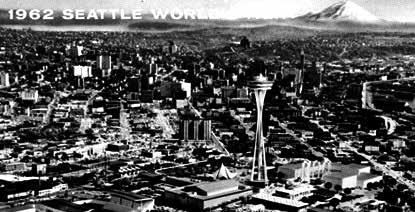
Every third Wednesday of the month, the Seattle Public Library co-presents History Café: evening presentations and panel discussions on Seattle and Pacific Northwest history at the Museum of History and Industry (MOHAI), 860 Terry Ave N., in the museum’s Compass Café.
Library events and programs are free and open to the public. Registration is not required. Dates, times and locations for upcoming History Café events are as follows:
gay-friendly spin on their city’s Countrypolitan past”. Fruit Juice, retro-glam darlings of the Olympia scene who boast “infectious energy, sparkling oddities, and 13 shades of eye shadow.” Betsy Olson, a gritty, soulful, blues-rock singer from Seattle whose band includes the inimitable Sera Cahoone on drums. DJ Toya B, a soul, hiphop and dance DJ “addicted to glitter, hip hop glamour and Barbie doll fashion.”
In addition to live musical, there will also be food trucks, beer gardens, lawns games, and artist/craft vendors! This event is FREE and suitable for all ages. More information on the festival and artists at http://www.seattlepride.org/events/picnic/
Courtesy of Volunteer Park Pride
Fighting Segregated Housing in the 1970s and 1980s – Wednesday, May 16 from 6:30pm to 7:30pm
What exactly did Seattle’s open housing movement achieve? How were Seattle’s neighborhoods transformed in the wake of fair housing legislation?
Once hemmed in to the Central District by restrictive covenants, Seattle’s AfricanAmerican population slowly moved southward during the 1970s and 1980s. Join scholar Michael Matsumaru to learn about the ways in which Seattle’s segregated housing patterns were challenged, and how the city’s racial geography changed in the midst of a housing crisis.
Matsumaru recently completed his PhD in history at Carnegie Mellon University.
Exploring Land Trusts with Queer the Land – Wednesday, June 20 from 6:30pm to 7:30pm
Community land trusts were born from a legacy of people living and working together to build sustainable communities. Join Seattle’s newest housing collective for queer and trans people of color, Queer The Land, as it explores the history of land trusts in Washington state, from housing projects to how land trusts have saved Washington’s farmers. Queer the Land will also share its favorite cooperative economic land-based projects across the U.S. History Café is co-presented by the Seattle Public Library, MOHAI and HistoryLink.
For more information, contact the Seattle Public Library at (206) 386-4636 or https://www.spl.org/, or visit our History Café page at https://www.spl.org/audiences/adults/history-cafe. For ADA accommodations, please contact: leap@spl.org.
Courtesy of the Seattle Public Library
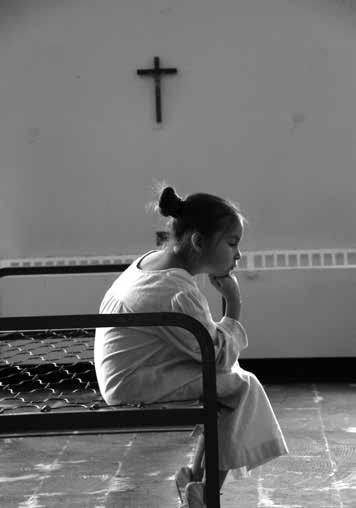
Join the Seattle Public Library, Seattle International Film Festival (SIFF) and Longhouse Media for a free screening and panel discussion of Dawnland, a documentary that follows the untold narrative of Indigenous child removal in the United States, on Saturday, May 26 from 1pm to 4pm at the Central Library, 1000 Fourth Ave., Level 1, Microsoft Auditorium, (206) 386-4636. The screening will be preceded by the short film, Holy Angels Library programs are free and open to the public. Registration is not required. Parking is available in the Central Library garage for $7.
Stolen children, racism, devastated families and cultural genocide encompass this documentary about governmentsanctioned atrocities committed against Native Americans in the United States – in particular, the Wabanaki people of Maine. Dawnland depicts the work of the first truth and reconciliation commission for Native Americans as it gathers stories and documents the history of Native American children removed from their homes and culture and placed in white communities.
SCHEDULE
1:00pm – Reception
1:30pm – Screenings of Holy Angels and Dawnland
continued from cover
Library events and programs are free and everyone is welcome. Registration is not required.
The Fair Housing Act of 1968 promised to deliver equal opportunity and an end
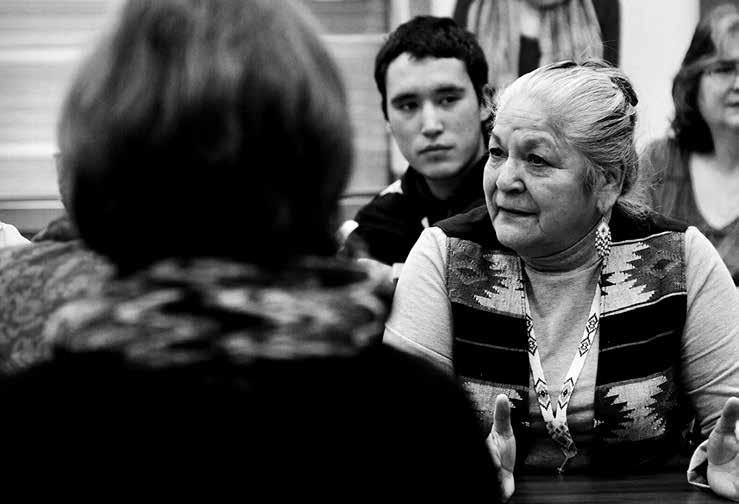
3:00pm – Post-film discussion with Tracy Rector, moderator and co-founder of Longhouse Media; Sandy White Hawk, consultant for Indian Child Welfare; Mishy Lesser, learning director for the Upstander Project
to discriminatory housing practices. Join Ferguson for a conversation on the successes and challenges of the FHA in the 50 years since its passage, as well as what’s next here in Washington. You’ll hear from him about the FHA’s work, how our state’s new source of income discrimination protections can be implemented, and more during this lunchtime interview with Emily Alvarado,
This event is the first of three screenings of films by and about Indigenous people to be held at the Seattle Public Library in 2018. Each film was selected by local filmmaker Tracy Rector in a project that grew out of recommendations from the Library’s Native Advisory Council. Watch for additional films in October and December.
manager of policy and equitable development in the City of Seattle Office of Housing. The interview will include a Q&A. Ferguson is Washington state’s 18th attorney general. He made national headlines this year for his office’s work uncovering housing discrimination against veterans. This program is presented in partnership with the Housing Development
This program is made possible with support from The Seattle Public Library Foundation. It is presented in partnership with SIFF and Longhouse Media. For more information, call the Seattle Public Library at (206) 386-4636 or visit https://www.spl.org/. For ADA accommodations, please contact: leap@spl.org.
Consortium Seattle-King County and the City of Seattle Office of Housing.
For more information, call Seattle Public Library at (206) 386-4636 or visit https://www.spl.org/. For ADA accommodations, please contact: leap@spl.org.
Courtesy of Seattle Public Library
As part of the Seattle Public Library’s commitment to preserving and sharing Seattle’s culture and history, we’ve put 1,200 images of life in 1960s Seattle on the Library’s website.
The Jack Large Photograph Collection documents the adventures and counterculture lifestyle of photographer Jack Large and his artist friends through the late 1960s in Seattle and the Pacific Northwest.
This collection of about 1,200 photographic slides, taken primarily between February 1966 and July 1969, was donated to the Seattle Public Library following Large’s Kickstarter campaign titled Pike Market Memories 1966-1968. Historic details fill the collection – here are some of the gems you’ll find:
• The Pike Place Market before its renovations
• People attending the Volunteer Park Be-In, a 1967 flower children gathering
• A fashionable woman posing in a phone booth on Pike Street between 2nd and 3rd Avenue
• Jackie with Richard Beyer’s Sasquatch, Anderson Gallery, January 1968 (the statue that is now located in the Pike Place Market)
• Bus commuters at 4th Avenue and Pike Street, May 1967
• Concertgoers at the Duvall Piano Drop, April 1968
• Jack Large’s studio, as seen from Alaskan Way Viaduct, circa 1967 (back side of
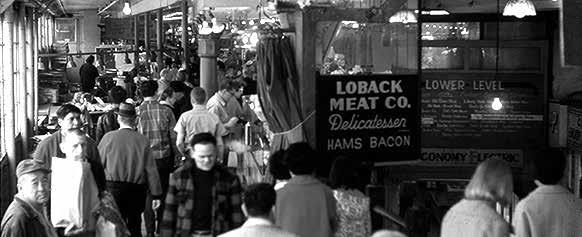
Pike Place Market)
• Two old men standing in front of Pay’N Save Drug Store, 319 Pike St., May 1967
• Psychedelic exposed photography
Large is a semi-retired educator/anthropologist, writer, editor, photographer and publicist for projects of literacy, art and learning. He taught English in South Korea for a number of years and lives there now with his wife. His counterculture photos of 1960s Seattle are a time capsule of our city’s history.
“The Jack Large Photograph Collection covers a time period and format not well represented in our other photograph collections,” said John LaMont, special collections librarian. “It includes many street scenes, images of downtown Seattle, the Pike Place Market and Volunteer Park. Of particular note are photographs of the Pike Place Market taken during the time when the Friends of the Market opposed redevelopment of the Market; these pictures were presented to the Seattle City Council in support of the Friends of the Market.”
To help you locate photos more easily,
we’ve created a digital map of some of the places where these photos were taken. You can also try your own keywords in the search box.
For more information on the Jack Large Photograph Collection, visit the online collection at http://cdm16118.contentdm. oclc.org/cdm/landingpage/collection/ p16118coll18, call the Library at (206) 386-4636 or visit https://www.spl.org/
Courtesy of the Seattle Public Library
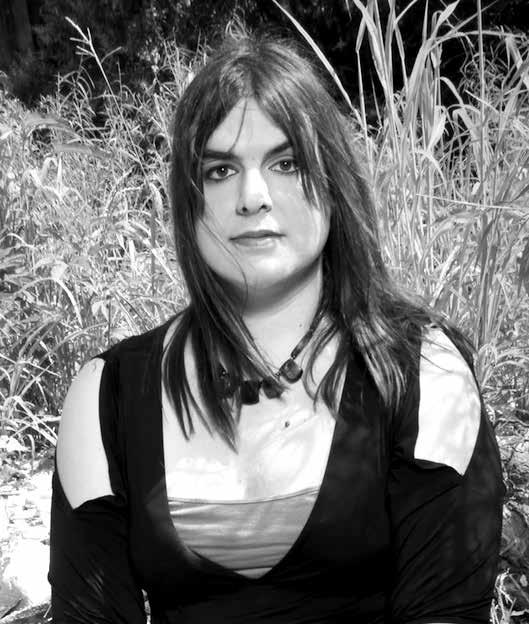
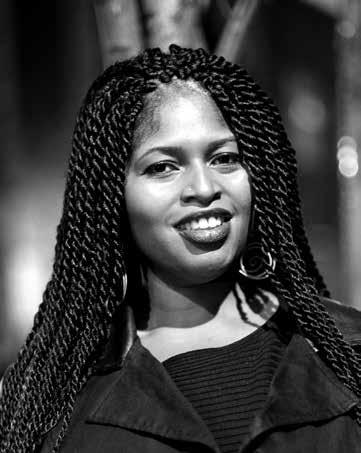
LOS ANGELES – Lambda Literary, the nation’s leading national nonprofit organization promoting LGBTQ literature, is pleased to announce that Jeanne Thornton and Mecca Jamilah Sullivan have been named winners of the 2018 Judith A. Markowitz Award for Emerging LGBTQ Writers.
The Judith A. Markowitz Award for Emerging LGBTQ Writers recognizes LGBTQ-identified writers whose work demonstrates their strong potential for promising careers. The judges for this year’s prize were authors Cat Fitzpatrick and Manuel Muñoz who released these statements about the winners:
Jeanne Thornton
“There were two qualities that made a question Real,” Jeanne Thornton writes, “(1) she had to be earnestly concerned with the answer, and (2) she had to feel that she was putting herself at risk by asking the question.” In its commitment not only to relevance but also to discomfort, Thornton’s work is an important contribution to contemporary depictions of transgender sociality. Pushing beyond a focus on representation, she produces beautifully awkward engagements with those dynamics that cut through the “trans community,” and complicate our attempts to instantiate ourselves as coherent, let alone admirable, people. Through her tireless work as a publisher at Instar Books and as an editor, she has produced vital anthologies like Nerve Endings: The New Trans Erotic and We’re Still Here: All-Trans Comics. Her work as a literary citizen is a keystone in the development of both queer community and trans literature.
Mecca Jamilah Sullivan, Ph.D.
“This is a story that matters, so listen,” says one of the protagonists in Mecca Jamilah Sullivan’s short-story collection Blue Talk
and Love, and it’s the beautiful imperative that provides the foundation for this artist and her steadfast belief in literature’s power to “make the lives of queer people, black people, and women more livable.” An essential writer of our present moment, she also works as an organizer to call attention to the past, asking us to recognize those artists who helped lay the foundation for the bold questions we are asking now. At the same time, in projects like “I Think You’ve Changed the World,” a database of LGBTQ writers created as a site of mutual mentoring, and through her own work as a teacher and mentor, Sullivan demonstrates that she has her eyes on the future, too, and the spaces we create to help inspire the emerging artists in our midst.
The award includes a cash prize of $1000. Thornton and Sullivan will also be recognized as winners of the Markowitz Award at the 30th Annual Lambda Literary Awards ceremony on June 4 in New York City.
Tickets to the awards gala can be purchased at Lambda’s website. (https:// www.lambdaliterary.org/)
Judith A. Markowitz Award for Emerging LGBTQ Writers Winner bios:
Jeanne Thornton is the author of The Dream of Doctor Bantam and The Black Emerald, both Lambda Literary Award finalists. Her writing has appeared in n+1, WIRED, The Evergreen Review, WSQ, and other places. She is the co-publisher of Instar Books and the creator of the comics The Man Who Hates Fun and Bad Mother. More information is available at http:// fictioncircus.com/Jeanne.
Mecca Jamilah Sullivan, Ph.D., is the author of the short story collection, Blue Talk and Love (2015), a finalist for
by Richard de Luchi
London & Nairobi – 9 May 2018
“Ugandan LGBTIs have fled attempts to arrest and kill them. They have sought safety in Kenya but instead suffer arrest, beatings, hunger, insanitary conditions and sexual exploitation. The UN refugee agency that is meant to help them is staffed by homophobic officials, fails to protect them from police and mob violence and takes years to process their resettlement applications. We commend this excellent expose by Richard de Luchi.”
– Peter Tatchell, Director of the Peter Tatchell Foundation
Richard de Luchi writes:
In early 2014, Uganda passed the AntiHomosexuality Act in an atmosphere of toxic, belligerent homophobia. It was overturned later, on a technicality, but the damage had been done – and is still being done.
The hateful, often violent, “kill the gays” rhetoric has encouraged much of the population to turn on lesbian, gay, bisexual, transgender and intersex (LGBTI) people.
Many LGBTIs had no option but to flee to neighbouring countries – notably Kenya – as their families, friends, neighbours, employers, landlords and society at large, hunted them down. They faced discrimination, mob violence and the threat of arrest under a British-imposed colonial-era law that carries a maximum sentence of life imprisonment for same-sex acts.
Now, Ugandan MPs are agitating to re-introduce the anti-homosexuality law, and they have the support of Rebecca Kadaga, the aggressively homophobic Speaker of the Ugandan Parliament. This is prompting more LGBTIs to flee across the border into Kenya. They fear jail – and worse.
Until recently, the time required to screen, process and resettle a Ugandan LGBTI refugee who sought asylum in Kenya was around 18 months, if they were one of the lucky minority to get resettled. But now it extends to three years or more as the number of LGBTI asylum seekers has dramatically increased, in parallel with homophobic prejudice, discrimination and violence in both Uganda and Kenya – and alleged obstruction by anti-LGBTI refugee agency officials.
According to the UN High Commission for Refugees (UNHCR) newssheet, Refu-
gee Resettlement Facts, published in January 2018, less than 1% of refugees are ever resettled.
Nowadays, new LGBTI asylum seekers are not accepted by the UNHCR in Nairobi. They are sent direct to Kakuma refugee camp in the north of Kenya.
The Government of Kenya (GoK) does not recognise LGBTI people as refugees. It considers them as illegal sexual criminals under a law dating back to British rule in 1897 and has taken over the resettlement process from the UNHCR. The UNHCR appears to be powerless to challenge the GoK’s determination to invalidate the requests for safe haven made by LGBTI asylum seekers from Uganda.
The UNHCR has ceased granting monthly stipends of some 4,000kes, roughly US$40, to all but a few of the several hundred men and women who remain in Nairobi, and who struggle to survive there, often alone and isolated.
While the official line of the UNHCR is that all is calm, and that harmony reigns in both Nairobi and Kakuma, the situation described by many LGBTI refugees is very different.
Kenyan law makes it very difficult to get the required Aliens card in order to work.
the Lambda Literary Award for Lesbian Fiction and the Edmund White Award for Debut Fiction. Her short stories have appeared in Callaloo, Feminist Studies, Best New Writing, American Fiction, Prairie Schooner, Crab Orchard Review, TriQuarterly, Narrative Northeast, Kweli, All About Skin: Short Fiction by AwardWinning Women Writers of Color and many others. Her critical essays on gender and sexuality in African Diaspora literature have appeared in GLQ: Lesbian and Gay Studies Quarterly, The Scholar and Feminist, American Literary History, American Quarterly, Palimpsest, Public Books, College Literature, Ebony.com, TheRoot.com, Ms. Magazine Online, and The Feminist Wire, where she served from 2011-2017 as Associate Editor for Arts & Culture, supporting and publishing the works of emerging feminist writers. She is currently Assistant Professor of English at Bryn Mawr College, and is completing her first novel.
About Lambda Literary Lambda Literary believes Lesbian, Gay, Bisexual, Transgender and Queer literature is fundamental to the preservation of our culture, and that LGBTQ lives are affirmed when our stories are written, published and read. LL’s programs include: the Lambda Literary Awards, the Writers Retreat for Emerging LGBTQ Voices, LGBTQ Writers in Schools, Lambda LitFest LA, and our web magazine the Lambda Literary Review at www.LambdaLiterary.org. For more information, call (323) 643-4281 or e-mail admin@lambdaliterary.org
Courtesy of Lambda Literary
The Kenyan police are a particularly brutal force and frequently round up LGBTIs, especially Ugandans, and cart them off to jail – often beating them up and humiliating them sexually in the process. They usually only get released on the payment of bribes. UNHCR appears to be powerless to stop this arrant abuse of human rights.
The general Kenyan population is frequently hostile. They are responsible for much of the violence towards LGBTI people; being deeply suspicious of the Ugandan refugees renting houses in their neighbourhoods.
The profile of LGBTI women and men in Nairobi follows a pattern. On arrival in the city, having often fled families who threatened them with murderous intent, refugees try to go undercover, hiding behind a pseudonym on social media, and, if lucky, lodge with people they’ve befriended or other refugees while trying to get accepted as an official asylum seeker.
The appointments for asylum interviews take place at six monthly intervals, and even then there is no guarantee that an agreed appointment will take place. Innumerable times refugees turn up at the UNHCR offices with the necessary authorisation to enter the building, only to
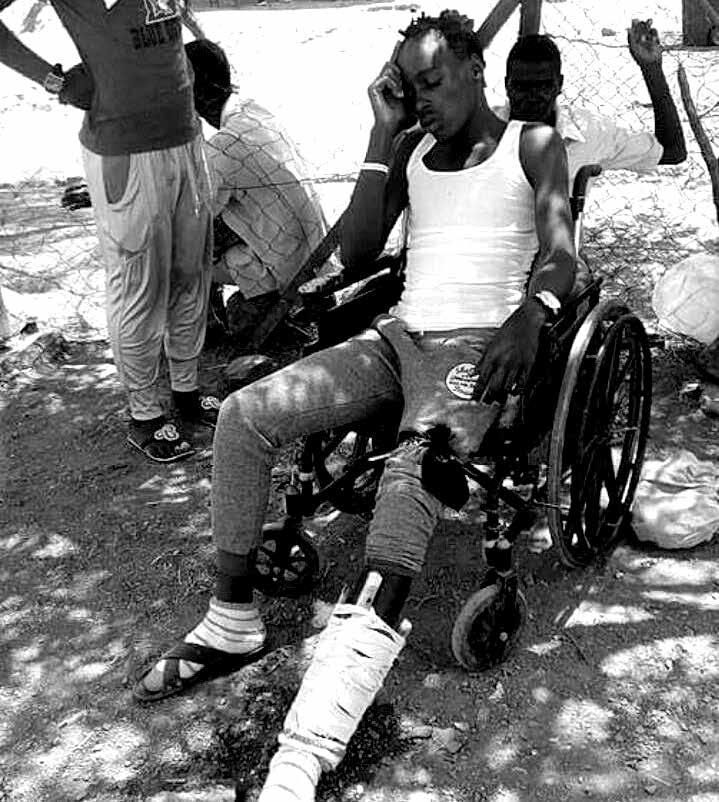
be turned away with no reason given and told to wait another six months.
This was the experience of Callum,* a young TV presenter and dancer, who fled Uganda in March 2015 after being told that his father and one his brothers were organising a contract killing, as they decided he had brought shame on the family name by being gay. He was considered a curse and possessed by demons, deserving of death.
For three weeks he slept rough and was then sent to Kakuma refugee camp. He experienced a brutal, violent time there; frequently beaten by police, camp guards and homophobic, mainly Somali, residents. After a terrifying few months, Callum managed to get back to Nairobi. Joining a cultural dance troupe brought some income from performing at weddings, but there were times of no money, no food and days of starvation. Callum managed to avoid selling his body, but many others see no alternative. They run the risk of HIV/AIDS transmitted by Kenyan punters who exploit vulnerable Ugandans, who they see as inferior.
Through sheer determination to survive, against seemingly insuperable odds, Callum was able to keep going until his resettlement authorisation eventually came through. Even so, he was picked up at random by the police some ten days before leaving the country, driven round for hours in a police van, roughed up, humiliated and pressured to perform oral sex on the police officers holding him. He was only released on payment of a bribe of some 6,000kes collected by LGBTI friends.
Callum was lucky. After having suffered three years of abuse, insecurity and fear, he is now finally resettled in a safe country where LGBTIs are treated as full human beings. But even today, as he talks about the mindless brutality he was subjected to, and his fear that it would never end, he bursts into tears; evidence of the extreme trauma he, and other LGBTIs, have suffered.
Callum’s experiences are echoed by Justin* who, like so many LGBTIs from Uganda who made it to Nairobi, narrowly escaped murder at the hands of his family. Lonely in the big city, he was introduced to some men by a fellow LGBTI, who he took to be a friend. These men pulled a gun on him and forced him into sexual slavery. This lasted for some two years until one day he was driven out of Nairobi, dumped near Lake Naivasha and told to walk ahead and not look back unless he wanted to be shot. The horrors of those two years have left a permanent psychological scar on Justin. This is another example of the many cases recounted by LGBTI refugees who have had similar traumatic experiences.
but is aware that her baby and sister depend on her. Like so many Ugandan LGBTIs, Salma has a moral strength despite the staggering degree of hardship she faces. She hopes that “someday the rain will stop and the sun will shine.”
Her experiences are mirrored by other lesbian refugees who are kicked out of lodgings when denounced by homophobic neighbours and then denied help by the UNHCR.
One LGBTI woman, Mary*, was kidnapped by a family member, taken back to Uganda, and badly beaten before managing to escape to Kenya again.
Religion, whether Christianity or Islam, plays a major role in the reasons many families abuse and threaten their LGBTI members, particularly women. Very few religious people show kindness or concern for the plight of LGBTI refugees in Kenya. Indeed, faith is often cited to justify their homophobic abuse.
Nairobi may be grim, but Kakuma refugee camp in Turkana county, northern Kenya, is even worse by many accounts. This UNHCR camp is overcrowded, insanitary and subject to disease-ridden flooding from frequent heavy rains. Refugees there describe their life as hell – a word frequently used to convey the measure of despair felt by the LGBTIs inhabitants. They are at daily risk of violence, disease and malnutrition.
visited in January. All was smiles and promised remedies. But the LGBTIs there, a large number of whom are transgender, still await action to render their lives tolerable.
At the moment, there seems to be some doubt as to whether the UNHCR will continue its resettlement of Ugandan LGBTI refugees. A recent meeting with UNHCR’s focal person, the officer for mediating between the agency and asylum seekers, gave an uncertain, unclear response. The UNHCR, in an email to me, maintains that Ugandan LGBTIs have not been singled out for cessation of resettlement. The refugees are not convinced and have been debating whether to demonstrate outside the UNHCR offices in Nairobi – a sign of their grave desperation.
African LGBTI refugees are the forgotten ones; being black, African and LGBTI is enough to be ignored. Attempts to enlist the sympathy and practical support of international organisations, even LGBTI ones, are often met with silence. The media occasionally publish coverage, but then the issue fades away.
What will it take to win justice and safety for Ugandan LGBTI refugees in Kenya? This is a question they are asking – and we should be asking, too.
Coming to terms with the betrayal and abuse by their family, community, church and even friends is a process that many do not know how to handle and cannot cope with, as support systems are few and far between, and the sensitivity that is required to help them move on is lacking.
Ugandan LGBTI refugees complain that the UNHCR is precisely the opposite of what they seek and need: a safe haven. It is staffed by many homophobic Kenyans who do their utmost to humiliate persons of concern, as refugees are termed, often interrogating them in a hostile manner. They question their genuineness; telling them to go back to Uganda and to pray to God to make them stop their sinful ways.
The homophobia freely expressed by assessment officers at UNHCR is in direct contradiction to the User Guide published by the UN, which clearly states that “personal, religious and cultural barriers of staff members (both UNHCR and partners) must not stand in the way of responding to the protection and needs of LGBTI refugees on a non-discriminatory basis.”
As related by so many LGBTIs, this policy is not adhered to, and individual officers sometimes pursue personal vengeance on particular LGBTI refugees. They threaten them, try to pressure them out of the asylum process and seem to maliciously delay their resettlement process. Some officers have been known to harass LGBTIs on Facebook, get them evicted from lodgings and do deals with other LGBTI refugees –employing them as spies on fellow asylum seekers and in return promising to speed up their resettlement (which rarely happens).
What motivates these UNHCR officers, other than pure homophobia, is unclear. They rarely answer emails and are prickly about requests for information concerning the cases and plights of individual LGBTIs. Far from being the helping agency that its remit demands, UNHCR is seen by many LGBTI refugees as a hindrance; lamentably failing to live up to its much-vaunted pledges and reputation.
Women asylum seekers face the same difficulties as men, with the added dimension of being women in societies that are mostly patriarchal. While many Kenyans may feel that a certain amount of physical affection is acceptable between women in public, this nevertheless has not prevented LGBTI women being outed, threatened and forced to run for their lives.
Salma* is a case in point: raped by her Ugandan uncle, this twenty year old woman now has a baby and is struggling to survive in Nairobi, along with a younger sister who fled with her. She has contemplated suicide
The World Food Programme reduced the monthly rations to camp inmates by 30% in October 2017. This has been particularly dangerous for LGBTI refugees diagnosed with HIV/AIDS, for whom adequate food and good nutrition is important. The lack of proper washing and toilet facilities also puts them at risk of potentially lifethreatening infections.
Meetings with some UNHCR officers have resulted in promises of increased food, protection against violence and improved housing and sanitary conditions, but so far nothing has been done.
LGBTI refugee leaders have even met the UN High Commissioner for Refugees, who
*Names have been changed to protect the individuals from reprisals. Richard de Luchi’s report is based on his contact with Ugandan refugees and his experiences with the UNHCR.
You can donate to help LGBT+ refugees via the Ugandan refugees own GoFundMe page: https://tinyurl.com/nairobirel or via the African Human Rights Coalition’s relief fund: https://tinyurl.com/lgbtrel7
More info: This is the Facebook page for Refugee Flag Kakuma, the LGBTI group inside Kakuma refugee camp: https://www. facebook.com/RefugeeFlagKakuma
Courtesy of the Peter Tatchell Foundation
$1 a day
by Mike Andrew SGN Staff Writer
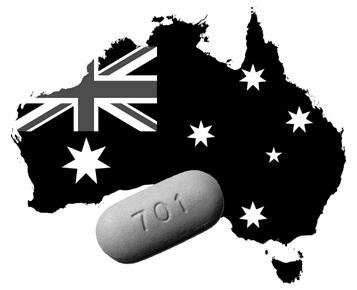
The Australian government announced on May 8 that it would invest AU$180 million (or $134 million in US money) in PrEP funding.
The government also added PrEP to Australia’s Pharmaceutical Benefits Scheme (PBS), the list of drugs approved for government-funded subsidies through the national healthcare plan.
The government actions will bring the cost of PrEP down to AU$39.50, or US$30, per month – a mere $1 per day. The cost will be even less for recognized low income Australians.
The Australian Federation of AIDS Organisations (AFAO) said the new funding will “drive a sharp reduction in HIV transmission.”
“The listing of PrEP on the PBS is a game changer for the future trajectory of HIV transmission,” said the AFAO’s CEO, Darryl O’Donnell.
AFAO is currently working with the Department of Health to develop the eighth National HIV Strategy.
The next HIV strategic plan offers a huge opportunity to drive HIV transmission to very low levels, O’Donnell said.
“To fulfil this promise we need to leverage the power of big data. [The May 8] announcement of a new e-prescribing system provides the possibility of using anonymous data to build a dynamic, realtime picture of the use of HIV prevention and treatment medicines,” he said.
The new funding will also help with high rates of HIV infections amongst Australia’s Aboriginal and Torres Strait Islander people.
“HIV transmission among Aboriginal and Torres Strait Islander Australians is now double that of non-Indigenous people born in Australia,” O’Donnell said.
“The budget’s commitment to expand the skills and experience of Aboriginal and Torres Strait Islander health professional organizations is welcome but dedicated and substantially increased investments to respond to BBVs (blood borne viruses) and STIs (sexually transmitted infections) in Aboriginal and Torres Strait Islander communities are needed.”
Increased Australian government funding to mental health support organizations will also help LGBT people, according to O’Donnell.
“Mental distress associated with sexuality, sexual health and the stigma surrounding HIV can be acute. Every extra dollar spent supporting people experiencing mental distress is a dollar well spent,” he said.
“Making progress on HIV will require that we are also making progress on intersecting health issues including mental health and alcohol and other drug use.”