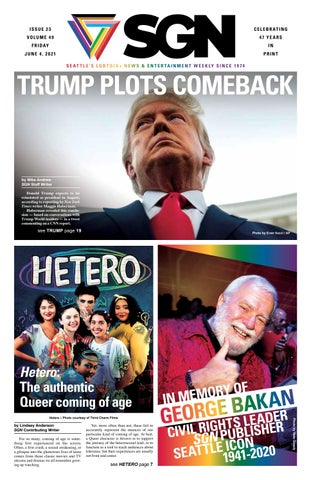
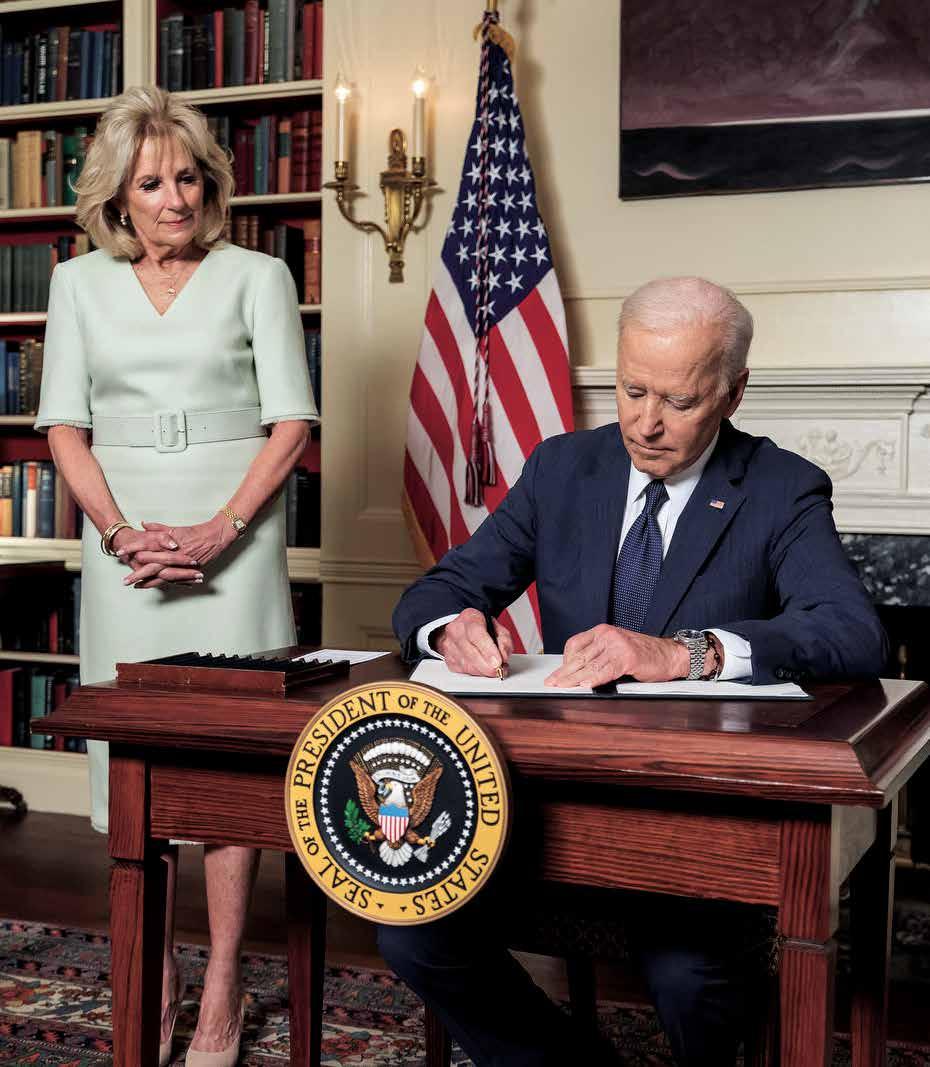
Donald Trump expects to be reinstated as president in August, according to reporting by New York Times writer Maggie Haberman. Haberman revealed this conclusion — based on conversations with Trump World insiders — in a tweet commenting on a CNN report.
see TRUMP page 19
by Lindsey Anderson SGN Contributing Writer
thing
a
Hetero – Photo courtesy of Third Charm Films
Photo by Evan Vucci / AP
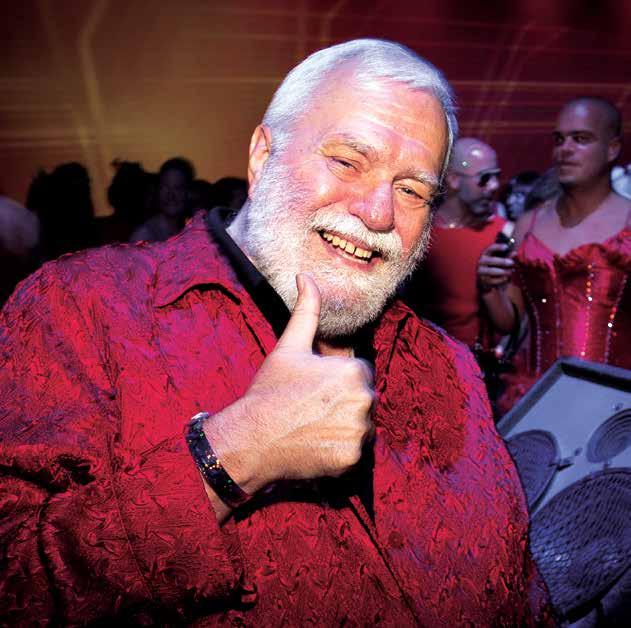
Photo by Nate Gowdy
THIS AD SPACE HAS BEEN GENEROUSLY DONATED BY KRISTIN COSTELLO IN MEMORY OF SGN PUBLISHER GEORGE BAKAN
This week we will focus on one story. It started right here in Seattle, and I was part of it.
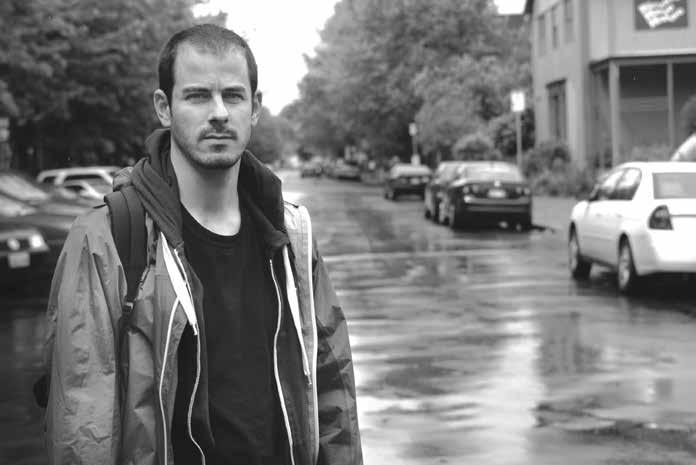
On May 31, 2011, my NY-based actoractivist friend, Alan Bounville, spent the first night of his 6,000-mile coast-tocoast walk in Seattle as my guest.
“I want to inspire an open conversation about full civil rights,” Bounville said. “We need a dream. That builds energy in a movement.”
During his epic walk, he wanted to focus on the issue of LGBTQ equality and tackling society’s fear of those who don’t fit neatly into the male/female binary. He hoped to bring attention to gender inequality by taking the issue out of insular Pride parades and bringing it into the streets.
“In an insulated environment, we’re not tapping into the populace. Walk down the street with a rainbow flag and talk about your issues. We’re out, but we need to be out more. We talk about Pride parades and marches, but the media gets to manipulate that by just showing a guy in a thong or a drag queen,” he said. “Which is great,” he laughed, “but the point is that the media gets to portray it however they like.”
“We all have equal power to create our own action,” he said. “We don’t need to wait for other people to tell us what to do.”
On his website, Bounville wrote, “A person’s gender identity and gender expression should be decided not predetermined by expectations, but by each of us as individuals… Until that is the accepted norm, we will continue to live in an imbalanced world where people who are transgender are beaten, murdered, and refused jobs, where women are paid less than men for the same amount of work, where men aggress against each other, where lesbian, gay, bisexual, and all people are judged not on the quality of who they are as people but on how ‘masculine’ or ‘feminine’ they are perceived to be — and that’s just the beginning.”
During his walk — which Bounville speculated would last 9-18 months — he also intended to offer free workshops on gender expression and identity, social movements, and civil disobedience. “It is vital that people have the proper tools to recognize injustice and create their own actions that demand the changes they seek,” said Bounville.
Ten percent of donations to Bounville’s walk would go to the Transgender Legal Defense and Education Fund (www.transgenderlegal.org), an organization that shares the goal of ending gender discrimination.
As his proposed route would take him deep into the South, the SGN asked if Bounville was prepared for any possible confrontations.
“Obviously, yeah,” he said. “You’re walking across the country with a rainbow banner. But people have done [walks like] this before, for many different reasons, and been just fine. However…” he paused. “Well, people are mostly good,” he said with a confident smile.
“It’s gonna take a long time,” Bounville said, “but I’ll keep putting one foot in front of the other.”
This week in SGN history: 10 years ago
by MK Scott SGN Contributing Writer
Over 47 years, the Seattle Gay News has covered thousands of stories that still resonate today. This week we look back at Vol. 39, Issue 22, published on June 4, 2011.
As Alan’s host, I had the opportunity to accompany him around the Hill. One of our first stops was the SGN offices (1605 12th Ave.), where we met up with SGN staff writer Nick Ardizzone. I then accompanied Bounville later to Lambert House, where he demonstrated the importance of art and activism with an AV presentation. Afterward, we accepted SGN
Publisher George Bakan’s invitation to food and drinks at Purr Cocktail Lounge. I recall that George was very impressed with Bounville’s confidence and wished him well for his journey.
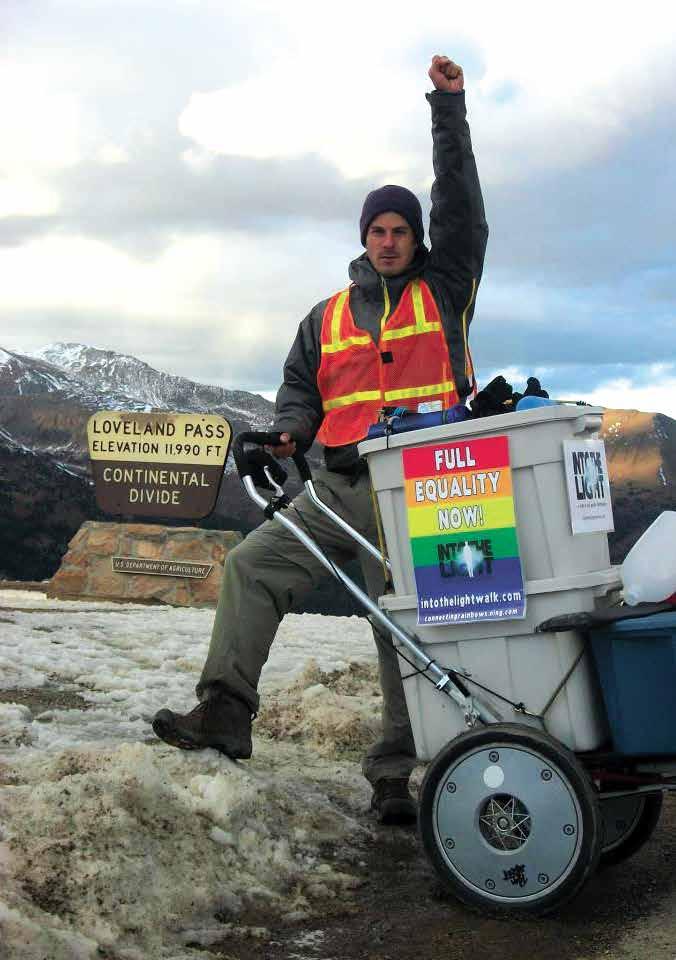
When morning came, Bounville packed up his cart filled with AV equipment and plastic tubs, including one with a rainbow with the words “Into the Light
2011 This Week in SGN History
Walk.” I promised him that I would publish a series on his journey on my blog, Outview. The following are some of the highlights of that 6,000-mile walk that indeed lasted for 18 months:
• July 2011: Leaving the NW and heading Southwest
• December 2011; February 2012: Deep in Texas
• July-August 15, 2012: Reaching the Atlantic Ocean in Cocoa Beach, FL
• September 2012: Savannah, Georgia
• November 2012: Walking in Memphis, TN
• January 2013: Cleveland, TN to Charlotte, NC
• February 23, 2013: Arriving in Washington DC at the White House
As his journey ended, Bounville wrote, “For nearly two years I’ve been invited as an equal into hundreds of homes across this great land. The walk ends at the People’s House, where transgender, bisexual, queer, lesbian, twospirit, intersex, and gay Americans are still not welcome as equals. The time for full equality is now.”
Update: I had a chance to chat with Bounville by phone this week. When asked about the first night after leaving my Capitol Hill apartment, he responded “I made it to the south of Seattle, and … under an I-5 overpass, I set up my tent and stayed the night There was one other tent next to mine, and not knowing who this stranger was made my first night a restless one.”
When asked what was the scariest moment, he responded that it was the “hey, homo” story in Florida. From his blog post on July 11, 2012, titled “What you doing, homo?”:
A few minutes prior, the final measure of twilight had passed. I was now cloaked by darkness as I walked on Highway 19 about ten miles north of Inglis, FL. There was nothing out here. I was just about to set up my tent somewhere along the side of the road on this muggy July night in rural Florida when a man in a dark truck yelled these words at me. He couldn’t have seen my rainbow ‘Full Equality NOW!’ signs, I thought. I was walking against traffic, as I’ve done since a police officer in central Texas stopped me to inform me that pedestrians are to walk so they can see what is coming toward them. Up to that point, I was walking with traffic at my back. 2,600 miles not knowing what was coming towards me! Well, I knew now what was approaching, and I didn’t like it at all.”
Bounville, after the experience, had hoped to get his book published but has had a difficult time getting a publisher on board. When COVID hit, he found himself homeless, but also a new mission to feed the homeless in the Catskills of New York. He wanted to make sure we shared this message: “We need a nation of people to be helpers.” Finally, when asked if he would ever go on this journey again, he responded with just “no”.
Alan Bounville – Photo by Shaun Knittel
Photo courtesy of Alan Bounville
Local News Lambert House: Socially distanced but socially connected
by Josephine Baird SGN Contributing Writer
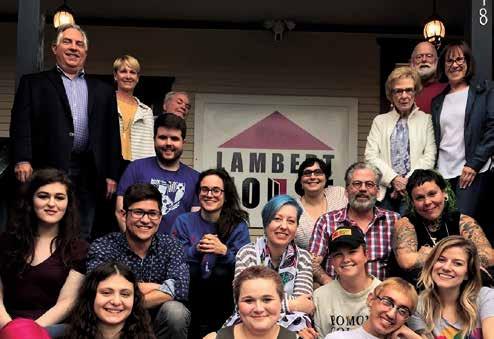
Seattle has lots of resources for LGBTQ+ adults, but every confident Gay grown-up was most likely once an awkward or lonely Gay teen. And Lambert House has been helping to turn awkwardness and loneliness into confidence and community since its beginnings in 1981.
Lambert House is nationally respected as a safe place for Lesbian, Gay, Bisexual, Transgender, and questioning youth aged 11-22. The local nonprofit believes that the best way to prevent LGBTQ+ youth from experiencing many of the risks that disproportionality affect them — such as depression, suicide, homelessness, social isolation, alcohol and other drug use, and HIV and other STDs, among other things — is through youth community building.
Since the start of the coronavirus pandemic, it has moved its mission online, including its dozen or so discussion groups, such as the Friday Queerantine, the Tranz Youth Group, and the Boys Who Like Boys Group.
Although doing so hasn’t been ideal, it has been necessary.
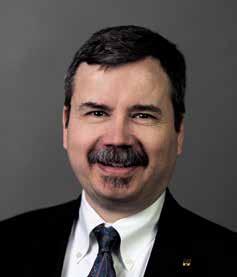
Ken Shulman, Lambert House’s executive director said, “Necessity is the mother of invention, and we felt that it was more important than ever to keep LGBTQ+ youth socially connected while they were socially distanced.”
Since going online, Lambert House has been working hard to keep local LGBTQ+ youth connected in this time of isolation.
What the staff didn’t know was that doing so would expand their programming all over the United States and out into the broader world. Since the pandemic began, Lambert House has served young people in 26 states and five countries. LGBTQ+ youth, no matter where they are located, often feel isolated and alone. Whether they live in rural Minnesota or Saudi Arabia, being a LGBTQ+ young person can be not only difficult but dangerous. As Shulman said, “The world is still not safe for LGBTQ+ kids.” Which is why the resources that Lambert House offers online
have been so vital to youth around the world, even what Shulman calls “lifesaving.”
As the hope of returning to in-person activities rises on the horizon, nonlocal youth are worried that these online resources they have grown to love and come to rely on will no longer be available to them. But Shulman and the other dedicated staff and volunteers of Lambert House aren’t going to let that happen, Shulman said: “We are planning to continue online programming and are in the process of deciding what that looks like.”
Last responders: funeral providers adjust to challenging times
by Paige McGlauflin
SGN Contributing Writer
In light of ever-changing guidelines from local and federal governments, Seattle-area funeral providers, sometimes dubbed “last responders,” have faced hurdles that have led both funeral homes and loved ones to limit memorial services or wait long stretches before respects could be paid.
As a result, funeral professionals have had to drastically adjust how they help families close some of the final chapters of loved ones’ lives over the course of the pandemic.
“It [was] challenging, because the parameters around how we could gather or who could gather continued to change,” Vince Larkin, the general manager and funeral director at Dignity Memorial’s Acacia Memorial Park location, told the SGN. “These are all directions from the governor, and also guidance from the CDC, so: 25% of your capacity, [making] sure people social distance, [wearing] masks, all those all those sorts of things.
“It just became really challenging, and so many folks opted not to gather.”
Instead, it’s become not uncommon for families to opt to hold memorial services on the anniversary of the deceased’s passing, Larkin said. “This past week we had a family, on the anniversary of their loved one’s death, gather to have their services.”
The toll of having to wait so long to put someone to rest is not lost on Larkin, who lost his father to COVID-19 in November. Like so many others, his family wants to hold a memorial service on the anniversary of his father’s death, when more can gather in per-
son and potentially forgo wearing masks.
“On a personal level, not having that closure continues to sort of eat at me,” Larkin said. “Not having those kinds of rituals, of going to the cemetery, of gathering, continues to have an impact on me. I know it’s having impacts on others.”
The surge in deaths over the last year and the uncertainty over how to maintain safety from the virus is reminiscent of the HIV/AIDS pandemic, an experience Larkin has been forced to draw upon when approaching Acacia Memorial Park’s services and precautions.
“There are several parallels: initially we didn’t know… how COVID was being transmitted, and there was a significant freakout,” Larkin said. “It’s like we’ve done this before.
There [are] lots of lessons that we learned through HIV and AIDS that we could implement on many, many levels of the work that we do.” For example, going the extra mile in terms of wearing personal protective equipment during the early stages of the COVID19 pandemic served as a reminder of the early stages of HIV and AIDS.
Larkin is a member of UNITE, a LGBTQ associate resource committee within Dignity Memorial, a network of licensed funeral, cremation, and cemetery providers. Originally from Utah, he moved to the Seattle area in 1992 after experiencing homophobia in his family’s own funeral services business and deciding to pursue his profession elsewhere.
“It was one of those things I never expected that I would go through,” Larkin said. “I know I am where I am today because of my skills and abilities and such. I’m perfectly happy to be here in Seattle and have no desire to go back.”
In the many years since moving here, Larkin is grateful to be equipped to help those in some of their greatest moments of need.
“In situations such as we’ve been in, people are looking for those who are going to help them… not necessarily whether they’re gay or straight,” Larkin said. “When people need help, it doesn’t matter from where the help comes.”
Seattle has lots of resources for LGBTQ+ adults, but every confident Gay grown-up was most likely once an awkward or lonely Gay teen. And Lambert House has been helping to turn awkwardness and loneliness into confidence and community since its beginnings in 1981.
A history of serving youth Lambert House has an amazing history, starting in 1981, when the organization officially became a nonprofit, receiving its 501(c)(3) status as the Association of Gay and Lesbian Youth Advocates. AGLYA was the first social service organization 100% dedicated to LGBTQ+ youth to receive nonprofit status from the IRS.
In 1991, AGYLA found its permanent home in an old Victorian house located in Seattle’s favorite “gayborhood,” Capitol Hill, at 1818 15th Avenue. In 1993 AGLYA was renamed Lambert House after a local LGBTQ+ youth advocate, Gray Lambert, who died in August of 1991 of HIV/AIDSrelated complications.
In a typical, pre-COVID year, Lambert House hosts many in-person events and drop-in visits by local youth. In 2019, the last year still totally in person, Lambert House served 1,317 LGBTQ+ youth from 132 different ZIP codes, mostly in Washington state, and from all different walks of life. Out of these, 107 were homeless. With the help of local nonprofits and shelters, Lambert House was able to help LGBTQ+ youth living without shelter stability. When homeless youth go to Lambert House, they are given a list of what Shulman refers to as “LGBTQ+-competent organizations,” places that make sure they are not targeted and harassed by other residents.
Building community
One of the ways Lambert House has built community in the past is by offering its own high school prom, an alternative to school-based ones, which have notoriously been anti-LGBTQ+.
When the event started in 1998, bringing a same-sex date to prom was not socially accepted or even allowed at some schools. Since then, some schools have become more inclusive, but there is a difference between allowing youth to bring same-sex dates and making LGBTQ+ youth feel comfortable and accepted. Which is why Lambert House has continued the legacy of hosting the annual event called the Pink Prom, which guarantees safety to and inclusivity for all in attendance. As is evident in its track record, Lambert House has a long legacy of making a huge impact in the lives of LGBTQ+ youth in the Seattle area. Now, it has a future of helping young Gay people all over the US, and even the world.
Because the mission and reach of Lambert House has grown so much in the last year, its need for volunteers and funding has also grown. To learn more about how to become a volunteer or donate, or about its events and programming, go to lamberthouse.org.
Lambert House youth and staff June 2018 – Photo courtesy of Lambert House
Vince Larkin – Photo courtesy of Dignity Memorial
Arts & Entertainment Transforming the scene: Lauren Holloway on current art and youth activism
by Carter Hemion
SGN Contributing Writer
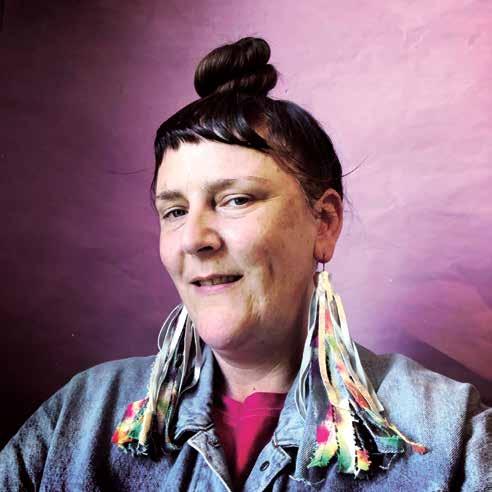
Lauren Holloway leads by example, both in creating art and in making space for youth to share their own voices.
A seamstress, jeweler, teaching artist, and photographer in her own right, Holloway is shaping the culture of art in Seattle, especially for young people. As a teacher at Franklin High School, where she is (or they are) known as Mx. Holloway, she serves as an advisor to the Art of Resistance and Resilience club, where students work together as artists and activists in the community.
In a conversation, she shared her most recent work, proud moments from her career so far, and some of her goals as an artist, both individually and with her students.
Background
Originally from Michigan, Holloway is self-taught aside from taking several metalworking classes. Her family always valued art and encouraged her to pursue hers.
She has professional experience today in a range of media, including apparel, jewelry, paintings, murals, and mixed media. She currently strikes a balance between her own art and advising youth artists at Franklin High.
Holloway also recalls a quote from Banksy that resonates with her, and that she brings into her art: “Art should comfort the disturbed and disturb the comfortable.”
Identities in work
As a school staff member, Holloway changed her/their title to the gender-neutral honorific “Mx.” Holloway’s visibility in coming out and using that title with the pronouns “she/her” or “they/them” has made her someone whom students can both learn from and feel comfortable expressing themselves around.
Holloway has seen a shift in more students openly expressing their gender outside the binary. She notes that more students are sharing their pronouns as “she/ her/they/them,” “he/him/they/them,” or even “whatever [pronouns].”
Needlework
Currently, Holloway is further expressing herself through sewing. She comes from “a long line of seamstresses” and has been honing her skills in this area.
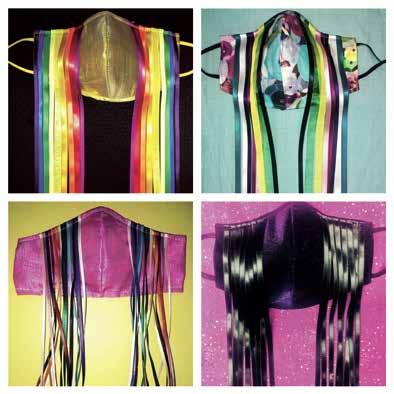
Since the COVID-19 pandemic began, Holloway began making custom masks. So far, she has created over 700 fabric masks and continues to sell more. Holloway donates portions of the sales to aforementioned high school club and community members in need.
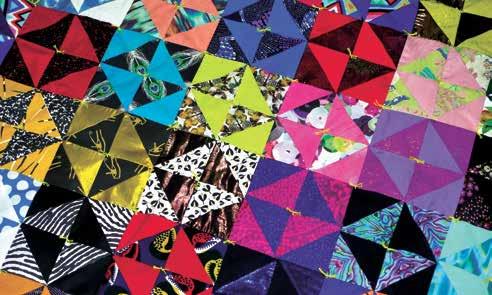
She recently made her first quilt using scrap fabric from these masks. Holloway considers quilting an activity that helps her connect to her family history as a seamstress and is passionate about this project. She also calls using scrap fabric “a way to make do with what you have.”
Work with students
Holloway’s career as an artist is also intertwined with her career in teaching.
Franklin High School has a much higher minority enrollment than other Washington state schools, with 92% of students being BIPOC. Many of Holloway’s students are also immigrants, LGBTQIA, or otherwise experiencing marginalization.
After President Trump’s inauguration and in light of policies dangerous to more marginalized students, she saw “a call to action” and founded the Art of Resistance and Resilience group at the high school.
One of the group’s main goals is to cre-
ate art together so students can express “who they want to be.” For some, this is a respite from challenging experiences outside of school. For all of them, the club is a safe space to learn and express their identities. She feels a responsibility to support students in sharing their stories and those of their communities.
Last year, the club received a grant to hire two teaching artists. Holloway created space for more marginalized artists and for her students to have the agency to decide on those “they feel really comfortable with.” The artists, both BIPOC, have helped foster students as young artists and activists.
Holloway also reflects that as an educator, she works to “create intimacy and community” in her classroom, even and especially when working with students over Zoom.
Proud moments and activism
Holloway shared some moments from her career so far that she is particularly proud of, some of which involve murals she organized for students.
In 2018, the Art of Resistance and Resilience group created a mural to honor the Seattle chapter of the Black Panther Party. For this project, she connected students with the chapter’s founding members so that they could “learn from the history makers” and tell their story with integrity.
In summer 2020, some of her students painted a mural near the Capitol Hill Autonomous Zone (CHAZ, later and more commonly called CHOP) to support the Black Lives Matter protests. It depicted activist Marsha P. Johnson, a key figure in the Stonewall riots, and local performance artist and activist Adé A. Cônnére, whom Holloway invited to meet with students.
Unfortunately, dissenting Seattleites vandalized the mural while the students were working on it, and some would “stop by and yell homophobic slurs” at the club members. Despite these challenges, Holloway helped arrange security measures to keep the students safe as they finished the mural.
Current projects
Holloway is excited to see “a lot of opportunities for young artists” that will allow them to “say what they want to say.”
As a teacher at Franklin High School, where she is (or they are) known as Mx. Holloway, she serves as an advisor to the Art of Resistance and Resilience club, where students work together as artists and activists in the community.
Seattle Public Schools arts plan, will highlight the club’s work.
Holloway is stepping away from the club to let BIPOC artists work with the students and develop their skills as youth activists and growing artists. In addition, she is taking the summer to spend time working on her quilts as a seamstress in her own studio. She is also exploring art about the Anthropocene to highlight “what is happening to life on Earth.”
Holloway hopes to see educators prioritizing students’ mental and social-emotional health. She expresses a love and care for her students that she aims to normalize, most importantly during the challenging times that students are facing today.
Keep up with Lauren Holloway’s work by following on Instagram @lauren.holloway.art and @loveandragemasks.
Her students are currently working on a mural in Rainier Beach as part of a campaign to address and eradicate racism. In the near future, Creative Advantage, the
Photos courtesy of the artist
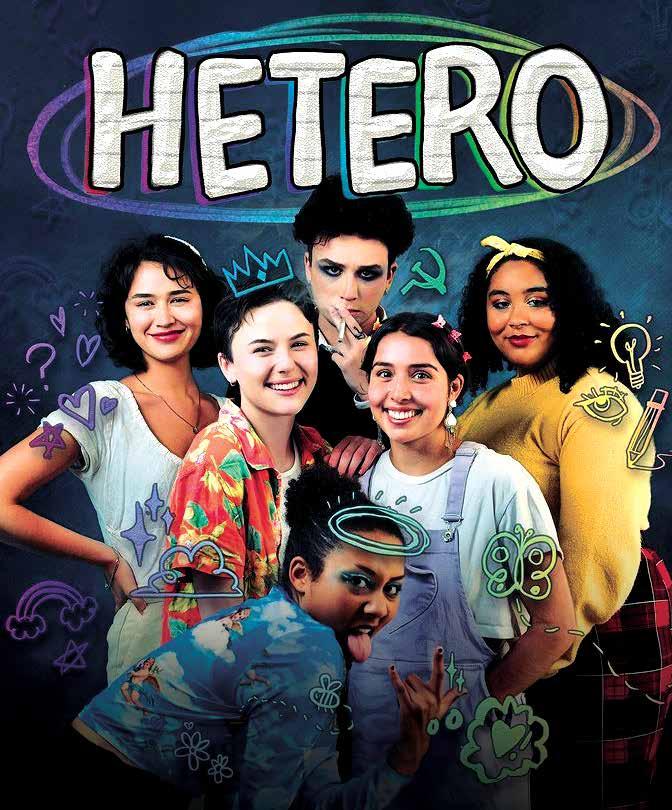
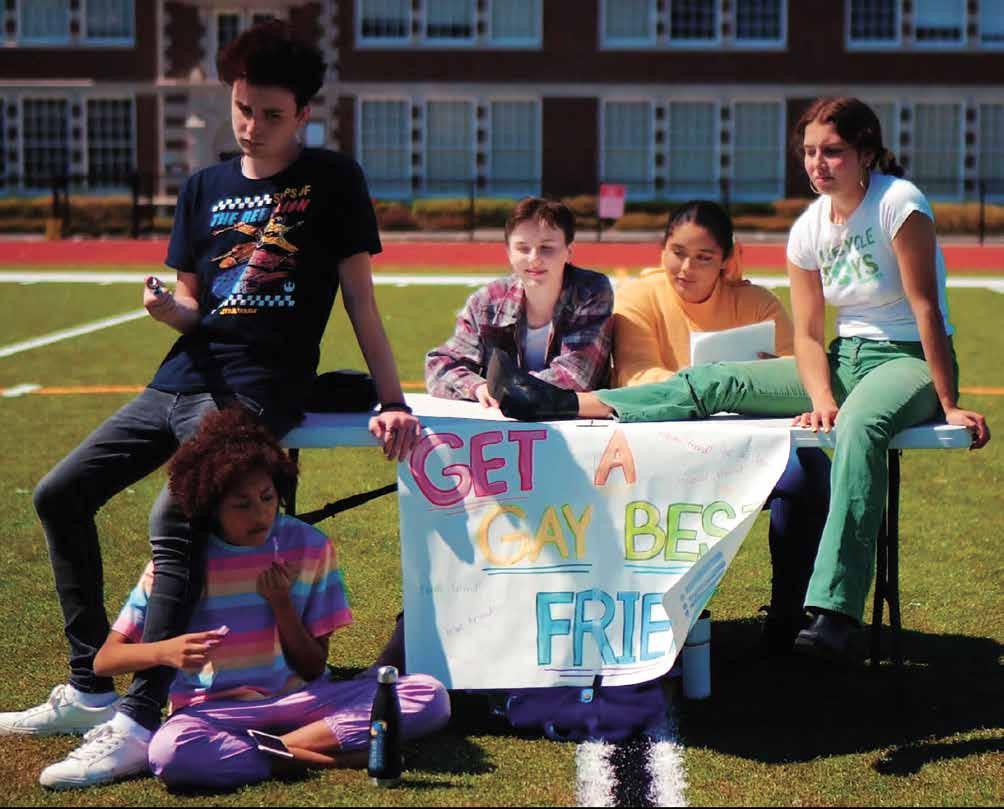
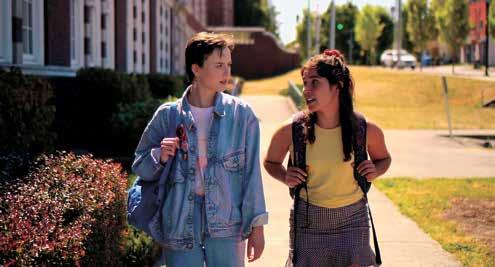
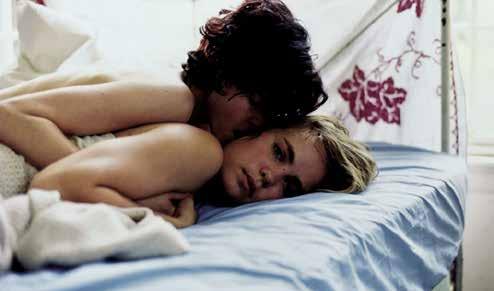
All of that is about to change, however. Local Seattle teen Kendall Kieras has just wrapped up filming of their very own Queer sitcom, ironically titled Hetero, a miniseries centered around five Queer teens who are trying to save their stuggling Gay-Straight Alliance.
“It’s kind of like a mix of a coming of age and a comedy,” Kieras told me as we sat down to discuss what the upcoming series will look like.
“It’s like if you took any of your basic coming-of-age stories or sitcoms and then just made it really gay and over the top,” they said, explaining how they drew inspiration from many of their favoirite comedies from the ’90s, “I really just love the campiness and fun of that era, and I’m really just trying to bring some of that back with Hetero.”
The goal of Hetero is to provide Queer teens with a show that reflects some of the unique experiences they have that shows marketed at straight audiences leave out. This mission is personal for Kieras, who, like many other young adults, grew up with paltry Queer representation in the media.
“When I was growing up, I was watching Blue Is the Warmest Color under my sheets,” they explained, “which is a terrible movie, made by men, which is just, like, half porn, but it was the only lesbian movie I had… I feel like there is this weird unspoken agreement that there can be a queer character, but they have to be, like, in the sidelines, and they’ll have one kiss, and all the little gays will just YouTube it forever and ever…
“I wanted Hetero to be the antitheisis of that. I wanted it to be literally as gay as possible.”
Hetero is making waves as one of the first all-Queer-run and Queer-produced sitcoms, and will hopefully inspire more shows to dedicate space to the authentic and joyful stories of Queer experiences.
Kieras explained that Hetero is more than just a gay coming-of-age comedy. It’s a show where all members of the LGBTQ community can see some unique aspect of themselves and relate to the teenage angst that comes along with growing up Queer.
“There’s a lot of exploration of feeling alienated and experiencing things for the first time, and kind of that feeling of having this really small world — and then when bad things happen, you feel like it’s the end of the world… I think [the show] tries to be an accurate and balanced portrayal of what it’s like to be a queer teen these days, especially if you’re not a white cis gay man,” Kieras elaborated.
Born out of experience
Hetero was born out of Kieras’s desires to see themself represented on screen. The opening scene, which is currently available on YouTube [https://www.youtube.com/ watch?v=iGyBdL5WD8A], was actually inspired by a real-life experience. In it, the
five main teens are sitting in an English class, causing a racket over a classic Shakespearean sonnet that uses male pronouns.
“I was sitting in my English class learning that exact poem, and I was like, what if this was different? And that’s just kind of where the start came,” Kieras recalled.
“I started writing a long time ago, and a ton of it is based on my own experience, just because I led my GSA in high school, and I was writing for maybe two years, and then I met Bently [Eldridge], who’s the other codirector, on Instagram, and the rest of it just kind of fell together.”
Kieras and Eldridge wrote, directed, and cast Hetero, and filmed it last summer on Bainbridge Island. The cast is mostly made up of teens, and everyone involved with the show is Queer.
“We wanted to try and have queer teens play queer teens,” Kieras said, noting the importance of representation, not only in characters but also in actors. “I was just kind of tired of this kind of representation that felt a bit like an uncanny valley, like
these people were supposed to be like me but they weren’t at all.
“I think that there’s this feeling of euphoria when there’s something on screen, and you just connect to it so much, and I just want young queer people to have that.”
That euphoria is a feeling young Queer teens will begin to have more and more of, thanks to creators like Kieras and Eldridge who are doing more than just recognizing the gap in authentic LGBTQ representation — they’re working on filling it.
Hetero is making waves as one of the first all-Queer-run and Queer-produced sitcoms, and will hopefully inspire more shows to dedicate space to the authentic and joyful stories of Queer experiences.
While Hetero is still awaiting distribution, the first episode will be available on YouTube for the month of June for a donation [https://www.gofundme.com/f/heteroseries], and updates on where to view the show can be found on Instagram and Tik Tok (both @thirdcharmfilms).
HETERO continued from cover
Hetero – Photos courtesy of Third Charm Films
Film
1,001 great films (part 4)
Sean Connery, the art/artist debate, and longing to be a “golden girl”
by Sara Michelle Fetters SGN Staff Writer
When Sean Connery died in October of last year at the age of 90, I was heartbroken. He may be my favorite actor of all time. Either him or Cary Grant — their ranking in my headspace changes depending on my mood whenever someone asks me the question.
Connery has always stirred something deep inside of me from the first moment I laid eyes on him in Disney’s Darby O’Gill and the Little People. He remains my favorite James Bond by a country mile. His performances in The Hill, The Untouchables, The Man Who Would Be King, and The Offence are four of the finest I’ve ever seen. Frankly, I just find the man sexy as hell, and there isn’t a point in his long, 50-plus-year career where I do not find him attractive.
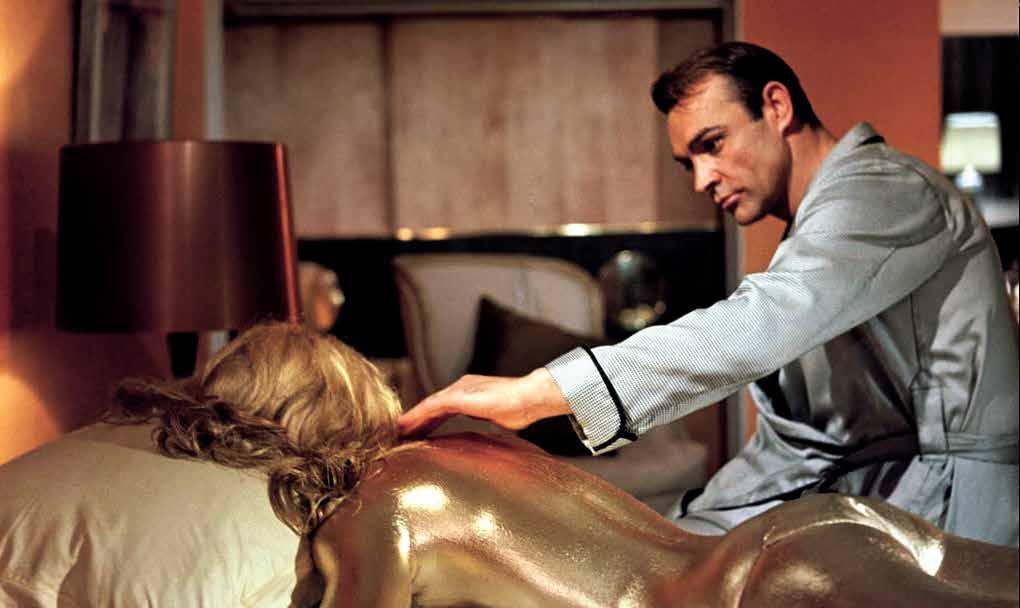
I remember watching Goldfinger with my parents when it aired on television. This was not my introduction to James Bond (that would be 1979’s Moonraker with Roger Moore), but it was the first time I felt my stomach flutter in some unexpected ways while watching a movie. Not only did I have to deal with the idea I was finding a man (and not his seemingly never-ending bevy of incredibly sexy female costars) attractive, I also had to deal with the fact I wanted to grow up to be like one of those women and not 007. Let’s just say that Shirley Eaton in all her “golden girl” splendor did something for me and leave it there.
As much as we’d all like to fantasize otherwise, there are no perfect people in the world, and Connery is no exception. In a November 1965 interview with Playboy, the actor infamously stated, “I don’t think there is anything particularly wrong about hitting a woman — although I don’t recommend doing it in the same way that you’d hit a man.” He’d later double-down on those remarks in a 1987 interview with Barbara Walters, as if also trying to clarify, play-
“I remember watching Goldfinger with my parents when it aired on television… I felt my stomach flutter in some unexpected ways while watching a movie. Not only did I have to deal with the idea I was finding a man (and not his seemingly never-ending bevy of incredibly sexy female costars) attractive, I also had to deal with the fact I wanted to grow up to be like one of those women and not 007.”
fully bantering with the legendary journalist as to whether he was a “male chauvinist” and whether or not that was a bad thing.
It should be noted that in one of his few interviews after he retired from acting, Connery did state unequivocally in 2006 to the Times of London, “I don’t believe that any level of abuse of women is ever justified under any circumstances. Full stop.” I also urge people to read the full Playboy article and watch the entire Walters interview. Both are easy enough to find online.
This does lead to an interesting, and important, conversation. There’s a lot of talk about so-called “cancel culture,” which isn’t so much about canceling anyone as it is holding individuals accountable for their words and actions. I think that’s a good thing. If I say something untoward, idiotic, or even borderline reprehensible, I would hope I get called out, as sometimes hearing those outcries can be the only way to grow and learn. It’s the art/artist debate, and it’s a discussion in continual evolution that is almost always worth having.
But there is a generational aspect to all of this I’m not sure we always take into consideration. My mother had no issues with Connery’s comments. She didn’t care for them but also felt they were normal for a man of his age group and the form of masculinity he represented. On the flip side, a fellow critic roughly 20 years my junior found them abhorrent, so much so she openly wondered if she had to reassess the actor’s filmography after learning about them.
Are there any easy answers to any of this? No. There are not. I’ve included films this month starring the likes of Mel Gibson, Charlton Heston, Bing Crosby, John Wayne, Tim Allen, and Jon Voight, and as problematic as each of them is, there’s no way I’d consider canceling a single one of the motion pictures they’re involved with listed here.
But I also know I’m not immune from turning on filmmakers and actors I’ve loved in the past for comments or actions they’ve either taken now or that have recently come to light. This makes it impossible for me to pass judgment on anyone who feels the need to do the same.
As for Connery, I still love him to pieces. Many of his performances and his films mean the world to me. I can’t imagine them ever disappearing or being erased. They continue to have value, even as I recognize that his words and opinions deservedly force us to reevaluate the actor in ways that should make each of us uncomfortable. And if it doesn’t? That maybe says more about you than it does anyone else, so take a look in that mirror before getting too sanctimonious.
Going slightly off-topic, one of the things I’ve tried to stress throughout this series is how fluid and malleable projects like this are. There are no absolutes when it comes to discussing “great” art, just personal opinions gussied up in flowery language and supported by research and experience. Lists like this are living, breathing entities, and can be changed and updated at
any time for virtually any reason.
I bring this up because that’s exactly how things are playing out here. Back in April I stated that there would be only one John Waters film on the list and that Hairspray and Desperate Living didn’t make the final cut. That turned out to be a lie, as after a recent rewatch I concluded that Waters’ 1988 body-positive classic — which helped secure Ricki Lake a future as a popular talk show host and in my opinion should have garnered Divine an Academy Award nomination — needed to be included.
Changes were made. Hairspray is now listed as one of this month’s 100 selections, and Éric Rohmer’s sublime 1984 comedy Full Moon in Paris was relegated to the honorable-mention page of my Excel spreadsheet, where I’m tracking all of this nonsense. Does that mean that I feel Waters’ film is substantially better than Rohmer’s? No. Of course not. It’s my personal feeling at this moment in time, and that’s the only way I can explain why I made the switch.
The oldest title on the list for June is Erich von Stroheim’s revolutionary Greed from 1924, and even in a bastardized state and with so much of its footage sadly lost to the ravages of time (not to mention clueless studio heads who chopped it to bits before its release), it remains one of the most groundbreaking, impressively risky masterworks I’ve ever seen. The most recent is Alex Ross Perry’s 2018 stunner Her Smell, featuring a blisteringly raw performance from star Elisabeth Moss so combustible it practically sets fire to the screen.
So many questions I could ask this month, but I’m going to go with the easiest one: Who is your favorite James Bond, and which of the films in the long-running series do you consider to be their best?
My pick? Unsurprisingly, it’s Connery. As for the film, it’s listed here this very month. Also, it isn’t Goldfinger
Goldfinger – Photo courtesy of MGM
The Fly (David Cronenberg) (1986)
Fly Away Home (Carroll Ballard) (1996)
Footlight Parade (Lloyd Bacon) (1933)
For All Mankind (Al Reinert) (1989)
Forbidden Planet (Fred M. Wilcox) (1956)
A Foreign Affair (Billy Wilder) (1948)
Fort Apache (John Ford) (1948)
The Four Feathers (Zoltan Korda) (1939)
The Four Musketeers (Richard Lester) (1974)
Frances Ha (Noah Baumbach) (2012)
Frankenstein (James Whale) (1931)
Frantz (François Ozon) (2016)
Freaks (Tod Browning) (1932)
The French Connection (William Friedkin) (1971)
The French Lieutenant’s Woman (Karel Reisz) (1981)
The Friends of Eddie Coyle (Peter Yates) (1973)
Fright Night (Tom Holland) (1985)
From Here to Eternity (Fred Zinnemann) (1953)
From Russia with Love (Terrence Young) (1963)
The Fugitive (Andrew Davis) (1993)
Galaxy Quest (Dean Parisot) (1999)
Gallipoli (Peter Weir) (1981)
Ganja & Hess (Bill Gunn) (1973)
Gaslight (George Cukor) (1944)
The General (Buster Keaton) (1926)
Get Carter (Mike Hodges) (1971)
Get Shorty (Barry Levinson) (1995)
The Ghost and Mrs. Muir (Joseph L. Mankiewicz) (1947)
Ghost Dog: The Way of the Samurai (Jim Jarmusch) (1999)
Ghost World (Terry Zwigoff) (2001)
Ghostbusters (Ivan Reitman) (1984)
Gilda (Charles Vidor) (1946)
Gimme Shelter (Albert Maysles, David Maysles, Charlotte Zwerin) (1970)
Ginger Snaps (John Fawcett) (2000)
Glory (Edward Zwick) (1989)
The Godfather (Francis Ford Coppola) (1972)
The Godfather Part II (Francis Ford Coppola) (1974)
The Gods Must Be Crazy (Jamie Uys) (1980)
Godzilla (Ishirô Honda) (1954)
The Gold Rush) (Charles Chaplin) (1925)
Good Night, and Good Luck. (George
Clooney) (2005)
The Good, the Bad and the Ugly (Sergio Leone) (1966)
GoodFellas (Martin Scorsese) (1990)
The Graduate (Mike Nichols) (1967)
Grand Hotel (Edmund Goulding) (1932)
Grand Illusion (Jean Renoir) (1937)
The Grapes of Wrath (John Ford) (1940)
Grave of the Fireflies (Isao Takahata) (1988)
The Great Dictator (Charles Chaplin) (1940)
The Great Escape (John Sturges) (1963)
The Great Silence (Sergio Corbucci) (1968)
The Great Train Robbery (Michael Crichton) (1978)
Greed (Erich von Stroheim) (1924)
Gremlins 2: The New Batch (Joe Dante) (1990)
The Grifters (Stephen Frears) (1990)
Grizzly Man (Werner Herzog) (2005)
Grosse Pointe Blank (George Armitage) (1997)
Groundhog Day (Harold Ramis) (1993)
The Guest (Adam Wingard) (2014)
Gunga Din (George Stevens) (1939)
Hairspray (John Waters) (1988)
Halloween (John Carpenter) (1978)
Hamlet (Kenneth Branagh) (1996)
Harakiri (Masaki Kobayashi) (1962)
Hard Boiled (John Woo) (1992)
A Hard Days Night (Richard Lester) (1964)
Harlan County, U.S.A. (Barbara Kopple) (1976)
The Haunting (Robert Wise) (1963)
He Got Game (Spike Lee) (1998)
Hearts and Minds (Peter Davis) (1974)
Heat (Michael Mann) (1995)
Heathers (Michael Lehmann) (1989)
Heaven Can Wait (Ernst Lubitsch) (1943)
Heaven Can Wait (Warren Beatty, Buck Henry) (1978)
Heavenly Creatures (Peter Jackson) (1994)
Hedwig and the Angry Inch (John Cameron Mitchell) (2001)
The Heiress (William Wyler) (1949)
Henry: Portrait of a Serial Killer (John McNaughton) (1986)
Henry V (Laurence Olivier) (1944)
Henry V (Kenneth Branagh) (1989)Her (Spike Jonze) (2013)
Her Smell (Alex Ross Perry) (2018)
High and Low (Akira Kurosawa) (1963)
High Art (Lisa Cholodenko) (1998)
High Noon (Fred Zinnemann) (1952)
High Plains Drifter (Clint Eastwood) (1973)
High Sierra (Raoul Walsh) (1941)
The Hill (Sidney Lumet) (1965)
Hiroshima Mon Amour (Alain Resnais) (1959)
His Girl Friday (Howard Hawks) (1940)
A History of Violence (David Cronenberg) (2005)
The Hitch-Hiker (Ida Lupino) (1953)
Holiday (George Cukor) (1938)
Holiday Inn (Mark Sandrich) (1942)
Hoop Dreams (Steve James) (1994)
Hoosiers (David Anspaugh) (1986)
Hopscotch (Ronald Neame) (1980)
The Horseman on the Roof (Jean-Paul Rappeneau) (1995)
The Hound of the Baskervilles (Sidney Lanfield) (1939)
House of Flying Daggers (Zhang Yimou) (2004)
Frantz – Photo courtesy of Music Box Films
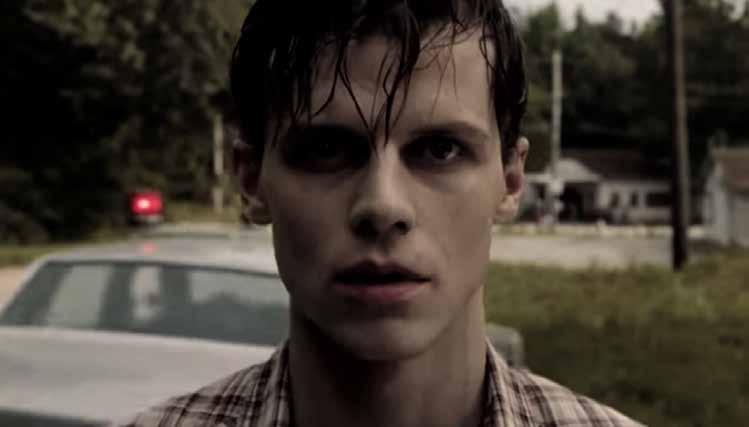
Heavenly Creatures – Photo courtesy of Miramax
High Art – Photo courtesy of October Films
For Ed and Lorraine Warren, a third Conjuring isn’t a charm
by Sara Michelle Fetters SGN Staff Writer
THE CONJURING:
THE DEVIL MADE ME DO IT
Theaters / HBO Max
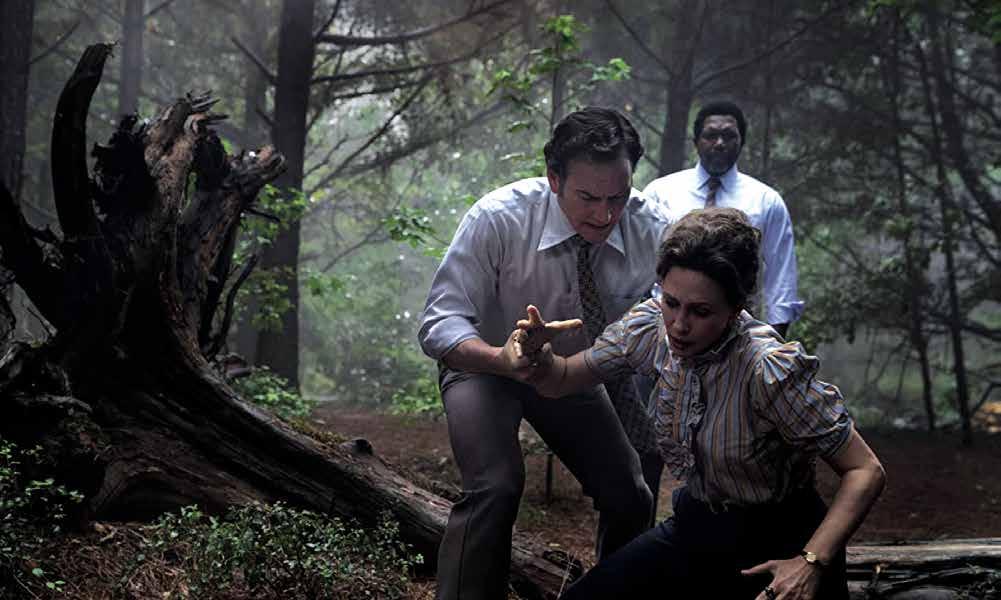
It is 1981. Ed (Patrick Wilson) and Lorraine Warren (Vera Farmiga) have been brought in to assist in the exorcism of a young boy, David Glatzel (Julian Hilliard). When things go horrifically awry, family friend Arne Cheyenne Johnson (Ruairi O’Connor) steps in to save the child’s life, not realizing his actions will have tragic consequences in the near future.
Time passes. Arne is on the verge of proposing to David’s older sister Debbie (Sarah Catherine Hook). But strange things are happening. The young man isn’t himself, brutally killing a man with a knife almost as if he were possessed. Debbie begs the Warrens to help prove Arne’s innocence, and during their subsequent investigation, they uncover a monstrous evil unlike any they’ve encountered before.
Like the previous two motion pictures featuring the exploits of the Warrens, The Conjuring: The Devil Made Me Do It is loosely based on a true story, in this case the first time “demonic possession” was utilized as a defense in a murder trial. Unlike either 2013’s The Conjuring or 2016’s The Conjuring 2, this third chapter in the couple’s series is not directed by James Wan. Instead, The Curse of La Llorona filmmaker Michael Chaves takes the reins, and the change behind the camera is unfortunately all too noticeable.
This is not to say Chaves is solely responsible for this sequel’s missteps. The anemic screenplay by David Leslie JohnsonMcGoldrick (Red Riding Hood, Aquaman), from a story he conceived with Wan, is shockingly forgettable. There’s nothing that stands out about this latest installment in the ever-expanding Conjuring universe. Other than Ed and Lorraine, the characters are underdeveloped and difficult to care about.
Then there is the core mystery driving the plot. It’s far too familiar and more than a little half-baked. There is a constant sense this sequel is going through the motions more than it is genuinely trying to thrill an eager audience ready to be communally scared. Its best pieces of visual imagery are borrowed from other, and better, motion pictures, including The Exorcist, and the filmmakers rarely do anything that comes across as being even moderately inventive or creatively inspired.
What this sequel does have going for it are Wilson and Farmiga. They have grown into these characters nicely over the past eight years, and it’s great to see that their affinity for Ed and Lorraine hasn’t diminished a single bit. The love these two characters feel for one another remains palpable.
Because of that, the film is built upon a solid emotional foundation. Farmiga is particularly good, and she has a couple of outstanding moments where Lorraine’s psychic abilities are key to solving an unsolved missingperson case that may be tangentially connected to what’s happening to Arne.
The other major asset here is the return of Joseph Bishara. This makes six Conjuring films he’s handled scoring duties for, including all three of the Warren entries, and not once has the composer phoned things in. His compositions add a jolting layer of disquieting eeriness that would not exist otherwise. Bishara is the inarguable MVP as far as I’m concerned, and any arguments to the contrary are going to fall on deaf ears.
I have no idea where things are going to go next. Will there be more adventures
with Annabelle? Have we seen the last of La Llorona? Is a second go-round with the devilish Nun truly going to happen? Will a supposed tale involving the Crooked Man ever come to fruition? There’s even another potential spin-off introduced here, a demonic cult of devil-worshiping witches who do all sorts of unspeakable evil seemingly for the fun of it.
I only hope that whatever happens next in the Conjuring universe, a bit more thought, care, and imagination are put into generating tension and suspense. This third trip into the horrifying unknown with Ed and Lorraine Warren is a tedious bit of supernatural déjà vu, all of which has me starting to wonder if maybe it’s time for this series to give up the ghost and call it a day.
The Conjuring: The Devil Made Me Do It – Photos courtesy of Warner Bros.
St. Patrick’s Catholic Church Welcomes LGBTQ Community Members!
St. Patrick’s Church is a welcoming, evolving Catholic Church located at the north end of Capitol Hill, 2702 Broadway E.
We embrace all people as children of God and would like to invite LGBTQ community members to worship with us.
As a parish, we have a strong emphasis on social justice and inclusion.
This includes outreach to a women’s shelter, a supportive relationship with a faith community in El Salvador, weekly sign language interpreted Mass for the deaf and deaf-blind community, and welcoming developmentally disabled adults from the L’arche community.
Our choir and dance troupe are an integral part of our expression.
This notice was paid by the St. Patrick LGBTQ+ Engagement and Accompaniment Circle of Parishioners, and several other Parishioners, who invite LGBTQ returning Catholics and others to
in
or
For more information about St. Patrick’s LGBTQ Circle of Parishioners contact John Dunn – dunn570@aol.com
PHOTO
Books King’s Books: The reading heart of Tacoma
by Lindsey Anderson
SGN Contributing Writer
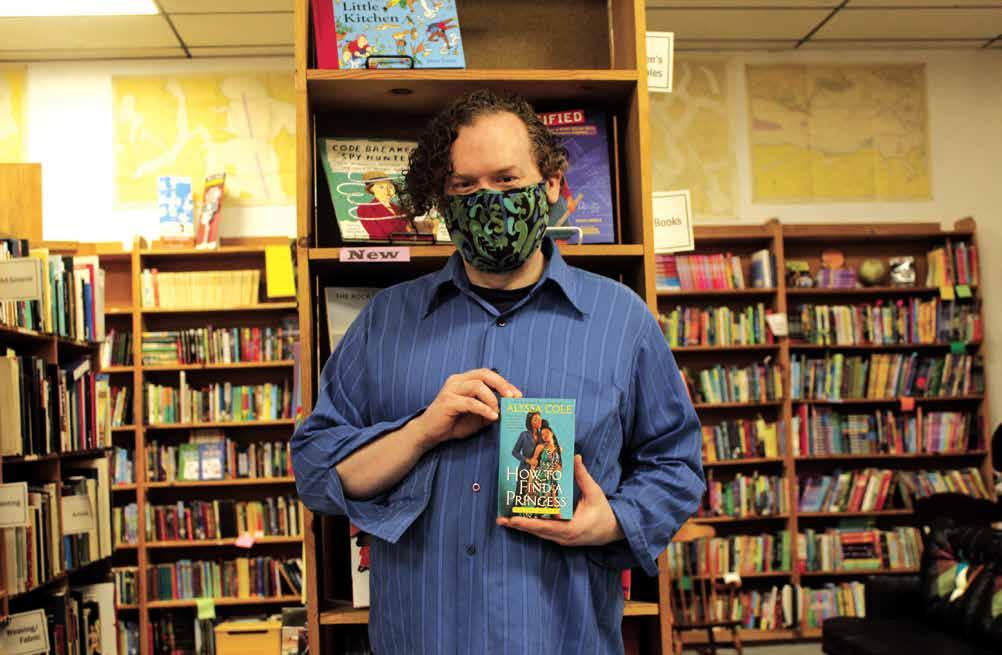
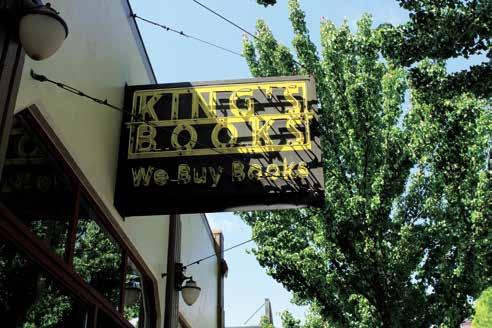
Nestled on a quiet street in Tacoma sits a reader’s paradise. As soon as one walks into King’s Books, a sense of calm takes over. The quaint shop evokes home, from the friendly scent of worn pages to the quiet mews of the resident cat, Herbert.
The warmest welcome of all comes from (lowercased) sweet pea flaherty, the kind owner and manager of King’s Books. flaherty took over as owner in 2010, and has been working to fill the space with inclusive texts and stories for readers of all ages ever since.
“In general, we have a little bit of every field. We have twelve book clubs, events, and a bookstore cat, so it’s pretty chill.”
The pandemic has left many small businesses struggling to rebuild and find new ways of normal over the last fifteen months, and King’s Books is no different — trying to figure out how it, too, will move forward into a new world.
“We just opened to the public, Tuesday, for the first time in 1.25 years,” flaherty chuckled, explaining how the store has been coping through the pandemic. “And so it’s been interesting.”
As a way of keeping customers reading through the COVID-19 crisis, flaherty helped to organize many digital book clubs, to fit the needs of all participants. “We have queer book clubs: one that’s a general club for adults, one that’s a general club for… queer and trans youth,” flaherty explained. “It’s for ages 10-16, called ‘Queerest Book Club Ever,’ obviously. And then there’s one that’s focused on Latinx voices.”
The book clubs are currently still meeting on Zoom because of the pandemic, which means they are accessible to anyone, especially those who might not be able to make it into the store physically. Despite their being online, flaherty has made sure
“I am queer and trans nonbinary, so it has always been important to me to have books that represent various parts of the community,” flaherty said. “We try to make every section queer and trans… especially the children’s section. It is pretty important to me, for representation,” flaherty said, “since that was not around when I was a kid.””
the atmosphere is still lively. “I regularly attend ‘Queerest Book Club Ever,’” flaherty said, “and it’s still a community, and it’s still really fun!”
King’s Books also has an extensive online shop. Nearly any title can be ordered through the website and shipped to your home.
One thing that hasn’t changed at the store, however, is the integration of Queer and Trans texts in every genre of the store, though it does have a special section dedicated to Queer and Trans theory. “I am queer and trans nonbinary, so it has always been important to me to have books that represent various parts of the community,” flaherty said. “We try to make every section queer and trans… especially the children’s section. It is pretty important to me, for representation,” flaherty said, “since that was not around when I was a kid.”
King’s Books also carries many antiracist and community organizing titles, which flaherty says are flying off the shelves these days. flaherty says the antira-
cist genre has always been pretty popular among Tacoma’s readers, but especially since last June.
Books by Queer authors are also popular at King’s Books, a trend that seemed to spike once the community realized how dedicated to LGBTQ issues the store is.
flaherty embodies the heart of King’s Books, putting careful thought into exactly what titles are chosen, and how readers of various backgrounds might be able to access and enjoy them. flaherty’s passion for literature overflowed as I asked for a book recommendation.
“I have to go with a good romance. Who doesn’t love romance?” flaherty gushed, sliding over a copy of Alyssa Cole’s newest novel, How to Find a Princess, the second in the Runaway Royals collection. It puts a Queer twist on the classic love story of Anastasia and hits shelves just in time for avid readers looking for a little summer romance.
In addition to romance, horror, children’s books, and the kindest bookstore owner in all of Tacoma, King’s Books has an adorable cat! “About five years ago we adopted him,” flaherty said as we searched for Herbert among stacks of comic books. “He’s a chonky tuxedo cat. He’s definitely the ruler, and the reason we do social media,” flaherty chuckled as I came across the cat, who I can verify, is indeed, chonky (i.e., chunky).
It’s hard to say exactly what gives King’s Books its charm, whether its flaherty, Herbert, or the total integration of Queer and Trans stories into the shop, but whatever the reason, it is definitely special, and worth the drive to Tacoma.
King’s Books is at 218 St Helens Ave. in Tacoma. Its website is www.kingsbookstore.com.
Photos courtesy of Lindsey Anderson
Allyship - an organization of LGBTQ individuals fighting for economic and social justice. www.LGBTQAllyship. org, allyship@yahoo.com, (206) 279-8169. American Veterans for Equal Rights - www.aver.us
Another Gay Social Club! - www.meetup.com/AnotherGay-Social-Club/ Bellingham/Whatcom County - www.theslowlane. com/guide.html
BiNet Seattle is a mixed gender, social group for Bisexuals, their partners & other Bi-friendly folks - www. binetseattle.org.
Bremerton/Kitsap County - www.outwestsound.org Capitol Hill Alano Club - www.chacseattle.org
Cascade Rainbow Community Center (Mount Vernon) - (360) 840-8499 and on Facebook. Central Washington University GALA Hotline: (509) 963-1994.
Channel Q 103.3 FM - LGBTQ+ Talk Radio NetworkNews and information, pop culture and music. radio.com COLAGE unites people with LGBTQ parents and caregivers into a network of peers and supports them as they nurture and empower each other to be skilled, self-confident, and just leaders in our collective communities - www.colage.org
DIFFA/Northwest (Design Industries Foundation Fighting AIDS). (206) 763-8885; www.diffanorthwest. org
DOMESTIC VIOLENCE & SEXUAL ASSAULT: Crisis Clinic, (206) 461-3222 (24 hour line); King County Sexual Assault Resource Center (KCSARC) - 24-hour crisis line for information, support, & medical & legal assistance: 1-888-99-VOICE; Northwest Networksupport & advocacy for Bisexual, Trans, Lesbian & Gay Survivors of Abuse & Dating Violence, (206) 568-7777 (voice), 517-9670 (tty), www.nwnetwork.org; Pierce County Domestic Violence Helpline: Teresa, (253) 798-4166; Seattle Counseling Service for Sexual Minorities - offers on-going support groups for men: 323-1768; Seattle Police Dept Domestic Violence Unit, (206) 684-0330; State Wide Domestic Violence Hot Line, 1-800-562-6025. In an emergency call 911 Report domestic violence and sexual assault. Equal Rights Washington - (206) 324-2570; www. equalrightswashington.org
Gay City promotes wellness in LGBTQ communities by providing health services, connecting people to resources, fostering arts, and building community. Gay City Health Project’s Wellness Center provides anonymous & confidential HIV/STD testing. 517 E Pike St. More info or to schedule an appointment, (206) 860-6969. www.gaycity.org
Gay & Lesbian National Hotline (GLNH): 1-888-THEGLNH (1-888-843-4564). Non-profit, peer-counseling, information & local resources telephone hotline for GLBT people across the country.
Generations Aging With Pride empowers elder LGBTQ adults to live with pride and dignity by promoting, connecting, and developing innovative programs and services that enhance belonging and support, eliminate discrimination, and honor the lives of older members of our community - (206) 393-3400; info@gapseattle.org; gapseattle.org
Greater Seattle Business Association (GSBA) - (206) 363-9188; www.thegsba.org
HIV/AIDS Program, Seattle/King County Dept of Public Health, provides confidential/anonymous information about & testing for HIV/AIDS. (206) 205-7837. For a comprehensive list of HIV/AIDS service organizations see the GSBA Guide or visit www.thegsba.org or call Lifelong AIDS Alliance, (206) 328-8979.
Imperial Sovereign Court of Seattle & the Olympic & Rainier Empire - www.facebook.com/ISCSORE; www. imperialcourtofseattle.com
Lambert House - (206) 322-2515; www.lamberthouse. org
LGBT Library - 517 E Pike St. Open Mon-Fri 2-8pm; Sat 2-5pm. A wide range of fiction and non-fiction for the LGBT community and allies can be borrowed free of charge.
LGBT MS Connection - (425) 785-8593; lgbtmsconnections@comcast.net. Support group for LGBT persons with MS and their partners and their caregivers. Sponsored by the National Multiple Sclerosis Society. Lifelong AIDS Alliance - (206) 328-8979, www.lifelongaids alliance.org
Lion’s Main Art Collective - www.lionsmain.org
MEN: Gay City: (206) 860-6969, www.gaycity.org; Knights of Mantra: (206) 329-0886, www.jetchapterkofm.com; Mature Friends: Gay men & women 40 & over, www.maturefriends.org; Northwest Bears: www. nwbears.com; The Olympians: www.TheOlympians. net; POZSeattle: www.pozseattle.com; Q-Squared: www.qsquared.org; Rain City Jacks: www.raincityjacks. org; Seattle Gay Couples: www. seattlegaycouples.org; Seattle Men in Leather: www.seattlemeninleather. org; Seattle Prime Timers: Gay & Bi men 40 & over, www. seattle primetimers.org; Tacoma Older LGBT: www. tacomaolderlgbt.org. (See also listings under Bisexual, Parenthood, People of Color, Transgender.)
MUSIC: Diverse Harmony: www.diverseharmony. org; Rainbow City Band: 1-866-841-9139 ext 2126; rainbowcityband@onebox.com; www.rainbowcity band. com; Seattle Men’s Chorus and Seattle Women’s Chorus: (206) 388-1408, (206) 323-0750. www.seattlechoruses.org.
Northwest Lesbian & Gay History Museum Project - gayhistnw@aol.com
community resources
Northwest Rainbow Alliance for the Deaf - www. nwrad.org
Olympia/Thurston County - www.RainbowCenterOly. org
Out & Equal Workplace Advocates/Seattle Regional Affiliate supports the work of LGBT employees and the growing number of ERGs (Employee Resource Groups) making a difference within local companies, including Alaska Airlines, Amazon.com, Amgen, AT&T, Bank of America, Deloitte, Macy’s, Microsoft, Russell Investments, Safeco Insurance, Starbucks Coffee, Xerox. www.outandequal.org/affiliates/seattle
Out & Proud Grays Harbor Coalition - http://outandproudgh.org
PARENTHOOD: Families Like Ours provides a gateway for LGBT families interested in adoption & provides a network of safe placement agencies, training, support & resources: (206) 441-7602, www.familieslikeours. org; Family Works offers support, information & activities for LGBT families: (206) 694-6727, www.familyworksseattle. org; Gay Fathers’ Association of Seattle offers support groups & social activities: www.gfas. org; Proud & Loud Families - Northwest, www.meetup.com/proudand-loud-families-northwest, plfnorthwest@aol.com; Queer Parent Networking Dinners: (206) 568-7777, qpnd@nwnetwork.org, www.nwnetwork.org; Rainbow Families of Puget Sound: www.rainbowfamiliesps.org PFLAG is the national organization for parents, families, allies, and LGBTQ people united for equality with chapters in Seattle, Bellevue/Eastside, the Puget Sound region and across Washington state. PFLAG Seattle: (206) 325-7724, info@pflagseattle.org, and www.pflagseattle.org; PFLAG Bellevue/Eastside: (425) 483-6642, info@bellevue-pflag.org, http://community. pflag.org/PFLAGBellevue; PFLAG Pacific Northwest: www.pnwpflag.org; PFLAG Washington State Council: www.pflagwsc.org. Peer Seattle (formerly Seattle Area Support Groups) is a non-profit organization that builds community and cultivates powerful, healthy lives by providing emotional support and personal development services to those affected by HIV/AIDS, the Queer communities, and those who love them. Our work is done in a spirit of safety, trust, inclusiveness, and celebration of individual differences. (206) 322-2437; www.peerseattle.org
PEOPLE OF COLOR: AARTH (African American Reach & Teach Health Ministry), (206) 850-2070, www.aarth.org; Asian/Pacific Islander Queer Network Program at API Chaya, (206) 467-9976; Center for MultiCultural Health, (206) 461-6910, www.multiculturalhealth.org; Entre Hermanos, GLBT Latinos/as, (206) 322-7700, www.entrehermanos.org; Ile LaiLai, (206) 781-3565, iya@ilelailai.org; Men of All Colors & Cultures Together (MACCT), (206) 923-8313, macctseattle@yahoo.com, www.macctsea.org; Northwest Two Spirit Society, https://www.facebook.com/ groups/nw2spiritsociety/, Nubian Pride Productions, nubianpride@gmail.com; People of Color Against AIDS Network (POCAAN) offers rapid HIV testing, M-F, 10am-5pm, (206) 322-7061, www.pocaan.org and on Facebook; QBASS - Queer Black Alliance of the South Sound, (253) 256-1846, weareqbass@gmail. com; Sistah 2 Sistah, LBT women of African descent, (206) 322-7061, (206) 255-8951; Somos Seattle, somosseattle.org; Trikone-Northwest, GLBT South Asians, (425) 985-4376, www.trikonenw.org; Two-Spirit Honor Project, 1-866-685-0164; U.T.O.P.I.A. Seattle, www.utopiaseattlewa.org; VietQ Greater Seattle, vietqorganization@gmail.com
Pierce County AIDS Foundation - (253) 383-2565; www.piercecountyaids.org
Pride Foundation - (206) 323-3318; www.pridefoundation. org
Pride Lives - www.facebook.com/PrideLives/ Pride Radio 93.3 HD2
Project NEON is a program of Seattle Counseling Service providing FREE information & services to Gay & Bi men to reduce health risks associated with methamphetamine use. (206) 323-1768. www.crystalneon.org
Public Health-Seattle & King County Online Comprehensive Health Information for Sexual Minorities: www.kingcounty.gov/healthservices/health/personal/ glbt.aspx
Q Law: The GLBT Bar Association of WA - (206) 682-6711; www.q-law.org
Rainbow Center - Resource Center for Tacoma/Pierce County LGBTIQA community. Through education, advocacy and celebration, the Rainbow Center expands resources, and safe space for the LGBTQIA community.
Sponsors Tacoma Pride Festival. (253) 383-2318, www. rainbowcntr.org
SEAMEC interviews, researches & rates candidates for public office on issues of concern to the LGBT community. www.voteseamec.org
Seattle Area Support Groups & Community Center (SASG) i- SEE LISTING for Peer Seattle. Seattle Bisexual Women’s Network - BiSeattle.wixsite. com/SBWN and on Facebook.
Seattle Counseling Service for Sexual Minorities is a community mental health service for GLBT persons & their families providing comprehensive mental health services on a sliding scale. (206) 323-1768.
Sex Workers Outreach Project - https://seattle. swopusa.org
Sisters of Perpetual Indulgence, The Abbey of St. Joan - (206) 860-3666; www.theabbey.org Snohomish Health District HIV/AIDS Program provides free confidential/anonymous HIV counseling & testing 9am-5pm Monday-Friday, until 7pm Tuesdays. (425) 339-5298.
South Sound Q Calendar - LGBTQ events in Tacoma, Olympia & Sound Puget Sound area; www.SouthSoundQCal.com Spokane/Inland Northwest - www.outspokane.com; www.stonewallnews.net
SPORTS & RECREATION: Bent Car Guys: www. bentcarguys.org; Border Riders Motorcycle Club: www.borderriders.com; Bottom Dwellers Scuba Club: www.bottomdwellers.org; Capitol Hill Cyclers: join their Facebook group or email capitolhillcycling@ groups.facebook.com or jordan.l.simonson@gmail.com; Cascade Flag Football: www.cascadeflagfootball.org; Cascade Flyers: www.cascadeflyers.org; Emerald City Mudhen Rugby: www.mudhenrugby.com; Emerald City Softball Association: www.emeraldcitysoftball. org, www.eteamz.com/womensecsa; Ethyl Forever Car Club: ethylforever@hotmail.com; Festival of the Babes: www.festivalofthebabes.com; Olympic Yacht Club: www.oycnw.org; OutVentures: outdoor education & recreation activities, www.outventures.org; Pacific Northwest Gay Rodeo Association: www.pacificnwgra.org; Puddletown Squares: www.puddletownsquares.org; Rain City Soccer: www.raincitysoccer.org; Rain Country Dance Association: a country-western dance organization catering to the LGBTQ community but open to all, www.raincountrydance.org; Sea Dawgs: LGBT ice hockey - SkateSeaDawgs@gmail.com and on Facebook; Seattle Frontrunners: www.seattlefrontrunners.org; Seattle Gay Basketball Association: www. seattlegaybasketballassociation.com; Seattle Orca Swim Team: www.orcaswimteam.org; Seattle Otters Water Polo: www.otterpolo.com; Seattle Quake Rugby: www.quakerugby.com; Seattle Tennis Alliance: www. seattletennisalliance.org; Seattle Unified Bowling Association (SUBA): magee98106@aol.com, www. teamseattle.org/bowling.htm, www.theprideleague. com, Century 21 League; Seattle Volleyball Club: www.seattlevolleyballclub.com; Ski Buddies: www. skibuddies.org; Team Seattle Gay Sports Network is an umbrella organization for a wide range of local GLBT sports activities, (206) 367-4064, www.teamseattle.org (see website for comprehensive list of sports clubs); Triangle Recreation Camp at Bender Creek: recreational camping for GLBT folks. Must be 21; ID required. trc@ camptrc.org, www.camptrc.org, 1122 E Pike St #1069, Seattle 98122-3934. Strength Over Speed - www.strengthoverspeed.org Tacoma/Pierce County - Rainbow Center, 2215 Pacific Ave, Tacoma, a resource center for the LGBTIQA community of Pierce County, (253) 383-2318, www. rainbowcntr.org
Three Dollar Bill Cinema - TWIST: Seattle Queer Film Festival; Translations: Seattle Transgender Film Festival; Outdoor Cinema at Cal Anderson Park. www. threedollarbillcinema.org
TRANSGENDER: Emerald City Social Club: (425) 827-9494; Gender Alliance of the South Sound: www. SouthSoundGender.com; Gender Diversity: www. genderdiversity.org; Gender Justice League: www.genderjusticeleague.org; Gender Odyssey: www.genderodyssey.com; Hermanos Trans Latino & Foreign-Born
Support Group: (206) 322-7700; Ingersoll Gender Center: (206) 329-6651, www.ingersollcenter.org; Lion’s Main Art Collective: www.lionsmain.org; The New BoyZ Club: www.olympiaftmgroup.webs.com; Olympia Trans Discussion Group: www.facebook.com/pages/ Olympia-Trans-Discussion-Group/262449878114; [trans] ACTION: Trans* & Gender Non-Conforming Sex Workers’ Support Group - a safe, peer-led space. mail@utopiaseattle.org; TRANSform Washington: transformwashington.com; Trans Resource & Referral Guide: kctransguide.org; Trans Women of Color Solidarity Network: Funding the collective liberation of Trans women of color – https://m.facebook.com/ TWOCSolidarityNW/; Washington Gender Alliance: (360) 445-2411, www.washington genderalliance.com
WOMEN: Aging Ballard Lesbian Exchange (A.B.L.E.): We are Lesbians 60 years (generally) and up, living (mostly) in the north half of Seattle. The purpose of the group is to connect, socialize and support each other. ruthemilyvogel@gmail.com; Aging Lesbians in South Seattle (ALISS) - Lesbian Group at the Southeast Seattle Senior Center. This is a gathering primarily for Lesbians but all are welcome to attend. Kate, (206) 722-0317; www.sessc.org; BABES: support groups for HIV+ women. (206) 720-5566, 1-888-292-1912; Coming Out Women Support Group of Tacoma: www. comingoutwomen.org; Festival of the Babes: www. festivalofthebabes.com; Mature Friends: Gay men & women 40 & over, www.maturefriends.org; Puget Sound Old Lesbian Organizing for Change: http:// psoloc.org, (253) 777-3357; Older Lesbians Organizing for Change/WA State Chapter: gloria@oloc.org, mary@oloc.org, www.oloc.org; Pacific Northwest Lesbian Archives: www.pnwlesbianarchives.org; RainshadowWomen: RainshadowWomen@aol. com; Seattle Bisexual Women’s Network: BiSeattle. wixsite.com/SBWN; Seattle Girls of Leather: www. sgol.org; Tacoma Lesbian Concern (TLC): www.tacomalesbianconcern.org; Tacoma Older LGBT: www. tacomaolderlgbt.org; Women of West Seattle (WOWS): a fun, member-driven social group for Lesbians, http:// groups.yahoo.com/group/womenofwestseattle; YWCA Women’s Health Outreach: providing low or no-cost mammograms for income eligible 40+ LBTQ individuals. Follow us at http://lbtqhealth-ywca.blogspot.com, twitter.com/ingridWHO or email lbthealth@ywcaworks. org, (206) 461-4493. (See also listings under Bisexual, Parenthood, People of Color, Transgender.)
YOUTH: B-GLAD (Bisexual, Gay, Lesbian, Trans & Questioning Adolescent Drop-In Group): Youth Eastside Services offers many programs for GLBT youth, including B-GLAD, (425) 747-4937; Coyote Central: www.coyotecentral.org; Diverse Harmony: www.diverseharmony. org; GLSEN/Washington State (Gay, Lesbian, Straight Education Network) & Washington State GSA (Gay-Straight Alliance) Network: GLSEN works to create safe schools for LGBT students. WA GSA Network supports youth-led GSA’s to fight harassment & homophobia in Washington state schools. (206) 330-2099; www.glsenwa. org; www.wagsa.org. GLOBE (GLBTQ Loving Ourselves, Becoming Empowered): a support group & HIV/STD prevention program for GLBTQ youth, 14-20, in Everett, (425) 263-2908, www. globeyouth.org; It Gets Better Project: www.itgetsbetter.org; Lambert House: an activities & resource center for LGBT youth, 14-22, 1818 15th Ave @ E Denny Way, with additional support groups organized in smaller towns throughout King County, (206) 322-2515, www. lamberthouse.org; Lifelong HEYO (Health Education Youth Outreach): for LGBTQ youth, ages 16-24: (206) 957-1665; www.llaa.org/HEYO; www.MatthewsPlace. com ; The Mockingbird Society: (206) 323-KIDS (5437), www.mockingbirdsociety.org; New Horizons: social services and shelter for homeless youth, 2708 3rd Ave (in Belltown), (206) 374-0866, http://namin.org; Oasis Youth Center: for GLBTQ youth, ages 14-25, in Tacoma, (253) 671-2838, www.oasisyouthcenter. org; OKAY! LGBTQ+ Outreach for Kent Area Youth: (253) 859-0699 ext 3034. OKAY! is an open support group for youth ages 13-19 who identify as LGBTQ+. A program of Kent Youth & Family Services; OUT There Adventures: www.outthereadventures.org; Parents, Family & Friends of Lesbians & Gays (PFLAG)/ Puget Sound: (206) 325-7724, www.seattle-pflag.org; Pizza Klatch: weekly lunchtime support groups for LGBTQ youth in Thurston County, www.pizzaklatch. org; Prism: for LGBTQ youth, 14-21, in PuyallupCherise.Alexander@ multicare.org; www.facebook. com/PuyallupPrism; Proud Out Wonderful (POW!): for LGBTQ youth, 13-21, in South King County, (206) 326-9112, www.facebook.com/proudoutwonderful; Q Youth Resources: in Kitsap County - (360) 698-3335; www.kchaf.org; Roots Young Adult Shelter: 1415 NE 43rd St., (206) 632-1635; www.rootsinfo.org; Safe Schools Coalition: www.safeschoolscoalition.org; (206) 451-SAFE, (206) 451-7233 (non-emergency), 1-877-SAFE-SAFE (1-877-723-3723) (crisis line); Seattle Young People’s Project (Queer Youth Resource Board): (206) 860-9606, www.sypp.org; Street Youth Ministries (SYM): (206) 524-7301 ext 111; www. streetyouthministries.org; Teen Link: (206) 461-4922, 1-888-431-TEEN; The Trevor Project: 866-4-U-Trevor; www.thetrevorproject.org; True Colors - Connecting LGBTQ Teens: in Shoreline, (206) 362-7282 x 8018, lbagley@chs-nw.org; The Vera Project: fuels personal & community transformation through collaborative youthdriven engagement in music and art. (206) 956-8372; theveraproject.org; Vista Youth Center: for LGBTQ, questioning and allied youth, ages 14-21, in Kennewick, (509) 396-5198, www.vistayouthcenter.org; YouthCare/ Isis Program (Transitional Living Home for LGBTQ Young Adults, 18-22): (206) 522-8412; YouthCare/ Orion Center Young Adult Shelter: 1828 Yale Ave @ Stewart St. (206) 622-5555; Youth in Focus: (206) 723-1479; www.youthinfocus.org; Youth Suicide Prevention Program (OUTLoud-GLBTQ): (206) 297-5922, ext 116, 1-800-273-TALK, www.yspp.org
Op-Ed
What does racism look like in 2021?
by Janice Athill SGN Contributing Writer
There are terms used to describe the racism plaguing our country that some may or may not have heard before, like systemic racism, structural racism, white privilege, and white fragility. They define the Black experience in America, but what do these terms mean?
The Aspen Institute Roundtable on Community Change states that in many ways systemic racism and structural racism are synonymous. While structural racism refers to racial discrimination in public policies, institutional practices, and cultural representations within the systems that are in place, systemic racism refers to these practices once rooted in laws that may have changed but still reverberate throughout our societal systems.
For example, redlining represents collusion between different systems that resulted in the removal of resources by financial systems, disinvestment by city governments, and neglect of the Black community. “The legacy of redlining is the basis for color-blind racism,” said Zinzi Bailey, a social epidemiologist at the University of Miami Miller School of Medicine’s Jay Weiss Institute for Health Equity at the Sylvester Comprehensive Cancer Center.
Bailey also stated that separating people like this makes it easier to deny specific neighborhoods resources like grocery stores, school supplies, public transportation, and more “by making the argument that those residents don’t need or can’t financially support such amenities, so why even bother building them.”
Historically accumulated white privilege describes white historical and present advantages, such as their access to quality education, jobs, living wages, homeownership, overall wealth, and much more. Peggy Macintosh states in “White Privilege: Unpacking the Invisible Knapsack” that “white privilege is an invisible package of unearned assets that I can count on cashing in every day, but about which I was ‘meant’ to remain oblivious.”
Finally, white fragility describes the negative emotional reaction white people tend to have when racism is called to their attention by people of color. As Bailey also said, “White fragility is based on people of color having to couch statements and feelings for the comfort of white people.” Trying to describe the inequities used as the foundation for our system can bring white people to tears and make them want to talk about their own experience. They also use it as a shield against people of color, because they cannot handle the truth being told to them. As Bailey states eloquently, “White fragility is that inherent sense that you have to take care of white people and their feelings.”
But, again, what do these things really mean in 2021 in practice?
They mean things like Black women
athletes not getting the scores or recognition they deserve. For example, when Simone Biles completed the most difficult vault ever in women’s gymnastics, she received a score of 6.6. This is 0.2 higher than the previous most difficult vault, which was scored 6.4 — although the typical point increase for upgraded vaults is 0.4, which would have put Biles’ Yurchenko double pike at 6.8. The US high-performance team coordinator Tom Forster agrees.
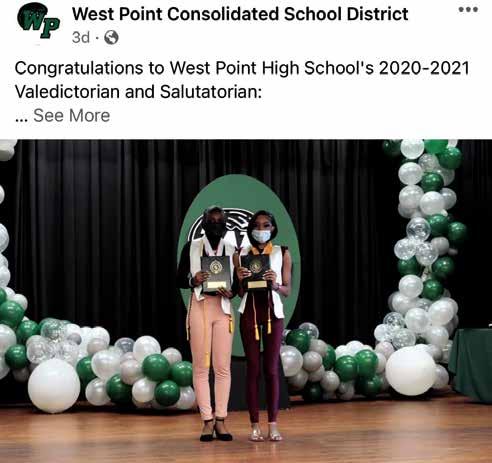
This also means that, in a perfect display of structural racism, white privilege, and white fragility, when white parents are angered by two Black girls earning the honors of valedictorian and salutatorian at West Point High School in Mississippi, the school can change the rules. It means that when the process the school has used every
There are terms used to describe the racism plaguing our country that some may or may not have heard before, like systemic racism, structural racism, white privilege, and white fragility. They define the Black experience
in America, but what do these terms mean?
year prior gave an unwanted result, they changed how these honors are awarded. Specifically, the school says that Ikeria Washington and Layla Temple, two brilliant young women, won based on their QPA (quality point average) — but the two students with the highest GPA (who happen to be white) deserved to be recognized as well. The difference between QPA and GPA? To make a long story short, honors classes. West Point High School says that the honors classes (which add extra “weight” to your GPA) that these capable and deserving young ladies excelled at should not count against the white students who performed better than everyone else. (Albeit not as well as Ikeria and Layla.)
It is clear that West Point High officials woke up that morning and chose racism, and they deserve to be handled accordingly. To dismantle systemic and structural racism as a country, we have to acknowledge and push back. We can no longer allow white privilege and fragility to dictate what is right and what will be allowed.
Search for the Soul of Seattle: Looking at the bright side
by A.V. Eichenbaum
SGN Associate Editor
“Do you even like Seattle?” One of my three younger brothers is on the phone. “You sound miserable,” he laughs.
The question’s been posited by a number of readers and friends, and even implied by my boss. I’m not sure how to answer, so I go with the old standby. “Man, I’m always miserable.”
So, to lighten the mood for the first issue of Pride Month and to make sure no one sends me back to the psych ward for depression, here’s a list of five things I honestly love about Seattle.
Seattle dogs
It’s late at night. Summer’s in the air. After an evening of awkward conversation and trying not to drink myself to death, I’m starving. Seattle’s hot dog stands to the rescue!
Cream cheese and sauteed onions elevate the charred mystery meat of a Seattle dog to new heights — a surprising combination that newcomers and non-Seattleites are prone to wrinkle their noses at. I like mine with jalapeños and mustard. It’s the perfect late-night bite for the long walk home, as long as you stock up on extra napkins.
Dogs from Seattle
I’ve always considered myself more of a cat person, but the way dog owners in this
Photo by A.V. Eichenbaum
city treat their canine companion fills me with a strange sense of wonder and joy.
Why do they all have human names?
I met a chihuahua named Bianca once. Someone in my neighborhood named their pit bull Omar, and I know there’s a pug named Kevin down the street.
Also down the street from my apartment is a pet acupuncturist. Y’know, in case your golden retriever can’t handle the everyday stresses of modern-day city living.
It is a delightfully surreal experience to witness a woman having a discussion with a dachshund in a stroller. Maybe I was just raised small-town, but I’ve never seen that anywhere else, and I wouldn’t trade it for the world.
An absurd amount of water
I grew up in a drought town in California. Yes, it was a short jaunt to the ocean, but the rest of the area was dry as a bone. Sneeze the wrong way and you’d start a fire.
I’m still not used to water falling from the sky regularly. I’m not sure I ever will be. You don’t even have to ask for water here. They just give it to you.
The fact that Seattle’s got so many lakes that multiple neighborhoods are named after their proximate body of water boggles my mind. Green Lake. Eastlake. South Lake Union. Bitter Lake. Haller Lake. The list goes on.
And we can’t forget the sound. There’s nothing quite as beautiful as sunset on the sound in the middle of spring.
Bookshops
I’ve made it a point to visit every new bookstore I’ve walked by since I was a small child. I’ve been to ones in obscure corners of cities all over the country, even sidelining traveling companions to hunt down such-and-such place that may or may not have closed in the ’90s.
One of the best things about a city with terrible weather half the year is that the peoplelocals know exactly how to pass the time indoors. I can say definitively that Seattle’s bookshops are superior to anywhere else I’ve been.
The abundance and variety of them
would be enough on their own, but the hidden locations (think Ballard’s Metaphysical Library), cool factor (Lamplight and Left Bank in Pike Place Market), or just feeling of familiarity (Elliott Bay) really make it for me.
And there are so many more than the handful I’ve mentioned here. I make new discoveries every week, much to the chagrin of my sagging bookshelves.
Urban hiking
I don’t drive. I just never got around to it. As such, I don’t get out of the city that often. Back home, living in the hills, I could always find some forest path to get lost on. I was worried I’d miss that living in a city.
Fortunately, Seattle’s cornucopia of parks, hills, and weird, meandering streets that go nowhere make for interesting urban hikes. Sure, it can be a little anxiety inducing in certain parts of town with traffic and tourists, but there’s not a whole lot more enjoyable than getting some sun with a friend and sweating your way to some forgotten park with a beautiful view of the lights below at dusk or later.
If you get lost enough, you might even find yourself underground, viewing the historic ruins of a Seattle that used to be. You’re not supposed to be there except on a tour, though. Don’t tell the cops.
Photo courtesy of West Point Consolidated District Facebook
PHOTO BY NATE GOWDY
National News
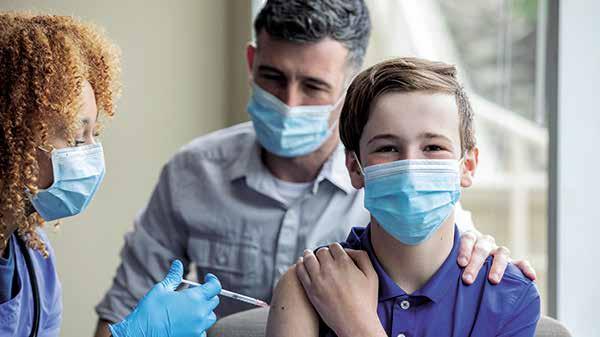
Moderna pushes for emergency use authorization for COVID-19 vaccine in adolescents
by Hannah Saunders SGN Contributing Writer
On May 25, 2021, the biotech company Moderna issued a press release with updates on its COVID-19 vaccination trials in adolescents, known as the TeenCOVE study.
According to the release, the study produced promising results, showing 93% efficacy following the administration of the first dose, and 100% vaccine efficacy two weeks following the administration of the second dose (at which point one is deemed fully vaccinated).
Because of the effectiveness of the vaccination in younger populations, Moderna plans to submit the data in order to gain Emergency Use Authorization (EUA) through the US Food and Drug Administration (FDA).
“We will submit these results to the US FDA and regulators globally in early June and request authorization. We remain committed to doing our part to help end the COVID-19 pandemic,” stated Moderna’s chief executive officer, Stéphane Bancel.
Moderna’s randomized, placebo-controlled TeenCOVE study consisted of 3,732 participants aged 12 to 17 in the United States. None of the adolescents tested positive for the coronavirus after receiving their second dose of the vaccine. The most common side effects reported by the trial participants include localized site pain, headache, fatigue, chills, and muscle pain.
TRUMP
continued from cover
CNN featured several QAnon followers calling for a Myanmar-style military coup to remove Joe Biden from the White House and reinstate Trump.
Haberman wrote in her tweet, “Trump has been telling a number of people he’s in contact with that he expects he will be reinstated by August,” with an important parenthetical
It doesn’t end there
For young participants in these COVID19 vaccine trials, there is more to it than merely two jabs a month apart. Volunteers have to fit specific criteria in order to take part in the TeenCOVE study, which include falling into the 12–17-year-old age group, having good health, having received no diagnosis of COVID-19 throughout the pandemic, having made no international travel, not smoking or having had a history of smoking, and not engaging in other trials. Participants are also tested for the coronavirus via nasal swabs prior to vaccination administration. Although the data results from the trial are in, the study remains ongoing, and will
caveat that states “(no that isn’t how it works but simply sharing the information).”
A number of Trump insiders made similar comments in the run-up to the national QAnon conference held in Dallas, Texas.
Trump’s former national security advisor, Michael Flynn, welcomed the idea of a military coup in his statements to the QAnon faithful.
Trump’s former lawyer, Sidney Powell, fitted out for the occasion in a biker vest, also told the conference that Trump should be
last about 13 months total, since doctors need to monitor the participants for 12 months following their second dose for safety and protection reasons, which involves a total of six visits to the study clinic, and two video or phone visits with study doctors.
How the vaccine works
Moderna’s COVID-19 vaccine was codeveloped by investigators at the National Institute of Allergy and Infectious Diseases (NIAID) Vaccine Research Center. It is an mRNA vaccine, meaning that it does not contain any live virus, unlike other vaccines, which more commonly use weakened versions of viruses.
reinstated as president. According to Powell, there was “abject fraud and obtaining a coup of the United States of America.”
Mike Lindell, founder of MyPillow and massive advertiser on Fox News prime time, said in an interview with Steve Bannon last week, “Donald Trump will be back in office in August.” Lindell vowed to file a lawsuit to confirm evidence of voter fraud during the 2020 election.
According to Lindell, he would go to the US Supreme Court in August with evidence
Once the vaccine is administered, the mRNA tells the body to make a spike protein after it reaches the cells. The cells then display the spike protein on the surface, which allows for the immune system to recognize the “invader,” thus triggering an immune response. Antibodies begin to form, and the cells break down the mRNA to get rid of it. By the end of this process, the body of the vaccinated individual has learned how to combat the virus.
Who’s next?
Moderna continues to strive toward vaccinating all age groups, and with the positive data coming from the TeenCOVE study, that means placing greater emphasis on the KidCOVE vaccination study, a two-part study in the six-month- to 11-year-old age group. So far, there are about 6,750 participants, and the biotechnology company plans to sort them into three age groups: first, those 6–11 years old, then those in the 2-to-5-year age group, and finally those aged six months to one year. Currently, Moderna is still recruiting for the KidCOVE study.
The Centers for Disease Control and Prevention (CDC) estimates that over 124 million doses of the Moderna vaccine have already been administered to adults in the United States, and depending on what the FDA determines with the data from the TeenCOVE study, that number could increase considerably.
he says he acquired on January 9. Lindell claims the evidence will be so convincing that the justices will be forced to reject the 2020 election results.
Other Trump followers say they are pinning their hopes on the so-called “audits” of ballots now being conducted in several states by a private contractor hired by Trump supporters. The theory is that these “audits” will discover irregularities that previous official recounts covered up.
Photo courtesy of AAP
National News
National news highlights
by Daniel Lindsley SGN Contributing Writer
Tennessee:
Transgender warning
LGBTQ Nation reported on May 28 that Tennessee’s new law will require businesses that allow Transgender customers to use the bathroom to post a sign “warning” shoppers of that fact, with business owners who don’t comply facing jail time and a fine of $500 for committing a class B misdemeanor. Rep. Tim Judd (R) had the provision tacked onto a chapter of building codes, placing it among plumbing and fire safety guidelines. This follows Tennessee’s ban on health care professionals providing gender-affirming care to minors, and the state’s ban on Transgender girls participating in girls’ athletics programs.
by Bonnie Heath
Gender-affirming care
NBC News brought the voices of doctors forward on May 27, with interviews on the subject of looming bans on gender-affirming care for minors. Dr. Stephanie Ho of Arkansas framed the state legislature’s antiTrans and anti-abortion efforts as “trying to practice medicine without a license.” Alabama’s Dr. Izzy Lowell had prepared for the worst when the state Senate passed a ban on gender-affirming care. Though the bill later died in the House, Lowell had had to frontload her Trans patients’ prescriptions. NBC emphasized that major US health organizations support gender-affirming care and oppose restrictions on it.
PFLAG National launches
Pride Month series highlighting BIPOC LGBTQ+ stories
by Kylin Brown SGN Contributing Writer
Each Tuesday in June, PFLAG National invites viewers to tune into a new series, “What Makes Pride.” Through a moderated discussion with host Melissa Harris-Perry, each episode will highlight the work of Queer and Trans BIPOC organizations and leaders from across the nation.
“What Makes Pride” has a simple yet direct mission: to host discussions that confront hatred, white supremacy, and patriarchy in order to examine what Pride really means. In light of the last 12 months’ unrest, the pandemic, and the rise of white supremacy across the nation, the series aims to bring QTBIPOC community leaders who “embody Pride in 2021” and their work into the spotlight.
Episodes will premiere every Tuesday of the month at 8:30 a.m. Pacific. Go to pflag.org/whatmakespride to watch, or find each episode via @pflag on Instagram (IGTV).
The June 1 kickoff episode is hosted Jay Walker, co-founder of the Reclaim Pride Coalition, which organizes the now-annual Queer Liberation March in New York City (set for June 27 this year). The latter half of the episode introduces Taylor Alxndr, the executive director of Southern Fried Queer Pride. The discussion covers the purposes and history of BIPOC Pride organizations and rallies in the United States, intersectionality, and the paradoxes of the parade.
Episodes to follow will tackle housing justice, incarceration, and the institutions of community and family. These themes and the lineup of experts highlight the
importance of firsthand knowledge and storytelling in LGBTQ+ allyship.
PFLAG National Executive Director
Brian K. Bond made a statement regarding the organization’s role in the LGBTQ+ community in 2021: “As the nation’s largest organization for families and allies of LGBTQ+ people, it’s our role to signal boost. ‘What Makes Pride’ builds on this action and elevates the ‘who’ behind transformational work.
“I’m excited that so many more people will learn about these incredible organizations and leaders. We’re grateful to host Melissa Harris-Perry, the production teams with the Anna Julia Cooper Center and Bellflower Media, Tomu DJ, and especially our wonderful agency, Wear Your Voice, for their work to bring these important conversations to light.”
Dr. Izzy Lowell, second right
Photo
White House issues list of Biden accomplishments for LGBTQ communities
by Mike Andrew SGN Staff Writer
On June 1, President Biden officially proclaimed June “Pride Month,” an action that was not taken during the Trump administration. To accompany the proclamation, the White House issued a list of all the LGBTQ-friendly accomplishments of the new administration.
These include a number of executive orders:
• Preventing and combating discrimination on the basis of gender identity or sexual orientation: Signed on Biden’s first day in office, this order says it is the official policy of the Biden-Harris administration to prevent and combat discrimination against LGBTQ+ individuals, and to fully enforce civil rights laws to prevent discrimination on the basis of gender identity or sexual orientation.
• Enabling all qualified Americans to serve their country in uniform: In his first week in office, President Biden signed an executive order reversing the ban on openly Transgender servicemembers serving in the armed forces, enabling all qualified Americans to serve their country in uniform.
• Establishing the White House Gender Policy Council to Advance gender equity and equality: This order created the Gender Policy Council to advance gender equity and equality across the whole of the government, including by addressing barriers faced by LGBTQ+ people, in particular Transgender women and girls, across our country.
• Ensuring educational environments are free from sex discrimination and protecting LGBTQ+ students from sexual harassment: This commits the federal government to guarantee educational environments free from sex discrimination, including sexual harassment and discrimination on the basis of sexual orientation or gender identity.
Biden also issued key presidential memoranda advising federal departments of new White House policies:
• Presidential memorandum on advancing the human rights of Lesbian, Gay, Bisexual, Transgender, Queer, and Intersex persons around the world: Biden directed all US agencies abroad to ensure that United States diplomacy and foreign assistance promote and protect the human rights of LGBTQ+ persons.
• National security memorandum sup -
International news highlights
by Daniel Lindsley SGN Contributing Writer
by Andrius Sytas / Reuters
Lithuania:
Same-sex partnerships
Reuters reported on May 25 that Lithuania’s parliament narrowly voted against debating a bill that would legalize same-sex partnerships, with 63 in favor and 65 against. The bill’s opponents worried that the bill would lead to legalizing samesex marriage as well. Its supporters, like openly Gay MP Tomas Raskevicius, said the setback showed how “ensuring human rights is a longterm process.” Raskevicius, who sponsored the bill, promised to try to introduce it again in autumn with some changes.
porting federal employees serving overseas, including LGBTQ+ employees: The memorandum directs agencies to take steps to retain, develop, promote, and support LGBTQ+ and other national security employees, and employees with LGBTQ+ family members.
In addition, several federal departments have announced new LGBTQ-friendly policies:
• The Department of Housing and Urban Development announced it will interpret the Fair Housing Act to prevent discrimination in housing and rental assistance against LGBTQ+ people. HUD will require state and local jurisdictions that receive funding through its Fair Housing Assistance Program to apply the same protections.
• The Consumer Financial Protection Bureau announced that it will pursue discrimination on the basis of sexual orientation or gender identity in credit and lending services.
• The Department of Justice issued new guidance to agencies clarifying that Title IX sex discrimination protection includes protection on the basis of sexual orientation and gender identity.
Japan:
Equality Act
LGBTQ Nation reported on May 24 that Japan’s majority party, the Liberal Democratic Party (LDP), refused to back a LGBTQ rights bill known as the Equality Act. The LDP had pledged in April to pass an LGBT rights law by June, but LDP politicians changed their tune during negotiations. They said the bill and other anti-discrimination legislation had “gone too far.” Japanese media has also reported that at least one LDP politician, Kazuo Yana, has said that people being LGBT “goes against the preservation of the human race.” LDP officials have said a bill to “promote understanding” of LGBT people would be an acceptable compromise. Human Rights Watch has called the Japanese government “out of touch with Japanese public opinion” in light of the bill’s failure to pass.