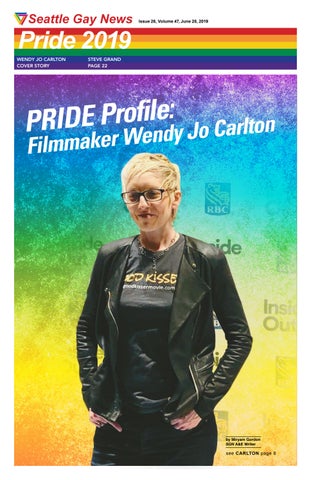
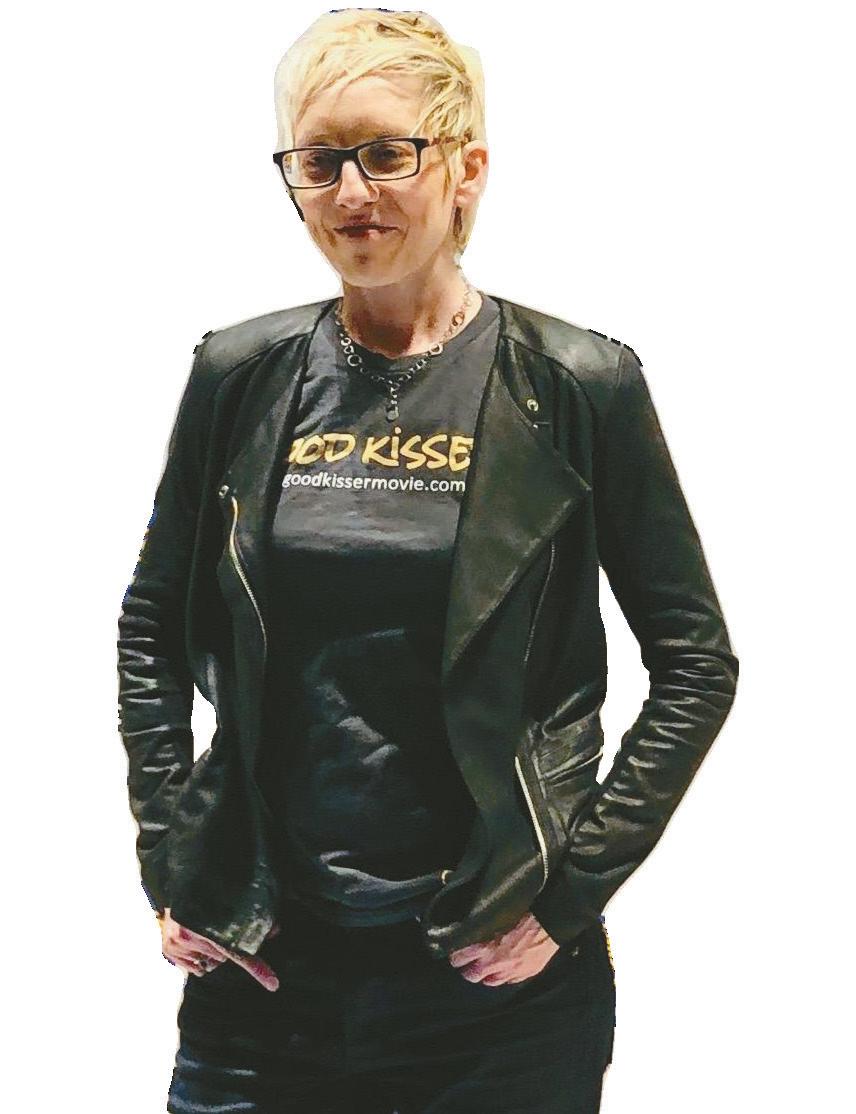
PRIDE Profile: Filmmaker Wendy Jo Carlton
by Miryam Gordon SGN A&E Writer
SINGLE TICKETS ON SALE AUGUST 5
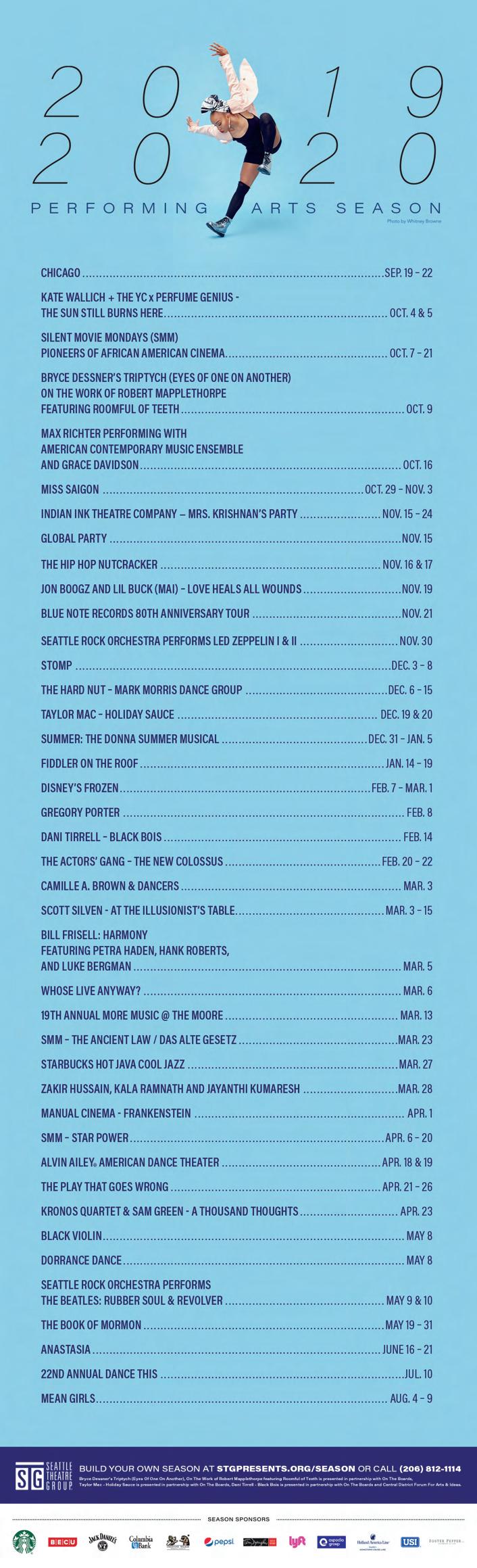
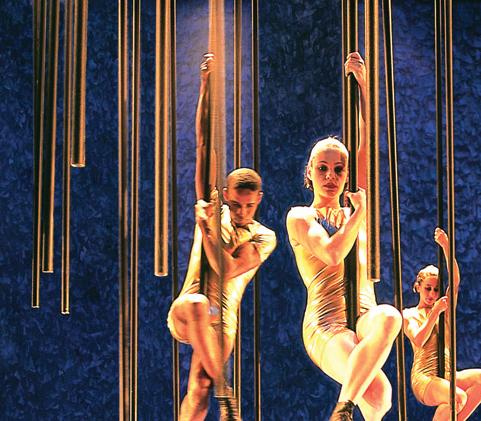
WORLD DANCE
Sankai Juku
Pilobolus with Physicist Brian Greene
Brian Brooks Moving Company
Grupo Corpo
RUBBERBANDance Group
Step Afrika!
INT’L CHAMBER MUSIC
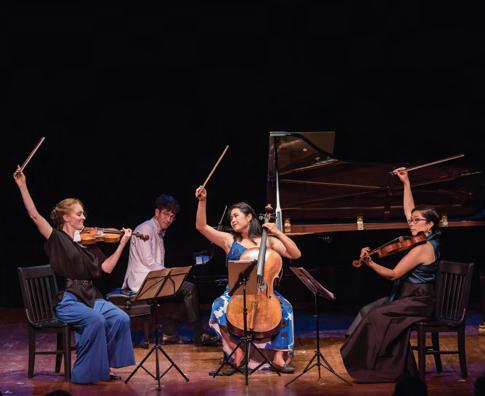
Danish String Quartet
Orlando Consort
Jerusalem Quartet
Hagen Quartet
David Finckel & Wu Han with Philip Setzer

PRESIDENT’S PIANO
Garrick Ohlsson
Jonathan Biss: Beethoven Part I
Jonathan Biss: Beethoven Part II
Hélène Grimaud
George Li
CROSSROADS
The Paco De Lucía Project
Gabriel Kahane
Niyaz
Third Coast Percussion
SPECIAL EVENTS
Midori with Jean-Yves Thibaudet
Los Angeles Master Chorale
Jomama Jones

Pride
CARLTON
continued from cover
Filmmaker Wendy Jo Carlton is a selfeffacing and privacy-seeking artist. She’d rather talk about her films than her personal history. She says, “I feel like it’s not about ‘me,’ it’s about my art.” Still, SGN wanted to do a profile for Pride and that meant talking about how she got to this place of success and significance through the lens of where she’s come from.
Wendy Jo Carlton directed her first feature, Hannah Free, starring Emmy-winner Sharon Gless, in 2009. Carlton wrote and directed her second feature, Jamie and Jessie are Not Together, [said to be the first Lesbian romance musical]. Her LGBTQ digital series, “Easy Abby,” received 50 million views for its 13-episode Season One, and Seasons 1 and 2 are now distributed by Revry.tv.
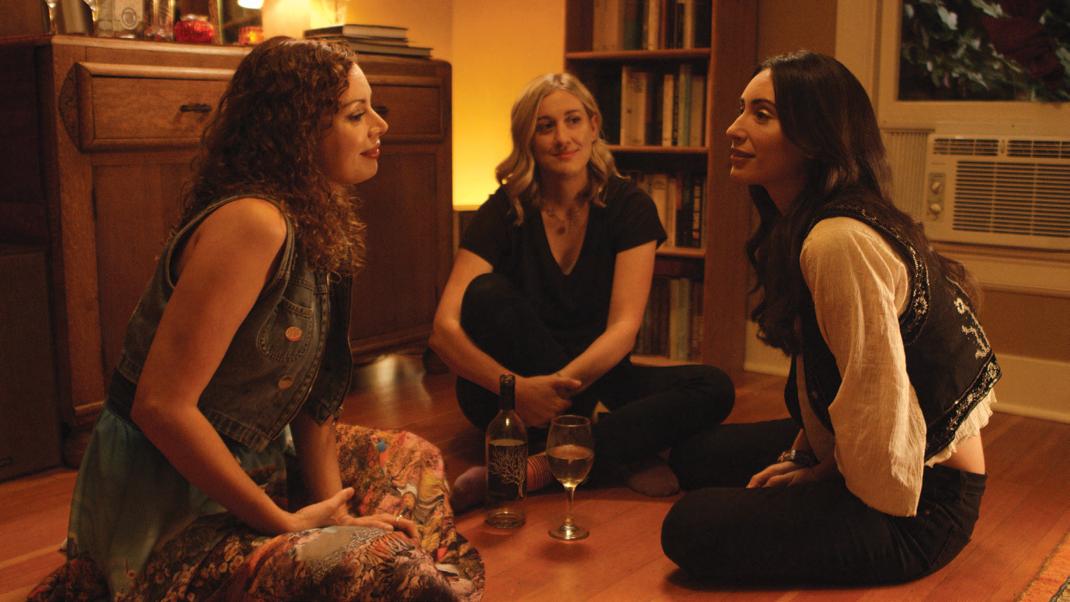
Her latest film, recently rolled out at SIFF, Good Kisser, is set in Seattle and got a great reception. Three women plan to spend an enjoyable evening together and mostly succeed until secrets are revealed that derail the fun. It could be considered a sex comedy, or a psychological drama, or relationship movie, but is mostly what Wendy Jo likes to be: not stereotypical.
The journey to finally being able to get a feature film funded and made starts much earlier. Wendy Jo put in a lot of time working on shorts and before that, focused on radio and story-telling.
Early years
Wendy Jo says, “I grew up in western Michigan in a Catholic working-class neighborhood. It was largely Hispanic and Polish. My dad was a disabled Korean war vet, mentally and physically wounded in the war. My mom was a nurse and sole breadwinner for the five of us [Mom, Dad, three kids].
“Both of my parents were dancers and that’s how they met – dancing at a VFW hall. They were pretty hip for their generation. Naturally charismatic people. I feel lucky for that because even in the face of a lot of mental health issues, alcoholism, domestic violence, there was more than that in terms of layers. Humanity, intelligence, love, humor. A mixed bag.
“My mom was the rock. Not a substance abuser, reliable and loving. She protected us. Most of the violence was aimed at her.
You don’t really know as a kid that it’s not aimed at you [though]. My mom and dad are both influential personalities in the way it comes out in my own personality and in my writing. It leads to me being able to
write characters that are complicated and with something redeeming about them even if they tend to be impulsive or selfish.
“I’m the only one [of the kids] to go to college. I don’t think it’s something some-
one has to do and if you don’t go [to college] that it’s a mark against you. That being said, I was excited to go to college. I studied communications and film and photography.
“I was always drawn to mass media. I was obsessed with tape recorders and microphones and my voice [on tape] and interviewing people. I loved listening to disk jockeys talk on the radio and so I went into radio. As a radio personality.
“There was a community radio station connected to the school. I pitched a show. It was playing music and in between I created fictional travelogues with my cohost. We’d create stories [pretending] that we travelled around the world. It was clearly fake.
“We did characters and my cohost would be the pilot who would pick us up [in the fake plane] and take us around the world. We made sound effects. ‘Now we’re in Prague in a bowling alley. What foods are we eating? Did you know that these animators made this film in Prague?’ [we’d say].
“I [began by] presenting characters and stories that are not typical of mainstream television or films in the ’80s and ’90s. That was still [a time of] very ‘straight male gaze.’ As a Lesbian, a female, coming from a working-class, marginalized, alcoholic family, statistically I’m not supposed to be here articulating my story.
College years
“I didn’t start college until age 22. I had been working and playing in a band with my boyfriend. I was inspired by fellow artists and queers to go to college. People who were in college were making things and doing things and being politically active and curious and fun. Fun and joy and community are super fucking important. I was lucky to find the subculture within a socially conservative Midwest city. I
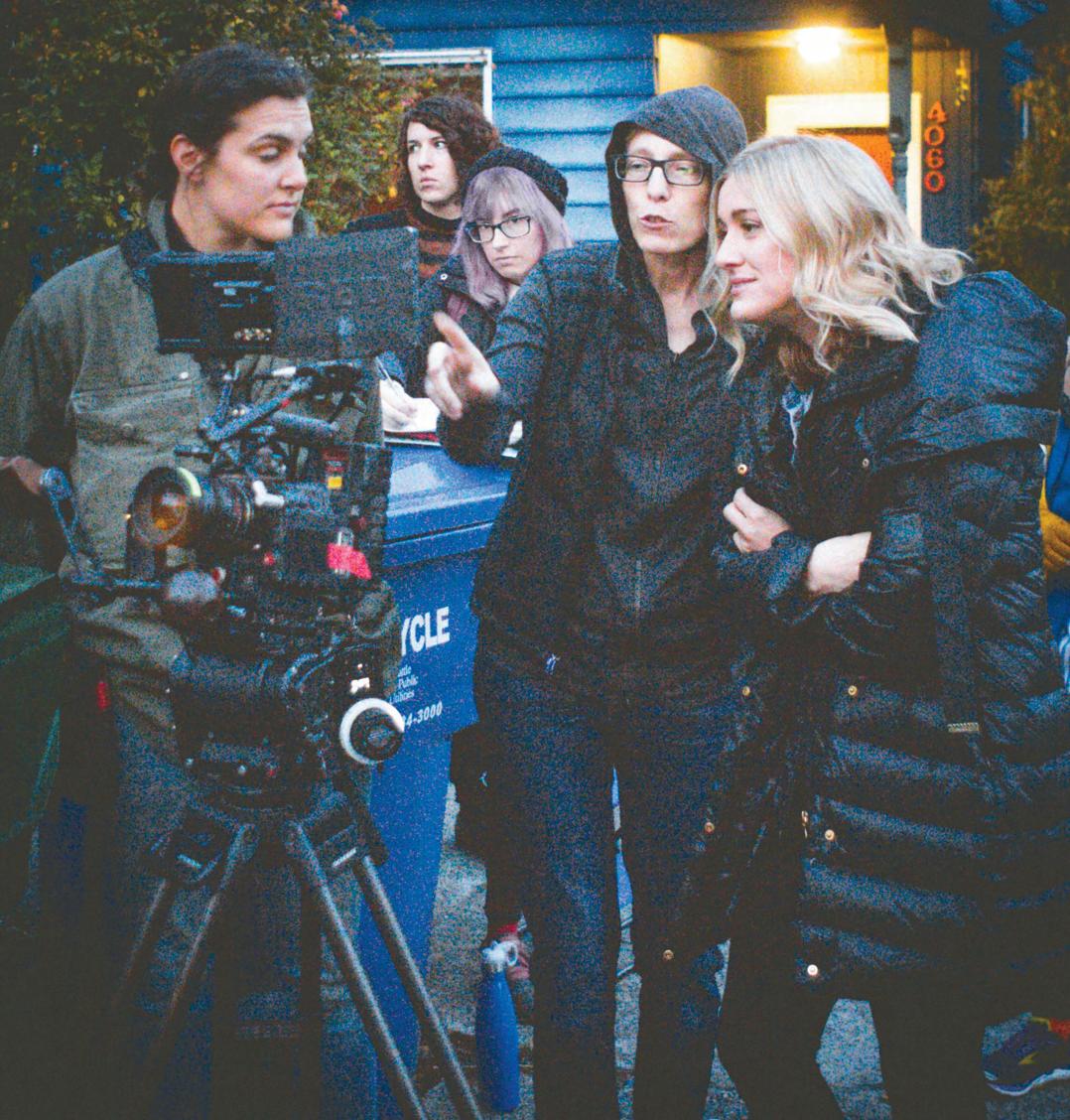
On the set of Good Kisser - photo by Rafael Rodriguez Ochoa III
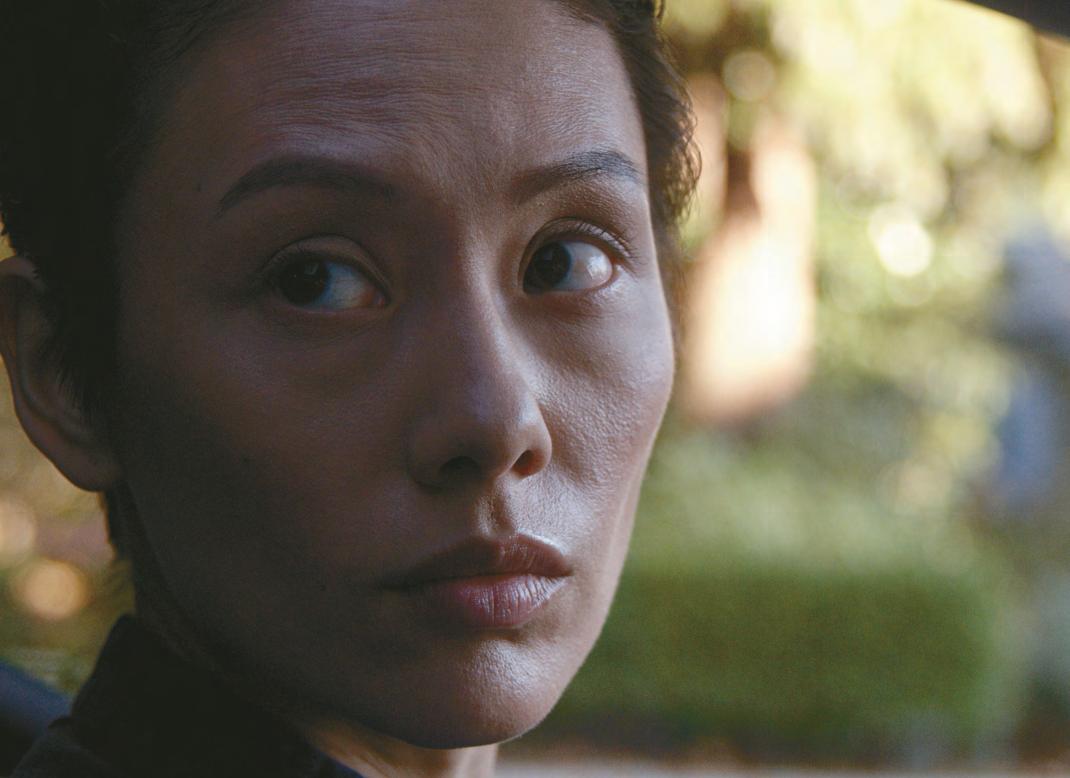
Courtney McCullough as Yuka on Good Kisser - photo by Ryan Purcell
wanted to do what they were doing.
“I was [also] 22 when I acted on wanting to sleep with a woman. It’s hard to know how much I was pushing something down [in terms of my feelings for women]. I wasn’t feeling bad about my attraction to women, I wasn’t internally struggling, it was more culturally socially how to navigate it [being attracted to women] and still maintain my privacy.
“It was already hard to initiate within my own person to ask a woman out when the culture doesn’t show you how to do that. The culture shows you how to be straight.
“[In turning toward my feelings toward women,] I did have to give up something: my relationship with my boyfriend and the band we were in. I was hurting someone who was a good person. And we had fun together and were creative together in good philosophical ways. But I had to go towards a bigger desire to be with women.
“Once I slept with a woman, I didn’t have the space to maintain the relationship I had or the interest. It’s nice that he’s married and happy now. He’s a great guy.
“In college, I started making short films. Narrative, experimental or music videos, with Queer content. I submitted work to film competitions. One of them was through American Film Institute and I won First Place in the experimental category. They flew me to Los Angeles for a winner’s screening. It was a big deal! No one knew who I was and I felt recognized for my talent!
“The film was about the beauty of the mundane life tasks mixed with how we look to others for authority to tell us we’re OK. Even then I had that mindset. How are we informing ourselves about what’s important and why do we give so much power to people who don’t even know us?
“I won my own video camera! I used that a lot and carried it everywhere and used it to create weekly documentary and political content for a cable access show I produced.
“I looked into grad school in Los Angeles and found it too expensive. I also suspected it wasn’t the best match for me. At the time, it was all about doing things that were carbon copies of other work. The good old boys’ network. It didn’t feel welcoming.
“When I came back to Michigan, I did a weekly public access show [in order] to do experimental things. I did that for about two years. Going back to Michigan meant going back to an artistic community, but eventually I got wanderlust.
“I visited Olympia and Seattle and loved the arts and culture vibe. I came to Olympia in the mid-’90s in the middle of the Riot Grrrl movement music and arts. I was working for the Olympia Film Festival.
Shorts to features
“I made a dozen short films, usually under 10 minutes. It was economical to do a short. At some point, I realized that features are the most known medium and
that you get to create a relatable world in 90 minutes. The arc of a feature is more a beginning, middle, and end that is more satisfying. You can’t get lost in shorts in the same way.
“You have to convince a lot more people to help you. That’s the difference between shorts and features. Exponential amounts of collaborators and more money [are needed for features].
“In Chicago in 2009, I directed my first feature Hannah Free which stars Sharon Gless. That came from meeting the playwright while I was a co-producer of the Chicago Gay History Project which interviewed nearly 300 people over 30 years of LGBTQ Chicago poets, playwrights, AIDS workers, all of it. I helped produce that proj-
ect: to get them interviewed and put the short videos online for posterity.
“The playwright Claudia Allen was one of those subjects. From that conversation came the idea to get one of her plays made into a movie. She knew how to get in touch with Sharon Gless. Gless is not a Lesbian but plays one in this movie.
“I directed. It did the festival circuits and was distributed on Wolfe Video, a long time LGBTQ film distributor [owned by a Lesbian].
“I wrote and directed a second feature: Jamie and Jessie are Not Together. It’s on Amazon Prime now and it’s Lesbian romcom musical. I co-wrote the music with the music director of Second City in Chicago, Stephanie McCullough.
“Next was my Lesbian web series, 28 7-minute episodes [called] “Easy Abby,” was on YouTube and got 50 million views! I feel like if it were not about Lesbians, it would have already been purchased and redone for Netflix or Hulu.
“Arriving” but not getting credit [I do feel like I’m] finally “arriving,” but [so far] I’m not getting the funding I think these efforts should be allowing. I don’t want to live in LA or NY to do my work. I still think I should be able to get the kind of support and funding that I feel my work deserves because of the quality it is and the way audiences clearly respond.
“Part is our capitalistic culture and the lack of governmental support of the arts. Australia, Germany, England, France, Israel, they all have arts budgets for their artists. But our government doesn’t support filmmakers with funding.
What’s next for Good Kisser?
“I made Good Kisser in Seattle because I have a Queer brain trust among my friends. 75% of the crew behind Good Kisser are women-identified and/or LGBTQ which was intentional!
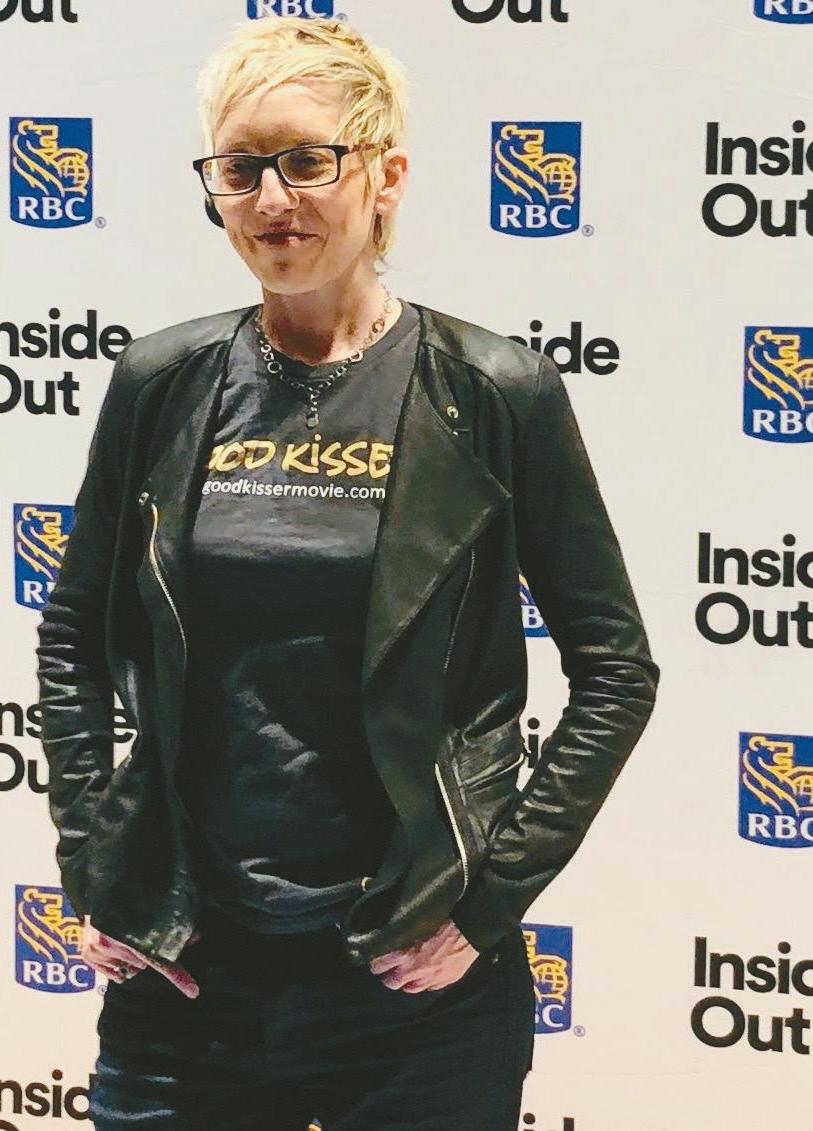
“Next is the international film circuit [to go on]. We were just at the Inside Out LGBTQ Festival in Toronto. We’ll get distribution and hopefully by fall 2019 Good Kisser will screen in select cities for a theatrical run. Then it should be on video-ondemand platforms.
“I love to promote my films as community LGBTQ events so we can have afterparties and fun and a reason to gather. It’s why festivals are fun: to meet new people, dance and share ideas. It means a lot to me to have a community vibe to bring together even in small ways. To have fun and feel less alone and inspired.”
That sounds like something we can all aspire to have in our lives!
Happy Pride!
Kari Aliison Hodge, Rachel Paulson, Julia Eringer in Good Kisser – photo courtesy of The Film Collaborative
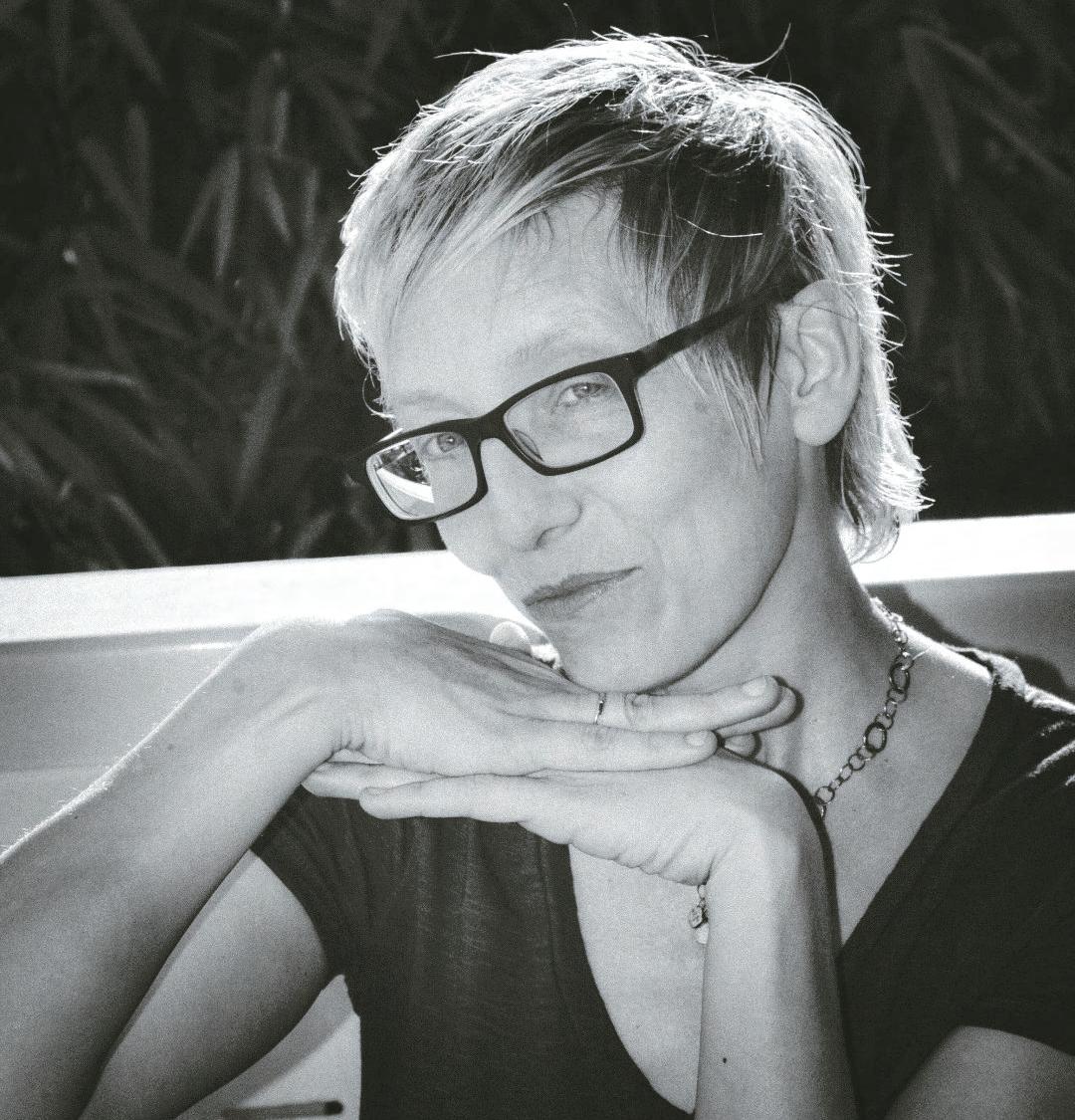
Wendy Jo Carlton – photo courtesy of Wendy Jo Carlton
Winner of over 35 awards
AVAILABLE WORLDWIDE
Amazon, iTunes, YouTube, Xfinity, more
We are...."invited to soak in the retro atmosphere as the story unfolds at a leisurely pace."
"Collis and Goss deliver affectingly soulful, sensuous performances that vividly convey their characters' passion for each other."
"Destined to be a classic..." DIVA MAGAZINE
FILM THREAT
THE HOLLYWOOD REPORTER
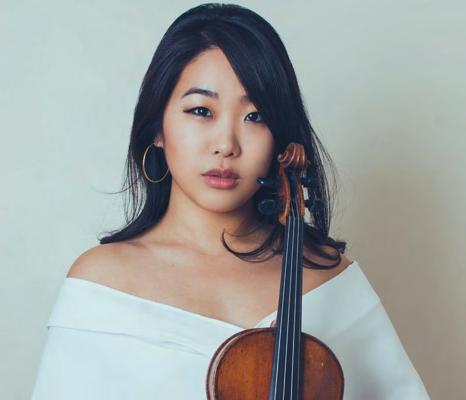
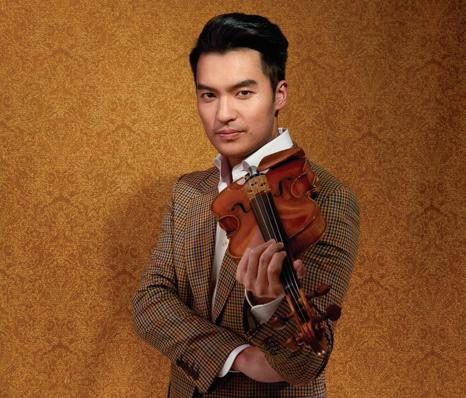
Kristin Lee
GardenMusic with Teddy Abrams
Olympic Chamber Music Fellowship Ray Chen












































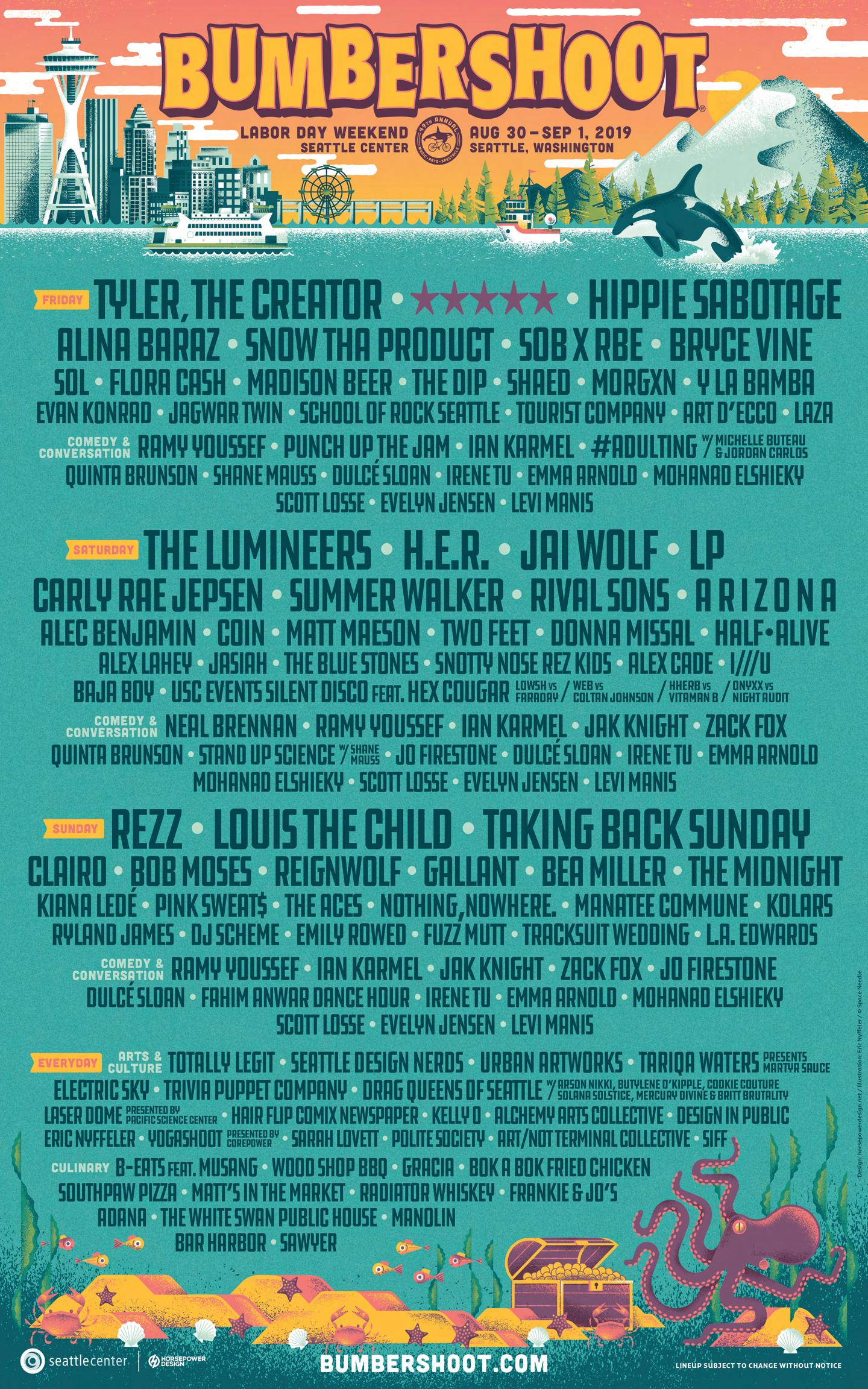
JULY 19 TO 21 2 0 1 9




















BASIA BULAT | THE HAMILTONES | DAVID HIDALGO | LARKIN POE
REBIRTH BRASS BAND | SAM ROBERTS BAND | CORB LUND



THE AERIALISTS | BLACK STRING | DANNY BOUDREAU BAND | MATTHEW BYRNE | CELEIGH CARDINAL | ANDREW COLLINS TRIO | COPPERHEAD





THE DARDANELLES | DESIREE DAWSON TRIO | STEVE DAWSON | BROTHER TITO DELER | DWAYNE DOPSIE & THE ZYDECO HELLRAISERS


RAINE HAMILTON STRING TRIO | ZAKI IBRAHIM | ILLITERATTY | KIRCHEN, COX AND MCRAE | KITTY AND THE ROOSTER | JOEY LANDRETH
LA MEXCALINA | GEORGE LEACH BAND | LE VENT DU NORD | LOCARNO | LONESOME ACE STRINGBAND | LOS PACHAMAMA Y FLOR AMARGO
BOBBY DOVE | RAMBLIN’ JACK ELLIOTT | MIKE FARRIS & THE FORTUNATE FEW | LUCA FOGALE | FRONT COUNTRY | AMOS GARRETT & JULIAN KERR


DON MCGLASHAN | PABLO MENENDEZ & MEZCLA | MIDNIGHT SHINE | IRISH MYTHEN | NAMGAR | TAL NATIONAL | OKTOPUS | MARIN PATENAUDE THE RAD TRADS | JOHN REISCHMAN AND THE JAYBIRDS | RIIT | PHARIS AND JASON ROMERO | LUCY ROSE | ROSIE & THE RIVETERS


SARAH SHOOK & THE DISARMERS
SARAH SHOOK & THE DISARMERS | VIVEK SHRAYA/TOO ATTACHED | RUBY & SMITH | SON OF JAMES | NANO STERN TRIO | EMILY TRIGGS


TSATSU STALQAYU (COASTAL WOLF PACK) | SUNNY WAR KERR




















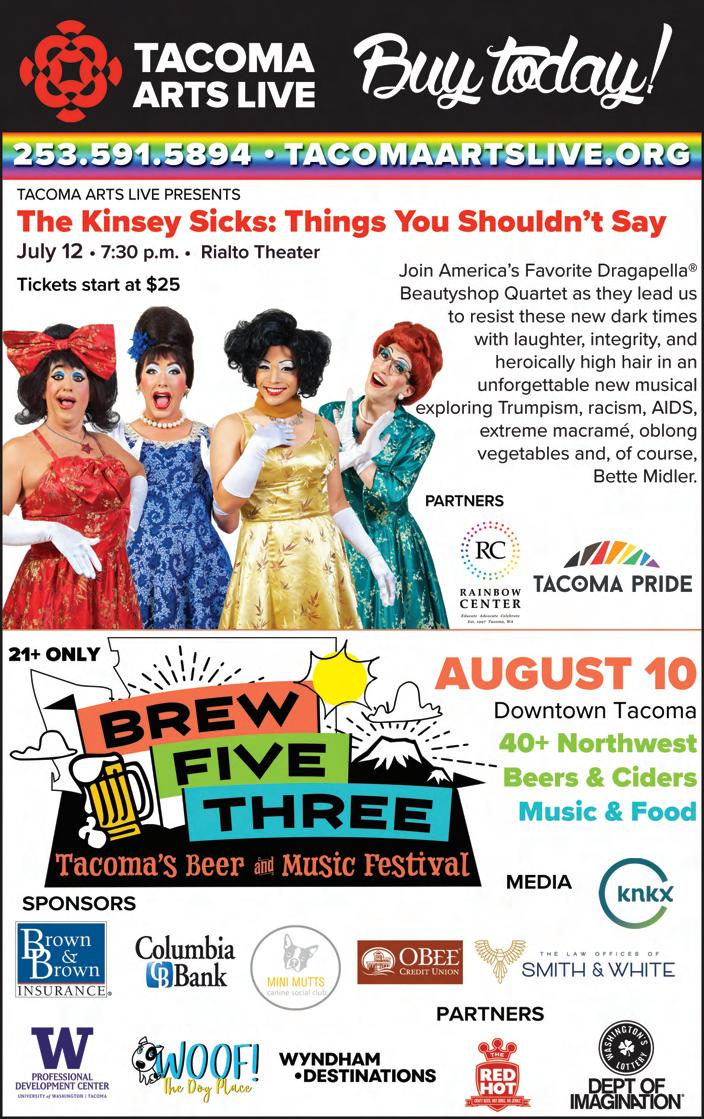
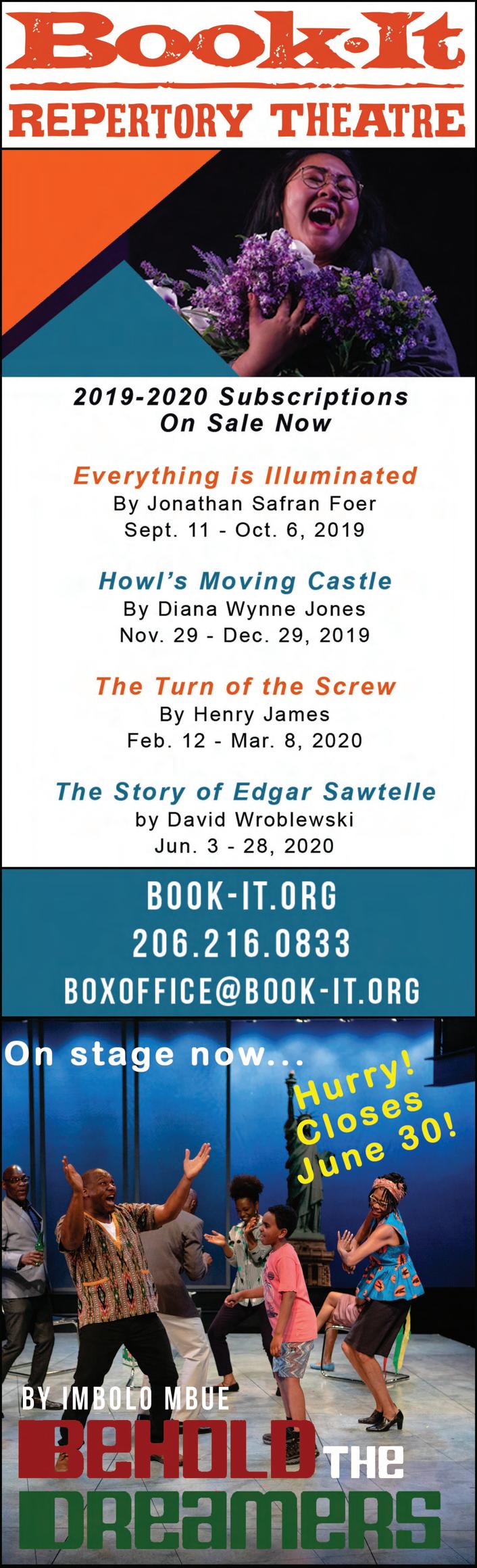
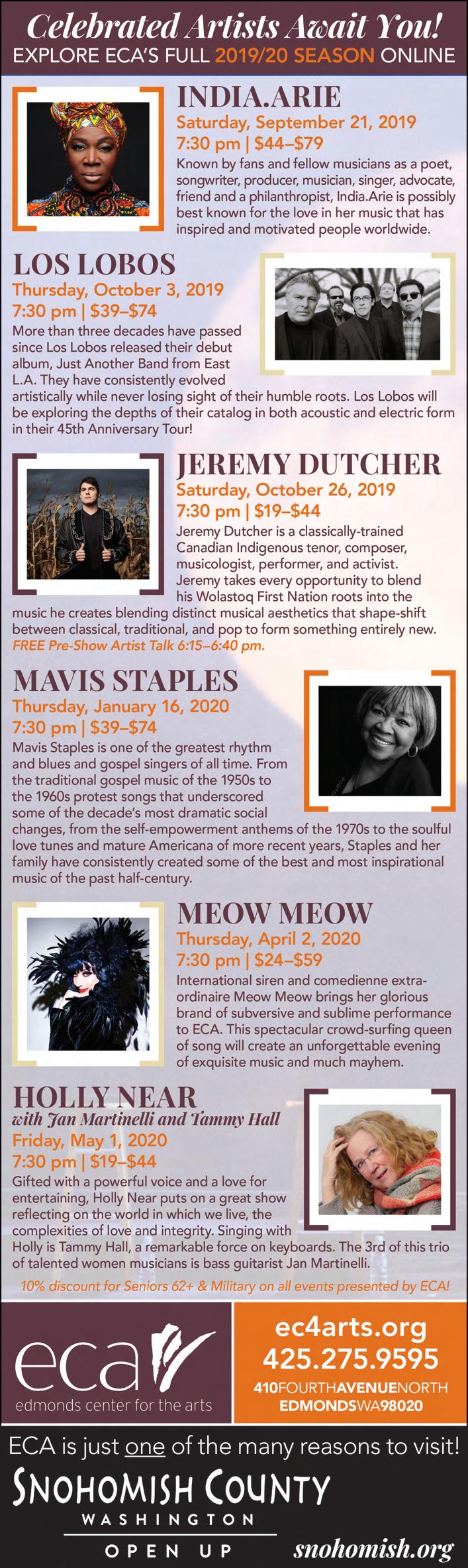








































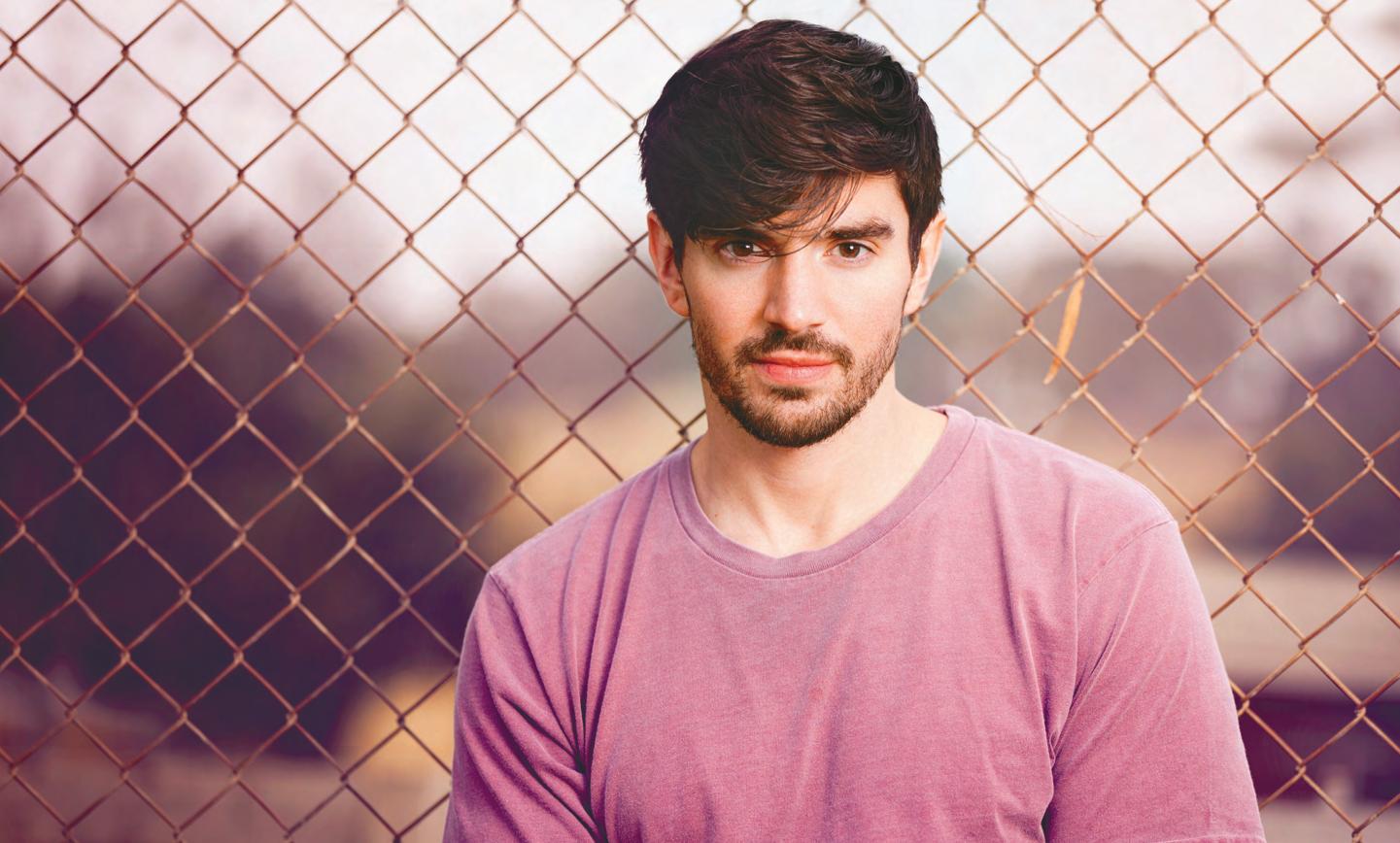
Steve Grand returns to Seattle, just in time for The Cuff street party on June 29
by MK Scott SGN Contributing Writer
At the 2014 Seattle PrideFest, OUT music stars, Chely Wright and Steve Grand, headlined a special evening concert at the Mural Amphitheater. Steve Grand (24 at the time) was a new star, most famous for his online underwear photos and being labeled, America’s first Gay country-music star and had a hot youtube single with ‘”ALLAmerican Boy”. Later, backstage with Grand sitting on an instrument case, he told me for an on-camera interview, he didn’t want to be labeled a country-music star, nor did he want to be known for just his body, but as a talented musician. Five years later, he has released two more singles with more dark overtones with “Disciple” and ‘Pink Champagne”. Now, Grand (at 29), returns to Seattle to headline Saturday’s Cuff Pride Party. I spoke with Grand by phone earlier this week.
MK Scott: Steve, it was about five years ago this month that we last spoke. You performed a special concert at Seattle PrideFest with Chely Wright, and we had a chance to speak backstage after the show. How have the last five years been for you?
Steve Grand: It’s been a wild ride, a lot has happened, obviously. Man, it’s like five years really does feel a lifetime ago. You know, you grow and change so much in that time. I’ve had a lot of really incredible experiences, and I feel really grateful for all I’ve been able to experience and all the awesome support from my fans and getting to meet all them. It’s been incredible. Of course, it’s not been without its challenges, but overall I’d say that I’ve been a pretty lucky guy.
MK: I had no idea until just recently that there were several years of where you were actually battling addiction to alcohol.
SG: Yeah. I usually don’t say things that will have such a strong connotation… I don’t know that I suffered to the degree that a lot of people that are called “addicts” experience. So I don’t want to give myself too much credit, but yes, I did completely stop drinking for three years.
MK: And you’ve been three years sober now.
SG: Yeah, well, I started. I did three years, and then I finally have reintroduced alcohol in very limited quantities back into my life over the last couple of months. And it’s going really well, I mean… I’m in a much different place than I was, and it’s going a lot better now… One of my general rules is to not drink alone, and not more than one day a week. Yeah, it’s always interesting getting to that line, which is why I made the “Pink Champagne” video. Which is like, all right, alcohol is usually consumed when you’re having fun at a party, but at what point does this thing…that has this fun, positive connotation, when does that become something darker? And it can be a blurry line, as it was in my case.
So I’m just, you know, learning to spot out the different things that would indicate to me that it’s kind of turning over to the dark side. And I think I’ve noticed that drinking alone is one of those indications. So I’m trying my best to stay away from that.
MK: Excellent. The video looked like it was probably pretty fun to put together since it was right in the middle of a foam party.
SG: Yeah. That was just an awesome chance and opportunity. …To create something like that would cost so much money, so sometimes you have to work with whatever is going on. And it really couldn’t be more perfect. I mean, singing about pink champagne, and then in this foam, you know, giving it that kind of bubbly connotation. So it just really turned out so perfect. We didn’t even know that there was a foam party until a day or two before, and we were like, man, we’ve got to ask if we could shoot there. And so we promised we would be as discreet as possible, because these people are on vacation, and I don’t want them to feel like they’re a part of a music video set. So we just had one little camera on, you know, we would just go and shoot different things. And I would get people’s verbal permission to see if they were OK with being on camera for a second or two. It was crazy, but it was really fun.
MK: You had another single out a
few months ago that was just absolutely incredible. The video was very much talked about. It was the “Disciple” video. That was certainly not “All-American Boy,” but dark and…
SG: Yeah. I always try to make music that was sort of that in my life, and actually wrote that in 2015. It was a spot in my life where I was really having some trouble, and that’s when the drinking was bad and I found out my aunt had cancer and that she was terminally ill, and you know, shortly after I wrote that song, she died.
It was a difficult time in my life, and so writing that song was like a cathartic release for me, and I wanted the video to reflect that. The video was actually then filmed in 2017… it took over a year and a half for it to finally come out, and I was really nervous because it’s so personal and it’s a lot of really intense imagery, and some of the lyrics could be seen as even blasphemous. The song really bothered [my dad] because, you know, my family’s Catholic, and some of the imagery in the song, the lyrics, made him a little uncomfortable. So I had to have a talk with him. I was pretty anxious about putting it out, but I’m finally glad I did it, and I did it when I was ready, and it seems that the response has been definitely more positive, and that’s all I could’ve hoped for with that.
MK: Well, actually, one thing is that the video had a really good timing because it was right around the height of the film Us, about evil doppelgangers. A lot of people were comparing that, the fact that the timing was just so perfect for that.
SG: Oh, yeah. I saw a bunch of previews for that. I still really want to see that.
Generally, now, I really do stay away from the comments more than anything, so unless like someone is directly tweeting me, I don’t look at it. And I really only look at my Twitter once or twice a day. I’m conscious of not just scrolling through it all day long. But yeah… I really want to see that movie because I loved the last movie he did. Yeah, I just love his vibe. And it’s just really great filmmaking.
MK: Absolutely. So I think that was extremely good timing for that. In the
video you’re kind of battling yourself, and there’s even this threesome scene, with you and most likely a body double and this older gentleman. And I actually saw a little bit of a black swan kind of appeal to it, where you’re dealing with your evil self.
SG: It was difficult to shoot, and none of us on that project had ever done anything like that before, so we were literally googling YouTube tutorials on how to do these effects. I knew that I was going to need a body double, but… it was so last minute and I’m finding all these people on my own – I’m still learning the best way to do that, so I just go on these casting sites. [Which] probably sounds really sketchy to people.
One of the guys I got, Reed Sinclair, didn’t even end up actually, you know … obviously you don’t see his face because he’s supposed to be me, but he did really great. The only thing was, he was like 20 or 30 pounds lighter than me. So we had to be really strategic with how we shot it, and even if [the camera] went over his arm or something, it looked like it was a different person. So we had to really be careful about editing and camera placement. But it was a really fun challenge, and I’m definitely proud of the finished product.
MK: Well, the finished product itself was just absolutely flawless. I was just absolutely floored when I saw it.
SG: Oh, I’m so glad you liked it.
MK: When we spoke in 2014 you wanted to be taken seriously for your music and not sexualized. Did you have any challenges because the fans expect you to take your shirt off a lot?
SG: You know, I just tried to take myself less seriously, I think… You’re pulled in different directions in life, and I kind of just decided that, I am who I am, and how people interpret that, how that comes across to people, I don’t always have control over, I have control over what I do, obviously, but you don’t always have control about the way that people interpret you. So I just try to be myself, and I think my musical talent speaks for itself… Obviously like I have a lot of fun, taking my shirtless speedo Instagram pictures and that kind of stuff. So I try
Steve Grand - photo by William Dick
not to let it bother me, and I just have fun with it and move forward.
MK: I remember in 2014 you were extremely passionate about LGBT youth charities. Is that something that you’re still interested in?
SG: Yeah, absolutely…. I really like what the Trevor Project does, so I always make sure that I direct what I’m doing towards them. Yeah, absolutely, it’s something that I care about.
MK: What would the 29-year-old Steve say to the 24-year-old Steve?
SG: Oh, I would say, “buckle up!” I would say don’t take yourself too seriously. I would tell him to try to find a mentor of some kind, someone that’s been through this thing before. I feel like I could’ve used more guidance to really give me a sense of perspective, because when you’re going through something, every little thing seems like the end of the world sometimes. And only in hindsight do you realize, oh, wow, you do get over stuff. You know, something seems like a really big deal one day, but you do get through it. And there’s always going to be something new every day. There’s going to be a new challenge.
So you really have to learn, to some extent, to do what you can about a mistake you made, but then you’ve got to move on, because you got to be there for… like especially when you have fans and things like that, when you’re a creative person, you can be so sensitive and let everything kind of ball you up. But for the people that are there supporting you, you got to be on your game and keep creating.
MK: Now what do you have planned for the performance on Saturday?
SG: H mm, it’s going to be an allacoustic show, so I’m going to be switching between doing some guitar stuff, doing some piano stuff. My show is not going to be too long, I think just like 45 minutes… I
would love to just keep playing all day, but I’ll do some stuff from All-American Boy and then some stuff from my new album, Not the End of Me. I’ve been working on a lot of new covers, so I have some new Elton John stuff, and … some Queen, and maybe even some ABBA. We’ll see.
MK: One last question: for the record, you are not a Country singer.
SG: [laughs] Yes. You know, “AllAmerican Boy” was definitely a countrytinged ballad, but I think my fans obviously know my music goes beyond that. I mean, I love Country, and maybe I’ll even incorporate more of it on the next record. But yeah, I just like to say I’m a singer/songwriter.
MK: And with your new LP, you have clearly evolved in the last five years. I totally appreciate chatting with you, and I’m looking forward to seeing you on Saturday.
SG: Yes, I look forward to seeing you again, Mike, and thanks for doing this interview, thanks for talking with me. And if you could let people know to follow me on all the social media at @stevegrandmusic on Instagram and Twitter and Facebook and have them check out my YouTube videos. I spend a lot money on those, I put a lot of effort in to them. I just always like to say that I age five years for every music video, because it’s so stressful.
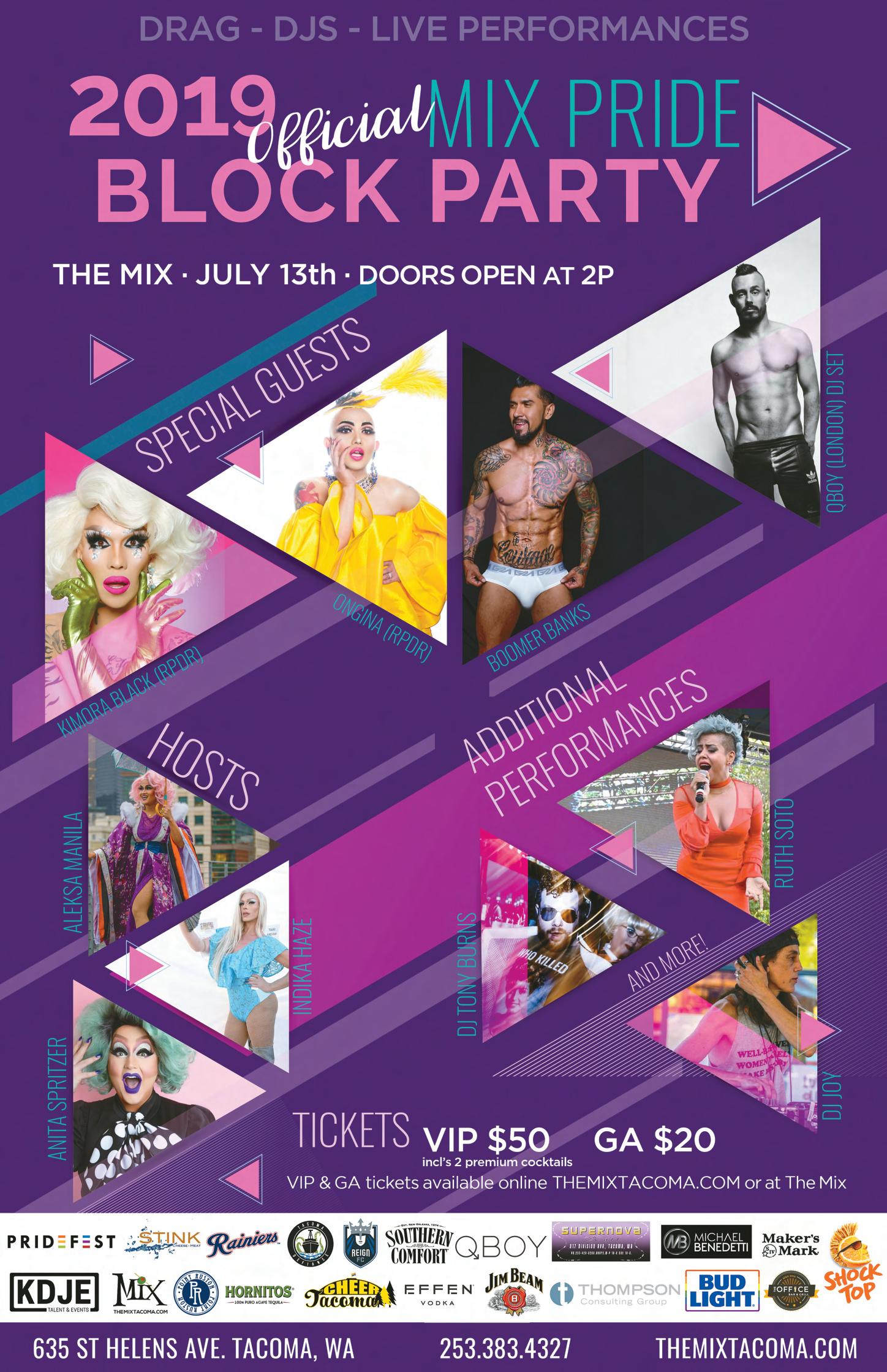
Come see Steve Grand at The Cuff Seattle’s 2019 Pride block party this Saturday evening, featuring incredible talent from “American Idol” and The Voice, award-winning singers and DJs, and more! Wristbands are available in advance – stop in and buy them at The Cuff beginning the Friday of Pride Week (6/28) for Saturday ($30), Sunday ($30), or both ($55).
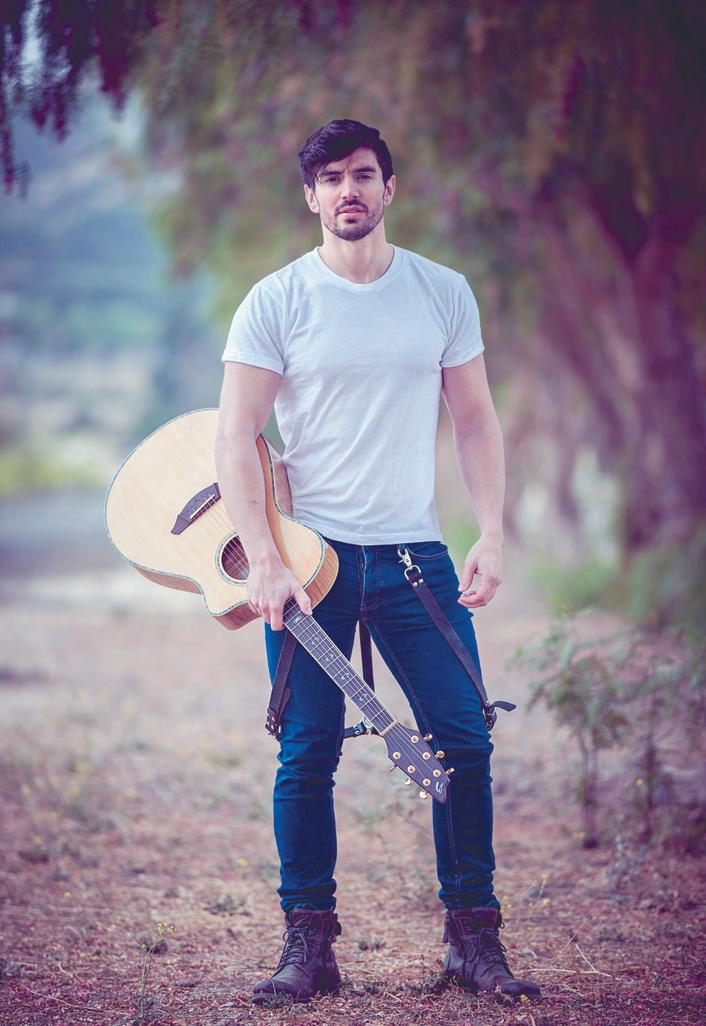


Steve Grand - photo by William Dick
carrie yamaoka recto
JUL 13 – NOV 3, 2019
OPENS OCTOBER 12, 2019
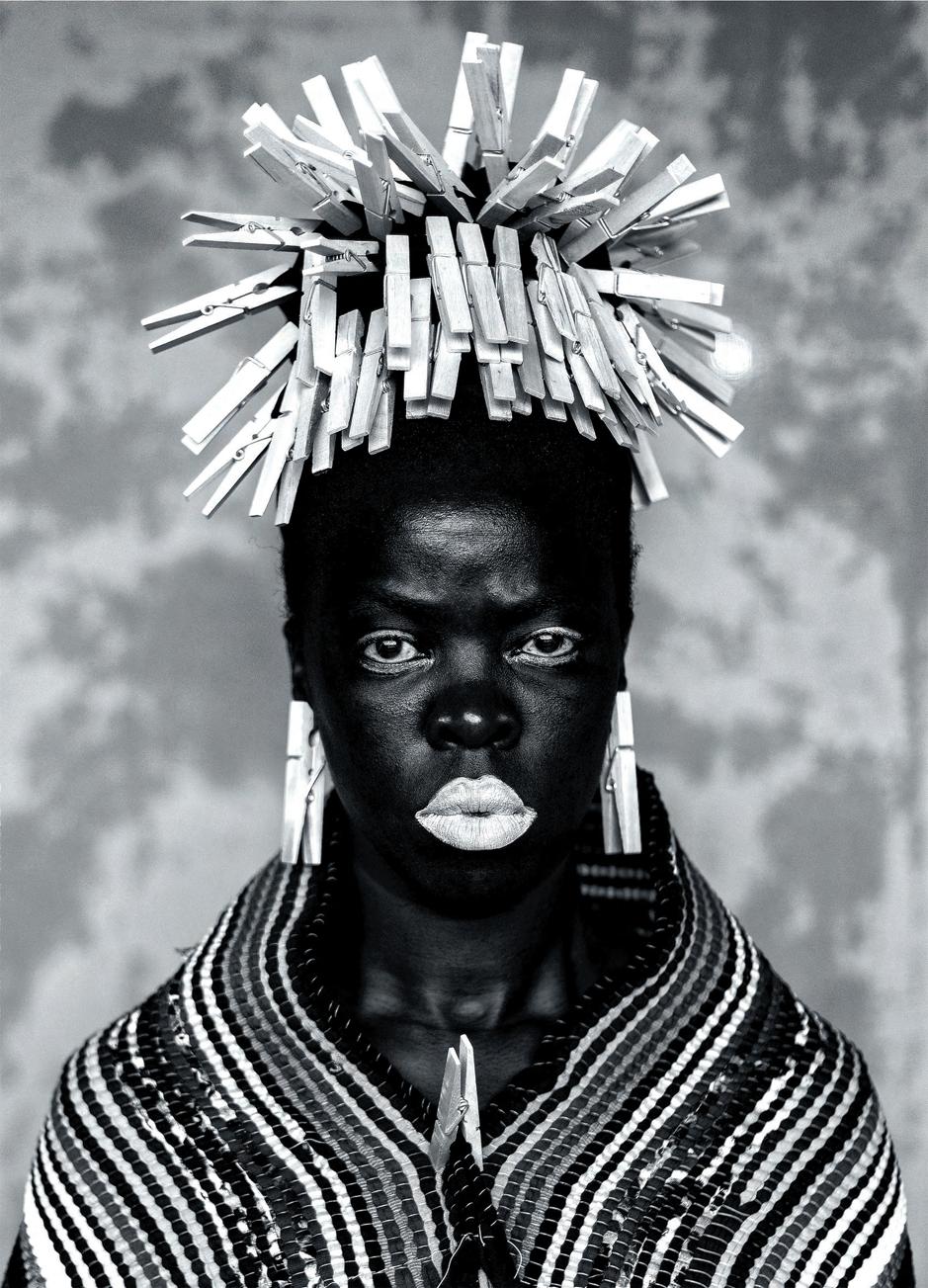
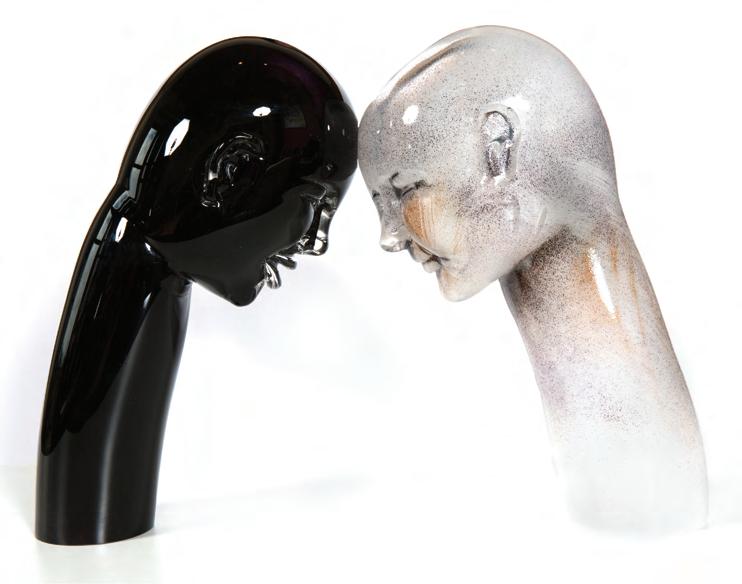
The nation’s first museum exhibition of studio glass works produced exclusively by artists in the LGBTQ+ community, Transparency, makes its West Coast debut at Museum of Glass this fall. Organized by the National Liberty Museum, this three-dimensional meditation on queer experience emphasizes the importance of being open about identity, a hallmark of liberty and creative freedom.
Tacoma, WA | museumofglass.org
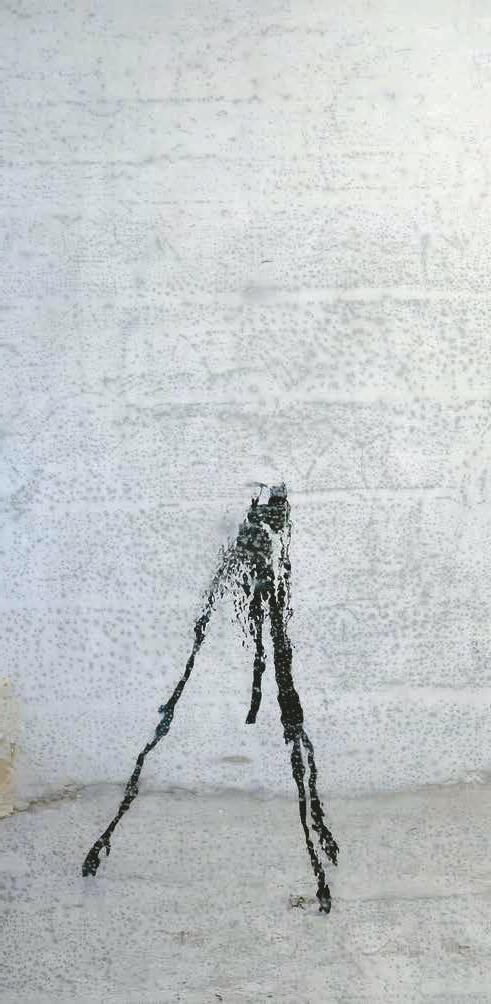
Image: Carrie Yamaoka. 72 by 45 (wall) [detail]. 2016. Reflective mylar, urethane resin, and mixed media on wood panel. Courtesy of the artist.
JUL 12: Public Opening with music celebrating queer artists, courtesy of DJ Clydeoscope (Clyde Petersen)
Pearl Dick. Us, 2017. Blown, sculpted glass; 12 1/2 x 16 x 6 inches.
Photo by Randy Korwin. Courtesy of the National Liberty Museum.








FAIR TRADE MUSIC!
These clubs have signed a FAIR TRADE MUSIC PLEDGE to provide musicians with a written contract, with accountability and transparency:
88 Keys (Pioneer Square)
Barboza (Capitol Hill)
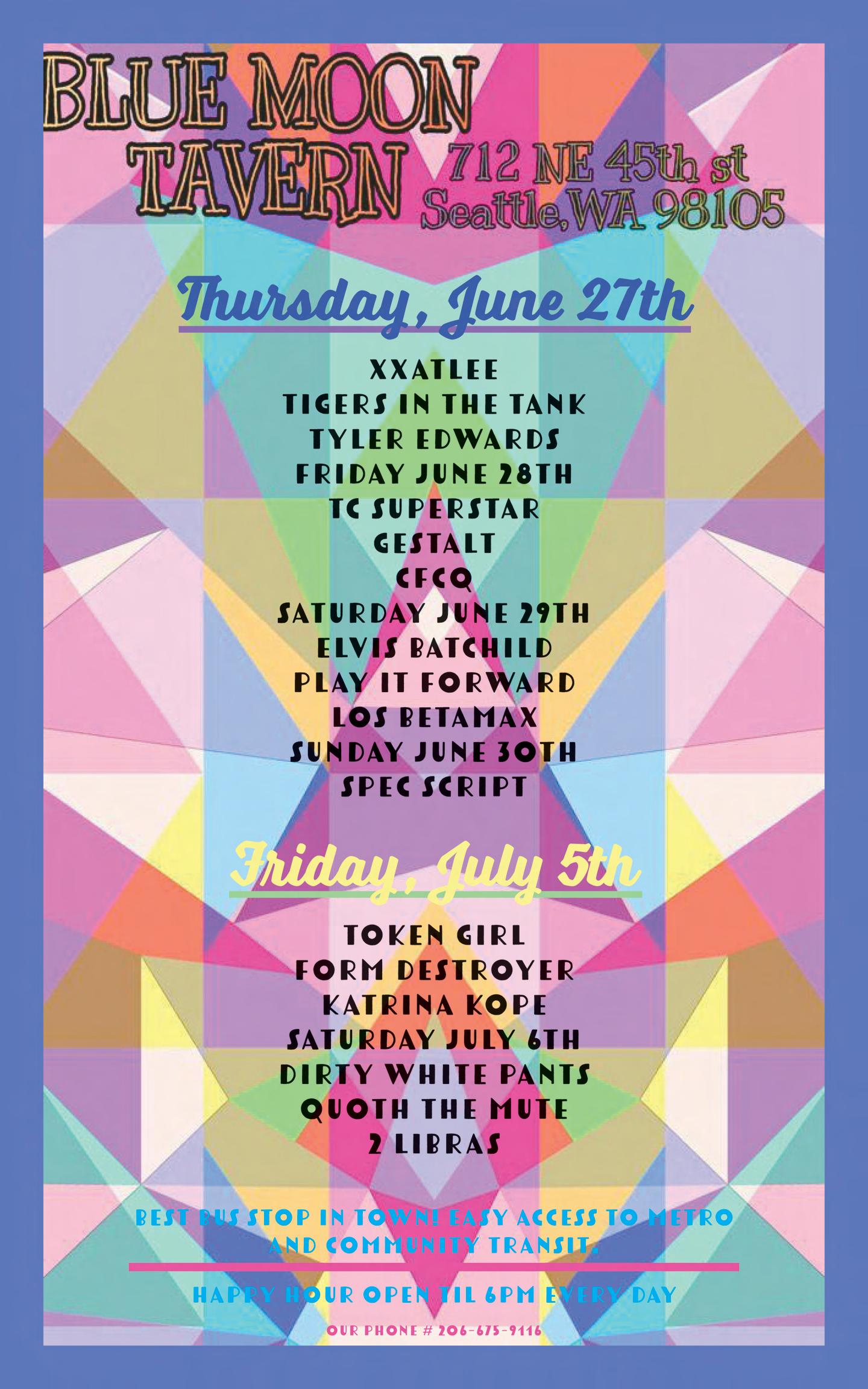
Blue Moon Tavern (U District)
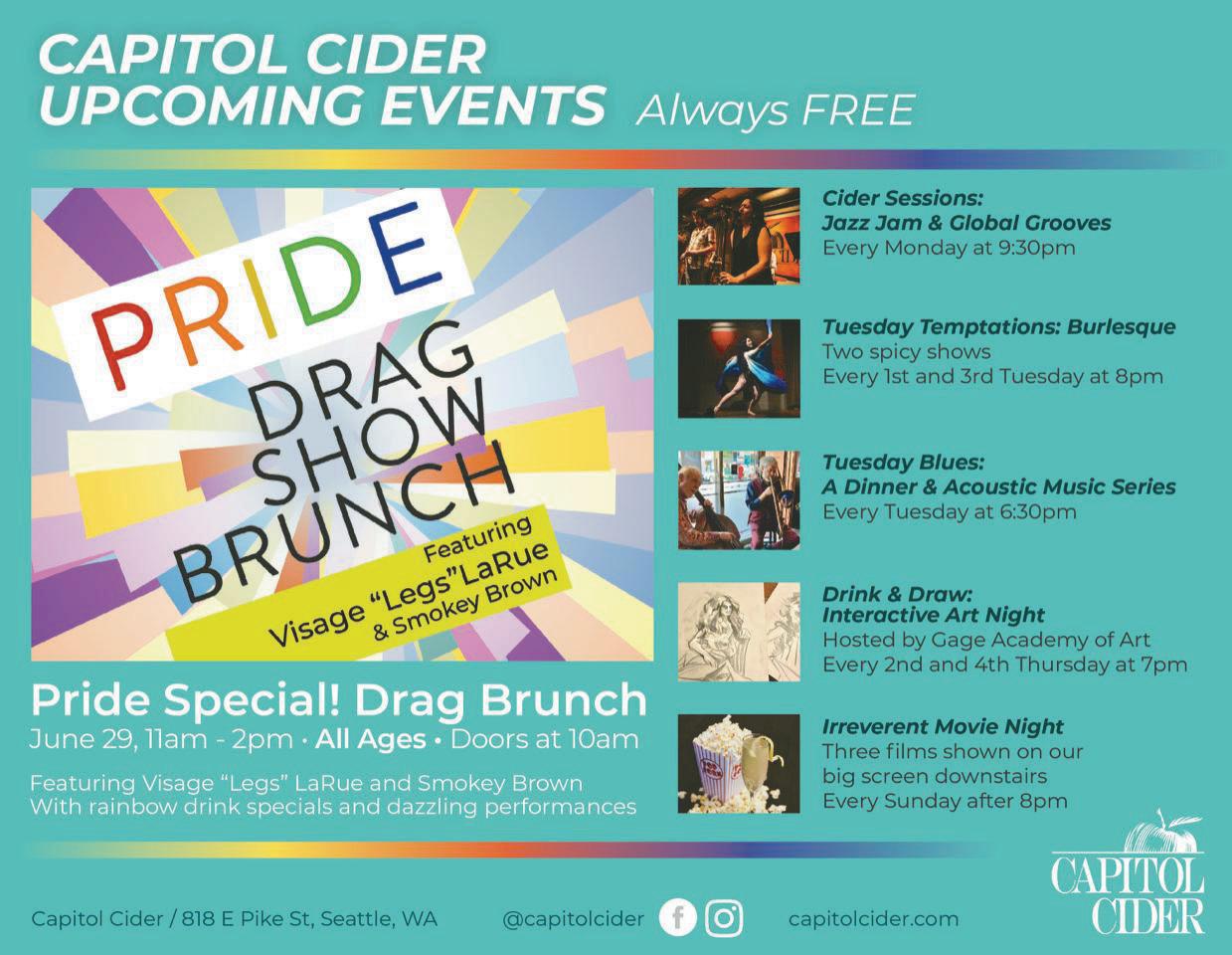
Capitol Cider (Capitol Hill)
Chop Suey (Capitol Hill)
Columbia City Theater (Columbia City)
Couth Buzzard (Greenwood)
The Crocodile (Belltown)
Egan’s Ballard Jam House (Ballard)
Fiddler’s Inn (Wedgwood)
Highway 99 Blues Club (downtown)
Hopvine Pub (Capitol Hill)
J&M Café (Pioneer Square)
Latona Pub (Greenlake)
The Moore Theatre (downtown)
Nectar Lounge (Fremont)
Neptune Theatre (U District)
The Paramount Theatre (downtown)
Re-bar (downtown)
Royal Room (Columbia City)
Seamontser Lounge (Wallingford)
Showbox (downtown)
Showbox SoDo (SoDo)
Skylark Café (West Seattle)
Stone Way Café (Fremont)
Tula’s (Belltown)
Vito’s (First Hill)
Watershed Pub & Kitchen (Mapleleaf)
Waving Tree Winery (Kirkland)
.and Seattle Theatre Group (STG) productions

Neumos (Capitol Hill)