Pride Special
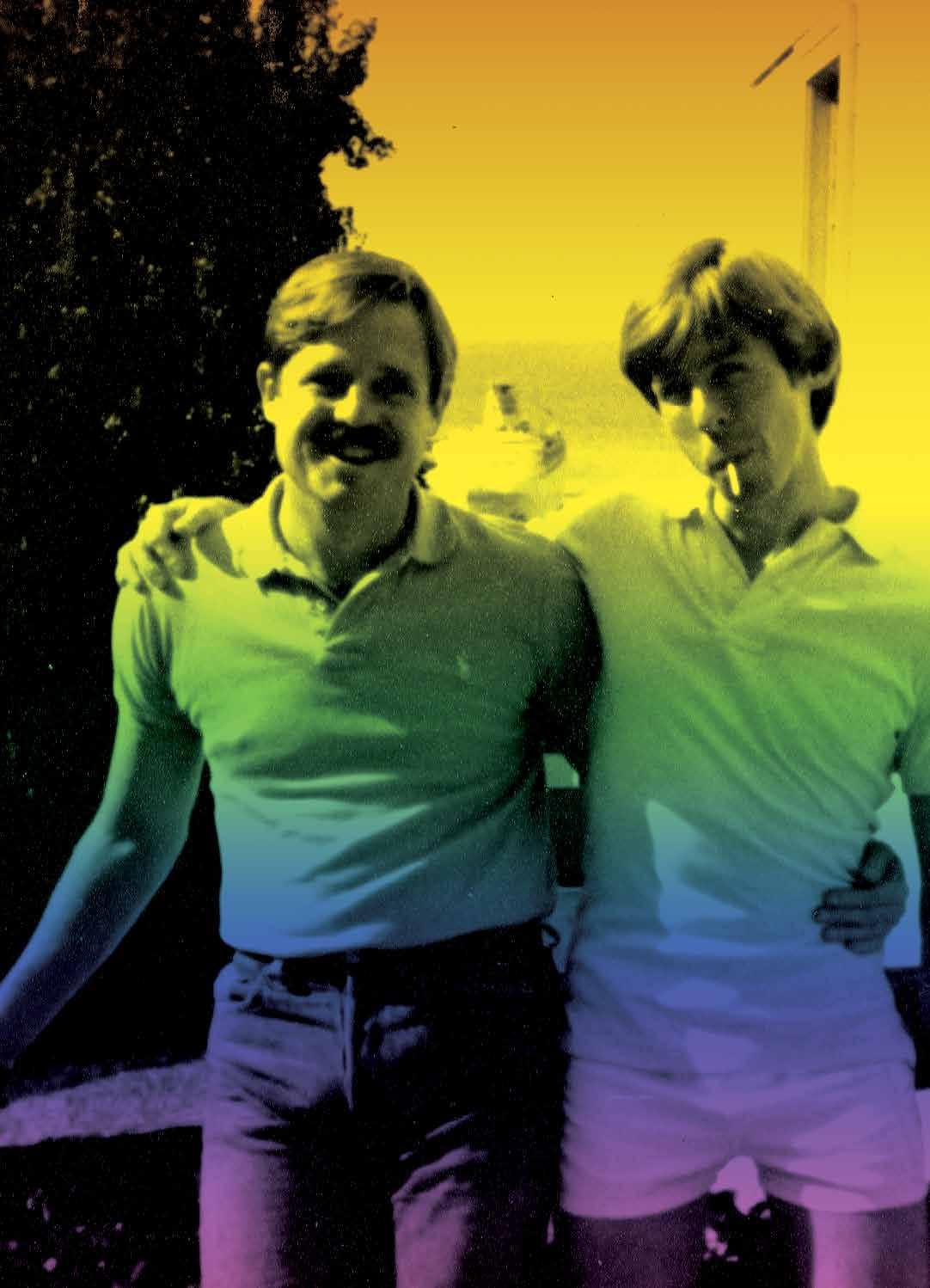
The beloved author of bestselling Tales of the City chronicles his evolution from conflicted youth to groundbreaking writer and gay rights pioneer




continued from cover
BY ARMISTEAD MAUPIN HARPER
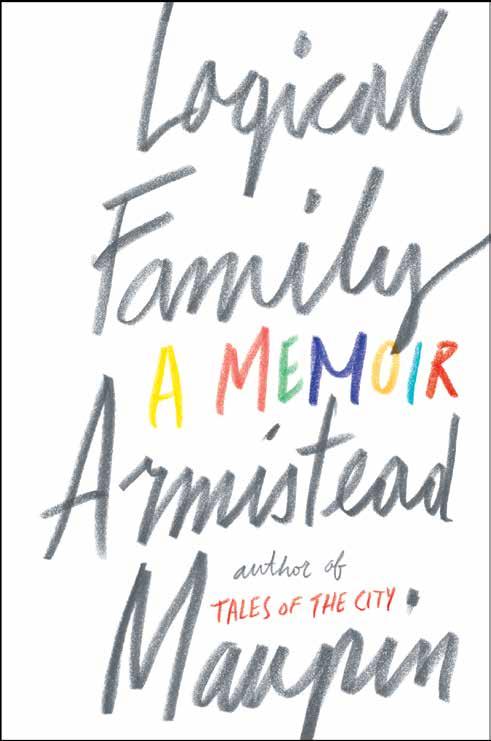
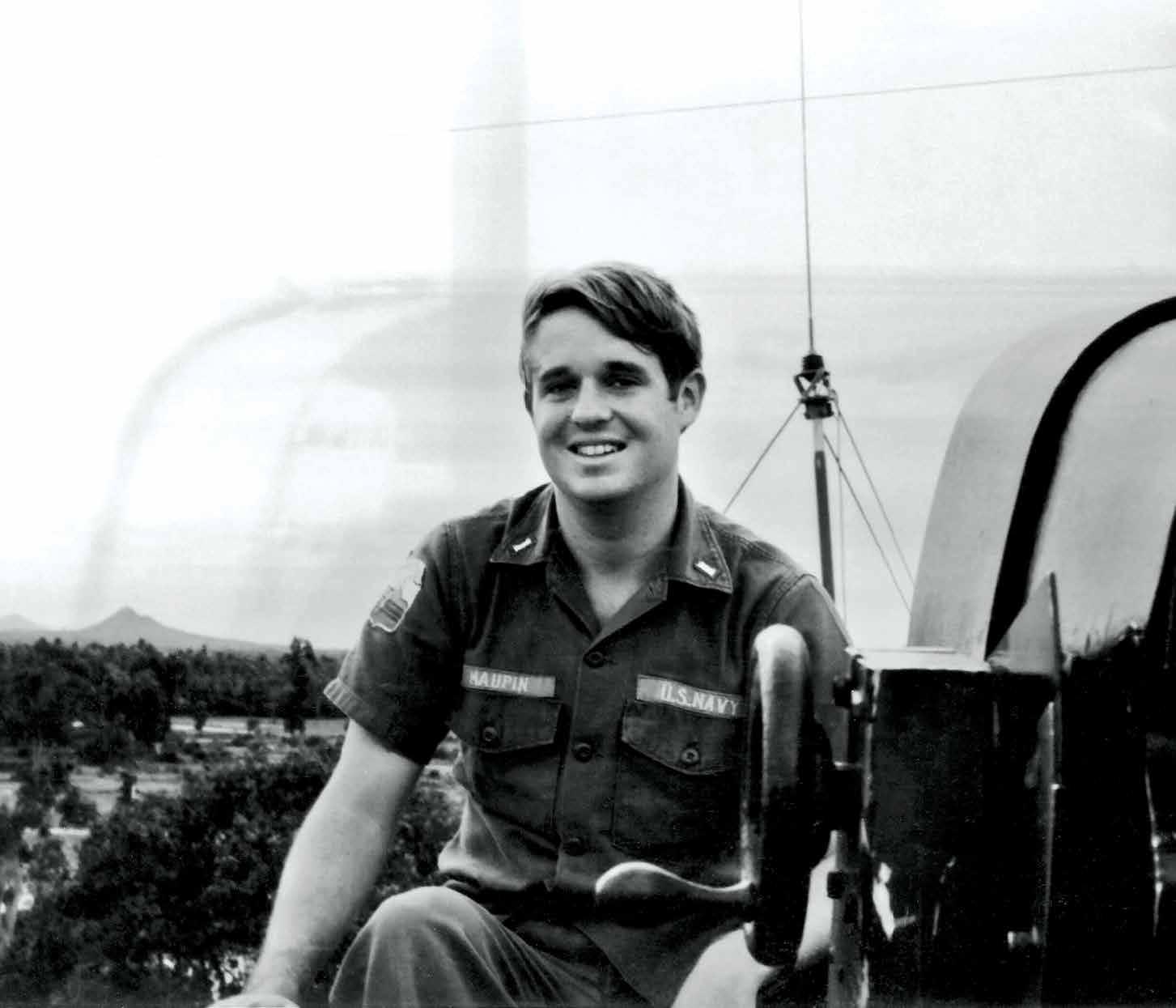
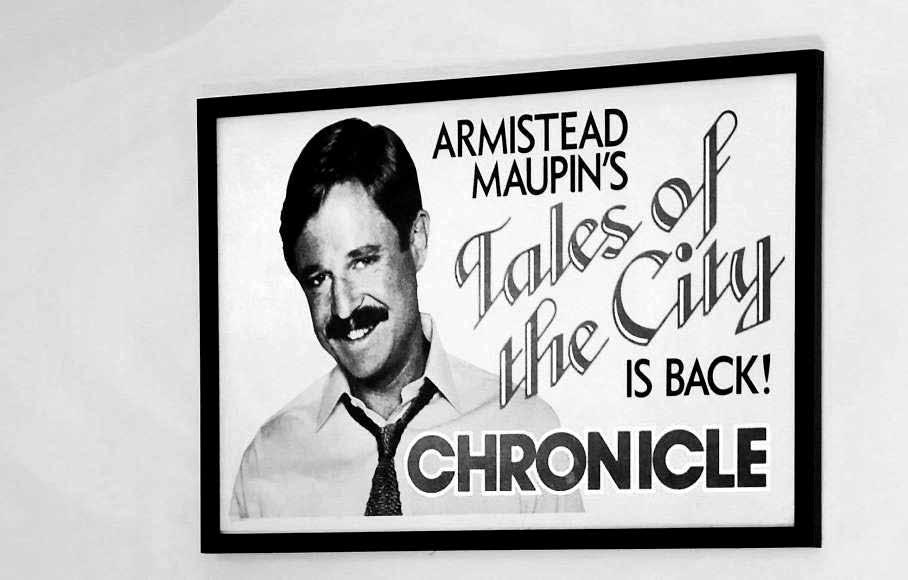
Legendary author and activist Armistead Maupin is an iconic figure in American public life. Now, in Logical Family: A Memoir, the beloved author of the bestselling Tales of the City series chronicles his odyssey from the repressive South to freewheeling San Francisco, and his evolution from conflicted youth to groundbreaking writer and gay rights pioneer. This eagerly anticipated memoir is a tremendously appealing, at times raucously funny story of coming of age and coming out, claiming the truth and sharing it with the world, and of finding one’s voice and using it to make a difference.
PRAISE FOR ARMISTEAD MAUPIN’S LOGICAL FAMILY
“I fell in love with Maupin’s effervescent Tales of the City decades ago, and his genius turn at memoir is no less compelling. Logical Family is a must read.”
– Mary Karr
“A book for any of us, gay or straight, who have had to find our family. Maupin is one of America’s finest storytellers, and the story of his life is a story as fascinating, as delightful and as compulsive as any of the tales he has made up for us.”
– Neil Gaiman
A North Carolina native born in the 1940s, Maupin grew up in a bubble of privileged white elitism. His mother was an Elizabeth Taylor lookalike who taught him to get the words exactly right and spent her life cocooning her loved ones from painful realities. His father was a shut-down, arch-conservative lawyer who cast a long shadow and regretted being born too late to fight for the Confederacy. As a teen and beyond, Armistead’s homosexuality – considered at once a sin, a mental illness, and a crime in that time and place – caused tremendous fear and shame. In those days, only his adored Grannie, a palm-reading English suffragist, tacitly acknowledged his secret, identifying him as the reincarnation of her “extremely artistic bachelor cousin Curtis.”
Inching toward liberation, Maupin embarked on a journey that would take him from the employ of future US Senator Jesse Helms to service in Vietnam to the frontlines of the revolution erupting in San Francisco in the early 1970s. Along the
“Master storyteller Armistead Maupin –the man who defined the difference between ‘a biological family’ and ‘a logical family,’ who is both gifted with fearless art and the ability to speak for millions – finally tells his own story. Logical Family is a sweet, filthy peach of a memoir from a cultural explosion of a man.”
– Caitlin Moran
“Logical Family is a beautiful memoir –so tender and funny and dignified and kind that it left me a little weepy.”
– Alan Cumming
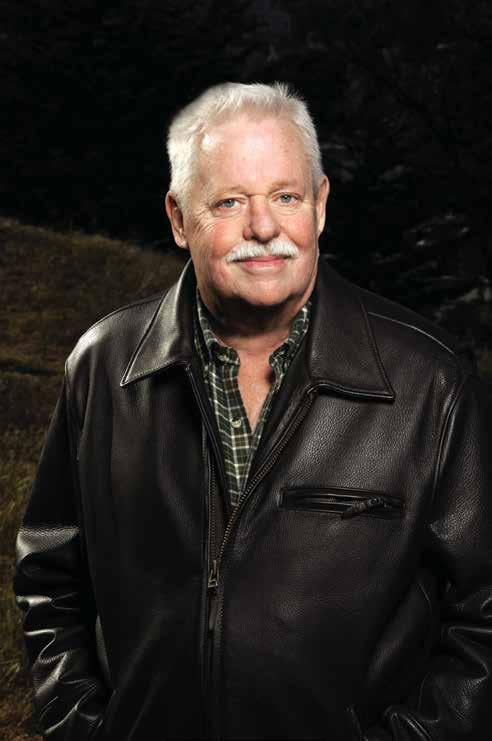
Queers who embolden one another to be honest about themselves can feel real exhilaration in that moment, and it can last a lifetime.
-ARMISTEAD MAUPIN
way, he relinquished his virginity to another man, emerging as a “freshly minted human being” once his panic over a Navy courtmartial subsided, and accepted an invitation to the Oval Office, where his cringeworthy conversation with President Richard Nixon about girls is part of the historical record thanks to the notorious tapes.
Reckoning with pivotal episodes and significant influences, Maupin recounts his quest to locate his “logical family,” not the one forged by DNA but “the one that actually makes sense.” With candor and compassion, he spotlights its members, a cast of characters as multidimensional as those found in his trailblazing novels.
“Queers who embolden one another to be honest about themselves can feel real exhilaration in that moment, and it can last them a lifetime,” he writes of the transformative discovery of spiritual ancestors going back generations. “Your tribe, as Isherwood called it, becomes a source of great sustenance. A terrible weight that you have borne for years becomes apparent by its
“There could be no more appropriate title for Maupin’s own tale, which relates his coming of age from a rigidly conservative Southern childhood to one of the most notable writers of the 20th century. Maupin writes vibrantly…. With just the right amounts of humor, thoughtfulness, and poignancy.”
– Library Journal *Starred Review*
“It is easy to understand Maupin’s reputation for geniality, given his openheartedness as a person and his honesty as a writer; and that will make this delightful chronicle attractive to a wide range of readers, whether they’re familiar with his fiction or not.”
– Booklist
sudden absence.” Funny, moving, and profound, Logical Family unveils a nuanced self-portrait of the man who has been a powerful force in American lives and literature for over four decades. And just like his extraordinary fiction, this unforgettable account speaks to his tribe in the queer community even as it resonates universally.
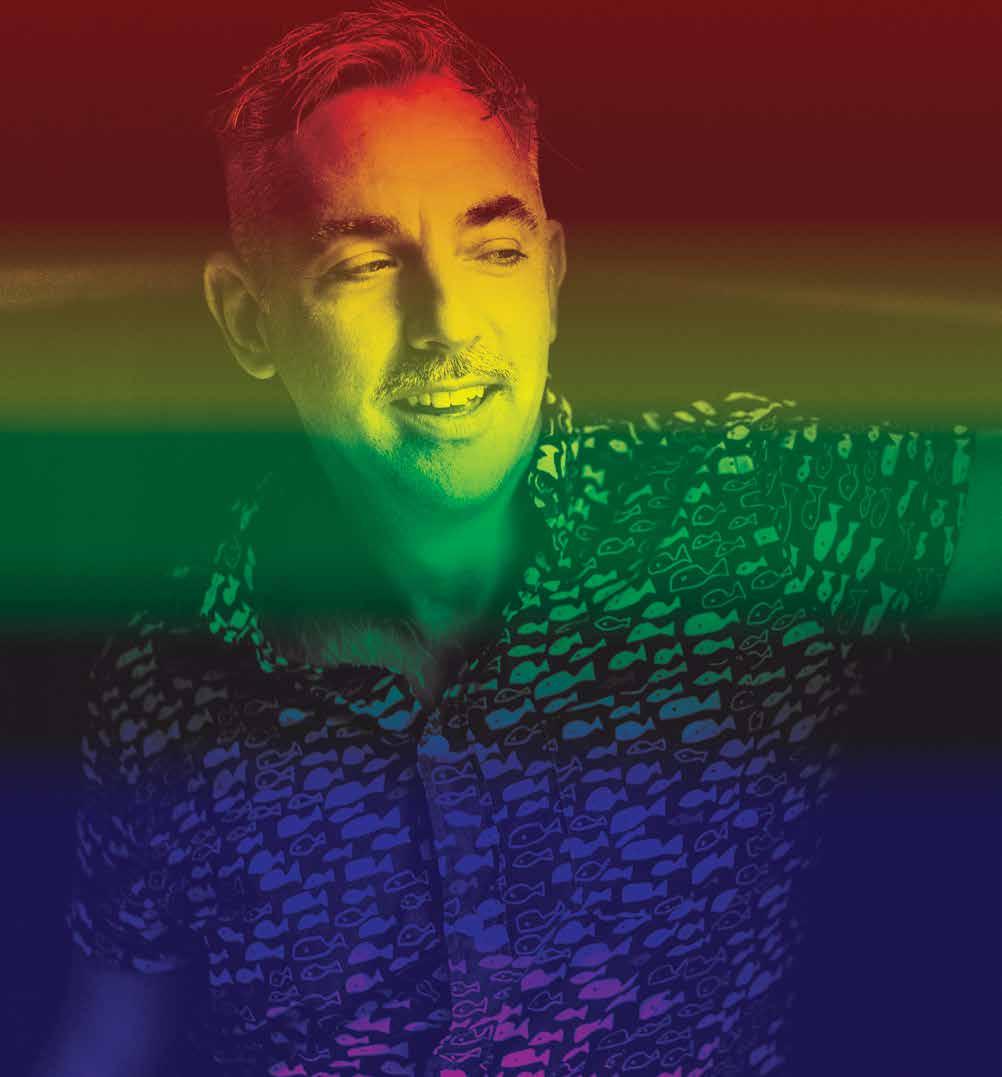
Armistead Maupin is the author of the nine-volume Tales of the City series, Maybe the Moon, and The Night Listener He was the 2012 recipient of the Lambda Literary Foundation’s Pioneer Award. He lives in San Francisco with his husband, the photographer Christopher Turner. For more information, please visit www.armisteadmaupin.com and follow him on Twitter @ArmisteadMaupin.
“The celebrated author of Tales of the City series revisits his turbulent upbringing and path to self-actualization in this engrossing and emotional memoir… the true prize here is the cleverness with which Maupin bares his soul. Maupin ties the bonds of joy and heartache he shares with both his families (biological and “logical”), and in so doing he has crafted a nuanced reflection on what it means to love and be loved in a flawed but beautiful world.”
– Publishers Weekly
*Starred Review*










by Scott Rice
SGN Contributing Writer
THE MONKEY CAGES
BY CASEY CHARLES LETHE PRESS
From the Salem witch trials to the McCarthy/HUAC hysteria, hysterical witch-hunts have been entwined with the psyche of the United States longer than there has been a United States.
Are you now, or have you ever been, a member of the Communist party?
Are you now, or have you ever been, a witch?
Are you now, or have you ever been, a homosexual?
And while the United States has a noteworthy connection to the phenomenon of paranoid finger-pointing and kangaroo justice, it has also happened around the world. Just ask the 200 people whose names were published as suspected homosexuals in 2014 by one of Uganda’s most popular tabloids under the lascivious headline, “Exposed!”
What is it about us humans that allows us to be so malicious, tawdry, and cowardly?
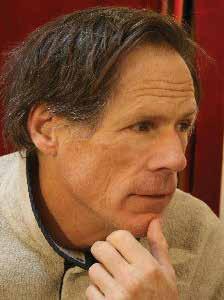
Boise, Idaho, is the unlikely setting of The Monkey Cages, a new novel about queer hysteria – and romance – by Montana writer Casey Charles. While the novel is fictional, the backdrop is based on real events that
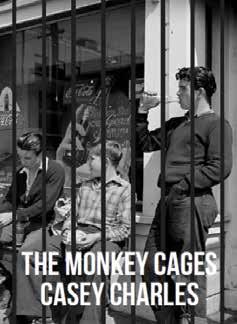
happened in Boise in the fall of 1955.
The clearly queer and questioning protagonist of The Monkey Cages is sixteenyear-old Tommy Cadigan. It’s 1955 and Tommy is crushing hard on the Boise Braves linebacker, Kurt McKellar, and breaking the heart of his long-suffering best friend, Freddie.
Tommy’s delicately balanced Western landscape is shaken by two events: he finds out Kurt and a couple of the other guys are scoring extra cash turning tricks at night
with older men near the zoo, and he stumbles into swim lessons at the Treasure Valley Y with Marty Williams, the twenty-something coach, handsome history teacher, and discharged Korean War vet.
The novel is divided into two parts. Part I (to the tune of “Teenager in Love” by Dion and the Belmonts) is a ’50s era small-towncoming-of-age romance set against the Boise foothills. Tommy is figuring it out, but he’s more curious than disconcerted and more horny than cautious. He’s torn
between his nerdy best friend, his dangerous/hot bad boy crush, and his hunky/older first love. He seeks out advice from a sweet jazz singing sage from San Francisco who performs at the local club by night and drinks Raspberry Raptures at Mr. Spreckles soda fountain by day. There is skinny dipping and horseplay; it’s the summer many gay boys dream of as teens.
Part II (you’ll have to buy the book to find out its soundtrack) is pure pageshredding legal procedural. Of course, the shady business in the dark gets out, and the local upstanding leaders of church and state get involved. An ex-CIA investigator with experience rooting homosexuals out of Washington, D.C., is hired, and the local rag publishes hyperbolic headlines warning the town folk to nip the lewd and lascivious conduct in the bud. Before long scores of boys are being interrogated and men arrested. I literally did not stop reading for the last 104 pages.
Back in the fall of 1955 in the real Boise, the Idaho Statesman fanned the flames of the real hysteria that gripped Idaho. The spectacle resulted in scores of real men being detained and interrogated. There were 16 arrests and 15 successful prosecutions. The number of lives fucked-up for good will never be counted. Check out The Monkey Cages. It’s a proper memorial to all the lives everywhere that have been fuckedup for good for no good reason.




continued from page 11
“The real power of Global Gay, and of Martel’s reporting resides within the sweep and breadth of the details – of the amazing diversity and exuberance of queer lives around the world.” – Michael Bronski, from the foreword
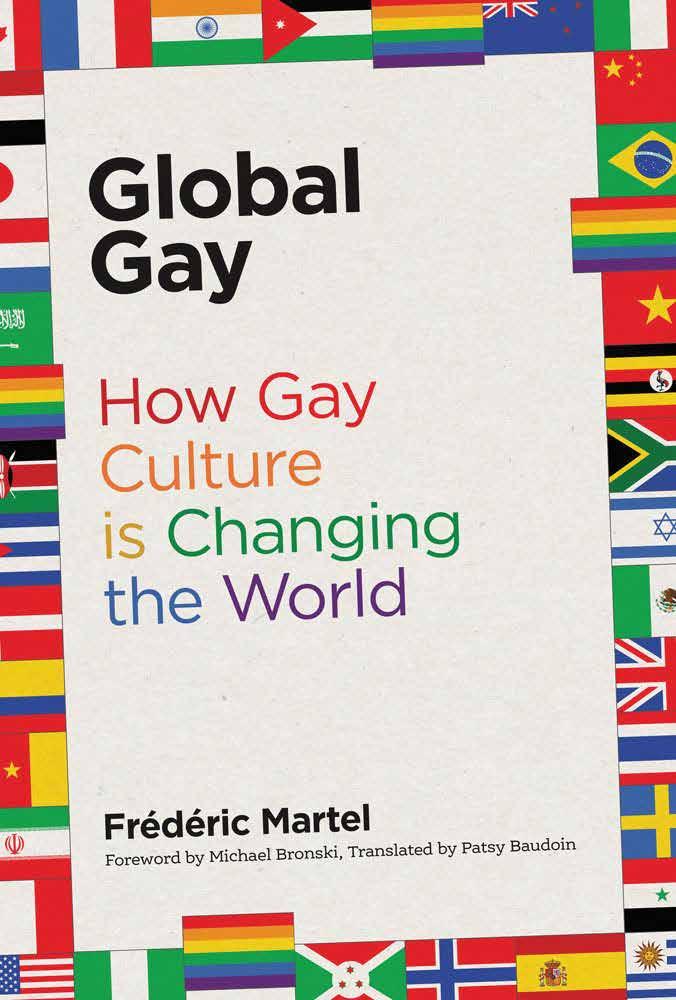
GLOBAL GAY: HOW GAY CULTURE IS CHANGING THE WORLD BY FRÉDÉRIC MARTEL TRANSLATED BY PATSY BAUDOIN THE MIT PRESS
In Global Gay: How Gay Culture is Changing the World (May 16, 2018), Frédéric Martel, a leading French sociologist and journalist, documents his travels to over 60 countries across the world to look at how acceptance of LGBTQ communities is on the rise. He documents the globalization of LGBTQ rights, despite the harsh reality that severe repression still exists in many countries and at least 10 countries still have the death penalty for consensual same-sex activity.
Martel finds that although the “gay American way of life” has created a global template for gay activism and culture, each country offers local variations. In addition, around the world, the status of gay

rights has become a measure of a country’s democracy and modernity. Global Gay ushers in a new understanding of how we might think about same-sex experience trans-nationally.
Some of the LGBTQ people Martel interviews include:
• Madian Al Jazerah, aka the selfdescribed “Queen of Amman” and propri-
etor of Books@Cafe, one of Jordan’s only gay-friendly bookstore/cafes
• Michael Cashman, a British Labour politician and former member European Parliament for the West Midlands
• Georges Azzi, a thirty-three-year-old Lebanese Christian and a multimedia engineer who is president of the largest Arab gay organization, Helem
• Several young gay Iranians, who Mar-
tel reminds readers that, “Their families don’t allow them any private spaces; the Islamic Republic of Iran bans them in public spaces
• Chinese activist Guo Ziyang who tells Martel, “We are in gray area: neither prohibited nor permitted. Suspect but tolerated. Communist China vis-a-vis homosexuality adopted the rule of the three nos: no approval, no disapproval, no promotion.”
• Edwin Cameron, a South African who worked with Nelson Mandela to enshrine gay rights in the country’s constitution
The book raises a plethora of questions, including: What is the impact of colonialism on same-sex identity and homophobic laws? What is the role of religion in shaping responses to homosexuality? How does entrenched nationalism shape same-sex relationships? and more. Global Gay has been adapted into an award-winning television documentary. This English edition has been thoroughly revised and updated.
About the Author and Translator: Frédéric Martel, a researcher at Sciences-Po Paris and ZHdK Zurich, is the author of nine books, the host and producer of the French radio show “Soft Power,” and foreign affairs columnist at Slate.fr.
Dr. Patsy Baudoin is an independent developmental editor and translator living in Cambridge, MA.
Courtesy of The MIT Press

UNBOUND: TRANSGENDER MEN AND THE REMAKING OF IDENTITY BY ARLENE
STEIN PANTHEON
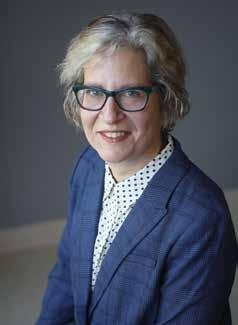
UNBOUND by Arlene Stein is a deep sociological portrait of a new generation of transgender men and of how they see themselves and the world, the dangers they continue to face, and the important ways in which they shape our culture.
Ben, Parker, Lucas, and Nadia are four patients of Dr. Charles Garramone who are preparing to receive surgery to masculinize their chests on the same day. In the years that followed, they, along with more than a hundred others across the country, opened up to Arlene Stein, an award-winning professor of gender and sexuality, about how they conceive of their identities and sexuality, how they decided to transition, how they were received by their families and communities, and the joys and challenges they continue to face after transitioning.
In this moving, raw, intimate book about
the lives of transgender men, Stein reveals how transgender men as a group, largely invisible in previous decades, today exert a significant impact on business, medicine, and culture, and how they have drastically reshaped how we as a nation conceive of gender, sex, and identity. In so doing, Stein has also created an essential resource on female to male transitioning for parents, educators, friends, and those who question their identities and seek further information.
About the Author
Arlene Stein is a professor of sociology at Rutgers University. The author of four books, she received the Simon and Gagnon Award for career contributions to the study of sexualities and the Ruth Benedict Prize. She also serves on the graduate faculty of the Department of Women’s and Gender Studies. She has written for The Nation, Jacobin, The New Inquiry, Haaretz, and Vice, among other publications. She lives in New Jersey.
Courtesy of Pantheon










continued from page 19
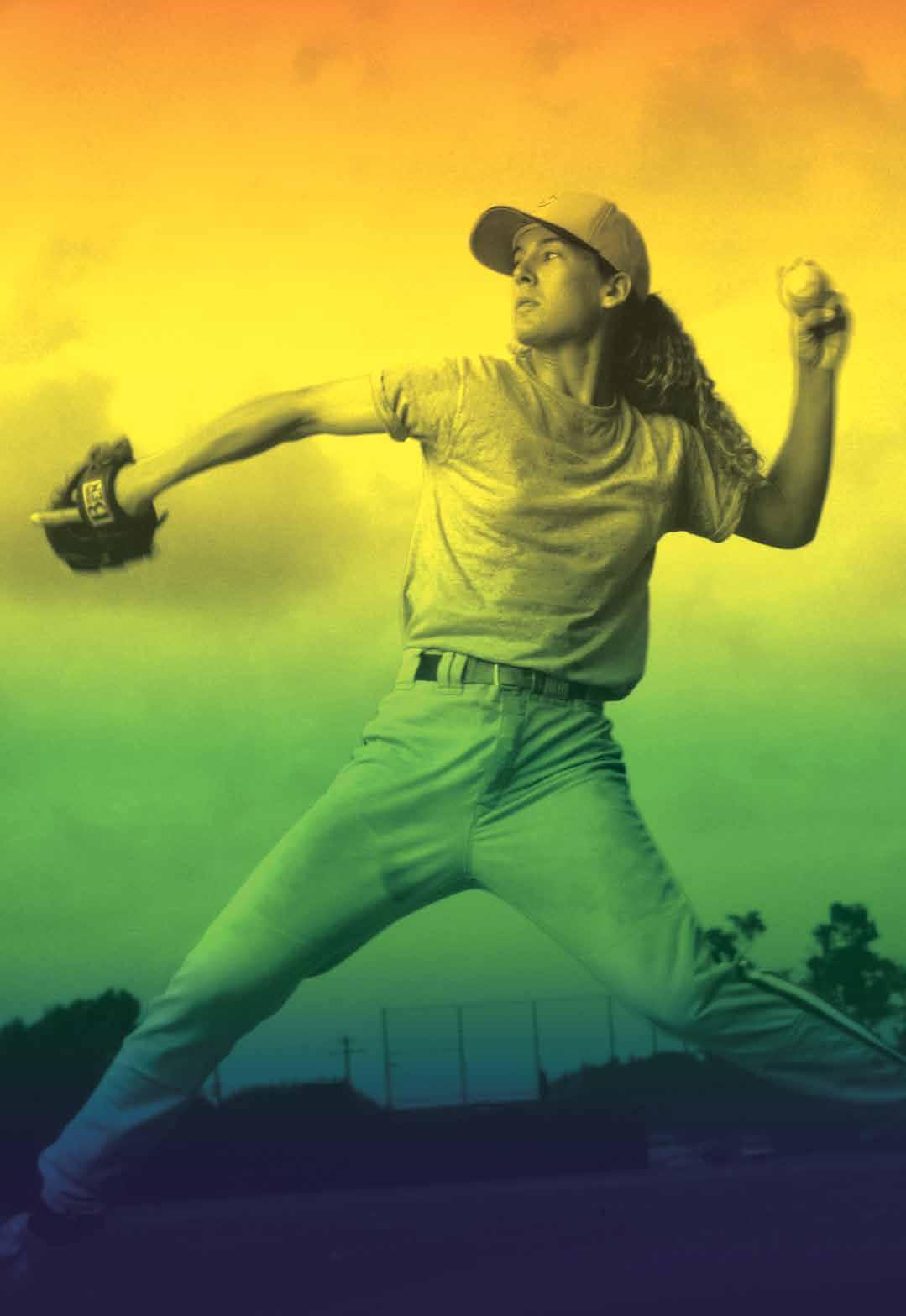
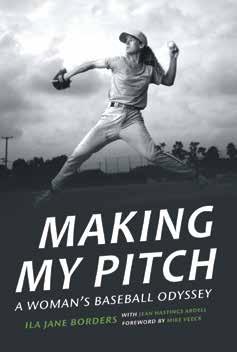
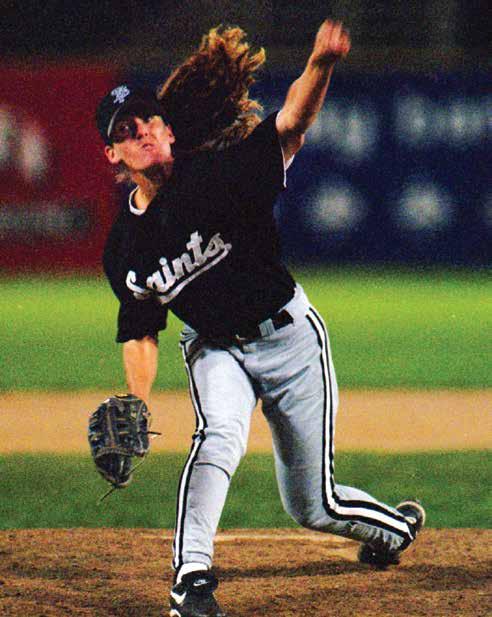
MAKING MY PITCH: A WOMAN’S BASEBALL ODYSSEY BY ILA JANE BORDERS WITH JEAN HASTINGS ARDELL UNIVERSITY OF NEBRASKA PRESS
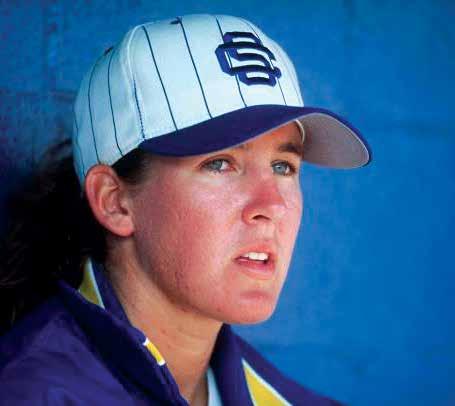
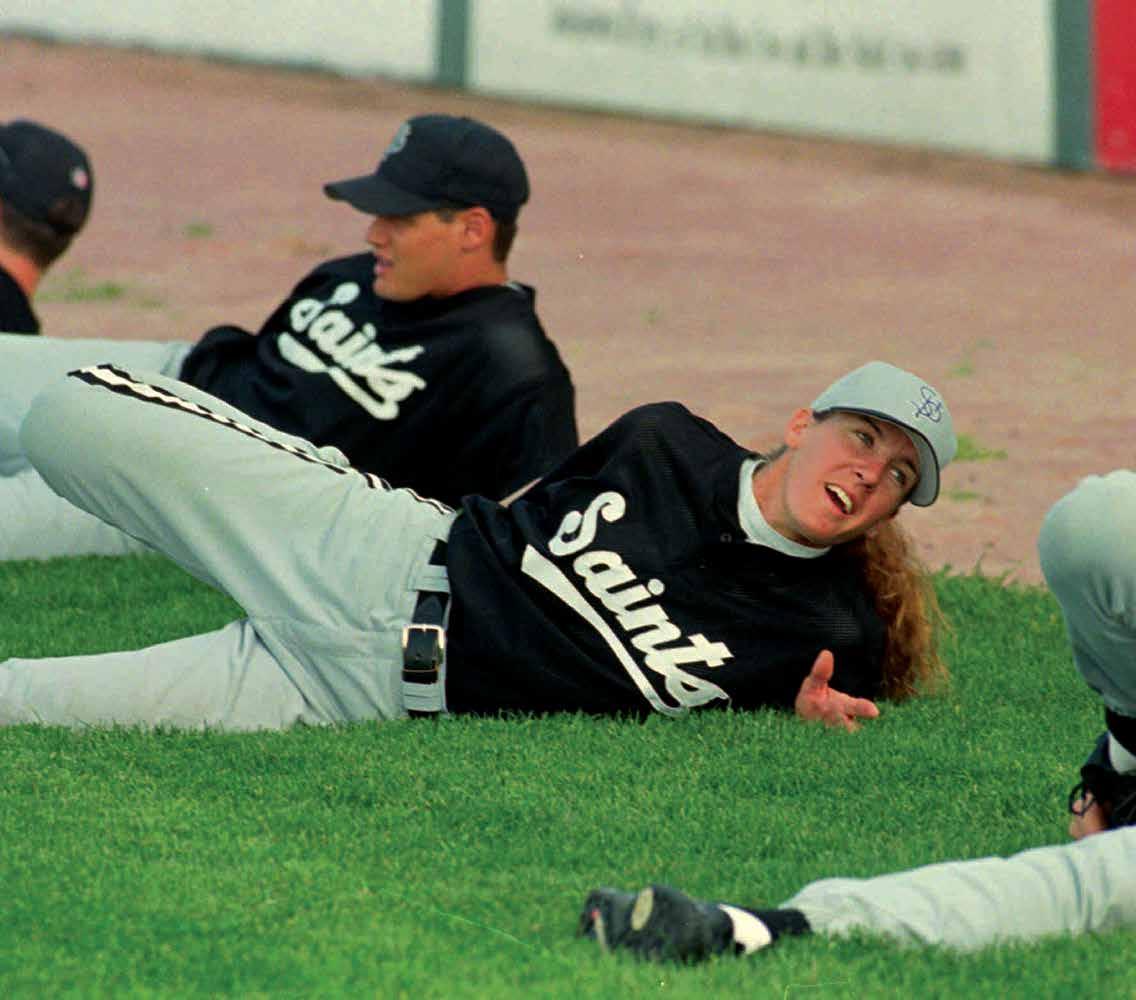
Making My Pitch tells the story of Ila Jane Borders, who, despite formidable obstacles, became a Little League prodigy, and eventually the first woman to pitch and win a complete men’s collegiate game. After Mike Veeck signed Borders in May 1997 to pitch for his St. Paul Saints, she accomplished what no woman had done since the Negro Leagues era: play men’s professional baseball. Borders played four professional seasons and in 1998 became the first woman in the modern era to win a professional ball game.
“This book is a must-read for understanding what it’s like to be a baseball first,” said Justine Siegal, founder of Baseball For All. “Ila’s courage to keep going forward against all odds is both inspiring and meaningful.”
Borders had to find ways to fit in with her teammates, reassure their wives and girlfriends, work with the media, and fend off groupies. But these weren’t her toughest challenges. She had a troubled family life, a difficult adolescence as she struggled with her sexual orientation, and an emotionally
fraught college experience as a closeted gay athlete at a Christian university.
“[Making My Pitch is] a riveting, deeply personal story and a compelling addition to the fast-growing literature on American women in baseball,” said Jennifer Ring, author of A Game of Their Own: Voices of Contemporary Women in Baseball
As told to baseball researcher Jean Hastings Ardell, Making My Pitch shows what
it’s like to be the only woman on the team bus, in the clubhouse, and on the field. Borders ultimately relates how she achieved selfacceptance and created a life as a firefighter and paramedic and as a coach and goodwill ambassador for the game of baseball.
Making My Pitch received a starred Booklist review and was called an “inspiring and important account” by Library Journal
The book was also listed as an “Over the
Rainbow Book” by the American Library Association’s GLBTQ Round Table.
Ila Jane Borders has been honored twice at the National Baseball Hall of Fame and was inducted in 2003 into the Baseball Reliquary’s Shrine of the Eternals. Jean Hastings Ardell is the author of Breaking into Baseball: Women and the National Pastime. Her baseball writing has appeared in the Los Angeles Times, The Sporting News, and many other publications.
Founded in 1941, the University of Nebraska Press is a nonprofit scholarly and general interest press that publishes 150 new titles annually under the Nebraska, Bison Books, and Potomac Book imprints, and in partnership with the Jewish Publication Society, along with nearly 30 journals. As the largest and most diversified press between Chicago and California, with more than 3,000 books in print, the University of Nebraska Press is best known for publishing works in Native studies, history, sports, anthropology, and geography, American studies and cultural criticism, and creative works. For more information, visit nebraskapress.unl.edu.


Celebrating is easier when you’re well rested. Soaring Heart Natural Beds mattresses are different from other mattresses. We use only the finest quality locallysourced natural and all-organic materials and each mattress is handcrafted by local artisan bed-makers using techniques honed over 30 years of leading the industry. Transform your sleep experience with the highest quality mattresses and bedding available.










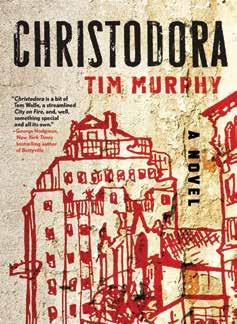
BY TIM MURPHY GROVE PRESS
In Christodora, Tim Murphy follows the lives of a diverse cast of characters who reside in and around an iconic apartment building in Manhattan’s East Village, the Christodora. Constructed in the 1920s, the Christodora has stood through New York City’s various cultural shifts, from the AIDS epidemic to the Tompkins Square Riots of the 1980s, from the destructive effect of hard drugs to the gentrification of a beloved Manhattan neighborhood. Murphy moves kaleidoscopically through these times and into New York City in the nottoo-distant future in this poignant portrait of sex, drugs, art, and activism in this everchanging city.
On Avenue B in the East Village, the Christodora is home to Milly and Jared, a privileged young couple with artistic ambitions and parents to a young adopted son,
Mateo. Their neighbor, Hector, a Puerto Rican gay man once celebrated for his work as an AIDS activist, is now a lonely addict who becomes connected to Milly and Jared’s lives in ways none of them can anticipate. Meanwhile, Mateo grows to see the opportunity for both self-realization and oblivion that New York offers. As the junkies and protestors of the 1980s give way to the hipsters of the 2000s and they, in turn, to the wealthy residents of the crowded, glass-towered city of the 2020s, enormous changes rock the personal lives of Milly and Jared and the constellation of people around them, even as ghosts of the past cast a shadow on their future.
A novel of great scope and ambition, Christodora is a closely-observed panoramic novel that powerfully evokes the danger, chaos, and wonder of New York City, as well as the strange and moving ways in which its dwellers’ can intersect.
Courtesy of Grove Press







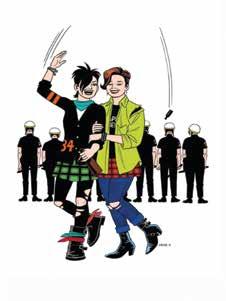

by Maggie Bloodstone SGN Contributing Writer
So when exactly did comics stop being “just for kids” anymore? Most alternative comics geeks, myself included, will concur it was when Maggie Met Hopey.
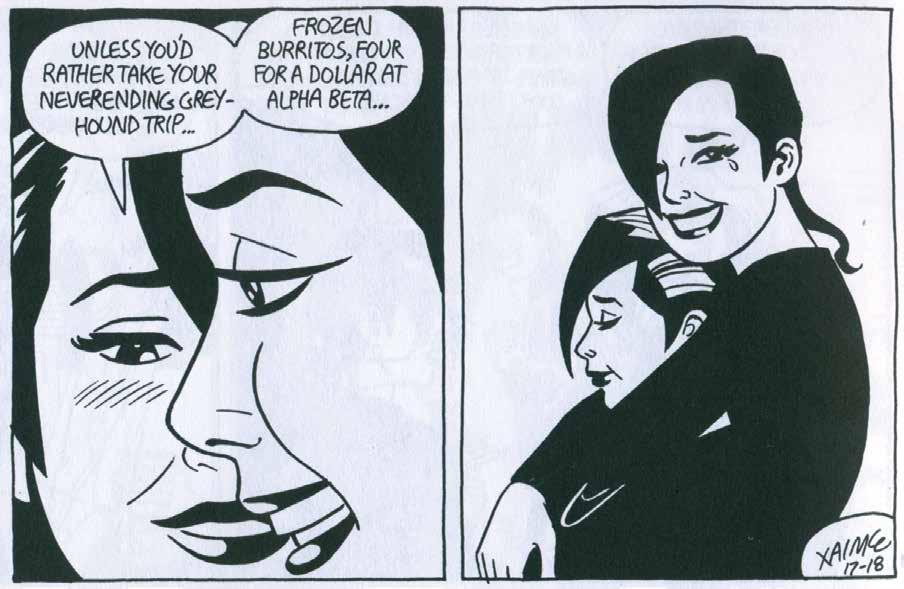
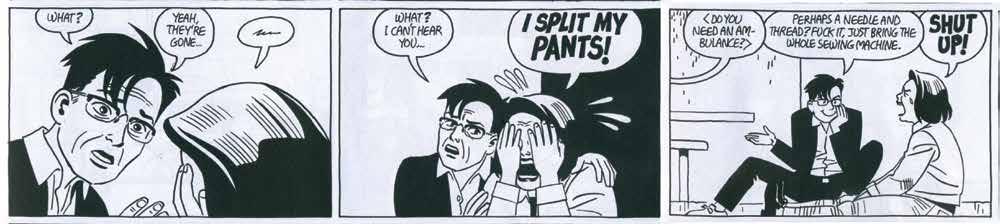
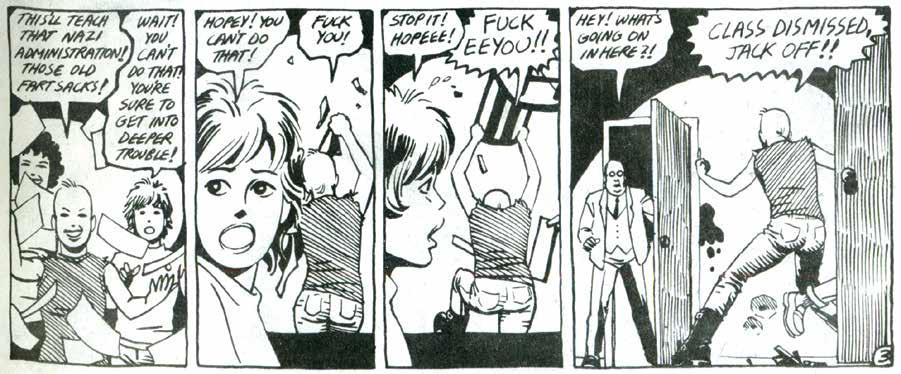
The highly influential and adored Love & Rockets, the creation of Los Bros Hernandez, Jaime and Gilbert (with elder bro Mario in earlier issues) probably singlehandedly ensured comics would never again be the sole province of straight (and closeted) superhero-worshipping boys. One of the most inclusive works of sequential art in the medium, L&R introduced
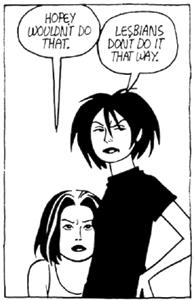
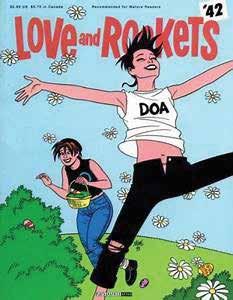
LGBTQ characters into its universe with authenticity and empathy. Most prominent (And loved. And lusted after.) were Maggie Chascarrillo and Esperanza “Hopey” Glass, the center of Jaime’s half of the book, “Locas.” Set mainly in a semi-fictional Mexican-American area in Southern California nicknamed “Hoppers,” Maggie & Hopey were inspired by the late ’70s L.A. Punk scene and by the artist’s obvious admiration and respect of the girls and women who inhabited it.
“Locas” began as a realistic anchor for Jaime’s Sci-Fi flights of fancy, starring a teenaged Maggie as a Pro Solar (aka rocket) mechanic. But with the tremendous appeal


of both Bros’ non-fantastical characters and heartfelt storytelling, the book soon became less Rockets and more Love, making it one of the most important and revered works in the genre.
Are Maggie & Hopey lovers? Frequently, but not exclusively. Are they soulmates? Absolutely. Are they easy to relate to, especially for oddballs of all genders who fought normalcy tooth and nail and managed to find their own tribe despite the odds? Definitely. Their friendship has weathered miserable jobs, worse relationships, exasperating friends, impossible relatives, bad punk bands, lengthy separations, births, deaths, and occasional insanity since 1982. And
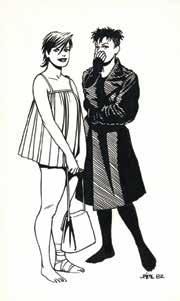
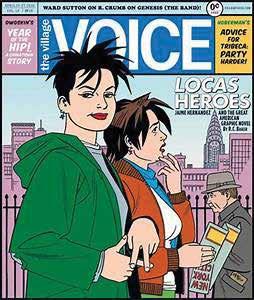
while they’re now in their mid-50s, with different partners and something like satisfaction, if not happiness, they still represent the unkillable soul of Punk Rock and True Love. Viva Los Locas!
See Fantagraphics at www.fantagraphics.com or visit their store at 1201 S Vale St, Georgetown, Seattle, for all things Love & Rockets

by Chuck O’Donnell Special to the SGN
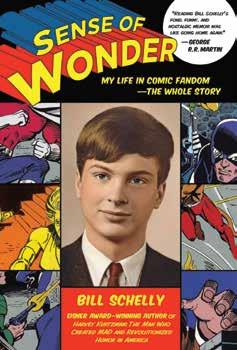
SENSE OF WONDER: MY LIFE IN COMIC FANDOM –THE WHOLE STORY
BY BILL SCHELLY NORTH ATLANTIC BOOKS
Bill Schelly was a confused and lonely kid in the 1960s when being gay was considered a mental illness, and the fear of being ostracized – or worse – forced him to harbor his secret well into his teens.
He found solace in the pages of comic books and the burgeoning world of comic book fandom inhabited by others whose common love of Spandex-clad supermen superseded such things as race, religion and, to Schelly’s astonishment, sexual orientation.
He traces the secret origins of comic book fandom and how it helped save his life in his new book, Sense of Wonder: My Life in Comic Fandom – The Whole Story.
The Seattle resident has evolved from fan to award-winning comic journalist over the past 50 years, but Sense of Wonder succeeds in capturing those days of his youth first in Pittsburgh and later in Idaho where he would create fanzines – homemade fan magazines replete with art work, reviews, opinion pieces and original superhero prose stories – and mail them to the other comic book fans across the country and around the world. They had all found each other after their home addresses were printed at the bottom of their missives in the letters columns in the pages of DC and Marvel comics.
Soon, Schelly was publishing several fanzines, including one called “Sense of Wonder.” Sense of pride is what he got, considering his earliest dream was to write books and sell them at a street corner stand much in the way someone would sell freshly squeezed lemonade.
His fanzines attracted a large subscription-paying following and helped him connect with fellow fans of Batman, Spider-Man and other colorful heroes. It all happened through the miracle that is the
United States Postal Service. They would not only trade fanzines, but also letters comparing printing techniques back when ditto and mimeograph machines were cutting-edge technology.
The kid who used to duck into the school library and wait for the bullies to go home after school had finally cultivated a trusted, albeit widespread, circle of friends. From a safe distance, they couldn’t tell he was not athletic or not outgoing or not straight. They probably wouldn’t have cared, anyway.
“It was a place where everybody was equal,” Schelly said. “True, there were some people who were older who we would call the big-name fans. I wasn’t a big-name fan; I was a little-name fan. But, I was allowed to sit at the table with everyone else and publish my own magazine and I was mailing it out and getting back coins from people who were ordering it. It was quite an amazing time.”
Sense of Wonder is an updated and expanded version of the book he published in 2001. That book ends with Schelly arriv-
ing in Seattle in 1974 straight from the campus of the University of Idaho. He came here looking for work and eager to immerse himself in the gay social scene. He boogied the nights away at Shelly’s Leg and The Golden Horseshoe and he soaked in the social life on Capitol Hill. (When Schelly published the first version of his memoir in 2001 he didn’t mention the fact that he is gay in any of the details in the book, perhaps because he was working for the federal government at that time.)
Schelly returned to his writing roots in his forties and went on to write the definitive retrospectives of such luminary comic book figures as Otto Binder, Joe Kubert and John Stanley. His book, Harvey Kurtzman: The Man Who Created MAD and Revolutionized Humor in America, earned him an Eisner Award – the comics industry’s equivalent to the Oscars.
In his memoir, Schelly demonstrates a good sense of humor about churning out a series of books after 40:
I was a late bloomer. One day, fellow comics historian Michelle Nolan said after reading Man of Rock (about Joe Kubert), “If you’d started writing when you were younger, Bill, you could have been a really fine writer.” After we both burst into laughter (because it hadn’t come out quite the way she meant it), I had to say that I have no regrets about being a late bloomer. It’s never too late to start. Frank McCourt didn’t publish his first book – Angela’s Ashes, which won a Pulitzer Prize – until he was sixty-six. Norman Maclean was seventy-four when he published his only novel, the best-selling A River Runs Through It. So, Michelle, who knows? Maybe there’s still time for me to become “a really fine writer.”
To be sure, the book is as much about how comic books and their heroes have helped shape his life as anything. A warm conversation with Jack Kirby, a scolding from Steve Ditko, a few encouraging words from Stan Lee – these brushes with comic book legends live in Schelly’s heart.
So it should come as no surprise that the
first two people Schelly came out to were fellow comic book fans. He mentioned it in letters he sent them. One of the pen pals never spoke to him again. The other, Mario, was, by chance, gay, too. And in a toostrange-for-comic-book-script twist, Mario would become Schelly’s first love.
But beyond that, Sense of Wonder chronicles the inevitable highs and lows that life has wrought over his past 40-plus years in Seattle. There are loves found and loves lost. There’s fruitless job searches and gainful employment. There’s the joy that came with having two children with a lesbian couple and the grief that followed when cancer claimed the life of his son at age 20.
Through it all, Schelly, 66, who lives in the Lake City area, has maintained a sense of wonder – and by and large he has his dad to thank for that. In addition to everything else, Carl Schelly came through that fateful day at the train station in 1960 when young Bill first cast his eyes upon Giant Superman Annual No. 1.
Dad had already bought Schelly’s brothers comics for a dime each. This Superman comic in Bill’s eager hands was 25 cents. Dad hesitated, but finally plunked down the quarter.
“Writing this memoir did affect my feelings about my father,” Bill said. “At a certain point, I felt like he wasn’t that good of a father because he was rather distant. As I began to remember all the things he did for me, like buying me a set of oil paints when I was 10 or 11 and buying me my first comic book, which obviously had a big effect on me, and many other things he did, I realized I was wrong. I think he was a good father. I feel sad that I can’t tell him that because he is no longer here.”
Sense of Wonder: My Life in Comic Fandom – The Whole Story by Bill Schelly (419 pages, North Atlantic Books, $25.95). For more information, log on to northatlanticbooks.com or billschelly.net