WE ARE SGN
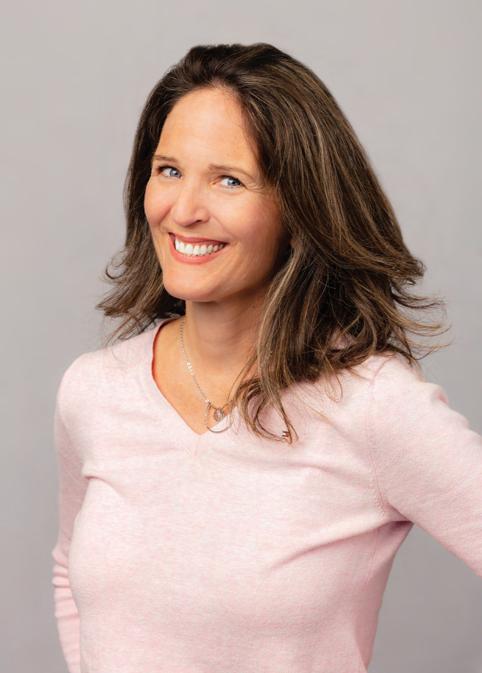
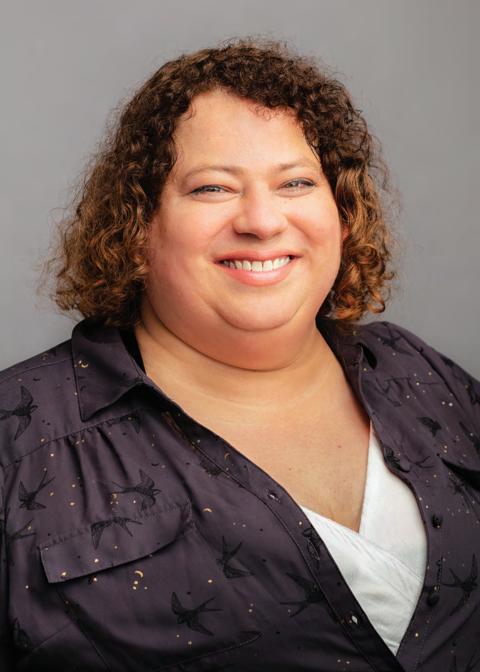
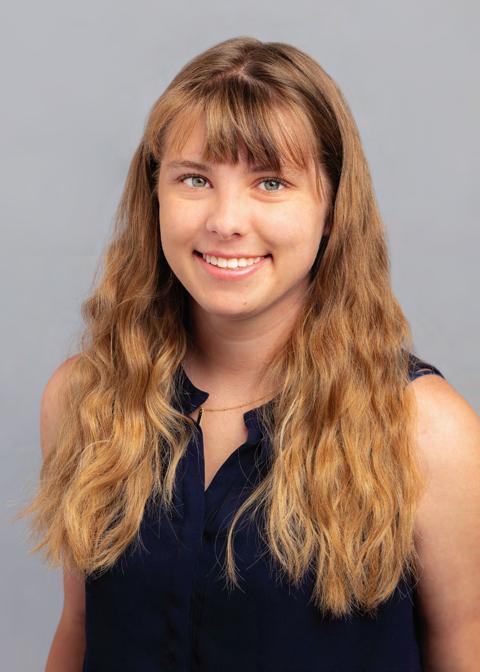
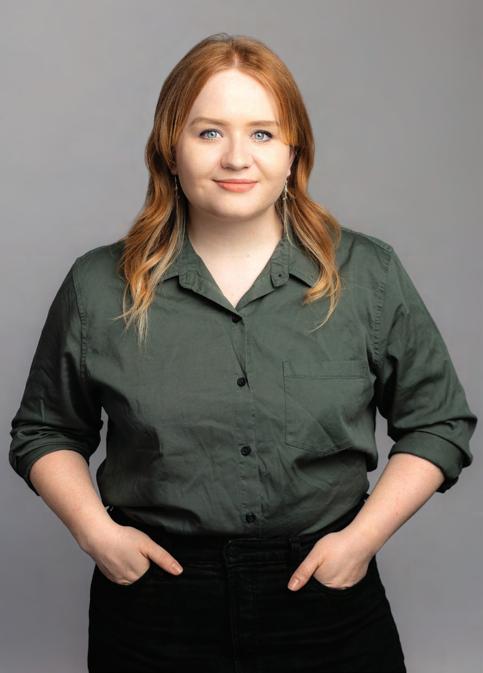
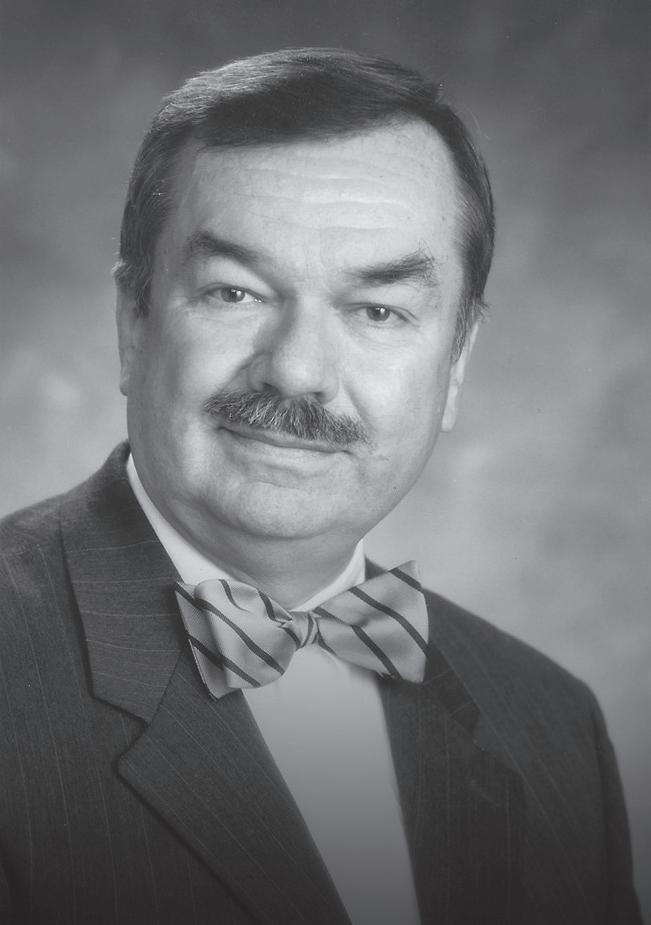
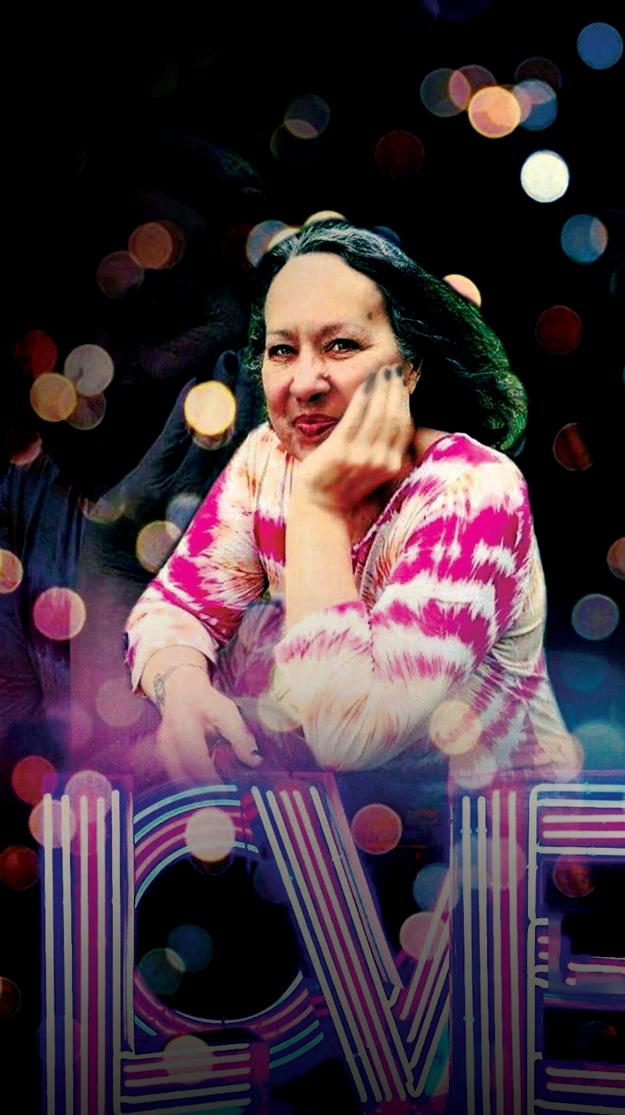
Angela Cragin is currently serving as the publisher of the Seattle Gay News. She is the daughter of the late George Bakan, who was at the helm of the SGN as editor-in-chief, publisher, and owner for 37 years. George desired to leave the paper to Angela after he crossed over to the other side.
As she furiously works on the computer and answers the phone from her home across the state, you may wonder what on earth could possibly qualify her to do this work? How about raising three daughters, teaching preschool, caretaking for her mother, volunteering at the food bank, and serving as account executive for an HVAC distributor and HVAC estimator (among other retail adventures and definitive life experiences)?
Ne edless to say, this has been a crash course for her and the escapade of a lifetime.
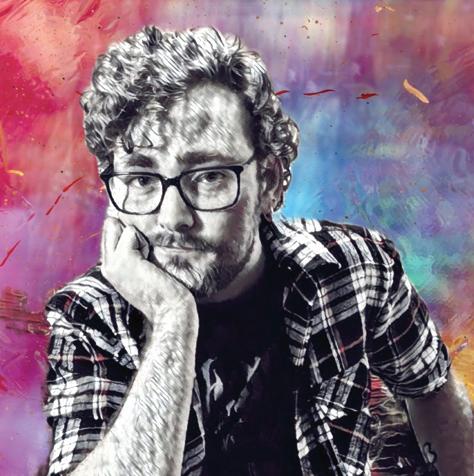
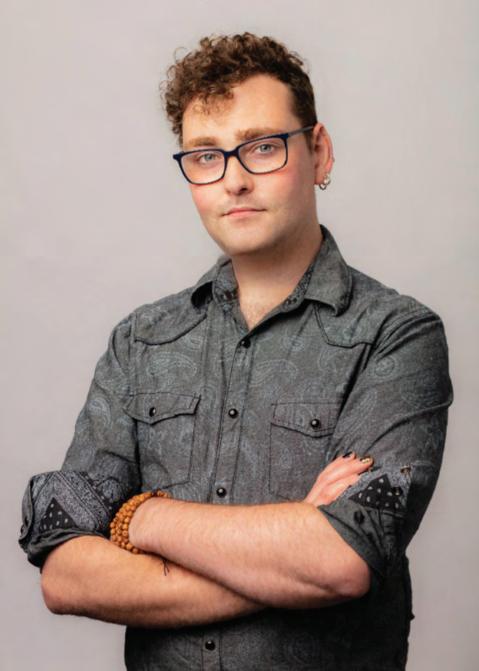
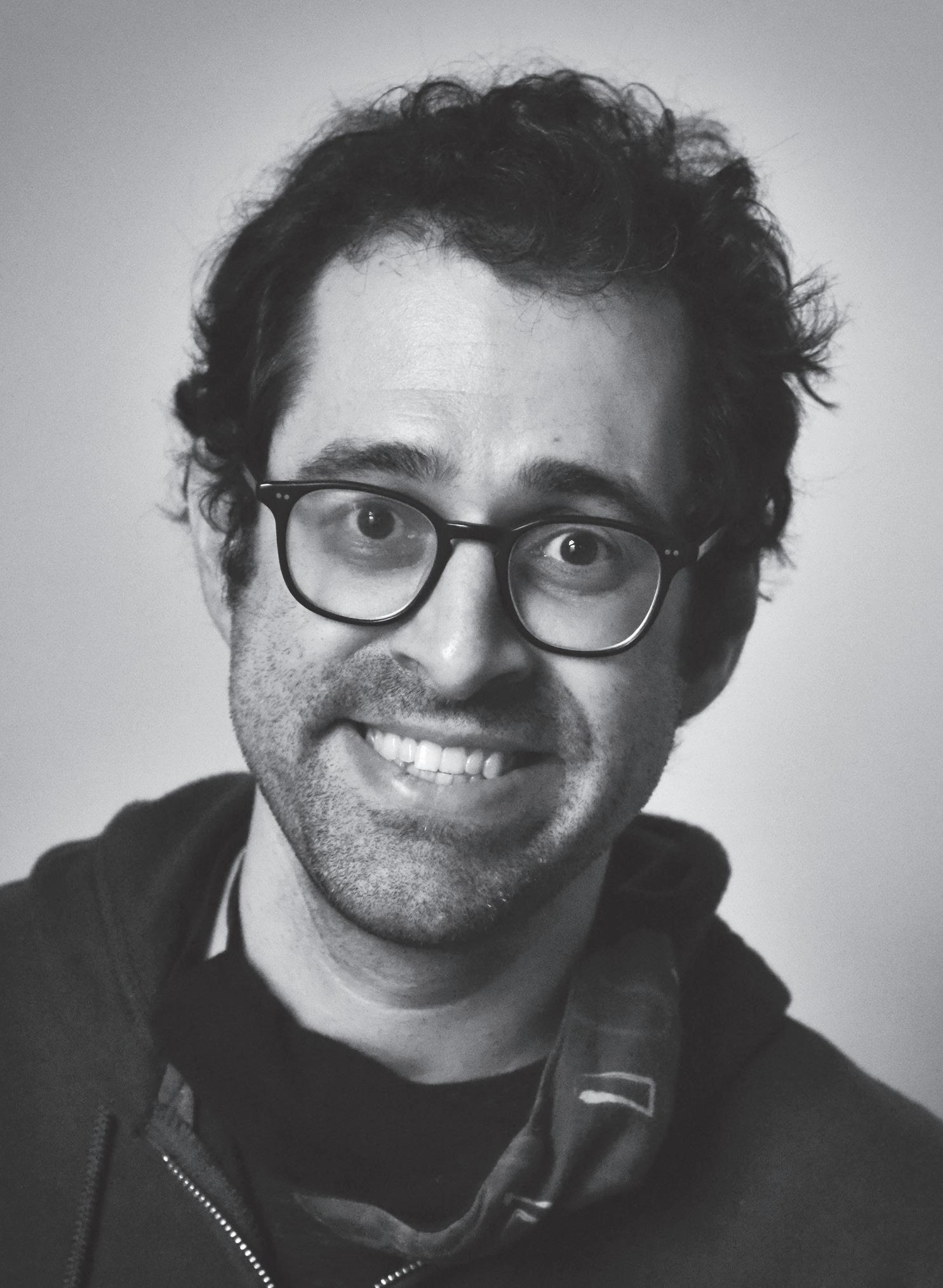
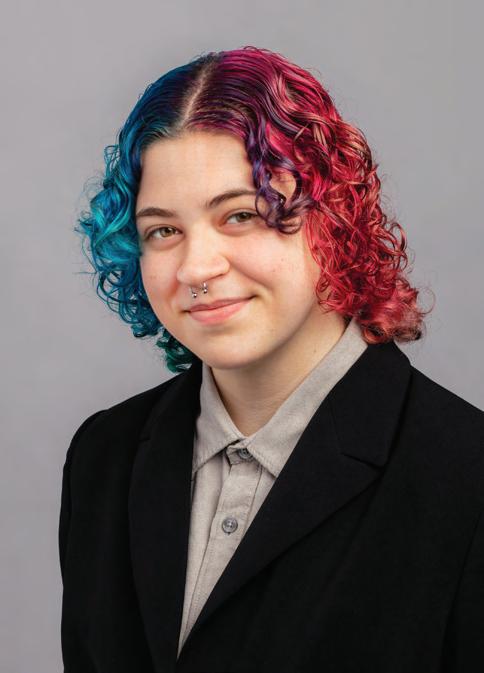
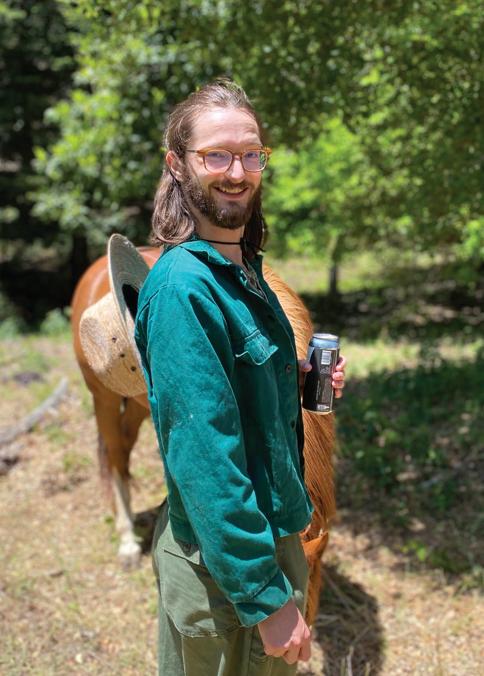
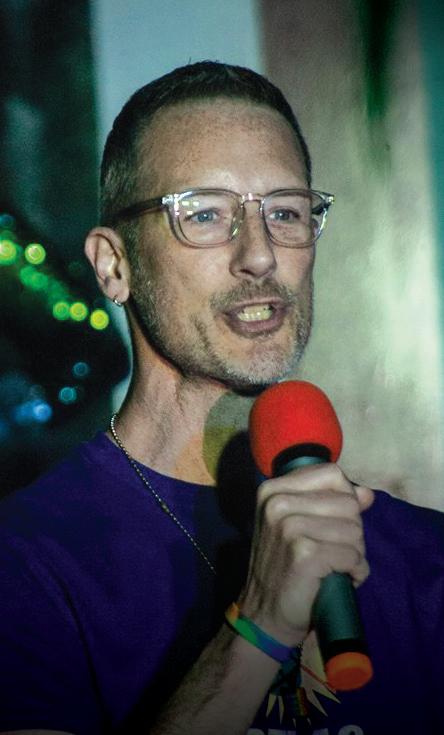
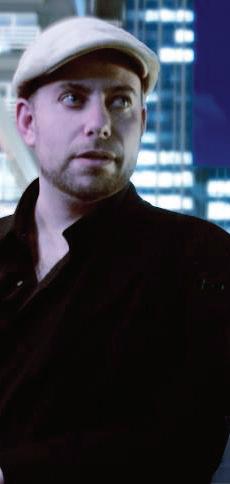
A.V. Eichenbaum began their career in journalism writing for the Gavilan Press in their hometown of Gilroy, Calif., at the age of 14. They went on to write as a freelancer, then for the Cabrillo Voice in college, before spending some time writing at the Register-Pajaronian in Watsonville, Calif., at the age of 19.
During those formative years, Eichenbaum mostly covered hard news, high-profile funerals, local politics, and crime. In that time, they also wrote reviews on locally authored books, hosted the Cabrillo Voice podcast, and produced two shows for the PAC Theater Troupe in Aptos, Calif.: Dog Sees God (2015) and The Bold, The Young, and the Murdered (2016).
In addition to contributing to Seattle’s own Eastlake News, hosting the absurdist improv comedy podcast January Men: A January Boys Fancast, and writing three plays — This is Madness (2009), Throwaway Lines (2015), and Glass Houses (2019) — Eichenbaum has worked odd jobs as an actor, a fast-food cashier, a shipping clerk, a party fortune teller, a model, a dog groomer’s secretary, a door-to-door security system salesperson, a ranch hand, a bartender, an architectural blueprint printing specialist, a freelance consultant, a tutor, and a barista, all while trying to finish a degree in moral philosophy.
Now, as associate editor of the SGN and co-host of the newspaper’s new podcast Radio SGN, they are excited to see what’s next, and consider themself incredibly lucky to be here.
If you’d like to see more of Eichenbaum’s creative work, such as paintings or music projects, go to www.probablytruestories.com, or follow them on Instagram @hologramdetective
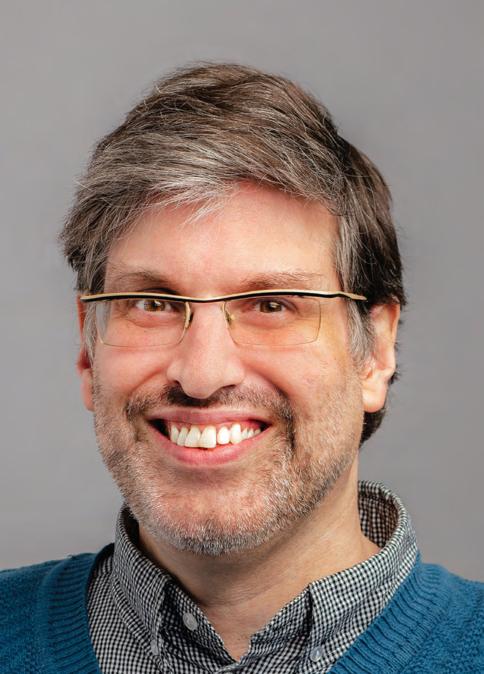
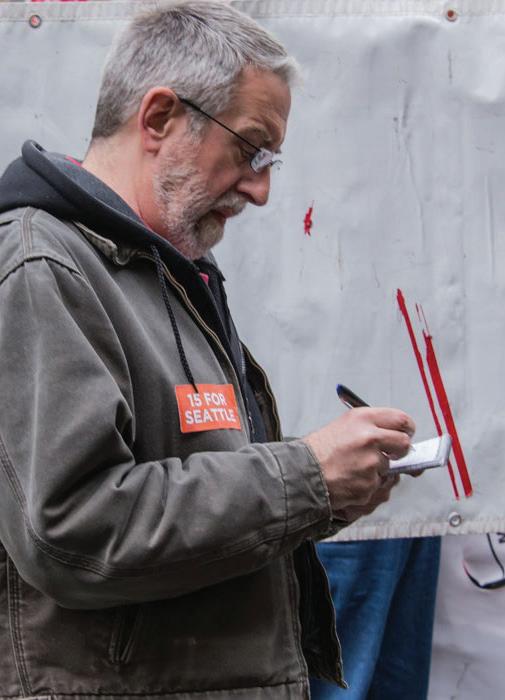
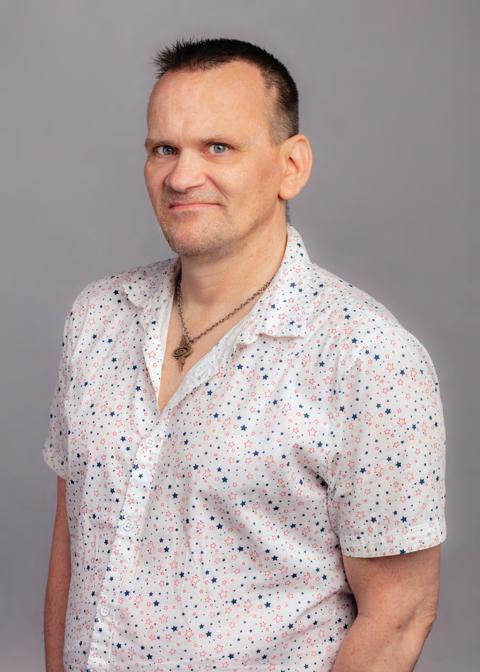
Studio portraits by Nate Gowdy, Photo of Nate Gowdy by Paul Bannon, all other provided by Staff
Mike — yes, Michael is not his “American” name but his actual given name at birth, after the archangel, the patron saint of the sick and suffering, who assists people at the hour of death — was born and raised in suburban Minnesota, USA, the third son and youngest of four of refugees of the Vietnam War. He identifies as Gay, Queer, and Asian-American in the aftermath of the AIDS epidemic in a town he lovingly recalls as “Tater Country,” owing to the potato heritage of its townspeople.
Despite these harsh beginnings, he — against all odds — perseveres every day.
In previous personae, he escaped scrutiny and ridicule through music, art, and sports. He was an underachieving violinist “with a professional vibrato but wooden fingers,” an aggro tennis player without a serve, an undiscovered Olympic figure skater, a competitive speech champion robbed of a state title, an elite drama school dropout, a longsuffering nonprofit worker, a tragic performance artist on the fringes of the Seattle stage, and a reluctant graduate of the Seattle Central Creative Academy. He looks back on it all with fond memories and with much regret.
He joined the SGN team in 2017 when searching for a Queer-affirming workplace while relocating his own place within the LGBTQ+ community, on Earth, in The Universe. As the production staff had recently quit, the late great George Bakan rang the alarm at the 6 a.m. press deadline, and moments later, Mike — who lived a block away from the office — was suddenly hard at work pushing out the next issue. He thanks you for reading the paper. Th is is the most you will ever read about Mike — he remains elusive and behind the scenes, a lot like the angel after whom he is named. He is hopeful that the next generation at the SGN will continue the legacy of those who have paved the way before them, and tell their own stories, in their own way, forever in print.
Na te Gowdy began documenting Seattle’s LGBTQ+ nightlife and the marriage equality movement for the Seattle Gay News in 2011. Today his livelihood includes portraiture as well as community, commercial, architecture, and family commissions, and he’s most passionate about political photojournalism and collaborative intersectional storytelling.
In 2022, he’ll publish Vote American!: Presidential Politics and Protest in the 21st Century, a seven-year book project spanning 300 events and demonstrations across 23 states and the District of Columbia. The work has been featured on the cover of Time magazine (Bernie Sanders, June 6, 2016 ), and his regular editorial clients include Rolling Stone and Mother Jones
In 2020, he authored a 100-page book on behalf of Seattle Public Schools: Our Students, Their Stories: Celebrating LGBTQ+ Students, Families, and Staff. Forthcoming retrospectives include The American Superhero Project, The Seattle Pride Parade at 50, and R Place. Future projects include A Woodworker’s Things, Growing Up Gowdy, and The Imperial Sovereign Court.
Gowdy is an Indiana University journalism graduate and former newspaper editor/designer, preschool caregiver, and community outreach worker. He lives in Seattle’s Portage Bay neighborhood with his partner and two kitties, while maintaining an art space in the International District. He enjoys teaching, riding his bike, yoga, and time spent with loved ones.
Richard Isaac [RichTextEditing.com] is a freelance copy editor with a background in linguistics, foreign languages, and queer activism. He was active in Queer Nation and Bigot Busters (1990–95) and has served on the boards of SEAMEC (1997–2007) and Lambert House (2004–12). He earned his certificate in editing from the University of Washington in 2008, served on the board of the Northwest Editors Guild, and has been editing for the SGN since 2015. He has studied ten languages and lived abroad; his other interests include travel, film, and Eurovision, which he has attended twice.
MK Scott Social Media Manager
MK Scott, a Portland native, is celebrating his 25th year in Seattle, his 30th year in journalism, and his fifth year as a part-time staff member for the SGN, as a contributor and photographer. Since 2018, MK has also been the publisher and editor-in-chief for Unite Seattle magazine, which publishes quarterly in a glossy format. Unite appreciates the SGN for supporting it over the years!
Richard Isaac Copy Editor
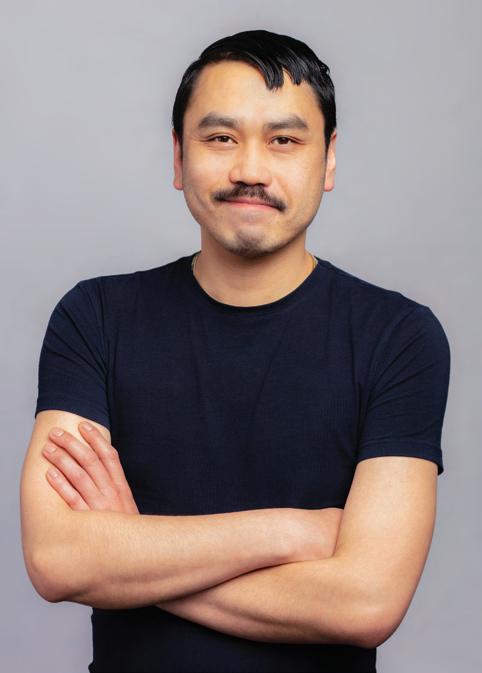
Mike Pham Production
Nate Gowdy Photographer
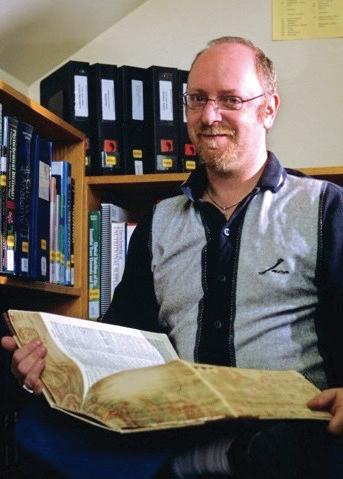
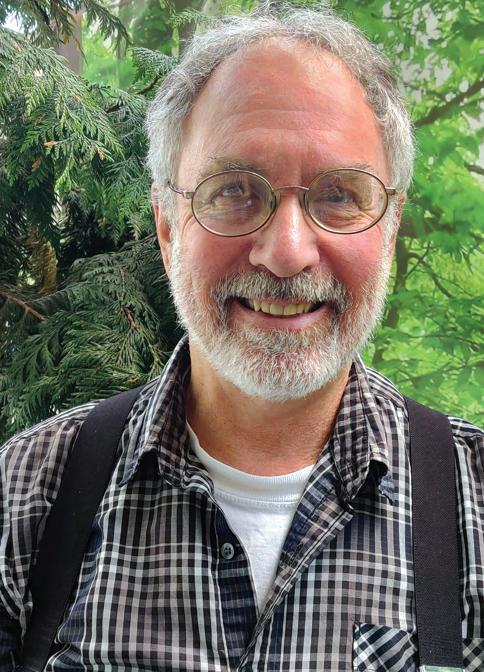
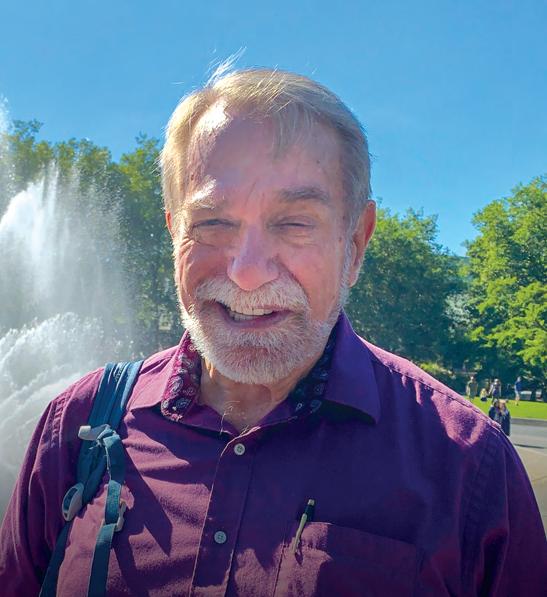
Mike Andrew has written for the SGN since 2001. Prior to that, he was a fish monger. He is capable of breaking down a salmon in 90 seconds and then turning around and writing a story about it.
He is a member of the National Writers Union and Pride At Work, an LGBTQ labor organization affiliated with the AFL-CIO. He typically covers politics and labor news, but he can’t resist a story about bishops behaving like idiots.
Mi ke was born in San Francisco, went to UC Berkeley, and then came to Seattle for grad school. The turning point in his life came when he looked at his professors and asked himself, “Do I want to spend the rest of my life going to cocktail parties with these people?”
That’s when he became a fish monger.
Mi ke has managed two political campaigns: one win and one loss. He’s proudest of the loss, however, because his candidate spent only 60 cents per vote and still came in at 46%.
The rest of his story can be summarized like this: boy meets boy, boy breaks up with boy, boy meets better boy, they adopt a cat, and they live happily ever after.
Sara Michelle Fetters has been writing about film since she was 16, working for the SpokesmanReview as a film critic for the paper’s “teen section” before heading off to college at the University of Washington. She became the lead film critic for Moviefreak.com in 2001 and began contributing to the Seattle Gay News in 2006. In 2020, Sara Michelle was elevated to “to critic” status at Rotten Tomatoes by a distinguished panel of her peers. She is a former Imperial Princess of the Imperial Sovereign Court of Seattle and has been competing for championships on various teams in the Emerald City Softball Association since 2001, in which she was named to the Seattle Hall of Fame in 2014.
Renee
Raketty Contributing Writer
Renee Raketty is a journalist living in Seattle. She is best known for her recent interview with Dr. Anthony Fauci and her coverage of the Black Lives Matter protests in Seattle and Tacoma, WA; and Portland, OR.
She has a long history at the SGN. She was hired as a staff writer in 2003 and was promoted to the post of managing editor from 2005 to 2007. She returned to the paper in June 2020 after the death of her longtime friend and mentor, SGN publisher George Bakan.
Raketty is also a contributing writer and photographer for the Capitol Hill Seattle blog, Unite Seattle magazine, and Tacoma Weekly. In addition, she is the field producer for Malcontent News. She has been recognized by multiple publications over the last two decades for her work to promote equality for the region’s LGBTQIA+ community.
After starting a gay-straight alliance in high school, she went on to become the face of Seattle PFLAG, part of an awareness campaign that included billboards and the advertisements on the sides of buses. Later, Raketty became the vice president of the nation’s first Gay PTA, regional director of Scouting for All, and the executive director of GLSEN Washington.
Cu rrently, Raketty is collaborating on a documentary related to the Black Lives Matter protests and an online exhibition of her photographs.
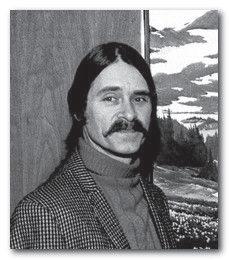
In addition to being the SGN’s resident cartoonist since 2013, Seattle native Ken Campbell is also an illustrator, a computer graphics artist, sculptor, jewelry designer, writer and poet. He is also a collector of comic books and vintage toys which is further evidence that he has no intention of ever growing up.
Mike Andrew Staff Writer
Sara Michelle Fetters Staff Writer
Ken Campbell Cartoonist
Lindsey Anderson
Contributing Writer
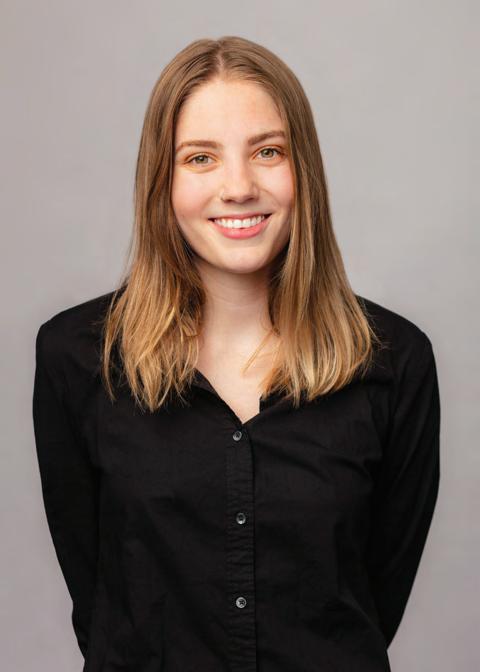
Lindsey Anderson is a recent graduate from Gonzaga University, and proud ally of the LGBTQ community. Both her creative work and investigative essays have been published in the universitybased journals Charter and Our Voices
She is a lifelong learner who enjoys investigating stories around Seattle and picking up new books to read at many local bookstores for the SGN ’s summer book club.
Lindsey is a strong advocate for social justice and believes journalism is one of the best ways to ignite social change. Her goal is to bring attention to marginalized groups and causes through her writing with the SGN
When Lindsey isn’t reading or writing, she can be found hiking or exploring nature with her dog, Petey, and her kitten, Oliver. She is new to the Seattle area, having spent the last 21 years in Spokane, and she is looking forward to discovering more of the beauty and character that defines Seattle.
Janice Athill
Contributing Writer
Janice Athill is an aspiring novelist whose passion for literature began in Elementary school. Her love for creepy and unique stories with unexpected plot lines is definitely linked to her obsessive consumption of the Goosebumps series by R.L Stine and her fascination with Edgar Allan Poe. Janice enjoys writing emotional poetry and songs as well as finding ways to push herself past her limit. This is why she also participates in short story and flash fiction competitions where her creativity can either flourish or fail under a hard deadline. She uses lifting weights and yoga as stress relief and inspiration methods and continues to put her culinary degree to use when making meals for her 8-year-old son and his friends who occasionally follow him home for dinner.
Josephine Baird
Contributing Writer
Josephine Baird is an emerging journalist from t he Pacific Northwest. She graduated from Walla Walla University in 2019 with a degree in communications, with a concentration in journalism and PR. In her time at the university, she was the editor of The Collegian, the student-led paper, where she oversaw 30 student writers and designers.
Josie is currently working on an online master’s in public administration, with a concentration in criminal justice, from Honolulu Pacific University. She graduates in August.
Josie has loved the opportunity to work with the Seattle Gay News, where she has been able to cover topics she cares about, such as equity, diversity, and social and criminal justice issues. Although Josie does not identify as LGBTQ+, she has enjoyed learning about the amazing Gay community in Seattle and has felt honored to be able to help continue the SGN ’s legacy and mission to promote inclusion and visibility, along with an amazing team of journalists.
Carter Hemion Contributing Writer
Carter Hemion (he/they) is an SGN contributing writer. They grew up reading SGN issues and joined the writing team this spring.
They graduated high school with an international baccalaureate diploma and have since been studying English at Simon Fraser University, where they are a staff writer for its newspaper, The Peak
Carter is Queer and nonbinary, and they take pride in serving their community with the SGN team. They are driven to create content that uplifts LGBTQIA+ voices and is relevant to the diverse local community. Carter especially enjoys writing for the Arts & Entertainment section and staying involved in and constantly learning about the local arts community, having grown up in the Seattle area.
Outside of writing, Carter also enjoys playing music, painting, making jewelry, and creating poetry.
Although she is new to the Seattle area, having moved here in 2019, she has lived in Walla Walla, Wash., and the Northwest since her birth. Josie lives and works with her husband in Kirkland, and her hobbies are baking and cooking, gardening when she can, spending time with loved ones, reading, traveling and learning, but not mastering musical instruments, such as her newest interest, the drums.
Josie is excited to attend her first Pride events in Seattle and to continue to learn about the amazing community here.
Daniel Lindsley
Contributing Writer
Da niel Lindsley’s accomplishments include a red belt in tae kwon do, a yellow belt in judo, a black belt in non sequiturs, and a BA in literature from University of California, Santa Cruz.
He grew up in the Bay Area and lived there until 2018, when studying in Galway, Ireland, showed him the benefits of rainy weather. Two years later he was living in Seattle to start his career in writing, and after doing some odd jobs and publishing a few hit articles on the pop-culture news website
Comic Book Resources, he broke through at what his parents call the “international desk” of the SGN
Now he walks “the nerd beat,” picking up whatever topic needs writing about in the worlds of tech and gaming.
His interests include dogs, beer, coffee, people, offbeat ideas, and art of all kinds. When he isn’t obsessing over some unorthodox project, he’s probably at some urban vista trying to find the next one.
Paige McGlauflin Contributing Writer
Born and raised in the small rural town of Sidney, Maine, Paige moved to Boston in 2015 to study journalism at Emerson College. During her time as an undergrad, she studied abroad in the Netherlands and interned for DC-based Talk Media News, covering Capitol Hill in the first year of the Trump administration.
Af ter graduating magna cum laude, she stayed in Boston for another year, interning with The GroundTruth Project and working in fundraising for her alma mater, before deciding to take a leap to move to the West Coast last year.
Soon after making the big move, Paige began writing for the SGN, diving into a range stories, including Seattle’s healthcare industry, its music scene, and national politics. She also currently serves as the reporting fellow for Paperwork Studios, a media startup dedicated to discovering and cultivating niche B2B newsletters.
In her spare time, she enjoys exploring the PNW through camping and hiking, cooking, thrifting, and super-amateur film photography. She’s excited to get to know this community more as she grows as a journalist.
Hannah Saunders Contributing Writer
Hannah Saunders is a contributing writer for the Seattle Gay News. She enjoys covering a variety of topics, including health, book reviews, and crime. She also cohosts the SGN podcast, Radio SGN. Hannah attended Emerson College in Boston, where she received her BS in journalism with a minor in health and society. In her free time, Hannah loves spending time outdoors, whether it is walking the trails, skateboarding, or just sitting down in a park to draw. One of her favorite activities is giving her family dog, Boris, head scratches and tummy rubs. A fun fact? Hannah was named after the girl in the Rolling Stones song “Memory Motel.”
Barry Thorsness Website Designer
Ba rry Thorsness grew up in Prince George, BC, with a Space Needle on his bed. His best toys from his youngest years came from Seattle.
Seattle was always an adventure. As a student in Vancouver at the University of British Columbia, Thorsness discovered Seattle’s Gay bars. The city would eventually become his residence and “spiritual” home.
Thorsness is an immigrant to the US, though his family moved to what is now New Hampshire in the 1650s and have a state park named after them.
He too hid from immigration officials behind bushes as they chatted with his boss.
Thorsness started a nightclub with his brother and then purchased a hotel in Vancouver, which he “turned gay.” Then in Seattle, working with Ted Ladd of Tugs Bar video fame, he started a business called RECNET.
After getting his green card, Thorsness’s choice was Santa Cruz. He began “specialty nights” in gay bars in the Bay Area and Fresno.
He studied web design at Lake Washington Technical College.
Then he approached George Bakan at the SGN 17 years ago. It has been a wonderful experience for him. As part of George’s “team,” he helped him feel he was doing something so necessary to help Gay people to be fully accepted.
Th rough the website, all the international readers, from Saudi Arabia to Iceland, see how “the struggle” can be accomplished. Though unbelievable progress has been made, we are still working toward that goal.
Thorsness’s passion for the last 10 years has been “his kids” in Malawi. They have taught him so much about life, as they have gone from starting secondary school to university, trade school, and business.
It is especially heartbreaking to think of losing something that so many people fought tooth and nail to preserve, people like, George Bakan, longtime editor and owner of the Seattle Gay News
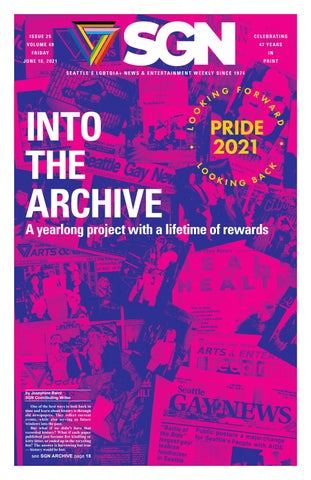
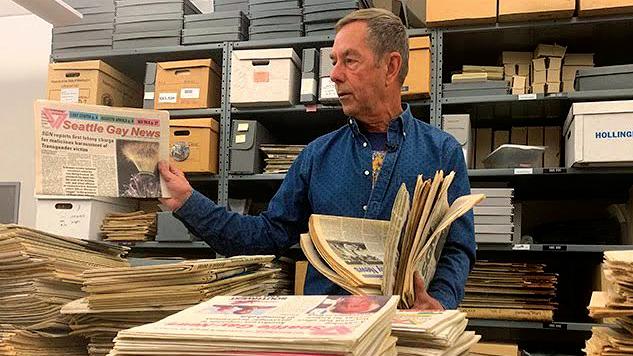
Af ter Bakan’s passing on June 7, 2020, left the members of the Gay community in Seattle reeling, questions arose that demanded answers. One such question, posed by Marcellus Turner, executive director and chief librarian of Seattle Public Libraries at the time, was, “What’s happening with the archives?”
Little did he know that this simple but loaded question would soon spur a yearlong project that would include many volunteers and countless hours.
The archive project begins
Thanks to the connection Turner made with Rick McKinnon, a longtime SGN employee and close personal friend of Bakan’s, they started the archive project, complete with a team of passionate volunteers: Anna Elam, of MOHAI; Ann Frantilla, of the City of Seattle; Jessica Albano, of the University of Washington; Andrew Harbison, of the Seattle Public Library; Shawn Schollmeyer, of Washington State Libraries; Marie McCaffrey, of HistoryLink; Rosette Royale, of HistoryLink; Angela Cragin, of the Seattle Gay News; and former city councilman Tom Rasmussen .
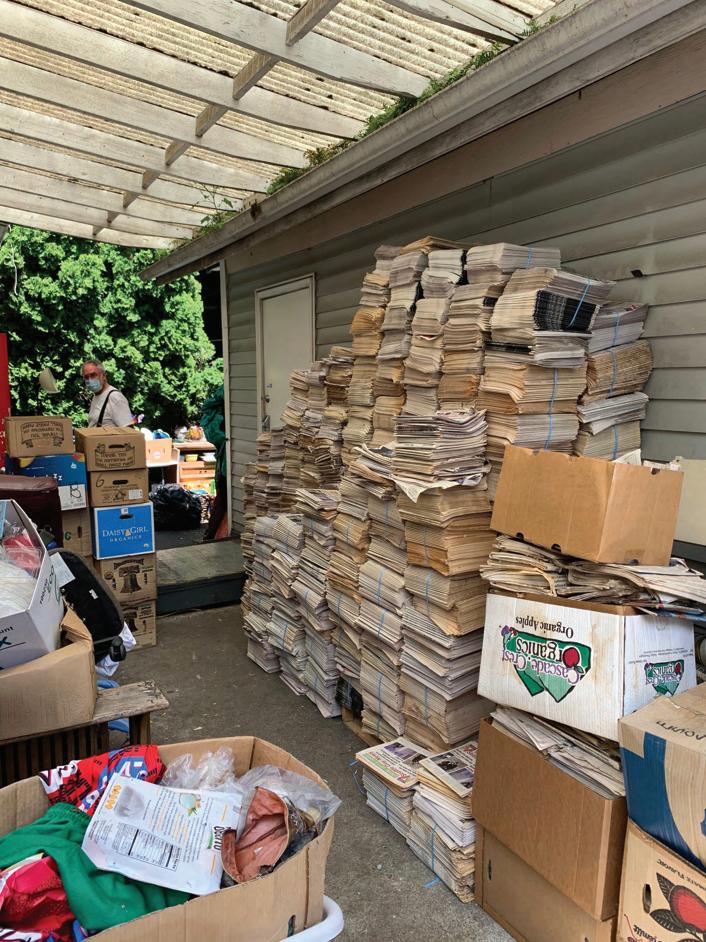
Cr agin, Bakan’s daughter, who took over the SGN, was thrown into the deep end with this project but quickly learned how to swim, despite the fact that she was drowning in papers.
Because she was new to running a newspaper, was doing everything virtually (from the Tri-Cities), and was grieving all at the same time, she had no other option than to rely on others for help, people she had never met. This kind of reliance on strangers is what she referred to as “awkward and inspiring all at the same time.” She said, “This group of people were a glimmer of light in such a dark time for me.”
When Cragin arrived on the scene, there had been few to no organizational efforts over the 47 years since the paper was started. Copies were boxed, set aside, and forgotten. There was no central location for them: they were in storage units; in the SGN office, which Cragin described as a “real disaster”; and even in different states. Some boxes were damaged — the bestcase scenario being natural wear and tear, and the worse-case being boxes and papers turned into nests and homes for rats. Tom Rasmussen called this part of the process, “The opening of Pandora’s box.”
Revisiting history
But what “Pandora’s box” would offer would be priceless. As Rasmussen said, “To see all the complete, detailed, and chronological order of LGBTQ life in the Pacific Northwest — well, there is nothing like it.”
Th is same feeling of the importance behind this project is something Cragin, other important coordinating figures, and the rotating group of volunteers all seemed to feel.
St eve Alexander, director of philanthropy at KUOW, got involved with this project with his husband, Michael Welke, because they believed in its mission. It also helped that they had more time on their hands due to quarantine, since this was before Alexander got the full-time position at KUOW.
Sa id Alexander, “As a gay man, it was amazing to see the accumulation of our history in print and in pictures.” What impacted him greatly was to see the timeline of the beginning of the fight for Gay rights and visibility, in comparison to where we are today. “To see how hurt our community has been for so long, to see this fast evolution from our history of violence, death and destruction, to being a part of every family, then to see gay marriage — it was like seeing your life flash before your eyes,” he reflected. This experience was so rewarding, he volunteered on six separate occasions.
Rasmussen’s labor of love
For Rasmussen, this project was somewhat a labor of love.
Rasmussen has been a huge supporter of the SGN since his early days in Seattle. He said, “The SGN was the only publication that reported on politics and the LGBTQ community in Seattle.” When he first ran for a city council seat in 2003, the SGN was a huge supporter of his campaign.
“It was important for candidates to have the SGN ’s support, I think that the influence of the SGN can sometimes be underestimated,” he said. “As a politician, you wanted the SGN on your side.”
For the archive project, Rasmussen helped coordinate volunteers along with local librarians. He helped provide and coordinate the usage of a space in the City Hall Archives for sorting and recording.
Almost done
Af ter a year of tireless efforts, the project is on the last leg of the journey.
Excitingly, the time has now come to ship the compiled archives to various locations that requested the issues, including the Beinecke Library at Yale University, the Stone-
wall Library in Florida, the Washington State Library, the University of Washington, the Seattle Public Library, and the Museum of History and Industry. Of course, the SGN will have its own, in-house archive.
Not only will the physical copies find new homes all over the US but thanks to Newspaper.com, they will also be digitally archived. About the digitization, Cragin said, “That was a pipe dream at the beginning of this project. For this to be happening is extraordinary.”
Be cause of the scope of this project, digitizing will take three years to complete.
Although this project hasn’t been easy, it has and will be worth it. As Rasmussen said, “The history of LGBTQ people has not been prioritized. Doing this project helps to correct that and helps to balance that out.”
To say this project was a team effort would be an understatement. Being new to the scene, Cragin was impressed, even blown away by what she witnessed. “So many people gave up their time, efforts and truly went above and beyond to help a fellow person,” she said, and even described the project as a “compliment to the human spirit.”
If you didn’t get an opportunity to volunteer with the achieve project and you feel like you missed your chance, there is still something you can do. Althogh the project is pretty much completed, there are a couple missing issues (see the accompanying list) that archivists are still looking for. If you are a hoarder, now is your time to shine! Please help us find the missing pieces to this important puzzle. If you find a missing issue, please contact the SGN at sgnpressflash@gmail.com.
List of missing SGN issues:
2014 — 11/28, 12/05, 12/12, 12/19 and 12/24
2011 — All of January and February
2006 — 3/10
2004 — 1/30, 3/5, 3/12, 3/19, 3/26, 5/21, 7/2, 7/9, 7/16,7/23, 7/30, 8/27, 10/1, 10/8, 10/15, 10/22, 10/29, 11/12
2003 — 9/19
1999 — 2/5, 5/28, 11/19, 12/31
1998 — 9/25, 10/23, 11/6
1997 — 1/24, 7/4
1996 — 1/12
1995 — 3/10, 6/2, 6/23 (vol. 23, iss. 25), 10/20, 12/22, 12/29
1994 — 1/14, 4/1, 6/10, 8/12, 8/19
1993 — 10/15, 12/17
1990 — 1/12, 2/9, 3/2, 3/9, 4/27, 5/18, 5/25, 6/8, 8/24, 10/26, 11/2
1989 — 5/5, 5/26, 7/14, 8/11, 10/20, 12/29
1988 — 1/1, 4/29, 6/3
1986 — 7/4, 8/29, 9/5, 9/19, 9/26, 10/17, 10/24, 12/5, 12/26
1985 — 2/25 (should be 2/1 vol. 12, iss. 5), 5/24, 7/5, 7/26, 10/18, 10/25, 11/22, 12/13, 12/20, 12/27
1984 — 4/6, 5/4, 6/15
1983 — 3/12 (vol. 10, iss. 5), 3/26, 5/27, 6/15, 7/8, 7/29, 8/12, 8/26, 9/2, 9/9, 9/16, 9/23, 10/28, 12/9
1982 — 12/7
1981 — 1/16, 2/13, 4/9, 5/8, 7/17, 7/31
1980 — 2/15, 5/9, 8/29
1979 — 5/11, 8/31
1976 — All
1975 — 3/1
Photo courtesy of Josephine Baird
Tom Rasmussen – Photo courtesy of The Seattle Channel
The grit of AIDS activists may have saved lives in more than one global health crisis
by Hannah Krieg SGN Contributing Writer
Paul Feldman says he’s had HIV since before they knew it was HIV.
Before his AIDS activism in Seattle, Feldman’s blood was examined in early research, in 1981. The virus now known as HIV would not be isolated and identified by researchers until 1983, and its relationship to AIDS would not be announced for another year after that.
Feldman was similarly early to the second major health crisis in his lifetime: the ongoing COVID-19 pandemic.
He d idn’t wait for Gov. Jay Inslee to issue the shutdown order in late March. Shortly after the first COVID-19 deaths at the Kirkland Life Care Center, his downthe-hall apartment neighbor contracted the virus and died. He too was an AIDS activist.
Feldman says he made a few “strategic purchases” and then hunkered down in his apartment.
“No, no, no,” Feldman thought, having been deeply impacted by his neighbor’s death. “I can’t live with AIDS for decades and then die of COVID. Just, no.”
Feldman took his health so seriously throughout the pandemic that he only recently stopped ordering groceries for pickup after being vaccinated.
“I am not letting two Republican presidents – both fucks – try to kill me,” Feldman said of Ronald Regan and Donald Trump. “One was enough, thank you very much.”
How AIDS activism then has helped us today
Professor Lynn Thomas at the UW Department of History has adapted her History of HIV/AIDS course to incorporate the current pandemic. According to Thomas, the history of AIDS has “absolutely shaped” how the COVID-19 pandemic has unfolded. The big takeaway from the class: COVID-19 was handled so much faster than HIV/AIDS because of what we learned from the earlier crisis, Thomas says.
So the grit of AIDS activists may have saved lives during more than one global health crisis.
“Without AIDS activism, we wouldn’t have any vaccines in us,” Thomas said, her words a near echo of ACT UP’s signature slogan: “drugs in bodies.”
In a ddition, Thomas says that HIV/ AIDS and the activism that gave it relevance to governing bodies led to a huge investment in global health.
And, according to Dr. Peter Shalit who specializes in LGBTQ healthcare and HIV care and prevention at his Seattle private practice, HIV research advanced the field of virology.
Both of these developments came in handy when the COVID-19 virus shut down the globe.
Presidents then and now
In 1981, President Ronald Reagan’s press secretary Larry Speakes joked with a journalist who called the virus the “gay plague,” earning laughs from the press pool. President Trump infamously referred to COVID-19 as the “kung flu” and other names that played into the association between China and the virus.
“T hough Trump didn’t take it seriously, I would say the public health people took it very seriously,” Thomas said. “There were botched things, but overall I think it’s fair to say that the whole federal government responded much quicker to COVID-19 than HIV/AIDS.”
Reagan first publicly mentioned AIDS in September 1985. By the end of that year, there were over 15,000 reported cases of AIDS and over 12,000 deaths in the US, according to the New York City AIDS Memorial.
Though criticized for being dismissive, Trump spoke about COVID-19 two days
after the first case was confirmed in Washington state.
“W hen AIDS happened in the ’80s, it happened to people who were in stigmatized groups: gay people, injection drug users, and Haitian immigrants,” Shalit said. “The government wasn’t particularly concerned about them. It took a lot of activism to get people to care.”
Healthcare then and now
Shalit began medical school in 1981, so his training ran alongside the AIDS epidemic. Treating patients with HIV/AIDS in the ’80s was not venerated work, like treating COVID-19 patients today. According to Shalit, many providers refused to work with patients with HIV/AIDS. Some funeral homes even refused the bodies of those with AIDS. Shalit says his work was “out of the mainstream.”
COVID-19 was first identified in the United States on January 21, 2020. The CDC reports now that 2.8 million people in the US received their first dose of a vaccine by the end of the same year.
But AIDS activists had to seize control of the Food and Drug Administration headquarters to demand “drugs in bodies” in 1988, five years after HIV was first identified by researchers. It would take the agency another year to propose a “parallel track” program that gave patients access to drugs before they were approved.
Anthony Radovich (he would probably let you call him Tony) calls this lack of urgency “American fuckery.”
Af ter that, the FDA created an emergency-use authorization procedure to help intervene more quickly in the case of a crisis.
All three of the available COVID vaccines have been authorized through this procedure.
Activism and treatment
According to Radovich, activism took many forms during the early days of the AIDS crisis. Though he was scheduled to work during many ACT UP actions — such as stopping traffic at rush hour at Boren and Madison — Radovich was a part of the effort to care for HIV/AIDS patients in Seattle in the early ’90s, when the only available treatment was an antiretroviral medication known as AZT.
“T here was no treatment,” Radovich said. “It was all about quality of life.”
For three years, Radovich staffed the thrift storefront of Capitol Hill’s own “buyers’
club,” a hub for non-FDA-approved drugs. While he rang up secondhand clothing in the front of the store, patients would try shark cartilage, ozone therapy, and high doses of vitamin C in the back, Radovich says.
Though these therapies were experimental, Radovich says the participants were not afraid of getting hurt.
“We were already hurt,” he said.
Feldman, who refused AZT, believes a “massive amount” of vitamin C helped relieve an HIV-related complication.
Experience in the AIDS pandemic pays off Feldman admits being scared watching President Trump’s handling of the COVID19 pandemic early on in the crisis. On a “lizard brain” level, it felt similar to the uncertainty of the HIV/AIDS epidemic, he said.
During the summer of 2020, just as Moderna and Pfizer/BioNTech entered the third phase of their coronavirus vaccine trials, Trump controversially advocated for the use of an antimalarial drug, hydroxychloroquine.
“T hen I saw Tony Fauci and I was like, ‘Of course he’s here, of course he’s here,” Feldman said, referring to press conference appearances by the director of the US National Institute of Allergy and Infectious Diseases, Dr. Anthony Fauci. “He’s the guy who listened to us, changed the way they did business.”
Ac cording to Thomas, many current leaders in global health gained their experience through the HIV/AIDS crisis, including Fauci. The HIV/AIDS-induced investment in global health was led in part by the Bill & Melinda Gates Foundation, which founded the Institute for Health Metrics and Evaluation (IHME) at the UW. This entity now provides COVID-19 projections.
As social-distancing protocols ease along with rising vaccination levels in the United States, the IHME predicts a decrease in COVID-19 deaths — and even fewer if we continue to wear masks.
Different viruses, different vaccine outcomes
As of May 14, 2021, 71% of King County residents have received their first dose of the vaccine.
But after 40 years of HIV/AIDS, there is still no vaccine. According to Shalit, “It’s not because people don’t care; it’s because of the biology of the viruses.”
Having worked HIV/AIDS healthcare
since the ’90s, he is unsure if a vaccine for HIV is possible. “COVID is a temporary infection that enters the body, does its job, and leaves,” Shalit said. “HIV is a permanent infection that actually becomes a part of that person’s cells.”
He says the virology of COVID-19 (which allowed for a quick-turnaround vaccine) and HIV (an incredibly “smart” virus) are “apples and oranges.”
Radovich calls PrEP, a highly effective drug for preventing HIV, something of a vaccine — though he acknowledges his “science friends” would correct him on his imperfect analogy.
Unequal effects
Mu ch like the distribution of the COVID-19 vaccine, treatment for HIV/ AIDS is most easily accessible in wealthy countries like the United States. Thirtyfour million people are HIV positive worldwide, but 69% live in sub-Saharan Africa.
“W hatever country HIV/AIDS hit, it always exposed the fault lines and inequalities,” Thomas said. “That’s also the case for COVID-19. The communities that have been hardest hit by COVID have been communities of color, the working class, and frontline workers.”
“Back to normal”
As t he CDC loosens mask guidelines for individuals vaccinated for COVID-19, the United States begins to feel more and more “normal.”
However, Feldman recalls a different “back to normal,” that for HIV/AIDS survivors in the United States.
Com bination antiretroviral therapy (ART), also known as “the AIDS cocktail,” became available in 1995, two years before Feldman became sick with AIDS. Within three weeks of the diagnosis, he was taking ART, and within four weeks, he was out swing-dancing again, Feldman says.
“W hen people started taking the drugs, their lives came back, and their weight came back, and their color came back,” he said.
As an activist, watching the second major health crisis of his life unfold, and in his words, seeing the same doctors work to save his life again, Feldman says he “is proud [to have] helped set the stage so that scientists could move fast with this vaccine.”
Photo courtesy of Rollis University