Seattle Gay News
Sen. Tammy Baldwin introduces resolution commemorating Stonewall uprising
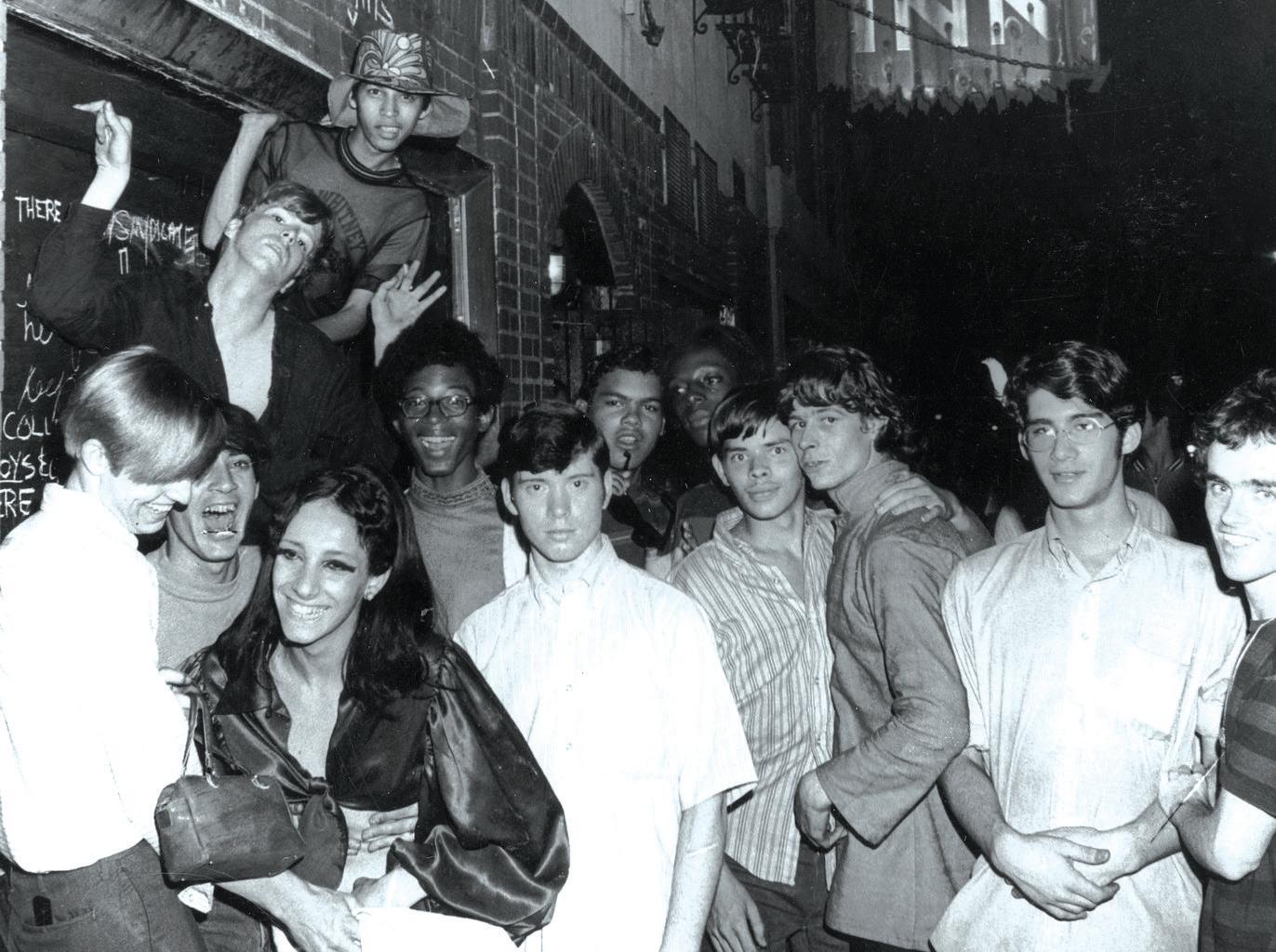
WASHINGTON, DC (June 28, 2019)
– Today, a resolution introduced by Sen. Tammy Baldwin (D-WI) to commemorate the 50th anniversary of the 1969 Stonewall
uprising passed the US Senate by unanimous consent. Stonewall was led by LGBTQ people of color, particularly trans people of color,
see RESOLUTION page 7
Sen. Patty Murray in whirlwind Pride month
by Mike Andrew SGN Staff Writer
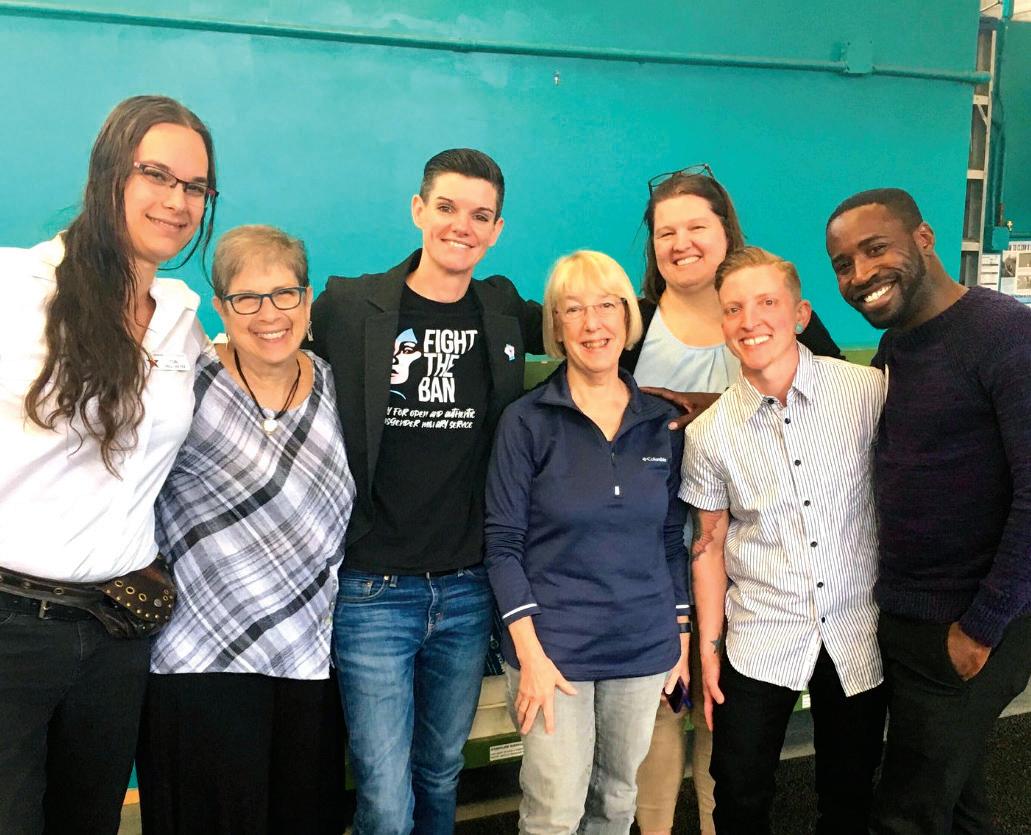
Washington’s senior US senator, Patty Murray, spent a whirlwind Pride month, promoting three signature pieces of legislation and meeting with LGBT constituents in Seattle.
On June 28, Murray was in Seattle for a roundtable discussion on her BE HEARD Act, a measure that would help protect LGBT workers.
Joining the senator for the discussion – held at Repair Revolution auto repair in
see MURRAY page 8
LGBTQ Victory Fund endorses Mayor Pete Buttigieg for president of the United States on 50th anniversary of Stonewall Uprising
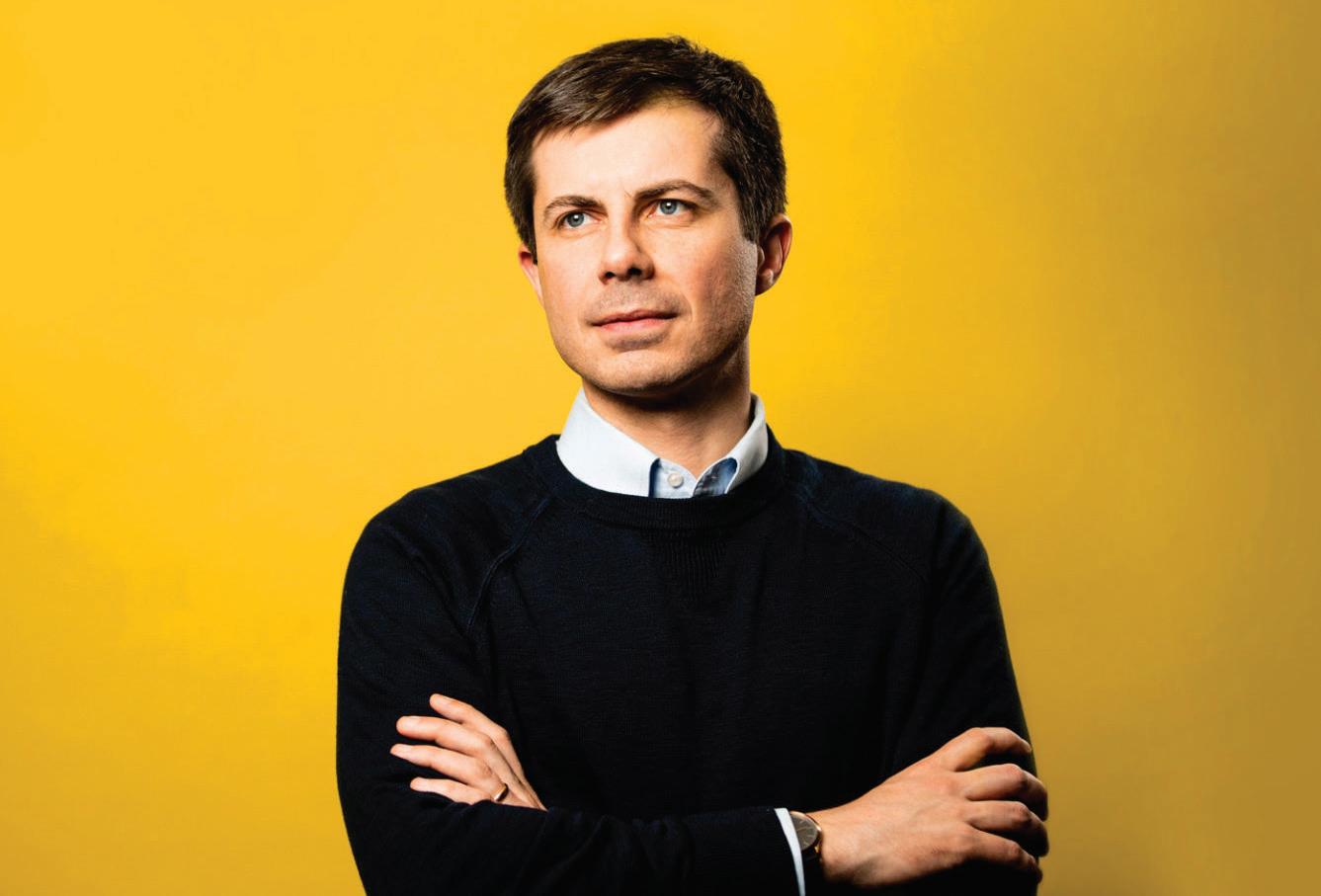
NEW YORK (June 28, 2019) –Tonight, the LGBTQ Victory Fund – the only national organization dedicated to electing LGBTQ candidates – announced
its endorsement of Mayor Pete Buttigieg for president of the United States. The announcement came on the 50th annisee BUTTIGIEG page 4
More than 200 major businesses file landmark amicus brief in support of LGBTQ workers
WASHINGTON, DC (July 2, 2019)
– Today, the Human Rights Campaign (HRC), Lambda Legal, Out & Equal, Out Leadership, and Freedom for All Americans announced that 206 major corporations have signed a “friend of the court” brief that will be filed with the US Supreme Court in a trio of cases that may determine
whether LGBTQ people are protected from discrimination under existing federal civil rights laws – which prohibit sex discrimination in contexts ranging from the employment to housing, health care, and education.
Photo by Fred McDarrah / Getty Images
Photo courtesy of the Office of U.S. Sen. Patty Murray
Photo by Drew Angerer / Getty Images
Pete Buttigieg – Photo courtesy of Pete for America


Larry Kramer gives us one more chance to wake the f*ck up
Larry Kramer’s speech at WorldPride this weekend reminded me we are in big trouble. Larry’s words make me afraid for our rights, for our liberties, and for the future of the HIV/AIDS epidemic.

Thankfully, Larry also makes me want to do everything I can to avoid that potentiality. He is beseeching us to do just that. Read his full speech in my latest post (below), and consider what you are willing to do about it.
Thanks, and please be well.
Mark S. King “My Fabulous Disease” blog
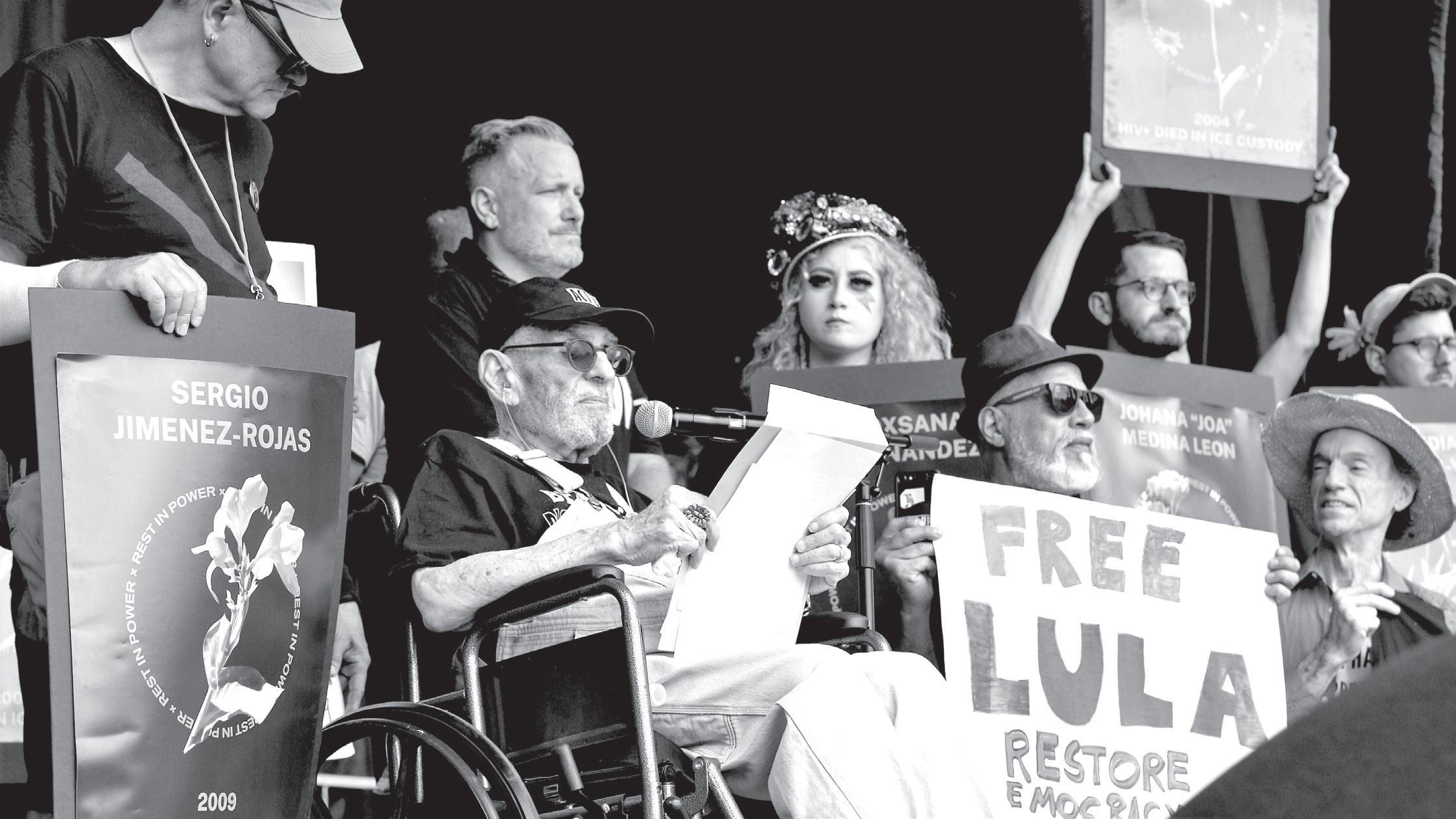
Larry Kramer’s address to the 2019 Queer Liberation March
on June 30, 2019
What does Pride mean to you? I’ll tell you what it means to me. I love being gay. I love my people. I think, in many ways, we’re better than other people. I really do. I think we’re smarter and more talented and more aware of each other. And I do. I do. I totally do. I am very proud to be gay.
I’m approaching my end, but I still have a few years of fight in me to scream out the fact that almost everyone gay I’ve known has been affected by this plague of AIDS. As it has since its beginning, this has continued to be my motivation for everything I’ve done. It’s been a fight I’ve been proud of fighting.
I almost died three times. I started a couple of organizations to fight with me against the plague. In the end, we failed. I certainly feel that I failed.
There is no cure for this plague. Too many of us are still getting infected. We have become too complacent with PrEP. Research for the cure is still in the Stone Age. The few treatments we have are woefully expensive and come with troublesome side effects. Their manufacturer is holding us up to ransom.
Yes, we have lost the fight against AIDS. It is hard to stand up to the huge portion of the population of American people that hates us. I don’t mean dislike – I mean hate. When we started dying, we told “the American People” what was happening to us. But “the American People” didn’t do anything. I hope it’s finally dawning on you that maybe those American people didn’t and don’t want to do anything about this. I hope you might have noticed. I can’t tell.
Laws and regulations that sort of protected us are being repealed and rewritten. Their media, their newspapers, their
networks of the rich and religious, their very president and vice president will see to it that we are useless. Their wildest dreams come true! The faggots are disappearing, and they are doing it to themselves! We have everything required to save our world except the will to do it.
It should have been simple: fight for our rights; take care of ourselves and each other; be proud of ourselves; be proud we are gay. This should be what every gay person is fighting for seven days each and every week.
Most gay people I see appear to have too much time on their hands. Hell, if you have time to get hooked on drugs and do your endless rounds of sex-seeking cybersurfing until dawn, you do have too much time on your hands. We are better than that. I repeat: We are better than that.
If we do not fight back against our enemies, we will all continue to be murdered. But we have a population that is inept at organizing ourselves. And we have a monstrously bad record of attempting unity. We are not very good at fighting back.
All this is very sad and frightening. A large uncongealed mass of potentially excellent people doesn’t know what to do with themselves or even bother to learn the history that got us here. So they dance. So they drug. So they go on the apps to find more sex. These are useful lives being wasted.
Do you think our enemies care about the rise of HIV infections? “They” are grateful for them. “They” thank us for our cooperation, and our silence and our invisibility.
And while all this happened, what did we do? We shrank from our duty of opposition. Yes, our duty of opposition. In other
words: Fight back! We need to fight back! I would love to hear you and see you express the importance of this. If you love being gay as much as I do, fight back! Now word has come down from on high: Get rid of the faggots once and for all. You think the law and this president and Supreme Court will protect us? Think again.
Tell me: What do you do with yourselves all week long – seven days and nights a week – that amounts to anything really important for us as a people? What do you do to make your world – our world, our history – a better place? A world that needs every bit of help it can get – our world, not their world. Because I do not see enough of us fighting this fight, performing our duty.
I love being gay. I love my people. I think in many ways we’re better than other people. I really do. I think we’re smarter, and more talented and more aware of each other. And I do. I do. I totally do.
But I am finding that I am not so proud of being gay today as I was yesterday. As much as I love being gay and I love gay people, I’m not proud of us right now. I desperately want to feel full of pride again.
Please give me something to be proud of again. Please – all of you – do your duty of opposition in these dark and dangerous days.
Thank you for being here.
Larry Kramer
Introductory remarks and Larry Kramer’s speech courtesy of Mark S. King’s blog “My Fabulous Disease”
Larry Kramer – Photo by Michelle Riofrio / Courtesy of Mark S. King
BUTTIGIEG
continued from cover
versary of the Stonewall Uprising that sparked the modern LGBTQ rights movement and just a few miles from where the Stonewall Inn still stands. It is Mayor Pete’s first endorsement from a national organization and the first time in the Victory Fund’s 28-year history that it is endorsing a presidential candidate. The 104-member Victory Campaign Board – the organization’s endorsement body –voted unanimously in favor of the endorsement earlier this month.
Victory Fund President and CEO Mayor Annise Parker made the announcement before 1,500 Mayor Pete supporters at a World Pride campaign event in Brooklyn, New York. Mayor Pete accepted the endorsement and delivered remarks after.
Mayor Parker released the following statement about the endorsement:
“Fifty years ago, queer people of color and trans people led a riot that sparked a revolution – and now we build on that legacy by endorsing Mayor Pete Buttigieg for President of the United States. It was only 11 years ago that all the leading presidential contenders – Republicans and Democrats – opposed full recognition of LGBTQ rights and relationships. Yet here we are, just one decade later, endorsing the first viable LGBTQ candidate for president of the United States – a front-runner in a crowded primary, neck-and-neck with the most well-known names in American politics.
“Mayor Pete’s candidacy is redefining what is possible in American politics. He is transforming perceptions of LGBTQ people – representing our community in small-town diners in Iowa to rallies in New Hampshire to the presidential debate stage. He is inspiring LGBTQ youth to come out, attend their first Pride parade and to believe they can achieve their dreams. And he’s inspiring more LGBTQ people to run for office, knowing that if Mayor Pete can do it at a national level, they can win in their states and communities as well.
“The LGBTQ Victory Fund is endorsing Mayor Pete because he is the best candidate for president of the United States. Mayor Pete’s executive experience, record of military service, and authentic approach to politics and policy makes him the best candidate to defeat Donald Trump at the ballot box. He is the anti-Trump: experienced, accomplished, patriotic, and thoughtful. We see the path to victory for Mayor Pete and are ready to mobilize our network of LGBTQ people and allies to help make it happen.”
Mayor Pete is the first viable LGBTQ candidate for president of the United States and only the second to run for a major party’s nomination. In a recent Gallup poll, 76 percent of Americans said they are willing to vote for an openly gay presidential candidate. The number trends well with results from the 2018 midterms. Out LGBTQ candidates and Victory Fund endorsees Tammy Baldwin and Kyrsten Sinema both won US Senate seats – in Wisconsin and Arizona, respectively –despite Donald Trump carrying those states in 2016.
The endorsement announcement was made at Brooklyn Steel event venue in Brooklyn, New York. Victory Fund has endorsed thousands of candidates for local, state, and federal government since 1991. Mayor Pete is its first presidential endorsement.
The LGBTQ Victory Fund works to change the face and voice of America’s politics and achieve equality for LGBTQ Americans by increasing the number of openly LGBTQ elected officials at all levels of government. (victoryfund.org)
Courtesy of the LGBTQ Victory Fund
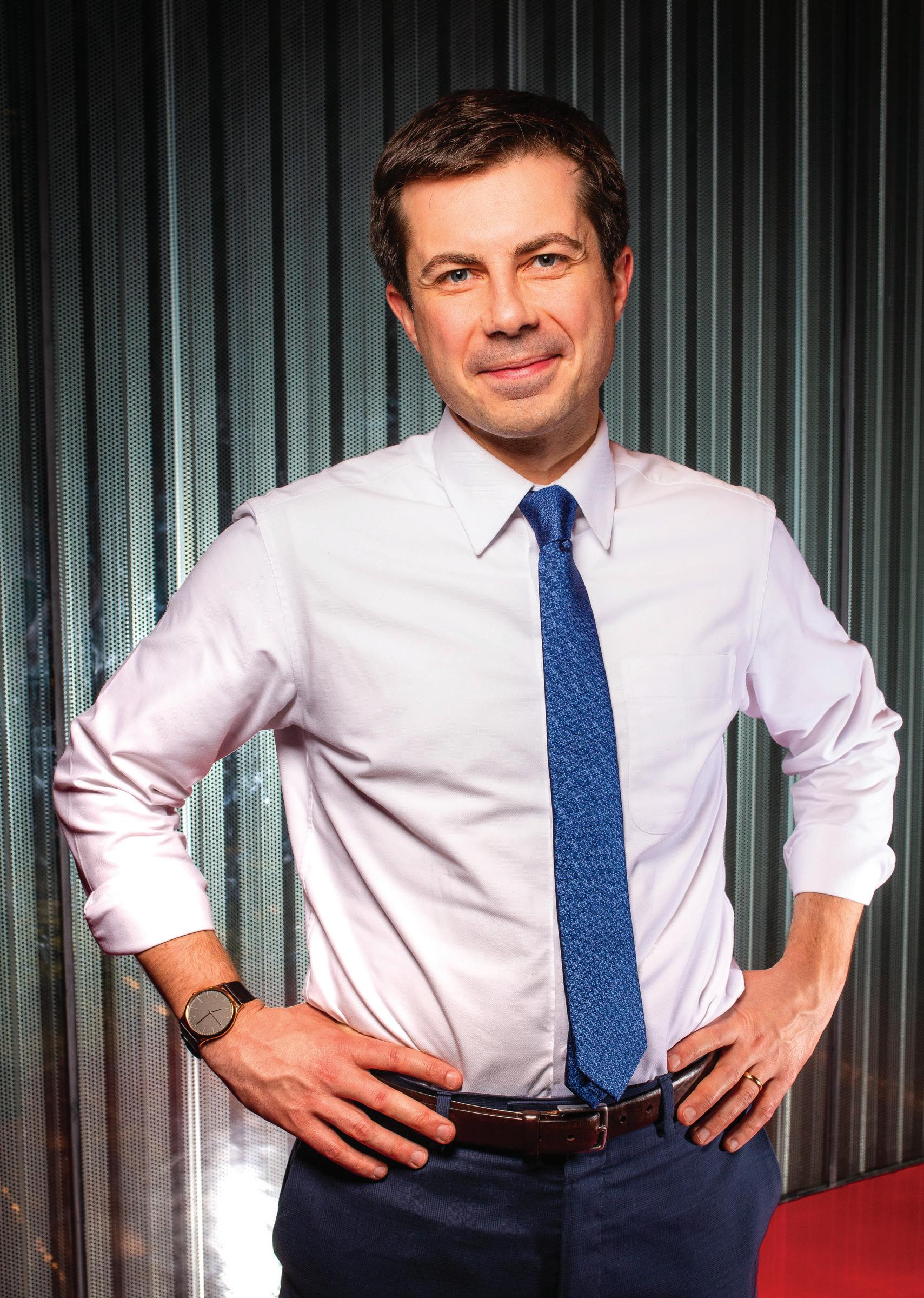
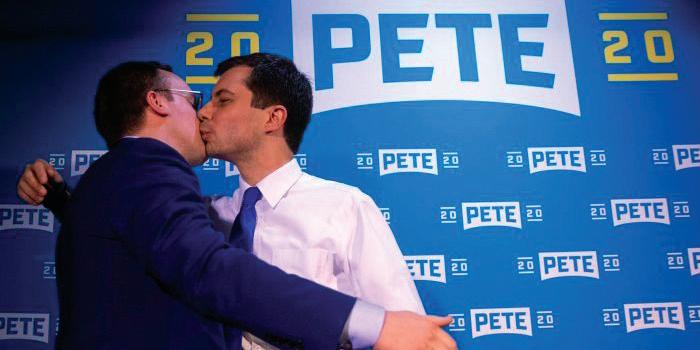
Pete Buttigieg (r) and husband, Chasten Glezman – Photo by Jae C. Hong / AP
Democratic presidential candidate Pete Buttigieg – Photo by Nate Gowdy
The landmark brief has more corporate signers than any previous business brief in an LGBTQ nondiscrimination case.
“At this critical moment in the fight for LGBTQ equality, these leading businesses are sending a clear message to the Supreme Court that LGBTQ people should, like their fellow Americans, continue to be protected from discrimination,” said Jay Brown, Senior Vice President for Programs, Research and Training for the HRC Foundation. “These employers know firsthand that protecting the LGBTQ community is both good for business and the right thing to do. With so much progress on the line, we are grateful that so many major American companies are standing up for the rights and dignity of their LGBTQ employees, family members, and customers.”
“When employees can safely bring their whole selves to the workplace, they do better work and that leads to success,” said Lambda Legal senior attorney Omar Gonzalez-Pagan. “And many of the nation’s top businesses know that. We are thrilled by the unprecedented support from the business community that recognizes how discrimination against LGBT people is bad for business and violates the Civil Rights Act. It sends a powerful message to their employees, customers, and other business leaders that they will stand up for dignity and equality for LGBT people.”
“This brief exposes the lie that affirming civil rights protections for LGBTQ Americans is somehow anti-business,” said Erin Uritus, CEO of Out & Equal Workplace Advocates. “The opposite is true. Equality is good for businesses and employees. And consumers – who are increasingly savvy and intentional about their spending power – are demanding equality. I’m inspired by all of the leaders who have joined with us today in submitting this brief. The Civil Rights Act needs to be affirmed in a way that serves and protects all Americans.”
“Today, a multitude of companies representing sectors from all walks of American life have sent the unequivocal message that they believe in dignity and respect for all their employees and customers,” said Kasey Suffredini, president of strategy at Freedom for All Americans. “No one who is well-qualified, talented, and hard-working should have to worry that they cannot be their true selves for fear of being fired or denied a job or promotion. That’s why a majority of Americans from all walks of life support these protections.”
“We’re thrilled to see so many of our nation’s most innovative and profitable businesses coming together to say that LGBT+ Americans are, and should continue to be, protected from discrimination,” said Todd Sears, chief executive officer of Out Leadership. “As our recently issued State LGBT+ Business Climate Index shows, the laws protecting LGBT+ people from discrimination vary wildly between – and often within – states. This patchwork approach prevents LGBT+ people from participating fully in the economy and from reaching their highest potential, and it’s past time for the Supreme Court to make nondiscrimination protections the law of the land.”
The historic number of companies –twice as many as previous LGBTQ nondiscrimination briefs – represents more than seven million employees, a wide variety of industries, and more than $5 trillion in revenue. Those signing the brief are as follows:
1010data, 3 Percent Movement, Inc., 98point6 Inc., Accenture, Adobe Inc., AdRoll Group, Advance, Advance Local, Airbnb, Inc., Akamai Technologies, Inc., AllianceBernstein, Amalgamated Bank, Amazon.com, Inc., American Airlines, American City Business Journals, American Express, American International Group, Inc., Amyris, Inc., ANGI Homeservices Inc., Apple, Aramark, Asana, Inc., ASCAP - American Society of Composers, Authors and Publishers, Ascena Retail Group, Inc., AT&T Services, Inc., Atlassian, AXA Equitable Life Insurance Company, Bank of America, BASF Cor-
poration, Bayer US LLC, Ben & Jerry’s Homemade, Inc., Best Buy Co., Inc., Betterment, BlackRock, Inc., Bloomberg L.P., BNP Paribas USA, Inc., BNY Mellon, Boehringer Ingelheim USA, Boston Scientific Corporation, Broadcast Music, Inc., Brown-Forman Corporation, Brownstein Group, Caldwell Partners Executive Search, Caven Enterprises, CBS Corporation, Celo Labs Inc., Chobani Global Holdings, LLC, Chubb, Cigna, Cisco Systems, Inc., Citigroup Inc., Citrix, Clockwork, CNO Financial Group, Comcast NBCUniversal, Condé Nast, Corning Incorporated, COTA, Inc., Couchbase, Inc., Cox Enterprises, Inc., CSAA Insurance Group, Cummins Inc., CVS Health, Danaher Corporation, Danone North America, PBC, Deloitte, Deutsche Bank, Diageo North America, Inc., Domino’s, DoorDash, Inc., Dow, Inc., Dropbox, Inc., DTCC, Eastern Bank, eBay Inc., Edelman, Electric Imp, Inc., Ernst & Young LLP, Etsy, Inc., Evolent Health LLC, Exelon Corporation, Expedia Group, Facebook, Inc., Fastly, Inc., Genentech, Inc., General Assembly, General Motors, Gilead Sciences, Glassdoor, Inc., GlaxoSmithKline LLC, Goldman Sachs Group, Inc., Google LLC, Grant Thornton LLP, Greenhouse Software, Inc., GSBA, Gucci, Gusto, HERE Technologies, Hilton, HP Inc., HSBC Bank USA, N.A., IAC/InterActiveCorp, IBM Corporation, ICM Partners, IHS Markit, IKEA North America Services, LLC, Indiegogo, Inc., Ingersoll Rand, Ingram Micro Inc., Insala, LLC, International LGBTQ+ Travel Association, Intuit Inc., Invesco, Ltd., John Hancock, JPMorgan Chase & Co., Kering Americas, Inc., Kickstarter, PBC, KIND Healthy Snacks, Levi Strauss & Co., Linden Research, Inc. d/b/a Linden Lab, LinkedIn Corporation, Lord Abbett, Lush Fresh Handmade Cosmetics, Lyft, Inc., Macy’s, Inc., Mallinckrodt plc, Mapbox, Marriott International, Inc., Marsh & McLennan Companies, Inc., MassMutual, Mastercard International Incorporated, Match Group, Inc., MGM Resorts International, Michelin North America, Inc., Microsoft Corporation, Mitchell Gold + Bob Williams, Moody’s Corporation, Morgan Stanley, Mozilla Corporation, New York Life, NIKE, Inc., Nokia of America Corporation, Northrop Grumman Corporation, Nuance Communications, Inc., Ogilvy, PayPal, Inc., Peloton, Pfizer Inc., Pinterest, Inc., Pivotal, PricewaterhouseCoopers LLP, Principal, Prudential Financial, Inc., Publicis Groupe, Pure Storage Inc., Quantcast Corp., Replacements, Ltd., Rockwell Automation, Inc., Royal Bank of Canada, Rowdies Soccer LLC d/b/a Tampa Bay Rowdies, Runtime Collective Limited (d/b/a Brandwatch), S&P Global Inc., salesforce.com, inc., San Francisco Giants, Southwest Airlines Co., Starbucks Corporation, State Farm Mutual Automobile Insurance Company, Sun, Life US, Sunrun Inc., T-Mobile USA, Inc., T. Rowe Price, Takeda Pharmaceuticals USA, Inc., Tampa Bay Rays, Tapestry, Inc.,, Tech Data Corpo -
ration, The Coca-Cola Company, The Estée Lauder Companies Inc., The Hartford, The Procter & Gamble Co., The Walt Disney Company, Thermo Fisher Scientific Inc., Thumbtack, Inc., TNTP, Inc., TPG Global, Trillium Asset Management LLC, Turnitin, Turo Inc., Uber Technologies, Inc., Ultimate Software, Ultragenyx Pharmaceutical Inc., Under Armour, Inc., Univision Communications Inc., User Testing, Inc., Viacom Inc., ViiV Healthcare Company, Vimeo, Inc., WarnerMedia LLC, Wells Fargo & Company, Williams-Sonoma, Inc., Workday, Inc., Wyndham Hotels & Resorts, Inc., Xerox Corporation, Xylem Inc., YSC Consulting, Zillow Group, Inc., and Zume, Inc.
The brief was authored by Quinn Emanuel Urquhart & Sullivan, LLP, one of the nation’s prominent law firms. Amici are represented by Quinn Emanuel, Robinson Curley PC, and Taylor & Cohen LLP. The brief was organized by a coalition of LGBTQ civil rights organizations, including the HRC, Lambda Legal, Out Leadership, Out and Equal, and Freedom for All Americans.
In the three cases, R G. & G.R. Harris Funeral Homes v. EEOC and Aimee Stephens and Bostock v. Clayton County, consolidated with Altitude Express, Inc. v. Zarda, the US Supreme Court will decide whether anti-LGBTQ discrimination is a form of sex discrimination that violates federal law. The Supreme Court is set to hear the cases on October 8, 2019.
In the brief, the more than 200 companies argue that:
LGBTQ nondiscrimination and inclusion are good for business and the economy.
Top American businesses are comfortable with courts continuing to hold that federal law provides protections to LGBTQ employees.
Nondiscrimination protections for LGBTQ employees help improve operations for businesses.
There would be significant costs for employers and employees if sexual orientation and gender identity discrimination were not forbidden by law.
Leading American businesses have long expressed a commitment to LGBTQ diversity and inclusion in their workforces, as evidenced by inclusive policies, practices, and benefits. Businesses realize being inclusive is not only the right thing to do, it just makes good business sense as well. Companies that are inclusive of LGBTQ people and employees with LGBTQ family members are able to attract and retain the best and brightest across a wide spectrum of diversity, reap the benefits from increased engagement and productivity, and actively participate in the vibrant LGBTQ consumer marketplace.
Having built inclusive workplaces for their LGBTQ employees and LGBTQ dependents of employees, companies have a vested interest in the legal landscape in which those employees and their dependents live, work, or go to school.
Several federal courts have previously held that discrimination against LGBTQ people violates laws, including Title VII of the Civil Rights Act of 1964 and Title IX of the Education Amendments of 1972. The Trump-Pence administration, however, has threatened to redefine federal sex discrimination through regulations attempting to erase protections for transgender people, and has asked the Supreme Court to reverse course and bar LGBTQ people from receiving federal nondiscrimination protections.
In R G. & G.R. Harris Funeral Homes v. EEOC and Aimee Stephens, Aimee Stephens worked as a funeral director at R.G. & G.R. Harris Funeral Homes. When she informed the funeral home’s owner that she is transgender and planned to come to work as the woman she is, the business owner fired her, saying it would be “unacceptable” for her to appear and behave as a woman. The US Court of Appeals for the Sixth Circuit ruled in March 2018 that when the funeral home fired her for being transgender and departing from sex stereotypes, it violated Title VII, the federal law prohibiting sex discrimination in employment.
In Altitude Express, Inc. v. Zarda, Donald Zarda, a skydiving instructor, was fired from his job because of his sexual orientation. A federal trial court rejected his discrimination claim, saying that the Civil Rights Act does not protect him from losing his job for being a gay man. In February 2018, US Court of Appeals for the Second Circuit, sitting altogether as a full bench, ruled that discrimination based on sexual orientation is a form of discrimination based on sex that is prohibited under Title VII. The court recognized that when a lesbian, gay, or bisexual person is treated differently because of discomfort or disapproval that they are attracted to people of the same sex, that constitutes discrimination based on sex.
In Bostock v. Clayton County, Gerald Lynn Bostock was fired from his job as a county child welfare services coordinator when his employer learned he is gay.
In May 2018, the US Court of Appeals for the Eleventh Circuit refused to reconsider a 1979 decision wrongly excluding sexual orientation discrimination from coverage under Title VII’s ban on sex discrimination, and denied his appeal.
To read the brief, [go to https://assets2. hrc.org/files/assets/resources/Title-sevenbusiness-amicus-brief.pdf].
The Human Rights Campaign is America’s largest civil rights organization working to achieve equality for lesbian, gay, bisexual, transgender, and queer people. The HRC envisions a world where LGBTQ people are embraced as full members of society at home, at work, and in every community.
Courtesy of the HRC
Photo courtesy of HRC
Fifty years after Stonewall, HRC commemorates the riots that helped spark a movement
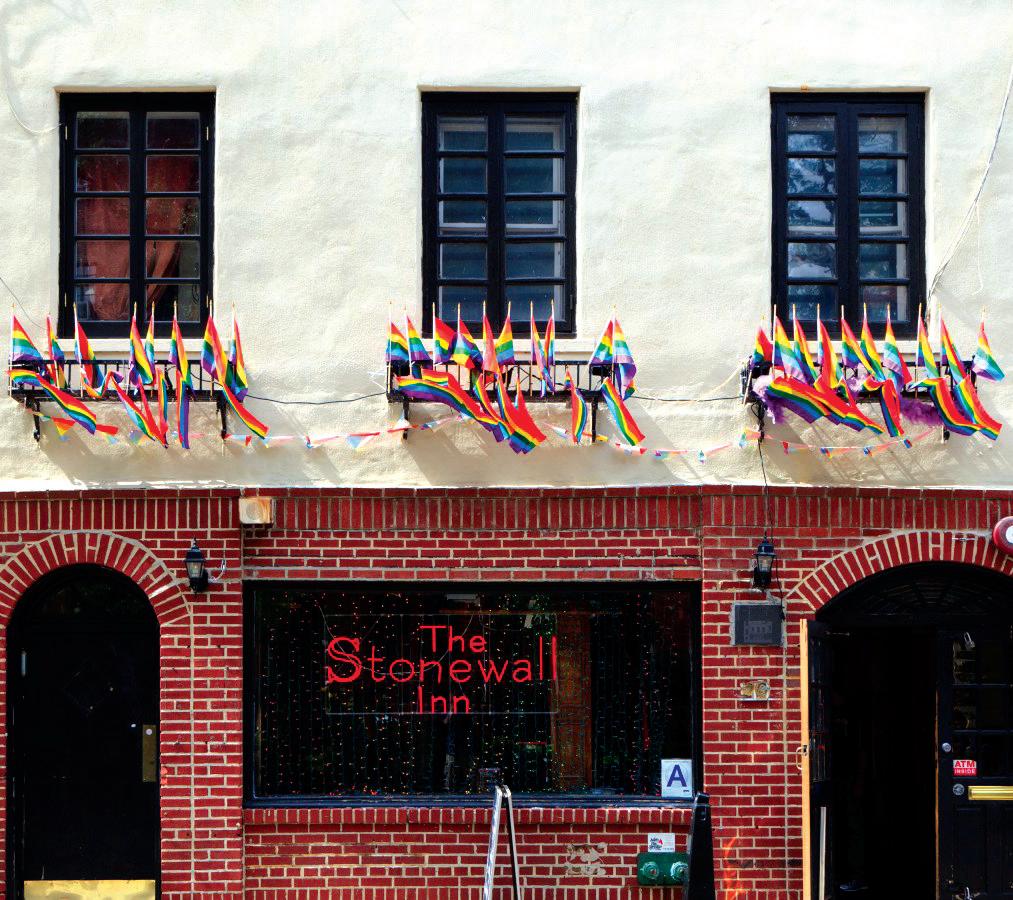
WASHINGTON, DC (June 28, 2019) – Today, the Human Rights Campaign (HRC), the nation’s largest lesbian, gay, bisexual, transgender, and queer (LGBTQ) civil rights organization, marked 50 years since the Stonewall Riots, a seminal moment in the LGBTQ movement when patrons of the New York City bar rioted against oppression and brutality.
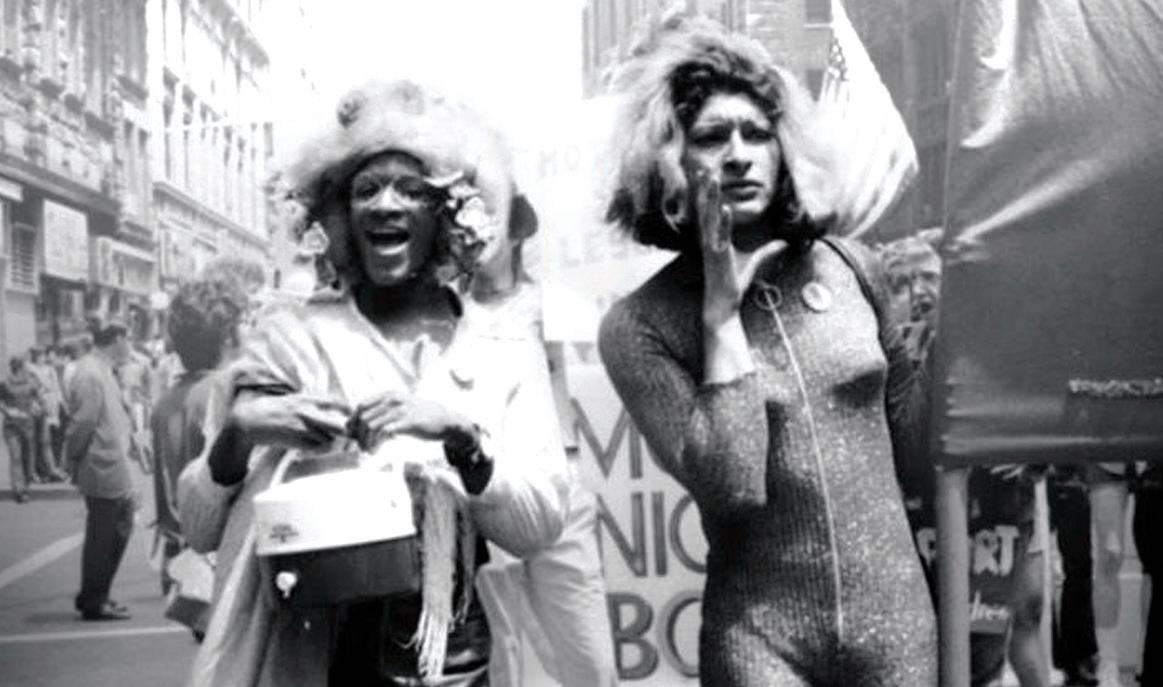
“Fifty years ago, the heroes of Stonewall, led by transgender women of color, including Marsha P. Johnson and Sylvia Rivera, boldly and bravely fought back against brutality at the hands of law enforcement,” said Jay Brown, Senior Vice President for Programs, Research and Training for the HRC Foundation. “The individual acts of courage by the Stonewall rioters continue to ripple through history, reminding us of the power of protest, pride, and solidarity. While the LGBTQ community – and especially transgender women of color – still face significant challenges, the resiliency of the rioters and the change they continue to inspire give us hope that, together, we can achieve dignity and justice for LGBTQ people throughout our country and around the world.”
In the early morning hours of June 28,
1969, the Stonewall Riots began, helping ignite the modern LGBTQ rights movement and harness the political power of LGBTQ people. Harassed by local police simply for congregating, Stonewall’s LGBTQ patrons – most of whom were trans women of color – decided to take a stand and fight back against the brutal intimidation they regularly faced at the hands of police. One year later, the first LGBTQ Pride marches were held, establishing June as Pride Month. During the better part of a decade, other riots and demonstrations took place to demand LGBTQ rights, including at Cooper Do-nuts in 1959, at Compton’s Cafeteria in 1966, and the Black Cat protests in 1967.
In recent years, the LGBTQ community has made great strides toward full equality in the US through legal victories and political change built on decades of grassroots activism. Just last month, after LGBTQ voters helped usher in a pro-equality US House of Representatives, the Equality Act passed through that chamber by a bipartisan vote of 236 to 173. This vote marks the first time in history a chamber of Congress has passed comprehensive LGBTQ nondiscrimination protections.
However, even in the last few weeks, the relentless attacks on our community by the Trump-Pence White House have continued, threatening the rights and welfare of millions of LGBTQ Americans. The administration announced its intention to propose a rule that would allow federally funded homeless shelters to deny transgender people. And earlier this month, it issued a proposal to drastically roll back health care protections for transgender people under the Affordable Care Act.
Today, in 30 states, LGBTQ people remain at risk of being fired, evicted, or denied services because of who they are. LGBTQ youth continue to face elevated levels of bullying and rejection, and many associated physical and mental health challenges. According to FBI hate crimes statistics from 2017, the most recently available data, the bureau reported a surge in hate crimes disproportionately affecting LGBTQ people, Black people, and religious minorities, especially those living at the intersection of multiple identities. And at least 100 transgender people – most of whom are transgender women of color – have been the victims of fatal violence in the US since the beginning of 2015. In
2019, at least 11 Black transgender women have been killed – the vast majority as the result of gun violence.
The HRC is committed to defending our community from attacks on our rights by the Trump-Pence White House and antiequality forces in the US and around the world, while pushing for the Equality Act and pursuing other legislative and legal avenues that will ensure full lived equality for all LGBTQ people, everywhere.
As the LGBTQ community celebrates the progress we have made in the 50 years since Stonewall, it has never been more important that we recognize the distance we still have to go to achieve full equality, and the power that this community can harness to achieve that goal, together.
The Human Rights Campaign is America’s largest civil rights organization working to achieve equality for lesbian, gay, bisexual, transgender, and queer people. The HRC envisions a world where LGBTQ people are embraced as full members of society at home, at work, and in every community.
Courtesy of the HRC
The Stonewall Inn - photo courtesy of HRC
seattle first baptist church marrying ALL couples since 1979
The spirit of Stonewall lives!
by the Freedom Socialist Party and Radical Women
Fifty years after drag queens, bull dykes, and trans folk rioted in the streets of New York City, we’re here together to take Pride back to its uncompromising roots.
The patrons of the Stonewall Inn – fed up with police raids and brutality – exploded in anger on June 28, 1969. The riots lasted two nights, and out of it emerged early gay liberation organizations. They sparked a full-blown movement that spread across the world and continues today.
Lavender radicals
Queer liberation was never about just one part of our identity. The early, radical gay and lesbian movement was about total liberation. That’s because queer people are every color and are on the front lines of every fight for freedom. We have always rejected the capitalist culture of categories, division, and war.
Many early queer organizers were veterans of the Black civil rights movement, participants in anti-war marches, and leaders of women’s liberation protests. Inspired by Asian brothers and sisters under attack by US imperialist war, those early activists named the Gay Liberation Front after Vietnam’s National Liberation Front.
A rainbow of issues
Today, queer people are fighting back against Trump’s attacks on migrants trying to cross the Mexican border. Young gender-benders are standing up to stop gentrification and police violence, because what does liberation mean when the Black community continues to be targeted by corporations and cops? Lesbians and trans folk are defending abortion rights, because it all
RESOLUTION
continued from cover
and is credited with launching the modern movement for LGBTQ equality.
We offer this comment from David Stacy, HRC Director of Government Affairs:
“Fifty years after a crowd of primarily LGBTQ people of color fought back against harassment, intimidation, and violence, launching the modern movement for LGBTQ equality, it is gratifying to see the US Senate recognize the importance of that moment in our nation’s history. We are thankful to Sen. Baldwin and her colleagues for their honoring this milestone for equality. There is still so much work left to be done in ensuring that all people, regardless of gender identity or sexual orientation, are treated with dignity and respect in our country, which is why it’s imperative that Sen. McConnell finally bring the Equality Act to a vote on the floor of the Senate and let the voices of the American people be heard.”
“When we look back at the Stonewall uprising and activism that grew out of that moment, even the most basic progress seemed like it would take a revolution to achieve. So we had one,” Baldwin said in a statement shared with NBC News. “And that’s how we’ve made such enormous progress over the last 50 years. Today, we should remain inspired by the courage of the story of Stonewall.”
The now-iconic Stonewall uprising, which started in the early hours of June 28, 1969, began as a routine police raid on a gay bar in New York City’s Greenwich Village. But unlike the many previous raids gay and gender-nonconforming people were subjected to, the patrons decided to fight back this time. The multiday rebellion is widely
comes down to a person’s right to control their own body.
No one’s freedom can survive as a bubble within a world still rampant with inequality. The ultra-right, whether it’s Trump in the White House or Nazis in the streets, are trying to turn back the clock by attacking every bit of social and economic progress made in the last 50 years.
Unity, power, and pride
A gutsy united front of all the right’s targets – LGBTQ organizers together with
people of color,
the
and
– would be a force to be reckoned with. But how to get there?
Revolutionary socialist feminism offers a road map for unity and radical change. It stands in direct contrast to narrow identity politics that have splintered our movements. The experience of oppression can either keep people divided and cynical – or it can be a gift, a bridge that connects us to each other.
This patriarchal profit-driven system
thrives on divide-and-conquer and exploitation. Let’s use these turbulent times as a springboard for creating socialism, a new humanistic, multihued, nonbinary society based on sharing.
Stonewall was a riot – now let’s make a revolution!
credited with igniting the modern LGBTQ rights movement.
Baldwin’s resolution states that “the neighborhood of Greenwich Village, and establishments like the Stonewall Inn, served as a sanctuary for members of the lesbian, gay, bisexual, transgender, and queer (referred to in this preamble as ‘LGBTQ’) community from persecution by police and society at large.”
When the Stonewall Inn opened in 1967, the resolution continues, “many state and local governments, including New York
City, criminalized how LGBTQ individuals express their identities and relationships.”
The resolution says “no individual in the United States should have to fear being the target of violence because of who they are or who they love.”
The resolution also acknowledges LGBTQ protests that occurred prior to Stonewall, including those at the Los Angeles restaurant Cooper Do-nuts in 1959, San Francisco’s Compton’s Cafeteria in 1966, and the Black Cat Tavern in Los Angeles in 1967.
“The Stonewall uprising empowered
thousands of LGBTQ individuals to emerge from the shadows and come out publicly as they stood up for their community the night of June 28, 1969, and beyond, putting their lives and safety at risk,” the resolution states, noting that hate crimes, violence, and discrimination continue to disproportionately affect the LGBTQ community, particularly transgender people, “not less than 100” of whom were murdered since 2015.
Courtesy of the HRC
feminists, climate activists,
homeless,
unionists
Courtesy of by the Freedom Socialist Party and Radical Women
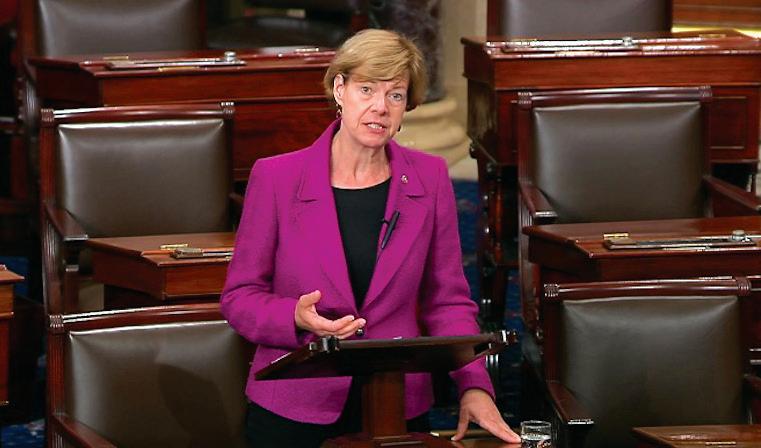
U.S. Sen. Tammy Baldwin – Photo courtesy of C-SPAN
Marsha P. Johnson (l) and Sylvia Rivera march in New York City in 1973. – Photo courtesy of Netflix
MURRAY
continued
Seattle – were GSBA CEO Louise Chernin, QLaw Foundation executive director Denise Diskin, Repair Revolution owner Eli Allison, Minority Veterans of America’s Lindsay Church, Seattle-King County NAACP’s DeAunte Damper, and Tobi HillMeyer, co-executive director of the Gender Justice League.
“No matter who you are or where you work – whether you are the only woman on the board, or a janitor, or farm worker – you should be treated fairly, respectfully, and with dignity. This should be true no matter your gender or race, your religion or sexual orientation or age, and regardless of whether you have a disability or are a veteran,” Murray said in a statement about the bill.
“For far too long and for far too many people in our country, this hasn’t been true. So today, I’m proud to be standing up to fight for change and make clear that time is up.”
The BE HEARD Act will:
• Strengthen understanding of workplace harassment and help businesses prevent it: The BE HEARD Act invests in research about the economic impact of workplace harassment, requires regular reporting on the prevalence of workplace harassment, and ensures that workers have access to more information and training about what constitutes harassment and their rights if they are harassed.
• Help ensure transparency: The BE HEARD Act puts an end to mandatory arbitration and pre-employment nondisclosure agreements, which prevent workers from coming forward and holding perpetrators and businesses accountable.
• Broaden and expand civil rights protections to all workers: The BE HEARD Act builds on and strengthens existing civil rights laws by expanding protections for workers, while also safeguarding existing antidiscrimination laws and protections. It strengthens civil rights protections for all workers and makes clear that the Civil Rights Act protects against discrimination based on sexual orientation and gender identity in the context of workplace discrimination. It also ensures that no matter where you work – and whether you are an independent contractor or an intern – your rights are protected.
• Empower workers who come forward with reports of harassment or retaliation to ensure they get support: The BE HEARD Act allows workers more time to report harassment, authorizes grants to support legal assistance for workers who have low incomes, invests in delivering more resources to the state level to help workers ensure that their rights are protected, and lifts the cap on damages when workers pursue legal action and win their cases.
• Eliminate the tipped wage: The BE HEARD Act eliminates the tipped minimum wage, because tipped workers are disproportionately vulnerable to sexual harassment and discrimination by both clients and supervisors.
In addition to Sen. Murray, the Senate bill is co-sponsored by Sens. Kamala Harris (D-CA), Jeff Merkley (D-OR), Elizabeth Warren (D-MA), Kirsten Gillibrand (D-NY), Richard Blumenthal (D-CT), Tammy Baldwin (D-WI), Bob Casey (D-PA), Bernie Sanders (I-VT), Tim Kaine (D-VA), Sherrod Brown (D-OH), Ed Markey (D-MA), Jacky Rosen (D-NV), Amy Klobuchar (D-MN), Ben Cardin (D-MD), Chris Van Hollen (D-MD), Cory Booker (D-NJ), Dick Durbin (D-IL), and Tammy Duckworth (D-IL).
The House bill is being introduced by Reps. Katherine Clark (D-MA-5), Ayanna Pressley (D-MA-7), Elissa Slotkin (D-MI8), and Debbie Mucarsel-Powell (D-FL-26).
Ban on conversion therapy
Sen. Murray also reintroduced legislation to ban conversion therapy, the Therapeutic Fraud Prevention Act.
Eighteen states, including Washington state, and the District of Columbia have
already banned conversion therapy. Murray’s legislation would have federal government follow suit.
“This year – as we commemorate the 50th anniversary of the Stonewall protests that sparked the modern movement for LGBTQ equality – I am proud to stand here on the floor of the United States Senate as an unapologetic ally of this vibrant community,” Murray said in a June 27 Senate speech.
“In 2019, we know that being a member of the LGBTQIA+ community isn’t an affliction, a disease, or some chronic condition requiring medical treatment but, rather the politicians who say it is are on the wrong side of history.”
Taking on harassment
In May, Murray also reintroduced her Tyler Clementi Higher Education AntiHarassment Act, which would require colleges and universities to establish policies to prohibit harassment based on race, color, national origin, sex (including sexual orientation and gender identity), disability, or religion.
“No student should have to put their well-being, their safety, or their life in jeopardy just to access an education, but sadly we’re seeing students around the country take drastic measures because of bullying and harassment,” Murray said.
“In introducing this legislation, I’m call-
ing on colleges and universities to step up and start taking responsibility for students’ safety, and I’m so thankful for the support and partnership of advocates like Jane Clementi, who is fighting to ensure every student – no matter who they are, what they believe, or who they love – can pursue higher education free from discrimination, harassment, or bullying.”
The measure is named after Tyler Clementi, who committed suicide after being harassed by his college roommate.
Sen. Murray joins LGBTQIA+ workers, business leaders, and advocates for roundtable on workplace harassment and discrimination
WASHINGTON, DC (June 28, 2019)
– Helping kick off this weekend’s celebration of Pride in Seattle, today, US Sen. Patty Murray (D-WA) met with members of the LGBTQIA+ community and discussed her plan to eliminate workplace discrimination and harassment, still a serious challenge for LGBTQIA+ and other workers.
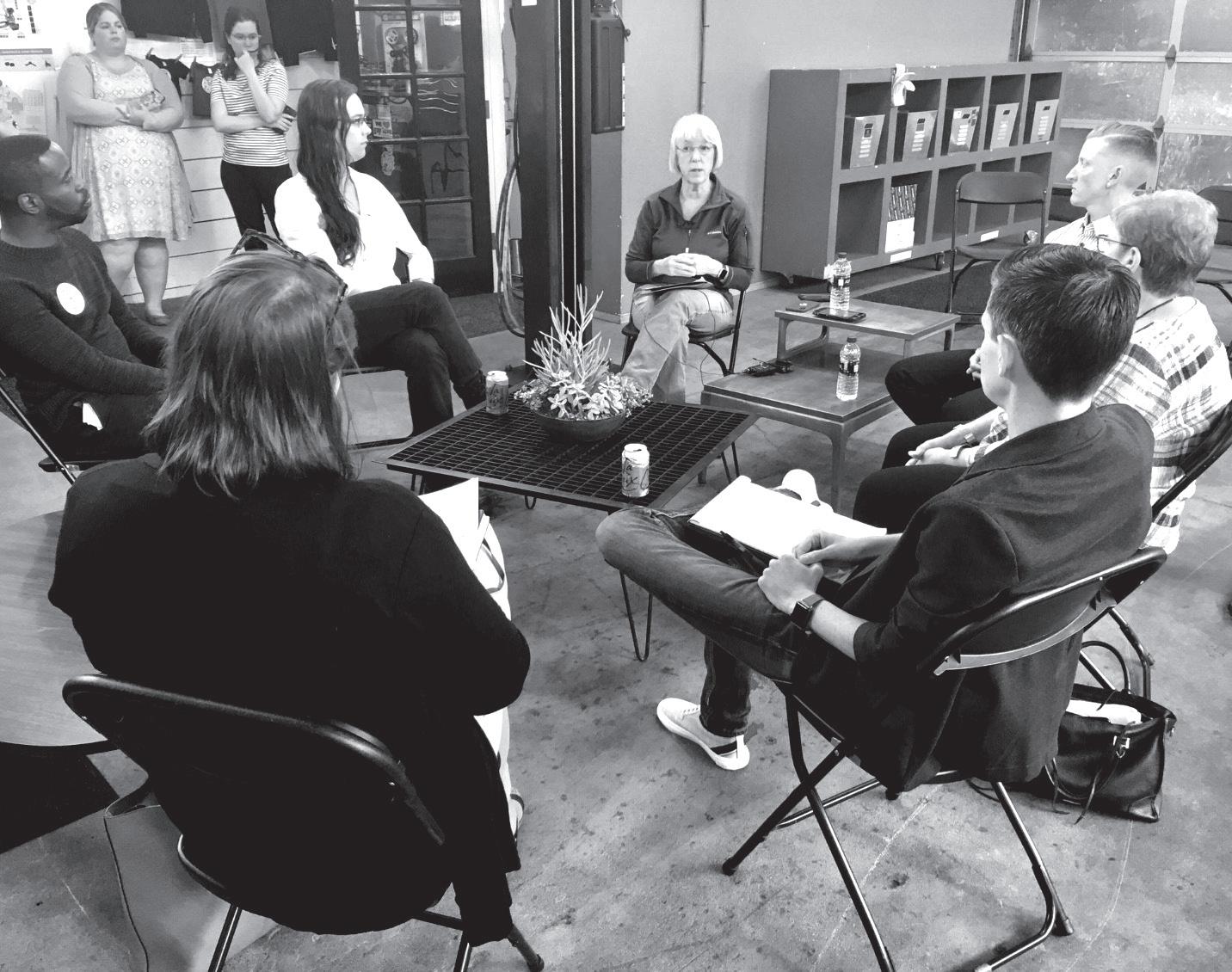
Sen. Murray participated in a roundtable discussion at Repair Revolution, an LGBTQIA+-owned auto repair shop in Sodo, where she heard directly from members of the community, including local workers, business leaders, and civil rights advocates and discussed her recently introduced anti-workplace harassment legislation, the BE HEARD Act. This legislation draws from experiences shared by workers in Washington state and nationwide, including LGBTQIA+ workers, and would safeguard existing antidiscrimination laws, broaden protections, ensure greater transparency, and empower workers who have come forward.
At the roundtable, Sen. Murray heard
firsthand stories from workers who have experienced harassment and discrimination on the job, and learned more on how the BE HEARD Act is especially important for LGBTQIA+ workers. Eli Allison, who hosted the event at their auto shop, Repair Revolution, talked about how after experiencing harassment that almost drove them out of the auto repair industry, they decided to open their own auto shop that would be welcoming and safe for the LGBTQIA+ community.
Louise Chernin, president of the Greater Seattle Business Association, the largest LGBTQIA+ chamber of commerce in North America, highlighted a number of issues that the LGBTQIA+ people face in the workplace, including fear of retaliation or discrimination due to their sexual orientation or gender identity, which leads many to not come out at work.
“Anyone, no matter where they work, who they love, what their background is, or what they look like, should be treated with respect and dignity here in this country,”
Sen. Murray said. “I was overwhelmed by the number of people that we talked to and heard from who worked in a hotel, or who worked at a garage who were fearful of going to work and what kind of harassment they might experience. So we started working on legislation called the BE HEARD Act, and it does a number of really important things to make sure that people can go to work and have a place to go, the knowledge, the experience, the support behind them, and the law behind them that will give them the assurance that they’re powerful too when they speak up.”
The top Democrat on the Senate labor committee and a longtime champion for equal rights for all, Sen. Murray has been a leader on the issue of workplace harassment, spearheading a report on how workplace harassment is impacting workers in industries across the country, including LGBTQIA+ workers.
Courtesy of Sen. Patty Murray
Photo courtesy of the Office of U.S. Sen. Patty Murray
Shorty’s is moving
For over 22 years, Shorty’s (www.shortydog.com) has been a fixture in Seattle’s nightlife. As one of the oldest continuously running businesses under the same ownership in Belltown, Shorty’s has received local, national, and international recognition for being on the forefront of a now thriving pinball revival as it was one of the first “barcades” in the country to open its doors and is still going strong today. The simple concept that a neighborhood bar is has allowed Shorty’s to stay successful throughout the ups and downs of time.
That said, nothing escapes the changing times, and the times, they are a changing, especially here in Seattle. With the threat of redevelopment of the block where Shorty’s is currently located, relocating became a priority. We’re proud to announce THE OPENING OF SHORTY’S NEW HOME at 2316 2nd Ave, in the historic RKO building, just ONE BLOCK NORTH of Shorty’s current home on FRIDAY, JULY 12TH. Last day of business at the old location will be on SATURDAY, JULY 6TH.
national Hot Dog survey by the “Daily Meal,” the only outfit to receive recognition in the state of Washington.
Shorty’s has been featured on Anthony Bourdain’s “The Layover” show on the Travel Channel (http://www.youtube.com/ watch?v=fNSRMsz-au8). Over the years, Shorty’s has also been featured numerous times on local news outlets such as KING
In order to connect the old with the new, there will be a clown parade, moving all of our games from the old location to our new one. This will happen on TUESDAY, JULY 9TH, between 11am and 1pm – hope to see you there!
5’s “Evening Magazine” and KOMO News (http://www.komonews.com/home/video/ Tech-savvy-Seattle-has-growing-pinballsubculture--185113161.html). Shorty’s was featured on the Q13 FOX morning show after being voted #28 in the 2013 National Hot Dog Day’s national hot dog survey. In 2014, Shorty’s was also voted #34 in a
Shorty’s has been recognized as a Seattle “institution” for many years now (http:// www.seattleweekly.com/2006-04-05/ music/shorty-s/), receiving multiple features in The Seattle Times, The Stranger, The Seattle Weekly, various pinball websites, Pinball News, Playmeter Magazine, Fodor’s, Lonely Planet, and several international travel and in-flight publications. Shorty’s was a finalist in the Seattle Times’ contest for “best dive bar” in Seattle. In 2016 Shorty’s was featured on the front cover of Seattle Met magazine as being the best neighborhood bar in Seattle. In 2017 Seattle Met magazine featured Shorty’s in an article recognizing the fact that it was there where the current world wide pinball resurgence started. Currently, Shorty’s is in Jake Uitti’s new book “100 Things to Do in Seattle Before you Die”. Shorty’s was recently featured in KING 5’s ”5 Star Dive Bars”.
Courtesy of Shorty’s
Gay Asian-Americans seen as more “American,”
UW study says
Whites are seen as “American” regardless of sexual orientation
by Mike Andrew SGN Staff Writer
Gay Asian-Americans are seen as more “American” than Asian-Americans who are assumed to be straight, according to a new study from the University of Washington.
“Research on race is often separate from research on sexual orientation. Here we bring the two together to understand how they interact to influence judgments of how American someone is considered,” said Sapna Cheryan, a UW associate professor of psychology and lead researcher for the study.
The new research by Cheryan and her students, a collection of four studies, was published June 27 in Social Psychological and Personality Science
The UW research involved four separate groups of participants, 1,336 people in all, drawn from the UW student population, all of whom were asked to answer questions related to brief, written descriptions of hypothetical people or scenarios.
In the first study, participants were randomly assigned to read a brief descriptive phrase of a person named John, identified either as “an Asian-American man” or “a Gay Asian-American man.”
They were then asked to rate how American they considered him, using a seven-point scale to answer questions like “How fluently do you think this person speaks English?” and “How integrated is this person in American culture?”
Researchers found that the hypothetical “Gay Asian-American man” was perceived as significantly more American than the hypothetical “Asian-American man,” whose sexual orientation wasn’t specified.
The second study used similar questions but included a greater variety of hypothetical people, including men, women, whites, and Asian-Americans. Sexual orientation was noted as “Gay” or was omitted. Researchers assigned names to the fictional people that were popular in the US in the 1980s – Matt, Chris, Michael, Jessica, Jennifer, and Ashley.
The same results emerged. AsianAmericans identified as Gay were perceived to be more American than Asian-
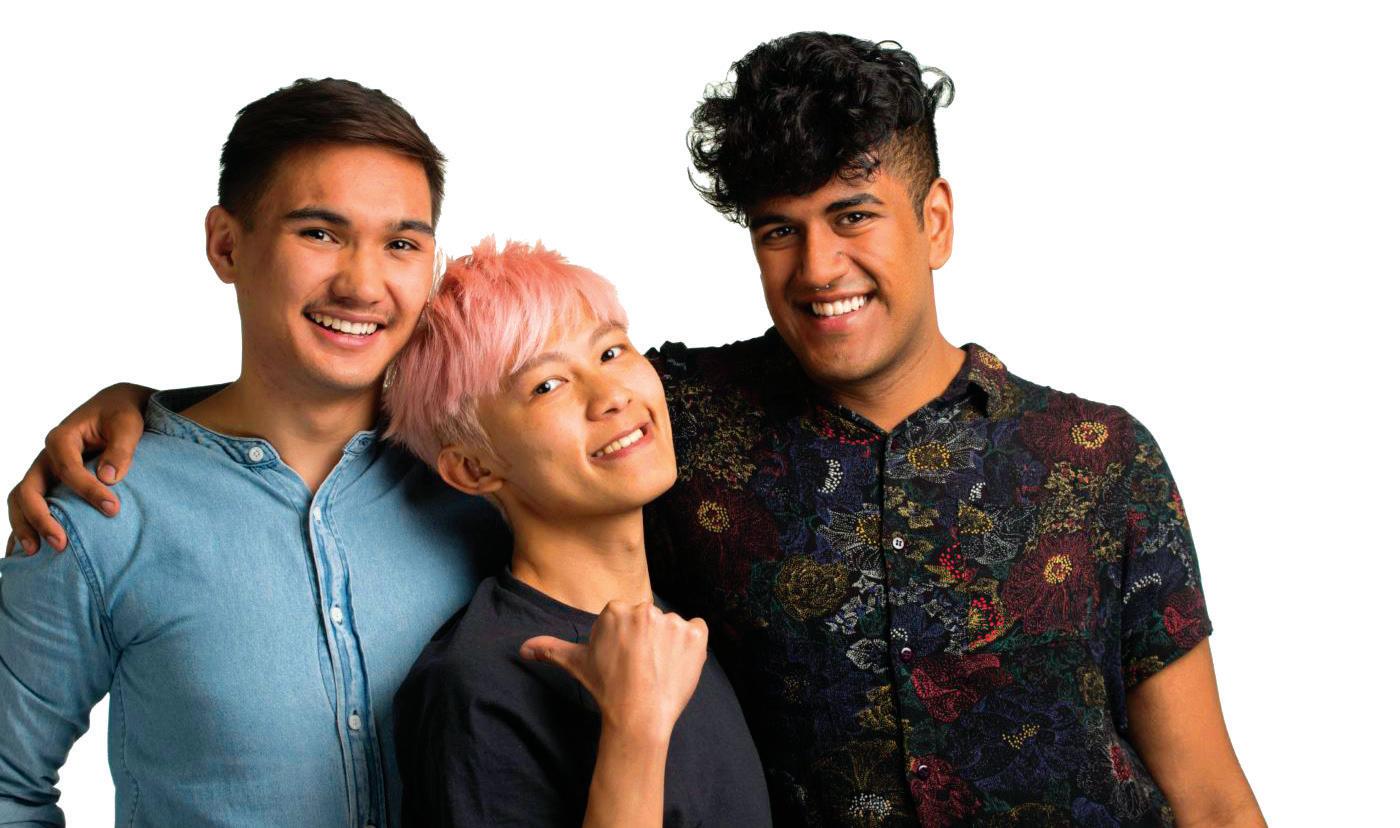
Americans whose sexual orientation was not identified.
Whites were perceived as American no matter what sexual orientation was attributed to them.
“These studies demonstrate once again the widely held assumption that whites are the most American. Though being Gay increased perceptions of Asian-Americans’ ‘Americanness,’ it was still not nearly enough to close the gap in perceptions between Asian-Americans and whites,” said Linda Zou, a UW graduate student and study co-author.
The other two studies focused on perceived differences between supposed “American culture” and “Asian culture,” and how LGBTQ-friendly the cultures appear to be to the study respondents.
In one study, researchers wrote descriptions of fake countries that were either presented as less welcoming and accepting
of gay people than the US or equally welcoming and accepting. Participants rated Asian culture as less LGBTQ friendly and a Gay person as more American if they were associated with a country of origin that was less LGBTQ friendly.
“American culture is perceived as more accepting of Gay people compared to Asian culture. As a result, Gay Asian-Americans are perceived as more likely to be American than their straight counterparts,” the authors wrote.
Prior research has shown that AsianAmericans – and people of color in general – are seen as less American than white Americans, and face prejudice and discrimination in many aspects of their lives.
Compared to countries such as Japan and South Korea, the United States has implemented more civil rights and antidiscrimination legislation, and is seen by Americans as more LGBTQ-friendly.
But that doesn’t mean LGBTQ AsianAmericans face less discrimination, Cheryan said. While sexual orientation may affect a person’s perceived “foreignness,” it doesn’t protect against other forms of discrimination and harassment, she added.
“One possible extension of this work is that Gay Asian-Americans may be less likely to have their American identities questioned than straight Asian-Americans,” said Cheryan. “At the same time, being Gay puts people more at risk for other forms of prejudice based on sexual orientation.”
Cheryan in 2017 authored a related study, which showed how sharing stereotypically American traits – being overweight, for example – made Asian-Americans seem more “American.”
Photo courtesy of ACON