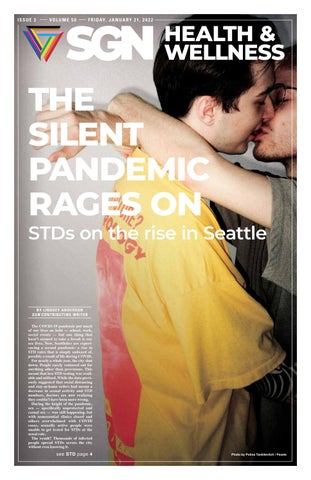
THE SILENT PANDEMIC RAGES ON STDs on the rise in Seattle

BY LINDSEY ANDERSON SGN CONTRIBUTING WRITER
The COVID-19 pandemic put much of our lives on hold — school, work, social events — but one thing that hasn’t seemed to take a break is our sex lives. Now, Seattleites are experiencing a second pandemic: a rise in STD rates that is simply unheard of, possibly a result of life during COVID.
For nearly a whole year, the city shut down. People rarely ventured out for anything other than provisions. This meant that less STD testing was available and utilized. While the data previously suggested that social distancing and stay-at-home orders had meant a decrease in sexual activity and STD numbers, doctors are now realizing they couldn’t have been more wrong.
During the height of the pandemic, sex — specifically unprotected and casual sex — was still happening, but with nonessential clinics closed and others overwhelmed with COVID cases, sexually active people were unable to get tested for STDs at the usual rate.
The result? Thousands of infected people spread STDs across the city without even knowing it.
Photo by Polina Tankilevitch / Pexels




MENTAL HEALTH ASSESSMENT REQUIRED FOR YOUTHS SEEKING GENDER-AFFIRMING CARE
BY HANNAH SAUNDERS SGN CONTRIBUTING WRITER
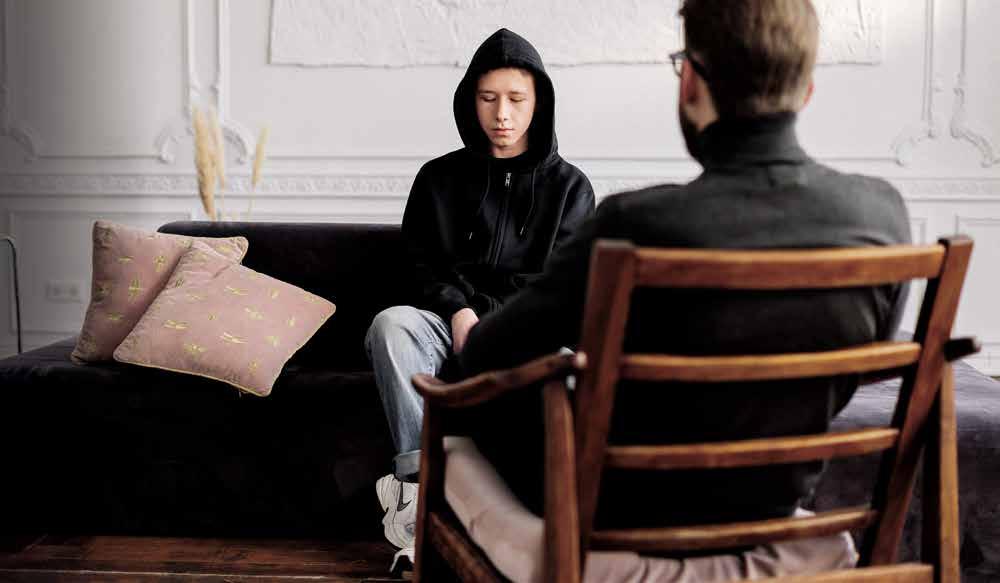
According to WPATH, the new standard of care is not intended to limit the best available healthcare for all people, but rather for healthcare professionals to utilize to assist patients with understanding the full range of health services available to them.
Under the World Professional Association for Transgender Health’s (WPATH) newly released standard of care (SOC), Transgender and gender-nonconforming youth will be required to undergo a mental health assessment prior to receiving any form of gender-affirming care.
WPATH, which “promotes the highest standards of health care for Transsexual, Transgender, and gender-nonconforming people,” released its seventh version of the SOC 20 years after the last. (The next one is expected this spring.) The new version is a 120-page document produced for healthcare professionals and based off the best available science, according to WPATH. The information is derived from Western European and North American sources.
“The overall goal of the SOC is to provide clinical guidance for health professionals to assist transsexual, transgender, and gender-nonconforming people with safe and effective pathways to achieving lasting personal comfort with their gendered selves, in order to maximize their overall health, psychological well-being, and self-fulfillment,” stated the document.
According to WPATH, the new SOC is not intended to limit the best available healthcare for all people, but rather for healthcare professionals to utilize to assist patients with understanding the full range of health services available to them.
Care of children and adolescents
The seventh version incorporates a section regarding Transgender and gendernonconforming children and adolescents.
“In children and adolescents, a rapid and dramatic developmental process (physical, psychological, and sexual) is involved and there is greater fluidity in outcomes, particularly in prepubertal children,” states the report.
WPATH acknowledges gender dysphoria in children and adolescents, and brings up how it does not always continue into adulthood. The rates of gender dysphoria are much higher in adolescents in comparison to children, according to the report.
The SOC mentions how children as young as age 2 may exhibit features that indicate gender dysphoria, such as being unhappy about physical and sexual characteristics and functions, and wishing to be the opposite sex, including preferring clothing, toys, and games that are commonly associated with the opposite gender.
“Many, but not all, gender dysphoric adolescents have a strong wish for hormones and surgery. Increasing numbers of adolescents have already started living in their desired gender role upon entering high school,” according to the SOC document.
“It is relatively common for gender dysphoric children to have coexisting internalizing disorders such as anxiety and depression,” the report added. The SOC also mentions that autism-spectrum disorder rates are greater in clinically referred children with gender dysphoria.
What the report fails to mention is whether these disorders are a result of the condition, or if they existed prior.
Psychological assessment of children and adolescents
In the section of the new SOC dealing with children and adolescents, there is a portion on psychological assessments that differs from the adult care section.
According to the document, while healthcare professionals should not be dismissive of nonconforming gender identities or gender dysphoria, “a psychodiagnostic and psychiatric assessment — covering the areas of emotional functioning, peer and other social relationships, and intel-
lectual functioning/school achievement — should be performed,” reads the SOC. “Assessment should include an evaluation of the strengths and weaknesses of family functioning. Emotional and behavioral problems are relatively common, and unresolved issues in a child’s or youth’s environment may be present.”
For adolescents, the assessment should be utilized to inform youth and their families about the various forms of treatment, including the limitations of treatment.
“Correct information may alter a youth’s desire for certain treatment, if the desire was based on unrealistic expectations of its possibilities,” says the SOC.
Transgender and gender-nonconforming adults, on the other hand, do not require any sort of psychological assessment prior to receiving gender-affirming care. According to the report, healthcare professionals should screen adult patients for coexisting disorders, such as anxiety and depression, and discuss treatment options.
Physical interventions for adolescents
“Before any physical interventions are considered for adolescents, extensive exploration of psychological, family, and social issues should be undertaken,” says the SOC. “The duration of this exploration may vary considerably depending on the complexity of the situation.”
Per the SOC, physical interventions for adolescents fall into three categories: fully reversible interventions, partially reversible interventions, and irreversible interventions. Fully reversible interventions include but are not limited to the use of GnRH analogs to suppress testosterone or estrogen production in order to delay physical changes associated with puberty.
“Adolescents may be eligible for pubertysuppressing hormones as soon as pubertal changes have begun,” reads the SOC.
The document lists criteria for those wishing to undergo puberty-suppressing hormones. Adolescents must have demonstrated a “long-lasting and intense pattern” of gender nonconformity or gender dysphoria; the latter must have appeared or worsened with the onset of puberty; any coexisting psychological, medical, or social issues that may interfere with treatment must have been addressed; and the adolescent must give informed consent — if they are too young to be able to medically consent (generally 18 years of age), then parents or guardians must consent to treatment.
Partially reversible interventions include hormone therapy to feminize or masculinize the body, and irreversible interventions consist of surgical procedures.
According to the SOC, genital surgery should not be carried out until the patient reaches the legal age of consent for medical procedures, in addition to the patient living in the gender role that’s congruent to their gender identity for one year.
However, the document also states, “Refusing timely medical interventions for adolescents might prolong gender dysphoria and contribute to an appearance that could provoke abuse and stigmatization… withholding puberty suppression and subsequent feminizing or masculinizing hormone therapy is not a neutral option for adolescents.”
Analysis: Additional barriers and stigma for Trans and gender-nonconforming youth
A 2019 research study conducted by the University of Washington, among others, titled “Similarity in Transgender and Cisgender Children’s Gender Development,” found that “Transgender children showed a clear pattern of gender development associated with their current gender and not their sex assigned at birth.” In short, gender-nonconforming and Transgender children are in touch with their gender identities prior to reaching adulthood.
WPATH’s new psychological assessment requirement for children and adolescents has the potential to do more harm than good. Over the past few years, receiving assistance for mental health has become more accepted, although some still hold the belief that those with mental health disorders are “violent,” “crazy,” or “dangerous.” In turn, that increases the stigma of criminality for those with mental health disorders.
The new psychological assessment requirement merely feeds into that stigma. Furthermore, it implies that Transgender and gender-nonconforming youth have mental health disorders that may alter their view toward their gender identities. In turn, this can prevent youth from accessing gender-affirming care.
Additionally, it is important to note that coexisting mental health disorders, such as anxiety and depression, are not uncommon among Transgender youth due to stigma, discrimination, and a lack of acceptance. In the psychological assessment portion, the SOC neglected to address mental health disorders being a direct result of hardships that Transgender and gender-nonconforming youth experience during their most formative years.
To check out WPATH’s new standard of care document, visit www.wpath.org/ publications/soc
Photo by cottonbro / Pexels

Photo by Ketut Subiyanto / Pexels
HEALTH & WELLNESS

Tulane University found that college-aged people were the least likely demographic to use a condom during sexual activities.
The STD crisis nobody is talking about This new spread comes in the wake of an ever-increasing STD crisis. Over the past decade, STD rates have skyrocketed, especially among young people. The Centers for Disease Control and Prevention reported that chlamydia, which affects one in ten sexually active teens and young adults, has had a 19% increase in cases since 2015. Gonorrhea, which has now evolved to become nearly incurable and resistant to all types of treatments, is up by 56%. Syphilis, which when left untreated can result in organ failure and even death, has risen by 74% in recent years. These diseases are now most common in adults between the ages of 20 and 24. Scientists warn that the increasing spread is allowing the diseases to mutate into a soon-incurable infections.
According to AIDS Health Foundation professional Howard Russell, the pandemic has contributed to this STD surge, not only by taking healthcare workers away from STD testing sites but by steering all healthrelated conversations toward the COVID19 pandemic. “We’ve talked a lot more about the pandemic itself, and we kind of slowed down on talking about other diseases and infections out there, and that also includes HIV,” said Russell.
“I don’t see the media talking about STD rates going up high in different counties. Most people out there who don’t work in the field don’t even know that we have a rise in STDs.”
With the COVID-19 vaccine leading to a reopening of businesses and schools in 2021, Americans also saw a vibrant return to “party culture.” More young people were partaking in casual sex than ever before, but the numbers coming in for annual STD tests remained lower than they were before the pandemic. Moreover, a study out of
Other demographics experts say are prone to ditching condoms are men who have sex with other men. Howard explained that men whose HIV levels are undetectable are often not likely to spread HIV, and as a result, they may opt out of condom use. “[HIV-]positive people, once they get into an undetected stage, their ability to spread HIV to someone else is very low. Those on PrEP may feel the same way.”
However, disease intervention specialists, like all medical professionals at the moment, are being spread thin, as they are also now tasked with trying to keep the COVID-19 pandemic under control.
Sexually transmitted diseases, like COVID-19, can often be found in people who are asymptomatic, meaning that they can spread an illness without even knowing. Many only go for disease testing once they notice something wrong with their body. But by the time results come in, they could have already spread the disease to multiple people.
Sexually transmitted diseases, like COVID-19, can often be found in people who are asymptomatic, meaning that they can spread an illness without even knowing.
However, even if a person is not likely to spread HIV, they can still transmit other harmful STDs when they refuse to use a condom. “People don’t want to give someone a dreadful disease they’ll have for the rest of their lives,” said Howard of HIV, but he noted that other STDs can be just the same if they go undetected for a long enough period.
Stopping the spread
According to the CDC, one of the most important ways to stop the spread of STDs is through disease intervention. “Disease intervention consists of two main parts,” says the CDC. “First, it rapidly identifies people who don’t know they may be infected. Second, it helps people receive treatment fast. This stops diseases from spreading and prevents serious health problems caused by them.”
According to CDC research, “asymptomatic” people, more often than not, are women or those assigned female at birth. Because most studies focus on male anatomy, doctors know less about how STDs present and affect female bodies. This means that women are far more likely to appear “asymptomatic.”
The CDC reports that additional factors, including race, homelessness, low income, and lack of insurance, play into who is most likely to be impacted by STDs. The organization says that one cause for this includes racial or ethnic minorities harboring a distrust of the medical industry due to the history of medical discrimination. “This could create negative feelings around getting tested and treated for STDs.”
Furthermore, sexual health screenings are still not seen as necessary medical
expenses (even though many sites around Seattle are free), so people with limited disposable time and income often forgo an annual STD check.
What can you do?
The CDC recommends that all people get tested for HIV after age 13. For men who have sex with other men, testing every three to six months is recommended. And, for people who partake in “risky sex,” which is sex outside of a long-term and committed monogamous relationship, testing at least once a year is recommended.
The agency also recommends that all sexually active women under the age of 25 and men who have sex with men test for gonorrhea and chlamydia at least once a year.
Russell believes combatting a silent pandemic will take much more than just hoping people go in for their annual tests. “We need to educate people more. A condom is still very safe in preventing STDs. I think some people tend to think, ‘Well, if I get an STD that’s curable, I can always go in and get a shot,’” he said, noting that most don’t realize the danger and long-term effects of advanced and mutated sexually transmitted infections. Now, Russell said, it’s more important than ever that people understand the importance of safe sex and practice it. “If you are on PrEP and you are having sexual contact with people, if you don’t know your partner, wear a condom, period. If you are HIV positive and [undetectable], wear a condom, especially if you don’t know your partner. If you don’t know who your partner is, don’t trust… that they might not have something.”
As the COVID-19 pandemic continues to rage on, STDs are still present and silently ravaging some of our most vulnerable communities. Annual testing and condom use are the least any of us can do to ensure the safety of those around us — and our own.
Photo by Ketut Subiyanto / Pexels
THE IMPORTANCE OF HEALTH AND SAFETY IN BLACK COMMUNITIES

BY KYLIN BROWN SGN CONTRIBUTING WRITER
Photo courtesy of The Austin Foundation
HEALTH & WELLNESS

On Monday, Seattle’s annual Martin Luther King, Jr. Day celebration drew hundreds to Garfield High School for the 39th consecutive year. Speakers at the rally highlighted the systemic barriers to safety, bias, and well-being for Black youth in Seattle, as well as a tribute to the late community health leader Willie Austin.
Amid the COVID-19 pandemic and with health and safety disparities persisting across BIPOC and LGBTQ+ communities, the moving tribute came as a timely call to action for attendees to remember that their personal health is vital in the fight against injustice.
Willie Austin:
One of King County’s “late greats”
Hailing from West Memphis, Ark., Austin first came to Seattle as a cornerback recruited for the University of Washington. However, his career as a star athlete would quickly become overshadowed by his life’s work in service.
In 1994, Austin founded the Willie Austin Foundation, an organization dedicated to community well-being and providing health and fitness programming for youth in King County.
Austin quickly became known for his work in health accessibility. His athleticism was his cornerstone, and he used it to touch the lives of people in his community through accessible personal training and motivational mentorship.
“He would tell me he didn’t want to achieve anything fantastic for himself if everybody else couldn’t be a part of it,” said Gariel Keeble, formerly a trainer at the Willie Austin Foundation.
Austin’s legacy lives on at the foundation, which now brings free fitness and nutrition education to thousands of area young people each year.
Austin grounded himself in the community through regular involvement in the Seattle Martin Luther King, Jr. Organizing Coalition, which hosts the march from Garfield High School each year. His major contribution was developing a program for about a dozen youths to participate on organizing committees for the MLK Day march. He did this from 1998 onward, until he passed in 2013.
Willie Austin’s words served as a reminder that the act of self-preservation is a form of resistance itself. If the people who make up the greater community are physically, mentally, and spiritually strong, the population will be more prepared in times of need or injustice.
“Be in shape for what’s ahead”
Rev. Terrence Proctor, of the Church by the Side of the Road in Tukwila, and Larry Gossett, one of Seattle’s most high-profile civil rights activists and former King County Council chair, both worked with Austin throughout those years. At Monday’s rally, they honored his legacy with speeches and presented his family with an award.
“Willie was a proponent of making sure we stayed fit. Because you don’t know what’s next, but you better be in shape for what’s ahead,” said Proctor.
His words served as a reminder that the act of self-preservation is a form of resistance itself. If the people who make up the greater community are physically, mentally, and spiritually strong, the population will be more prepared in times of need or injustice.
“We can’t leave the task to the abstract ideology of justice, no. We’ve got to make sure we’re fit so that we can do some heavy lifting. If the pandemic has taught us anything, [it’s that] what we can’t do alone, we can do together, and must do it now,” said Proctor.
Proctor put his tribute to Austin in the context of Martin Luther King, Jr. Day.
“Listen, beloved: as a community, as a people, as a nation we’ve got some heavy lifting to do,” he said.
Black health disparities and community well-being
Financial stress and the stresses of racism are costly for Black communities, and while exercise is one proven way of alleviating stress, Austin’s approach to fitness had more than just a physical effect on those who worked with him.
“Willie believed in holistic health. Holistic means the whole health. Mind, body, psyche, and spirit,” said Proctor.
Stress and safety factor into overall health, and community leaders constantly put themselves at risk in both aspects. On the flip side, people who do not know where to start with their own bodies and health have been shown to be less likely to take on leadership roles in their community.
Prolonged or chronic stress can affect our emotions, behaviors, and overall health, and actively exacerbates health problems in lowincome communities of color across the United States today, according to studies published by the National Institutes of Health.
The same can be said for the LGBTQ+ community, and the disparity only deepens for QTBIPOC.
In recent years, new studies are also revealing the link between mental health, community health, and physical fitness, indicating that this holistic type of approach is
the key to optimal living. Some research has also shown that the happiest places in the world are where walks with friends or family are integrated into community culture.
Serving those who face barriers
Austin’s approach to holistic health showed his students the physical, mental, and spiritual strength they already had.
“He didn’t just lift,” said former Austin Foundation student Marco Jackson. “He would build your confidence, slowly, even when you didn’t have the courage to build it yourself.”
The foundation currently serves people of all backgrounds, with a priority for youth and families who could not otherwise achieve health and wellness due to systemic limitations.
According to the US Department of Health and Human Services, the major barriers most people face when trying to increase physical activity are time, access to convenient facilities, and safe environments in which to be active.
These barriers prevent people of socioeconomically vulnerable populations from being able to exercise in typical gym settings, thus excluding working Black families and individuals from vital health and wellness opportunities.
In honor of Dr. Martin Luther King, Jr., celebrations marched on after the tribute, including the annual three-mile trek from Garfield High School to City Hall, but the message and legacy of Willie Austin will last beyond this tribute: health and fitness spaces are crucial outlets for youth to engage in learning about themselves, and prioritizing the self is just as important as uplifting the other.
You can support or learn more about the Willie Austin Foundation at www. willieaustinfoundation.org, and find the Seattle MLK Organizing Coalition at www.facebook.com/mlkseattle.
Photo by Ian Bourn
HEALTH & WELLNESS
OMICRON UNCERTAINTY
New boosters, school walkouts, and record hospitalizations
BY LINDSEY ANDERSON SGN CONTRIBUTING WRITER
With the new Omicron variant surging throughout the United States, the CDC has reported an all-time high in hospitalizations and new COVID-19 cases. Despite these startling numbers, the CDC has released new guidelines for public safety, which have left many scratching their heads and wondering if another Omicronspecific booster is necessary.
New Omicron boosters
The leading COVID-19 vaccine administrator, Pfizer, announced last week that it has come up with an Omicron-specific booster. It has begun issuing doses to healthcare workers and immunocompromised individuals. However, Pfizer CEO Albert Bourla says the vaccine won’t be available to the public until March. Given the frightening surge of the Omicron variant, experts say this will be too late.
According to the New York Times, the CDC has approved the fourth dose for the immunocompromised and says it may be ready for administration by as early as this week. Moderna is also currently working on an Omicron-specific booster and expects its version to soon head to clinical trials. Both Pfizer and Moderna CEOs are warning the public that these rapidly produced boosters do not provide long-term protection from the virus, especially when a lack of widespread vaccination means additional variants are imminent.
Bourla said that two doses of the Pfizer vaccine are not enough to protect against this new variant and highly recommends getting the latest booster while waiting on an Omicron booster to come in the next few months.
Moderna’s CEO, Stephanie Blancel, also said that an additional booster in the fall of 2022 will likely be needed, as the effects of the current one will wear off by then.
Experts agree with Blancel and Bourla, saying that two doses are no longer effective in protecting against the newest variants. However, the effectiveness of the vaccines is complicated, as the rollout and administration have taken much longer than anticipated. For those who have received their first and second doses within the last six months, their antibodies are still strong enough to defend against most COVID-19 variants. For those who received their first two doses over six months ago, and have not received a booster, that effectiveness is relatively weak.
On Monday, January 17, 63% of the US population was fully vaccinated. However, this data does not account for people who received their vaccines six months ago and have thus lost most of its effect. Only 36% of the population has received a booster.
lines, the CDC failed to present a scientific brief. Now, many wonder if these guidelines are in the best interest of the people or the capitalist system, which guides our economy and depends on business activity.
Even the American Medical Associa-
Omicron has been so infectious because it is vastly unlike any variant we have yet to encounter.
What about the children?
Children who are too young to receive any vaccine or booster remain some of the most vulnerable, which has led to recent backlash against schools that have attempted to resume classes despite the onslaught of the Omicron variant.
From Oakland to Denver, high school students are sharing petitions and walking out of class in protest of public schools that refuse to take COVID-19 precautions seriously amid the newest surge. On Tuesday, January 11, New York City students walked out and called on the mayor to issue mandatory remote-learning options and safety precautions as COVID cases rise.
On the other side of the spectrum are parents, who insist they are unable to provide adequate at-home learning environments for their younger children. In Chicago, parents held a rally and submitted a lawsuit against the Chicago Teachers Union, urging it to end remote learning and reopen classrooms, despite the surge. Parents argue that they are unable to take time off from work to stay home during a continuing global pandemic and care for their children.
Confusing new guidelines
Part of the fault lies with the CDC, which released new guidelines for those infected by Omicron in late December. The CDC now says that, instead of staying isolated for 10-14 days after a positive test result, asymptomatic people now only need to isolate for five days before returning to work. It now also says there is no requirement for people who were symptomatic and are now symptom-free to get tests in order to end their isolation.
After the initial release of these new guide-
tion noted the inconsistency of the CDC. Following the new guidelines, it released a statement saying, “With hundreds of thousands of new cases daily and more than a million positive reported cases on January 3, tens of thousands — potentially hundreds of thousands of people — could return to work and school infectious if they follow the CDC’s new guidance on ending isolation after five days without a negative test. Physicians are concerned that these recommendations put our patients at risk and could further overwhelm our health care system.”
Furthermore, scientists are now saying the newest CDC guidelines do not account for the sudden surge in the Omicron variant. Jessica Malaty Rivera, a senior advisor at the Pandemic Prevention Institute, said to NPR last week, “They do not have that detailed data for Omicron, and they won’t for weeks. They [made] this decision based on what they had from Beta and Delta, which don’t have the same transmission dynamics as we are seeing in Omicron.”
Omicron’s uniqueness and best practices
One of the reasons Omicron has been so infectious is because it is vastly unlike any variant we have yet to encounter. A study out of the New England Journal of Medicine shows the reason for this: the Omicron variant has 32 changes in its spikes from the original COVID-19 variant. Scientists have found that just 20 changes in a mutated variant are significant enough to infect those who have received the vaccine.
A Yale study also found that Omicron, unlike the Delta and Beta variants, can
evade previous vaccinations and overcome immunity gained from having previously contracted the disease. Those who have been vaccinated and received the boosters have the greatest level of immunity against the Omicron variant.
Scientists and doctors are now saying that the best protection against Omicron is to make sure you are vaccinated and boosted. If you contract Omicron before getting the booster, doctors still suggest getting the shot. However, they advise patients to wait at least 30 days for the infection to clear out of their systems.
Doctors are also warning people who are sick to not get any vaccine. “Your body’s immune response to whatever it’s fighting is going to be directed toward that pathogen,” explained Alyson Kelvin, virologist and vaccine researcher in the University of Saskatchewan’s Vaccine and Infectious Disease Organization.
Doctors also advise against people purposefully contracting COVID in “chicken pox party”-like events to receive immunity.
Hospitals are at capacity with Omicron patients. The CDC reports that Washington state is seeing more hospitalizations now than ever before, and daily cases are shooting up to nearly 12,000.
While it may seem that children are less likely to encounter serious side effects, the risk is still there. Dr. Dean A. Blumberg, the chief of pediatric infectious diseases at UC Davis Children’s Hospital, reported that nearly 29,000 children were hospitalized since the start of the pandemic, and a thousand have died.
Due to its novelty, there are still many things doctors do not know about Omicron. We are yet to know whether or not the newest strain also has links to multisystem inflammatory syndrome, a disease that can cause lingering heart damage and is often fatal. Multisystem inflammatory syndrome has shown up in children four to six weeks after recovering from COVID-19.
As new facts, guidelines, and statistics continue to slam us, one thing is for certain: continuing to stay home, wear a mask, and social-distance is the best route to protect yourself and your loved ones from the potential risks of the newest COVID-19 variant.
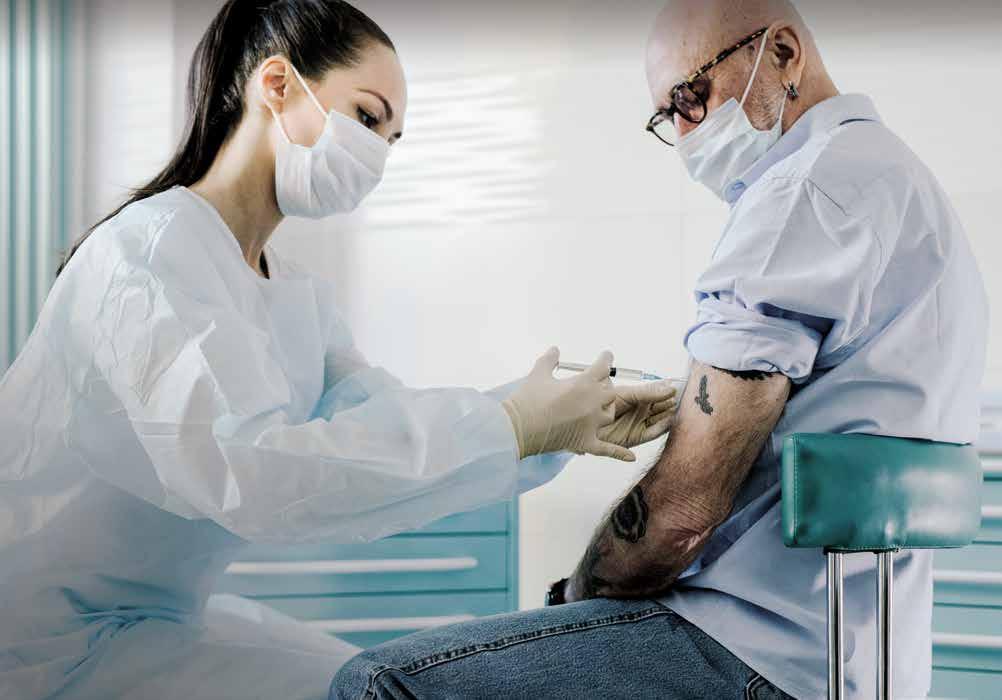
Photo by Shvets Production / Pexels
LET’S TALK DIGESTIVE HEALTH
Why the link between IBS and stress can impact LGBTQ people at higher rates
BY PAIGE MCGLAUFLIN SGN CONTRIBUTING WRITER

It’s no surprise that talking about the food we eat and how our digestive systems process it can be… weird. Even in the era of wellness culture, open discussions of digestive health and conditions like irritable bowel syndrome (IBS) remain taboo.
Despite this, one of every 20 Americans experience IBS, according to the American College of Gastroenterology. But what is IBS? The Mayo Clinic states that irritable bowel syndrome is a disorder affecting the large intestine, whose symptoms include cramping, abdominal pain, bloating, gas, diarrhea, and/or constipation.
While one of the likely causes is certainly food intolerances, there are a plethora of other reasons why one may experience such digestive symptoms. IBS may be a symptom of other chronic illnesses, including fibromyalgia, endometriosis, and inflammatory bowel diseases (IBDs) such as ulcerative colitis and Crohn’s disease. However, a link between our nervous system, IBS, and stress has also been identified.
The link between stress, trauma, and IBS
“The vagus nerve is the major nerve that runs down from the brain through the abdomen. Along its route, we have the heart, we have the lungs, we have all of digestion,” Erica Harsch, MS, CNS, CLT, a certified nutritionist with Dandelion Nutrition in Maple Leaf, told the SGN. When humans go into fight-or-flight mode, the vagus nerve will tell the body to shut down everything but the heart and lungs.
“So while that was very helpful if a tiger came into your village,” Harsch added, “if you’re sitting at work and you have a lunch break in an hour, and there’s nowhere for you to run, you just feel miserable. Our contemporary times have made it so that our body has to eat that stress.”
For members of marginalized groups, the trauma they may face can impact how their own bodies process the food they consume. As for LGBTQ people, 30-60% experience anxiety and depression in their lifetimes, a rate that is 1.5-2.5 times higher than the general population.
Brooke Stepp, MS, CN, LMHC, a
licensed mental health counselor and nutritionist with Have Heart Healing and Wellness in Capitol Hill, says that despite seeking treatment for nondigestive concerns, eight or nine out of every ten clients they see experience digestive symptoms.
“What I would say is that when people do come in wanting to work on their relationship to food and body, or they are experiencing an eating disorder, they’re having gender feels, or there’s an experience of racialized trauma inside of this world… Often the digestive symptoms are coming with those things,” Stepp told the SGN.
Stepp has found the book The Physiology of Sexist and Racist Oppression by Shannon Sullivan to be helpful in contextualizing how trauma and the gut interact in both their own life and when working with clients.
“In that book, what the author is naming — and I think is really interesting — is this reality of patriarchy, and in reference to LGBTQ people, we could talk about the reality of homophobia. The gut in the body is the thing that separates us from the outside world. Technically, that is the actual barrier between ourselves and the world,” said Stepp. “What [Sullivan] kind of names is that any gut symptoms are really like this inability to digest the world that is happening outside of ourselves. That’s the world that is not palatable, the world that is not able to be assimilated because of its relationship to oppression.”
The onset of the pandemic has also likely heightened people’s awareness of their own digestive pain. A June 2021 study led by UW Medicine found that since the start of the pandemic, 44-48% of participants reported increases in abdominal pain, diarrhea, and constipation, along with increases in stress and anxiety.
Self-care advice when dealing with digestive symptoms
For those experiencing chronic digestive pain, there are several registered dieticians in Seattle who have LGBTQ+ friendly practices. Harsch also that noted nutrition is covered well under preventive care in Washington, though patients should still check their insurance. And the pandemic has made telehealth easier to conduct.
Even in the era of wellness culture, open discussions of digestive health and conditions like irritable bowel syndrome (IBS) remain taboo.
But if people are still reluctant or unable to seek expertise for their digestive symptoms, both Harsch and Stepp shared some advice to consider.
Before focusing on nutrition, Harsch recommends patients work on four things: Comedies over tragedies, or consciously choosing relaxing content over stressful content. For example, instead of watching Squid Game while already stressed, consider watching The Office or The Great British Bake Off instead.
Conscious breathwork, or focusing on deep breathing. There are several tools one can use to find a breathing pattern that works. Harsch recommends looking at breathing patterns on Dr. Andrew Weil’s website. There are also apps people can use, including Breathwrk, which also uploads breathing patterns in video form to TikTok (@breathwrk).
Happy movement, or finding a form of activity that can be relaxing. “Folks in Seattle, a lot of times, tell me running is their Zen,” said Harsch. “They love it. It’s wonderful… I hate running, but I do like stretching and yoga.” For clients who have difficulty finding movement that works for them, Harsch recommends restorative yoga, a style that focuses specifically on relaxation.
Vagus nerve stimulation. “If we stimulate our vagus nerve, we can start to bring it back, we can remind the nervous system that it has a total job to do,” said Harsch. “We’re not running for our lives. We actually have to digest now and continue with our day.” There are several exercises one can practice to stimulate the vagus nerve, including practices mentioned above, like deep breathwork.
Stepp also recommends managing anxi-
ety using practices at whatever capacity the individual can do, including relaxing activities like going for a walk, as well as being open about stress and paying attention to when symptoms occur in relation to their life. It can also be helpful to create a space to be mentally present when eating. This can include setting an intention to put your phone away for five minutes of your meal or eat with a friend over Zoom.
“Paying attention to the state of the nervous system before, during, and after meals can really make all the difference, because we really want to give a safe, secure place for our food to be digested,” said Stepp. “A nervous system that is really frozen, or a nervous system that is really jacked up, just won’t be able to assimilate those nutrients.”
For those experiencing a flare-up, it can be helpful to remind oneself that the pain will eventually pass.
“I know that sometimes for me, and when I’ve had the flares in the past, I’ve been like, Oh, my God, not again, this is never going to end,” said Stepp. “Let yourself notice that those are thoughts, and there’s a reality that’s separate from those thoughts and those worries. There’s also the capacity to take a deep breath, feel your feet on the ground, [and] know that this moment is happening, the next might be different than this moment.”
“I think a lot of folks who have chronic illness do a lot of blaming,” said Stepp. “There can be a lot of shame and [thinking] I did this to myself, and we really want to take the moralism out of digestive problems and know your symptoms really make sense inside of this world and inside of these conditions.”
Photo by Mikhail Nilov / Pexels







HEALTH & WELLNESS
GILEAD WARNS OF FAKE HIV MEDS, SEIZES THOUSANDS OF COUNTERFEIT BOTTLES
BY MIKE ANDREW SGN STAFF WRITER
The pharmaceutical mega-corporation Gilead says it has broken up a network of drug distributors trafficking in fake HIV meds.
The company said that, acting with court orders, it had seized 85,247 bottles of faked medications from 17 locations in nine states. Washington state was not included.
The counterfeit meds included versions of its new Biktarvy and Descovy treatments. Reuters reports that the retail value of the fake meds amounts to more than $250 million.
The action results from a lawsuit Gilead filed under seal last August, naming 22 defendants. Gilead’s suit charges them with violating federal trademark and New York state consumer protection laws and distributing “dangerous” counterfeits to “unsuspecting patients, placing the patients’ health and lives at risk.”
Gilead says it believes that it has prevented further distribution of the fake drugs, and that there should be no further risk to patients.
Lori Mayall, Gilead’s top anti-counterfeiting executive, said the presiding judge in its lawsuit ordered the defendant distributors to stop selling Gilead-branded medications, and the company was unaware of any defendant violating that order.
“We therefore believe that we have successfully stopped any additional coun-
terfeits from these defendants reaching patients,” Mayall said in a statement.
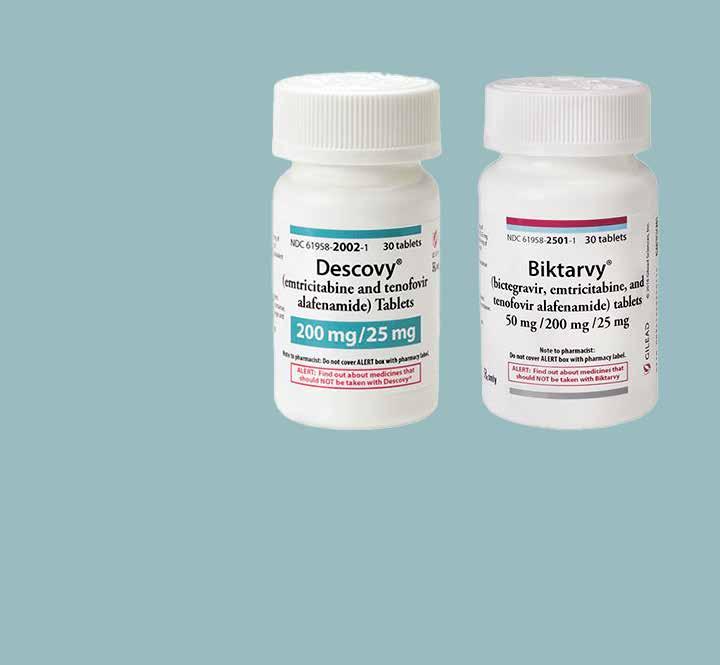
According to Reuters, counterfeiters used authentic, but often empty or nearempty, bottles that once contained its HIV medications. The counterfeiters then substituted fake tablets and documentation and resealed the bottles so they would “resemble” unopened, authentic bottles.
Among the substitute medications was an anti-psychotic drug that often causes drowsiness, where tablets were six times more potent than the US Food and Drug Administration recommended.
Gilead said that said one patient who unknowingly took that drug after receiving a fake bottle of Biktarvy reported being unable to speak or walk afterwards.
Gilead disclosed its anti-counterfeiting efforts on the same day a federal judge in Brooklyn unsealed a related civil lawsuit that the Foster City, California–based company filed last July.
Among other remedies, the lawsuit asks for the seizure of counterfeit drugs, in addition to court-ordered seizures that have already occurred.
Global sales of Gilead’s HIV treatments totaled $4.19 billion in the quarter ending September 30, 2021, including $2.71 billion of Biktarvy and Descovy.
Counterfeiters used authentic, but often empty or near-empty, bottles that once contained its HIV medications.
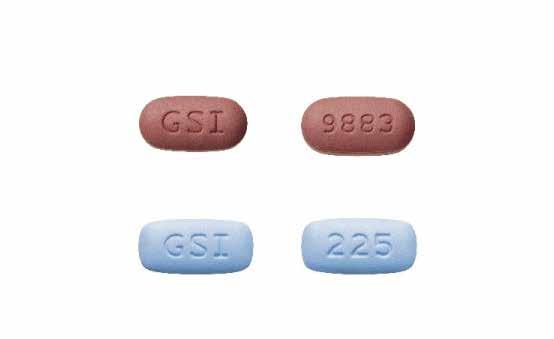
Authentic Biktarvy tablets are purplish-brown, capsule-shaped pills with “9883” on one side and GSI on the other, Authentic Descovy tablets are blue and rectangular shaped with “225” on one side and GSI on the other. – Images courtesy of Gilead
Photo courtesy of Gilead
TREVOR PROJECT: TRANS TEENS’ MENTAL WELLNESS CONNECTED TO GENDER-AFFIRMING THERAPY
BY NICK RAPP SGN CONTRIBUTING WRITER

2021 saw 17 anti-LGBTQ bills enacted into law, the majority of them specifically targeting Transgender Americans. The 2022 legislative session will feature a large number of states considering pointedly transphobic bills, including bans on genderaffirming hormone therapy (GAHT).
With this in mind, researchers at the Trevor Project published a peer-reviewed study that demonstrates positive links between such therapy and the mental health of Transgender and Nonbinary youth. The study’s results serve as important evidence rejecting long-standing notions of when children are “old enough to know” their gender identity.
Methods
The Trevor Project’s researchers utilized an “online nonprobability sample collected between October and December 2020 of 34,759 youth aged 13-24 who resided in the US and identified as LGBTQ,” recruited “via targeted ads on Facebook, Instagram, and Snapchat.”
Youth who indicated they identified as Transgender or Nonbinary were asked if they were currently taking gender-affirming hormones, with response options of “(1) “No, and I do not want to take them,” (2) “No, but I would like to take them,” and (3) “Yes.” The survey gauged depression symptoms with a patient questionnaire, followed by questions about suicidal ideation and attempts.
To study the intersections of youth relationships between GAHT and suicidality, researchers examined sociodemographic covariates of age, socioeconomic status, race, and census region. Additional factors included parental support for the youth’s gender identity, reports of victimization
Researchers at the Trevor Project published a peer-reviewed study that demonstrates positive links between gender-affirming therapy and the mental health of Transgender and Nonbinary youth.
based off gender identity, receipt of puberty blockers, and exposure to gender identity conversion efforts.
The researchers also addressed the lack of focus on gender-affirming medical care for Transgender and Nonbinary youth who are minors by conducting separate analysis of those aged 13-17.
In synthesizing their data, the researchers used adjusted logistic regression to assess statistical significance.
Amy Green, VP of research at the Trevor Project, explained the method in simpler terms. “An adjusted logistic regression is a statistical model used to predict the odds that a certain outcome might occur (e.g., attempting suicide in the past year) based on the presence or absence of a certain factor (e.g., access vs. no access to GAHT) after accounting for other related factors within that same model (e.g., age, parental acceptance).” This model allowed for an understanding of the impact of GAHT accessibility on Transgender and Nonbinary youth in conjunction with differing personal situations indicated in the data collection.
Results
Unsurprisingly, the results found that those who had parental support for their gender identity comprised close to 80% of youth who received GAHT. Youth who wanted GAHT but did not receive it had a 38% rate of parental support.
In the subset of 13-17-year-olds, receipt of GAHT was linked with around 40% lower odds of recent depression and suicide attempts in the past year.
Disparities in access to and receipt of GAHT included difficulties for youth in the South, which, the researchers noted, is where the most bills to restrict access to GAHT have been introduced. LGBTQ youth of color reported lower rates of obtaining GAHT. Additionally, survey results indicated that Nonbinary youth had lower rates of accessing GAHT compared to youth who reported a binary identity.
Implications
The Trevor Project’s researchers identified a few reasons for the disparities in Transgender and Nonbinary youth’s access to GAHT and support for their receiving it.
Widespread misunderstanding of gender
identity’s impact on psychological distress is one cause of hesitation to support GAHT for LGBTQ youth.
The researchers note that “high rates of depression, suicidal ideation, and suicide attempts among Transgender youth are sometimes used by anti-Transgender politicians and activists to erroneously suggest that Transgender identity is a mental health condition that can be treated through counseling and conversion efforts.” This stems from ignorance of the effect of gender dysphoria and minority stress (a higher level of stress faced by minority groups) on Transgender and Nonbinary youth.
With reputable data linking youth access to and support for GAHT to lower rates of suicidality and depression, harmful arguments over potential future regret (over choices to transition, take puberty blockers, and/ or receive GAHT) and childhood naivety become even more difficult to justify.
Large-scale longitudinal data collection is one road future studies could take. The researchers contend that that could “better elucidate the risks and benefits of individual treatment options so that youth and their families can make evidence-informed decisions regarding care.”
Green explained that the Trevor Project’s 2022 National Survey on LGBTQ Youth Mental Health has an added question “to better understand how the age at which a young person starts GAHT is associated with outcomes,” along with “a question to assess how often concerns about being denied access to GAHT negatively impact the mental health of Transgender youth.”
These survey results will undoubtedly pave new ways to support Transgender and Nonbinary youth in making medical decisions that are right for them.
Photo courtesy of The Trevor Project
HEALTH & WELLNESS

STOP REMINDING US WE NEED TO TAKE CARE OF OURSELVES (AND OTHER TIPS FROM A BIPOLAR MESS)
BY A.V. EICHENBAUM SGN MANAGING EDITOR
It’s important to take care of your mental health. We’ve all heard this many times from our therapists, loved ones, or strangers on the internet. And that’s great. And it’s true. But it’s not helpful.
I’ve been designated a “high functioning” basket case over the years. I’ve got bipolar type 2, ADHD, suicidal tendencies, night terrors, and a general anxiety disorder. I’m medicated now, but I wasn’t until 2019.
Most of my life has been spent trying to navigate a harsh world where none of my emotional responses seemed right. Feeling a bone-shattering amount of dread when you roll out of bed in the morning is, apparently, abnormal.
“You’ve got to take care of yourself.”
I’ve been handed that empty sentence as a symbol of solidarity several times. While I know that it was often supposed to show me that I was cared for, it usually felt more like a command. Another hoop to jump through. Maintaining my composure through a suicidality-inducing panic attack long enough to get the job done isn’t enough? What, I’m supposed to eat, too? You think I’m not trying?
Obviously, this isn’t what they meant.
It’s not an attack. But, needlessly reminding someone of their failings isn’t exactly great for their mental wellbeing. Sometimes, even being asked something as simple as “How are you?” can be seen as an affront to privacy if you’re twisted up enough in your own thoughts. I’ve been there.
So how, then, do we help one another?
I’m not a mental health expert, just someone who’s had to talk to a lot of mental health experts, but here are some ways I’ve found can show someone you care about what they’re going through that don’t place more burden on them.
Quick check-ins
There are no breaks for mental health issues. Seeing a shrink and getting medicated is only part of the long fight ahead, and while some illnesses can be kept in check, there will always be good days and bad days. It’s exhausting.
More than that, it’s alienating. Finding yourself unable to explain what’s going on with your brain or how you feel can cause loneliness in a lot of people, and many of us struggling with mental illness are afraid to reach out because we’ve been conditioned to think it’s burdensome.
If you’re worried about a friend of yours, a quick check-in is super easy. A short text or –if you’re old-school like me– a phone call can change someone’s day. Be sure they don’t hate phone calls. I’ve made this mistake before, thinking “Who hates a phone call? Who hates a short chat?” A lot of people.
Just be there
Some people need a little extra help but aren’t great at talking out their feelings or get anxious describing their thoughts aloud. If this is the case for your loved one, try doing activities that involve minimum effort that you both enjoy. Be sure not to force your loved one to do the activity or to hang out with you. Saying things like, “You just need to get outside!” or, “Fresh air is my medicine!” or, “You never want to hang out!” while probably true, are again unhelpful. Soft suggestions are probably better.
“I’m thinking about going for a walk, would you care to join me?” has proven to be much more effective in my experience than “Get your lazy ass out of the house.” That’s just me, though.
Other things you can do is watch a favorite show or movie together, or you could just hang out and listen to music. It’s about simplicity.
Recognize your needs might differ Everyone experiences the world differently. This applies to mental illness, too. Just because you have a similar diagnosis or similar symptoms to someone doesn’t mean you know exactly what they need or how to help. Taking away someone’s agency to make their own decisions because you think you know best can be incredibly harmful.
Try asking what your person needs before jumping into solutions. If they’re
It’s important to take care of your mental health. We’ve all heard this many times from our therapists, loved ones, or strangers on the internet. And that’s great. And it’s true. But it’s not helpful.
not sure, offer some suggestions of things that help you, but again, don’t force them go along with your plan to or pretend it’s the only cure in the world.
Be aware of your own boundaries and needs, as well. If your person needs something you’re not comfortable with giving, it’s okay to take a step back or offer a different solution. I’ve said it before, but I’ll put it in writing – having a mental illness isn’t an excuse to be a manipulative asshole.
Your person might not want help
It’s not your job to fix everything, and it’s not your job to remind someone that something’s wrong with them. Some people have genuine trouble asking for help, but sometimes it’s as simple as someone not wanting anyone else to help them.
It’s hard to come to this conclusion, especially when you care about someone who’s going through a hard time. If this is the case for your situation, it’s probably easier to step away and be available if they finally accept they might need help. You can’t force someone to change, and I’ve seen many people start hating therapists and mental health professionals because someone else made them go.
This is, of course, bad advice for people struggling with immediate suicidality or self-harm. If you feel you or a loved one is in danger, you can call the National Suicide Prevention Line at 1-800-273-8255.
Do the research
My word is not the alpha and omega of mental wellness. There are a lot of experts and apps that can be way more helpful to you. Accept that you will have to do some research and that your person should also. Some folks have trouble admitting they’re not the only person that can help a loved one. Be willing to accept that there are other ways. Do not, under any circumstances, attempt to diagnose your loved one on your own. Here are some quick resources for you to look into:
• The National Institute of Mental Health – www.nimh.nih.gov/health/find-help
• Therapy Buddy – App available in Apple Store and Google Play Store
• Free Mental Health Services – www. freementalhealth.us/
There are so many more resources out there, and many more specialized to suit your needs. If you’re looking for a therapist in your area, Psychology Today’s website has a service that can help you find one. My hope is that this doesn’t do more harm than good. I’m not a qualified psychologist. I’m a person who’s been through the mill one too many times. If this can help someone better understand someone they care about, then I’ve done my job. Your job now is to approach yours and your loved one’s mental health with an open mind.
Photos courtesy of A.V. Eichenbaum