Bill would bar state-funded medical care for Trans people, another would force Trans people under 26 to detransition
by Georgia Skerritt
SGN Intern
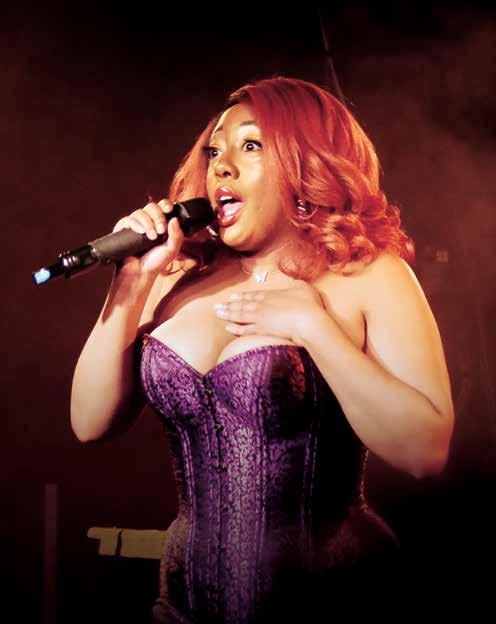
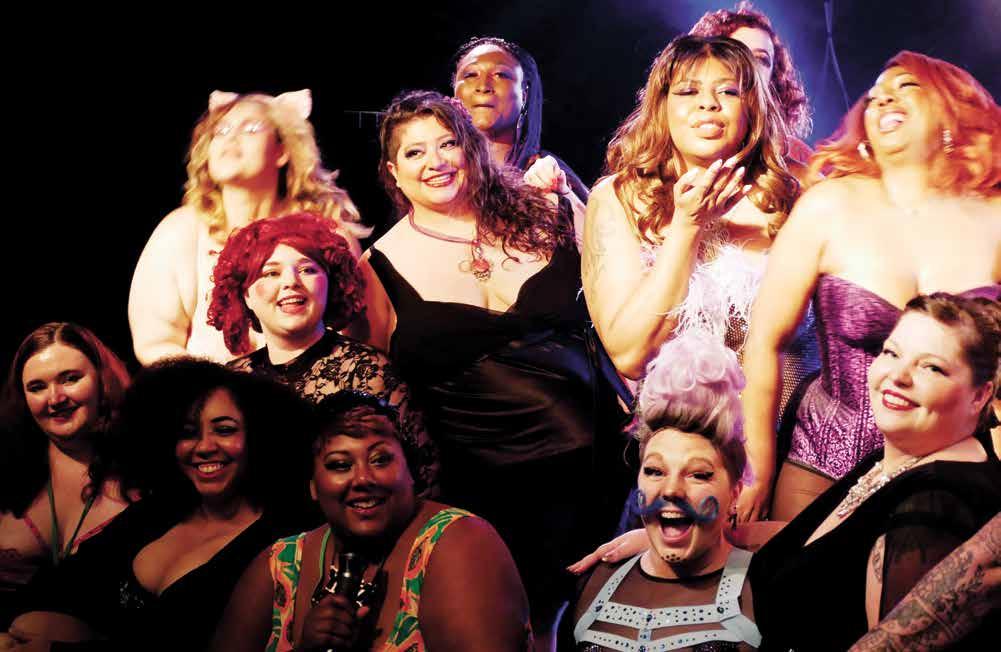
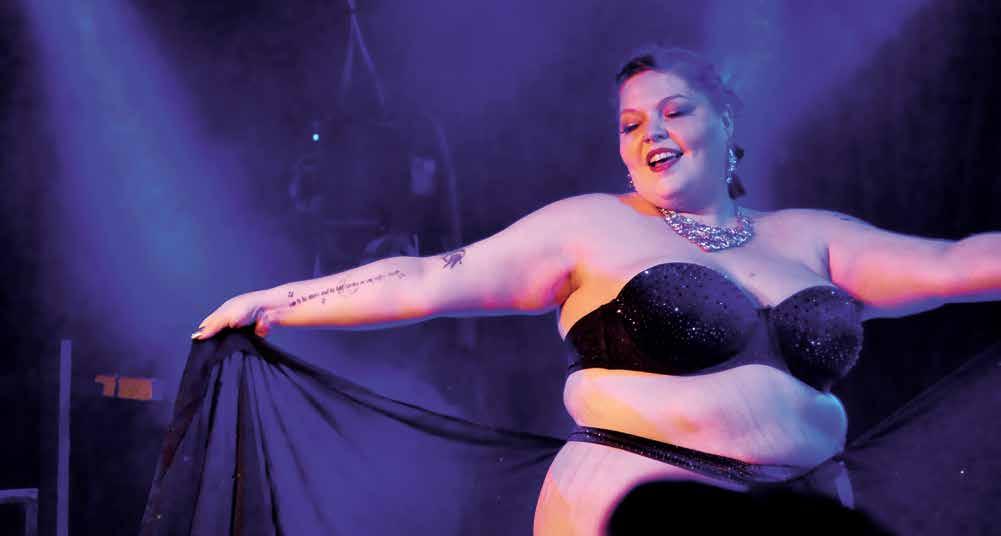
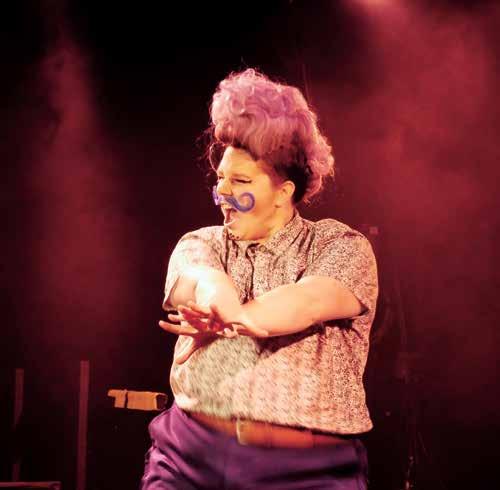
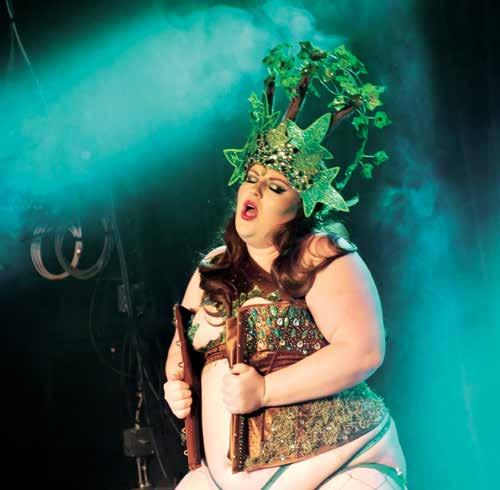
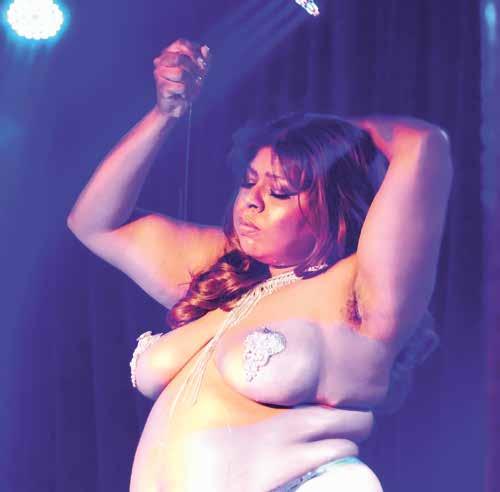
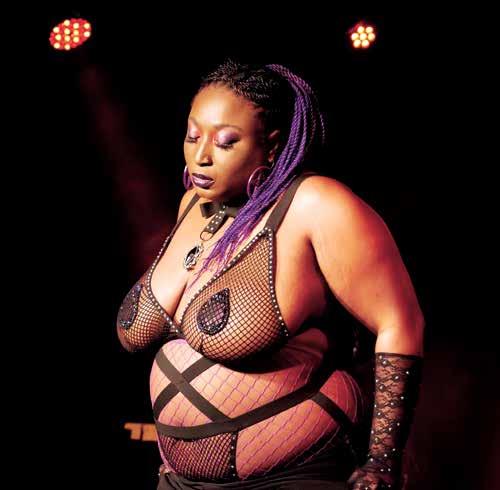
Last weekend Seattle played host to the inaugural Fatlesque Fest Northwest, a three-day cultural festival focused on celebrating body diversity in the world of burlesque performance.
by Mike Andrew SGN Staff Writer
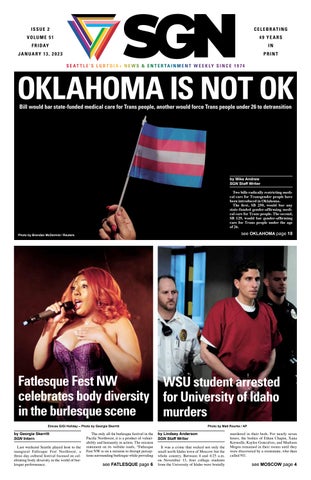
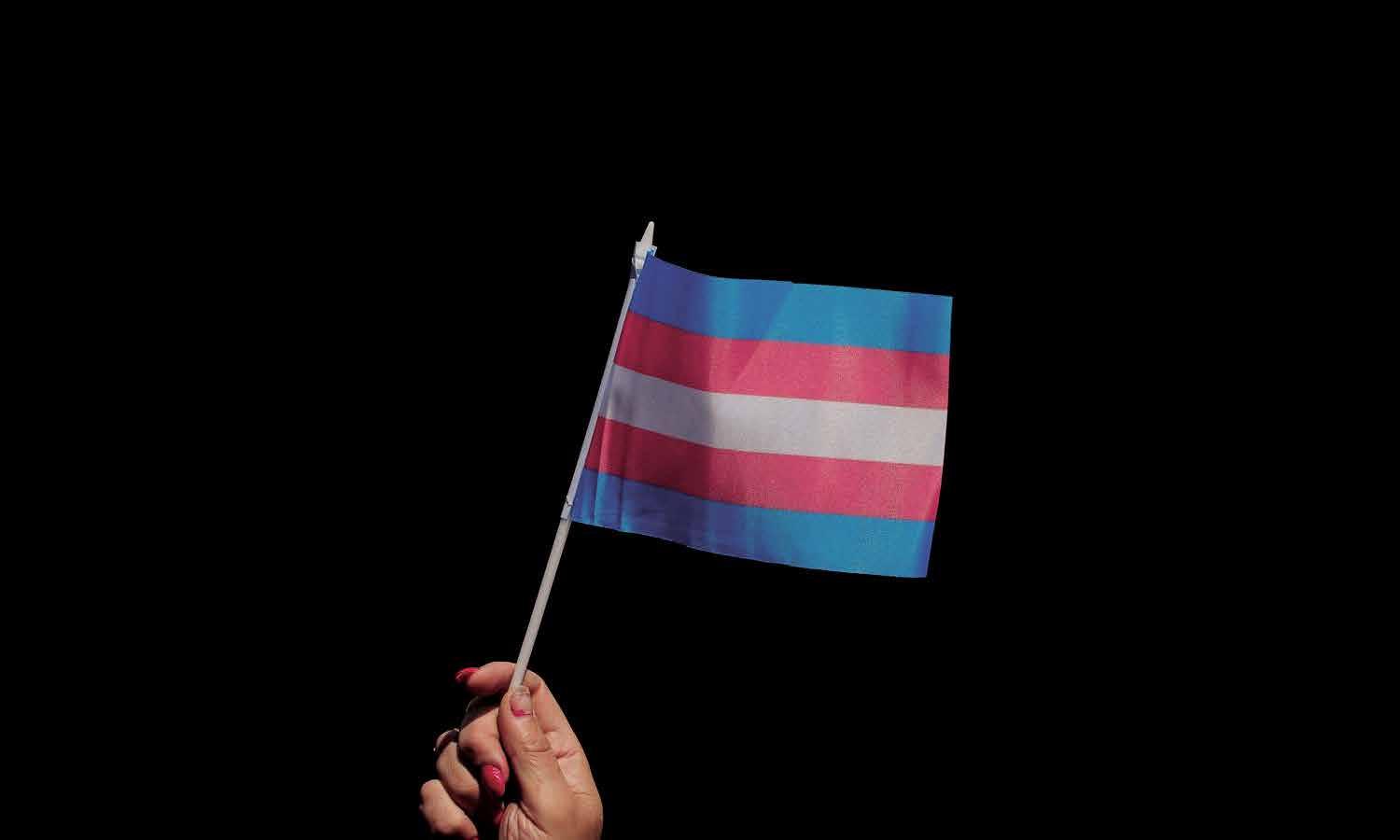
Two bills radically restricting medical care for Transgender people have been introduced in Oklahoma. The first, SB 250, would bar any state-funded gender-affirming medical care for Trans people. The second, SB 129, would bar gender-affirming care for Trans people under the age of 26.
see OKLAHOMA page 18
The only all-fat burlesque festival in the Pacific Northwest, it is a product of vulnerability and humanity in action. The mission statement on its website reads, “Fatlesque Fest NW is on a mission to disrupt perceptions surrounding burlesque while providing
student arrested for University of Idaho murders
by Lindsey Anderson SGN Staff Writer
It was a crime that rocked not only the small north Idaho town of Moscow but the whole country. Between 4 and 4:25 a.m. on November 13, four college students from the University of Idaho were brutally murdered in their beds. For nearly seven hours, the bodies of Ethan Chapin, Xana Kernodle, Kaylee Goncalves, and Madison Mogen remained in their rooms until they were discovered by a roommate, who then called 911.
4
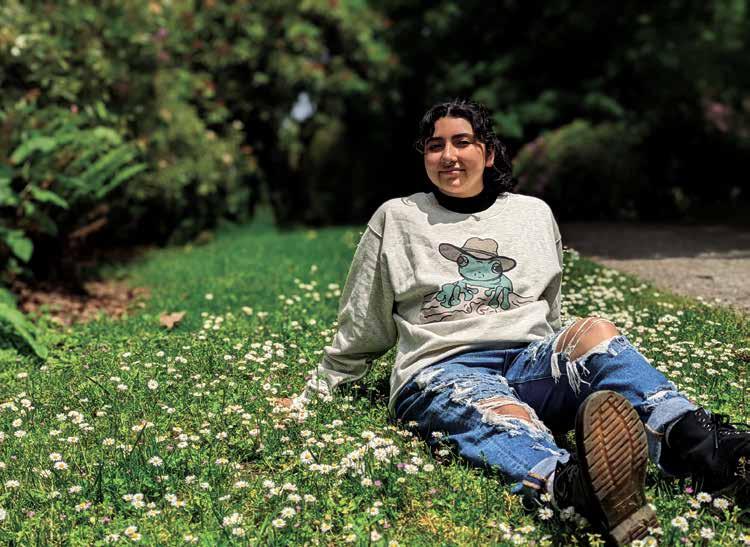
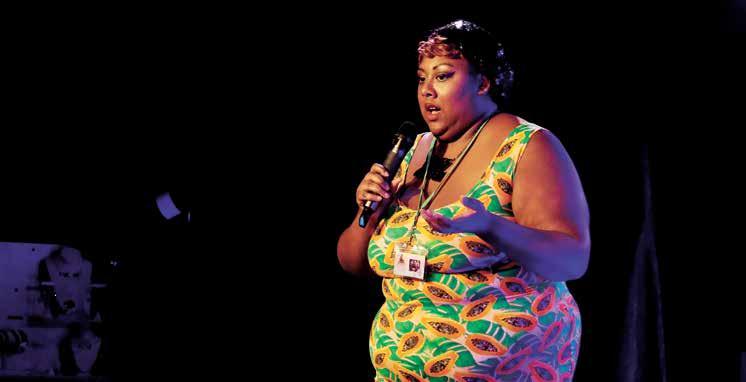
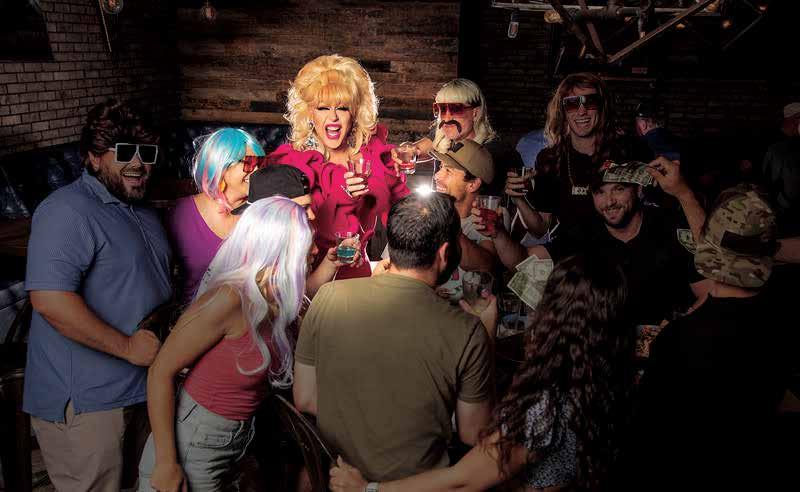
Emcee GiGi Holiday – Photo by Georgia Skerritt
Photo by Matt Rourke / AP
Photo by Brendan McDermid / Reuters
Local News
MOSCOW
continued from cover
For over a month and a half, the most chilling detail of the grizzly crime was the fact that police had no leads. Detectives could not identify any suspects with clear motives, neighbors hadn’t made any reports of suspicious activity, and even the school itself was at a loss as to who could have committed such a heinous act and why.
U of I students return home
As police continued to search for clues, students fled to their homes. There was a killer loose in the Pacific Northwest, and nobody knew if they would strike again.
“You just want your kids safe,” Brian Kittelson, a father of a U of I first-year student, told Idaho news station KTVB following his daughter’s return home for Thanksgiving. The Kittelson family decided it would be best for her to remain with them until the police apprehended a suspect.
“After that first night …after the murders, it was a no-brainer. She wanted to come home,” Kittelson added.
For students who decided to stay on campus, Idaho state police increased their presence in the area and performed regular neighborhood sweeps to try and make sure everyone was safe.
Despite originally claiming there was no threat, three days after the murders, the Idaho Police Department made a revised statement. “We cannot say there is no threat to the community,” Chief James Fry said on November 16.
The crimes were shocking to the north Idaho community, which hadn’t seen a murder in seven years. Moscow, like many towns in the Eastern Washington and Idaho Panhandle region, is a place where neighbors check on each other, grocery clerks know everyone’s names, and doors stay unlocked at night.
A suspect is apprehended
While people across the region began locking their doors at night and keeping a lookout for anything suspicious, many residents are resting easier these days.
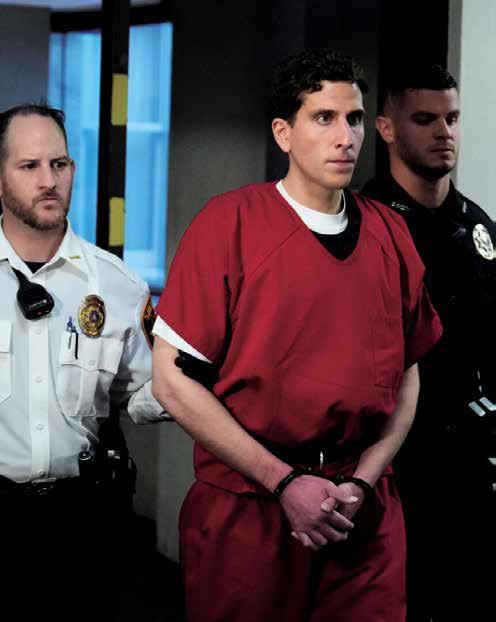
On December 30, 2022, police apprehended their lead suspect, Brian Kohberger. Despite having no clear connection or motive linking him to the murders at first, security footage had shown Kohberger’s white Elantra in front of the house at the time of the murders, then again hours later. After consulting more street camera footage, the police found that his car had made nearly 12 visits to the house in recent weeks. He was apparently casing the area.
Kohberger was arrested at his family’s home in Effort, Pennsylvania, over a month after the murders. Police had been surveil-
ling him and the house for nearly four days before they made their arrest.
Kohberger completed his undergraduate studies in psychology and forensics in 2020 at DeSales University in Pennsylvania. He then studied criminology there under the highly regarded forensic psychologist Katherine Ramsland. In 2022 he finished his graduate program there, and decided to move to Washington, where he was pursuing a doctorate in criminology at Washington State University in Pullman.
Kohberger was perhaps too enthralled by his studies. Classmates of his recalled his participation and increased engagement in conversations about forensics, DNA, and strategies prosecutors use to put away criminals. Despite his interest in the subject matter, it was ultimately a single source of
Kohberger’s DNA left on a knife sheath at the scene of the crime that provided authorities with enough evidence to arrest him.
Kohberger did not flee after the crime. Instead, he returned to Pullman, where he continued going to class, taking part in discussions regarding criminal justice, and even grading papers as a teacher’s assistant. Following the end of the semester, he drove back to his hometown in Pennsylvania with his father, a trip they had planned since his move to Washington. Kohberger and his father were pulled over twice in their crosscountry trek, but both times were let go
Kohberger was extradited to Idaho, where he is facing four charges of firstdegree murder and one charge of burglary. He has not yet entered a plea but will face his next status hearing on January 12.
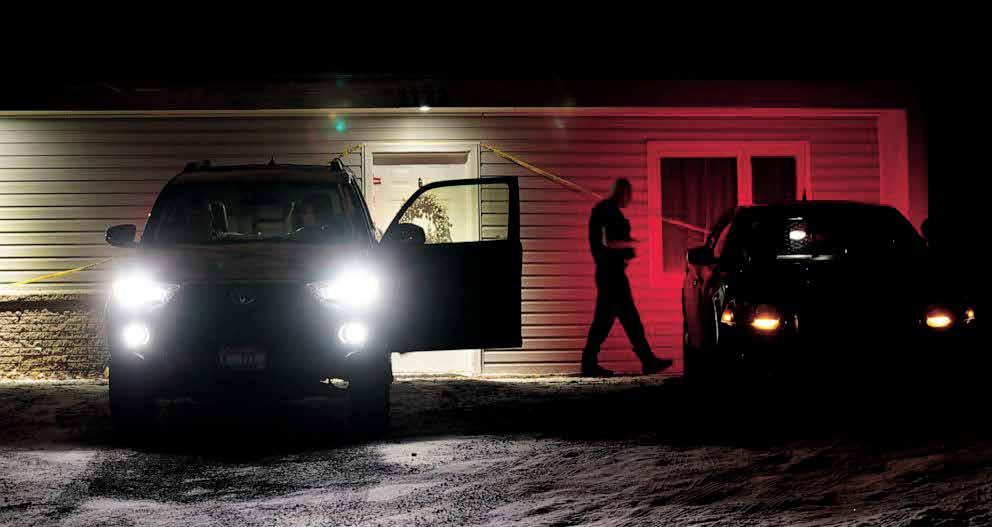
The house in Moscow, Idaho where four University of Idaho students were killed in Nov. 2022 – Photo by Ted S. Warren / AP
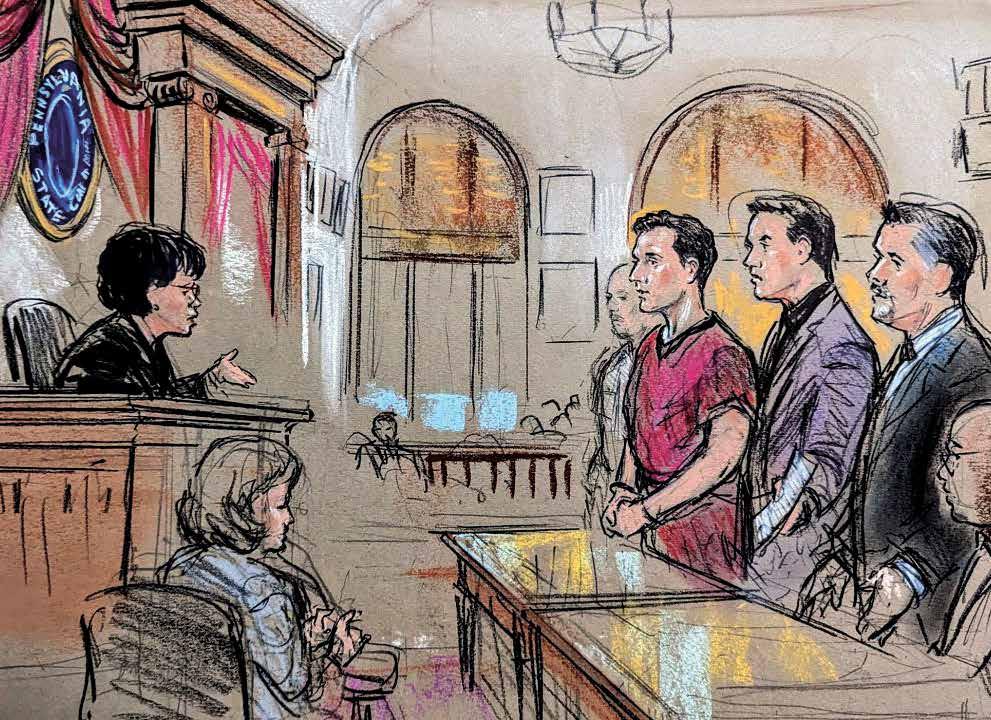
Bryan Kohberger is seen in court on January 3, 2023 – Image by Bill Hennessey
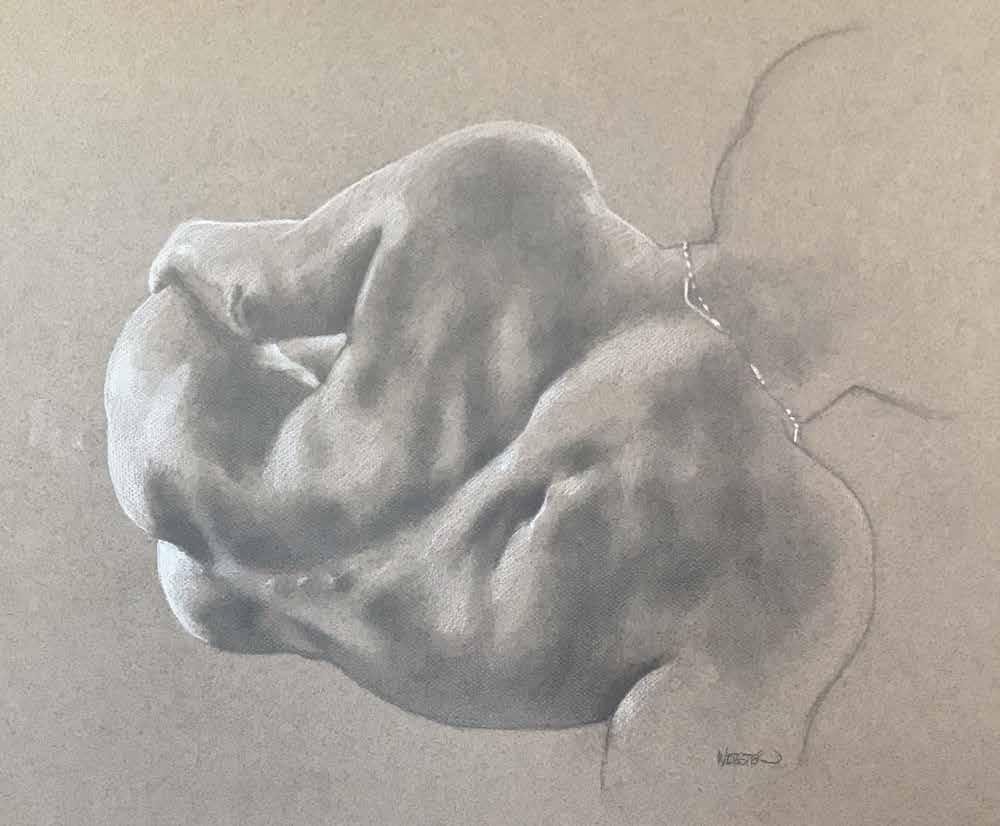
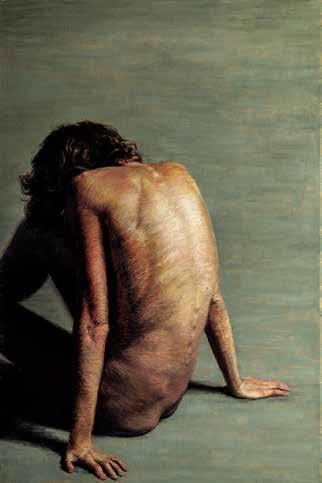
Graphite Arts Center announces new exhibition NùD: Art of the Figure
by A.V. Eichenbaum SGN Editor-in-Chief
Edmonds’ newest art facility, Graphite, announced a new exhibition opening January 21, 2023. The NùD exhibit will celebrate figurative art focused on the human form.
A reception and awards ceremony for the show is planned on Saturday, January 21 from 7 pm to 8:30 pm. During the awards ceremony at the opening reception, cash prizes starting at $1500 will be given to the award recipients.
The show will be judged by two local artists – David Varnau, a sculptor whose art is informed by his 40-year professional career in the field of prosthetics, and Tracy Felix, who has taught portraiture, painting, and drawing through Edmonds College Arts Now, Cole Art Studio, and the Schack Art Center. Felix also serves as director of The Gallery at Graphite.
“I like to think of [Graphite] as more of a community outreach gallery,” Felix told the SGN. “Because we’re not a commercial gallery, we don’t really have to show art that is comfortable for mainstream buyers.”
“Figurative artists are offered very few opportunities to exhibit their art in group exhibitions dedicated solely to the human figure,” said Mary Olson, founder and owner of Graphite, in a press release Wednesday, January 10. Felix agreed.
“The goal is to provide an incredible show for the purchase of this quality art, but also to get the community more comfortable with understanding the beauty and classical nature of figurative art.”
What leads to that discomfort? While the human form has been the study and fascination of artists for millennia, present day art lovers seem to have become slightly more squeamish.
Felix has a theory. “When you think about naked people, a lot of people think it’s sexual,” she said, “but the figure in art goes all the way back to the Greeks and Romans. I think that the lack of understanding and appreciation is due to the lack of art education in our school system and the sexualization of the human body in mainstream media.”
The show will be accompanied by numerous events throughout, including live drawing sessions, artist demonstrations, and a free lecture on the history of the nude in art given by Gage Academy of Art Artistic Director Gary Faigin. Art shown in NùD: Art of the Figure will be available for purchase in person and online.
For information on Graphite Arts Center’s shows, community events, Art Start Northwest, and more, visit www. graphite-edmonds.org or follow them on Instagram @Graphite_Edmonds.
William Webster. Back Shadows. Graphite & White Charcoal on Grey Paper. – Image courtesy of the artist
Chris Beaven. Vulnerability Three. Oil on canvas. – Image courtesy of the artist
Arts & Entertainment
FATLESQUE
continued from cover
an art, culture, and entertainment experience through a fat liberation and body-positive lens.”
Originating in the mid-1800s, burlesque dancing established itself as a literary and performative genre marked by a risqué, somewhat slapstick tone, equal parts provocative and comedic. While it has historically been associated with liberated expression, burlesque has also had its own issues with body positivity and fatphobia. In an effort to dismantle these dynamics and create a more inviting space in the realm of burlesque, Fatlesque Fest NW was born.
It is the creation of Mx. Pucks A’Plenty, a leading figure in local, regional, and national burlesque scenes. Having been voted #16 and #17 on the 21st Century Burlesque Magazine Top 50 Most Influential Burlesque Industry Figures in 2021 and 2022, respectively, Pucks has taken the industry by storm.
Fatlesquetook place January 6-8, garnering attention from people across the Northwest. The first two nights began at 7:30 p.m. at the Triple Door, one of the city’s favorite lounges and event venues, located just across the street from Benaroya Hall. With fat-friendly seating and food and drink table service, both nights offered guests a comfortable atmosphere and lively entertainment, featuring performances by Alotta Boutté, Deeva Rose, Goddess Briq House, Jezebel Express, and many more.
The festival took to the stage at Madame Lou’s in Belltown on Sunday to wrap up the weekend with a bang. With doors opening to the public just after 11 a.m., the final event — called Fatties Who Brunch — changed the pace and offered guests a delicious meal and an intimate venue in which to watch performances and momentarily forget the cold and gloomy rain that was pouring just outside.
With the first performers emerging just after 12:30 p.m., audience members had ample time beforehand to mingle over a wide spread of brunch options before setting in for the afternoon’s entertainment. Like the previous nights, Fatties Who
Brunch boasted a stellar roster of performers, such as GemBrulee, Prance Dashing, Baron von Styck, and Golden Mystique (among many others), as well as a final performance by featured artist Alexa Perplexa.
The cherry on top of it all? Fan favorite GiGi Holliday as emcee. Hailing all the way from the East Coast, Gigi describes herself on social media as “Washington, DC’s resurgence of glitz, glamour, and allure.” Indeed she is. In just three hours of hosting, she kept the venue filled with laughs, hollering cheers, and near-constant applause. (Beyond an alluring and commanding stage presence, Gigi also offers online consultation services — which can be booked on her website for either 30-minute or hour-long sessions — for show people seeking advice on the go.)
Ripples of impact
During the afternoon of levity and entertainment, Pucks also took to the stage before intermission to discuss with the audience the importance of FFNW and body diversity in the world of burlesque. In a dialogue as tender as it was inspiring, they
offered the room a glimpse into the realities of burlesque and their motivations in the work that they do.
“You start to look sometimes and notice that there aren’t a lot of people who look like you,” they said. “There was no intention of creating any kind of festival or anything like that originally; it was really just me looking around and realizing that I wasn’t really seeing myself reflected [in burlesque].”
In particular, Pucks also dove briefly into the liberating and uplifting role that burlesque can play for feminine-presenting people in a world that can often feel antagonistic, saying, “Most femmes don’t have this kind of power in any aspect of their lives without someone in their life questioning them or trying to change it.”
Like most of their other work, Pucks used FFNW to create a hub for femme empowerment, fat empowerment, and overall body diversity. In a society that perpetually erases and silences plus-sized people and enforces physical homogeneity, their efforts to liberate bodies and (as described on their website) “thicken up bur-
lesque stages all over the country” is vitally important, and the importance of it all is definitely not lost on them.
“Sometimes you don’t realize what your impact is because you throw the rock in the water and then you walk away. But if you stop, you get to see all those ripple effects and what they get to touch,” they told the crowd. “I never realized what sort of impact I was capable of having, and when I look out into this room, I realize I had some kind of an impact.”
Both an alluring stage personality and indispensable community organizer and leader, Mx. Pucks A’Plenty is undoubtedly changing the landscape of burlesque for the better. Their presence and work are an inspiring embodiment of humanity in action.
Besides Fatlesque Fest NW, Mx. Pucks A’Plenty is working on several other community-oriented events around the PNW and beyond. To follow their journey and snag tickets for their next event, check out https://www.mxpucksaplenty.com for more information.
(above) The lineup at Fatlesque 2023, (below) Mx. Pucks A'Plenty – Photos by Georgia Skerritt
(clockwise from top) Miss Ellie Fox, Golden Mystique, Obscura Fox, GemBrulee, and Prance Dashing – Photos by Georgia Skerritt
Brawny action throwback Plane violently takes to the sky
by Sara Michelle Fetters SGN Staff Writer
PLANE Theaters
Plane is exactly the movie a viewer likely expects it to be: a 1990s-style action throwback where the heroes are big and brawny, the villains inhumanely evil, and the situation five steps beyond impossible to overcome. This is the type of jingoistic (and moderately xenophobic) thriller Sylvester Stallone, Chuck Norris, or Steven Seagal would have loved to have starred in during their respective heydays.
Star Gerard Butler has made a career out of violently pulpy material such as this. From Olympus Has Fallen to Law Abiding Citizen to Geostorm to Copshop to Den of Thieves, the actor seems to have found his B-movie niche and has embraced appearing in material like this, body and soul. He never phones it in, and even if the movie itself does not work, no one can say Butler isn’t out there giving his all, doing his darndest to keep the audience entertained.
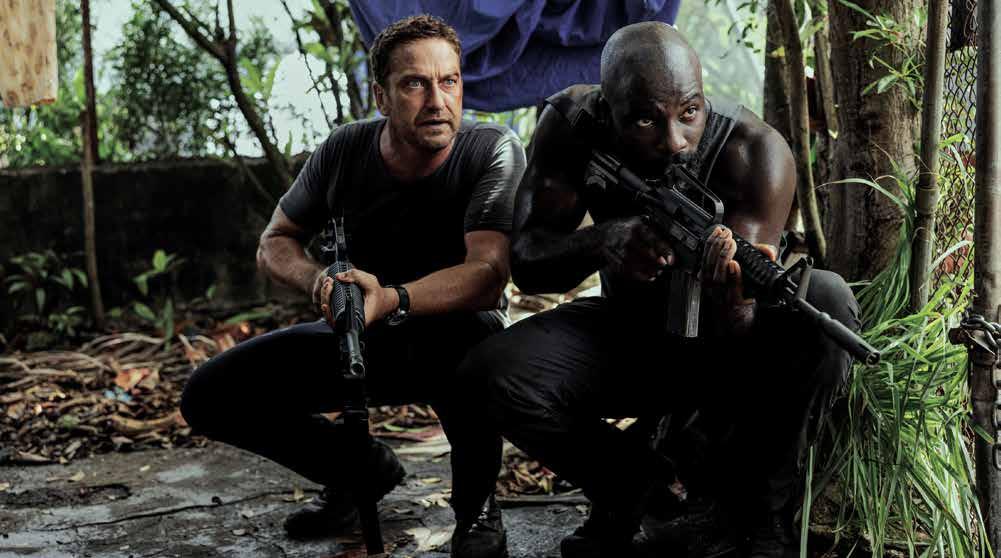
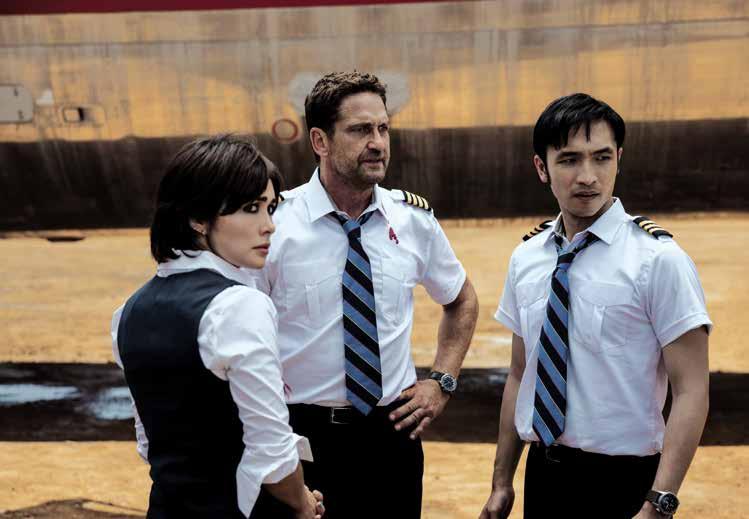
The goofily sincere Plane is certainly no exception. In this purposefully violent riff on a tried-and-true scenario that goes all the way back to 1939’s Five Came Back, Butler stars as seasoned airline pilot Captain Brodie Torrance. He and his small crew are on a New Year’s Eve flight transporting 14 passengers to Tokyo. Joining them is accused murderer Louis Gaspare (Mike Colter), who is being extradited to the United States. He’s been on the run for over a decade, even spending time in the French Foreign Legion, and isn’t exactly eager to be shipped back home.
After a freak lightning strike knocks out the plane’s electronic instruments, Torrance and his co-pilot, Samuel Dele (Yoson An), manage to land their aircraft on a dusty dirt road located in the heart of a secluded island somewhere near the Philippines. This island is ruled by cutthroat pirates, who see instant dollar signs when a passenger plane falls from the sky right into their laps. Torrance is forced to turn to Gaspare to save the passengers from these vicious killers and get the damaged craft back in the sky, where it belongs.
That’s it. There’s nothing more. Plane crashes. Bad guys take passengers and
crew hostage. The captain teams up with the fugitive to save them. The original story, written by Charles Cumming, and the resulting screenplay, co-written with J.P. Davis (The Contractor), do not do a single unexpected thing. Even a subplot involving the airline’s behind-the-scenes disaster team, which includes a wisecracking corporate troubleshooter played to cocksure precision by veteran Tony Goldwyn, doesn’t go anywhere surprising.
This whole enterprise is as by-the-numbers as they come — and that’s just fine.
Seasoned French director Jean-François Richet (Mesrine: Killer Instinct, Mesrine: Public Enemy No. 1) could handle a film like this in his sleep, and his confidence orchestrating all the blood-soaked and bullet-riddled mayhem is never in doubt.
This is a sleek, fast-paced live-action cartoon, and Richet has no problem highlighting acts of abhorrent violence or reveling in forcefully pugilistic bouts of heroic derring-do in as explicitly eye-popping a manner as an R rating allows.
Butler is up to the challenge too. So is Colter, whose quietly ferocious performance is much stronger than the material honestly warrants. They make a solid pair, and while there isn’t a ton of dialogue, it’s apparent that each actor has no qualms about letting the other shine when appropriate — and yet is equally ready to fill the spotlight with their larger-than-life presence when the moment calls for that.
The exploitation level is high, especially in the depiction of the bloodthirsty pirates. They’re all dirty scum ready to slice and
dice their hostages at the drop of a hat, fitting the stereotype of South Asian villainy to such a degree that it borders on unforgivable. But the film is thankfully so cartoonishly absurd that it almost gets away with this, but as the year is 2023 and not 1983, it’s a given that not everyone is going to agree with me on this and some will likely walk out of the theater disgusted that anyone anywhere would find this entertaining. Maybe I should be offended as well, but I think Richet and his team get away with it. They’re slumming, but doing so with energy, enthusiasm, style, and go-for-broke ferocity. Plane achieves liftoff, and for old-school action fanatics, even if it doesn’t stick the landing, watching it skid wildly off the runway into a ditch with such raucous aplomb is as ridiculous as it is wonderful.
Gerard Butler and Mike Colter in Plane – Photo courtesy of Lionsgate
Daniella Pineda, Gerard Butler, and Yoson An in Plane – Photo courtesy of Lionsgate
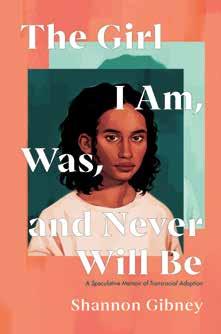
One: Shannon Gibney was born January 30, 1975 in Ann Arbor, Michigan. So was Erin Powers. Both were daughters of a Black petty criminal and a white Lesbian mother who struggled to give them up.
Another: Shannon was Erin, before she was adopted.
Shannon grew up in a middle-class white family with two brothers, a good education, toys, vacations, and stability. She had a “short relationship” with her birth father when she was an adult, and a longer (but
shaky) one with her birth mother, which made her wonder what life might have been like, had she been raised as Erin...
When Erin was 19, she learned that her mother was dying of breast cancer and wasting what life she had left. At 10, Erin had to learn to get along with her mother’s latest girlfriend, and she had to listen to racism from the white side of her family. Also at 10, she saw a spiral portal and another girl who looked like her, but she didn’t entirely understand it.
Every year on her birthday, her mother mourned an adoption she never wanted to happen.
When Shannon was 10 years old, she was cruel to a boy who liked her, and she wasn’t sure why. When she was 19, her parents loaned her their car so she could visit her birth mother and her partner. And at 35, she was reminded of the legacy her mother left her, one she must be “diligent” about for the rest of her life.
A dozen pages or so into The Girl I Am, Was, and Never Will Be, author Shannon Gibney wrestles with the nature of lies, explaining that her book does — and does not — use “manufactured literary devices.” In other words, get ready for one really weird read.
And it remains as such, until you understand what’s going on: the story here is fiction mixed with fact, an imaginary life framed by a real one. “Erin” is the fiction, as Gibney imagines her life as a series of struggles, personal and otherwise, living with her birth mother. “Shannon” is Gibney’s story of finding out who she is and where she came from. The tales merge and diverge, neither with a lot of sense until you’re well past the halfway mark of this book.
Can you stick with it that long? Readers ages 15 and up might at least try; you’ll lose a little time adjusting, but don’t worry. You’ll make it up.
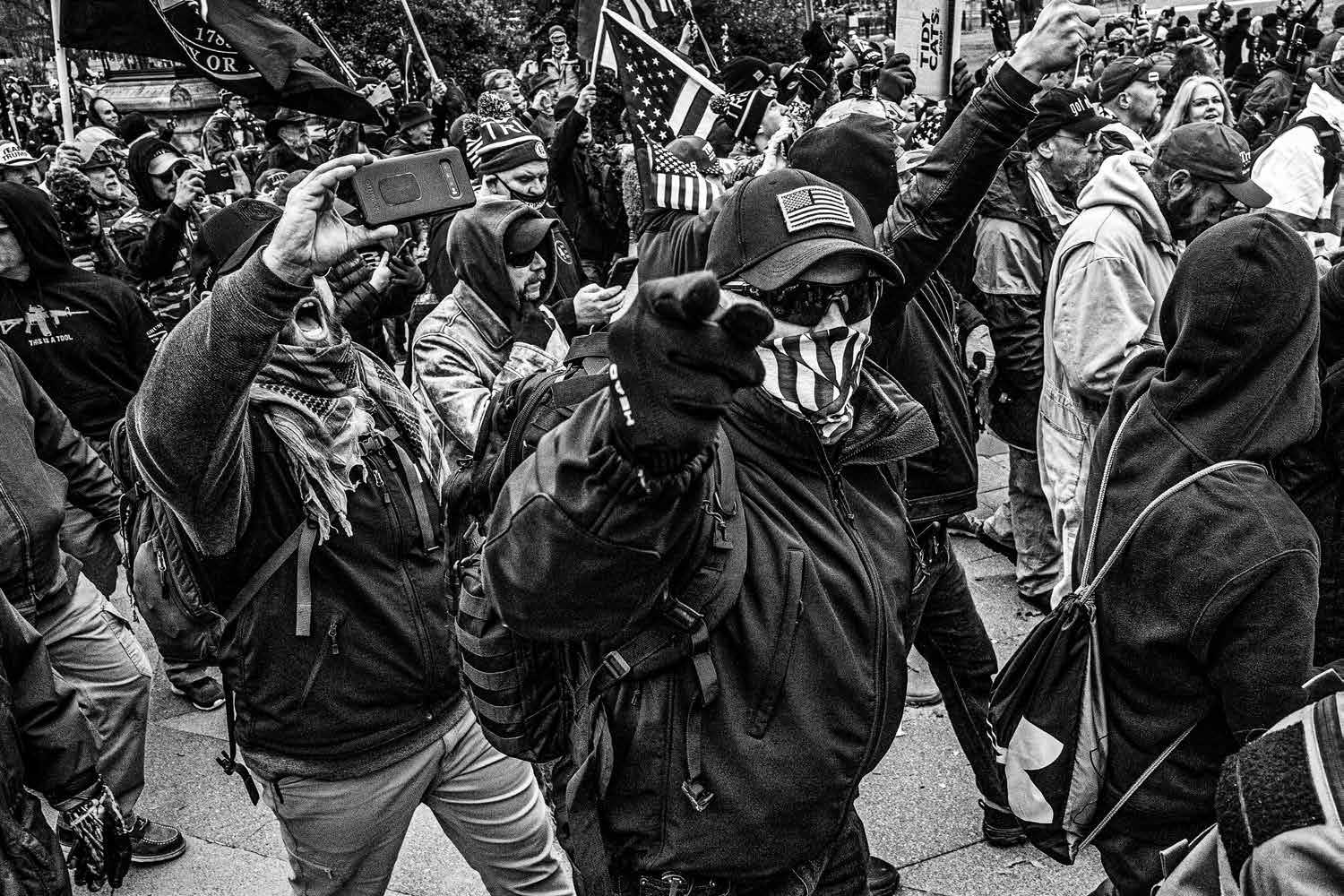
Nate Gowdy captures history in the making in his new book, Insurrection
by Lindsey Anderson SGN Staff Writer
In the two years since the insurrection of January 6, 2021, 978 people have been charged, 335 have been sentenced, and former president Donald Trump has been referred to the Department of Justice on four charges. Despite a myriad of documentaries, numerous special investigations, and a mountain of news reporting, many Americans remain divided over what happened in Washington, DC, that day.
Now, one eyewitness is ready to share his firsthand account. Rolling Stone photographer Nate Gowdy was there. He had been following the rise of rightwing extremism as a photojournalist since 2015. For six years, Gowdy had documented Trump rallies, events, and protests. While he had surely seen his fair share of madness, nothing could have prepared him for what he was about to encounter.
Trump’s last stand?
“I was thinking this would be my grand finale of the coverage of Trump,” said Gowdy, who had been planning to turn his coverage into a book. “I saw it as his last stand. It was going to be the end of that book — and maybe, hopefully, someday, I will get to that book.”
Within just 12 hours, however, his conception changed entirely. “I thought it was the end of something, but it turned out that it was rather the start of something.”
Gowdy’s coverage of the historic events of January 6 happened nearly by chance. The Seattle-based photographer had not intended to travel across the country for what people at the time were assuming would be just another Trump rally.
“I was already out east. I was visiting family in Indiana,” he explained. The pandemic was still raging. “It was important for me to be with my immediate family, because it was our first holiday after losing my mom, likely to COVID, nearly a year before.”
Gowdy hadn’t intended to cover any news while he was traveling. He didn’t even bring all his camera gear. However, he decided to take a chance and photograph Donald Trump one last time.
“I went to Atlanta first, because it was the runoff election [for the Senate], which was on the fence. So, I was there leading up to it, and there was a Trump rally on the 4th [of January], in rural Georgia. I figured, again, [this was] the last chance to photograph this kind of thing and document this moment that we originally thought was a blip in 2016.
“I knew things were going to be going on, because I had been following the news. There was a big ‘Save America’ rally; other people were calling it the ‘Stop the Steal’ rally, and I think that name for it was more relevant.”
A polarizing flight
From the moment Gowdy stepped foot on the plane to the nation’s capital, he realized he was taking part in something bigger than the other events he had documented.
“Half the people on that plane were white and wearing MAGA paraphernalia, red hats and all, and the other half were predominantly of color, just trying to travel
from one place to another in peace. The dichotomy of people’s views had never been so in my face.”
The energy, rage, and nationalism the soon-to-be rioters displayed fed right into what much of the public has come to associate with white supremacy. “The Trump crowd kept trying to start chants of ‘Four more years’ and ‘USA, USA’ and ‘Donald Trump,’ and it was just obnoxious,” Gowdy recalled. “Finally, someone booed, and then a Trumper yelled, ‘Go back to Venezuela!’
“I knew it would be weird. That’s why I went. [But] I had no idea the Capitol would be attacked the way it was and that day would become deadly.”
Optics
The inability of police to fend off the crowds did lead to deadly altercations. Since January 6, 2021, many Americans have critiqued the Capitol Police for how they handled the situation and speculated that they knew more about it than they let on. Gowdy has his speculations as to the reasons for the lack of riot control on that day.
“I think they did know, but I also think they were very fearful of the optics, and they said as much if you research it: they were afraid of the optics of sending the National Guard and fortifying the Capitol building,” he said.
Gowdy is familiar with photographing protests, and he believes that the lack of police protections may have been a result of anti-police brutality protests from earlier in the year.
“That was a consequence of DC being fortified [with] over 5,000 troops at the height of the George Floyd protest. That got a lot of criticism. They didn’t want a repeat of that, but of course, there was a difference. They militarized the city when they had racial justice and anti-police protests, but now that these white people [were] demonstrating over a fake stolen election or whatever you call it, it’s just not.”
“Photos don’t lie”
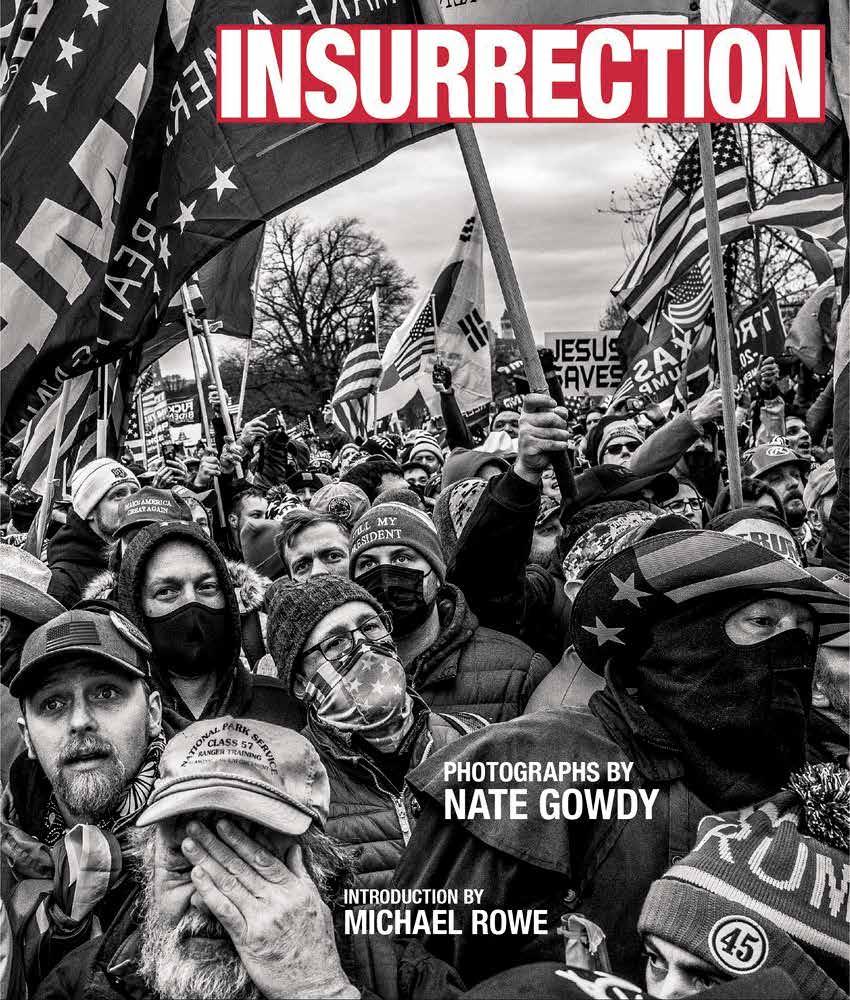
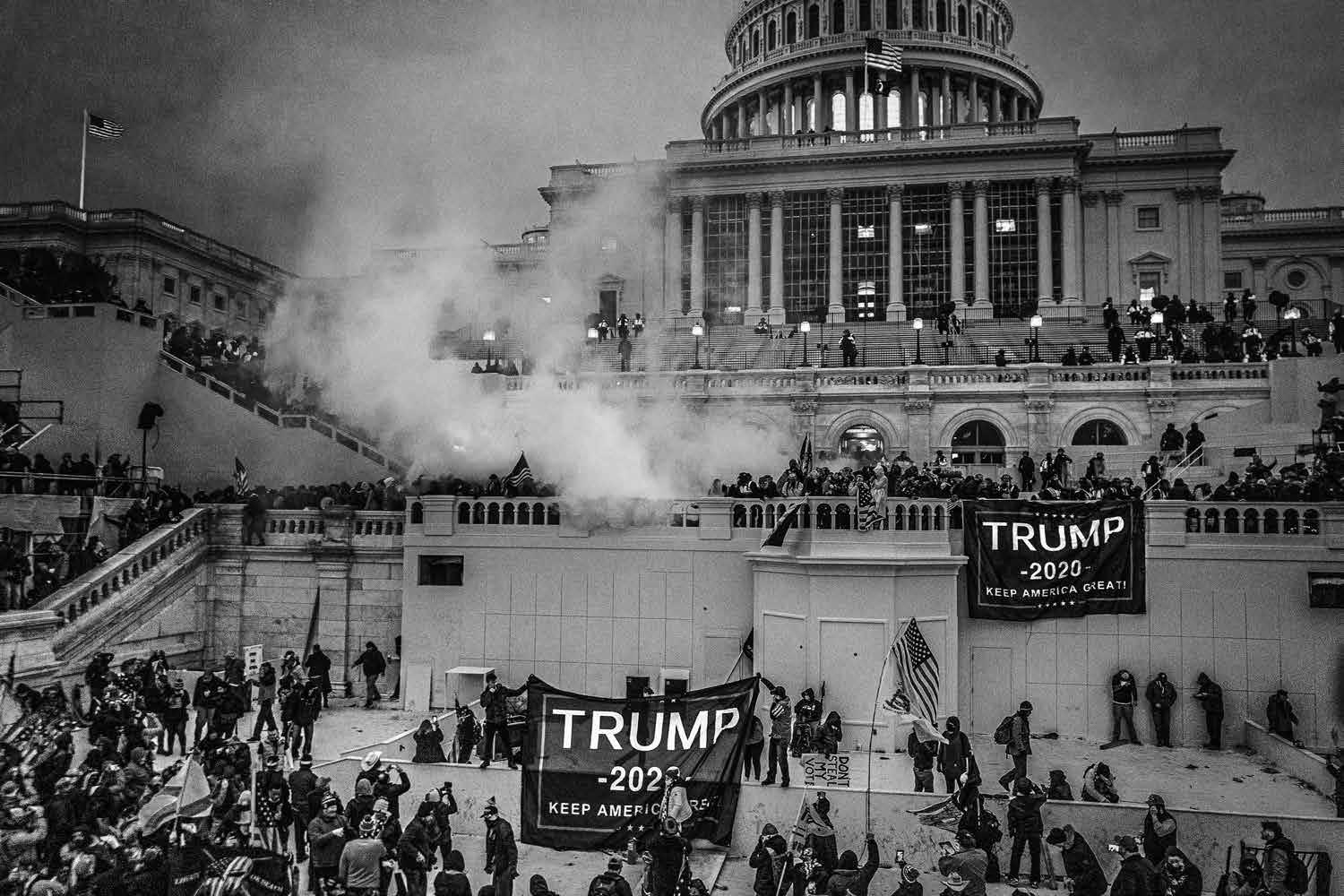
Gowdy’s observations of the day, reflections after the event, and historical context provide framing for the stunning images in his newly released book, Insurrection, which provides a visual play-by-play of what he saw and experienced that day, unlike other firsthand accounts and stories told by people from both sides.
“Photos don’t lie. It’s easy to take bad photos of anybody. These aren’t bad photos,” he said. “Sure, my words and opinions are in the book, but the photos can, and do, speak for themselves. I’m just adding a little context from my perspective.”
When he was documenting the events of January 6, Gowdy wasn’t trying to push any ideology. “My job as a photographer is basically to make people look good, and I’m very good at that, and I enjoy doing that, but the bottom line is always making my clients look good. There’s a lot of freedom in just being able to see what I see and not having to make flattering pictures of these people. Not that I’m out to make them look good: that’s just how they look. And I photograph the left, which is where I stand, the same way. I don’t change the pictures or the way I see it.”
see GOWDY page 12
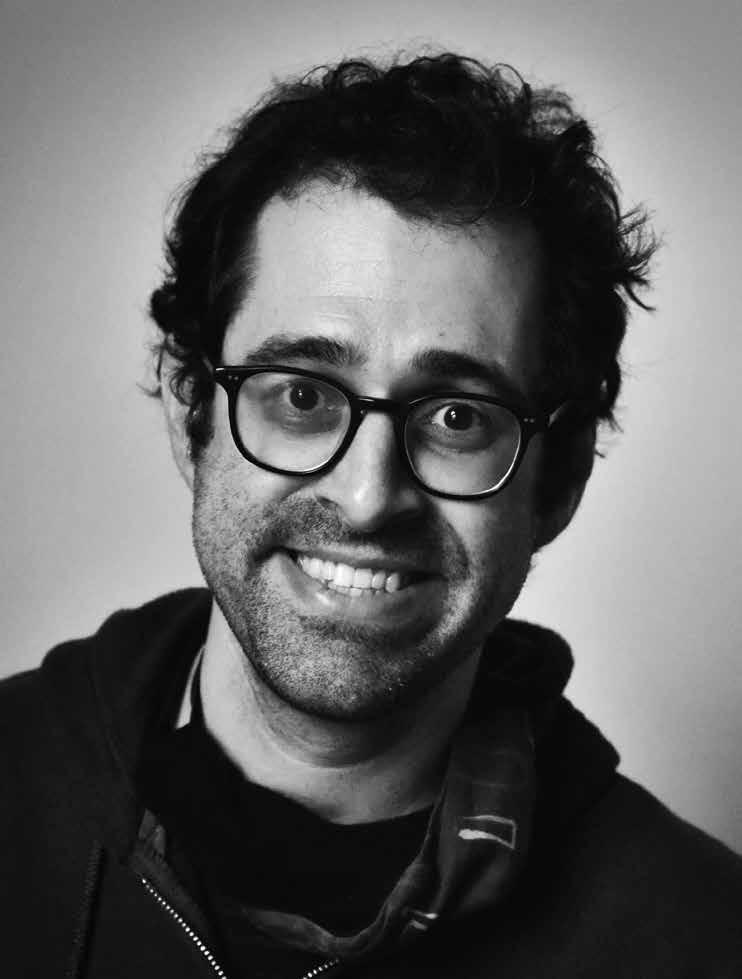
Nate Gowdy – Photo by Paul Bannon
Image courtesy of Dutton
GOWDY
continued from page 9
While hundreds of thousands of pictures have come out of that day, something sets Gowdy’s apart from the rest.
“If you put a bunch of images from that day on a wall, from different photographers, you would likely see a lot of color images,” he explained. “You’d likely see a lot of subtly toned color images, and then you’d see mine, and you’d know it was mine, because the processing is more aggressive. I think I like black-and-white because the frames feel finished to me. I’m always tweaking the color with my editing — I’m never as sure about it, it’s not as final to me. When you take that away, it’s another way of seeing it.”
Another reason Gowdy’s images are always black-and-white is that it evokes historical significance. “It almost puts it in perspective as a historical event. Blackand-white [is] timeless,” he said. “I am constantly inspired by the [black-and-white] news imagery from the ’60s and ’70s, which were very turbulent times in this country.”
Gowdy is also inspired by photographers like Diane Arbus and Robert Frank, who were known for documenting people and events far removed from their own experiences. “I like to think I’ve fallen into my style, but before I was even a photographer I was drawn to the work of Diane Arbus. You see, she photographed …intimate photographs of outsiders, and what they called at the time ‘freaks’ and stuff.
“Well, look at me. I started my career photographing drag queens. Look at the parallels. I got into my stuff in the mid2000s and then years later found myself photographing a similar audience, people on the fringes. So she’s a huge inspiration.”
Gowdy was also inspired by Robert Frank, who published The Americans. “He’s an immigrant and he photographed America as an outsider, as a new resident of this country,” Gowdy explained. “I am not an American outsider, but I am an outsider to MAGA, you know, the whole… whatever’s going on in there. I enjoy photographing that crowd because it’s freeing. It’s liberating.”
Across enemy lines
Through his photography, Gowdy was able to do something liberals are often accused of avoiding: listening to the other side. Now, he’s sharing what he’s seen with readers who might not be able to blend in as he did.
“It’s a way of seeing what it looked like from the insurrectionists’ viewpoints, because I was …embedded among them. … It’s something people can learn from and kind of start to grasp what went down that day.”
While the photographs, the editing, and nearly all the text in the book are from Gowdy’s account and research, Insurrection could not have been complete without the generous contributions and support of some of his friends.
“I don’t consider this book complete without the words of my introduction writer, Michael Rowe, who is a Canadian horror novelist, an experienced journalist, and a fantastic writer, and he has a great way with words. Also the work of my foreword writer, DC Metropolitan Police officer Daniel Hodges.”
Photos helped lead to convictions Gowdy’s work not only was significant as historical documentation of the day but has also aided federal investigations and led to the arrests and convictions of many rioters.
“I’m proud of the fact that these photos have been used to hold insurrectionists accountable,” he said. “Many of my images, the raw photos, the unprocessed color image files, have been used as the images on the FBI’s Most Wanted List for that day.”
One image that made it into the book was of AP photojournalist John Manchillo shortly before four rioters shoved him off a five-foot tall retaining wall. “I was almost an eyewitness in a federal trial against [the]
Through his photography, Gowdy was able to do something liberals are often accused of avoiding: listening to the other side. Now, he’s sharing what he’s seen with readers who might not be able to blend in as he did.
four assailants,” Gowdy said. “[One is] in the book being escorted away. Not the best photo, but a powerful one. Just what was happening to journalists.”
The trial involving Manchillo ended in a plea deal, but it wasn’t the last time Gowdy was contacted to help bring rioters to justice.
“In July, CREW found me,” he said. “They’re [the] Citizens for Responsibility and Ethics in Washington. They are a force for good. A lot of activist lawyers and a lot of the news and lawsuits you see [regarding] government accountability, they’re the ones instigating those. They found me, and it turned out that I could help them.”
CREW had been searching for a nonhostile witness to help put away a key figure from the insurrection. “Not only did I have eyes on the defendant in the case, but he was in 5% of my images from that day,” Gowdy said. “I wasn’t focused on him necessarily; he was just in the middle of the scene, trying to insert himself in a leadership role.
“His name is Couy Griffin. He [was] a Taro County commissioner in New Mex-
ico, and he is also the founder of Cowboys for Trump. It was hard to miss him — there weren’t a lot of cowboy hats that day.”
Thanks in part to Gowdy’s images, Griffin was convicted of trespassing and then became the first person removed from office for insurrection since 1869. “I was one of four witnesses,” Gowdy said. “Two were expert witnesses, one on insurrection, another…on right-wing violence across the world. I was the eyewitness who photographed him, and they used my images as evidence.”
The trial for Griffin was also the first time Gowdy met Officer Hodges, who wrote the foreword to the book. “Hodges was a witness [who drove] home that it was a violent day. He experienced the worst of it. He says it in his foreword.
“I’m just so impressed by him. I’ve had a lot of gnarly experiences with police officers, especially here in Seattle with the SPD and [in] Portland. A lot of contentious interactions and a lot of examples of my colleagues being attacked and injured by them, so I’m not a huge fan of police in general.
But Daniel Hodges, I couldn’t have more respect for anyone. He is still working the night shift on the force in DC, and in his free time he’s been trying to expose these people and all the disinformation and lies [put forth] by the right-wing echo chamber.”
“I should have been a lot more afraid” As more time passes since the horrific events of January 6, 2021, Gowdy has gained more wisdom in hindsight. While he may not have understood the scope of what was going on at the time, he was very much in danger during the protests.
“I was attacked twice,” Gowdy recalled. “One was ten minutes into it, [when I crossed] paths with a gang of militiamen who turned out to be the Proud Boys …ditching Trump’s rally before it even began and marching towards the Capitol, chanting ‘Fuck antifa!’ I got lunged at, but he didn’t touch me.
“I learned that if [I] respect their space and have a camera, they’re typically unlikely to attack me, because they’re aware of optics, too, and public perception. My camera is my weapon. I have some power. It surprised me when they attacked me so blatantly and unprovoked, seemingly. So I just kept my distance until some other photojournalists caught up to us. I was the first nonembedded photojournalist walking with them that morning.”
Being one of the first photojournalists in the crowd provided Gowdy with the opportunity to see parts of the insurrection that were less documented, some of which sent a chill down his spine.
Image courtesy of Nate Gowdy / Pigeon Press
“They did a prewar prayer, which was very scary. Throughout mankind’s history, we’ve done some terrible things in the names of our gods, so that made me afraid that they were praying about what they planned to do.”
The energy picked up after noon, and Gowdy soon realized what the prayers were all about.
“Five police patrols were swiftly over-
powered. One woman officer was knocked out, and I was attacked again. …He pointed at me, yelled ‘Fuck you!’ and shoved me for merely having a camera. I was called ‘fake news’ throughout the morning, and antifa, which is a right-wing bogeyman.”
Despite everything, Gowdy doesn’t recall feeling much fear.
“I don’t remember feeling that afraid, but I remember being on my toes throughout
the day, because I was being monitored. I had been attacked twice, and I had to be very discreet about taking all my images — very very discreet. Now when I watch the footage, I feel like I should have been a lot more afraid than I was at that moment.”
With the trials continuing, the DOJ investigating the former president, and eyewitness stories like Gowdy’s being released to the public (not to mention the televised
House January 6 Committee hearings), Americans are learning more about the truth behind what happened on January 6. Nate Gowdy’s Insurrection is a harrowing contribution to that, an account of the day’s events from the perspective of those leading the charge.
Photo by Nate Gowdy
Photo by Nate Gowdy
Travel
Snowbirding in Phoenix: A Gay guide
by Benny Loy SGN Contributing Writer
I was going to begin with, “The seatbelt light goes dim, and I slide my laptop out of my carry-on to start writing about my latest adventure,” but that did not go to plan.
After escaping Seattle’s ice-rink conditions in December and touching down in the sunshiny, cacti-occupied desert, I thought I was one of the lucky ones. Thousands of Southwestern flights had been delayed or canceled, but my fiancée and I had tickets with American Airlines.
“Dodged a bullet there,” I thought to myself as I passed the packed Southwestern cancellation line.
It was easy — too easy. The flight home was where I’d pay my dues.
I’m typing this from a Sleep Inn room provided by the airline. I’m doing my best to ignore how the mirror screwed into the wall is cockeyed and the pillowcases are slightly yellowed. The smoke detector is so discolored from cigarette smoke that I doubt it’s operational.
This sleeping arrangement is very different from where I have spent the last ten days: in my future mother-in-law’s tidy, shabby-chic loft in Scottsdale. As I type, my fiancée cuts into my train of thought, saying, “What a way to end a vacation.”
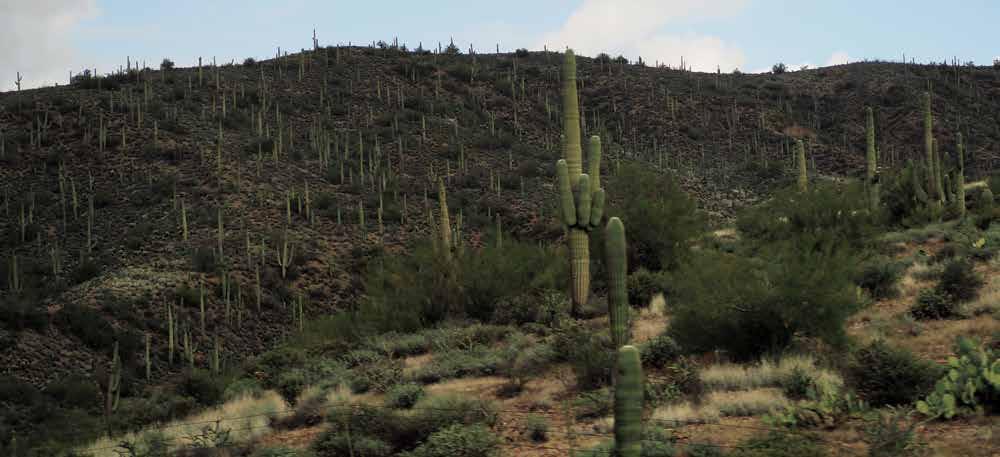
I had also visited Arizona last summer, and the temperatures are no joke. The Phoenix heat is like stepping into an air fryer; it’s so hot that you can barely think. Swimming during that time of year is fantastic, though.
Winter in the desert, though, is like early summer in Washington: it’s perfect. The idea of snow-birding every year is very tempting.
While exploring, I often caught myself gazing up at the sky. In the Northwest, you forget how massive that endless blue is. We have so many trees and mountains that cut through it. Our cities are dense, and our buildings are tall.
The desert is the opposite. Arizona doesn’t build vertically; it expands horizontally. So I would find myself mesmerized, staring off into the vast open lands as the sounds of my fiancée’s complaints over the lack of coffee stands faded into the background.
Food and drink
Speaking of that, I didn’t realize I was a coffee snob until Arizona. Maybe I’ve been spoiled by our PNW coffee culture, or I was unlucky in my venue choices. But if you’re a fellow addict, don’t arrive in Arizona with
high hopes of a good brew. Most places burnt their beans, and one tried to hide their coffee crimes with copious amounts of sugar.
Let’s move on to the food. There are a lot of options, but quantity does not equal quality. It could be the result of the palates of the local retirees or just the consequence of becoming chain restaurants, but much of the food is flavorless, with many eateries opting for brand building over taste. So you’ll probably be disappointed if the restaurant also sells T-shirts.
I’d recommend visiting Culinary Dropout, where everything is made in-house. We ordered whipped feta and tahini dip for the table; it was the perfect blend of sweet caramelized squash, apples, and dates with the sour feta. The roasted pistachios brought it all together in a savory finish.
In the morning or for brunch, head to the Breakfast Kitchen Bar and order the avocado fries — my mouth is watering now as I write about them. It was highly recommended by some locals and is great if you’re eating keto.
I also strongly urge you to try as many hole-in-the-wall Mexican restaurants as possible. In Washington, I couldn’t bring myself to get too excited about Mexican food. But here, even fast-food versions know precisely what they’re doing. We gorged on shredded beef burritos that dripped so much grease that we regretted not asking for extra napkins. The hard-shell tacos opened my eyes to how much of a difference a decent tortilla makes. When in Arizona, eat Mexican food.
The gayborhood
My fiancée and I wanted to check out the local gayborhood, the Melrose district. It’s smaller than Capitol Hill but is packed with Queer spaces, including Boycott, the last remaining Lesbian bar in town.. It was a
weekday night, though, and only a few places were open. As we drove in, we passed a billboard advertising hemorrhoid treatment; at least that company knows its market.
We enjoyed the Melrose district because of its diversity. From drag shows to soul food, this is definitely an area to check out. It reminded me of Broadway on Capital Hill in that, like Seattle has Dick’s, Phoenix has Filiberto’s. Sandwiched between two bars, it’s a great place to go after a night of fun with your friends.
Indoor activities and day trips
Due to the risk of heat stroke, there are plenty of indoor activities to take advantage of. East Scottsdale has a massive strip mall with arcades such as Bam Kazam (two hours of obstacle courses), go-karts, indoor sky diving, and an indoor sports arena; if you have your pooch with you, you can drop it off at the doggy daycare while you play.
At the OdySea Aquarium, about a mile away, you can go underwater scuba diving with stingrays and a shark that likes to play chicken.
If you’re not in the mood to get your hair wet but feeling a little creative, look up Candle Chemistry in Kierland. No reservations are necessary: walk in and explore the unique DIY candle-creating bar by yourself or with a couple of friends. Walk through and smell each of the hundred scents they have to offer. Choose whichever you want, and then start playing around and experimenting with different combinations.
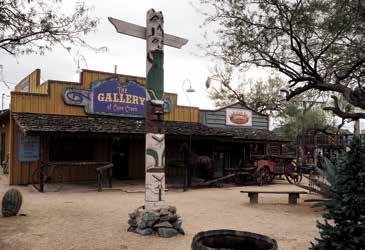
Here’s something that you shouldn’t do: While Cave Creek is an interesting and unique little town, it’s not for everyone. If you find yourself reading this article, that probably means you. It has a tiny, faux Old West vibe but not much else. Between the biker bars and the gift shops stocked with Trump and anti-Gay T-shirts, there wasn’t
much room for anything else. If you’re in the mood for “pray the gay away,” it may be for you. If not, go to Jerome. Jerome, an hour and a half out of Phoenix, was once a copper mining community. Now it’s the home of elder hippies and those that love the local haunted history. The town, whose buildings twist up a mountain, features many cute stores and relics of its past. Enjoy the ghost tour while staying in the haunted hotel, or watch a film about Jerome’s history or a horror flick in the old theater. It’s a strange mix, but Jerome is wholesome and spooky.
Where to stay
If you’re looking for a hotel, check out the Scottsdale area. My fiancée and her mom call it “Snottsdale” but also say it’s one of the nicer places to stay. The downtown district is very small compared to what we are used to and mainly consists of sports-related restaurants and bars.
Public transportation is also not as common. So if you are going to do a little exploring, think about renting a car, because you will find very few scooters and bikes to rent around the city.
If you’re a Gay man who wants to have a romantic weekend away, look into a clothing-optional hotel. It’s a great place to lay by the pool and interact with like-minded men. I’m not sure I could live here, but I’ll always enjoy visiting Phoenix. The people are generally nice and provide great conversation (except for politics). Residents here lean more toward extroversion and seem very confident. Many of them relish their fitness, designer clothing, and sports cars.
If you have never been, it’s a Gayfriendly place to explore. Between the sun, the swimming, the indoor attractions, and the people, I’m sure I’ll be visiting again.
Photos by Lauren Vasatka
A local’s guide to Santa Cruz
by Daniel Lindsley SGN Staff Writer
Winters in the Pacific Northwest are getting colder by the year, and though summer is the traditional time for vacations, the milder weather of Santa Cruz, California, makes it an attractive getaway for any season — though on this particular week, one should wait for the storms to abate and the floods to recede.
Santa Cruz is a popular tourist spot (to some locals’ annoyance), and there are plenty of articles about what to see and do there. Most of them, however, aren’t written by a born-and-raised Santa Cruzan. I don’t pretend to know all the city’s secrets, but I do know what left a lasting impression.
The Queer scene
Santa Cruz doesn’t have a very cohesive LGBTQ scene, but that’s not out of hostility. I considered myself straight when I lived there, but even now, I continue to get the sense that being Queer just isn’t considered a “big deal” by the locals. That can be refreshing.
And besides, it’s a small ecosystem, economically, and its property prices are some of the highest in the country, so its lack of dedicated Gay and Lesbian bars, for example, could be a matter of low demand and high cost.
Still, if you’re looking for Queer spaces, you have some options. In downtown Santa Cruz, the Blue Lagoon nightclub on Pacific Avenue
is often referred to as the city’s closest thing to a Gay bar. It’s a venue for comedy, punk bands, goth nights, and drag shows.
Down the street from that, the Catalyst Club hosts live music three days a week, and a block off Pacific, the two-story Red Room is popular with college students from the notoriously Queer-friendly UC Santa Cruz.
Speaking of which, there are few spaces more Queer than theater and the fine arts, and the UC puts on shows year-round. There are regular comedy shows and other performances at the Barn Theater at the base of campus. And if you want to experience the next generation of cutting-edge digital art, check out the events page of the Digital Arts and New Media Department. Some of the exhibitions there involve augmented and virtual reality technology.
It should be noted that another surge in COVID-19 cases would put a dent in any indoor gatherings, and as of this article’s writing, the UC is keeping most exhibitions digital. Local theater troupe Shakespeare Santa Cruz has held a few of its performances outside for pandemic reasons, which could be a novel experience on its own.
Looking downtown again, the Museum of Art and History (MAH) is one of the most prominent galleries in the Santa Cruz arts scene, with a mix of local history and international works.
Historical hikes and outdoor excursions
It’s hard to compete with the scenic trails
of Washington state, but in Santa Cruz, Seattle hikers (and mountain bikers) should feel right at home. The woods around the UC have some lovely hikes, from short loops to longer treks that lead up into Henry Cowell State Park, where some astounding specimens of the iconic coastal redwood can be admired.
These trees are the tallest in the world, and may be some of the oldest living organisms. They inspired four activists in 2007 to live high up in a few of the trees’ branches, in shifts, for over a year, when a UC development project threatened to topple them.
History hides in the shade of those ancient branches. Along the Pogonip Trail, named for the defunct clubhouse at its trailhead, lie abandoned lime kilns from the 1850s, overgrown with ferns and moss. Not far from Pogonip, the Spring Box Trail features two old concrete basins fed by Redwood Creek, one of which is occupied by colorful koi fish. Whatever trail you take, it’s hard to go wrong. Just make sure to keep children close in case of mountain lions, and watch out for poison oak.
Other features around the UC include a renegade rock garden, where one can write thoughts or confessions to leave behind, and beautiful graffiti on metal tanks that once held fuel or water.
Adjacent to Henry Cowell State Park is Roaring Camp, a tourist area with oldtimey shops and a slew of events, the most famous of which involve its trains. On weekends January through March, the hun-
dred-year-old steam train carries visitors a little over three miles up Bear Mountain and back down again, with a tour guide for historical and ecological trivia.
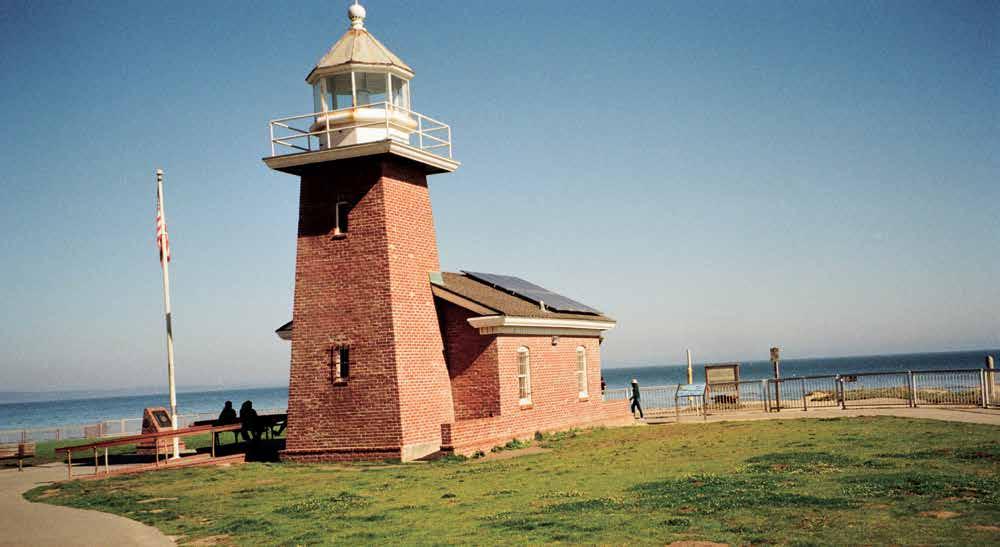
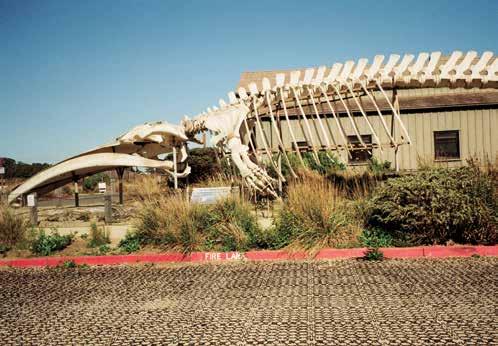
Some of the more urban walks can be scenic as well. Westcliff Drive runs from the beachside Dream Inn all the way to Natural Bridges State Park, which itself isn’t far from the Seymour Marine Discovery Center, an aquarium and science facility where you can touch real otter fur, handle some marine life (gently), and pet sleeping sharks.
Taquerias and other eats
If I were a more adventurous eater, I could make a whole spreadsheet of which taqueria has the best of each particular Mexican dish. For now, I’ll just supply a few go-tos.
Vallarta has some of the best tacos al pastor (sliced pork shoulder) I’ve tasted, short of street tacos in Guanajuato. Los Pericos has fantastic portions for its prices, especially in the case of its “super burrito.” And De la Hacienda’s carnitas (shredded pork) is tough to beat.
If you’re not feeling like Mexican food, try the family-owned Thai place Sabieng on Mission Street, or cross the parking lot to Golden City for some Chinese fare.
The West Side neighborhood has a few upscale places, like Bantam, which serves organic pizzas and Mediterranean food, and the West End Tap and Kitchen gastropub.
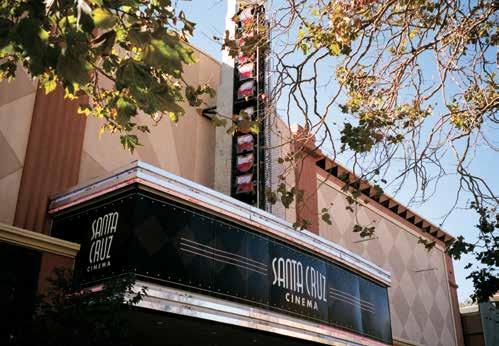
The Mark Abbott memorial lighthouse on West Cliff Drive which houses the Santa Cruz Surfing Museum, A model whale skeleton on display outside the Seymour Marine Discovery Center, The Santa Cruz Cinema theater on Pacific Avenue in Downtown Santa Cruz – Photos by Graham Swann
Op-Ed
20+ gender-neutral alternatives to “partner” and “significant other”
Dear Izzy,
I’m a Nonbinary person who recently started dating a Nonbinary person, and we’re having trouble finding a gender-neutral name for our relationship. None of the words out there really feel right. It feels too soon for “partner,” but “significant other” feels sterile. I’m definitely not calling them my boyfriend. The language around nonbinary folks really needs to evolve! What do I do?!
— Anxious Enby
Dear Anxious,
Congratulations on your new relationship! It is always exciting to find someone whose energy aligns with yours in a way where you feel ready to define the relationship. That’s a big step! So, bravo to you!
I agree that “partner” and “significant other” are quite formal, but luckily you are not the first Nonbinary person to date another Nonbinary person. Here are a few options that I found on a handy-dandy Tumblr called Gender Queeries [https:// genderqueeries.tumblr.com/titles]:
For a non-serious relationship, hookup, fling, situationship, etc:
• Date: neutral, the person you are dating
• Datefriend: neutral, the person you are dating, but fitting the boyfriend/girlfriend pattern
• Datemate: neutral, the person you are dating, a rhyming version of datefriend
• Lover: neutral, often implies sexual relationship, but simply refers to someone you love/who loves you
• Paramour: neutral, someone you are having a sexual relationship with
• Sweetie: neutral, slightly cheesy
• Sweetheart: neutral, cheesy or old-fashioned
• Cuddle buddy: neutral, cheesy
• Feyfriend: neutral, leaning toward Queer
• Personfriend: neutral, leaning toward Queer, based on boyfriend and girlfriend
• Enbyfriend: Queer, based on boyfriend and girfriend (note: “enby” comes from NB, Nonbinary)
• Bothfriend: Queer, for bigender or androgynous people, or perhaps binary Trans people
• Genderfriend: Queer, based on boyfriend and girlfriend
For a long-term, serious relationship:
• Partner: neutral, boring
• Person: neutral, as in “my person,” tender and loving
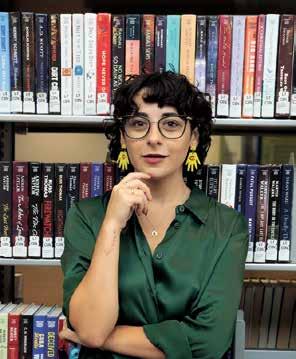
by Isabel Mata SGN Staff Writer
Ask Izzy is a biweekly advice column about relationships, mental health, and sexuality. Written by Isabel Mata — a Seattle-based lifestyle writer, podcast host, and mental health advocate — Ask Izzy offers tangible expert advice so all readers can have stronger relationships, better sex, and healthier mindsets. Looking for some more guidance? Submit your question at info@sgn.org with the subject line: Ask Izzy Submission.
• Significant other: neutral, quite formal
• S.O.: neutral, short for significant other
• Other half: neutral, informal, and implies monogamy
• Steady: neutral, as in “going steady” or “steady girlfriend/boyfriend”
• Soulmate: neutral, slightly cheesy, implies belief in soulmates
• Beloved, neutral, old-fashioned
• Lovebug: neutral, slightly cheesy, a person you love
• Loveperson: neutral, a person that you love
• Epox: neutral, from the French époux, which means husband/spouse
• Companion: neutral, reference to Doctor Who’s or Firefly’s companions
• Imzadi: neutral, from Star Trek, a Betazed word similar to beloved
When choosing a name for your relationship, it may take time to find one that works, so play around and see what sticks.
You may gravitate to one more than another after trying some out.
Just remember that everyone is unique and so is your relationship! So, if none of those words above work for you, then maybe the best option is to make your own. I personally think “sweetie” and “paramour” are fun, elevated, and classy alternatives, without the weight that “significant other” carries. I also have a soft spot for food-based names, but to each their own. Best of luck!
Photo by Rodnae Productions / Pexels
National News
Arizona Republicans want to ban Sunday drag brunches and drag queen story hours
by Mike Andrew SGN Staff Writer
Republican lawmakers in Arizona have introduced three bills to “regulate” drag shows in the state. If passed, they would effectively outlaw Sunday drag brunches and prohibit children from attending drag events — including drag queen story hours.
The most comprehensive bill, SB 1030, would require special licenses for drag shows and limit their hours. Under the proposal, drag shows would be prohibited Monday through Saturday between 1:00 a.m. and 8:00 a.m., and on Sunday before noon. This would effectively ban Sunday drag brunches.
Violations would be classed as misdemeanors but could affect a venue’s business and liquor licenses.
Other legislation would define drag performances “exaggerating gender” — in short, almost all drag — as “adult content.” This would potentially forbid drag queen story hours that are open to minors.
Local drag performers charged that the measures are motivated by anti-LGBTQ bias.
“I… think if you walked up to someone at the supermarket today and said, ‘Hey, what’s a problem that’s facing you and your family?’ I bet they would list 15-20 things before they ever got around to drag shows,” said Phoenix drag star Barbra Seville.
“There are very popular drag brunches all over the [Salt River] Valley. Some of them get anywhere from 100 to 300 people who just want to come out. They want to laugh.”
LGBTQ activists worried that the bills could advance in a state legislature controlled by Republicans.
“It definitely has political implications,” said Bridget Sharpe, Arizona director of the Human Rights Campaign.
Sharpe said there is momentum for these proposed bills with a Republican-
National news highlights
by Daniel Lindsley
SGN Staff Writer
DeSantis dissolves Disney government, Black voter rights
In retaliation for Disney’s public opposition to Florida’s infamous “Don’t Say Gay” bill, Republican Gov. Ron DeSantis signed a bill on Friday last week that would dissolve the private government of Walt Disney World in June 2023.
According to Richard Foglesong, an authority on the subject, the entertainment giant was granted the Reedy Creek district back in 1967, to avoid conflicts with local government (which had plagued the Anaheim-based Disneyland) and bring more tourism to the Orlando area. Currently, Disney World is a city in its own right, with its own power grid and other utilities.
Like the bill that started the conflict, the one that would dissolve Reedy Creek is unclear about what the process would involve, or how it would be enforced, and Republican lawmakers weren’t much help during floor discussions when asked for details. The bill is just over a page long.
Some might fear for the health of the beloved theme park, but DeSantis signed an arguably more threatening bill along-
controlled House and Senate. “If there’s enough interest from their party, I’m certain this could get a committee hearing. That would be the next step in the process,” said Sharpe.
The prime sponsor of SB 1030 is Arizona state Sen. Anthony Kern. Kern is noteworthy because he was one of the fraudulent “electors” pledged to cast the state’s electoral votes for Donald Trump in the 2020 election. He is a close ally of QAnon congressmembers Louis Gohmert and Paul Gosar.
side it: a new district map that would, according to CNN and ProPublica, put Republicans at a significant advantage in the country’s largest swing state, and disenfranchise Black voters by excluding their neighborhoods from the 10th District. Several Black Democratic lawmakers have staged protests against the new map.
Wisconsin appoints first Queer cabinet leader
Gov. Tony Evers of Wisconsin announced on Monday, January 9 that he has promoted James Bond, the deputy secretary of the Department of Veterans Affairs, to the head of the agency.
Bond is a disabled veteran of the US Marine Corps and a long-time employee of the department, and he is also the first openly LGBTQ person to be the head of a cabinet agency in the state. In the Corps, he served as an administrative supply clerk for five years. He told the Associated Press that he qualifies as a disabled veteran due to a service-related injury to his right eye.
“James has been a dedicated leader at DVA for over a decade and has served the department of Wisconsin veterans well as deputy secretary,” wrote Evers in a statement. “As a veteran himself, along with his decades of state service, I have no doubt he will bring a wealth of experience, knowledge, and expertise to this role as secretary.”
Bond’s promotion could be called timely, since the assisted living facilities and nursing homes of the Wisconsin VA have incurred a string of fines and violations. In particular, Milwaukee’s Union Grove veterans home ranked among the worst in the country.
Kern declined to comment on his bills when asked by the CBS News affiliate in Phoenix, but fellow Republican Sen. John Kavanagh said he believes state regulation of drag shows is timely.
“I would suspect that this session, suddenly there’s an interest in regulating drag shows because culturally there’s been a sudden preponderance or abundance of drag shows that are directed at children,” said Kavanagh.
Kavanagh introduced another bill, which
would bar the use of state money to fund drag shows open to minors. This would prevent libraries and schools from hosting drag queen story hours.
Sharpe noted that Arizona’s newly elected governor, Katie Hobbs, campaigned as an ally of the LGBTQ communities and was likely to veto any of these bills if they passed.
“Ultimately we feel this is just a big waste of time, knowing this bill will likely get vetoed,” said Sharpe.
Stranger Things actor comes out on TikTok
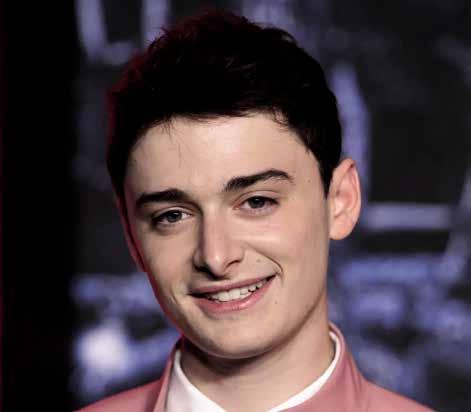
Noah Schnapp, 18, who plays the closeted Gay character Will Byers in the Netflix supernatural horror hit Stranger Things, came out as Gay through a TikTok video on Thursday last week.
The video was captioned, “When I finally told my friends and family I was Gay after being scared in the the closet for 18 years and all they said was ‘we know.’” He also mentioned that he was “more similar to Will than he thought.”
Fans speculated after the series’ most recent season that Will’s character was closeted, since he appeared to be in love with his friend, Mike Wheeler. Schnapp confirmed their suspicions in an interview with Variety, and said the theories go back to the beginning.
“Now that he’s gotten older, they made it a very real, obvious thing,” he said. “But before, it was a slow arc. I think it is done so beautifully, because it’s so easy to make a character just like all of a sudden be Gay.”
Noah Schnapp – Photo by Evan Agostini / Invision / AP
Barbra Seville – Photo courtesy of Visit Phoenix
National/International News
OKLAHOMA
continued from cover
SB 250 provides that “no provider shall be eligible for reimbursement through Medicaid or any other federal or state program or any other funding from any political subdivision of this state… if that provider, or any affiliate of that provider, performs gender transition procedures.”
Since almost all hospitals and clinics rely on government funding for a large part of their operating budgets, this bill can be read as a direct threat to medical providers: stop offering gender-affirming care or lose your funding.
Medicaid is a federal program, but it is administered by state governments, so the government of Oklahoma could — if this bill passes — reallocate the Medicaid money it gets from the federal government away from Trans-friendly providers.
If passed, SB 250 is likely to be challenged in court on the grounds that federal laws barring discrimination on the basis of gender identity supersede any state laws to the contrary. But even if such a challenge were to succeed, Oklahoma’s medical providers might be faced with a choice between accepting federal money and losing state money, or vice versa.
The second anti-Trans bill, SB 129, would prohibit gender-affirming care for people under 26, forcing them to detransition.
SB 129 adds two paragraphs to existing state laws:
“A. A physician or other healthcare professional shall not provide gender transition procedures to any individual under twentysix (26) years or age.
International news highlights
by Daniel Lindsley SGN Staff Writer
Drag fans in London baffled by US restrictions
RuPaul’s DragCon UK returned to London last weekend after a threeyear break. It reflected a very different political situation and national stance on the art form, compared to the United States’ string of bills and protests restricting access to drag events.
Eleven-year-old Diggory Alberts, who took to the stage on the event’s second day to show off his dance moves, told NBC News that the experience was “amazing,” because there were “a bunch of other young kids who are here living their life and enjoying it.”
Alberts reportedly struggled with the idea that American lawmakers would want to keep kids away from drag. “You can be whoever you want to be,” he said.
RuPaul’s Drag Race finalist Lady Camden emphasized the good drag could do for young Gay people.
“I wish I had let myself be Gayer and more feminine when I was a kid,” she said. “I wish I could go back in time and just let myself play with Barbies and let myself wear pink, talk however I want to talk, love whoever I want to love.”
Danielle Gostling of Kent, England, brought her daughter Dorothy, 6, to the convention.
“It’s about fun and expression and love and equality, and that’s very important for the children to know about,” she said, adding that there’s “nothing overtly graphic at all” about drag.
“B. A physician of other healthcare professional shall not refer any individual under twenty-six (26) years of age to any healthcare professional for gender transition procedures.”
Paragraph A would bar any medical providers in Oklahoma from offering gender-
affirming care of any kind. Paragraph B even forbids them from sending patients to out-of-state providers.
These are not the first anti-Trans bills introduced in the Oklahoma legislature.
A previous bill threatened to defund hospitals that provided gender-affirming care
for Trans youth. While the bill did not pass, hospitals discontinued care for patients under 18.
Another Oklahoma bill that did pass barred Trans youth from gender-appropriate restrooms and sports facilities.
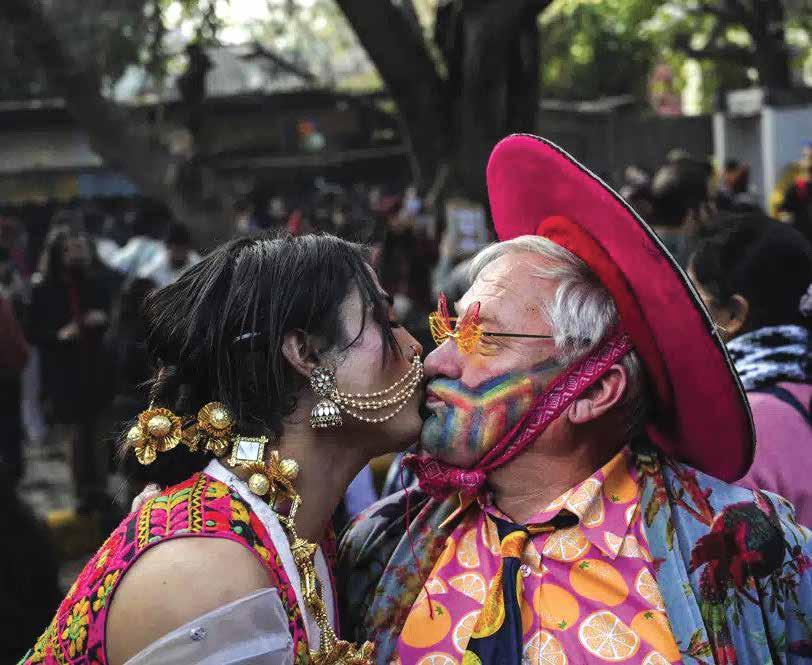
Queer joy, protest in New Delhi streets
On Sunday last week, with COVID restrictions lifted, thousands hit the streets of New Delhi to push for equal marriage rights, filling the air with flags, balloons, signs, and drumbeats for an hour as they marched to India’s parliament. “It’s good, it’s fabulous,” said Vishal Rai, 23. “Because we are here to celebrate ourselves, after three years.”
in New Dehli – Photo courtesy of AP
In 2018 the country’s Supreme Court decriminalized Gay sex, and since then, it has also heard petitions for grantting same-sex marriage legal recognition. The existence of Bollywood films with with LGBTQ themes, and of openly Gay celebrities, like filmmaker and author Apurva Asrani and Lesbian stand-up comedian Vasu Primlani, could signal the beginning of a cultural shift as well as a legal one. Meanwhile, Hindu nationalist lead -
ers have trotted out the classic appeal to national culture and tradition, arguing that same-sex marriage goes against both. And overall, LGBTQ people still face significant discrimination in the country.
“Give it another 20 years,” said volunteer Noor Enayat on the momentous progress since 2003. “It will be a very different world. So, I’m not going to be hopeless about it or say it’s not happening. It’s happening.”
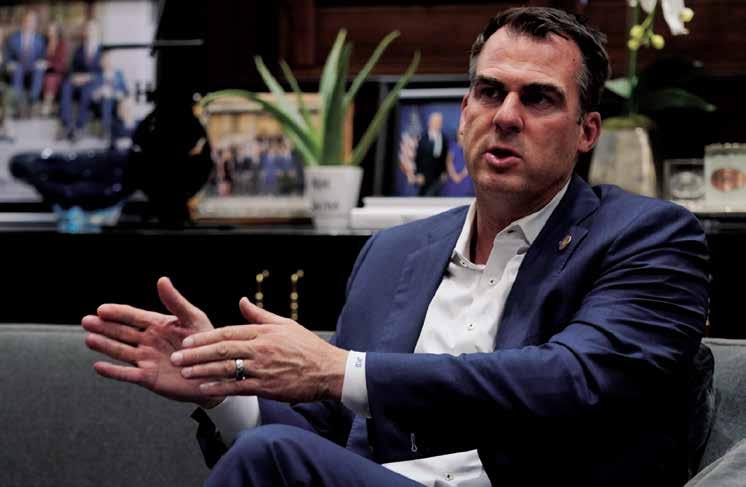
Oklahoma Gov. Kevin Stitt – Photo by Sue Ogrocki / AP