
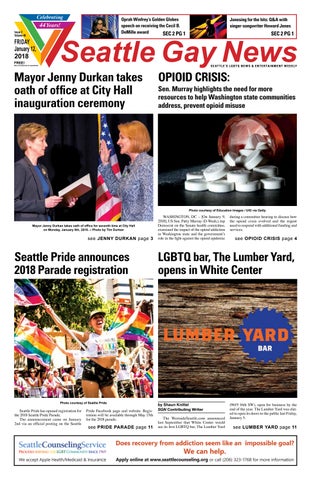
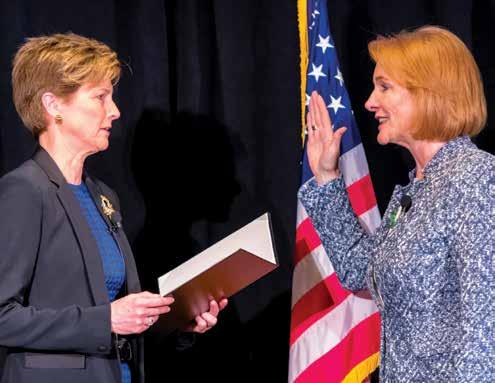
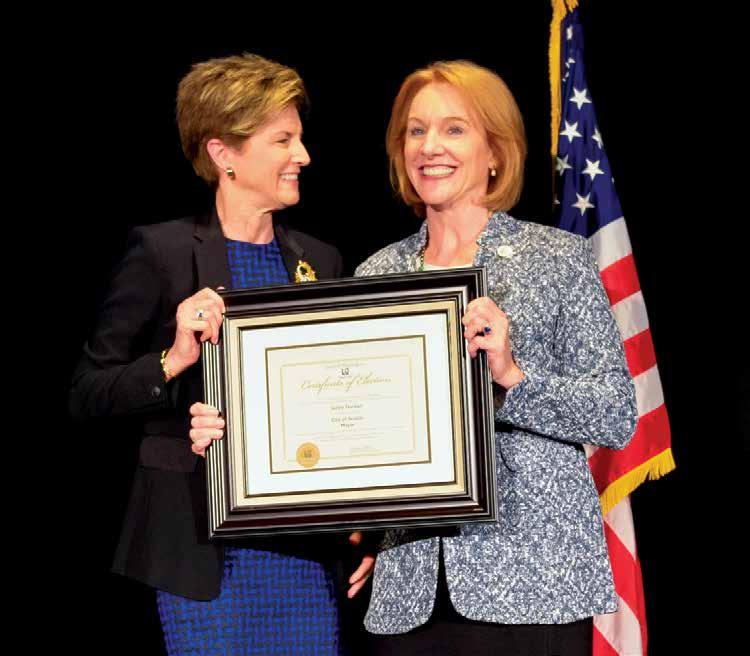
Mayor Jenny Durkan takes oath of office at City Hall inauguration ceremony
Sen. Murray highlights the need for more resources to help Washington state communities address, prevent opioid misuse

WASHINGTON, DC – [On January 9, 2018], US Sen. Patty Murray (D-Wash.), top Democrat on the Senate health committee, examined the impact of the opioid addiction in Washington state and the government’s role in the fight against the opioid epidemic
during a committee hearing to discuss how the opioid crisis evolved and the urgent need to respond with additional funding and services.

by Shaun Knittel SGN Contributing Writer






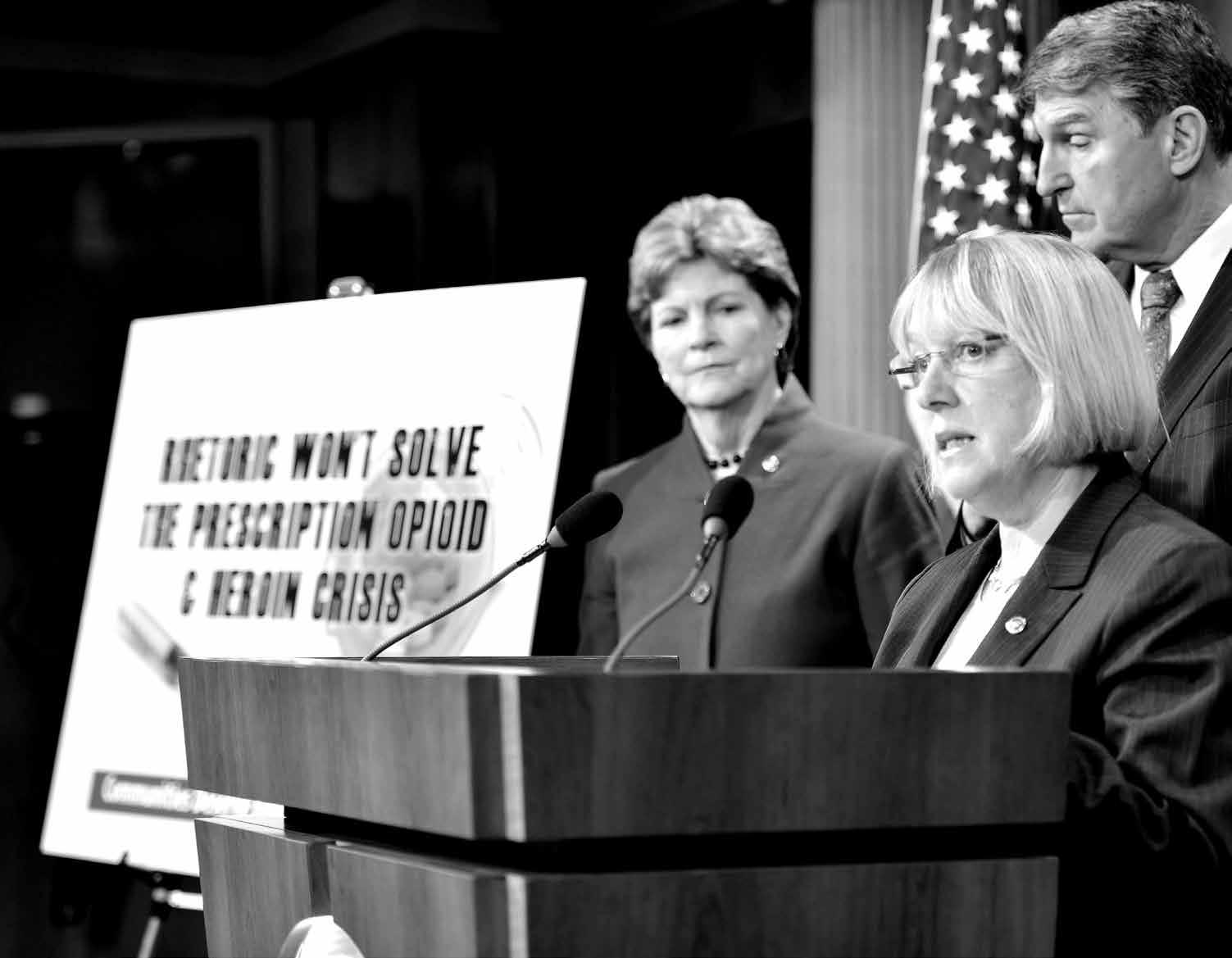
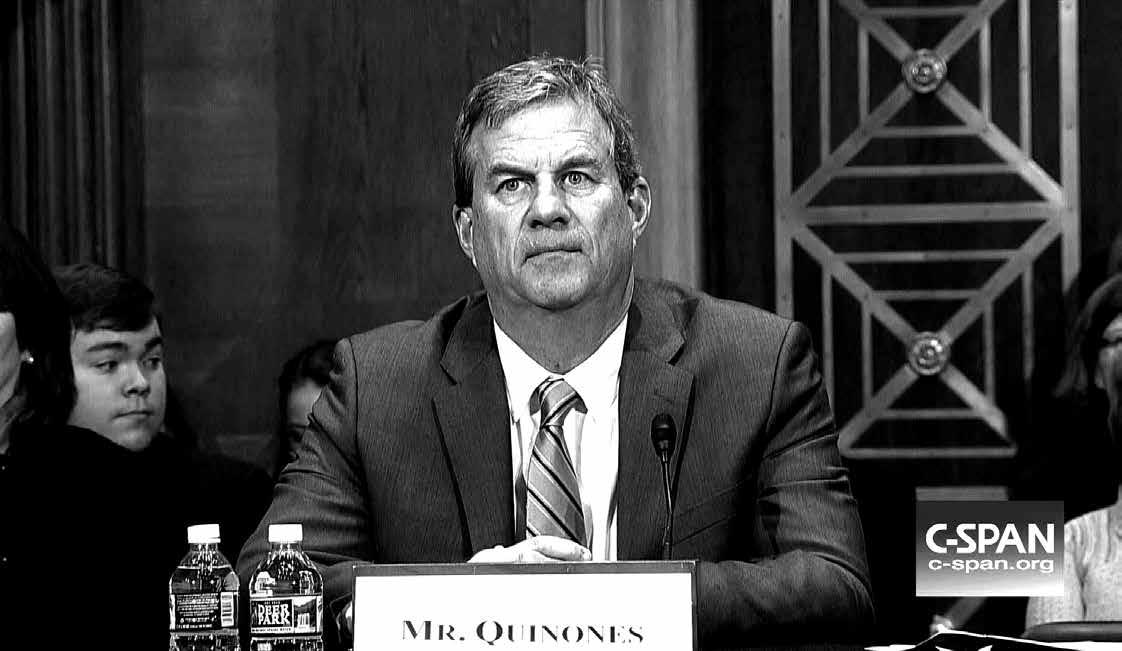
During the hearing, Sen. Murray heard testimony from Sam Quinones, author of Dreamland: The True Tale of America’s Opiate Epidemic, and emphasized the broad impact of the opioid epidemic, sharing stories from her visits with patients, medical providers, and law enforcement officials throughout Washington state about how opioid misuse affects families and communities. Sen. Murray also criticized the Trump administration for failing to live up to its promises of serious action to address opioid addiction.
As part of her ongoing commitment to help prevent opioid misuse and end the opioid epidemic in Washington state and across the nation, Sen. Murray previously led bipartisan efforts to pass the 21st Century Cures Act and the Comprehensive Addiction and Recovery Act (CARA), which provide federal investments to help combat opioid misuse and addiction. Through her leadership on the Senate health committee, Sen. Murray will convene additional hearings on the opioid crisis, including a hearing to learn more about how families are impacted by the epidemic.
Key excerpts from Sen. Murray’s opening statement:
“…the rise of this epidemic is broader in scope than any one book can tell. There are people from every background and every corner of the country who have stories about the harm that has been done. They are parents who have lost children to an overdose, children who have lost parents to an overdose, veterans in chronic pain who are struggling with addiction, doctors who are treating babies born addicted to opioids, and more.
“I’ve heard their heartbreaking stories firsthand traveling around Washington state and meeting with doctors, families, and communities fighting this disease. While visiting a local hospital in Longview, the staff there told me that almost one out of every two babies born there have mothers who struggle with substance use. That is stunning. It is heartbreaking. But it is, unfortunately, not the only evidence of this epidemic. Since 2000, nearly 10,000 people in Washington state have died of an opioid overdose.”
“…And when I say this epidemic affects everyone, I don’t just mean the individuals facing opioid addiction; there are other victims too. This epidemic hurts families. It leaves children struggling to cope with the impact of their parent’s addiction. It leaves many of them in foster homes. It leaves parents shattered with the heartbreak of their child’s illness, and leaves many struggling with the financial costs of opioid misuse and treatment and recovery as well.
“And this epidemic hurts our communities as a whole. It takes up resources of public health, hospitals, and law enforcement. It takes workers out of the local economy. It takes a toll on the morale of small towns and big cities alike with each new tragedy.”
“…Mr. Chairman, I look forward to working with you to have all of our members bring their ideas forward so we can work on moving policies that would help families and communities. We must do more to fund prevention efforts and treatment programs and build on the gains made. This means immediately providing supplemental funding states need to implement evidence-based tools that could turn this epidemic around. We need to ensure local stakeholders and partners – the people on the ground who know what works best for their communities – have the resources and information they need to respond to the crisis.
It also means going beyond prevention, treatment, and recovery. We must work to support not only the individuals facing addiction but the families and communities who are suffering too.
“I’m interested to hear Mr. Quinones’ perspective on how we do that, and again, am grateful to have you with us today.
“If we are going to beat the scourge of opioid addiction, we need to fund and enact solutions that are as comprehensive as this challenge.”
Watch video of Sen. Murray’s opening statement at https://youtu.be/b4KJy1kndD4.
The full text of Sen. Murray’s opening statement follows:
“Thank you, Mr. Chairman. I’m glad to be continuing our discussion on this important issue.
“I know our witness today has been following the opioid crisis and its growth into the full-blown epidemic families and communities across the nation are facing today.
“Mr. Quinones, thank you for joining us. I’d also like to welcome your wife and daughter. I’m glad they were able to be here with you. I look forward to hearing your perspective on how we can better help communities fight this crisis and support all those whom it has impacted. I appreciate the investigative work you’ve done to help shed light on this challenge.
“Of course – and I’m sure you would agree – the rise of this epidemic is broader in scope than any one book can tell. There are people from every background and every corner of the country who have stories about the harm that has been done. They are parents who have lost children to an overdose, children who have lost parents to an overdose, veterans in chronic pain who are struggling with addiction, doctors who are treating
babies born addicted to opioids, and more.
“I’ve heard their heartbreaking stories firsthand traveling around Washington state and meeting with doctors, families, and communities fighting this disease. While visiting a local hospital in Longview, the staff there told me that almost one out of every two babies born there have mothers who struggle with substance use. That is stunning. It is heartbreaking. But it is, unfortunately, not the only evidence of this epidemic. Since 2000, nearly 10,000 people in Washington state have died of an opioid overdose.
“And this isn’t just happening in Longview; it is happening in local hospitals across the nation. We are losing 91 people every day to opioid overdose. And when I say this epidemic affects everyone, I don’t just mean the individuals facing opioid addiction; there are other victims too. This epidemic hurts families. It leaves children struggling to cope with the impact of their parent’s addiction. It leaves many of them in foster homes. It leaves parents shattered with the heartbreak of their child’s illness, and leaves many struggling with the financial costs of opioid misuse and treatment and recovery as well.
“And this epidemic hurts our communities as a whole. It takes up resources of public health, hospitals, and law enforcement. It takes workers out of the local economy. It takes a toll on the morale of small towns and big cities alike with each new tragedy.
“We are behind the curve on fighting this epidemic.
“One of the stories that stood out to me in your book, Mr. Quinones, was about a state employee from the Washington Department of Labor & Industries, a woman named Jaymie Mai. Jaymie was a pharmacist charged with overseeing the cases of workers receiving prescription drugs for
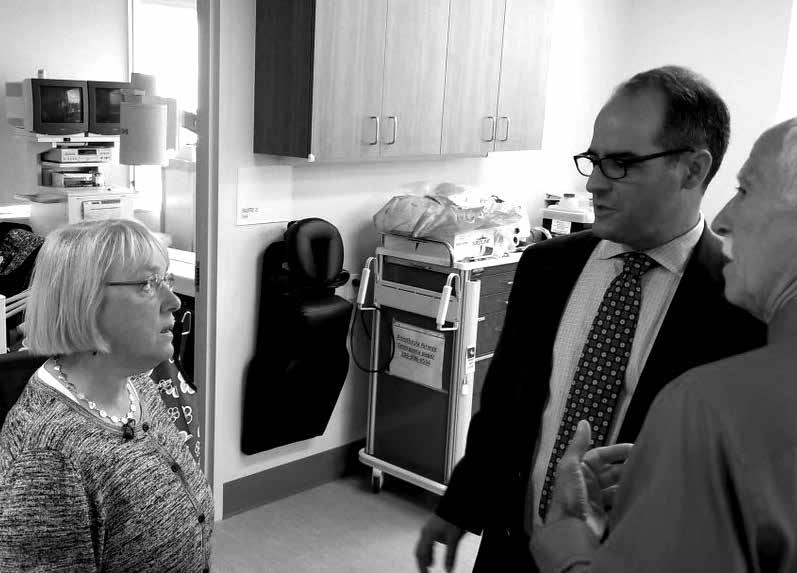
injuries. After six months, Mai noticed that some of these workers were dying from the same painkillers they’d been prescribed. The paper she published in 2005 about the uptick in high-strength opioid prescriptions and deaths was one of the first papers in the country to document the impact of the crisis we face today.
“But she published her paper over a decade ago – which just shows we have been fighting this battle for far too long. And that we must do more.
“Now, I’m glad that we have taken some necessary steps.
“In 2016, Congress passed the 21st Century Cures Act, which included nearly $1 billion of funding for states to address the opioid crisis through prevention, treatment, and recovery efforts. And the Comprehensive Addiction and Recovery Act, which supports specific outreach for veterans and pregnant and postpartum women, expands access to medication-assisted treatments, and much more.
“However, there is still work to be done. Along with many of my colleagues I hope that we can move more funding in any upcoming budget or appropriations agreements. First responders, state and local officials, treatment professionals, and families have made it clear that continued federal funding is key to addressing this crisis.
“And unfortunately, while we have heard a lot of talk from the Trump administration on this, we have yet to see the President take the kind of serious action this emergency
demands – and that he promised families on the campaign trail. The White House’s own Council of Economic Advisors released a report estimating the economic cost of the opioid crisis to be over $500 billion – just for 2015. Addressing a problem this big will take an enormous investment of time, energy, focus – and robust funding. The President’s third-quarter paycheck is not going to cut it. Our communities are crying out for serious solutions, not stunts.
“So I am eager to see this committee continue its bipartisan approach and take substantive action to address this epidemic over the next couple months.
“Mr. Chairman, I look forward to working with you to have all of our members bring their ideas forward so we can work on moving policies that would help families and communities. We must do more to fund prevention efforts and treatment programs and build on the gains made. This means immediately providing supplemental funding states need to implement evidence-based tools that could turn this epidemic around. We need to ensure local stakeholders and partners – the people on the ground who know what works best for their communities – have the resources and information they need to respond to the crisis. It also means going beyond prevention, treatment, and recovery. We must work to support not only the individuals facing addiction but the families and communities who are suffering too.
“I’m interested to hear Mr. Quinones’ perspective on how we do that and again, am grateful to have you with us today.
“If we are going to beat the scourge of opioid addiction, we need to fund and enact solutions that are as comprehensive as this challenge.
“I look forward to our continued work together.”
Courtesy of Sen. Patty Murray

The Seattle AIDS Legacy Memorial (SALM) Project seeks an individual or organization to direct its Inreach Initiative, which will engage African Americans and its diaspora and other communities of color to tell the history of Seattle/King County’s AIDS crisis by creating stories for The Seattle AIDS Legacy Memorial’s HIV/AIDS Story Bank.
Applicants for this contract position should visit http://bit.ly/2CVo1ng to learn more and apply no later than January 25, 2018.



Monday, January 15, 2018
8:30am to 4:30pm
Garfield High School
AGENDA
400 23rd Ave, Seattle, WA 98122 LEARN MORE ABOUT THIS EVENT MLKSEATTLE.ORG
8:30 am – 11: 30 am – Opportunity Fair
9:30 am – 10:50 am – Workshops
11:00 am – Rally at Garfield gym
12:30 – 4:30 pm March to the Jackson Federal Building

Want to march with a group? You’re invited to join the ACLU contingent by gathering at 12:00pm outside the Garfield gym. ACLU activists will be wearing stickers and holding signs REGISTER TO MARCH WITH ACLU ACLU-WA.ORG/EVENTS/MLK-DAY-CELEBRATION-AND-MARCH



Hello,
My name is Johnnie Hawkins, the LGBT Coordinator for the Veterans Benefits Administration. My colleague Josh Wheeldon and I are looking to connect with community providers, veterans, and LGBT allies in the Puget Sound area to discuss creating a network that helps LGBT veterans. Our goal is to increase awareness and provide education and support around issues faced by LGBT veterans in the community. If you are interested, there will be a meet and greet on Friday, February 23, from 10am-12noon at the Wounded Warrior Project, 2200 Alaskan Way, Ste 130 along the waterfront in downtown Seattle (in the Belltown neighborhood).
Sincerely,
Johnnie Hawkins Legal Administrative Specialist
LGBTQ Veterans Coordinator Seattle VA Regional Office 915 Second Avenue Seattle, WA 98174
(206) 341-8593
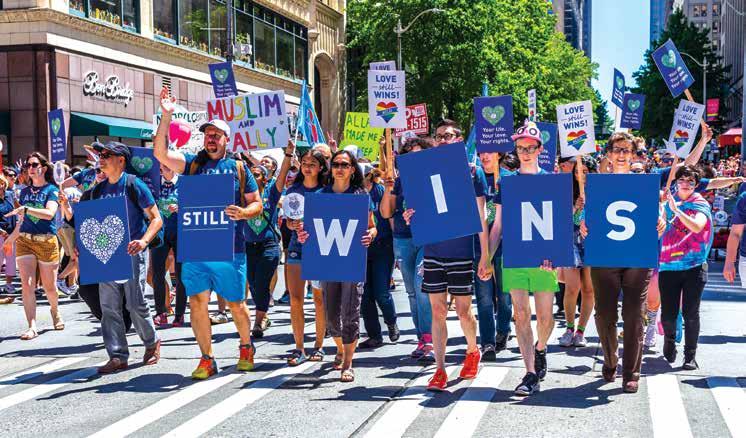
The post also announced a change in the pricing structure for registration, emphasizing a lower cost for non-profit organizations. These lower rates, in addition to a Community Sponsorship Program entering its second year, are part of an effort by Seattle Pride to continue building a partnership with other non-profit organizations.
When asked about the reduction of rates, Seattle Pride President Kevin Toovey said, “The Board of Directors and I are excited to lower registration rates in most categories, particularly for local non-profit organizations who support our community. One of my priorities for Seattle Pride is changing the way we interact with other non-profit and community organizations, which includes lower registration rates, a sponsorship program which waives registration fees completely and supporting other local pride organizations and events through grants and sponsorships.”
Information about registration, rates, and the Community Sponsorship Program can all be found on the Seattle Pride website: www.seattlepride.org/events/ parade/registration.
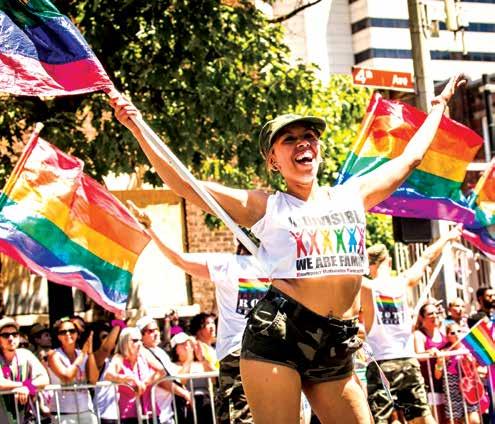
The Seattle Pride Parade takes place annually on the last Sunday in June. The 2018 Parade will be held on Sunday, June 24th. Visit SeattlePride.org to register your group or find out how you can participate in creating a successful day by becoming a volunteer.
About Seattle Out & Proud and Seattle Pride
Seattle Out & Proud is the volunteerdirected organization behind the official Seattle Pride roster of events. Seattle Out & Proud’s mission is to create unity, honor diversity, and achieve equal human rights
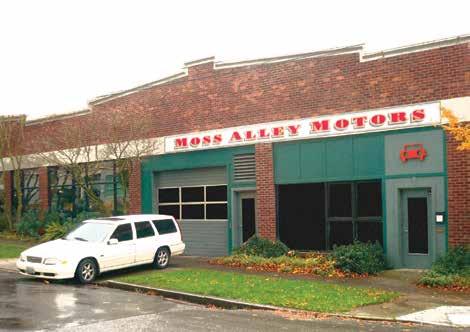
The Lumber Yard co-owner Nathan Adams told WestsideSeattle.com,”Michale and I moved to the neighborhood 5 years ago, and have enjoyed watching it change and grow. The amazing diversity and acceptance of the community made choosing White Center a great choice for our adventure, The Lumber Yard Bar.”
Adams went on to say, “The Lumber Yard Bar is a dream my husband (Michale) and I have had for several years. After much searching we chose the location at 9619 16th Ave SW, and have started the building process.”
According to Adams, The Lumber Yard will “use a mix of different woods and industrial lighting to make a warm and inviting space for all to gather.”
Adams says the space is much larger than it looks at just over 2000 square feet, boasting a main floor upstairs and a downstairs.
“So, what do we want to make of the space?” Adams asks. “The Lumber Yard will be the first and only LGBTQ bar in White Center. We are creating a space that will be all inclusive to the entire community.”
Adams says the bar will serve as an extension of their living room – right in their own backyard.
throughout our region and the world. Seattle Out & Proud is focused on informing and educating the community on LGBT issues through community outreach and produced events, including the Volunteer Park Pride Festival and the Seattle Pride Parade.
“You don’t have to go to the Hill anymore,” Farrar said to WestsideSeattle. com. “We’re going to draw people from everywhere. It will be a destination, a place where people want to hang out.”
The bar plans to host a karaoke night, drag shows, trivia nights and more.
Adams and Farrar say the bar will have a kitchen to serve something they call “hearty bar fare” that will also offer vegetarian and gluten-free options on the menu, as well as rotating specials.
The two men searched for a location in Georgetown but they could not find any available spaces. Finally, they decided to look in their own neighborhood, White Center, and settled on the current location.
For more information about Seattle Out & Proud and Seattle Pride, including opportunities to volunteer or sponsor, visit www.seattlepride.org.
Courtesy of Seattle Out & Proud
Initially, Adams says that calling the business an LGBTQ bar seemed to confuse people.
“People kept coming in and asking what an LGBTQ bar is,” Adams said. “If you call it a Gay bar, you’re not being inclusive of the entire community.”
For more information visit the bar’s official Facebook page at https://www. facebook.com/The-Lumber-YardBar-1688138674813238/.
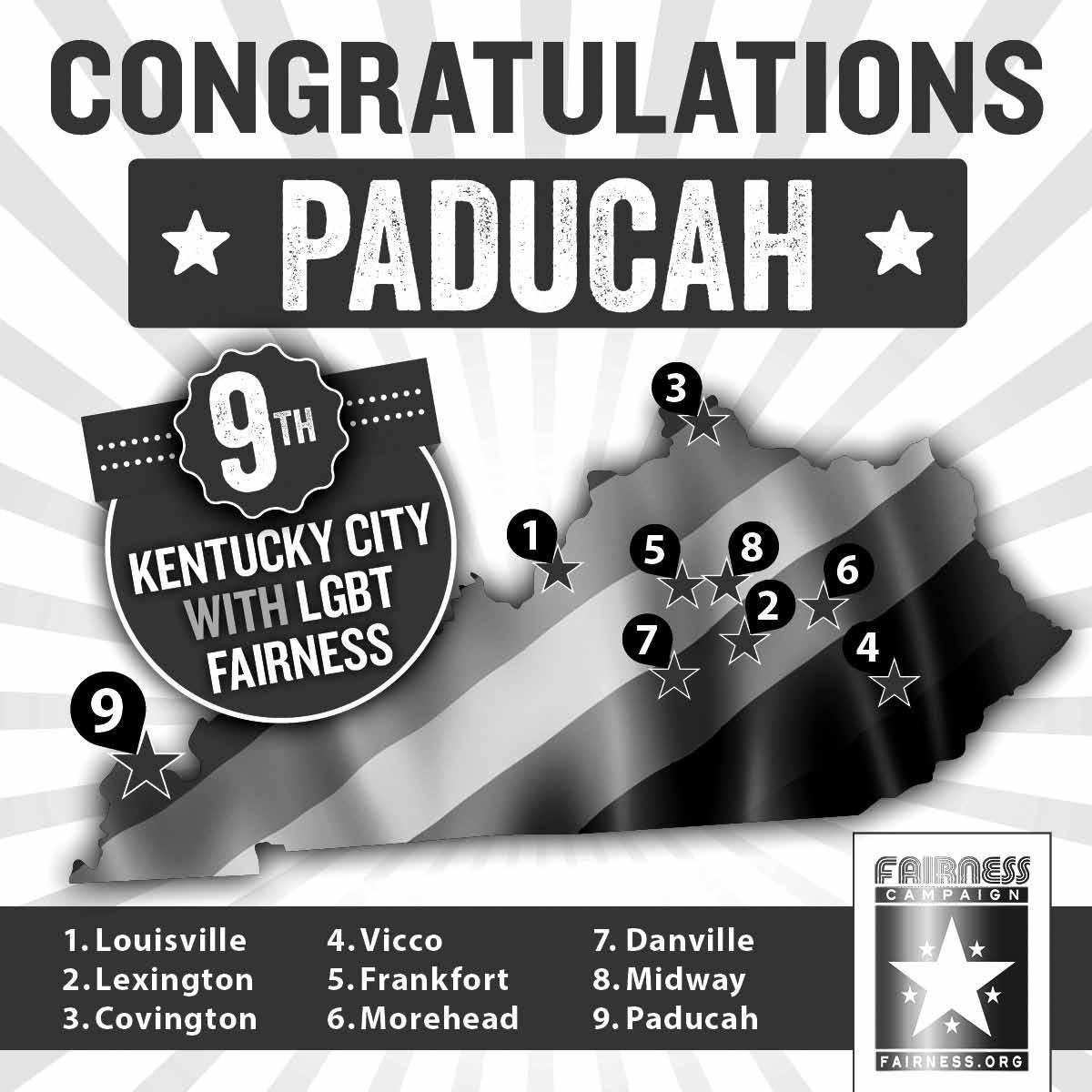
PADUCAH, Ky. – With a vote of 4-1 [on January 9, 2018], Paducah (population: 25,145) became the ninth Kentucky city to adopt a Fairness Ordinance, prohibiting discrimination in employment, housing, and public accommodations against lesbian, gay, bisexual, and transgender (LGBT) people. More than 250 residents packed City Hall for the vote, which makes Paducah the only city in western Kentucky with LGBT discrimination protections.
Mayor Brandi Harless, Mayor Pro Tem Sandra Wilson, and Commissioners Sarah Stewart Holland and Allan Rhodes voted in favor of the measure. The lone vote of dissent came from Commissioner Richard Abraham, who also offered a broad religious exemption for business owners. After debate, Commissioner Abraham’s amendment failed 4-1.
Paducah joins eight other Kentucky cities that have passed similar LGBT Fairness Ordinances: Covington (2003), Danville (2014), the state capital Frankfort (2013), Lexington (1999), Louisville (1999), Midway (2015), Morehead (2013), and the small Appalachian town of Vicco (2013).
The passage of Paducah’s Fairness Ordinance highlights the ongoing effort to pass a similar statewide Fairness Law that would update Kentucky’s civil rights law to include LGBT people in discrimination protections. A statewide fairness law has been proposed in the Kentucky General Assembly for nearly two decades. While it received two public hearings in 2015 and 2016, the measure has never received a vote. State Sen. Morgan McGarvey and State Rep. Mary Lou Marzian both plan to file the bill in Kentucky’s 2018 General Assembly.
Founded in 1991, the Fairness Campaign is Kentucky’s broad-based community effort dedicated to equal rights for lesbian gay, bisexual, and transgender people. Its primary goal is comprehensive civil rights legislation prohibiting discrimination on the basis of sexual orientation and gender identity, and to dismantle systemic racism.
Courtesy of the Fairness Campaign
by Mike Andrew SGN Staff Writer
The US Supreme Court said on January 8 that it will not hear a case challenging Mississippi’s “religious exemption” law.
Two separate appeals had been sent to the high court from Mississippi residents and LGBT rights organizations claiming that the state law violated the equal protection and establishment of religion clauses of the US Constitution.
The law, known as HB 1523, authorizes a broad range of individuals, private businesses, and medical and social service agencies to discriminate based on religious beliefs about marriage, nonmarital sexual relationships, and conformity with gender stereotypes.
The measure says people who claim to be motivated by their religious convictions can’t be sued or penalized by the government for declining to provide services for same-sex marriage ceremonies. The law also protects people who believe gender is an immutable characteristic or who object to sex out of wedlock.
The measure also repealed civil rights protections that cities, including Jackson, the state’s capital and most populous city, had previously afforded to Gay and Transgender residents.
Two groups of plaintiffs, including the Mississippi Center for Justice, filed a suit to stop it, with Lambda Legal also joining their legal team.
“The 11 individuals and church that are plaintiffs in Barber v. Bryant comprise a broad cross-section of Mississippians harmed by HB 1523 – leaders of faith congregations in the state, LGBT residents, and others impacted by the discriminatory law in their professional and personal lives,” Lambda Legal explained. “The lawsuit claims HB 1523 violates the Establishment and Equal Protection Clauses of the US Constitution.
On June 30, 2016, before the law took effect, a federal judge declared it unconstitu-
tional and enjoined it from going into effect while the case proceeded.
The 5th Circuit Court of Appeals later reversed that decision, on the grounds that the plaintiffs could not show they were directly harmed by the law and therefore did not have standing to sue. The appeals court ruling will stand since the high court declined to hear the case.
While the Supreme Court has declined to hear a number of cases involving LGBT rights, it has agreed to hear the appeal of a Colorado baker who was fined for violating his state’s anti-discrimination laws when he refused to supply a wedding cake for a Gay couple.
According to Bloomberg News, the Mississippi case “in some ways represented the flip side of the Colorado case the high court is currently considering…”
While Colorado law requires businesses to afford equal treatment even though the Denver-area baker says he has a religious objection to same-sex marriage, the Mississippi law, by contrast, gives priority to religious rights.
Mississippi enacted HB 1523 less than a year after the 2015 Supreme Court ruling that legalized same-sex marriage nationwide.