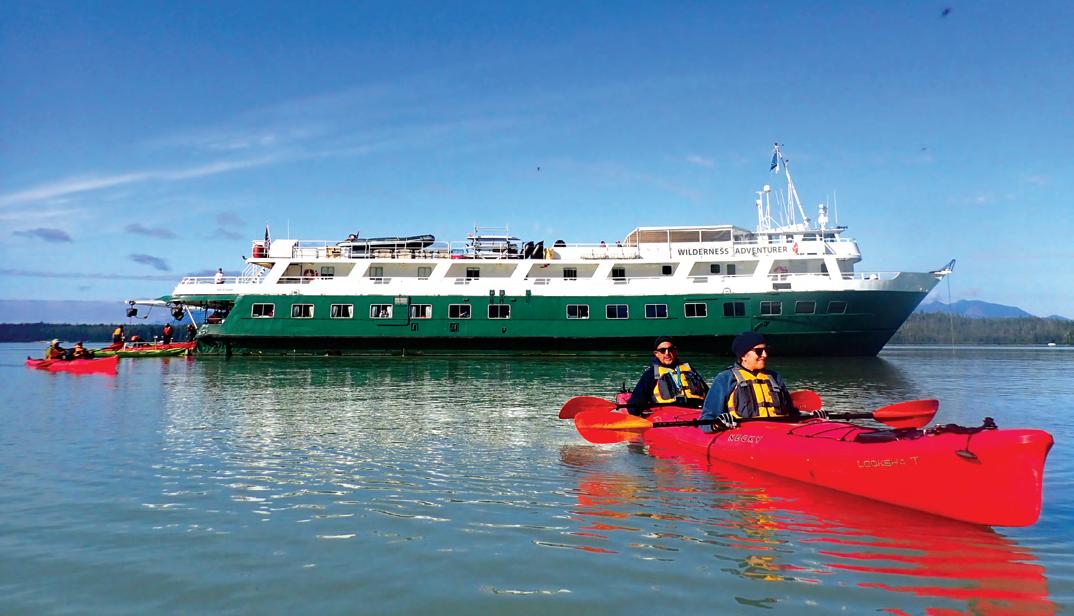
The ship
The ship
If you are accustomed to vacationing aboard monstrous floating palaces with lavish accommodations alongside hundreds of nameless strangers, UnCruise may not be for you. We were at half-capacity with 31 passengers — all COVID-tested, all friendly. Jill remarked at dinner that this sort of trip “weeds the jerks out on its own.” After spending time getting to know everyone — whether during a hike or happy hour — I’m inclined to agree.
The rooms were modest: compact showers, a shelf storage area, and a single window made complete with a pair of binoculars for birdwatching or sightseeing once we were underway. I found out quickly that my neighbors had a Bluetooth speaker with them.
They were fond of Adele.
Humble though the accommodations might have seemed, we were by no means roughing it. My first thought when walking into my room — a Trailblazer cabin — was that the bed was twice the size of the one I have in my studio apartment. Softer, too.
My second was that the wood paneling was absolutely gorgeous. The Wilderness Adventurer was built in 1984. I guess I’m a sucker for the classics.
The crew
We were greeted before boarding by Captain Alan, a warm man with a genuine smile. The few conversations I had with him were pleasant and, having not left Seattle for several months, refreshingly down-to-earth.
We got to talking briefly one misty afternoon on the sun deck. “The way I see it,” he said, “I wouldn’t ask this crew to do anything out here I wouldn’t do myself. Sometimes, I sit down there with the stewards and clean glasses with them.”
That openness and passion for the work resonated throughout the ship’s crew, who hailed from all different backgrounds. Their lives — a Seattle bartender, an MS in fisheries science, an MA in gender studies, and a career in the fashion industry, to mention just a few — were all changed and guided to the UnCruise by their mutual love of our ocean and the life in it.
There was a strong femme-driven energy to the vessel. Working and living on a ship has long been thought to be “a man’s job,” and it was heartening to see so many strong femme presences, especially when taking into account how many families with children ride with the UnCruise every season.
“Last week, we had a little girl who got picked on at school for thinking bugs and nature are cool,” Taylor, an expedition guide, told me one evening in the lounge. They smiled. “And after seeing me and this crew, she was like ‘Wow! I can do that? I want to do that!’ It was really awesome.”
One steward, Roberto, confided in us one evening that it was his first time working on a ship.
“It’s great here! Everyone’s really nice. It’s only my first week, but if that changes by the end of it, I’ll let you know.”
Whether it was a kind word in the morning from a steward or an enthusiastic slideshow lecture from a guide when the day was winding down, you could see the spark in every crewmember’s eyes. They wanted to be there, and they were excited to share this adventure with you. And it made sense.
That first morning, watching the sun rise over the mountains of Tracy Arm, I felt a sense of wonder swell up in my chest — something I’d thought was long since stamped out by leering luxury high rises and overpriced coffee.
Thank God for mask mandates or else every time someone looked at me, they’d have seen me grinning ear to ear like an idiot.
The voyage
Our path was pretty clear-cut. We trav-
Openness and passion for the work resonated throughout the ship’s crew, who hailed from all different backgrounds. Their lives — a Seattle bartender, an MS in fisheries science, an MA in gender studies, and a career in the fashion industry, to mention just a few — were all changed and guided to the UnCruise by their mutual love of our ocean and the life in it.
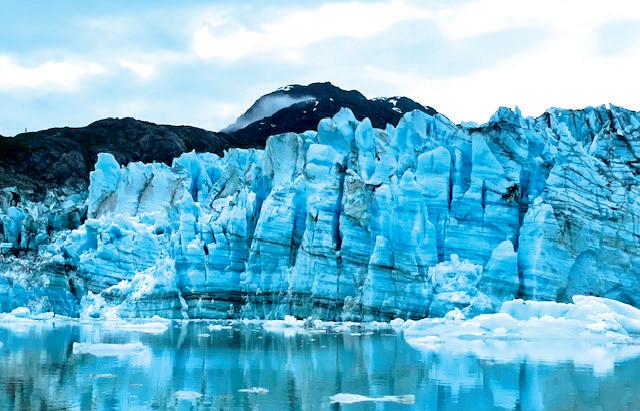
eled from Juneau into Tracy Arm, where we stopped to see the South Sawyer Glacier. Out on a skiff, we witnessed a magnificent glacier calving, blue and white cascading down from impossible heights in the summer sun.
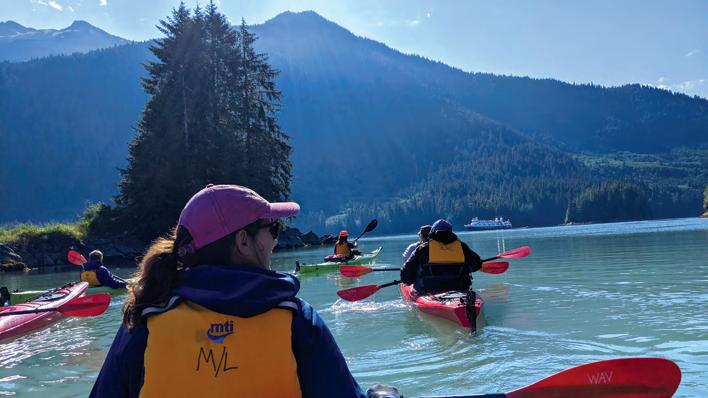
From there, we traveled to Thomas Bay and Cascade Creek, where I had the pleasure of learning how to kayak for the first time before hitting a lush Tongass National Forest hiking trail.
Each day’s activities were determined the afternoon prior. We were told on the first night that our plans and trajectory could change from the original script if it looked like we would cross paths with a different cruise ship, or our way was blocked by some sort of natural phenomenon. Options were presented daily, with activities ranging from all-day bushwhacks to mild skiff tours.
This made the trip accessible to all ages: the oldest of the passengers was 87, the youngest 11. I’ll be the first to admit I was relieved to see a family of five on board, if only for the simple fact that I was no longer the youngest. I still have an irrational fear of being sent to the kids’ table, despite having lived and worked with people twice
or three times my age my entire career. Beyond that, it was nice to see a family having a good time.
Every day, as previously mentioned, we wound down in the lounge with an educational lecture on a variety of topics. One night was a speculative journey through what it takes to live in the ocean. Another was about conservation and leaving no footprint behind as we explored the wilderness. Another taught us more about moss and lichen than I’d ever hoped to know. Did you know that moss can have sex with itself? And even if it appears dry or dead, it may just be cutting back on life support, so to speak, in order to survive in drier climates.
That particular lecture kept coming up in conversation among the passengers. If you get a chance, I highly recommend it.
On the third day, I opted for the “Yak ‘n’ Whack” in the Bay of Pillars: two hours by kayak to land, two hours of bushwhacking through untamed wild. I was assigned one of the stewards, Lindsay, as a partner. “They encourage us to try to get us off the boat as much as we can,” she told me when we were about halfway to our destination.
Lunch on a bed of sphagnum moss in the middle of an old-growth temperate rainforest is an experience unlike any other, though “peaceful” isn’t the first word that comes to mind. Laughing, sweating, and singing camp songs to ward off bears, we made our way through the woods on Kuiu Island to the beach and back again.
The rest of the days were spent much the same way, one adventure after the next, with some downtime in between. From there to Takatz Bay, to George Island, to Glacier Bay National Park, and then back home again. Snorkeling gear was provided for the bolder among us on the fifth day. I would’ve regretted not going if it weren’t for the other things out there to see.
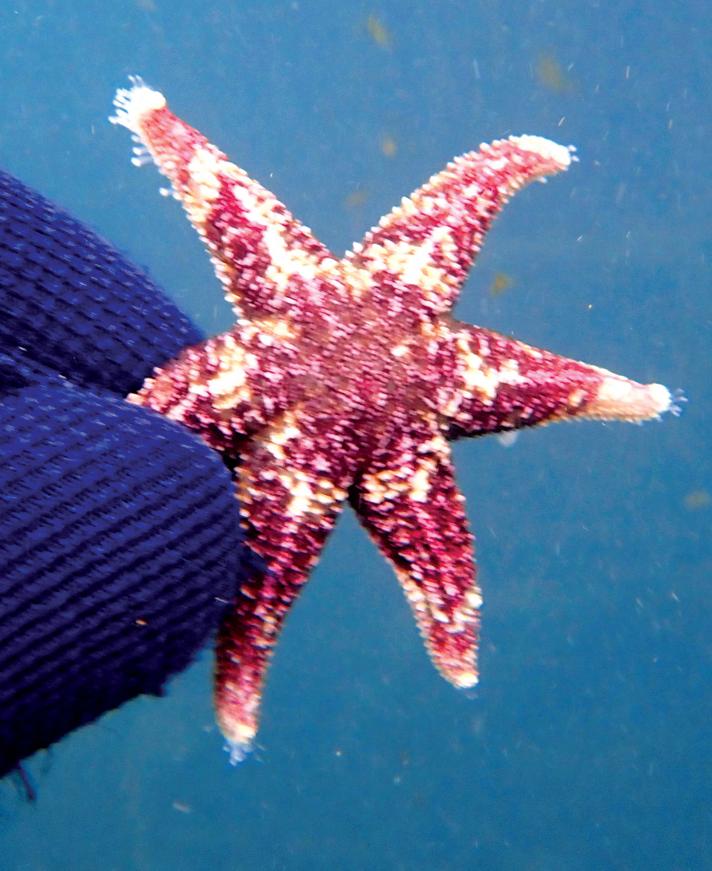
We were encouraged to mark the wildlife we spotted on a large whiteboard located near the dining area. We were notified over the comm system any time whales were spotted. Notable among the other wildlife sightings were a black bear, six-legged sea stars, and, at 9:30pm on July 1, passengers swear up and down they spotted a bright white UFO hovering overhead.
I cannot promise your experience will include a UFO.
I can say with certainty that the sheer majesty of these places — George Island in particular, where we were led to a hidden rocky beach, complete with a dark obelisk painted by electric violet flowers — will fill you with awe.
There was no cell service for most of the trip, but it didn’t matter. We were busy exploring.
Those moments of calm and wonder that come with finding a chicken-of-thewoods mushroom the size of a small dog or a prime specimen of bone sheath lichen in the middle of a drizzle-filled morning hike are ones you have to feel for yourself, moments you won’t capture in your Instagram story, moments you won’t have again.
The food
Three hots and a cot are all I hoped for when boarding the Wilderness Adventurer Regular readers of my column will know my usual breakfast here in the Emerald City consists largely of cold coffee and nicotine gum. What we were served well surpassed my expectations. Three gourmet meals a day — starting with a breakfast buffet and ending with a choice of sea, land, or vegetarian options — is what we got. Salmon the first night. Lamb another. On another, steak. All expertly prepared and followed by a dessert specially prepared by the ship’s pastry chef to complement the course.
UnCruise works with the Monterey Bay Aquarium to ensure that their seafood options make as little impact as possible on
the ecosystem, another example that stood out to me of the company’s commitment to spreading ecological awareness, as well as enjoyment to their passengers.
What’s more, I noticed on several occasions their willingness to work with guests’ dietary restrictions and allergies at what seemed like a moment’s notice.
We dined with other passengers. Most of the time I ate with Jill, as mentioned, and her friends Susan and David, a couple from Seattle who invited me to dinner once we were back in the city. (The answer is still
yes to that, by the way.) Our dinner conversation delved into topics like politics, transhumanism, science fiction recommendations, and even Elon Musk. There are few things I appreciate more than interesting dinner conversation, and, no matter who I sat with, it was never boring.
For the last meal of our trip, I was among a handful chosen to dine at the captain’s table. I ordered the stuffed portobello and listened with interest as those at the table discussed raising kids, living meaningfully, and, ultimately, various philosophies on
life itself. If this sounds like a good time to you, you’re in luck. Spending a week with strangers on a ship elicits conversations like this regularly.
Food and drink are included in your ticket price, and every evening before dinner we had cocktail hour in the lounge. The bartender, Heather, was kind enough to make me my favorite — Death in the Afternoon — on the first night, and it became my not-so-secret mission to convert my fellow shipmates to Hemingway’s absinthe and sparkling wine blend by the end of the week.
Sitting there in the lounge, surrounded by books on local ecology and chatting with other passengers while we gazed out at the ocean, I — a twentysomething Queer journalist with badly chipped nail polish — felt completely at ease among the myriad retirees, teachers, and government scientists on board. I determined once again that Jill’s previous assessment had been true: this type of trip naturally weeds out the assholes, leaving nothing but interesting people with fascinating stories.
My one complaint would be the coffee, which, though provided freely and without limit, didn’t quite meet base levels of the freakish amount of caffeine I consume on a regular basis, even at four cups a day.
The last day
We’d been blessed by unusually warm weather most of the week, leading some to hope the dry spell would last until Friday. Pulling into Glacier Bay National Park, the sky was a gray expanse. Little droplets of rain hit us during our morning stretches on the sun deck.
Some of us opted for a hike to the top of the glacier, while others chose a skiff tour or kayak around the area.
Clambering up the side of the mountain, my regret at not having packed any bug spray quickly gave way to my appreciation of the view. There’s something about the enormity of a glacier that makes you lose track of perspective. Sitting on a cliff ledge and looking down, I could see the ship, small and insignificant against a backdrop of bluewhite ice reaching up into the clouds.
Allan, a psychologist and jam musician from Delaware, had brought his harmonica with him to the top. As he serenaded us in
There’s something about the enormity of a glacier that makes you lose track of perspective. Sitting on a cliff ledge and looking down, I could see the ship, small and insignificant against a backdrop of blue-white ice reaching up into the clouds.
that icy landscape, I watched as glacial ice fell slowly into the water.
It brought to mind a saying from Heraclitus, a pre-Socratic philosopher we had to read in school. “You can’t step in the same river twice.”
To me, this trip was once in a lifetime. My experiences are my own, and no matter how many people go on the same or similar cruises, there will only ever be this one. That feeling is enhanced by the unseasonable sunshine we encountered. The climate is changing. The ice is melting. Several crew members remarked how, in their few years working in Southeast Alaska, the glaciers had receded quickly from where they’d been for decades, if not centuries. You can’t step in the same river twice. No two ice-faring adventures are alike, and, as the world keeps changing, eventually even that river will dry up.
A bittersweet end to a dream-come-true voyage, but don’t worry. Any depressing philosophical musings I had were shoved out of my head during the Polar Plunge later that day. Doing a cannonball next to a mountain of ice will do that to you.
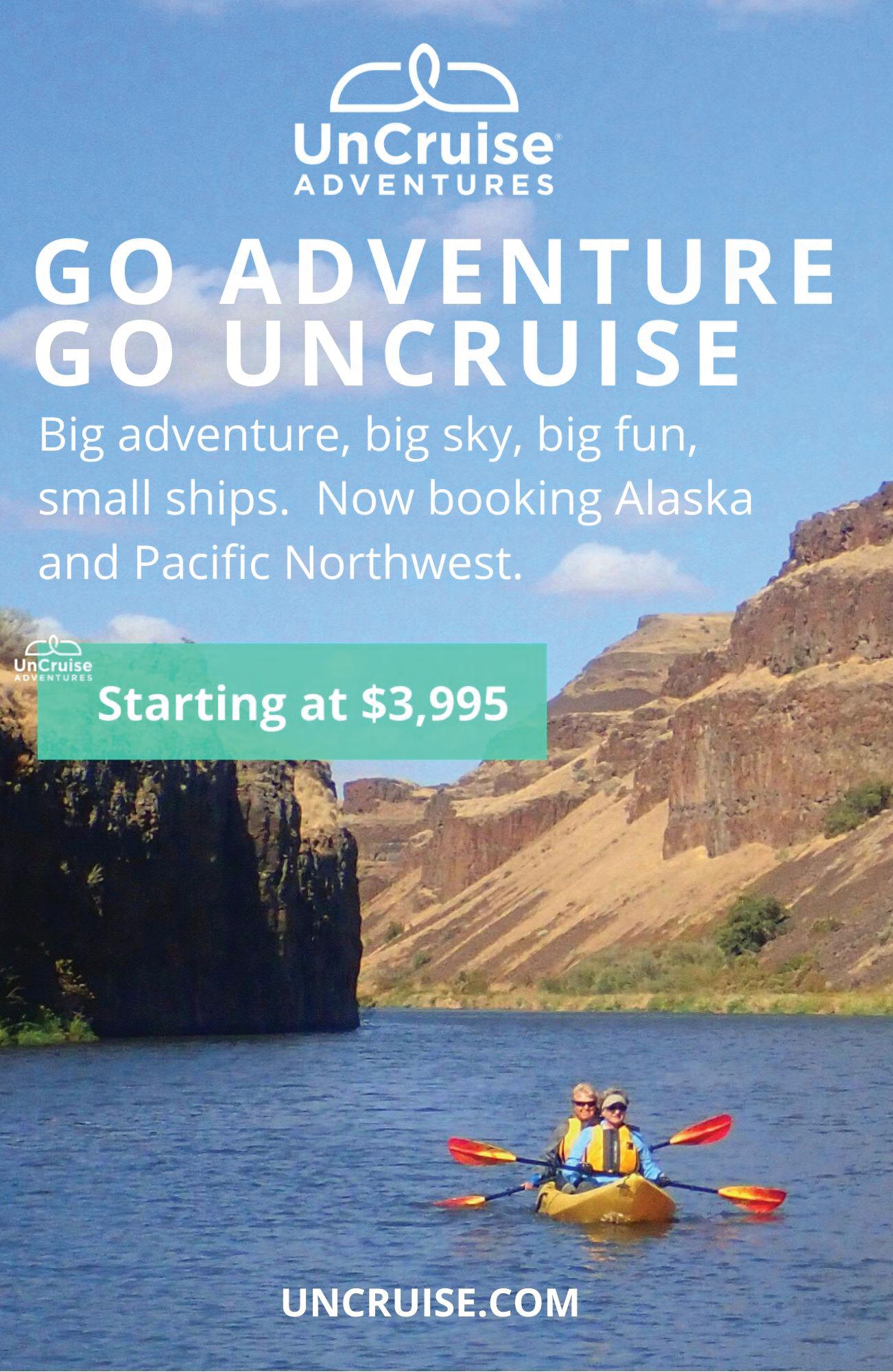
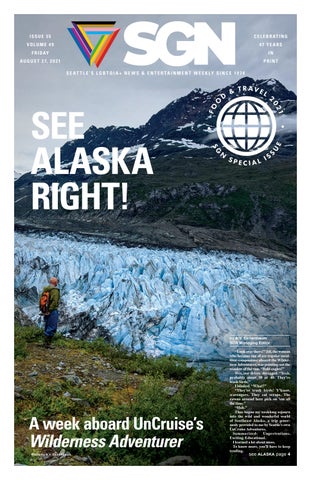
To learn more about UnCruise Adventures or schedule a trip of your own, visit www.uncruise.com.
An ocean’s length of social distancing requested by native
by Janice Athill SGN Contributing Writer
In 1893 the United States armed forces illegally invaded the Kingdom of Hawaii. The coup was staged — without presidential approval — by white American sugar cane growers living on the islands. Their profits had suffered greatly from a tariff that raised import rates on foreign sugar, so their intention was to get Hawaii annexed. This would make the tariff disappear.
Ships landed at Honolulu, with 160 armed soldiers, abrogating peace agreements with the monarch, Queen Liliuokalani. Outnumbered and hoping to avoid casualties, Liliuokalani made the mistake of believing she could trust the US to deliver justice, so she agreed to a conditional surrender.
President Grover Cleveland believed that Americans had behaved shamefully, so he appointed Special Commissioner James Blount to investigate the overthrow of the queen’s government. He wanted to return Liliuokalani to her throne, but the American people strongly favored annexation.
Because of this, the matter was prolonged until after Cleveland left office and William McKinley was inaugurated as president. In 1898 McKinley signed a joint resolution annexing the islands. Hawaii remained a territory until 1959, when it became the fiftieth state.
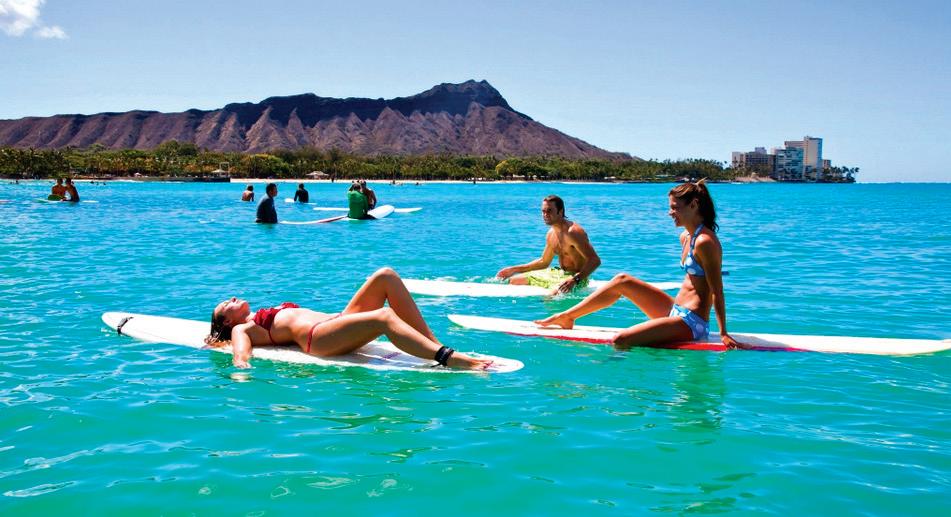
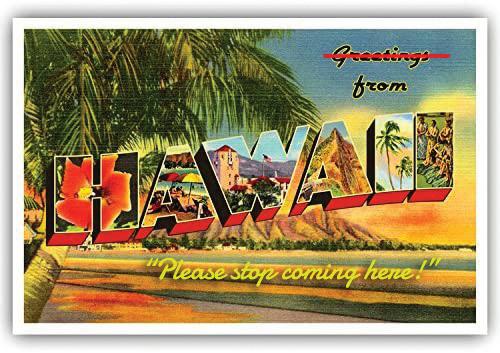
The colonization of the Hawaiian Islands and the boom of its tourism industry has had a negative impact on the native people of Hawaii and brought their culture close to extinction. Despite the $48.6 million spent daily (as of 2019) by visitors, Hawaiians are the poorest of all people in Hawaii, they are the most unemployed and largest recipients of welfare, and they dominate the prison population.
The locals in these stolen and oppressed islands have complained about overtourism for many years. They live there, yet rarely get to enjoy what their own islands have to offer and get stuck in low-end jobs that don’t pay what they need to survive (estimated to be $121,000 annually to live comfortably).
On top of that, the islands don’t have many natural resources, instead relying heavily on imports to sustain the massive number of tourists, which contributes to the high cost of living. They have a limited
water supply, which they have been forced to share with as many as 9.4 million visitors a year. This has been devastating to the roughly 1.4 million natives suffering in their own homes.
When the world shut down in 2020, during the coronavirus outbreak, native Hawaiians got to see what life could have been like for them: clear beaches, the ability to live and not just survive, and some of the lowest COVID numbers in the country.
But as of April 2021 more, than 23,000 tourists are arriving in Hawaii every day, and those numbers have been increasing,
approaching pre-pandemic levels. Native Hawaiians feared that these incoming travelers would cause coronavirus cases to rise — and they weren’t wrong. They’ve been urging tourists not to visit, and not just due to the pandemic. Maui officials even made an unexpected request to airlines, begging them not to bring so many people to their island.
But they are not being heard. Tourism is only interested in self-preservation as an industry, and those profiting don’t care for the well-being of the native community.
As the United States begins to emerge
from the pandemic, Maui began to suffer from some of the same problems seen on the mainland. With a shortage of hospitality workers and restaurants still operating at limited capacity, they are struggling to keep up with the influx of visitors.
To add insult to infection, mainlanders’ sense of entitlement has skyrocketed. Visitors have been reportedly disrespectful, not just of COVID recommendations and restrictions but to natives as well, who have been assaulted, screamed at, and spit on by those who couldn’t get their way. Tourists have also blocked highways and refused to move when asked.
They seem to have forgotten that their chosen vacation destination is someone else’s home. People actually live their lives on these islands; they have families to get home to and jobs to do that make their vacations possible.
by Mikey Rox Special to the SGN
There are a million things to love about traveling the United States — from our sprawling national parks and historic coastal cities to tucked-away small towns and Southern hospitality — but every once in a while we need to experience our people in our places.
As it turns out, there’s Queer fun to be found everywhere — in areas that you would never suspect, in fact — throughout the entire country. When planning your next “family”-friendly getaway, consider these welcoming attractions, establishments, events, and gatherings in all 50
states and the nation’s capital that exist by and for the LGBTQ+ community.
Alabama
Praise Him on high (before hitting a boozy brunch; wine is Jesus-approved, remember) at Cornerstone Metropolitan Community Church in Mobile, a predominantly LGBTQ+ congregation led by Lesbian pastor Reverend Sara Sills. Sunday services begin at 10:45 a.m. Arrive early for easy parking, visit the institution’s welcome center, and take a guided tour of the campus.
Alaska
Newly renovated Mad Myrna’s, in downtown Anchorage, hosts a wide range
of LGBTQ+ events, including movie nights, drag and strip shows, karaoke, and Pride pageants. This nightlife mainstay, along with Queer dive bar The Raven just down the street, has provided last-frontier fabulousness for over two decades.
Arizona
A pair of well-worn cowboy boots and a bottle of sunscreen are all you’ll need for a rugged, clothing-optional weekend at the all-male Copper Cactus Ranch, quietly nestled deep in the foothills of the Superstition Mountains in Queen Valley. Weekends feature bonfires, musical jam sessions, drum circles, and body painting, among other activities that encourage boys to be boys.
Arkansas Pet-friendly Pond Mountain Lodge is the longest continuously operating Gayowned resort in Eureka Springs, where you can enjoy the great outdoors while hiking, fishing, swimming, picnicking, and more. It’s also become a Queer wedding destination in the South since the landmark SCOTUS marriage-equality decision was handed down.
California
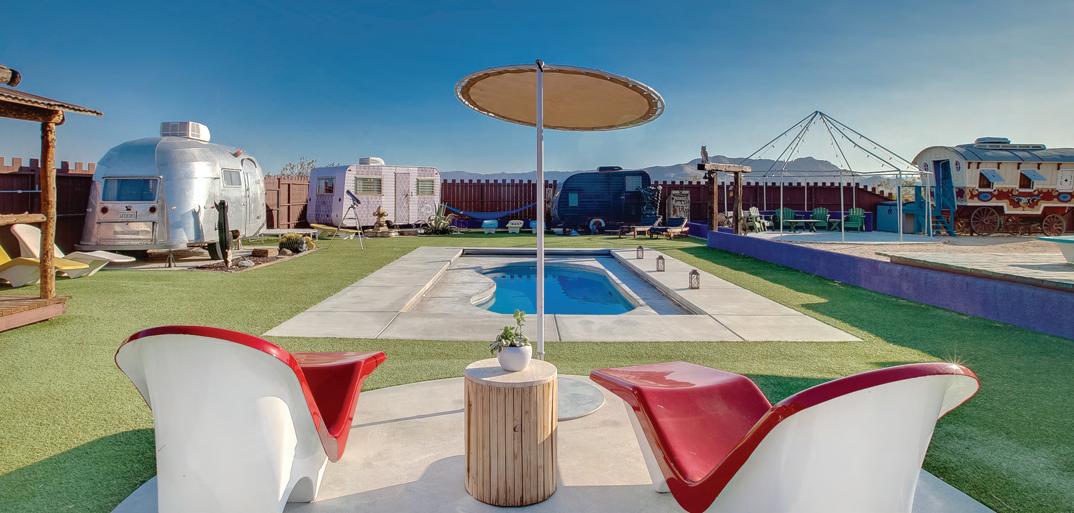
You may recognize Lesbian-owned Hicksville Trailer Palace as the setting for Lana Del Rey’s “White Dress” music video, but this dog-friendly, 21-and-older desert oasis in Joshua Tree hosts travelers in 11 individually designed, vintage mini-mobile homes situated on seven acres flush with fun and games, including a ball pit, arcade, cornhole, putt-putt, a BB gun and archery range, shuffleboard, ping-pong, and darts.
Colorado
Memorialize your road trip with fresh ink — maybe your route map or a memorable symbol — at LGBTQ+-owned Pens & Needles Custom Tattoo Company, voted Best Tattoo Shop in Colorado Springs.
Connecticut
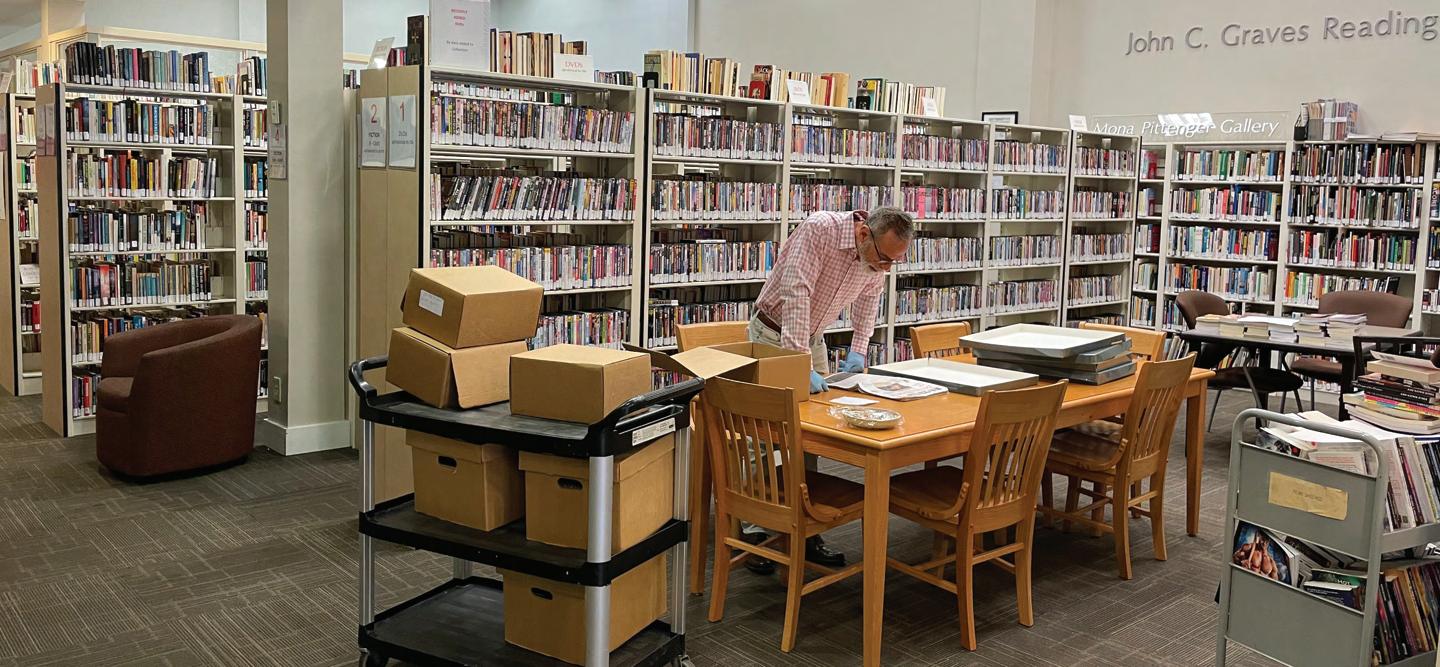
Once you’ve quelled your hunger pangs with the Traveler Restaurant’s classic dining options, like linguini and meatballs, pizza, fried seafood platters, and BLTs, browse the stacks — of books, that is — to find your favorite LGBTQ+ authors or stories. This quaint country eatery in Union allows each person to take home up to three titles — for free — from the selection of thousands that line its walls.
Illinois
Delaware
Frolic in the sand and surf on decidedly gay Poodle Beach — you’ll find it at the far southern end of the Rehoboth Boardwalk near Queen Street (a bit on the nose, but what can ya do?) — before cleaning up and heading out for a night of Queer revelry in this lively shore town with a rich LGBTQ+ history.
District of Columbia
Queer or not, every American should pay a visit to the Supreme Court, judiciously located at 1 First Street in Washington, DC, the battleground for many milestone equal-rights cases, including the game-changing Obergefell v. Hodges, which, in 2015, granted marriage rights to same-sex couples across the United States.
Florida
Dedicated solely to LGBTQ+ history, civil rights, art and culture, the Stonewall National Museum and Archives in Fort Lauderdale (with a branch in neighboring Wilton Manors) features three gallery spaces with changing monthly and bimonthly exhibits, and includes a permanent timeline of American Queer history.
Georgia
St rip down and relax in the steam room, sauna, and pools of this clothing-optional, membership-only men’s bathhouse in midtown Atlanta, which hosts weekly events like Bear & Daddy Night on Tuesdays, $5 lockers on Wednesdays, and a complimentary BBQ on Sundays from 2 to 6 p.m.
Hawaii
Join the LGBTQ+ Honolulu FrontRunners/Walkers every Saturday at 8:30 a.m. in Kapi’olani Park for a tourists-are-welcome sweat sesh around stunning Waikiki ($10 for singles/$15 for couples) before brunching with the group at a downtown restaurant, pit stains and all.
Idaho
You’ll need to lace up your hiking boots to reach the two-miles-in-and-back Goldbug Hot Springs, the trailhead of which starts on Bureau of Land Management land just south of the Elk Bend community. But it’ll be well worth your while when you slip out of your shorts and soak nude in natural pools of varying degrees, surrounded by picturesque scenery.
Pay homage to the Queer pioneers who blazed their own trails toward LGBTQ+ equality on a self-guided tour of the Legacy Walk in Chicago’s Northalsted neighborhood, the placards of which on the area’s 40 rainbow-colored pylons honor our community’s heroes, including Oscar Wilde, Harvey Milk, Antonia Pantoja, Frida Kahlo, and Alvin Ailey.
Indiana
Put your name on the list at popular Bloomington distillery/bar/kitchen Cardinal Spirits, where you’ll nosh on inspired (but affordable) dishes like lamb barbacoa tacos and gochujang tomato and cantaloupe gazpacho, sip on canned bourbon cream sodas, and take home a bottle of its Indiana corn Pride vodka, 10% of whose proceeds support local LGBTQ+ orgs.
Iowa
St op for a photo op at the “American Gothic” cottage in Eldon, famously depicted in Gay artist Grant Wood’s oftparodied same-name 1930 painting, which has since become an iconic example of 20th-century American art.
Kansas
With its rainbow-flag-painted façade, Equality House, a project of Planting Peace in Topeka, gained international notoriety (surely you saw the news stories everywhere) when it revealed itself as a beacon of hope and equality against evil forces, specifically the anti-everything Westboro Baptist Church, which is right across the street.
Kentucky
Bourbon — but make it gay. That’s your task as you bounce from one celebrated distillery to the next (most of which are within walking distance of each other along the Ohio River) in downtown Louisville. Stumble back and sleep it off at tobacco warehouse-turnedboutique hotel Vu Guesthouse.
Louisiana
Beat the oppressive New Orleans heat with a summertime treat at Queer women–owned Chance in Hell SnoBalls, a traveling winter-in-a-cup pop-up shop in the Bywater that serves frosty flavors like grape Nehi, pineapple-cilantro-chili, refreshing cucumber-cardamom-basil, and ginger matcha.
Maine
When in Maine, you order the lobster roll — given — but when dining at Ogunquit’s Gay-owned The Front Porch you
have your pick of elevated seafood. Start with blue cheese mussels or the oyster trio before settling into entrees like lobster risotto or haddock tacos. When you’re stuffed to the gills (fish pun intended), head upstairs to the restaurant’s bar, where you can sing along nightly to show tunes and standards around a grand piano (the pianists take requests), lit from above by fixtures fashioned from old hats.
Maryland
One of the last bastions of LGBTQ+ Baltimore nightlife (Charm City has lost most of its Queer bars and hangouts in the past few years), the Eagle, which celebrates 30 years on the scene in 2021, has triumphed over financial ups and downs to keep its doors open to the leather and kink communities and those who love them. Pro-tip: head to the Toolbox for all the what-happens-therestays-there excitement you’re seeking.
Massachusetts
Following the route of Boston’s first Gay Pride March in 1971, the Equality Trail walking tour includes 13 sites around Beantown, including 81-year-old Bay Village Gay bar Jacques, the police headquarters on Berkeley Street, the State House on Beacon Hill, and St. Paul’s Cathedral on Tremont Street. Fifty years ago, peaceful protesters issued a list of civil-rights demands at each location.
Michigan
Test your pop-culture prowess at Five15, a retail shop with a stage (and bar) in downtown Royal Oak, on its drag queen trivia nights, the latest of which featured Schitt’s Creek-centric questions. If memory games aren’t your milieu, opt for less-skilled activities, like weekend drag bingos and the someSundays Drag Brunch Cookout.
Minnesota
Fr iends of Dorothy can follow a yellow brick road (of sorts) to the Judy Garland Museum, established in the actress’s birth town of Grand Rapids, where you’ll learn about the troubled star’s illustrious life and career, or, on a lucky day, attend a Garlandfocused event, book signing, or festival.
Mississippi
Set sail for Ship Island, off the Gulf Islands National Seashore in Biloxi, in your private vessel, or hop aboard the public ferry in Gulfport from March to October. If you arrive in your own boat, anchor near Fort Massachusetts, swim ashore, and make the trek on foot to the easternmost end of the isle for legal sunning and funning in the buff.
Missouri
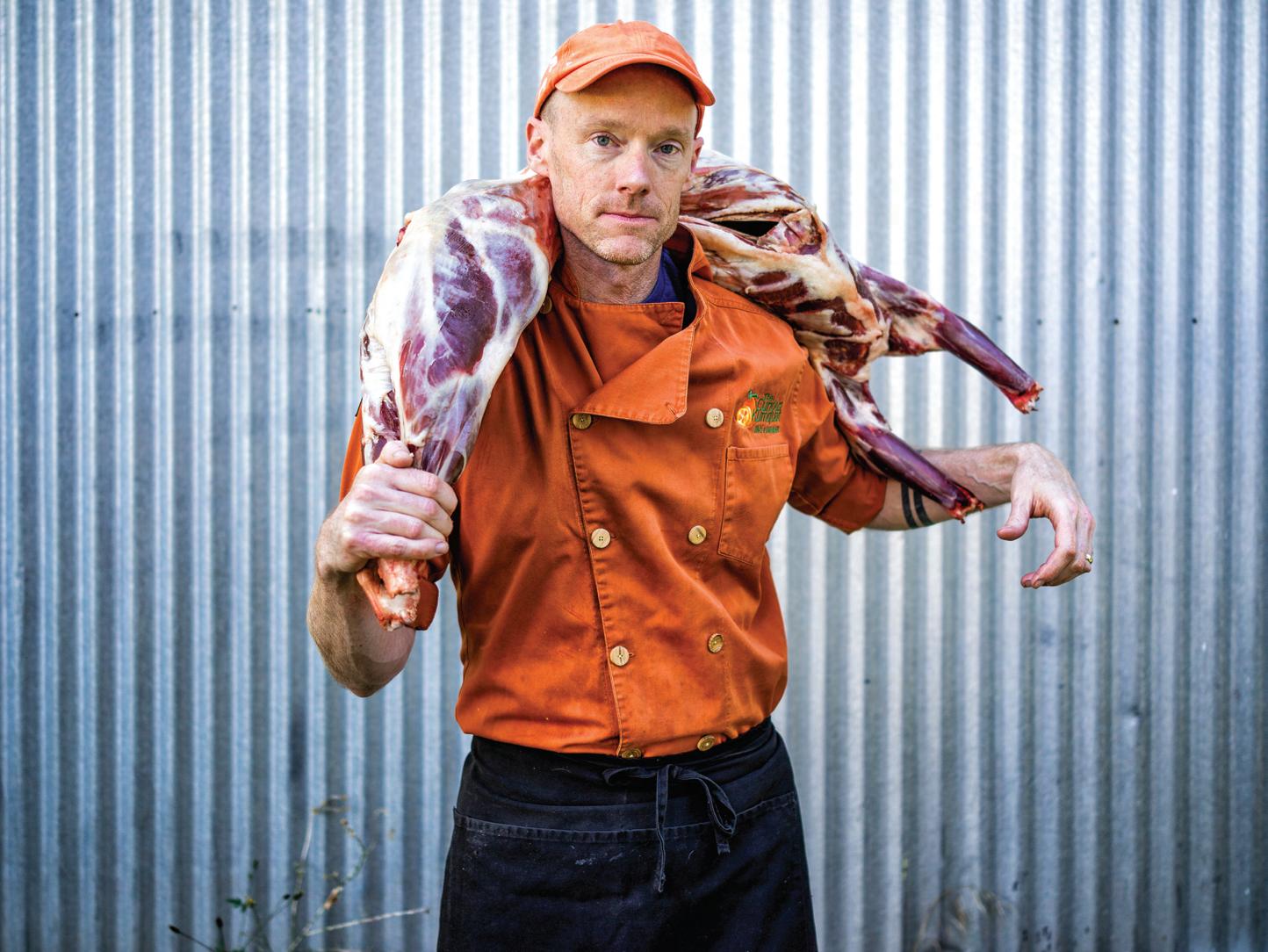
Foodies will get a crash course in late18th-/early-19th-century American cuisine from Queer and James Beard semi-finalist chef Rob Connoley, who presents a reservations-required, seven-course, Ozarkinspired tasting menu Thursdays to Sundays at Bulrush in St. Louis. Each meal includes staff explanations of the dishes, a history, and QR code–accessible videos on the toprated restaurant’s research projects.
Montana
Research will show that there’s not much in the way of LGBTQ+-specific recreation in traditionally conservative Montana, but if you’re traveling through Big Sky Country, consider a stop into Missoula’s Gay Men’s Meeting at The Center, every Wednesday from 7 to 9 p.m.
Nebraska
Belly up to the bar at Omaha Mining Company — an on-the-fringe Gay watering hole that has, according to one Yelp reviewer, “existed since the 1960s between the Douglas County jail and urban blight” (though tighter parking has made the area much safer these days) — and order an icecold lager or similar no-nonsense libation before heading downstairs to the Mineshaft for pool tables and art. Every fourth Saturday of the month the Big O! Bears group hosts a growling good time.
Nevada
After you’ve made your requisite donation to Las Vegas’s glitzy casinos, ease the pain with a trip to the Fruit Loop, a cluster of Gay bars and clubs along East Naples Drive, near the University of Nevada. Badlands Saloon and Charlie’s, both country-western bars (this is the desert, after all), along with the Las Vegas Eagle and FreeZone, offer plenty of merriment without losing your ass — unless that’s what you’re into.
New Hampshire
Dabble in the dark arts with a visit to the “magick retirement” cottage of Bisexual British occultist and “Wickedest Man in the World” Aleister Crowley, whose four-month stay at this house in Hebron, owned by self-professed medium Evangeline Adams, resulted in myriad “secret and arcane” activities. If you’re superstitious of the supernatural, there’s a church conveniently located next door to cleanse your sassy soul.

continued from page 10
New Jersey
Asbury Park, a 1.6-square-mile city located on the northern Jersey Shore, has a long and sordid history — from disproportionately impoverished minority communities and race riots to political corruption and a severely underserved school system — but it has since overcome many of those obstacles to emerge as one of the most densely populated LGBTQ+ communities in the Mid-Atlantic. There’s tons for you and your fey friends to do here, too. Shop for kitsch at Severedwing, belt your signature tune on karaoke nights at Georgie’s, enjoy a chef-prepared meal at Hotel Tides, dance poolside at Paradise, and carryout an artisanal pizza from Medusa Stone Fired Kitchen, all of which are Gay-owned and -operated (and just a sampling of the abundant LGBTQ+ businesses around town).
New Mexico
Rest your weary head at the eponymous, well-appointed house of wealthy Bisexual arts patron Mabel Dodge Luhan, now a National Historic Landmark and B&B in Taos, which has welcomed such visionaries as Georgia O’Keefe, D.H. Lawrence, Ansel Adams, and Martha Graham.
New York
Directly across the street from Manhattan’s Stonewall Inn — the site of the landmark June 28, 1969, riots — is the Stonewall National Monument, designated as such by the National Park Service on June 24, 2016, which encompasses Christopher Park and the block of Christopher Street bordering the park in the West Village. Pop into the gift shop for a souvenir before entering the inn for cocktails and local oral history.
North Carolina
Pick up a few cans of spray paint and head to the ever-changing Free Expression Tunnel, connecting the north and central
campuses of North Carolina State University in Raleigh, where you can add your own progressive designs and messages that students and tourists alike can enjoy for years to come (or at least until another artist paints over them).
North Dakota
If you’re seeking more stimulating conversation on your gaycay than your travel partner is capable of providing (dull queers do exist, y’all), join the Queerly Reading book and discussion club, which meets every second Saturday of the month at 9:30 a.m. in the Bismarck Barnes & Noble café. Join its Facebook group for title selections and to contribute ideas.
Ohio
Cleveland-based DJ Alan Freed is widely credited for coining the term “rock and roll” in the early 1950s — or, at the very least, popularizing it — so it’s only fitting that the Rock & Roll Hall of Fame was born here, too. Inductees include many of your LGBTQ+ music idols, from Janis Joplin and Joan Jett to Freddie Mercury and Elton John.
Oklahoma
Ma ny Queer folx got their first sensation of same-sex attraction by playing with shapely superheroes when they were kids (what future Gay boy didn’t pine for a peek under the Caped Crusader’s codpiece?), and you can relive that age of innocence at the Toy and Action Figure Museum, filled to the brim with over 13,000 distinct characters and many mint-condition collectibles, located in Pauls Valley.
Oregon
Portland-based Wild Diversity offers a full slate of outdoors activities (that require advance reservations) — which include birdwatching around Whitaker Pond, a two-day Willamette River paddling adventure, writers’ retreats, and a deaf community campout, among many others — specifically geared toward (but not limited to) BIPOC and QTBIPOC.
Texas
Download the 1956 Western film Giant to your tablet, open a bottle of wine, snuggle up in bed and press play in a stately room at Marfa’s Hotel Paisano, which hosted LGBTQ+ icons Elizabeth Taylor, Rock Hudson, and James Dean (in his final role) as they shot scenes for the flick in this charming far-west Texas town 66 years ago.
Utah
Despite his Mormon upbringing, wanted Wild West outlaw Butch Cassidy might have been Gay. Allegedly, his mother heard noises and wondered what he and his new cowboy friend Mike Cassidy, whose last name he eventually took, “were doing down by the corral.” (A mother always knows what’s up, doesn’t she?) See where it all started with a visit to the thief-with-a-heartof-gold’s humble boyhood abode, and poke around the family plot, located in Panguitch.
Vermont
Fill a waffle cone with your favorite Ben & Jerry’s flavor at its factory-based Scoop Shop in Waterbury before taking a saunter through the behind-the-building-andup-the-hill Flavor Graveyard, where discontinued pints, like Schweddy Balls and Vermonty Python, rest in peace. The confectionary connoisseurs are longtime supporters of the LGBTQ+ community, most recently celebrating International Transgender Day of Visibility.
Virginia
Pennsylvania
Pay your respects by setting a can of Campbell’s Soup beside the final resting place of Gay pop-art icon Andy Warhol, whose gravesite at St. John the Baptist Byzantine Catholic Cemetery in the town of Castle Shannon is broadcast 24/7 on his museum’s website as part of a project called “Figment.”
Rhode Island
Af ter a day of exploration in Queerfriendly Providence — The Stable, Mirabar and The Dark Lady are known for their neighborly customer service — spend a night or two at the Old Town Inn in New Shoreham or Newport’s Francis Malbone House, both Gay-owned and secluded on nearby islands.
South Carolina
In a walking city like Charleston, you can spend an entire day sightseeing, and one of the can’t-miss photo ops is Rainbow Row, 13 brightly colored townhomes along East Bay Street on Charleston Harbor. After you’ve fulfilled your daily step requirement, take a load off and relax with a crafty selection of Moscow Mules at historic qQueer haunt Dudley’s on Ann.
South Dakota
Club David is as good as it gets for Queer congregating in a state not exactly known for its LGBTQ+ progressiveness. Still, you’ll manage to catch a penny-pinching buzz with nightly drinks specials (many of which are half-price) and occasional events like drag bingo on the rooftop patio.
Tennessee
Th row your hands up as you barrel through the Thunderhead rollercoaster, stroll through the Chasing Rainbows Museum, and tap your feet to the Dreamland Drive-In musical show at Dollywood, the namesake theme park of everybody’s favorite LGBTQ+-lovin’ glam-ma Dolly Parton, in Pigeon Forge.
Sa tisfy your sweet tooth at Ruby Scoops, a Black- and LGBTQ+-owned ice cream shop in Richmond’s Brookland Park neighborhood, which serves up premium, small-batch, made-from-scratch ice creams, sorbets, sherbets, and desserts in tantalizing taste combos like roasted pineapple/rosemary, strawberry/sweet red bean, and guava daiquiri, plus a few tried-andtrue standards, too.
Washington
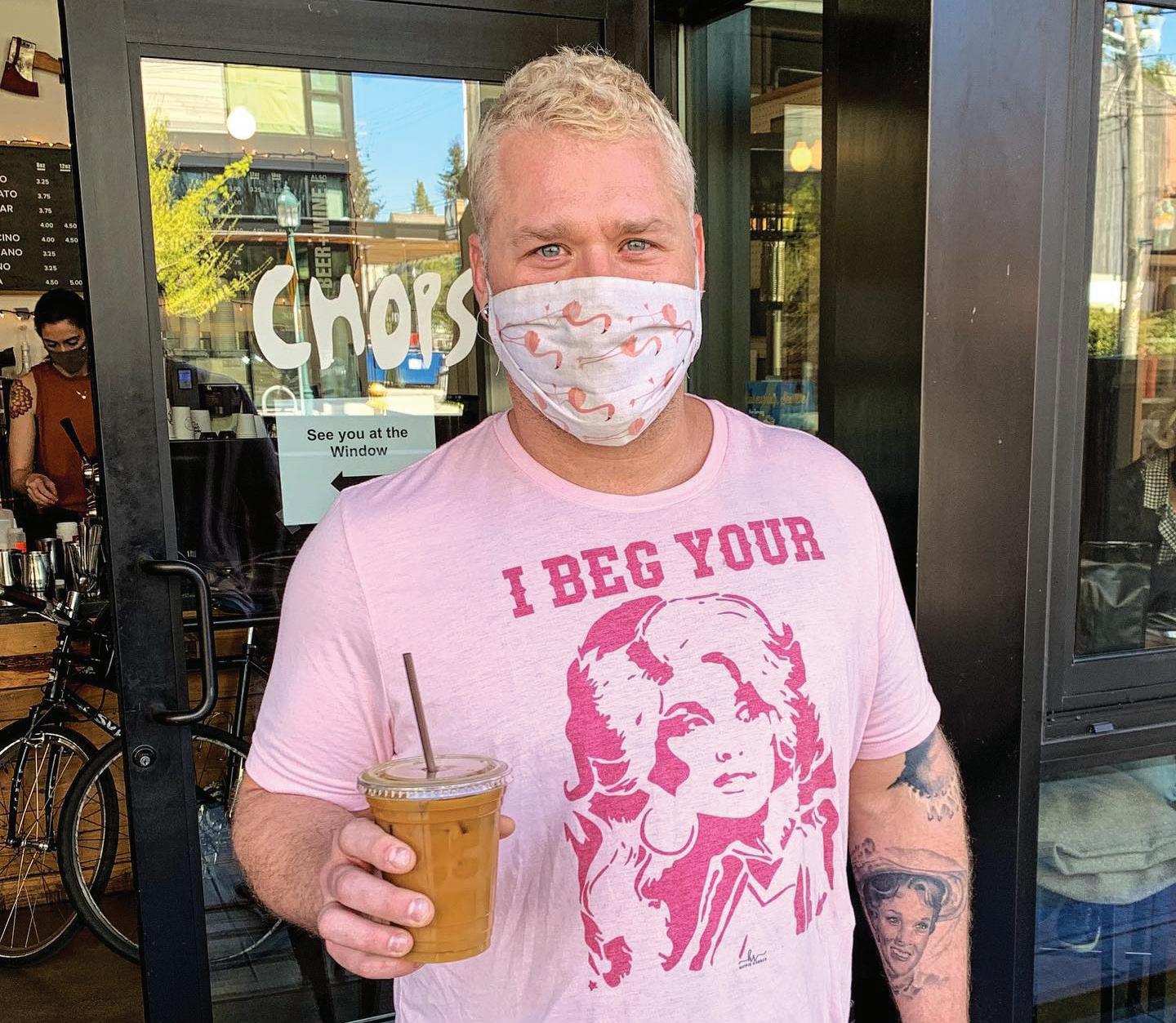
Come for a haircut, stay for the coffee at Seattle-based Squirrel Chops, a Queerowned hybrid salon and café where you can kill two birds with one stone when you get a perm and your daily pick-me-up.
West Virginia
Photo-capture rainbows in the mist as sunrays reflect off the tannic acid–darkened water of the 57-foot cascading Blackwater Falls in the Allegheny Mountains of Tucker County, then pitch a tent at the state park’s campground for a night of slap-and-tickle under the stars.
Wisconsin
Pizza and wine are a treasured culinary combo — at least for booze and junk-food enthusiasts (i.e., non-psychopaths) — and you’ll find options aplenty at wife-and-wifeowned Trouble and Sons in Whitefish Bay, where you also can order fresh salads to trick yourself into feeling healthy while getting fat and happy.
Wyoming
You may have trouble finding the exact spot where Matthew Shepard was brutally beaten and left to die by two homophobes in 1998, as it remains unmarked to this day, but a memorial bench on the University of Wyoming campus in Laramie serves as a sufficient spot to remember our modern-day martyr.
Mikey Rox is an award-winning journalist and LGBT lifestyle expert whose work has been published in more than a hundred outlets across the world. He’s currently nomading across the country in his van, seeking Queer excitement everywhere he roams. Connect with Mikey on Instagram @mikeyroxtravels


by Josephine Baird SGN Contributing Writer
With the ongoing COVID-19 pandemic, the idea of traveling has been seemingly off limits for the last year and a half. But with continued safety measures, traveling no longer feels like a pipe dream.
To celebrate a personal milestone—finishing my master’s degree program—my mother and I went to New Mexico. While I’d never had much interest in seeing the state before, my mother promised it was worth a visit—and she wasn’t wrong.
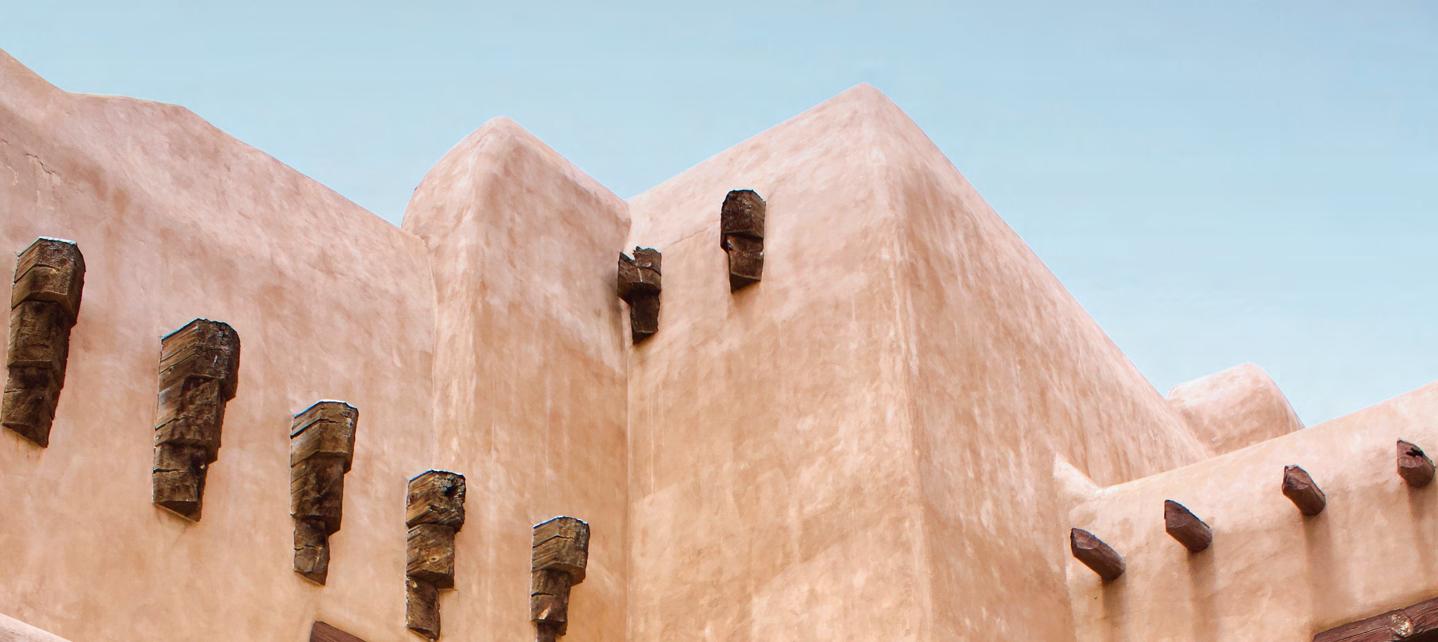
In all my travels, I’ve never been in a place quite like New Mexico, with its unique culture that combines Indigenous heritage and the historic remnants of the cowboy era as well as Spanish and Mexican rule. The adobe homes with their roundedged walls and brightly colored accents make for picture-postcard sights in town, while the highways wind through the stark and stunning beauty of the desert plains.
To start our trip, we flew into Albuquerque, the largest city in New Mexico, and stayed at the Hotel Andaluz, which was placed on the Natural Register of Historic Places in 1984. Home to New Mexico’s first elevator and a gorgeous interior, the hotel also houses MÁS, a restaurant known for its unique take on traditional Spanish cooking. The restaurant didn’t disappoint our party and was accommodating to our vegetarian needs, making this one of the best meals we had in the state.
After Albuquerque, we drove to Santa Fe, taking the scenic route through Jemez Springs and its famed hot springs. To take part in the local culture, my mom and I went to a local hot spring with four different pools. The pools’ temperature usually hovers around 100 degrees Fahrenheit, but on the hot day of our visit, the pools were warmer than usual — one pool was even too hot to enter with more than a toe. Bracing ourselves, we slipped into one of the other, cooler pools for a relaxing day in Jemez.
Next we headed to New Mexico’s state capitol, Santa Fe. At more than 7,000 feet above sea level, it’s the highest state capital in the United States, and with a founding date in the early 1600s, it’s also America’s second-oldest city.
Our stay in Santa Fe remains my favorite part of the trip. Our hotel of choice was the Hotel St. Francis with its iconic entryway and its proximity to the heart of Santa Fe. We spent this part of the journey walking the gorgeous old streets and drifting through the town’s galleries and museums, including the New Mexico Museum of Art.
The adobe homes with their round-edged walls and brightly colored accents make for picture-postcard sights in town, while the highways wind through the stark and stunning beauty of the desert plains.
We ate crepes at the French Pastry Shop and got coffee at the Café Des Artistes, and then it was back for more strolling and shopping. The culture of Santa Fe was on full display at the Palace of Governor’s Native American Artisans Program, where scores of local Indigenous artists display their craft skills and artisanship.
One of the memorable shops we wandered into was Rocki Gorman’s jewelry and clothing store in the La Fonda Hotel. On the day of our visit, the counter was staffed by a man named Mark Stoffel, from Castle Rock, looking particularly photogenic in a black cowboy hat and bolo tie. When I asked Stoffel his thoughts on Santa, Fe he said, “There is nothing quite like the culture around here—the food, the clothing and the spiritualness.”
On our way out of town we visited Canyon Road, Santa Fe’s historic arts district and mile-long artists community. The vitality of the Canyon Road art scene made me wonder if I would find these same works hanging in the New Mexico Museum of Art in 30 years I guess only time will tell.
To end the trip, my mom and I headed to Taos, a northern New Mexico town and unique artist community in the high desert. The peak of this part of the trip was catching a gorgeous sunset on the plains.
While Taos was scenic, I wasn’t in the mood for more art galleries at that point. We soon left the town behind in favor of a detour to the Farmhouse Cafe and Bakery, an adorable and vegan-friendly establishment with a backdrop of the Sangre de Cristo Mountains. We then headed through the small but memorable community of Arroyo Seco, and from there we headed straight to Taos Ski Valley. The valley, according to my mom, was picturesque enough to be the location of a Hallmark movie come winter.
Next we backtracked through Taos and headed along the Rio Grande River once again to Albuquerque. There we finished out the trip with dinner at the Farina Alto restaurant, sharing a delicious pizza, salad and each other’s company.
After a year and a half confined inside four walls, with no sounds but the clicking of my keyboard and nothing to see out my window but urban Seattle, a trip to colorful, lively New Mexico did my soul good.
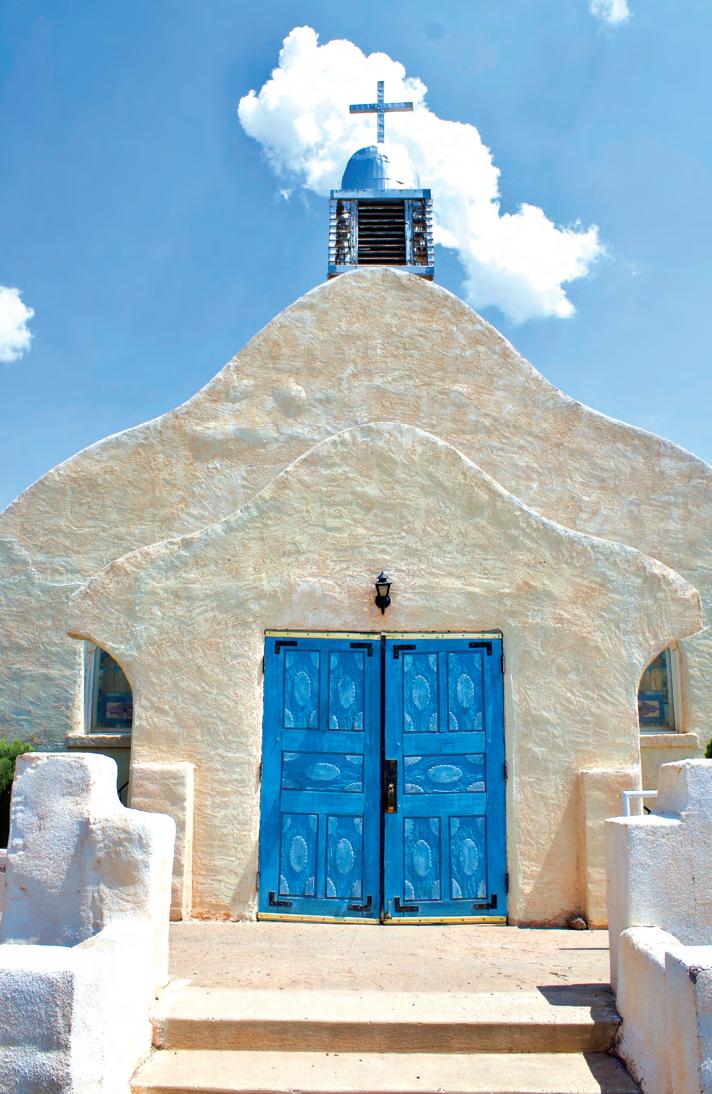
If you’re looking to brighten your life with the sight of sunflower-strewn fields, bright blue doors and sunsets on the plains, New Mexico might just be the place for you. But be prepared; a trip like this is more fun with sturdy sandals, a fully charged camera and — most importantly — fond companions.