NIKE SUES OVER LIL NAS X’S SATAN SNEAKERS
by Mike Andrew SGN Staff Writer
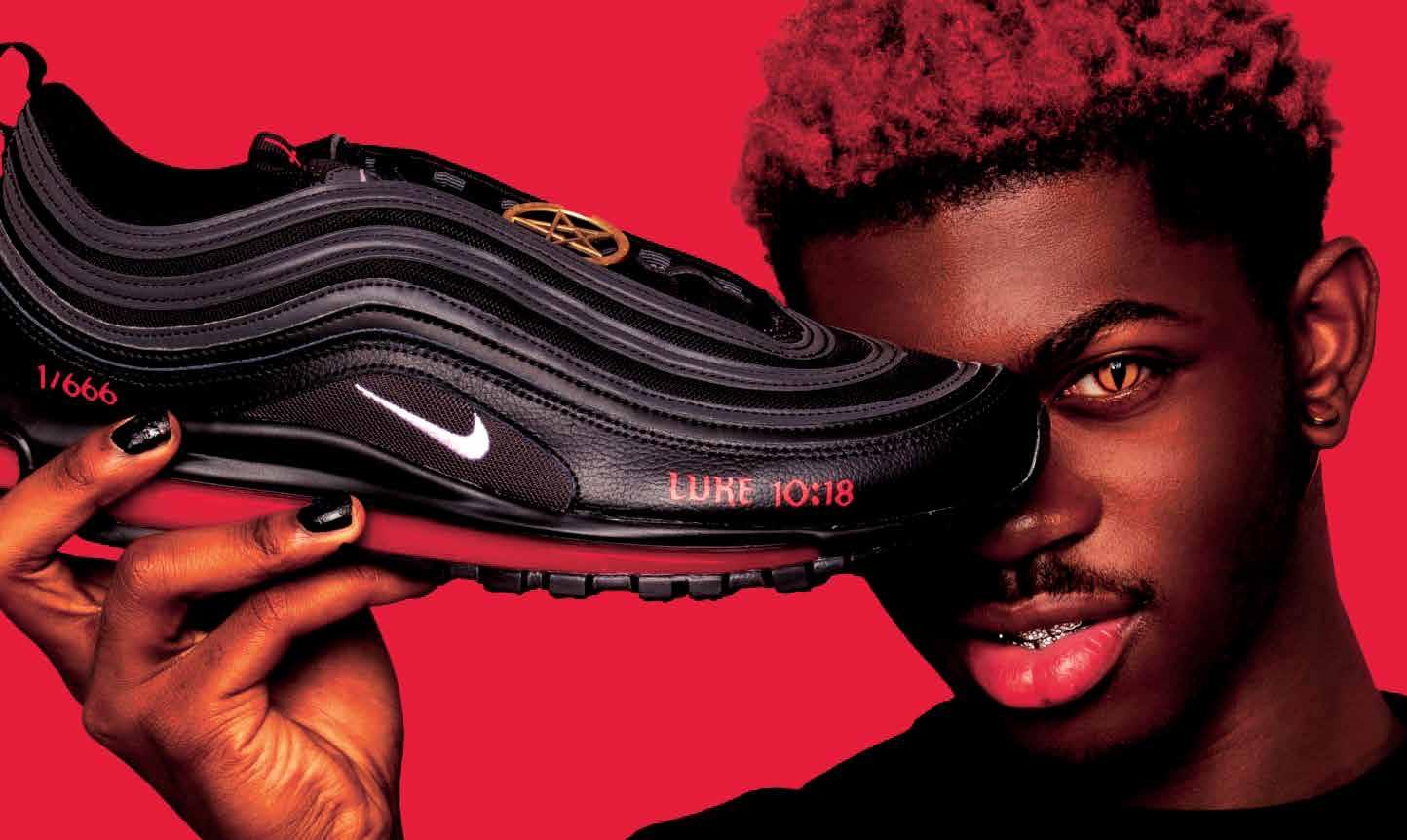
Nike has filed suit over Lil Nas
customized Satan sneakers. The sports clothing megabrand filed suit in a New York federal court against the sneakers’ creators, MSCHF Product Studio Inc.
see LIL NAS X page 7
1,001 great films (part 2)
From Mascara to Boys Don’t Cry, the films that shape us are always a surprise
by Sara Michelle Fetters SGN Staff Writer
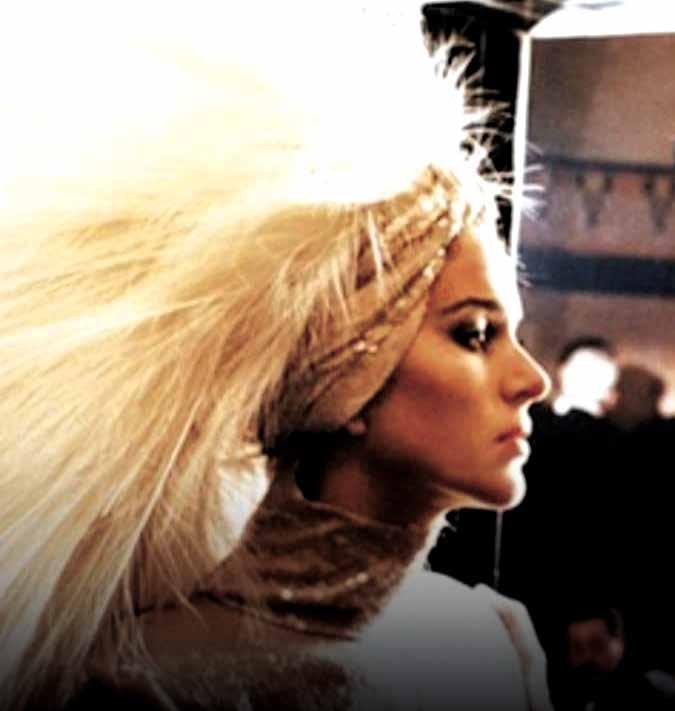
Mascara is this strange, maddeningly esoteric mystery-thriller from 1987 featuring the great Charlotte Rampling and the late Michael Sarrazin in key roles. It is a Eurotrash shocker primarily set inside an underground S&M club called “Mister Butterfly,” where alluring drag queens lipsync to a selection of well-known opera classics composed by the likes of Vincenzo Bellini and Richard Strauss. There’s also a glow-in-the-dark dress.
When I was 16 years old, I became obsessed with this picture. My local Hastings had a copy, and I’m pretty sure I was one of the only people who ever rented it. I knew it wasn’t good, and the plot concerning a deranged killer went nowhere. But having never watched an Andy Warhol or John Waters film up to that point, and having not yet progressed to the avant-garde wonderland of 1970s and ’80s German underground cinema I’d eventually discover in college, the alluring perversity of this endeavor fascinated me.

by Kylin Brown SGN Contributing Writer
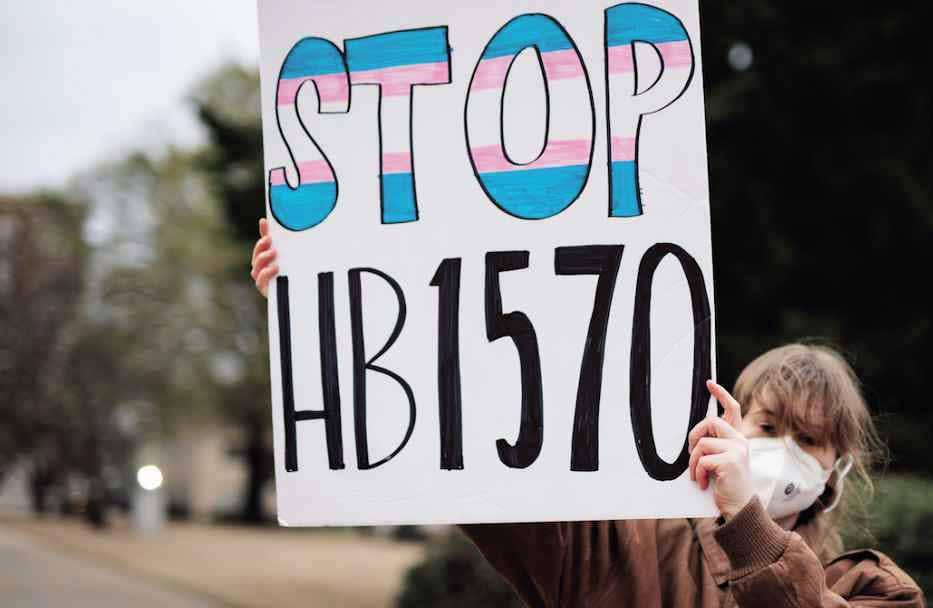
The Arkansas legislature passed a bill that will prohibit doctors from providing gender-affirming care to transgender minors in the state. House Bill 1570 passed in the state Senate with overwhelming support (28 to 7) on March 29. Gov. Asa Hutchinson (R) is expected to approve the bill. Under the restrictive measures, doctors will no longer be allowed to provide hormone therapies, puberty blockers, or transition surgeries to patients under 18, even with
parental consent. They will also be prohibited from referring these young patients to another provider elsewhere, and private insurers will be allowed to refuse to coverage of genderaffirming care for people of any age.
This is Arkansas’ second bill in a week targeting the rights of trans youth, following last Friday’s signage of the “Fairness in Women’s Sports Act,” which bans Transgender student athletes from participating in sports consistent with their gender identity [https://bit.ly/2PqeWv8].
ARKANSAS page 17
Mascara – Photo courtesy of Warner Home Video
Image by SGN
Photo courtesy of MSCHF
X’s



THIS AD SPACE HAS BEEN GENEROUSLY DONATED BY KRISTIN COSTELLO IN MEMORY OF SGN PUBLISHER GEORGE BAKAN



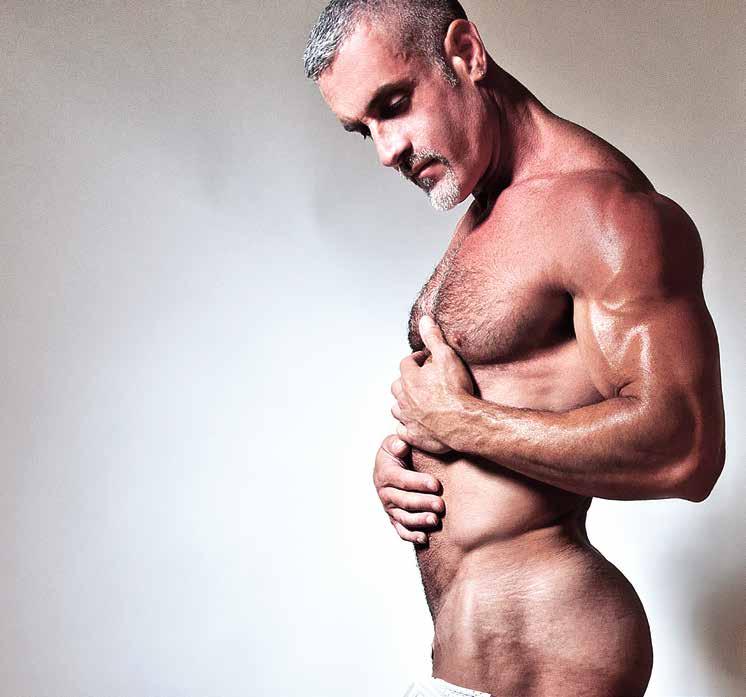
Colton Ford – Photo by Kevin Hoover
by Janice Athill SGN Contributing Writer
“With sound body and mind, I’m here to tell you right now, if my body is found hanging from a tree, I did not commit suicide, I was murdered.”
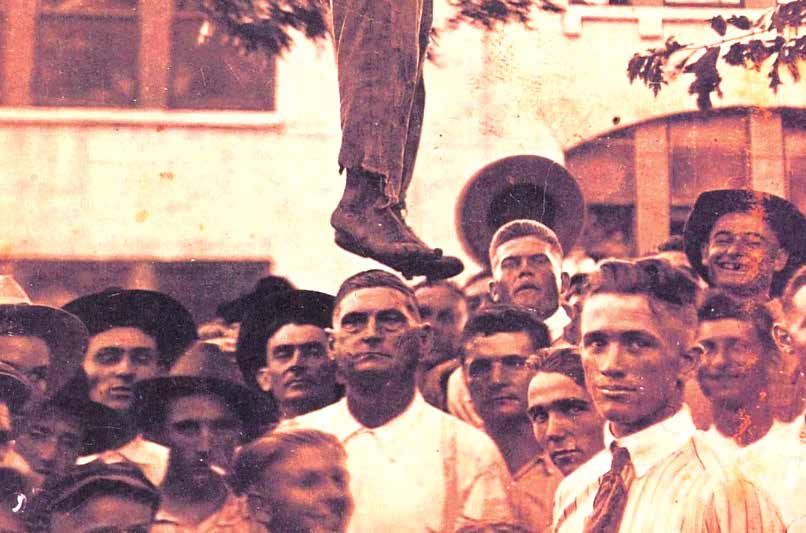
In 2020 Americans took to Twitter, proclaiming these words in response not only to the “strange fruit” suddenly ripening but also to the “suicide” rulings by local law enforcement in the cases of four Black individuals found hanging from trees in California, New York and Texas.
The last reported lynching in the United States is said to have been in 1981 by the Ku Klux Klan, but maybe that information needs to be revised. Lynching has been widely recognized as a vulgar discriminatory act against the Black community for too long to begin pretending we do not know what it looks like.
Lynching began in 1882, taking over for slavery as the dominant assertion of racism in our country. By 1968 it had claimed the lives of more than 4,700 people. At least 70% of these were Black, and 99% of the time, those who committed the crimes went unpunished.
The singer Billie Holiday launched her career largely on the success of her song “Strange Fruit,” a vivid depiction of a lynching, which at the same time painted a target on her back. The Federal Bureau of Narcotics issued a warning to Holiday saying she was never to sing “Strange Fruit” again — but what does one have to do with the other? The FBN’s commissioner had simply resolved to ruin Billie’s life over her stand against lynching.
The American government would like to have its citizens believe it is making its best efforts to combat racism, yet it has failed to act against one of the most heinous forms
The homophobia of artificial intelligence Strange fruit
by Mark Segal Philadelphia Gay News
Ran across an article in Forbes about how AI (artificial intelligence) will never be LGBT friendly. Why does it matter?
We are all now being profiled by AI. If you’re on social media, most likely part of your profile includes your face for facial recognition. Facial recognition is already being used by corporations, apartment buildings, and even some airports in the US for security. What if this new technology doesn’t recognize you, or what if it recognizes you as [lesbian, gay, bisexual, or transgender]?
Joy Buolamwini, an MIT student working on an AI facial recognition project, created a program using AI that, when you looked in the mirror in the morning, would show another face that might give you a smile or inspiration, similar to a filter. But the mirror didn’t recognize her.
She did discover, unfortunately, that the mirror worked if she wore a white mask. Buolamwini is Black, and what she discovered was that there was discrimination in AI. This led her to realize that as facial recognition becomes more widely used, it would discriminate against dark-skinned people.
The basic point is that the code for the program can only be as good as those writing it, and sometimes those writing the code write in their own prejudices.
How serious of an issue is this? Amazon discovered that it was getting too many résumés [for humans to keep up with], so they brought in an AI program to read them and [decide] which applicants should receive an in-person interview. Someone discovered along the way that only a
of hate crimes committed. Congress saw about 200 anti-lynching bills during the 20th century, and even though seven presidents petitioned Congress to end lynching, attempts to ensure justice have continued to be met with resistance.
In 1918 and again in 1937, some of the first bills to ban the lynching of African Americans were considered by the Senate, but they did not pass. A hundred years and
many bills later, in 2018 the Senate passed anti-lynching legislation, the Justice for Victims of Lynching Act — but the House of Representatives took no action. The House then passed a revised version, the Emmett Till Antilynching Act, on February 26, 2020. Meant to amend Title 18 of the United States Code to specify lynching as a deprivation of civil rights, the bill met heavy resistance in the Senate from Rand
Paul (R-Ky.). He wants to change the heavy sentences for attempted lynching or harm that does not lead to serious injury or death. The Emmett Till Antilynching Act has still not been passed by the Senate. As of March 2021, no anti-lynching bill has been passed by both houses of Congress.

small percentage of women were being recommended by the algorithm, and if you attended a women’s college or played women’s sports, you didn’t get the interview at all. That’s gender discrimination… done by a computer program, written by a computer programmer who might not even realize they are writing in their own biases.
So now that we know this new technology discriminates by race and gender, can it not also discriminate against you as [a lesbian, gay, bisexual, or transgender] person? Yes, for the same reason. People writing those codes sometimes do not know their own prejudices.
We’ve seen AI discriminate against people by their race and by their gender. How long, do you think, before AI dis-
criminates based on sexual orientation and gender identity? How long will it be before AI is used to reject LGBT applicants from jobs? Or how long it will be before AI is used to identify LGBT people in countries where being [lesbian, gay, bisexual, or transgender] is criminalized?
There may be an answer to that question. A Stanford University study of artificial intelligence utilizing a facial recognition algorithm can better choose whether an individual is [lesbian, gay, bisexual, or transgender] than people can. The study is controversial in the tech world, mostly due to those who suggest that facial recognition is based solely on a face structure and don’t take into account that many facial-recognition programs add the information about
those faces that they received from other sources like social media.
Looking at your social media, buying habits, and info you’ve given to surveys and employers, do you believe all that material will not point to who you are? Welcome to the future.
Mark Segal is an American journalist. He is the founder and publisher of the Philadelphia Gay News and has won numerous journalism awards for his column “Mark My Words,” including best column by The National Newspaper Association, the Suburban Newspaper Association, and the Society of Professional Journalists.
Photo courtesy of Wikipedia
Photo courtesy of Philadelphia Gay News
Five ways to spend your second pandemic spring break

by A.V. Eichenbaum SGN Associate Editor
Margaritaville of sorts, and it’s where I’m spending my spring break.
If you’re looking for ideas on how to spend your second COVID spring break, keep reading. Maybe we can keep you from completely losing it like I have.
1. Read a book
This seems simple enough. A lot of us don’t pick up a book for fun after we’ve finished high school. I, for one, sometimes lose focus entirely while looking at a page and end up staring out the window or at the lake in my neighborhood, slowly letting the sun bake my skin until I remember what I was doing.
Reading outside can be really rewarding as long as you remember to wear sunscreen and a mask. The downsides to this are usually about three feet tall and have stubby little fingers. Children have little to no appreciation for the fact that you’ve hidden your phone in your book so you’d look more studious to passersby, and may distract you from reading the rest of this listicle.
2. Go for walks
Beach vacations are out, vaccinations are in. While we’re all waiting for our appointments, what’s a good way to assuage the anxiety building deep in the center of our chests? Well, keeping in mind that everyone and their dog will be out and about now that the sun’s returned to Seattle, going for a walk is a nice way to get out of your own head and stop staring at your laptop. (Again, a mask is necessary, and people will judge you for not wearing one.)
3. Wonder when things will go back to normal
No elaboration necessary.
4. Cook a nice meal or two
One of the most enjoyable parts of travel is trying new food in an unfamiliar place. You can bring this little joy home by looking up a new recipe and doing a quick grocery run. Personally, I like to set the scene with a Spotify playlist or random internet radio station and some mood lighting. I’m partial to a Mediterranean salad and pinot grigio paired with staring wistfully out at the world, pretending I’m in a café somewhere by the sea, but you’ve got thousands of other options.
This activity works well in conjunction with idea #1, but be careful: my copy of If on a Winter’s Night a Traveler by Italo Calvino has suffered at the hands of a vicious wine stain — and it could happen to you.
5. Clean out your closet
I’ll be the first to admit this one’s a little out of left field, but spring is a time for renewal, and cleaning out the old clothes and junk from your closet can feel pretty good. Light a scented candle or some incense, blast some garbage pop tunes from the ’90s, and make like a rom-com montage scene. You’re unstoppable, you’re unbreakable, and you’re absolutely going to be okay. That’s how these things work in a ’90s rom-com.
With Washington moving to level orange, you can once again give your old stuff to Goodwill or an organization like it. Just be sure to check first to see if they’re open and accepting donations.
God works in mysterious ways.
This joke sprang to life last spring when we all started spending a lot more time at home and I found out I have a terrible
“God works in mysterious ways,” I mutter to myself as I putter around my apartment. It’s a little joke I’ve been saying to myself every time something happens that’s definitely my fault but also somehow out of my control. I’ve lost my glasses again. And my keys. And I overslept. And I’ve managed to burn my coffee — which is sort of a miracle, considering I use a percolator.
roommate. They’re messy, lazy, and always moving my stuff around the apartment. For context, I live alone.
Facing my own quirks day in and day out was a challenge. It gets frustrating, having to live with yourself. So I started blaming God, knowing full well I’m my own problem. My apartment became a theological
Hopefully, all this helps. I feel somewhere along the way I may have lost the script, but that’s something a lot of us are feeling heavily after a year of COVID guidelines and social distancing. But we’ve made it this far. Life goes on unscripted. For example, I misplaced my cup of coffee about ten minutes ago. That wasn’t part of my plan this morning. God works in mysterious ways.
Photo courtesy of A.V. Eichenbaum
Local News Washington Supreme Court rules to move forward with Sawant recall
by A.V. Eichenbaum
SGN Associate Editor
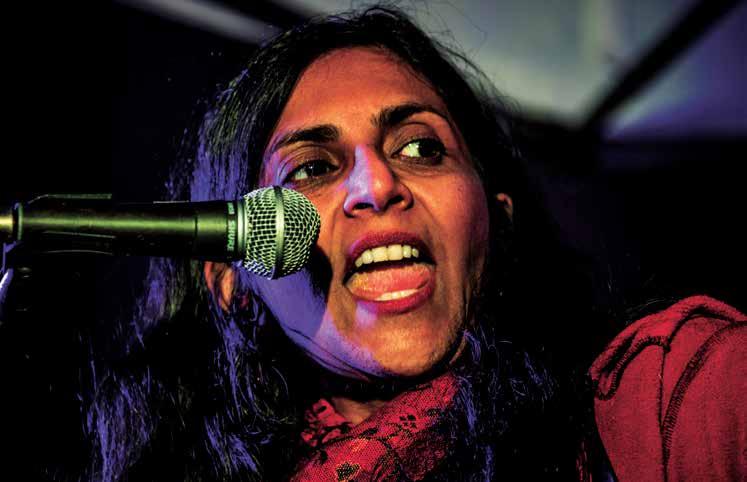
The Washington State Supreme Court decided Thursday that a recall effort of Seattle Councilwoman Kshama Sawant can move forward. The Councilwoman is being recalled by right-wing detractors, whose petition charges her with breaking COVID guidelines by allowing protestors into City Hall last summer, using city funds to promote the Tax Amazon ballot initiative, giving political power to Socialists Alternative through hiring decisions, and leading a protest march to Mayor Durkan’s home.
The Court ruled that three of the charges against Sawant were legally sound, but found that there was not enough legal evidence to the claim that Sawant gave political power to Socialists Alternative.
The charges, by law, must represent “misfeasance, malfeasance or violation of the oath of office.” The WSCC, in this case, did not decide whether Sawant was guilty of these transgressions, but on whether or not there was sufficient evidence to continue with the recall on this basis.
Recall petitioners have 180 days to gather over 10,000 signatures from residents of Sawant’s Council District 3. If they reach the number of signatures required, a recall election of Kshama Sawant will be held this coming autumn.
State partners with BECU Foundation to expand funding and resources to historically underserved and hard-to-reach small businesses
OLYMPIA, Wash. (March 30, 2021) –
The needs of small business owners trying to recover from the pandemic are vast and varied. While many business owners have connections and resources that help them tap into government and philanthropic aid programs, significant barriers exist that prevent many others from accessing those same programs. As a result, historically underserved organizations, such as minority-owned and rural businesses and nonprofits, are shouldering disproportionate economic impacts while having fewer opportunities to learn about and successfully apply for assistance.
As part of its effort to promote an equitable economic recovery, the Washington State Department of Commerce established the Small Business Resiliency Network last April to ensure that all business owners could be informed about local, state, and federal funding and other important resources and programs available to them. The network’s trusted community organizations provide culturally appropriate outreach, translation, assistance, and education to ensure business owners can find the information they need from people they trust.
Thanks to a partnership with the BECU Foundation, the Small Business Resiliency network has now grown to 31 organizations serving communities in nearly 40 languages. Find an overview sheet [at https:// bit.ly/3sGTsID]. Some organizations provide services in their area, while others serve businesses statewide. Find a searchable list and map of the network on Commerce’s website [https://bit.ly/3m9wMP5]. The most recent organizations added to the network include the following:
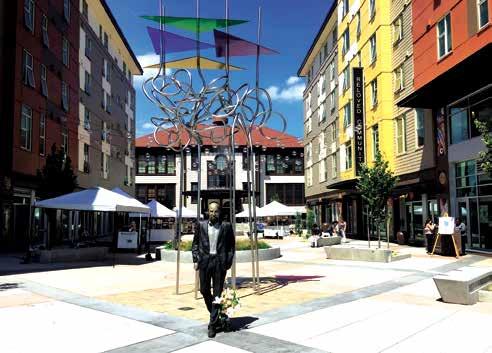
• African Community Housing Development (ACHD)
• CAFÉ (Community for the Advancement of Family Education)
• Cambodian American Community Council
• Carl Maxey Center
• Center for Inclusive Entrepreneurship
• El Centro de la Raza
• Ethiopian Community in Seattle
• Fourth Plain Forward
• Japan-America Society of the State of Washington
• Muslim Association of Puget Sound (MAPS)
• Odyssey World International Education
Services
• William Factory Small Business Incubator
“Growing the reach and capacity of this trusted network is vital to ensuring equity in Washington’s economic recovery. We must provide all business owners with equal opportunities to get the help they need to safely reopen and succeed,” said Commerce Director Lisa Brown. “The BECU Foundation shares our commitment, and we’re delighted to have their expertise on board.”
The state contracted with the BECU Foundation to act as financial agent for the additional $2 million in CARES Act fund-
ing that enabled the Small Business Resiliency Network to expand.
“Many rural organizations and small businesses owned by woman and people of color have been deeply and disproportionally impacted by the pandemic,” said Solynn McCurdy, executive director of the BECU Foundation. “We recognize the important role that local organizations play in the financial health of our communities. The BECU Foundation was honored to help these businesses receive this critical funding so they can continue serving individuals and families in the Puget Sound area.”
“As immigrant and refugee communities, members are challenged by many cultural barriers such as language, fear of asking for help, which prevents them from accessing information needed for their small businesses to succeed. The idea of trusted messengers really resonated with us, as well as those we helped,” said former state Rep. Velma Veloria, of the Filipino Community of Seattle.
“We are using our trusted relationships to work with business owners on ‘new normal’ practices in the workplace, such as new policies implemented by the Department of Labor and Industries,” said Lori Wada, with the Seattle Washington Korean Association. “We will continually provide educational resources to our business community members, which now number more than 700.”
For more information or questions about Commerce’s community engagement and outreach work, please contact communityoutreach@commerce.wa.gov.
of the Washington State Department of Commerce
Courtesy
Seattle Councilmember Kshama Sawant – Photo by Nate Gowdy
Photo courtesy of El Centro de la Raza
Arts & Entertainment
LIL NAS X
continued from cover
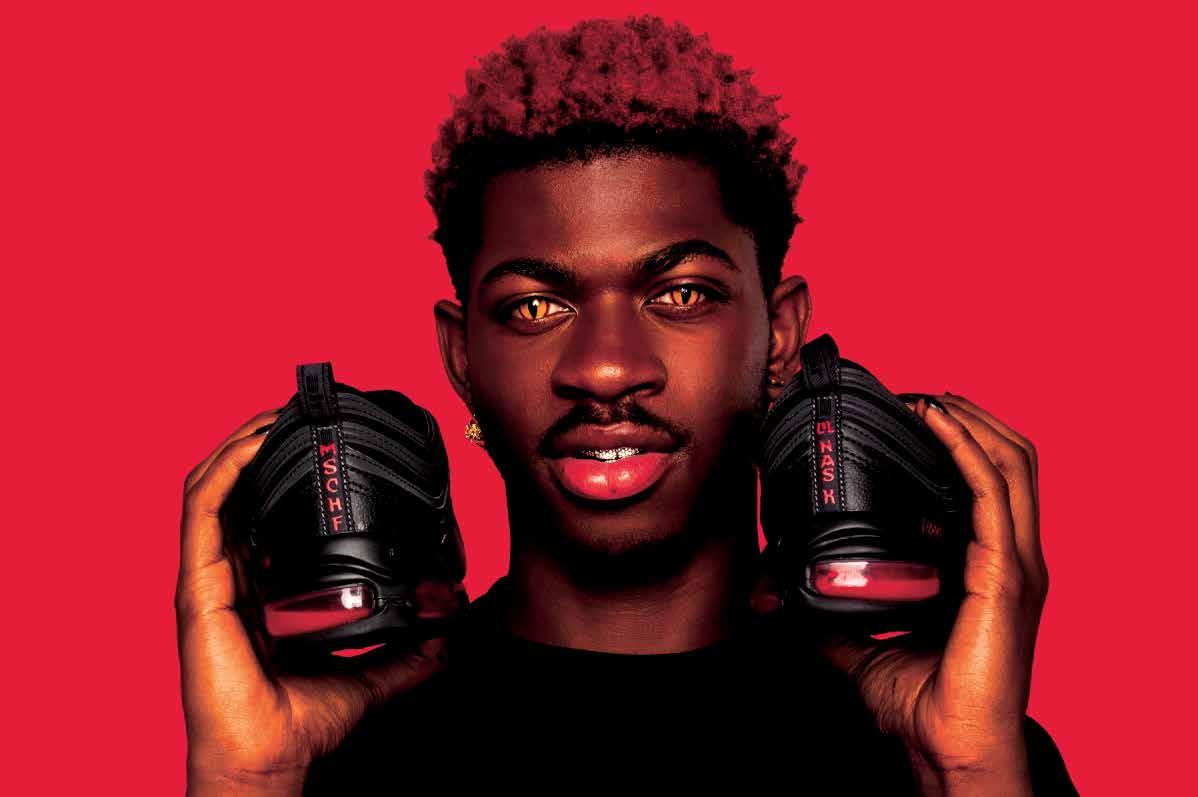
“Nike filed a trademark infringement and dilution complaint against MSCHF today related to the Satan Shoes,” the company said in a March 29 statement.
“We don’t have any further details to share on pending legal matters. However, we can tell you we do not have a relationship with Lil Nas X or MSCHF. The Satan Shoes were produced without Nike’s approval or authorization, and Nike is in no way connected with this project.”
Nike has asked a federal judge to order the destruction of all the shoes and award any profits MSCHF makes from the sneakers to Nike. It is also seeking punitive damages.
Lil Nas X released his heavily promoted new single, “MONTERO (Call Me By Your Name)” on March 26. The video features him as fallen angel, cast out of heaven and sliding down a stripper pole into hell. He then lapdances for Satan.
Lil Nas X said that his video was inspired by the way he had been demonized in the past because of his sexuality. The rapper came out as gay in 2019 while his blockbuster “Old Town Road” was at number one on the Billboard Hot 100.
“People already demonize who I am and put me in a painting of, ‘OK, he’s evil, he’s doing this, he’s doing that,’” he explained.
“So it’s like, you know what? You know what? I’ll take that, I’ll be that, and I’m going to make the best of it.”
MSCHF produced the shoes as a limited edition promotion based on the video. Lil Nas X revealed he collaborated up with MSCHF on the shoes, customized Nike Air Max 97s.
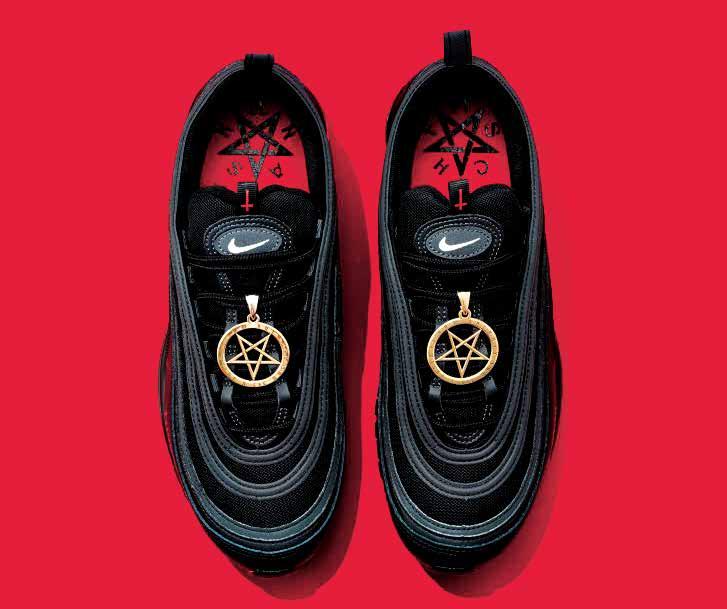
The shoes feature Satanic-inspired details, like a pentagram brooch, and a reference to a Bible verse, Luke 10:18 (“He replied, ‘I saw Satan fall like lightning from heaven.’”).
The shoes also reportedly contain a drop of human blood in their sole, courtesy of MSCHF co-founder Daniel Greenberg and some other staffers.
The shoes were limited to only 666 pairs (that being the number of the Beast in Revelations). They went on sale for $1,018 (another reference to Luke 10:18). According to Lil Nas X, the shoes sold out in less than one minute.
MSCHF specializes in customizing
sneakers and then reselling them, often at a huge markup. It has previously produced a pair of “Jesus Shoes” that allegedly had a drop of “Holy Water” in their sole, taken from the River Jordan and blessed by a priest.
The custom sneakers created a public relations nightmare for Nike, with some
Christians calling for a boycott of the company. This led Nike to issue a statement saying they did not authorize the shoes and had nothing to do with their production. The statement was followed by the federal lawsuit.
Photos courtesy of MSCHF
Arts & Entertainment
X-MTV:
Pop artists are baring more than souls in pandemic-era music videos, they’re baring their bodies too
by Connor Davenport Special to the SGN
The CDC reports three key impacts on gay men that have resulted from the COVID pandemic: increased rates of depression, substance abuse, and — you guessed it — horniness.
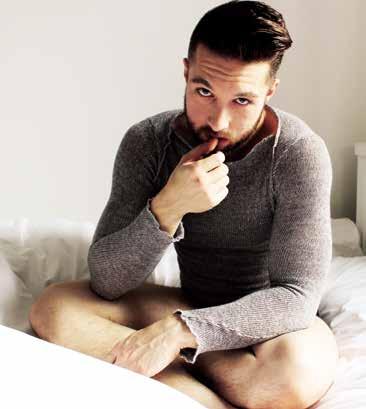
“We’re gay. Being frisky is in our DNA,” declares out artist Jack Tracy. His new single, “The Feels,” drips with passion. It depicts a relationship held together by the one thing that still works: the incredible sex. The accompanying music video unabashedly details the song’s main theme and includes a nude Tracy in the most explicit sex scenes he has ever filmed.
“There was no hesitation in dropping trou for the music video,” he reveals. “I’ve never shied away from using sexuality to make a broader point or tell a story.”
As a matter of fact, Tracy’s currently planning the video for his next song, and its nudity will go one step further. Everyone involved in the video will be showing skin! “We are going to be tackling the issue of toxic masculinity and portraying a lot of different body types, races, and people all along the gender spectrum,” he explains.
There is no denying that nudity is a trend in music videos today, especially among female artists. Cardi B and Megan Thee Stallion’s “WAP” video featured over=the-top sexuality, and the two artists have owned every bit of it, taking a “if you don’t like it, you can kiss my ass” attitude against naysayers.
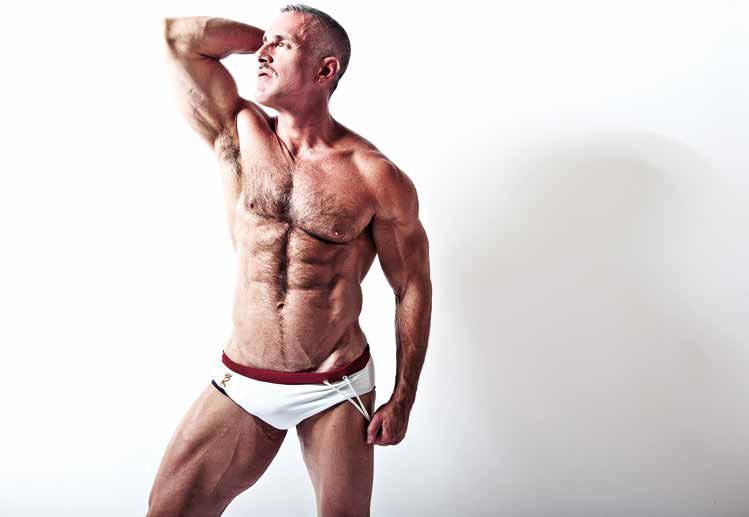
Out artist Colton Ford can relate, having received online criticism for the explicit edit of his “Stay” video. “There are the haters out there, and there will always be, but I feel that reflects on them and not on me. I know who I am. I love who I am. I know what I do best, and I’m doing what I feel and what I want, and no one can take that away from me.”
“I am an artist and an exhibitionist,” Ford continues. “I enjoy taking chances and pursuing my dreams. I think any artist that embraces his or her sexuality should

be applauded, especially if they’re doing it organically and not simply as a tool to grab attention.”
Ford has fully embraced his sexuality since 2002, when he first gained stardom as an adult film model with Colt Studio.
It’s how he’s been packaging himself ever since, but he credits the pandemic for drawing more attention to it.
“The isolation we experienced amped up the online experience,” he reflects. “All of a sudden, guys couldn’t hook up and express themselves the way they were used to, so watching it online became the next best thing, as it was a safer substitute.”
It’s why he decided to launch his very own OnlyFans page with the release of “Stay.” “I didn’t anticipate moving in this direction, but it’s a new day, and I view OnlyFans as a way to blend my erotic and music brands,” he explains. His being close to 60 isn’t stopping him. In fact, it gives his choice to bare all even more significance. “With my being 58, the page has taken on a different energy. Like we don’t have to subscribe anymore to the notion that once you turn 50, you have to stop enjoying your life and sexuality. Trust me when I say that after this long, isolating year, daddies like me are just as pent up with sexual energy as the rest of y’all!”
Follow Jack Tracy and Colton Ford on Instagram: @jacktracyofficial and @therealcoltonford.
Courtesy of Project Publicity
Jack Tracy – Photos by Benjy Bradshaw
Colton Ford – Photo by Kevin Hoover
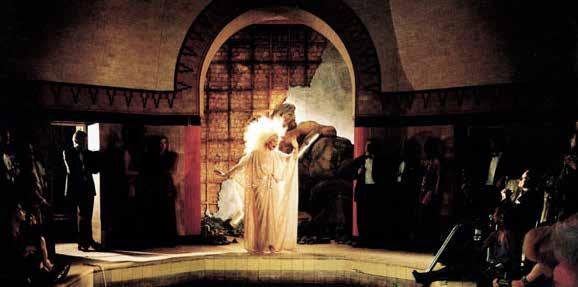
I think I checked that Mascara VHS out a good half-dozen times within a two-year period. Even though I haven’t watched it in at least two decades, there are scenes involving actresses Eva Robins (probably best known
awful for good reason), The Christine Jorgensen Story (more boring and bland than it is exploitive), and, of course, Edward D. Wood Jr.’s immortal 1953 “classic” Glen or Glenda (which isn’t near as terrible as its reputation would lead most to erroneously believe). It also led me to Sleepaway Camp, a cult horror classic I adore (and that almost made this list), but that’s a story for another day.

as the red-shoed woman in Dario Argento’s Tenebrae) and Romy Haag that are forever burned into my brain. It was the first time I’d seen Transgender performers (that I knew of) in a major motion picture (or at least major-ish — this was a Cannon Films production released by Warner Bros).
As a teen secretly and silently struggling with my gender identity, it’s hard to fully explain how titanically revolutionary this was. Mascara was the catalyst for me to start looking for the works of John Waters. It was because of this film I would learn about Candy Darling. It was because of this film I’d end up clandestinely seeking out hard-to-find copies of Myra Breckinridge (notoriously
None of these titles I’ve mentioned made my list of 1,001 great films. There’s a John Waters flick that did make the cut (and there were two others, Hairspray and Desperate Living, that came close), but you’ll have to wait a couple of months for that one to be revealed.
But I think this story is valuable for multiple reasons. The thing about cinema is that we do not know which efforts will stick with and shape us and which will fade away into the ether as if we never watched them in the first place.
Mascara, in its own, uniquely bizarre way, helped put me in touch with aspects of myself I was fighting to conceal. Much like the club
at the center of the mystery was a venue of artifice and subterfuge, I was living a lie that was destroying me. While I didn’t exactly know what was going on, I had a decent idea, and movies like this one allowed me to explore who I was and what I was experiencing without anyone else being any the wiser.
There are films with Trans or Transrelated themes that did make my list, most
was the point? I’d gotten myself kicked out of the UW for poor grades. My girlfriend was helping me dress up secretly without anyone else knowing. I was working a deadend job and barely writing. I was a mess, and there’s not a lot more to say on the matter.
In the two-plus decades since Boys Don’t Cry premiered, a lot has changed in regards to Trans representation in film. It’s undeni-

notably one of this week’s titles, Kimberly Peirce’s Boys Don’t Cry. Groundbreaking at the time of its release, and something of a surprise critical and awards-season sensation, the drama would go on to be nominated for two Academy Awards, and Hilary Swank took home the Oscar for Best Actress for her blistering performance as teenager Brandon Teena.
It’s possible I wouldn’t have started transitioning when I did if I didn’t watch this film in 1999. Seeing Teena’s tragedy play out to its devastating conclusion forced me to put my own life under the microscope. What was I doing? Why was I slowly killing myself by not being my authentic self? What
able that Peirce’s debut would look a heck of a lot different if it were made today. When looked at through a modern prism, there are elements of this drama that border on unintentionally sensationalistic. Additionally, as superb as Swank is, I don’t think it’s debatable that a Trans actor could have been even more extraordinary as Teena had they been afforded the opportunity.
I hope that when people appraise this list they do so with an open mind. Standards change. Perspectives too. Cinematic language is sadly all-too-often evaluated through a primarily white cis male lens, and it is good that this is beginning to change.
Boys Don't Cry – Photo courtesy of Fox Searchlight Pictures
Mascara – Photo courtesy of Warner Home Video
cover
Film
Nonbinary short film review: Ignorant Creatures

by Hannah Saunders SGN Contributing Writer
IGNORANT CREATURES
YouTube
On Friday, March 26, Little Grey Cat and Blanket Fort Films released Ignorant Creatures, a short film about a nonbinary person who struggles with coming out at work. The film dives into how members of the LGBTQIA community cope with coming out, and the importance of allies.
Ignorant Creatures was produced by Claire Michelle, Catalina Rodriguez, and Ji Iadevaia, the last of whom was also a scriptwriter for this project and was inspired by their firsthand experiences at a previous job.
The opening scene begins with soft music playing while Jules wakes up and gets out of bed. They walk over to the dresser and begin to put on a tank top. Jules, whose breasts are visible, lightly struggles to pull the tank top over them. They go over to the mirror and think, “People don’t see my gender. Do they even see me? Ugh, I can still see my boobs through this thing anyway. What’s the point?”
Jules shakes their head in frustration. Their partner enters the scene by gently placing their hand on Jules’s shoulder. They are also getting dressed, and since they are late for work, they head out the door. Before the two part ways, they plan a date night for later that evening.
During these introductory scenes, the main character’s struggle with their iden-
tity is apparent, and the partner is clearly portrayed as kind and loving.
In the following scene, Jules comes home from work and hopps in the bath. Their partner arrives home and joins shortly thereafter. While talking about their day, Jules mentions an issue with their coworkers.
The film cuts to Jules and coworker Mark walking into the break room earlier that day, whereupon Stephanie, who’s already there, looks at Jules and says, “So, I hear you are nonbinary,” with an exaggerated stress on the last word. She tries to laugh it off, saying, “Sorry, just want to be in the know,” but she looks pretty uncomfortable. Jules does too, seeing as it’s a very personal topic of discussion to bring up first thing in the morning, in the workplace no less.
Stephanie then says in an upbeat tone, “Cool, um, well, uh, let me know if I mess up, okay?” Though she was smiling and nodding and seeming like she was trying to be friendly, it comes off as rather invasive.
Next, Mark asks Jules about pronoun usage, to which Jules responds that they go by “they/them” only. Mark says, “I think I know what that means. I’m still learning, so I may mess up.” One can see that Mark is attempting to be a supportive friend, yet at the same time Jules appears to be tired from all the questions. Shortly after, Stephanie walks by and says, “Hey, girl!” (something she’s known for saying) and then quickly apologizes.
Back in the bathtub, Jules contemplates taking a sick day, most likely to avoid dealing with all the questions and being ostra-
cized. Jules’s partner is an active listener and gives brief feedback, but Jules says there’s more to the story.
Flashing back to the workplace, the boss, Cooper, has brought everyone together for a group meeting, the purpose of which is awareness and respect for people in the office. She then goes on to say, “Jules has a few words to say about being non… What was it? Uhmmm… Why don’t you just take it from here, Jules?” A confused and offended-looking Jules eventually responds, “What?”
A male coworker looks up from his computer: “Ah, this is that trend that’s going around, yeah, in the millennial crowd,” in a disgusted tone. The meeting room erupts in a clamor, and the camera closes in on Jules as they think, “Where do I fit in when I come out as nonbinary?”
Informative leaflets about what nonbinary means are passed out among the group. Cooper attempts to create more discussion, but the information is not presented or explained in a satisfactory manner. For example, Cooper starts out by saying, “Apparently, some people like to go by ‘they/ them’ pronouns.” She tries to make Jules feel included, but the way she presents the information comes off as ignorant. More noise fills the room, including questions such as “Where do you go to the bathroom?”
Jules finally has enough. They bring up how they did not call this meeting in the first place, then Jules walks out.
It’s discovered that the meeting occurred because Mark mentioned the
topic to Cooper. His intentions were to make Jules feel more included, and he sincerely wanted the meeting to go well. Mark and Stephanie find Jules after the meeting to explain themselves and apologize. Jules accepts the apology, but, back in the bathtub, Jules is still very upset.
Jules mentions to their partner that “I’m supposed to be the captain of my own ship,” rather than having others control what happens to them by making decisions for them, like having that staff meeting, which was never something Jules asked for, or even aware of. Jules goes on to say that “it just feels like I live two lives. I’m not sure how to blend them together.”
The movie ends with Jules gaining acceptance. “I am a beautiful process,” they say, as the two soak the leaflets in the bathwater to get rid of them and make their own rules.
Ignorant Creatures is an astounding 16-minute film about the struggles nonbinary individuals face when coming out in the workplace, while tackling the importance of being a strong ally without being too overbearing and overwhelming.
The release of the short film was halted due to the pandemic due to lack of inperson screening opportunities. Claire Michelle made the decision to release the film on Little Grey Cat’s YouTube channel after scouting multiple venues. Watch the film at www.youtube.com/watch?v=0f_ OEVxmr4s.
Ignorant Creatures – Photo courtesy of Little Grey Cat
continued from page 9
We need to be able to view pictures like Peirce’s and reasonably assess the elements that make them essential, while also still speaking authoritatively about their shortcomings and the facets that, in retrospect, could have been handled differently.
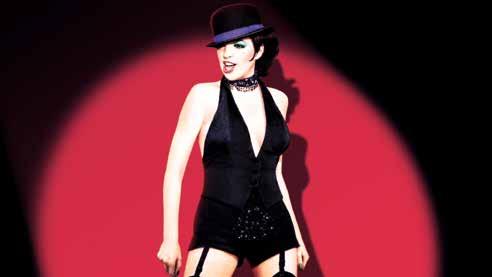
Boys Don’t Cry is hardly the only title on this list where we could have this conversation. Just this week I list Blazing Saddles, But I’m a Cheerleader, Cabin in the Sky, and Cabaret, all of which have components that, when viewed through today’s lens, have not aged particularly well. But they are all still great, and understanding what worked or what was acceptable in the 1940s, ’70s, and ’90s and why that wouldn’t (or shouldn’t) be the case now is all part of the edifying fun.
If you’d have told me when I was 16 that one of the most important motion pictures I’d ever watch would be a lurid piece of a sleazy European nonsense, or that at 25 a heartbreaking biopic about a murdered Trans teenager would change my life forever, I’d say you were lying. But Mascara and Boys Don’t Cry are two feature films that helped shape who I am today. I love them both, each in their own way, and as dated as they may be, I’m beyond thankful I was lucky enough to see them right at the precise moment I needed to most.
As a side note, if you’re interested in seeking out Mascara, as far as I can tell, it’s sadly out of print. Finding it is borderline impossible. If you do have a copy or know where to find one and would like to send it my way, I certainly wouldn’t tell you not to.
Of the 100 titles listed below, the oldest film on the list is The Cabinet of Dr. Caligari from 1920, while the most recent entry is Olivia Wilde’s divine female-driven teen comedy Booksmart from 2019.
As for this month’s question, I’d ask this: What films helped shape who you are today, and would anyone be surprised by any of the titles on your list?
Black Girl (Ousmane Sembene) (1966)
Black Narcissus (Michael Powell, Emeric Pressburger) (1947)
The Black Stallion (Carroll Ballard) (1979)
Blade Runner (Ridley Scott) (1982)
Blazing Saddles (Mel Brooks) (1974)
Blithe Spirit (David Lean) (1944)
Blood and Black Lace (Mario Bava) (1964)
Blow Out (Brian De Palma) (1981)
The Blue Dahlia (George Marshall) (1946)
Blue Velvet (David Lynch) (1986)
Body and Soul (Oscar Micheaux) (1925)
Body Double (Brian De Palma) (1984)
Bonnie and Clyde (Arthur Hiller) (1967)
Booksmart (Olivia Wilde) (2019)
Born Yesterday (George Cukor) (1950)
Boudu Saved from Drowning (Jean Renoir) (1932)
Bound for Glory (Hal Ashby) (1976)
Boyhood (Richard Linklater) (2014)
Boys Don’t Cry (Kimberly Peirce) (1999)
Boyz n the Hood (John Singleton) (1991)
Braindead (Peter Jackson) (1992)
Brazil (Terry Gilliam) (1985)
Breaking Away (Peter Yates) (1979)
Breaking the Waves (Lars von Trier) (1996)
Breathless (Jean-Luc Godard) (1960)
The Bride of Frankenstein (James Whale) (1935)
The Bride with White Hair (Ronny Yu) (1993)
The Bridge on the River Kwai (David Lean) (1957)
The Bridges of Madison County (Clint Eastwood) (1995)
Brief Encounter (David Lean) (1945)
Bright Star (Jane Campion) (2009)
Bringing Up Baby (Howard Hawks) (1938)
Broadcast News (James L. Brooks) (1987)
Broken Flowers (Jim Jarmusch) (2005)
Bull Durham (Ron Shelton) (1988)
Bullet in the Head (John Woo) (1990)
Bullitt (Peter Yates) (1968)
Bulworth (Warren Beatty) (1998)
But I’m a Cheerleader (Jamie Babbit) (1999)
Butch Cassidy and the Sundance Kid (George Roy Hill) (1969)
Cabaret (Bob Fosse) (1972)
Cabin in the Sky (Vincente Minnelli) (1943)
The Cabin in the Woods (Drew Goddard) (2011)
The Cabinet of Dr. Caligari (Robert Wiene) (1920)
Cactus Flower (Gene Saks) (1969)
The Caine Mutiny (Edward Dmytryk) (1954)
Call Northside 777 (Henry Hathaway) (1948)
The Candidate (Michael Ritchie) (1972)
Cape Fear (J. Lee Thompson) (1962)
Captains Courageous (Victor Fleming) (1937)
Career Girls (Mike Leigh) (1997)
Carlos (Olivier Assayas) (2010)
Carmen Jones (Otto Preminger) (1954)
Carnival of Souls (Herk Harvey) (1962)
Carol (Todd Haynes) (2015)
Carrie (Brian De Palma) (1976)
Casablanca (Michael Curtiz) (1942)
Cat on a Hot Tin Roof (Richard Brooks) (1958)
Cat People (Jacques Tourneur) (1942)
Celine and Julie Go Boating (Jacques Rivette) (1974)
Certain Women (Kelly Reichardt) (2016)
Certified Copy (Abbas Kiarostami) (2010)
Charade (Stanley Donen) (1963)
Charley Varrick (Don Siegel) (1973)
Chicken Run (Peter Lord, Nick Park) (2000)
Children of a Lesser God (Randa Haines) (1986)
Children of Men (Alfonso Cuarón) (2006)
Children of Paradise (Marcel Carné) (1945)
The China Syndrome (James Bridges) (1979)
Chinatown (Roman Polanski) (1974)
A Chinese Ghost Story (Siu-Tung Ching) (1987)
Chocolat (Claire Denis) (1988)
Chungking Express (Wong Kar-Wai) (1994)
Cinderella (Clyde Geronimi, Wilfred Jackson, Hamilton Luske) (1950)
Cinema Paradiso (Giuseppe Tornatore) (1988)
Citizen Kane (Orson Welles) (1941)
City Lights (Charles Chaplin) (1931)
City of God (Fernando Meirelles, Kátia Lund) (2002)
Claire’s Knee (Éric Rohmer) (1970)
Cleo from 5 to 7 (Agnès Varda) (1962)
Close Encounters of the Third Kind (Steven Spielberg) (1977)
Close-Up (Abbas Kiarostami) (1990)
Clouds of Sils Maria (Olivier Assayas) (2014)
Clueless (Amy Heckerling) (1995)
Come and See (Elem Klimov) (1985)
Conan the Barbarian (John Milius) (1982)
The Conformist (Bernardo Bertolucci) (1970)
Contempt (Jean-Luc Godard) (1963)
The Conversation (Francis Ford Coppola) (1974)
Cool Hand Luke (Stuart Rosenberg) (1967)
The Cranes Are Flying (Mikhail Kalatozov) (1957)
Creature from the Black Lagoon (Jack Arnold) (1954)
Cries and Whispers (Ingmar Bergman) (1972)
Crimes and Misdemeanors (Woody Allen) (1989)
The Crimson Kimono (Samuel Fuller) (1959)
Crouching Tiger, Hidden Dragon (Ang Lee) (2000)
The Curse of the Cat People (Gunther von Fritsch) (1944)
Cyrano de Bergerac (Jean-Paul Rappeneau) (1990)
Dames (Ray Enright, Busby Berkeley) (1934)
The Damned (Luchino Visconti) (1969)


But I'm a Cheerleader – Photo courtesy of Lions Gate Films
Cabaret – Photo courtesy of Allied Artists Pictures
Carol – Photo courtesy of The Weinstein Company
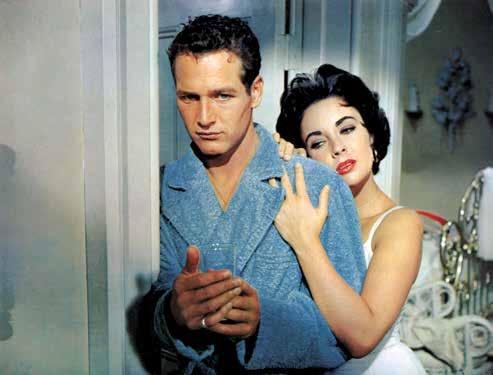
Cat on a Hot Tin Roof











Colorful Godzilla vs. Kong a monstrous success

by Sara Michelle Fetters SGN Staff Writer
GODZILLA VS. KING KONG
Theaters / HBO Max
For those who thought there wasn’t enough kaiju action in 2014’s Godzilla or who felt the clashes between classic Toho favorites in 2019’s Godzilla: King of the Monsters was too shrouded in darkness, mist, and rain to properly see what was going on, director Adam Wingard has made a Godzilla vs. Kong that addresses many of those issues. For everyone else who was happy with both of those movies (and more than likely also enjoyed 2017’s Kong: Skull Island ), the You’re Next and The Guest filmmaker successfully delivers a knockout for them as well.
Don’t misunderstand: I’m not saying this quarrel between two of the screen’s most enduring and popular monsters is going to make my list of 2021’s best motion pictures. I’m not even going to say it’s my fave entry in Warner Bros.’ so-called “MonsterVerse” (I still say that’s Gareth Edwards’ Godzilla). But as far as living up to the expectations teased in the title, Wingard’s battle royale of mythological cinematic beasties more than satisfies.
The plot as conceived by a quintet of writers (including Godzilla: King of the Monsters director Michael Dougherty) is a mashup of classic Toho scenarios involving nefarious human antagonists trying to mitigate the damage caused by Godzilla and his brethren by utilizing a combination of technological and biological advancements beyond their control. Kong is thrown into the mix as an “ancient adversary” to the big green lizard who also is the key to finding a mysterious source of untold power hiding in the unexplored depths of the Earth.
The key players are scientists Nathan Lind (Alexander Skarsgård) and Ilene Andrews (Rebecca Hall), both coerced by tech billionaire–philanthropist Walter Simmons (Demián Bichir) to use Kong to find that power source, and series returnee Mad-


ison Russell (Millie Bobby Brown). Along with her father Mark (Kyle Chandler), now a key member of Titan overseers MONARCH, she helped Godzilla and Mothra defeat King Ghidorah and Rodan in an epic smackdown that destroyed half of Boston.
They’re all running to and fro, spouting a lot of gobbledygook about why what they’re doing is important. They’re also trying to figure out who or what is orchestrating this war between the two all-powerful Titans, and there’s not a lot more to it.
I’m okay with that. Each actor does just enough to make their presence worthwhile, especially Hall. Her relationship with Skull Island youngster Jia (Kaylee Hottle) is far more endearingly effective than it has any right to be. The child’s connection to Kong turns out to be this story’s heart and soul. It allows the ape to become a brotherly guardian worth rooting for, and his transformation to selfless action hero willing to lay his life on the line to protect those he loves is honestly quite touching.
The stuff involving Madison, her fasttalking best friend Josh Valentine (an amusingly goofy Julian Dennison), and podcasting whistleblower Bernie Hayes (Brian Tyree Henry) is not nearly as winning. It’s only because all three performers are so gosh darn likable that their entire
subplot doesn’t become insufferable. A bit where they do make a startling discovery underneath the streets of Hong Kong, while not entirely surprising, is admittedly well done. I just felt that their subplot was too overtly silly, and their presence in the city too cleverly coincidental as it pertained to the resolution of the climactic showdown.
But who am I kidding? Wingard loves Godzilla and Kong, and his reverence for each of them shows. He allows their battles to come to ferocious life, making certain that each encounter is a brutal brawl where every whack to the head is felt and each bite leaves a nasty scar. The director does a terrific job of showing how these two end up so evenly matched, when on paper their bout should be a lopsided affair heavily titled toward Godzilla. He gives these Titans their due, Kong in particular, making them come alive as multidimensional characters and not just as massive monsters humans understandably run away in fear from whenever they’re around.
Wingard also throws in references to the likes of Die Hard and the Lethal Weapon series, as well as countless Showa-era Godzilla efforts, most specifically those from the 1960s and ’70s. Much like he did with The Guest, he’s also fearless with his use of color. The final battle in a neon-saturated Hong
Kong is a thing of absolute beauty. Godzilla’s atomic fire has never looked more incredible, while Kong’s wielding of an ancient ax made by his simian forebearers is a stroke crystalblue magnificence.
While I normally like Junkie XL (aka Tom Holkenborg) a lot (his compositions for Mad Max: Fury Road are superb), as far as the four MonsterVerse scores go, I can’t help but feel his comes up frustratingly short. I also think Eiza González, portraying Simmons’ duplicitous daughter Maya, is wasted in a nothing role. The script does her zero favors and leaves her precious little to play, making her entire appearance all-too-forgettable, which, considering the importance of Maya’s actions as they pertain to the overall proceedings, is egregiously annoying.
It’s still hard for me to hold any of that against Godzilla vs. Kong. Wingard puts the type of spectacle up on the screen worthy of the titular legends. Their face-off is a violently over-the-top slug-fest that lands the majority of its punches, and the ultimate victors are audiences who purchased a ring-side ticket to see these two warriors slug it out in the pursuit of apex predator supremacy.
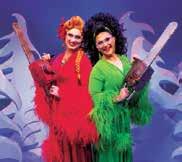
Alexander Skarsgård, Rebecca Hall, and Kaylee Hottle in Godzilla vs. Kong – Photo courtesy of Warner Bros.
Julian Dennison, Millie Bobby Brown, and Brian Tyree Henry in Godzilla vs. Kong – Photo courtesy of Warner Bros.
Efficient Nobody packs a brutally violent punch
by Sara Michelle Fetters
SGN Staff Writer
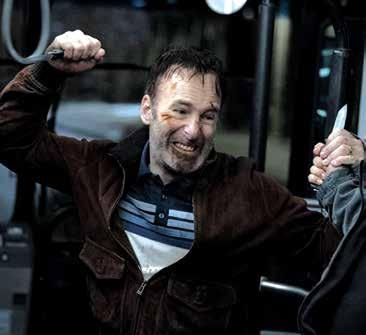
Hutch Mansell (Bob Odenkirk) is a quiet man. He goes through the monotonous drudgery of his day-to-day life because he thinks that’s what is best to ensure the happiness of his wife Becca (Connie Nielsen), son Blake (Gage Munroe) and daughter Abby (Paisley Cadorath). Hutch visits his elderly father David (Christopher Lloyd) in his retirement home almost daily, while radio chats with faceless friend and former coworker Harry (RZA) bring him some semblance of momentary pleasure.
Things change after a home invasion robbery shocks the Mansell household. But while Becca is thankful no one was hurt, Abby pines for her missing kitty-cat bracelet, and Blake silently fumes that his father

didn’t lift a single finger to protect them, Hutch knows things could have gone much, much differently. There is an inner fury bubbling up inside of him, a violent anger he’s quietly kept in check for over a decade.
Written by John Wick scribe Derek Kolstad and directed by Hardcore Henry impresario Ilya Naishuller, Nobody is a violent action slugfest about a seemingly insignificant man who is anything but. Kolstad’s scenario comes across like the greatest Donald E. Westlake novel the hardboiled author never wrote. For all the action pyrotechnics, this gritty throwback feels more like Point Blank or The Outfit than it does anything current, making Better Call Saul star Odenkirk the shockingly perfect choice to slip on this single-minded killing machine’s comfortable shoes. Hutch is a force of nature from whom
those with even the vaguest knowledge of his history walk in the opposite direction as quickly as they can. Nothing can stop him from completing a task, and those foolish enough to stumble into his way are lucky if they end up in the hospital on life support instead of in the morgue sporting a toe tag.
One of the great things about this character is that, while he may be unstoppable, that does not make him invulnerable. Hutch takes nearly as much as he dishes out. I love the messiness of his first pugilistic encounter: taking on a bus overrun by a cadre of drunken delinquents. It’s been over a decade since he’s thrown a punch, and this purposeful inactivity initially shows: for every three or four hits he lands, he takes one or two hard shots in return before finally laying his assailants out cold to be picked up by paramedics later.
It takes a little while for the core plot dynamics to kick in. Hutch inadvertently angers a powerful Russian mobster (Alexey Serebryakov), who decides he needs to make an example of this man to maintain his iron grip on power. This leads to a couple of minor skirmishes that inadvertently put Hutch’s family in danger, culminating in a blood-soaked finale where RZA and a terrifically enthusiastic Lloyd get to join in on the explosively gory fun.
Hardcore Henry was a one-trick, fauxsingle-take pony that, while initially impressive, quickly wore out its welcome. Naishuller doesn’t get cute behind the camera this time. Instead, he centralizes the visual razzle-dazzle, preferring extended takes of carnage, which allows the camerawork of cinematographer Pawel Pogorzelski (Midsommar) to do much of the visceral heavy lifting. The film is also efficiently edited by Evan Schiff (Birds of Prey) and William Yeh (Equilibrium); the pair keep the stunt work and action choreography from becoming a visual blur, which increases the suspense quotient considerably.
There aren’t a lot of surprises, and I can’t imagine there will be many who find themselves remotely shocked where things end up. But none of that matters much. Odenkirk, doing his best Lee Marvin–meets–Warren Oates impersonation, is splendid as an unrelenting assassin masquerading as a quiet, practically invisible family man. Kolstad’s script is pugnaciously straightforward and free of unnecessary artifice. Naishuller directs with confidence, keeping the focus squarely on Hutch and refraining from indulging in any pointless overtly stylistic embellishments.
Nobody whacked me square in the face. I wouldn’t have wanted it any other way.
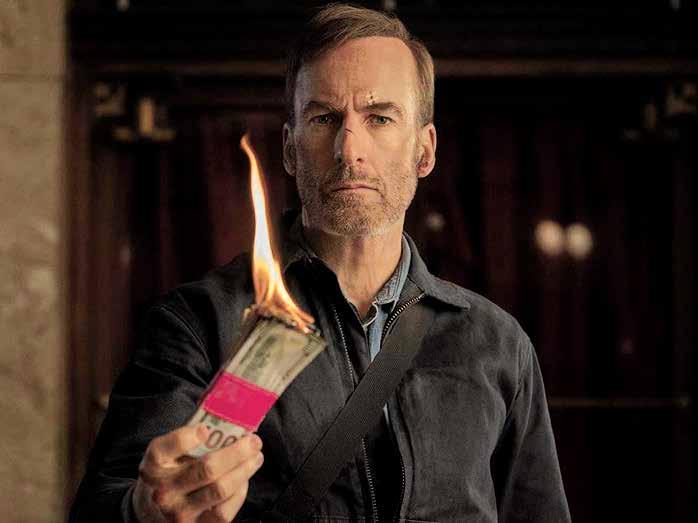
Bob Odenkirk in Nobody – Photos courtesy of Universal Pictures
Gay Bar: Why We Went Out
by Terri Schlichemeyer Special to the SGN
JEREMY ATHERTON LIN
GAY BAR: WHY WE WENT OUT
Little, Brown and Company
$28.00 / $36.00 Canada
320 pages
The stool over by the window is all yours.
Might be because you’ve spent a lot of time there. It’s the right height, you can easily watch the door from there, and the bartender knows your favorites, so why not? As in the new book Gay Bar by Jeremy Atherton Lin, it’s one of the best places to be.
Long before it was legal for him to enter, Lin, like most teenage boys, imagined going to a bar — though in his case, Lin imagined what as gay bar was like. Ironically, he says, “I can’t remember my first.”
As someone with a foot in each of two continents, he does have favorites, places that are now closed, or have been moved or renamed. He’s danced and drunk in gay bars, had sex in them, and moved through them with his companion, “the famous blue raincoat,” anonymously and with friendsnot-friends.
Some bars were carved out of a back room or basement, or a place that used to be something else, maybe another bar. Some are cavernous; others are small and packed with men dancing or doing drugs, or they’re thick with bachelorette parties and tourists — to the annoyance of the gay men who’ve claimed that place. Those usurpers don’t know the legacy of feeling gay, but “it goes pretty deep.”
Some bars have opened just for the night, or will close before a month has

passed. Others were raided once upon a time. Overall, they’re an important part of being a gay man, pre-Stonewall, pre-AIDS, post-epidemic, and now.
And yet, says Lin, “there does remain something embarrassing about a gay bar.”
Still, try to stop him from fondly remembering nights in the Castro or Los Angeles or London...
Absolutely, you could be forgiven for wondering what you got yourself into while reading the first couple dozen pages of Gay Bar. Unabashedly, without preamble, Lin leaps right into a hazy description of a night out or two, in a chapter that seems fragmented, like a broken strobe light. Clarity
comes — but later, and it’s fragile.
Part of the haze might be due to the autobiographical nature of Lin’s story: there are bars in his tales, but the focus here is more going to bars, with the implied assumption that readers are familiar with those he mentions or others exactly like them.
This, of course, may not be true; still, Lin’s sex-and-booze-filled tales of drag, dance, and la dolce vita are compelling, woven with gay history, interesting thenand-now comparisons, and blisteringly
explicit tales of being a young gay man.
And then again, while these stories take readers through the doors of a gay bar, once we’ve literarily entered, there are times when we’re abandoned, the music’s too loud, and we want to just go.
Like a song you don’t particularly like, though, that won’t last long. Really, the surreality of Gay Bar is not insurmountable. In fact, if you wait it out, you’ll be mostly glad you did.
So look for it — and take a seat.
Doomed and Famous: Selected Obituaries
by Terri Schlichenmeyer Special to
the SGN
ADRIAN DANNATT
WITH ILLUSTRATIONS
BY HUGO GUINNESS
DOOMED AND FAMOUS: SELECTED OBITUARIES
Sequence Press,
distributed by MIT Press
$29.95 / $39.95 Canada
320 pages
In the beginning, people said all kinds of good things about you.
You were sweet, a chip off the old block, you looked like your mommy, you were an adorable baby. Those niceties tapered off eventually, but that’s to be expected: nobody is beloved forever. Even so, as you read Doomed and Famous: Selected Obituaries by Adrian Dannatt, you’ll wonder what they’d say about you now.
For most of his life, Adrian Dannatt was fascinated by death — but not in a morbid, funereal way. He was interested in collecting stories of people who died knowing what they’d done with their lives. He spoke with everyone, because he never knew where the next great tale might be found; graveyards and tombstones were particularly good places to find mysteries, he says. This lifelong interest in death led him to write obituaries.
These aren’t the just-the-facts kind of obits. Dannatt wanted to share the essence of the people he spoke with. He wanted to memorialize real humans, such as the man who was sure he’d landed the main part in Taxi Driver until he met a young De Niro on his way out the door. Dannatt also wanted to remember the many friends who died of AIDS or suicide, as well as the very elderly

mother-daughter duo who died a day apart.
Then there was Barbara McLean, actress, film editor, and winner of seven Oscars. There was the man about whom the Beatles wrote their hit song “Paperback Writer.” There was lighting designer Abe Feder, who, Dannatt is sure, gives God advice on his thunderstorms. There’s an obituary for the great-granddaughter of the founder of the Chicago Tribune, filled with thrills, chases, and family scandal.
Dannatt memorializes the man who photographed Marilyn Monroe in the subway. He tells of an actor who appeared in over thirty movies, but whose name you probably won’t recognize. He remembers the only artist to have died at the Twin Tow-
ers on 9/11. And he offers his own very premature obituary, just in case...
Though it may seem odd to say this about a collection of obits, Doomed and Famous is kind of fun, in the same vein as reading the obituary page in an out-of-town newspaper is. You never know what you’re going to find, but...
But authors are told to “write what you know,” and Dannatt knows art, so this book is heavy in that category. It isn’t overwhelming, but you’ll notice it, even though there’s otherwise a broad mix of people to
keep things interesting. American readers should also note that this book contains the keenly sarcastic wit and drolly ornate phrasing you’d expect from a British author, which isn’t for everybody. Gentle semi-warnings aside, though, you’ll be charmed by an author who seeks out everyday folks, calling them “my people,” and reveling in even the tiniest tale. You have to love a book that celebrates the forgotten, so find Doomed and Famous and browse. You’ll be glad you did, in the end.
Image courtesy of Little, Brown and Company
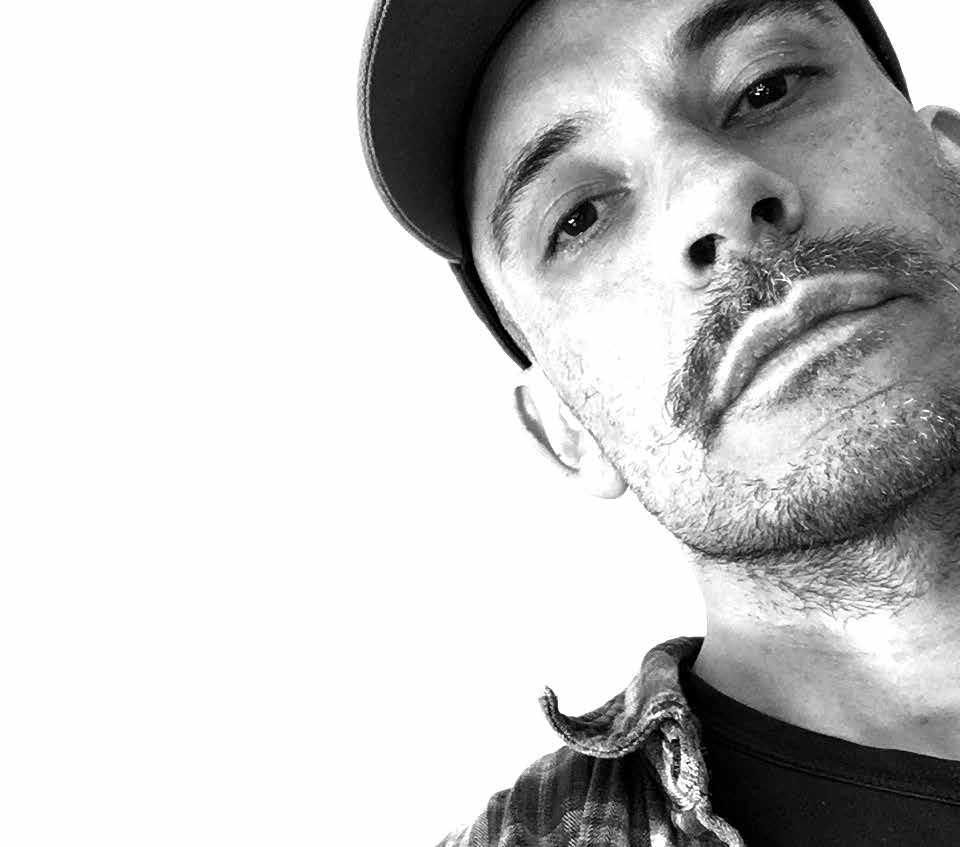
Jeremy Atherton Lin – Photo courtesy of the author
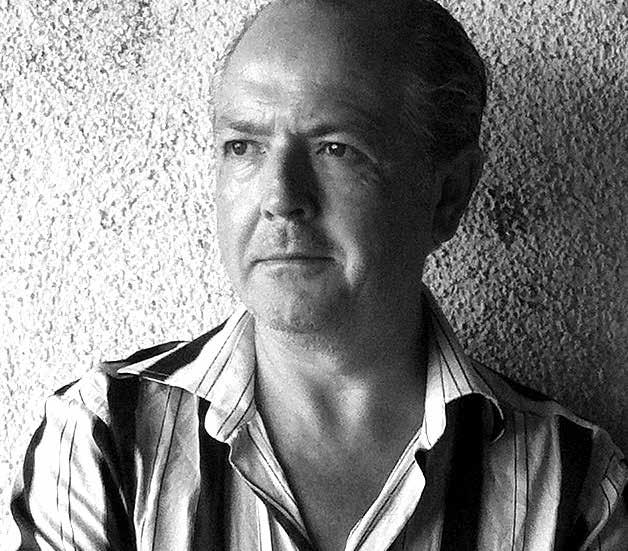
Adrian Dannatt – Photo courtesy of the author
Image courtesy of MIT Press
National News
In first, Biden issues presidential proclamation for Transgender Day of Visibility
by Chris Johnson Washington Blade
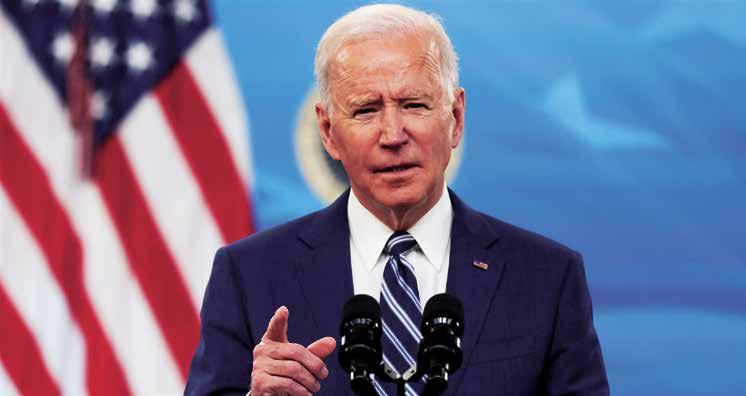
(March 31, 2021) – President Biden, in a first for any US president, issued a formal presidential proclamation recognizing the Transgender Day of Visibility on Wednesday, according to an advance copy of the White House document obtained by the Washington Blade
At a time when states are advancing and enacting into law measures that would essentially bar transgender girls from participating in school sports and restrict access to transition-related care for transgender youth, Biden signaled support for transgender people by commending their “struggle, activism, and courage” and including fellow athletes and students in a list of allies.
“This hard-fought progress is also shaping an increasingly accepting world in which peers at school, teammates and coaches on the playing field, colleagues at work, and allies in every corner of society are standing in support and solidarity with the transgender community,” Biden wrote.
But Biden also recognized long-standing issues facing the transgender community, calling ongoing violence against transgender people “a stain on our nation’s conscience.”
“In spite of our progress in advancing civil rights for LGBTQ+ Americans, too many transgender people — adults and youth alike — still face systemic barriers to freedom and equality,” Biden wrote. “Transgender Americans of all ages face high rates of violence, harassment, and discrimination.”
According to a study this month from the Williams Institute at the University of California, Los Angeles, transgender people are more than four times more likely than cisgender people to experience vio -
ARKASAS
continued from cover
Chase Strangio, deputy for Transgender justice at the ACLU, called HB 1570 the “single most extreme anti-trans law to ever pass through a single legislature.”
Access to healthcare within the young Trans community saves lives. Major medical organizations such as the American Association of Pediatrics, the American Medical Association, the Endocrine Society, and the American Psychiatric Association maintain an oppositional stance to bills that ban or restrict access to gender-affirming care for Trans minors.
Dr. Lee Savio Beers, president of the American Academy of Pediatrics, said, “The AAP recommends that youth who identify as transgender have access to comprehensive gender-affirming and developmentally appropriate health care provided in a safe and inclusive clinical space. The bill advancing through Arkansas Legislature not only ignores this recommendation but undermines it.”
Arkansas pediatricians have already seen an increase in self-harm and attempts at suicide among their young Transgender patients since the bill was passed in the state House last week.
Michele Hutchison, who practices endocrinology at Arkansas Children’s Northwest, testified in front of the Senate on March 22 that there had been “multiple kids in our emergency room because of an attempted suicide, just in the last week.”
National research confirms that Transgender youth face a myriad of intersecting
lent victimization, including rape, sexual assault, and aggravated or simple assault.
Biden also pointed out the accomplishments his administration has already achieved on behalf of transgender people, including the executive order he signed on his first day in office fully implementing in all federal agencies the US Supreme Court decision against anti-LGBTQ discrimination, the restoration of open transgender military service and the Senate confirmation of Rachel Levine as assistant secretary of health.
In terms of the tasks ahead, Biden [included] the Equality Act, legislation to expand the prohibition on anti-LGBTQ discrimination under federal law he pledged to sign within 100 days of his administration.
Although the US House passed the legislation, the US Senate has yet to advance the bill. It remains unlikely 60 votes are present in that chamber to end a filibuster on the legislation.
“To more fully protect the civil rights of transgender Americans, we must pass the Equality Act and provide long overdue federal civil rights protections on the basis of sexual orientation and gender identity,” Biden wrote. “The Equality Act will deliver legal protections for LGBTQ+ Americans in our housing, education, public services, and lending systems. It will serve as a lasting legacy to the bravery and fortitude of the LGBTQ+ movement.”
Although Biden is the first US president
to issue a proclamation for the Transgender Day of Visibility, other US presidents have announced support for the LGBTQ community by formally proclaiming June as Pride Month. Bill Clinton issued the first LGBTQ Pride proclamation, a practice former President Barack Obama renewed in each of his eight years in office after George W. Bush ignored the annual celebration. Donald Trump became the first Republican US president to recognize Pride Month with a tweet in 2017, although he never issued a formal proclamation.
Reprinted from the Washington Blade
challenges while navigating their identities.
Data from a survey published by The Trevor Project in 2020 [https://www.thetrevorproject.org/survey-2020] reflects the immense disparities in discrimination, housing stability, mental health, access to care,
and suicide rates. It concluded that among 40,000 respondents, about 60% of Transgender and nonbinary youth reported engaging in acts of self-harm in the 12 months prior. Gov. Hutchinson has yet to sign the bill, and though he is expected to, he faces
opposition from dozens of major medical and LGBTQ organizations. If signed, the American Civil Liberties Union of Arkansas plans to sue the state.
President Joe Biden – Photo by Jonathan Ernst / Reuters
Photo courtesy of ACLU Arkansas
National News
Tennessee’s new anti-Trans sports law is already a total disaster
By Nico Lang Special to the SGN
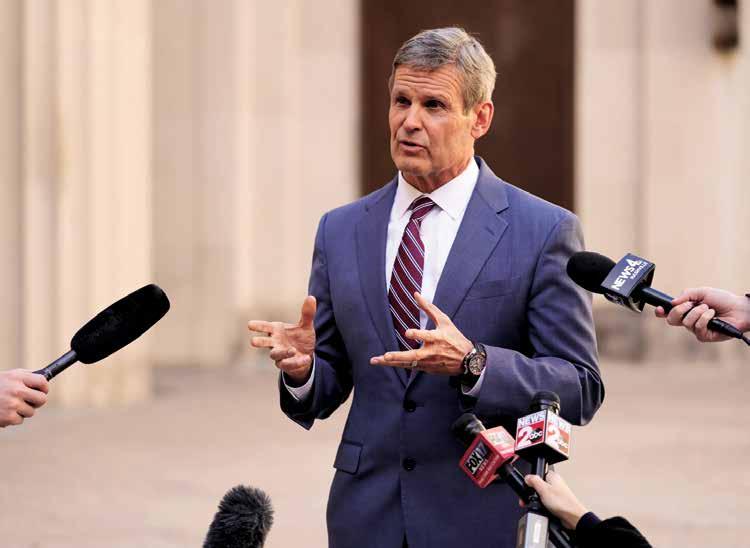
No one in Tennessee seemed all that surprised when Republican Gov. Bill Lee signed an anti-Trans sports bill into law on Friday, March 26. Last month Lee hinted at his support for the legislation, which is one of more than 40 similarly themed proposals introduced across the country in 2021, by claiming that Trans inclusion “will destroy women’s sports.” During his 2018 gubernatorial run, he opposed marriage equality and LGBTQ+ nondiscrimination laws while claiming on his campaign site that “there are two sexes: female and male.”
But what took aback Marisa Richmond, a longtime Trans politico who lives in Nashville, is just how “determined” she says Lee was to “criminalize trans youth and their coaches.” “It only passed in the House Monday, and then both speakers have to sign it and send it to the governor,” she tells them. “He didn’t waste any time. Almost as soon as they got to him, he signed it.”
Senate Bill 228 is the third law enacted in the past month targeting Transgender student athletics, following a pair of measures signed in Arkansas and Mississippi. Its proponents, such as Tennessee state Rep. Scott Cepicky (R-Dist. 64), claimed the bill was necessary to “preserve women’s athletics and ensure fair competition.” Upon signing it, Lee further pointed the finger at President Biden, tweeting that a January executive order instructing federal agencies to follow the Supreme Court’s 2020 ruling on LGBTQ+ workplace discrimination stands “in opposition to the years of progress made under Title IX.”
Despite backers’ claims that SB 228 benefits cisgender female athletes, critics predict the newly signed law will have the opposite effect — and that the overall impact stands to be disastrous. While the Mississippi and Arkansas equivalents single out tTrans girls, Tennessee’s version applies to all Transgender youth attending public middle and high schools. The bill text states that participation in athletics will be “determined by the student’s sex at the time of the student’s birth, as indicated on the student’s original birth certificate.”
According to Aislinn Bailey, a board member with the local community group Tri-Cities Transgender, the law could end up “creating the situation” that its supporters said they hoped to prevent. In Texas, Trans student wrestler Mack Beggs dominated his female opponents after being forced to compete against girls in 2017 and 2018, winning consecutive state championships.
“Trans boys will now be competing on the girls’ team,” Bailey tells them, before remarking of the legislation’s supporters, “They don’t think these things through. They’re not educated.”
The potential issues with the law are legion, according to Trans community members. Dahron Johnson, a Nashvillebased chaplain and amateur cyclist, notes that the law mandates that the “student or the student’s parent or guardian must pay any costs associated with providing the evidence” in cases where an individual’s gender identity is in dispute. If a student brings a complaint alleging they were beaten in a match because their opponent is Transgender, Johnson says the accuser would “not have to pay any of the repercussions,” even if the claims aren’t true.
“The specifics are so problematic,” Johnson tells them. “Whoever the person making the allegation is, they get off scot-free. The folks doing the accusing just get to point their fingers and [...] nothing happens to them.”
Although LGBTQ+ groups have widely referred to measures like SB 228 as a “solution in search of a problem,” the law appears to create conflicts where there are none. The Tennessee Secondary School Athletic Association (TSSAA), which governs student athletics in the state, told The Tennessean in March that there has never been a case of trans athlete eligibility at the high school or middle school level in the state. Richmond, who has corresponded with hundreds of local Trans youth in her work with the Nashville Human Rights Commission, knows of one private school with Trans athletes but says they are “not affected by the law.”
Some supporters of the measure have admitted that they aren’t aware of any Transgender student athletes currently competing in Tennessee, with state Rep. Bruce Griffey (R-Dist. 75) telling the Associated Press that the law would allow the state to be “proactive.” While taking questions on SB 228 in early March, state Sen. Joey Hensley (R-Dist. 28) owned up to the fact that he had not spoken to any Trans people about the legislation.
“The way to demonstrate that we’re not the menace, we’re not the terror, we’re not the problem that we’re made out to be is to be constantly present, but the more that these laws come out, the greater the act of courage it is.”
Colin Goodbred, a ballet dancer who grew up outside of Nashville, told them. [www.them.us/] that he repeatedly tried to get meetings with lawmakers to speak with them about the bill but was largely unsuccessful. The only one who was willing to meet with him, he says, was Senate Majority Leader Jack Johnson (R-Dist. 23), and Goodbred claims that he was the “first constituent who [Johnson] had spoken to.” (Johnson’s office did not respond to them.’s request for comment.) While Johnson ultimately joined every other Republican state senator to vote in favor of SB 228, Goodbred credits Johnson as being “very thoughtful,”
saying he listened and asked questions.
“It just made me wish that more legislators would take the time to listen to the experiences of trans people instead of making laws that could have major impacts on other people’s lives,” he tells them.
Observers worry about the collateral damage that could be wrought from a flawed effort that has already been met with the threat of a lawsuit from the American Civil Liberties Union (ACLU). The national advocacy group successfully fought for a court injunction blocking HB 500, a similar measure that passed in Idaho last year.
Richmond believes the law could jeopardize Nashville’s bid to host the World Cup in 2026 — an event that could generate as much as $5 billion in potential revenue. Richmond claims a “questionnaire that was sent to all of the bidding cities” asked “very pointed questions about LGBT rights.” “Of course, we’re filling that out at the local level, but these state actions could cost us a host spot,” she says. “That’s money that’s not going to come to us.”
When North Carolina passed an antiTrans bathroom bill in 2016, the potential economic fallout was estimated at more than $3.7 billion over the next 12 years, from the cancelation of concerts and conferences to companies pulling planned expansions in the state. Projections have apparently not been released on the impact of SB 228, but nearly 150 local and national businesses signed an open letter blasting Tennessee’s slate of anti-LGBTQ+ bills in 2021, including Amazon, Nissan, Pfizer, and Warner Music Group.
While a note attached to SB 228 dismisses the potential fiscal impact from corporate backlash as “not significant,” the bill is far from the only discriminatory proposal being considered this year. According to the advocacy group Freedom for All Americans, Tennessee has introduced eight pieces of legislation seeking to strip the LGBTQ+ community of rights and resources, tying West Virginia for the
fourth most of any state in the country. Others include bills seeking to ban queer-inclusive textbooks, prevent Trans youth from receiving gender-affirming medical care, and force all-gender bathrooms to post signs warning that Trans people are permitted to use the facilities.
Members of the LGBTQ+ community say they are more concerned, though, about the human cost than the financial one. Goodbred, who left Tennessee to attend college in New Hampshire, doubts that he would move back after graduation, saying that Transgender people “can’t feel truly welcomed when we’re not able to express ourselves.” He worries for other Trans young people who don’t have the choice to leave, noting the “staggeringly high rates of depression, anxiety, isolation, homelessness, and suicide” among youth.
Had he been living in the state when this law passed, Goodbred says that he would have “felt incredibly isolated.” “Because for me, a sport isn’t just the physical activity — it’s also the community you build up around that,” he says. “I would lose my teachers and my friends and activities that I love to do that keep me healthy and active. That would have been pretty devastating, at a time when my mental health was already very vulnerable, to be cut off from that support system.”
LGBTQ+ Tennesseeans vowed to keep pushing to make sure that more laws like SB 228 aren’t passed, but that toil is a heavy burden after they have been forced to fight for their survival year after year. In the past five years, Tennessee has been among the national leaders in enacting discriminatory laws, including legislation allowing therapists to refuse queer and Trans patients and faith-based agencies to turn away same-sex couples seeking to adopt or foster a child. After the Supreme Court legalized samesex marriage in 2015, former governor Bill Haslam signed a bill preserving the “natural and ordinary” meaning of words like “mother” and “father.’
Tennessee Gov. Bill Lee – Photo by Mark Humphrey / AP
Joe Biden not a “real Catholic,” Cardinal Burke says Ultra-conservative cleric hates choice, LGBTQ rights
by Mike Andrew SGN Staff Writer
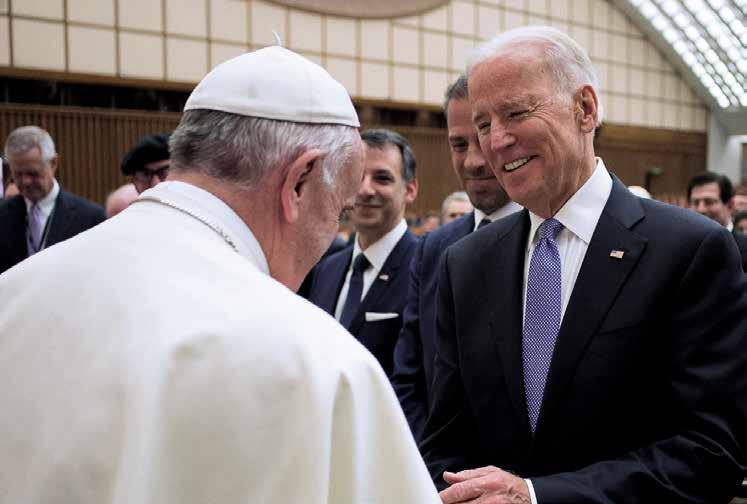
Cardinal Raymond Burke is at it again. From his residence in the Vatican – where he was once a leading Roman Catholic official but is now perceived as a discredited opponent of Pope Francis – the cardinal has proclaimed that President Joe Biden is not a faithful Catholic.
Burke’s remarks were prompted by Thomas McKenna, founder of Catholic Action for Faith and Family and host of the monthly broadcast “Conversations with Cardinal Burke.”
His interview with Burke addressed a variety of topics but highlighted the issues related to President Biden’s polices that may be in opposition to Catholic dogma.
Although Biden is well known for attending Mass weekly, his support for reproductive choice and LGBTQ rights rankles conservative Catholics.
In his 25-minute interview with McKenna, Burke says that politicians who use the sacraments for political ends and who pretend to be devout Catholics to gain support of Catholics are in fact not Catholic at all.
“[A] person who obstinately and publicly denies truths of the faith and acts against the truths of the faith or the moral law, may not present themselves for Holy Communion,” Burke insisted.
Biden has also been criticized for his pro-choice, pro-LGBTQ policies by the US Conference of Catholic Bishops, considered one of the strongholds of Catholic conservatism.
In the interview, Cardinal Burke also weighs in on the recent document published March 12 by the First Section (General Affairs) of the Secretariat of State of Pope Francis imposing concelebration upon the priests who celebrate Mass in St. Peter’s Basilica. He explained canonical and doctrinal consequences it can have.
Satanic program
This is not the first time Burke has condemned Biden. In January, he charged that Biden’s plan to codify Roe v. Wade into fed-
eral law was part of a Satanic “program of lies and death.”
“We live in times when it can seem that the Evil One is succeeding in his program of lies and death,” Cardinal Burke said in a January 24 sermon that was subsequently published in the National Catholic Register
“In our own nation, the federal government wants to codify as law the totally unjust decision of the Supreme Court, which made legal abortion on demand, and to impose upon schools the teaching of the iniquitous gender theory,” he added.
“At the same time, it threatens to deny the freedom of religion, the freedom of citizens to follow God’s plan for the world and
Proposed TN law would
for man, inscribed in nature itself and written upon every human heart,” he added.
No blessings for same-sex couples
In another interview with Raymond Arroyo of EWTN, Burke said that Pope Francis must explicitly endorse a recent Vatican ruling barring priestly blessings for same-sex couples. The ruling has drawn criticism from some Catholic clergy and suggestions that the Pope was “rushed” into approving it.
The Pope should say clearly that he approved the ruling and stands by it, Burke demanded.
“The blowback is simply an expres-
make
sion of a worldliness, a mundanity, which has entered into the Church by which the aggressive homosexual agenda is now dominating even in certain ecclesial circles and even among certain bishops,” the cardinal said.
In a 2013 interview, Burke said that same-sex marriage “is a work of deceit, a lie about the most fundamental aspect of our human nature, our human sexuality, which, after life itself, defines us. There is only one place these types of lies come from, namely Satan. It is a diabolical situation [that] is aimed at destroying individuals, families, and eventually our nation.
businesses
post signs saying they allow Trans people to use the bathroom
by Bil Browning LGBTQ Nation
(March 31, 2021) — Tennessee’s HB 1182 would require businesses to post notices that say they allow transgender people to use the building’s restrooms.
Signs would be required at the entrances to the building and the door of every restroom that isn’t single stalled.
“A public or private entity or business that operates a building or facility open to the general public and that, as a matter of formal or informal policy, allows a member of either biological sex to use any public restroom within the building or facility shall post notice of the policy at the entrance of each public restroom and at each entrance of the building accessible by the general public,” the bill reads.
The sign would be required to state “this facility maintains a policy of allowing the use of restrooms by either biological sex, regardless of the designation on the restroom.”
The bill’s sponsor, state Rep. Tim Rudd (R), says it isn’t aimed at transgender people since it doesn’t ban them from using the restroom altogether. Instead, he says it’s aimed at “the protection of women and
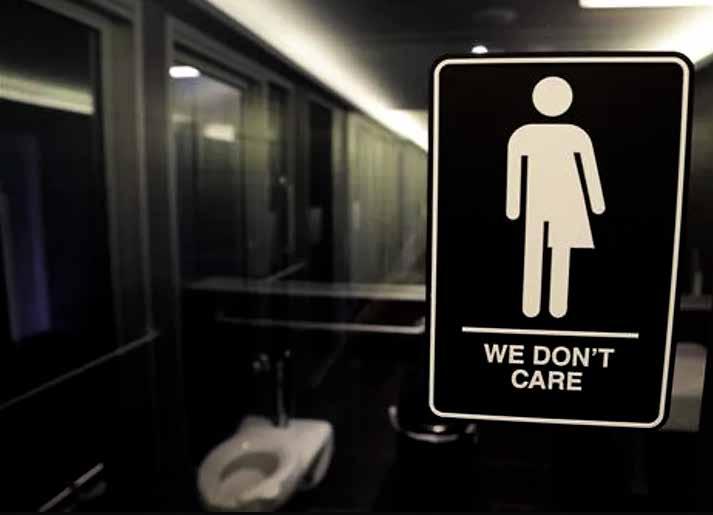
children against sexual predators that could be taking advantage of policies, executive orders, or legislation that may allow the opposite sex to enter a restroom, shower, or
locker that allows more than one person in the facility at a time.”
The bill has been referred to committees in both chambers of the legislature.
The state has become one of the nation’s hot spots for draconian and vindictive antitransgender legislation. Tennessee Republicans have been trying to pass them since at least 2012.
A different Republican lawmaker has introduced a bill this year that would allow cisgender students to sue the school if they’re not given a “reasonable accommodation” if they don’t want to share facilities with trans people.
State Rep. Jason Zachary (R) introduced HB 1233, which would create a complicated system for addressing bathrooms, locker rooms, and other facilities use at public schools in order to give administrators “a clear path forward.”
Another bill would ban books that mention LGBTQ people from public schools, while a third would make the Bible the official state book.
So far this year, the state has passed bills that would allow adoption agencies to discriminate against LGBTQ parents and bans transgender youth from playing school sports.
Reprinted from LGBTQ Nation
Photo by Gerry Broome / AP
Pope Francis and President Joe Biden in 2016 – Photo by L’Osservatore Romano / Zuma Press
Allyship - an organization of LGBTQ individuals fighting for economic and social justice. www.LGBTQAllyship. org, allyship@yahoo.com, (206) 279-8169.
American Veterans for Equal Rights - www.aver.us
Another Gay Social Club! - www.meetup.com/AnotherGay-Social-Club/ Bellingham/Whatcom County - www.theslowlane. com/guide.html
BiNet Seattle is a mixed gender, social group for Bisexuals, their partners & other Bi-friendly folks - www. binetseattle.org.
Bremerton/Kitsap County - www.outwestsound.org Capitol Hill Alano Club - www.chacseattle.org
Cascade Rainbow Community Center (Mount Vernon) - (360) 840-8499 and on Facebook. Central Washington University GALA Hotline: (509) 963-1994.
Channel Q 103.3 FM - LGBTQ+ Talk Radio NetworkNews and information, pop culture and music. radio.com COLAGE unites people with LGBTQ parents and caregivers into a network of peers and supports them as they nurture and empower each other to be skilled, self-confident, and just leaders in our collective communities - www.colage.org
DIFFA/Northwest (Design Industries Foundation Fighting AIDS). (206) 763-8885; www.diffanorthwest. org
DOMESTIC VIOLENCE & SEXUAL ASSAULT: Crisis Clinic, (206) 461-3222 (24 hour line); King County Sexual Assault Resource Center (KCSARC) - 24-hour crisis line for information, support, & medical & legal assistance: 1-888-99-VOICE; Northwest Networksupport & advocacy for Bisexual, Trans, Lesbian & Gay Survivors of Abuse & Dating Violence, (206) 568-7777 (voice), 517-9670 (tty), www.nwnetwork.org; Pierce County Domestic Violence Helpline: Teresa, (253) 798-4166; Seattle Counseling Service for Sexual Minorities - offers on-going support groups for men: 323-1768; Seattle Police Dept Domestic Violence Unit, (206) 684-0330; State Wide Domestic Violence Hot Line, 1-800-562-6025. In an emergency call 911 Report domestic violence and sexual assault. Equal Rights Washington - (206) 324-2570; www. equalrightswashington.org
Everett/Snohomish Cty - www.gaysnohomish.org
Freely Speaking Toastmasters - www.freelyspeaking.org
Gay City promotes wellness in LGBTQ communities by providing health services, connecting people to resources, fostering arts, and building community. Gay City Health Project’s Wellness Center provides anonymous & confidential HIV/STD testing. 517 E Pike St. More info or to schedule an appointment, (206) 860-6969. www.gaycity.org
Gay & Lesbian National Hotline (GLNH): 1-888-THEGLNH (1-888-843-4564). Non-profit, peer-counseling, information & local resources telephone hotline for GLBT people across the country.
Generations Aging With Pride empowers elder LGBTQ adults to live with pride and dignity by promoting, connecting, and developing innovative programs and services that enhance belonging and support, eliminate discrimination, and honor the lives of older members of our community - (206) 393-3400; info@gapseattle.org; gapseattle.org
GLSEN/WA - Gay, Lesbian, Straight Education Network - (206) 330-2099; www.glsenwa.org
Greater Seattle Business Association (GSBA) - (206) 363-9188; www.thegsba.org
HIV/AIDS Program, Seattle/King County Dept of Public Health, provides confidential/anonymous information about & testing for HIV/AIDS. (206) 205-7837. For a comprehensive list of HIV/AIDS service organizations see the GSBA Guide or visit www.thegsba.org or call Lifelong AIDS Alliance, (206) 328-8979.
Imperial Sovereign Court of Seattle & the Olympic & Rainier Empire - www.facebook.com/ISCSORE; www. imperialcourtofseattle.com
Lambert House - (206) 322-2515; www.lamberthouse. org
LGBT Library - 517 E Pike St. Open Mon-Fri 2-8pm; Sat 2-5pm. A wide range of fiction and non-fiction for the LGBT community and allies can be borrowed free of charge.
LGBT MS Connection - (425) 785-8593; lgbtmsconnections@comcast.net. Support group for LGBT persons with MS and their partners and their caregivers. Sponsored by the National Multiple Sclerosis Society. Lifelong AIDS Alliance - (206) 328-8979, www.lifelongaids alliance.org Lion’s Main Art Collective - www.lionsmain.org
MEN: Gay City: (206) 860-6969, www.gaycity.org; Knights of Mantra: (206) 329-0886, www.jetchapterkofm.com; Mature Friends: Gay men & women 40 & over, www.maturefriends.org; Northwest Bears: www. nwbears.com; The Olympians: www.TheOlympians. net; POZSeattle: www.pozseattle.com; Q-Squared: www.qsquared.org; Rain City Jacks: www.raincityjacks. org; Seattle Gay Couples: www. seattlegaycouples.org; Seattle Men in Leather: www.seattlemeninleather. org; Seattle Prime Timers: Gay & Bi men 40 & over, www. seattle primetimers.org; Tacoma Older LGBT: www. tacomaolderlgbt.org. (See also listings under Bisexual, Parenthood, People of Color, Transgender.)
MUSIC: Diverse Harmony: www.diverseharmony. org; Rainbow City Band: 1-866-841-9139 ext 2126; rainbowcityband@onebox.com; www.rainbowcity band. com; Seattle Men’s Chorus and Seattle Women’s Chorus: (206) 388-1408, (206) 323-0750. www.seattlechoruses.org.
Northwest Lesbian & Gay History Museum Project - gayhistnw@aol.com
community resources
Northwest Rainbow Alliance for the Deaf - www. nwrad.org
Olympia/Thurston County - www.RainbowCenterOly. org
Out & Equal Workplace Advocates/Seattle Regional Affiliate supports the work of LGBT employees and the growing number of ERGs (Employee Resource Groups) making a difference within local companies, including Alaska Airlines, Amazon.com, Amgen, AT&T, Bank of America, Deloitte, Macy’s, Microsoft, Russell Investments, Safeco Insurance, Starbucks Coffee, Xerox. www.outandequal.org/affiliates/seattle
Out & Proud Grays Harbor Coalition - http://outandproudgh.org
PARENTHOOD: Families Like Ours provides a gateway for LGBT families interested in adoption & provides a network of safe placement agencies, training, support & resources: (206) 441-7602, www.familieslikeours. org; Family Works offers support, information & activities for LGBT families: (206) 694-6727, www.familyworksseattle. org; Gay Fathers’ Association of Seattle offers support groups & social activities: www.gfas. org; Proud & Loud Families - Northwest, www.meetup.com/proudand-loud-families-northwest, plfnorthwest@aol.com; Queer Parent Networking Dinners: (206) 568-7777, qpnd@nwnetwork.org, www.nwnetwork.org; Rainbow Families of Puget Sound: www.rainbowfamiliesps.org PFLAG is the national organization for parents, families, allies, and LGBTQ people united for equality with chapters in Seattle, Bellevue/Eastside, the Puget Sound region and across Washington state. PFLAG Seattle: (206) 325-7724, info@pflagseattle.org, and www.pflagseattle.org; PFLAG Bellevue/Eastside: (425) 483-6642, info@bellevue-pflag.org, http://community. pflag.org/PFLAGBellevue; PFLAG Pacific Northwest: www.pnwpflag.org; PFLAG Washington State Council: www.pflagwsc.org.
Peer Seattle (formerly Seattle Area Support Groups) is a non-profit organization that builds community and cultivates powerful, healthy lives by providing emotional support and personal development services to those affected by HIV/AIDS, the Queer communities, and those who love them. Our work is done in a spirit of safety, trust, inclusiveness, and celebration of individual differences. (206) 322-2437; www.peerseattle.org
PEOPLE OF COLOR: AARTH (African American Reach & Teach Health Ministry), (206) 850-2070, www.aarth.org; Asian/Pacific Islander Queer Network Program at API Chaya, (206) 467-9976; Center for MultiCultural Health, (206) 461-6910, www.multiculturalhealth.org; Entre Hermanos, GLBT Latinos/as, (206) 322-7700, www.entrehermanos.org; Ile LaiLai, (206) 781-3565, iya@ilelailai.org; Men of All Colors & Cultures Together (MACCT), (206) 923-8313, macctseattle@yahoo.com, www.macctsea.org; Northwest Two Spirit Society, https://www.facebook.com/ groups/nw2spiritsociety/, Nubian Pride Productions, nubianpride@gmail.com; People of Color Against AIDS Network (POCAAN) offers rapid HIV testing, M-F, 10am-5pm, (206) 322-7061, www.pocaan.org and on Facebook; QBASS - Queer Black Alliance of the South Sound, (253) 256-1846, weareqbass@gmail. com; Sistah 2 Sistah, LBT women of African descent, (206) 322-7061, (206) 255-8951; Somos Seattle, somosseattle.org; Trikone-Northwest, GLBT South Asians, (425) 985-4376, www.trikonenw.org; Two-Spirit Honor Project, 1-866-685-0164; U.T.O.P.I.A. Seattle, www.utopiaseattlewa.org; VietQ Greater Seattle, vietqorganization@gmail.com
Pierce County AIDS Foundation - (253) 383-2565; www.piercecountyaids.org
Pride Foundation - (206) 323-3318; www.pridefoundation. org
Pride Lives - www.facebook.com/PrideLives/ Pride Radio 93.3 HD2
Project NEON is a program of Seattle Counseling Service providing FREE information & services to Gay & Bi men to reduce health risks associated with methamphetamine use. (206) 323-1768. www.crystalneon.org
Public Health-Seattle & King County Online Comprehensive Health Information for Sexual Minorities: www.kingcounty.gov/healthservices/health/personal/ glbt.aspx
Q Law: The GLBT Bar Association of WA - (206) 682-6711; www.q-law.org
Q Law GLBT Legal Clinic - (206) 235-7235. Queer Geek! - queergeekseattle.org
Rainbow Center - Resource Center for Tacoma/Pierce County LGBTIQA community. Through education, advocacy and celebration, the Rainbow Center expands resources, and safe space for the LGBTQIA community.
Sponsors Tacoma Pride Festival. (253) 383-2318, www. rainbowcntr.org
SEAMEC interviews, researches & rates candidates for public office on issues of concern to the LGBT community. www.voteseamec.org
Seattle Area Support Groups & Community Center (SASG) i- SEE LISTING for Peer Seattle. Seattle Bisexual Women’s Network - BiSeattle.wixsite. com/SBWN and on Facebook.
Seattle Counseling Service for Sexual Minorities is a community mental health service for GLBT persons & their families providing comprehensive mental health services on a sliding scale. (206) 323-1768. Seattle LGBTQ Commission - (206) 684-4503. www/ seattle.gov/lgbtq
Seattle Out & Proud - (206) 322-9561; www.seattlepride.org
Seattle Police Department Sexual Minorities Community Advisory Council: kim.bogucki@seattle.gov
Seattle PrideFest - www.seattlepridefest.org
Servicemembers Legal Defense Network - (202) 328-3244; www.sldn.org
Sex Workers Outreach Project - https://seattle. swopusa.org
Sisters of Perpetual Indulgence, The Abbey of St. Joan - (206) 860-3666; www.theabbey.org Snohomish Health District HIV/AIDS Program provides free confidential/anonymous HIV counseling & testing 9am-5pm Monday-Friday, until 7pm Tuesdays. (425) 339-5298.
South Sound Q Calendar - LGBTQ events in Tacoma, Olympia & Sound Puget Sound area; www.SouthSoundQCal.com Spokane/Inland Northwest - www.outspokane.com; www.stonewallnews.net
SPORTS & RECREATION: Bent Car Guys: www. bentcarguys.org; Border Riders Motorcycle Club: www.borderriders.com; Bottom Dwellers Scuba Club: www.bottomdwellers.org; Capitol Hill Cyclers: join their Facebook group or email capitolhillcycling@ groups.facebook.com or jordan.l.simonson@gmail.com; Cascade Flag Football: www.cascadeflagfootball.org; Cascade Flyers: www.cascadeflyers.org; Emerald City Mudhen Rugby: www.mudhenrugby.com; Emerald City Softball Association: www.emeraldcitysoftball. org, www.eteamz.com/womensecsa; Ethyl Forever Car Club: ethylforever@hotmail.com; Festival of the Babes: www.festivalofthebabes.com; Olympic Yacht Club: www.oycnw.org; OutVentures: outdoor education & recreation activities, www.outventures.org; Pacific Northwest Gay Rodeo Association: www.pacificnwgra.org; Puddletown Squares: www.puddletownsquares.org; Rain City Soccer: www.raincitysoccer.org; Rain Country Dance Association: a country-western dance organization catering to the LGBTQ community but open to all, www.raincountrydance.org; Sea Dawgs: LGBT ice hockey - SkateSeaDawgs@gmail.com and on Facebook; Seattle Frontrunners: www.seattlefrontrunners.org; Seattle Gay Basketball Association: www. seattlegaybasketballassociation.com; Seattle Orca Swim Team: www.orcaswimteam.org; Seattle Otters Water Polo: www.otterpolo.com; Seattle Quake Rugby: www.quakerugby.com; Seattle Tennis Alliance: www. seattletennisalliance.org; Seattle Unified Bowling Association (SUBA): magee98106@aol.com, www. teamseattle.org/bowling.htm, www.theprideleague. com, Century 21 League; Seattle Volleyball Club: www.seattlevolleyballclub.com; Ski Buddies: www. skibuddies.org; Team Seattle Gay Sports Network is an umbrella organization for a wide range of local GLBT sports activities, (206) 367-4064, www.teamseattle.org (see website for comprehensive list of sports clubs); Triangle Recreation Camp at Bender Creek: recreational camping for GLBT folks. Must be 21; ID required. trc@ camptrc.org, www.camptrc.org, 1122 E Pike St #1069, Seattle 98122-3934. Strength Over Speed - www.strengthoverspeed.org Tacoma/Pierce County - Rainbow Center, 2215 Pacific Ave, Tacoma, a resource center for the LGBTIQA community of Pierce County, (253) 383-2318, www. rainbowcntr.org
Three Dollar Bill Cinema - TWIST: Seattle Queer Film Festival; Translations: Seattle Transgender Film Festival; Outdoor Cinema at Cal Anderson Park. www. threedollarbillcinema.org
TRANSGENDER: Emerald City Social Club: (425) 827-9494; Gender Alliance of the South Sound: www. SouthSoundGender.com; Gender Diversity: www. genderdiversity.org; Gender Justice League: www.genderjusticeleague.org; Gender Odyssey: www.genderodyssey.com; Hermanos Trans Latino & Foreign-Born
Support Group: (206) 322-7700; Ingersoll Gender Center: (206) 329-6651, www.ingersollcenter.org; Lion’s Main Art Collective: www.lionsmain.org; The New BoyZ Club: www.olympiaftmgroup.webs.com; Olympia Trans Discussion Group: www.facebook.com/pages/ Olympia-Trans-Discussion-Group/262449878114; [trans] ACTION: Trans* & Gender Non-Conforming Sex Workers’ Support Group - a safe, peer-led space. mail@utopiaseattle.org; TRANSform Washington: transformwashington.com; Trans Resource & Referral Guide: kctransguide.org; Trans Women of Color Solidarity Network: Funding the collective liberation of Trans women of color – https://m.facebook.com/ TWOCSolidarityNW/; Washington Gender Alliance: (360) 445-2411, www.washington genderalliance.com
WOMEN: Aging Ballard Lesbian Exchange (A.B.L.E.): We are Lesbians 60 years (generally) and up, living (mostly) in the north half of Seattle. The purpose of the group is to connect, socialize and support each other. ruthemilyvogel@gmail.com; Aging Lesbians in South Seattle (ALISS) - Lesbian Group at the Southeast Seattle Senior Center. This is a gathering primarily for Lesbians but all are welcome to attend. Kate, (206) 722-0317; www.sessc.org; BABES: support groups for HIV+ women. (206) 720-5566, 1-888-292-1912; Coming Out Women Support Group of Tacoma: www. comingoutwomen.org; Festival of the Babes: www. festivalofthebabes.com; Mature Friends: Gay men & women 40 & over, www.maturefriends.org; Puget Sound Old Lesbian Organizing for Change: http:// psoloc.org, (253) 777-3357; Older Lesbians Organizing for Change/WA State Chapter: gloria@oloc.org, mary@oloc.org, www.oloc.org; Pacific Northwest Lesbian Archives: www.pnwlesbianarchives.org; RainshadowWomen: RainshadowWomen@aol. com; Seattle Bisexual Women’s Network: BiSeattle. wixsite.com/SBWN; Seattle Girls of Leather: www. sgol.org; Tacoma Lesbian Concern (TLC): www.tacomalesbianconcern.org; Tacoma Older LGBT: www. tacomaolderlgbt.org; Women of West Seattle (WOWS): a fun, member-driven social group for Lesbians, http:// groups.yahoo.com/group/womenofwestseattle; YWCA Women’s Health Outreach: providing low or no-cost mammograms for income eligible 40+ LBTQ individuals. Follow us at http://lbtqhealth-ywca.blogspot.com, twitter.com/ingridWHO or email lbthealth@ywcaworks. org, (206) 461-4493. (See also listings under Bisexual, Parenthood, People of Color, Transgender.)
YOUTH: B-GLAD (Bisexual, Gay, Lesbian, Trans & Questioning Adolescent Drop-In Group): Youth Eastside Services offers many programs for GLBT youth, including B-GLAD, (425) 747-4937; Coyote Central: www.coyotecentral.org; Diverse Harmony: www.diverseharmony. org; GLSEN/Washington State (Gay, Lesbian, Straight Education Network) & Washington State GSA (Gay-Straight Alliance) Network: GLSEN works to create safe schools for LGBT students. WA GSA Network supports youth-led GSA’s to fight harassment & homophobia in Washington state schools. (206) 330-2099; www.glsenwa. org; www.wagsa.org. GLOBE (GLBTQ Loving Ourselves, Becoming Empowered): a support group & HIV/STD prevention program for GLBTQ youth, 14-20, in Everett, (425) 263-2908, www. globeyouth.org; It Gets Better Project: www.itgetsbetter.org; Lambert House: an activities & resource center for LGBT youth, 14-22, 1818 15th Ave @ E Denny Way, with additional support groups organized in smaller towns throughout King County, (206) 322-2515, www. lamberthouse.org; Lifelong HEYO (Health Education Youth Outreach): for LGBTQ youth, ages 16-24: (206) 957-1665; www.llaa.org/HEYO; www.MatthewsPlace. com ; The Mockingbird Society: (206) 323-KIDS (5437), www.mockingbirdsociety.org; New Horizons: social services and shelter for homeless youth, 2708 3rd Ave (in Belltown), (206) 374-0866, http://namin.org; Oasis Youth Center: for GLBTQ youth, ages 14-25, in Tacoma, (253) 671-2838, www.oasisyouthcenter. org; OKAY! LGBTQ+ Outreach for Kent Area Youth: (253) 859-0699 ext 3034. OKAY! is an open support group for youth ages 13-19 who identify as LGBTQ+. A program of Kent Youth & Family Services; OUT There Adventures: www.outthereadventures.org; Parents, Family & Friends of Lesbians & Gays (PFLAG)/ Puget Sound: (206) 325-7724, www.seattle-pflag.org; Pizza Klatch: weekly lunchtime support groups for LGBTQ youth in Thurston County, www.pizzaklatch. org; Prism: for LGBTQ youth, 14-21, in PuyallupCherise.Alexander@ multicare.org; www.facebook. com/PuyallupPrism; Proud Out Wonderful (POW!): for LGBTQ youth, 13-21, in South King County, (206) 326-9112, www.facebook.com/proudoutwonderful; Q Youth Resources: in Kitsap County - (360) 698-3335; www.kchaf.org; Roots Young Adult Shelter: 1415 NE 43rd St., (206) 632-1635; www.rootsinfo.org; Safe Schools Coalition: www.safeschoolscoalition.org; (206) 451-SAFE, (206) 451-7233 (non-emergency), 1-877-SAFE-SAFE (1-877-723-3723) (crisis line); Seattle Young People’s Project (Queer Youth Resource Board): (206) 860-9606, www.sypp.org; Street Youth Ministries (SYM): (206) 524-7301 ext 111; www. streetyouthministries.org; Teen Link: (206) 461-4922, 1-888-431-TEEN; The Trevor Project: 866-4-U-Trevor; www.thetrevorproject.org; True Colors - Connecting LGBTQ Teens: in Shoreline, (206) 362-7282 x 8018, lbagley@chs-nw.org; The Vera Project: fuels personal & community transformation through collaborative youthdriven engagement in music and art. (206) 956-8372; theveraproject.org; Vista Youth Center: for LGBTQ, questioning and allied youth, ages 14-21, in Kennewick, (509) 396-5198, www.vistayouthcenter.org; YouthCare/ Isis Program (Transitional Living Home for LGBTQ Young Adults, 18-22): (206) 522-8412; YouthCare/ Orion Center Young Adult Shelter: 1828 Yale Ave @ Stewart St. (206) 622-5555; Youth in Focus: (206) 723-1479; www.youthinfocus.org; Youth Suicide Prevention Program (OUTLoud-GLBTQ): (206) 297-5922, ext 116, 1-800-273-TALK, www.yspp.org
International News Germany now allows Transgender, Intersex police officers to serve openly
by Michael K. Lavers Washington Blade
(March 29, 2021) — Julia Monro, a spokesperson for the German Association for Trans Identity and Intersex People (Deutsche Gesellschaft für Transidentität und Intersexualität), applied in 2017 to become a police officer because she wanted to join the fight against internet crimes. Germany’s Federal Criminal Police Office rejected Monro’s application because she is transgender.
“I was really disappointed because their own website had a point for LGBTI people, and so I felt very welcome,” Monro told the Washington Blade last month during a Zoom interview from her home near the city of Cologne. “It was a government institution.”
Germany as of January has officially amended Police Service Regulation 300 (PDV 300), which was used to prevent openly trans and intersex people to work as police officers.
PDV 300 specifically mentioned men and women, but not trans or intersex people.
Joschua Thuir, a police inspector who is an instructor at a German Federal Police center for basic training and further education, is the trans ambassador of VelsPol Deutschland, an NGO that represents LGBTQ police officers in the country. Thuir, who is a trans man, has also written a diploma thesis about the experiences of trans and intersex people who have applied to become police officers in Germany.
Thuir described PDV 300 as “a list that includes different physical and psychological [criteria] of exclusion.” He also told the Blade that he transitioned after his three-
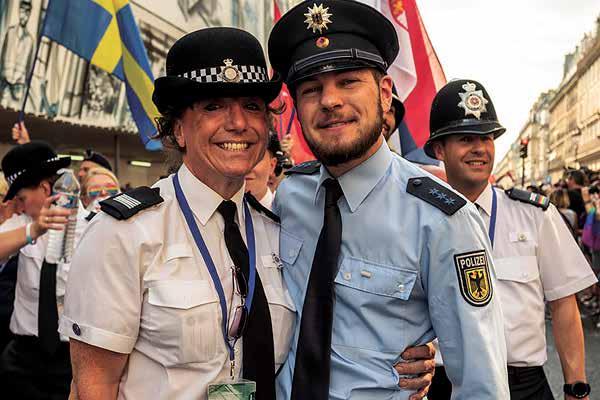
year probation period ended to make sure he wouldn’t jeopardize his job.
Brett Parson, an openly gay man who previously led the Metropolitan Police Department’s LGBT Liaison Unit, is among those who Thuir considers a mentor.
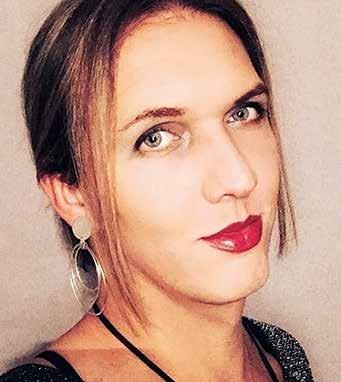
Bee Bailey, a member of the Gloucestershire constabulary in England [and] a founding member of Trans Cops Europe, is among the other police officers who have also supported Thuir’s work.
Policy change “sends a strong signal”
Monro reached out to Thuir when she wanted to change the policy.
Thuir, for his part, spoke with different equal opportunity officers in the German federal police, among others. Thuir also connected with other VelsPol Deutschland members across Germany.
“I asked the contact officers to get in touch with the medical services of the different police units to ask how they handle the medical examination for trans and intersex applicants, and to make them see that we need new regulations,” he said. “Together we achieved that just a handful of trans men got special admission for exceptional cases, to start the police basic training in five years.”
Monro told the Blade that she spoke with German politicians who told her it would take the government “a long time” to amend PDV 300. Thuir also met with members of the German Bundestag, the lower house of the German parliament.
“The government answered on an interpretation in 2019, that the PDV 300 needs to open up for trans people because different criteria cause discrimination for trans men,” Thuir said, noting that he spoke to the Blade in his capacity as VelsPol Deutschland’s trans ambassador. “They didn’t reform the PDV 300 only for trans and intersex people. The progress of the revision of the PDV 300 started years before.”
Thuir said he was invited to ask questions about the criteria that “caused discrimination explicit for trans women.” Thuir told the Blade he also had the chance to ask the
government about “the binary construct that also excluded intersex people” in 2020.
The new policy took effect in all of Germany’s 19 police departments in January.
“We wanted to make a positive report so that a lot of transgender people can now take their chance to go to the police,” said Monro. “We wanted to show the police is a good institution for transgender people to work.”
Monro said there has thus far been no backlash against the new policy. She told the Blade she is not sure whether she will once again apply to become a police officer but added that the new regulation sends a positive message to trans and intersex Germans.
“It sends a strong signal out to the community that it’s always worth fighting for something,” said Monro. “This process took me almost three years, and if you stand together with your community and you focus on your target while you fight and be patient, then you will get victory in everything you want.”
Bailey praised Thuir in an email to the Blade and his efforts to change the policy.
“This is absolutely down to the phenomenal hero we know as Joschua Thuir and his efforts made to encourage greater change of the outdated PVD300 regulation within the Polizei [police] in Germany,” said Bailey.
“All our public desire from police and policing is that we are capable of doing our role as police to ‘protect and serve,’” added Bailey.
Thuir said a labor union plans to unveil a photo project on March 31 in commemoration of the Transgender Day of Visibility. Thuir added that the German government’s implementation of the new policy remains slow, in part, because police officials lack the proper information about it.
“It’s in progress,” he said.
Reprinted from the Washington Blade
Julia Monro – Photo courtesy of Julia Monro
Bee Bailey and Joschua Thuir at Paris Pride in 2018 – Photo by Thomas Laconis for FLAG, courtesy of Bee Bailey