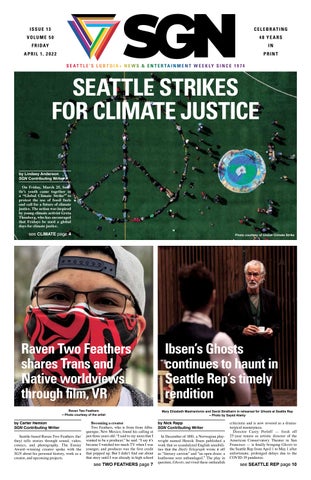
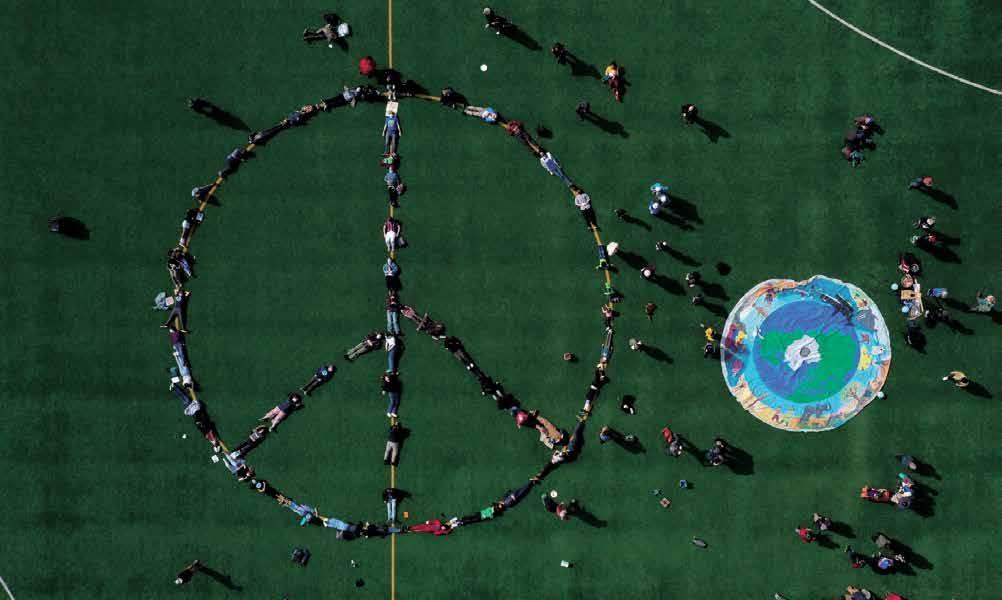
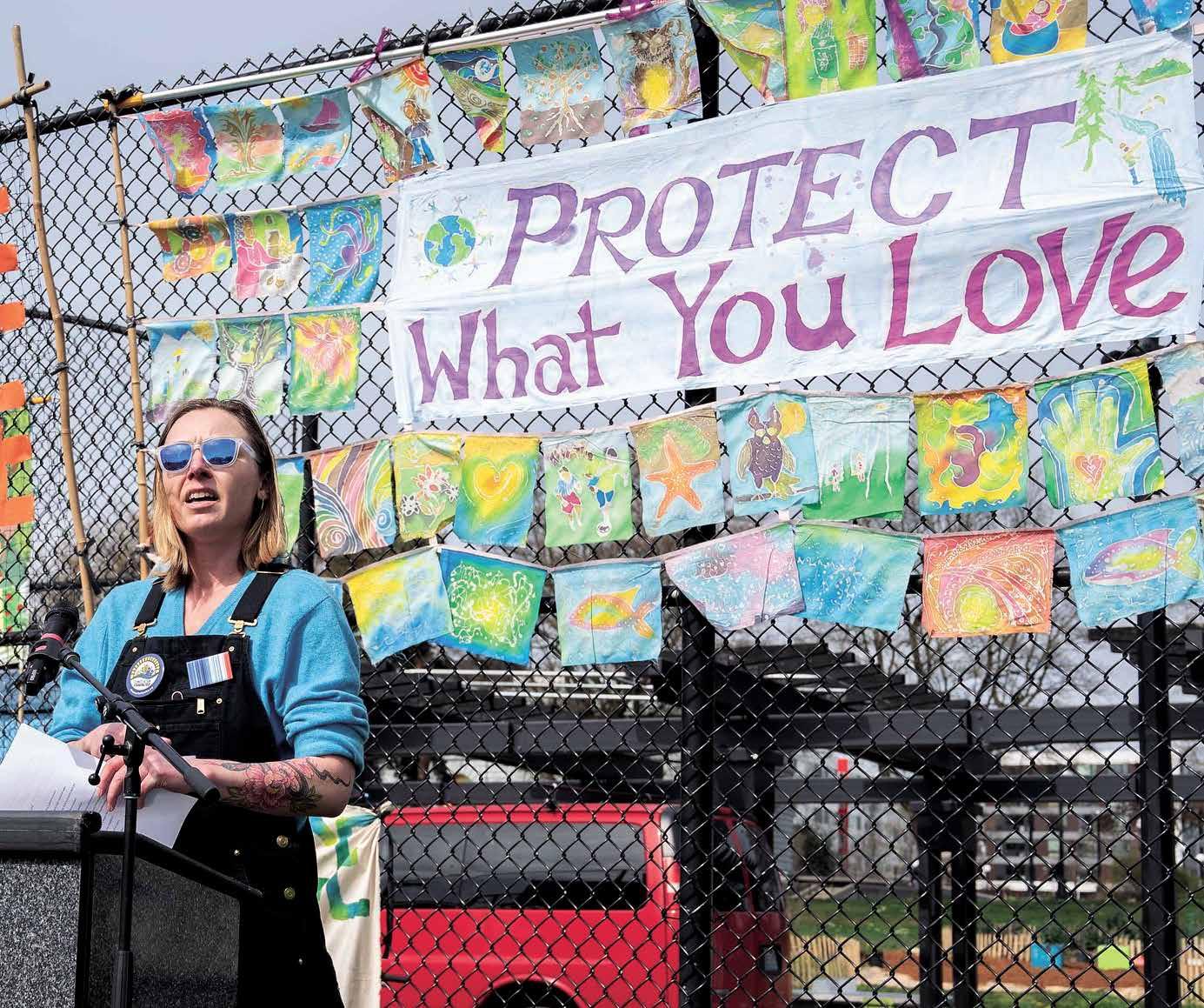
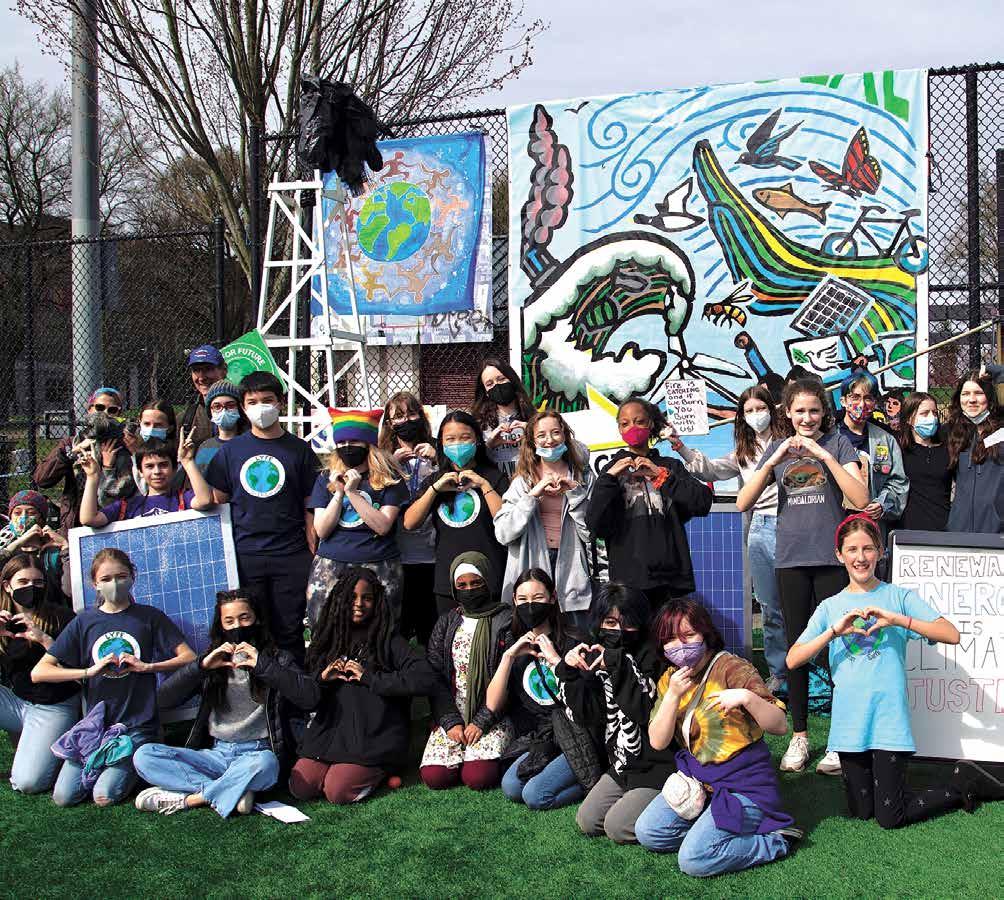
On Friday, March 25, Seattle’s youth came together in a “Global Climate Strike” to protest the use of fossil fuels and call for a future of climate justice. The action was inspired by young climate activist Greta Thunberg, who has encouraged that Fridays be used a global days for climate justice.
see CLIMATE page 4
by Carter Hemion SGN Contributing Writer
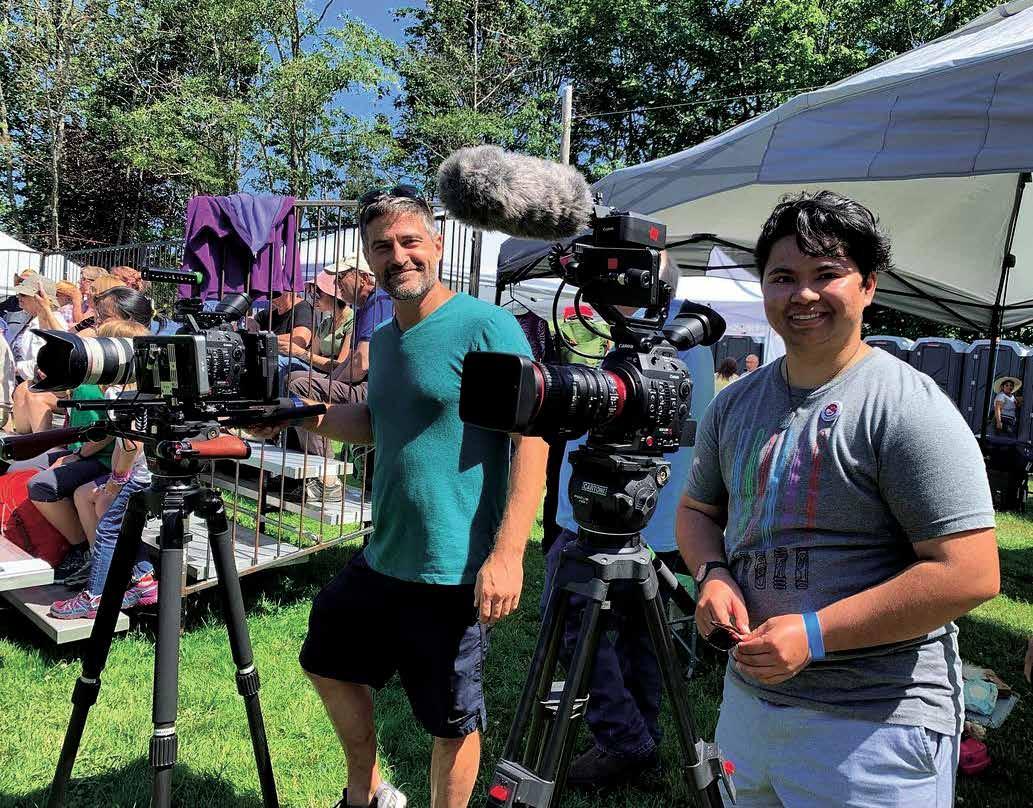
Seattle-based Raven Two Feathers (he/ they) tells stories through sound, video, comics, and photography. The Emmy Award–winning creator spoke with the SGN about his personal history, work as a creator, and upcoming projects.
Becoming a creator
Two Feathers, who is from from Albuquerque, New Mexico, found his calling at just three years old. “I said to my mom that I wanted to be a producer,” he said. “I say it’s because I watched too much TV when I was younger, and producer was the first credit that popped up. But I didn’t find out about that story until I was already in high school
Ghosts continues to haunt in Seattle Rep’s timely rendition
by Nick Rapp SGN Contributing Writer
In December of 1881, a Norwegian playwright named Henrik Ibsen published a work that so scandalized English sensibilities that the Daily Telegraph wrote it off as “literary carrion” and “an open drain: a loathsome sore unbandaged.” The play in question, Ghosts, survived these outlandish
criticisms and is now revered as a dramaturgical masterpiece.
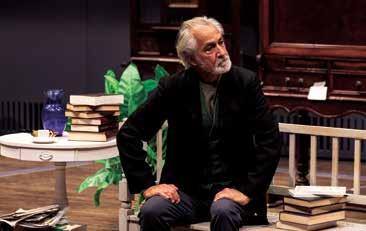
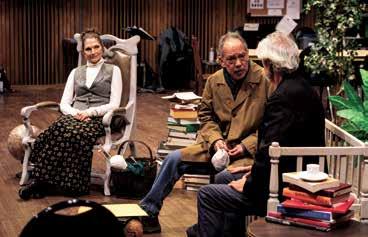
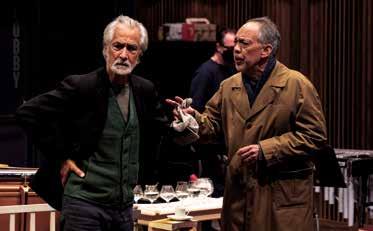
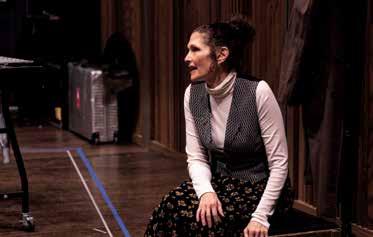
Director Carey Perloff — fresh off 25-year tenure as artistic director of the American Conservatory Theater in San Francisco — is finally bringing Ghosts to the Seattle Rep from April 1 to May 1 after unfortunate, prolonged delays due to the COVID-19 pandemic.
see TWO FEATHERS page 7 see SEATTLE REP page 10
Raven Two Feathers – Photo courtesy of the artist
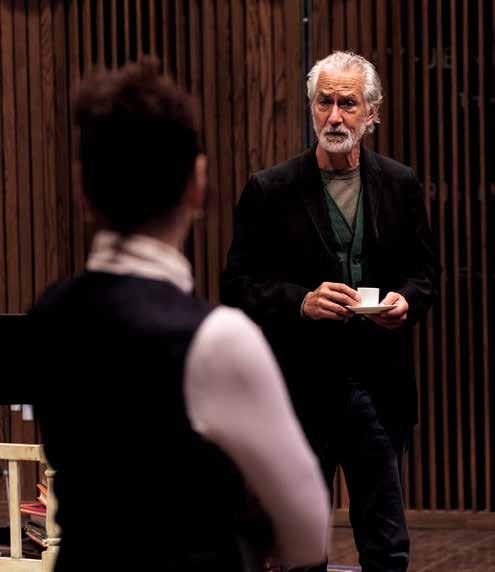
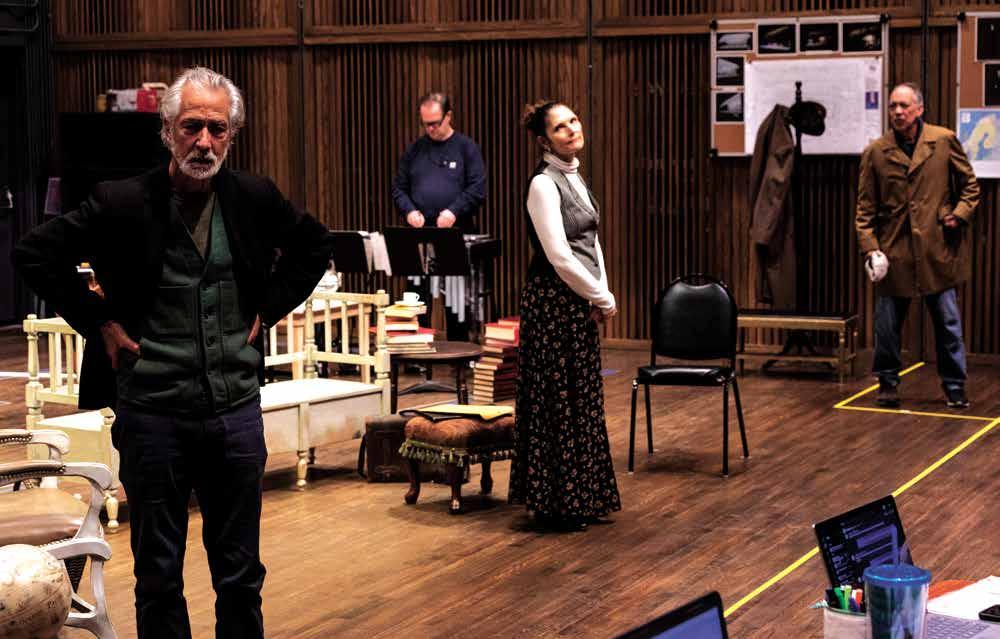
Mary Elizabeth Mastrantonio and David Strathairn in rehearsal for Ghosts at Seattle Rep – Photo by Sayed Alamy
Photo courtesy of Global Climate Strike
Photos courtesy of Global Climate Strike
Like Thunburg’s global movement, Seattle’s event was spearheaded by young people, whose future is at risk. They gathered to call on everyone from registered voters to the Biden administration to keep climate justice in mind and steer our country toward a green and equitable future.
The youth speak out
The event began with speakers who highlighted how the climate crisis and dependency on Russia’s oil and gas intersect with social justice, health disparities in Washington, and war. Youth speakers came from several activist organizations. “Climate change may just be the greatest issue that youth of today will face,” said Joey from Fridays for Future Seattle. “We need to face it head on, and we need to face it together.”
Ship It Zero’s Elizah encouraged spectators to recognize the importance of immediate climate action. “Climate justice must be seen for what it is: our highest priority. Leaders need to step up and commit to zero-emission shipping now,” she said. Zoe, a youth activist from Climate Action Families, voiced her desire for a better future, reflecting the feelings of the younger generations. “I want my kids to see the beauty of nature. I want them to be able to breathe,” she said. “At the rate we’re going, they won’t be able to. We must take action now!”
In addressing the US Congress, speakers brought up Rep. Pramila Jayapal’s list of executive actions that must be taken. This includes “using the Defense Production Act to marshal the country’s immense manu-
facturing might to combat dual crises: Russia’s war in Europe and the climate emergency.” Organizers and speakers voiced their support for this measure as an effective way for the US to supply renewable energy technologies to European countries still dependent on Russian oil.
Adult activists like Eric from Global Climate Strike also noted the connection between fossil fuels and global war. “You know, yesterday marked the thirtieth day, or a full month, of war in Ukraine,” he said.
“We know that Russia’s financing [its] war with fossil fuels. We want to address the war in Ukraine. We want to end fossil fuel wars, and transition Europe — but also the globe — off of fossil fuels, oil, and gas.”
The event was organized entirely by youth advocates, many of whom are not old enough to vote yet. They hoped to bring attention to an issue that older generations seem complacent about. Their calls to action are for those who can to divert funds away from greedy corporations, hold the Biden administration accountable, and recognize the importance of climate action.
Organizers included Emma Smith, a young activist with Climate Justice, who said she got involved because she sees climate justice as a direct link to her future well-being. “I feel very strongly that climate justice is about human rights and that we’re at a really important moment right now in history where we can do something and fight for a just and livable future,” she said.
The event’s goal was simply “to come together,” Smith said. “And to have some fun. Because the climate crisis is big and scary, and there’s no way to come together and to achieve climate justice if we’re isolated, or if we’re not ready to step into other spaces.”
Seattle’s event was spearheaded by young people, whose future is at risk. They gathered to call on everyone from registered voters to the Biden administration to keep climate justice in mind and steer our country toward a green and equitable future.
History has its eyes on youth
The Global Climate Strike, which has become a yearly event, comes at the precipice of history. Climate activists, like the Ship It Zero crew, are echoing the words of Thunberg, who warns we are nearing an irreversible point. In 2022, the Intergovernmental Panel on Climate Change issued a report that the world is far behind the global goal set in the 2015 Paris Climate Accord of keeping the temperature increase at 1.5 degrees Celsius.
This year’s Global Climate Strike theme was “People Not Profit,” and speakers in Seattle’s strike noted the harmful effects climate change has, especially for BIPOC people, those experiencing poverty, and those with disabilities.
Many of the young speakers expressed the hope they have for the future. Adamantly against the war in Ukraine, they pointed out that moving away from Russian fossil fuels also allows the United States to start investing more in renewable energy sources.
“We are at a really big turning point in history where we can choose to produce more fossil fuels, because Biden has just signed an
executive order stopping the importation of fossil fuels… or oil from Russia,” Smith told the SGN. “We can choose more fossil fuels and more wars and more climate catastrophes, or we can choose climate justice… I’m excited about the choice we’re going to make for climate justice.”
The event, which took place in Cal Anderson Park on Capitol Hill, welcomed climate scientists and youth speakers but also drew interest from locals with engaging activites such as painting workshops and a parachute toss. The atmosphere reflected the activism of the 1960s, as everyone gathered to reflect on hope for a greener future. The event culminated with speakers and activists coming together to form a human mural demanding “Climate Justice Now.”
Organizers branded it a success. “Our goal was to steer our country, our society, and our world toward a future where all of us can thrive,” Smith said.
“We had a lot of people show up, we had activities, and it was fun,” Elizah added.
Photo courtesy of Global Climate Strike
Arts & Entertainment
Young, Queer, and tired
Das Biest dances at Seattle Center
by Daniel Lindsley SGN Contributing Writer
On March 25, performance art group Das Biest performed This Supply of Tomorrows at Seattle Center, on the Fisher Pavilion rooftop. It was an outdoors dance performance, free to the public, said to explore “topics of labor, work and rest centered in queerness,” in a style similar to the group’s original film. The piece was performed and choreographed by Sophie Marie and Symone Sanz, with sound work by Otto Schatz. Marie is a dancer and writer, and the founder of Das Biest, whose work focuses on “fear, emotional mutilation, queerness, and the divine.” Sanz is an experienced artist in performance, choreography, and improvisation, with an interest in dance through the lenses of anthropology and geology.
Marie has said that she and Sanz aren’t afraid of making art that’s “rough around the edges.” So when a hollow, ominous rumbling came from the speaker setup at 7 p.m., I was ready. Schatz opened a food container, considered the burrito inside, and then closed it. A seagull cried. A girl in the crowd called for the bird to be quiet.
A few minutes later, a man crouched and murmured to the Seattle Center photographer, who started down the road toward the glass exhibit. Following them revealed the performance’s true beginning.
Marie and Sanz had started a good distance from the stage and speaker setup, making slow, synchronized movements in plain, white jumpsuits, between franchises, park benches, and other urban features. They’d halt in positions of rest made uneasy by strange axes and hard surfaces.
I thought of the hostile architecture of cities as they moved, accompanied by the impromptu busking of jazz saxophone player. One of the beauties of performance art of this kind is the spontaneity of a less controlled environment; no two performances will be the same experience.
The low rumbling was ongoing as the performers reached the Fisher Pavilion rooftop. A projector there cast videos of tired people in dismal lighting onto a concrete wall. Marie and Sanz stood at opposite ends of the empty space and slowly
made their way closer, mirroring their movements over a distance that felt vast under the cold, gray sky.
Like before, many of their movements were slow and mirrored, but at times they’d break away and dance faster, or join for dynamic pair movements, still maintaining a sense of heavy limbs or great weight on their shoulders. The performance concluded at the fall of dusk, in front of the projector, to applause from onlookers.
Marie said their movements were drafted during Zoom calls after work, when she
and Sanz tried to capture how they were feeling at the time. They had hoped the piece would resonate with others, “especially fellow poor marginalized people, who work multiple jobs and feel the neverending weight of both physical and emotional labor.”
The sense of fatigue in their movements was oddly cathartic, I thought, and it aligned with the common refrains of a generation weighed down by debt, a stagnant economy, and toxic work culture.
Das Biest performs at Seattle Center – Photos by Daniel Lindsley
Photo courtesy of Das Biest
TWO FEATHERS
winning awards for the films I was making.”
Two Feathers first took film classes in seventh grade and continued pursuing it in high school. From there, he decided to go to film school. “Luckily I believed in myself and had parents that believed in what I was doing,” he said.
While studying at University of Alaska, Fairbanks, he worked on a short nonfiction film, GeoFORCE: A Journey to Understanding. It was the first piece he was paid for, and it won a 2015 Northwest Regional Emmy Award.
Two Feathers identifies himself as Native (Cherokee, Seneca, Cayuga, and Comanche), Two Spirit, Trans, and Queer. He introduced himself in Lushootseed, a regional Native language
As a creator, he said, not everyone has “the luck to be Trans or the luck to be Native.”
Storytelling
Two Feathers started working with narrative and documentary forms of film in high school. He uses environmental storytelling “as a technique to not only tell a story within those mediums but also to strengthen all of the other mediums.”
His work deals with “explorations and inroads for folks to start to listen and learn about various intersections […] and to step into those ways of being.”
More recently, Two Feathers has begun using VR as a medium and has started to work with video games, too.
To him, film “is a space where people are looking for someone else’s opinion on things. And being able to provide how I look at the world as a discussion point or as a learning point for people to begin to talk about what the state of our world looks like — and what it could look like in the future, or what we hope it will look like — is really where a lot of my work is focused on.”
On his worldview, Two Feathers said, “There are quite a few cultural differences, even within Native cultures, between different Native cultures, but there is this sense of respect and reciprocity, and stewardship amongst most North American Native peoples.”
He continued, “I feel [that sense] is somewhat woven throughout American
expansionism… across Turtle Island [North America], and the genocide that went with it. But I feel like they’re now dually [sic], with the revival of focus on Native peoples and recognition of Native peoples, now that we’re able to practice our cultures and religions and languages […] This is just the beginning of an entire new or renewed world that we can go through that is a lot more focused on what it means to be an individual, as well as [one] who is contributing to community, and being able to uplift us all.”
Two Feathers’ worldviews in his work also grapple with finding justice from “over 500 years of genocide just on this continent, and what does it mean to escape colonialism when you come from colonizers, and how do you do that in a way that is not appropriative and is respectful and recipro -
cal with the folks that you are working with and whose land you’re living on, and how do you do that when that is the culture that we live in… how do you shift culture.”
Previous projects
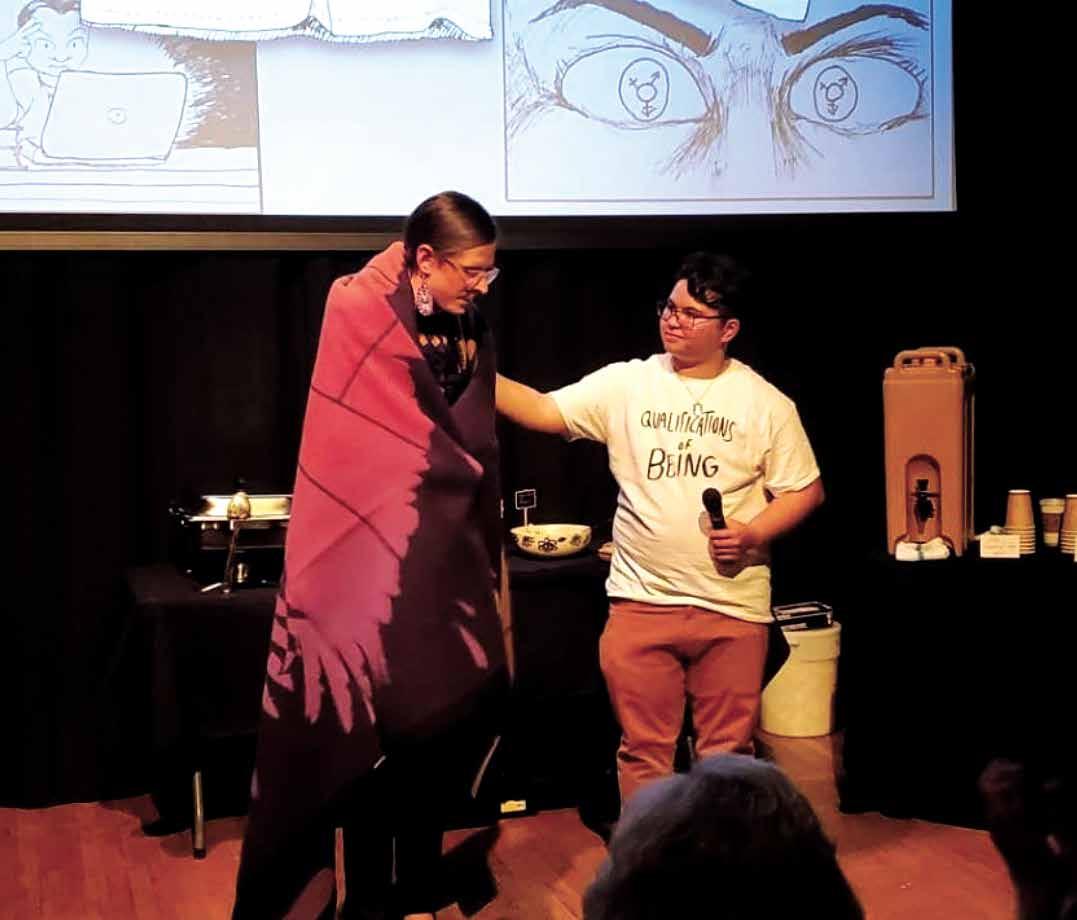
Two Feathers used previous projects to explore his lived experiences. He worked with Jonny Cechony and Tracy Rector on his comic The Qualifications of Being in order to share “little moments of foreshadowing” from his early life growing up Trans and Two Spirit.
He also created a VR short film, A Drive to Top Surgery, which portrays his experiences with gender affirmation surgery by bringing the audience along on a car ride with his family. He plans to submit the project to festivals.
Two Feathers also served as the photography assistant on several Gender Gems pieces. The visual design project honors gender-diverse leaders and elders in the Puget Sound region; it most recently highlighted Storme Webber and Tiare Feterika Chanel at the Vera Project and Gay City, respectively.
Said Two Feathers, “I think it’s important to honor these elders and leaders, especially since we are so far into the pandemic now, because of the new resurgence of seeing how valuable life is. I think recognizing the amount of work and effort put into where we are now is all the sweeter and all the more revolutionary [for] thinking how we want to move forward in the future.”
Upcoming work
Two Feathers is in the process of creating a company, Raven and Relatives, for his future work. One upcoming project, Strong Men, Strong Community, will be an NIH-funded documentary focused on Native men’s health. It uses a Zoom format to speak with Native men and was created with Two Feathers’ mother and WSU. The study focuses on the men’s “own relation to themselves and to the people around them and, and the things that they’ve faced and overcome with hope, joy, and bliss.”
“I feel very lucky to be Trans,” he added, “because I am able to understand and unpack all of the different things that men, because of the patriarchy, go through in regards to repressed emotions and [relating] with one another. And so it feels really interesting to be thought of as one of the guys and be brought into this space in a really brotherly way.”
Two Feathers is also working on a docuseries, Indigenous Genders, which will speak with five Indigenous people across the country about their experiences outside the gender binary. He hopes the series will bring “a little bit more hope and joy and recognition of the complexities of our lives [to] TV.”
Two Feathers is most proud that he enjoys his work, adding, “I just have to be the best me and put in my best effort to make this thing come to reality, because it would be more of a shame for it not to be out in the world than it would be for it to not be perfect.”
Visit more of Raven Two Feathers’ work at www.ravenandrelatives.com or linktr.ee/Raven_Two_Feathers , and follow him on Instagram and Facebook for updates on new projects.
Photos courtesy of the artist
Arts & Entertainment
Paramount Theatre sees an evolved Clairo for Sling North American tour
by Kylin Brown SGN Contributing Writer
Last Wednesday, Seattle’s Paramount Theatre was formally introduced to a young artist reborn. Presenting her sophomore album, Sling, Clairo and her six-person accompaniment graced the century-old stage, all clad in concert attire. Together, they brought Clairo’s unexpectedly uncommercial folk tracks to life for a mostly seated yet passionate audience.
Clairo’s fast-track discography
In 2017, a bedroom music video titled “Pretty Girl” presented 19-year-old Claire Cottrill —under the digital moniker “Clairo” — lip-synching gentle, sarcastic lyrics over a self-produced beat. Her airy voice, messy hair, and humble, everygirl vibe seemed to charm the internet almost overnight, garnering a million views in under a week.
The rest is history. Gen Z’s revival of 2010’s lo-fi spin-off “bedroom pop” genre has remained trending across streaming platforms, and viral Clairo was quick to land a record deal with Fader Label.
Regarded then as an ambassador for athome producers and yearning teenagers alike, Cottrill continued to produce reliably openhearted, dreamy hits, such as “Flaming Hot Cheetos,” “Bubblegum,” and the Bisexual anthem “Sofia” (which now has
403 million streams on Spotify alone).
Cottrill’s 2019 album Immunity with Fader would secure her spot as a bona fide indie star, demonstrating her full potential with studio-level production. That October, she brought her dewy, yearning vocals to a crowd of mostly teens (and me, her age, feeling kind of tall) at Showbox SoDo.
After that show, I asked Cottrill if she was going out to see Seattle at all during her one-night stay. “The bus leaves at 5 a.m. Of course I’m going out,” she replied earnestly. “Where should I go?” (“The Unicorn,” answered a bubbly gaggle of genderqueer teens beside me.)
I assume from her response that 2019 Clairo normally went out for drinks and late-night adventure after her shows, potentially until the early hours of the morning. However, I’m less certain about the Clairo that released Sling last July and performed her own full-band composition, “Joanie,” in a blazer and slacks at the Paramount on March 23.
In the Sling era, Clairo has turned her back on fast-paced youth, embracing the harshness of adult reality. The lead track, “Blouse,” describes a wasted meeting she’d experienced with a male colleague. “Why should I tell you how I feel / When you’re too busy looking down my blouse?”
Onstage, she dueted the tactful ballad with opener Arlo Parks, a British Best New Artist
nominee whose voice surprisingly took on the soprano to Cottrill’s alto for the track. In the album, these same haunting back vocals come from indie pop star Lorde.
Almost antithetical to her formerly sweet, high-pitched, and submissive crush stories, like “Bubblegum” and “2 Hold U,” the songs of Sling are clarion memoirs of pastoral domesticity and an ultra-self-aware coming of age.
Pandemic-induced metamorphosis
During the early pandemic, Cottrill, like thousands of early-twentysomethings, retreated to her family home. In a recent newsletter, she said that her time back home was necessary for her to embrace themes she was previously reluctant to probe, such as “motherhood, sexualization, mental health, and a lot of… mistakes and regrets.”
Then, like a considerable fraction of people did in 2020 as well, she rescued a puppy. Raising Joanie, named after Joni Mitchell, became the cornerstone of Cottrill’s inspiration for her latest album. “By getting Joanie, I realized that domestic life is very comforting for me and a huge chunk of what was missing,” she said in a 2021 interview with NME.
She then recorded Sling in upstate New York’s Allaire Studios, a secretive spot used by the folk-rock giants of the ’70s, which many believed had closed permanently. The record’s layered vocal harmo -
nies, bluesy electric guitar, and woodwind features indicated that the artist would no longer fit in a venue like SoDo’s Showbox.
On this tour for Sling, Cottrill has leapt off of the narrow yet safe internet asteroid on which she found fame, and landed in a defiant atmosphere of ’70s-esque indie folk. While many of her young fans might not relate, I witnessed a chaperoning parent wipe a tear from her eyes in a row below mine during the lullaby of motherly rumination that is “Reaper.”
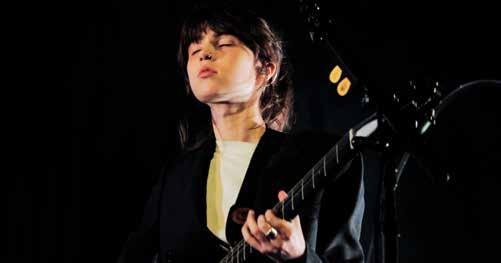
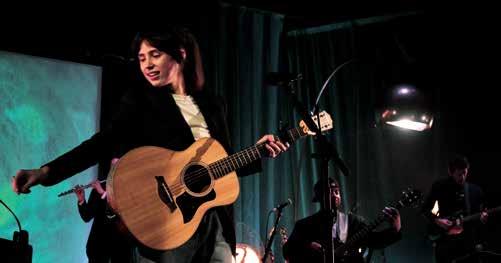
Deep instrumentals in songs like “Wade” and “Zinneas” transported the audience to something like a jazz café, revealing the depths of a maturing folk musician. Meanwhile, Cottrill’ held winced brows as she fell into guitar riffs and closed her eyes to belt out all the right notes. Her passionate performance was convincing, and she only briefly conceded to her baseline shy-girl energy to admit, “Sorry, I’m totally freaking out right now,” and to use fan-favorites “Pretty Girl” and “Sofia” as her finale. We all changed during these last two years — perhaps with a sudden switch in careers, mental health, or communities — but no artist has allowed these developments to shine through like Clairo did with this album and tour performance. Spectators at the Paramount all left with deeper impressions of the artist and her life and music than those with which they arrived.
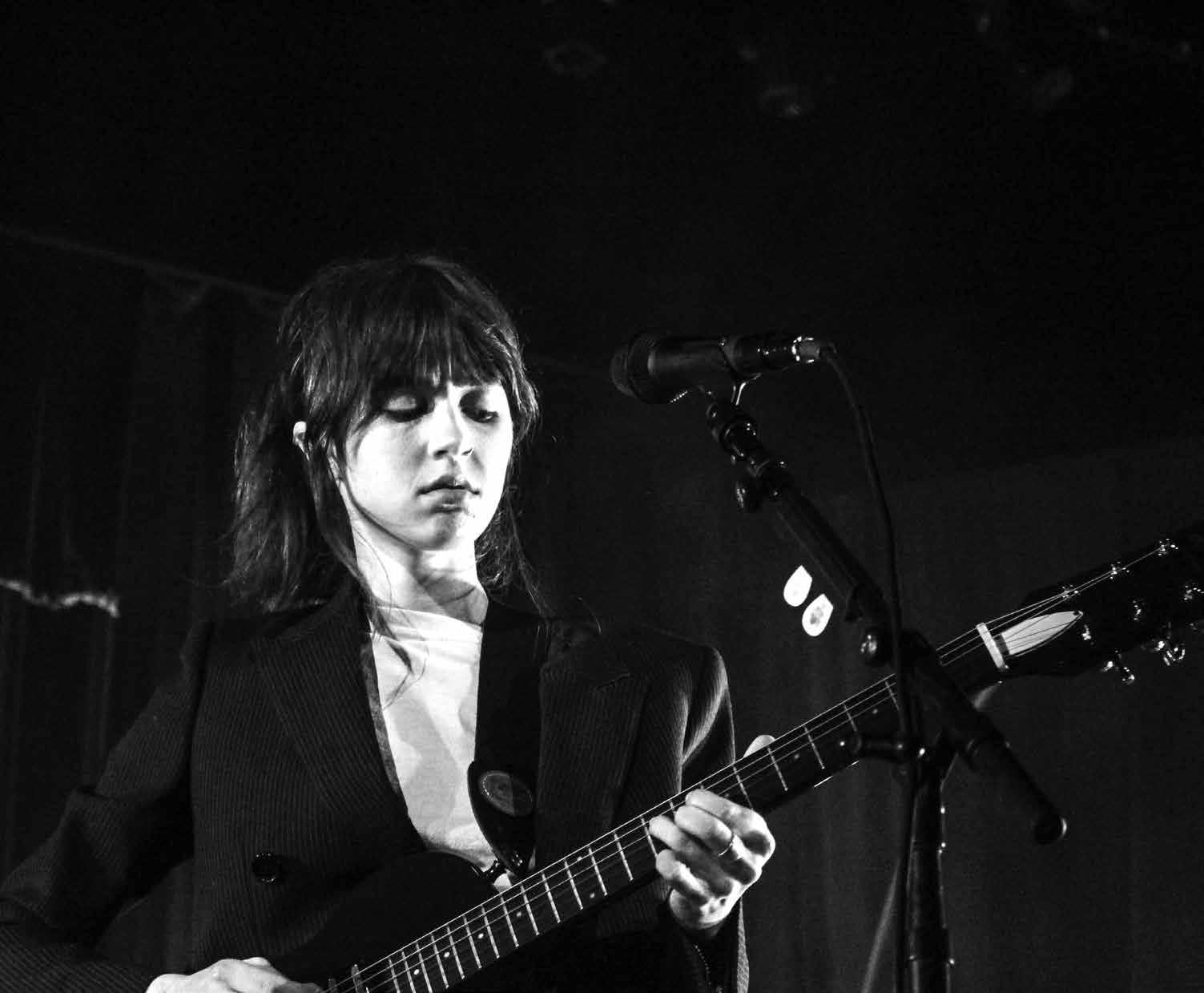
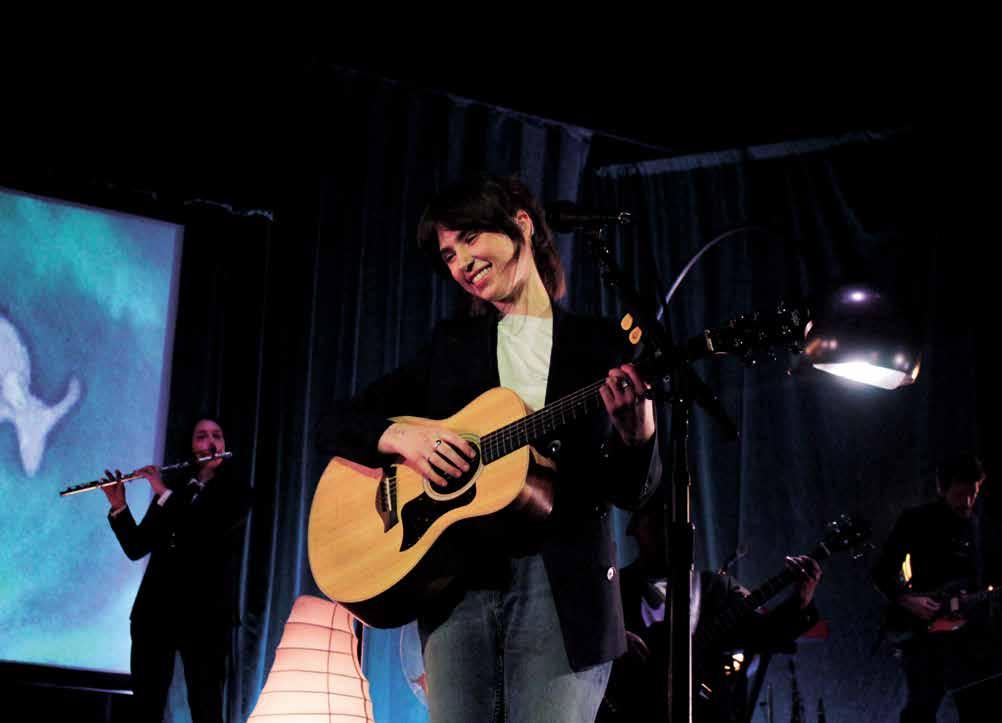
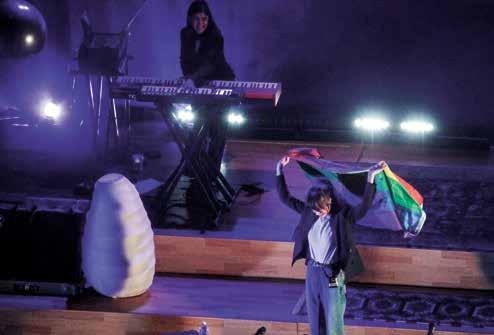
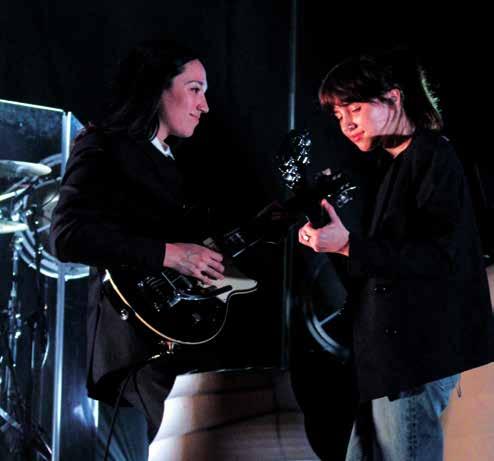
Clairo performs at the Paramount Theatre in Seattle March 23, 2022 – Photo by Kylin Brown
Clairo performs at the Paramount Theatre in Seattle March 23, 2022
– Photos by Kylin Brown
Arts & Entertainment
SEATTLE
REP
continued from cover
A timely play from the 19th century Perloff admitted that she has been “sort of obsessed with this play for decades.” While it was written over a century ago, she contends that its subject matter is even more relevant to modern audiences. She saw a few iterations in the ’80s, when “it was very often explored with the metaphor of AIDS, which was a very potent way to look at the play.”
She described the play as dealing with “the way in which the ghosts that we thought were buried keep coming back to haunt us,” and a meditation on inheritance: “how we relate to our parents, and what we do and don’t think we’ve inherited from our families.”
Ghosts explores the struggles of a widow, Helen Alving, grappling with her husband’s infidelity, as well as the lengths she goes to protect her son, Oswald, from the truths of their family’s past. It’s also “about a young man with an inherited disease [syphilis] that he has inherited from his father. But it’s never made that literal — it is sort of about wrestling with one’s own legacy,” said Perloff.
“One of the things we explored with Oswald is the question of shame, and how one of the most awful things that happened during the AIDS crisis was how men were shamed for having contracted this disease, when people didn’t really know how the disease was contracted. Oswald goes through these terrible feelings of shame about something that it turns out is not his fault at all,” she continued.
Another facet of the play that strikes Perloff as particularly timely is Ibsen’s interrogation of secrecy in the face of potential public scorn. “Another thing it is about is public opprobrium,” she explained. “We think Twitter created this, but in fact, this play is about this pastor who is so terrified to be vilified in the public press that he makes terrible choices in his life out of that kind of fear.”
Ghosts’ 19th-century ethical quandaries over civic discourse can easily be seen as a precursor to social media, internet shaming, and limits on the freedom of interpre-
tation of language in online spaces today. Anxiety over how others will react to personal truths is nothing new.
The uncanny relevance of a controversial old play in the present is something Perloff thinks is worth talking about. “We are at a funny moment with our theatrical culture,” she said. “We are very suspicious of plays written in earlier times, and we think they don’t really represent the way that we see the world — and of course, in many ways, they don’t, and the world has changed.”
But, she countered, “I think the classical canon really opens our eyes to the conflicts of our own times in a way that we can’t really see ourselves.”
At risk of, and in embrace of, sounding clichéd, history really does repeat itself. And interrogating past understandings of ethics through art can lend fresh eyes to
situations that seem more unique than they may actually be.
The production
In terms of production, Perloff spoke nothing but highly of the cast, creative team, and process of bringing Ghosts from San Francisco to Seattle audiences. She has worked for years with translator Paul Walsh, an Ibsen scholar that can translate Norwegian into English vernacular for modern audiences with ease. He assisted the cast in understanding every facet of the play, down to random questions like “What would a pastor have worn at this time, in this place?”
The actors are both local to Seattle and visiting. Seattleite Albert Rubio plays Oswald, and outside of Ghosts works at Cornish College and on a personal project
in which he is translating the experiences of AIDS survivors into solo pieces. Actress Nikita Tewani plays Regina Engstrand and worked with Perloff in the past on A Thousand Splendid Suns at the Rep.
All the cast boast impressive theater histories and are excited to finally bring Ghosts to the stage, following Zoom auditions and postponements since the show’s original 2020 dates.
Perloff expressed boundless joy at the prospect of a live show, and reasonably so. As she said, quite succinctly, “Theatre is about bodies, you know, human bodies in space. That’s where people are vulnerable. To be able to come back to that is amazing.”
Tickets for the show are available at seattlerep.org and range from $17 to $91. It runs April 1 to May 1.
David Strathairn, David Coulter, Mary Elizabeth Mastrantonio, and Thom Sesma in rehearsal for Ghosts at Seattle Rep – Photo by Sayed Alamy
David Strathairn, Thom Sesma, and Mary Elizabeth Mastrantonio in rehearsal for Ghosts at Seattle Rep – Photos by Sayed Alamy
We Have Always Been Here highlights Queer community in Muslim spaces Books
by Lindsey Anderson SGN Contributing Writer
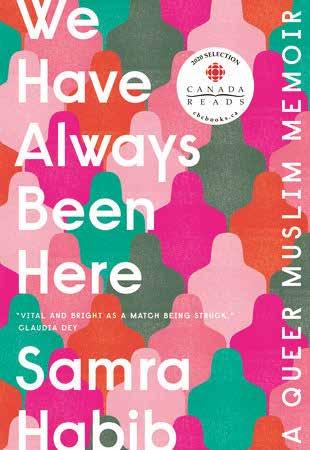
Religion and LGBTQ+ communities have always seemed to be at odds, as ancient texts often challenge and condemn the very existence of Queer people. In her memoir We Have Always Been Here, journalist Samra Habib recounts her journey to self-discovery and acceptance as a Queer woman, a Muslim, and an immigrant to Canada.
Habib’s early days in Pakistan
Habib starts her book with stories detailing her early childhood in Pakistan. In her Muslim community, women were to remain quiet. Habib relates her mother’s attempts to hide her own joy from male disciplinarians, such as her husband. Throughout the early sections of the memoir, Habib also recounts her experiences with childhood sexual assault and reflects on the ways her gender made her a victim in her parents’ eyes.
“Grown-ups, who are supposed to protect their children, are limited by what ‘best’ has felt like to them, based on the circumstances they grew up in and the privilege they did or did not have,” she said, reflecting on how her parents tried to protect her in the ways they knew.
Habib describes the process of immigration to North America as a preteen, fleeing oppression of her family’s sect of Islam. She contrasts the everyday experiences of her young teenage years — from exploring fashion to getting her first period — against the backdrop of experiencing racism and islamophobia as an immigrant and the struggles of growing up in a strict Muslim household.
“First-born-daughter syndrome”
Habib reveals that at the age of 13, she found out her mother had betrothed her to her first cousin, a 23-year-old at the time. As she reckoned with her future being determined for her, she struggled to understand how to grasp her own identity as a woman and a feminist.
For Habib, rejecting her betrothal meant a rejection of her family and culture. She described a feeling many immigrants encounter: being torn between Western liberal ideals and a loyalty to one’s family and heritage. In the end, she chose her family, still determined to fill their expectations for her. However, in making this decision, even at a tender age, Habib felt responsible for her fate as a child bride. “I started to internalize my mother’s belief that my lack of resistance was my way of consenting and that I was responsible for what had happened,” she wrote.
As the eldest daughter, Habib experienced a phenomenon known by psychologists as “first-born-daughter syndrome.”
Melvin Wong, a psychiatrist, describes women, like Habib, who experience this phenomenon as “emotionally and physically abused. The use of shame, divisiveness, splitting, favoritism, nepotism, and threats of separation and dread are commonalities in their upbringing.”
Habib’s choice to marry her cousin reflected the “good girl” image she put on for her family throughout the first half of the book. Desperate for approval, she sacrificed her own needs and desires to be her parents’ “angelic, selfless daughter.”
Habib describes the experience of eldestdaughter burnout, which took a toll on her mental health, as she realized she had sacrificed her entire identity to conform to her parents’ expectations of her. She candidly
admits feelings of jealousy for her younger sisters, who were given freedom over their futures in a way she never was.
Habib’s frustrations with the childhood abuse and neglect she faced reached a culmination in her late teens. She admitted to her family she no longer wanted to be married to her cousin, and while they allowed her to divorce, her community was unable to see her the same way again. Sacrificing the unattainable label of the perfect daughter, she succumbed to years of repressed angst and eventually ran away from home.
Searching for Muslims in Queer spaces
Habib’s experiences of going from “perfect daughter” to disgraced rebel reflect a common experience of eldest or gifted children. The desire for acceptance leaves many sacrificing their growth, stunting themselves into a mold of parental expectations.
Habib’s story grows more complex, however. After entering another young marriage with her first boyfriend, Habib realized she did not enjoy sex with her new husband. She concluded that she was Asexual.
Detached from her family and culture for the first time in her life, she explored the world around her. She met Queer people and discovered a community to which she was instantly drawn.
Ultimately Habib made the connection that she is Queer. While her story could have opened up in a grand romance, she instead chose to describe her intimate love for the LGBTQ+ community as a whole, praising it as a space where “two people whom society rejected, dismissed, and disapproved of [dare] to be seen, [dare] to be in love even when we were told we weren’t allowed to be.”
However, she also found a longing for something more. “It seemed that no one in Queer spaces I visited — dance parties, art shows, Pride events — was curious about why there were hardly any people of color — and hardly any Muslims — in their midst. I felt even more invisible,” she writes.
Overwhelmed by the white Queer spaces she encountered in Canada; Habib sought out ones where she could find solidarity with Queer and Trans people of color. However, even there, she realized that her Muslim upbringing set her apart from the others. “I wasn’t seeing the Queer Muslim narratives I was hungry [to occupy] the spaces I frequented.”
Picturing a new age of representation
And so, Habib set off on a new journey, one of rebuilding and rediscovering. She began by reaching out to an LGBTQ mosque, where she encountered people who, like her, felt a simultaneous rejection from and desire to be a part of Muslim culture. Through her experiences in the mosque, Habib was able to regrow her spirituality and find ways her religion could connect with her Queer identity.
Inspired by her friends at the mosque, and spurred by a lack of Islamic representation in LGBTQ+ media and studies, Habib launched her next project. Over several years she began reaching out to and recording the stories of other Queer Muslims. Traveling across the world, she made connections with diverse people and brought the conversation around religion and queerness to publications such as The Guardian and the New York Times
Soon after starting her project, Habib realized that documenting LGBTQ+ Muslim representation would be uniquely challenging, but she felt it was vital informing her community. “Representation presented another challenge: historically, photography has been prohibited within Islam,” she writes. “Prophet Muhammad has been noted as saying, ‘The most severely punished people on the Day of Resurrection will be those who make images.’ Not surprisingly, given that very explicit message, it’s almost impossible to find photographic evidence of the existence of Queer Muslims.”
Despite these challenges, she was determined to connect with others who shared her experience. Like many people who find themselves at the impasse of identity intersections, Habib felt isolated. Her queerness kept her from existing in the same cultural and religious spaces her family belonged to, and her culture and religion meant that not many LGBTQ+ people found common ground with her.
Elevating Queer voices
Her journey to forging community was inspired not only by her personal desire to feel accepted but also by an awareness that Queer people exist all over the world, includ-
ing in the Pakistani hometown her family had fled. As challenging as acceptance was for Habib, she knew that reaching out to others like her around the world could mean the difference between life and death.
“We have always been here,” one of her interviewees declared. “It’s just that the world wasn’t ready for us yet. Today, with all the political upheavals in the Muslim world, some of us, those who are not daily threatened with death or rejections, have to speak for others.”
As she forged a community, Habib realized there were even more intersections to Queer Muslim identity that needed to be highlighted in her photo project. “It was important for me to ensure that the voices of Queer Muslims who were Black and Trans were included in my project, to show the additional layers of systemic discrimination beyond islamophobia,” she writes.
Coming out
Her newfound community gave Habib something she had spent her entire childhood and young adult life searching for: validation. Through the eyes of others, she was able to see herself as a strong feminist and activist, a good Muslim, and a staple of her Queer community. Armed with the support of her found family, Habib finally felt ready to come out to her parents and accept their criticism and judgment.
Instead, she found love and acceptance.
In her touching account of her coming out, Habib notes that not only did she grow up and embrace progressive ideas about sexuality and gender in her time in Canada, but her parents had also broadened their worldviews since her childhood. Her mother accepted her with open arms.
“For the first time in my life, I felt the warmth of unconditional love,” Habib writes of the experience.
We Have Always Been Here is a touching story of growing up, finding a home, and discovering oneself against the backdrop of cultural and familial expectations. It is a powerful book that will resonate with anyone who has felt a sense of “eldest child syndrome” or allegiance to a culture or community that doesn’t quite make space for them.
Samra Habib – Photo by Jessica Laforet
Image courtesy of Viking
Disquieting You Won’t Be Alone casts an exhilaratingly macabre spell
by Sara Michelle Fetters SGN Staff Writer
YOU WON’T BE ALONE
Theaters
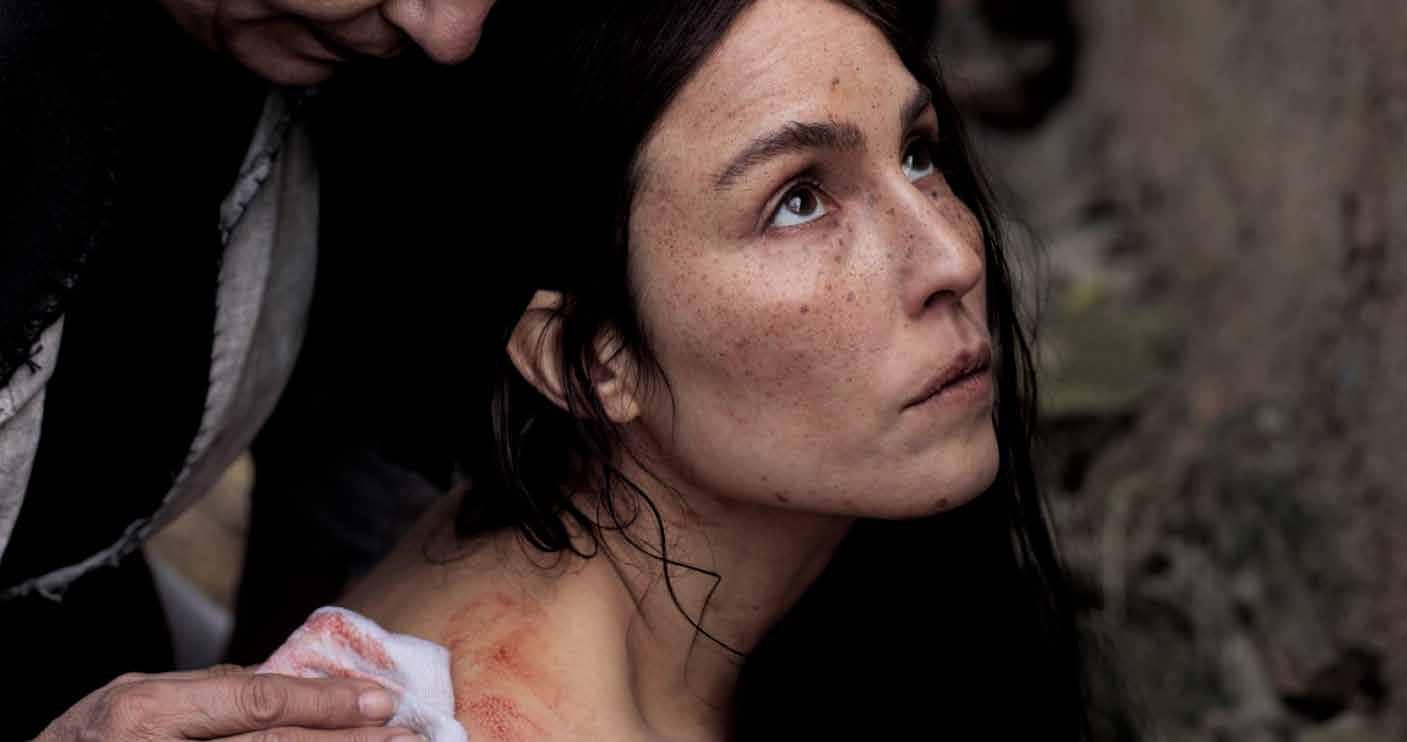
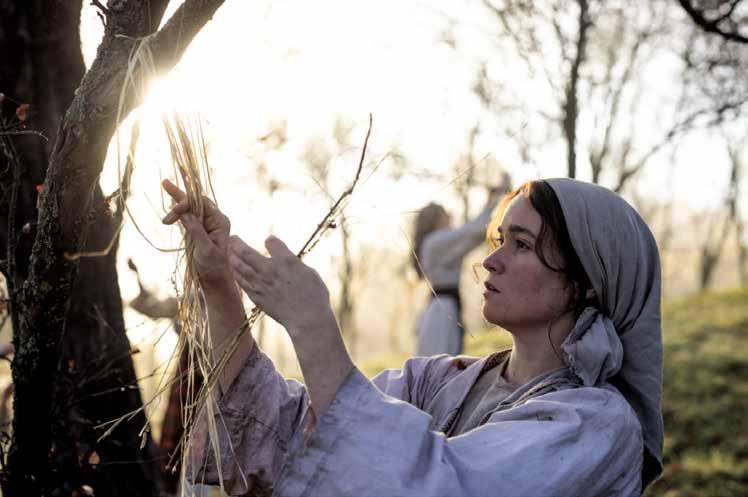
Writer-director Goran Stolevski’s You Won’t Be Alone is an ambitious folk horror film set in the mountainous wilds of 19thcentury Macedonia. It involves an ancient, badly scarred witch, Maria (Anamaria Marinca), who makes a pact with a recently widowed mother (Kamka Tocinovski) to not drink the blood of her newborn babe as long as she can take possession of the girl as a companion when she turns 16.
In an attempt to circumvent their deal, the woman secretly raises her child in a secluded cave marked with holy symbols and sealed with a great iron door. But Maria is a shapeshifter who manages to discover the location of her prize, and 16 years to the day, the witch frees the girl, Nevena (Sara Klimoska), from her stone prison and leads the young woman into the outside world for the very first time.
If Terrence Malick ever decided to dip his toe into horror, I’m guessing it would look a lot like Stolevski’s feature-length debut. This is a meditative treatise on femininity, motherhood, family, and gender roles as seen through the eyes of a teenager who has no idea of the crazy, sometimes bloody wonders she is physically and emotionally unprepared to experience. It is a strange, visually mystifying journey, one that does not always appear to know exactly what it wants to say yet still manages to cast such an exhilaratingly macabre spell that turning my eyes away from the screen was never an option.
Because of her isolation, Nevena is a virgin to all of life’s peculiarities. Maria transforms her into a witch much like herself, only to grow increasingly angry when her new companion doesn’t want to follow commands. The crone leaves Nevena to fend for herself, believing the youngster will come crawling back to her for aid when she learns how harsh humanity can be, or when she deals with mysteries that cannot be easily understood or individuals who do
not comfortably fit the binary status quo.
What happens next is difficult to explain even if the basic mechanics of the narrative are fairly straightforward. Nevena is a born observer, and not only does she quickly learn how to shapeshift from watching Maria, but by taking on a variety of personas — male and female, young and old — she ascertains how people relate to one another and the best ways to become a part of a larger community.
Klimoska isn’t in the film that much, but her wiry, awkwardly balletic performance sets the template for how all of the other actors — including executive producer Noomi Rapace, French heartthrob Carloto Cotta, and talented Aussie Alice Englert — take up the outward appearance of the
character. As Nevena is also mute (Maria removed her tongue when she was still a baby), Klimoska also supplies the whispery, lyrically disorganized voiceovers that become part of the ethereal soundtrack. Her metronomic cadences are increasingly hypnotic, and when combined with the film’s superb sound design, the overall effect is undeniably haunting.
There are moments when cinematographer Matthew Chuang (Blue Bayou) delivers images that stopped my breath cold. There are others where the murkily unfocused framing of particular sequences and scenes don’t appear to add up to anything, almost as if Stolevski is going out of his way to create painterly chaos simply because he can, and not because he has a
reason. But more often than not, the director achieves the poetically disquieting aesthetic I believe he was going for, so seamlessly edited by Luca Cappelli (Strange Colours) that the beauteous visual anarchy of Nevena’s expedition of self-discovery is far more of a plus than a minus.
Some of this reminded me of Victor Sjöström’s silent masterwork The Phantom Carriage. Other parts are evocative of Hammer horror yarns from the 1960s cleverly meshed with delicately unsettling Japanese classics like Kuroneko or Onibaba But Stolevski fearlessly treads his own path into the woods, making the graceful tragic majesty of You Won’t Be Alone difficult to resist and, more importantly, even harder to forget.
Alice Englert in You Won't Be Alone – Photo courtesy of Focus Features
Noomi Rapace in You Won't Be Alone – Photo courtesy of Focus Features
Bullock and Tatum generate sparks searching for an otherwise forgettable Lost City
by Michelle Fetters SGN Staff Writer
LOST CITY
THE
Theaters
When successful romance novelist Loretta Sage (Sandra Bullock) set out on the press tour for her latest book, she never suspected she’d end up kidnapped by kooky billionaire Abigail Fairfax (Daniel Radcliffe). Upset that his brother was given the reins of his family’s broadcasting and publishing empire and not him, Abigail has become obsessed with lost civilizations and ancient treasures. He’s convinced that Loretta has uncovered clues to a fabled ruby crown hidden in a lost city, and he’s determined she’s going to use this knowledge to help him find it.
Enter Alan (Channing Tatum). He’s the sexy cover model for all of Loretta’s books. But he’s always wanted to be seen by her as more than that. Along with Loretta’s pub -
licist and best friend Beth (Da’Vine Joy Randolph), Alan believes he is capable of doing whatever it takes to save the author from Abigail’s clutches, not that he has any of the fighting or survival skills this sort of rescue mission typically requires.
The Lost City is unquestionably a riff on the 1984 Michael Douglas/Kathleen Turner/ Danny DeVito adventure-comedy classic Romancing the Stone. Jungle survival? Hidden treasures? Romantic intrigue? A powermad villain whose greed has colored their judgment? It’s all here, and directors Aaron and Adam Nee (Band of Robbers) and their team of screenwriters hit all the expected beats with enthusiastic aplomb.
As great as that sounds, the only reason I’m willing to give this film something of a halfhearted recommendation is the undeniably magnetic chemistry generated by Bullock and Tatum. They bring fire and flair to the proceedings, bouncing off one another with an effortlessly intoxicating ebullience that’s nothing short of wonder-
ful. The two actors were born to play characters like Loretta and Alan, making Bullock and Tatum a romantic-comedy dream team who almost manage to transform a lukewarm frozen dinner into a five-course gourmet meal.
Only almost. For all the magic the pair manage to conjure, and as delightfully underplayed the robustly masculine cameo from pitch-perfect Brad Pitt is (his presence is far from a spoiler, as he’s all over the trailers and promotional materials), there’s a lot that left me cold. I was never able to let myself go and enjoy all the loopy jungle madness — the whole thing came across as too mechanically forgettable for my tastes.
The reason Romancing the Stone has stood up so well over the decades is that director Robert Zemeckis and his talented cast took their crazy treasure-hunting insanity seriously. The romance between the leads happened naturally. Their fight for survival, while corny, had a naturalistic charm. The gags were rooted in the situa-
tions romance novelist Joan Wilder and adventurer Jack Colton found themselves in, the majority of them character-driven and not tossed in willy-nilly just for fun.
One reason that that film’s 1985 sequel The Jewel of the Nile was so disappointing was that it didn’t follow in its predecessor’s footsteps as closely as it should have. The gags were forced. The humor was stilted. It frequently felt like the primary cast was in on the joke, almost as if they were winking back at the audience about how silly and absurd everything was.
The Lost City did not learn this lesson. There are far too many moments where it is as if the Nee brothers are making an Airplane! or Hot Shots! gag-a-second comedy and not one that takes itself and its audience a bit more seriously. It revels in sitcom patter, seemingly not caring if audiences are taken out of the picture every time the filmmakers call attention to how absurdly silly everything is. This world doesn’t get the opportunity to exist. It’s always fake, and as such, the danger Loretta and Alan find themselves in never feels genuine.
Bullock and Tatum do rise above the fray, however, much in the same way that Douglas and Turner did in The Jewel of the Nile. But the latter pair had the luxury of having brilliantly established their characters one picture prior; the former did not get that same opportunity. This makes what they accomplish all the more spectacular, and the ease with which they do so is extraordinary.
It does help that the Nee brothers do stage a couple of impressive set pieces, most notably one roughly halfway through, in which Loretta and Alan are forced to race through the jungle dodging a flock of Abigail’s hired thugs riding motorcycles. There is also a lovely moment in a small village, where they find unexpected comfort dancing in one another’s arms while listening to a native song with lyrics far more apropos of the predicament they find themselves in than they initially realize.
But if I’m being honest, Bullock, Tatum, and the magic they create together are the sole positives that matter. They make The Lost City what it is, and audiences who enjoy themselves are going to do so entirely because of them. The two superstars are the real treasure this motion picture is concealing in its celluloid jungle, and thankfully both are hiding in plain sight, making their magnificence extremely easy to find.
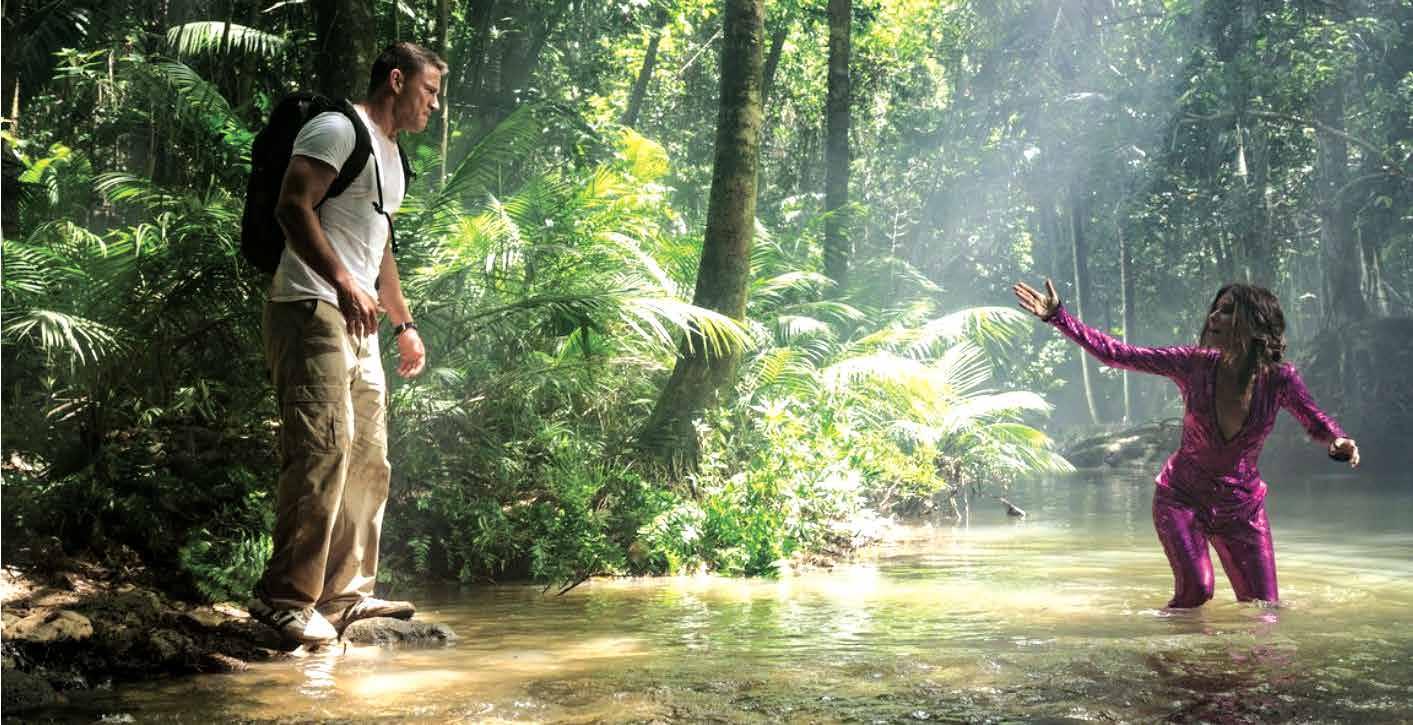
Channing Tatum and Sandra Bullock in The Lost City – Photo courtesy of Paramount Pictures
Channing Tatum and Sandra Bullock in The Lost City – Photo courtesy of Paramount Pictures
House of Mouse divided on LGBTQ+ rights
by Lindsey Anderson SGN Contributing Writer
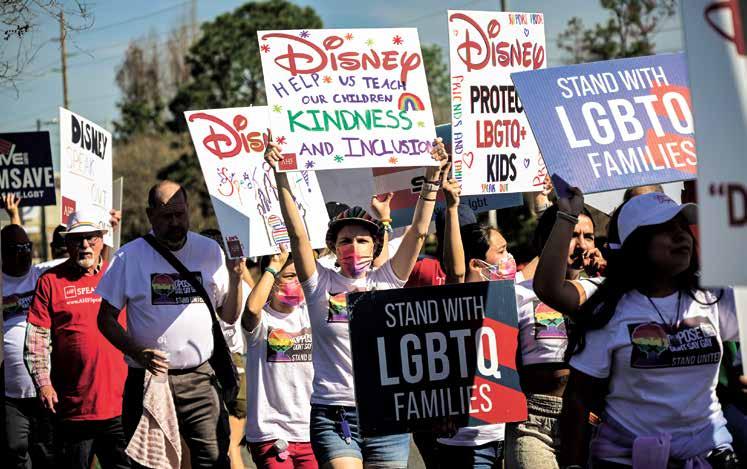
Staff members are staging walkouts from “the happiest place on earth” this week in response to public backlash over Disney’s silence on Florida’s “Don’t Say Gay” law.
While Disney’s CEO Bob Chapek issued a late response addressing the bill, after an internal staff email labeled “lukewarm” by many, Disney’s LGBTQ+ employees say the corporation’s initial silence is the final straw.
After a surge of walkouts and employees speaking out via Twitter, Chapek spoke out. He announced that Disney was stopping all political donations in Florida. He excused Disney’s silence, stating that “we chose not to take a public position on it because we thought we could be more effective working behind the scenes, engaging directly with lawmakers on both sides of the aisle.”
Employees calling out the statements as weak pandering include Ben Siemon, an actor and writer associated with the Disney+ cartoon Ducktails. Siemon tweeted, “Please don’t be fooled by this half-hearted triage. The bill was allowed to pass with no public [opposition] from Disney, and they still intend on funding all the politicians that passed it… LGBT kids are going to be left alone and scared and hurt by this bill.”
For many, this action comes years too late and does not do enough. Now, Disney employees are staging fifteen-minute walkouts and sickouts in protest of the organization.
HRC reaction
They’re not the only ones to protest the company. The Human Rights Campaign has announced it is no longer accepting money from Disney in response to the company’s involvement in the legislation.
A statement from the organization said, “The Human Rights Campaign will not accept this money from Disney until we see them build on their public commitment and work with LGBTQ+ advocates to ensure that dangerous proposals, like Florida’s Don’t Say Gay or Trans bill, don’t become dangerous laws, and if they do, to work to get them off the books.”
Queer pandering
While Disney does capitalize off Pride, fans now note that these profits are going right into the pockets of politicians who are actively working to silence the LGBTQ+ community. Furthermore, the recent scandal highlighted just how often Disney queer-baits fans.
For years the company has queer-coded villains — from Ursula (whose character design was inspired by BIPOC drag queens) to Scar to Hades — engaging their LGBTQ+ audiences with just a taste of inclusion. Newer films like Luca and Turning Red also have LGBTQ+ undertones, but producers have disavowed them publicly, shutting down rumors that the stories had anything to do with queerness.
A new trend of princess stories without male love interests has also sparked speculation that Disney may be pandering to sapphic audiences. The hashtag #GiveElsaAGirlfriend was trending on Twitter after the news that Frozen was getting a sequel, and other Queer women found familiar themes in movies like Moana and Raya and the Last Dragon Disney has made news among LGBTQ+ supporters in recent years for its efforts at representation. For example, in 2016 Finding Dory made history with Lesbian representation, although it only included two unnamed background characters who appeared on screen for a few seconds.
In 2020 Pixar introduced the first Lesbian character, Spector, the cyclops cop. However, her identity was only mentioned in
passing, as the company did not feel ready to show same-sex affection on screen.
LGBTQIA+ employees at Pixar and their allies confirmed in a statement that “nearly every moment of overtly Gay affection is cut at Disney’s behest, regardless of when there is protest from both the creative teams and executive leadership at Pixar.”
The employees claim that the shards of LGBTQ+ inclusion, which have been labeled “Queer bait” by some fans, are a result of intense editing by executives.
Animators speaking out
On the small screen, Disney has made strides with LGBTQ representation. The hit cartoon The Owl House is the first to have a Queer relationship at the forefront.
The show centers on Luz, a 14-year-old Bisexual witch in training, and her Lesbian girlfriend, Amity.
While fans were ecstatic to see Queer representation in the Magic Kingdom, creator Dana Terrace, who is also Bisexual, admitted that the studio was not keen on her making Luz Bi.
“I was very open about my intention to put queer kids in the main cast. I’m a horrible liar, so sneaking it in would’ve been hard, haha,”
Terrace said in a tweet. “When we were greenlit, I was told by certain Disney leadership that I could NOT represent any form of bi or gay relationship on the Channel.”
Another animating icon, Alex Hirsch, who rose to fame with his hit Disney Channel cartoon Gravity Falls, added to Terrace’s statement, writing, “Back when I made [Gravity Falls], Disney FORBADE me from any explicit LGBTQ+ rep. Apparently, ‘happiest place on earth’ meant ‘straightest.’”
Terrace is now speaking out against the company. On Twitter, she released a video describing the new legislation as “a bill that effectively tells LGBTQ+ kids ‘you don’t exist, you don’t deserve to exist, and you shouldn’t even be talked about, shh.’”
She then characterized the companywide response Disney sent out: “Disney is not going to change doing all this, we’re not going to stop giving money to these people, but here are a bunch of flowery and compassionate words to shut you up.”
“No one even told me I had the option of existing,” Terrace said about growing up Queer. “And man, I know I got bills to pay, but working at this company has made me so distraught, and I hate having moral quandaries about how I feed myself and how I support my loved ones.”
Disney pulls plug on only LGBTQ+ TV production
Fans of The Owl House have also noted that Disney decided to pull the plug on the show, canceling it after just two-plus seasons. “The only decent queer content I’ve seen lately was The Owl House, and you’re canceling it despite a loving fanbase that rallied to show support for the show. Nothing the fans could do was gonna save the show once the girl [protagonist] got a girlfriend,” Twitter user @wardoftheshire posted after Disney released news that the show was officially ending.
The “Don’t Say Gay” bill was officially signed into law by Florida Gov. Ron DeSantis on Monday, March 28. Hours later, Disney released a statement condemning the law and vowing to help repeal it.
“Our goal as a company is for this law to be repealed by the legislature or struck down in the courts, and we remain committed to supporting the national and state organizations working to achieve that. We are dedicated to standing up for the rights and safety of LGBTQ+ members of the Disney family, as well as the LGBTQ+ community in Florida and across the country,” the statement said.
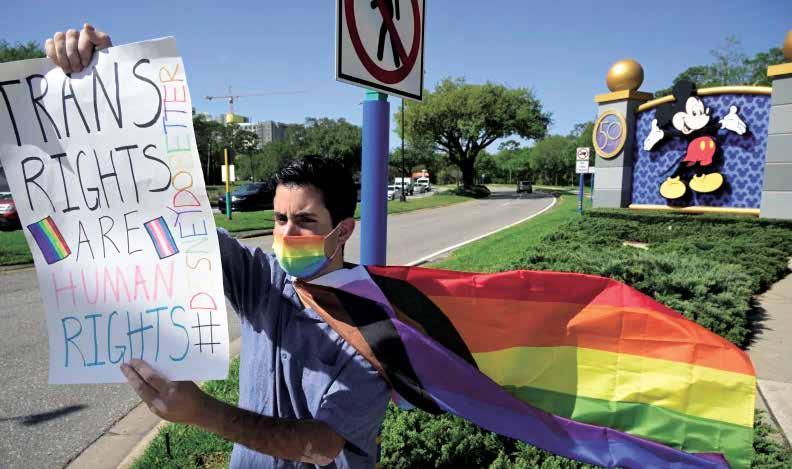
Disney cast member Nicholas Maldonado participated in an employee walkout at Walt Disney World – Photo by Phelan M. Ebenhack / AP
Advocates march in a rally at Walt Disney World – Photo by Phelan M. Ebenhack / AP
Nat’l & Int’l News
National news highlights
by Daniel Lindsley SGN Contributing Writer
Los Angeles:
Queer wins at the Oscars
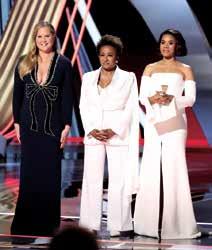
NBC reported on March 28 that Florida’s controversial “Don’t Say Gay” bill was the butt of several jokes at this year’s Oscars. The bill was signed into law by Gov. Ron DeSantis on Monday, but not before openly Gay Wanda Skyes said, “We’re going to have a great night tonight. And for you people in Florida, we’re going to have a Gay night.” Amy Schumer and Regina Hall joined Skyes in chanting the word “Gay” several times, in protest of the Florida law.
NBC covered a few other Queer achievements at the ceremonies as well, such as the “Gay-themed” film The Power of the Dog being the most nominated, and Ariana DeBose becoming the first openly Queer woman of color and the first Afro Latina to win an Academy Award for acting.
Jessica Chastain, producer and star of The Eyes of Tammy Faye, used her Oscar win for best actress in a leading role to address the recent wave of anti-LGBTQ bills.
Salt Lake City:
Legislature overrides veto of anti-Trans law
NBC reported on March 25 that Utah state lawmakers have overridden Gov. Spencer Cox’s veto of a bill that would ban Trans students from competing in girls’ sports, meaning the bill will likely go into effect on July 1.
The bill bars “a student of the male sex from competing against another school on a team designated for female students,” defining “sex” as the “biological, physical condition of being male or female, determined by an individual’s genetics and anatomy at birth.” The bill makes no mention of cases of intersex students or students with chromosomal abnormalities.
The override came a few days after Gov. Cox sent a letter to legislators saying he’d been moved by data showing that including Trans children in sports could reduce suicide rates.
“I don’t understand what they are going through or why they feel the way they do,” Cox wrote. “But I want them to live. And all the research shows that even a little acceptance and connection can reduce suicidality significantly.”
House Wine launches yearlong celebration of Pride
by Hannah Saunders SGN Contributing Writer
House Wine, created in 2004 in Walla Walla, launched its #ShowUsYourPrideWins campaign on March 9. It’s a yearlong call to action focusing on conversations with LGBTQ+ people and allies in order to share stories of Pride through social media, and to celebrate courage, overcoming adversity, and joy.
As part of the campaign, House Wine will donate $2 to the Human Rights Campaign for every case of Rainbow Rose Bubbles sold. This year marks the fifth year that House Wine has partnered with the HRC, the largest LGBTQ+ advocacy organization in the US.
House Wine’s Rainbow Rose Bubbles offer bright and fruity flavors of fresh berries with a citrus aftertaste. The blend contains 12.5% alcohol and is gluten free.
“Our Pride Wins campaign celebrates progress that has been made for being accepted for our true selves, but we must recognize that discrimination is still a part of the LGBTQ+ experience,” said Brad Meyer, House Wine’s vice president of public relationships, partnerships, and experience. “This is why a portion of the proceeds from every can of Rainbow Rose Bubbles goes to the Human Rights Campaign to
keep fighting for LGBTQ+ equality and inclusion.
“At House Wine, we say that everyone is welcome in our house, and we’re committed to making that a reality for all.”
Pride Wins survey
In tandem with the campaign, House Wine also issued information about a national omnibus survey called Pride Wins, which it commissioned with Directions Research.
According to the company, the survey found that 24% of Gen Z (those aged 18-25) identify as LGBTQ+, compared to 13% of millennials (26-41), 6% of Gen X (42-57) and 3% of baby boomers (58-76).
Another portion of the survey focused on support of LGBTQ+ rights. Seventy-two percent of respondents said they would welcome a friend or family member who came out to them as LGBTQ+. Furthermore, 68% said that LGBTQ+ people are welcome in their house, and 65% believe that LGBTQ+ community members do not need to hide their sexual orientation.
Celebrating Pride is important to the LGBTQ+ community. According to House Wine, 90% of survey respondents who identify as LGBTQ+ participate in Pride celebrations, which includes 58% welcoming individuals to celebrate their identity,
51% attending a Pride event, and 45% celebrating Pride beyond the month of June.
Further survey data indicated that 44% of respondents who identify as LGBTQ+ make purchases from LGBTQ+ brands, 29% engage in activism or volunteering, and 25% donate to LGBTQ+ causes.
In addition, Gen Z-ers and millennials are more likely to participate in Pride, with 66% of Gen Z respondents saying they celebrate Pride in some form, compared to 53% of millennials, 27% of Gen Xers, and 18% of baby boomers.
The survey sought data from respondents above the age of 21. It found that almost half of those who drink alcohol are interested in wine in a can, with nearly 40% relaying that canned wine helps bring the celebration with them, is good for year-round Pride celebrations, and makes unbearable relatives more bearable.
For those who enjoy wine in a can, there was stronger support than the general population for welcoming a friend or family member who came out to them as LGBTQ+ (86%); welcoming LGBTQ+ people into their house (79%), supporting LGBTQ+ rights (74%), and agreeing that people do not need to hide their sexual orientation (79%).
For more information visit www. originalhousewine.com.
Oscar hosts Amy Schumer, Wanda Sykes, and Regina Hall
– Photo courtesy of ABC
Image courtesy of House Wine
Trump: I’m not interested in being Speaker of the House
by Mike Andrew SGN Staff Writer
Donald Trump says he is not interested in being Speaker of the House if Republicans take control of that chamber of Congress in the November elections.
The US Constitution stipulates that the vice president of the US should preside over the Senate, but it says nothing about how the House of Representatives chooses its presiding officer. House rules govern the election for speaker, and the vote is almost always along party lines, but the rules don’t say that a speaker must be an elected member of the House.
Some Republicans have floated the idea that GOP House members would choose Trump as speaker if they win a majority of House seats in the upcoming election.
At a March 26 rally in Georgia, GOP Rep. Matt Gaetz promised to nominate Trump to be speaker.
“Give us the ability to fire Nancy Pelosi, take back the majority, impeach Joe Biden, and I’m going to nominate Donald Trump for speaker of the United States House of Representatives,” Gaetz said.
Trump responded to the cheering crowd, “Thank you very much. Thank you, everybody. Well, that was interesting.”
But Trump has now made clear he doesn’t want the job.
In a March 29 interview with Just the News reporters John Solomon and Amanda Head, Trump said he’s more interested in
pursuing “something else.”
“I think that it’s not something I wanted,” Trump said.
“A lot of people bring it up. It’s brought up all the time. No, it’s not something I want to do. I want to look at what’s happening, and then we’re going to be doing something else. No, it’s not something I would be interested in.”
There is speculation that what Trump really wants is another term as president, which he would see as confirmation of his
stated view that he was unfairly deprived of office in a “rigged election.” He said last November that he’d wait until after the midterm congressional elections to make a decision on whether to run again.
If Trump had been interested in the speaker’s job, it seems he’d have about even odds of getting it. In generic party preference polls released March 30, Democrats have a very slim lead — one point in the Politico/Morning Consult poll, and two in the Economist/YouGov poll.
Conflict among churches over war in Ukraine
Pope scolds head of Russian Orthodox Church
by Mike Andrew SGN Staff Writer
The war in Ukraine has sparked a war of sorts between Christian churches. According to the Vatican, Pope Francis scolded Patriarch Kirill, the head of the Russian Orthodox Church, in a phone conversation in early March.
“We are shepherds of the same holy people who believe in God, in the Holy Trinity, in the holy mother of God. That is why we must unite in the effort to help peace, to help those who suffer, to seek ways of peace, to stop the gunfire,” the Pope told the patriarch, according to Vatican sources.
The Pope added that “those who pay the bill for the war are the people; it is both the Russian soldiers and the people who are being bombed and die.”
“There was a time when we spoke, even in our churches, of a holy war or a just war. Today we cannot speak like that. The Christian conscience of the importance of peace has developed,” the Pope said.
The Vatican spokesman said Pope Francis and Patriarch Kirill agreed that the Catholic and Orthodox Churches are called “to contribute to strengthening peace and justice.” The two also agreed that “the church must not use the language of politics but the language of Jesus,” the Vatican said.
Eastern Orthodox churches like the Russian Church are not under the Pope’s jurisdiction, and are not centralized like the Roman Catholic Church. Each autonomous national church makes its own policies under independent leadership.
The Pope does have a direct interest in the Ukraine, because about 11% of the Ukrainian population is Catholic. The rest are Orthodox — most of them adhering to the Ukrainian Orthodox Church — but some in the country’s Russian-speaking eastern regions following Kirill’s Russian Orthodox Church.
Kirill has also been feuding with another powerful Orthodox patriarch — the Istanbul-based Benjamin of Constantinople — over the status of the Ukrainian churches. Benjamin has recognized the Ukrainian Church’s independence from Moscow, while Kirill insists that he has jurisdiction over Ukraine.
Benjamin has also been critical of Russia’s invasion of Ukraine, which Kirill has blessed.
Other Christian leaders have jumped into the fray. Ioan Sauca, general secretary of the World Council of Churches, has also condemned the war and appealed to Kirill to use his influence with Russian President Vladimir Putin to bring it to an end.
In a letter, Kirill responded by repeating Putin’s claim that Russians and Ukrainians share a common national history, going
International news highlights
by Daniel Lindsley SGN Contributing Writer
Hungary:
Rights groups call for
botched ballots
Reuters reported on March 28 that Hungarian human rights groups are urging voters in the country to invalidate their ballots to jam a government referendum on LGBTQ issues, which is concurrent with a national election. Its approval, LGBTQ advocates say, would make prejudice against the community worse.
Prime Minister Viktor Orban’s referendum addresses legislation of his party’s making, which would limits schools’ teaching about homosexuality and Trans issues. The referendum is considered a reaction to the European Commission’s legal action against Budapest for a string of anti-LGBTQ legislation that, according to Brussels, goes against European values of tolerance and individual freedom.
“This discriminating propaganda referendum... only further strengthens the division in society and increases prejudice against LGBTQ people,” said Háttér Society spokesperson Luca Dudits.
United Kingdom: Gay rights campaigner dies at 98
On March 23, the BBC reported on the tributes to Gay rights campaigner George Montague, who died at 98.
back to what is known as “Kievan Rus” in the ninth century CE.
“As you know, this conflict did not start today,” Kirill wrote.
“It is my firm belief that its initiators are not the peoples of Russia and Ukraine, who came from one Kievan baptismal font, are united by common faith, common saints, and prayers, and share common historical fate. The origins of the confrontation lie in the relationships between the West and Russia.”
Some religious leaders are now going a step further, urging the World Council of Churches to expel the Russian Orthodox Church for acting contrary to the WCC mission of fostering Christian unity, peace, and justice.
Brighton and Hove Pride expressed their sadness on Twitter, calling Montague “the oldest gay in the village... and a tireless campaigner for equality.”
Human rights campaigner Peter Tatchell called Montague “a valiant campaigner who made his mark... I was honored to know him.”
In 2016, Montague challenged the government on a 1974 conviction for “gross indecency with a man,” demanding and winning both a pardon and an apology. He was a father of three and a grandfather, and reportedly said he had no regrets.
“He died a happy man, and we can all celebrate that,” said a Mr. Kemp of Brighton Pride. “Certainly at Pride this year, we will be remembering him.”
Activists in Hungary
– Photo by Marton Monus / Reuters
Pope Francis and Patriarch Kirill in 2016 – Photo by Alejandro Ernesto / Reuters
Photo by Meg Kinnard / AP
THIS AD SPACE HAS BEEN GENEROUSLY DONATED BY KRISTIN COSTELLO IN MEMORY OF SGN PUBLISHER GEORGE BAKAN