
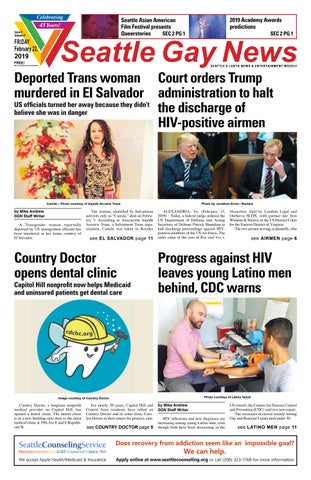
US officials turned her away because they didn’t believe she was in danger

by Mike Andrew SGN Staff Writer
A Transgender woman reportedly deported by US immigration officials has been murdered in her home country of El Salvador.
The woman, identified by Salvadoran activists only as “Camila,” died on February 3. According to Asociación Aspidh Arcoiris Trans, a Salvadoran Trans organization, Camila was taken to Rosales
see EL SALVADOR page 11
Capitol Hill nonprofit now helps Medicaid and uninsured patients get dental care
For nearly 50 years, Capitol Hill and Central Area residents have relied on Country Doctor and its sister clinic Carolyn Downs as their source for primary care.
see COUNTRY DOCTOR page 5

ALEXANDRIA, Va. (February 15,
2019) – Today, a federal judge ordered the US Department of Defense and Acting Secretary of Defense Patrick Shanahan to halt discharge proceedings against HIVpositive members of the US Air Force. The order came in the case of Roe and Voe v.
Shanahan, filed by Lambda Legal and OutServe-SLDN, with partner law firm Winston & Strawn, in the US District Court for the Eastern District of Virginia.
The two airmen serving as plaintiffs, who see AIRMEN page 6
by Mike Andrew SGN Staff Writer
HIV infections and new diagnoses are increasing among young Latino men, even though both have been decreasing in the
US overall, the Centers for Disease Control and Prevention (CDC) said in a new report. The increases occurred mainly among Gay and Bisexual Latino men under 30. see LATINO MEN page 11






Northwest competition is taking place in Seattle on Monday, February 25th at Block 41 (115 Bell St.). Tickets: $25 in advance, $30 at the door http://events.speed-rack. com/us/season-8/northwest

I wanted to check in and see if you might be interested in including Speed Rack, the all-female bartending competition that raises money for breast cancer research in an upcoming event round-up, or perhaps even a larger
We’ve raised over $850k for breast cancer research charities to date, and have some amazingly talented female bartenders vying to win this year’s Speed Rack Northwest regional competition. Attending consumers will have the chance to
sample a number of different punches and drinks from some of the best brands in the Northwest area. It’s a great event for cocktail connoisseurs to enjoy some cocktails, hobnob with the most talented bartenders in the area and raise a bit of $$ for their female friends and family members that have been touched by this horrible disease. Courtesy of Speed Rack

Rally to counter Joey Gibson and Patriot Prayer and “their message of misogyny and racism” Saturday, February 23rd, 4:30pm at the University of Washington. Gather at the northeast end of the Quad. The rally is co-sponsored by a coalition of students and alumni, ANSWER Coalition, Freedom Socialist Party, International Socialist Organization, Organized Workers for
Labor Solidarity, Party for Socialism and Liberation, Radical Women.
The coalition states: “Gibson and his followers use these opportunities to spread misogynist and xenophobic messages. Bullies, bigots and neo-Nazis regularly convene at his events, including NW Proud Boys, Cascade Legion, Identity Evropa, PDX Stormers and Atomwaffen Division.
These groups range from “Western Chauvinists” to avowed White Supremacists.”
Organizers invite all who oppose misogyny, white supremacy and far-right violence to attend. They assert that: “as a diverse community of students, workers, and residents, we understand that solidarity is our greatest strength. In solidarity we will build a powerful, democratic working-class move-
ment that defends the rights of all to live peacefully and without fear. Join us!”
Attendees are welcome to bring a nonperishable food donation for food drive in support of the University District Food Bank. For more information, call 206-7222453 or email seattle@pslweb.org.
Seattle Parks and Recreation needs your input on prioritizing future Olmsted Park and Boulevard restoration projects. Based on your input, future projects could provide restoration in several different Olmsted parks/boulevards around the city. A study conducted in 2018 looked at 10 different sites to assess existing conditions, research historical design intent, and determine restoration feasibility.
Sites assessed included:
Colman Park, Lake Washington Boulevard parks, Lakeview Park, Magnolia Boulevard, Mount Baker Park, Queen Anne Boulevard, Schmitz Park, Volunteer Park, Washington Park Arboretum, and Woodland Park.
Please participate in this survey and help us prioritize the restoration of these historically significant assets. Certain restoration projects will begin in 2019 and will be prioritized based upon community feedback and allocated funding.
Seattle’s Olmsted Parks and Boulevards began as a dream the City of Seattle had in the late 1800’s for a beautiful system of landscapes among urban growth. This vision was implemented in the form of parks throughout the city designed by the Olmsted Brothers landscape architecture firm. The basis of design for these parks was to allow access to attractive open spaces to provide peace and respite for people from all walks of life.
For more information or to review the study please visit http://www.seattle.gov/ parks/about-us/current-projects/olmstedparks-and-boulevards-restoration-project
For additional questions please contact Karimah Edwards, Sr. Project Planner at karimah.edwards@seattle.gov or (206) 233-0063.
Courtesy of Seattle Parks & Recreation

The Seattle Office for Civil Rights is currently recruiting to fill four vacancies on the Seattle Women’s Commission. The Commission seeks candidates with diverse backgrounds in women’s rights, community engagement, law, public policy, advocacy, social services, education, and business who are committed to racial equity. Commissioners are appointed by the Mayor, City Council, and the Commission.
The Seattle Women’s Commission advises the Mayor, City Council, and city departments on matters that relate to women’s issues.
Participation on the Commission requires a minimum time commitment of 10-15 hours per month. This includes attendance at monthly meetings, participation in committee work, meetings with City officials, communicating with state legislators, and addressing women’s issues.
Commissioners are appointed for two years and all appointments are subject to confirmation by the City Council and serve without compensation. Those interested in being considered should email a letter of
interest, resume, and a completed Seattle Women’s Commission application to Marta Idowu (marta.idowu@seattle.gov) by Tuesday, March 19 by 5pm.
The Commission encourages individuals who are interested in applying to attend a monthly Commission meeting. Meetings are held in City Hall, in Room L280 on the third Monday of each month at 5:30pm.
[EDITOR’S NOTE: The next Seattle Women’s Commission meeting will be held on Monday, March 18.] Commission meetings are open to the public.
The City of Seattle is committed to promoting diversity in its commissions. Women, persons with disabilities, sexual and gender minorities, young persons, senior citizens, persons of color, and immigrants are encouraged to apply. All are welcome.
The Seattle Women’s Commission is one of four commissions managed by the Seattle Office for Civil Rights.
Courtesy of Seattle Office for Civil Rights

Country Doctor and Carolyn Downs serve Medicaid (Apple Health) and other patients regardless of their ability to pay. The clinics serve our community by providing primary care for families, for persons with low income, for persons with HIV, persons seeking gender-affirming services, persons released from incarceration, and persons seeking behavioral health care.
At long last, Country Doctor has added dental services at 508 19th Ave. E next door to
the Country Doctor Community Clinic. The clinic provides exams, x-rays, cleaning, and fillings, as well as more advanced services such as root canals, crowns, and dentures on a sliding scale. “We want our patients to have healthy mouths,” says Dr. Jeanne Chan, Country Doctor’s Dental Director.
Initially, the clinic is providing dental services to Country Doctor and Carolyn Downs primary care patients. “Our patients, especially those on Medicaid, have gone without access to dental care for so long. We are prioritizing Medicaid (Apple Health) patients to make up for this injustice,” says Raleigh Watts, Executive Director.
Country Doctor’s new dental building, costing $11 million, was supported by many private donors and foundations. Norcliffe Foundation, Arcora, Boeing Employees, and Murdoch Family Foundation are among the contributors. The City of Seattle, the State of Washington, and the Federal Government also contributed to the project. In addition to the dental clinic, the new building includes space for Country Doctor to expand its services for persons living with HIV as well as for those seeking behavioral health and social services. The new building will house the organization’s administrative offices. Eight rental apartments are on the top two
floors of the four-story building. Environmental Works, a nonprofit architecture firm on Capitol Hill, designed the building. Marpac Construction served as the general contractor. Point32 provided construction management services. Columbia Bank was the financial partner. Hillis Clark Martin and Peterson assisted with routine legal issues. Dental equipment was provided by Henry Schein.
“We are here for our patients and our communities,” said Watts. “Our patients need dental services. Donors made this possible.”
filed pseudonymously, were given discharge orders at the end of last year after being found “unfit for continued military service” despite compliance with medical treatment and physical fitness requirements. Despite support from their medical providers and commanding officers, the first of these airmen was to be separated from service in just ten days. In granting the preliminary injunction, the judge ruled the plaintiffs were likely to succeed in preventing their discharge through the lawsuit and rejected the Trump administration’s motion to dismiss.
“This is a major victory in our fight to ensure everyone living with HIV can serve their country without discrimination,” said Scott Schoettes, counsel and HIV Project Director at Lambda Legal. “These decisions should be based on science, not stigma, as today’s ruling from the bench demonstrates. Despite President Trump’s promise to improve the lives of people living with HIV at the State of the Union this month, his administration continues to defend these policies and others discriminating against people most impacted by HIV. Lambda Legal will keep fighting until these brave and qualified airmen can serve without limitation.”
US District Court Judge Leonie Brinkema issued the ruling from the bench after hearing oral argument today on both Lambda Legal and OutServe-SLDN’s motion for preliminary injunction and the administration’s motion to dismiss. Read the order here: https://www.lambdalegal.org/in-court/legal-docs/roeandvoe_ va_20190215_memorandum-opinion
The lawsuit challenges the Pentagon’s discriminatory deployment policies, which prevent service members living with HIV from deploying outside the United States without a waiver. For years, these unjustifiable policies have restricted the opportunities of servicemembers living with

HIV. Now the Trump administration and the Pentagon are using these same deployment restrictions to justify discharging service members solely based on HIV status. Though purportedly not the basis for the discharge of the plaintiffs, the “deploy or get out” policy unveiled by the Trump administration in February 2018 directs the Pentagon to identify service members who cannot be deployed to military posts outside of the United States for more than 12 consecutive months and to separate them from military service. Other branches have made clear they will not be discharging HIV-positive service members based on this new policy, but it is not entirely clear how the Air Force is implementing it.
OutServe-SLDN is also an organizational plaintiff in this case to advance the interests of its members who are living with HIV and serving in the military. Along with Harrison v. Shanahan and Deese and Doe v. Shanahan, this is the third lawsuit that Lambda Legal and OutServe-SLDN have
brought to challenge military policies that discriminate against people living with HIV.
“We are thrilled that Judge Brinkema recognized not just that the military’s policies were harming our members who are living and serving with HIV,” said Peter Perkowski, OutServe-SLDN’s Legal & Policy Director, “but also […] that, at least on the evidence before her, the military’s decisions were based on outdated medical science and are categorically denying people living with HIV the same opportunities as their fellow servicemembers. We look forward to a final decision in the case.”
The case is entitled Roe and Voe v. Shanahan, et al. Joining Lambda Legal and OutServe-SLDN on the legal team are attorneys from Winston & Strawn LLP, serving as pro bono counsel.
Read the filing here: https://www.lambdalegal.org/sites/default/files/legal-docs/ downloads/roeandvoe_va_20181219_ complaint.pdf
Lambda Legal is a national organization committed to achieving full recognition of the civil rights of lesbians, gay men, bisexuals, transgender people, and everyone living with HIV through impact litigation, education, and public policy work.
OutServe-SLDN is a nationwide, nonpartisan, nonprofit legal services watchdog and policy organization that represents the LGBTQ+ military community—servicemembers, veterans, civilian DoD, and their spouses and families—worldwide. Its mission is to address and end—through litigation, policy advocacy, and education— all forms of unequal or unfair treatment against members of its community on the basis of sexual orientation, gender identity, or HIV status.
Courtesy of Lambda Legal











Howdy, folks – Hope y’all had a great holiday weekend.
The Trump administration today [February 19, 2019] announced its plans to launch a global campaign aimed at decriminalizing homosexuality in all countries.
Upon hearing this news, GLAAD issued the following response via Twitter:
“We’d believe that the Trump administration will work to protect LGBTQ people around the world if they had not attacked LGBTQ people in the U.S. over 90 times since taking office: glaad.org/trump”
– Tweet by GLAAD on Tuesday, February 19, 2019
continued from cover
New HIV diagnoses among Latinos were concentrated primarily in Florida, Texas, California, Arizona, Illinois, and Puerto Rico, according to the CDC.
Strangely, they were also concentrated in the Bronx, even though young Latinos there do not exhibit riskier sexual behaviors than their non-Latino peers.
Compared to national averages, Bronx youngsters are less sexually active, have had fewer lifetime sexual partners, and are more likely to have been tested for HIV, according to the CDC.
As always, if you have further questions – feel free to give me a shout!
Thanks,
Drew Anderson Director of Campaigns and Rapid Response GLAAD
GLAAD rewrites the script for LGBTQ acceptance. As a dynamic media force, GLAAD tackles tough issues to shape the narrative and provoke dialogue that leads to cultural change. For more information, visit www.glaad.org
Courtesy of GLAAD
But compared with the four other New York City boroughs, the Bronx has the worst poverty, housing instability, life expectancy and exposure to community violence.
“I call it the invisible epidemic,” Vincent Guilamo-Ramos, who directs the Center for Latino Adolescent and Family Health (CLAFH) at New York University’s Silver School of Social Work, said.
“These are major obstacles to ending the epidemic,” Guilamo-Ramos explained.
“And I think when all those things play out, they disproportionately impact people who are black, brown, poor, undocumented, new arrivals, Spanish-speaking.”
In November 2018, the UK said it was
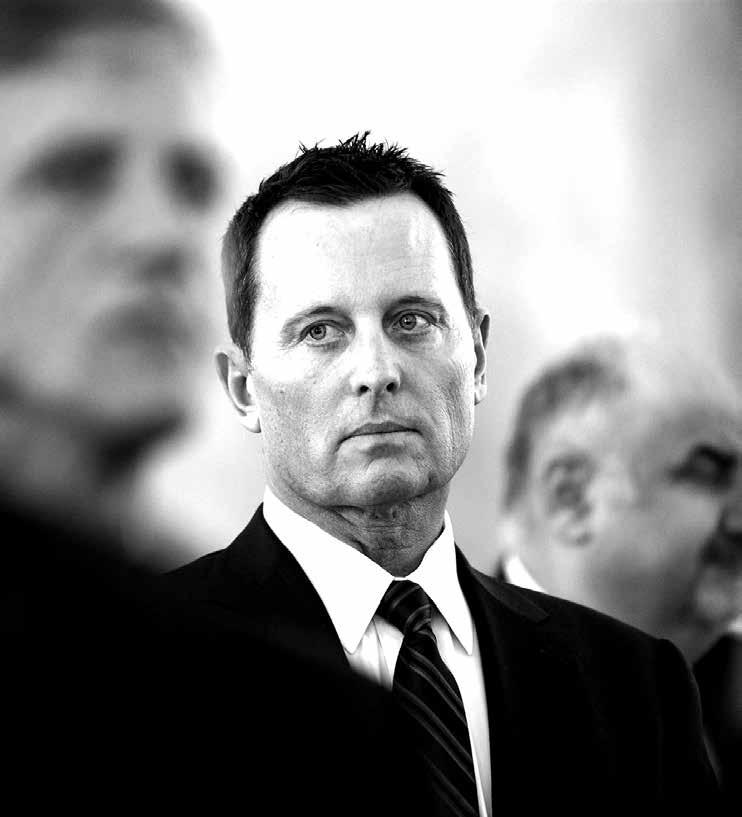
on target to meet a UN goal of succeeding in diagnosing and effectively treating more than 90% of people with HIV. That same month, New York Gov. Andrew Cuomo said his state was on track to meet its goal to end the HIV epidemic by the end of 2020.
But those goals fail to illustrate the different ways individual communities experience the epidemic.
In the US, black Gay and Bisexual men experience the highest risk of HIV infection. The next highest risk is among Latinos, and a particularly worrisome sign for that population is that infections are increasing among young people.
Health interventions, like the HIV
National Hospital on January 31 with numerous injuries. She was 29 years old.
Salvadoran activists told the Washington Blade that Camila earned her living as a sex worker – a dangerous occupation –because Trans women in El Salvador can’t find more conventional jobs.
The LGBT rights organization Presentes is investigating what happened to Camila. Some of her fellow sex workers told Presentes they saw police attack Camila and dump her body.
“Presentes has asked police for an official response, but they have closed the case and have not responded,” the organization said in a statement.
Camila migrated to the US seeking asylum because of the violence and harassment that marked her daily life in El Salva-
dor. Salvadoran activists say that immigration authorities in the US didn’t believe she was in danger and deported her back to her native country.
“She migrated to the US because of threats that she had received, but she was deported because they didn’t believe her,” LGBT activist Aislinn Odalys told the Blade
Another Trans woman, Roxsana Hernández, died in ICE custody last year. She sought asylum from the violence she faced in Honduras because of her gender identity but was arrested at the US border and died in detention.
Multiple Trans women and LGBT youth seeking asylum are being held at the Mexican border. While waiting to enter the United States, they have been the victims of violent attacks, including an arson attempt targeting their shelter.
GLAD, an organization of LGBT legal advocates, condemned the violence
targeted at this group of individuals. They also urged US Border Patrol to allow Transgender women and LGBT youth entry into the US.
“The horrifying treatment of the transgender women who have traveled to our border seeking a reprieve from violence should be utterly unacceptable to every American,” GLAD said in its statement.
“Our core American ideals of liberty, democracy, and human rights require us to offer refuge to those who face severe threats in their home countries. Asylum is a life-saving system that is designed precisely to protect the extremely vulnerable. We have a responsibility to ensure that system is open and available to those who need it, including transgender people and other members of the LGBT community forced to flee places where they are fundamentally unsafe because of who they are.
“We urge the US Border Patrol to allow entry for all of these women and for the
prevention drug PrEP, are also not reaching these populations, the CDC warns. Only 13% of PrEP users are Latino, while 73% are white.
One point of hope for the Bronx is that the federal Health and Human Services Department named it as one of 48 counties it is targeting in its plan to end HIV.
“Whatever strategy the Trump administration comes up with, it’s going to have to grapple with who in fact is disproportionately impacted by HIV/AIDS: it’s brown and black, it’s disadvantaged,” GuilamoRamos concluded.
others who have traveled at great risk as part of the refugee caravan, to allow them the fair opportunity to make their case for asylum, and to ensure their safety and dignified treatment while their applications are processed.”
According to the San Diego Tribune, of 35 Trans women who began their journey from their homes in Honduras, Guatemala, and El Salvador, only 20 made it to the US border. Of those, 17 have been interviewed by ICE officials and sent to detention camps in the US.
“Some of us have been kidnapped, assaulted, and disappeared,” said Ivan Mondragon, who organized the Transgender group.
“Some have been forced into sex work. Here in Tijuana, one of our girls was assaulted; someone broke her rib and we haven’t seen her since she posted a video on Facebook after she was beaten.”
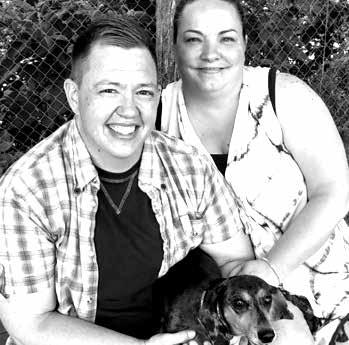
by James D. Esseks
American Civil Liberties Union
Two quick updates to share today [received February 14]:
Jury awards Jesse Vroegh $120,000 for anti-trans discrimination
While working as a staff nurse at the Iowa Correctional Institution for Women, Jesse Vroegh transitioned to live as the man that he is. His supervisors barred him from using the men’s restrooms and locker rooms and the state’s health plan also excluded coverage for transition-related health care that Jesse’s doctors said was necessary for him. [ACLU] helped Jesse sue the state under Iowa law. Yesterday, [February 13] a jury of his peers said that the state unlawfully discriminated against him and awarded him $100,000 because of the exclusion from restrooms and locker rooms and $20,000 for the denial of health care.
That’s the second jury verdict for transgender plaintiffs we’ve gotten in the last five months (in October, a jury awarded two women a total of $780,000 for denying them transition-related health care). Those verdicts reflect the reality that the public is increasingly understanding – and empathizing with – the challenges that many transgender people face in our society. That’s progress to celebrate.
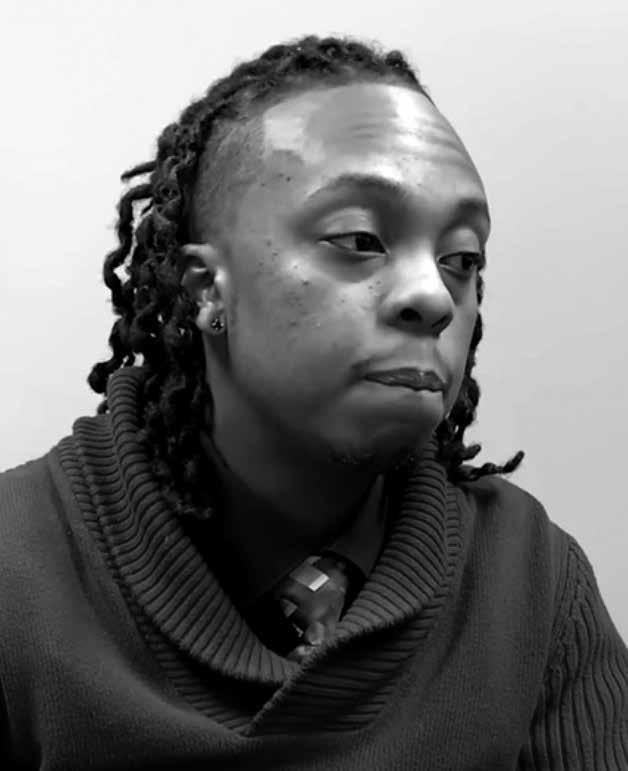
Dashir Moore turned down for health care coverage while on the operating table
Dashir Moore needed to get chest surgery as part of his transition, so he called the benefits line for his insurance company and was told that the procedure was covered. Nevertheless, while the surgery was going on, the insurance company denied coverage because he is transgender, and Dashir learned about it afterwards. The bill was an impossible $30,000.
My colleague Ria Tabacco Mar factchecks common myths about transitionrelated care in the following blog – https:// www.aclu.org/blog/lgbt-rights/transgender-rights/fact-checking-common-mythstransition-related-care-trans-people – also reprinted below – about Dashir’s experience and Dashir himself explains what happened to him in a YouTube video on that blog.
Thanks for your support, which makes all of this advocacy possible.
Courtesy of ACLU
by Ria Tabacco Mar ACLU LGBT & HIV Project
Dashir Moore, a transgender man from George, wanted a fresh start in life. So at the age of 31, he packed up and moved to Colorado, a state that offered both a great lifestyle and trans healthcare. He hoped he could finally be himself.
Things went well at first. Almost immediately after Dashir arrived in Colorado, he was able to update the gender marker on his driver’s license. He got a job as a customer service rep.
Then he scheduled chest surgery. No stranger to our byzantine insurance system, Dashir called his benefits line to check if the procedure was covered and was told it would be. He also confirmed that he didn’t need prior authorization before the surgery.
But shortly after the surgery, he found out his insurance would not pay for the procedure, and he soon found himself saddled with medical debt and out of a job.
Two days after the surgery, his care coordinator called and told him that his insurance company had refused to pay after all. Dashir learned that his employer had selected a health insurance plan that excludes medical expenses incurred for “Gender Transition: Treatment, drugs, medicine, services, and supplies for, or leading to, gender transition surgery.” Dashir began to receive bills from the hospital, which eventually totaled almost $30,000. His anxiety skyrocketed, and Dashir couldn’t continue to work at his job.
Insurance carve-outs for transitionrelated care are illegal. But as Dashir learned the hard way, that hasn’t stopped
some from continuing to deny transgender people the care they need. Here’s the truth about transition-related healthcare.
Myth: Transition-related care is optional.
Reality: Transition-related care is anything but optional.
Many transgender people experience gender dysphoria, the medical term for incongruence between a person’s gender identity and their sex assigned at birth where such incongruence results in clinically significant distress. Medically accepted standards of care for gender dysphoria include social transition, hormone treatment, and surgery. The goal of treatment for gender dysphoria is to alleviate distress by helping patients live in accordance with their gender identity. In Dashir’s case, medically necessary care for his gender dysphoria included surgery to remove breast tissue and create a male chest.
If not addressed, gender dysphoria places patients at great risk for depression, anxiety, self-injury, and suicide. In other words, failure to treat gender dysphoria can mean the difference between life and death.
Myth: Insurers don’t have to cover transition-related care.
Reality: Insurers can’t deny patients otherwise covered services because they are part of gender transition.
Insurers can limit coverage to care that is medically necessary, but they can’t deny medically necessary care based on who a patient is. For example, the surgery Dashir needed — a mastectomy — is routinely covered by insurance companies to treat patients with cancer or a genetic predisposition to cancer, such as the BRCA genes.
But Dashir was denied coverage for the same procedure because he is transgender and needed it to treat his gender dysphoria. That’s discrimination.
Myth: Coverage for transition-related care is too expensive.
Reality: Coverage for transition-related care costs just pennies per insured.
Opponents of transgender equality, including President Trump, have used cost to justify denying transgender people medically necessary care, but their objections don’t stand up to scrutiny. An expert hired to defend the state of Wisconsin’s exclusion for transition-related care recently estimated the cost of coverage would be between four and 10 cents per insured per month. That represents less than 0.1 percent of overall medical costs.
It’s hard to imagine Wisconsin claiming it was justified in denying medical coverage for treatment for other conditions, like depression or diabetes, to save pennies per month, yet that’s exactly what it did in denying coverage for transitionrelated care. That sends a deeply disturbing message about the value placed on transgender people’s lives.
Dashir may be down, but he’s not out. Together with the ACLU, he filed a charge of discrimination against his former employer to end the discriminatory denial of healthcare. We’re standing with Dashir and transgender people across the country so that all of us have the freedom to be who we are.
Courtesy of ACLU
by Sarah Hashmall
AIDS United
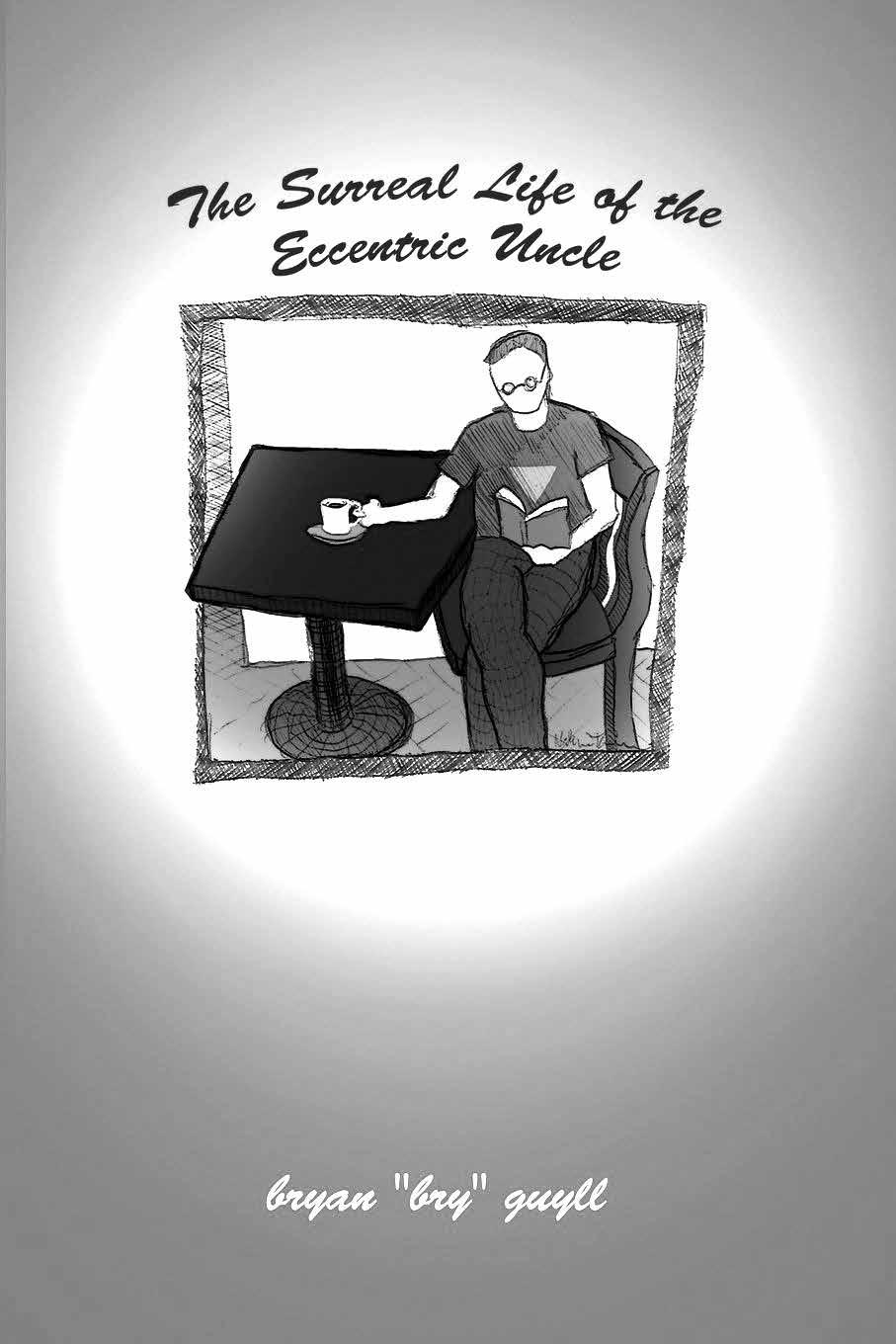
Bryan “bry” Guyll has been living with HIV for over two decades. He recently wrote a book, The Surreal Life of the Eccentric Uncle, where he chronicles his life, from his first boyfriend, to receiving his HIV diagnosis, to present day. We caught up with bry to learn more about his experience as a first-time author, as a longterm survivor, and how he maintains his positive outlook on life.
Sarah Hashmall: Tell me a little bit about yourself.
Bry Guy’ll: I’m 54 and a single gay Washingtonian. I’m HIV positive for 23 years and healthy. Laughter and joy are top priority in a healthy me. I’m one who is outgoing and upbeat but it has taken me a lifetime to get to where I am today. I try to focus on the optimistic view of life, and people tell me that I’m too kind. I will never again allow anger and hate to control me. Worry just fuels the fire so I try to dampen it out. My life is never boring as I’ve always included adventurism with it. What comes along for the ride is a dash of quirkiness. I know myself, which allows me to be in a settled state of contentment.
SH: What inspired you to share your story so publicly and write a book?
BG: First, I have to say that I’m no writer and I’d never had any interest on that subject, whatsoever. Writing a book wasn’t even on the table of things to accomplish, and it never entered my mind. I’m going to walk you down memory lane and this is how it all began:
(Detail from Bryan Guyll’s nonfiction book)
While I was at my lowest, I had to do whatever it took to keep me sane so I decided to turn my back on all that anger, hate and blame by writing down the positive attributes in my life. One day, I realized that my writing became stories, which in turn saved my life as they brought me back to the here and now. Do you know what I got out of writing? The most important aspect a person needs when they’re at their lowest and that is “Purpose.” As I glanced down, I saw it. What I saw was how to put that puzzle of stories together as one: A book.
That purpose helped get rid of the following feelings: Uselessness, Helplessness, Homelessness, Inconveniencing People or Guilt and Dread. What I got out of it is Hope, Drive, Optimism, Truth and the possibility of an opportunity to get out. And I did and had. You see, my story is more than a little blurp within the continuum of life
SH: Your book has song suggestions throughout. How has music helped you throughout your life?
BG: Music has swayed me as far back as I can remember. My emotions were linked to the music I was listening to. When I was happy, I’d play upbeat gay disco music. When I was depressed or heartbroken then my songs of choice were sad and lonely. Love is a whole other experience in music. Music is the language of love and is the remedy for healing the heart. The love songs I listened to allowed me to mentally dance in an airy daydream. Simply lovely.
SH: It sounds like you’ve come a long way from the unhelpful, curt doctor who provided your HIV diagnosis 22 years ago. How have you found providers who are a better fit for you?

journey is yours and yours alone which makes your story special. With that said, everyone has their own adventure to share, and with everyone being different, there will never be a day without something new.
Telling your story will surprise you about – you. If you feel lost, remembering is the biggest key to solve that problem as it helps guide you back to where you were. They say you need to know where you came from to know where you’re going. That’s true, here. Writing will wake your third eye up and the love of storytelling will arrive with ease.
SH: What keeps you motivated?
BG: Every breath I take. Knowing that I’m okay. My support team. My family. Thinking positive. Knowing myself. What the future has for me. My mottos. My wall of accomplishment. Maybe I put a small dent in our community. Lastly, my contribution to our community: My book.
SH: Anything else you’d like to share?
BG: I’d like to share my outlook on life with HIV. My motto is: Think Positive. Feel Positive to Become Positive. My motto on HIV/AIDS: I’m not living to die but dying to live. People ask me how can I be so positive living with HIV and the stigma associated with it. I say “I have to” because I have no choice. If I don’t, death would be that much sooner.
It’s easy to get lost in life and feel unworthy. I know. Here’s what I have to say: Whatever’s circling around and haunting you, it’s your choice to have a good day or a bad one. No matter what, that stuff hasn’t changed. That stuff always works itself out, so don’t allow it to control you and your thoughts. Negative thoughts bring chaos, and positive thinking brings order.
And finally, I want to leave on a note above the rest. I had an epiphany recently and that is it’s okay to make mistakes and still be successful. With that said, I recommend creating what I call “My wall of accomplishment.” It’ll be a constant reminder that you’re okay because you are.
The Surreal Life of the Eccentric Uncle is available at rosedogbookstore.com or order over the phone at 1-800-788-7654.
Like my Charlotte doctor, your doctor needs to have the art of conversation down and be able to talk in laymen’s terms. You need to be completely comfortable on any topic at hand. No question is a stupid question if you are unaware. You know it’s okay to stand up to your doctor. You’ll be a
BG: Plain and simple: Research. Today, there’s no excuse as education is everywhere. What can affect your choice is being in denial. Without your tune up, you’ll break down fast. HIV treatment works. Taking control will boost your survival, tenfold. For me, I prefer a gay doctor and I had two of the best. I was fortunate. The right doctor should show their enthusiasm when educating you on, well, you.
completely new person with the love of life when you’ve chosen the right doctor. It’s that important.
SH: What advice would you give someone else who wants to share their story?
BG: Life is one big story filled with lessons, which includes every scenario from the beginning of time. Your story is included, but with one exception: Your
This profile was originally published on POZ.com in October 2018 – https://www. poz.com/blog/meet-bry-eccentric-unclelongtime-survivor#search-query=Bry Guy’ll
Reprinted with permission