STOKE STOKE Magazine

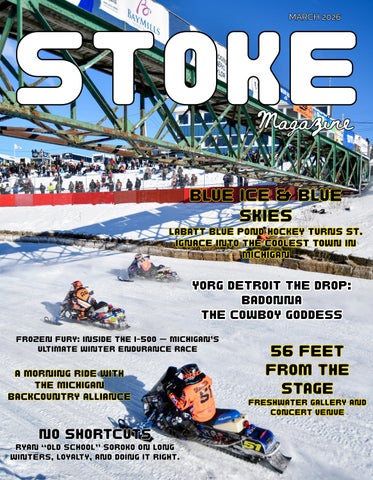
March Issue – Table of Contents
No Shortcuts
Ryan “Old School” Soroko on long winters, loyalty, and doing it right.
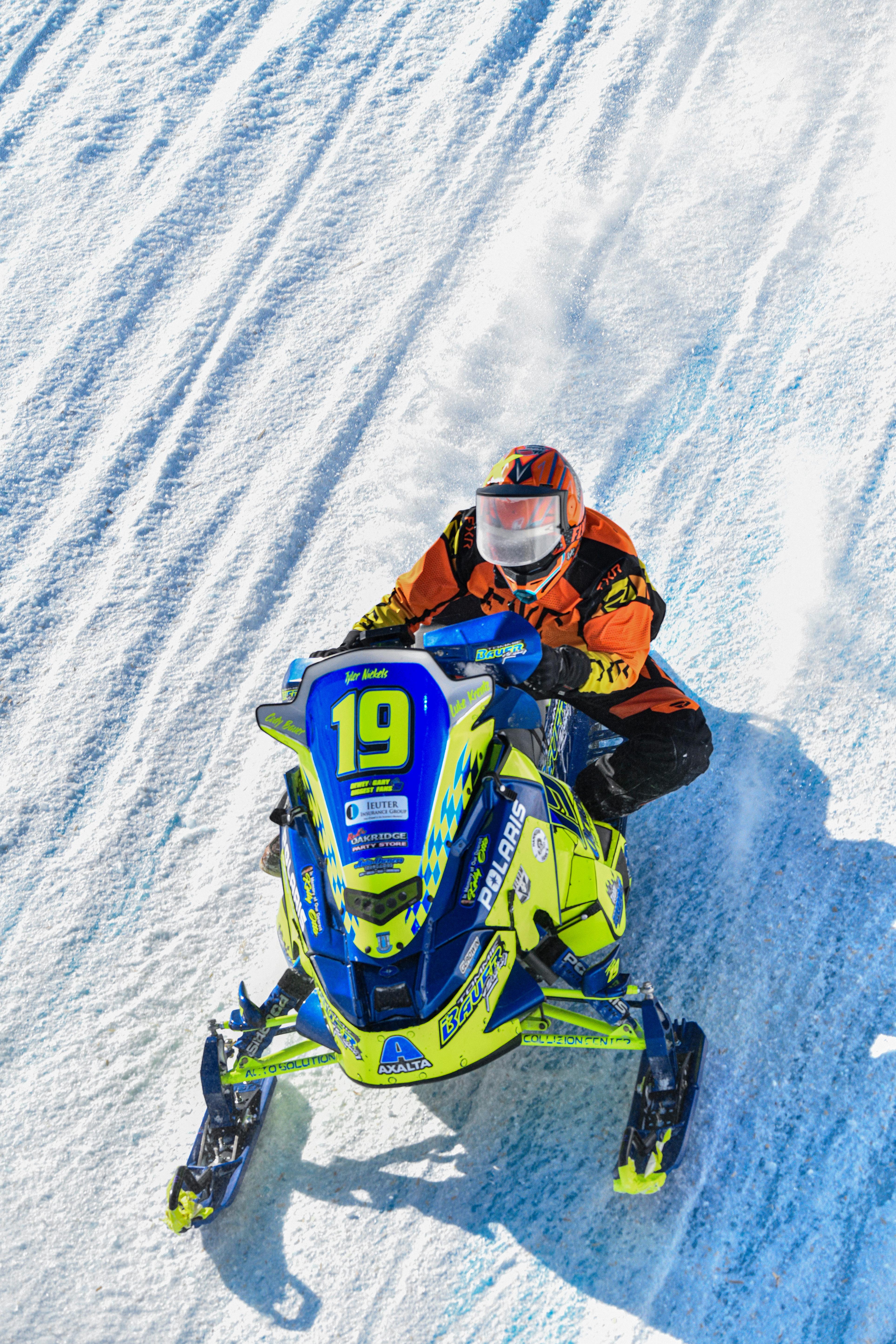
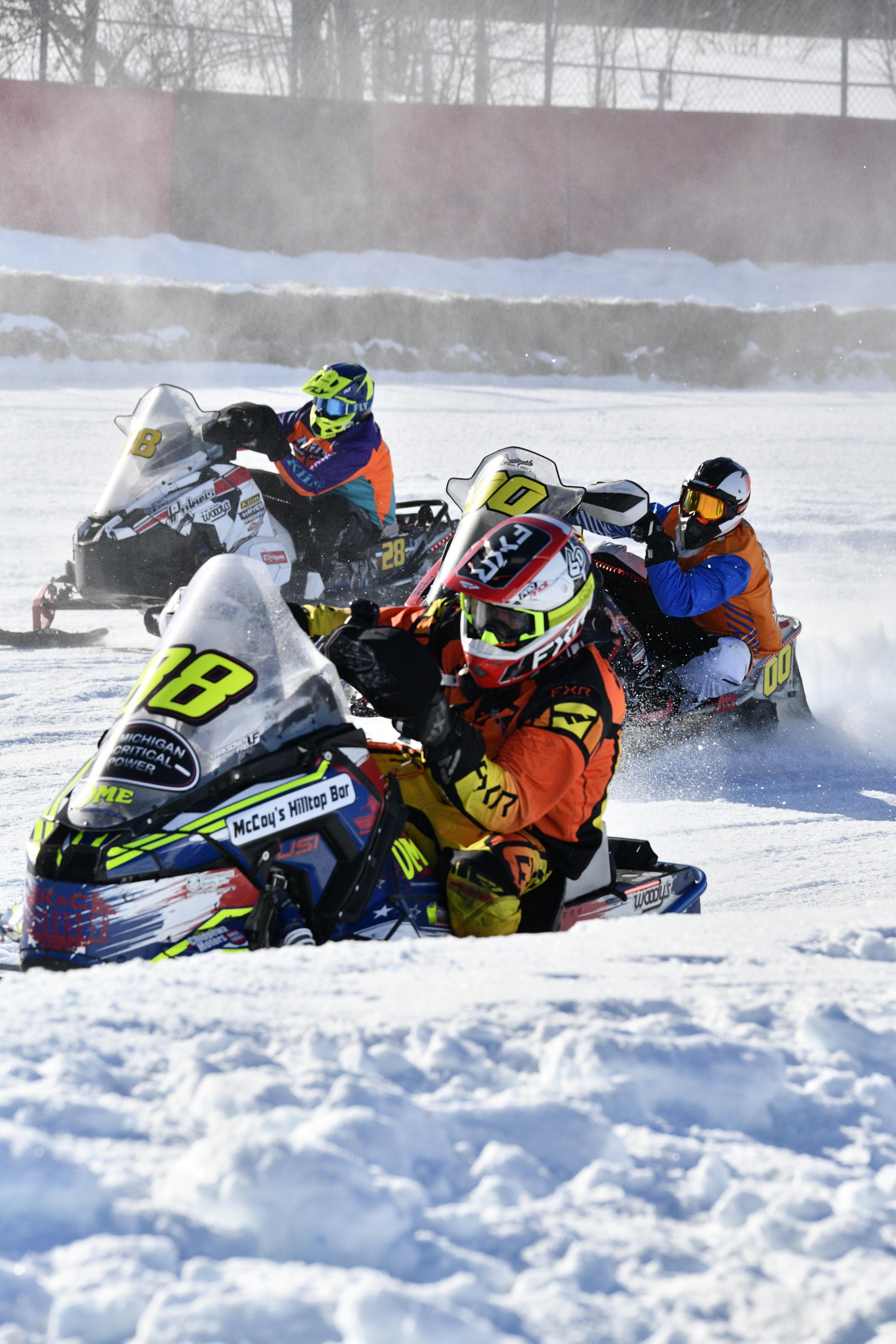
Frozen Fury: Inside the I-500
Michigan’s ultimate winter endurance race.
Blue Ice & Blue Skies
Labatt Blue Pond Hockey turns St. Ignace into the coolest town in Michigan.
YORG Detroit: The Drop
Badonna, the Detroit-born pop artist blending country roots with modern pop energy.
56 Feet From the Stage
Inside Freshwater Gallery — part art space, part concert venue, all culture.
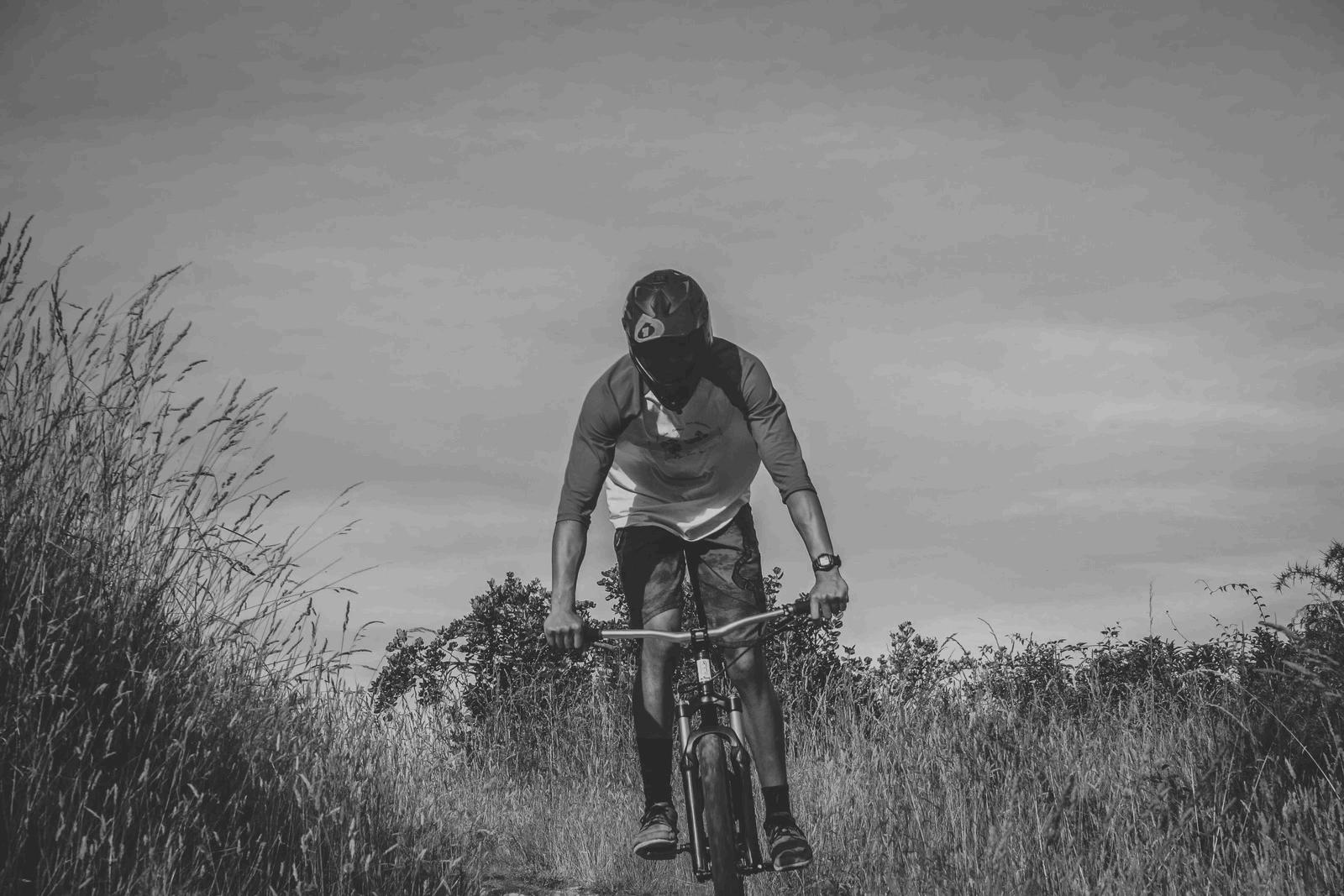
Into the Backcountry
A morning ride with the Michigan Backcountry Alliance.
Lorenzo’s Journey
Chapter 12



RYAN “OLD SCHOOL” SOROKO ON LONG WINTERS, LOYALTY, AND DOING IT RIGHT. NO
RYAN “OLD SCHOOL” SOROKO ON LONG WINTERS, LOYALTY, AND DOING IT RIGHT.
BY THE PIGPEN
There are men who chase trends. And there are men who outlast them.
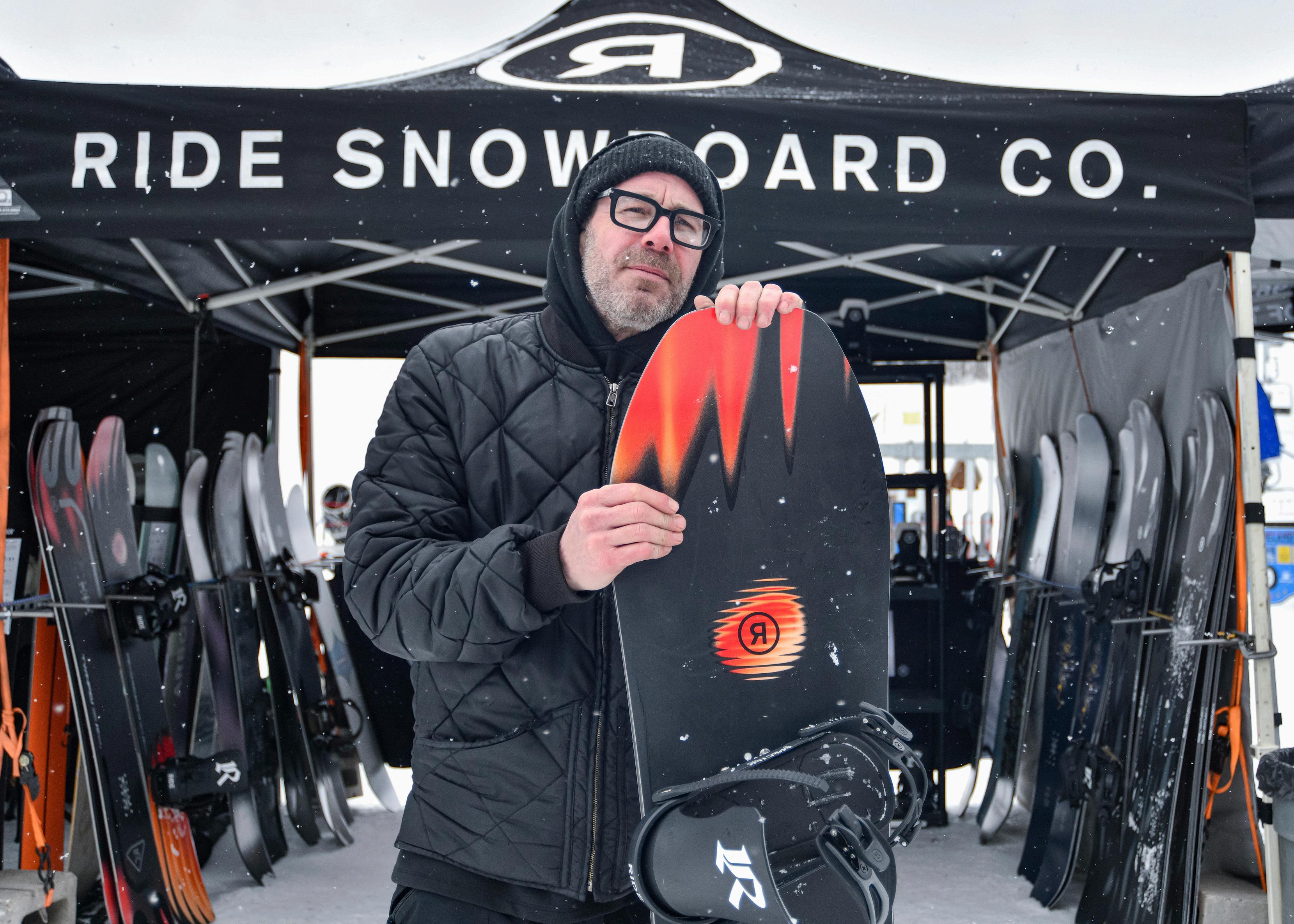
Ryan “Old School” Soroko doesn’t posture. He doesn’t pivot with every shift in the industry wind. He doesn’t romanticize the grind, but he doesn’t apologize for it either For more than two decades, he has lived the snow season the way it used to be lived on the road, in shops, in parking lots before demos, in hotel rooms that all blur together by February.
He is a rider who became a rep who became an agency owner He is a father A builder A man who stayed when it would have been easier to leave. We clicked right away. Same era. Same wiring. Raised in the 70s and 80s, coming up through the 90s the last of the free-range kids You left the house and figured it out No phones No tracking No soft landings You learned the hard way and you kept going.
Ryan “Old School” Soroko feels like that era. Direct. Solid. Not trying to impress anyone. Just built that way.
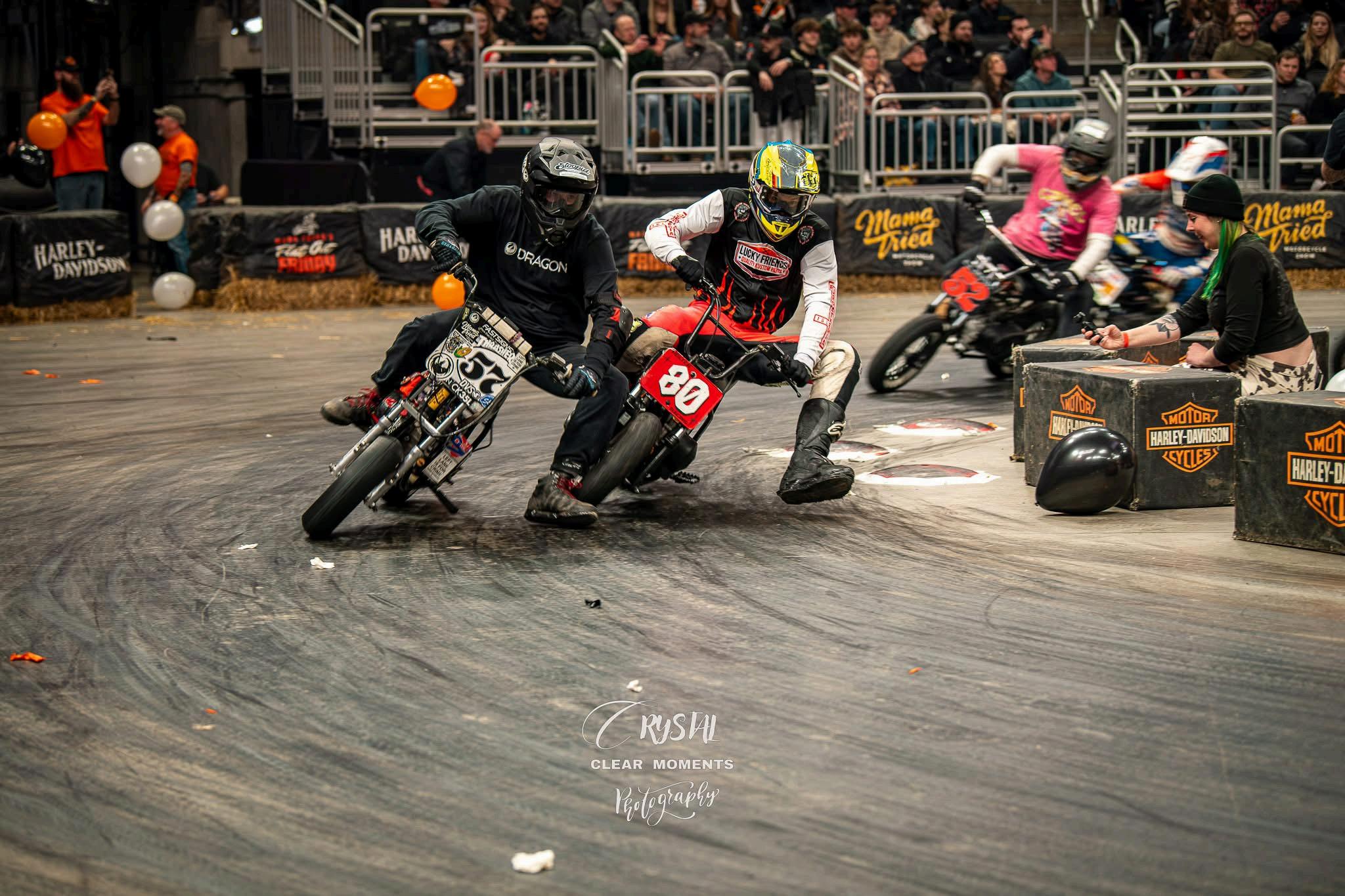
CRYSTAL CLEAR MOMENTS PHOTOGRAPHY
STOKE: Let’s start at the beginning How does someone end up where you are today?
Ryan Soroko: I was born in Wisconsin, but I grew up in California We moved there when I was six I was seven when my pops departed, and that shaped everything Losing my dad that young forced me to figure things out early
I grew up skateboarding, riding BMX, skating empty pools it was the era of empty pools There were three or four in my neighborhood That was our playground. Surfing, beaches, noise, culture it was all happening around me
I want to praise the Mexican culture I was brought up in. Lowriders, choppers, neck tattoos, the food, the music that shaped a hesh-style life that is still 100% me today I still wear my socks high Higher the socks, downer the foo. That’s important to me. That culture molded who I am Eventually, either I caught up with the culture or the culture caught up with me.
“I’M THE LAST OF MY KIND IN SOME WAYS — JUST TRYING TO RIGHT MY WRONGS.”
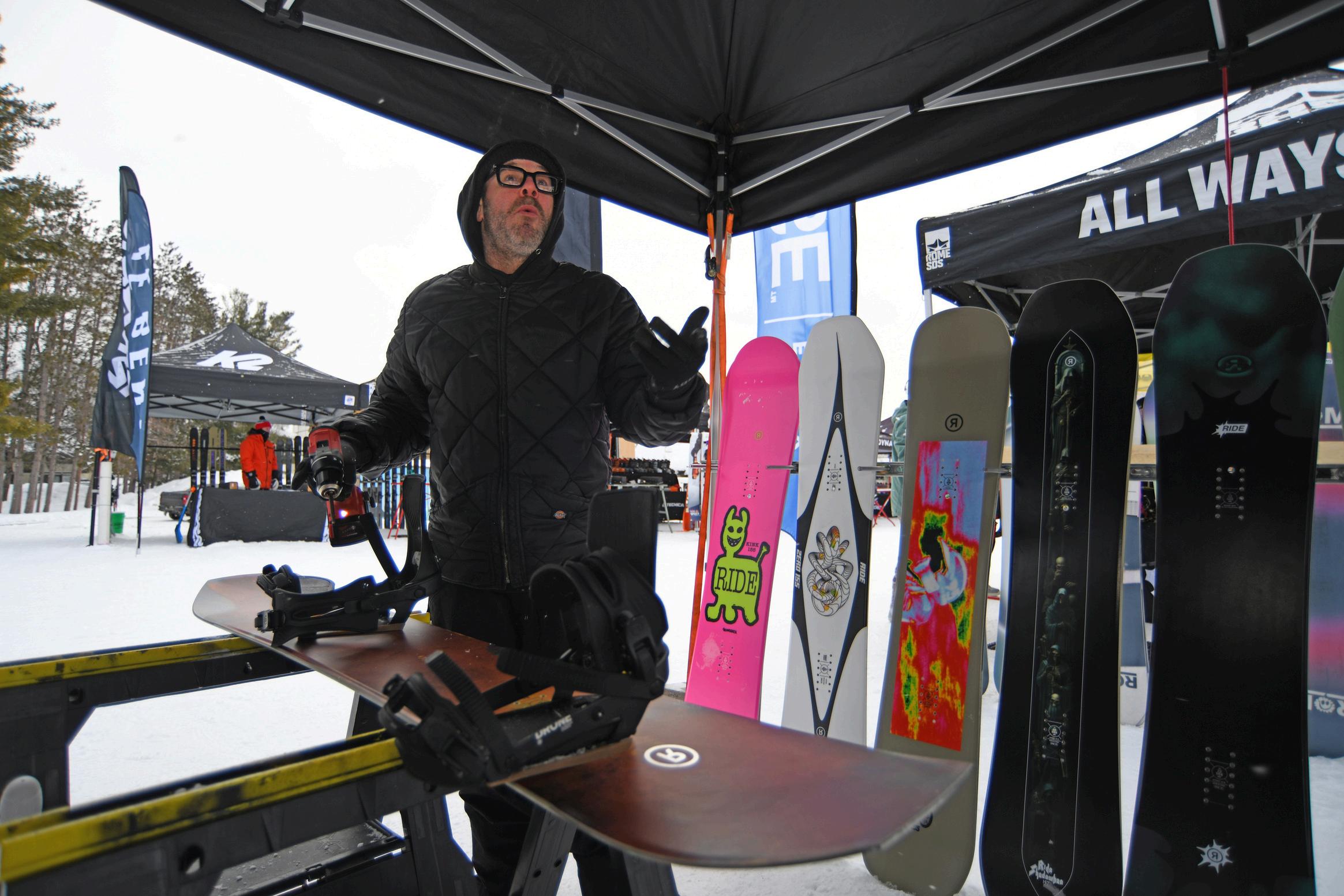
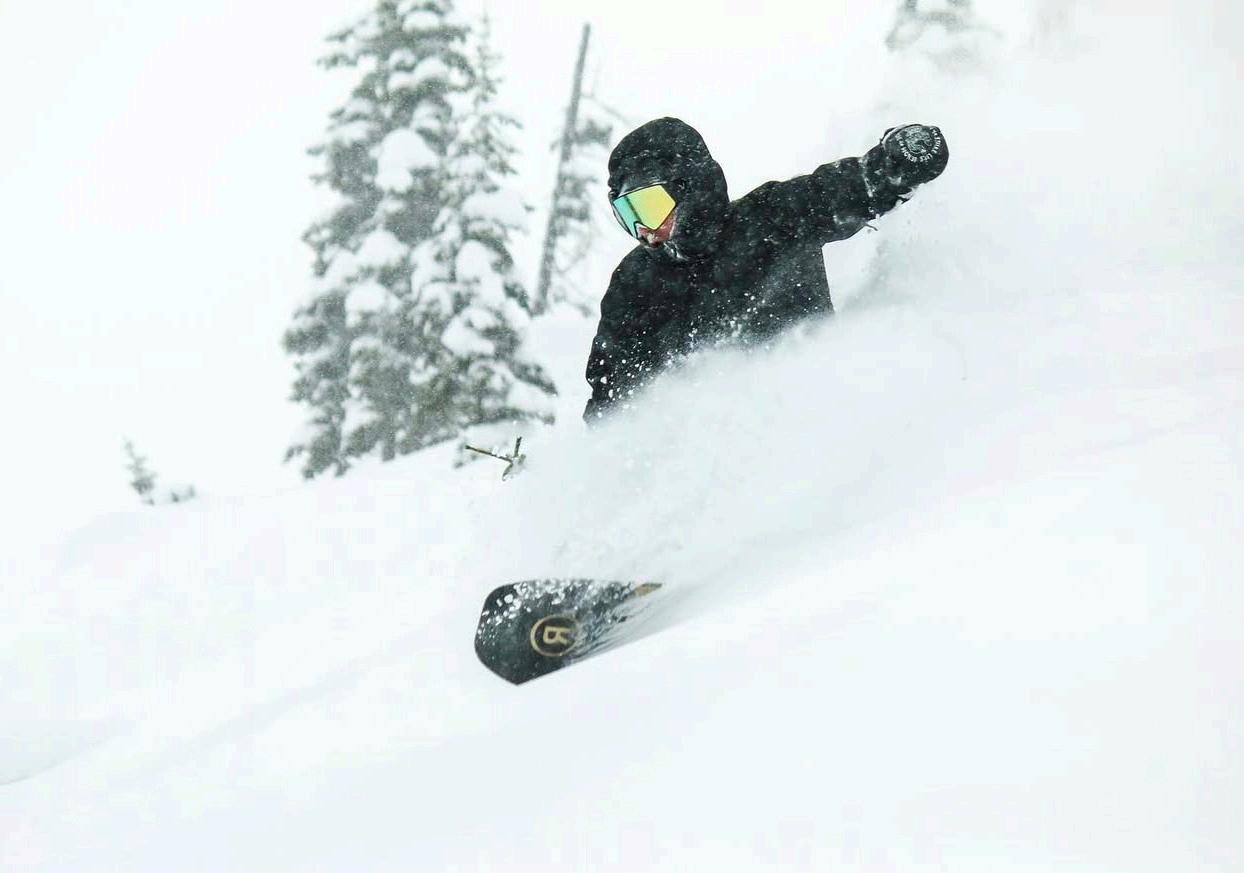
STOKE: When did snowboarding enter the picture?
Ryan: The first time I snowboarded was winter of ’89 back in Wisconsin We took an old skateboard deck, traced it onto a sled, cut it out, screwed it together, and strapped leather bindings on it That was our first board
I got serious about riding in ’92 In ’96 I was picked up by 5150 Snowboards That was a real moment for me When we moved back to Wisconsin from California, I had culture shock I went from beaches and skating to snow and farmland Snowboarding became my outlet It gave me direction
In ’97, I met Mark Robinson, the Ride rep He picked me up as a regional rider I rode for 5150 until it evaporated, and then they moved me over to Ride From ’97 to 2003, I was riding for Ride doing comps, demos, tours, all of it
“SNOWBOARDING DIDN’T JUST GIVE ME A CAREER — IT PULLED ME AWAY FROM A LIFE I MIGHT NOT HAVE SURVIVED.”
STOKE: You’ve said snowboarding saved your life. What do you mean by that?
Ryan:
I was that kid. Single mom. Lost my dad young. Streets of California I was the only white kid in my neighborhood It could’ve gone sideways and it almost did.
Drugs Partying Wild child stuff
Snowboarding gave me something else I remember thinking, “If I keep going down this road, there’s no coming back But if I snowboard tomorrow, I need to be sharp”
My oldest daughter saved my life first. Without her, I’d probably be in prison or worse Snowboarding was the second turn that saved my life It gave me purpose You could take away the paycheck, the VIP parties, the pro deals, the travel and if you asked me what’s left in snowboarding, I’d say everything I’d still ride I could be a greeter at Walmart and I’d still snowboard.
STOKE: How did you transition from rider to sales and agency life?
Ryan: Around 2003–2004, Marks tech Rep and I left Ride’s Midwest agency and started our own In one day we picked up 686, Nitro, Smith Optics, Dakine, Saltech Gloves heavy hitters. Later, I took Nitro on independently around 2006–2007, working the East side of the lake Michigan, Ohio, Indiana. I didn’t know anyone. Nitro was rock ‘ n ’ roll skulls, syringes, chaos graphics I loved and still love that brand
I failed miserably with Nitro financially. Lost a lot of money The wheels were coming off the bus around 2010 I was trying to raise a family, robbing Peter to pay Paul.
And I need to say this clearly: I was and still am blackflagged from a resort because of those Nitro years But it wasn’t the brand it was me. I caused the ruckus. Not Nitro
I’m just trying to right my wrongs I’m the last of my kind in some ways.
STOKE: When did Cold War Sales begin?
Ryan: Before Cold War Sales, I started a small clothing brand called Cold War Movement Company flannels, coaches jackets, beanies Just grassroots stuff When I went independent with Nitro, I formed Cold War Sales as my agency name.
In 2013, after some turbulence with Ride, Michael “Smooches” Oelkers and I restarted Cold War Sales properly. And I need to say this clearly: Smooches is the real heartbeat of our agency None of this would be possible without his dedication and tireless effort. He is my hedo life mate. I or the agency are nothing without him Michael “Smooches” Oelkers and I restarted Cold War Sales together, and he deserves the props. Period. We’ve been running it together ever since
STOKE: How did Ride come back into your life?
Ryan: In 2010, when the longtime Ride rep retired, we were brought back in to take over the territory It wasn’t glamorous I lived in hotels for weeks at a time. I didn’t see my family much from 2010 to 2012 I was rebuilding relationships The first five years weren’t about money they were about foundation. Servicing accounts. Showing up. Clinics. Demos. Being present
In 2013, Smooches and I officially retook Ride as Cold War Sales. Then K2 Snowboard came on board. Then K2 Ski and I’ve still never been on skis in my life That’s relationship trust
STOKE: What does life on the road actually look like?
Ryan: August 1st, summer dies for me It’s winter mode
From October 1st to March 15th, it’s full throttle clinics, trade shows, sales meetings, travel nonstop. Educating shop employees is one of my favorite parts
I always tell them: “I am a snowboard-informed salesman” I’m not here to just make 8%. I believe in this culture. I believe in what snowboarding does for people
STOKE: Has the industry ever jaded you?
Ryan: Yeah. And I’ve never really admitted that publicly. I love snowboarding But when it’s your job for 20 years, when you can’t even ride your local hill without someone asking for stickers or a hookup, it changes it.
Sometimes I just want to be a human snowboarder
But I still love it Deeply
STOKE: And the minibike obsession?
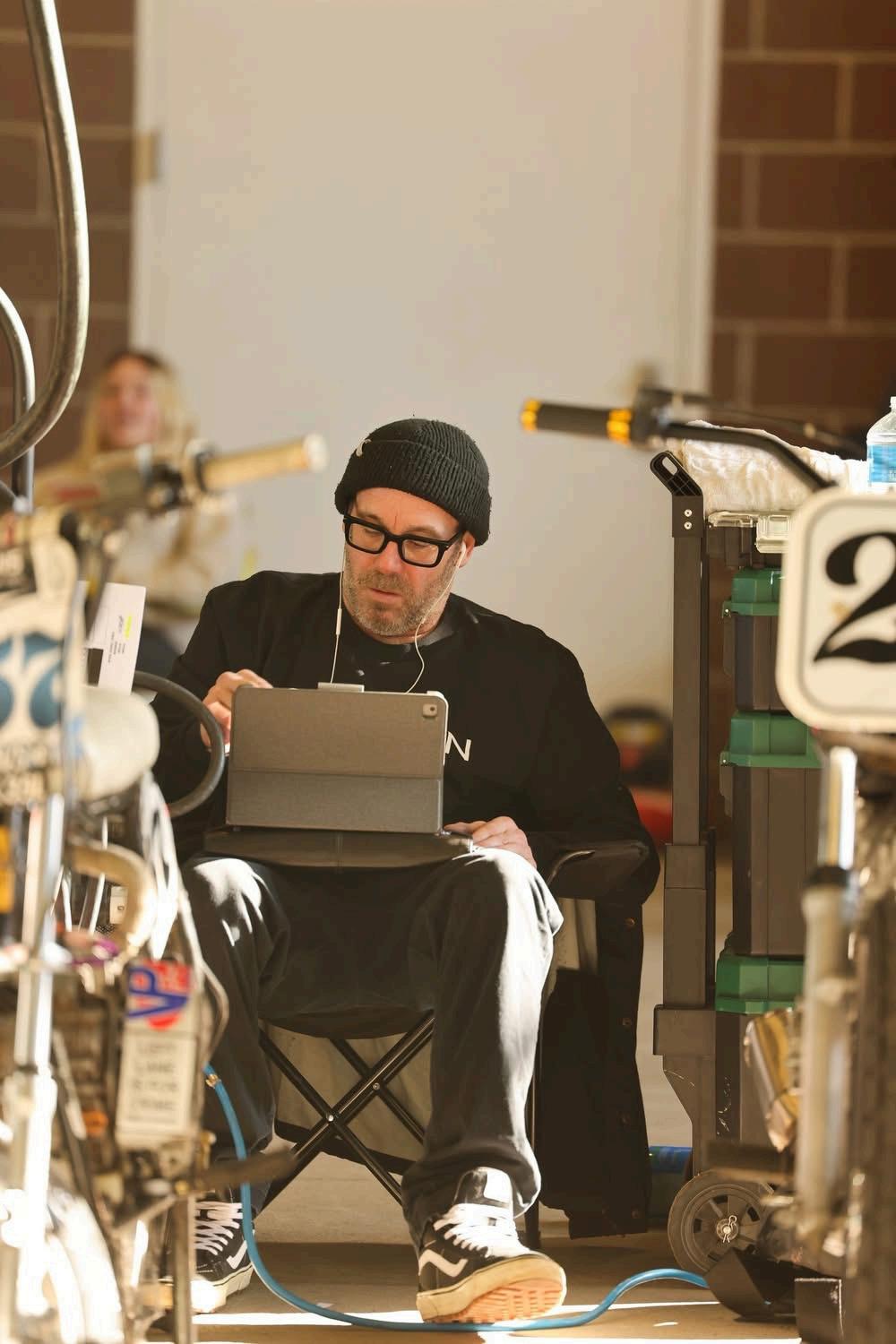
Ryan: That’s therapy
About ten years ago I got into outlaw minibikes boonie bikes, as we call them in Wisconsin. I build them. Race them. AMA tracks to backyard bars
It started with seven of us Now there are 60+ bikes per class Building them in my garage is peace. I’ve had a gnarly life. I don’t sit still If I’m not working, I’m building something
STOKE: Final thoughts?
Ryan: Nobody showed me much growing up. We were freerange kids We learned by failing I’ve squandered time I’ve partied too hard I’ve made mistakes.
But I try to be genuine What you see is what you get Rough around the edges, but I’ll give you the shirt off my back in a blizzard even to my enemies.
I’m just trying to right my wrongs
Snowboarding saved my life My daughters saved my life
And Cold War Sales that’s me and Smooches. Organic. Earned Built from the bottom up
I may get you more later But that’s the story that matters



By Stoke Magazine
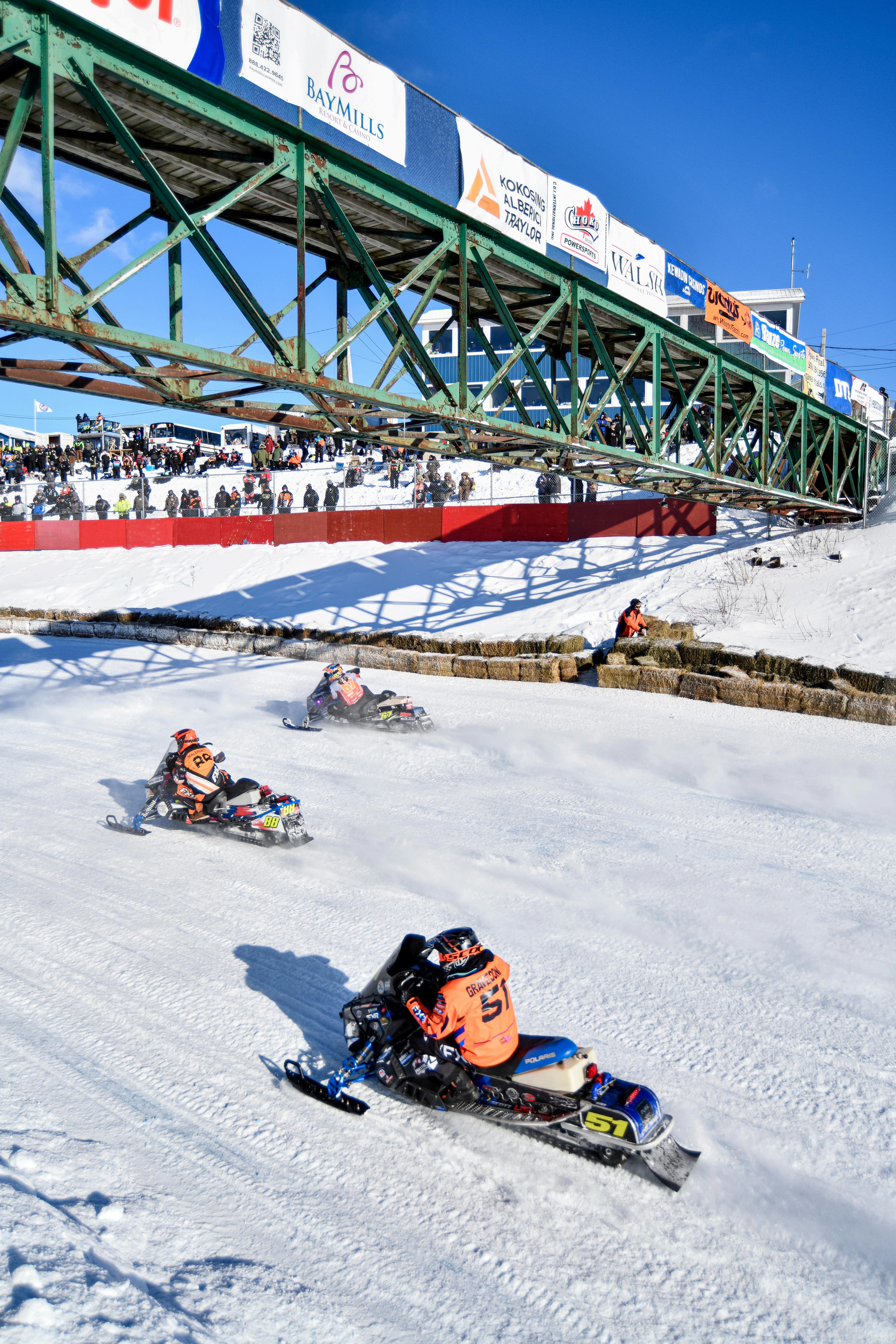
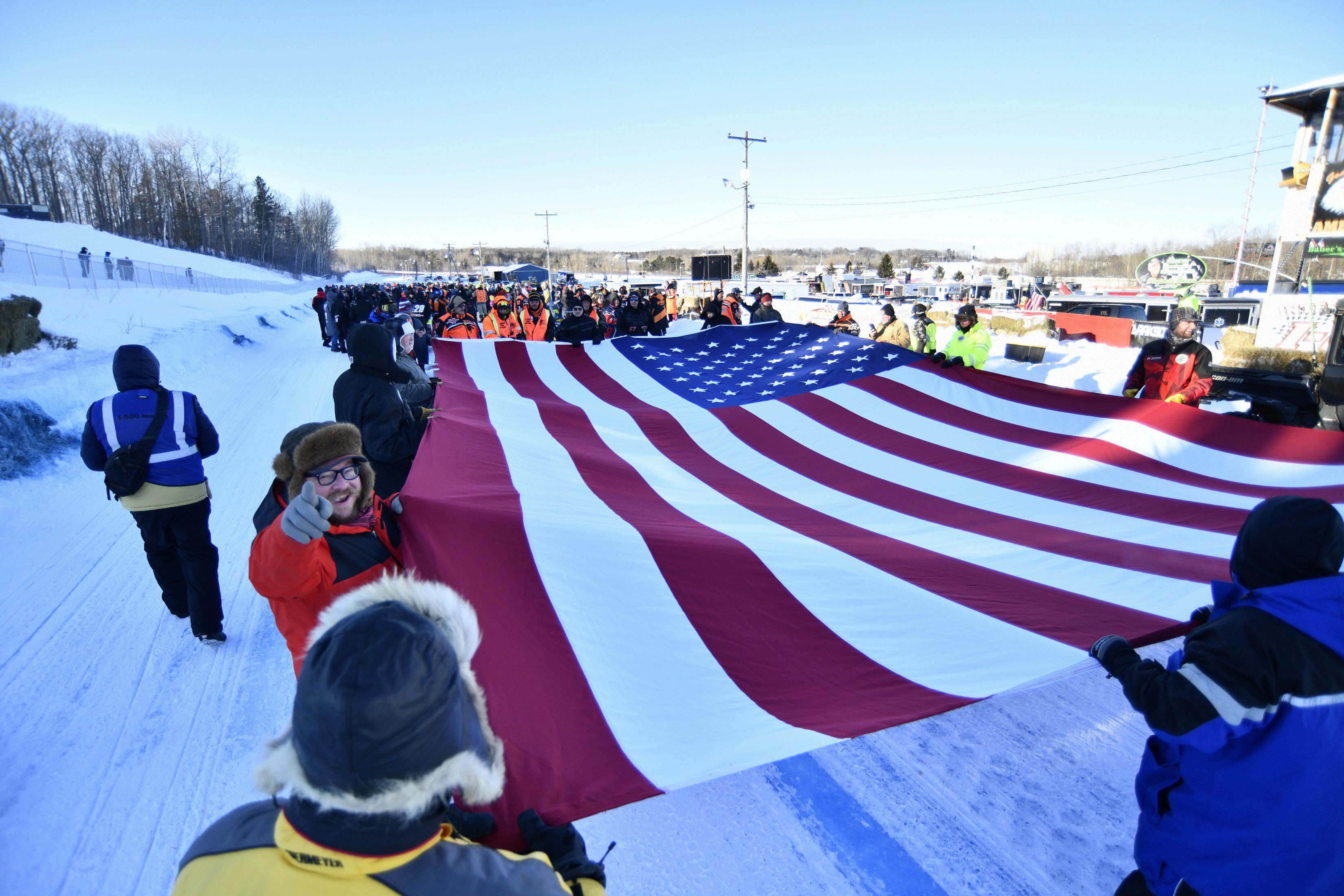
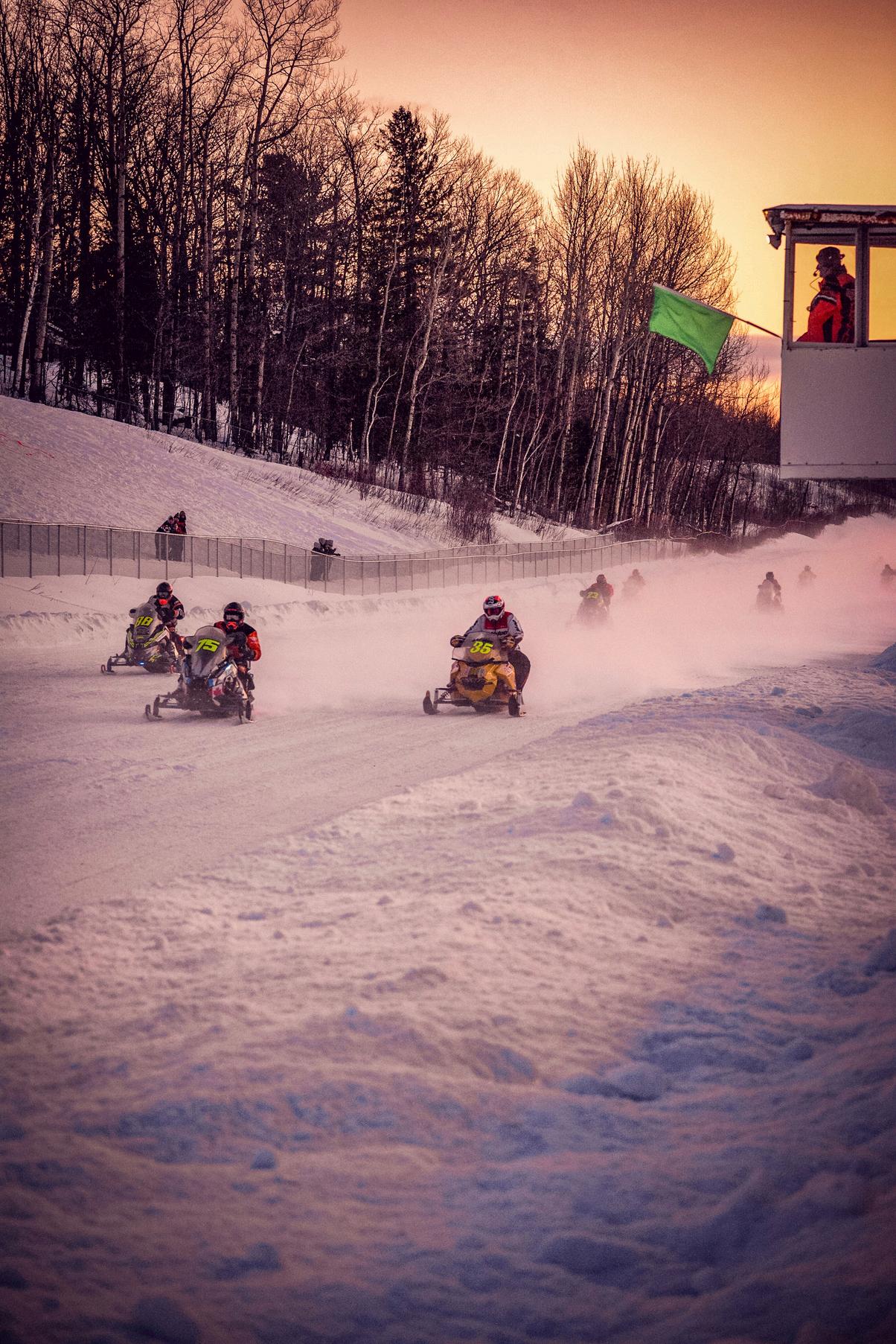
Before sunrise on a frigid February morning, headlights cut through the black-blue horizon as we pushed north toward Sault Ste Marie destination: the International 500 Snowmobile Race
The I-500 isn’t a winter festival. It isn’t a novelty event.
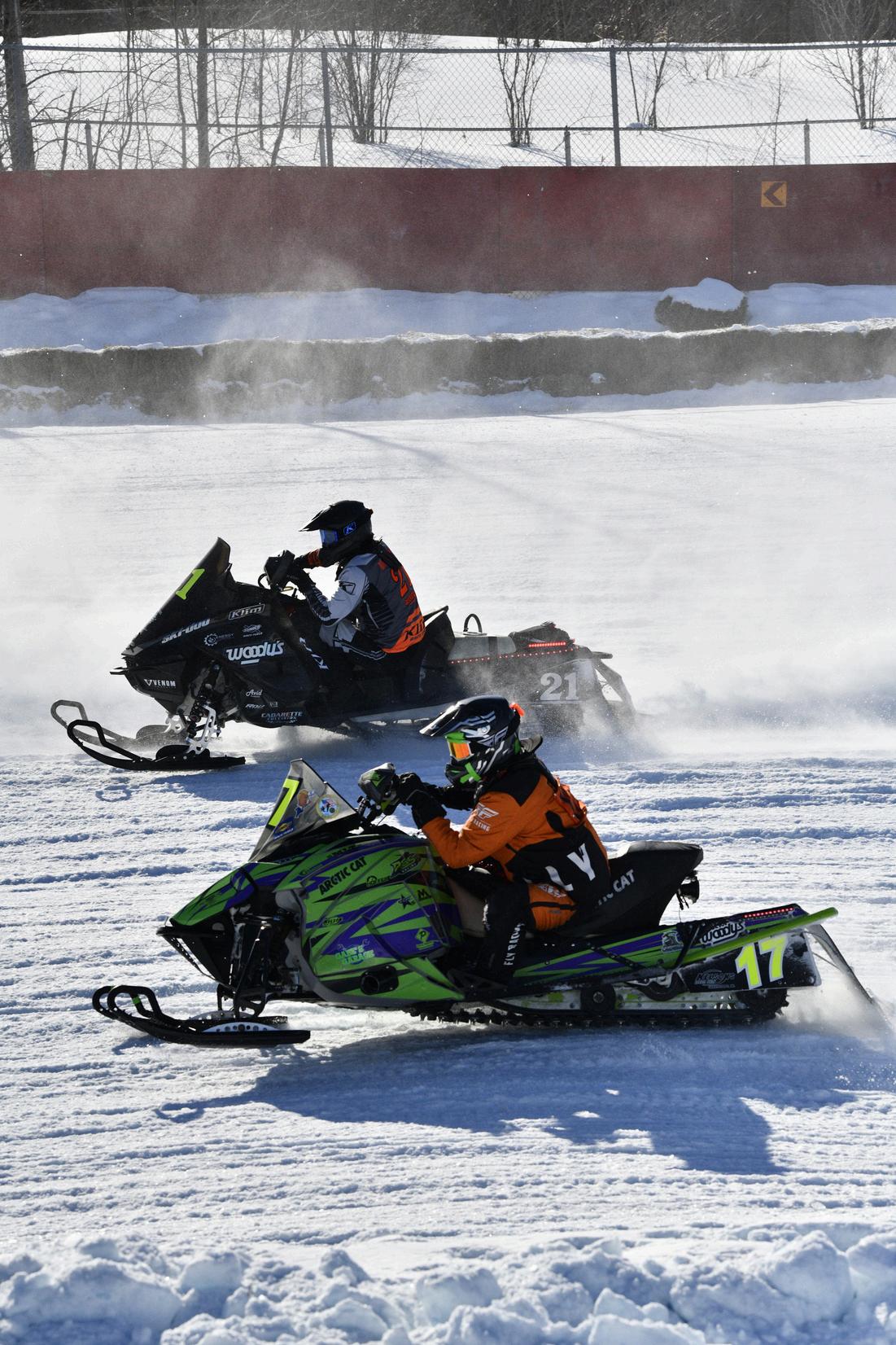
It is the longest, most demanding oval snowmobile race in the world 500 laps on a one-mile banked ice track that punishes mechanical weakness, exposes strategic mistakes, and tests the physical ceiling of every rider who straps in
For more than fifty years, this race has been the benchmark.
Built for Impact
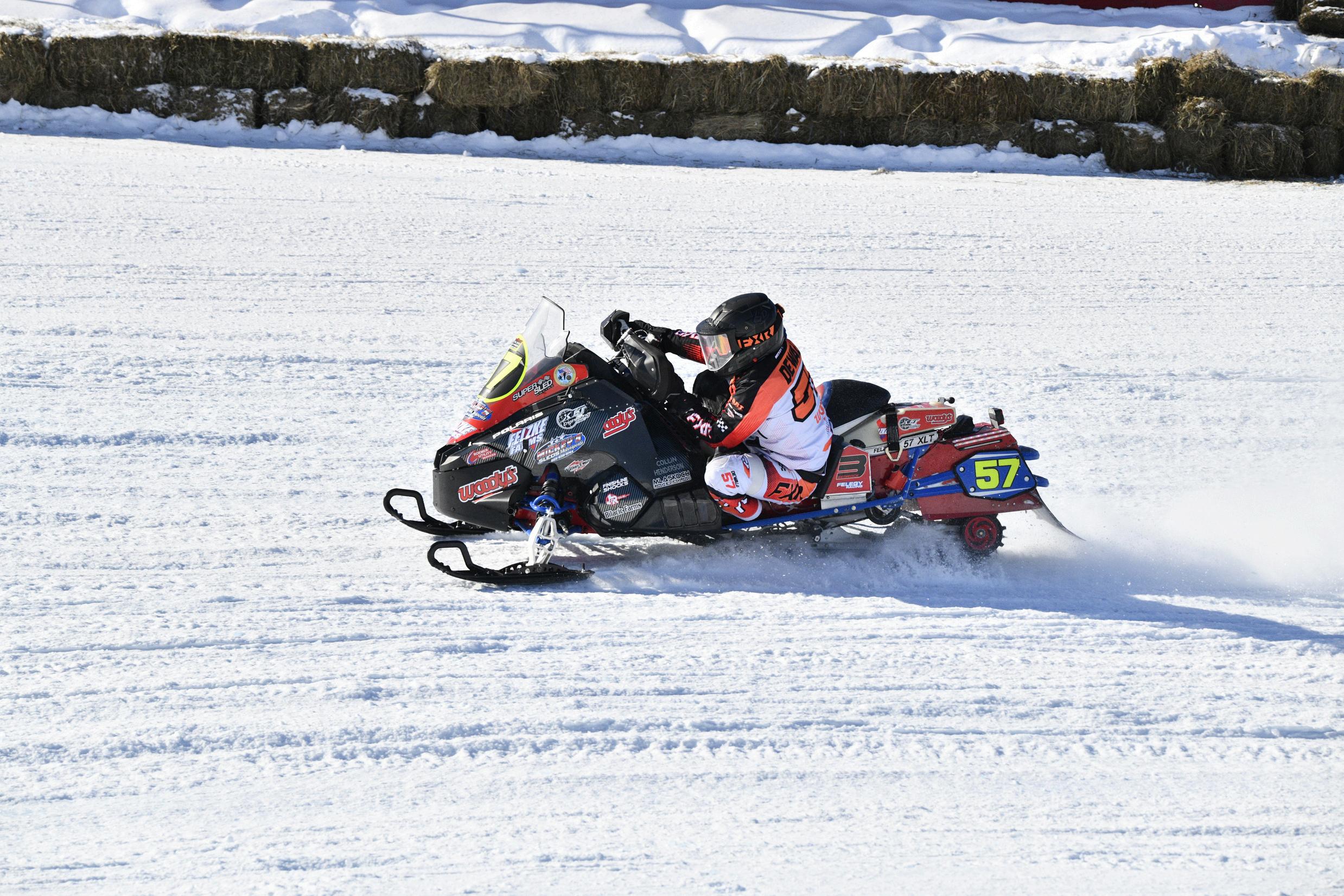
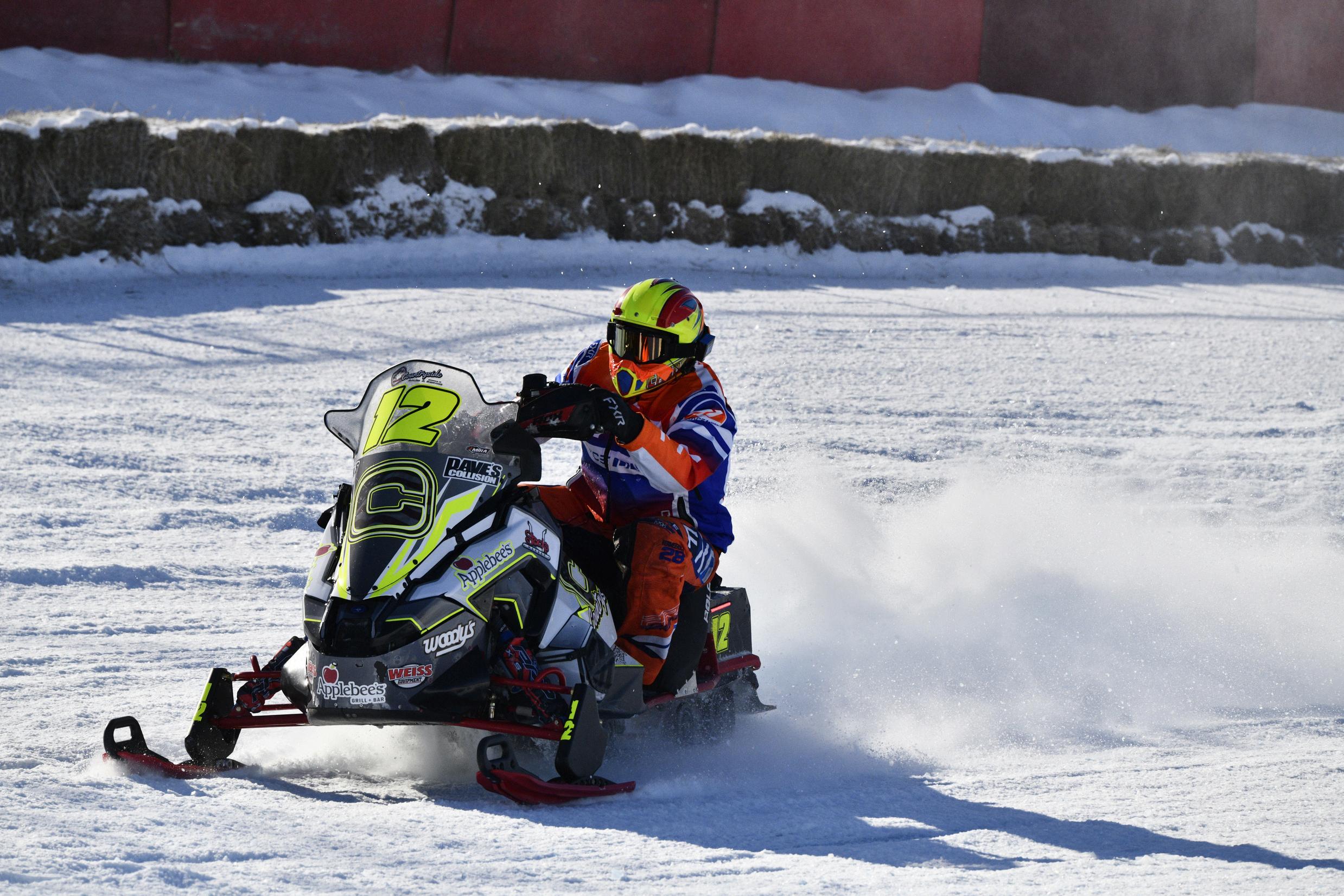
Walking into the pits before race time, you immediately see the difference between a trail sled and an I-500 machine These are purpose-built endurance weapons.
Extended race chassis tuned for stability at sustained triple-digit speeds Reinforced suspension components engineered to survive hours of high-load cornering on banked ice Studded tracks meticulously drilled and patterned for maximum forward bite without overloading the drivetrain. Carbides dialed for precision steering on a surface that changes lap by lap
Nothing is accidental
Fuel mapping is calculated for long stints. Clutching is tuned for sustained top-end performance rather than short bursts Cooling systems are managed carefully in subzero air that can work for or against engine temperature depending on draft and track condition
Every team knows the truth: you don’t win the I-500 with outright speed. You win it with balance
The Track: One Mile of Consequence
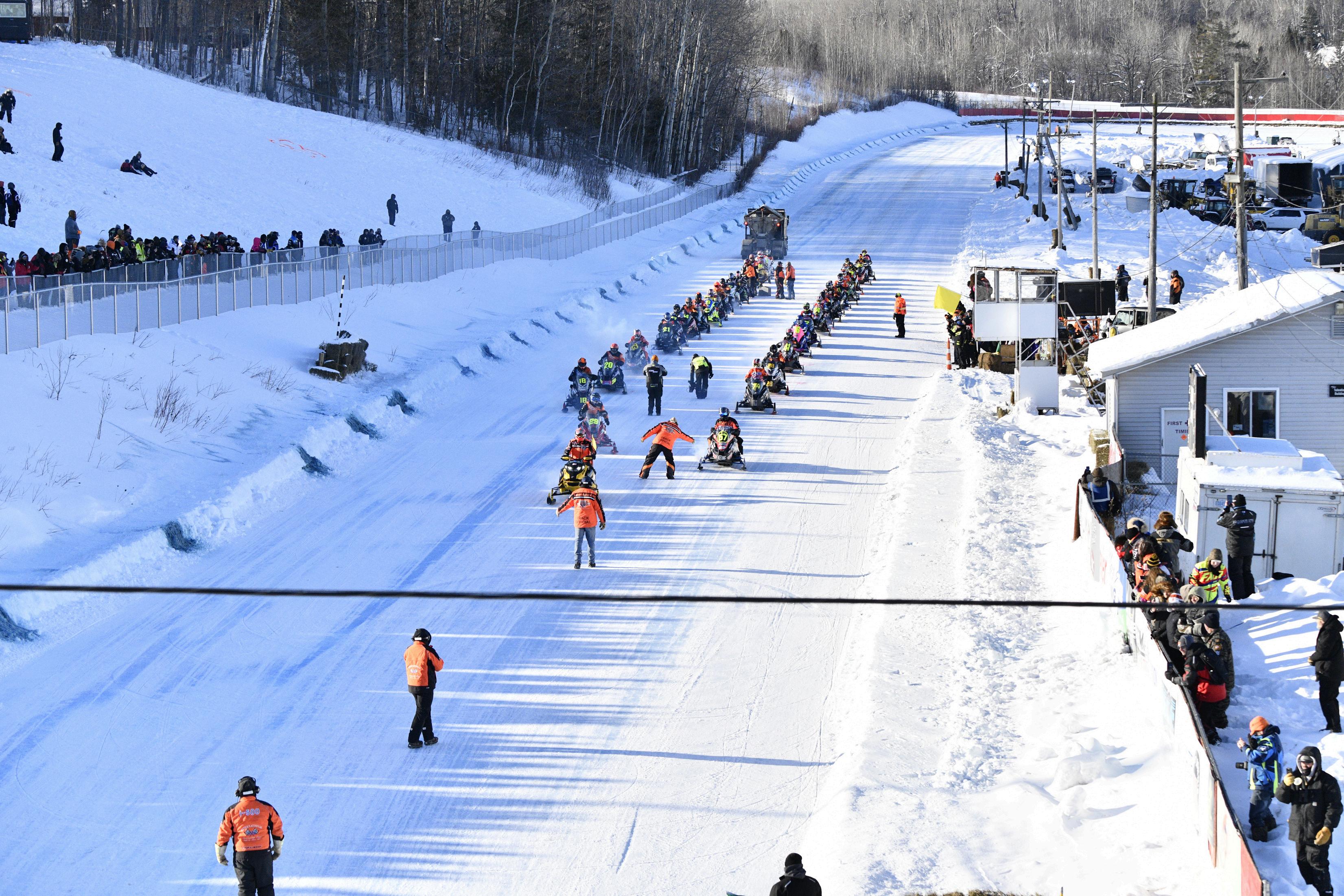
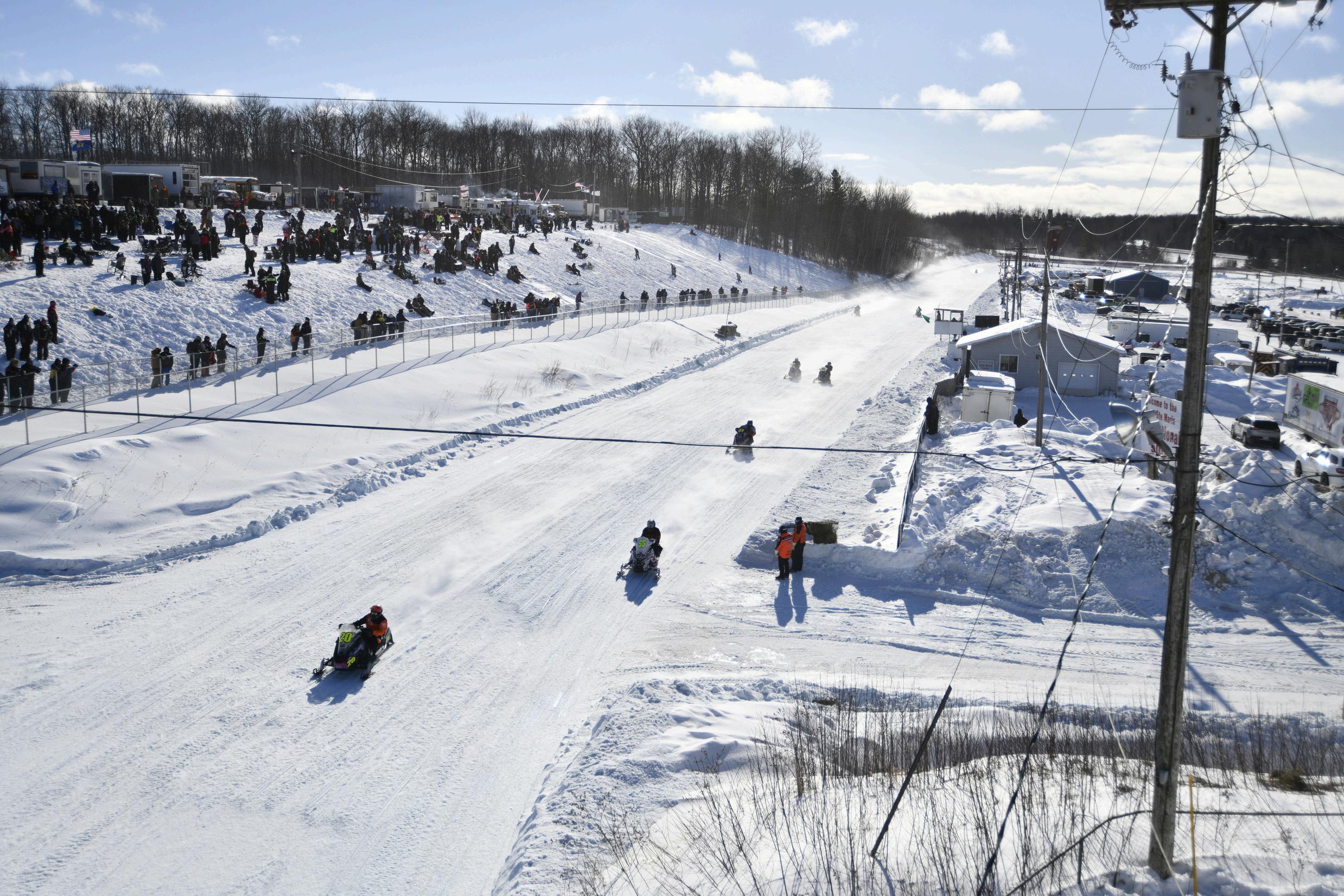
The I-500 oval is deceptively simple one mile, high-banked, hardened ice. But after 36 sleds circulate for hours, the surface evolves
Studs carve grooves Ice builds ridges Corners polish smooth, then rut, then glaze again Lines shift Entry speed changes. Drafting becomes critical on the straights, but traffic management in the corners determines survival. Drivers swap out during pit rotations to manage fatigue Reaction time slows after hours in subzero wind Hands stiffen Vision narrows behind frosted shields At 100 mph on ice, margin for error disappears. Green Flag: Controlled Violence
The op d-pack
mage
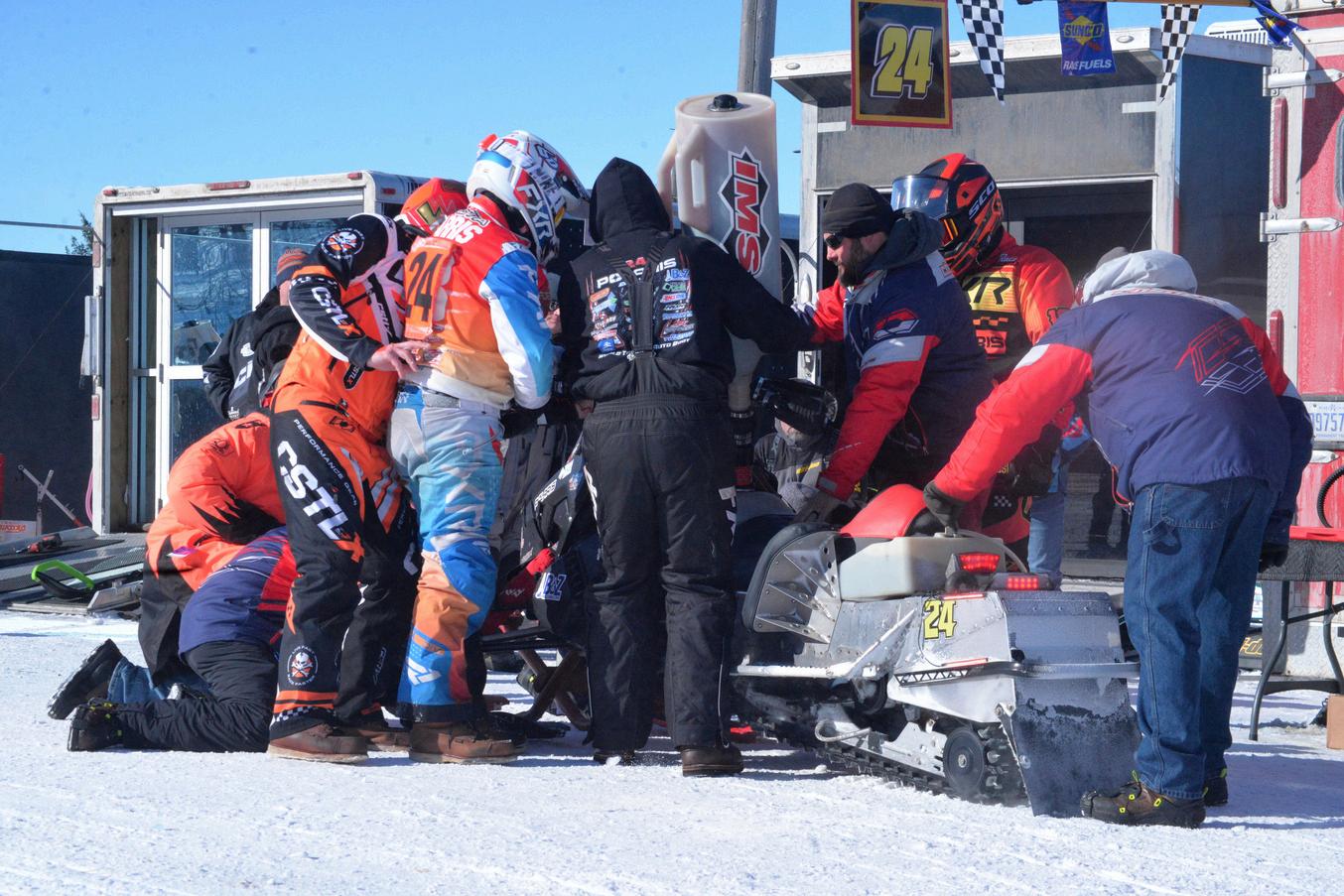
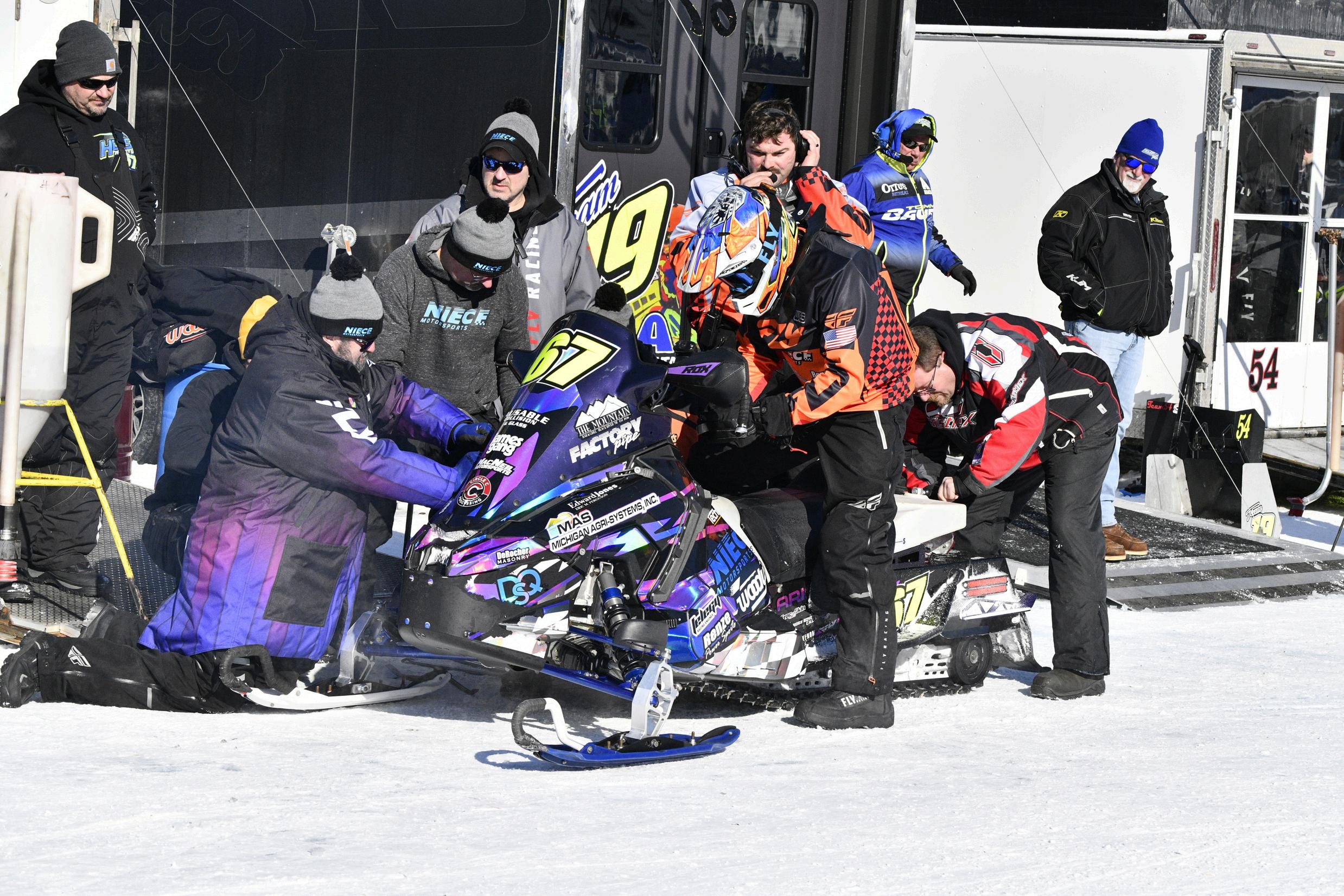
Pit cre less. A
e yt settles a te t e st ou , but te s ty does ot
The I-500 is a long mechanical audit. Weak bearings fail. Belts shred. Carbides wear. Minor vibration turns into major consequence Teams constantly read the sled sound, throttle response, corner exit stability
Survival becomes strategy
The Middle Hours: Where Races Are Won
Spectators feel the excitement at the start and the tension at the finish
Racers feel it in the middle
That’s where consistency overtakes aggression. Smooth throttle control preserves traction. Clean corner entry protects steering components Efficient pit stops keep a team within striking distance
Drafting on the straights can gain tenths of a second per lap multiply that by 500 and the math becomes clear. But drafting also increases engine load and raises temperatures. Balance is everything. Meanwhile, the cold works both ways It densifies the air improving combustion but it also stiffens suspension components and punishes exposed hands and forearms Endurance becomes physical as much as mechanical.
Eight hours is a long time to hold precision
The Finish: Earned, Not Given
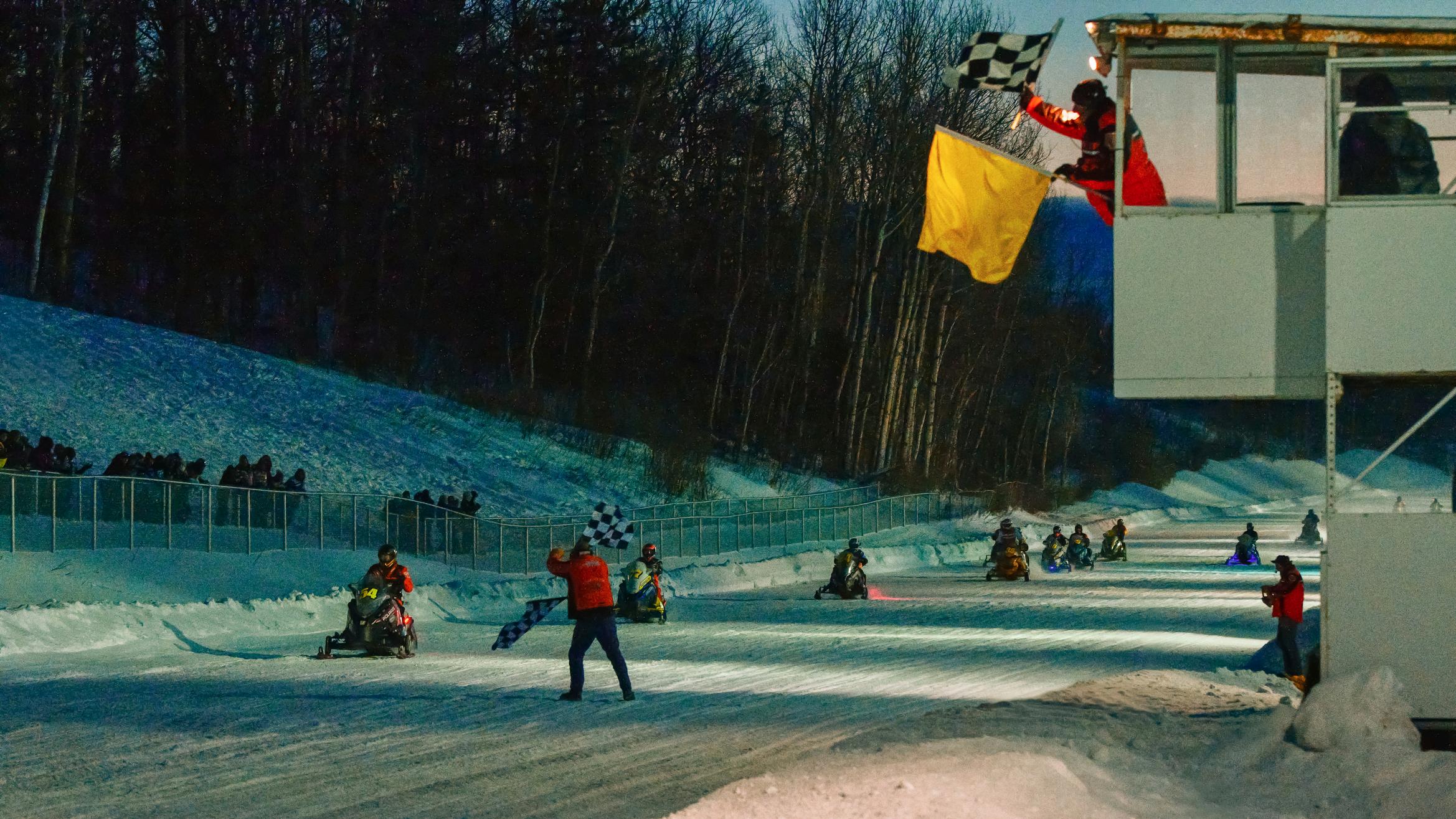
After more than eight hours and 500 laps, Dan and Charlie Revering crossed the line in 8 hours, 22 minutes, and 17760 seconds to claim their first I-500 victory
The race concluded under yellow no dramatic slingshot pass in the final corner but by that stage, drama had already played out across hundreds of laps.
They managed pace Protected equipment Executed clean pit cycles Stayed patient while others faltered
In a race where only a fraction of the starting field remains competitive by the final hour, finishing strong is proof of preparation.
Winning is proof of discipline
The Standard
What makes the I-500 matter to a motorsport audience is simple: It exposes everything
You cannot hide poor engineering over 500 miles
You cannot mask weak strategy over eight hours.
You cannot fake endurance in subzero wind at triple-digit speed
This race has outlived trends, rule changes, and machine evolution because it measures the fundamentals durability, efficiency, and composure.
From sunrise crossing the Mackinac Bridge to sunset over churned ice, the day is long
For the racers, it’s longer
The I-500 remains Michigan’s coldest proving ground where machines are refined by violence and champions are defined by restraint
And when the engines finally fall silent, what remains isn’t spectacle It’s respect.
BY STOKE MAGAZINE
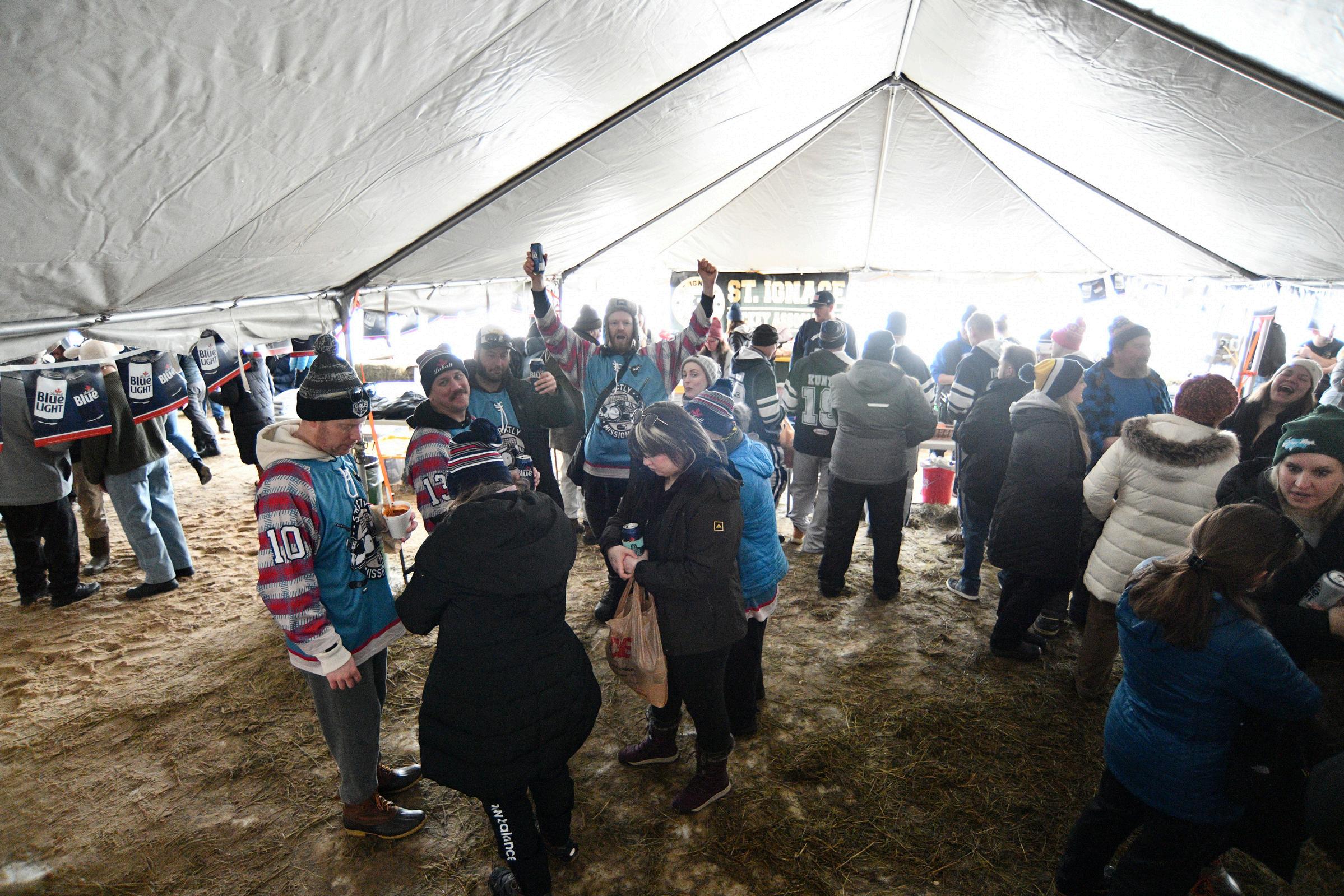
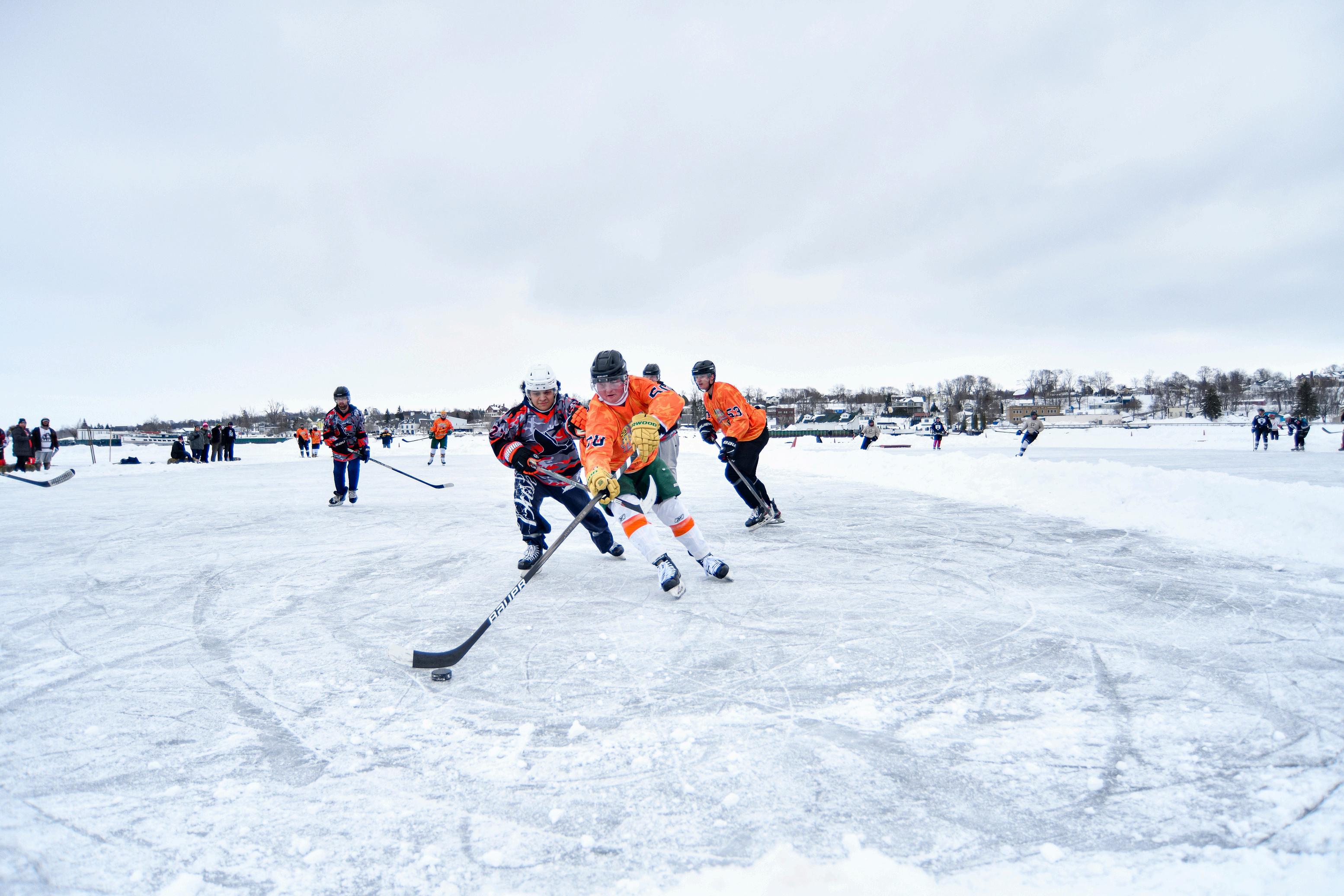
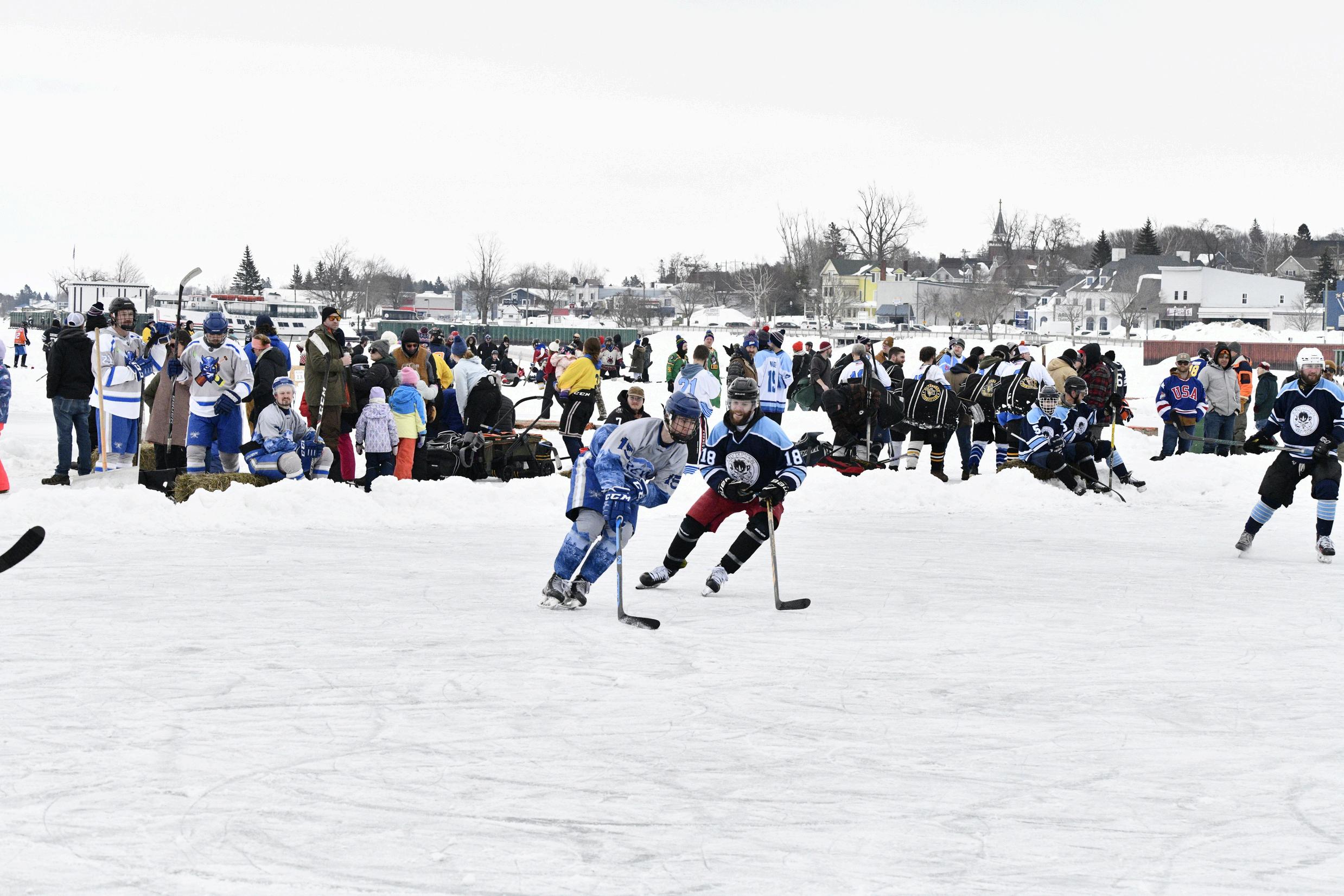
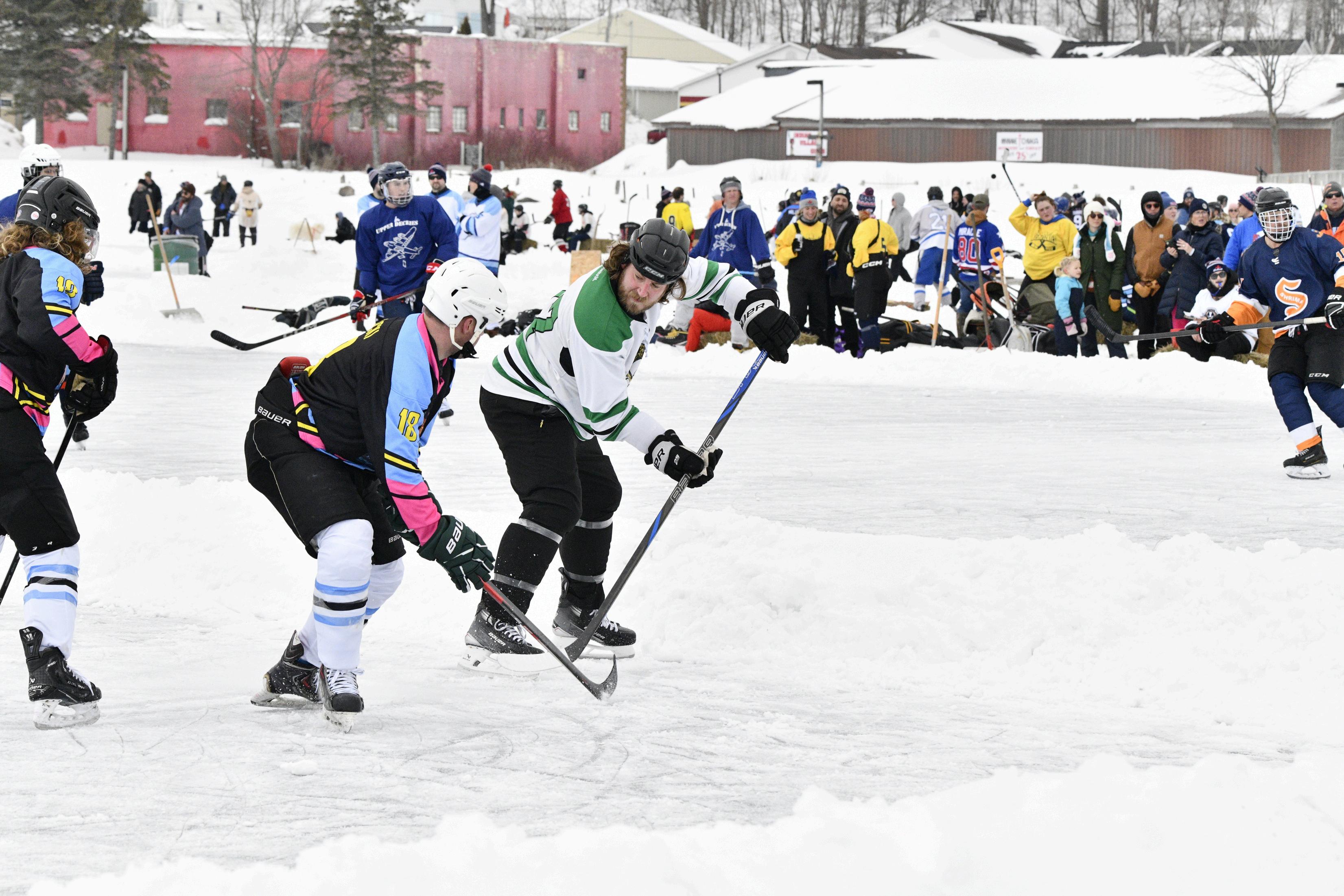
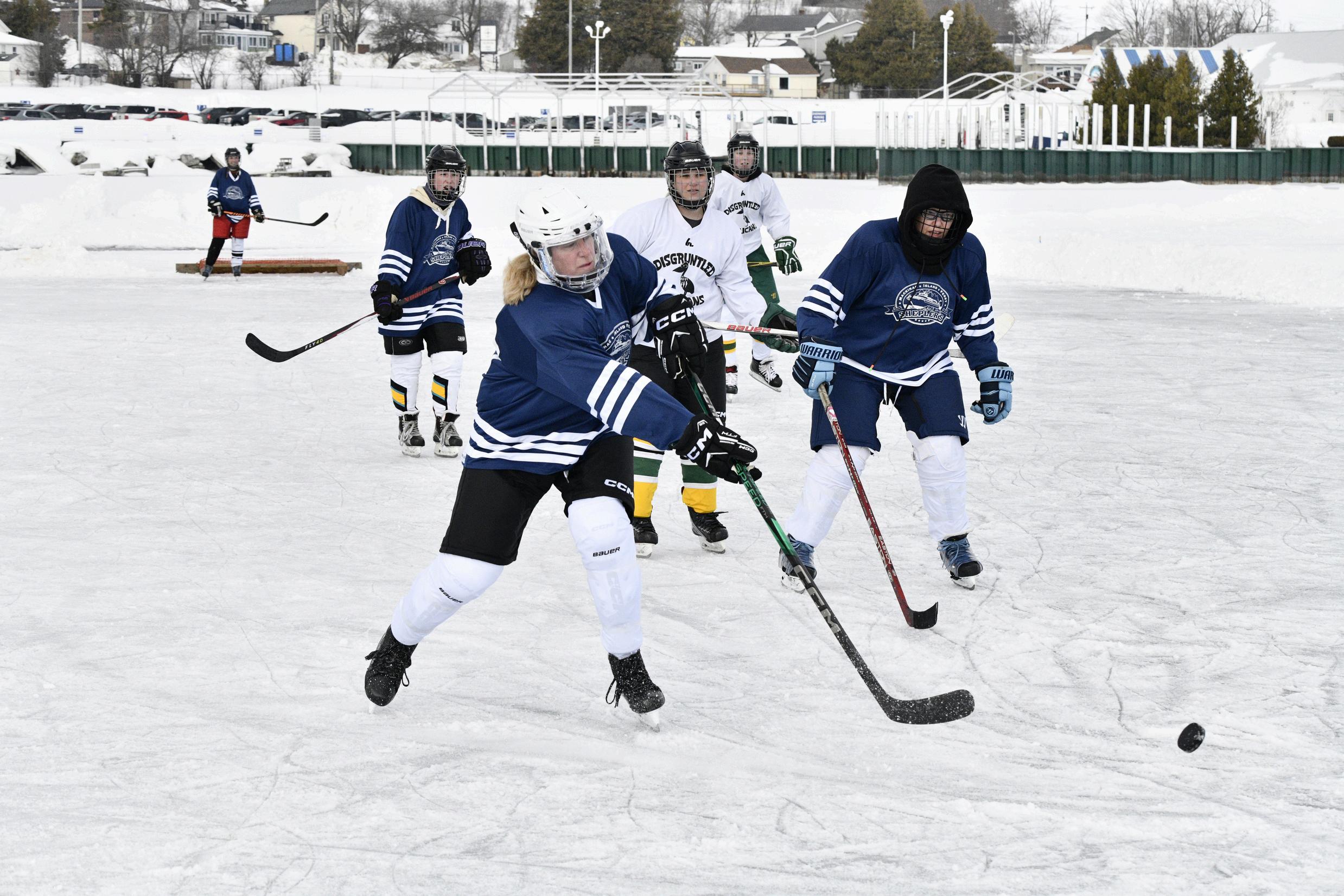
Just north of the Mighty Mackinac, where the bridge fades in your rearview mirror and the UP opens up wide and proud, St Ignace was buzzing
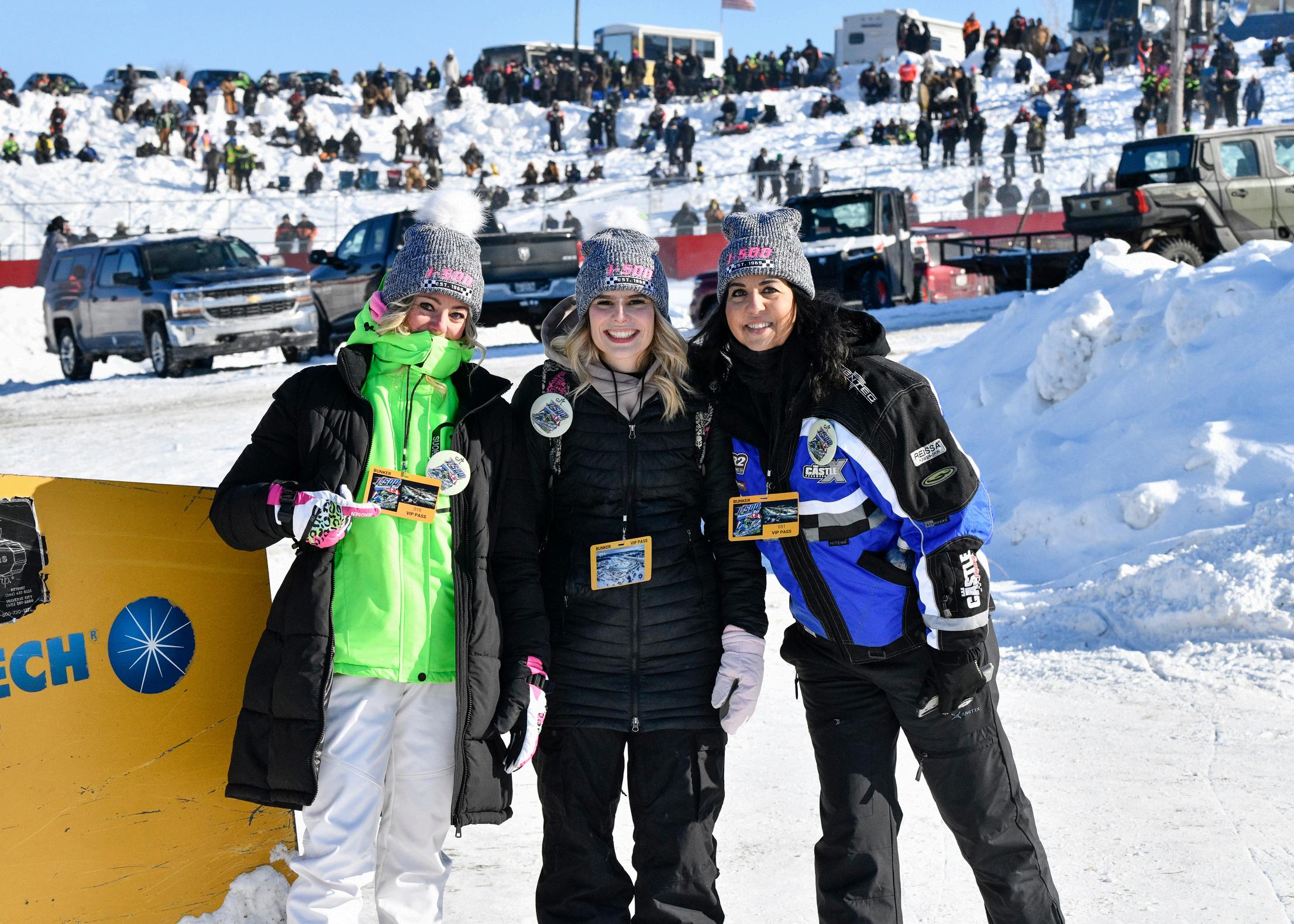
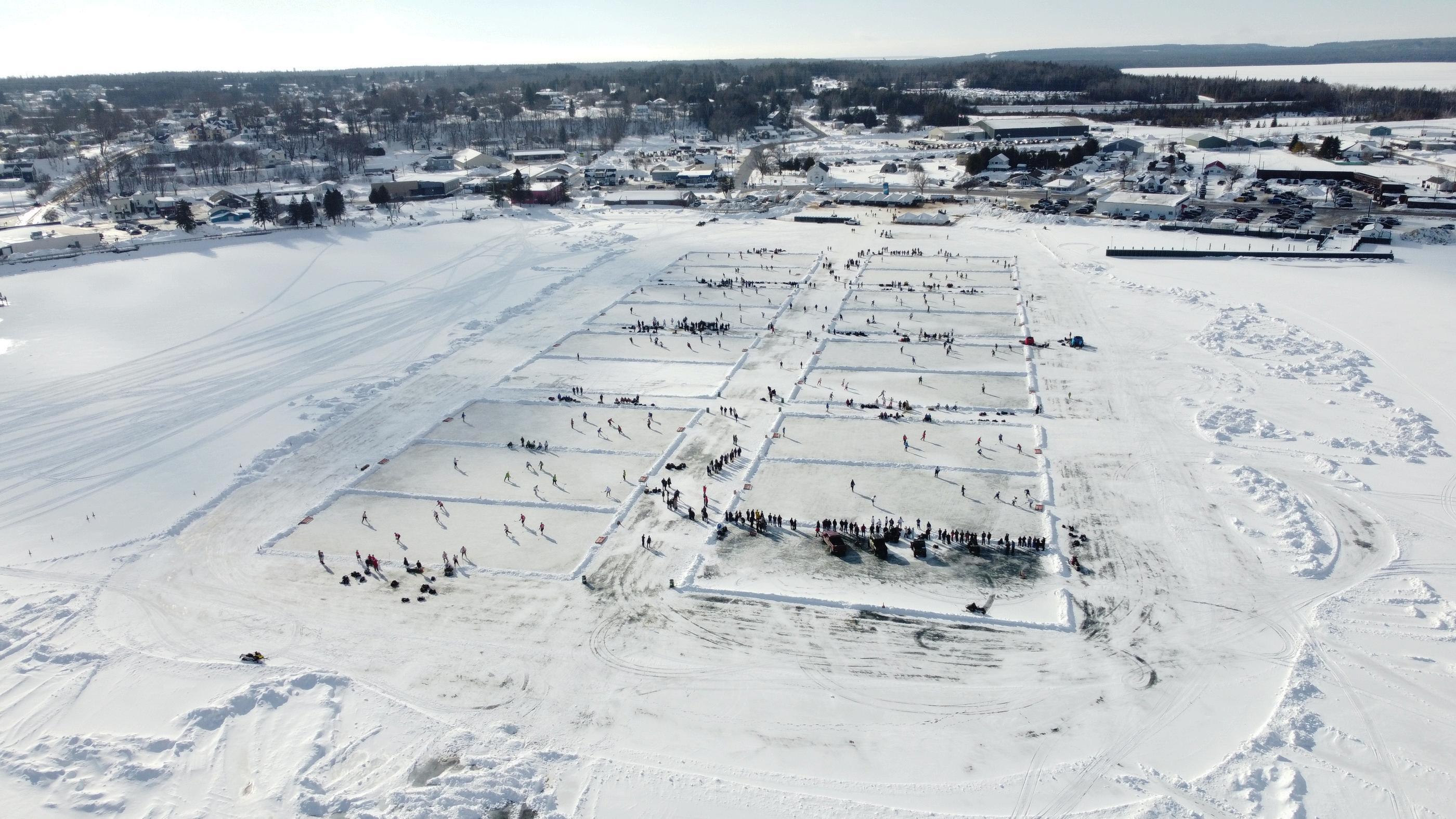
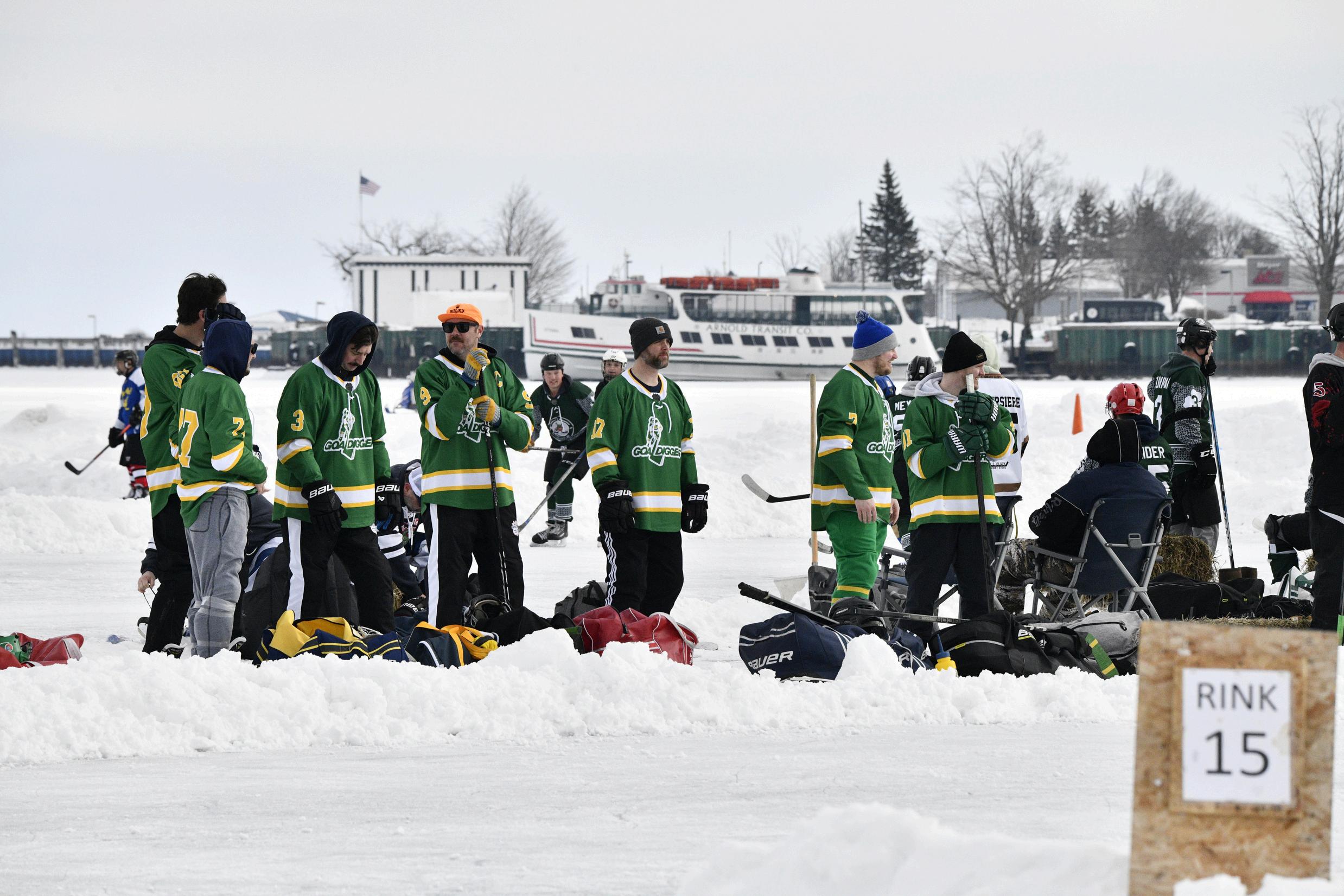
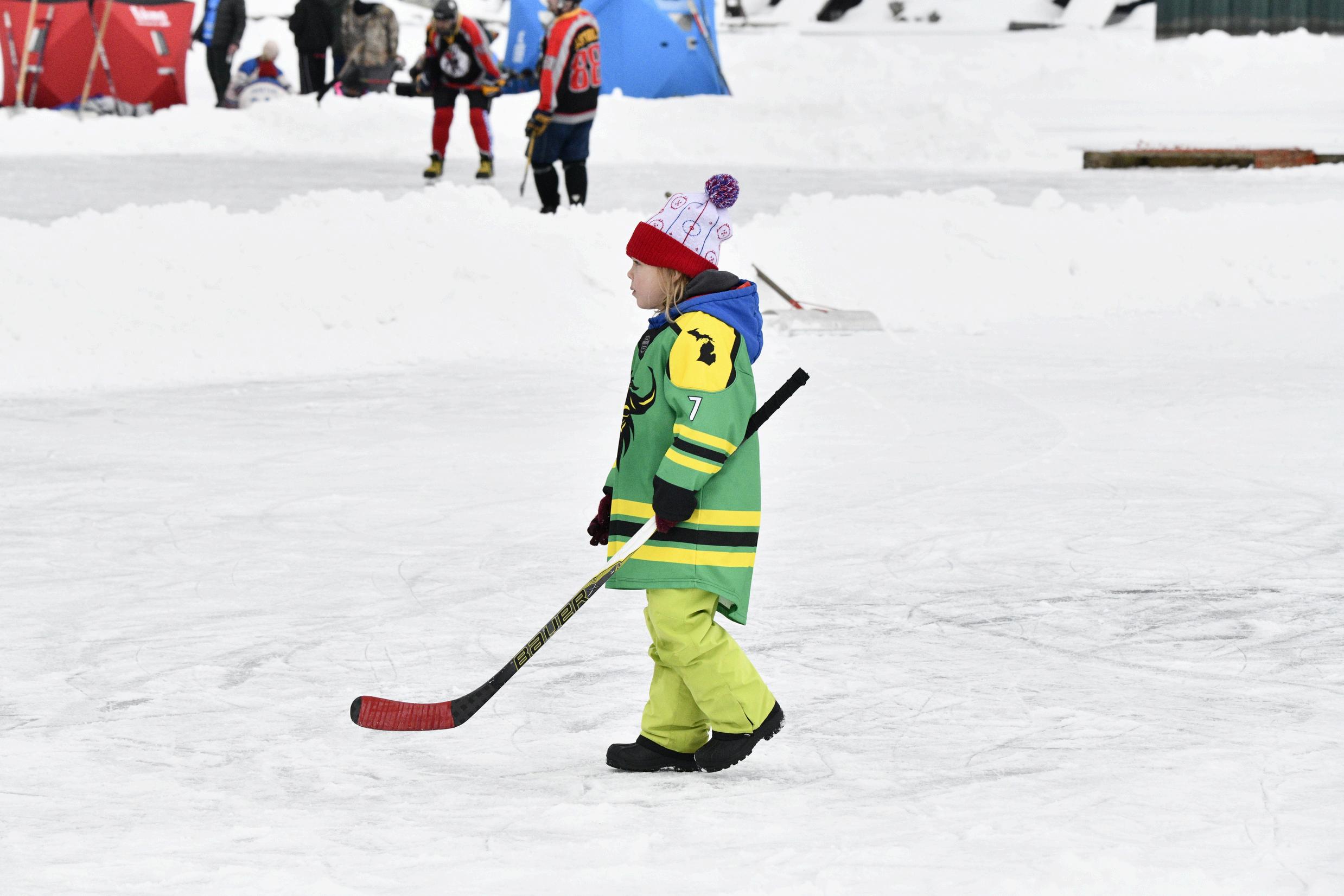
It wasn’t just another winter weekend. It was Labatt Blue Pond Hockey weekend and the first town on the other side of the bridge felt like the center of the hockey universe
The day started the right way: breakfast at The Wild Blueberry Breakfast & Bakery As always, it delivered hot coffee, plates stacked high, and that unmistakable small-town hum. But this wasn’t a typical morning crowd. The place was absolutely packed, every table filled, every chair spoken for Teams in hoodies and beanies broke down last night’s stories and studied matchups for the day ahead Laughter Chirping Anticipation You could feel it the kind of energy only hockey creates.
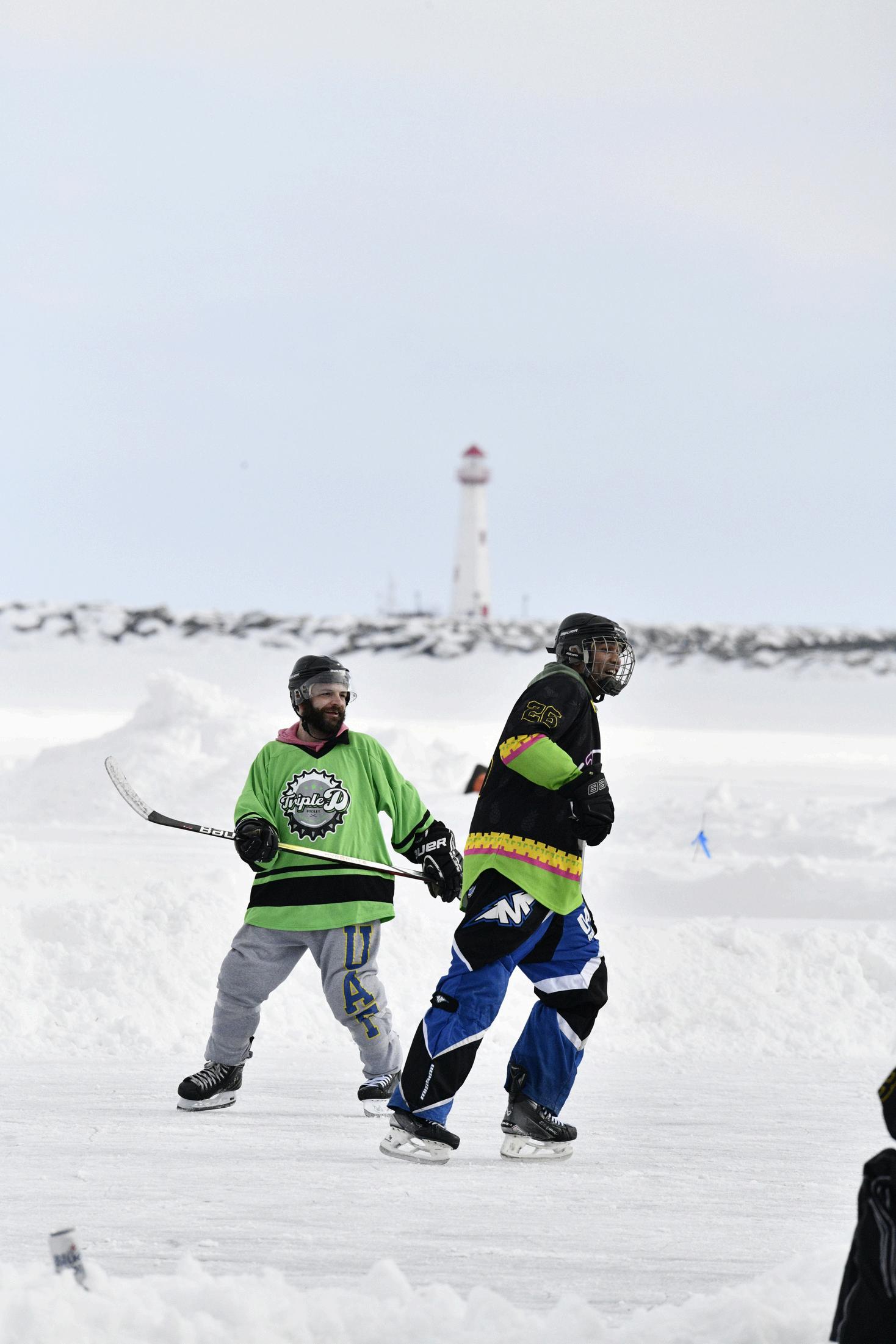
Outside, the town was alive This was pond hockey in its purest form No boards No glass No flashing scoreboards Just rinks carved into ice, snowbanks for boundaries, and teams battling it out under an open Michigan sky Skates cut into frozen water. Sticks clacked. Players shouted line changes into the wind. Every goal was earned the hard way.
Then the sun came out
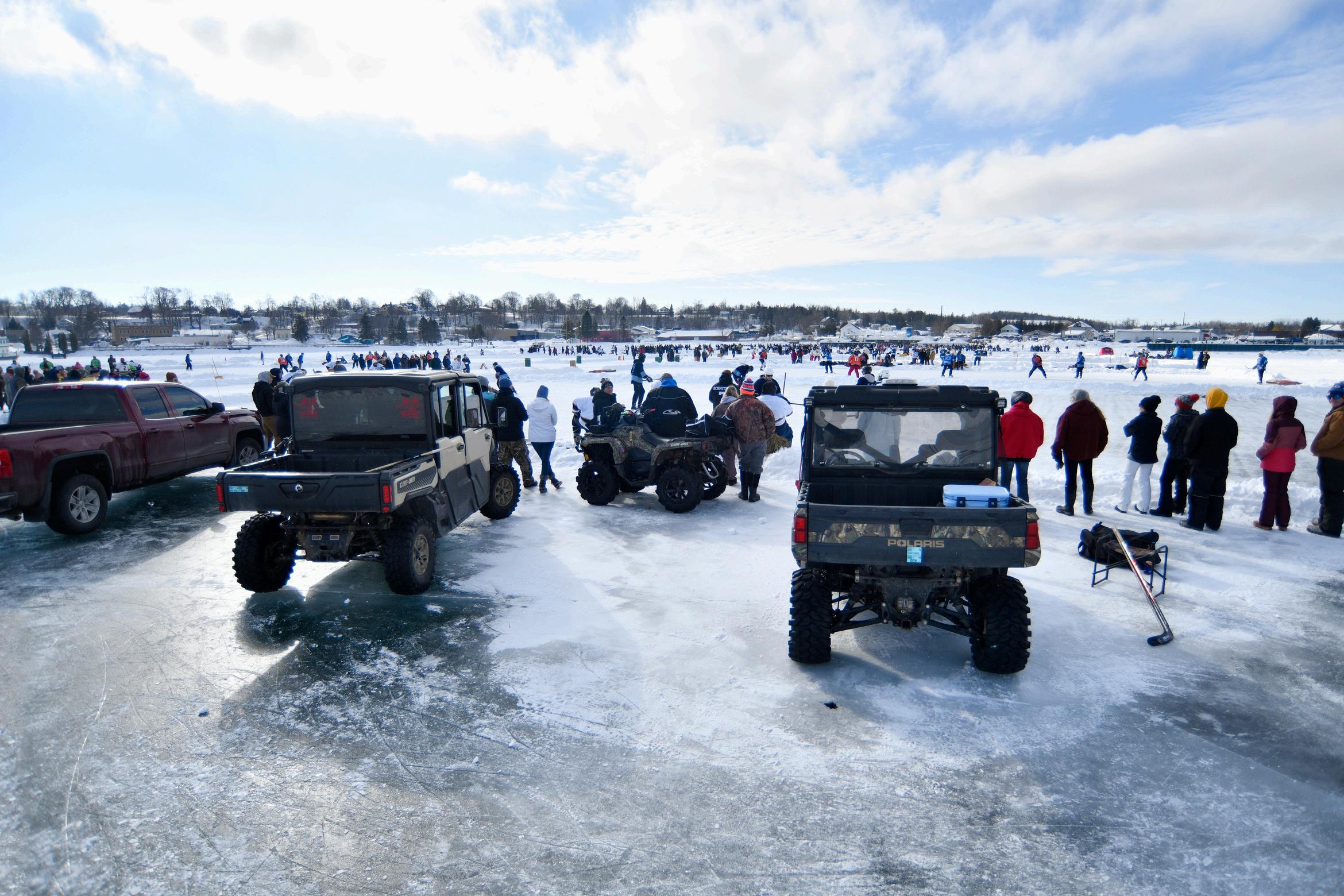
Just like that, it became one of those Pure Michigan days you don’t forget The beer tent was rocking A live band pushed sound across the ice. Labatt Blue flowed. Cars and trucks lined the backsides of the rinks. Locals cruised by on fourwheelers and snowmobiles The whole scene felt like a winter block party built on ice
It’s not just about winning It’s about the ritual the drive north, the breakfast spot that never disappoints, the earlymorning frost, the stories from the night before, and the shared understanding that hockey is best when it’s played outside with a little wind in your face
St Ignace embraces it Businesses fill Streets hum For one perfect weekend, pond hockey transforms a bridge town into a winter capital.
Standing there sun shining, music playing, trucks lined on the ice you realize this is Michigan at its best Gritty Friendly
A little rough around the edges Authentic Exactly the way we like it
Winter isn’t something to endure.
It’s something to celebrate
And north of the bridge, they do it right
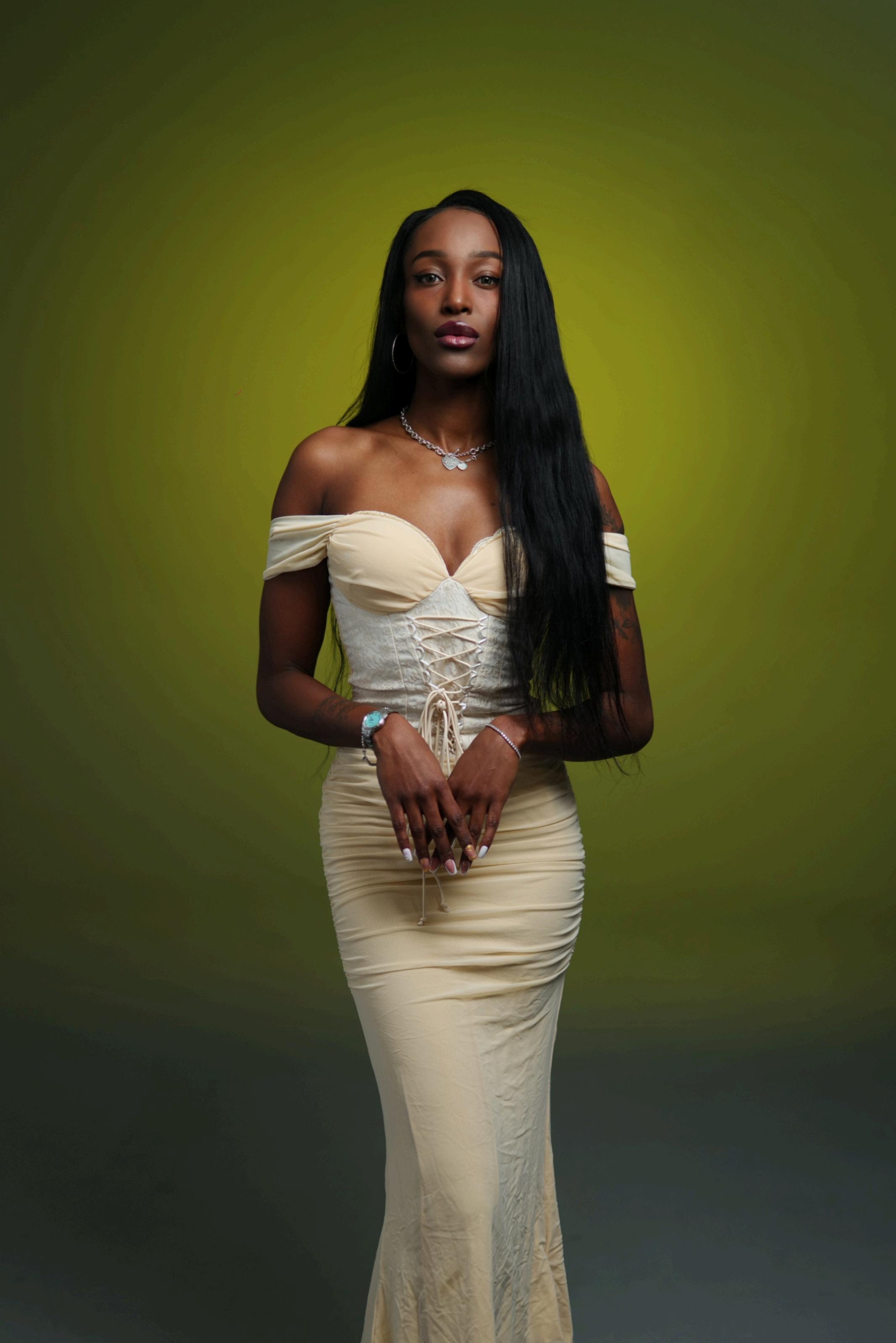
Yorg: How has growing up in Detroit influenced your music and songwriting style?
Badonna: Detroit is such a diverse community for the art of music. We have Motown, the Jazz Fest, the Hoedown, Techno Fest not to mention some of the greatest and most iconic music venues out there Growing up surrounded by so many genres definitely inspired the blended style I incorporate into my music today
Yorg: Can you share some specific elements of Detroit culture that inspire your artistic expression?
Badonna: Definitely the fashion I know we ’ re known as the hair capital, but I’ve always considered Detroit the fashion capital Even now, when you see someone in Cartier glasses or a mink coat, you instantly think of Detroit Dressing the part is huge for me when it comes to representing myself and my city
Yorg: What challenges have you faced as a country soul artist in a city primarily known for its Motown and techno roots?
Badonna: There’s a lot of gatekeeping that goes on People expect country music to look a certain way, and that’s been my biggest challenge I get asked all the time, “Why country music?” And I just feel like that’s a silly thing to ask someone because why not country music?
Yorg: How do you think Detroit's music scene has shaped your identity as an artist?
Badonna: I wouldn’t say that it shaped my identity I’m kind of in a lane of my own My music is different from anything on the Detroit scene, so I can’t say it shaped me but it definitely helped me realize that I had an identity
Yorg: In what ways do you feel connected to other musicians from Detroit, and how do you collaborate with them?
Badonna: I feel connected to Detroit musicians because we all share the same love for the city I love how proud we are to be from Detroit I make it a point to collaborate with as many Detroit artists as I can I look at it as my way of giving back
Yorg: What was it like to break into the music industry as a female artist from Detroit?
Badonna: It was intimidating at first There are so many amazingly talented artists who have been doing this longer than me I dealt with imposter syndrome often especially being a Black woman doing country music.
Yorg: How do you navigate the expectations of being in the country soul genre while coming from such a diverse musical background?
Badonna: I don’t pay attention to expectations The only expectations I care about are the ones I set for myself And my only expectation is to always stay true to who I am and what I want.
Yorg: What advice would you give to emerging artists in Detroit looking to find their voice in a specific genre?
Badonna: You don’t have a voice if you allow other people to control what you do with it.

Yorg: Can you share a memorable moment from your performances in Detroit?

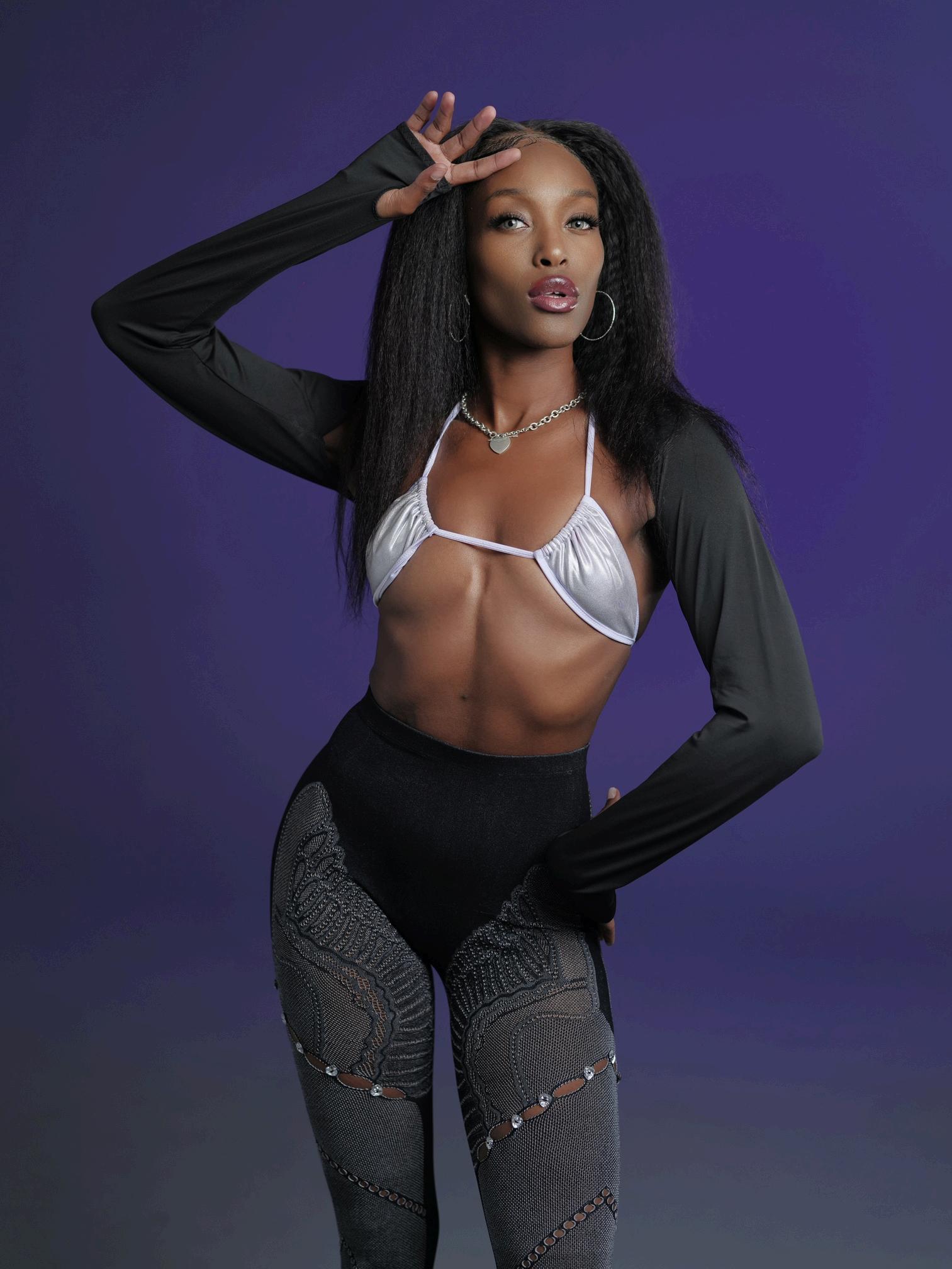
Badonna: The first time I ever stepped on stage as a country artist was at The Aretha Jazz Café I was so nervous not only because I was introducing myself in a new genre, but because I hadn’t sung on stage in many years I told myself, “If I can pull this off, this is exactly where I should be” And I pulled it off Thank God
Yorg: How do you see the evolution of country soul music, and where do you fit into that narrative?
Badonna: I see it as an inevitable essence in the life of country music. Country music came from the soul of people who look like me So I don’t see myself fitting into a genre I see myself coming home to one that’s already authenticated in my DNA
Yorg: What’s the most significant breakthrough you ’ ve experienced in your music career so far?
Badonna: Realizing how good of a writer I am I always knew I was good I was a writer before I was a singer I wanted to sing the songs I was writing, so I trained myself to sing Over the last year, working with producers like Kenny Olson brought out a side of my writing I never knew existed
Yorg: What does success mean to you as a country soul artist from Detroit?
Badonna: Success isn’t about something tangible. Success is awakening to your higher vibrational self. The money and everything else will come after I’ve already reached a level of success within myself Now all that’s left is doing the work so I can reap the benefits of it
Yorg: How do you stay true to your roots while appealing to a broader audience?
Badonna: My roots are the broader audience I’m bringing the audience back to their roots not the other way around Yorg: What has it been like to collaborate with legendary musician Kenny Olson, and how has that experience influenced your music?
Badonna: It’s been like a dream come true I feel like all the sacrifices I made in my life led me to Kenny it truly feels destined. He’s taught me almost everything I didn’t know about the industry and about myself as an artist. I’m just so grateful to have him in my life
Yorg: Can you share a memorable lesson from working alongside Kenny Olson?
Badonna: The biggest lesson he’s taught me is my worth. He knows the adversity I face as a Black woman in this field, and he constantly reinforces that I deserve the best that I am the best He always tells me, “You have to be served on the finest silver platter not a paper plate”

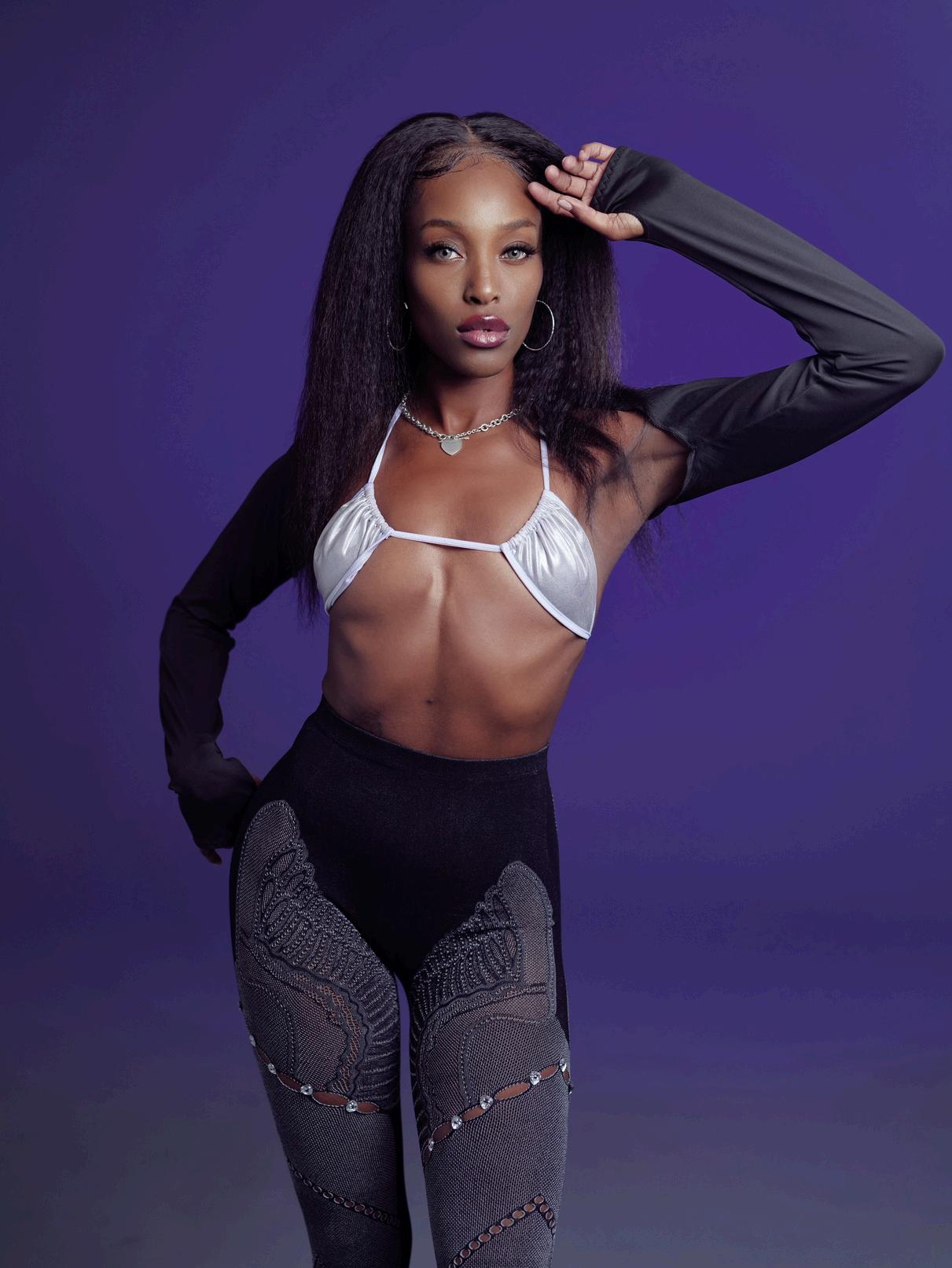
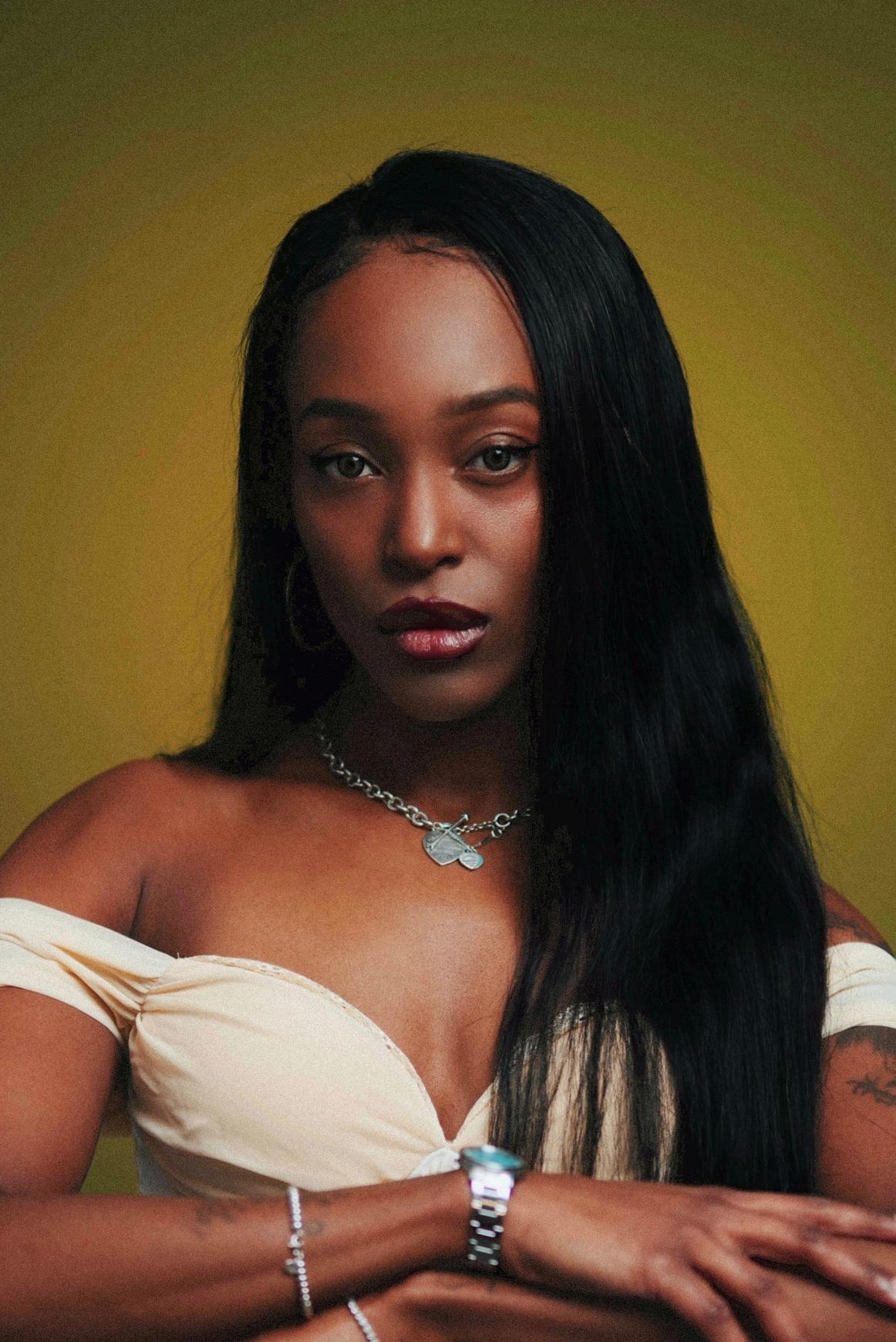

By Philip Hutchinson
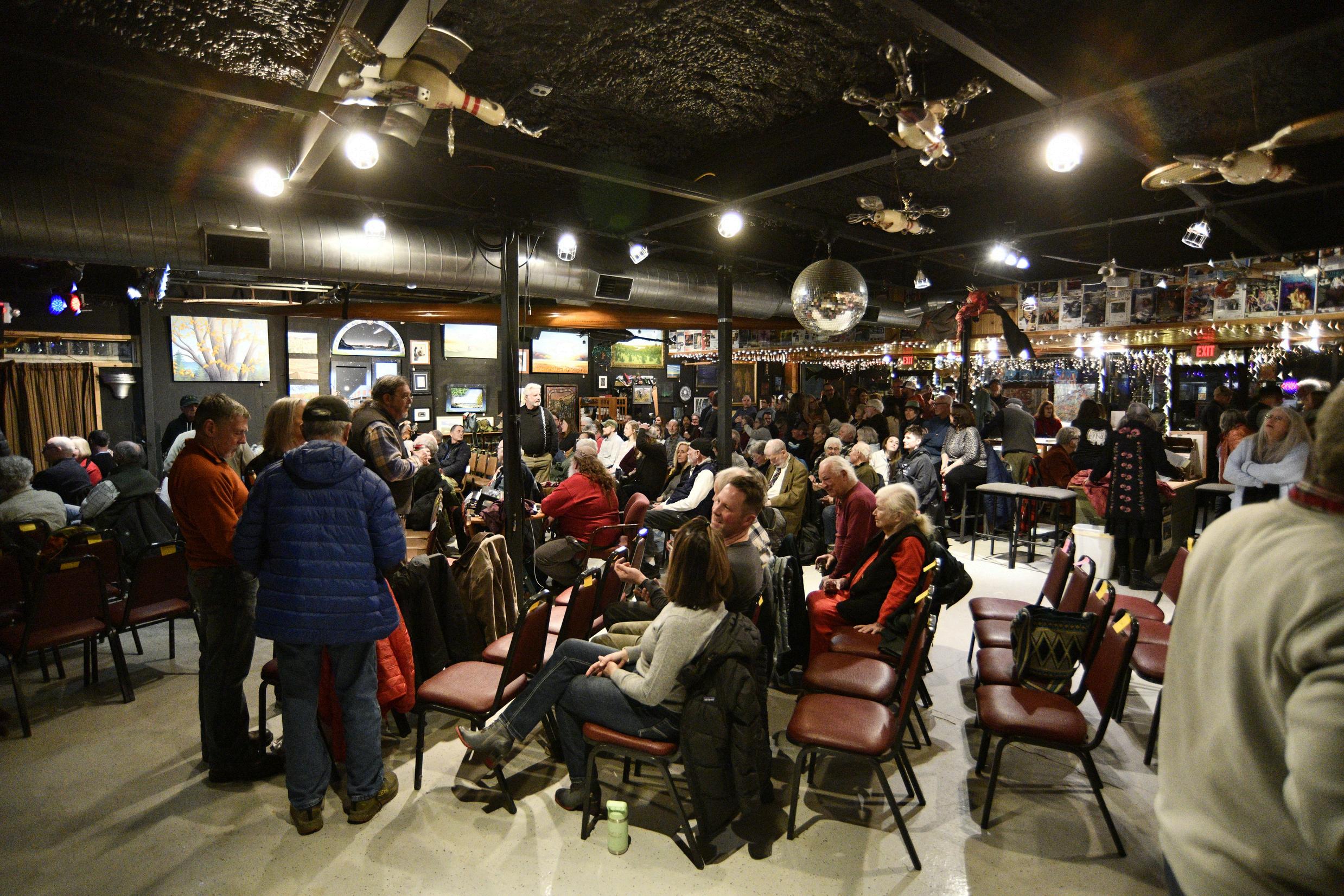
Walk into Freshwater Art Gallery in Boyne City on a winter concert night and you can feel it immediately.
Not a loud, barroom buzz Not the chaotic shuffle of a festival crowd
A hush.
Not the stiff, museum kind but the kind that says everyone in the room came for the same reason, and they’re going to give their full attention to whoever steps on stage.
Freshwater Art Gallery opened in 2009, founded by co-owners Tony (Anthony) Williams and Robin Lee Berry The gallery represents roughly 175–200 Michigan artists across nearly every medium sculpture, painting, pottery, glass, mixed media all housed in a welcoming, unpretentious downtown space.
But each winter, the gallery transforms Chairs replace display cabinets. Lighting is re-focused. The room shifts from visual art to live music.
And that transformation has quietly created one of Northern Michigan’s most respected listening rooms.
For Williams and Berry, the mission was simple from the start: if you ’ re going to host concerts, the sound has to be right.
“Sound is the number one thing,” Williams says “It’s like going to a movie and it’s out of focus That’s how we look at concerts.”
The room seats about 150 people, and the farthest seat from the stage is roughly 56 feet
The stage itself is intentionally low, pulling performers down into the audience rather than elevating them above it
There are no flashing distractions. No bar noise competing with ballads No traffic rumbling behind the stage
The space is designed to disappear so the music can fully arrive
Berry recalls hearing singer-songwriter Chris
Smither perform in the gallery after years of listening to his recordings
“All of a sudden, I heard every word,” she says “It’s being in the room. The sound isn’t an obstacle it carries you ”
That attention to acoustics has become Freshwater’s calling card. Musicians notice it.
Audiences notice it And over time, it has built trust
More Than a Venue
Freshwater is more than concerts
Berry launched “Ukes for Youth,” a community initiative bringing ukuleles into schools as an accessible entry point to music The four-string instrument allows beginners to start playing and singing within minutes an immediate win that often leads to deeper musical study
The gallery has also supported public art initiatives and community cultural efforts,
including involvement in preserving and reactivating historic performance spaces in the region
The thread running through all of it is the same: build places where people gather Williams sums it up simply “Music is love It’s community It’s sharing”
In Northern Michigan, summer is crowded with options festivals, lake days, dinners, and outdoor concerts every weekend. Winter is different Freshwater leans into that season
The gallery hosts one concert per month during the winter, creating a rhythm locals can plan around Instead of competing with the noise of peak tourism, the series becomes a focal point during quieter months
And practically speaking, it works.
“One concert a month pays all the bills,” Williams says
The series sustains the gallery through winter and gives the community something meaningful to look forward to when daylight is short and temperatures drop
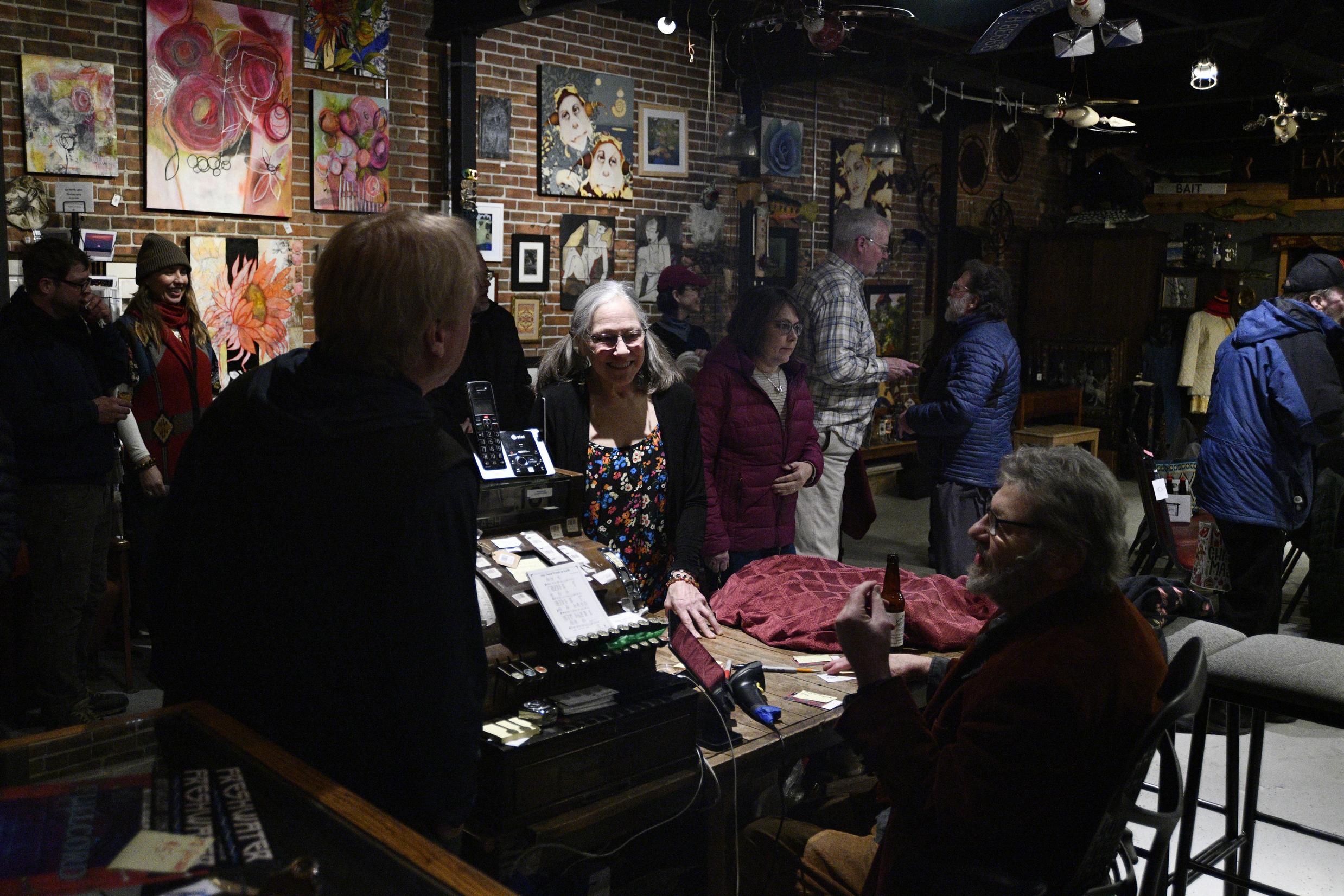
Freshwater Art Gallery sits at 217 South Lake Street in downtown Boyne City. On a winter night, when the chairs are set and the lights dim, it doesn’t feel like a gallery anymore
It feels like something rare a room built intentionally small in a world that keeps getting louder
A place where 150 people agree to sit close together
Where the stage is only 56 feet away
And where, for a couple hours, everyone is listening
MATT EMEOTT AND THE BACKCOUNTRY ALLIENCE MATT EMEOTT AND THE BACKCOUNTRY ALLIENCE
by STOKE Magazine
It was 8 a.m. and nothing was open.
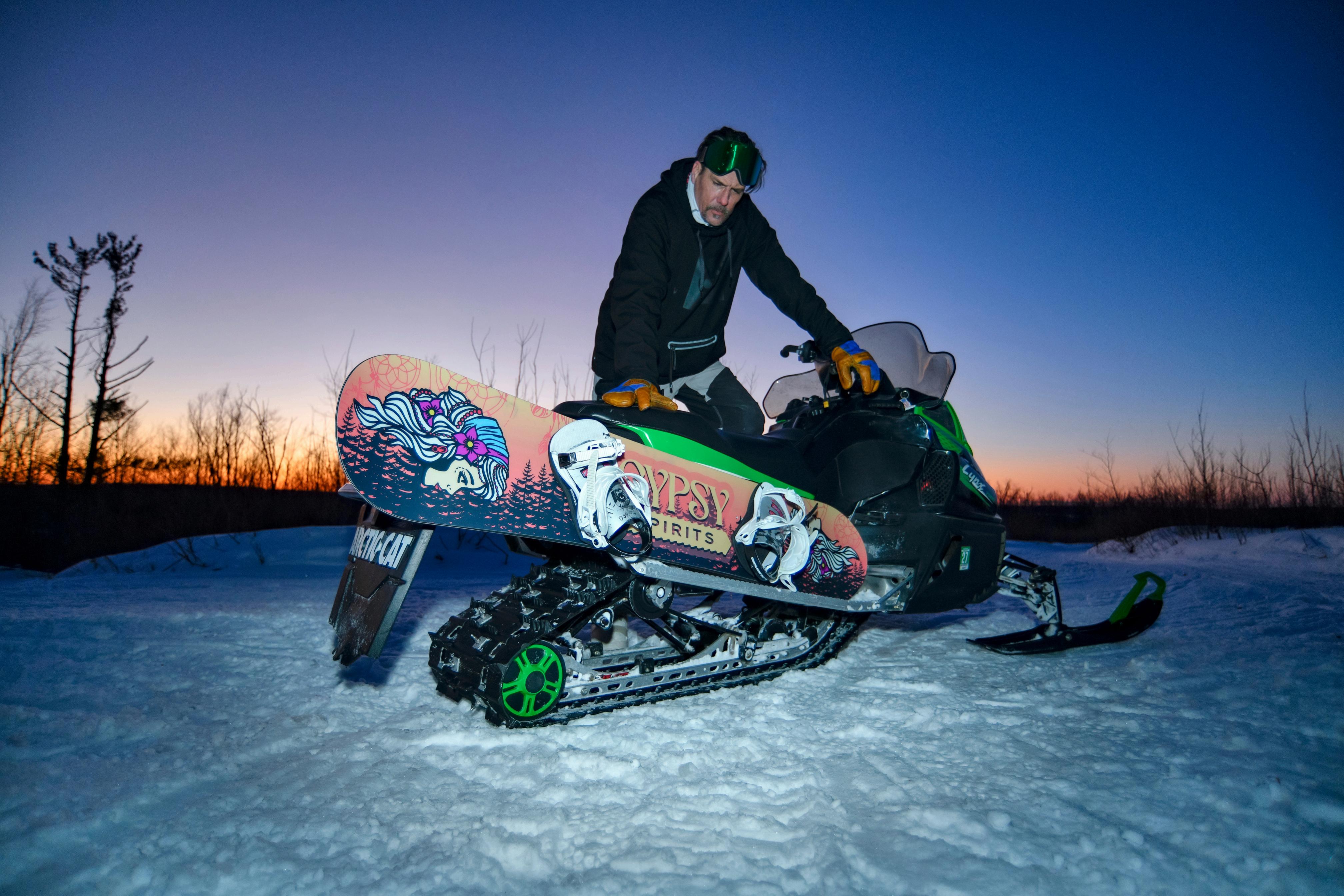
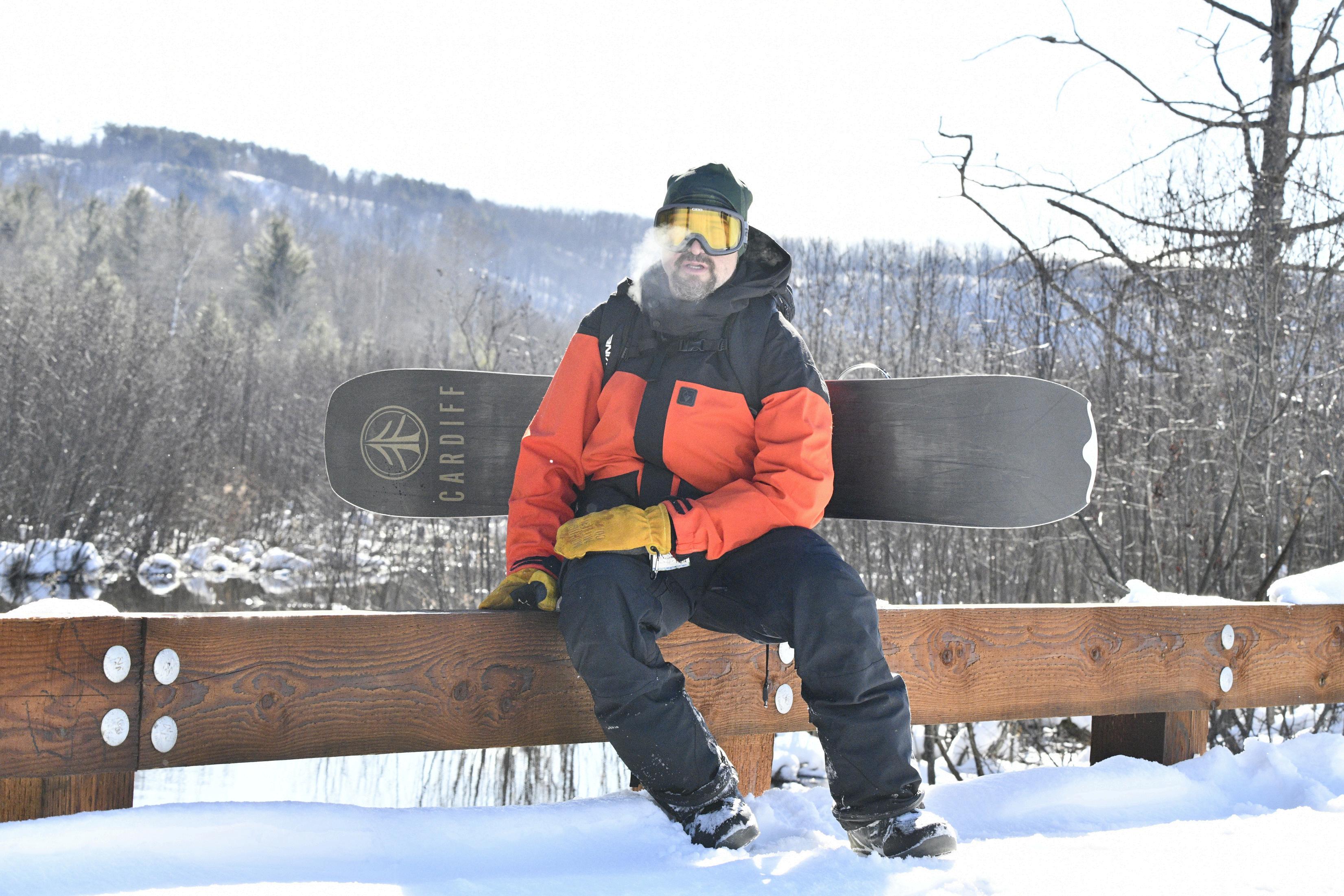
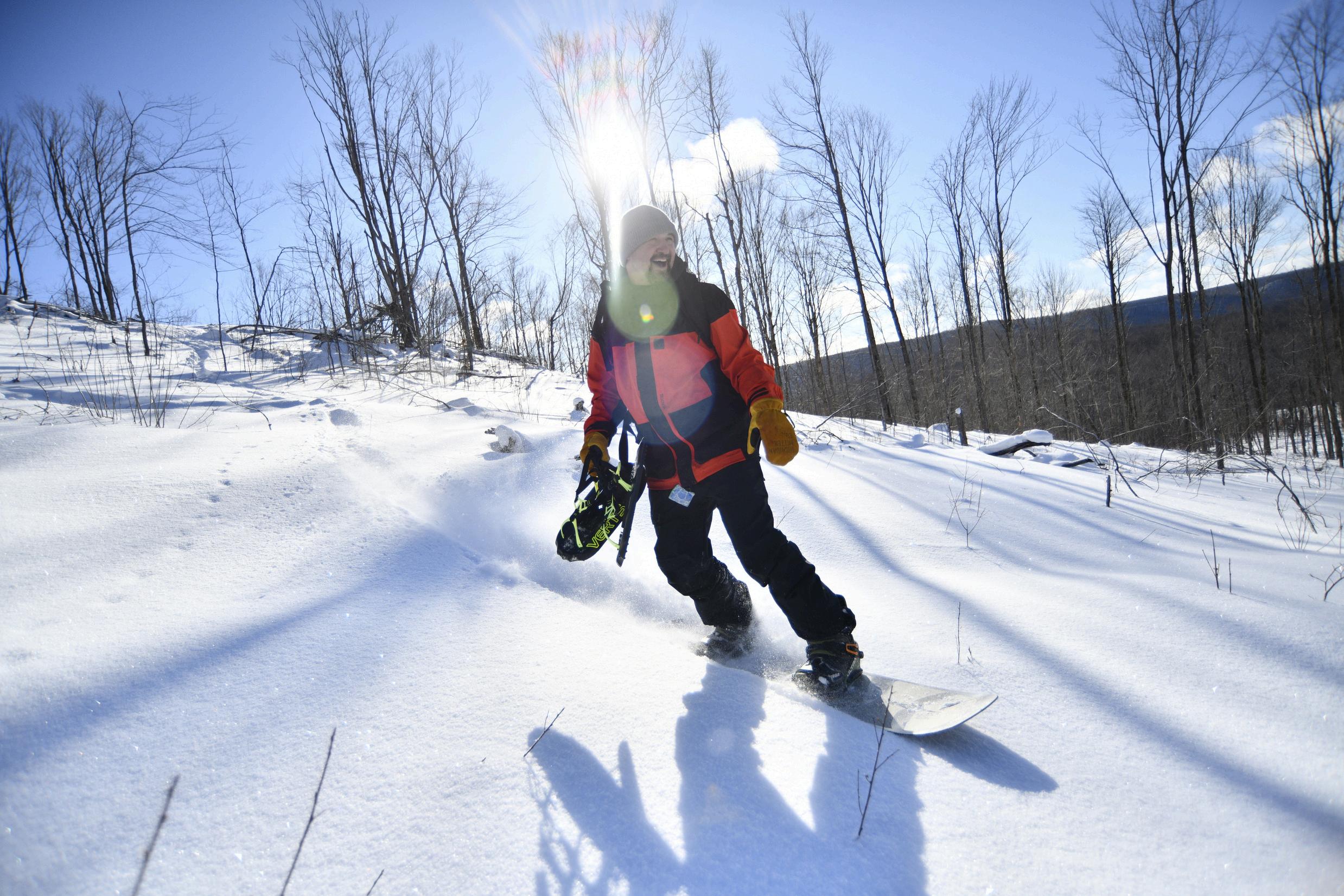
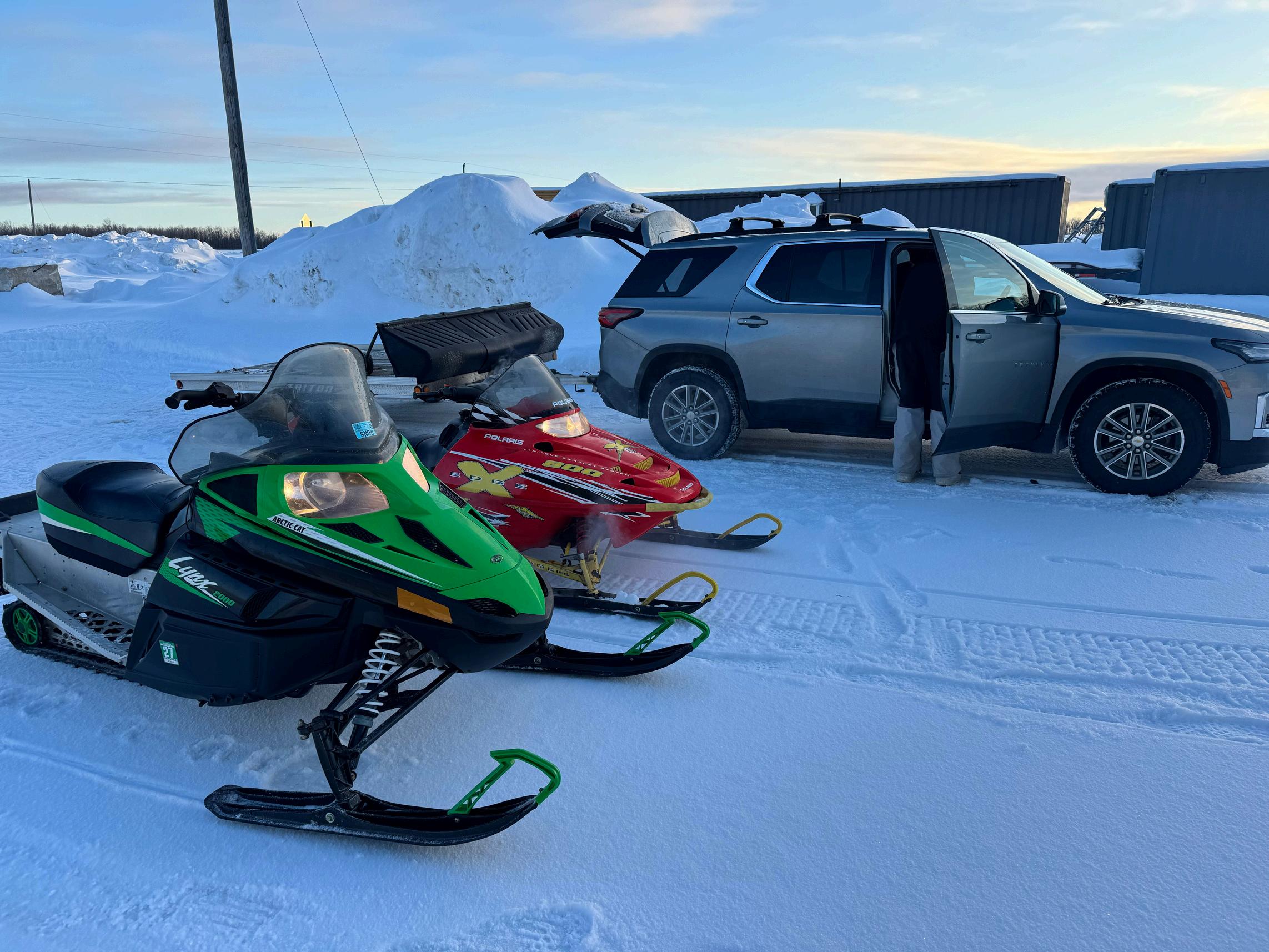
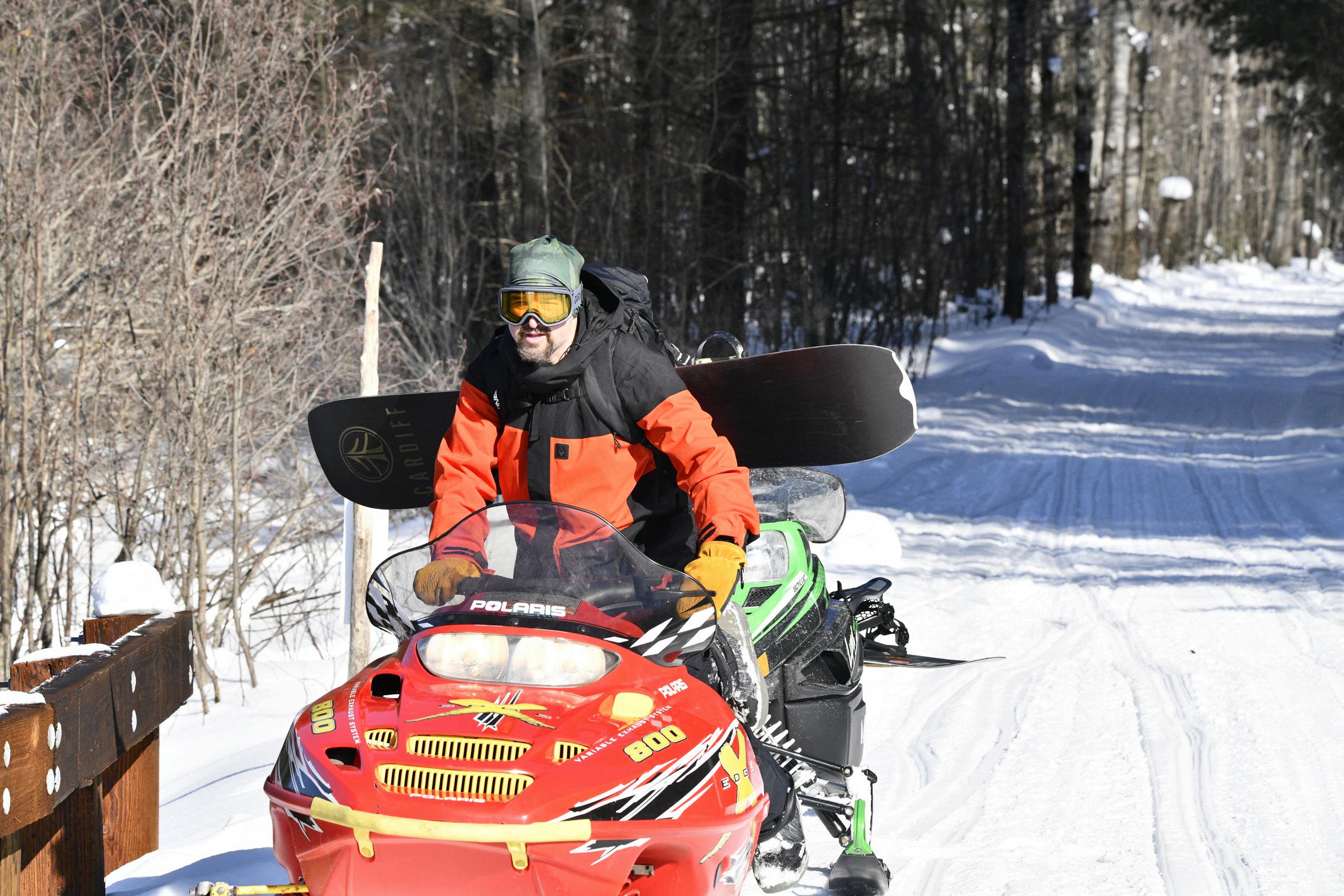
We pulled into the lot at Larry’s Seven-Ski Inn to unload. No coffee brewing. No sled traffic yet. Just a quiet northern Michigan morning and fresh snow packed under the trailer tires Boards in the truck. Snowmobiles coming off the ramp. Breath hanging in the cold. We were headed toward Deadman’s Hill in the Jordan Valley, but the conversation had started earlier, in the cab on the drive up
I asked Matt Emeott what the Michigan Backcountry Alliance actually is.
“It’s always been on the back burner,” he said “You go out west and you see cars lined up along the highway. Not at the resort. They’re in the backcountry.”
Skinning up. Skiing down. No lift lines. No boundaries except terrain and weather.
Matt spent time riding that way in Colorado Friends who worked at Vail showed him zones in the woods. They built jumps, hit natural features, and progressed outside the ropes. When he moved back home to Michigan, he didn’t stop seeing terrain that way “What’s over there? Who owns that? Has anyone ridden that?”
That question became the Michigan Backcountry Alliance.
About three years ago, Matt started filing paperwork and building a board Traverse City, Midland, the Keweenaw People who understood winter and saw potential in the woods
Not because he wanted to run a nonprofit but because if you ’ re going to talk to the DNR, that’s the language you need
Michigan Backcountry Alliance isn’t a rogue trail-cutting crew It’s structured to be a hub a support system that can:
Walk properties with officials
File permits
Write landowners
Sit in on meetings
Help local riders turn ideas into real projects
They meet monthly Old business New business Regional updates
Right now it’s lean Member-supported Early But it’s moving
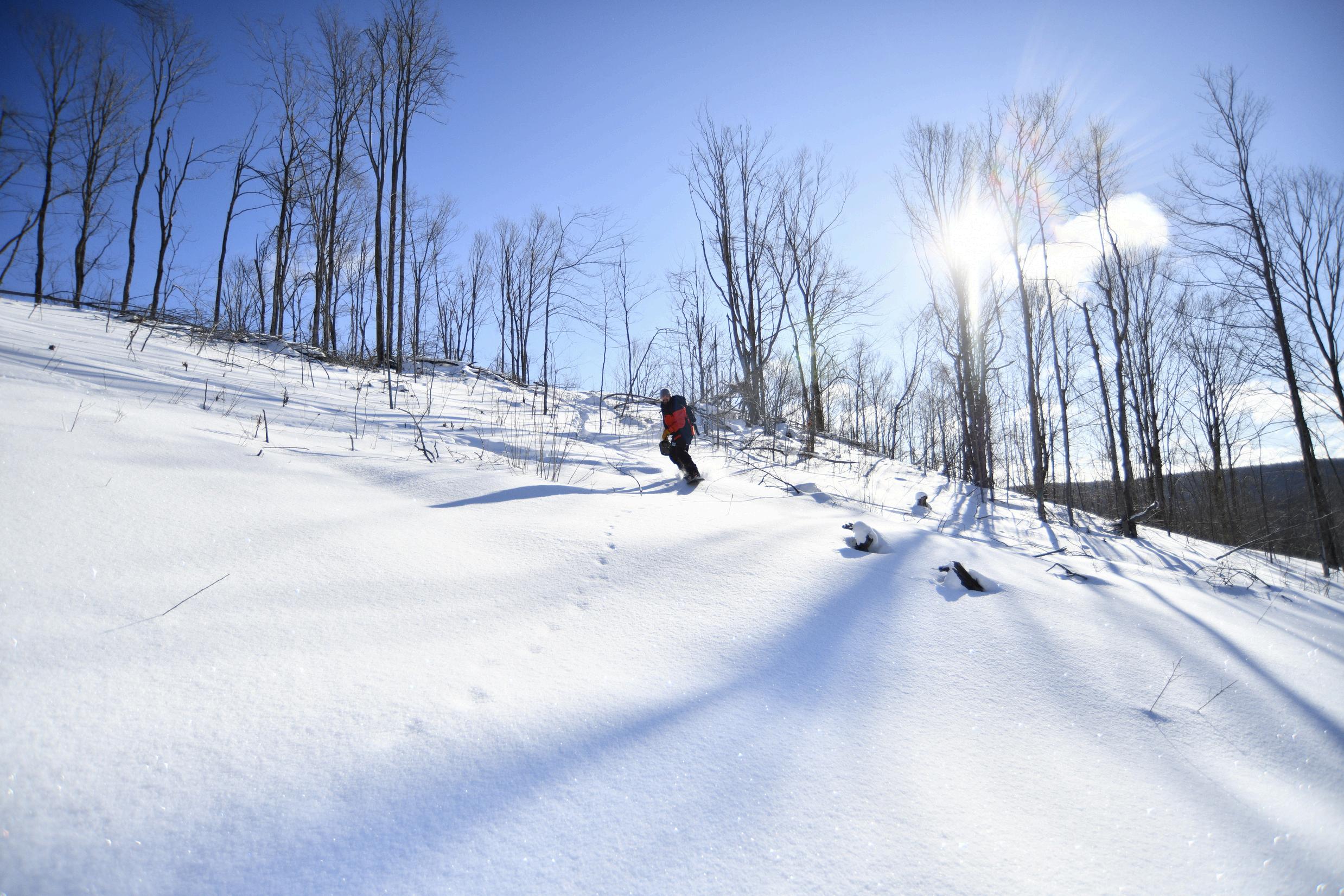
Deadman’s became one of MBCA’s early test cases
They walked the area with DNR officials Drafted a permit. Started conversations about selective clearing for backcountry skiing and splitboarding access
Then wildlife division stepped in An American marten study in the area.
Six DNR divisions tied to one piece of land
The project paused
“It’s a song and dance,” Matt said.
Instead of pushing back, they shifted If wildlife is the concern, then what does wildlife need? Is there habitat work that can happen alongside recreation? Can glades be shaped in ways that don’t disrupt sensitive areas?
That’s the approach cooperative, not combative
It’s slower that way.
But it’s real
“MICHIGAN DOESN’T NEED TO BE UTAH TO BE GOOD.” “MICHIGAN DOESN’T NEED TO BE UTAH TO BE GOOD.”
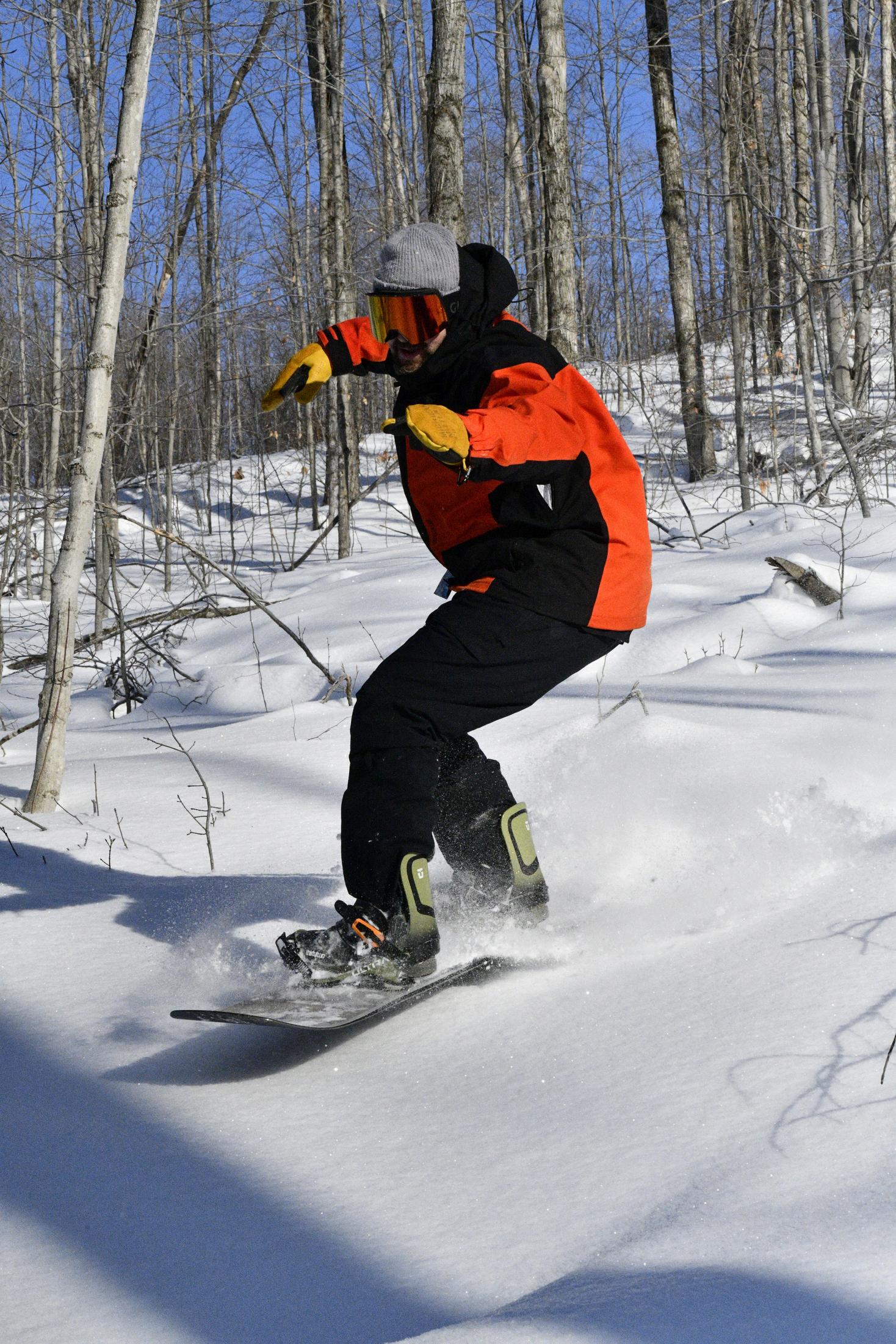
Backcountry riding in Michigan still exists in a gray zone
You find a clean line through hardwoods, and a snowmobile might cut through it the next day Different user groups Different priorities Same terrain.
Matt isn’t anti-snowmobile we rode sleds in
What he’s trying to build is structure.
Designated glade zones Clear communication A system where touring makes sense and conflict is reduced.
Backcountry touring is one of the fastestgrowing winter sports in the country Michigan has terrain but almost no formal framework outside of resorts
Ravines Lake-effect snow Hardwood forests spaced just right. The landscape is here
The organization is what’s missing That’s what MBCA is trying to build.
Some of their ideas go beyond Michigan
If you want to ride true backcountry out west, you need avalanche safety gear beacon, probe, shovel That’s roughly $400 MBCA is developing a reservation program where members can borrow safety kits for trips. Lower the barrier. Keep people safe Build a responsible culture around the sport
They’ve also joined Winter Wildlands Alliance, a national network that supports grassroots backcountry organizations That opens doors to education resources, partnerships, and broader advocacy. For a young nonprofit, that’s momentum Building backcountry in the North isn’t about recreating the Rockies It’s about recognizing what’s already here and organizing it in a way that makes sense for riders, land managers, and the land itself It’s early. It’s slow. It’s complicated. But it’s happening
And it starts off the trail
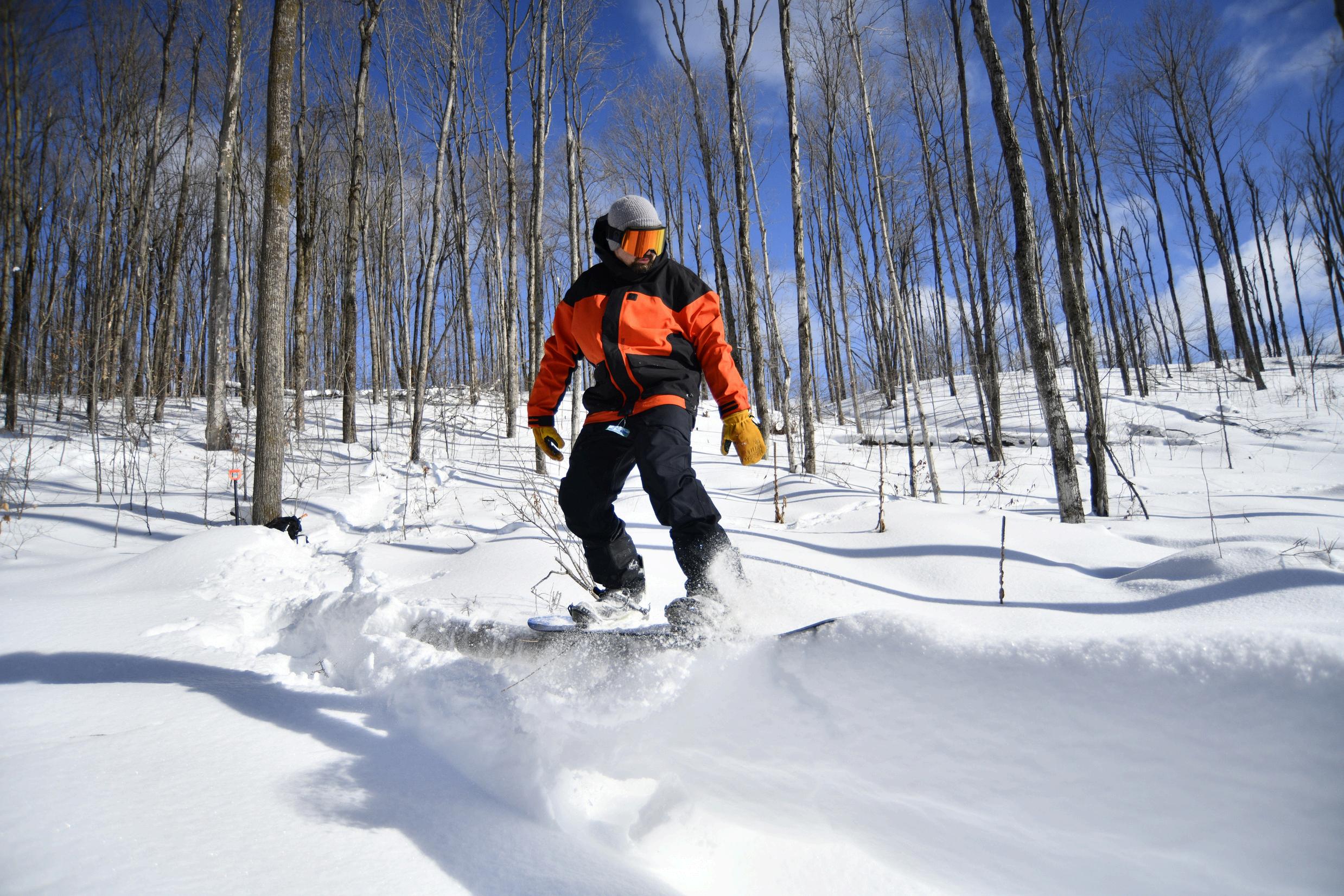
Michigan Backcountry Alliance
Website: https://www.mibcalliance.com/ Instagram: @mibcalliance
Email: matte@mibcalliancecom
Monthly board meetings open to members
Membership supports advocacy, permits, and safety programming.
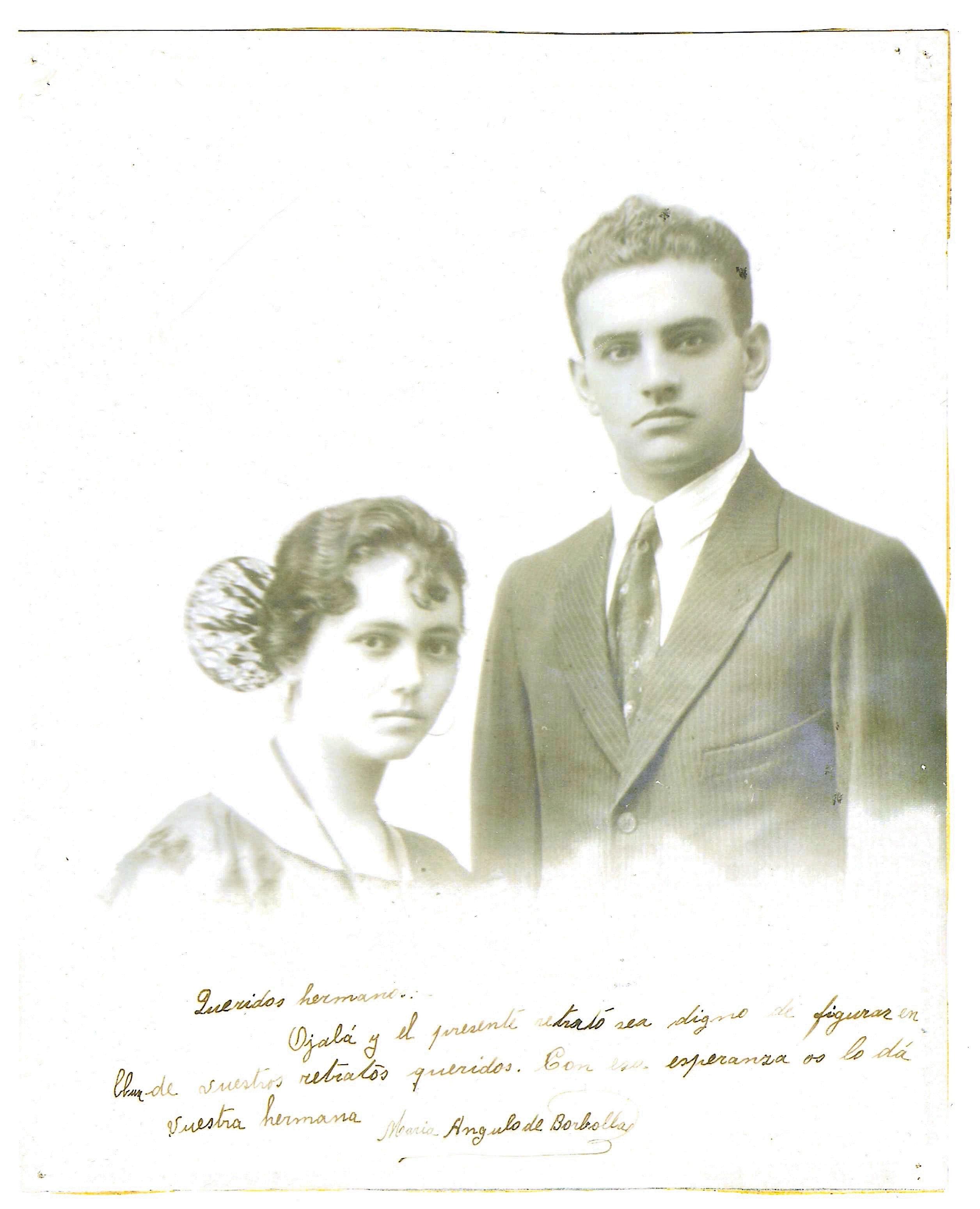
BY VINCE BORBOLLA
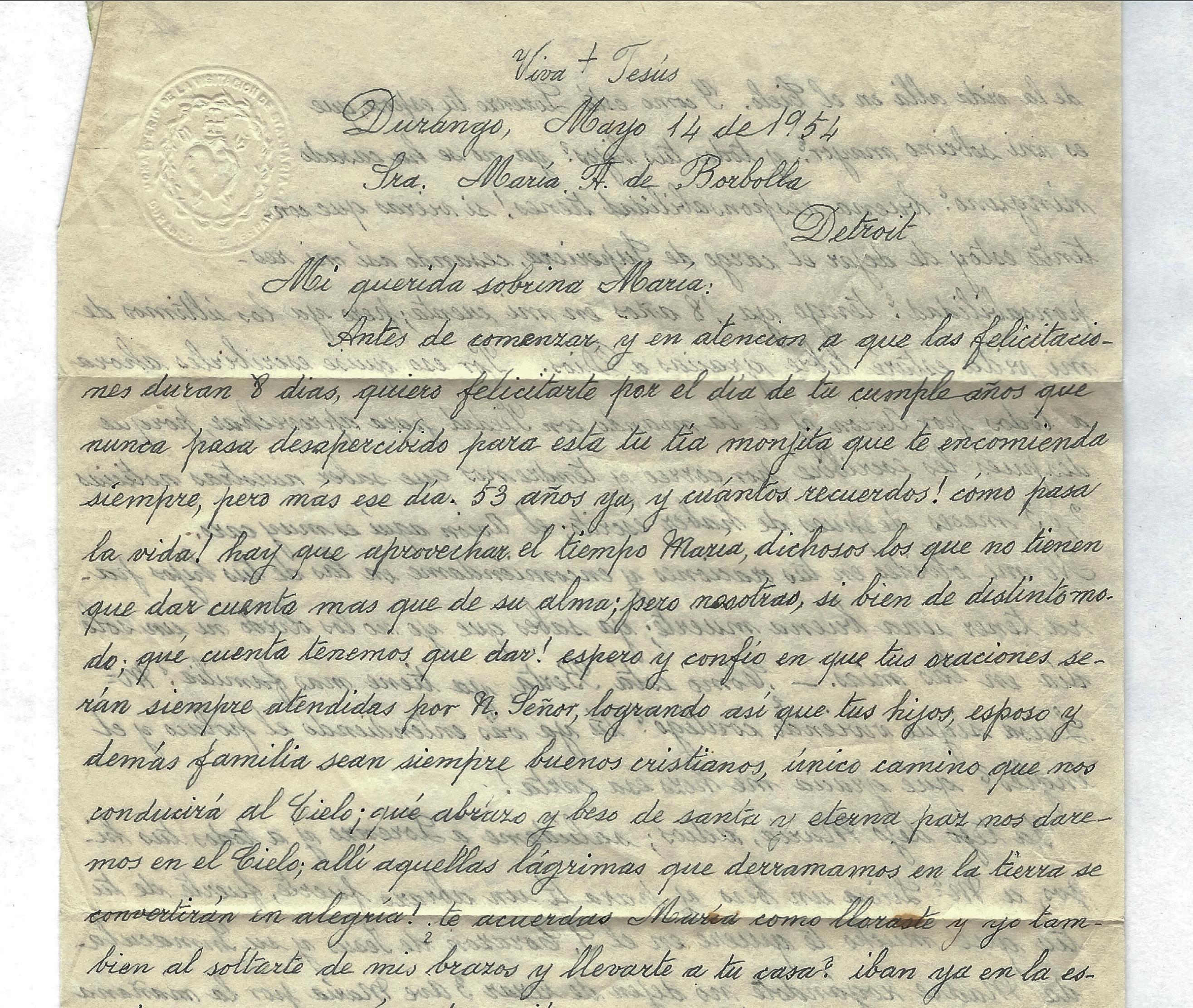
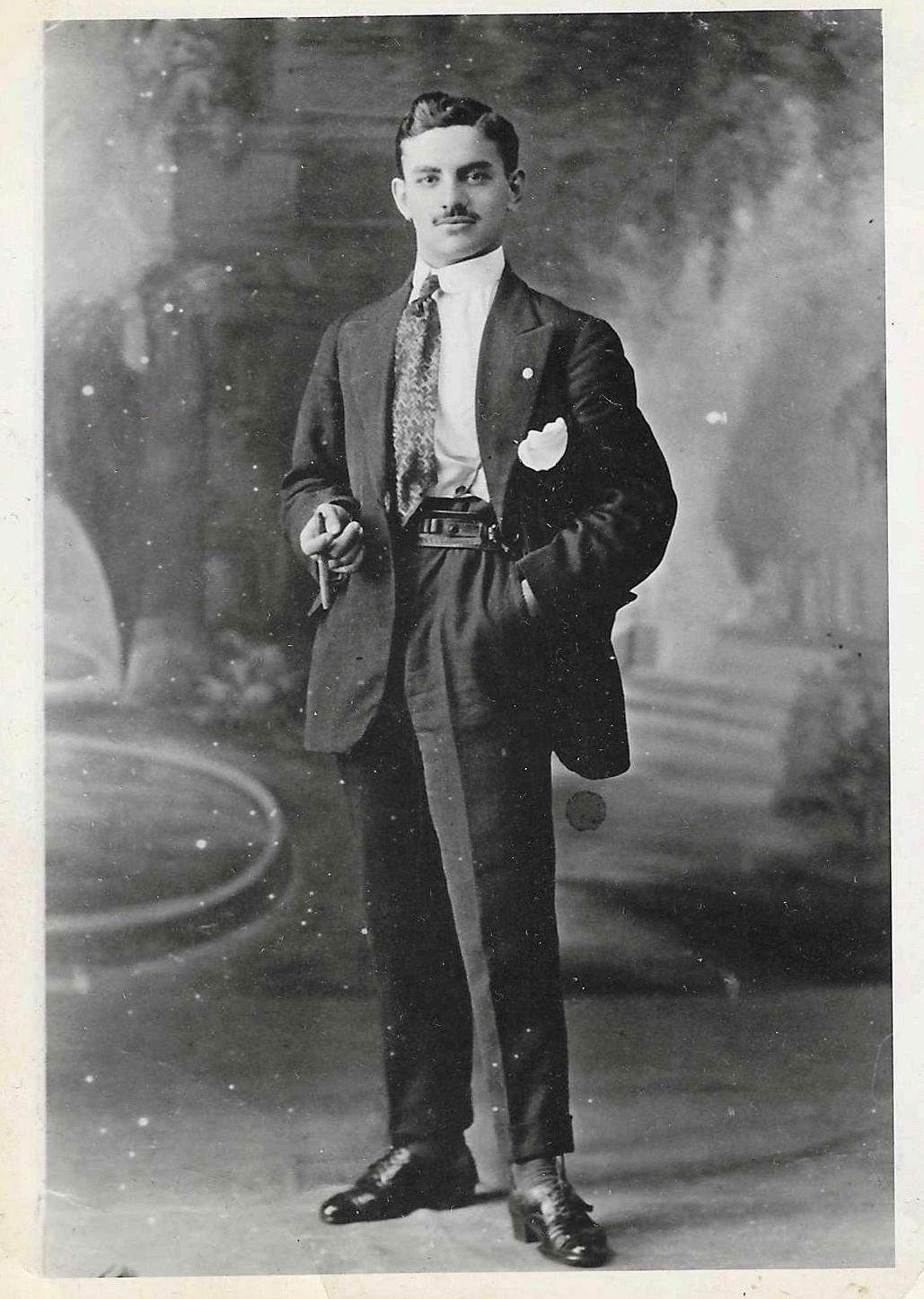
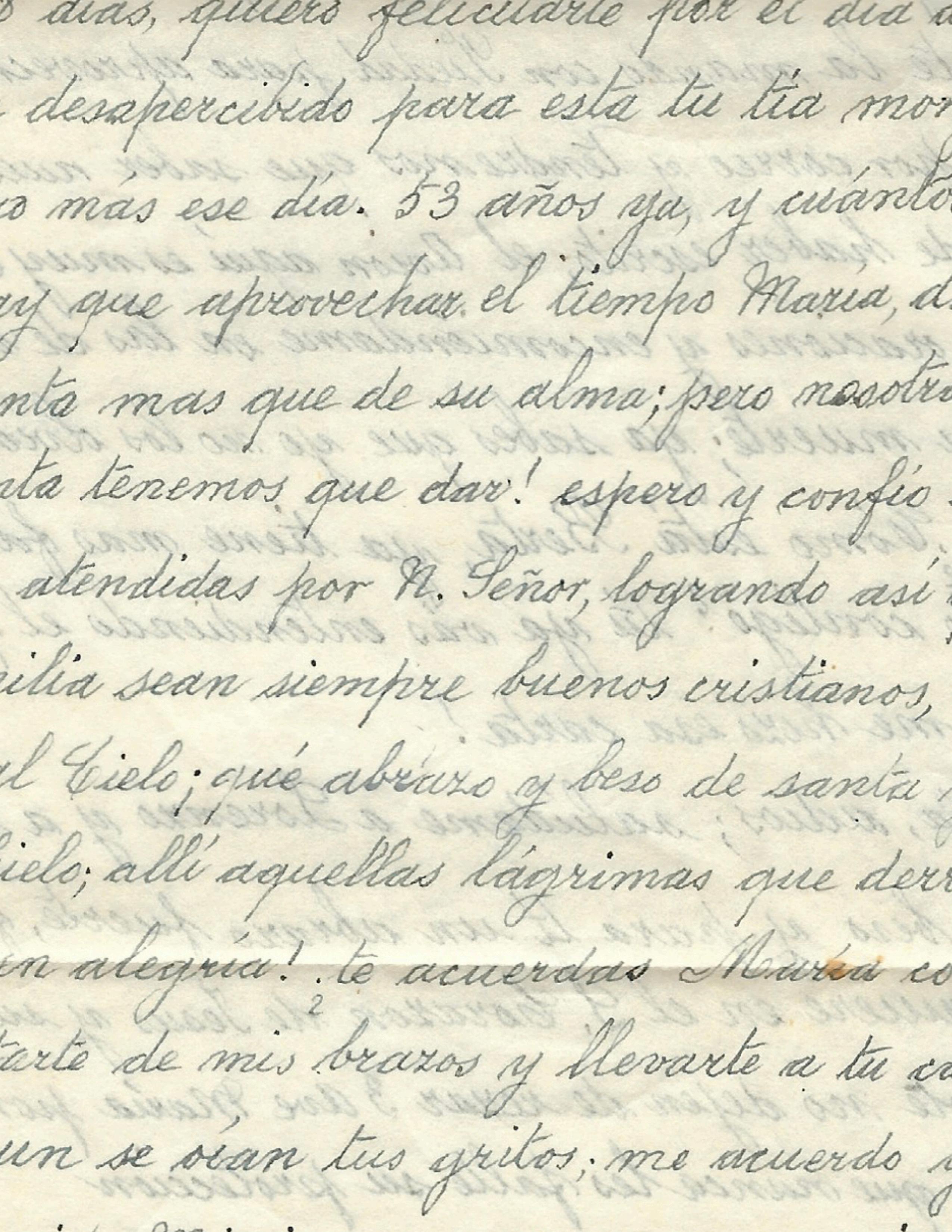
The weeks at Don Amador’s school had passed with calm routine lessons, repairs, the steady rhythm of work and study. I was improving my English daily, and for the first time since arriving in Cuba, I felt the slow build of purpose But then, as always, life shifted.
One morning, Don Amador called me into his office He wasn’t alone Two men stood beside him, quiet and stern.
“These gentlemen are looking for you,
” he said carefully
“There’s been a request
” The men were detectives. One held a folded telegram.
“There’s an uncle of yours,
” one said, sent to him immediately.
”
“in Manzanillo He’s claiming guardianship Wants you I stood stunned.
“Pancho?”
They nodded
Don Amador looked at me with something between pride and worry school, Lorenzo I hope they treat you well
”
“You’ve been good to this He handed me a check for thirty-five dollars and said he’d miss our talks in the evenings. I thanked him and promised to keep reading whatever English I could get my hands on
Before leaving the school grounds for the last time, I walked the halls slowly, stopping at the classrooms Some of the children noticed my bag and ran to the gate.
“Where are you going?”
one of the younger boys asked “Somewhere far,
” I said
“But I’ll keep learning
”
They didn’t understand the weight of it, but they waved as I stepped through the front gate I waved back and forced a smile
Pedro came that evening with a bottle under one arm and a sadness in his eyes
“You’re really going?”
“I am
”
He handed me the bottle cheap rum, already sweating in the heat and we drank a quiet toast in the school courtyard
“From warehouse to school to Manzanillo,
” he said, laughing through his mustache
“You’ll be fine You always are
”
We sat in silence for a while, passing the bottle between us, listening to the hum of the city that had carried us this far
Then, just before he left, Pedro reached into his satchel and pulled out my old boiña the beret from Spain He brushed it off and pressed it into my hands
“Don’t forget where you ’ re from,
” he said
“And don’t lose this It suits you
” I nodded, suddenly unable to speak He pulled me into a tight hug and clapped my back once, hard
“Go on then,
” he said
“Show them how Asturians work
”
By mid-afternoon the next day, I was in the back of a car with my suitcase and a stranger’s
silence We passed through Havana’s center, the streets familiar but no longer mine Eventually, we stopped in front of a jewelry store One of the men stepped out and told me to wait
I watched a black man in a red frock coat open the door Moments later, another came out and called my name
“Come, Lorenzo Your uncle is waiting
” Inside, it was not Pancho I met, but a cousin of my father Don Ignacio He smiled when he saw my confusion
“Pancho sent for you, but I’m here to help
” He laid out my options: go to Manzanillo to join Pancho, or stay in Havana under his care
I chose Pancho
That evening, a police officer escorted me to the train station I carried my suitcase, my bag, and a knot of nerves The train to the east rattled through the night, and I watched the coast slip by, knowing this was another beginning
When the train finally pulled into Manzanillo, the station was nearly empty. I sat on my luggage until a young man in a dusty coat rushed in, all smiles
“Come here, little cousin!” he said, embracing me. It was Ramón, Pancho’s son. We rode slowly through rutted roads until the house appeared humble, shaded by palms Aunt Carolina welcomed me with a kind smile, and soon I was meeting cousin José and little Pancho Teresa arrived with Uncle Pancho soon after, and the house rang with greetings and questions and joy
I spent ten days doing little but picking fruit from the orchard and helping with small chores. But I felt idle, like a wheel without teeth I went to Pancho
“I want to work.
” He raised an eyebrow “You do?”
“Anything,
” I said
“I just need to start again. He paused, then nodded Give me a day or two
”
“There’s a man named Bartolo Might be something for you there
When the answer came, I was ready. Two mornings later, Ramón helped me carry my bag down the hill into town We stopped in front of a large hardware store a wide, two-story building with crates stacked along the walls and the smell of oil, salt, and rust heavy in the air
“This is it,
” he said
“Don Bartolo’s place
”
Inside, the store buzzed like a dockyard Men hauled barrels, wheeled iron carts, and shouted from one end of the warehouse to the other. At the far side, a tall man with a Basque nose and heavy mustache turned at the sound of our steps
“¿Este es el muchacho?” he asked.
Ramón nodded
“My cousin He’s come to work
” The man looked me up and down “Name?”
“Lorenzo Borbolla.
”
“You’re Asturian?”
“Yes.
He nodded with a small grin
“The hardest and smartest workers in the world You’ll fit in just fine.
”
“Bartolo,
” he said, offering a firm hand. dawn You’ll learn quick
”
“You’ll sleep upstairs and work down here. Be ready at
And I did
The warehouse was staffed with twelve of us, but the store employed nearly thirty altogether. I was given a cot, a wool blanket, and a place in the corner Days began before sunup and ended after the final shutter closed at 9 p.m. We lived upstairs, folded into the heat and noise like one body breathing in shifts
The work was hard lifting crates, tracking inventory, unloading shipments, and sweeping until the floorboards shone But I liked it I liked the order and the pace. I kept my head down and earned their respect not with muscle, but with quiet determination
Nearly ten months passed before things changed. Two new workers arrived young, loud, and full of themselves
They were nephews of Don Germán, one of the co-owners. The kind of men who swaggered before they worked and expected things handed to them
One night, I passed the storeroom and heard a slap sharp and mean I turned just in time to see Germán’s hand coming down on one of his nephews’ faces
The boy didn’t flinch. He just looked at the ground, jaw clenched I hesitated by the doorway
“Why did he hit you?” I asked later, after Germán had gone.
“Stay out of it,
” the nephew muttered
“He’ll come for you too.
” I should’ve listened But pride can be louder than good sense It wasn’t even a full week later when Germán found me alone near the back barrels I was hauling a sack of hardware when he stormed in, red-faced and already shouting.
“You think you ’ re better than my nephews? You think this warehouse belongs to you?”
I stood still, the sack still over my shoulder.
“I don’t think anything, sir I just work
” He advanced.
“You answer back now?”
He raised his hand
Philip Hutchinson Founder / Editor-in-Chief / Pig Pen Member
Founder of STOKE Magazine and Northern Territory Imaging, Philip has spent more than two decades capturing the creative heartbeat of Michigan
A storyteller, photographer, and editor, he built STOKE to document the people and places driving the state’s outdoor and cultural movement
Under his direction, STOKE blends artistry, journalism, and community into one clear mission: to fuel Michigan’s creative fire and keep it burning
(Riders, leaders, and core culture contributors)
Taylor “Birdman” Jepsen Rider / Content creater/ Pig Pen Member
Taylor represents STOKE in the field and on the frontlines from the chairlifts to the boardshops.
As both a sales representative and lifelong rider, he keeps the magazine connected to Michigan’s snow and surf communities, embodying the energy that drives STOKE’s outdoor storytelling.
Al King The Pig Pen / Field Leader / Pig Pen Member
A founding member of The Pig Pen snowboard crew and frontman for The Strains, Al anchors STOKE’s winter coverage with leadership, authenticity, and humor
He’s the crew ’ s voice on the hill and in the mix guiding the next generation of riders with equal parts grit and heart
Yorg Music Columnist / The Drop
A veteran of Detroit’s music scene, Yorg curates The Drop STOKE’s ongoing look into Michigan’s evolving sound. His interviews and features connect readers with the musicians, producers, and promoters defining the state’s creative pulse, from the underground to the main stage
Vince “Borbolla” Kowalewicz Staff Writer / Director of Partnerships
Writer, strategist, and author of Lorenzo’s Journey, Vince leads STOKE’s partnership development and contributes deeply to its editorial voice
His stories explore heritage, resilience, and the shared threads that connect Michigan’s people and places
Geoffrey Pasfield Sales / Staff Writer / Proofreader
Geoffrey supports STOKE across writing, sales, and editorial refinement
With a versatile skill set and a sharp eye for detail, he helps maintain the magazine’s quality while strengthening community relationships through thoughtful storytelling
Emily Velchansky Marketing / Creative / Staff Photographer / Proofreader
Emily is a key part of STOKE’s daily rhythm blending creative marketing insight with photography, sales support, and editorial precision.
A cofounder of Eva Boudoir, she brings clarity, craft, and visual storytelling to the team, helping ensure each issue is intentional, polished, and connected to STOKE’s community roots.
Stacey “In the Snow” Creative / Model / Design Support
Stacey brings creative direction, design instincts, and a visual voice that helps define STOKE’s style
As a model and creative collaborator, she plays a central role in shaping the magazine’s aesthetic identity and visual storytelling
Native-Owned Independent Built With Purpose
Michigan has history, momentum, and its own kind of energy From industry to outdoors, from music and food to travel and design, this state has always shaped culture in its own way
STOKE Magazine exists inside that space.
STOKE Magazine is a Native-owned and operated lifestyle and culture publication built for people who move with purpose. We document real places, real people, and the work it takes to build something meaningful whether that’s a brand, a career, a lifestyle, or a legacy.
Our storytelling is grounded in lived experience, long-term thinking, and respect for the communities we document. We focus on ambition, creativity, discipline, and momentum not trends or shortcuts
We don’t chase what’s next.
We document what lasts
This isn’t a trend it’s who we are.
STOKE works with individuals and brands in three clear ways, depending on goals, budget, and level of involvement:
1 Philanthropic Support supporting independent, community-driven media
2. Digital Magazine Advertising visibility inside our bi-monthly publication
3 Social Media Content Partnerships trusted presence across STOKE platforms
Each option is designed to support both the mission of STOKE and the goals of our partners.

Supporting community-driven media.
Independent storytelling matters especially at the local level.
STOKE is supported by readers, individuals, brands, and community partners who believe in community-first media, creative integrity, and long-term cultural impact We don’t extract stories from communities we grow with them, show up consistently, and tell stories the right way
Philanthropic support helps fund:
On-location journalism
Community-based storytelling
Emerging creatives and contributors
Independent media rooted in real people not algorithms
Ways to Support
One-Time Contribution (any amount)
Recurring Supporter
Every contribution matters Thank you to everyone who helps keep STOKE independent WHY INVEST IN STOKE
STOKE is trusted because we are embedded.
We don’t parachute into communities. We show up and stay. Through years of work in media, outdoor culture, creative production, and local storytelling, we ’ ve built real relationships and earned trust
That trust transfers
Our audience knows when something is authentic and when it isn’t Brands that work with STOKE don’t interrupt the conversation. They become part of it.
Bi-Monthly Digital Publication
STOKE Magazine is a bi-monthly digital publication (one issue every two months).
All advertising placements live inside the editorial flow of the magazine and remain visible for the full issue cycle
Best for brands that value:
Credibility over clicks
Placement over interruption
Longevity over short-term impressions
Every advertising partner receives Placement in one full bi-monthly digital issue
Professionally designed layout
Visibility alongside STOKE editorial content
Social media posting is not included with digital-only advertising
One Issue = Two Months
Discounts apply for consistent placement STANDARD INTERIOR PLACEMENT
Quarter-Page Digital Ad
• 1 Issue: $250
• 3 Issues (6 Months): $600
• 6 Issues (12 Months): $900
Half-Page Digital Ad
• 1 Issue: $500
• 3 Issues (6 Months): $1,200
• 6 Issues (12 Months): $1,800 Full-Page Digital Ad (Interior)
• 1 Issue: $750
• 3 Issues (6 Months): $1,800
• 6 Issues (12 Months): $2,700
PREMIUM FULL-PAGE PLACEMENTS
Limited availability per issue Back Page
• 1 Issue: $975
• 3 Issues (6 Months): $2,340
• 6 Issues (12 Months): $3,510
Page 2 Inside Front Cover
• 1 Issue: $900
• 3 Issues (6 Months): $2,160
• 6 Issues (12 Months): $3,240
Page 3 Early Interior Placement
(Within the first two interior pages)
• 1 Issue: $875
• 3 Issues (6 Months): $2,100
• 6 Issues (12 Months): $3,150
Premium placements are reserved on a first-come basis
Brands that work with STOKE aren’t buying space they’re investing in trust, place, and culture
We build partnerships intentionally, collaboratively, and with long-term value in mind
CONTACT STOKE MAGAZINE