Procurement Market Update

AUTHORS
David Hamilton SVP, Construction Procurement Solutions
Doug Allen Manager, Strategic Growth & Corporate Development, STO Building Group
The construction market in early 2026 was already being shaped by four compounding forces: a historic copper supply deficit, tariff-driven cost pressure on steel and MEP equipment, extended electrical and HVAC lead times, and growing subcontractor financial stress. The US-Israeli military conflict with Iran that began in late February has added a fifth: a disruption of the Strait of Hormuz, through which roughly 20% of the world's seaborne oil, significant aluminum production, and critical LNG exports normally flow.
The result is a simultaneous disruption to energy prices, freight costs, and key material supply chains, compounding pressures that were already elevated. We have been actively monitoring conditions across our manufacturer and supplier network since the conflict began. The picture is evolving quickly.
Inflation had been easing entering 2026, and the Fed had begun cautious rate reductions, which are now complicated by an oil-driven inflationary impulse from the Iran conflict. Further rate cuts this year are now less certain.
Demand remains strongest in data centers, healthcare, and infrastructure. AI hyperscalers are projected to invest significantly more in 2026 than 2025, sustaining activity in those sectors regardless of broader volatility.
There is a disparity in which large contractors ($100M+ revenue) are showing record backlogs, while smaller firms are at multi-year lows (according to ABC).
All the above issues point to the need for a clear procurement strategy.



STOBG’s Q1 2026 Procurement Sentiment Index is at 47.5 within the neutral range as strong pipeline demand and growing subcontractor competition were offset by continued cost pressure on materials and labor. Demand remains robust and market conditions stable, though cost trends and forward outlook warrant continued attention, as we move into Q2.
• Tariffs. Tariff-driven price surcharges have been applied differently. Many manufacturers have been absorbing a portion of the impact to remain competitive. That position is now under acute pressure, as the Iran conflict adds energy and freight costs on top of existing margin compression. Across our direct manufacturer relationships, Construction Procurement Solutions (CPS) is tracking lead time and pricing shifts at the source
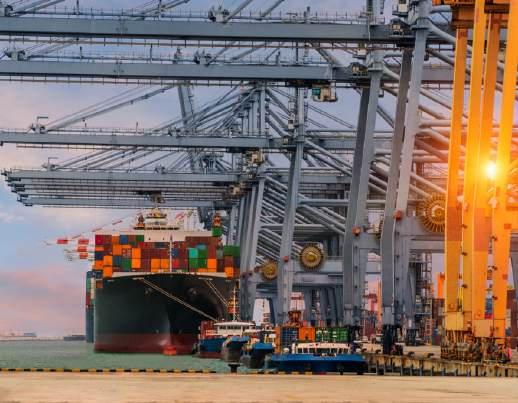
• HVAC & Electrical Lead times for large equipment were already extended before the conflict: switchgear at 12–18 months, large power transformers well over two years. Asianmanufactured equipment now routes via Cape of Good Hope, adding 8–15 days to transit. Freight surcharges are running $2,000+/TEU with market participants warning of $4,000/TEU if the conflict continues. CPS works directly with equipment manufacturers tracking the most up to date lead times at the source.
• Energy. Brent crude pricing has been volatile with the recent conflict moving prices from ~$70/bbl to over $100/bbl. While more recently dropping to ~$90/bbl, if prices are sustained above $85-90/bbl, this flows directly into concrete, masonry, diesel, and general site operating costs.
1. Strait of Hormuz status: Maersk has suspended transits indefinitely; vessel crossings are down about 95% from pre-war levels.
2. Oil price trajectory: Sustained pricing above $85–90/bbl begins to materially impact energy-intensive materials.
3. Supplier lead time: Lead times are already elevated. Generator and larger HVAC and electrical equipment are the main markers.
4. Polymer allocation status: Monitor conduit, piping, and MEP component suppliers for allocation restrictions.
• Subcontractors were already squeezed before the Iran conflict with higher material costs, tighter credit, rising insurance premiums, and thin margins. The polymer and aluminum spikes, combined with freight surcharges landing on existing project commitments, are compressing MEP and specialty subcontractor finances further. The probability of mid-project failures is meaningfully higher than two years ago, particularly for trades with copper, aluminum, and polymer exposure on fixed-price assumptions.
• Removing procurement risk from subcontractors' balance sheets is the most effective structural mitigation. When major material packages are purchased directly, their financial position stabilizes and projects are insulated from the consequences of a mid-project default. Subcontractor Default Insurance (SDI) is an important backstop regardless.
• Shortage. Nearly 20% of the construction workforce is over 55. Retirements are outpacing new entrants and training pipelines cannot close the gap. Data centres and healthcare absorb the most specialized labor, leaving commercial and institutional projects competing for what remains.
• Immigration. Heightened enforcement and new visa fees have thinned traveling crews in labor-heavy trades, adding scheduling uncertainty on larger projects.
• Regions. The US Southeast, Southwest, and Mid-Atlantic are under the greatest strain, as megaproject pipelines drive wage escalation. Plan for meaningful labor cost escalation per year in bid assumptions.
• Mitigation. Early subcontractor engagement, modular and prefabricated approaches, and targeted workforce development reduce volatility exposure while preserving schedule reliability.
• Copper The Grasberg mudslide in Indonesia cut output by roughly a third, compounding other setbacks in Chile and the Democratic Republic of Congo (the largest supply deficit since 2004). Futures are in the ~$13,000/mt range with upside risk from a pending Section 232 tariff investigation. The copper-toaluminum price ratio has hit an all-time high, making design-phase aluminum substitution worth evaluating.
• Aluminum. Hit four-year highs, with conflictdriven risk of further significant movement. The Gulf Cooperation Council accounts for ~9% of global primary aluminum production, virtually all exported through the Strait of Hormuz. Primary exposure: curtain wall, storefront, architectural metals, and wiring systems.
• Polymers/Plastics. The most acute new risk. The Middle Easte accounts for ~25% of global polypropylene and polyethylene exports. Construction exposure: Conduit, piping, vapor barriers, insulation jacketing, and MEP. Identify single-sourced exposure immediately.
• Steel. Year-over-year increases are the largest since 2022, driven by 25% US import tariffs, limited import competition, strong domestic demand, and Iran-related transit delays. Fabrication shop capacity is the main constraint for manufacturers.
• Identify exposure. Understand materials in the pipeline that are single-sourced or Asia/Middle East-linked, particularly within nearer term delivery windows such as polymer, aluminum, and MEP components
• Accelerate long-lead procurement. Locking in factory slots for switchgear, chillers, and transformers off early design information with assistance of CPS engineers who collaborate with design engineers – protecting schedule before design is fully complete.
• Early lock-in & strategic buys Proactive commitments on copper, steel, switchgear, and aluminum ahead of further tariff and conflictdriven price movement provide the most direct budget protection available right now.
• Scale purchasing Aggregating demand across multiple projects secures priority allocation and pricing that is not available project by project.
• Domestic & multi-source. Prioritizing US and near-shore suppliers while maintaining multiple qualified sources protects against disrupted international logistics and tariff shocks.
• Subcontractor monitoring. MEP and specialty subs carry disproportionate exposure to these input cost swings.
• Contract protection. Tariff and conflict escalation clauses are now standard in most new commercial agreements. Projects without this language carry real owner-side budget exposure.