
























































































Mission
St Michael’s College is a Catholic school in the Lasallian tradition which is committed to the human and Christian education of the young, especially the poor*, through Community, Challenge, Choice.
Community
We are an inclusive and respectful community where each individual is known, valued and cared for, enabling them to feel confident to explore their curiosities, flourish and fully realise their potential.
Challenge
Individual growth is achieved through engagement, opportunity and recognition, underpinned by a positive learning culture that is authentic, challenging and supportive.
Choice
Through a quality Lasallian education, inspired by the Gospel and a concern for social justice, students are empowered to better choose who they become as people, learners and leaders in the world.
* The Lasallian school calls its members to an awareness of the poor and victims of injustice, and responds to their needs through programs of community service, advocacy and justice education.
St Michael’s College is dedicated to a whole of College approach to facilitate our Catholic and Lasallian educational experience. Our strong heritage is based on the principles of 300 years of Lasallian Education, guided by the De La Salle Brothers and our Founder’s teachings.
A member of the global Lasallian family, St Michael’s College is committed to create a welcoming, inclusive Lasallian community, aligned with strategic commitment to optimise student experiences and outcomes.
Our commitment is to provide opportunities that will prepare students to be compassionate and enthusiastic participants in society who prioritise service to others, especially the marginalised and those in need. Guided by Lasallian teachings, enriched by contemporary educational theory and practices, students, staff and families are empowered to flourish and find success.


St Michael’s College is a Reception to Year 12 Catholic college in the Lasallian tradition. Founded in 1954 by the De La Salle Brothers, the College is located in Adelaide’s western suburbs and operates across two campuses: the Primary Campus at Beverley, on the original school site, and the Secondary Campus at Henley Beach.
One of the largest Catholic colleges in South Australia, St Michael’s College has 2,239 enrolled students in 2025. In 2024, the Primary Campus moved to a four-stream model and now has 599 students. Following the introduction of coeducation in Reception in 2021, the College will be fully co-educational by 2027.
The Secondary Campus has been fully coeducational since 2008 and is organised into a Middle School for Years 7–9 and a Senior School for Years 10–12.
The St Michael’s College community reflects a rich diversity of cultural, social and religious backgrounds, united by a shared purpose. Staff, students and families work together to foster an inclusive and respectful community where each person is known, valued and cared for. This partnership creates an environment in which individuals can explore their interests, grow in confidence and realise their potential.
Through a quality Lasallian education inspired by the Gospel and grounded in social justice, St Michael’s College empowers students to grow as people, learners and leaders in the world.
St Michael’s College is governed by the Board of Directors under formal agreements with the Trustees of the De La Salle Brothers. The College is systemically funded through an agreement between the College Board and the South Australian Commission for Catholic Schools.

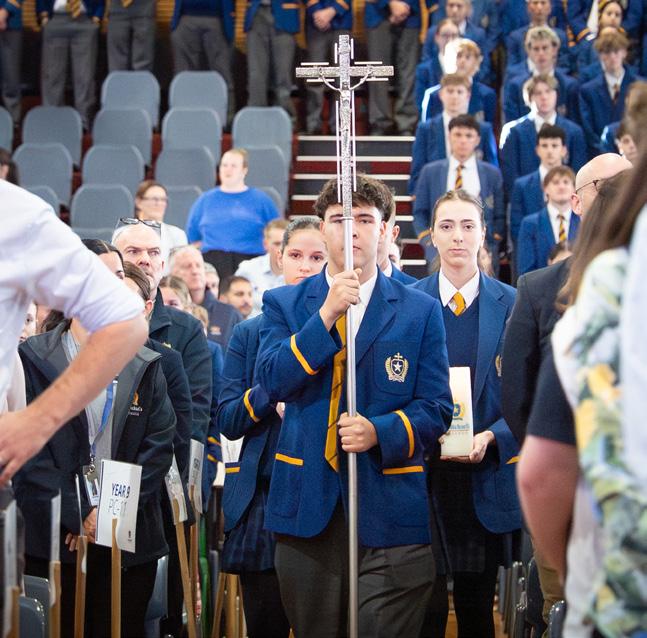
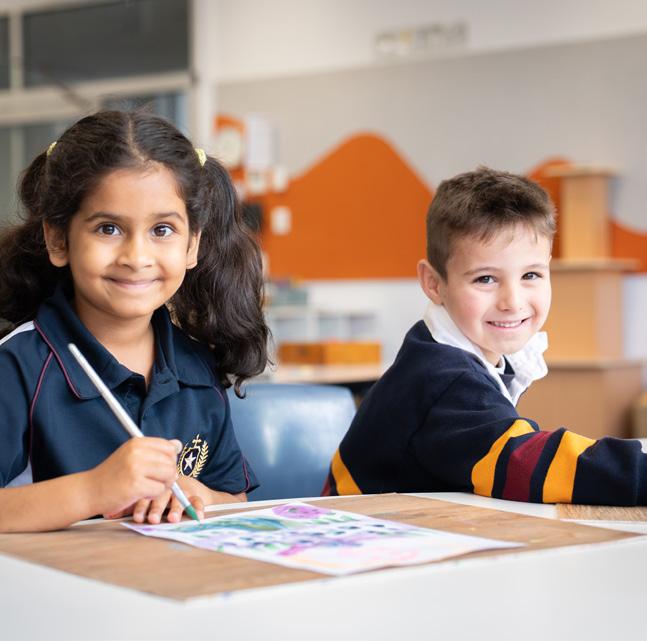
The children in your care are a letter which Christ dictates to you, which you write each day in their hearts, not with ink, but with the Spirit of God.
St John Baptist de La Salle, 1680
A total of 2239 students were enrolled at St Michael’s College in 2025. Please refer to the breakdown below;
(Including Mid-year Reception)
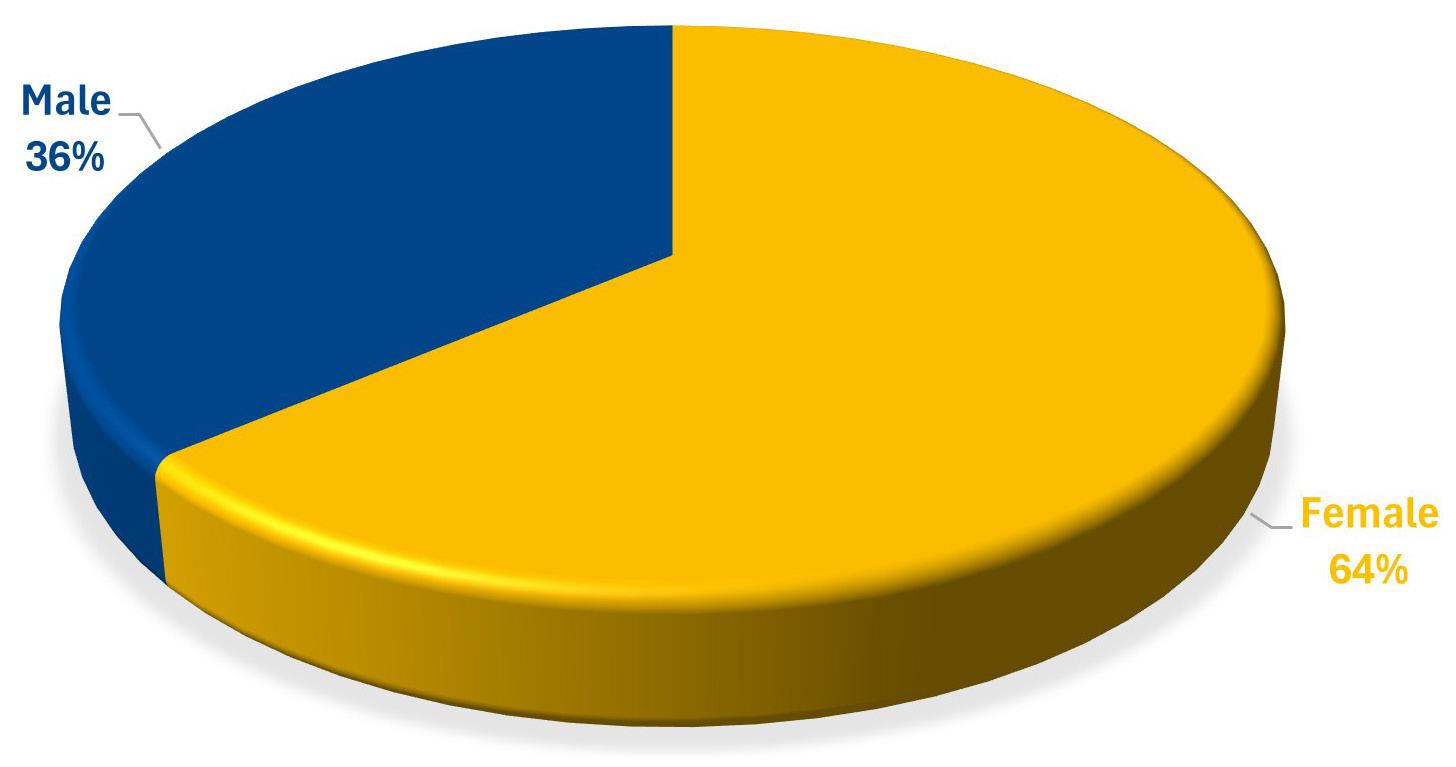
Of these 56.9% were male and 43.1% female
*Noting that in 2025 Year 5 & 6 comprised male only students.
Twenty two students or (0.98%) of the student population identified as Aboriginal or Torres Strait Islander people with 33 students or (1.48%) with English as an Additional Language / Dialect (EAL/D).
In addition, the Inclusive Education faculty provided for the needs of 319* students with disabilities as assessed for the purposes of the Nationally Consistent Collection of Data (NCCD). This represents 14.2% of the 2025 student cohort.
*Funded only figures based on August 2025 Census Data
The table below indicates student attendance for 2025:
School attendance is managed and recorded using SEQTA, the College Learning Management system. Student absence is monitored closely and followed up as necessary. Absences recorded by the Pastoral Care teacher are monitored by the administration team. An automated SMS is sent to parents if there is an unexplained absence and Year Level Directors are provided with absentee lists daily.
Patterns of lateness or continued absences are also monitored by the Year Level Directors, Deputy Principal – Pastoral and the School Transition and Engagement Coordinator. Attendance data is used to inform action with a range of strategies and support structures in place if required.
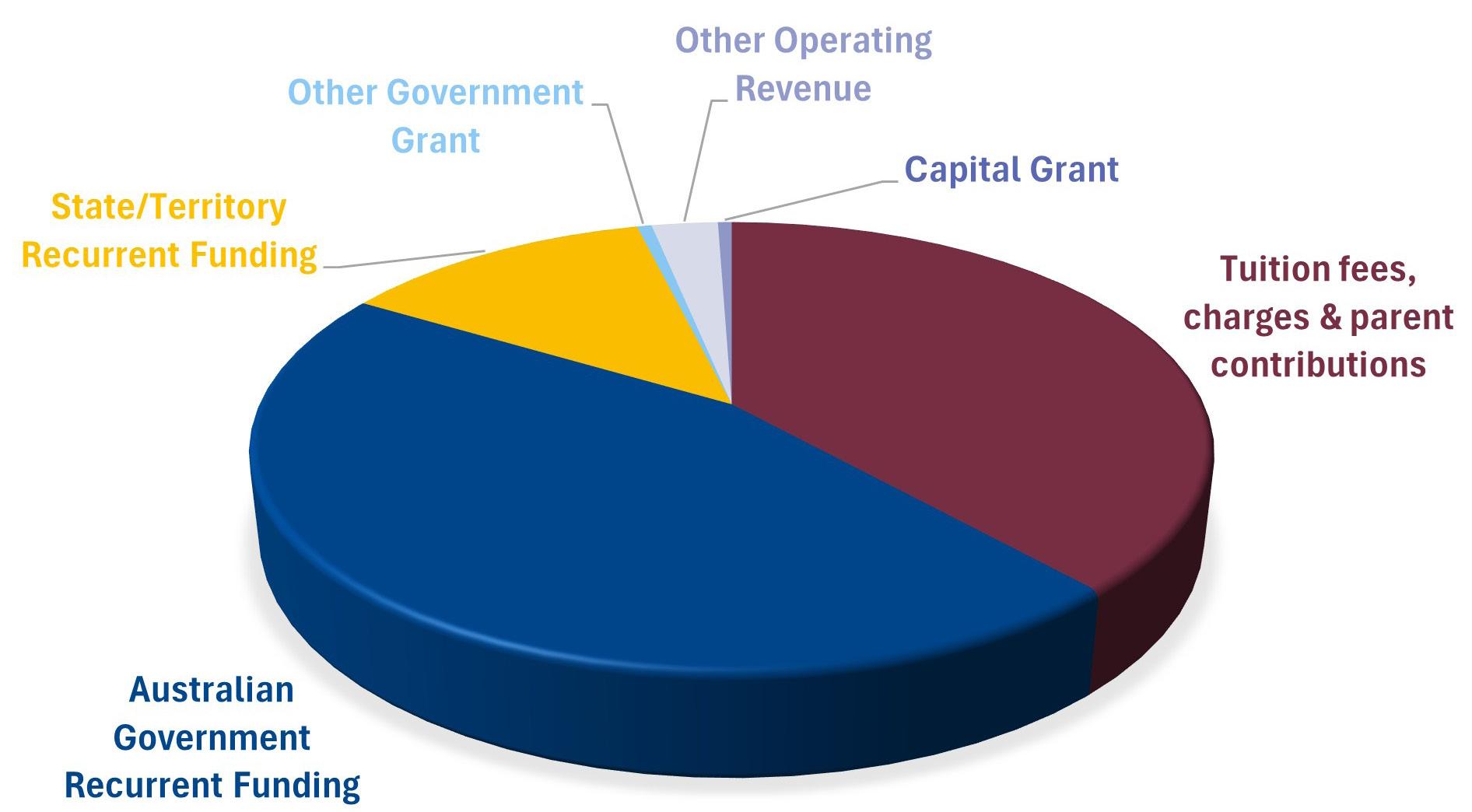
In 2025, College income comprised Government funding, contributions from families and a number of other private sources. Please refer to the table below for a break down:
The College’s DMI (direct measure of income) was 104 in 2025. This score is used to determine the level of Government funding received.
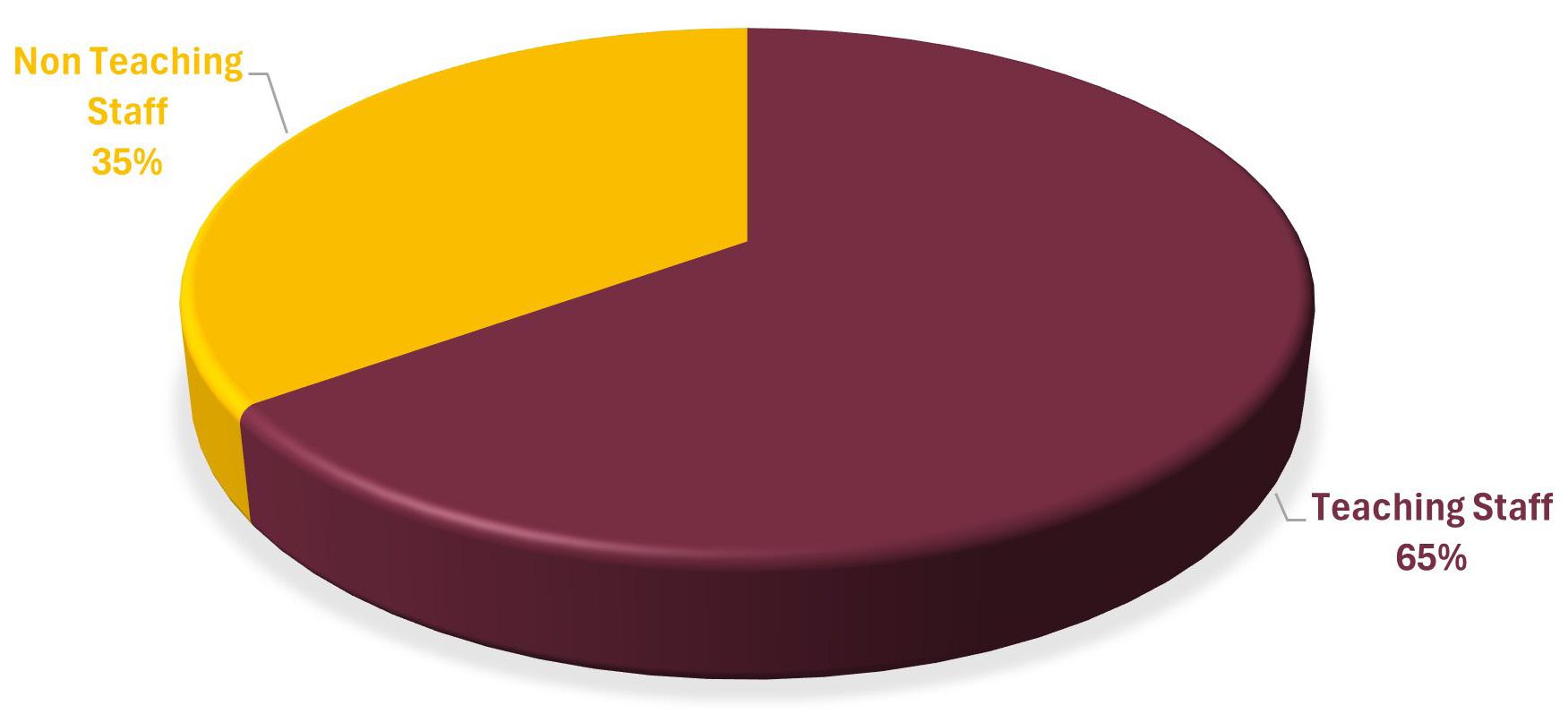
College staff hold qualifications relevant to their positions and all teaching staff are registered with the South Australian Teachers Registration Board.
All staff of St Michael’s College are expected to meet the requirements outlined in their position information document. A commitment to uphold and contribute to the Lasallian ethos, participate in professional development activities, and establish positive and effective relationships within the College community are but a few of the high expectations of all staff.
New teaching staff, permanent or contract employees complete the CESA Teacher Induction module at commencement of their employment and permanent staff are required to complete the Graduate Certificate in Catholic Education within the first five years of employment.
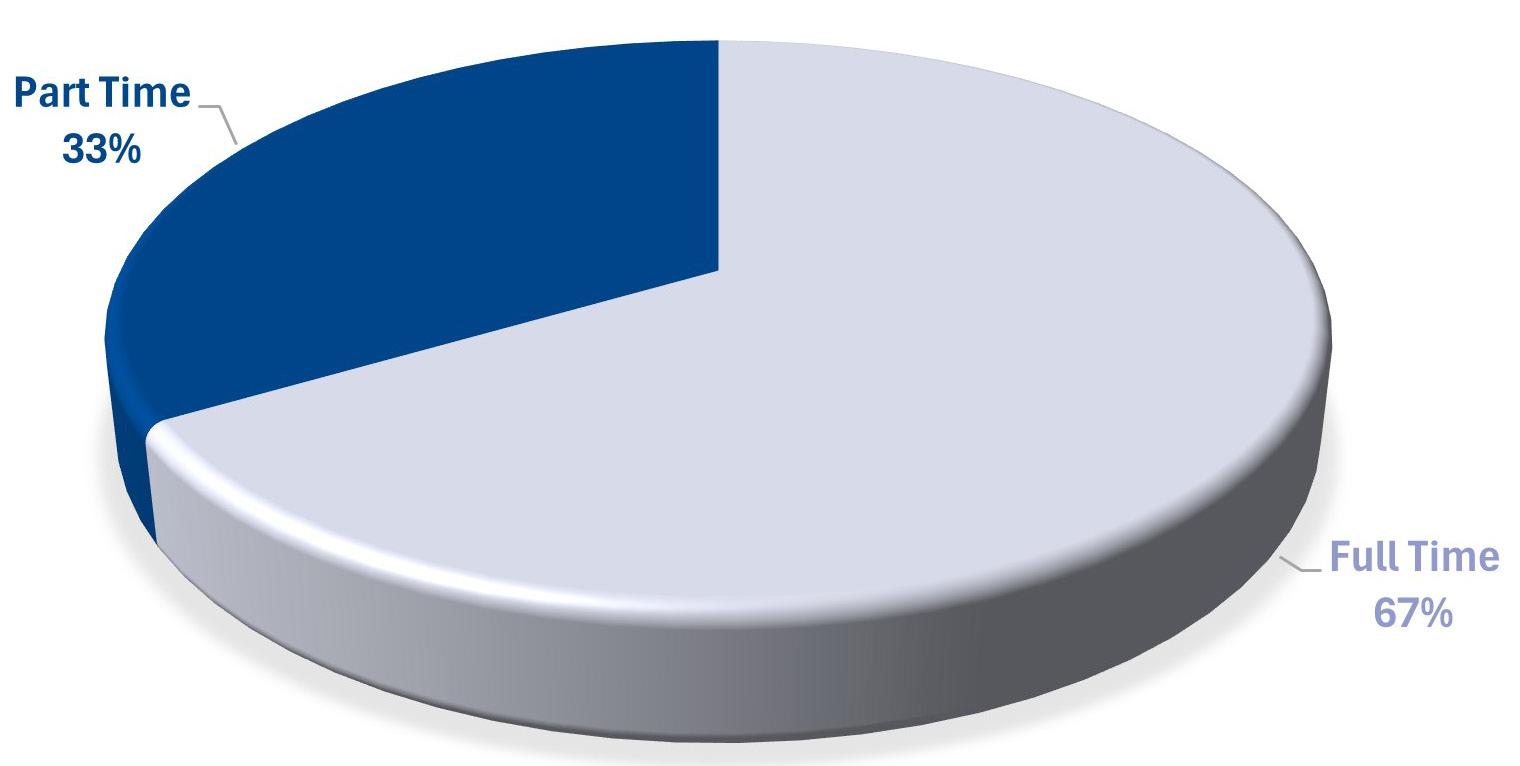
Staff highest level of education is as follows:
10% completed high school
8% have a Diploma
9% have a training or trade qualification
33% of Staff have degrees
23% of Staff possess post graduate qualifications
17% of Staff hold Master’s degrees
2 Staff have Doctorate qualifications
4 Teachers have achieved AITSL Lead Teacher Status with many others in the process of undertaking the appraisal process.
The St Michael’s College staff are highly qualified in their chosen field and beyond as depicted in the sample profile of additional qualifications held by college staff:
• PhD in Microbiology
• PhD in Philosophy
• Masters of Teaching
• Masters of Catholic Education
• Masters of Applied Theatre Studies
• Masters of Business Administration
• Masters of Economics
• Masters of Education
• Masters of Educational Leadership
• Masters of Fitness/Personal Training
• Master of International Law and International Relations
• Master of Network and Security Administration
• Master of Philosophy
• Masters of Speech Pathology
• Graduate Degree in Sociology
• Graduate Certificate in Catholic Education –including the new Lasallian Methodology unit
• Bachelor of Education
• Bachelor of Information Technology: Networking and Cyber-Security
• Bachelor of International Studies
• Bachelor of Marine Biology
• Bachelor of Applied Science (Human Movement)
• Bachelor of Psychology
• Bachelor of Visual Communication (Graphic Design & Illustration)
• Diploma in Nutrition
• Diploma of Project Management
• Certificate IV Workplace Training and Assessment
• Certificate IV Education Support
• Certificate III Financial Services
• Cabinetmaking & Carpentry qualifications
St Michael’s College Strategic Direction addressing ‘People, Leadership and Culture’ states the College’s role in, “Investing in the wellbeing, development and contribution of staff to offer a satisfying, fulfilling connection to the College and positive Catholic and Lasallian organisational culture.”
All Teaching staff and Education Support Officers (ESOs) participate in various learning opportunities, either manager recommended or self-identified. Teaching staff engaged with a range of safety, risk and compliance training as well as upskilling in Smart Lab, the School Wide Literacy program and use of the Track One platform to inform teaching with evidence based data.
In 2025, secondary teaching staff engaged in group professional learning throughout the year.
Personal Professional Learning Plans (PPLPs) are guided by AITSL’s ‘Enabling the High-Quality Professional Learning Cycle’ and the Australian Charter for the ‘Professional Learning of Teachers and School Leaders,’ emphasizing relevance, collaboration, and a future focus.
PPLPs may include accredited study, seminars, courses, mentoring, participation in professional learning teams, professional reading, or online learning, each led by experienced staff. An end-of-year professional learning showcase highlighted diverse learning experiences and the willingness of staff to share knowledge, from seasoned educators to first-year teachers. This approach ensures continuous professional growth and community engagement, aligning with the strategic direction of promoting personal and collective development. 2025 PPLP foci included:
• Classroom Management and Student Engagement
• Sustainability (incorporating aquaponics, farmbots and native bees)
• Application of the dynamic skill model in HPE
• Supporting Gifted Students in the Classroom
• Use of Emerging Technologies in the Classroom
• Explicit Teaching – use of mini whiteboards in a secondary context
Sample of Professional Development undertaken by staff in 2025:
• Lasallian Compass
• Lasallians Together for Mission
• CESA Aspiring Leaders
• CESA High Impact Instruction
• CESA System Coaching
• CESA - Safeguarding through the lens of Catholic Social Teaching
• Positive Schools Australia - Wellbeing Matters Conference
• AHISA - Leading, Learning & Caring Conference
• AHISA - The Changing Landscape
• SACE Curriculum Design, Curriculum Forums, Assessment and Marking across many learning areas
• Women & Leadership Australia– Executive Ready
• Women & Leadership Australia - Leadership Symposium
• Informa Connect - AI In Education Conference
• Generative AI In Education
• Edutech
• SASVI - Braille & Tactile and Introduction to VI
• Critical Agendas - Skills & Frameworks for difficult conversations
• Mental Health First Aid
• Thinktank Media - Corporate PA Summit
• A range of Learning Area state and national conferences (as both attendees and as presenters)
National Assessment Program Literacy and Numeracy (NAPLAN)
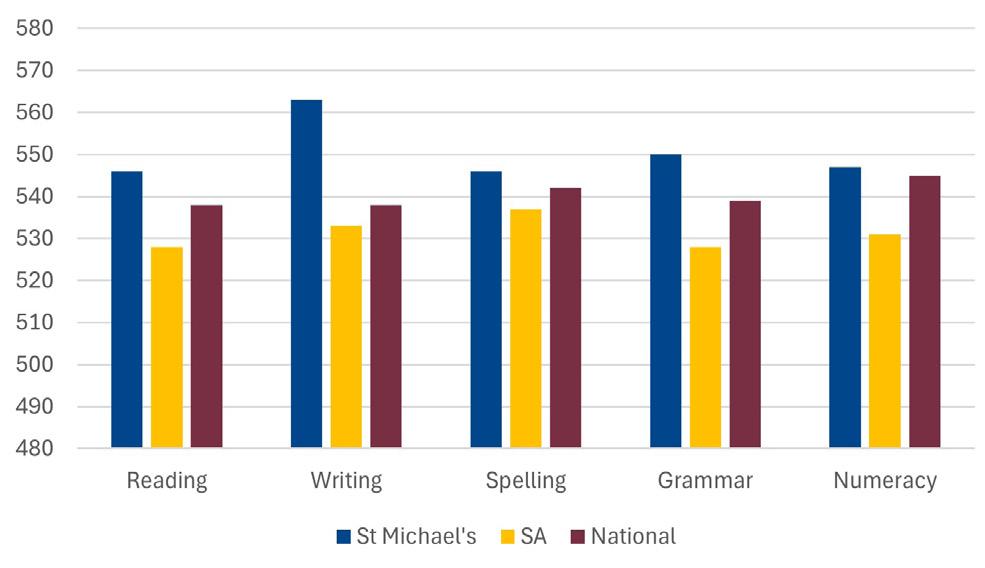
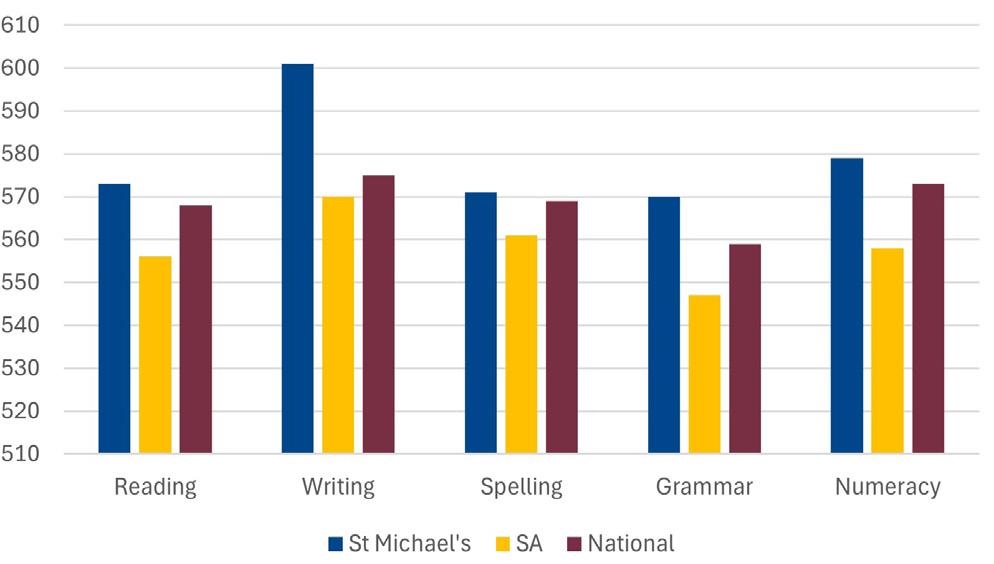
Upon completion of NAPLAN Testing this year, the following results were achieved:
Year 3 NAPLAN Results
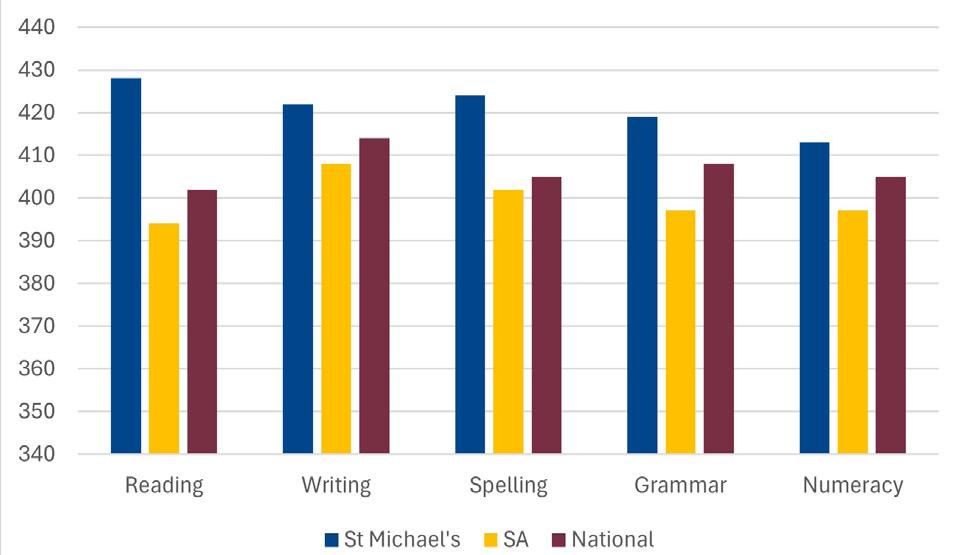
Year 5 NAPLAN Results
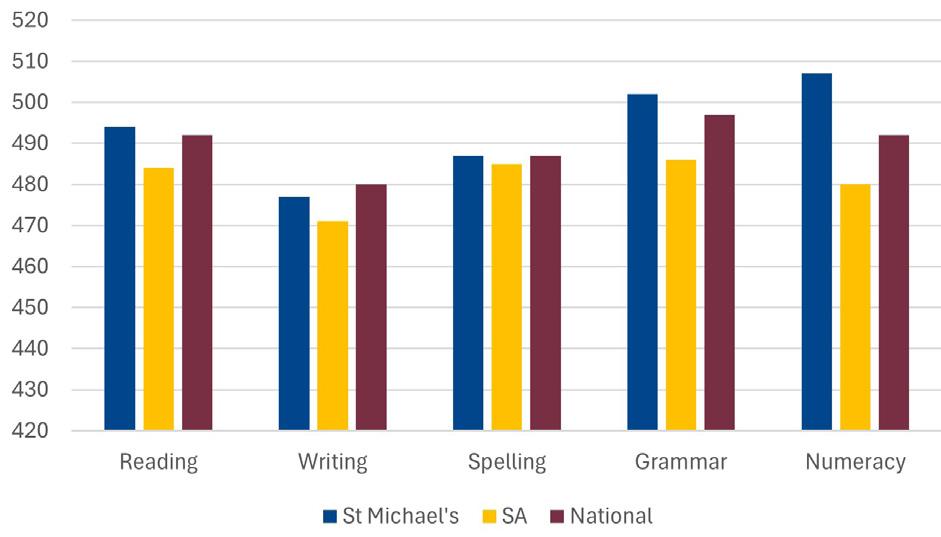
Year 7 NAPLAN Results
Year 9 NAPLAN Results
The achievements of the Class of 2025 in SACE, together with the release of their ATAR results, were celebrated with great pride and joy. These outstanding outcomes reflect years of hard work, growth and commitment to learning. We warmly congratulate each student on their dedication, resilience and perseverance throughout their schooling journey. This significant milestone was made possible with the support of their families, teachers and the wider College community.
of students with ATAR above 90
of eligible students with an ATAR above 90
Number of students with ATAR above 80
of eligible students with an ATAR above 80
College Dux
Number of Subjects with Merits
Number of Subjects with A+
Michele Pipicelli, ATAR 99.15, with three A+ grades, in Mathematical Methods, Modern History and Speciliast Mathematics, and a ‘perfect’ 20/20 for his University Studies.
Proxime Accessit
Victor Cavuoto, ATAR 98.95, with three A+ grades in Chemistry, Mathematical Methods and Physics.
This year’s SACE results represent outstanding achievement by the Class of 2025. A total of 88 A+ grades were achieved by 60 remarkable students. These high-achieving students have demonstrated exceptional skill, knowledge, and mastery across various subjects, setting a standard of excellence that inspires their peers and future students.
The achievements are further highlighted with 13 Merits awarded to 13 students across 10 different subjects. These Merit Certificates, presented at Government House, represent outstanding achievement in their respective subjects.
An outstanding 48% of all grades allocated were in the A Band - our highest achievement ever. The strong level of academic achievement is reflected in the students’ ATAR scores, with most students likely to secure their first-preference university courses. This success is a testament to their academic preparation, approach to learning, and the comprehensive educational foundation provided by the College.
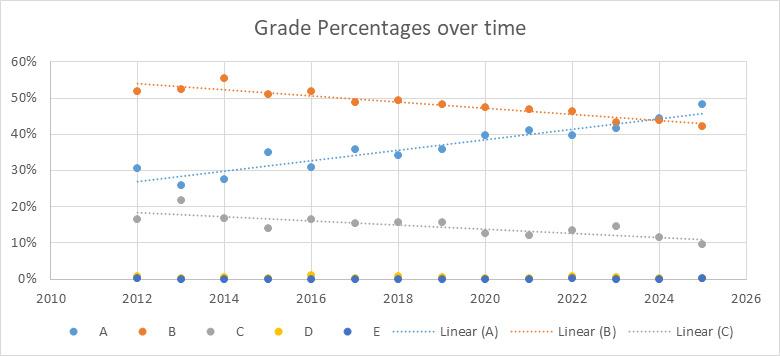
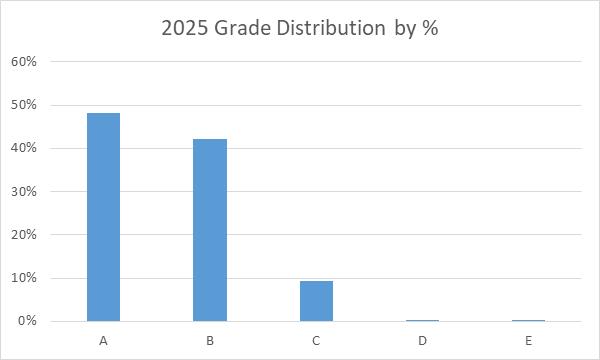
St Michael’s continues to provide a broad selection of Year 12 subjects, ensuring the needs of our diverse cohort of students are considered. This year, students completed over 50 different SACE Stage 2 subjects, 15 different university subjects and a wide variety of VET courses, contributing to their SACE completion.
Number of VET Certificate III Accreditations
Number of students who completed SACE using VET
Number of students who completed SACE with VET
84 students
21 students (9%)
129 (53%)
We take immense pride in celebrating all our students’ accomplishments and look forward to witnessing their continued success in their future endeavours. We are grateful to the parents who supported their children and to the teachers, both in Year 12 and throughout the College, for their dedicated efforts in assisting students to achieve such fine results.
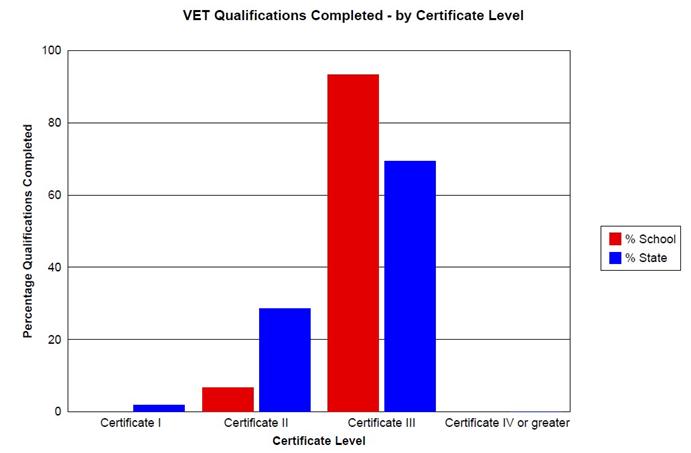
Vocational Education and Training (VET) remains a highly valued part of the educational offering at St Michael’s College. Enrolments in formal VET qualifications have remained steady, with the largest group in Year 11, where 147 students participated in VET during 2025. Among the 2025 Year 12 graduates, 54% undertook VET at the College, with 35% completing Certificate III qualifications that contributed to their university entrance scores. In Year 10, 149 students, representing 56% of the cohort, participated in VET in 2025. This included 46 students enrolled in Certificate II or III qualifications, 87 students completing Try-A-Trade, and 16 students taking part in an immersion or ‘taster’ experience.
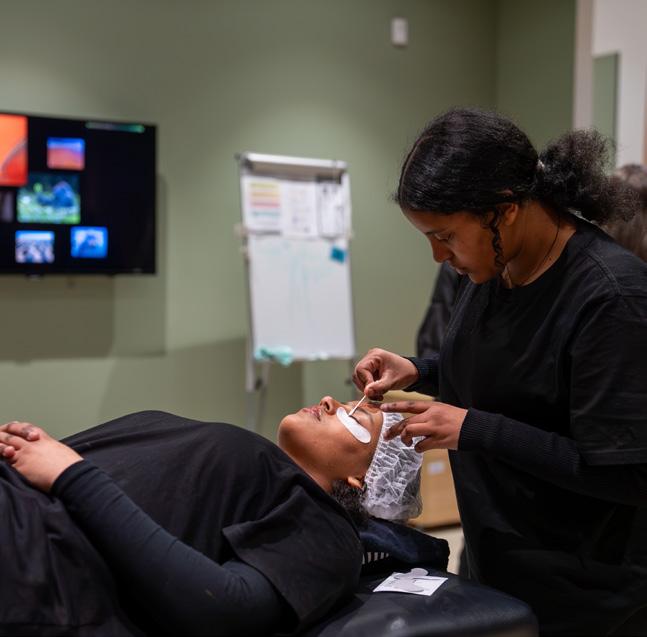
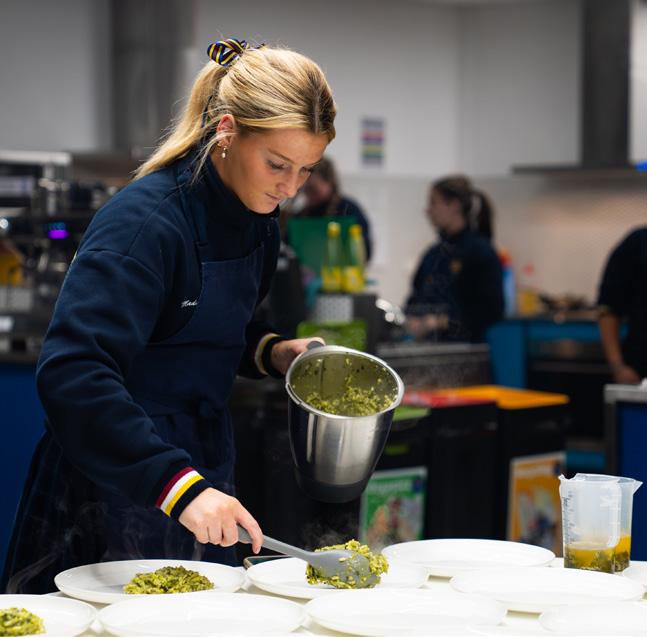
(Continued)
The 2025 Year 12 graduating cohort of 244 students has achieved exceptional post-school outcomes that demonstrate the strength and diversity of St Michael’s College’s educational programs. With 100% SACE achievement and 75% of graduates pursuing university studies, our students have exceeded state averages while embracing diverse pathways that reflect our Lasallian mission of service and excellence. We are proud that 4 graduating Beyond Borders students have all moved into meaningful post school pathways.
In 2025 we had a significant increase from 22 students the previous year to 32 students successfully complete approved University subjects as part of their Year 12 experience.
• 100% of students achieved their SACE - a testament to our comprehensive support systems
• 86% chose subjects eligible for university entrance (ATAR)
• 78% of graduates are pursuing university studies - well above state averages
• 93% received offers to their first or second preference course
Universities of choice:
• Adelaide University: 72% of offers
• Flinders University: 22% of offers
• Non Mainstream Universities and RTO* (Registered Training Organisations): 6%
• Elite offers to Uni NSW ADFA: 2 students
• Scholarship offer to ANU: 1 student
*RTO includes: SAE, Torrens University, Australian Chiropractic College TAFE SA, Bond University
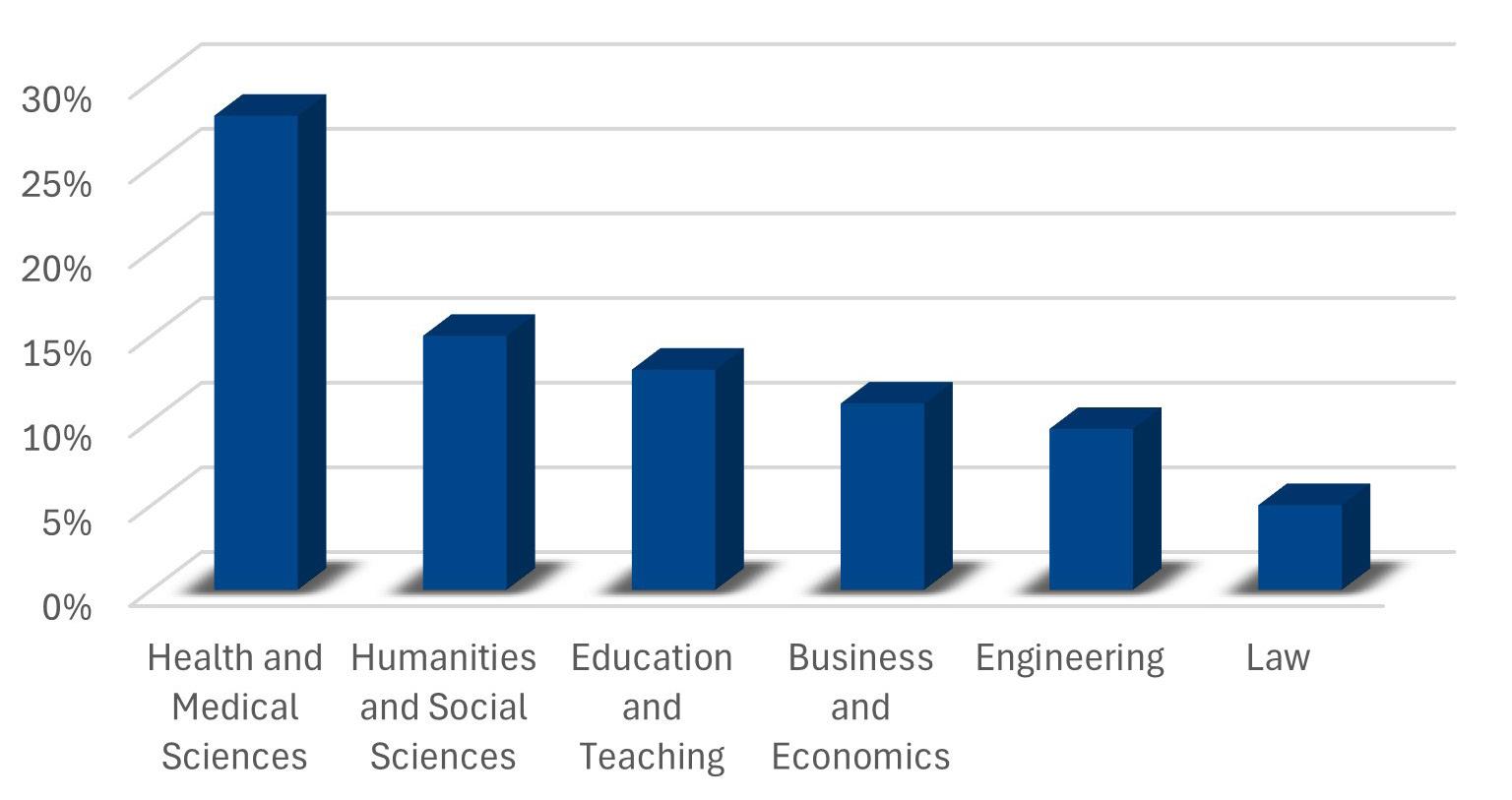
Popular study areas reflect our students’ commitment to service and community impact:
• Health and Medical Sciences: 28%
• Humanities and Social Science: 15%
• Education and Teaching: 13%
• Business and Economics: 11%
• Engineering: 9.5%
• Law: 5%
Course offers to be noted: an offer for Jazz at the Elder Conservatorium and two students awarded a place at ADFA Uni NSW to begin their Officer Training and study.
One student was awarded a significant scholarship to take up study at ANU. Diverse range of offers including: Paramedicine, Construction Management, Psychology, Engineering, Speech Pathology, Nursing and Law.
Diverse pathways alternate to university for 2025 include:
• 22% of graduates chose alternative pathways to university,
• This was made up of students in apprenticeships (10% of cohort) of these 12 were in School Based apprenticeship during Yr 12.
• Strong representation in Carpentry, Plumbing and Electrical and Metal Fabrication,
• Students pursuing Employment outside of Apprenticeships represented 10% of the cohort. Predominantly in retail, hospitality, and trades
• Many students deferred their offer at university to facilitate working and travel in 2026.
• We have 5 students who are not studying, not working and participating in NDIS pathways or health improvement strategies.
The Class of 2025 represents the continued evolution of St Michael’s College graduates into confident, capable, and service-oriented young adults. The exceptional variety in post-school pathways, from traditional university studies to competitive professional sports to defence service, demonstrates the success of our holistic educational approach.
The significant growth in health and medical sciences reflects both market opportunities and our students’ commitment to service—a core Lasallian value.
It has been reassuring to see so many students inspired by their teachers at St Michael’s College and follow them into further studies in Education and to want to care for others through the study of Psychology etc.
Additionally, the success of our Higher Education program has provided students with enhanced university preparation and confidence. Success has come in many forms in 2025.
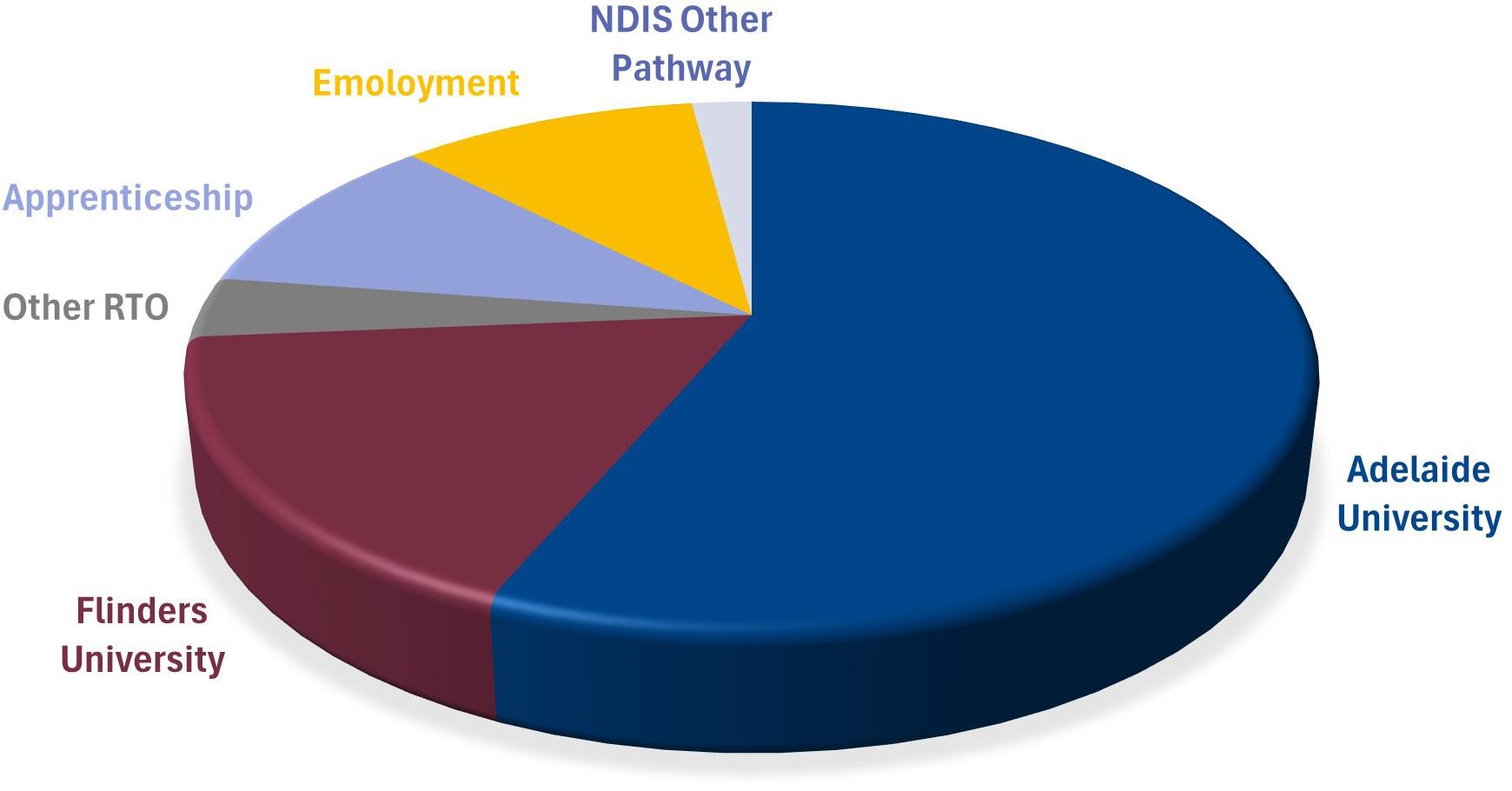
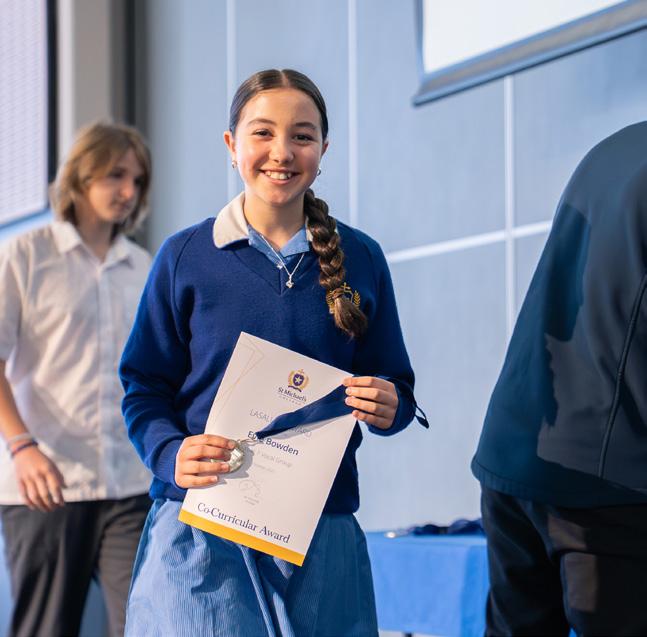
Tertiary Study Pathways by Industry Category
St Michael’s College is enriched by a highly engaged and supportive parent community. Throughout the year, parents are invited to share their feedback through parent-teacher interviews following term reports, weekly newsletters, year-level information sessions, and a wide range of educational presentations by guest speakers.
Parents also make a valued contribution to many aspects of College life, including cocurricular sport, music, drama and arts programs, College events, and the Parents and Friends Committee. Their involvement is further reflected through representation on the College Board and its Finance, Audit and Risk Management Committee.
During 2025 parents and caregivers were invited to provide feedback across all seven strategic priorities, providing valuable insights into parent perceptions of the College’s performance in delivering quality Catholic education in the Lasallian tradition.
The survey reflects a strong and encouraging level of satisfaction among parents and caregivers, with over 80% expressing confidence in the College’s educational offerings and a similarly high willingness to recommend it to others. The consistently high positive response rate across all strategic priorities highlights a community that feels well-supported and values the College’s commitment to delivering a high-quality Catholic education grounded in the Lasallian tradition.
Families particularly appreciate the rich and wellrounded experience offered to students. There is strong affirmation of the meaningful opportunities for faith development, alongside the wide range of academic, pastoral, and co-curricular activities available. The care, professionalism, and dedication of staff are warmly recognised, with parents also highlighting the College’s success in nurturing students’ confidence, leadership, and sense of belonging, creating a positive environment where young people can truly grow and thrive.
The College provides meaningful opportunities for students to explore and grow in their faith.
I feel that Lasallian values are evident in the culture and practices of the College.
The College fosters empathy, reflection, and service to others, especially the marginalised.
College supports student wellbeing and personal growth.
Students are encouraged to develop leadership, resilience, and community spirit.
At the College, student wellbeing is at the heart of everything we do. Throughout the year, we use a range of tools and regular check-in points to understand how each student is progressing, allowing us to identify needs early and provide timely support. Programs that promote inclusion, resilience, and social and emotional skills are embedded into everyday school life, alongside clear processes for responding to concerns.
Student wellbeing is monitored on an ongoing basis and formally measured through a range of sources. This enables teaching and support staff to track wellbeing, identify emerging needs, and respond in a timely and informed way. Our programs are regularly reviewed using data-informed practices to ensure students are equipped with effective strategies and appropriate support options.
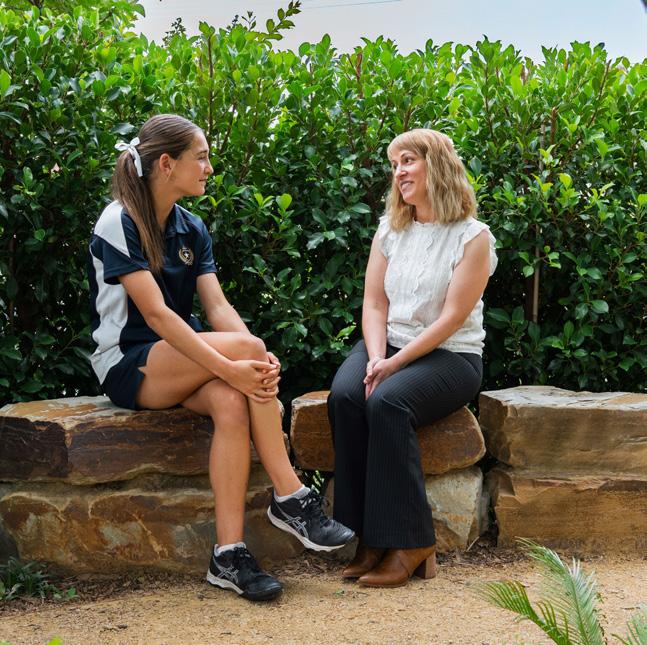
When additional support is required, we offer varying levels of care, ranging from mentoring and Pastoral Care conversations to professional counselling. We are encouraged that students feel comfortable reaching out for support when they need it.
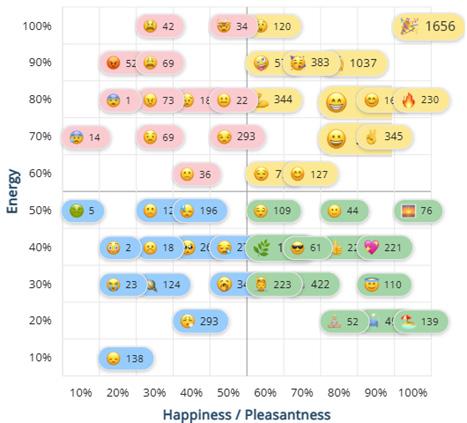
In the Primary Years, ORAH Mood Checks provide a quick and responsive way to collect live wellbeing data, enabling staff to take timely action and follow up where needed.

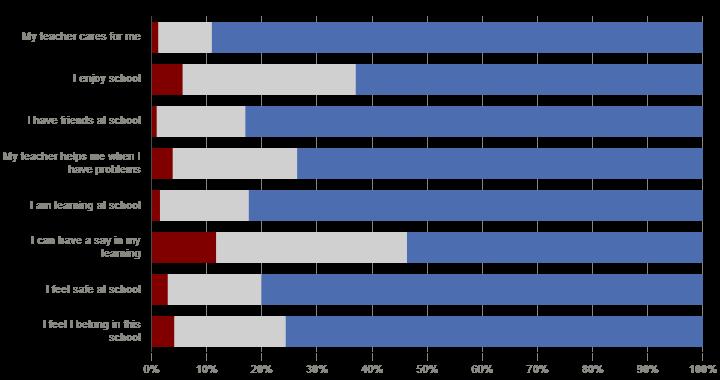
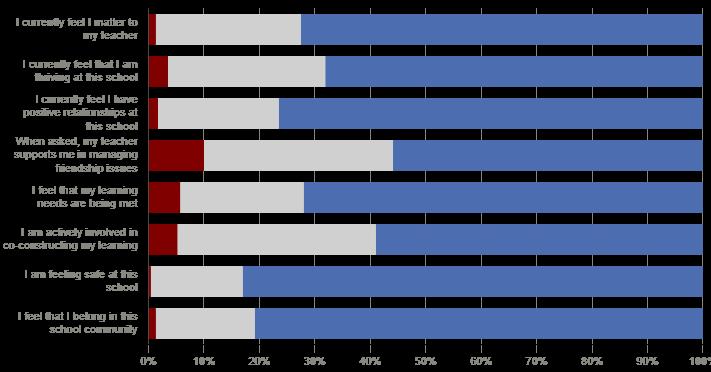
The 2025 Student Wellbeing and Engagement Collection (WEC) provided further insight into the experiences of students in Years 4 to 12. Comparative results showed that St Michael’s College performed strongly across a wide range of wellbeing measures when compared with all schools and South Australian non-government schools. These results reflect positive student views of wellbeing, belonging and engagement, and suggest that students generally feel known, safe and connected at the College.
College wide PULSE surveys continued in 2025, with check-ins conducted to provide timely and evidence informed insight into student wellbeing, engagement and sense of connection across the College. The 2025 results remained positive and provided a broad indication that students feel connected to the College, report positive relationships, believe their learning needs are being met and continue to report a strong sense of safety and belonging. Together, this information indicates that the College’s pastoral care and wellbeing supports are having a positive impact and helping staff identify emerging needs across year levels.
Reception - Year 3
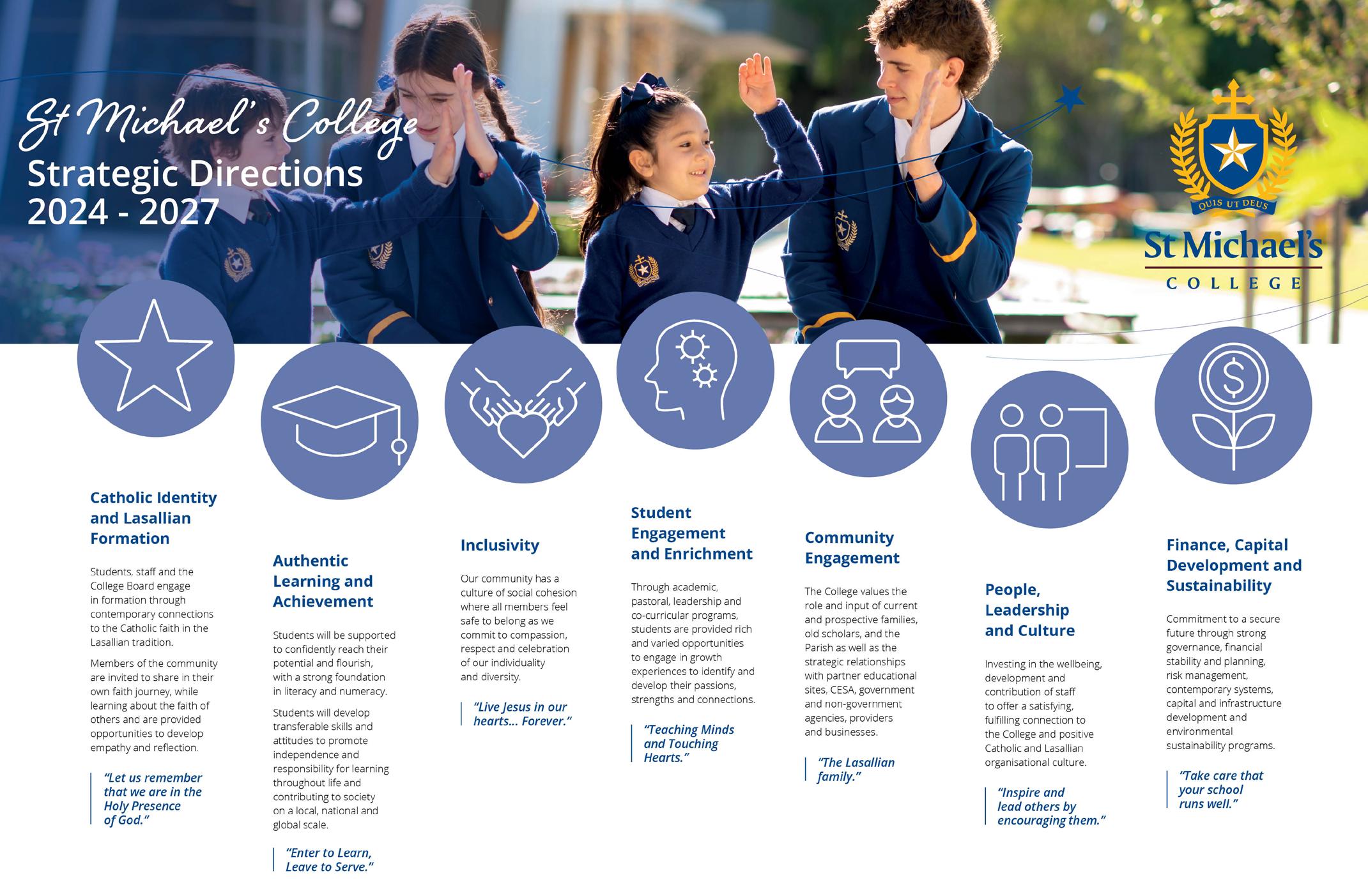
In 2025, St Michael’s College built on the momentum of its Strategic Directions 2024–2027. The College further embedded its Primary, Middle and Senior ‘Three Schools, One College’ model, strengthened teaching, learning and pastoral practices, expanded inclusive education support, and progressed major capital and operational priorities.
Across both campuses, the year saw continued growth in faith formation, student learning, community engagement and organisational capability, while strong enrolment demand confirmed the College’s reputation and future direction.
Catholic identity and Lasallian mission remained central to college life throughout 2025. Key expressions of faith and mission included Mission Action Day, Founders Day Mass, De La Salle Day, staff retreats, the Memorial Mass and the Year 12 Graduation Mass.
The College also continued to invest in staff formation through Lasallian mission programs including Lasallian Compass, Together for Mission and Exploring our Heritage, with 10 staff completing the inaugural Lasallian Methodology unit as part of the Graduate Certificate in Catholic Education.
Student leadership and formation were further strengthened through Lasallian leadership programs, preparation for the Australian Catholic Youth Festival, sacramental participation and strong connections with Henley and Hindmarsh Parishes across both campuses. The Immersion program saw 34 students travel to Vietnam, where they supported two schools in need and deepened their understanding of Lasallian values.
The College continued to strengthen teaching and learning through a clear emphasis on explicit teaching, introducing Classroom Mastery, the Whole School Literacy Agreement and data-informed practice.
During 2025, NAPLAN results showed substantial improvement, with particular strength in numeracy and encouraging growth across year levels. Literacy initiatives were expanded through DIBELS, Playberry, curriculum mapping, SEQTA processes and staff professional learning focused on observation, feedback, mentoring and consistent pedagogical practice.
Senior academic outcomes remained strong with outstanding SACE results, while the College continued to refine assessment processes and learning systems to improve student outcomes from Reception to Year 12.
A timetable review focused on connectedness, stronger student–teacher relationships, reduced student movement and optimised learning opportunities, leading to the introduction of a new College timetable for 2026.
Inclusivity remained a major strategic priority throughout 2025 as the College strengthened in-class support, intervention structures and provision for diverse learners.
The new Secondary campus Inclusivity Hub was established and became operational, providing dedicated meeting areas, flexible learning spaces, a sensory room and workspace for staff. Additional co-educators, mentoring and counselling support continued to expand services with staff appointments across both campuses, alongside stronger Allied Health processes, refined intervention structures and revised classroom support practices.
Data informed systems such as Orah, WEC and PULSE student surveys, support documentation, NCCD moderation and Sound Field reviews at Primary contributed to a more consistent and coordinated approach to Inclusive Education.
Student engagement and enrichment continued to thrive across both campuses in 2025.
The Rite Journey, leadership programs, camps, carnivals, performing arts events, music initiatives and pastoral presentations all contributed to a vibrant student experience.
Co-curricular participation remained a major strength, with strong involvement in weekend sport, talent development pathways and external partnerships in areas such as netball and basketball.
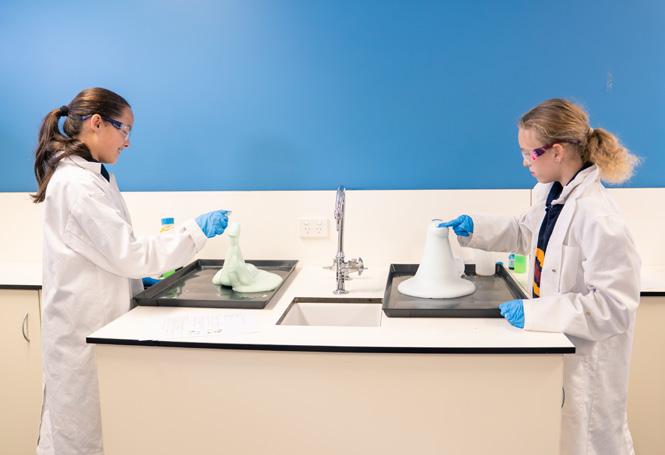
Signature experiences such as Shrek the Musical, Pulse 17, Arts Week, Book Week, Science Week, the Catholic Schools Music Festival, Generations in Jazz, the Primary Christmas Concert, leadership days and student showcase events provided meaningful opportunities for student agency, participation and belonging.
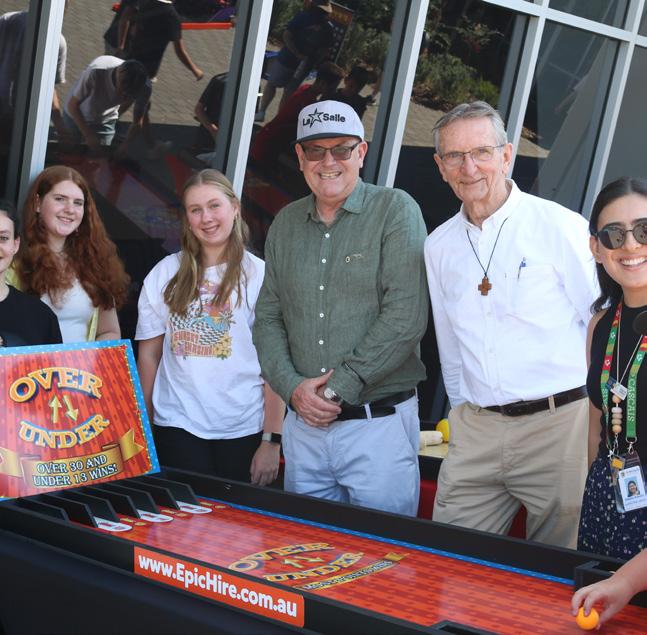
Community engagement remained strong throughout 2025 through parent education events, College tours, exhibitions, welcome evenings, celebration events and sustained parish connections.
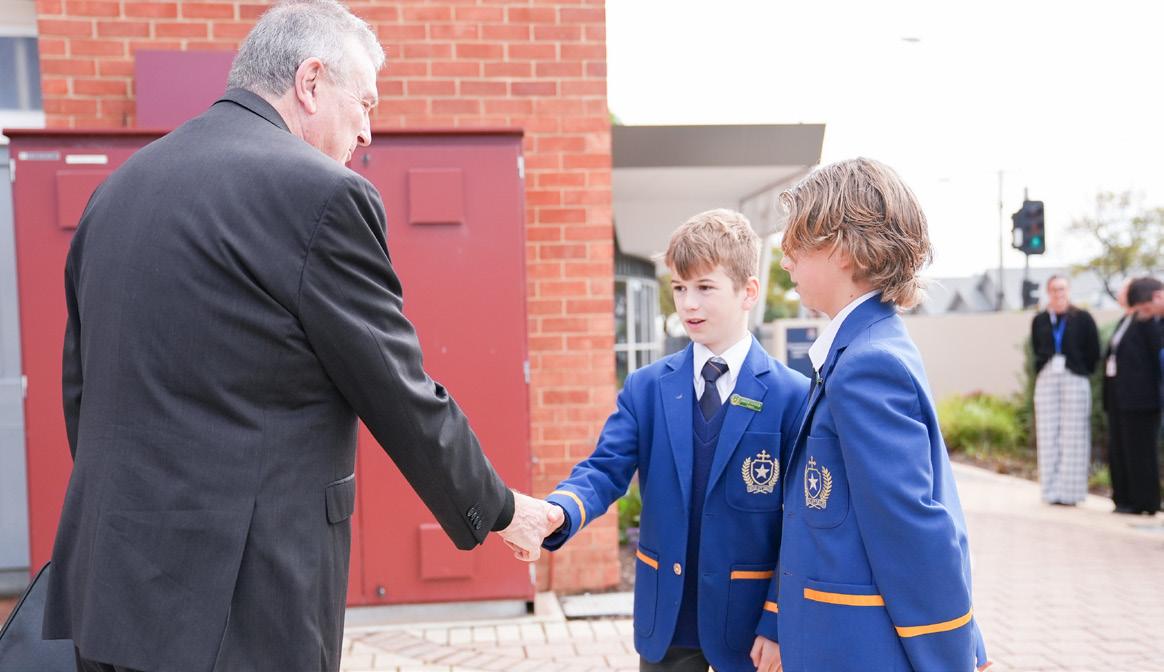
The official Opening and Blessing of the Primary redevelopment was a significant milestone, as was the continued growth in community support and participation at performances, sporting events and family-focused programs. Workshops and presentations on literacy, cybersafety and wellbeing strengthened our College and family partnerships.
Enrolment demand also remained exceptionally strong, with high application and waitlist numbers across future year levels, reflecting community confidence in the College’s direction and educational offering.
The College continued to invest in leadership development, workforce capability and a positive organisational culture throughout 2025.
Structural refinements strengthened role clarity and operational effectiveness, while recruitment and succession planning supported a number of key appointments across mission, learning, facilities and support services.
Professional learning remained a clear priority, with staff participating in leadership development, mentoring, coaching, inclusive education training, classroom practice development and wellbeing focused professional development.
Throughout the year, leadership teams continued to strengthen collaboration, communication and a culture of growth, service and continuous improvement.
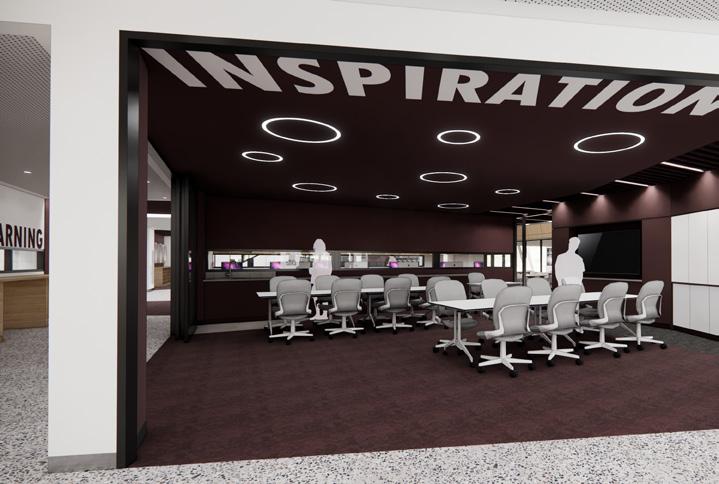
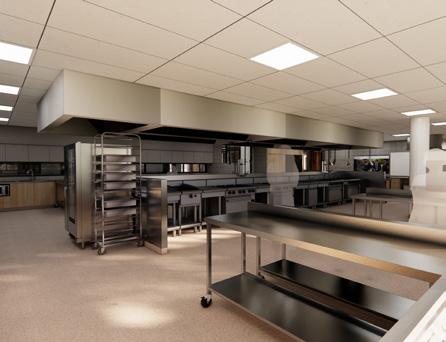
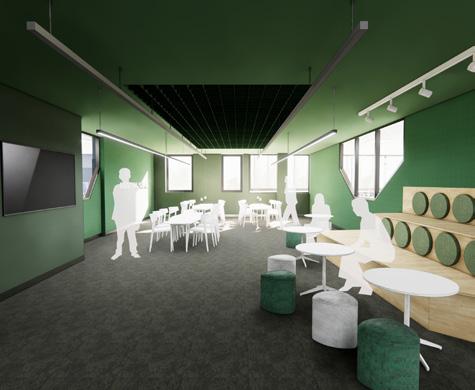
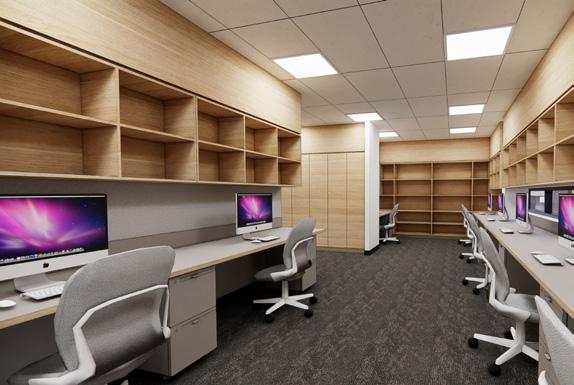
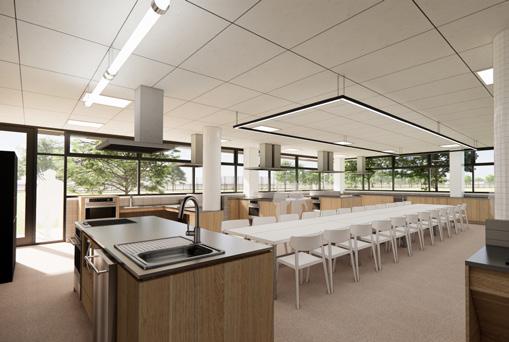
Major progress was made across finance, infrastructure and operational sustainability during 2025. The Primary redevelopment reached completion and was formally opened in May, the Inclusivity Hub at the Secondary campus was delivered, the upgraded cricket pitches were completed, and planning and tendering for the STEAM Centre including the relocation and upgrade to the transportable buildngs was undertaken with Sarah Constructions being selected as the successful builder. Additional works included bathroom facilities refurbishment, Turon Courtyard redevelopment and landscaping, CCTV and AV upgrades, ICT investment and the continued implementation of systems supporting procurement, enrolments, cybersecurity, business continuity and risk management. Together, these developments reflected a disciplined and future-focused approach to the stewardship of College resources while improving learning environments and organisational resilience.
The 2025 outcomes reflect a year of measurable progress across faith formation, learning growth, inclusive practice, community confidence and capital development, further strengthening St Michael’s College as a thriving and future-focused Catholic school in the Lasallian tradition.
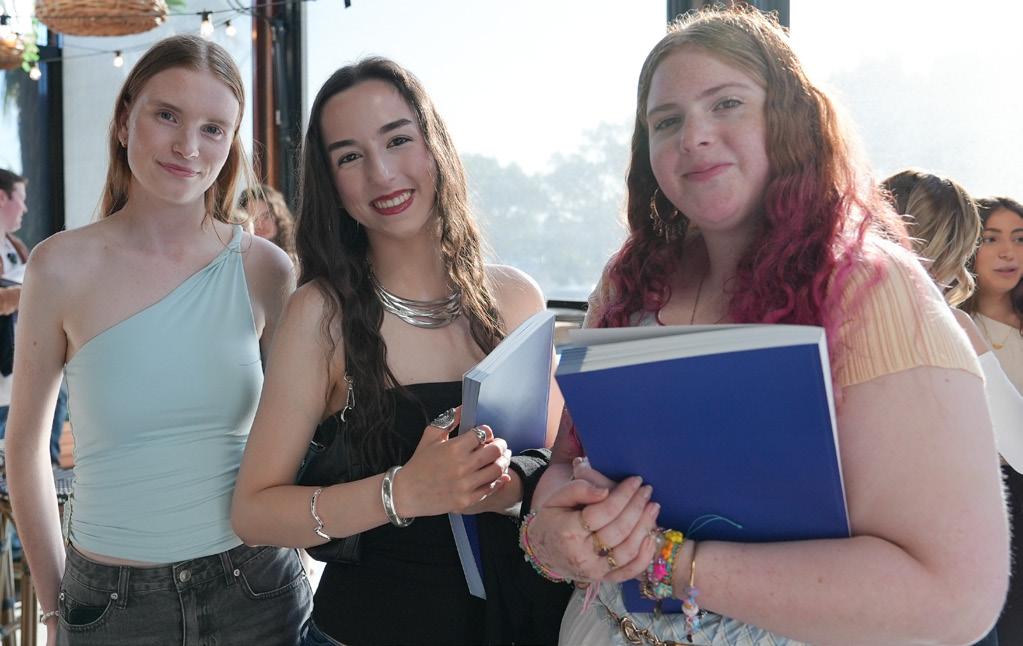
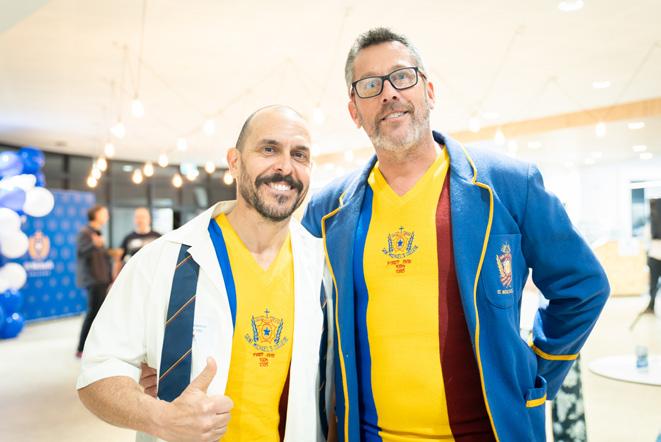
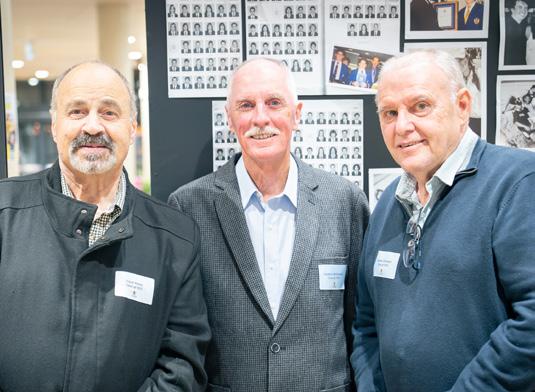
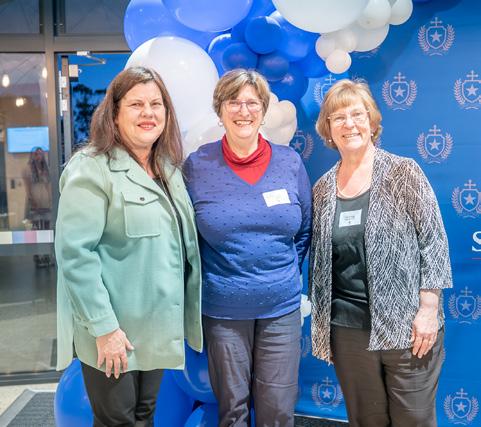
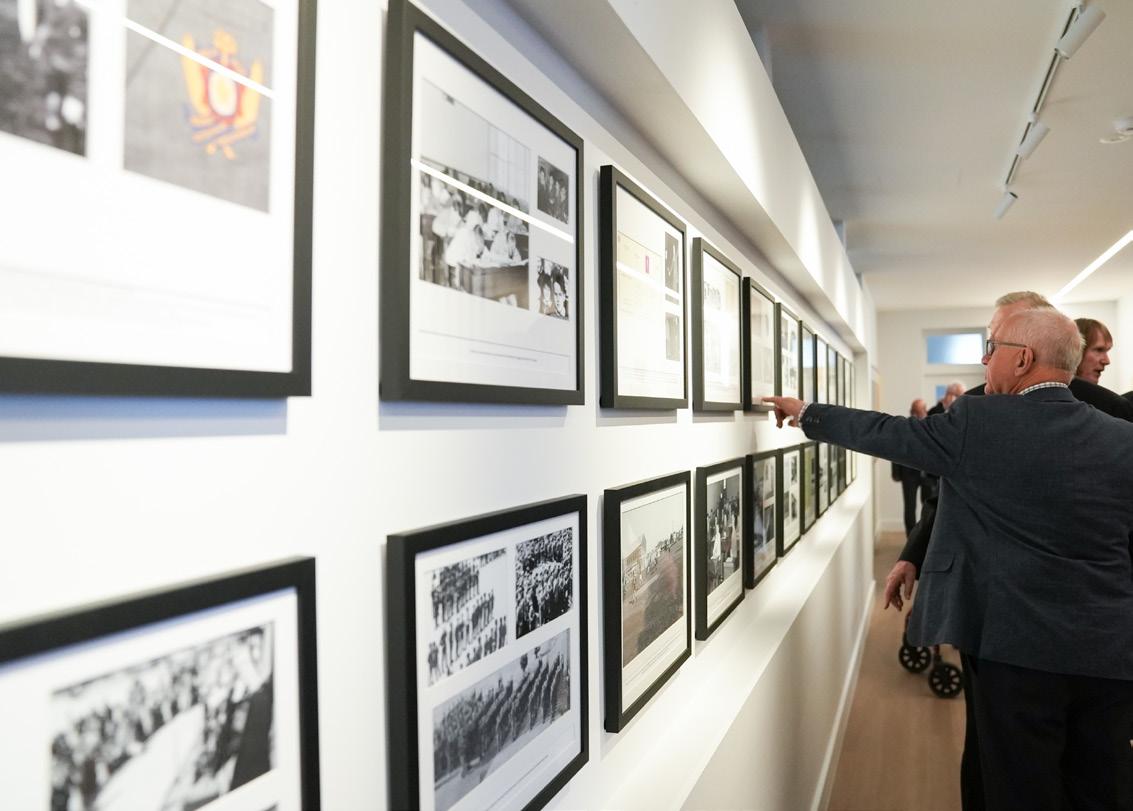
Decades Reunion and the inaugural One Year On Reunion





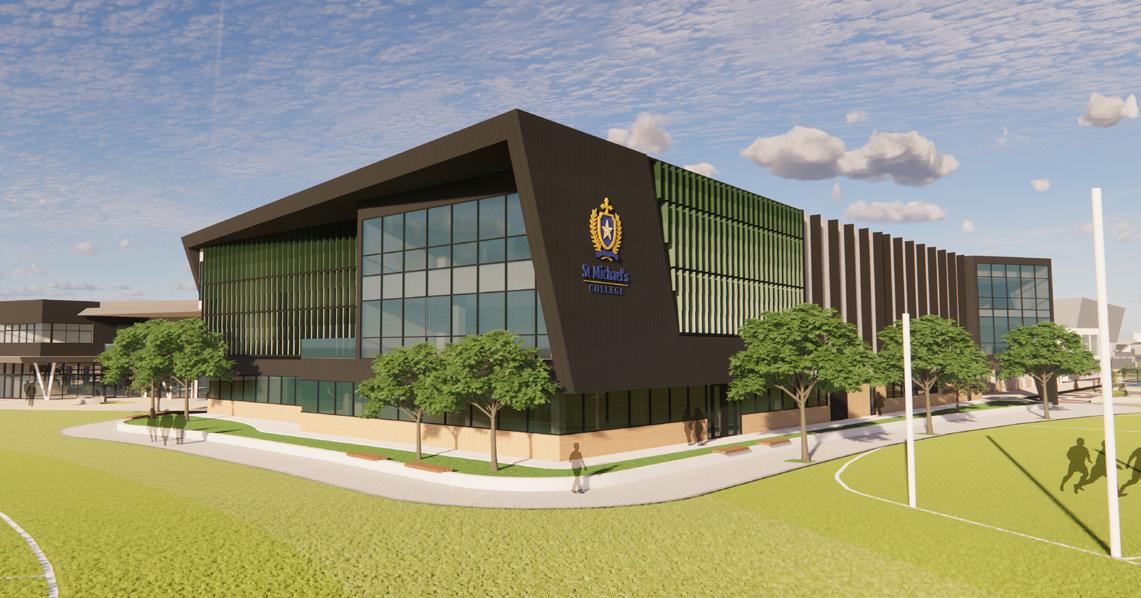
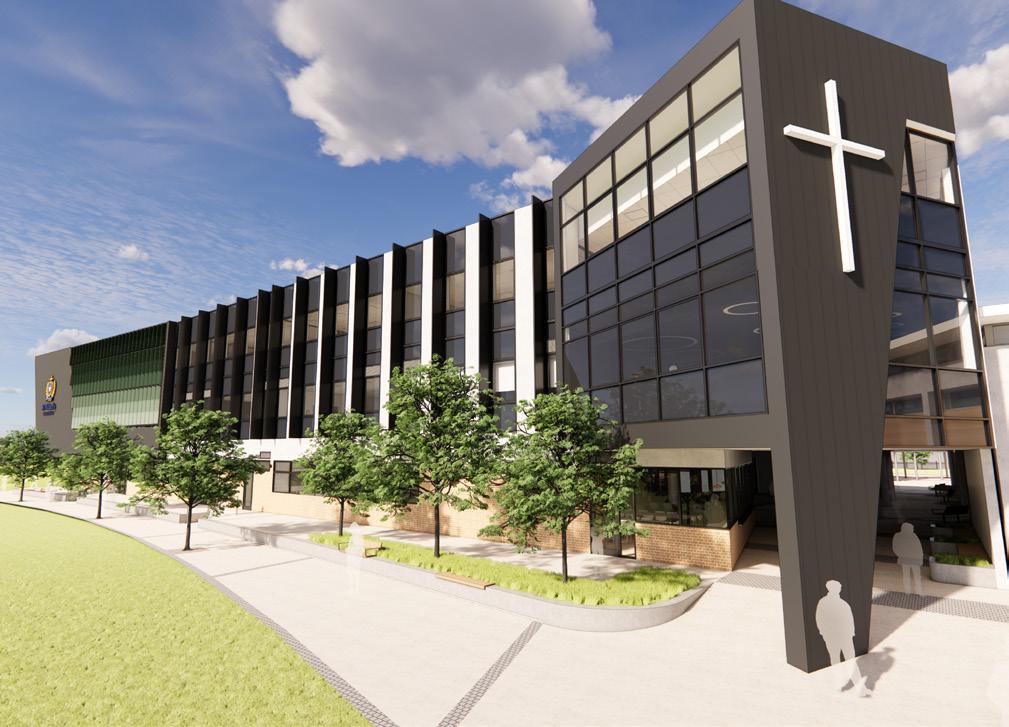
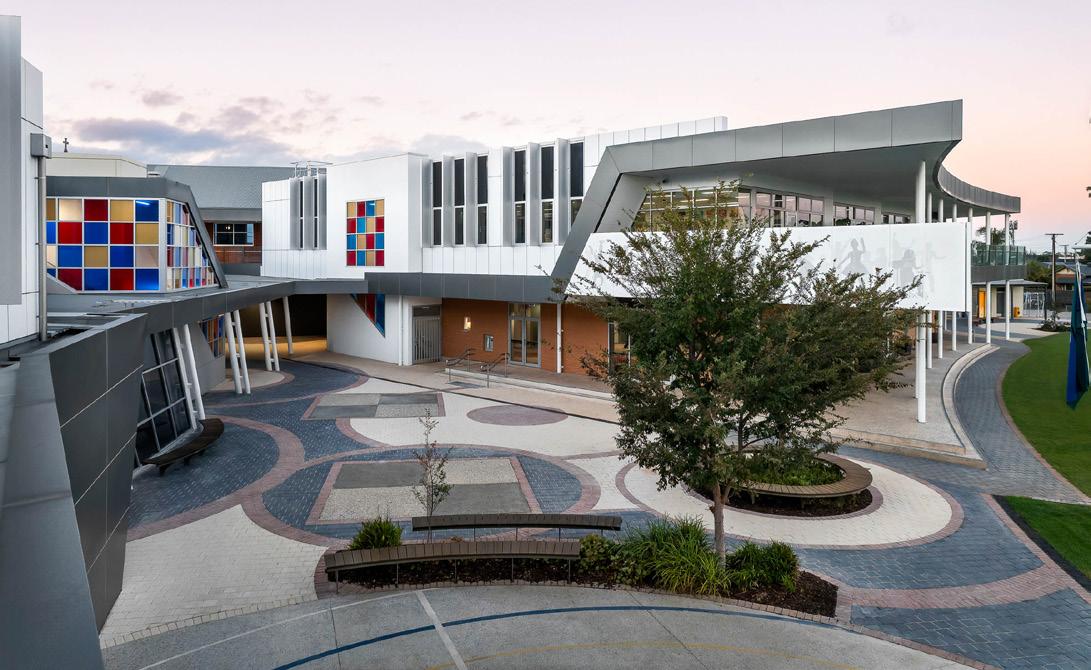
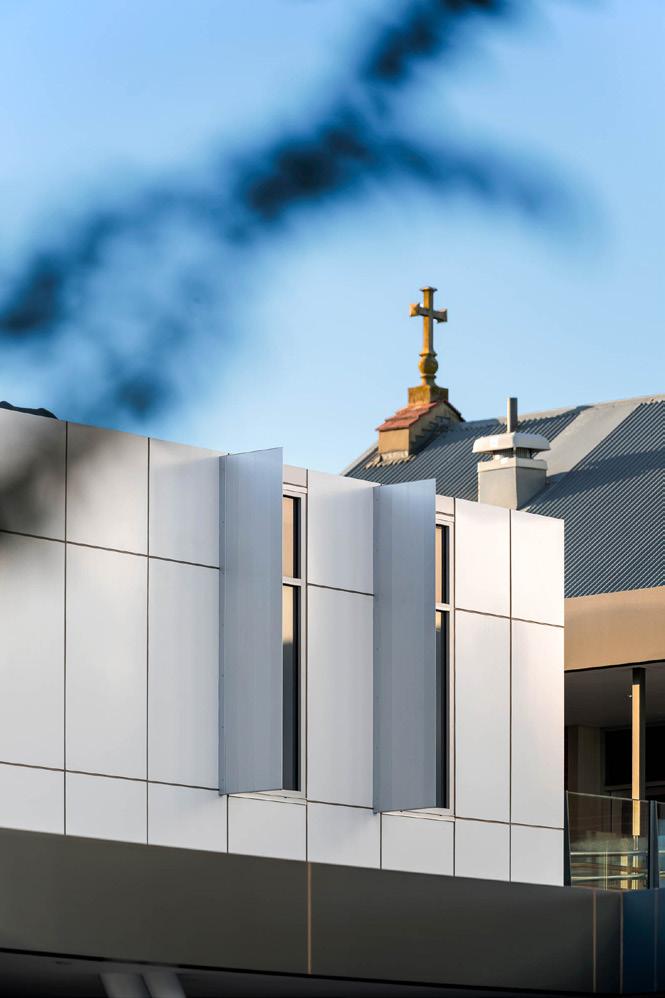
Primary Campus Building Works
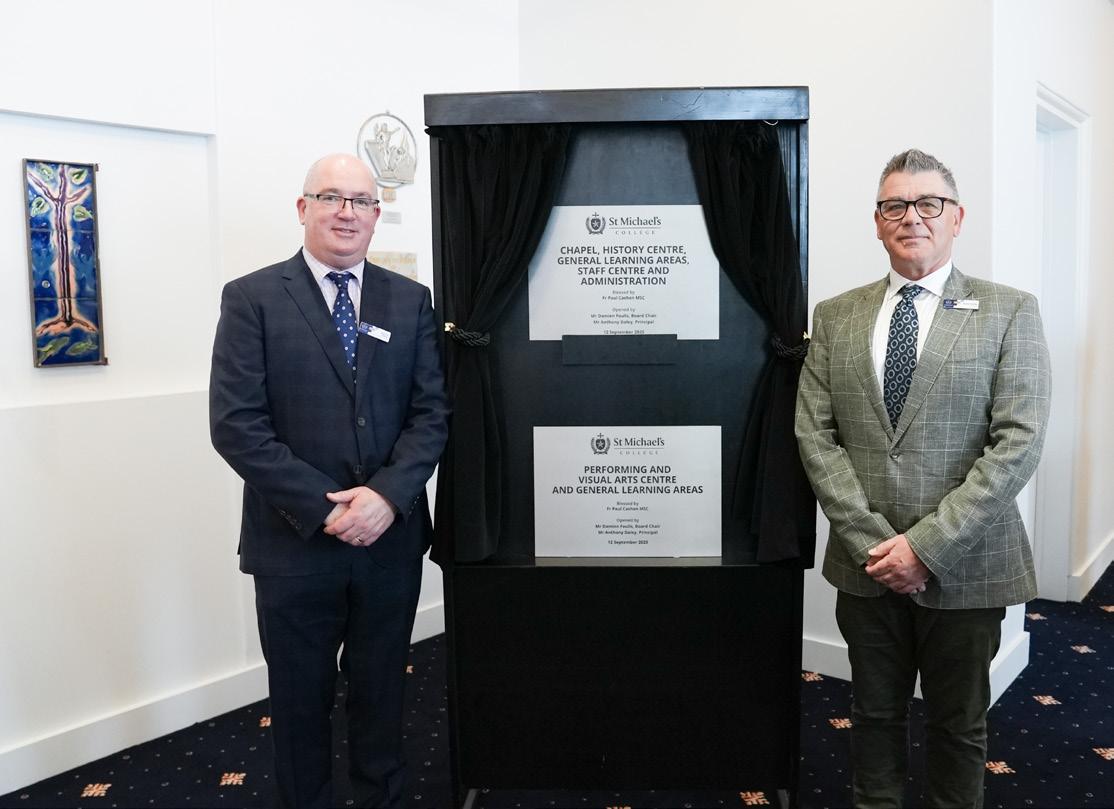
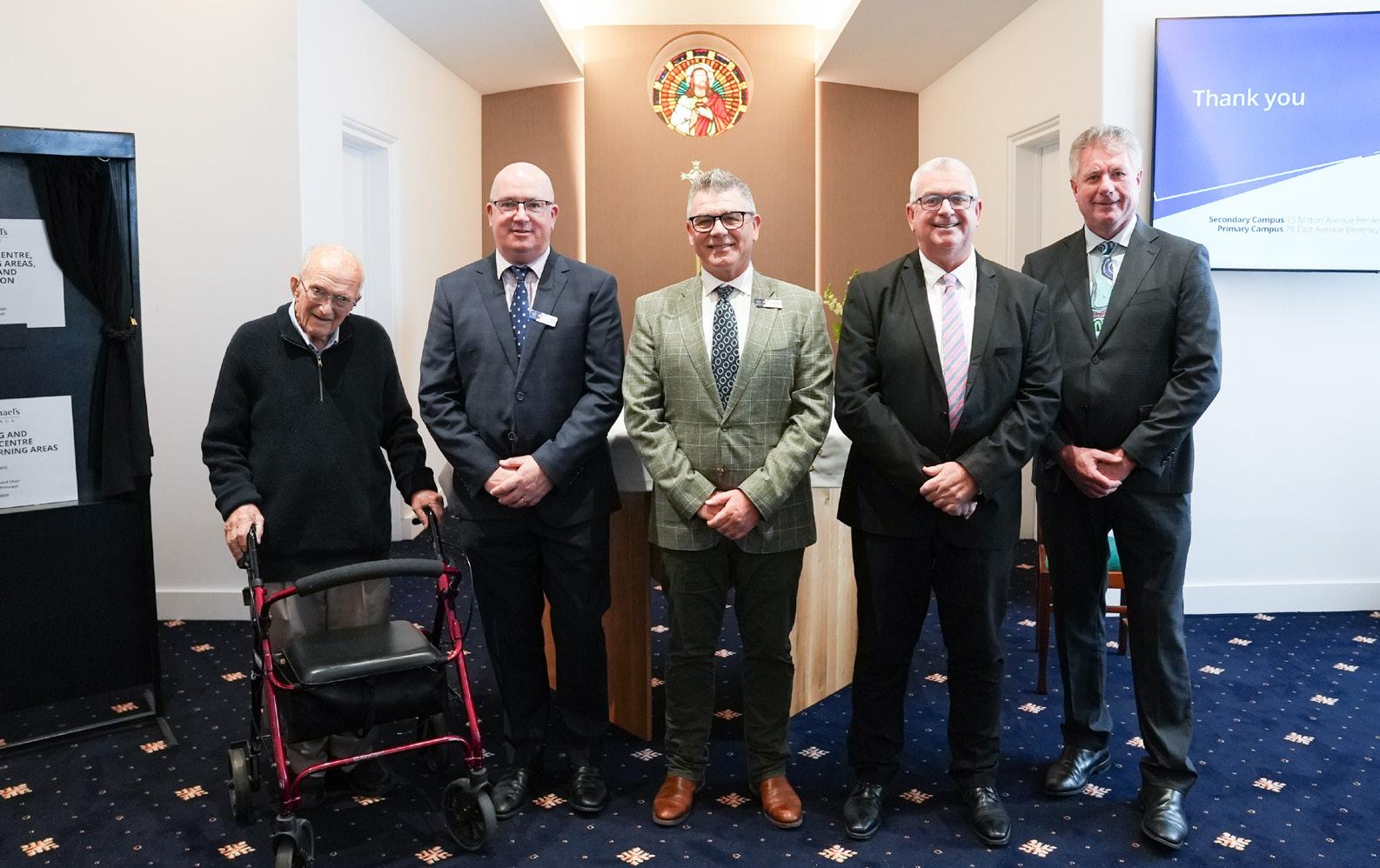
Stage 2 & 3 Opening Ceremony
A+ to E- Grades used for all subjects in Years 7 to 10
A band Excellent achievement of what is expected at this year level
B band Good achievement of what is expected at this year level
C band Satisfactory achievement of what is expected at this year level
D band Partial achievement of what is expected at this year level
E band Minimal achievement of what is expected at this year level
F No work has been submitted, a score of zero has been obtained
NA Not Assessed
Student achievement is referenced against the Australian Curriculum Achievements Standards in a learning area or subject being studied. Demonstration of performance is required when making judgments about the standard and outcomes. Finer grade level distinction is made using + or – i.e. A+, A, A-
A+ to EGrades used for Year 11 subjects and the PLP (Year 10) and Grades used for SACE STAGE 2 subjects
A to E Grades used when reporting to the SACE Board at Stage 1 (Year 11)
P for Pending may be used for the following compulsory SACE Stage 1 subjects: English (Literacy), Mathematics (Numeracy), and the PLP as well as Research Project - a compulsory SACE Stage 2 subject
Performance Standards, provided in each Subject Outline, are used to assess and report student achievement. These standards describe in detail the level of achievement required to obtain each grade at Stage 1 and Stage 2.
Years 7 to 10 students completing Individual Education Plan Subjects (Learning Support) work on tasks designed to meet negotiated outcomes. Parents/Caregivers are informed of this process at the implementation stage.
Year 11 students complete an adjusted Stage 1 Learning and Assessment Plan. They may have restrictions placed on their Stage 2 subject choices.
Years 7-11: Each subject will have a number of indicators, two of which are Application to Study and Behaviour in Class The other indicators are designed specifically for each Learning Area using the Achievement Standards (Australian Curriculum, Years 7-10), and Performance Standards (SACE Stage 1 Subject Outlines) and will therefore vary from subject to subject.
Year 12: Each subject will have Application to Study and Behaviour in Class as indicators, as well as an individual written comment.
Subject Indicators will have the following levels:
• Excellent • Good • Satisfactory
• Inconsistent • Unsatisfactory
Application to Study refers to the student’s overall commitment, in-class participation (questioning and responding, collaborative learning, learning through individual and group work), and the ability to focus in class, take responsibility for learning, self-evaluate and self-manage homework, revision, wider/extra reading, attention to detail, determination, and initiative to extend the boundaries of personal knowledge of the subject.
Excellent Completes all set tasks and meets deadlines. Highly motivated, works diligently in class.
Good Completes all set tasks and meets deadlines. Works very well in class.
Satisfactory Generally completes tasks, meets deadlines and works well in class.
Inconsistent Often not on task, fails to meet some deadlines. Needs to show more selfmotivation
Unsatisfactory Poor concentration and self-motivation with little application to study
Behaviour in Class refers to the student’s interaction with other students and teachers in the classroom setting, analogous with common politeness, courtesy, the following of instructions for the keeping of good order, and particularly in being a positive influence on the community as a whole.
Excellent Listens carefully to and complies with teacher instructions, is courteous, considerate and respectful of others
Good Good level of cooperation and conduct in class. Is respectful of others
Satisfactory Usually co-operative with appropriate conduct most of the time
Inconsistent
On too many occasions is uncooperative towards others. Attitude needs significant improvement
Unsatisfactory Often uncooperative, with a poor attitude towards the teacher, other students and the learning program
YEARS 7-10: Upon request, the College can provide information that clearly indicates your child’s achievement in comparison to that of other students in your child’s peer group at St Michael’s. This information will indicate the number of students in each of the achievement levels A-E.