Alma Mater
Editor: Stefania Bostock Design: Michaela Brighella
As we continue our journey through 2026, I am reminded daily that the strength of St Mary’s College lies not only in our rich history, but in the vibrant, compassionate and connected community we nurture together. Guided by the Presentation tradition, we remain committed to fostering a place where each person is known, valued and encouraged to flourish. This commitment is reflected in the relationships we build, the opportunities we create and the shared purpose that unites us.
At St Mary’s, education extends far beyond the classroom. It is about informing young people who are confident, compassionate and ready to make a positive difference in the world –growth that can only occur within a community that actively supports and uplifts one another.
In this spirit, I am delighted to share the establishment of our new Community Engagement Group. Bringing together parents and carers who wish to contribute their time, ideas and expertise, the group will strengthen connections between families, staff, students and alumni through a range of events and initiatives. I am grateful to those already involved, and warmly invite anyone interested to email the College and join this growing network.
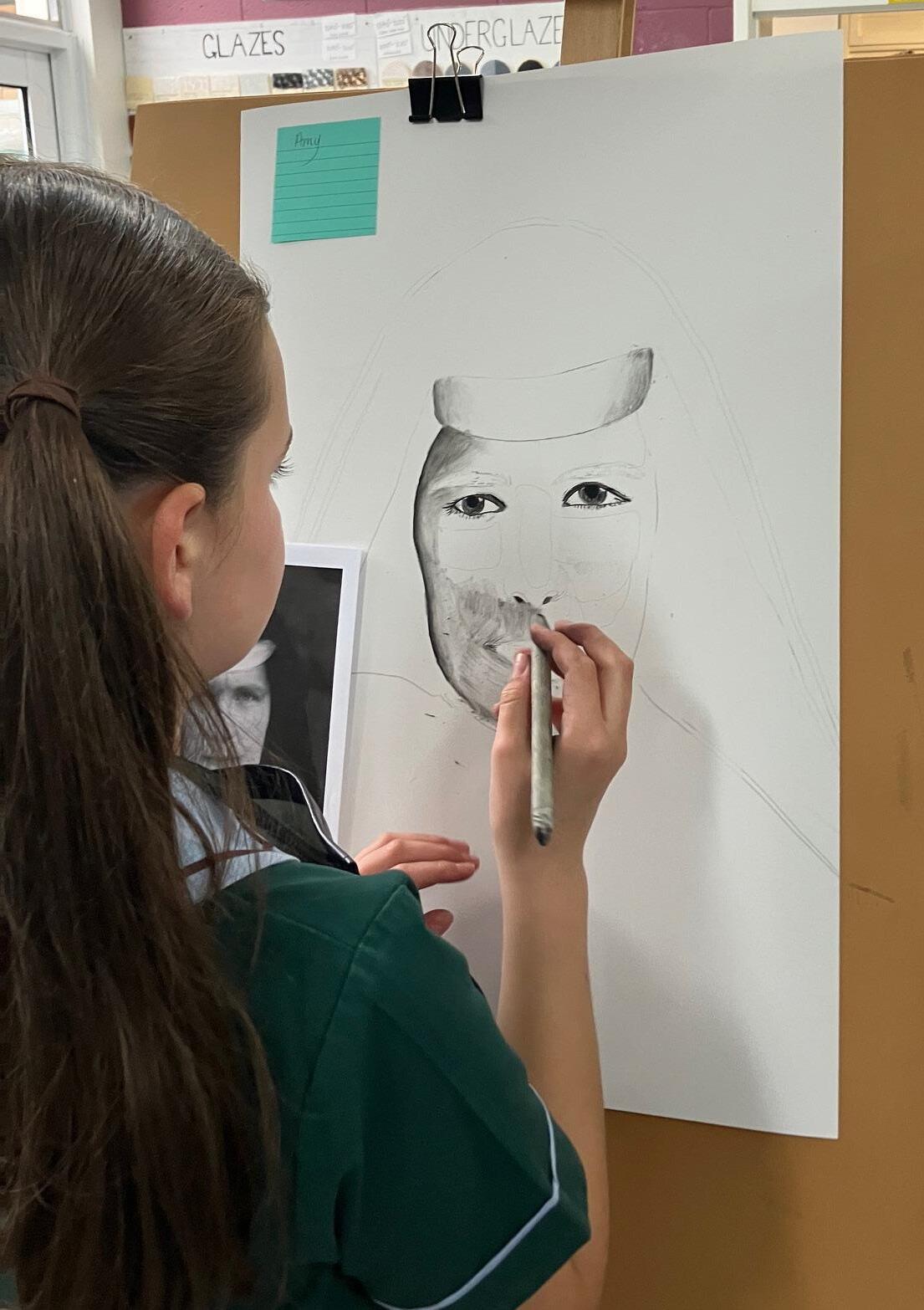
This renewed sense of connection is also reflected in the Presentation Sisters Legacy Art Project, which has become a meaningful celebration of our shared identity. In honour of the women who founded our College, students were invited to explore the life, faith and legacy of the Presentation Sisters, drawing on themes of hospitality, compassion and simplicity that continue to guide our mission today.
The works completed so far are creative, thoughtful and deeply respectful, highlighting how the Sisters’ values continue to shape contemporary understandings of leadership,
faith and social justice. We look forward to celebrating these pieces at a special exhibition opening in August. You can read more about the project on page 6.
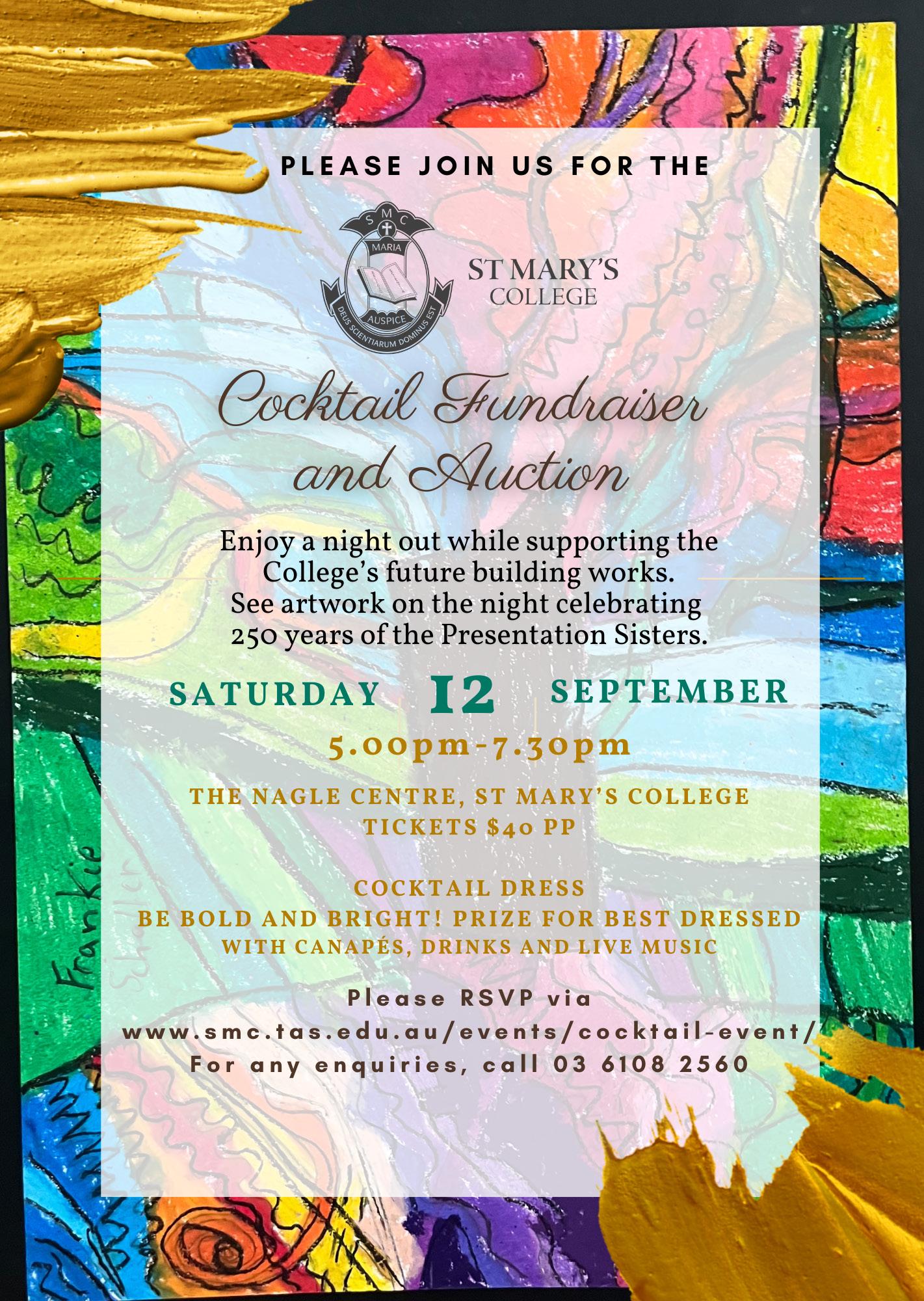
Looking ahead, our Cocktail Fundraiser and Auction on Saturday 12 September will be a wonderful opportunity to come together as a community. Funds raised will support future building projects, including the first stage of our vision for a Presentation Arts Precinct – a space designed to inspire creativity, collaboration and excellence for generations of students. Further details can be found on page 39.
Thank you for the many ways you support our College, through volunteering, attending events, encouraging your daughters, or simply staying connected. Together, we honour our history while building a future filled with opportunity and purpose.
Damian Messer Principal
Head Prefect’s
Strength in Simplicity
The first half of 2026 has been a rewarding and memorable time for our College community. As this year’s Head Prefect, my vision has centred on strengthening connections across the College while embracing our 2026 theme of Simplicity. Through compassion, confidence and genuine care for others, our Prefect team has worked to create opportunities that deepen relationships and help every student feel a true sense of belonging. We hope that each student arrives at school feeling welcomed, supported and excited for the day ahead.
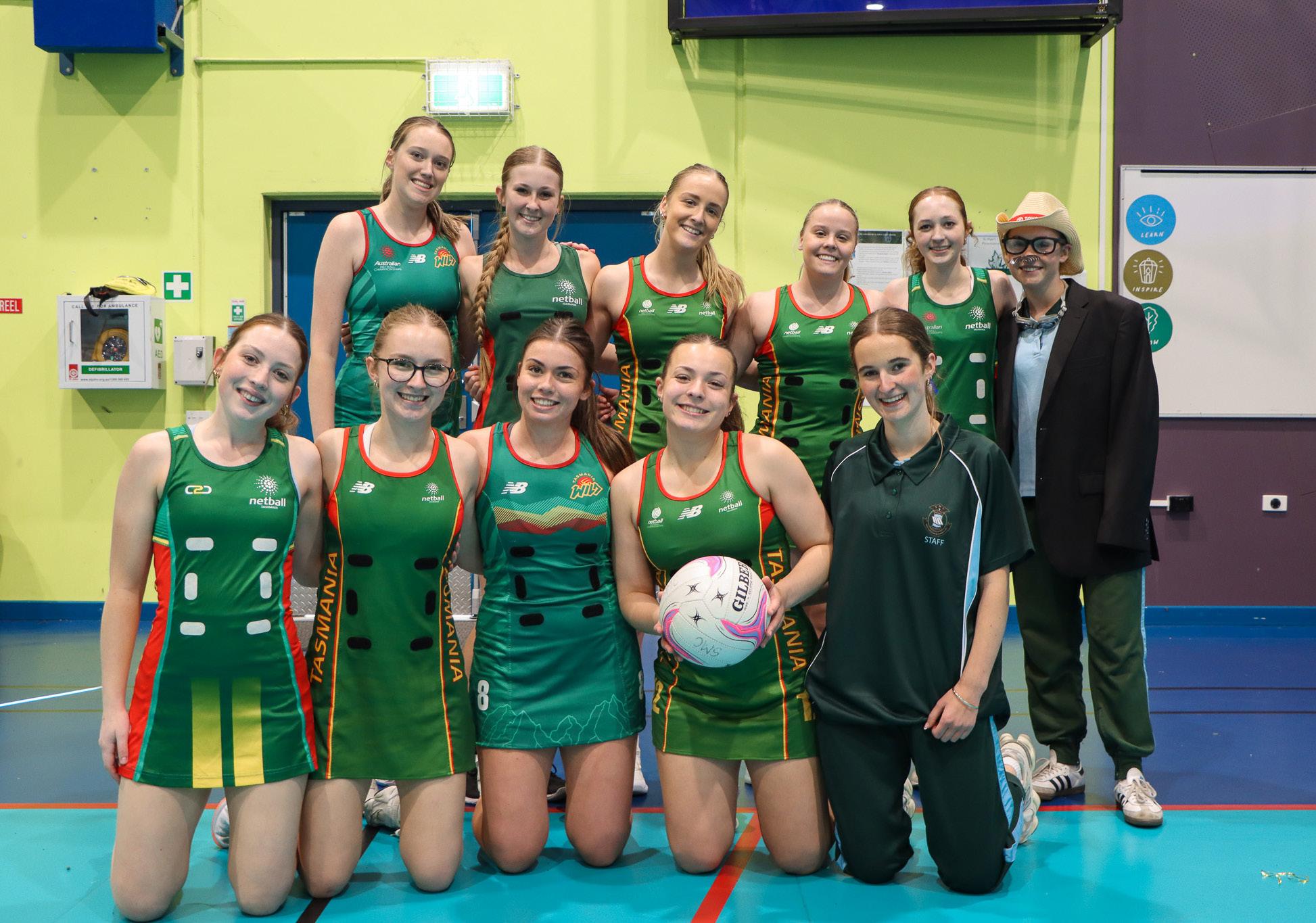
One of the highlights of the year has been the way our leadership team has collaborated. Every Prefect has brought their own strengths, and because we work so well together, we’ve been able to turn many ideas into reality. A wonderful example was organising the St Mary’s and St
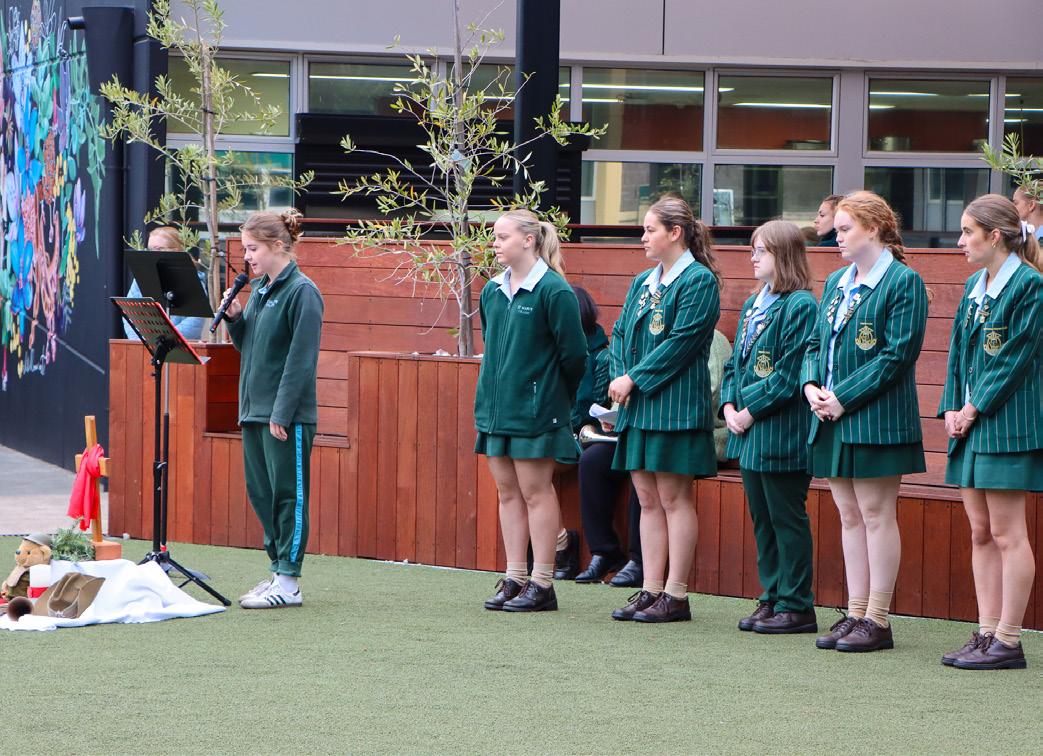
Virgil’s Year 12 netball and dodgeball matches, which provided a wonderful opportunity to strengthen the long-standing connection between our two schools while creating fun and friendly events for students.
Service has remained at the heart of our leadership. This year, the Year 12 cohort proudly selected Endometriosis Australia as our 2026 charity. Throughout the year, we have dedicated time to fundraising and seeking donations from our wider community. Thanks to the generosity of students, families and local businesses, we have already raised more than $3,500 to support vital awareness, research and improved support for those living with endometriosis.
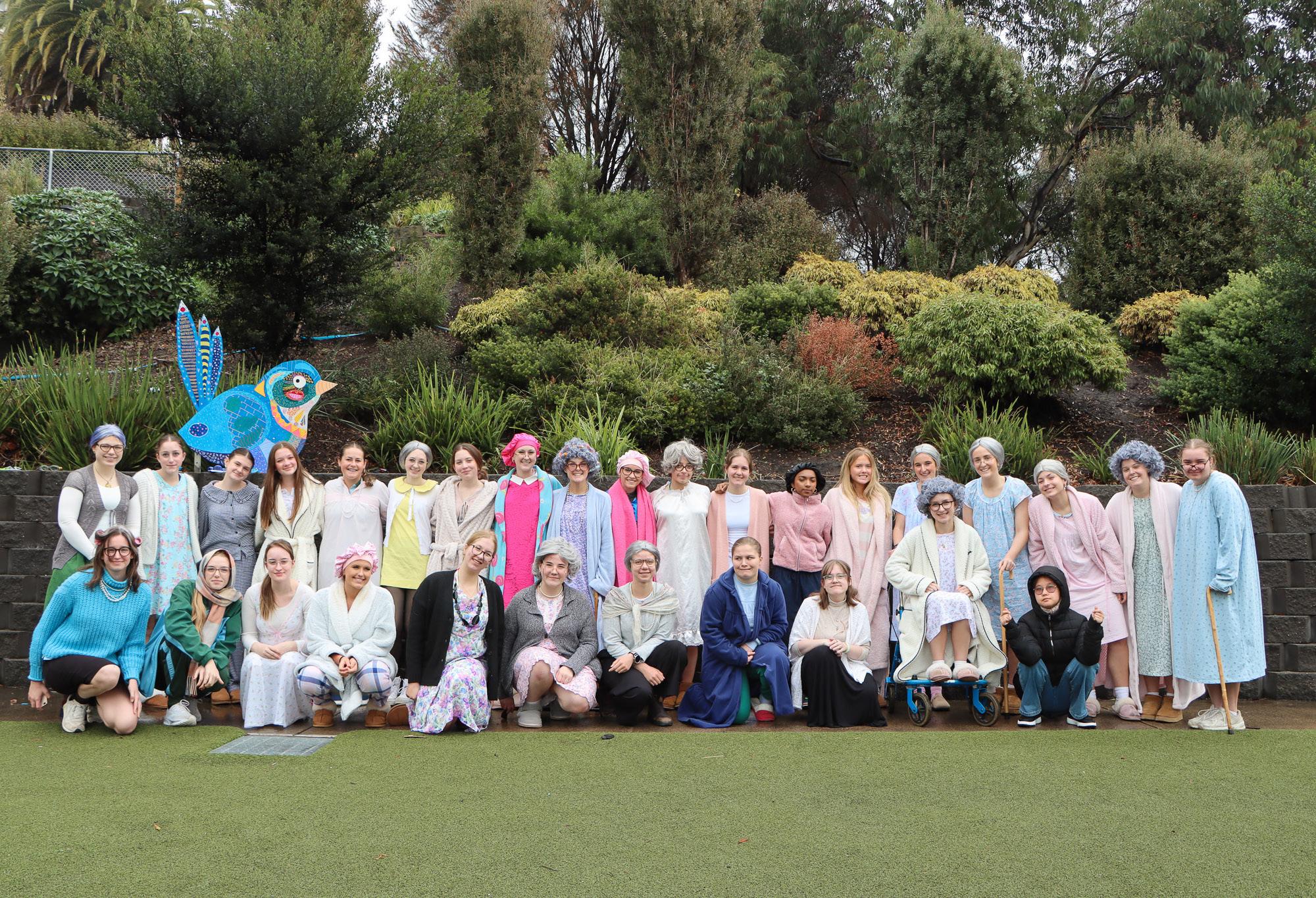
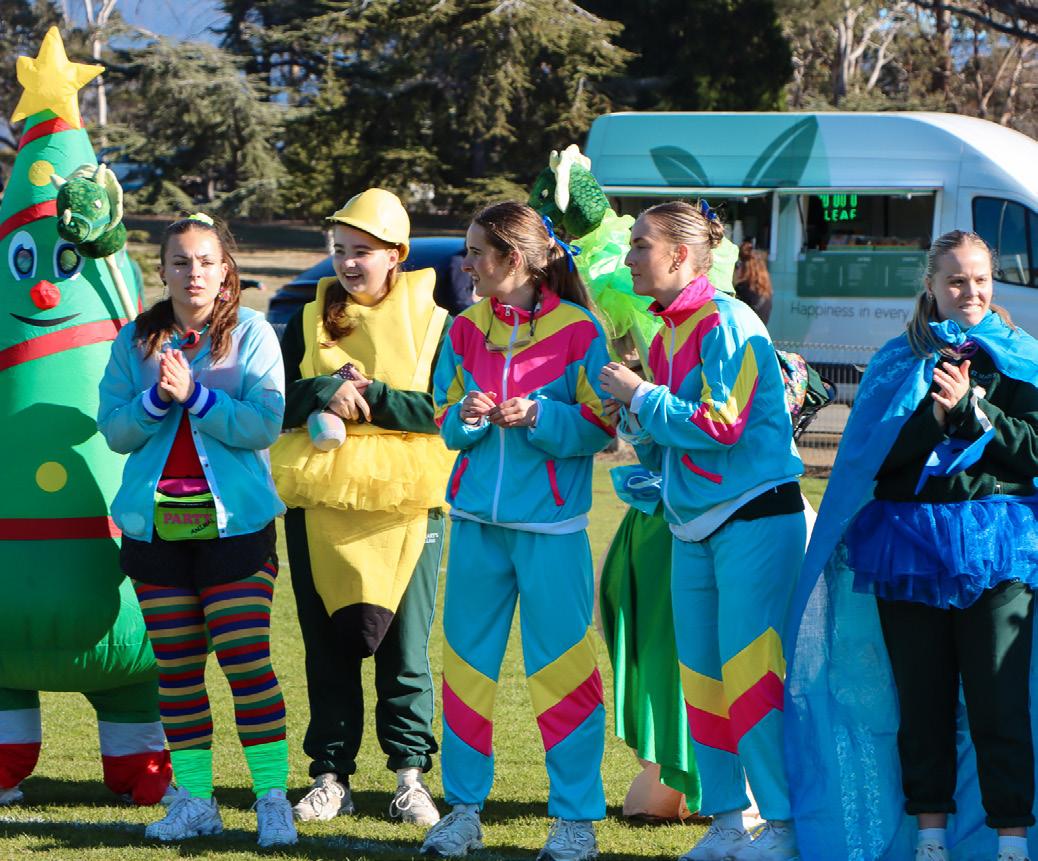
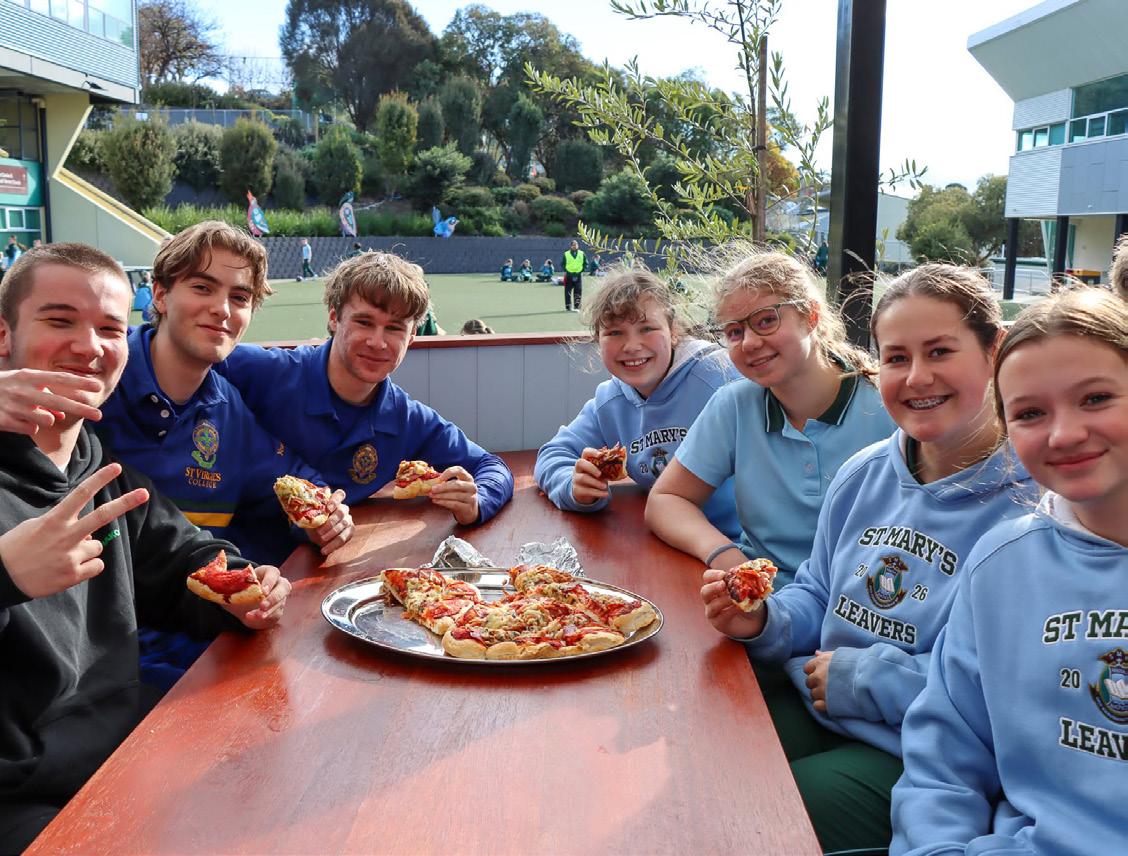
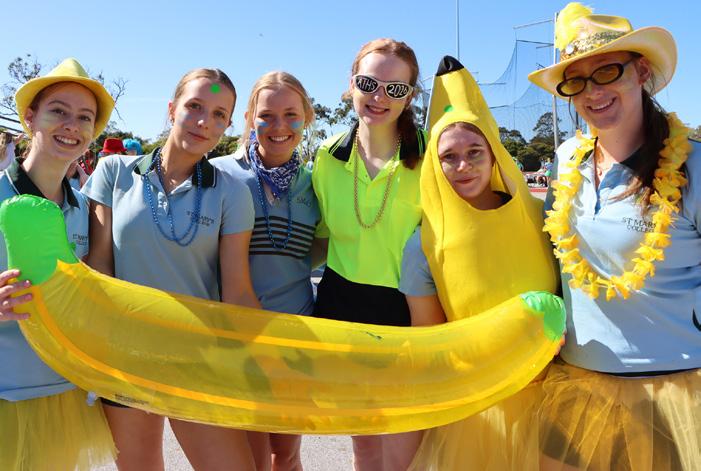
Our Year 12 cohort has also enjoyed celebrating milestones together. We were thrilled to host our Party in the Playground, giving students the chance to relax and enjoy time together outside the classroom. Another memorable moment was our creative take on the 100 Days celebration, where Year 12 students arrived dressed as their
imagined 100 year old selves. The enthusiasm, humour and creativity on display made it a day to remember.
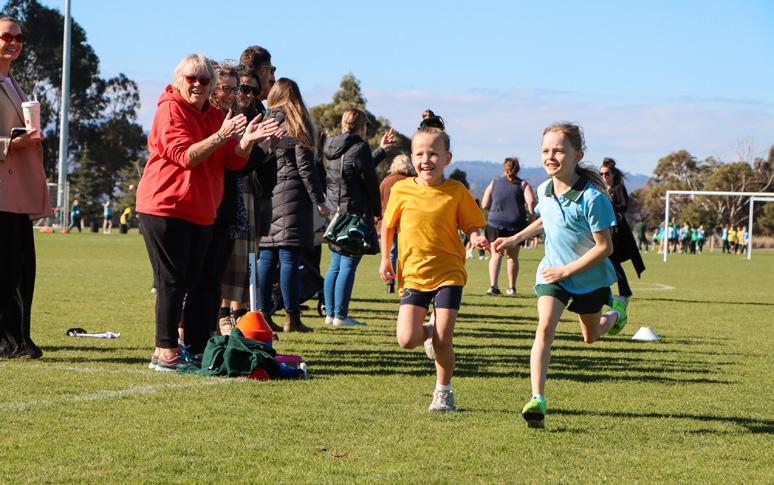
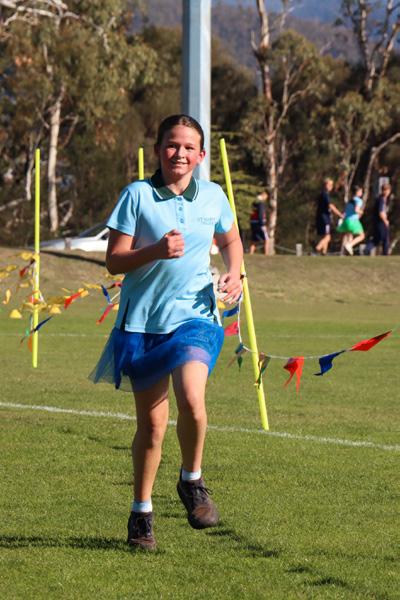
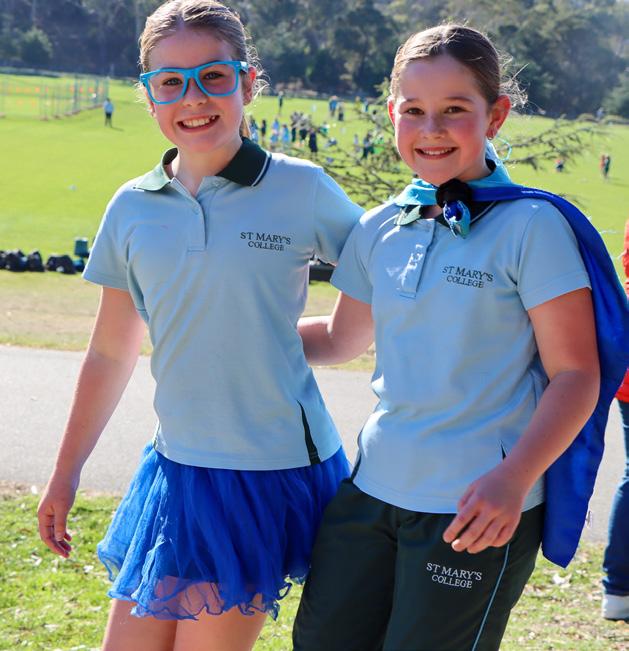
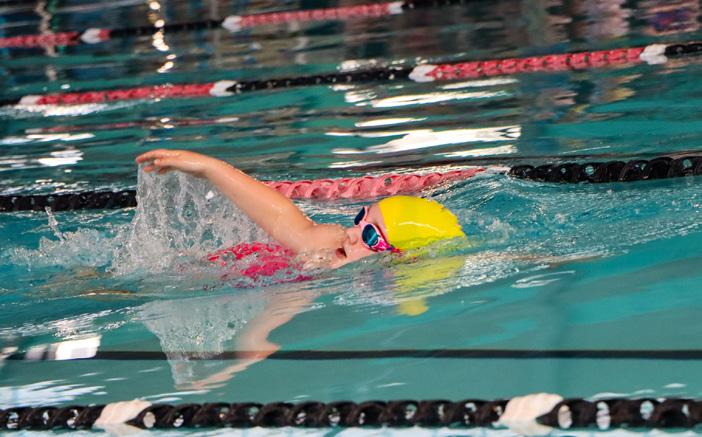
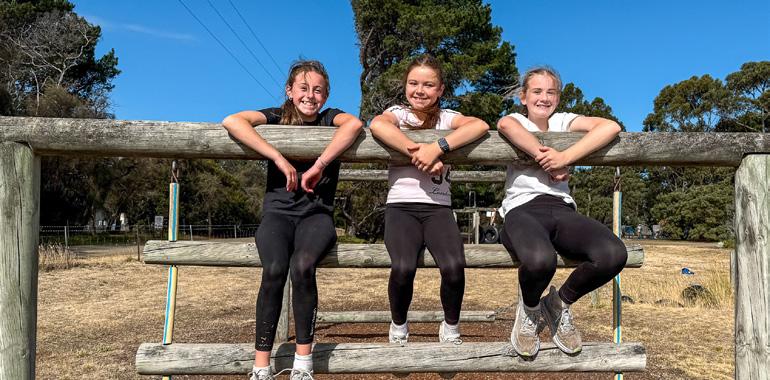
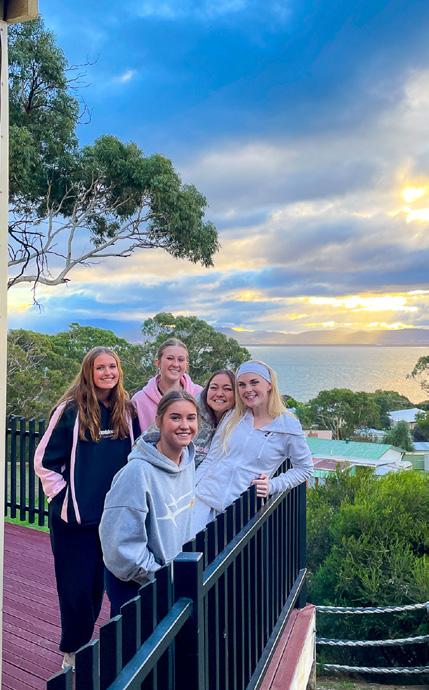
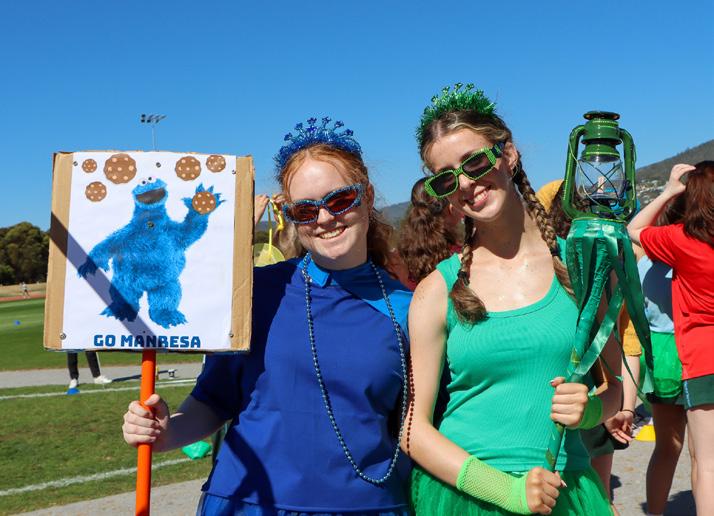
Alongside these events, our school community has celebrated success in athletics and cross country, showcasing the determination and school spirit that make St Mary’s such a special place. Meanwhile, our Year 12 Retreat offered a valuable opportunity to pause, reflect and strengthen friendships away from the busyness of school life.
As we look ahead to the remainder of our final year, we are excited to continue building connections, creating lasting memories and contributing positively to the College community. I am incredibly proud of what our leadership team and Year 12 cohort have achieved so far, and I look forward to finishing the year together with gratitude, service and a strong sense of belonging.
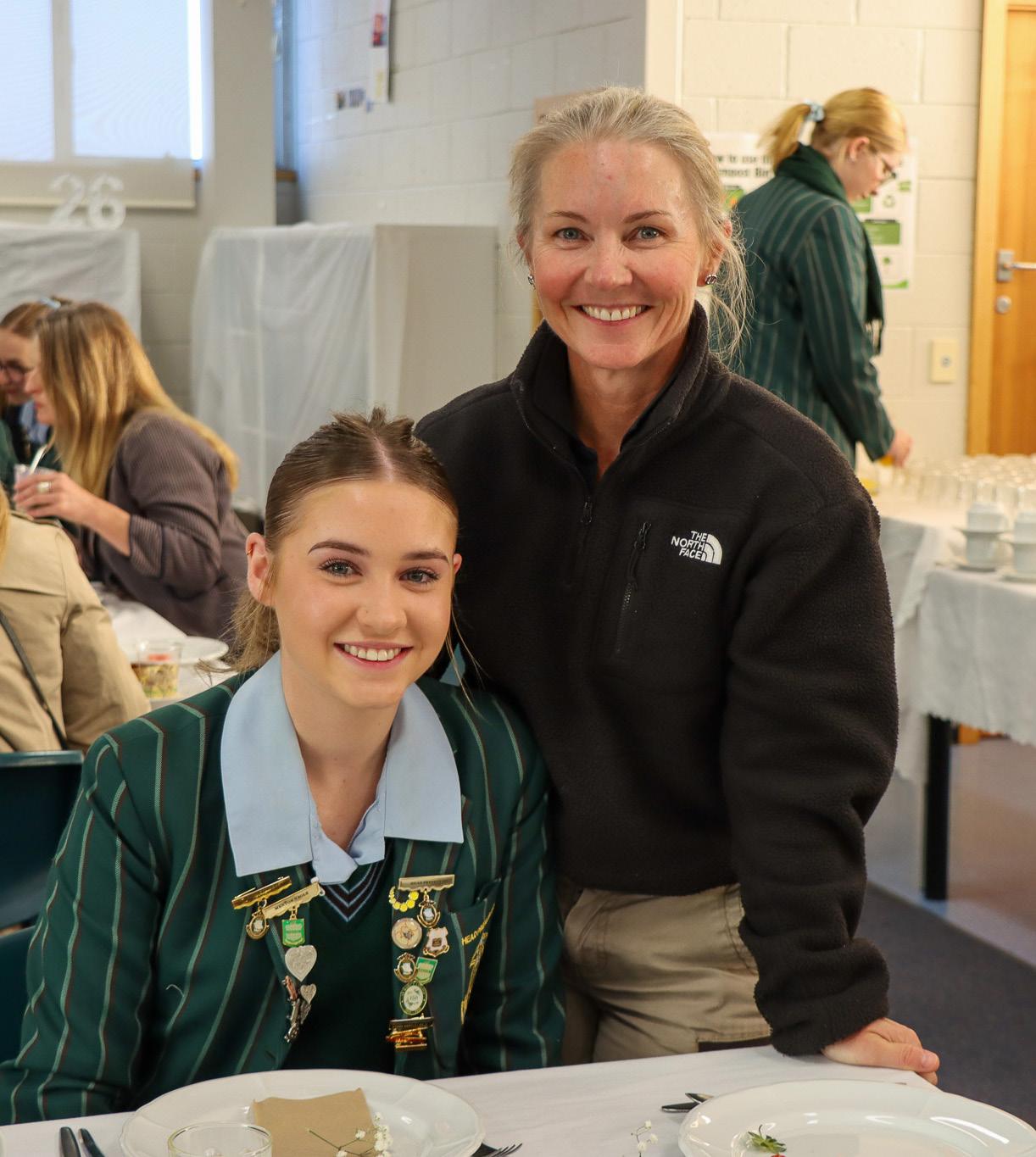
Lucy Hofler Head Prefect
Celebrating the Sisters through art
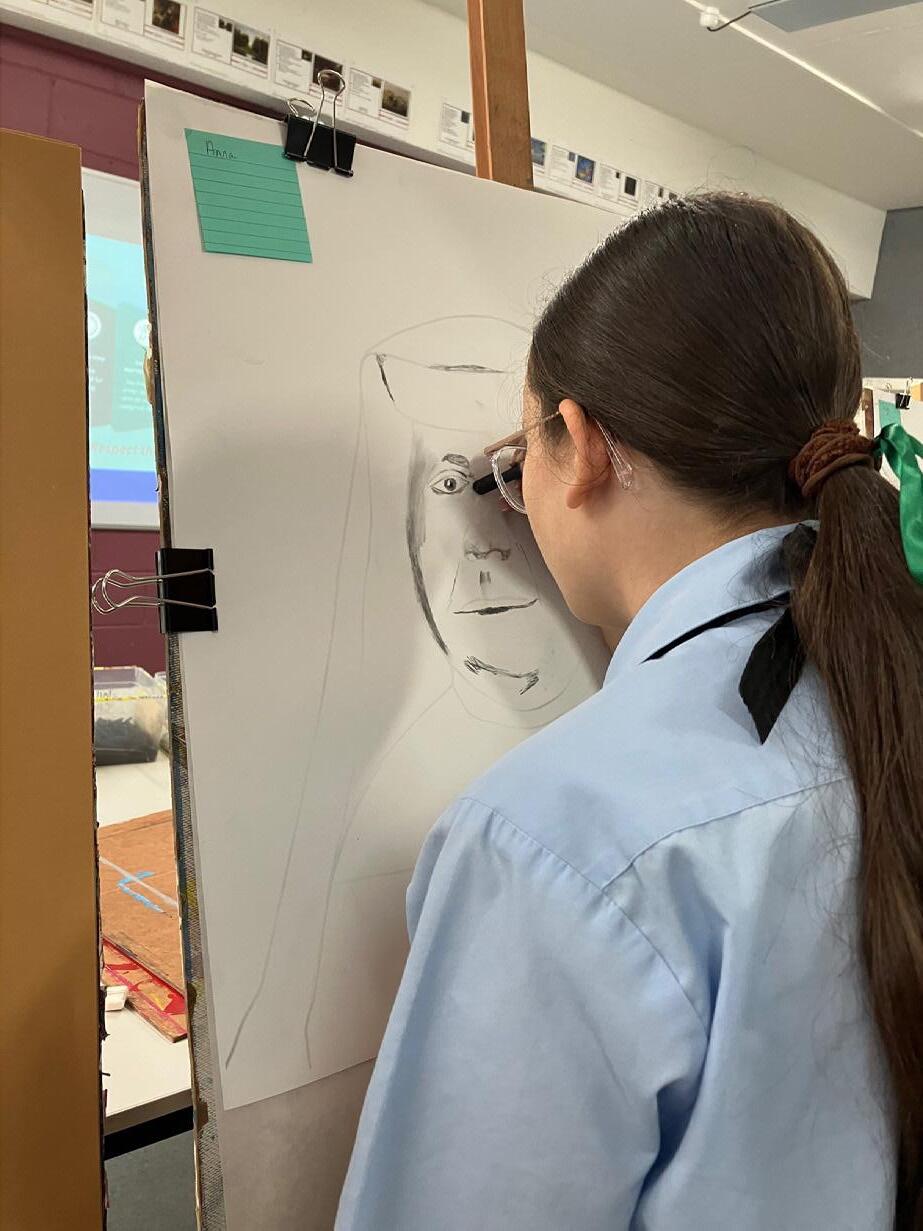
In Term 2, students have been hard at work creating artworks for a special event: The Presentation Sisters Legacy Art Exhibition, celebrating 250 years of the Presentation Sisters.
Across the College, students have been delving into stories, examining historical objects and responding creatively to the rich history of the Presentation Sisters and their enduring connection to St Mary’s College. This exploration has sparked some fantastic ideas, and the art rooms have been alive with energy, experimentation and thoughtful artistic inquiry.
The exhibition will feature a wide range of student artworks, spanning traditional techniques through to more contemporary and experimental approaches. Each piece offers a unique interpretation of the Sisters’ legacy, expressed through memory, storytelling, symbolism and personal reflection.
A curated selection of works from the exhibition will also be showcased at the St Mary’s College Cocktail Fundraiser and Auction on Saturday 12 September, for our wider community to admire.
It has been wonderful to see students so deeply engaged in the process of making, reflecting and refining their art. We look forward to sharing their creativity with the wider College community.
The College of Old and New Art
If you have visited Fermoy Cottage, just across from the St Mary’s College Junior School, you will know the quiet joy of stepping back in time. Within its walls is a rich collection of stories, artefacts and artworks tracing the history of St Mary’s College back to 1868.
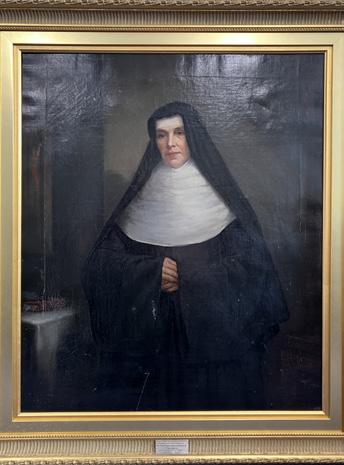
Among the works is an original oil portrait of Mother Mary Francis Xavier Murphy, Foundress of the Presentation Sisters in Tasmania (pictured to the left). One of the founding Sisters who travelled from Fermoy, Ireland, she established St Mary’s College with eight other Sisters and served as Principal from 1868–1879. While the artist is unknown, the portrait remains a powerful reminder of SMC’s beginnings and its foundations of courage and leadership.
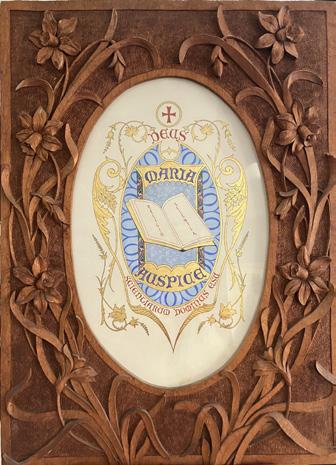
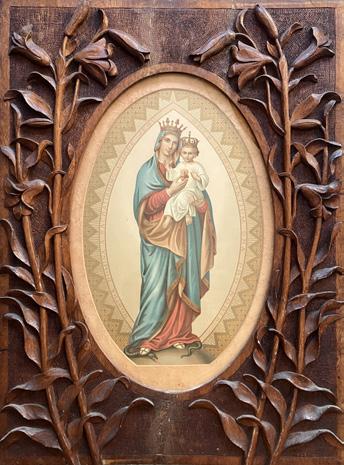
Also featured are two carved Tasmanian oak frames by Sister Dominic Mills (pictured to the left). The elegant Art Nouveau style suggests the frames were created in the early 20 th Century. The lilies symbolise purity through Marian imagery. Sister Dominic was a gifted artist and educator who taught at several Presentation schools and studied under Australian artist Gladstone Eyre.
Continuing this legacy is a contemporary work by Sister Ona Kaukenas, displayed in the Senior School corridors. Created for her 2006 exhibition Design Emergence: Beyond Modernist Orthodoxies in Colour-Form Painting, it reflects her exploration of colour and form. Sister Ona began teaching at St Mary’s in 1976 as a craft teacher and later served as Principal from 1994–1998.
Together, these works tell a story of faith, creativity and enduring influence. They remind us that artistic expression has long been part of SMC’s identity, inspiring generations to create, reflect and imagine.
Emma Havard Senior Art Teacher
Grandparents' and Special Friends' Day
From little things, big things grow
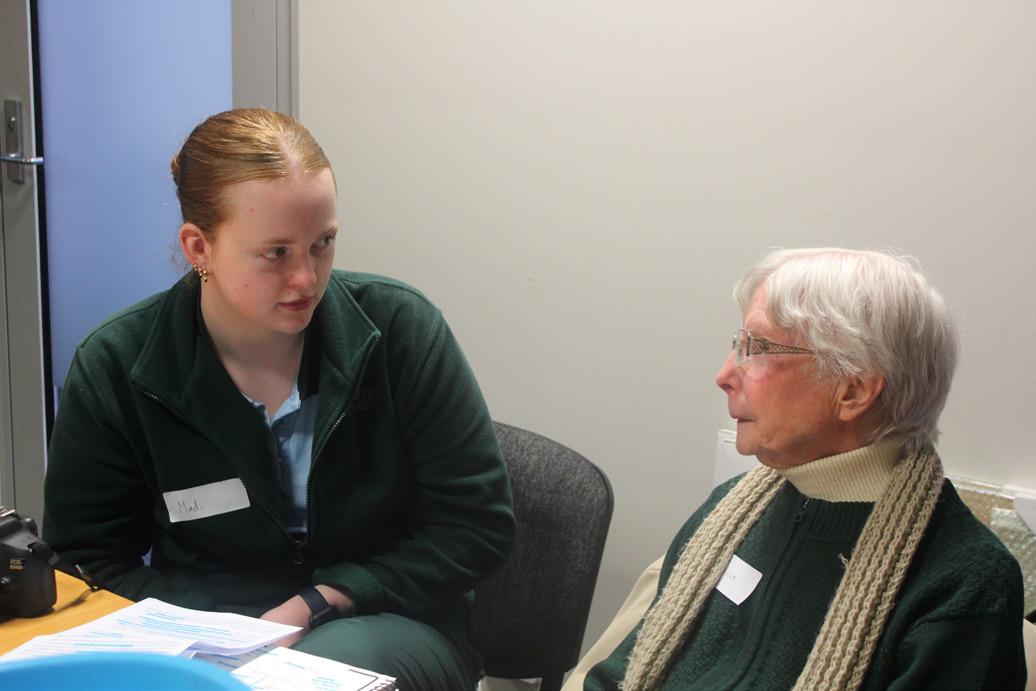
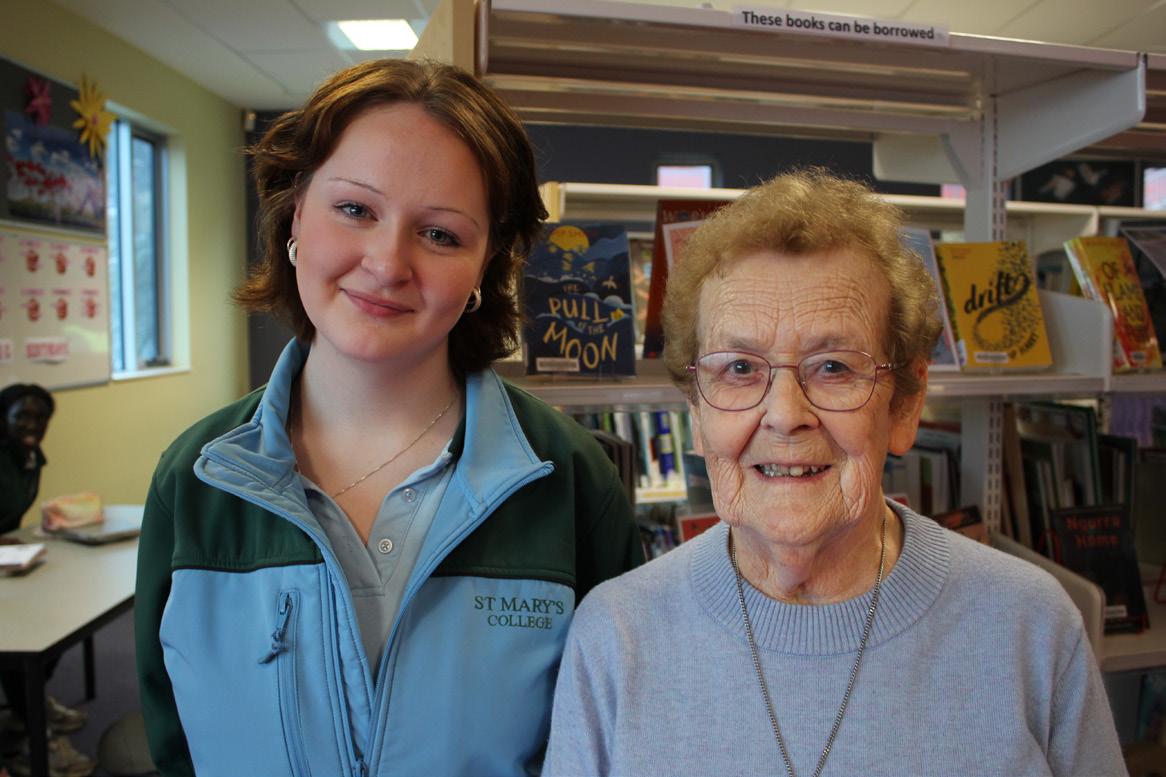
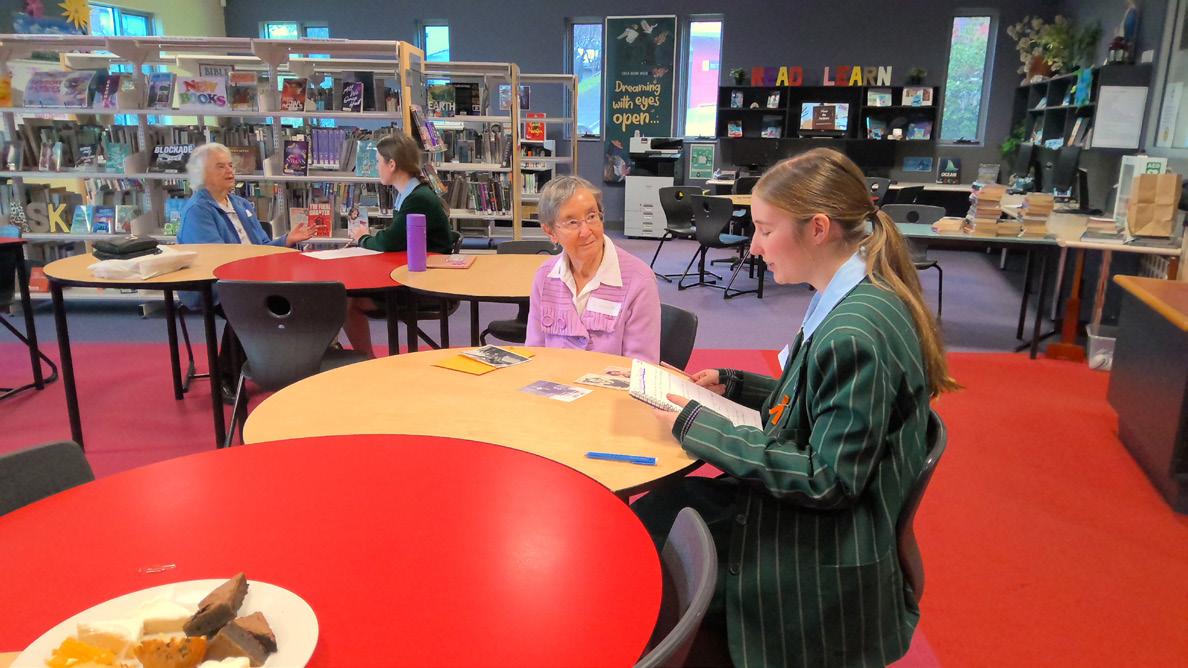
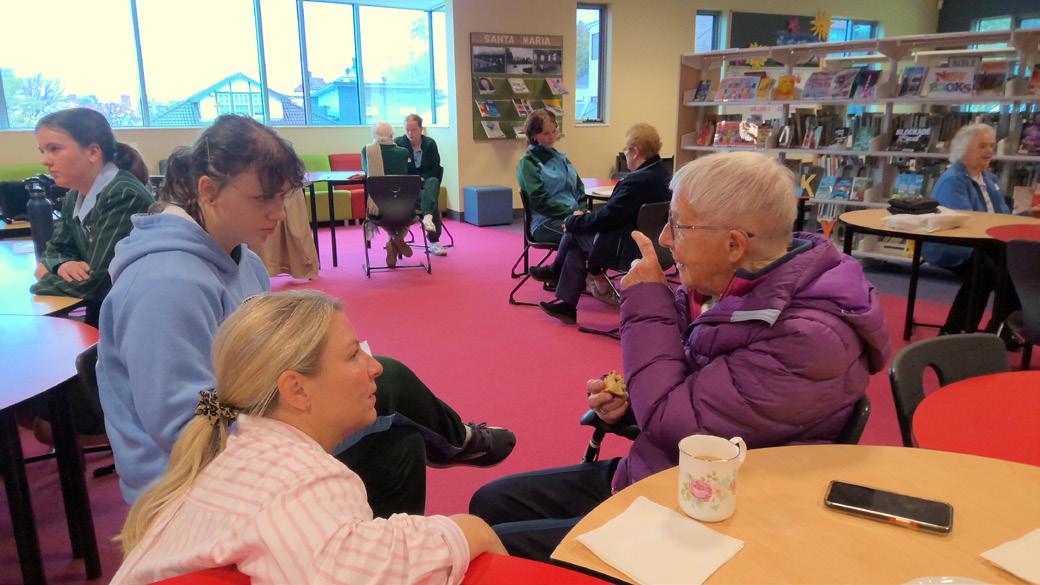
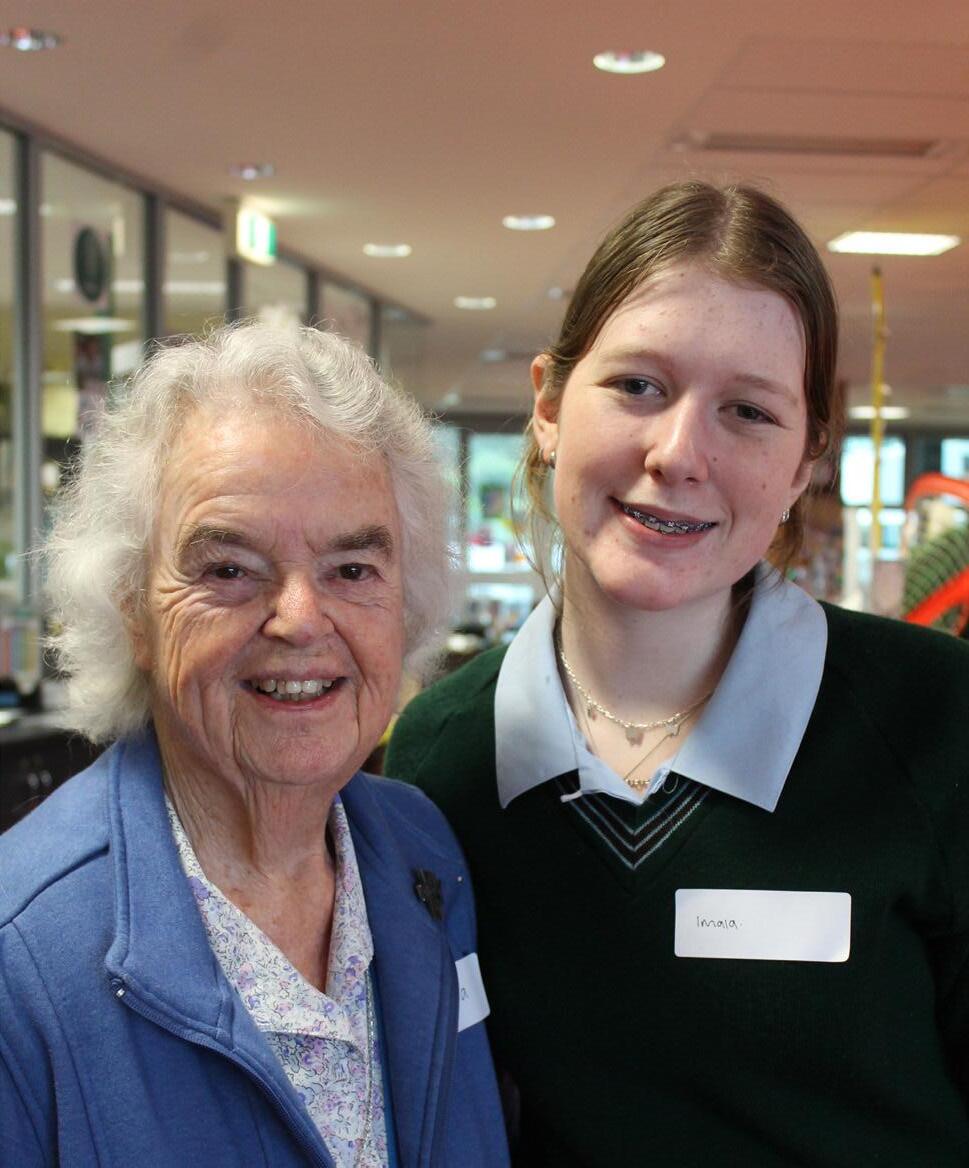
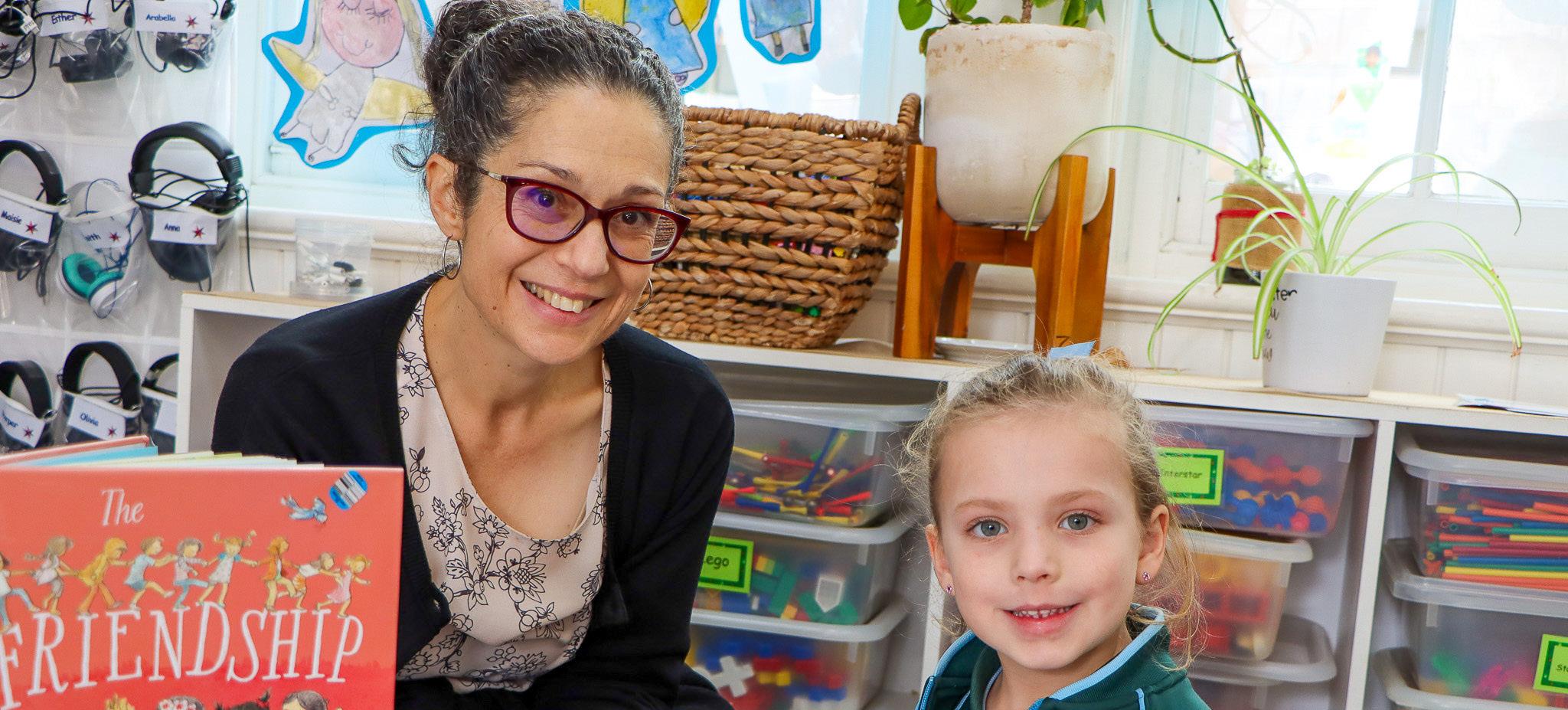
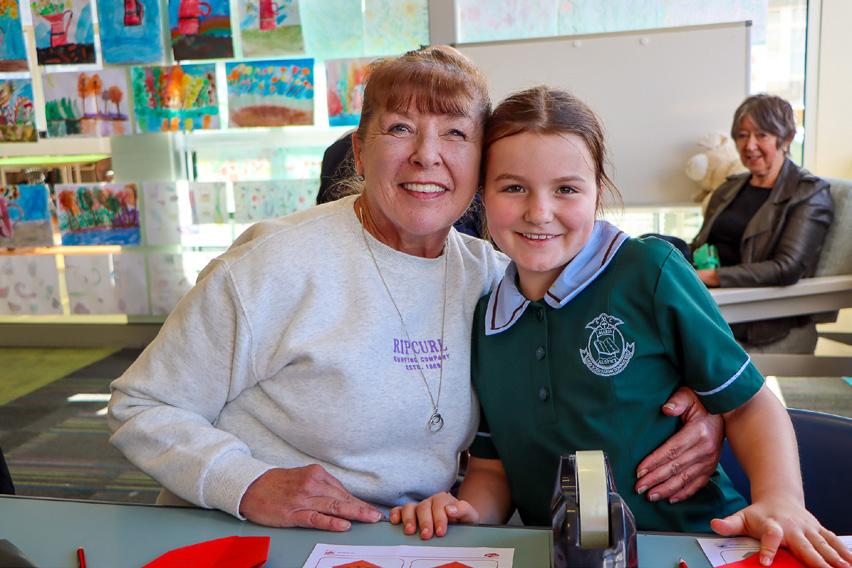
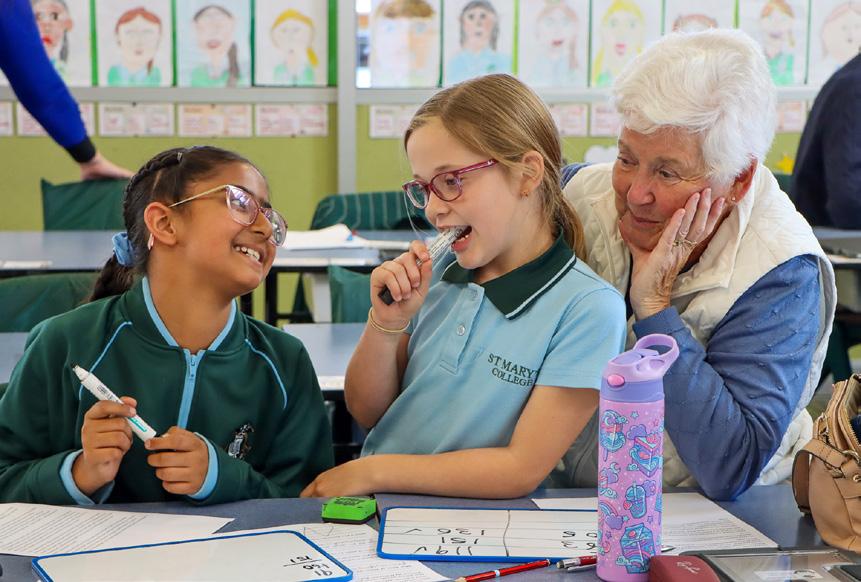
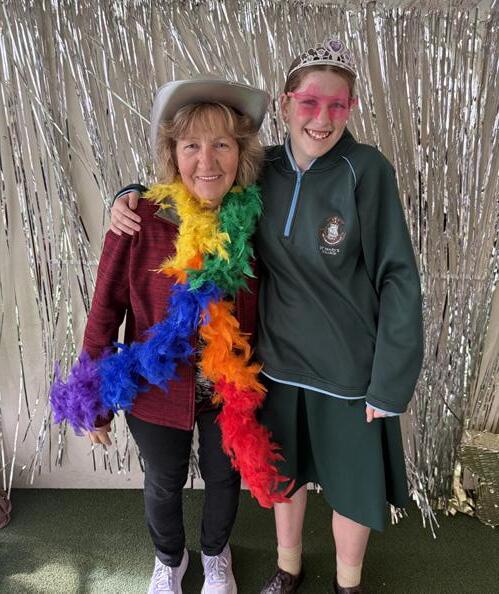
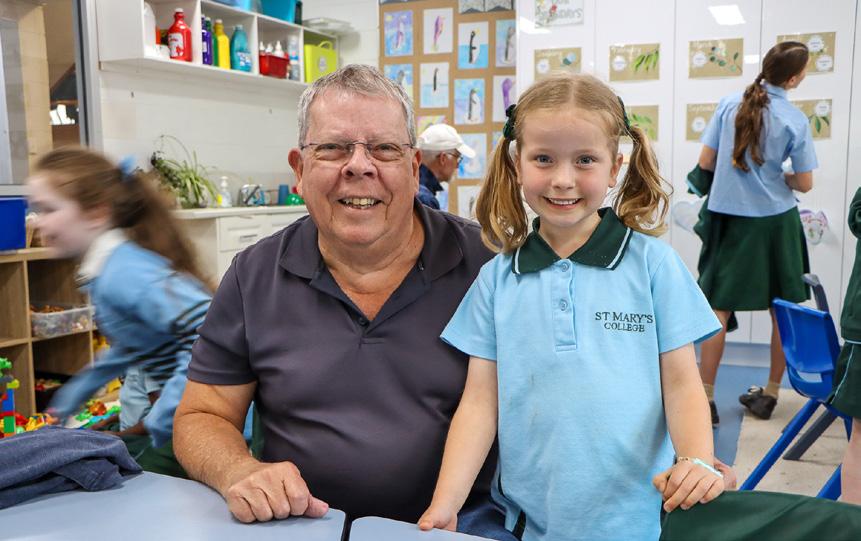
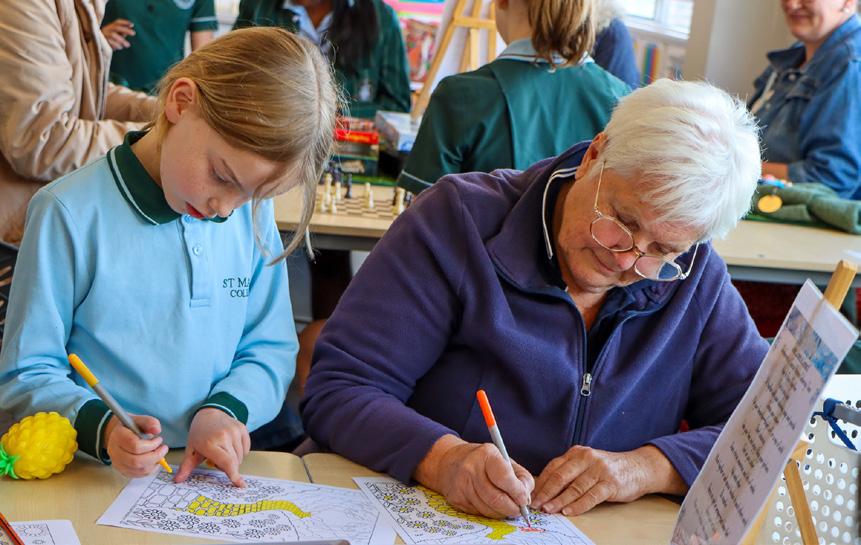
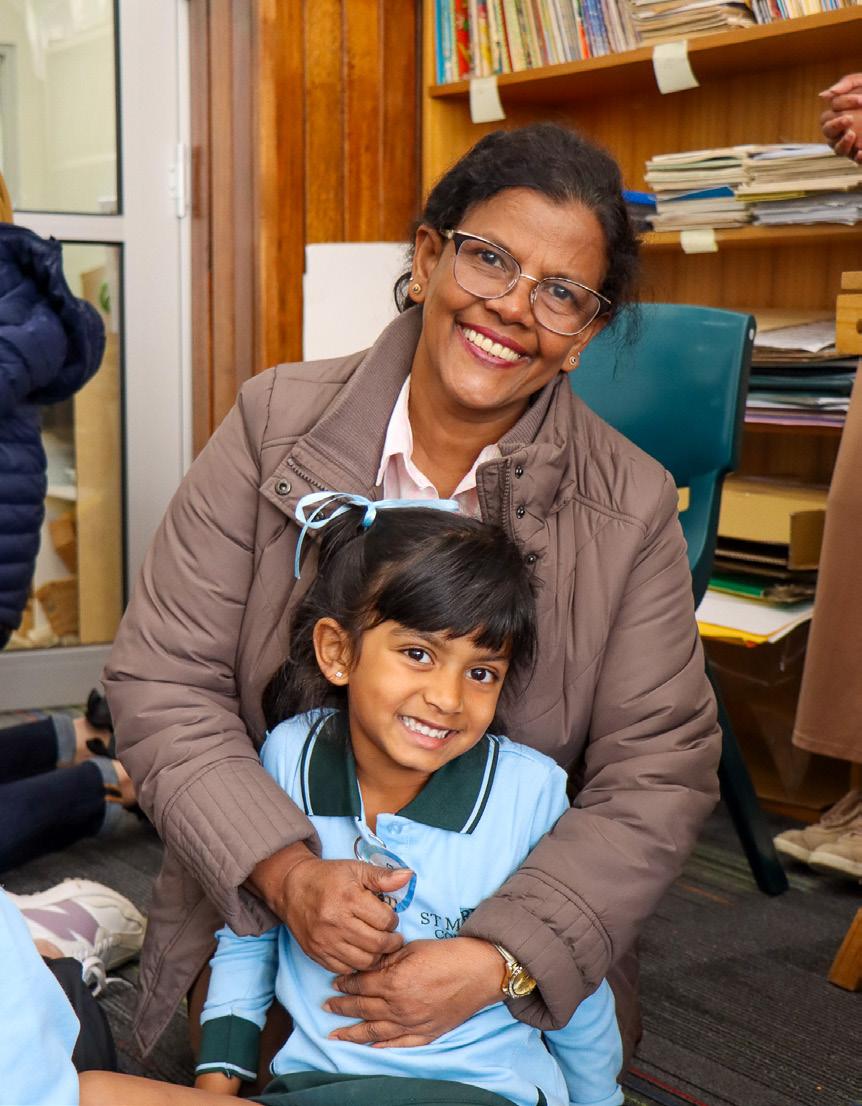
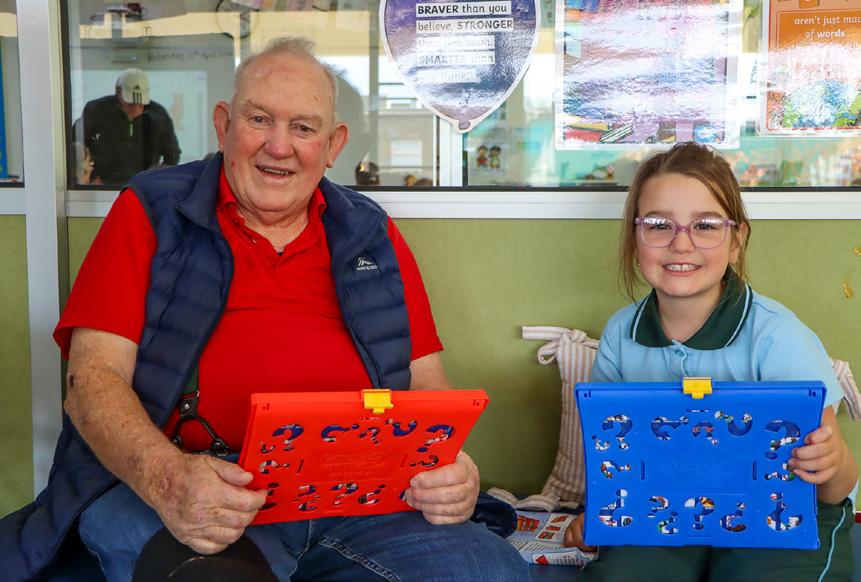
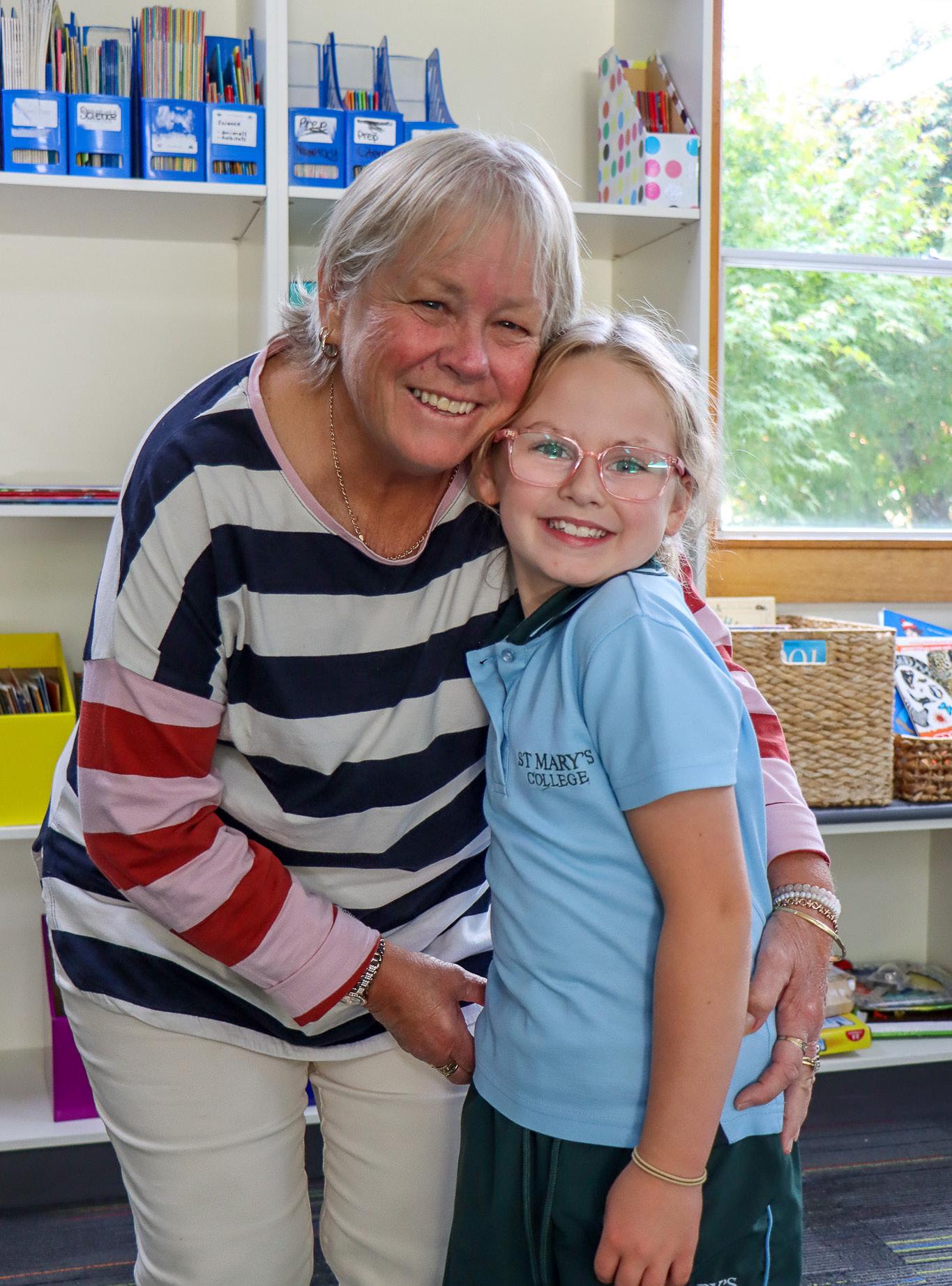
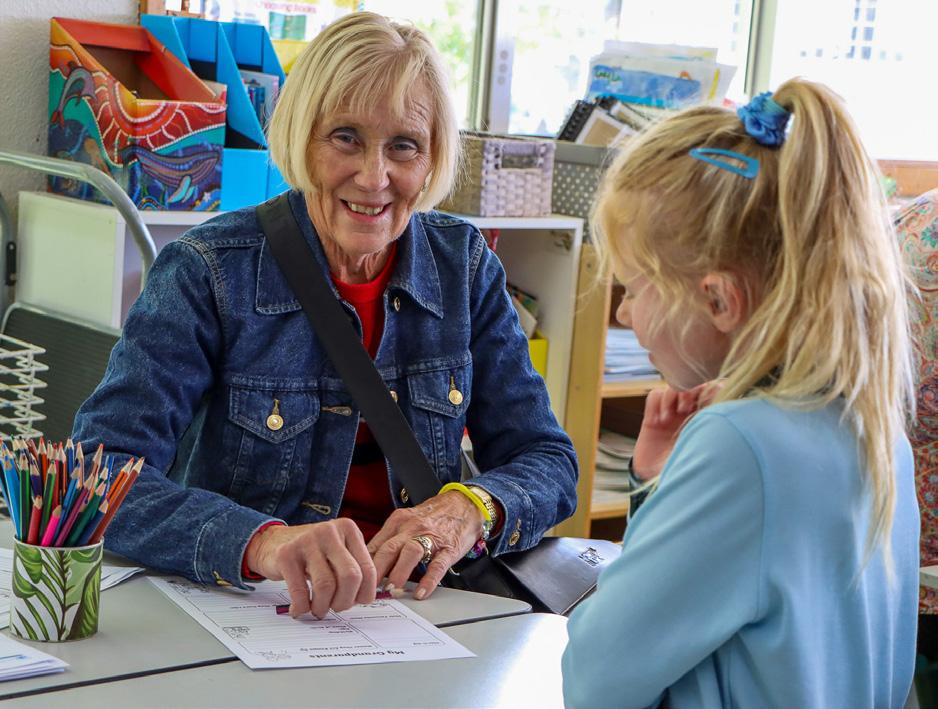
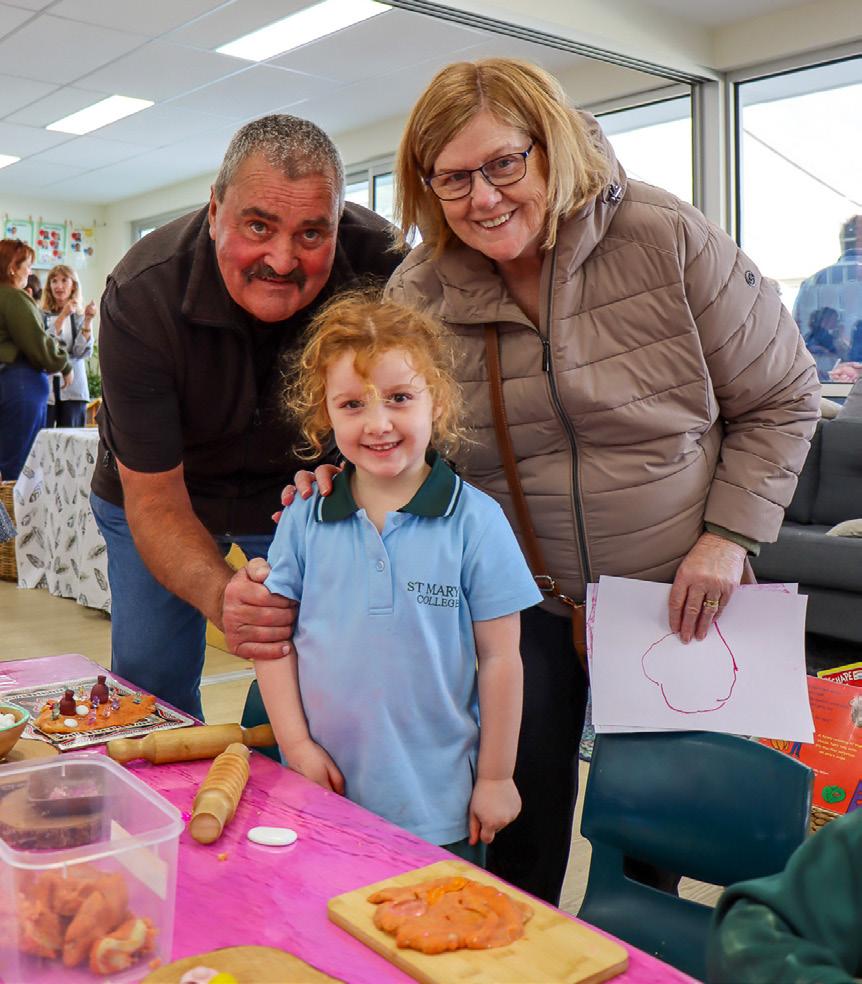
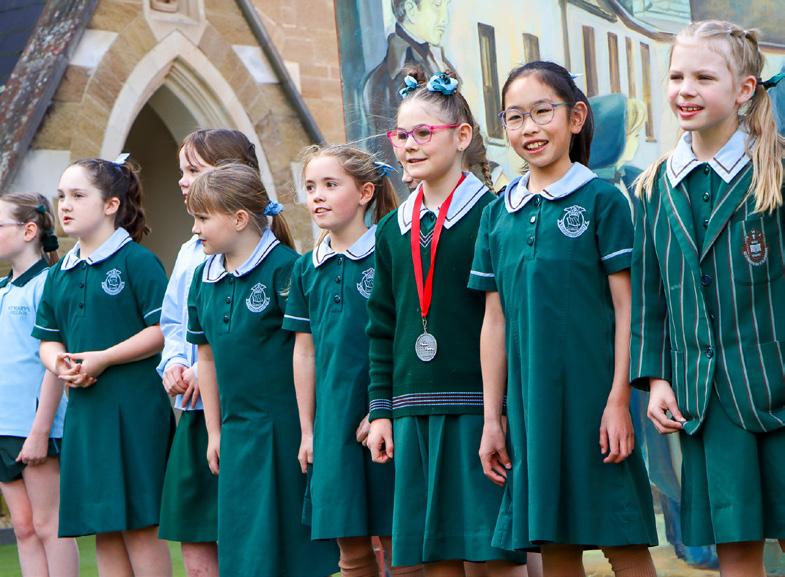
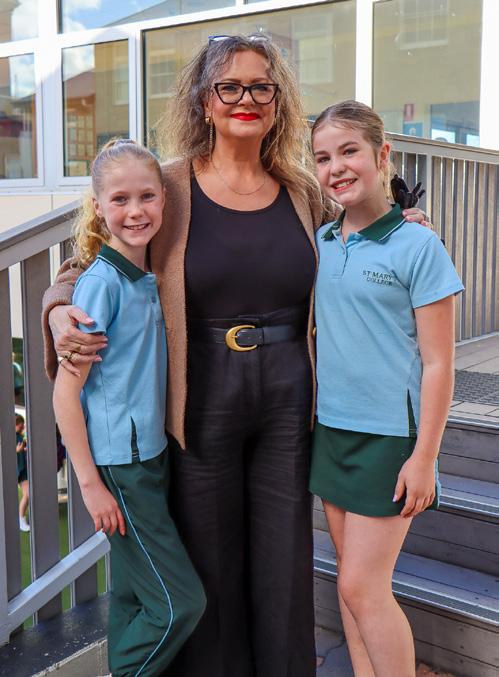
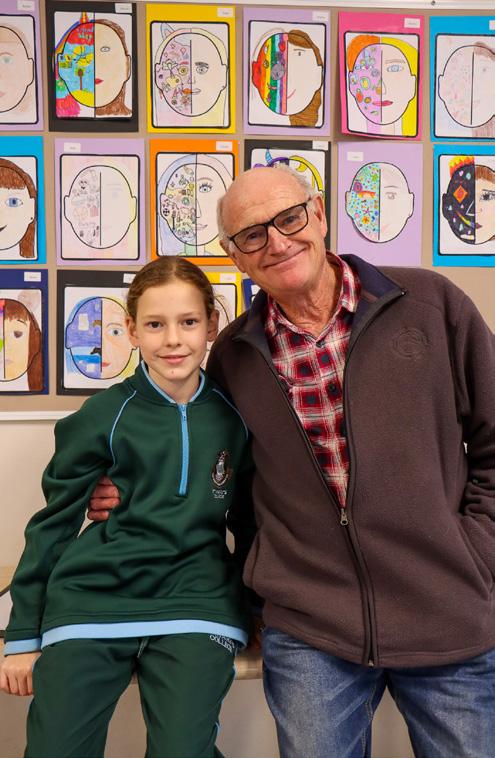
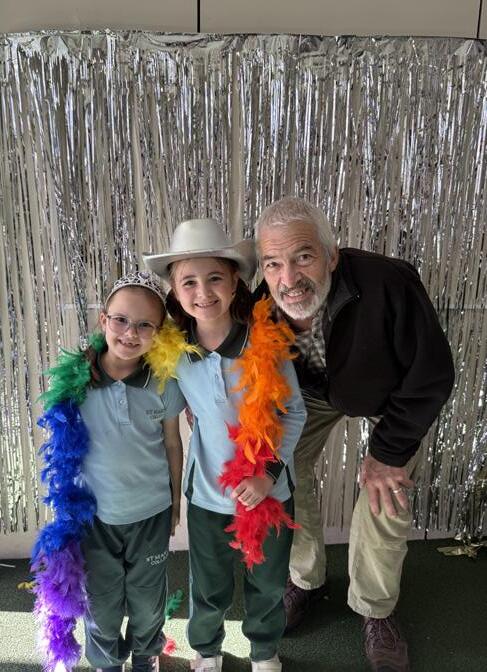
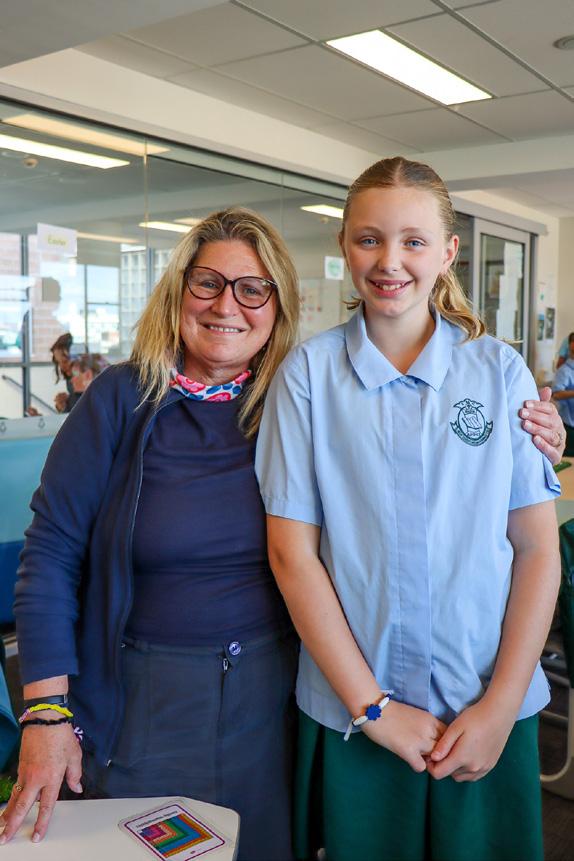
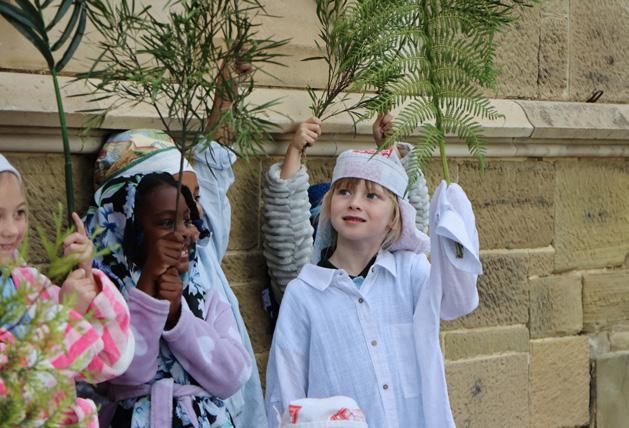
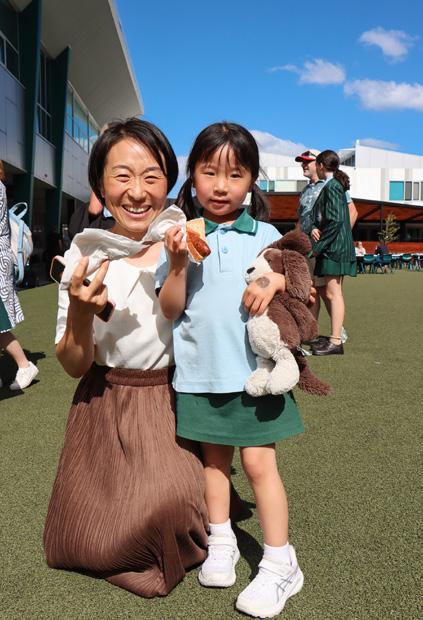
Building on a cherished tradition, this year’s Grandparents’ and Special Friends’ Day gave Kindergarten to Year 6 students an opportunity to welcome grandparents, special family friends or a parent to the College and share a glimpse into their learning journey.
The Junior School was abuzz with excitement on Wednesday 15 April as our students guided their guests through classrooms, proudly showcased their work and took part in handson activities together, from crafting and artwork to board games and reading sessions.
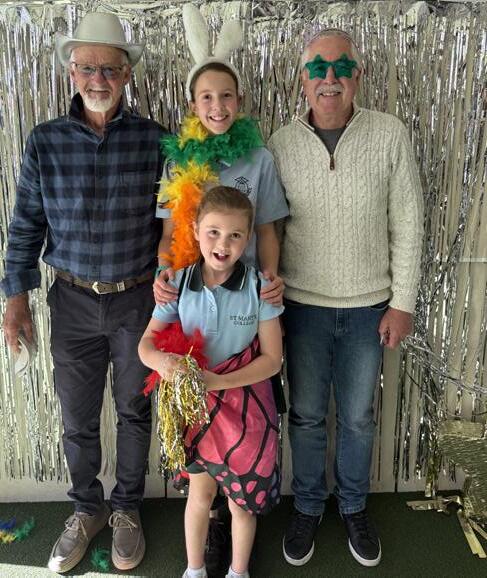
Musical performances from our Year 3–4 Choir and photo booths added to the joyful atmosphere, with many guests commenting on the warmth of the community and the joy of seeing learning in action.
Thank you to everyone who joined us for an afternoon filled with laughter, love and the enduring bonds that enrich our College community. We were delighted to celebrate the role of grandparents in our students’ lives.
Pottering about
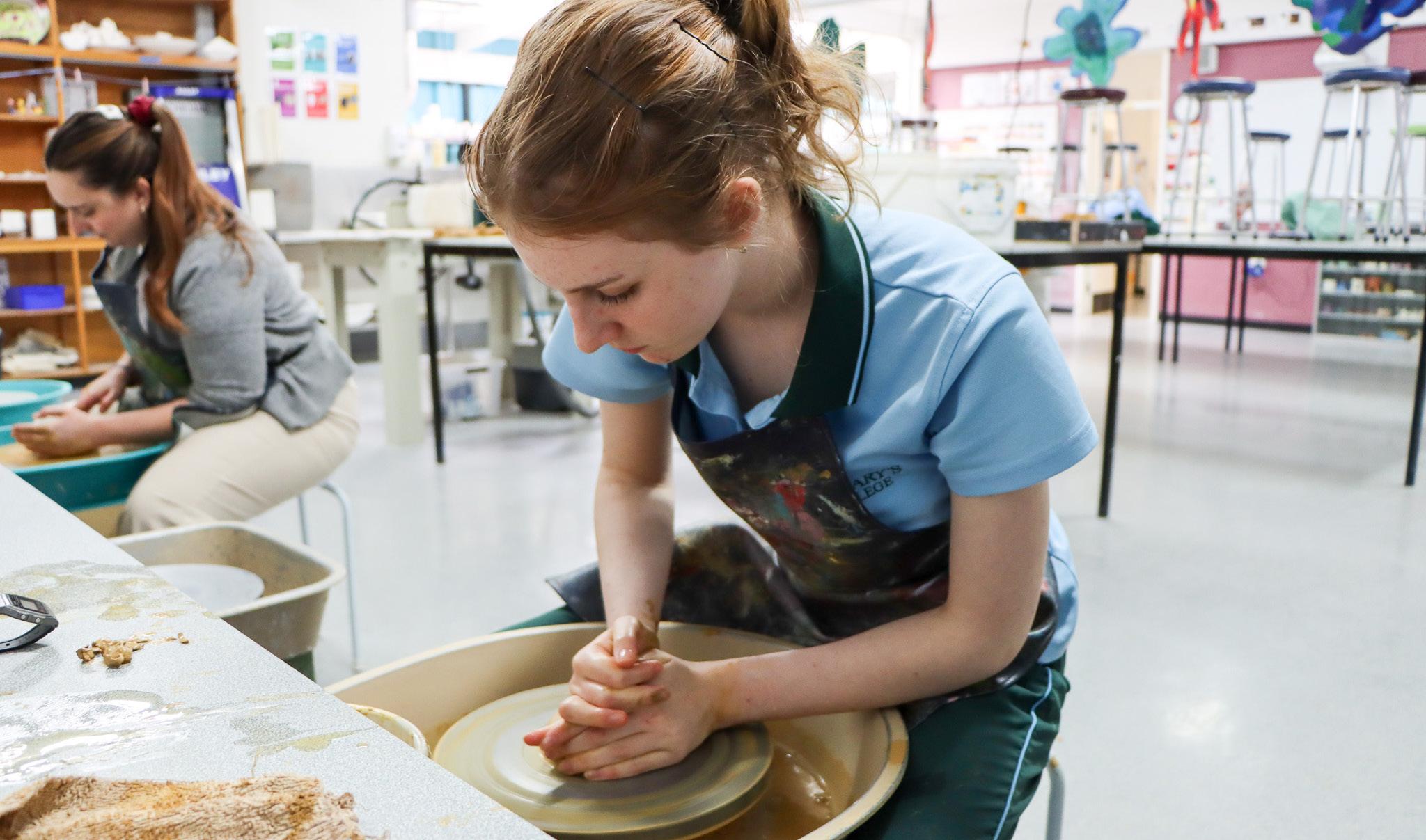
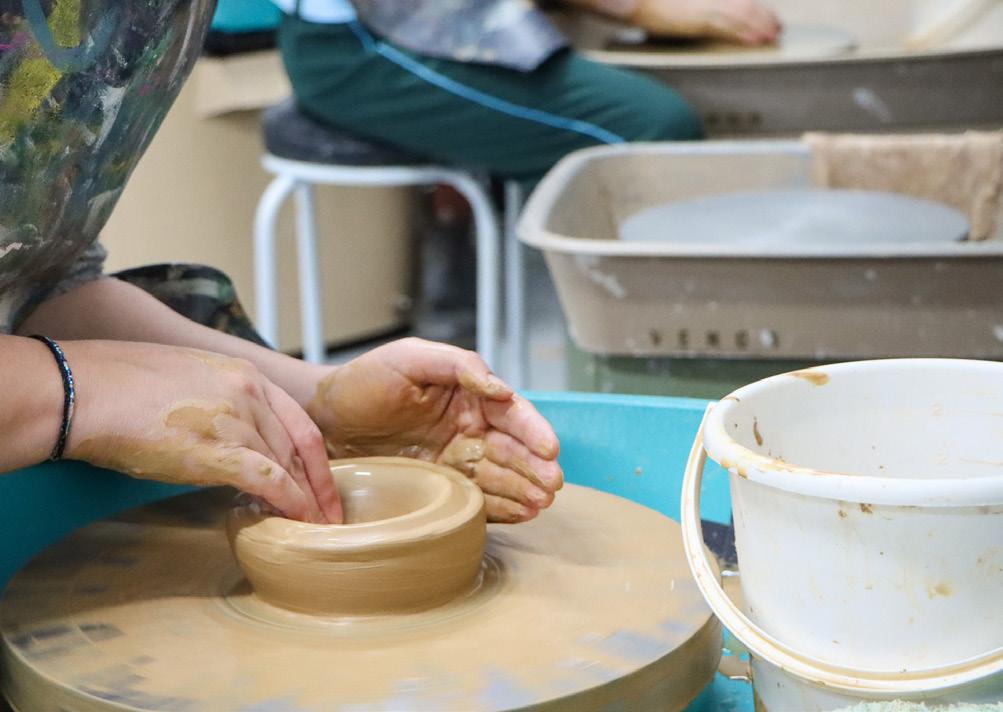
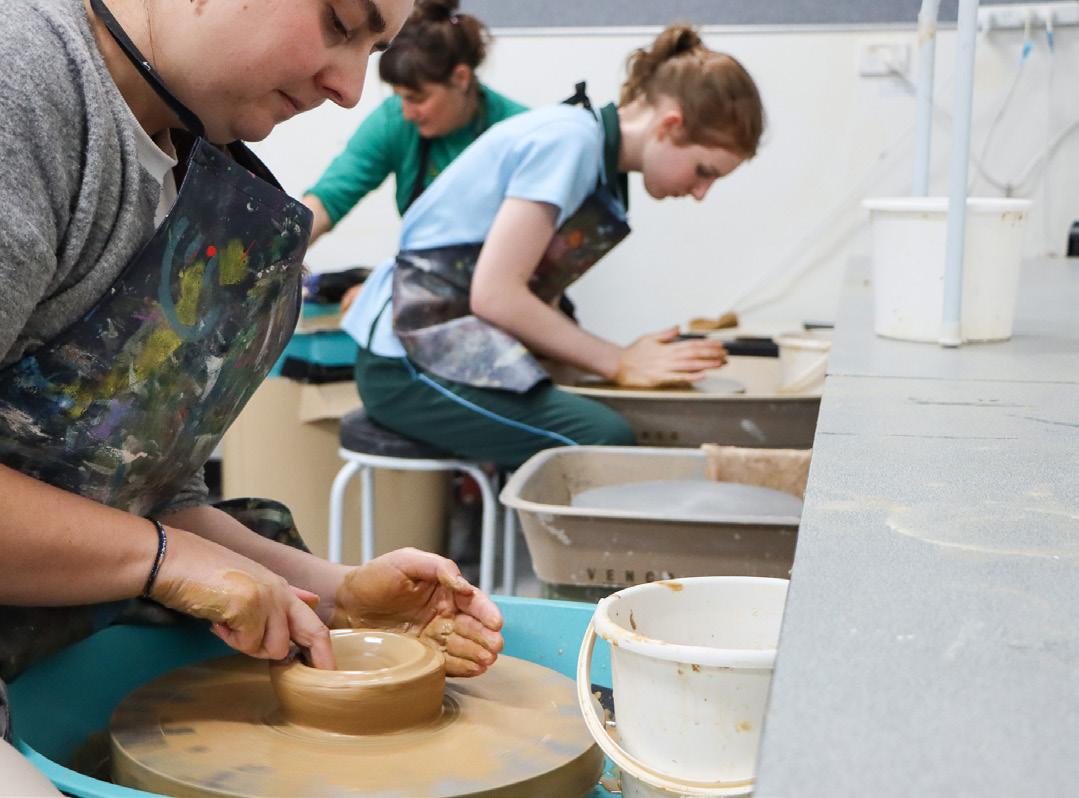
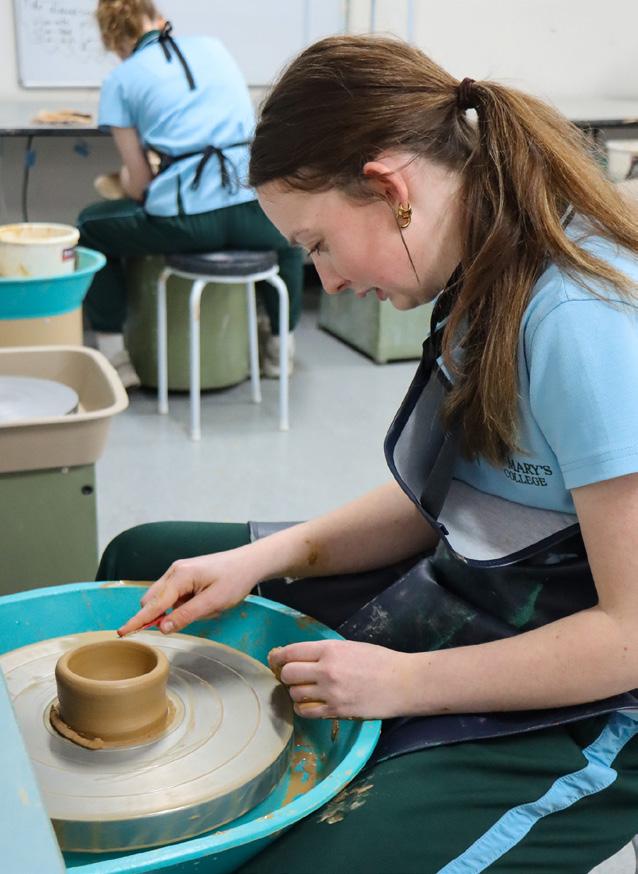
The bell at 12.50pm on a Wednesday might signal lunchtime for most students, but for a small group of Senior School creatives, it’s also the cue to head straight to the Art Studio, roll up their sleeves and settle in at the pottery wheel.
Tucked away from the lunchtime rush, the weekly Pottery Club has become a quiet place to unplug, get hands-on and rediscover the simple joy of making something from scratch.
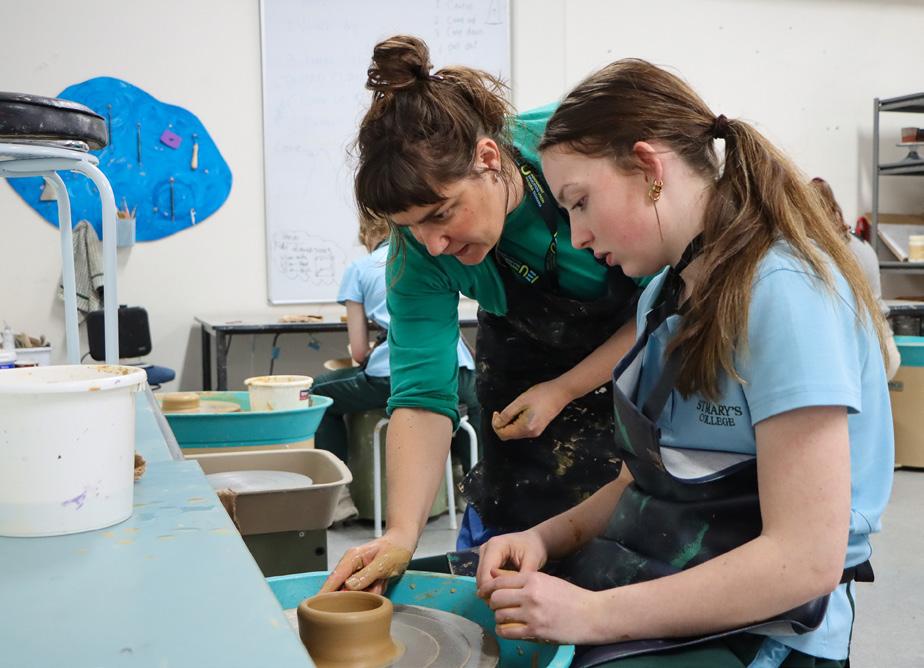
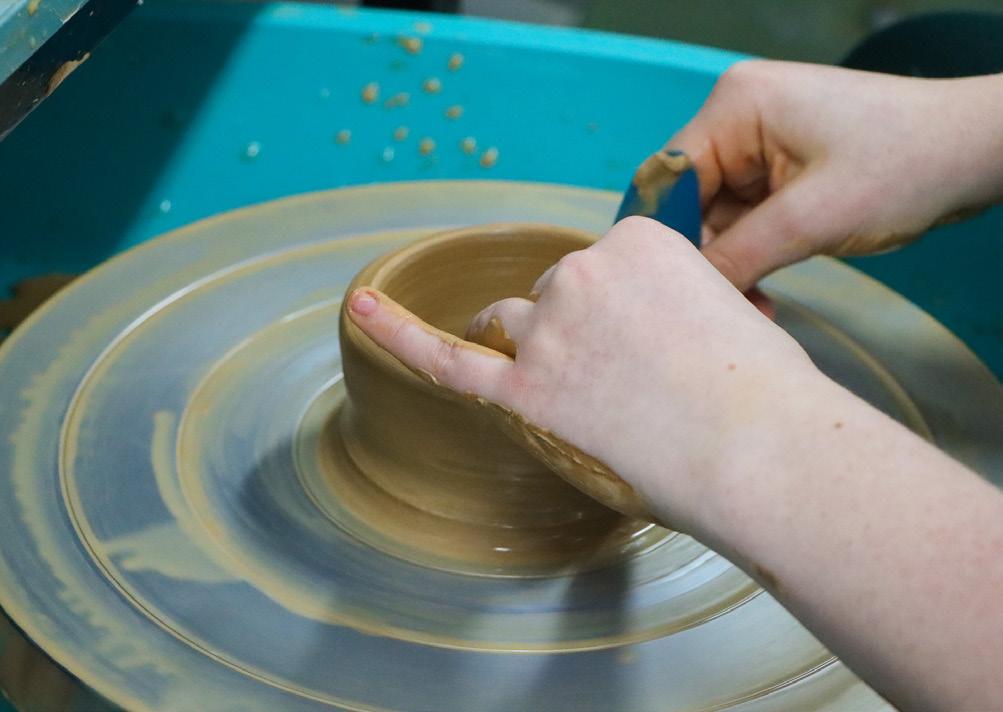
Each session is guided by Art Technician Eloise Kirk, who leads students through the fundamentals of wheel throwing, from the delicate balance of centring clay to the early shaping techniques that eventually allow them to craft functional or sculptural pieces.
And while wheel throwing might look effortless from afar, the reality is far more demanding.
As Eloise explains, it’s a craft built on patience, persistence and a willingness to embrace the occasional wobble.
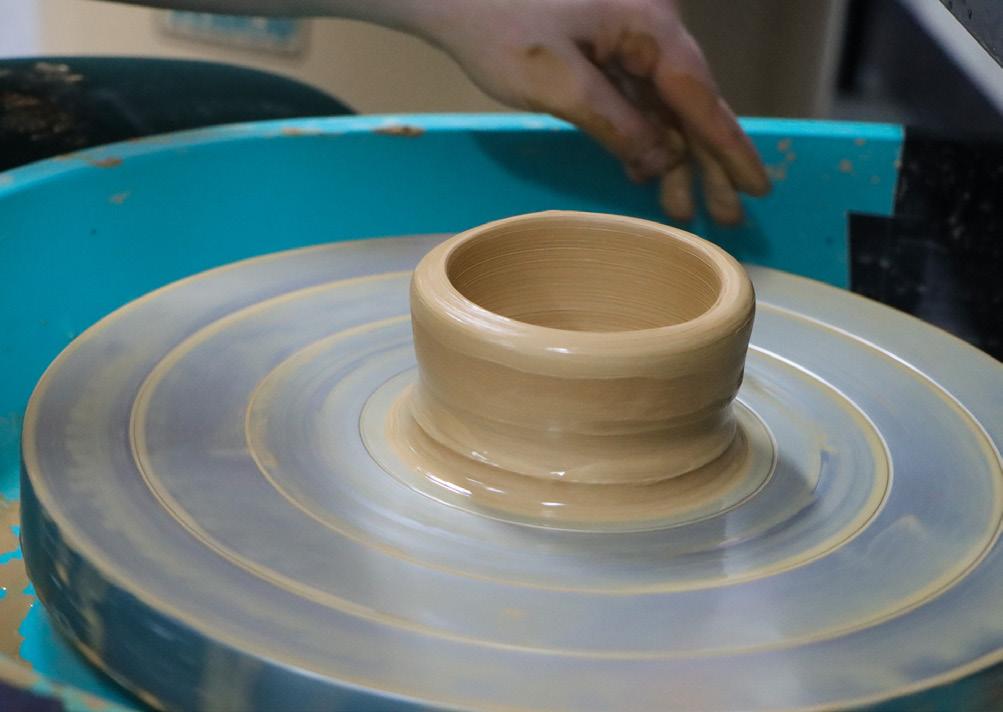
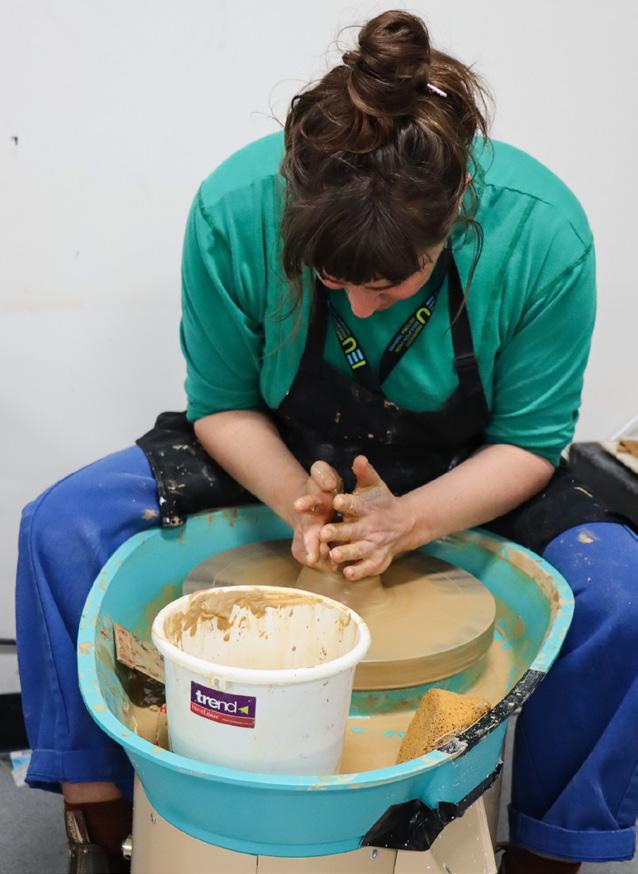
“It all comes down to centring,” she says. “They say it takes about 100 hours on the wheel before it really clicks, so patience is everything.”
With each Pottery Club session running for just 30 minutes, every second counts. Much of the
first semester, Eloise says, was mostly spent learning to centre the clay – a process of coning it up and down repeatedly until it finally settles.
“It’s repetitive, but it’s actually incredibly meditative. The kind of thing that frustrates perfectionists but also suits them perfectly.”
Once each piece is shaped, it is placed straight into the onsite kiln, where it’s fired and transformed from soft clay into a durable finished work.
Year 12 student Maddie Linnell has been working on her piece since the start of the year.
“I’m trusting the process and making whatever comes out… let’s say a small bowl,” she laughs.
She hopes to continue pottery as a hobby because it’s “definitely enjoyable.”
For Eloise, watching students persevere through the messy learning curve is one of the most rewarding parts of the club.
“Seeing them support one another and hopefully finish with something they’ve made themselves, whether it’s a beautifully shaped cup or a delightfully wonky bowl, is really special,” she says.
Spotlight on VET CertificateIII in Allied Health Assistance
A hub for hands-on learning
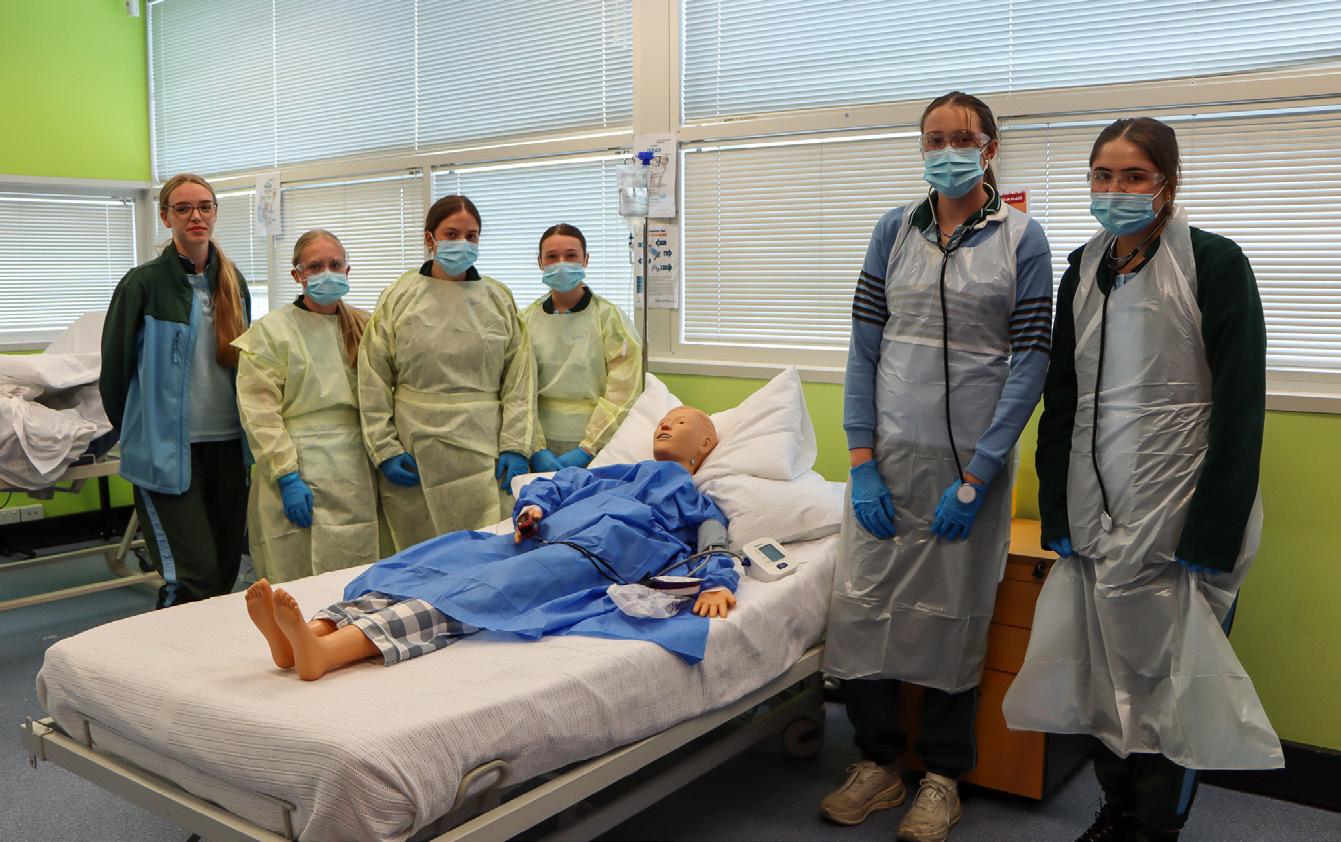
Senior School students are gaining practical experience in allied health training through a new simulation facility designed to replicate real clinical practice.
Located on Level 3 of the College’s Mary Morgan Wing, the classroom, which has been converted into a nursing ward, mirrors contemporary healthcare environments, giving learners an authentic setting to develop their skills.
It currently supports nine Vocational Education and Training (VET) students in Years 11 and 12 who are completing the Certificate III in Allied Health Assistance.
Throughout the course, students develop practical, job-ready skills in communication, infection control, workplace safety and patient care. These capabilities give them the confidence to pursue further study or transition into entry-level roles in the health sector.
Lucy Jetson, a VET Teacher delivering the course at St Mary’s College, said the facility was reshaping how students experience vocational learning.
Equipped with hospital-grade beds, mobility aids, clinical tools and a high-fidelity lifesupport mannequin, the space gives students access to industry-standard training conditions.
Lucy said the immersive environment allows students to build confidence as they practise core skills and respond to lifelike healthcare scenarios.
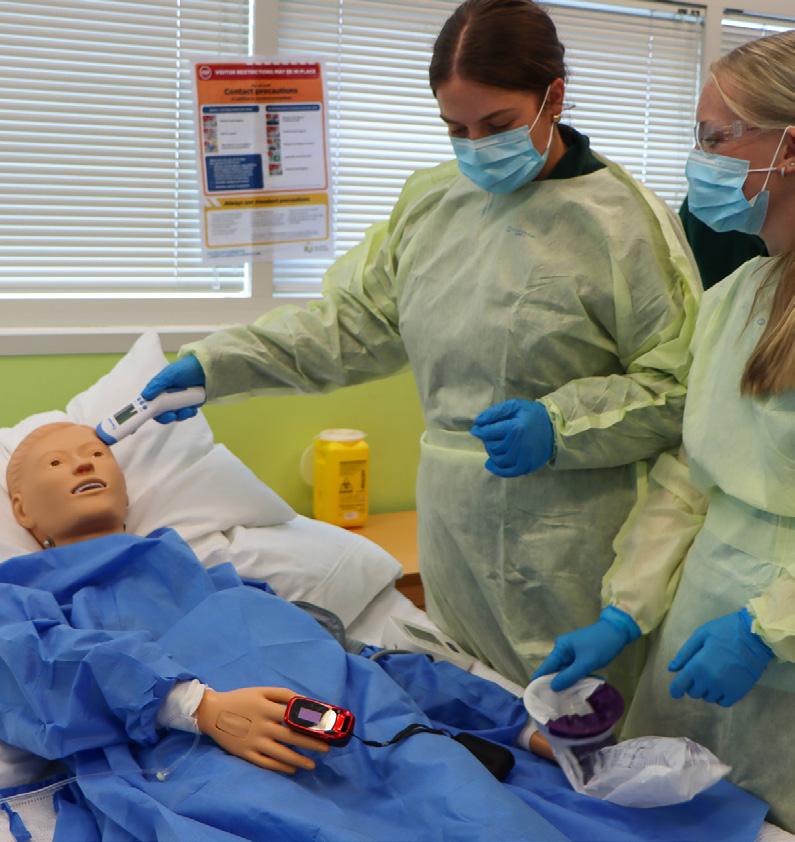
“Students are not just learning in the classroom – they’re gaining real insight into what their future careers could look like,” she said.
“Whether it’s running a simulation, solving a problem or practising clinical skills, every lesson prepares them for what today’s healthcare environment looks like.”
Students also learn how to support people with movement, respond to real-life scenarios and work effectively as part of a team. A strong emphasis on communication and diversity ensures they can deliver respectful, person-centred care to individuals from all backgrounds.
With the healthcare industry – particularly the allied health sector – continuing to grow, the demand for skilled, compassionate workers has never been higher.
“This program opens the doors to pathways in nursing, physiotherapy, occupational therapy, aged care and beyond,” Lucy said.
“Right now, students are preparing to take their learning into the community, with upcoming practical placements at a local nursing home.”
Units within the Certificate III in Allied Health Assistance provide an entry level pathway into allied health fields such as aged care, disability care and community services, as well as further qualifications in enrolled nursing, paramedicine or registered nursing.
Peer support that adds up
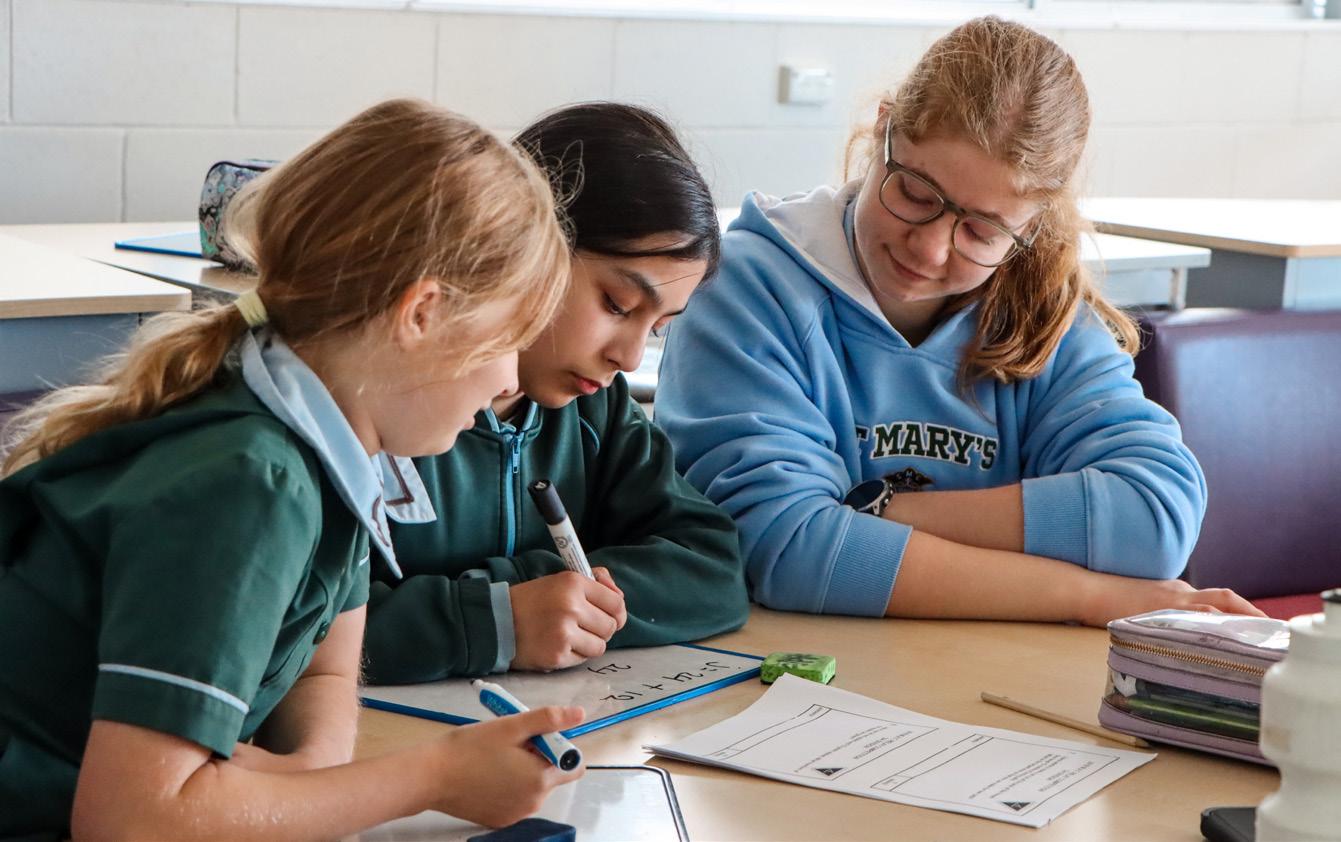
At St Mary’s College, Year 12 students are giving up their lunchtime to support their peers in mathematics, and their efforts are proving that strength in numbers really does add up to something bigger.
The peer-led tutoring program offers Senior School students the chance to receive extra help with homework, assignments and assessment preparation in a relaxed, supportive learning environment.
It also encourages learners to stretch themselves beyond the classroom and build confidence as they strive for excellence.
Sarah Thomas, a Year 12 student currently studying Physics 4, Chemistry 4 and Mathematics Methods – Foundation 3, is one of the senior tutors stepping up this year.
She said she’s loved meeting younger students, getting to know them and helping them feel more assured in their maths skills.
“I’ve always found it helpful to get support from other students when I’m stuck on a new topic, and I know others feel the same,” she explained.
Sarah believes one-on-one and small-group sessions create a comfortable space where students can ask questions freely and revisit concepts without fear or judgement.
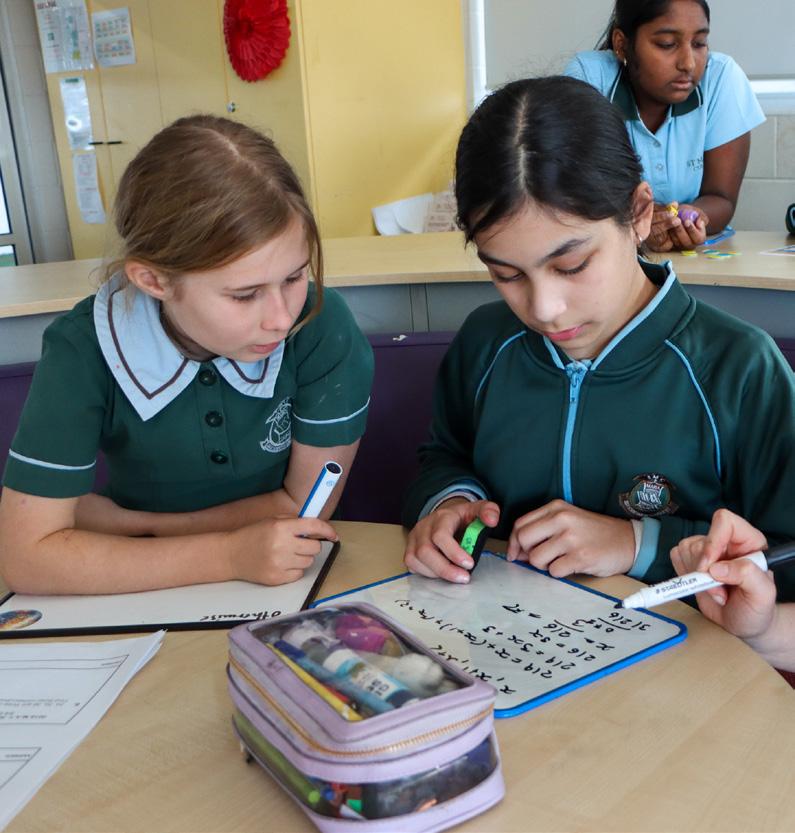
“It’s been great to see some of the students growing in confidence,” she said.
“Tutoring lets me share new ideas, and it also helps me strengthen my own understanding of each topic.”
The College’s Acting Director of Teaching and Learning K–12, Ali Canning, said that having older students tutor and mentor younger learners fosters not only collegiality but also a growing sense of confidence and curiosity in their learning.
“Peer tutoring extends learning by giving younger students individualised support, stronger strategies and deeper engagement than they might receive in the classroom, while also offering valuable opportunities for extra practice and extension,” she said.
Peer tutoring sessions are held each Monday in Room S244 during lunchtime, and all students are welcome.
Dance club, unite

The St Mary’s College Junior School has caught a serious case of dance fever.
Wherever you look, students are spinning, somersaulting and embracing movement with infectious energy and seriously slick footwork. That enthusiasm has found its home in Dance Club, one of the College’s most popular cocurricular choices in 2026.
Led by dedicated Junior School teachers and choreographers, Kate Crichton and Eliana Herweynen, students from Prep to Year 6 train weekly at lunchtime and regularly showcase their skills at assemblies, flash mobs and major competitions.
This year, both our Early Years (Prep to Year 2) and Years 3–6 teams impressed at Dance Life Unite, earning first and second place

respectively. The troupes performed their routines again at the Southern Tasmanian Dance Eisteddfod on Thursday 9 July, where they were also joined by our Year 7-12 Dance students.
Dance Club fosters confidence, teamwork and healthy living, and offers a safe and welcoming space where students can explore movement and experience the joy of performance while expanding their talents, interests and skills. With demand for dance continuing to soar at St Mary’s College, every student has the opportunity to work as part of a team to foster creativity and produce excellence.
College News
That’s a wrap
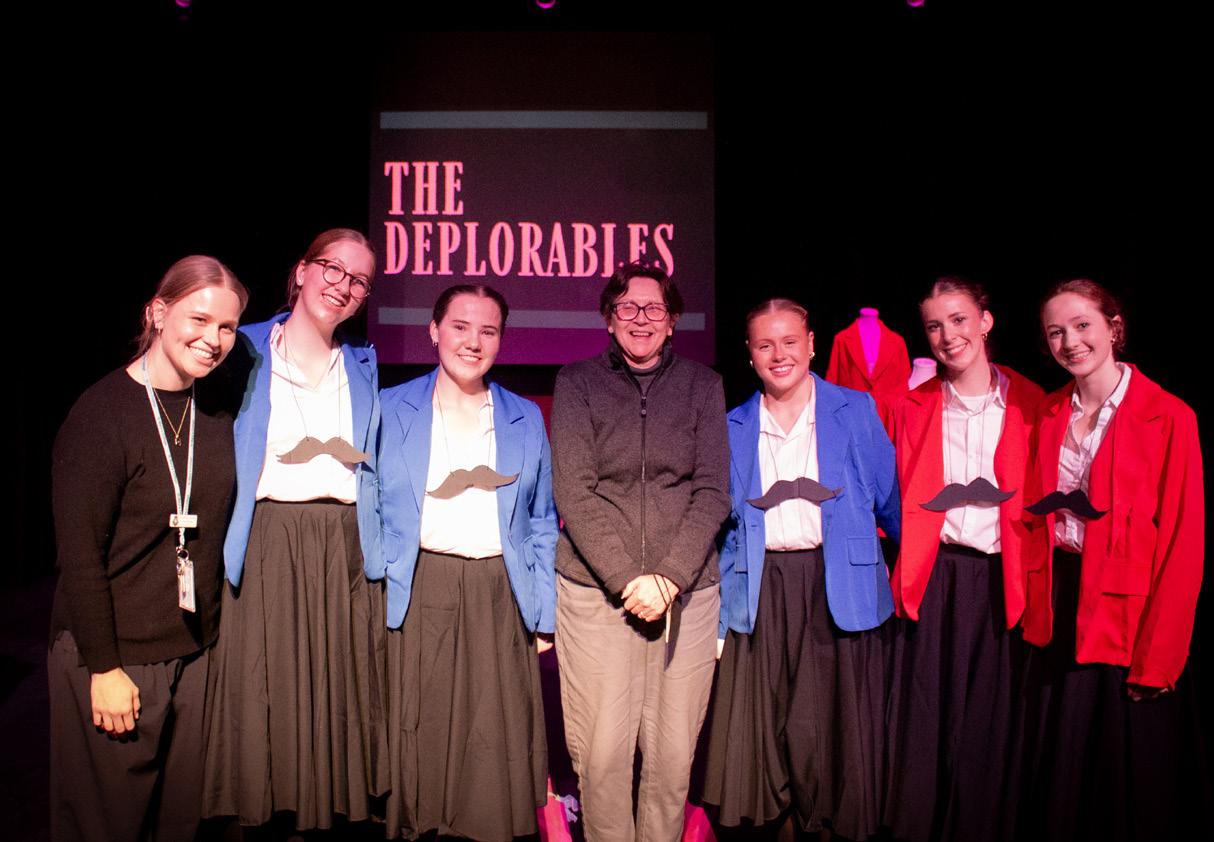
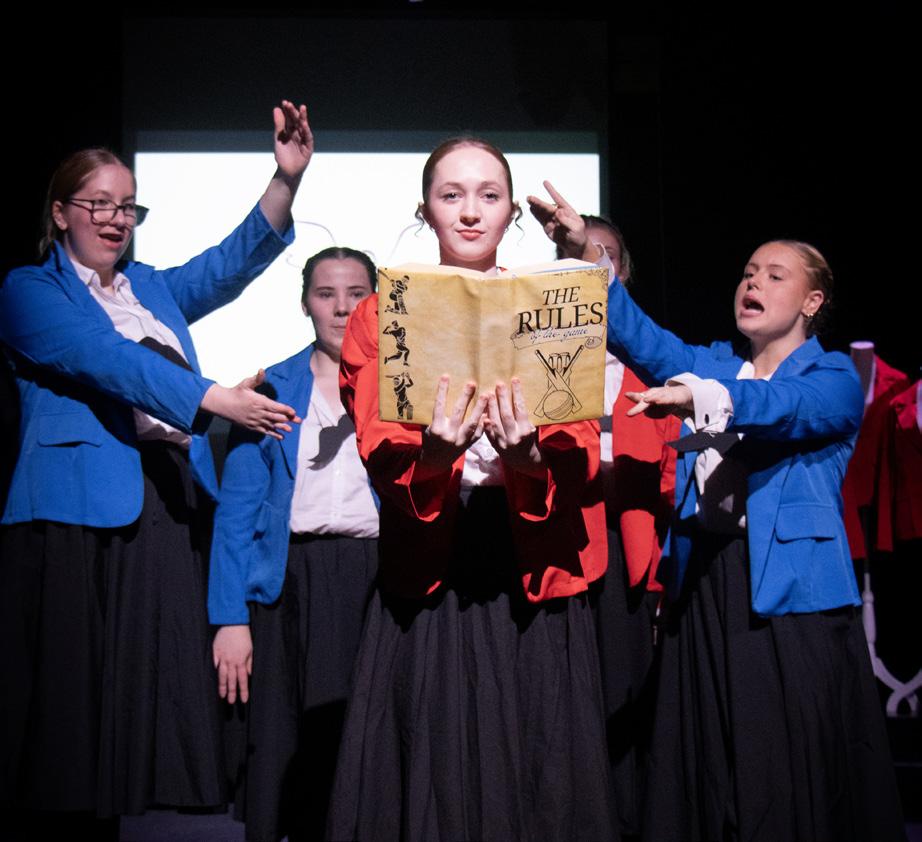
Two student-led productions lit up St Peter’s Hall in Term 2, and although the applause has settled, we’re still buzzing! This year’s works – The Deplorables, a powerful retelling of Australia’s first women’s cricket match, and Garage Girls, a fast-paced, character-driven story set in a suburban garage – offered students rich opportunities to stretch their theatrical skills. Our Learning Leader of Performing Arts, Kane Stone, shares more below.
Over two evenings in June, our Theatre Performance students took to the stage with their production of The Deplorables. This powerful and highly engaging performance was a fantastic showcase of their skill, focus and commitment.
It was an honour to welcome Christine Davey on opening night, the playwright of The Deplorables, and provide our students with the rare opportunity to perform the work in front of its writer, as well as take part in a meet and greet.
With all actors present on stage for the full hour-long performance, students demonstrated impressive endurance, teamwork and stagecraft.
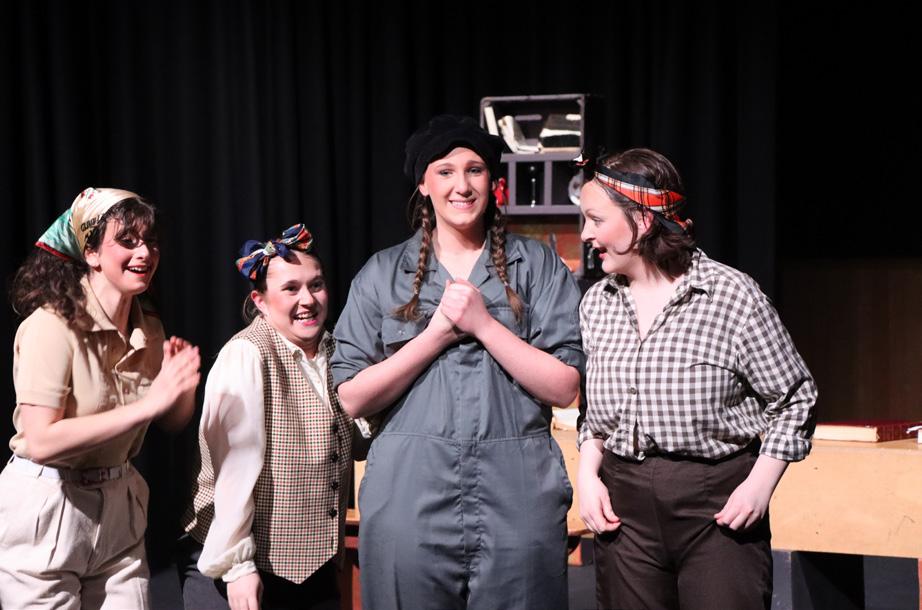
In Drama, our senior students presented an excellent two-night season of Garage Girls. This was far more than simply performing a play; it was a full live theatre experience. Students navigated the pressure of remembering lines, managing costume changes, working through set transitions and performing through the nerves and excitement that come with being on stage.
Across both shows, students demonstrated remarkable resilience, professionalism and a growing understanding of what it takes to bring a production to life.
Stepping up to the mark
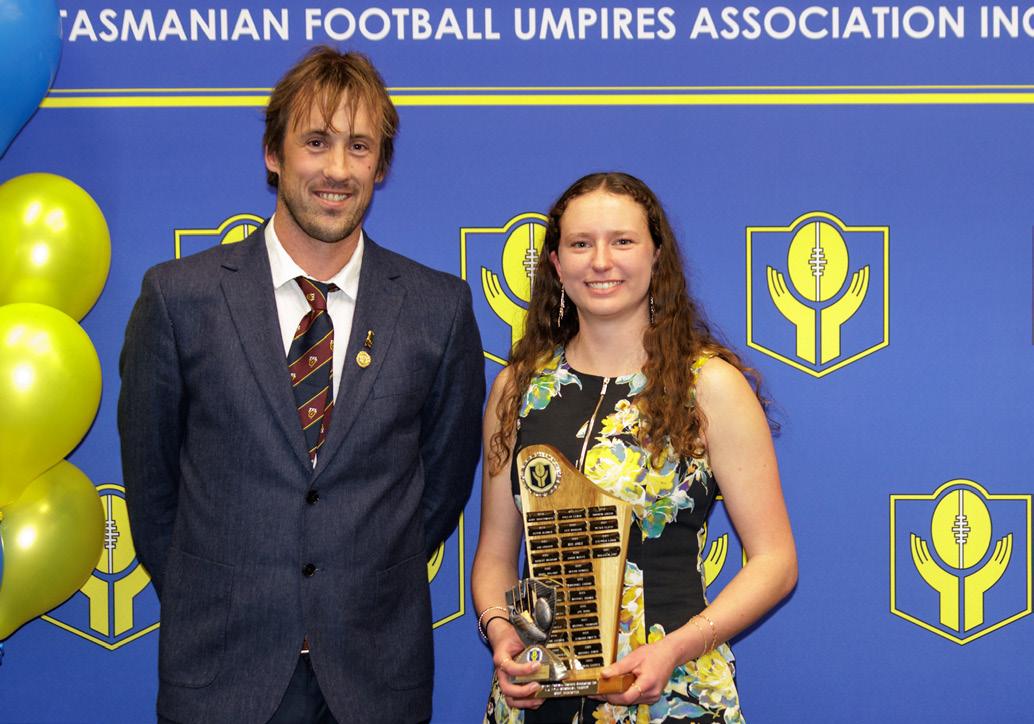
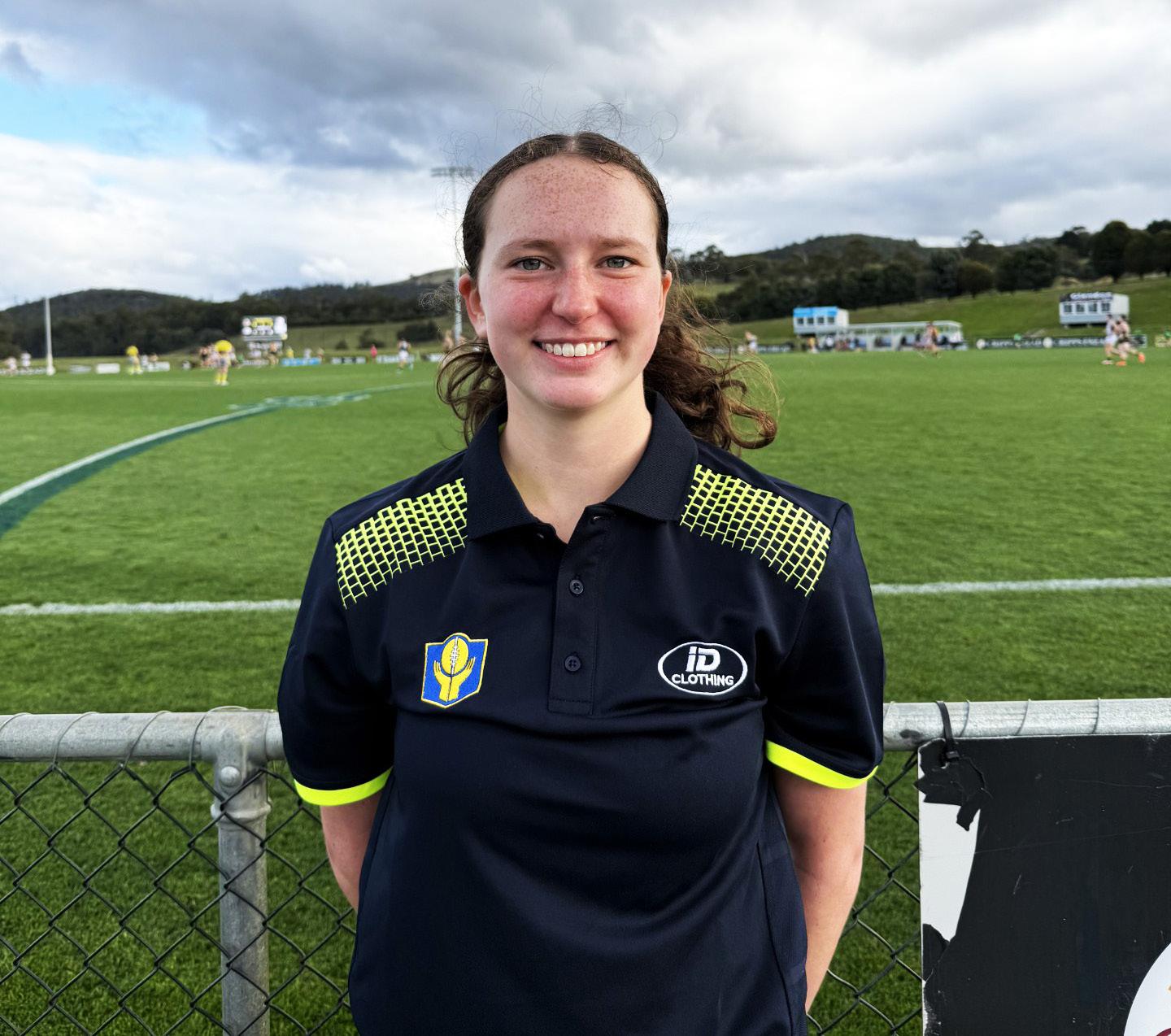
Meet Rozalia Arnold, a Year 11 St Mary’s College student who’s picked up the whistle and stepped into the fast-paced world of footy umpiring. A member of the Tasmanian Football Umpires Association, she reached an exciting milestone in May, officiating her first Premier League Reserves match. We recently caught up with Rozalia to learn more about her journey, her motivations and what she’s discovered from seeing the game through a different lens.
How did you feel walking out to umpire your first Premier League Reserves match?
Walking out, I was incredibly nervous. I had already umpired a game that morning, so I was concerned about fatigue. But after the first half, I started to feel more confident as I got into the zone. The other umpires on the day were incredibly supportive, which helped me settle into my role.
How did you first get into umpiring?
I first got into umpiring in 2024. At the time, my own playing team was struggling for numbers, and I wanted a guaranteed way to stay involved in the sport. I did a trial session with my brother where we sampled the three disciplines: field, boundary and goals. I was drawn to field umpiring right from the start; as a player myself, I had a decent grasp of the rules, and the running aspect helped me stay fit.
What do you most enjoy about being an umpire?
The best part about umpiring is the community. You get the opportunity to meet a whole range of people, from other teens looking to earn some extra cash to goal umpires who have been doing it for 40 years. With three disciplines available, there are roles for people of any ability.
My brother does boundary umpiring because he enjoys distance running without the pressure of making game decisions. My Dad does goal umpiring because he’s good at reading the play and predicting the flight of the ball, and he can’t always meet the sprinting demands of the field or boundary. It’s a truly special moment when all three of us get to be on a team together, umpiring the same game.
In general, I think umpires get a bad rap from players simply because our role will always be somewhat controversial, so those of us in the business look out for one another and do a great job of making everyone feel welcome.

What is the most challenging aspect (and have you mastered the centre bounce?).
The pressure. Every decision you make leaves one team happy and the other disappointed. Out on the field, players and coaches usually aren’t afraid to give feedback, so learning to tune everything out except your fellow umpires is really important. As for the centre bounce, luckily we don’t have to do them anymore, because mine never go straight! It’s one of those skills we still like to practise for fun, but I wouldn’t say I’ve mastered it in any way.
Do you play any sports at St Mary’s College?
I try to participate in term sports whenever I can. This term I’m playing rugby union to try something new, and so far it has been incredibly fun. In previous years, I’ve also played school footy and badminton, and I’ve been part of the SATIS athletics, cross country and swimming teams every year up to now. I think the staff at St Mary’s do a great job of highlighting the importance of participating in sport and giving things a go, even if you haven’t played before.
Which AFL team do you follow?
Like my Dad and brother, I'm a die-hard Swans fan. The last few grand finals have been painful to say the least, but so far, we're looking good this year...
Who has helped or encouraged you on your umpiring journey?
I think this goes back to my family. My Dad was the first one to suggest footy umpiring to me, and both my parents have been incredibly flexible, giving up their time to take me to games, get me to training and help clean uniforms. Umpiring naturally creates moments of self doubt – players will question your decisions, or you’ll make a mistake others disagree with. My family and the other umpires are always the first to remind me that we’re not meant to be perfect machines; we’re human, and it’s physically impossible to see the entire field at once.
Do you have any goals or dreams for your umpiring in the future?
At the moment, umpiring is something I do alongside school. I have dreams of taking it to a higher level in the future, such as the VFL, but for now, I’m prioritising my studies. However, if the opportunity to do both ever presents itself, I won’t hesitate to take it.
I also want to get as many girls involved in umpiring as possible. It’s a great way to make friends, stay fit and get paid while being part of a sport that has been central to my life for over 11 years. Since I’m often the only girl at field training, it would be a dream to see more girls get involved as well.
Nursing the next generation
One profession, countless career possibilities. In celebration of International Women’s Day 2026, we sat down with three of our alumni – now registered nurses – to explore the diverse and often unexpected directions their nursing degrees have taken them. Their careers span a range of specialities and settings, from clinical practice to leadership and education roles. Yet, they all share a common thread: a belief that hard work, perseverance and genuine care for others can open doors to opportunities they never imagined.
Emma Shanahan (nee Norman) (Class of 2010)
Clinical Coordinator – Tasmanian Aboriginal Centre, Hobart
As a Year 11 student at St Mary’s College, I thought I’d never get to uni because my grades weren’t good enough. But it turns out I just needed to find a different pathway there.
I began my Diploma of Nursing at TasTAFE during my final year at St Mary’s [Year 12], and by 19, I was already a qualified enrolled nurse. Over the past 14 years, I’ve progressed into registered nursing through university study and later postgraduate qualifications. In 2014, I completed a second graduate certificate in advanced practice, which opened pathways into leadership and management.
I now work as a clinical coordinator at the Tasmanian Aboriginal Centre, where I oversee staff, quality improvement and system-level change. My focus is on addressing systemic inequities and supporting community-led, culturally safe models of care to improve health outcomes for Aboriginal and Torres Strait Islander peoples.
Whatever postgraduate qualification or career direction you choose, nursing gives you the ability to adapt and explore different training and research models that align with your interests, your studies and your career. It’s incredibly dynamic and can influence everything from policy reform to how care is delivered at a hospital, general practice or nursing home level.
Katie Hinchen (Class of 2003)
Theatre Clinical Nurse Educator –Calvary Health Care
I began my career at Calvary Health Care in 2007 through the graduate nurse program, starting on a surgical ward, and I absolutely loved it. Midway through the program, I had the opportunity to move into perioperative nursing, which I also loved as it exposed me to so many specialty areas.
As a junior nurse, I realised that some of the most critical emergencies happen in perioperative, but they’re so well managed. Even when the unexpected happens, the response is calm, coordinated and highly skilled. Since completing my graduate certificate in perioperative nursing in 2009, I’ve seen the shift from open surgery to advanced robotic systems, where the surgeon sits at a console and performs the procedures while the robot operates at the centre.
I always imagined I’d end up in emergency nursing or paramedics, but today I find myself in a leadership role at Calvary, overseeing education and accreditation and serving as one of three senior staff members in theatre.
One of my greatest achievements was travelling to Namibia in 2018, where I had the opportunity to teach and support a healthcare system in a country without the same level of access we’re fortunate to have in Australia.
After nearly 19 years in theatre and nine years mentoring graduate nurses, my biggest piece of advice is to communicate. Ask questions. Stay engaged. There is so much to learn in nursing, and strong time management will set you up for success.
Nicole Howard (Class of 2006)
Nurse Unit Manager – Child and Youth Mental Health Services (South)
The range of things you can do with a nursing degree is probably what surprised me most when I first started. Nursing is so much more than bedside care; the possibilities really are endless. I initially set out to specialise in surgical nursing and somehow found myself working in the mental health space, where I’ve been able to forge my career.
Over the past few years, I’ve transitioned into management, where I lead a team of about 50–52 staff. It can be challenging at times, but I enjoy building relationships and supporting the people who support our patients. Ultimately, this is why we become nurses: because we care about people.
I’m constantly learning, and no two days are the same. Learning from those around me –including a multidisciplinary team of nurses and healthcare professionals – has been a big part of my journey.
I’ve met so many amazing women throughout my career but returning to St Mary’s made me reflect on the very first woman who inspired me. It was my English teacher, Mrs Haig, back in 2006. She spoke to me like an adult, encouraged me and gave me the motivation I needed to push myself a little further.
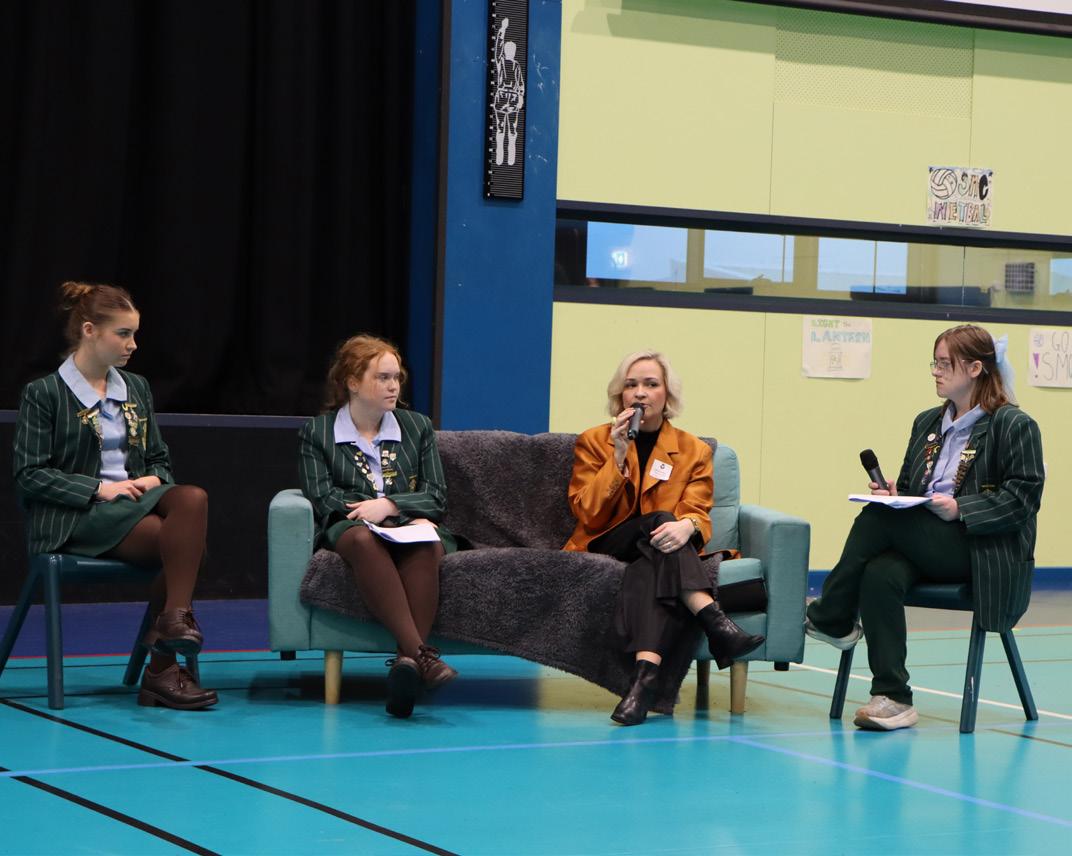
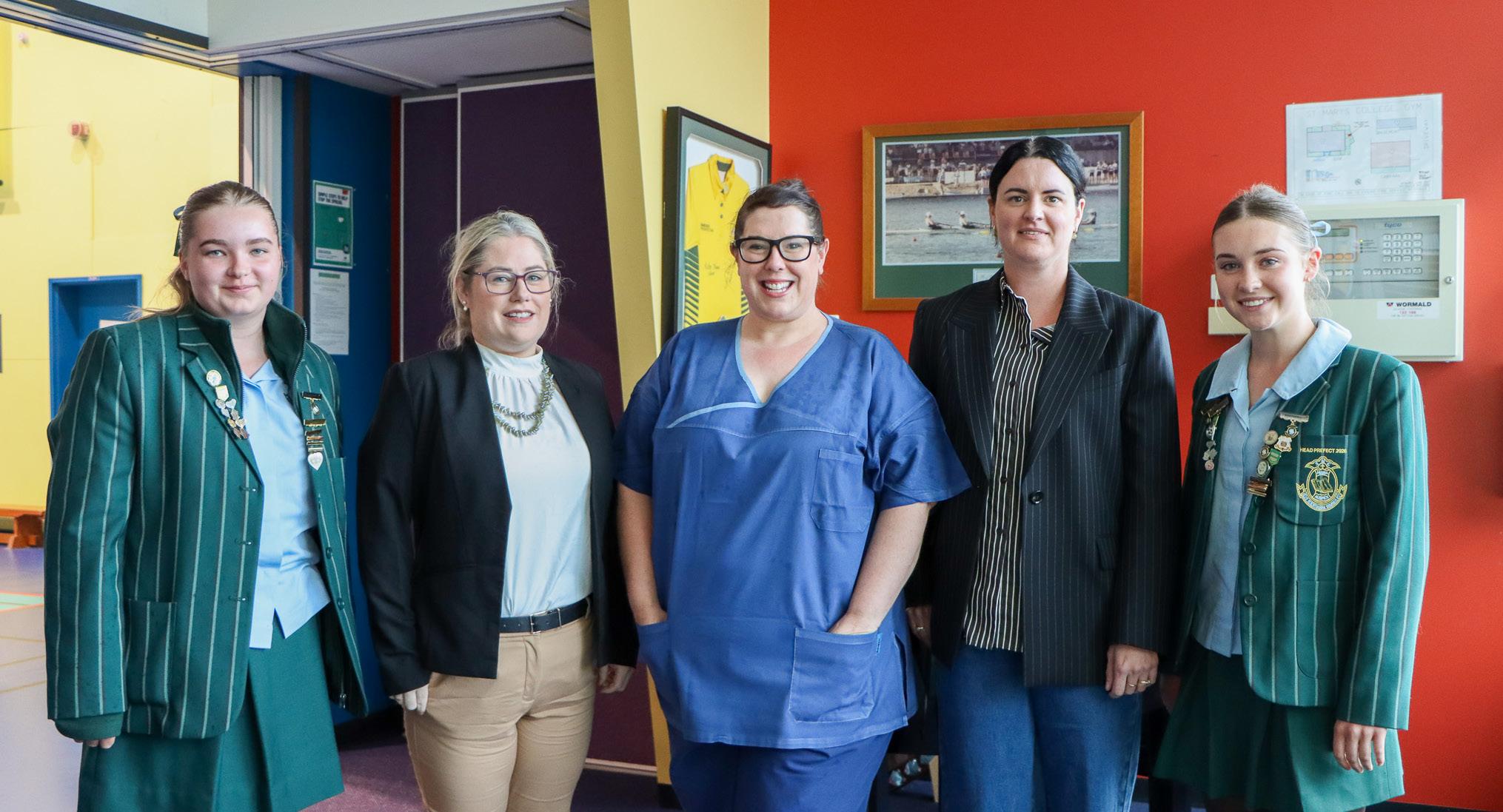
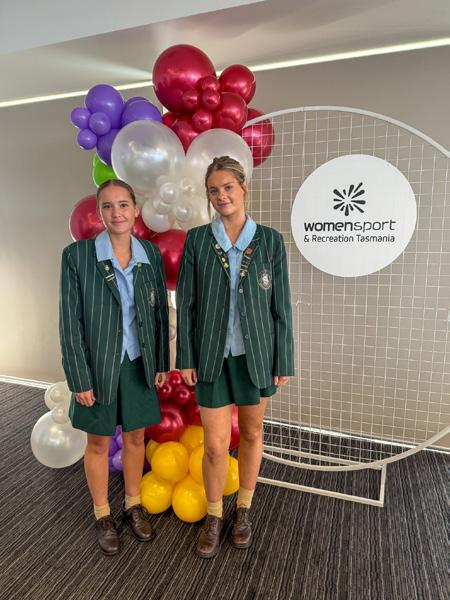
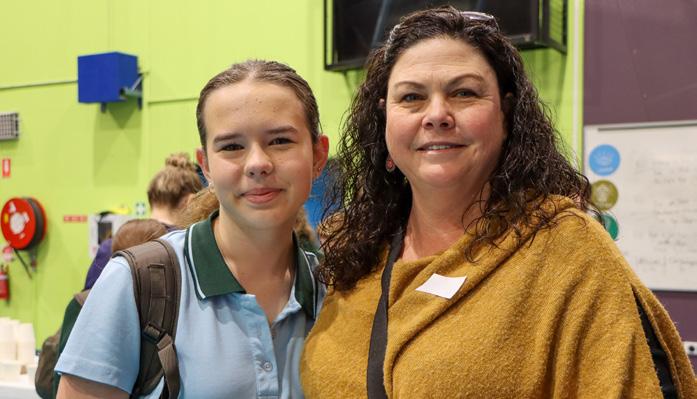
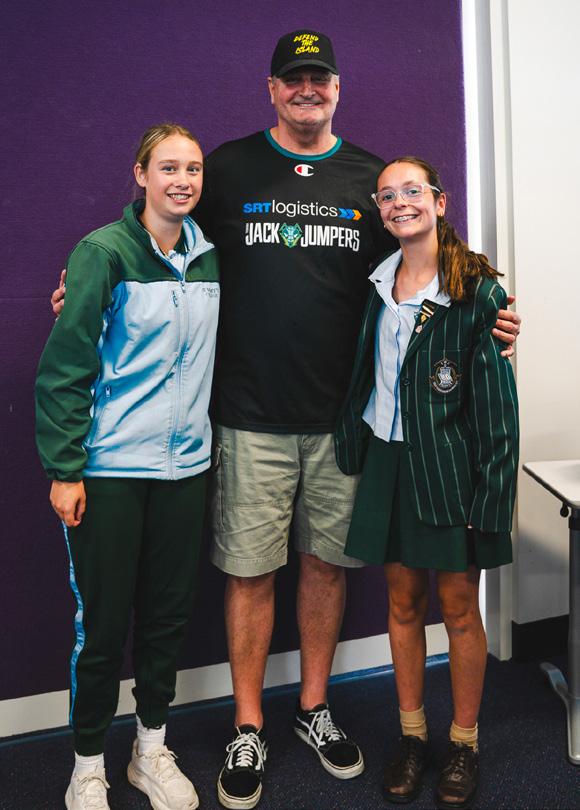
Pictured, L-R: Ruby Wighton, the panel who spoke at our International Women’s Day whole-school assembly on 11 March, Emma Shanahan (Class of 2010), Katie Hinchen (Class of 2003) and Nicole Howard (Class of 2006), as well as Lucy Hofler.






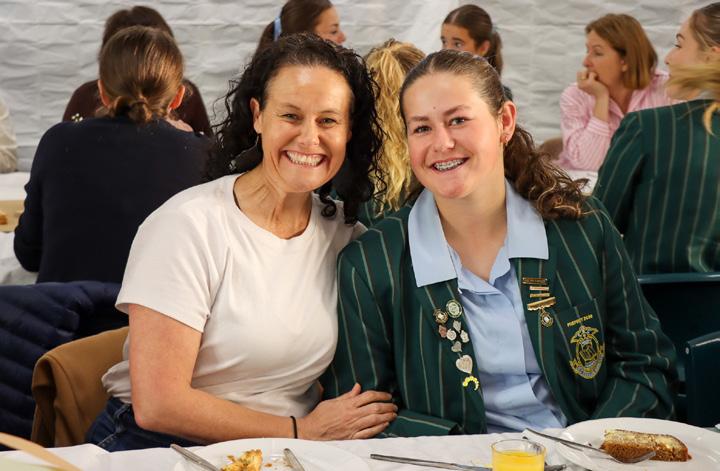
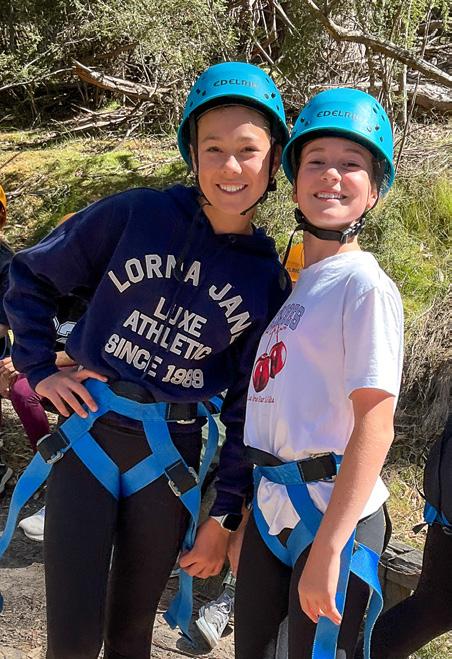
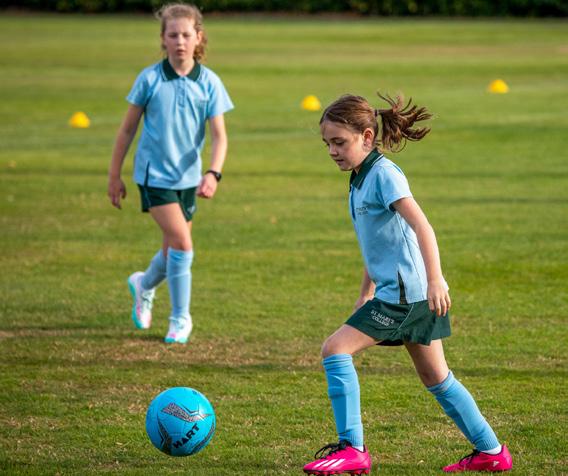
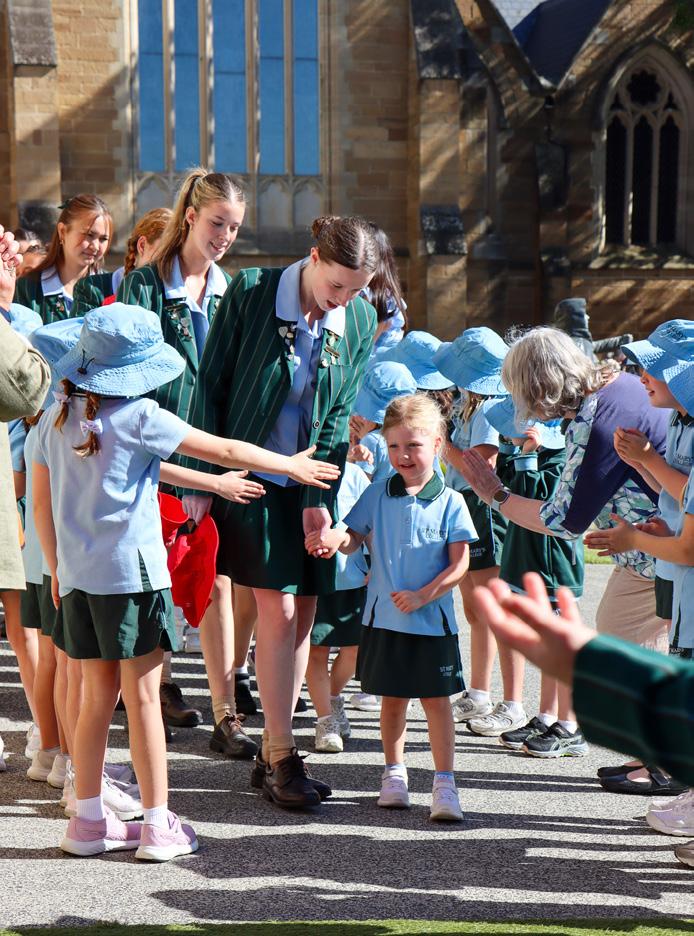


Staff-Alumni: Ava Read (Class of 2024)
Chasing the Tassie dream
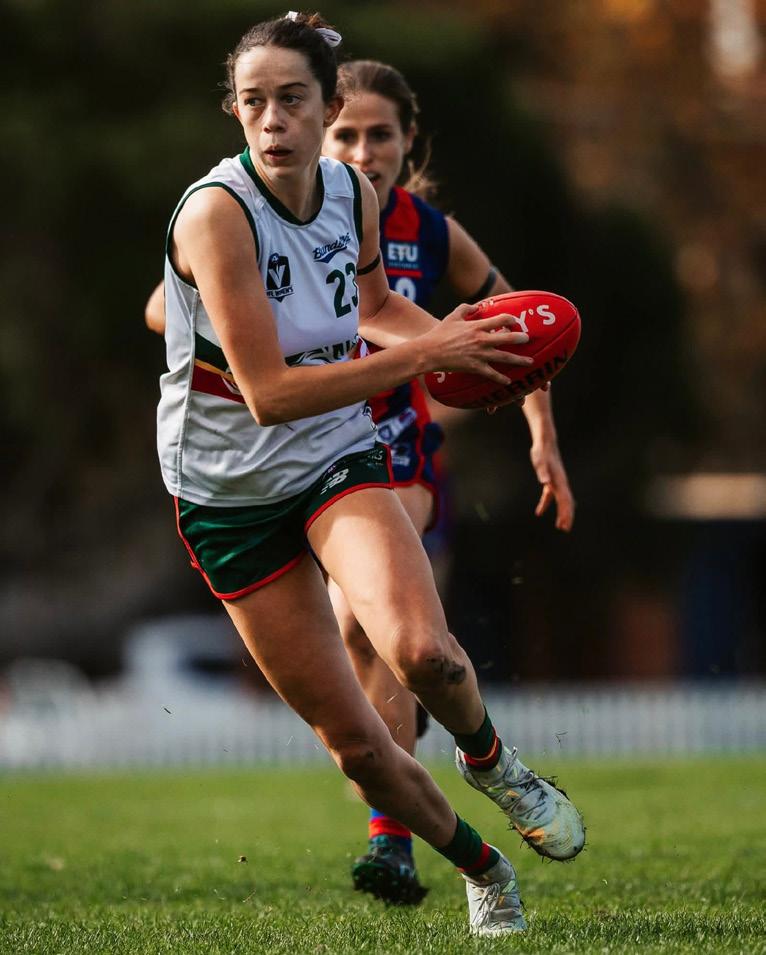
A proud St Mary’s College alumna from the Class of 2024, Ava Read began her football journey as a junior at the Clarence Football Club (under-15s) and quickly established herself as a player who can hit the scoreboard. In 2022, she headed to North Hobart to play in the Southern Tasmanian Junior Football League, then returned to Clarence in 2024 to join the women’s program while also working her way through the Tasmania Devils pathway in the Coates Talent League (under-18s).
Over the past few seasons, she’s begun to make her mark as one of Tasmania’s rising young talents, capped off by her Devils debut in the team’s history-making VFLW match on home turf.
For Ava Read, football isn’t just a sport – it’s part of her family’s DNA.
Some of her earliest childhood memories include standing on the boundary line, watching her dad, Jarrod Read, crash through packs on a Saturday afternoon.
“Dad played with the Clarence Football Club, so growing up, footy was basically my weekend home,” she recalls.
One of her biggest inspirations is Jack Riewoldt – the former Tigers premiership forward who, in his early career, played alongside her dad in Clarence’s 2006 premiership side.
Football was a constant presence throughout her childhood, and by the time Ava turned 11, she was completely hooked.
“I joined my local club in Lauderdale and just loved being part of it,” she says.
But like many young athletes, her path wasn’t exactly straightforward.
As much as she enjoyed playing football, the game’s physicality eventually took its toll, and she spent her youth drifting towards other sports.
“It was a bit rough for me,” Ava confesses. “I played netball for a while, and I tried basketball and soccer too, but nothing ever really measured up to football – nothing gave me that same feeling.”
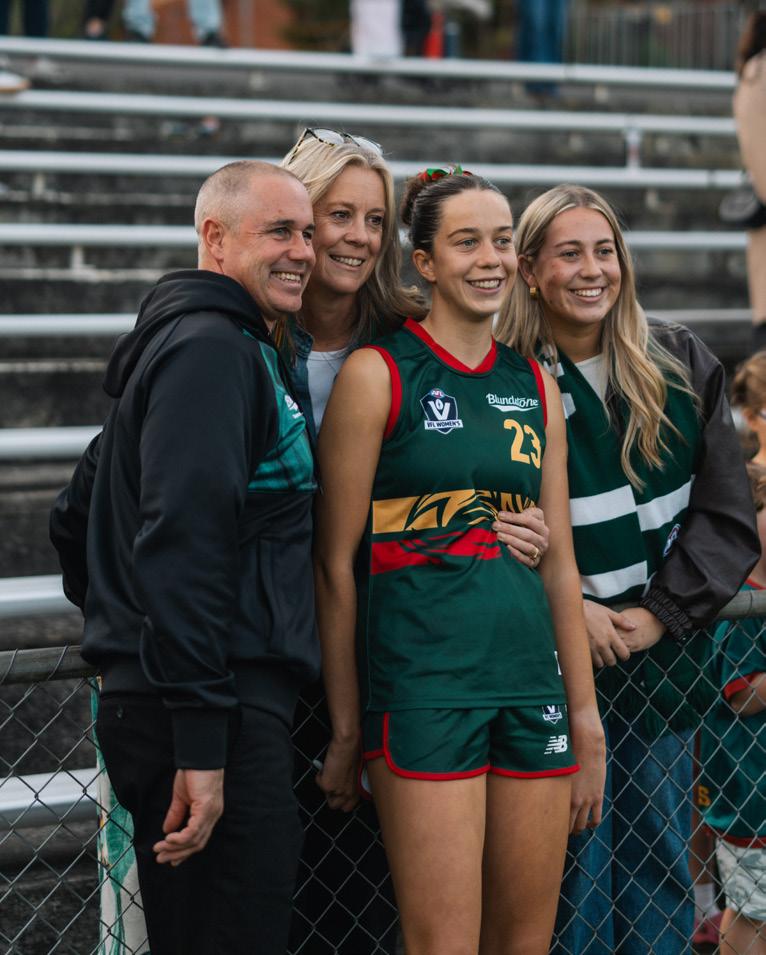
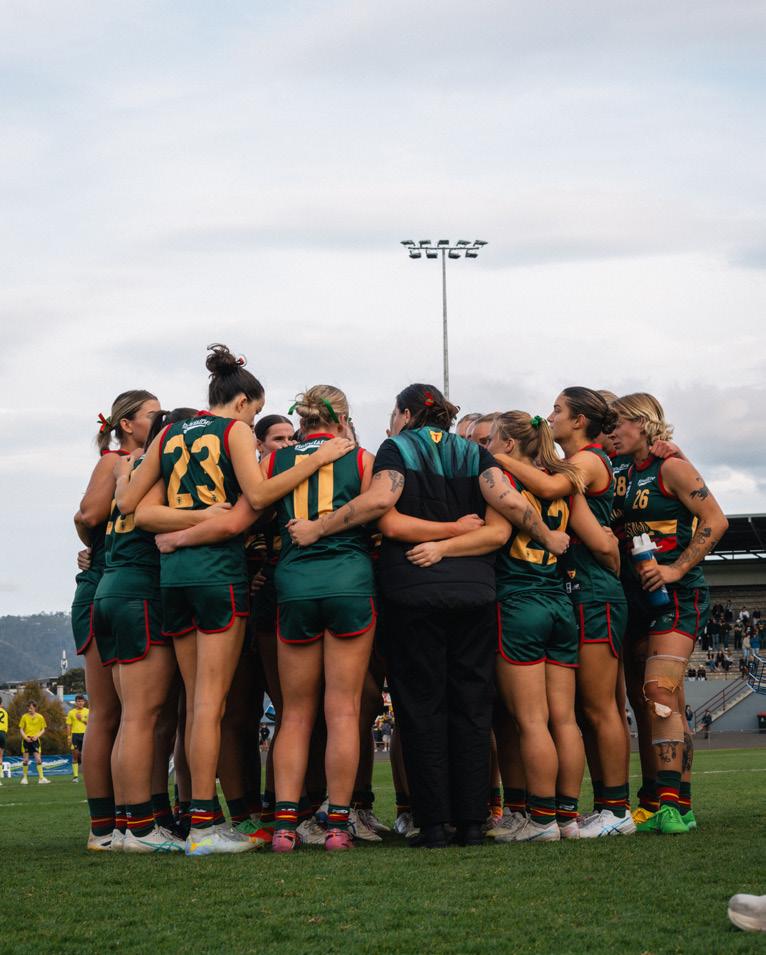
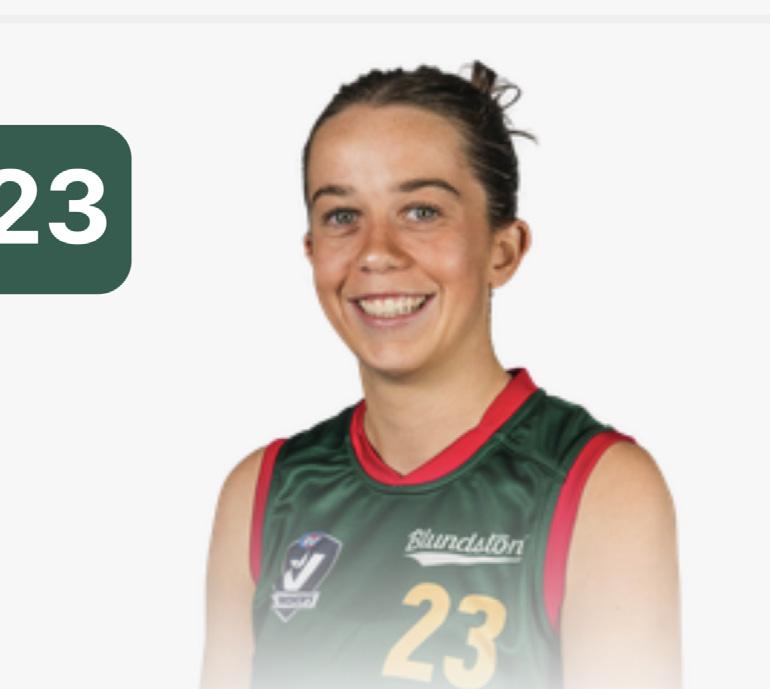
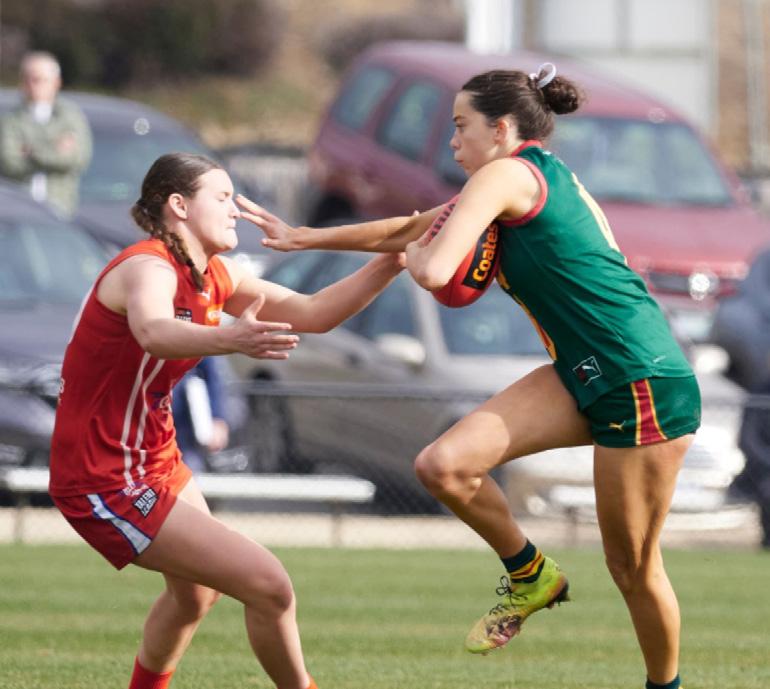
In 2021, when Ava was in Year 9 at St Mary’s College, she returned to the field, this time, with a clearer sense of herself – both as an athlete and in what she wanted from the game.
She joined the Clarence Football Club under15s, and the following year moved to North Hobart, spending two seasons competing in the under-17.5s, under-18s and Senior Women’s competitions against clubs from across the state.
In Year 11, Ava’s on-field performance – notably her outstanding aerial ability and strong contested marking – earned her selection in the Tasmania Devils’ Coates Talent League squad, where she competed against elite Victorian sides and tested herself against some of the best under-18 players in the country.
“Playing Coates for two years was huge for me,” she says. “It’s basically the national pathway for 18s, so every game felt like a step closer to where I wanted to be.”
Setting her sights on the AFLW Draft Combine, Ava faced her first real setback when she missed selection, despite receiving an invitation.
But that disappointment quickly became a turning point, opening the door to a VFLW opportunity when she received an invitation to join the program in late 2025.
Fast-forward six months to the VFLW’s historymaking match on Saturday 16 May, and Ava says she is still processing the moment she ran out onto North Hobart Oval, knowing she was part of Tasmania’s first-ever official senior women’s state team in the AFL.
“It was pretty cool,” she admits. “It was also very nerve-wracking. It didn’t really hit me until we were running out through the banner and seeing the crowd – including all my friends and family who came to watch.
“The opportunity to represent the Tasmania Football Club [Devils] was pretty special, especially at that level.”
Ava says the feeling of standing in the huddle, counting down and waiting for the siren to sound is something she’ll remember “for a long time”.
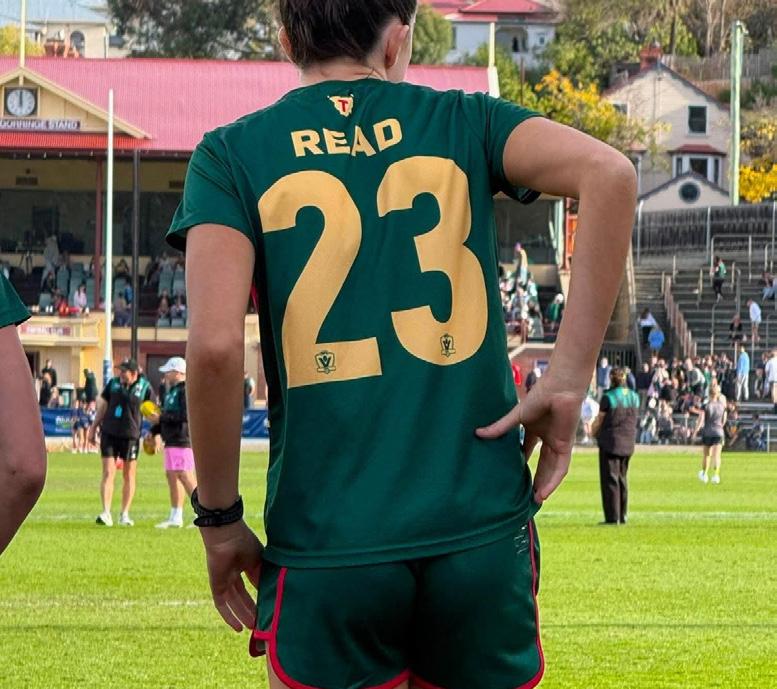
Despite the team’s loss against the Casey Demons, they walked away with their heads held high. “It was obviously disappointing, but we felt good about the historical milestone,” Ava says.
Reflecting on the game’s significance for the future of women’s football in Tasmania, she adds: “It means a lot. At the end of the game, all the little kids were at the fences asking for our autographs, which was special.”
That sense of impact follows her back to St Mary’s, where students often stop her in the hallways and out on the playground to ask her how her latest game went.
On what keeps her grounded and motivated, Ava says: “I love playing footy because of the connections I make around Tassie and the travelling away.”
Football is growing rapidly in popularity at the College, a shift Ava credits to the rise of the VFLW and the excitement surrounding a potential AFLW team for Tasmania.
“Girls know there’s now a higher level they can aspire to,” she says, noting the influence of the proposed stadium and the increasing visibility of elite pathways.
“It helps them believe in themselves – they can see what we’ve achieved and hopefully feel inspired to follow their own path.”
Looking ahead, Ava has one clear goal: playing for Tassie in 2028. “Before then, it’ll be nice to get a few wins on the board this season,” she jokes.
As a versatile player who moves across the backline, ruck and occasionally the forward line, Ava’s no stranger to high-intensity football.
And she brings that same momentum to St Mary’s College, where she works as a Learning Support Officer in the Senior School, supporting Year 7–12 Physical Education and Years 9–12 Outdoor Education.
“As a new alumna, it was a bit strange coming back as a staff member in 2025,” she laughs. “I walked through the Belling Out in 2024 and then walked straight back in.”
Staff-Alumni Reflections: In Their Own Words
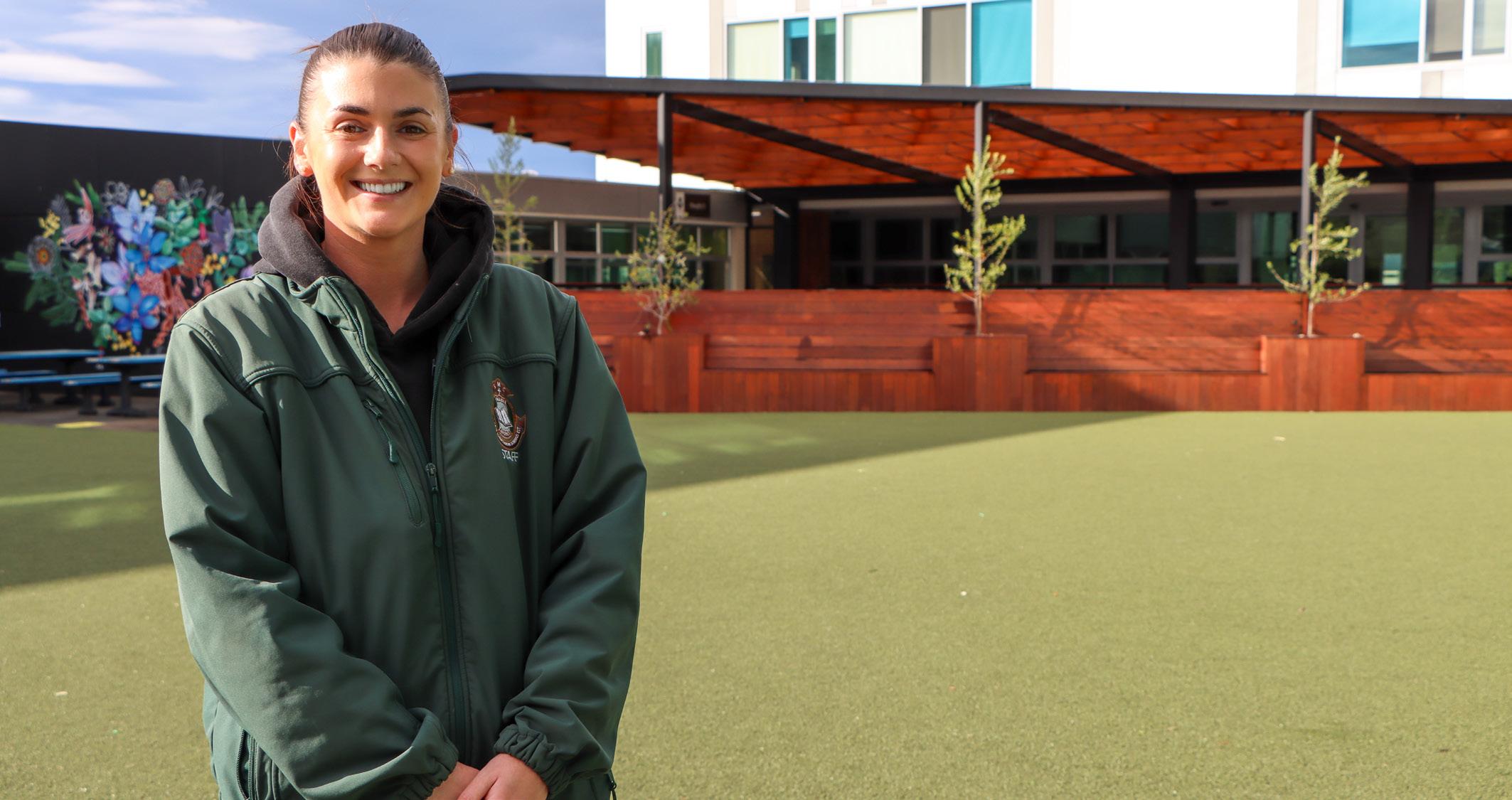
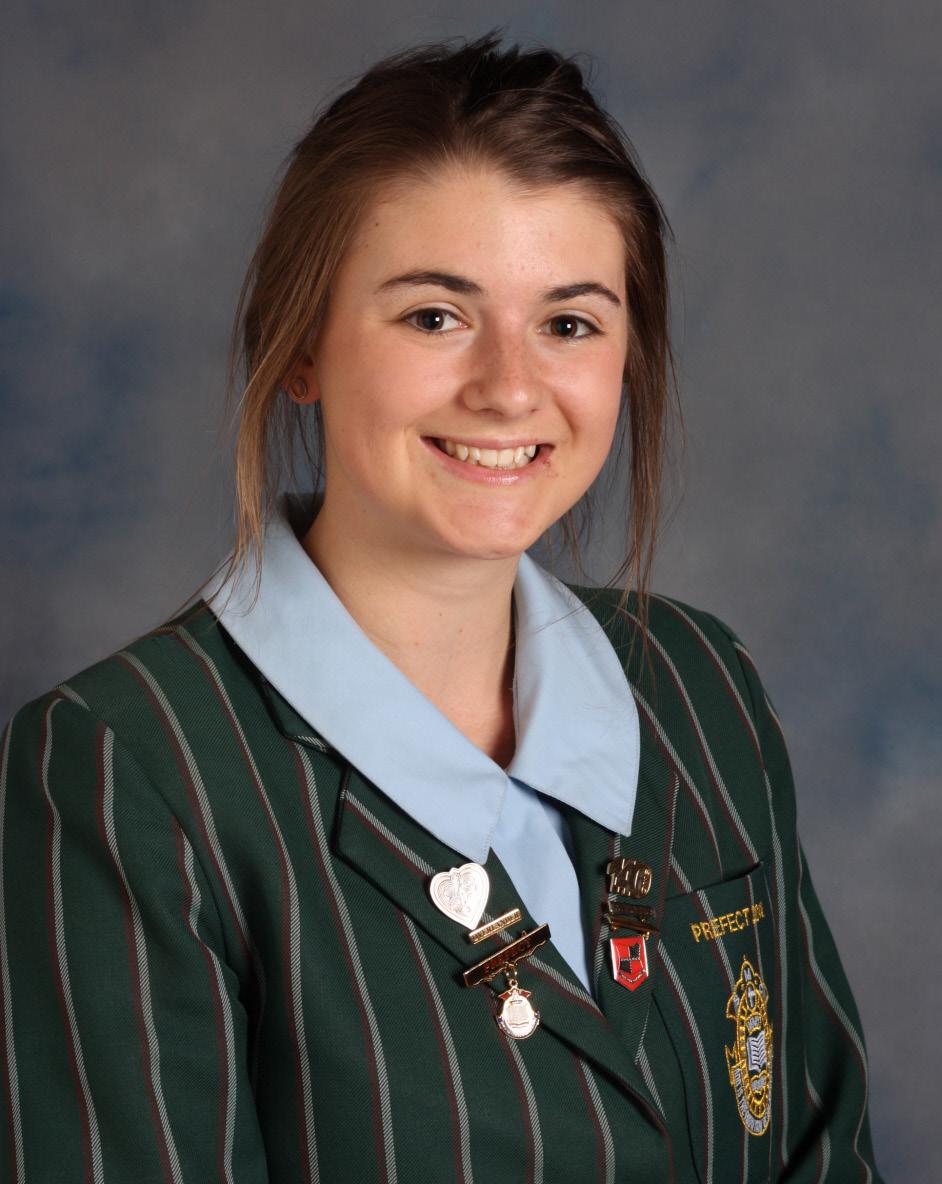
Kate Jordan (Class of 2011)
Year 5 Sassafras Class Teacher and HPE Teacher
I started at St Mary’s College in Year 7, back in 2006. My sister was already here – she was in Year 9 at the time, so I had at least one familiar face waiting for me. We didn’t have any family history with the College, but my dad had been coaching in the SMC rowing program and always spoke so highly of the students and staff. That was enough for Mum and Dad to say, “Let’s send the girls to St Mary’s.”
Coming from Lauderdale Primary School, a public co-ed school, the shift to an all-girls Catholic environment was a bit of a shock to the system. But I loved it. I felt so grown up in the uniform, sitting at desks arranged in neat rows. Being at the same school as my sister made the transition easier, and despite coming from a non-Catholic school, I never found that aspect challenging. I think the way it’s embedded into the school day is very seamless.
My Homeroom Teacher was Mrs [Julie] Bullen. I had Mr [Michael] Fracalossi for Maths and Karen Walter for Science (she was pregnant at the time with Amber, whom I eventually ended up teaching myself). I was always a pretty sporty student – I played netball and did rowing, but I gave everything a go, from touch football and cricket to soccer and basketball.
Academically, I was never naturally strong in maths, but Ivano Del Pio worked tirelessly to help me through. I had him for Maths Applied in Year 12, and I remember saying, “I can’t do this. Maths isn’t for me.” He just looked at me and said, “Maths is for everyone.” He gave up so much of his time to make sure I succeeded. Then there was Debbie Clarridge, our Year 11 and 12 coordinator. She was tough on me, but exactly in the way I needed. Pastorally, she was so supportive – a real mother hen who held you accountable, which is so important at that age. I always had a feeling I’d become a teacher, though I didn’t know what kind. It wasn’t until high school, with Kate Lakos, Jane Whitfield and Fran Mann guiding me through PE, that everything clicked. I adored their classes, and they made me want to teach. It’s pretty special that we’re colleagues now.
After Year 12, I went straight to uni in Launceston to study a Bachelor of Health and Physical Education. My first teaching job was at Dover District School, a tiny K–10 school with just 91 students at the time. It was worlds away from St Mary’s. I first went there on placement, followed by some relief work and eventually a full term. The following year, I continued relief teaching until a position opened up at St Mary’s in Term 2. The job was only for the year, so I had to reapply for the ongoing role. I was so nervous!
In 2017, I began in the Junior School teaching Physical Education (PE), and I was lucky enough to pick up a Year 7 class as well. I’ve taught in the Senior School since then, too, and while I enjoy it, there’s something about the enthusiasm of Junior School students that I’m especially drawn to.
I’ll never forget walking through the gates on my first day as a teacher. I was terrified. Because I hadn’t been a St Mary’s Junior School student myself, there weren’t many familiar faces, but I’ll never forget Nicki Shanny, who pulled me aside straight away and said, “Welcome. This must be nerve-wracking for you, but we’re here to support you.” It changed the whole trajectory of my day and really put me at ease. Georgie Harris, who had previously been in the Junior PE role and was then Head of HPE, became my mentor and was wonderfully supportive.
The most obvious changes since my student days are the buildings – the physical transformation of classrooms and facilities. But the feel of the place is the same. When I was a student, the Nagle Centre opened, along with the Women in Science Building and the Student Resource Centre. They still feel new to me because they were so exciting at the time.
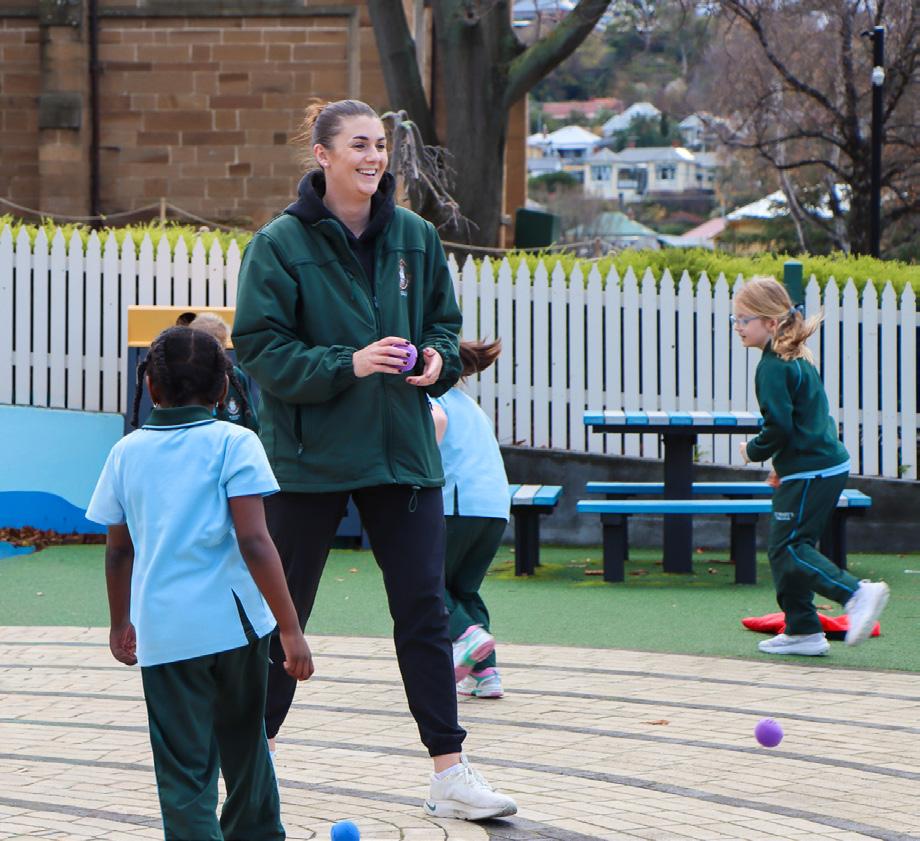
This year, I’m wearing two hats: classroom teacher on Mondays and Tuesdays with Year 5 Sassafras, and K–5 PE for the rest of the week. Being in the classroom has been amazing; it’s a different challenge, and I’m enjoying getting to know students in a new way. Not to mention the Year 5 team is incredible. And PE… well, that’s my bread and butter. I’m not sure I could ever give it up!
My students teach me daily that joy can be found in the smallest things. You can be having the worst day, and they’ll make you laugh or smile without even trying. I now understand the value of building strong relationships with my students because that's exactly what my teachers did for me. Knowing that there were teachers who genuinely cared, encouraged me and believed in me made a huge difference to my school experience.
My advice to current students is to embrace the history of the College. Not every school has the tradition and legacy that St Mary’s does. It’s pretty special to be part of a school that is 158 years old! I never get tired of witnessing the Belling In and Belling Out ceremonies. There’s something so magical and beautiful about the way our community gathers to celebrate its students.
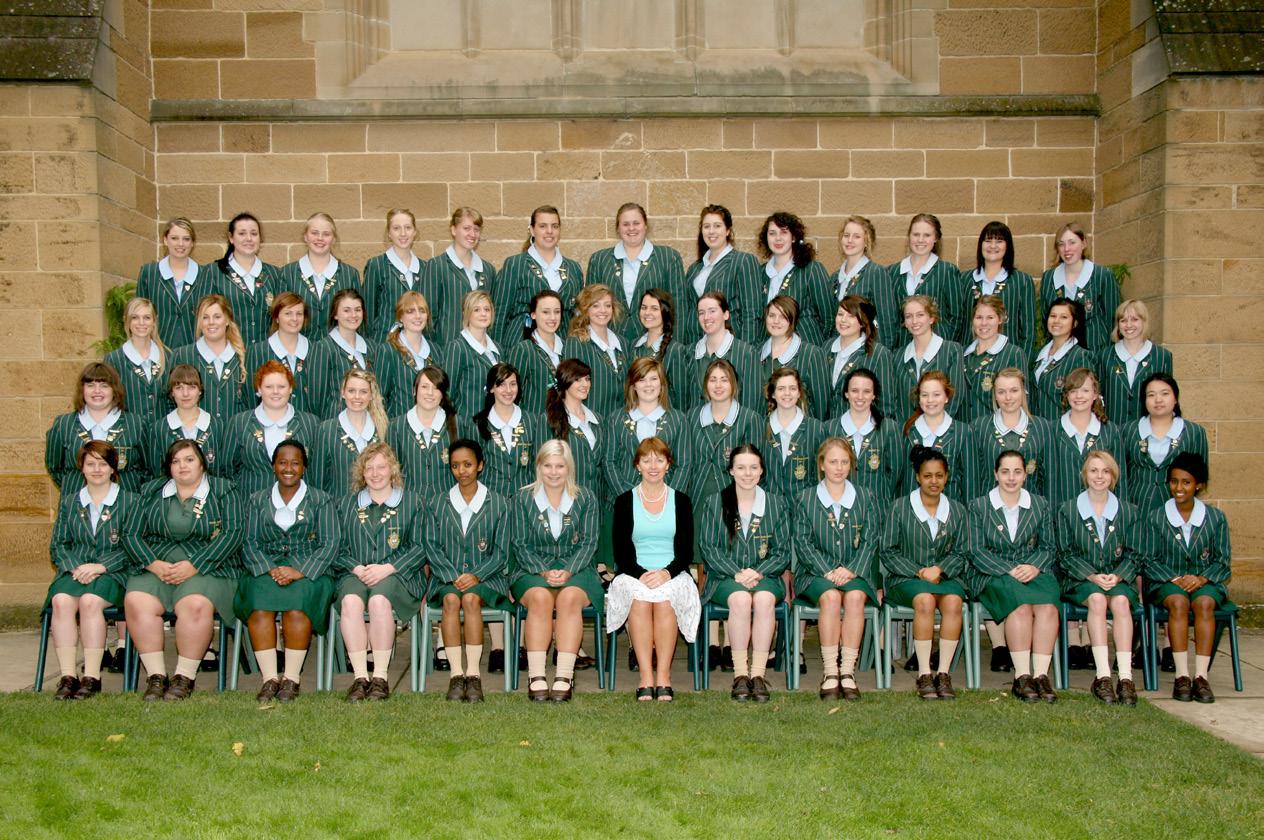

Staying in touch with our alumni
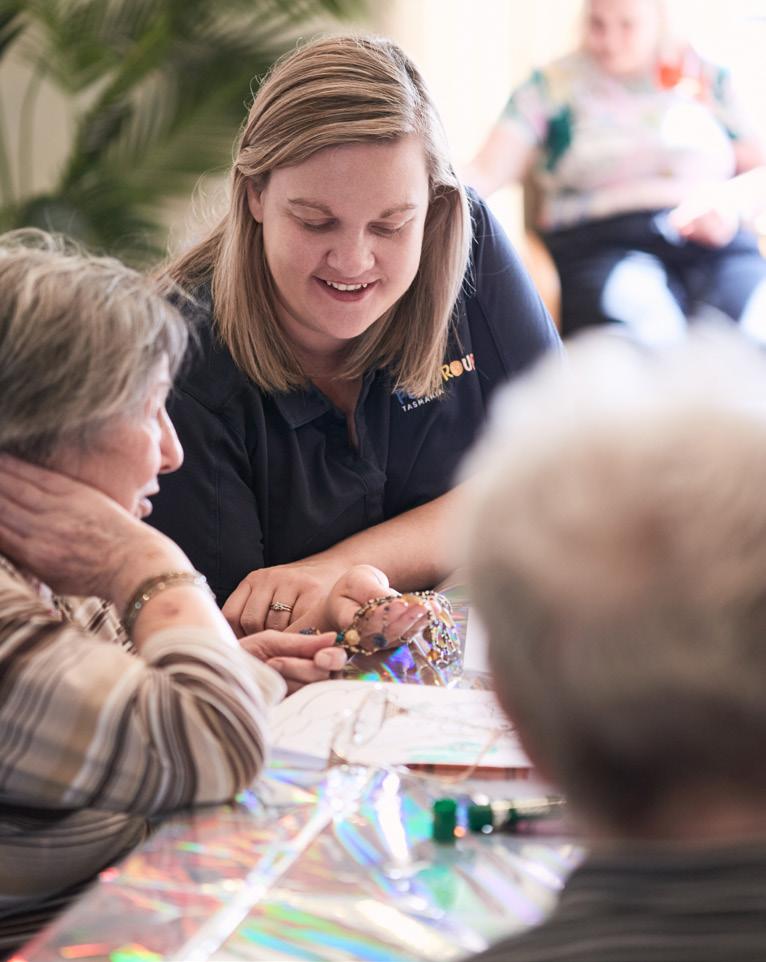
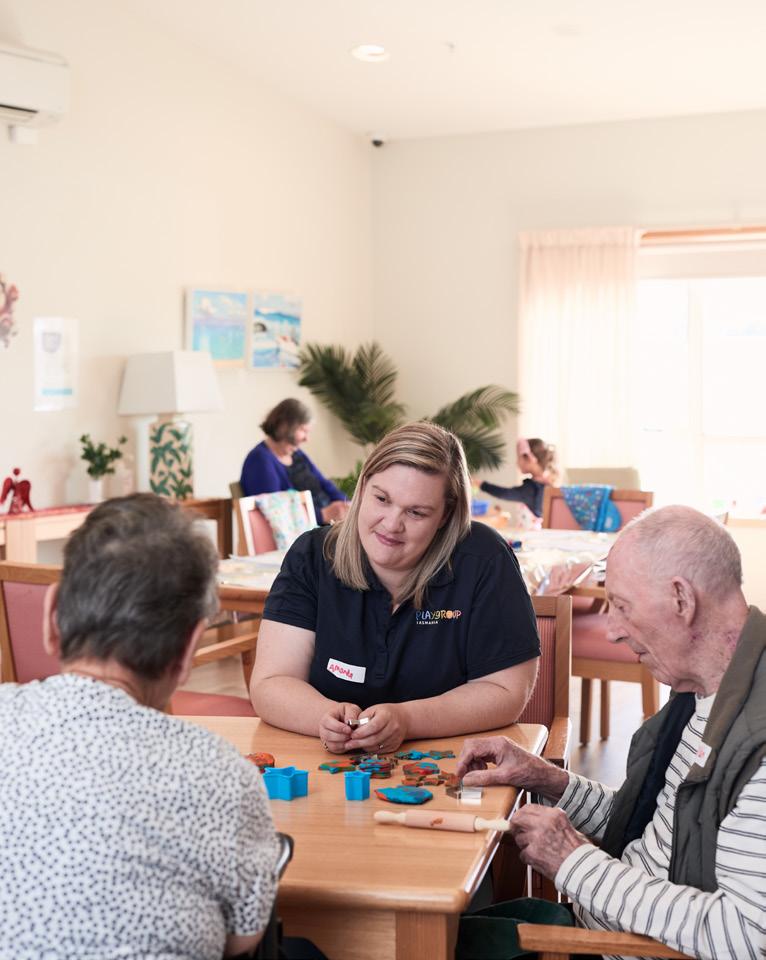
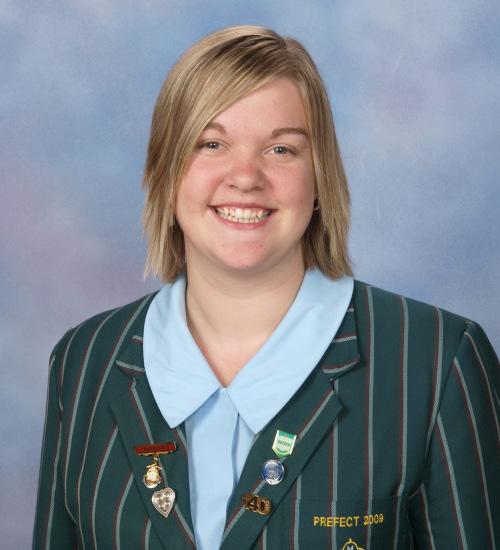
Amanda Treanor (nee Marriott) –Class of 2009
As Playgroup Tasmania’s project lead for intergenerational programs, Amanda helps build meaningful connections across generations. She also plays a key role in planning and delivering the organisation’s annual Children’s Week activities each October, which showcase programs and initiatives that support children’s learning, development and sense of belonging.
Can you share a little about your work with Playgroup Tasmania Inc. and what drew you to this role?
I am the Intergenerational and Children’s Week Project Lead at Playgroup Tasmania Inc. In this role, I support the development and delivery of intergenerational programs within aged care settings across Tasmania, bringing together young children (zero to five years), their parents or caregivers, and older adults.
I’ve always been deeply passionate about the power of intergenerational relationships and the meaningful impact they can have on both older and younger people. This passion is very personal to me. I was raised by my Nan, who was my best friend. Having such a close relationship with her was incredibly special, and it shaped my understanding of the value of connection across generations.

That experience has really driven my work. I feel very fortunate to now be part of creating opportunities for children and older adults to build those same kinds of connections, through programs that support wellbeing, understanding and a sense of belonging for everyone involved.
You began your career in nursing and later moved into aged care. What sparked this transition?
I began my career by completing a Bachelor of Nursing and then went on to specialise in aged care. I was incredibly passionate about supporting older people, but when I had my children, I noticed a real shift in where my passions were leading me, and I wanted to find a way to bring both worlds together.
When my eldest daughter was a newborn, I started taking her into the nursing home where I was working. I quickly saw a remarkable transformation in the residents, particularly those living with dementia or other cognitive impairments. Residents who were often withdrawn became more engaged and connected when they held her or interacted with her. What really stood out to me was that staff could spend weeks or even months trying different strategies to support these residents, yet the presence of a young child created an immediate and meaningful response. I realised then just how special those interactions were, and I felt a responsibility to create more of them.
What aspects of your work bring you the most joy or sense of purpose?
The greatest joy in my work comes from seeing the genuine connections between children and older people. Children have a beautiful way of sparking reminiscence; simple moments can bring back memories of parenting, family and earlier life, especially for those living with dementia.
I’m also passionate about raising awareness of the work behind quality intergenerational programs by ensuring safety, supporting emotional wellbeing for everyone involved and setting residential aged care facilities up for success through best practice approaches. I’m incredibly proud that Wisdom & Wonder Play is the first intergenerational program in Australia to meet the Australian Institute for Intergenerational Practice Standards.
How do you see your work making a difference for the families and communities you support?
I see this work making a real difference by helping children grow up with an understanding and appreciation of older people. For many families, especially after COVID, it has been a gentle and positive way to bring children back into nursing homes and feel confident in those environments again.
We often see children form beautiful bonds, sometimes even calling residents their “best friends". For parents, it can also provide a sense of connection and support, with many valuing the wisdom, stories and reassurance older people can offer.
In smaller or rural communities, these programs are playing an important role in bringing people together. They create shared spaces where relationships form, social isolation is reduced and a stronger sense of community is built.
How different is your career today from what you imagined during your school years at Mary’s College?
My career is incredibly different from what I imagined. I was very focused on becoming a nurse and didn’t realise at the time that it could open the door to so many different pathways.
While nursing gave me a strong foundation, it has led me into work that is much broader. Looking back, I never would have imagined I’d be in a role like this, but it’s been a really meaningful and rewarding journey.
Was there a teacher or staff member at St Mary’s who had a lasting influence on you (or someone who encouraged, challenged or inspired you)?
I can honestly say that Margaret Rootes has had a lasting influence on me. I experienced a lot of life changes when I started at St Mary’s, and she was an incredible support by always being encouraging, compassionate and understanding. Margaret truly puts her heart and soul into teaching, and St Mary’s College is so lucky to have her. I don’t think my education journey would have been as positive without her, and I’m very grateful for the impact she had on me.
Do you have any advice for current students who hope to follow a similar path of community-focused work?
My advice would be to stay open to where your path might lead. You might start with one goal in mind, but your experiences can open doors you never expected. Most importantly, remember that even small actions can make a big difference in someone’s life. Do what you love and stay true to what you believe in.
What’s next for you – professionally or personally – that you’re excited about?
I’m really excited to use these opportunities to highlight the importance of intergenerational programs within our communities, and to advocate for ongoing funding and investment in this space. It feels like a meaningful chance to share the impact of this work more broadly and continue building awareness and support for intergenerational practice.
Staying in touch with our alumni

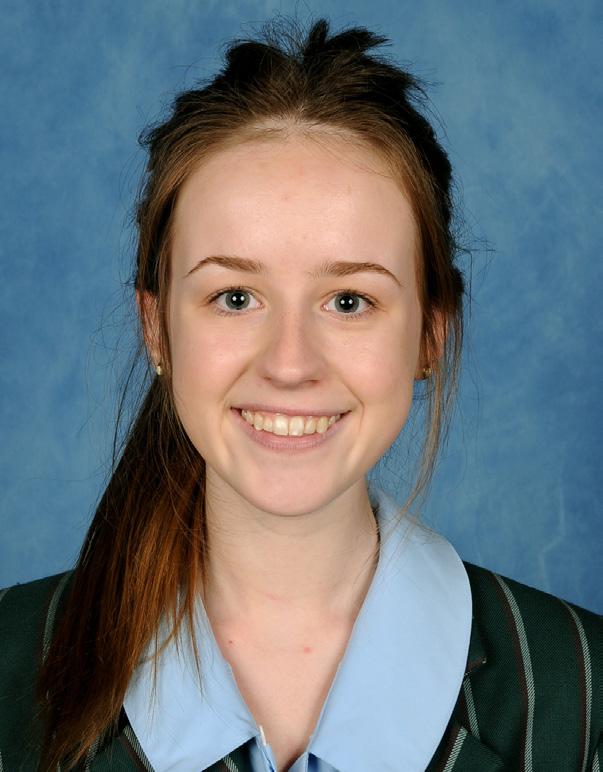
Jess Bateman – Class of 2014
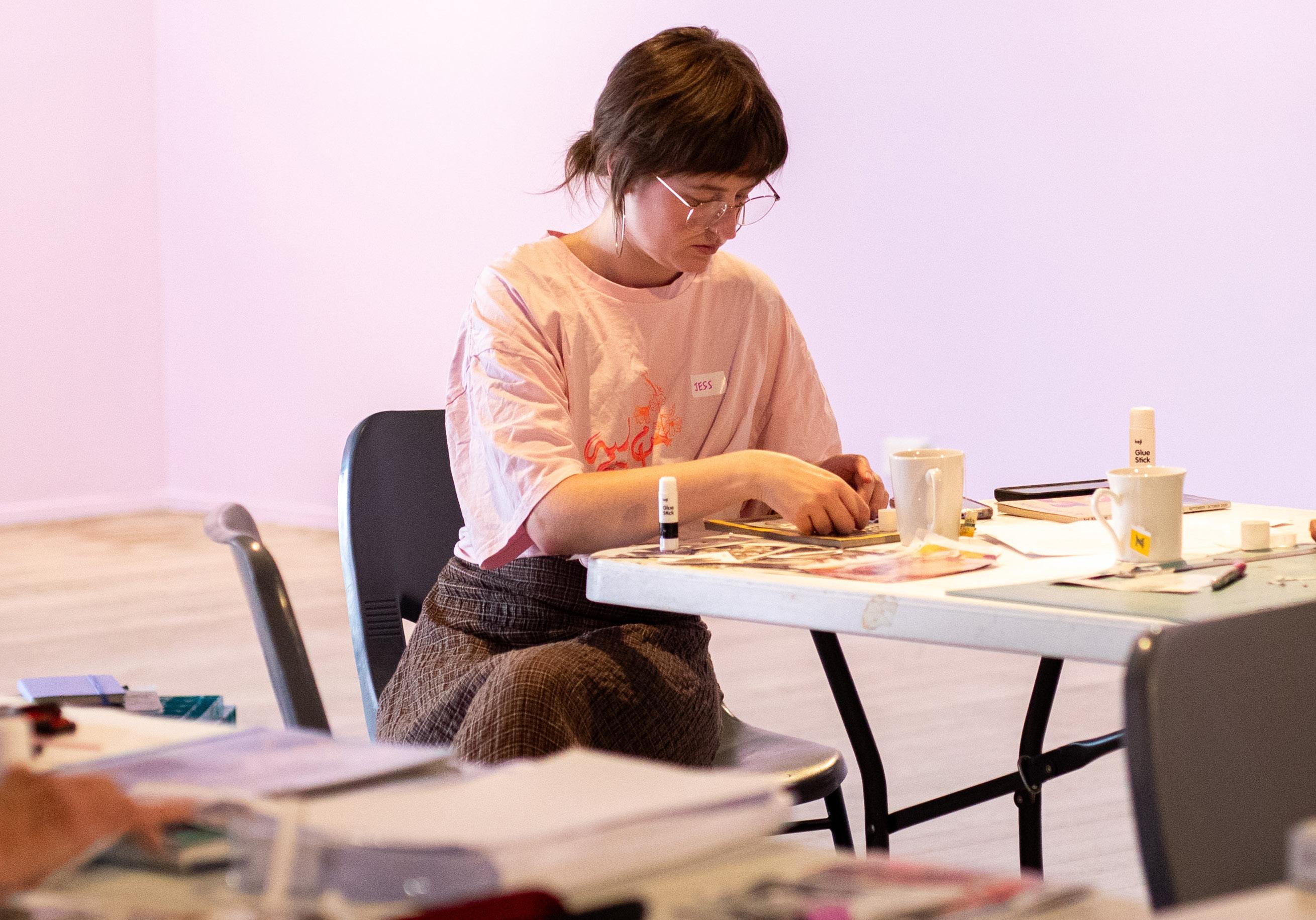
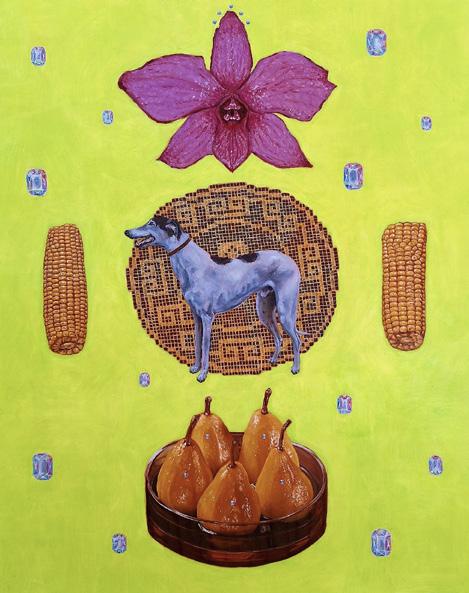
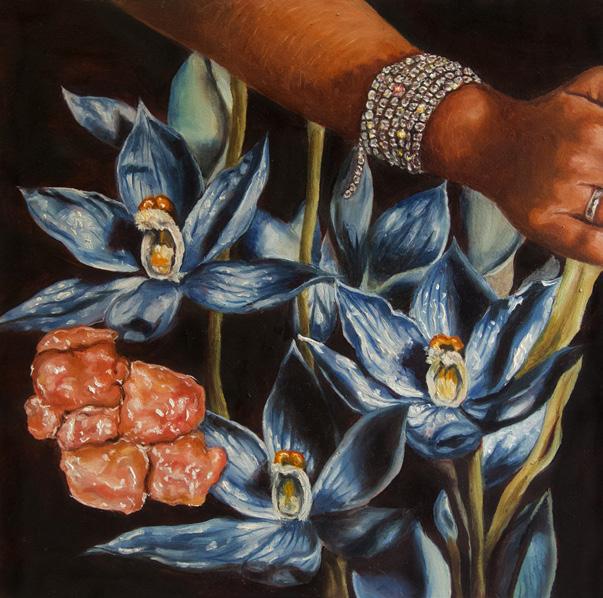
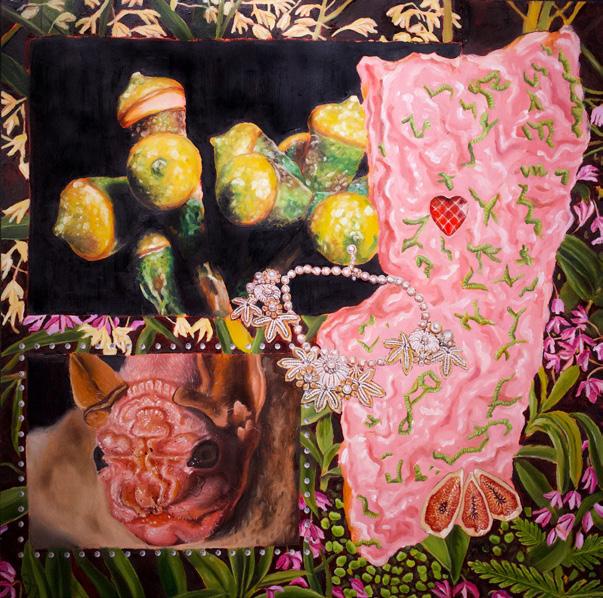
Jess is an emerging artist from Hobart. A self-taught painter and visual artist, she specialises in oil paintings shaped by hand-cut collage and mixed-media techniques. In 2025, Jess’ work received a High Commendation in the Henry Jones Art Prize. She is also a familiar face in the local zine community, where she has created works both independently and in collaboration with other artists. You can see more of Jess’ work at: @jessbateman_ and Singulart.com
How would you describe your artistic style and the way you approach making art?
My artistic style could be described as quite surrealist and very much focused on imagery that is tactile and sensual. Although I’m primarily a painter, my work is heavily influenced by collage techniques, using found source imagery to create unusual compositions that tease the subconscious and challenge the viewer to create their own narrative.
What materials or mediums do you work with?
I mainly work with oil paint and collage but recently have begun expanding into ceramics, which has been a fun new challenge.
You also run zine-making* workshops in the local community. How did you first discover zines, and what do you think makes them an effective way for people to share their stories and creativity?
I first discovered zines through attending the local Small Press Zine Fair run by my friend and fellow artist Joshua Santospirito. I think zines are a really fun and easy way to share your creative work without the pressure to produce something super polished. They’re also a really accessible way to share art price-wise, and there’s a lot of zine swapping that goes on, too, which creates some really nice connections amongst artists!
*A zine (short for magazine or fanzine) is a small, self-published booklet created independently by individuals or small groups.
What’s inspiring your art practice at the moment?
To name a few…1970s cookbooks, shiny things, the book Art Monsters by Lauren Elkin and the other artists around me in my studio space.
What have been some of the challenges or learning moments in your journey as an emerging artist?
The biggest challenge is, and always has been, making what I want to make and not letting the potential opinions of others influence this. It's still a bit scary sometimes, but when I overcome this fear is when I always make the best art. I think it’s also been important to learn that I’m not always going to be feeling inspired and creative, and it’s okay to take some time off from making things when I need to; the inspiration and momentum always come back.
And speaking of key moments, what was it like to receive a Highly Commended Award in the 2025 Henry Jones Art Prize?
It was a bit of a surprise, actually! I had no idea I was being awarded anything on the night, so it was a bit of a shock when they announced it. It was really nice to have my work recognised; there’s a lot of rejection that goes on when applying for these sorts of things regularly, so it’s always encouraging to be acknowledged. One of the judges, Helen Wright, I actually researched and had a studio visit with as part of my Art Studio Practice class at SMC, so that was a nice coincidence!
Looking back on your school years at St Mary’s College, were there teachers, subjects or experiences that helped shape your interest in art?
I think the chance to have my first studio space during Years 11 and 12 was a great way to experience what it would be like practising
as an artist, and it was really great to have my own space where I could spend time outside of class working on things. The Melbourne art trips were super inspiring as well, and getting to visit other artists’ spaces and go to galleries was an opportunity I'm really fortunate to have had at that age.
My Art teacher from Years 10–12, Mr David Hawley, also played a big part in encouraging me to pursue art after school, and made me feel like it was a viable career option.
After finishing Year 12, what did your pathway into the arts look like? Were there defining moments or decisions that guided you toward the creative work you’re doing today?
I initially planned to study Fine Arts in Melbourne, but when that plan didn’t work out, I went to the art school here in Hobart, and I'm actually really glad that things worked out that way. I didn’t realise it at the time, but Hobart has such a thriving and supportive arts scene, and I really enjoy getting to be a part of that community.
What’s next for you, both creatively and professionally?
I don’t have anything locked in at the moment, but I’m enjoying having some time in the studio creating without the pressure of a deadline. But I would like to organise another solo show, perhaps sometime in the next year, or even look into doing a few artist residencies.
Staying in touch with our alumni

Georgina Taskunas – Class of 2011
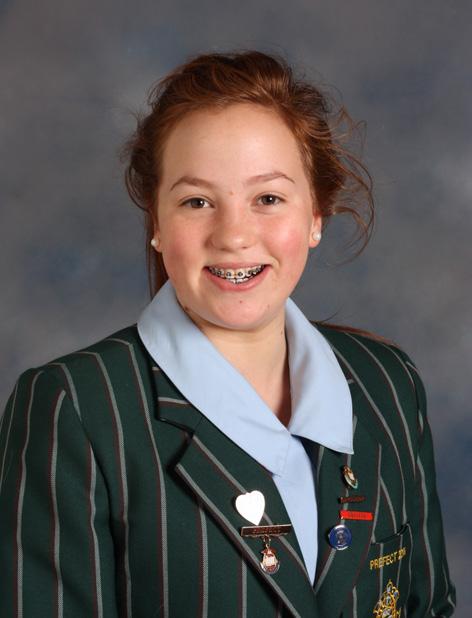
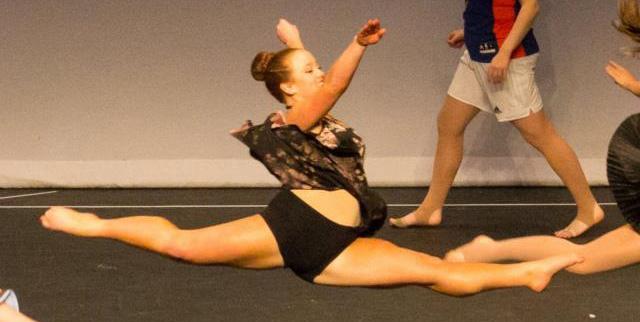
Georgina is an accredited practising dietitian at Nourish Tasmania who’s committed to helping people thrive through evidence-based nutrition. Outside the clinic, she’s a lifelong musical theatre buff with more than 25 years of dance experience. When she’s not in the spotlight, Georgina is teaching with Musical Theatre Crew or working behind the scenes to choreograph the College’s biennial musical productions.
Can you share a little about your background and your time at St Mary’s College? Were you always drawn to creative pursuits?
I attended St Mary’s College from Years 7–12 and was fortunate to make some incredibly close friends who I still see today, 15 years on. I always felt very safe and encouraged by the staff, and I had some wonderful teachers throughout my time there, including Mrs [Margaret] Rootes, Mrs [Debbie] Claridge and Mrs [Giovanna] Giana. I always loved the performing arts, but I also really enjoyed maths and science. In a way, those subjects are creative too – and I liked that there is always one right answer! I think my interest in those areas, combined with a fascination with human movement and health, naturally led me down the path of becoming a health scientist.
How did your interest in dance and the performing arts (musical theatre) begin?
I honestly don’t remember a time in my life when I wasn’t singing or dancing. Like Lady
Gaga said, “I was born this way”! I was very lucky to have parents who worked incredibly hard to financially support my training throughout my early years, and I’m so grateful for that. I still take dance classes now, although these days I’d describe myself as a slightly more geriatric dancer.
What path did you take after graduating from St Mary’s College (e.g. university, TAFE, specialised training, early work experience)?
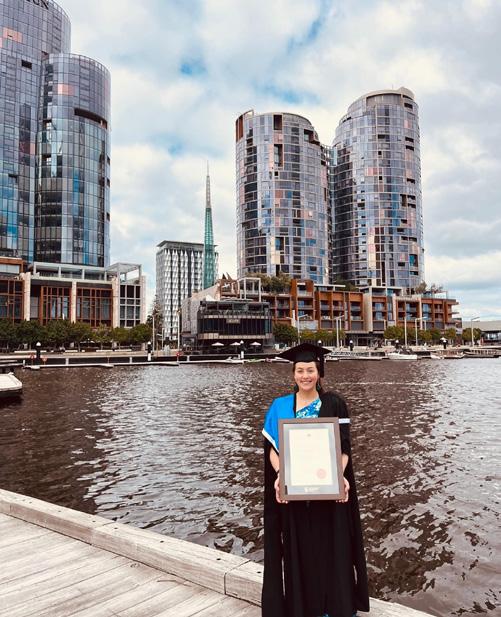
I applied for university straight out of school, but after Year 12, I really needed a break from study, so I took a gap year before starting my Bachelor of Health Science at the University of Tasmania (UTAS). Because you can’t become a dietitian through UTAS alone, I later moved to Canberra to complete my Master's degree in nutrition and dietetics. Along the way, I also completed an undergraduate degree in psychology, mostly just for fun and out of genuine interest.
Once you completed your degree/s, what were the next steps that guided you into your professional career?
My Master's degree included 1,200 hours of placement, which prepared me really well to begin working as soon as I graduated. I also had a professional mentor in my first year out, which was incredibly valuable. Since then, I’ve worked very hard to build my career and eventually start my own business. It’s taken a lot of effort, but it has also been incredibly rewarding.


Alongside your clinical work with Nourish Tasmania and your involvement in the local musical theatre scene, you’ve also returned to SMC to choreograph several College productions. What has this experience been like for you?
I feel so grateful to have been involved in the school musicals. It’s incredibly rewarding working with such talented young performers at SMC. Returning to the school is always very nostalgic, and it’s fascinating to see how much it has grown and changed over the years. For example, the dance studio where I now teach was once the kitchen where I did cooking classes!
Do you have a favourite production you’ve worked on (either here at SMC or professionally)?
It’s so difficult to choose because I’ve genuinely loved every production I’ve been part of, but Matilda was especially magical. The cast was unbelievably talented. Lucy McKenna as Matilda was a standout talent far beyond her years, and the powerhouse performer Cecilia Hutchinson was an incredible Miss Honey. The production was also beautifully directed by Leah Wallace and Scott Weston. It’s definitely one I’ll always remember very fondly.
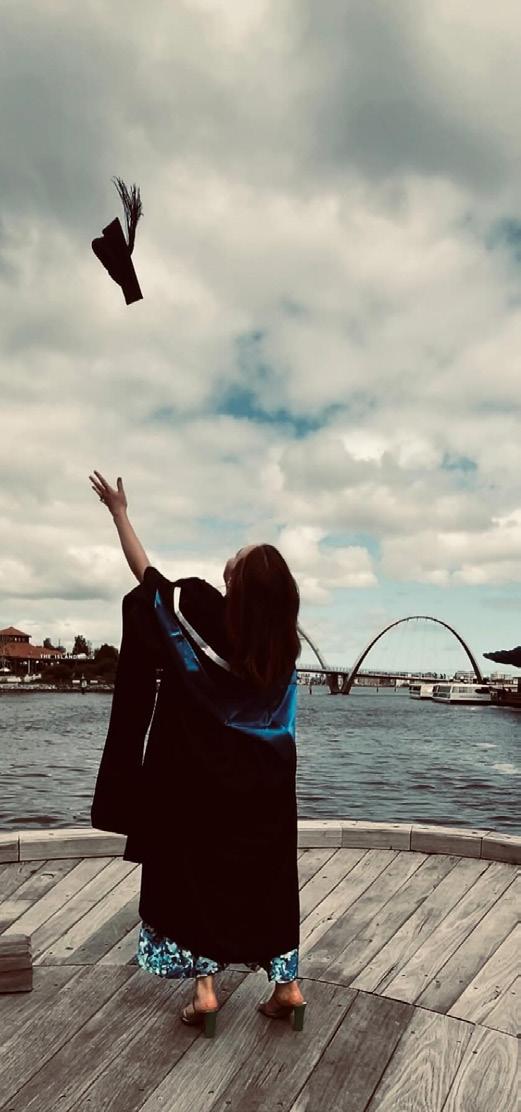
Looking back on your time as a student, what are some lessons you learned from SMC that have stuck with you?
One of the biggest things I took away from SMC was a strong sense of faith and values from my Catholic education. I also learned that you really can be anything and do anything with your life. Looking back now, I can confidently say that your marks at school do not define your future.
What’s next for you in your career or creative work?
At the moment, I’m working as a research assistant for UTAS, with the ambitious goal of starting a PhD in the future. Long term, I’d love to run my own holistic health clinic.
And my current passion project – 9 to 5: The Musical, which opened at the Playhouse Theatre on 30 July.
Alumni news and achievements
Lucy McKenna (Class of 2025) performed in the Hobart Repertory Theatre Society’s production of Little Women the Broadway Musical from 22 April to 2 May.
Ava Read (Class of 2024) played in the historymaking first Devils VFL Women’s game in Hobart on 16 May. The Tasmania Devils took on the Casey Demons in their debut game at North Hobart Oval, which marked the first time an official senior women’s state team represented Tasmania in the VFLW. Read more on page 22.
Lucinda Smith (Class of 2019) stepped onto the stage in The Doll Trilogy, a three-part production of Ray Lawler’s iconic plays performed at The Theatre Royal in May. A 2024 Hansen Graduate of Red Stitch Actors' Theatre, Lucinda completed her training at the Australian Academy of Performing Arts, graduating with a Bachelor of Arts (Acting) in 2023.
Georgina Taskunas (Class of 2011) performed in the dance ensemble for 9 to 5 at the Playhouse Theatre from 30 July to 8 August with Bijou Tas. Read more about Georgina on page 30.
Zoe Lovell (Class of 2013) unveiled her latest exhibition, These Hands of Mine, in May at Social Gallery in Salamanca. The exhibition explored the complexities of human emotion, using body language and gesture within portraiture to offer an intimate look at how specific movements and physical details can reveal moments of reflection and vulnerability.
A Hobart-based multidisciplinary artist and designer, Zoe graduated from UTAS with a Bachelor of Visual Communication in 2016 and a Bachelor of Fine Arts with First Class Honours. Her practice has been shaped by multiple artist residencies across Tasmania, along with a growing record of solo and group exhibitions.
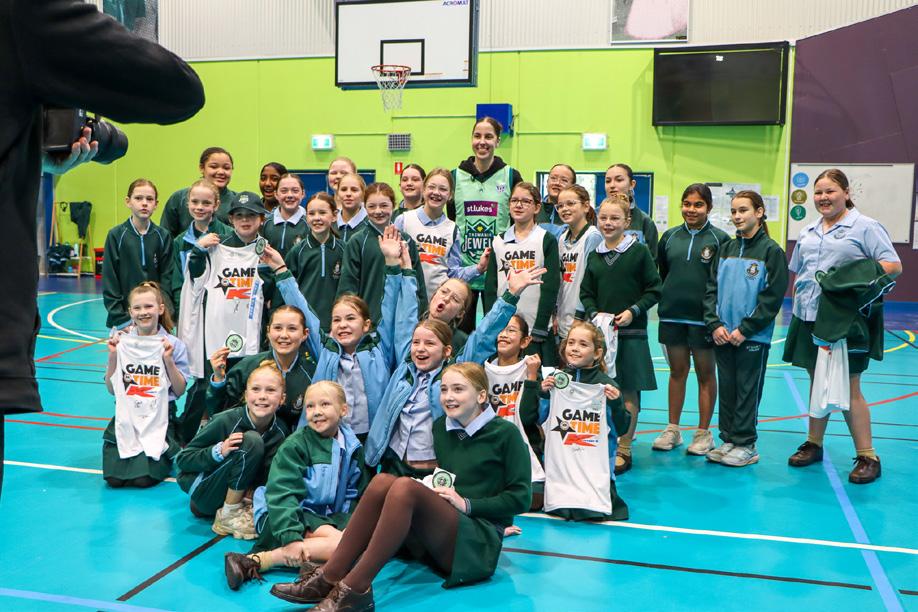
Taylor Mole (Class of 2017) has been named the Tasmania Jewels’ first Tasmanian rostered player. She will join the team ahead of their October season start. A former Australian Institute of Sport Centre of Excellence athlete, Taylor left St Mary’s in Year 11 to play college basketball in the United States and has since made her mark in the WNBL with Adelaide and Geelong.
Jorja Geeves (Class of 2019) played Juliet in the John X Presents production of &Juliet, staged at Hobart’s Theatre Royal. A dedicated performer from a young age, Jorja trained with the Musical Theatre Crew and the Hobart Theatre Summer School, where she appeared in acclaimed productions including Les Misérables and Heathers: The Musical

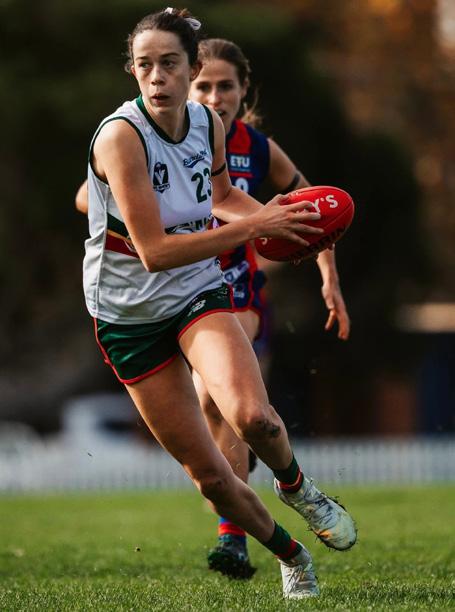
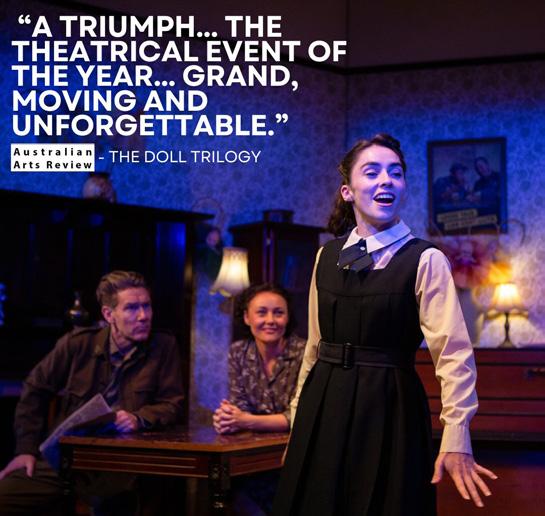
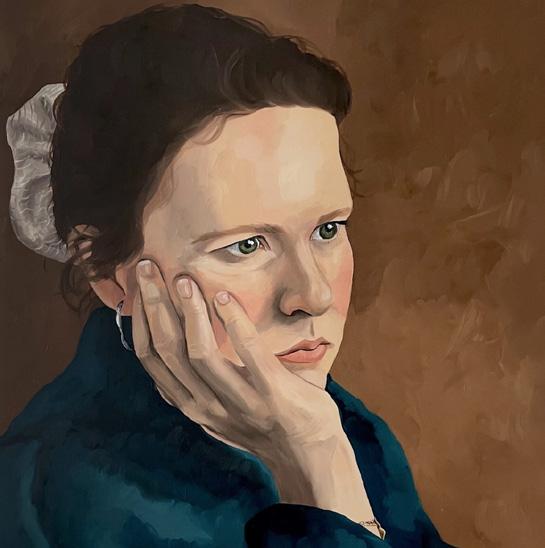

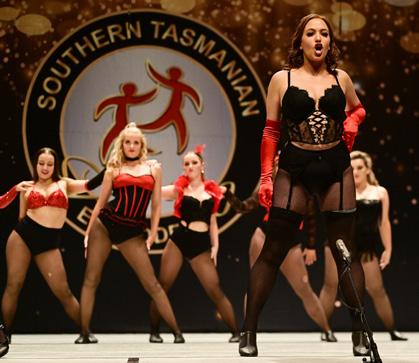
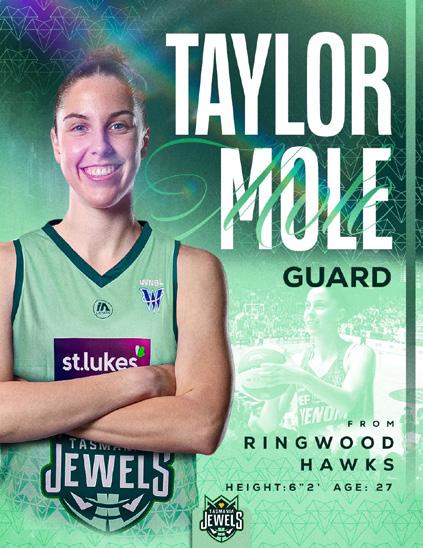
Ava
for the VFLW Devils, Lucinda Smith in The Doll Triology, Georgina Taskunas performing in the Southern Tasmanian Eisteddfod, Zoe Lovell's artwork, Taylor Mole playing for the Tasmania Jewels, Jorja Geeves in &Juliet and Taylor Mole with St Mary's College students during her recent visit.
Pictured, top to bottom: Lucy McKenna in Little Women,
Read playing
Alumni News
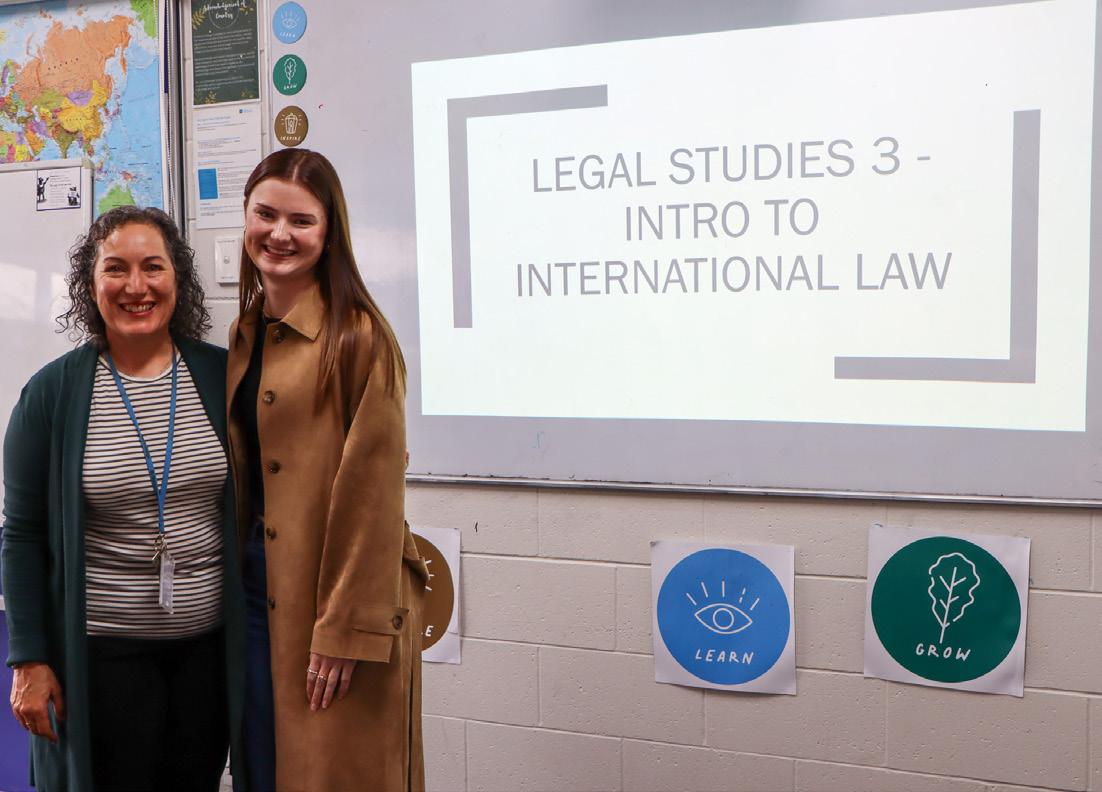
Alumna brings international law back to her old classroom
The College was delighted to welcome alumna Lily Ransley, a former Legal Studies 3 student, who returned in Term 2 to deliver an insightful double lesson on International Law to current students.
After graduating from St Mary’s College in 2022, Lily moved to Melbourne to pursue opportunities in international politics and trade, completing a first-class honours degree in Politics and International Studies at the University of Melbourne in December last year. She is now channelling her passion for politics and education into her work as a tutor in politics at one of the University of Melbourne’s residential colleges, while also volunteering with a digital education not-forprofit, where she is supporting its founders to build capability and expand STEM initiatives for regional and remote primary schools and communities.
A heartfelt thank you to Lily from the Legal Studies class of 2026! Our students, and their teacher, Mrs Angela Deconinck, are so grateful for your time, insight and ongoing commitment to inspiring future learners.
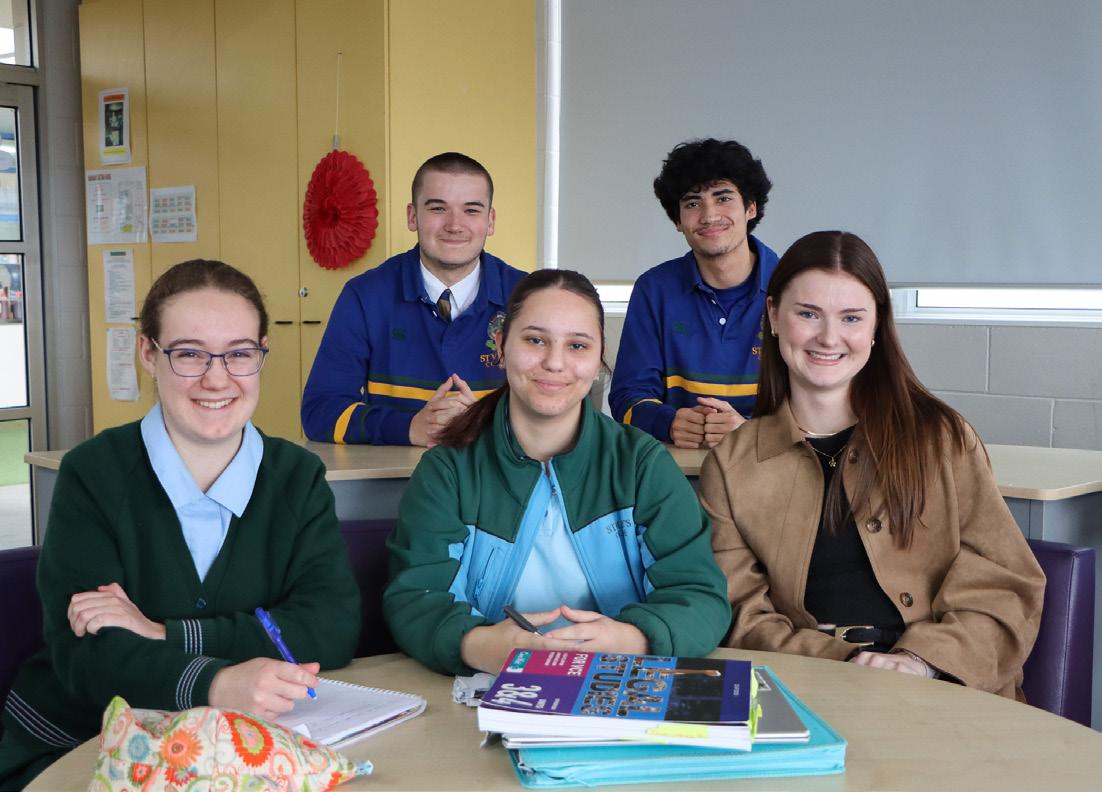
Celebrating the diverse pathways our alumni pursue – and sharing in the joy of their achievements – is one of the most rewarding parts of our community. If you have a story to tell, the College would love to hear from you.
But what about the furniture?
On 31 October this year, we mark the 160 th anniversary of the arrival of the Presentation women in Tasmania. Although it would be another 14 months before they occupied their splendid new building in Harrington Street, have you ever wondered how they initially furnished such a large space, and whether their finances were in a state of flux?
Someone once told me that when the Sisters boarded the Empress in July 1866 to set sail for Sydney, they brought furniture, bedding and school supplies among their goods stowed on the ship. I cannot verify this story, but my guess is that it is true. They departed from Fermoy Convent in Ireland – Fermoy being a town at the epicentre of years of famine, so we can safely assume the Sisters did not have wealth behind them.
In fact, funds were desperately needed to complete the Hobart Convent and to furnish it. In 1867, this Grand Bazaar notice appeared in a Hobart newspaper:
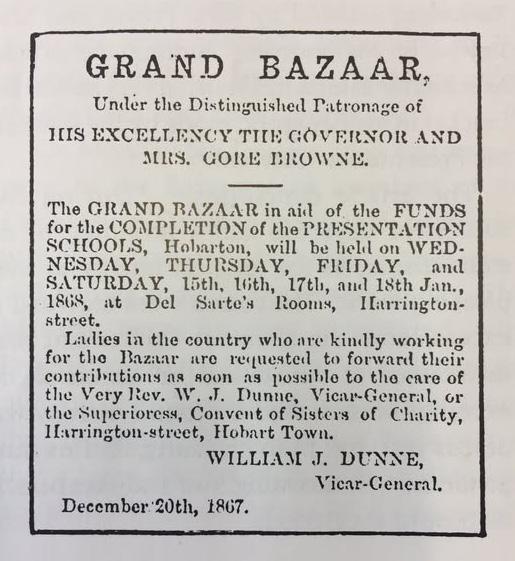
Preparations for this large event continued over many months, and it was finally held in Del Sarte’s Rooms in lower Harrington Street, opening at 12 noon on 12 January. Soon after, it was attended by His Excellency the Governor, along with his wife and daughter. While the vice regal patronage of the Sisters drew criticism from some quarters, it was undoubtedly a feather in their cap – one that led to ongoing patronage and kindness for many decades to come.
The donations to the Bazaar were so plentiful that it continued selling for the next five days, with an exciting raffle drawn most evenings. There were nine stalls, along with a refreshment stall and even a post office.
What did they sell at a Bazaar in 1868? Among the items were a handsome ottoman in raised work, a pair of ottomans in wool work, a wax lampshade adorned with coloured flowers, beautifully dressed dolls – including a bride doll – smoking caps, wool mats, a finely crafted model of a fully rigged boat, beautifully worked cushions, and children’s toys and clothing. Notably, there was also a beautiful leather bracket made by the Presentation Sisters themselves.
A band entertained buyers in the evenings and at intervals throughout the event. The Bazaar appears to have been quite the social occasion in Hobart during that January week. The final takings – nearly 288 pounds – exceeded all expectations and must have given the Sisters great encouragement as they faced the many necessary purchases and building developments ahead.
Margaret Rootes Heritage Officer
The parapet at St Mary's College
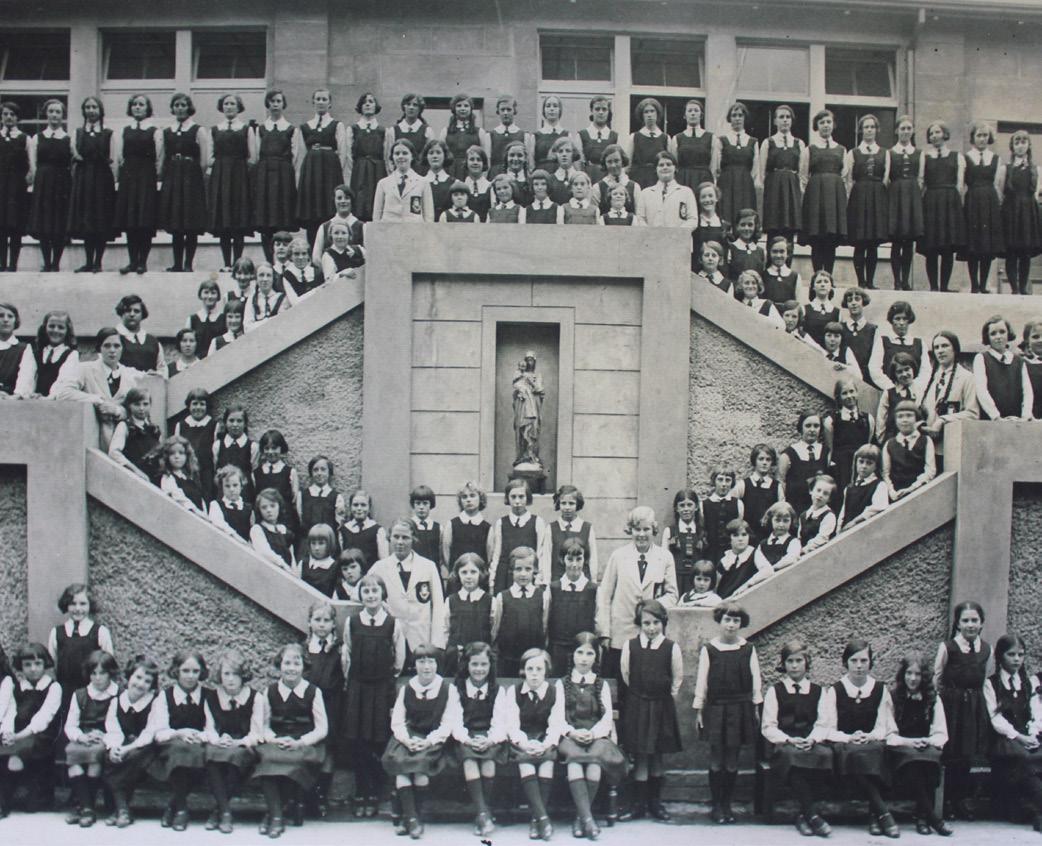
A parapet is defined as “a low protective wall along the edge of a roof, bridge or balcony”.
Newcomers to St Mary’s College are often baffled when they are directed to “the parapet”. Our very own parapet is actually, or started as, a walkway from the convent building and along the front of the classrooms of the adjacent 1930s building.
For the history of the general area, which is called the parapet, I rely again on Memoirs by the late Mother Antony Burke pbvm.
Mother Antony recalls that on a November day in 1930, she consulted the Cathedral Administrator, Father D. Murphy, regarding the building of some extra much-needed classrooms at the College. The Sisters felt that the small boys were enlarging the infant classes and that they should be taught instead at St Virgil’s College. Very heated words followed, with Father leaving in quite a huff.
According to Mother Antony, being the good man that he was, Father Murphy “…deeply regretted all his harsh remarks and out of his sorrow, the parapet and five classrooms were designed. The following morning, on the way to Sacred Heart Church, he handed me a finished plan of the new wing”.
I will also leave it to Mother Antony to describe the area where the parapet and classrooms were to be built:
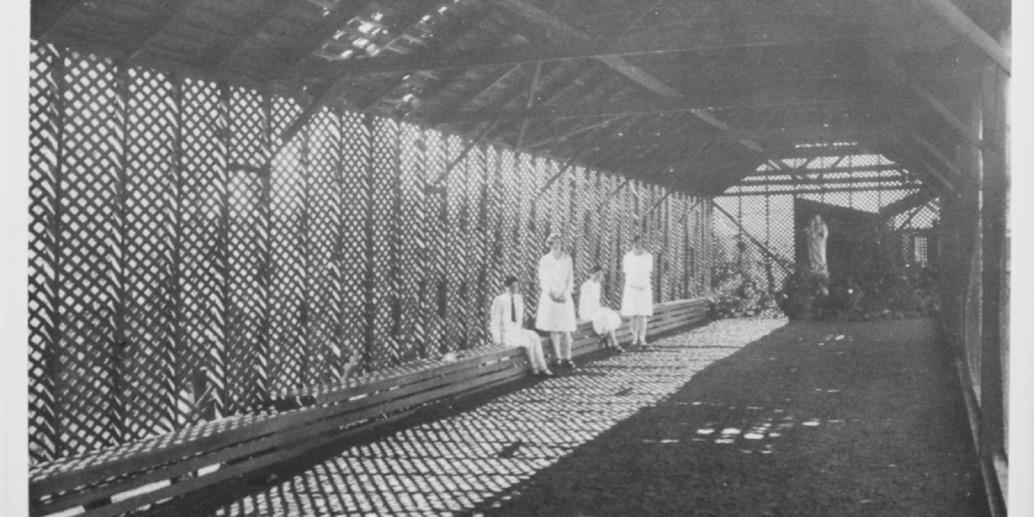
“Now, picture the existing scene of those days. A sloping grass slope of some 30 feet with a long trellis-work shelter running the whole length of the tennis court [this was later known
as the back flat and in more recent years has been filled with classrooms, science labs and so on].
Father’s plan was to build the rooms in place of the shelter and to set the stairway and parapet where the sloping grass had been. The crest was his idea, and he did the cutting of the concrete himself.”
Many older alumni will recall the parapet as it looks in the 1932 photo to the left, with the stairs and the crest, that Mother Antony references, at the centre. Note that there is no safety fence along the top of the parapet!
When I was a student in the 1960s, there was a thick iron bar along the parapet, at about chest-height, and it was not unusual to see some daring students (my sister Carol included!) perched up on the bar. A fall would have caused serious injury. Eventually, the parapet was properly fenced and made safe, but sadly, at some stage, the steps and the crest of 1931 were removed.
When the parapet and classrooms were in the planning stage, the Sisters were allowed to make some practical suggestions. These included raised platforms for the teacher’s desk, a cupboard with sliding doors under the blackboards, pin-up boards, sunken doormats and windows on the parapet side only. I can recall all these features both as a student and later as a teacher at the College, although many changes have now been made.
The wall without windows was very handy for tennis practice from the court behind it. The long trellis work shelter was relocated. But that is a story for another day…
Reference: Memoirs (Unpublished), Mother Antony Burke pbvm
Margaret Rootes Heritage Officer
Reunions

Every year, former classmates return to celebrate their shared history through class reunions. These usually begin with a 10-year gathering and continue with 20, 30, 40 and 50-year reunions. Reunions can also include a guided school tour, available upon request for groups wishing to revisit their alma mater.
Any alumni wishing to hold a class reunion or enquire about a forthcoming reunion are welcome to contact the College on (03) 6108 2560 or email communications@smc.tas.edu.au
The College is also pleased to support your reunion by promoting the event through the St Mary’s College Alumni social media channels and the College website. Please provide your event details as early as possible in the planning process to ensure timely inclusion.
Upcoming reunions:
74/76ers – 50 th Reunion
When: Saturday 10 October 2026
Venue: Doctor Syntax, 139 Sandy Bay Road, Hobart
RSVP and enquiries: Contact Jo Morgan at jomorganpsychologist@gmail.com
Class of 1986 – 40 th Reunion
When: Saturday 21 November 2026
The event includes a tour of St Mary’s College followed by lunch. More details to follow.
RSVP and enquiries: Contact Angela Adams at andrewangela2@bigpond.com
Class of 2006 – 20 th Reunion
When: Saturday 14 November 2026
The group will take a tour of St Mary’s College in the afternoon, followed by a social event. More details to follow.
RSVP and enquiries: Contact Nicole Howard at nicole.howard@ths.tas.gov.au
Class of 2011 – 15th Reunion
When: Saturday 14 November 2026
The event includes a tour of St Mary’s College followed by food and drinks at the Botanical Gardens. More details to follow.
RSVP and enquiries: Contact Georgina Taskunas at georgina@nourishtas.com.au
Upcoming Event
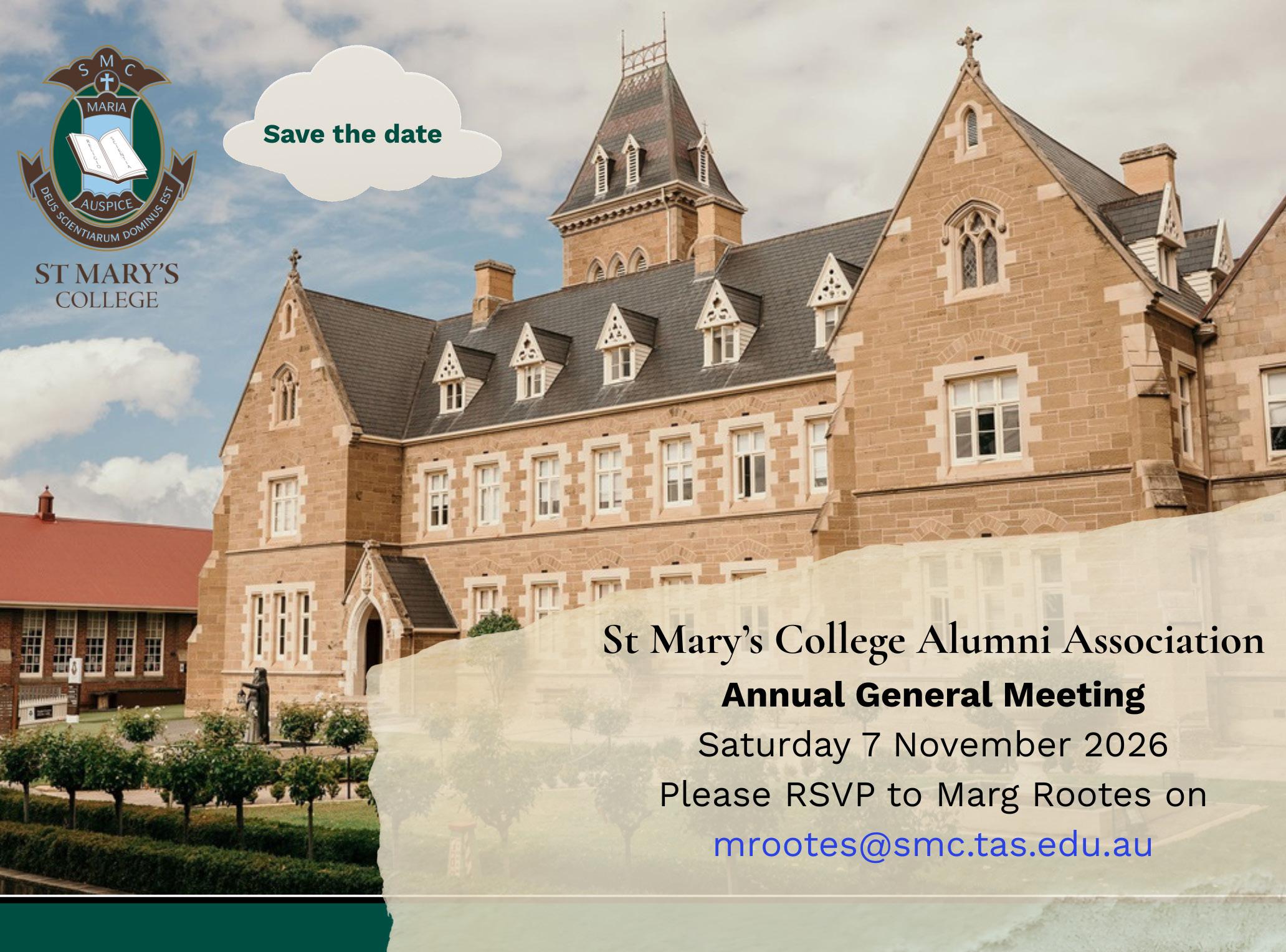
Contact details
If your details have changed - such as your address, email or mobile number – please email us so we can update your information in our database. Contact us at communications@smc.tas.edu.au or phone (03) 6108 2560.
Follow us on social media
Facebook: St Mary's College Alumni, Hobart, Tasmania
Instagram: smc_alumni
LinkedIn: St Mary's College
Purls of wisdom
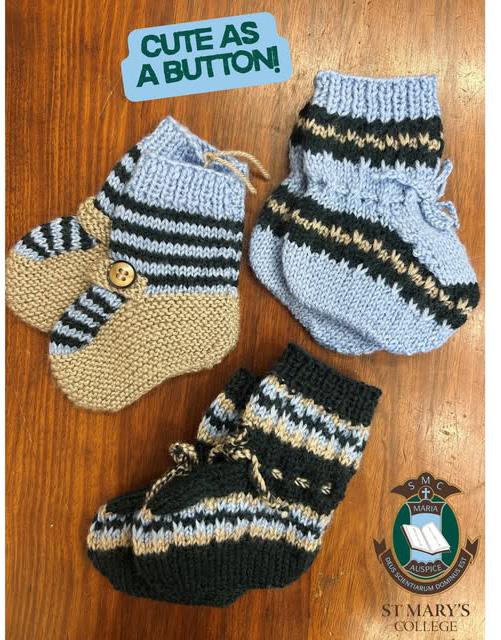
Do you have a new baby – or know of one on the way? Celebrate the next generation of your alumni family by gifting them a beautiful SMC keepsake that will last the test of time: knitted baby booties made just for our little legacies.
Featuring the College colour palette and delicate button details, these beautiful woollen booties have been made with love and will keep tiny toes snug and warm. If you would like to receive a complimentary pair, please email communications@smc.tas.edu.au or phone (03) 6108 2560. Numbers are limited, so be quick!