


By Chris King Of The St. Louis American
This is the first in a series where we ask local leaders what we need to do differently to address the crisis in homicides in St. Louis.
St. Louis Mayor Lyda Krewson has offered solutions to the city’s dramatic homicide crisis: eliminating the residence requirement for police
Mourning those we lost
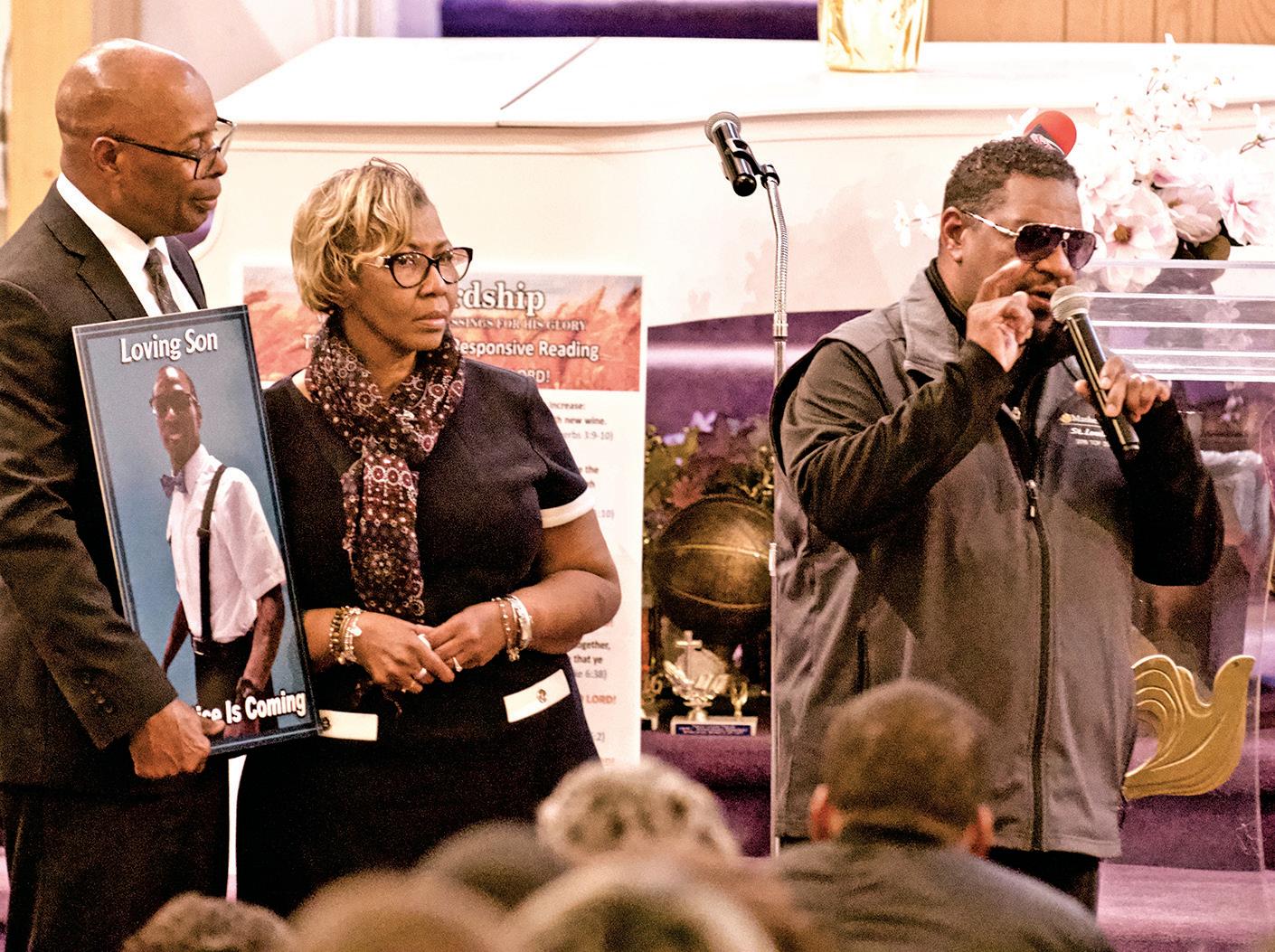
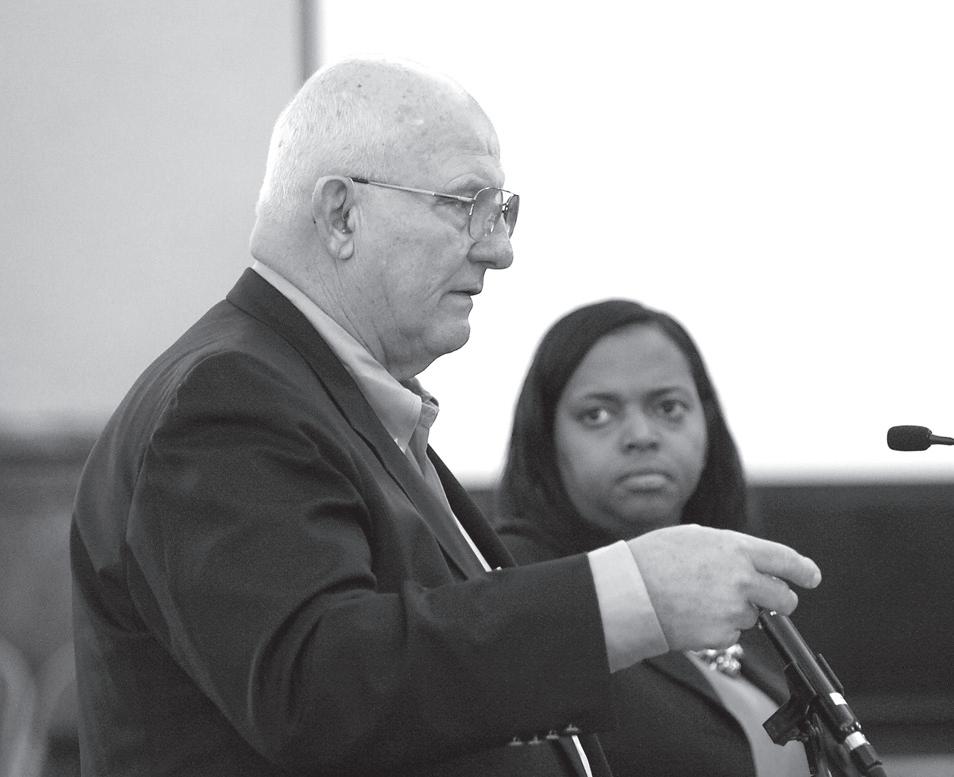
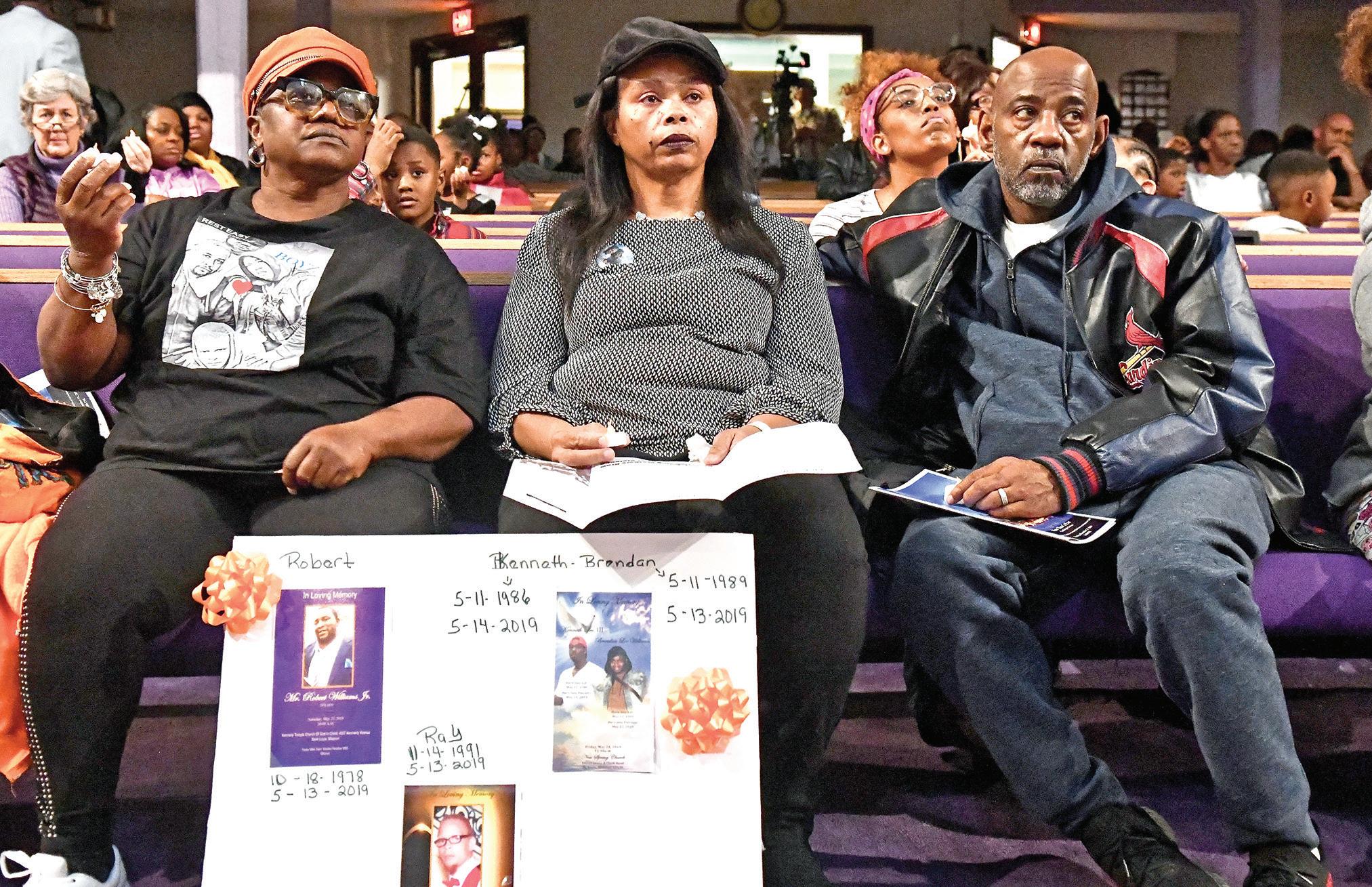
St. Louis Public Safety Director Jimmie Edwards stood with Ronda Boykin and Ronnie Robinson as they spoke about the loss of their son Breyon Robinson, whose burned corpse was found in a dumpster in 2018. Families Advocating Safe Streets held its 28th annual candlelit vigil honoring victims of violence and their families on New Year’s Eve at Williams Temple Church of God in Christ.
officers and boosting their pay to help the department recruit more officers. This, she said at a press conference on Friday, January 3, would address a staffing shortfall of about 130 officers.

“We have to solve crimes, we have to make arrests, we have to hold those folks accountable,” Krewson said. “But you need law enforcement to do that. And we’re here to
support our law enforcement so they can do that.”
Krewson was responding, in part, to the deaths of seven people in St. Louis in the first 36 hours of the year, with six of those deaths – all black victims –suspected to be homicides. There were 194 homicides in St. Louis in 2019; 175 of the victims (or 90 percent) were black. The annual average number of homicides in the city from 2015-2019 was 192, with nearly all of the victims black. “Considering the circumstances, I think
Circuit Attorney Kimberly Gardner says judges are trying to obstruct her reform efforts
By Rebecca Rivas Of The St. Louis American
The weekend before Christmas, 20-yearold Gabriel Lockett sat in the back of a long tow-truck bed — in front of six life-sized, lit-up reindeers. His mentor, Darren Seals, dressed up as Santa and sat in a sleigh, ringing a bell.
Lockett’s job as one of Santa’s elves was to hand out presents to children throughout the Walnut Park neighborhood in North St. Louis.
“I got a good feeling from it, seeing the smiles on children’s faces,” said Lockett, who regularly does community service with Seals’ Sankofa Unity Center and mentoring

Gabriel Lockett helped his mentor, Darren Seals, stack bricks at the Sankofa Unity Center, a mentoring program Seals established in the Walnut Park neighborhood, on Monday, January 6. Seals coached Lockett through a felony redirect program established by St. Louis Circuit Attorney Kimberly Gardner.
our police department is doing a great job,” Krewson said. In 2017, St. Louis Treasurer Tishaura O. Jones came within 888 votes in a crowded Democratic primary (where Krewson was the only white candidate) from beating out Krewson for this job. Jones’ enduring influence and popularity prompted a veteran Post-Dispatch columnist to dub her the “shadow mayor” in 2018 and recycle the term last September. What did Jones think of the mayor’s crisis
A history lesson about a treasured jewel in St. Louis’ black community
By William L. Clay For The St. Louis American
Retired Congressman William L. “Bill” Clay submitted this piece in response to news reports that developer Paul McKee Jr. plans to use the name “Homer G. Phillips Hospital” for a new, small urgent-care clinic. “It is apparent that many in the St. Louis community are unfamiliar with the history of that magnificent institution,” Clay noted, “and what it means to the survival of blacks in the city and the health treatment of blacks in every state of the union.”
n “Many in the St. Louis community are unfamiliar with the history of that magnificent institution and what it means to the survival of blacks in the city and the health treatment of blacks in every state of the union.”
– William L. “Bill” Clay
Homer G. Phillips Hospital came into being as the result of a 23-year struggle that began in 1914 to build a medical facility staffed by black doctors, black nurses, black technicians, and black administrations. It was a period when the health care of the city’s black citizens was criminally neglected by city elected officials and at a time when the placement of black medical students graduating from Howard University and Meharry Medical College had no hospitals to place their graduates for internship.
A 1923 bond issue provided for spending $1 million to open a hospital for blacks, run and operated by blacks, but the city fathers diverted the monies for other purposes like street lighting and sidewalk installation.
But the black community would not give up the idea of a facility to provide quality health for


serve papers to our church.”
In an email received by NewsOne, Gray said Relentless “have and will continue” to make payments to Redemption despite the court filing.
Lizzo leaves Twitter
Lizzo has announced she’s taking a break from Twitter after being targeted by trolls.
The ‘Truth Hurts’ hitmaker took to the micro-blogging site on Sunday (01/05/20) to let her fans know she will be logging off for a while because she can’t take it anymore.
She told her 1.42 million followers:
“The only person who needs to do better is you. “Keep my name out ya mouth & look in the mirror before you come for me. (sic)”
costs of the sanctuary and The Imagine Center, the sports and fitness facility operated on the church campus. Gray was a no-show at his megachurch on Sunday. But according to NewsOne, he preached his sermon from a remote location, saying that his absence was “preplanned before there was a setup with a camera to

“Yeah I can’t do this Twitter [expletive] no more…too many trolls ... I’ll be back when I feel like it. (sic)” The announcement comes soon after she shredded Boyce Watkins when he claimed she’s only popular because there’s an “obesity epidemic in “I’m popular because I write good songs and I’m talented and perform high energy hour and a half shows filled with love,” Lizzo clapped back.
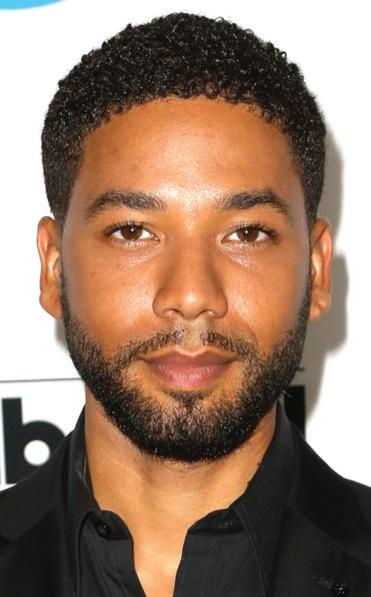
Jussie Smollett will not be back for ‘Empire’ finale
Last month, there were rumors that Jussie Smollett might return for the series finale of “Empire” after being written off the show for allegedly staging a hate crime hoax.
Reps for the Fox Network, which airs “Empire,” say that Smollett won’t return to the show for the series farewell.
“We’re not going to bring Jussie back to the show. There were a number of factors that went into the decision to not bring him back,” Fox told TVLine in a statement.
“There were many points of view about if he should come back or if he shouldn’t. As hard as a decision as that was, for us — and when I say us, I mean the network, the studio and the producers — it felt like it was in the best interests of the show and the cast.”
Rae Sremmurd’s stepfather murdered, sibling allegedly in custody for crime
According to TMZ.com, the stepfather of brother rap duo Rae Sremmurd – who helped raised them since they were young – is dead after a shooting in Mississippi. Police reportedly have their younger brother in
custody. According to the celebrity news and gossip site, Tupelo PD were dispatched Monday night to a home where they found a man who died on the scene from several gunshot wounds. TMZ law enforcement sources say that the decedent is Floyd Sullivan, father of Rae Sremmurd’s younger brother Michael Sullivan – and that Michael is being held for a psychiatric evaluation.
Floyd Sullivan reportedly raised the boys since they were in middle school.
Prince Harry and Duchess Meghan scaling back roles within royal family
Prince Harry and Meghan, the Duchess of Sussex, announced via Instagram that they are stepping back from their roles as senior members of the British royal family and plan to work towards becoming “financially independent.”
The statement, released on Wednesday, says that they decided “after many months of reflection and internal discussions, we have chosen to make a transition this year,” explaining that they hope to “carve out a progressive new role within this institution.”
“We look forward to sharing the full details of this exciting next step in due course, as we continue to collaborate with Her Majesty The Queen, The Prince of Wales, The Duke of Cambridge and all relevant parties,” the couple added.
Sources: Instagram.com, TMZ.com, Newsone.com, Twitter.com, Greenville News












































By Mike Jones Of The St. Louis American
For the last several months the columns I’ve written have had something to with the 2020 Democratic Presidential Primary, and I’d now like to bring some closure to at least this part of that process. I referred to this part of process like preseason NFL football: it has nothing to do with who will ultimately play in and win the Super Bowl, but you have a plethora of ambitious politicians all hoping to be Kurt Warner and the 1999 St. Louis Rams.
So as we prepare for the season opener (the Iowa Caucuses) and you’re trying to be an informed African-American citizen, who should you support and/or be rooting for? (If you’re African-American and supporting Trump, you need to get back on your meds.)
question of “who do you think would be best?” but instead the public is regularly inundated with the question of “who do you like?”
In the red corner representing the Republicans will be the vain, venal, ignorant and recklessly incompetent incumbent, with the emotional maturity of a small spoiled child: Donald Trump. In the blue corner representing the Democrats will be a Division II political athlete who is a betterthan-even money bet not to be equal to the historical moment in which they find themselves. But personality and popularity won’t be the drivers that decide who becomes the next president of the United States.
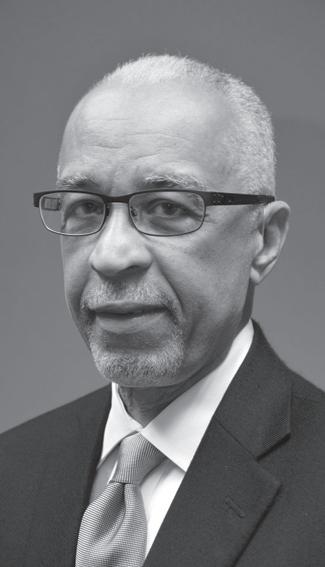
Feel free to support anyone you want because it’s not going to matter who the Democratic nominee is to the outcome of the race. At this point, you’re thinking, “I know he didn’t say that!” I did say it, but I owe an explanation, particularly because the statement isn’t as cavalier as it sounds.
In a normal presidential political cycle, who is the nominee is the most relevant political question because American presidential politics is more like high school student council politics (with much more at stake) than we want to admit. It’s mostly about personality and popularity. In fact, you almost never hear the
The next president will be picked by which of the two Americas prevail in this election – or, with apologies to Samuel Huntington, this clash of civilizations. What are the two Americas? You saw them in the House of Representatives impeachment debate about Trump. And the winner will define the trajectory of America for at least the next two generations.
The Democratic members of the House of Representatives are comprised of and represent the diverse America that has emerged over last 50 years and is now the majority of the country. Led by a woman, they were young and old, black, brown, yellow and white; they were male and female; they were straight and gay; they were progressive, liberal and moderate; they came from diverse multicultural and multiethnic communities. They

defended and made a case for all the principles the American creation myth says America stands for.
The Republicans were representing the America of their fantasized past: all white, all male, with a sprinkling of white women who love and fear them. They were not debating the merits of Trump’s behavior but complained for 12 hours about the unfairness of a process that denied mediocre middle-aged white men their political privilege. Their angry rants were primarily about


restoration of a past that – in public life and government, as well as family life and social norms – looks roughly like 1950. Right-wing media have been arguing for a return to that hagiographic version of America for decades.
The media commentators spoke of their outrage and anger, but I saw something different. I saw their fear. When they looked across the aisle, they didn’t see political adversaries; they saw the future. And that’s what the November 2020 presidential
election is all about – the future.
Because they are afraid, they are desperate. And, because they are desperate, they are dangerous. Which means they will lie, cheat and steal (they already have) to preserve the position and privilege that they believe is an inherent right of their whiteness.
The presidential election in November of 2020 will be analogous to another critically important date in United States history because there is a foreboding similarity to
the circumstances and their consequences to November. I’m referring to the Battle of Gettysburg. The Battle of Gettysburg is not where the North won the Civil War, but it is where the South lost it. The Battle of Gettysburg, fought from July 1 to July 3, 1863, is considered the most important engagement of the American Civil War. The Battle of Gettysburg was the turning point of the Civil War for one main reason: Robert E. Lee’s plan to invade the North and force an immediate end to the war failed. Had it succeeded, the United States would have been forced to accept peace with the Confederate States of America. The existence of a slave-holding nation in North America would have been made permanent – at least for a while. But Lee failed and was forced to retreat. After that point, no major Confederate invasions of the North would be mounted. The war would continue for nearly more two years after Gettysburg, but it would be fought on Southern ground. These are stakes this November.
So what will it take for Democrats to prevail at Gettysburg 2020? There is an adage in sports that says to be a champion you have to have some dog in you. What that means is when the championship is on the line, you’re tough enough, mean enough and nasty enough to do whatever you have to do to whoever you have to do it to in order to win. The question for Democrats in 2020 is not who is the nominee, but rather do they have enough dog in them to win a political death match?
It now has been three weeks since Dr. Will Ross, a professor and senior leader at Washington University School of Medicine and historian of Homer G. Philips Hospital, wrote to developer Paul McKee Jr. about McKee’s announced decision to name a new three-bed urgent care center after the historic black hospital. McKee – who would know Ross well from his years chairing the board at BJC HealthCare – has ignored him. McKee also ignored this newspaper when we asked for his response for a news story about Ross’ concerns, which are widely shared by St. Louis’ black community. McKee will not be able to continue ignoring these concerns, which we share deeply and with increasing exasperation at this offensive decision.
“If you want to get feedback on what to name this new medical facility, and then ask the African American community, it will not be difficult to assemble a focus group and get some candid perspectives,” Ross wrote to McKee. We have a spoiler alert for McKee. The outcome of such a focus group would be outraged African Americans telling a white developer – whose every project in North St. Louis has been delayed or remains merely a set of pretty drawings and verbiage – that he is not going to name a threebed urgent care center after an historic black hospital that at its peak accommodated 600 patients, was ranked in the 10 largest hospitals in the country, and was one of only two institutions where black doctors could go for training, as retired Congressman Bill Clay wrote for us this week.
We reached out to McKee, in fact, before Ross wrote his letter and warned him that he was making a terrible mistake. At that point, we were assured that we weren’t seeing the larger picture. The three-bed urgent care center, we were told, is just the beginning of what will one day be a real hospital. McKee has plastered some pretty pictures of this projected hospital on the chain link fence around its proposed future site. Even
Developer Paul McKee Jr. and Alderwoman Tammika Hubbard
By Richard OmoniyiShoyoola For The St. Louis American
Thirty-seven-year-old former South Bend, Indiana mayor
Pete Buttigieg is an openly gay military veteran, Harvard graduate and Rhodes Scholar who speaks eight languages. He has gained attention as the youngest amidst the current slate of Democratic candidates. But it’s his ongoing struggle to build trust with black voters that could doom his candidacy as the Democratic primaries draw closer.
doze or repair a thousand vacant houses in largely black and Latino communities in a thousand days. All have contributed to the frustration that his actions and policies belie unfamiliarity, little tact, and a thin record of engagement with African Americans.
McKee’s projection of a future hospital does not begin to reach the stature of a facility worthy of this historic name, and the name is not McKee’s to bestow upon it. But the notion becomes even more insulting and offensive when one considers that for many years (now, for a decade and a half) McKee has flashed pretty pictures of many things he has not actually built in North St. Louis.
Further, when we reached out to McKee, we were told that the idea for the name was provisional – even though, by then, the name had been spoken on the floor of the Board of Aldermen by McKee’s enabling Alderwoman Tammika Hubbard. It was after that false assurance that the pretty pictures accompanied by the name that doesn’t belong to McKee went up in public view, providing further evidence that he is not to be trusted.
From the beginning of McKee’s project, we have given him the benefits of more doubts than almost anyone in St. Louis. We have argued that assembling land in North St. Louis, as McKee had the courage and vision to do, was essential to enticing a transformative project of scale to these beleaguered neighborhoods. Indeed – as we were early in reminding everyone – without McKee’s land assemblage, the NGA West headquarters and all of its jobs and earnings tax revenue would be leaving the City of St. Louis, with potentially disastrous results. If McKee believes so much in the future of the North Side, and it’s beyond doubt that he is both an investor and a believer, then we have a much better name for this three-bed urgent care center: North Side Urgent Care. The North Side urgently needs more urgent care. If McKee’s development provides it, he would be welcomed and congratulated. However, if he proceeds to blaspheme the name of Homer G. Philips Hospital with a three-bed urgent care center and some pretty pictures, then we can assure him that he will regret his persistence in this terrible, deeply offensive decision.
As I See It - A Forum for Community Issues
By Comptroller Darlene
Green
For The St. Louis American
Like many years, 2019 was one of challenges and hope for St. Louis and our nation. We have reason to be proud at the selection of St. Louis for a Major League Soccer franchise and the incredible and inspiring Stanley Cup win by the Blues. Economic development shows continuing investment in the central corridor, and a new vision has brought Union Station back to life. Ground was broken on the new National Geospatial-Intelligence Agency headquarters campus northwest of downtown, securing jobs and investment for our community. For the Office of Comptroller, I am most grateful that, together with a dedicated group of watchful citizens and concerned officials, in 2019 we saved St. Louis Lambert International Airport from the ill-conceived and questionable attempt at privatization. From the beginning, I had concerns that this scheme was designed to favor special interests, and I insisted that the public should have to vote on the issue. Despite a huge push
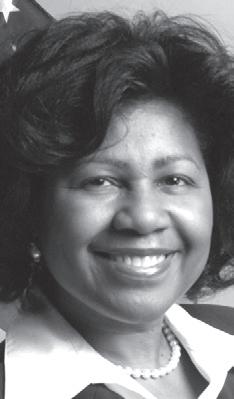
Guest Columnist Darlene Green
by special interests to turn over the operation of the airport to for-profit companies, together we succeeded in stopping the effort. In truth, the public never saw a compelling reason to privatize. St. Louis Lambert International Airport has exceptional management and shows steady growth. Its credit rating is increasing, its debt is being paid off, and much of its real estate holdings can be developed. There are multiple opportunities for the City of St. Louis to advance the airport’s potential and capitalize on its performance.
One of the most disappointing things throughout the airport privatization process was witnessing other officials claim to not understand routine bond transactions and prominent voices make false claims about the airport’s debt and operations.
Now, with the effort to
privatize St. Louis Lambert International Airport declared over, the public has the opportunity to reflect on what transpired and what it expects from officials in the future.
There continue to be major challenges in our city, including reducing violent crime. The deaths of so many innocent children in 2019 to senseless gun violence must not go unchallenged. And we must continue to address economic disparity in North St. Louis and oppose efforts to deny anyone basic human rights and dignity.
Going forward, it is my hope that all parties commit themselves to transparency and working in the best interest of the public. The people of St. Louis can discern fact from fiction, and they are best suited to decide what is in their best interest.
2020 will be a monumental year in the history of our city and our nation. I pray that we rise to the challenge, be unafraid, and do all we can to fight for economic and social justice for all.
Darlene Green is the comptroller for the City of St. Louis
Buttigieg is polling well at around 22 percent in Iowa and around 8 percent nationally. With black voters, however, Buttigieg is polling around 4 percent, and in South Carolina, a state where the majority of Democratic primary voters are African-American, he is polling below 1 percent. Since states like South Carolina, North Carolina, Georgia, and Alabama all provide a large pool of delegates to candidates that finish strongly in their primaries, whichever campaign can create the most enthusiasm among black voters will go far towards winning the Democratic nomination.
“When you’re new on the scene, you’ve got a lot more work to do to earn that trust,” Buttigieg said on a recent appearance on “CBS This Morning.” Despite Buttigieg’s words, the story of his flailing connection with black voters is rooted in more than his fresh face. It is compounded by problems emerging from his hometown of South Bend, where racial tensions have come to the forefront under his tenure as mayor.
There was his decision to demote black police chief Darryl Boykins over a wiretapping scandal, his handling of a shooting involving a white police sergeant whose body camera was off and did not record the incident, and his controversial push to bull-
That he recently acknowledged being “slow to realize” that Saint Joseph County schools (where South Bend is located) were still racially segregated – despite a federal consent decree to integrate –illustrates a tendency for him to overlook the complex and layered nature of race dynamics in America.
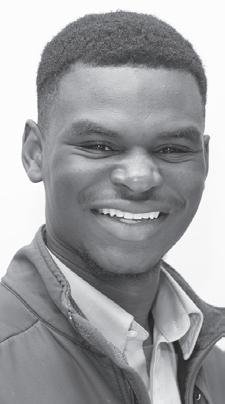
Guest Columnist Richard OmoniyiShoyoola
One explanation for Buttigieg’s low level of support among black voters is that older African Americans hold conservative views and won’t support an openly gay candidate. That this bias persists is unfortunate, yet it fails to tell the whole story. Buttigieg’s candidacy mirrors former President Barack Obama’s, who, as a black candidate, had to demonstrate and build familiarity with older white moderate voters, many of whom shared their own biases against black leadership.
Racist perceptions of black candidates have held back promising public servants in states across America, which is why 10 states still have yet to elect a black official statewide. Some point to Obama’s political talent as the root of his ability to bridge racial divides. But Obama’s charismatic public speaking was not all it took to convince moderate white voters, many with years of inherited skepticism, that America was ready for a black president.
Obama’s memoir shows how his actions were more
The group performing with Kunama Mtendaji in the “Kwanzaa in St. Louis” photo on the front of our January 2 edition was improperly identified. The group is the Kuumba Youth Performance Ensemble. We regret the error.
Biden distracts from fascism
At a fund raiser in late December, Democratic presidential candidate Joe Biden responded to a question about a potential vicepresidential running mate. He replied that he would consider a Republican VP. And he was not joking!
deliberate than just relying on talent. “The Audacity of Hope” describes clear attention paid to white community members in rural and downstate Illinois, as Obama practiced the promise of mutual understanding. He described this as a “quotient of trust” and sought opportunities to build it before he ran for president. As a result, he spent less time playing catch-up on the campaign trail and spoke to issues concerning white audiences the way he spoke about his own family. Over time, he learned how to sound more like a concerned neighbor and less of a distant policy wonk. The awkward roll-out of Buttigieg’s Douglass Plan – a comprehensive agenda to combat systemic racism through education, housing, criminal justice, health care, and fiscal policies – is but one example of how his campaign has stumbled out of the gate on the issue of race. The immediate confusion over which black political and community leaders had endorsed him or just the ideas in the Douglass Plan, and some admittedly unfair viral hashtags, have all made him the poster child for Democrats who do most of their engagement with black voices right before an election.
Buttigieg’s struggle should be studied by competitors in an increasingly less diverse Democratic primary field. It is essential, in an era of extreme political corruption, for political leaders to take meaningful steps to understand those they wish to serve, especially before it’s needed politically.
Richard Omoniyi-Shoyoola is a graduate of the University of Chicago with a B.A. in political science. He has a passion for political advocacy and public service and lives on the South Side of Chicago. He can be reached at romoniyishoyoola@gmail. com.
All letters are edited for length and style.
Biden is hoping that Americans will swallow his inane claim that he can “work with” Republicans. That fits well with Biden’s 1960s-70s campaign strategy, but is an absurd approach to garnering votes in the progressive atmosphere of the 2020 election. However, the folks running the Democratic Nation Committee (DNC) seem totally on-board with Biden’s Republican running mate assertion and favor him as they favored Hillary Clinton in the 2016 presidential election. Biden has as much right to run for office as anyone else. But the crusty old Democrats running the DNC need to wake up! Smell the coffee! The year is 2020, and they’re backing a presidential candidate who is running his campaign like it’s the 1970s! The idea that Biden or any other Democrat can “work with” Republicans, much less have a Republican as a running mate, is outrageous! And that outrage is based on documentable fact. Mitch (Moscow Mitch) McConnell and other Congressional Republicans have sold their souls to Vladimir Putin. And Putin has no intention of allowing his puppets to work with Democrats. So, Biden is little more than a distraction, a shiny object diverting attention from the fascism consuming the Republican Party.
Michael K. Broughton Green Park




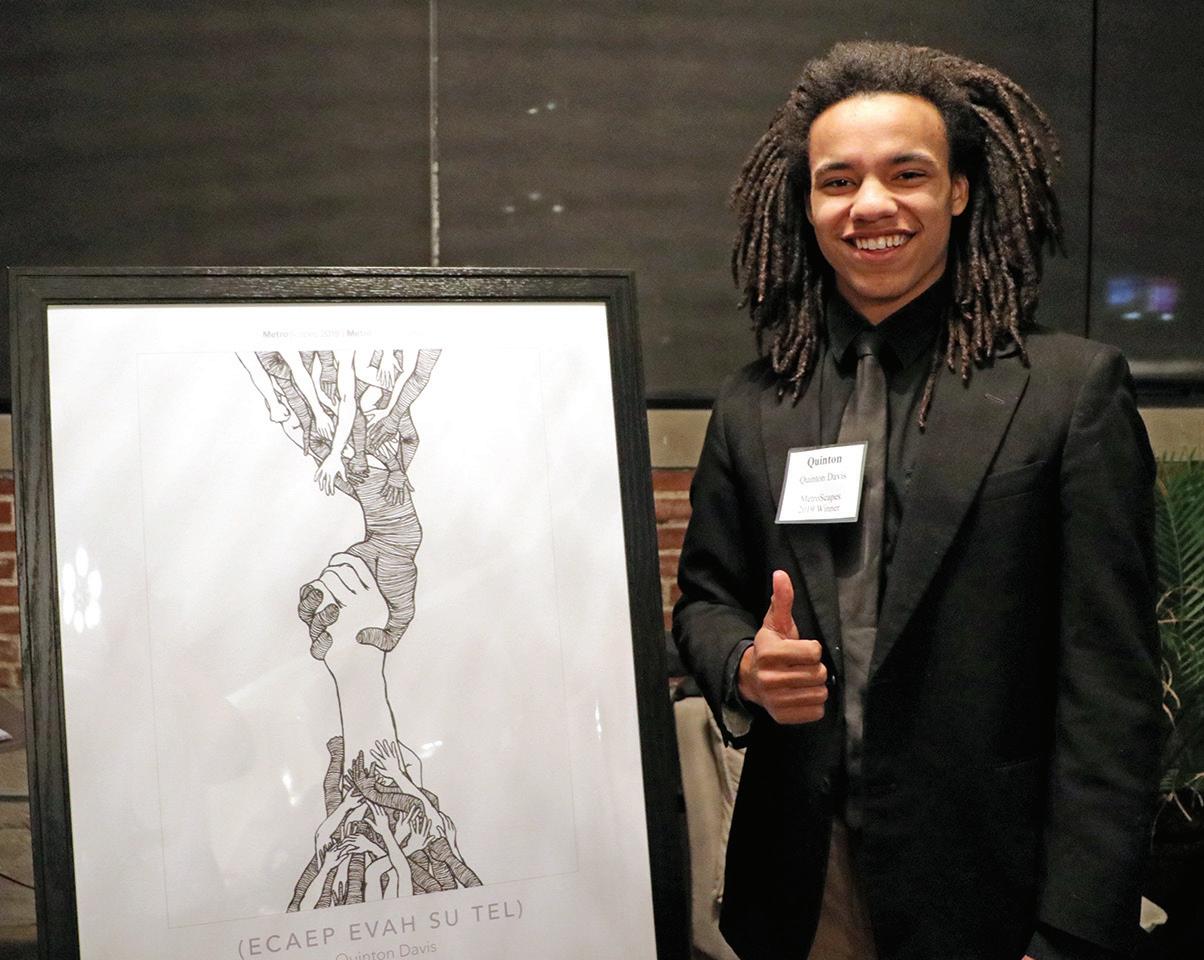
‘Let us have peace’ on Metro transit
Quinton Davis was one of 10 local artists whose winning artwork will be showcased on the Metro Transit system as part of the MetroScapes Arts in Transit, Inc. program. His ink-on-paper drawing titled “(ECAEP EVAH SU TEL)” (that is “Let us have peace” spelled backwards) depicts two linked hands of different shades reaching out from two clusters of multiple hands of varying shades. The 17-year old high school senior from Belleville said his original inspiration stemmed from the fact that there is so much unrest in the country, racial and otherwise. “I want people who see it to be able to think of a future where people would have a kind of Utopia,” he said, “where people have gotten past a lot of the things that keep us from coming together and loving each other.” The competition attracted 471 submissions from 224 artists who live within a 50-mile radius of St. Louis. For more information, visit artsintransit.org.
Saint Louis Zoo granted accreditation again every five years in order to be members of the association.
The newly opened St. Louis Aquarium at Union Station is getting all of the attention these days, but St. Louis has had beautiful aquariums for many decades at the Saint Louis Zoo – which recently was granted accreditation by the Association of Zoos & Aquariums (AZA).
To be accredited, the Saint Louis Zoo underwent a thorough review to make certain it has and will continue to meet ever-rising standards in categories which include animal care and welfare, veterinary programs, conservation, education, and safety. AZA requires zoos and aquariums to successfully complete this rigorous accreditation process
“AZA accreditation signifies the Saint Louis Zoo’s active role in protecting our world’s wild animals and wild places while providing exceptional animal care and meaningful guest experiences,” said AZA President and CEO Dan Ashe. “Fewer than 10 percent of animal exhibitors registered with USDA have achieved AZA accreditation, so the Saint Louis Zoo is truly a leader in the zoological profession.”
The Saint Louis Zoo has been an accredited AZA member since 1977.

By Jamala Rogers For The St. Louis American
A new year is supposed to usher in hope and new possibilities. Sadly, there is little in the St. Louis region’s history that exudes the promise of change. I am the eternal optimist only because I put my faith in everyday people, not the corrupt and incompetent people who thrive off power and privilege. I have confidence that any iota of change will be led by the activists, the organizers, the change agents. These are the people who know they must constantly raise hell to shake up the oppressive status quo.
During 2019, there was a questioning in the air about what progress had been achieved in the five years since the murder of Michael Brown and the ensuing Ferguson Uprising. Forward
Through Ferguson (FTF) issued a report card on the 47 signature priorities synthesized from the 189 recommendations which came out of the robust community process facilitated by the Ferguson Commission. FTF is the nonprofit organization responsible for moving this racially divided region from talk to action, from racist practices to equitable policies.
For example, I wonder where the City of Ferguson would be had voters elected an African-American councilwoman in 1977. Bette Jones, an educator turned attorney, had lived in Ferguson several years before stepping up as a candidate in Ward 3. Her campaign slogan was “Jones for a Fresh and Forward Ferguson.”
The name may not be familiar to you, but her husband Dr. William Jones is wellknown as a prominent dentist and community advocate. As a feminist, I am only making the association as a point of reference because candidate Jones came into the race with her own identity and accomplishments. (Full disclosure: Dr. Jones has been taking care of my pearly whites for decades.)
The overall progress report was not impressive, especially in the Justice for All area, even regressing in some policies and politics. Only five of the 47 areas were deemed successfully achieved. A more comprehensive report, the State of Police Reform, was even more damning. The report looks at the Ferguson and St. Louis police departments along with the North County Police Cooperative. I was lucky enough to attend FTF’s presentation to the public where what most of us know was confirmed: very little substantive progress and lots of bureaucratic resistance to change.
n I am the eternal optimist only because I put my faith in everyday people, not the corrupt and incompetent people who thrive off power and privilege.
This illuminating report took me to a section of my book, “Ferguson is America: Roots of Rebellion.” It is a section that pulls from historian Lerone Bennett’s “The Shaping of America.” Bennett tells us there is always a scenario involving a forked road that leads to two very different outcomes. I’ve thought about that fork since the Ferguson Uprising and the many times people in power chose the road towards more oppression, more suffering, less equity, less democracy. It’s an almost predictable path.
One of Bette Jones’ campaign issues that struck home with me was a commitment to make the Ferguson City Council “accountable and accessible so that all segments of the community are involved in problem solving.” The road not taken. Ferguson chose this road many times. The accumulation of 37 years of racist policies and exclusion exploded on August 9, 2014. That’s when the apartheid-like government was exposed to the world. An allwhite regime ruled over a 70 percent black population. The demographics of the school board and the police department didn’t fare any better. The dreamer in me wants to believe that the election of Bette Jones would have made Ferguson a different city today. Our change-resistant region continues down the wrong road. The decision process that Lerone Bennett describes as indelible always leads from one bad decision to another. A spiraling process “which distorts everything and alienates everybody.” In most cases, everybody is non-white people whose quality of life is distorted by a racist system. We have police departments and courts alienating citizens. We have civic and elected leadership creating a distorted world where a few corrupt people consolidate power over the masses. Between police shooting their own and efforts to make the region a kingdom, there is plenty of work for those of us who believe in justice and democracy. When I think of 2020, I think of vision. We need to create a vision where all the road signs lead to a more just and equitable society.

Continued from A1
program in Walnut Park.
Almost two years ago, Lockett was a high-school senior at Lutheran High School South in Affton when he ended up in jail one night in March 2018.
Although his high school was in South St. Louis County, Lockett lives just north of downtown St. Louis. One night, he was on the porch of a friend’s house in his neighborhood, acting too loud and doing “teenager things” when the police showed up, according to Lockett. The officers said they had probable cause to search the house, and they found two illegal guns in a closet. There were children asleep in the house, and Lockett was accused of being the person who hid the guns in the closet, according to Lockett’s attorney Mark Hammer.
Seals, who is a part of St. Louis Circuit Attorney Kimberly Gardner’s diversion team, reached out to Lockett and told him that he might be able to get the charge dismissed if he made it through a rigorous yearlong felony redirect program.
“The reason why diversion was offered was because my client doesn’t have any criminal history and he was young,” Hammer said. “For him to be convicted of a felony would label him and decrease his opportunity for the rest of his life. What Kim Gardner is doing is providing a select group of individuals to have another chance.”
Lockett lives in an area where it’s nearly impossible not to be close to guns, Hammer said, and it was deemed that he was not a danger to his community.
Part of the diversion process meant being accountable to Seals at all times and having a strict schedule. Lockett said he actually doesn’t mind being under Seals’ constant watch because he now feels like he has a father figure in his life for the first time.
“I used to just be able to do whatever I wanted, whenever I wanted to,” Lockett said. “But I feel like now that I’ve got people that actually care and they want to see me doing better in the community that I live in. Channeling my time is way better than me just having free time.”
The felony redirect program is part of the circuit attorney’s diversion program, which is meant to address the harm caused by mass incarceration
and decrease crime. In 2019 alone, there were 241 people accepted in the misdemeanor or felony redirect program and 149 people who completed it. The diversion program is part of Gardner’s Justice 2020 initiative to reform — or, as she says, “tear down” — the system.
“We have to stop having this rhetoric that we’re going to be able to lock our way out of this, prosecute our way out of this,” Gardner said. “That simply cannot be our strategy for crime reduction. It does not work. And we have not been successful.”
The average cost to incarcerate a person in a St. Louis jail is $31,543, according to Gardner. A year of diversion is 95 percent less expensive than a year in jail, she said. The program is based on those in similarly situated cities, she said, including Milwaukee — where the recidivism for diversion participants was less
than 3 percent.
“We have to look at how we stop the cycle of victimization,” Gardner said. “You are a victim today, perpetrator tomorrow. Our prosecutor-led diversion solutions work.”
The felony redirect program was designed by experts from Washington University, Florida State University and St. Louis University. It allows nonviolent felony offenders with little or no criminal history to enter an intensive regimen of behavioral therapy, classes in life skills, job training and employment, and community service in order to redirect the offender out of the criminal justice system.
In 2017, Alexis McCain, then 23 and working as a pharmaceutical technician, was in the wrong place at the wrong time, she said, and landed a second-degree felony assault charge.
“That was my first time getting locked up, first charge ever,” McCain said, “and for that being on my record forever, it would have stopped me from having good opportunities.”
Going through the diversion classes changed how she viewed life, she said.
“You have so many conversations that people are afraid to talk about,” McCain said. “In that class, you can express yourself with people that deal with the same things. It gave me a different opportunity to look at life.”
The redirect program is just one of the initiatives under Gardner’s diversion umbrella. There is also the opioid addiction education program, which allows people who are

low-level offenders and not eligible for the 22nd Circuit’s Treatment Court (formerly Drug Court) to go through a four-week supervised course on drug safety. The program was designed by Dr. Kanika Turner, a physician at Family Care Health Center, and in partnership with the University of Missouri – St. Louis (UMSL).
“We found that if you give individuals more options, they feel like they have control of their life, and they’re more likely to seek outside community-based treatment,” Gardner said. “We have just as many deaths from opioids as murders. And that’s not been addressed.”
Diversion participants are receiving trauma-informed counseling. The office is also providing services to victims, and more than 4,000 people have been touched by the victim services unit. The circuit attorney partners with SLATE to offer job training and other agencies to offer general health care needs.
“Being a prosecutor and a nurse, I understand those root causes of how we address the criminal justice system,” Gardner said.
“It’s the failed system of healthcare, failed systems of education, economics — and that field drives the criminal justice system. If a person is committing crimes because they have a mental health crisis, and we’re thinking locking someone up is going to help them with this crisis, it doesn’t.”
Judges resist programs
Gardner’s diversion programs have been met with resistance from select judges in the 22nd Circuit Court, she said.
The trainers for Gardner’s opioid education class were being compensated through the State Targeted Response Grant, for which the Missouri Department of Mental Health (DMH) is a grantee. According to emails obtained by The St. Louis American through a Sunshine Law request, Circuit Judge James E. Sullivan, who is a former Drug Court Commissioner, expressed his concerns to DMH leaders about the program. The department ceased funding for the drug education program for four months while investigating Sullivan’s claims. The department ended up reinstating funding after finding that the program was effective and rooted in evidence-based practices, Gardner said.
In response, Sullivan told the American in a statement, “The Circuit Attorney’s opioid addiction education program in early 2018 was a four-part, 10-hour education program,
which, if attended by the defendant, would cause the Circuit Attorney to dismiss the case against the participant. The program when initiated had no requirement for any type of screening to determine whether the participant was an addict or an abuser of a drug — a significant distinction in that evidenced-based practices indicate that education alone will not assist an addict in acquiring the necessary tools for abstinence. DMH contacted the court as to those concerns.”
Gardner responded to Sullivan’s statement, saying that the participants have always been screened, and experts created the program using evidence-based practices.
“We’re going to depend on the experts who are committed to the intellect that goes into the success of these programs to develop the content and the procedures,” Gardner said.
The same judge spoke harshly about the felony and misdemeanor redirect program, according to Gardner, saying that it should be run under the Treatment Court, which is a court-run alternative, versus a prosecutor-led initiative.
Sullivan was the judge designated to hearing the diversion cases, but he stopped agreeing to accept the cases for about six months because of a disagreement about policies and procedures, Gardner said.
The cases that were started under the redirect program ended up having to go through the standard prosecution process during this time period, she said.
“It was a whisper campaign that was actively in the courthouse, basically stopping judges from even wanting to take the diversion program,” Gardner said.
The problem is more about the overall fight to protect the status quo than the actions of the individual judges, she said. Gardner eventually found a supporter in Judge Paula Perkins Bryant, who agreed to hear her diversion cases.
Sullivan denied that there was a six-month standstill in the redirect program, as well as the claim that he or other judges lack support.
“The court has supported the Circuit Attorney’s diversion programs and attempted to assist those programs by requesting policy and procedures that would be provided participants prior to their plea of guilty,” Sullivan stated. “The diversion programs began prior to the development of any participant policies and procedures. Further, the court suggested that evidencedbased behavioral modification techniques and programs be utilized to enhance participants’ progress in the diversion programs.”
The diversion program
may not yet have support in the courts, but it does have strong support in the AfricanAmerican community.
“There are individuals in our community who only need a hand up,” said Rev. Linden Bouie, pastor of the Zion Travelers Missionary Baptist Church.
“They don’t need to be incarcerated. They don’t need to have the book thrown at them. They just need someone to have a little compassion. And that’s what this whole thing is all about.”
Redirecting lives
In the redirect program, the diversion team does an assessment of all cases to see who qualifies for the program. But Seals and other mentors are ex-convicts, who have experience with the streets, and they do their own assessments of the potential participants.
“Once he comes to me, I’ll try to figure him out,” Seals said. “The first conversation, I can know if I can work with him. My assessment is strictly from the streets. Is your father in your life? I’ll try to figure out the pattern from a generational curse to say, ‘Okay, how many uncles you’ve got in jail? How many friends you got dead?’” The next step is to test them, Seals said. He’ll call them at 12 p.m. on a Saturday and ask for help with some of the projects at the Sankofa Unity Center, a mentoring program he established three years ago in the Walnut Park neighborhood.
“And if he shows up, then I know he wants my help,” Seals said. “I try to give every kid a shot. When I got my felony, there was no diversion programs. Even though I was trying to change and I was a hard-working person, but that box affected me,” meaning the felony box on job application forms. When Lockett comes to the Circuit Attorney’s Office, he typically goes to see Seals.
“I feel like it’s someone that’s been through the same thing I’ve been through,” Lockett said. “And he actually understands what can possibly happen and how we probably feel about the situation. So I feel like he’s a great person to have in this system.”
Lockett has seen a lot of people grow through this program and has seen three people graduate, which motivates him.
But it’s not easy.
“Miss Gardner, she doesn’t play,” Lockett said. “I appreciate that she doesn’t play like that because it’s going to make a lot of people change their decisions in their life.”
its people and used its political voting power to unseat the Republican mayor and his party responsible for stealing the funding money. The new Democratic mayor petitioned the newly installed Roosevelt administration for support, and Harold Ickes, secretary of the Interior answered the call. He provided the $1 million and brought in the Works Project Administration to construct the magnificent buildings.
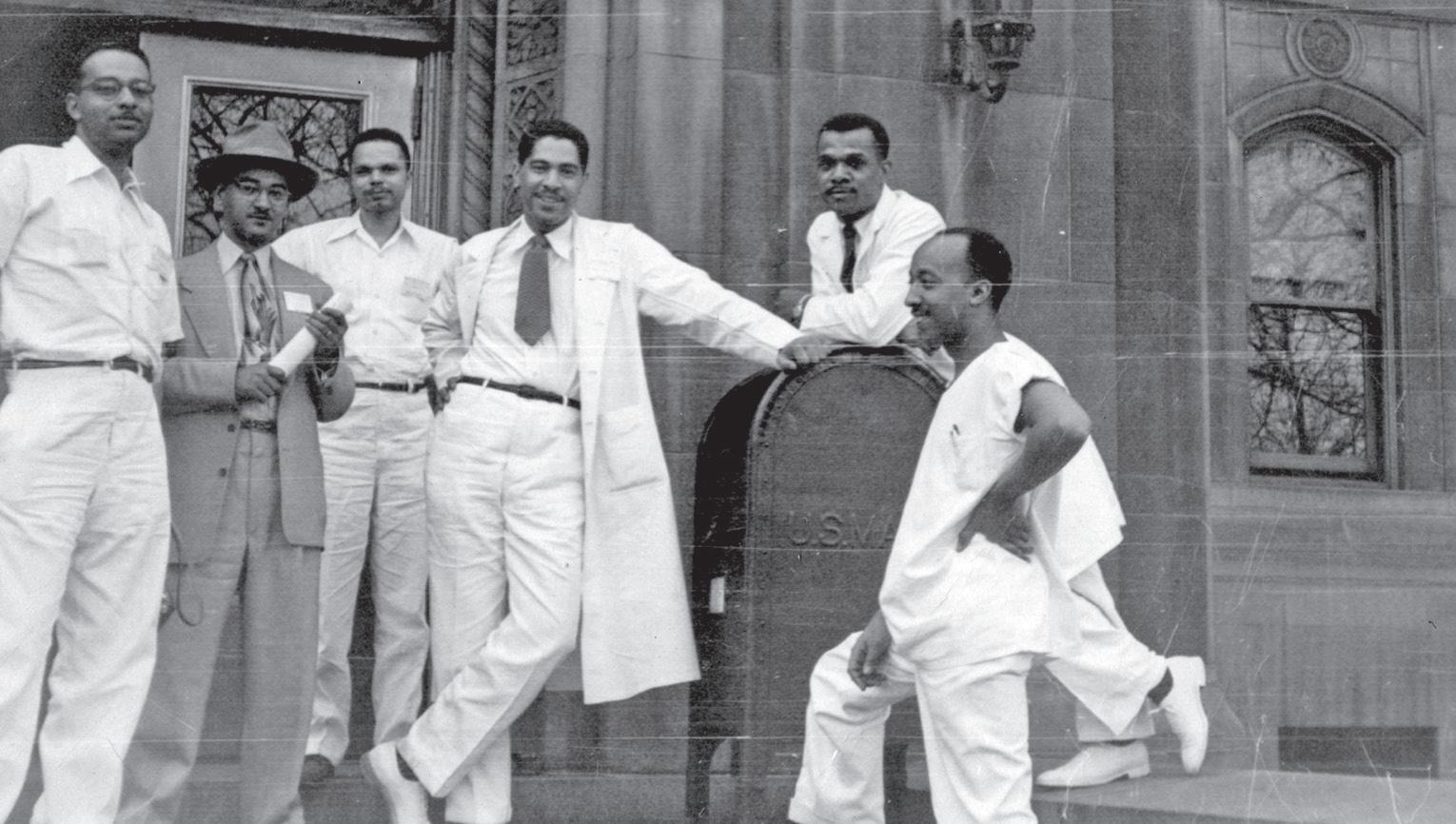
The hospital consisted of accommodations for 600 patients, a 5-story nurse’s building for training, housing students, and classrooms. The structure was ranked in the 10 largest hospitals in the country and was one of only two institutions where black doctors could go for training.
The opening of Phillips Hospital was a magnificent economic and medical achievement for black in Saint Louis and blacks involved in the country’s segregated medical field. The 600-bed facility, one of the largest
Continued from A1
Continued from A1 response? What does she think we need to be doing differently to change the trajectory of lost black lives?
“This is one of those times when all of us need to be at the table bringing our collective resources and willpower and offices to the situation,” Jones told The American. And is the mayor – the city’s putative leader – making that happen?
“On New Year’s Eve, I was at an event focused on lives lost in 2019 with the mayor, the president of the Board of Aldermen and several other elected officials, and the mayor called for working together in her remarks. But I still haven’t seen anything,” Jones said.
“When I ran in 2017, I said I would host regular –not exactly cabinet meetings – but regular meetings with other elected officials to create an environment where collaboration and cooperation are the norm. Since Krewson was elected, I was never asked to attend any event in mayor’s office related to gun violence or any of the violence happening in the city.”
Jones said she was surprised that the mayor offered no sense of an urgent need to try new strategies to stem the loss of life, other than pointing to a spring roll-out of Cure Violence. Even that initiative was started by community groups, not the mayor’s office or the police department, and Krewson politicized it on social media during the city’s fragmented governmental process of approving funding for it.
“The blueprint is out there in several cities bigger than St. Louis that have addressed

hospitals in the country, at its peak, created nearly 1,000 black skilled and semi-skilled health care jobs. Hired were hundreds of orderlies, janitors, and ambulance drivers. In addition, it provided a training facility for educating nurses and also housing of them during their educational period.
The hospital was not only the cornerstone of medical, professional, economic, and employment stability for the black community, it also was the glue that held the minority community together. For more than 30 years, it was the primary source medical care for indigent Negroes. The hospital complex was the only agency of city government where blacks held significant jobs in professional and white-collar positions.
The jobs were a godsend in a city where blacks were totally excluded from employment in every major area except for the most menial positions: the utilities, downtown department stores, banks, insurance companies, bakeries, breweries, daily newspapers, fire and police departments, even religious publishing companies.
For a period of 20 years,
crime more creatively and seen double-digit decreases in homicides,” Jones said. “I don’t know what we’re waiting for. We’re supposed to be the Show Me State, but other cities have shown that gun violence reduction is possible – even in states like Missouri, where gun laws are lax. If we can’t get the guns off the streets, then what are we doing to get resources down to the grassroots to help the people who are affected?” Her reference to the grassroots reflects her belief, which she shares with Aristotle, that poverty is at the root of violent crime. “Poverty is the father of crime – so says Aristotle,” she said. Obviously, addressing poverty is a long-term solution unlikely to affect the police blotter tonight. Jones rightly pointed out that she has used the much more limited powers
75 percent of all black doctors in the country interned at Homer G. Phillips Hospital. By 1961, it had trained the largest number of black doctors and nurses in the world. Shame on white America and its mostly religiously Christian hospitals that because of rampant racist discrimination refused to admit blacks as staff members or interns in their facilities.
From the time Homer G. Phillips Hospital was dedicated in 1937 until it closed in 1979, the black community was preoccupied with the fight to keep the doors open. Efforts to close the facility were led by numerous white politicians, the two medical schools of Washington and St. Louis universities, the publishers and editors of the two daily newspapers, and downtown financial leaders. These forces constituted a serious and continuous agitating catalyst for closure.
n “We have all of these health and education resources, and I don’t think we do a good job of utilizing these resources to cure what is happening in our communities.”
– St. Louis Treasurer Tishaura O. Jones
of her own office to address poverty. She increased the minimum wage in her office to $15 an hour, well above the state and federal minimum wages. She partnered with financial institutions to steer people away from predatory payday lending. She started a College Kids child savings account program for all children in the city’s public schools – one of the few calls to action in the Ferguson Commission report that has been implemented by any elected official.
To bolster the point that long-term solutions to poverty do not necessarily yield shortterm reductions in violent crime, Jones started College Kids in 2015, and homicides in the city only have risen since then. Those funds can only be used to pay for post-secondary education, so by design their effects won’t be seen for a generation.
So what do we do now? What do we do differently now?
Unlike Krewson, who claimed that “our police
The black community
department is doing a great job,” Jones believes the department needs a dramatic new direction. “We need to reimagine public safety,” she said.
Jones pointed to a promising pilot program right here in the St. Louis Metropolitan Police Department, where Captain Perri Johnson is partnering with social workers to intervene in the lives of people living marginal lives. This initiative actually garnered the city police a rare example of positive national press on January 3 in U.S. News & World Report. “We want to focus on the social issues before they become criminal issues,” Johnson told the news
had no effective means of retaliating against the medical schools, newspapers, and business leaders but used its political muscle to make the political opponents pay a heavy price. White elected officials who tried to close the hospital were defeated in election after election.
magazine. Jones was puzzled why the mayor is not publicly praising this initiative and trying to pull together more resources to solidify and expand it. “We have all of these health and education resources,” she said. “We have two of the top hospitals and social work schools in the country. And I don’t think we do a good job of utilizing these resources to cure what is happening in our communities. Our universities have to be part of the cure to the illnesses of the communities they live in. I’m not saying they don’t want to be involved. We just suffer from not having a plan.”


For the 5,000 students and
families
‘Our goal is to eliminate hunger as an obstacle to education success’
By Sandra Jordan Of The St. Louis American
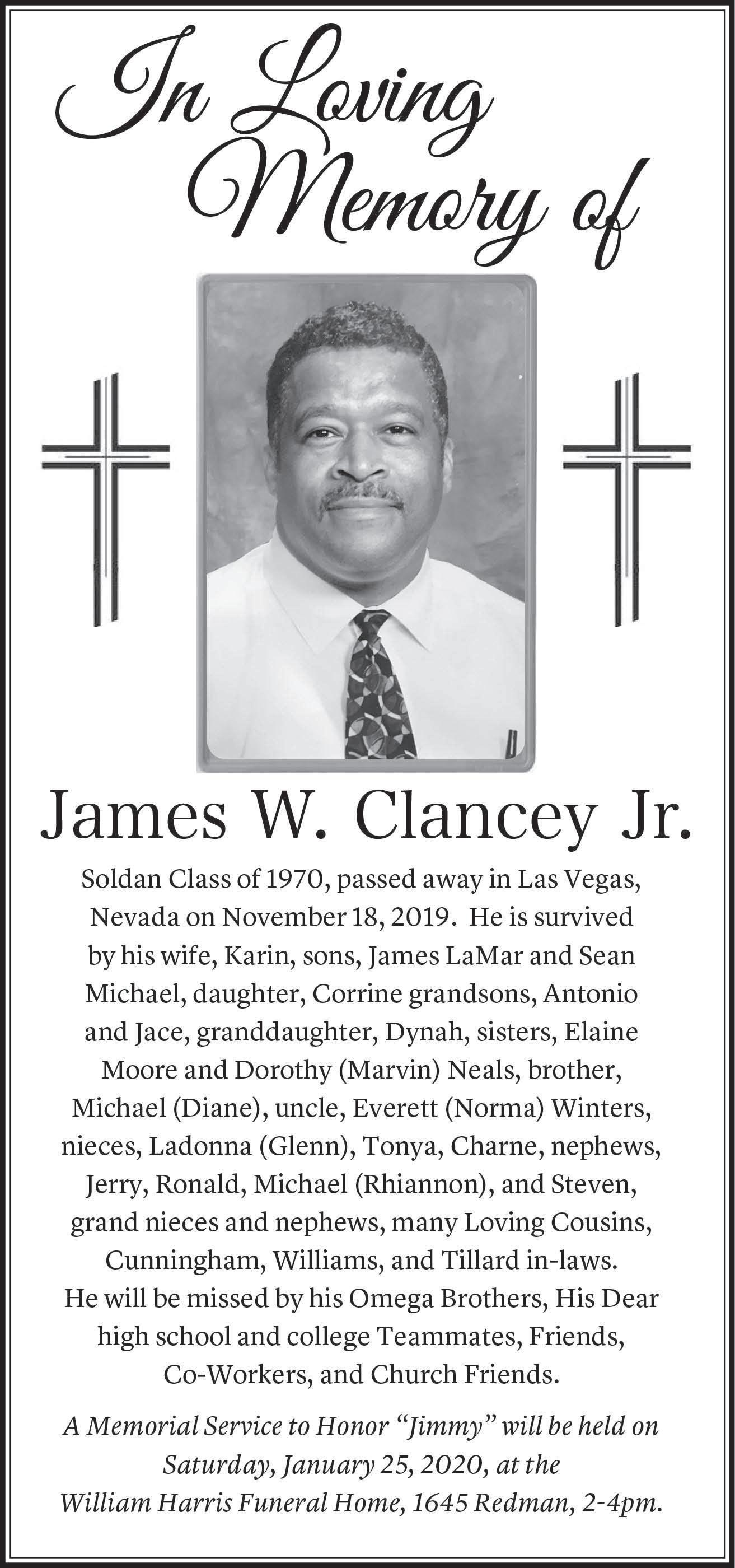
The St. Louis Area Foodbank, with support from the Bayer Fund, is addressing hunger by providing school food markets at no cost for students and their families in selected school districts in the greater St. Louis area.
“We believe that by giving students access to these school food markets, we can increase class attendance, decrease the number of trips to the school nurse’s office, and help contribute to healthier futures for every child in our community,” said Meredith Knopp, president and CEO of the St. Louis Area Foodbank. Just last month, a $90,000 grant from Bayer
n “Hunger is a faceless reality and stigma for many students and their families.”
– Al Mitchell, vice president of Corporate Engagement for Bayer
allowed Cahokia School District in Illinois to open a market at the Power of Change Family Multiplex. For the 5,000 students and their families in the Jennings School District in Missouri, J-Town Market opened
at Fairview Elementary School and the Jennings Educational Training School.
“When non-profits, school districts and business leaders join together to do good, anything is possible,” said Art McCoy, superintendent of Jennings School District.
“It’s truly a pleasure to partner with outstanding organizations to support our students with sustenance and empower our families to have their basic needs met. When we move at the speed of need, children thrive, and we all succeed.”
More than 1,900 students in Cahokia and their families will be served by the program.
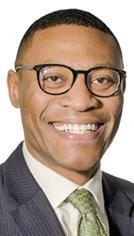
By State Senator Brian Williams For The St. Louis American
As the Missouri General Assembly gets underway with the 2020 Legislative Session, I wanted to take a moment to share with you my thoughts on the progress we made in 2019 and what it will take to continue this momentum in the New Year.
n In my first session, I was honored to sponsor and pass meaningful legislation to help Missourians living with Sickle Cell Disease access the medication they need.
In my first session, I was honored to sponsor and pass meaningful legislation to help Missourians living with Sickle Cell Disease access the medication they need to treat the chronic and debilitating pain associated with that condition. Sickle cell is a condition that predominantly affects the black community. I also sponsored and passed legislation to help Missourians with disabilities and their families save and invest money through Missouri ABLE accounts, without losing eligibility for certain public benefits programs, like Medicaid or Social Security. Meanwhile, working with my Democratic and Republican colleagues, we passed important legislation for working families in 2019. We directed millions of new dollars to our colleges and universities to help the workforce of the future earn the skills they need to get a goodpaying job. I was able to secure a quarter million dollars in the budget for our local YouthBuild initiative to help disadvantaged young people in our community. Additionally, we made a record investment in Missouri’s public schools to help provide kids with the best education possible. We also helped to make our streets safer by strengthening protections for witnesses who are cooperating with prosecutors to put away violent offenders. We gave local communities more tools to help tackle blight and nuisance properties. We passed legislation to help victims of domestic violence move out of their apartment without
‘SAD can be significantly impairing but it is a very treatable illness’
By Dr. Graham A. Colditz Siteman Cancer Center
For all its holidays and celebrations, winter can be a tough time for many people. The long nights and cold, gray days can knock us off our regular routines and just leave us feeling a bit down. And that’s to be expected from time to time. For some people, though, the changes in mood they experience in winter can be more severe and lasting, pointing to a serious condition called seasonal affective disorder. Seasonal affective disorder, or SAD, is an illness that is tied to other mood disorders, such a depression and bipolar disorder, and it can significantly impair daily living. As the name implies, it has a clear pattern of coming on and then going away during specific seasons.
“The most common form of seasonal
n Treatment for seasonal affective disorder most often involves a combination of antidepressant medication and light therapy.
affective disorder is major depressive disorder with a major depressive episode in winter,” said Dr. Emily Mukherji, adult psychiatry clinic director at Washington University School of Medicine in St. Louis. About 1-3 percent of people in the U.S. See SAD, A9



“TakingCareofYou”
Goal is ‘to develop the research to generate evidence-based solutions’
American staff
Letters of interest must be submitted by February 4 for research proposals about gun violence in Missouri. Missouri Foundation for Health is partnering with the National Collaborative on Gun Violence Research (NCGVR) to commission work specific to Missouri.
This opportunity, which is open to researchers of different disciplines, as well as doctoral students working on their dissertations, will address gaps in what we know about gun violence and generate evidence to address the issue more effectively.
The NCGVR is releasing a request for proposals nationwide as part of its work to fund and disseminate nonpartisan, rigorous scientific research that offers a factual basis for building solutions to the gun violence epidemic. Missouri Foundation for Health is supporting an addon component to NCGVR’s request for proposals to undertake additional Missourispecific work.
NCGVR expects to issue up to $9.5 million (including $1.5 million set aside for Missouri-relevant research) to fund 10 to 25 research grant awards, six or more dissertation awards, and two or more postdoctoral fellowship awards. There are no maximum or minimum project cost guidelines for research awards. Dissertation awards are fixed at $25,000. Postdoctoral research fellowship awards are fixed at $50,000.
Gun violence, defined as firearm-related deaths and injuries, including homicides, suicides, and accidental shootings, is on the rise in
Food Bank
Continued from A8
Cahokia Unit School District
187 Superintendent Tanya Mitchell said they were thrilled to open the school market.
“Our goal is to eliminate hunger as an obstacle to education success,” Mitchell said. “Establishing this district hub will allow our staff to immediately assist our students and larger school community” According to Feeding America, many households that experience food insecurity
Continued from A8
will at some point experience an episode of seasonal affective disorder. Typical symptoms for the condition most often mimic those for depression, including decreased mood, lack of interest or pleasure in activities, difficulty concentrating or thoughts of suicide. Some symptoms, though, can be more specific to seasonal affective disorder, such as lower energy levels, an increased appetite with carbohydrate cravings and an increased need for sleep.
Continued from A8 unnecessary red tape. We continued to improve our Criminal Justice system by

Missouri and the nation. Now widely recognized as a public health issue, it impacts people of all ages and backgrounds in all communities across our state. It is one of the leading causes of death in both the U.S. and Missouri, yet we know far less about prevention for this issue than any of the other leading causes. Gun violence is a complex problem that requires robust research in order to address it effectively. Due to a variety of factors it has been chronically underfunded on a federal level for more than two decades. Missouri-specific research
do not qualify for federally funded nutrition programs, resulting in increased reliance on local organizations and food banks so they don’t go hungry. School food markets address that need by providing fresh foods and grocery staple items. The Foodbank is looking to bring other districts into the pilot program, expecting to add additional schools during the second half of the school year.
“Our primary focus is schools with 75 percent or more free and reduced lunch,” Nicole Hawkins, senior director of Community
“It’s almost like a form of hibernation in the winter months,“ Mukherji said. The good news is that seasonal affective disorder can be treated. So, it’s important to talk to a health-care provider if you’re concerned about how you’re feeling. The worse you feel and the worse your symptoms, the more imperative it is to get help.
“Anyone at imminent risk of hurting themselves or others should call 911 and go to an emergency room right away,“ said Mukherji. Treatment for seasonal affective disorder most often involves a combination of antidepressant medication and
expanding opportunities for reformed citizens to expunge their records, while rolling back several minimum sentencing laws that often targeted the poor and communities of color. Looking ahead to the 2020 Legislative Session, as a
is also very limited, which has led to significant gaps in knowledge around perceptions of gun violence and the impact of promising practices and policies. The research done by NCGVR and its partners will build a base of trustworthy information and facts, enabling stakeholders and the public to take a datadriven approach to addressing this difficult issue.
“This work will strengthen Missouri’s gun violence prevention field and make the state a focal point for highquality, evidence-based, nonpartisan research,” Missouri
Programs for St. Louis Area Foodbank, said. They are already working with a few different schools to see if school food markets are a good fit for them. The Foodbank needs strong buy-in from the school, parents, principals and administrators.
“We plan to open three more for the January to May semester,” said Hawkins. “This will be our pilot year, and then we should have some strong data around what we’ll be able to do in the future.”
The latest U.S. Census American Community Survey data from 2017 has 14.7
light therapy, which is the use of a special lamp that simulates exposure to sunlight. Someone with only mild symptoms may use light therapy on its own, without medication.
Light therapy lamps are available online and at specialty stores and can cost around $30 and up. Some provide continuous bright light that you can sit in front of while reading, eating breakfast or watching your favorite show. Others act more like a natural alarm clock, simulating the light of the rising sun over a 90-minute period or so.
“Most people will use light therapy from mid-October through March and will bring
member of the interim Senate Committee on Public Safety, I will continue to focus on addressing the epidemic of gun violence that is claiming lives throughout our community.
Just last year, my Democratic colleagues and I had to stop a
Foundation for Health stated in a release. “In addition, the data will be invaluable to inform MFH’s efforts to address gun violence in our region. Over the next several years, the foundation plans to make additional investments in research to advance better understanding of the impact of gun violence and potential solutions in our region.”
Missouri Foundation for Health has previously supported various gun-violence related work in select areas of the state. This includes the hospital-based violence intervention program Life
percent of Missourians living in poverty. Of that number 20 percent were children under age 18.
And a recent study issued by the U.S. Department of Agriculture indicated that 11 percent of all U.S. households were food-insecure in 2018; 7 percent included families with children. Households identified as food insecure either lacked resources or found it difficult to provide enough nutritious and adequate food for all family members.
“Hunger is a faceless reality and stigma for
their lamps out every year around the same time to try to prevent a winter depressive episode,” Mukherji said.
When buying a lamp, look for a bright-light lamp that provides around 10,000 lux of brightness or a dawn simulator that provides around 250 lux.
Light therapy can have some side effects, like eye strain, insomnia and irritability, so it’s important to follow the recommendations of a healthcare provider. In general, bright-light sessions should be kept to mornings and under 90 to 120 minutes a day.
Other steps that can help with seasonal affective disorder include counseling in
bill that would have allowed more guns on college campuses and city buses. It is time we pass common sense reforms that protect law abiding citizens’ lives and rights, while preventing gun violence. We can do this by requiring
Outside of Violence, Better Family Life’s De-escalation Centers, The Saint Louis Story Stitchers Artist Collective, the suicide prevention program Safer Homes Collaborative and more.
“The effect of gun violence on our region’s overall health and well-being has been truly devastating,” said Missouri Foundation for Health President and CEO Robert Hughes. “An important component in effectively addressing this public health issue is to develop the research to generate evidencebased solutions. This is
many students and their families,” said Al Mitchell, vice president of Corporate Engagement for Bayer. “Our support of the school food markets ensures families within the St. Louis region have access to a variety of healthy food items within a familiar environment.”
Late last fall, St Louis Public Schools opened school-based markets offering fresh, frozen and shelf-stable foods at Yeatman-Liddell Preparatory Middle School and Ashland Elementary School by the St. Louis Area Foodbank and the Little Bit
cognitive behavioral therapy and following certain healthy behaviors, like exercising regularly, getting outside during the day, eating a healthy diet and limiting alcohol.
Whatever season it is, it’s important to look after your physical and mental health. Winter, though, can bring unique health issues. And although it may seem in line with the harshness of the weather, you shouldn’t feel the need to hunker down and endure through an episode of seasonal affective disorder on your own. You can feel better.
“SAD can be significantly impairing but it is a very treatable illness,” Mukherji
universal background checks, closing loopholes so domestic abusers cannot buy guns, and establishing Red Flag laws. These initiatives have broad public support, including mine.
I am humbled to continue to serve the people of Missouri
especially true for a topic as complicated and intractable as gun violence. Not only will this work enable the foundation’s future efforts to be more effective, it will also serve as a resource to other organizations in Missouri and nationwide as they strive for greater impact against this epidemic.” Letters of interest must be submitted by February 4. Selected applicants will be invited to submit full proposals. For more information and to apply, visit https://www.ncgvr. org/rfp.html.
Foundation, through a grant from the Cigna Foundation. The markets serve students coming to school in the morning hungry because they haven’t eaten since they had lunch the day before as well as students unable to concentrate throughout the school day because they don’t have snacks
“I think we all know the relationship between hunger and education is very close,” Hawkins said, “and if we can’t get our students feeling like their bellies are full, how can they concentrate on learning and growing?”
said. “So please seek out help.” Dr. Graham A. Colditz, associate director of prevention and control at Siteman Cancer Center at Barnes-Jewish Hospital and Washington University School of Medicine in St. Louis, is an internationally recognized leader in cancer prevention. As an epidemiologist and public health expert, he has a long-standing interest in the preventable causes of chronic disease. Colditz has a medical degree from The University of Queensland and a master’s and doctoral degrees in public health from Harvard University’s T.H. Chan School of Public Health.
and the 14th District as their state senator. We have achieved so much, but have so much left to do.
State Senator Brian Williams (D-Ferguson) represents Missouri’s 14th Senatorial District.
Nutrition Challenge:
This time of year many people make New Year’s resolutions. A resolution is simply a promise you make to yourself of ways that you would like to improve your life in the new year. So for 2020, why not make a resolution to eat healthier?
Try adding a healthy new habit every few weeks or so. Here
Another healthy change you can make for yourself with the new year is to be more active.
Staying active not only helps keep your heart healthy, but it burns calories, improves your brain functioning and helps you feel better — the more you do!
Some reminders:
> Try to have at least 30
The new year brings a fresh start. Plan on making 2020 your best year yet! Try letting go of the problems you may have faced last year and look forward to a new year with excitement and hope. Here are a few ways to stay positive.
> Make a list of all of the good things that happened for you in 2019.
> What are some goals you’d like to achieve in 2020?

are a few ideas (from past Healthy Kids features) to get you started. What are some other tips you’ve learned?
Learning Standards: HPE 2, HPE 5, NH 1, NH 5
minutes of physical activity each day that increases your heart rate (60 minutes is even better).
> Warm up, stretch and cool down before and after exercising.
1. ofDrinkatleast8glasses wateraday. 2.Eatmorefreshfruitsand foodsvegetablesandlessfried andsweetsnacks.3.Eatslowlyandstopas soonasyoufeelfull.
> Start off slowly and increase time, distance, and speed as you feel stronger.
> Select one or two of those goals and make a list of specific steps you can take to accomplish your new year goals.
> Always remember — you can’t change others, you can only change yourself and how you react. So focus on yourself and how you can have a happy 2020!
Learning Standards: HPE 6, NH 3
> Check with your doctor before starting a brand new exercise program.
> Drink lots of water when you’re working out.
Discuss some of the ways you can keep active during the cold winter months.
Learning Standards: HPE 1, HPE 2, HPE 5, NH 1, NH 5
Zekia Reed, Paramedic and Crew Leader
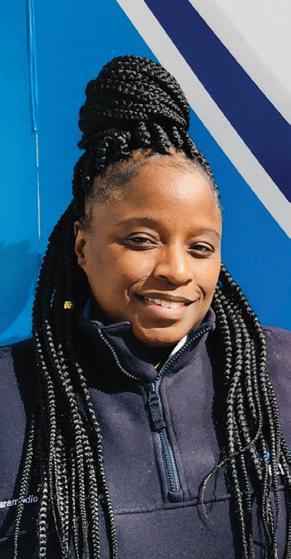
Where do you work? I am a paramedic for Abbott EMS.
Where did you go to school? I graduated from Cahokia High School. I then earned a certification in EMT-B from Southwestern Illinois College in Belleville, Illinois, and I received a national paramedic license from IHM Academy of EMS, in St. Louis.
What does a paramedic do? I have the opportunity to save a life multiple times a week and I also fix broken bones. I get to use very interesting equipment on my job; For instance, the cardiac monitor that allows me to look at what the heart is doing and to restart the heart if needed.
Why did you choose this career? I chose this career because I didn’t see black women represented in this field and I wanted to break some barriers and become a role model for others. After growing up in a challenging childhood myself, I am able to connect with my young patients who I can relate to.
What is your favorite part of the job you have? I enjoy interacting with people from all walks of life. It brightens my day when I am able to provide more than emergency healthcare, and people thank us for being almost a counselor to calm everyone at the scene.
Learning Standards: HPE6, NH3
“Questions or comments? Contact Cathy Sewell csewell@stlamerican.com or 314-289-5422




The Saint Louis Zoo is currently accepting applications for Zoo ALIVE, our teen volunteer program. High school students 15 and older may apply. As a Zoo ALIVE volunteer, you can share your love of animals with our diverse audiences by helping with classes, camps, overnights and special events. Volunteers can also participate in group conservation activities, camping trips and more. This is a year-round program for dedicated and responsible teens.
For more information, visit stlzoo.org/ZooALIVE.

The St. Louis American’s award winning NIE program provides newspapers and resources to more than 8,000 teachers and students each week throughout the school year, at no charge.
Questions or comments? Contact Cathy Sewell csewell@stlamerican.com or 314-289-5422

Katie Wright Elementary School teacher
Michael Jacobs shows students Re’ Lynn Sharp, Wesley Anthony, Andrea Hodges and Soham Soni how to use the newspaper’s education page to



According to the American Heart Association, you can help prevent disease by following a healthy eating plan and adding more activity to your lifestyle. A healthy eating plan consists of lean proteins. Choosing fish as a source of protein also gives you omega 3 fatty acids to build brain cells. Consider meatless meals where your protein source comes from beans or other foods. Choose whole grains that contain a lot of fiber to help your digestive system and reduce cholesterol. Eat a lot of fresh fruits and vegetables, and lower-fat dairy products. Add nuts and seeds to your diet to get more nutrients. Try to avoid sugary or fried foods.

In this experiment, you will observe the chemical reactions of yeast.
Materials Needed:
• A Packet of Dried Yeast • 16-20 oz.
Clear Water Bottle (empty) • 1 Teaspoon
Sugar • Warm Water • Small Balloon
Procedure:
q Add 1 inch of warm water in the water bottle.
w Add the entire yeast packet to the water and gently swirl the bottle to mix.
e Add the sugar and gently swirl to combine.
r Stretch out the balloon by blowing it up a few times and letting it deflate.
t Place the neck of the balloon over the neck of the water bottle.
y Place the bottle in a warm place for 20-30 minutes.

z Suzanne runs 3½ miles every Monday, Wednesday, and Friday. How many miles will she run in a month that has 4 Mondays, 4 Wednesdays, and 5 Fridays? ______
x If you have 4 members in your family, and each family member drinks 6 ounces of juice each morning for breakfast, how long will

Check out these fun chemistry facts.
Kids should get 60 minutes of activity a day. Choose activities you enjoy—playing sports, jumping rope, walking around the neighborhood. At least twice a week, you should choose an activity that works on strengthening your muscles— such as push-ups, sit-ups, etc. Get your friends and family involved, choose some fun music, and you will be surprised how much you enjoy physical activity. For more information, visit: https://www.heart.org/HEARTORG/ or http://kidshealth.org/en/teens/diseases-conditions/.
Learning Standards: I can read nonfiction text for main idea and supporting details. I can make text-to-text and text-to-self connections.
u Watch the balloon inflate.
How does it work? Yeast is a living microorganism. As it “eats” the sugar, it releases carbon dioxide, which is a gas. This gas causes the bottle (and the balloon) to expand.
Form a hypothesis:
1. Does room temperature affect how much gas is created by the yeast?
2. Does the size of the container affect how much gas is created by the yeast?
3. Does yeast respond the same to syrup and honey as it does to sugar?
Repeat the experiment and test your hypothesis as you change these variables.
Learning Standards: I can follow sequential directions to complete an experiment. I can make observations and draw conclusions.
Calls for Math!
a 1 gallon jug of orange juice last?
(Remember: One gallon = 4 quarts, and 1 quart = 32 ounces.)
c You are trying a new recipe for muffins. It calls for 2 1/3 cups of whole wheat flour. The only measuring cup you can find holds 1/3 cup. How many times will you need to fill the measuring cup with the flour? ______
v Anthony bought 6 boxes of grapefruit for $9/box. If he has to pay 8% sales tax, what was the total he had to pay? ______
Learning Standards: I can add, subtract, multiply, and divide to solve a problem. I can make text-toworld connections.
About 78% of the average human brain consists of water. This is one of the many reasons it is important to drink plenty of water.
Did you know that a fresh egg will sink in fresh water? A
Jeannette Brown was born in 1934 in New York. When she was just 6 years old, her family doctor encouraged her love of science, specifically chemistry. Brown was a dedicated student and graduated in 1952 from New Dorp High School in Staten Island. After graduating high school, she attended Hunter College to pursue a chemistry degree. Brown was one of only two African-American women in the class. In 1956, she earned her bachelor’s degree in chemistry. Next, Brown went to the University of Minnesota and became the first AfricanAmerican woman to earn a master’s degree in organic chemistry.
Brown then went to work for CIBA Pharmaceutical Company as a research chemist. She developed drugs for diseases, such as tuberculosis and coccidiosis (coccidiosis affects chickens). In 1969, she went to work for Merck & Co. Research to continue research of new drugs to make sure they are safe and effective. In 1986, she became chairperson of the Project SEED Committee for the American Chemical Society. Seven years later, she taught chemistry at the New Jersey Institute of Technology. She also served as regional director on a committee to improve science education for local students.
In 2008, she shared the biography of seven chemists to the African American National Biography. Three years later, she published the novel “African American Women Chemists”. Hunter College and the University of Minnesota both have recognized Brown as an outstanding alumni. She has received other awards, including an Association of Women in Science fellow award in 2007. She was also recognized as an American Chemical Society fellow and a Chemical Heritage Foundation Ullyot Scholar. Brown has been active in professional organizations, such as the National Organization for the Professional Advancement of Black Chemists and Chemical Engineers (NOBCChE) and the American Chemical Society (ACS).
Learning Standards: about a person who has made contributions in the fields of science, technology, engineering, and math.

Enjoy these activities that help you get to know your St. Louis American newspaper.
Activities —
Good Citizen: What are the qualities of a good citizen? Use the newspaper to find examples of stories of people who display good citizenship. Share your examples with your classmates.

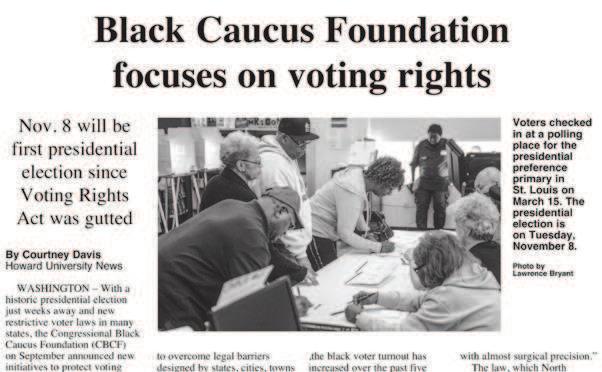


Target Audience: Writers must appeal to their target audience. In this activity, your classmates will be your target audience. Survey your classmates to discover their favorite sport. What is the most popular sport? Next, create a newspaper advertisement for a product that relates to that sport.
Learning Standards: I can use the newspaper to locate information. I can write for a specific purpose and audience. I can find evidence to support my claim.
This story is part of a collaborative-reporting initiative with St. Louis Public Radio supported by the Pulitzer Center on Crisis Reporting. It was reported by William H. Freivogel and Mimi Wright
Missouri’s federally funded multi-jurisdictional drug task forces often go by macho names like Mustang, Comet and Nitro.
They buy flashy electronic equipment such as Stingray surveillance gear and military paraphernalia. But some of the most colorful task forces have dodged accountability, failed to hold required public meetings and used what critics call “cowboy tactics.”
Court records show that Missouri’s federally funded drug task forces have often failed to set up required oversight commissions, failed to hold oversight meetings in public and repeatedly failed to respond to Sunshine Act requests for public information.
Some of the task forces operating in secret have abused their power, critics say, by using coercive tactics, buying expensive surveillance equipment and focusing extensively on marijuana instead of more dangerous drugs.
St. Louis’ drug task force claimed for months that it didn’t exist. The Comet drug task force in Missouri’s Ozarks region withheld records based on a terrorism exception to Sunshine Law. The Nitro task force in northwest Missouri claimed it didn’t have to respond to the Sunshine records requests because it is a federal agency, not a state one. The Mustang unit, in mid-Missouri, claimed it couldn’t be taken to court at all. St. Louis County’s task force failed to keep minutes of required meetings.
Guard helicopter shows Mustang task force officers chasing a suspect and, once they subdued the suspect, kicking and tasing him.
Defense lawyers accuse the St. Charles County task force of abusing civil asset forfeiture by conducting coercive interrogations of suspects at a towing company lot and pressuring the suspects to sign over ownership of cash in their car.
Supporters of federally funded multi-jurisdictional drug task forces defend them as a model of federal, state and local cooperation. They say they are well-suited for the “war on drugs,” which is inherently an interstate problem that affects individual communities. The federal funding targets the connection between violence and drug trafficking.

The 18 Missouri task forces — down from 28 in 2013 — are typically squads of about a dozen officers from neighboring sheriff’s departments who focus on drug enforcement. The task forces receive federal Edward Byrne Justice Assistance Grants from the Justice Department and additional state dollars from the Missouri State Highway Patrol. Congress created the Byrne program in 1988. The federal money is intended for “critical funding necessary to support a range of program areas including law enforcement, prosecution and court, prevention and education, corrections and community corrections, drug treatment and enforcement.”

mass drug arrests by multijurisdictional task forces as proof of their abuse of power.
By way of example, Balko writes about 28 African Americans arrested on drug charges in Hearne, Texas, in 2000, and 46 African Americans arrested in Tulia, Texas. Courts dismissed most of the charges because they were based on sloppy police work, including unreliable informants.
Roland and Malin began filing Sunshine Act requests for task force records five years ago.
“Half of 28 drug task forces refused to respond at all,”
Roland recalled in an interview.
“They said, ‘We are not subject to the Sunshine Law.’ These are very powerful law enforcement entities. They operate in the dark an awful lot.”
The St. Louis drug task force denied its existence.
burdensome and refused to look for the documents. Malin brought in Roland and the ACLU of Missouri, but Richardson ignored them as well.
In addition, there are allegations of abusive tactics. When a task force officer in mid-Missouri died of a gunshot wound at a fellow officer’s home, the task force refused to turn over records to the officer’s mother until a court forced it to eight years later.
A video from a National
Federal funding for the program has risen and fallen. It was at a low point at the end of President George W. Bush’s administration, but President Barack Obama’s administration increased funding significantly, with a boost from Vice President Joe Biden. The 18 task forces currently receiving funding Missouri got $4.7 million in 2019.
The funds are a welcome addition to local law enforcement budgets, said local police and prosecutors. Sheriff Kevin C. Bond of
Pettis County said an increase in funding for the task force he heads will help provide a longawaited cost-of-living raise for his employees.
Bond said his drug task force always has operated openly. St. Charles County Prosecuting Attorney Timothy Lohmar said in an interview that one reason the St. Charles task force tries to avoid publicity is that officers are working undercover, often with confidential informants.
It took a six-year legal crusade by David Roland, a libertarian lawyer, and Aaron Malin, then a pro-marijuana law student, to open up the federally funded task forces to the public.
They have a “cowboy state of mind,” said Roland, who filed multiple lawsuits in Missouri to make the task forces more accountable. “You have to see the logos they devise for themselves. These are people who are very confident in what they are doing. They have very flashy names, flashy logos. They seem utterly dismissive of the humanity of the people they are investigating.”
Roland and his wife, Jenifer Zeigler Roland, run the publicinterest Freedom Center, a libertarian-conservative group. Malin was director of research for Show-Me Cannabis
An increase in federal funding for the task force in Pettis County will help provide a long-awaited cost-of-living raise for his employees, the sheriff said.
Malin, now a lawyer, found “no supervision, in a lot of cases, no oversight board,” he said. “A lot of money was being spent on things related to cryptology, license plate readers, decryption devices for iPhone and Android devices. There was also Stringray, a highway interceptor that can simulate a cellphone tower and capture information on cellphones from innocent and guilty persons alike.”
Radley Balko, who blogs about criminal justice for the Washington Post, has criticized the task forces for contributing to the militarization of American police forces. He also has criticized them for dodging public accountability Balko points to unjustified
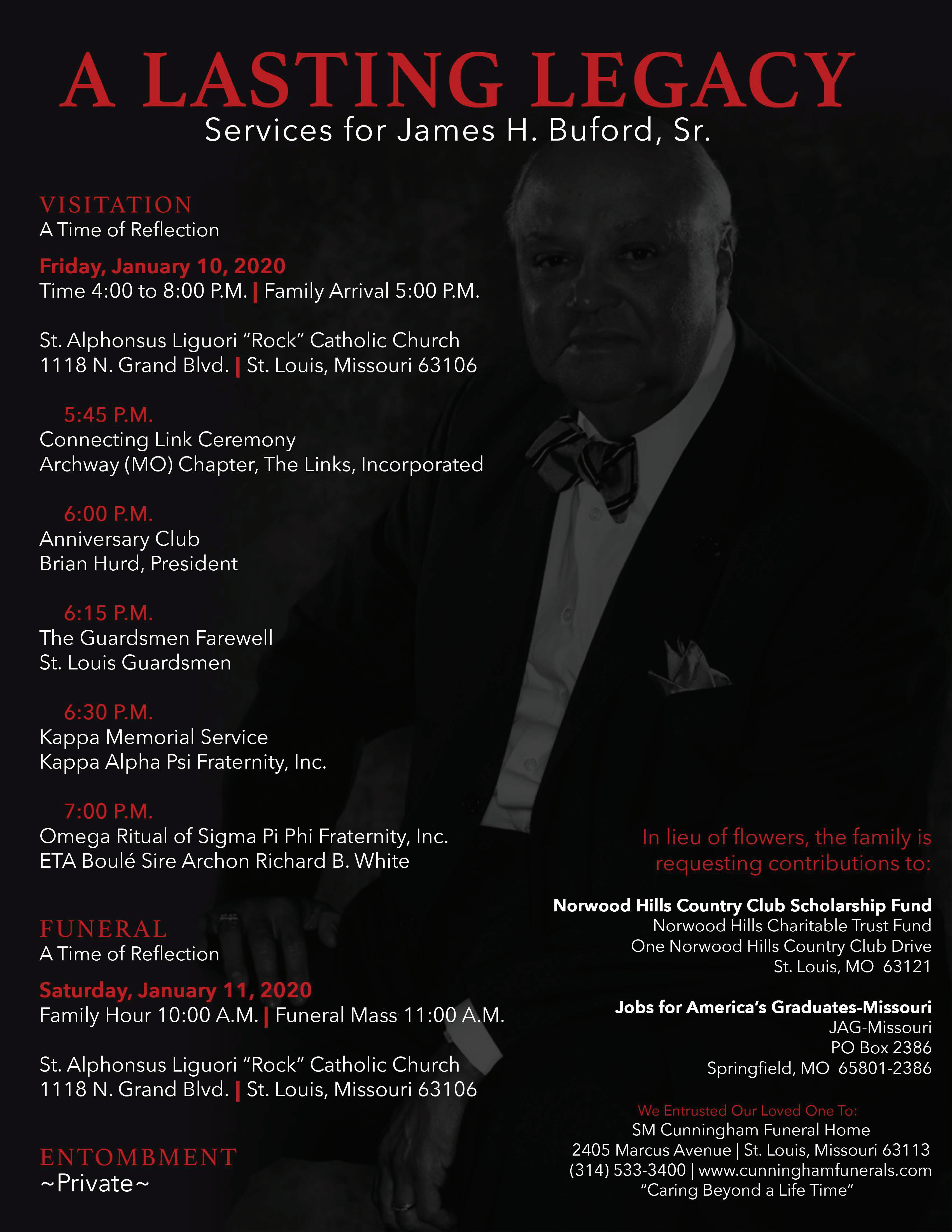
Malin filed a Sunshine Act request in 2013. Mark Lawson, attorney manager for the St. Louis Metropolitan Police Department, responded that the department “does not have” a “St. Louis Metro Drug Task Force.”
Malin renewed the request, pointing out the Missouri Highway Patrol listed the task force and its telephone number. Lawson responded that the phone number “was just reassigned to someone else” and added, “I’m not sure how I can present records of the nonexistence of something.”
Several weeks later, Lawson wrote Malin to say he had taken up the question with the police chief, who “doesn’t know what the Missouri Highway Patrol could have been referencing.”
But records obtained from the Missouri Department of Public Safety show there was an SLMPD drug task force. It also showed that then-Chief Samuel Dotson was the project manager and Lawson himself the “authorized official” in charge of receiving $200,000 in federal money.
“Wouldn’t you know, the person who signed those documents for the St. Louis drug task force was the attorney who told Aaron (Malin) it didn’t exist?” Roland said.
Lawson maintained the department didn’t use the term “task force” but referred to the group by the federal name, the “Ed Byrne” grant.
St. Louis Circuit Judge Mark H. Neill ordered the city to turn over the requested records last year. Neill determined that Lawson’s initial denials weren’t purposeful because of the name confusion, and thus didn’t warrant a hefty fine. Roland scoffs at that explanation because Lawson was experienced and had signed dozens of documents to receive the grant.
Roland notes that police and drug task forces have enormous budgets. “The St. Louis Metro police department paid for most of its ... new headquarters with forfeiture money. They paid in the neighborhood of $2 million from forfeitures, and they still have plenty left over.”
The St. Louis County MultiJurisdictional Drug Task Force also broke open-records law by holding public meetings for years without proper notice and fabricating minutes of those meetings.
“The St. Louis County drug task force … meetings were never more than three or four minutes long, and they would dispense checks and leave,” Roland said.
Malin’s suit against the county led to a consent decree requiring the county task force to comply with the law by posting proper notices and compiling minutes of the meetings.
When Malin telephoned the Nitro task force in northwest Missouri, those answering the phone denied belonging to the task force. Eventually, Nitro told Malin it was not a state governmental body subject to the Sunshine Law because it was attached to the federal Bureau of Alcohol, Tobacco, Firearms and Explosives.
The Mustang task force operating out of Cole County in mid-Missouri at first refused to search for the records Malin requested and later put up a long, unsuccessful legal battle to withhold records.
Former Cole County Prosecuting Attorney Mark Richardson initially said Malin’s requests were too
Finally, Cole County Circuit Judge Patricia S. Joyce ruled that Richardson had “purposely” refused to comply with the Sunshine Law and ordered a record-setting $12,000 penalty plus $28,000 in attorneys’ fees Melissa Winnie, a member of the East Central Drug Task Force, died of a gunshot wound at another officer’s home in 2008 in Audrain County. The sheriff said it was a suicide, but the circumstances were suspicious. Winnie had filed a formal complaint with her department a year earlier about sexual harassment. After the shooting, Winnie’s mother, Joanna Winnie, tried to get police records, but authorities refused to turn them over, saying that there was an ongoing investigation and that Winnie’s sexual harassment complaint was a personnel matter.
“Even as late as eight years after her death, they were telling me the request was denied because the case was open,” said Malin, though there was no evidence of a continuing investigation.
Finally, Malin, Roland and the ACLU sued for the records. Last year, about a decade after her death, Winnie’s mother received the records at the order of Audrain County Circuit Judge Rachel Bringer Shepherd who found the evidence “uncontroverted” that the investigations were inactive. In mid-Missouri, Mustang task force detectives Michael Chinn and Kip Bartlett went to Timothy Whittle’s house in 2014 to serve a warrant. Whittle drove off, and the officers pursued. At the end of the chase, Whittle put up his hands and lay on the ground. Bartlett sat on him and held his wrists. A Missouri National Guard helicopter captured what happened next. With the camera rolling from above, Chinn appeared to kick Whittle in the head and tase him. Chinn said he acted because of Whittle’s “furtive” moves. The Kansas City Star published the video, and it went viral. Mustang settled a lawsuit filed by Whittle in 2017. Roland and Malin found the drug task forces focused inordinately on marijuana. When they began obtaining records in 2014, Malin and Roland discovered eight of the 28 task forces then in operation had brought more charges against people for marijuana crimes than for any other drug violation. Nitro, Mustang, St. Charles County and St. Louis city were among the eight. Sheriff Bond of Pettis County defends the prominence of marijuana enforcement. He cited the potency of today’s marijuana and also the different community standards in rural Missouri.
“If you have a conservative community that wants their law enforcement agencies to consider that a priority, then those priorities are going to be met,” Bond said. “I try to have a good handle on what my community’s perception is of drugs ... and then I try to tailor our law enforcement around those feelings of the community. Our community remains pretty conservative and sees drugs as a scourge.” Roland and Malin say their legal crusade has had several positive results. Missouri law now clearly establishes that task forces have to respond to Sunshine Act requests. In addition, task forces are much better at announcing regular meetings, posting agendas and keeping public meeting minutes. In addition, they point out that the number of federally funded task forces has declined since they began their accountability crusade, shrinking from 28 to 18. That’s a small step forward, they say. All stories in the series can be found at https://taken. pulitzercenter.org/. William H. Freivogel is a professor at the Southern Illinois University Carbondale School of Journalism and a lawyer. Mimi Wright is a journalism student at the University of Missouri. Reprinted with permission from news.stlpublicradio.org.
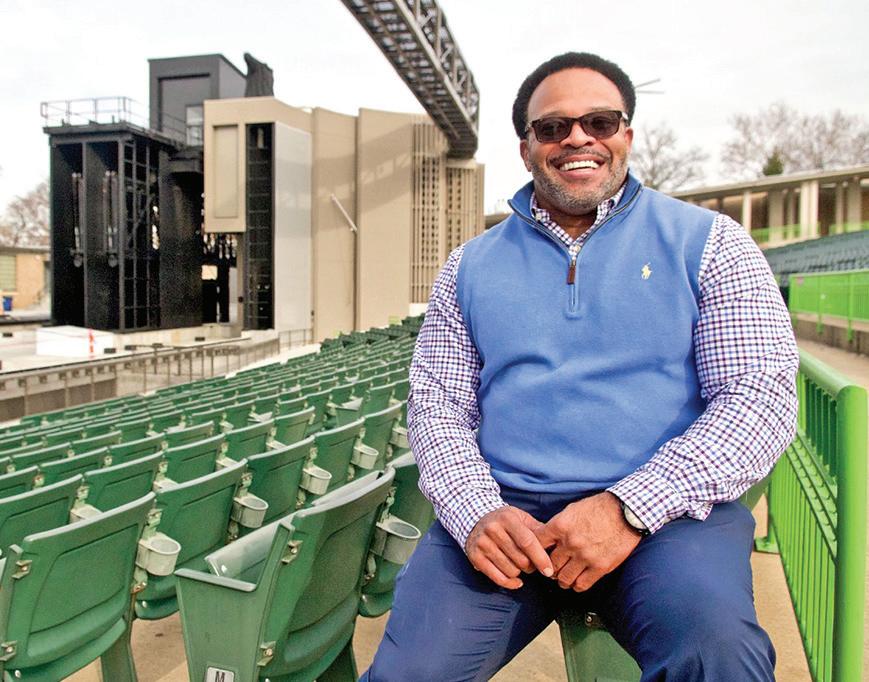
Tommy L. Davis Jr. is chairman and CEO of TD4 Electrical, a certified Minority Business Enterprise headquartered in St. Louis with current revenue of $30 million, 10 full-time office staff, and an average of 50-75 full-time field electricians.
‘There is no time better to get into the trades’
By Chris King Of The St.
American
“There is no time better than the
to get into the
said Tommy L. Davis Jr., chairman and CEO of TD4 Electrical. “St. Louis is coming up on a construction boom, and workers of all races and creeds are needed.” Founded in 2006 by Davis and headquartered in St. Louis, TD4 Electrical is certified as a Minority Business Enterprise with current revenue of $30 million, 10 full-time office staff, an average of 50-75 full-time field electricians and 30,000 square feet of warehouse and office space. The leadership group also includes Thomas Endermuhle as president and Tommy L. Davis III as senior project manager. Recently completed projects include 100-
n “There is a lot of demand for M/ WBE businesses, and there are several companies in St. Louis that would welcome a realistic, hardworking mentee.”
– Tommy L. Davis Jr.
year anniversary renovations for the Muny, Washington University’s East End Campus Renewal Project, Centene Towers in Clayton and the new Urban League building in Ferguson. Current projects include BJC Phase 2 Detanglement project, Link in the Loop,
Small business development center supports Unwrap You with Coach Melody
Southern Illinois University Edwardsville
Unwrap You with Coach Melody owner Melody McClellan has worked with the Illinois Small Business Development Center (SBDC) for the Metro East at Southern Illinois University Edwardsville and Director Jo Ann DiMaggio May since 2015 to grow her passion for health and wellness.
Based in O’Fallon, Illinois, Coach Melody’s goal is to educate and improve health outcomes. She creates and implements corporate wellness programs, develops personalized workshops, facilitates challenges and workshops, and is a dynamic speaker. Her programs engage all ages in a variety of topics related to health and wellness.
Since founding Unwrap You, LLC in 2013, Coach Melody has transformed well over 3,000 lives, including adults and youth.
The SBDC has assisted Coach Melody with business strategy, refining her niche market, and making valuable connections.
“I absolutely love working with Jo Ann,”
n “She incorporates her teachings into how she approaches her business every day. She is highly motivated and works hard to make her business grow.”
– Jo Ann DiMaggio May
McClellan said. “She is extremely responsive and always makes herself available to offer guidance and support. She follows through.”
“Coach Melody is a true inspiration and is driven to help others reach their goals,” said DiMaggio May. “She incorporates her teachings into how she approaches her business every day. She is highly motivated and works hard to make her business grow. I look forward to seeing what 2020 and the future brings for Unwrap You with
Ballpark Village and T-REX.
The American spoke to Davis about his journey in the trades and his advice for people looking to get started, either in workforce or business enterprise.
St. Louis American: So, what got you started in this business, in the trades?
Tommy L. Davis Jr.: I entered the construction industry as a diversity consultant for the largest construction manager/GC in the region, McCarthy. It didn’t take long to recognize the challenges that small – specifically, small minority- and women-owned – companies were facing and the impact it was having on the region. I decided almost immediately that I wanted to be
See DAVIS, B2
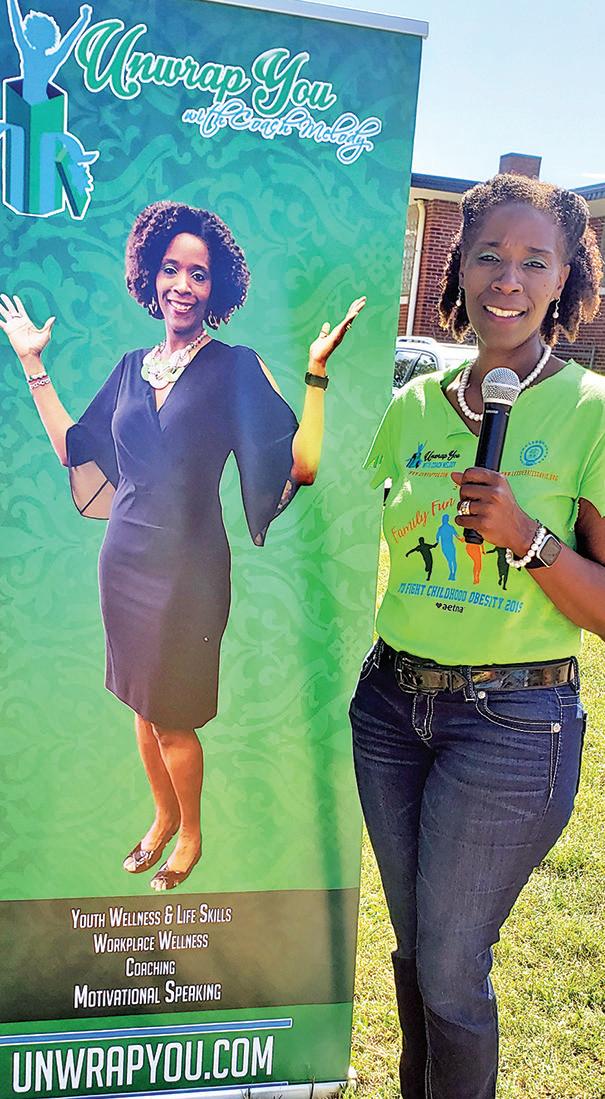
Deanna Davise received a diversity scholarship from the global law firm Bryan Cave Leighton Paisner LLP. She will receive $10,000 to help defray the cost of law school tuition and related expenses during the student’s final year of law school. She is a law student at Washington University School of Law, where she was the winner of the 1L Client Counseling Competition, is president of the Women’s Law Caucus and a member of the Black Law Student Association. Davise received her B.S. in criminal justice from the University of Toledo, magna cum laude. She will work in the firm’s St. Louis office, where she also interned.
Michael Hunigan was hired by Capacity as its VP of Product. Capacity is an AI-native knowledgesharing platform founded by former Answers.com CEO David Karandish. With over 25 years of technology experience, Hunigan is a product leader who specializes in driving product vision and road maps for businesses. He focuses on collaboration between the customer and company as well as crossfunctional partners. His specialties include VoC applications such as CX Measurement, Feedback, and Ratings & Reviews where he is a co-author of patent (15/693,890). He previously held senior leadership roles in product management and design for Multiply (formerly Answers.com), ForeSee and Webcollage.
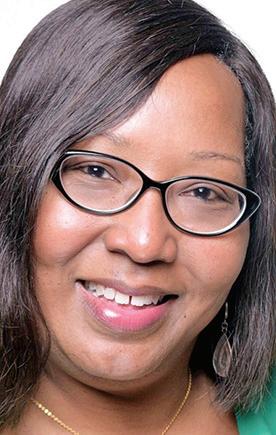
Quincy Rose was appointed to serve on the Missouri Advisory Board for Educator Preparation by members of the Coordinating Board for Higher Education. The 14-member board was established to foster meaningful and substantial collaboration among stakeholders to improve the quality of educator preparation in Missouri. Rose is the dean of the College of Education at Harris-Stowe State University. She earned her bachelor’s and master’s degrees from Delaware State University and her doctorate of education from Wilmington University.

Tony Weaver joined St. Louis County Justice Services as a change management coordinator at the Justice Center. In his new role, Weaver will work with the Justice Center Advisory Board and play a key role in communicating internally and externally about issues and initiatives impacting the County Justice Services employees. Weaver previously served as an aide to County Councilwoman Rochelle Walton Gray.

Trinity Singleton was selected for the All Suburban Honors Treble Choir. She is an 11th grade
Davis
continued from page B1
a part of the solution. I had an opportunity at the time to start a construction manager/GC enterprise, but decided to begin my quest of creating lasting change in the trades. It was brought to my attention that the majority of the jobs created on construction projects are generated by specialty trade contractors. TD4 Electrical was founded with a two-fold purpose: first, to leverage my business background to create a qualified electrical contracting firm that happened to be minority-owned and, second, to be in a position to intentionally create a diverse workforce – i.e., opportunities for the community at large.
St. Louis American: What was your business background? What had you learned at McCarthy, and what business knowledge had you brought to McCarthy?
Tommy L. Davis Jr.: I had spent over 10 years in an executive management role for IBM. I had founded WeTrak, Inc., a sports memorabilia authentication company that was very successful as the company captured the Emmitt Smith “Run with History.”
From McCarthy, I earned from the top down how the construction process/ business is carried out and conducted. I was introduced to and interviewed majority and minority businesses at the ownership level. I learned business ethics – McCarthy is an ethical company that believes in the utilization of M/WBE contractors and workforce and has a track record to prove it. Based on my expertise and McCarthy’s cooperation, I was able to complete a project that at the time was one of largest projects in St. Louis city history, Lumiere Place and the Four Seasons, while spending in excess of $65 million with minority and women business enterprises.

St. Louis American: I would love to hear more about how you made that an impactful M/ WBE spend and your guidance for others.
Tommy L. Davis Jr.: Prior to my engagement there was unrest, protesting and project delays. I arranged meetings for McCarthy, the St. Louis Development Corporation and several different community organization to resolve differences and get the focus back where it belonged, which was M/WBE and workforce participation. It took a lot of one-on-one meetings with the owners of the prime contractor and minority companies to achieve what was ultimately a successful project where M/
WBEs made money, none went out of business, and longlasting jobs were created. I am confident the contributing factors for success were the trusted mediation and business background I provided coupled, with willing partners, McCarthy and M/WBE owners and community organizations seeing the project benefit the community.
n “It didn’t take long to recognize the challenges that small
St. Louis American: What have been your challenges building your own business, and how are you responding to those challenges?
minority- and women-owned companies were facing. I decided that I wanted to be a part of the solution.”
– Tommy L. Davis Jr.
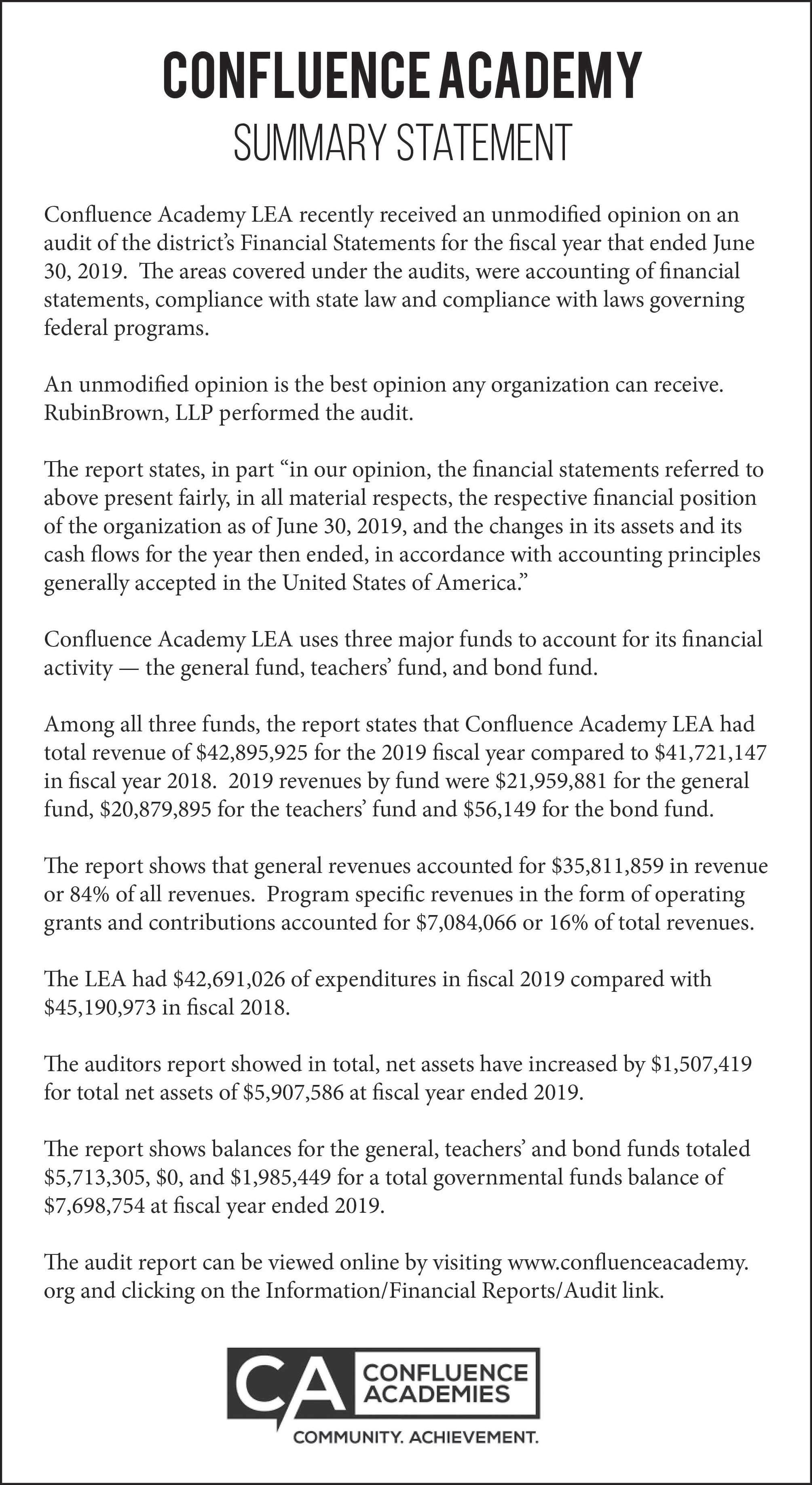
Tommy L. Davis Jr.: Capital and workforce. The construction contracting business is cashintensive, and you are lucky if you get paid in 60 to 90 days after you do the work. We have mitigated that challenge by being very selective in the projects we take on – i.e., we don’t work for the sake of working; we work to make a profit. We implemented technology through the purchase of estimating software and a software system that does accounting and job costing on the same platform. At the end of the day we had to be accurate with our estimates, able to track job costs, get billings out as soon as they are due, and have a very focused approach to collecting our cash. There are payment terms that owners like Wash U., BJC, Centene, Bayer and others offer that help with the cash situation, but cash has been our biggest obstacle.
TD4 is a IBEW Local #1 electrical contractor. The IBEW provides talented craftsmen, but in order to make sure they are efficient we have
continued from page B1
Unwrap You places a focus on wellness for companies, youth and individuals. She creates and implements programs focusing on educating, changing mindset and behaviors, and allowing people to stress less and live a more practical way.
“Individual’s lives will not change without lifestyle change,” McClellan said.
The workplace wellness program focuses on decreasing stress and boosting employee engagement, both of which studies have shown to help companies. The youth division focuses on empowering sixth grade to college age students and educating them on nutrition, self-care, body image and other valuable skills to help build positive self-esteem.
Furthermore, she has recently incorporated her work into local school districts, corporations and universities.
Coach Melody has more than 18 years of experience in the health field, with specific focuses on weight management, obesity, cholesterol and diabetes. She has seen people suffer and always wanted to do more
to implement strong project management, planning and scheduling. Even with that, the one variable you cannot control in contracting is your labor, and that is why it is critical that owners understand M/WBE contractors need opportunities on more than just large capital projects that require M/ WBE participation. We need opportunities to work with the smaller projects they have on a daily basis.
As an M/WBE you can develop capabilities and some capacity, but you cannot be sustainable and add true value to the owners and the community if you can’t create long-term employment opportunities, and those opportunities come from everyday, recurring projects that owners in the region have hundreds of daily.
St. Louis American: What advice do you give to African Americans considering a career in the trades, either on the workforce or the MBE side? I did not say “young African Americans” because it’s my belief that mid-career switches into the trades are more possible than one thinks, so not only young people should be listening.
Tommy L. Davis Jr.: First of all, I want to get the message out that there is no time better than the present to get into the trades. St. Louis is coming up on a construction boom, and workers of all races and creeds are needed. St. Louis is a union town, so the most likely job opportunities will come through the union, which has traditionally been difficult for women and African Americans. That is changing due to demand from owners for a more diverse workforce. In fact, in the city and county projects that receive city or state funding are required to have at least 25 percent of its workers be minority or women. My advice to any African American who has interest in working with their hands is to have a good work record and understand that construction takes place in hot and cold environments, And to get involved now As for future construction business entrepreneurs, do your homework before getting into the construction industry. Remember that 95 percent of all start-up construction businesses fail. The work is high-risk, the cash needs are extensive and profits are slim. If you take a look at the construction industry, the average age of successful companies is 50 years and older. It is not a place to get rich quick. With that said, if you get in then be smart and spend wisely because the industry can be very rewarding. The advice I would give an M/WBE is to find an existing majority-owned company and get into some sort of mentoring agreement. There is a lot of demand for M/WBE businesses, and there are several companies in St. Louis that would welcome a realistic hard working mentee. For more information, visit https://www.td4llc.com/.
by giving individuals a plan focusing on lifestyle changes and not just medication.
Using herself as an example, Coach Melody practices what she teaches. As a dedicated employee a few years ago, she was stressed and failed to take enough time for herself. Now, she encourages people to make themselves a priority, starting with 30 minutes daily.
Her goal is to help people manage life situations by stressing less, learning their triggers and understanding how to boost energy.
Coach Melody is a published author of “Unwrap the New You Interactive Wellness Journal” and “Ohhmazing Wellness.” In October, she traveled to Washington, D.C. to launch her third collaborative book, “Releasing the Superwoman Mentality.”
Coach Melody gives back through her annual Family Fun 3K Walk to Fight Childhood Obesity. Last September was the third annual event that focused on the entire family and community. The idea came to her in 2014 after going to Missouri for walks and not seeing events on the Illinois side. She set a goal to change the narrative and it is now growing annually. She also recently taught
Nutrition 101 to a community health system in St. Louis, instructing more than 300 individuals on how to prepare for the holidays.
Coach Melody also offers an online program, the 21-Day shape up, on her website. The course focuses on learning practical ways to create lifestyle change and alter health outcomes. In addition, through her interactive wellness journal, she gives clients the blueprint to success by helping them build a wellness plan based on goals and accountability. Clients are able to journal, track their weight and eating habits, and are provided with daily motivations, including meditation and mindfulness. As 2020 nears, Coach Melody looks forward to growth and opportunity as people will begin taking the New Year to focus on themselves. She plans to build a larger online presence, travel more and spread wellness around the world.
For more information, visit unwrapyou.com, Facebook, Instagram @coachmelody, LinkedIn and YouTube at Coach Melody.
To learn about the SBDC, contact the IL SBDC for the Metro East at SIUE at 618650-2929.
n “Somebody had to be great. Why not me?”
— Houston Texans quarterback Deshaun Watson, after rallying his team to victory over the Buffalo Bills in the AFC Wild Card Game

There are two big basketball events on tap this weekend on both sides of the river. The Highland Shootout is a national event that will be held at Highland High in Highland, Illinois while the second annual Soulard Shootout will be held at Lift for Life Academy in St. Louis. Both events will be held on Saturday. Here is a look at both events, beginning with the Highland Shootout. The event is already sold out.
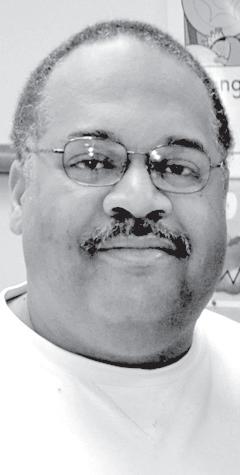
Game 1: Greenville vs. Highland (girls), 8:30 a.m. – An excellent matchup between two excellent girls programs in the metro east area.
Game 2: Triad vs. Highland, 10 a.m. – A matchup between Mississippi Valley Conference rivals. Triad is led by 6’3” senior guard Luke Cox. Highland has a talented freshman in Cade Altadonna.
Game 3: Father Tolton vs. Breese Mater Dei, 11:30 p.m. – Tolton is ranked No. 1 in Missouri Class 3. The Trailblazers feature 6’5” senior guard Coban Porter and 6’10” sophomore Jevon Porter. Mater Dei is paced by 6’5” senior Caleb Zurilene and 5’10” senior Jacob Schadegg.
Game 4: DeSmet vs. Collinsville, 1 p.m. – DeSmet is a young and talented team that features a pair of 6’10” junior twin towers in Yaya Keita and Sekou Gassama. Undefeated Collinsville has one of the area’s top players in 6’1” point guard Ray’Sean Taylor.
Game 5: Mehlville vs. Trinity, 3 p.m. – This game features two of the top big men in the area with 7-footers Davion Bradford of Mehlville and Ryan

Depending on whom you ask, you are likely to get widely differing views on the importance of social media. To some, social media is one of the greatest and most important inventions in the history of the world. It gives us immediate, global access to breaking news, information, family, friends, celebrities, gifs, ideas, sports highlights and cat videos. To others, it is an addictive, time-wasting cesspool of harassment, clout-chasing and lies. The latter is the reason why Lizzo recently chucked the deuces to Twitter. While the medium undoubtedly assisted her ascension to superstar status, it also provided an easy avenue for her detractors to relentlessly bully and badger her. On the other hand, Andy Ruiz Jr. landed his life-changing fight against Anthony Joshua by sliding into Eddie
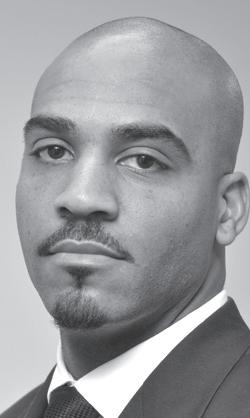
Hearn’s Instagram DMs. After Jarrell Miller was scratched due to failed drug tests, Ruiz offered himself as a replacement and promised to knock out Joshua. At the end of the day, social media is a tool. Like a hammer, it can be used to drive nails into wood to build a beautiful house. It can also be hurled at an expensive vase and send it crashing and crumbling down. Every once in a while, a hammer gets thrown at a vase, misses its mark but drives a loose nail into that wall that would have otherwise snagged and ripped a hole into your pant leg. OK, I made that up. I’m pretty sure that’s never actually happened. However, it seems like an illustration of the Twitter beef that occurred between WBO welterweight champion Terence Crawford and WBC and IBF welterweight

Alvin A. Reid
With
The late Art Rooney, who owned the Pittsburgh Steelers for decades before he passed and left the team within the family, used his respect, power and knowledge to somehow get his fellow owners to approve a mandate that a minority candidate must be interviewed for any open head coach or general position.
The result of his work is gifted with his name: The Rooney Rule.
Soon after this rule was adopted, Rooney not only interviewed a minority candidate, he hired a black, gifted assistant coach named Mike Tomlin. Tomlin made good on that interview and hiring by rewarding his employer with a Super Bowl championship, multiple playoff appearances and advancement of the Steelers franchise as one of the NFL’s finest.
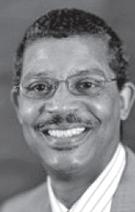
coordinator and interim coach Perry Fewell. This fulfilled the Rooney Rule requirement, but it was owner David Tepper’s way of saying “thank you” to longtime coach Fewell. Carolina has Kansas City Chiefs offensive coordinator Eric Bieniemy on its list of interviewees. It also includes Baylor coach Matt Rhule, Vikings offensive coordinator Kevin Stefanski and Patriots offensive coordinator Josh McDaniels.
Jones and the Cowboys showed the world that the Rooney Rule can be fulfilled and totally ignored within 24 hours.
But Rooney’s legacy in support of minority candidates is not perfect. In fact, it has put deserving black coaches in a position of accepting job interviews for a job they know will not be theirs.
Regardless of when Dallas Cowboys owner Jerry Jones formally parted ways with Jason Garrett, that job has been open since season’s end. The NFL had five head coaching positions open – the Carolina Panthers, Cleveland Browns, Dallas, New York Giants and Washington Redskins.
Because former Carolina head coach Ron Rivera is Hispanic, Washington did not have to interview a minority candidate other than Rivera because he landed the job.
The Panthers interviewed African-American defensive
Last Friday, the Cowboys interviewed former Cincinnati head coach Marvin Lewis. Before fans could find out how the session turned out, former Packers head coach Mike McCarthy was being interviewed on Saturday. He then spent the night at Jones’ home/mansion and by Monday morning he was hired. The Cowboys only interviewed two candidates. It’s obvious the lone reason Lewis was interviewed was to satisfy the Rooney Rule. Kris Richard, who technically still is the Cowboys’ co-defensive coordinator and defensive backs coach, interviewed for the Giants’ job. I seriously doubt he gets that job and I’m sure he probably realizes it. But it was good for him to go through the process and it was good for the Giants to fulfill Rooney’s wishes. While it had not happened as of Tuesday morning, Bieniemy will also interview with the Giants.
My guess is that Bieniemy is the only guy that will come close to getting hired. There

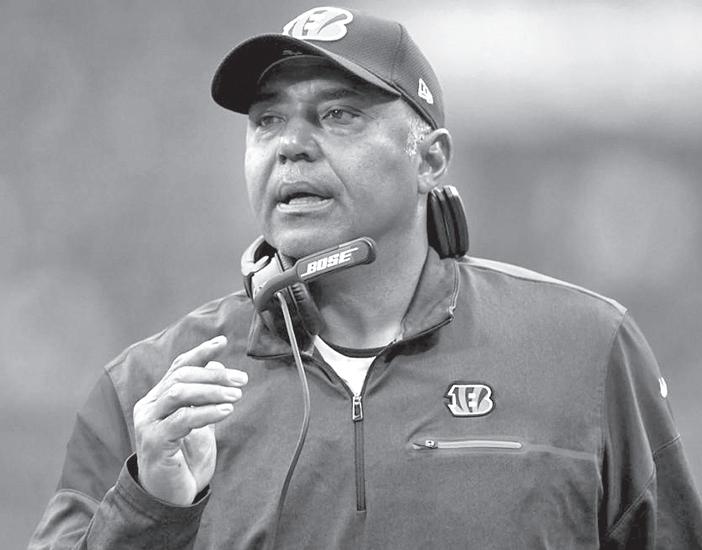
should be some type of reward for helping almost every team with a head coach vacancy uphold its Rooney responsibility.
And, just like Major League Baseball with its eight managerial openings, I would not be surprised if the NFL goes 0-for-5 on black coaching hires.
Former Baylor coach Matt Rhule was introduced as the head coach of the Carolina Panthers on Wednesday. While there had not been an official announcement, it was also being reported that the New York Giants will hire Joe Judge, the New England Patriots special teams coordinator and receivers coach, as its next coach. The lone head coaching job open as of Wednesday morning was for the Cleveland Browns.
Black the Halls
The National Football League will announce its 2020 Hall of Fame class on February 1 – the first day of Black History Month. Hopefully, retired St. Louis Rams receiver Isaac Bruce will get the call to the Hall this go around.
Bruce’s career closed with him being fifth in receptions with 1,024, fourth in receiving yards with 15,208 and 12th in receiving touchdowns with 91. He was a four-time Pro Bowler, led the NFL in receiving yards with 1,338 in 1996, won a Super Bowl following the 1999 season and returned

to the Super Bowl two seasons later.
Because of a backlog of receivers with better career numbers – Terrell Owens primarily – Bruce had to wait.
Former Indianapolis Colts receiver Reggie Wayne is eligible for the Hall of Fame for the first time in 2020 – and his numbers are close to Bruce’s.
Wayne’s resume includes 1,070 receptions, 14,345 receiving yards and 82 touchdowns. He went to six Pro Bowls and won a Super Bowl with the Colts.
I, as should HOF voters, give the nod to Bruce over Wayne.
Meanwhile, former Rams receiver Torry Holt’s is also a finalist. His chances for enshrinement will improve when/if Bruce gets the call. But Wayne is now his nemesis in future balloting.
The retired black players joining Bruce, Holt and Wayne on the ballot are:
Steve Atwater, S -- 19891998 Denver Broncos, 1999 New York Jets; LeRoy Butler, S -- 1990-2001 Green Bay Packers; Edgerrin James, RB -1999-2005 Indianapolis Colts, 2006-08 Arizona Cardinals, 2009 Seattle Seahawks; Sam Mills, LB -- 1986-1994 New Orleans Saints, 199597 Carolina Panthers; Richard Seymour, DE/DT -- 200108 New England Patriots, 2009-2012 Oakland Raiders.
Of the 15 overall finalists, five will be elected and then honored on August 11 in Canton, Ohio.
Black the Halls II
Major League Baseball will announce its 2020 Hall of Fame Class on January 21, and former New York Yankees
great Derek Jeter is a shoo-in to be elected in his first year of eligibility.
Love him or hate him, Barry Bonds should be in the Baseball Hall of Fame in Cooperstown, and we’ll see if he continues to creep upward toward the 75 percent of cast ballots to finally be honored.
The same can be said for pitcher Roger Clemens who, like Bonds, is on the ballot for an eighth time. I share the thoughts of NBC Sports Boston writer John Tomase, who voted for both Bonds and Clemons and said without hesitation, “There’s no reason to pretend either case is worth deliberating.”
“But unless and until baseball removes them from the ballot, I’m not going to treat them differently than other players no more deserving of the benefit of the doubt who have nonetheless received it.
“They were a product of their era, which was dirtier than a dip cup, and they dominated it like no other. If MLB doesn’t want them in Cooperstown, that’s not my problem.”
He’s right. It is MLB’s problem that many of its HOF voters allow personal bias to guide them.
By the way, MLB is proud to tell the world that 35 Negro League players are in the Hall of Fame – but of the 331 total members I could not find the total number of black players that have been enshrined.
The Reid Roundup
Denver Nuggets forward
Michael Porter Jr., erupted for 25 points on an 11-for12 shooting performance last week against the host Indiana Pacers. He looks healthy, but is
The Dallas Cowboys only interviewed two candidates. It’s obvious the lone reason Marvin Lewis was interviewed was to satisfy the Rooney Rule.
playing just more than 10 minutes per game and averaging six points… Former Cowboy and current ESPN football pundit Marcus Spears said owner Jerry Jones should have targeted retired Super Bowl champion Tony Dungy for its head coaching position… It seems to me that many of the same people who say the NFL is becoming too soft, want Seattle Seahawks defensive lineman Jadeveon Clowney suspended for his hit on Philadelphia quarterback Carson Wentz last Sunday… If there was any chance of Colin Kaepernick playing again in the NFL it ended when he was highly critical of the U.S. drone attack that killed an Iranian general… There was no surprise that former Alabama quarterback Tua Tagovailoa opted to enter the 2020 NFL Draft. Now, if I were his parents or a representative I would tell any team that wants to draft him that he will not play in 2020 while he fully recovers from his hip injury and surgery… The NFL wild card game between Seattle and Philadelphia was the most-watch program on TV since last year’s Super Bowl and ratings for the wild-card weekend NFL games were up 10 percent over last year, according to Nielsen.
Alvin A. Reid was honored as the 2017 “Best Sports Columnist – Weeklies” in the Missouri Press Association’s Better Newspaper Contest and is a New York Times contributor. He is a panelist on the Nine Network program, Donnybrook, a weekly contributor to “The Charlie Tuna Show” on KFNS and appears monthly on “The Dave Glover Show” on 97.1 Talk.” His Twitter handle is @aareid1.

With Eartl Austin Jr.
In past years, one of the features of the St. Louis American was following the weekly progress of African-American quarterbacks in the National Football League. With the NFL Division playoffs about to begin this weekend and the large presence of black quarterbacks at the forefront, we thought it would be the perfect time to bring back this feature.
Russell Wilson (Seattle Seahawks): The veteran quarterback completed 18 of 30 passes for 325 yards and a touchdown in the Seahawks’ 17-9 victory over the Philadelphia Eagles in the NFC Wild Card Game. He enjoyed a stellar regular season by completing 341 of his 516 passes for 4,110 yards and only five interceptions. He also rushed for 342 yards and three touchdowns in leading Seattle to a 12-4 record. He is one of the top two candidates for the NFL’s Most Valuable Player award. Seattle will visit the Green Bay Packers in the NFC Division playoff round on
Continued from B3 division y’all all said I had to get a title first,” Crawford tweeted. “Now you changed yo mind and talking about wrong side of the street. So I’m just here for another excuse what’s up.” Crawford (36-0-0, 27 KO) was referring to comments Spence made at a press conference in September of 2018. Spence stated that Crawford’s status as a Top Rank-promoted fighter (Spence is signed to Premier Boxing Champions) is the reason a unification fight between the two welterweight champions is not in order.
“Like I said, Terence Crawford is on the wrong
Continued from B3
Kalkbrenner of Trinity. A pair of excellent guards are also on display in 6’5” Dylan Branson of Mehlville and 6’0” Rashad Weekly of Trinity.
Game 6: Chaminade vs. Hamilton (Wisconsin), 4:45 p.m. – Chaminade is a talented team led by 6’6” senior Kansas State signee Luke Kasubke, 6’5” senior Harrison Vickers and 6’8” sophomore Tarris Reed Jr. Hamilton features one of the top juniors in the country in 6’9” forward Patrick Baldwin, Jr.
Game 7: Vashon vs. Chicago Simeon, 6:30 p.m. – Vashon features a talented unit with 6’7” senior Kentucky recruit Cam’Ron Fletcher, 6’0” SEMO recruit Phillip Russell and 6’6” senior forward Kobe Clark. Simeon is paced by 6’1” sophomore Ahamad Bynum and 6’1” sophomore Jaylen Drane.
Game 8: CBC vs. Chicago Whitney Young, 8 p.m. –CBC is paced by 6’3” senior North Carolina recruit Caleb
Sunday at 5:40 p.m.
Deshaun Watson (Houston Texans): Watson completed 20 of 25 passes for 274 yards and one touchdown while rushing for 55 yards and a touchdown in the Texans’ 22-15 overtime victory over the Buffalo Bills in the AFC Wild Card Game. He orchestrated the Texans’ big comeback from a 16-0 deficit in the second half, including a spectacular play in overtime in which he was hit by two Buffalo defenders, yet he spun away to throw a dart to running back Taiwan Jones for a big gain to set up the Texans’ winning field goal. For the season, Watson completed 333 of 495 for 3,852 yards with 26 touchdowns and 12 interceptions. He also rushed for 413 yards and seven touchdowns. The Texans will visit the Kansas City Chiefs in the AFC Division playoffs on Sunday at 2:05 p.m.
Lamar Jackson (Baltimore Ravens): The second-year quarterback is the frontrunner
side of the street,” Spence said. “It’s me, we got Danny Garcia, then Shawn Porter We got Keith Thurman. We got [Yordenis] Ugas. We got a lot of good fighters over here. Who has he got?”
The fact that many of the top welterweights are signed under the PBC banner has been a thorn in Crawford’s side as he seeks to gain fame, recognition and paychecks to match his immense skill and talent.
Crawford didn’t stop after one tweet. He continued to take shots at Spence in hopes that a Twitter squabble could help materialize a real one.
“Like I been said you got these people fooled but not me. when ever u get back right I’ll smoke you. all you gotta do is sign the contract next and I’m on yo head,” Crawford tweeted.
Love and the sophomore duo of Robert Martin and Larry Hughes Jr. Whitney Young is led by 6’3” senior Duke recruit D.J. Steward and 6’2” senior guard Tyler Beard.
Soulard Shootout (at Lift for Life Academy)
Game 1: Vashon vs. Lift for Life (girls), 11:30 a.m. –An opening matchup between two excellent girls’ teams. Vashon features an excellent senior point guard in 5’8” Jalyia Smith and a top freshman in 5’10” Raychel Jones. Lift for Life features three double-figure scorers in 6’0” junior Daniyah Ward, 5’8” junior Nateiona Russell and 5’6” sophomore Taylor Brown.
Game 2: Orchard Farm vs. Maplewood, 1 p.m. –Maplewood is led by an excellent guard in 6’0” senior Malik Stewart, who is averaging 20 points a game. Orchard Farm is paced by senior guard Bryan Wolfe and freshman forward Brady Wolf.
Game 3: Miller Career Academy vs. Lovejoy, 2:30 p.m. – Miller Career Academy features a pair of talented guards in 6’0” junior Dejuan
for the Most Valuable Player of the NFL award after a record-setting season. He rushed for 1,206 yards to set a new single-season NFL record for quarterbacks. He also completed 265 of 401 passes for 3,127 yards with 36 touchdowns and six interceptions. He led the Ravens to a 14-2 record and a No. 1 seed in the AFC playoffs. Baltimore will host the Houston Texans in the Divisional playoffs on Saturday at 7:15 p.m.
Pat Mahomes (Kansas City Chiefs): The Most Valuable Player from the 2018-19 season, “Showtime” enjoyed another big season despite missing a couple of games with a knee injury. He completed for 319 of 484 passes for 4,031 yards with 26 touchdowns and five interceptions. He also rushed for 218 yards and two touchdowns. The Chiefs will host the Houston Texans in the AFC Divisional playoffs on Sunday at 2:05 p.m.
That incited a back and forth between the two, with colorful language that cannot be reprinted in this family-friendly newspaper. But what looked like normal, salacious, TMZ-worthy Twitter beef may have proven beneficial to boxing fans.
In a sign that his Twitter fingers may not have the same endurance as his fists, Spence seemingly threw in the towel on the 220-character limited fight.
“Fight not going get made on here,” Spence stated.
“You right ima call you right now pick yo phone up,” Crawford replied.
Thirty minutes later Crawford referred to Spence as a “cool dude” and stated that they had agreed to fight. There is certainly no contract, no date and no timetable
Fields and 6’1” junior Osiris Mahr. Lovejoy has a pair of talented seniors in 6’2” guard Robert Gaither and 6’5” forward D’Andre Loston.
Game 4: Lutheran North vs. Cahokia, 4 p.m. – Lutheran North has a talented trio of guards in seniors Tahj Patterson and Jordan Smith along with junior Isaiah Williams. Cahokia is led by its talented duo of Antwan Baker and Quinton Jones.
Game 5: St. Mary’s vs. Madison, 5:30 p.m. – St. Mary’s features one of the area’s top players in 6’5” senior Sofara Rasas and 5’8” senior guard Noah Hamilton. Madison is paced by 6’1” senior guard Javonnie Moore.
Game 6: Lift for Life vs. Soldan, 7 p.m. – Host Lift for Life has a trio of excellent guards in 6’2” junior Rico Singleton, 6’1” Barcus Jackson and 6’2” Demarcus Jackson Jr. Soldan has an excellent post player in 6’7” senior Elijah Bishop and a good guard in 5’10” junior Phillip March. Admission for the Soulard Shootout is $6 for students, $8 for adults and free for kids who are five years old and under.
The ST. LouiS AmericAn PreP AThLeTe of The Week
Azaria Hulbert
Francis Howell Central – Girls Basketball
The standout senior guard led the Spartans to the championship of the St. Dominic Christmas Tournament.
The 5’6” Hulbert averaged 15 points, four rebounds, three assists and three steals in the Spartans’ three victories. She scored a game-high 18 points, along with four assists and two steals in the Spartans’ 49-24 victory over
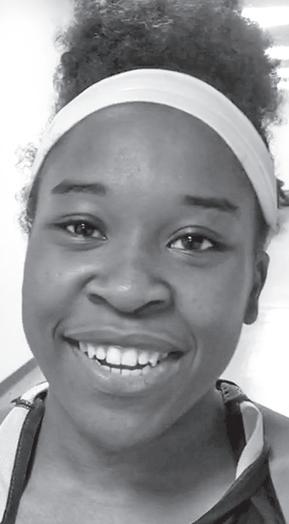
Lutheran-St Charles in the championship game. For the season, Hulbert is averaging 13.2 points a game while shooting 47 percent from 3-point range and 77 percent from the free throw line. Hulbert will attend the University of Missouri-St. Louis next season on a basketball scholarship.

for such a matchup to happen. Still, the fact that two of the most-talented fighters in the world spoke to each other on the phone and expressed the desire to fight each other is a major step.
Ample obstacles still exist to making the fight. Spence (26-0-0, 21 KO) is coming off an impressive victory of Shawn Porter in September. However, he is also recovering from a horrendous car accident (just weeks after the Porter fight) that he is lucky to have survived.
Spence is expected to
take a tune-up fight when he returns in May or June. After that, Al Haymon and PBC will undoubtedly attempt to steer him towards another PBC fighter such as Garcia, Thurman or possibly even Manny Pacquiao Still, if Spence holds true to his (alleged) word and Crawford puts his foot down with Bob Arum, who is also known to prefer in-house fights, we may see a bout between Crawford and Spence in the near future. If it does come to fruition, we can thank a good, old-fash-
Lamar Jackson is the frontrunner for the Most Valuable Player of the NFL award after a record-setting season. He rushed for 1,206 yards to set a new single-season NFL record for quarterbacks.
ioned Twitter beef for getting the two pound for pound pugilists in the ring. We are already seeing the top heavyweights in the world beginning to mix it up. Canelo Alvarez has faced many of the top super welterweights and middleweights in recent years. The welterweight division is still one of the deepest in the sport. It’s time its two best combatants met in the ring. Be sure to check In the Clutch online and also follow Ishmael on Twitter @ ishcreates

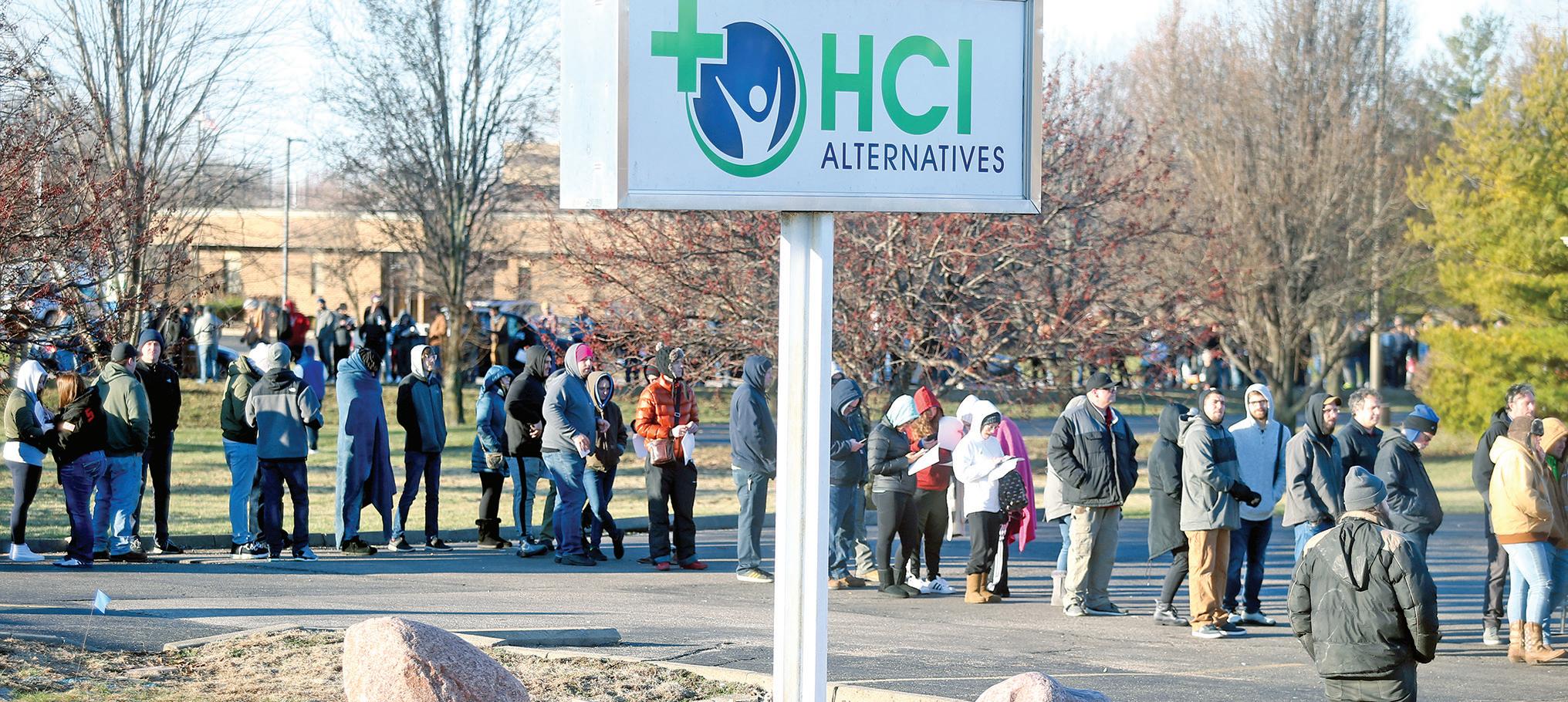
Photo by Bill Greenblatt/UPI
Customers waited in long lines at HLI Alternatives in Collinsville to purchase recreational marijuana on Wednesday, January 1, the first day of legal sales in Illinois.
‘It’s
By Eric Schmid Of St. Louis Public Radio
Employers in Missouri may face many of the same challenges surrounding legal recreational marijuana as their Illinois counterparts.
Possession and consumption of the drug without a medical card are still illegal in Missouri, but there’s nothing limiting residents from crossing the Mississippi River and consuming marijuana legally in Illinois as of January 1. St. Louis’ position right next to Illinois means employers in the city and surrounding counties have to wrestle with legal recreational cannabis even though Missouri prohibits it, said Narcisa Przulj, a partner at the Sandberg
Legal marijuana in Illinois raises issues for Missouri employers
Phoenix law firm. “It’s not about someone taking some trip to Colorado at some point — that happens rarely,” she said. “It’s about the fact that anybody can be in Illinois over the weekend using cannabis legally.”
Unlike Illinois, employers in Missouri don’t have much guidance on what they can and can’t do since recreational marijuana is still illegal in the state, Przulj said. “The question becomes for employers: ‘Even though you can test and you can prohibit recreational use of cannabis, do you really want to?’” she said. To be clear, a company can still fire or not hire someone for failing a drug test in Missouri. But some employers may not want to be so strict, said Mitch Meyers, CEO of
n “The question becomes for employers: ‘Even though you can test and you can prohibit recreational use of cannabis, do you really want to?’”
– Narcisa Przulj, a partner at Sandberg Phoenix
BeLeaf, an Earth City-based producer of CBD hemp oil products.
“Right now, unemployment is very low,” she said. “If people are trying to hire workers and someone wants to enjoy cannabis but gets tested and fails a drug test, those companies are going to struggle finding the best employees.”
The current tight labor market shifts power to workers, who can more easily decide

not to work for a company with strict drug policies, Przulj said. In addition, the social stigma around marijuana use has subsided since states started legalizing recreational cannabis.
“Truthfully, this is the future,” Meyers said. “Many states are moving toward recreational [marijuana]. It’s forcing companies to rethink employment laws and drug testing.”
And those that are reconsidering are taking unexpected stances, like scrapping their testing for cannabis, Przulj said. She said she is surprised by the positions of some of her clients.
“Employers that are thinking this through are saying to themselves, ‘Why would I test for cannabis, when it’s as if you went across the river and had a couple of drinks?’” she said.
Individual companies still have the final say over drug use in the workplace, but they might want to adjust policies for different kinds of jobs, Meyers said. An example might be expectations for an office worker versus those for someone who operates machinery.
At a minimum, employers
need to talk about marijuana in the workplace, Meyers said.
“They shouldn’t just put on blinders and say, ‘We don’t care; we’re going to do things the same way we’ve always done them,’” she said. “It’s going to hurt their employee ranks.”
Companies should reconsider how to hire a strong workforce that may also use cannabis occasionally, she said. Eric Schmid covers the Metro East for St. Louis Public Radio as part of the journalism grant program Report for America, an initiative of The GroundTruth Project. Follow Eric on Twitter: @ EricDSchmid.
Reprinted with permission from news.stlpublicradio.org.


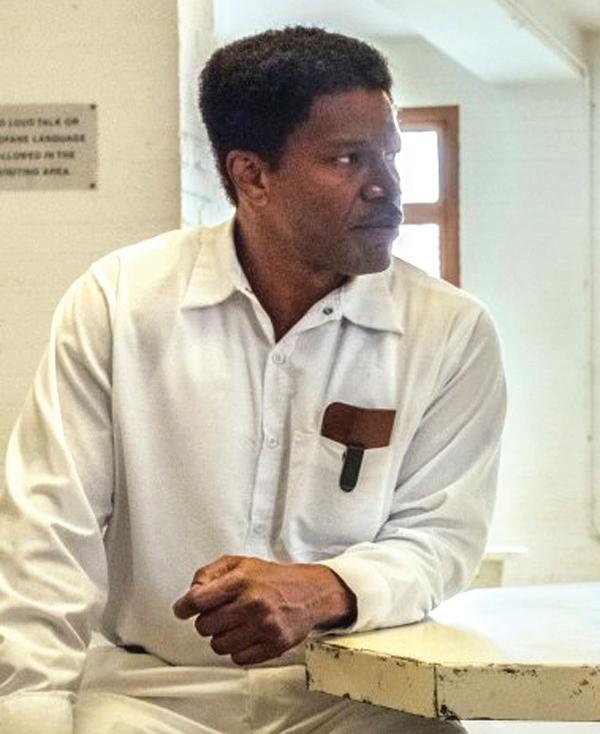
By Kenya Vaughn Of The St. Louis American
Seeing the performance delivered by singer TreG at the Grandel on Saturday would make one long for the good old days in the music industry when major label scouts regularly dipped into cities for performances based on word of mouth or other buzz to see what local artists had to offer.
Had the show taken place in the not so distant past, some label exec would be in a room among influencers telling others not to sleep on St. Louis.
As the headliner, TreG had the most to prove with the show. He did not disappoint, but neither did the opening talent.
n No stranger to the St. Louis entertainment scene, TreG has contributed as an actor, director, singer and producer in the past couple of years.
By Kenya Vaughn Of The St. Louis American
Grammy winner Kirk Whalum to perform at 34th Statewide MLK Celebration
By American Staff
Just moments before an assassin’s bullet cut his life tragically short and changed the course of history, Rev. Dr. Martin Luther King Jr. had music on his mind. He spotted famed saxophonist Ben Branch on the motel parking lot and asked him to play “Precious Lord” at an upcoming rally where King was set to speak.
“Play it real nice,” King reportedly told Branch after issuing the request. Sadly, the song would instead be sung by Mahalia Jackson at King’s funeral.
The song, like several others, is forever tied
Maxa gave a cute showing. Eric Donte could use some polishing – which will come naturally with more experience on stage. But his confidence was commendable.
Katarra Parson was best in show among the openers with her handful of selections from her debut CD Cocoa Voyage. And DJ Hoodbunny never let the energy lapse in between acts.
Main attraction TreG, born Tre’von Griffith, delivered a performance he seemed to be waiting his whole life to give.
Early in the show, he used audio clips from a Little Richard interview, where the flamboyant soul, rock and pop music pioneer boldly proclaims, “If you got it, show it to the world!”
The statement was audacious, but one that TreG seems to have made sure he was ready to live up to when he hit the stage.
No stranger to the St. Louis entertainment
to the Civil Rights Movement as evidence of the impact music had on the movement.
On Saturday, January 11 at Grammy-winning saxophonist Kirk Whalum will be in St. Louis to continue that connection at the 34th Annual Dr. Martin Luther King, Jr. Statewide Celebration Kickoff Program for Missouri hosted by Harris-Stowe State University.
This year’s theme is “Music…A
Universal Stepping Stone Toward Peace” and will also feature the talents of St. Louis’ own Denise Thimes.
Distinguished honorees for this year’s event include former HarrisStowe president Dr. Dwaun J. Warmack, Dr. Kelvin Adams, superintendent of St. Louis Public Schools, Enterprise Bank and Trust, Girl Scouts of Eastern Missouri, the Hon. Betty J. Thompson, and James Clark of Better Family Life.
Whalum was 9 years old when King was assassinated and grew up 14 blocks from the Lorraine Motel.
“For a black person, the killing of Dr. King was traumatic no matter where

Singer and songwriter TreG gave a magnificent performance at the
Theatre Saturday, January 4 as he performed selections from his projects “I’m Back” and “As I Am.” Maxa, Katarra Parson, Eric Donte and DJ
were also among the evening’s featured artists.
scene, TreG has contributed as an actor, director, singer and producer in the past couple of years. And it was clear that he used all his respective hats while developing and executing
you were living in this country,” Whalum told Faithfully Magazine. “But to be in Memphis in that moment, our city was at the center of the world. We knew the world was not well and that spiritual earthquake happened right here [in Memphis].”

“His latest album, “Humanité” is a tribute to a critical element of Dr. King’s dream.
“What Dr. King talked about the year or so before he was killed lifted off into the stratosphere of the beloved community,” Whalum said ahead of the October 2019 release of the album.
“‘Humanité’ is about identifying that beautiful thing that draws us all together and causes us to not be afraid.”
The album features musicians and sounds from all over the world – Kenya, Japan, U.K. and South Africa, to name a few. The musical interpreta-
tion of Dr. King is the primary message through selections like “Wake Up Everybody,” “Peace,” “Everybody Ought to be Free,” and the song most synonymous to the Civil Rights Movement, “We Shall Overcome.”
The primary message of the album is to promote the message that “the greater good in global humanity will lead to a society based on justice, civil rights and love of one’s fellow humans, and an insatiable curiosity about the exquisitely unique musical offerings from each and every corner of our global common-unity.”
The album also inspired a documentary that was released last month and featured footage from the recording sessions that saw Whalum travel the world to record tracks for the album with the likes of South African superstar Zahara, Japanese jazz pianist Keiko Matsui, British jazz singer Liane Carroll among others.
“We live in that world where we’re not afraid of each other. We’re, in fact, curious about each other’s faith traditions and food traditions and cultures – everything. And obviously about the music.”
Whalum is optimistic about the Dr. King’s message that he hopes to help deliver through his music.
“We as a people will get to the mountaintop
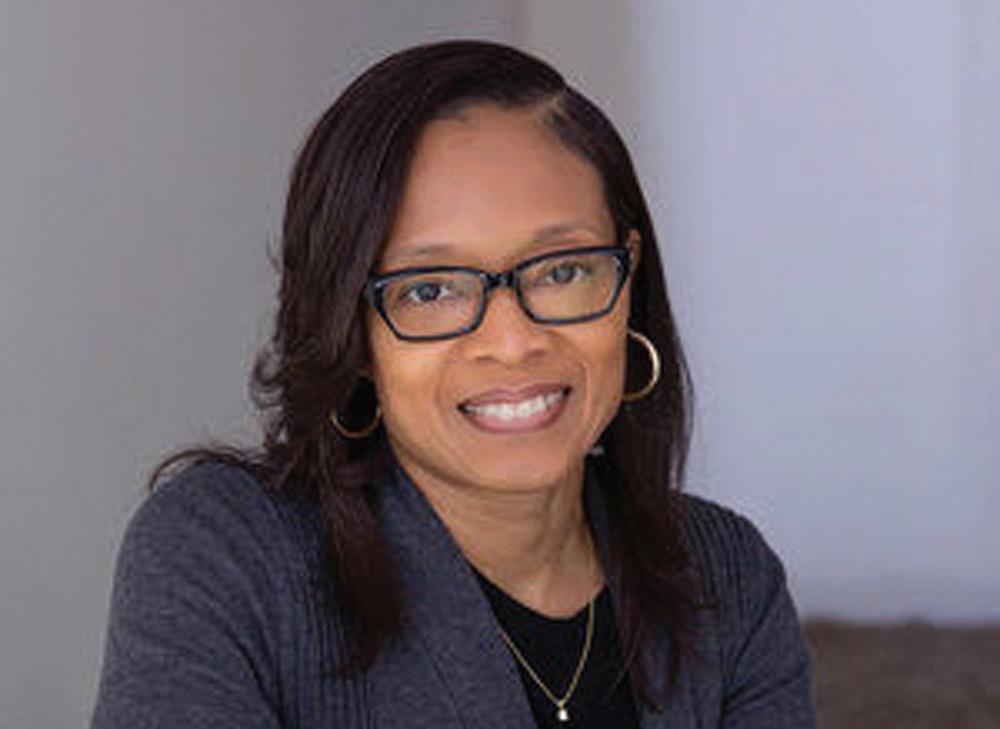
How to place a calendar listing
1. Email your listing to calendar@stlamerican. com OR
2. Visit the calendar section on stlamerican.com and place your listing
Calendar listings are free of charge, are edited for space and run on a space-available basis.
Sat., Jan. 11, 6:30 p.m., The 34th Annual Dr. Martin Luther King, Jr. Statewide Celebration Kick-Off Program for Missouri, This year’s theme is “Music – A Universal Stepping Stone Toward Peace,” and will feature Grammy Award winning Saxophonist & Recording Artist, Kirk Whalum, Harris-Stowe State University in the Dr. Henry Givens, Jr. Administration Building, Main Auditorium, 3026 Laclede.
Fri., Jan. 17, 7 p.m., St. Louis Art Museum Rev. Dr. Martin Luther King, Jr. Celebration. 1 Fine Arts Dr., 63110. For more information, visit www.slam.org.
Mon., Jan. 20, 7 a.m., 35th Annual Martin Luther King, Jr. Celebration. Keynote speaker, Missouri Chief Justice George Draper. Monsanto Family YMCA, 5555 Page Blvd., 63112. For more information, email charmane. brown@gwrymca.org.
Mon., Jan. 20, 10 a.m., University of Missouri St. Louis invites you to their Dr. Martin Luther King, Jr. Holiday Celebration. Touhill Performing Arts Center, One University Blvd., 63121. For more information, visit www. eventbrite.com
Mon., Jan. 20, 10 a.m., MLK Day of Service. Create gifts for O’Fallon’s senior care facility residents and share in an act of kindness that brings the community together. Krekel Civic Center, 305 Civic Park Dr., 63366. For more information, visit www. facebook.com.
Mon., Jan. 20, 4 p.m. Washington University School of Medicine Annual Dr. Martin Luther King Jr. Lecture with Adia
Harvey Wingfield – the Mary Tileston Hemenway Professor of Arts & Sciences and associate dean for Faculty Development at Washington University in St. Louis, Eric P. Newman Education Center, 320 South Euclid Ave.
Mon., Jan. 20, 5:30 p.m., Coalition of Black Trade Unionists – CBTU Saint Louis Chapter invites you to their 42nd Annual Dr. Martin Luther King, Jr. Human Rights Awards Sheet Metal Workers’ Local 36, 2319 Chouteau Ave., 63103. For more information, visit www.facebook.com.
Sat., Jan. 11, 9 p.m., Rock House Ent. & Black Luxury Ent. present Rick Ross. 6161 Delmar Blvd., 63112. For more information, visit www. thepageant.com.
Fri., Jan. 17, 7 p.m., The Sheldon Folk Series presents Ruthie Foster with special guest Clayton Jones. 3648 Washington Blvd., 63108. For more information, visit www.metrotix.com.
Sat., Jan. 18, 8 p.m., Liquid Assets presents Blac Youngsta. Pop’s Concert Venue, 401 Monsanto Ave., Sauget, IL. 62201. For more information, visit www. ticketmaster.com.
Jan. 22 – 26, Jazz at the Bistro presents the Delvon Lamarr Organ Trio. Jazz St. Louis, 3536 Washington Ave., 63103. For more information, visit www. jazzstl.org.
Sat., Jan. 25, 9 p.m., Rockhouse Ent. & Black Luxury present Jeezy In Concert. The Pageant, 6161 Delmar Blvd., 63112. For more information, visit www. ticketmaster.com.


Sat., Feb. 8, 7 p.m., The Sheldon Rhythm & Jazz Series presents Christian Sands’ High Wire Trio Remembering Erroll Garner. 3648 Washington Blvd., 63108. For more information, visit www.metrotix.com.
Jan. 29 – 30, The Cabaret Project of St. Louis welcomes Tony-nominated Broadway veteran Norm Lewis. Jazz St. Louis, 3536 Washington Ave., 63103. For tickets or more information, visit at www. thecabaretproject.org or call 314-571-6000.
Thur., Jan. 16, 7 p.m., FUBAR presents Luh Kel Live. 3108 Locust St., 63103. For more information, visit www.eventbrite.com.
Sat., Jan. 18, 8 p.m., Yes We Can – A Tribute to Allen Toussaint. Delmar Hall, 6133 Delmar Blvd., 63112. For more information, visit www. ticketmaster.com.
Sun., Jan. 26, All Is Fair In Love: An Homage to Stevie Wonder. The Signature Club, 9002 Overland Plz., 63114. For more information, visit www.ifejacobsmusic.com.
Sat., Jan. 11, 11 a.m., Soulard Mardi Gras invites you to the Family Winter Carnival. 701Lafayette Ave., 63104. For more information, visitwww.facebook.com.
Sat., Jan. 11, 11 a.m., Delta Sigma Theta Sorority, Inc., St. Louis Metropolitan Alumnae Chapter invites you to their Founders Day Celebration: The Vision of the 22...Their Legacy Continues. Orlando Gardens, 2050 Dorsett Village, 63043. For more information, visit www.dstslmac.com.
Sat., Jan. 11, 11 a.m., The Pink Bride St. Louis Wedding Show. America’s Center, 701 Convention Plaza, 63101. For more information, visit www.bridescan.com.
Sat., Jan. 11, 6 p.m., 8th Annual An Evening with the Cardinals. Join Cardinals Hall of Famers Ted Simmons and Ozzie Smith, with emcee Dan McLaughlin, to raise money for families battling childhood cancer. Union Station Hotel, 1820 Market St., 63103. For more information, visit www. thenccs.org/cardinals.

Wed., Jan. 15, 10 a.m., Public School Fundraiser. City Hall, 1200 Market St., 63102. For more information, visit www.facebook.com.
Fri., Jan. 17, 5 p.m., St. Louis Cardinals Lou Brock Public Signing. Dogtown Sports, 6410 Wise Ave., 63139. For more information, visit www. dogtowncollectibles.com.
Jan. 17 – 19, Loop Ice Carnival. 5800 Delmar Blvd., 63112. For more information, visit www.visittheloop.com.
Sat., Jan. 25, 8 p.m., Phi Beta Sigma Fraternity, Inc., Kappa Sigma Chapter, and Zeta Phi Beta Sorority, Inc., Phi Nu Zeta Chapter invite you to Shades of Blue: Celebrating the Zeta Centennial. Polish Heritage Center, 1413 N. 20th St., 63106. For more information, visit www.eventbrite.com.
Sun., Jan. 19, 2 p.m., Alpha Kappa Alpha Sorority, Inc. and Omega Psi Phi Fraternity, Inc. invite you to the 7th Annual Salute to the Veterans Sunday Supper. Omega Center, 3900 Goodfellow Blvd., 63120. For more information, visit www. sundaysuuper2020.eventbrite. com.
Thur., Jan. 23, 5 p.m.,
Rockhouse Ent. & Black Luxury present Jeezy. See CONCERTS for details.
Gateway Wedding Show. Gateway Center, 1 Gateway Dr., Collinsville, IL. 62234. For more information, visit www.eventbrite.com.
Thur., Jan. 23, 6 p.m., St. Louis Metro East FCA presents An Evening with Isaac Bruce &Randy Karraker. Christ Church, 339 Frank Scott Parkway East, Fairview Heights, IL. 62208. For more information, visit www.fca.regfox.com.
Jan. 23 – 26, 2020 STL Auto Show. Over 500 different models from over 25 different manufacturers, motorcycles, kids’ activities, giveaways, and more. America’s Center, 701 Convention Plaza, 63101. For more information, visit www. eventbrite.com.
Tues., Jan. 28, 7 p.m., Left Bank Books hosts author Anissa Gray, author of The Care and Feeding of Ravenously Hungry Girls399 N. Euclid Ave., 63108. For more information, visit www. left-bank.com.
Thur., Jan. 30, 10 a.m., JobNewsUSA presents a St. Louis Job Fair Orlando Gardens Events and Conference Center, 2050 Dorsett Village, 63043. For more information, visit www. jobnewsusa.com.

Thur., Jan. 30, 4 p.m.,
St. Louis Public Library presents Adulting 101: Teen Opportunity & Job Fair
Explore volunteering options and meet potential employers or mentors. 1301 Olive St., 63103. For more information, visit www.slpl.org.
Thur., Jan. 30, 4 p.m.,
St. Louis Public Library presents Adulting 101: Teen Opportunity & Job Fair Explore volunteering options and meet potential employers or mentors. 1301 Olive St., 63103. For more information, visit www.slpl.org.
Fri., Jan. 31, 7:30 p.m., St. Louis Science Center presents National Geographic Live! With Wildlife Photographer Steve Winter: On the Trail of Big Cats. Touhill Performing Arts Center, 1 University Blvd., 63121. For more information, visit www. touhill.org.
Fri., Feb. 7, 6 p.m., Alpha Kappa Alpha Sorority, Inc., Metropolitan St. Louis Chapters invite you to Pink Goes Red Slide & Zumba Dance Event. In support of stroke and heart disease awareness. Normandy Senior High, 6701 St. Charles Rock Rd., 63133. For more information, visit www. facebook.com.
Saturdays, 8 a.m., The Ferguson Farmers Market Plaza at 501, 501 S. Florissant Rd., 63135. For more information, visit www. facebook.com.
Wed., Jan. 18, 11 a.m., Artist Talk: Liz Johnson Artur. The London-based artist talks about her compelling images of the African diaspora and her ongoing Black Balloon Archive with Drew Sawyer. Contemporary Art Museum, 3750 Washington Blvd., 63108. For more information, visit www.camstl.org.
Fri., Jan. 24, 7 p.m., St. Louis Art Museum presents Colored Frames: A Visual Art Documentary. This film chronicles black artists’ struggles for visibility and acceptance in mainstream art society. 1 Fine Arts Dr., 63110. For more information, visit www.metrotix.com.
Fri., Jan. 17, 8 p.m., Chris Bow Stand Up Comedy DVD Recording. Special Tymes Banquet Hall, 5950 Natural
Bridge Rd., 63120. For more information, visit www. facebook.com.
Sun., Jan. 26, 7 p.m., Helium Comedy Club presents Shuler King. 1151 St. Louis Galleria, 63117. For more information, visit www.heliumcomedy.com.
Jan. 9 – Jan. 26, The Black Rep presents August Wilson’s Two Trains Running, Edison Theatre on the campus of Washington University, 6445 Forsyth. Tickets are available at (314) 534-3807 or www. theblackrep.org.
Sat., Jan. 11, 10 a.m., Nick Jr. Live! Move to the Music. Join the Paw Patrol pups, Dora the Explorer, Bubble Guppies, Blue, and more. Stifel Theatre, 1400 Market St., 63103. For more information, visit www. ticketmaster.com.
Jan. 15 – 26, Fox Theatre presents Summer: The Donna Summer Musical 527 N. Grand Blvd., 63103. For more information, visit www.metrotix.com.
Jan. 16 – 19, Ignite Theatre Company presents Peter Pan Jr. Grandel, 3610 Grandel Sq., 63108. For more information, visit www.metrotix.com.
Sat., Jan. 18, 8 p.m., Smokin Da Mic presents I Am Queen. This story is told through poetry, music and comedy feat. personal stories and performances from an all-female line-up. Medici Mediaspace, 2055 Walton Rd., 63114. For more information, visit www. eventbrite.com.
Sat., Jan. 11, 1 p.m., The Field House Museum presents Perspectives of Freedom Suits and the Dred Scott Case. Panelists include Lynne Jackson, great-great-granddaughter of Dred Scott; Dr. David Konig, Washington University and Michael Everman, Missouri State Archives. 634 S. Broadway, 63102. For more information, visit www. fieldhousemuseum.org.
Sat., Jan. 11, 1:30 p.m., International Institute invites you to Challenges
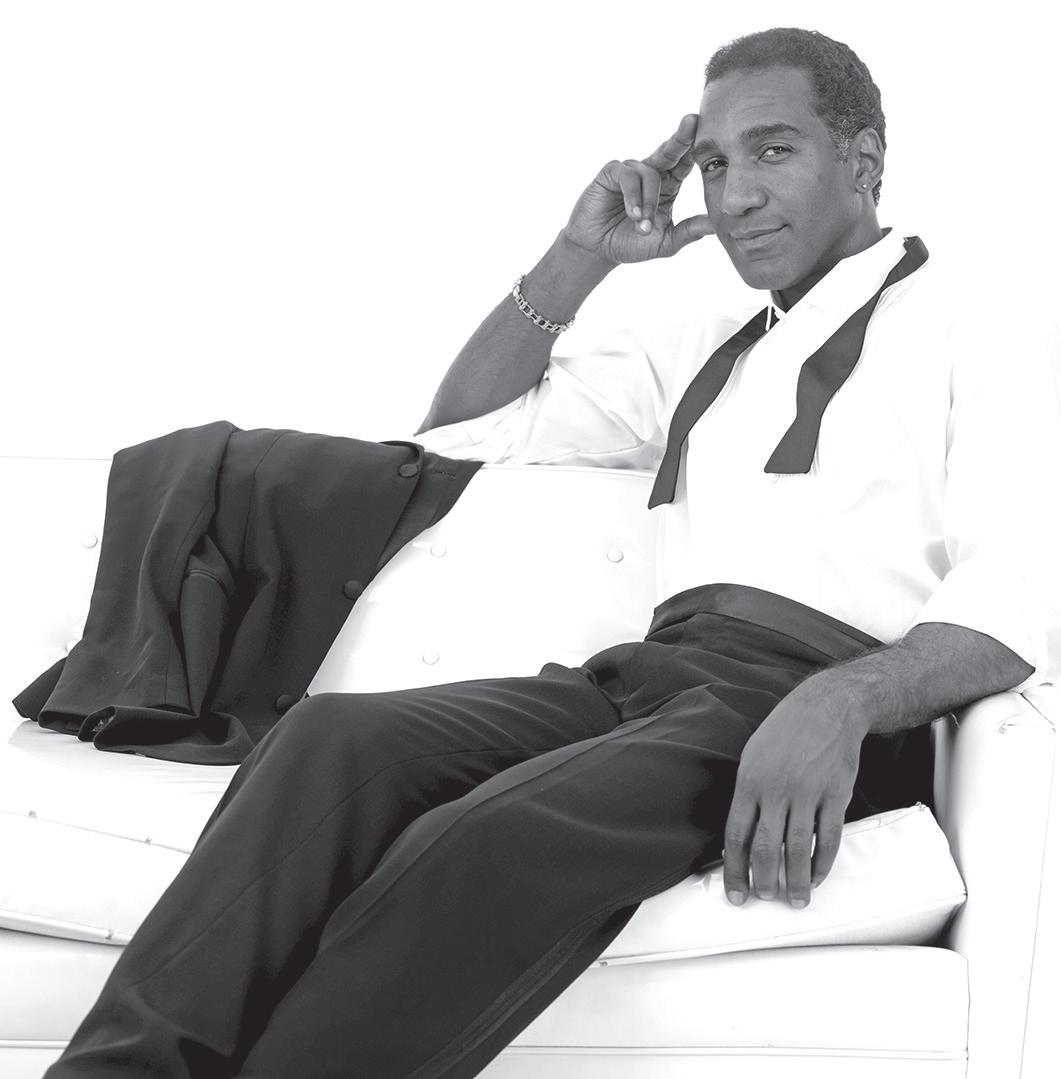
to Sensationalized Language & Imagery within the AntiTrafficking Movement 3401 Arsenal St., 63118. For more information, visit www. eventbrite.com.
Tues., Jan. 14, 10:45 a.m., Voter Suppression Tactics: International Perspective. 9001 Clayton Rd., 63117.For more information, visit www. eventbrite.com.
Tues., Jan. 14, 6 p.m., National Coalition of 100 Black Women – Metropolitan St. Louis Chapter presents the Keeping Us Safe Series: A Conversation About Safety and Human Trafficking 8136 Groby Rd., 63130. For more information, visit www. eventbrite.com.
Tues., Jan. 21, 5 p.m., Grace Hill Women’s Business Center presents a Legal Clinic. 2125 Bissell St., 63107. For more information, visit www.eventbrite.com.
Fri., Jan. 24, 8:30 a.m., The Soulfisher Ministries invites you to Successful Second Chances Employer Panel. Keynote speaker, Sen. Jamilah

Nasheed. Panelists include Joseph McBride, LaToya Wilson, and Ken Chapman. STLCC Florissant Valley, 3400 Pershall Rd., 63135. For more information, visit www. thesoulfisherministires.com.
Tues., Jan. 28, 7 p.m., Immigration Then and Now: Exploring the Making of Undocumented Immigrants. Guest speaker will be Sociologist, Ariela Schachter. Missouri History Museum, 5700 Lindell Blvd., 63112. For more information, visit www. academyofsciencestl.org.
Sat., Jan. 18, 9 a.m., Yoga & Spa Magazine presents the 11th Annual Living Fit Expo. Join us for health & wellness speakers, 40+ vendor tables, a fashion show, giveaway, and more. Plaza Frontenac, 1701 S. Lindbergh Blvd., 63131. For more information, visit www. eventbrite.com.
Wed., Jan. 22, 6 p.m., Opioid Epidemic Education Is Prevention. Q&A Panel, Narcan training, resource tables, and more. Ferguson
Community Center, 1050 Smith Ave., 63135. For more information, visit www. facebook.com.
Thur., Jan. 9, Just Mercy starring Michael B. Jordan, Jamie Foxx, Brie Larson, and Rob Morgan opens in theatres nationwide.
Fri., Jan. 10, Like A Boss starring Tiffany Haddish, Salma Hayek, and Rose Byrne opens in theatres nationwide.
Sat., Jan. 11, 2 p.m., National Human Trafficking Awareness Day Event. Shattered Dreams: Sex Trafficking in America is a documentary that reveals the horrific trauma endured by victims of sex trafficking in America. Vashon High School, 3035 Cass Ave., 63106. For more information, visit www.eventbrite.com.
Fri., Jan. 17, Bad Boys For Life starring Will Smith, Martin Lawrence, Theresa Randle, DJ Khaled, and more opens in theatres nationwide.
Sat., Jan. 18, 12:30 p.m., Connected Learning invites you to the For Ahkeem Film Screening. St. Louis Public Library, 1301 Olive St., 63103. For more information, visit www.eventbrite.com.
Jan. 23 – 26, 7 p.m., St. Louis Symphony Orchestra presents Star Wars: The Empire Strikes Back in Concert. 718 N. Grand Blvd., 63103. For more information, visit www.slso. org.
Mon., Jan. 27, 6 p.m., National School Choice Week presents Miss Virginia Film Screening. Chase Park Plaza, 212 N. Kingshighway Blvd., 63108. For more information or to RSVP, visit www. nscwstlouismoscreening. splashthat.com.

in that 400-seat theater – background dancers, audio footage, a set, live band – all of it – as he performed mostly original music from his two projects
“I’m Back” and “As I Am.” He came out in sync with his dancers and performed alongside them for several of the upbeat tracks of the R&B and pop inspired tunes. The setlist only included a couple of covers – Prince’s “Beautiful Ones” and Usher’s “Caught Up” were among them.
Continued from C1
Luckily for director and co-writer Destin Daniel Cretton, the performances –particularly Jamie Foxx – add enough power and grit to effectively display the intention of Stevenson’s compelling and inspirational work where the script and storyline fall short. Just as in the book, “Just Mercy” details Stevenson’s unlikely professional journey that led to his life’s passion – one that took him from his home state of Delaware to the deep south to advocate for the wrongly convicted. Stevenson could have done anything or gone anywhere to put his Harvard Law degree to use. Instead of a fast-track to a lucrative career with all the access and residuals that come with his Ivy League education, he chose to work towards equity for marginalized individuals trapped in a system where for them “equal justice for all” is the exception and not the rule.
Hearing Stevenson speak of the biases and flat out overt racism he has experienced over the past 30 years of defending the most vulnerable of condemned prisoners is both eye-opening and transformative. But for the most part, “Just Mercy” the
Everything was top notch and rehearsed to perfection -especially the well-synced dance crew that went from twerks of hip-hop to the twirls of modern contemporary movement. The harmonies of the background were on point – as was the accompaniment from the band that at one point featured TreG on keys. The crowd bopped along to the beat a few friends and family sang along word for word – particularly for “Porch Song” where he shouted out the whole address – street and number –of his old stomping grounds before declaring that there is “no place like home” as he paid homage to his city through the
film plays it safe. Director and co-writer Destin Daniel Cretton seemed mindful to turn Stevenson’s efforts to tip the unbalanced scales of justice often experienced by African Americans into a movie that white people don’t have to feel guilty about while sitting through it.
A co-protagonist portrayed by Brie Larson – who is positioned more as Stevenson’s boss and saving grace instead of the administrative and research support that she actually is – plays to the mostly well-meaning white people with a few bad apples myth and passive ally justification that
n Michael B. Jordan plays it safe, but charm and nuance compensate for the lack of risk and raw emotion.
keeps systemic racism from being effectively dismantled.
But Cretton owes a debt to the talented ensemble charged with breathing authenticity into his version of Stevenson’s story. Michael B. Jordan plays it safe, but charm and nuance compensate for the lack of risk and raw emotion. His Bryan
lyrics. TreG didn’t take his hometown audience for granted – by expecting them to be forgiving or having lowered expectations because he is a local artist doing a local show. Quite the opposite. The show was orchestrated to the letter by someone mindful of what is usually delivered by national acts when they come to town for a concert. He put in work for them as a token of his appreciation for their continued support – which was clear from the opening until the very end.
For more information on TreG, visit https://tregmusic. com/
Stevenson is somebody a viewer can’t help but root for. He shares a natural chemistry with Larson’s Eva Ansley.
But Jamie Foxx deserves the MVP for his portrayal of Walter McMillan – an innocent man condemned to death for a crime he didn’t commit, with his life on the line because of racist corruption and inadequate legal representation. Known to family and friends as “Johnny D.,” a lack of resources has him languishing on death row until his case lands in the lap of Stevenson. Foxx masterfully captures every range of emotion of McMillan – from the time of his arrest through his pending execution. Foxx makes it clear from his introductory scene that he would be delivering the definitive performance among the “Just Mercy” cast. His body language and the cadence of his vernacular as he experiences the highs and lows of hope and despair as he languishes in prison as a defeated, frustrated, innocent man speak to his abilities as an actor.
O’Shea Jackson Jr., Rob Morgan and Tim Blake Nelson round out the well-meshed group of principal actors that are saving grace of “Just Mercy.”
Just Mercy opens in theaters nationwide on Friday, January 10. The film is rated PG-13 with a running time of 137 minutes.
By Ellen Kunkelmann
For The St. Louis American
Celebrate and reflect on the life and legacy of Dr. Martin Luther King Jr. at the Missouri History Museum January 18–20. The MLK Community Celebration will offer activities and inspiration for the entire family.
Saturday and Monday, January 18 and 20
The MLK Community Celebration begins at 9:30 a.m. with gospel yoga. The Collective STL, a group of African-American yoga and wellness instructors, will guide participants through a yoga practice suitable for all levels and ages, accompanied by live music performed by a local gospel choir.
From 10 a.m. to 3:30 p.m., children can enjoy make-andtake art projects, including affirmation mirrors, “mini-me” characters, and more. Families may also participate in a collaborative peace mural.
At 10:30 a.m. and 11:30 a.m., students in grades 2 to 9 and their caregivers can participate in youth activism and engagement workshops. Kid President’s videos on Dr. King will serve as a jumpingoff point for a conversation about activists. Families will learn about the activities and qualities of activists, identify and discuss both famous and ordinary activists, and create posters with personal messages for the community. The 10:30 a.m. workshop is appropriate for students in grades 2 to 5, and the 11:30 a.m. workshop is aimed at grades 6 to 9.
At 11:30 a.m., step into the story with the St. Louis Black Authors of Children’s

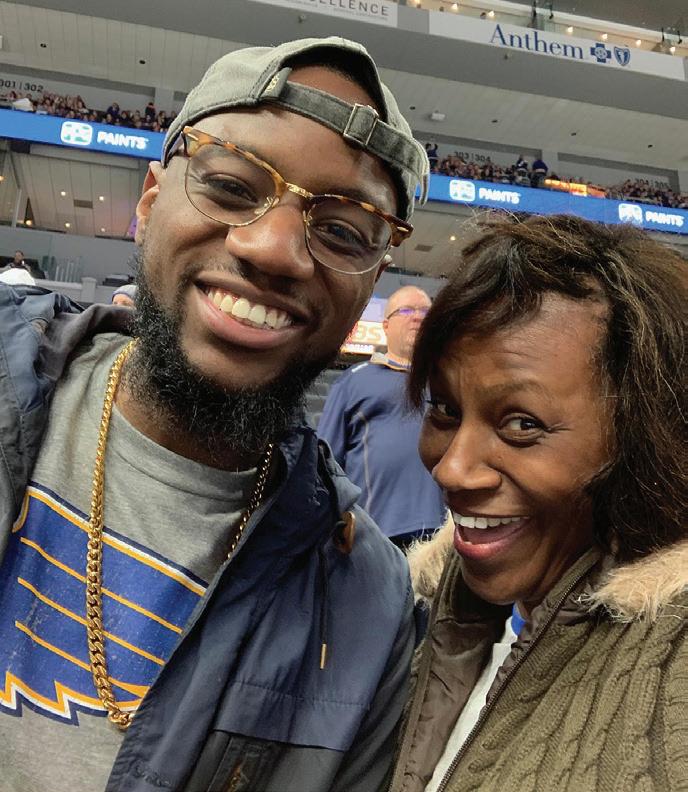
email. Enter on stlamerican.com or visit our Facebook page, to win a PAIR of special tickets to the game. Sit in The American’s seats, 3 rows behind the
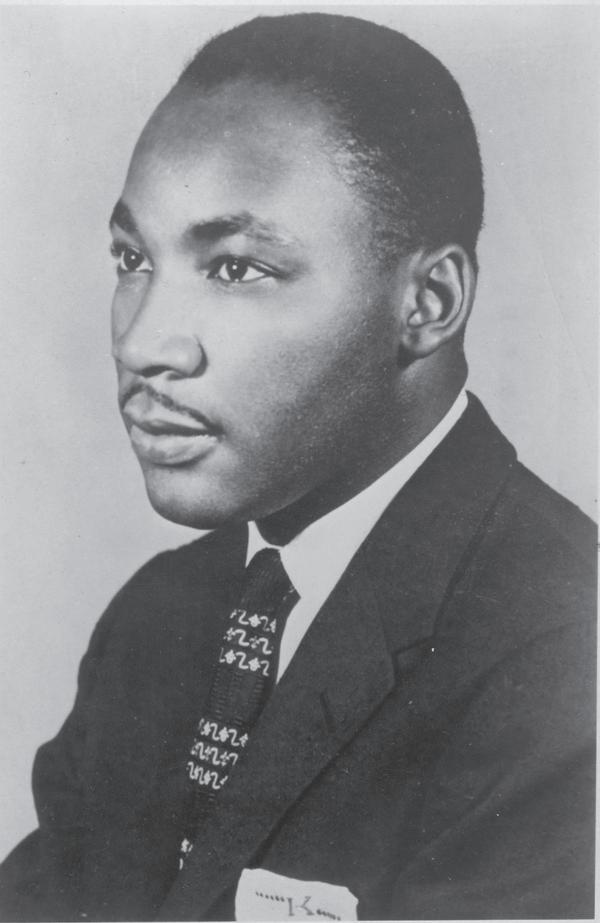
Literature (STLBA) as they bring Taye Diggs’s picture book, Chocolate Me, to life. This story encourages children to see their own beauty and love themselves. Together, families will explore and celebrate ways to embrace diversity and choose love and acceptance.
“In Dr. King’s 1967 ‘Where Do We Go from Here?’ speech, he said, ‘Love is ultimately the only answer to mankind’s problems. I have decided to love.’ We want children to always decide to love. That means loving oneself first,” says Julius B. Anthony, president of STLBA. “A great line in Chocolate Me is from the mom telling her son the protagonist, ‘Wait a minute my sweet! Can’t you see? . . . Look in the mirror and love what you see!’ When children leave our read-aloud session, that’s the ultimate message we want them to get. Love who you are, and love what you see! That’s an authentic belief of Dr. Martin Luther King Jr.”
At 1:45 p.m. and 2:45 p.m., King Family Kids Movement Workshops will celebrate Dr. King’s achievements with a story-dance journey led by with Mama Lisa Gage of Fundisha Enterprises. Children will focus on learning about segregation and its effects on young Martin Luther King Jr.
Gage explains, “Movement




and dance help tell the story of Dr. Martin Luther King Jr. and the civil rights struggle for equality. They provide a kinesthetic team approach to learning that will have a lasting effect on improving interpersonal relationships for children, their families, and their communities.”
Sunday, January 19
On Sunday at 2 p.m., three local congregation leaders will reflect on Dr. King’s sermons. The participating leaders are Reverend Kevin D. Anthony, pastor-in-transition at St. John’s United Church of Christ (The Beloved Community) in St. Louis; Reverend Traci Blackmon, associate general minister of justice and local church ministries for the United Church of Christ and senior pastor of Christ the King United Church of Christ in Florissant; and Reverend Dr. Anthony Witherspoon, pastor of Washington Metropolitan African Methodist Episcopal Zion Church in St. Louis. They will discuss Dr. King’s 1967 comment in his “Where Do We Go from Here?” speech: “Darkness cannot drive out darkness; only light can do that. Hate cannot drive out hate; only love can do that.” In addition, the congregations’ choirs will perform musical selections to inspire attendees. Gage hopes that families will make it a priority to attend the MLK Community Celebration at the Museum. “It is important for children and families to continue renewing their dedication toward acknowledging and honoring the sacrifices and commitments made in order for all people to enjoy rights and privileges in St. Louis and across the country,” she said. MLK Community Celebration will be held at the Missouri History Museum on Saturday, January 18, through Monday, January 20. This event is free and open to the public. For more information, including the complete schedule of events, visit mohistory.org/ events. Ellen Kunkelmann is associate editor, Missouri Historical Society.


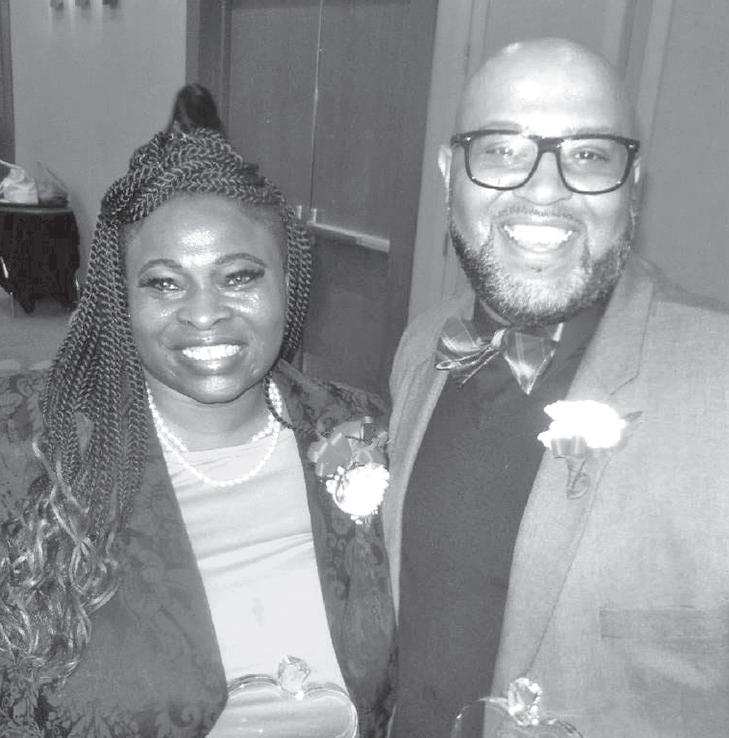
Congratulations to Commons Lane Primary School Principal Carla Leggett and McCluer High School Principal Cedric Gerald, who were the 2019 honorees for the Apple for the Teacher Award. They were recognized by the Alpha Zeta Chapter of Iota Phi Lambda Sorority, Incorporated for their dedication to education.
Do you have a celebration you’re proud of? If
(Pictured: Kelly Garrett, Mya Straw, Tammy Butler)
Beaumont High Class of 1970 is planning its 50-year reunion! We want to reach as many classmates as possible, so please share this info with other class of ‘70 alumni. Please email your current contact info to: Beaumontclassof1970@gmail. com.
Joe Verrie Johnson 314-640-5842, Jordan Perry 314-724-4563, or LaVerne James-Bady 314-382-0890. Vashon High School Class of 1975 is planning for its 45 year class reunion. We are in process of getting all classmates to provide or update your contact information. Please email Millicent, centbyme1@aol.com or Elvis, elvishopson@att.net. You can also send information by mail: Vashon High Class of 1975, P.O. box 8735, St. Louis Mo. 63101. Keep this date open: August 7-9, 2020. Congratulations to Ms. Mya Straw, math teacher at KIPP Victory Academy, who was the
Central High School Class of 1970 is in the process of planning its 50-year reunion in 2020. We are trying to locate former classmates. If you would like to receive additional information as we plan this momentous occasion, please provide your contact information to either Lillian McKinney at mamajoyce314@ icloud.com or (314) 335-9760, Eric Armstrong at elarmstr@ yahoo.com or (918) 6503385, Sabra Morris-Pernod at Saboots@centurytel.net or (314) 703-0812.
Sumner High School Class
of 1957 will sponsor a Holiday Social on Friday, December 27, 5-8 pm at the Creve Coeur American Legion Hall (behind Bristol) 934 E Rue Del La Banque Dr., 63141. DJ will play oldies and line dance music for dancing. Tables available for card players. Chicken and fish dinners available for $10, cash bar.
Sumner Class of 1976 Annual Christmas Party Friday, December 21, 2018, 7pm at DEJAVU II Cafe, 2805 Target Dr., St. Louis, MO 63136. 2 for 1 Drink Specials (5:30-7:30pm), free
parking, band performs from 7:30-9:30pm. No cover charge; classmates and guest each pays $5 for the catered food served during intermission, whether you partake of it or not. Limited reserved seating available until 10pm. Doors open 5pm/close 1am. For more info, call B. Louis at 314.385.9843.
Vashon High School Class of 1974 is planning for its 45th reunion. We are in the process of rounding up all classmates. To provide or update your contact information, please email ljbady@gmail.com or

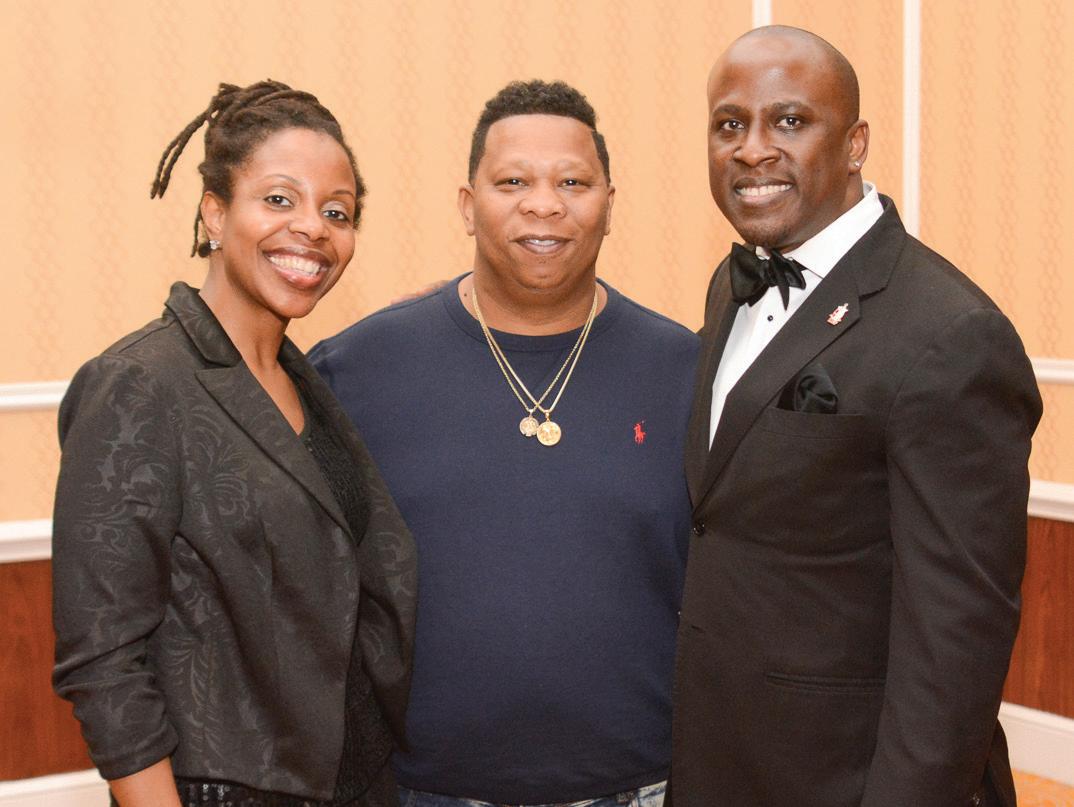






A New Year’s Eve that never seemed to end. Most of the time when the holidays drop in the middle of the week, the folks fall back on the weekend and give a chick a chance to recover. For 2020, not so much. Am I the only one who feels like they have been ringing in the new year since Thanksgiving with no end in sight until Valentine’s Day? Things got crackin’ with the annual End of the Year Comedy Jam at Chaifetz Arena on the last Saturday of 2019. As much as I hate to say it, except for Mark Curry and Gary Owen’s few little jokes about being black people famous, I could have lived without the whole thing. Mike Epps only has one more time to underwhelm me before I cross him out. He looked cute in that Dreamsicle blazer, but that’s about the size of what I have to say about him. On Sunday I got my last sip of the Poetic Justice for the year. Let me just say that if the last week of 2019 and the first week of 2020 are any indicator, I might just have to dive back deep into the scene. Corey Black and his crew had the Ready Room on lean and the folks were spitting straight up TED Talks. A few hours before Poetic Justice got jumping, Nichol and her House of Soul had Trap, Soul and Paint going out of the year out the same way it went in – with an at-capacity twerk turn up paint session.
New Year’s Eve Getdown: Part I. When I tell y’all the people partied like it was 1999 for the actual NYE 2019, understand that I am still in recovery from it. And that goes across all age groups and scenes. If you noticed that your auntie was perched up over her pot of black-eyed peas as you headed out in the streets this year, it’s because she and every Mr. Charles, Mr. Leroy, Wanda, Lester and Lucille were packed up in the Ambassador for the New Year’s Eve Blues Show. Don’t tell the deacons, but I had to park over at the Coleman-Wright church and walk all the way down to the Ambassador because all the other nearby lots had no room. If only I trusted one of the many cat daddies’ in full sized Osage conversion vans (probably with waterbeds in the back) to give me a lift down the street, my pinkie toe wouldn’t keep flaring up. Oh well, better safe than sorry. Because my NYE roster was so long and I had to be mindful of my foot journey, I could only stay up in there for a few little minutes – but it was long enough to let y’all know that the folks of a certain age were off the hook (their elderly slang, not mine) up in there. It was so packed – and I would have sworn Joe’s Clothes was still in business and bustling because of the surplus of slack shirts and leather pants and sweater combos. I had a blast for my little taste of blues, but then I had to keep it moving. Oh, and let me just give a shout out to Maurice “Snoopy” Falls for ALWAYS looking out for me and being clutch when I’m out here in these streets for more years than I can count. I bring him up at this moment because he was the stage manager for the Blues show. After I hit up the Ambassador, I hit 70 and headed downtown to catch Rhoda G hit that horn at House of Soul. It was a cool vibe. I was in hit-it-and-quit-it mode to make all my stops and on my way down Washington, I saw a Tagalong party bus and the driver made the critical error of playing Da Whole 9. They were Nina Poppin’ so tough, I thought that bus was gonna tip over on top of me as I sat next to them in traffic. I haven’t feared for my safety like that since Drake was at the Fox and had that balcony shaking at 9.2 on the Richter scale. I bet that driver will keep that off his playlist from now on. The NYE Getdown; Part II. I told y’all the folks were out in these streets for last night of the decade – so much so that I had to split things up so you would keep reading. I made my way up Washington Ave. and hit up Dos Salas for their New Year’s Eve party and it was the most unintentionally culturally diverse New Year’s Eve party I’ve ever seen. What I believe happened is that black promoters booked the club for New Year’s Eve, but Tuesday night is typically Latin night. The regulars showed up and were like “we’re here now. We might as well stay and kick it.” Seeing a woman in a mini-skort and platform heels salsa two-step to Meghan Thee Stallion was a joy I never knew I needed. After seeing the cultures collide at Dos Salas, I scooted up the street to see the black-to-the-basics get down for the New Year’s Eve Edition of AfroSexyCool at Sophie’s. Baby, I got up in there just as Cash Money was taking over the 99 and the 2000. That mix was everything – and got me even more geeked to ring in 2020 with DJ Mannie Fresh thanks to the Kappas. But while I was at Sophie’s I watched the folks bust it on down like 2019 was their last time to tear the club up. For my final stop on my New Year’s Eve, I made the trek through Union Station Hotel to the ballroom and the Nupe turnup was real as folks were dressed to the nines ready to usher in 2020. Based on what I saw there and all around these streets, sequined hot pants are to 2019 what the bandage bodycon dress was to 2013-14. I can’t say that I’m mad about it either. Mannie Fresh had the tables blazing – and as much as I wanted to hear Cash Money all night long, he had a splendid mix of old school and new that blended seamlessly and made the time fly by. The Kappas kicked it! Before I knew it we were ringing in the new year of a new decade. My kickin’ it in the name of the new year didn’t end when the clock struck midnight. It carried on well into the next day as I hit up the So St. Louis Day1 Day Party at II Cue. Folks were actin’ like they just didn’t finish kicking it a few hours before by how they were piled up in the spot formerly known as II Bar and Restaurant. And it was so St. Louis that the food station consisted of fried rice, Imo’s and Vess soda. Partyline programming note: since the city did the absolute most for New Year’s Eve, y’all will have to hit me back next week for more poetry props thanks to a packed to the gills surprise pop up open mic by Sir Ervin Williams III and the Word Up Anniversary set as well as a few other items – so stay tuned.








We
Webster University has an opening for a CMS Representative. Please visit our website at https://apptrkr.com/1753331 for a complete job description. No phone calls please. We are proud to be an equal opportunity affirmative action employer. Women and minorities are encouraged to apply.
Behavioral Health Network of Greater STL seeks a full-time Program Manager for Complex Care. We are committed to having a diverse and inclusive workforce that represents the communities we serve. More info & apply at: bhnstl.org/career-opportunities
Seeking individual with general knowledge of all aspects of the electrical trade. Teaching / training experience and or industry certifications desirable. Computer skills required. Must have a minimum of 9 years of experience at the Journey Level and be a current member in good standing with the St. Louis, Kansas City Carpenters Regional Council Local Union 57.
Send resume to address below by (date). No walk ins or email copy will be accepted.
The
City Hall, 1200
St. Louis, Mo. Until 1:45 PM, CT, on Tuesday, February 4, 2020, then publicly opened and read. Plans and Specifications may be examined on the Board of Public Service website http://www.stl-bps.org/planroom.aspx (BPS On Line Plan Room) and may be purchased directly through the BPS website from INDOX Services at cost plus shipping. No refunds will be made.
Bidders shall comply with all applicable City, State and Federal laws (including MBE/WBE policies). Mandatory pre-bid meeting will be held on Tuesday, January 7, 2020 at 10:00 AM, in the Ozark Conference Room at the Airport Office Building, 11495 Navaid Rd., Bridgeton, MO 63044. All bidders must regard Federal Executive Order 11246, “Notice of Requirement for Affirmative Action to Ensure Equal Employment Opportunity”, the “Equal Opportunity Clause” and the “Standard Federal Equal Employment Specifications” set forth within and referenced at www.stl-bps.org (Announcements).
Handle various operational needs of the Legal Department. To be responsible for the management and collection of data, and to develop and support Legal Department key performance indicators and analytics. To apply, please visit: https://www.safetynational.com/ careers-page/
The City of Clayton is now accepting applications for the full-time position of Municipal Service (Park Maintenance) Foreman II in the Parks Department. To apply, visit www.claytonmo.gov/jobs EOE
• To view at our Camdenton office: 5505 Old South 5, Camdenton, MO 65020
• By a Dropbox Link from jmorrow@kci construction.com
Subcontractor bids are due by 12:30 p.m. Tuesday, February 04, 2020. You may email bids to jmorrow@kciconstruction.com or send a fax to 573-346-9739. Please call if you have any questions: 314-200-6496.
PUBLIC NOTICE
Income Based Wait List Opening
Taking Applications for 1 Bedroom Apts.
Friday January 3, 2020 10:00 a.m. to 3:00 p.m.
Location: 600 Kingshighway St. Louis, MO 63108
Washington Apartment’s Community Room
All applicants must be 18 or older and Have a valid driver’s license or state issued ID (You will need to know all household members social security numbers)
Requests for reasonable accommodation due to a disability should be made in writing and submitted to the Washington Apartment’s Management office: 600 Kingshighway, St. Louis, Mo.63108.
Washington Apartments does not discriminate on the basis of disability status in the admission or access to, or treatment or employment in, its federally assisted programs and activities.
The person named below has been designated to coordinate compliance with the nondiscrimination requirements contained in the Department of Housing and Urban Development’s regulations implementing Section 504 (24 CFR, part 8 dated June
Great Rivers Greenway is requesting qualifications for 2020 Gateway Bike Plan Implementation Activities. Go to greatrivergreenway.org and submit by January 24,2020.
(www.cityofjennings.org) for details on the bid specifications, pictures and addresses of the properties.
Please contact Myra Randle, Economic Development Specialist, at 314-388-1164 or mrandle@cityofjennings.org if there are any questions or to
St. Louis Community College will receive separate sealed bids for Contract No. F 20 502, New Flooring in SC206 Office Suite, St. Louis Community College at Florissant Valley, until 2:00 p.m. local time, Thursday, January 16, 2020. Bids will be publicly opened and read aloud at the office of the Manager of Engineering and Design, 5464 Highland Park Drive (Plan Room). Specifications and bid forms may be obtained from the Manager’s office, at the above address or by calling (314) 644-9770.
No PREBID Meeting
An Equal Opportunity and Affirmative Action Employer
K&S Associates, Inc
is soliciting MBE/WBE/SDVE/DBE/VBE for the following projects for the months of January/February – MU Gas Turbine Bldg Chilled Water Plant, MU Library Construct Phase 2 and St. Louis County Library Eureka Hills Branch. Plans and Specs Can be viewed at www.ksgcstl.com Submit Bids to estimating@ksgcstl.com or Fax 314-647-5302 Contact Dennis Dyes @ 314-647-3535 with questions
METROPOLITAN ST. LOUIS
SEWER DISTRICT
Notice is hereby given that the Metropolitan St. Louis Sewer District will receive sealed bids in the Purchasing Division, 2350 Market Street, St. Louis, Missouri 63103-2555 until 10:00am February 12, 2020
Specifications
If you do not have access to the internet, call (314) 768-6314 to request a copy of this bid.
Metropolitan St. Louis Sewer District is an Equal Opportunity Employer.
METROPOLITAN ST. LOUIS
SEWER DISTRICT
Notice is hereby given that the Metropolitan St. Louis Sewer District is accepting proposals in the Purchasing Division, 2350 Market Street, St. Louis, Missouri 63103-2555 until 10:00 a.m. on February 10th, 2020 to contract with a company for: Crane & Hoist Inspection & Repair Services.
Specifications and bid forms may be obtained from www.stlmsd.com, click on the “MSD AT WORK” link, (bid opportunities). The bid document will be identified as 10259 RFQ. If you do not have access to the internet, call 314.768.2735 to request a copy of this bid.
Metropolitan St. Louis Sewer District is an Equal Opportunity Employer.
Sealed bids for the 2020 CRS Collector Overlay Program Area A, St. Louis County Project No.CR-1776, will be received at the Office of the Director of Procurement for the County of St. Louis, County Government Center Administration Building, 41 South Central Avenue, 8th Floor, Clayton, MO 63105, until 11:00 a.m. January 29, 2020.
Plans and specifications will be available on December 30, 2019 from the St. Louis County Web Site (www. stlouisco.com), or by contacting County Blue Reprographics, Inc., 811 Hanley Industrial Court, Brentwood, MO 63144, (314) 961-3800.
METROPOLITAN ST. LOUIS
SEWER DISTRICT
Notice is hereby given that the Metropolitan St. Louis Sewer District will receive Sealed Bids in the Purchasing Division, 2350 Market Street, St. Louis, Missouri 63103-2555 until 11:00 a.m. on February 11, 2020 to contract with a company for: WELDING SUPPLIES.
Specifications and bid forms may be obtained from www.stlmsd.com, click on the “MSD AT WORK” link, (bid opportunities). The bid document will be identified as 10267 RFQ. If you do not have access to the internet, call 314-768-6254 to request a copy of this bid.
Metropolitan St. Louis Sewer District is an Equal Opportunity Employer.
METROPOLITAN ST. LOUIS
SEWER DISTRICT
Notice is hereby given that the Metropolitan St. Louis Sewer District is accepting proposals in the Purchasing Division, 2350 Market Street, St. Louis, Missouri 63103-2555 until 10:00 a.m. on February 4th, 2020 to contract with a company for: Lawn Care Services for Bissell Point Pump Station.
Specifications and bid forms may be obtained from www.stlmsd.com, click on the “MSD AT WORK” link, (bid opportunities). The bid document will be identified as 10256 RFQ. If you do not have access to the internet, call 314.768.2735 to request a copy of this bid.
Metropolitan St. Louis Sewer District is an Equal Opportunity Employer.
METROPOLITAN ST. LOUIS SEWER DISTRICT
Notice is hereby given that the Metropolitan St. Louis Sewer District will receive Sealed Bids in the Purchasing Division, 2350 Market Street, St. Louis, Missouri 63103-2555 until 11:00 a.m. on February 12, 2020 to contract with a company for: HIGH PRESSURE SEWER CLEANING HOSE, FITTINGS AND TOOLS.
Specifications and bid forms may be obtained from www.stlmsd.com, click on the “MSD AT WORK” link, (bid opportunities). The bid document will be
The St. Louis Philanthropic Organization (SLPO) invites 501 (c) (3) organizations to submit an application for its 2020 Responsive Grants cycle. Grant requests must not exceed $10,000 and used solely for programs that provide services to St. Louis city residents. Agencies may submit only one application per grant cycle.
The original and two copies of the application, along with one copy of the required attachments, must be received no later than 4:30 p.m. on Friday, February 7, 2020, at the SLPO office located at 20 South Sarah Street, St. Louis, MO 63108. Please ensure that the required number of copies and all attachments are included.
All grant requests must be submitted on the SLPO application form. (Please note it is not necessary to three-hole punch or bind the materials. One staple in the upper left corner will suffice.) The application form, along with instructions for completion and required attachments, may be found on the SLPO web site at www.stlphilanthropic.org as a fillable PDF and in Microsoft Word. Agencies may also request that a copy of the application and instructions be emailed to them by contacting the SLPO office at stlphil@sbcglobal.net. SLPO office hours are Mondays and Thursdays from 8:30 a.m. to 4:30 p.m. and Friday mornings from 8:30 a.m. to 12:30 p.m.
Applications will not be accepted by email or fax. They may be delivered to the SLPO office by U.S. mail or hand delivered. Postmarked applications will not be accepted.
SLPO will host an Informational Session for Prospective Grantees via conference call on Thursday, January 16th at 10:00 a.m. Please see the St. Louis Philanthropic Organization website at www.stlphil.org for further information.
ADVERTISE YOUR BIDS, PUBLIC NOTICES, SERVICES HOMES FOR SALE &

Paric Corporation will be seeking bids for the University of Missouri – Women’s & Children’s Hospital located at 404 N Keene St, Columbia, MO 65201. The project includes the following scopes; Metal Fabrications, Fire & Smoke Assemblies, Roof Accessories, Applied Fireproofing, Firestopping, Hollow Metal Doors & Frames, Door Hardware, Gypsum Board Assemblies, Acoustical Ceilings, Fire Suppression, Mechanical – HVAC, and Electrical.
The current drawings are available from Paric through our SmartBid software, or from http://operations-webapps.missouri.edu/pdc/adsite/ad.html. Please submit proposals and/ or questions to mwalburg@paric.com.
Donald Maggi, Inc. is accepting bids from Disadvantaged Business Enterprises for subcontracting opportunities on the Washington County Airport located in Potosi, MO
Bid Date & Time: Friday January 17, 2020 @ 10:30 Pre-Bid meeting January 8, 2020 @ 1:00 pm Plans and specifications are available from: Jviation, Inc. Direct 303.524.3030 Bid.Info@jviation.com
Or may be inspected at our office at 13104 South US Hwy 63, Rolla, MO 65401
Request for Email copies of plans and specs can be sent via drop box Our telephone number is 573-364-7733; fax 573-3415065. An Equal Opportunity Employer. Email: maggiconst@gmail.com Donald Maggi, Inc.
METROPOLITAN ST. LOUIS SEWER DISTRICT ST. LOUIS, MO GRAND GLAIZE WWTF FLOODWALL PROTECTION 13072-015.1
ADVERTISEMENT FOR BIDS
Notice is hereby given that The Metropolitan St. Louis Sewer District (District) will receive sealed bids for Grand Glaize WWTF Floodwall Protection under Letting No. 13072-015.1, at this office, 2350 Market Street, St. Louis, Missouri 63103, until 02:00 PM on February 7, 2020. All bids are to be deposited in the bid box located on the First Floor of the District’s Headquarters located at 2350 Market Street, St. Louis, MO 63103, prior to the 2:00 p.m. bid deadline.
A general description of the work to be done under these contract documents can be found in Section 011000 of Part 5 – Specifications of the Bidding Documents. The Contractor shall furnish all the materials, tools, equipment, and labor to perform the installation of approximately 615 lineal feet of levee embankment, 585 lineal feet of concrete and sheetpile floodwall, 379 lineal feet of 24-inch to 72-inch diameter stormwater sewers and appurtenances, 7 cast-in-place concrete stormwater structures, modifications to existing concrete structures, installation of 54-inch and 72-inch sluice gates, installation of two 24-inch knife gate valves, aggregate and concrete pavements, fence and gates, and other associated work in accordance with all the requirements of these specifications, and the drawings made a part thereof.
Bids will be received only from companies that are pre-qualified by the District’s Engineering Department for:
Deep Sewer Construction OR Building Construction
Plans and Specifications are available for free electronic download. Please go to MSD’s website and look for a link to “ELECTRONIC PLANROOM.” Plans and Specifications are also available for viewing or purchase at Cross Rhodes Reprographics located at 1710 Macklind Avenue, St. Louis MO 63110. All bidders must obtain a set of plans and specifications in order to submit a bid in the name of the entity submitting the bid. The Metropolitan St. Louis Sewer District is an Equal Opportunity Employer.
A non-mandatory Pre-Bid conference will be held at the Grand Glaize Wastewater Treatment Facility, 1000 Grand Glaize Parkway, Valley Park, MO, 63088, on January 22, 2020, at 8:30 a.m., local time. A site visit will be conducted following the pre-bid conference.
BidsforUpgrades andRenovations, MissouriVeterans Ho
u, Missouri,Project No.U1805-01 willbereceived byFMDC,Stateof MO,UNTIL1:30 PM,1/28/2020via MissouriBUYS. Biddersmustbe registeredtobid. Forspecificproject informationand orderingplans,go to:http://oa.mo. gov/facilities
BidsforWarrenton ReadinessCenter, ReplaceRoof System&Paving, Warrenton, Missouri,Project No.T1902-01 willbereceived byFMDC,Stateof MO,UNTIL 1:30PM, February6,2020 via MissouriBUYS. Biddersmustbe registeredtobid. Forspecificproject informationand orderingplans,go to:http://oa.mo. gov/facilities
This project has the following participation goals: 10% MBE business participation 10% WBE/DBE/Veteran Owned business participation 3% SDVE business participation
PARIC CORPORATION IS AN EQUAL OPPORTUNITY EMPLOYER
Donald Maggi, Inc. is accepting bids from Disadvantaged Business Enterprises for subcontracting opportunities on the Demo of University of Science and Technology located in Rolla MO
Bid Date and Time: Thursday, January 21, 2020 at 2:00 Plans and specifications are available for purchase from: www.adsplanroom.net
Or may be inspected at our office at 13104 South US Hwy 63, Rolla, Missouri 65401
Request for Email copies of plans and specs can be sent via drop box
Our telephone number is 573-364-7733; fax 573-341-5065. An Equal Opportunity Employer. Email: maggiconst@gmail.com
Donald Maggi, Inc.
The St. Louis County Port Authority requests proposals from qualified buyers/developers for the purchase of property located at (1) 111 & 121 S. Meramec, Clayton, MO 63105 and/or (2) 501 S. Brentwood, Clayton, MO 63105. A copy of the RFP for each property is available on the St. Louis Economic Development Partnership’s website at https://stlpartnership. com/rfp-rfq/. Proposals are due by February 3, 2020.

Donald Maggi, Inc. is accepting bids from Disadvantaged Business Enterprises for subcontracting opportunities on the City of Salem Sidewalk TAP-9900 (510) located in Salem MO
Bid Date and Time: Thursday, January 9, 2020 at 1:30 Plans and specifications are available for purchase from: Archer Elgin, 310 E 6th St, Rolla MO 573-364-6362
www.questcdn.com
Project # 6619714
Or may be inspected at our office at 13104 South US Hwy 63, Rolla, Missouri 65401
Request for Email copies of plans and specs can be sent via drop box Our telephone number is 573-364-7733; fax 573-341-5065. An Equal Opportunity Employer. Email: maggiconst@gmail.com
Donald Maggi, Inc.
CITY OF ST. LOUIS BOARD OF PUBLIC SERVICE
REQUEST FOR QUALIFICATIONS for PROFESSIONAL ENGINEERING SERVICES FOR TRAFFIC MANAGEMENT ENHANCEMENTS – PHASE 4, ST. LOUIS, MISSOURI, PROJECT NO. CMAQ-9901(656). Statements of Qualifications due by 5:00 PM CT, JANUARY 10, 2020 at Board of Public Service, 1200 Market, Room 301 City Hall, St. Louis, MO 63103. RFQ may be obtained from BPS website www.stl-bps.org, under On Line Plan Room-Plan Room, or call Board of Public Service at 314-6223535. 16% DBE participation goals.

or call 314-869-5033 for full details.
HOUSE FOR RENT
4 BED, 2 1/2 BA 1827 Engelholm Ave. Pagedale, near Metrolink $700/mo, Call Virgil 510-504-2989
FURNISHED ROOMS FOR RENT
Northside Area, A/C Busline, Util. Included $100-$125/week, 618-501-3361
month 9am to 3pm.
2-3 BED HOMES FOR RENT North County, Riverview School District, Market Rate & Section 8 314-707-7707 GORGEOUS ROOMS FOR RENT $135 / wk + Dep, washer & dryer, all utilities included Call 314-741-1951
HARVEST HOUSE ROOM FOR RENT $100/wk, $100/dep Furn. Rm, with Cable, Quiet, Clean Environ. 314-537-4429
Project #CP191921 Gas Turbine Building –
Chilled Water Plant Addition, University of Missouri, Columbia, MO
StructSure Projects requests subcontractors bids from MBE, WBE, DBE, SDVE and Veteran Owned Businesses for the project listed above. Diverse firms are defined in Article 1 of the General Conditions of the Contract for Construction from the University of Missouri, August 2018 Edition. The diverse firm must be certified by a State of Missouri public entity.
Plans and specifications are available at the following locations: • http://operations-webapps.missouri.edu/pdc/ adsite/project.php?project=CP191921&format=html
• By requesting electronic plan room access from StructSure Projects. Please call 913-647-9400.
Subcontractor bids are due at 4:00pm on January 13th, 2020, and may be submitted through the online plan room, faxed to 913-647-9500, or sent to estimating@structsureprojects. com.


Bishop Seawright:
‘It’s important that we connect our community with information’
The Alzheimer’s Association and The African Methodist Episcopal Church (AME Church) recently formed a new three-year partnership aimed at educating and engaging more than 2 million U.S.-based AME Church members in the fight against Alzheimer’s.
The Alzheimer’s Association and the AME Church, through the leadership of its International Health Commission, will work together to create greater awareness of Alzheimer’s Association resources, programs, care and support services for families impacted by Alzheimer’s and other dementias in communities served by the AME Church, while engaging church members in the Association’s volunteer, diversity outreach, advocacy, research and fundraising initiatives.
“The Alzheimer’s Association is pleased to join with the AME Church to raise awareness of Alzheimer’s disease and to engage its members in the fight against Alzheimer’s,” said Rey Martinez, chief diversity and inclusion officer, Alzheimer’s Association. “This important partnership will help extend the Alzheimer’s Association reach into communities served by the AME Church, providing more families care and support services, while engaging church members in all our work to end Alzheimer’s.”
African Americans are at an increased risk of developing

Alzheimer’s disease. They are also less likely to have a diagnosis of their condition, resulting in less time for treatment and planning. The partnership will look to further inform AME Church members about the disease, risk factors, the importance of early diagnosis, and other important disease-related information.
“AME Church looks forward to working with the Alzheimer’s Association,” said Bishop Harry L. Seawright, president of the Council of Bishops and Chairman of the Commission on Health, AME Church. “I know how devastating this disease can be. My mother passed away 13 years ago from Alzheimer’s, and my sister, who is one of my biggest cheerleaders, has dementia. So, for me, it’s very personal. It’s important that we connect our community with
information about Alzheimer’s and where people can go for help.”
“Many in our community suffer with hypertension, heart disease, diabetes, and other illnesses that can increase the risk of Alzheimer’s. We want to encourage our community to learn more so they can reduce their risk,” Bishop Seawright said. “We also want to support our caregivers, who struggle with such loss, including a loved one who may no longer remember them.”
To kick-off the partnership, the AME Church is sharing educational materials from the Alzheimer’s Association with its members on its Health Commission website at http://www.amechealth.org/ alz. The site also includes links to Alzheimer’s Association support services for individuals and families


“I know how devastating this disease can be. My mother passed away 13 years ago from Alzheimer’s, and my sister, who is one of my biggest cheerleaders, has dementia.”
– Bishop Harry L. Seawright
affected by the disease, including the Association’s 24/7 Helpline.
In addition, the Alzheimer’s Association and AME Church leaders will focus on engaging the AME Church members in six key activities during the first year of the partnership, including:
• Increasing concern and awareness of Alzheimer’s and other dementias
• Providing care and support programming to individuals and families impacted by Alzheimer’s
• Expanding research and scientific opportunities
• Supporting state and federal advocacy efforts affecting Alzheimer’s
• Participating in Walk to End Alzheimer’s and other
community-based events
• Engaging AME Church volunteers in the delivery of programs and activities.
“We intend for this to be a robust partnership,” Martinez said. “We want AME Church members to be engaged in every aspect of the Alzheimer’s Association mission. The AME Church is an influential voice and has been a proven champion for so many important faith-based issues. We’re proud to join with it in the fight against Alzheimer’s.”
“I’ve been enlightened over the past few months of the magnitude of services the Alzheimer’s Association provides,” Bishop Seawright said. “It is helping and supporting many people. This partnership will help connect our community with more of these services, so people can get the help and information they need.”
The Alzheimer’s Association is the leading voluntary health organization in Alzheimer’s care, support and research. Our mission is to eliminate Alzheimer’s disease through the advancement of research; to provide and enhance care and support for all affected; and to reduce the risk of dementia through the promotion of brain health. Our vision is a world without Alzheimer’s. For more information, visit www.alz.org or call 800-272-3900.
The African Methodist Episcopal (AME) Church is the oldest and one of the largest historically AfricanAmerican denominations in the country. The church has more than 2.5 million members across five continents in 39 countries located in 20 Episcopal districts. More than 2 million members reside in the US across 13 Episcopal districts. It remains one of the largest Methodist denominations in the world. The AME church has consistently advocated for the civil and human rights affecting individuals of African descent through social improvement, religious autonomy, and political engagement. Visit www.amechealth. org/alz.