

Will Ross can’t get
By Chris King Of The
In Diversity Festival in the Ferrell Auditorium at the St. Louis Art Museum on Sunday, December 29.
and
Robinson followed him there in 1958 for a four-year residency in OB/GYN. Robinson’s living-legacy connection to the hospital is no musky secret buried in an archive or the memories of obscure elderly people. Rather, his story is told in a documentary film, “The Color of Medicine,” that received widespread local publicity when it premiered at the Missouri
History Museum in 2018.
So Robinson is trying to understand why a real estate developer who has stated plans to revive the hospital’s name for a small new facility has not contacted him or anyone else he knows connected to the historic hospital to find out what they think about the idea.
“I don’t think you can build a facility and just take the name ‘Homer G. Phillips Hospital’ and put it on a new structure without having it be screened or examined by people with the closest ties to the

Keynote to first St. Louis Racial Equity Summit breaks down ‘racial economic inequality’
By Rebecca Rivas
Of The St. Louis American
Often when Dedrick Asante-Muhammad gives a talk about race and economics, it’s to audiences who might not have a base level of understanding. That was not his audience at the region’s first St. Louis Racial Equity Summit, he said, so he decided to be more clear with his language.
“We say ‘racial inequality,’ but what we’re really trying to talk about is white supremacy and deconstructing white supremacy,” said Asante-Muhammad, of the National Community Reinvestment Coalition and an expert in racial economic inequality analysis. “I want to name that.”
hospital, especially those who worked there or who lived in the Ville,” Robinson told The American
“I definitely wouldn’t want someone to do a hospital as part of a real estate deal for whatever reason and attach the name without some input from those who feel the most deeply about memorializing Homer G. Phillips Hospital.” It added another level of puzzling irony that the developer plans to erect the new facility in the footprint of the former Pruitt-Igoe
The Missouri Court of Appeals for the Eastern District delivered a gift on Christmas Eve to both the Missouri Supreme Court
Appellate Judges
“This


In
iPad and phone from her bag and accuses her of stealing them. Bunn said she had them in her bag because she didn’t want some one else to see them and steal them.
Bunn and Dash argue back and forth before Dash tells her to leave because “he didn’t want her energy in his house.” Dash then uses the cap tion for the video to fault a lawyer in the whole ordeal.
“First, they come into your house, then they try




to rob you...when they get caught, they try to make a good guy look like a bad guy…then try to extort you,” Dash said. “#chrisbrownthelawyer is clearly the ringleader of this conspiracy...this is his third lawsuit he has personally filed against me in a year...from what I hear the FBI should be doing their job.”
Young Buck spends Christmas behind bars
Former G-Unit rapper Young Buck is back in custody on a warrant out of Georgia.
During Angela Rye’s “Kwanzaa Edition: 2019 Year in Review podcast” which was published this weekend, the 40-year-old commentator and personality answered questions from followers about politics, impeachment, and her personal life. She openly discussed what brought her relationship with rapper/actor Common to an end. Below is an excerpt from her response:
Angela went on to say that she proceeded to end the relationship once she realized that they had different positions with respect to starting a family.
I remember us having this conversation the day after we talked about Ryan and he said, ‘I don’t know if I want to have kids,’ and I said, ‘I don’t know what else there is to talk about.’ I think it was an amicable parting of ways. But we’re very clear about the fact that we were not aligned in those interests. We will always be friends. He’s a really good person.”
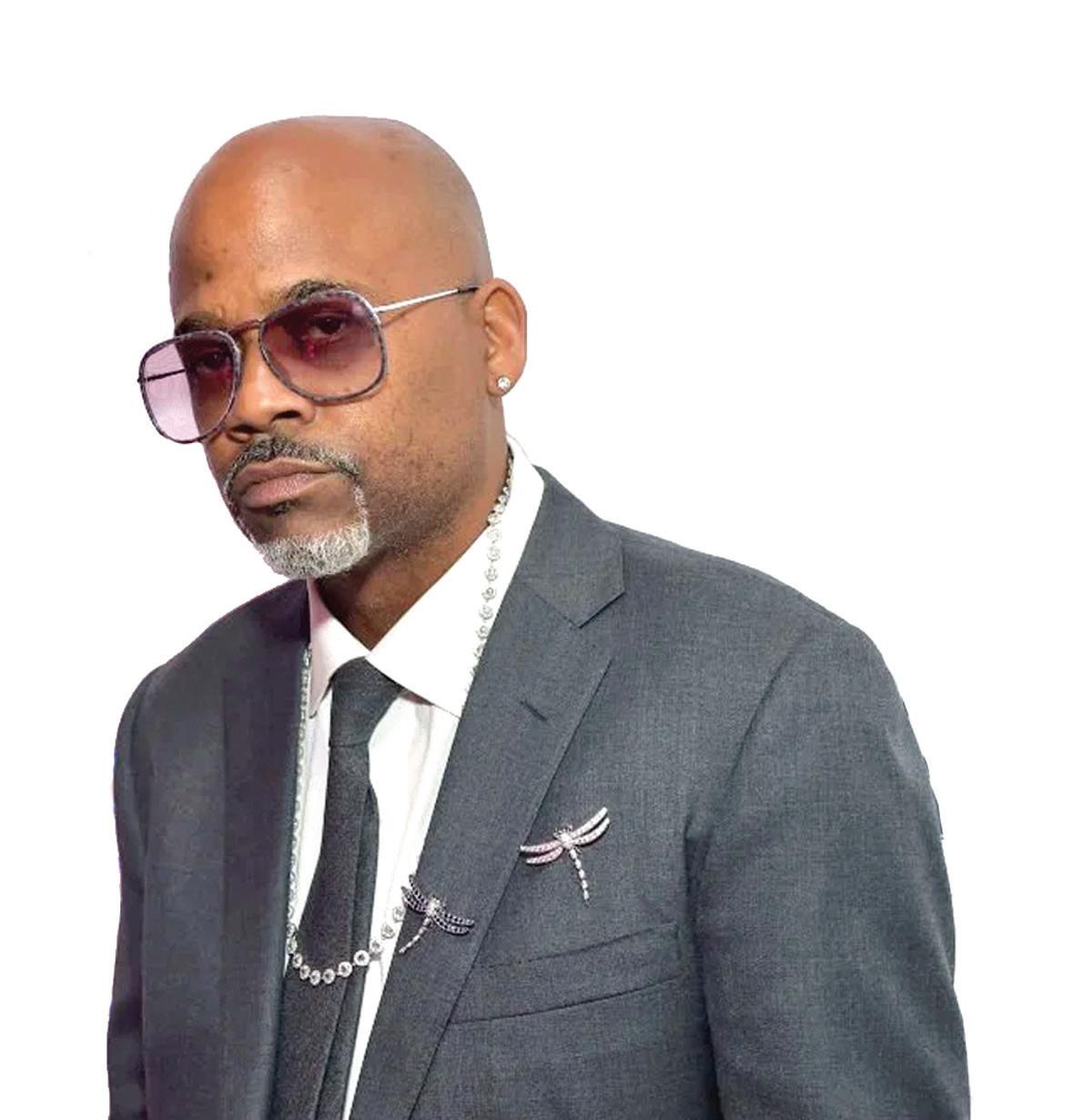




Cheatham County Sheriff’s NewsChannel 5 that Young Buck,

According to NewsChannel 5, he was arrested December 20 on a felony fugitive from justice warrant, though the underlying charges are yet to be confirmed. His court date is reportedly set for Brown was jailed in 2016 for violating probation regarding a restraining order. In 2017, he was indicted on domestic assault and vandalism charges.
“What I would say happened is we broke up. We were together for about a year this time and we broke up, I think it was September-ish maybe, because we just want different things. This was right after the time that I realized I was going to take the second godson, the 9-year-old, more often. I had told him about it the day before. We had been talking probably for two months about ‘let’s see where things go’ because I’m leaning towards ‘I want kids’ and he was leaning towards ‘I don’t know,’ and I think when somebody tells you they don’t know they don’t really want that, they just don’t want to hurt you.
For me, I was like, I’m clear, I’m getting clarity around what I want for myself…so the thing that I would say is he is more established in his career and we have a little bit of an age difference and he has a fully grown wonderful human daughter I love, Omoye, in law school so not wanting to start over is a thing.”
Drake says Pusha-T owes his career to their feud
A year after things calmed down between the two rappers, Drake added some heat to his beef with Pusha-T by claiming he “made a career” from their heated disses.
“He’s just made an entire career off of it,” Drake told Rap Radar. “Some people like his music, I personally don’t ‘cause I don’t believe any of it. And I like to listen to guys I believe.” Drake also insisted he doesn’t fret about his beef with Pusha.
“I sleep well at night knowing I didn’t get out-barred,” Drake said. “It was just, you know, he told the world that the biggest artist at the time has a kid that he hasn’t told you about. I knew, for me, it was over at that point. It wasn’t even about battle rap.”
Sources: Instagram.com, Eurweb.com, RapRadar.com, Celebretainment.com

















House’s education chair says it’s something the Legislature should ‘seriously look at’
By Ryan Delaney
Of St. Louis Public Radio
The Biome School, a small, independent public charter school in St. Louis, has to rely on donations for a quarter of its funding to educate 178 students.
“We’re certainly not crying foul from the standpoint that we knew the business model was broken when we launched the charter school,” said Bill Kent, school president and CEO. The school’s fundraising efforts go toward paying teachers and counselors, filling the $1,100 gap between what it receives in per-student funding from tax revenue and what Saint Louis Public Schools gets. Fundraising, Kent contends, should be supplemental, not for core functions of a school educating a high-needs student population.
“Without our fundraising, we would not have the robust student-support services that we have for such a small school,” he said.

Kent and other charter school operators are on the offensive this winter to change the way they’re funded, asking that they receive the same perstudent amount as traditional public school districts. The 80 cents-on-the-dollar shortfall is inadvertent and not meant to impede charter schools, they said, but nonetheless it affects the students they serve. Charter schools are independent public schools that in Missouri are essentially limited to Kansas City and St. Louis. Traditional public schools receive about 45 percent of their funding from local sources, mostly property taxes but also other taxes. That money is collected when residents pay their property taxes at the end of the year. The other major chunk of school funding is state aid, with a small portion from the federal government. In 2007, Missouri lawmakers decided to simplify charter school funding by paying their share of local revenue from
state coffers. That way, charter operators wouldn’t have to wait for the traditional public school district to pay them, and the district could just keep what it collected.
n
The 2007 law pegs charters’
“We’re
education expenses increase, the state hasn’t been able to keep up, and the gulf between costs and revenue is widening.
“There’s going to be that pinch point, where it’s going to impact and they’re
certainly not crying foul from the standpoint that we knew the business model was broken when we launched the charter school.”
– Bill Kent, Biome School
Thaman, executive director of the Missouri Charter Public School Association, an organization representing charter schools.
Because charter schools enroll about 47 percent of public school kids in Kansas City, the gap is widening more quickly there. KCPS’ Board of Education agreed earlier this month to pay charter schools in that city $2 million of their local revenue to fill the gap. Thaman called it an “important Band-Aid.”
In St. Louis, about a third of public school students attend charters. A tipping point is further off but looming, advocates contend.
them. SLPS has additional expenses that charters do not, its superintendent argues, such as paying for students in the desegregation program and universal pre-school.
“I don’t think any of us want to hurt kids, but we do have some obligations that charters do not have,” said SLPS Superintendent Kelvin Adams. “No one can dispute that at all.” The calls for equal funding have gotten the attention of the new chairman of the Missouri House’s education committee, Republican Rep. Chuck Basye from the Columbia area. He said it’s something the Legislature should “seriously look at.”
share of local sources to property tax values as they were in 2004. As charter school enrollment continues to grow, property values rise and

going to have to make hard decisions around programming instruction and whether they can continue to sustain themselves,” said Doug
Overall relations between charter schools and SLPS have improved in recent years, but they’re still in competition for students and the funding that follows
KCUR’s Elle Moxley contributed reporting.
Follow Ryan on Twitter: @ rpatrickdelaney. Reprinted with permission from news.stlpublicradio.org.

Lamar Johnson has been in prison for 25 years for a murder that in all probability he did not commit. St. Louis Circuit Attorney Kimberly Gardner’s Conviction Integrity Unit investigated the 1994 case, and Gardner asked the St. Louis Circuit Court to order a new trial that would clear the way for his release. The circuit court judge refused to order a hearing on Gardner’s motion, saying that court rules and statutes do not provide an innocent inmate a remedy.
In the Court of Appeals, Daniel Harawa, a Washington University professor and former NAACP lawyer, argued persuasively on behalf of Gardner that current law allows for a remedy in unusual cases like Johnson’s. Thirty four prosecutors from 21 states supported the circuit attorney’s and Johnson’s arguments in a friend-of-the-court brief in the Court of Appeals.
The Court of Appeals, appropriately, has transferred the case to the Missouri Supreme Court – the one court that can provide a remedy if one does not already exist. That’s because the Supreme Court has the constitutional power to adopt rules providing procedures for a new trial in such circumstances.
The court itself in the past has provided a procedural remedy.
Nearly 19 years ago, the Missouri Supreme Court issued a simple and important rule that improved criminal justice in the state in response to an advance in forensic technology. It is time for the court to do the same in response to a social rather than technical advancement.
When the Missouri Court of Appeals transferred Johnson’s appeal to the Missouri Supreme Court on Christmas Eve, the three judges wrote an important and instructive unanimous opinion. They stated that this was a new kind of legal event that needs a new rule from the higher court — and/or a new law from the Missouri Legislature, and indeed our argument and guidance to the court here should be extended, mutatis mutandis, to the Legislature. What is new in the Lamar Johnson case is not a technical innovation, but rather a social movement. That social movement is the election of prosecutors on reform platforms. Reform prosecutors like Gardner are starting Conviction Integrity Review Units that are revisiting the rare but nonetheless problematic cases like Lamar Johnson’s.
By Elijah Quinn For The St. Louis American
In the 8th grade, someone I looked up to told me, “As a black man in America, you already have two strikes against you and to be successful you have to work twice as hard to not fit the misconception that young African-American men are dangerous criminals.” He also stated that “the third strike could lead to you being incarcerated or worse: dead.”
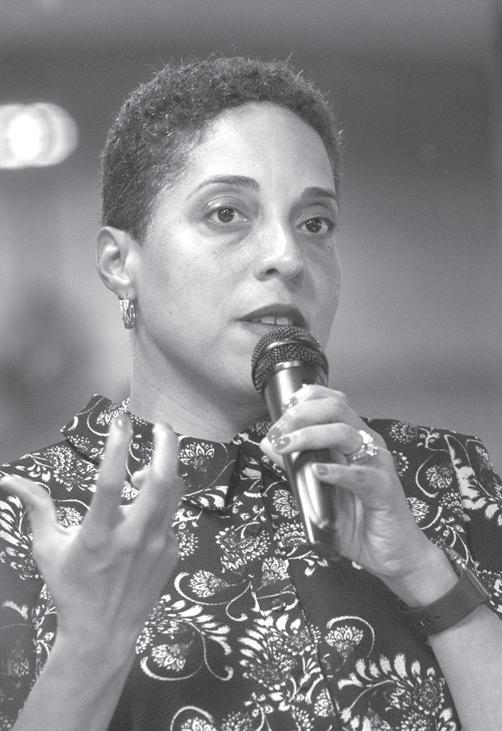
St. Louis Circuit Attorney Kimberly Gardner
On February 20, 2001, the Missouri Supreme Court, which then consisted of five conservative judges appointed by Gov. John Ashcroft and two appointed by Gov. Mel Carnahan, ordered the adoption of the new subdivision of an existing court rule entitled “Post-conviction Motion for Forensic DNA Testing not Available at Trial.” It went into effect September 1 of that year.
“A person in custody of the Department of Corrections claiming that forensic DNA testing will demonstrate the person’s innocence of the crime for which the person is in custody may file a post-conviction motion in the sentencing court seeking such testing,” subdivision 29.17 of Supreme Court Rule 29 begins. The rule gets more densely procedural fast, but the gist is clear from the name and the beginning of it. As of 2001, there were innocent people languishing in Missouri prisons who would be exonerated through the application of forensic testing of DNA evidence that had not been available when they were convicted. The court introduced the new rule in response to the new technology for a good and simple reason: It is the court’s responsibility to ensure, not that unjust sentences are preserved, but that justice is served.
Conviction Integrity Review Units like Gardner’s are dedicated to undoing past mistakes in police work and prosecution that led to an epidemic of mass incarceration. Gardner’s investigation of Johnson’s case uncovered ample evidence that if he were retried more fairly — without, among other things, the witness who recanted his testimony — it is reasonable to believe he would not be convicted. A new rule is needed because many people in his position are out of options in procedural terms. The same was true of countless people convicted without forensic review of DNA evidence before 2001. Subdivision 29.17 of Supreme Court Rule 29 provided a procedural fix for people unjustly convicted in Missouri without forensic review of DNA evidence.
If the court does not agree that its current procedures provide a remedy for Lamar Johnson, then the court needs a new subdivision to Rule 29 allowing Johnson and others whose convictions are called into question by a Conviction Integrity Review Unit to file a post-conviction motion in the sentencing court seeking a new trial. This does not open a floodgate – the circuit attorney must be persuaded that justice is lacking and then she must persuade the trial court that justice requires the granting of a new trial.
The Missouri Supreme Court respects precedents. It has a precedent for handling Johnson’s case and more like it to come from Conviction Integrity Review Units. The precedent is in how the court added a procedural fix to adjust the criminal justice process in the light of DNA forensics. Conviction Integrity Review Units, like DNA forensics, are an important new correction to the imperfect field of criminal justice, and the Supreme Court needs to make a simple, crucial procedural fix to adjust for them. Justice in Missouri – which is this court’s domain – compels it.
As I See It - A Forum for Community Issues
By Edo Linette For The St. Louis American
Every so often, I ride through my old neighborhoods, Walnut Park and Castle Point. When I do, I notice that there is a resemblance: vacant houses and vacant lots where homes once were. And then an eerie silence of nothingness. Nobody is sitting on porches, nobody walking to stores; nobody is looking out of their windows, no music, no village of people like those who helped raise us in those neighborhoods.
I start to look at these areas with promise in my heart, but then think about how much work and resources it would be to put life back in these areas. But I get stuck on the vivid memories of both neighborhoods.
Walnut Park was thriving in the ‘80s. I can speak so much life into the 4900 block of Beacon: parents partying, waking you up in the middle of the night to do one dance (for me, it was the Boy George.) The women on the block cooked, and the whole block would stop by to eat, because everybody was getting food stamps back then. Adults would get together and smoke weed in the backyards, laughing and drinking beer, just having a good time. I was free to be, very mischievous, a tomboy. I even fought for no reason.
I can also speak of all the types of trouble I have seen, just on that block alone: WJ’s (corner store) being on the corner, drug dealers out in the open, people getting into fights, people setting folks on fire, kids running up the street bussing windows, people getting shot running into houses, drunks, rapist men living up the alley. The kids were all equal. No one had more than the other, and, if they did, they still smelled like pee, so that trumped it all. We were equal. With all the bad things going on in the whole neighborhood, everyone always looked for a way out. It was hope and, for us, Castle Point was our hope. Who knows who I would have become had we stayed in Walnut Park? Castle Point was the safe haven to get away from all the bad stuff that we would see daily. When we moved to Castle Point, the kids were mean, but they were not my equal anymore. They had more than my little city mind could think of at that time. I wasn’t so free anymore and started pulling back and secluding myself. I was in a new environment, and
all I wanted to do was go back to the city.
The grass was green and manicured. And for the first time, we had grass in the front yard and backyard. Streetlights still came on, but the kids were obedient in this neighborhood. They went in. And if they didn’t go in, they’d stay up all night and sleep on the porch with neighboring kids.
The kids didn’t get into much, but when we did, we would go into buildings we weren’t supposed to. The Tower Restaurant, also known as the “Top of the Tower,” was a thriving place. People lived in this upscale building with a restaurant on the 10th floor and scuba diving on the bottom floor. We would go in this building, and every time the security guard would chase us out. There was so much life in this building, and now there is not. More like an eyesore that stands out, it’s so hard to look at, similar to the view of Walnut Park. But I can’t help but see so much hope. And there is still that eerie silence. Walnut Park in the ‘80s was preparing me to be a wild child, whereas Castle Point in the ‘90s tamed me. But now, they are equal.
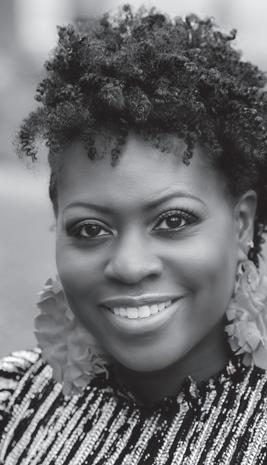
Edo Linette is a native of St. Louis, a PhD candidate and the founding president of This Girl Leads, Inc., a non-profit organization.
As I grew up and started to figure out who I am as a person, that message deeply resonated with me. I wondered: What if I already have three strikes against me?
Growing up in North St. Louis. I was surrounded by gun violence and drug addiction. I had friends who were in gangs and sold drugs. Some had even committed robberies. I always knew I didn’t want to be a part of that. Therefore, I made my education my number one priority. School became a hobby to me. I genuinely enjoyed learning. Once it was time for me to go to high school, I realized I didn’t think like most boys do. After many internal conflicts growing up, I eventually identified myself as a homosexual man: my third strike. From as early as kindergarten, I was attracted to other boys. I remember having a classmate that I wanted to be friends with so bad, but being the age I was I didn’t know it was because I found him attractive.
I started off my freshman year at Metro Academic and Classical High School. I came out to my friends and family as gay at 15 years of age, which was surprisingly easy. My classmates didn’t make it a big deal, nor did anyone in my family.
What scared me was how society would act towards a gay, black man. How would my own community treat me? I was openly gay, but out of fear of being ridiculed I went from being the talkative, energetic young man who loved being the center of attention in middle school to a quiet and shy bystander. I didn’t want heterosexual men to feel uncomfortable around
Let Jamaa Birth Village lead
I stand with the black women who support Jamaa Birth Village in Ferguson. Even though Mercy Sisters no longer make decisions for Mercy Health, we urge that institution to show mercy by stepping back to let black women lead. Two comprehensive reports – “Black and Brown Women Need a Different Framework” (https://pretermbirthca.ucsf. edu/news/) and “Eliminating Racial Disparities in Maternal and Infant Mortality” (www. americanprogress.org) – typify the substantial research that zeroes in on structural racism and how it embeds in the body as a cortisol bath in the womb, forcing unborn babies out before they complete their preparation for birth. Black women are twice as likely as white women to experience preterm birth, and their babies are twice as likely to die within their first year. Black and indigenous women are three times more likely to die from pregnancy-related issues than white women, in large part due to structural racism. Extensive research prescribes solutions. Provide expectant black mothers specialized connection and belonging within their own cultural context. Shift to care systems that are “informative, culturally humble and respectful” to reduce “cumulative stress and physiological responses in the body during pregnancy.” When
me because I had heard stories of gay boys getting beat up or killed just for being themselves. Television always portrayed flamboyant and very feminine gay boys being mentally and physically attacked. I often wondered if that would become my reality. There were always stereotypes I heard about gay men that portrayed them as atheistic, promiscuous drug addicts, thieves, or pedophiles, all of which incorrectly described me. So, I started to act overly masculine in fear of being judged based off those stereotypes.
I eventually became friends with another gay young man who also didn’t fit the stereotypes. One day my friend took me to The Spot, which is a community outreach program that caters to young black men aged 16-24. That was the first time I met an openly gay black adult. His name was Lawrence, and he was the organization’s director. Lawrence was like a mentor to everyone at The Spot. If you just needed someone to talk to or needed to find housing, he was always there to help. The Spot is where I met more and more people like me. We participated in group discussions every Tuesday about things from STD protection to planning block parties. It made us feel like we had a voice in the community. Going to The Spot every week was like having another family: one that completely understood what I was going through and my fears of being an openly gay teen. One weekend The Spot passed me a flyer for a ball. I would soon learn about a sub-community within the LGBT community. Balls are a compilation of different competitions. It started off as an underground society and is slowly but gradually making its way into mainstream. It gives gay youth of color the chance to be the person they want to be, able
to express themselves in ways they can’t on a daily basis. This eventually became a favorite hobby of mine. I meet people that I feel like I can relate to by going to different balls across the country.
Meeting these people provides an opportunity for me to hear all of their different stories about their upbringings and things they went through being a black, gay male in America. I saw many similarities and differences between me and the people I talked to.
A big problem I noticed within the ballroom community was homelessness. Most people that I met told me about their homeless experiences. They said it stemmed from being openly gay and their family not being accepting of them. Being young and trying to figure out exactly who you are, while not knowing where you could be getting your next meal or when or where you’ll be able to sleep, can be a lot for someone to handle. How can I help the brothers in my community overcome such a major consequence? One way I can help the homeless epidemic in the black male LGBT community is to be their voice. Most people who are homeless tend to be scared or ashamed of asking for help. I can take action by going to different organizations and giving them more insight on the problem. It may be a small step, but it’s towards the right direction.
Another way I plan to help is to actually work with community outreach programs, so I can learn better ways to help the men in my community. In the future, I plan to help open a homeless shelter. Elijah Quinn was a STL Youth summer intern in the Race and Opportunity Lab at Washington University in St. Louis Brown School.
“Homegrown Black Males” is a partnership between HomeGrown STL at the Brown School of Social Work at Washington University in St. Louis and The St. Louis American, co-edited by Sean Joe, Benjamin E. Youngdahl Professor and associate dean at the Brown School, in memory of Michael Brown.
necessary, stand up to dominant institutions “to assert new ways in which power is configured.” Two midwifery services prefigure Jamaa Birth Village. Mamatoto Village increases beneficial outcomes, and JJ Way actually reverses racial disparities. Let Jamaa Birth Village lead. Sometimes traditional white institutions can best help by stepping back. Libby Comeaux, co-member, Loretto Community Molly Arthur, associate, Religious Society of the Sacred Heart Denver, Colorado




Diawly Diop, a 6th grader at Barack Obama Elementary in Pine Lawn, was one of 10 local artists whose winning artwork will be showcased on the Metro Transit system as part of the MetroScapes Arts in Transit, Inc. program. Her inspiration came from Manal Ali-Sharif, the women’s rights activist from Saudi Arabia who helped start a women’s right-to-drive campaign in 2011. Diawly created the artwork when she was a 5th grade student at Jefferson Elementary School in Saint Louis Public Schools, and her colorful depiction of the activist behind the wheel was intended to motivate others the way that she herself was inspired by Ali-Sharif. “My painting wasn’t just about winning. I put kind and heart into it,” she said. “You should just go out and express yourself.” The competition attracted 471 submissions from 224 artists who live within a 50-mile radius of St. Louis. For more information, visit artsintransit.org.
St. Louis County now offers paid family leave
All St. Louis County employees now get two weeks of paid time off to for a new child or a sick family member, according to a policy change that went into effect on December 17. “By showing leadership through our own policies, I hope to encourage
Through the execution of two search warrants, St. Louis Metropolitan Police burglary detectives have recovered over 800 pieces of property taken in numerous burglaries throughout
other employers to put our region on the map as a good place for women to work and raise a family,” St. Louis County Executive Sam Page said in a statement. “Paid family leave is a good start.”
Police trying to return stolen items to victims central/south St. Louis City dating back as far as 12 months. Anyone who believes their property night have been recovered can contact the Third District Detective Bureau at recoveredproperty@slmpd.org.
State seeks input on medical marijuana vaping products
The Department of Health and Senior Services (DHSS) will hold a public forum to receive input on how its Medical Marijuana Program should regulate medical marijuana vaping products. The forum will be held 5:30-7 p.m. January 9 at the Governor Office Building, Room 450, 200 Madison St. in Jefferson City. The department is now also accepting public comments regarding regulation of medical marijuana vaping products. Public comments can be submitted electronically using an online comment form designated for this purpose at https://health.mo.gov/safety/medical-marijuana/ rules.php. Comments will be accepted until January 13.

By Heather Taylor For The
St. Louis American
Heather Taylor n Just once, I’d like to see a police department immediately hold us accountable when our actions cost someone their life.
Akeelah “Kee Kee” Jackson, a smart, beautiful, 12-year-old child, lost her life after being struck by a St. Louis County Police officer on October 14. The officer failed to turn on his lights and siren for 32 seconds as he pursued a car for a traffic violation. It takes one second to turn on the lights of a police car, an additional second to turn on the siren. That officer also drove 59 miles per hour in a 30-mile-per-hour zone before killing Akeelah. I doubt the officer that killed Akeelah with his reckless actions wanted to hurt a child; however, a child has lost her life, with her family left to pick up the pieces from his actions. The officer must be charged and held responsible. After Akeelah was struck, St. Louis County Police Department public information officer Sergeant Benjamin Granda stated, “I think reasonable people understand that a police officer has a duration of time or space they need to catch up with a car to initiate a traffic stop.” What is “reasonable” is expecting an officer to take two of those 32 seconds to turn on his lights and siren. Furthermore, we are taught in the Police Academy to turn on our lights and siren to be recognized as an emergency vehicle. We, as officers, are not given a grace period to speed. Just once, I’d like to see a police department immediately hold us accountable when our actions cost someone their life.
Please note that in 2018 two men, Mikel Neil and Townsal Woolfolk, lost their lives during an unauthorized St. Louis County vehicle pursuit. At the time, St. Louis County Police released a statement stating their officers were not pursuing the car. Activists later found video that showed they had pursued the vehicle.
It’s time for those 32 seconds to catch up to the officer that killed Akeelah “Kee Kee” Jackson. Heather Taylor is president of the Ethical Society of Police.

Continued from A1
housing projects, which were demolished in 1972.
“I lived in Pruitt-Igoe,” Robinson said, reciting the address from memory: “2311 Dixon, Apartment 103. I lived there for five years. That was before it went down and became a slum.” Robinson is not alone among people with a deep connection to Homer G. Phillips who wonder about the motives of the developer in question, Paul McKee Jr. Will Ross, MD, MPH, who is co-authoring a book on the hospital’s legacy, wrote a tart letter to McKee on December 16.
“I recently read about the effort to name the proposed new hospital in North St. Louis the ‘Homer G. Phillips Hospital,’” Ross wrote to McKee. “This is a mistake; at best it is cultural appropriation, at worst it is frank cultural insensitivity.”
Unlike Robinson, Ross is not a retiree living in Indiana. He is professor of Medicine in the Division of Nephrology, associate dean for Diversity
Continued from A1
evidence that the homicide detective on the case allegedly made up witness testimonies, which the witnesses only learned about years later. It also provides documentation that an assistant circuit attorney paid off the only eyewitness and cleared some of his outstanding tickets.
This particular appeal is a new thing in Missouri (and, the court notes, around the country): a reform-oriented prosecutor using state resources to review old convictions and act in the interests of someone the office previously had convicted.
and principal Officer for Community Partnerships at the powerful Washington University School of Medicine.
Though McKee would know Ross well – McKee recently chaired the board of BJC HealthCare, the medical partner of the medical school – he has ignored Ross to this point, even after follow-up phone calls.
“I made several calls to Paul McKee, which were never returned,” Ross said.
The American also asked McKee and a spokesman for Mayor Lyda Krewson, who was copied on Ross’ letter, for a response. Neither has responded.
Krewson, whose spokesman learned about the letter from The American, did respond to Ross.
“I got a call from Lyda Krewson, who agreed that the name was chosen to placate the African-American community and get ready buy-in,” Ross said. “She thought it was culturally insensitive.”
The “buy-in” in question relates to much more than McKee’s proposed medical facility – which, to be clear, will start as nothing more than a three-bed urgent care facility. The St. Louis Board of Aldermen has
Its newness has caused problems for Gardner in trying to secure what she believes is justice for Johnson. The trial court, presided over by Circuit Judge Elizabeth B. Hogan, appeared surprised to find a prosecutor filing on behalf of someone her office had convicted (albeit when Dee Joyce-Hayes was circuit attorney, establishing many of the practices that Gardner is trying to reform).
The circuit court ordered Missouri Attorney General Eric Schmitt to represent the state’s interest in the case. Schmitt argued that there is no procedural option for Johnson to get a new trial in state court, and the court dismissed the motion because it lacked procedural authority to hear

approved nearly $8 million in incentives for this modest development. This is in addition to hundreds of millions of state and city tax incentives for McKee’s much-prolonged NorthSide Regeneration project, of which the urgent care center (and, purportedly, eventually a hospital) would form a part.
McKee’s development plans in North St. Louis were first exposed at the land-assemblage
it. After a complex flurry of appeals and cross-appeals, the matter appeared before the appellate court.
The appellate court also dismissed the matter on procedural grounds — finding it “not appealable” — while essentially outlining for the state Legislature the kind of statute that could be passed that would give the court standing in future cases challenged by the circuit attorney’s Conviction Integrity Unity.
phase by local architectural historian Michael R. Allen all the way back in 2005.
Something Allen told St. Louis Magazine about McKee a decade ago resonates as McKee ignores Ross’ warnings about his choice of name for his three-bed urgent care center.
“There are a lot more ruthless and evil developers out there than Paul McKee,” Allen said. “The biggest problem with him is that he doesn’t
gave a Christmas gift to the Missouri Supreme Court by transferring the case and with it the opportunity — which reads like a challenge — to make history. The conclusion of this important ruling deserves to be quoted in full.
n “The resolution of these issues is of obvious import and general interest throughout this state.”
– Missouri Court of Appeals
“The issues in this case are undeniably important and include questions fundamental to our criminal justice system: whether and to what extent an elected prosecutor has a duty to correct wrongful convictions in her jurisdiction; whether and to what extent there is or should
The appellate court also

listen to good advice.”
There are many more people other than Ross and Robinson who would like to give McKee a good piece of their advice about his name for his threebed urgent care center.
“The Homer G. Phillips Nursing Alumni Association called me,” Ross said, “and were also indignant that the name was appropriated without community input.”
Here is some more of
be a mechanism for her to exercise that duty; whether and to what extent the limitations of any such mechanism (such as the Rule 29.11 timelines) impact a trial court’s authority to consider the matter or the statutory right to appeal a trial court’s ruling on the matter; and whether and to what extent the Attorney General has or should have a role in that process,” the court ruled.
“The resolution of these issues is of obvious import and general interest throughout this state. But the case has also garnered national attention given the numerous jurisdictions with conviction integrity units facing similar questions of significance to the administration of justice in those states. Moreover,
the good advice that Ross delivered to McKee in his letter, along with a history lesson.
“The legendary Homer G. Phillips Hospital in the Ville neighborhood was a cultural icon, the pride of not just North St. Louis but our entire community. It achieved the status of one of the most influential black hospitals in the country during its tenure from 1937 to 1979. It was a magnificent edifice, an architectural masterpiece, and a place of physical, mental and spiritual healing for generations of African American St. Louisans. It trained the best and brightest physicians, nurses and allied health professionals in the country,” Ross wrote to McKee.
“It should have never closed; the racially motivated effort that led to its closure tore apart the African American community and left a gaping cultural wound that will take more generations to heal. Please do not abuse the legacy of the Homer G. Philips Hospital with this paternalistic approach to placate the African-American community. This whitewashing of history is truly disrespectful.”
resolution of these issues may require reexamination of existing law. Under these circumstances, we find transfer appropriate.”
Now it is up to the Missouri Supreme Court to determine whether its own rules allow or prohibit the relief requested by the prosecutor for Johnson. The Supreme Court has the authority to establish a rule of procedure that explicitly authorizes the trial court to hear the prosecutor’s motion to reopen the case and grant a new trial. This, legal observers believe, would be essential to preserving faith in the criminal justice system where there is a plausible claim by a new prosecutor that a previously convicted person is actually innocent.

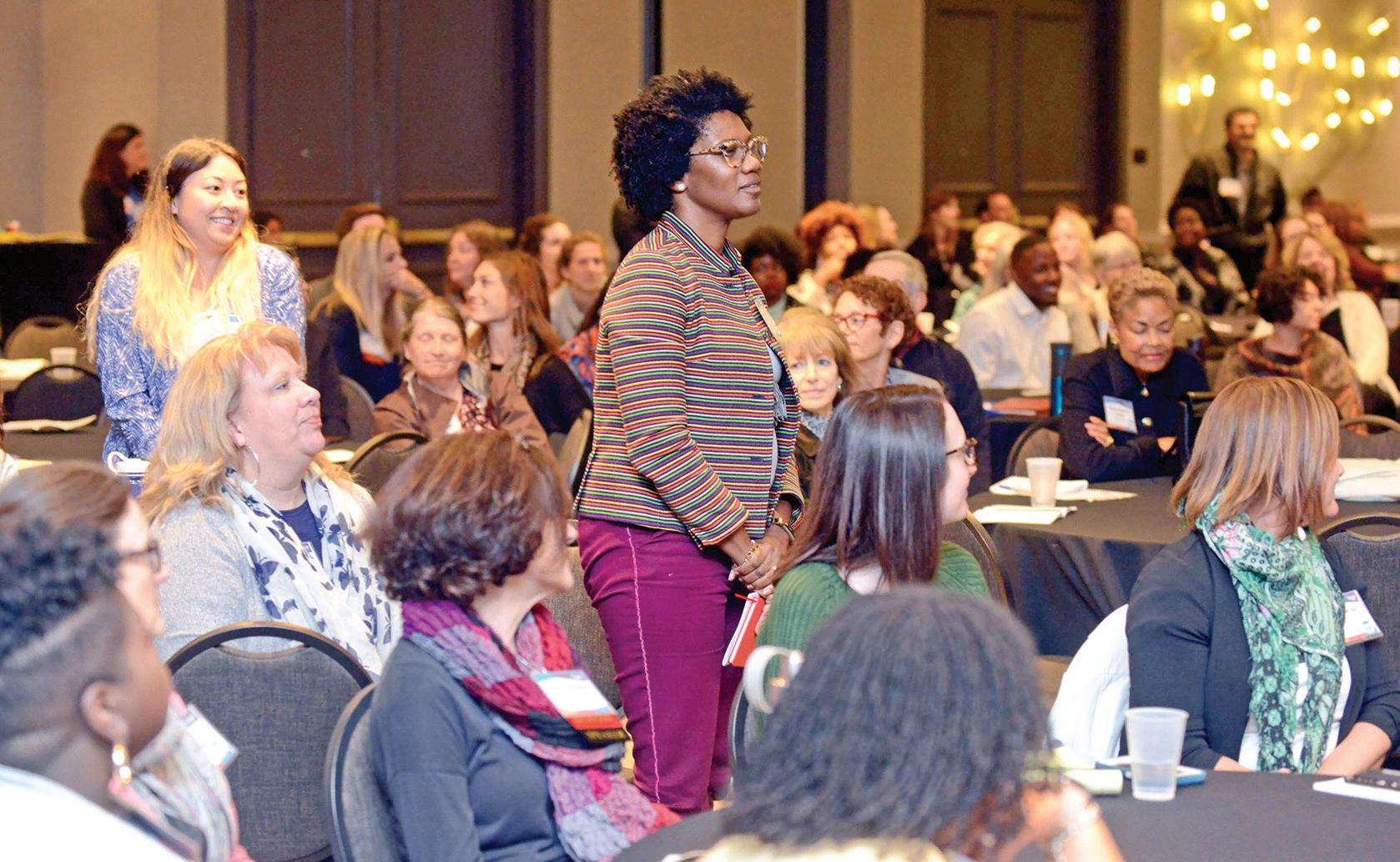
Keynote speaker AsanteMuhammad showed the summit’s sold-out audience of more than 500 people on October 11 how he had crossed out “racial inequality” on all his PowerPoint slides and replaced them “white supremacy.”
“That term is often used in a classist way,” he said, “like white supremacists are those poor working-class people in the South or in the Northwest who are Neo-Nazis. But I think it’s important to understand that many of the institutions we work at, the foundations that fund us, the governments we work with are the main purveyors of white supremacy. The foundation of white supremacy is racial economic inequality, and the foundation of racial economic inequality is the racial wealth divide.”
Asante-Muhammad was among 65 speakers across more than 20 breakout sessions, who spoke about the work of advancing racial equity across the region. Presenters highlighted local successes, bold ideas, learning experiences and best practices, organizers said.
“The movement is not on the way, it is here; it has been here,” said David Dwight IV, executive director and lead strategy catalyst at Forward Through Ferguson. “It’s time to move from a rag-tag team of isolated advocates to a coordinated field of leaders. Today was an opportunity to deepen our relationships, to deepen our camaraderie.”
Forward Through Ferguson worked with several organizations to plan the summit, including FOCUS St. Louis, United Way of Greater St. Louis, St. Louis Promise Zone, and Clark-Fox Policy Institute. A goal of the sessions was to build alignment and investment in Forward Through Ferguson’s framework for achieving racial equity by 2039. In spring 2018, Forward Through Ferguson released the STL Action Plan 2039, imagining a St. Louis devoid of racial inequality by the year 2039. That year will mark 25 years since the shooting death of Michael Brown in Ferguson.
Much of the content covered in the sessions focused on how to implement the Ferguson Commission report’s Signature Priorities of Youth at the Center, Justice for All, and Opportunity to Thrive.
Asante-Muhammad applauded that the Ferguson Commission’s 2015 report did not stop at publishing the report, but that there is a foundation charged with pushing forward those goals. His one critique was that there needs to be stronger economic recommendations that include clear goals of achievement. For instance, he said the suggested employment programs should have an attached goal for bringing down the unemployment rate by a specific percentage.
Asante-Muhammad started off his remarks by recognizing those who rebelled five years ago against the issues of inequality and suffering and who likely weren’t in the room. The entire two-day summit revolved around the five-year anniversary of the Ferguson Uprising and how far the region and country have come since then.
Often times, people look at race relations as a personal thing, focusing on how people feel about a certain group or whether people have enough Latino friends or black friends. However the base of racial inequality is economics, as it has been since people were enslaved for economic gain.
“You can never have good personal relations with people who are using you as slaves or with the people who you are pushing off the land,” said Asante-Muhammad. “Economics is at the center.”
Oftentimes people wonder why white supremacy can be so pervasive in the United States in 2019.
“It’s because we haven’t dealt with the economics sufficiently,” he said. “Until we deal with the economics, we’ll be saying the same thing in 2039.”
The STL
convened in response to a wave of deadly race riots.
Asante-Muhammad read the quote aloud to the audience:
“Segregation and poverty have created in the racial ghetto a destructive environment totally unknown to most white Americans. What white Americans have never fully understood—but what the Negro can never forget—is that white society is deeply implicated in the ghetto. White institutions created it, white institutions maintain it, and white society condones it.”
When people look back at the Civil Rights Movement, he said, we often forget that deconstructing the economy was at the center of it.
“We’ve taken all the things that the Civil Rights Movement didn’t accomplish, and we made that disappear like they weren’t fighting for it,” said Asante-Muhammad. “And we only highlight that there are no more colored water fountains, like that’s what the Civil Rights
n “Many of the institutions we work at, the foundations that fund us, the governments we work with are the main purveyors of white supremacy.”
– Dedrick Asante-Muhammad
Movement was all about, versus a much broader socialeconomic agenda.”
Dr. Martin Luther King Jr. was murdered in the midst of struggle, not after victory, he said. He was supporting the Poor People’s Campaign, and 140 rebellions dealing with economic disenfranchisement took place in 1967. Robert Kennedy, who was killed shortly after King, endorsed the campaign as well, AsanteMuhammad explained.
The Civil Rights Movement’s “freedom budget” looked at the abolition of poverty, health service for all and adequate minimum wage

equating to about $14 an hour in today’s value, he said.
“There have been many battles won, but many wars never won,” he said. “Narratives shape our understanding of reality.”
Even with the nonprofits he works with, he said, people often still fall into regressive narratives. Even people doing good work perpetuate the idea that there is a system that works and communities of color are doing something wrong, he said.
“That is the myth,” he said.
“The truth is our economy
is designed to reward the wealthy and leave others behind. It has been quite clear for the last 30 to 40 years. We have an upsidedown tax system, residential economic segregation, lack of investment and disenfranchised communities.”
The myth is that white people have worked hard, and now everybody else can do it too. However, he points out that more money was invested in the creation of the white American middle class than in rebuilding Europe, including subsidies for housing and higher education.
From 1947 to 1979, the country’s poorest 20 percent saw a 120 percent growth in income, while the country’s wealthiest 5 percent saw a 86 percent growth, he said. This is considered progressive. However, from 1979 to 2008, the poorest have seen their income decline by 7 percent
The region’s first St. Louis Racial Equity Summit revolved around the five-year anniversary of the Ferguson Uprising and how far the region and country have come since then.
and the richest 1 percent have seen a 224 percent growth. This is a regressive economy, he said.
However, the country continues to spout a “sophisticated justification” for this racial divide, that if the black people would just go to school then they too would experience steady growth, he said.
One member of the audience asked if he thought redistributing wealth was a radical idea. AsanteMuhammad responded that redistributing wealth is something our country does every year.
“We continue to reinvest $700 billion of tax money to support the wealth development of the wealthy,” he said, pointing to tax cuts and housing subsidies. “We redistribute wealth all the time, it’s just that people don’t mind when it goes to the wealthy.”

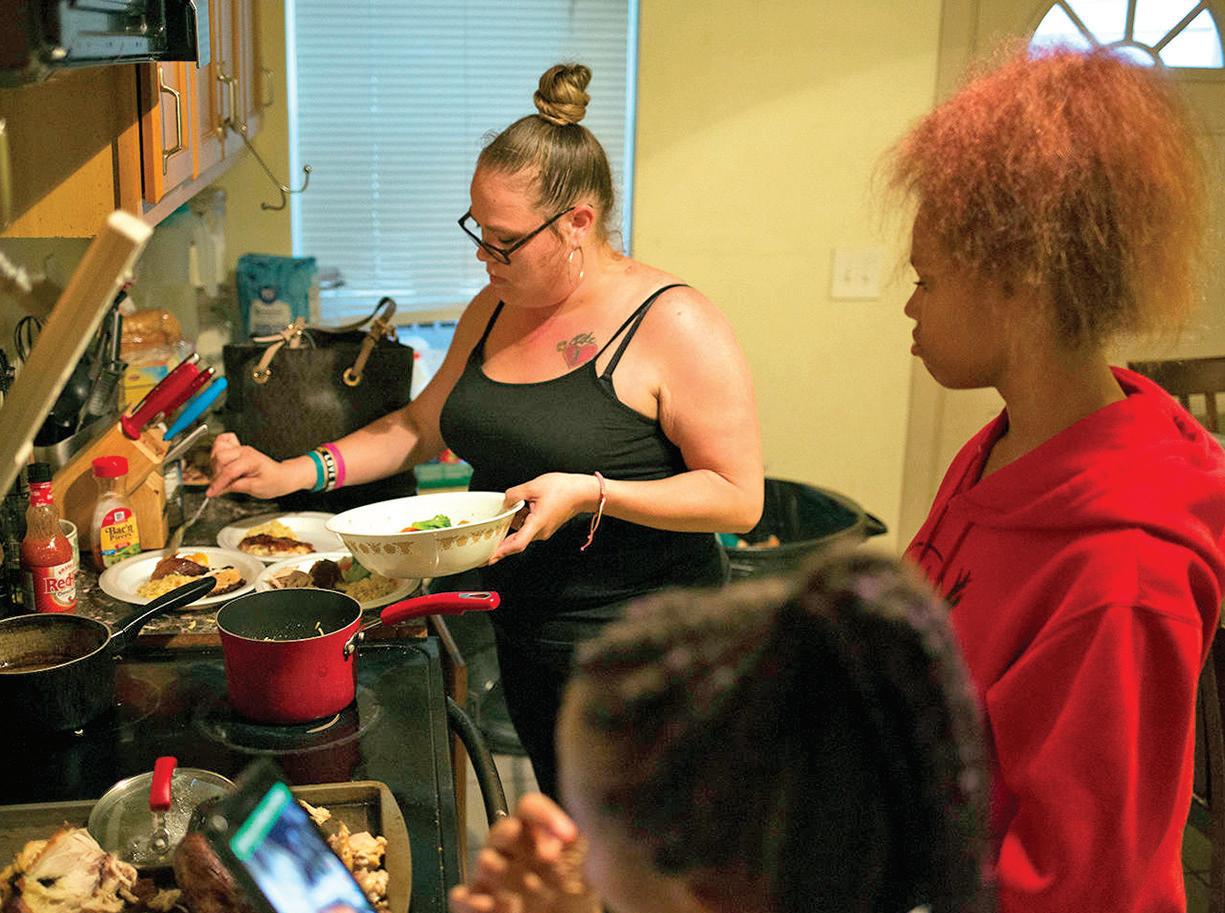
Regina Hartfield serves dinner for her children in their South St. Louis home. The state’s Medicaid dropped her children from the program in late summer. In 2018, more than 23,000 of Missouri’s young children went without health insurance.
By Sarah Fentem
Of St. Louis Public Radio
Missouri had the highest increase in the rate of uninsured children in the nation over the two-year period that ended in 2018, according to a study from Georgetown University.
In 2018, 5.3 percent of Missouri children under age 6 were uninsured, up from 3.6 percent two years earlier. Nationwide, uninsured rates in that age group rose to more than 4 percent.
Not having health coverage could have severe consequences for young children, pediatricians said. Without health insurance, kids miss doctor’s appointments that can identify health problems and provide preventative care such as vaccinations.
n “Every child needs health insurance, and every parent I have ever met wants their child to have health insurance.” – Dr. Ken Haller
“That’s thousands of kids who are unable to get needed medical care, both for routine checkups and for chronic conditions and diabetes,” said Dr. Ken Haller, a pediatrician at SSM Health Cardinal Glennon Children’s Hospital. “These kids will end up sicker, they’ll end up in the
hospital, they’ll end up in emergency rooms.”
In 2018, more than 23,000 of the state’s young children went without health insurance.
It’s becoming more difficult for parents to sign up and keep families enrolled in health coverage, especially publicly funded programs such as Medicaid, said Elisabeth Wright Burak, the study’s author. Eligibility requirements are becoming more stringent, and parents frequently need to prove they and their family are qualified to receive coverage.
“We’re seeing more of this interest in adding what we call red tape or new conditions on eligibility and enrollment that have the effect of kicking folks off the rolls,”
is a social determinant
By Dr. Gail C. Christopher For The St. Louis American
Years ago, the race equity community approved when the Centers for Disease Control (CDC) acknowledged that social determinants of health – economic stability, education, social and community context, health and healthcare, and neighborhood and environment – are conditions that affect the quality of life for Americans.
Deep down, we knew a big piece of the puzzle was still missing. Research demonstrated that exposure to racism can harm a person’s mental and physical health. But the government never explicitly included racism as a social determinant of health, despite the abundance of evidence and the ever-growing health disparities imperiling people of color.
However, the American Academy of Pediatrics (AAP) valiantly stepped into the void. The organization of 67,000 pediatricians – which is committed to optimal physical, mental and social health and wellbeing for infants, children, adolescents and young adults – recently issued a policy statement declaring that “racism is a social determinant of health” with a profound impact on the health status of children, adolescents, emerging adults and their families.
n It is largely unspoken, but many African Americans, especially our children, feel apprehension the first time they step in an examining room of a white doctor.
“Although progress has been made toward racial equality and equity, the evidence to support the continued negative impact of racism on health and well-being through implicit and explicit biases, institutional structures, and interpersonal relationships is clear,” AAP stated. “The objective of this policy statement is to provide an evidencebased document focused on the role of racism in child and adolescent development and health outcomes.”
This statement is a significant
St. Louis has an opportunity to lead the state in needed public health reform
By Joel Sjerven For the St. Louis American
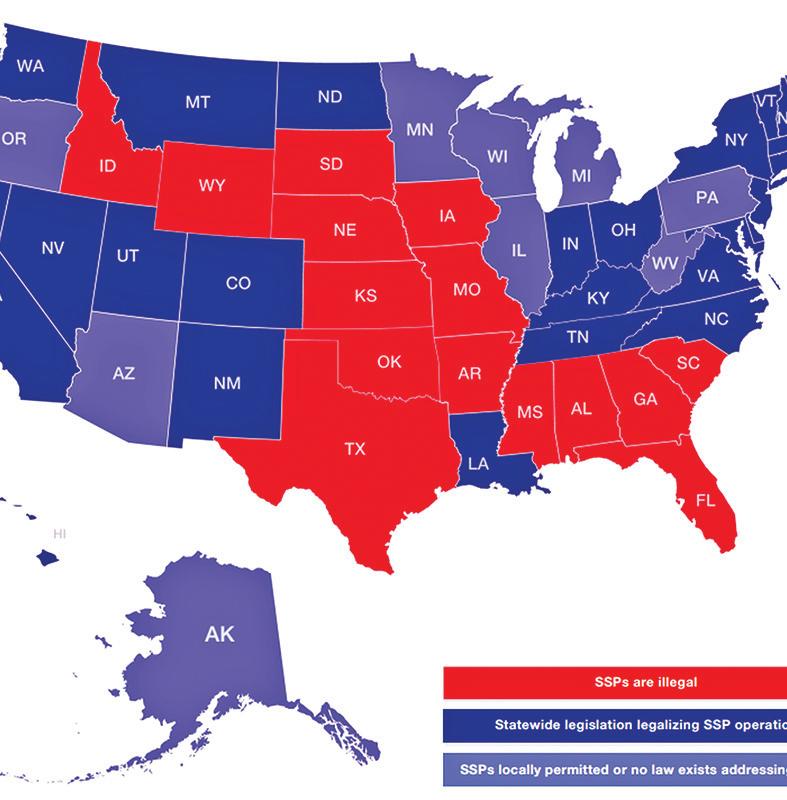
A needle exchange program offers sterile needles to people who inject drugs. This harm reduction intervention has been effective at decreasing risk and improving the quality of life for those affected. Needle exchange is a low-cost intervention which saves $100-$1000 per case of HIV avoided, according to a 2018 study of such programs in Central Appalachian. Needle exchange programs have proven to be particularly effective at reducing HIV and hepatitis C transmission, according to a 1997 study published in The Lancet. Alderwoman Cara Spencer introduced a bill on November 8 to legalize such programs in St. Louis. “For such a long time, actions towards
n Without addressing barriers to needle exchange programs, policy makers are promoting the sharing of needles, leading to transmission of blood-borne diseases.
individuals that inject drugs have been punitive,” Dr. Fredrick Echols, director of the St. Louis Department of Health, told St. Louis Public Radio. “This will be one of the first times I think in the history of St. Louis we’re actually reaching out to them provide some of the support they need.”
Spencer told St. Louis Public Radio that the program also “creates that point of intervention where those service providers can introduce those folks to other services available to them that could address their addiction.”
As Spencer points out, needle exchange programs are often used as points of contact to build relationships and offer education and other services. Services offered include other harm-reduction interventions, medical care, social services, referral to drug treatment, HIV and hepatitis testing, medication assisted treatment, condoms, and vaccinations. People who access needle exchange programs are five times as likely to


“TakingCareofYou”
Continued from A8
engage in treatment, according to a 2019 study published in the Journal of Psychosocial Nursing and Mental Health Services, while no evidence supports the idea that substance use disorder is reduced by mandated detention.
Needle exchange programs are inexpensive, ranging between $23 to $71 per person annually. The range depends on where the program is offered and how the needles are exchanged. Examples include pharmacies, vending machine, or mobile outreach vehicle. There are also several methods for collecting used syringes, including driveup drop boxes, pharmacists, and mobile outreach teams. When there are not programs to collect used needles, they are often found in rivers, abandoned houses, and public parks.
In the United States 26,000 cases of AIDS resulted directly or indirectly from injection drug use in 1995, making up 35 percent of all new cases that year. In West Virginia injecting drug users accounted for 10 percent of HIV transmission cases. In 2018 West Virginia found that 25-40 percent of acute hepatitis C cases listed injection drugs as a potential source of infection. Needle exchange programs have been effective at stemming these transmissions. In Australia needle exchange reduced the HIV rate by 74 percent over 10 years, saving as much as $5.5 for each dollar invested. Tacoma, Washington had an over 60 percent reduction in risk of hepatitis contraction associated with the implementation of a NEP. Cities with needle exchange programs reduced HIV rates by 5.8 percent, while those without increased by 5.9 percent, accounting for an 11 percent average difference between cities that have these programs and those that don’t.
As many as 19 percent of people who inject drugs have been diagnosed with HIV. A leading causing of transmission is sharing a needle with another person who has been infected. In Baltimore, 56 percent of needles were found to have been used by multiple people.
A Canadian study found that in Edmonton 37.8 percent of needles had been shared, and 88.7 percent of new needles had been received from a needle exchange program.
Worldwide it is estimated that 90 percent of people who inject drugs don’t have access to needle exchanges. In the United States, the West had the best access for rural people, with 30 percent, compared to the South having the least at 7 percent. Urban locations showed the opposite results with 86 percent of people in the South having access, compared to 51 percent in the West.
Cost effectiveness
Needle exchange programs are recognized as one of the most cost-effective interventions for public health. The cost effectiveness of
preventing transmission of HIV and hepatitis C has routinely been found to be lower than treating the disease after transmission.
A 2014 study found that each dollar invested in needle exchange programs saved at least $6 in costs averted from HIV transmission. Each HIV infection delayed by one year is expected to save over $7,000. Preventing HIV through needle exchange programs can cost between $4,000 to $12,000, but treating a patient with HIV can cost as much as $190,000.
A 10-year overview of Philadelphia found that their NEP Prevention Point prevented 10,592 cases of HIV. The savings were calculated using $230,000 per lifetime HIV costs and found to save Philadelphia $2.4 billion over ten years.
Despite the effectiveness and cost savings associated with needle exchange programs, there is an issue of sustainably funding them. Several smaller harm-reduction efforts have been closed when not adequately funded. These programs are usually state-
funded. Federally funding would provide more financial sustainability, but was federally blocked until the Consolidated Appropriations Act of 2016. Currently, 50 percent of needle exchange programs in the United States are run by non-governmental organizations, but are often operated and guided by local and state health departments. One of the largest barriers they face is the legal challenge of criminalized syringe possession. Needle possession is still a crime in many states. Despite being illegal in some states, law enforcement in Central Appalachia has grown supportive of the program. Needle exchange programs there faced unexpected demand. Even with police and community support, they couldn’t maintain financial solvency without federal funding. Without substantial federal funding and decriminalization of syringes NEPs will have difficulty operating. Without addressing barriers to needle exchange programs, policy makers are promoting the sharing of needles, leading to transmission
of blood-borne diseases. Needle exchange programs are an evidence-based, harmreduction strategy that have proven to be cost effective and to reduce blood borne transmissions. They are not associated with increases in crime or drug use. Harmreduction approaches such as needle exchange programs can save more lives and money by scaling up these proven approaches. They exemplify that small investments can result in large savings. These savings can be reinvested in other services for people who inject drugs, such as housing and overdose prevention. Criminalization of syringes is the largest barrier to full implementation of needle exchange programs in the United States. Passing the legalization of needle exchange programs in St. Louis, could provide support for progressing similar legislation at the state level.
Joel Sjerven is a social worker who has served people who use drugs, people with mental illness, and those experiencing homelessness.
The chairman and CEO of the nation’s largest managed health care organization, Kaiser Permanente, Bernard J. Tyson, died suddenly on Sunday, November 10 at the age of 60. Tyson rose through the ranks from intern to the leader of the health care giant, based in Oakland, California, a career that spanned 35 years. Tyson became Kaiser’s CEO in 2013 and was named chairman in 2014, leading the nonprofit foundation that operates integrated managed care, hospitals and regional medical groups in California, seven other states and Washington, D.C.
In his six-year tenure, as CEO, the company grew from 9.1 million members to 12.3 million, and employed more than 215,000 workers, up
Continued from A8
said Wright Burak, a senior fellow at Georgetown’s Center for Children and Families. “More and more states, I think, have the potential to cut red tape for kids and do more to make those processes more simple for families.” Missouri’s enrollment procedures have come under fire from advocates and lawmakers after children started losing coverage
Continued from A8
development. It spells out that racism is inflicting harm on our babies as they grow, clearing the way for pediatricians and other pediatric health professionals to proactively engage in strategies to optimize clinical care, workforce development, professional education, systems engagement and research. These actions can reduce the health effects of structural, personally mediated and internalized racism, improving the health and well-being of all children, adolescents, emerging adults and their families. Further, the nation’s changing demographics dictate
As
from 174,000. The company’s annual revenue also grew to nearly $80 billion last year from $53 billion in 2013.
Tyson, who was named as one of Time’s 100 Most Influential People in 2017, was the first African American to lead a major national health care chain. He became a prominent black voice on race relations, equity in health care and the need for affordable care in America. As CEO, Tyson was an outspoken advocate for racial equity, both in health care and in the world of business, often noting the racial disparities in healthcare as well as the everyday struggle of being a black man in America. In 2014 he sparked a national conversation about race after he wrote an article centered around the shooting of Michael Brown.
“You would think my experience as a top executive
under Mo Healthnet, the public insurance option for poor families in Missouri. Since mid-2018, the number of children enrolled in the program has dropped 13 percent.
Critics blamed the drop on a paper mail-based reenrollment process and computer glitches at the Missouri Department of Social Services, which administers the program. Representatives from the department contend the drop is because they’re disenrolling people who aren’t qualified to receive Medicaid.
the need for pediatricians to have an unbiased office environment for children and their families – data shows that half of the children in American last year were nonwhite, while U.S. Census data indicated up to two-thirds of pediatricians are white The demographic imperative coupled with the rise in hate crimes and overtly expressed racist, hateful and antiimmigrant sentiments create urgency for protective, harmmitigating actions now. The AAP policy is a beacon of hope in troubled times. With this mandate, pediatrics can have a powerful impact on the nation – they touch every child, and nearly every family. I am not aware of another major medical entity that has dealt with racism in such explicit
would be different from a black man who is working in a retail or food service job to support his family,” Tyson wrote. “Yet, he and I both understand the commonality of the black male experience that remains consistent no matter what the economic status or job title.”
Tyson was vocal in his support of the Affordable Care
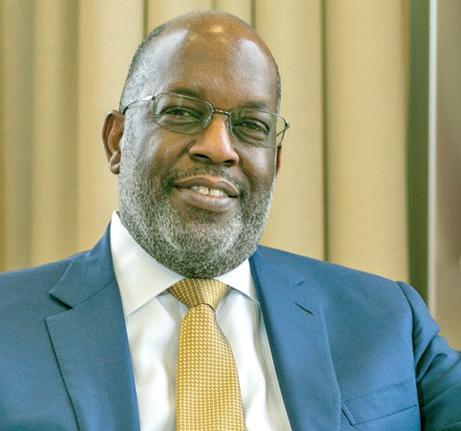
Bernard J. Tyson, chairman and CEO of the nation’s largest managed health care organization, Kaiser Permanente, was the first African American to lead a major national health care chain.
Act (ACA). As he told the Wall Street Journal in 2017, he was committed to keeping Kaiser in the ACA exchanges despite market instability, while other health care providers like Aetna backed out.
“The NMA mourns the untimely death of Bernard J Tyson, chairman and CEO of Kaiser Permanente,”
n “That’s thousands of kids who are unable to get needed medical care, both for routine checkups and for chronic conditions and diabetes.”
– Dr. Ken Haller
Missouri is one of the 17 states that haven’t expanded Medicaid to people living just above the poverty line.
Those states had double the increase in uninsured rates under age 6.
That’s because when parents are insured, health care becomes a family habit,
terms. Their directive aligns with #Rx Racial Healing, a movement activating a critical mass of people committed to working together and healing the wounds of the past as we seek to end racism and the inequities it has created.
Perhaps others have shied away from such designations out of fear that they don’t have a cure – after all, there is no pill or surgery that can be ordered to jettison the fundamental premise of a hierarchy of human value, which is what fuels racism. As a nation, we must discard this belief that skin color and ethnicity make a child or adult inferior or superior to another.
But today, we have demonstrated, and AAP seemingly has recognized, there is an effective path forward
Wright-Burak said. Healthier parents mean healthier kids.
“Medicaid expansion for parents and other adults is one of the best ways to make sure we can reverse this trend,” she said.
The loss of coverage for young children could have enduring effects on
against the belief in a hierarchy of human value. The seeds were planted some 35 years ago when, with the support of philanthropic foundations and education associations, we launched “Americans All,” an initiative focused on bringing children from all races and cultures together to explore their collective experiences. It embodies the chief strategy for jettisoning the belief in a hierarchy of human value –creating environments where people, children and adults, build trust with one another, recognizing that they have so much in common.
Our focus today is on advancing #Rx Racial Healing. It will reshape communities, using a new interconnectedness to bring more equitable practices and policies for
said Oliver T. Brooks, MD, president of the National Medical Association.
“He demonstrated the heights to which an AfricanAmerican executive in the healthcare industry can rise.
During his time as CEO at Kaiser, he implemented programs to move forward African-American physicians and other healthcare professionals. Though his passing was sudden it will not diminish the highest degree of respect that the NMA held for this healthcare giant. The work that he began will be continued by those of us who follow in his wake. The NMA will long cherish his accomplishments to the healthcare industry.”
Bernard James Tyson was born January 20, 1959, in Vallejo, California, one of seven children born to Moses Tyson, a carpenter and parttime minister, and his wife,
development, Haller said.
The American Academy of Pediatrics recommends 14 check-ups before a child’s 6th birthday.
“If kids are not getting that care and do not have that coverage at that age, it can be really devastating for them not just as children but for their entire lives,” he said. Not having insurance “can delay school entry by weeks, and they fall further and further behind.”
Those visits can also identify disabilities and problems such as poor hearing or vision that can
living, policing and governing and lead to a more equitable distribution of resources.
It underscores the importance of the AAP’s declaration. These doctors have publicly repudiated the ideology of a hierarchy of human value. That means so much.
It is largely unspoken, but many African Americans, especially our children, feel apprehension the first time they step in an examining room of a white doctor. Does this doctor really care about me? Is this doctor racist? Will I be treated differently, as some studies indicate, because I am black?
The AAP took a major step towards relieving that anxiety. What if there is a plaque on the pediatrician’s
Billie, a homemaker. It was his mother’s frequent visits to hospitals for diabetes that inspired him to seek a career in health care, he said in a 2015 Bloomberg interview.
“My mom was sick from diabetes, so we were in hospitals a lot, and I decided I wanted to run my own,” he told Bloomberg. It was those tough times in Vallejo General Hospital that proved formative.
“I’ve always had this calling,” he told the San Francisco Business Times in 2015, remarking how his childhood experiences were influenced by “wonderful people in white coats who genuinely acted like they cared for my mother.”
Tyson is survived by his wife, media executive and entrepreneur Denise BradleyTyson, and three sons, Bernard Jr., Alexander and Charles.
interfere with learning. A loss in coverage is rarely a conscious choice Haller sees parents make, he said.
“I have never once had a parent say they chose to have their child not get health insurance,” he said. “Every child needs health insurance, and every parent I have ever met wants their child to have health insurance.” Follow Sarah on Twitter: @petit_smudge. Reprinted with permission from news.stlpublicradio.org.
wall that states, “We acknowledge the shared human ancestry of all people and disavow and repudiate the idea of a hierarchy of human value. We value all people equally here and are working to achieve health equity by eliminating racism and other forms of exclusion and oppression.”
Because of the AAP, a significant transformation is within reach.
Dr. Gail C. Christopher, the former senior advisor and vice president of the W. K. Kellogg Foundation, is the executive director of the National Collaborative for Health Equity and founder of the Rx Racial Healing movement. Follow Dr. Christopher on Twitter @ DrGCChristopher.
This guest Political EYE is part of a collaborativereporting initiative of St. Louis Public Radio supported by the Pulitzer Center on Crisis Reporting. It was reported by William H. Freivogel and Mimi Wright
When the U.S. Supreme Court ruled in 2019 that police had to abide by the Bill of Rights when they seize property from people, state Rep. Shamed Dogan, R-Baldwin, thought he finally had the momentum to reform civil asset forfeiture and end what he calls “policing for profit.” He thought he would be able to stop Missouri police from pulling over motorists, seizing cash without a crime and keeping the money for departmental expenditures.

forfeitures. Justice Ruth Bader Ginsburg, writing for a unanimous court, said the “excessive fines” protection of the Eighth Amendment applied to the states. The court thought Indiana police may have imposed an excessive fine on Tyson Timms when they seized his $42,000 Range Rover after arresting him for a drug crime that had a fine of $10,000.
But Dogan was deeply disappointed by the end of the 2019 Missouri legislative session. A quiet lobbying campaign by law enforcement killed his reform and accused him of being “anti-police.”
No police officer or prosecutor testified in public against Dogan’s bill. But their behind-the-scenes lobbying prompted state Rep. Holly Rehder, R-Sikeston, chair of the House Rules Committee, to kill the bill. Rehder did not respond to requests for comment.
Dogan, a libertarian Republican, has been trying to reform civil asset forfeiture for years. He wants to remove the incentive for police to seize cash they can spend on departmental expenditures.
Dogan thought he would prevail after the U.S. Supreme Court ruled last February that Indiana and all other states had to follow the Eighth Amendment in asset
If the U.S. Supreme Court was frowning on police seizing a $42,000 car in a criminal case where the owner faced a $10,000 fine, surely the court would say Missouri police were violating the Eighth Amendment when they seize millions of dollars from citizens who were never charged with crimes or found possessing drugs. Or so Dogan thought. Dogan asked his House Special Committee on Criminal Justice to close the loophole Missouri police and prosecutors use to circumvent state law on asset forfeiture so they can keep the money seized from motorists instead of turning it over to schools.
Missouri law seems to set a high bar for police to seize property. It permits the state to seize cash from citizens only if there is a criminal conviction. In those cases, there needs to be proof beyond a reasonable doubt — or 90 percent or more certainty — to bring the conviction. Once a person is convicted, the property the police seized goes to schools. But police can sidestep those requirements by sending the money to the federal Equitable Sharing program. If a preponderance of the evidence — say, 50.1 percent rather than 90 percent — links property to a crime, police
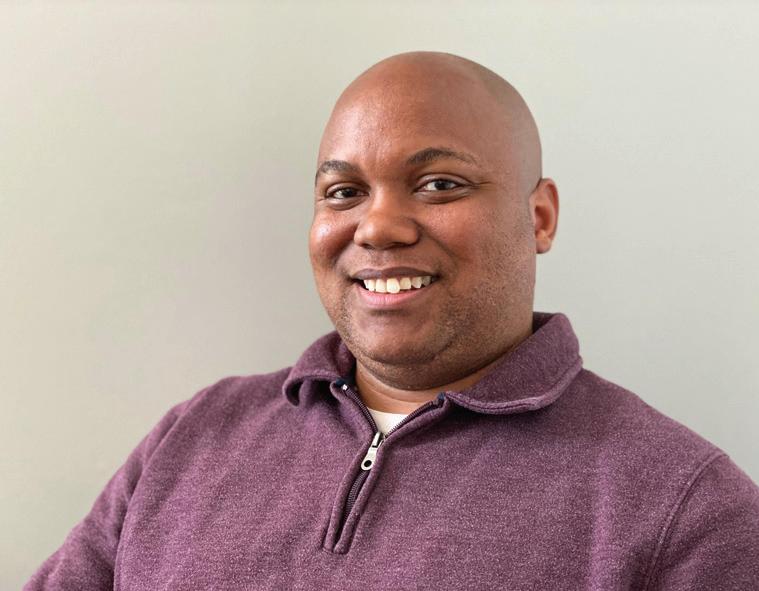
No police officer or prosecutor testified in public against state Rep. Shamed Dogan’s bill to reform civil asset forfeiture tools. But their behind-the-scenes lobbying prompted the House Rules Committee chair to kill the bill.
can route the cash through the Justice Department and get 80 percent of it back to spend on things such as jails, surveillance equipment, military-style vehicles or police headquarters — but not on schools. All it takes to reach that 50 percent threshold is for a drug dog to sniff cash and alert that the money has been near marijuana. That’s enough for the police to seize the property, even though in a court of law this would not be considered reliable evidence.
Dogan’s bill would have shut off the federal loophole and forced police to follow the state law, which requires convictions — not just suspicion — and which transfers property to schools.
That change would have put a big dent in some police

budgets. In 2018, police around Missouri reported to the state auditor’s office that they seized $9 million. St. Charles County, which has about 27 miles of Interstate 70, and Phelps County, which includes about 30 miles of Interstate 44 near Rolla, seized the most of all Missouri counties. Their police departments collected about $5 million, combined, in a total of about 60 highway stops. Those departments received most of that money back through Equitable Sharing.
For a brief time, it looked like Dogan might pull off his reform. His committee, which included former law enforcement officials, passed the bill unanimously.
But then the police chiefs, sheriffs, drug task forces and police and prosecutors from St. Charles County and across the state began to show up in Jefferson City. They didn’t officially testify against the bill or make public statements, but their message was clear: Dogan and anyone else who supported his bill was anti-police and soft on the war on drugs.
“The forces who are opposed to this in law enforcement,” Dogan said, “dig into their talking point that this will somehow hurt law enforcement’s ability to go after drug traffickers, which is in no way, shape or form true. We are talking about cases in civil asset forfeiture where, by definition, there are no criminal charges filed.”
Police “say we’re doing this to stop drug trafficking, but [they’re] not prosecuting them for drugs,” he said.
Rehder, chair of the Rules Committee, didn’t allow Dogan’s bill to go to the House floor. “I had a lot of back and forth with Rep. Rehder,” Dogan said, “because she took their side. I was told to compromise. I went to the various organizations, and they wouldn’t compromise.”
Dogan had proposed lesssweeping reforms in earlier legislative sessions. Those
changes would have allowed police to use the Equitable Sharing loophole in cash seizures above $50,000 or $100,000. That would have still permitted police to keep most of the cash seized, but it would have taken away the incentive to stop people with smaller amounts of cash, the largest number of people stopped. Had Dogan’s proposals gone through, police would have seized money from fewer people, but they still would have acquired most of the money they now receive.
But police groups said no to those proposals.
“It is frustrating because they didn’t make those arguments publicly. We had hearings on the bill like we did on anything else. They didn’t come in droves and testify against it. It’s just frustrating in a year like that, when we thought we had a lot of momentum, that they were able to lean back on those same old tired arguments about drug traffickers,” Dogan said.
“And they got offended when I use the phrase ‘policing for profit.’ But I don’t know what else you call it when you have police who refer to it as ‘pennies for heaven.’ I always go back and say, ‘If you are really after going after drug traffickers first and foremost, why don’t you seize their drugs instead of seizing their cash?’ To me, this is exactly backwards. We need to stop the dangerous drugs that are going into our communities.”
St. Charles County Prosecuting Attorney Timothy Lohmar found Dogan’s reform proposal a danger. He said people use the Timms case in Indiana involving the Land Rover “as an extreme example.”
“That is the exception rather than the rule,” he said in an interview. “It is very, very scary when idealistic people in our Legislature use extreme examples and use that as a justification to change the rules when they really don’t understand the practicalities of it and the realities of it.”
Lohmar said police would have to give back a lot of the criminal proceeds they seize on the highway if they had to go through the state procedure of obtaining a conviction in every case. For every extreme example like the Indiana one, Lohmar said, there are thousands of legitimate seizures that involve criminal activities.
If police had to rely on the state forfeiture program, police are going to have to release “these criminals with $10,000 in drug proceeds and give that money right back to them and they just go free,” Lohmar said. “So, all that money that is being seized from the drug trafficking organizations is just going to go back to the drug trafficking organizations if we are relegated just to the state asset forfeiture program.”
Instead of giving the money back to the drug cartels, Lohmar said, police and prosecutors make good use of the funds for equipment, anti-
drug programs and for training. St. Louis County Police Capt. Chris Hunt agrees that the money the county gets back from the federal government is important to funding departmental needs.
That reflects the views of police brass and prosecutors around the state. Phelps County is another jurisdiction that has benefited from forfeiture stops. Their police department has used that money to build a county jail, a police shooting range and buy an assortment of equipment.
Phelps County Sheriff Richard L. Lisenbe said the asset forfeiture program hurts organized drug traffickers and is a lifeline for law enforcement.
“What we use it for is typically training and equipment,” such as radios, cameras, guns, ammunition,” Lisenbe said. “Before we got in this asset forfeiture thing, we were driving cars that had 300400,000 miles on them.”
Lohmar disagrees with critics, such as Dogan, who say police focus too much on cases where marijuana is the drug connection in a cash seizure. Lohmar points out that transporting marijuana across state lines still is a crime.
Dogan objects to the emphasis on marijuana over more dangerous drugs.
“A lot of our war on drugs is a war primarily on marijuana smokers,” Dogan said. “And instead of focusing on the public health issue and the saving of lives, the vast majority of arrests and convictions are for marijuana. We arrested more people on marijuana possession than for every other drug offense combined. We should be going after the heroin dealers; we should be going after fentanyl dealers. We should be going after crack cocaine. ... Leave people who are smoking marijuana alone.”
After last year’s experience, Dogan held hearings in St. Louis and Kansas City on civil asset forfeiture and racial profiling. He is still working with allies on possible legislation.
Civil asset forfeiture is a “longtime scourge of mine, because it turns the Constitution on its head and the concept of innocent until proven guilty, which you really don’t get in cases of civil asset forfeiture,” Dogan said. “Most Missourians and most Americans don’t realize it’s even a possibility for law enforcement to seize your property and you have to prove your innocence to get it back.”
William H. Freivogel is a professor at the Southern Illinois University Carbondale School of Journalism and an attorney. Mimi Wright is a journalism student at the University of Missouri. All stories from this series are posted at https://taken. pulitzercenter.org/. Reprinted with permission from news.stlpublicradio.org.



and workspace.
‘Let’s not be followers anymore’ St. Louis is trying to make a comeback as a fashion hub
By Andrea Y. Henderson
with a desirable economic engine.
Hu’s posh, eco-friendly handbag company Lux & Nyx has already been featured in national and local fashion magazines, and the St. Louis venture has only been around for about a year and a half. That’s partly because of her connection to the St. Louis Fashion Fund.
She’s a Fashion Lab resident at the nonprofit. She takes meetings, designs and interfaces with others in the fashion and business world, all at the fashion incubator. Its purpose is to give emerging designers access to collaboration and production. It also promotes education and
n “Let’s surprise everyone and do something completely different and make St. Louis a fashion hub.”
– Lisa Hu
community through fashion.
The fund sits at Washington Avenue and 16th Street, in the heart of the historic garment district where many milliners, dressmakers and shoemakers worked during the late 1800s and the early to mid-1900s.
At the turn of the century, St. Louis was second only to New York in the fashion
world. Business was booming for designers and manufacturing companies — largely because of easy access to the Mississippi River, railroads and cheap labor.
“One of the reasons it became such a big manufacturing center is that the manufacturers were hoping to have reduced labor costs from what they would have had in New York or Chicago,” Emily Jaycox, the head librarian for the Missouri Historical Society, said. “So, St. Louis was able to attract immigrant workers and migrant workers who could be persuaded to work for lower wages.”
During the late 1890s, the epicenter of trading and buying goods was near the present-day Gateway Arch grounds. However, once St. Louis
See FASHION, B2
Michael B. Kennedy Jr. enlists old friend to pitch for construction trades
By Chris King Of The St. Louis American
Howard “Chingy” Bailey Jr. is better known for boasting about being a baller – a highly successful, bejeweled dude rolling slowly through the neighborhood in a Bentley – than extolling the virtues of hard work in the construction trades. But apparently an old baller can learn new – really, really new –tricks. It began in August while Michael B. Kennedy Jr. –something of a baller in the construction trades – got “Old Town Road” by Lil Nas X stuck in his head. While airborne (rolling by commercial airliner rather than a Bentley with 26-inch rims), Kennedy became transformed from construction mogul to rap writer. He wrote his own bars to “Old Town Road” relating to the construction trades and his business The UP Companies rather than wearing a “cowboy hat from Gucci” (one of Lil Nas X’s more intelligible lyrical concerns). Kennedy found he had written a parody song about workforce shortages in the building trades called “Old Construction Road.” Who was he going to call? Who else but Chingy?

Regina Blackshear was selected as associate vice chancellor for student affairs at St. Louis Community College. She will serve as administrative and managerial leader for enrollment management, enrollment services, financial aid, international student affairs, TRIO programs, veteran services and other program partnerships intended to support student achievement. She joined STLCC in 2012 as districtwide director of financial aid and scholarships. Prior to joining STLCC, she worked for HarrisStowe State University as director of financial assistance and Goldfarb School of Nursing as chief financial officer.
Danita Smith opened My Blooming Health Lab in Overland, the only femaleowned, blackowned clinical lab in the St Louis region. She is a registered nurse. My Blooming Health offers discounted lab tests to ensure everyone has access to follow through with their health status. Other services offered include Paternity testing, drug screenings, instant Lipid testing and EKGs. Her goal is to continue to provide necessary resources within the community. Visit www. mybloominghealth.com or call 314942-3272.
Neil Daniels II was recognized by his peers and students as the Parkway Southwest Middle Teacher of the Year. He has taught for nine years and is a 7th grade World History teacher in the Parkway School District. He has been a Parkway NEA executive board member for eight years, treasurer for three years and part of the negotiation team three times over seven years. He is currently pursuing a doctorate degree in Education focused on the impact of black boys in suburban schools from Maryville University.

State Representative Raychel Proudie was appointed chair of the Special Committee on Urban Issues for the Missouri House of Representatives by House Speaker Elijah Haahr. She is the only Democrat and African-American woman serving as chair of a committee in the 100th General Assembly. Proudie (D-Ferguson) is in her second year as a state representative in the 73rd House District. Her priorities will be gun violence and violent crime, black infant and maternal mortality, urban decline and sprawl, gentrification, urban housing, service accessibility and quality, and Opportunity Zones.
Vannah Shaw was elected to the Board of Directors of the Young Friends of Legal Services of Eastern Missouri. Shaw is a legal clerk with St. Louis County Pretrial Release. She is a 2013 graduate of Regent University School of Law in
By Patricia Merritt
For The St. Louis American
It was readily apparent to see that Darryl Tyler was popular with the crowd who had assembled in the Southern Illinois University Edwardsville East St. Louis Learning Resource Center (LRC). However, the room full of women were not focused on the tall, stylish SIUE alumnus for his fashion sense alone – but for his vital business advice. Tyler, vice president/ commercial banking officer at Carrollton Bank and owner and designer of Tailored Gents
Custom Clothiers in Clayton, presented “How to Start a Business: A Step-by-Step Guide” at LRC’s Lunch and Learn workshop on December 10. “I want to help you establish or develop your business.
continued from page B1 began to grow, manufacturers and production companies moved west down Washington Avenue, and the garment district was born.
A variety of shops lined Washington Avenue in the early 1900s. Jewelry stores, cigar shops and appliance companies were sprinkled in with mom-and-pop knitwear, hosiery and millinery shops. Sixth and Seventh Streets on the north side of Washington Avenue were anchored by major department stores like the leading high-end shop Stix, Baer and Fuller and manufacturing powerhouses like Hamilton, Brown Shoe Company
“A lot of the biggest department stores started out in
It takes diligent research, good information and hard work,” said Tyler, who earned his bachelor’s in business administration with a marketing concentration from SIUE in 2003 and has served on the School of Business Advisory Board for the past four years.
Tyler enumerated 10 business steps as written by Andreas Rivera, staff writer for the Business News Daily:
• Refine your area
• Write a business plan
• Assess your finances
• Determine your legal business structure
• Register with the government and IRS
• Purchase an insurance policy
• Build your team
• Choose your vendors
• Brand yourself and advertise
• Grow your business.
the dry-good business. And the idea was that back in the day, you would buy your fabric and your notions and your threads and your trim, and you would be putting your own clothes together,” Jaycox said. Once women entered the workforce in greater numbers, demand for ready-made apparel grew since sewing and stitching one’s own clothing was timeconsuming and impractical. Many St. Louis businesses met the new needs of consumers. As mass-produced clothing became a money-maker for St. Louis, the city’s shoe production began to skyrocket. Nearly 48 million pairs of shoes were produced and shipped around the globe in 1905, which led to St. Louis being dubbed the shoe capital of the world.
Tyler told the audience how he started his company, learned how to grow his clientele and how to market his business.
Illinois SBDC for the Metro East at SIUE Director Jo Ann DiMaggio May, who was part of the audience, also offered sage bits of business advice.
“He was extremely informative and easy to understand. I have my LLC, but I did learn a few things on how best to set one up. I also learned some good marketing strategies,” said Ora Lockett, counselor for the SIUE East St. Louis Center’s Building Futures and CEO and founder of The Gr8full Company
“My company can be found online at www.gr8full.club and focuses on health and wellness business. We provide all things natural pertaining to hair care, skin care, men’s care and body supplements.”

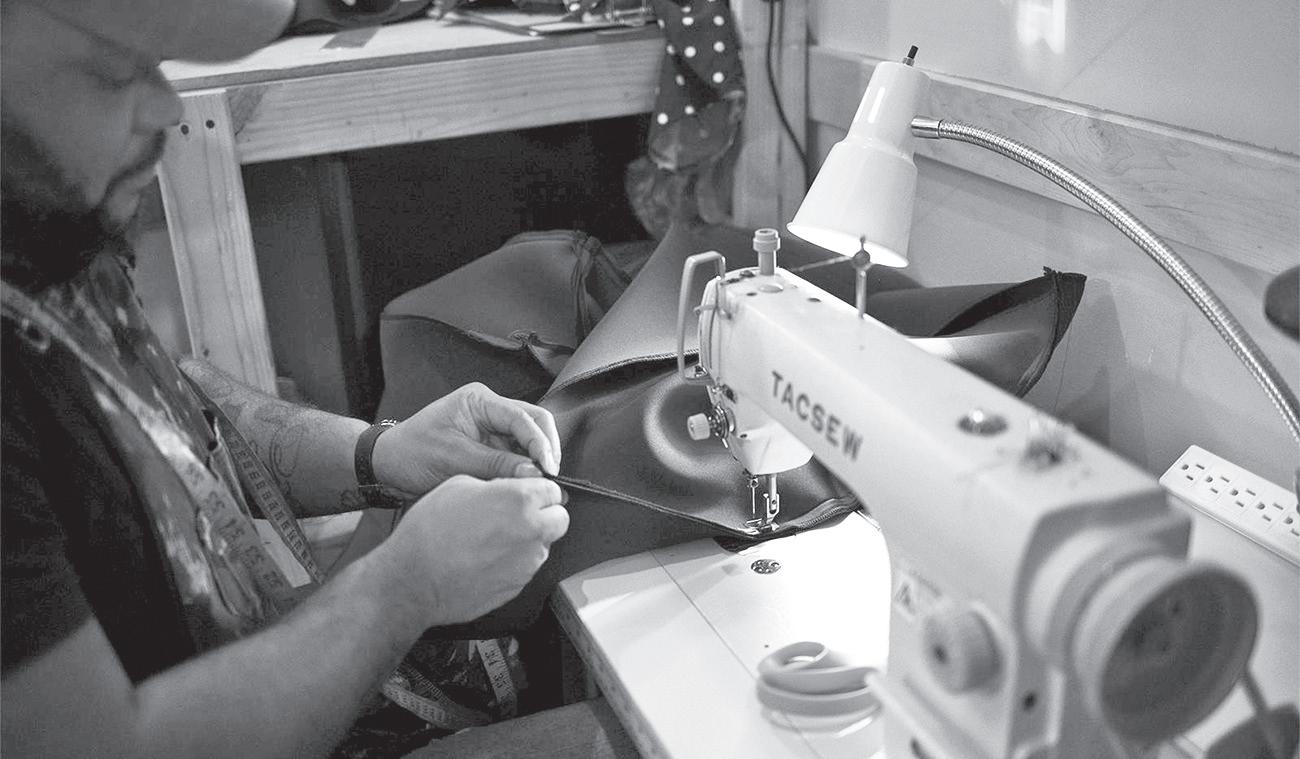
Into the 1920s and ‘30s, the city was still a shoe and apparel production and retail hub, but the boom didn’t last. Around the 1950s,
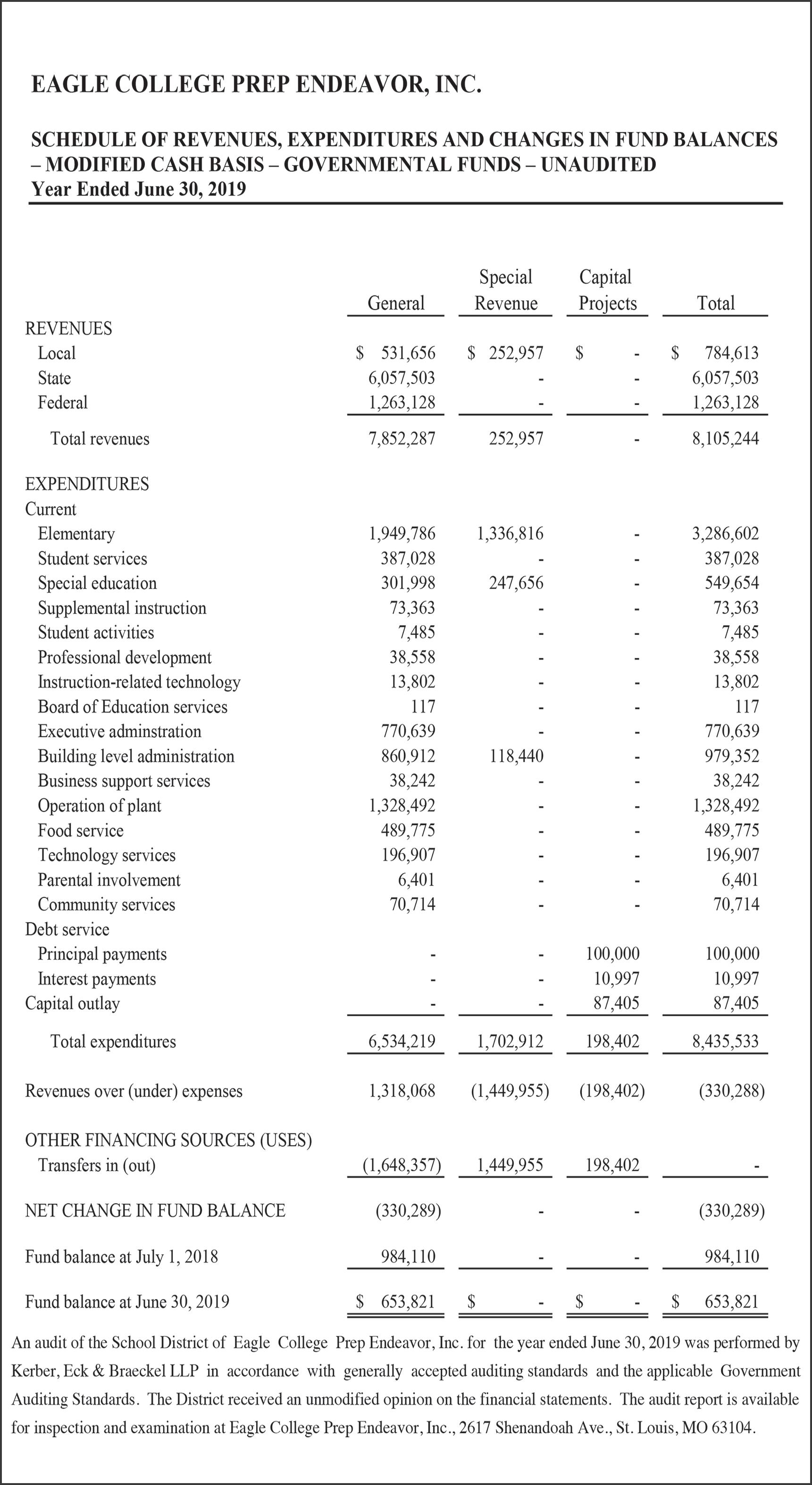
companies in the garment district closed as shopping malls became popular in the growing suburbs. Production started to be outsourced overseas.
Jaycox said few companies held on to their fashion businesses in the district, and it became a part of the city’s forgotten past once developers came in and revamped old manufacturing companies and department stores into businesses and hotels.
Now some 60 years later, St. Louis is slowly becoming a fashion hub again.
“There are some really successful designers who design in St. Louis,” said Mary Ruppert-Stroescu, a Washington University associate professor of fashion design. “They have their great market, and they are completely happy with that size of a business, and the end-all, be-all is not necessarily going national.”
Ruppert-Stroescu focuses on sustainable fashion and how textiles can be used scientifically and medically. Some of her fashion students are experimenting with engineering students on how to rethink the process of zerowaste fashion Washington University’s Sam Fox School of Design and Visual Art opened a new fine-arts building this fall. It houses a fashion lab and makers’ space where students can use hightech laser machines and 3D visualization products.
“I think where St. Louis is really going to shine is in integrating technology into the fashion process,” RuppertStroescu said.
And now with social media,
East St. Louis Center Learning Resource Center’s Lunch and Learn.
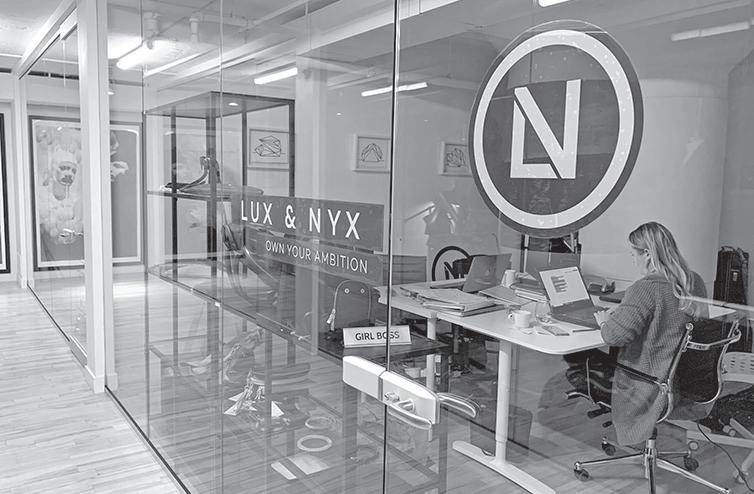
Ruppert-Stroescu believes St. Louis’ fashion talent will be appreciated nationwide once again.
Local high-end and streetwear designer Brandin Vaughn understands the power of social media. He said when he posts consistently to Instagram his orders are nonstop, but when he falls off for a few weeks his sales drop.
Vaughn began repurposing furniture and sewing for himself and friends as a teenager near University City. The designer left St. Louis for Chicago after high school and returned to open his eponymous clothing store because, he said, the city is affordable.
“[St. Louis is] a blank canvas,” Vaughn said.
Since coming back to take a chance on his home town, Vaughn has found that St. Louis has something to offer fashion designers. He has a steady customer base, and his business is scaling while in the
middle of the country.
On-the-go handbag designer Hu is having similar results. She said her company is profitable here and has no plans of moving her headquarters out of St. Louis.
“Let’s not be followers anymore. I feel like many times we are the ones that are following trends from the East Coast and West Coast,” Hu said.
“Let’s surprise everyone and do something completely different and make St. Louis a fashion hub.”
Andrea Y. Henderson is part of the public-radio collaborative Sharing America, covering the intersection of race, identity and culture. This initiative, funded by the Corporation for Public Broadcasting, includes reporters in Hartford, St. Louis, Kansas City and Portland, Oregon. Follow Andrea on Twitter at @ drebjournalist
Reprinted with permission from news.stlpublicradio.org.

– CBS Sports trolled crybaby Chargers QB Philip Rivers by playing the Justin Timberlake song when Rivers ran on the field in Sunday’s game in Kansas City
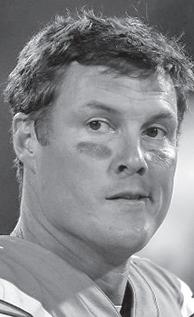
By Jonathan Ahl
Of St. Louis Public Radio
ROLLA — Chantae McMillan came back to her hometown of Rolla for the holidays, in part for some help as she looks to qualify for the Summer Games in Tokyo next year.
“Olympic athletes don’t get a paycheck,” McMillan said at a fundraiser at Public House Brewing Company in Rolla. “We rely upon sponsors. And I have always been able to rely on people in Rolla who have always helped me.”
n “I have always been able to rely on people in Rolla who have always helped me.”
– Chantae McMillan
This fundraiser, put on by the Rolla Multisport Club and attended by more than 100 people, was intended to bring in enough money to buy McMillan a new javelin and case. McMillan competed in the 2012 Olympics in the Heptathlon, but she fell short of qualifying for the games in 2016. For 2020, she is focusing on just one track and field event and wants to make the U.S. team for javelin throw.
“Training for one thing instead of a seven-event competition is a lot different. The mindset is different, weightlifting is different, the focus is much more specific,” McMillan said.
McMillan primarily trains in Alabama, but she comes back often and works out at Rolla Junior High or Missouri University of Science & Technology.
“It’s rare for me to be working out in either of those places and not have someone come up to me and ask me how things are going and talk about the Olympics,” McMillan said. “That’s the
See McMILLAN, B5

2020, Chantae
Nuggets rookie looks impressive in first start, but is it fool’s gold
The Michael Porter Jr. era has officially begun in Denver. The former Mizzou standout made his first NBA start Sunday night against the Sacramento Kings. The rookie forward (Porter sat out the entire 2018-19 season due to injury) looked impressive as he racked up 19 points (on 8-of-10 shooting) and six rebounds in a 120-115 victory. Porter’s performance was capped off by two consecutive fourth quarter buckets. First, Porter drilled a tough step-back three pointer over the outstretched arms of Richaun Holmes with just over eight minutes remaining in the game. On the ensuing possession, Porter crashed the offensive boards and turned a missed layup by Monte Morris into a cleanup on aisle 9. Porter’s put-back dunk brought the Denver fans to their feet and likely lifted their expectations to Rocky Mountain heights.
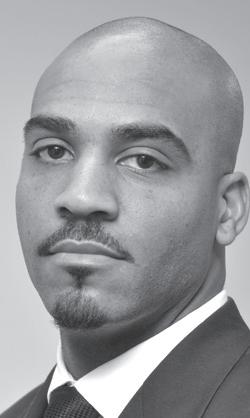
Those fans would be wise to continue to temper those expectations for a little while longer. The Michael Porter Jr. era at Mizzou also got off to a great start before snowballing into an avalanche of ice cold disappointment. Porter landed at Mizzou as the top high school recruit in the nation. His signing brought unmatched excitement, anticipation and expectations. In a preseason exhibition game with the Kansas Jayhawks, Porter poured in 21 points and 8 rebounds. That performance came against a team that was expected to compete for a national title and ultimately made it all the way to the Final Four. Then a nagging injury forced Porter into back surgery. His promising college career was limited to just three games. The team failed to live up to the hype that accompanied Porter to Mizzou Arena. Porter’s injury concerns are the reason he dropped from
With Alvin A. Reid
Fat chance on a year going by without sports craziness, but we can always hope for just that. In the meantime, here are some hopes and wishes for various players, teams, front offices and fans.
May the 2020-21 area high school athletic scene not be plagued by the violence, cheating, excuse-making and general chaos that sullied the outstanding efforts of so many young women and men the past 12 months.
May the St. Louis Cardinals not rest on last seasons’ achievements, invest in the roster and return to the World Series.
three years ago. It’s as tired as “The Ferguson” argument.
May new Missouri football coach Eliah Drinkwitz ignore the blatant ignorance of many out-state fans and sign as many players as possible from the St. Louis and Kansas City metropolitan areas.
May Drinkwitz also be honest enough to mention to his bosses that playing in the SEC will never get any easier for Mizzou.
May Dexter Fowler surprise us all and be a member of the 2020 National League All Star team.
May Tommy Pham help lead the San Diego Padres to the postseason now that he has been traded there by Tampa Bay. May he also receive another rousing ovation on his team’s first visit to Busch Stadium,
May Missouri basketball coach Cuonzo Martin somehow finish in the upper echelon of the SEC, go deep in its tournament and then reach the NCAA Tournament.
May the Missouri Tiger fan base stop blaming all wrongs at Mizzou on the player protest of
May coach Travis Ford and the SLU Billikens return to the NCAA Tournamentand make some noise this year.
May Ford be ready when it comes down to Xs and Os, not just his Jimmys and Joes.
May the Kansas Jayhawks be placed here for the first two rounds of the NCAA Tournament - and not play SLU or Mizzou.
May one of the black quarterbacks in the NFL playoffs lead their respective team to the Super Bowl. Good luck to Lamar Jackson of the Baltimore Ravens, Patrick Mahomes III of the Kansas City Chiefs, Deshaun Watson of the Houston Texans and Russell Wilson of the Seattle Seahawks.
May Chiefs offensive coordinator Eric Bieniemy land one of the open NFL head

coaching vacancies. He will reportedly interview for the Carolina Panthers and New York Giants this week.
May Colin Kaepernick find employment with an NFL team before the troubled Antonio Brown. Yeah, right.
May the ownership group of the St. Louis MLS expansion franchise not get
mad at Gov. Mike Parsons for his self-serving back-stab in regard to $30 million, but instead get even.
May that same ownership group take note of the many racist incidents involving players of color in international soccer - and in the U.S., as well.
May St. Louis City Hall resist any suggestion that any
public money in any form go to the MLS endeavor.
May the NHL comprise and publish a list of every player of color on an NHL roster - trust me I’ve searched for one.
May the St. Louis Blues not flip the script in 2020 and be one of the worst teams in the NHL the second half of this season.
May the Blues end all the
“it was forever without winning the Stanley Cup” talk and win it again this year.
May the St. Louis Battlehawks of the XFL find some success in the dark, dingy Dome at America’s Center downtown.
May St. Louis attract a major (or mid-major) boxing card in 2020. It’s been a long time.
May the Washington Wizards truly throw in the towel and trade All-Star guard Bradley Beal to a playoff contender. (L.A. Lakers?)
May Jayson Tatum continue his outstanding season, avoid injury and make his first NBA Finals appearance.
May the NBA at least consider playing a preseason game here next fall.
May the misguided souls (including Tony La Russa) finally vote the very deserving Dave Parker into the Baseball Hall of Fame.
May the Electric Light Orchestra not skip St. Louis on its 2020 national tour for a third straight year. I saw them in Chicago in 2018.
May George Clinton, Parliament/Funkadelic,
head into the year 2020, we are going to take a look back with the announcement of the St. Louis American

Decade Team for the boys and girls.
BOYS
Bradley Beal (Chaminade) –As a senior in 2011, Beal was selected to the McDonald’s All-American Team as well as being named the Gatorade National Player of the Year. He led the Red Devils to the Class 5 state championship in 2009. He was also selected MVP of the FIBA U18 World Championships in 2010. He is currently an All-Star shooting guard for the Washington Wizards.
Jordan Goodwin (Althoff) – A relentless competitor, Goodwin led the Crusaders to back-to-back berths in the IHSA Class 3 state championship game, including a state title in 2016. He finished his career as Althoff’s all-time leading scorer and rebounder. He is currently a junior at Saint Louis University, where he led the Billikens to an Atlantic 10

Conference championship and NCAA Tournament berth in 2019.
E.J. Liddell (Belleville West) – The standout forward put himself among the Illinois prep legends by leading the Maroons to back to back IHSA Class 4A state championships in 2018 and 2019. He was also selected Mr. Basketball in the state of Illinois during those championship seasons. Liddell is currently a freshman at The Ohio State University.
Courtney Ramey (Webster Groves) – The outstanding point guard led the Statesmen to back to back Class 5 state championships in 2017 and 2018. He finished his spectacular career as Webster Groves’ career leader in scoring and assists. He is currently a starting guard for the University of Texas.
Jayson Tatum (Chaminade) – One of the most spectacular offensive players in St. Louis basketball history, Tatum was selected the Gatorade National Player of the Year and a McDonald’s All-American after leading the Red Devils to the Class 5 state championship in 2016. He graduated as Chaminade’s career scoring
leader. He is currently one of the NBA’s top young stars with the Boston Celtics.
GIRLS
Aijha Blackwell (Whitfield)
– The stellar shooting guard was a three-time All-State selection for the Warriors. She led Whitfield to back to back Class 3 Final Four appearances in 2017 and 2018. She was rated one of the Top 10 players in the nation and a starting guard for USA Basketball at the 2018 FIBA 2018 Americas Tournament. She is currently a starting guard for the University of Missouri.
Napheesa Collier (Incarnate Word) – The McDonald’s AllAmerican led IWA to Class 4 state championships in 2013, 2014 and 2015. She finished her career as the school’s career leader in scoring and rebounding. She was a fouryear collegiate standout with the University of Connecticut, helping the Huskies to two national championships and four Final Fours. She is currently a standout forward for the Minnesota Lynx where she was voted the Rookie of the Year in the WNBA.
Emmonnie Henderson
(Edwardsville) – The standout forward was a dominant force in the post as finished her career as the Tigers’ career leading scorer. She led the Tigers to their first IHSA state championship berth in 2012. She was also dominant in track and field as a state champion in the shot put and discus. She played both sports at the University of Louisville. She is currently a track and field coach at Tennessee State University.
Lauryn Miller (Kirkwood) – The standout forward was a four-year starter for the Pioneers. Miller led Kirkwood to back to back Final Four appearances in 2016 and 2017 and the school’s first ever state championship in 2017. She is currently a starting forward on a nationally-ranked UCLA team.
Alecia Sutton (Parkway North) – The outstanding point guard was a McDonald’s AllAmerican selection in 2016. She led the Vikings to back to back Final Four appearances in the Class 5 state in 2014 and 2015. She was rated as one of the top 10 players in the country. She is currently a starting guard at the University of Texas.

Continued from B3 are thrown in with the wolves by necessity. The Nuggets won 54 games last season and advanced to the Western Conference Finals with Porter on the IR. Even as he returned to the court this season, the team is so deep that coach Michael Malone has opted to bring Porter along slowly.
For the season, Porter is averaging just 9.7 minutes per game. In his Sunday night start, Porter accumulated 26 minutes on the floor and outscored his All-Star teammate, Nikola Jokić, 19-to-17.
Now everyone is asking whether Porter can stay healthy enough to fulfill the immense promise he displayed at Fr. Tolton Catholic High School in Columbia (Mo.) and Nathan Hale in Seattle.
The desire to ensure that Porter remains healthy enough to play could impact the timeline on him graduating to fulltime starter. Ironically, Porter’s first start came at the expense of Gary Harris. Harris missed the game due to a bruised lower leg. The injury is not considered serious, so it is just a matter of time before he reclaims his spot in the starting lineup. Truth be told, Harris would make an excellent sixth man if Porter can be healthy and consistent enough to slot in as the starting small forward. At 6-foot-10, Porter brings shooting ability, length and a knack for offensive rebounding. Compared to the 6-foot-4 Harris, Porter has the potential to be a nightmare matchup on the offensive end.
My hunch is that Porter’s strong play will bring him more consistent minutes. Once Harris returns to action, we will likely see Porter getting closer to 20 minutes per game. Out of caution, the team could, and probably should, limit his minutes in back-to-back games.
Meanwhile the Nuggets coaches, trainers and doctors
will be closely watching their prized pupil for any signs of injuries or ailments. Think of the Porter plan as “The Process 2.0.” Just like the Philadelphia 76ers babied Joel Embiid during his first few seasons for the sake of his long-term viability, Denver would be wise to do the same. That does not mean that Porter is excited about being
brought along slowly. Like any talented player, Porter would love to be given the keys to the ship now. Between his lone college season and his lost season with the Nuggets, Porter lost nearly two full years to rehab.
“There were times I was ready to give it up,” Porter told Marc J. Spears of The Undefeated back in October. “There were just some really,

Continued from B3
number one reason I love coming back here and giving back to the community when I have the time.” McMillan has run youth sports camps in Rolla in the McMillan
really tough, dark days. I’m not gonna lie.” Now all the hard work and dedication is paying off.
“I think in the long run, and I hope one day, Michael, when he’s old and gray, which is a long time from now, will look back and say, ‘You know what, I’m glad it wasn’t easy,’” Malone told reporters
“I love the fact that Michael, who’s been the best player in past and plans to again in the future.
She said the fundraiser exceeded her expectations.
“This is great. This is perfect to help my buy those two things, and then whatever is left over I use to help with my other funds that I need for medical and travel,” McMillan said.
McMillan is planning several competitions in the spring, possibly including the Dewey Allgood Invitational in Rolla in April. The Olympic Trials for track and field will be in Oregon in June.
Follow Jonathan on Twitter: @JonathanAhl. Reprinted with permission from news.stlpublicradio.org.
The ST. LouiS AmericAn PreP AThLeTeS of The Week
Jordan Nesbitt
St. Louis Christian Academy – Boys Basketball
The junior guard was outstanding in leading the Cougars to the championship of the Legends of Winter Basketball Classic at SLUH.
The 6’6” Nesbitt had 24 points, 13 rebounds and four assists in a 63-57 victory over Cardinal Ritter in the championship game. In the

semifinals, Nesbitt scored a game high 29 points to lead the Cougars to a 59-55 victory over top-seeded CBC. For the season, Nesbitt is averaging 27 points a game. He has already received several scholarship offers from NCAA Division I schools.
Michael Porter Jr. had a promising Mizzou debut as he scored 21 points and 8 rebounds in an exhibition game against Kansas. Unfortunately, Porter required back surgery after the game and his lone season with the Tigers was limited to just three games.
his class for so many years, humble pie, he hasn’t taken it personally, he hasn’t pouted, he hasn’t felt sorry for himself.
He’s grown up, he’s being a man, and that’s why he can go out there and take advantage of the situation.”
As a Mizzou alum, I’m rooting hard for Porter to succeed and realize his full potential.
As a longtime fan and follower of Mizzou sports, I must admit
that a part of me expects the ghost of shattered expectations (and ACLs) to once again rear its ugly head. However, Malone’s slow and steady approach to Porter’s development is helping to assuage my fears.
Be sure to check In the Clutch online and also follow Ishmael on Twitter @ ishcreates.

Kennedy’s old friend from the Lou is an international recording artist with 50 million records sold worldwide who is currently on the “Millenium Tour” with plans to release a new album in March. Chingy organized the recording session for “Old Construction Road” and performed a key verse for his homie. The construction mogul himself sings several verses, while the hook and chorus are sung by Cornelius Blanks, an employee of Square UP, one of The UP Companies. A music video featuring the three men and other UPCO employees was produced through St. Louis-based video production company Unbridled Media and released on December 20.
“We wanted to do a unique project that establishes The UP Companies as an industry leader who is not afraid to have fun and take risks to get the job done,” Kennedy said in a release. “We also wanted to create awareness among potential employees, particularly minorities, that we are the premier destination for careers and to motivate them to consider working for us.” Workforce shortages remain one of the single most significant threats to the construction industry today. A significant part of the problem is the lack of interest from younger generations, such as Millennials and Gen Z, to work in construction despite the surplus of well-paying positions and low-cost or free education and training, Kennedy said. In many high schools and colleges around the U.S., fouryear degrees and white-collar jobs are emphasized over skilled labor training, with certain vocational programs being cut altogether. A staggering 80 percent of U.S. construction firms are having trouble hiring talent, according to Kennedy, and the trend is predicted to worsen.
Leonard
Toenjes,
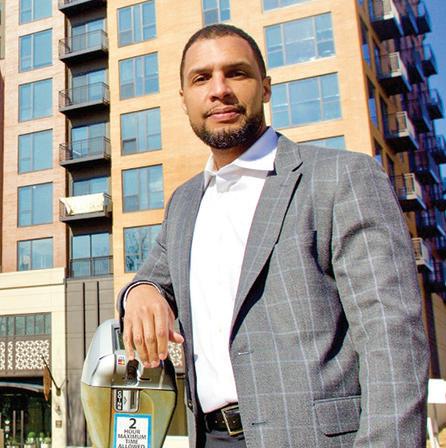
president of Associated General Contractors of Missouri (AGCMO), said his organization “has staff and volunteers working with high schools, career and technical education schools, communitybased organizations, workforce boards, career days and project owners to get out the word.”
AGCMO recently created a website, Build Your Future – Build Missouri at https:// missouri.byf.org, that provides specific entry information for construction careers, plus the organization has a scholarship program to help those who need financial support to be successful in construction.
The UP Companies one of the region’s largest fullservice Minority Business Enterprise-certified contracting companies. It consists of Power UP Electrical Contractors, Square UP Builders and Hustle UP Laborers. These three distinct business units have each felt the effects of workforce shortages on their projects, Kennedy said.
As for Chingy, he appears to realize that not everyone can hustle their way into a Bentley with 26-inch rims just by rapping some singsongy bars with gold chains around the neck.
“I got involved with the project to bring awareness to the opportunity that the construction industry is providing for everyday people who are looking for work,” Chingy said in a statement. “UPCO is providing job
Photo by Wiley Price
“We wanted to do a unique project that establishes The UP Companies as an industry leader who is not afraid to have fun and take risks to get the job done,” said Michael B. Kennedy Jr., president of The UP Companies.
opportunities to folks in need who want to work and better themselves.”
Moving towards more conventional workforce development strategies than parody rap songs and videos, The UP Companies is planning a job fair for March at its offices at 2060 Craigshire (not Old Town nor Old Construction) Road in Maryland Heights. Representatives from each of the UPCO service lines, Associated General Contractors of Missouri (AGCMO) and various local labor unions will be available to discuss opportunities with interested jobseekers. Applicants will also get the chance to meet Chingy.
The “Old Construction Road” video is featured on YouTube and at theUPcompanies.com/oldconstruction-road/
For more information about a career in construction, visit The UP Companies at www. theupcompanies.com or call 314-865-3888.
Or contact AGCMO at www.agcmo.org; Build Your Future – Build Missouri at https://missouri.byf.org; St. Louis – Kansas City Carpenters Regional Council at www.carpdc.org; Associated Electrical Contractors Local Union 57 – St. Louis at https:// www.carpdc.org/Training/ Schools/AECLU57JAP; Painters District Council 58 at http://www.dc58iupat.net/; and Laborers Local 42 at https:// www.liuna42stl.com/.

By Roger M. Macon, AAMS
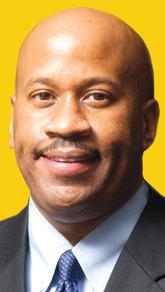



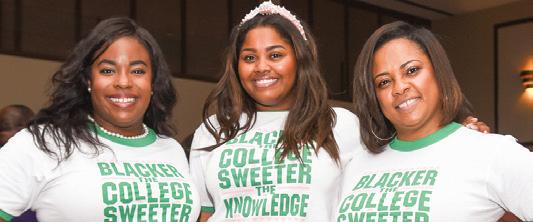
By Sharee Silerio
For The St. Louis American
Certified Marvel heroes are few and far between, but St. Louis native Sidney Keys III can claim the title with vigor and excitement. Using his superpower of reading and the ability to bring people together, Keys transports his friends to a world of wonder and encourages exploration of African-American literature.
“When you think of, like, a tall, black boy, most of the time you don’t think of reading,” he said.
Keys, the 13-year-old founder of Books N Bros reading club, rising entrepreneur and budding photographer is featured in “Marvel’s Hero Project.” Released on Disney+ in November 2019, the 20-episode series explores the remarkable, positive change several young, real-life heroes are making in their own communities through selfless acts of bravery and kindness.
Keys’ courage to do what he loves in spite of what others say or think – that is, to read – while inspiring other boys who look like him to do the same moved Marvel comics to create a comic book focused on how he makes a difference as a teen entrepreneur.
“[I] would have never imagined being in a comic book,” Keys said. They basically take what I go through sometimes on a daily basis and [put it] into the comic
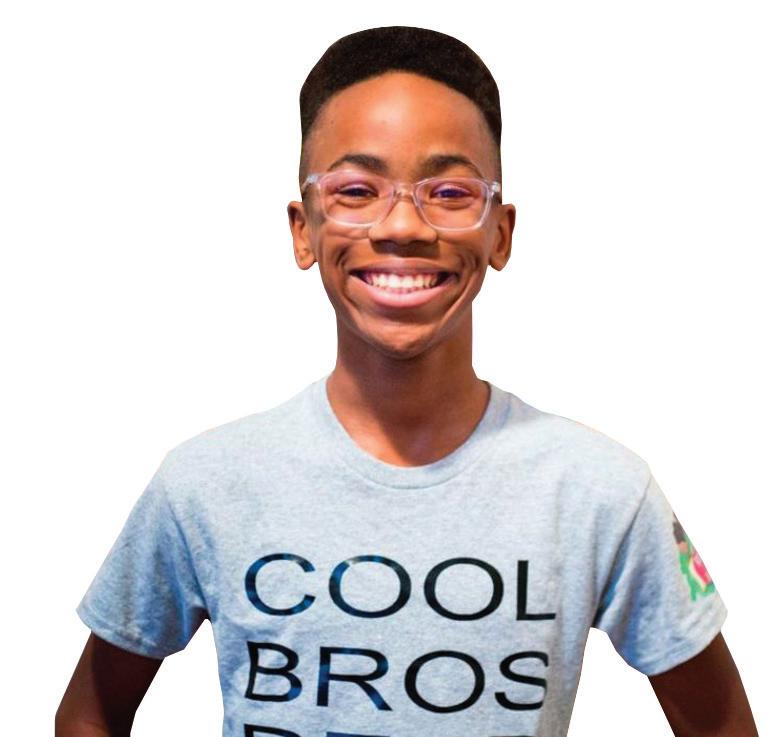
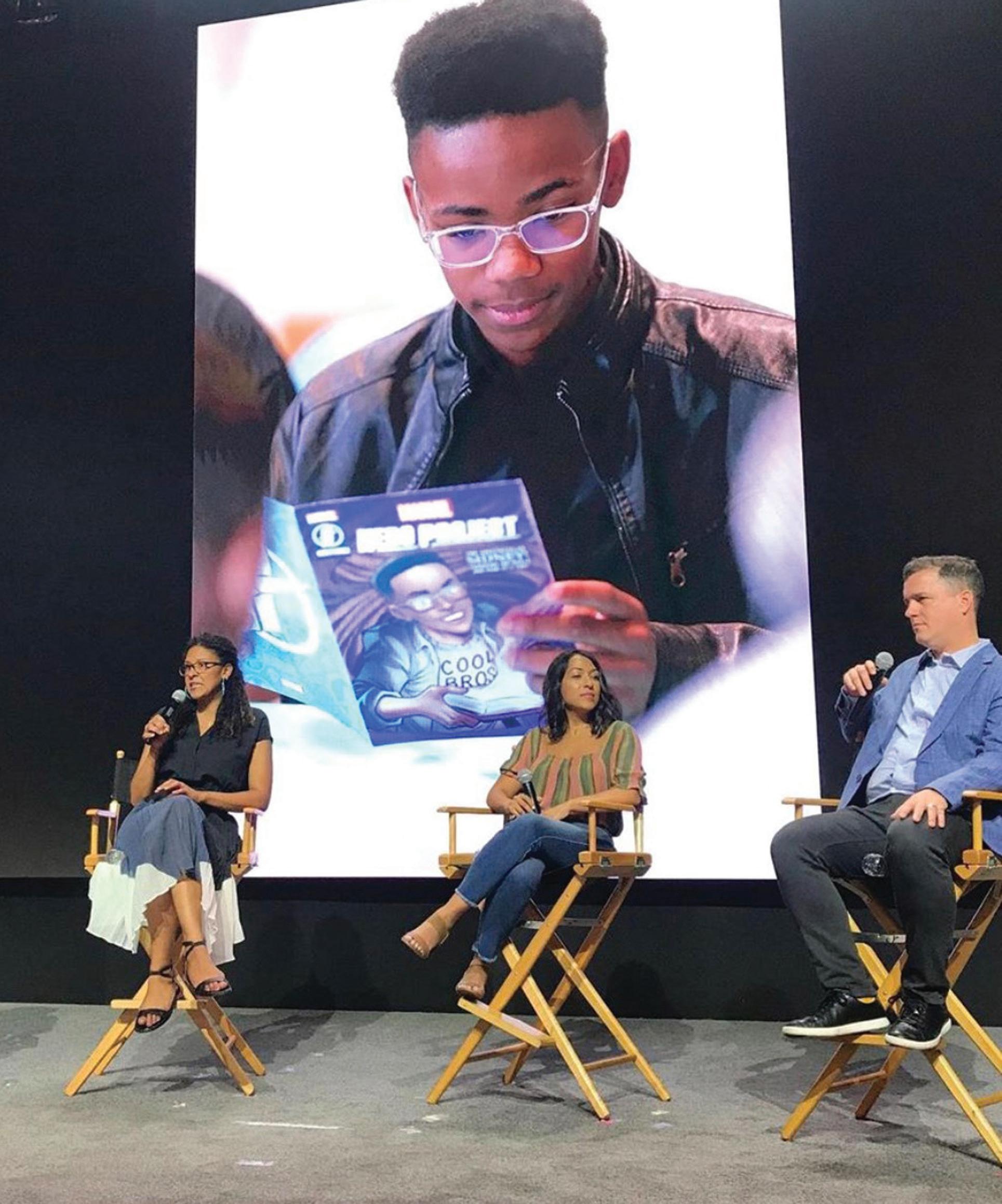
Three years ago, a Facebook Live video streamed by Keys’ mom
to
By Kenya Vaughn Of The St. Louis American
The Black Rep is one of only a few theater companies in the nation that have completed the cycle of plays by Pulitzer Prize-winning playwright August Wilson that represent an element of black life in each decade of the 20th century. The company will be celebrated for doing so as they bring another of Wilson’s works to the stage at Edison Theatre.
On January 10, opening night for The Black Rep’s production of “Two Trains Running,” they company will be presented with the August Wilson American Century Cycle Award
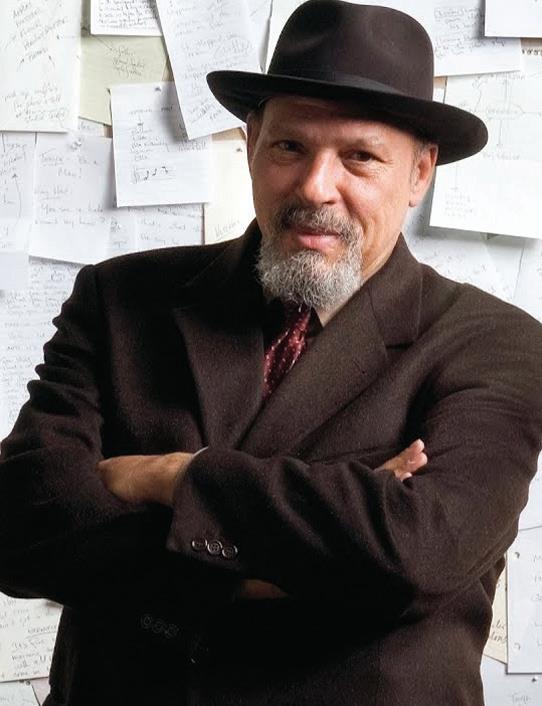
by Christopher Rawson of the Pittsburgh
“Part of the mission of this company is keeping his work alive and making sure that the stories of our geniuses continue to be told,”
See Hero, C4
September 8, 1928 –December 25, 2019
The Black Rep will be recognized for completing the 10 plays by August Wilson that reflect black life in the 20th century on the opening night of their production of ‘Two Trains Running,’ which plays Washington University’s Edison Theatre January 8 – January 26.
said Ron Himes, The Black Rep’s founder and producing director. “It’s important that we recognize and address the power of Wilson’s language and understand the impact it has on the dialogue we undertake today – both in the theatre and on the street.”
Himes will wear his acting hat for the latest August Wilson work produced by his company in the role of Holloway. St. Louis native and stage veteran James A. Williams, who originated the role of Roosevelt in the Broadway production of Wilson’s “Radio Golf,” will lead the cast as Memphis Lee. Also featured in the Black Rep production of “Two Trains Running,” which will play Washington University’s Edison Theatre through January
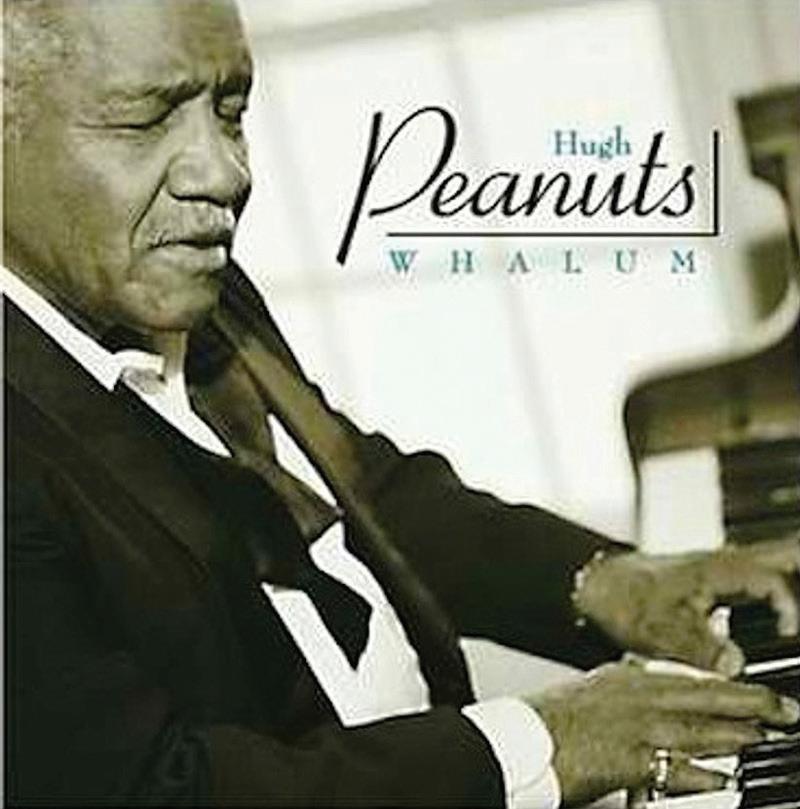
Hugh “Peanuts” Whalum, a staple of the St. Louis music scene for 70 years, passed away on Christmas. He was 91. St. Louis musical treasure Hugh “Peanuts” Whalum passes at 91
By Kenya Vaughn Of The St. Louis American
St. Louis lost a musical treasure on Christmas day with the passing of Hugh “Peanuts” Whalum. “We lost a dear friend and a wonderful human being that brought great joy into the world with his kindness, his voice and his talent,” Jay Brandt, who regularly hosted Whalum when he owned and operated the live music jazz venue Brandt’s Red Carpet Lounge, said via Facebook. The renowned multi-instrumentalist known best around the city for his skills on the tenor saxophone died at the age of 91 on Wednesday, December 25.
n “This man is a giant. He’s a fivefoot-five giant.”
– Kirk Whalum said of his uncle Hugh “Peanuts” Whalum
“Uncle Peanuts chose today, early this morning, to leave this place of sorrows and begin eternity with Him,” Whalum’s nephew, Grammy-winning saxophonist Kirk Whalum, said. “It hurts. And yet I am comforted in your love — all of you. With his brothers, his mom and dad, with all those who died in hope, Hugh David Whalum is at rest.”
It’s difficult to see him as anything other than a son of St. Louis – the city he called home for 70 years – but Hugh Whalum was born in Ohio and raised in Memphis.
His musical journey began at age 8 with violin lessons. He didn’t stick with the instrument, but he found his calling when his father bought the young boy a cornet.
“That was the beginning of my real musical interest,” he told The American back in 2005. Soon after he played with the YMCA band and a family group that included his father and brothers.
A product of Booker T. Washington High School in Memphis, Hugh Whalum returned to his birth city of Wilberforce, Ohio to complete his college studies at Wilberforce University, the first private HBCU. It was in college that tenor saxophone became Hugh Whalum’s primary instrument.
See Whalum, C4

How to place a calendar listing
1. Email your listing to calendar@stlamerican. com OR
2. Visit the calendar section on stlamerican.com and place your listing
Calendar listings are free of charge, are edited for space and run on a space-available basis.
Sat., Jan. 11, 6:30 p.m., The 34th Annual Dr. Martin Luther King, Jr. Statewide Celebration Kick-Off Program for Missouri, This year’s theme is “Music – A Universal Stepping Stone Toward Peace,” and will feature Grammy Award winning Saxophonist & Recording Artist, Kirk Whalum, Harris-Stowe State University in the Dr. Henry Givens, Jr. Administration Building, Main Auditorium, 3026 Laclede.
Fri., Jan. 17, 7 p.m., St. Louis Art Museum Rev. Dr. Martin Luther King, Jr. Celebration. 1 Fine Arts Dr., 63110. For more information, visit www.slam.org.
Mon., Jan. 20, 7 a.m., 35th Annual Martin Luther King, Jr. Celebration. Keynote speaker, Missouri Chief Justice George Draper. Monsanto Family YMCA, 5555 Page Blvd., 63112. For more information, email charmane. brown@gwrymca.org.
Mon., Jan. 20, 10 a.m., University of Missouri St. Louis invites you to their Dr. Martin Luther King, Jr. Holiday Celebration. Touhill Performing Arts Center, One University Blvd., 63121. For more information, visit www. eventbrite.com
Mon., Jan. 20, 5:30 p.m., Coalition of Black Trade Unionists – CBTU Saint Louis Chapter invites you to their 42nd Annual Dr. Martin Luther King, Jr. Human Rights Awards. Sheet Metal Workers’ Local 36, 2319 Chouteau Ave., 63103. For more information, visit www. facebook.com.
Sat., Jan. 11, 9 p.m., Rock House Ent. & Black Luxury
Ent. present Rick Ross. 6161 Delmar Blvd., 63112. For more information, visit www. thepageant.com.
Fri., Jan. 17, 7 p.m., The Sheldon Folk Series presents Ruthie Foster with special guest Clayton Jones. 3648 Washington Blvd., 63108. For more information, visit www. metrotix.com.
Sun., Jan. 17, 7 p.m., Chaifetz Arena presents the MLK Holiday Jam feat. Xscap3, Tamar Braxton, Avant, and more. 1 S. Compton Ave., 63103. For more information, visit www. chaifetzarena.com.
Sat., Jan. 18, 8 p.m., Liquid Assets presents Blac Youngsta. Pop’s Concert Venue, 401 Monsanto Ave., Sauget, IL. 62201. For more information, visit www. ticketmaster.com.
Jan. 22 – 26, Jazz at the Bistro presents the Delvon Lamarr Organ Trio. Jazz St. Louis, 3536 Washington Ave., 63103. For more information, visit www.jazzstl.org.
Sat., Jan. 25, 9 p.m., Rockhouse Ent. & Black Luxury present Jeezy. The Pageant, 6161 Delmar Blvd., 63112. For more information, visit www.ticketmaster.com.
Jan. 29 – 30, Jazz at the Bistro presents the Norm Lewis. Jazz St. Louis, 3536 Washington Ave., 63103.
Thur., Jan. 2, 8 p.m., Joe’s Café Concerts presents Little Dylan. 6008 Kingsbury Ave., 63112. For more information, visit www.facebook.com.
Thur., Jan. 2, 9:30 p.m., The Dark Room presents Scooter Brown: Thursday Night Revue. 3610 Grandel Sq., 63103. For more information, visit www.thedarkroomstl.com.


details.
Sat., Jan. 4, 8 p.m., Tre G: As I Am. With Katarra Parson, MAXA, Eric Donte, and sounds by DJ HoodBunny. The Grandel, 3610 Grandel Sq., 63108. For more information, visit www.metrotix.com.
Thur., Jan. 16, 7 p.m., FUBAR presents Luh Kel Live. 3108 Locust St., 63103. For more information, visit www.eventbrite.com.
Sat., Jan. 18, 8 p.m., Yes We Can – A Tribute to Allen Toussaint. Delmar Hall, 6133 Delmar Blvd., 63112. For more information, visit www. ticketmaster.com.
Sun., Jan. 26, All Is Fair In Love: An Homage to Stevie Wonder. The Signature Club, 9002 Overland Plz., 63114. For more information, visit www.ifejacobsmusic.com.
Through Jan. 2, Winter Wonderland in Tilles Park, view by walking, carriage ride, or vehicle. 9551 Litzsinger Rd., 63124. For more information, visit www. winterwonderlandstl.com.
Fri., Jan. 3, 6 p.m., Healing
Women Ministries invites you to Ain’t No Family Like the One I Got Game Night. A fun night for the entire family. University City Public Library, 6707 Delmar Blvd., 63130. For more information, call (314) 690-5673.
Through Jan. 4, 5 p.m., Missouri Botanical Garden presents Garden Glow. A million lights surround visitors, enjoy interactive photos, traditional holiday music and festivities, and more. 4344 Shaw Blvd., 63110. For more information, visit www. missouribotanicalgarden.org.
Sun., Jan. 5, 12 p.m., The Wedding Connection Bridal Show. Featuring the top wedding vendors in the area. Chase Park Plaza, 212 Kingshighway Blvd., 63108. For more information, visit www.bridestl.com.
Sat., Jan. 11, 11 a.m., Soulard Mardi Gras invites you to the Family Winter Carnival. 701Lafayette Ave., 63104. For more information, visitwww.facebook.com.
Sat., Jan. 11, 11 a.m., Delta Sigma Theta Sorority, Inc., St. Louis Metropolitan Alumnae Chapter invites you to their Founders Day Celebration: The Vision of the 22...Their Legacy

Continues. Orlando Gardens, 2050 Dorsett Village, 63043. For more information, visit www.dstslmac.com.
Sat., Jan. 11, 11 a.m., The Pink Bride St. Louis Wedding Show. America’s Center, 701 Convention Plaza, 63101. For more information, visit www.bridescan.com.
Sat., Jan. 11, 6 p.m., 8th Annual An Evening with the Cardinals. Join Cardinals Hall of Famers Ted Simmons and Ozzie Smith, with emcee Dan McLaughlin, to raise money for families battling childhood cancer. Emcee Dan McLaughlin. Silent auction. Union Station Hotel, 1820 Market St., 63103. For more information, visit www. thenccs.org/cardinals.
Wed., Jan. 15, 10 a.m., Public School Fundraiser. City Hall, 1200 Market St., 63102. For more information, visit www.facebook.com.
Fri., Jan. 17, 5 p.m., St. Louis Cardinals Lou Brock Public Signing. Dogtown Sports, 6410 Wise Ave., 63139. For more information, visit www. dogtowncollectibles.com.
Jan. 17 – 19, Loop Ice Carnival. 5800 Delmar Blvd., 63112. For more information, visit www.visittheloop.com.
Sat., Jan. 18, 8 p.m., Phi Beta Sigma Fraternity, Inc., Kappa Sigma Chapter, and Zeta Phi Beta Sorority, Inc., Phi Nu Zeta Chapter invite you to Shades of Blue: Celebrating the Zeta Centennial. Polish Heritage Center, 1413 N. 20th St., 63106. For more information, visit www.eventbrite.com.
Thur., Jan. 23, 5 p.m., Gateway Wedding Show. Gateway Center, 1 Gateway Dr., Collinsville, IL. 62234. For more information, visit www.eventbrite.com.
Tues., Jan. 28, 7 p.m., Left Bank Books hosts author Anissa Gray, author of The Care and Feeding of Ravenously Hungry Girls399 N. Euclid Ave., 63108. For more information, visit www. left-bank.com.
Thur., Jan. 30, 10 a.m., JobNewsUSA presents a St. Louis Job Fair Orlando Gardens Events and Conference Center, 2050 Dorsett Village, 63043. For more information, visit www. jobnewsusa.com.
Thur., Jan. 30, 4 p.m., St. Louis Public Library presents Adulting 101: Teen Opportunity & Job Fair Explore volunteering options and meet potential employers

or mentors. 1301 Olive St., 63103. For more information, visit www.slpl.org.
Fri., Jan. 31, 7:30 p.m., St. Louis Science Center presents National Geographic Live! With Wildlife Photographer Steve Winter: On the Trail of Big Cats. Touhill Performing Arts Center, 1 University Blvd., 63121. For more information, visit www. touhill.org.
Saturdays, 8 a.m., The Ferguson Farmers Market Plaza at 501, 501 S. Florissant Rd., 63135. For more information, visit www. facebook.com.
Wed., Jan. 18, 11 a.m., Artist Talk: Liz Johnson Artur. The London-based artist talks about her compelling images of the African diaspora and her ongoing Black Balloon Archive with Drew Sawyer Contemporary Art Museum, 3750 Washington Blvd., 63108. For more information, visit www.camstl.org.
Fri., Jan. 24, 7 p.m., St. Louis Art Museum presents Colored Frames: A Visual Art Documentary. This film chronicles black artists’ struggles for visibility and acceptance in mainstream art society. 1 Fine Arts Dr., 63110. For more information, visit www.metrotix.com.
Jan. 3 – 4, Helium Comedy Club presents Sheryl Underwood. 1151 St. Louis Galleria St., 63117.
Fri., Jan. 17, 8 p.m., Chris Bow Stand Up Comedy DVD Recording. Special Tymes Banquet Hall, 5950 Natural Bridge Rd., 63120. For more information, visit www. facebook.com.
Jan. 2 – 5, Disney on Ice presents Celebrate Memories Enterprise Center, 1401 Clark Ave., 63103. For more information, visit www. enterprisecenter.com.
Jan. 9 – Jan. 26, The Black Rep presents August Wilson’s Two Trains Running, Edison Theatre on the campus of Washington University, 6445 Forsyth. Tickets are available at (314) 534-3807 or www.theblackrep. org.
Sat., Jan. 11, 10 a.m., Nick Jr. Live! Move to the Music Join the Paw Patrol pups, Dora the Explorer, Bubble Guppies, Blue, and more. Stifel Theatre, 1400 Market St., 63103. For more information, visit www. ticketmaster.com.
Jan. 15 – 26, Fox Theatre presents Summer: The Donna Summer Musical. 527 N. Grand Blvd., 63103. For more information, visit www. metrotix.com.
Jan. 16 – 19, Ignite Theatre Company presents Peter Pan Jr. Grandel, 3610 Grandel Sq., 63108. For more information, visit www.metrotix.com.
Sat., Jan. 18, 8 p.m., Smokin Da Mic presents I Am Queen. This story is told through poetry, music and comedy feat. personal stories and performances from an all-female line-up. Medici Mediaspace, 2055 Walton Rd., 63114. For more information, visit www.eventbrite.com.
Sat., Jan. 4, 8:15 a.m., SCORE presents How to Start and Manage Your Own Business. Fontbonne University, 6800 Wydown Blvd., 63105. For more information, visit www. eventbrite.com.
Sat., Jan. 4, 1p.m., Outstanding Starz Foundation presents Safe and Aware. Every 30 seconds a child of color goes missing. Join us and become aware, educated and prepared. Tandy Recreation Center, 4206 Kennerly Ave., 63113. For more information, visit www. events.ticketprinting.com.
Tues., Jan. 6 p.m., National Coalition of 100 Black Women and 100 Black Women present Impact of the 2020 Census on St. Louis. Lewis & Clark Branch, St. Louis County Library, 9909 Lewis and Clark Blvd., 63136. For more information, visit www.eventbrite.com.
Sat., Jan. 11, 1 p.m., The Field House Museum presents Perspectives of Freedom Suits and the Dred Scott Case. Panelists include Lynne Jackson, great-greatgranddaughter of Dred Scott; Dr. David Konig, Washington University and Michael Everman, Missouri State Archives. 634 S. Broadway, 63102. For more information, visit www.fieldhousemuseum.
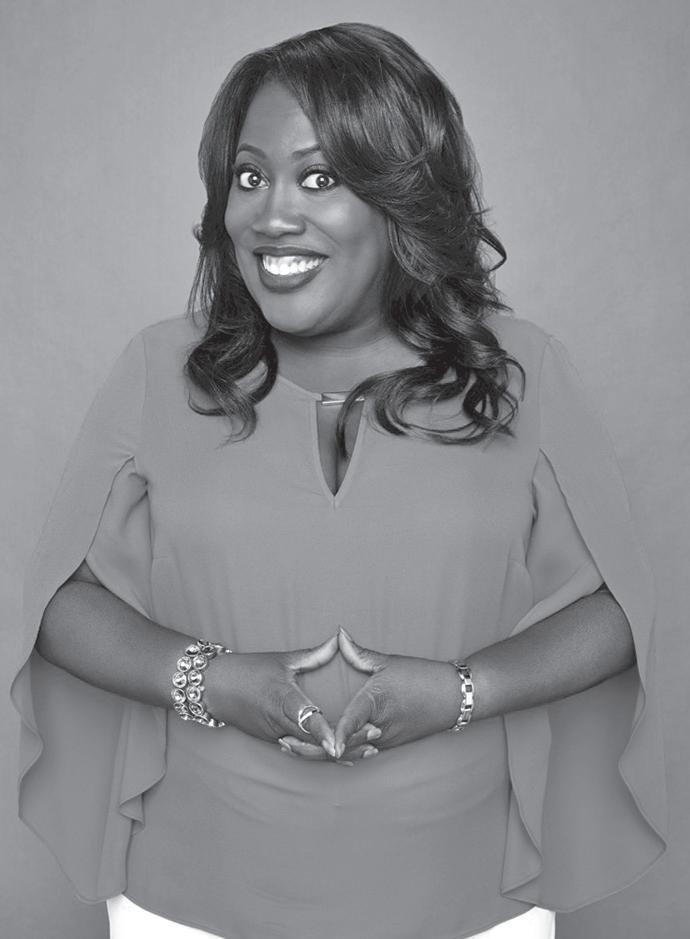
org.
Sat., Jan. 11, 1:30 p.m., International Institute invites you to Challenges to Sensationalized Language & Imagery within the AntiTrafficking Movement 3401 Arsenal St., 63118. For more information, visit www. eventbrite.com.
Tues., Jan. 14, 10:45 a.m., Voter Suppression Tactics: International Perspective. 9001 Clayton Rd., 63117.For more information, visit www. eventbrite.com.
Tues., Jan. 14, 6 p.m., National Coalition of 100 Black Women – Metropolitan St. Louis Chapter presents the Keeping Us Safe Series: A Conversation About Safety and Human Trafficking 8136 Groby Rd., 63130. For more information, visit www. eventbrite.com.
Tues., Jan. 21, 5 p.m., Grace Hill Women’s Business Center presents a Legal Clinic. Meet with an attorney from Legal Services of Eastern Missouri to discuss business related questions. 2125 Bissell

Helium Comedy Club presents Sheryl Underwood. For more information, see COMEDY.
Thur., Jan. 9, Just Mercy starring Michael B. Jordan, Jamie Foxx, Brie Larson, and Rob Morgan opens in theatres nationwide.
Fri., Jan. 10, Like A Boss starring Tiffany Haddish, Salma Hayek, and Rose Byrne opens in theatres nationwide.
Sat., Jan. 11, 2 p.m., National Human Trafficking Awareness Day Event. Shattered Dreams: Sex Trafficking in America is a documentary that reveals the horrific trauma endured by victims of sex trafficking in America. Vashon High School, 3035 Cass Ave., 63106. For more information, visit www. eventbrite.com.
Fri., Jan. 17, Bad Boys For Life starring Will Smith, Martin Lawrence, Theresa Randle, DJ Khaled, and more opens in theatres nationwide.
Sat., Jan. 18, 12:30 p.m., Connected Learning invites you to the For Ahkeem Film Screening. St. Louis Public Library, 1301 Olive St., 63103. For more information, visit www.eventbrite.com.
St., 63107. For more information, visit www. eventbrite.com.
Tues., Jan. 28, 7 p.m., Immigration Then and Now: Exploring the Making of Undocumented Immigrants. Guest speaker will be Sociologist, Ariela Schachter. Missouri History Museum, 5700 Lindell Blvd., 63112. For more information, visit www. academyofsciencestl.org.
Sat., Jan. 4, 12 p.m.,
Superior Health and Wellness Seminar – 2K20 Health Kick-Off. Polish Heritage Center, 1413 N. 20th St., 63106. For more information, visit www. eventbrite.com.
Wednesdays, Weekly Free Health Fair. St. Gabriel Clinic, 6113 Ridge Ave., 63133. Free health screenings include blood pressure, weight, height, BMI, hearing and vision screening and counselling. For more information, visit www. stgabrielstl.com.
Jan. 23 – 26, 7 p.m., St. Louis Symphony Orchestra presents Star Wars: The Empire Strikes Back in Concert Travel to a galaxy far, far away as the intergalactic battle intensifies with the accompaniment of the SLSO. 718 N. Grand Blvd., 63103. For more information, visit www.slso.org.
Mon., Jan. 27, 6 p.m., National School Choice Week presents Miss Virginia Film Screening. A single mother launches a movement to save her son’s future and thousands like him. Chase Park Plaza, 212 N. Kingshighway Blvd., 63108. For more information or to RSVP, visit www. nscwstlouismoscreening. splashthat.com.


Continued from C1
sparked what is now a book club that encourages character development, combats low literacy rates and helps boys to improve their reading levels. His mother, Winnie Caldwell, is also now his business partner.
Over the last two years, Keys has presented over 60 public speaking engagements; has been featured on the Steve TV Show, CNN, and in “The Oprah Magazine”; was named a CNN Heroes Young Wonder; and received a Young Black and Empowered award. Outside of photography, gaming and reading, Keys is a huge fan of games like Roblox and Minecraft and
loves activities like swimming, soccer, basketball, traveling, trying new food and going to the movies. His goal when he grows up is to become an even more influential entrepreneur and be an example for future
n “When you think of, like, a tall, black boy, most of the time you don’t think of reading.”
– Sidney Keys III
young leaders. He looks forward to publishing his own book, continuing to be a philanthropist and giving back to the community.
“It makes me feel really like happy inside knowing that I reached that many people and hopefully even helped that many people as well,” Keys said. “Each book is like a portal to a new world of unimaginable fun.”
“Unimaginable fun” is the only way to describe becoming a Marvel comic and watching the story on how you got there come alive on the big screen. Keys’ episode of “Marvel’s Hero Project” premieres on January 10 on Disney+. The St. Louis watch party for the episode will take place on Friday, January 10 at Innovation Hall, 4220 Duncan Ave. #101. The VIP reception begins at 6:30 p.m., general admission is 7:30 p.m. and the show starts at 8:30 p.m. Entry is free but RSVP is required via booksnbros.com.

Continued from C1
26, are J. Samuel Davis, Sharisa Whatley, Carl Overly Jr., Jason Little and Travis Banks.
“Two Trains Running” expresses the turmoil of the 1960s. A local diner is the hub for a Pittsburgh neighborhood. With the Civil Rights Movement underway and bringing major changes to their community, the diner’s owner is torn about the establishment’s future. Wilson creates relatable characters who represent staple personalities central to the black experience.
With “Two Trains Running,” director Ed Smith will once again helm an August Wilson production for the Black Rep.
“The difference between
He also sang and played piano. A performance with the Wilberforce University collegiate band at Carnegie Hall that had him sharing the stage with Woody Herman, Billy Eckstine, Peggy Lee, and Ella Fitzgerald compelled him to pursue music as a career instead of studying medicine at the historically black Meharry Medical College in Nashville.
Two years after earning a B.S. in Chemistry, Hugh Whalum hit the road as a musician as part of the Lionel Hampton band. He soon went to California to live with an uncle. That uncle relocated to St. Louis to further his law studies in 1949. Hugh Whalum followed him – and kept St. Louis as his musical base for the next seven decades.
He formed his own trio in the 1950s while simultaneously gigging as a solo saxophonist with such musical greats as East St. Louis’ own Miles Davis and Nat King Cole.
“Whenever Nat would come on and be announced, ‘Ladies and Gentlemen, Nat King Cole,’ the first thing Nat would say is, ‘I’d like to introduce you to my friend,” Hugh Whalum said in the liner notes of his self-titled album. “He’d call me out of the band to come and play with him. So, every song he played, I played with
working on August Wilson versus other playwrights is the beauty of words,” Smith said.
“Hearing the African-American speak – I mean it’s really so poetic and musical when you think about it.”
The Black Rep has not only staged all 10 plays – but it has staged some, like “Two Trains Running,” “Fences” and “Ma Rainey’s Black Bottom,” more than once.
Smith has directed five of the 10-cycle plays for the company over the 25-year relationship he’s had with Himes and The Black Rep.
“Look at what August did for American theatre with this series – and not just black theatre,” Smith said. “If you are truthful to the words, you can’t go wrong. When you start listening, that’s when you find the character. It’s all about the words.”
Smith is also mindful of
him. That didn’t strike me then, but jeez, I think about it now, and say, ‘Whoa, was that me? Was that really me?’”
A prominent figure of the famed Gaslight Square music scene, Hugh Whalum was also an inspiration and a symbol of longevity. He gigged steadily at a time when others would have slowed down.
He was voted by the Riverfront times as the “Best Lounge Act” of 2006. He was nearing 80 years old at the time.
With the help of his nephew Kirk’s connections, Hugh Whalum released his first solo album – a self-titled CD released on Rendezvous Records – that same year.
Once I asked David Sanborn if he knew Peanuts, and he said, “Of course, I do. Who doesn’t know Peanuts Whalum?”
“So, my resolution this year was, ‘I am going to somehow document what my Uncle Peanuts does – to have him sit there and play songs for me,’” Kirk Whalum says in the liner notes of Hugh ‘Peanuts’ Whalum.” “Oh, goodness. It was such an experience,” Kirk continued. “It was hard for me to concentrate on what I was doing. Everything he played I loved. Ninety percent of the songs I didn’t know. I thought I knew a lot of jazz standards— but, around someone like him, you know nothing.”
Hugh Whalum was often a featured guest of Kirk’s St. Louis stops of the
Wilson’s recurring themes. He knows them all too well, having directed seven of the 10 plays in his five decades as a nationally renowned director particularly gifted with bringing the black experience to life on stage.
“In all of his plays, he manages to say in some form or another that you can’t move forward until you are aware of where you come from,” Smith said. “You have to know your past and the present – to think about what you are doing now and what you have to do to move into the future.”
The Black Rep’s production of August Wilson’s “Two Trains Running” will run January 8-26 at the Edison Theatre on the campus of Washington University. Tickets are available at www.theblackrep.org/, or by calling the box office at 314-534-3807.
“Gospel According to Jazz” performances.
“This man is a giant,” Kirk said of his uncle. “He’s a fivefoot-five giant.” In 2015, Hugh Whalum was honored for his contributions to the St. Louis music scene during the Jazz Edge Big Band’s special event entitled “A Tribute to St. Louis Saxophonists.”
“God must have wanted a very special Christmas up there,” Brandt said. “He must have taken Peanuts so that he could fill the heavens with his music.”
Hugh Whalum is survived by four children – one of his children preceded him in death – several grandchildren and a host of nieces, nephews and extended family.
Final arrangements for Hugh “Peanuts” Whalum are as follows: Wake – 3-7 pm. Friday, January 3, Archway Memorial Chapel, 111 Taylor Rd., Hazelwood MO, 63042; Funeral Mass – 11 a.m. Saturday, January 4, St. Elizabeth Mother of John, 4330 Shreve Ave., St. Louis, MO, 63115. Repast will immediately follow the Funeral Mass at St. Elizabeth Mother of John. Burial: 10 a.m. Monday, January 6, Jefferson Barracks National Cemetery, 2900 Sheridan Road, St. Louis, MO 63125.
Previous reporting from St. Louis cultural historian and writer Roscoe Crenshaw contributed to this story.


Riverview Gardens School District sends congratulations to all of Moline Elementary School’s Spelling Bee participants! First place: Andrea (3x champion), Second place: Lauren and Third place: Brionna. Well done, super spellers!
Beaumont High Class of 1970 is planning its 50-year reunion! We want to reach as many classmates as possible, so please share this info with other class of ‘70 alumni. Please email your current contact info to: Beaumontclassof1970@gmail. com.
Central High School Class of 1970 is in the process of planning its 50-year reunion in 2020. We are trying to locate former classmates. If you would like to receive additional information as we plan this momentous occasion, please provide your contact information to either Lillian McKinney at mamajoyce314@ icloud.com or (314) 335-9760, Eric Armstrong at elarmstr@ yahoo.com or (918) 6503385, Sabra Morris-Pernod at Saboots@centurytel.net or (314) 703-0812. Sumner High School Class
of 1957 will sponsor a Holiday Social on Friday, December 27, 5-8 pm at the Creve Coeur American Legion Hall (behind Bristol) 934 E Rue Del La Banque Dr., 63141. DJ will play oldies and line dance music for dancing. Tables available for card players. Chicken and fish dinners available for $10, cash bar. Sumner Class of 1976 Annual Christmas Party Friday, December 21, 2018, 7pm at DEJAVU II Cafe, 2805 Target Dr., St. Louis, MO 63136. 2 for 1 Drink Specials (5:30-7:30pm), free


Jennings School District student Michael Wren recently received the “Doing The Most Good” Award from the Salvation Army. Congratulations, Michael!
Congratulations to Coach Keith Rhodes at STEAM Academy at McCluer South-Berkeley High School in Ferguson-Florissant School District, who has been inducted into the Missouri Track and Cross Country Coaches Association’s Hall of Fame!
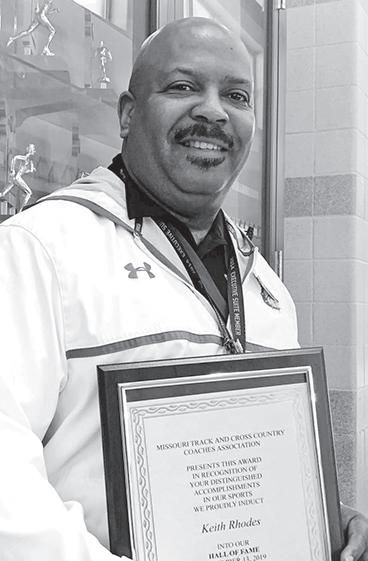
parking, band performs from 7:30-9:30pm. No cover charge; classmates and guest each pays $5 for the catered food served during intermission, whether you partake of it or not. Limited reserved seating available until 10pm. Doors open 5pm/close 1am. For more info, call B. Louis at 314.385.9843.
Vashon High School Class of 1974 is planning for its 45th reunion. We are in the process of rounding up all classmates. To provide or update your contact information, please email ljbady@gmail.com or
contact: Joe Verrie Johnson 314-640-5842, Jordan Perry 314-724-4563, or LaVerne James-Bady 314-382-0890. Vashon High School Class of 1975 is planning for its 45 year class reunion. We are in process of getting all classmates to provide or update your contact information. Please email Millicent, centbyme1@aol.com or Elvis, elvishopson@att.net. You can also send information by mail: Vashon High Class of 1975, P.O. box 8735, St. Louis Mo. 63101. Keep this date open: August 7-9, 2020.
Do you have a celebration you’re proud of? If so we would like to share your good news with our readers. Whether it’s a birth, wedding, engagement announcement, anniversary, retirement or birthday, send your photos and a brief announcement (50 words or less) to us and we may include it in our paper and website – AT NO COST – as space is available Photos will not be returned. Send your announcements to: kdaniel@stlamerican. com or mail
may also be sent by mail to: Kate Daniel, 2315 Pine St., St. Louis, MO 63103 Deadline is 10 a.m. on Friday. If you’d like your class to be featured in a reunion profile, email or mail photos to us. Our email address is: reunions@stlamerican.com

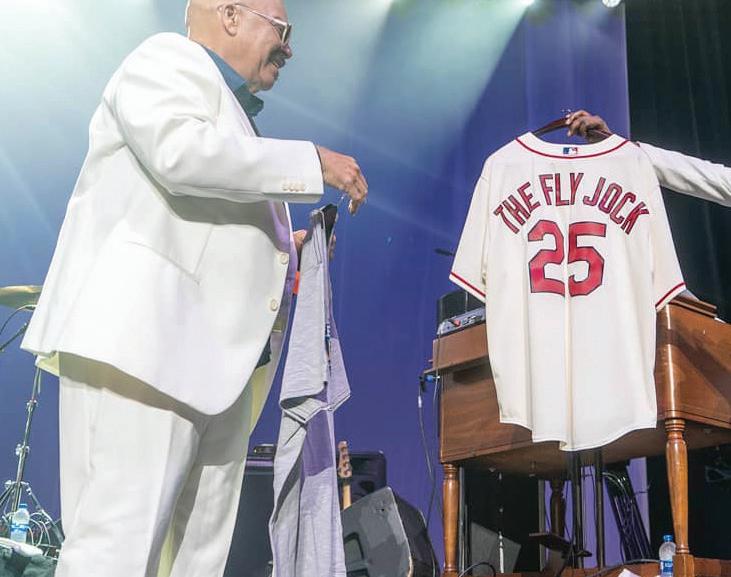

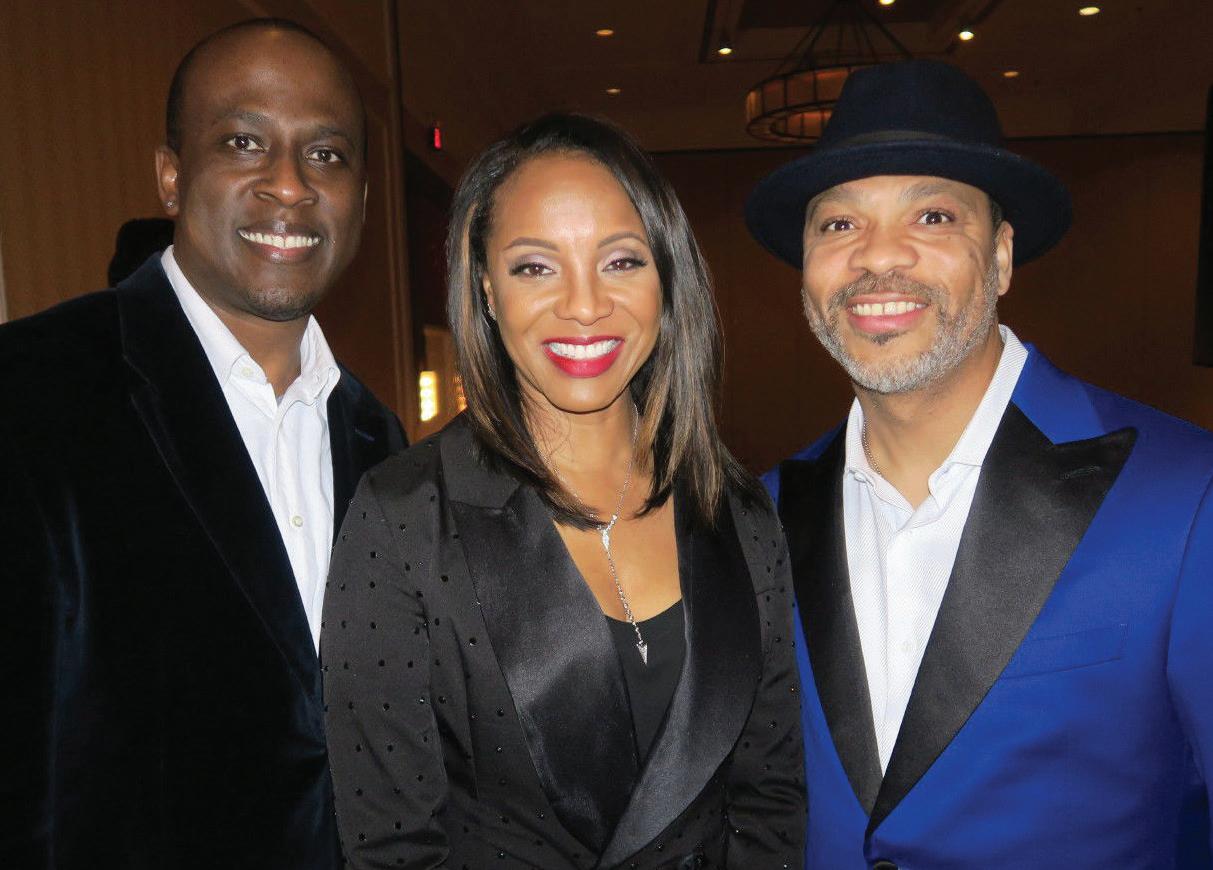

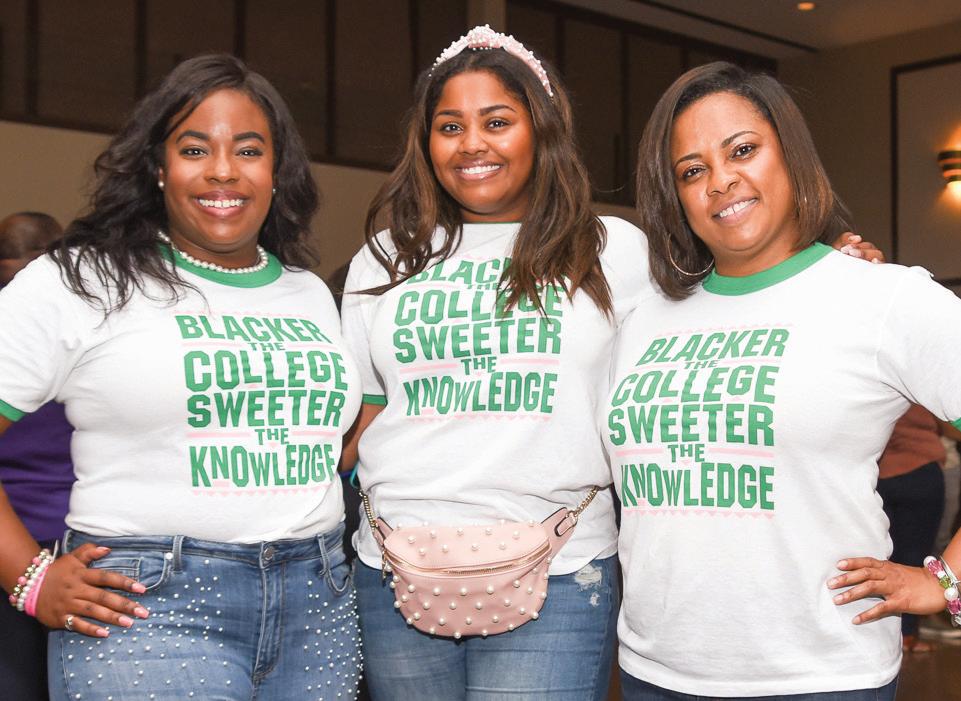

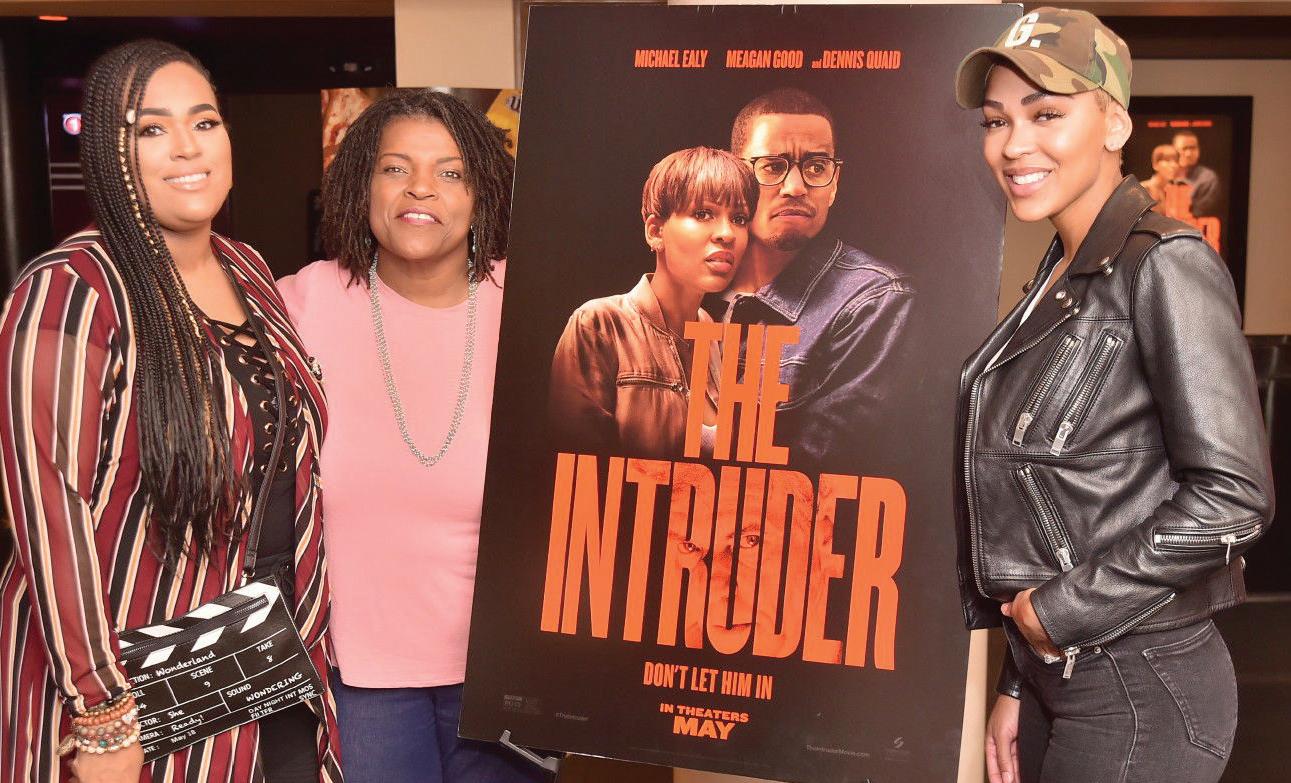

2019 is a wrap! Congratulations, you made it through that series of judo throat chops that was 2019. Hunny, baby, chile we went through it these last 365 days, didn’t we?
So much so, that if I wanted to, I could make do a whole R.I.P roll call – and that goes for people, places and things. There were so many folks I had to say farewell to that I’m afraid if I start listing them, I will leave somebody off for sure. Just know that all of them are in my thoughts and I’m praying for families daily. We lost staple businesses and a whole transit system. 2019 was a mamma jamma! We went from “living our best lives” in 2018 to “Lord, just let me make it through.” Go ahead and consider yourself blessed as we go into 2020. I guess I will go ahead and get into the good, bad and ugly of it all as far as these streets go.
Black businesses on the bright side. After delays, 2019 meant that we were finally able to get a taste of Prime 55 – and it was worth the wait. And like a plus-sized catfish on a hook wound with raw bacon, Bait popped up out of nowhere to be the pescatarian restaurant we never knew we needed, but can’t live without. And after operating for nearly a year as a special event space, we saw House of Soul get the greenlight to be added to the weekly downtown nightlife scene. I know it was an annual thing as opposed to an every-day establishment, but the triumph for the Taste of Black St. Louis 2019 was so magical on that Saturday that the general population edition was wondering if we got the memo that it was returning downtown. I also want to shout out the Urban Business Exchange that had African American Entrepreneurs mixing and mingling.
Get into these galas. We went through it 2019, but you couldn’t tell by the way we got dressed up and stepped out for a handful of galas that had black girl magic and black boy joy on full display. I’ll start with our 32nd Annual Salute to Excellence in Education, which handed out $1.2M in scholarships. I’m not being partial. I’m stating facts. But we weren’t the only one. That Urban Sprouts Gala En Blanc was absolutely every single doggone thing. Seeing all those lovely folks in white perched in the middle of Kiener Plaza was the epitome of elegant drip. Then the 100 Black Men’s Winter Royale brought the folks out in their good clothes yet again. It was life. Then seven days later the DELUX had the distinction of the last non-New Year’s Eve formal event of the year with their Power 100 and it lived up to all of the hype and then some. While I plan to leave most of 2019 behind after marking myself safe. I really hope that the black glamour and black excellence energy we saw new levels of slaps right on into 2020. Perched at the Pageant. If I added up the good times I had at concerts over 2019, I would say plenty of those minutes saw me up in the Pageant. My left knee never quite recovered from trying to keep up with Meghan Thee Stallion’s 30-minute power twerk session. Plies and Jeezy had folks spilling over into the Halo Bar and watching their sets via satellite. And let’s not forget the glorious live show experience that Lizzo gave the girls.
A mix of fond memories. Since I don’t have all the space in the world, my next mentions were quite a bit of fun that I didn’t have space to fit into their own items. These are in no particular order, but they all gave me life for one reason or another. The first one that pops up in my mind was the Cognac, Bars and Cigars party at Bar Napoli with sounds served up by Love Jones The Band. I was on Primatene Mist and Mucinex for a week recovering from all that smoke, but it was worth it. Angel’s birthday edition of “A Night of Soul Searching” starring BJ The Chicago Kid and a whole host of saingas (yes, saingas) that could croon some of your favorite pop stars under the table, gave me much life as well. The Culture Kickback that took place near 4210 Duncan in mid-August was absolutely everything. It was a Solange or Janelle Monae away from being our own personal AfroPunk. Oh, and even though it needs to be moved to Bush Stadium or The Dome, I would say Art, Beats and Lyrics was definitely among the year’s highlights – as was the vibe Kelly Price brought to the Remy Martin Taste of Luxury that doubled as the birthday set for my girl Lisa West. I see you Cash! The ‘oh no they didn’t’ of 2019. Let me just crop the hot mess all together in one swoop. Did y’all really, like for real, for real think that Jaheim was actually going to show up with that sage colored press-n-curl of his and give y’all the raspy vocals he’s deprived y’all of for the past decade this past spring? He said he was never coming back. In the words of our own late great Dr. Maya Angelou, “when someone shows you who they are, believe them.” Jess Hilarious, girl…you really don’t know our city if you think that you can just come to town to headline a comedy show and not elicit a chuckle. I heard you were down-to-earth behind the scenes. I appreciate that, but that wasn’t the job you had to do when you came here. Luckily for you, St. Louis comedians are funnier than anything poppin on the mainstream – so Hot Sauce, Jovan Bibbs, Maurice G and Jessie Taylor had your back. And speaking of underwhelming comedians, I’mma go ahead and admit I hardly caught a cackle from Mike Epps for the second year in a row at New Year’s Eve Comedy Jam. I’ve given him the benefit of the doubt because there were times when I would be rolling around in my seat like a tornado from his funny, but the other night was not one of them. I knew when he came out talking about how cold it was that it was going to be a lukewarm set at best. I was like, “sir, it’s Halloween weather out there.” I am grateful that he had some new material though. But if we are basing on who got the most laughs Mark Curry was once again the MVP. Okay, and now we have reached the lowest of the low for 2019 in my books. It should come as no surprise since it made national news that St. Louis is not the crowd to play with, but I will go ahead and crown Master P and ‘nem as worst in show for that No Limit debacle. I have used all the words I have left to give on it, so we will just leave it at them taking the L of the year – and perhaps the decade – with that tragic showcase.









We ask that this person be proficient on piano, provide leadership to choir, and show flexibility as we incorporate hymns and songs from The Hymnal 1982, Lift Every Voice and Sing, II, as well as Spirituals and some contemporary Gospel. He or she will exercise ministry at regular Sunday services and additional services as needed.
Seeking individual with general knowledge of all aspects of the electrical trade. Teaching / training experience and or industry certifications desirable. Computer skills required. Must have a minimum of 9 years of experience at the Journey Level and be a current member in good standing with the St. Louis, Kansas City Carpenters Regional Council Local Union 57. Send resume to address below by (date).
No walk ins or email copy will be accepted. The St. Louis American Newspaper 2315
Notice is hereby given that The Metropolitan St. Louis Sewer District (District) will receive sealed bids for WATKINS DRIVE #S 8036/8038 & 8044 SANITARY SEWER EXTENSION (IR) under Letting No. 13297-015.1, at this office, 2350 Market Street, St. Louis, Missouri 63103, until 02:00 PM on Tuesday, January 28, 2020, at a place designated. Bids will be received only from companies that are pre-qualified by the District’s Engineering Department for: SEWER CONSTRUCTION – St. Louis County drainlayer’s license required Plans and Specifications are available for free electronic download. Please go to MSD’s
STL Cargo City Roof Replacement for Buildings 1 & 2
At St. Louis Lambert International Airport
Sealed proposals will be received by the Board of Public Service in Room 208 City Hall, 1200 Market Street, St. Louis, Mo. Until 1:45 PM, CT, on Tuesday, February 4, 2020, then publicly opened and read. Plans and Specifications may be examined on the Board of Public Service website http://www.stl-bps.org/planroom.aspx (BPS On Line Plan Room) and may be purchased directly through the BPS website from INDOX Services at cost plus shipping. No refunds will be made.
Bidders shall comply with all applicable City, State and Federal laws (including MBE/WBE policies). Mandatory pre-bid meeting will be held on Tuesday, January 7, 2020 at 10:00 AM, in the Ozark Conference Room at the Airport Office Building, 11495 Navaid Rd., Bridgeton, MO 63044. All bidders must regard Federal Executive Order 11246, “Notice of Requirement for Affirmative Action to Ensure Equal Employment Opportunity”, the “Equal Opportunity Clause” and the “Standard Federal Equal Employment Specifications” set forth within and referenced at www.stl-bps.org (Announcements).
Please visit www.mohistory.org under the “Current Openings” tab for position details and to apply.
Notice is hereby given that The Metropolitan St. Louis Sewer District (District) will receive sealed bids for Nottingham-Mayfair Storm Sewer under Letting No. 11389-015.1, at this office, 2350 Market Street, St. Louis, Missouri 63103, until 02:00 PM on Friday, January 17, 2020, at a place designated. Bids will be received only from companies that are pre-qualified by the District’s Engineering Department for: SEWER CONSTRUCTION – St. Louis County drainlayer’s license required Plans and Specifications are available for free electronic download. Please go to MSD’s website and look for a link to “ELECTRONIC PLANROOM.” Plans and Specifications are also available for viewing or purchase at Cross Rhodes Reprographics located at 1712 Macklind Avenue, St. Louis MO 63110. All bidders must obtain a set of plans and specifications in order to submit a bid in the name of the entity submitting the bid. The Metropolitan St. Louis Sewer District is an Equal Opportunity Employer.
Income Based Wait List Opening
Taking Applications for 1 Bedroom Apts. Friday January 3, 2020 10:00 a.m. to 3:00 p.m. Location: 600 Kingshighway St. Louis, MO 63108
Washington Apartment’s Community Room
All applicants must be 18 or older and Have a valid driver’s license or state issued ID
(You will need to know all household members social security numbers)
Requests for reasonable accommodation due to a disability should be made in writing and submitted to the Washington Apartment’s Management office: 600 Kingshighway, St. Louis, Mo.63108.
Washington Apartments does not discriminate on the basis of disability status in the admission or access to, or treatment or employment in, its federally assisted programs and activities.
The person named below has been designated to coordinate compliance with the nondiscrimination requirements contained in the Department of Housing and Urban Development’s regulations implementing Section 504 (24 CFR, part 8 dated June 2, 1988). For Section 504/disability related issue ONLY, contact: Theresa Wood, Section 8 Compliance Manager 720 Olive Street, Suite 2500 St. Louis, MO 63101 (314) 335-2822 (voice)
The LBD is seeking vendors to provide a range of services. These services include: • District Security • Street Sweeping
Weeding & Trash Removal
Marketing Services
Audit Services
For more information, go to the LBD website at www.locustbusinessdistrict.com or email us at info@locustbusinessdistrict.com.
METROPOLITAN ST. LOUIS SEWER DISTRICT
Notice is hereby given that the Metropolitan St. Louis Sewer District is accepting proposals in the Purchasing Division, 2350 Market Street, St. Louis, Missouri 63103-2555 until 10:00 a.m. on February 3rd, 2020 to contract with
for:
Care Services for Coldwater
SEEKING CHURCH POSITION!
An all styles Professional Organ Player/Accompanist, Piano, Pipe Organ, Teacher, and Minister of Music, is seeking an open position. All churches welcome Inquiry 314-652-1107
CITY OF JENNINGS INVITATION FOR BID (IFB)
City Owned Property Auction – IFB
Please contact Myra Randle, Economic Development Specialist, at 314-388-1164 or mrandle@cityofjennings.org if there are any questions or to request additional information. LOCUST BUSINESS DISTRICT SEEKS RFPS FOR SERVICES
Plant. Specifications and bid forms may be obtained from www.stlmsd.com, click on the “MSD AT WORK” link, (bid opportunities). The bid document will be identified as 10252 RFQ. If you do not have access to the internet, call 314.768.2735 to request a copy of this bid.
Metropolitan St. Louis Sewer District is an Equal Opportunity Employer.
Public Notice of Single Source Procurement
Notice is hereby given that the Metropolitan St. Louis Sewer District is proposing to procure:
PLUS CONFERENCE 2019: FIVE CITIES PLUS INC. was used for this service. Any inquiries should be sent to gjamison@stlmsd.com.
Metropolitan St. Louis Sewer District is an Equal Opportunity Employer.
attention of the City Clerk. Bidder should submit one (1) original and two (2) copies of the bid. Sealed bids will be opened and publicly read aloud on January 30, 2020 at 10:00 a.m. in the Council Chamber at Jennings City Hall. Visit Jennings City Hall or the City’s website at (www.cityofjennings.org) for details on the bid specifications, pictures and addresses of the properties.
St. Louis Community College will receive separate sealed bids for Contract No. F 20 405, Install Air Compressor for Science Labs, St. Louis Community College at Forest Park, until 2:00 p.m. local time, Tuesday, January 14, 2020. Bids will be publicly opened and read aloud at the office of the Manager of Engineering and Design, 5464 Highland Park Drive (Plan Room). Specifications and bid forms may be obtained from the Manager’s office, at the above address or by calling (314) 644-9770.
Pre-Bid Meeting: Voluntary
Monday, January 6, 2020, 10:00 am, Meet in C Tower 1st Floor
An Equal Opportunity and Affirmative Action Employer
St. Louis Community College will receive separate sealed bids for Contract No. F 20 405, Install Air Compressor for Science Labs, St. Louis Community College at Forest Park, until 2:00 p.m. local time, Tuesday, January 14, 2020. Bids will be publicly opened and read aloud at the office of the Manager of Engineering and Design, 5464 Highland Park Drive (Plan Room). Specifications and bid forms may be obtained from the Manager’s office, at the above address or by calling (314) 644-9770.
Pre-Bid Meeting: Voluntary
Monday, January 6, 2020, 10:00 am, Meet in C Tower 1st Floor
An Equal Opportunity and Affirmative Action Employer
Gladiator Building, 1339 Magnolia Manor Court, St. Peters, MO 63303 is seeking subcontractor bids for six (6) new construction homes at 3156 & 3158 Nebraska Avenue, St. Louis, MO 63118 and 2716, 2726, 2732 and 2736 Hickory Street, St. Louis, MO 63104.
Scopes of work include, but are not limited to: New Construction of six (6) single family homes. Section 3, Minority, Women and Disadvantaged Business Enterprises are encouraged to bid.
Project plans and specifications are available by request. Please contact Gladiator Building at (314)328 -5545, GladiatorHomes314@gmail.com.
All bids are due to Gladiator Building’s office by 1/13/19, 12 p.m. Gladiator Building is an Equal Opportunity Employer.
Sealed bids for the 2020 CRS Collector Overlay Program Area A, St. Louis County Project No.CR-1776, will be received at the Office of the Director of Procurement for the County of St. Louis, County Government Center Administration Building, 41 South Central Avenue, 8th Floor, Clayton, MO 63105, until 11:00 a.m. January 29, 2020.
Plans and specifications will be available on December 30, 2019 from the St. Louis County Web Site (www. stlouisco.com), or by contacting County Blue Reprographics, Inc., 811 Hanley Industrial Court, Brentwood, MO 63144, (314) 961-3800.
Notice is hereby given that The Metropolitan St. Louis Sewer District (District) will receive sealed bids for Park Drive Sanitary Relief (Engelholm Avenue) under Letting No. 12163-015.1, at this office, 2350 Market Street, St. Louis, Missouri 63103, until 02:00 PM on Thursday, January 30, 2020, at a place designated.
Bids will be received only from companies that are pre-qualified by the District’s Engineering Department for:
DEEP SEWER CONSTRUCTION –St. Louis County drainlayer’s license required Plans and Specifications are available for free electronic download. Please go to MSD’s website and look for a link to “ELECTRONIC PLANROOM.” Plans and Specifications are also available for viewing or purchase at Cross Rhodes Reprographics located at 1712 Macklind Avenue, St. Louis MO 63110. All bidders must obtain a set of plans and specifications in order to submit a bid in the name of the entity submitting the bid. The Metropolitan St. Louis Sewer District is an Equal Opportunity Employer.
METROPOLITAN
SEWER DISTRICT
Notice is hereby given that the Metropolitan St. Louis Sewer District will receive sealed bids in the Purchasing Division, 2350 Market Street, St. Louis, Missouri 63103-2555 until 10:00am January 31, 2020 for: SWITCHGEAR REHABILITATION
Specifications and bid forms may be obtained from www.stlmsd.com - click on “MSD At Work”, then “Bidding on Projects”. The bid document will be 10246 RFQ. If you do not have access to the internet, call (314) 768-6314 to request a copy of this bid.
Metropolitan St. Louis Sewer District is an Equal Opportunity Employer.
METROPOLITAN ST. LOUIS SEWER DISTRICT
Notice is hereby given that the Metropolitan St. Louis Sewer District will receive Sealed Bids in the Purchasing Division, 2350 Market Street, St. Louis, Missouri 63103-2555 until 11:00 a.m. on January 22, 2020 to contract with a company for: COMMERCIAL MIX-HOT ASPHALT.
Specifications and bid forms may be obtained from www.stlmsd.com, click on the “MSD AT WORK” link, (bid opportunities). The bid document will be identified as 10236 RFQ. If you do not have access to the internet, call 314-768-6254 to request a copy of this bid.
Metropolitan St. Louis Sewer District is an Equal Opportunity Employer.
The St. Louis Philanthropic Organization (SLPO) invites 501 (c) (3) organizations to submit an application for its 2020 Responsive Grants cycle. Grant requests must not exceed $10,000 and used solely for programs that provide services to St. Louis city residents. Agencies may submit only one application per grant cycle.
The original and two copies of the application, along with one copy of the required attachments, must be received no later than 4:30 p.m. on Friday, February 7, 2020, at the SLPO office located at 20 South Sarah Street, St. Louis, MO 63108. Please ensure that the required number of copies and all attachments are included.
All grant requests must be submitted on the SLPO application form. (Please note it is not necessary to three-hole punch or bind the materials. One staple in the upper left corner will suffice.) The application form, along with instructions for completion and required attachments, may be found on the SLPO web site at www.stlphilanthropic.org as a fillable PDF and in Microsoft Word. Agencies may also request that a copy of the application and instructions be emailed to them by contacting the SLPO office at stlphil@sbcglobal.net. SLPO office hours are Mondays and Thursdays from 8:30 a.m. to 4:30 p.m. and Friday mornings from 8:30 a.m. to 12:30 p.m.
Applications will not be accepted by email or fax. They may be delivered to the SLPO office by U.S. mail or hand delivered. Postmarked applications will not be accepted.
SLPO will host an Informational Session for Prospective Grantees via conference call on Thursday, January 16th at 10:00 a.m. Please see the St. Louis Philanthropic Organization website at www.stlphil.org for further information.
Notice is hereby given that The Metropolitan St. Louis Sewer District (District) will receive sealed bids for Harlem - Baden Detention Basin Bioretention CSO VR GI under Letting No. 12916-015.1, at this office, 2350 Market Street, St. Louis, Missouri 63103, until 02:00 PM on Thursday, January 23, 2020, at a place designated. Bids will be received only from companies that are pre-qualified by the District’s Engineering Department for: GREEN INFRASTRUCTURE AND BIO-RETENTION
Plans and Specifications are available for free electronic download. Please go to MSD’s website and look for a link to “ELECTRONIC PLANROOM.” Plans and Specifications are also available for viewing or purchase at Cross Rhodes Reprographics located at 1712 Macklind Avenue, St. Louis MO 63110. All bidders must obtain a set of plans and specifications in order to submit a bid in the name of the entity submitting the bid.The Metropolitan St. Louis Sewer District is an Equal Opportunity Employer.
Bids will be received electronically by the Commission until 11:00 o’clock a.m. (prevailing local time) on 01/17/2020 for the project(s) listed below. Electronic bids must be submitted through “Bid Express Secure Internet Bidding” at www.bidx.com. Paper bid bonds shall be addressed to and received by:
Missouri Highways and Transportation Commission Attention: State Design Engineer/Bid Bond 105 West Capitol Avenue Jefferson City, Missouri
The proposed work includes:
Job J6I3257 Route I-70 St Louis City. Coldmill and resurface from Kingshighway Blvd to Branch Street, the total length of improvement being 3.626 miles.
Job J6I3338 Route I-70 St Louis County and St Louis City. 14 Bridge rehabilitation from Cypress in St. Louis County to Branch in St. Louis City, the total length of improvement being 12.9 miles.
Job J6I3499 Route I-70 St Louis County. Pavement improvements along I-70 from east of Springdale to Bermuda, the total length of improvement being 1.317 miles..
Special Needs: If you have special needs addressed by the Americans with Disabilities Act, please notify Pamela Harlan, Secretary to the Commission, at (573) 751-2824 or through Missouri Relay System, TDD 1-800-735-2966.
The wage rates applicable to this project have been predetermined as required by law and are set forth in the Bidding documents. When federal wage rates are applicable and included, this contract is subject to the “Work Hours Act of 1962,” (P.L. 87-581, 76 State. 357) and implementing regulations.
By virtue of statutory authority, preference shall be given on other than Federal Aid Projects, to materials, products, supplies, provisions, and other articles, produced, manufactured, made or grown within the state of Missouri, where same are of a suitable character and can be obtained at reasonable market prices in the state and are of a quality suited to the purpose intended and can be secured without additional cost over foreign products or products of other states.
The Commission hereby notifies all bidders that it will affirmatively insure that in any contract entered into pursuant to this advertisement, minority business enterprises will be afforded full opportunity to submit bids in response to this invitation and will not be discriminated against on the grounds of race, color, religion, creed, sex, age, ancestry, or national origin in consideration for an award. The Commission reserves the right to reject any or all bids.
Plans and specifications may be inspected in the offices of the Commission at Jefferson City, or the District Office at Town and Country, Missouri. Plans and specifications are available for download at www.modot.org. Complete instructions to bidders may be obtained at the Jefferson City office. All questions concerning the bid document preparation shall be directed to the Central Office – Design Division at (573) 751-2876.
THE MISSOURI HIGHWAYS AND TRANSPORTATION COMMISSION
BidsforWindow Rep
me nt, Administration BuildingWheelerHall, MOSchoolfor theDeaf,Fulton, Missouri,Project No.E1906-01 willbereceived byFMDC,Stateof MO,UNTIL1:30 PM,1/23/2020via MissouriBUYS. Biddersmustbe registeredtobid. Forspecificproject informationand orderingplans,go to:http://oa.mo. gov/facilitie
BidsforUpgrades andRenovations, MissouriVeterans
, Missouri,Project No.U1805-01 willbereceived byFMDC,Stateof MO,UNTIL1:30 PM,1/28/2020via MissouriBUYS. Biddersmustbe registeredtobid. Forspecificproject informationand orderingplans,go to:http://oa.mo. gov/facilities
BidsforReplace Roofs,Guhleman ForensicComplex, FultonState Hospital,Fulton, Missouri,Project No.M1906-01 willbereceived byFMDC,Stateof MO,UNTIL 1:30PM,January 23,2020,via MissouriBUYS. Biddersmustbe registeredtobid. Forspecificproject informationand orderingplans,go to:http://oa.mo. gov/facilities
CONCRETE & BRICK REMOVAL/ REPLACEMENT AND COMPLETE SIDEWALK INSTALLATION SP-112
Sealed proposals will be received by the Board of Public Service in Room 208 City Hall, 1200 Market Street, St. Louis, Mo. Until 1:45 PM, CT, on January 28, 2020, then publicly opened and read. Plans and Specifications may be examined on the Board of Public Service website http://www.stl-bps. org(BPS On Line Plan Room) and may be purchased directly through the BPS website from INDOX Services at cost plus shipping. No refunds will be made.
A mandatory pre-bid conference for all contractors bidding on this project will be held on January 9, 2020 at 10:00 A.M. in Room 305, City Hall, 1200 Market Street, St. Louis MO 63103.
NOTE: Contractors that attended the pre-bid conference for Project SP-111 are eligible to bid on Project SP-112 without attending the SP-112 pre-bid conference.
Bidders shall comply with all applicable City, State and Federal laws (including MBE/WBE policies).
All bidders must regard Federal Executive Order 11246, “Notice of Requirement for Affirmative Action to Ensure Equal Employment Opportunity”, the “Equal Opportunity Clause” and the “Standard Federal Equal Employment Specifications” set forth within and referenced at www.stl-bps.org (Announcements).
#8712 STL Cargo City Roof Replacement for Buildings 3, 4 & 5
At St. Louis Lambert International Airport
Sealed proposals will be received by the Board of Public Service in Room 208 City Hall, 1200 Market Street, St. Louis, Mo. Until 1:45 PM, CT, on Tuesday, February 4, 2020, then publicly opened and read. Plans and Specifications may be examined on the Board of Public Service website http://www.stl-bps.org/planroom.aspx (BPS On Line Plan Room) and may be purchased directly through the BPS website from INDOX Services at cost plus shipping. No refunds will be made.
Bidders shall comply with all applicable City, State and Federal laws (including MBE/WBE policies). Mandatory pre-bid meeting will be held on Tuesday, January 7, 2020 at 10:00 AM, in the Ozark Conference Room at the Airport Office Building, 11495 Navaid Rd., Bridgeton, MO 63044. All bidders must regard Federal Executive Order 11246, “Notice of Requirement for Affirmative Action to Ensure Equal Employment Opportunity”, the “Equal Opportunity Clause” and the “Standard Federal Equal Employment Specifications” set forth within and referenced at www.stl-bps.org (Announcements).
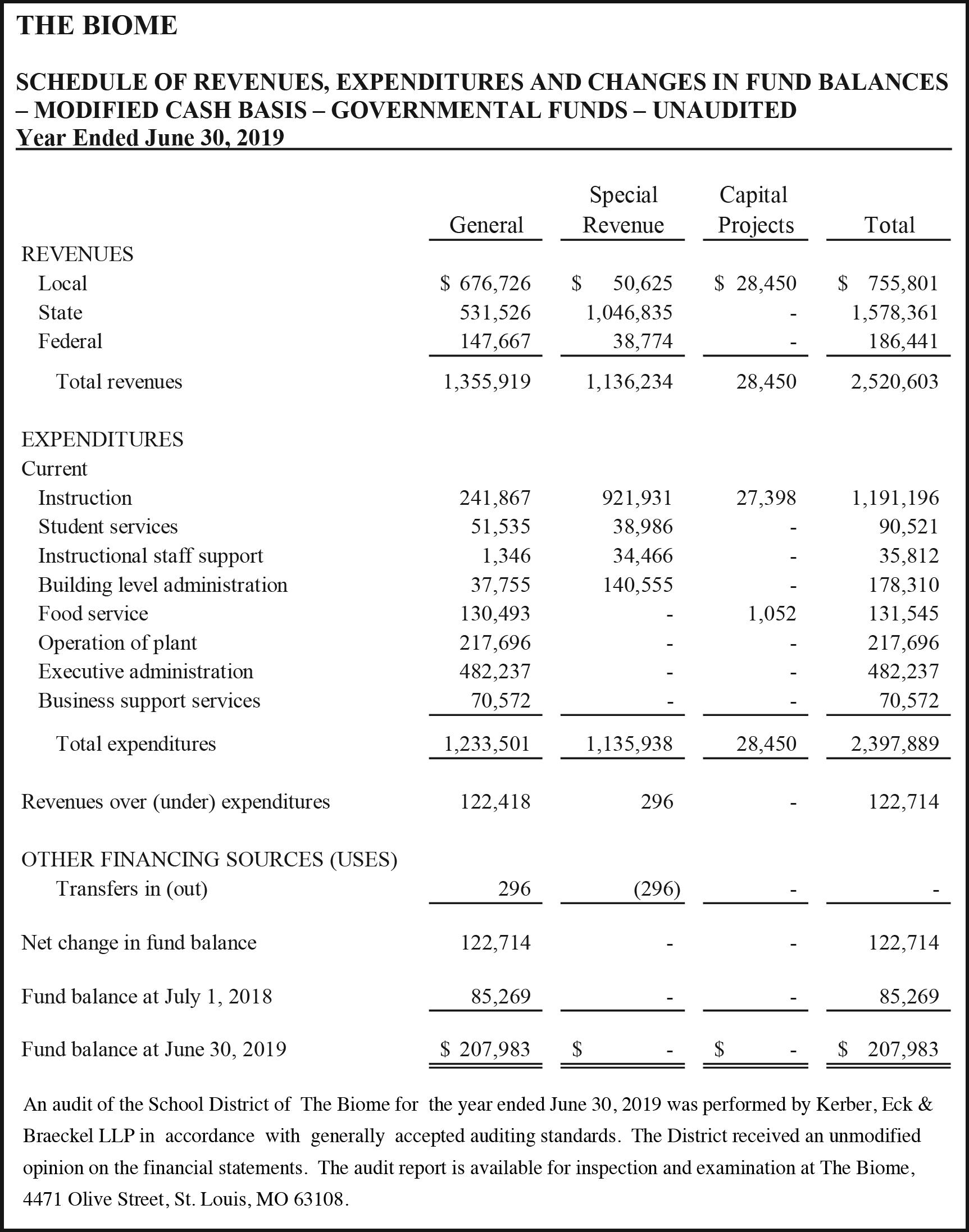
CITY OF ST. LOUIS BOARD OF PUBLIC SERVICE
REQUEST FOR QUALIFICATIONS for PROFESSIONAL
ENGINEERING SERVICES FOR TRAFFIC MANAGEMENT
ENHANCEMENTS – PHASE 4, ST. LOUIS, MISSOURI, PROJECT NO. CMAQ-9901(656). Statements of Qualifications due by 5:00 PM CT, JANUARY 10, 2020 at Board of Public Service, 1200 Market, Room 301 City Hall, St. Louis, MO 63103. RFQ may be obtained from BPS website www.stl-bps.org, under On Line Plan Room-Plan Room, or call Board of Public Service at 314-6223535. 16% DBE participation goals.
PUBLIC NOTICE
Donald Maggi, Inc. is accepting bids from Disadvantaged Business Enterprises for subcontracting opportunities on the City of Salem Sidewalk TAP-9900 (510) located in Salem MO
Bid Date and Time: Thursday, January 9, 2020 at 1:30 Plans and specifications are available for purchase from: Archer Elgin, 310 E 6th St, Rolla MO 573-364-6362
www.questcdn.com
Project # 6619714
Or may be inspected at our office at 13104 South US Hwy 63, Rolla, Missouri 65401
Request for Email copies of plans and specs can be sent via drop box Our telephone number is 573-364-7733; fax 573-341-5065. An Equal Opportunity Employer. Email: maggiconst@gmail.com
Donald Maggi, Inc.

SHARONDALE CIRCLE in FERGUSON 314-524-3635 Monday through Friday 8am to 5pm and the first 3 Saturdays of the month 9am to 3pm.
FURNISHED ROOMS FOR RENT Northside Area, A/C Busline, Util. Included $100-$125/week, 618-501-3361 HOUSE FOR RENT
2 BR, Liv. Rm., Din. Rm., Kitchen, Full Base., Fence Yard, A/C, $750/mo + Dep636-227-3647 HARVEST HOUSE
GORGEOUS ROOMS FOR RENT $135 / wk + Dep, washer & dryer, all utilities included Call 314-741-1951
GARAGE FOR RENT 4 Car, Brick, Storage Garage, $50/mo + Deposit 314-831-6624
Project #CP191921 Gas Turbine Building –
Chilled Water Plant Addition, University of Missouri, Columbia, MO
StructSure Projects requests subcontractors bids from MBE, WBE, DBE, SDVE and Veteran Owned Businesses for the project listed above. Diverse firms are defined in Article 1 of the General Conditions of the Contract for Construction from the University of Missouri, August 2018 Edition. The diverse firm must be certified by a State of Missouri public entity.
Plans and specifications are available at the following locations: • http://operations-webapps.missouri.edu/pdc/ adsite/project.php?project=CP191921&format=html • By requesting electronic plan room access from StructSure Projects. Please call 913-647-9400.
Subcontractor bids are due at 4:00pm on January 13th, 2020, and may be submitted through the online plan room, faxed to 913-647-9500, or sent to estimating@structsureprojects. com.

BidsforRoof Replacements–Various,Mount VernonTreatment Center,Mount Vernon,Missouri, ProjectNo. H1910-01 willbereceived byFMDC,Stateof MO,UNTIL1:30 PM,1/2/2020via MissouriBUYS. Biddersmustbe registeredtobid. Forspecificproject informationand orderingplans,go to:http://oa.mo. gov/facilities


‘We have to meet them where they are’
Pastor Willie E. Kilpatrick preaches from and to
By Robyn Greenlee For The St. Louis American
In the unrest of the increasing number of killings that have taken place in the St. Louis community over the last couple of years, we have a fine example of a young man who burst from his situation of having a mom that committed suicide at his tender age of 10 and being raised by a grandparent in low-income family right in the streets of St. Louis. However, he experienced the positive impact of a village raising a child.
On October 27, we commemorated Pastor Willie E. Kilpatrick’s 20-year anniversary at Prince of Peace Church in Berkeley. A large component of his approach has been reaching into his personal life experiences and successfully creating a formula to keep children and youth engaged, off the streets, giving back and growing up to later come back to serve those in the community, reaching and touching based on their experiences.
Pastor Kilpatrick has been a beacon of light in this
writes in his latest blog post. “God has called us to be great leaders, and Jesus has set you in position and you ought to be strong enough in the Lord that you’re able to say, ‘We dem boys.’”
COGIC deacon elected American Legion commander
community during his leadership as senior pastor. He states, “Our churches should be a place of ministry, not merely a place of gathering.” So he lives by that strategy daily. For the ones who don’t come, he is growing outside the walls. Currently, he has established remote, smallgroup sessions where ministry leadership is going to HarrisStowe State University to meet the young people where they are. His philosophy is: if they don’t come to us, then we have to meet them where they are to get them where they need to be.
“There are times when you are involved in a situation that pits you against something or someone and you may think it’s bad, so much so that you start focusing on the other stuff instead of your stuff and that’s when you’ll begin to start missing the mark. Instead of focusing on the system being broke, focus on how you can move forward, even in a broken system which ends up making you win in the end. Also, don’t keep pressing forward knowing that the system is broke without trying to fix it,” Pastor Kilpatrick


Pastor Carl Terrell and the members of Bostick Temple Church of God in Christ, congratulate Deacon Hallie Williams for his election as the department commander for the State of Missouri American Legion. The American Legion is a patriotic Veteran’s organization devoted to mutual helpfulness and is the largest Veteran’s organization in the nation. Deacon Williams, who resides in North St. Louis County, is a faithful member of Bostick Temple Church of God in Christ. A welldecorated veteran, he served as first sergeant in mortuary affairs. He retired after serving 33 years in the military and joined the American Legion. Deacon Williams was born in Allendale, South Carolina and served in Desert Storm and Iraq.
Growing up I was never a student of the Bible even though I grew up surrounded by the best kind of Christians there were: the love-filled family kind. I am now being constantly moved by the Holy Spirit, I hope, to see the simplicity in the scripture I now study. As such, I am finding myself gravitating to ministers, pastors and saints as they dissect in sermon and prayer the incredible power of the tongue; yes, that small but dangerously lethal weapon housed in one’s mouth. Without any biblical perspective, history confirms the ability of deceit-filled eloquence to entice weak men to murder, married women to stray, prideful men to war and so-called peace-loving folk to slaughter. On a daily basis, a reckless tongue can sear forever the spirit of an innocent child, a wanting spouse, a true friend or a caring co-worker. Evil oratory moves men and women to do evil things.
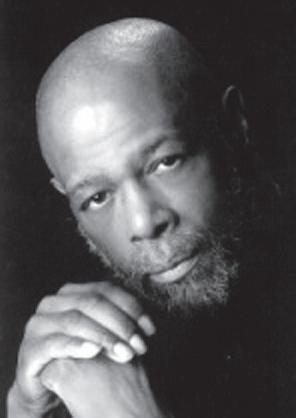
But, oh, how powerful, how wonderful is a wellintentioned “thank you,” a sincere “I’m sorry” or a genuine “I believe in you”? James 3:10 tells us that the tongue wields the power of life and death. Having been the target of ill-intended criticism and, out of momentary anger or hurt, having tried to destroy the souls of many I held dear, I know first-hand that James is so right. I have been trying to correct this character flaw by being as deliberately uplifting as possible, thinking of myself as a vessel of the living God first before I speak and remembering that man was made in God’s own image and cursing any man is tantamount to cursing God.
Could it be that James 1:26 holds a key to salvation?
“If anyone considers himself religious and yet does not keep a rein on his tongue, he deceives himself and his religion is worthless.” If you compare the words of Jesus Christ to any demagogue, you will find that Jesus’ words repulse with great power all hatred, gossip, rumor and even innuendo. It is impossible to claim to love God without loving Jesus as the living Word of God. Saying so merely confirms the truth in this case that the spoken Word will indeed set one free.
“Reckless words pierce like a sword but the tongue of the wise brings healing.” Proverbs 12:14. I’m told God hates a liar and loves the truth. Remember there is no cure for hurt feelings except an honest spoken apology. Hurt feelings fester and infect a person. Think before you speak. And please don’t take my word for it. “He who guards his lips, guards his life, but he who speaks rashly will come to ruin.” Proverbs 12:3.