

By Dana Rieck Of The St. Louis American
As the St. Louis mayoral primary nears, the race’s four candidates have submitted reports to the Missouri Ethics Commission that disclose campaign finance activity through mid-January.
While there are hundreds of contributions recorded, several big-picture notes and individual donations should be highlighted.
The maximum donation allowed by an individual or committee to a mayoral candidate is limited to $2,600, as stipulated by a St. Louis Board of Alderman bill unanimously passed in June 2018.
n St. Louis Alderwoman Cara Spencer, Ward 20, outraised her three opponents with $252,199 in contributions.
In addition to campaign funds, political committees that make only independent expenditures may solicit and accept unlimited contributions from individuals and other groups. Their finances are not included in this report.
Alderwoman Cara Spencer
St. Louis Alderwoman Cara Spencer, Ward 20, outraised her three opponents with $252,199 in contributions — $163,818 of that money came from 95 contributions of at least $1,000 each. Of those 96 contributions, about half (47) are from addresses outside city limits, adding up to $76,668. Two of those 47 contributions came from addresses outside the state of Missouri — one in Florida and one in Tennessee. Thirty of those 96 donations amounted to $2,600 a piece.

member Brenda
the
covering the “Black Americans In Flight”
at St. Louis-
on Monday, February 1, 2021. The 21-foot, four-panel mural honoring the contributions of African Americans in aviation, features the Tuskegee Airmen, among other notable Black aviators. The mural, unveiled in 1990, was painted by Solomon Thurman and the late Spencer Taylor when they were employees at the McDonnell Douglas (now Boeing) factory. See more Black history stories in Section B.
Lewis Reed
Subsidies need to be available for areas that have been historically disinvested in, particularly north of Delmar. I was glad to help in the early stages and co-sponsor the recent Kingsway Development TIF, which is an area north of Delmar that includes commercial and residential projects and has an African American lifelong resident of St. Louis as the lead developer.
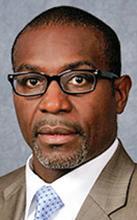
The subsidy will be used for the cost of infrastructure surrounding the project, which will make the project possible. We have developed a scoring system so that development projects are scrutinized objectively before being given TIF financing.
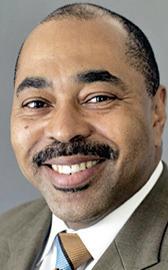

enough. The incentives must be used for projects that:
1) are in disinvested areas, 2) include jobs for St. Louis residents, 3) have community input, 4) reverse environmental problems, and 5) build places for people of varying income levels to live.
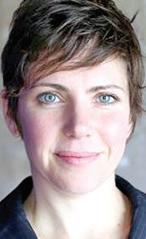
Cara Spencer The neighborhoods I represent are the most challenged neighborhoods on the south side with 30% vacancy when I took office. I changed the trajectory by anchoring blocks with affordable housing
See CANDIDATES, A7
Enriching lives through workforce development, youth and family services and much more
By Danielle Brown Of The St Louis
American
n “What we’re doing is nothing new, but we’re going to try to do a lot more and use our tentacles to go out in the community to touch more people with other organizations and agencies doing the same work.”
For 38 years, Better Family Life Inc. has proudly classified itself as one of the most influential non-profit organizations in metropolitan St. Louis, committed to enriching the lives of African Americans through a range of efforts including community outreach, housing and asset development, workforce development, cultural arts and youth, family, and clinical services. In 1982, DeBorah Ahmed and her husband, Malik Ahmed, took matters into their own hands, opening the basement of their University City home for weekly discussions about how they could meet the needs of others in their community by giving back. Initially the couple struggled with having consistent attendance. People would attend a meeting, then say they were going to come to the next but wouldn’t.
— Darryl Grimes, CEO, Better Family Life
“Sometimes people would show up, sometimes they wouldn’t, and when they wouldn’t I just told Malik to lecture me, I’ll listen, I’ll be your audience,” DeBorah Ahmed said. “Then we would eat after he finished.”
Instead of becoming discouraged they remained persistent and continued to hold the lectures. After moving the meetings from their home to the University City Public Library, attendance skyrocketed at one point to more than 70 members. The Family Life Center was incorporated in Missouri in April 1984 as a non-profit community development corporation with the help of Mary Dot Simmons. She was the first chairwoman of the board of directors.
Malik Ahmed was executive director, now retired, and DeBorah Ahmed is executive director of what is known today as BFL Cultural, Educational and Business Center. By 1985, BFL had achieved tax-exempt status as a 501c organization dedicated to the growth of the American family.
After a $13 million renovation, the center

Black Panther’s Ryan Coogler to create Wakanda TV spinoff for Disney
Black Panther co-writer and director Ryan Coogler has sealed a deal that furthers the idea of “Wakanda forever.” According to Deadline and reported in Essence, Coogler’s company Proximity Media, which he runs with principals Zinzi Coogler, Göransson Archie Davis has partnered with the Walt Disney Company for a five-year, exclu sive television deal to “to develop television for other divisions of the Company,” such as Hulu, Freeform and ABC. Coogler is working as a writer and director on the ther 2 film sequel and will work on a new television spin-off of the fictional Kingdom of Wakanda-based film for Disney+.
Coogler stated, “It’s an honor to be partnering with The Walt Disney Company. Working
with them on Black Panther was a dream come true.”
Sasha Banks to get Star Wars figure from Hasbro
WWE SmackDown Women’s
Champion Sasha Banks will be among Hasbro’s new line of Star Wars figures. In the Disney Plus series, “The Mandalorian,” Banks portrays the character Koska Reeves, a Mandalorian warrior who fights as a member of the Night Owls. Wrestle Zone reports the announcement was made on a Hasbro Pulse live stream.

Silento charged with murdering his cousin

“Rooks was found in the roadway on Deep Shoals Circle suffering from multiple gunshot wounds. Rooks died from his injuries. A DKPD investigation later identified Hawk as the suspect. Investigators are still working to uncover the motive for the shooting.” Last fall, Silento was arrested and charged with two counts of assault with a deadly weapon for allegedly entering a stranger’s home and threatening them with a hatchet.
Lil Uzi bejewels forehead with reported $24M pink diamond
it never gets tangled in anything, especially someone else’s hands.
Kanye’s Sunday Service cast and crew sue to get paid
iHeartRadio reports that Kanye West is facing two class-action lawsuits that seek $30 million in damages after allegedly failing to pay up to 1,000 cast and crewmembers who were part of his Sunday Service shows. It says the suits pertain to his opera, “Nebuchadnezzar, held at the Hollywood Bowl in Nov. 2019. The Sun reports Kanye is being accused of violating California labor laws by not paying employees on time, or not at all, and denying overtime, meal and bathroom breaks.

, the 23-year-old “Watch Me (Whip/Nae Nae)” rapper, born Richard “Ricky” Lamar Hawk, was arrested and jailed near Atlanta, Georgia on Feb. 1, charged with felony murder in the Jan. 21 shooting death of his cousin, Frederick

It’s a face worth of diamonds for rapper Lil Uzi Vert, whose forehead is now bejeweled with a 10+ carat pink diamond, said to be worth $24 million. Uzi posted some videos about the piercing on Instagram. “I just got the long bar in it because I just got it pierced, Uzi said. “When the swelling goes down I’ll get a short bar so it won’t move.” Apparently, the all-natural diamond had been on layaway ever since he first saw it in 2017 and as Hollywood Life reported, he said during a Jan. 30 Twitter Q&A that it was worth more than any of his other possessions. If reports are true, I hope
Lawyers are still tracking down other individuals allegedly stiffed or mistreated while working on the Sunday Service shows and reportedly have “dozens of people lined up to join the lawsuit meaning the final tally will be closer to 1,000 people,” a source told The Sun.
Sources: CBS News, Deadline, Essence, Hollywood Life, iHeartRadio, Rap-Up, The Sun, Twitter, Wrestle Zone







By Sophie Hurwitz
Of The St. Louis American
Dr. Fredrick Echols, director of the St. Louis Department of Health, on Tuesday updated the St. Louis Board of Alderman on distribution of the coronavirus vaccine.
“As you all know, there was a delay in the City of St. Louis receiving a COVID-19 vaccine,” he said, referencing the fact that the vaccine supply promised by the state of Missouri did not arrive when it was initially slated to. During that time, he said, the city worked with health agencies to create “rosters” of all health care staff in St. Louis who wished to receive the vaccine. Then, last week, “approximately 3,900 doses” of the Pfizer COVID-19 vaccine arrived for St. Louis. Along with doses contributed from area health systems, such as Barnes-Jewish and St. Alexis hospitals towards vaccinating first responders, Echols said that the city has been able to vaccinate over 4,400 people this past week.
“We knew this isn’t enough to cover everyone,” Echols said at the virtual Board of Aldermen meeting, “But we wanted to cover as many people as we could.”
Most of those vaccinations happened over the course of three days, between Jan. 28t and 31, at Union Station. Those eligible to receive a vaccine there were put on a “roster” of names submitted by organizations “at highest risk within the city.” Working off of a list of

employees at 60 agencies in the 1A category, Echols said, thousands of individuals were vaccinated.
Echols noted that while data on the age, race, and ethnicity of those who received the coveted first vaccines has been collected on hand-written forms at the Union Station site, it has not been tabulated or released yet.
Those who received vaccines this past weekend are a drop in the bucket, however, he said, compared to the number of people who have signed up to receive vaccines through the city; about 30,000 people have pre-registered, Echols said. Of those registered in the city, 12,000 of are over the age of 65. In addition to those who have registered through the city, some health care systems, such as SSM health and BJC, are running their own vaccination waitlists, too.
At the meeting, Lewis Reed, Board of Aldermen president, expressed concerns that individuals may be dishonestly claiming to suffer from health conditions that they do not have
in order to get earlier vaccine access.
Echols said while the city does not have a process by which they can prove that individuals who say they have conditions, such as diabetes, do, in fact, have diabetes, “we really need individuals to be honest” when they come to the vaccination sites.
“Because we really do have a very limited supply of COVID19 vaccines, we need to make sure that those who are at highest risk receive it before the general population.”
He also noted that efforts are being made to improve the rate of vaccination for individuals who may not have easy access to transportation. Echols said, the Federal Emergency Management Agency “has indicated that they will be willing to provide a mobile unit” to go out to areas where individuals are homebound. And the city will continue filing vaccine requests with the state of Missouri each week. This week’s vaccine shipment, expected to arrive Tuesday, will be 975 doses.
Regarding those who have not yet received a call or email informing them of their eligibility for a vaccine appointment, Echols said, “Just be patient with us … we’re advocating on their behalf to get as many vaccine doses to the city of St. Louis as possible.”
“A lot of people want the vaccine,” he said. “But as they talk about it on the federal level and on the state level … the amount of vaccine being received is not sufficient to meet the demand.”

By Dana Rieck Of The St. Louis American
A Republican Missouri senator has introduced a bill that would withhold state money from municipalities that reduce funding for their police departments and decriminalize hitting protesters with a vehicle or using other deadly force against them.
Sen. Rick Brattin represents Missouri’s 31st district, which ecompasses an area just south of Kansas City and includes Barton, Bates, Cass, Henry and Vernon counties. His bill, Senate Bill 66, has gone through two readings on the Senate floor and was heard by the Senate Judiciary and Civil and Criminal Jurisprudence Committee Jan. 25.
The bill would ensure a driver is not liable for “injuries to another person who blocks traffic if such person was exercising due care and was not grossly negligent” and also would allow a person to use deadly force against another “if such force is used against a person who is participating in an unlawful assembly and unlawfully enters or attempts to enter private property that is owned or leased by an individual.”
In addition to these protestrelated items, Brattin also wants to make it a felony to intentionally impede traffic and would categorize rioting as an assembly of at least six people violating state or federal laws.
The bill would also impose a prison term of five to 15 years for vandalizing a monument on public property. If passed, the measure would go into effect Aug. 28.
Brattin’s bill also includes an item that would make municipalities “ineligible to receive funds from the state if the body decreases the budget for its law enforcement agency by more than 12 [percent] in relation to other budget items in the proposed budget.”
For the current fiscal year, St. Louis’ public safety budget is $358,158,835 — with $50,474,496 of that money coming from “grants and other funds,” while $264,333,130 comes from the general fund; $23,528,961 from the local use tax fund; $100,000 from the economic development sales tax and $19,722,248 from the Prop P sales and use tax fund.
Of that budget, police operations accounts for 49% of the funds used, and police retirement accounts for 11%. In addition, 3% is allocated to corrections and the Workhouse. St. Louis doesn’t receive any funding from the state for the operation of the police department, according to Tyson Pruitt, a spokesperson for St. Louis Comptroller Darlene Green. He noted that’s been the case for several years, since the city regained local control over the police department. While the city does receive a small amount of public safety grants, Pruitt said, most are federal funds administered by the state and are usually for specific programs. In St. Louis County, the total police operating budget is $155,801,469 for the current fiscal year. That includes things such as payroll, equipment, services, training and department resources. Police administration is a different, separate category in the budget. The county was unable to provide approximately how much of their police budget is funded by state money in time for the publishing of this story.
Affinia Healthcare immunization nurse Channay Brown gives a COVID-19 shot to Eric Benford at the clinic’s Biddle location in the city’s Carr Square neighborhood Tuesday, Jan. 26, 2021. A caption in the Jan. 28 edition of The St. Louis American incorrectly identified the health center as CareSTL Health.
The headline on a story about the new president and CEO of the Interernational Insitiute was misspelled in the Jan. 28 edition of The St. Louis American. The correct spelling is Arrey Obenson.
The City of St. Louis distributed more than 4,400 doses of the COVID-19 vaccine this past weekend. News of these mass distribution events at Union Station was not made public until after the events themselves.
Anecdotal evidence from the city’s mass vaccination events at Union Station suggests the majority of those being vaccinated were white, despite the fact that, per city data, Black coronavirus patients in St. Louis have a death rate 1.5 times that of white coronavirus patients. (The city’s data on the race and ethnicity of those vaccinated has not yet been made available.)
At the state level, 2.1% of Black people have been vaccinated, according to the Missouri COVID-19 dashboard. Among white people in the state, 5.2% have received their COVID-19 vaccinations.
Missouri isn’t the only state where, despite the fact that Black people are more likely to contract the coronavirus, they are less likely to be receiving the vaccination at this stage. A recent New York Times report showed this happening there, too.
In Washington, D.C., which has also been plagued by stark racial and economic disparities in vaccine distribution, officials announced a policy that prioritized residents of ZIP codes with the highest rates of infection and death from the virus. Under this system, residents from the hardest-hit ZIP codes would have the chance to sign up before residents from the (generally whiter and more affluent) ZIP codes with fewer infections.
Overall, African-Americans and adults younger than age 35 are among the groups that are reluctant to be vaccinated. However, other groups that have previously shown some reluctance to get the shots, are changing their minds. Among people 65 or older, confidence in the vaccine increased to 87% in January from 60% in October. For people age 50-64, the increase of those willing to get the shots is up to 69% from 48%; those 35-49 grew to 58% from 48%. If the St. Louis metropolitan area were to
implement a similar policy, the ZIP codes with priority access for the vaccine would map almost exactly onto those ZIP codes with the highest Black populations.
With the exception of St. Louis County’s mass vaccination center that opened Wednesday at the St. Louis Community College-Florissant Valley campus in Ferguson, there has been no prioritization of individuals from higher-risk areas of the region in vaccine distribution — a fact that is evidenced by the white faces lining up at Union Station and similar sites across the state.
But as local hospital systems begin running their own mass vaccination events, they have another chance to prioritize those most likely to be hurt by this virus, thereby making the entire metropolitan area safer and healthier. That will, of course, include increased messaging from trusted intermediaries in the Black community, as Black people are still less likely than members of other groups to trust the system and want to take the vaccine in the first place.
It will also require certain adjustments to how the vaccine is distributed. These adjustments could include giving people from higher-risk neighborhoods earlier chances to sign up for the vaccine waiting lists and implementing mobile vaccination teams to meet people in those neighborhoods where they are. (FEMA has, according to a recent presentation by Dr. Fredrick Echols, director of the St. Louis Department of Health, offered resources toward a mobile vaccination vehicle, so this plan is not only logical, but profoundly achievable.) It will take a combination of many such adjustments to ensure that Black people are able to access the vaccine at the rates necessary to curb the devastating effects of the COVID-19 pandemic.
Unless deliberate moves, such as the action D.C. took, are made to prioritize individuals for vaccination by geographical risk level, Black people are going to continue being last in line and least protected by this vaccine, despite being more likely to endure the most serious effects of this pandemic.
There’s a large bureaucracy that actually runs the city of St. Louis, the real job of the mayor is to decide where the city needs to go and determine the best way to get there, adjusting the course as required by circumstances.
The mayor is really like the captain of a ship sailing in uncharted waters toward a port of call where we’ve never been — the future. Four years ago I wrote a column about what I thought were the attributes you should consider when making your decision about who should be the next mayor of St. Louis. Here’s some of what I wrote then: ”...before we talk about who the next mayor should be, we should have a conversation about what the next mayor should be … there are two qualities that are essential to success: intelligence and character ...You can trace most political leadership failure to an insufficient amount of one or both these qualities.”
Today I would substitute integrity for character. Integrity is the practice of consistent and uncompromising adherence to the ethical principles and values you claim. It means you have an inner sense of always knowing who you are. Intelligence and integrity are critical qualities for a good mayor, but they are insufficient in and of themselves. The necessary essential quality for a mayor to be successful, or any elected political executive for that matter, is political skill. Political skill can be summed up as the ability to get people to do what you need them to do, when you need them to do it, whether they are inclined to do it or not.
Leadership could be considered a synonym for political skill. The late President Dwight Eisenhower noted leadership is, “the art of getting someone else to do something that you want done because he wants to do it.”
I haven’t talked about their positions on the issues or the urgent problems facing St. Louis. This is because the candidates’ positions on specific issues will have
minimal impact on what happens in St. Louis over the next four years.
British Prime Minister Harold Macmillan was once asked by a reporter what was the most difficult thing about being prime minister, “Events, my dear boy, events,” was his reply.
Whatever plan the winner of this election has will become moot the day they’re sworn in. On that day they will be confronted with the reality that whatever they were going to do will have little or no relationship to the circumstances that will dictate what they’ll have to do.
What does this mean if you’re a city voter in this upcoming election? It means you have to understand your job.
My advice is to think of yourself as a NBA or NFL general manager with the first pick in the draft. If you’re that GM, you’re not interested in the player your possible draft pick is today, but the player you need them to be in the future.
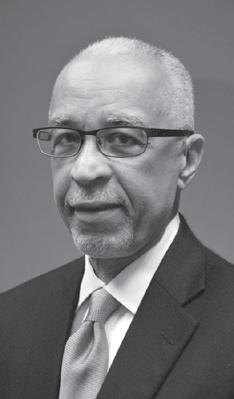
You’d focus on what you know are the qualities of a high performing professional athlete, then evaluate the draft choice possibilities against these standards. The focus of your evaluation is not primarily physical talent — it’s the intangibles that are the necessary prerequisites for success.
Presuming the candidates meet the basic qualifications for being mayor, what are the intangible qualities that are the predictor of who has the best chance of being not just a good mayor, but a successful mayor?
I’ve identified these qualities as intelligence, integrity and political skill or leadership. By intelligence, I don’t mean how many degrees they have or what’s their grade point average. I mean what’s their political intelligence?
By The Rev. Darryl Gray For the St. Louis American
If one conservative Missouri state senator has his way this legislative session, non -violent protesters in this state will be in danger, marked for death in some cases. I know that some will think that this is just hyperbole, another activist (protester) crying wolf.
The passage of Missouri Senate Bill 66, as it is currently being discussed and proposed in the Missouri Senate Judiciary and Civil and Criminal Jurisprudence Committee, could literary be used as a “death sentence”, a “get out of jail free card”, a “green light” for would wouldbe assassin (terrorist, vigilante, neo-nazi, bigot, or just angry by-stander) who might proclaim open season on nonviolent protesters.
Since the murder of George Floyd in 2020, amid thousands of protests nationwide against police violence, dozens of drivers have plowed into crowds of protesters in intersections or marching on streets and highways. There have been more than 100 incidents of people driving vehicles into protests since May, including “96 by civilians and eight or more by police”, according to research at the University of Chicago’s Project on Security and Threats. There have been several fatalities, and at least 43 incidents were deemed “malicious,” with about 40 drivers charged.
Witnesses, law enforcement and terrorism experts said some of the vehicle incidents appear to be targeted and politically motivated, while others are just frustrated motorists.
One of the more “clear-cut” cases of malice, was in June in Lakeside, Virginia. An avowed
Like successful professional athletes have a high basketball or football IQ, a successful politician will have a high political IQ. That means they are a student of politics as well as an actor.
They’ve developed an understanding of the nuisances and complexities of the political game, that allows them to anticipate what will happen next, as opposed to reacting after the fact.
Integrity speaks to knowing who you are and why you choose to be in this moment and the confidence people can have in your reliability. In other words, your ability to keep your head when all about you people are losing theirs and blaming it on you.
As important as intelligence and integrity are to being a good leader, they are insufficient to make a successful leader.
History is replete with examples of brilliant people who have been a lost ball in high weeds as political leaders. Good people, honest people regularly lose in the political arena to people with little or no moral capacity. But skilled politicians with marginal intellect and little integrity can regularly win the day.
This is because in the science and art of governing there’s no substitute for political skill. Political skill can compensate for deficiencies in other important qualities, but there is no combination of qualities that will compensate for a lack of political skill.
Understanding how to change direction without changing course, maintaining the support and confidence of the public in your ability to win the game even though the opposition has the lead at the moment. This is the difference between success and failure.
Electing a mayor is like picking that first round draft choice, the future of the franchise or the city is at stake. You have one shot at getting it right, and you have to live with the consequences of your choice.
Klansman drove up to protesters, revved his engine, then drove into the crowd, wounding one person. He was charged with four counts of assault with hate crimes, two counts of felonious attempted malicious wounding and one count of felony hit and run.
Video of many of the vehicles ramming into protest crowds have circulated on white supremacist websites, with hate-filled commentary on videos shared to YouTube, Facebook and Twitter accounts.
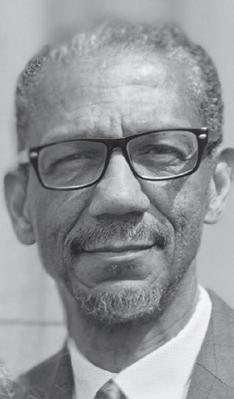
Brattin’s legislation (if you can call it that) would shield drivers who willfully choose to run over protesters, if that motorist “fears for their lives” and/or “exercised due care” while doing so. It makes it legal for a nonlaw enforcement official to use “deadly force” against “protesters” entering private property. The McCloskey case comes to mind. Much of the so-called “fear” is going to come from racism and bigotry. How dare anyone disturb their peace. I have personally looked down the barrel of their gun, one held nervously by a midtown millionaire who felt that the protest has come too close to her within her million-dollar, closed neighbor for comfort, and how dare we (protesters) interrupt her dinner, obviously wine included. This is real, and it is personal, and it has happened right here in St. Louis. I have been threatened, and have witnessed first-hand, other activists threatened by some angry, some
Collier Brothers marks 75 years
Collier Brothers Auto Body Company, Inc. was founded by Raymond Collier Sr. and Elie (Bud) Collier Jr. (both deceased) in March 1946 with $350.00 each mustering-out pay from Military services plus assistance from a few investors.
We will be celebrating our 75th Business Anniversary on March 13, 2021. Collier Brothers Auto Body Company, Inc. is the oldest African American owned and operated business in St. Louis.
Collier Brothers is now being managed by second and third generations of the Collier Family: Craig Collier, son of Elie and Wayne Jackson, grandson of Raymond. The current location is 4561 Delmar Blvd., where it has been for the
past 64 years. Lois Jackson St. Louis
Consider the people outside of the cities
I want to know what people you have talked to about Josh Hawley. To me it sounds like you only go to Democrats, not the people who voted him in office.
Seems like you just talk to people in St. Louis, they do not speak for all Missourians. And I agree with Mr. Hawley about voter fraud.
You need to get out and travel the whole state and find out what their opinions are, not just people in St. Louis or Kansas City or Springfield. Ask the little people who live out in the country. And ask all,
frustrated motorists waiting at an intersection or on a highway trying to get to their next destination, and those motorists feeling that their “right to travel freely and unencumbered” has been violated.
They feel automatically entitled to the freedom that Black people were once denied, one that we still cry out for. Don’t be fooled, this bill is a deliberate, frontal attack on democracy, freedom of speech and assembly. There is nothing hidden in its intent. It is solely for the purpose of threatening and intimidating those who would use civil disobedience to challenge the status quo and call for social change, police reform, accountability, transparency and justice.
Recently we honored the life and legacy of the late Rev. Dr. Martin Luther Jr. There were those who didn’t agree with many of his methods to achieve civil and voting rights, but it was those same methods that helped to dismantle racism, destroy Jim Crow laws, end segregation, and combat racial hatred and bigotry. I believe that this bill, if enacted, would vilify nonviolent protesters, silence the dissent of many who simply wish to exercise their First Amendment rights. This bill should not be viewed as an “Anti-Black Lives Matter Bill, but that’s what it looks like, smells like, and reads like. It is intended to deter, and if Brittin, and people like him, have their way, destroy a movement. The Rev. Darryl Gray is a civil rights veteran. He serves as the Social Justice chairperson for the Midwest Region, Progressive National Baptist Convention Inc.; and social justice co-chairperson of the Missionary Baptist State Convention of Missouri.
All letters are edited for length and style.
not just the Democrats.
Barbara Hill West Plains, Missouri
Easier to get a gun than an education
With the official shuttering of more schools throughout north St. Louis, there are now neighborhoods where it’s easier to get a gun than it is an education, harder to learn math than it is to do time.
When Marian Wright Edelman said, “Don’t be afraid to be a voice in the wilderness for children and the poor,” is this what she had in mind.
Arthurine Harris St. Louis





By Dana Rieck
Of The St. Louis American
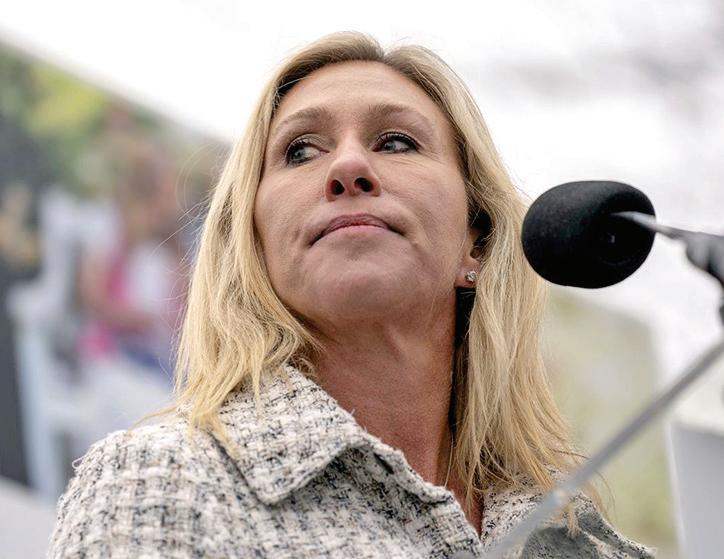
U.S. Rep. Cori Bush, D-Missouri, is moving her congressional office after she said she and her staff were berated in the hallway by U.S. Rep. Marjorie Taylor Greene, R-Georgia.
The incident occurred Jan. 13 when Bush and her staff were walking in a hallway, the congresswoman said in a Jan. 29 news release.
“I was in the tunnel between the Cannon Office Building and the Capitol when Marjorie Taylor Greene came up from behind me, ranting loudly into her phone, while not wearing a mask,” Bush wrote.
This happened one day after multiple Republicans announced they tested positive for COVID-19 after being in a room with Taylor Greene during the Capitol riots, Bush said.
“Out of concern for the health of my staff, other members of Congress, and their congressional staff, I repeatedly called out to her to put on a mask,” Bush wrote. “Taylor Greene and her staff responded by berating me, with one staffer yelling, ‘Stop inciting violence with Black Lives Matter.”
Taylor Greene posted on Twitter the approximately one-minute video she was recording on Jan. 13. She’s seen denouncing the attack on the Capitol and criticizing Democrats’ support of the multiple Black Lives Matter protests last year before someone can be heard yelling at her to wear her mask. After a brief, albeit heated, back and forth, the video ends.
Bush said due to this and other instances with Green, her office is being moved away from Taylor Greene’s office and out of the Longworth House Office Building.
“In context of Taylor Greene’s repeated endorsements of executing Democratic poli-
ticians before taking office, Taylor Greene’s renewed, repeated antagonization of the movement for Black lives in the last month directed towards me personally is a cause for serious concern,” Bush wrote.
Bush said Taylor Greene also called her out on MLK Day, accusing her of leading a mob calling for “the rape, murder and buring of the home” of Mark and Patricia McClockey, the couple who pointed firearms at peaceful protestors passing in front of their home on Portland Place in St. Louis on June 28.
Taylor Greene’s Jan. 18 tweet read: ”@ CoriBush did you denounce radical BLM violence and apologize to the McCloskey’s? ‘Cori Bush is a BLM activist who led the mob that called for the rape, murder, and burning of the home of Patty and Mark McCloskey of St. Louis.’”
The quote about Bush was taken from Texas GOP Chairman Allen West.
“You instigated and attacked me, not the other way around, “ Taylor Greene wrote on Twitter on Jan 29, in response to Bush. “You got caught in a lie. You support and encourage BLM domestic terror. You led a mob to threaten the lives of the McCloskey’s. Stop playing the victim, Rep. @CoriBush.”
Bush appeared on MSNBC’s “The ReidOut” with Joy Reid that evening.
“I moved my office because I am here to do a job for the people of St. Louis, they deserve that,” she told Reid. “And what I cannot do is continue to look over my shoulder wondering if a white supremacist in Congress by the name of Marjorie Taylor Greene, or anyone else, cause there are others, that they are doing something or conspiring against us. Our focus has to be St. Louis and the work we can get done.”
By Veta T. Jeffery
For The St. Louis American
The representation of Equitable Minority and Women Business Enterprises opportunities in St. Louis County has undergone a number of iterations in the interests of creating a space where all the necessary components are in place to operate an effective MWBE program.
It takes having champions at the highest level to run an impactful program and County Executive Dr. Sam Page is committed from the highest level possible.
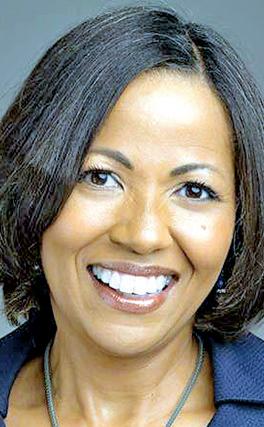
I was appointed as the chief diversity officer to drive strong programs that will ensure that MWBEs have equitable opportunities to do business with or on behalf of St. Louis County:
• Strong programs have measurable outcomes.
• Page has appointed the Business Advisory Council, composed of members who are experts in identifying the needs of MWBEs. Under the direction of the chief diversity officer, the Council members will serve as advocates on behalf of minority business owners. Their focus will be on increasing MWBE access to the St. Louis County procurement process, offer advice on the rules and regulations of the program and provide input for the Disparity Study.
• Strong programs build training around efforts that coach business owners on how to build capacity and how to become more bankable, thus creating more pathways to access capital.
• Strong programs ensure that more resources are at the disposal of minority business owners.
• Strong programs should have a vision of how to develop pathways for minority businesses to experience more success.
• Strong programs need an effective leader.
Our program is making great strides towards strong moves:
• Nate Adams has accepted the position of director of minority business development and compliance, a merit position in the Administration Department. This is important because it makes complying to the interests of MWBEs a permanent part of county government. Adams brings more than 40 years of experience to this position. He is well versed in MWBE programming and is primely positioned to head a team of professionals to carry out this charge. His office will be supported by four additional hires this quarter.
Members of the council are as follows:
• Dottie Koch, owner B&B Waterproofing, LLC.]
• Alejandro Santiago, Esq., membership manager, Hispanic Chamber of Commerce
• Janice Harris, owner, Davidson Surface Air
• John Stiffler, St. Louis Building & Construction Trades Council
• Kelly Reid Jackson, executive director St. Louis Council of Construction Consumers
• Michael Newton, IBEW, Local 1
• Nguyen Violette, president of the Asian Chamber of Commerce and owner of Shred-It
• Ronny Griffin, president of Laborers Local 110
• Sonette Magnus, partner at Lewis & Rice, LLP
The Business Advisory Council met this month and will continue to meet quarterly. In the coming months we will:
• Release an RFP for a Disparity Study as stipulated by our ordinance.
• Release rules and regulations to further support proper execution of the MWBE program.
• Continue to meet with a fully seated BAC
• Continue to meet with stakeholders to ensure that minority businesses have everything they need to successfully do business with St. Louis County and beyond.
• Engage the public to get input to ensure the success of our program.
The ultimate objective is to create a viable and growing minority business community that is a vital part of the St. Louis economy and we are well on our way to doing so.
Veta T. Jeffery is the chief diversity officer for St. Louis County.

By Dana Rieck Of The St. Louis American
The St. Louis Board of Aldermen on Friday voted 16-11 to pass a bill that puts a question about closing the Workhouse on the April ballot, even though the deadline to file ballot items has passed.
Alderman Jeffrey Boyd, Ward 22, sponsored Board Bill 212, which proposed a question be put on the April 6
general election ballot asking residents whether they think the city should close St. Louis’ Medium Security Institution, commonly known as the Workhouse.
The resolution is nonbinding, meaning it would act more as a survey to gauge public opinion on the issue and does not require action from the government.
However, the last day to file ballot items with the St. Louis
Board of Election was Jan. 26.
“Well, you can always go to court and ask the judge to allow you to have it go on the ballot,” Boyd said, in response to a question about the deadline during Friday’s meeting.
Alderwoman Megan Green, Ward 15, and Alderwoman Annie Rice, Ward 8, opposed the bill. They said the community has made their voice heard about this issue and that it’s time the Board of Aldermen

carry out their responsibility in closing the Workhouse following their unanimous vote in last July.
Alderwoman Christine Ingrassia, Ward 6, said it would be more responsible to bring a plan to residents to vote on, rather than just asking them if they want to close the Workhouse or not.
“This is not kicking a can down the road,” Boyd said in his closing statement before the vote.
Those who voted in favor of the bill are: Sharon Tyus, Lisa Middlebrook, Brandon Bosley, Dwinderlin Evans, Tammika Hubbard, Jack Coatar, Joseph Vollmer, Tom Oldenburg, Joseph D. Roddy, Marlene E. Davis, John Collins-Muhammad, Jeffrey L. Boyd, Joseph Vaccaro, Shameem Clark Hubbard, Pam Boyd and President Lewis Reed.
Voting against the bill were: Christine Ingrassia, Annie Rice, Dan Guenther, Sarah Martin, Beth Murphy, Megan E. Green, Jesse Todd, Cara Spencer, Bret Narayan, Shane Cohn and Heather Navarro.
Alderwomen Vicky Grass and Carol Howard did not vote.
Continued from A1
Several unions contributed to Spencer’s campaign, including the Bricklayers & Allied Craftworkers which donated $200 and the Sheet Metal Workers International Association, which donated $1,000. The Communication Workers of America also donated $250.
Kansas-City based Commerce Bank owner, Commerce Bancshares Inc., donated $1,000 to Spencer’s campaign.
Commerce Bancshares donated around $57,000 to Republicans during the 20192020 election cycle, according to the St. Louis Business Journal. Those contributions included at least $2,000 to U.S. Sen. Josh Hawley, R-Missouri. They have also donated, albeit in smaller amounts, to Democratic candidates throughout Missouri in previous elections.
David Kemper, a Commerce Bank banker and the PAC’s largest funder, also donated $2,600 to Spencer’s campaign.
Aldermanic President Lewis Reed
Lewis Reed came in sec-
ond with $166,906, with at least 92% ($153,500) of that coming from 71 contributions
By Dana Rieck Of The St. Louis American
St. Louis County Prosecuting Attorney Wesley Bell has closed the investigation into the shooting death of Qavon Webb without charging the police officer who exchanged gunfire with the 23-year-old, shooting at him 13 times on May 5. The entire incident was captured on Webster Groves Police Officer Brendan McGahan’s dashboard camera. The footage was released publicly in mid-December and shows McGahan pulling over to help a stopped car in the left lane of I-44 in Webster Groves.
McGahan walked up to the car holding a flashlight, at which time Webb opened his car door, lunged toward the officer and fired six shots.
After those shots, Webb can be seen continuing to physically attack McGahan.
McGahan then fired at Webb 13 times, hitting him four times, once in the chest, according to Bell. This portion of the footage is partially obscured by a glare from one of the police car’s headlights. Webb died at the scene of the shooting. His motive for shooting at McGahan remains unknown. Webb’s bullets did not seriously injure the officer, who was wearing a bullet-proof vest.
“The officer’s use of lethal force was fully justified,” Bell wrote in a statement. “In fact, his use of force — and the protective gear that blocked a gunshot to his chest — saved his own life. We are thankful that the officer reacted quickly, and that his life was spared.”
The St. Louis County Police Department investigated the shooting and presented the case to the Prosecuting Attorney’s Office in late December, according to Bell. The case was reviewed by the Conviction and Incident Review Unit.
of $1,000 or more. Sixteen of those donations came from outside the state of Missouri and 38 came from addresses outside city limits but within Missouri. Those 54 contributions accounted for $117,900 — or about 70% of his total campaign fund.
David Sweeney donated $1,000 to Reed’s campaign. Sweeney is the former chief legal counsel for the St. Louis Board of Aldermen and an attorney for Lewis Rice. Additionally, he is a lobbyist for Persistent Surveillance Systems, the company that would operate the city’s “spy planes” if the bill passes Friday. Sweeny also lobbied on behalf of Macquarie Infrastructure Fund, which submitted a bid in the airport privatization bid solicitation in 2019.
Among the 37 who donated $2,600 to Reed are: Icon Mechanical, a full-service mechanical contractor based in Granite City; Indiana-based Vasey Aviation Group, who previously applied to lease St. Louis Lambert International Airport; The United Food and Commercial Workers International Union; and The Carpenters Union. One of Vasey Aviation Group’s project managers also donated $2,600.
Jack Pohrer and Gary Pohrer, co-chairs of The St. Louis Parking Company, donated $2,600 each.

The CEO and two other executives from Clayco Inc., a construction engineering company, also donated $2,600 each.
Clayco CEO Bob Clark worked with private-equity firm Oaktree Capital in its effort to privatize St. Louis Lambert International Airport, according to the St. Louis Business Journal.
Treasurer Tishaura Jones In third place is St. Louis Treasurer Tishaura Jones, who raised $155,647, with 44.5% of those funds coming from 43 individual contributions of $1,000 or more. Of those 43 donations, 27 were from outside St. Louis city limits, and two of those were from outside the state of Missouri — one in California and one in New York. Jones by far received the most individual donations, with over 750 separate contributions reported. More than 550 of those contributions were for $50 or less; at least 290 of those contributions were under $20 each — with one at $3. She received $31,200 from 12 contributions of $2,600. Among those on that list are Donald McNutt, CEO of Midwest Petroleum; Jamala Rogers, Organization for Black Struggle executive director; and John Beuerlein, an Edward Jones partner.
The International Association of Firefighters also donated $2,600 to Jones’ campaign. And, like Spencer, the Sheet Metal Workers International Association also donated $1,000 to Jones. The NARAL Pro-Choice Missouri PAC, a pro-choice organiazation, publicly endorsed Jones and has donated $80 to her campaign. The Service Employees International Union Missouri State Council endorsed Jones on Jan. 28 but is not listed as a campaign contributor in the reports filed.
Business executive
Andrew Jones Andrew Jones raised $11,100, including a $10,000 personal loan he made to his own campaign.
Daniel Powell, a Southwest Airlines pilot,
moved into what had previously been the Ralph Waldo Emerson school building at 5415 Page Blvd. The facility opened in 2013 and now has 10 satellite sites.
“If you’re true to your dreams and your vision it will come from a good place where you want to do good, uplift humanity and leave a legacy where people will think about you with a smile on their face and honey on their lips after you’re gone.” DeBorah Ahmed said in an interview last April.
Malik Ahmad retired last summer and turned the reins over to Darryl Grimes, who had worked with the company for 13 years.
“One of his chief programmatic initiatives will be to reduce intergenerational poverty through robust workforce, housing, youth leadership development programs, and increased economic opportunities for populations residing in urban core communities.”
Malik Ahmad said at the time of Grimes promotion.
Grimes moved into his new role with the organization at an unprecedented time as the country adjusts to life in a coronavirus pandemic. Despite the global crisis, the corporation still maintained its integrity in the community.
Original and newer programs have become completely virtual.
Meanwhile, BFL has partnered with other organizations as part of the North Star Community Collaborative, dedicated to attacking problems in north St. Louis.
Continued from A1
from A1 projects, brought in market rate development ensuring a mix of income and ensured these investments through infrastructure like street paving and LED lighting.
If elected mayor, I will re-orient our economic development from developer lead to neighborhood lead. Currently, projects are proposed by the developers, and we’re often put in a position to say yea or nay. Being proactive means really identifying projects that the community would support, and helping to drive investment where we need it. That’s a good thing for both the community and the developers, because now we’ve identified areas where we need development, where we need investment, and where those investments will be supported by the community.
Andrew T. Jones
I’m an economic development practitioner and know equitable prosperity can be achieved through the development of a thorough economic development plan. The key to ensuring all identifiable constituencies are considered is to discuss inclusion during the development stage of planning. Stakeholder inclusion is important because economic vitality is only as good as each constituent considered. Maximum economic growth is achieved by bolstering areas that have been neglected.The old maxim applies, “we’re only as strong as our weakest link.”
Once the parameters are established within the plan, the steps and mandates have to be followed. All negotiations with prospects should outline the specific needs to bolster underserved and neglected areas. It is critical to create and present the data, information and analysis demonstrating the value “inclusivity” delivers to the city’s bottom line. A strong emphasis must be made during the project phase to utilize anchor institutions for workforce development.
Tishaura Jones
Achieving equity in development will take many forms. First, we must make sure that we are shielding our school district from losses due to TIFs and tax abatements.
We have given away incentives to big developers like Halloween candy, so it should
Through its community outreach program, the agency has thrived despite the pandemic, and has initiatives it plans to roll out soon — including partnering with Costco to provide hot meals to nursing homes. The organization partnered with CareSTL to administer coronavirus tests every other week at its headquarters. BFL also plans to announce an edu-
be no surprise, unfortunately, that we are having to close schools, many of which are located north of Delmar. Second, we need to ensure
cational campaign about the vaccine, how it works, and why some Black people are apprehensive about taking it.
BFL also launched the Page Revitalization Initiative, to rehab and build houses along the Page Boulevard corridor, which runs from downtown St. Louis almost to St. Charles County. The organization plans to seek more funding
that we are attaching strong and enforceable community benefits agreements to large developments that receive these abatements.
to complete 30 houses this year in the surrounding Hamilton Heights, West End and Academy-Sherman Park neighborhoods. They’ve already finished three.
“After 38 years, it would be a shame after all the energy and hard work Malik put into BFL that we stopped,” Grimes said in an interview.
“I was glad to be offered the
Additionally, we can implement inclusionary zoning to make sure we face head-on the issue of affordable housing in our city. I am not against devel-
opportunity to lead the 21st century BFL. “What we’re doing is nothing new, but we’re going to try to do a lot more and use our tentacles to go out in the community to touch more people with other organizations and agencies doing the same work.”
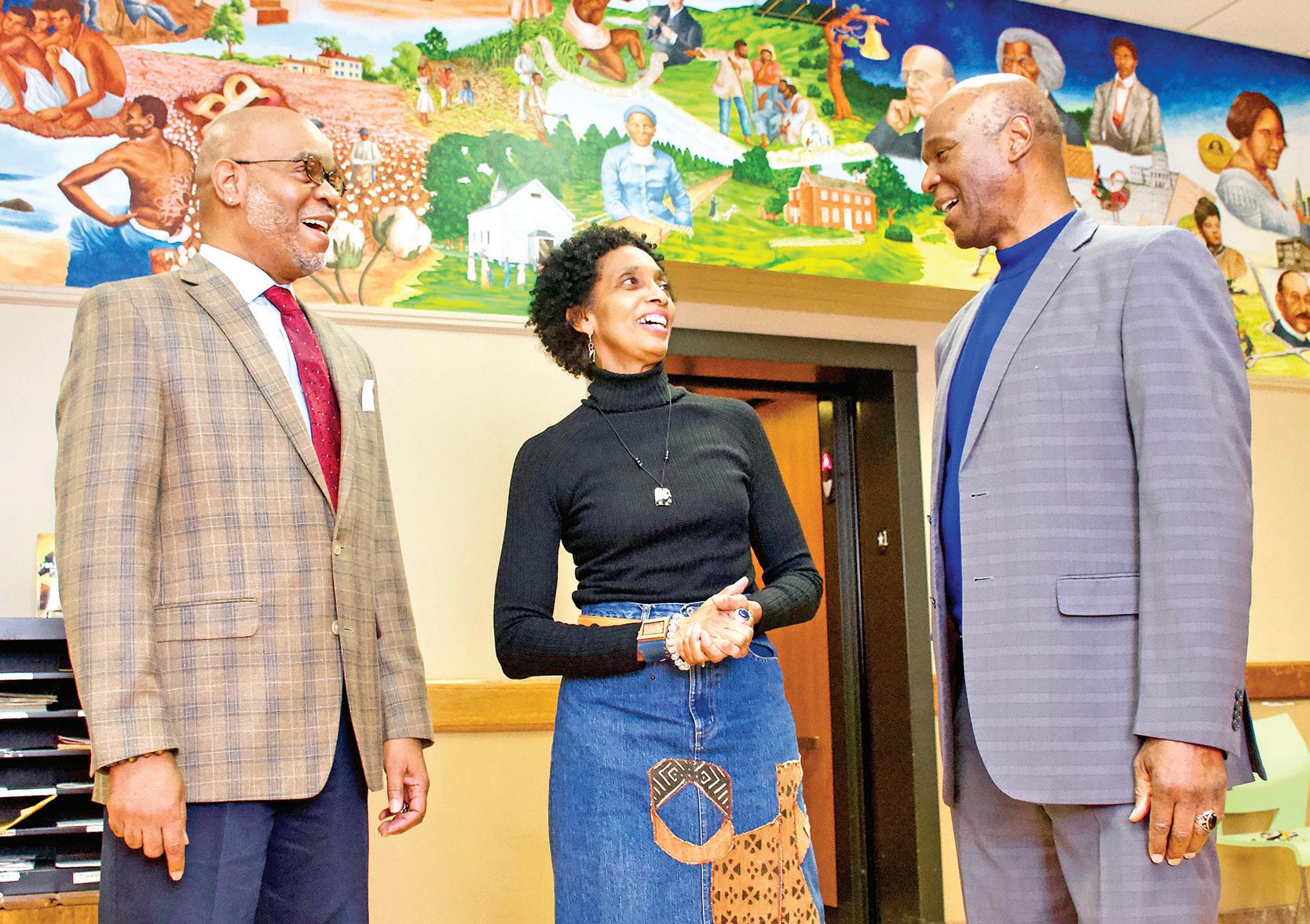
CEO Darryl G. Grimes, and cofounders Deborah and Malik Ahmed are proud of the accomplishments of the organization in 38 years of service.
Connie Wilson, executive assistant to the CEO, has worked with the company for 19 years.
opment, and I am not against using the tools and incentives at our disposal to encourage development. However, we must be responsible and inten-
“I love working here because it’s so community-oriented and they have this thing about making you feel at home the moment you walk through the doors.” she said. Learn more about BFL, here: https://www.betterfamilylife.org/.
tional about our targeting and frequency of use of these incentives and ensure we are acting in the best interests of the people, not the developers.


FEBRUARY 4 – 10, 2021
By Corinne Ruff St. Louis Public Radio
Small businesses hurt by the coronavirus pandemic are able to apply for another round of federal loans. Congress passed a stimulus package in December that includes $284 billion to replenish the Paycheck Protection Program. More than 5 million businesses received a loan last year.
But data show small businesses in communities of color had unequal access to those loans, according to an analysis last year by the Brookings Institution. The reasoning ranged from outright lending discrimination to a lack of access
to banking and other financial services.
Erica Henderson, a small-business consultant, is trying to change that this time around.
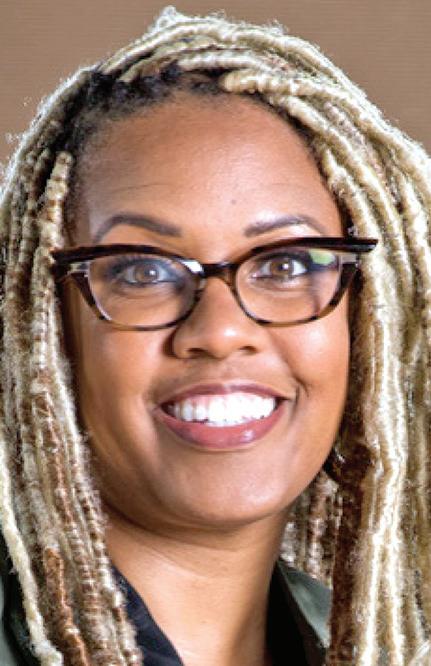
She’s working with community organizations to provide free help for Black-owned and other minority-owned businesses in the St. Louis region. Henderson previously oversaw small business resource programs at the St. Louis Economic Development
Partnership.
“Nationally, we talked about the fact that Black and Brown businesses, women-owned businesses, immigrant-owned businesses were not at the front of the line,” she said.
“They were not the businesses who received the assistance, which is in essence, who really needed it.”
If you’re not a traditional person who thinks about putting a loan document together, that’s not what
you do on a regular basis, it can be overwhelming and intimidating,” she said. “And so you want to be able to connect with someone who can help you with that — and no question is a dumb question.”
To be eligible for a loan, businesses must show at least a 25% revenue drop in any quarter of 2020. Businesses that already received a PPP loan are allowed to apply again.
Henderson is also working with business owners one-on-one to make sure they have the proper documentation, such as a business license, tax documents and proof of expenses for payroll and personal

Union At The Grove comprises six buildings on Hunt, Vista and Norfolk avenues, between Newstead and Taylor avenues, just east of Kingshighway.

Workforce housing development coming to Forest Park Southeast
For The St. Louis American
Building on continued momentum in a central part of St. Louis, a housing project will bring attainable housing with more than 160 units — more than 80 of which will be workforce-targeted rents — to the Forest Park Southeast neighborhood.
Union At The Grove comprises six buildings on Hunt, Vista and Norfolk avenues, between Newstead and Taylor avenues, just east of Kingshighway. The complex is being developed by Green Street St. Louis, with support from a group that includes Greater St. Louis Inc., IFF, and Washington University Medical Center Redevelopment Corp., a partnership between BJC Healthcare and Washington University School of Medicine in St. Louis.
n “By developing housing with attainable rents in a location that helps connect people with jobs and career opportunities, we are showing what transformative, inclusive growth can look like.”
– Valerie E. Patton
“As we focus on inclusive economic growth for our region, the project sends a strong signal about what is being done to begin a resurgence in the central city in St. Louis,” said Valerie E. Patton, chief diversity, equity and inclusion officer for Greater St. Louis, Inc. and president of the Greater St.
Louis Foundation. “By developing housing with attainable rents in a location that helps connect people with jobs and career opportunities, we are showing what transformative, inclusive growth can look like.” In addition to Union, recent developments highlighting the resurgence in the area include the first fully protected bike and pedestrian infrastructure in St. Louis that will connect the Tower Grove Park and the Shaw neighborhood to Forest Park Southeast and Cortex; continued significant development taking place in and around Cortex itself; the construction of the NGA West headquarters, projected to open in 2025; and additional hundreds of millions of dollars of new and adaptive re-use real estate development underway.
“Union At The Grove is a natural extension of Green Street’s continued commitment to the City of St. Louis and Midtown redevelopment through partnership and community revitalization,” said Joel Oliver, Green Street
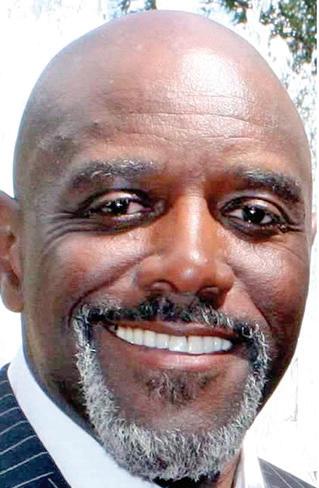
Nate Adams
Nate Adams has accepted the position of director of minority business development and compliance, a merit position in the Administration Department of St. Louis County. This position was established to make complying to the interests of businesses owned by people of color and white women a permanent part of county government.
Adams brings more than 40 years of experience to this position. He is well versed in MWBE programs and is primely positioned to head a team of professionals to carry out this charge. His office will be supported by four additional hires this quarter.
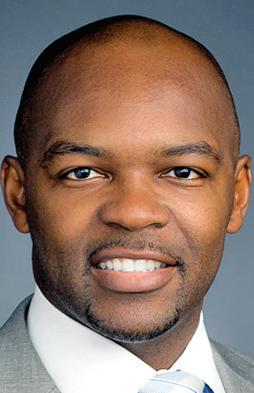
Derrick Brooks
Derrick Brooks, consumer business digital strategy leader, has been promoted to executive vice president, enterprise digital strategy, John Kemper, chairman and chief executive officer of Commerce Bank, has announced. Brooks’ enterprise-wide leadership of the company’s digital strategy is indicative of Commerce’s commitment to this critical business area. Brooks will have responsibility for leading Commerce’s digital strategy across the consumer, wealth and commercial lines of business.
Brooks has more than 20 years of digital product development experience, including 10 years in management and IT consulting helping Fortune 500 companies realize their strategic objectives. Before joining Commerce, he served as vice president, digital solutions for Scottrade.
Brooks is an executive v.p. at Commerce Bank Brewer to lead Wallgreens as CEO
Rosalind Brewer, Starbucks’ chief operating officer, will replace Stefano Pessina as CEO of Walgreens Boots Alliance, the drugstore chain confirmed in a recent statement.
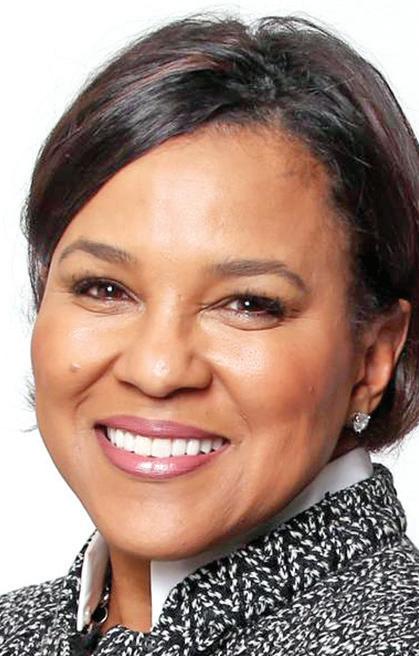
Brewer Adams to lead county’s minority business office
Starbucks had announced Brewer’s departure, saying she is leaving at the end of February for a CEO position at an undisclosed publicly traded company.
As CEO of Walgreens, Brewer will be the only Black woman leading a Fortune 500 company. Her departure from Starbucks comes as investors, regulators and activists push for more diversity in corporate America. Nasdaq has proposed changes that would push for greater racial and gender diversity on the boards of publicly traded companies listed on its exchange.
senior vice president for development.
Approximately 52 percent of the Union’s units will have attainable rents so that health care employees and medical school staff can live near where they work. The units with attainable rates will be blended throughout each of Union’s six unique buildings. Amenities include private entrances, courtyards and walking paths; shared rooftop terraces, balconies, barbecue areas, bike storage, mail and secure package areas. The properties are walking distance from Forest Park, Tower Grove Park, Cortex and the Washington University Medical Campus.
“Social, environmental and economic inequities are recognized as major contributors to health disparities,” says Richard Liekweg, BJC HealthCare president and CEO. “This project demonstrates that health care organizations can play a part in strengthening our neighborhoods and communities.
“Having new, attractive and attainable housing adjacent to our academic campus where some 20,000 employees work will facilitate access to jobs, while also strengthening communities.”
Construction was set to start Feb. 1 with an official groundbreaking ceremony targeted for the spring. The project did not use federal or state tax credits or incentives and is applying all funds from the 10-year tax abatement it received into the newly formed Newstead West Community Improvement District for the purpose of making infrastructure improvements that would otherwise not be completed. These improvements include:
• Resurfacing of streets and alleys
• Rebuilding sidewalks and curbs
• Installing new streetlights
• Helping heal the city’s grid by reopening the cul-de-sacs on Vista and Norfolk at Taylor
The total development cost is approximately $40 million.


Continued from A9
protective equipment.
She’s been helping Michele Smith-Walker, who recently wrapped up her application for another PPP loan to support her Florissant-based bar and grill, called Holeshotz.
Smith-Walker has had to beef up the food side of her business and split shifts to make sure all her employees are able to take home a paycheck. She said figuring out the PPP application process wasn’t easy while trying to keep a bar in business during a pandemic.
“It’s actually better this way because [Henderson] can help me understand the proper verbage to use in the scenario

to allow us to get the money. Otherwise, we wouldn’t know,” she said.
Smith-Walker received a $12,500 loan last year, but she said it only covered about a month of payroll. She’s hoping another loan will buy her more time until restrictions loosen up.
“Every little bit helps, but would it recover, recover? No, because you’re just so far behind, you’re just constantly trying to catch up,” she said.
The Brookings Institution also found that Black business owners were more likely to be denied PPP loans than their white counterparts with similar application profiles.
Sequoia Massey, who goes by Foxi, didn’t get many details about why the government denied her PPP loan
application last year, and now she’s wary of applying again.
The Florissant native, who recently moved to Arizona, had hoped to get some money to help pivot her eyebrow business, Foxi iBrows, from in-person appointments to online product sales.
She said her business is down and she could use the money to hire contractors to improve her website and marketing presence, but she’s frustrated by how difficult the process was for her.
“That’s why it was discouraging, because it wasn’t just the denial. It was, when you try to call to figure out the appeal process, nothing was clear,” she said.
Massey gave up after calling a few times without getting answers and picked up anoth-
er job to keep her business afloat.
“I can’t sit around and wait for them,” she said. “Life still goes on, and my son needs to eat.”
Massey is skeptical the program is truly benefiting small-business owners like herself. But, she said one of her family members is pushing her not to give up. More information about free resources for small business owners interested in applying for a PPP loan is available on the St. Louis Small Business Empowerment Center’s website.
Corine Ruff is the economic development reporter for St. Louis Public Radio, a reporting partner of The St. Louis American.


Coalition launches ‘The People’s Plan’ to push for equity in St. Louis
A coalition of organizations has come together to launch a comprehensive policy agenda to redistribute power and resources in the city of St. Louis.
“The People’s Plan builds on six years of organizing while creating new momentum towards a multi-issue, multi-year strategy to inspire transformation at the policy and structural levels.” a media release stated.
The People’s Plan lists four focuses: making St. Louis home by investing in public
schools, affordable housing, accessible transit, health equity, universal childcare and environmental justice; funding the future by raising taxes on the wealthy to fund support for struggling families and communities; build a inclusive democracy by rebuilding a transparent budget process, independent redistricting process, updated ethics rules, and elections designed to maximize turnout; and re-envisioning public safety by divesting in the current system and investing in communities and provenapproaches to reduce violence. The plan is based on several reports and findings about the state of the city throughout several years, including
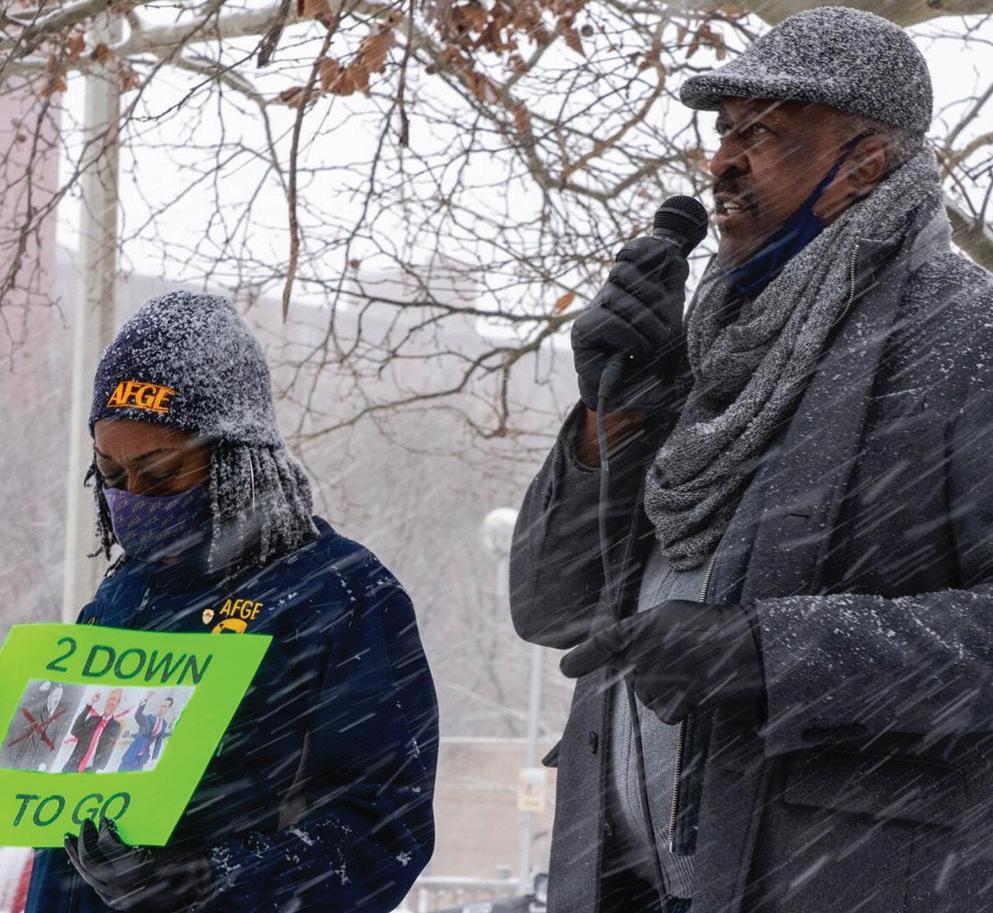
the Ferguson Commission Report, For the Sake of All, Dismantling the Divide, Environmental Racism in STL and the Close the Workhouse Reports 1.0 and 2.0
To find more information on the People’s Plan and see the organizations involved, visit www.peoplesplanstl.org
St. Louis County boosts food distribution during pandemic
St. Louis County officials announced last week that they are boosting a food distribution program to ensure residents are receiving the food they need during the coronavirus pandemic.
With funding from the Coronavirus Aid, Relief, and Economic Security (CARES) Act, the county is providing $800,000 to the St. Louis Area Food Bank, $1,435,000 to Operation Food Search and $925,000 to the Urban League.
“Many of our residents have been hit especially hard by this pandemic,” St. Louis County Executive Dr. Sam Page wrote in a statement. “The pandemic created a public health crisis, a humanitarian crisis and an economic crisis. We are doing all we can to respond to the challenges and get our resources to those who need them the most.
This newly announced aid brings the county’s total issuance of CARES funding for food distribution during the pandemic to $9.7 million.
Missouri Faith Voices calls for Hawley to resign
Missouri Faith Voices held a virtual media conference last week calling for the immediate resignation of U.S. Sen. Josh Hawley, R-Missouri. Hawley has faced intense public scrutiny for objecting to certifying the Electoral College vote in favor of Joe Biden and supporting the rioters on Jan 6.
“Sen.Hawley’s clear and unequivocal support for violent extremists — the white supremacists and neo-Nazis who stormed our U.S. Capitol — destroyed property, caused deaths and threatened the lives of many others. He is a threat to our democracy and to all of us who call Missouri home,” a Missouri Faith Voices release stated.
Missouri Faith Voice is a multi-faith, multiracial statewide organization of congregations throughout Missouri.
Judge extends moratorium on evictions
A St. Louis judge has extended the moratorium on evictions through March 1. The original suspension was put in place March 20, 2020, and has been periodically extended since.
Thom Gross, spokesman for the 22nd Judicial Circuit of Missouri, has previously said there are various differences and overlaps between the city’s suspension order and the CDC’s federal moratorium on evictions. But, both have the welfare and safety of residents in mind.
The eviction suspension protects tenants from evictions except in the following cases: when they engage in criminal activity on the property; threaten the health and safety
of other residents; damage or pose an immediate and significant risk of damage to property; violate building codes, health ordinances or similar regulations; violate any other contractual obligations. It also excludes evictions of those who have received judgments for drug-related activity and possession of commercial properties and evictions of commercial premises.
City pushes residents to prepare for earthquakes
February is Earthquake awareness month and the St. Louis Emergency Management Agency wants residents to know about the risks and be prepared for such an event. The St. Louis Emergency Management Agency, along with the Missouri State Emergency Management Agency, Federal Emergency Management Agency, and the Ready Campaign encourage people to be prepared for an earthquake by: building an emergency kit and making a family plan, taking steps to prevent damage by securing objects like large furniture, and holding a discussion, drill, or exercise.
“A catastrophic earthquake poses one of the greatest naturally occurring threats in our area, and can strike with little to no warning,” St. Louis Mayor Lyda Krewson wrote in a statement. More information can be found at stlouis-mo.gov/ema and ready.gov. Information on the different types of hazards is available at ready.gov or the Spanish language website listo. gov.
Compiled by Dana Rieck, St. Louis American staff
“I
take great pride in my city, and it’s important for me to give back. Opening a fund at the Foundation made sense. Their knowledge of our community and its nonprofits elevates the impact my charitable giving has for the causes I care about most: youth sports, women and entrepreneurship.”
By Sophie Hurwitz
Of the St. Louis American
The Normandy Schools
Collaborative Joint Executive Governing Board has approved a resolution to add a bond issue on the April 6 ballot.
Voters living in the Normandy district will get the chance to consider different propositions to address the district’s long-term facilities and maintenance needs.
Proposition V would be funded through a $26.5 million no-tax-rate-increase general obligations bond,meaning that property taxes for individuals in the area would not be increased.
Proposition T would be funded by increasing the operating tax levy ceiling in the district by 58 cents.
“Both Propositions V and T will provide funds to make needed improvements and upgrades at Normandy High School,” said Marcus Robinson, Normandy superintendent of schools.
“Normandy High School is the flagship campus of our district and the place where our students make their most cherished memories. We want to make these upgrades and enhancements to increase safety and security, and just as importantly, the learning environments for staff and students.”
Both propositions are, generally speaking, designed to update the Normandy school buildings, focusing primarily on the high school. Any funds not used in the high school building, Robinson said, will be redirected towards repairs and improvements at the elementary and middle school levels.
Proposition V is written to provide funding for “a new secure connector” building that will link classroom buildings

and ensure a safe environment by creating one point of entry to the campus,” as well as renovations to classrooms, the cafeteria, and the Normandy High School Library.
Proposition T would provide funding for “construction of a new community auditorium at Normandy High School,” as well as several upgrades to the school’s athletic facilities.
Those athletic updates, according to a new release from Normandy Schools Collaborative, are to include an artificial turf field and regulation-size track at Normandy High School, and an expansion to the high school’s West Gym. This proposal also includes HVAC updates at Jefferson and Washington Schools. In a third-party survey conducted in early January, 83 percent of respondents supported Proposition V — the no-taxrate increase bond — while more than 55 percent supported Proposition T’s 58-cent operating tax levy ceiling.
“If Normandy voters approve Proposition V, school property tax rates will not increase. However, the 58-cent operating tax levy for Proposition T would cost the owner of a $100,000 home an additional $110 per year until the 20-year sunset,” Normandy Schools

Collaborative explained in the news release. Proposition V would be paid for through the pre-existing taxpayer-funded state debt service fund.
On April 6, Normandy voters will get the chance to vote for both or either of these proposals.


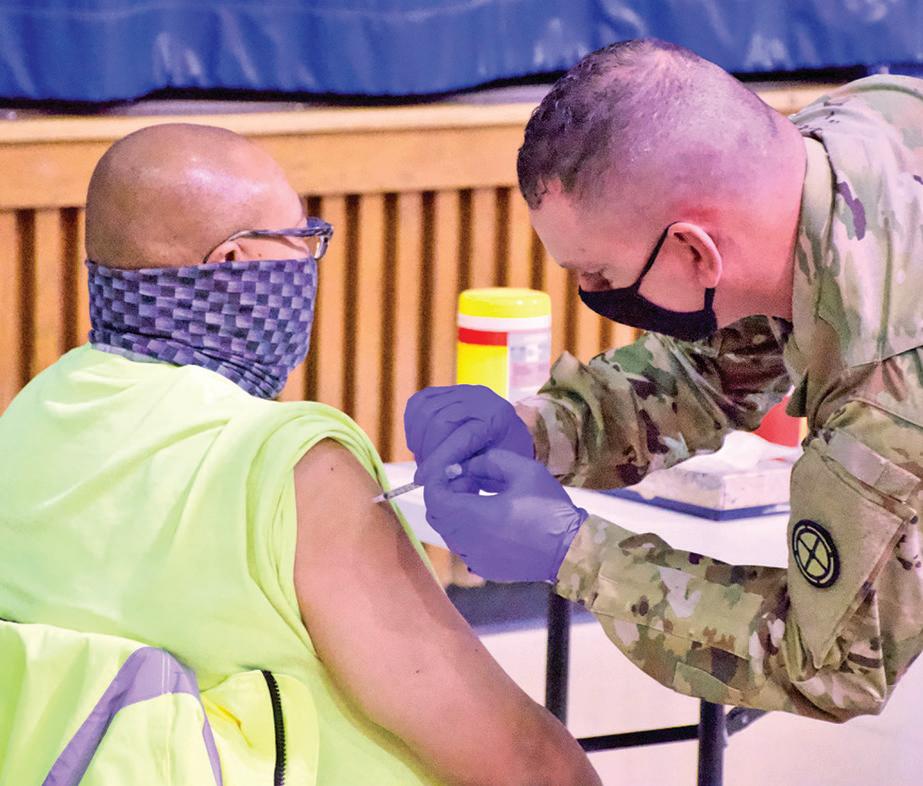
Photographers were allowed to take a look at St. Louis County’s first COVID-19 mass vaccination site on the day before it opens on Wednesday, Feb. 3, in the gymnasium at STLCC-Florissant Valley.
Located in gym at St. Louis Community College Flo Valley
By Sandra Jordan
Of The St. Louis American
St. Louis County Executive Dr. Sam Page came through on his promise to open the county’s first mass COVID-19 vaccination site in north county, announcing last week that it will be located in the gym St. Louis Community College Florissant Valley in Ferguson.
After receiving 3,900 doses of the Pfizer COVID-19 vaccine on Feb. 2 from one of its local hospital partners, the County opened
a mass vaccination site in Ferguson on Wednesday, Feb. 3 and will begin offering shots at Affton, Eureka and Mehlville fire districts on Thursday. COVID vaccinations will continue by appointment at John C. Murphy Health Center in Berkeley.However, so don’t just show up at one of the sites, hoping to get a COVID vaccine. Pre-registration and a call from the Department of Public Health to set an appointment is required. The county says it will not make appointments unless the vaccine is available.
North St. Louis County has been hardest hit by COVID-19 disease and deaths during the pandemic, yet Page said only one percent of north county residents have pre-registered to get the vaccine –— among the lowest in St. Louis County. The announcement on Jan. 27 took place at the Florissant Valley campus with Page, St. Louis Community College Chancellor Jeff L.
By Bob Hughes For The St.
Louis American
In 2021, all Missourians are participating, one way or another, in a life-and-death undertaking to bring the pandemic under control by reaching herd immunity as soon as possible. How quickly we reach that goal depends on how well public agencies, non-profit health care organizations and private entities can come together to effectively distribute and administer vaccines, and the extent to which Missourians choose to get vaccinated against COVID-19.

The challenges to supplying and administering the vaccine into millions of individual arms across the nation are well-documented. I’d like to explore the factors that influence Missourians’ choices to get the vaccine.
Let me begin by telling you my view: I encourage everyone to get vaccinated, including my family. I look forward to getting vaccinated when I am eligible. Several members of my family, who are involved in patient care, have gotten both doses of the vaccine and have had no ill effects, but I appreciate that everyone comes to the decision about getting the vaccine by exercising their freedom of choice, much of which is based on their lived experiences. These differences matter.
Each of us has different health circumstances, risk factors, and experiences with the health care system. The information overload that bombards Missourians every day — some of it incorrect and even intentionally misleading — can make reaching a decision hard.
There are legitimate questions about the vaccine, many of which we don’t know the answers to, that will need more time, planning, and analysis before we can have greater certainty.
See HUGHES,
By Sylvester Brown Jr.
Of The St. Louis American
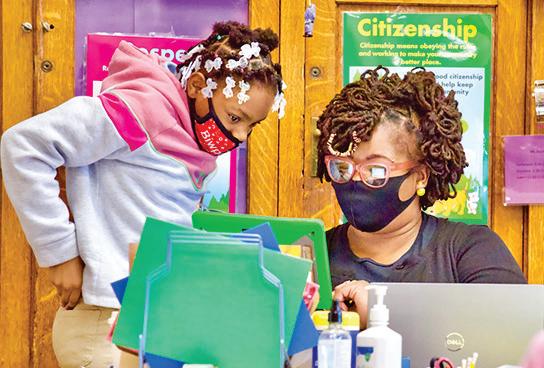
Audrey Hammock, a teacher at Patrick Henry Downtown Academy, defines herself as “hood rich.” The East St. Louis native used the term to describe her approach to interacting with her students and their parents.
“Students who behaved badly or were cutting up in class, know I’m walking home with them at the end of the day, Hammock said. “I’m not going to lie; I’m bold like that.”
Patrick Henry is located just north of downtown within the 63106 zip code.
It’s an area of high poverty and high crime that researchers from Washington and Saint Louis universities deemed one of the “most vulnerable” as it pertains to the social determinants of health.
Hammock said growing up in East St. Louis, with its impoverished areas, makes it easier for her to navigate the
n “If you can prevent a student from going without … I say, ‘why not?”
— Audrey Hammock, teacher, Patrick Henry Downtown Academy
neighborhood, visit homes and develop relationships with parents.
“I’m just one of those cool teachers. Once they (parents) realize that I have genuine concern about their child’s wellbeing, they tell me things you might not expect them to share. It’s about getting to that level of comfortability.”
Hammock’s interactive philosophy fits perfectly with the mission of “Home Works,” a nonprofit founded in 2007 to


By Rudi Keller Missouri Independent
Medicaid expansion will add
$1.9 billion to the state budget in the coming fiscal year, with most of it paid for with federal funds and the rest from anticipated savings from a cut in state costs for the current program.
The budget Gov. Mike Parson delivered to lawmakers on Jan. 27 anticipates that approximately 275,000 low-income adults will enroll for medical coverage. Missouri voters in August approved expanding Medicaid to everyone in households with incomes at or below 133 percent of the federal poverty guideline.
The breakdown of costs, according to Parson’s budget, is $1.65 billion from federal
Continued from A14
train, support and pay teachers in low-performing schools to visit the homes of struggling students. The goal is to partner teachers with parents so they can become more engaged in the child’s education.
With the spread of the coronavirus, virtual education has become the norm in most St. Louis public schools. The founder of Home Works, Karen Kalish, realized that the demographic the school serves needed much more than education via computer screens.
“SLPS gave out Apple s to the kids but they (parents and students) didn’t know what to do with them. Many parents, in the poorest zip codes have no internet access and some kids are in chaotic situations where they can’t concentrate.”
Linking kids, parents and teachers virtually proved problematic, Kalish said.
“It took one of our teachers 23 days to find 21 kids. That’s inexcusable, it should have taken 23 seconds to get them to participate.”
That incident prompted Kalish to sit down with Kelvin
Continued from A14
Pittman and Ferguson Mayor Ella Jones.
$1.9 billion cost includes $120 million from general revenue
funds, about $130 million from the state general revenue fund and the rest from a variety of sources, including taxes on medical providers.
About $100 million of the expense will come out of current Medicaid spending because the federal government will pick up a bigger share of the current program, said the governor’s budget director, Dan Haug. In his State of the State Address, Parson said he was including Medicaid expansion, which he opposed, because it is required by the constitution.
“However, it is important to remember that the costs of this expansion will be significant – hundreds of millions of dollars, in fact,” Parson said in his speech. “This will have a major
Adams, superintendent of the Saint Louis Public Schools. She asked Adams if Home Works could focus on one school to ensure that “teachers, parents and kids get everything they need to strive, thrive and succeed in this virtual environment.”
Because the agency was already working with Patrick Henry, Adams gave Kalish permission to go forth with her mission.
Kalish solicited LaunchCode, a nonprofit that offers free tech education, to design a manual on the workings of the Apple iPad.
Home Works paid parents and teachers to participate in educational luncheons. They accessed the needs and provided necessities such as notebooks, backpacks, headphones, computer stands, extension cords and other essentials.
Once the virtual learning school year began, Kalish and the teachers were exposed to the realities of low-income living. For example, they noticed kids participating from their beds because there was no designated space for learning in the home. They heard chirping sounds in many homes and realized the batteries in smoke detectors needed replacing.
Jones said thousands of families have suffered due to the pandemic, residents are frightened, have lost loved ones, have become very sick because of COVID-19 and want it to be over as soon as possible.
Continued from A14
How quickly will the vaccines be available to the groups as the various tiers are rolled out? When will new vaccines be approved? How long will vaccines be effective for most people? Then, there are questions about the supply. Are we going to run out of vaccines before I can get it? Where do I go to get vaccinated? Will my entire household be able to get vaccinated when my time comes?
Why is Missouri doing so poorly at vaccine distribution? A forthright acknowledgement that the processes of producing, distributing, and administering the vaccine are
“They are anxious to know when the end of this challenging and very difficult time will come,” Jones said. “We know the vaccine will help us get past this pandemic and allow us to get back to normal.”
Page said, “With this location, we are working closely with the state to get as many vaccines here in our community as possible and get this vaccination site up and running
changing will begin to establish public understanding and acceptance. Officials need to reinforce that the science itself is ongoing and as more is learned and understood, that information will be shared transparently.
As we know with science, we don’t have all the answers right away, and that’s okay. There’s no need to fill in gaps with misinformation or answers that are not accurate. A simple, “We don’t know,” sets expectations, and above all, it’s factual.
This approach is essential to building trust between those involved in the work and the Missourians who will be making the decision to get vaccinated. This period of vaccine distribution can present various
impact on other areas of our budget, and we must plan accordingly … which means staying vigilant in maintaining the program’s integrity by protecting against fraud and waste.”
Paying for expansion, however, will not require Parson to cut any other item in the state budget, Haug said.
For this budget, it has not caused some of those crowding-out issues,” Haug said. “My concern is going forward.”
Instead, state revenue and cash balances are so strong that it is likely he will lift remaining restrictions on spending this year and have $100 million to pay for one-time maintenance needs on state buildings.
Overall, Parson is proposing a $34.1 billion operating
budget. That is down about $1.1 billion from the current year, with the decrease caused by the end of federal support for addressing the COVID-19 pandemic.
Parson is asking for a $583 million increase in spending from the general revenue fund, which will begin the year with a healthy $1.1 billion surplus.
That will allow the state to fully fund the school foundation formula, which had $123.4 million withheld in the current year that has not been released.
The state is in much better shape than many other states, Haug said. By substituting federal CARES Act funds in payrolls, he said, the state saved $160 million for the general revenue fund and $70 to $80 million in highway funds.
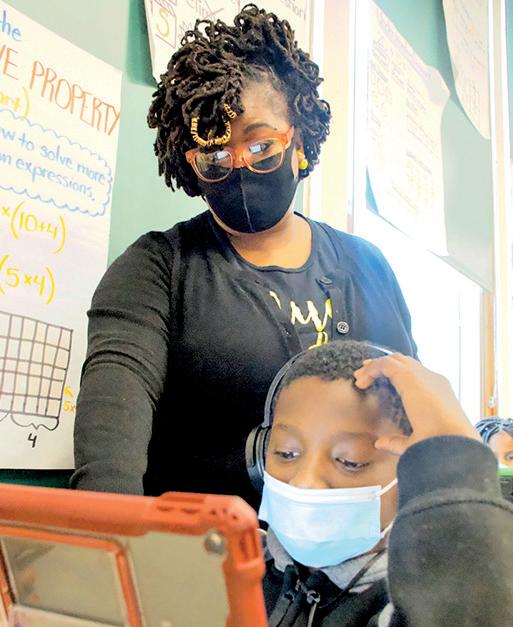
Home Works partnered with grocery and furniture stores,
as soon as possible.
“With the vaccine, we can now talk about being on a pathway to eradicating the virus. We also must engage in communities that are underrepresented to ensure everyone has access to vaccines, and that is our commitment in St. Louis County.”
Workers turned the campus gymnasium, located at 3400 Pershall Road in Ferguson, into the vaccination site. In
opportunities, and as a state, we should be thinking about how our approach to this process will best benefit the people.
First, Missourians need clear, honest information, if we are to make the best choice for our families. It will be especially challenging for officials to build trust with people and communities that have experienced a history of neglect, deception, lies, and mistreatment.
addition to ample, free parking, the facility has indoor space to get vaccinated as well as space inside to wait 15 minutes after the injection where medical professionals can watch for any allergic reactions.
“We look forward to supporting the region, to getting vaccinated quickly,” Pittman said. “Widespread vaccination is the only way we are going to get through this pandemic.”
Pittman said the college
the Tuskegee Study of untreated syphilis in Black men, the Henrietta Lacks wrongdoings, and stark racial health inequities that persist into the present day, as reflected in COVID-19’s impact.
n Missourians need clear, honest information if we are to make the best choice for our families.
In brief, we need to acknowledge how the histories and experiences of all Missouri communities will shape decisions about the vaccine and work to build trust so that our state is successful in taking care of its residents.
When the COVID-19 pandemic hit and unemployment soared, Parson said the state was facing an “unprecedented” decline in state revenue.
While the budget proposal anticipates an ending balance of just $36 million on July 1, 2022, that includes setting aside $200 million for supplemental spending needs and $100 million for a reserve fund.
The reserve fund is important for future financial stability, Parson said in his speech.
“Given the financial challenges of the past year, I hope the legislature understands how critically important a cash operating expense fund is for the future of our state,” he said.
While it is certain that the federal government will pay a bigger share of Missouri’s Med-
food, furniture, fresh batteries and smoke detectors in homes. They recruited volunteers to buddy with teachers and call or text parents and students to make sure the children show up for virtual lessons.
The organization’s help was a godsend for Danita Ellis, a single mom with a four-yearold pre-schooler at Patrick Henry. Ellis, who lived in an apartment complex near the school, said that violence in the neighborhood and conditions in her complex were so deplorable, she moved to a house in Baden in November:
“Because of the conditions at the apartment,” Ellis recalled, “I had to throw everything away. We were all sleeping on air mattresses.”
She said Kalish connected her with “Home Sweet Home,” a non-profit that donates furniture and household items to families in need. Within a matter of days, Ellis received a call informing her that a houseful of furniture was on the way.
“We received beds, kitchen supplies, tables, chairs, rugs, desks … everything.”
Ellis’ older kids, 12 and 14, ride a school bus to Gateway Middle School. The part-time home-health care worker, who was car-less for a while, rode
is working with the county health department for ways that STLCC nursing and allied health students can be involved in supporting COVID vaccinations efforts.
Once the vaccine is available, the St. Louis County Department of Public Health will administer the vaccine by appointment according to its pre-registration list.
To pre-register in St. Louis County for the vaccine, go
insights into how the vaccine is working. It’s not uncommon for people to be moved to action based on the experiences of others in their circles, those close to them.
Social networks in communities establish and spread shared perspectives, so the voices of trusted leaders and early adopters play an important role in helping others overcome hesitancy and understanding the progress being made. As communities learn from experience, they will reinforce the benefits for others.
icaid costs, it is less certain that all states will continue to pay a smaller share because of the COVID-19 pandemic. That extra 6.2 percent is likely to continue to the end of this year, Norris Cochran, Acting Assistant Secretary for Financial Resources in the Department of Health and Senior Services, wrote to governors in a Jan. 22 letter. That is worth about $180 million every three months for Missouri. It is likely but not certain, Haug added, and the guidance came too late to be included in the proposed budget.
Rudy Keller covers the state budget, energy and the legislature for Missouri Independent, a reporting partner of The St. Louis American
public transportation with her youngest to Patrick Henry every day.
“I love the school so much; I was willing to do that,” Ellis said.
Hammock, the Patrick Henry teacher, said she cherishes the opportunity Home Works has provided to assist parents in need, like Ellis.
“Sometimes, it’s a humbling experience for parents to ask for something but if the kids are in need, I can throw it out there. If it helps, great.” Better connections with her students is an additional bonus, Hammock said.
“When they see me on the computer talking with their parents, they realize, ‘OK, she’s a real person who cares about me outside of school.’”
Community partners, like Home Works, Hammock added, makes it possible to connect with parents, access student’s needs and do something positive when possible.
“If you can prevent a student from going without by doing small things to help with education or family life, I say, ‘why not?”
Sylvester Brown Jr. is The St. Louis American’s inaugural Deaconess Fellow.
online to stlcorona.com and click the box that says “Preregister for the COVID-19 vaccine.”
You can also email dphcovidvaccine@stlouisco.com to sign up.
For persons who don’t have internet access, DPH has partnered with the County Older Residents Program to help register individuals by phone by calling 314-615-2660.
This includes rural residents who have been underserved as they’ve seen hospitals close and in-patient care access decline; as well as the Black community with memories of
As we work collectively toward herd immunity, the experiences of the early vaccine recipients will reassure those seeking additional
Early results of our own vaccine research on attitudes and perceptions of Missourians underscore that people want to hear from their own.
There are many person-
al reasons to get vaccinated — protection from the virus, getting back to “normal,” being able to hug family members. But getting vaccinated isn’t just about protecting yourself, it is about protecting those around you. Reaching herd immunity requires that the vast majority of us get vaccinated (or rely on protection by becoming infected, risking suffering and death) to protect society as a whole. It is my hope that we can mobilize in good faith to make real progress quickly, and thereby lay the foundation for more positive, broad-based advances in our collective well-being in the future. Bob Hughes is the president and CEO of the Missouri Foundation for Health.

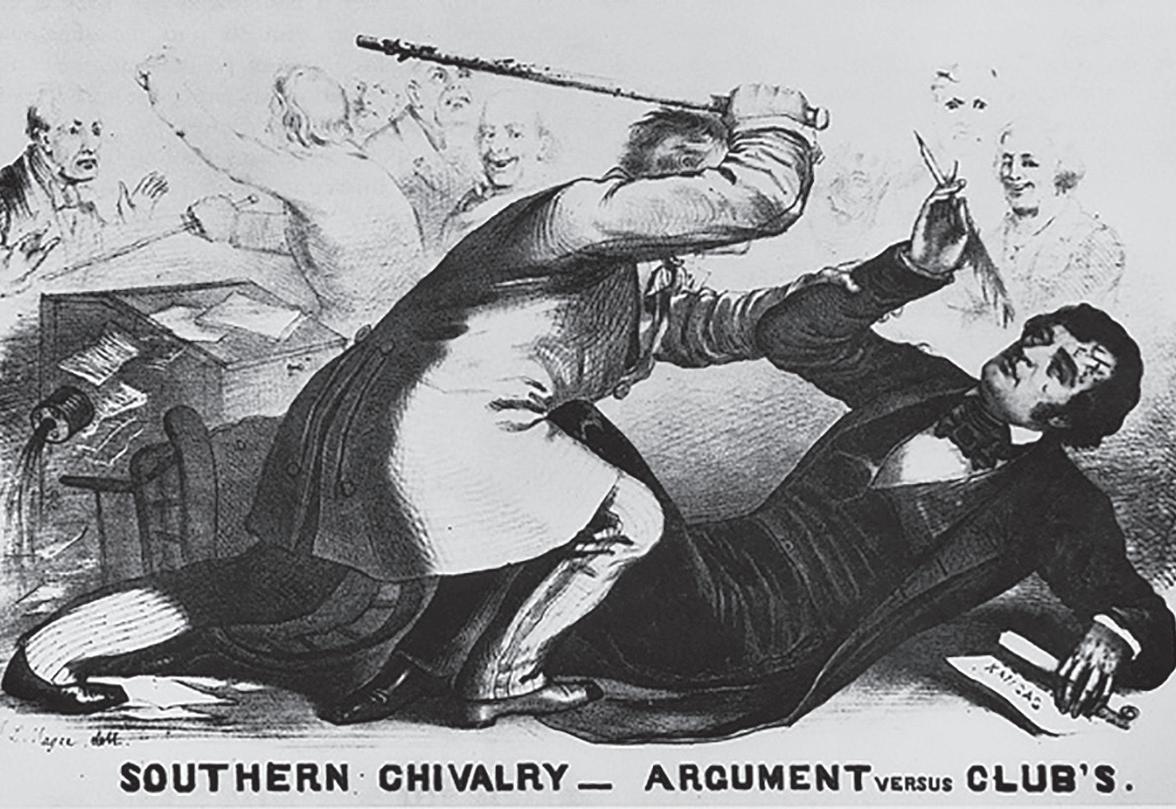
for
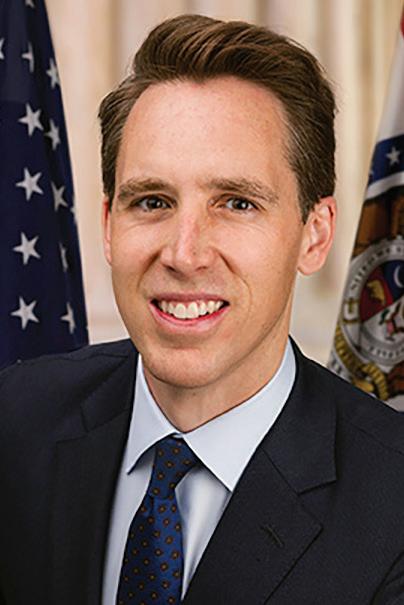
By Julius K. Hunter
For The St. Lous American
A brand new approach to Black History Month just now hit me like a bolt of lightning! Why not lift up one of the most illustrious champions of BLM justice and equality and introduce him to someone who really misses the mark?
Let’s take a U.S. senator who has stepped way, way outside his constituent base for selfish gain, and let’s introduce that lawmaker to a predecessor senator, who transcended his base for truth, justice and liberty.
Let’s take a senator who brazenly challenged election tallies only in America’s heaviest Black
voter districts, and have him meet a U.S. senator who stood up for causes everywhere outside his district in the name of racial justice and equality for African Americans. Hey, Sen. Josh Hawley, meet Sen. Charles Sumner.
Charles Sumner (1811-1874) of Massachusetts, was one of the most vocal abolitionists of his time. He was notorious for making loud, long and colorful speeches on the Senate floor – ironically near Sen. Hawley’s present day desk. Sumner could hold forth for hours, calling for an end to the inhumane enslavement of African Americans. And he didn’t mince words. Standing tall on the Senate floor, Sumner
was known for kicking “aspidistra” and taking names! He called out slave-holding judges and congressmen — and their kinfolk. By name.
The outspoken lawmaker even dared charge that some slaveholders he knew personally kept the damnable institution alive ... so they could have sex with their slaves.
One of Sumner’s Senate colleagues actually warned: “This damn fool Sumner is going to get himself shot by some other damn fool.” Lo, and behold, on May 22, 1856, Sen. Sumner
‘Lynch’s slave pens’ in shadow of Busch Stadium will get historical marker
By Sarah Fenske
St. Louis Public Radio
Two Democratic lawmakers want to commemorate one of the most sordid chapters in local history at one of downtown St. Louis’ most visited sites — and they say the St. Louis Cardinals are on board for the project. More than a century before it became an entrance to Ballpark Village, the entertainment complex at Busch Stadium, the corner of Broadway and Clark held one of several sites known as “Lynch’s Slave Pens.” The pens took their name from Bernard Lynch, a notorious trafficker in enslaved people. They held men, women and children on their way to the slave markets in downtown St. Louis.
Missouri state Rep. Rasheen Aldridge, a Democrat representing St. Louis, said on a recent St. Louis on the Air program, on St. Louis Public Radio, that he is now working with the St. Louis Cardinals on a plaque to acknowledge the site’s terrible history. Along with Rep. Trish Gunby, D-Ballwin, Aldridge first publicized the request for a historical marker in early January. The team did not respond to two requests from
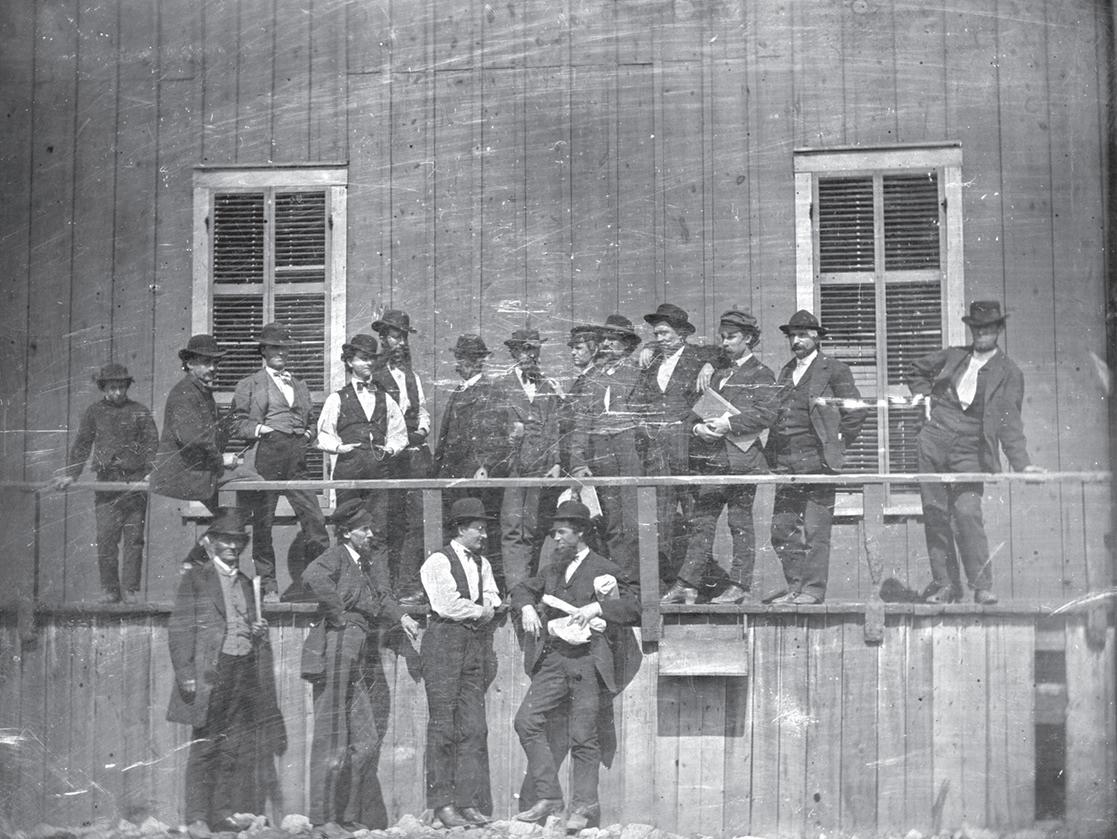
Presenting sPonsors

By Stacy
After four years of push back from the administration of Donald Trump, Underground Railroad heroine Harriet Tubman may finally appear on U.S. currency. “The Treasury Department is taking steps to resume those efforts to put Harriet Tubman on the $20 bill,” White House Press Secretary Jen Psaki said on Monday, Jan. 25. The Biden administration is exploring ways to speed up that effort. “It’s important that our notes, our money reflect the history and diversity of our country, and Harriet Tubman’s image on our new $20 note would certainly reflect that,” Psaki said. In April 2016, then-President Barack Obama announced that Tubman would replace Andrew Jackson on the $20 bill. Obama wanted the release of the new bill to coincide with the 100th anniversary of the passage of the 19th amendment in 2020 that gave women the right to vote.
n “It’s important that our notes, our money reflect the history and diversity of our country, and Harriet Tubman’s image on our new $20 note would certainly reflect that,”
- Jen Psaki White House Press Secretary
Trump, however, had expressed an affinity toward Confederate figures and sang the praises of Jackson, claiming that he had led the U.S. to great success during his two-terms in office from 1829 to 1837. Jackson, a slave owner, joined the Confederate army after Virginia seceded in 1861. He served under Gen. Robert E. Lee during the Civil War. Tubman, an escaped slave, led countless people to freedom. Trump suggested that he might consider placing her image on a $2 bill, but not replace Jackson.
President Biden has vowed to right the many wrongs of the Trump administration, including working toward improving race relations in America and offering more opportunities to people of color. Tubman would be the first African-American woman featured on U.S. currency.
“The $20 currently features a former president, Andrew Jackson, who not only owned slaves, but ordered the death march of thousands of Native Americans,” NNPA’s General Counsel A. Scott Bolden wrote in a 2019 editorial.
“Euphemistically called ‘Indian Removal,’ the Trail of Tears made way for white settlers to claim millions of acres of southern land,” Bolden wrote.
Set back from the street on Tower Grove Avenue a few blocks north of Manchester is a modest brick townhouse that is a remnant of the earliest phase of residential development in Forest Park Southeast.
More research is needed, but we do know that at the turn of the century, this was the residence of pioneering African American educator Oscar M. Waring.
Waring was born in Pennsylvania in 1841. He attended Oberlin College in Ohio, where he learned to speak Greek, Latin, Italian, French, and Spanish. After the Civil War, he worked for the Freedmen’s Bureau, teaching former slaves how to read. He then
earned a law degree, briefly taught mathematics at Alcorn College in Mississippi, and then moved to St. Louis in 1877, where he became one of the first African American teachers in the St. Louis Public Schools. Two years later, became the first African American principal, serving at Sumner High School.
For decades, this home was used as a homeless shelter by New Life Evangelistic Center and as transitional housing by agape House Outreach Center.
The home was purchased by Timothy Greenwald in 2016. At that point, very few original details of the home were visible, but they weren’t completely gone.
Faux wood paneling and drop ceilings obscured original wall surfaces and room volumes. Spaces had been subdivided, windows boarded, and the exterior neglected.
Original features like paneling and balustrade were uncovered during the renovation. The rear wall had to be taken down and rebuilt. The masonry detailing of the parapet had to be restored and all windows were replaced with custom historic replicas.
Thanks to the hard work and skill of owner Tim Greenwald, contractor Millennium Restoration, and architect Killeen Studios, 1211 Tower Grove survives as a beautiful example of the early days of Forest Park Southeast and maintains a connection to an important figure in the history of St. Louis.
In 1996, the Landmarks Association inaugurated a ceremony honoring the city’s Eleven Most Enhanced Places. Designed to balance the yearly endangered roll call, most of our Enhanced Awards have gone to outstanding rehabilitation projects. Award winning buildings demonstrate the amazing culture of rehabilitation that thrives in St. Louis and are a testament to the skills and vision of the local development community.
This house at 1211 Tower Grove Ave. was recognized in 2018 as winner of the Landmarks Association’s “Most Enhanced” honor.
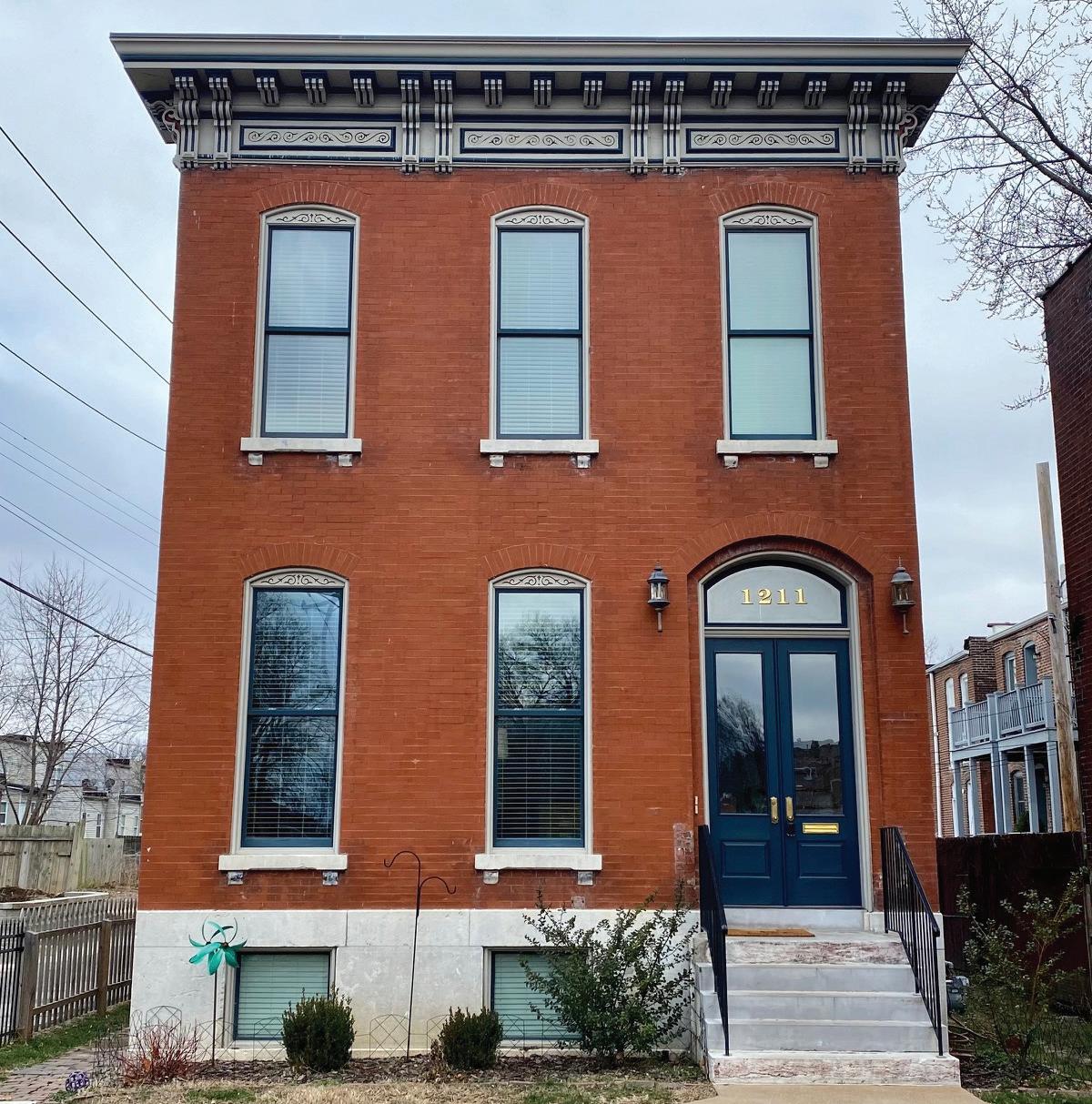
Continued from B1
was working at his desk in the Senate when Democrat Congressman Preston Brooks stormed up to him.
“I hear you been sayin’ some nasty things about my (slave-holding) cousin!”
The righteously cocky Sen. Sumner probably looked up and said something like: “So what?”
And the “so what” led to the bloodiest violence imaginable. Congressman Brooks raised his gold-tipped cane made from the hard rubber-like wood of the Malaysian gutta percha tree. And Brooks repeatedly cracked
Sumner across the head till Sumner fell and became trapped under his desk. Brooks kept striking the abolitionist so savagely the cane actually broke into pieces! But Brooks kept striking Sumner with the piece he still held onto. Sumner, blinded and covered with blood, tried to escape down a hallway.
One of the same corridors that saw blood on Jan. 6 of this year.
Brooks pursued the battered, bloodblinded Senator Sumner and bludgeoned him into unconsciousness.
Sumner narrowly escaped death and was out of the Senate in recovery for more than three years.
To its credit, Massachusetts left Sumner’s seat open during his long
convalescence, and even re-elected him.
My beloved Sumner High School was honored with his name when it first opened its doors in 1875 — one year after the valiant Charles Sumner’s death. Sumner High opened its doors as the first high school for Black students west of the Mississippi. Sumner’s assailant actually became a hero among the pro-slavery crowd. He was tried in court for the brutal assault, and got off with a minimal fine.
Bully Brooks and his cronies even gleefully started passing out replica canes as souvenirs of the nastiest form of racism perpetrated on the Senate floor, till just last month.
So, Sen. Hawley, now that you have
met Sen. Sumner, might you pick a date during this Black History Month to reassess and formally renounce your grandstanding stances? The ones that appear to reek of opportunistic racism and self-serving pandering?
I believe in redemption. There just might be a road to Damascus for you that does not lead you to the Oval Office.
Had you anticipated those major roadblocks that popped up from the Court system, former mentors, corporate sponsors, event spaces, professional colleagues, constituents, friends and neighbors?
May I suggest some leisure reading for you, Sen. Hawley?
As we begin Black History Month anew, how about digging up some of
Sen. Sumner’s speeches delivered not all that far from your desk?
And another suggestion, Sen. Hawley: Why don’t you quietly consult with the ghost of Sen. Sumner right this minute? This is urgent!
Ask what the consequences might be if some of your pistol-packing congressional comrades are allowed to bring firearms to work in the Capitol tomorrow.
Julius Hunter was class president of the Sumner High School, Class of January, 1961. He credits the academic foundation he received at Sumner High for his successful career in broadcast and print journalism.


Before there was Black History Month there was “Negro History Week,” which was established in 1926 by Carter G. Woodson, an African American historian, scholar, educator and publisher. It became a month-long celebration in 1976. The month of February was chosen to coincide with the birthdays of Frederick Douglass, a social reformer, abolitionist, public speaker, writer and statesman, and Abraham Lincoln, the 16th president of the United States who preserved the Union through the Civil War and abolished slavery
February 1
1865 - The 13th Amendment to the U.S. Constitution, which abolished slavery, was adopted by the 38th Congress.
1902 - Langston Hughes, poet, social activist, novelist, playwright and columnist, was born in Joplin, Missouri. Hughes was one of the earliest innovators of the then-new literary art form called jazz poetry. Hughes is known as a leader of the Harlem Renaissance.
1926 - What is now known as Black History Month was first celebrated on this date as Negro History Week by Carter G. Woodson. It became a monthlong celebration in 1976.
February 2
1862- District of Columbia abolishes slavery.
1914 - Ernest Just, genetic biologist, wins the Spingarn Medal. He received this same medal on this day in 1915 for his pioneering in cell division and fertilization.
1948 - President Truman sent Congress a special message urging the adoption of a Civil Rights program, including the creation of a fair employment practices commission.
February 3
1903 - Jack Johnson wins the Negro Heavyweight title.
1920 - The Negro Baseball League is founded.
1965 - Geraldine McCullough, sculptor, wins the Widener Gold Medal Award.
February 4
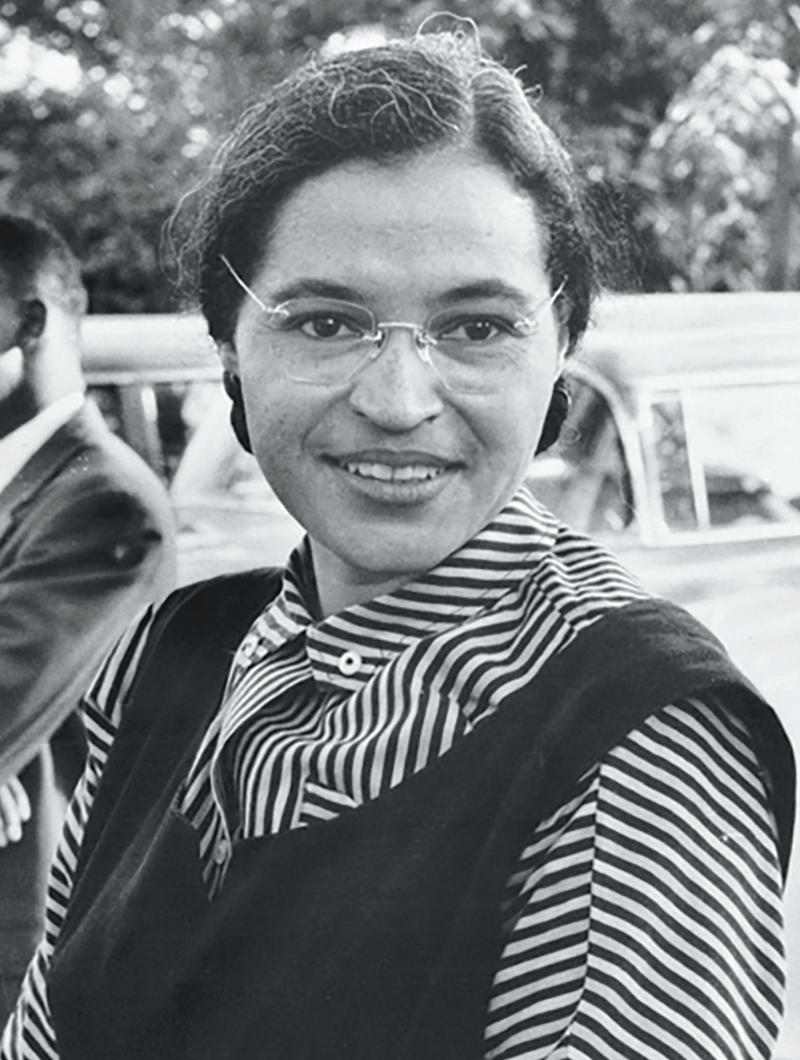
February 4, 1913 - Rosa Parks (born Rosa Louise McCauley)
1913 - Rosa Parks (born Rosa Louise McCauley) was born on this day.
1971 - National Guard mobilized to quell rioting in Wilmington, N.C. Two people were killed.
1996 - J. C. Watts becomes the first Black person selected to respond to a State of the Union address.
February 5
1866 - Congressman Thaddeus Stevens offered an amendment to Freedmen’s Bureau Bill authorizing the distribution of public land and confiscated land to freedmen and loyal refugees in 40-acre lots.
1958 - Clifton R. Wharton, Sr. is confirmed as minister to Romania. This career diplomat was the first Black person to head a U.S. embassy in Europe.
1962 - Suit seeking to bar Englewood, N.J., from main-

taining “racial segregated” elementary schools filed in U.S. District Court.
February 6
1820 - A group of 88 free black men and women set sail from New York to the British colony of Sierra Leone aboard a ship called “The Mayflower of Liberia,” the first organized immigration of blacks to Africa.
1867 - Robert Tanner Jackson received a D.M.D (Doctor of Dental Medicine) and becomes first African American to receive a degree in dentistry. Jackson was a member of Harvard’s first graduating dental class.
1993 - Arthur Ashe dies. He was the first Black player selected to the United States Davis Cup team and the only Black man ever to win the singles title at Wimbledon, the US Open, and the Australian Open. In 1960, Ashe was precluded from competing against Caucasian youths in his hometown of Richmond, Virginia during the school year and unable to use the city’s indoor courts that were closed to Black players. He accepted an offer from Richard Hudlin, a St. Louis teacher, tennis coach, to move to St. Louis and spend his senior year attending Sumner High School, where he could compete more freely,
February 7
1926 - Negro History Week originated by Carter G. Woodson is observed for the first time.
Sources: History.com, Wikipedia.

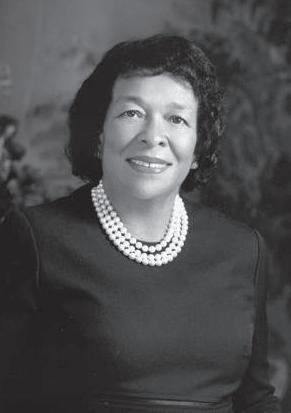
Centene Corporation presents Her Life
Roselyn Epps was born into the segregated south in Little Rock, Arkansas, in 1930. In spite of this, Epps grew up happily on the campus of Savannah State University in Savannah, Georgia. She would describe
her family as close-knit and her hardworking mother as her mentor. From the age of ten, Epps made up her mind to pursue a career as a pediatrician.
She graduated from Howard University cum laude in 1951. In 1973, Epps earned her master’s degree in public health from Johns Hopkins University. She spent the majority of her career in research, practice and administrative positions focused on helping children and people with disabilities. At one time she supervised three-thousand employees, and a thirty-million-dollar budget!

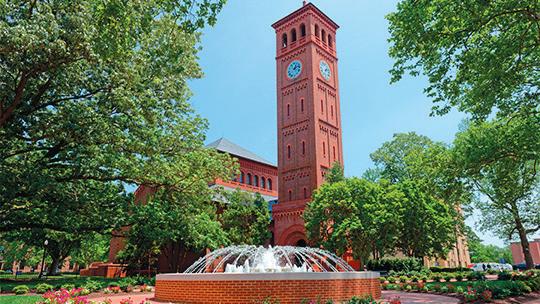
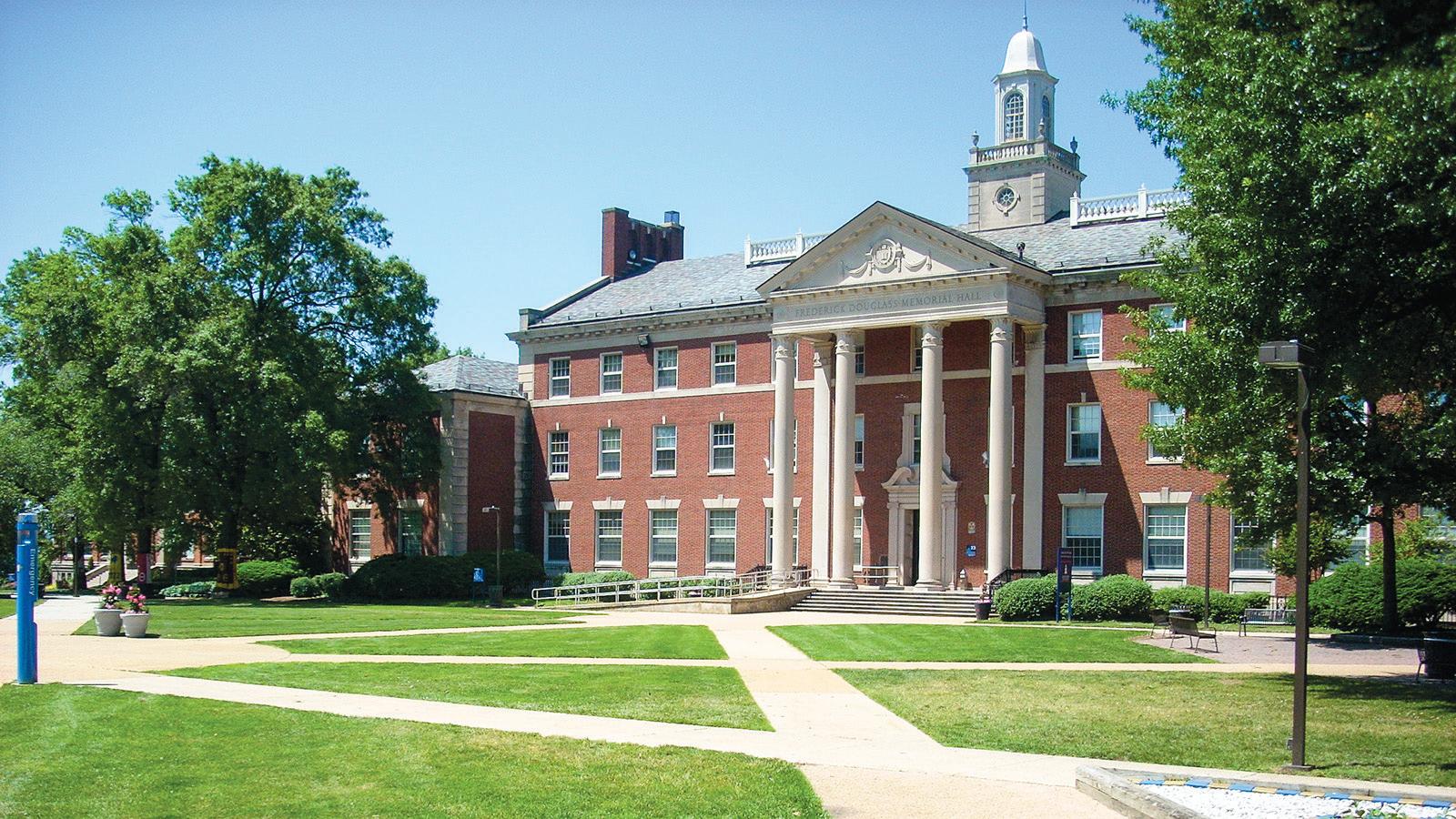
Not only was Roselyn Epps’ life and career spent helping the youngest and most underserved among us, but she broke down racial barriers as well. Epps was the first African-American woman to become president of the American Medical Women's Association, first locally then she served under the same title nationally.
She was also the first AfricanAmerican woman to serve as president of the Medical Society of the District of Columbia.

Campaign began on Wednesday, Feb. 3 and will continue through Tuesday, Feb. 16.
Officials from Schnuck Markets, Inc. and the Urban League of Metropolitan St. Louis have announced a commemoration and continuation of their decades-long partnership that, with help from Schnucks and its customers, will allow the Urban League to continue its mission of empowering African Americans and others throughout the region in gaining economic self reliance, social equality and civil rights. As part of the partnership, and in honor of Black History Month in February, Schnucks will invite customers of all stores the opportunity to “Round Up at the Register” to support the Urban League. Donations in the St. Louis area will support the Urban League of Metropolitan St. Louis — specifically the non-profit
organization’s Save Our Sons initiative.
Round Ups in Schnucks stores in other markets will support the National Urban League. The campaign began on Wednesday, Feb. 3 and will continue through Tuesday, Feb. 16.
“At Schnucks, we are focused on nourishing people’s lives, not only by helping our customers to feed and care for their families, but also by actively working to strengthen our communities,” said Todd Schnuck, Schnucks chairman and CEO and past Urban League of Metropolitan St. Louis board chairman. “
As a company that provides jobs to more than 14,000 teammates, one of our community pillars is to help develop the workforce in our cities and
neighborhoods — a goal shared by the Urban League through their Save our Sons program.” The Save Our Sons program


seeks to help economically disadvantaged African American men living in the St. Louis region find jobs and have the opportunity to earn livable wages. This program completes these objectives by assisting the participants in obtaining post-secondary education and job training and teaching the imperative career life skills and
Continued from B1
“The attempted erasure of Tubman represents yet another move in the Trump playbook to disconnect racial reality from
work ethic necessary to become successful employees in today’s workforce.
“Schnucks is a prime partner whose investment helps us sustain our efforts to help those in need in the communities we serve; our relationship spans decades,” said Michael P. McMillan, Urban League president and CEO.
white fantasy,” Bolden wrote. “Harriet Tubman should be a respected and lauded icon for people of every race and ethnicity.
“Did she not personify American ideals, at the risk of her own life? As a Black woman in antebellum times, she was vulnerable to capture,
“We appreciate the weekly food donations that help us serve so many in need throughout our community and we are especially thankful for the Schnucks customers who also generously support us when they Round Up at the Register.”
Schnucks has launched a comprehensive diversity, equity and inclusion plan, Unity Is Power, which describes efforts to increase focused, community support for organizations that promote racial equity, like the Urban League of Metropolitan St. Louis. As such, this ongoing partnership also includes Schnucks’ commitment to continue supporting the Urban League’s annual St. Louis Urban Expo and donating food and other products for the organization’s annual holiday meal campaign. It will also include Schnucks sponsorship of various drivethrough emergency relief weekly distributions — both through product donation and through volunteer opportunities for Schnucks teammates, as well as the ULSTL’s continued use of Schnucks’ warehouse facility for the food distribution events which serve the community by helping to fight food insecurity.
prison, assault or lynching, but did she falter?
“Did she not refuse to kneel to any man or any king? Did she not fight for freedom against overwhelming odds?
“Are these not the qualities we hold dear in our American heroes?”

with him and Gunby.
“Sometimes you put out press statements and you get no traction,” he said. “But they reached out to us and scheduled a meeting to talk to see what ways we can come together to make this happen.”
Aldridge said the lawmakers are now talking with historians and hope to get something erected by year’s end.
Angela da Silva is the director of the Mary Meachum commemoration, which honors the free Black woman who led
enslaved people to freedom in Illinois. An expert in local history, she said the pens at Broadway and Clark were seized by Union troops in 1861 and later used as a jail for Confederates. “As far as I’m concerned, it was justice,” she said. After the war, though, the pens’ history was largely forgotten.
Da Silva explained that the pens’ brick-lined basement was only discovered in 1963 when the site suffered a partial collapse before the construction of Busch Stadium’s second iteration.
“That’s when it came back in mind that this had been the site of Lynch’s slave pens,” da Silva said.
Da Silva said the area near Busch Stadium is rich with history far beyond the pens. She noted that the site once held the largest
Chinese community east of San Francisco, called “Hop Alley,” along with many sites significant to African American history.“It’s by the inch down there,” she said of downtown. “Not even by the block, but by the inch.”
She said she’d like to see not isolated plaques, each with a different caretaker, but a St. Louis Black History Trail.
“There used to be sites with Black history markers all over downtown,” she said. “Without a coordinated effort to string these together under the watchful eye of someone, they have all been systematically removed.”
Sarah Fenske is host and producer of “St. Louis On The Air,” on St. Louis Public Radio, which is a reporting partner of the St. Louis American






Planting the Seeds for Success!

PRESENT:
In our “Super-Size” world, we can easily lose track of what an actual serving size means. When reading labels on a food or drink product, you can determine the nutrients, sodium, fiber, sugar and calories of a serving size. But be careful; just because it looks like one small bottle
When shopping, it takes a pretty good “Food Detective” to know what is really good for you; don’t just read the front of food product packaging. Food
companies are quite clever when thinking of creative ways to make you believe that something is healthy.
It’s important that before you embark on any kind of exercise to remember two things: warm up and cool down. Start with some slow stretches and movement (like walking) to increase your heart rate a little. Warm up for a good five minutes before increasing your heart rate.
Stretching is an important part of any healthy exercise plan. Slowly extend your fingers, hands, and arms until you feel the muscles stretching. Do the same for your toes, feet and legs. Then slowly bend over to stretch the muscles in your back. Do each stretch for 10-30 seconds, and don’t stretch to the point of pain.
INGREDIENTS: Whole Grain Wheat, Sugar, Corn Bran, Wheat Bran, Inulin, Gylcerin, Whole Grain Rolled Oats, Crispy Rice-Oat Bits (Rice & Oat Flour, Sugar, Malt Extract, Salt, BHT), Corn Syrup, Brown Sugar, Barley Malt Extract, Salt, Toasted Oats (Whole Grain Rolled Oats, Sugar, Glucose-Fructose, Soybean Oil, Honey, Molasses), Golden Syrup, Wheat Bits (Whole Wheat Flour, Corn Starch, Corn Flour, Sugar, Salt, TrisodiumPhosphate, Baking Soda, Annatto and Caramel Color), Malt Syrup, Honey, Calcium Carbonate, Caramel Color, Trisodium Phosphate, Hydrogenated Soybean and Cottonseed Oil, Natural and Artificial Flavor, Cinnamon, Wheat Starch, Tocopherols, BHT. Vitamins and Minerals: Niacinamide, Pantothenate, Pyridoxine Hydrochloride (Vitamin B6), Folate, Iron. CONTAINS WHEAT INGREDIENTS. MAY ALSO CONTAIN ALMONDS, SOY AND MILK INGREDIENTS.
> NEVER walk on a “frozen” pond, lake, river or any other body of water. Just because it looks frozen does not mean it is safe.
If an adult (or much older child) offers you a ride, or asks you to help him/ her locate a lost puppy (or kitten, or a lost child), do not get close to the
> If you are with someone that falls through the ice, first run (or call) for help. Do not try to go out onto the ice to help your friend. You can fall through the ice too.
> When walking on icecovered roadways or sidewalks, take baby steps. Walk carefully and slowly.
Just because a product says, “Healthy, Organic, Natural” or even “Good For You!” doesn’t mean
that it is a healthy choice. As we’ve discussed in previous weeks, always read the labels to see if the food product really is a smart food for you to eat.
of soda — it may not be considered one serving size. For example, a 20-oz bottle contains 2.5 servings. So if the bottle states “110 calories per serving,” that means the entire bottle contains a total of 275 calories! Remember to watch those serving sizes and you’ll have better control over what you’re eating and drinking.
Learning Standards:
Secondly, when you are finished with any kind of strenuous (very active) exercise, take some time to cool down. You can slowly stretch your arms and
Stretching helps your muscles warm up and increases your flexibility, range of motion and blood flow to the muscles.
Stretching can prepare your body for exercise and prevent injuries to your muscles.
Learning Standards: HPE 2, HPE 5, NH 1
> Also — remember to look up! Icicles injure numerous people every year. If you see large icicles forming over your front steps, ask your parents to use a broom handle to knock them off to the side before they break loose from your gutters.
stranger or his/her car. This is one of the most common ways that children are kidnapped every single day. And if an adult offers you a ride or asks for your help, immediately run to a trusted adult and tell him or her what just happened!
As a class, discuss some of the ways to read a label. What are some of the things to look for in an ingredient list? How can you know if a food really is healthy? Hint: Refer to previous Healthy Kids pages for ideas.
Learning Standards: HPE 2, HPE 5, NH 1, NH 5
legs again, and continue with reduced speed movements until your heart rate begins to slow down. This warm-up and recovery period is important for your heart health. It also helps to reduce the amount of muscle pulls and strains.
Learning Standards: HPE 2, HPE 5, NH 1
Ingredients:
Sandwich
Ingredients:
1 Large Banana, 2 Tbsp Peanut butter, 1 Tbsp Honey
> What other ice hazards are there?
Learning Standards: HPE 5, NH 5
Learning Standards: HPE 2, HPE 5, HPE 7, NH 5, NH 7
Toppings: Dried fruit, nuts, seeds, coconut, etc.

Where do you work? I am the program implementation and accreditation director for Lumeris.
Where do you work? I am a school nurse at Monroe Elementary School.
Where did you go to school? I graduated from McCluer North High School and then earned a Bachelor of Science of Nursing degree and then took a nursing test and passed, becoming a registered nurse. I went back to school and earned a master’s degree in business administration from Webster University in St. Louis.
Where did you go to school? I graduated from Sumner High School. I then earned Associate Degree in Nursing from Forest Park College and a BS in Business Administration from Columbia College.
What does a school nurse do? I assess the concerns of students who are ill, injured or experiencing alterations in their normal health.
Nurses screen daily staff, students and visitors for safety. Monroe School is a pilot school for Covid-19 test sites in partnership with the city.
What does a program implementation director do? I work with other nurses and doctors to create a plan that will help people get over their sickness. I travel the country to help other healthcare companies create a plan for their sick people as well.
Why did you choose this career? I chose to become a registered nurse because I did not like seeing people sick. My goal was to help them get better and make sure they were receiving good, quality care.
Why did you choose this career? I love nursing because there are many opportunities in hospitals, schools, clinics and offices, insurance, legal and research. My passion is working in the schools with students, parents, staff and community partners.
What is your favorite part of the job you have? I get excited when I hear that my plan helped someone feel better. I love working with other nurses and doctors who enjoy making a difference in the world too.
What is your favorite part of the job you have? I enjoy when a child tells you, “I want to be a nurse.” And best of all, I love the smiles, hugs and “thank-yous”.
Learning Standards: HPE6, NH3
Directions: Stir peanut butter and honey until smooth. Slice banana lengthwise and spread both cut sides with peanut butter. Sprinkle toppings on the peanut butter.
Directions: Spread peanut butter on four of the crackers and top with sliced strawberries. Drizzle with honey and top with the other crackers to make four cracker-wiches.
Learning Standards: HPE6, NH3
“Questions or comments? Contact Cathy Sewell csewell@stlamerican.com or 314-289-5422
“Questions or comments? Contact Cathy Sewell csewell@stlamerican.com or 314-289-5422





The St. Louis American’s award winning NIE program provides newspapers and resources to more than 8,000 teachers and students each week throughout the school year, at no charge.
Questions or comments? Contact Cathy Sewell csewell@stlamerican.com or 618-910-9551

D’Adrian Lawrence, 8, was eager to build a project from his Dabble Lab Inventors Box and explore his interest in science and engineering technology.
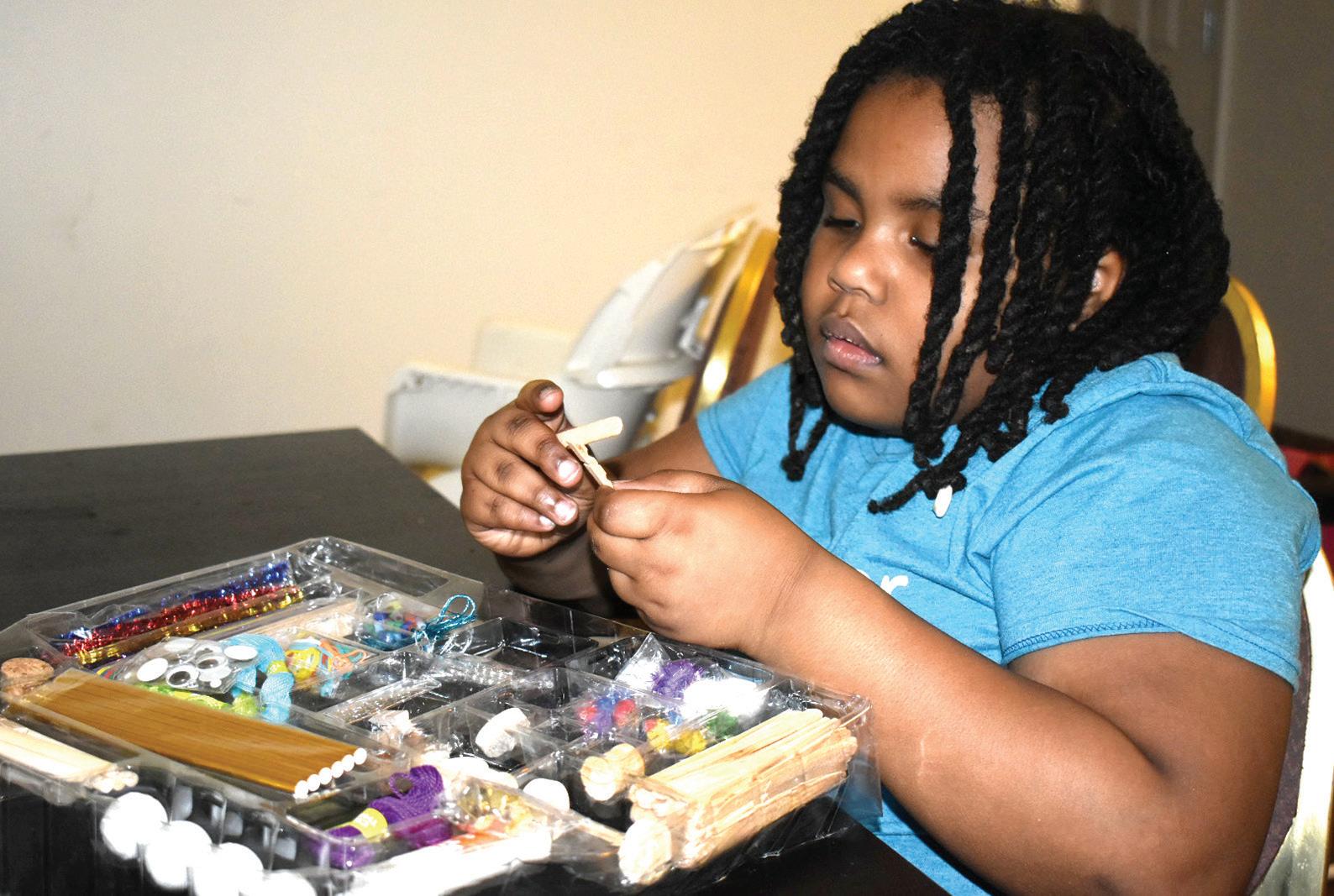

Everyone has had an accident—a fall, a bike wreck, etc. There may be times you get hurt and your parents are not with you, so you need to be prepared. For just a few dollars, you can create a kit that you can take with you to be sure you have everything you need.
Start with a small bag. You many have one at home. If not, you can get durable bags at the dollar store. Important things to add: Neosporin to treat wounds, eye droppers can be used not only to get debris from your eyes, but also to flush debris out of a wound. Tweezers are effective in removing splinters or dirt from a wound. A safety pin can be used in different ways and Band-aids are a must have.

In this experiment, you will make your own quicksand.
Materials Needed:
• 1 Cup of Maize Corn Flour • Half a Cup of Water • A Large Plastic Container • A Spoon Process:
q Mix the corn flour and water in the container.
w To demonstrate the quicksand properties to others, stir slowly, and allow the quicksand to drip from the spoon.

In this project, you will work in groups of 3-5 to solve the problems.
You and your group are stranded on an island, therefore, you have a limit to your food supply. The following list of food items represents all of the raw food and water you have for the next 30 days.
Food Supplies
7.5 liters of rice
7.5 liters of pasta
7.5 liters of beans 15 liters of mixed seeds
100 liters of bottled water
QUESTIONS
It’s always important that you keep your cell phone charged if you have one. This will allow you to keep in contact with your parents and emergency officials. Bottled water is also important to keep on hand. To learn more about first aid kits, check out the links below.
The following website gives tips for a first aid kit for home or the car: http:// kidshealth.org/en/parents/firstaidkit.html.
For more information, visit: https://www.redcross.org/kit.
Learning Standards: I can read nonfiction text for main idea and supporting details. I can make text-to-text and text-to-self connections.
e What happens when you stir the mix quickly?
Analyze: When you stir quickly, there is less water between the grains of flour and the mixture becomes thick and hardens. When you stir slowly, it allows water to move between the grains of flour and the mixture is more fluid and moves more slowly.
Learning Standards: I can follow sequential directions to complete an experiment. I can analyze results and draw conclusions.
Water is needed to cook most of the raw food in your list. The following information will provide you with the food-water ratio you will need to cook your food:
Food-Water Ratio Chart (1 cup = 250 ml)
Rice: ( 1 : 2 ratio )
Pasta ( 1 : 2 ratio )
Beans ( 1 : 3 ratio ) QUESTIONS
z How much water will be needed to cook each raw food item?

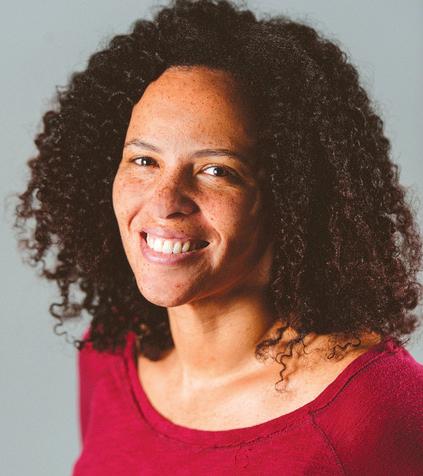
Dr. Raychelle Burks refers to herself as a magical unicorn because women like her are rare. She is an AfricanAmerican female with a doctorate degree in analytical chemistry. She is very popular in social media circles with a blog (called thirtyseven), YouTube videos, and Twitter @DrRubidium. Her initials, Rb, are the same as rubidium, the 37th element on the periodic table. She uses this connection in her blog title and Twitter handle. Burks’ passion is the chemistry of pop culture, specifically zombies, crime shows, and Game of Thrones. Her interests are more than her hobbies, they are scientifically based. Burks earned her bachelor’s degree in chemistry from Northern Iowa University in 2001. Seven years later, she earned her master’s degree in Forensic Science from Nebraska Wesleyan University. Burks earned her PhD in Analytical Chemistry from the University of Nebraska in 2011. She completed post-doctoral research at the University of Nebraska’s Department of Chemistry. In May 2016, she joined St. Edward’s University in Austin, Texas, as an assistant professor. She also assists law enforcement officers to detect explosives.
Burks is often seen at Geek Girl Con; she started the DIYscizone there. She is the co-founder of National Science and Technology News Service, which connects AfricanAmerican STEM professionals with journalists. Burks is a member of the Curly Hair Mafia, an informal group of African Americans who review horror, sci-fi, and fantasy TV shows and movies. She created an idea for a zombie repellent cologne, which caught the attention of several news outlets. Her idea was featured on Perez Hilton’s website, NBC news Weird Science, and Saturday Night Live. Burks is an excellent example of combining your interests and passions with STEM.

I can read about an African American who has contributed to the fields of Science, Technology, Engineering, and Mathematics.

Enjoy these activities that help you get to know your St. Louis American newspaper.
z What will the daily ration of food and water be for your group?
x If one cup of food/ water is equal to two hundred fifty milliliters (250 ml), how many cups of food and water will each person be issued a day?
DID YOU KNOW?

Social media has changed the way people interact and learn. Listed at the right are Twitter accounts, YouTube, and TED talk links to further your STEM knowledge.
x If your group cooked one cup of all three raw food items once a day, how much water would be needed and how much water would be left from your daily water supply?
Learning Standards: I can add, subtract, multiply and divide to solve a problem.
@SciGirls: This Twitter feed is from the PBS show, designed to get more women involved in STEM activities.
@ProjectStepUP: This Twitter feed is designed to help underrepresented populations in STEM.
In this YouTube video, Mae Jemison talks about minorities in STEM: https://www. youtube.com/watch?v=rWLn79cS-cw.
To see some of Burks’ sites, visit: http:// thirtyseven. scientopia.org/, https://twitter. com/DIYscizone.
Learning Standards:

Activities — Facts: Find three news articles about facts you have studied in school this year. Underline facts you studied in class and underline new facts.
A new president of the United States has been sworn into office this year.
Acrostic Poem: Choose a news article to read. Select one word from the headline and use that word to create an acrostic poem about the article you read.
In this TED talk video, they discuss diversity in STEM: https://www.youtube.com/ watch?v=-v8aDo4dV3Q. comingMayoralSt.Louiselection inMarch Weather can unpredictable.be
Learning Standards: I can use the newspaper to select information. I can make textto-self connections.

By ZeCora Smith Missouri Historical Society
St.

home to the Federal Bureau of Investigation’s St. Louis office. The Dixie Steppers inspired her to be an entertainer, and she would later join them. When the Dixie Steppers decided to leave St. Louis, Baker did as well at the youthful age of 13. She toured the United States with the troupe, performing in several vaudeville shows, and lived in New York City during the Harlem Renaissance before moving to Paris in 1924, where she became a world-renowned dancer and superstar who used her influence and power to advocate for racial equality. She was asked to return to St. Louis multiple times but refused to perform at many prominent venues, including the Chase Hotel, because of the city’s racial segregation laws and discriminatory policies. There was even a clause in
her contract stating she would not perform anywhere her people could not see her. Baker finally returned to St. Louis in 1952 for a National Association for the Advancement of Colored People (NAACP) rally for school integration, where her faith in St. Louis was restored while looking out at an eager and integrated crowd of young students. She gave a speech at the University of Missouri–St. Louis about the importance of racial equality, in which she credited her experiences as a child in St. Louis as the reason she was so passionate about achieving freedom for the Black community. “I was haunted until I finally understood that I was marked by God to try to fight for the freedom of those that were being tortured,” she stated.
Baker was a pioneer for diversity and inclusion inside and out, as she made clear in her professional life. She embodied the same principles in her personal life, adopting 12 children of different ethnicities. Her upbringing and experiences in St. Louis turned her into a powerful woman who changed the world.
St. Louis is an underrated gold mine of Black history. It is often overlooked in conversations about Black arts and culture, set aside for places like Harlem or Chicago. Our city is passed over when discussing the civil rights movement in southern cities, and rarely even considered in discussions about the earliest years of America, outside of being the Gateway to the West. However, St. Louis has a rich history of its own that can be explored through the people and the places of this region. The K–12 Education Team at the Missouri Historical Society is working diligently to make this history known in all its programs throughout the year. Our K–12 Team is excited to be celebrating this Black History Month by focusing on arts and culture in St. Louis’s Black community on Homeschool Day. Although February is the designated month when the history and achievements of the Black community are celebrated, we believe we should learn about and celebrate the lives and contributions of the Black community in the St. Louis region throughout the year. Black history is St. Louis history!
To learn more about how Black St. Louisans have reached beyond this city to change the nation and the world through arts and culture, join MHS for a virtual Homeschool Day on Monday, February 15. Homeschool Day is free and open to all families. Activities will include crafts; virtual gallery stops; and webinars geared toward different age groups. For more details about the day’s activities and to register, visit mohistory.org/homeschoolprograms.






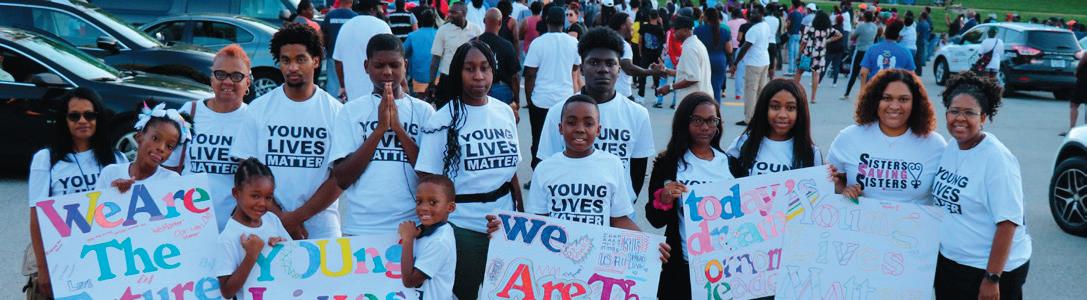




By Kenya Vaughn
Louis American
Of The St.
It was quickly noted that stage, film and television legend Cicely Tyson died at the age of 96, just two days after the release of her memoir, “Just As I Am.”
But her death on Jan. 28, three days before Black History Month, made the loss of a cultural giant — given the “queen” distinction of royalty among African Americans — that much more significant. For those who look to television as part of our annual lesson on the complicated, beautiful, defiantly idealistic story of resilience and triumph through the most insurmountable odds that is the Black American experience, Tyson was often our teacher.
In “The Autobiography of Miss Jane Pittman,” she embodied the soul of a woman who lived from enslavement to see the onset of the Civil Rights Movement.
The same year she portrayed Coretta Scott King in the “King” television miniseries, which reunited her with “Sounder” co-star Paul Winfield.
She played Harriet Tubman in the
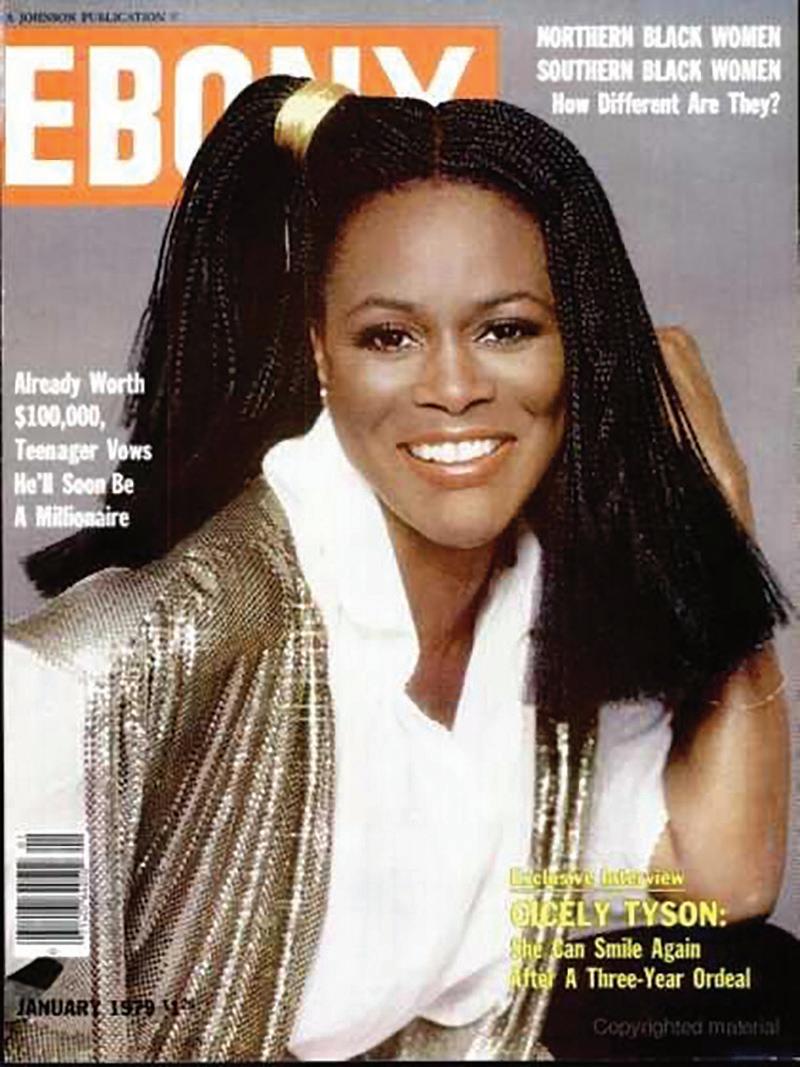
made-for-television film, “A Woman Called Moses.”
She also portrayed legendary educator Marva Collins, a woman who took the education of Black children in her own hands when she saw them being constantly underserved within the Chicago public school system.
Through her roles, Tyson showed Black America who we were — and what we were capable of.
“Unless a piece really said something, I had no interest in it,” Tyson told The New York Times 1983 when discussing how she chose her roles.
“I have got to know that I have served some pur pose here.”
While embodying Black History, Tyson sub sequently became Black History. With 1974’s
“The Autobiography of Miss Jane Pittman,” Tyson became the first Black woman to win a “Best Lead Actress in a Drama” Emmy Award.
The Television Academy was so moved by her performance, that she received an “Actress of the Year” special award.
See Tyson, C8
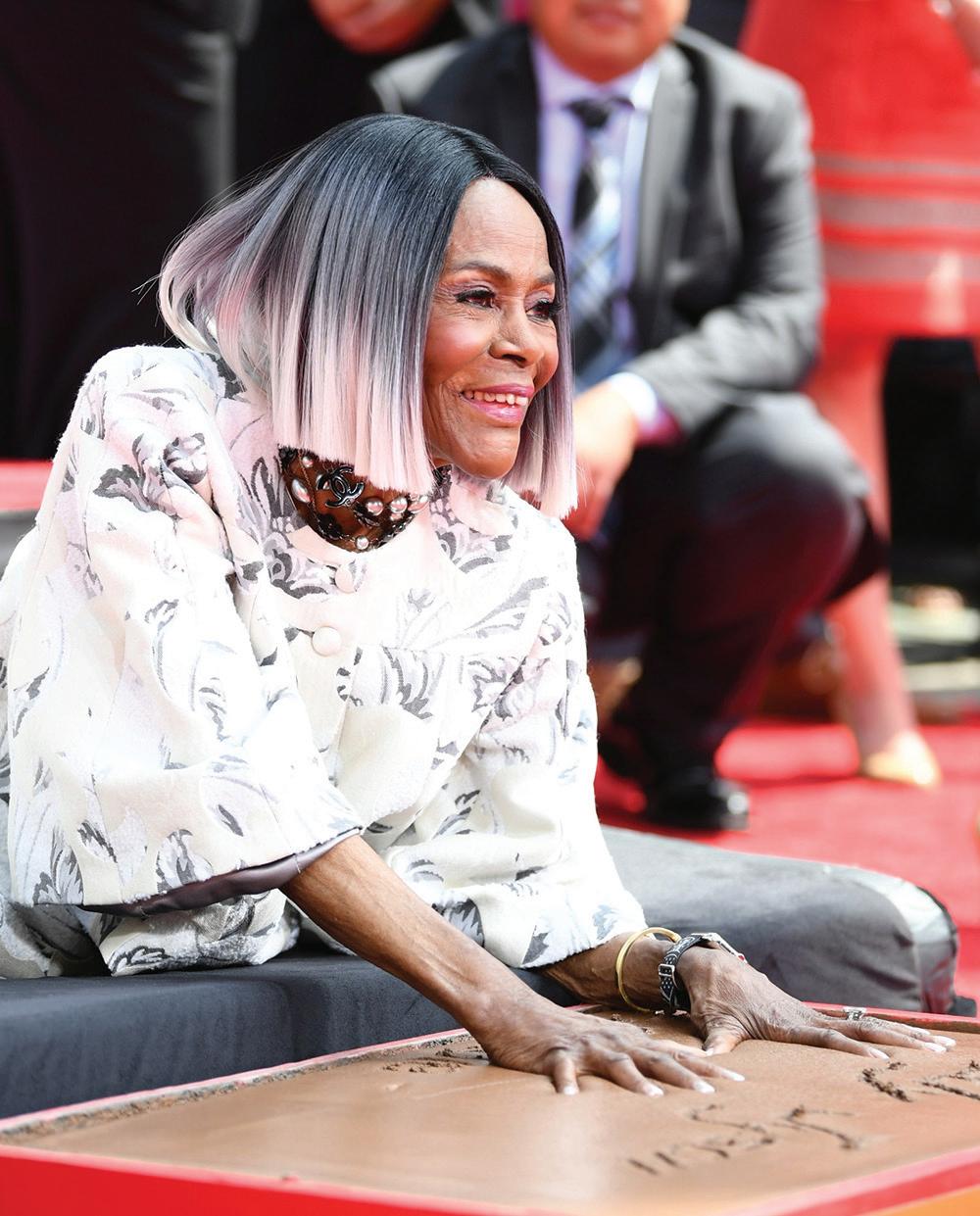


By Danielle Brown
By Danielle Brown Of The St. Louis American
Dacia ”InnerGy” Polk has endured a whirlwind of tribulations with her weekly Tuesday evening open-mic spoken words series, WordUp!
The local showcase provides a safe space where untapped and undiscovered talents step on stage at Legacy Books & Café. There they speak up in an intimate, welcoming setting.”
This year marks the event’s sixth anniversary of its successful impact on the arts and entertainment scene in St. Louis.
Polk is a poet. She launched the series in 2014, planning to promote unity and to highlight creative people whose voices deserved to be heard.
“I saw how people connected with my words, and decided to launch my own platform for others, Polk said. “I wanted to have a platform where we could freely express ourselves through art.”
Since its inception, the weekly event has had a number of venue changes due to businesses closing, scheduling conflicts, differences of opinion and crowded spaces.
WordUp! began at Cabana on the Loop, which is now Prime 55. It then moved to the Office lounge, which is now Blue Lounge, and countless other locations before finally settling into Legacy, where it’s been since November 2019.
Despite challenges in finding a permanent, centrally located spot for the event, Polk realized it was still important to provide a safe haven to unwind, unpack and give voice to

n “Having artists tell me how important the space is and having people tell how they never knew talent like this existed in St. Louis shows me I have something special. — Dacia ”InnerGy” Polk
It was a difficult time, as she was still battling postpartum depression and didn’t have the support system she needed. She decided to give her child up for adoption.
Poetry was the refuge she leaned on in one of the biggest sacrifices she’d ever made.
“Poetry saved me ‘cause I needed to get therapy to learn how to speak my truth,” Polk said. “I needed to go through all those evolutions of self-acceptance.”
She is now a 32-year-old mother of a 13-yearold son, an 11-year-old daughter, in addition to her third child, a son, with whom she maintains contact. They exchange letters and pictures regularly, and video chat occasionally. Her children are the driving force that keeps her going, she said.
“My children love what I do, they really support what I do, and they’re my main driving force to keep me going,“ Polk said.
“Motherhood brought me a whole new outlook on life.”
The coronavirus pandemic is another obstacle Polk has had to overcome.
After hosting an open mic series from July to December, Polk and her team had to hit the pause button when a team member tested positive for COVID-19.
“During that time away from the series, I managed to strengthen my leadership skills, gain better communication skills, and bring on a team of artists to help me with a lot of the
hip-hop, including J. Cole and Elite; Drake and 40; and Future and Metro Boomin. K Camp, the Atlanta-based rapper responsible for “Money Baby,” “Cut Her Off,” and more; and former Florissant resident, Jarrod “JRod” Doyle, producer and mixing engineer, are included in the ranks of the best inseparable rapper-producer dream teams.
“The best thing about K Camp and I’s relationship is we’re homies outside of the music,” Doyle said. “We had a genuine friendship before we started working together,”
“When we connect it’s not forced. It’s not ‘oh, we gotta make music, we gotta do this.’ We really just have cool vibe sessions that happen to turn into masterpieces to be honest.” Doyle, 27, is a 2011 graduate of McCluer North High School. He attended the McNally Smith College of Music, where he majored in music technology. He already had the knowledge and skills of production from making beats in high school; however, college is where he got his feet wet and learned more about the technical side of music pertaining to mixing and mastering.
“I chose to attend McNally because they offered the specific concentration that I wanted to major in. I didn’t have to go through any extra classes that wouldn’t pertain to it,” Doyle said. “After I toured the school, I knew it was a good fit for me and my career goals.”
He received his Bachelor of Science degree from McNally in 2015 and moved from St Paul, Minnesota, to Atlanta, Georgia. The transition to Atlanta came because Doyle saw that the city was respected in hip-hop culture as a hub for successful artists and creatives.
“Being in Minnesota for college, I realized that it wasn’t the best city for anything urban or hip-hop related. It was more of a city for live bands and live music,” Doyle said. “I saw how Atlanta was controlling the culture overall and it became my

n “I saw how Atlanta was controlling the culture overall and it became my goal from day one to relocate there.”
— Jarrod “JRod” Doyle
goal from day one to relocate there.”
It took Doyle almost two years to become fully acclimated to the new city. He found that Atlanta was a city centered around good vibes and genuine connections. Through a close friend he began the business partnership he has today with K Camp.
“Body A Canvas,” from K Camp’s sophomore album, RARE Sound, is named after his independent record label, and is the first song the pair collaborated on.
“I made the beat in the room on the spot, then I sent it to him, and after that we made “Can’t Get Enough.” Doyle said. Doyle and K Camp have since fostered a stronger brotherhood and professional relationship, having worked sideby-side on a multitude of songs including “Regret (Intro)”; Fall In Line;” and “Yo Name,” off last year’s Kiss 5, the fifth and final installment of the Kiss series.
One of the biggest, most popular songs they’ve collaborated on is “Lottery (Renegade),” from the “Wayy 2 Kritical,”
album. It currently has more than 32 million views on YouTube and has become a fan favorite on Tik Tok, thanks to Jalaiah Harmon’s renegade dance challenge. Last year, the song earned Doyle his first gold certification plaque as a mix engineer from The Recording Industry Association of America.
“I don’t know how exactly I feel about it just yet,” Doyle said. “I don’t think I’ve soaked that win in yet. It happened, but I don’t think I’ve enjoyed it the way that I should have because it’s still moving and it’s still doing stuff.”
The stars are continuing to align for Doyle through his engineering and production work. He officially signed a production deal in December through K Camp’s label, RARE Sound, “a collective of creatives and tastemakers with a focus on music, fashion, and lifestyle.” Learn more about RARE Sound, here: raresound.
co
“The deal solidifies everything by putting it in writing,” Doyle said. “We’ve made enough music where people see what we’ve created together. We’re continuing to build the sound more because we want more people to hear it. I’m in overdrive so that you can hear JRod on everybody’s sound.”
For fellow St. Louisans who aspire to level up in the music industry like Doyle has, his advice to them is simply to jump and step out on that leap of faith.
“Jump! Don’t be afraid. There’s no perfect plan,” Doyle said. “I talk to a lot of people from St. Louis and I think they get caught up in the notion of too much dreaming instead of acting on their dreams.”
Doyle is also a singer and songwriter. His EP “Love Language,” is available on all streaming platforms. He is the owner of PionEars production company, that he plans to expand in the future to create a sub label of engineers and creatives.
“Since I got the deal I got a little bit more exposure, more people looking at me, just about to capitalize,” Doyle said. “About to show everybody what JRod’s about.”

help
been
to help.

Let your spirit of giving heat up the homes of needy children, the elderly, and the disabled.
VISIT HARDEE’S® DRIVE THRU FRIDAY MORNING, FEBRUARY 12
Buy a Sausage Biscuit or Egg Biscuit for $1.00 or drop off a donation.
We’ll donate all of the proceeds to Heat Up St. Louis for Missouri and Illinois charities. Donations accepted January 12- February 12. Bulk biscuit orders will be taken now through February 9
See details at
When our communities are down, we can lift them up—together
Join us in helping those impacted by the coronavirus pandemic
By joining together, we can help those struggling to pay their natural gas bills because of the coronavirus pandemic.
That’s why we’ve committed up to $500,000 in matching gifts through DollarHelp.
When you add $1 a month to your natural gas bill or increase your existing DollarHelp pledge, we’ll match your first-year contribution.
To have your gifts matched through May 31, 2020:
• Sign up for DollarHelp online by logging into MyAccount.SpireEnergy.com
• Check the box on your bill and send it in with your payment People helping people. Communities lifting up communities.
Visit SpireEnergy.com/DollarHelp to learn more.

The DeSmet Spartans basketball team was put in the position of having to make some major adjustments before they even played a game this season.
First, the Spartans lost the services of 6’9” senior standout Yaya Keita to a knee-injury during preseason workouts.
The Mizzou recruit should be healthy and ready to go next season as he begins his collegiate career. Second, standout senior guard Thomas Redmond decided to bypass his final year of basketball to concentrate on soccer, where he is a strong college prospect.
Both Keita and Redmond were key players on a DeSmet teams that won 23 games last season and nearly upended CBC in the district championship game. Despite some up and down results to start the season, the Spartans hit their stride last week in winning the championship of the Circle 7 Ranch Tournament at Parkway West.
The Spartans looked very impressive in victories over Parkway South, Lafayette and Kirkwood in repeating as Circle 7 Ranch Tournament championships. The championship game with Kirkwood was close in the first half, until DeSmet broke the game open with a 17-0 run to take control of the game.
DeSmet’s top performer in the game, as well as during the season, was junior point guard Brian Taylor. The 6’4” Taylor did it all in the championship game as he scored a gamehigh 18 points along with four rebounds, three assists and five steals. Taylor is an excellent two-way point guard who has received a lot of interest from Division I schools, including an offer from Saint Louis

University.
The Spartans’ big man in the middle is 6’10” senior forward Sekou Gassama, who had 13 points, eight rebounds and five blocks against Kirkwood. He has been a consistent force in the paint all season as he averages 11.3 points, 8.7 rebounds and 2.4 blocks a game. There is plenty of talent on the perimeter to go along with Taylor, including 6’2” senior guard Jeremiah Walker, who averages nearly 10 points a game. He is a talented offensive player who can really attack the basket with a variety of moves. Junior Brennan
Lovette is a 6’6” wing player who does a little bit of everything. He averages eight points, six rebounds and three assists a game. Sophomore Justin Duff and senior Jackson Neidenbach are two guards who can provide good 3-point shooting while 6’5” junior forward Jemeal Goines brings strong
With Alvin A. Reid
post play and rebounding off the bench.
Luther Burden heads to ESL
One of the nation’s top football prospects is headed to the East Side to finish his career. Two-sport standout Luther
Burden has left Cardinal Ritter College Prep and is enrolled at East St. Louis Senior High. A five-star football prospect, the 6’2” Burden has already committed to Oklahoma University. In his three varsity football seasons at Cardinal Ritter, Burden helped lead the Lions to a berth in the Class 3 Show-Me Bowl as a freshman and another berth in the state semifinals this season. He was also a standout on the Lions’ basketball team as he helped them to a Class 3 state championship last season. He was also averaging 11 points and 3.9 assists on the Lions’ team that was ranked No. 1 in the state in Class 5 at the time of his departure.
J-Mac shines at The Wood Former Vashon High star and Mizzou basketball standout Jimmy McKinney is making things happen in his debut as a head coach at Kirkwood High. Under McKinney’s direction, the Pioneers are currently 13-3 with a tournament championship at the Rotating 8 in early January and runner-up finishes at the MICDS Christmas Round Robin and last weekend’s Circle 7 Ranch Tournament at Parkway West. The Pioneers are led by several members from their talented football squad, including seniors Will Lee and Kannon Nesslage. The explosive 6’1” Lee is averaging 12 points a game while the 6’5” Nesslage averages 10 points a game. He was a standout quarterback on the football field. Adding more senior experience are 6’2” Jaylen Phipps, 6’3” Dillon Stewart, 6’1” Jackson Fortner and 6’8” Bryce Simpson. Sophomore guards Kellen Rhimes, Javaris Moye and Christian Hughes add more young talent to build around in the future.
Of the seven NFL head coaching positions available at the close of the 2020 season, just two minority candidates were hired.
But am I being fair when I write “just two?”
The New York Jets tabbed Robert Saleh, a Muslim with Lebanese immigrant parents, as their guy almost three weeks ago. That left six openings, which dwindled to one over a fortnight. The NFL was staring at a diversity disaster. Then, out of the proverbial blue, the Houston Texans hired 66-year-old Black first-time head coach David Culley. That meant 28.5 percent of those treasured positions went to coaches of color. Five of 32 franchises now have a minority head coach. Saleh and Culley join Brian Flores (Miami), Mike Tomlin (Pittsburgh) and the Washington Football Team’s Latino head coach Ron Rivera.
ysis, of 27 candidates interviewed for the seven jobs, 11 are minorities and 16 are white. Again, just two minority candidates were hired. That sounds terrible.
Also, about 70 percent of NFL players are Black. That makes that coaching percentage flat-out pitiful.
The San Diego Chargers fired Black head coach Anthony Lynn, but Culley and Saleh’s respective hiring mean the NFL has the same number of Black head coaches it had in 2020, and the number of minority coaches is up by one.
It is not much, but it is something.
After the hiring frenzy ended, Steelers owner and president Art Rooney II said, “We didn’t make as much progress on the head-coaching side as we would have liked.”
two
late Dan Rooney, will continue to be tweaked and adjusted, according to Art Rooney.
That is 15.63 percent. That does not sound too bad.
According to ESPN anal-
The “Rooney Rules,” which were crafted to create increased interviews for minority head coaching and front office positions by Rooney’s father and previous Steelers owner, the
“…I would say we did make some progress on the general manager side, which is encouraging. And then we will have to look on the coordinator side to see how much progress we make on that front,” Rooney added.
Of the seven GMs hired,
of the Baltimore Ravens was the NFL’s lone Black GM for many years.
Maybe the most intriguing question remaining after this round of hiring is; Why didn’t Kansas City Chiefs offensive coordinator Eric Bieniemy secure a head coaching position?
“I was really hoping he would have an opportunity to take one of these jobs,” Chiefs head coach Andy Reid said during a Super Bowl media press conference.
“I think he’s great. I think he would be great for any number of teams that opened up and help them win football games and also develop men into men. I just think he’s a great person.”
Should the Chiefs secure a second Super Bowl title on Feb. 7, Bieniemy will be a sure thing for 2022 – one would think. If Mike McCarthy flounders like he did in his first year as Dallas Cowboys coach, Bieniemy could find himself in charge of the so-called “America’s Team.”
The Reid Roundup
Why is there little buzz about Mizzou’s Top 20 basketball team? Coach Cuonzo
Martin’s color? More on this in next week’s SportsEye... Tampa Bay defensive coordinator and former Jets head coach Todd Bowles must slow down the Chief’s
By James Washington
For The St. Louis American
I’m sure I’ve written on this before, but I thought the significance of obedience was important enough to repeat here. It occurs to me that obedience to God is, or certainly should be, an exercise in ‘want to’ as opposed to ‘have to.’ The analogy given in church is simple enough. When parents enforce rules and discipline with regard to their children, if the child is to respond out of respect and love, a relationship must exist between parent and child. If a wholesome relationship does indeed exist, then the child’s love for the parent will result in that child wanting to
comply. If all one does is obey the rules because of the consequences and punishment associated with disobeying the rules, then the rules generally get thrown out the window when the rule-maker is no longer around. I guess what I’m saying is that when grounded in love, people want to respond favorably according to the wishes and will of the person who is the object of that love. By our very nature we want to look good in the eyes of someone we’re trying to impress.
Jesus says, “If anyone loves me, he will obey my teaching.’’ John 14:23.
Examine this use of the term “obey.” What Christ is saying
Liberty Counsel
The Seventh Circuit Court of Appeals has ruled in favor of a Nativity scene displayed annually at the Jackson County Courthouse. Liberty Counsel represents Jackson County.
The Seventh Circuit ruled that the Nativity scene is constitutional under the Supreme Court’s recent decision in American Legion v. American Humanist Association, which upheld the Peace Cross in Maryland. The Seventh Circuit wrote, “Applying American Legion, we conclude that the County’s Nativity scene is constitutional because it fits within a long national tradition of using the Nativity scene in broader holiday displays to celebrate the origins of Christmas—a public holiday.” In addition to the Nativity
is the same thing that many a mother and a father believe about their kids.
First and foremost, we all know the things that would upset mom and dad. We know this because they spent a lifetime (yours) instilling values and integrity into your character.
You might still do things they wouldn’t condone, but you certainly know the difference between the right and wrong of it because of your upbringing. That upbringing, if nurtured in the spirit of love, reveals to all of us the source and nature of the consequences and the
resulting discipline. It’s all about love. Y’all know that ‘this is going to hurt me more than it’s gonna hurt you’ thing.
Christ is merely reminding us that if you love him, then obeying his rules, his teachings, which were given to us out of the love of the Father, should come from the heart. Our desire to please should override our mere compliance to the rules. The point is obedience to God has so much more to do with wanting to do the right thing for the right reason, than doing the right thing because it is law, punishment
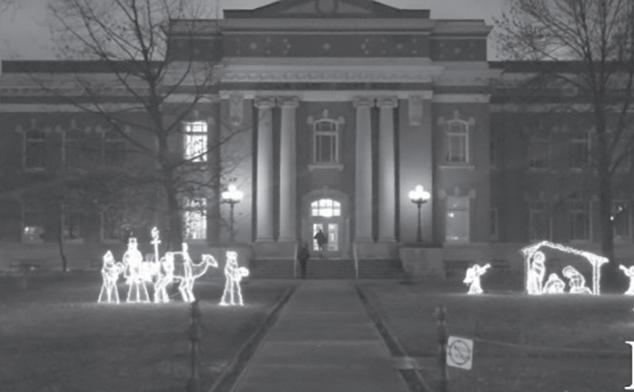
scene, the annual holiday display also includes a large lighted Santa Claus, a sleigh with reindeer, and a group of Christmas carolers. The court-




house grounds are also decorated with many kinds of lights and other non-religious symbols of the holiday season. The appeals court refuted
notwithstanding. One is the result of relationship and the other is the result of fear of consequence.
Throughout scripture, Jesus constantly refers to the love of the Father. How many of you do what your mother would expect of you and your mother has been dead for many a year?
How many of you pass those same expectations along to your kids? Why?
I submit that you do this because of the relationship you had/have with your mother. That’s why I’m convinced that the key to understanding obedience to God is establishing, or for many of us re-establishing, a relationship with the Almighty. This is achieved by studying his word, getting inside of his
the opinion by federal Judge Tanya Pratt who previously ruled in favor of an ACLU plaintiff who does not live or work in the county and does not transact any business in the Jackson County Courthouse. However, the plaintiff apparently “manufactured” her injury by going to the courthouse for the purpose of seeing the display after living in Jackson County for two years without noticing it.
commandments and examining the life of Jesus Christ, who because of a love thing with his Father, carried out Hhs Father’s wishes to the letter.
“I will not speak with you much longer, for the prince of this world is coming. He has no hold on me, but the world must learn that I love the Father and I do exactly what my Father has commanded me.’’ John 14:30-31.
To obey should be an act of love. Our goal should be to understand God’s love for us and to simply do our best to return it; acting accordingly, so to speak. May God bless and keep you always.
The court’s opinion states that the plaintiff testified that “the whole display, including the secular items, offends her because it is all part of the Christmas and the whole, you know, Christianity thing.” She also said that no matter how many secular items are in the display, and no matter their arrangement, the display will offend her. In essence, she would not be satisfied unless the whole display is moved off government property. Liberty Counsel’s founder and chairman Mat Staver said, “This is a great victory that affirms that the Jackson County holiday display does not violate the First Amendment. The Supreme Court and many federal courts have ruled such displays are constitutional, especially when the display includes other secular symbols of the holiday, and this display in Jackson County is no exception.”


The City of Jennings is accepting applications for the position of Public Works Laborer in the Public Works Department. Duties include a variety of skilled maintenance work and operation of a variety of equipment in the construction, repair, maintenance, and replacement of City streets. Performs a variety of skilled and semi-skilled tasks in the maintenance and operation of park and recreation buildings and other City buildings, parks, grounds and open spaces. High school diploma or GED equivalent are required. Minimum of two years’ experience in street maintenance and use of related equipment. No disqualifying driving record or criminal experience. Starting salary $28,401 (W-4-C). Applications available at Jennings City Hall, 2120 Hord Ave. or at www.cityofjennings.org NO RESUMES ACCEPTED WITHOUT THE COMPLETION OF THE APPLICATION. Completed applications may be delivered to City Hall, mailed, emailed to jobs@cityofjennings.org or faxed to 314-388-3999. Applications accepted until February 16, 2021 at 5 pm.

REPORTING ACCOUNTANT
Ensure internal management reports, reports used in monthly/quarterly/annual accounting close process and internal management presentations are complete and accurate and prepared on a timely basis. To apply, please visit: https://www.safetynational. com/careers-page/
The St. Louis County Library District is seeking applicants for the position of Full-time custodian at our Eureka Hills Branch. Responsibilities include mopping, buffing, waxing and vacuuming floors, cleaning offices and restrooms, and other duties. Hours: Monday –Friday, 40 hours per week, weekends may be required. Salary: $25,862.00 plus benefits and paid vacation. Apply online at: www.slcl.org EQUAL OPPORTUNITY EMPLOYER.

Full-Time Accounting Assistant
Proficient in Accounts Payable & Excel Spreadsheets. Working knowledge of Accounts Receivable. Understands General Ledger and Financial Reports.
Professional phone etiquette & customer service skills.
Email resume with qualifications and work experience to: rbritt@stlamerican.com Subject: Accounting Assistant Or you may mail to: St Louis American Newspaper Attn: Accounting Assistant 2315 Pine Street, St Louis, MO 63103 NO PHONE CALLS PLEASE
a resident and registered voter in St. Louis City or County for three years prior to appointment and for the duration of their term on the Commission. Ideal candidates must have daytime flexibility and some Human Resources experience.
Civil Service Commissioners convene several times a year for personnel administration and employee disciplinary hearings in accordance with MSD’s Civil Service Rules and Regulations. Each Commissioner is compensated $20 per meeting, with a maximum annual sum of $500.
Please submit cover letter and resume on or before 01/31/2021 to: Tracey R. Coleman, Director of Human Resources Metropolitan St. Louis Sewer District 2350 Market Street St. Louis, MO 63103
Information may also be emailed to: CSCommissioner@stlmsd.com
CLEAN-TECH COMPANY IS INTERVIEWING FOR VARIOUS LOCATIONS!
Interviews on the spot!
Every Tuesday 11AM – 2 PM and Every Thursday from 1PM-4PM! 211 South Jefferson Avenue, St. Louis, MO
JOBS AVAILABLE!
WE ARE HIRING! Apply online www.cleantechcompany.com/ careers
FEDERAL DEFENDER Southern District of Illinois Experience required See: www.uscourts.gov/careers
NEEDED for Apt Complex
$12 - 15 hour depending on exper. Call Tim 314-319-8597
The Foster & Adoptive Care Coalition is hiring a full-time Extreme Recruiter to work exclusively with the hardest-toplace children through permanency preparation and intensive adoption recruitment efforts. The position requires the recruiter to carry out all aspects of multi-faceted, child-specific adoption recruitment. Each case requires the Extreme Recruiter to facilitate team meetings with the goals of ensuring a system of supportive adults and identifying a permanent resource committed to adoption or guardianship for participating youth. Bachelor’s degree in a related field is required. Additional job requirements can be found at https:// www.foster-adopt.org/employment/ The successful candidate will: 1) have previous experience in the stated duties; and 2) demonstrate affinity to the Coalition’s values of equity, family, diversity, innovation & excellence, inclusion, integrity, courage, and teamwork & collaboration. end your resume and cover letter to Denise Kelley at denisekelley@foster-adopt.org. Applications without a well-written, thoughtful cover letter stating your passion and qualification for serving our population will not be considered. The Foster & Adoptive Care Coalition is an Equal Opportunity Employer.
The Behavioral Health Network of Greater St. Louis (BHN) is seeking a Director of Behavioral Health Clinical Redesign. We are a collaborative effort of providers, advocacy organizations, government leaders and community members dedicated to developing an accessible and coordinated system of behavioral healthcare throughout the eastern region of Missouri. The position can be found here https://www.bhnstl.org/ career-opportunities and you can send a cover letter with salary requirements and your resume to bhn@bhnstl.org

The City of Olivette is accepting applications for the position of Firefighter/Paramedic. Salary range $57,323 - $75,436 w/excellent benefit package. Applicants must be 21 years of age by date of hire, Firefighter I & II from St. Louis County Fire Academy preferred, be a high school graduate or equivalent, have a Current State of Missouri Certified Paramedic License, have a current State issued Driver’s License, ACLS,PHTLS, PALS and must have CPAT by date of hire. Application packets are available through the City’s website at www.olivettemo.com (Careers section) or by contacting Human Resources at dmandle@olivettemo.com. Application deadline is Friday, February 26, 2021 at 2:00 pm. For additional information contact the Human Resources office at 314-983-5231 or dmandle@olivettemo.com
THE CITY OF OLIVETTE IS AN EQUAL OPPORTUNITY EMPLOYER


Notice To Small (SBE), Disadvantaged (DBE), Minority (MBE), Women’s (WBE), Service Disabled Veteran Owned (SDVOB) & Veteran Owned (VOB) Businesses Advertisement
The Missouri Historical Society is seeking a Contractor to provide daily restaurant services at the Missouri History Museum in Forest Park. To receive a copy of the RFP email Tami at tgold@mohistory.org or call 314 454-3137. Proposals are due to MHS on March 1, 2021.
Sealed bids for the 2020 CRS Pavement Rehabilitation, Area B project, St. Louis County Project No. CR-1813, will be received electronically thru the County’s Vendor Self Service portal at https://stlouisco.munisselfservice. com/Vendors/default.aspx, until 11:00 a.m. on March 3, 2021
Plans and specifications will be available on February 1, 2021 from the St. Louis County Web Site (www.stlouiscountymo.gov) or by contacting Cross Rhodes Print & Technologies, 2731 South Jefferson Avenue, St. Louis, Missouri 63118 (314) 678-0087.
River City Construction, L.L.C., 6640 American Setter Drive, Ashland, Missouri 65010, (573) 657-7380 (Phone) (573) 657-7381 (Fax) Is Seeking Qualified Small, Disadvantaged, Minority, Women’s, Service Disabled Veteran Owned & Veteran Owned Businesses For The University of Missouri Teaching Hospital –6TH FLOOR PEDIATRICS RENOVATION, Columbia, Missouri: for subcontracting opportunities in the following areas: selective demolition, metals, rough carpentry, roofing, doors, glazing, painting, drywall, flooring, specialties, furnishings, seismic protection, plumbing, fire suppression, HVAC, electrical, communications, electronic safety. All interested and qualified SBE, DBE, WBE, SDVOB, AND VOB businesses should contact, in writing, (certified letter, return receipt requested) Jason Brown or Joe Seymour to discuss the subcontracting opportunities. All negotiations must be completed prior to the bid opening date 2/25/2021 @ 1:30 P.M. Proposals will be evaluated in order on the basis of low responsive bid received. CERTIFICATION OF DBE/WBE/MBE/SDVOB/VOB STATUS MUST BE SUBMITTED WITH BID. BID DOCUMENTS MAY BE OBTAINED BY:
1) Email your company name, contact name and phone number, as well as the project you are interested in to bid@rccllc.com
2) You will then receive an email invitation for that project with a link to our SmartBidNet system.
The St. Louis Economic Development Partnership requests proposals for qualified legalservices firms to provide legal advice, representation, and expertise on various projects and areas of operations on an as needed basis. The requested services shall be for a oneyear period with two successive options for the Partnership to renew for terms of one year each. A five percent bid preference may be available to certified MBE firms. A copy of the complete RFP is available at https://stlpartnership. com/rfp-rfq/. To be considered, proposals must be received no later than 3:00 PM CST on Friday, February 26, 2021.
St. Louis Economic Development Partnership Equal Opportunity Employer
The St. Louis County Port Authority (the “Port”) requests proposals from qualified contractors to perform certain landscaping, maintenance, snow-removal, and debrisremoval services for various real property parcels located in St. Louis County. The requested services shall be for a one-year period with two successive options for the Port to renew for terms of one year each. A five percent bid preference may be available to certified MBE firms. A copy of the RFP is available at https://stlpartnership.com/rfp-rfq/ Proposals must be received no later than 3:00 PM CST on Thursday, February 25, 2021
St. Louis Economic Development Partnership Equal Opportunity Employer
LAMBERT AIRPORT UNINTERRUPTED POWER SUPPLY AND ASSOCIATED BATTERY SYSTEM MAINTENANCE SERVICES BID
Aschinger Electric is seeking T&M quotes from St. Louis Lambert International Airport certified MBE Electrical Contractors. Manpower will be required to assist with preventive maintenance for UPS units. The ability to work with a collective bargaining unit is also required. Proposals must be received no later than 17:00 hours, Friday, February 12th, 2021. Contact: Aschinger Electric at 636-343-1211
TO ADVERTISE YOUR BID, PUBLIC NOTICE, EMAIL ahouston@stlamerican.com
STABILIZATION (MGMB-150) under Letting No. 11481-015.1, at this office, 2350 Market Street, St. Louis, Missouri 63103, until 03:00 PM on Friday, February 19, 2021 Bids will be received only from companies that are pre-qualified
Bids for SewerReplaceand Water L i n e s , M S H P Troop B HQ and Crime Lab, Macon, MO. Project No. R2002-01 will be received by FMDC, State of MO, UNTIL 1:30 PM, February 25, 2021 via MissouriBUYS. Bidders must be registered to bid. For specific project information and ordering plans, go to: http://oa.mo. gov/facilities
Revised bids for C o n s t r u c t i o n s Services –Southeast, HVAC Central, and Central Regions, P r o j e c t N o s . IDIQMCA-1001, 1002, and 1003 respectively, will be received by FMDC, State of MO, UNTIL 1:30 PM, 2/9/2021 via MissouriBUYS Bidders must be registered to bid. For specific project information, go to: http://oa.mo.gov/ facilities
Francis Park Stream Improvements
Sealed proposals will be received by the Board of Public Service in Room 208 City Hall, 1200 Market Street, St. Louis, Mo. Until 1:45 PM, CT, on March 9th, 2021 , then publicly opened and read. Plans and Specifications may be examined on the Board of Public Service website http://www.stl-bps.org/planroom.aspx (BPS On Line Plan Room) and may be purchased directly through the BPS website from INDOX Services at cost plus shipping. No refunds will be made.
A pre-bid conference for all contractors bidding on this project will be held on February 11th, 2021 at 10:00 A.M. in onsite.
Bidders shall comply with all applicable City, State and Federal laws (including MBE/WBE policies).
All bidders must regard Federal Executive Order 11246, “Notice of Requirement for Affirmative Action to Ensure Equal Employment Opportunity”, the “Equal Opportunity Clause” and the “Standard Federal Equal Employment Specifications” set forth within and referenced at www.stl-bps.org (Announcements).
Responses for St. Louis Community College on RFQ-B0004040 for Legal Consulting Services will be received until 3:00 P.M. (local time) on Friday, February 19, 2021 at the Dept. of Purchasing, 3221 McKelvey Road; Bridgeton, MO 63044, and immediately thereafter opened and read. Bid documents can be accessed on our website at www.stlcc.edu/purchasing
Layers License Required Plans and Specifications are available for free electronic download. Please go to MSD’s website and look for a link to “ELECTRONIC PLANROOM.” Plans and Specifications are also available for viewing or purchase at Cross Rhodes Reprographics located at 2731 S.
Equal Opportunity Employer.

The following people are in debt to Gateway Storage Mall of Belleville, Columbia, & Dupo. The contents of their storage unit(s) will be sold at auction to compensate all or part of that debt. Auction will be held online with www.storageauctions.com starting on February 17, 2021 at 10:30 PM. A cash deposit will be REQUIRED for all winning bids. We will require all units completely cleaned within 72 hours of auction closing.
Col. A014 – Sarah Woodard, Dupo 401 – Morris “Junior” Macke, Dupo 403 – Roy/Amanda Venus, Dupo 418 –Jessica Nixon, Dupo 76 - Jessica Nixon, Dupo 202 – Jim White, Dupo 414 - Kim Anderson, Dupo 85 - Samantha Petry, Dupo 48 - Brandon Whelchel, Bel. H04 – Erisha Moore, Bel. D14 – Billy Killion, Bel. D03 – Juanita Hall, Bel. B13 – Chasity Orr, Bel. A17 – Rosie Rainey, Bel. D04 – Maurice Bonds, Bel. G23 – James Davis, Bel. G27 – Michelle Edwards, Bel. A04 - Heather Gonzalez, Bel. G43 - Jolie Neal, Bel. G46 - Paris Sloan, Bel. G17- Kathi Statler, Bel. G34 - Kathi Statler, Bel. G35 - Amber Watts, Bel. D03 - Juanita Hall, Bel. 532 – Beverly Driver, Bel. 117 - Micheala Yates, Bel. 18 - Rey Montiague, Bel. 217 - Chris Ciszczon, Bel. 306 - Tony Cotton, Bel. 108 – Misti Warner.
For all rules, regulations and bidding process, contact www.storageauctions. com. All other questions, please call 618-421-4022 or mail 17 Royal Heights Center, Belleville, IL 62226. ST. LOUIS COMMUNITY COLLEGE
Responses for St. Louis Community College on RFP-B0004042 for Student Support IT Help Desk
Services will be received until 3:00 P.M. (local time) on Friday, March 5, 2021 at the Dept. of Purchasing, 3221 McKelvey Road; Bridgeton, MO 63044, and immediately thereafter opened and read. Bid documents can be accessed on our website at www.stlcc.edu/purchasing
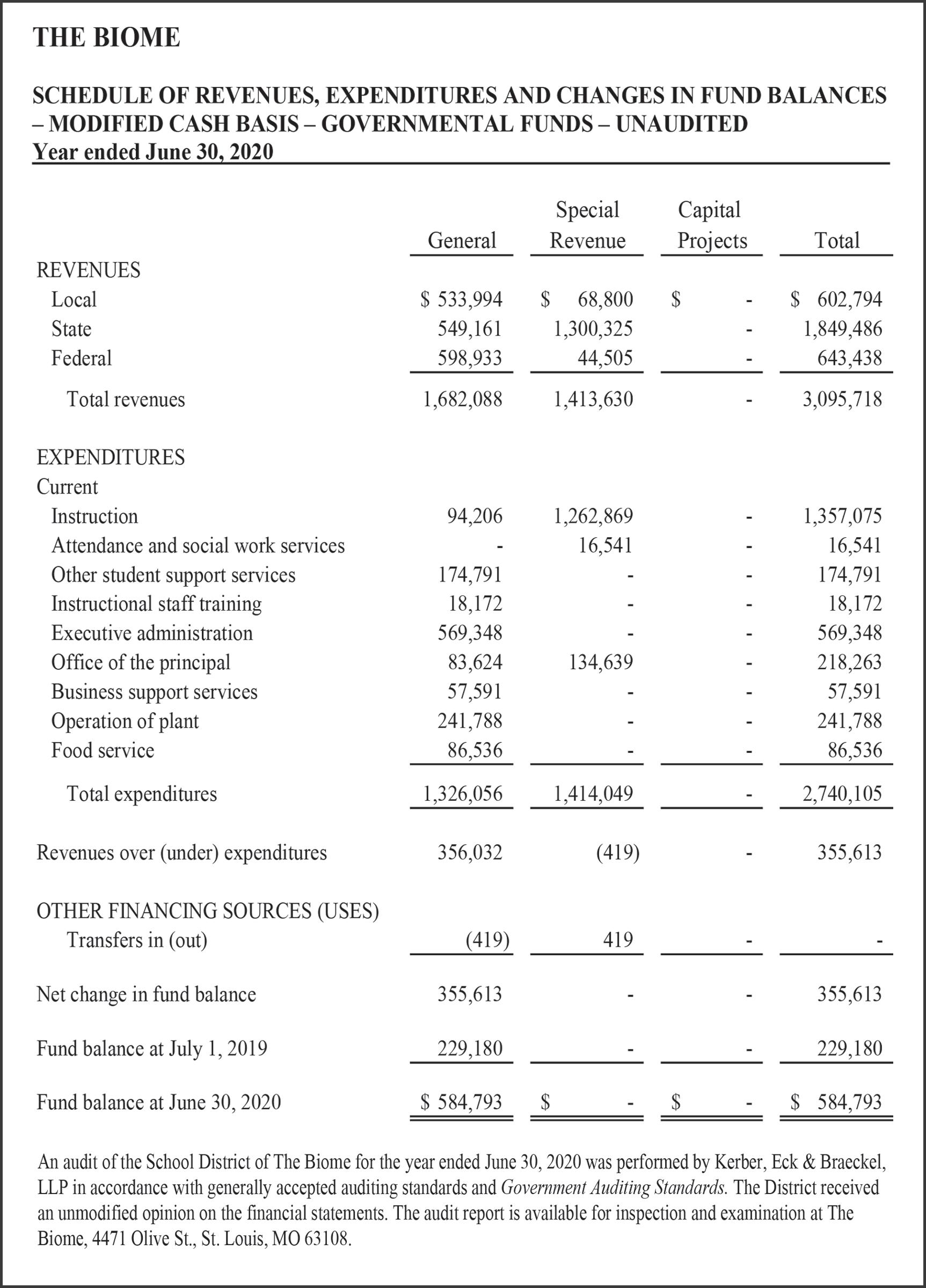

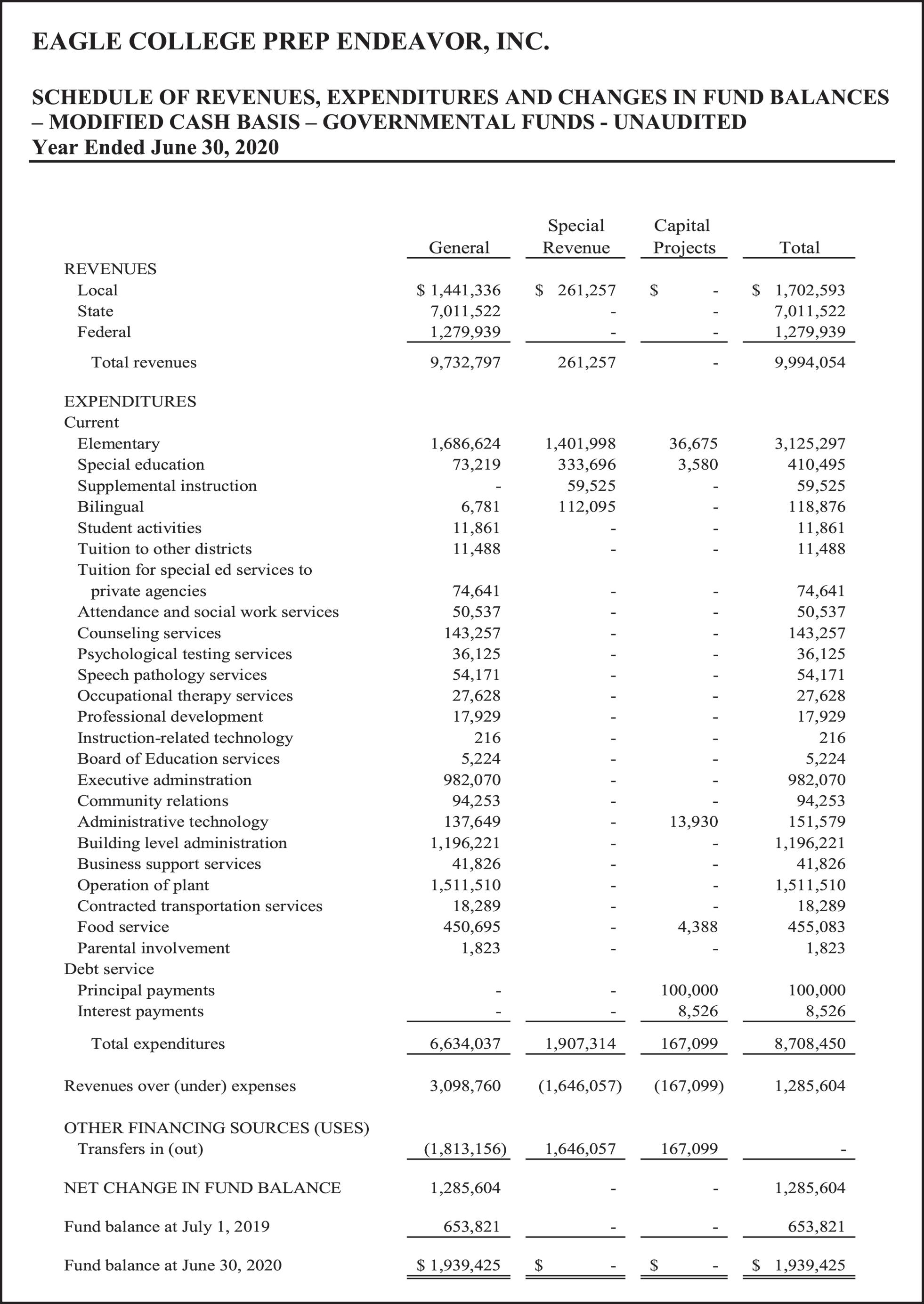

Advertised herein is subject to the Federal Fair Housing Act, which makes it illegal to advertise any preference, imitation, or discrimination because of race, color, religion, sex, handicap, familial\status, or national origin, or intention to make any such preference, limitation, or discrimination.“We will not knowingly accept any advertising for real estate which is in violation of the law. All persons are hereby informed that all dwellings advertised are available on an equal opportunity basis.”
She also became the first Black woman to receive an Honorary Oscar, an award she received in 2018.
In 2016, President Barack Obama presented Tyson with the Presidential Medal of Freedom, the nation’s highest civilian honor.
Last year, she was inducted into the Television Academy’s Hall of Fame.
Tyson was one of three children born in Harlem to West Indian immigrant parents. Both from the island of Nevis, her father was a carpenter, while her mother earned a living as a domestic worker.
She was discovered by an Ebony Magazine photographer and worked as a fashion model before getting a few bit parts in television in the early 1950s. A few years later, the Tony Award winning actress made her stage debut at a Harlem YMCA.
Her film career was gaining momentum in the 1960s, but she famously refused to lend her talent to the Blaxploitation era.
“At a time when parts for actors who looked like her weren’t easy to come by, she refused to take on roles that reduced Black women to their
gender or their race,”
Obama said, in a statement on Tyson’s death, “Sometimes, that meant she would go years without work. But she took pride in knowing that whenever her face was on camera, she would be playing a character who was a human being flawed but resilient; perfect not despite but because of their imperfections.”
Just before her death, Tyson spoke with “CBS This Morning” co-host Gayle King about the decision to be intentional about her work as she made her rounds promoting “Just As I Am.”
Tyson was moved by the reaction of a White film critic discussing how he connected with the humanity of Black people for the first time, through the depictions he saw in “Sounder.” Tyson’s Academy Award nominated, leading lady debut was as the matriarch of a family of sharecroppers.
“I made up my mind that I could not afford the luxury of just being an actress,” Tyson said. “I would use my career as my platform.”
Within that platform came giving girls and women, who didn’t live within the color lines of the traditional spectrum of Eurocentric-inspired beauty standards, the opportunity to see themselves beyond the confines of exploitative and stereotypical roles.

“She
groundwork that goes into producing the show,” Polk said.
“It’s created a beautiful synergy that I’m grateful for.”
Due to COVID-19 restrictions, Polk plans to incorporate live-streaming. To ensure safety for guests who prefer in-person visits, temperature checks are implemented, sanitizer stations
are available, seats are placed six feet apart for social distancing, microphones and equipment are sanitized before and after performances, and contactless payments are mandated. Ticket holders who paid in advance receive early access into the venue.
“Having artists tell me how important the space is and having people tell how they never knew talent like this existed in St. Louis shows me I have something special. I need to continue to see where it will
take me,” Polk said. A 2007 Gateway STEM High School graduate, Polk has been known for her poetry, infectious energy and community activism since the 2014 Ferguson uprising. In 2017 Delux Magazine named her one of the 30 under 30-year-old entrepreneurs. In 2017, she was voted Best Poet of the Year by Global 1000 for Blacks in Tech. She was also nominated Best Poet at the Slum Fest Awards and received the Chosen for Change

so many of us,”
Foundation award, an initiative started by Michael Brown Sr. The award is in honor of Michael Brown Jr. who was killed in a 2014 death by a Ferguson police officer.
WordUp! Meets from 7 to 11p.m. on Tuesdays at Legacy Books & Café, 5249 Delmar Blvd. Admission fee is $5 for performers and $10 for guests. Tickets are available through Eventbrite at WORDUPOPENMIC. EVENTBRITE.COM.
an
former First Lady Michelle Obama said. “I smile knowing how many people she inspired, just like me, to walk a little taller, speak a little more freely, and live a little bit more like God intended.”
Tyson’s life included connections to the St. Louis region. She appeared alongside St. Louis native Maya Angelou in the original cast of the groundbreaking early 1960s production of French playwright Jean Genet’s, “The Blacks.” The show was the longest running off-Broadway non-musical of the decade, running for 1,408 performances.
Tyson and Angelou forged a close friendship that would endure for more than five decades. Tyson was one of the speakers at Angelou’s memorial service.
Perhaps her best-known connection to the area was her complicated, dysfunctional, yet enduring relationship with East St. Louis native and music icon Miles Davis. Their love story stretched two decades.
Though their marriage lasted eight years (1981–1989), Tyson told King that Davis
was the love of her life. Davis was often quoted as saying that it was Tyson who helped him adopt a healthy lifestyle and finally kick his drug habit. When King pointed out the turmoil of their marriage, Tyson responded with her typical grace.
“People who are hurting hurt [others]. It’s always the person who is closest to them that they hurt,” Tyson said. “He was a beautiful human being.”
Tyson became visibly emotional when King brought up that Davis mentioned Tyson among his last words when he died in 1991 at age 65.
“He said, ‘Tell Cicely I’m sorry,” Tyson said before King had a chance to read the words.
Reflecting on her 60-plus year career, Tyson admitted to King that it was a beautiful surprise.
“What my life became is not what I expected,” Tyson said. “I had no idea that I would touch anybody.”
Though in her late 90s, her death blindsided the cultural community. But Tyson faced her mortality with the same dignity and fearlessness as she approached life.
“When your time comes, what do you want us to remember about you?” King asked Tyson. “How do you want us to remember you?”
“That I did my best,” Tyson responded. “That’s it. That I’ve done my best.”

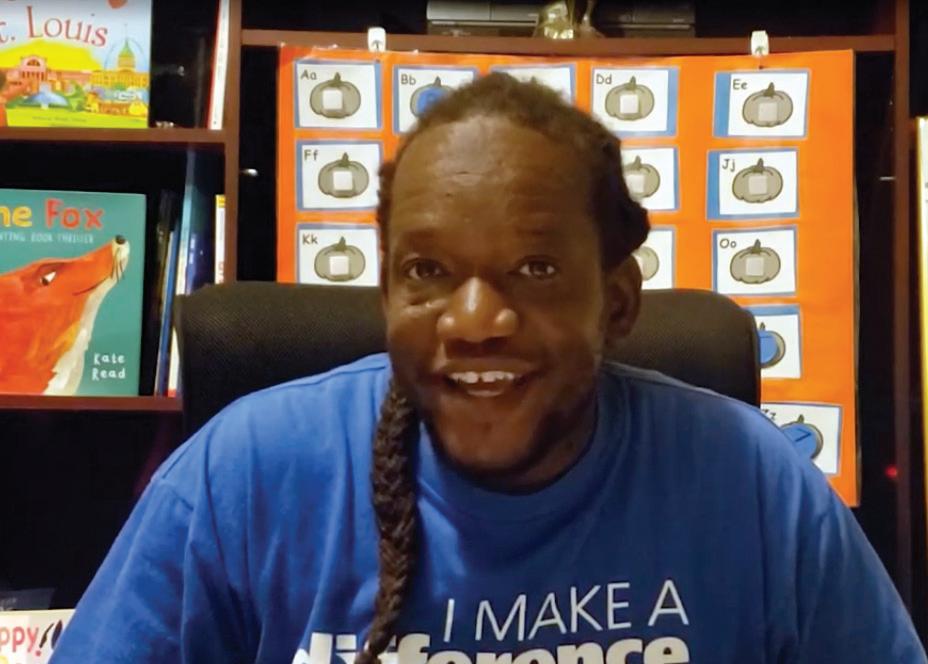




Monitoring blood pressure , activating a personal wellness plan and allowing others to help you stay on track are some of the steps for improved heart health.
High blood pressure – the leading risk factor for heart attack and stroke –continues to disproportionately affect communities of color. Addressing this health inequity is especially important right now, as people with hypertension and serious heart conditions are at an increased risk for more severe outcomes if they acquire COVID-19.
According to the American Heart Association, the prevalence of high blood pressure among Black adults in the U.S. is among the highest in the world, with the prevalence of high blood pressure in Black women nearly 40 percent higher than white women in the U.S.
While many long-standing inequities and stressors produced by structural racism have created and continue to exacerbate these conditions, there are steps
individuals can take to prioritize self-care for improved blood pressure.
This is why the American Medical Association (AMA), the AMA Foundation, Association of Black Cardiologists, American Heart Association, Minority Health Institute and National Medical Association have launched the “Release the Pressure” campaign with ESSENCE. The campaign is aimed at partnering with Black women to help improve their heart health and be part of a movement for healthy blood pressure, with a shared goal of engaging more than 300,000 Black women.
As part of the campaign, the AMA and this coalition of national health care organizations encourages Black women to take a pledge to be part of a healthy blood pressure movement at
ReleaseThePressure.org. Specifically, the pledge encourages Black women to take the following four steps:
1. Set a blood pressure goal: Schedule an appointment with your physician or other health care professional, in-person or virtually, to work in partnership on understanding your blood pressure numbers and knowing your goal for optimal blood pressure.
2. Monitor blood pressure numbers at home: Once you learn your blood pressure numbers, take and keep regular records of your blood pressure.
3. Activate a personalized wellness plan: Identify specific goals for fitness and heart healthy eating and connect
virtually with family members and friends from your “squad” to keep you on track.
4. Make regular check-ins with your “squad”: Lean on your family and friends to help you achieve your heart health goals by checking in with them on a daily basis.
“Preventive care is vital to breaking the devastating impact of high blood pressure within the Black community, particularly during the ongoing COVID19 pandemic,” says Patrice A. Harris, M.D., MA, president of the AMA. “It starts with understanding blood pressure numbers and taking action to manage blood pressure.”

As the pandemic continues to restrict many of the places you are able or inclined to go, finding ways to stay active is important for keeping the body and mind healthy and happy. Here are some ideas for new hobbies to try.
• Learn a language: Bonjour! ¡Hola! With an array of online language classes and tutorials available at your fingertips, learning a new language is more accessible than ever. Start now while you fantasize about a post-pandemic vacation overseas.
• Play an instrument: Learning to play an instrument is not only a great distraction for the current moment, it can provide you with years of joy as your skill develops. Consider starting your musical journey on a Casiotone keyboard. By connecting the keyboard to the free Chordana Play app, you can easily learn to play your favorite songs from downloaded MIDI files.
• Become a home chef: From sushi to soufflé to dumplings, there are likely a range of dishes you have never attempted making at home. Tackle your culinary bucket list, oneby-one.
• Go hiking: There is no better hobby for staying fit and communing with nature than hiking, which works every muscle of the body, boosts cardiovascular health and even improves mood and mental well-being..
• Volunteer: At a time when many people are struggling, consider volunteering your time to serve those in need. There are plenty of safe, socially distant volunteer opportunities, from delivering meals to the homebound, to video conferencing with socially isolated seniors to helping boost adult literacy via remote tutoring.
Amid the ongoing pandemic, staying busy and positive may take creativity. However, discovering new hobbies and pursuits you love can nurture the body, mind and soul.
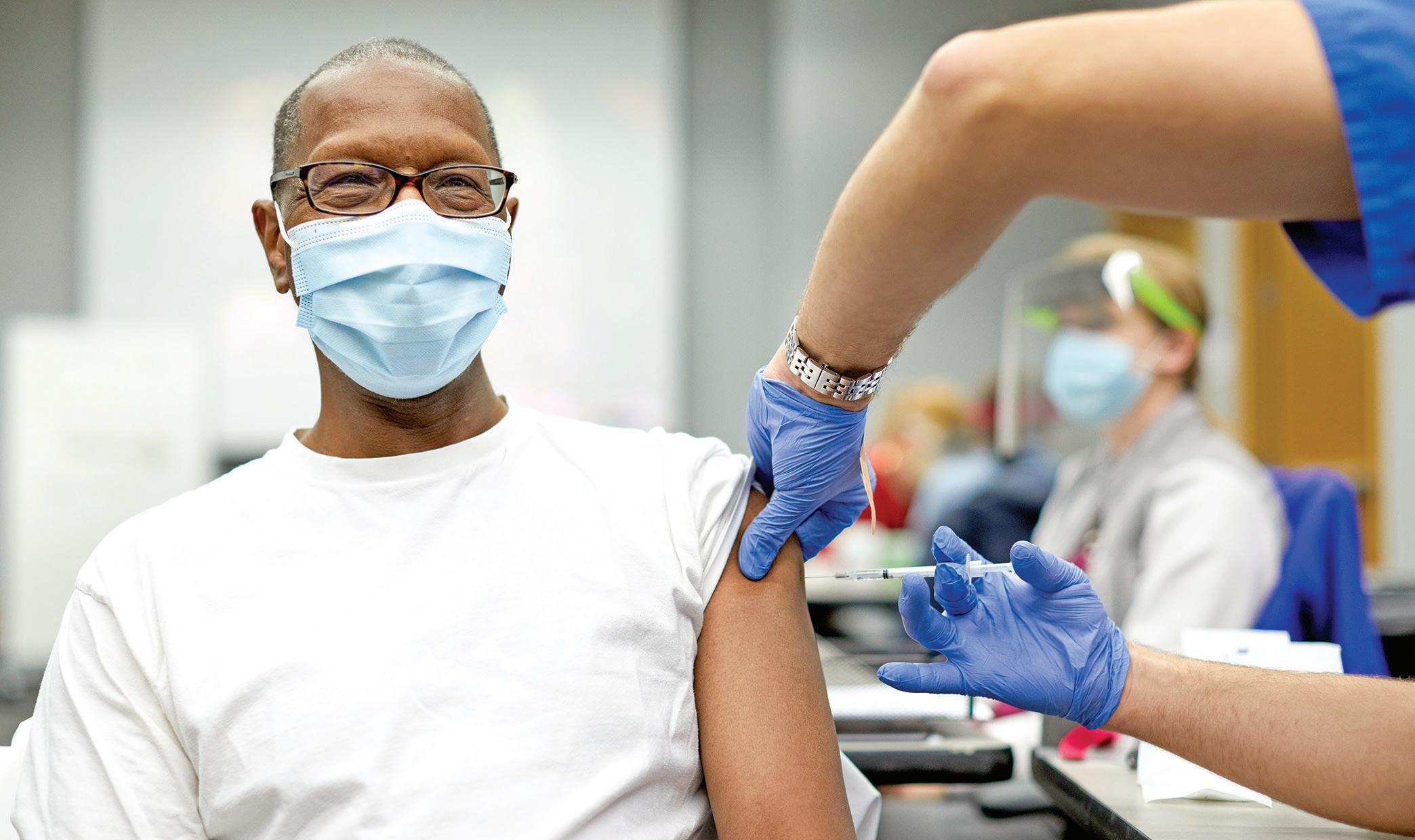
By Dr. Will Ross, Associate Dean for Diversity and Professor of Medicine, Nephrology, Washington University School of Medicine
There are many thoughts that surround the arrival of the COVID-19 vaccines, so I would like to share mine with you.
I’ve heard the concerns that some people have about this vaccine, including from my own family. And with each question, I’ve had the opportunity to have a conversation.
First, I understand the hesitation and mistrust, particularly in communities that have been underserved or overlooked by our health care systems for generations. Those feelings are real, often based on personal experiences.
The COVID-19 vaccine was developed to make us healthier. We know the statistics, and they are not favorable to
our community. African-Americans and Latinos are twice as likely to develop COVID and three times more likely to die from the virus.
I hear a lot of questions about the speed in which the vaccine was developed. Is it safe? Were corners cut? These are all fair questions, and fortunately, we have answers. Top-notch scientists got together from around the world and dedicated themselves to this work. They used something called messenger RNA, which our bodies use every day, to interact with a part of the virus, so our immune system can make antibodies to protect us. Since the vaccines don’t contain any live virus, they cannot give you COVID-19. They only help our body practice fighting it off.
That’s the science part.
The speed came from being able to apply what we’ve known about previous coronaviruses (COVID-19 is only the
most recent), as well as the funding to make this the top research priority. Academic medical centers, like Washington University, and pharmaceutical companies received significant financial support, so they could focus their time and energy on this effort. That is why the genetic sequence of this coronavirus was uncovered earlier than expected. That’s why they were able enroll about 74,000 people across ethnicities, ages, and health risks. In the Pfizer and Moderna trials, about 30 percent of the trial participants were people of color.
The result is two vaccines that are about 95% effective in preventing COVID-19 and effective at lowering the severity of the infection.
What should you expect when you receive a shot? After the first dose, I had a bit of a sore arm. After the second dose, I had a mild headache. I took that
as a good sign. It meant my body was learning how to fight the real COVID19 if I’m exposed to it in the future. I took 500 milligrams of Tylenol, and my headache was gone in four hours. That was a month ago and I have continued to feel great.
I want us all to feel great. But, just as important, I want you to feel good about the decision to receive the vaccine, because it’s the only way we’re going to get to the other side of this pandemic. It’s the only way for our community, which has experienced so much distress at the hands of COVID-19, can get healthy. And it’s the only way we will get back to the activities we enjoy, with the people we care about.
Thank you for continuing to ask questions. And thank you for playing a role in our community’s health by getting the vaccine.

By the University of Washington
Newswise — Current advice from the America Dental Association tells you that if your gums bleed, make sure you are brushing and flossing twice a day because it could be a sign of gingivitis, an early stage of periodontal disease. And that might be true. So if you are concerned, see your dentist. However, a new University of Washington study suggests you should also check your intake of vitamin C.
“When you see your gums bleed, the first thing you should think about is not, I should brush more. You should try to figure out why your gums are bleeding. And vitamin C deficiency is one possible reason,” said the study’s lead author Philippe Hujoel, a practicing dentist and professor of oral health sciences in the UW School of Dentistry. Hujoel’s study, published Feb. 1 in Nutrition Reviews, analyzed published studies of 15 clinical trials in six countries, involving 1,140 predominantly healthy participants, and data from 8,210 U.S. residents surveyed in the Centers for Disease Control and Prevention’s Health and Nutrition Examination Survey. The results showed that bleeding of the gums on gentle probing, or gingival bleeding tendency, and also bleeding in the eye, or retinal hemorrhaging, were associated with low vitamin C levels in the bloodstream. And, the researchers found that increasing daily intake of vitamin C in those people with low vitamin C plasma levels helped to reverse these bleeding issues.
Of potential relevance, says Hujoel, who is also an adjunct professor of epidemiology in the UW School of Public Health, both a gum bleeding tendency and retinal bleeding could be a sign of general trouble in one’s microvascular system, of a microvascular bleeding tendency in the brain, heart and kidneys.
The study does not imply that successful reversing of an increased gingival bleeding tendency with vitamin C will prevent strokes or other serious health outcomes, Hujoel stresses. However, the results do suggest that vitamin C recommendations designed primarily to protect against scurvy — a deadly disease caused by extremely low vitamin C levels — are too low, and that such a low vitamin C intake can lead to a bleeding tendency, which should not be treated with dental floss.
For more information, contact Hujoel at hujoel@uw.edu.
At the end of last year, healthcare workers began receiving the first round of COVID-19 vaccinations in St. Louis, advancing our battle against the global pandemic. At the same time, while taking extra steps to help curb the spread of the coronavirus, regional public health leaders also highlighted the need for people to receive a flu shot. For Home State Health, Centene’s Missouri subsidiary, educating their 330,000 Missouri members about the two vaccination became a priority.
As part of Centene’s influenza education program, Fluvention, Home State Health began sending text messages, emails and postcards to members in September, pointing out that illness prevention will be important to reduce spread of the flu this winter. The health plan continues to educate members about hand washing, wearing a mask, maintaining safe distances from others, and staying home if not feeling well.
n Dr. Wessels recommends that everyone older than age 6 months should receive a flu shot unless the individual has an allergy or significant reasons not to receive the vaccine.
“With the arrival of winter and cold temperatures comes influenza and a host of other respiratory illnesses like the common cold and pneumonia,” said Home State’s Chief Medical Director, Jennifer Wessels, M.D. “This flu season, COVID-19 will confuse an already complex menagerie of respiratory symptoms. Both influenza and COVID-19 are highly contagious respiratory viruses. They can both cause anything from a mild condition to a severe or life-threatening illness.”
Dr. Wessels notes that influenza and COVID-19 share many of the same symptoms – fever, chills, cough, runny nose, body aches, and fatigue, and stresses that it is important to seek medical care if you develop symptoms. “While testing for influenza and the coronavirus is the best way to tell if you have either illness, I have to warn that COVID-19 can have a much more unpredictable course and cause more severe symptoms than influenza,” Dr. Wessels says.
She also notes the disproportionate impact of COVID-19 on minorities and vulnerable communities. According to a recent study from APM Research Lab, African Americans are dying from

the virus at nearly three times the rate of white Americans. In 42 states and Washington D.C., Hispanics/Latinos make up a greater share of confirmed COVID-19 cases than their share of the population. Early data also indicates dramatically disproportionate rates of infection and death among Native Americans. She adds, “Prevention is key when protecting against spreading either virus, and vaccines are an important step to prevent illness.”
Dr. Wessels recommends that everyone older than age 6 months should receive a flu shot unless the individual has an allergy or significant reasons not to receive the vaccine.” She stresses that safety is a top priority for both the influenza and the COVID-19 vaccine. “Both vaccines must be extremely effective at preventing disease, and must be safe for
people. That is why the vaccines have undergone intense testing and clinical trials, she says. “While receiving the vaccines can help prevent you from becoming seriously ill, they can also protect others around you.”
The Centers for Disease Control and Prevention (CDC) notes that both the coronavirus and influenza vaccines help the body’s immune system learn how to defend itself against the viruses. The CDC also reports that the COVID-19 vaccines were tested in large clinical trials to make sure they meet strict safety standards, and that after vaccination, most people do not experience serious problems.
Since the COVID-19 vaccines are new, each state, including Missouri, has submitted a vaccine plan to the CDC for use and distribution of their doses.
According to the Missouri Health and Senior Services, the limited amount of COVID-19 vaccines delivered to the St. Louis region will first go to healthcare workers and long-term care facility residents and staff. Public health officials indicate supplies will increase substantially as we move into the second and third quarters of 2021. Home State’s Dr. Wessels says, “The next few months will be incredibly important to maintain safe prevention techniques and implement the vaccines for both viruses. Only with adequate prevention can we begin to control the spread of both COVID-19 and influenza.” Visit these websites to learn more about influenza and Coronavirus vaccines, www.Cdc. gov/coronavirus/2019-ncov/ and www. Cdc.gov/flu/