By Rebecca Rivas
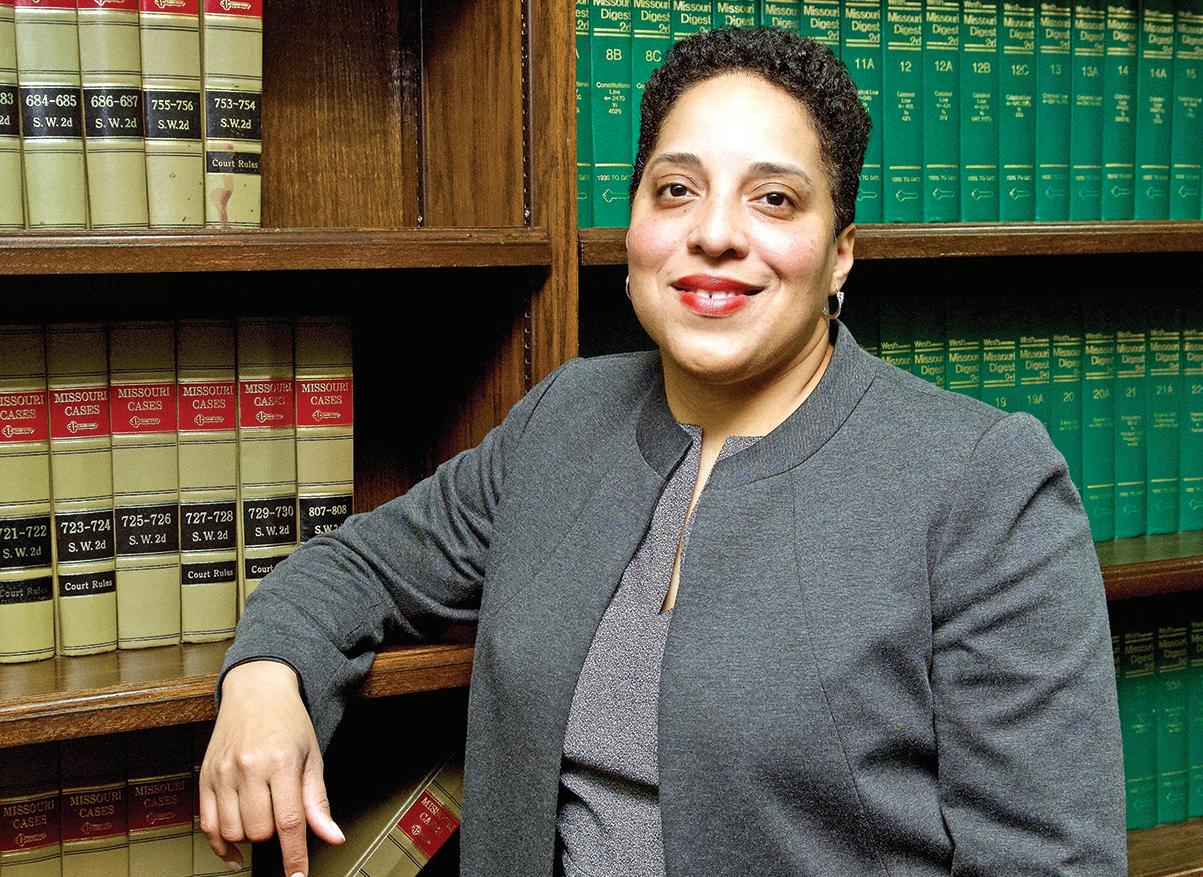
Circuit Attorney Kim Gardner’s prosecutors have asked a circuit court judge to set aside the 1994 murder conviction of an African-American man, in a case in which Gardner’s team alleges that former prosecutors and police fabricated evidence to get the conviction of an innocent man.
Twenty-four years ago, Lamar Johnson was convicted of murdering Marcus Boyd on Oct. 30, 1994, though evidence shows that Johnson was at a friend’s house and would not have been able to commit the crime.
On July 19, prosecutors filed a 67-page motion
Homegrown BLAck men
By Andre Walker For The St. Louis American
As a black man, I felt significant pressure to succeed from my culture but lacked the support, tools and resources needed to help guide me on the road to achievement I so desperately wanted to reach.
Soon after graduating from McCluer North High School, I was accepted into Arkansas State University, a Division 1 school. I believed the cross-country track scholarship and academic scholarship I received would pave the way toward achieving my dreams. It wasn’t quite that easy.

Though Arkansas State University treated me well, the lack of diversity at the school played a large role in developing a key awareness that black men have a place in society. I couldn’t afford a private high school education like my white teammates and classmates or pay for my own college tuition. If I had the same opportunity of resources, perhaps I could have adequately prepared myself for success in higher education. Sadly, the consequences of my reality did not go unnoticed. I struggled with keeping my grades up and, as assignments grew harder, my grades eroded to almost nothing. I attempted to reach out to a few friends for advice, only to find out that my predominantly white peers were either excelling with little to no effort or paying someone else to do their assignments for them. This information
n “Everyone is in agreement that he’s innocent. Why should he sit in prison for one second longer?”
– Tricia Bushnell, executive director of the Midwest Innocence Project
that attempts to prove Johnson’s innocence and grant him a new trial. It also provides evidence that the homicide detective allegedly made up witness

1995
It briefly attracted new talent here, and enticed the newly woke to leave
By

do: connect talented people to this place and attract talent here from elsewhere. My daughter was 11 when Michael Brown was killed at 18, and I took her to the protest zone

Three weeks ago, Harlem rapper A$AP Rocky and two members of his entourage were arrested in Stockholm, Sweden and charged with assault after getting into a street fight.
Monday morning (July 29), Rocky pleaded not guilty to the charges in his first day of trial. If convicted, the rapper is facing up to two years in prison. The trial is expected to last until Friday and the victim is seeking 139,000 [$14,500] Swedish crowns in damages.
of having a long history of infidelity.
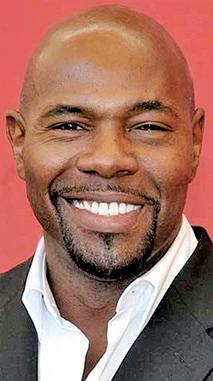
Urban celebrity news and gossip blog YBF. com revealed through court documents that Fuqua fathered two children outside of his marriage to Rochon. The documents show Fuqua asking to have his child support lowered from $10,000 per month to $3,000 per month.
Lifetime working on ‘Surviving R. Kelly’ sequel
Documents support claim that Antoine Fuqua has side babies
A week after pictures surfaced of Nicole Murphy getting up close and personal with film director Antoine Fuqua – who has been married to actress Lela Rochon for 20 years – Fuqua has been accused
Earlier this year, Lifetime aired the “Surviving R. Kelly” documentary triggering the investigation that led to R. Kelly’s recent arrest. According to several outlets, the network is in the process of filming a follow up.
“Surviving R. Kelly: The Aftermath” will reportedly be a four-hour special with interviews from new alleged survivors plus psychologists

and behavioral experts. Is Nicki Minaj preparing for matrimony?
According to TMZ. com, Nicki Minaj and boyfriend Kenneth “Zoo” Petty obtained a marriage license in California on Monday, July 29. Minaj and Petty were spotted at

the marriage license bureau window at the Beverly Hills Courthouse, according to TMZ. A source at the Los Angeles County Registrar-Record/ County Clerk confirmed to Us Weekly that a marriage license for the couple was purchased but notes that the office has not received it back for recording. Minaj told listeners of her Queen Radio show last month that she had already

gotten the paperwork.
“We did get our marriage license,” she said on the June 21 episode of the show. “I think I have what I was striving for, just happiness. It was so hard to get to a happy place. Now that I’m there, I don’t want to compromise that for anyone or anything.”
In a March episode of the Apple Beats 1 program, she referred to Petty as her husband.
She defended him when reports surfaced that he was a registered sex offender. “He was 15, she was 16 … in a relationship,” the Grammy winner wrote on Instagram in December.
Petty also served seven years in prison after pleading guilty to manslaughter in a 2002 shooting death.
Tituss reads Andy Cohen for attempted Eddie Murphy slander Stage and television star Tituss Burgess let “Watch What Happens Live” host Andy Cohen have it on air
when the “Real Housewives” franchise producer said that Burgess’ “Dolemite Is My Name” co-star Eddie Murphy “was very problematic for the gays when I was coming up.”
“Any troubles he might have had with gay people are gone, because he loved me,” Burgess fired back. He then went on to whisper something under his breath and Cohen asked what he said.
“Keep going, girl. Do your show,” Burgess said to Cohen in response. Burgess then took to social media to explain his frustration with Cohen.
“She can be a messy queen! Yes, I said it! Don’t care [if] he knows, either,” Burgess said in an Instagram post that has since been deleted. “He should remember his talk show isn’t an episode of ‘The real housewives of Atlanta!’ It’s a place where artists come to talk about art and have a little fun, NOT a place to rehash old rumors or bring a star negative press.”
Sources: Instagram, US Weekly, TMZ.com, The Blast


By Pamela Bolden
For The St. Louis American
Mt. Zion Baptist Church’s Missionary Ministry will host Cynthia Perkins Smith, the Woman’s Auxiliary president for the National Baptist Convention USA, for its Annual Day celebrations on August 3 and 4.
Smith will bring greetings on behalf of the Woman’s Auxiliary during the 10:45 a.m. worship services on Sunday, August 4. Later, at 4 p.m., she will be the keynote speaker for the Annual Day program. Sunday services are at Mt. Zion Church, 2235 Bond Ave., in East St. Louis. Rev. Dr. Curtis Levingston is pastor.
Leading up to that Sunday, she will be the guest of honor for a Meet & Greet reception and dinner at 4 p.m. Saturday, August 3, at Mt. Zion Mission East, located at 425 N. 88th St., in East St. Louis. Rev. Harold Aldridge is pastor.
All events are free of charge.
After decades of serving as a leader and teacher with the National Baptist Congress and Convention, in 2017 she was appointed president of the National Baptist Convention’s Woman’s Auxiliary. In addition, she has served for five years as president of the Women’s Ministry of the Baptist, Missionary and Educational Convention (B.M. & E.) of the State of Michigan State Convention. She is a sought-after speaker and
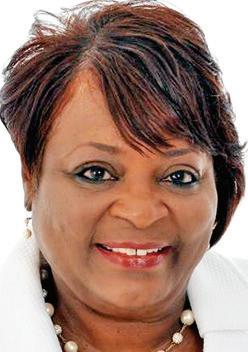
Cynthia Perkins Smith is the Woman’s Auxiliary president for the National Baptist Convention USA.
n Smith is First Lady of the historic New Bethel Baptist Church, in Detroit, Michigan, where Aretha Franklin’s father, the Rev. C.L. Franklin, once pastored.
teacher who has traveled broadly. Special speaking opportunities have taken her to Nassau, Bahamas; Frankfurt, Germany; Brooklyn, New York; Houston, Texas; The All Baptist Assembly in Raleigh, North Carolina, and the National Baptist Conventions held in New Orleans, Louisiana and Nashville, Tennessee. Honors include the Grace A. Cobb Missionary Award, the Michigan Chronicle Salute to First Ladies Award and the B.M. & E. State Convention Ushers Speaker’s Award.
With a B.S. degree from Miles College in Birmingham, Alabama, she has taught in school systems in
National Baptist Convention, USA Woman’s Auxiliary President Cynthia Perkins Smith
Day 1
Honored Guest of Meet & Greet
Reception and Dinner
4 p. m. Saturday, August 3
Mt. Zion Mission East, 425 N. 88th St., East St. Louis, ILL 62203
Rev. Harold Aldridge, Pastor
Day 2
Sunday, August 4
10:45 a.m. Greetings
4 p.m. Guest Speaker –Missionary Ministry Annual Day
Mt. Zion Missionary Baptist Church, 2235 Bond Ave., East St. Louis, IL 62207
Rev. Dr. Curtis Levingston, Pastor
All events are open to the public and free of charge.
Alabama and Michigan.
Smith is First Lady of the historic New Bethel Baptist Church, in Detroit, Michigan, where Aretha Franklin’s father, the Rev. C.L. Franklin, once pastored. Her husband, Pastor Robert Smith Jr., has led the church for more than 35 years. They have been married for 46 years and have four adult children.

By James T. Ingram For The St. Louis American
The honeymoon has officially ended for East St. Louis Mayor Robert Eastern III. After winning the thankless job by a landslide, the harder task of sailing the leaky ship of city government has finally set in.
Inheriting a $5.5 million deficit, Eastern has had to grapple with the reality of beginning his young administration in perpetual damage control mode, with little room for error.
He began his term by pledging to use campaign funds designated for the Mayor’s Gala to start a spring cleanup program.
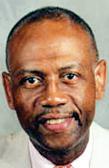
Next, as a first step toward addressing the budget deficit, he voluntarily took a $5,000 pay cut to his $50,000 salary, with the new City Manager Brooke Smith also agreeing to cut her $110,000 salary by $20,000, with hopes that the City Council would follow their lead. Good luck with that.
And the optics are great, but a $25,000 sacrifice by two administrators is only symbolic, a mere drop in the bucket, when one is strapped with a multimillion dollar deficit and the very real potential of having to layoff city employees, including the possibility of deep cuts to the already understaffed police and fire departments.
It’s an ugly picture that won’t evaporate through symbolic gestures and wishful thinking but, most likely, must be solved through drastic measures, including steep staffing cuts and the possibility of state oversight.
Making matters worse was the recent hire of June Hamilton-Dean by Smith (without a vote from City Council) as the new Community Development and TIF director, effective July 16, at a salary of $73,000 per year.
For those who are unaware, Hamilton-Dean recently surrendered herself at the St. Clair County Jail and was processed for a felony loan fraud charge. She was originally charged on four felony bank fraud counts back in October 2017. Two of those charges have since been dismissed.
However, in September, Hamilton-Dean is scheduled for pre-trial hearings for forgery and felony fraud in the St. Clair County Circuit Court.
Calls to Mayor Eastern were unanswered at press time, but the obvious question is why such an obviously poor hiring decision was made at such a crucial time?
And, also, is this not more of the same in terms of hires at ESL City Hall resembling a casting call for “Goodfellas” or “The Godfather”?
Mayor Eastern must realize that he was elected not to engage in more of the same “poli-tricks,” but to end business as usual, and that this will do little to earn the trust of Governor Pritzker, Senator Durbin and others whose assistance he may very well need to attack the city’s fiscal crisis.
He started well, but the optics are already slowly descending into the abyss of the political sewer that has been and is ESL city government.
More questionable hires like Hamilton-Dean, with the stench of backroom wheeling and dealing, will only be a deterrent to salvaging the sinking ship of ESL.
At some point Eastern, Smith, the City Council, someone must finally have the integrity to take a stand and say “no more” to cronyism, nepotism and operate with a sense of integrity, accountability and transparency.
The question is will it be this administration?
Email: jtingram_1960@yahoo.com; Twitter@JamesTIngram.

The Baltimore Sun in a blistering July 27 editorial responded to Donald Trump’s racist and race-baiting attack on the City of Baltimore, its residents and Congressman Elijah Cummings, and in doing so, they described the 45th President of the United States in the following manner, “...we would tell the most dishonest man to ever occupy the Oval Office, the mocker of war heroes, the gleeful grabber of women’s private parts, the serial bankrupter of businesses, the useful idiot of Vladimir Putin and the guy who insisted there are ‘good people’ among murderous neo-Nazis that he’s still not fooling most Americans into believing he’s even slightly competent in his current post. Or that he possesses a scintilla of integrity. Better to have some vermin living in your neighborhood than to be one.”
There’s nothing the St. Louis American would add to the Sun’s indictment of Trump’s ignorance, incompetence, immorality, corruption and complete absence of anything that resembles character, except to say, we concur with their position unequivocally.
There is something else that is no longer subject to debate or speculation; Donald Trump is obviously a racist, and like racists throughout American history, he uses racism to accrue and maintain political power and advance his economic and financial interests. If you support Donald Trump because you believe what he believes, you’re a racist, if you support Donald Trump because it’s in your political or economic interest, you also are, at the very least, a racist-enabler.
On Tuesday, Virginia’s African-American state legislators rightly refused to attend his speech, calling Trump “an emblem of hate.”
Columnist Eugene Robinson offers a plausible reason for Trump’s latest decision, “to put away his racist dog whistle and bring out his racist bullhorn...” desperation.
In any case, the St. Louis American will not continue to litigate this issue and strongly recommends that you shouldn’t either. Moreover, we will also no longer coddle
white moderates who are offended by Trump to the point of political paralysis and seek black absolution for their unconscionable inaction.
In the life of an individual or the collective life of a people there are inflection points, when you’re at a fork in the road and must choose a direction, the path you choose becomes your destiny. The next 460-plus days are not how much time is left before a presidential election, but the time left before America chooses a path and its destiny.
For African Americans the options are stark and the choice is obvious. Over 60 years ago Franz Fanon, psychiatrist, political philosopher and Algerian freedom fighter, spoke to what’s required of us in this moment. “I as a man of color do not have the right to hope that in the white man there will be a crystallization of guilt toward the past of my race ... and I recognize that I have one right alone: that of demanding human behavior from the other. One duty alone: that of not renouncing my freedom through my choices.”
History and circumstance have mandated our choice, but what of white Americans?
This is not the first time white America has been faced with this dilemma. In 1787 when America decided on the charter for its new republic, the liberty of African Americans was the price of American unity. Again in 1876 when the country had to establish a new normal after the Civil War, white Americans chose the subordination of newly emancipated black Americans via Jim Crow as an acceptable price to pay to unite the country.
As we hurtle toward November 2020, the pressing issue is not whether Donald Trump will be re-elected president, but whether white Americans, both individually and collectively, will choose to be on the side of justice or injustice. There is no neutral ground. For, in the words of Desmond Tutu, “If you are neutral in situations of injustice, you have chosen the side of the oppressor.”
We must focus on policy, not personality
By Bishop Lawrence M. Wooten
For The St. Louis American
With over 200 years of a constitutionally framed democracy, America is now facing a test that will surely determine not only its destiny, but the destiny of the entire free world.
By now most Americans are aware of the tweets from Donald Trump regarding the four congresswomen and the rally in North Carolina, where Trump bathed in the chants of “send her back!” from a zealous crowd of his supporters for 13 painful seconds, before resuming his
verbal attacks. The scene was reminiscent of Putin’s Russia, where the crowds have a Pavlovian reaction to every nuance uttered by their leader. The sad fact is that many of those in the audience will
n If the public continues to say and do nothing to halt Trump’s antics, will the next generation of Americans consider them good patriots or just good for nothing?
be negatively impacted by Trump’s policies. According to the Congressional Budget Office the $1.3 trillion tax cut is one of the major contributors to the out-of-control deficit, to say nothing of the federal debt,
By Pastor B T Rice For The St. Louis American
The St. Louis County NAACP calls on President Donald Trump to immediately stop his racist, xenophobic attacks on four United States congresswomen in particular and immigrants in general. His words have been dangerous, inflammatory, and beneath the dignity of the occupant of the Oval Office. The president of the United States must not use hateful, violent, divisive language against American citizens.
We are compelled to speak out now. The origin of the NAACP lies in the hearts and minds of all those who refused to stand idly while race prejudice tarnished our nation. For 110 years, we have remained vigilant in our mission to ensure that the promise of America is made real for all Americans.
“President Trump’s racist, nativist and xenophobic statement that elected representatives of color should
‘go back where they came from’ represents a whistle call to white supremacists and increases the risk of racially motivated acts of violence against these congresswomen and people of color more generally,” Derrick Johnson, national NAACP president, stated.
n We have not seen this open appeal to division by race, ethnicity, and religion since the days of George Wallace.
“This kind of divisiveness moves our country backward, not forward. President Trump should issue an immediate apology to the freshman congresswomen who were the subject of his tweets and to the nation as a whole.”
It is possible to have a legitimate debate about immigration policy. There are reasonable questions about our policy on immigrants who break the law. But President Trump’s statements are none of that. He has attacked American citizens and is questioning their patriotism merely for opposing his policies. He has implied
that immigrants are less loyal to our country and less American. We have not seen this open appeal to division by race, ethnicity, and religion since the days of George Wallace. “Send her back” must not be the campaign call of an incumbent candidate for president in America in 2020. This is not the way to “make America great.”
We agree with the resolution passed this week by the United States House of Representatives: “immigrants and their descendants have made America stronger, and those who take the oath of citizenship are every bit as American as those whose families have lived in the United States for many generations.”
The Book of Hebrews in Christian Scriptures tells us, “Do not neglect to show hospitality to strangers, for by doing that some have entertained angels without knowing it.” We have the right to demand that the president of all Americans not seek to divide us, but to instead appeal to our better angels.
Pastor B T Rice is pastor of New Horizon Christian Church and vice president of the St. Louis County NAACP.
I couldn’t have known Justice John Paul Stevens for all of his 99 years, but I’m lucky enough to have known him for some of them. He was a good man, a decent man. And our country is better because of his leadership and his example. For more than 34 years on the bench at the Supreme Court, Justice Stevens heard cases with a level of grace, humility, and fidelity to our
highest ideals that we should hope all our public servants strive for. His balancing of legal precedent with the Constitution’s call for equal justice and an understanding of Americans’ daily lives helped the court — and the country — navigate controversial and defining questions of who we are and who we can be. And in doing so with his signature pragmatism and modesty, he played a pivotal role in carrying forward our founding promise into today. Michelle and I send our warmest condolences to his family and friends, all those who worked with him, and all those whose lives are better because of his legacy.
Doesn’t it make
The fugitive was hiding in a hole dug in the ground in a village on the outskirts of Tikrit, Iraq. A Delta Force soldier of the military’s Task Force 121 discovered the man and took him into custody without resistance. It was December 13, 2003; Saddam Hussein was captured. The capture of Hussein made headlines around the world. The Bush administration praised the work of the Hussein hunters and deemed his capture as the end of war in Iraq. In later reporting, a fact of Hussein’s capture was omitted in the Bush administration’s
It comes as no surprise that Trump and Republicans’ big talk on standing with Venezuelans is a lie. While Democrats in Congress continue the fight to grant protections to Venezuelan families, this administration once again
which is currently approaching $23 trillion. Those with pre-existing conditions in the audience don’t understand that Obamacare provides assurances that they can receive medical coverage without fear of being rejected on the basis of their medical history. They’re not bad Americans, they’ve just chosen personality over policy. If the public continues to say and do nothing to halt Trump’s antics, one wonders if the next generation of Americans, which will certainly be more pluralistic, will consider them good patriots or just good for nothing?
Bishop Lawrence M. Wooten is president of the Ecumenical Leadership Council of Mo—St. Louis Chapter.
Barack Obama Via email
macho, jingoist version. Lost was the fact that an Iraqi soldier – a prisoner of the U.S. military, who was being treated by an American nurse – willingly divulged Saddam’s hiding place to that nurse.
The prisoner did so because the nurse treated him with respect and attentively tended to his wounds. He wanted to repay her kindness. The nurse passed the info to intelligence personnel, and Saddam was soon apprehended.
Donald Trump routinely bellows that MS-13 gang members are pouring into America mixed with refugees
Vote him out
betrays our Latinx communities by not deciding that the atrocities of the Maduro regime don’t warrant protecting the families fleeing for their lives. Trump and Republicans have abandoned Venezuelans today. By not granting TPS to Venezuelans, they are
fleeing violence from countries south of Mexico. His plan to thwart MS-13: treat the refugees so onerously that they will leave America willingly and tell others seeking refuge in America of their poor treatment. But, if MS-13 gang members are among these refugees, doesn’t it make sense to treat refugees with dignity and respect so they will confide in U.S. officials as to the identity of gang members traveling with them?
Michael K. Broughton Green Park
condemning these families. It’s inhuman and it’s cruel, but it is not surprising. Latinx and ally communities everywhere will hold him accountable for this, and vote him out.
Andrew Gillum Via email



‘Beyond the Backpack’ is Saturday, August 10
Beyond Housing/24:1 will holds its Beyond the Backpack community back-to-school event on Saturday, August 10 at Normandy High School, 6701 St. Charles Rock Rd. Beyond the Backpack will offer free health screenings and haircuts, resources, and family-friendly activities including a bounce house, a Bubble Bus, free food, and a DJ for music. Free health screenings and immunizations will be provided by Affinia Healthcare at the campus’ North Hall. Affinia Healthcare
operates the healthcare center which is available to all Normandy students, families and staff.
Teachers and administrators from Normandy schools will also be on-hand to provide parents information, school uniforms, and other materials.
And of course, Beyond Housing will distribute more than 2,000 backpacks and school supplies to any student residing in the Normandy Schools Collaborative footprint.
The Monsanto Family YMCA, the St. Louis Treasurer’s Office of Financial Empowerment, College Kids, and Operation HOPE will host a Back-to-School Jam 10 a.m.-2 p.m. Saturday, August 3 at the Monsanto Family YMCA, 5555 Page Blvd.
Free school supplies, college savings funds for city public and charter school students K-4, credit reports, food, and health/ community resources will be available for the first 1,000 attendees. RSVP at https://tinyurl.com/STL-school-jam.
By June McAllister Fowler
For The St. Louis American
Public transit goes well beyond the ride. It provides accessibility to jobs, education and healthcare. It promotes social equality. It positions the region for growth. It promises economic return.
Each of these declarations underscores the difference transit is making in our local communities. It’s also what has fueled Citizens for Modern Transit (CMT), the region’s transit advocacy organization, since it was established in 1985 to help bring light rail to St. Louis.
Since then, CMT has grown to represent more than 22,000 constituents, including transit riders, major employers, academic institutions and labor and community organizations. Our organization has played an important role in many of our regional transit system’s major milestones.
These include helping to break ground on the first MetroLink alignment, rallying voters around a sales tax increase for transit in both 1994 and 2010, launching a feasibility study for the Cortex MetroLink Station, raising more than $10 million in grant funding to establish and maintain programming to increase public transit ridership, and so much more.
CMT serves as a strong and effective voice on transit-related matters and is continually working to establish, support and enhance programming and initiatives to help further public transportation in the St. Louis region.
While CMT does not own or operate the local transit system – that’s Bi-State Development’s role and they work diligently to deliver on their mission each and every day – we support and champion transit and are strong advocates to help ensure improvements are made.
Advocacy is one of those things that you know the effect of when it is absent, kind of like integrity. It’s difficult to concretely define integrity, but you know immediately when it is missing. When you don’t have advocates making sure the importance of public transit is understood by civic leaders, elected officials, and the community at large, the opportunity to fund, improve and expand public transit could be missed.
CMT is committed to making sure that our region does not miss this opportunity. And even though it can be heavy lift, our membership is up to the challenge. CMT has one mission and that is to see public transit be all that it can be.
June McAllister Fowler is chair of the Board of Directors of Citizens for Modern Transit.

Continued from A1
during the first, hottest month of August 2014 on a Saturday afternoon. Walking into Canfield Green Apartments from West Florissant Avenue, we saw a young black man who came down from Chicago with a portable DJ rig and was pulsing music into the street with a vibe of wanting to be left alone with his music and his moment when asked where he was from. He came to Ferguson to be part of something, and he was part of it. He had set up on the outskirts of Canfield Green because in the small green space near where Michael Brown died, a church had set up a sound system and people were leading songs and prayers the DJ knew better than to compete with. Food, including quickly melting ice cream, was being given away by volunteers from portable stands. A public art project in Michael Brown’s memory was underway on the roadside very near where he died. As my daughter contributed to the art project, a woman came by capturing footage, talking to people and getting their names. She was a white filmmaker from Montreal who came to Ferguson because something was happening and she wanted to be part of it, and she was part of it.
A group of black men wearing berets, camouflage trousers and combat boots
Continued from A1 shocked and stunned me, furthering the divide between black struggle and white privilege.
The absence of support and community penetrated me at every level. How was it that everyone around me seemed to be succeeding (in one way or another) so effortlessly and my efforts were measuring up to a mound of failures? This dichotomy between success and failure perpetuated the very real feeling of isolation I was experiencing. I lost all motivation and positive attitude. My new norm
jogged past in lockstep, chanting in unison. Anderson Cooper, the CNN anchor, passed by on the other side of Canfield Drive, soaking up the deep atmosphere in momentary escape from his handlers.
For many people who lived in the neighborhood, of course, it was another trying day. We stopped by to visit a friend of mine who lived in Canfield Green and felt the day from her family’s perspective. They were not getting enough peace, quiet or sleep. By night, they lived under a paramilitary blockade. The Ferguson Unrest was a high-crisis siege that damaged many people and tragically shortened many life spans.
But it also was a place where a great many people woke up at the same and discovered themselves and each other. This was expressed, somehow, even in the disasterchasing mass broadcast news media, but especially on the social media where you could experience what so many people were doing and thinking with no filter. As proof of how effective especially Twitter was as a vehicle for expressing and experiencing the movement, the people who followed Twitter to Ferguson invariably found just what they were looking for.
New relationships were forged on the streets of Ferguson — more than is widely appreciated and more than ever will be fully known. The reactionary noise about the financial investments made by someone like George Soros missed out on a much larger and deeper emotional and
consisted of partying and skipping classes, which led to me losing both scholarships.
I tried reaching out to my father, but his only advice was: “Just get a degree, son.” He couldn’t understand just how much I needed his support.
My last-ditch effort manifested itself as a visit to the Student Support Center. I knew it was time to make a significant change from within if I was ever going to show the world the man I knew I could become.
I talked to an African American man named Jerrod Lockhart, a student support counselor who became my saving grace. Jerrod was a student himself, working toward his
intellectual investment in the St. Louis region by artists, civil rights lawyers, criminal justice reformers, social workers, community organizers, journalists, documentary filmmakers, academics, students, revolutionaries. All because a bunch of fed-up, mostly poor black kids stood up to the cops. It is not possible to quantify and compare how much the rest of the world brought to Ferguson and how much it took away, but it’s worth contemplating. I would submit that the St. Louis region, and
doctorate, and understood the struggles I was facing. His narrative encouraged me to trust his advice, and I began to show up at his office every Tuesday and Thursday. During each meeting, we would have long conversations about how to actively work toward the image of the man I wanted to become.
He set me up with planners and organizers, tutored me and showed me how to implement time-management techniques that freed up more space for track practice. Gradually, I learned to evaluate situations from the aspect of personal responsibility, transforming my chaotic life into an organized routine with purpose and structure. These were efforts

black St. Louis in particular, did more to nourish and inspire the nation and the world through Ferguson than they have invested in us.
The St. Louis region lost an enormous amount of talent in the aftermath of Ferguson. So many of our best and brightest who emerged in the struggle were enticed away once the world saw them on the world stage. You can’t name an important field of endeavor where a black person who woke up in Ferguson did not go national and relocate to a region more nurturing
that my grades thanked me for.
As my relationship with my mentor continued, a network of support grew. In 2016, I partnered with a group of African-American men within the BSA, Black Student Association. We would hang out and create positive connections with other men of color. Our drive was to encourage and empower others to graduate and become men of change and excellence.
For the first time, I was experiencing a support group of friends I could count on and this opened me to a blinding awareness: St. Louis was missing positive male mentorship. I brought this issue up with my friend Chris Hill, and he suggested we be the advocates of change we wanted to see. So, we came up with the idea to start offering space for any man of color who wanted to share his experiences and find support.
of black people who stand up for themselves and their communities. This continues to happen this day, and five years ago from now when we look back on a decade after Ferguson, it will still be happening.
I understand. I have lived in bigger, more thriving cities, but keep coming back to St. Louis for the deep community that is rooted here. And I don’t blame any of the artists, clergy, educators, journalists or revolutionaries who were lured away to somewhere they get more support with
On our first night, only five people came, but our spirits were not dampened. In the next two months, we extended the same invitation and somewhere between 30 and 50 men showed up.
Today, our little idea has grown into a successful organization, ManUpSTL, which services the entire St. Louis region. We currently have five schools connected with our mentorship program, allowing over 500 youth to access and be connected to a mentor. We host large community events where hundreds of men can come together and have real conversations about both their hardships and successes. We currently offer four programs: FundaMENtals, Man2Man, D.A.D. Devoted & Dedicated, and The Tribe, but are looking to add more.
If I had never met my mentor, I don’t think I would
Central Baptist Church installs Rev. Riley as senior pastor
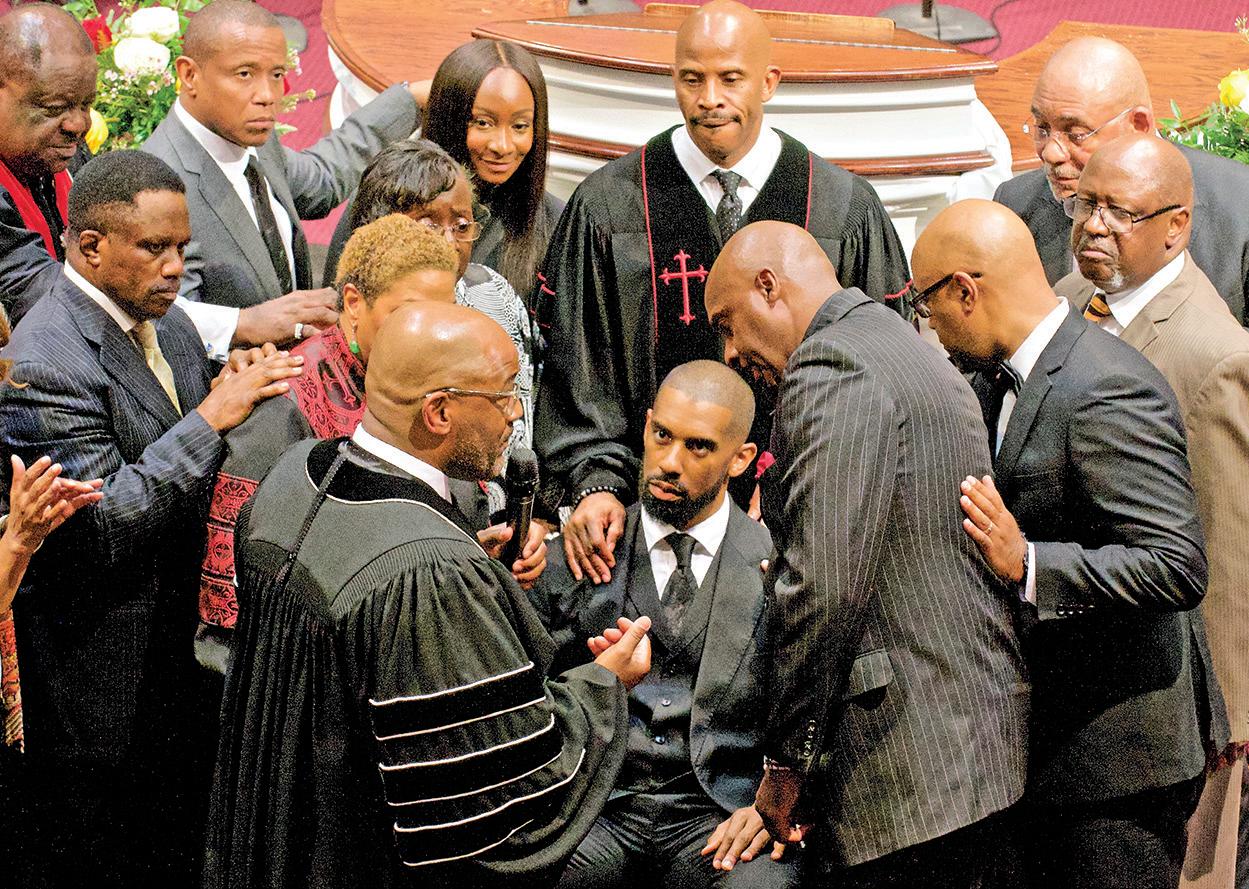
The laying of hands begins with Rev. Timothy Sloan, senior pastor at The Luke Church in Humble, Texas on the new senior pastor of Central Baptist Church, Rev. Anthony L. Riley during installation services on Friday July 19. Riley previously served as executive pastor at The Luke Church in Humble, Texas. Riley is the 14th senior pastor in the 173-year history of Central Baptist.
less resistance and enjoy more ongoing national impact. This is nothing new. Our nation and the world always take our talent – Scott Joplin, Chuck Berry, Miles Davis, Maya Angelou,
Shange, or the firebrands of Ferguson – then forgets about us. It leads me to offer a twoway challenge – it’s the same for our bright lights who left us and for the rest of the nation and world who are benefiting from them now. Don’t forget about us. Come back. We’re still here. We’re still on fire, somewhere deep inside.
be where I am today or be the man I am today. My life and my grades got back on track, both literally and metaphorically, and in the spring of 2016 I graduated with a Business/Sports Management and Marketing degree and walked across the stage with a 3.6 GPA.
Andre Walker who is the co-founder of ManUpSTL (https://www.manupstl.com) and a motivational speaker.
“Homegrown Black Males” is a partnership between HomeGrown STL at the Brown School of Social Work at Washington University in St. Louis and The St. Louis American, edited by Sean Joe, Benjamin E. Youngdahl Professor and associate dean at the Brown School, and Chris King, managing editor of The American, in memory of Michael Brown.

Continued from A1 testimonies, which the witnesses only learned about years later. It also provides documentation that an assistant circuit attorney paid off the only eye-witness and cleared some of his outstanding tickets.
The hearing for the motion will be held at 9 a.m. on Thursday, Aug. 1 at the Carnahan Courthouse in Division 16.
This is the first exoneration case Gardner’s new conviction-integrity unit has brought forth — and the first that any prosecutor in the City of St. Louis or St. Louis County has presented to the court — so the process of how the case will play out is still unclear, according to those close to the case.
In legal cases where both sides — the prosecution and defense — agree, then the judge usually grants the motions pretty quickly, said Tricia Bushnell, executive director of the Midwest Innocence Project.
“Why would anyone dispute it?” said Bushnell, who worked in collaboration with the Circuit Attorney’s office on the Johnson case. “Everyone is in agreement that he’s innocent. Why should he sit in prison for one second longer?” Midwest Innocence Project has been working on Johnson’s case since 2008. However, the case hit a potential road block this week.
On Monday, July 29, the circuit judge who is hearing the motion, Elizabeth Hogan, ordered that the Attorney General’s office represent the State. The Circuit Attorney’s office represented the State in Johnson’s conviction, and Gardner’s team argued in the motion that the prosecutor has an obligation to right the wrong.

The case
Boyd’s murder and that there had been a dispute between them about missing drugs and stolen money. On June 21, 1995, Leslie Williams gave a pretrial deposition, wherein she stated under oath that Boyd and Johnson were once very close that they had drifted apart, but she could think of no reason that Johnson would want to kill Boyd.
Years later, four witnesses total would swear under oath that they never said what Nickerson attributed to them. The two perpetrators, Campbell and Howards, have also repeated signed affidavits that Johnson was not involved in the murder.
In the report compiled by Gardner’s conviction integrity unit, investigators found old files in the Circuit Attorney’s office where the only eye witness, Elking, was paid more than $4,000 to pick Johnson out of a line up. However, the documentation for these payments was never provided to the defense, even though Johnson’s lawyers requested it repeatedly over the years.
In fact, Elking later wrote a letter to his pastor that confessed to knowing what he did was wrong and trying to atone for his sins. This letter was included in the unit’s report.
However, Gross confirmed that the Circuit Attorney is supposed to be the State’s representation.
A spokesperson for Missouri Attorney General Eric Schmitt said on July 31, “It would be inappropriate for us to provide detailed comment on the case at this point. However, we can say that the court has appointed the Missouri Attorney General’s office to represent
The American contacted both the 22nd Circuit Court and Assistant Attorney General Andrew Jacob Crane to learn why the judge would want to take away the Gardner’s power to represent the State in this matter. However, explanations on the order were unclear. “The order does not mean the circuit attorney has been removed from the case,” said Thom Gross, spokesperson for the court. “The entry of appearance by the attorney general ensures the State has representation at the hearing on the circuit attorney’s motion.”
the state in the matter and we will be present in court tomorrow as directed.”
Hogan’s order raises questions about the court’s authority to make this move.
According to the attorney general’s website and state law, the office only gets involved in cases where “our office has been appointed to assist at the request of a local prosecutor or by direction of the governor.”
The court can appoint the attorney general’s office to be special prosecutors when local prosecutors have a conflict of interest in a case, the website states.
Hogan’s husband, Joseph, has represented several city officers in misconduct cases, and he is considered one of the St. Louis Police Officers Association’s lawyers.

The 67-page motion states that the incident occurred in the following manner. On Oct. 30, 1994, Marcus Boyd was sitting on the front porch of his apartment with his co-worker Greg Elking, who had come by to repay a small debt he owed Boyd for drugs and to purchase some crack. At the time of the shooting, Leslie Williams, Boyd’s girlfriend, was inside their upstairs apartment tending to their baby. Two black men wearing ski masks—Phillip Campbell and James Howard— ran up from the side of the house without warning. The men shot and killed Boyd, but Elking escaped and ran home. At the time of the crime, Johnson and his girlfriend were at their friend’s apartment
located at 3907 Lafayette in St. Louis, at least 10 minutes by car from the scene at 3910 Louisiana.
Detective Joseph Nickerson investigated Boyd’s homicide, and he interviewed Ed Neiger, who had purchased drugs from both Boyd and Johnson. In his report, Nickerson claimed that Neiger told him of a feud between the two and that the feud might be a reason Johnson would kill Boyd. Neiger disputed this account in his June 21, 1995 deposition, where he stated that he knew of no fights between Boyd and Johnson and he did not know of anyone who would want to kill Boyd.
The police report states that Leslie Williams told Nickerson she believed Johnson was responsible for
“Elking never had the ability to make an identification as is clear from the record,” states the motion. “He was paid to identify Johnson, the State concealed that information, presented an identification that was false, and then lied to the jury that Elking had no reason to testify against Johnson.”
Several other instances of injustices and new evidence were outlined in the motion. The motion concludes, “The Circuit Attorney asks this court to take notice of ‘the perversion of justice which could occur if we were to close our eyes to the existence of newly discovered evidence’ and moves this court to grant the State’s motion for new trial because ‘in light of the State’s concession that the evidence exists, it should be heard.’”


from your
Staff diversity is vitally essential in cultivating new audiences and developing innovative strategies to grow and maintain relevant and community relationships. The Andrew W. Mellon Foundation’s Art Museum Staff Demographic Survey released in 2015 and repeated in 2018 concluded that people of color are dramatically underrepresented in professional positions in American art museum. The study found that young professionals of color make up just 11 percent of intellectual leadership staff up from 7 percent in 2015.
Daniel and Adelaide Schlafly and the Saint Louis Art Museum recognized this need for staff diversity back in 1992 when they created the annual Romare Bearden Museum Fellowship program. Now in its 27th year, the Bearden Fellowship, named in honor of artist Romare Bearden, was specifically created to cultivate future museum professionals by advancing the knowledge, skills, and networking capabilities that make careers in museums possible for people of color.
Following an annual nationwide search, Asmaa Walton was awarded the 2019-2020 Bearden Fellowship. Directly reporting to Renee Franklin, Director of Audience Development, Walton will receive hands-on work experience in various museum functions, including curatorial work, public programming, interpretive materials, marketing, and fundraising. Of particular interest to Walton are audience development and community engagement.
A native of Detroit, Walton has a master’s degree in Arts Politics from New York University and a bachelor of fine arts degree in Art Education from Michigan State University. These two programs merge her interests in community-based art education and the use of art as a catalyst for social change for more equity in the arts. Asmaa aspires to use her range of knowledge of the arts to be an advocate for Black art and artists by building a bridge between museums and communities.
Before joining us as the Romare Bearden Fellow, Asmaa was the inaugural KeyBank Diversity Leadership Fellow at the Toledo Museum of Art. During her one year fellowship at the Toledo Museum of Art, she worked in the education and engagement department assisting with their teen apprentice program, annual ekphrastic poetry contest, and with their first teacher conference along with a variety of external community programs.
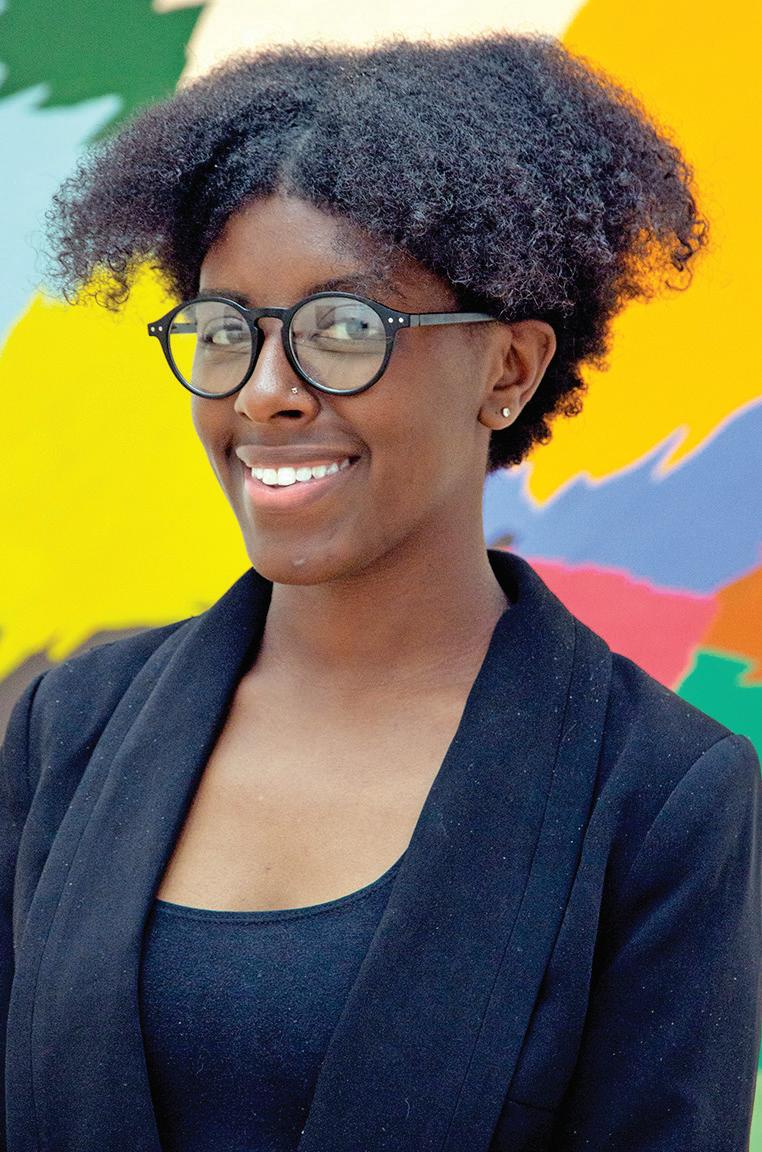
When asked about a program she developed at the Toledo Museum that she was most proud, Walton commented, “I organized a teen night that differed from ones in the past. In collaboration with the museum showing a documentary entitled ‘Black is the Color,’ which explores the barriers Black artists have faced when it comes to having their work exhibited and collected, the film highlights key moments in the history of African-American visual art. I added a discussion led by the Teen Apprentices. The teens researched the artists and provided visitors information about the works of art and artists who created the works. It was an excellent opportunity to expose the teens to new artists and for visitors to see the talent of the apprentices.”
Join me in welcoming Walton to St. Louis as she works to expand the narrative of the arts within and beyond the Saint Louis Art Museum walls.


State Rep. Bruce Franks
Jr. submitted his letter of resignation from his 78th District seat on July 31, and has publicly explained that he needed to address some issues of anxiety and depression. Two young, talented black men have put their names into the hat to be Franks’ successor – Rasheen Aldridge, committeeman for the 5th Ward, and Marty Murray, committeeman for the 7th Ward. Franks respects both candidates, he told the American, and he considered not endorsing in the race in order to “keep his sanity.” However, the community members told him that they needed his direction. This week, he endorsed Aldridge.
“In the three years I held that seat, we redefined what that position is,” Franks told the American. “It wasn’t just coming into a building, pushing a button, talking about legislation and going on a break. We showed that it was a full-time job and we were going out into the streets to empower the community. The person following me would need to be able to handle the 78th District. My endorsement was no knock to Marty. The best person for the position is Rasheen.”
The governor will most likely set the special election for Nov. 5, said Gary Stoff Republican director of the St. Louis City Elections Board. Because it’s a special election, there will not be a primary election. The Democratic nominee will be chosen by the 18 committeemen that make up the 78th District – which includes the committee people for the 2nd, 3rd, 5th, 6th, 7th, 8th, 9th, 20th and 25th Wards. The vote will be weighted, based on a pretty complicated formula of voting in that ward. Anyone who wants to vie for the position would need to get a nomination from a commit-
teeperson. The committee’s vote will likely take place in the next couple weeks.
Aldridge said he was sad to see Franks go, but he respects his decision to take care of himself.
“I plan to work tirelessly with every 78th District resident and business, in every neighborhood, to make sure all concerns and issues are heard and addressed,” Aldridge said in an email. “Being a lifelong resident of the 78th District, I understand why more than ever we need to keep representation in Jefferson City that is going to be accountable, honest, and transparent to the people of the 78th District.”
Aldridge has the support or endorsements from State Sen. Jamiliah Nasheed and state Reps. Brandon Ellington, Doug Clemens Chris Carter Lakeysha Bosley, Wiley Price and Tracy McCreery
Murray said, “I believe everything I have done politically has prepared me to be a legislator in the state House. My career in politics began with organizing on campus for President Obama’s first campaign. Ever since that point I have held political internships, worked as a consumer advocate for the attorney general, community organizer for social issues (raising the minimum wage, reproductive rights, and criminal justice reform), and worked to elect candidates across the region.”
Cora Faith Walker
The Nov. 5 special election will likely also include the 74th District, now that former state. rep. Cora Faith Walker has joined St. Louis County Executive Sam Page’s administration as his director of policy.
“Cora’s policy record is marked by collaboration and building a consensus with

diverse colleagues,” Page said in a statement. “She will play a big role as we address the many challenges our region faces like crime and public safety, restoring trust in County government, and improving the business climate.”
On July 26, Walker resigned from her position as state representative, which she had held since 2016.
“Representing the people of St. Louis County in Jefferson City has been rewarding and I’m grateful that residents trusted me to serve them,” Walker said. “But local government has so much more potential to improve the lives of our residents. Sam Page is tackling our region’s biggest problems, and I’m excited to
join his administration.”
Prior to serving in the legislature, Walker was a faculty member at St. Louis University School of Law and worked in policy at the Missouri Foundation for Health. Walker holds a master’s degree in public health from Washington University in St. Louis and a law degree from St. Louis University.
Dunaway& Days
There is a special election on Tuesday, August 6 to fill two open seats on the St. Louis County Council – District 1 and District 2.
The District 2 seat was opened when the council elected Sam Page to succeed
the disgraced fraud Steve Stenger as county executive, and District 1 seat was opened when Page appointed Hazel Erby to lead the county’s diversity and inclusion efforts.
Page has endorsed Kelli Dunaway to take his place, and she has a broad range of other endorsements – including various labor unions, NARAL ProChoice Missouri and a lengthy list of elected officials.
“Kelli will bring enthusiasm and fresh ideas that will help restore honor and integrity to county government,” Page said in his endorsement.
State Sen. Brian Williams (D-District 14) said, “Kelli is a team builder and dedicated leader, and I’m confident that she will be a valuable asset on the county council.”
District 2 encompasses Hazelwood, Overland, Maryland Heights, St. Ann and parts of Chesterfield and unincorporated St. Louis County. Her opponents are Republican Amy Poelker, 57, a St. Ann alderwoman who previously ran against Page in 2016 and garnered 41 percent of the vote; and Libertarian Jim Higgins, 71, a retired systems analyst.
For District 1, Rita Heard Days has much support from the black community, but she also recently received an endorsement from the Eastern Missouri Group of the Sierra Club.
“Rita has the dedication and vision to help move our county to a clean energy future that improves air and water quality, creates local jobs, and reduces utility bills,” said local Sierra Club Political Chair Ross Hunt Days, a Democrat who was nominated by Democratic committee members in the district, faces Sarah Davoli, a Republican, and Nicholas (Nick) Kasoff, a Libertarian. District 1 is generally central-north county, from the
north half of University City to Ferguson and from Jennings to Berkeley.
Along with its endorsement, the Sierra Club will lend its volunteer strength to Rita’s campaign. “We pledge to do all we can to help ensure that Rita is elected,” said John Hickey, chapter director. “Sierra Club volunteers will contact voters about the critical public health and clean energy issues that are at stake in this election.”
The American endorsed Dunaway and Days last week. Polls are open 6 a.m.-7 p.m. on Tuesday, August 6. Absentee voting is underway. Reach the St. Louis County election board (725 Northwest Plaza Dr. in St. Ann) at 314615-1800, Stlouiscovotes@ stlouisco.com or www.stlouisco.com/yourgovernment/ ElectionBoard.
Committeemen airport vote
On Saturday, July 20, the St. Louis City Democratic Central Committee voted overwhelmingly to empower the residents of the City of St. Louis to be granted an opportunity to have a binding vote on the effort to privatize St. Louis Lambert International Airport. The committee said that it sends a clear message that they believe city voters should have a voice in the future of the city’s most important asset.
“It’s urgent that moving forward the community is at the forefront. The STL DCC is unwavering in its support of its constituents and supports allowing the voters of the City of St. Louis resident to have a binding vote in choosing to privatize or not privatize St. Louis Lambert International Airport.” For more information, please visit http://stlcitydems. com/ or contact Chairman Michael Butler at 314-3249163.



The new Siteman Cancer Center at 1255 Graham Rd. in North County is currently under construction and about 80 percent complete. There will be a grand opening event for the $26 million, nearly 37,000-square-foot facility from 5-7 p.m. October 22.
By Jim Goodwin For The St. Louis American
With construction about 80 percent complete, Siteman Cancer Center plans to open its newest location on November 4 near Interstate 270 and Graham Road in Florissant. The $26 million facility will feature state-of-the-art technology and expert care by Washington University physicians.
The facility, located on Christian Hospital’s Northwest HealthCare campus, is a joint project of BJC HealthCare, which owns and operates Christian Hospital, and Washington University
School of Medicine, whose physicians treat Siteman patients. BJC broke ground on the new facility in July 2018.
County.”
Community members are invited to view the facility on October 22 during a grand opening event from 5-7 p.m. The Northwest HealthCare campus, 1255 Graham Road, is six miles west of Christian Hospital, where Siteman opened an interim location in July 2017. The new facility at Northwest HealthCare will replace the interim site. Siteman will continue seeing patients on the Christian Hospital campus until the new site opens.
Missourians now both more safe and better informed
By Chris King Of The St. Louis American
Missouri is significantly safer from sexual predators, according from state
Auditor
Nicole Galloway’s update on her harrowing October 2018 report on Missouri’s sex offender registry.
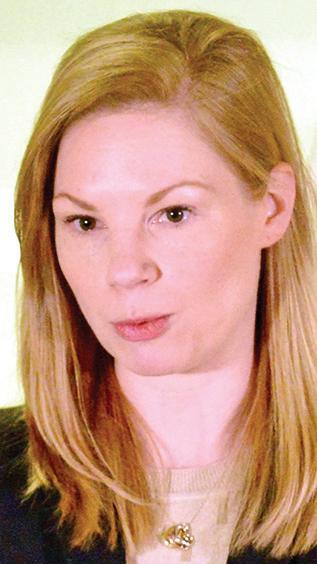
n “Our audit last year found the information available in the public sex offender registry was not accurate. That’s an issue of public safety.”
– State Auditor Nicole Galloway
See GALLOWAY, A11 $26M facility at Christian Hospital’s Northwest HealthCare campus set to open Nov. 4
“Leading-edge cancer care encompasses highly trained doctors and the latest technology, and Siteman Cancer Center’s North St. Louis County facility at Northwest HealthCare will include both,” said Timothy J. Eberlein, M.D., Siteman’s director and the Spencer T. and Ann W. Olin Distinguished Professor at Washington University School of Medicine. “We are dedicated to making the best cancer care easily accessible in North St. Louis
Her 2018 audit found that 1,259 registered sex offenders in Missouri failed to follow the law requiring them to register, verify their address and other information at regular intervals, and notify law enforcement officials if they move. The report also highlighted a need to improve management of the database and weaknesses in state laws. The follow-up report released on Monday, July 22 found that the recommendations in the 2018 audit were either implemented, partially implemented or in progress. According to the new report, the number of noncompliant sex offenders has decreased by 21 percent since the original audit report, with more than half of the decrease attributed to reductions in Jackson County and the City of St. Louis. The new report also suggests that law enforcement officials have increased follow-up efforts with offenders who have not checked in or verified their information as required by law. There has been an increase in efforts to track down these offenders, go through the legal process to locate them, and accurately update the registry. The number of outstanding arrest warrants for noncompliance also has increased, making
See SITEMAN, A11
‘The Clinton-Peabody has come a long way.’
By Sandra Jordan Of The St.
Louis American
A settlement was reached in a lawsuit filed by the state on behalf of residents of Clinton-Peabody public housing against the St. Louis Housing Authority and property manager McCormack Baron Salazar, regarding violations of the Missouri Merchandising Protection Act and public nuisance claims. The lawsuit was filed in August 2018 after unhealthy and unsanitary conditions residents were forced to live in went public, revealing infestation of mice, cockroaches and mold.
“I am pleased that the St. Louis Housing Authority and McCormack Baron have taken steps since this case was filed to stem the infestations suffered by their tenants,” Attorney General Eric Schmitt stated in his settlement announcement on Monday, July 22. “The terms of the settlement will ensure that they will continue their remediation efforts and
n “We continue to look forward to a safer and more habitable living environment for our children and ourselves.”
– Vivian Williams, former Clinton-Peabody Tenants Association board president
become transparent with consumers and tax payers about the housing conditions at the complex.”
Housing Authority Executive Director Alana Green, who has been in that role for seven months, said the authority is pleased with the lawsuit’s outcome and the steps
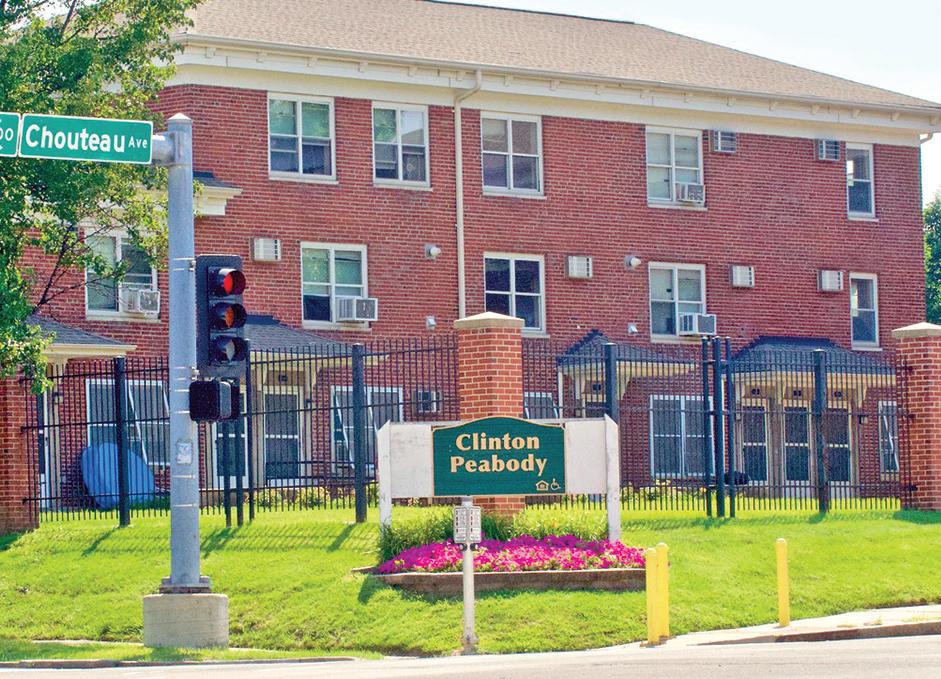
A settlement was reached in a lawsuit filed by the state on behalf of residents of Clinton-Peabody public housing against the St. Louis Housing Authority and property manager McCormack Baron Salazar, regarding violations of the Missouri Merchandising Protection Act and public nuisance claims.


Continued from A10
“Christian Hospital and Siteman Cancer Center have built a strong partnership founded on providing patients the very best care,” said Rick Stevens, who as president of Christian Hospital oversees both campuses. “We are pleased to continue offering that same level of exceptional care in a completely new facility.”
The nearly 37,000-squarefoot facility will include a new linear accelerator to deliver radiation therapy. Besides being high tech, the facility was designed to be soothing and inviting. It will feature paintings by noted local artists Cbabi Bayoc and Jessica Hitchcock and has a healing garden.
Medical oncologist Timothy Rearden, M.D., will continue as medical director of Siteman’s North St. Louis County satellite. Mackenzie Daly, M.D. a radiation oncologist, will continue as director of radiation oncology. Both are on the Washington University faculty. Highly trained Washington University specialists provide team-based cancer care at all Siteman locations, including the main outpatient facility on the Washington University Medical Campus. Multidisciplinary care teams at Siteman include radiation oncologists, medical oncologists and surgeons, as well as dietitians, psychologists, nurses and other health-care providers. Siteman also offers more than 400 clinical trials evaluating
investigational cancer therapies that are not widely available to the public.
New technology available at the North St. Louis County location will include a linear accelerator, a machine that creates high-energy radiation to treat cancer; and CT, or computed tomography, scanner, which combines multiple X-ray images so tumors and their position in the body can be easily seen. The patient-centered design
of the new facility will complement the high level of medical care, said Louisa Hardwrict, BJC HealthCare design project manager. Design highlights include a family lounge with a fireplace, a conference room that also will serve as a community room for social and educational events, and a healing garden with outdoor seating.
“In designing our new cancer care center, we wanted to be sure patients and family
CareSTL Health will host its first Project O (Opioid) Awareness Day in Forest Park in the Upper Muny Parking Lot from 9 a.m.-1 p.m. Saturday, August 31, which is International Overdose Day. According to the National Institute on Drug Abuse, every day, more than 130 people in the United States die after overdosing on opioids. The Midwestern region saw opioid overdoses increase 70 percent from
Continued from A10
taken to improve conditions at Clinton-Peabody.
“We’ve worked tirelessly to ensure that the remediation efforts were completed timely,” Green said, adding that several steps have been taken to make the property more habitable.
“That includes requiring that our property management companies that we work with hires an integrated pest management staff person.”
The Housing Authority and McCormack Baron have spent over $300,000 for repairs since the suit was filed on efforts to remediate the mold, mice and bug infestations.
Green said repairs completed at Clinton-Peabody include repairing dumpsters; cleaning storm drains; plugging exterior entry points; sealing crawl spaces; plugging interior holes; replacing seals on
Continued from A10
it likely that other law enforcement agencies will take noncompliant offenders into custody.
The follow-up report found that the Missouri Highway Patrol has taken steps to improve its procedures for
July 2016 through September 2017, according to the Centers of Disease Control and Prevention.
Addiction to opioids –including prescription pain relievers, heroin, and synthetic opioids such as fentanyl –is a serious national crisis that affects public health as well as social and economic welfare. The Centers for Disease Control and Prevention estimates that the total “economic burden” of
430 doors; removing foam plugs; sealing dryer vents; replacing 70 exterior doors; removing furnace and water heaters in 35 units so that inaccessible holes could be plugged; cleaning ductwork in 134 units; cleaning radiators in 46 units; and replacing approximately 60 stoves.
“Also, just tracking the extermination process was important as well,” she said.
Schmitt’s announcement included a statement from Vivian Williams, former Clinton-Peabody Tenant Association board president, which reads, in part, “We appreciate the positive changes that have taken place here at the Clinton-Peabody housing complex. The Clinton-Peabody has come a long way. We continue to look forward to a safer and more habitable living environment for our children and ourselves.” Green said implementing technology to make work
maintaining the sex offender database, including quickly updating compliance status of offenders to ensure the public notification website is accurate. The Highway Patrol also has purchased a new sex offender registration system that includes safeguards to better prevent incorrect or inappropriate data from being entered into the database. Following the audit last
prescription opioid misuse alone in the United States is $78.5 billion a year, including the costs of healthcare, lost productivity, addiction treatment, and criminal justice involvement.
There will be prizes for the largest walking groups and the first 100 walkers receive a free T-shirt.
Registration is open. To register, visit https://tinyurl. com/y6qrw45l.
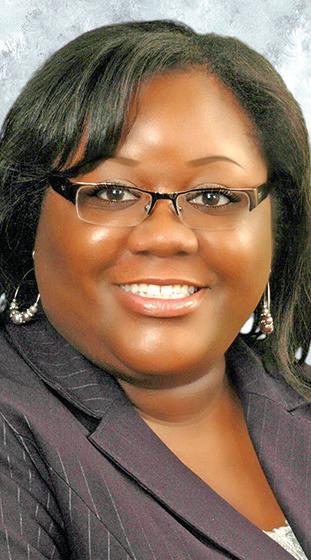
members feel as comfortable as possible at what can be a difficult and stressful time,” Hardwrict said.
The new facility builds on the long-standing relationship between Siteman and North St. Louis County residents. Other Siteman community outreach programs in the area include the Program for the Elimination of Cancer Disparities (PECaD), which works with community representatives to improve health outcomes in medically
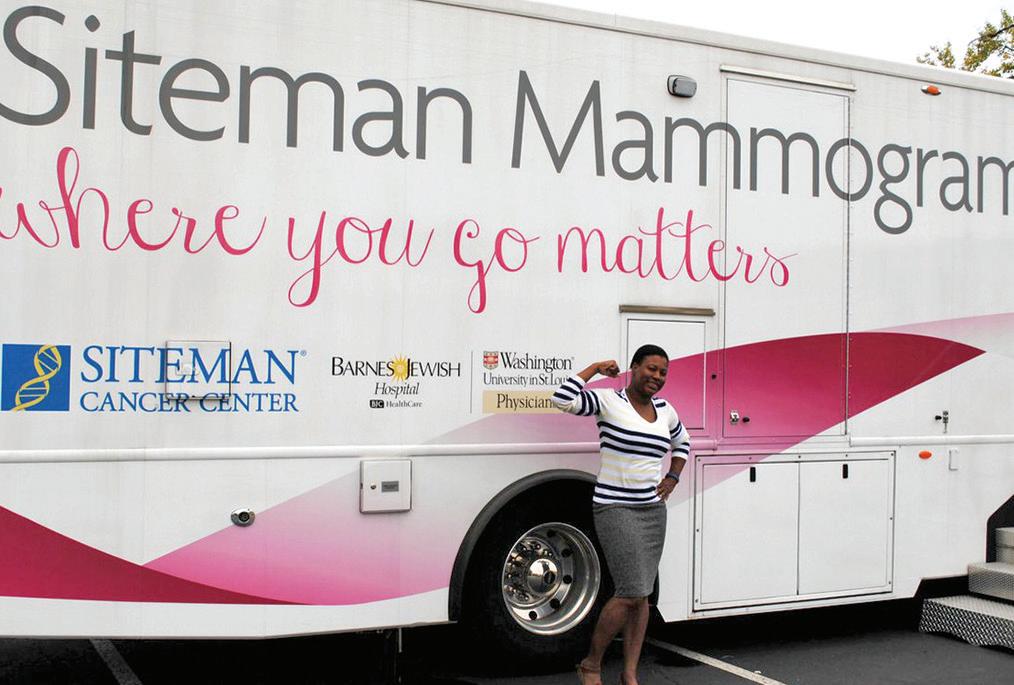
Siteman Cancer Center’s mammogram van will be at The Twillman House, 11840 Bellefontaine Rd. in Spanish Lake, on Wednesday, August 14 offering mammograms to women age 40 and over. Mammograms are available at no cost to women who qualify. Christian Hospital and The Salvation Army’s Pathway to Health program are partners in this event. Appointments are necessary and begin at 8:15 a.m. To schedule an appointment, call 314747-7222 or 800-600-3606 (press option #2).
underserved areas; and a mammography van that has offered appointments at grocery stores, YMCAs and other community locations for 30 years, to improve the convenience and availability of breast screenings.
Other Siteman facilities are located at the Washington University Medical Center in St. Louis, Barnes-Jewish West County Hospital in Creve Coeur, Barnes-Jewish St. Peters Hospital in St. Charles
The U.S. Food and Drug Administration’s National Retail Food Team has released new posters that focus on proper holding practices for cold prepared food and adequate cooking temperatures for turkey and ground beef. These posters were created as part of the FDA’s efforts to enhance food safety training at the retail level by helping employees better understand their role in preventing foodborne illnesses, particularly
n “We have systems in place now with integrated pest management staff working very closely with the exterminators.”
– St. Louis Housing Authority Executive Director Alana C. Green
request response times and communication between management and tenants more efficient is another improvement.
“There is a property management software that we are converting to, and it will allow us to respond timely to work order requests,” Green said. “Residents will be able to know the status of their work order request by either coming to our office to use our computer, going to the management office ... or they can also check it on their phone.”
October, Galloway also urged Missouri legislators to strengthen the sex offender registration law by requiring background checks for school volunteers. State Sen. Lincoln Hough (R-Springfield) introduced legislation requiring school districts to ensure a criminal background check is conducted for all volunteers who may be periodically left alone with
Previously, residents would have to call for a status update. Schmitt’s office said it will also allow residents to provide feedback. This should help address unanswered requests by tenants reporting many of the infestation problems to the management company and to St. Louis Housing Authority.
Sarah Turner, co-managing attorney of the Housing Law Program at Legal Services of Eastern Missouri, said they have many assisted families at Clinton-Peabody, describing the housing conditions there as substandard, persistent and
students. That language was included in House Bill 604 which was signed into law. Screened volunteers include office or library assistants, student mentors or tutors, coaches, and supervisors of activities occurring before or after school. School districts also would be prohibited from allowing unscreened volunteers to be left alone
among vulnerable populations. The Date Marking posters demonstrate the importance of the proper retention period for prepared foods as indicated in the Food Code. Date marking in retail food settings is the mechanism by which the Food Code requires active managerial control of the temperature and time combinations for cold holding as a way to reduce or eliminate the growth and spread of foodborne illness causing bacteria. Adequate Cooking Temperature posters explain the importance of bringing poultry (whole and ground) and ground beef to the correct temperature as a way to reduce or eliminate foodborne illness-causing bacteria that may be on meat or poultry as indicated in the Food Code. Download the posters at https://tinyurl.com/USDAfood-posters.
widespread. “While we have heard from tenants in some areas that there is a noticeable improvement, we continue to receive calls from other tenants reporting ongoing problems with pests and mold,” Turner told The American. “We’re encouraged, however, that the Consent Judgment does require SLHA to implement a software system for tracking tenant complaints and maintenance requests, as well as management’s response and tenant satisfaction.
If enforced and properly implemented, such a system could be a critical, positive step toward systematically addressing some of the underlying problems that led to the deplorable conditions at Clinton-Peabody.”
Green insisted that the worst of the problem – infestation by vermin – had been removed.
“The infestation itself is no longer present,” Green said.
“We worked really hard – if anything was identified in the
with a student. “Our audit last year found the information available in the public sex offender registry was not accurate. That’s an issue of public safety,” Galloway said in a statement. “Following the audit, law enforcement has worked to better locate and hold accountable sex offenders not following the law, as well as take steps to
unit, we send exterminators out right away. We have systems in place now with integrated pest management staff working very closely with the exterminators and the extermination companies to really get a good handle over the situation.”
The settlement also includes a $19,000 donation from McCormack Baron Salazar to the Deaconess Foundation for a newly formed program to help Clinton-Peabody tenants in the future.
“Livable, affordable housing is critical to family flourishing and economic stability. Deaconess is pleased that the concerns of families living at Clinton-Peabody have been heard,” said Rev. Starsky Wilson, president and CEO of the Deaconess Foundation. “In the spirit of this settlement with the attorney general, we look forward to working with them to sustain the civic engagement and power they’ve displayed in this moment.”
County, and near Interstate 55 and Butler Hill Road in South St. Louis County. The new Parkview Tower, also on the Washington University Medical Campus, aims to enhance the care and comfort of oncology patients who require hospitalization. Appointments for any Siteman location may be made by calling 314-747-7222, or 800-600-3606 toll-free, 8 a.m.4:30 p.m. weekdays, or by visiting www.siteman.wustl.edu. make sure information in the database is current. I greatly appreciate the work of state and local law enforcement officials to keep Missourians both safe and informed to make decisions to protect themselves and their families.” Read the follow-up report at https://tinyurl.com/auditsex-offender.


By Francene Bethune For St. Louis American
From an early age, Damya Long knew she wanted to be artistic. She wanted to open her own nail shop. Since her school only had art classes, she didn’t know where to start. However, when the summer comes around, Long had the opportunity to enroll in an entrepreneurial class at Aim High.
“I knew I wanted to open my own shop, but I didn’t know how,” said Long, who is going to be in the 9th grade at Gateway STEM High School. “I saw the opportunity for the class, and I took it.” Aim High St. Louis is a non-profit tuitionfree five-week summer academic enrichment program for middle school students who come from a challenging background with difficult
n “I knew I wanted to open my own shop, but I didn’t know how. I saw the opportunity for the entrepreneurial class, and I took it.”
– Damya Long
circumstances. The program span from when students are rising 6th graders through entering high school in the 9th grade.
Aim High partners with the Normandy Schools Collaborative, University City School District, Saint Louis Public School District and Ritenour School District, and within those districts the program recruit students from 41
schools.
Even though the organization wants to serve the community, it cannot take everyone. What makes officials at Aim High recruit a student is something that Imani Harris, director of Programs, says a student must have.
“It starts with confidence,” said Harris. “It starts with the confidence in their education, in their future, and what we want to do with them is to bring that out of them and to build that hope and foster that faith and trust in our students.”
To get into the program, students have to go through a rigorous application process with essays and short answers that show the candidate’s true worth.
“It is a long process, but it shows who is motivated and who is not,” said Harris.
See AIM HIGH, B6
By Eric Schmid Of St. Louis Public Radio
Slocomb said accepting Supplemental Nutrition Assistance Program benefits, called LINK in Illinois, had been discussed many times since the market began in 2000. But, she said, it took some doing. The farmers market first had to go through the federal government to qualify to accept SNAP
‘We want to offer healthy choices to everybody, not just the people who can afford it’ See MARCUS, B2
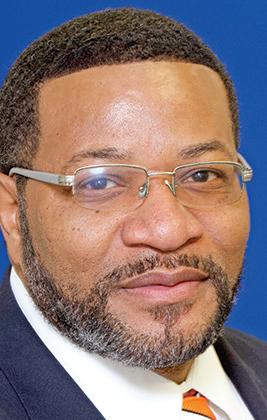
Michael Triplett was appointed assistant superintendent of Leadership & Accountability for the Riverview Gardens School District. He will guide the operation of all 13 district schools by working with department directors, principals and building staff to implement Superintendent Scott Spurgeon’s vision for the district. Most recently, he served as program director for Innovative Concept and Griscom Academies for Saint Louis Public School District.
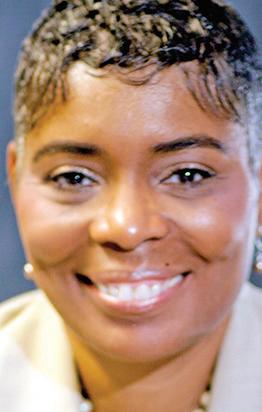
Sharon Winfield joined the YWCA Metro St. Louis as its chief Human Resources officer. She will lead the YWCA’s Human Resources team in recruiting, training and development, employee relations, strategic planning as well as compensation and benefits. The YWCA is dedicated to eliminating racism, empowering women, and promoting peace, justice, freedom and dignity for all.
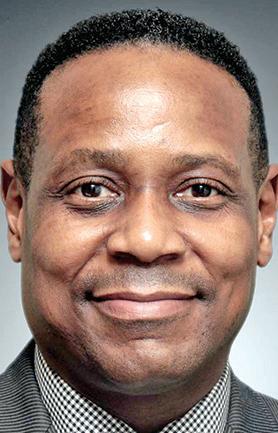
Steven Harmon was elected president of the Mound City Bar Association. He is coordinator for Safety and Security with the Normandy Schools Collaborative, a licensed attorney and former police officer with the St. Louis Metropolitan Police Department. The Mound City Bar Association, one of the oldest black bar associations west of the Mississippi River, works to promote the professional development of its members and to improve the administration of justice for all.

Morgan E. Harvey joined outstanding elementary school students from across the state to take part in the National Youth Leadership Forum: Pathways to STEM at Loyola University, one of the Envision family of programs that enable students to explore their interests and experience learning beyond the classroom. She was nominated by her 4th grade teacher Mrs. Garrett at McCurdy Elementary in the Hazelwood School District. She aspires to go to college and become a teacher.


A visitor to Old Town Farmers Market in Belleville placed fresh zucchini in a bag on July 20. It now accepts Supplemental Nutrition Assistance Program benefits, called LINK in Illinois.
Marcus Chanay received the Certificate of Fundraising Management from the Eli Lilly Family School of Philanthropy at Indiana University. He is vice president for Student Affairs and Enrollment Management at Lincoln University. The school offers professional development courses aimed at equipping fundraising professionals with innovative skills to reach donors and achieve greater success in fundraising.

Shawndrea Thomas left St. Louis for KGUN-TV in Tucson, Arizona where she is an evening anchor and an investigative reporter. Previously, she was an investigative reporter at Oxygen Media and a reporter/anchor at Fox2 in St. Louis. KGUN9 is Southern Arizona’s station for breaking news, weather and sports. On the move? Congratulations! Send your professional news
By Derrick Nelson
For The St. Louis American
Fact: Millennials are now the largest generation in the U.S. labor force and will account for half of U.S. workers within the next two years. By 2030, they and postmillennial Generation Z will make up nearly 75 percent of the workforce.
The Baby Boomer generation’s influence in the workforce, meanwhile, is waning. The youngest Boomers will turn 55 in 2019, with more of their numbers retiring every year. This generational shift is changing the composition of the nation’s workforce. How?
For one thing, Millennials are the most racially and ethnically diverse generation in American history. While Baby Boomers were born in a period when immigration was low and consisted primarily of white Europeans, the Millennial generation benefits from waves of immigrants from Latin America and Asia in the 1980s and 1990s.
Millennials share other differences from earlier generations. Collectively, they are the most educated generation in history, with more than one-third holding college degrees, compared to less than 30 percent in 2000 and under 25 percent in 1980. They are also more socially conscious and prefer to work for companies that share similar values. Because such employers can be elusive, Millennials tend to be less engaged in the workforce and change jobs more frequently.

The implications of these generational differences are significant and affect the future of every company, including Commerce Bank. In particular, they underscore the importance of creating a corporate culture that embraces diversity, encourages connections and supports personal and professional development.
For some companies,
including Commerce Bank, that has meant implementing inclusion and diversity programs that support efforts to be more intentional about recruitment, talent development and employee retention. Because of the diverse makeup of today’s labor force, it’s important for employers to be intentional when recruiting
new employees.
For example, Commerce has built purposeful relationships with chambers of commerce, universities and affinity groups to attract diverse talent.
Once team members are on board, Commerce offers a variety of resource groups, mentoring programs and networking opportunities to help employees feel connected to our bank and each other.
More than 800 women at Commerce, for example, participate in RISE, a business resource group created to support personal and
continued from page B1
and then get approval from the State of Illinois. Next, the Belleville market applied for a grant to cover the cost of equipment related to processing LINK benefits.
Slocomb said the monthslong process was worth it.
“The location where the market is, is at this point pretty much a food desert,” she said, adding the market can at least meet people’s needs for five months out of the year.
The Belleville farmers market is not the only one to expand services to LINK users this growing season.
New locations of F.R.E.S.H. Farmers Market in Cahokia and Fairmont City also accept LINK, as the East St. Louis location has for some time.
At least two other farmers markets in the Metro East, the Alton Farmers & Artisans’ Market and the Land of Goshen Community Market in Edwardsville, have done so for years.
Leadership at both markets say reaching LINK users can be a challenge.
“We’re trying to reach people that might not be easy to reach through traditional methods of advertising and promotion,” said Sara McGibany, executive director of Alton Main Street. “It takes a lot of direct outreach.”
The Alton farmers market advertises through social services, housing developments and other places where LINK users might be. McGibany said their outreach works to meet people where they are.
The Land of Goshen Community Market in Edwardsville actually goes on the road to reach LINK users with its Beet Box Mobile Farmers Market.
Tara Pohlman, Goshen Market Foundation executive director, said the mobile
n While Baby Boomers were born when immigration consisted primarily of white Europeans, the Millennial generation benefits from waves of immigrants from Latin America and Asia.
Underrepresented employees aren’t the only ones who benefit from inclusion and diversity programs like these. Companies also win by recruiting, developing and retaining people who feel connected, eager to innovate and contribute to its long-term success.
In Commerce’s case, our employee effectiveness surveys show that our business resource group members are more highly engaged, on average, than other employees. Overall employee engagement and enablement at Commerce, in fact, well-exceed national averages.
professional growth. Another resource group, EMERGE, focuses on creating a culture that attracts, develops and engages young professionals.
With chapters throughout the Commerce network, more than 450 EMERGE members participate in everything from webinars on internal resume management, to volunteer opportunities in the community. Through an internal mentorship program, minorities and women are paired with executive mentors for one-on-one mentoring and development.
To be effective, we know inclusion and diversity efforts can’t be confined simply to those participating in the resource groups and mentoring relationships. They should be embraced by the entire organization. That’s why we host regular learning conversations around inclusion and diversity topics for all team members.
In other words, we are preparing our entire workforce to adapt to the generational shifts. We know there is strength in our diversity, and when we embrace it, we all win.
Derrick Nelson is manager of Inclusion and Diversity at Commerce Bank.
• Alton: 500 Landmarks Blvd.
Wednesdays: July 3 through Sept. 25 | 4-7 p.m.
Saturdays: June 11 through Oct. 19 | 8 a.m.-12 p.m.
• Belleville: 1st block of South Charles Street
Saturdays: May 4 through Nov. 2 | 7:30 a.m.-12 p.m.
• Cahokia: 1274 Camp Jackson Rd.
Wednesdays: July 17 through Oct. 23 | 12-3 p.m.
• East St. Louis: 638 N. 20th St.
Thursdays: June 6 through Oct. 31| 8:30 a.m.-1 p.m.
• Edwardsville: North Main Street and Saint Louis Street
Saturdays: May 11 through Oct. 19 | 8 a.m.-12 p.m.
• Fairmont City: 4444 Collinsville Rd.
Fridays: July 12 through Oct. 25 | 2:30-5 p.m.
market goes all over the Metro East, making stops in Granite City, Madison, Glen Carbon, O’Fallon and Fairmount City.
“It is a truck that we take out to several different communities around us and set up a little farmers market,” she said. Both Pohlman and McGibany said the LINK programs at their markets are worth keeping because they’ve built regular customers from them.
n “We want to offer healthy choices to everybody, not just the people who can afford it or think they can afford it.”
– Alicia Slocomb, Belleville Main Street Committee manager
“My one piece of advice would be to stay the course, because change happens slowly and incrementally,” McGibany said.
She added that Alton’s market has seen more people using LINK since the market joined Link Up Illinois, a program that doubles a LINK user’s buying power at farmers markets. Corey Chatman manages
Link Up Illinois for the not-forprofit Experimental Station
“In essence a shopper that comes to the farmers market that has SNAP benefits can come and earn incentives to purchase more food by spending their SNAP dollars,” he said. This program matches dollar for dollar up to $25, effectively doubling a LINK user’s money up to $50 each time they go to a participating market.
“Any way you can help stretch those funds, it’s a win for the folks buying the food,” Chatman said. “And also a win for the farmer, because now they get extra revenue streams from people who would not normally come and shop with them.” All the markets in the Metro East except Belleville’s are part of Link Up Illinois. Slocomb, who oversees the Old Town Farmers Market, said they want to join the program and apply for other grants in the future – anything that will help get more LINK users to the market. Eric Schmid covers the Metro East for St. Louis Public Radio as part of the journalism grant program: Report for America, an initiative of The GroundTruth Project. Follow Eric on Twitter: @ EricDSchmid. Reprinted with permission from news.stlpublicradio.org.
n “I’m here to win a championship.”
— Russell Westbrook, at his introductory press conference with the Houston Rockets
InsIde sporTs With Earl Austin Jr.
page B4 ~
Former Cahokia High track and field star Ja’Mari Ward added to his tremendous resume last weekend by winning the national championship in the long jump at the United States Outdoor Track and Field Championships in Des Moines, Iowa.
Ward was impressive in winning the competition with a first-place jump of 26 feet 7 ¾ inches, which was two inches further than his nearest competitor. It was also a season’s best jump for Ward, who also won the Southeastern Conference championship in the long jump during the spring.
A 2016 graduate of Cahokia, Ward was one of the top long and triple jumpers in his history of St. Louis metro area track and field. He was a fourtime individual state champion and an All-American and the linchpin to numerous state team championships for the Comanches.
After signing with Mizzou, Ward has enjoyed success at the collegiate level, which includes a pair of SEC championships in the long jump as well as being a two-time NCAA All-American.
Merle Mensey continues Masters track dominance St. Louisan Merle Mensey has been a tremendous performer on the national and international track and field stage in the Master’s Division for nearly two decades. Mensey, 70, has been one of the world’s best in the throwing events.
Mensey recently competed at the North Central American and Caribbean Masters Athletic Championships in Toronto and brought home more gold medals. Competing in the Women’s 70-year
See INSIDE, B5

In The CluTCh With Ishmael H. Sistrunk
LeBron James gets criticized for being a good dad
Longtime readers of In the Clutch surely know that, at times, I have been a critic of LeBron James. LeBron stans may even venture to say that I’ve tiptoed and tap danced across the border of criticism into the land of hating a time or two. However, as a fan of the man, an appreciator of his transcendent skills, I’d like to think that any criticism has been relegated to on-the-court action or basketball-related decisions. When it comes to the man, James is such a standup guy that he deserves his own multimillion-dollar Netflix comedy special. That’s why it is so ridiculous to see James catching flak from sports and social media about his behavior at his son’s (Bronny James) AAU game.
n When it comes to the man, James is such a standup guy that he deserves his own multimillion-dollar Netflix comedy special.
The elder James went viral
twice over the weekend. First, the 15-time NBA All-Star joined the pre-game layup line and proceeded to unleash several impressive dunks that got the kids and the crowd excited. Later, during the game, two kids connected on a ridiculous betweenthe-legs, alley-oop pass and finish. The gym went absolutely nuts. At the time, James, who serves as a coach, was standing at the baseline. He enthusiastically rushed onto the court, jumped into the air and did the flying shoulder bump thingy with one of the players. When he realized that play was still in action, he quickly rushed off the court, leaving his purple size 15 shoe in the wake of his excitement. FoxSports’ Skip Bayless quickly jumped into the fray.

“This was just pathetic,” Bayless said on Undisputed “This was so embarrassing to LeBron James and especially to his son, Bronny. ... He upstaged his poor kid. LeBron has become so atten-
tion-starved.” Others on social media supported Bayless’ point of view that James was doing the most. Overnight he became a spotlight-stealing, basketball game-ruining, overly enthusias-
tic maniac. This is all because he showed up to support his child and expressed an animated passion for his son and the sport that has made him one of the most well-known people in the world.
field
Cahokia
Ja’Mari
added to his resume last weekend by winning the national championship in the long jump at the United States Outdoor Track and Field Championships in Des Moines, Iowa.
James joined the layup line during his son Bronny’s AAU game this weekend and put on a pregame dunking exhibition. Some have foolishly criticized him for stealing attention from the kids when in fact, he is giving them all lasting memories.
Some will argue that if any other parent thrust themselves into the layup line or ran onto the court during a game, they would be chastised, penalized
See CLUTCH, B5
With Alvin A. Reid
While the U.S. Women’s National Team won the World Cup with a roster that included three African-American players, America creates few black professional players – especially stars on the international stage.
Unlike football, basketball and other sports, there has been no concentrated effort to take soccer into urban areas, introduce black youths to good coaching and develop the skills needed to flourish.
This is why the $100,000 gift from MLS4TheLou, the ownership group working to land an expansion MLS team for St. Louis, to SLPS and Mathews-Dickey Boys and Girls Club should be celebrated here and replicated throughout the U.S. Carolyn Kindle Betz, president of Enterprise Holdings Foundation, said its “an amazing opportunity,” to demonstrate the ownership group’s commitment “to building a team that will not only excel on the field, but also within our community.”
kids.”
Sharp said the SLPS soccer program will add an elementary school league to join its high school and middle school programs.
“We want to ensure we are able to teach the basics in elementary school to help build competitive teams in upper grades,” he said.
Sharp said SLPS will use its $50,000 to support about 1,000 students in 31 district schools (includes elementary, middle and high). The district will purchase 576 pairs of cleats, 400 pairs of shin guards, jerseys, coaches’ boards, goalie gloves, mesh bags, socks and soccer goals.
Half of the $100,000 to be shared by Mathews-Dickey and SLPS comes from the Enterprise Holdings Foundation, and the other 50% was generated by the sale of MLS4TheLou scarves and hats as the ownership launched its bid last year.
Blackballed from soccer
“We want to give more young people the opportunity to learn and play soccer through physical education and athletic programs,” said Betz. SLPS Athletic Director Teron Sharp said the donation is a first of its kind for the district.
“This is the first time we have received this type of athletic support from the community, and we are extremely grateful to MLS4TheLou,” he said.
“Every player will have what he or she needs for the season. It is a big deal to our
The United States National Men’s Team failed to qualify for the World Cup in 2018 and there is no guarantee it will make the cut in 2022. The men advanced to the final of the Gold Cup tournament before losing to Mexico 1-0.
However, Mexico played without four of its top players in the match. A constant chorus is that America will never be a soccer power until it comes to grip with the absence of black players.
“Mentally, the kids aren’t even thinking soccer is accessible,” former MLS player Amir Lowery told The


Guardian in a three-part series examining the lack of diversity in American soccer.
“To not be allowing nonwhite kids to develop shows why we aren’t in the World Cup.”
Lowery, executive director of Open Goal Project, a Washington D.C. nonprofit creating high level soccer opportunities said, “a kid playing basketball and American football can see a chance to play in college, they see a path through.”
“If you want to play soccer [beyond high school], there’s no path there. You don’t ever see college coaches at (urban) high school games.
Keith Tucker, a veteran Washington youth soccer coach in black neighborhoods, said the lack of diversity in the game won’t change until the U.S. Soccer Federation does more to “develop and feature African American players.”
He told The Guardian U.S. Soccer “won’t come into black neighborhoods in Washington and other big American cities to establish leagues, staffed with top-level coaches like those in the wealthy suburbs.”

If the Federation steps up, “Kids will believe they are part of a ‘family’, the way they do in established basketball leagues throughout African American neighborhoods.”
Tucker, who is black, said America will one day develop a player better than international superstar Messi –and that player will be African American. But that will take years and more support like that of ML4TheLou and its $100,000 gift in St. Louis.
“It’s hard to start a league on this side of town,” he said.
“You need professional coaches to start summer camps and bring quality coaching. You need to start kids young. And you need professionals who parents feel comfortable leaving their three-year-old with. Then you need lots of volunteers to make a league work.”
Mark Lewis, a Jamaica native who came to the U.S. as a teen, told The Guardian he never understood why soccer is not more popular in black communities.
Now a coach with DC Scores, a program that mixes soccer and art, said he convinces youths near practice and game sites to join a team. He leaves soccer balls in his backyard to get prospective young players to give the game a shot.
“I never see a kid in (the D.C. black neighborhood) Anacostia carrying a soccer ball. In the white neighborhoods you see that every day.”
The U.S. Women’s team is World Cup champion, and the National Women’s Soccer League boasts black participation of about 8 percent.
Several NWSL black players recently shared their thoughts with SB Nations “All for XI,” a webpage devoted to women’s soccer. Even though they played the game as girls, lack of skilled coaching and stereotypes that plague black athletes in all sports greeted them.
“I had to catch up to a lot of people when they hit high school,” said Midge Purce, a striker with the Chicago Thorns.
“The first couple of coaches I had didn’t really bother to teach me anything else because they were just like that’s it, (being fast is) enough. And this held me back for a bit.”
Purce was a high school sophomore when she switched club teams and found a coach that truly began her journey to pro soccer.
“‘You’re just running past people. Do something else’,” Purce said of the coach that helped her improving her soccer IQ and scoring skills.
“I was at a point where I was like, ‘I can’t do the things other people can do with the ball,’” Purce said.
“It took a ton of hours, honestly. Goodness gracious. Thinking about it makes me tired. A ton of extra work.”
Lynn Williams, a North Carolina Courage forward who
was a finalist for 2018 NWSL MVP, said her coach Paul Riley recently gave her the best compliment she has ever received as a player.
He told her that she transformed from an “athlete playing soccer” to a “soccer player who is an athlete.”
“I think it’s amazing that one, we even have a league, and two, we have a league that has a lot of African-American women in it. But I definitely still think there still needs to be more,” Williams said.
Tacoma Reign defender
Taylor Smith, a Fort Worth native who played four years in high school before receiving a scholarship to UCLA, said a major obstacle to black participation is financial.
“I know for me growing up, we weren’t financially stable, so going to some tournaments weren’t really an option. And I think there’s a huge reason why there’s not a lot of girls of color in the sport,” Smith said.
“Even being a professional athlete, playing for the league it’s not like you make enough to make a living, really, so it’s kind of difficult because you kinda have to really invest in yourself, and that can be pretty difficult when other opportunities can give you more opportunity to make more of a living.”
The NWSL’s minimum salary is $16,538 and the maximum is $46,200.
“I had to talk to my father a lot back when I was in college and talking about playing professionally because as a career path, it’s not stable and it’s not profitable playing in the NWSL,” Purce said.
“And that’s a really hard decision for all the women to make.”
The Reid Roundup
It’s been awhile since you’re the name of former Washington D.C. Mayor Marion Barry During his time as mayor he directed the recreation department to push youth soccer –and it was really catching on. Then he got arrested and ousted from office and the soccer energy faded … Ezekiel Elliott is in Mexico at a private Cabo resort during his holdout – the same place he spent part of his six-game suspension in 2017. A sure-fire way to endear himself to his teammates and coaches … A New Orleans judge has ruled that NFL Commissioner Roger Goodell must testify in a civil lawsuit based on lost earnings because of the missed interference call in the L.A. Rams win over the Saints in the NFC Championship game … Alvin A. Reid was honored as the 2017 “Best Sports Columnist – Weeklies” in the Missouri Press Association’s Better Newspaper Contest and is a New York Times contributor. He is a panelist on the Nine Network program, Donnybrook, a weekly contributor to “The Charlie Tuna Show” on KFNS and appears monthly on “The Dave Glover Show” on 97.1 Talk.” Find him on Twitter @aareid1.

Continued from B3
old division, Mensey began the competition winning the hammer throw and setting a new world record with an effort of 126 feet eight inches. Mensey came back the following day to set another world record in the age group as she won the Women’s Throws Pentathlon with a total of 4,799 points. As well as her tremendous athletic exploits, Mensey is also the director of her own foundation, Throwing and Growing in 2008. For more than a decade, Mensey has helped develop and mentor young girls through physical fitness and in her specialty, the throwing events as well as many other activities. Mensey has helped develop the talents of young ladies, who have gone on to earn college scholarships in track and field.
Former metro east football coaching legend James Monken passed away over the weekend at the age of 85. Monken was a head coach on the in East St. Louis for 25 years, with 21 of those coming at small-school power Assumption High School from 1967-88. He also spent four years as the coach at East St. Louis Lincoln High. In his 25-year career, Monken compiled an impressive record of 177-67-7 while leading his teams to 15 state playoff appearances. The
Continued from B3 or maybe even ejected. Those people are right. However, while reaching eight consecutive NBA Finals and earning three championships should not make James above the law, it should absolutely make him above the norms at an AAU basketball game.
As a person who played AAU basketball, I would have given my right pinky toe to have one of the greatest basketball players of all-time show up at my games. The excitement James brings is unmatched. He could be sitting in the bleachers with the brim of his snapback pulled low, shades covering his eyes and acting like a pretentious celebrity who doesn’t want to be bothered by commoners. Instead, he is giving high fives, jumping in exultation and giving players and parents for both teams memories they will forever cherish.
The fact that Bayless and others have criticized James for supporting his kid too hard shows that he will literally get criticized for every single thing he does. It’s a shame too. Outside of Barack Obama James may very well be the most famous black father in the world. Therefore he should be celebrated for the love and support he shows to his children, not criticized for it. What can I say? Haters gonna hate. Luckily for Bronny James and his Blue Chips teammates, it doesn’t appear that LeBron James is going to stop being an amazing father anytime soon. In an acknowledgement of the fun police, James made an Instagram post celebrating championships by both of his sons.
“Great weekend for the #JamesGang!! 2 National Championships. Can’t be more proud of my boys this weekend and their respective teams!
James’ post read,”...Oh and we definitely hear you haters trying to derail us but in the words of the Great Sean Diddy Combs, “Can’t Stop-Won’t Stop. #StriveForGreatness.” Eric Reid to continue kneeling during the anthem
Carolina Panthers safety Eric Reid announced that he will continue to take a knee during the national anthem.
“If a day comes that I feel like we’ve addressed those issues, and our people aren’t being discriminated against or being killed over traffic violations, then I’ll decide it’s time to stop protesting,” Reid told the Charlotte Observer. “I haven’t seen that happen... It feels like we’re going backwards.”
Despite possessing Pro Bowl-caliber talent, Reid was unsigned at the beginning
Pioneers of Assumption High were a Illinois-state power under Monken’s direction as he led them to the playoffs eight times in his last ten years at the helm, including four berths in the state semifinals.
Monken helped nurture the careers of some great players at Assumption, including Eric Wright who went to become a star defensive back at the University of Missouri and an All-Pro with the San Francisco 49ers Super Bowl championship teams of the early 1980’s. Another great player was running back Jerome Heavens, who went on to become a star player at Notre Dame, leading them to a national championship. Monken was inducted into the Illinois High School Football Coaches Hall of Fame in 1990.
Caleb Love is making the rounds
Class of 2020 basketball standout Caleb Love of CBC has been making the rounds at several special events to close out his summer of activity. The 6’3” Love was in Colorado Springs last weekend to participate in the USA Basketball Mini-Camp with many of the top players in the country.
Love was also one of 30 players to be selected to the Chris Paul Elite Guard Camp, which took place two weeks ago in Winston Salem, N.C. He was also invited to participate in the Nike Skills Academy, which will be held from August 5-11 in Los Angeles. Love is currently Missouri’s
of 2018 season as a result of his decision to become the first player to kneel alongside Colin Kaepernick in 2016. Once Reid’s contract with the San Francisco 49ers expired, no other team dared to sign him until the injury-depleted Panthers came calling as a last-ditch effort to remain competitive.
Despite the national fervor caused by Kaepernick and
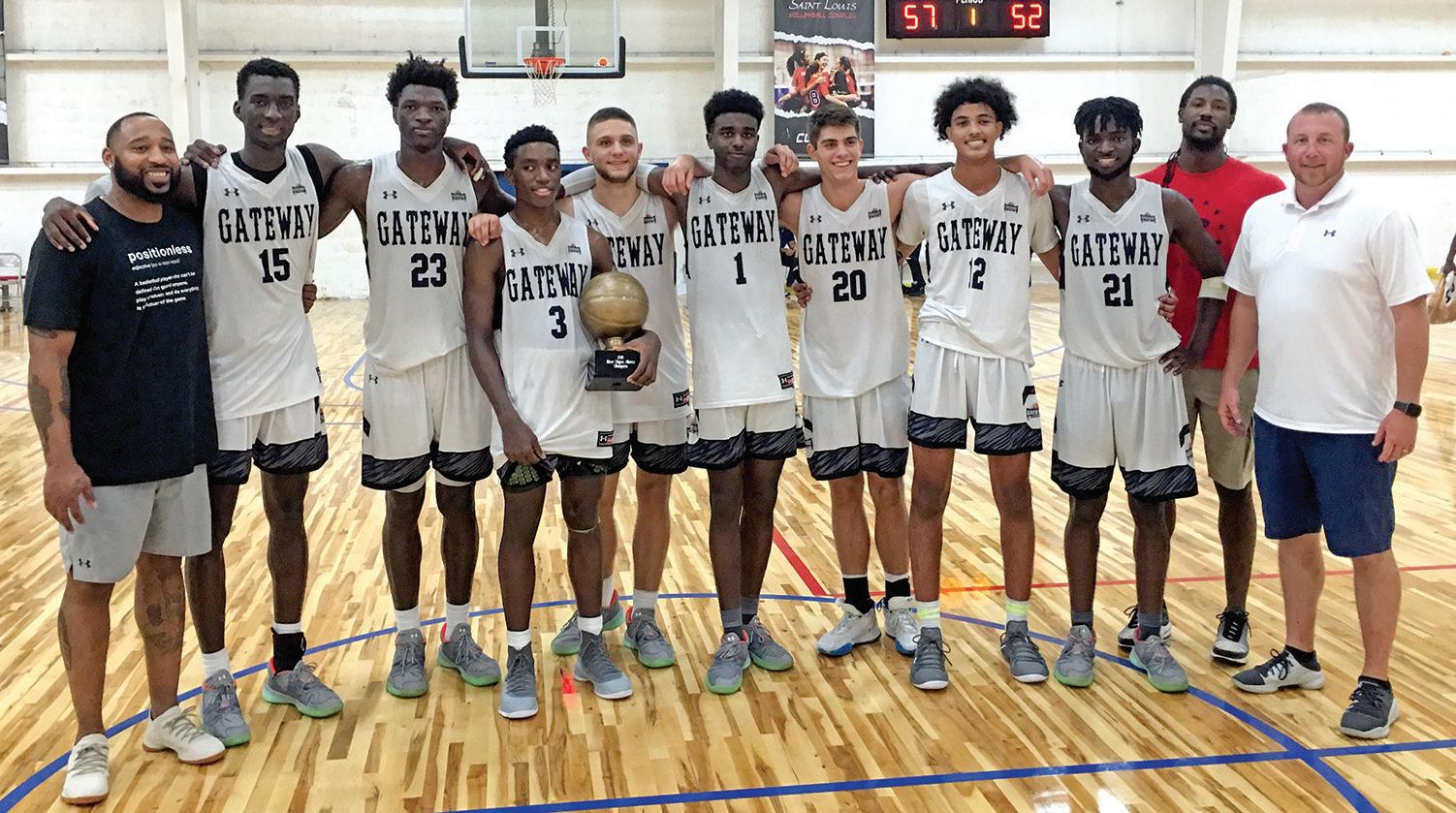
top ranked Class of 2020 player, according to Prep Hoops Missouri. He has scholarship offers from many of the top collegiate programs in the country, including North Carolina, Kansas, Louisville,
Reid’s silent protest against police brutality and social injustice, Reid continued to kneel with the Panthers. He played well and was rewarded with a three year, $22 million contract extension this offseason. It is unlikely that Kaepernick will ever play another down in the NFL. But it’s great to see that the fight he started raise awareness
Missouri, Indiana, Texas and many more. He was a member of the 2019 St. Louis American “Fab Five” All-Star Team after leading the Cadets to a runner-up finish in the Class 5 state tournament.
against injustice will continue. Kaepernick extended his support for Reid’s decision. He tweeted, “Unwavering. Unrelenting. Unflinching. Unapologetic. Love you Brother!”
Be sure to check In the Clutch online and also follow Ishmael on Twitter @ishcreates.



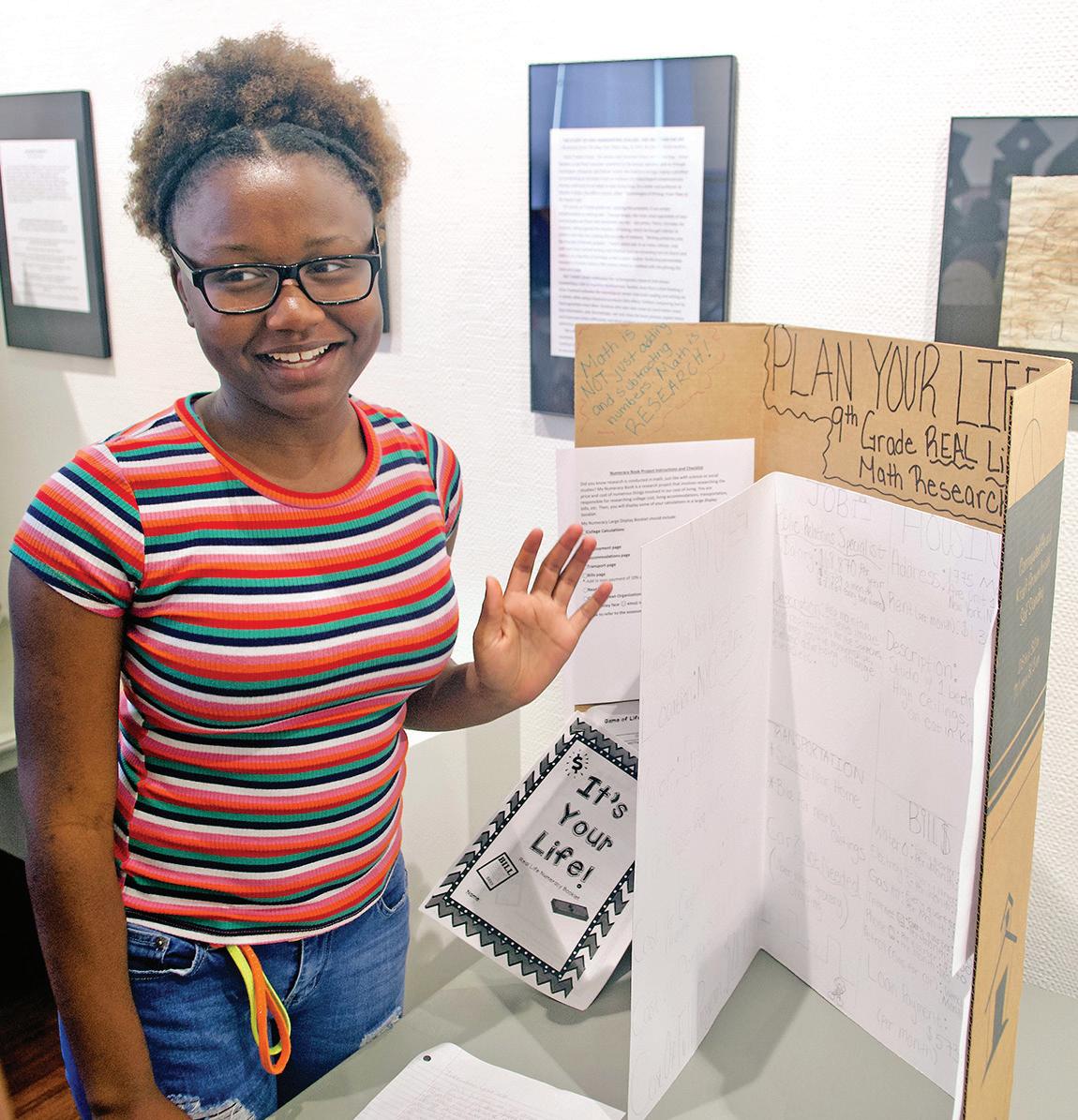
in their six grade class that teaches students about the
While some students showcased science and art, others showcased what they learn about their history and Math.
Sabrina Brown and Sky learned about the flag and the reconstruction of the U.S. flag and the effects of slavery on African Americans. The goal of the program is to teach, motivate and
push students towards post-secondary education, according to Harris.
“We just want them to start thinking about college early,” said Harris. “We want them to be confident and to do that, you know, we need them to go through this program, and we see them grow over the four years.”
For more information on the application process for next summer, visit aimhighstl. org.

By Harsh Patel, CFP, AAMS





Isis M. Jones is back on St. Louis airwaves after an 11-year run in Birmingham, Alabama.
By Kenya Vaughn Of The St. Louis
American
Just before the conversations came about that ultimately brought 95.5 The Lou midday personality Isis M. Jones back to town, she felt the universe at work.
She had come to St. Louis to visit friends. As she was walking through the airport, more than one person said, “Hey Isis Jones!” “I was like, ‘I haven’t been here in ten years,’” Jones said. “That blew my mind.”
She remembered those interactions when presented with the opportunity to return to St. Louis airwaves – to hold down the midday slot for 95.5. She had worked for the station before, way back when it was hip-hop station Q 95.5. She also worked for 100.3 The Beat and Majic 104.9.
“I’m like, ‘well, if you remember me, then there are a couple of more folks that remember me,” Jones said. “So that means I might

Craig Blac honors lost loved ones through 19th annual back to school charity event
By Kenya Vaughn Of The St. Louis
American
As he gears up for the 19th Annual Community Cuts for Kids in East St. Louis and St. Louis next week, Craig Shields admitted that this year was one of the toughest to power through.
In the span of six months, Shields –known to many in St. Louis as Craig Blac – lost his older brother and his mother. Last week he lost his younger cousin. His brother passed away in October of 2018 and his mother passed away on May 30. Considering how close the family is, it would be a valid reason to put Community Cuts for Kids on hold for 2019.

Craig Shields, known to St. Louis as Craig Blac
“My brother helped me out a lot and my mom helped me out a lot,” Blac said. “They were behind the scenes. From a financial standpoint, when we couldn’t get this or get that, they helped out. My family is in D.C., but they would help out the St. Louis community as a silent partner.” His brother, Burton Shields, came to St. Louis several times to help out. He also helped out with the Community Cuts for Kids in their hometown of Washington, D.C. –which is now in its third year. Instead of shutting down, Blac decided keeping things going while honoring their memory is the best way to celebrate their lives. He changed the name of his foundation to the Burton and Craig Shields Foundation – and Community Cuts for Kids this year is dedicated to his mother, Dorothy Shields.
“I wasn’t going to stop it, because they would say ‘you better keep it going,’” Blac said. “They would say, ‘Don’t mourn that much to where you won’t be out here doing what you need to be doing.’”
So, as he has been for nearly two decades, Blac will be back to help kids get fresh for school – a program that started when he was a popular St. Louis radio personality. He has teamed up with area barbers and stylists to provide free haircuts and hairstyles for students as they head back for a new year. School supplies will also be given away while

Diana Ross gave fans a perfectly-executed performance when her Songbook tour landed in St. Louis at The Fabulous Fox Theatre Thursday night.
How to place a calendar listing
1. Email your listing to calendar@stlamerican. com OR
2. Visit the calendar section on stlamerican.com and place your listing
Calendar listings are free of charge, are edited for space and run on a space-available basis.
Sat., Aug. 3, 10 a.m., Monsanto Family YMCA Back 2 School Jam. There will be free school supplies, food, fun, fellowship, & community resources. 5555 Page Blvd., 63112. For more information, email realtalkwithdemingo@gmail. com.
Tues., Aug. 6, 6 p.m., The Korey Johnson Foundation’s 9th Annual Can Skate Back To School Event, Skate King, 2700 Kienlen. For more information, visit www. koreyjfoundation.org.
Sat., Aug. 10, 6 p.m., Do Right Entertainment presents a Back 2 School Giveaway Concert. Feat. AMR Dee Huncho, La4ss, and Jizzle Buckz. The Ambassador, 9800 Halls Ferry, 63136. For more information, visit www. metrotix.com.
Aug. 10 – 11, Saint Louis Public Schools and the Urban League of Metropolitan St. Louis present Urban Expo: Back to School & Community Festival. Bookbag giveaway, health screenings, haircuts, prizes, and more. America’s Center, 701 Convention Plaza, 63101. For more information, visit www.slps. org.
Aug. 10 – Aug. 11, Craig Blac’s 19th Annual Community Cuts For Kids, East St. Louis City Hall (Aug. 10, 10 a.m. – 2 p.m.) and The O’Fallon Park Rec Plex (Aug. 11, 2 p.m. – 6 p.m.). For more information, visit craigshieldsfoundation. org
Sun., Aug. 11, 1 p.m., Made
Moguls presents their 5th Annual Back To School Youth Summit 2019. For students ages 11-17. Get excited about going back to school while learning about available resource and opportunities. Harris Stowe, 3026 Laclede Ave., 63103. For more information, call (314) 951-8393.
Thur., Aug. 1, 6 p.m., Wiz Khalifa: The Decent Exposure Tour. With guests French Montana, Playboi Carti, Moneybagg Yo, Chevy Woods, and DJ Drama. Hollywood Casino Amphitheatre, 14141 Riverport Dr., 63043. For more information, visit www. ticketmaster.com.
Mon., Aug. 12, 8 p.m., Fox Theatre presents Gary Clark Jr. 527 N. Grand Blvd., 63103. For more information, visit www. ticketmaster.com.
Sat., Aug. 17, 8 p.m., A Night of Class starring Dionne Warwick. With special guests Peabo Bryson & Deniece Williams. Stifel Theatre, 1400 Market St., 63103. For more information, visit www.stifeltheatre.com.
Fri., Aug. 30, 8 p.m., River City Casino presents En Vogue. 777 River City Casino Blvd., 63125. For more information, visit www. ticketmaster.com.
Fri., Aug. 2, 7 p.m., FarFetched presents Katarra Parson and Tonina. Pulitzer Arts Foundation, 3716 Washington Blvd., 63108. For more information, visit www.pulitzerarts.org.
Sun., Aug. 4, 3 p.m., Louis Armstrong Birthday
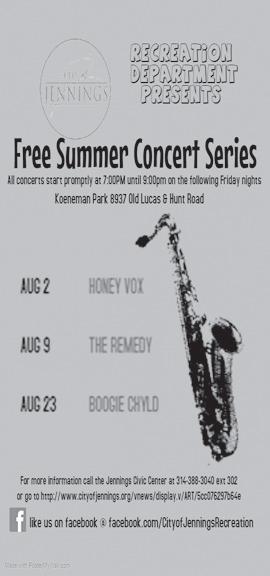
Kenya Vaughn recommends
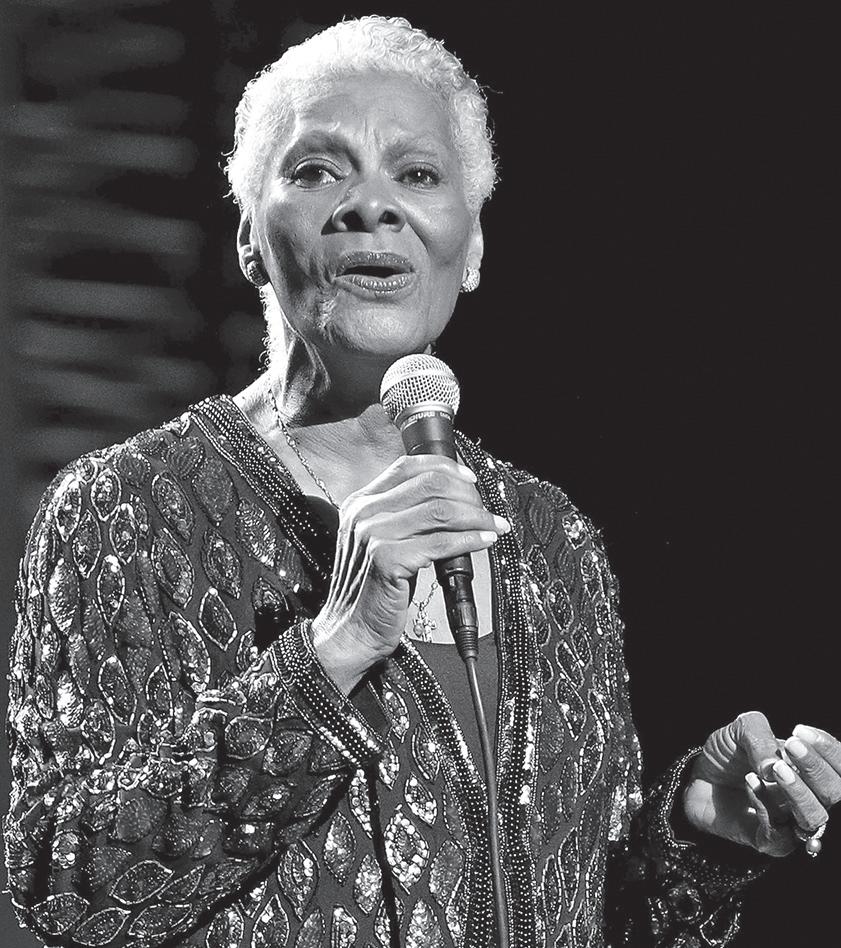
Celebration. Feat. Randy Holmes Quintet. Revisits the music of Louis Armstrong’s Hot Five, All Stars & the Dukes of Dixieland. Ozark Theatre, 103 E. Lockwood Ave., 63119. For more information, visit www. ozarktheatre.com.
Sun., Aug. 11, Chuck Flowers & Acoustic Soul, BB’s Jazz Blues & Soups, 700 S. Broadway, St. Louis, MO 63102.
Fri., Aug. 16, 7:30 p.m., AllN-1 Entertainment presents Divas with Voices Live Tribute Concert. Hosted by Lady Re. Jewel Event Center, 407 Dunn Rd., 63031. For more information, call (314) 690-3660.
Aug. 16 – 18, Blankfest 2019 A music festival to showcase some of St. Louis’ best Hip-Hip, R&B, Alternative, Rock, Hard Blues artists/ bands. Blank Space, 2847 Cherokee St., 63118. For more information, visit www. eventbrite.com.
Fri., Aug. 23, 8 p.m., Pop’s Concert Venue presents Polo G. 1403 Mississippi Ave., Sauget, IL. 62201. For more information, visit www. ticketmaster.com.
Aug. 2 – 4, 5th Annual Ferguson Unity Weekend. Aug. 2, 10 a.m.: Career Fair, 1050 Smith Ave.; 6 p.m.: Souls Never Forgotten, 501 N. Florissant Rd. Aug. 4, 2 p.m.: Backpack giveaway, 3390 Persall Rd. For more information, visit www. eventbrite.com.
Sat., Aug. 3, 6:30 p.m., Families United Community Benefit Megafest. Enjoy music and entertainment while helping raise money for local families in need. Crowne Plaza St. Louis Airport, 11228 Lone Eagle Dr., 63044. For more information, visit www. healthyrelationshipstl.com.
Sun., Aug. 4, 2 p.m., Fox Performing Arts Charitable Foundation presents The Rising Stars Showcase. An afternoon of amazing talent from local teens. Performances include singers, dancers, jugglers, and musical theatre. Sheldon Concert Hall, 3548 Washington Blvd., 63108. For more information, visit www. thesheldon.org.
Fri., Aug. 9, 11 a.m., The Michael Brown Chosen
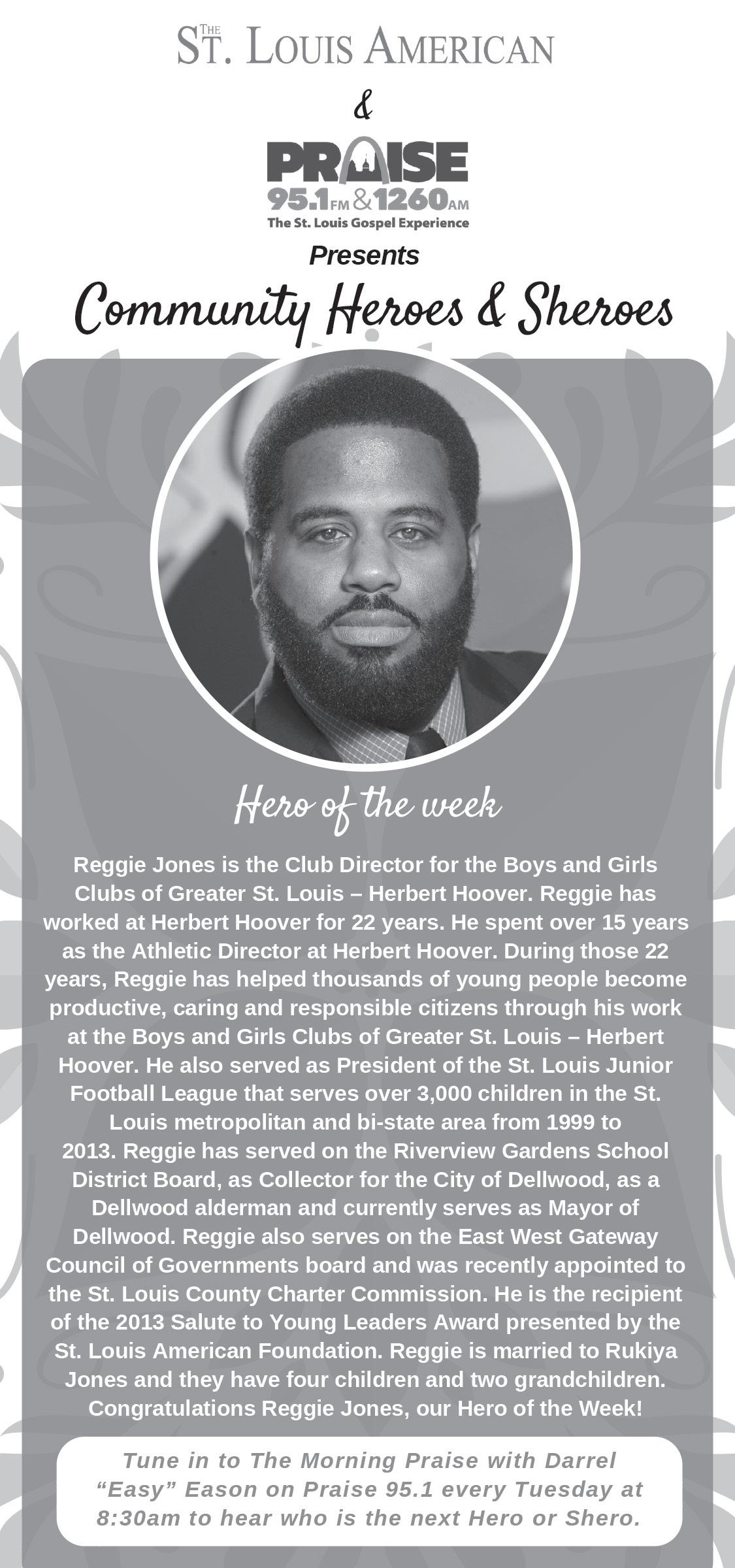
A Night of Class starring Dionne Warwick with special guests Peabo Bryson and Deniece Williams. For more information, see CONCERTS.
For Change Foundation’s 5th Annual Michael Brown Memorial Weekend Event. Event includes memorial service, community day, and the As I See You Exhibit. For more information, visit www. facebook.com.
Fri., Aug. 9, 7 p.m., Anita Jackson: This Woman’s Work! A candid conversation with hard-working women. The Grandel, 3610 Grandel Sq., 63103. For more information, visit www. metrotix.com.
Sat., Aug. 10, 9 a.m., Clean up & Green up The Hodiamont Tracks. Lane Tabernacle CME Church, 910 N. Newstead Ave., 63108. For more information, visit www. cleanhodiamont.eventbrite. com.
Sat., Aug. 10, 11 a.m., George B. Vashon Museum 4th Anniversary: Thriving in Spite Of…Living in Segregated St. Louis Communities. 2223 St. Louis Ave., 63106. For more information, visit www. eventbrite.com.
Sat., Aug. 10, 1 p.m., Nobel Entertainment presents Henny Fest. Hosted by JStarr. Downtown St. Louis. For more information, call (314) 2625064 or (314) 479-9949.
Sun., Aug. 11, 9 a.m., Annie Malone Children & Family Services 2nd Annual 5K. Run, walk, ride. Forest Park Upper Muny, 1 Theatre Dr., 63112. For more information, visit www.anniemalone.com.
Tues., Aug. 13, 10 a.m., St. Louis Union Station Job Fair. We are hiring for The St. Louis Wheel, mini golf, and
more. 1820 Market St., 63103. For more information, visit www.stlouisunionstation.com.
Wed., Aug. 14, 11 a.m., Diversity Job Source Twenty Seventh Annual Diversity Job Fair. Employers will be hiring for engineers, education, retail management, web design, banking, and much more. North County Recreation Complex, 2577 Redman Rd., 63136. For more information, visit www. eventbrite.com.
Thur., Aug. 15, 10:30 a.m., United 4 Children invites you to their 7th Annual Golfing for Kids Golf Tournament Fundraiser. Norman K. Probstein Golf Course, 6141 Lagoon Dr., 63112. For more information, visit www. united4children.org.
Aug. 16 – 18, 2019 Black Pride Weekend: So St. Louis. Events include an awards mixer, festival, church service, and more. For more information, visit wwww. facebook.com.
Aug. 16 – 18, St. Louis World’s Fare Heritage Festival. Concerts, food trucks, and artist village, beer garden, and much more. World’s Fair Pavilion, Forest Park, 1904 Concourse Dr., 63112. For more information, visit www.stlworldsfare.com.
Aug. 16 – 18, Festival of the Little Hills. Featuring over 300 arts & craft booths, demonstrations, vendors, a kid’s area, and more. St. Charles Historic District, 63303. For more information, visit www. festivalofthelittlehills.com.
Sat., Aug. 17, 1 p.m., 6th Annual St. Louis American Artifacts Festival and Bazaar. Celebrating the rich history and culture of people of African descent with prizes, art, music, and more. Crown Square Plaza, 14 th St. and St. Louis Ave., 63106. For more information, visit www. eventbrite.com.
Sat., Aug. 17, 2 p.m., Rise Up Festival 2019. A one-day street festival celebration of revitalization in St. Louis. 1627 Washington Ave., 63103. For more information, visit www.eventbrite.com.
Fri., Aug. 23, 6 p.m., The Pink Carpet Community Gala. With host Derrion Henderson and guest speaker Dr. Lannis Hall. Bold & Confident You Fashion Show. Missouri Athletic Club Downtown, 405 Washington Ave., 63102. For more information, visit www. eventbrite.com.
Sat., Aug. 24, 9 a.m., Greater North County Chamber of Commerce’s 2019 Career Fair. This event is open to high school students, college students & working adults. James J. Eagan Center, 1 James J. Eagan Dr., 63033. For
more information, visit www. greaternorthcountychamber. com.
Aug. 24 – 25, 10 a.m., International Institute presents the Saint Louis Festival of Nations. Tower Grove Park, 4257 Northeast Dr., 63113. For more information, visit www. festivalofnations.org.
Aug. 31 – Sept. 1, Taste of Africa 2019. Come out for the food, vendors, activities, musicians, and more. O’Fallon Park, 799 E. Taylor Ave., 63147. For more information, visit www.facebook.com.
Sat., Sept. 7, 11 a.m., 4th Annual ConsciousFest. A celebration of community, culture, vendors, performances, and more. 4057 Evans Ave., 63113. For more information, visit www.facebook.com.
Sun., Aug. 11, 7 p.m., Churchboy Productions presents Lyricism: The Show. Church will infuse the smooth melodic sounds of R&B with the classy artistry of poetry. The Grandel, 3610 Grandel Sq., 63103. For more information, visit www. metrotix.com.
Sat., Aug. 3, 7 p.m., SPARC. A curation of St. Louis based artists showcasing their work in the nature of art as activism. Good Shepherd Arts Center, 252 S. Florissant Rd., 63135. For more information, visit www.goodshepherdarts.org/ exhibits.
Sat., Aug. 3, 5 p.m., American Conversations Exhibition Reception. 43 artists from around the region will display works depicting what it is like to live in St. Louis in 2019. Exhibit runs through Sept. 5. Art St. Louis, 1223 Pine St., 63013. For more information, visit www. artstlouis.org.
Sept. 6 – 8, Saint Louis Art Fair. Featuring 181 artists from around the world exhibiting their work. 225 S. Meramec Ave., 63105. For more information, visit www. saintlouisartfair.com.
Sat., Aug. 17, 1 p.m., 6th
Kenya Vaughn recommends visit www.slpl.org.

Annual Saint Louis African American Artifacts Festival and Bazaar. Crown Square Plaza, 14th Street & St. Louis Ave., 63106. For more information, visit www. saintlaaafab.com.
Sun., Aug. 11, 6 p.m., Herb Middleton & Friends. Comedy & Concert Blast Peace Tour. Casa Loma Ballroom, 3354 Iowa Ave., 63118. For more information, visit www.facebook.com.
Wed., Aug. 14, 7:30 p.m., Funny Bone presents Kevin Bozeman. Funny Bone, 614 W. Port Plaza Dr., 63146. For more information, visit www. stlouisfunnybone.com.
Aug. 15 – 18, Helium Comedy Club presents Luenell. 1151 St. Louis Galleria St., 63117. For more information, visit www. heliumcomedy.com.
Sat., Aug. 3, 7 p.m., Beyond Measure, LLC presents Soul of a Woman. A show that
deals with the complexities of womanhood. Featuring members of Afroetics. Kranzberg Arts Center, 501 N. Grand Blvd., 63103. For more information, visit www. metrotix.com.
Aug. 3 – 4, The Release: A Ritual by Basil Kincaid. In this Afro-surrealist performance, Kincaid creates an immersive sensory experience to encourage the release of internalized trauma. Pulitzer Arts Foundation, 3716 Washington Blvd., 63108. For more information, visit www. pulitzerarts.org/program.
Aug. 5 – 11, The Muny presents Matilda. Forest Park, 1 Theatre Dr., 63112. For more information, visit www. metrotix.com.
Sat., Aug. 17, 3:30 p.m. & 7:30 p.m. StarFire Productions presents NOT MY SONS written and directed by Star Ellis. A full length play coupled with a served 2 course catered dinner by StarFire Catering. The Empowerment Center @ The Center for Divine Love 3617 Wyoming Street St. Louis, MO 63116. Tickets can be purchased online at www.StarFireHot.com or

An Evening With Iyanla Vanzant: Acts of Faith Remix Tour. See LECTURES AND WORKSHOPS for details.
Thur., Aug. 22, 8 p.m., An Evening With Iyanla Vanzant: Acts of Faith Remix Tour. Touhill Performing Arts Center, 1 Touhill Circle, 63121. For more information, visit www. iyanlavanzantlive.com.
Aug. 2 – 4, Faith Miracle Temple Youth Department presents Evolve Worship Encounter. Aug. 2, 11 p.m.: Skate Night at CoachLite, 3754 Pennridge Dr. Aug. 3, 7 p.m.: Worship Encounter ft. Jonathan Taylor and Lloyd Nicks. Aug. 4, 10:30 a.m.: Worship Service ft. Isiah Williams. 870 Pershall Rd., 63137. For more information, visit www. eventbrite.com.
Aug. 7 – 10, Gidron Global Network presents Faith Alive 2019 in St. Louis. Holiday Inn St. Louis, 811 N. 9th St., 63101. For more information, visit www.gidronglobal.com.
call 314.732.5146 for group/ organization rates.
Aug. 17 – 24, 8 p.m., Union Avenue Opera presents Glory Denied. Follow the life of a long held POW after he returns home. 733 N. Union Blvd., 63108. For more information, www.unionavenueopera.org.
Wed., Aug. 7, 11 a.m., Business Plan Basics Ideas to Implementation. St. Louis Public Library, 1301 Olive St., 63103. For more information, visit www.slpl.org.
Sun., Aug. 11, 2 p.m., The Contributions and Legacies of Black Doughboys. Join a panel of African American veterans to discuss how
the sacrifices made by veterans of the First World War transcended race and influenced the lives of American veterans. Missouri History Museum, 5700 Lindell Blvd., 63112. For more information, visit www. mohistory.org.
Mon., Aug. 12, 6 p.m., SCORE Mentors host How to Handle Core Legal Issues Facing a Business. Busch Hall, Fontbonne University, 6800 Wydown Blvd., 63105. For more information, visit www.eventbrite.com.
Tues., Aug. 13, 6 p.m., Ending the City-County Divide: Pros and Cons Local journalists will lead a discussion with St. Louis leaders on whether the current structure is helping or hurting the region. St. Louis Public Library, 1301 Olive St., 63103. For more information,
Thur., Aug. 8, 7 p.m., Kirk Franklin’s Long Live Love Tour. With guests Koryn Hawthorne and Travele Judon. Friendly Temple, 5515 Dr. Martin Luther King Dr., 63112. For more information, visit www.friendlytemple.simpletix. com.
Thursdays, 6 p.m., Coffee Cake & True Islam, 4529 Emerson Ave.
Sat., Aug. 3, 9 a.m., Rigged: The Voter Suppression Playbook Documentary Film Screening. 24:1 Cinema, 6755 Page Ave., 63133. For more information, email csd@wustl. edu.
Fri., Aug. 9, Brian Banks starring Greg Kinnear, Aldis Hodge, and Xosha Roquemore opens in theaters nationwide.

Continued from C1
be able to do something here.”
She’s been back on St. Louis radio since March. Jones has been laying low and quietly refamiliarizing herself with the scene until last month when she kicked off a marketing campaign formally announcing her return.
Jones loved her 11 years in Birmingham, but is thrilled about being back to the region.
“I’ve always been in love with St. Louis – from downtown to all the way out to St. Charles,” Jones said. “St. Louis was just such an instrumental time in my life. So many strongholds were broken and so many things that materialized in me and were planted in me here that helped me a lot in Birmingham.”
Her new boss is equally excited.
“She brings enthusiasm, experience, and a history of success in the market,” said Derrick “Lil D” Greene, operations manager for Radio One St. Louis. “ Her enthusiasm for the business and proven winning track record will help elevate and grow our already successful station.”
Radio personalities tend to get stereotyped as gossipy, chatty people who use the spaces in-between songs to deliver the latest celebrity scoop. Jones is an example of the counter narrative.
“What I do is based upon what’s going to benefit you as a listener, what is going to benefit the community,” Jones said. “If you need something that is informative, if you need something that is uplifting, if you need something that will get you through your workday
Continued from C1
crowd everything they were looking for. She was a diva in every positive sense of the
in a good mood… That’s me all day. I’m the sunshine. Just add water.” She uses herself as the litmus test – asking, “What do I want to hear?” when mapping out what she will present to her listeners.
“I’m on during the midday, so most of them are at work,” Jones said. “Nine times out of ten it might be background noise. But I at least want it to be constructive background noise. At the end of the day, you want more warm and fuzzy than you do the cold and petty.”
In these months she’s been back, Jones has been working on segments for her show that will shed a positive light on the people, places and things that impact her community of listeners.
One of those segments is “Your neighborhood,” where she spotlights areas within the city and county.
“It’s a play off of ‘Mister Rogers Neighborhood,’” Jones said. ‘I won’t have the puppets, but if I can find somebody though…” Jones said, interrupting herself with a laugh.
“But seriously, it’s about businesses and folks that are doing things that are doing things that impact the community – and some of these organizations that are impacting the community that don’t get much shine.”
‘I am back for a purpose’
Her father was an officer in the military, so Jones spent her formative years traveling – though she spent large chunks of her childhood in Orlando and Tampa, Florida. But Missouri would have the distinction of being the place where she found her passion. Jones was in high school when her father put down roots in
word and showed why she has been referred to as “The Boss” since the late 1970s.
There was very little talking from Ross, except for her to tell fans that she just turned 75 as she thanked them for their support over the years. She also

Jefferson City by accepting a faculty position at Lincoln University.
“When I was 16, my father walked me into the college radio station at Lincoln and I never left,” Jones said. More than 30 years later, Jones is still at it.
requested that security go easy on the audience members who had to be repeatedly ushered to their seats after attempts of getting as close to the stage as they could.
“Don’t bully my audience,” Ross said towards the end

“I felt like Michael Corleone at one time,” said Jones. “Every time I would try to get out, it would call me right back. Sometimes I think your calling calls you. And if you have a gift, I think you should go with it.”
And Jones knows where her
of the show. “This is a good audience. I always have wonderful audiences.”
She then asked her devoted fans to be mindful of keeping the aisles clear for the sake of fire codes, before going into her final number and encore.
The crowd was beside itself with delight. Fans of all ages and ethnicities were on their feet for most of the show. “I should see some seat dancing right about now,” Ross said midway through the show. She didn’t have to ask twice.
Ross was in top form as she reminded everyone exactly how she managed to set herself apart from Motown’s endless pool of talent and become Berry Gordy’s muse.
Her energy and charm, coupled with the pure showmanship is how she rightfully earned diva status. She connects with a crowd in a way that has to be seen to be believed – which granted her a seat at the table among the vocal powerhouses of popular music and R&B.
Through selections such
Continued from C1
they last – on a first-come, first-served basis.
“My main hope is to give them that sense of self-esteem and confidence in themselves so that they will believe they can do what they need to do to be successful,” Blac said. “If I can get the children and their parents to understand that someone is there for them, to support them and help them out, that’s why I do the event.”
As in years past, the O’Fallon Recreational Complex will serve as the site for the St. Louis location, taking place from 2 p.m. to 6 p.m. on Sunday, August 11. On the Illinois side, Blac has teamed with East St. Louis Mayor Robert Eastern III, who will host Community Cuts for Kids at East St. Louis City Hall from 10 a.m. to 2 p.m.
The foundation has teamed with KTVI Fox 2 for a school supply drive taking place from 5:30 a.m. – 9 a.m. at Eclips Barber School (9140 Overland Plaza). Tim Ezell will be onsite
saying – that still stays with me and people know me for saying it,” Jones said. “I know where my strength comes from. I don’t get this right all of the time, but I just feel like I’m covered.”
As she moves ahead with her return to St. Louis radio, Jones is eager to use her platform to elevate others.
“I want to get a really good grip on my people and let them understand the importance of their own beauty, their own intelligence and their own ability to create,” Jones said. “We don’t seem to see that in ourselves right now.” She also came back to become a top-rated personality.
“My directive is to win,” Jones said. “Everybody has their own strength and their own beauty in what it is that they do – I can’t take that away from anybody – but I came to win. That’s just how I’m built.”
Outside of radio, Jones has an interest in urban farming as a form of revitalization and “getting as back to nature as possible.” She saw the positive impact firsthand in Birmingham and got chills about the possibility of a large scale initiative in the St. Louis region after a recent visit to Wellston.
“I believe I am back for a purpose. I’m not 100 percent sure of what all that means, but I know it will unfold itself,” Jones said. “And I know that radio has a part in it, but that’s not the whole.”
gifts come from.
She started regularly using the phrase “blessed and highly favored,” after attending Shalom Church (City of Peace) during her first run on St. Louis radio.
“It was the one thing Pastor Clark would always have us
as “Stop in the Name of Love,” “Come See About Me,” “Can’t Hurry Love,” and “Love Child,” she paid tribute to the group that made her a household name.
“Love Child” featured a salsa interlude for which Ross channeled Celia Cruz as she two stepped across the stage after introducing her third ball gown to the crowd.
The party continued with “Ease On Down The Road,” “Upside Down,” Love Hangover,” and “Higher.”
She showcased her vocal charisma through a few covers. Jazz standard “The Look of Love” and Billie Holiday’s “Don’t Explain,” from her Academy Award-nominated performance of “Lady Sings the Blues” slowed things down. The party picked back up for “Why Do Fools Fall In Love.” But “Theme From Mahogany” followed by “Ain’t No Mountain High Enough” offered another mellow moment for the show before Ross served up her version of Gloria Gaynor’s “I Will
broadcasting live from the school supply drive.
Blac has been away from St. Louis for several years but considers the region his second home – which is why, over the years, even when he was on air in different cities, he has always remained committed to bringing his Community Cuts for Kids back to the place where it started.
“My radio career in St. Louis helped my life,” Blac said, who left St. Louis for positions in Wisconsin and Ohio before landing back on the airwaves in his native D.C.
“I had my son in St. Louis. St. Louis will forever be the home base for Community Cuts for Kids – no matter what. St. Louis gave me the program. St. Louis raised me. St. Louis helped me be a man. St. Louis helped me be a father.”
He’s seen the impact over the years. Blac talked about a young woman who won a computer in a raffle that was gifted by Computers R Us He said she attended the event somewhere around its sixth or seventh year.
Isis Jones is on air at 95.5 The Lou FM from 9 a.m. – 2 pm. Weekdays and Saturdays from 12 noon to 3 p.m. For more information on Isis Jones, visit www.isismjones. com.
Survive” as the evening’s finale.
After an ovation that more than likely would still be underway had Ross and her band not returned to the stage, she brought her final wardrobe change and words of inspiration along with her encore.
In a delightful cobalt blue strapless gown – which preceded the beige, red, magenta and turquoise – she instructed the audience to display their cellphone lights to illuminate the Fox, and to set their intentions.
“We are powerful together,” Ross said. “We can make the world a better place.” She then directed them as a choir in a verse of “Reach Out and Touch Somebody’s Hand.”
“I love you so much,” Ross said. The crowd shouted the same words back to her.
“I love being with you. I love singing for you,” Ross said before closing out the song with one final verse.
He couldn’t remember the woman or her daughter’s name, but he said he will never forget the sense of gratitude she displayed when talking about how that computer helped her in earning her degree.
“If I can pull together some resources within the St. Louis community to help another family make it to another level as far as education – and just help them be prepared for the upcoming school year and lift some of the financial burden –then I’m going to keep doing it,” Blac said. What started as him meeting a community service requirement for his boss, has evolved into Blac’s passion.
“I’m going to keep doing it until I no longer have the strength in my bones to continue. And hopefully somebody will take over for me – if not my son, then one of my good radio colleagues or directors.” For more information on the 19th Annual Community Cuts for Kids, visit thecraigshieldsfoundation.org.
“Fast forward to year 15 or 16, the mom came to the event and said the computer we gave her got her all the way through college.”

Congratulations to nine-year-old Camiyah Johnson as she competes in the National American Miss competition. Camiyah dreams of one day becoming a scientist and finding cures for diseases. Best wishes and good luck!
Vashon High School Class of 1974 is planning for its 45th reunion. We are in the process of rounding up all classmates. To provide or update your contact information, please email ljbady@gmail.com or contact: Joe Verrie Johnson 314-640-5842, Jordan Perry 314-724-4563, or LaVerne
James-Bady 314-382-0890.
Vashon High School Class of 1969 will be celebrating their 50th reunion August 11, 2019: All-White Dance at the Signature Club, 9006 Overland Plz.63114 5pm-10pm. October 18: Meet & Greet at Renaissance Hotel 5-10pm. October 19: 50th Golden Banquet, same location. For additional info contact Yvonne Clemons (314) 620-0551 or Genies Parks Jordan (314)4486658.
Vashon-Hadley Old School Reunion 1960-67, October 19, 2019, 2-6 pm at The Atrium in Christian Hospital. For more details text (only) Brenda Mahr at 314-580-5155 or
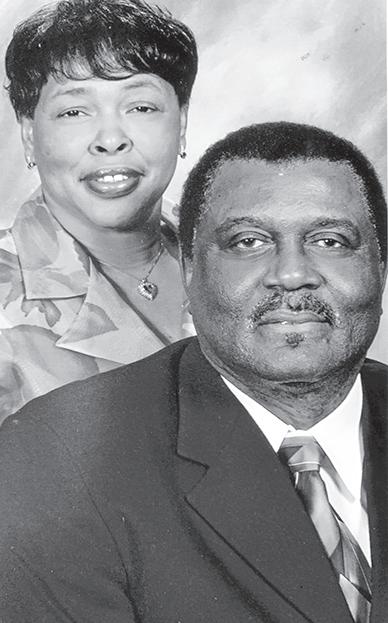

Do you have a celebration you’re proud of? If so we would like to share your good news with our readers. Whether it’s a birth, wedding, engagement announcement, anniversary, retirement or birthday, send your photos and a brief announcement (50 words or less) to us and we may include it in our paper and website – AT NO COST – as space is available Photos will not be returned. Send
email at: brendamahr@att.net.
Soldan Class of 1979 is planning its 40-year reunion for the weekend of August 2-3, 2019. Yearlong reunion activities will begin with a kickoff at Soldan High School Homecoming on Saturday, October 13, 2018 prior to the game at 1 p.m. For more information or to assist with reunion activities, please email at: soldanclassof1979@gmail. com or call Barbara at 314 456-3391.
Soldan Class of 1974 Alumni Association is planning its 45-year reunion. Please get your contact information to dhblackjack@charter.net or call 314-749-3803.

Soldan is having its 14th AllClass Alumni Picnic, August 17, 2019, at Tiemeyer Park, 3311 Ashby Rd., St. Ann, MO 63074 from 10 am-6 pm. Bring your own basket or grill out there. Food trucks will be present. T-Shirts are $15—get your grad year on your t-shirt before August 3, 2019. For more information call: (314) 413-9088.
Northwest Class of 1979 is planning on cruising for our 40th class reunion and would love for you to join us! Date to sail is set for July 20, 2019 and you can feel free to contact: Duane Daniels at 314-568-2057 or Howard Day at 414-698-4261 for further information.

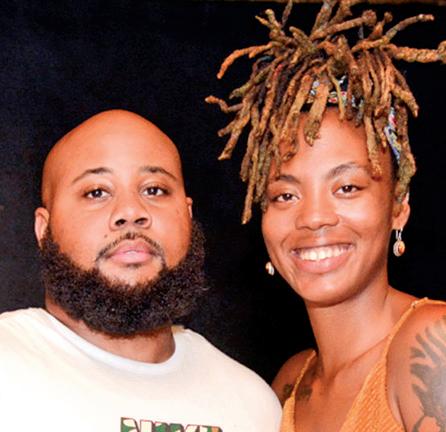



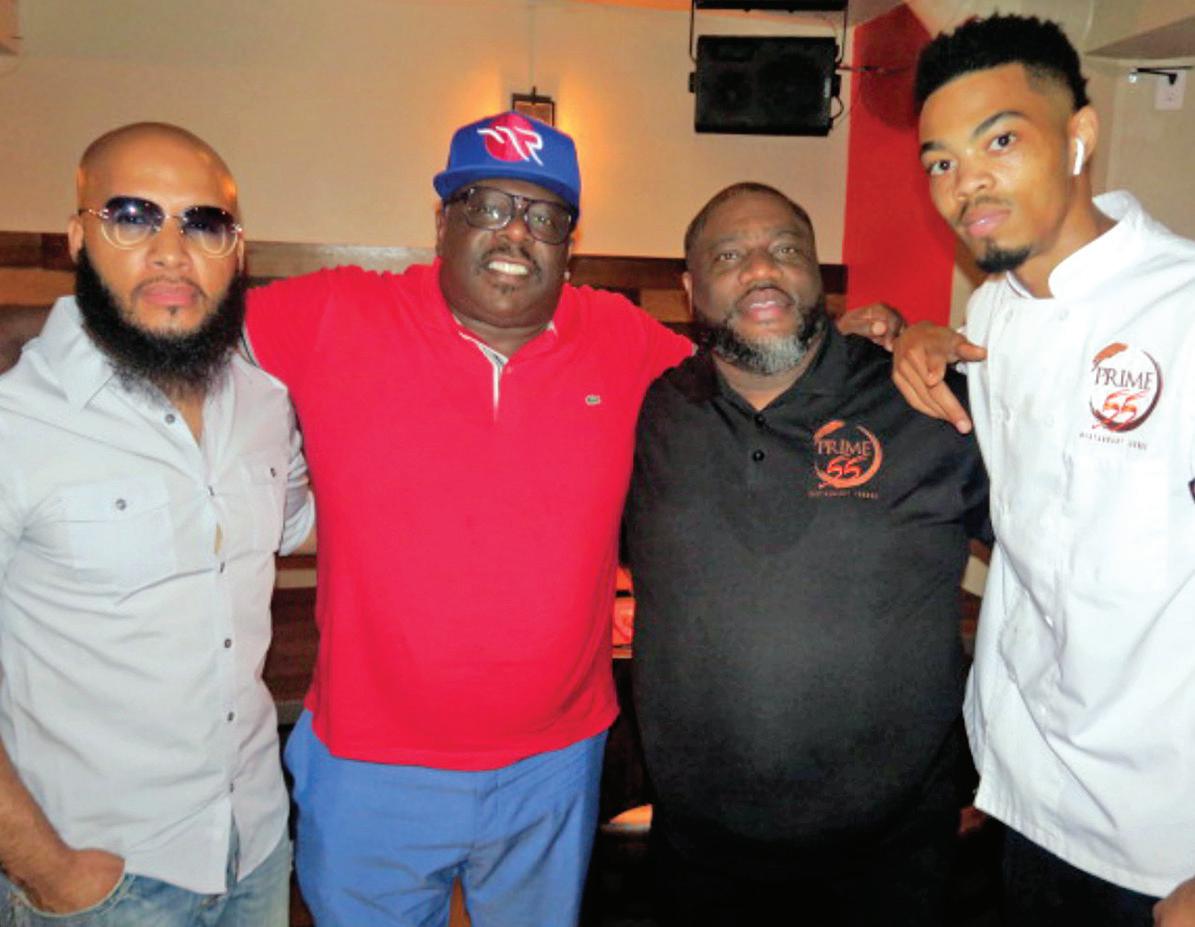

Ms. Ross is an on-time boss. I learned the hard way several years back that Diana Ross does not play when it comes to punctuality. Ms. Diana is one of the few folks that, if she had a flyer that said “show starts promptly at…” at the bottom, I would actually believe her. The tickets said 8 p.m. and by 8:01 the band had already done their intro and she was singing “I’m Coming Out” as she made her way to the stage. And she was mindful of the time from start to finish. She was on stage all of 70 minutes (max) and squeezed in five wardrobe changes and 20 songs. And the crazy thing is that it didn’t feel rushed at all. She took performance efficiency to a new level at The Fox Thursday night. And had the nerve to look and sound great as she powered through. She was giving glamour in all shades and styles with her evening wear – and serving body goals to women half her age. I promise, if it weren’t for the orthopedic shoes that peeked out from the bottom of her gowns every once in a while, I would have sworn that I was transported back to 1982 to catch classic Diana “The Boss” Ross doing her thing. She was truly in mint condition –looks, voice, energy, – all of it. And I got a cackle in when she gathered security by telling them not to bully her audience. I’m still laughing at the random gentleman who took it upon himself to read Mr. Gary “Them Yo’ People.” He had lived his best life doing what he loves most by dancing around in a yellow suit and matching crown. As he was headed towards the exit, this gentleman of a certain age walked up to him and asked, “Is that butter or Parkay?” He dragged that “Paaarrrkaaay” out as long as his mouth let him. As usual Gary was a great sport and shrugged off the shade. I had a ball with The Boss – and because she operated her show with such precision, I was home in time to catch the tail end of “Law & Order: SVU.”
STL reps for Real to Reel. I was so happy that Gentleman Jack brought their multi-city film short competition back to STL for another year. For 2019, The Science Center played host. I got a kick out of the atmosphere, even though my neck is still a little sore because I sat so close to the front of the OMNIMAX Theater that I had to lean back and look up as I watched the eight shorts. All types of tastemakers were on deck, so the vibe of folks, mixed with the unconventional surroundings for a kicking-it opportunity, made for a super cute night. I also ran into my boo Mario
By Delores Shante dshante@stlamerican.com
who moved from St. Louis to D.C. several years back and came through slaying with a rose gold top. Shout out to the all of the filmmakers who competed for the local prize, to previous winner David Kirkman for hosting this year’s event and to Jon Alexander for being crowned this year’s local winner. He had two films in the competition. I don’t believe it was stated which of his films earned the prize, but my favorite was “Enough.” I also want to give props to event manager Eddie Holman on how he gracefully handled his response to a woman who shouted out that there wasn’t enough representation of black women within the shorts. I truly hope she can come back in 2020 and say, “Last year I pointed out something I had a problem with and took Eddie’s advice to create and submit … and here I am with my own film!” Blac Youngsta was not in the building. Folks were really feeling a type of way after the fact when rapper Blac Youngsta never made it to the Ambassador’s Club Klymaxx Saturday night. The gag is that based on the size of the crowd, folks cared more about him not coming than him actually coming. The folks who were there went from twerking and turning up to looking at their watch and saying, “This dude (Partyline edit) needs to get on stage and quit playing.” At 1:23 a.m. (the club closes at 1:30) – just after somebody said, “Who ready to see Blac Youngsta?” – a voice came over the speaker and said, “I got bad news.” The folks filed out knowing what that bad news was before it was announced. The dude went on to say, “This wasn’t because of the venue, this

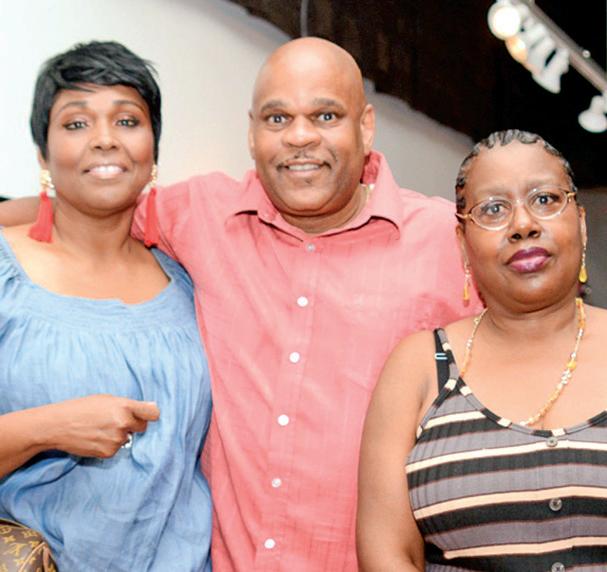

wasn’t because of Streetz 105.1 (the online radio station sponsor), this was because of the promoter. The promoter did not give him his money.” I’m almost certain nobody blamed the Ambassador or the station, but several folks still asked for their money back. Blac Youngsta was in town, he just didn’t get the coin required for him to come on stage – I’m assuming because the crowd was smaller than expected. Folks made a big deal of it on social media, but it wasn’t the first or the last celeb no show. In fact, I believe this is the longest stretch I’ve had without one.
Grown folks’ poetry. My first stop Saturday night was to Noir: An Erotic Art Experience at The Fellowship. By the time I got there, they were into the spoken word portion of the evening –and never in my life have I felt like a kid caught up in a grown folks’ conversation as I did at that doggone poetry set. Diverse and Mocha had me clutching my collar all night. I am by no means a prude, but part of me was like “Don’t they know this used to be a church?” I was thrilled with Jenni Lovette’s set. Girl, how have I known you all these years and not known that you can sing? You were phenomenal! You gave a whole sultry vibe. Actually, the entire night did. And then I scooted over to Floral Fresh to continue the vibe with Marty and company at Blank Space. It was all quite cute.
Crazy.Sexy.Curves. Speaking of cute, I spent my Sunday evening over at the Contemporary Art Museum for the 3rd Annual Crazy.Sexy.Curves live fashion look book. It was presented by Honey’s Child Boutique and proved that sexiness and style come in ALL shapes and sizes. Everything about the production was fantastic, from the venue to the models, my girl Jade Harrell and the host Maui Bigelow – who was more chatty than should be allowed for a fashion show, but was life nonetheless. Can somebody please get that red and black stripped dress with the gold belt mailed c/o yours truly to the administrative office? And I also got life from their audience participation runway competition. Vanessa and Tendai were serving pony walks for the gods! And who was that woman of a certain age in black that had the nerve to drop it like it was hot? I knew the way she was posing in-sync with the models in her seat that she was extra – and I loved it!

COORDINATORACCOUNT SERVICESPOLICY OPERATIONS
ARCHS is seeking an Executive Administrative Assistant reporting directly to the CEO, and secondarily providing administrative support to the senior leadership team and Board of Directors in a well-organized and timely manner. Responsibilities Include: Serving as the primary point of contact for internal and external constituencies on all matters pertaining to the CEO. Organizes and coordinates executive outreach and external relations efforts. Manages CEO’s calendar and makes company-wide travel arrangements. Maintains funding database, and provides minimal administrative support to CFO. Take dictation and minutes and accurately enter data. Produce reports, presentations and briefs. Develop and carry out an efficient documentation and electronic filing. Requirements: 5 yrs experience or executive level assistance (preferred). Full comprehension of office management systems and procedures. Excellent knowledge of MS Office. Exemplary planning and time management skills. Up-to-date with advancements in office equipment and applications. Ability to multitask and prioritize daily workload. High level verbal and written communications skills. Ability to be discrete and confidential. Email letter of application, resume and by August 15, 2019 to careers@stlarchs.org or Fax to HR, 314-289-5670. NO phone calls please.
St. Louis County, Department of Justice Services has a unique opportunity for an experienced manager to serve as the Director. The position will serve as a direct report to the County Executive. The position will be afforded latitude for independent judgment and decision making and be the point of contact for the Department, both internally and externally, as it relates to the day-to-day operations of a 1,200 person county jail. The candidate will serve as the appointing authority for approximately 340 merit system employees assigned to provide corrections services within the St Louis County Jail.
A baccalaureate degree from an accredited college or university and five years of full-time paid experience acquired within the last fifteen years, of supervisory or administrative experience including management of corrections services or related programs. Apply online at www.governmentjobs. com/careers/stlouis
Responsible for providing client / customer support for the department’s operational functions to include the production of Primary and Excess Workers’ Compensation, Commercial Auto, General Liability, Excess Liability and Specialty Lines transactions (New Business, Renewals, Endorsements, Cancellations, Reinstatements and Non-renewals). This position includes the accuracy in which transactions are issued, correct billing and proper distribution of final product to our customers.
To apply, please visit: https://www. safetynational.com/careers-page/
The Premium Audit Specialist will work both collaboratively and independently while self-directing their work processes to meet corporate objectives and goals related to the accurate and timely completion of premium audits. The specialist will conduct audit processes for applicable large casualty/primary and excess accounts, substantiating the accuracy of policy classifications, exposure base, exposure information, inclusions/ exclusions, status of subcontractors etc.
The Specialist will also facilitate the order process for applicable accounts.
To apply, please visit: https://www. safetynational.com/careers-page/
The Missouri Historical Society has position openings for the following:
• Early Childhood and Family Programs Educator
• Resource Protection Officer
Please visit www.mohistory.org under the “Current Openings” tab for position details and to apply. An Equal Opportunity Employer
The City of Jennings is accepting applications for Code Enforcement Inspectors, Correctional Officers, Public Works Street/Park Laborers, P/T Bus Driver, P/T Youth Sports positions, & P/T Prosecuting Attorney Clerk. Please see the full job descriptions online at www.cityofjennings. org. Applications are available at the Jennings City Hall or online at www.cityofjennings.org.
The City of Jennings is an equal opportunity employer. All applicants will be considered for employment without attention to race, color, religion, sex, sexual orientation, gender identity, national origin, veteran or disability status.
As a member of a self-directed work team, this position shares responsibility reviewing, analyzing, and reporting policy transactions related to Primary Worker’s Compensation policies, as well as reporting coverage for Commercial Auto vehicles insured by Safety National.
To apply, please visit: www.safetynational.com/https://
Responsibility for the collection, preparation, documentation and communication of IS requirements, both business and technical
Demonstrates clear and working knowledge and concepts of Business Analysis and Information Technology
Is capable of working independently, but may be assigned to work under the guidance of a Senior Business Systems Analyst when engaged in larger, more complex projects
To apply, please visit: https://www. safetynational.com/careers-page/
Seeking Custodian to perform variety of tasks, including routine cleaning and inspections; stripping/waxing floors; emptying trash; clearing entranceways; and assisting with campus events. Ideal candidate will have high school diploma and at least one year custodial experience. Experience in stripping/ waxing floors and minor maintenance/repair will be preferred.
To be considered, visit our website at https://www.desmet.org/about/careers to complete an employment application.
EOE M/F/D/V – Committed to Diversity and Inclusion
Explore St. Louis is seeking a highly detailed and experienced individual with knowledge of the hospitality industry to join our team as a Director of Partnership Services. This position is responsible for directing and coordinating all activities of partnership sales & services, along with development activities which include planning, leading, and coordinating the events of Explore St. Louis and its partners in the hospitality community. Duties include: developing and pursuing partnership opportunities with public + private sector entities, determining prices for partnership levels and revenue-generating programs, formulating and administering policies, conducting meetings, making presentations, ensuring that all aspects of services provided to partners meets company standards, and supervising departmental staff. Managerial experience along with strong interpersonal, communication & analytical skills is required. Excellent presentation skills are essential. Familiarity with the St. Louis hospitality community is essential. Bachelor’s degree or 3 to 5 years related experience is preferred. To apply: go to https://explorestlouis. com/job-opportunities-internships/. NO PHONE CALLS! EOE
Teachers with current pre-school CDA credential or current infant/toddler CDA credential. Please reply to Center Manager Linda Davis at (314) 679-5440.
CITY OF ST PETERS, MO CAREER OPPORTUNITIES
Are you a team player? Work for an employer who values and supports teamwork for their employees. St. Peters Rec-Plex and Golf Course offer their employees competitive pay and a chance to work in a fun atmosphere.
To view current openings and to apply please visit: www.stpetersmo.net/jobs AA/EOE
AAS degree or higher in Social Work, Human Services, Family Studies, or a related field. Minimum of nine (9) college credit hours in early childhood related courses; or current CDA credential a plus. Please reply to Center Manager Linda Davis at (314) 679-5440.
The City of Brentwood seeks a Patrol Officer to join our current Police Force. This position is responsible for, but not limited to, performing a variety of routine and complex public safety duties including police patrol, criminal investigations, traffic enforcement, apprehension and prosecution of criminals and all related local, state and federal law enforcement activities in an assigned area. The incumbent is responsible for accomplishing department objectives and goals within guidelines established by the Sergeant/Corporal. Starting rate of pay is $57,084. Minimum qualifications are as follows:
• High school diploma or equivalent
• Current P.O.S.T. (Peace Office Standard Training) Certification as a police officer of a first class county in the State of Missouri through Police Academy training.
• Valid Missouri Driver’s license without record of suspension, revocation or felony convictions in any state
• Must be 21 years of age and US citizen at time of employment
This position will close on Friday, August 30th, 2019 at 4 PM. For more information regarding this position, please visit our website at www.brentwoodmo.org/jobs
EOE A/M/F/D/V

Sealed proposals will be received by the Board of Public Service in Room 208 City Hall, 1200 Market Street, St. Louis, Mo. Until 1:45 PM, CT, on August 20, 2019, then publicly opened and read. Plans and Specifications may be examined on the Board of Public Service website http://www.stl-bps.org (BPS On Line Plan Room) and may be purchased directly through the BPS website from INDOX Services at cost plus shipping. No refunds will be made.
Bidders shall comply with all applicable City, State and Federal laws (including MBE/WBE policies).
All bidders must regard Federal Executive Order 11246, “Notice of Requirement for Affirmative Action to Ensure Equal Employment Opportunity”, the “Equal Opportunity Clause” and the “Standard Federal Equal Employment Specifications” set forth within and referenced at www.stl-bps.org (Announcements).
1
Clearing, Demolition, Existing Building Removal, Grading, Decorative Fountain, Splash Pad Plaza, Entry Arbor, Small Parking Lot, Site Lighting, Site Furnishings and other misc. work associated with the park redevelopment.
Electronic Copy of Bid Package is available, MONDAY, AUGUST 5, 2019 after 8:00 A.M. CST, from terraspec, located at 11426 Gravois Rd., Suite 102, St. Louis, MO 63126, 314-9848211, kjkeitel@terraspecstl.com. Hard copies of Bid Package are available at above referenced address upon request and payment of a non-refundable fee of $50 per set. Checks made payable to “Terraspec”.
Bids will only be accepted at Jennings City Hall, 2120 Hord Avenue, Jennings, MO 63136, until 2:00 p.m., Wednesday, August 21, 2019 at the time set for opening of such bids Bids must be submitted on provided bid form, in a sealed envelope and marked clearly “SIEVERS PARK PHASE 1 - SITE REDEVELOPMENT, DO NOT OPEN – SEALED BID”. Faxed bids will not be accepted. There will be no pre-bid meeting. Interested contractors shall direct any questions to: TerraspecKen Keitel 341-616-0234 or 314-984-8211. Visit the City of Jennings website for more detailed information regarding this notice (www.cityofjennings.org).
CITY OF ST. LOUIS BOARD OF PUBLIC SERVICE
REQUEST FOR QUALIFICATIONS for PROFESSIONAL
ENGINEERING SERVICES FOR ON-CALL DESIGN OF VIDEO CAMERA SURVEILLANCE SYSTEMS, ST. LOUIS, MISSOURI. Statements of Qualifications due by 5:00 PM CT, WEDNESDAY, AUGUST 7, 2019 at Board of Public Service, 1200 Market, Room 301 City Hall, St. Louis, MO 63103. RFQ may be obtained from website www.stl-bps.org under On Line Plan Room, Professional Services, or call Helen Bryant at 314-589-6214. 25% MBE & 5% WBE participation goals.
Notice is hereby given that The Metropolitan St. Louis Sewer District (District) will receive sealed bids for Brixworth Sanitary Replacement (IR) under Letting No. 13201-015.1, at this office, 2350 Market Street, St. Louis, Missouri 63103, until 02:00 PM on Tuesday, September 10, 2019, at a place designated. Bids will be received only from companies that are pre-qualified by the District’s Engineering Department for: DEEP SEWER CONSTRUCTION – St. Louis County drainlayer’s license required Plans and Specifications are available for free electronic download. Please go to MSD’s website and look for a link to “ELECTRONIC PLANROOM.” Plans and Specifications are also available for viewing or purchase at Cross Rhodes Reprographics located at 1712 Macklind Avenue, St. Louis MO 63110. All bidders must obtain a set of plans and specifications in order to submit a bid in the name of the entity submitting the bid. The Metropolitan St. Louis Sewer District is an Equal Opportunity Employer.
Public Notice of Single Source Procurement
Notice is hereby given that the Metropolitan St. Louis Sewer District is proposing to procure: ROCKWELL SOFTWARE ELECTRICAL UPGRADE. The District is proposing single source procurement for this service because FRENCH GERLEMAN ELECTRIC is the only known available source for the service. Any inquiries should be sent to gjamison@stlmsd.com.
Metropolitan St. Louis Sewer District is an Equal Opportunity Employer.
Draft Substantial Amendment and Citizen Participation Plan Available for Review and Comment
The City of St. Louis is soliciting comments on two draft documents: (1) Draft Substantial Amendment to its 2015–2019 Consolidated Plan/2019 Annual Action Plan; (2) Draft Citizen Participation Plan. The Substantial Amendment proposes the reprogramming of Community Development Block Grant (CDBG) funding allocated and unspent in previous funding years. The Citizen Participation Plan describes the proposed steps that the City will take to encourage citizen input in HUD-funded programs.
Public Hearing Notice/Public Comment Period
The Community Development Administration (CDA) will conduct a public hearing on Thursday, August 15, 2019 at 5:30 p.m. at 1520 Market Street – Suite 2000 (63103). The purpose of this hearing is to solicit public comments and answer questions pertaining to the Substantial Amendment and Citizen Participation Plan. Documents Available for Review
The Substantial Amendment to the 2015-2019 Consolidated Plan and 2019 Annual Action Plan will be available in draft form for review by any interested citizen on July 31, 2019 at the Central Branch of the St. Louis Public Library located at 1301 Olive Street. The Amendment will also be available for review at CDA, located at 1520 Market Street, Suite 2000. Copies of the report may be downloaded from the City of St. Louis website at https://www.stlouis-mo.gov/government/departments/ community-development/documents/index.cfm. Written comments will be accepted until 5:00pm on August 31, 2019.
The Citizen Participation Plan will be available in draft form for review by any interested citizen on August 31, 2019 at the Central Branch of the St. Louis Public Library located at 1301 Olive Street. The Plan will also be available for review at CDA, located at 1520 Market Street, Suite 2000. Copies of the report may be downloaded from the City of St. Louis website at https://www.stlouis-mo.gov/government/departments/community-development/documents/index.cfm. Written comments will be accepted until 5:00pm on August 31, 2019.
Written Comments
The views of citizens, public agencies, and other interested parties are strongly encouraged. Written comments or suggestions may be addressed to Mr. Matt Moak, Executive Director, Community Development Administration, 1520 Market, Suite 2000, St. Louis, MO 63103, or via e-mail at MoakM@stlouis-mo.gov.
Other Information
Persons with special needs or accommodations relating to handicapped accessibility or foreign language should contact Mr. Moak via email at MoakM@stlouis-mo. gov or by phone at (314) 657-3835 or (314) 589-6000 (TDD). Interpreting services are available upon request for persons with hearing disabilities. Interested parties should contact the Office on the Disabled at (314) 622-3686/voice or (314) 6223693/TTY.
CDA is an equal opportunity agency (employer). Minority participation is encouraged.
ST. LOUIS COMMUNITY COLLEGE
St. Louis Community College will receive separate sealed bids for Contract No. F 20 201, Evaporative Cooler Replacement, St. Louis Community College at Corporate College, until 2:00 p.m. local time, Tuesday, August 27, 2019. Bids will be publicly opened and read aloud at the office of the Manager of Engineering and Design, 5464 Highland Park Drive (Plan Room). Specifications and bid forms may be obtained from the Manager’s office, at the above address or by calling (314) 644-9770.
Mandatory PREBID MEETING:
11:00AM August 13, 2019Evaporative Cooler Replacement, Meet in The Front Lobby at Corporate College 3221 McKelvey Road, Bridgeton, MO 63044 An Equal Opportunity and Affirmative Action Employer
SAINT LOUIS ZOO 2019 PLANNED GIVING ADMINISTRATION AND INVESTMENT SERVICES
RFP
The St Louis Zoo is seeking a vendor for Planned Giving Administration and Investment Services RFP
The Saint Louis Zoo Association requests proposals from financial institutions that provide investment management and administration for charitable planned gift assets. The Association’s scope of business currently includes administrative services for its charitable gift annuity and trust program and investment services for the corresponding annuity and trust funds. In addition, the Association seeks a consulting dimension of the vendor relationship to grow its planned gift program, stay abreast of regulatory and best practices, and keep pace with peer institutions.
The bid documents on 8/1/2019 located at: https://www.stlzoo.org/about/ contact/vendoropportunities
PROJECT NAME: AC HOTEL IN THE CENTRAL WEST END
A preconstruction meeting will be held on Monday July 29th at 9:00 AM at the following location: William J Harrison Center 3140 Cass Avenue, St. Louis, MO 63106
Bid Due Date: 08-12-19 @ 9:00 AM
Plans and Specs can be found at Cross Rhodes Reprographics
Brinkmann Constructors would like to invite you to bid on the Missouri S&T Student Design Center Expansion. Bids for this project will phased from June to late summer.
Please contact Andrew Lucas with Brinkmann Constructors at (636) 537-9700 for access to plans and further details on the bid date for your trade.
Plans can be found online at https://secure.smartinsight.co/#/ PublicBidProject/445648
Altman-Charter Co., requests subcontractor/supplier proposals for the construction of Preservation Square Phase I in St. Louis, MO. This is a new development consisting of 131 New & Remodeled Apartment Units. Proposals are due at the office of Altman-Charter Co., 315 Consort Dr., St. Louis, MO 63011 on or before Thur., August 15, 2019 at 3:00 PM (CT). Qualified Minority, Section 3, and Women owned businesses are encouraged to submit proposals. Plans can be viewed at FW Dodge, Construct Connect, SIBA, MOKAN, and the Altman-Charter plan room in St. Louis.
Bidders should contact Mr. Greg Mehrmann with any questions or to submit a proposal at gregm@altman-charter.com. Our telephone # is (636) 207-8670, and our fax # is (636) 207-8671.
for Construct Helipad, MissouriNational Guard,Camp Clark Training Site, Nevada,Missouri, ProjectNo. T1933-01 willbereceived byFMDC,State of MO,UNTIL1:30 PM,8/22/2019. Forspecificproject informationand orderingplans,go to:http://oa.mo. gov/ facilities
forRepair, Sealcoat&Stripe AsphaltPavement, MissouriNational Guard,Camp Clark, CampCrowder, &IkeSkelton Training Sites, Nevada, Neosho,Jefferson City,Missouri, Project No.T1925-01, willbe receivedby FMDC, StateofMO, UNTIL1:30PM, 8/1/2019 Forspecific
Public Notice of Single Source Procurement
Notice is hereby given that the Metropolitan St. Louis Sewer District is proposing to procure: EVOQUA FINAL TANKS COLLECTOR AND DRIVE EQUIPMENT. The District is proposing single source procurement for this equipment because EVOQUA WATER TECHNOLOGIES LLC is the only known available source for the equipment. Any inquiries should be sent to gjamison@stlmsd.com.
Metropolitan St. Louis Sewer District is an Equal Opportunity Employer.
Sealed bids to furnish all materials, equipment and labor for the Stage Lighting Electrical Service Installation are being requested from the Ferguson-Florissant School District and will be received and publicly opened on Tuesday, August 27, 2019 at 10:30 A.M. CST at the Facilities Operations and Maintenance Department located at 7469 Mintert Industrial Drive, Ferguson, MO 63135. Bid specs must be obtained at: http://new.fergflor.K12.mo.us/ facilities-rfq. Contact Matt Furfaro (314) 506-9184
ST. LOUIS COMMUNITY COLLEGE
E-bids for St. Louis Community College Invitation for Bid No. B0003842 for a Moving & Storage Service, will be received until 2:00 p.m. (local time) on August 5, 2019 at Purchasing@stlcc.edu, and immediately thereafter opened and read. Bid documents can be accessed on our website at www.stlcc.edu/purchasing or call (314) 539-5226. EOE/AA Employer.
GSGBC Dutchtown Satellite ST. LOUIS, MISSOURI
Sealed Bids for the GSGBC Dutchtown Satellite will be received by the Gene Slay’s Girls and Boys Club (the Club), 2524 S. 11th Street, St. Louis, Missouri, 63104 until 12:00 p.m. (prevailing central time) on Monday, August 26, 2019 and will thereafter be publicly opened and read aloud.
The project consists of renovating the former St. Hedwig’s School (now DiverseCity Church) located at 3214-16 Pulaski St., St. Louis, MO, 63111 to provide classroom and programming space as well as a gymnasium. The building was constructed in 1904, is three stories in height, and approximately 14,595 square feet in size.
A representative of GSGBC will be at 3214-3216 Pulaski St., St. Louis, MO, 63111 on Friday, August 2, 2019 at 9:00 a.m. for a mandatory walk through and to answer any questions.
Plans and contract documents will be available for 30 days commencing on July 25, 2019 for download from the Club’s website: https://www.gsgbcstl.org/ and from Cross Rhodes: https://www. sldcplanroom.com/ Hard copies may be purchased directly from Cross Rhodes.
SPECIAL SCHOOL DISTRICT OF ST. LOUIS COUNTY ACCEPTING SEALED BIDS
Notice to contractors, Special School District is accepting bids for Door Replacements at Neuwoehner School. For details, please visit the website at www.ssdmo.org/rfps.html
(Announcements).
Public Notice of Single Source Procurement
Notice is hereby given that the Metropolitan St. Louis Sewer District is proposing to procure: Lamps – Lemay TP. The District is proposing a 3-year single source procurement to Suez Treatment Solutions Inc. Any inquiries should be sent to acooper@stlmsd.com.
Metropolitan St. Louis Sewer District is an Equal Opportunity Employer.
Public Notice of Single Source Procurement
Notice is hereby given that the Metropolitan St. Louis Sewer District is proposing to procure: Motorola ACE Radio Mitigation. The District is proposing single source procurement to Electronic Controls Company Inc for this equipment and service. Any inquiries should be sent to ameyer@stlmsd.com.
Metropolitan St. Louis Sewer District is an Equal Opportunity Employer.
# 57819192, Customer Relationship Management software
Harris-Stowe State University (HSSU) is requesting sealed proposals for Customer Relationship Management (CRM) software built specifically for the needs of University Admissions and Enrollment Management professionals. A copy of the RFP is available by calling (314) 340-3325, emailing: barskys@hssu.edu or faxing a written request to: (314) 340-3322.
Proposals will be received until 10:00 a.m. on Monday August 5, 2019 and should be mailed or delivered in sealed envelopes clearly marked “Proposal for Customer Relationship Management software” to HarrisStowe State University, Attn: Shelley Barsky; 3026 Laclede Ave., Room 105, St, Louis, MO 63103.





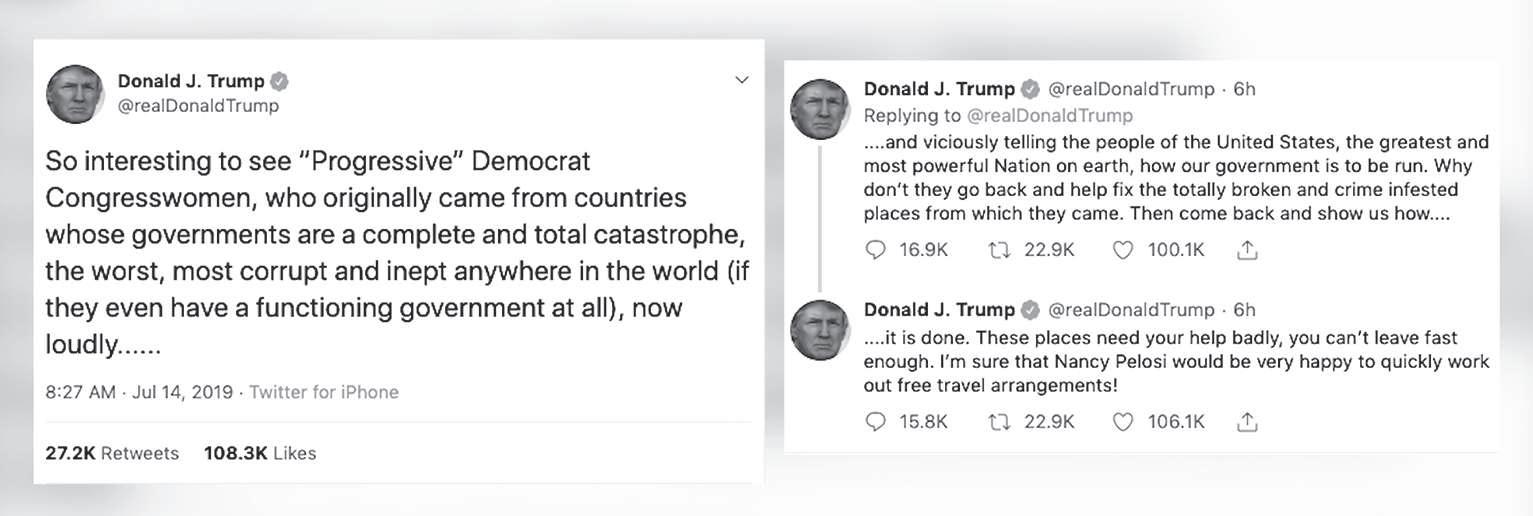
By Chris King Of The St. Louis American
Muslim Advocates accused President Donald Trump of “openly embracing white nationalism” after he posted a series of bigoted tweets attacking U.S. Reps. Alexandria Ocasio-Cortez, Ilhan Omar, Ayanna Pressley and Rashida Tlaib.
“So interesting to see ‘Progressive’ Democrat Congresswomen, who originally came from countries whose governments are a complete and total catastrophe, the worst, most corrupt and inept anywhere in the world (if they even have a functioning government at all), now loudly and viciously telling the people of the United States, the greatest and most powerful Nation on earth, how our government is to be run,” Trump tweeted.
In fact, as the Washington Post reported, “Pressley was born in Cincinnati, Tlaib was born in Detroit and Ocasio-Cortez was born in New York — about 20 miles from where Trump was born. Omar was born in Mogadishu, Somalia; her family fled the country amid civil war when she was a child, and she became a U.S. citizen as a teenager.”
threats. Further, we know that white nationalists who have attacked mosques, synagogues, gurdwaras and churches have consumed and expressed the same kind of dehumanizing, alarmist rhetoric that the president expressed on Sunday.”
Simpson also tried to move Trump’s attacks against the four Democrats outside of partisan politics.
“If you’re not condemning this bigotry, you’re co-signing it,” Simpson stated. “Donald Trump is not just a political actor making partisan attacks; he is openly embracing white nationalism as the animating force of his presidency and will continue to do so throughout the 2020 campaign. People of every identity and of both parties must condemn it.”
n “Previous antiMuslim rants from the president have already caused Rep. Ilhan Omar and others to receive numerous death threats.”
– Scott Simpson, Muslim Advocates
Scott Simpson, Public Advocacy director for the national civil rights organization Muslim Advocates, placed Trump’s attacks in the context of hate speech and attacks on Muslims. Ilhan Omar and Rashida Tlaib are Muslim.
“Trump burst onto the political scene peddling the very same bigoted birtherism conspiracy theory that he used this weekend to attack four women of color serving in Congress. Despite real-life consequences for Americans who suffer from hate crimes, hate speech and bigoted policies, Trump continues to govern as a white nationalist,” Simpson said in a statement.
“Previous anti-Muslim rants from the president have already caused Rep. Ilhan Omar and others to receive numerous death
Muslim Advocates is a national civil rights organization working in the courts, in the halls of power and in communities to halt bigotry in its tracks. We ensure that American Muslims have a seat at the table with expert representation so that all Americans may live free from hate and discrimination.
John Kasich, the former Ohio governor and Republican presidential candidate, also said Trump’s attacks should not be seen as a partisan issue – and also should be rejected by Jews and Christians, not only Muslims.
“What Donald Trump said about Democrat women in Congress is deplorable and beneath the dignity of the office. We all, including Republicans, need to speak out against these kinds of comments that do nothing more than divide us and create deep animosity - maybe even hatred,” Kasich said in a statement.
At the base of America is a Jewish and Christian tradition that says that we must realize that we are all brothers and sisters. Rhetoric like the president’s works against that foundation of our country and all that we teach our children.”

Speed can kill, whereas a slower pace, a more deliberate pace, can be much more enlightening. At these times it is more important to be still rather than be quick to do something. Given the pace of what is going on in this world, things like prayer, peace, intimacy, personal, intimacy and balance take on new meaning when it comes to and through God.
I know you’ve heard many a preacher ask the question, “Do you have a personal relationship with God or Jesus?” Most people who profess to be Christian and are saved categorically say yes. I know I have. But do I really? This is when being still becomes very important. How do you get personal with another human being, let alone God?
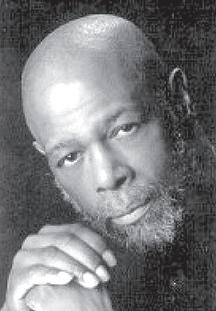
Personal relationships are the result of a whole set of experiences, challenges and events. Once established, like it or not, personal becomes a permanent state between you and that person. The same is true between you and God.
You can’t be intimate with another being until you’ve become personal. Look at how many relationships start with what you fool yourself into believing is intimacy, only to discover later you’re trying to relate to a stranger. That can happen in your dealings with the Lord.
In order to become personal, you have to share at some level who you really are: flaws, faults, secrets, dreams and aspirations. And yes, maybe even sin. Like a close personal friend or lover, you also have to confide in the Lord and through Jesus know He’s listening.
When I slow down and deliberately still my consciousness, that’s when it really makes sense to pray. Prayer as we know is a personal conversation. Intimacy can only be achieved by establishing a close personal relationship. A close personal relationship can only be established by a conscious consistent attempt to be transparent to someone else. Prayer is the vehicle by which one establishes a framework for spiritual intimacy (with God).
This appears to be the key to the peace and balance. I’m not saying this is easy. I’m saying God has a wonderful way of reminding us to be still. Stop playing around and listen. Better yet, open yourself to His hugs and kisses. Cry on His shoulders. Ask for His help. Recognize that His counsel, much like that of a good friend, is maybe not what you want to hear, but what you need to hear because it is grounded in unconditional love for you.
If I equate my relationship with God to my best relationships here on earth, then I’ve got some work to do. There are still conversations (prayers) to be had, things to reveal and guidance to follow. Jesus tells us being still is a good place to start.