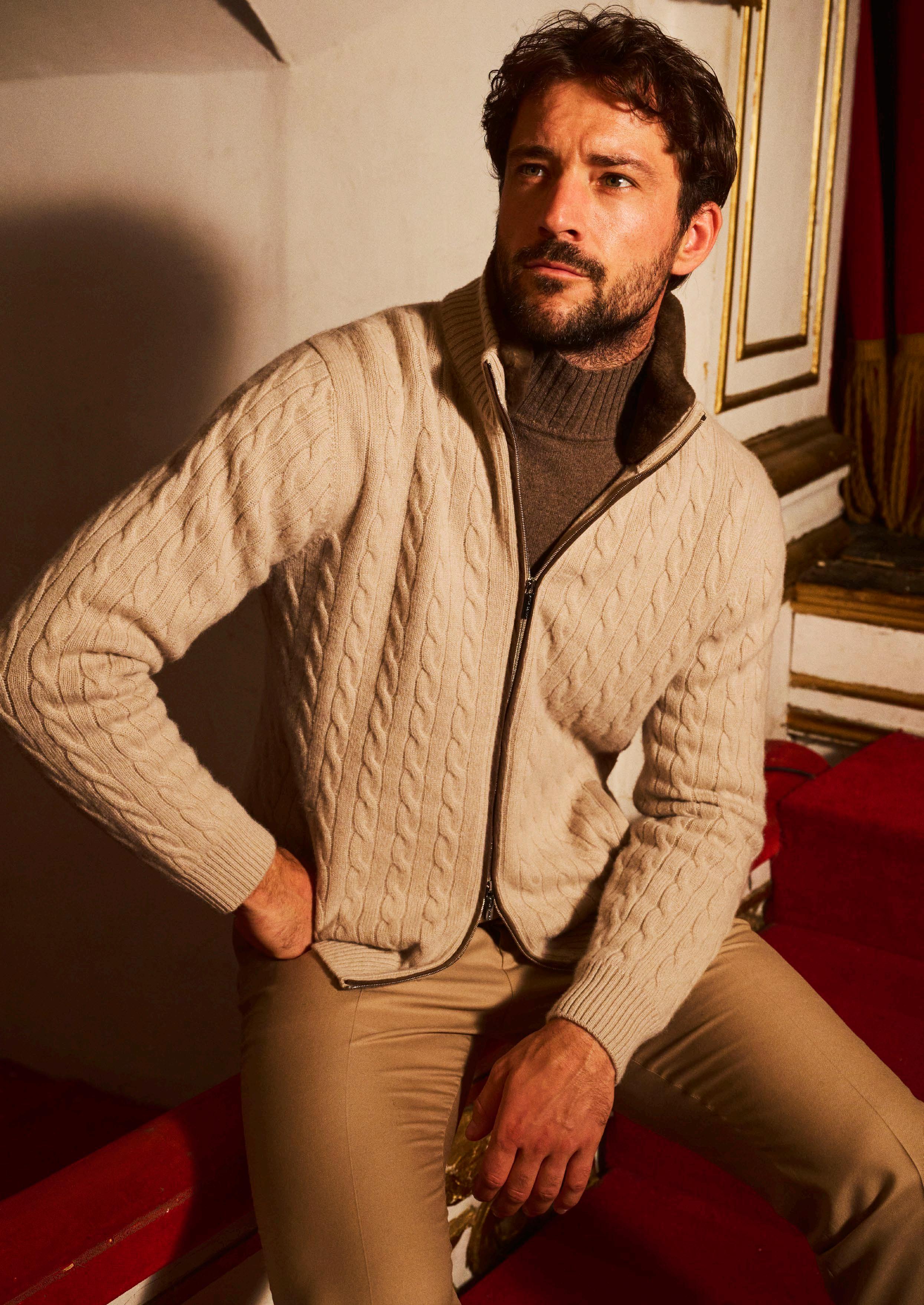
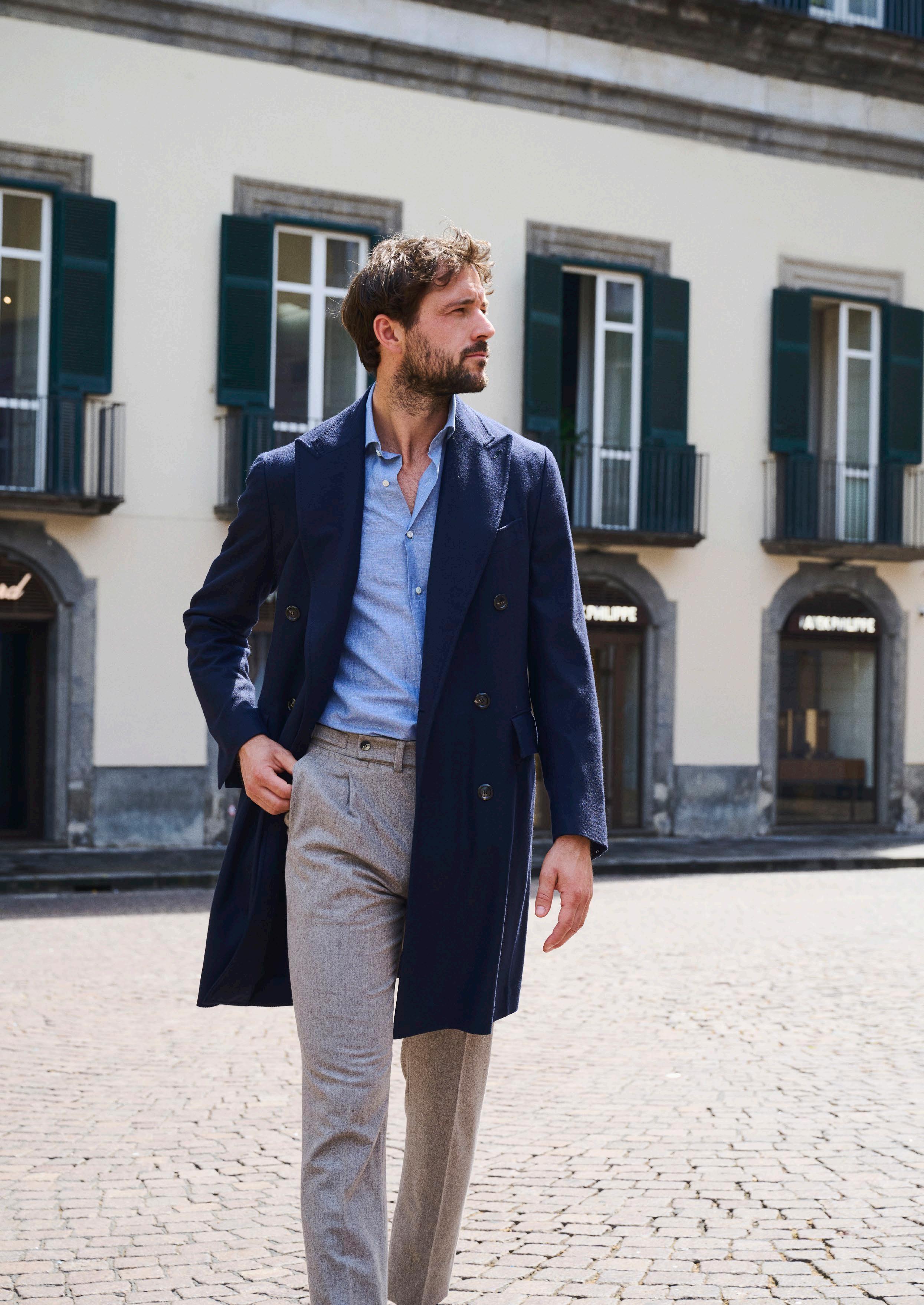
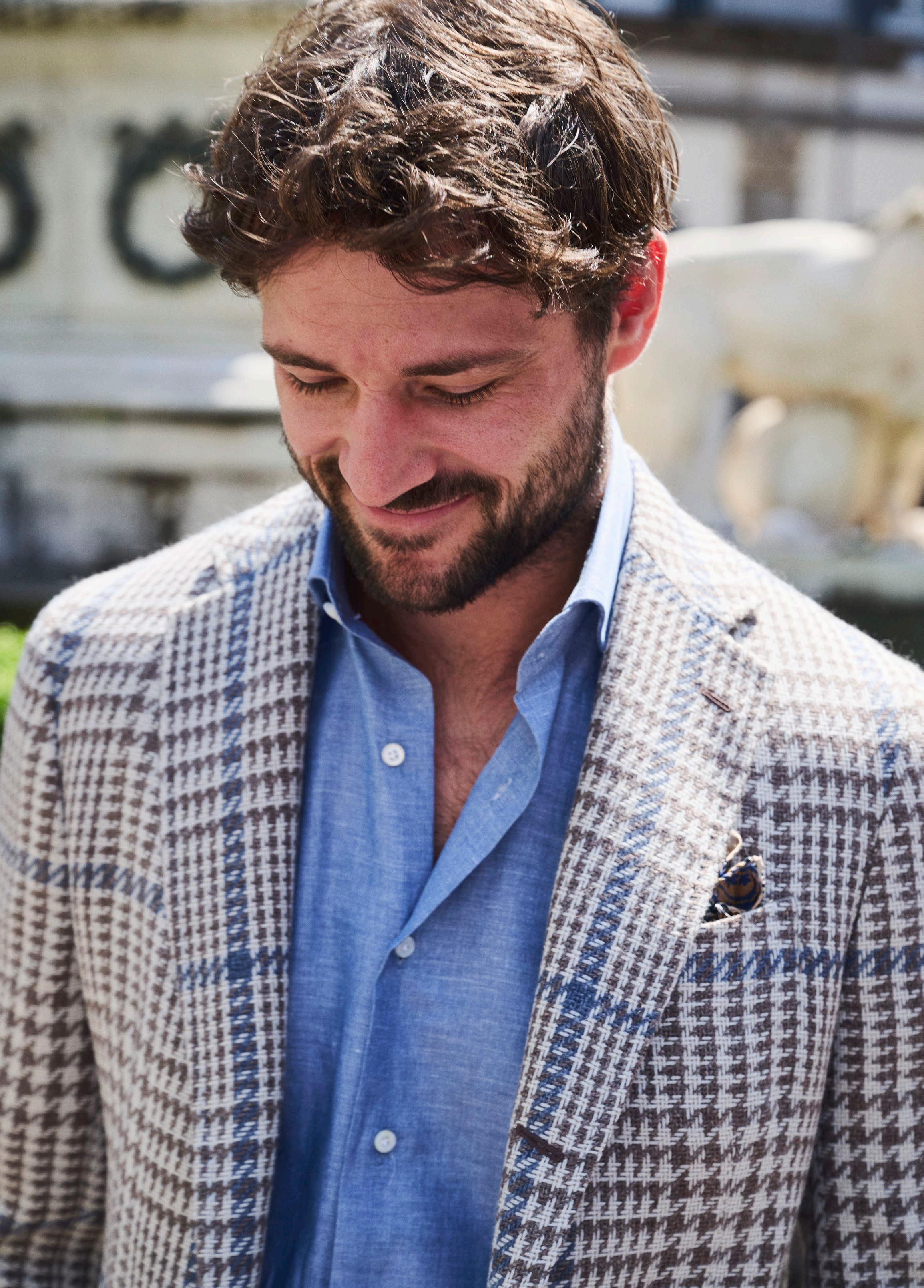
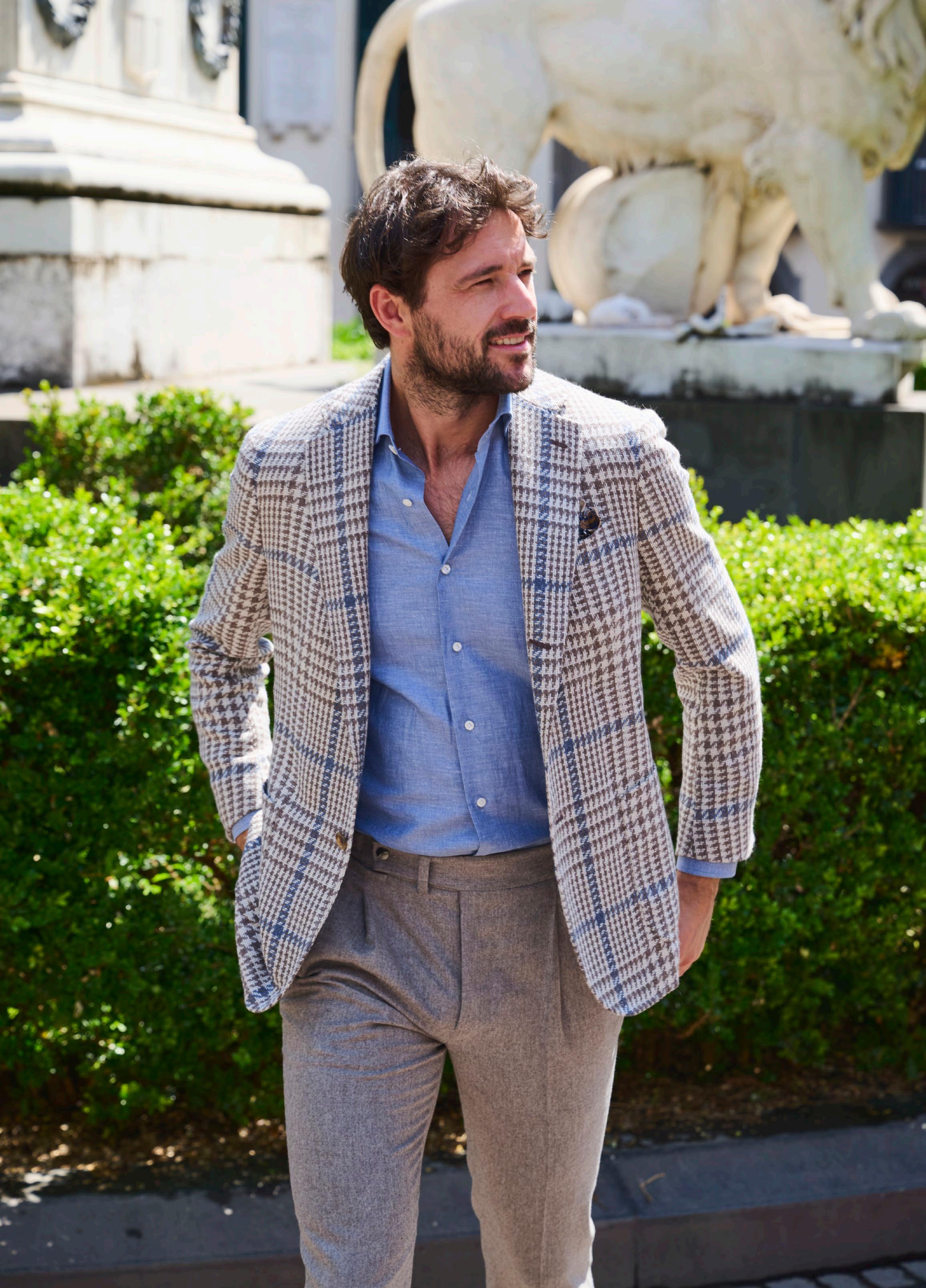
Fall/Winter 25-26
Attolini si nasce, sarti si diventa
The Attolini Family
Artis Factum Pro
“Looking to the future, but with a firmly rooted heart”.
Latin' is a profoundly Mediterranean, classical, identifying word. It recalls the world of the ancient Latins, and with them the beating heart of the Roman civilisation, the one which modelled the very concept of elegance, measure, rhetoric and harmony.
In “Stile Latino” there is the sun of the south, the wisdom of Magna Grecia, the sense of rhythm, gesture and the harmony of Naples. An idea of a man who is not only western, but Mediterranean in the most authentic sense: sunny, passionate, cultured, fascinated by beauty and wellmade gestures.
It incorporates a certain “effortless glance” a term that describes an unstudied grace that appears spontaneous and authentic.
For Vincenzo Attolini, the Latin is one who lives with intensity but without excess, with an aesthetic sense but without artifice. The name reiterates an ancient, deep, elegant root that speaks of balance, sensuality and at the same time freedom.
That is why “Latin”, in this case, is a way of life in which beauty is found in simplicity. It is a way of walking in the world: with measure, passion and depth.
Naples, 1930s
THE ORIGINS OF NEAPOLITAN TAILORING AND VINCENZO ATTOLINI'S INTUITION
Neapolitan tailoring was never just a way of dressing, but a way of being.
A city balanced between light and shadow, between aristocracy and the people, between glorious past and pressing modernity. While Europe is heading towards dark times, Naples still shines as a cultural crossroads, elegant and lively, capable of blending Bourbon rigour with Mediterranean lightness.
It is a city that breathes art in its every alley: it teems with intellectuals, painters and poets; in the lounges of the Neapolitan nobility, music, literature, theatre and - of coursestyle are discussed. Fashion is not yet an industry, but a personal, artisanal, identity fact. Dressing well is a natural gesture, an extension of urban culture. The city itself is an open-air theatre: everyday gestures and small aesthetic rituals intertwine in its alleys. The Neapolitan man, even the humblest, cares about his figure, wears his hat with ease, chooses fabrics with taste, walks with that proud posture that comes from centuries of classical civilisation.
and cultural associations, something new takes shape. Something that will mark a turning point in international men's fashion.
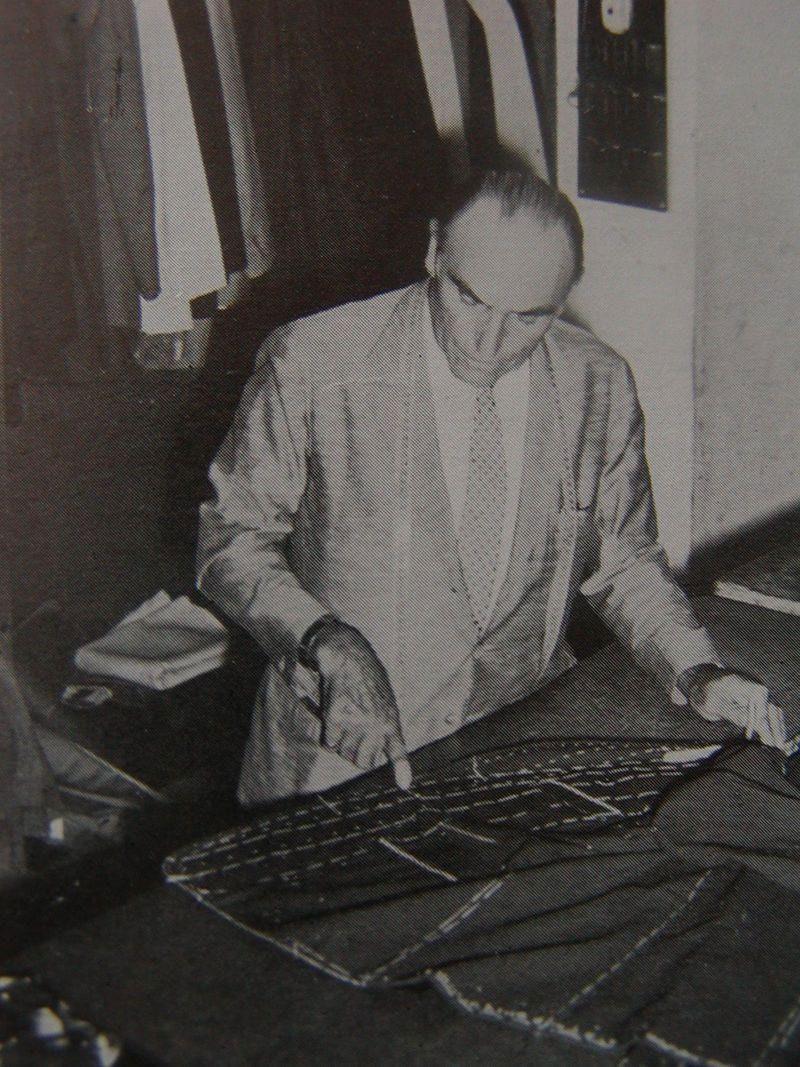
It is in this context that Vincenzo Attolini Senior, a young tailor with extraordinary talent and a very clear vision, enters the scene.
Vincenzo Attolini starts thinking about a revolutionary idea:
What if the suit should no longer imitate the rigid English style, but express the Neapolitan soul? What if, instead of caging the body, we dressed it in freedom?
The Chiaia district represents the beating heart of urban elegance. Overlooking the seafront and nestled between the sea and aristocratic villas, Chiaia is the city's good lounge: here one strolls, chats, observes and is observed. Artisanal boutiques alternate with cultured cafés, tea rooms host cultural debates, and the city's most elegant men have their suits made to measure by local tailors.
In this refined place, between craft workshops
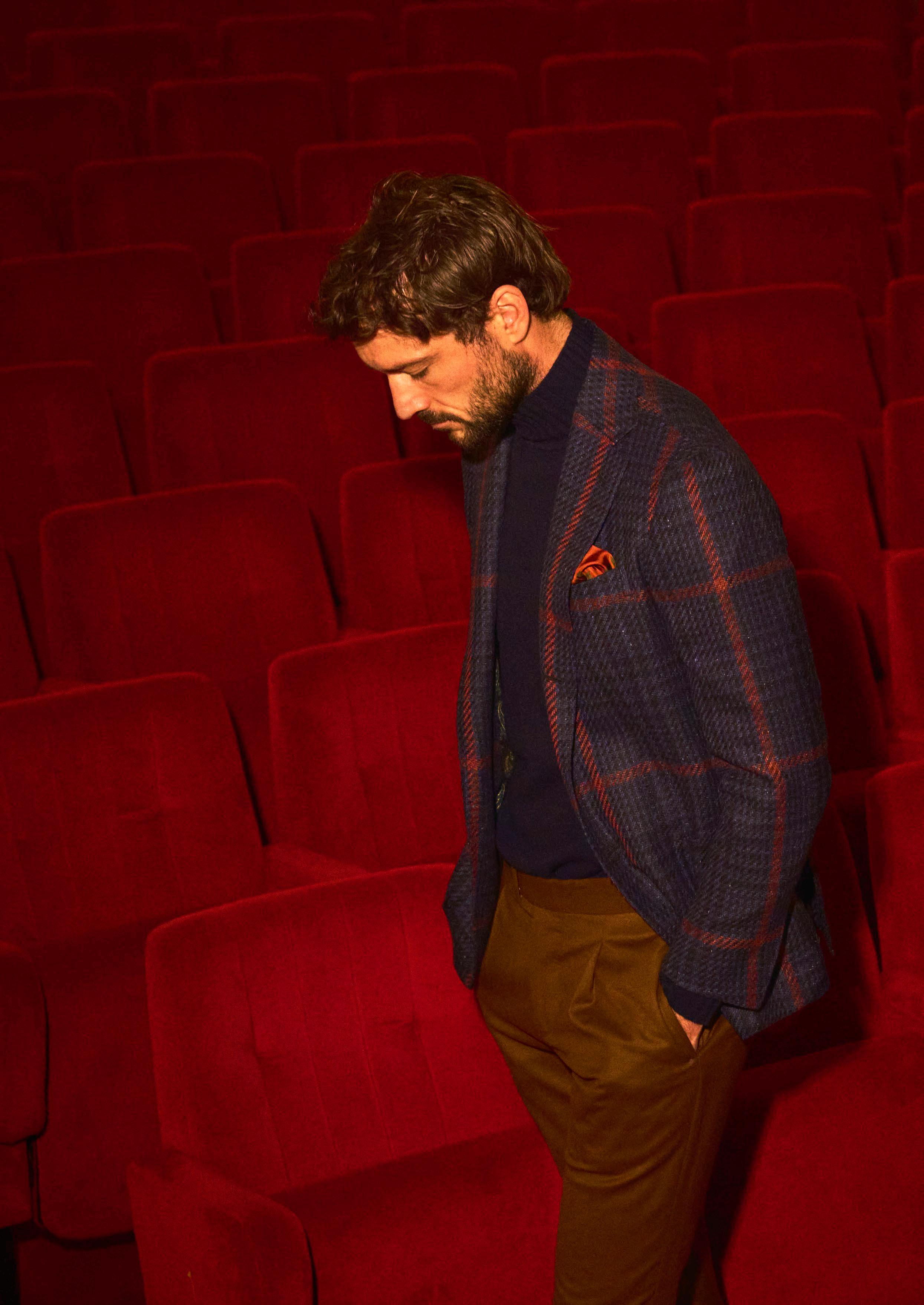
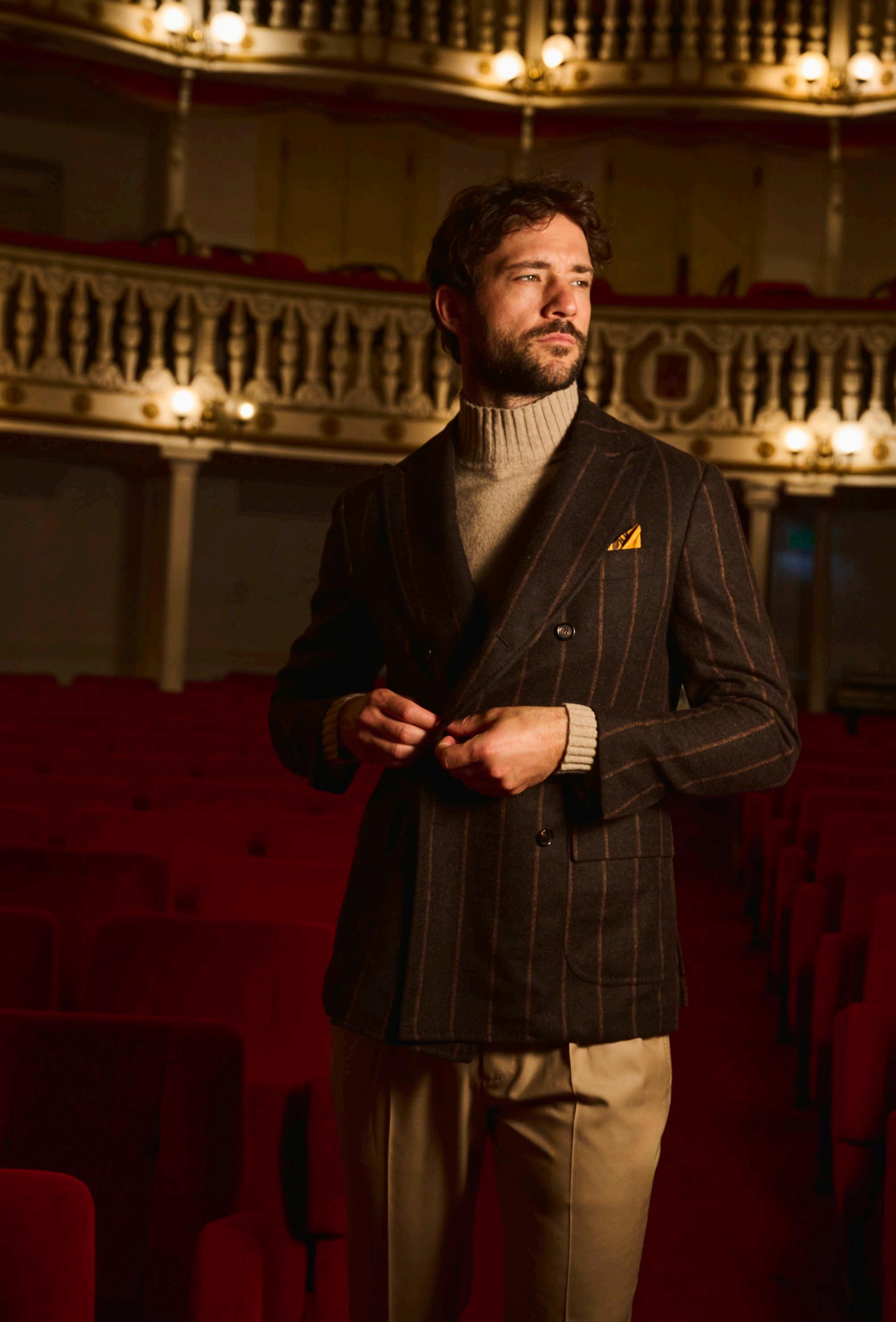
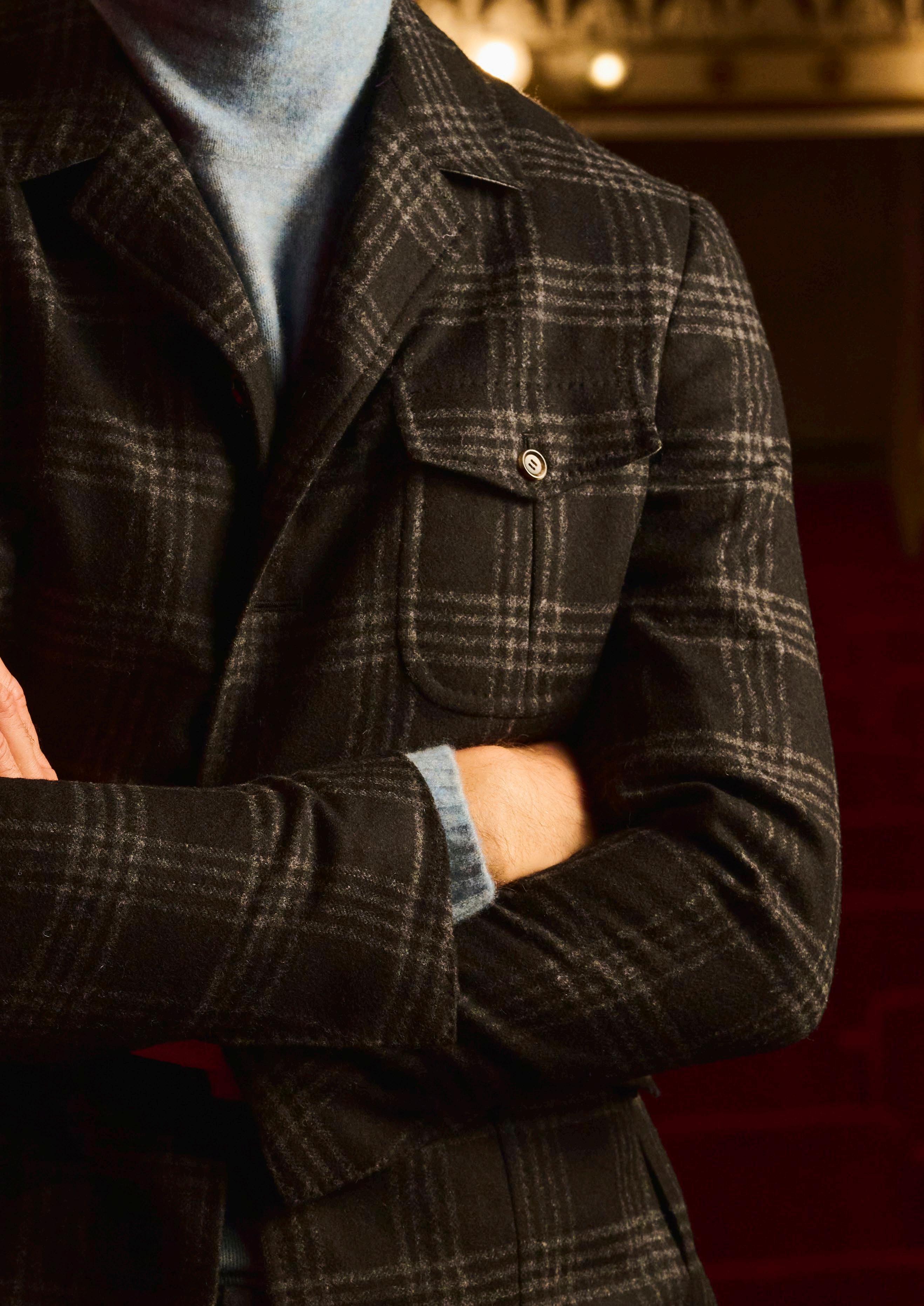
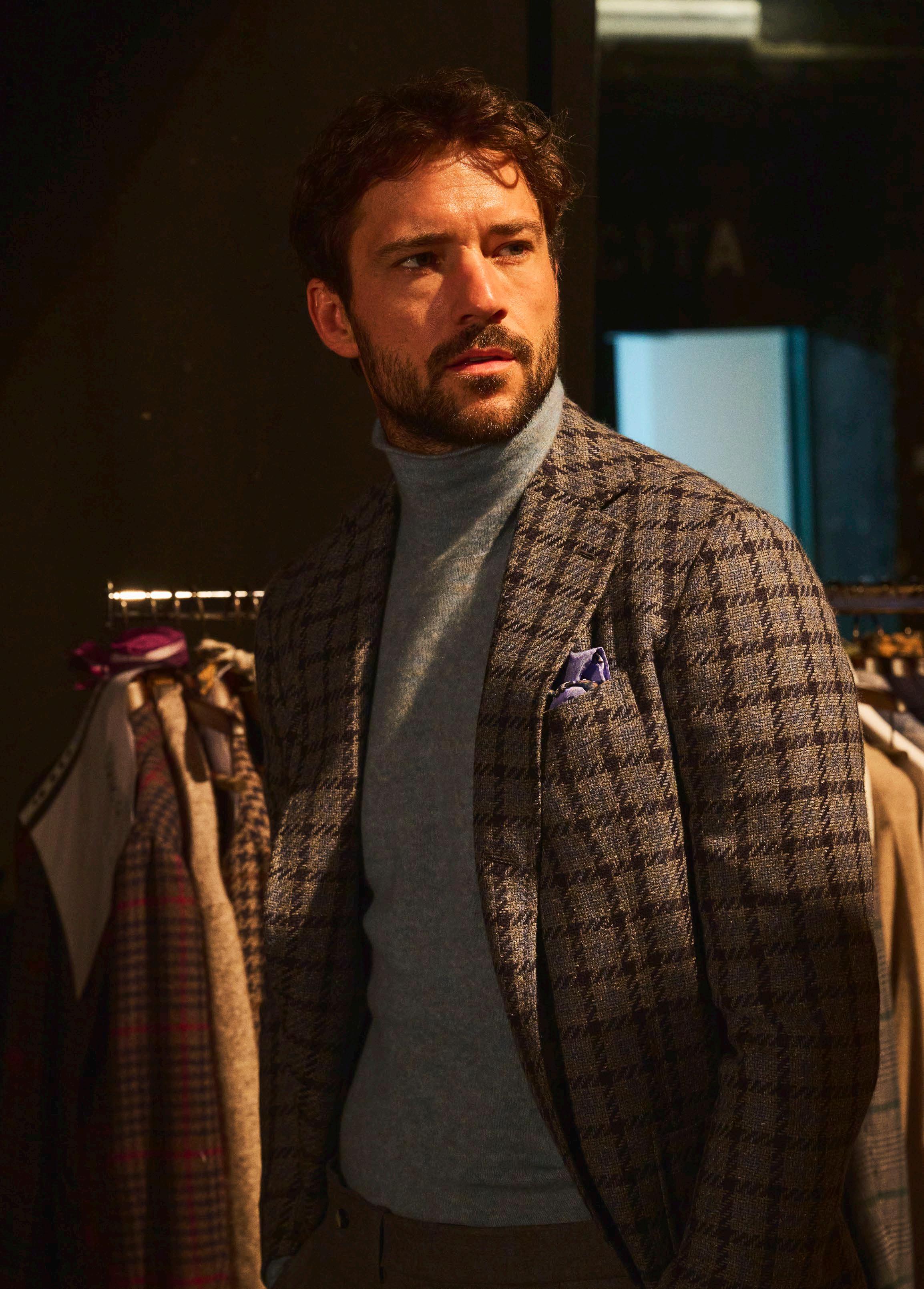
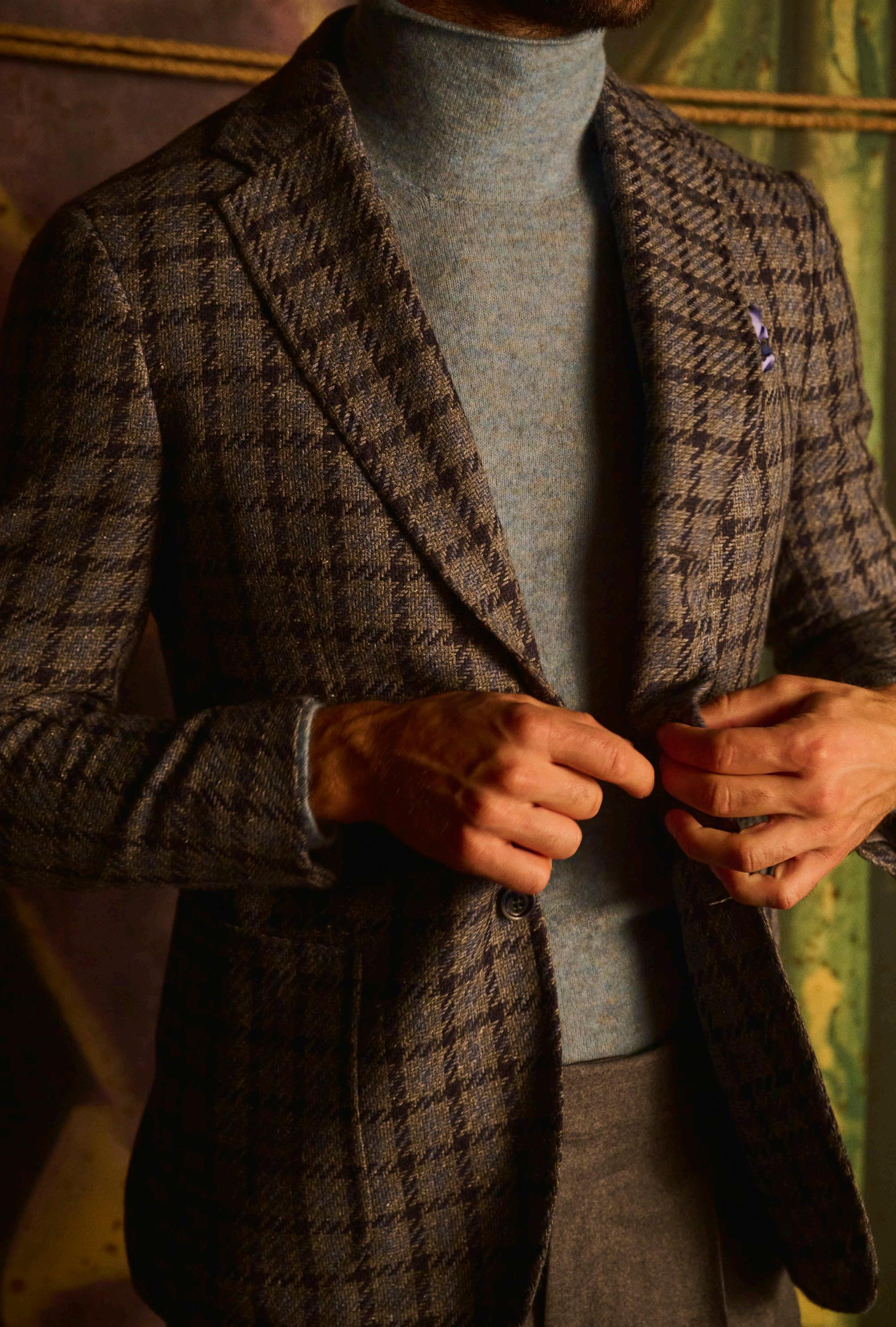
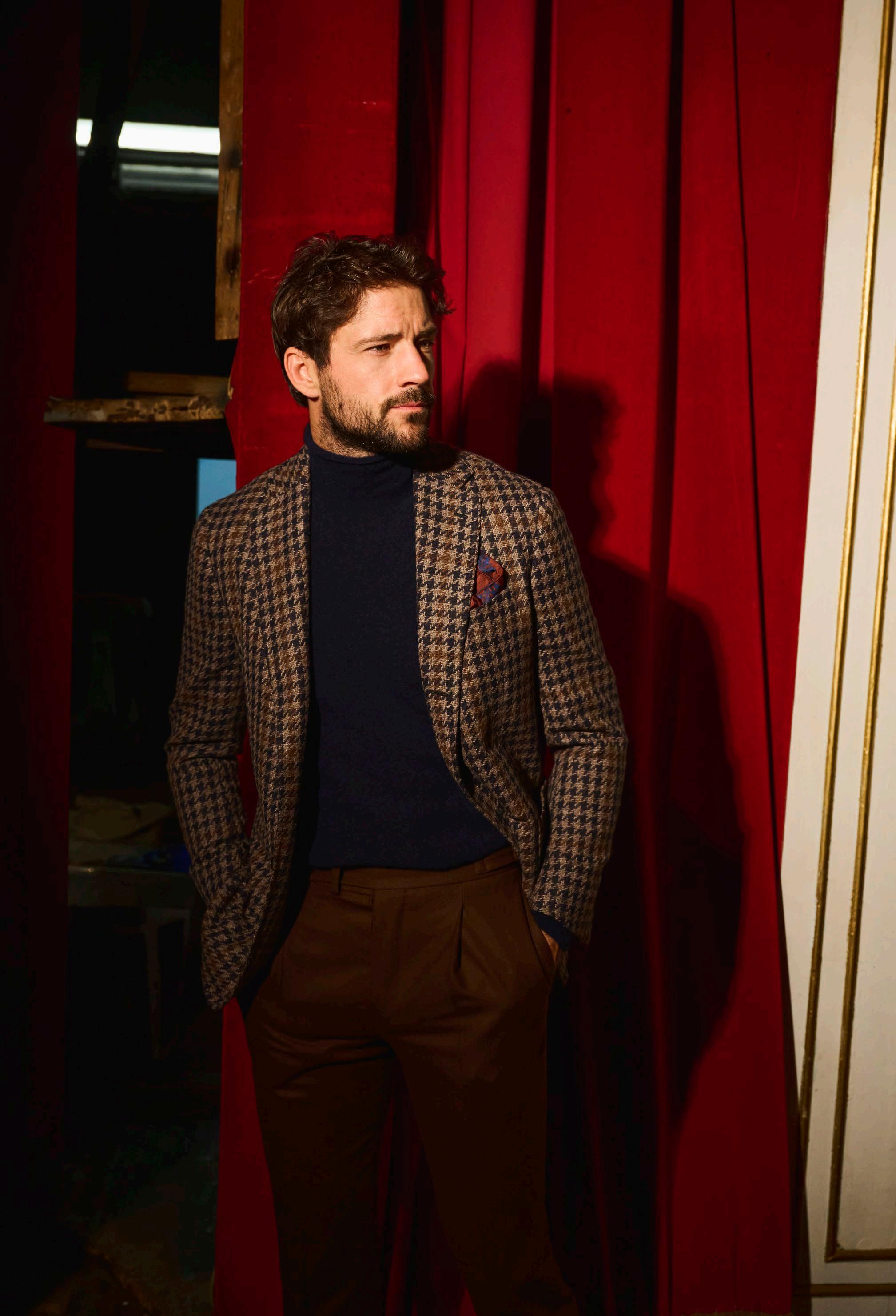
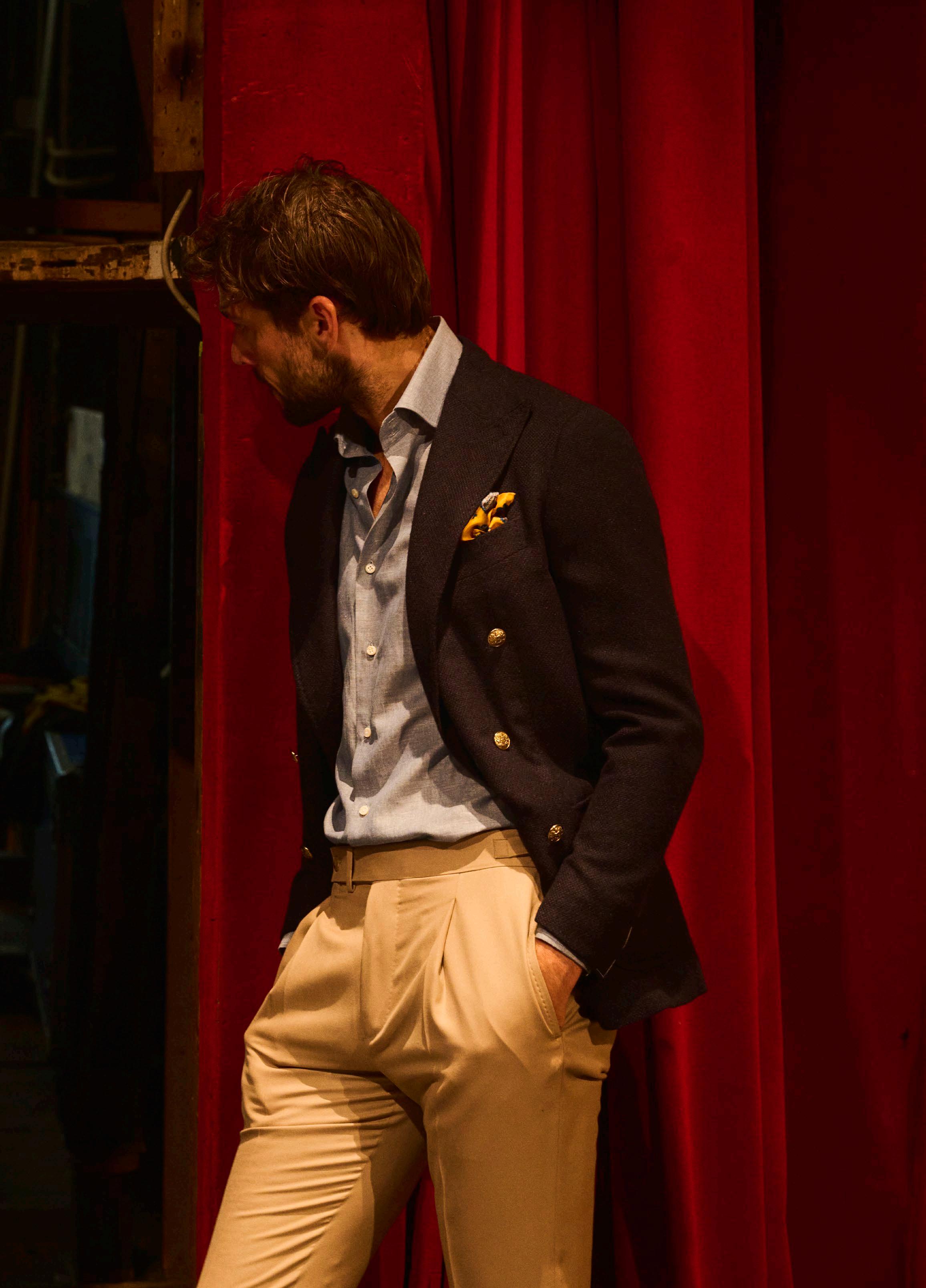
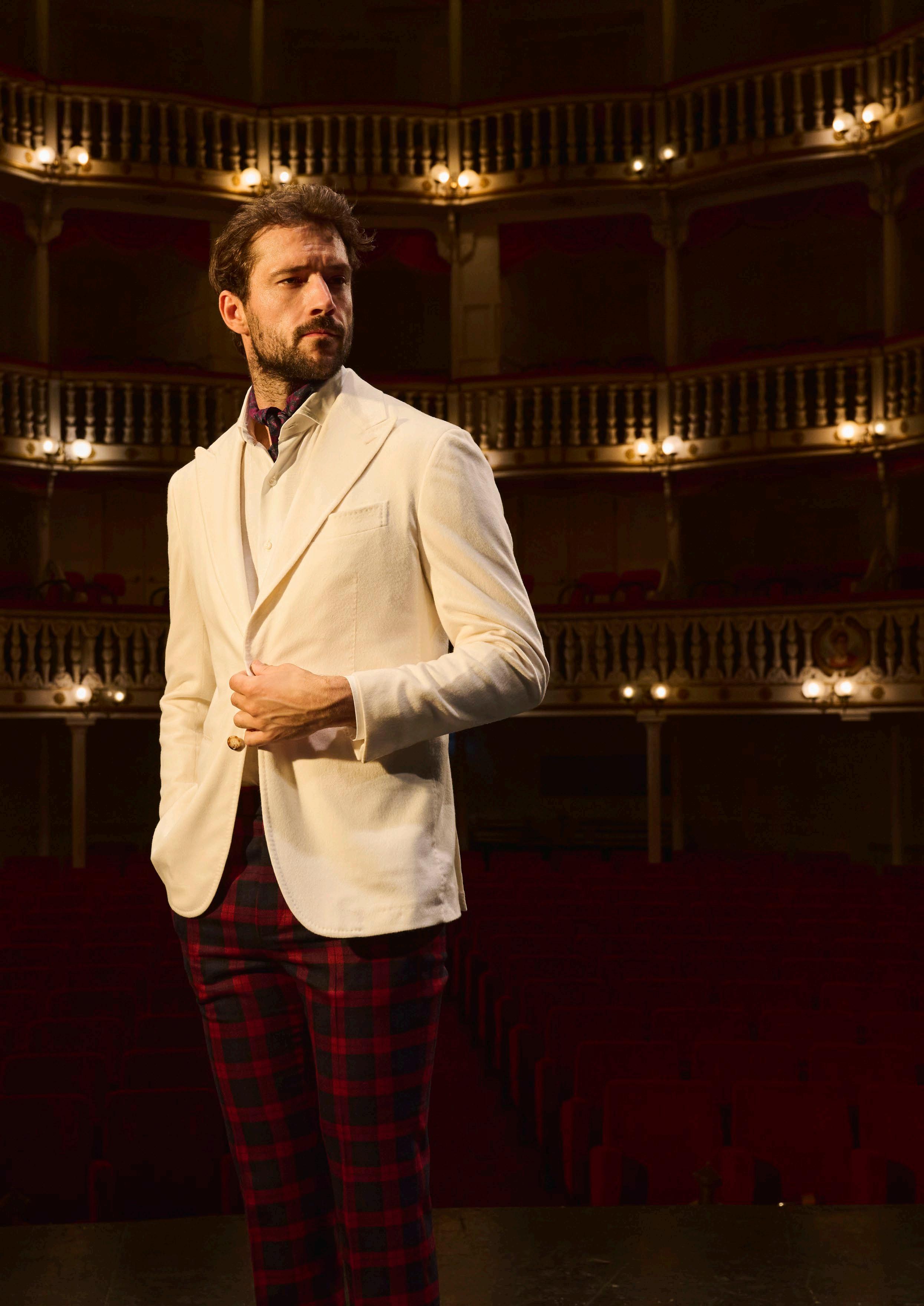
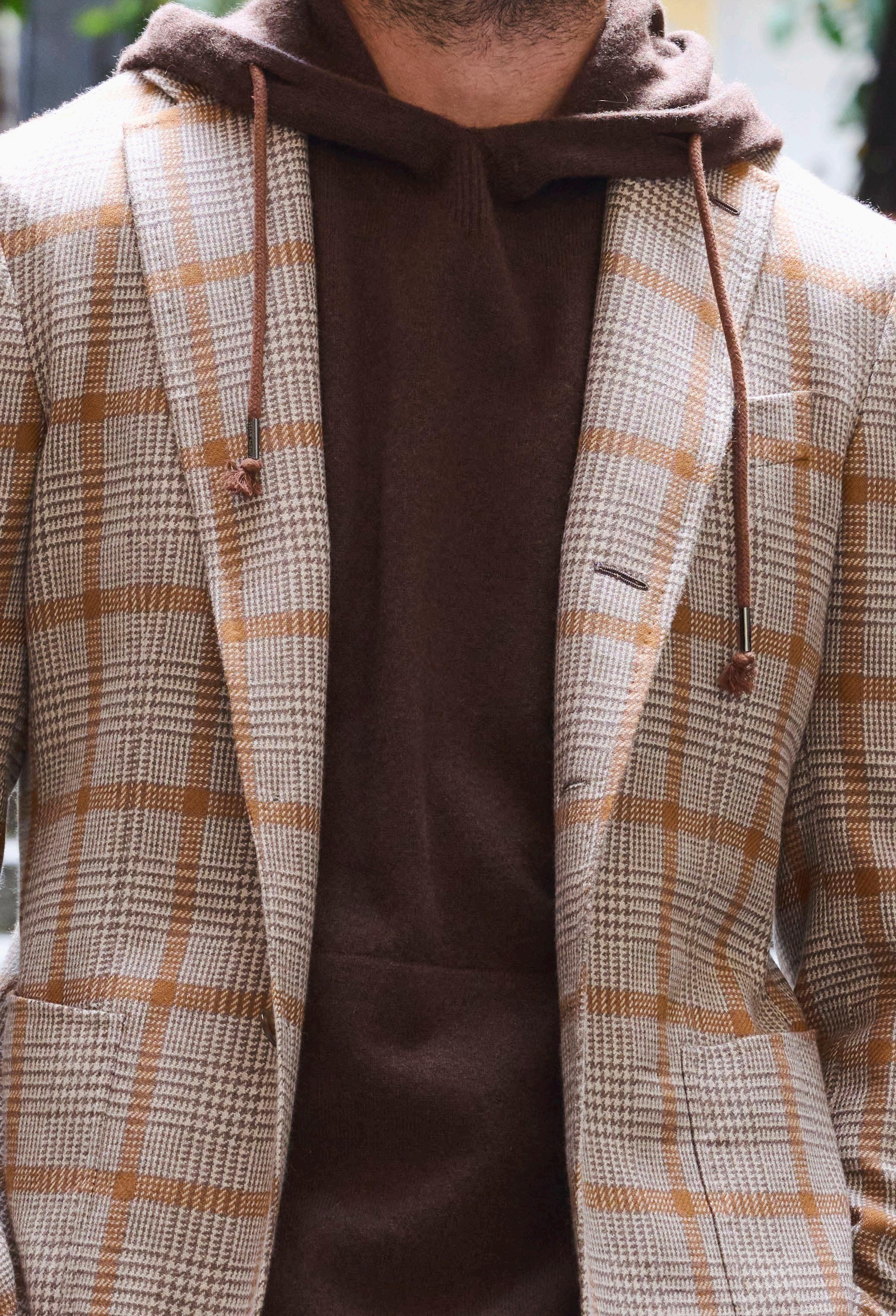
Vincenzo Attolini removed everything that could weigh down the jacket: away with the shoulder pads, away with the rigid canvas, away with the invasive linings. In their place, lightness, hand-cut and a harmony between body and fabric that had never been seen before. The Neapolitan jacket thus came to life with a natural shoulder, the famous “shirt sleeve”, the breast pocket, the “pignatiello” patch pocket, and a soft silhouette that followed the figure without constricting it.
It was an art of measure, but also of intuition. Each jacket was different, an unrepeatable work of art. Thus, Neapolitan tailoring was never just a way of dressing, but a way of being: casual, refined, with that spontaneous elegance that only Naples knows how to interpret.
THEATRE AS A MIRROR OF THE SOUL
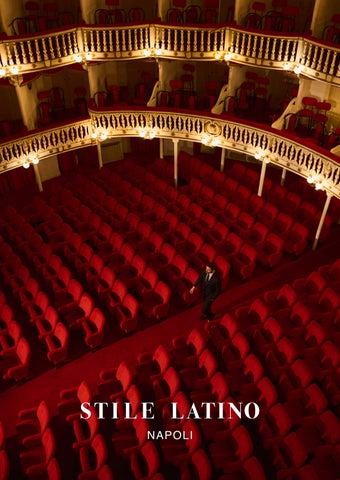
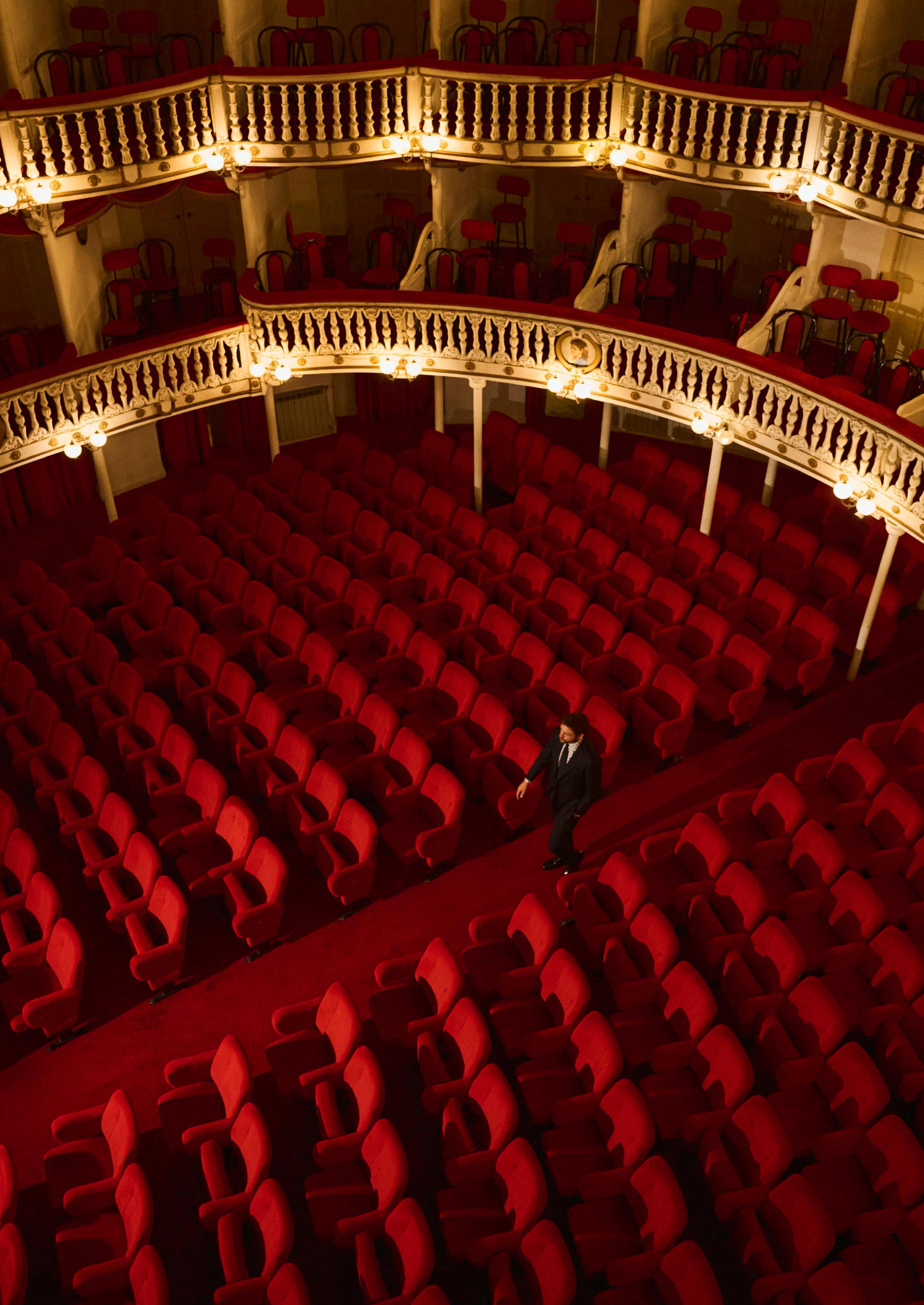
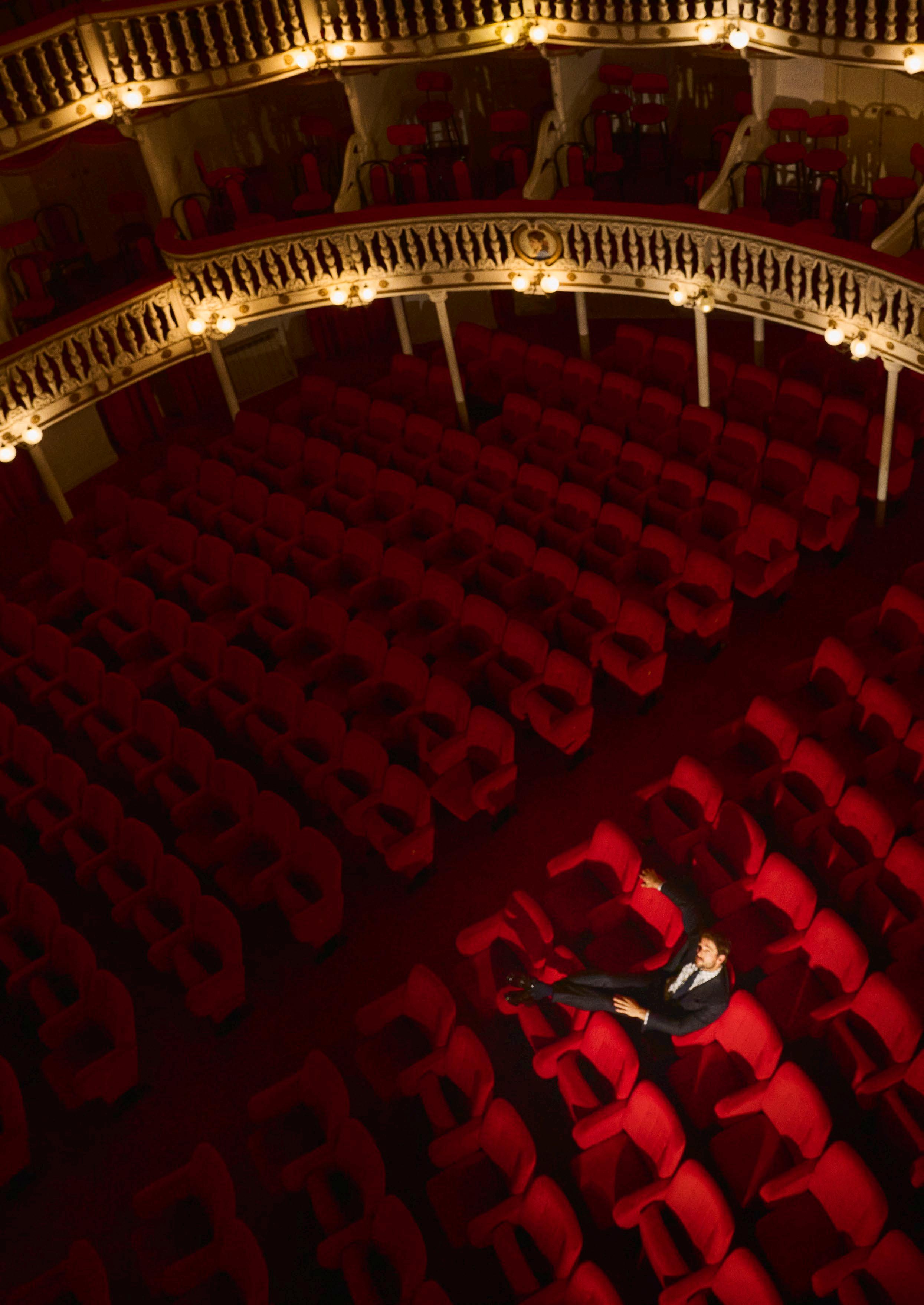
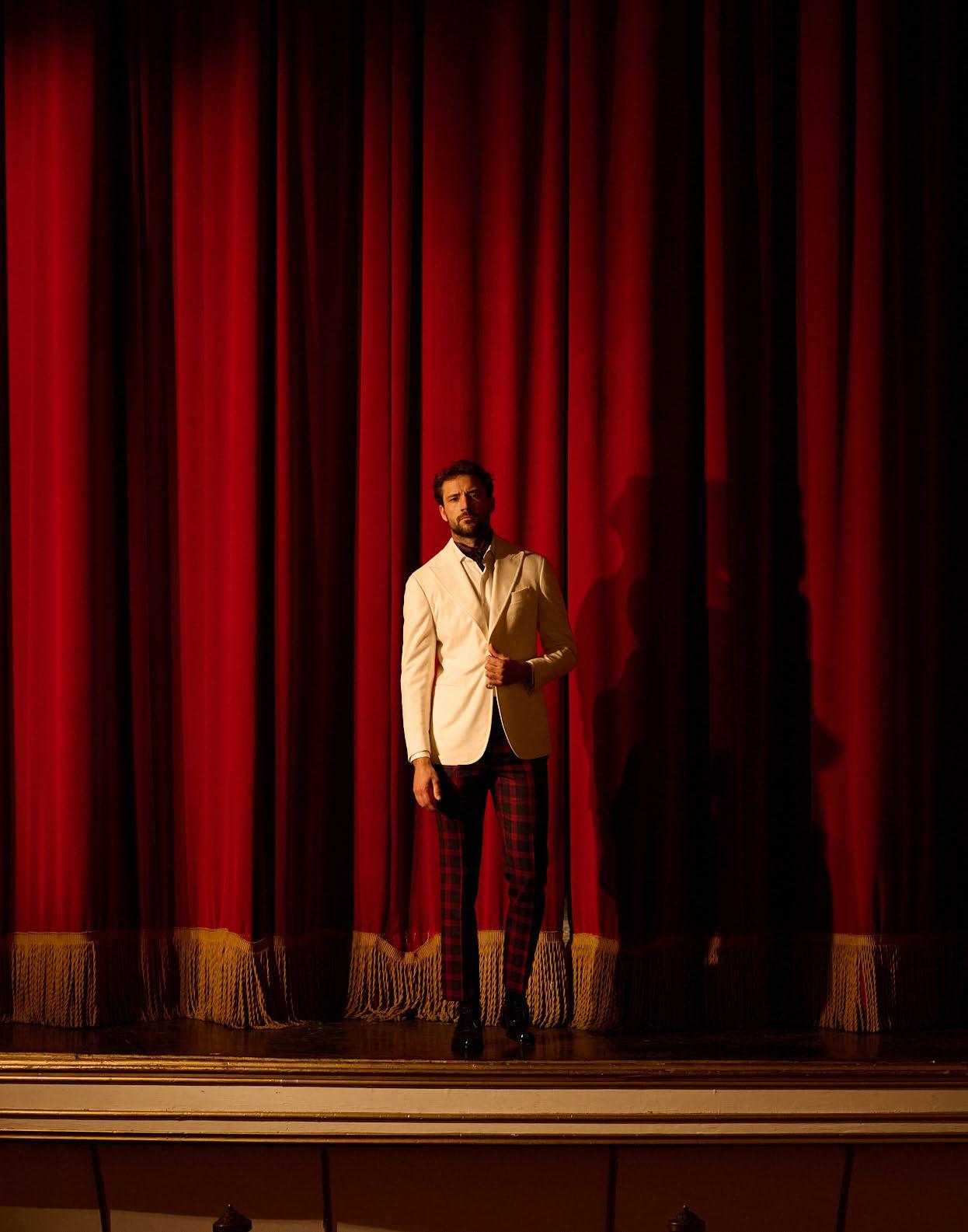
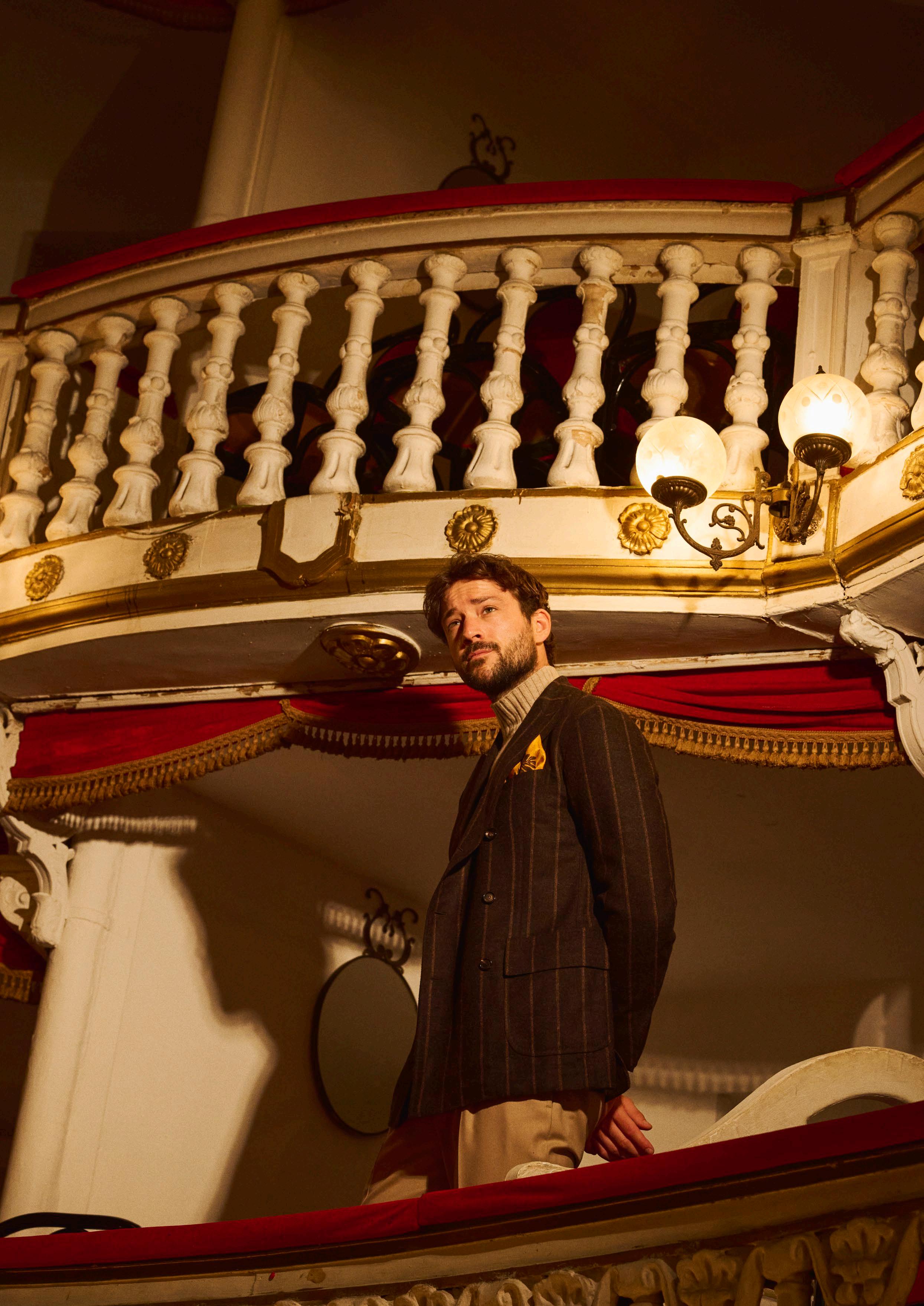
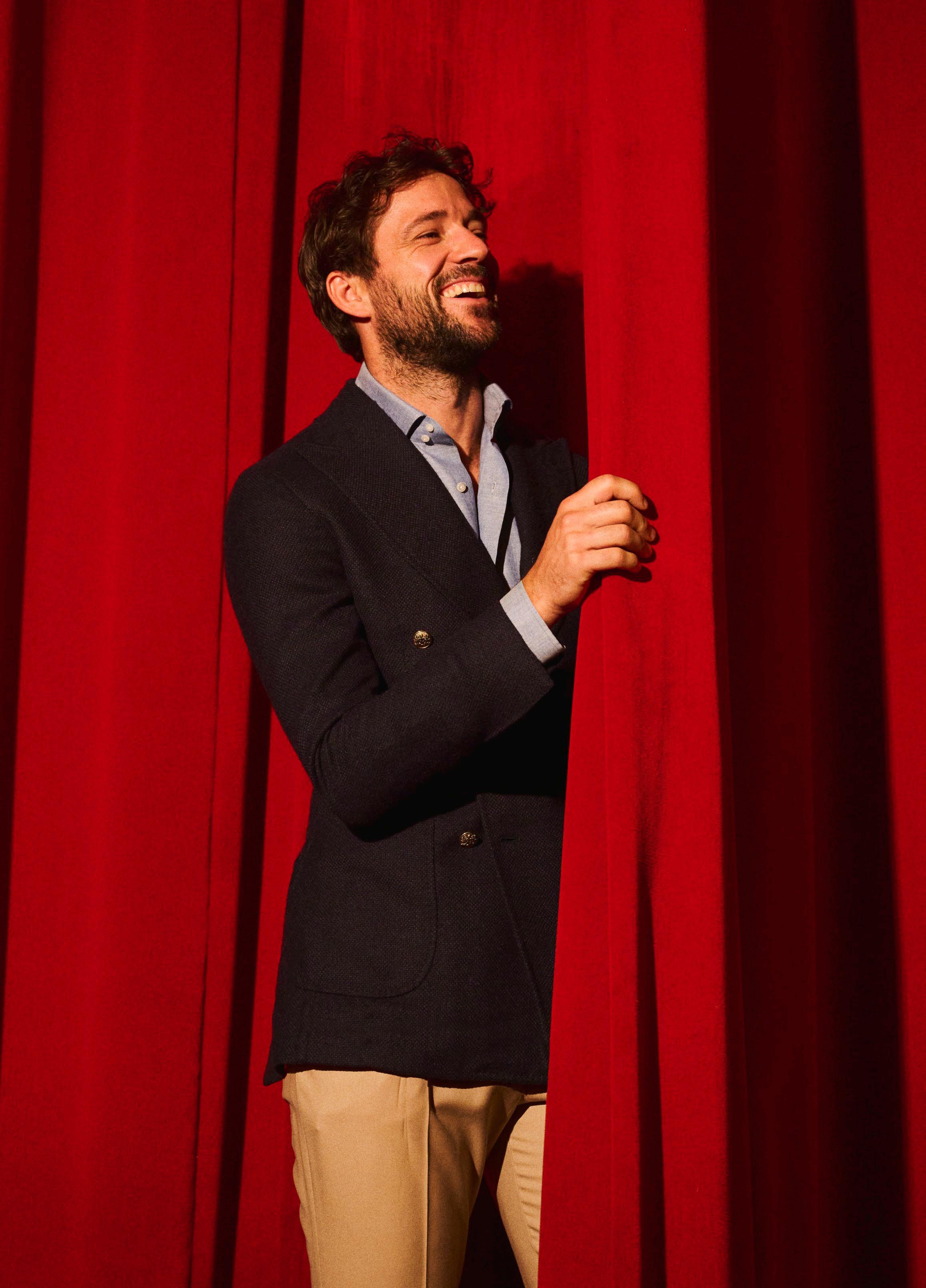
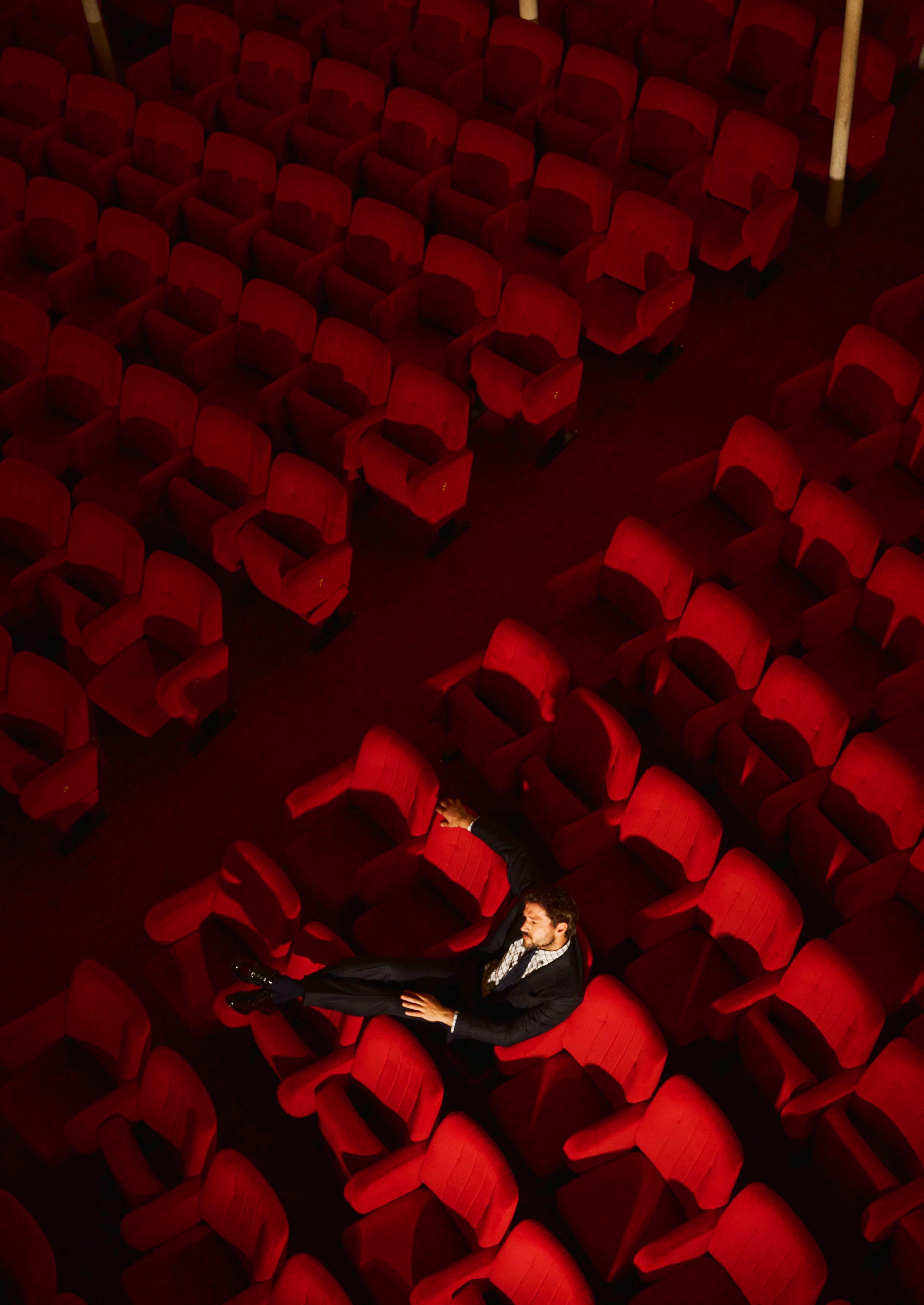
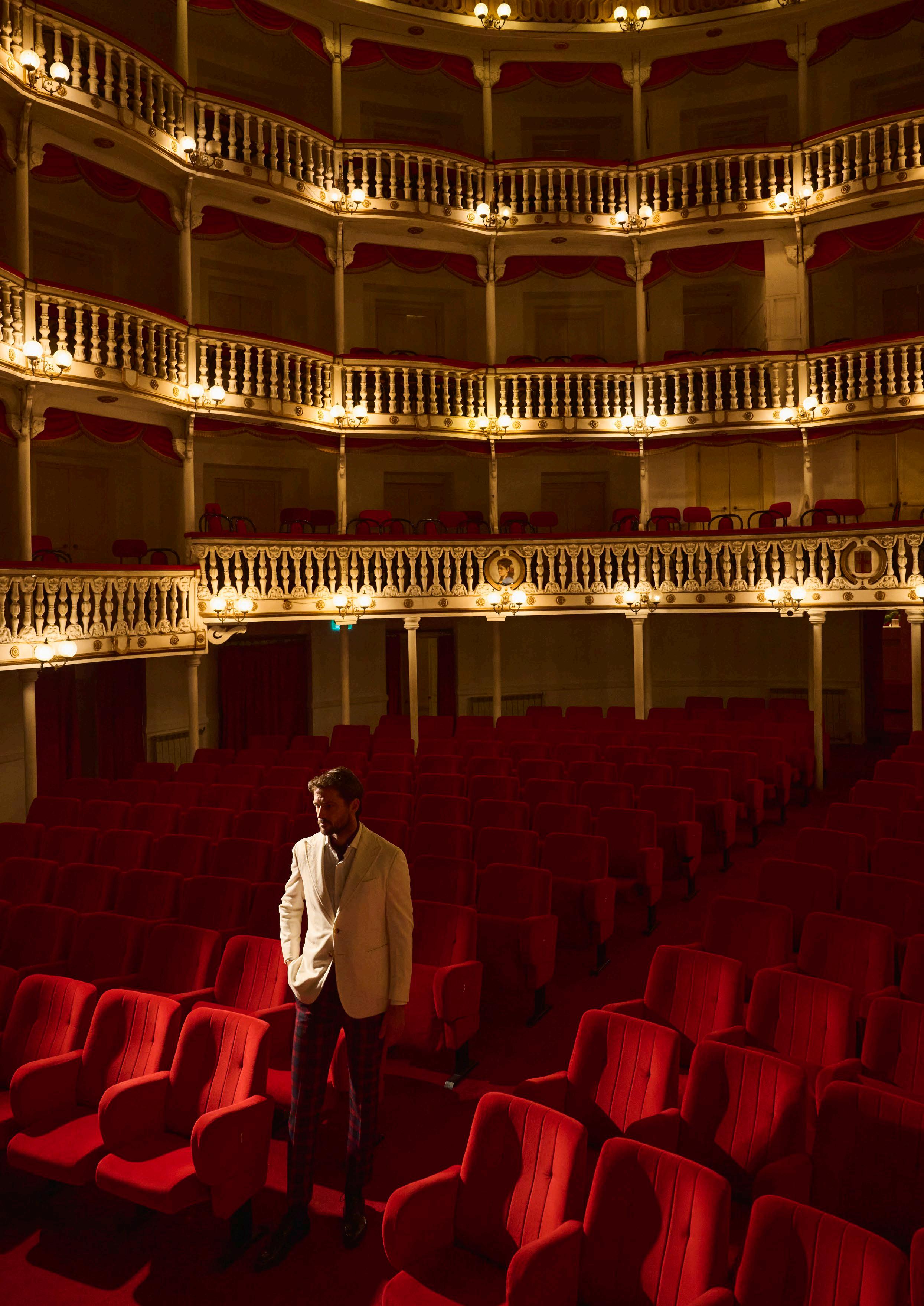
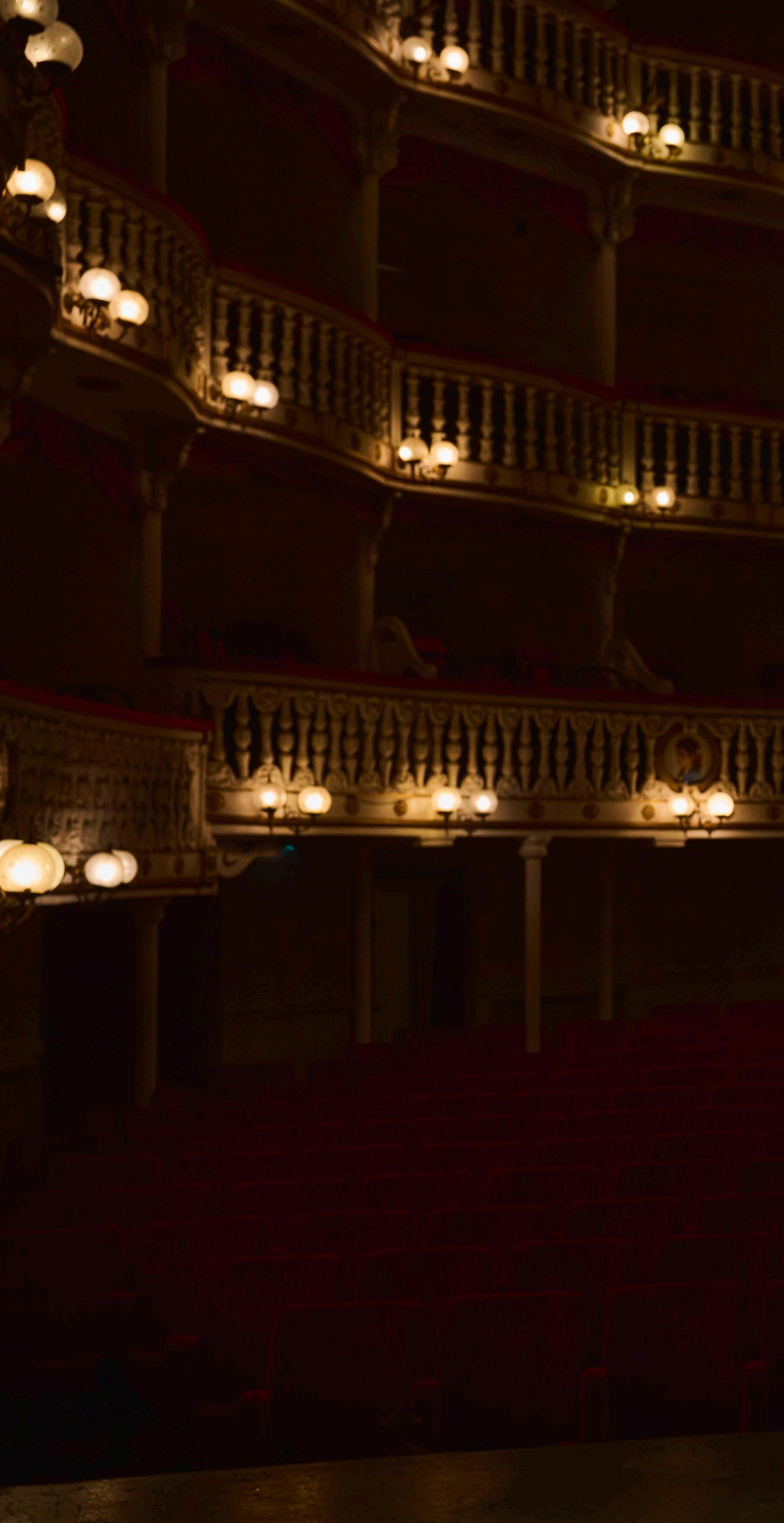
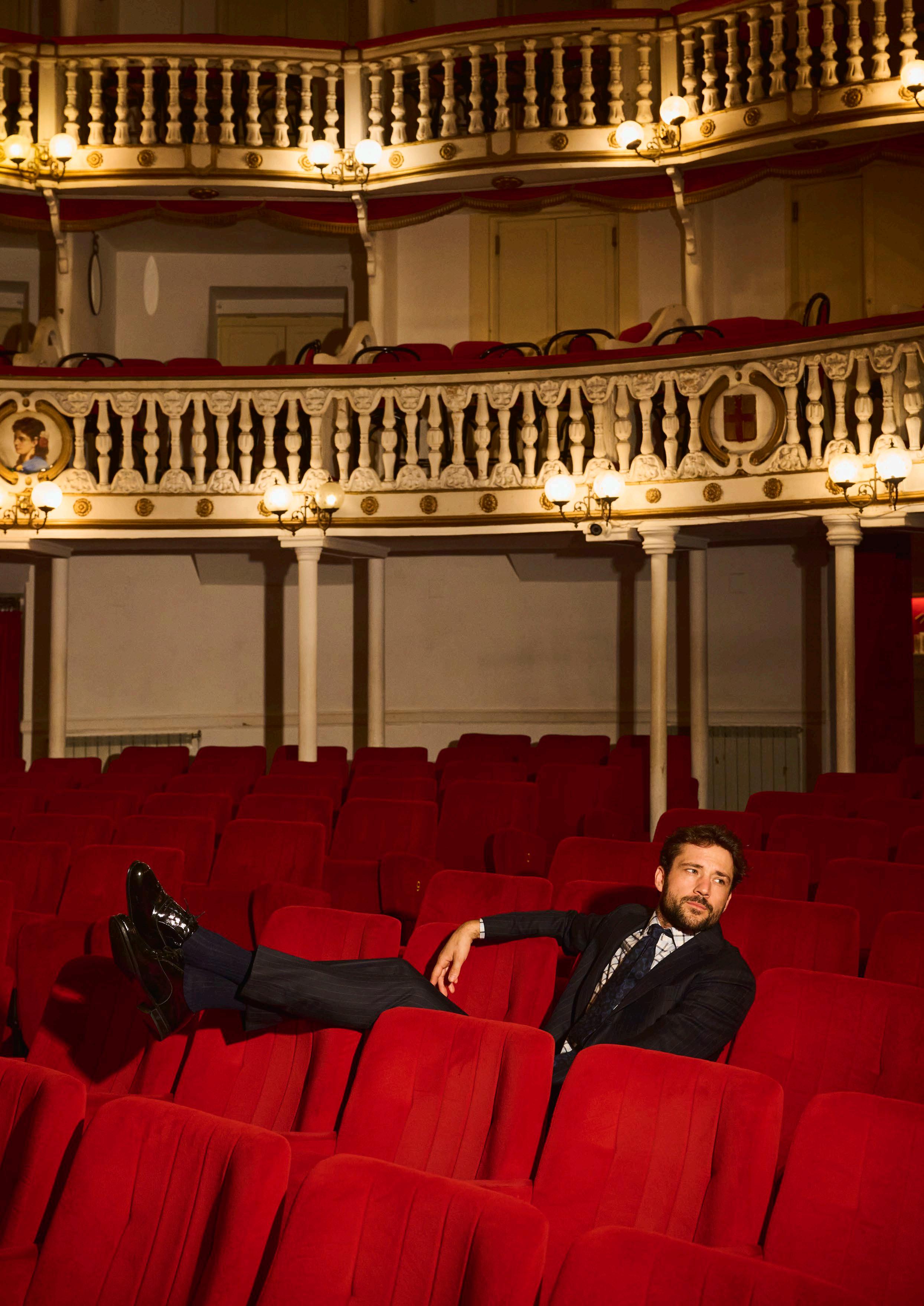
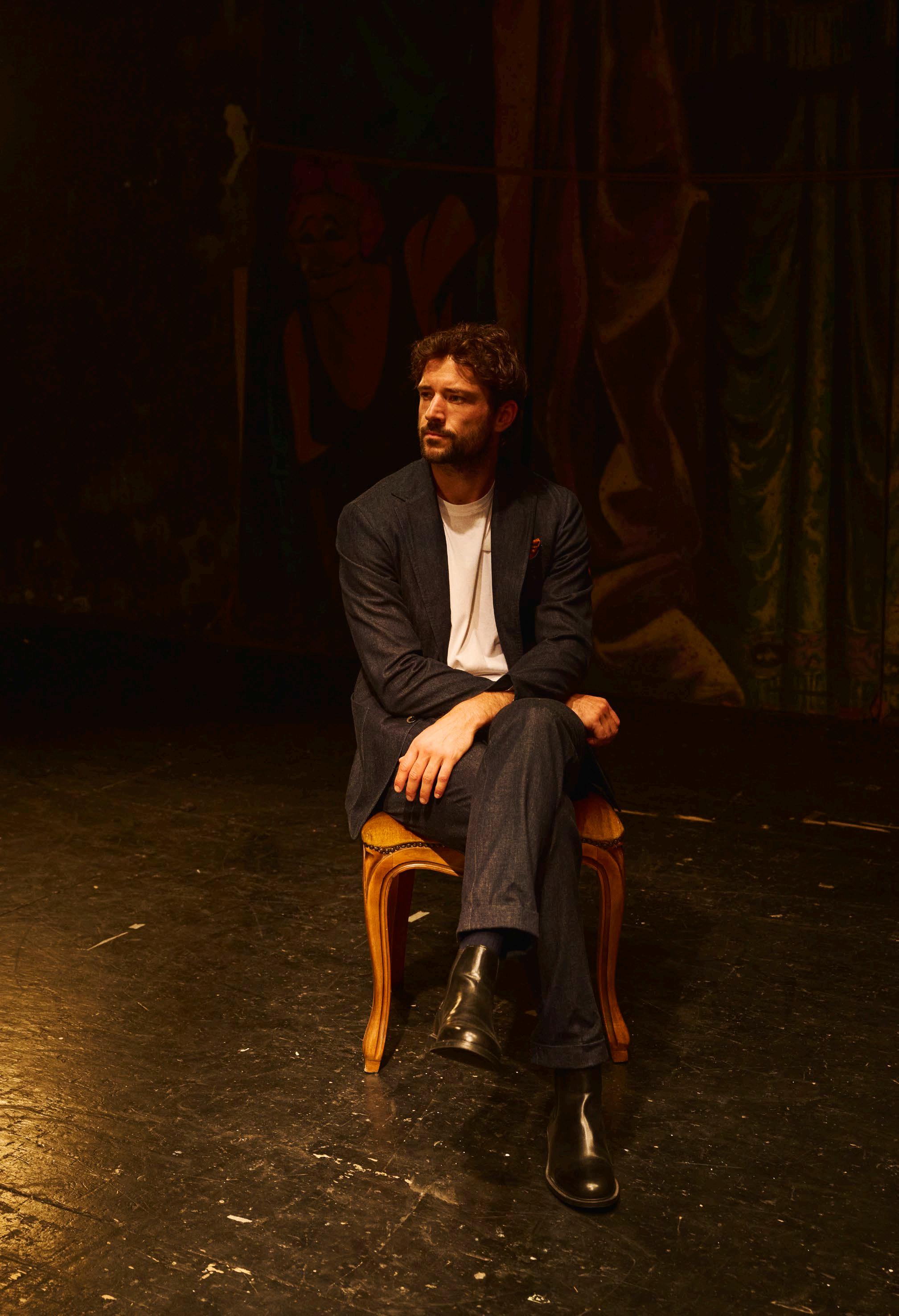
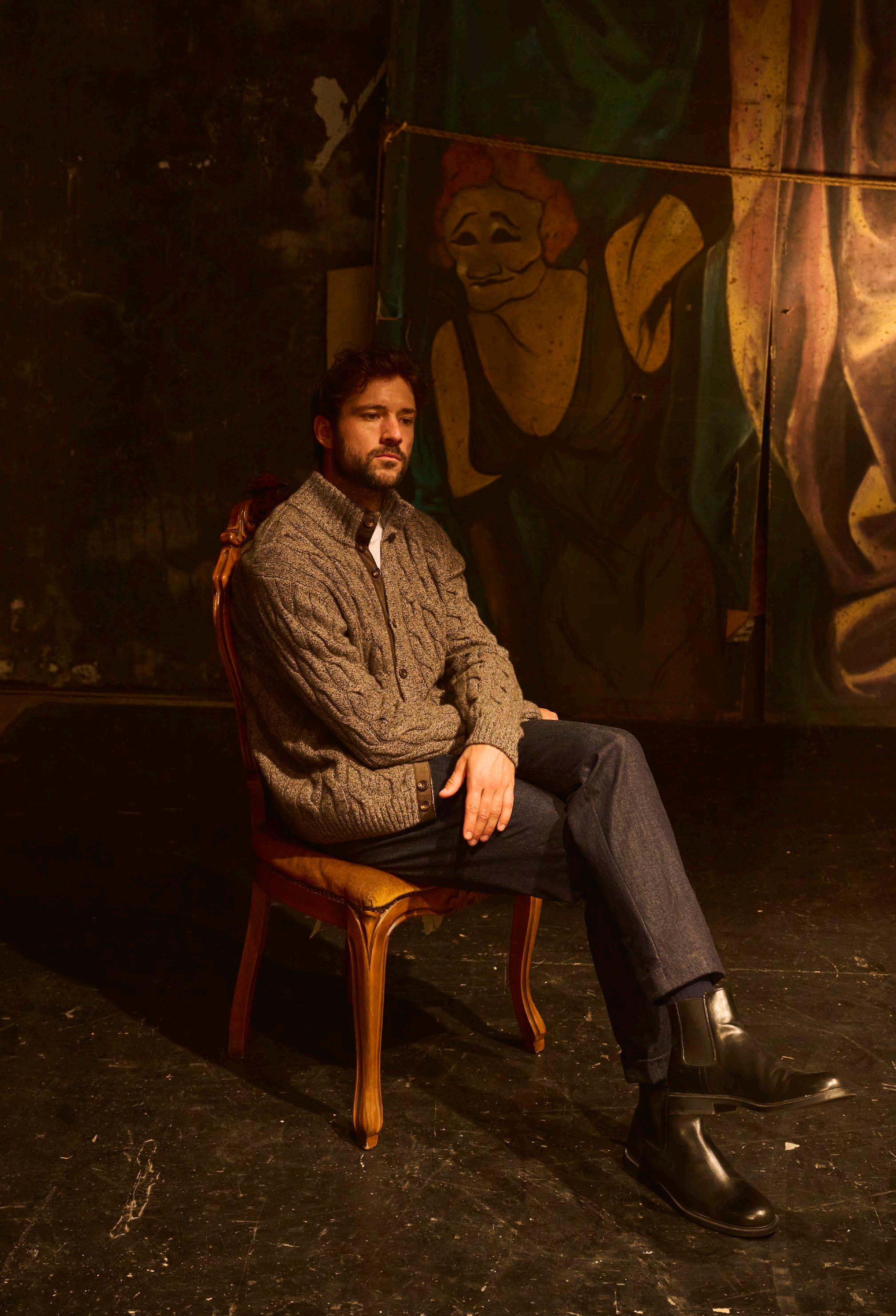
In this Naples, lives the Sannazaro Theatre, an Art Nouveau jewel that represents a vital centre of Neapolitan theatre life. Here one breathes the great tradition of Neapolitan theatre, but also a certain inclination towards modernity, lightness and irony.
The audience at Sannazaro is demanding but passionate: intellectuals, bourgeois, artists and nobles sit side by side, united by their love of the spoken word and the representation of everyday life.
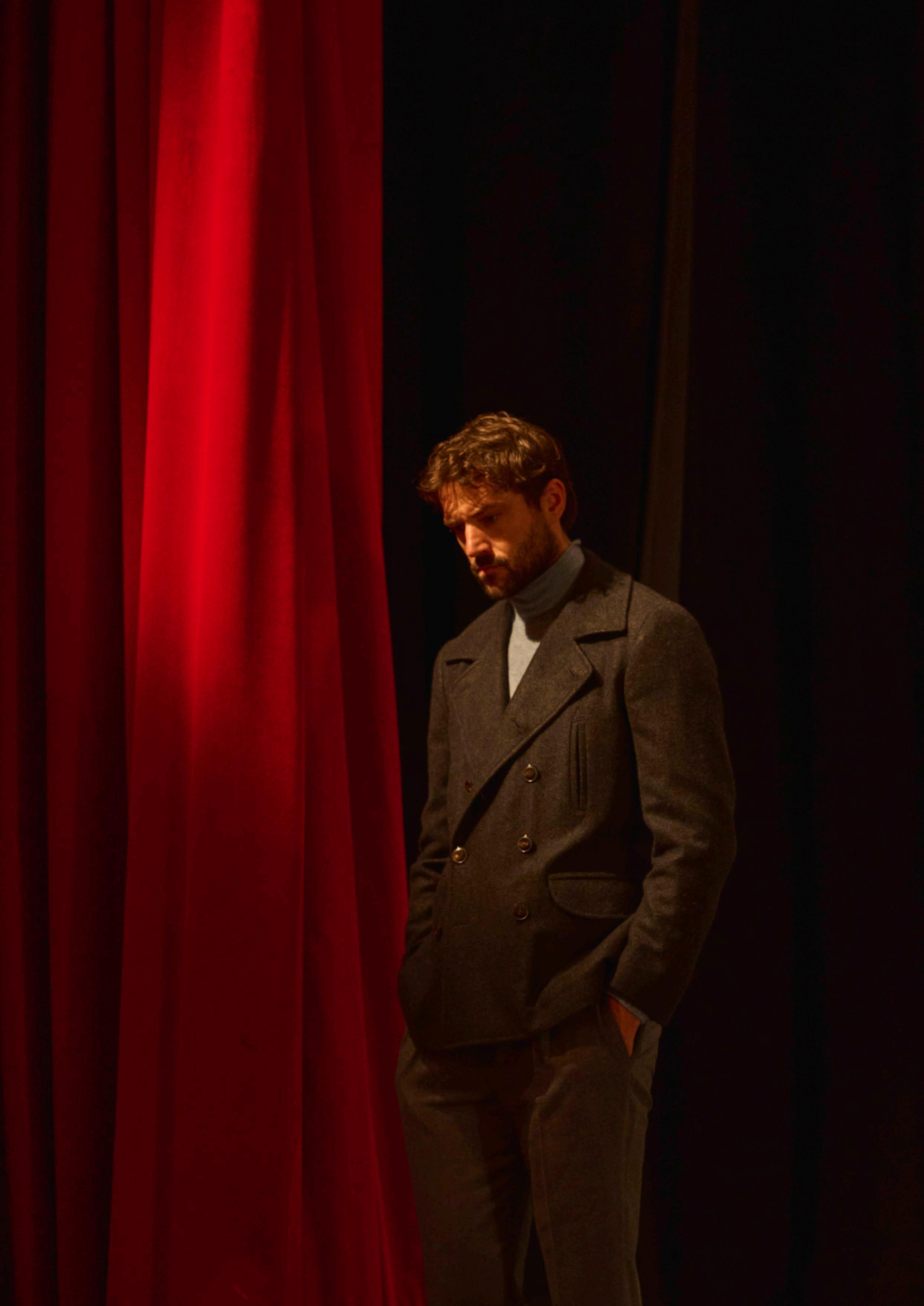
Neapolitan tailoring, in the vision of Vincenzo Attolini Senior, is theatre in miniature
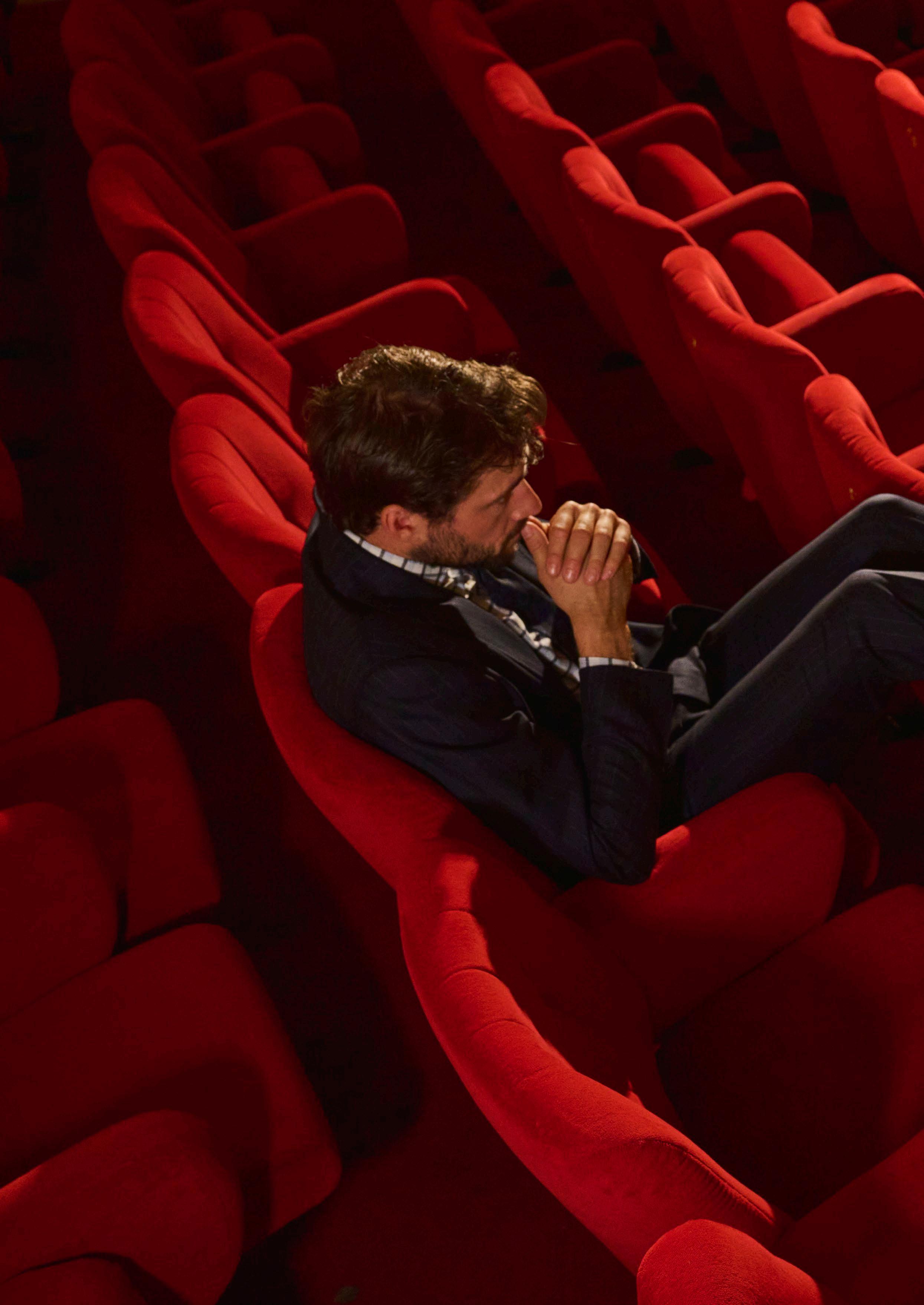
To really understand Vincenzo Attolini Senior and the impact his figure had on the tailoring scene, we must also talk about his passion for theatre. For him, tailoring was not just a technique: it was a dramatic gesture, an expression of character, a form of everyday acting. His theatrical sensibility influenced every suit he sewed, because in every man he saw an actor, a protagonist of his own life. This scenic inclination was reflected in his clothes: every jacket was a stage costume, but calibrated for reality.
Vincenzo Attolini is a man who understood the beauty of size and gesture, fundamental elements in both theatre and tailoring. There was a musicality, an internal, almost dancing rhythm in his creations that made Neapolitan tailoring unique in the world.
Elegance as representation, attire as body language. He was convinced that dressing well was not an act of vanity, but an act of respect for oneself and others, just as going on stage requires preparation and care.
Neapolitan tailoring, in Vincenzo Attolini's vision, is theatre in miniature. The sartorial gesture is precise, but never mechanical. It is made of rhythm, listening, improvisation, measure: like a well-acted game.
This is what makes the Neapolitan school unique: human, empathetic, elegant.
VINCENZO ATTOLINI AND THE BIRTH OF STILE LATINO
“A cultural statement, my vision of the world”
Vincenzo Attolini was not only an innovator, but also a silent pioneer. His vision was passed on, as in any great Renaissance workshop, from father to son. And it was from his creative family tree that Vincenzo Attolini was born, grandson of art and bearer of a new chapter in the family history.
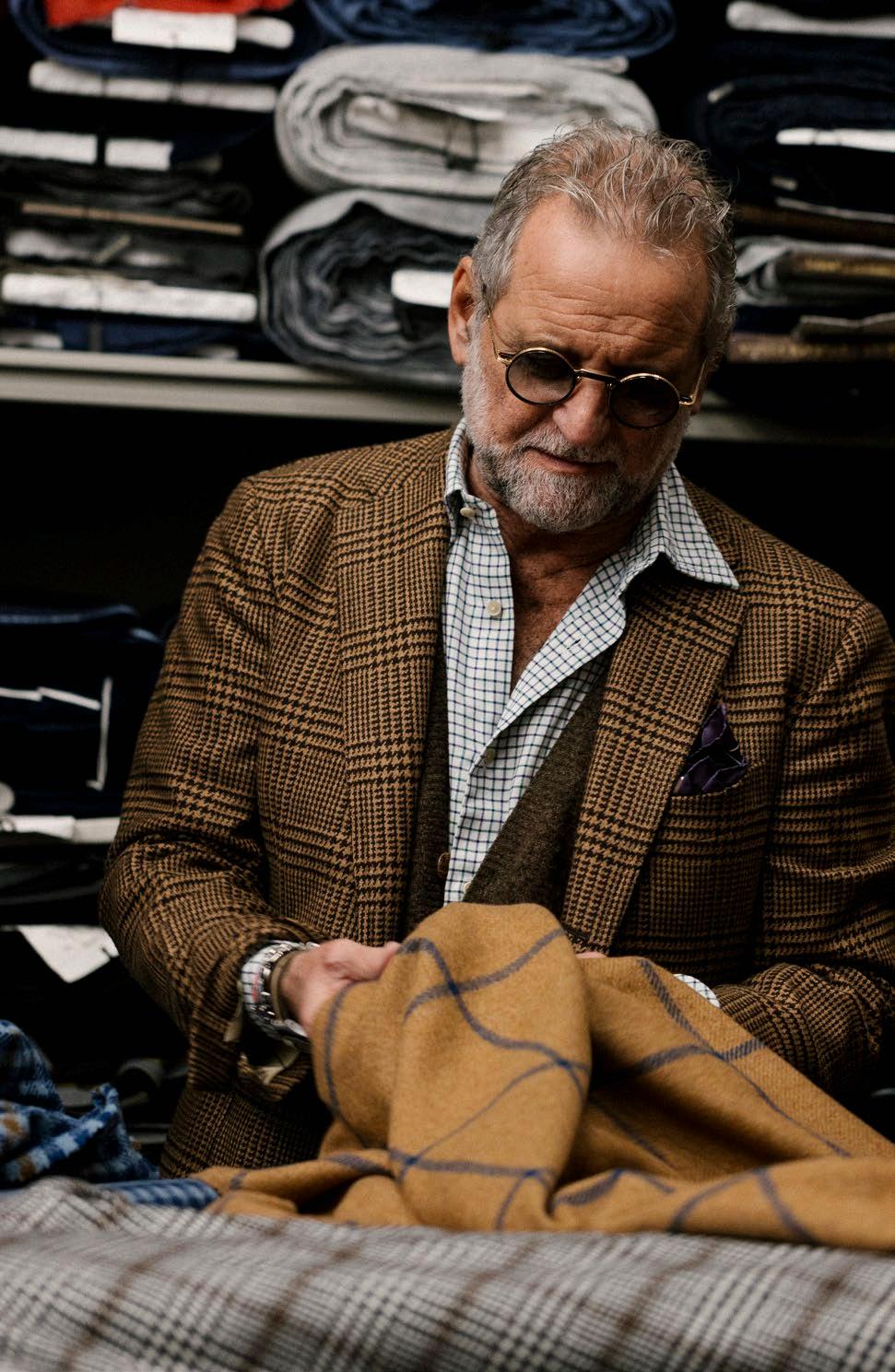
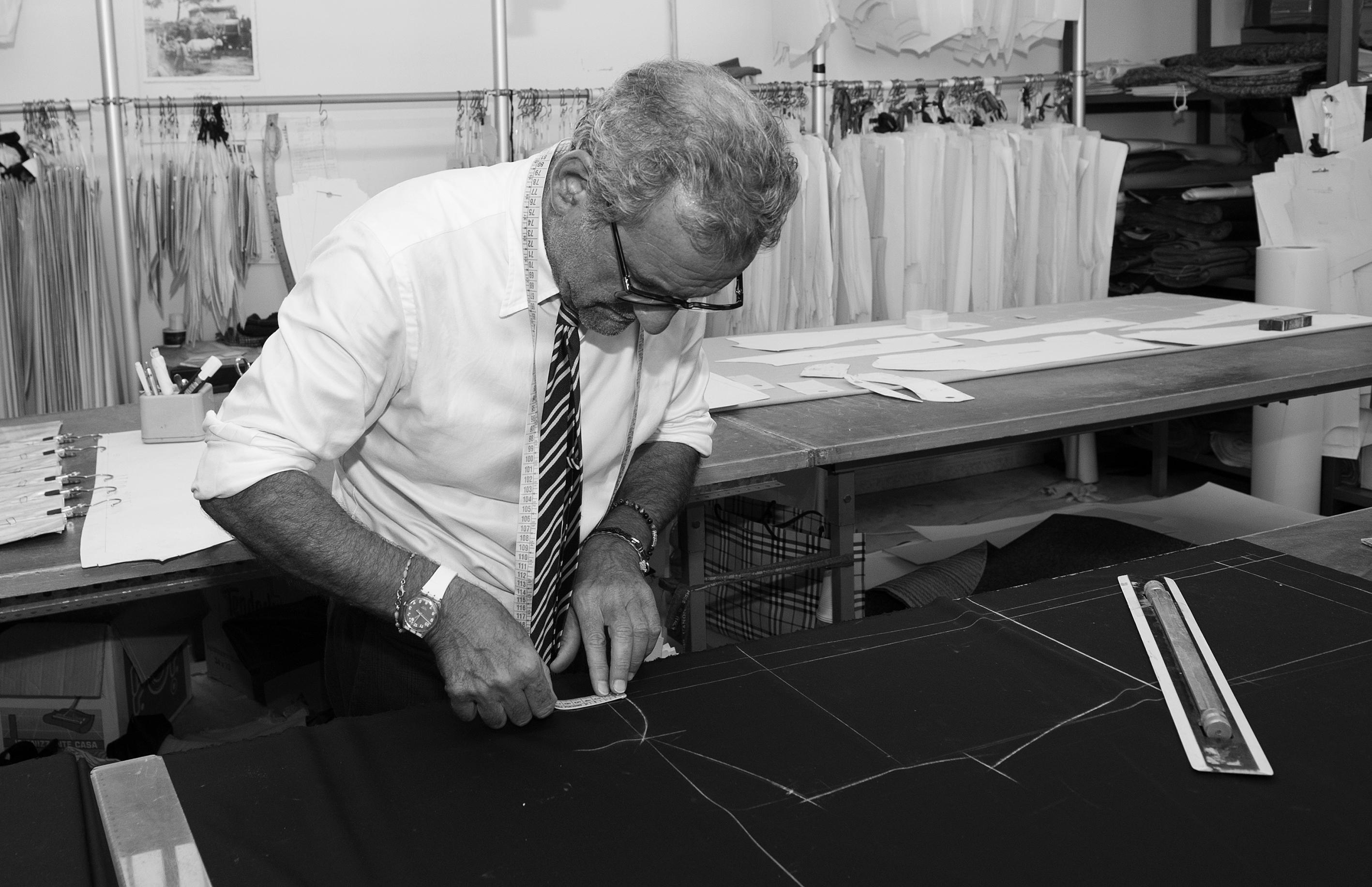
Vincenzo Attolini, grandson of Vincenzo Attolini Senior grew up immersed in the art of cutting and sewing. since childhood, he breathed the air of his grandfather's tailor shop, where every thread, every gesture told a story of Neapolitan elegance. Between fabrics, chalks and scissors, he absorbed the value of detail and the importance of handmade work.
Driven by this genuine passion, he decided to refine his talent at the Fashion Academy in Naples, where he graduated, consolidating his skills in design and tailoring. There he combined his inherited instinct with technique, learning to give concrete form to his vision of style.
In 2005, he decided it was time to write a new chapter in his family history. After having founded, together with his father Cesare, a reference figure and master of the trade, during the 1980s, the first family business under the name Attolini, immersed in discipline and excellence, he felt within himself the urgency to create something new, something that was faithful to the great Neapolitan school but that could speak to a different generation: more dynamic, more instinctive, freer.
This is how Stile Latino was born: not just a brand, but a cultural statement, a vision of the world. The name itself was chosen with great care, because it encapsulated the essence of the project.
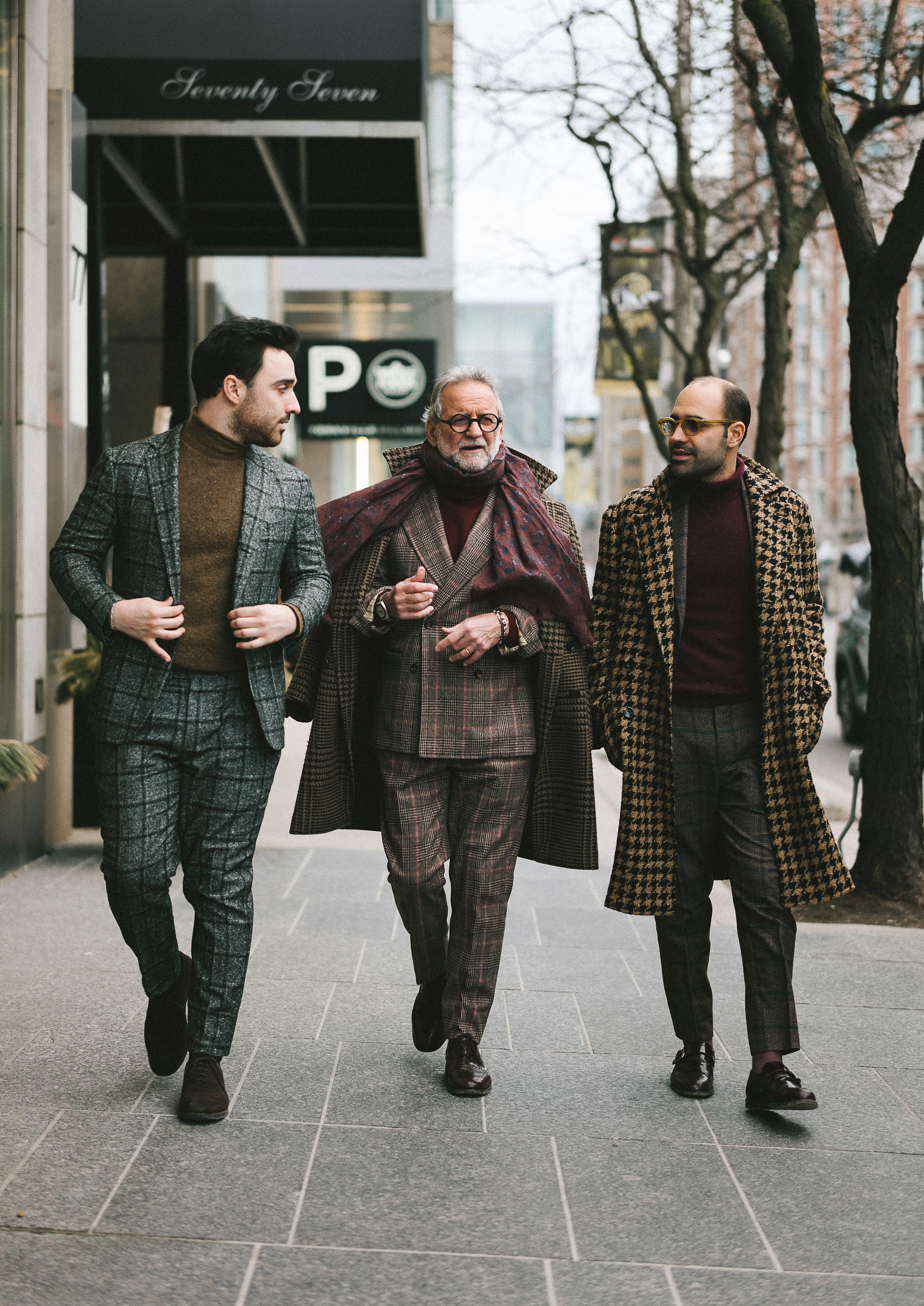
The entrance of Cesare Mattia and Emiliano Attolini: the future is already present.
A whole family that has been handing down tailoring know-how for generations.
The story of Stile Latino is not just that of one man, but of an entire family that has been handing down sartorial know-how for generations. And today, alongside their father, two new promises in the world of male elegance are growing: his sons, Cesare Mattia and Emiliano.
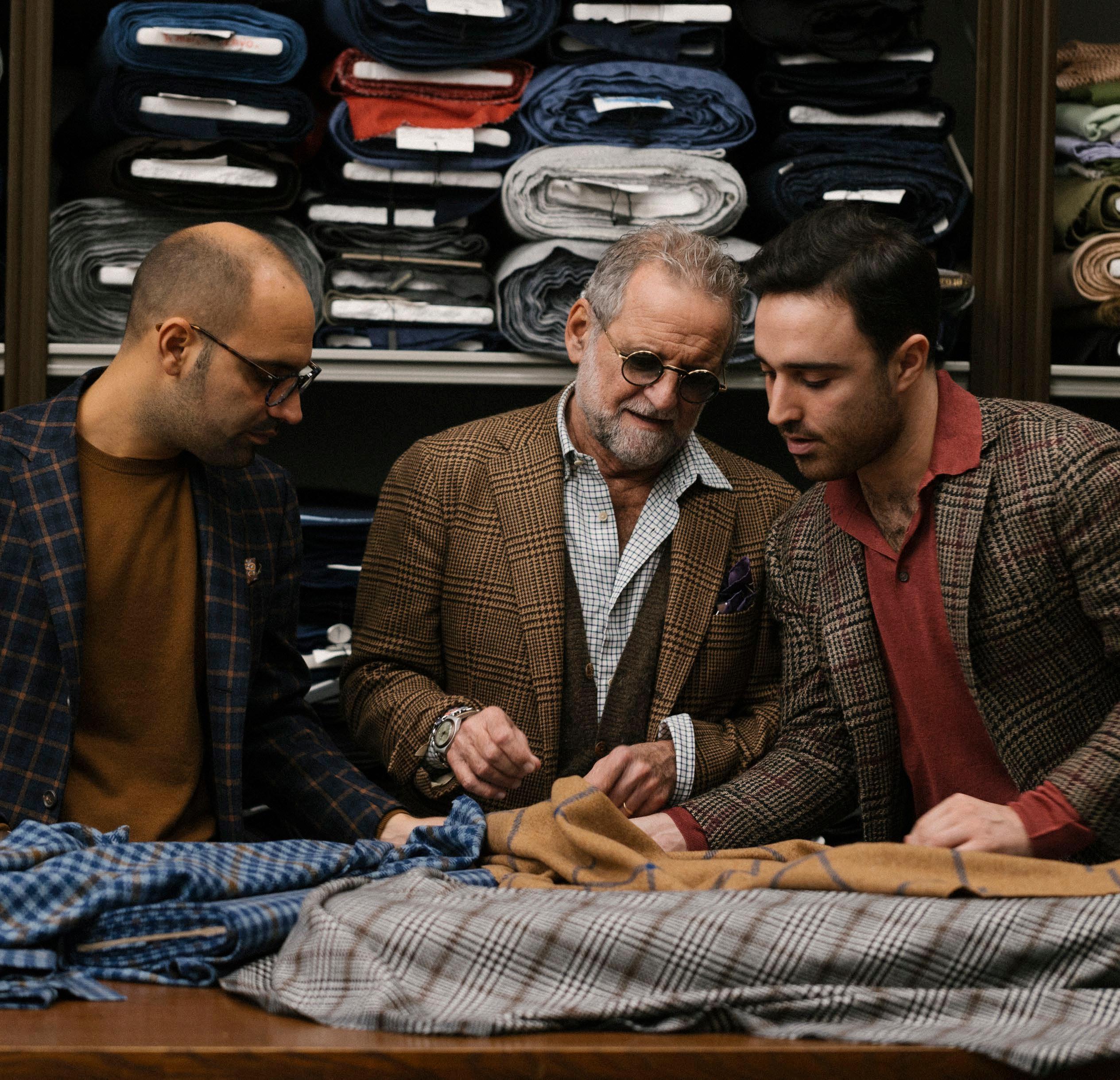
Their presence is not only symbolic, but operational. Cesare Mattia takes care of the creative and stylistic side, bringing a young and contemporary aesthetic sensibility, but always anchored in the brand's values. Emiliano, on the other hand, is dedicated to the product and the development of the pattern-making area. The two brothers, who also look after the commercial side, contribute to making Stile Latino a sartorial reality with a global vision.
Together, the three form a solid, passionate, cohesive family team. Their dialogue between generations is the key to Stile Latino's success: respect for roots coexists with the courage of innovation.
Craftsmanship goes hand in hand with dialogue with a young audience that rediscovers the value of the handmade.
“To be fashionable, you don't have to follow it”
In the creative workshop in Casalnuovo di Napoli, Stile Latino took shape with a clear objective: to dress men for who they are, not for who they want to be, without renouncing absolute quality.
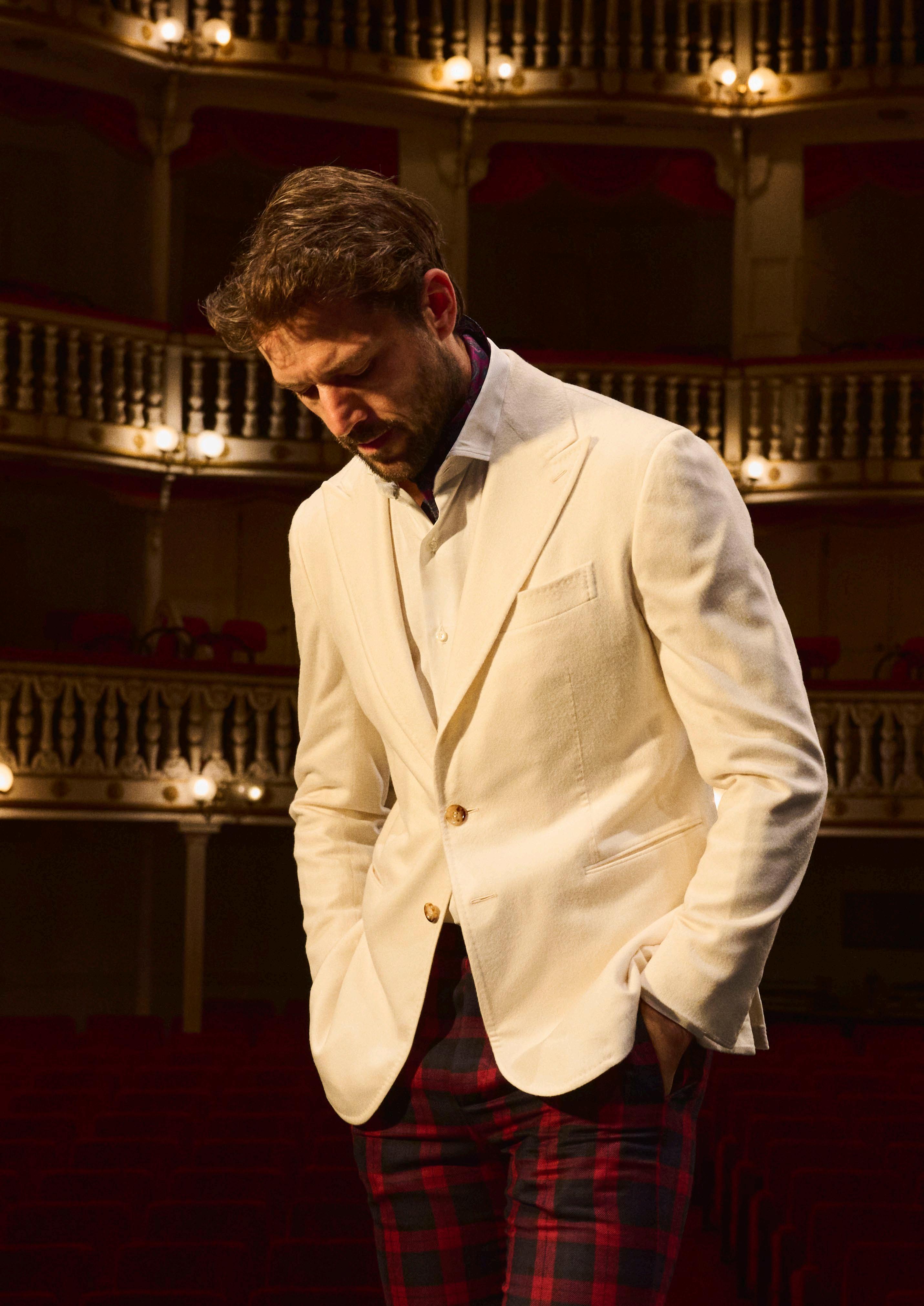
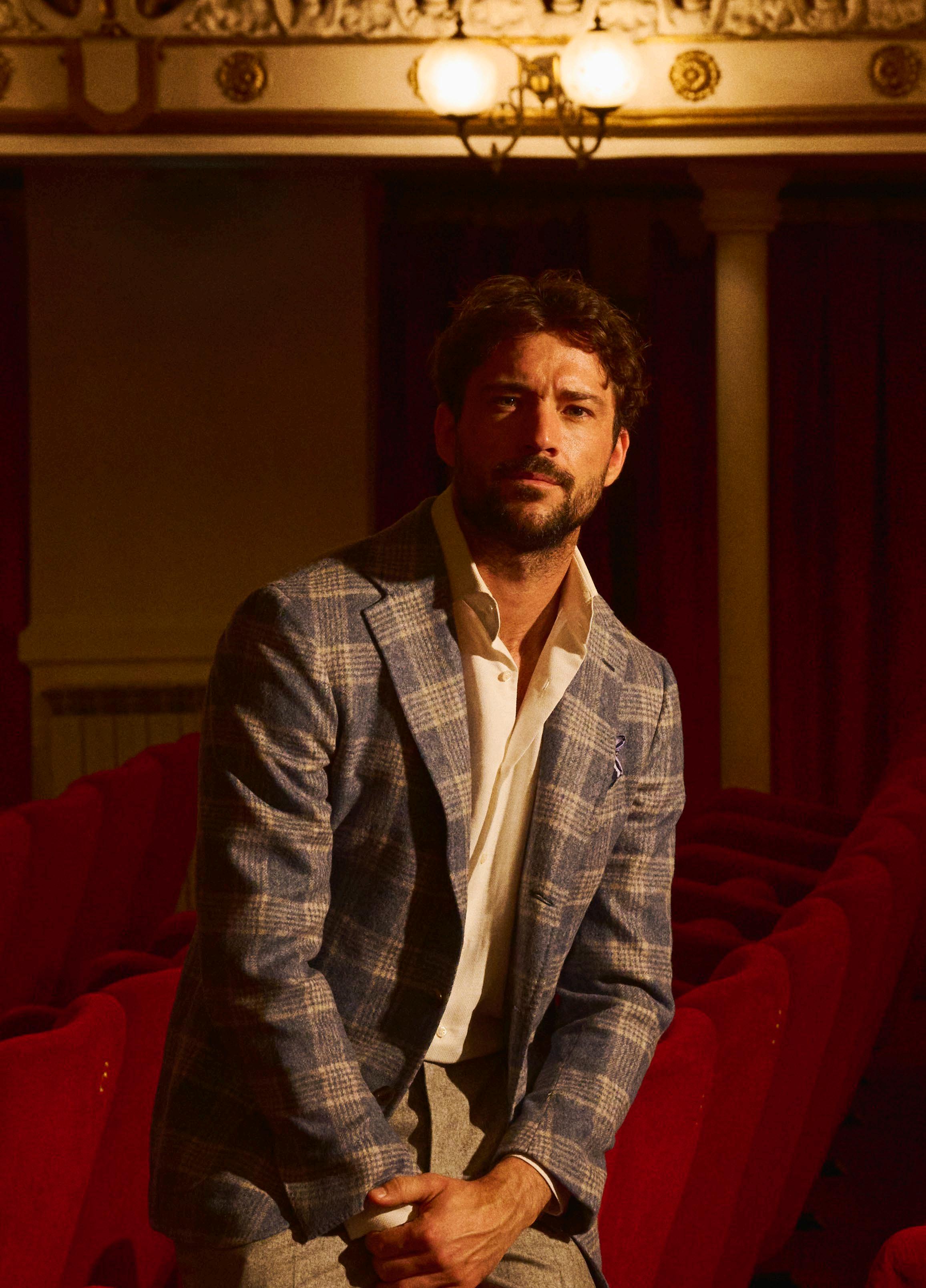
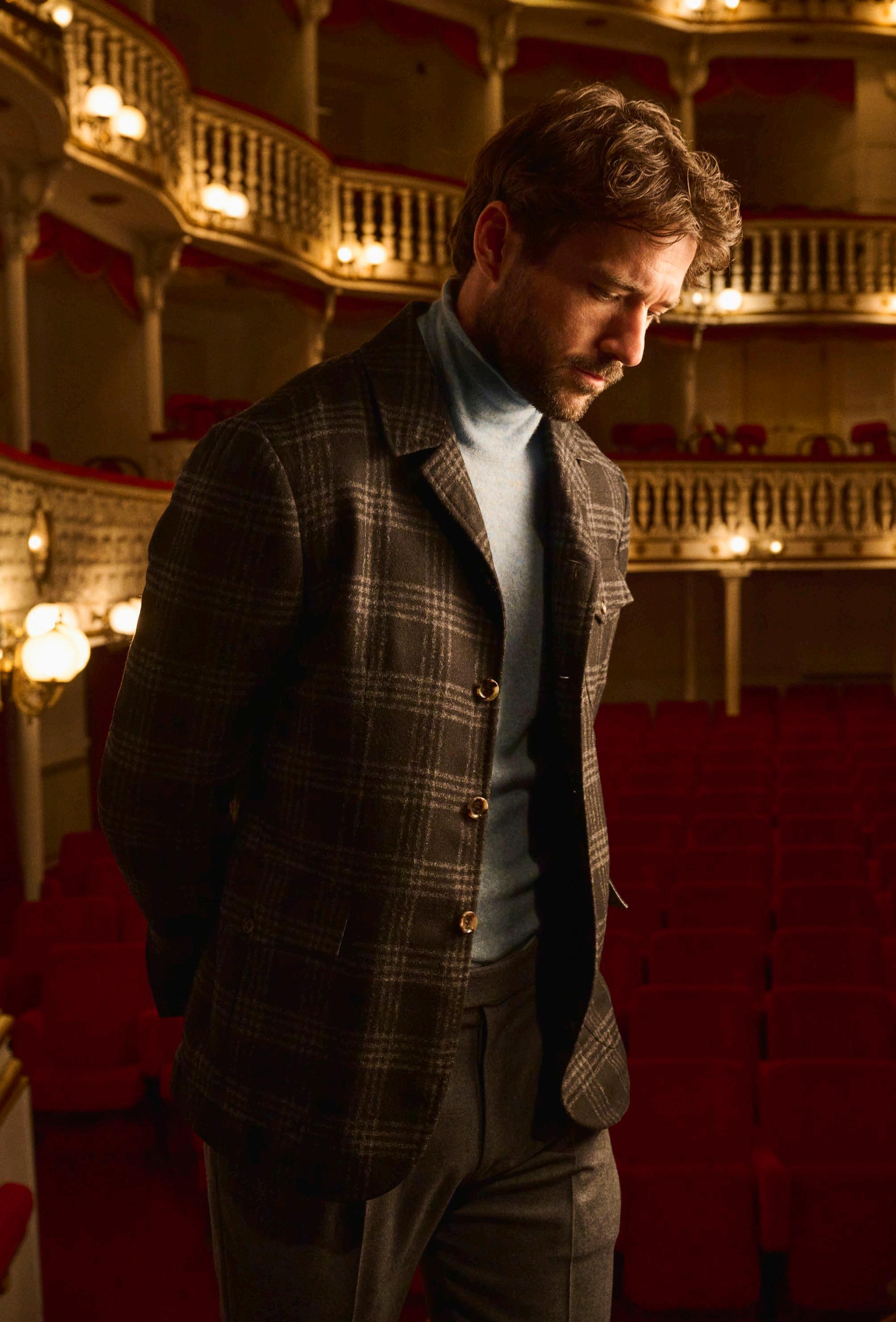
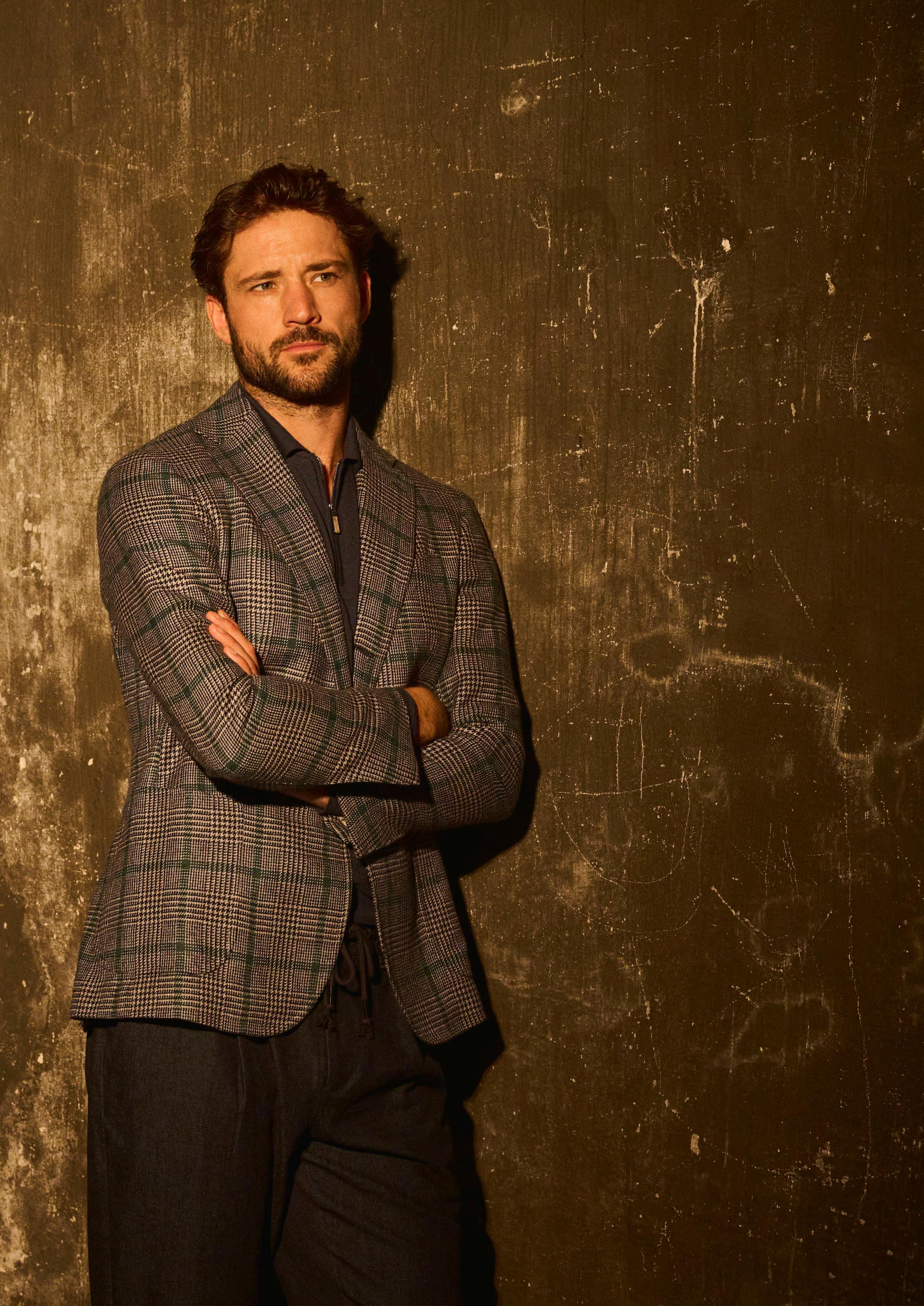
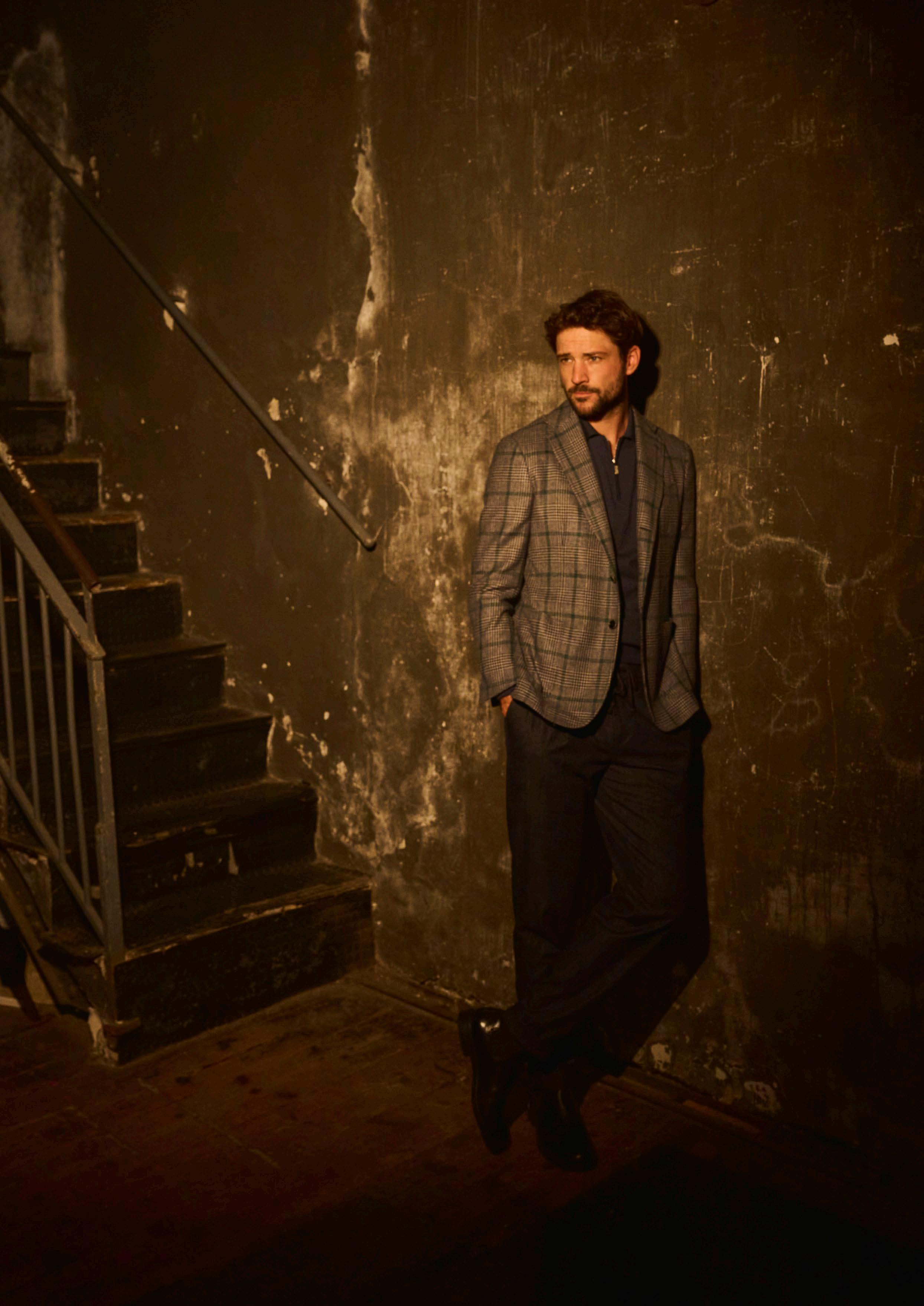
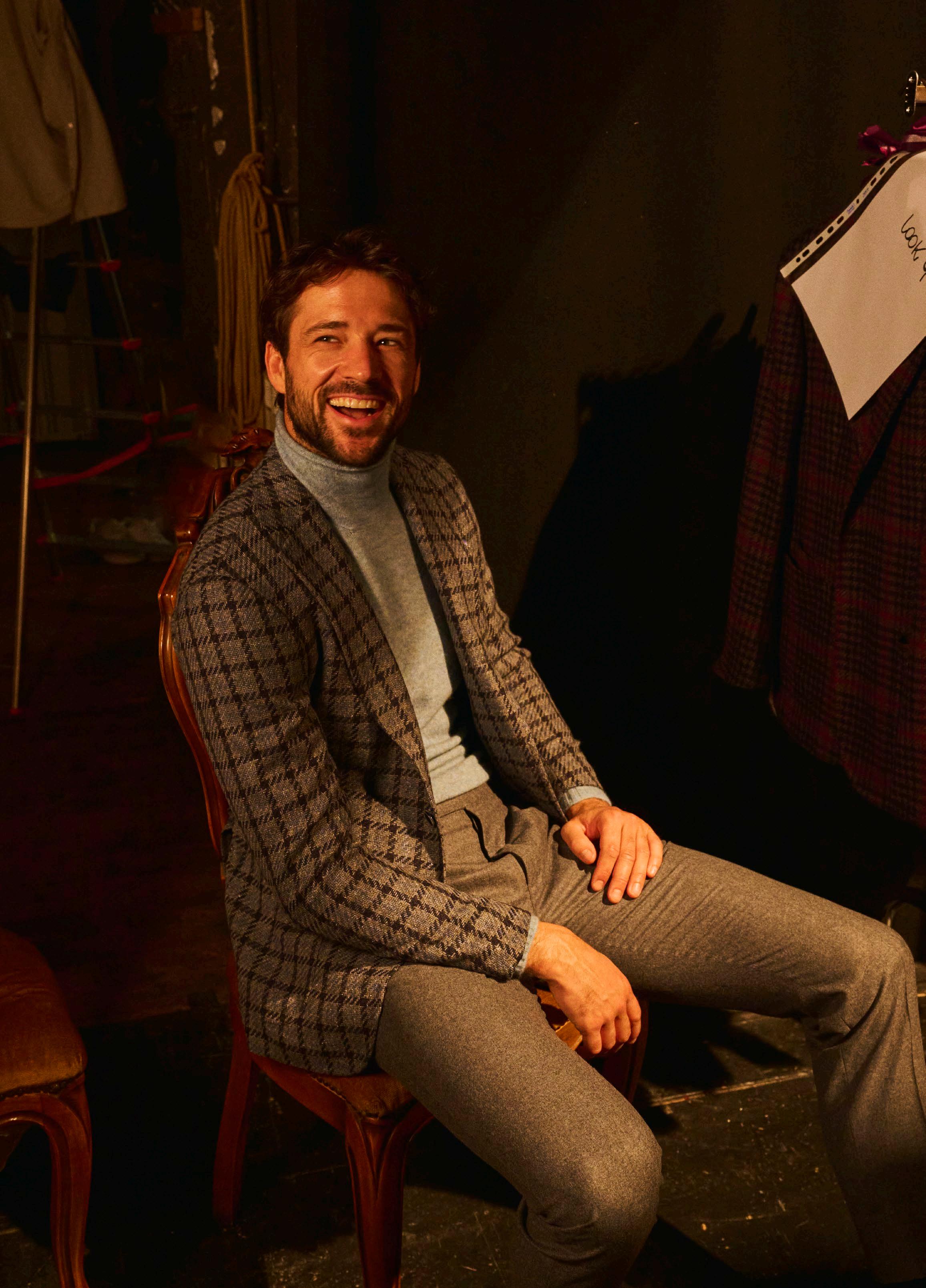
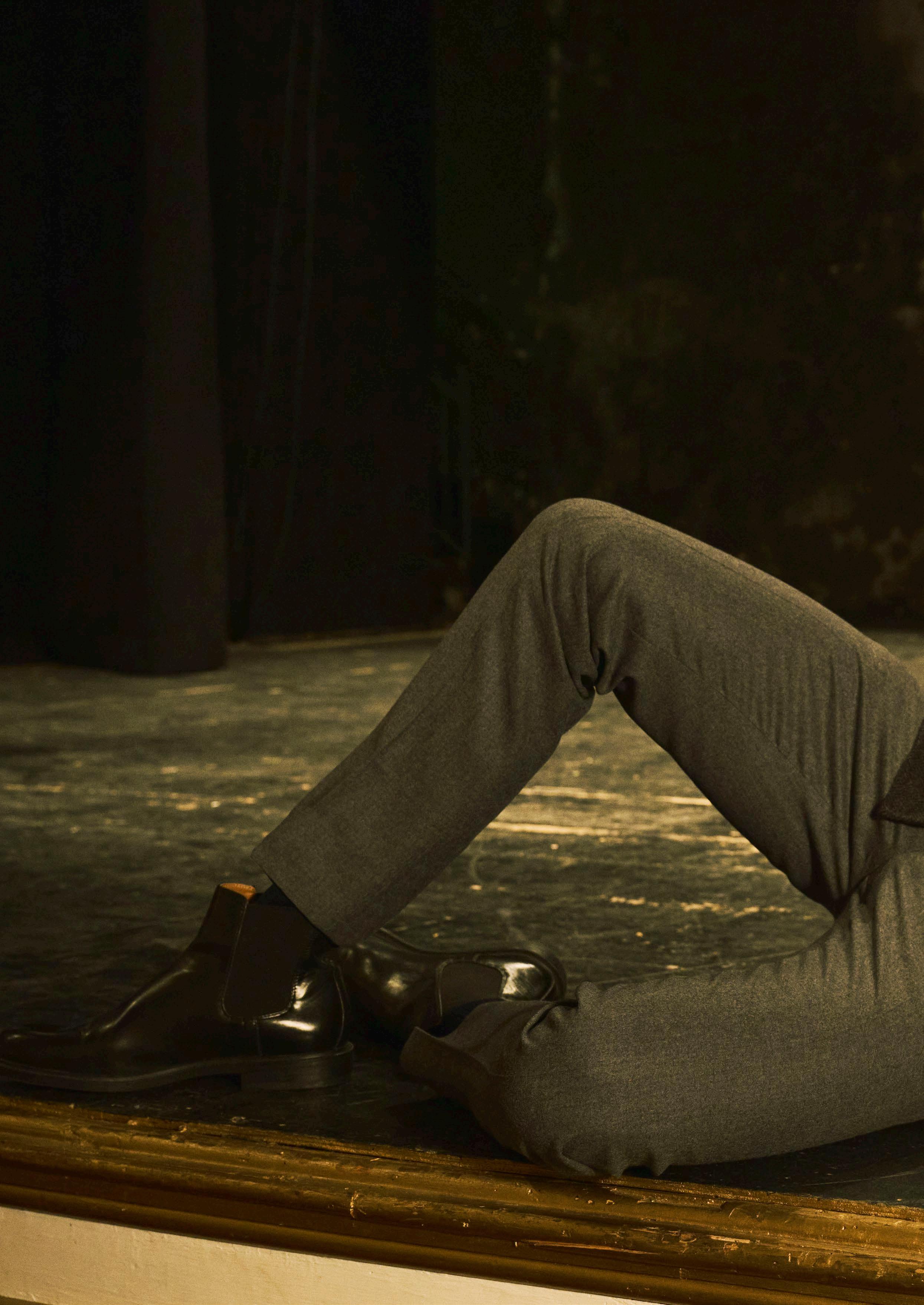
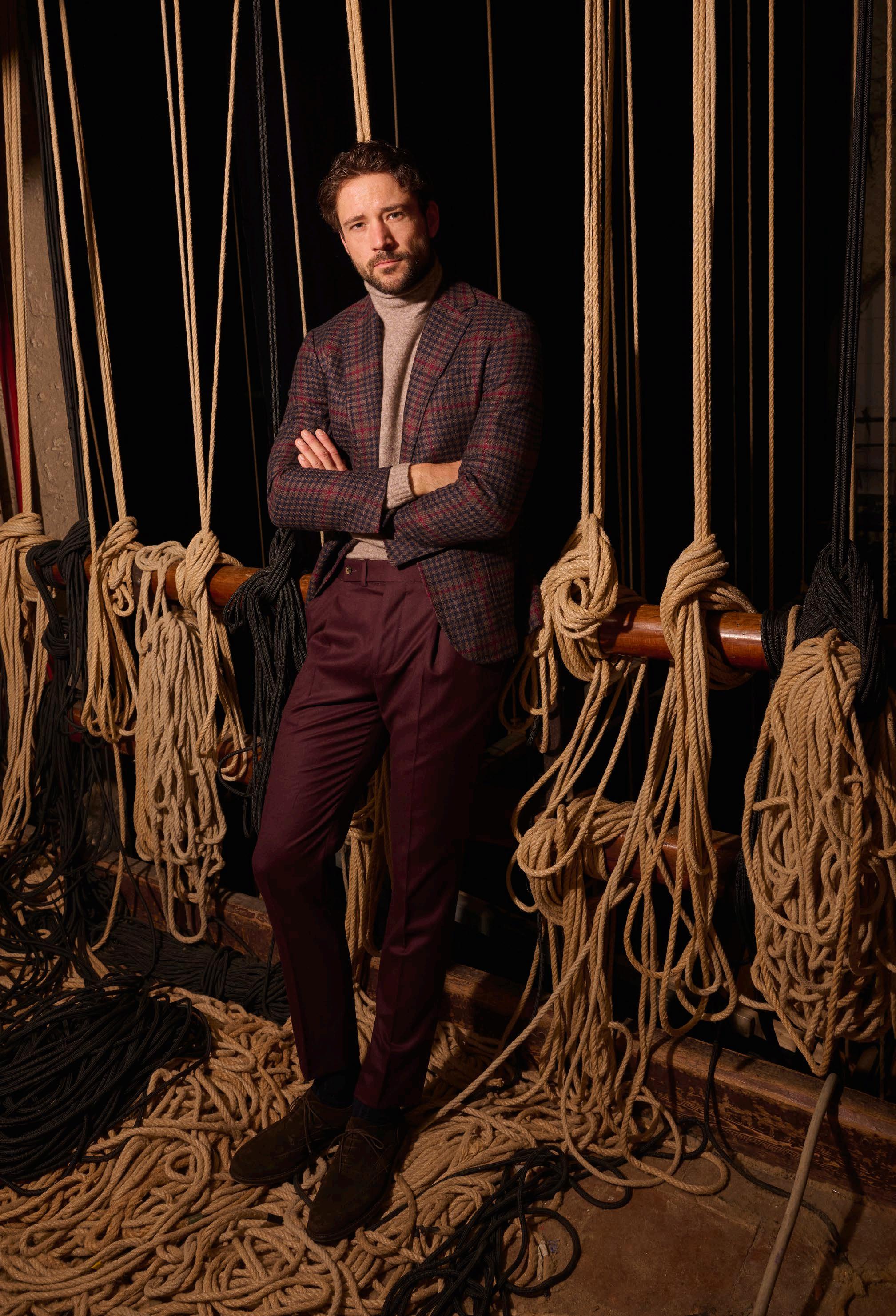
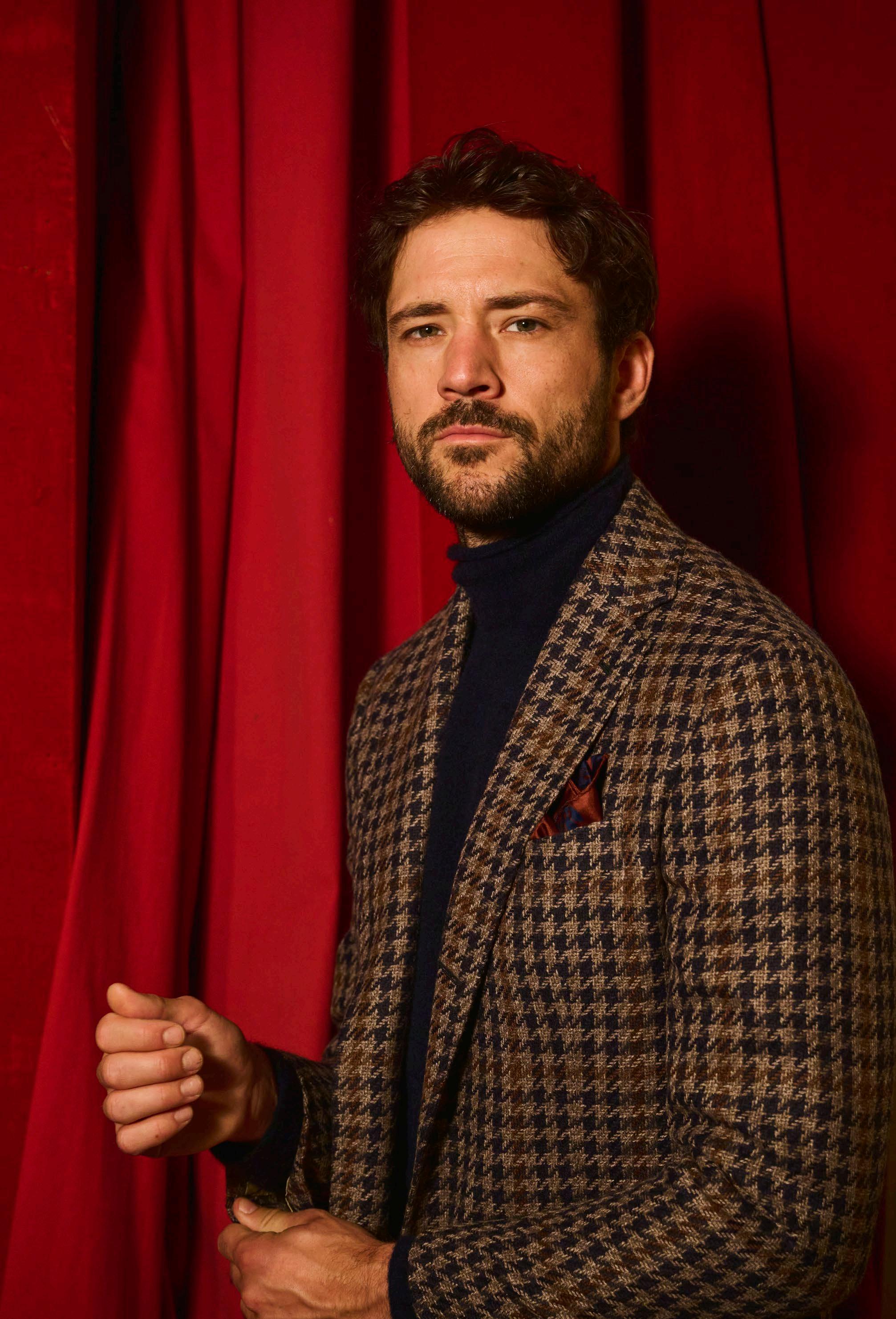
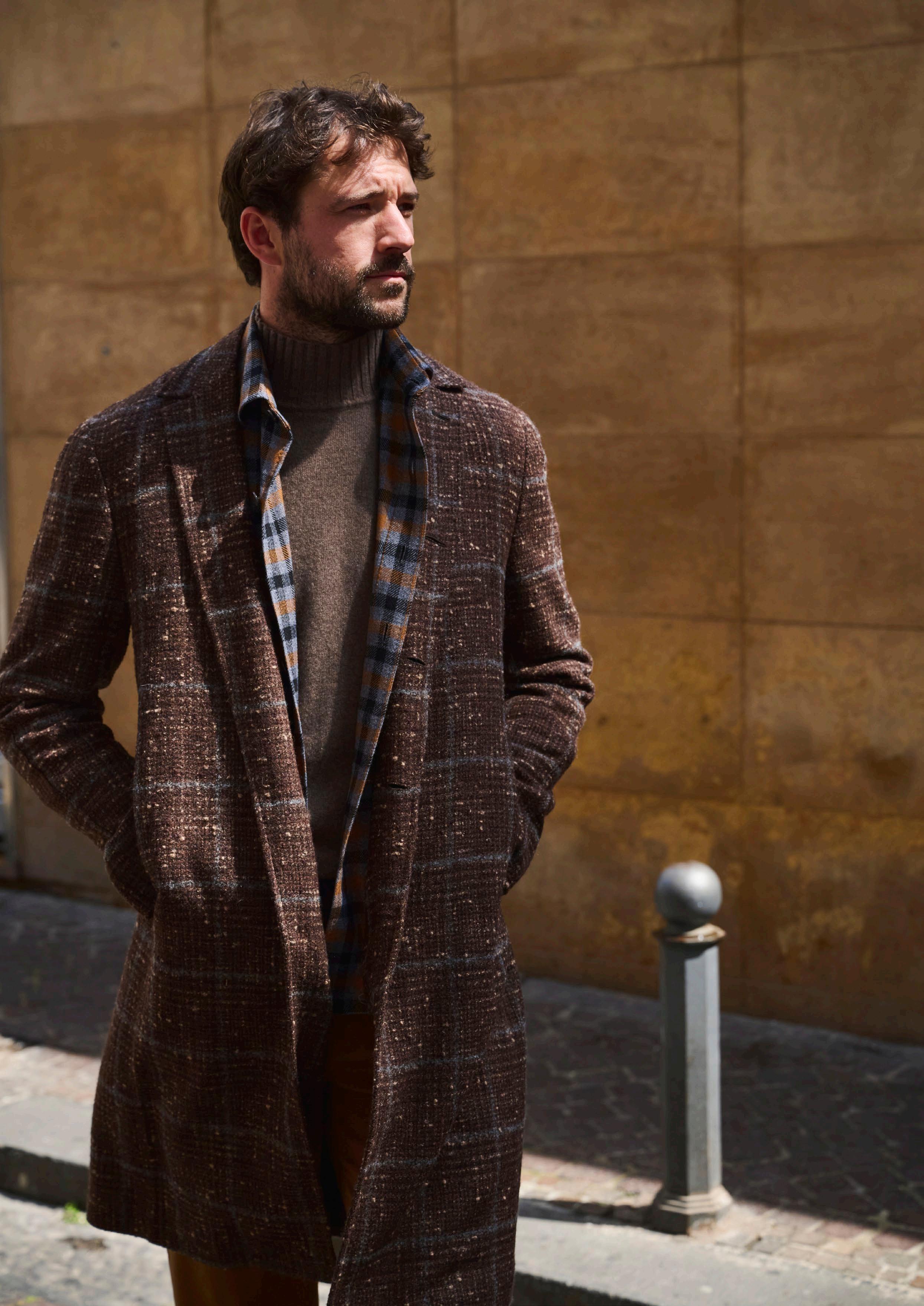
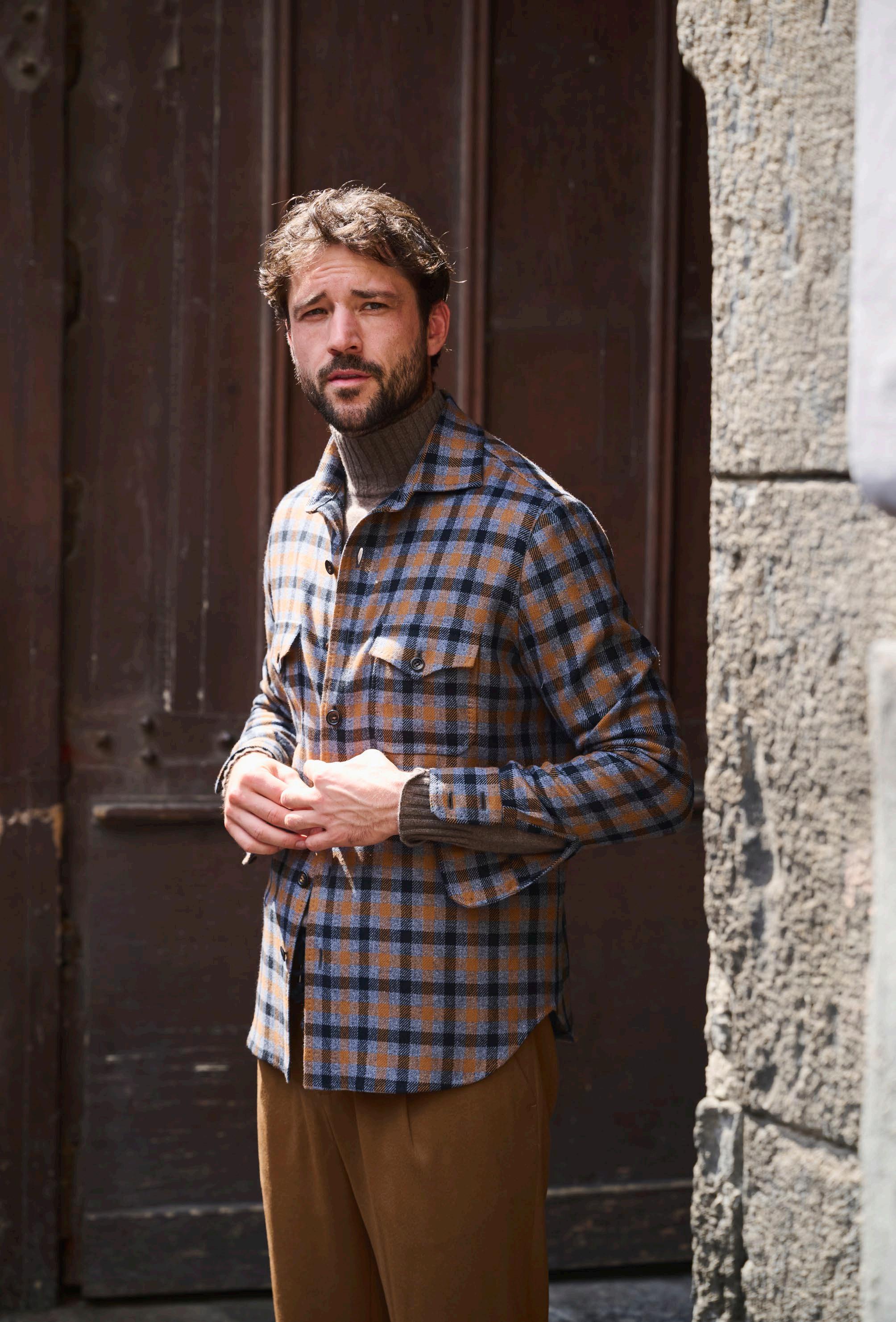
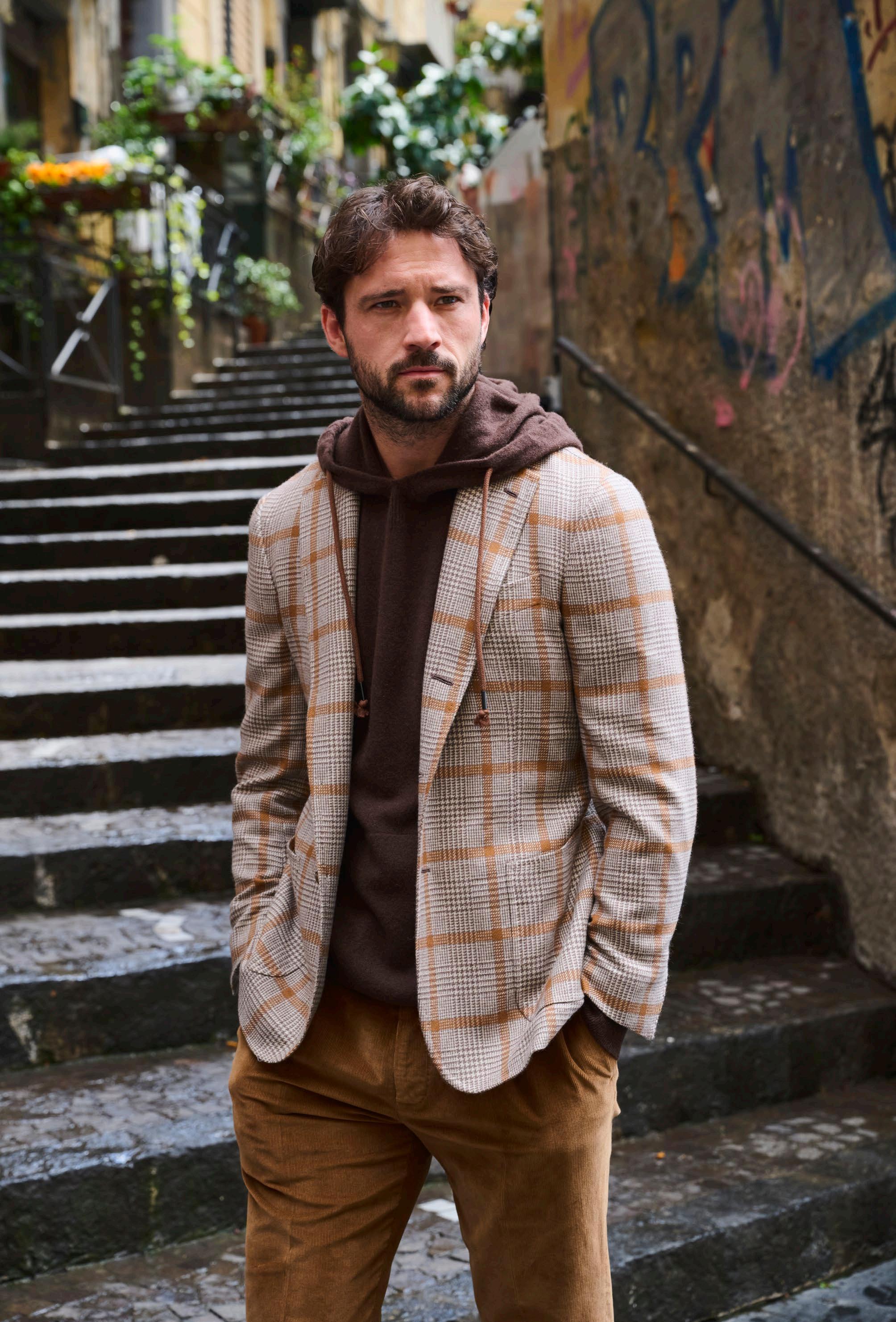
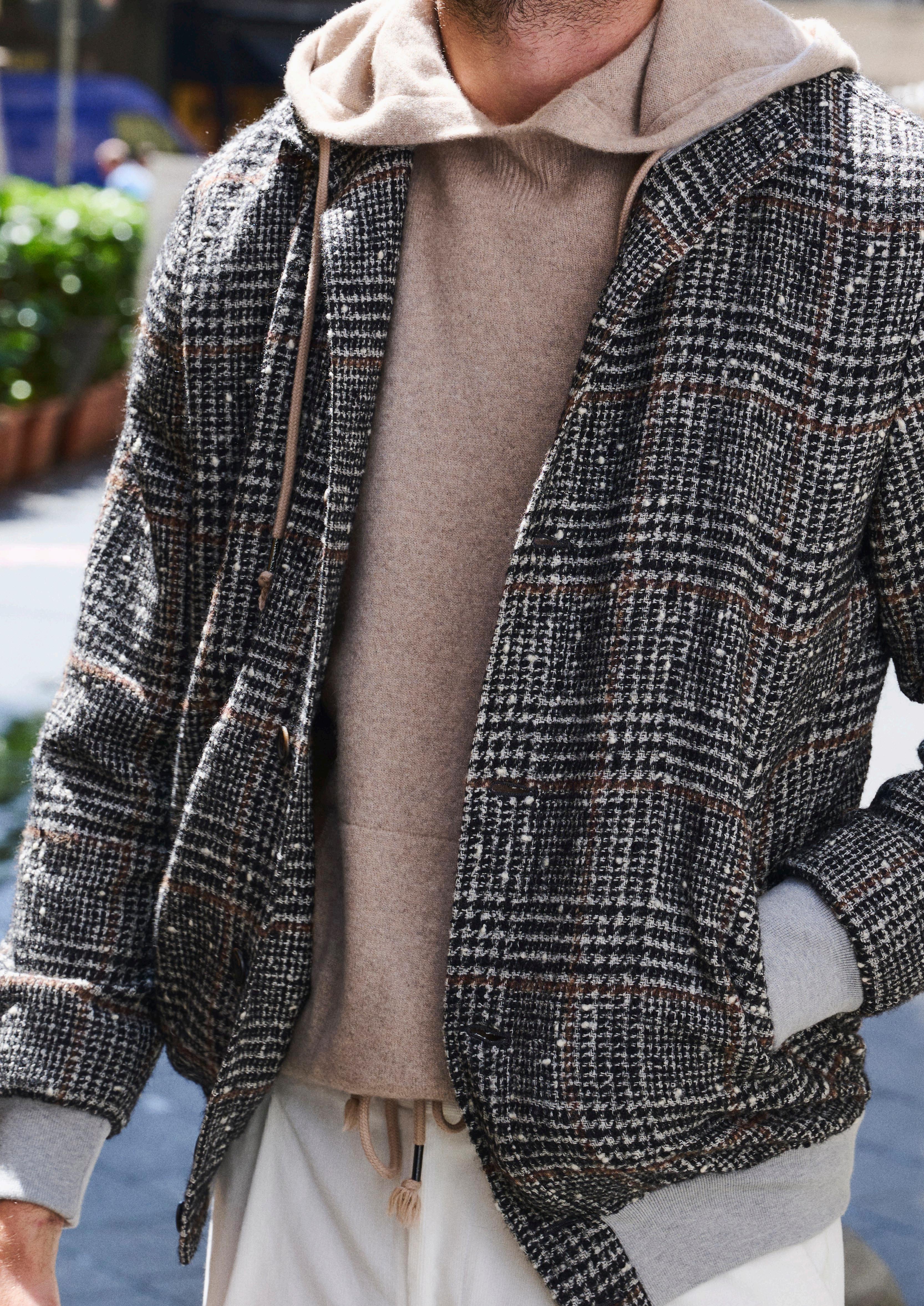
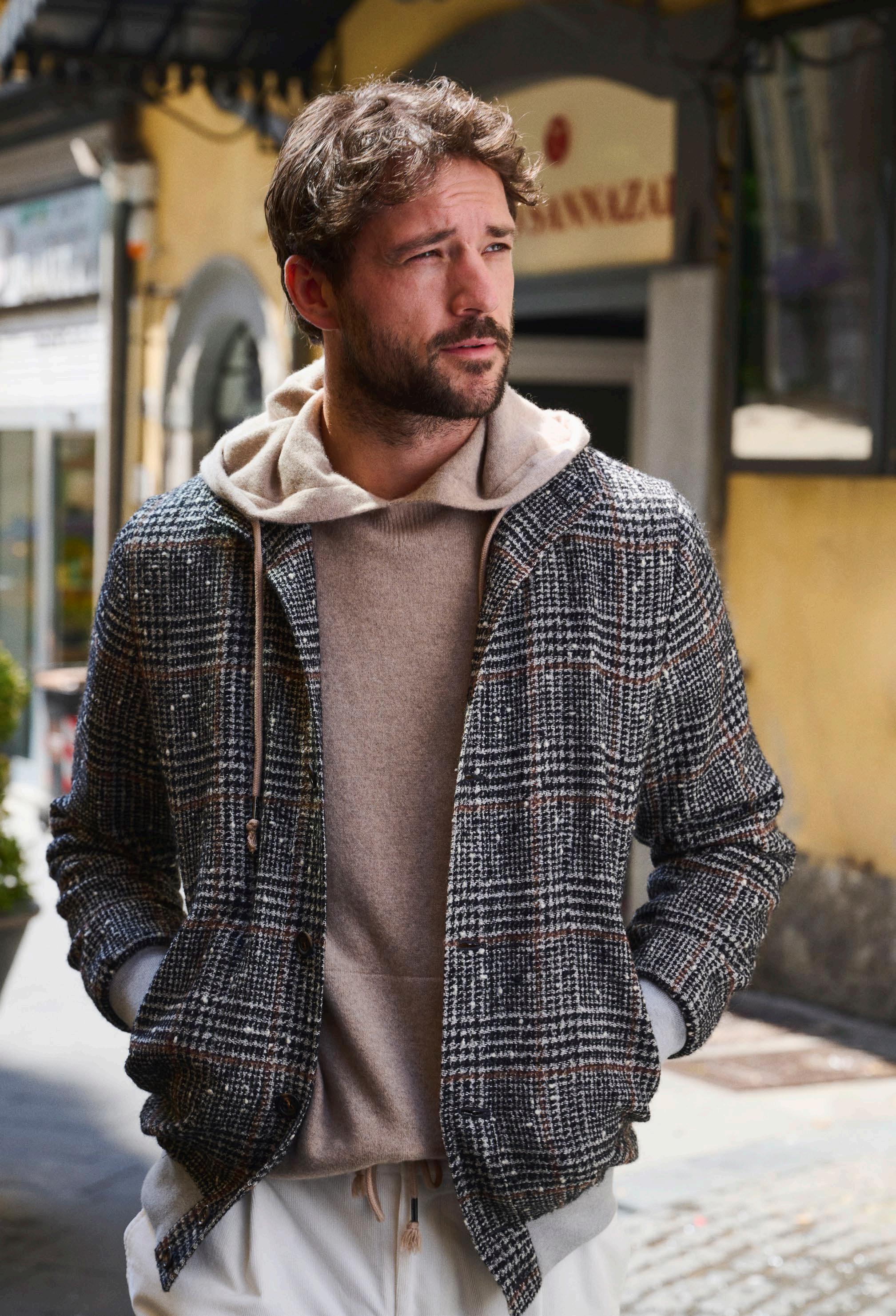
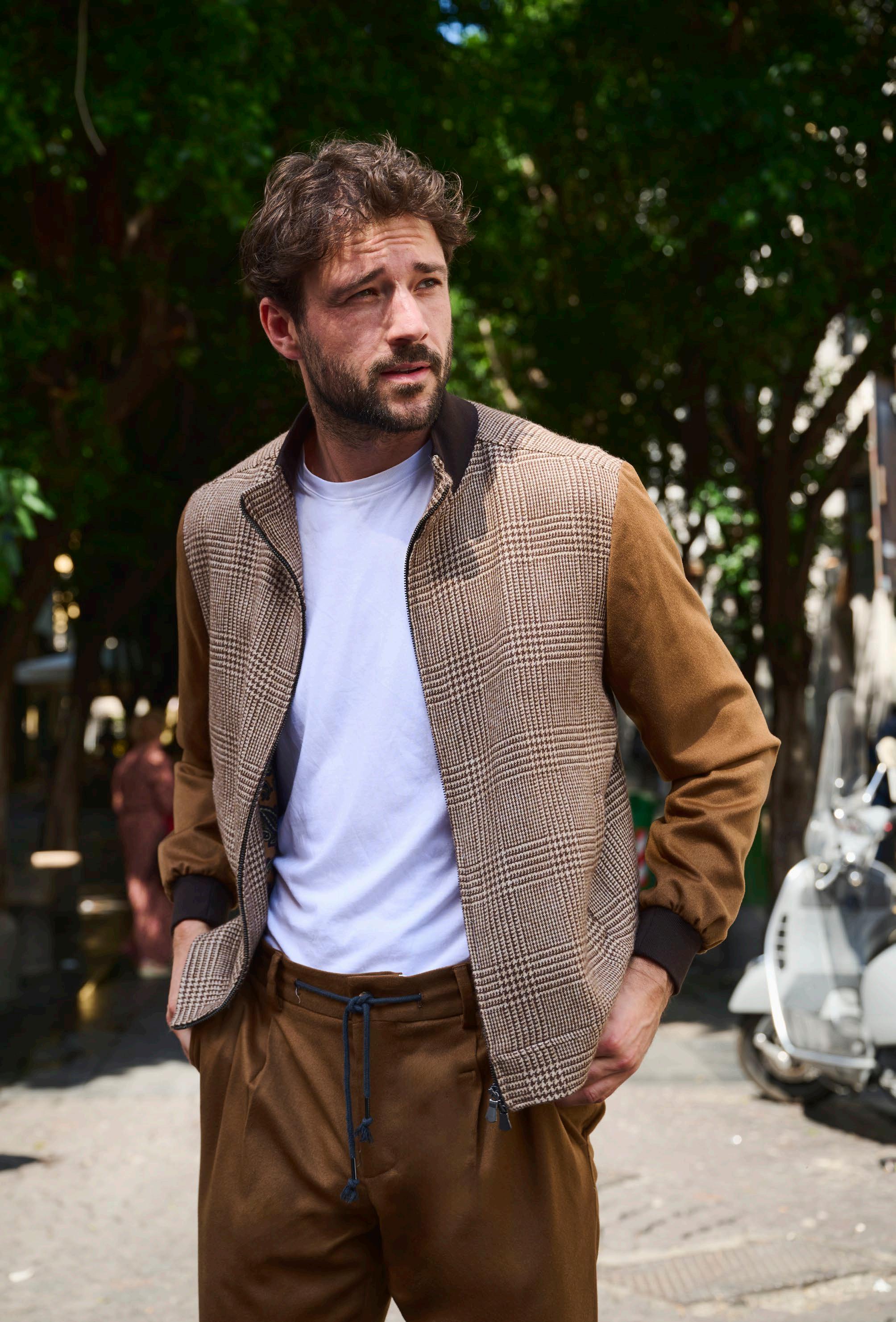
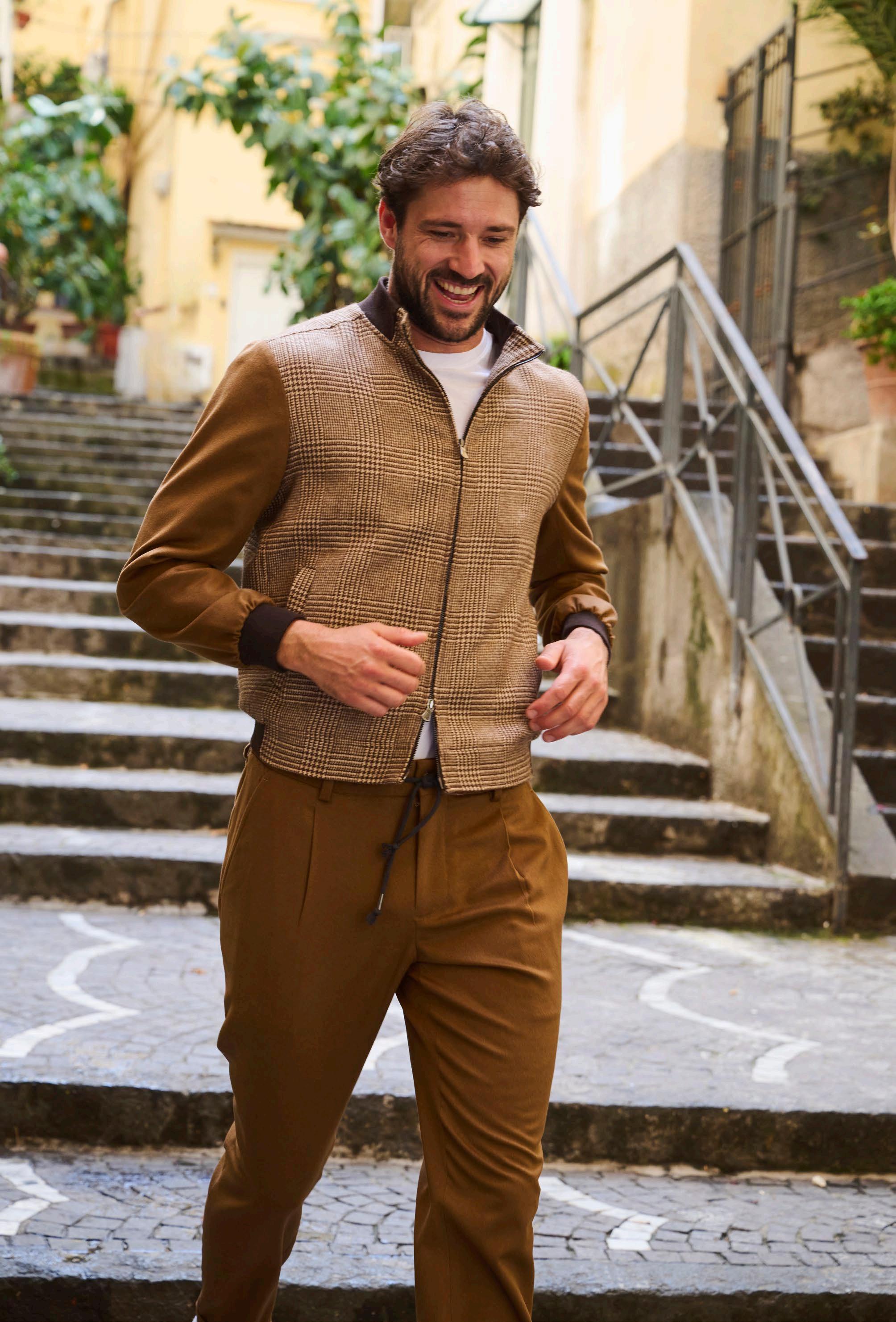
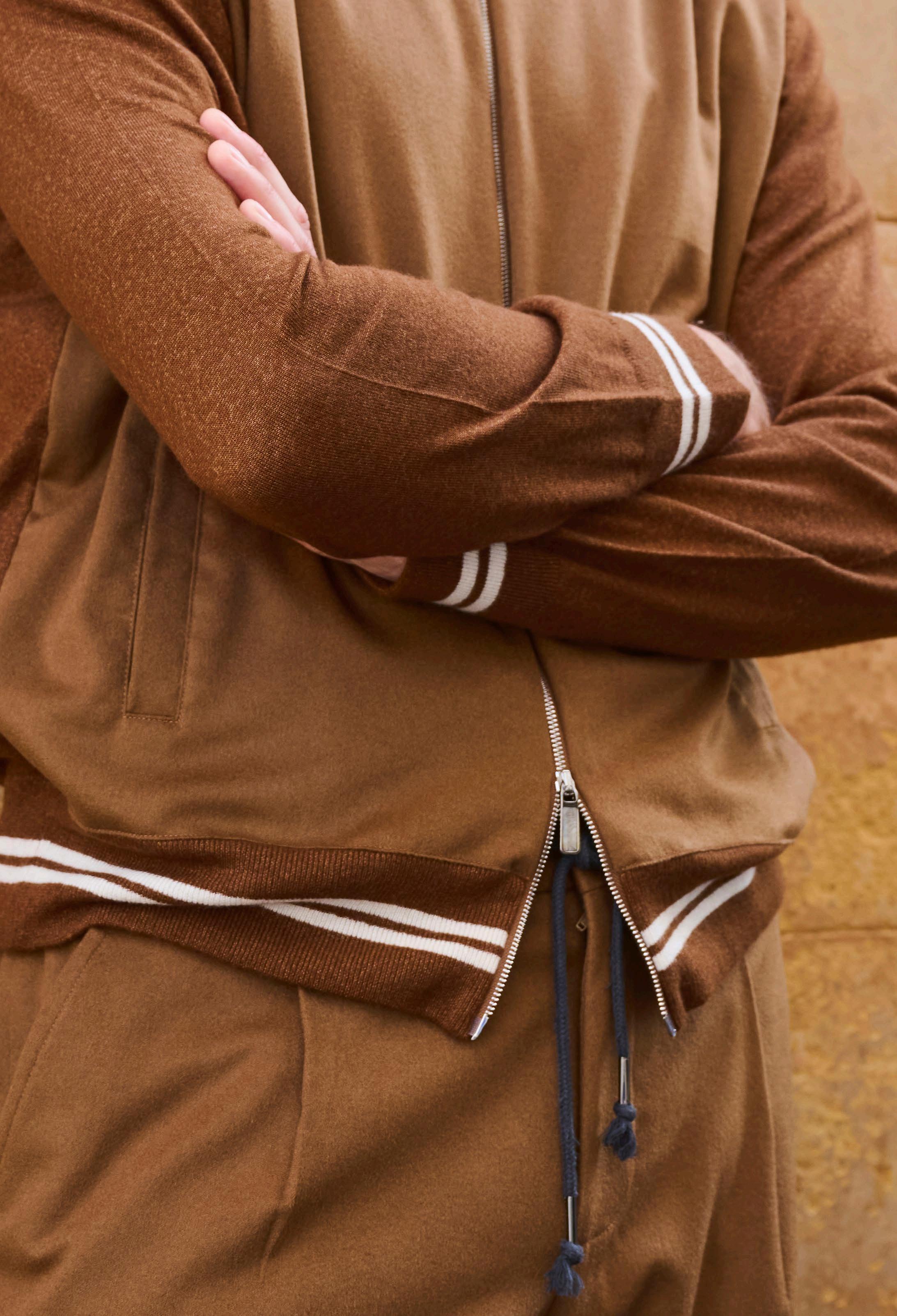
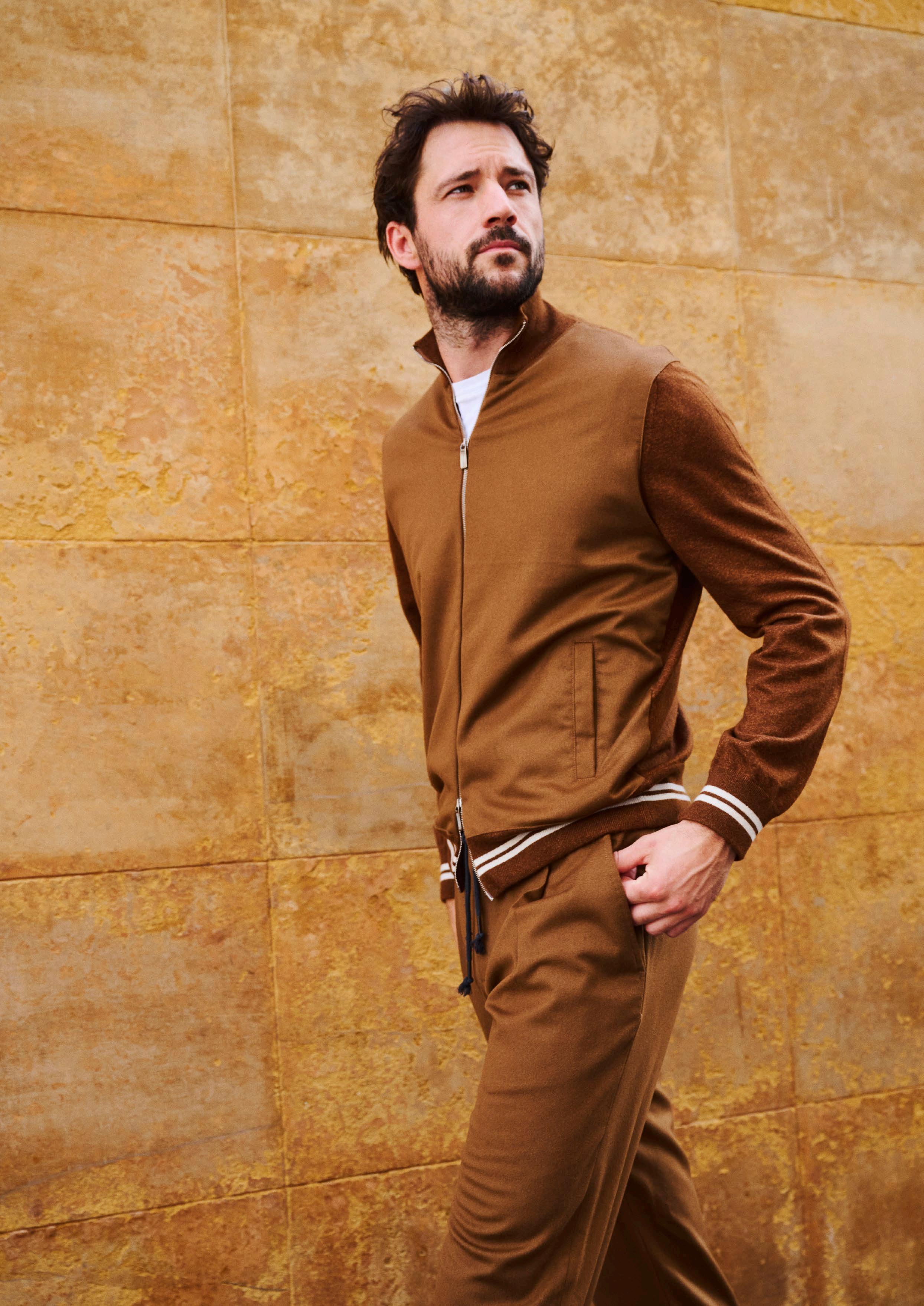
The jacket remains the central element, and carries with it all the teachings of the Neapolitan school: hand construction, natural shoulder, lightness and attention to invisible detail. But something has changed from the past: the proportions are slimmer, the cuts more decisive, the colours more vivid. The overall tone is more modern, but without becoming fashionable. Stile Latino speaks to a man who does not need to look elegant, because he is naturally so. Vincenzo. himself has said in several interviews:
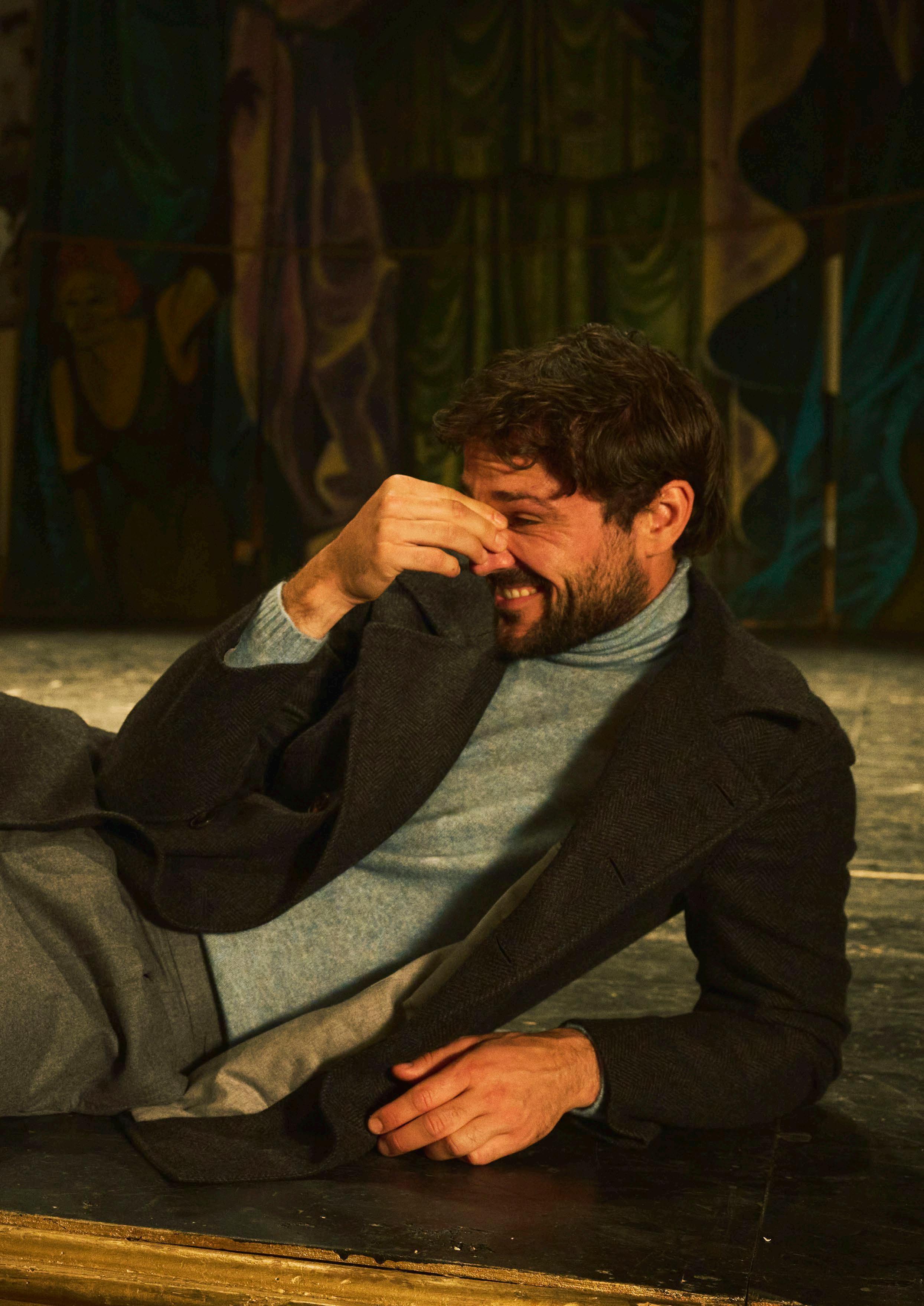
'The Latin man is the one who can be sexy even in a formal suit. He does not need to shout: he only needs to walk, talk, smile.
The dress must accompany him, not dominate him."
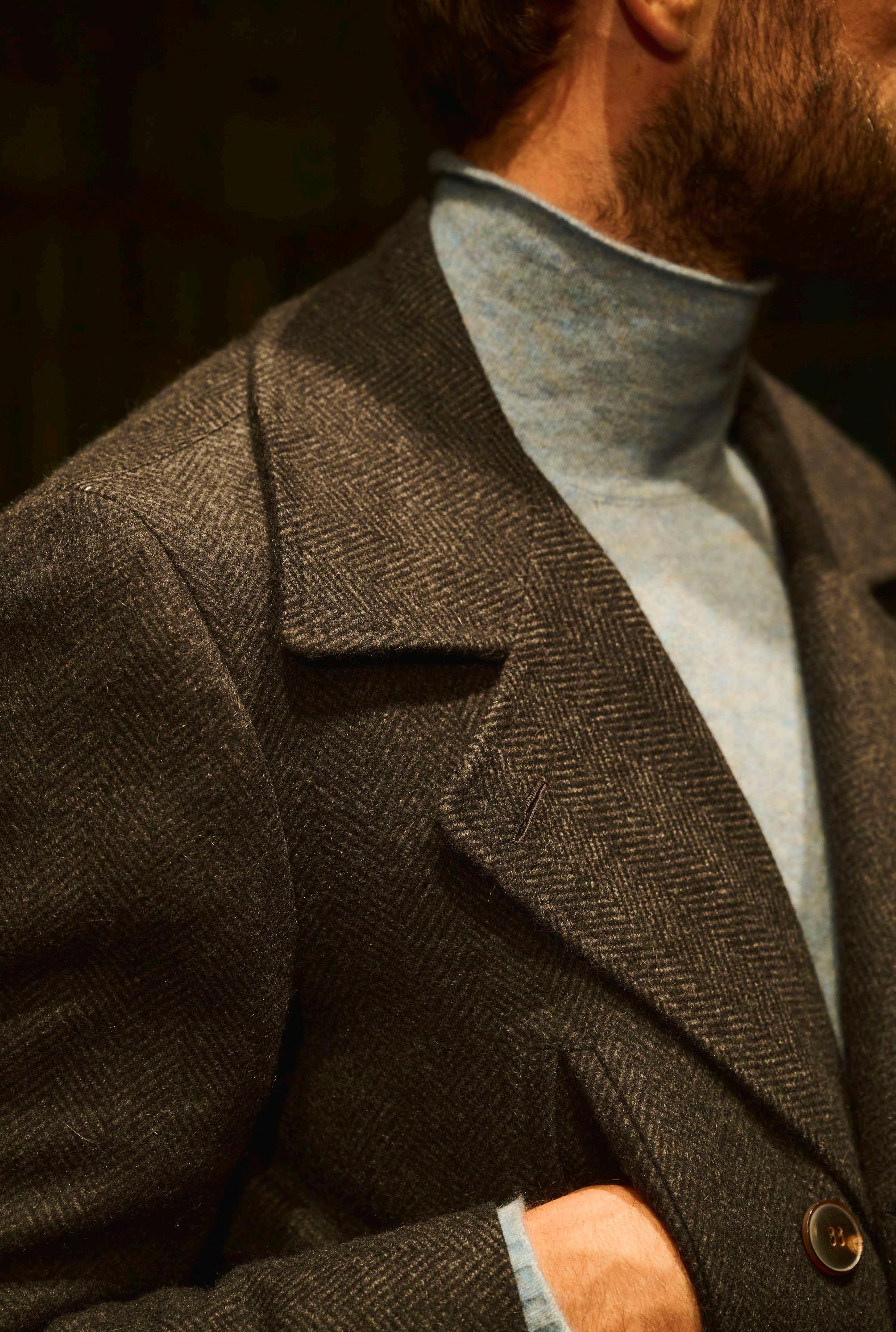
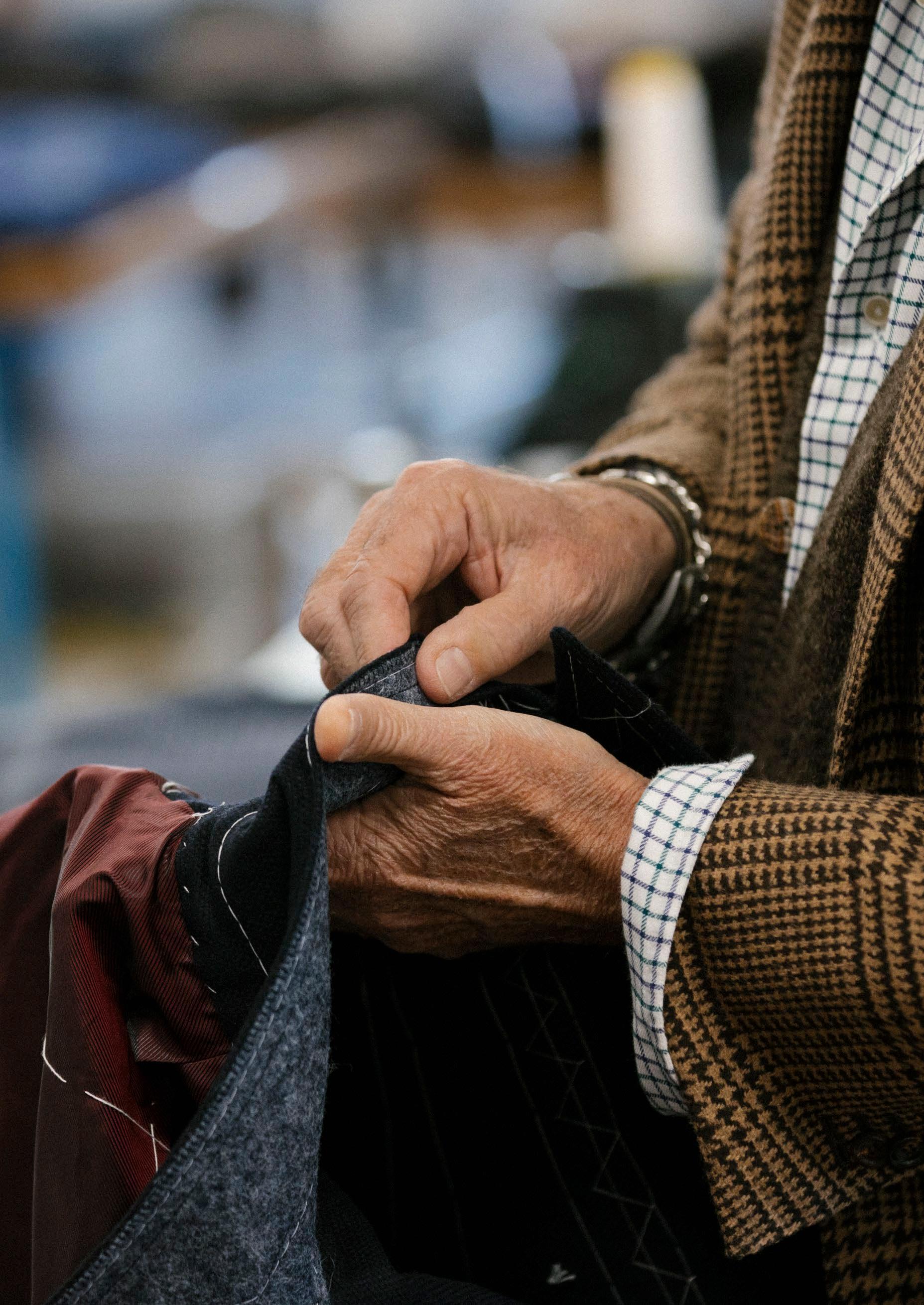
This philosophy is also reflected in the selection of fabrics, which are always natural, often exclusive to noble spinning mills, and in the manual production of each garment. Each jacket is still individually cut and sewn by hand by skilful young Neapolitan craftsmen, keeping alive that intimate relationship between hand and material that grandfather Vincenzo defended so much.
Each jacket is still individually cut and sewn by hand by skilful young Neapolitan craftsmen, keeping alive that intimate relationship between hand and material that grandfather Vincenzo defended so much.
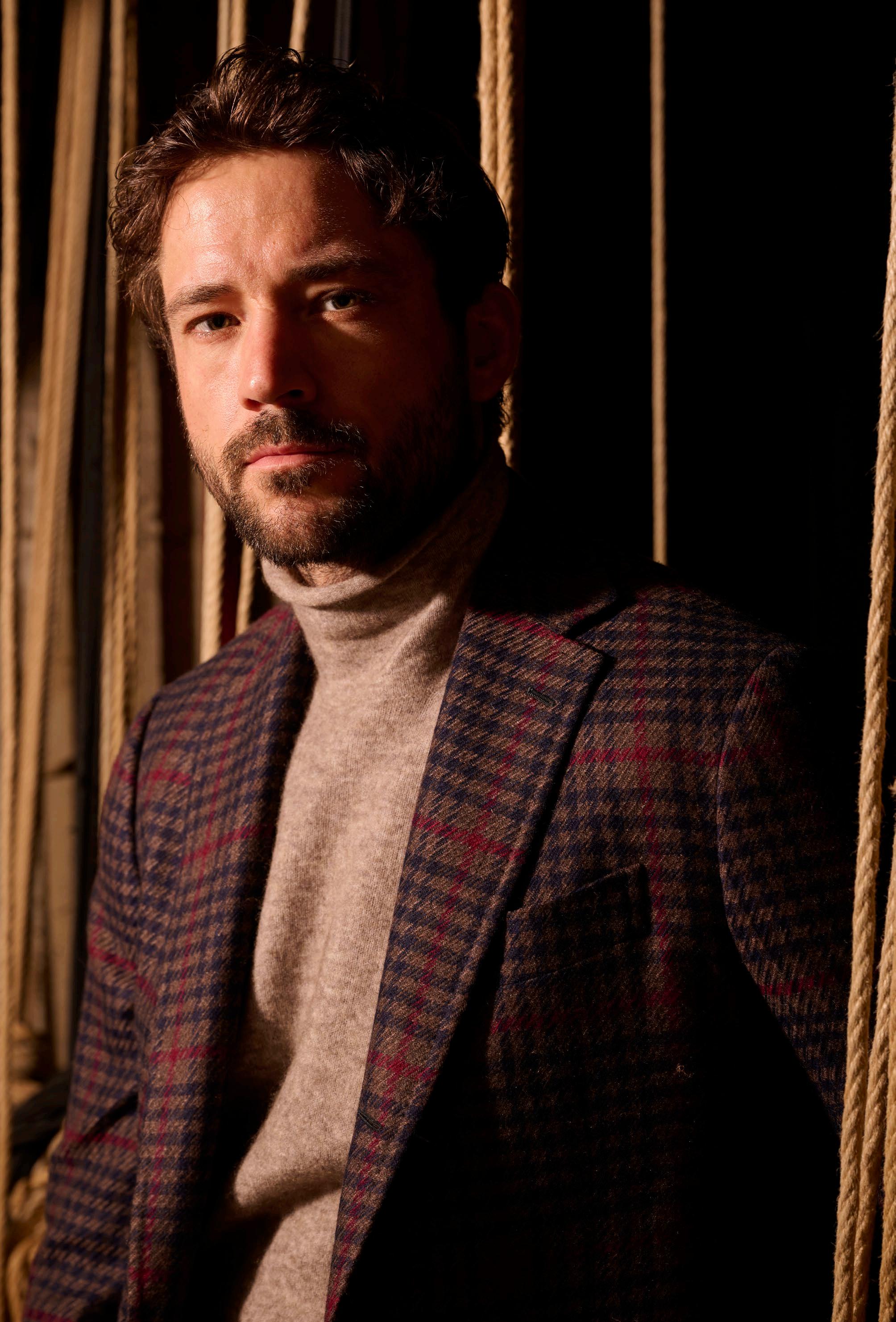
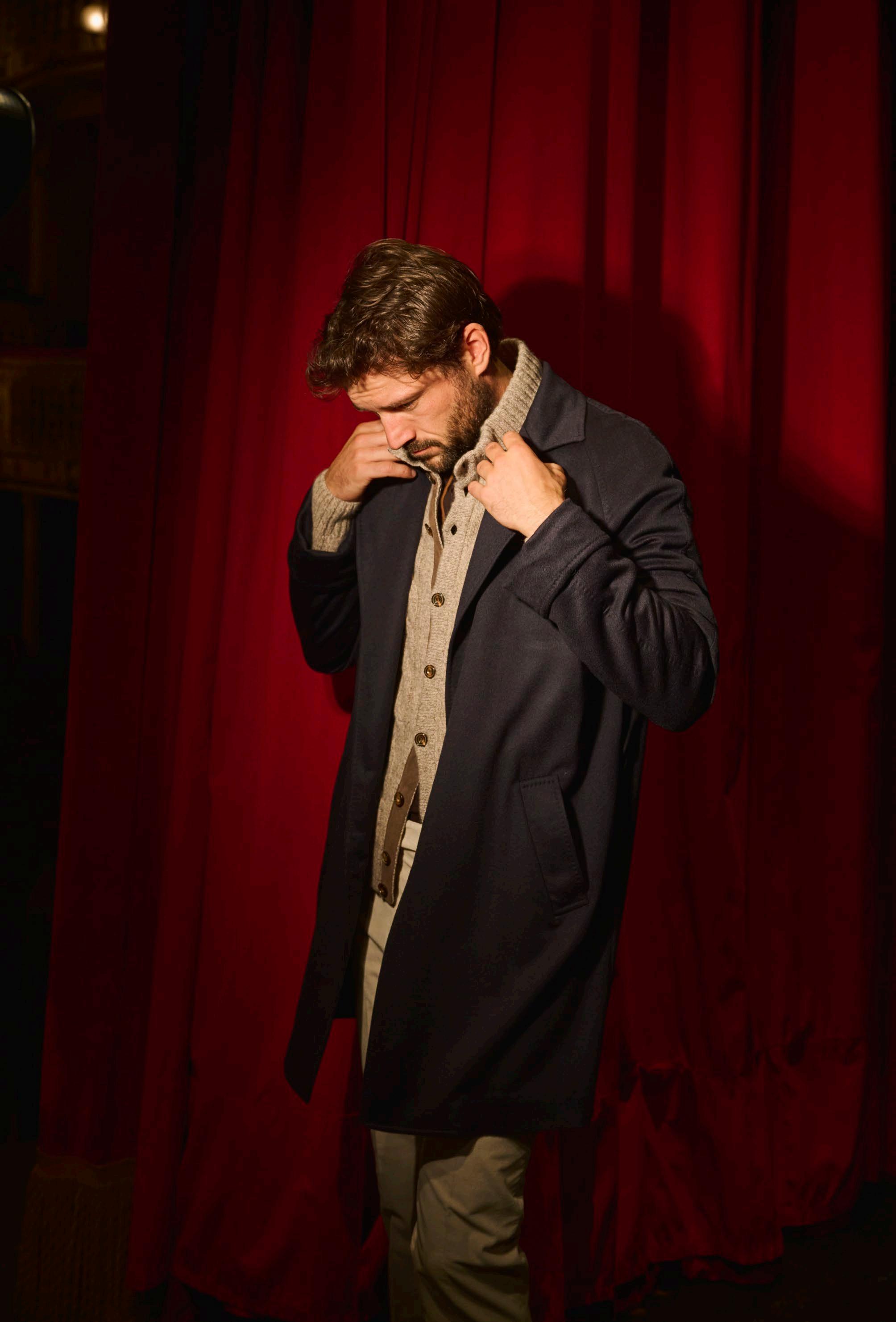
“The jacket as a second skin, the jacket as a pleasure.”
“Ars est celare artem”
A living, moving legacy
Tradition is never something static
Stile Latino is much more than a tailoring brand. It is living proof that tradition is never something static, but a vitality that is constantly renewed when nourished by passion, expertise and vision. Vincenzo Attolini senior, with his unstructured jacket and theatrical spirit, lit the spark.
Vincenzo Jr. transformed that flame into a modern language, faithful to the essence but open to the future. Cesare Mattia and Emiliano are already writing the third page of a unique family history, where the culture of beauty, tailoring as art and the Mediterranean as inspiration remain the centre of everything.
And perhaps this is the secret of the Attolini's success: they have never sought clamour, but the truth of the gesture, the sincerity of the cut, the beauty of the measure.
A tailor’s that speaks Latin
Whoever wears Stile Latino does not just wear a suit, but a vision of the world. It is as if, slipping into that light, perfectly proportioned jacket, a man rediscovered his link with classicism, with the light of the south, with the dignity of a job well done. He rediscovered, after all, himself.
And in an era of homologation, where everything races and is quickly consumed, Neapolitan tailoring - the real one, the one born with Vincenzo Attolini - remains an act of elegant resistance, a civil art, a silent theatre of male identity. That is why today, from Naples to the world, the Neapolitan jacket lives on. Lighter, more contemporary, but always true to itself, we can proudly say: the future of elegance speaks Latin.
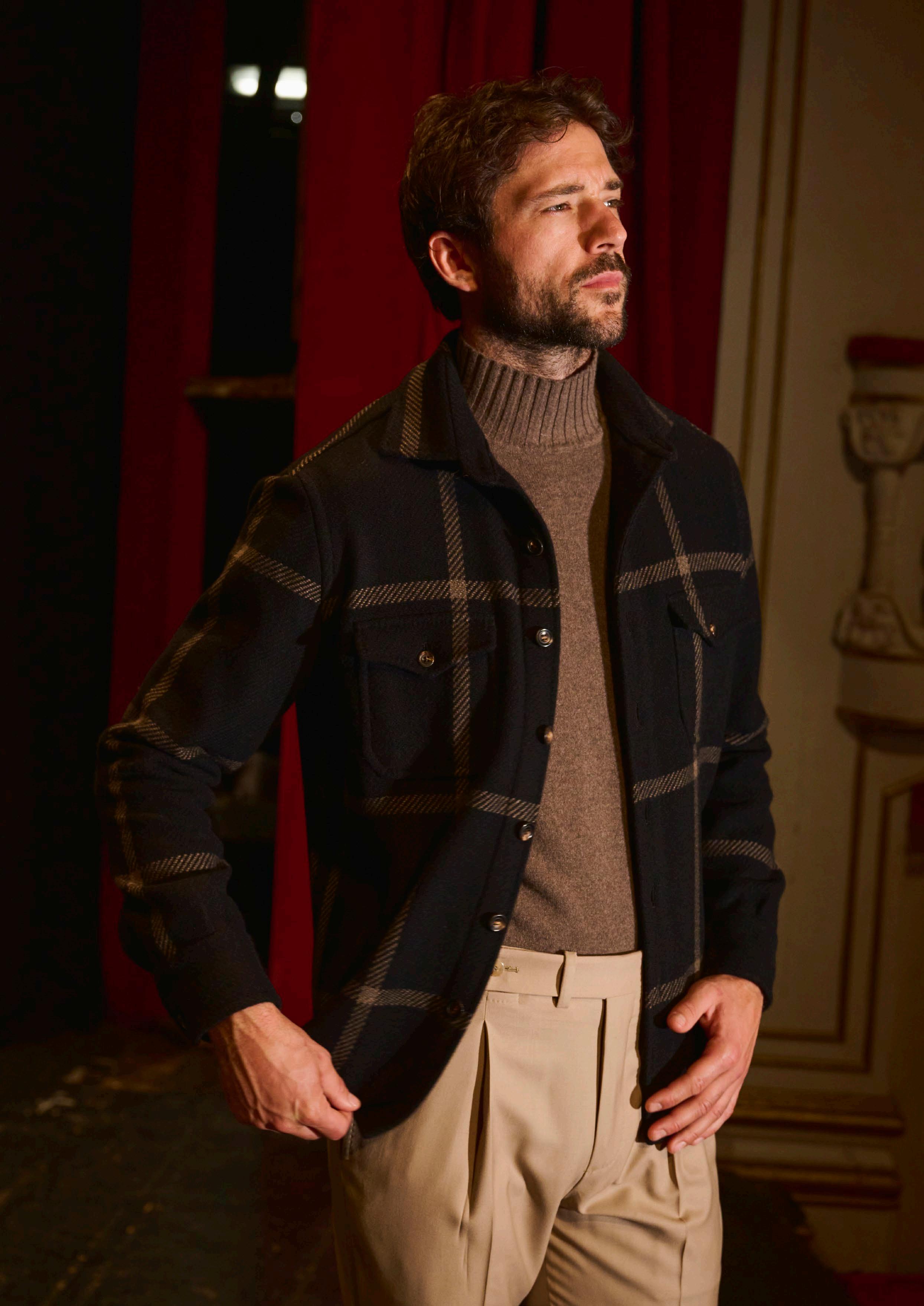
Naples, a living theatre under the sky
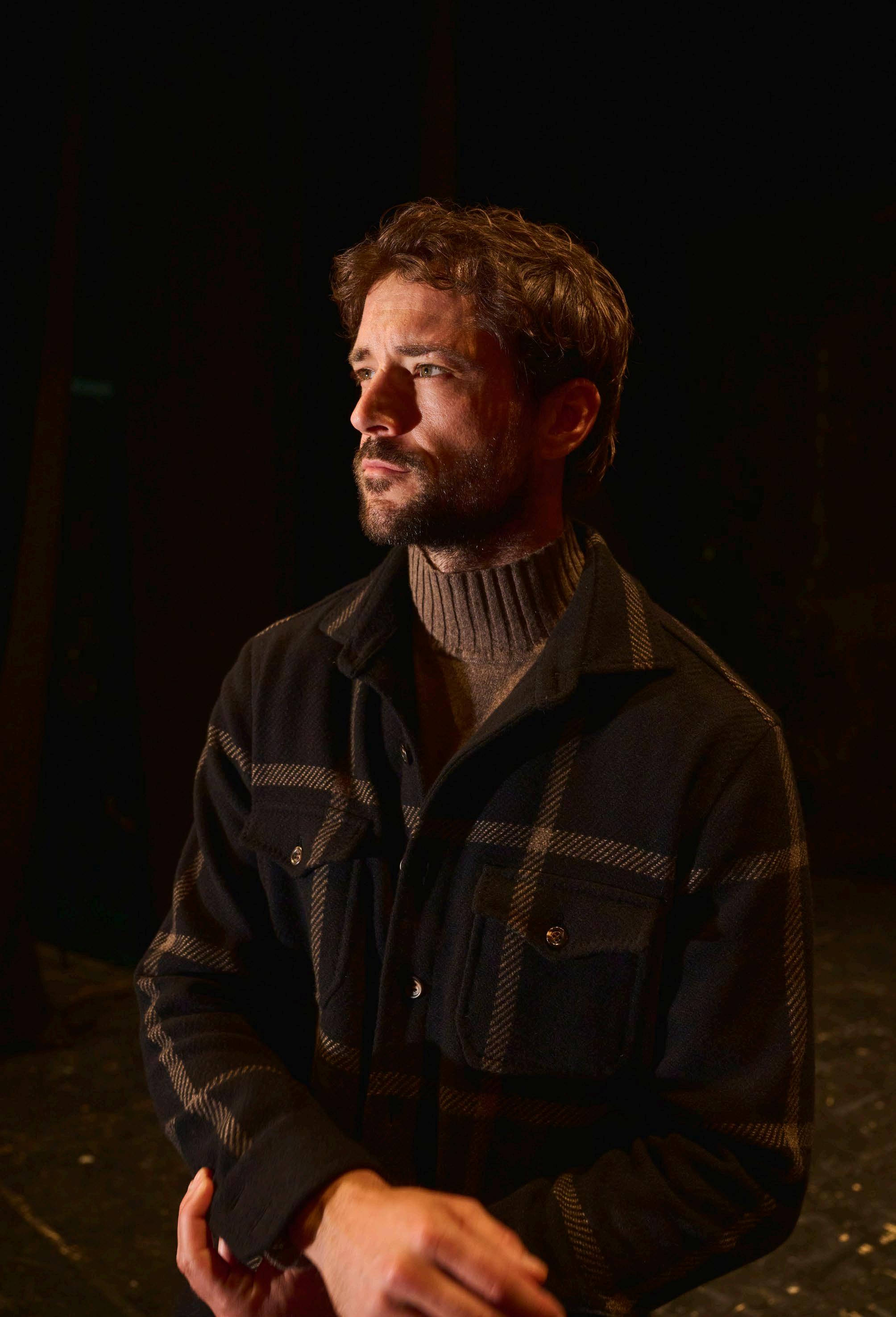
“The Latin man is the one who can be sexy even in a formal suit.”
www.stilelatino.com