
Welcome to the first newsletter for 2026!
The first five weeks of Semester 1 have absolutely flown by and it’s hard to believe that the mid-semester break is about to start for our students.
For our newest families, this newsletter is a curated version of the quarterly newsletter that goes out to our alumni community - removing articles that are only relevant to them and adding in articles and photo spreads that are focused on the current student body.
The newsletter also includes links to relevant photo albums on Flickr to keep you up to date.

In this quarter’s issue, we’d like to introduce you to this year’s student Communications Intern, Sam Kohler. Sam is one of our second-year students and he will be working with the team this year on a range of pieces, including alumni profiles for this newsletter. Sam is also joined by this year’s Student Photographer, Tom Stevens (2 year) and Social Media Coordinator, Danielle Foster (3 year).
nd rd
As well as Sam’s first alumni profile piece, we look back on the various events from the start of the year, give you an update on how the Basement Project is going and get some insight from our Principal, James Hardiman and Deputy Principal & Dean of Students, Fiona Cadorel on how St Hilda’s is placed to respond to the National Higher Education Code to Prevent and Respond to Gender-based Violence.
For those who are celebrating this coming weekend, we wish you a very happy Easter.
Kate Abraham & Carly Damen Community Engagement Managers
communitas@hildas.unimelb.edu.au
It feels like months have passed since O Week wrapped up, but in reality it has been a mere five weeks!
Still, the memories live on of an amazing week of getting to know Hilda’s, the uni campus, the Melbourne area AND, most importantly, making new friends.
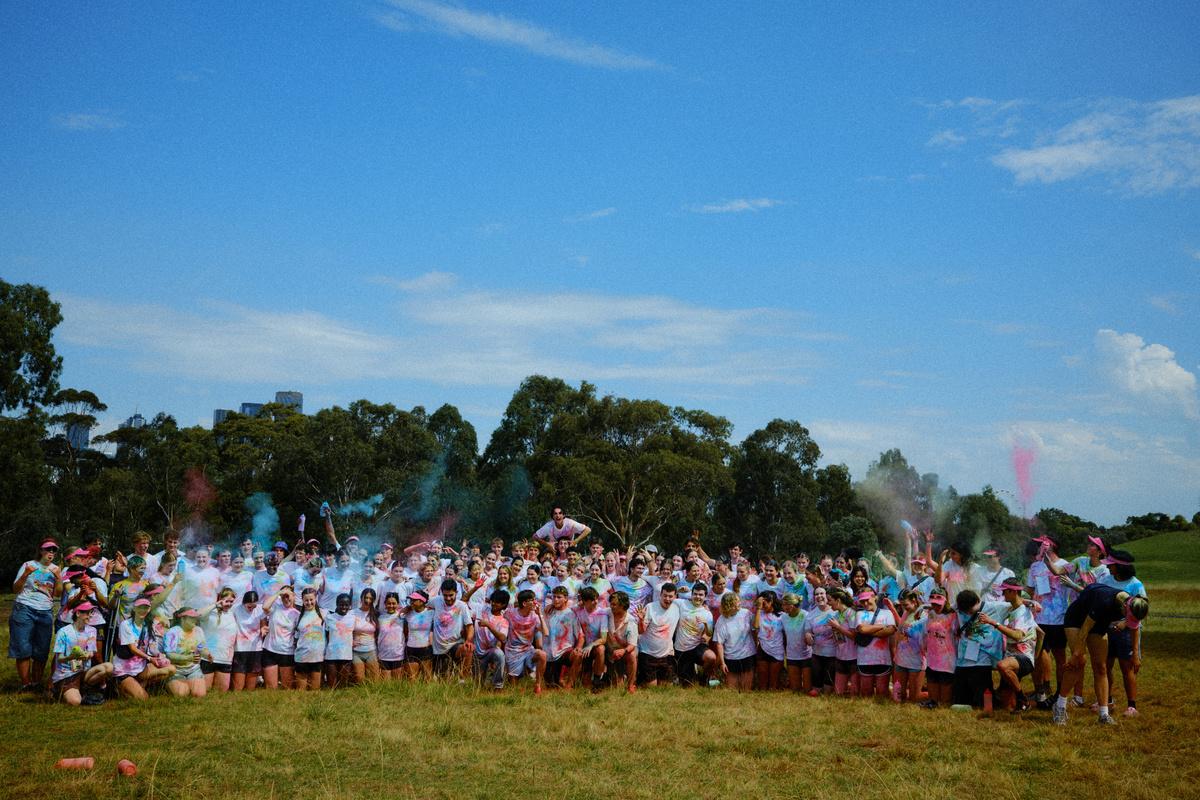
Congratulations to the O Week team for a great program that included highlights such as a first formal dinner, colour run, Hilda’s Fair, DJs and dancing at Glamorama, the Brick Lane Market event and - in keeping with the RodeO Week theme - Line Dancing.
Full suite of photos from these events can be found on Flickr.
With this year’s International Women’s Day falling on the Sunday of a long weekend in Victoria, we opted to hold our annual luncheon on Wednesday 11 March. th
We were honoured this year to host Cara Gleeson, the Director of Prevention in Action at Our Watch. Cara is also the Director of Our Watch Institute, the profitfor-purpose arm that works to end violence against women.
In her work, Cara oversees specialist expert teams who lead on developing the primary prevention workforce and sector as well as expanding prevention activity in the big reach settings of media, universities and VET education, workplaces and sport.
With over 15 years of leadership in preventing violence against women, gender equality, women’s rights, and security in Australia and internationally, including several non-executive director roles and advisory roles, Cara was exceptionally well placed to be able to speak to those present for the luncheon about this year’s IWD theme, #BalanceTheScales.
With over sixty guests in attendance for the event, it was wonderful to once again see members of different generations come together to learn and share stories.


Current student, Chloe Ridsdill-Smith had this reflection:
It was amazing to get to chat with some of the alumni and friends of the College, and to hear all about what has changed or stayed the same over the years. It was so interesting to hear firsthand about the difficulties regional girls faced in getting to university back in the 1960s and how those experiences shaped the formation of St Hilda’s.
For Student Club President, Ashna Sharma she shared how much she appreciated being able to listen to Cara Gleeson and learn about the importance of a preventative approach to gender-based violence. She was particularly interested in how this preventative work is crucial in order to create proper systemic and structural change in the fight to make women feel safer, seen and heard in their communities.
For mother and daughter alumnae, Wendy Mattschoss and Elise Taylor, they shared this reflection:
It is always fun to return to St Hilda’s but being there as a mother-daughter pair on IWD was extra special. It was a valuable opportunity to reconnect with old friends, current students, Jimmy, and the wider St Hilda’s community, while also prompting reflection on how the experiences of young women at the College have evolved over time. Although we both look back on our time at St Hilda’s very positively, we recognise that the college and university environment can still present challenges for young women to navigate. Cara’s presentation highlighted the important work being undertaken by Our Watch in raising awareness, educating communities, and advocating for the prevention of violence against women, as well as promoting gender equality and women’s rights in Australia. It is great to see that St Hilda’s plays an active role in fostering these conversations both within and outside the College. Cara’s personal journey was both insightful and inspiring, reinforcing the value of curiosity, and pursuing your dream, one step at a time.
Our thanks to all involved for another wonderful IWD event.
James Hardiman & Fiona Cadorel Principal & Deputy Principal, Dean of Students at St Hilda’s College
CW: This article discusses issues relating to gender-based violence and mental health.
As you may be aware, January 1st 2026 marked the date that the National Higher Education Code to Prevent and Respond to Gender-Based Violence (National Code) came into force. The Australian Government Department of Education (2026), describes this new legislation as a “landmark reform for the higher education sector [which] sets 7 clear, legally enforceable standards that higher education providers must meet to effectively prevent and respond to gender-based violence (GBV), including in student accommodation”.
You can learn more about the National Code and all that it entails on the Department of Education website but, at a high level, the National Code was developed to address four key areas:
Reduce the incidence of GBV
Proactively strengthen prevention efforts
Improve the response to GBV
Hold higher education providers accountable for their performance, including in student accommodation.
- Australian Government Department of Education, 2026.
As leaders within a residential college community, entrusted with the safety, wellbeing and holistic development of young adults, we welcome and strongly endorse the implementation of the National Code as a critical mechanism for strengthening institutional accountability and sector-wide consistency in addressing gender-based violence. The prevention of gender-based violence is a shared responsibility that extends across all domains of community life, including higher education, workplaces, sporting environments and civic organisations. It demands a coordinated, evidenceinformed approach grounded in primary prevention, early intervention, and traumainformed response.
In this context, the St Hilda’s College Principal (James) and Deputy Principal (Fiona) have been actively engaged in leadership roles that contribute to the operationalisation of the National Code across the residential college and university sector, in close partnership with the University of Melbourne.
Over the past two years, James has served as Chair of the Heads of Melbourne Colleges, alongside a role as Vice President of University Colleges Australia, the national peak body representing the residential college sector, and as a member of the University of Melbourne’s Gender-Based Violence and Respect Steering Committee.
As Deputy Principal, Fiona brings expertise in primary prevention, having worked in the Barwon Southwest region to deliver community-based strategies aimed at addressing the drivers of gender-based violence. Since commencing as Deputy Principal at St Hilda’s College, she has chaired the Intercollegiate Student Wellbeing and SAFE Committee, co-chaired the University of Melbourne and Residential Colleges GenderBased Violence Prevention and Response Community of Practice, and contributed to the University’s Gender-Based Violence and Respect Reference Group. She has also been responsible for establishing multiple partnerships for St Hilda’s with organisations working in the primary prevention sector.
Through these roles, St Hilda’s leadership has contributed to sector-wide advocacy and policy development, including providing strategic advice to senior government stakeholders to support the effective and sustainable implementation of the National Code. Their work is underpinned by a commitment to embedding best-practice frameworks that prioritise cultural change, survivor-centred responses, and whole-ofcommunity engagement.
As a college, we remain resolute in our commitment to leadership in the prevention and response to gender-based violence within the residential college sector. This commitment is not driven by regulatory compliance, but by an enduring belief in our responsibility to act as agents of change in addressing what is a pervasive, complex and systemic issue across Australian society.
Students join our St Hilda’s community in a formative stage of their lives. We believe it is our responsibility to provide a safe, inclusive, respectful and supportive environment that nurtures their growth as they form their identity and values, build interpersonal skills and step into leadership. This includes being able to help them navigate and critically think about harmful or outdated societal attitudes and behaviours. As an educational institution, we provide our students with opportunities to develop their emotional literacy, and to build their knowledge and leadership capacity to enable them to see themselves as champions of the kind of world they want to live in once they depart from St Hilda’s.
Gender-based violence remains a pervasive violation of human rights, both in Australia and globally, with profound and far-reaching impacts on individuals, communities and the social fabric as a whole. National statistics on gender-based violence are stark: one in three women have experienced physical violence, and one in five have experienced sexual violence since the age of 15. These figures are not abstract; they shape the lived realities of many in our community.
As a residential college, we are acutely aware that some of the students who join us may have already experienced gender-based violence. We also recognise that early adulthood is a period of heightened vulnerability, particularly for those navigating multiple, intersecting forms of disadvantage. This awareness compels us to take seriously our responsibility to foster a community that is safe, informed, and actively engaged in the prevention of harm.
Many of you will be familiar with some of the statistics that relate to GBV in Australia. But for those who aren’t, Our Watch’s (Australia’s leader in the primary prevention of violence against women) website has a range of data points that are worth reflecting upon.
At St Hilda’s, we are active drivers of change by investing in programs for our students that focus explicitly on embedding gender equality, challenging harmful norms and attitudes, and creating cultures of respect - directly aligning with the National Code. The Code calls on us not only to respond well when harm occurs, but to address the drivers of gender-based violence before it happens.
Improvements to prevention and response of gender-based violence requires collaboration across the tertiary sector. By learning from each other, encouraging each other to do better and collaborating for best practice we have a profound opportunity to transform the lives of the young people in our care, for they are the next generation who will go on to influence their broader
communities, workplaces, families and national culture. In doing this well, the potential for significant societal benefit is far reaching.
The National statistics are confronting, and they motivate us to embed a wholeof-community, evidence-based approach to the primary prevention of genderbased violence. We are doing this by partnering with industry experts and creating bespoke learning opportunities for our students and staff.
Four years ago, we established a partnership with Our Watch to develop a workshop specifically designed for university college settings, aimed at educating student leaders on the principles and practice of primary prevention. Four years later, we are proud to share that this workshop is now being offered to residential colleges across our Nation. We were delighted to invite Cara Gleeson, Director of Prevention in Action at Our Watch to give the keynote address at our International Women’s Day Luncheon, to reflect on her career as a values-led leader in the area of primary prevention of gender-based violence and to celebrate our multi-year partnership with Our Watch.
We are also proud of our partnership with The Man Cave, a leading Australian organisation working at the intersection of primary prevention, mental health, and gender equality.
Through evidence-informed programs, The Man Cave engage young men in critical reflection on masculinity, emotional literacy and respectful relationships, with the aim of shifting harmful gender norms and reducing the drivers of violence. Over the past three years, St Hilda’s has piloted Man Cave programs that provide tertiary-aged students of all genders with the opportunity to develop their social and emotional literacy, build empathy and self-reflection and increase community connection through the sharing of stories. Students have received multiple opportunities to engage with these programs through the Hilda’s Community Speakeasy and the Transform workshops. These programs create a more connected, empathetic and supportive community, where students feel seen, safe and supported to explore who they are and how they want to be in the world. This pilot project is currently at the stage of evaluating data and participant feedback to assess its impact on the individuals and the broader community, before it is rolled out to other university residential colleges.
As an extension to this work, our students can also participate in the Masculinities Project and the Flip the Script program, both 3-week evidence-based programs that explore healthy gender identities, the impact of rigid gender stereotypes, navigating interpersonal relationships, finding voice, boundary setting and selfadvocacy. These educational programs are all mental health and primary prevention of GBV initiatives.
Positively, student feedback we continue to receive since we began implementing our suite of programs is that they feel more equipped to understand gender-based violence, what causes it, how to respond as upstanders and how to talk about these issues safely and without judgement.
Students have shared that they appreciate that these programs are not just a ‘one and done’ approach and that they have multiple opportunities over multiple years to upskill themselves. We are working hard to normalise having mature and, at times, difficult conversations so that our students can be active participants in creating positive culture here at St Hilda’s. Importantly, this multi-faceted approach means our students are taking deep responsibility for being partners in creating a healthy, respectful, safe and inclusive college culture.
It is important to acknowledge that current students and their families expect residential colleges to provide an experience that is more than simply making friends and having fun. While this is still an integral component of their experience, there is also a very high importance placed on creating a space where young people are supported to achieve and develop academically, personally and professionally to their fullest potential.
So, it makes sense that as our shared understanding of the importance of issues like diversity, inclusion, holistic wellbeing and mental health, and GBV evolves, so too does the way in which we build our community culture here at St Hilda’s.
We are proud of our student leaders, who truly see their roles as being custodians of positive culture, creating safe, inclusive environments where everyone can have fun and be encouraged to grow. The O Week program is an excellent example of the culture that exists within the student body, with the O Week leaders having a genuine sense of care for those students they are welcoming into the community. Their program is values driven and thoughtfully designed to cater for all students, to orientate them to St Hilda’s, University and Melbourne.
The signalling of our college values and expectations starts well before students even join the community. Our interview process for future students includes values-focused questions, talking directly to them about what they think a respectful relationship looks like and why things like diversity and inclusion are important. By doing this, we are signalling to them, unapologetically, the values that are important to us as a St Hilda’s community. It also normalises that these are conversations that we will expect them to be able to have and engage with if they join St Hilda’s.
We are proud of the culture that continues to be built here at St Hilda’s College, and we know that our students are also proud to be part of a community that celebrates diversity and the safety, support and empowerment of all. We hope that you are also proud to know that you are part of a community that will continue to be committed to empowering young people to be values-led leaders in their lives beyond St Hildas.
Mid-semester break
Starts Friday April 3rd, 2026
Sem 1 SWOTVAC
Starts Monday June 1st, 2026
Sem 1 Exams
Start Tuesday June 9th, 2026
Winter Break
Starts Saturday June 27th, 2026
Invitations for Paddock to Plate will be sent by email after students return from the midsemester break
Paddock to Plate
Saturday July 25th, 2026
Hilda’s Play (Dates TBC)
Thursday August 13 - Saturday August 15th 2026 th
Do you know someone who is thinking about St Hilda’s for Semester 2 or 2027 entry?
The Colleges University of Melbourne application portal will be opening in the week following the Easter break.
At this point, St Hilda’s will be welcoming applications for 2027 entry AND we will have limited availability for Semester 2, 2026.
Applications for Semester 2, 2026 and for 2027 entry will be opening soon!
We’d encourage those who are thinking about St Hilda’s to come by for a tour. Registration for tours can be done via the website or we are open as part of the Colleges University of Melbourne Open House event on May 16th



st
After months of anticipation from our O Week leaders, the day finally arrived on Saturday February 21 where we welcomed the newest members of our community through the front doors of St Hilda’s.
With very strong retention across this year’s second and third year cohorts, the 2026 Fresher group is a little smaller than we have had over recent years, with around 100 new students arriving to their new home away from home.
Welcome Saturday is always a very special day on the calendar and it is a true privilege each year to share in such an important milestone for each student and their loved ones.
Emotions run the full gamut from trepidation around the unknown to outright excitement, but the day is always filled with positive energy.
As usual, the student leaders were on hand to help move everyone in and the catering team ensured that all those in attendance were excellently fed!
Welcome to St Hilda’s the Class of 2026!

View the full photo album here
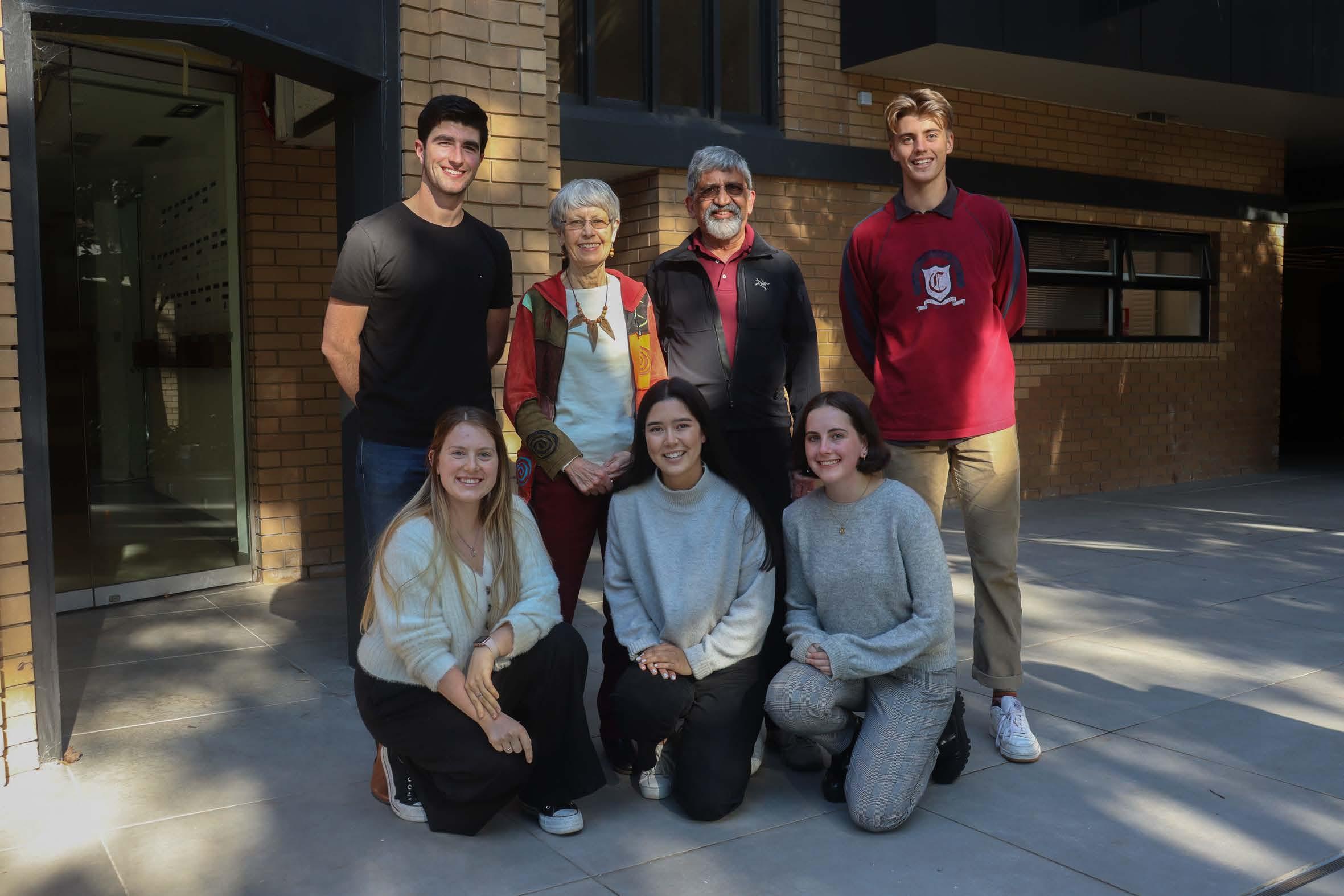
By Sam Kohler, Communications Intern
This summer, while in the US, I had the joy of meeting with Susan Henning, a member of St Hilda's inaugural class in 1964. I was quite nervous because I had never professionally interviewed someone before. However, immediately upon meeting Susan it was clear how keen she was to support me through the interview process.
Throughout the interview it became evident that this desire to support and help others was a central theme of Susan's life. In fact, one of the most notable quotes from our conversation is when she told me: “I’d rather help a young person succeed than publish 10 more papers myself.”
This attitude of service can be observed in Susan's actions as far back as her college days. Susan remarks how during the founding years, all those at St Hildas, especially Marjorie Smart, endeavoured to establish a culture of acceptance and safety at the College. As a result, she had the unique experience of being able to go to Principal Smart at any time and speak with her about issues at the College. She was never afraid to speak up for the needs of her friends when they were hesitant to speak up for themselves. This was due in part to the openness of Marjorie Smart and her constant willingness to listen. From this relationship, Susan learned the value of a supportive and kind mentor who would foster her growth across many areas of life. As a result, she endeavoured to find more empowering mentors in the future, and eventually become such a mentor herself to younger generations.
Susan & Vikram catching up with St Hilda’s friends during one of their visits
Susan knew that she was entering a male-dominated world by choosing a STEM career. So when figuring out what to do for her doctorate study she decided to find an encouraging mentor, rather than seeking a specific topic. Once she found this mentor, she wasn’t picky and worked on whatever project they needed assistance on, which happened to be a study on the intestinal tracts of possums and kangaroos. This is how she entered the field of gastroenterology. (Fun Fact: to complete this study, Susan would trap possums in the Morrison Close alley right outside of St Hilda's).
She then undertook her postdoc fellowship at Stanford University in California, out of necessity more so than choice. At the time, the common belief in academia was that it was beneficial to do postdoctoral studies abroad before returning to Australia for a faculty position. However, in those days in Australia, there were only two scholarships to fund a postdoc abroad and they were only offered to men. So, while she would have preferred to undertake her fellowship at Oxford or Cambridge, even receiving an offer to go to Oxford, Stanford was the only institution to offer her her own funding. This restrictive process of finding a postdoc institution not only demonstrates the patriarchal nature of both Academia and STEM during Susan's career but also her ingenuity in being able to navigate these challenges by finding meaningful mentors and support systems. Susan went on to have a very distinguished career.
Spending her life in academia, she always ensured that her research had clinical relevance out of a desire to make a tangible difference. She worked often with physician scientists who got to engage in research with her and bring their findings to their practices in real time. But perhaps the most impactful work she has done is for the young professionals whom she's helped mentor. In fact, Susan has won both the Harry Shwachman Award and the American Gastroenterological Association’s Distinguished Mentor Award, for her distinguished service as a mentor to younger generations of students. When asked about these awards she told me quite frankly:
“Science is an essential fabric of modern society and if science is going to be new and creative we need the new generations. I feel it's the duty of senior people to do everything they can to help these new generations come along. This is particularly important in the US today because there’s so many threats to scientific research here.”
Susan's ingrained belief in the role of older generations to foster the growth of young minds stems from a desire to repay all those who did the same for her.
When asked what advice she’d give to young women looking to enter STEM today she pointed to the expectation of modern women to do it all. To raise children, to take care of the home, maintain a healthy relationship with a partner, work a full time job, and do all of it independently. She pointed out how unrealistic this expectation is and tells those who seek to follow in her footsteps that they must ask for help.
While this support can come from a multitude of forms, for Susan it was found in the assistance of her loving husband, Vikram Rao, to whom she has now been married for 51 years. Susan said “juggling motherhood of three sons and a career could not have flourished without the amazing and continual support of my husband, Vikram.”
The final piece of advice worth noting from my interview with Susan is this: “Do the things in life that you are passionate about.”
She said this, again, aimed at young women who are thinking about a career in STEM because the challenges they are likely to face are not for the faint of heart. But I think this advice spans more broadly to all areas of Susan's life; everything she does, she does with passion.
From her work to her personal life, she speaks up for her needs and what she thinks is right, and moves on to stand up for the needs of young women, and young people, who seek to make an impact in STEM like her. As evidence of her passion, she referenced her postdoc advisor who advised one of her future bosses to not “ever cross her because she can fight like a tiger.”
Susan can serve as a model to all of us to not only do and fight for what we are passionate about, but to seek help in doing so to ensure our success. And once we’ve accomplished our goals we should follow Susan's example and know that it is our job to support the younger generations who follow in our footsteps. Just because your fight is over, does not mean everyone else’s is.

The Green & Gold army have been out in force already this semester with plenty of Hilda’s spirit for cricket, tennis, soccer and hockey.
Congrats to all who have participated in sports so far this semester and thanks to all the supporters who have been cheering our teams along.

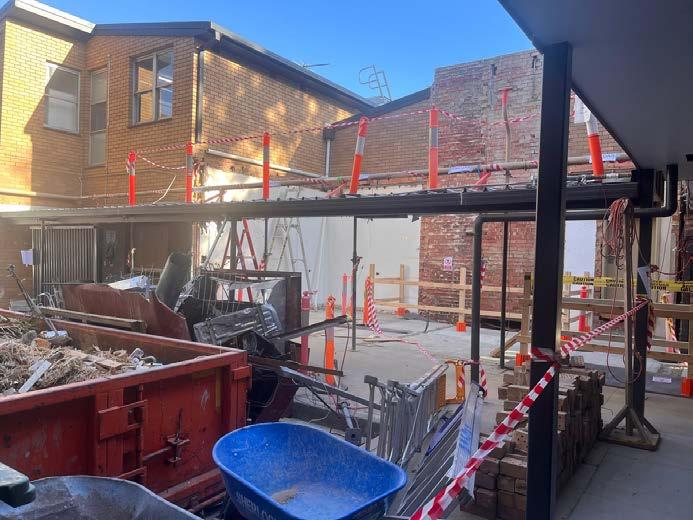
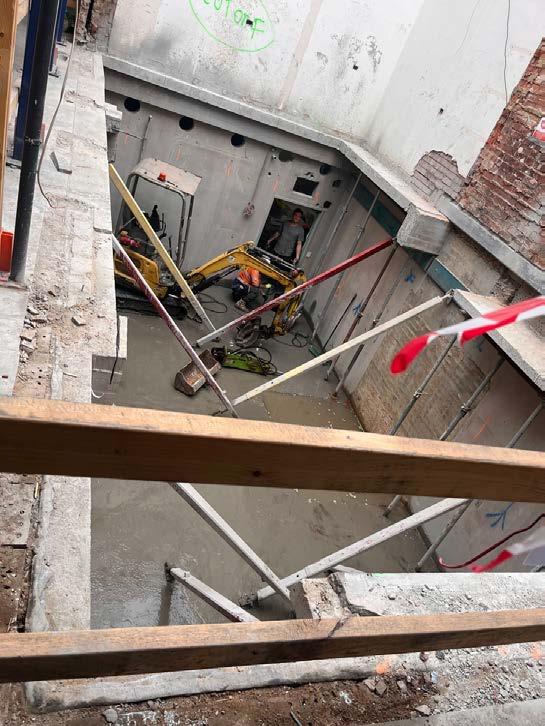
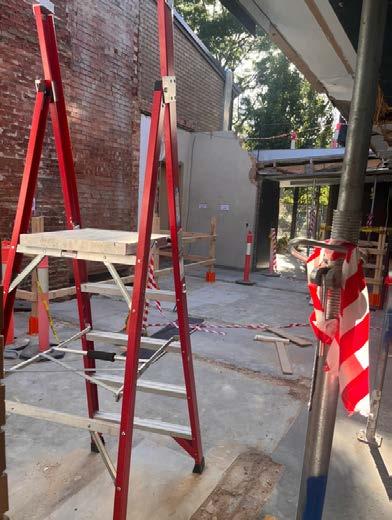
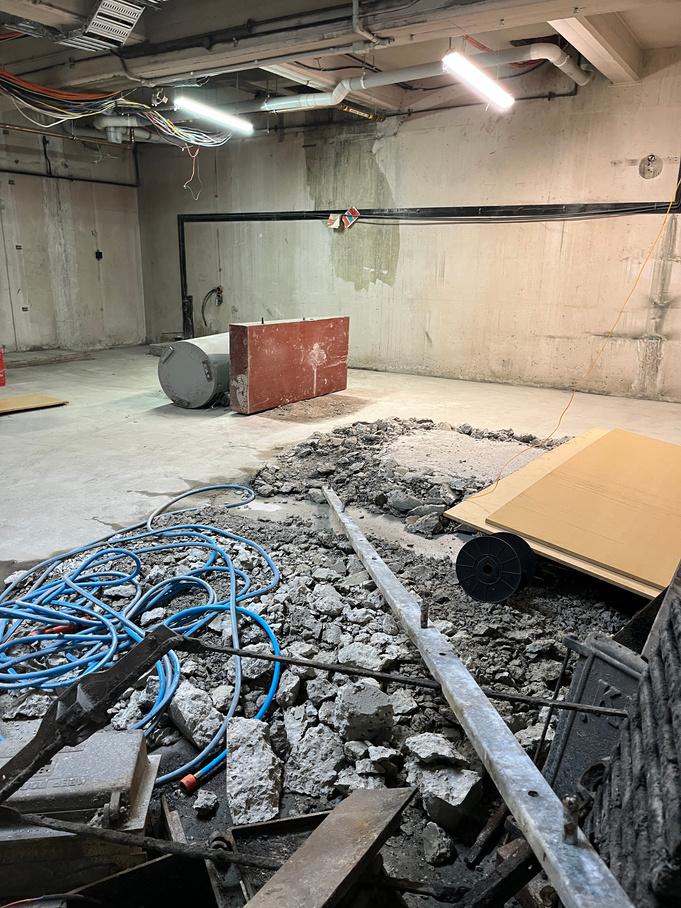
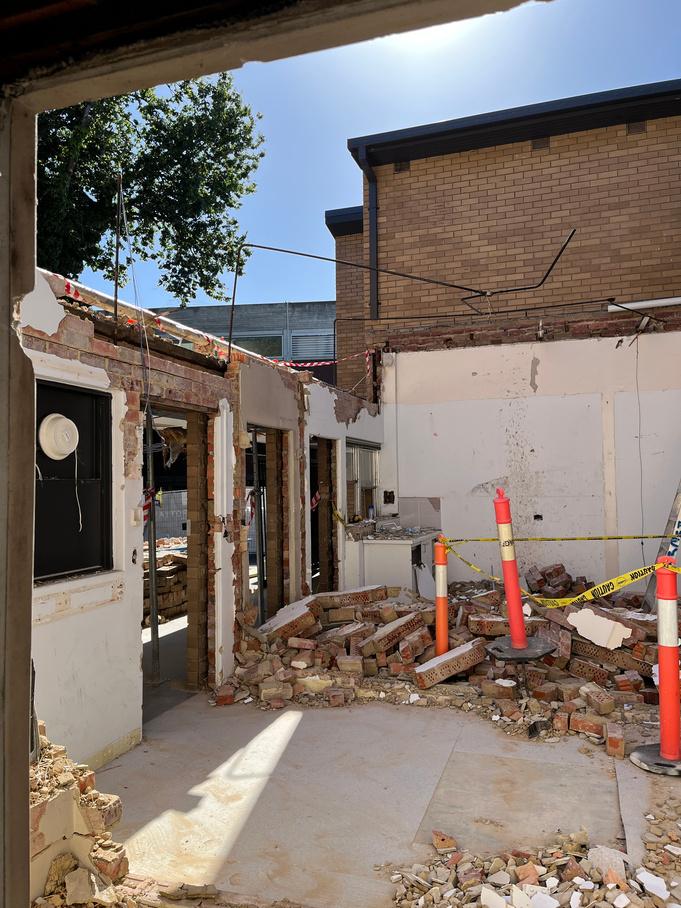
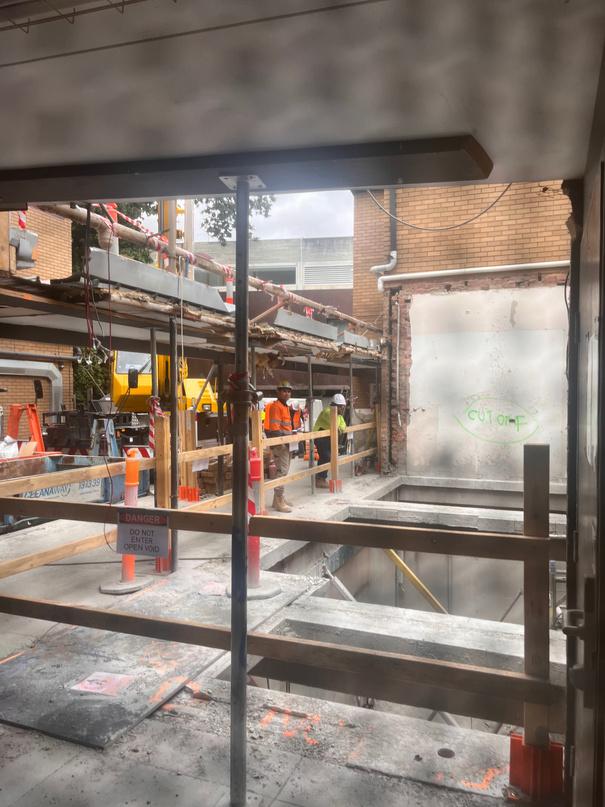
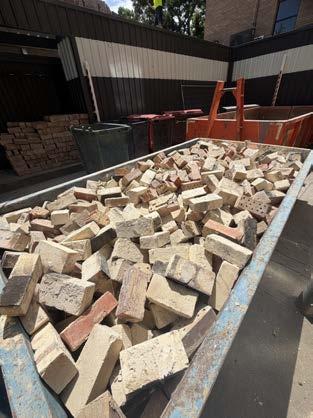
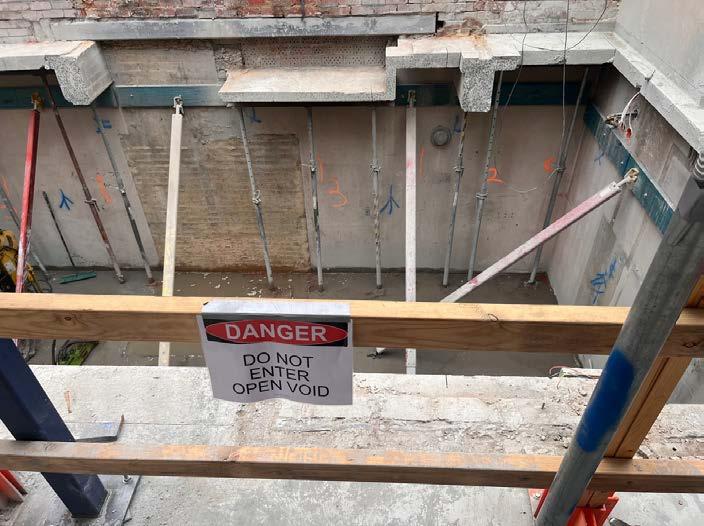
As you can see, the Basement Project (the new music and multi-purpose space under the Dining Hall) is well and truly underway!
It’s definitely a bit dusty and noisy at this stage, but we can’t wait to share the completion of Phase 1 with you in next
quarter’s newsletter.
Phase 2 of the project will be the fit out of the space. We are currently encouraging our alumni community to contribute to this part of the project via the Support Us page on the website. The fit out will include appropriate furniture, new instruments, sound and AV installation and lighting.
If there are any current families who are particularly passionate about the performing arts and would be interested in contributing to the fit out, we would also greatly welcome your donation to complement what we receive from our alumn.
If you’d rather discuss the possibility of contributing to a specific component of the fit out, please email or phone us for a confidential conversation with the team.

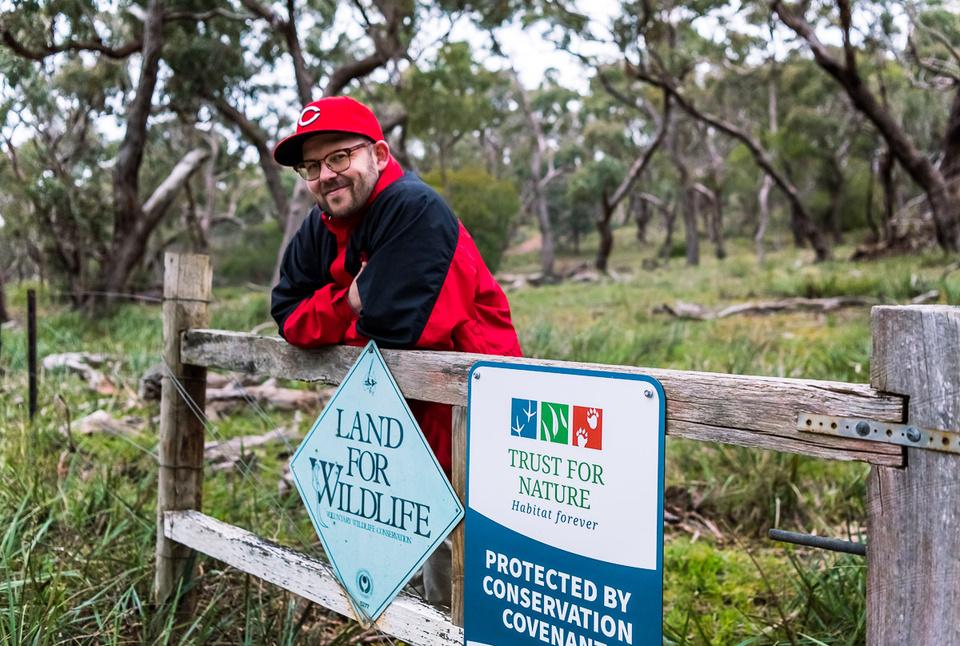
Always a highlight on the calendar for our current students and their families, this year’s Paddock to Plate event on Saturday July 25th will see the Student Club raising money and awareness for Victorian Conservation Organisation, Trust for Nature.
Trust for Nature is one of the oldest conservation organisations in Australia and works with Victorian property owners to protect the State’s unique ecosystems and species.
A crucial component of the work that Trust for Nature does is partner directly with private landholders across Victoria who want to protect the natural habitats that form part of their properties. Through voluntary conservation covenants, these landholders are helping contribute locally and globally to protect and restore biodiversity, and fight climate change.
Not only are these efforts significant for the environmental protection of Victoria’s flora and fauna, there is a tangible financial benefit for these individuals, families and businesses. Many councils across the State offer rate rebates or concessions to those who have conservation covenants and, since the start of 2024, covenanted land is also exempt from land tax.
These partnerships with landholders, to date, mean that over 119,000 hectares of private land is protected across Victoria. You can read stories from covenantors who share why they have opted to protect their land HERE.
Hilda’s alumna, Anna Foley is the Strategic Development Manager at Trust for Nature and
has been collaborating with the College over the past few months to complement the Student Club’s fundraising efforts through the planning of a working bee in April. A group of students will be taking part in a regeneration day, helping restore an old pine plantation back to natural habitat for wildlife at Clarkesdale Bird Sanctuary. Anna has also volunteered her time to talk with our students directly about the work that Trust for Nature does so that they can gain a greater understanding of what their fundraising efforts are supporting.
To assist the Student Club in their endeavour to raise funds for Trust for Nature, we would like to invite members of our community to donate items or experiences that will be used as prizes for the raffle that will drawn on the night.
Any individual, family or business that donates something for the raffle will have the option to be listed (including your business logo if desired) on the Paddock to Plate program which will also be hosted on the College website.
Donations from previous years have included hampers, weekends away, sports’ club signed jerseys, event tickets, business vouchers and more.
If you would like to donate something, please contact Community Engagement Manager, Carly Damen directly via email: carly.damen@hildas.unimelb.edu.au
It’s possibly one of our more unusual welcomes to the extended St Hilda’s community, but our Chief Financial Officer, Rob Lancaster and his wife, Catherine recently welcomed around 10,000 new additions to their household.
That is, of course, their very own colony of bees!
The St Hilda’s staff are looking forward to the first batch of honey!
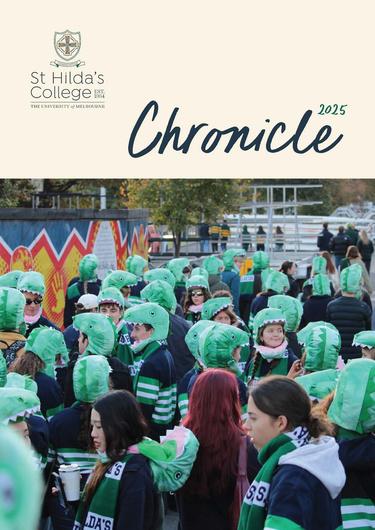
Our congratulations to immediate past St Hilda’s student, Missy Callaghan for their outstanding work on the 2025 edition of the St Hilda’s College Chronicle.
Missy took on the role of student designer for this edition of the Chronicle and it looks fabulous. We are so proud of their work!
Thanks to all the students and staff who contributed to the 2025 edition. Physical copies of the publication for our 2025 cohort are going in the post this week and the electronic version is now online for everyone to enjoy.

Our congratulations to current St Hilda’s student, Lulu Di Sciascio. Lulu and the rest of her team (representing Mornington Yacht Club/Australia) will be competing at the 2k Worlds in Stockholm Sweden (Gamla Stans Yacht Sällskap (GSYS) ) from August 12-16 this year. th
Countries competing this year are New Zealand, Japan, USA, Bahamas, Bermudas, Ireland, UK, Denmark and Sweden (two teams).
Lulu’s team qualified for this regatta by winning the 2k Nationals last September at Royal Geelong Yacht Club - a regatta featuring rs21 boats.
The type of boat they will be sailing for 2k Worlds is a j80. There are 8 members of the team, with four on each boat and racing 2 v 2. The job is to make sure their two boats beat the other two boats. Lulu’s role on her boat will be to control the headsail (jib) and call immediate breeze.
Go Lulu and the rest of the team!

Congratulations to the 2026 Fresher Reps, Dan Steer & Teagan Moffatt who were announced at High Table last night. Welcome to the General Committee Dan & Teagan!
facebook.com/sthildascollege
instagram.com/sthildasunimelb
tiktok.com/@sthildascollege
linkedin.com/school/st-hilda-s-college-university-of-melbourne
youtube.com/@sthildasunimelb


flickr.com/photos/sthildascollegemelbourne
hildas.unimelb.edu.au