GAYNOR GAZETTE
STEPHEN GAYNOR SCHOOL
WINTER 2026
Head of School
Dr. Scott Gaynor
Editor, Director of Communications
Hervé Ernest
Executive Editor, Communications Coordinator
Megan Bostaph
Graphic Design Office of Communications
Stephen Gaynor School We Can Design That
Photography
Stephen Gaynor School Staff
Da Ping Luo
Brett Deutsch Photography
Send alumni news to:
Tia Murkison
Stephen Gaynor School
148 West 90th Street | New York, NY 10024 or email alumni@stephengaynor.org
Comments?
We’d love to hear from you.
Please write to Hervé Ernest, Editor
Stephen Gaynor School
148 West 90th Street | New York, NY 10024 or email communications@stephengaynor.org



Founded in 1962, Stephen Gaynor School is a pioneering independent, Pre-K–Middle School empowering bright students with learning differences through highly individualized education.
Mission
At Stephen Gaynor School, students with learning differences develop essential academic and critical thinking skills through individualized and evidencebased approaches, empowering them to reach their full potential. Students learn to advocate for themselves and others while actively building an inclusive community, a sense of belonging, and a belief in their own possibilities.
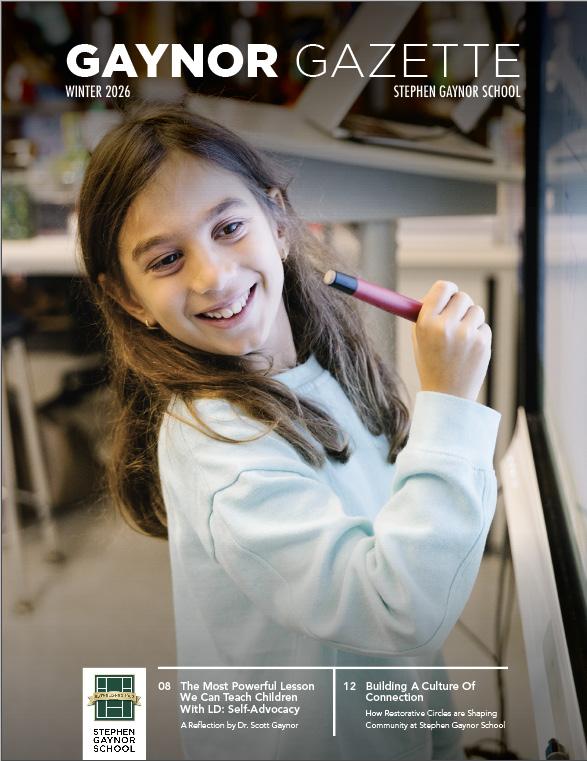
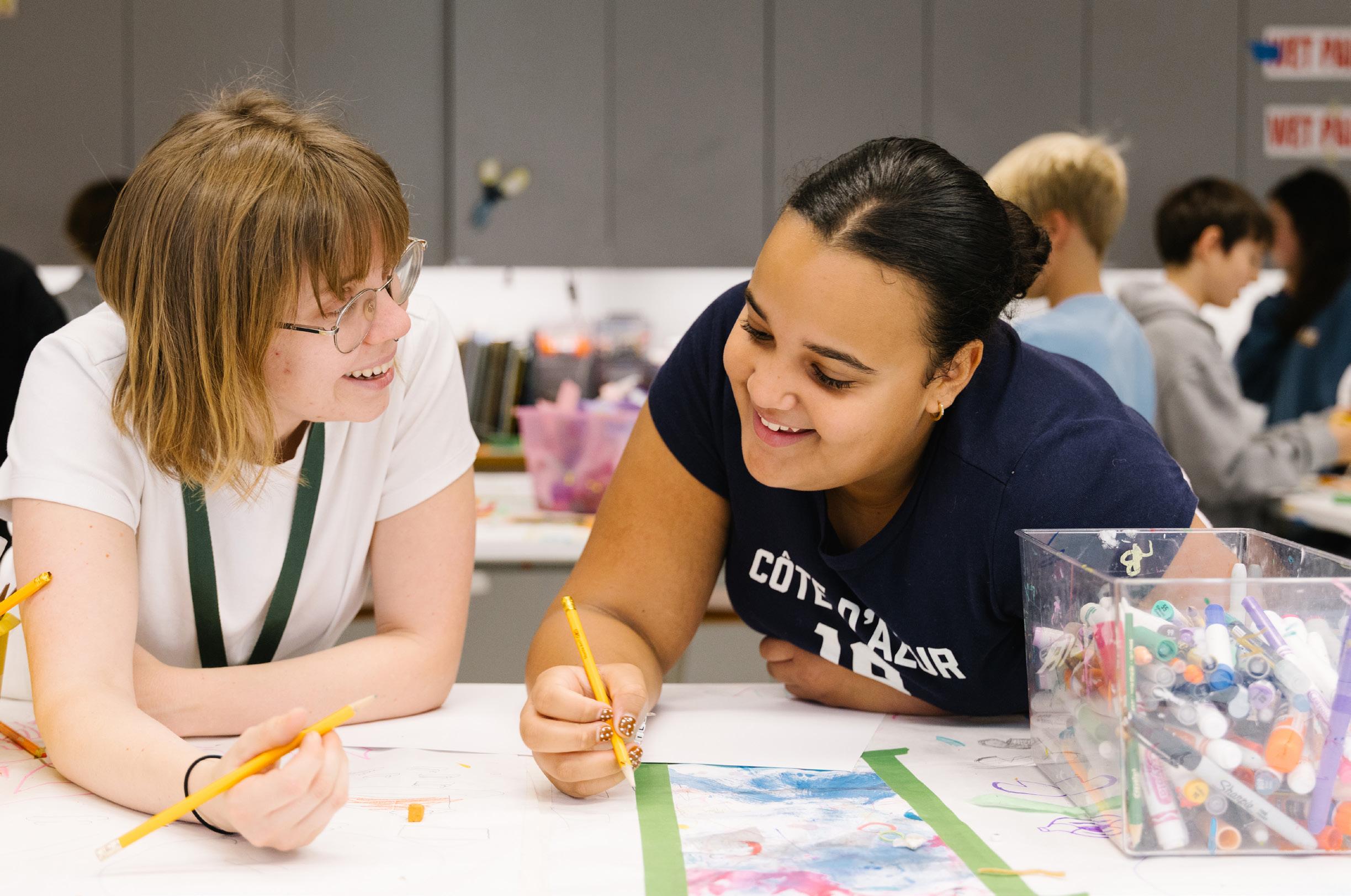
At Stephen Gaynor School, joy in learning is intentionally created every day.
See page 34 and hear from students in their own words. é
Our theme for the Gala this March is “One Night, Many Stories.” It is a fitting title for a school that, for over six decades, has maintained a dogged focus on helping each child unlock their potential. However, one night, or even an entire Gazette issue, is not enough to capture the full impact of a Gaynor education on the thousands of students who have walked through our doors.
At Stephen Gaynor School, we believe that great teaching marries individualized and evidence-based approaches with the joy of learning. Because every child comes to Gaynor with their own story, our job is to understand their unique learning profile and develop a plan that is “just right” for them.
What differentiates our program is this individualized, evidencebased approach that has been our foundation since 1962. Our expert faculty use the same growth mindset we foster in our students to see each child fully. We do not define our students
by a diagnosis or a checklist of deficits; rather, we identify each child’s strengths and passions. These become the building blocks for reaching their full potential.
From our earliest years, Yvette Siegel-Herzog and Dr. Miriam Michael were committed to academic approaches proven effective for bright children with learning differences. The OrtonGillingham approach, which has long been at the core of our reading interventions, is now heralded as the gold standard in the Science of Reading. In this issue, we honor that legacy with the announcement of the Yvette Siegel-Herzog Innovation Fund As you will read, this fund is designed to expand our impact, ensuring our expertise can reach families and educators far beyond our school walls.
However, our mission is not lived through academic interventions alone. The social-emotional aspect of a child’s development is critical to building advocacy skills and fostering an inclusive community. As you will read in How Restorative Circles Are Shaping Community at Stephen Gaynor School, our work with restorative practices goes beyond simple conflict resolution. It helps us build a culture where “accountability comes with dignity,” creating a safe environment where students connect deeply and authentically.
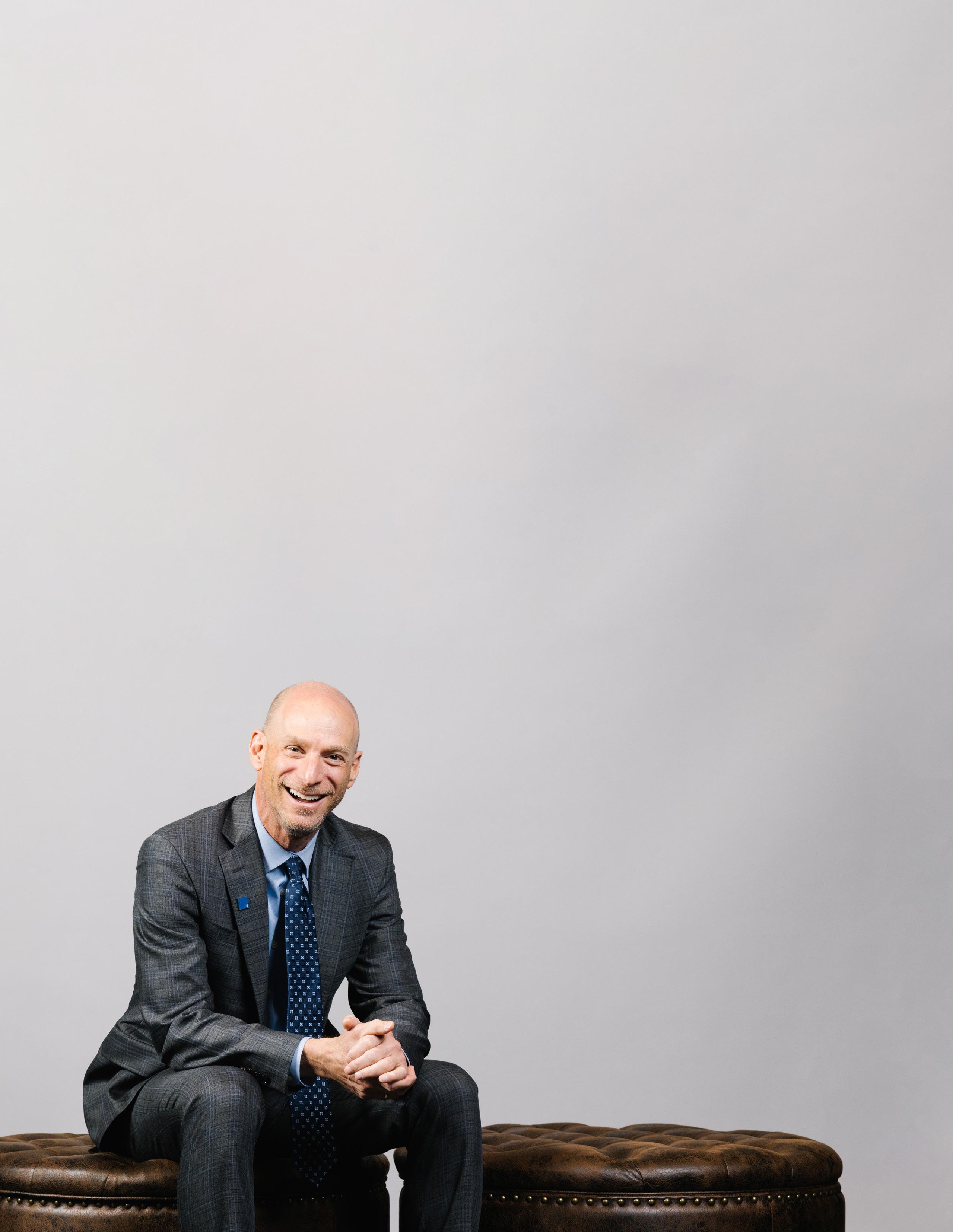
AT GAYNOR, OUR WORK BEGINS BY TRULY KNOWING EACH CHILD AND HELPING THEM DISCOVER WHAT IS POSSIBLE.
—DR. SCOTT GAYNOR, HEAD OF SCHOOL
Throughout these pages, you will hear from alumni, parents, and faculty, but also from current students In Their Own Words
The experiences shared highlight a common thread that binds us together: a belief in one’s own possibilities. Gaynor builds confident, compassionate, self-aware students by pairing joyful learning with structure, voice, and a sense of belonging.
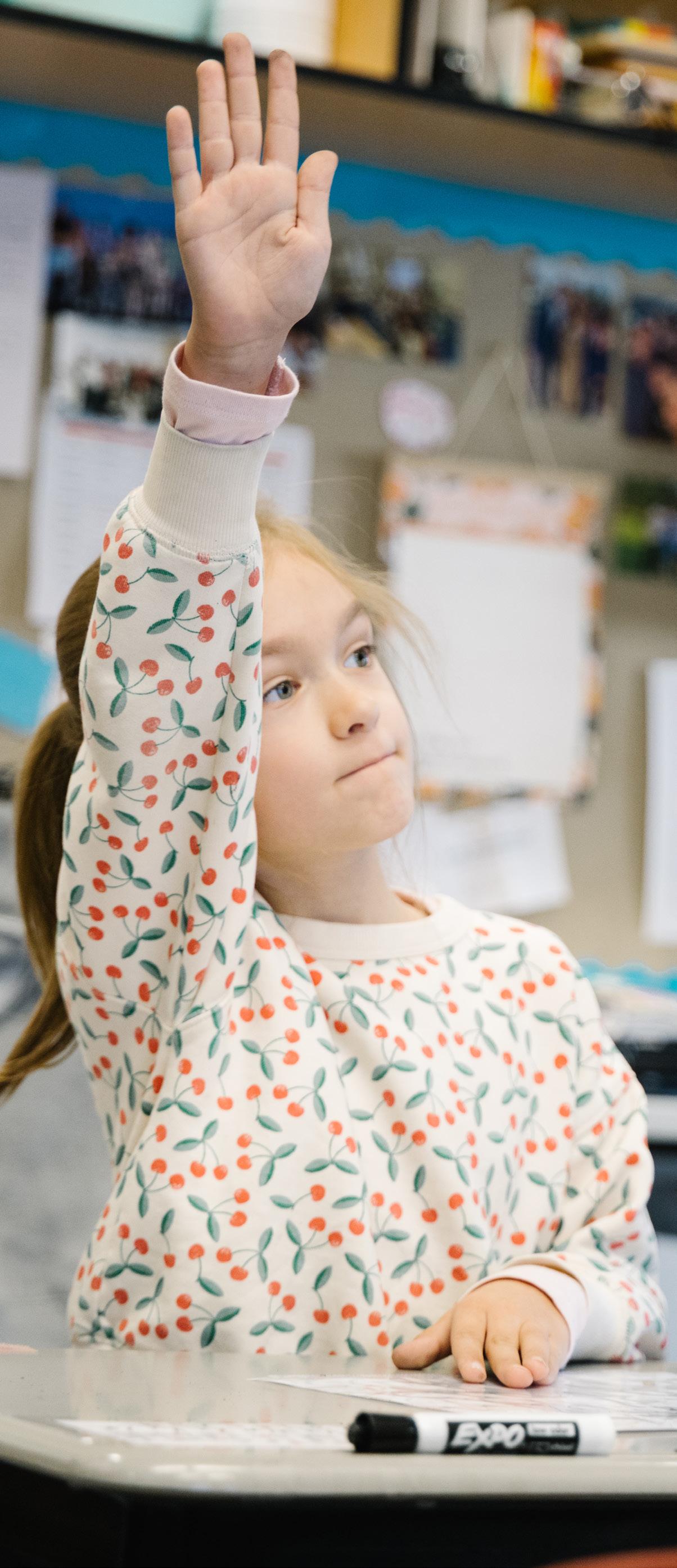
This is best exemplified by our alumni. Gaynor’s stories do not end with graduation; our students leave us ready for high school and beyond. In Prepared for What Comes Next, Aden Wiener ’13 reflects on how the confidence and self-advocacy skills he learned at Gaynor informed his success in college and his career. As he notes, he never hesitated to raise his hand in a lecture hall of hundreds. This simple act serves as a testament to The Most Powerful Lesson We Can Teach Students With LD: Self-Advocacy
Finally, we offer a look at the partnership between school and home in Beyond the ROI: A Mother’s Perspective. Written by Amy Warden, our Director of Enrollment Management and a current parent, this story beautifully illustrates the profound, often unquantifiable value of a Gaynor education.
Our mission is so much more than a few sentences; it is a call to action that permeates all aspects of our work. We stay true to our founders’ vision of seeing the child in front of us, executing that vision with tools and practices that continue to respond to advancements in pedagogy and broaden our reach.
The stories that fill the following pages are a testament to a community that cares deeply about our mission and lives it every day. We are so proud of our students and graduates, and we hope you enjoy reading their stories.
Dr. Scott Gaynor Head of School.

STEPHEN GAYNOR SCHOOL BOARD OF TRUSTEES 2025-2026
Megan Hogan – Chair
Benjamin Hamilton – Vice Chair
Kristerfor Mastronardi – Treasurer
Jillian Marcus – Secretary
Kristine Baxter
Lorie Broser
Cara Chambers
Grant Duers
*Sheri Farber - Parents’ Association Co-President
Adey Fisseha
Jennifer Hartmann
*Dr. Scott Gaynor - Head of School
Dr. Ángel Gonzalez
EB Kelly
Jonathan Neave
Samantha Regan
Josh Resnick
*Seth Rosen - Parents’ Association Co-President
Ben Shapiro
Keech Combe Shetty
Kathy Sutherland
Katy Williamson
*Ex officio member
TRUSTEES EMERITI
Dr. Mary Fitzpatrick
Jo Ann Gaynor
Gordon Gaynor
ADVISORY COUNCIL
Chris Canavan
Linda Hsu
Gianni Lopez
Elise Mordos ’04
Beth Pristaw
Javier Rodriguez
Seth Rosen
Josh Wiener

A Gaynor is a proud sponsor and workshop participant of the Everyone Reading Conference, advocating for equity and access for students with dyslexia and LD, March 2 & 3, 2026.
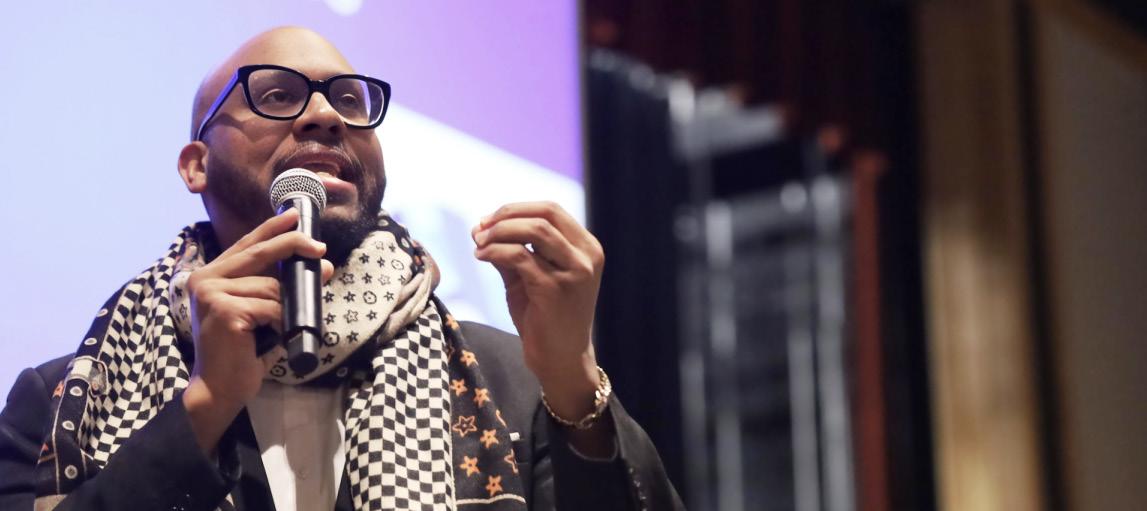
B Jason Craige Harris, a nationally respected facilitator and restorative practitioner, joins Gaynor’s Parent Speaker Series on March 5 to explore how restorative practices help build connection, accountability, and belonging in school communities. His work centers on strengthening relationships and creating environments where every voice is heard.
C Join us for the 2026 Gaynor Gala: One Night, Many Stories, an evening of connection, storytelling, and celebration in support of inspired learning and the students we serve.
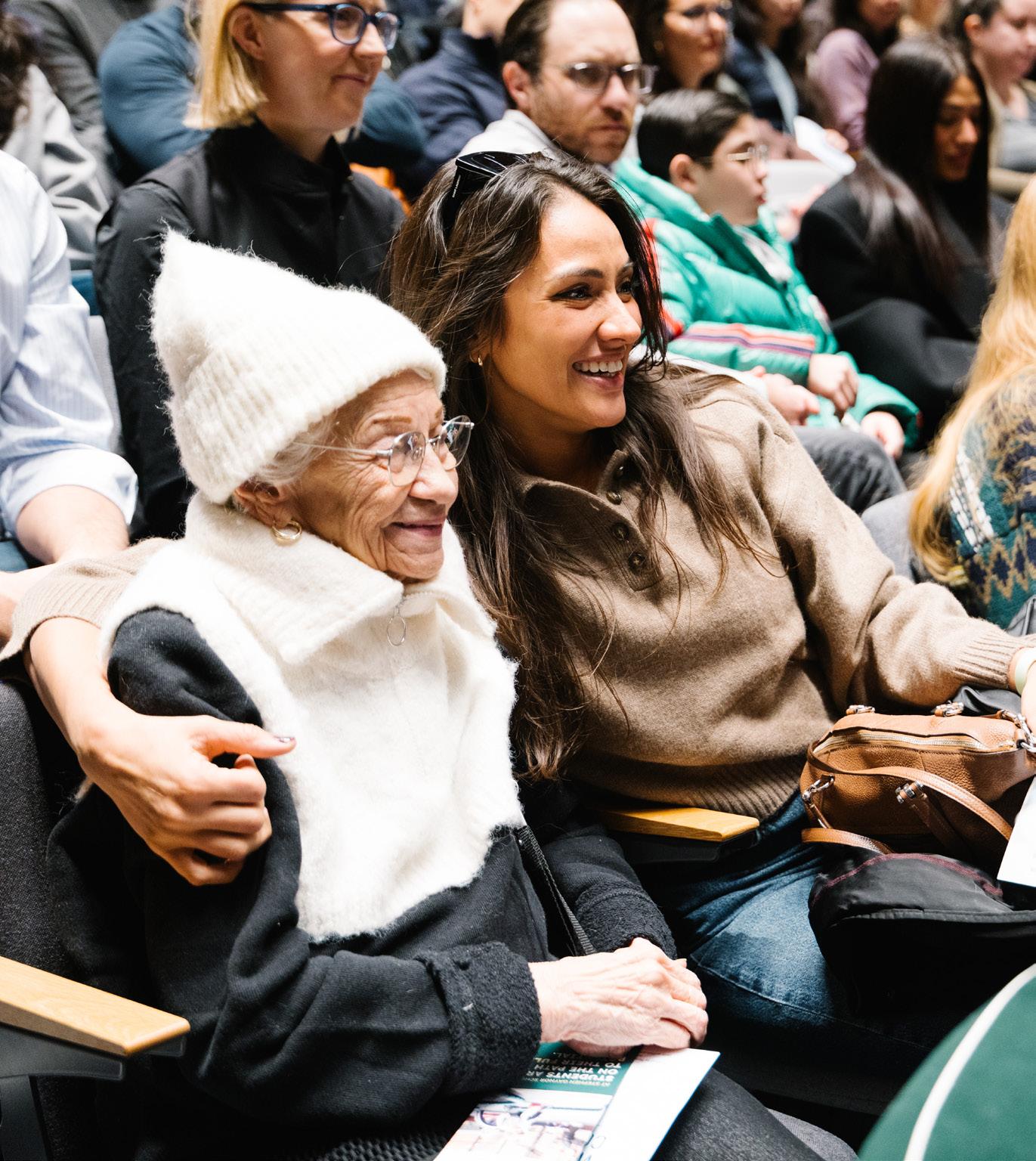
D Relatives and Special Friends Day is a cherished Gaynor tradition welcoming loved ones into classrooms, performances, and student work to see our mission in action.
E Join us as Gaynor students bring Shrek Jr. to life in a joyful celebration of creativity, confidence, and teamwork.
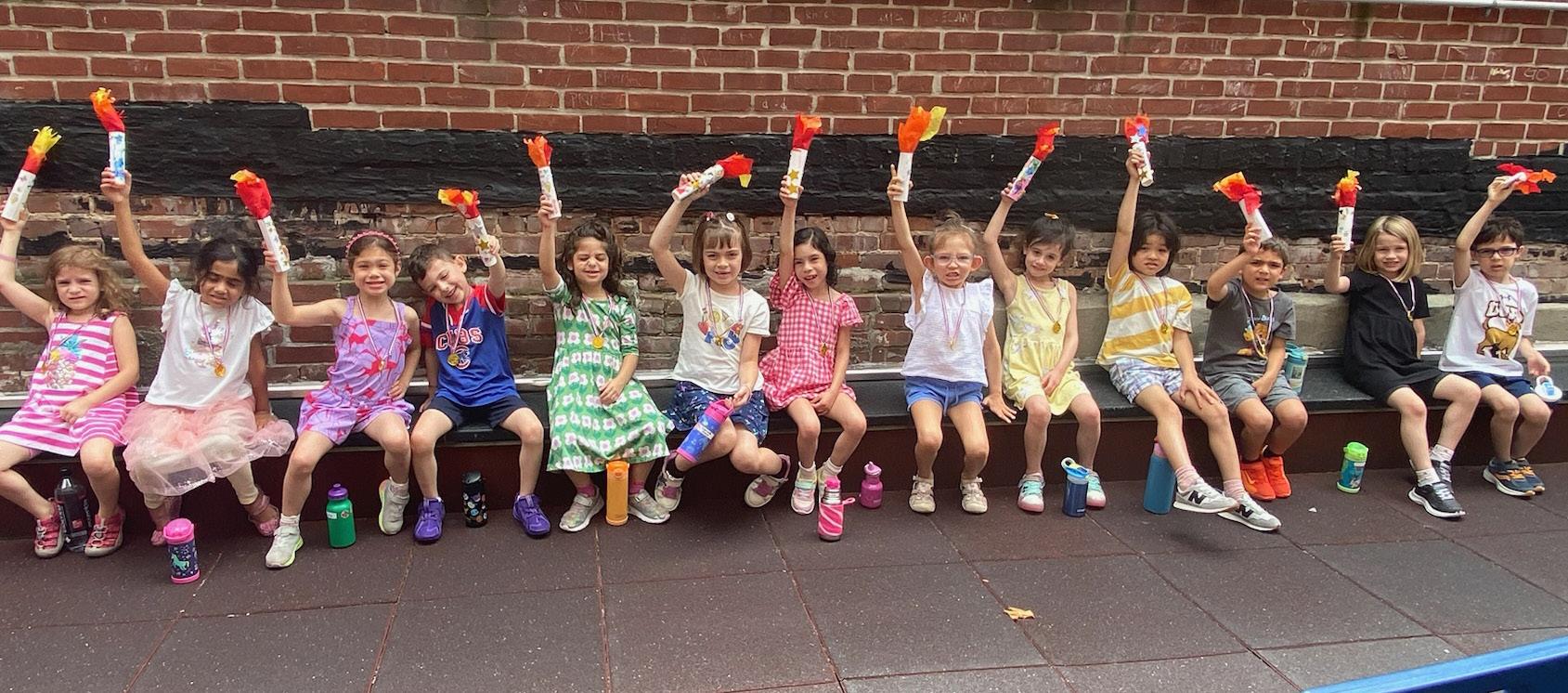
F Summer Camp for Early Childhood and Lower School students, blending engaging activities with structured academic support.
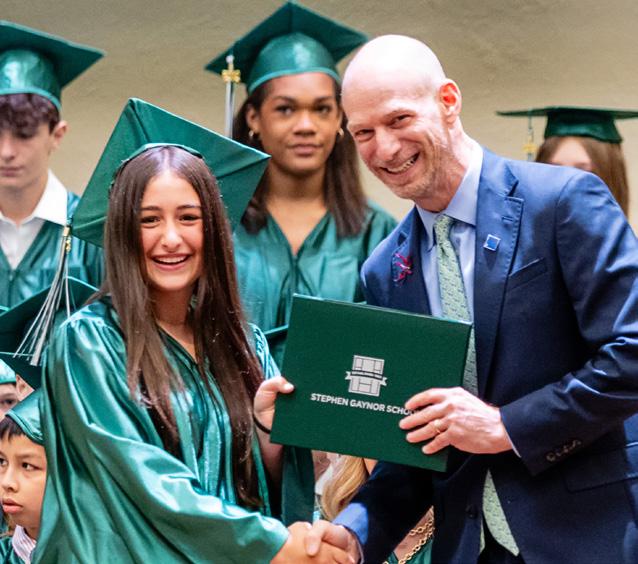
G Graduation—celebrating the Class of 2026.
MARCH | Join us for the Stephen Gaynor School Gala 2026, One Night, Many Stories, an evening that brings our community together to celebrate the journeys, voices, and experiences that define Gaynor. Taking place on Monday, March 16, 2026, at 6:30 PM at Pier Sixty at Chelsea Piers, the Gala will feature an inspiring program, meaningful storytelling, and time to connect with parents, alumni, and friends. This special night honors the many paths our students take and the individualized support that helps them thrive. Proceeds from the Gala support Gaynor’s endowment, strengthening our ability to provide joyful learning, expert instruction, and long-term stability for future generations. Visit stephengaynor.org/gala for more information.
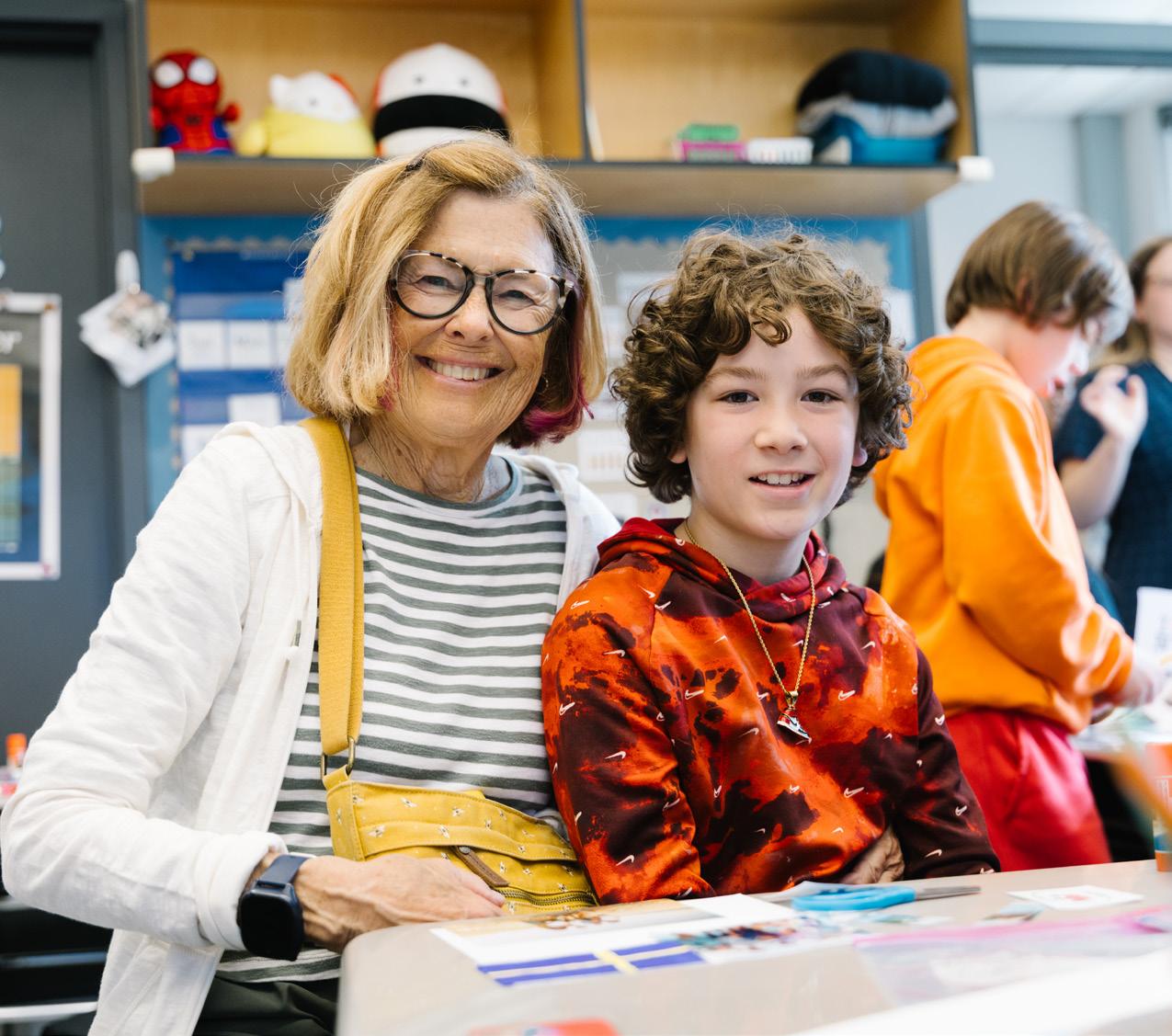
MAY | Relatives and Special Friends Day is a cherished Gaynor tradition that invites loved ones into the life of the school to see our mission in action. Through student performances, classroom visits, the SMART Faire, and conversations with alumni, guests experience how Gaynor helps students grow in confidence, curiosity, and selfadvocacy. From joyful moments to hands-on learning experiences, the day offers a meaningful glimpse into how students learn, connect, and thrive. It is a celebration of community, growth, and the lasting impact of a Gaynor education, leaving visitors with a deeper understanding of how individualized learning, joyful classrooms, and a strong sense of belonging shape each child’s journey—and how those experiences continue to resonate beyond the school years.
01 15 07 12
MAY | Gaynor students take the stage this spring with Shrek Jr., a joyful production filled with humor, heart, and memorable music. The show highlights students’ creativity, collaboration, and confidence, celebrating storytelling and the power of being yourself. May 7 & 8.
JUNE | At Graduation, we celebrate the Class of 2026 and honor their growth, perseverance, and readiness for what comes next.
JUNE | Summer Camp registration is now open at Stephen Gaynor School. Designed for Primary Division and Lower Division students, the program blends joyful summer activities with intentional academic support in a fun, structured environment. Exclusively for current and incoming Gaynor families, the camp is the only one in the New York area offered by a school with an Orton-Gillingham program accredited by the Academy of Orton-Gillingham Practitioners and Educators. Join us June 15–July 24, 2026, for a summer of learning, growth, and connection.
GREEN CLUSTER (25 YEARS)
Carlvin Delfish
YELLOW CLUSTER (15-19 YEARS)
Rebecca Jurow
Patrick Fitzgerald
ORANGE CLUSTER (10-14 YEARS)
Jessica Bienstock
Mollie Book
Jacqueline Kolbert
Andrew Prasarn
RED CLUSTER (5-9 YEARS)
Oumou Dia
Tia Murkison
Reshmi Nair
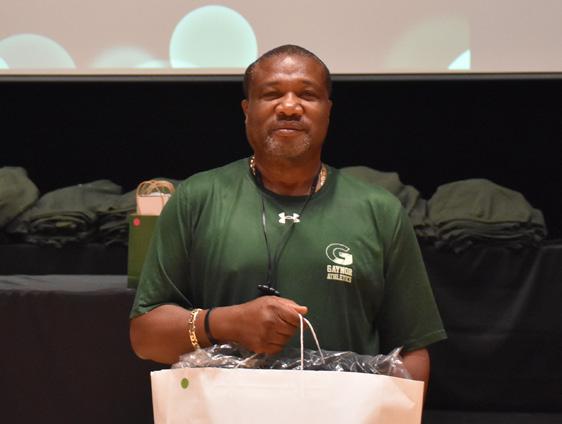
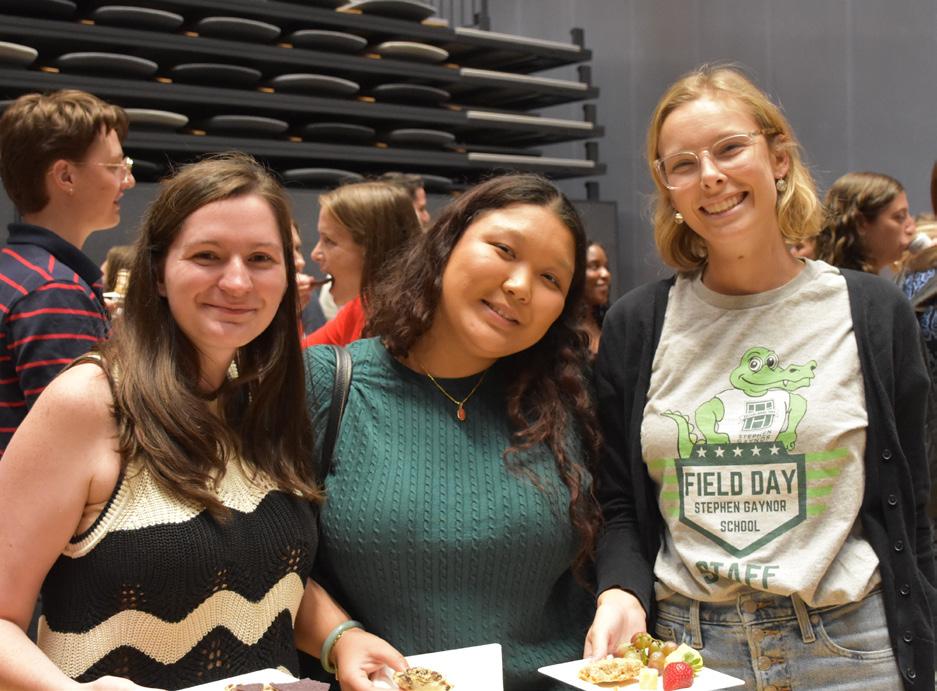
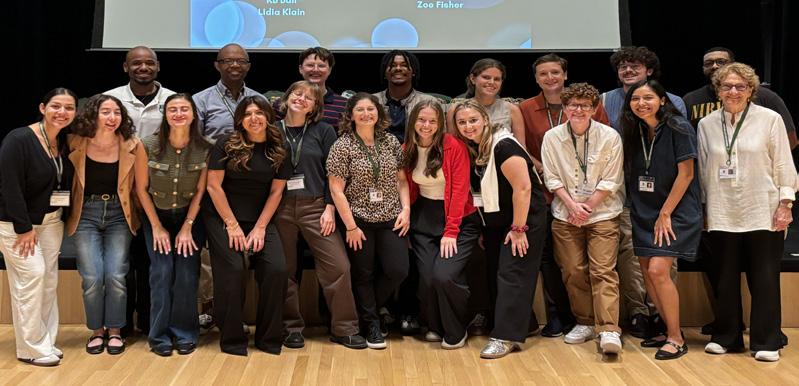
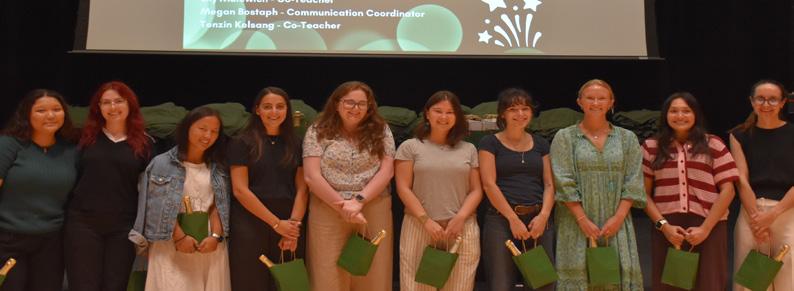
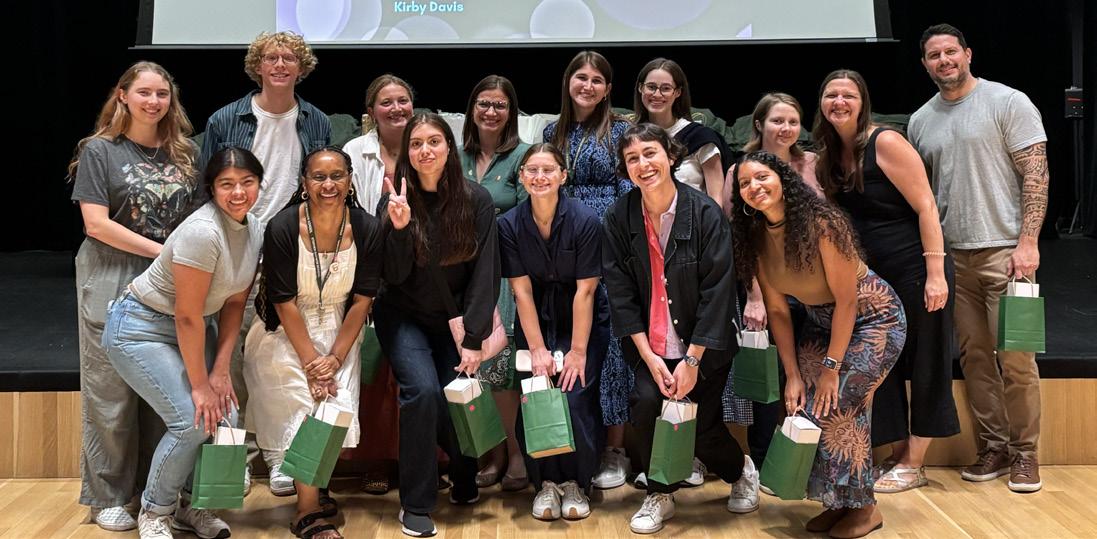
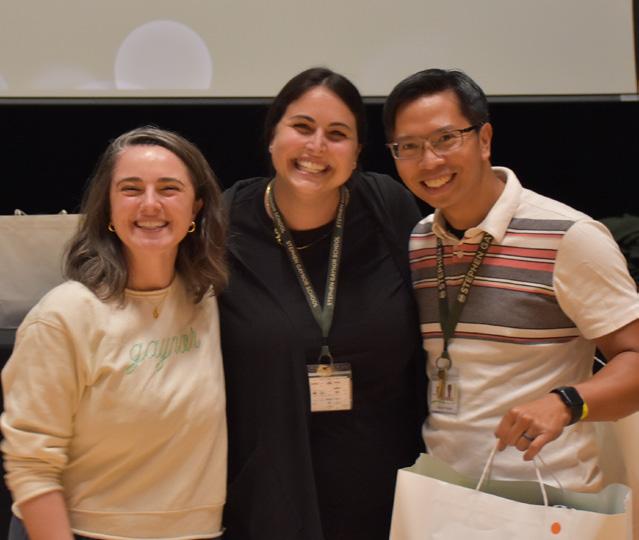
Before the school year started, Gaynor held a celebration to honor faculty and staff members who reached milestones in their years of service in the 2025-2026 school year. The milestones were divided into cluster colors to mimic the educational journey of Gaynor students. The school is fortunate to have such dedicated and hardworking employees!
PINK CLUSTER (1-4 YEARS)
Rhina Allende
Maddie Bergeron
Jacinta Capelli
Isabelle Checksfield
Kirby Davis
Abigail Finkelstein
Emma Grettenberger
Alanis Gomez
Lucy Hatem
Emma Hanselman
Leigh Hill
Catherine Kemm
Rachael Kinser
Angela Lupher
Galo Macias
David Muchnick
Rebi Narins
Kathleen Nower
Scott Rodriguez
Rebecca Scholl
Jakob Shonbrun-Siege
Tiffany Sha
Lorice Townsend
Reanna Ventura
Sarah Wolsey
PURPLE CLUSTER (NEW TO GAYNOR IN 2025)
Zoe Aaron
Nicole Angelou
KB Ball
Rachel Barcelona
Christopher Bentley
Maeve Brown
Anya Cropper
Joan Dannenberg
Hervé Ernest
Zoe Fisher
Jonathan Hatem
Noah Jefferson
Kait Kearney
Lidia Klain
Jack Levy
Melissa Miranda
Michael O’Neill
Argenis Pierret
Josie Pierce
Hallie Schulwolf
Shante Thomas
Sophia Topalis
Logan Vitale
Vaughn Williams
Director of Institutional Advancement
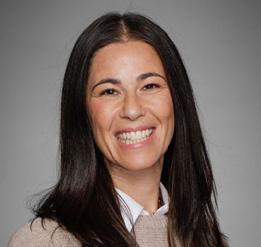
After a decade of dedicated leadership, Sari Perrino concluded her tenure as Director of Institutional Advancement in September 2025. During her ten years at Gaynor, Sari helped shape the culture and momentum of Advancement, strengthening relationships with families and donors while advancing key fundraising initiatives that supported the school’s growth.
She spearheaded the Legacy Campaign, the bi-annual Gala and Carnival, Breakfast My Way, Book Fair, Relatives and Special Friends Day, and the Celebration of Life honoring co-founder Yvette Siegel-Herzog. Her leadership ensured continued Annual Fund success and fostered a strong sense of community.
We are deeply grateful for her dedication and wish her every success ahead.
As Stephen Gaynor School continues to grow and evolve, we pause to honor two leaders whose dedication has shaped our community in lasting ways, and to warmly welcome two new members of our leadership team who will help carry our mission forward.
Communications
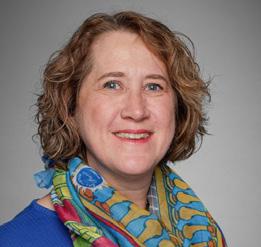
After more than nine years as Gaynor’s Director of Communications, Deanna Ferrante began a new chapter this year. During her tenure, Deanna elevated the standards of independent school communications, ensuring Gaynor’s messaging remained thoughtful, strategic, and mission aligned.
A valued member of the senior leadership team, she guided strategic planning, mission statement work, accreditation communications, and crisis response efforts during COVID. Her clarity, empathy, and steadiness helped keep our community informed and connected during uncertain moments.
As a proud Gaynor alum parent, Deanna brought a personal understanding of the school’s impact to every message. We thank her for her leadership and lasting contributions to the Gaynor community.
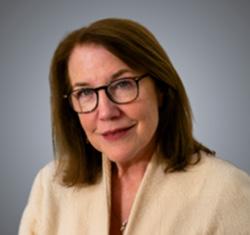
We are pleased to welcome Joan Halligan as Gaynor’s Director of Institutional Advancement. With more than 30 years of experience in fundraising and institutional development, Joan has raised over $100 million for educational and nonprofit organizations. She is widely recognized for building high-performing development teams, strengthening board engagement, and expanding donor relationships that deepen community connection.
Most recently serving as Director of Development and Alumni Relations at The Kew-Forest School and Executive Director of Development at Rockland Community College, Joan brings deep expertise in campaign strategy, endowment growth, and sustainable revenue planning. She joins Gaynor excited to partner with families, trustees, and alumni to advance the school’s mission and ensure long-term strength for future generations of students and families.
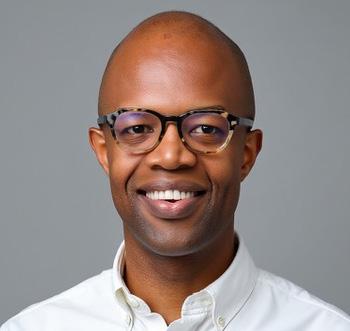
Hervé Ernest joined Stephen Gaynor School in August 2025 as Director of Communications. He brings more than two decades of experience in independent schools and mission-driven organizations, with a focus on strategic storytelling, brand clarity, and community connection.
Prior to Gaynor, Hervé served as Director of Communications at Marin Academy and as Vice President of Marketing & Communications at Pajama Program. Earlier in his career, he co-founded and led a nationally recognized nine-day jazz festival in San Francisco that welcomed more than 30,000 attendees annually.
Hervé has enjoyed being welcomed into Gaynor’s vibrant community and looks forward to helping share the stories that bring the school’s mission to life.
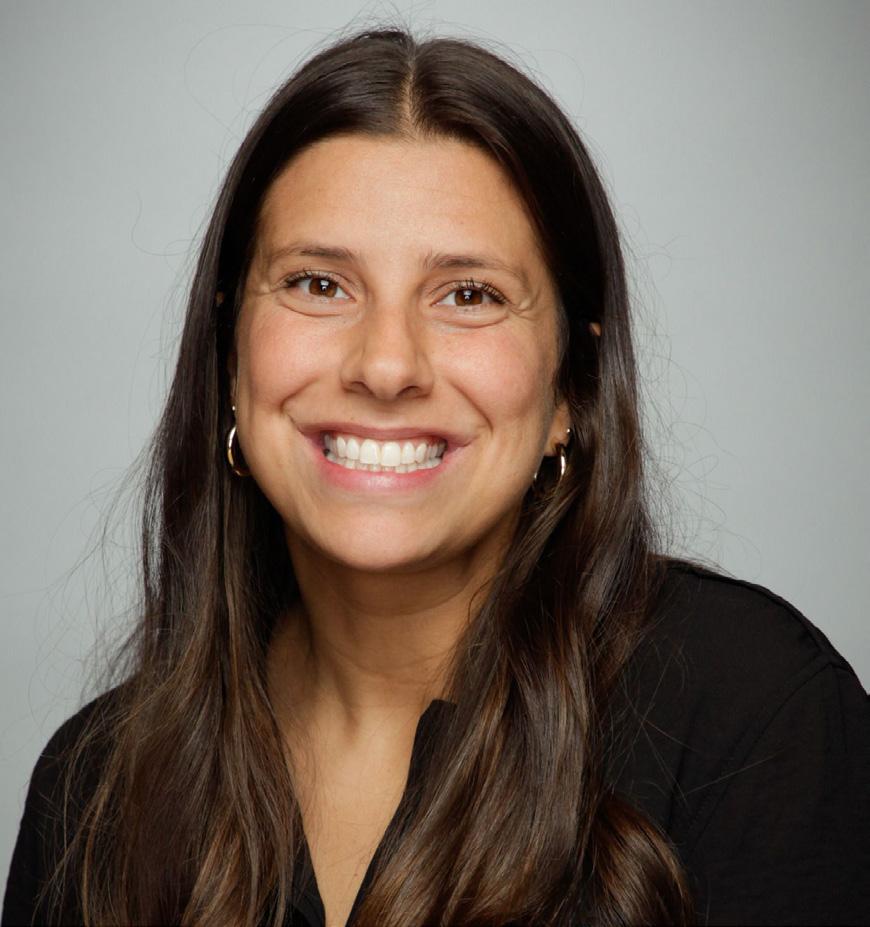
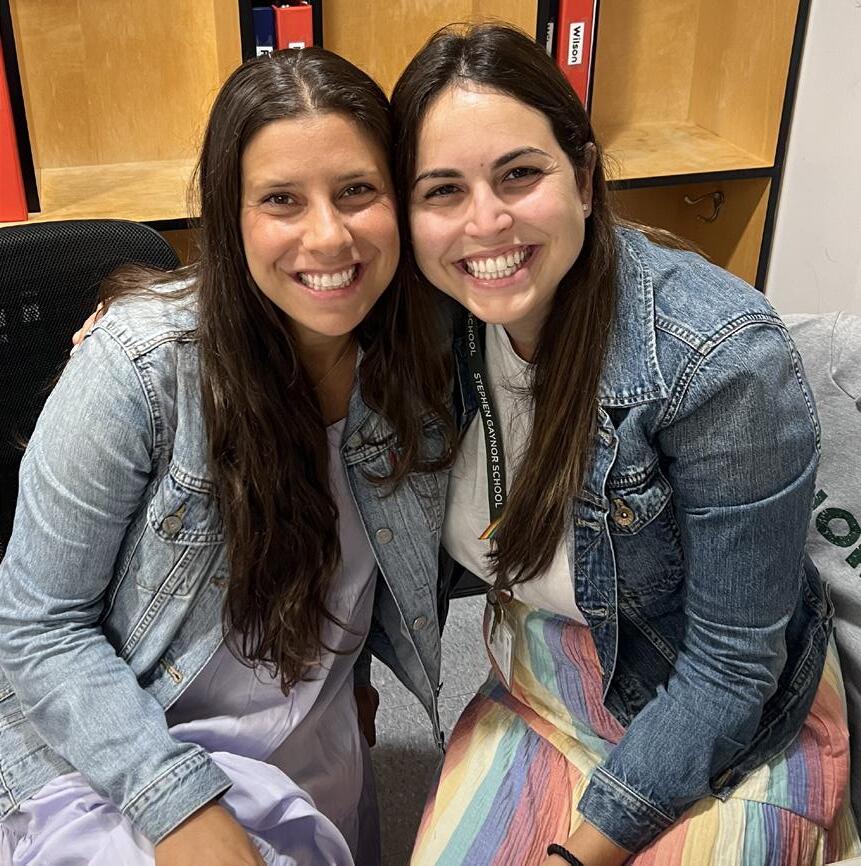
Jaclyn Dobish has been at Gaynor since 2014, after deeming Gaynor the “just right” place for her to work in special education. After so many years at the school, Jackie has not only seen students grow and change, but teachers as well. Jackie and her co-teacher, Jacqueline Kolbert, were part of the pilot group for the Co-Lead model, and are known for their strong partnership in Room 404; so much so that they are colloquially referred to as “the Jackies.”
For our latest installment of “Five Questions With,” we sat down with Jackie to learn more about her experience at Gaynor, her love for the Orange Cluster, and the way the Co-Lead model helps set students up for success.
What was your journey into teaching like, and how did you find yourself at Gaynor?
I graduated from Binghamton and I didn't really know what I wanted to do. I was a human development major, but I decided to go straight to grad school [at Hunter] for general and special ed. I worked in a different New York City private school for two years, but it was not special ed, and I felt like that was what I was missing. So I came to Gaynor, I met with Scott [Gaynor] and Yvette [Siegel-Herzog], and it just clicked right away. And that's how I've been here ever since!
I don't know if it necessarily is something specific, but I think the students are at the just right age for me in terms of maturity level. They're independent, but at the same time, they still need help with certain things. So they still need you in some ways for support that older kids would not. It's just a nice, good, sweet age. I think Orange is where I'm meant to be.
and what we do, we're always thinking of the “what if.” And then it's one of those moments where you're like, oh, we didn't even have to think of any of those what ifs because they just did it and they rocked it. So it's probably one of the best moments of the year for sure.
2 3 4 5
What keeps you coming back to work every day?
I feel like the best part of Gaynor for me has been that I was here when I was single, I was here when I was engaged, then I got married, had two kids, and I'm still here. Gaynor’s been a part of my life for 12 years, so it's been a long time. Every day is fun. Every day is different. I know at some schools or some jobs, you're waiting for the day to end, but here there's never enough time in the day to get done what you want to get done. And I think [Orange Cluster] is a very organic spot for me.
Do you have a favorite student story?
I couldn't think of one favorite student story, but I think that every single year, I say to myself, “Why didn't I start a book of writing down the funniest things that kids say?” Because there are so many of those moments throughout the day where you want to jot down a quote because kids just say the best things. And if I did do it, I probably would have a very long book by now!
But if I had to pick a highlight, I would say the winter concert's always the best. The kids hear about the winter concert early on in the school year and they feel scared, they're nervous, they have all the feels. But they always pull through, and they always shine, and it's always the best thing to see. I think that because of who we are
You’ve been working as a Co-Lead teacher with Jackie Kolbert for five years now— what do you enjoy about the Co-Lead model and working so close together in the classroom?
I think the coolest part for the two of us was that for so many years we taught across the hall from each other, and we were always bouncing back and forth into each other's rooms asking each other questions; “Do you have this game I could borrow? Do you have an idea for this activity? What do you think I should do about this?” And now it's just automatic that we're together, which is so special. It helps that we get along really well. The kids know that we're equals and we really support each other through anything.
I think that the most important piece is that we have very different strengths and we have very different approaches
to things, which is amazing because the kids can really get the best of the both of us. Our co-lead model match is going strong, so it's nice to see. At this point, I feel like there are so many of those moments where we finish each other's sentences, and we think to ourselves, “Oof, that's so embarrassing.” We bounce off of each other really well, and I think the kids view us as a very cohesive unit, which is really helpful.
What do you do outside of Gaynor?
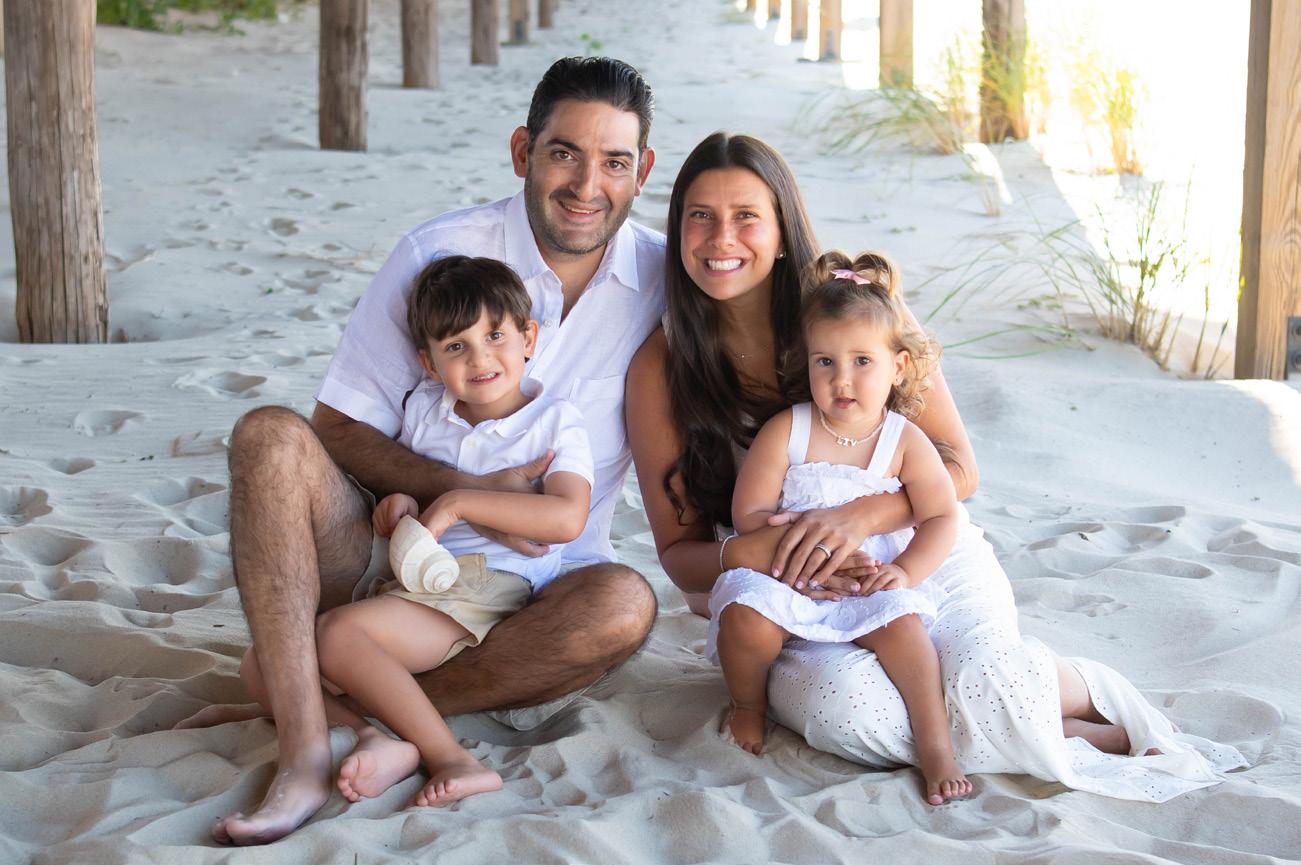
Having two kids definitely takes up a lot of my free time. My son, Leo, is turning five soon, and my daughter, Liv, just turned two in December. I would say a normal weekend is us going to a play space or doing something fun for the kids. Lots of birthday parties to go to. We have a dog named Archie and we like to play with him all the time. My husband, the kids, and I love spending time at the beach, especially during the summers off from Gaynor. We love Atlantic Beach on Long Island. So that's where you can find me, posted up in a beach chair under an umbrella.
Understanding how they learn helps children replace shame with confidence and resilience.
At Stephen Gaynor School, every day offers an opportunity to celebrate and support the 1 in 5 people in our country who have learning or attentional challenges. Our goal is to build understanding, strengthen confidence, and empower students who learn differently to become leaders in their own learning and beyond.
It has been more than 50 years since the landmark Rehabilitation Act of 1973, which guaranteed accommodations for all students with special needs. A decade earlier, Stephen Gaynor School was founded on the idea that with the right educational strategies, young students with learning differences could reach their full potential. For over six decades, we have been driven by the mission of our founders to individualize the curriculum based on a child’s strengths and growth needs. Every day at Gaynor, we see the brilliance and potential that exists in each of our students, and our community is intentional about cultivating the qualities that help them lead with empathy, confidence, and purpose.
Advocating on behalf of our students is only part of our mission. We are equally committed to helping students advocate for themselves and for others, a critical life skill that prepares them far beyond the classroom. Self-advocacy is woven into daily life at Gaynor, from student council to homework accountability to
classes specifically designed to help students understand their learning profiles. Students learn to recognize their strengths, identify the strategies that help them succeed, and develop the language to express what they need.
This work begins early. By helping students understand how they learn, we foster selfawareness, self-acceptance, and resilience. These qualities allow students to approach challenges with confidence rather than fear. This reflects a growth mindset, the understanding that abilities develop over time through effort, persistence, and support. When students see themselves as capable learners, they become more willing to take risks, persevere through setbacks, and discover what they can achieve.
Research underscores the importance of this foundation. According to the National Center for Learning Disabilities, only 1 in 4 students with a learning difference tells their college they have a disability, and only 1 in 20 young adults with LD receive accommodations in the workplace. Teaching self-advocacy early helps students build confidence and independence, and contributes to a more inclusive society where differences are understood and valued.
At Gaynor, we see the long-term impact of this work in the stories our students carry with them. In this issue, alumni reflect on how
“BY HELPING STUDENTS UNDERSTAND HOW THEY LEARN, WE FOSTER SELF-AWARENESS, SELF-ACCEPTANCE, AND RESILIENCE.”
“WHEN STUDENTS LEARN TO SPEAK WITH CONFIDENCE ABOUT HOW THEY LEARN BEST, THEY BEGIN TO SEE THEIR DIFFERENCES NOT AS OBSTACLES, BUT AS STRENGTHS.”
learning to understand themselves gave them the confidence to raise their hands, ask questions, and pursue opportunities they once thought were out of reach. Their experiences remind us that self-advocacy is not a single moment, but a skill developed over time through practice, encouragement, and trust.
Empowering students to know themselves as learners creates a foundation for leadership, connection, and growth. When students learn to speak with confidence about how they learn best, they begin to see their differences not as obstacles, but as strengths. In doing so, they gain more than academic skills. They gain a sense of ownership over their learning and the confidence to shape their own futures.
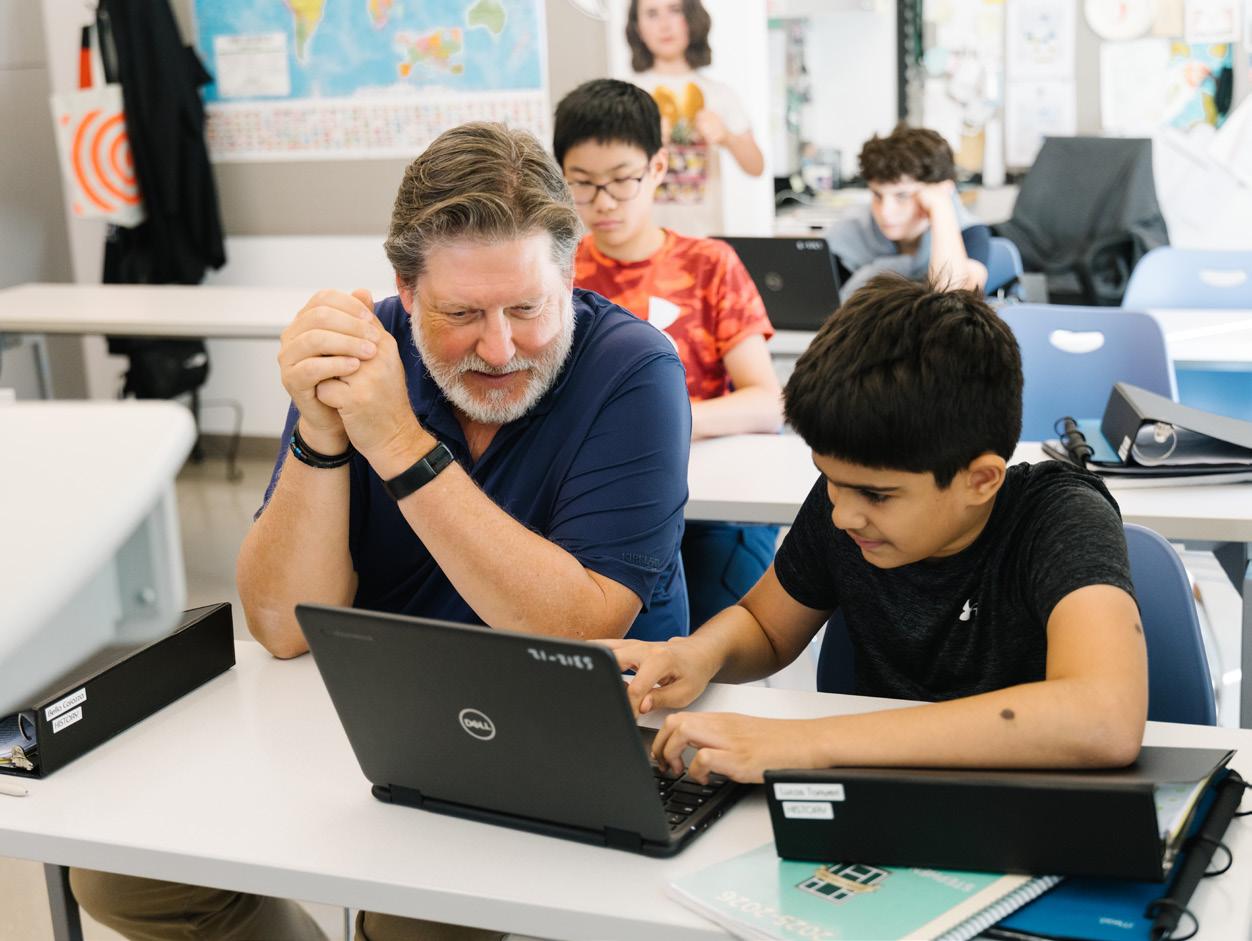
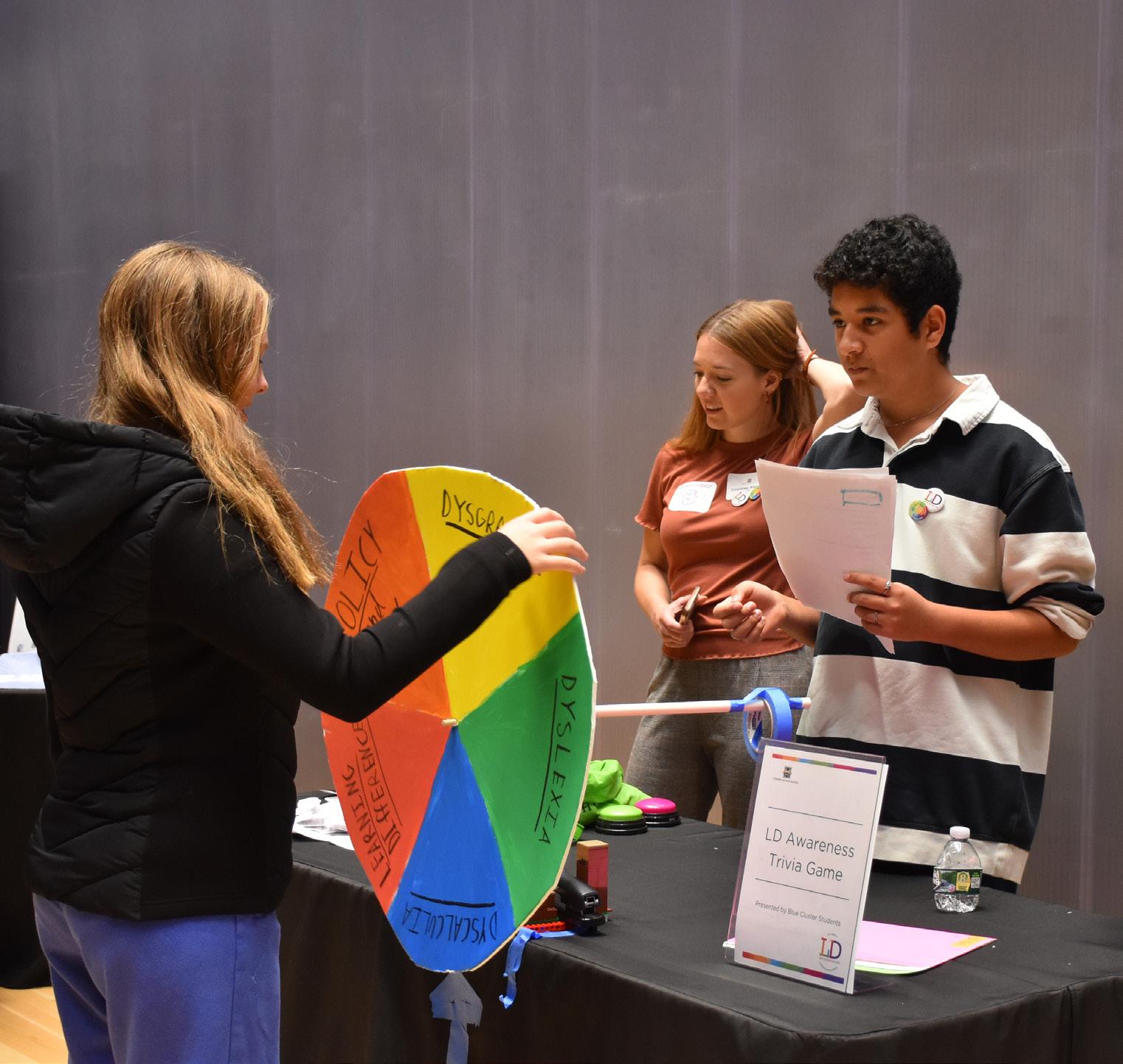
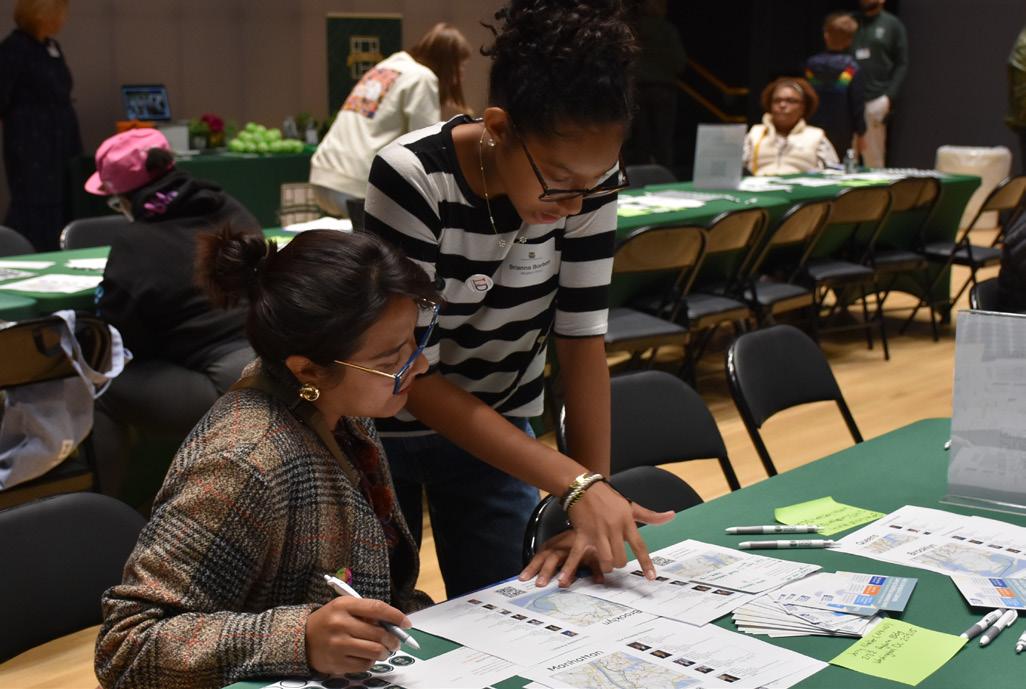
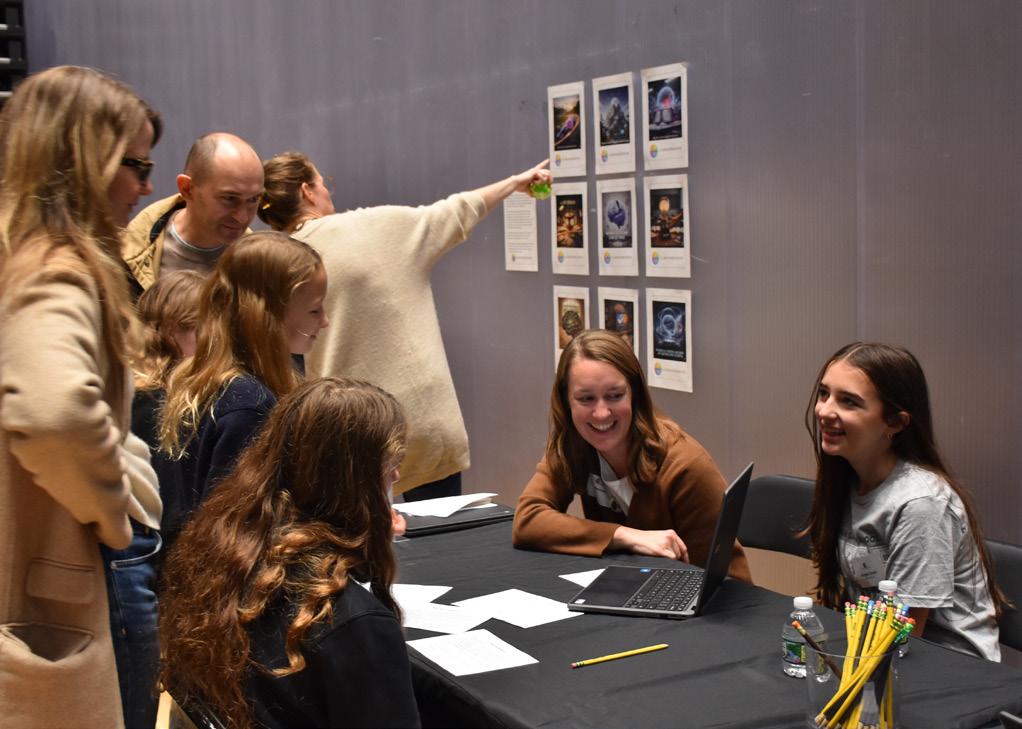
WHEN STUDENTS UNDERSTAND HOW THEY LEARN AND GAIN THE CONFIDENCE TO USE THEIR VOICES, ADVOCACY BECOMES MORE THAN A CONCEPT. IT BECOMES ACTION.
That spirit was on full display at Stephen Gaynor School’s inaugural LD Advocacy Fair, held in partnership with the National Center for Learning Disabilities during Learning Differences Awareness Month in October. Families, students, alumni, and community members gathered for an afternoon dedicated to awareness, education, and meaningful civic engagement.
Gaynor’s Performing Arts Center was transformed into an interactive Advocacy Center, where guests explored national and state policies impacting individuals with learning differences. Jessica Snydman, Senior Policy Associate at NCLD, guided attendees in writing postcards to congressional representatives in support of legislation such as the IDEA Full Funding Act and the RISE Act. By the end of the event, more than 100 handwritten
postcards had been completed, extending Gaynor’s collective voice far beyond our school walls.
Blue Cluster students played a central role in the day’s success. They hosted an LD trivia table featuring categories such as dyslexia, dysgraphia, dyscalculia, and policy and law, answered questions, and helped visitors engage directly with advocacy stations. For many students, it was their first experience participating in civic action at this level.
Assemblymember Jo Anne Simon attended and was recognized for her leadership on dyslexia identification and literacy legislation. She was joined by Gaynor alumna Stephanie Brown ’13, now her Communications Coordinator and Community Liaison, a meaningful reminder that advocacy can begin in school and
continue into adulthood. State Senator Brad Hoylman-Sigal and Congressman George Latimer also lent their support.
Head of School Dr. Scott Gaynor addressed attendees, noting that while the Rehabilitation Act of 1973 marked an important milestone, the work of ensuring equitable access to education continues. As both Head of School and an NCLD board member, he reflected on the connection between classroom practice and national policy.
The inaugural LD Advocacy Fair affirmed a core belief woven throughout this issue of the Gazette: advocacy begins with understanding and grows through action. By giving students opportunities to use their voices in meaningful ways, Gaynor continues to prepare them not only to navigate the world, but to shape it.
At Gaynor, community isn’t just something we talk about. It is something we build intentionally. Creating an environment where students and families feel genuinely supported and connected is central to who we are. Each child and family leaves an imprint, shaping the sense of belonging and confidence that defines the Gaynor experience.
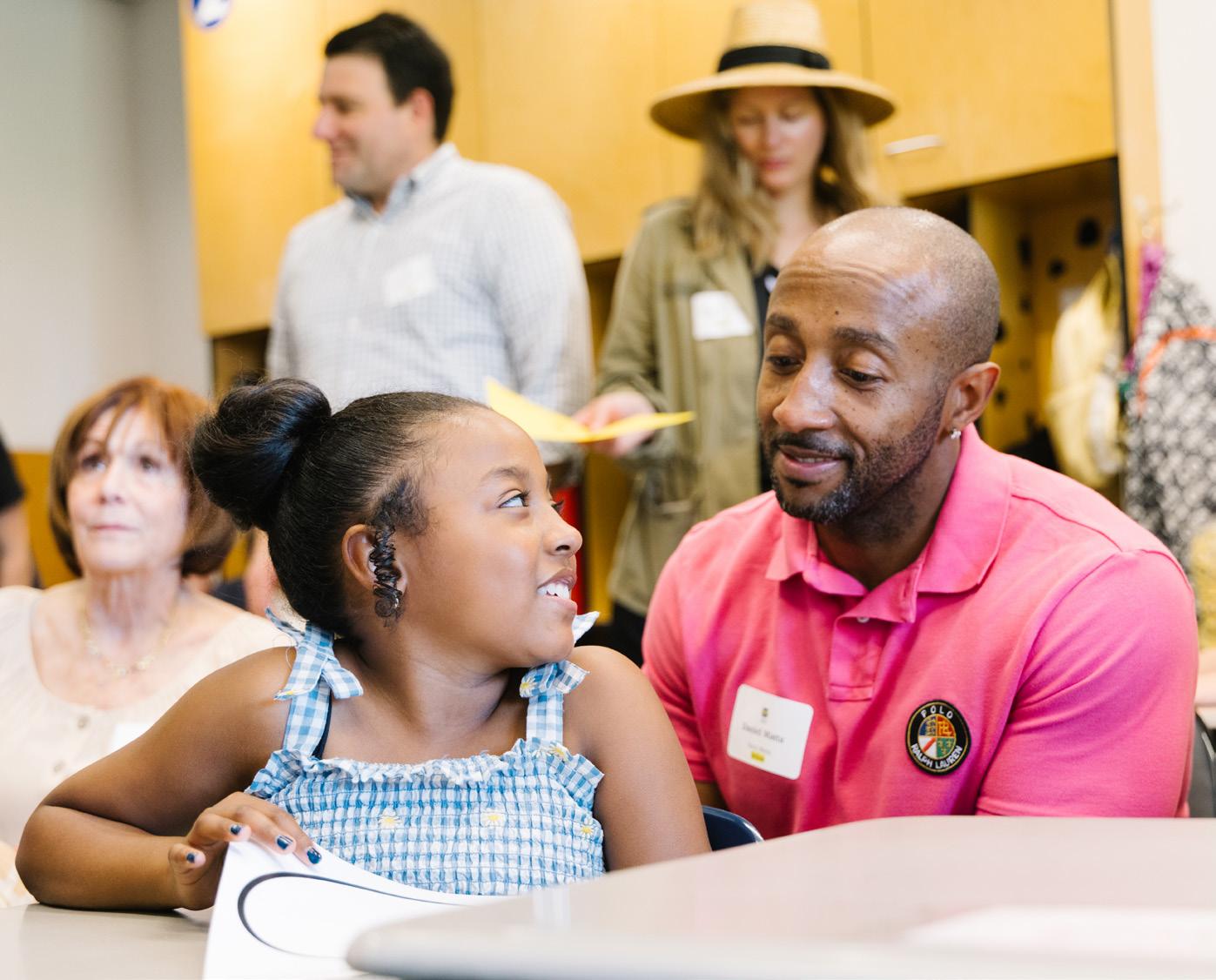
In the pages ahead, you will see how the Advancement Department brings our community together through events and philanthropic initiatives. From the Book Fair to Day of Service and Breakfast My Way, these experiences invite families to gather, celebrate traditions, and connect beyond the classroom. They create meaningful moments that strengthen relationships and deepen engagement across our school.
Community at Gaynor is also built through generosity. Philanthropy offers a powerful way for families and supporters to participate in school life, investing in students today while securing opportunity for those who will follow. Whether through volunteering, attending events, or making a gift, each act reflects a shared commitment to our mission and to one another.
Annual giving plays a vital role in sustaining the Gaynor experience. Because tuition does not cover the full cost of our specialized programs, philanthropic support helps ensure students benefit from exceptional faculty, innovative instruction, financial assistance, and enriching programs in the arts and athletics.
One of our newest initiatives, the Yvette Siegel-Herzog Innovation Fund, reflects this same spirit of investment. The fund allows us to expand our impact by sharing Gaynor’s expertise with children beyond our walls while strengthening our work at home.
At its core, Advancement is about connection. Whether through a celebration, a volunteer experience, or a philanthropic gift, each act of engagement helps build
a community grounded in purpose, generosity, and care for every child.
At Gaynor, community is not something that happens by chance. It is something we create together.
When Dr. Scott Gaynor talks about the future of Stephen Gaynor School, he often returns to a simple idea: a thriving learning environment depends on a thriving community. “I see our school as a restorative environment,” he said, reflecting on the school’s ongoing efforts to strengthen belonging and connection.

“RESTORATIVE PRACTICES OFFER A CHILD-CENTERED, DIGNITY-BASED WAY OF HELPING STUDENTS LEARN, REFLECT, TAKE ACCOUNTABILITY, AND GROW.”
—STELLA HEYLIGER-MULATU, DIRECTOR OF DIVERSITY, EQUITY, AND INCLUSION
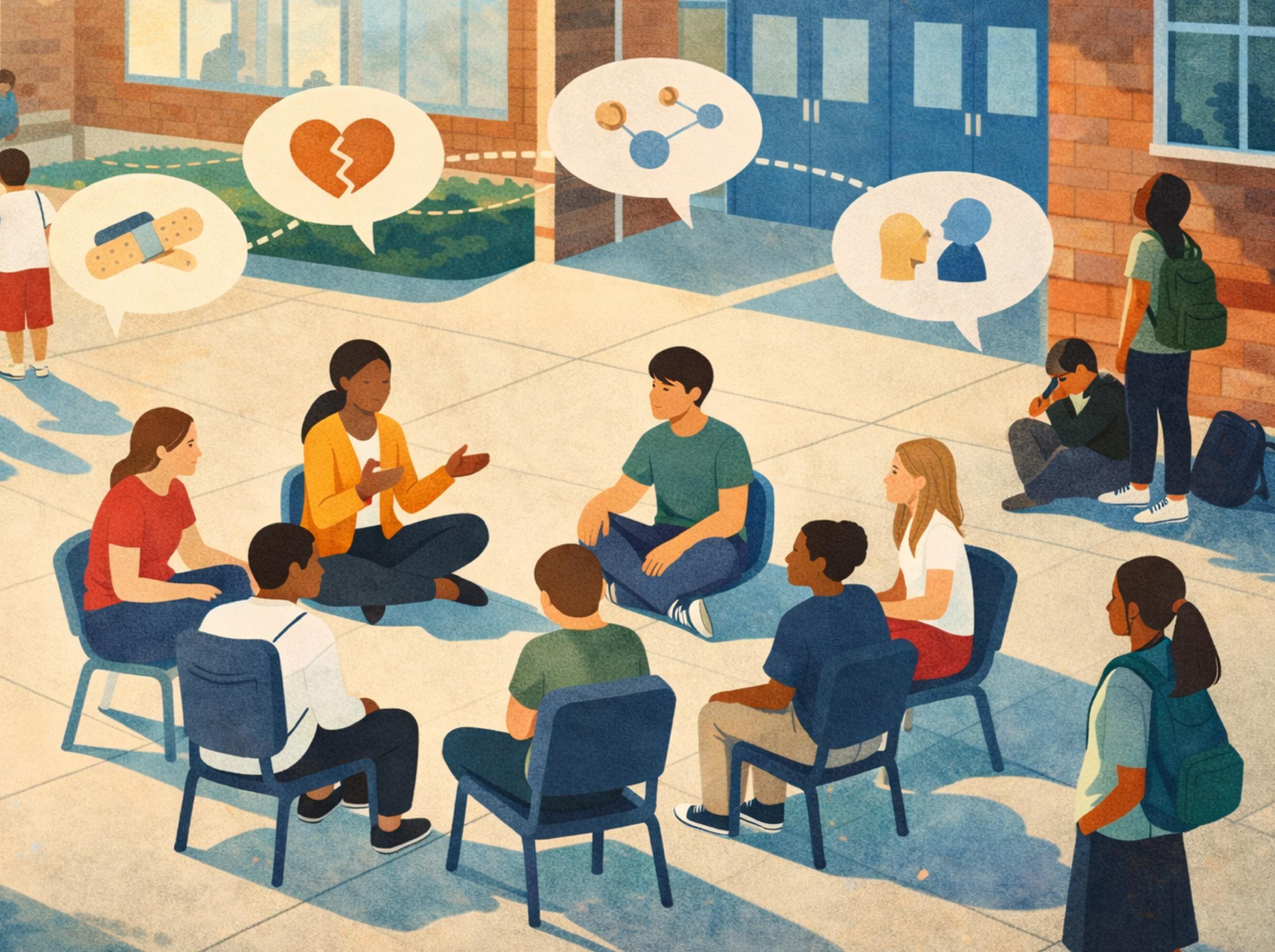
That philosophy is now taking shape through the school’s evolving restorative practices initiative, a multi-year effort rooted in the belief that conflict is a natural part of human experience and that students flourish when relationships come first. This shift is not a new discipline system. It is a cultural evolution that deepens Gaynor’s individualized, relationshipbased approach by giving students structured ways to build empathy, express their needs, understand the needs of others, and make amends when harm occurs.
The catalyst for this work came into focus over time. Teachers were asking for more tools to respond to conflict in a developmentally attuned way. Families expressed a desire for greater clarity around the school’s approach to communication, consequences,
and community expectations. And staff across divisions noticed a rising need for shared strategies to support inclusion and reduce non-inclusive behaviors. As Stella Heyliger-Mulatu, Director of Diversity, Equity, and Inclusion, explains, “We needed a framework that aligns with who we are. Restorative practices offer a child-centered, dignity-based way of helping students learn, reflect, take accountability, and grow.”
The heart of this work appears in classrooms through restorative circles, small group conversations that give students a structured opportunity to connect, reflect, and listen. Circles can be brief and lighthearted, or they can offer space to process challenges together. What they share in common is purpose: they help students learn how to connect with one another, build
trust over time, and develop the skills needed to repair relationships when conflict arises.
In Rebecca Felt’s Intermediate Division, circles are becoming part of the rhythm of school life. She has watched students enter the awkward phase of sitting in a circle and making eye contact, then gradually settle into the routine. “Our kids benefit from structure,” she explained. “Just like there are structures for learning math or writing, circles give structure to how we talk to each other. And that structure allows students to connect in ways that feel safe and predictable.”
Those small developments matter. The intermediate years are a time when students look increasingly to peers for cues, affirmation, and social guidance. Circles meet them exactly where they
“JUST LIKE THERE ARE STRUCTURES FOR LEARNING MATH OR WRITING, CIRCLES GIVE STRUCTURE TO HOW WE TALK TO EACH OTHER.”
—REBECCA FELT, DIRECTOR OF INTERMEDIATE DIVISION
are developmentally, giving them a space to practice perspective taking and clear communication, two of the social-emotional capacities Gaynor explicitly teaches.
This year, Ms. Felt has seen a noticeable shift. Circles that began with fidgeting and giggles have grown into conversations where students share honestly and listen with more focus. Teachers are finding that these practices help create classrooms where differences are respected and where students feel more grounded and ready to learn.
One of the most resonant examples she shared happened during an ordinary morning circle. “A quieter student who’s been building confidence raised her hand and decided to share how she was feeling. The whole class listened. It was simple and beautiful, and it reminded me exactly why we’re doing this.”
From the clinical perspective, restorative circles and restorative conversations are more than community-building tools.
According to Dr. Marc Guttman, Psy.D., the Intermediate Division Psychologist (Dr. Marc as he’s known on campus to all students and families), they help lay down the emotional and cognitive skills that students need far beyond middle school.
“At their core, restorative practices teach empathy,” he said. “Perspective taking is one part, but empathy is being able to understand someone else’s feelings as well. When students build those capacities early, it affects how they navigate friendship, conflict, and community throughout their lives.”
Dr. Marc collaborates closely with faculty on the RULER blueprint, a structured conversation tool used throughout Gaynor. He sees a natural connection between RULER work and circles. Circles create
the baseline of connection; RULER helps students address harm when conflict arises. Together, they provide a language and a framework for understanding intention, impact, and next steps.
He shared that he has seen students become more able to reflect on their own choices, recognize how someone else may have felt, and articulate what they need going forward. In some cases, students even take the initiative to repair harm on their own. “When a child chooses to apologize without being prompted because they’ve genuinely understood another person’s experience, that is meaningful growth,” he said.
In the Green Cluster, Head Teacher Jacinta Capelli uses circles regularly, often as brief ten-minute openings that set the tone for the day. “Each time, I learn something new about a student,” she said. “Middle schoolers have such thoughtful
“WHEN A CHILD CHOOSES TO APOLOGIZE WITHOUT BEING PROMPTED, THAT IS MEANINGFUL GROWTH.”
—DR. MARC GUTTMAN, PSY.D., INTERMEDIATE DIVISION PSYCHOLOGIST
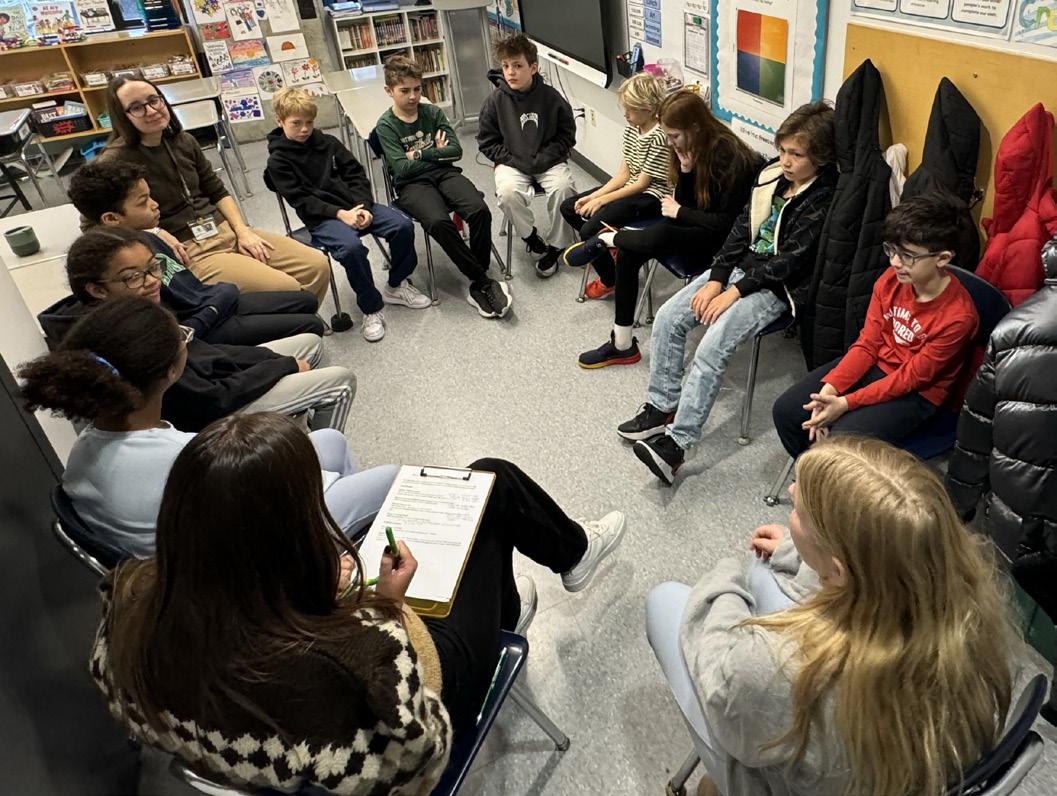
perspectives, and circles give them space to share parts of themselves that don’t always surface in academic work.”
For Ms. Capelli, restorative practices strengthen the relationship between teachers and students by building a foundation of trust and mutual respect. She sees circles as a natural extension of Gaynor’s small-class model. “We already value knowing each child deeply. Circles just give us another way to help students feel seen and heard.”
What she hopes families understand most is that circles are not just about social skills but also about learning. “When students feel comfortable and connected, they participate more. They take more intellectual risks. It affects their academic growth in ways that are really powerful.”
Across the school, restorative practices are still in an early phase. This year, teachers received circle scripts to try, employees participated in facilitated adult circles to experience the model themselves, and administrators engaged in advanced training. Next year, proactive communitybuilding circles will expand further, supported by a full teacher training series.
The goal is not perfection. It is steady cultural alignment.
As Ms. Mulatu often reminds the community, “Restorative practices are not about avoiding conflict. They help us approach conflict as something human that we can learn from. They help us build a school where accountability comes with dignity and where every student feels a sense of belonging.”
Dr. Gaynor sees this evolution as essential to the path forward. “Our mission has always been to meet students where they are. Restorative practices extend that philosophy to the social and emotional lives of our children. They help us create a community that supports learning, growth, and connection for every student.”
At Gaynor, restorative circles are becoming a quiet but transformative part of the school day: an invitation to speak, to listen, and to understand one another more deeply. In that sense, they reflect the community Gaynor strives to build every day: a place where every voice has value, and where every challenge is an opportunity to grow.
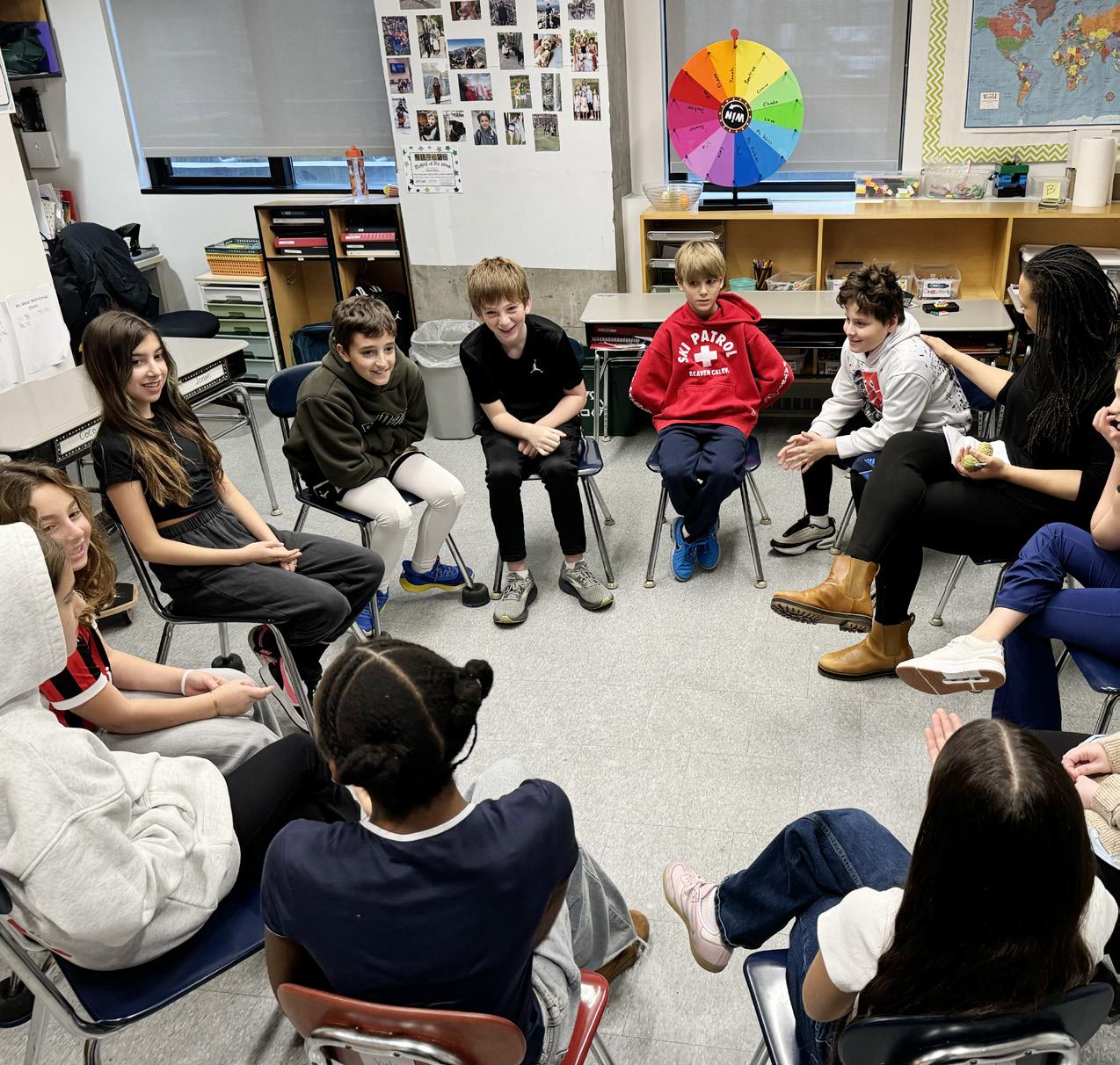
“CIRCLES GIVE STUDENTS SPACE TO SHARE PARTS OF THEMSELVES THAT DON’T ALWAYS SURFACE IN ACADEMIC WORK.”
—JACINTA CAPELLI, GREEN CLUSTER HEAD TEACHER
This year has seen the successful introductory rollout of restorative practices for Gaynor students, faculty, and staff. We are actively planning opportunities for parents to learn more about restorative practices and how circles are used in the classroom. Families will have increased opportunities to participate in circles, attend informational sessions, and engage in conversations about how we build connection, accountability, and belonging across our community.
• Jason Craige Harris introduction to restorative circles parent presentation on March 5 at 8:30 am
• Plans to provide opportunities for parents to participate in circles next school year
• Continued training for faculty/staff in community-building circles for the classroom
• Continued advanced training in restorative practices/restorative justice for administrators
• RULER/restorative practices training for faculty
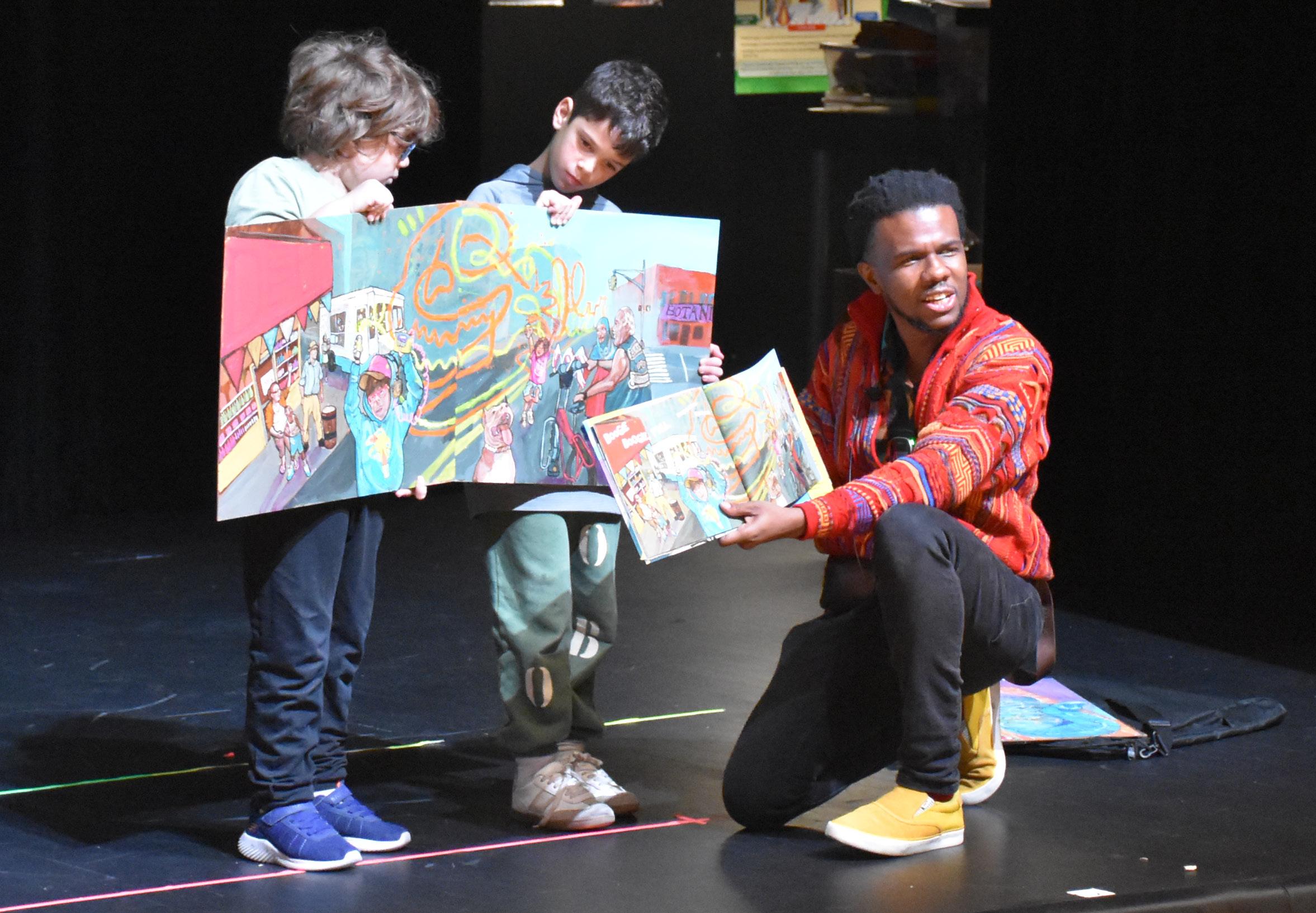
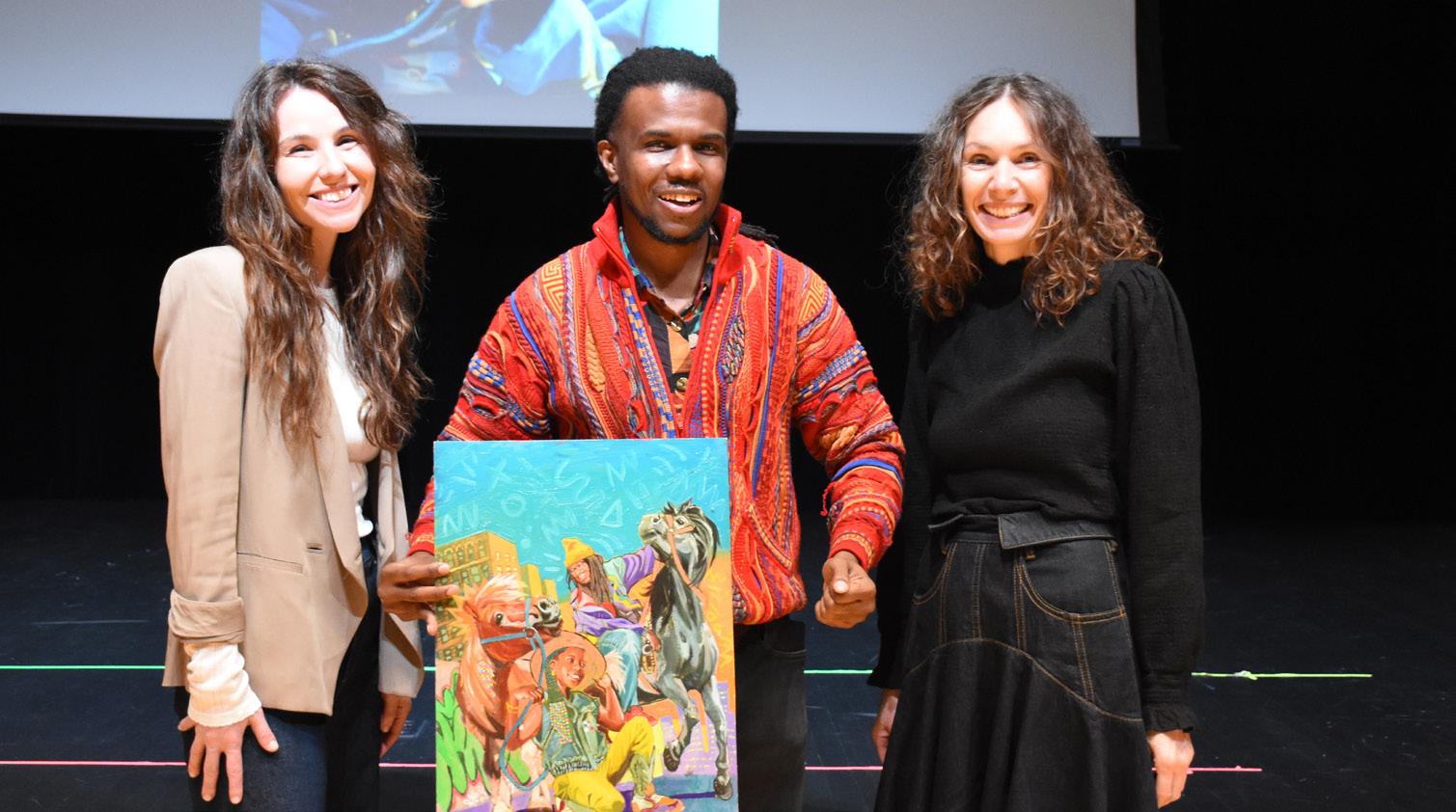
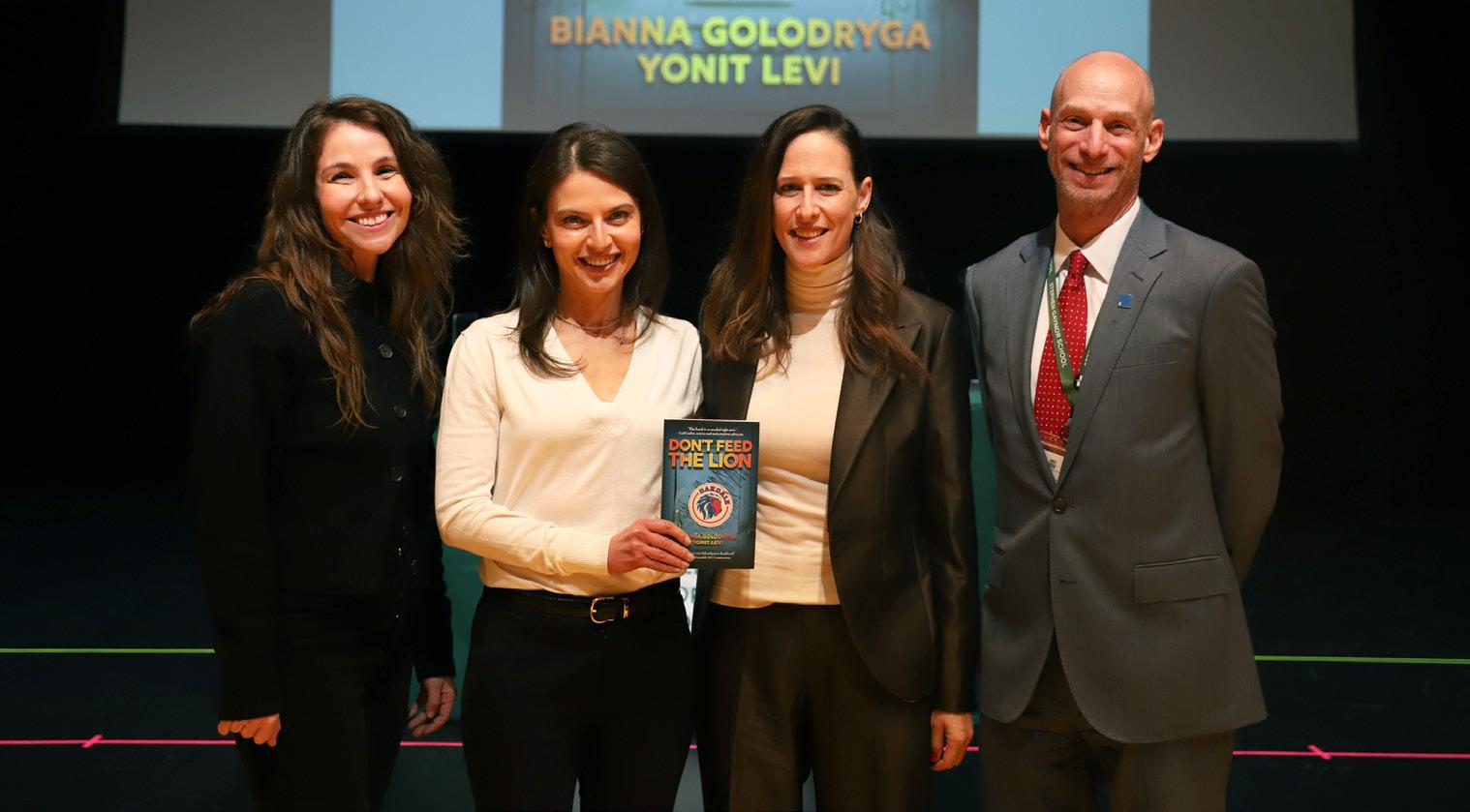
Each year the Parents’ Association Book Fair Committee, chaired by Sam Regan and Katy Williamson , works to bring in authors for each of the Educational Divisions at Gaynor. For the 2025 Book Fair, Gaynor welcomed C.G. Esperanza, author and illustrator of picture books including Boogie Boogie Ya’ll, Fish Fry Friday, and Kicks in the Sky, and Bianna Golodryga and Yonit Levi, co-authors of Don’t Feed the Lion Golodryga is an Emmy
Award-winning journalist and anchor of CNN’s “One World with Zain Asher and Bianna Golodryga,” while levi is the anchor of Israel’s top primetime news program, and co-host of the podcast “Unholy: Two Jews on the News.”
Esperanza spoke to all of Gaynor’s students at two assemblies, reading aloud from his book Boogie Boogie Ya’ll for each of them. Once he had finished and everyone gave a big round of applause, Esperanza
displayed some of the original artwork from the book, painted on wooden boards. During the assembly for Silver through Blue Cluster, Esperanza told students about his journey to becoming an illustrator. During the Q&A portion, students asked Esperanza where he finds his inspiration. He told them he’s inspired by what he sees in his neighborhood of the Bronx, and encouraged students to “Make art inspired by what you see every day. You’re the expert of your experience and your culture,
A Esperanza presenting his original artwork with the assistance from Noah S. and Luka M. in the Red Cluster
B Esperanza with Katy Williamson (left) and Sam Regan (right)
C Left to Right: Book Fair Co-chair Katy Williamson, Bianna Golodryga, Yonit Levi, Head of School Dr. Scott Gaynor
so when you make [art] people learn something. Everyone who’s like you says, ‘You know what, I can relate to that!’ And people who are not like you learn from [your art]. So I think that’s the best way to make art, to make it about you.”
Don’t Feed the Lion is a middlegrade novel that tackles antisemitism and prejudice, as well as finding the courage to stand up for yourself.
Golodryga and Levi spoke to Silver, Green, and Blue Cluster students
about what inspired the book, particularly how each of them found inspiration from challenging situations that their own children went through. During their visit, the authors encouraged students to ask as many questions as they wanted. Questions ranged from what Golodryga and Levi’s jobs are and how they wrote the book, to antisemitism and how to respond to it, to how the characters in the book find their own ways of speaking up. When Silver Cluster student Wren S. took the mic, she
commented, “I just want to say I’m feeling so inspired that two people have made a change and I’m really excited to read your book.”
At Gaynor, our students value hearing from authors and learning about their journeys. Whether they are speaking about picture book illustration or the importance of using your voice to stand up for what’s right, these authors bring a new perspective to students and encourage them to share their talents.
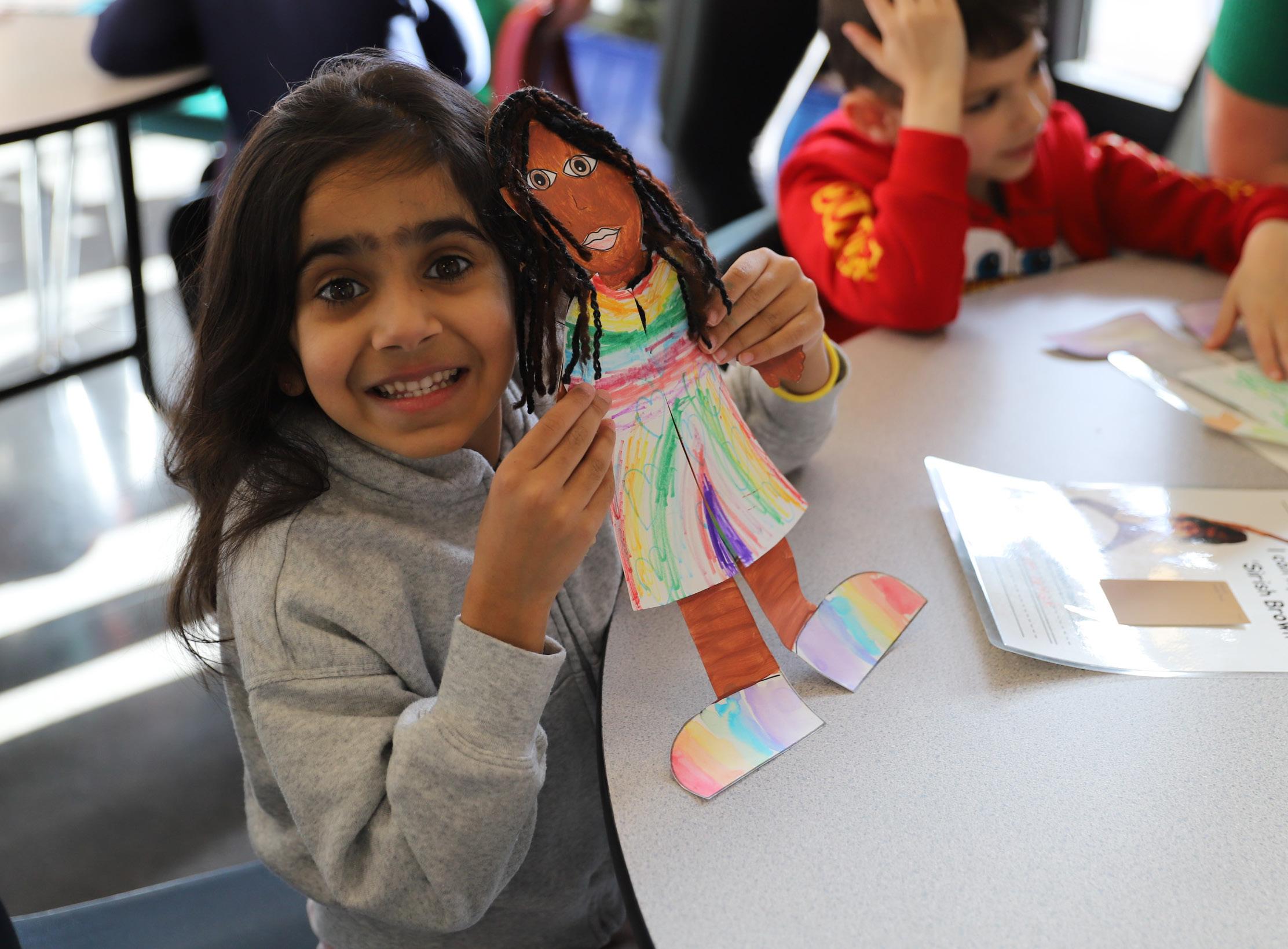
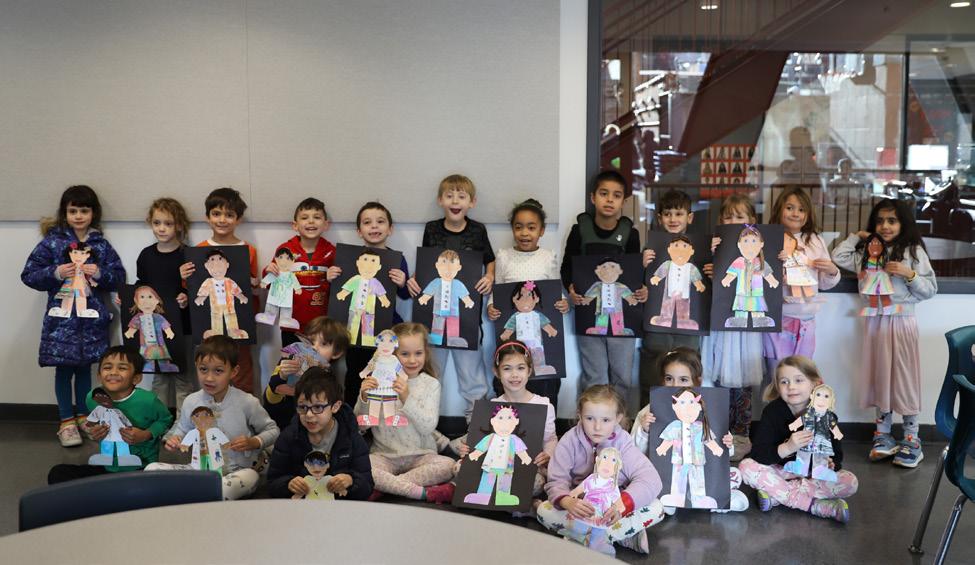
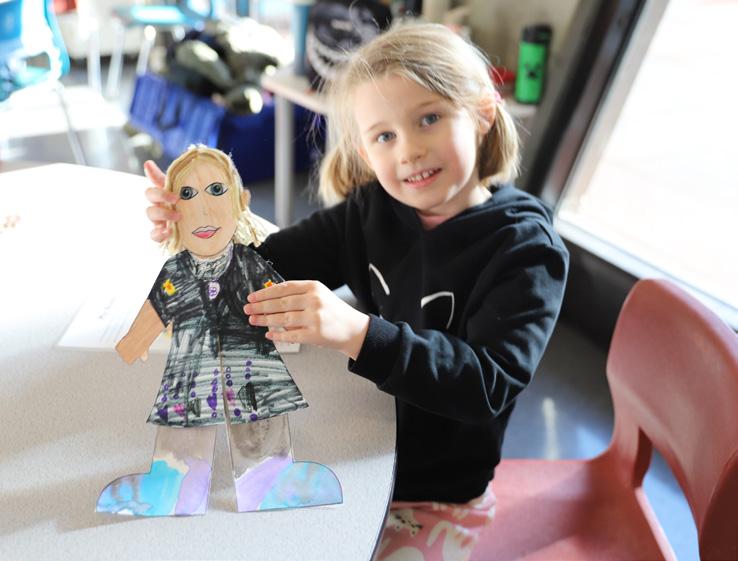
In the Purple Cluster, students learn about inside and outside characteristics to more closely understand who they are as a person, and who they are as members of a larger community.
As part of this unit, the students create a paper version of themselves that matches their outside characteristics, or their physical traits, while also displaying their inside characteristics, including personality and interests. The unit’s exploration of inside characteristics is deeply connected to the students’ social-emotional learning, as they explore these ideas through RULER lessons, and read alouds where they work as a group to understand character motivations and actions.
Every year the students create paper dolls, but this time the Hudson Room took the project a few steps further by matching their skin colors to paint swatches, and adding sentences that describe their favorite thing about themselves. “I like them to know that at the end of this, it’s about self-love. It’s about you loving who you are, the way you are,” said Head Teacher Hannah Chiappisi. The Blossom Room also expanded on the project by incorporating photos of students performing actions that reflect their inner qualities. Head Teacher Reshmi Nair explained that, “They learn that these characteristics are not just labels, but are shown through our actions and words, and is how others come to know who we are.”
The Purple Cluster teachers also use this project as an opportunity to connect their classes by having a gallery walk of all of the
paper dolls the students created. Students walk around the room and see who has an outside or inside characteristic similar to them, and who has a characteristic that is different. This helps demonstrate how each student is a unique individual, but also ways they can connect within the community. Teachers, administrators, and students in other clusters were also invited to come browse the students’ creations, and ask questions about their dolls. The gallery walk works as a connecting piece for ideas, for students, and for lessons, as many Red Cluster students noticed the similarities between this project and their own cluster’s Identity Fair (see page 25). Purple Cluster curriculum creates building blocks not only in academic learning at Gaynor, but also in social-emotional learning, and the ideas of community and kindness that echo throughout the entire Gaynor community.
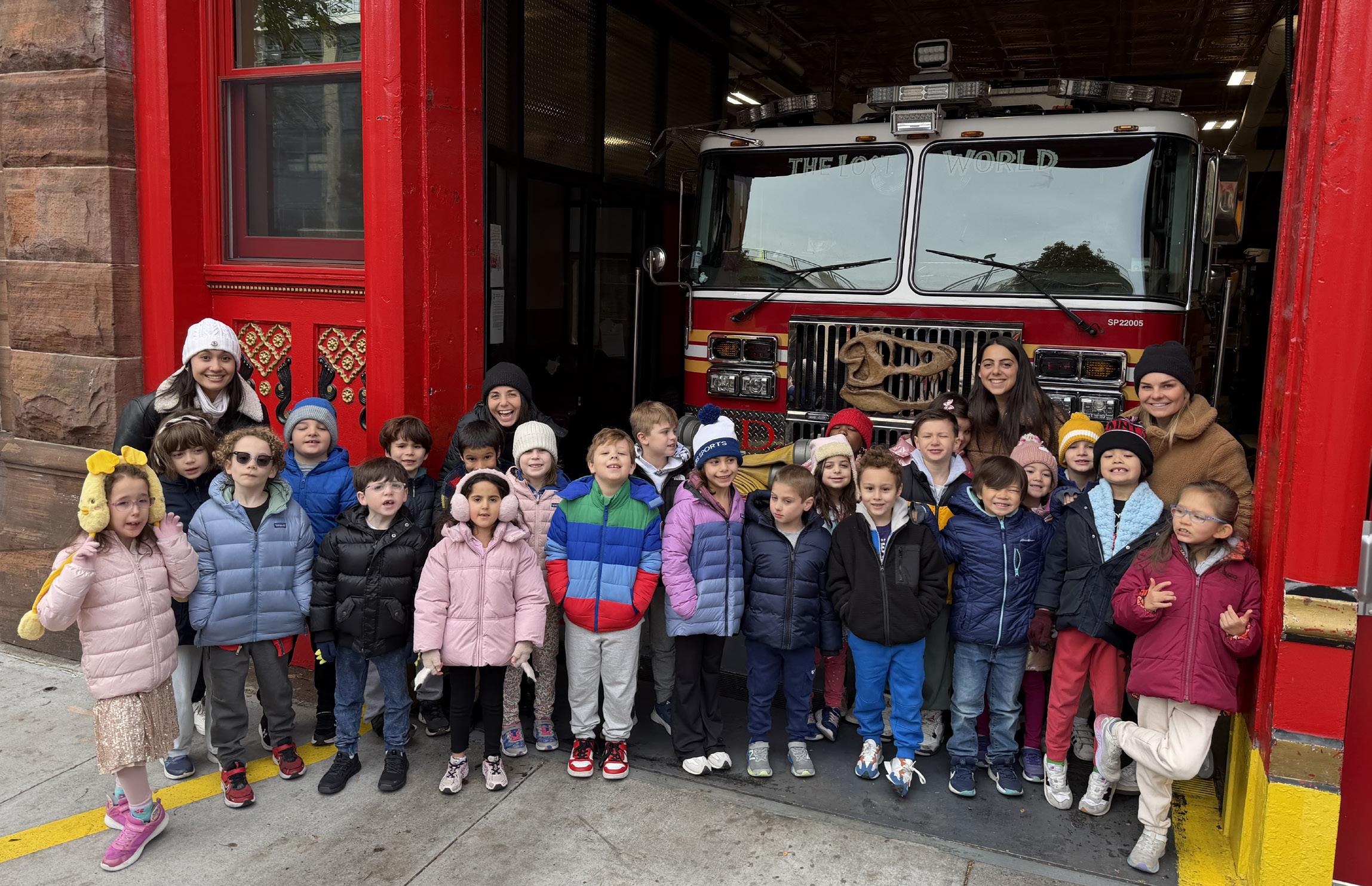
Every year, the Pink Cluster learns about community helpers, including firefighters, police officers, postal workers, paramedics, and more.
As part of their exploration of what it means to be a community helper, the entire Pink Cluster visited local fire station Engine 74 on West 83rd Street in November to meet firefighters and learn about what it takes to do their job Students listened and observed as the firefighters shared
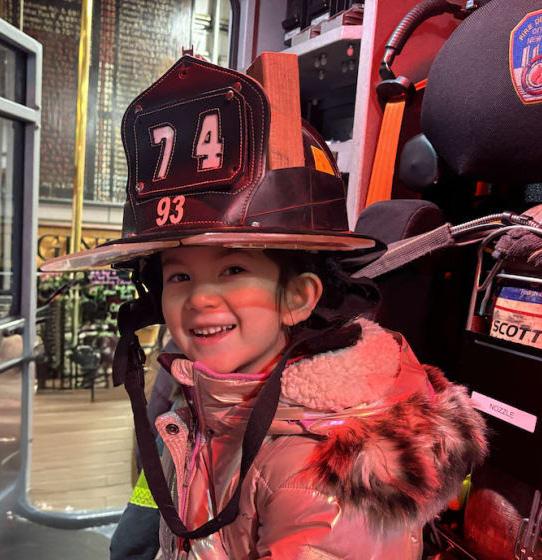
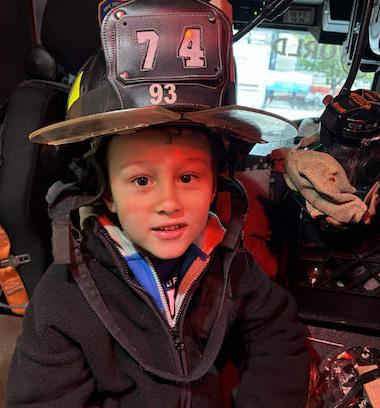
information and demonstrated using the tools they need to provide their service, such as their firetruck, hose, walkie-talkies, and external gear. Each student had the opportunity to ask the firefighters questions about their job, sit inside the fire truck, and try on a firefighter’s helmet. The visit was
a great opportunity for students to meet local community helpers, and learn all the ways that firefighters help their community by keeping community members safe. Students will continue to learn about other kinds of community helpers with more field trips and lessons throughout the year.
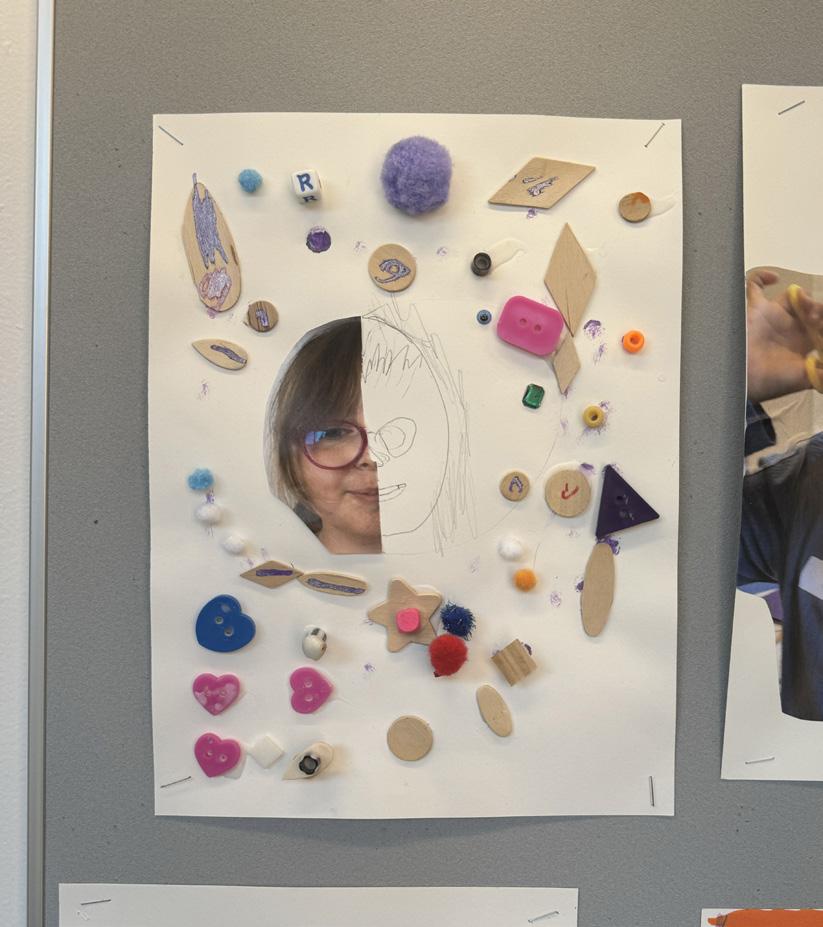
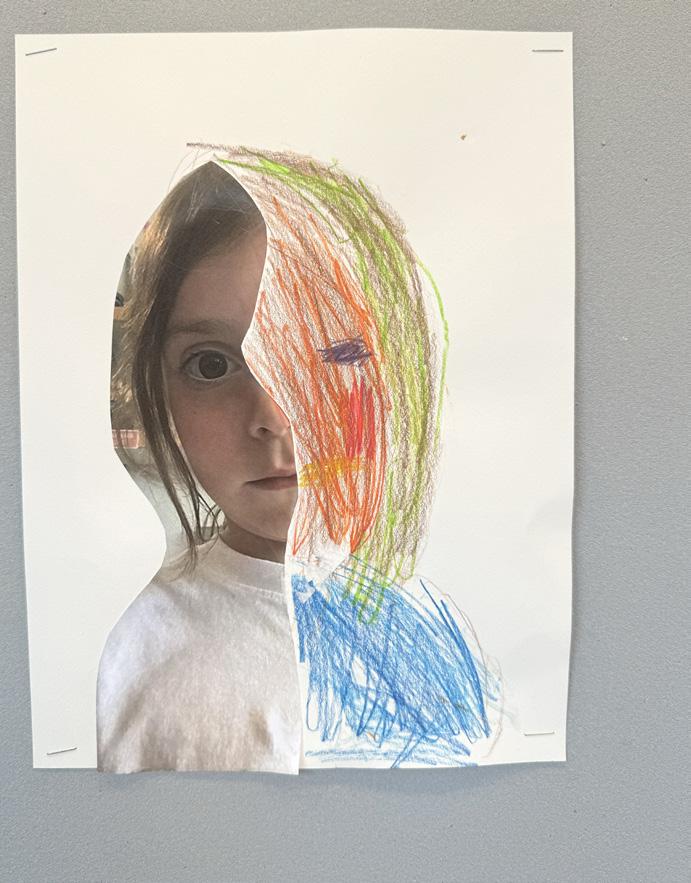
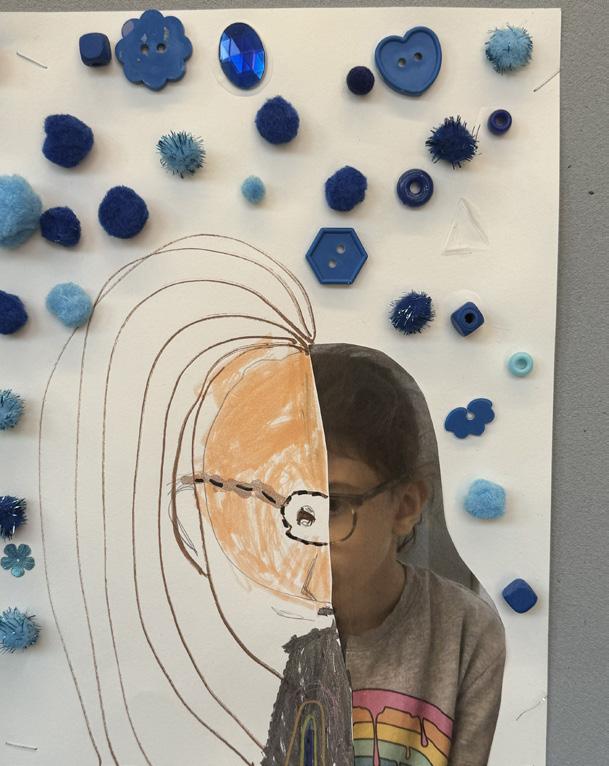
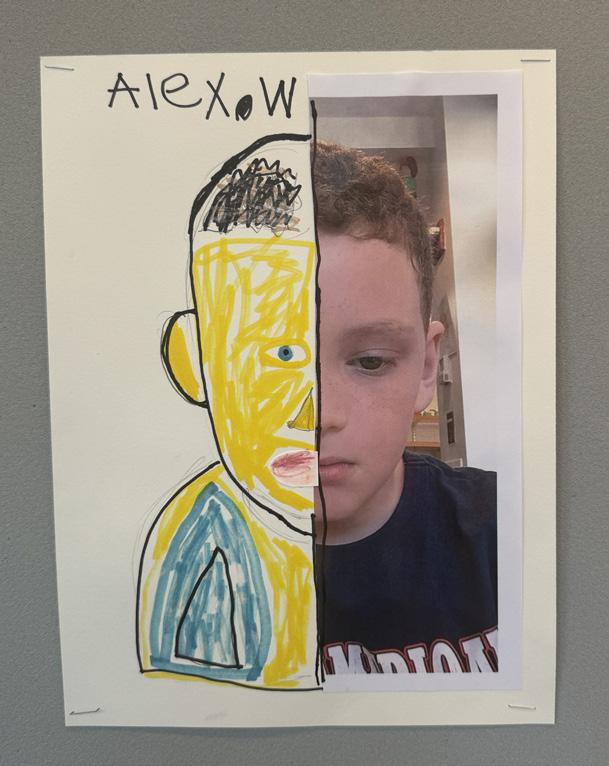
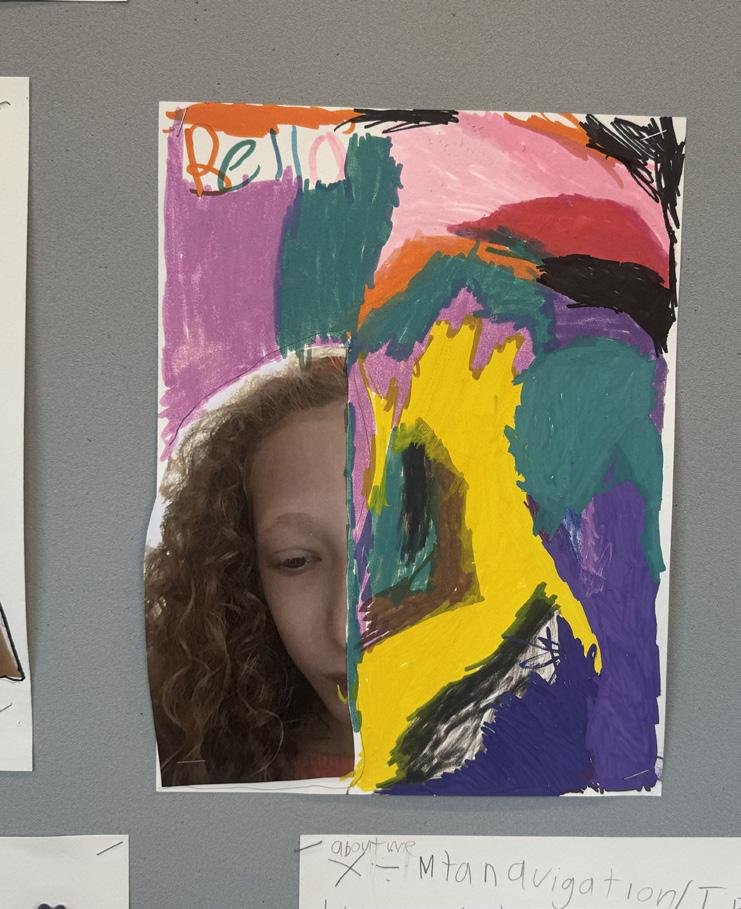
The Red Cluster embarked on a joyful and creative exploration of identity through a self-portrait project inspired by the popular “Toon Me” challenge. After discussing how artists have represented themselves across time, students took selfies and used them as the starting point for original works that were equal parts playful and thoughtful.
Each student printed their selfie, divided it in half, and then took on the challenge of imagining and drawing the missing portion of their face. From there, the project blossomed into an open invitation to creativity. Some portraits
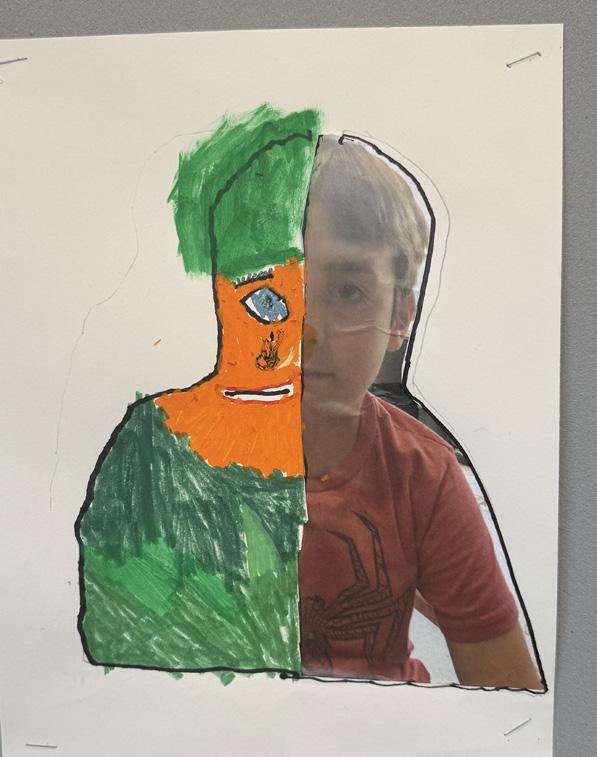
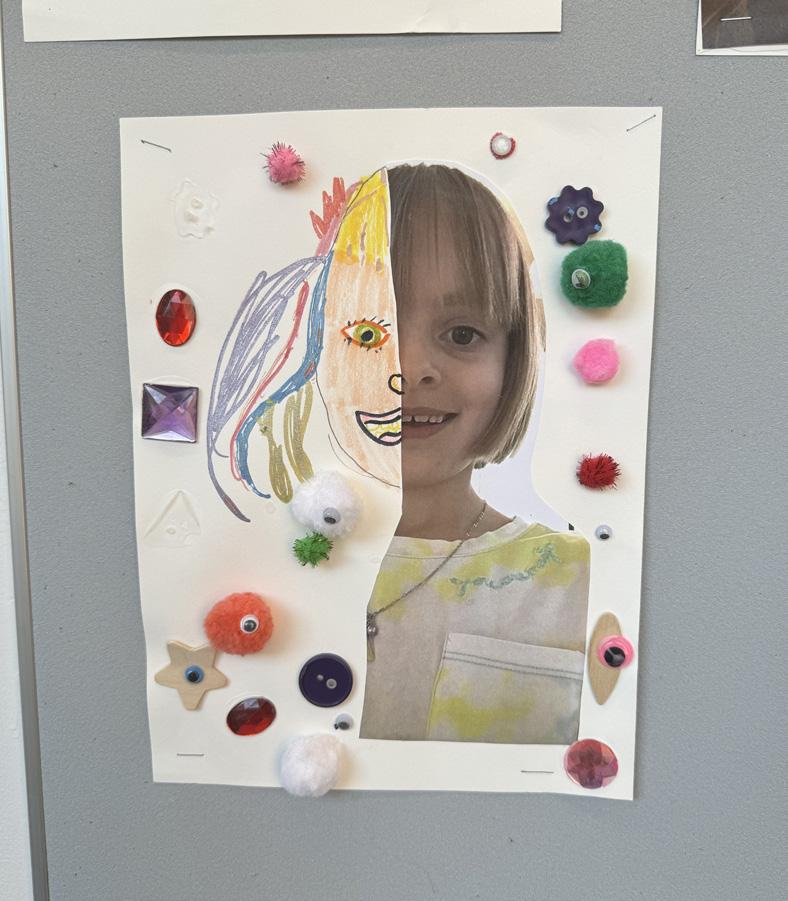
leaned toward realism, while others transformed students into dragons, superheroes, or whimsical characters from their imaginations.
Throughout the process, Red Cluster artists explored how lines, shapes, colors, and textures can communicate personality and emotion. Students made intentional choices about how they wanted to be represented, whether through bold mark-making, bright colors, or carefully layered details. Some chose a clean and minimalistic style, while others expanded their work into mixed-media collage, adding paper, patterns, and additional elements to enhance their vision.
Art Specialist Layce Boswell guided students not only in artistic techniques, but also in reflection:
• What makes you you?
• How do you want others to see you?
• How can art tell your story without words?
The result is a joyful gallery of portraits that are as unique as the students themselves. Each piece highlights emerging technical skills while also showing growing confidence in creative expression. More importantly, every portrait reflects a developing sense of identity—the understanding that who we are can be represented in many ways.
The Red Cluster’s “Toon Me” project beautifully captures the spirit of early artistic exploration at Stephen Gaynor School, where students learn that their ideas, imaginations, and voices all deserve a place on the page.
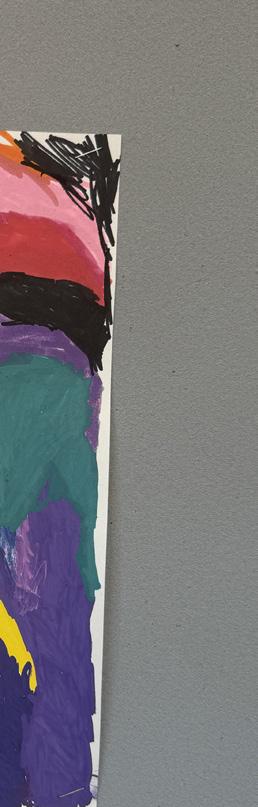
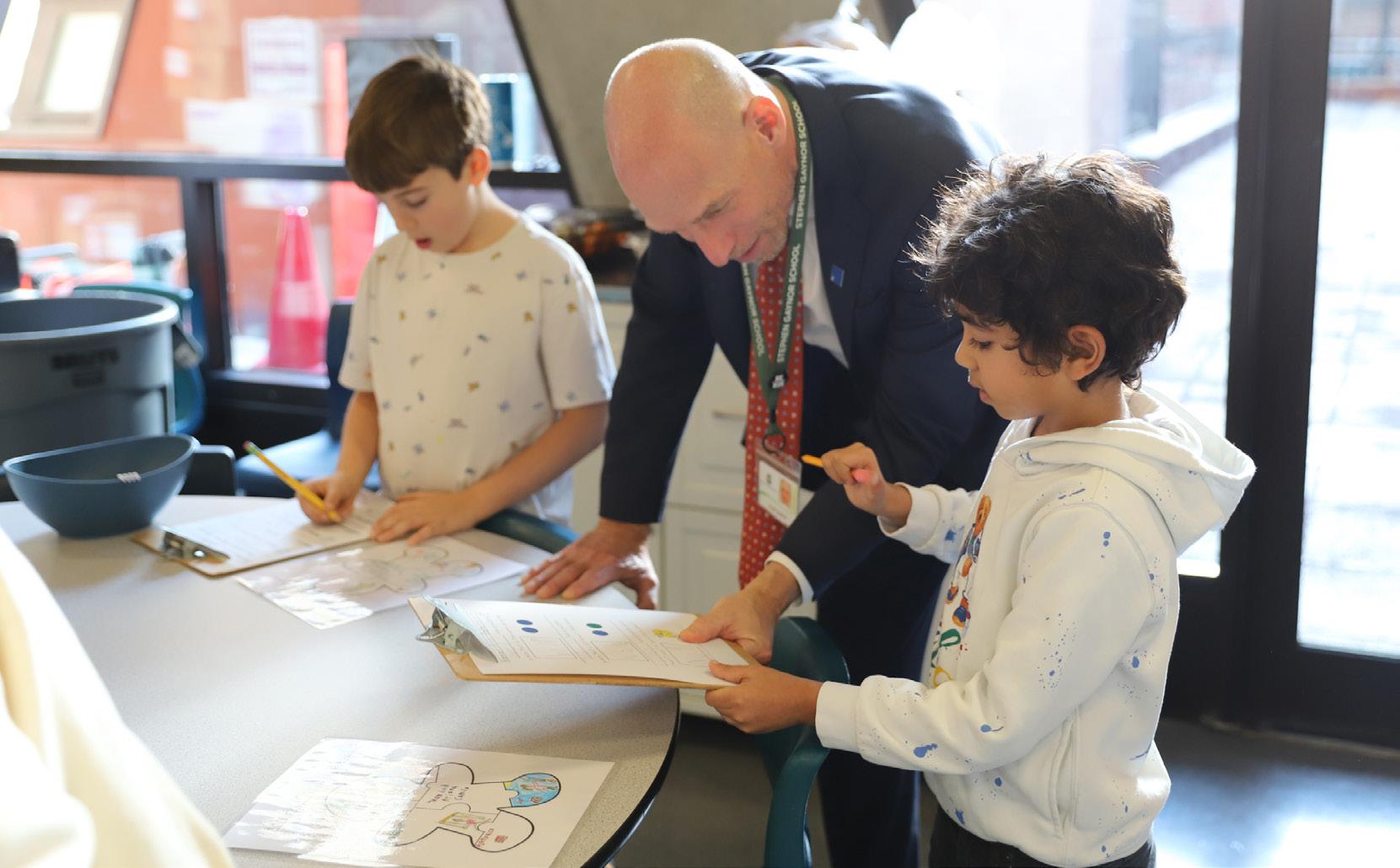
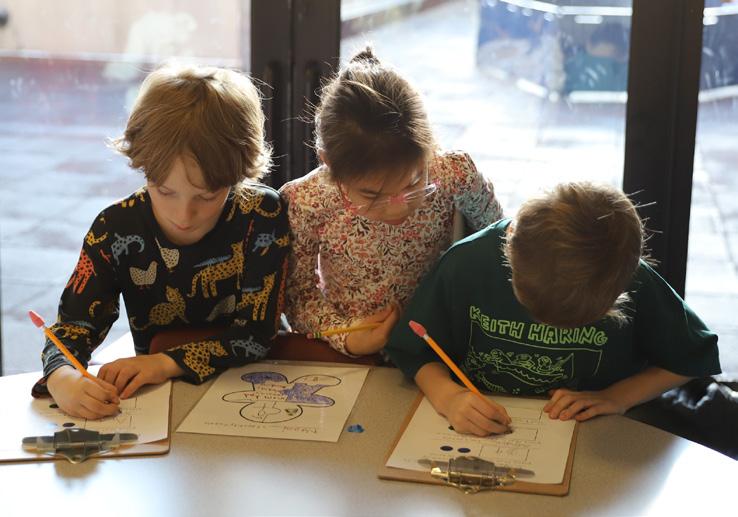
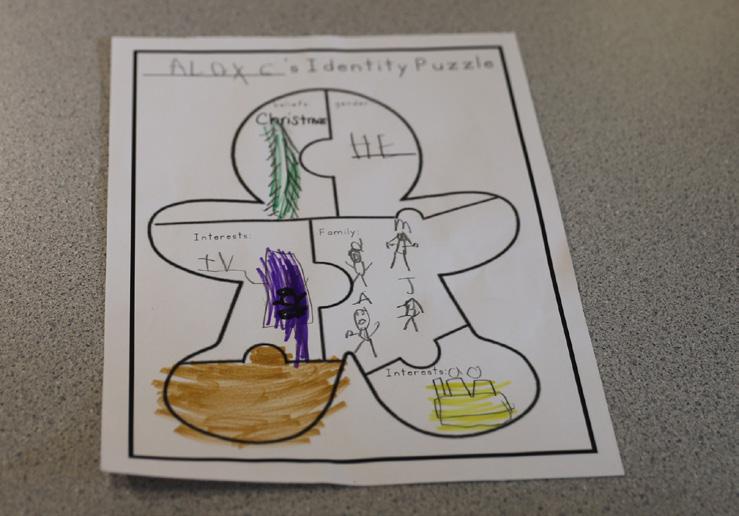
In November, the Red Cluster held their annual Identity Showcase, for which each student created a puzzle made up of six pieces that represent parts of their identity. These identifiers included skin color, religion, hobbies, and more. During the showcase, the puzzles were laid out on tables in the North Cafeteria, and students were tasked with studying them to see what similarities or differences they had from their peers. This activity led the students to consider not only what makes us different from one another, but also what ways we can relate to each other and connect.
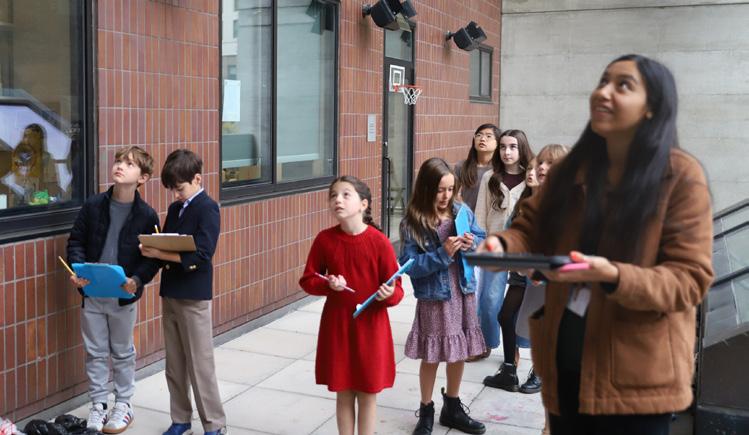
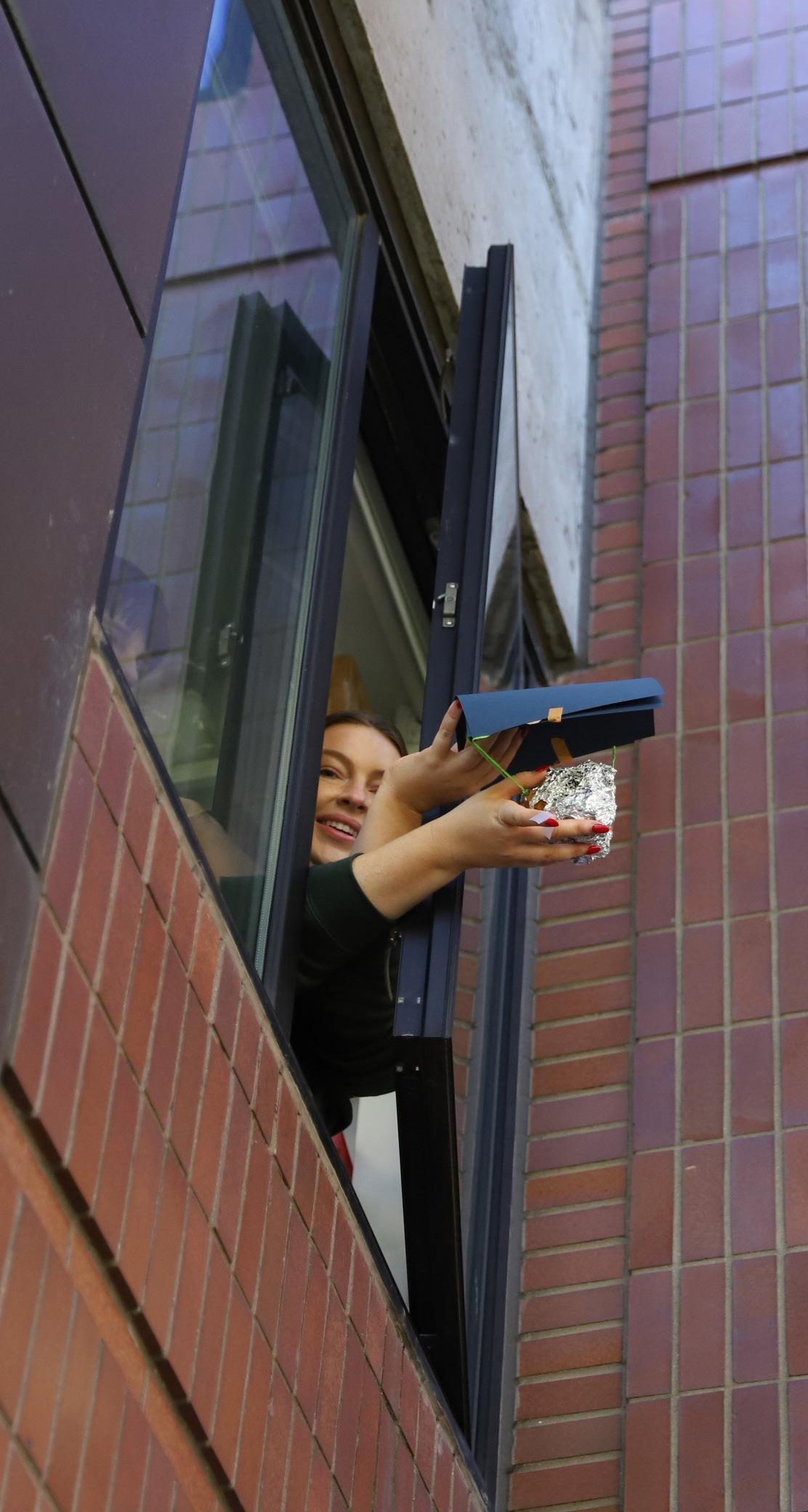
As part of the Yellow Cluster’s Engineering unit with Science Specialist Melissa Miranda, they explored the design cycle by creating parachutes. The goal for the project was to create a stable and strong enough parachute that a boiled egg’s shell wouldn’t crack when dropped from a 5th floor window onto the Art Deck on the 4th floor. The four parts of the design cycle are Investigate, Design, Create, and Evaluate. Students spent weeks learning about the different parts of the cycle and completing them step by step, often going through the
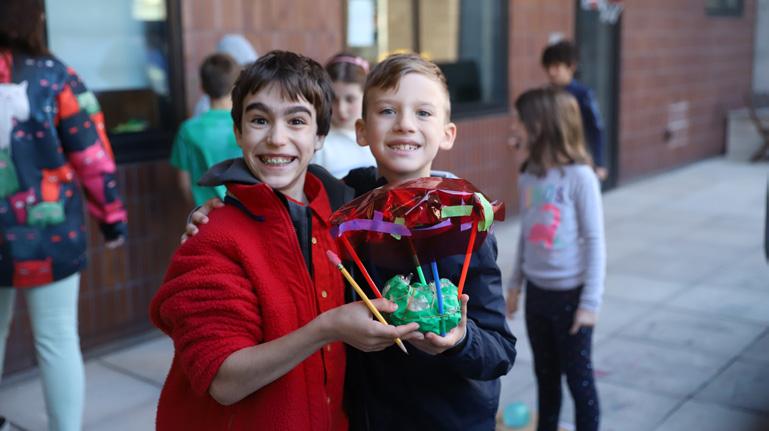
cycle multiple times as they worked through trial and error to make a parachute that would keep the egg safe in its shell. The final stage of testing was the drop test, where students watched their classmates' parachutes fall and kept track of which designs were successful, and which parachutes ended up with damaged eggs. The design cycle is a great breakdown of how successful engineering is done, and how many phases in the cycle an engineer needs to go to create the best design. And it’s always a thrill for the students to see which eggs survived their fate!
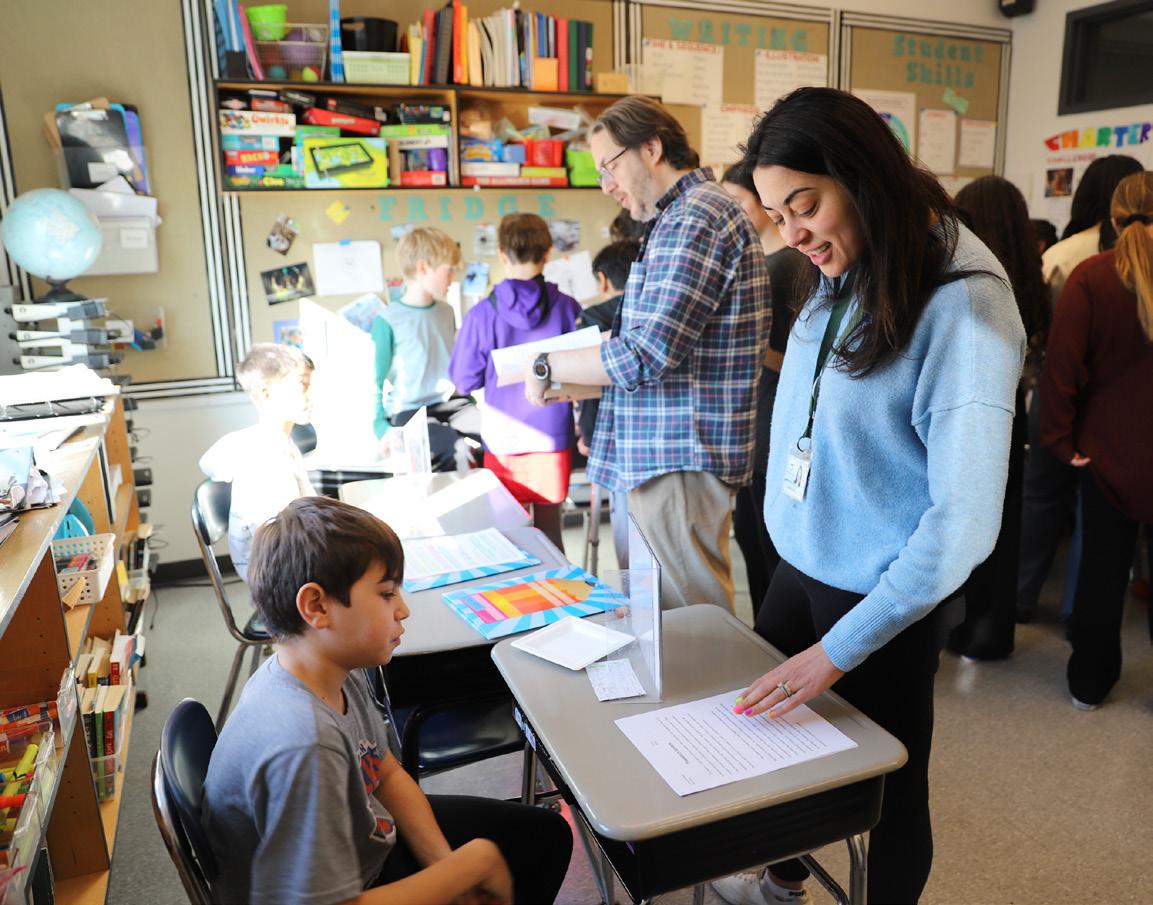
A Speech and Language Pathologist Alex Berns asks a student about their research paper.
Each year, Green Cluster focuses their first history unit on Ancient Greece. They learn about the civilizations, government, and art of the era, as well as the mythology that these ancient people believed in. Green Cluster students complete a variety of activities over the course of several months as they explore what it was like to live in Ancient Greece.
One such activity was archeology, where students stepped into the role of an archeologist for the day, searching for artifacts. To put their knowledge to the test, students carefully excavated gems from a rock kit using small shovels and brushes.
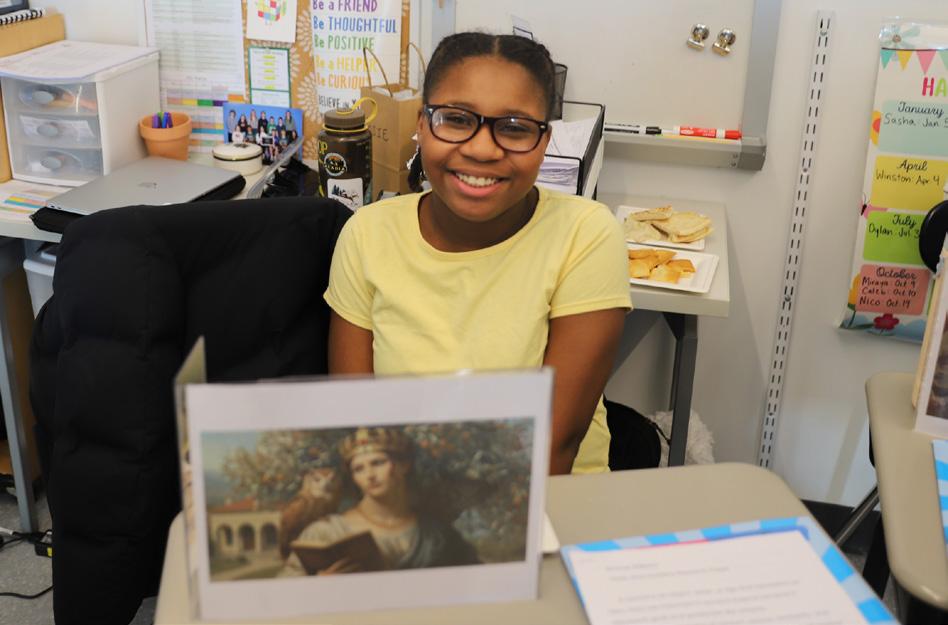
Research on Ancient Greek gods and goddesses was presented to visitors of Room 703 during a publishing party in December, as they showcased their finished research papers. Each student chose a god or goddess they wanted to study, and wrote about their origin, what they represented, and made connections to the modern world. This was also an opportunity to demonstrate the writing process in Green Cluster, as students showed visitors the prewriting notes, rough drafts, and revisions that they went through before reaching the final paper.
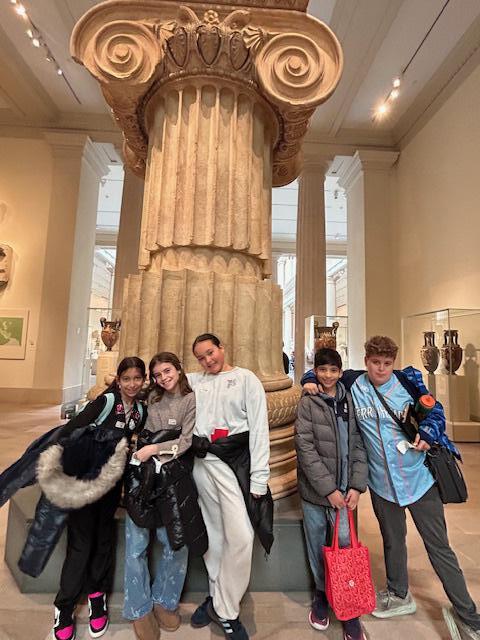
To give the students the opportunity to see what they were learning about in real life, Green Cluster went on a field trip in December to the Metropolitan Museum of Art to culminate their history unit. Throughout their trip students found pottery and sculptures they had studied in class, and identified the various column styles seen in Ancient Greek architecture. This experiential learning helps students visualize the history they’ve been studying, and make stronger connections to what they discuss in the classroom.
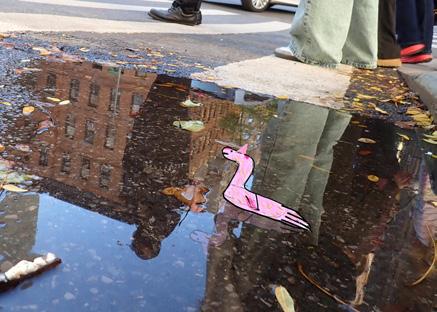
For their project “My Monster and Me”, Silver Cluster students utilized a mix of illustration and photography techniques they’ve learned in class with Photography Specialist Tim Jalbert . Students took influence from the book Knuffle Bunny by Mo Willems and the film Who Framed Roger Rabbit? to create artwork that combines their own illustrations with a photo taken in class. For the project, students drew a monster, creature, or animal on an iPad using the digital art program
Procreate. Then, they journeyed out of the classroom to capture photos to use as a background for their creation. Once they had their creature and the background photo, students used Photoshop software to combine their work. The final projects showcase an impressive understanding of the programs they were utilizing, as students added shadows, dimension, and reflection to their monster’s placement in the photo, creating the effect that each of them lives somewhere in the real world.



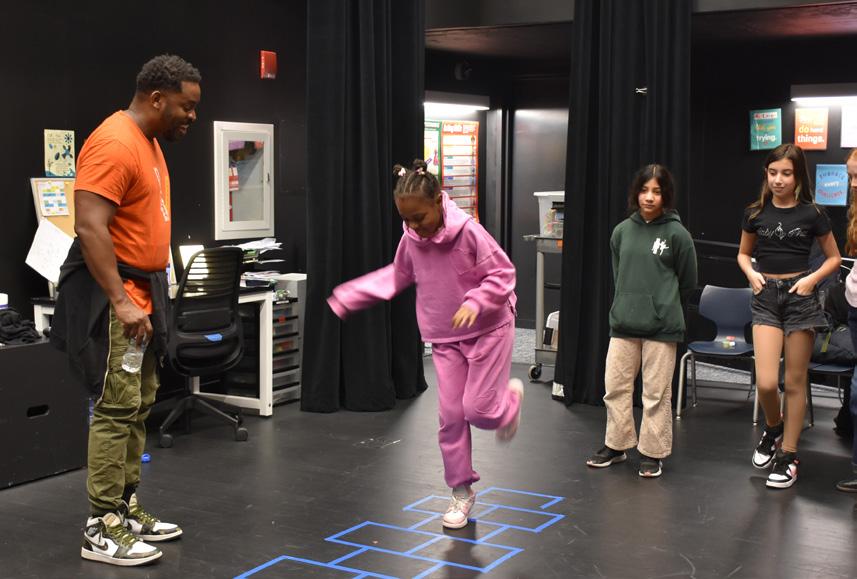
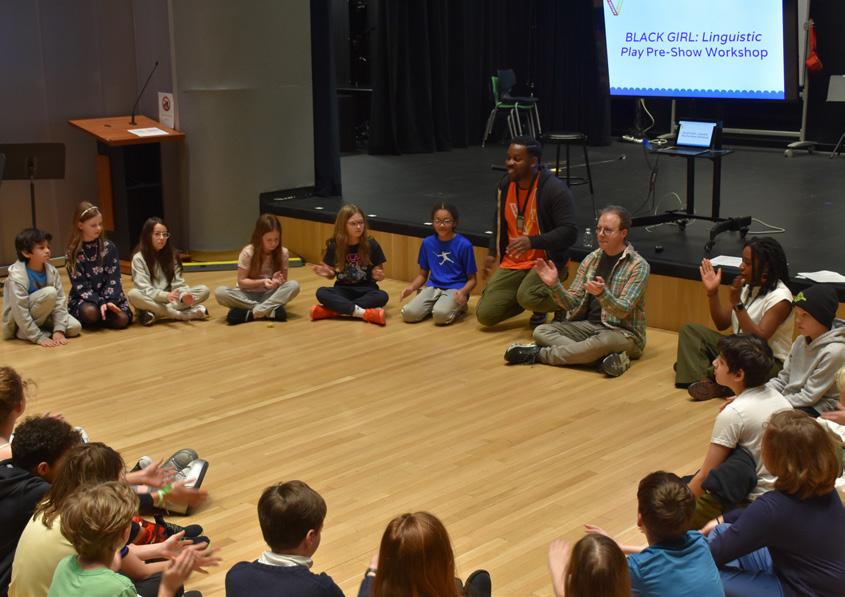
In January, Silver Cluster students explored what it means to see a “linguistic play” with Teaching Artists from New Victory Theatre, in anticipation of their visit to the theatre to see BLACK GIRL: Linguistic Play.
To begin the workshop, the Teaching Artists explained the elements within BLACK GIRL: Linguistic Play, and their cultural significance. They explored different African-American social dances, spoke about the creator, Camille A. Brown, and asked students what they thought “linguistic play” meant. As New Victory explains it, “‘Linguistic Play’ in the show’s title refers to the playfulness of dance, gesture, rhythm and rhyme as a common
language of Black girlhood, rather than a theatrical play.” Most notably, the show doesn’t feature much speaking.
After students understood what they would be seeing throughout the show, the Teaching Artists divided them into small groups. Each group rotated through four stations: hand games with Drama Specialist Meredith Akins; hopscotch; chalk drawing; and sharing games with fellow students. Students rotated through the stations in the PAC, giggling, competing, and cheering for each other as they played games, some of which they were learning for the very first time. These interactive experiences encouraged collaboration, creativity, and physical expression while highlighting how play can be a powerful form of storytelling.
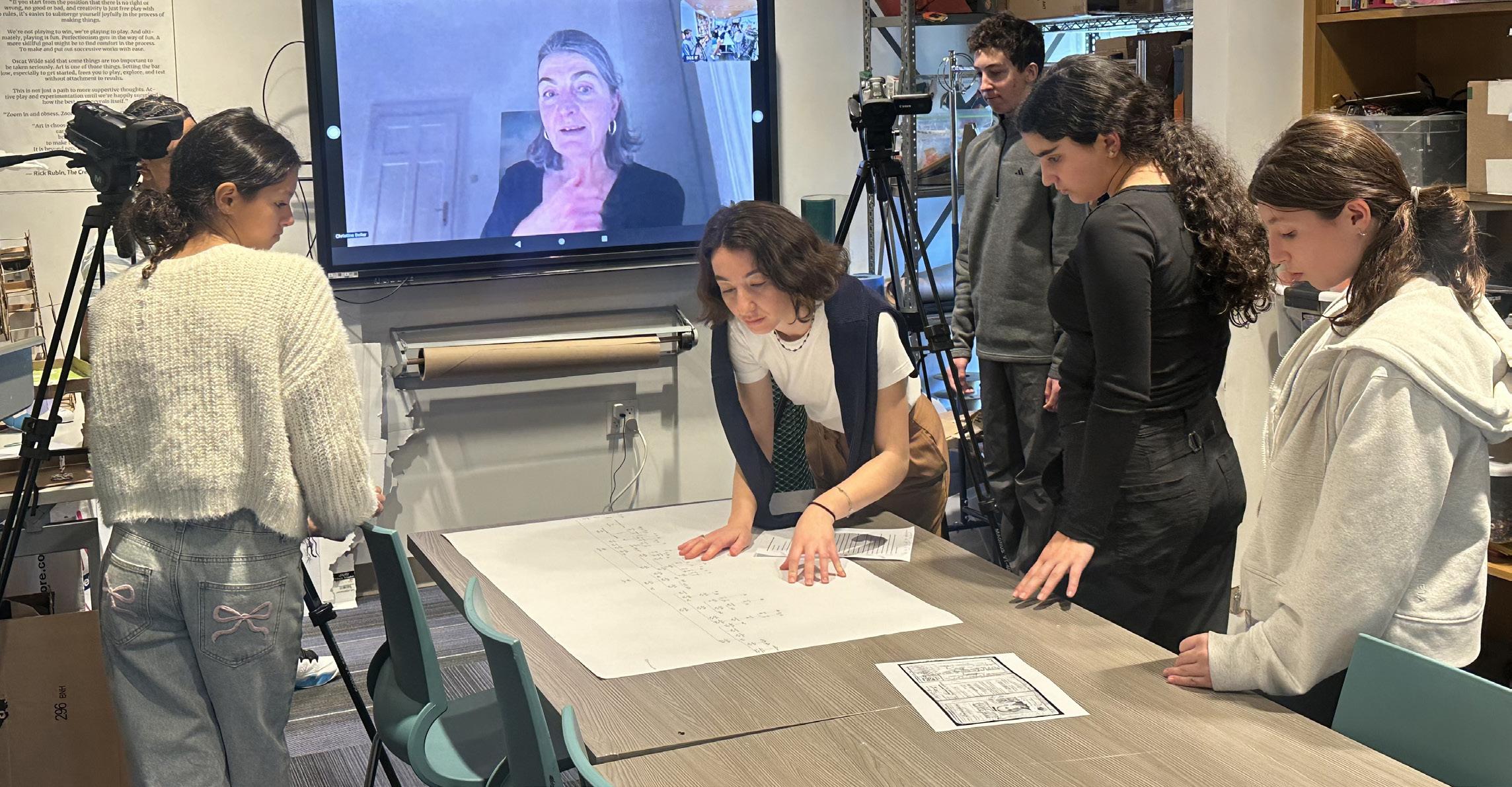
For the past four years, Blue Cluster students have worked with an external organization to create films capturing the oral history of Holocaust survivors for posterity. This year, Gaynor’s facilitators decided to trust in the school’s resources, and operate the documentary program independently, with the support of Gaynor staff, students, and community members. Over the past few months, students have been meeting with Holocaust survivors, children of survivors, and educators to interview them and learn about the ways people were affected by this tragic period in history. The program, titled Never Again, is facilitated by Speech and Language Pathologist Debra Adams,
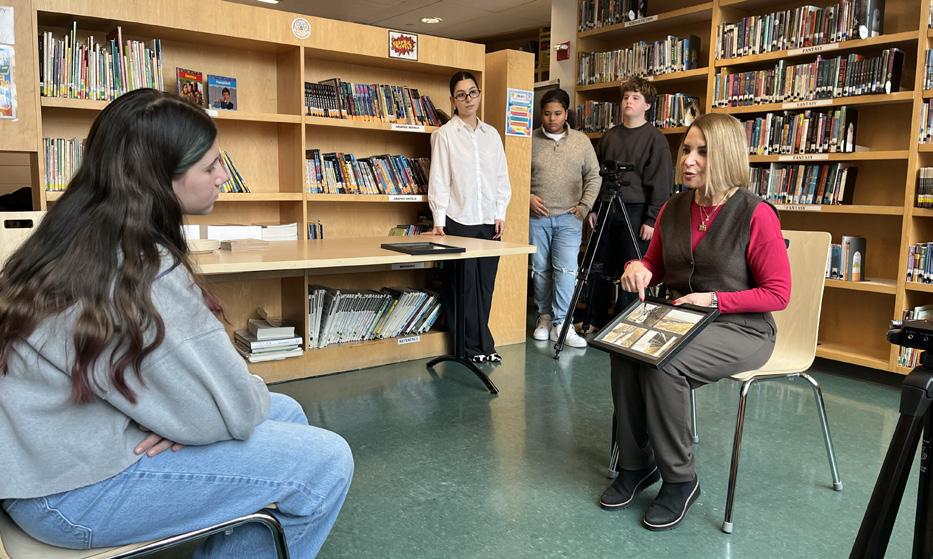
Admissions Associate and Educational Evaluator Erika Bentsen, Blue Cluster Head Teacher Victoria Laviano, Speech and Language Pathologist Carly Dash, Technology Manager and Technology Integrator William Speedling, and Director of Information Technology & Operations Matthew LeWinter The curriculum was created by Ms. Adams and was adapted from the previous program for this new iteration.
As Ms. Adams describes it, the goal of the program is to see the impact that hate has on society. “That’s why it’s called Never Again, because something like [the Holocaust] should never happen again
and we should never see this happen again in the future with anybody,” added Ms. Laviano. There is also a secondary goal that by the end of the year, students will have created a final film entirely by themselves, they will film, record audio, and edit the footage with skills learned from Mr. Speedling and Mr. LeWinter.
The curriculum encourages autonomy for the students, where they learn interview tactics and technological skills to then feel comfortable leading the operation on filming days. This program has always been a special opportunity for Blue Cluster students, and the entire community looks forward to the premiere of their final film.
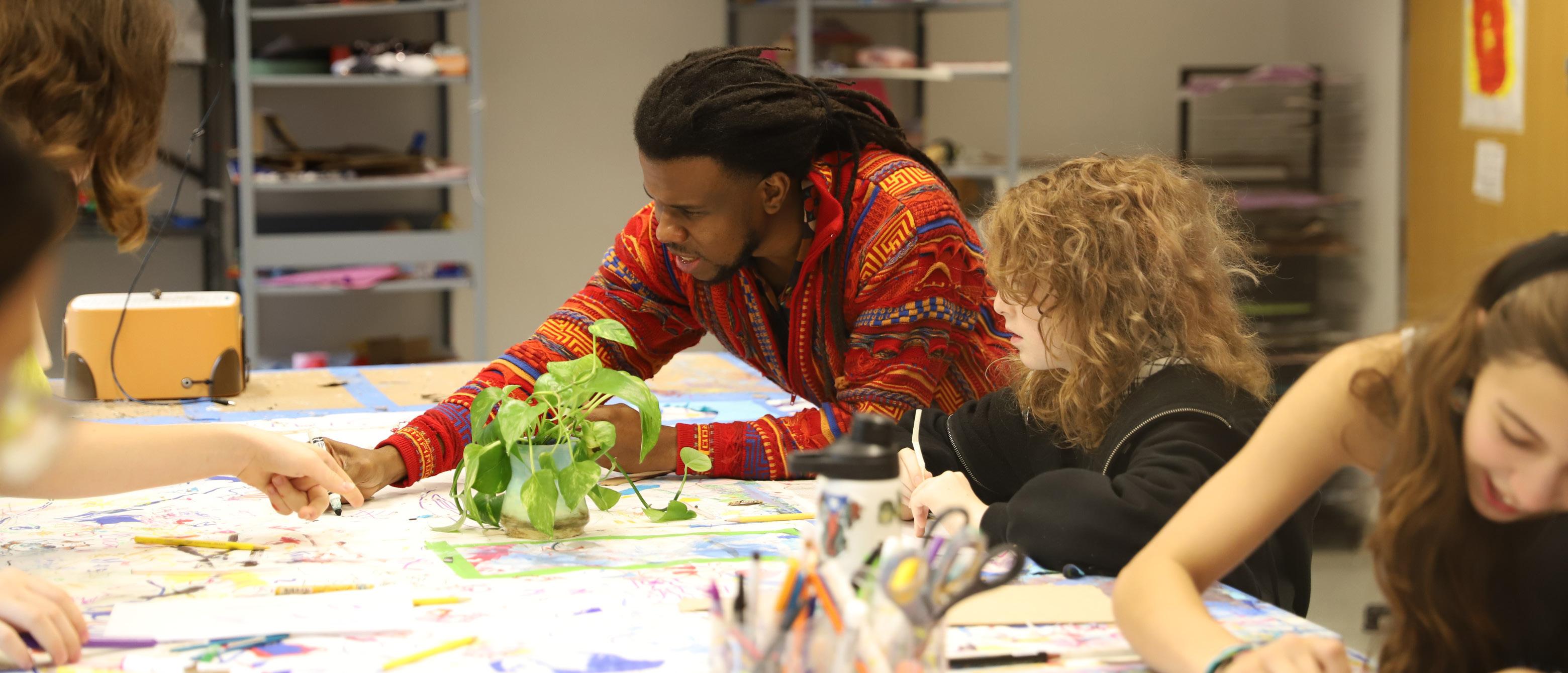
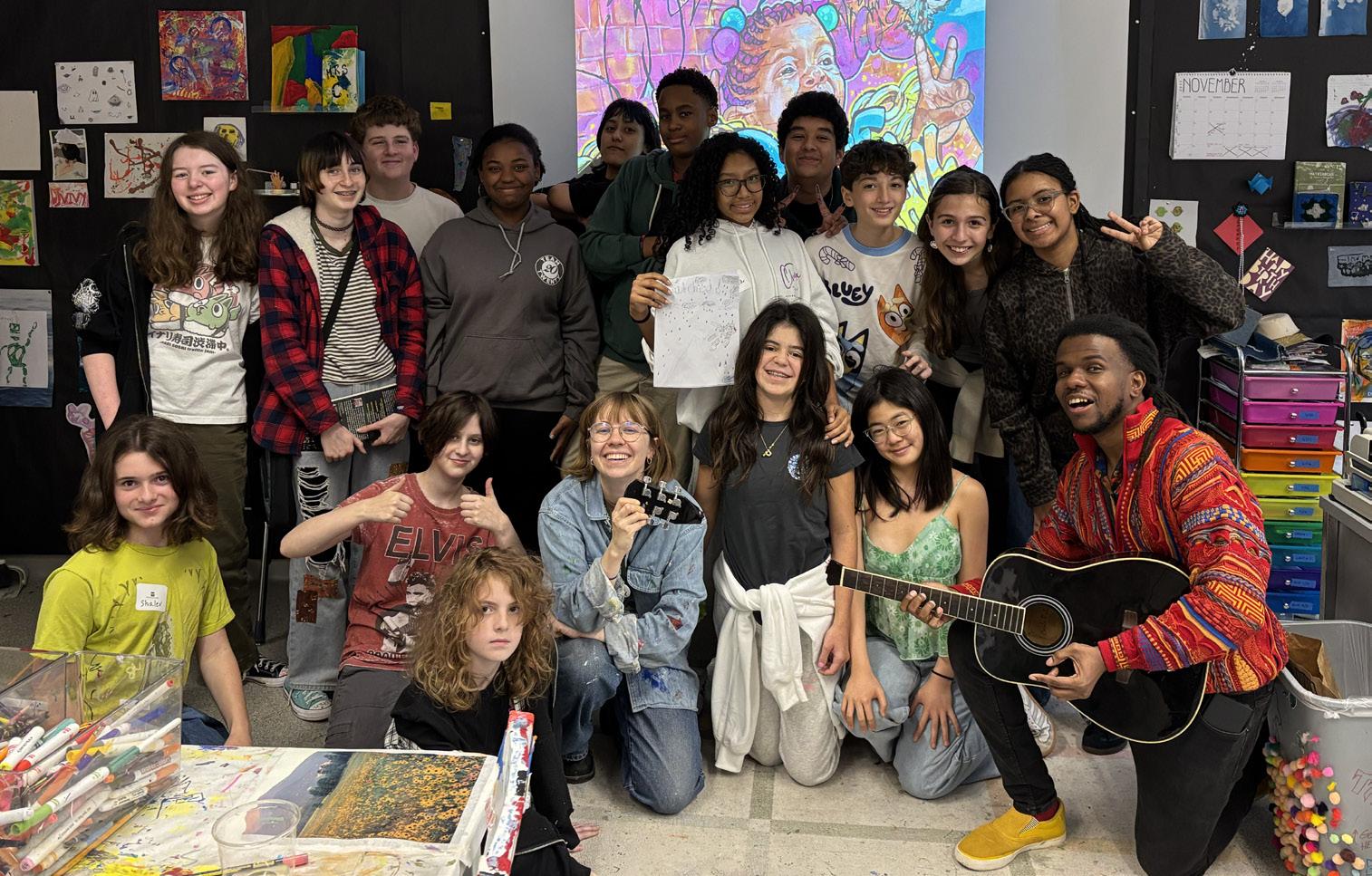
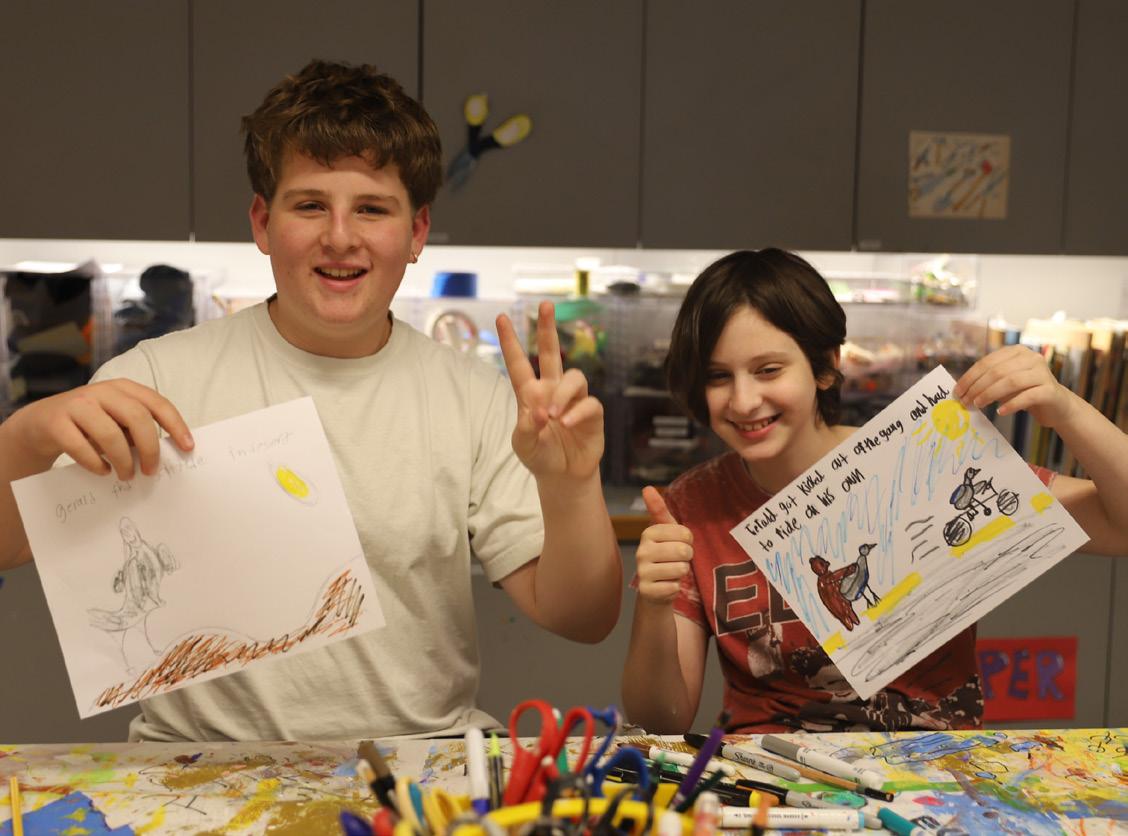
One of the featured authors at the Gaynor Book Fair this year was C.G. Esperanza, an author and illustrator of picture books (read more about his visit on page 20). After his assemblies for Gaynor students, Esperanza also spent time with the Blue Cluster art class led by Art Specialist Anya Cropper. For this mini-workshop, Esperanza tasked students with splitting into two groups to collaboratively create picture books. Each student was assigned to design one page of the book in whatever style they chose. The groups picked keywords provided by Esperanza to create their story, including options such as skateboard, robot, pigeon, and more. Esperanza encouraged students to use their random keywords to create a story as wild and imaginative as they wanted.
Once each group finished their pages and gave their new picture book a cover, it was time to read their book aloud to the class. Laughter erupted from everyone in the room as the presenters read, and the picture books are sure to be treasured by both the students and Ms. Cropper.
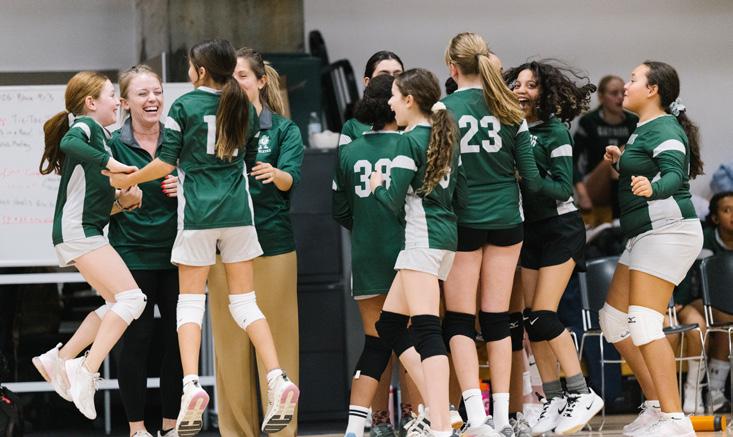
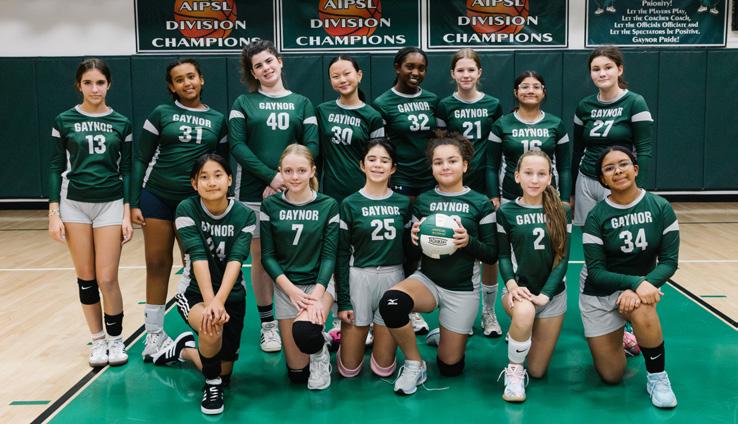
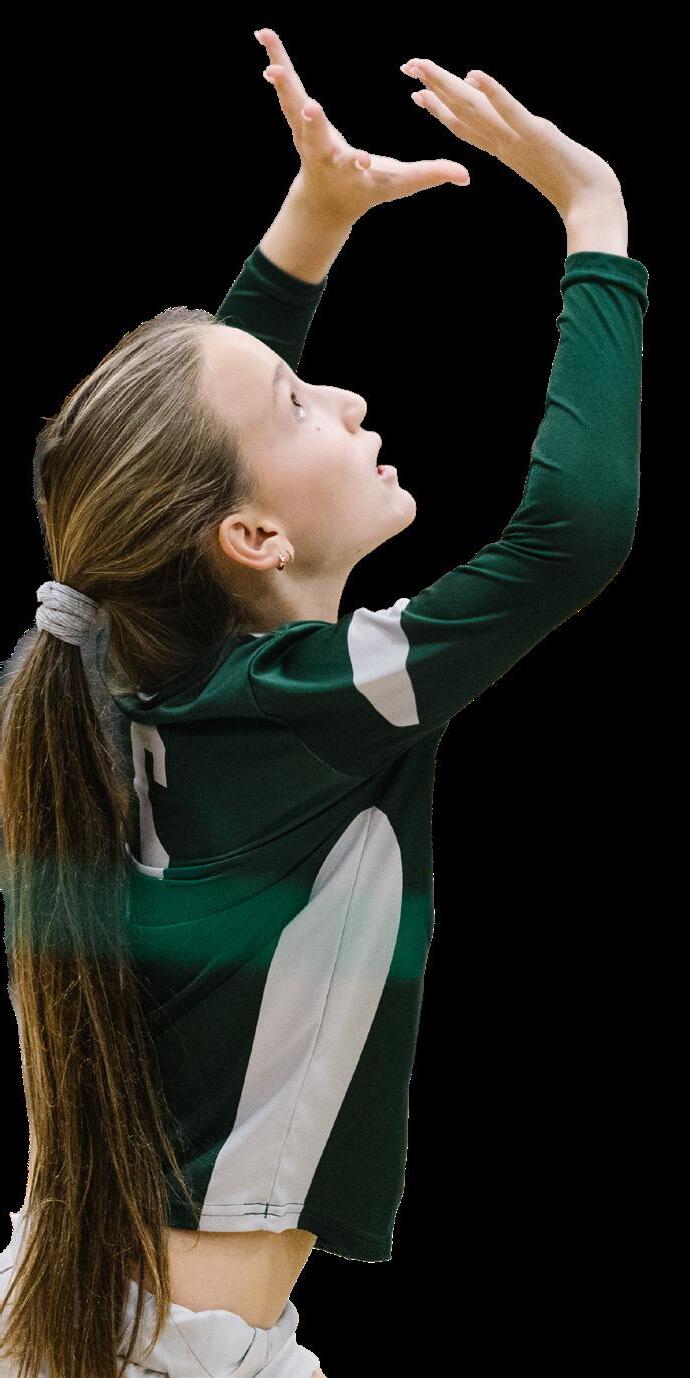
THIS FALL INTERSCHOLASTIC ATHLETIC SEASON CONSISTING OF GIRLS VOLLEYBALL, SOCCER, & CROSS-COUNTRY WAS FULL OF MANY FANTASTIC EXPERIENCES FOR THE STUDENT-ATHLETES AND FAMILIES.
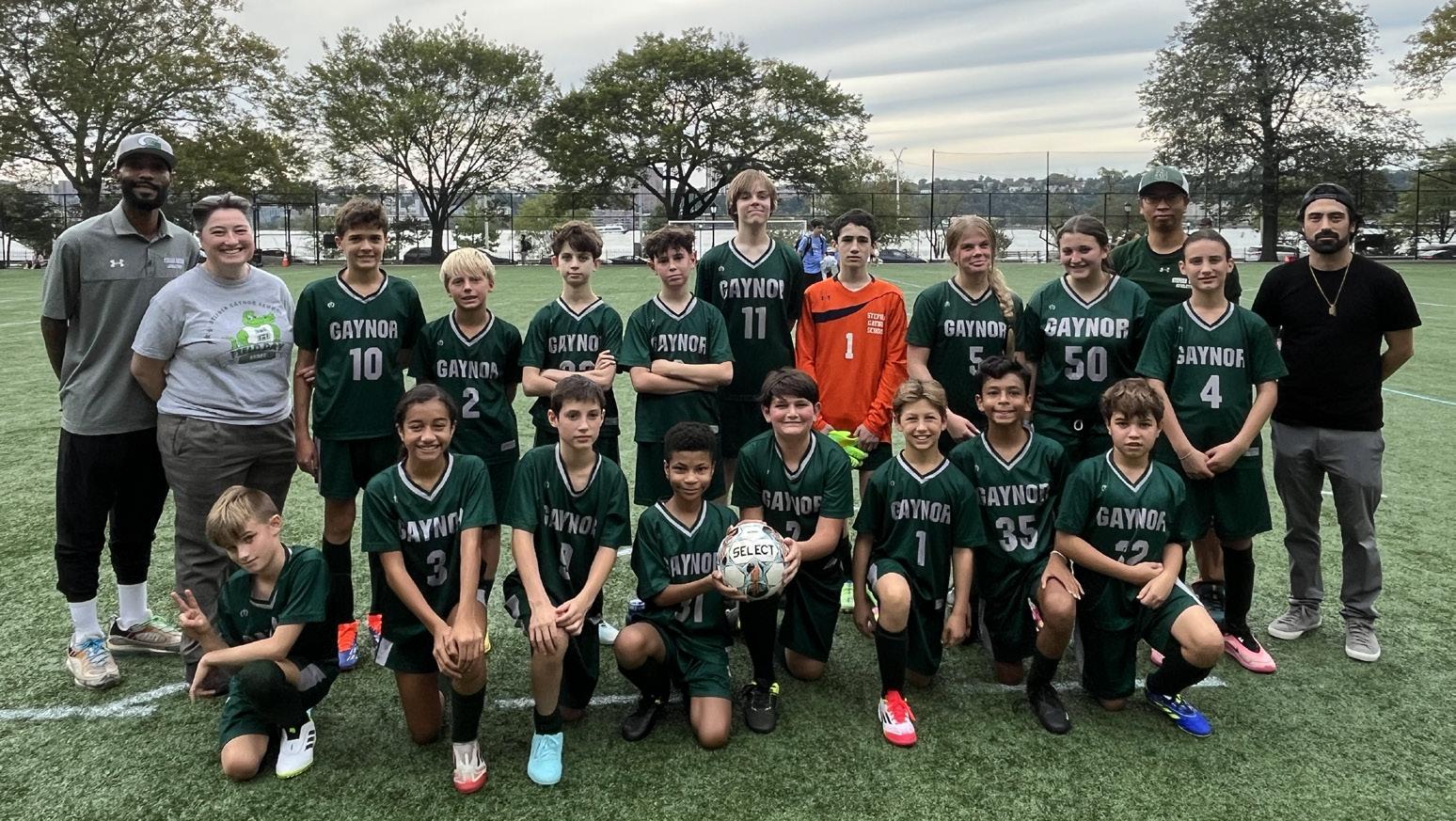
The Gaynor Soccer team, coached by Scott Rodriguez, Stefano Sianato, Brittany Rosenburg, and Andrew Prasarn, demonstrated tremendous growth and camaraderie throughout the season. Notably, our Green Futsal team completed an undefeated season. Across all teams, our athletes displayed resilience and determination, never backing down from their opponents, securing multiple victories, and consistently supporting and encouraging one another. The growth, joy, and sportsmanship shown by each athlete truly reflected the strength of our program and made this season a great success.
The Gaynor Girls Volleyball team, coached by Kathleen Nower, Kat Pearl, Jenny Burkinshaw, and Reanna Ventura, showed remarkable growth throughout the season. From the first match to the final game, the team’s
development was astonishing to witness, with the girls consistently demonstrating unwavering support for one another. This growth and teamwork led them to a hardfought playoff appearance in the AIPSL (American International Private School League). The energy they brought to every match was electric, and we look forward to seeing what these athletes accomplish in the future.
The Gaynor Cross Country team, coached by Jakob Shonbrun-Siege, Vaughn Williams, and KB Ball, achieved an outstanding season marked by numerous personal-best times and strong placements. The team competed in the historic Van Cortlandt Park, where the athletes embraced the challenging hills and distances with determination and resilience. The joy and enthusiasm each runner
brought to every practice and meet were contagious, fostering a positive team culture and making the season a truly memorable one.
As we move into the winter and spring seasons, Gaynor Athletics continues to be filled with joy and impressive growth from each student-athlete. Our coaches have truly embraced what it means to coach at Gaynor, while our students exemplify self-determination, respect, professionalism, and teamwork at their core. We also deeply value the support of our parents and wider community, whose presence and encouragement at our games play a vital role in the success and spirit of Gaynor Athletics.
Thank you for your continued support. GO GATORS!
Noah Jefferson Interscholastic Athletic Coordinator
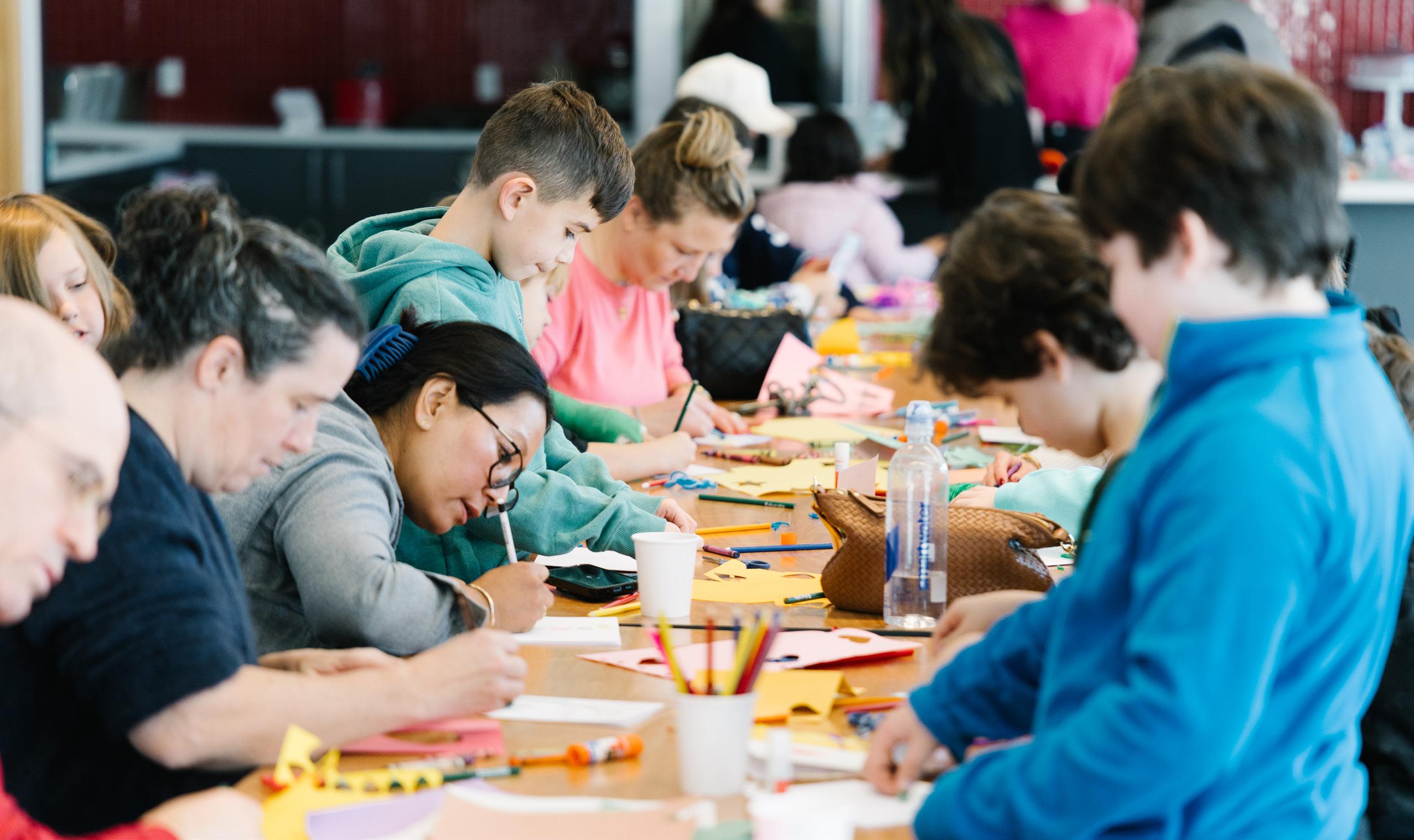
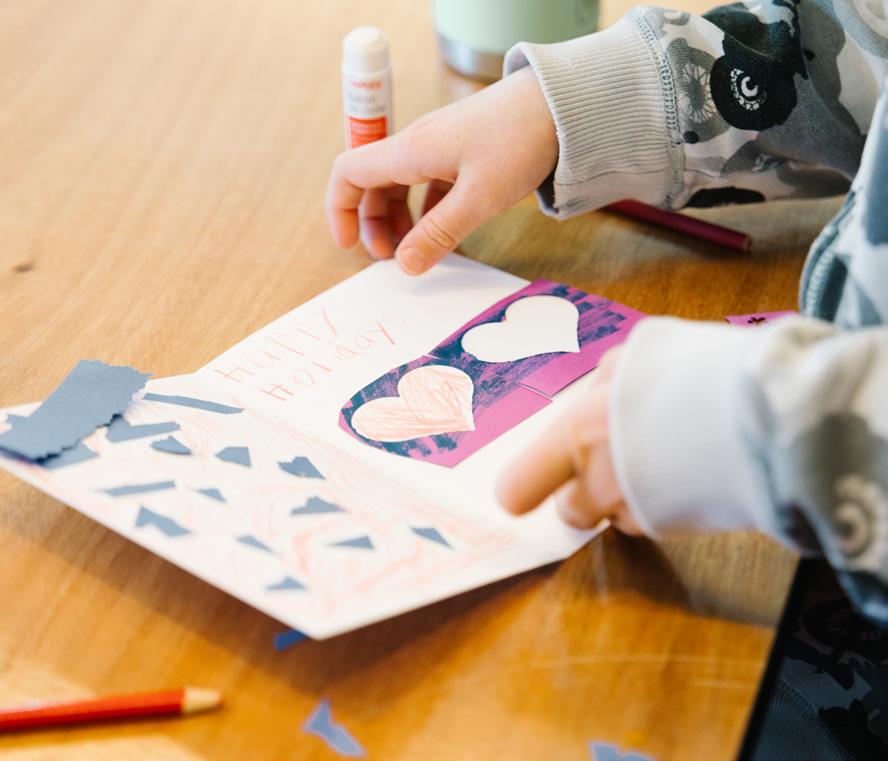
For this year’s Day of Service, Gaynor partnered with God’s Love We Deliver for events spread over two days. This was Gaynor’s fourth year collaborating with God’s Love We Deliver, a nonsectarian, non-profit organization in New York City that prepares and delivers nutritious, high-quality meals to people who, because of their illness, are unable to provide or prepare meals for themselves. The first event took place on December 5, where God’s Love We Deliver welcomed families in the Green and Blue Clusters to their headquarters to pack breakfast kits. Once each bag was filled with prepackaged breakfast items, they were deposited into bins for GLWD to collect. This activity was a great way for Gaynor students to get hands-on experience with GLWD and the work that they do every day. Some students even had the opportunity for an exclusive tour
of the kitchens to get an even closer look into what it takes to run an operation like GLWD.
The second day took place on December 12, where students in the Purple through Silver Clusters not only packed breakfast kits, but also made cards to be included with the meals. The tables were stocked with craft supplies, and students dived into expressing their creativity with markers, pencils, and stickers. The cards were sure to brighten the day of GLWD’s clients!
Day of Service provides students and their families with an opportunity to give back to the wider community, fostering a sense of empathy, teamwork, and active citizenship. It is a fulfilling experience every year, and we are thankful to God’s Love We Deliver for partnering with us once again, and showing Gaynor students the positive impact their organization has.
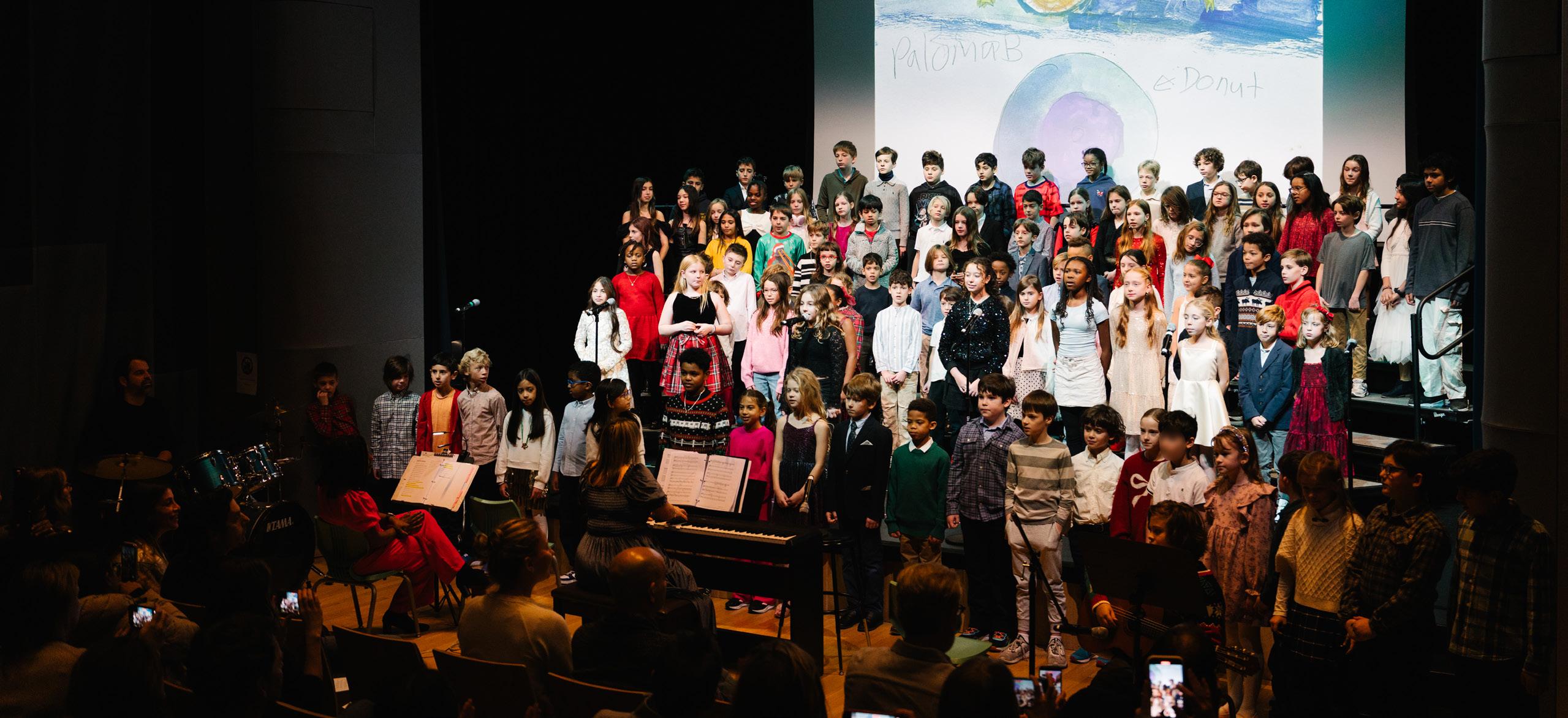
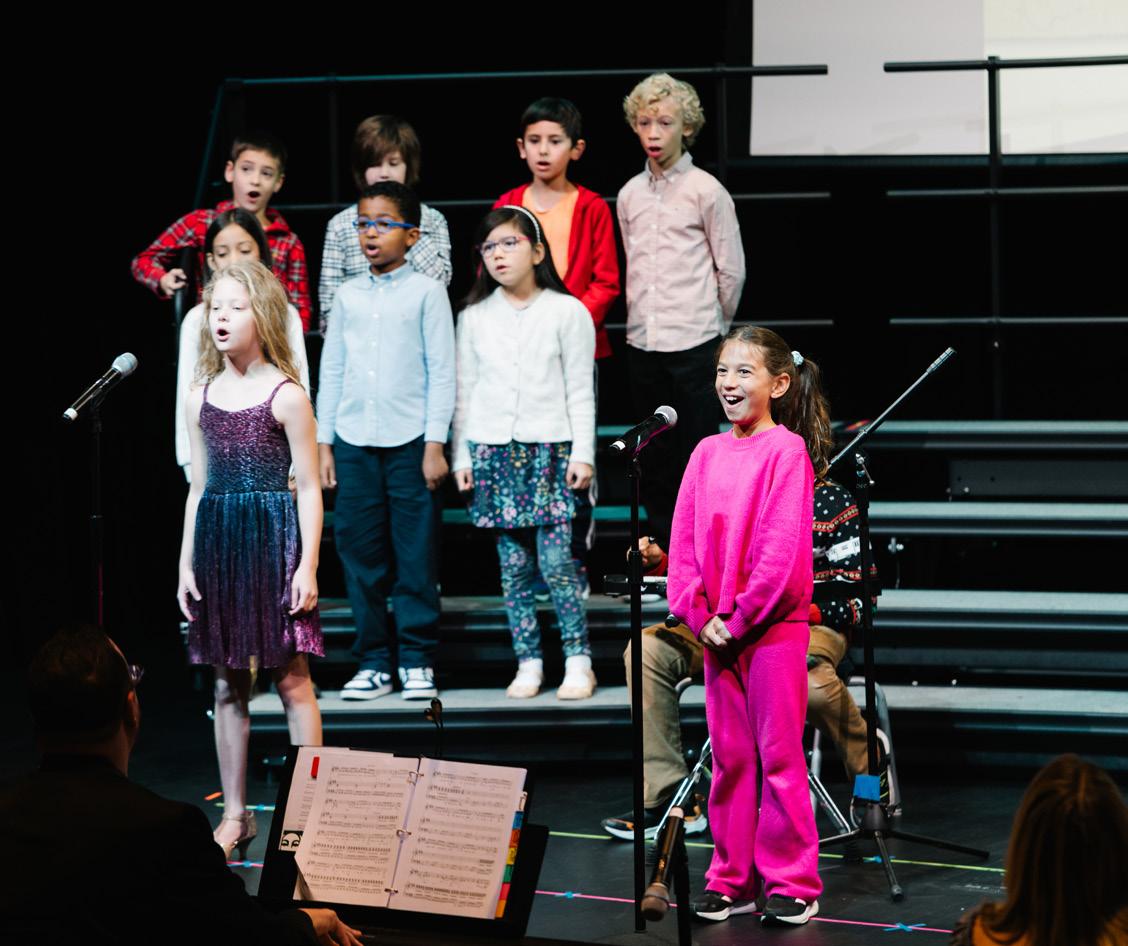
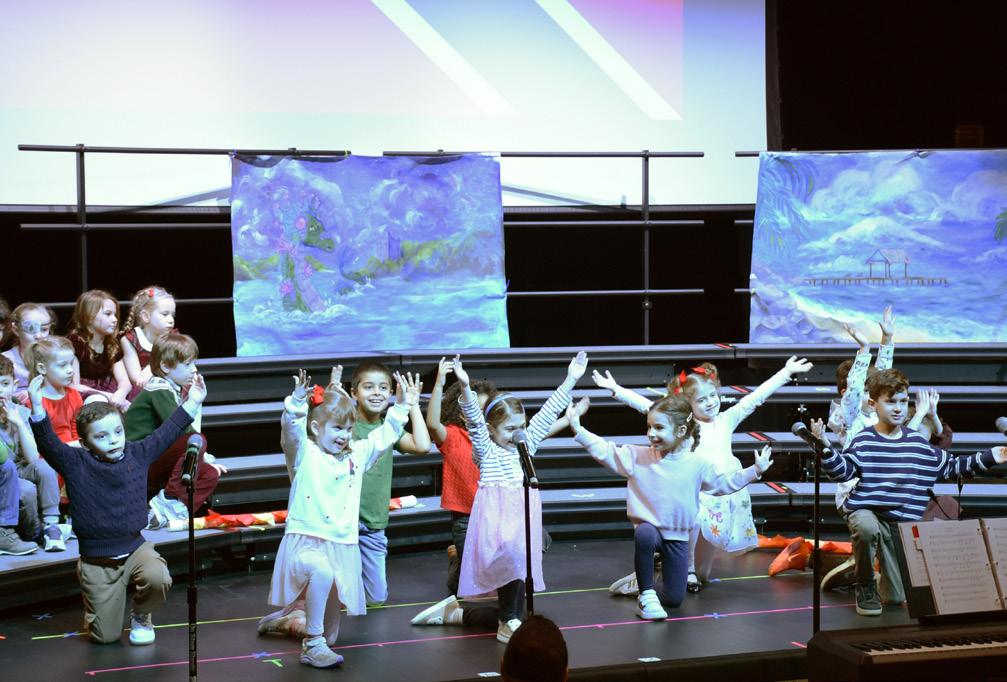
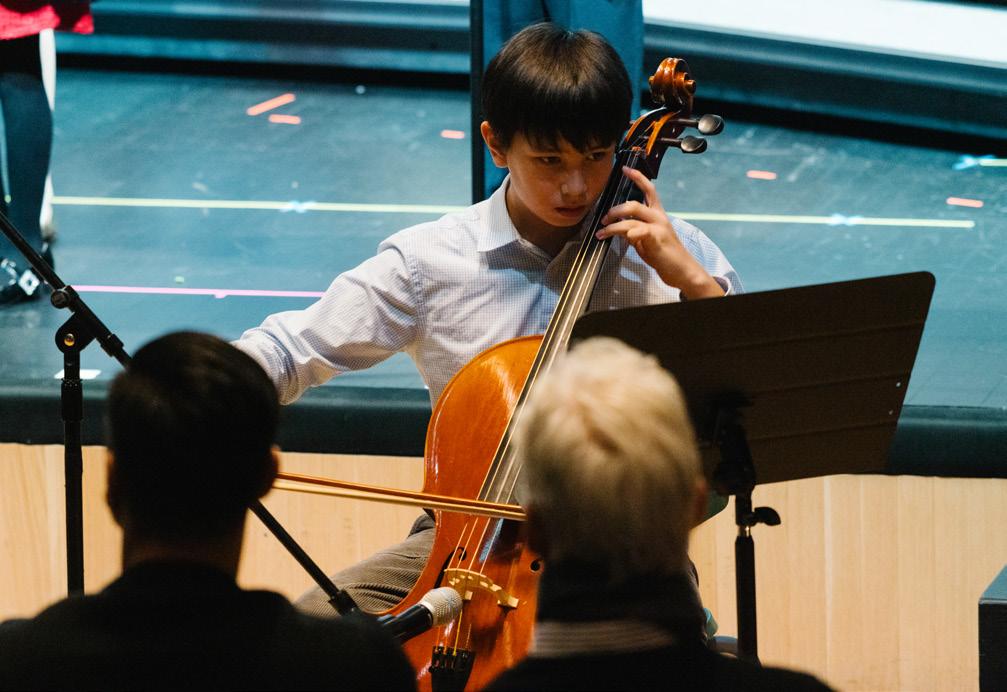
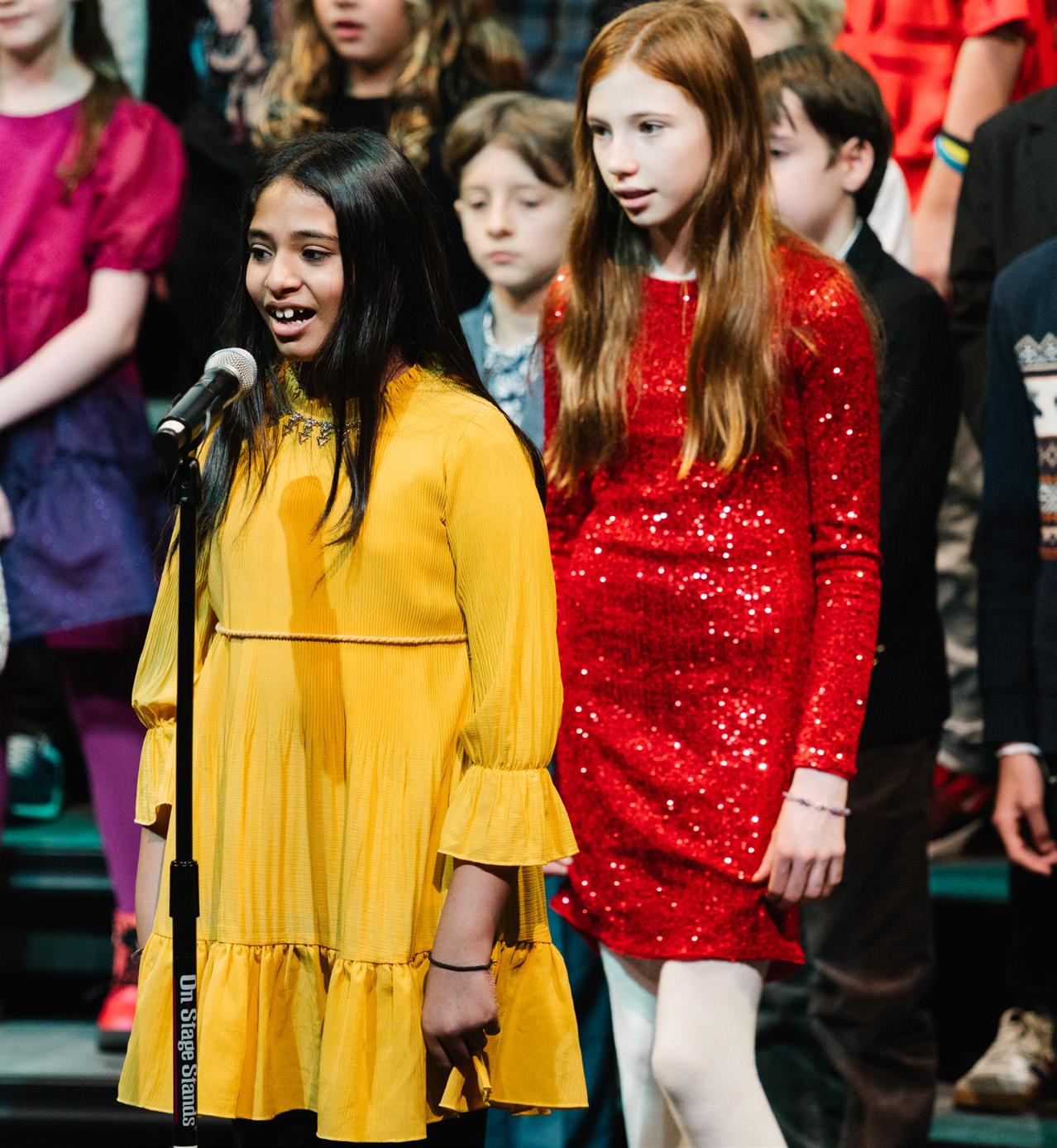
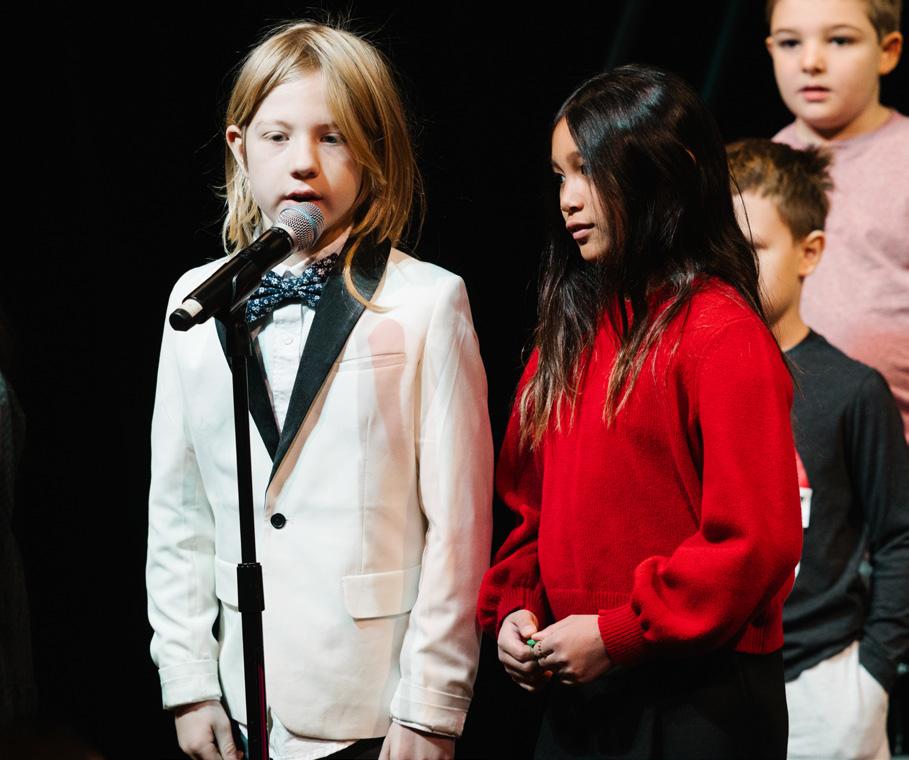
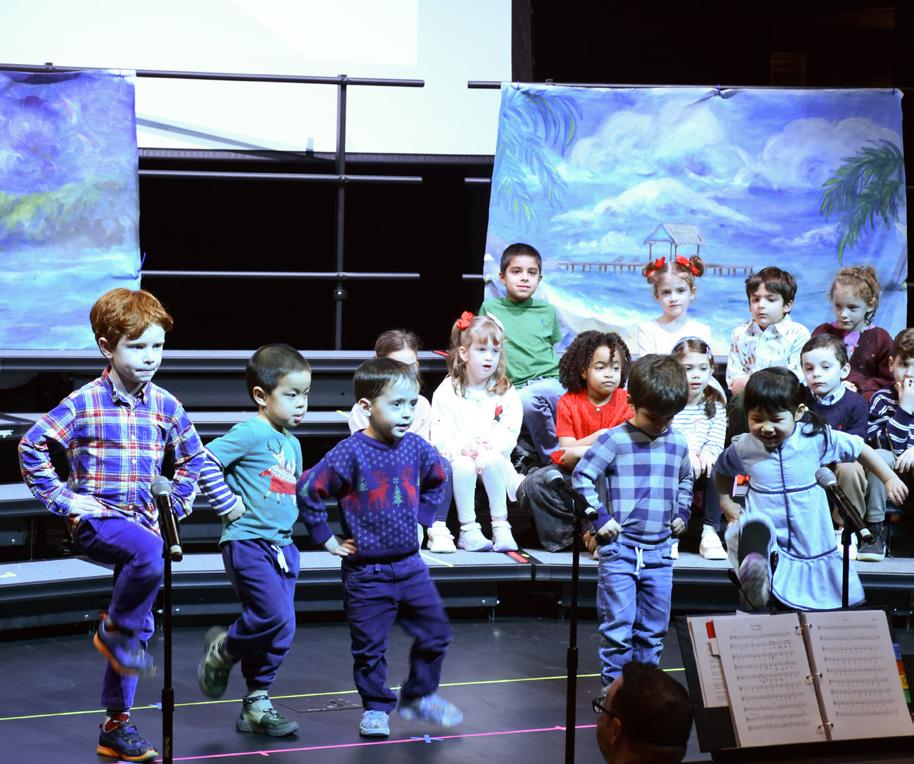
This year’s Winter Concerts brought the Gaynor community together for joyful performances filled with music, storytelling, and connection. Students from the Pink through Silver Clusters took the stage to showcase months of preparation, blending skits and songs that celebrated friendship, courage, and community. From upbeat ensemble numbers to heartfelt moments, students demonstrated confidence and pride in their voices.
Themes of belonging and perseverance echoed throughout the performances, reminding us how much can be accomplished when students support one another.
The Early Childhood Winter Showcase embraced an international theme, highlighting songs in other languages and traditional dances. Students represented Puerto Rico, Trinidad and Tobago, and Scotland, sharing vibrant performances that reflected global traditions and Gaynor’s spirit of curiosity and inclusion.
Together, the 2025 Winter Concerts reflected the environment we strive to build every day at Gaynor, one where students feel seen, supported, and valued. Through shared performances and collective pride, the stage became another space where belonging is not just encouraged, but intentionally created.
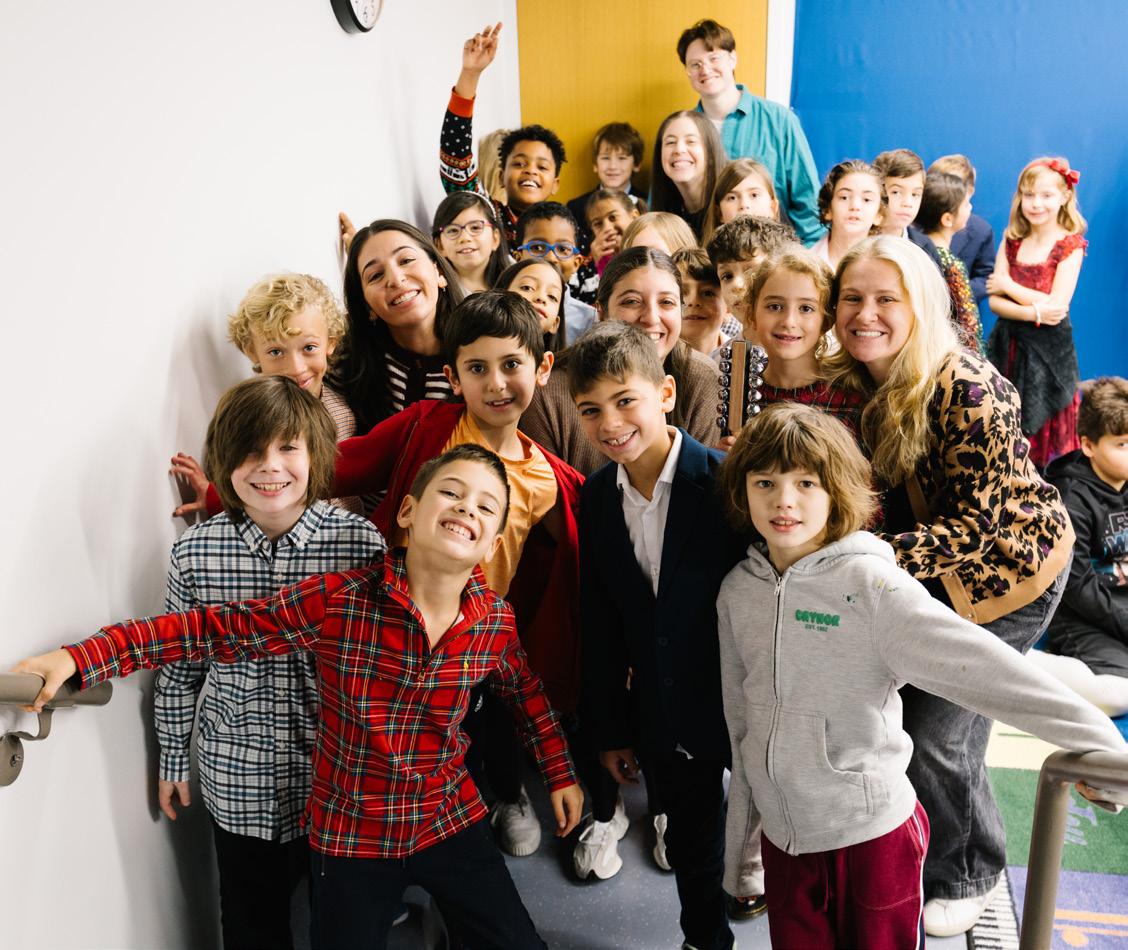
At Stephen Gaynor School, joyful learning is not an accident, it is an environment intentionally created by teachers who know their students deeply and celebrate how each one learns.
In classrooms where voices are heard and differences are understood, students experience success, confidence, and genuine joy in the process of learning. When we asked students to describe Gaynor in three words, their responses reflected that spirit again and again, highlighting empathy, encouragement, and belonging.
In this community, students do more than master academic skills. They practice compassion, learn to advocate for themselves and others, and discover that leadership begins with understanding. These three words offer a window into the kind of school Gaynor strives to be every day and into the compassionate leaders our students are becoming.
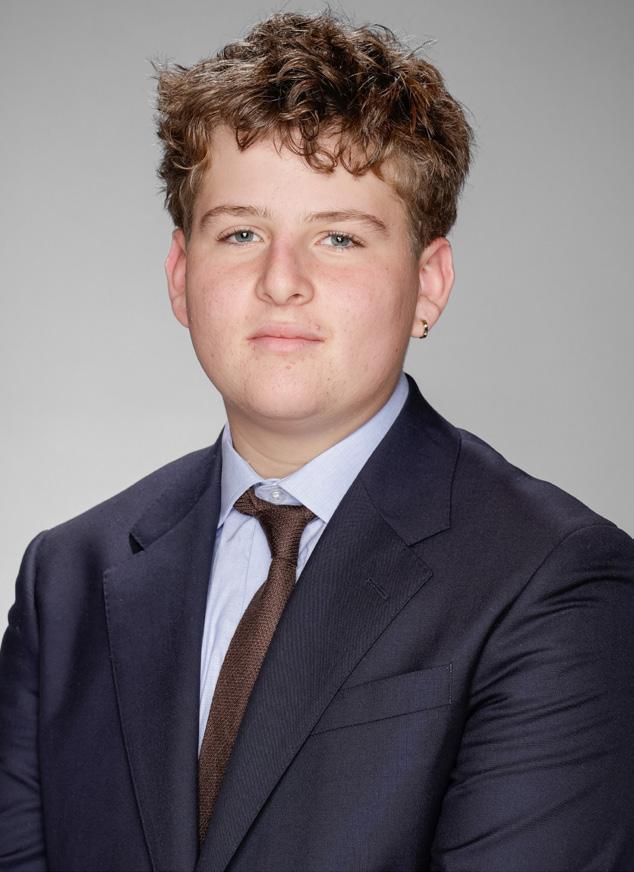
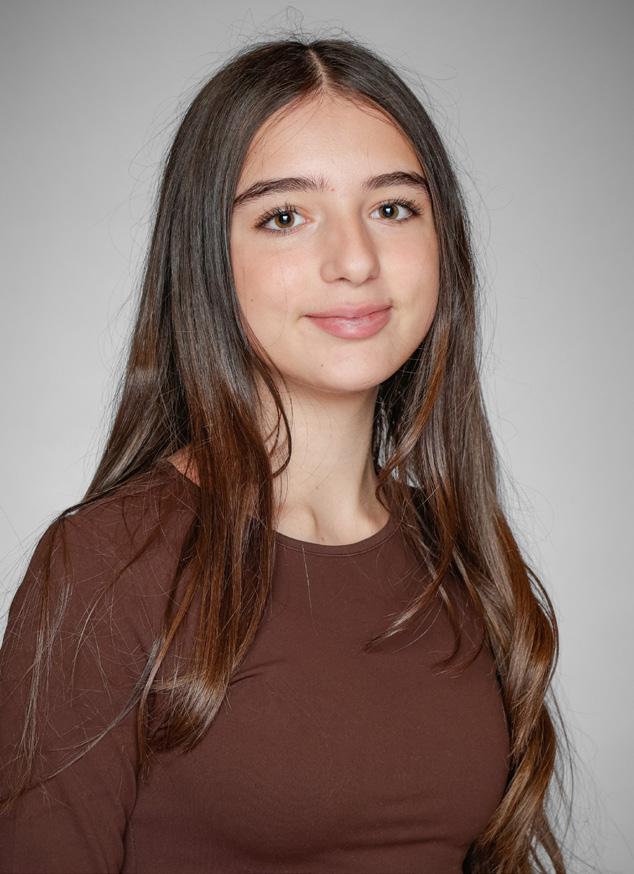
COLE P. ‘26
• Dedicated
• Individualized
• Welcoming
Three words I would use to describe Stephen Gaynor School are dedicated, individualized, and welcoming. The teachers are deeply committed to their students, focusing on each child’s unique learning style to ensure everyone gets what they need. From the warm greetings at the door to the supportive classroom environment, Gaynor makes every student feel safe and valued. Gaynor has had a profound impact on my life, especially in reading. I came in struggling and afraid to read aloud, but through years of hard work and the incredible support of my teachers and specialists, I gained the skills and confidence I needed. Today, I’m proud to say I’m a strong reader who truly enjoys it—something I once thought wasn’t possible.
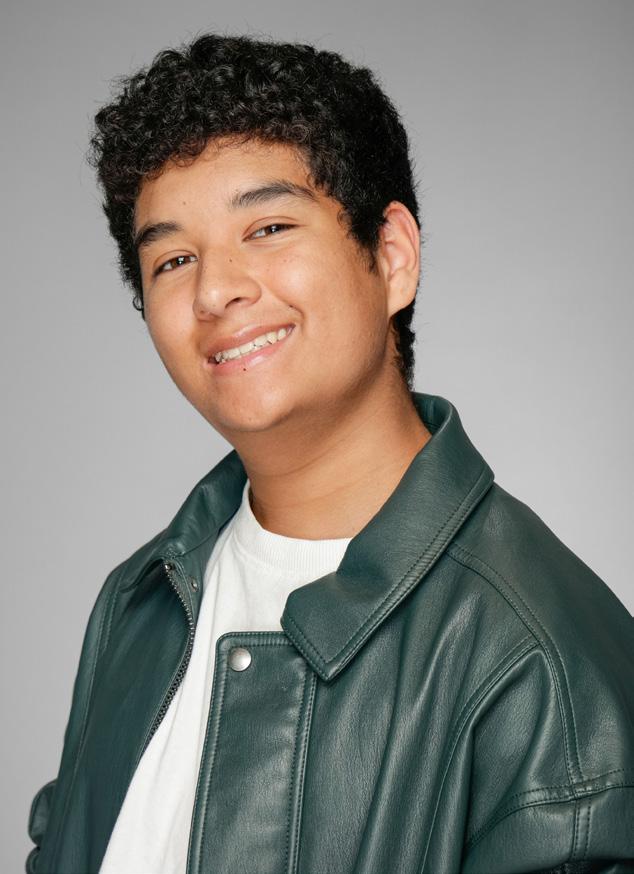
• Supportive
• Patient
• Differentiated
Three words I would use to describe Gaynor are supportive, patient, and differentiated. I would describe Gaynor as supportive because teachers help students grow and succeed in and out of the classroom. Gaynor is patient because teachers give students the time they need to succeed. From my experience, Gaynor has helped me succeed by teaching at a pace where I don’t feel rushed or left behind if I don’t understand something. Lastly, it is differentiated because it’s an environment where teachers make each student’s education accessible by providing them with everything they need to learn.
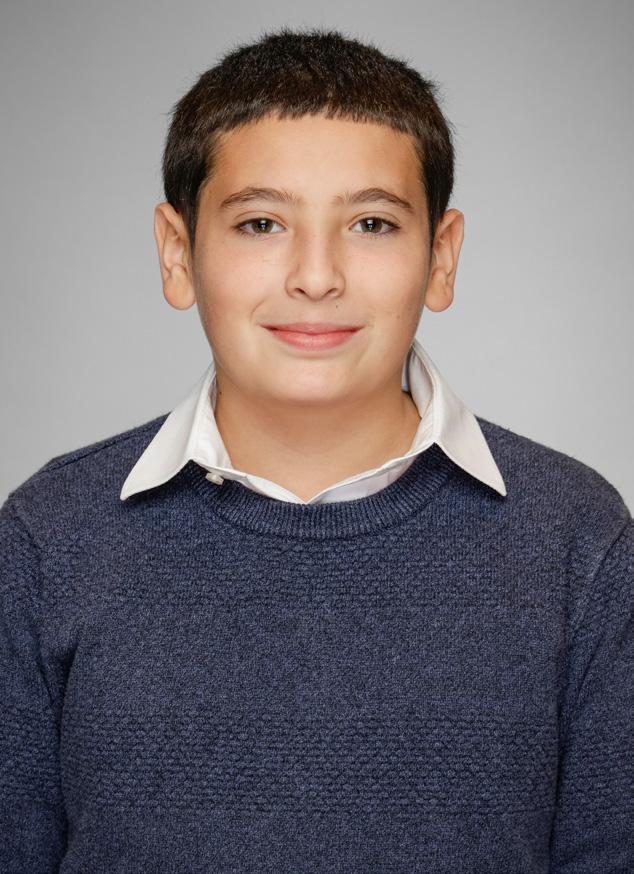
• Loving
• Helpful
• Positive
The three words I would use to describe Gaynor are loving, helpful, and positive. Gaynor is a strong, kind, trusted community where everyone helps each other and works together to learn and grow. Gaynor is helpful because the school is always trying to help you prepare for the now, but also for the future. Lastly, Gaynor is positive as its faculty and staff are always cheering students on and creating fun and enjoyable learning experiences for the students.
• Accomodating
• Memorable
• Life-Changing
The three words that I would use to describe Stephen Gaynor School would be accommodating, memorable, and life-changing. Gaynor accommodates each student by providing specific help on different types of assignments and tests, such as a graphic organizer. Gaynor is memorable; one example of this is that students leave with positive memories of friends, teachers, and life-changing experiences. I will leave Gaynor remembering how this school helped me learn to read and how to improve my writing skills. Gaynor has prepared me for my next school by giving me strategies to help with reading and writing.
Stephen Gaynor School has always been guided by a simple but powerful belief: when children receive the right support at the right time, their potential becomes visible in ways that can truly shape their futures. For more than 50 years, that belief has shaped the work happening inside our classrooms and has strengthened our commitment to sharing what we have learned with the wider community.
While nearly 400 students attend Gaynor today, we know that many more children across New York City would benefit from the specialized approaches used at our school. Families, educators, and professionals often turn to Gaynor not only for a school placement but for guidance, strategies, and a deeper understanding of how to support students who learn differently.
This awareness, combined with the limits of our physical space, has inspired a renewed focus on outreach. As part of our strategic plan, Gaynor created the Office of Outreach and Innovation in 2023 to ensure that more families and educators can access the tools and practices that have helped so many of our students thrive. The goal is not to expand Gaynor’s footprint but to expand its impact.
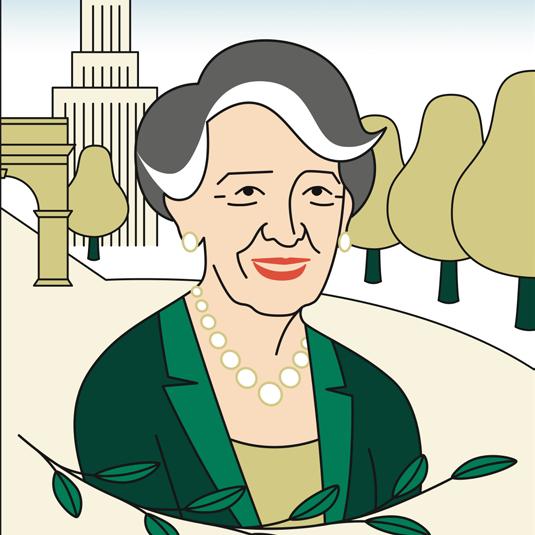
To help make this possible, we are honored to introduce the Yvette Siegel-Herzog

Innovation Fund. The fund has been established through a founding leadership gift from a generous family and is named for Yvette Siegel-Herzog, whose decades of leadership helped define Gaynor’s educational model. The fund will support efforts that bring Gaynor’s specialized expertise to more children, including those who may never walk through our doors.
The Innovation Fund will help grow several initiatives, including mission-aligned projects that allow Gaynor to support families and educators who are not currently part of our school community
The establishment of the Yvette SiegelHerzog Innovation Fund marks an exciting and hopeful step forward. It allows Gaynor to deepen its impact while staying true to the values that have shaped our work for generations: humility, collaboration, and an unwavering belief in every child’s potential.
As the Office of Outreach and Innovation continues to grow, we look forward to partnering with families, educators, and community organizations throughout New York City. Together we can broaden the reach of an approach that has helped so many children thrive and ensure that its benefits extend far beyond the walls of our school.
The Innovation Fund represents Gaynor’s commitment to sharing the strategies that have helped students thrive for more than 60 years, and to carrying forward the legacy of leadership that made that work possible. But the most powerful illustration of that impact comes from the students themselves.
Here, alumni share how Yvette and Stephen Gaynor School shaped their lives. Their voices bring her extraordinary impact to life and remind us why expanding access to Gaynor’s expertise matters—not just for today’s students, but for the many children and families the Innovation Fund will support in the years ahead.
The following reflections were shared by alumni in past years, honoring the lasting impact Yvette Siegel-Herzog had on their lives and on Stephen Gaynor School.
1
EMILY WHALEN-DEMELLO, CLASS OF 1973
My experience at Gaynor helped me become the person I am today. I retired from the New York City Department of Education after 32 years of service working as a special education teacher. Thank you for helping me achieve my dream.
2
DUSTIN JOHNSON, CLASS OF 1989
I attended Gaynor for two years. When I entered, I was hopeless, with low confidence. I left two years later a completely different person. And 40 years later, those two years are still with me. Thank you.
3
NICHOLAS KENNER, CLASS OF 1990
Yvette, your energy and impact are remarkable. Stephen Gaynor School truly changed my life for the better and you are a big reason why. I truly admire you and thank you for making my mom so happy over the years.
4 SAMANTHA KAFKA, CLASS OF 2008
I still remember how your smiling face made my days brighter. Well deserved.

5 DEMI IRGANG, CLASS OF 2014
There are no words to thank you and the Stephen Gaynor School for the impact that you have had on my life. I knew from the day we first met that I had found my home away from home. [Yvette] believed in me.
6 RONAN SENNOTT, CLASS OF 2019
Yvette is an amazing person and loving administrator and I am very thankful for her excellent sense of humor.
7 BRADLEY TUCKER, CLASS OF 2001
Thank you, Yvette, for creating a place that we needed and understanding why.
8 SPENCER TAYLOR, CLASS OF 1993
I know that I would not be as successful as I am without the foundation that I gained at Gaynor. The care and inspiration provided by the faculty was the best gift I could have ever received. Thank you for changing my life.
9 MATEO LEVIN, CLASS OF 2022
Thank you for giving me a place to thrive and learn.
10 TODD FELTMAN, PH.D., CLASS OF 1986
Yvette, you made the school a welcoming and special place. Thank you for being an important part of my educational trajectory!
11 EMMA MOSKOWITZ, CLASS OF 2006
Thank you so much for all of the great work you put in to making Gaynor a great supportive, learning environment. I am grateful for your contribution to my education and the education of my peers.
12
SHOSHA SPIVACK, CLASS OF 2000
Thank you for caring about my education. You take an interest in students. You know us. That is one thing I try to take with me as a teacher.
13 WILLIAM VAN DER RHOER, CLASS OF 2018
Thank you for creating the opportunity for me to gain the lifelong skills of reading, writing and communicating. I have learned so much and will never forget my amazing experience at Gaynor!
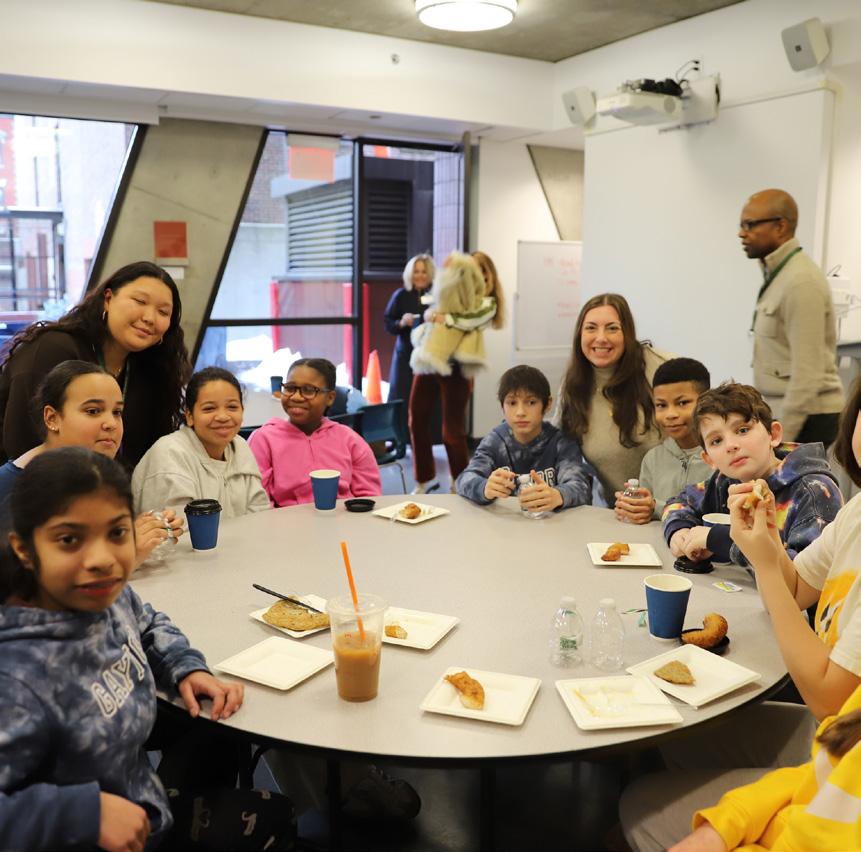
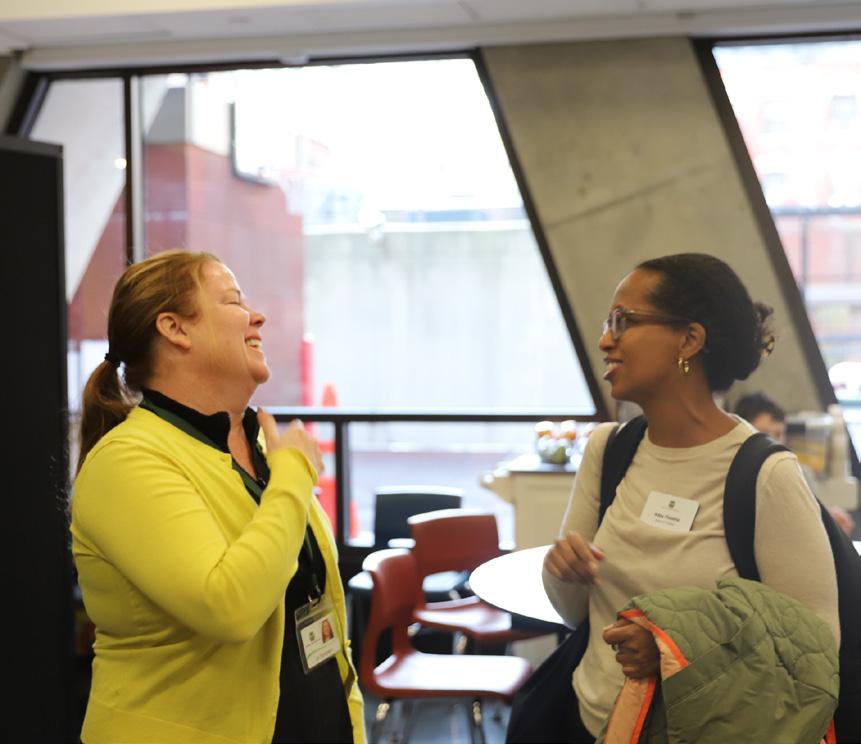
The Parents’ Association DEI Committee continued its Breakfast My Way series this year with two meaningful gatherings that brought the Gaynor community together to celebrate Dominican and Nepali traditions.
Breakfast My Way offers families a chance to share the foods, stories, and cultural experiences that shape their lives, while strengthening connections across the school.
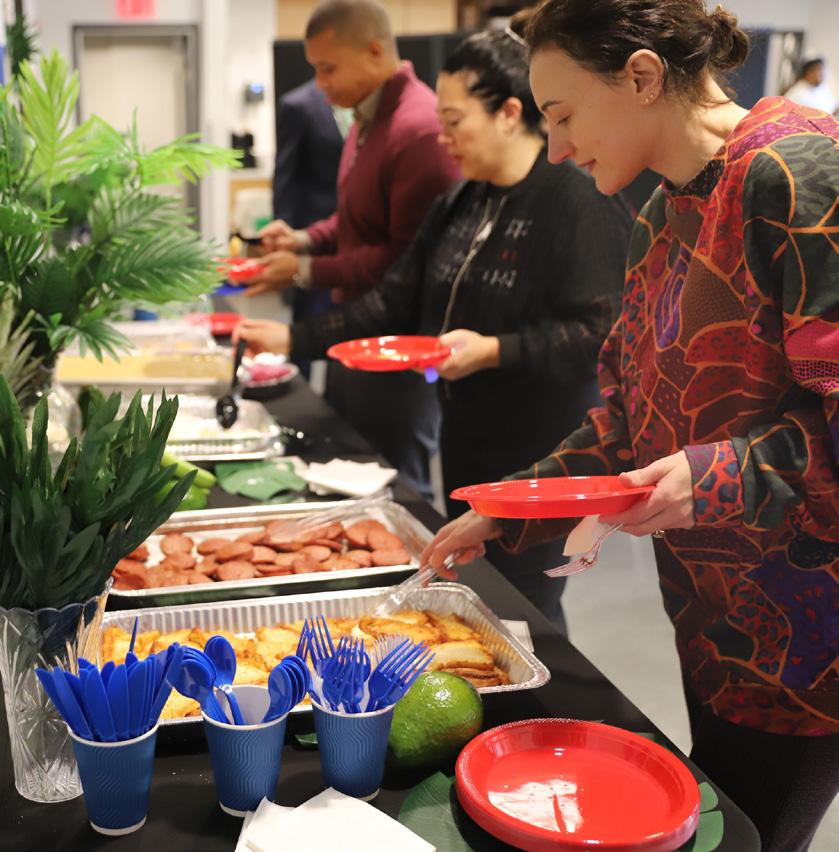
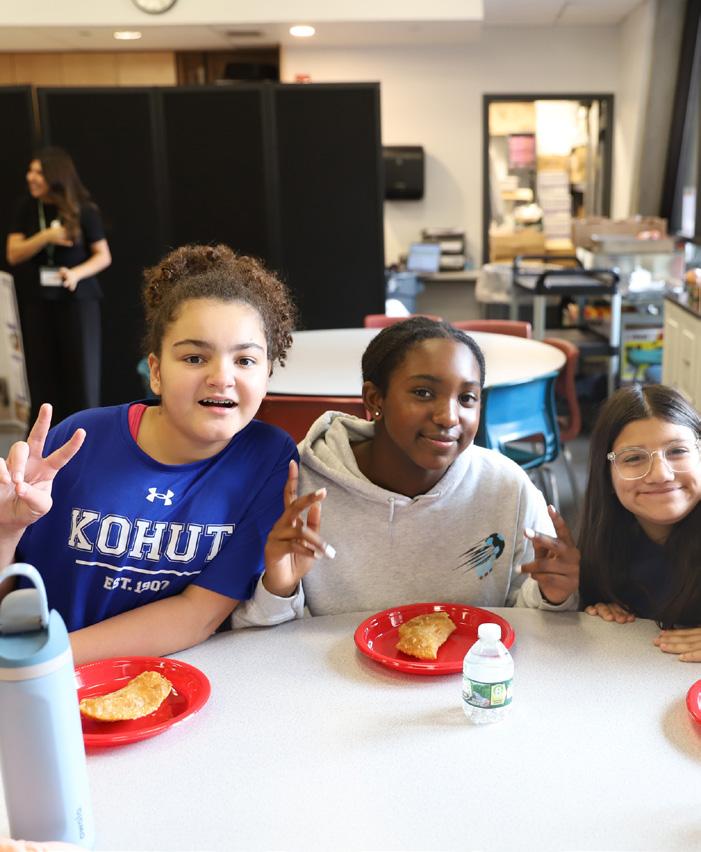
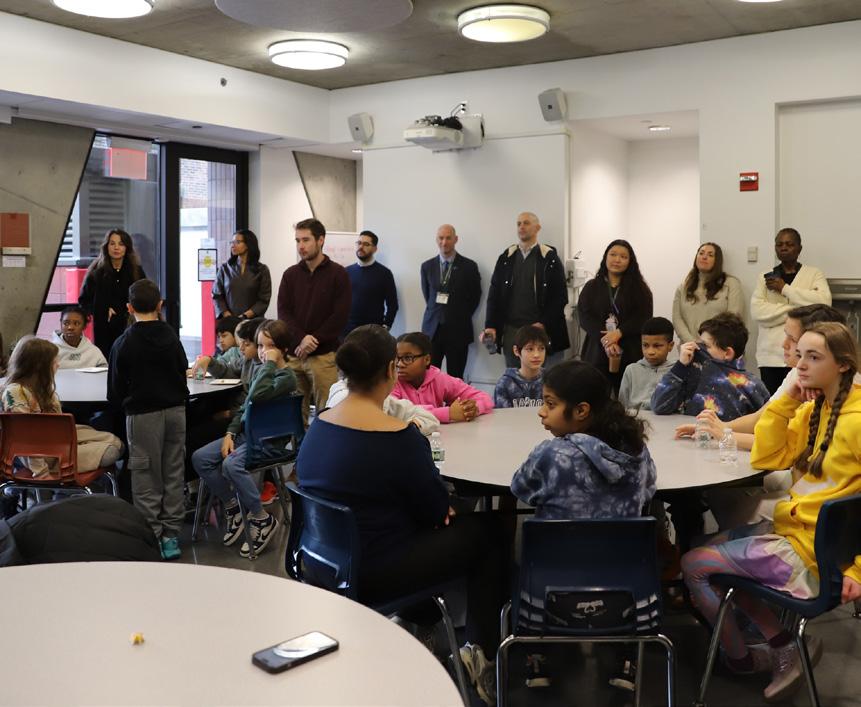
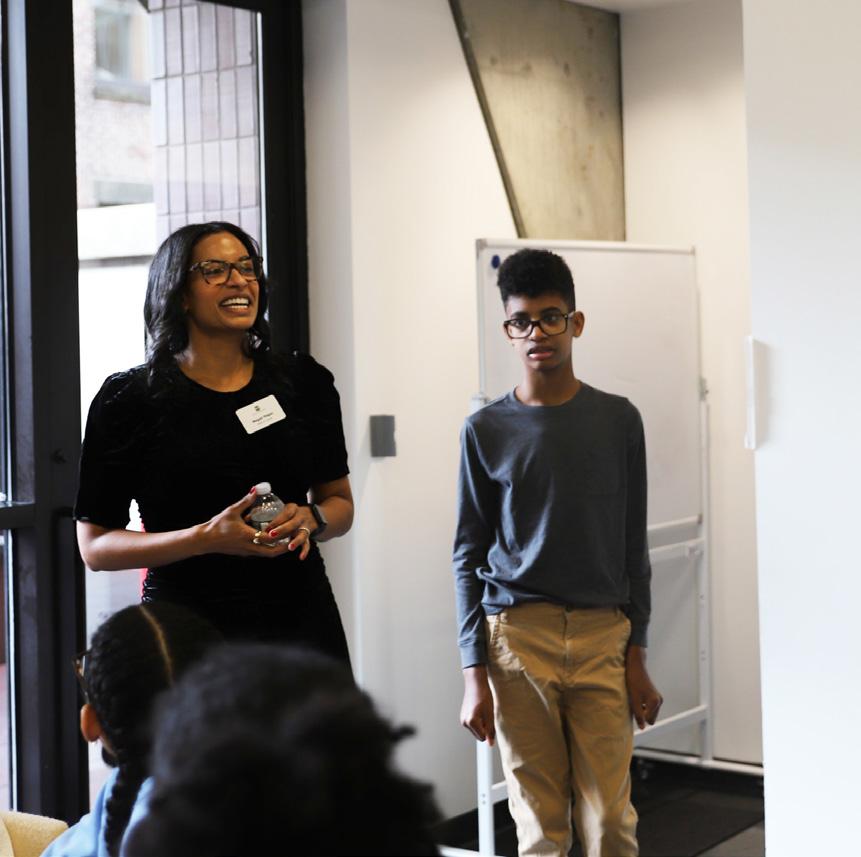
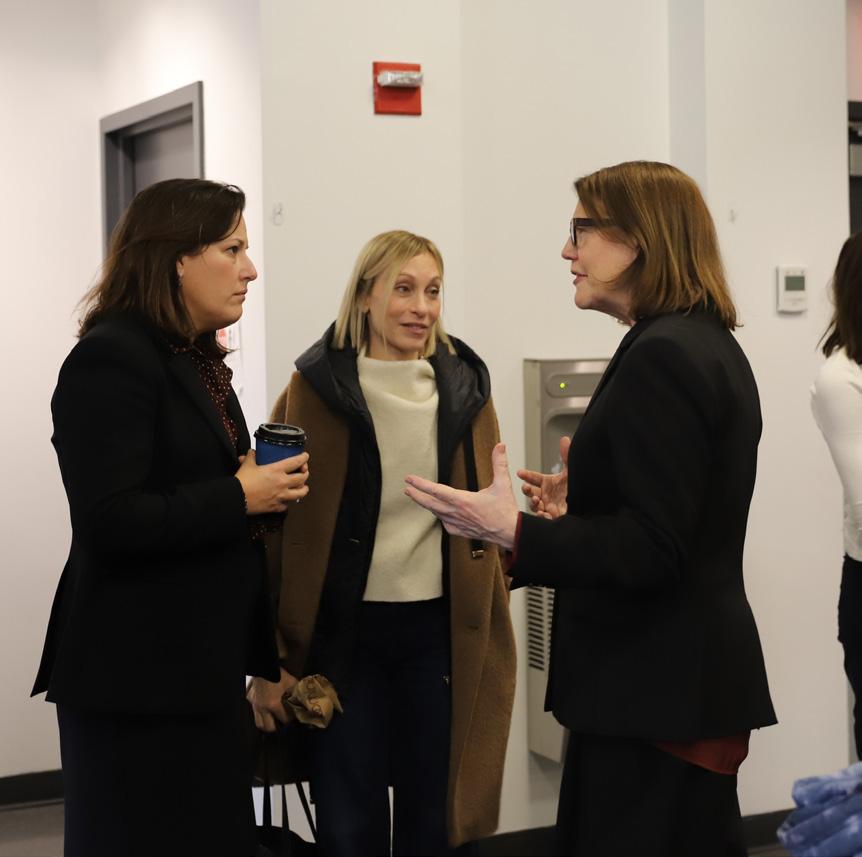
The first breakfast, held in November, celebrated Dominican traditions and was hosted by Megan Hogan, parent of Jackson in the Blue Cluster and Chair of Gaynor’s Board of Trustees. Director of Diversity, Equity, and Inclusion Stella Mulatu welcomed families and recognized the many teams whose collaboration makes these events possible, including Advancement, Security, Facilities, and Cafeteria staff.
Megan introduced attendees to her family’s heritage and the rich cultural history of the Dominican Republic, highlighting how food connects generations. The menu featured traditional favorites including mangú, pastelitos, and los tres golpes, a hearty combination of fried cheese, Dominican salami, and eggs. Megan shared how meals like these reflect both tradition and resilience, and how meaningful it was to see Dominican culture recognized and celebrated at her son’s school. For many families, the morning was not only delicious, but deeply affirming.
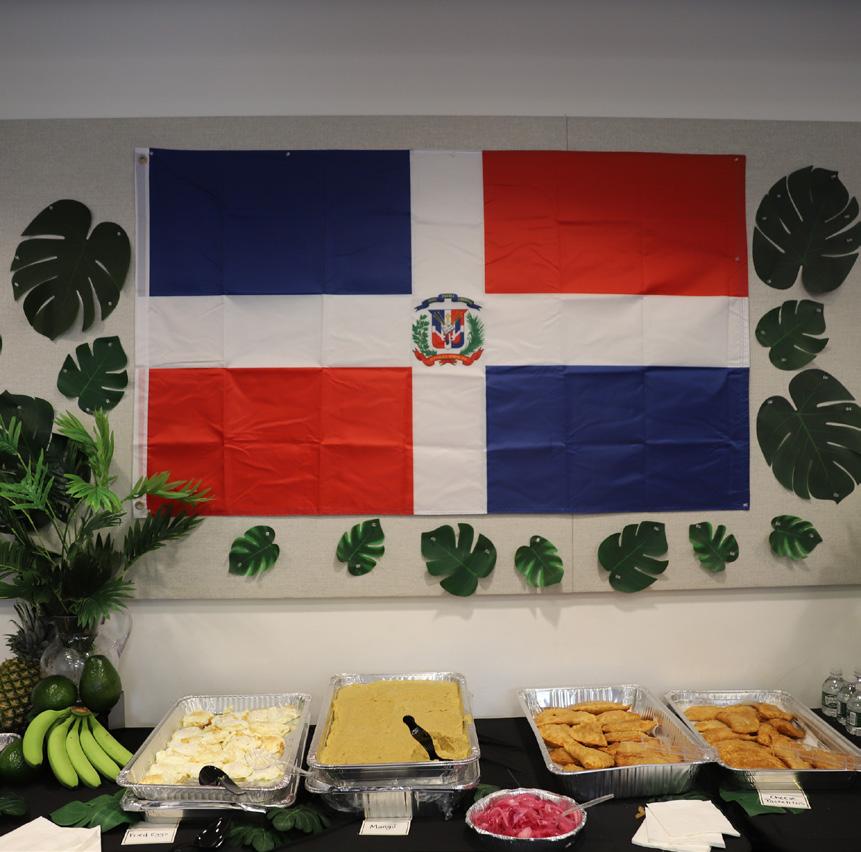
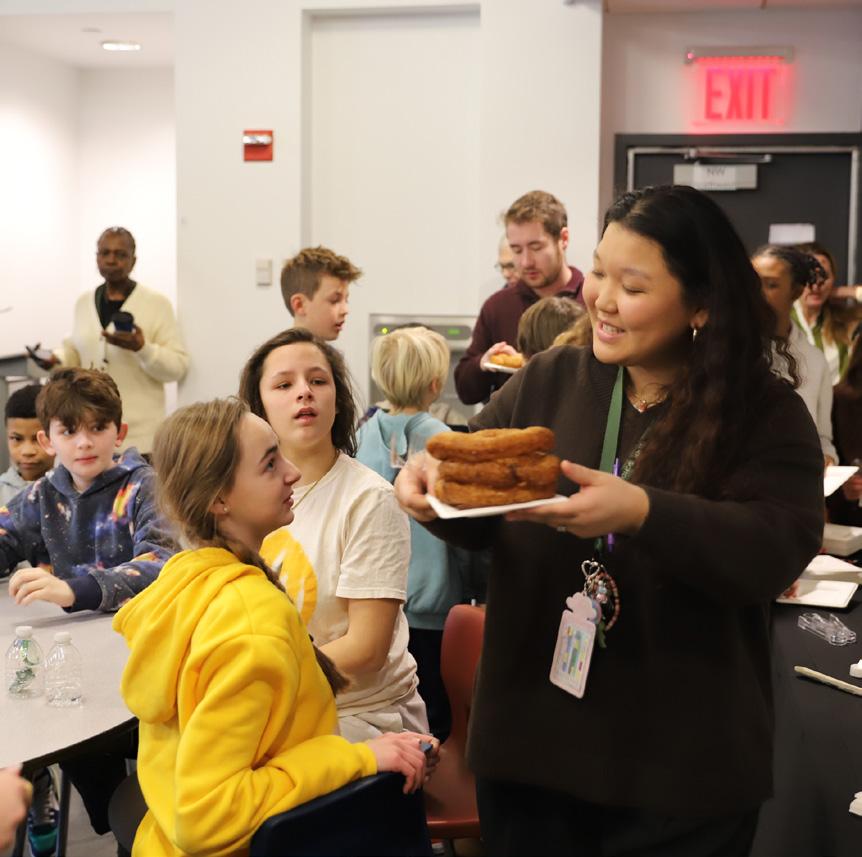
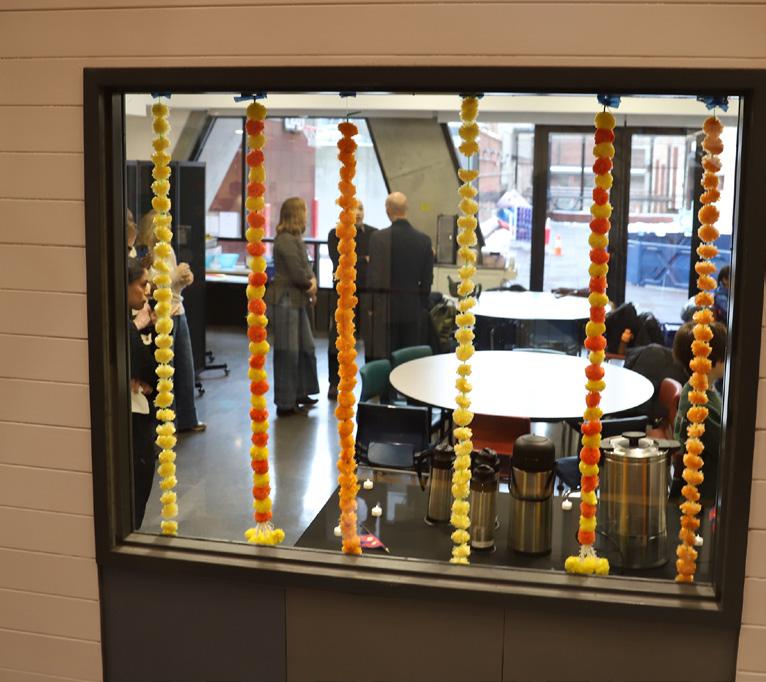
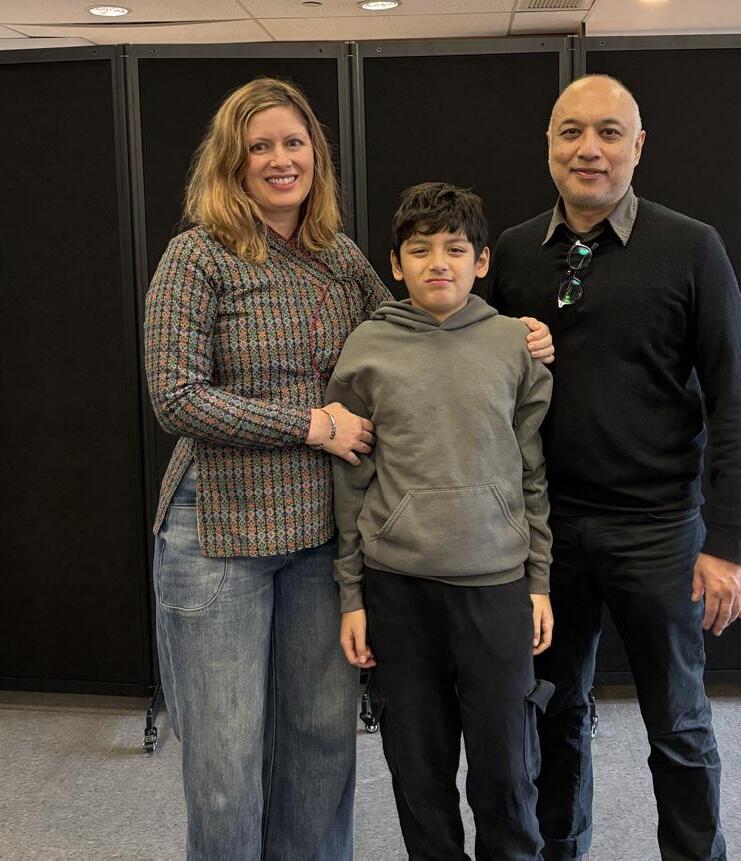
In December, the North Cafeteria was transformed again, this time to celebrate Nepali culture, hosted by Kieran Hartsough and Barun Mathema, parents of Avi in the Silver Cluster. Prayer flags and marigolds filled the space, and guests gathered over warm chai as Barun and Kieran shared reflections on their family’s heritage and the role food plays in bringing people together.
The breakfast featured bara, a lentil pancake traditionally served during celebrations, as well as sel roti, curry, yogurt, and honey. Barun explained the symbolism behind the dishes, noting that food is central to marking important moments and strengthening community ties. Kieran reflected on her experiences visiting Nepal and the sense of connection and joy found in gathering together.
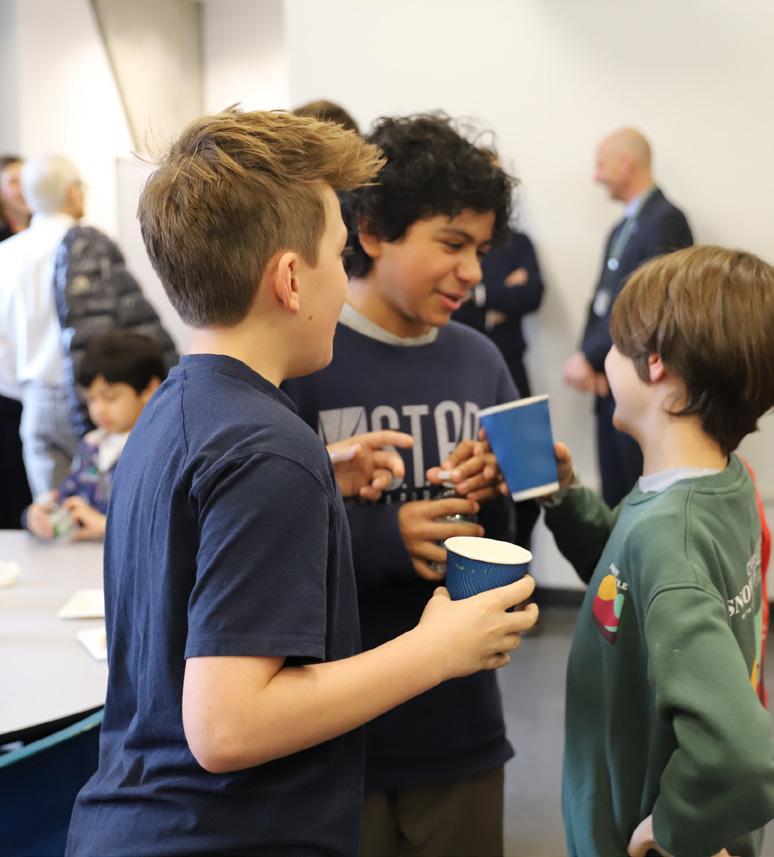
Students, parents, and faculty shared the meal and conversation, experiencing firsthand how cultural traditions create bridges of understanding. Through Breakfast My Way, Gaynor continues to honor the diverse backgrounds of its families and create opportunities for every member of the community to feel seen, valued, and connected.



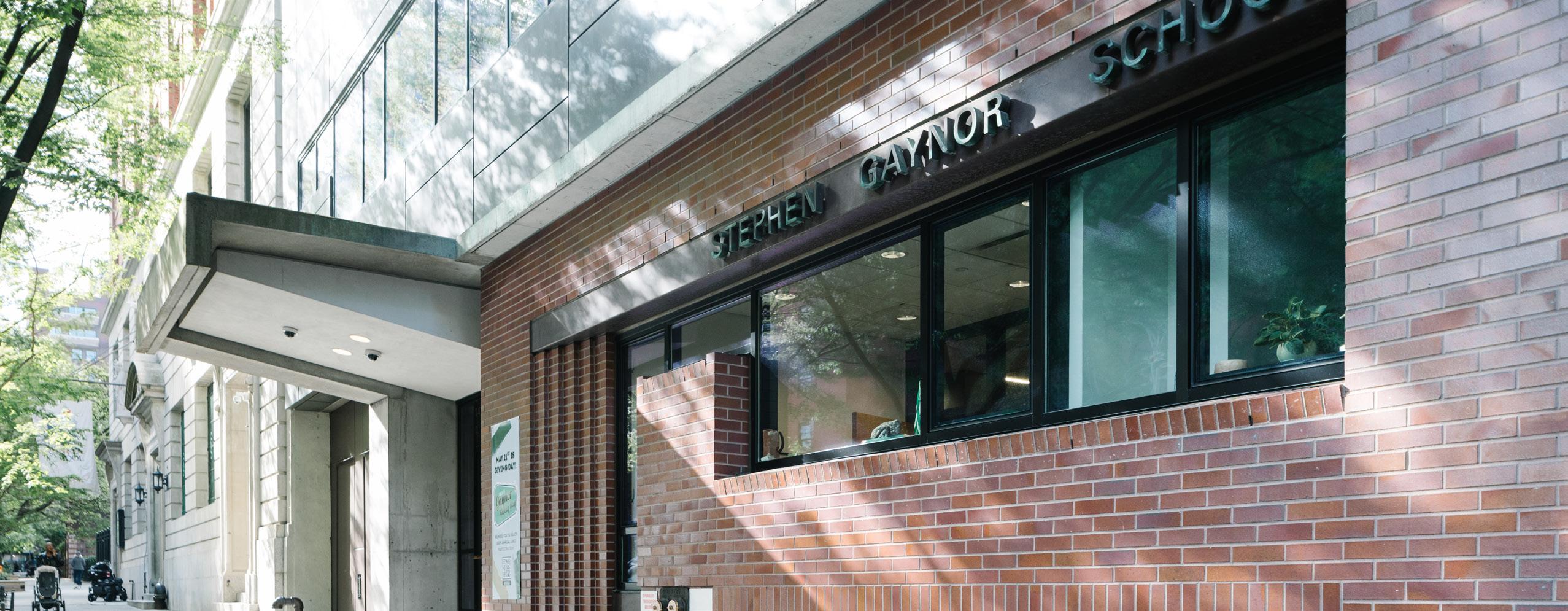
Every Gaynor graduate carries the lessons, friendships, and confidence built here into the wider world in their own unique way. In these Class Notes, alumni share milestones big and small — new schools, careers, passions, and adventures — reflecting journeys that are still unfolding. We are proud to celebrate where they are now and all the places they are yet to go.
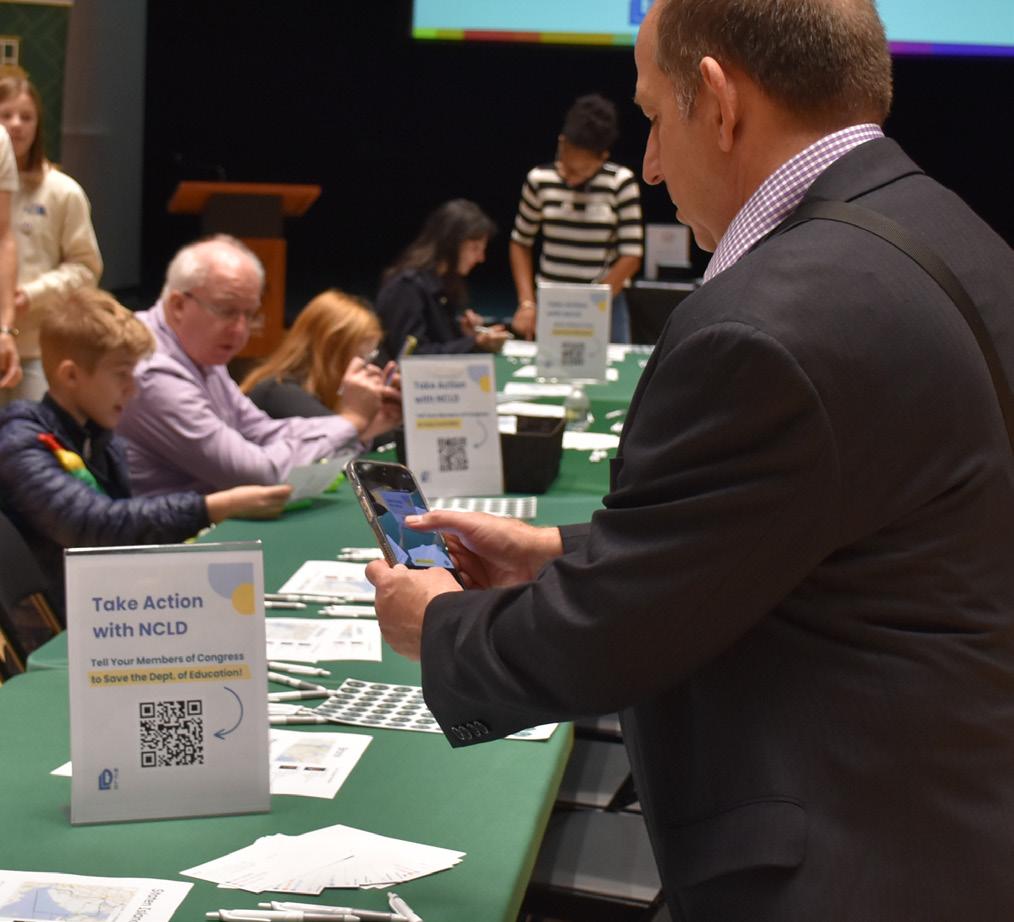
Andrew Lubow writes, “I recently was at Stephen Gaynor School on a weekend for a learning differences advocacy event. This wasn’t the first time I had visited this location. When I was attending Gaynor, the institution was located in a town house farther down on the west side, right off Central Park West. Since graduating, I have gotten my undergraduate degree and an MBA in Management Information Systems. I have been on the adult dyslexic panel for the Orton Society Learning Disability conferences and credit my success in life to the awesome foundation I was given through attending Stephen Gaynor School. Gaynor is a unique educational institution that teaches students how to succeed in LIFE. Everyone graduates with the sense that anything is possible and accomplishments are limitless. I will always have eternal gratitude for time spent at Gaynor and be one of many proud alumnus. Thank you Stephen Gaynor School for your excellence and caring ways.”
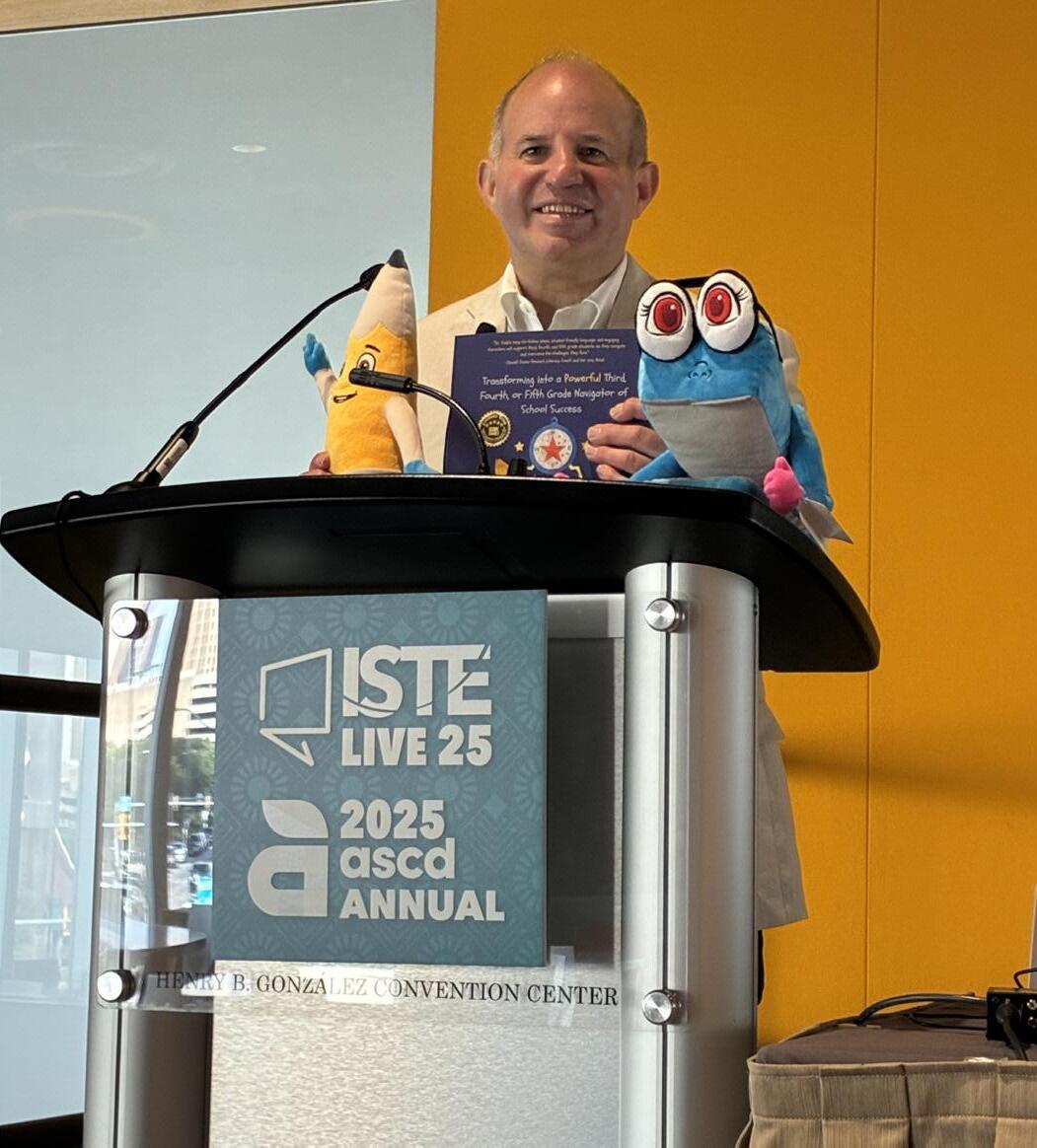
Todd Feltman, PhD announces, “My entry, Boys’ Achievement and Attainment in Primary and Secondary Education, Decline in, was published in The Sage Encyclopedia of Education and Gender. I continue to be an elementary and middle school reading interventionist within the New York City Public Schools. I am also an assistant adjunct professor in Childhood and Literacy Education at Hunter College. I was fortunate to have one of my favorite and best teachers, Kathy Bilgore, within my educational journey. She made learning meaningful, relevant, and practical.”

Kyle McNicoll shares, “I moved to Las Vegas, working in banking fraud, getting my MBA at Babson, involved in a non profit, GCSEN, and joined the board this year. Stephen Gaynor School made learning fun, it also provided a rich environment to develop life-long friendships.”
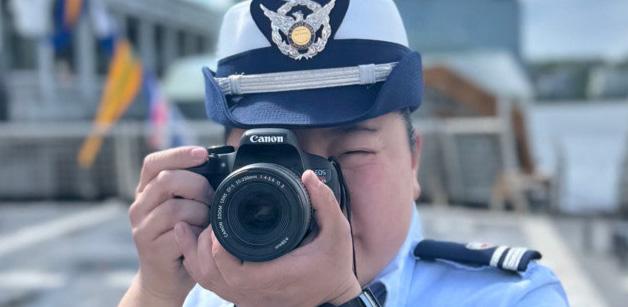
Liza Rolander writes, “After graduating Gaynor, I went to The Churchill School and Center for high school. I then attended Drew University for 1 academic year before the COVID-19 Pandemic where I took a gap year and became an emergency medical technician (EMT). I have been proudly working as an EMT for just over 4 years as well as working as a Division Staff Officer of Public Affairs (overseeing 6 flotillas) as well as being a member of the medical response team on Sector New York during the NYC Marathon in the United States Coast Guard Auxiliary for the past 4 years.”
A Todd Feltman, PhD ‘86 presenting at the 2025 ASCD/ISTE annual conference.
B Kyle McNicoll ‘09 enjoying his best life.
C Liza Rolander ’15 during her service with the U.S. Coast Guard Auxiliary.
When Aden Wiener ‘13 returned to Stephen Gaynor School this past December, he didn’t just walk the halls as an alum. He walked them with perspective.
Now the founder of a New York City–based real estate development firm, Aden credits his success not to speed or shortcuts, but to habits formed early at Gaynor: self-advocacy, preparation, and a deep respect for understanding before action. Those habits, he says, continue to guide him well beyond school and into a demanding professional world.
After graduating from Gaynor in 2013, Aden went on to Columbia Prep for high school and later attended Indiana University’s Kelley School of Business. The transition from Gaynor to a mainstream academic environment was not seamless. “It was very much being thrown into the deep end,” he recalls. “There wasn’t the structure Gaynor had, and I had to rely on what I’d already learned.”
What surprised him most was how often those Gaynor lessons resurfaced. In college lecture halls with hundreds of students, Aden found himself doing something few others did: raising his hand, asking questions, and going to office hours. “That was Gaynor,” he says. “Advocating for yourself, not being afraid to say you don’t
understand something, and making sure you really master it.”
That mindset has carried directly into his career. After more than five years working in real estate development with the Kushner family, Aden recently launched his own firm. Within months, he was acquiring ground-up development sites across New York City. Yet even now, his focus remains on preparation rather than prestige. “I reread contracts. I cancel meetings if I don’t feel fully prepared,” he explains. “That comes straight from Gaynor. If I can’t explain something clearly to someone else, then I don’t truly understand it.”
Aden vividly remembers teachers who shaped that approach. From learning sentence structure repeatedly with Debra Adams, to problem-solving with Chris Meyer, to realizing early on that instruction wasn’t “babying” but intentional scaffolding, he came to understand that nothing at Gaynor was done without purpose. “They weren’t just teaching content,” he says. “They were teaching you how to think.”
Perhaps most powerfully, Aden reflects on how Gaynor shaped his confidence and empathy. While he didn’t fully recognize it at the time, he now sees how learning alongside peers with different strengths fostered understanding rather than stigma.
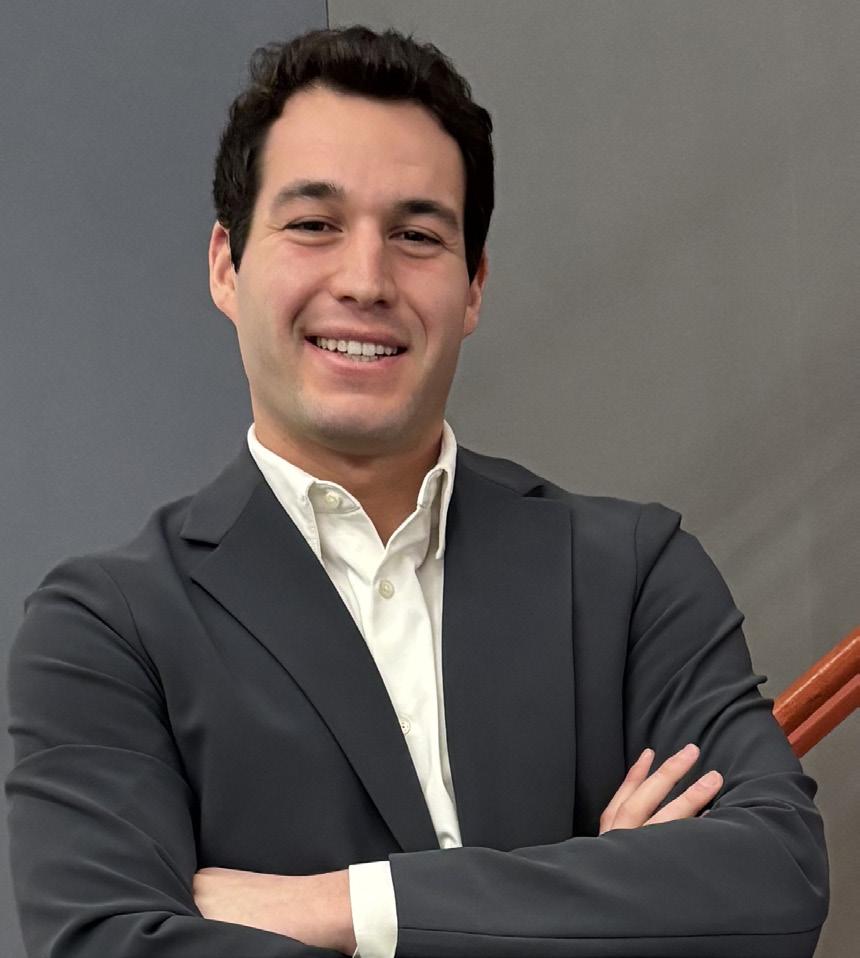
“Gaynor is the gold standard,” Aden says. “Parents should feel proud their child is here. The strategies students learn stay with them forever.”
He speaks candidly about how society often mislabels or misunderstands neurodivergence and how Gaynor helped reframe that narrative for him early on. “Having someone support a student one-on-one isn’t a failure,” he says. “It’s a gift. It teaches skills that last a lifetime.”
That belief informs how Aden views success today. For him, it is not just about building projects, but about building understanding. He is quick to praise parents who advocate for their

children and encourages families to take pride in choosing a school that meets students where they are.
“Gaynor is the gold standard,” Aden says. “Parents should feel proud their child is here. The strategies students learn stay with them forever.”
When asked what advice he would give current Gaynor students, Aden keeps it simple: value the process. “Everything you’re being taught has a reason behind it,” he says. “You may not see it yet, but you will.”
As Aden looks ahead, his success is unmistakable. But what stands out most is not where he is now, it is how clearly he sees the role Gaynor played in helping him get there, and how deeply he hopes every Gaynor graduate carries those lessons forward into the world.
Liza Rolander continues, “Stephen Gaynor School almost literally saved my life. I was your average special education student in a mainstream school that was struggling more than anyone could know. Thanks to my mom and all the research she did, I attended Stephen Gaynor School where I graduated with all “A’s” and went on to be very successful in everything following my time there. Thank you to all my teachers for everything you’ve done to help me succeed and for genuinely caring about not only as a student but as a human.”
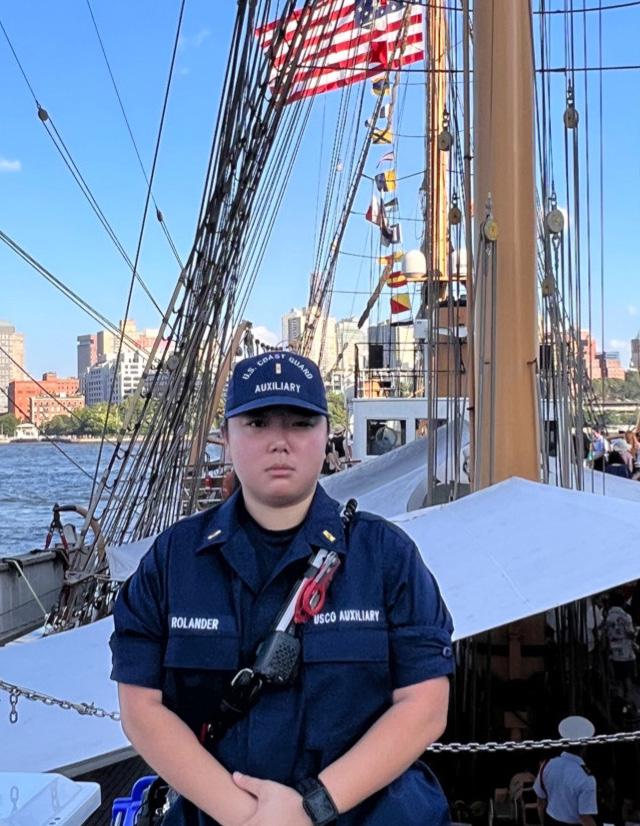
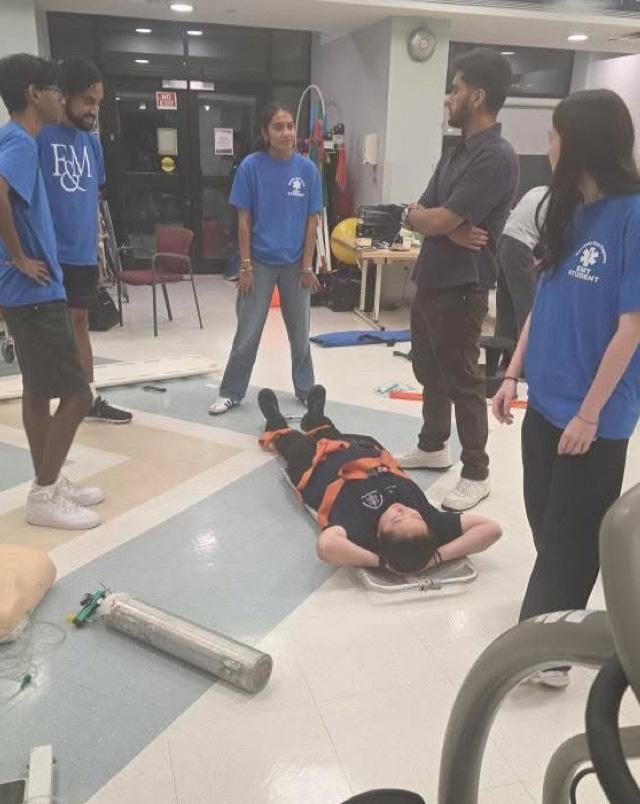
A Liza Rolander ’15 serving with the U.S. Coast Guard Auxiliary, where she volunteers in maritime safety, public education, and emergency preparedness.
B As an EMT and Field Training Officer, Liza Rolander ’15 trains and mentors new emergency responders.
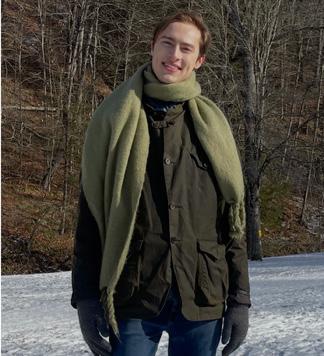
William Van Der Rhoer announces, “I am a senior at the University of Denver studying Strategic Lodging Management in Hospitality. This past summer, I interned in Vail, Colorado at the Four Seasons, where I gained hands-on experience across multiple facets of hotel operations. The experience was incredibly impactful and reinforced my interest in pursuing a career in hospitality following graduation. What I valued most about Stephen Gaynor School was its incredibly supportive and close-knit community”
Madeline Bender shares, “I am currently a sophomore at Stevens Institute of Technology, majoring in Mechanical Engineering. I am concentrating in power generation (i.e. nuclear power). I am also an NCAA, Division III Cross Country and Track and Field runner for Stevens. I have been awarded the scholar athlete award for maintaining a straight A average. I have also won numerous awards for my engineering projects, beating hundreds of other students in my class. I am grateful for my time at Gaynor for teaching me how to advocate for myself, which I use everyday in my life.”
William Horan writes, “I’m currently studying Journalism + Design with a secondary major in Political Law and a minor in Religious Studies at The New School in New York City. Loved all my teachers, especially you Mr. Meyerhope you’re doing amazing!!!”
B
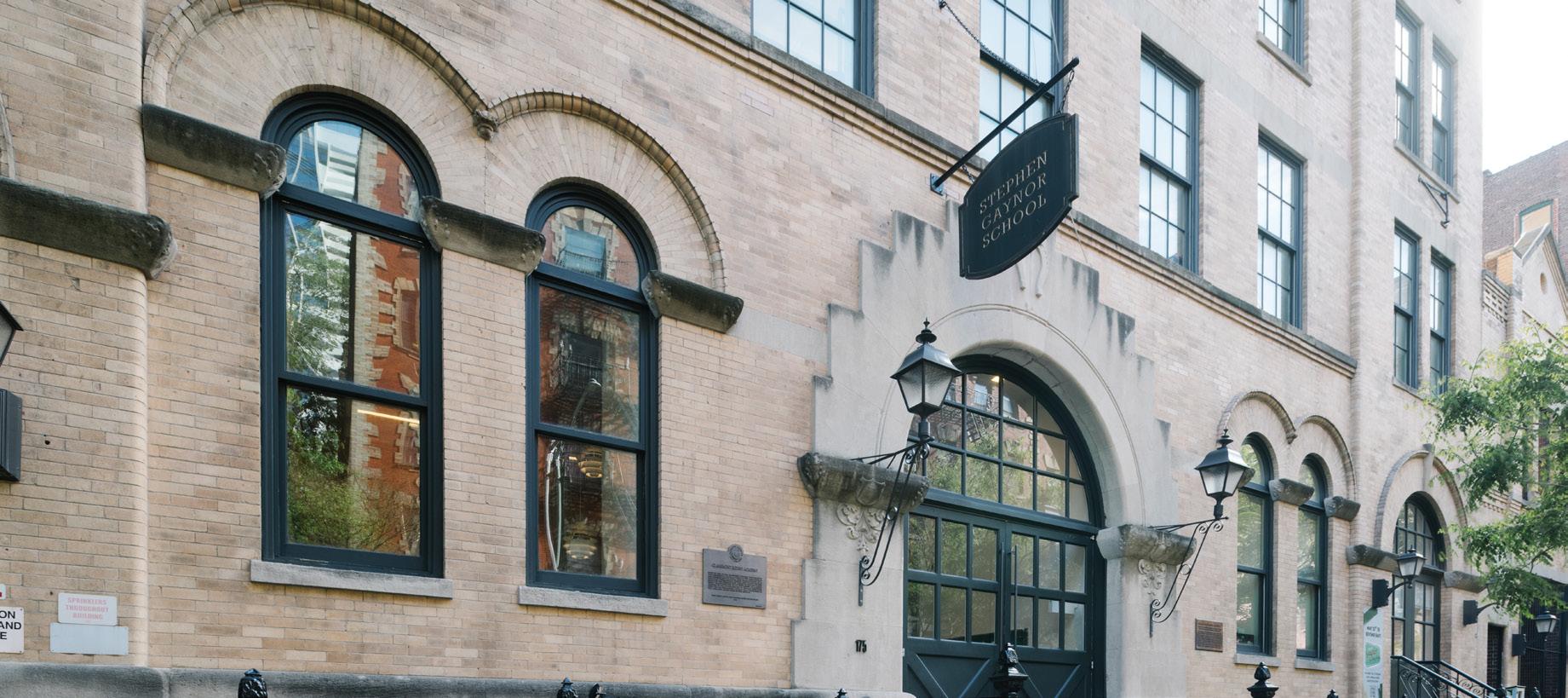
By Amy Warden | Director of Enrollment Management & Audrey’s Mom
When parents visit Gaynor, they often ask me about the return on investment (“ROI”). It’s a way of asking a deeply personal question: Is this investment of our time and our hearts actually going to change the trajectory of my child’s life?
As a Director, I can walk you through the research and the results. But as a mom, I don’t measure ROI in data. I measure ROI in the confidence my 11-year-old daughter Audrey feels as she makes her way through the world.
Before Gaynor, Audrey was a child who loved stories but lived in dread of the page. She is bright and funny, but in her old environment, that sparkle was being swallowed by the exhaustion of trying to keep up. I watched my vibrant girl “shrink,” convinced that her struggles were the only thing that defined her.
That has changed. Audrey has now spent the better part of her childhood at Gaynor, and I’ve had a front-row seat to a transformation that unfolded through steady, intentional years of support.
A perfect example of this happened this past December. For much of her childhood, Audrey saw her learning style as a wall. Early on, she would stay quiet in class to avoid the sting of frustration. But over her years here,
her teachers haven’t just helped her climb that wall; they’ve taught her how to build a bridge over it.
During winter break, I watched Audrey sit down with a stack of homework, break it into “Gaynor-sized” pieces, and use the digital tools she’s learned to rely on.
The “return” was the moment she looked at me with a steady smile and said, “Mom, I think I can do this.” At 11 years old, Audrey has become an expert on herself. For our family, that has been one of the most meaningful outcomes of her school experience.
To the parents visiting us: I know the mix of hope and heartbreak you might be carrying. I’ve been in your shoes. When you walk through our halls, look for the “Audrey moments,” the small signs of progress that add up over time: the quiet confidence, the self-advocacy, the willingness to try again.
What I see, again and again, is children learning how to understand themselves as learners and as people. And as a parent, I can tell you there is no greater return than that.
Amy Warden serves as Director of Enrollment Management and brings parent perspective. She guides families through admissions and into a community where children thrive. For more information, please visit stephengaynor.org/admissions.
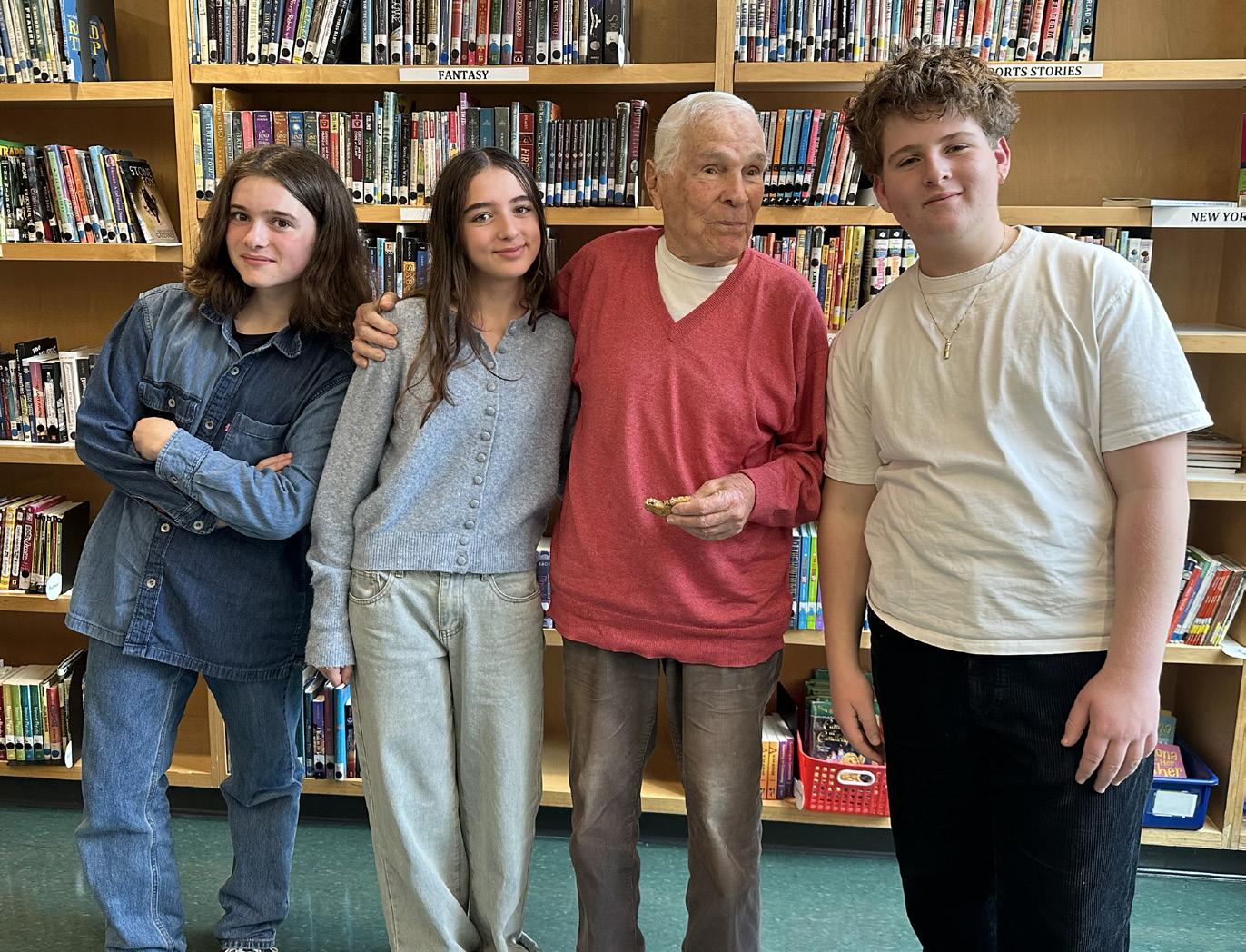
EMPATHY, HISTORY, AND STUDENT VOICE
Through Never Again, students
interview Holocaust survivors,
pre -
serving their stories while building empathy, historical understanding, and human connection.
Our family feels a deep gratitude for the Gaynor community and how we are supported with the same tenderness we hope to create in the world.
A SNEAK PEEK AT WHAT’S COMING NEXT
Launching in Spring 2026, we’re excited to share an early glimpse of our new website, thoughtfully designed to reflect the joy, clarity, and care that define the Gaynor experience and the intentional ways we support students and families every day.

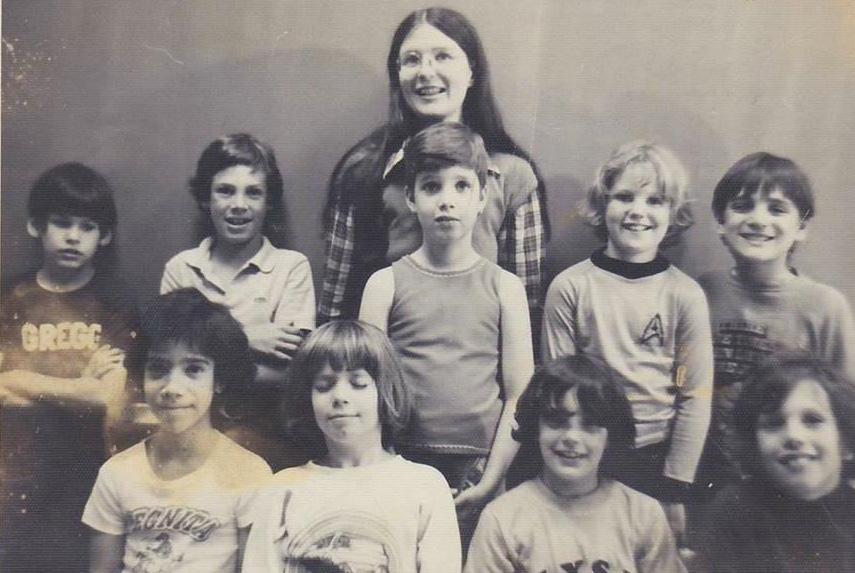



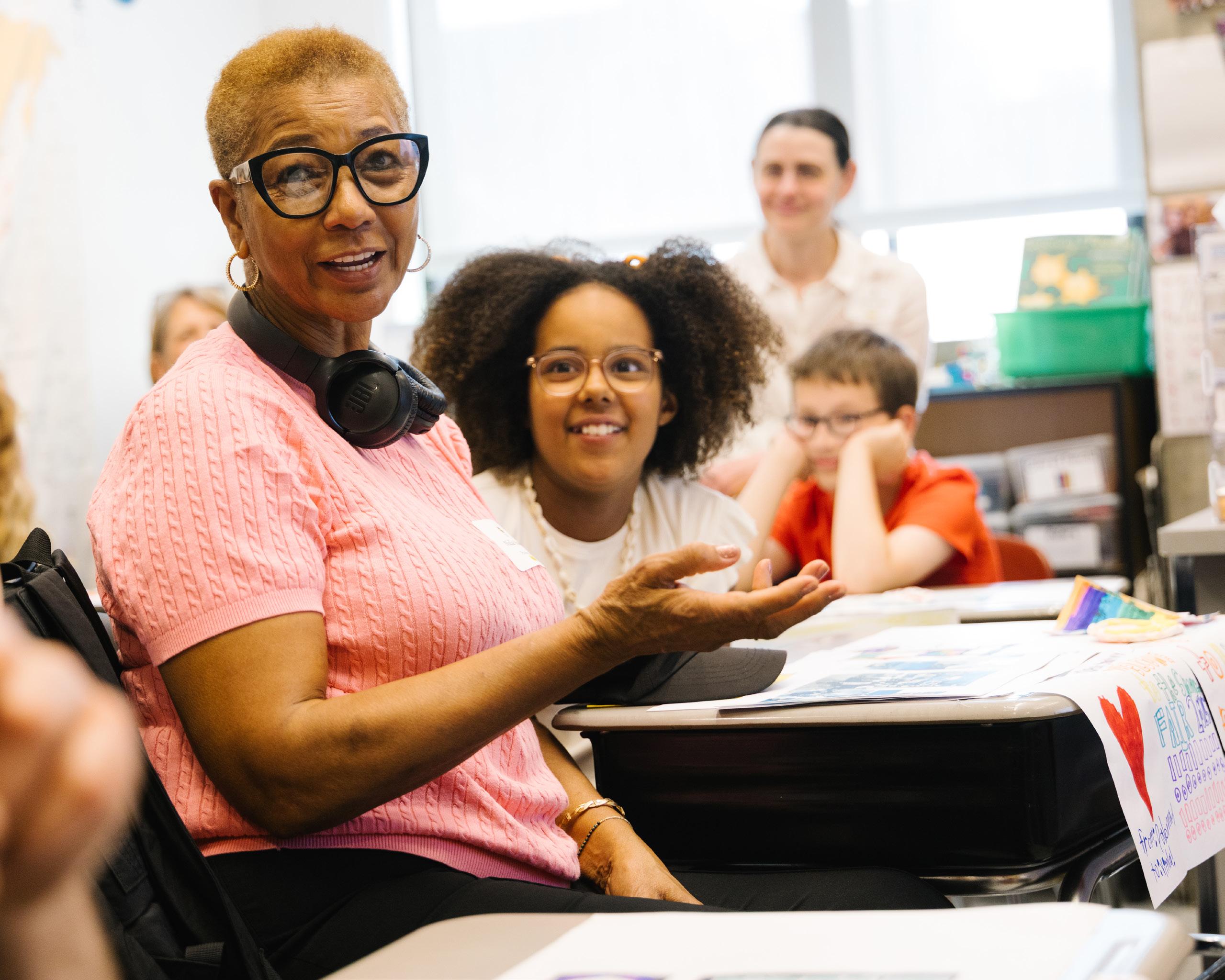
AT STEPHEN GAYNOR SCHOOL, community is at the heart of everything we do. Moments like Relatives and Special Friends Day reflect the powerful partnerships that surround our students, strengthening their confidence, connection, and sense of belonging. Together, families, educators, and loved ones help create the supportive environment that allows every child to thrive.