Tea Shack News
Compiled by the Workforce for the Workforce
Issue 15 > July 2026
& Quiz Page
Q3 > Safe Lifting, Working at Height and Preventing
Issue 15 > July 2026
& Quiz Page
Q3 > Safe Lifting, Working at Height and Preventing
By
I was eighteen, in Army basic training, and cut off from the outside world when the news found me. With no idea what was unfolding, I was dropped off at Darlington train station. “I stood there staring at the newspapers on the counter in the newsagent, trying to process what I was seeing…”
In that instant, Piper Alpha stopped being something happening “out there” and became the start of a lifetime of questions. The disaster took 167 men and changed families forever.
For years, I couldn’t shake the need to understand the industry that took my dad. Eventually I made the decision to work offshore myself. On my first trip, I expected fear. Instead, I felt something strange and calm: “It was the strangest sensation, this feeling of coming home to a place I’d never even been to before.”
Offshore is full of good people doing hard work, in harsh conditions, far from the people they love.

I wrote the book, Through the Flames: Piper Alpha – A Son’s Story, because I’ve learned that major incidents don’t end when the fire goes out. They echo through homes, through relationships, and through the way people think about work and safety.
“Speak to the other side”
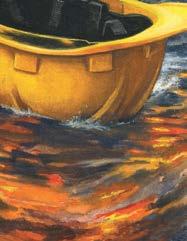
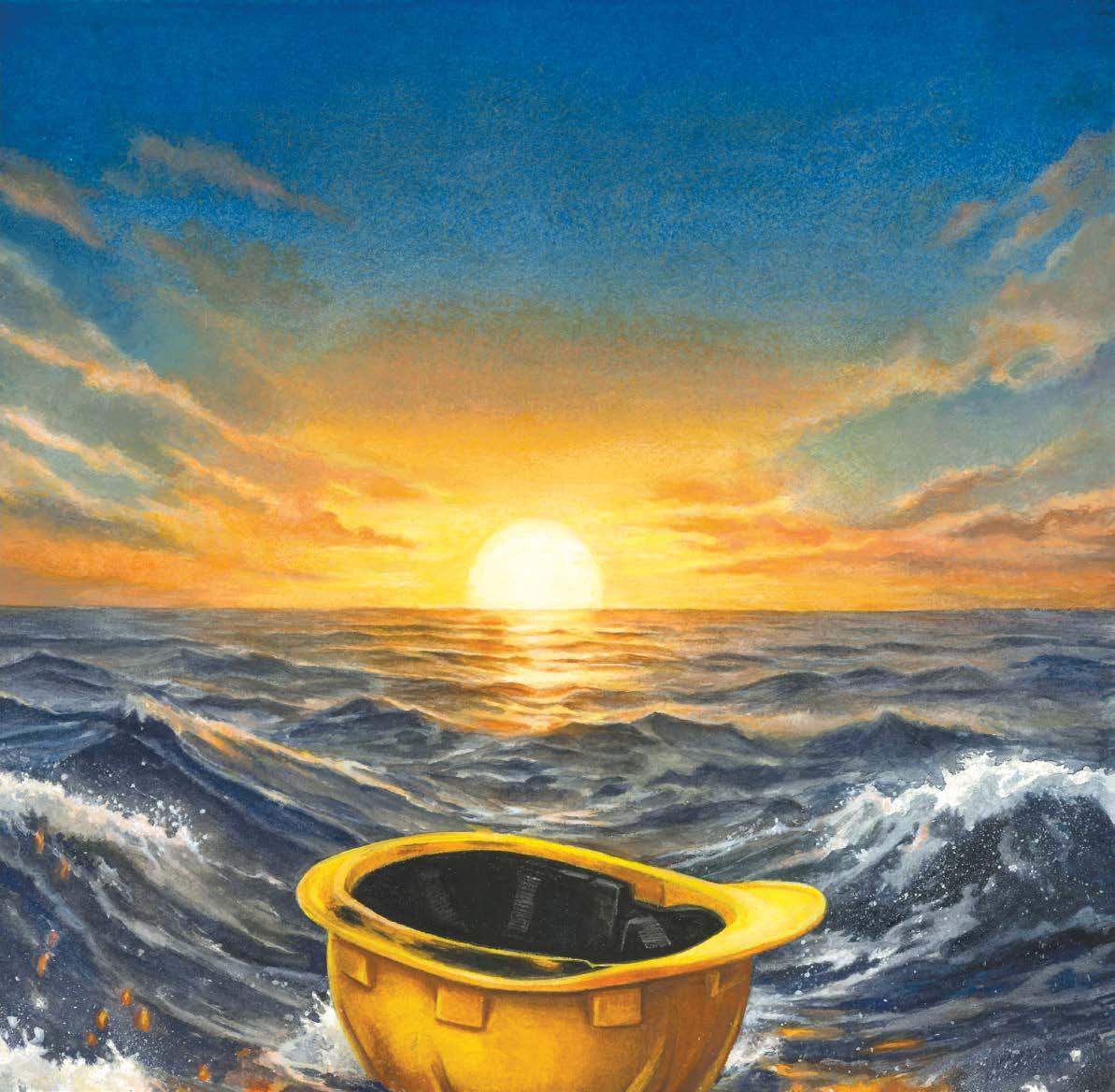
My dad was a safety officer. On the back of his hard hat was a simple sticker: “Speak to Other Side”. It was his way of saying: talk to me before the job, not after the incident.
That line still feels like the whole point of safety. Not paperwork. Not slogans. A conversation. A pause. A moment where someone chooses to care enough to ask, “What’s different today?”
Because the price of getting it wrong is never measured in numbers alone.

Available in all good bookshops. Scan the QR for further info.




Continued overleaf >





In the years since, I’ve seen how easily routine work can drift. Nearmisses become background noise. Pressure becomes normal. People get used to risk.
As my dad used to tell me, incidents happened regularly — “the kind of near-misses and minor accidents that should have been warning signs.”
If we want to honour the past, we need to spot today’s warning signs early — and speak up.
• Safety tools only work when the workforce believes they belong to them.
• Good permits and toolbox talks create shared understanding — not tick-box comfort.
• The strongest control offshore is the willingness to pause, talk, and challenge.
Three things I want every crew to take from this

Adura is proud to sponsor the Q3 theme, focusing on Safe Lifting, Working at Height and Preventing Dropped Objects. Areas where strong alignment with industry good practice is critical to preventing serious incidents.
Insights from the Health and Safety Executive’s Offshore Division reinforce why this focus matters. HSE offshore reports consistently identify dropped objects, lifting operations and equipment failure
1. Keep “Speak to Other Side” alive. Ask one extra question before the job: What has changed? Where could we be surprised?
2. Make the conversation real. The permit system exists to prevent dangerous clashes — “ensuring everyone knows what work is happening where.” Don’t let the learning live only on a screen.
3. Remember the human cost. The offshore workforce and their families carry quiet sacrifices every day — long separations and missed moments — and that’s why controls matter.
Near the end of the book I wrote: “There is light somewhere, no matter how dark things seem.” I meant it because I’ve lived it.
And if you only remember one line, let it be this: “I can only do what I can do. If I do my bit and others do theirs, what more can you ask?”
Remain vigilant, right now. Take your time. Ask yourself “what if?” — and have the confidence to intervene if things don’t look right. Interventions aren’t criticism; they’re care.
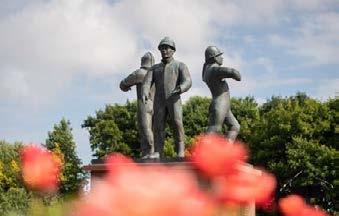
On 6 July, we remember the 167 lives lost in the Piper Alpha disaster in 1988.
Our thoughts remain with their families, friends and colleagues, and with all those across the offshore community whose lives were forever changed.
as common causes of reportable dangerous occurrences. In addition, HSE inspections continue to identify gaps in key controls, with a percentage of inspections across the offshore industry, highlighting the need for consistent application of standards in areas such as lifting operations, control of work and competency management.
Across our operations, these risks are present every day. Every lift must be thoroughly planned and risk assessed, with competent execution and clear communication. Work at height requires the right equipment, effective supervision and disciplined adherence to controls,
while preventing dropped objects demands constant vigilance and robust barriers.
At the heart of this theme is care for ourselves and for each other. Our values are clear: we never compromise safety in pursuit of any other objective.
In line with our CEO’s commitment to industry standards, we refer to Step Change in Safety materials and actively participate in industry forums to strengthen learning and share good practice.
Let’s continue to look out for one another and keep safety first.

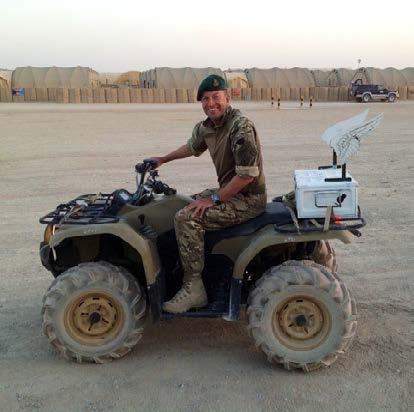
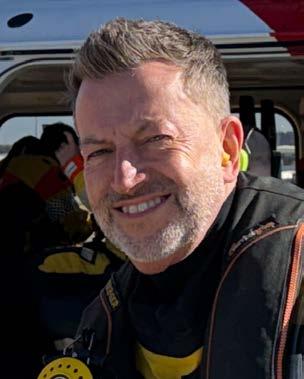
The UK Oil & Gas Chaplaincy recently welcomed The Rev’d Stuart Hallam as Interim Chaplain to the Offshore Oil and Gas Industry.
Stuart brings a wealth of experience to the role, he served for 16 years as a Royal Marines Commando Chaplain, as well as parish priest, prison chaplain and NHS mental health chaplain. Throughout his 27 year ministry, he has supported people working in demanding environments and facing significant life challenges, experience that equips him well to serve those across the offshore energy sector.
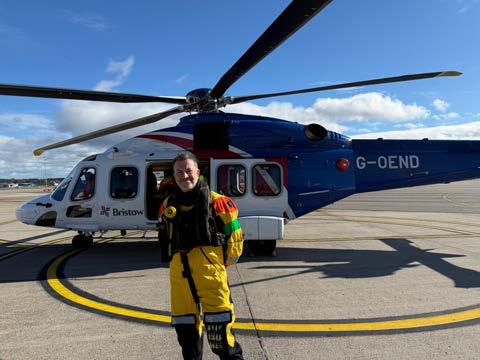
Explaining his role, Stuart says, “The Chaplain is available to everyone, regardless of faith, belief or background, offering a confidential, independent and compassionate presence. Whether someone needs a listening ear, practical support or simply a conversation, the chaplaincy is there to help.”
Alongside pastoral support, the chaplaincy can also help individuals access assistance through the Hardship Fund when financial difficulties arise.
Appointed in February, Stuart has been offshore a number of times already, his first impressions? “Clearly, working offshore can be rewarding, but it also brings unique pressures. Long shifts, time away from loved ones, family concerns, bereavement, illness and workplace stress can all take their toll.”
As Interim Chaplain, Stuart will be engaging with workers, employers, industry partners and local communities connected with the offshore sector, ensuring the chaplaincy remains visible, accessible and responsive to those who need support.
Speaking about his appointment, Stuart said, “It’s a privilege to support those on the frontline, I look forward to meeting people across the industry, hearing their stories and serving those who make such a significant contribution to the life of our nation. In an industry built on skill, commitment and teamwork, chaplaincy offers a simple but valuable service: support, encouragement and the reassurance that no one has to face life’s challenges alone.”
Anyone wishing to contact the chaplaincy for support or to access the Hardship Fund can do so in confidence by emailing: info@ukoilandgaschaplaincy. com
For further details please visit the Oil and Gas Chaplaincy website:
With less than six months to go until the 6 November implementation date, the offshore safe weight limit is fast approaching. This is an important moment for the industry – and a good opportunity for everyone travelling offshore to understand what’s changing and what it means in practice.
At its core, the weight limit is a critical safety control. Individual’s weight can have serious implications, particularly in emergency situations where rescue and evacuation become more complex. A recent Step Change in Safety (SCiS) high-value learning reinforces this point, highlighting a fatal accident involving a marine pilot where weight was a contributing factor. It’s a sobering reminder of why this measure matters.
Fall from height during transfer -delayed rescue due to medical fitness and recovery limitations.
Anyone renewing their OEUK offshore medical between now and November who is close to or above the 124kg limit will receive a timelimited certificate. This will require periodic weight checks to maintain validity, giving individuals time to meet the standard.
Employers will begin introducing checks before personnel start their journey to work. This is to avoid unnecessary travel to heliports where individuals may not meet the requirement. Open conversations with employers ahead of mobilisation will be important.
Employers are committed to supporting their workforce, with a range of initiatives already in place. However, managing weight consistently is a shared responsibility – and an important step in keeping everyone safe offshore.
The max weight limit 124kg
Safety weight policy implementation date: 6th November 2026
As a final safeguard, weight checks at the heliport will identify anyone exceeding the limit. Where this happens, both the employer and installation operator will be informed. Case-by-case reviews will follow, but these are unlikely to be resolved quickly and may disrupt work and earnings.
A practical collection of support sheets covering key aspects of weight loss, from setting goals and changing habits to nutrition, activity and sustaining healthy change.
Click or scan the QR code to download:
John Turbull Caledonian Access
In the energy industry, ladders and stepladders are a familiar part of daily operations and are often viewed as the default solution for accessing low-level work areas. However, familiarity should not be mistaken for safety.
The UK Health and Safety Executive (HSE) recognises ladders and stepladders as being suitable for low-risk, short-duration tasks. What is often overlooked however, is cumulative exposure; a task that takes only a few minutes may appear low risk in isolation, but when repeated multiple times throughout a shift, the overall risk can increase significantly.
Every climb, descent, repositioning activity, and period spent working at height adds another opportunity for a fall. Repeated ladder use can also contribute to fatigue, placing additional strain on the body and increasing the likelihood of slips, missteps, or loss of balance.
The objective is not to eliminate ladders and stepladders from the workplace. Instead, organisations should challenge whether they are being selected because they are genuinely the safest option, or simply because they are convenient and readily available.


When conducting risk assessments, consider:
• Frequency and duration of ladder use
• Cumulative exposure across the shift
• Environmental factors, such as wind and ground stability
• Worker fatigue and physical demands
• Any alternative access methods that could reduce risk
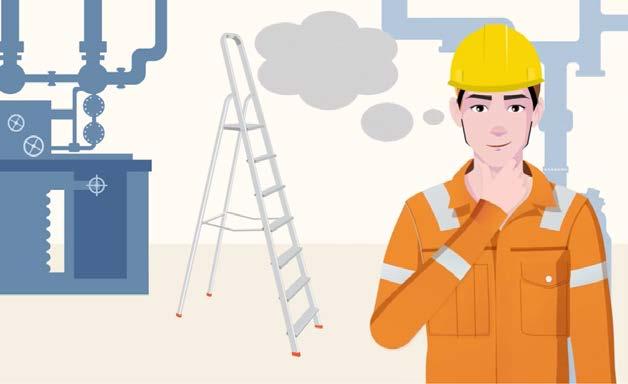
Before climbing, ask yourself: is a step ladder the safest option, or simply the quickest?
By challenging routine ladder use and considering accumulated risk, we can make better decisions, reduce exposure to hazards, and help prevent falls from height. “Choose Ladders Last”
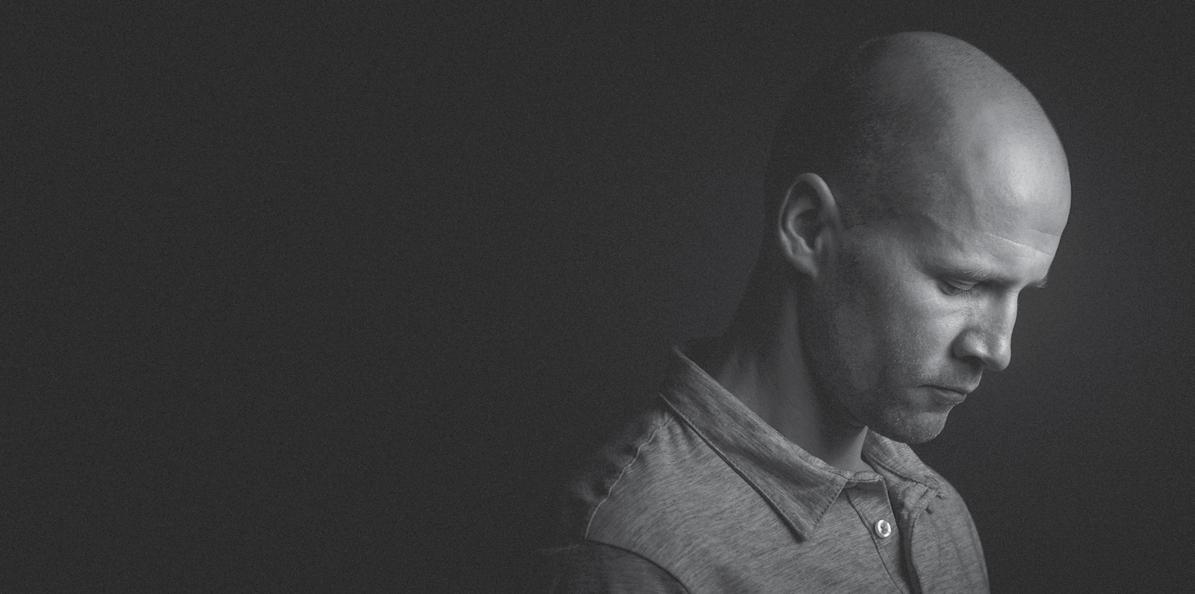
Sometimes our loneliest moments are not when we are physically alone, but when we are surrounded by people.
Feeling invisible. Feeling like just another number on the POB…
Offshore, that can hit even harder because we are physically separated from our tribes, our families, friends, and the people who truly know us. Missing birthdays, weekends at home, kids growing up, or even just daft everyday moments can quietly take its toll over time.
Things have definitely improved since the old days of queuing up for the shared phone-box to speak to the Wife. Most folks can now FaceTime home from their cabin and see their loved ones faces. Staying connected to home matters.
But connection offshore matters too.
Loneliness is not just an uncomfortable feeling, it can genuinely affect your health and wellbeing. Humans evolved in tribes because there was safety in numbers. So when we feel isolated, left out, or like we don’t belong, the body can respond by triggering stress hormones and putting us on alert. Deep down, the brain interprets isolation as vulnerability.
Over time that can affect stress levels, sleep, mood, and mental wellbeing. In its worst cases, chronic loneliness is also linked to depression and suicidal thoughts.
That’s why banter matters more than people think offshore.
The tea shack nonsense. Taking the mick out your mate’s football team. The gym chats. The random conversations that start over absolutely nothing. Those moments are not trivial, they help people feel connected in an environment far from home.
So next time you head to the tea shack for a coffee, check in with home, but check in with your offshore buddies too. A bit of banter and a laugh can genuinely change someone’s day more than you realise.
And take particular care of Green Hats and Vendors. These personnel can often sit on the edges of offshore social circles, moving from asset to asset without ever fully integrating into the crew community. Sometimes simply inviting someone to sit with the lads at break time can make a bigger difference than you think.
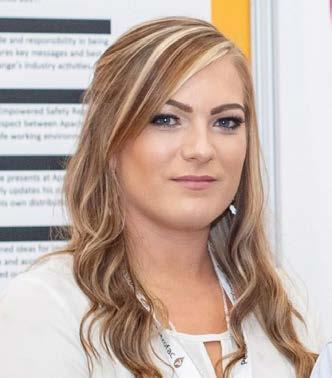
My name is Steph Sunley, and I have worked offshore since 2011, starting at just 21 years old. At the time, I genuinely believed offshore work “wasn’t for women,” until a family friend challenged that thinking. I took the leap—and I’ve never looked back. With my dad also having worked offshore, I had always assumed it was a male-dominated world. How wrong I was.
My journey into Health and Safety began in 2017 when a colleague encouraged me to apply to be a Safety Representative. I wasn’t sure it was the right move, but I recognised the opportunity it gave me: to help bridge the gap between the workforce and management and ensure conversations about safety were honest and grounded in real, day-to-day experience.
Once in the role, I quickly realised how naturally I connected with it.
What began as a new responsibility soon developed into a genuine interest and, eventually, a passion.
Becoming a Safety Rep opened my eyes to how much a safe working environment relies on awareness, communication and accountability. I started noticing things people walked past: near misses, unsafe habits that had become routine, and risks that only became obvious when viewed through the right lens. I also realised how often people overlook hazards simply because they don’t affect them personally—if it’s not impacting us, we don’t tend to give it much notice. Understanding this helped me appreciate just how important it is to encourage everyone to stay alert and engaged.
A major turning point in my passion for the profession came from my involvement with Step Change in Safety, particularly through the Major Accident Hazard and Workforce Engagement groups. Working alongside industry experts and engaged workforce representatives showed me
how powerful meaningful engagement can be in preventing major accidents and improving safety culture across the entire sector. These experiences expanded my understanding of safety beyond individual sites and helped me see the wider industry impact of positive collaboration.
To support my development, I recently completed my NEBOSH qualification. Bringing together years of hands-on offshore experience with formal training has deepened my technical understanding and reinforced that Health and Safety is where I want to build my career.
I am now working towards moving into a full-time Health and Safety role. I’m proud of how a simple suggestion in 2017 grew into a clear direction for my future. My goal is to continue championing workforce engagement, influencing safer practices and contributing to a stronger, more informed safety culture. I started offshore believing it wasn’t a place for someone like me, now I’m committed to helping make it safer for everyone who follows.
Safety in Decom Webinar
11 Aug (online)
Energy Safety Awards 2026
20 Aug, P&J Live Aberdeen
Q3 Theme Webinar with Equilibria 26 Aug (online)
Human Factors Forum
10 Sept, SCiS Offices
2-Day Course: Safety Leadership Development
15 & 16 Sept, Ardoe House Hotel, Aberdeen Lifting Forum
17 Sept, SCiS Offices
Wellbeing Webinar 29 Sept (online)
Our first in-person Safety in Decommissioning Network event was a huge success, creating a dedicated space for open discussion, shared learning and practical insight into the safety and wellbeing challenges facing decommissioning.
Developed in partnership with Decom Mission, the Network aims to improve safety across the decommissioning lifecycle by sharing learning, promoting good practice and addressing unique risks. The conference brought that purpose to life, with offshore, onshore and nuclear perspectives shared throughout the day.
Following opening remarks from Craig Wiggins, SCiS CEO, and Sam Long, Decom Mission CEO, the programme began with regulatory insight from Matt Dingsdale, ONR and Colin Hart, HSE.
A standout Leadership & Culture session brought a powerful human dimension to the day. Shabnum Hanif, IntrospeXion, and Louise Martin, RigRun, connected strongly with the room, exploring the psychology, behaviours and experiences that shape safety and wellbeing. David Williams, Nuclear Restoration Services, added a nuclear perspective through Human Performance Principles.
The Standardisation session featured practical case studies from Mark Gillard and Donald MacArthur, Three60Energy; Craig Wiggins, SCiS; and James Lewis and Taylor Hoskins, PPP Sellafield.
The final Sharing & Learning session continued the cross-sector focus, with contributions from Bill Chilton, IMCA; John Davey, EnQuest; and John Dunn, Nuclear Transport Solutions, sharing experience across offshore, onshore and nuclear decommissioning.

A huge thank you to our speakers and panellists, and Safety in Decom Co-Chairs Stuart Gladstone, Dom Bicocchi and Steve Andrew.
Find out more about our Safety in Decommissioning Network with the QR code
A record turnout joined us at Union Kirk, Aberdeen, for our first Safety Reps Event of 2026, focused on Building Communities to Create Safer Worksites
The day opened with our WEST Workgroup CoChairs Stuart Watson, Moira Lamb and Gary Begg, followed by a welcome from Principal Sponsor DNV, who also gave attendees the chance to experience their virtual reality training and simulation technology.
Our Learning & Insight session was also livestreamed, enabling Safety Reps and teams working offshore to join the conversation. Shane Gorman shared Through the Flames: Piper Alpha –A Son’s Journey, alongside contributions from Bob Egan, HSE, and Eddie Woods, Woods Alternative Solutions, exploring regulation, influence and safer worksites.
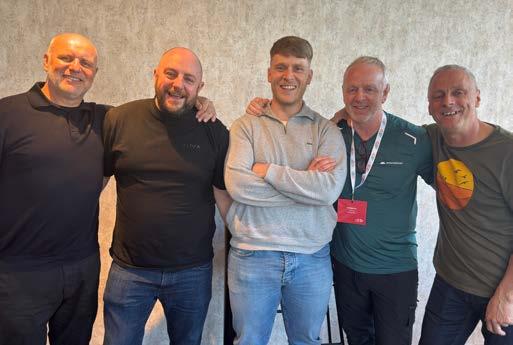
Our Kahoot! quiz saw Alphatraz take the top spot, winning a £100 charity donation.
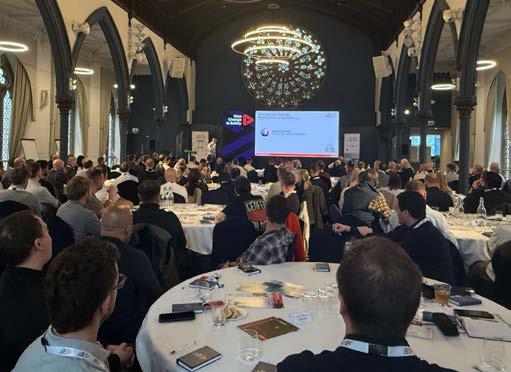
The focus then shifted to Building Communities, with Oceaneering, RigRun, Spirit Energy and Altrad exploring connection, belonging, psychological safety, fitness and peer support.
In the afternoon, interactive workshops led by Eddie Woods explored how stronger communities can help keep people safe and healthy, before our WEST Co-Chairs reflected on the day and Craig Wiggins, SCiS CEO, closed with a call to Play Your Part.
Thanks for our sponsor DNV.
Thanks also to our presenters, and to Union Kirk and AXV Audio Visual for making the day such a success.
The conversation continues on 29 October, with our next Safety Reps programme at the Workforce Wellbeing & Safety Expo, continuing the focus on building strong communities for safer, healthier worksites. Turn to the next page to find out more and register.
Visit the Safety Representatives web page by using the QR code >
Step Change in Safety is partnering with P&J
Live to relaunch the former Safety Expo as the Workforce Wellbeing & Safety Expo, taking place on Thursday 29 October 2026.

With a clear focus on workforce safety and wellbeing, the Expo has been reimagined to reflect the challenges, conversations and priorities shaping industry today.

by clicking or scanning the QR code:
SAFETY BREAKFAST FORUM
07:00-09:30 BST
Start the day with a powerful conversation
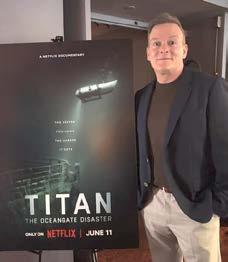
A ticketed breakfast session opening the Expo with keynote speaker David Lochridge and industry leaders.
Sponsored by:

KEYNOTE SPEAKERDavid Lochridge
Drawing on 30+ years in high-risk operations and his experience before the Titan tragedy, David shares powerful lessons on safety culture, leadership and speaking up. Exhibit withus.
CONFERENCE PROGRAMME
10:00-16:30 BST
Free insight from the Main Stage Hear from industry experts as they explore today’s safety and wellbeing priorities, share practical insights and inspire new thinking across the energy industry.
Main Stage sponsor:
SAFETY REPS & SITE MANAGERS
PROGRAMME 10:00-16:30 BST
Understanding People to Strengthen Safety
A practical, engaging programme exploring how personality, behaviour and communication shape the communities that look out for each other every day. Exclusively for Step Change in Safety members.
Sponsors:
Showcase.Connect.Grow. Put your products, services and expertise in front of safety leaders, site managers, reps and industry partners looking for ideas and solutions to support safer, healthier worksites.

32,850
5,473
829 workforce feedback interactions jobs stopped
22,672
On their own, those moments matter. Together, they provide a powerful picture of what is happening across our industry - where progress is being made, where challenges remain, and where attention is needed most.
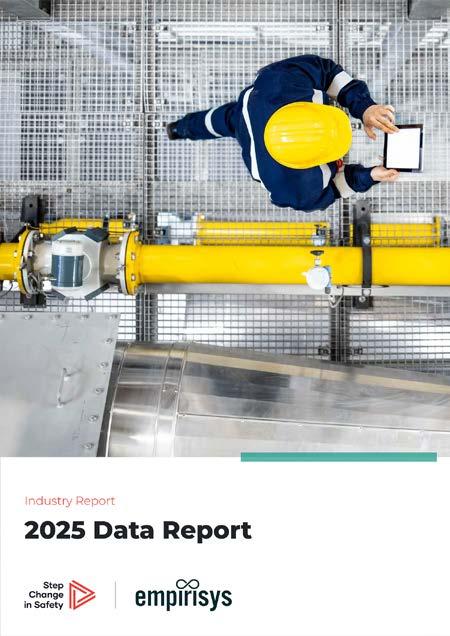
That’s the thinking behind the new 2025 E-Obs Boost Industry Report, produced in partnership with Empirisys.
Drawing on workforce observation data captured through the SCiS E-Obs platform, the report provides an evidence-based view of safety performance across the UKCS energy industry.
Using Boost’s AI-enhanced analysis capability, the report identifies recurring themes, emerging risks and opportunities for improvement that may be difficult to recognise when individual observations are viewed in isolation. Topics explored include:
Barrier Health Equipment Integrity Hazard Identification
Operational Discipline Major Accident Hazard Awareness
Building on the 2024 E-Obs Boost Industry Report, this expanded 2025 edition introduces year-on-year comparisons, deeper analysis of emerging themes and new insight into Process Safety Fundamentals, helping organisations better understand how safety performance is evolving over time.
More than a collection of statistics. It poses an important question for every organisation: “What do these observations mean for our operations?” workforce observations
The 2025 E-Obs Boost Industry Report is free to download now click or scan the QR code >>>
3. A specialist responsible for inspecting and attaching mechanical lifting gear to a heavy load (6)
8. A designated “zone” barricaded beneath a work-at-height area (9)
9. A barrier fixed along the edges of scaffold to prevent materials falling over the edge (8)
10. A temporary elevated platform (8)
11. A safety device used to tether tools to prevent them from falling (7)
1. Which African country is completely surrounded by the Republic of South Africa?
2. What is the most abundant element in the Earth’s crust?
3. Which actor directed and starred in the 1993 Holocaust drama Schindler’s List?
4. Who succeeded Neville Chamberlain as the Prime Minister of the United Kingdom in 1940?
5. From which country does the blue cheese known as Roquefort originate?
6. Who wrote the classic 19th-century novel Pride and Prejudice?
7. Technically, what is the largest desert in the world?
8. Which Renaissance master painted the ceiling of the Sistine Chapel?
9. What is the hottest planet in our solar system?
10. How many players from each team are on the field at one time in a standard match of field hockey?
Down
1. A flexible line secured to an anchor point when working at height (8)
2. Personal fall protection equipment worn around the torso (7)
4. A loop of chain or rope used to wrap around a load and attach it to a lifting hook (5)
5. A secure point of attachment for lifelines, lanyards, or deceleration devices (11)
6. A mechanical device used for raising or lowering a load by means of a drum or liftwheel (5)
7. A tall mechanical machine for lifting heavy weights (5)
10. Acronym for the maximum mass that a lifting piece of equipment can safely raise (3)