How Sunscreen Prevents Skin Cancer
BY: STEM Illustrated
2025-2026
BY: STEM Illustrated
2025-2026
When a person gets sunburnt, it increases their risk of
When a gets it increases their risk of
When a person it skin cancer because when the skin’s blood vessels skin cancer because when the skin’s blood vessels skin cancer because when the skin’s dilate and cause the redness, inflammation, and the inflammation, dilate and the redness, inflammation, and swelling experienced. The body must then send swelling experienced. The body then send swelling experienced. The body must then immune cells to repair the damage by clearing debris cells repair by clearing immune cells to repair damage by clearing and stimulating regeneration. This damage is caused stimulating regeneration. damage is This damage is by ultraviolet (UV) radiation from the sun, which by ultraviolet radiation sun, which the sun, penetrates skin cells and harms their DNA. UV penetrates skin and harms UV penetrates cells and radiation can alter the structure of DNA, which, if not can structure of DNA, which, if not radiation can alter the structure of which, not adequately repaired by the body’s repair systems, can the can adequately repaired body’s repair can leave permanent errors known as mutations leave permanent errors as mutations. leave known
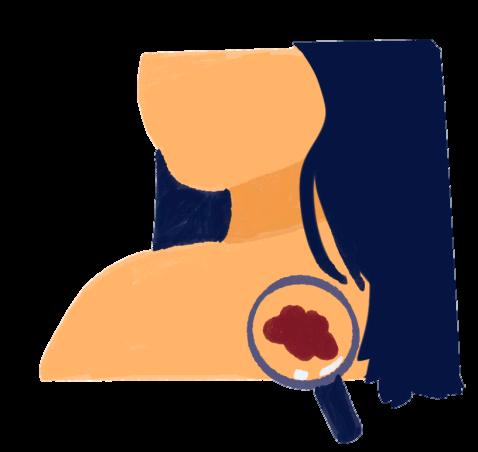
Every time skin DNA is mutated, there is a time skin DNA is mutated, is Every time there is possibility that important genes controlling cell important cell that genes controlling cell growth will malfunction. The more times growth will malfunction. The more times growth will malfunction. The more times sunburn occurs, the more chances there are for sunburn occurs, the more chances there are for sunburn occurs, the chances are for mutation. If enough mutations accumulate over mutation. If enough mutations over mutation. If enough mutations time with repeated sunburns, cells can begin to time begin time repeated sunburns, to divide uncontrollably, which is what defines divide uncontrollably, which is what defines divide uncontrollably, what cancer. In other words, sunburn is a visible sign words, sunburn is a sign cancer. In other words, sunburn a visible that skin cells have been damaged by UV skin have that have been by UV radiation, which can include damage to their damage their which damage to DNA. Over time the damage from sunburns can Over time damage DNA. Over time the damage from sunburns can lead to skin cancer development. lead to skin cancer development. lead to skin development.

Basal cell carcinoma (BCC)
Basal (BCC)
Basal cell carcinoma is the most common most common is the most common and least aggressive form of skin cancer. There and least aggressive form of skin cancer There of cancer. There are around 3 6 million cases diagnosed in the are 3.6 cases in the 3.6 million United States each year It appears in the basal United year. in United States each It appears basal cells in the deepest layer of the epidermis, which in the deepest of epidermis, which cells the deepest layer of the epidermis, which is the skin’s outermost layer. BCC can be caused is the skin’s outermost layer. be caused the can by a mixture of short and intense ultraviolet (UV) by of and ultraviolet mixture and intense (UV) radiation exposure and cumulative, long-term cumulative, long-term radiation and cumulative, exposure and typically appears as translucent or as translucent or exposure and typically as translucent or pearly bumps on sun-exposed areas. pearly sun-exposed on areas

Squamous cell carcinoma Squamous cell is the second is the second most common type of skin cancer, common type of skin cancer, of developing from the squamous cells in the developing squamous cells the developing the squamous cells in the middle and outer layers of the epidermis. middle outer layers epidermis. middle and layers of the Like BCC, it is caused by long-term UV Like BCC, it is caused long-term BCC, is long-term UV exposure from the sun or tanning beds. It the or It from sun beds. can appear as a nodule, which is when a as a nodule, which a can appear as a nodule, which is when a bump forms on the skin due to an abnormal forms on the skin due to an forms skin due an abnormal cluster of cells. SCC can also appear as a cluster of cells SCC can also appear as a cluster of cells. SCC also as scaly red patch or a wart-like shape red wart-like shape. scaly red patch or wart-like shape.
Melanoma Melanoma is the most dangerous form of skin is the most dangerous form of skin is skin cancer, typically appearing as an asymmetrical cancer, appearing asymmetrical cancer, typically as asymmetrical or changing mole. It is formed in melanocytes, changing mole. It formed in melanocytes, or mole. It is in which are pigment-producing cells. Usually, pigment-producing cells. which pigment-producing Usually, Melanoma is caused by excessive UV exposure; by exposure; is by excessive UV exposure; however, genetic mutations and family history genetic mutations family history and history could also contribute to the cancer forming. could also to to the cancer forming.
Sunscreen prevents UV rays from damaging
Sunscreen prevents UV from damaging prevents UV rays from skin DNA. There are physical blockers inside DNA. There are physical blockers inside There sunscreen that contain minerals, including sunscreen that contain including sunscreen that minerals, titanium dioxide or zinc oxide ground into dioxide or oxide ground titanium dioxide zinc oxide into fine particles. The minerals are deposited on fine particles. The minerals are deposited on fine The are on top of the skin, allowing UV rays to bounce off. top skin, UV rays to top of the allowing to bounce off.
Chemical absorbers in sunscreen include Chemical absorbers in sunscreen
Chemical in sunscreen include avobenzone, oxybenzone, octisalate, avobenzone, oxybenzone, octisalate, oxybenzone, octocrylene, and octinoxate. These octocrylene, and octinoxate. These octinoxate. These chemicals combine to create a thin chemicals combine create a thin to create protective layer that absorbs UV radiation protective that absorbs layer absorbs radiation before it can penetrate the skin. The before it can the skin. The chemical ingredients convert harmful UV chemical ingredients convert harmful ingredients harmful UV energy into non-harmful heat that is energy into non-harmful heat is energy non-harmful released from the skin. As UV radiation hits released from UV hits from the As hits the skin, the molecules become excited and skin, the molecules excited and the become excited turn the light energy into molecular turn the light energy into molecular the energy vibrations, otherwise known as heat, which known as vibrations, otherwise as heat, neutralizes UV rays. These types of neutralizes UV rays. UV types sunscreens are usually referred to as organic are as sunscreens are usually to organic sunscreens. sunscreens. sunscreens.

The UV Index is a tool used by The UV Index is a tool used by UV is the National Weather Service Weather the Weather Service (NWS) and U.S. Environmental and (NWS) and U.S. Environmental Protection Agency (EPA) to Protection Agency (EPA) to Protection Agency to communicate the level of UV communicate the level of of UV radiation that can potentially can harm human skin. harm human skin. harm

The scale starts at 0 and goes upward, with The scale 0 and goes upward, starts 0 and goes upward, with higher numbers indicating higher levels of numbers indicating levels numbers indicating higher radiation exposure. As shown on many radiation exposure As shown on many exposure. on many weather apps, the basic UV forecast is an weather apps, the basic forecast weather apps, basic UV forecast is an estimate of UV radiation exposure during estimate during estimate of radiation solar noon when the sun is at the highest solar noon when the sun is at the highest noon sun at the point in the sky. The index takes into account the sky. index takes into point the The index takes account elevation, cloud orientation, and the ozone elevation, orientation, and elevation, orientation, and layer’s absorption effects, a continuous effects, a layer’s absorption a continuous filtration cycle of converting harmful UV converting harmful filtration cycle of harmful UV radiation into manageable thermal energy. into manageable thermal energy. into manageable thermal While clouds often block some level of UV clouds often some level of While UV rays, thin and broken clouds allow them to rays, thin and broken clouds allow them to rays, allow access the earth, and puffy, white clouds even access the earth, and puffy, white clouds access and puffy, clouds even deflect rays to increase UV radiation. deflect rays increase UV radiation. rays to increase
At level 11, exposed skin can burn level 11, skin burn At 11, burn up in minutes. However, covering up in minutes. covering However, up, wearing a hat and sunglasses, a hat up, wearing and sunglasses, and sunscreen are highly highly and sunscreen are highly encouraged even at level 1. UV even level 1. UV radiation exposure puts humans at radiation exposure puts at exposure risk for sunburn, eye damage, risk for sunburn, eye sunburn, immune system suppression, and immune and system and skin cancer. Bright surfaces like skin cancer. like skin snow, sand, and clouds can reflect sand, and reflect clouds UV rays and increase damaging UV and increase damaging UV rays exposure, necessitating the vigilant necessitating the vigilant use of sunscreen. use use of sunscreen.
The SPF level of a bottle of sunscreen tells its The The level of a bottle sunscreen tells effectiveness in shielding against UVB rays, a type effectiveness in shielding rays, a type shielding against UVB rays, a type of radiation from the Sun that causes sunburns of radiation from the Sun that causes sunburns from Sun that causes by damaging skin cell DNA. For example, SPF 30 by damaging skin SPF 30 by cell For example, protects against 97% of UVB rays and SPF 50 protects rays and 50 protects against 97% of and SPF protects against 98% of UVB rays. No sunscreen against 98% of rays. protects against 98% of UVB rays. No sunscreen can provide 100% protection from UVB rays, but can provide 100% protection from UVB but rays, the difference in protection between higher SPF the difference protection between SPF level sunscreens is so small that using 30+ spf is level sunscreens is small that 30+ spf is is so using spf sufficiently effective for skin protection. sufficiently effective for skin for protection.
Mineral sunscreens, also known as organic or Mineral also organic or sunscreens, known or physical sunscreens, use ingredients that create a physical sunscreens, ingredients that a physical use ingredients that a physical barrier between the sun's ultraviolet rays physical barrier the sun's ultraviolet rays barrier between the sun's ultraviolet and the skin. Mineral sunscreens may leave a skin. may leave a the Mineral leave white cast because of active ingredients like white cast because active ingredients cast because of ingredients titanium and zinc oxide that reflect UVB rays. and oxide that reflect UVB titanium UVB rays. Minerals sunscreens are great for people who Minerals sunscreens are for people who Minerals are for who have sensitive skin, acne prone skin, or are sensitive are sensitive skin, prone especially susceptible to sunburn. sunburn. especially susceptible to sunburn.
Sprays Sprays are amazing at are amazing at are amazing covering hard to reach covering to reach hard to reach areas like the back, areas like the areas like the back, neck, and legs. neck, and legs. neck, legs.
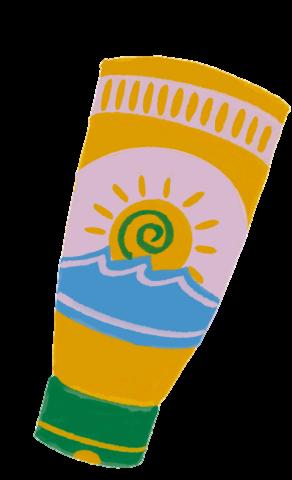
Chemical sunscreens absorb UV rays by acting as a Chemical rays by acting as a Chemical sunscreens absorb UV rays by acting as a sponge and converting the UV rays into heat. As sponge and converting rays into As sponge and converting the UV into the name suggests, chemical sunscreens contain suggests, contain the chemicals such as octinoxate, oxybenzone, and chemicals and chemicals such oxybenzone, avobenzone which absorb UV radiation. Chemical avobenzone which UV radiation. Chemical avobenzone absorb Chemical sunscreens require time to absorb into the skin to time to to absorb the be effective, but they do not leave a white cast. but not a white cast. they do cast.
Chemical sunscreens are a good option for those Chemical good option for those sunscreens are a good those who want a transparent finish, water resistant who want a finish, water resistant transparent finish, water resistant formulas, and easy application. easy formulas, and
A quarter of a teaspoon is
A quarter of teaspoon is
A quarter a teaspoon he recommended amount he amount recommended amount of sunscreen for the face, of sunscreen for the face, of sunscreen for the hich is easy to put on with is easy to put on with hich is easy to put on with a a a lotion lotion or or or cream cream cream formula formula formula
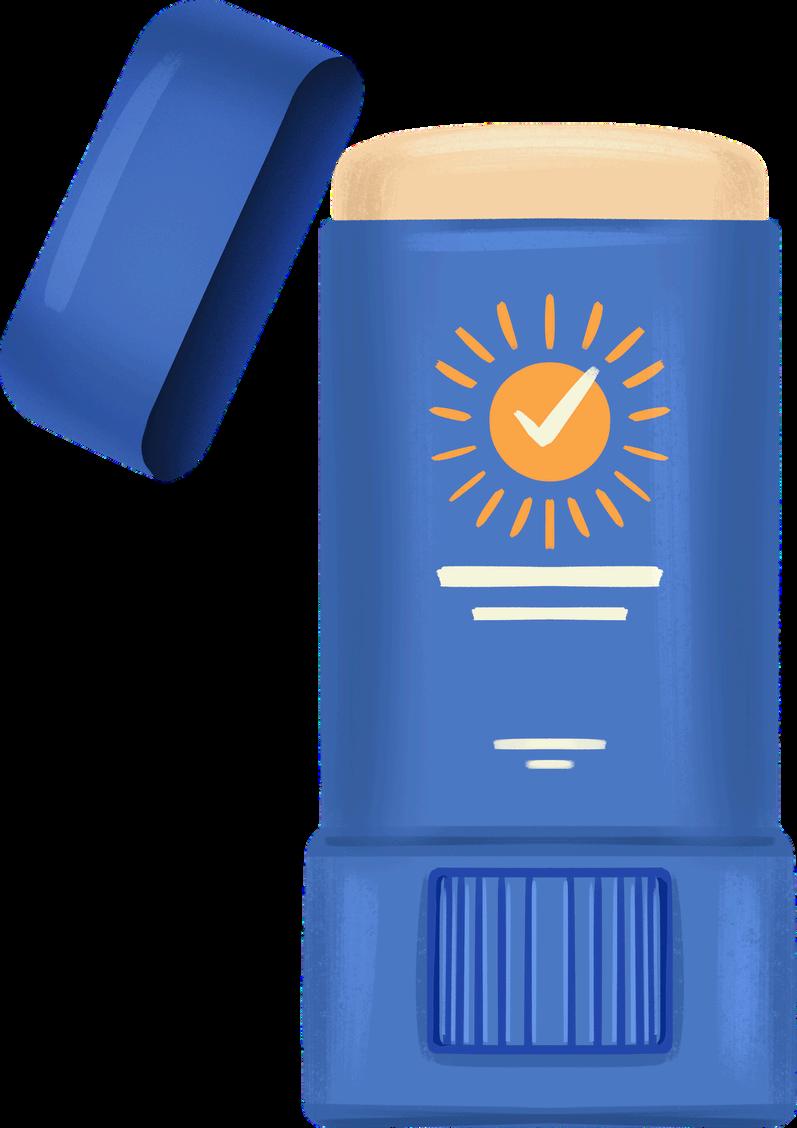
Lastly, Lastly, Lastly, sunscreen sunscreen sunscreen sticks sticks are good are good options because they because they are spill proof and and are spill proof and mess free due to wax mess free due to wax mess free due to wax and gel agents added gel added and gel agents added to the formulation. to to the formulation. remember to apply the correct amount of sunscreen as labeled on the bottle to stay protected!
Artists
STEM Illustrated is The Lawrenceville School’s student-run international science graphics publication, transforming complex science concepts into engaging graphics. We create and distribute our graphic chapters internationally to foster and promote STEM education for children worldwide. For more information, please visit our website: https//www.lvillestemillustrated.com/