
YEAR 9 IN SEPTEMBER 2026
YEAR 9 IN SEPTEMBER 2026
"We believe if pupils feel happy, secure and supported at school they will naturally benefit from our outstanding educational opportunities and enjoy the wealth of stimulating extra-curricular activities on offer."
SUMMER TERM 2026:
Year 9 Transition morning (for pupils)
Year 9 Transition Evening (for parents)
Form 8 return option forms
MICHAELMAS TERM 2026:
October: MidYis testing, internal school tests followed by set changes where needed.
December: Parents’ Evening
LENT TERM 2027:
February: Pupil presentation for GCSE choices
Parents’ Curriculum Evening for GCSE choices
March: Return of GCSE Options Form
SUMMER TERM 2027:
In June: End of Year exams, followed by set changes where appropriate
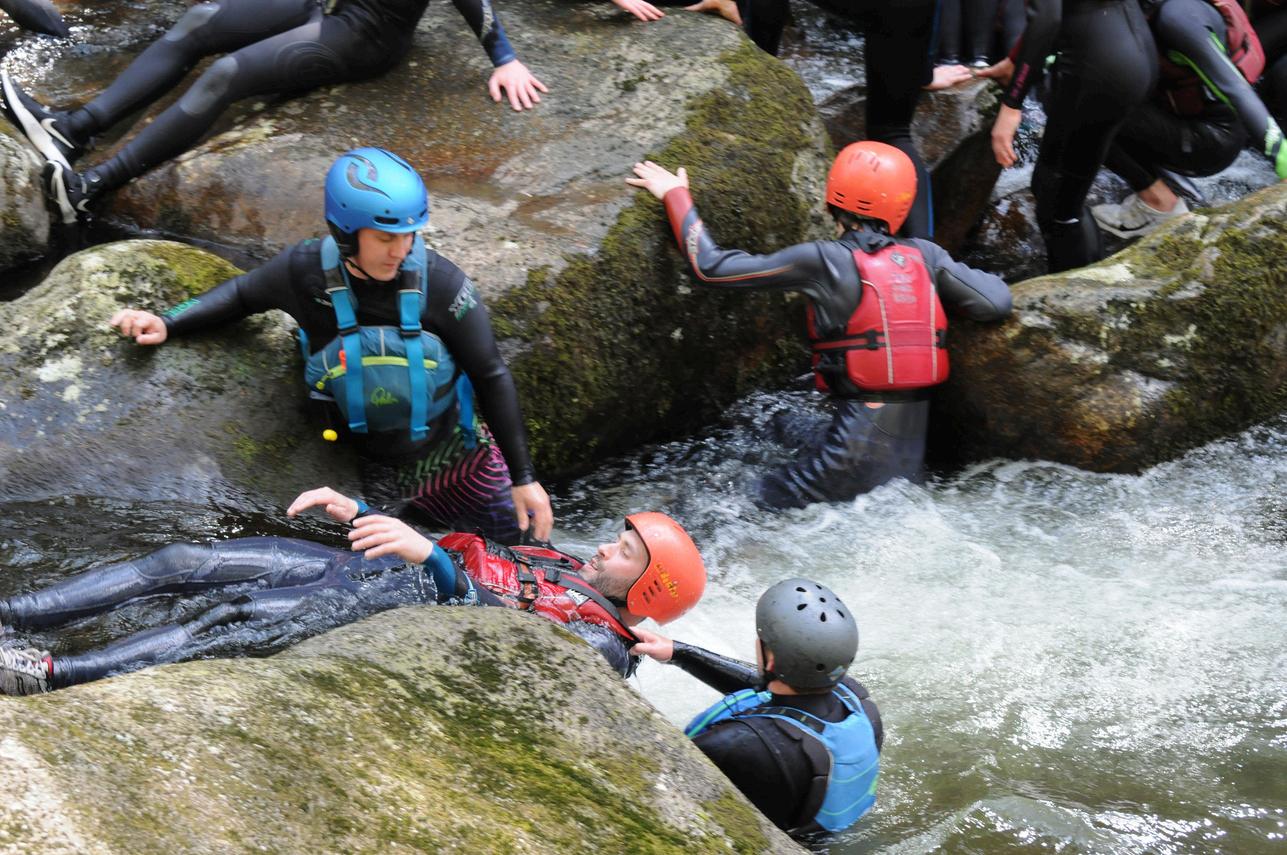
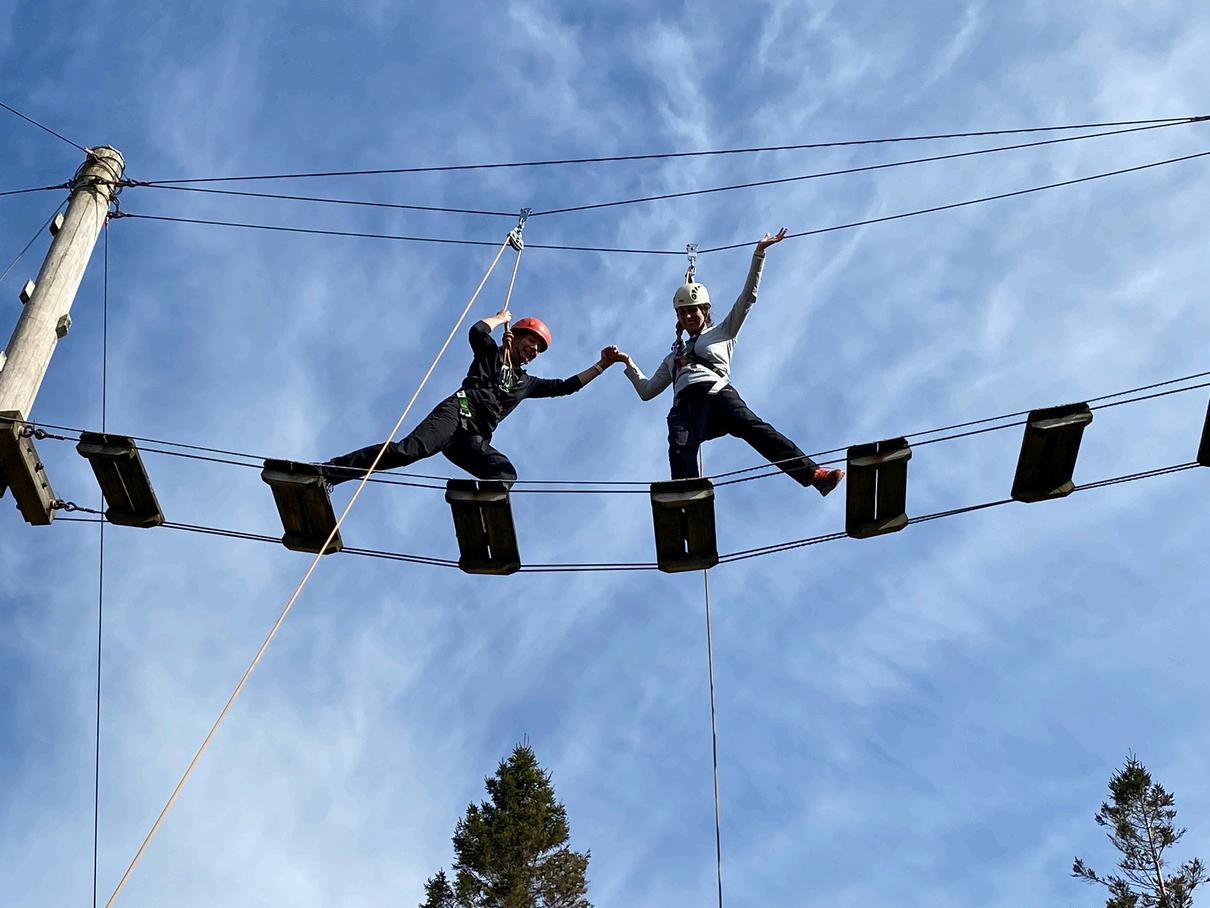
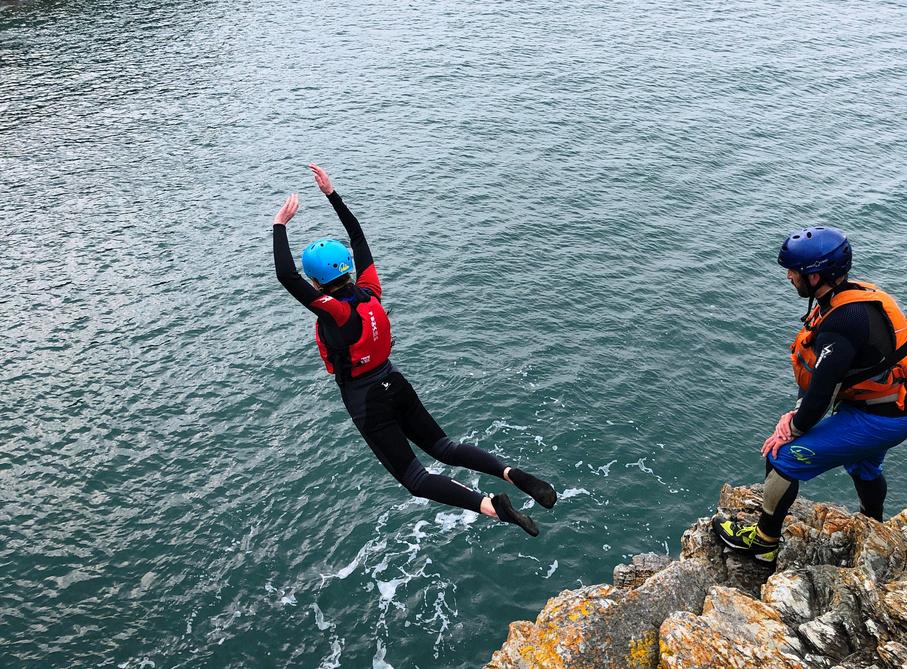
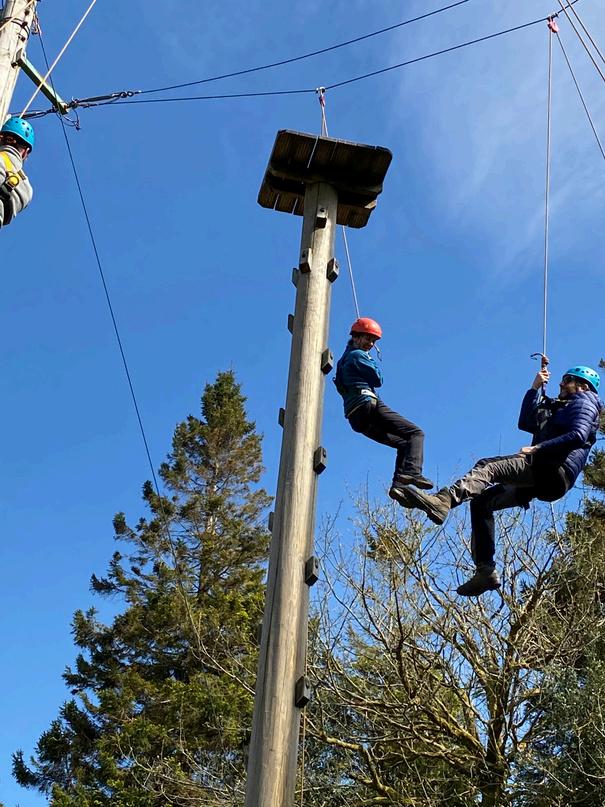
June: Outdoor Education Week
SUBJECT
Computer
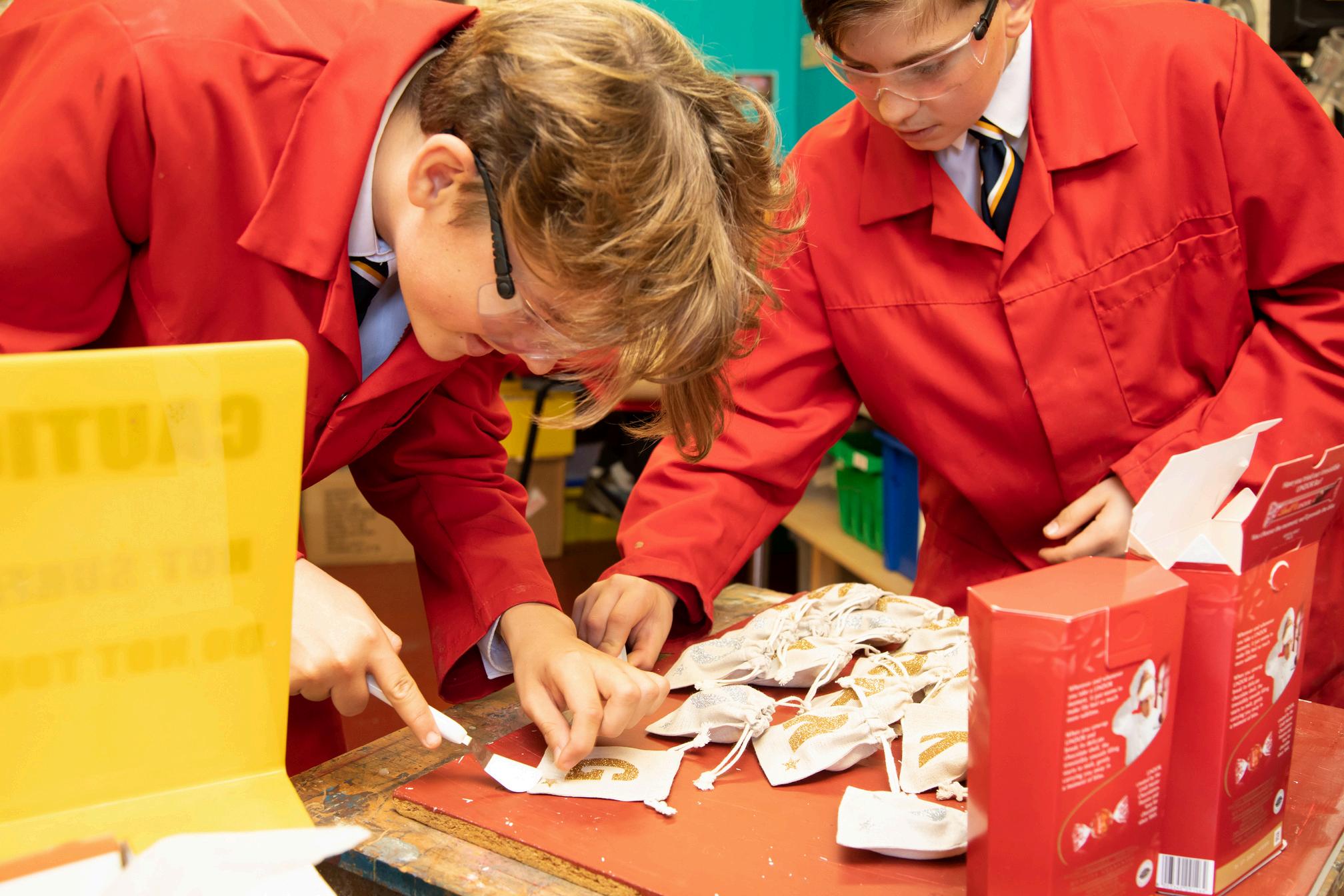
Design


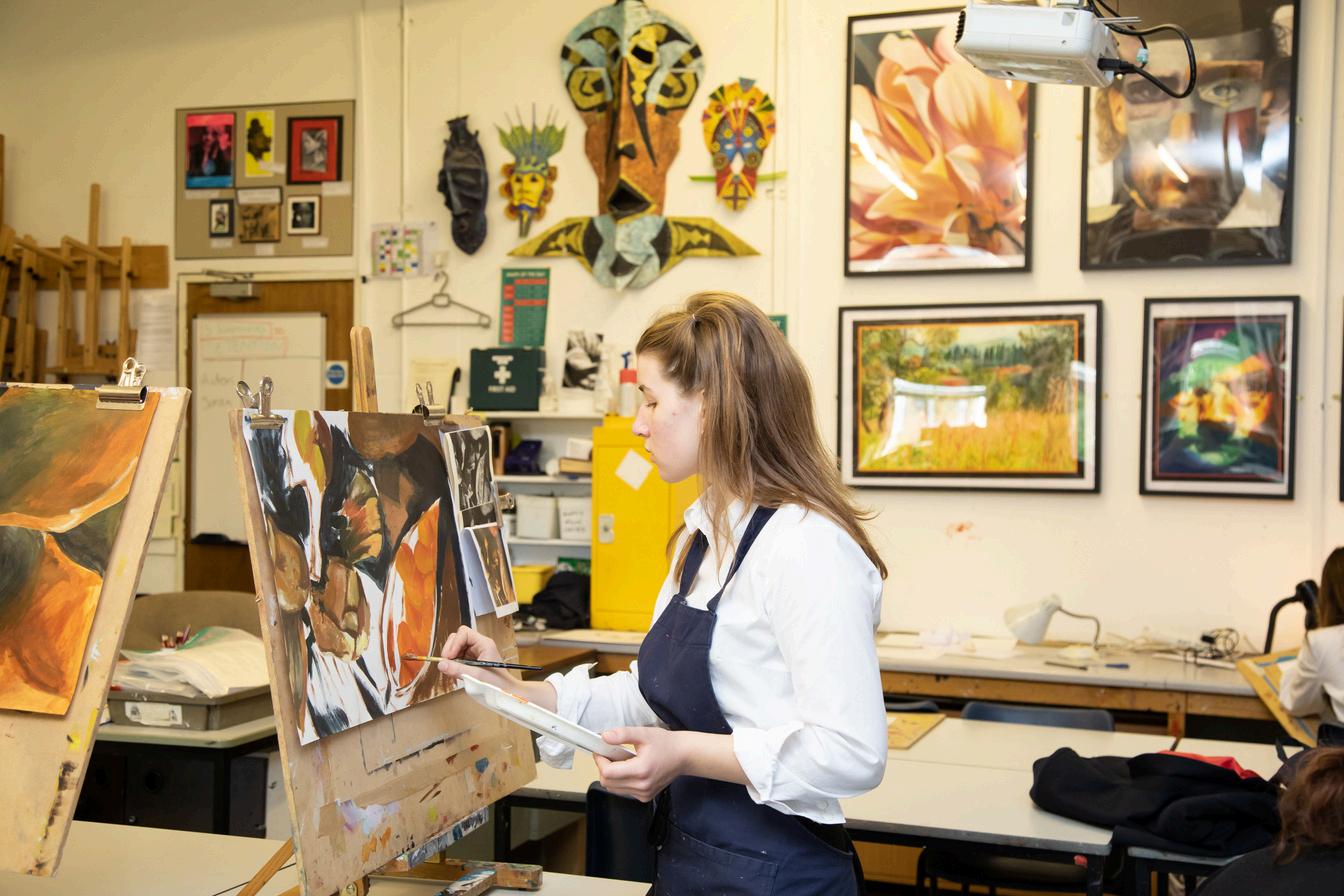
The Lower Fifth Art course is designed to stimulate visual awareness It enables pupils of varying artistic abilities to experience, and enjoy using, a variety of media, to observe, analyse and develop ideas and to express themselves in visual terms Pupils are offered the opportunity to experiment with a wide range of materials and processes, including ceramics, printmaking, drawing and painting, sculpture, photography, textiles and through the department’s multimedia computers Pupils are encouraged to look at different examples of Art and Design, responding to the work of artists and designers through their own work
Pupils work in three different areas over the course of the year The experiences offered in each of these areas are based on mini GCSE-style projects to give pupils an insight into the options they have in Middle and Upper Fifth Sketchbooks are used to record and develop ideas and research artists’ work
Using the theme Colour and Pattern pupils explore drawing, painting and
mixed media approaches to a variety of natural and manmade starting points
This may include some digital photography to record and develop ideas Pupils research, explore and develop ideas in their sketchbook, leading to a final piece in their choice of media
The theme Natural Form is used as a starting point for individual projects. Pupils use sketchbooks to research, record and develop ideas which are translated into three dimensions using clay There is an emphasis on form, colour and pattern in natural objects
Pupils are introduced to the work of a range of artists and designers. They respond in two and three dimensions using traditional as well as unconventional media and processes to develop creative and independent ideas and outcomes, whilst learning new techniques Preps take the form of sketchbook work as well as some inventive three dimensional pieces
Lower Fifth pupils are encouraged to attend art clinics after school to extend their class work
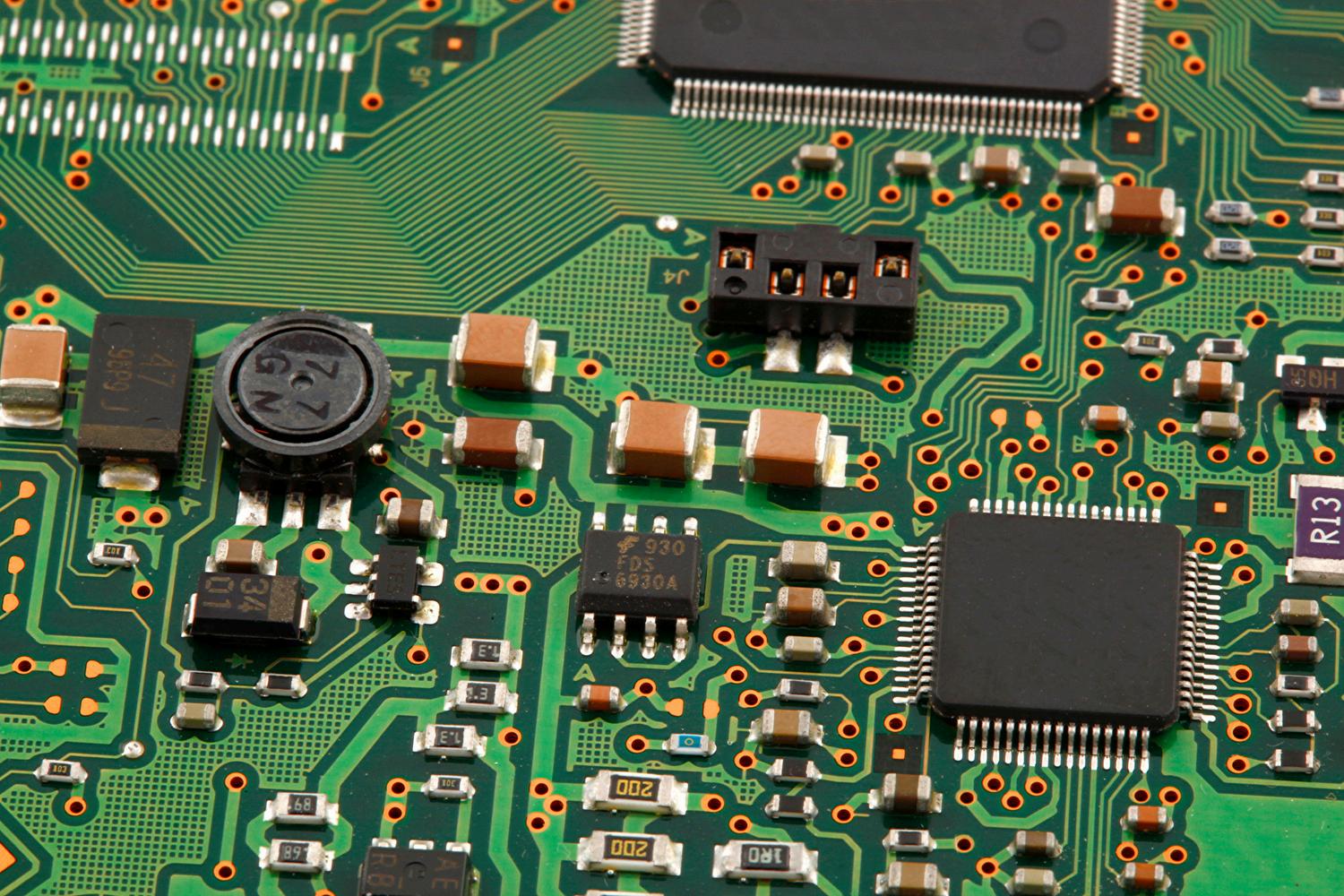
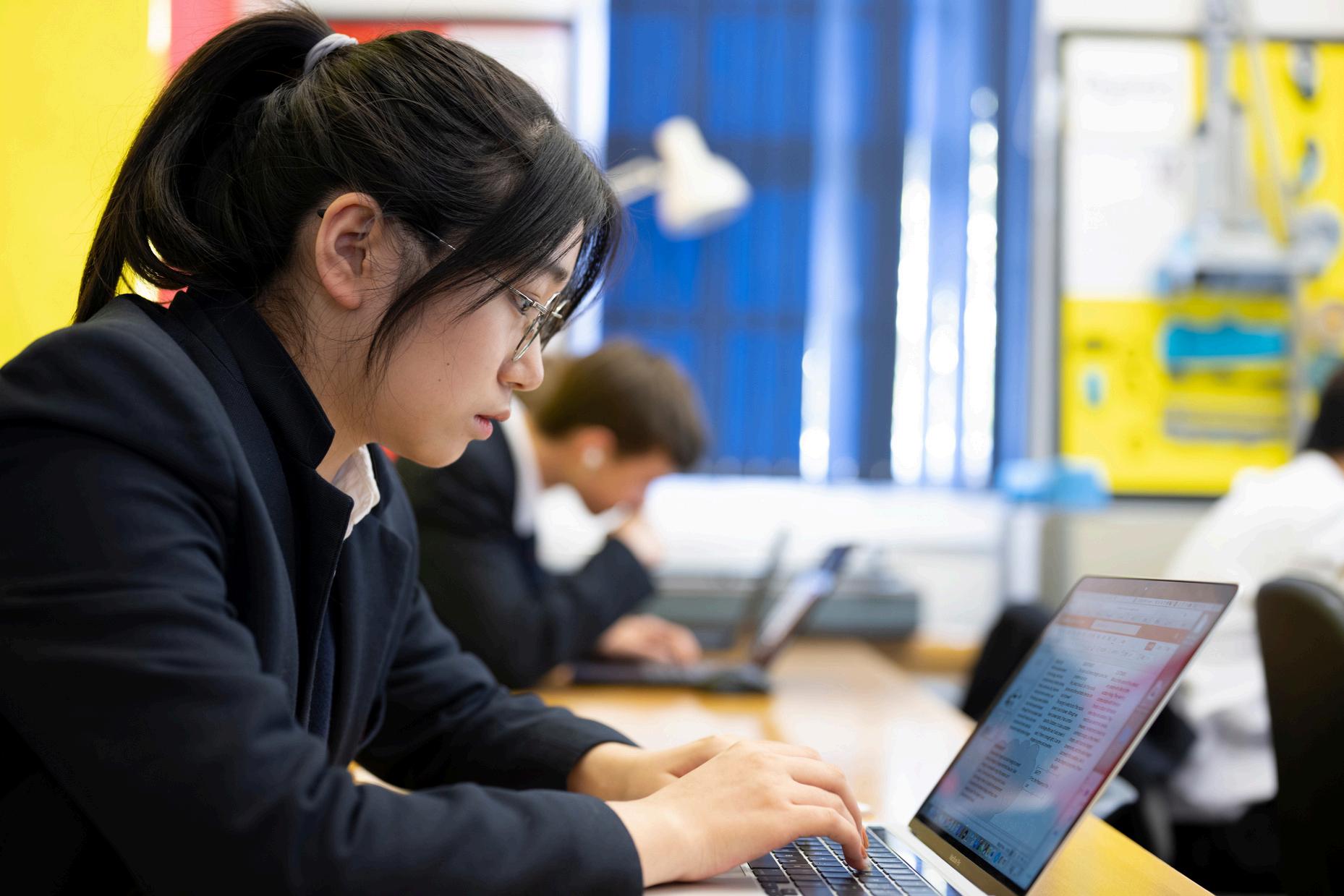
Computer technologies are everywhere; from the way we communicate, to the cars we drive; the movies we watch; and the ways businesses and governments deal with us The demand to make hardware smaller, work faster, and provide access to new and exciting software has never been greater Understanding the different dimensions of computing is part of the necessary skill set for life in the 21st century
Computing in Lower Fifth provides students with the opportunity to develop and extend capability, creativity and knowledge in the Information Technology, Digital Media and Computer Science disciplines at sufficient depth to progress to GCSE level
Students develop and apply a wide range of transferable skills deemed essential for any career path option. These include ICT competence, computational thinking and problem-solving; collaborative working and leadership; numeracy; and research and design techniques
In addition, this course cultivates and maintains a crucial understanding of how changes in technology affect safety, including new ways to protect their online privacy and identity, and how to identify and report a range of concerns

Designing and making is the most powerful way that we solve problems, express ideas and shape our world. What and how we make defines who we are, and communicates who we want to be For many people, making is critical for survival For others, it is a chosen vocation: a way of thinking, inventing and innovating For some it is simply a delight to be able to shape a material or combine ingredients and say “I made that ”
The Lower Fifth course builds on pupils’ previous knowledge and enables a deeper understanding of the design process All of the subject areas share the common themes of designing and making, and foster skills in all the practical aspects of the subject Pupils undertake a variety of projects and work to produce products that are fit for purpose, taking into account the needs and wants of different user groups of people

Awardsfor‘ChefoftheWeek’arehotlyco challengingcourse.
Any pupil with difficulties in English is identified early Learning Enhancement Overseas pupils are
EAL Department
Geography is all around us, every day and everywhere We aim to develop an understanding of the world we live in and to prepare our pupils to be good global citizens, aware of the demands of sustainability for the benefit of all those on the planet Geography at this level has a primary aim to foster a life-long interest in the subject. One of our key objectives is teaching pupils how to learninquiry, problem solving and thinking skills activities often form the basis of classroom learning
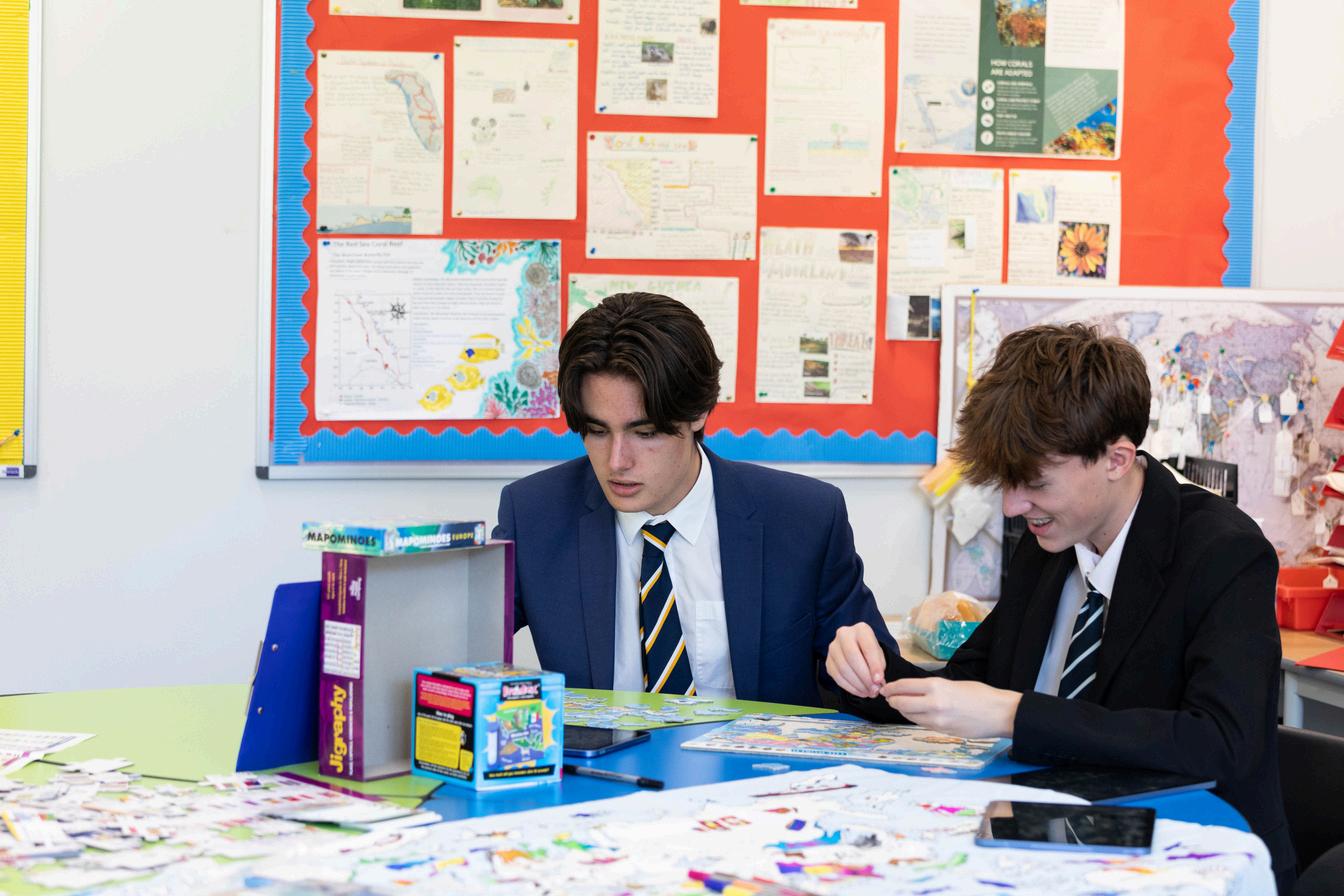
During the Lower Fifth we investigate how the planet influences people and how we are, in turn, having a dramatic influence on the planet Throughout the course, pupils develop and improve a wide range of transferable skills, including drawing and interpreting maps, drawing sketches, diagrams and graphs, interpreting photographs and satellite images, developing GIS skills as well as refining powers of analysis and the ability to express thoughts and ideas in clear and detailed writing These will, we hope, prove valuable for other subjects, particularly Science, History and Mathematics

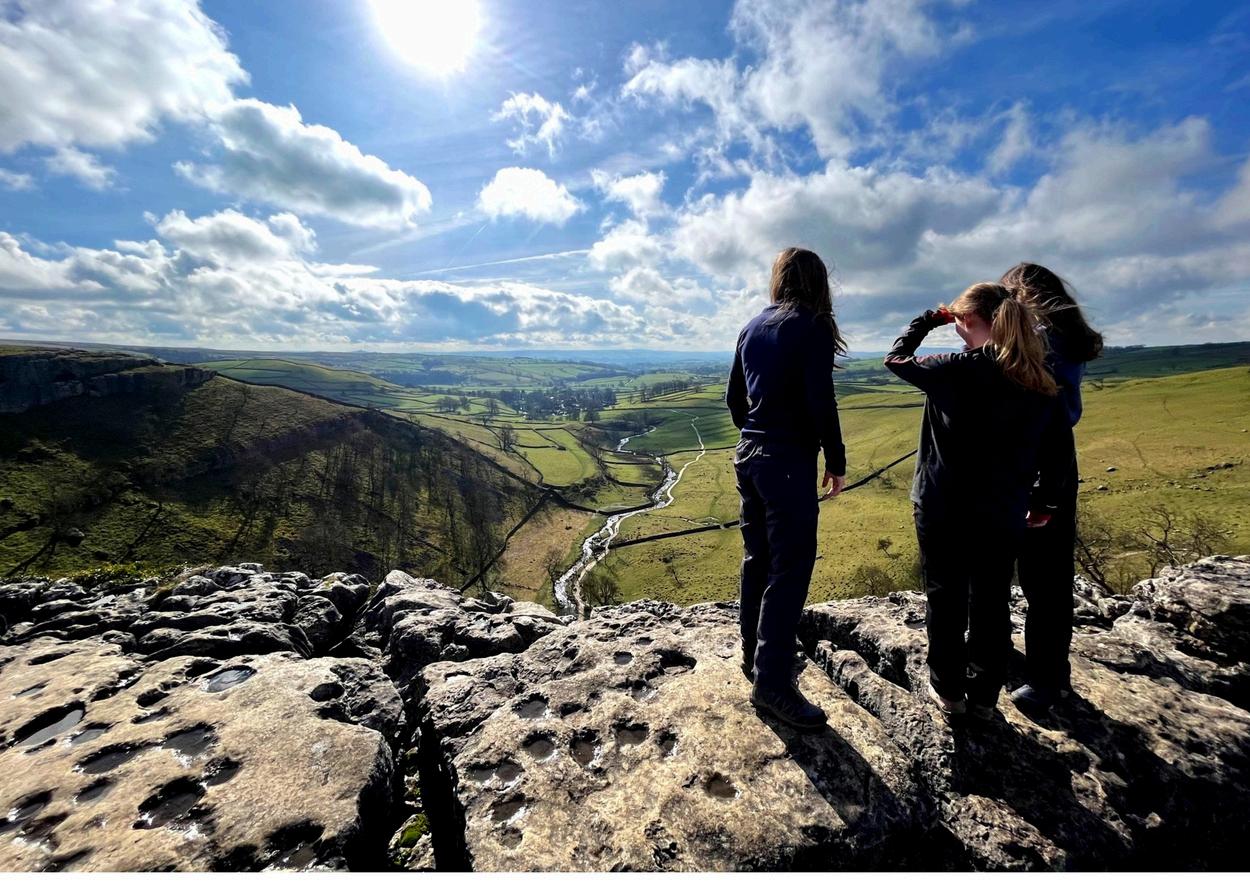
The course currently covers a range of human and physical units including The Future of Food, Ecosystems, The Truth About Development and Natural Hazards In the summer term we begin an introduction to GCSE, starting with a unit on Coasts. Fieldwork includes a woodland ecosystem investigation, as well as a day at the coast to explore elements of the GCSE specification We keep our studies relevant and we incorporate current issues into our teaching wherever possible
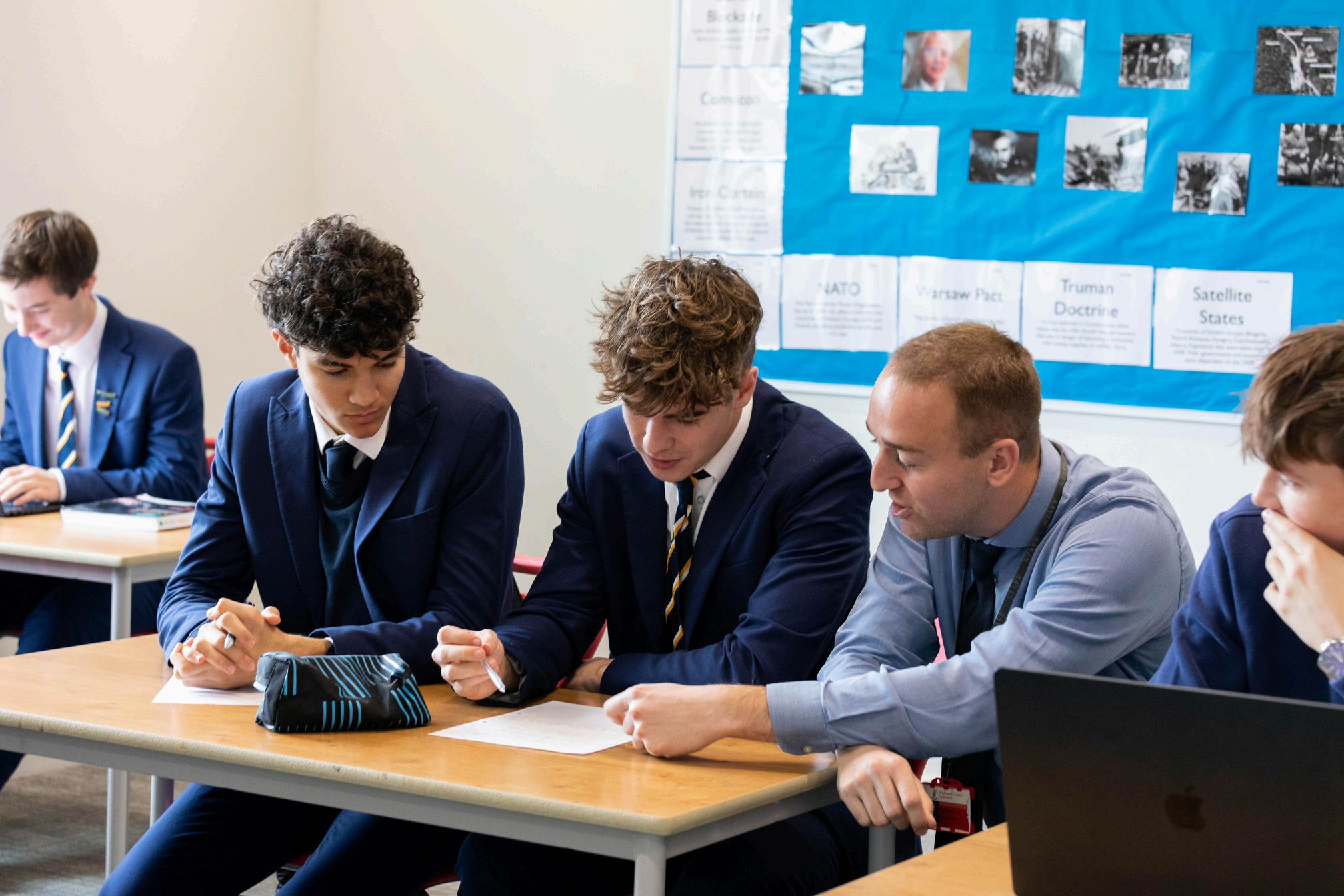
The History Department provides pupils with the opportunity to study a range of different types of History as well as introducing them to the skills necessary for GCSE success We build on the knowledge and skills the pupils arrive with and create a learning environment which encourages development of a natural inquisitiveness for History
We begin the Lower Fifth year with a wide-ranging investigation into the concept of Empire Following an overarching view of empires throughout history, we focus on the British Empire, studying what allowed it to expand so rapidly in the 18th and 19th centuries and what its legacy is today. The second half of the year focuses on the First and Second World Wars. The pupils look at the causes of both conflicts as well as the nature of the fighting.
Many opportunities are given for pupils to develop independent skills of research; they are exposed to a range of sources which feeds directly into developing the pupils’ analytical skills as well as essay writing This introduction to important GCSE skills provides a clear awareness of the demands of study at this level
Some people love learning and exploring Mathematics whilst others find it intimidating and daunting Whatever your aptitude may be we will help to guide you through this compulsory subject and build upon your level, enhancing upon your understanding and improving your confidence Even if a career in mathematics or a related field is not your intention, confidence with numbers is a real bonus in everyday life as well as at work And for those with a keen interest in the subject, we will thoroughly prepare you for advanced study
Pupils are taught in sets to ensure that work is covered at a speed with which they will feel comfortable Higher sets move along quickly and create time for extension work to stimulate interest in the subject and to provide students with the strongest possible foundation for further study Lower sets move more cautiously, allowing ideas and concepts to become fully grasped before moving forwards. The placement of individuals into ability sets is continually reviewed so that every pupil has the greatest opportunity to realise his or her full potential.
The Lower Fifth course covers topics under five broad headings:
Using and Applying Mathematics: choosing appropriate mathematical techniques to solve everyday problems
Number: developing knowledge of decimals, fractions, percentages, ratios, negative numbers, standard form, accuracy and rounding
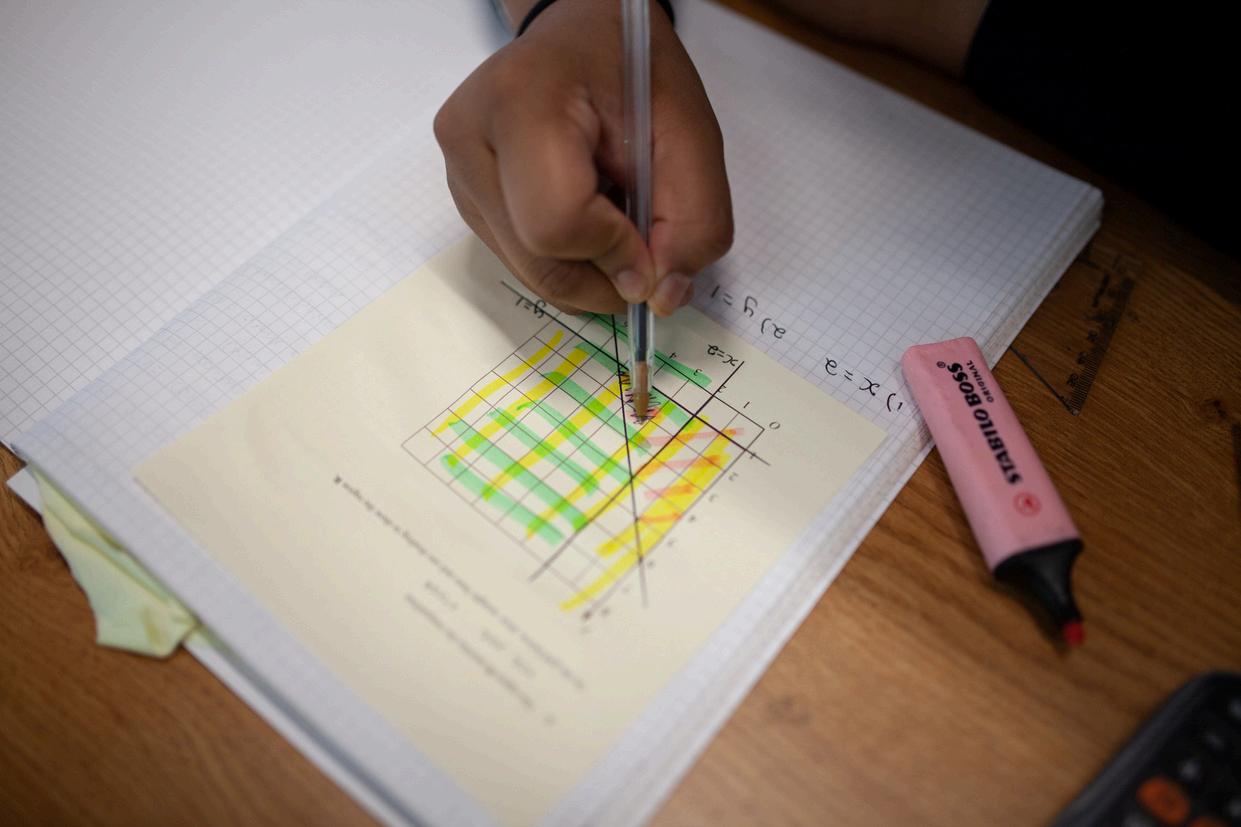
Algebra: using algebraic ideas in the investigation of number patterns, graphs
Shape, Space and Measure: looking at fundamental shapes and solids such as triangles, quadrilaterals, cones and spheres; symmetries and angle properties
Data Handling: collecting, analysing and interpreting numerical information, together with work on probability

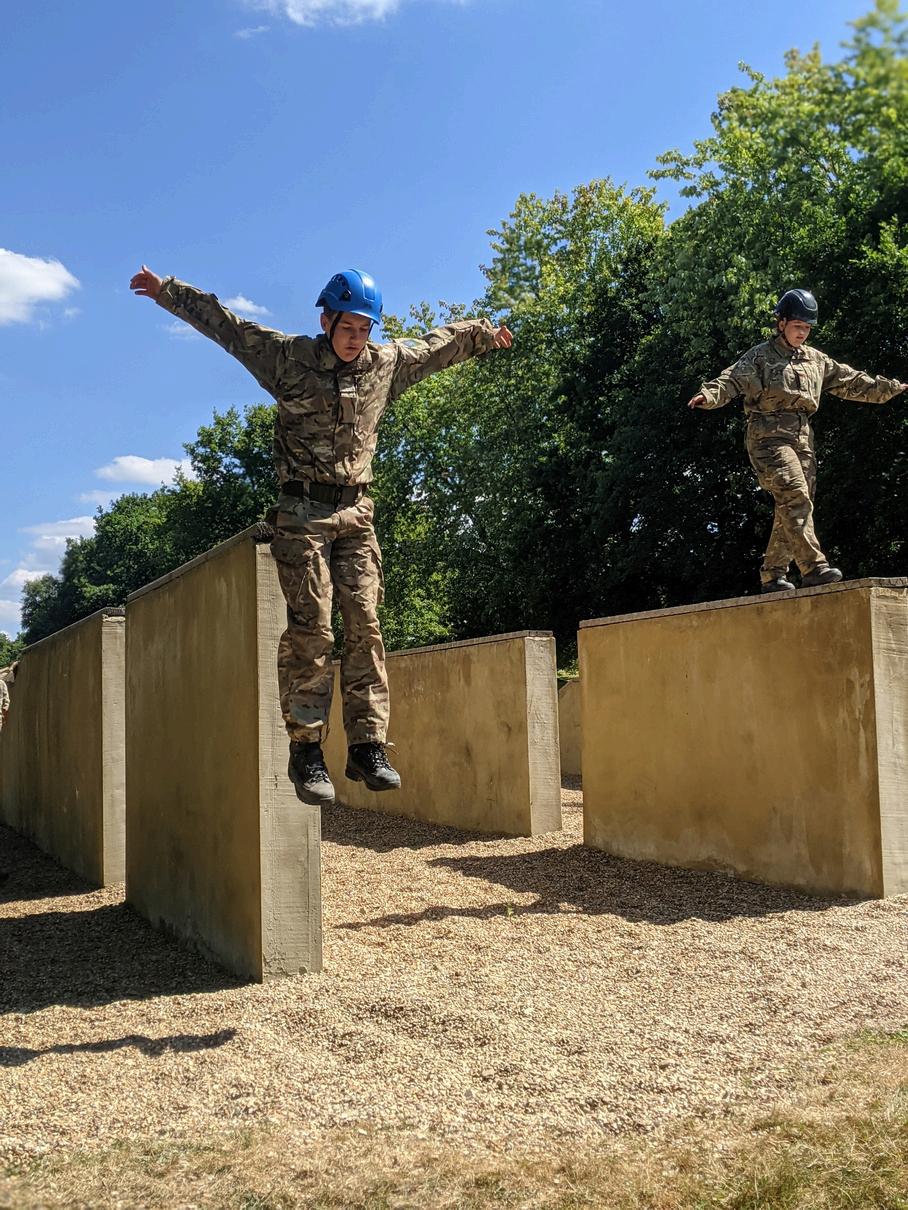
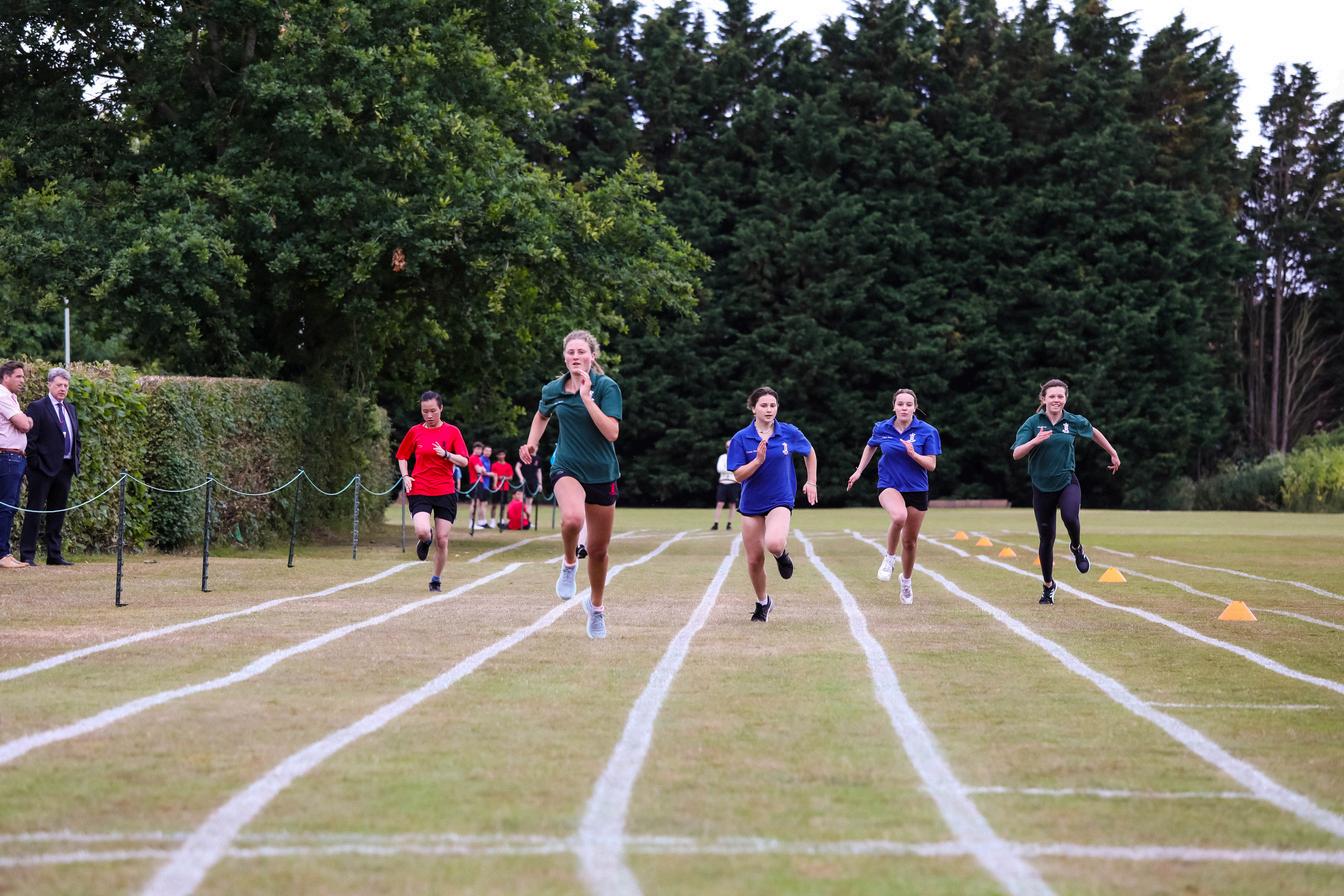
Athletics
Dance
Indoor Rowing
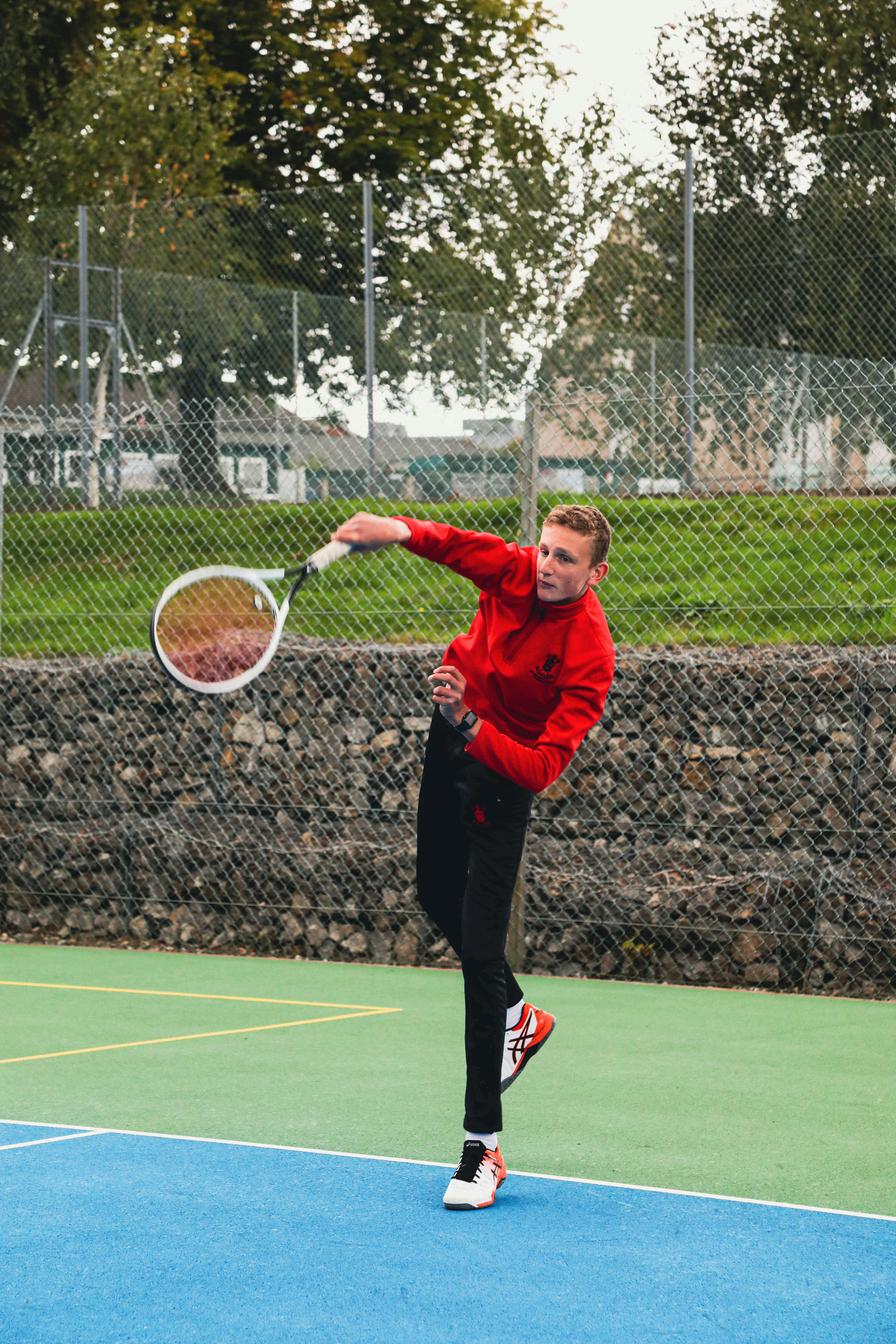
Tennis
Badminton

Fitness
Netball
Trampolining
Basketball
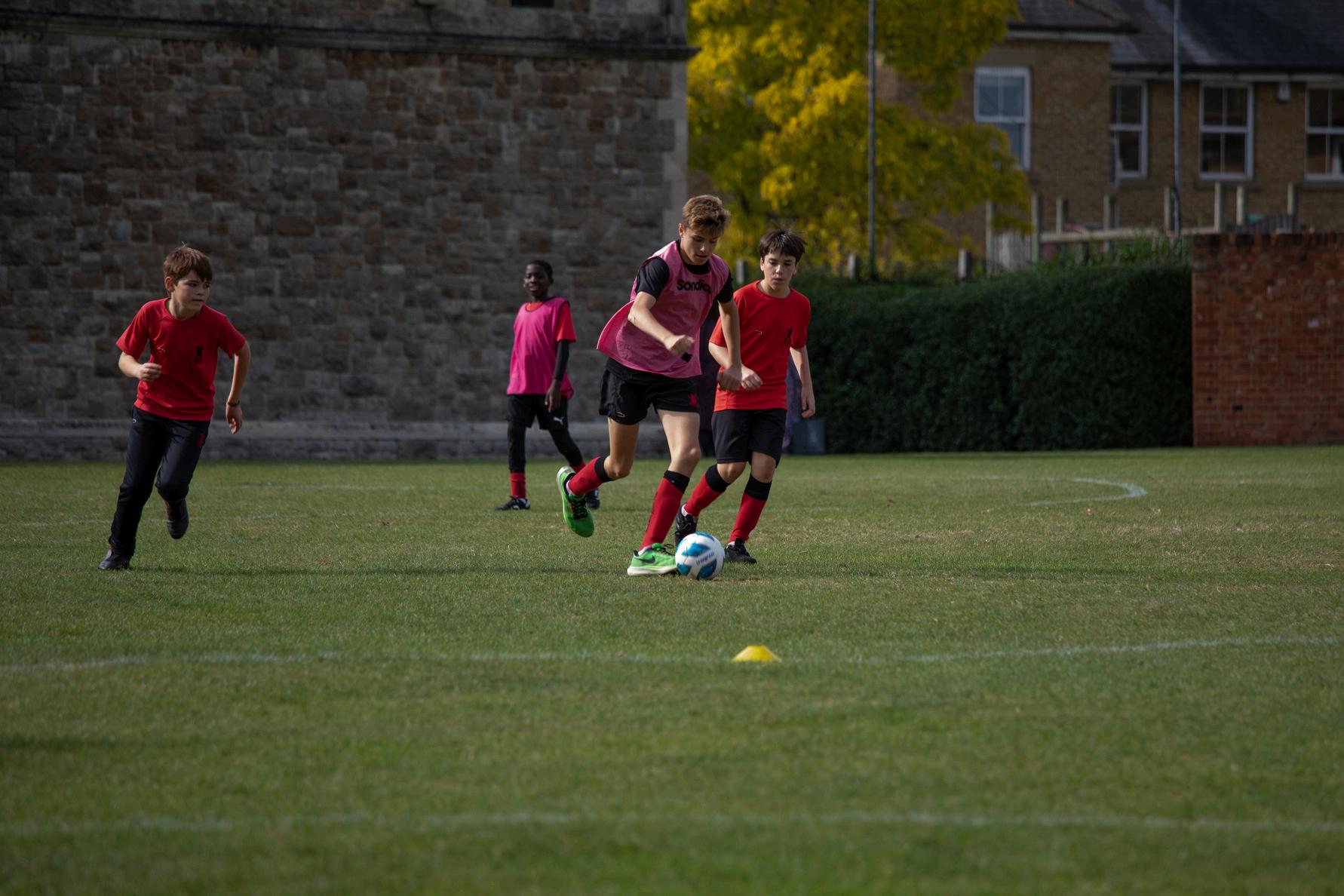
Football
Rounders
Touch
Rugby
Cricket
Handball
Squash
Cross-country
Hockey
Swimming



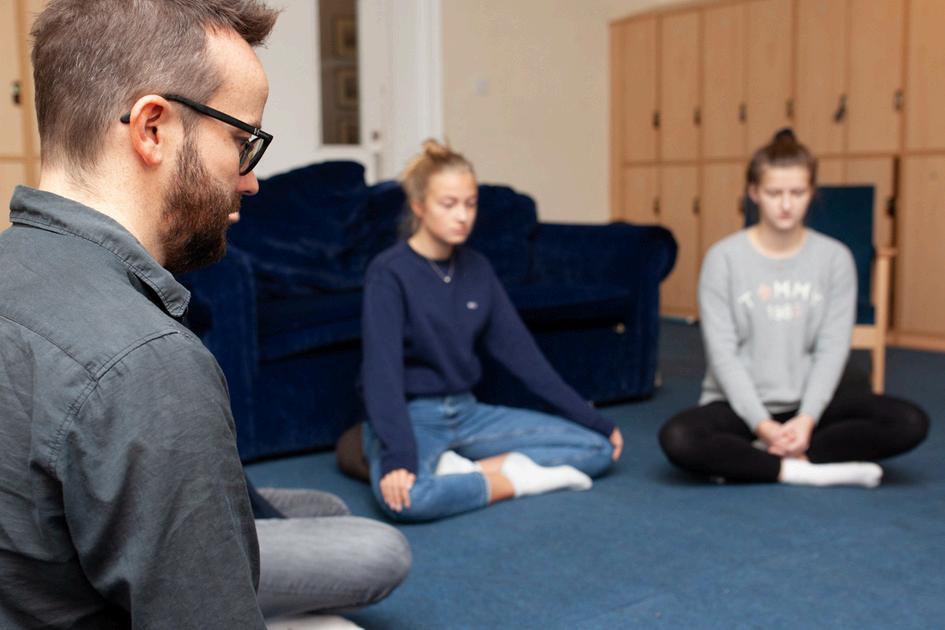
The PSHEE programme looks in depth at how we organise our lives and our society, and how we approach the social and moral issues which affect us all. It is an arena in which teenagers can explore, debate, talk freely, and learn from the experience of others, as well as from informed adults. Issues covered include drugs, alcohol use and abuse, smoking, sex and healthy relationships, sexuality, parenthood, boundaries, morality, decision-making, respect for others, conflict management, bullying and cyber-bullying, food and diet, sleep, stress management, revision techniques, careers and the future
A vital part of the PSHEE syllabus is to equip our pupils with the knowledge that they need to deal with the increasingly complex world in which we live, and to ensure that they are able to make informed choices Many of the issues we discuss are topics on which young people have strongly held opinions The opportunity to express their own opinions and hear the ideas of others in a supportive and safe environment is a vital part of our pupils’ emotional and moral development PSHEE is timetabled for two periods a fortnight in the Lower Fifth
In the Lower Fifth we start by introducing the six major world religions through narratives, with stories from Hinduism, Buddhism, Sikhism, Judaism, Christianity and Islam. These stories allow pupils to explore, compare and contrast characteristic themes and belief systems from both Eastern and Western traditions In the Lent Term pupils study morality: how we learn it and what it means to be ‘good’ During the final term pupils have the opportunity to enter the national Spirited Arts Competition before focusing on an independent research project which explores the life and work of a particular individual who, influenced by their beliefs, has changed the world
In all that we study we attempt to understand how religious belief can affect and shape our behaviour through participation in a ‘Community of Enquiry’ Within this ‘Community’ pupils are encouraged to develop not only critical and analytical skills but also the ability to formulate ideas at a philosophical and abstract level
Building on this aim, we run a Philosophy course as part of the Religious Studies curriculum All pupils in Lower Fifth have one hour a fortnight when they learn about the development of ideas through a chronological study of notable philosophers. Starting with the Greeks and Romans,
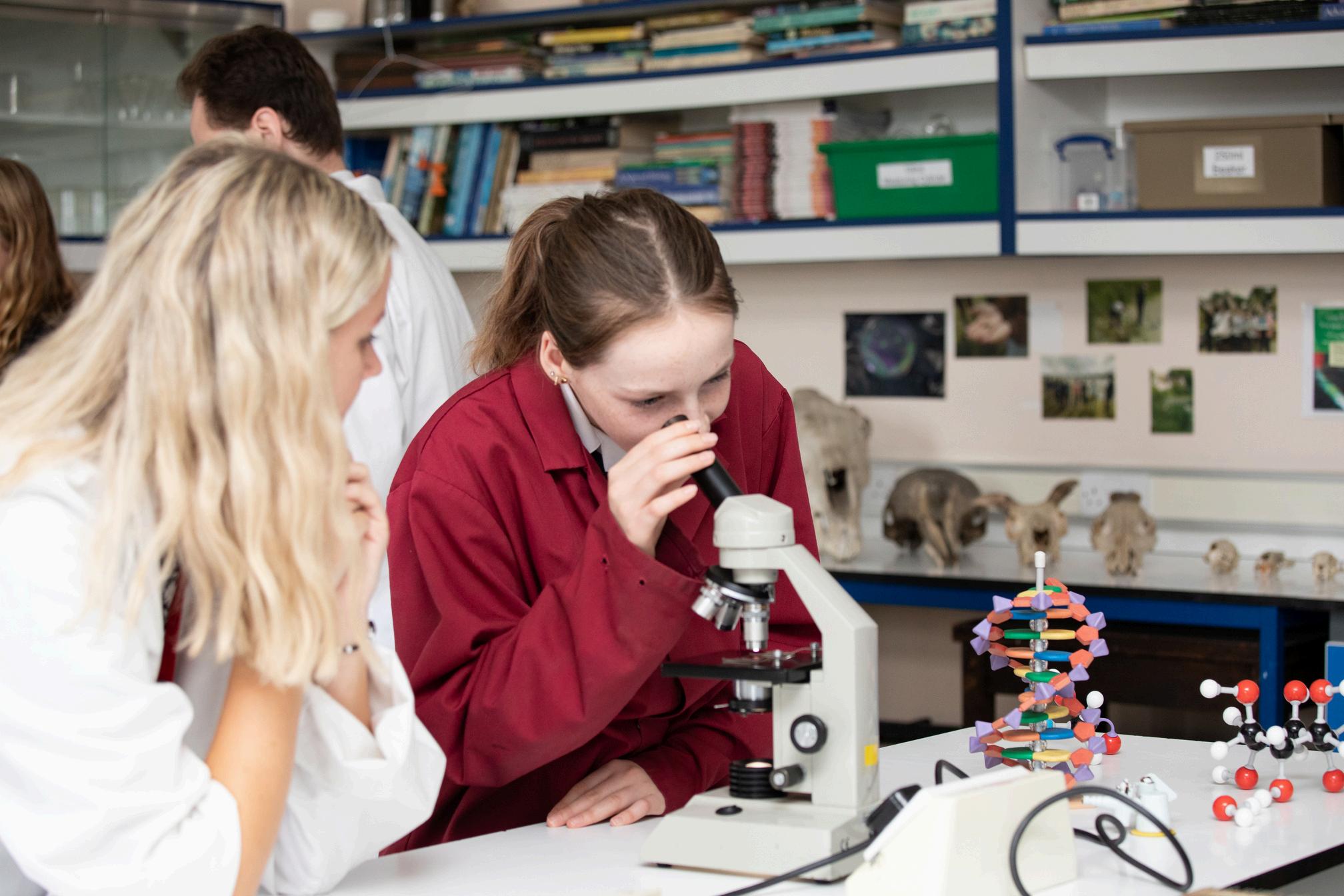
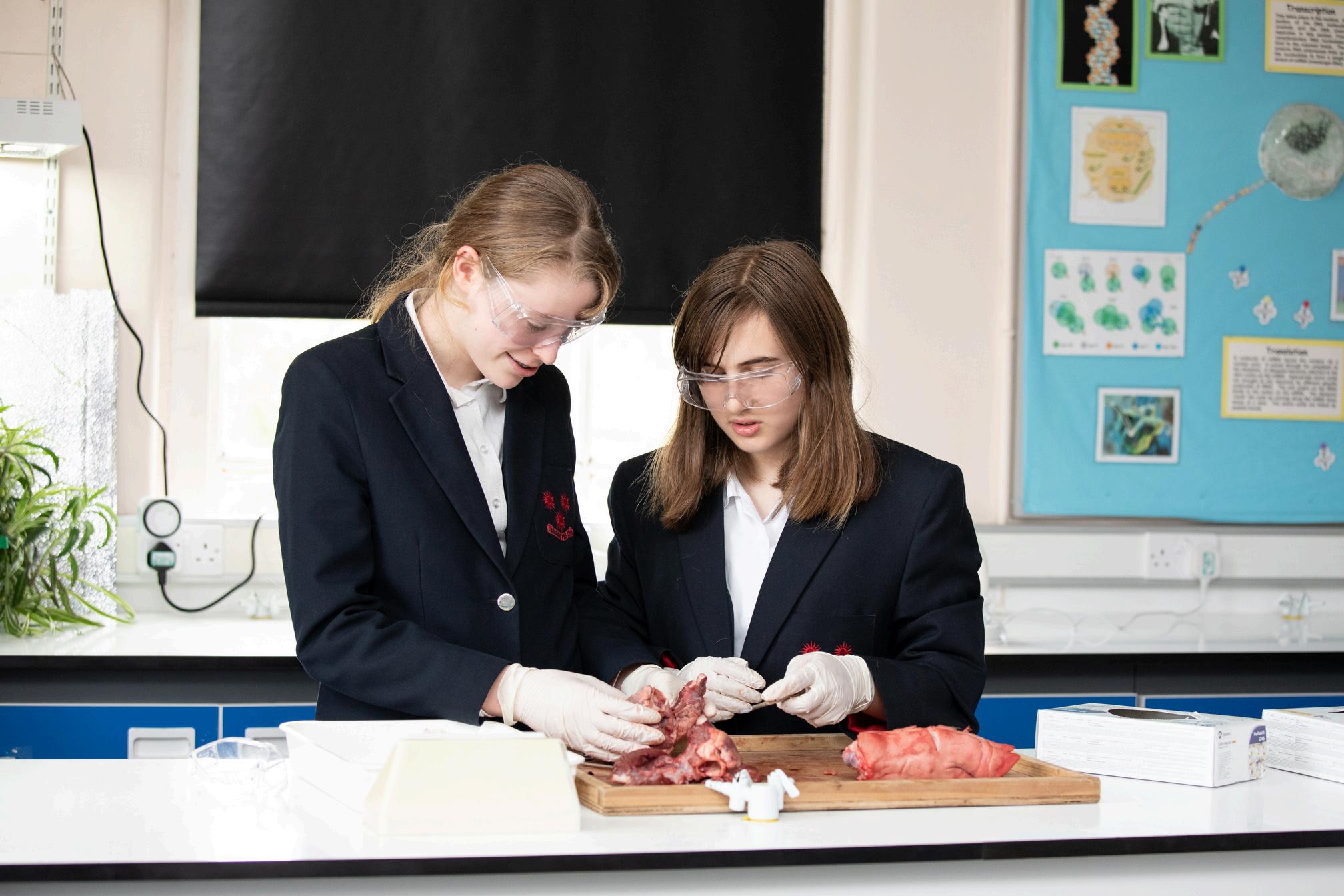
All pupils have three periods per fortnight each of Biology, Chemistry and Physics, in well-equipped laboratories.
Our objectives during the Lower Fifth are to:
Complete the teaching of the programme of study for Key Stage 3 of the National Curriculum, using the AQA Key Stage 3 Scheme of work
Give pupils a broad experience of practical, investigative Science Lay the foundation for the GCSE Science qualifications
Ensure that new pupils entering St Edmund’s at Lower Fifth have, by the end of the year, the same scientific knowledge as pupils who have progressed through our own Junior School
Ensure that all pupils, whatever their ability, have the scientific knowledge to make informed decisions about scientific issues that will affect them in later life

The course provides a solid foundation on which pupils can build for success in the Middle and Upper Fifth The work encourages pupils to develop an enthusiasm and respect for the living world and ‘things biological’ whilst developing a scientific approach to practical work, problem-solving and new situations Topics covered during the year include: breathing, gas exchange, smoking, alcohol and drugs, diet and digestion, respiration and photosynthesis, evolution and genetics
This is a largely experimental subject although some time is also spent on more theoretical ideas, such as atomic structure and kinetic theory Pupils are introduced to the periodic table and electrolysis - they study the reactivity series, the extraction of metals, acids, bases and neutralisation, and they investigate a wide variety of chemical reactions We make the work relevant to the modern world, and subjects like industrial processes, the finite nature of resources and pollution (both causes and remedies) are included in the course
The course is based largely upon practical work; it introduces topics that will be covered in more detail in the GCSE course. Pupils start by studying forces and their effects and energy and power; then they investigate magnetism and the properties of waves through examples of sound waves, light and other electromagnetic waves, laying a firm basis in preparation for the GCSE course
With GCSEs on the horizon, we feel that pupils in Year 9 benefit from the opportunity to specialise earlier and that this allows for greater progress and higher attainment
Most pupils in Year 9 continue to study at least one language Pupils then choose another two optional subjects from this list*:
Drama
Music
French Spanish Latin
Explore Maths
Living English
*It is not possible to choose the same subject twice.
Each optional subject is taught for three hours per fortnight
The option Choices form will be live in the Lent Term
Please do not worry if the choice present a problem, It is quite common, for example, for some pupils to want to study Latin, Spanish, Drama and Music We accommodate this by running Spanish ‘off timetable’ during lunchtime per week This has worked extremely successfully in recent years If your son or daughter wishes to study more subjects, please indicate this within the ‘Comments’ section of the form and we will make the necessary arrangements
If you have any questions or queries about this, please email me at aeb@stedmunds org uk
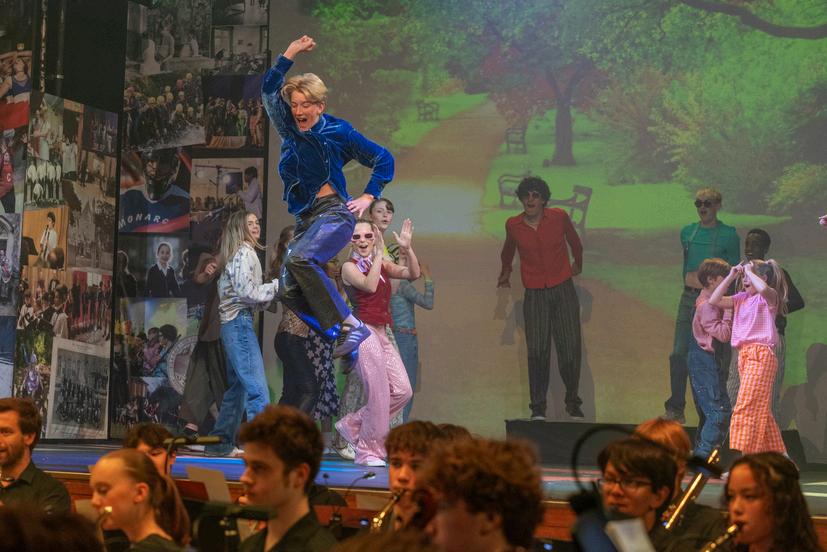

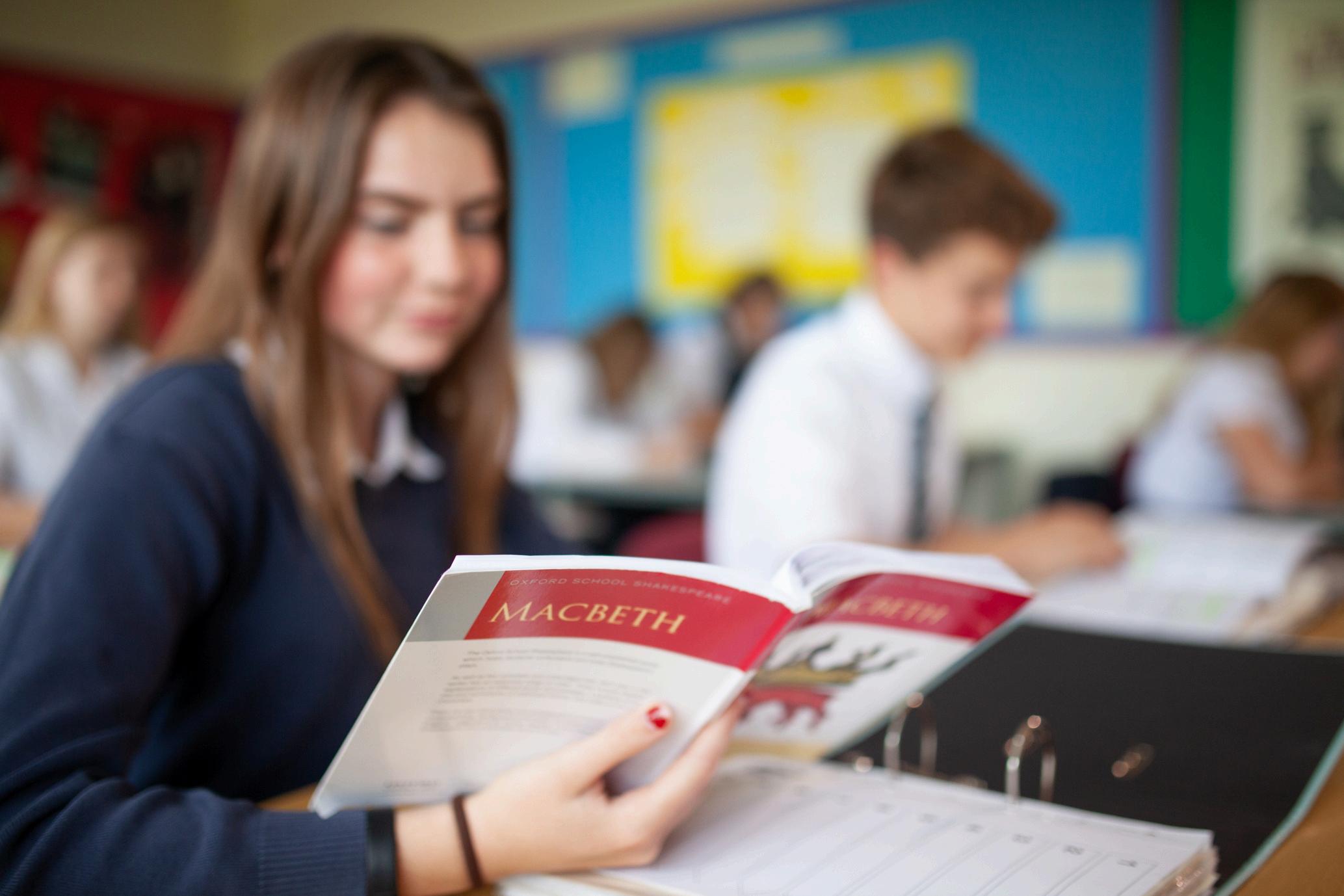
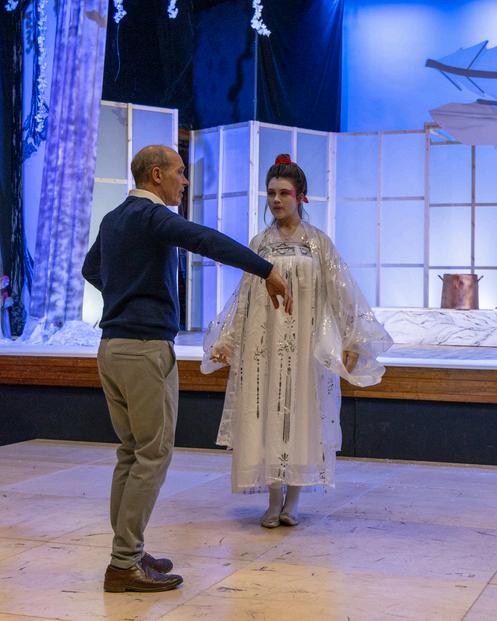
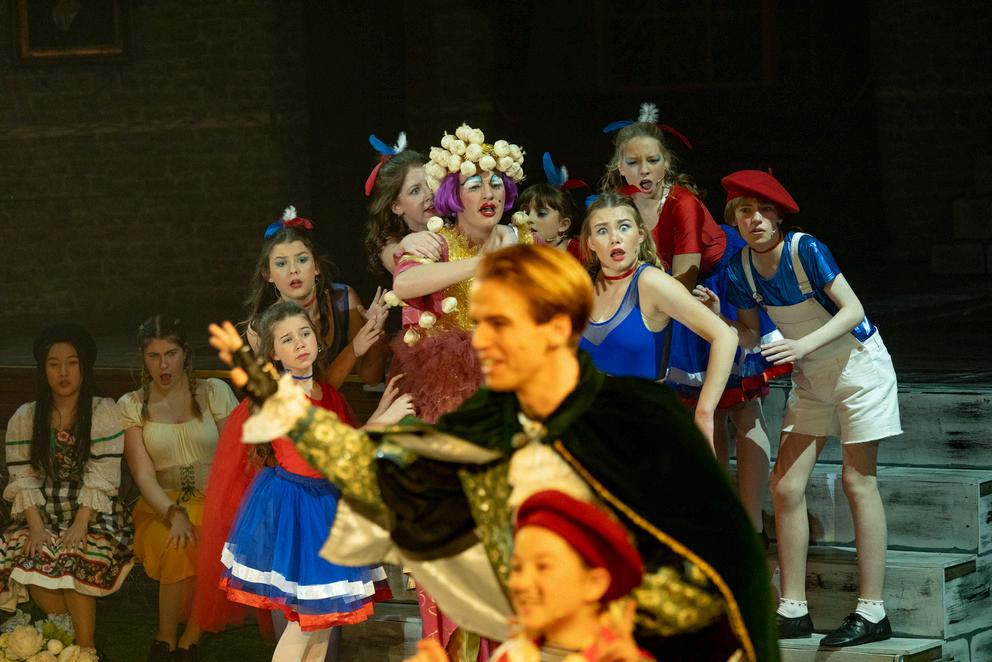
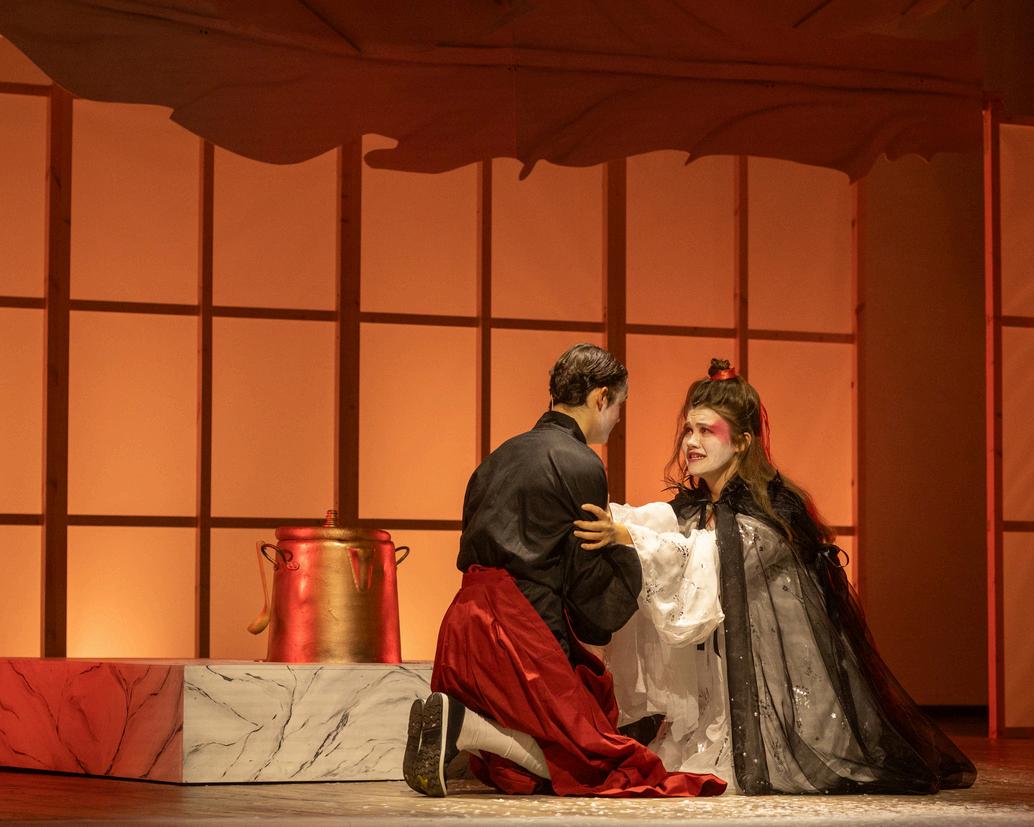
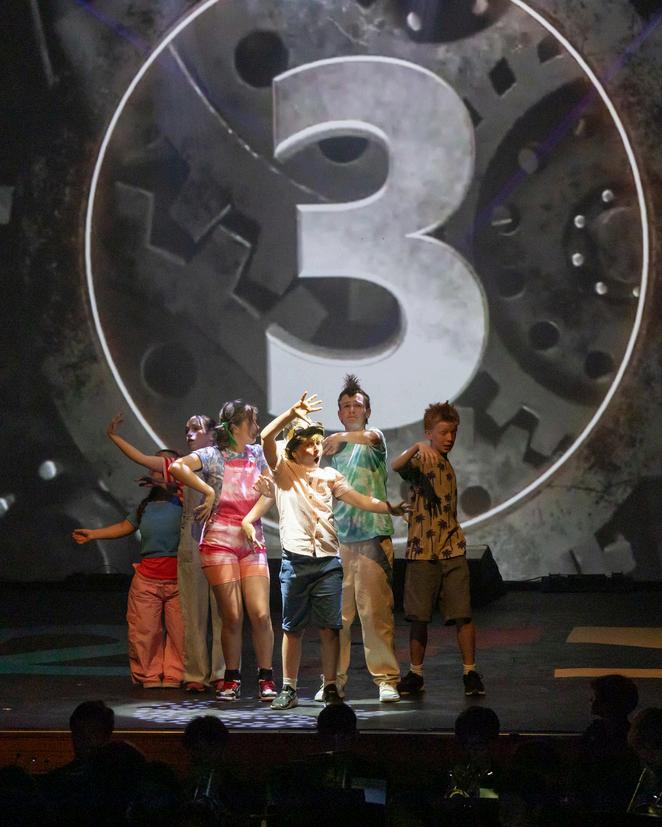
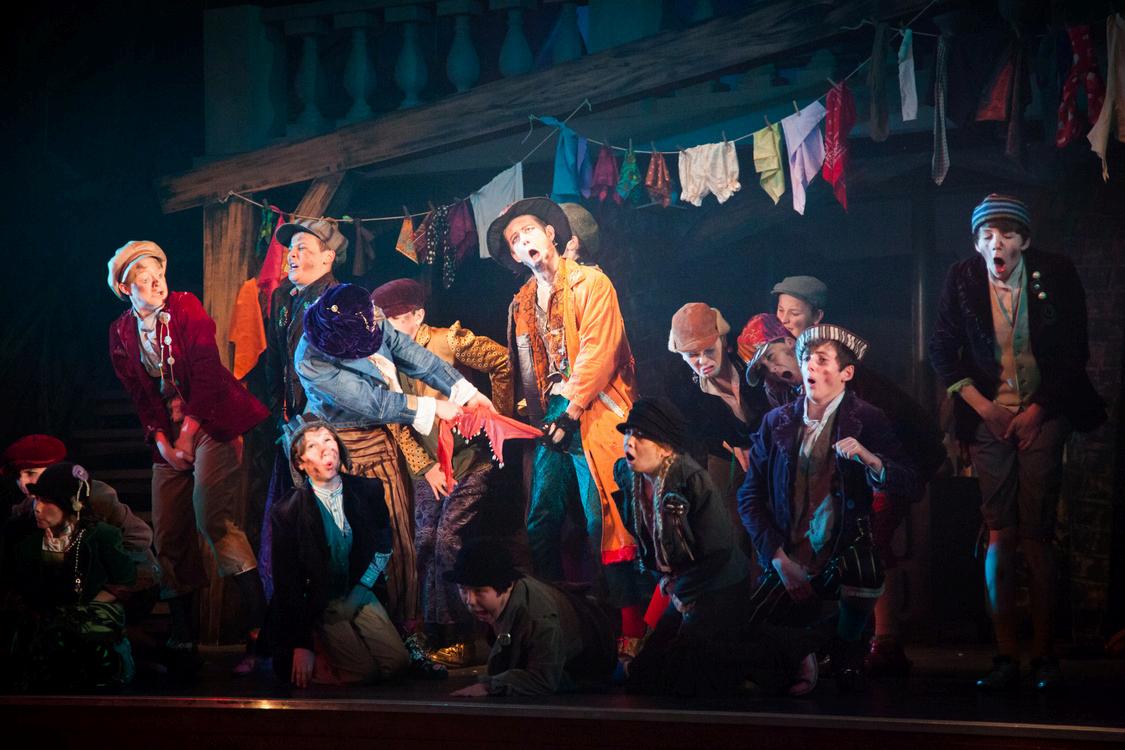
This course inspires pupils to develop a set of fundamental dramatic skills that will enable them to progress to study the subject at GCSE level Lessons introduce pupils to key skills and techniques that range from storytelling, use of improvisation and working with scripts to basic stagecraft Furthermore, pupils learn about a wide range of general topics which are studied from a dramatic perspective
The work done in the Lower Fifth year provides a range of opportunities for pupils to express themselves, as well as aiding the development of imagination and artistic awareness It increases and improves social interaction through group work and the use of role-play and helps pupils develop their mental agility, fluency of speech, knowledge, self-discipline and self-confidence
Through the study of dramatic techniques and the use of different texts originating from a variety of social, cultural and historical contexts, the course also helps our young people learn about the wider world and mature emotionally, preparing them for adult life The benefits not only accrue through pupils participating actively in drama; they can also learn from observing others, particularly when encouraged to evaluate peers ’ work constructively

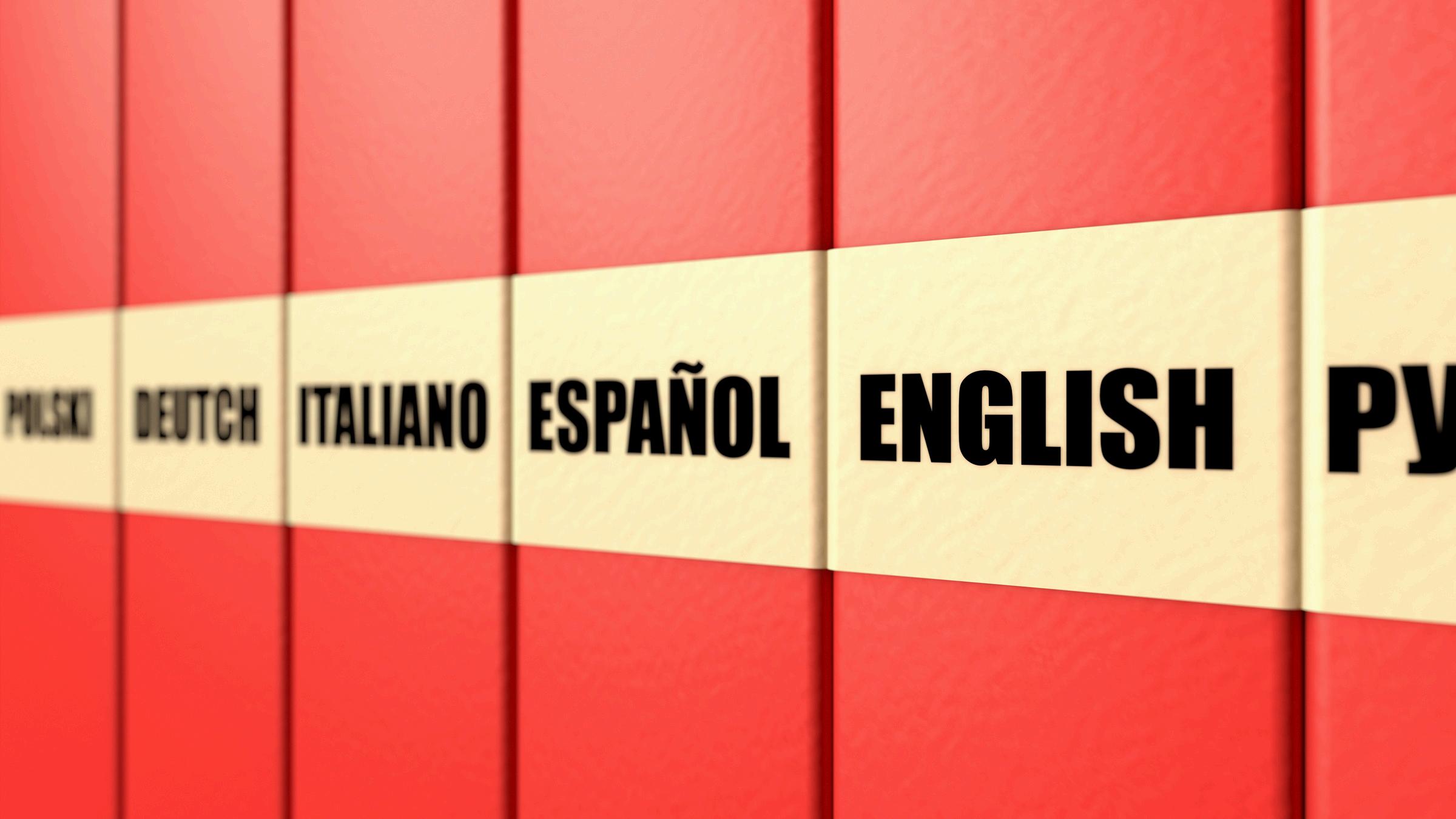
Languages are part of the cultural richness of the world in which we live; the ability to understand and communicate in another language is a lifelong skill for education, employment and leisure The Languages Department enables pupils to continue their previous study of French, Spanish and Latin The aim is to enable pupils to acquire good linguistic skills whilst also making language learning an enjoyable experience All three languages may subsequently be taken to GCSE and A-Level
Lower Fifth pupils usually study two languages Occasionally, pupils opt for one or fewer languages For example, non-native speakers may study English as an Additional Language and, for those pupils for whom it is appropriate, time may be allocated in the Learning Enhancement Department
The Lower Fifth courses are dynamic, vibrant and exciting, providing a sound grammatical base whilst placing lots of emphasis on building vocabulary and gaining the confidence to speak the language and build the foundations for GCSE. All courses include up-to-date content, reflecting contemporary issues and developing cultural awareness through media and current affairs. Dedicated online resources provide a variety of interactive comprehension tasks as well as grammar exercises with instant feedback. Teaching methods strive to stimulate pupils’ curiosity, interest and enjoyment of language learning, whilst keeping communication at the heart of the learning experience Both courses prepare pupils for the GCSE specifications of the AQA examining board
Lower Fifth Latin is designed to develop and improve pupils’ awareness of the ancient world and its impact on life today, and help them progress linguistically through translation from Latin It also explores the links between Latin and modern languages and thus aims to enhance and extend the pupils’ prowess with both vocabulary and grammar in general
The emphasis is very much to enjoy studying both the language and the civilisation aspects – life in Roman Britain and Roman Egypt – whilst equipping pupils with the foundations that they will need for the two-year GCSE course which begins in the Middle Fifth (Year 10) Pupils follow the Cambridge Latin Course, making full use of its extensive online resources
Apart from its own intrinsic value, the study of Latin can help in many other disciplines, especially English and Modern Languages
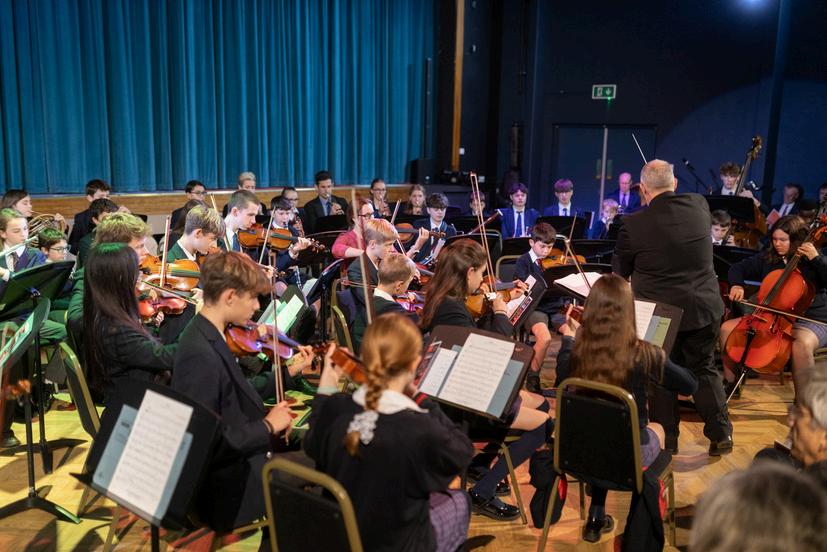
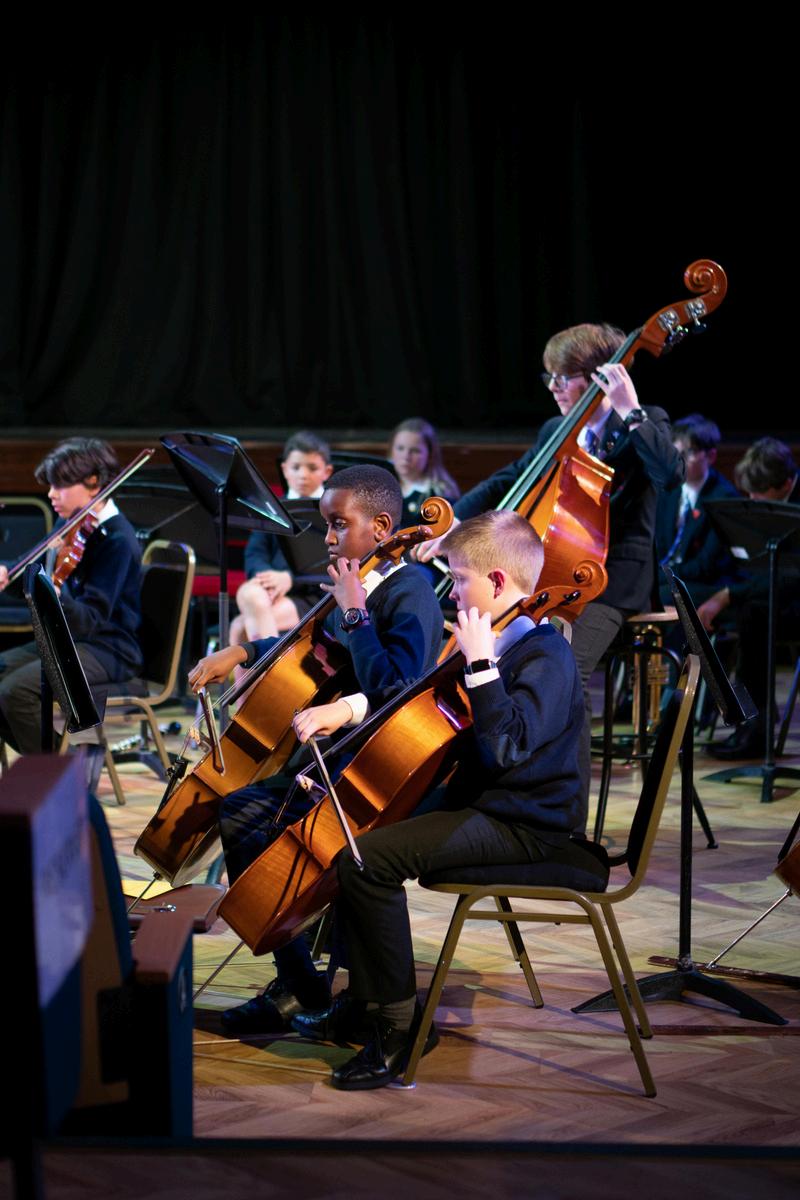
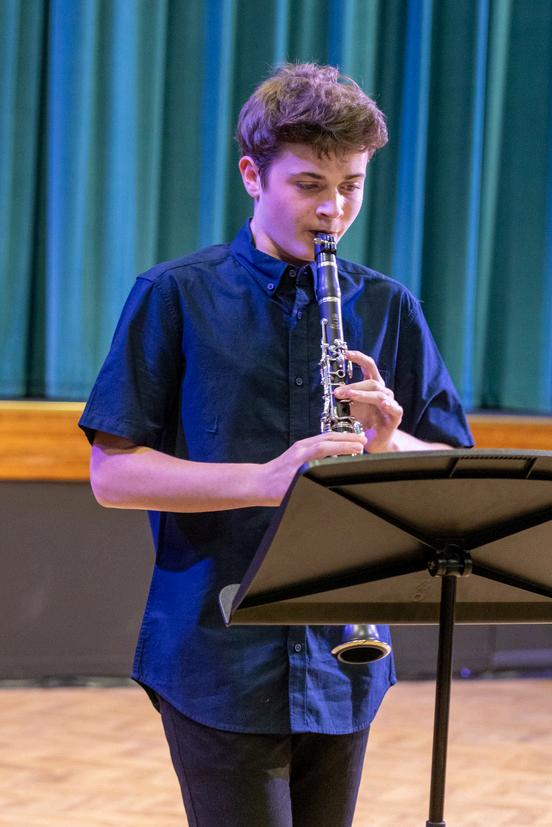
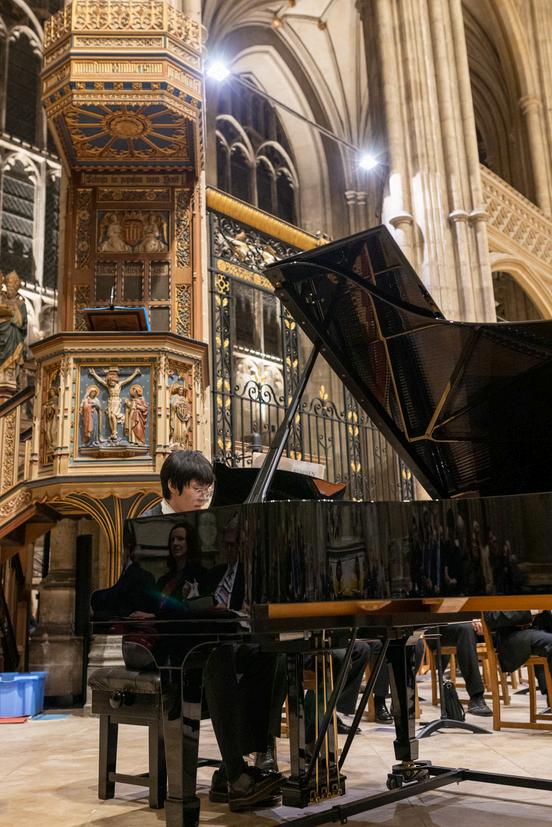
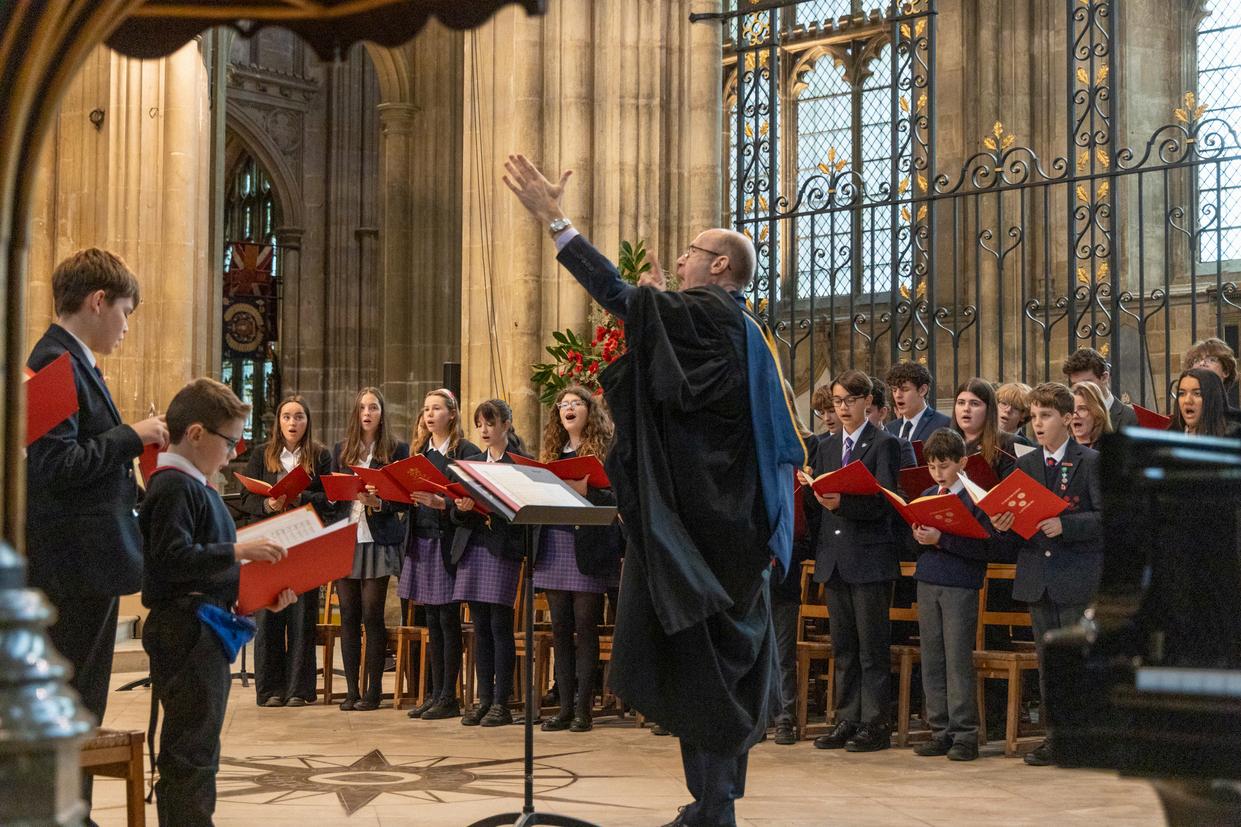
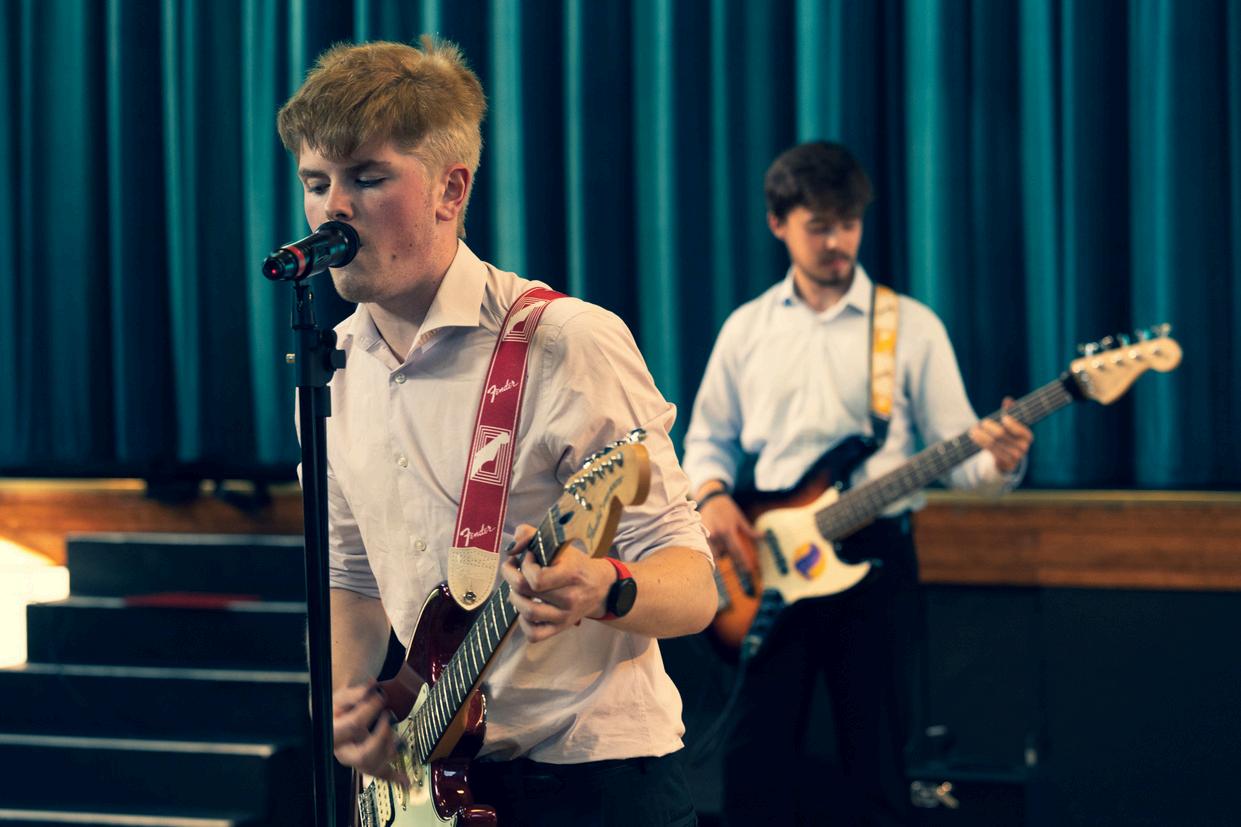
The Lower Fifth course looks at music from a broad range of cultures and traditions, and focuses on the three main skills of performing, listening and appraising, and composing The course logically follows on from the first two years of Key Stage 3 and provides an ideal platform for those wishing to take the subject to GCSE and beyond, as well as providing a practical and enjoyable course of study for everyone.
The content of the course covers all styles and genres of music with performance, improvisation, composition and Music Technology being at the centre of class work Topics include a revision of musical elements, forms and structures and an overview of music from 1600 to the present day
All Lower Fifth lessons are taught in the Music School with state of the art facilities Pupils use Yamaha keyboards and specialist music software, including Sibelius 7, Logic and Garageband, as well as percussion, ethnic and non-western instruments

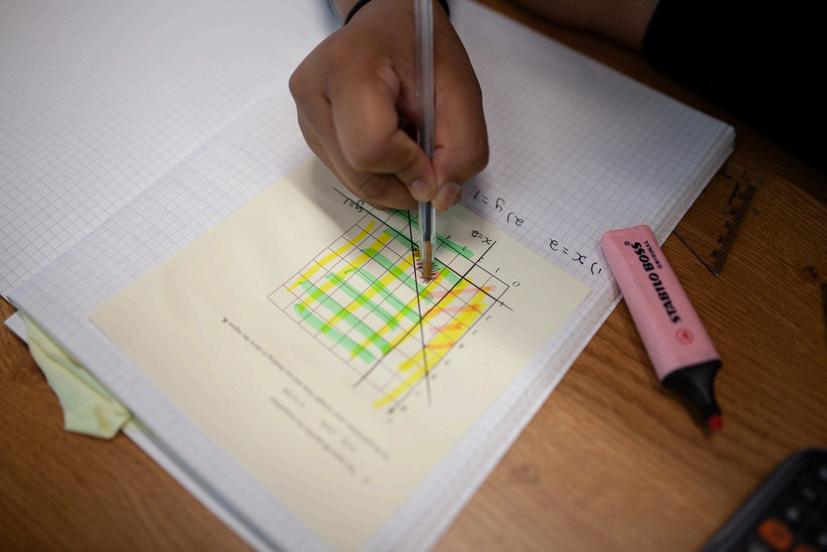
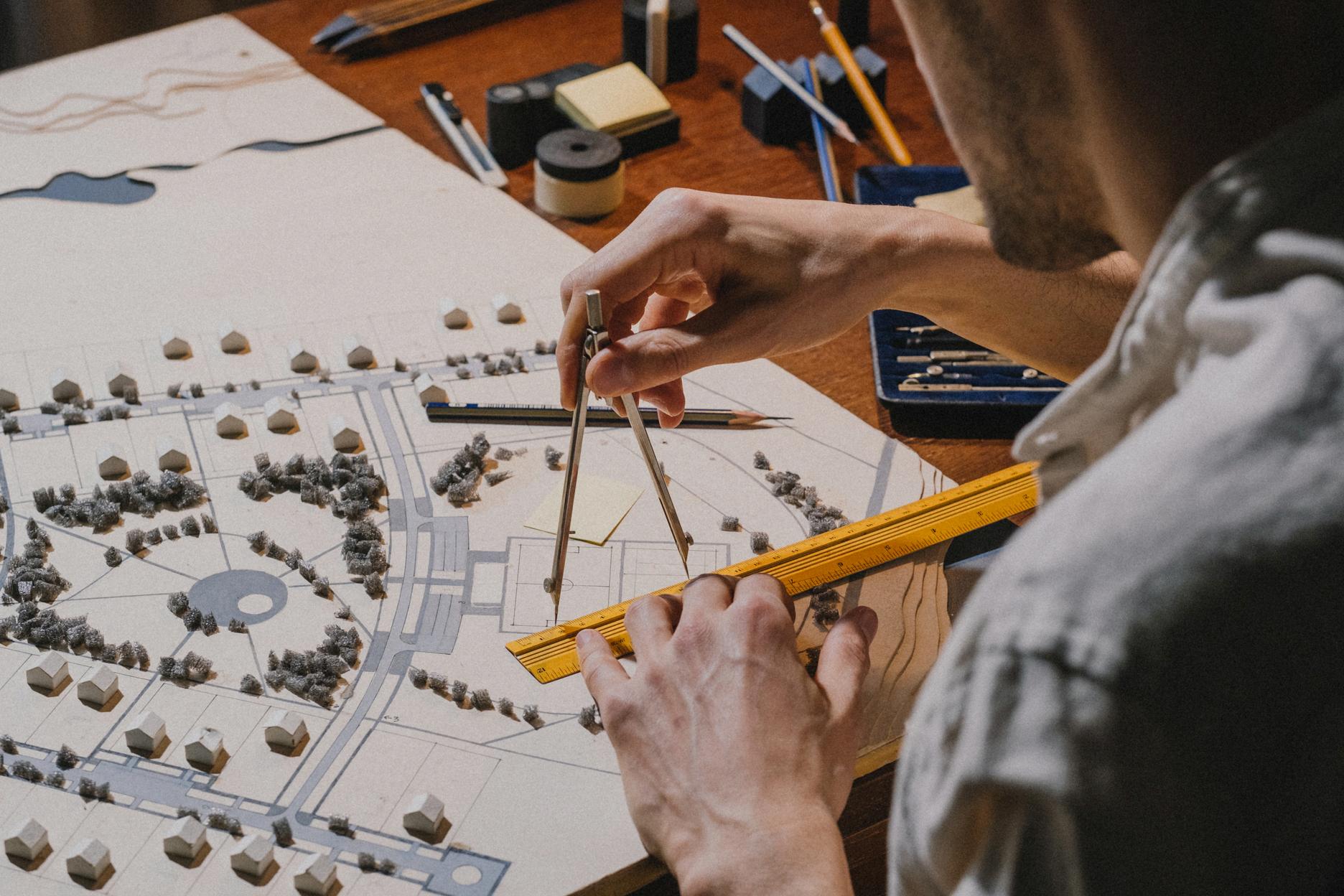
Explore Maths encourages curiosity, problem-solving, and real-world applications of mathematical concepts Through hands-on activities, collaborative projects, and inquiry-based learning, students develop critical thinking, creativity, and confidence in maths
Topics include decorating a room, patterns and sequences, geometry in art and design, data analysis in everyday life, personal finance and problem-solving using algebra Activities might include investigating Fibonacci sequences in nature, exploring symmetry in architecture, or analysing sports statistics This approach fosters a deeper understanding of topics, integrates STEM learning, and connects maths to everyday life, preparing students for academic success and future careers

While Living English anticipates the English GCSEs of the Middle and Upper Fifth years, introducing and honing the necessary skills, it does so through texts and ideas that pupils are unlikely to encounter in their regular English lessons In terms of creative writing, pupils take inspiration from art and experimental writing, such as the French Oulipo group, as well as practising character development in narrative and composing their own articles. They also consider bias in news reporting and concrete poetry, and rewrite passages from famous writers to create different effects and moods