


COUNTRIES REPRESENTED BY THE STUDENT BODY
CO-CURRICULAR OPTIONS
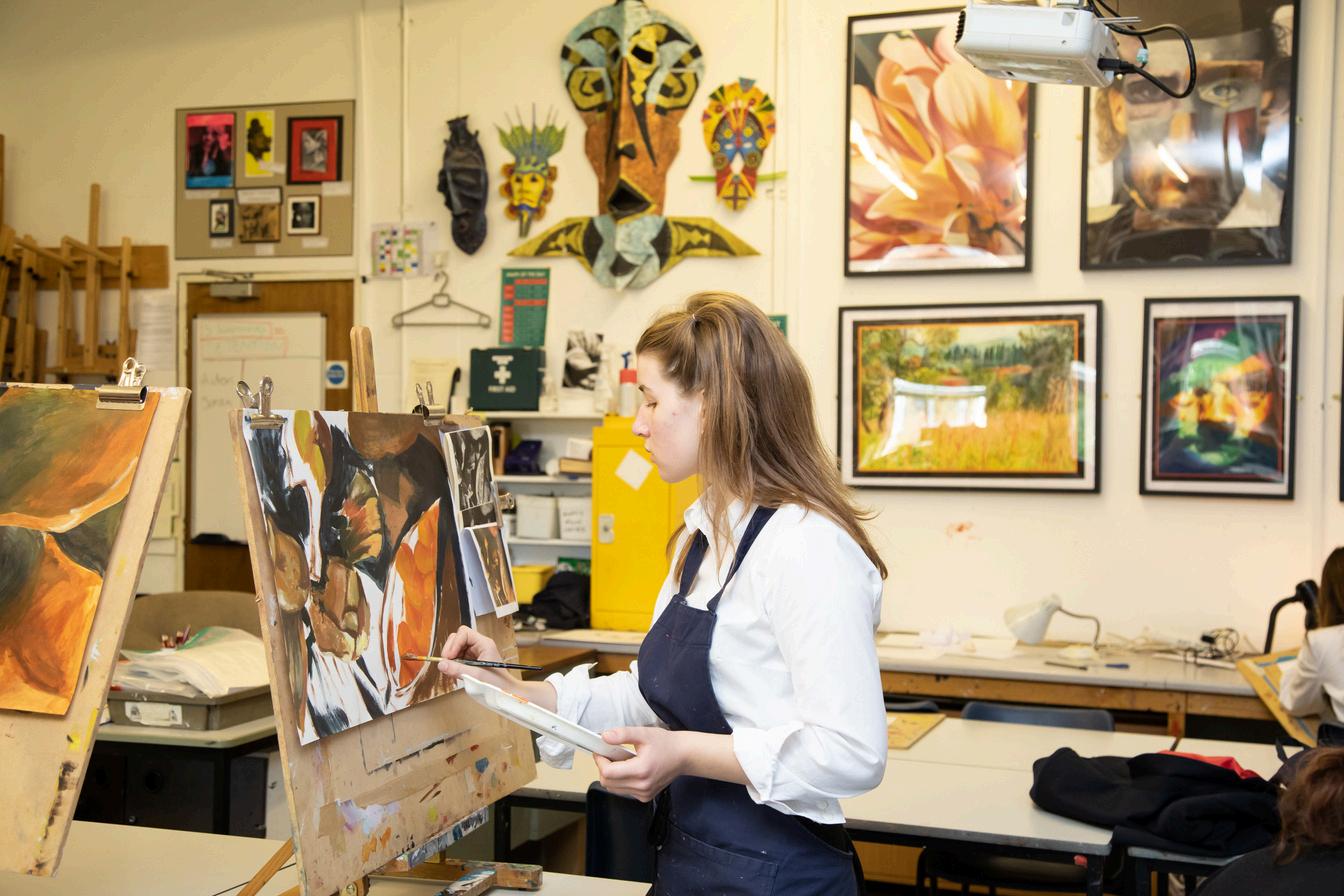
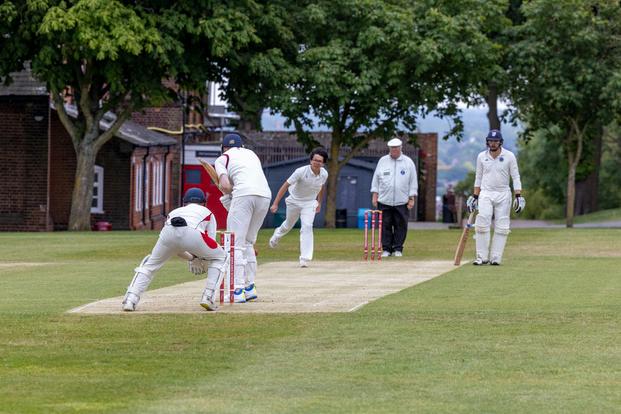
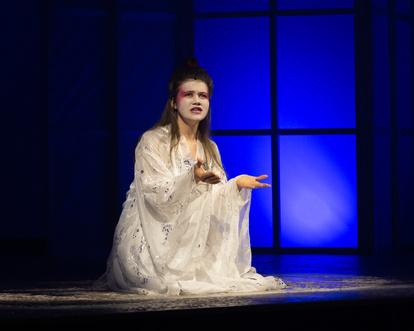
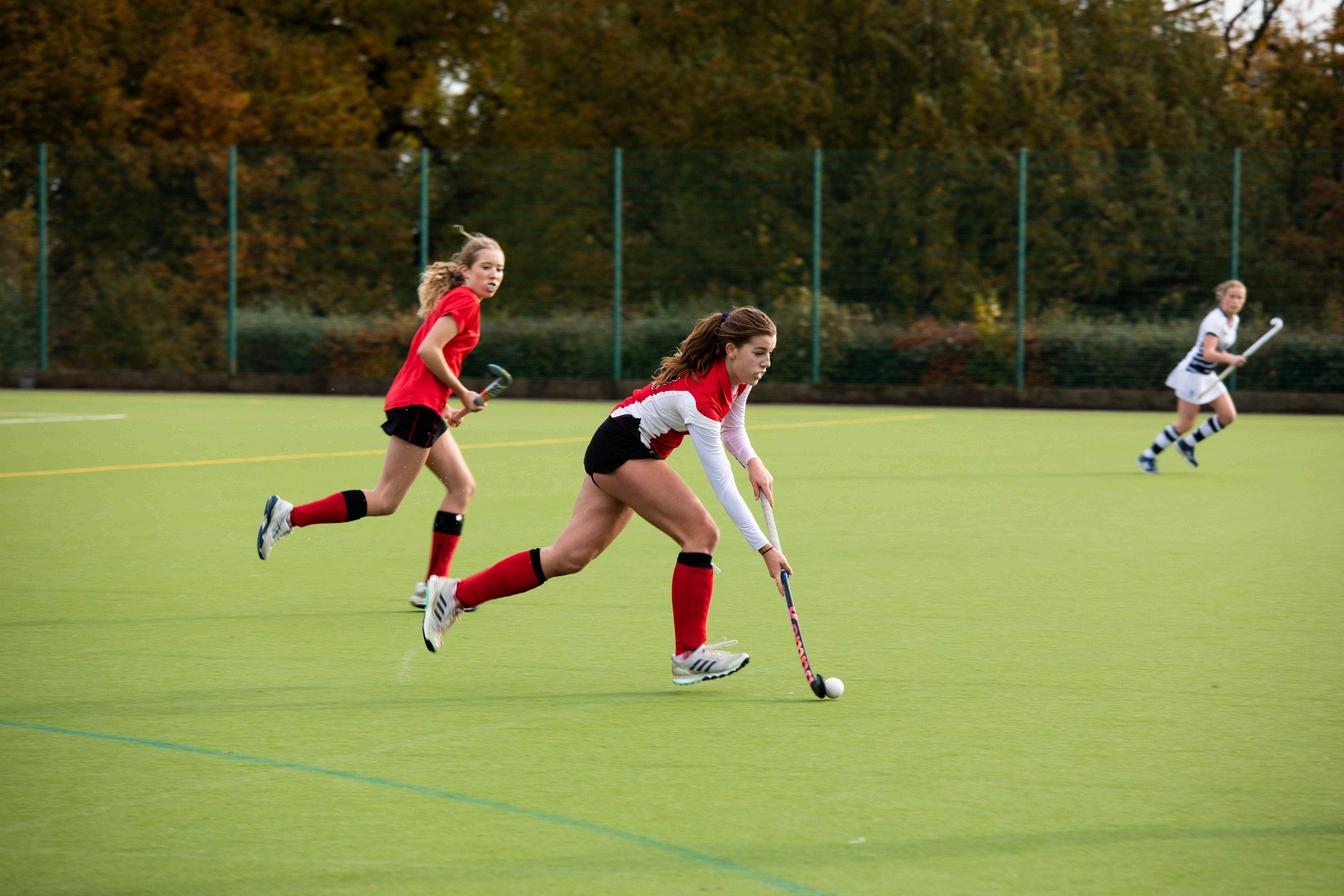

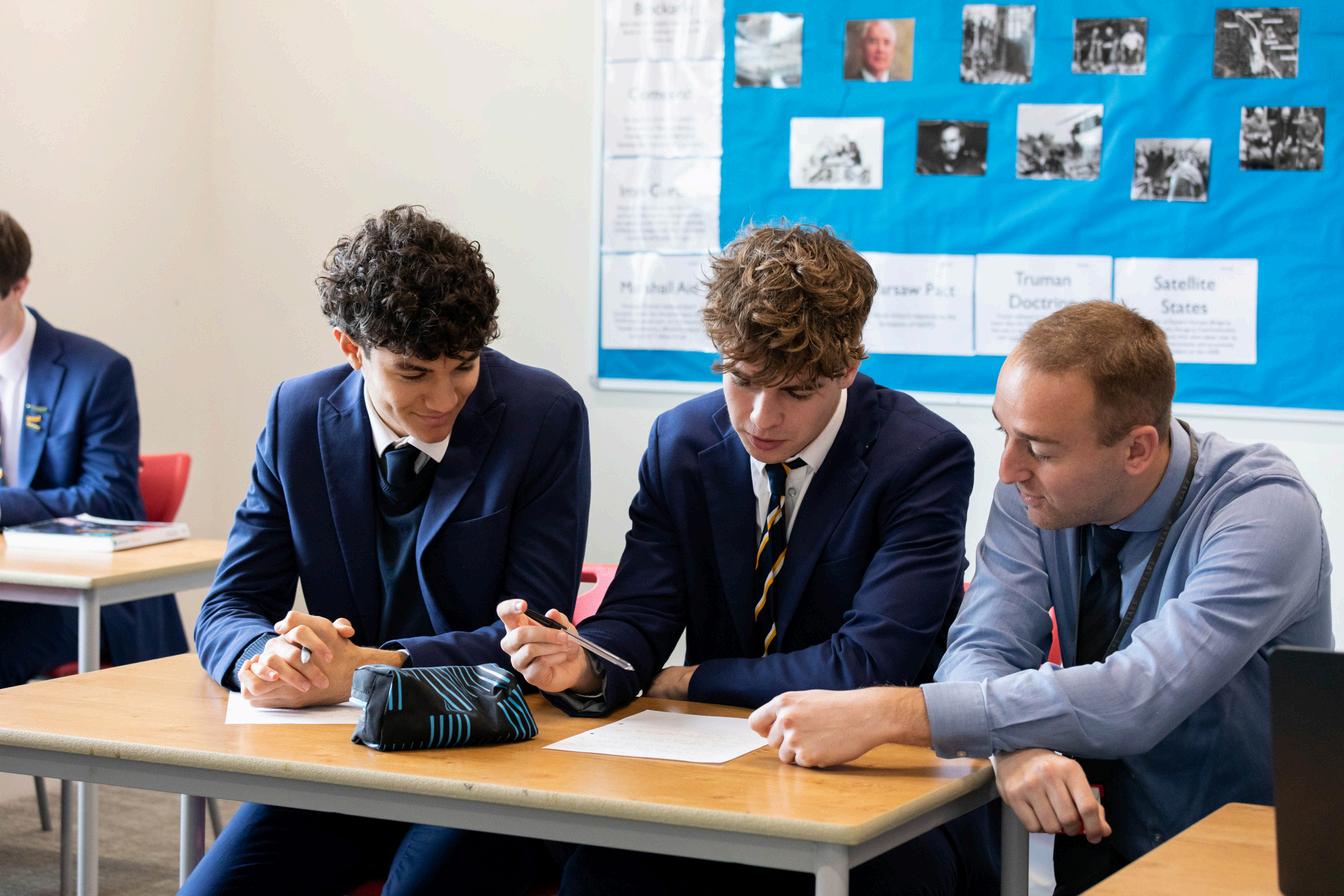
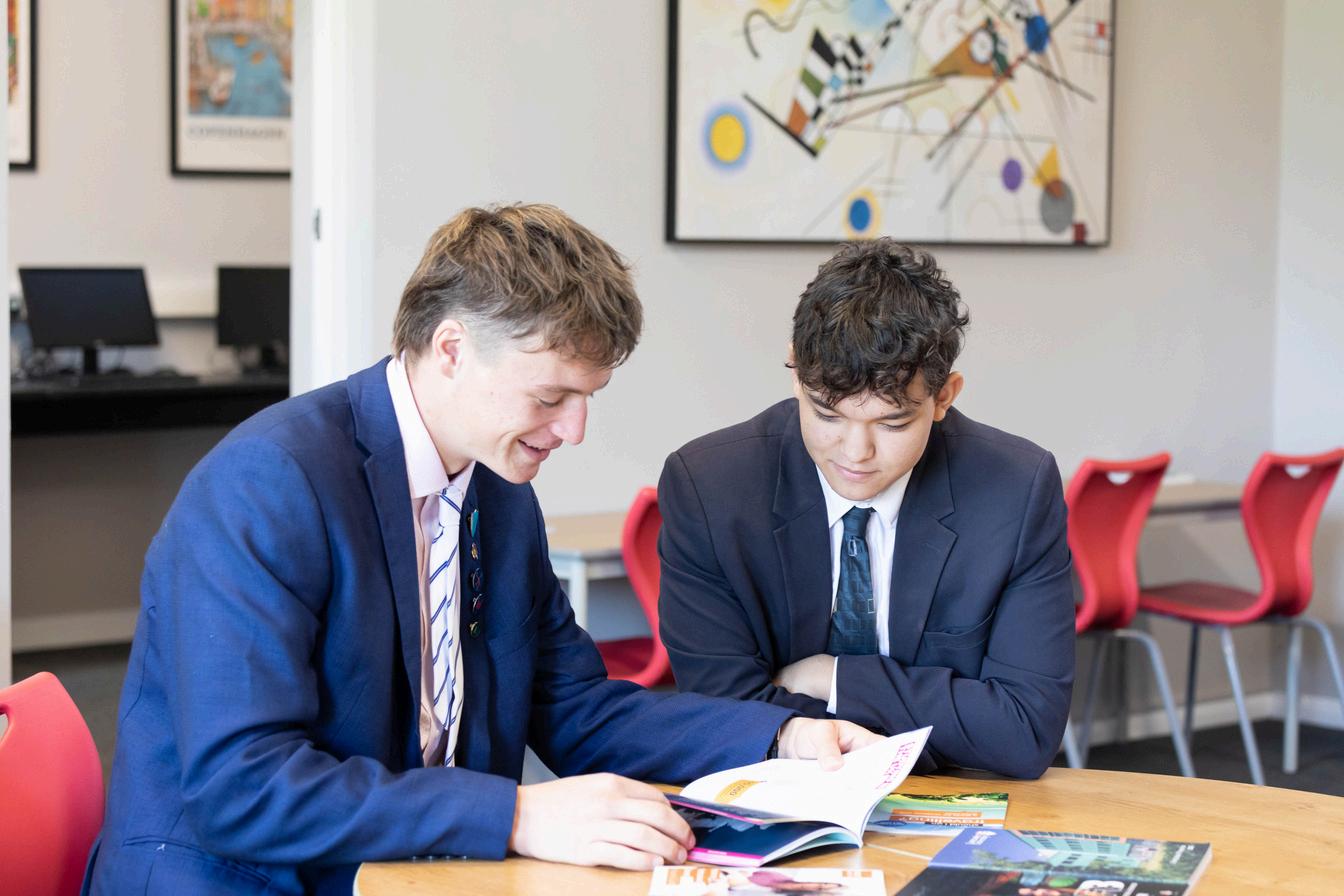
institution Each Sixth Former at St Edmund’s benefits from a personalised learning experience. Our dedicated and highly qualified teachers, tutors, and mentors are committed to supporting every student in achieving their full potential, both academically and personally.
In addition to exceptional teaching and tailored guidance, we place great emphasis on the holistic development of our students. We encourage them to work collaboratively, think independently, and lead with integrity, while maintaining balanced and active lifestyles This commitment is reflected in our diverse and extensive co-curricular programme, comprehensive academic enrichment opportunities, and outstanding pastoral care. Above all, we pride ourselves on being flexible, supportive, and responsive to the individual needs and ambitions of our students
St Edmund’s maintains a strong academic tradition and continues to achieve excellent results In 2025, 71% per cent of our students have attained grades A*–B at A-level. 47% have achieved at least one grade A* or A (or equivalent), and 30% have been awarded grades exclusively at B or above
This consistent success begins with ensuring that each student follows a pathway suited to their interests, abilities, and aspirations Alongside their A-level studies, students may choose to complete an Extended Project Qualification (EPQ). This provides an excellent opportunity to develop independent research, analytical, and presentation skills, while complementing their other academic subjects.
I look forward to welcoming our 2026 cohort of Year 12 students as they embark on their Sixth Form journey with us confident, ambitious, and ready to embrace the challenges and opportunities that lie ahead
Music
MusicTechnology
Photography
Physics
Politics
ProductDesign
Psychology
SportandCoachingScience
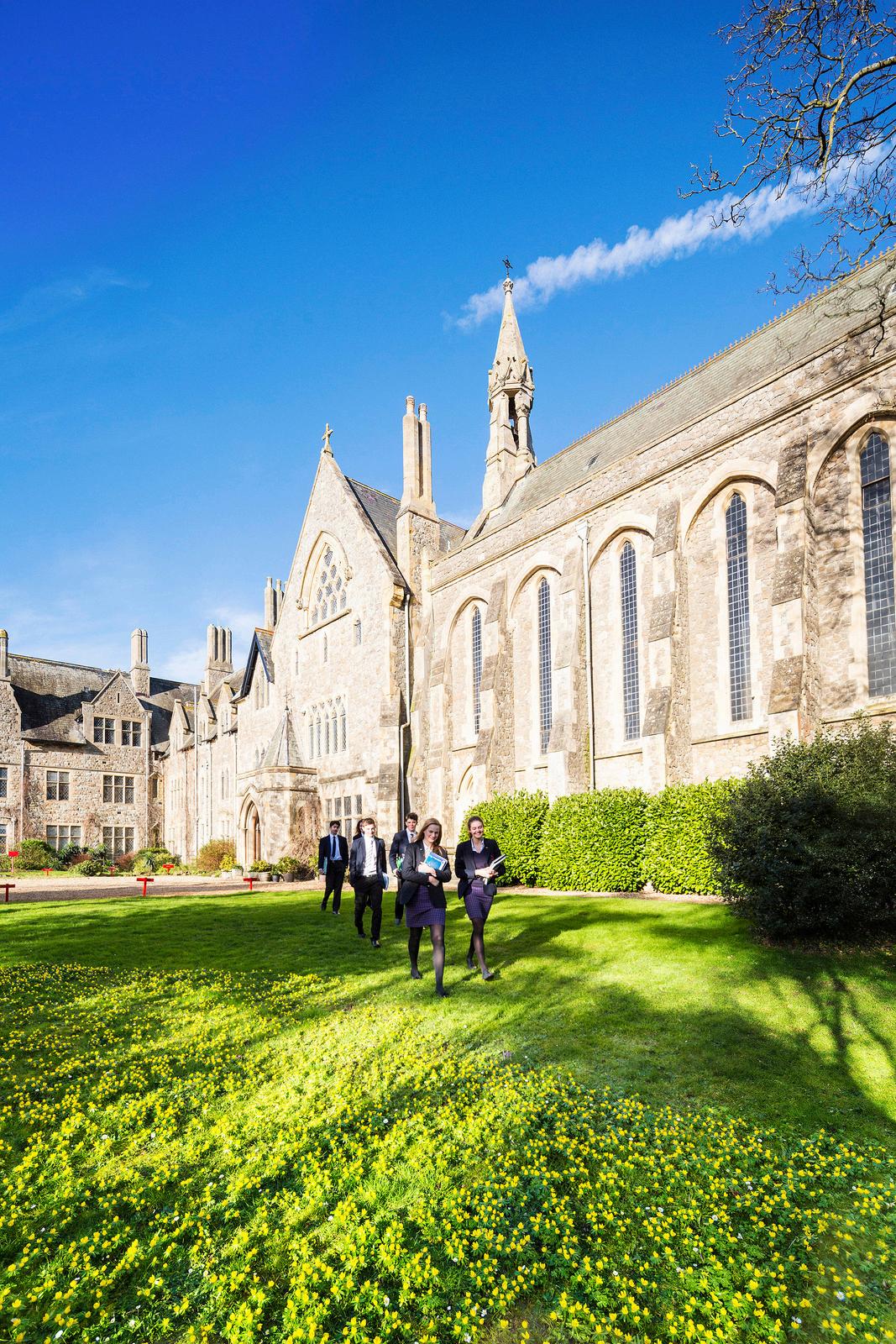

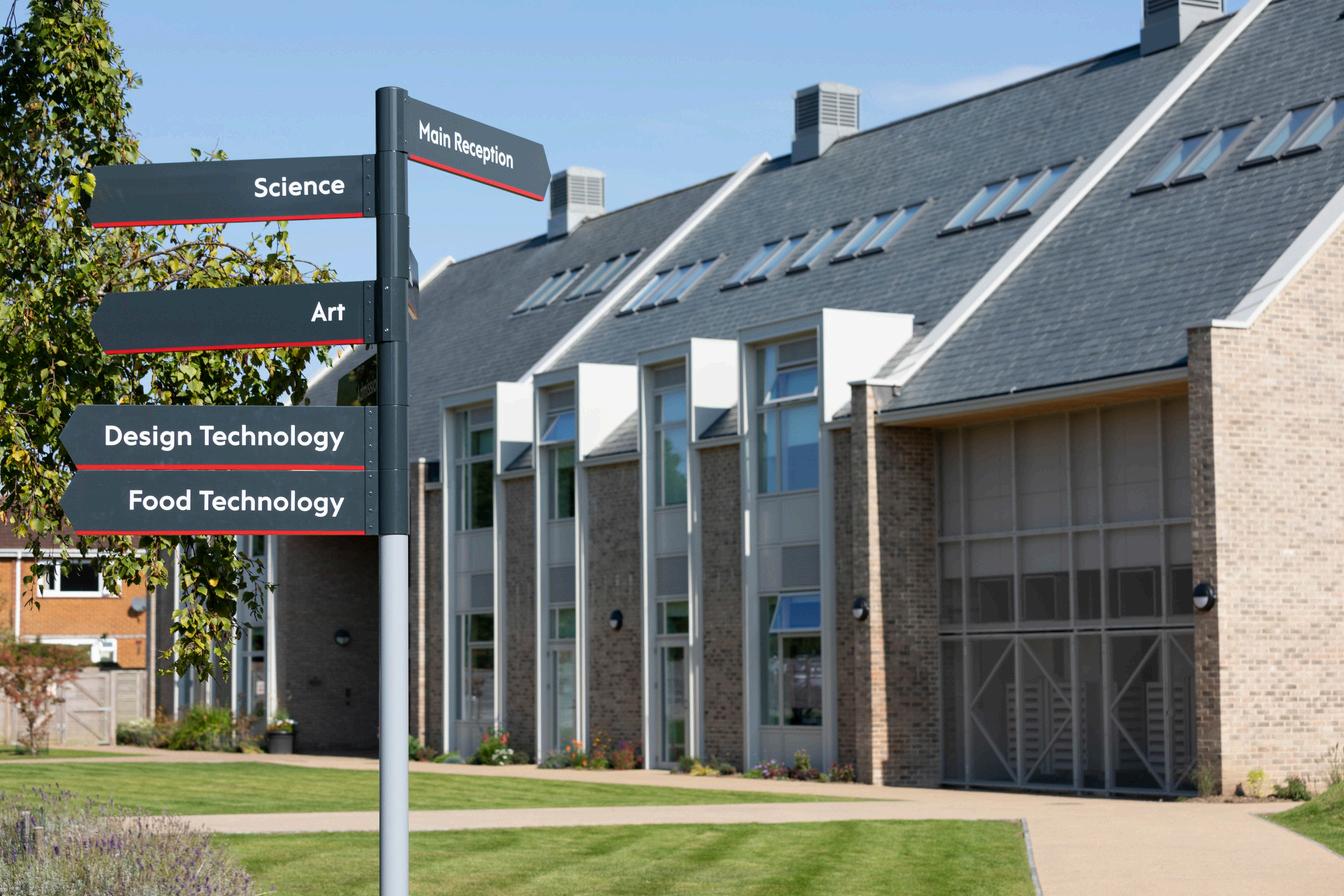
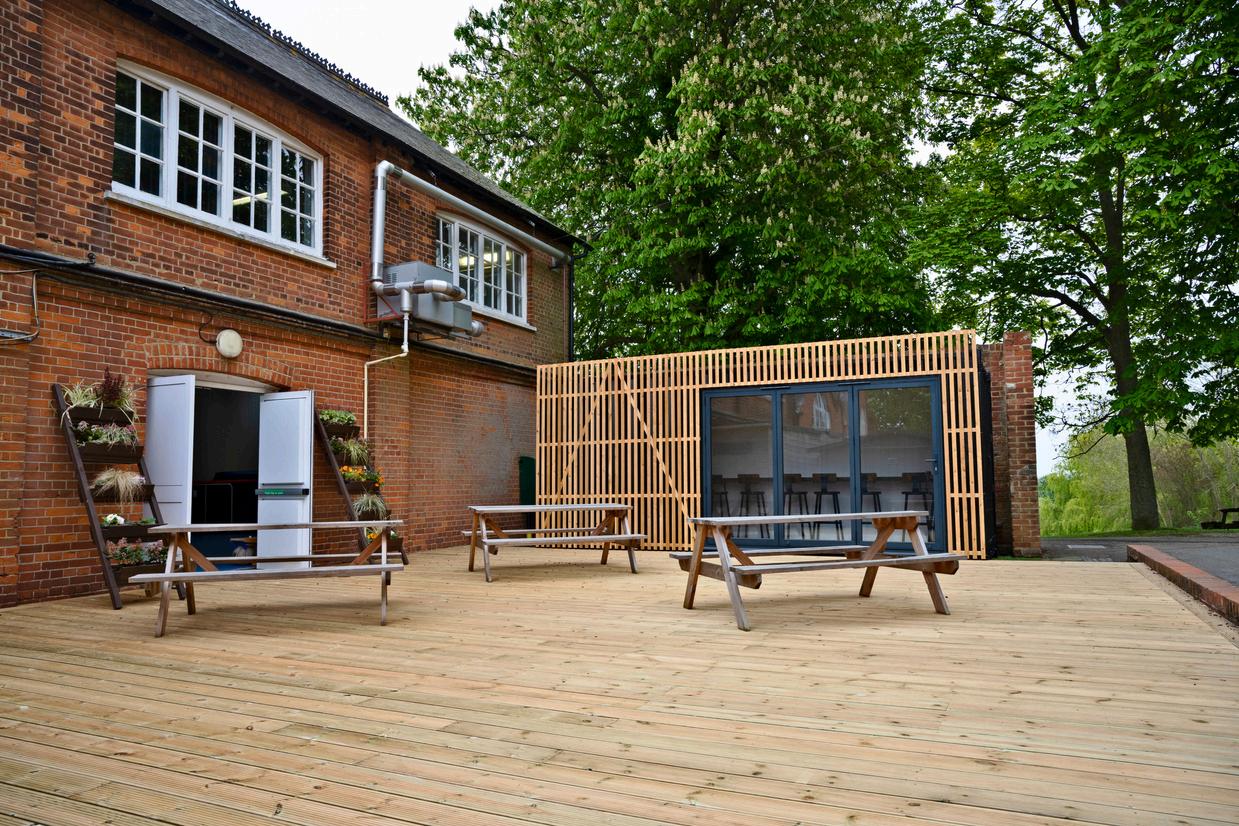
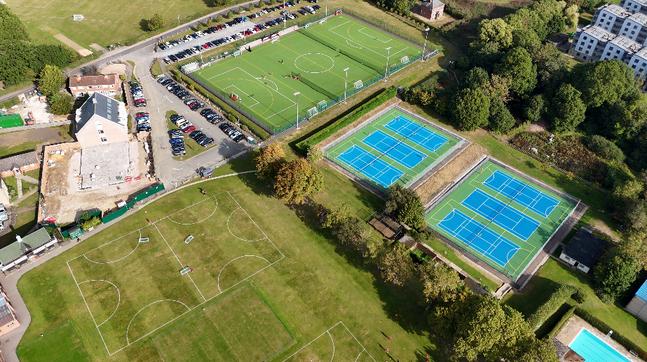
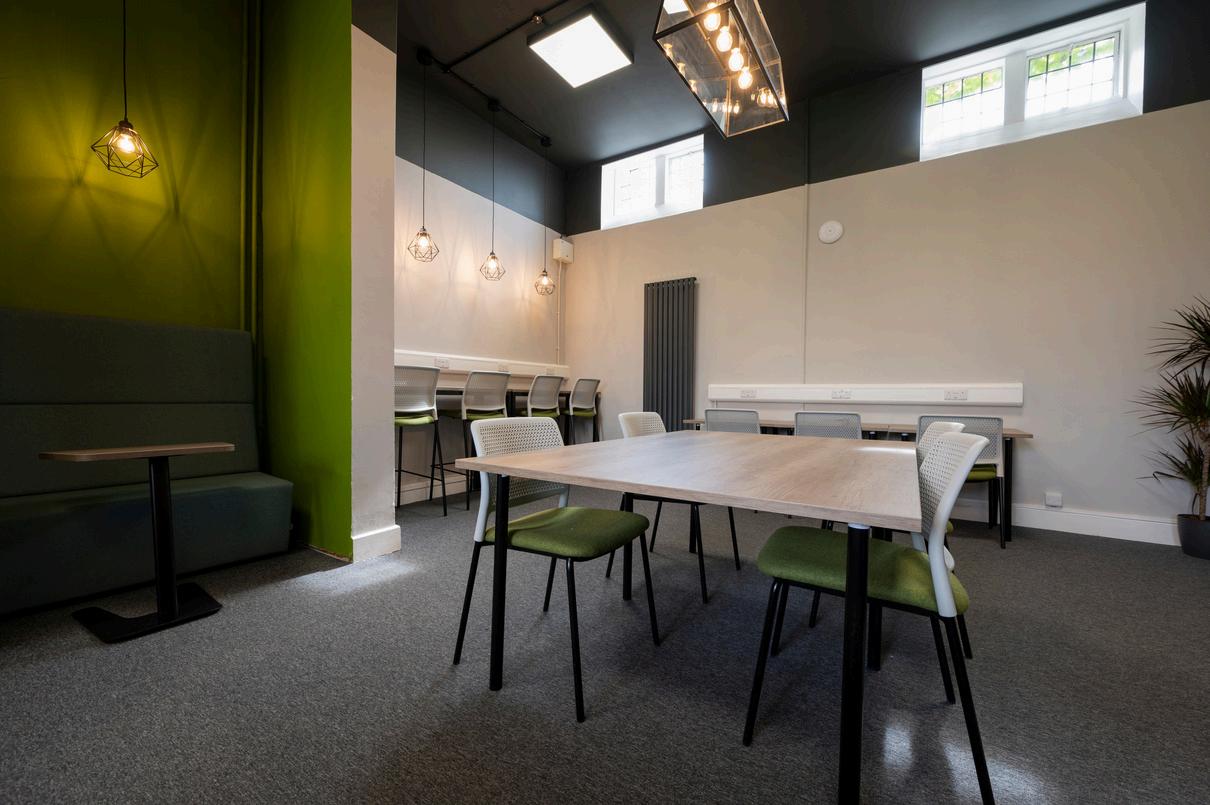
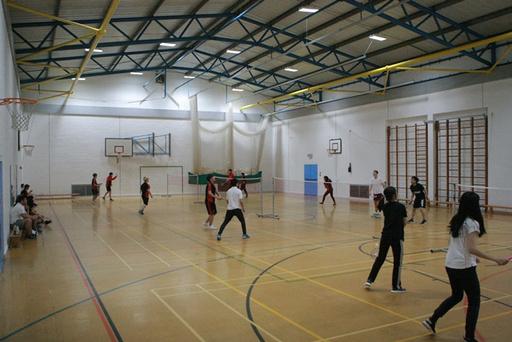
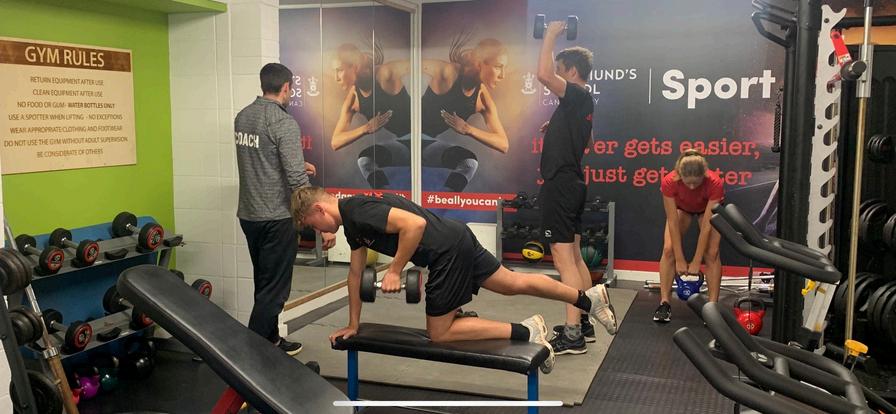
St. Edmund's is set on 62 acres, offering space for study and socialising Facilities include a modern theatre, a professional photography studio, a coffee shop, a health and fitness suite, an all-weather astro pitch, and tennis courts, supporting both academic and personal development.
Our sports facilities include:
Sports Hall: Equipped with markings for four badminton courts, two netball courts, and a basketball court
Health and Fitness Suite: A modern space for individual workouts
All-Weather Astro Pitch: Suitable for football and hockey. Tennis Courts: Newly refurbished for both recreational and competitive play
Swimming Pool: Available for both curricular and extracurricular activities
Grass Pitches: Used for cricket, athletics and other outdoor sports.
We provide specialist, modern facilities for every subject, including:
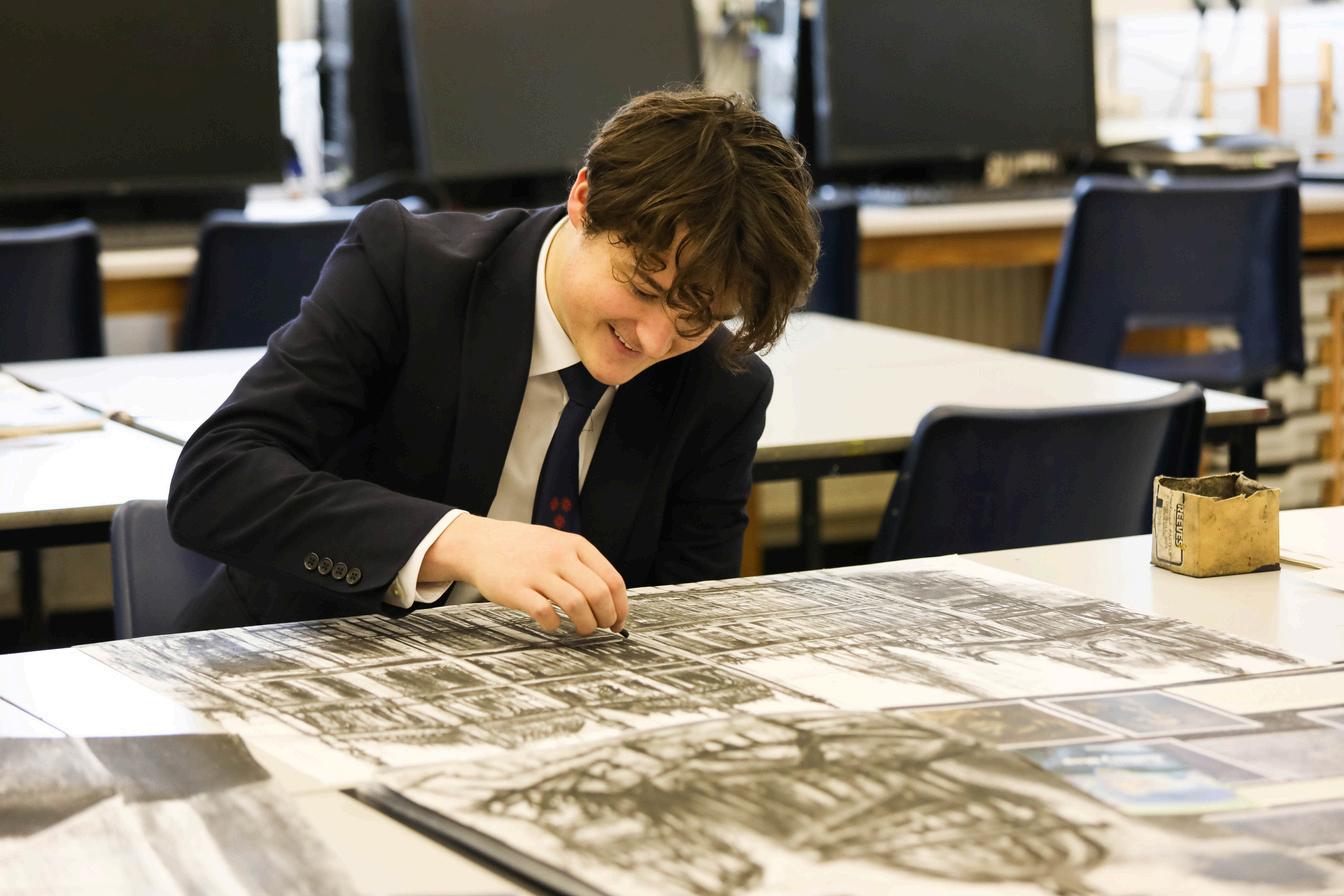
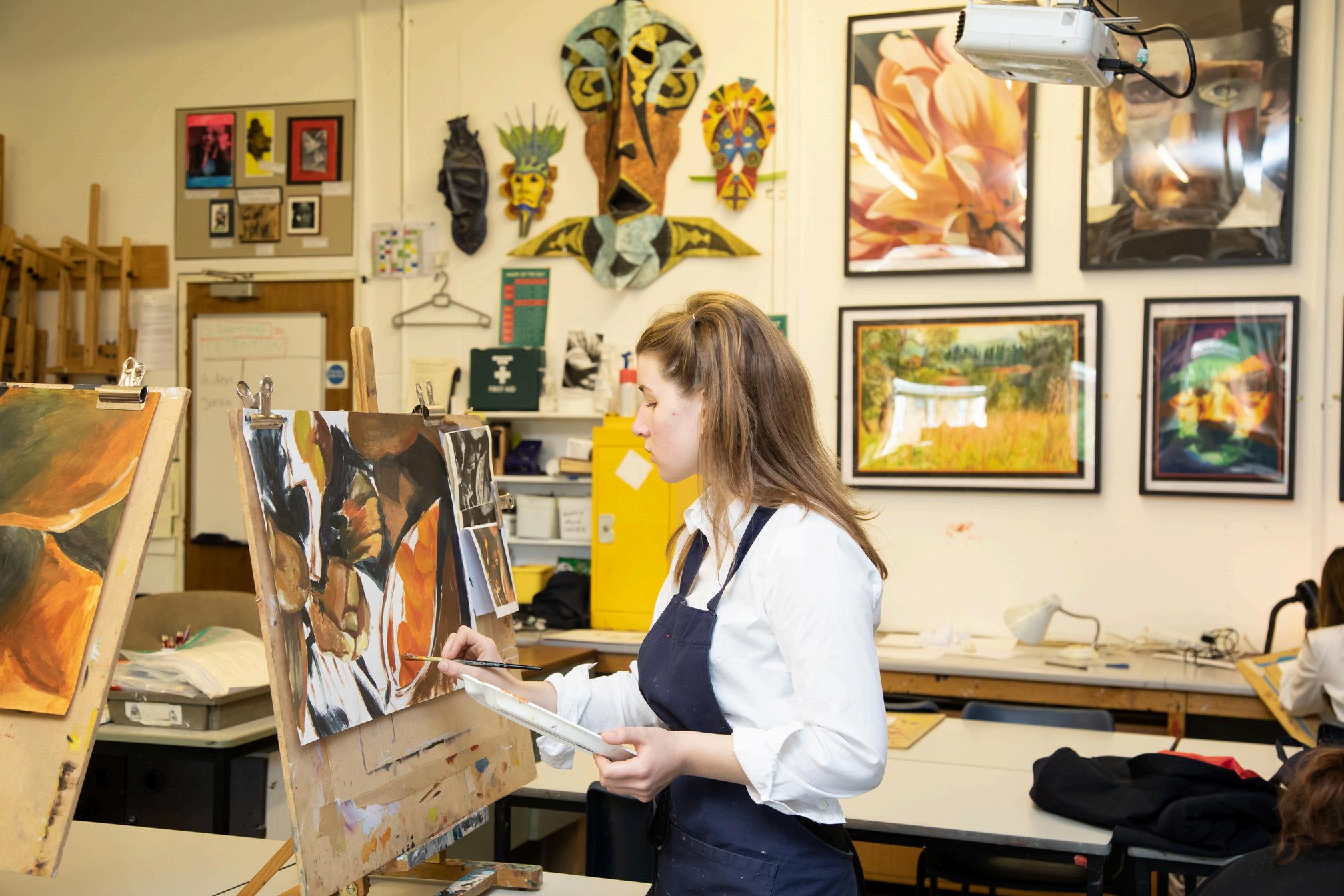
Art Department: Equipped with a dedicated studios for ceramics, photography and fine art With a darkroom for developing photos.
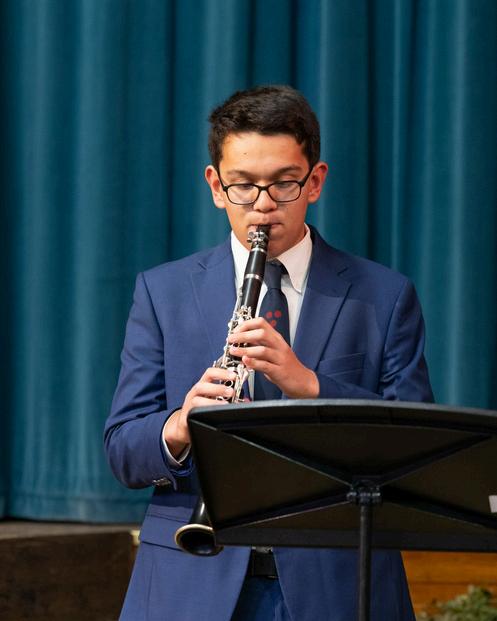
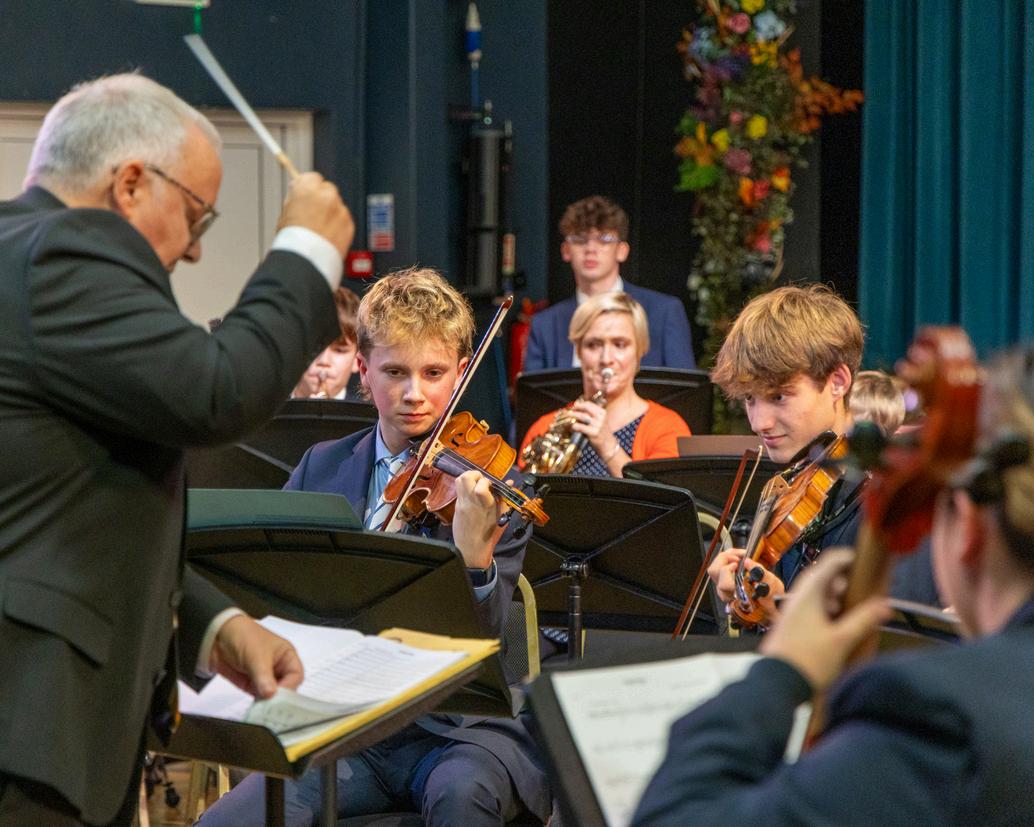
Music Department: Features recording studio, classrooms equipped with latest composition software, practice rooms, and a recital hall.
Theatre: A state-of-the-art venue for drama productions and performances.
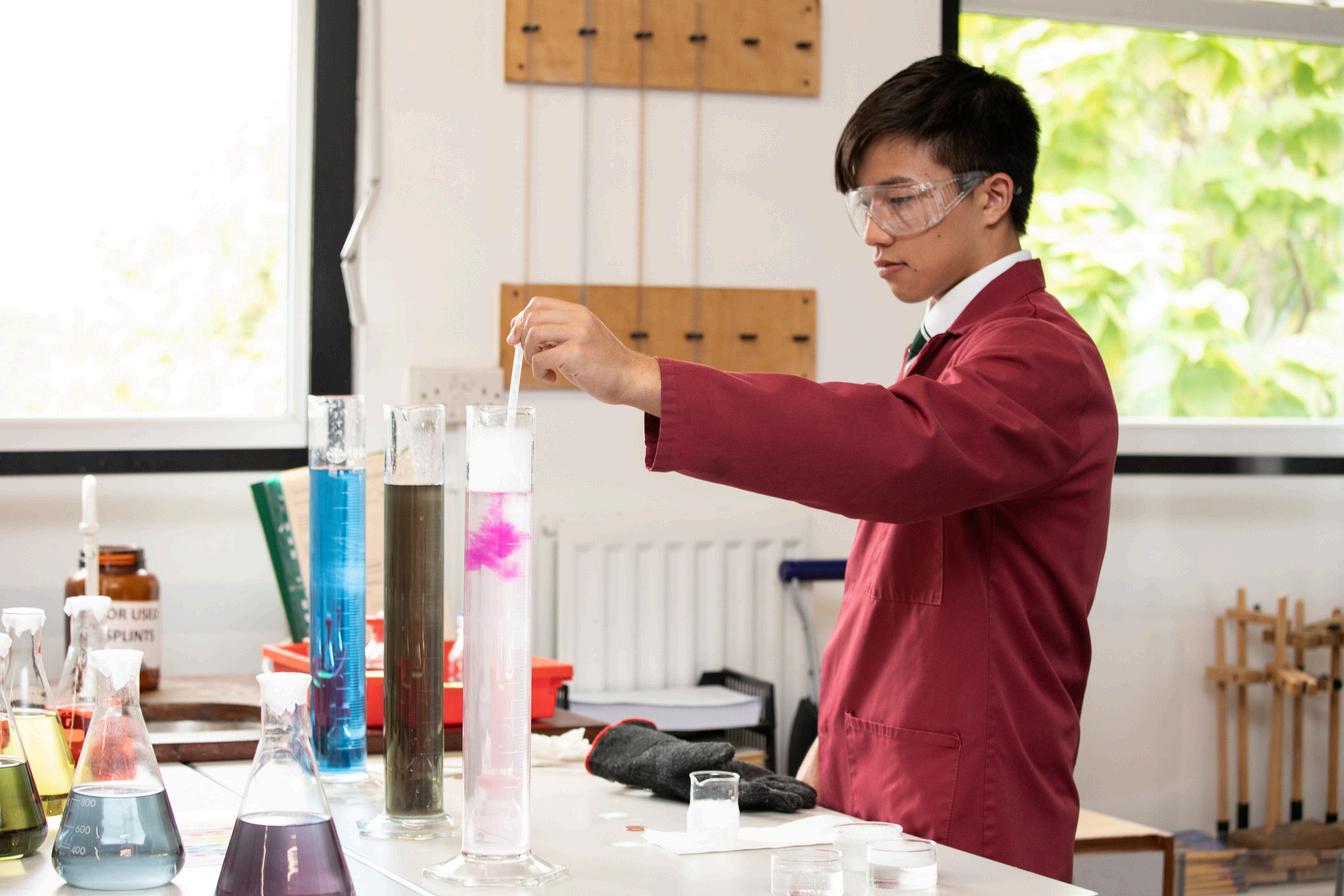
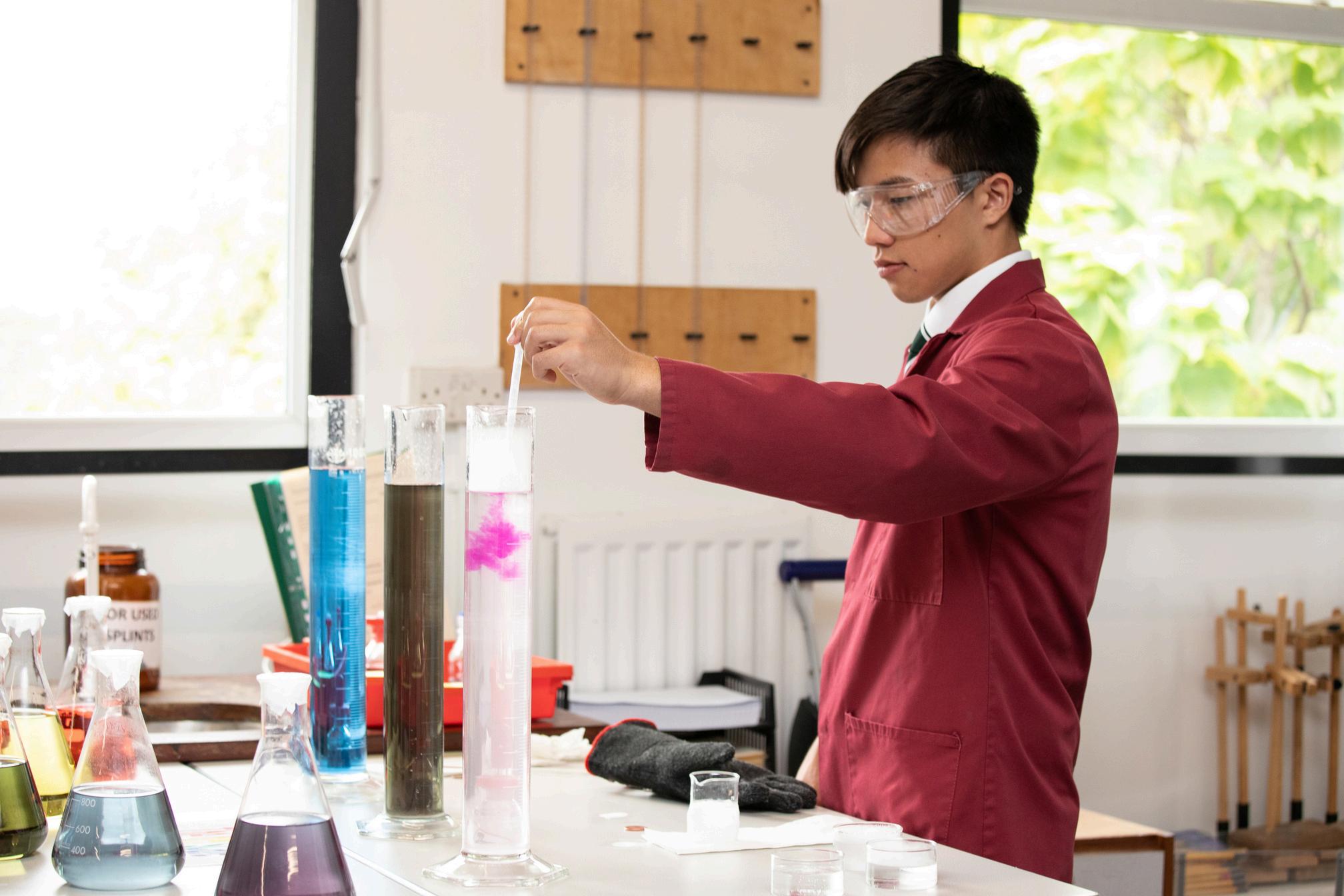
Science Laboratories: Well-equipped for practical experiments and research
Design Technology Workshops: Equipped with modern tools and equipment for various projects
ICT Suites: Providing access to the latest software, including the Adobe Creative Cloud suite, and Microsoft Office applications such as Teams, Word, Excel, PowerPoint, Outlook, and OneDrive.
Pupils are given study rooms within their houses, shared in small groups We have two Learning Resource Centres and a purposebuilt Study Centre, providing the perfect environments to support independent study and research.



As a Sixth Form student at St Edmund’s School, your weekly schedule has been carefully designed to provide a balanced mix of academic study, personal development, and enrichment activities. This structure ensures you are fully supported in achieving your goals, preparing for university, and developing key skills for life beyond school.
Each of your three chosen core subjects will include at least 4 timetabled lessons per week
Weekly Careers and Progression Session:
Led by the Head of Sixth Form and the Head of Careers, this session will focus on preparing you for your next steps Topics include university applications, personal statement writing, exploring apprenticeships, interview techniques, and guidance for other post-school pathways.
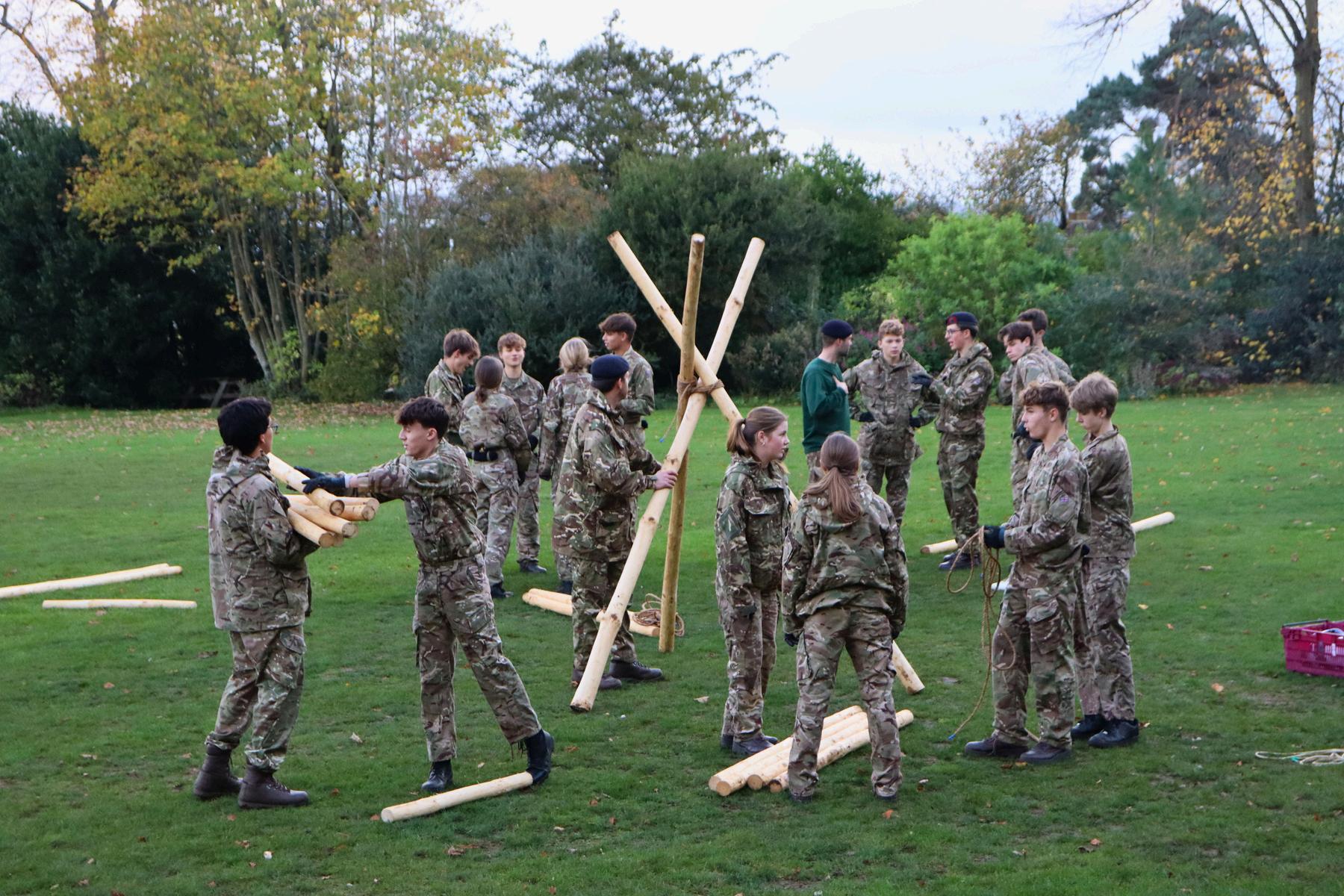
Bi-Weekly Skills and Service Programme: This initiative is designed to develop transferable skills and encourage a sense of social responsibility. Activities include volunteering, leadership training, community outreach projects, and skills workshops such as first aid, public speaking, and teamwork.
Participation in physical activity is a vital part of Sixth Form life. You will have a dedicated weekly games session where you can choose from a range of sports and fitness activities to stay active, develop teamwork skills, and maintain your well-being..

WITH OVER 23 A-LEVEL OPTIONS THERE ARE A DIVERSE SELECTION OF COURSES, ALLOWING STUDENTS TO TAILOR THEIR STUDY PROGRAMMES TO THEIR INDIVIDUAL INTERESTS AND GOALS.
Don’t choose a subject because you think it is what employers will want or because it is a subject to fall back on Instead, ask yourself these questions:
1 What subjects do you enjoy?
2. What subjects are you good at?
3 What are your long-term career aspirations, and how can your subject choices support them?
4. What type of learning do you enjoy? Exams or Coursework?
5 Will the subjects you choose keep your future options open if you’re unsure about a specific career or degree?
HOW CAN OUR CO-CURRICULAR PROGRAMME SUPPORT YOUR SUBJECT CHOICES?
Enhancing Time Management: Balancing academics with cocurriculars helps develop essential time-management skills, ensuring better productivity.
Boosting Academic Performance: Activities such as debating, writing clubs, or STEM competitions complement academic subjects, improving understanding and skills.
Developing Leadership and Teamwork: Roles in clubs or societies build leadership, collaboration, and interpersonal skills, which can support coursework and future ambitions.
Expanding Horizons: Exposure to different interests and fields can deepen understanding of A Level subjects or inspire new academic goals.
Improving University Applications: Active participation demonstrates well-roundedness and commitment, making applications more competitive
Networking Opportunities: Co-curricular groups can connect students with mentors, peers, and professionals, offering guidance and insights related to A Level studies.
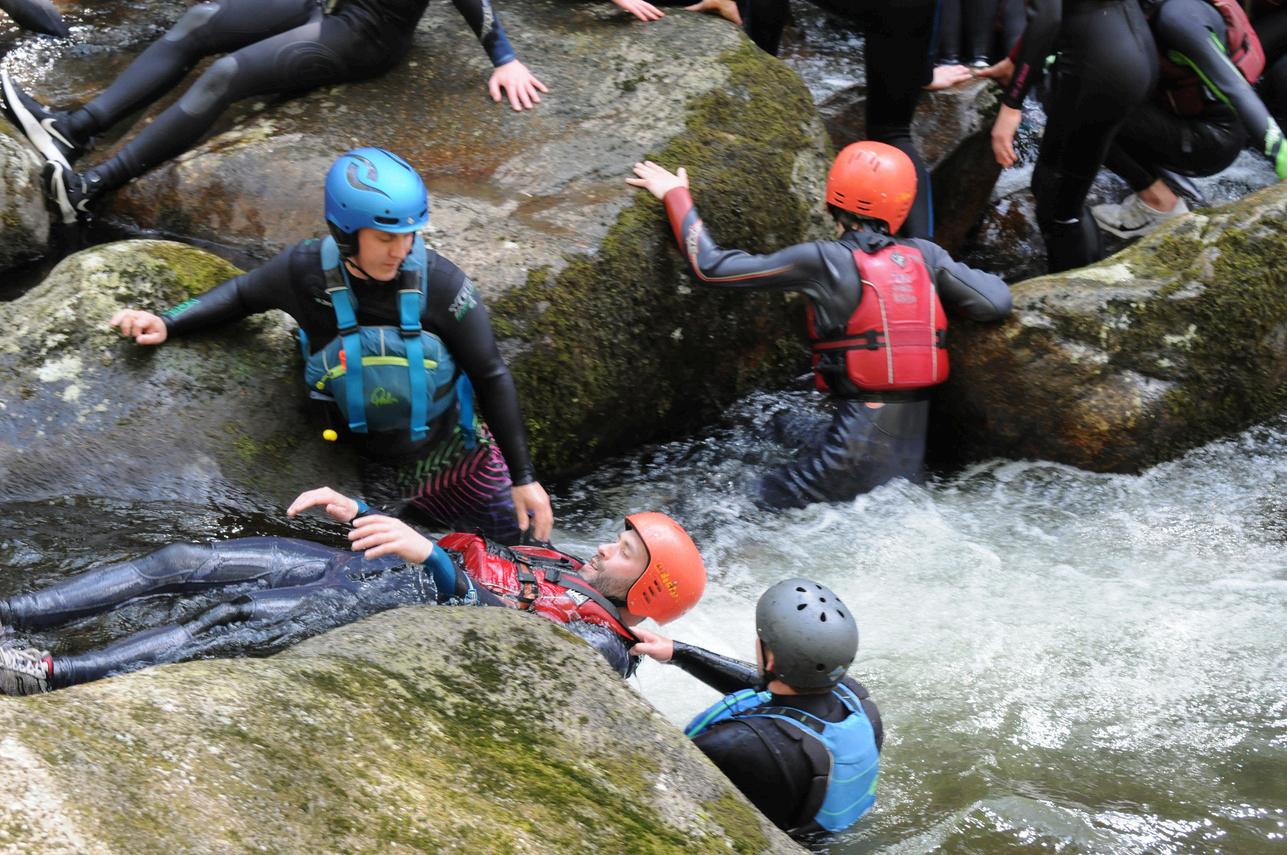
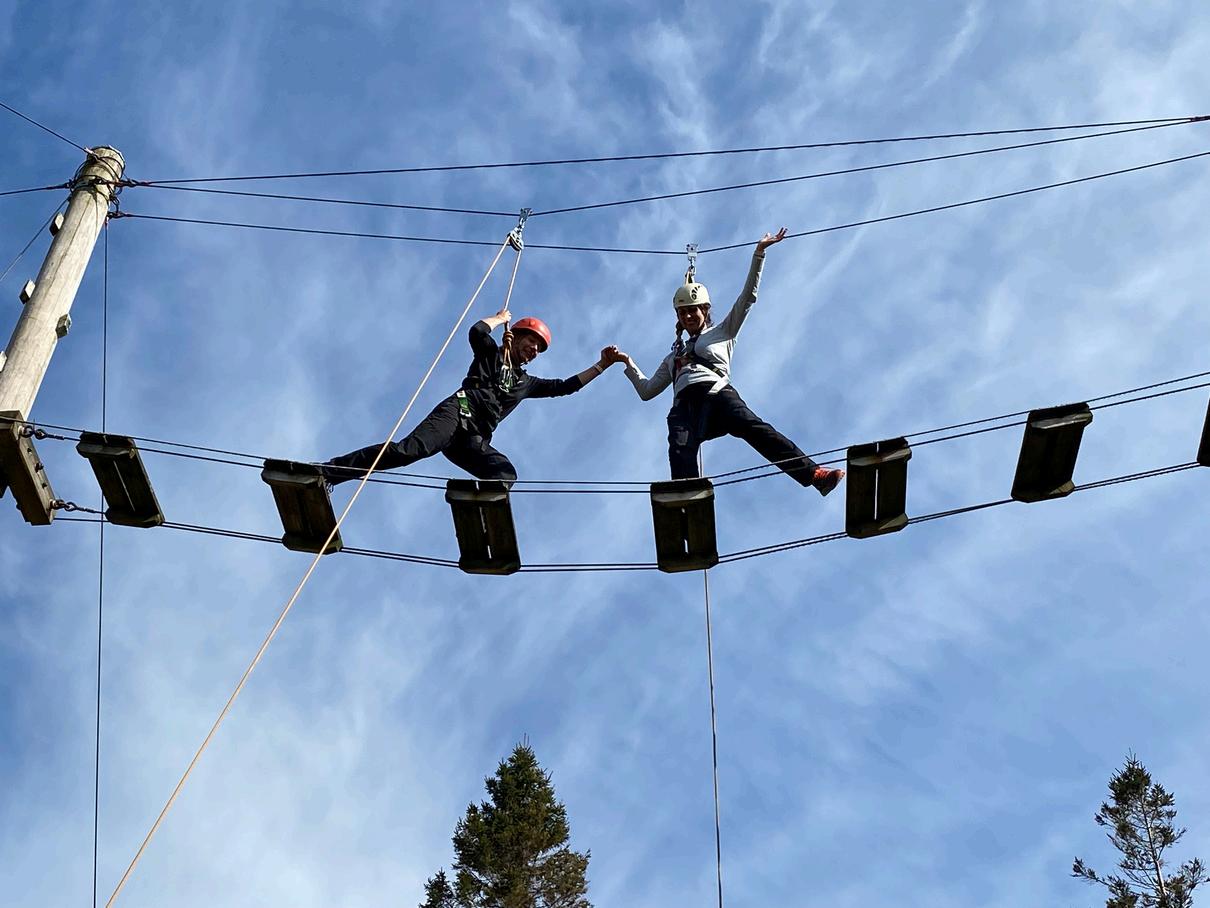
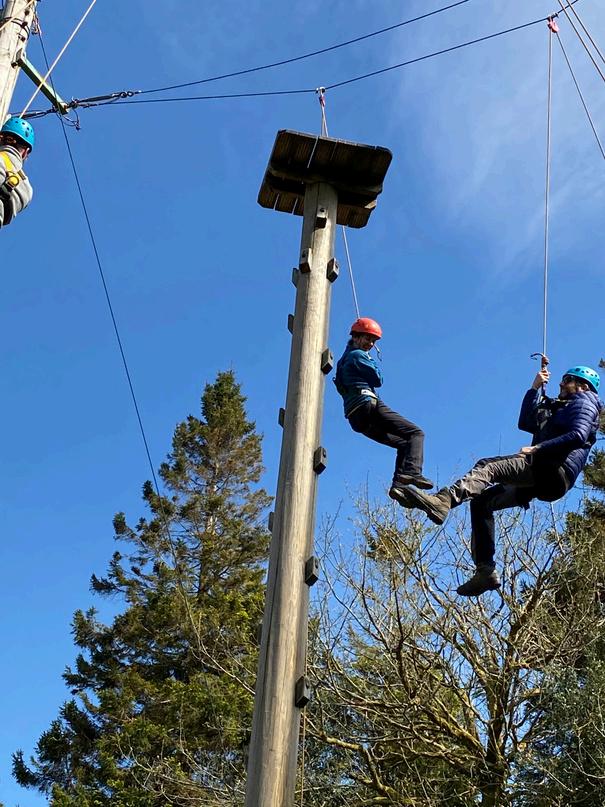
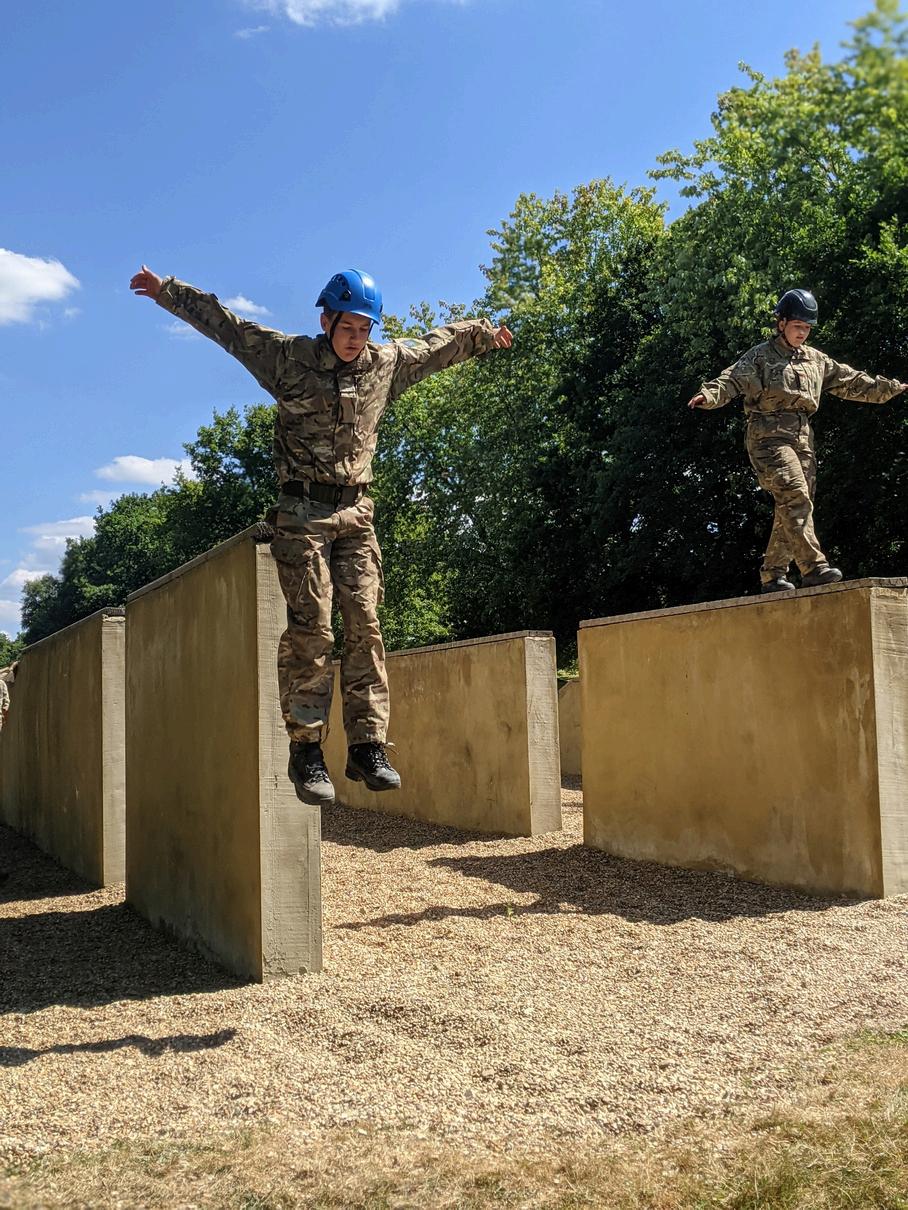
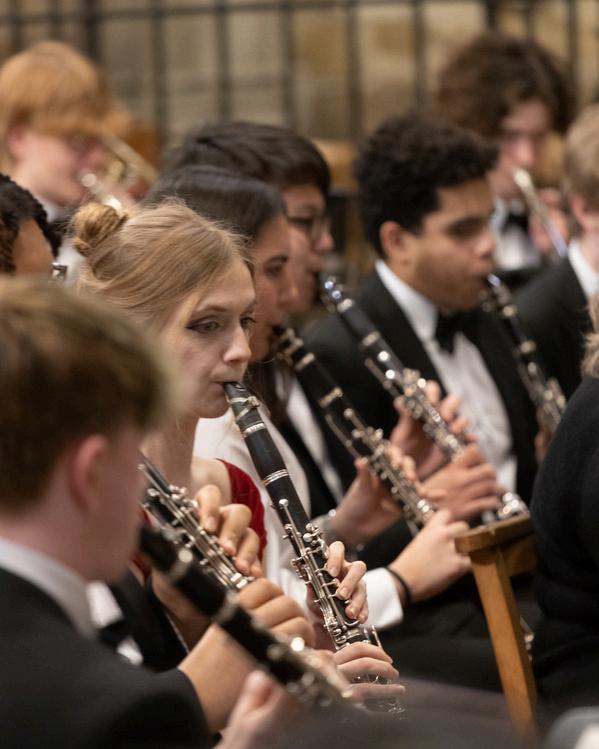
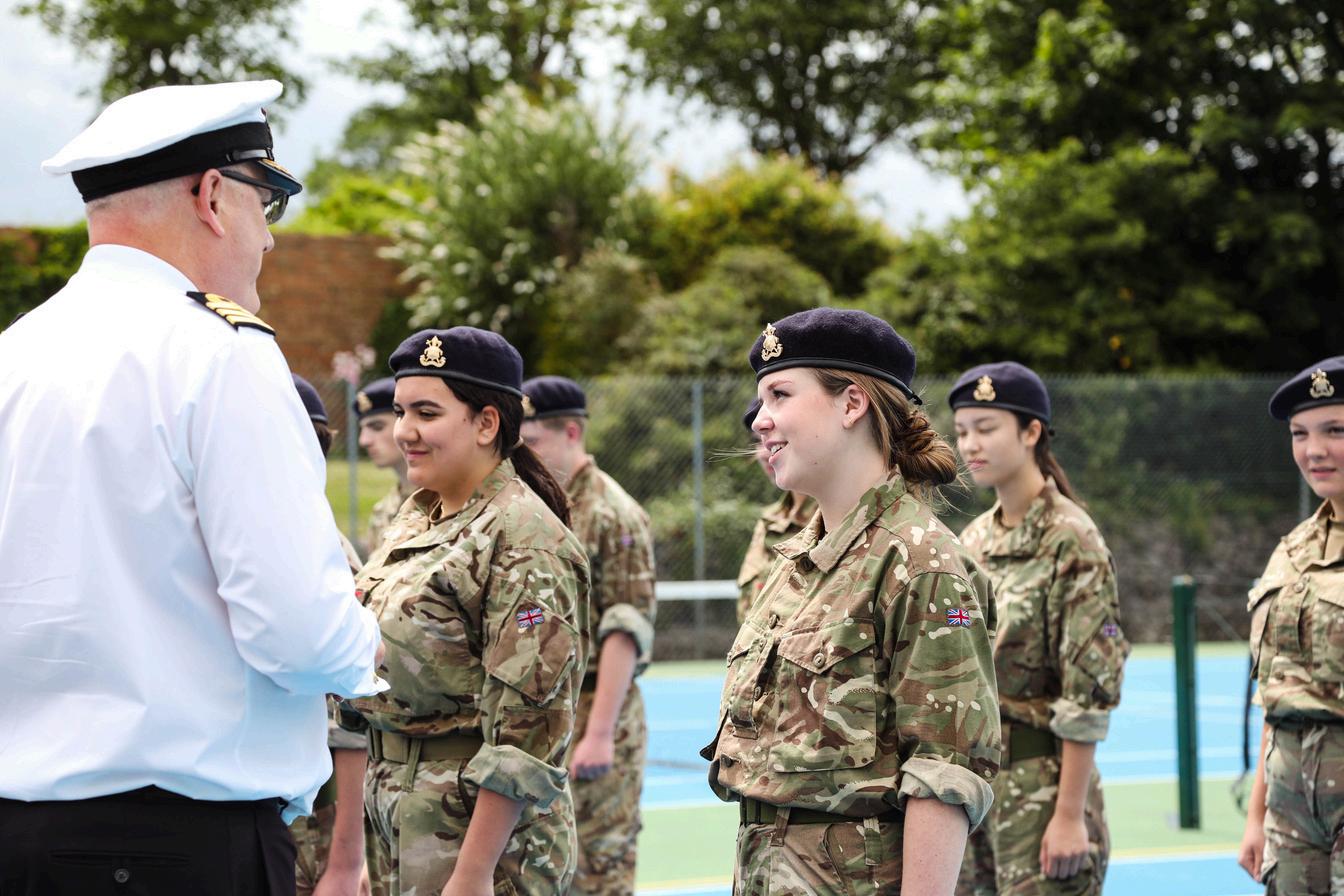
We offer a diverse co-curricular programme, from horse riding to chess, mindfulness to debating, drama, music, and exceptional sports. Flexible and pupil-led, new clubs start each term based on their interests.

A-level work is considerably more demanding than at GCSE level and in many subjects this requires a greater range and depth of skills. Choosing the correct subjects for Sixth Form studies is paramount and it can initially appear daunting Basing choices on some clear principles ensures that students make the right decisions to set them up for the next two years and the decades beyond
Our A-level courses are organised into seven distinctive pathways. When joining our Sixth Form, students don’t just select a list of subjects, they enrol onto one of these seven pathways. The pathways are designed to help students delve deeper into their chosen subjects, focusing on areas that truly interest them They guide pupils’ unique journey through Sixth Form, including academic enrichment activities, co-curricular trips and visits, open lectures and workshops which complement the classroom based lessons
Students can combine subjects from different pathways, but the choice of pathway depends on their future ambition. We believe that successful education is fuelled by pupils having a clear sense of direction and purpose, an enquiring mind and an interest in learning
The standard Sixth Form curriculum at St Edmund’s is 3 A-levels plus. The ‘plus’ part of the curriculum provides a pathway to wider academic enrichment and can take different forms A significant number of our students choose to complete an EPQ (equivalent to half an A-level) or the Leiths qualification in Food and Wine. EAL students often choose to study for their IELTS qualification
Students seeking to join our Sixth Form should have a minimum of 6 GCSE passes at level 4 / grade C or above and meet the specific entrance requirements in each of their chosen subjects. Where too few GCSEs results reflect this, it may be possible to agree a reduced programme.
The Extended Project Qualification is equivalent in status to half an A-level. It is a level three qualification and part of the National Qualifications Framework. Students undertake a research-based project and training in research skills The write-up involves a research report and the completion of a digital progress log. The final output is marked and externally moderated by the AQA examination board The EPQ is much favoured by universities and the school has achieved outstanding results in recent years.
withtheopportunitytoimprovetheirskills.
requirementforuniversityentranceandthecourse fortheInternationalEnglishLanguageTestingSys qualificationwhichisrecognisedbyUKandmosti universitiesStudentscanworkinsmallgroups,de abilityandlevel

All Sixth Form students at St Edmund’s are encouraged to develop intellectual autonomy and creativity through discussion and problem solving, alongside developing the skills required for examination success
During weekly timetabled Careers and Progression lessons, all students engage with super-curricular studies Examples of supercurricular activities undertaken include completing additional wider reading, completing online courses such as MOOCs, watching documentaries, listening to podcasts, undertaking work experience and taking part in external essay competitions and university events
Our super-curricular programme is detailed below. We provide a range of stimulating tasks and challenges designed to broaden intellectual experiences and prepare all of our pupils for success at university and beyond
Talks, Workshops and Exhibitions:
Lower 6th Ethics Workshops
UCAS workshops
Inspire Excellence Programme
Visiting Speaker Programme
Career-focused ‘Curiosity Shop’ talks
Gamelan Workshop (Music Department)
Life drawing workshops (Art)
St Edmund’s Festival Art and Design Technology Exhibition
Trips and Visits:
Royal Institution Maths masterclasses
Art department trip to Chatham Historic Dockyard
History trip to London War Rooms
Design & Technology Trip to London Design Week
Film Music Trip to the Royal Albert Hall (Music Scholars)
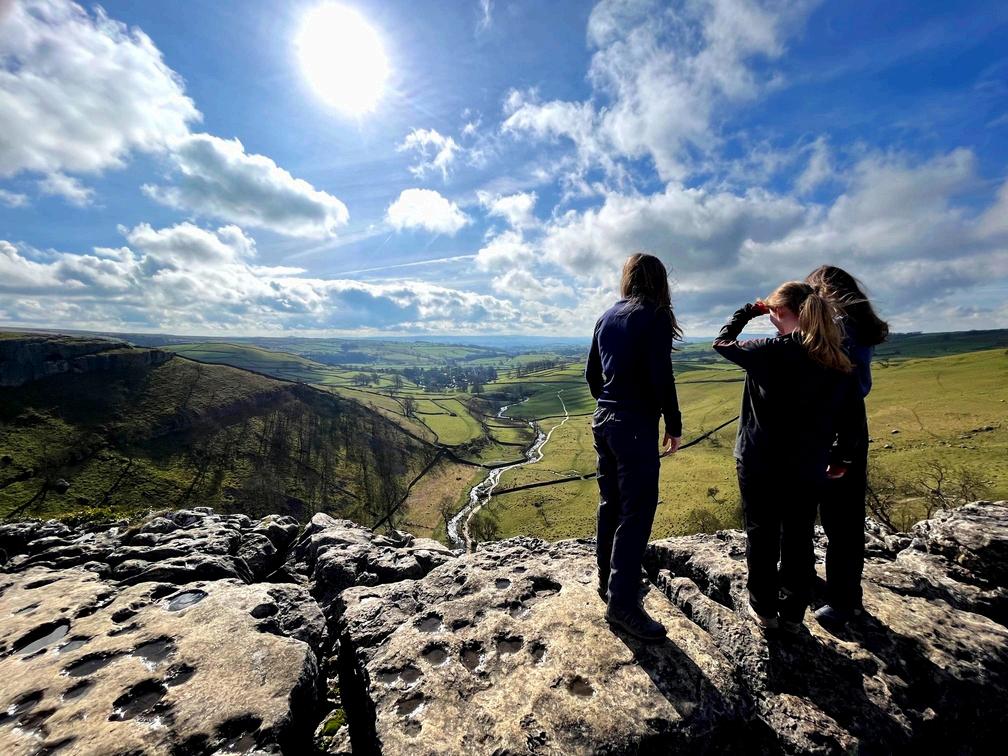
Geography Trip to Malham, Yorkshire
Biology trip to Flatford Mill, Suffolk
Canterbury Careers Fair
Politics trip to A-level conference in London
Visit to University of Cambridge
Music Tour to Salzburg, Austria
Clubs and Societies:
Science
Politics
Literary
Economics
Debating
Charity Fundraising
(Students are being actively encouraged to form new societies based on their interests. This is an area of focused growth in the sixth form community).
Competitions:
The Local Canterbury Art Prize
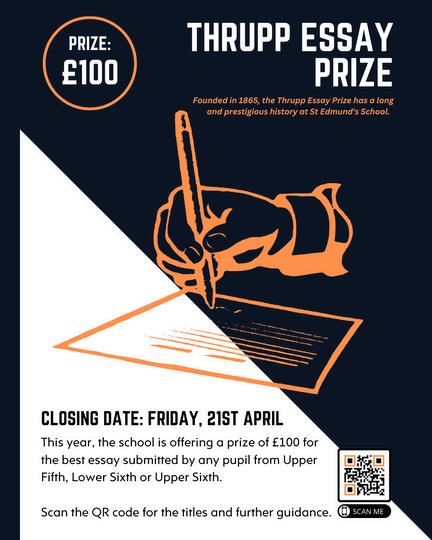
Thrupp Essay Prize
British Olympiads for Biology, Chemistry, Physics and Maths
UKMT Maths Challenge
PC Vellacott Historical Essay Prize Peterhouse, Cambridge
New College of the Humanities National Essay Competition
English Speaking Union MACE Debating

At St Edmund’s we are offer a specialised programme aimed at developing, adapting, and showcasing our student’s academic successes and abilities Many of our students have their sights set on top universities or alternative academic institutes, and we provide a rigorous and structured programme to aid them in their endeavours
Students identified with Unique Abilities and Exceptional Talents (UAT) and of Oxbridge potential (based on GCSE performance and performance in the Michaelmas Term of the Lower Sixth) are matched with a mentor The mentor is responsible for tracking their students’ engagement with the Oxbridge programme and also developing the habit of intellectual talk and help pupils overcome any nerves around the Oxbridge process
Students will be provided with a folder that will act as their portfolio and record of achievement In this they can add anything they feel will be relevant to their higher education application process. This will be used as a template to review progress and assess outcomes
The programme is structured around the three UCAS personal statement questions, which are:
1 Why do you want to study this course or subject?
2 How have your qualifications and studies helped you to prepare for this course or subject?
3 What else have you done to prepare outside of education, and why are these experiences useful?
4.Our students will develop the confidence to express their interest in the course they wish to apply to in the broadest possible sense, making bespoke connections between the work they undertake in the A-level classroom and their co- and supercurricular interests
5.Sessions available exclusively for sixth form students include: University admissions testing – what do you need to know? Interview skills masterclasses Selecting an Oxbridge college
UCAS Personal statement workshops
Work experience guidance
In the process of choosing pathways, all pupils receive 1:1 guidance from the Head of Sixth Form and attend taster sessions for the A-level subjects they are considering Specialist subject teachers, form tutors, housemasters, the Careers Adviser and Deputy Head are also here to help with A-level choices
We encourage all pupils to follow these three principles to make informed choices that will give the best Sixth Form experience and set them up for life beyond St Edmund’s School.
1
2
You will be studying A-level subjects for 9 periods per week, alongside homework and wider reading Even if you are very motivated to study a subject, if you don’t enjoy it, you won’t achieve as well as you might otherwise have done Selecting a subject that energises and excites you will be far more motivating.
There is usually a correlation between things we enjoy and things which we excel at. However, it is best to select subjects in which you have the most potential for success. Finishing Sixth Form with the strongest possible set of grades will open up the most opportunities for your next steps Consequently, it is best to study subjects which align with your strengths.
3
When you start your A-levels, you will be closing certain doors For example, if you don’t study Chemistry, you are essentially ruling out medicine If you don’t study Maths, achieving an Economics degree will be challenging. Consider what subjects you might need for the future, and what doors you would like to keep open.





Thispaperwillassessanycontenttaughtthroug wellaspracticalskillsanddataanalysis
A minimum of grade 6 in English (Language or Literature); Grade 5 or above in Mathematics is recommended
Future careers could include: accounting and finance, marketing, operations management, ethics, HR management, business and enterprise
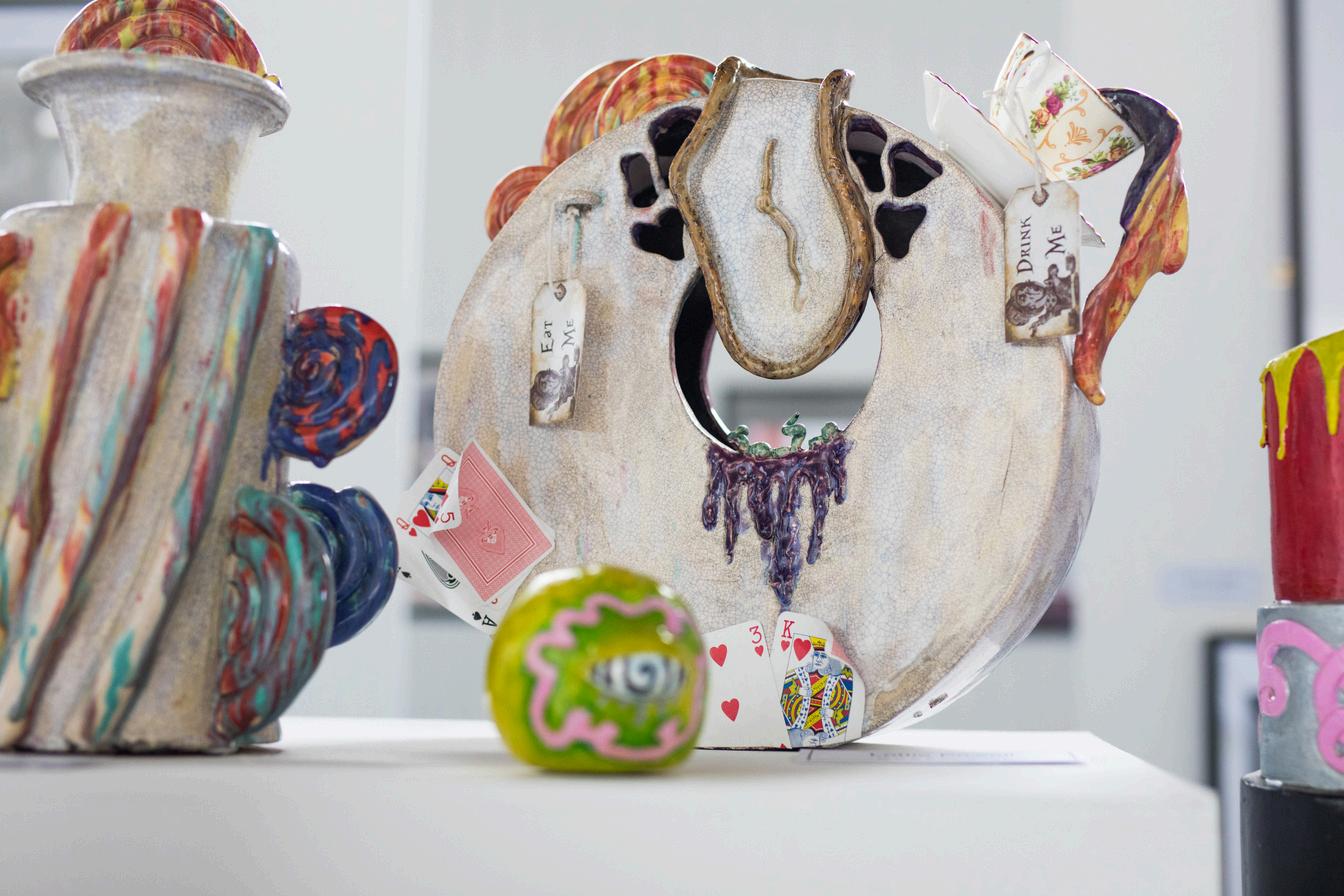
Grade 6 or above in Art or 3Dimensional Design (e.g. Ceramics)
This course fosters visual literacy, practical skills, and key abilities like research, creative thinking, problem-solving, and independent learning A-level Three Dimensional Design prepares students for degrees in areas such as Ceramics, Sculpture, Glass, Interior, Furniture, Product, Jewellery, and Fashion Design, leading to careers in pottery, design, graphics, interior design, product design, and media
Grade 6 or above in GCSE Chemistry (single subject) or 6-6 in Combined Science, plus a 6 in Mathematics
A-level Chemistry is a highly-regarded qualification and is an essential entry requirement for many scientific courses including medicine, veterinary science, dentistry, all biological subjects, agriculture, biochemistry, geology, chemistry, physics, and all branches of engineering.
If you are interested in Ancient Greece and Rome and its continuing influence on our society today – in literature, drama, philosophical thought, art or politics – this is the course for you. You do not need to study either Latin or Greek as all sources are read in English Classes tend to be small and lively, informed discussion is always encouraged You will learn the best ways to research widely, formulate your own conclusions and opinions, and present your arguments persuasively, emulating the best ancient authors, both orally and in writing
We follow the OCR Classical Civilisation A-level syllabus Three wideranging areas of study are covered in this two-year course including Homer’s epic stories, Greek tragedy and comedy, and how Julius Caesar’s ambitions changed the shape of Roman politics
Assessment:
Paper 1: The World of the Hero (compulsory component: Homer’s Iliad and Virgil’s Aeneid)
Paper 2: Culture and the Arts (Greek Theatre)
Paper 3: Beliefs and Ideas (Politics of the Late Republic)
Trips to plays and to ancient sites - as well as to the British Museumand lectures are an enjoyable part of the course and there is also the opportunity to attend a JACT summer school at the end of the Lower Sixth year
Grade 6 or above in History or Religion is preferred for access to this course. Grade 6 or above in English is helpful, given the amount of literature and associated skills that are assessed
Classical Civilisation has also become a popular option in its own right at the top universities. Classics graduates have good and surprisingly diverse job prospects as employers recognise their ability to analyse evidence and present clear, logical arguments
To succeed on this course, it is essential that you have a good level of mathematics (Grade 6 or above) and a determination to learn the language of code
Universities regard Computer Science as “the fourth science”. Its applications and utility in the modern world are limitless.
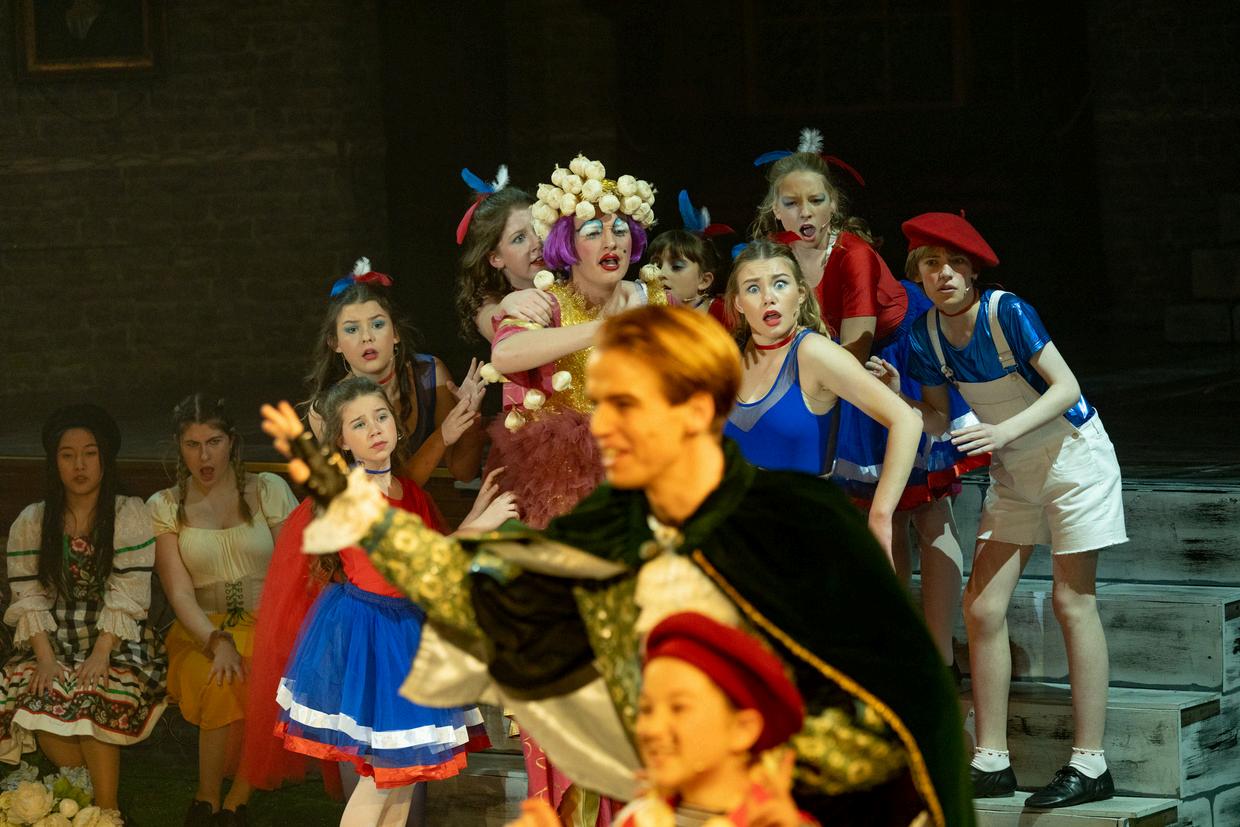
This WJEC (Eduqas) course provides opportunities for students to pursue particular aspects of study within the context of general knowledge and experience of theatre It is designed to encourage theatrical artistry and technical skills, extend knowledge and understanding of drama, and generate a critical and sensitive response to the complexities of theatrical production.
Guidance is also provided on the theatrical skills students will need to work on. In the practical components students may specialise in performing, lighting, sound, set, costume, puppets and/or directing.
St Edmund’s has excellent drama facilities and a wide variety of contacts in professional theatre. The course involves regular visits to see professional productions locally, as well as further afield, including London’s West End and, on occasion, to New York and LA
The subject content for A-level Drama is divided into three components:
1. Theatre Workshop - 20% of the A-level
2. Text in Action - 30% of the A-level
3. Text in Performance - 30% of the A-level

Paper 1 : Markets & Market Failure – worth 33.3.% of the A-level
Paper 2 : National & International Economy – worth 33.3% of the A-level
Paper 3: Economic Principles & Issues (Synoptic) - worth 33.3% of the A-level
Film is one of the main cultural innovations of the twentieth century and a major art form of the last hundred years. Those who study it characteristically bring with them a high degree of enthusiasm and excitement for what is a powerful and culturally significant medium, inspiring a range of responses from the emotional to the reflective. Film Studies consequently makes an important contribution to the curriculum, offering the opportunity to investigate how film works both as an agency of representation and as an aesthetic medium.
Film Studies is an academic discipline that explores various theoretical, historical and critical approaches to the understanding of films and how they generate meaning and response in spectators Pupils will study narrative storytelling and the artistic and culturally historical implications of movie-making across different global cinemas Pupils will develop their analytical skills in addition to developing an enhanced theoretical application of new ideas through the study of the film text and major film movements. Pupils will also have an opportunity to engage in the creative processes of either screenwriting or filmmaking
Over the two-year Eduqas/WJEC course, pupils study the semiotics of film at micro and macro level in order to understand the roles of both producers and audiences. The specific films studied will require pupils to engage with various cultural representations, over different periods, in order to gain an understanding of the development of technique, style, technology and artistic movement.
A summary of the specification is divided into the following assessment components:
Component 1: Varieties of film and filmmaking exam: 2 ½ hours
Section A: Hollywood 1930 – 1990 (comparative study)
Section B: American film since 2005 (two-film study)
Section C: British film since 1995 (two-film study)
Component 2: Global filmmaking perspectives exam: 2 ½ hours (35%)
Section A: Global film (two-film study)
Section B: Documentary film (single-film study)
Section C: Film movements – silent cinema (single-film study)
Section D: Film movements – experimental film 1960-2000 (singlefilm study)
Component 3: Production: non-exam assessment (30%)
One production and its evaluative analysis from the following: a short film (4-5 minutes); a screenplay for a short film plus a digitallyphotographed storyboard of a key section from the screenplay
There are many good reasons to study French at A-level. Languages allow pupils to develop their linguistic knowledge and broaden their cultural horizons whilst opening doors to worthwhile graduate courses in higher education and leading to a broad field of career paths French is the official working language of many international organisations such as the United Nations, UNESCO, NATO and the Olympic Committee and is currently the dominant language at the European Court of Justice
Pupils of French at A-level should appreciate and embrace the essential communicative nature of language learning. They should be prepared to open their minds to many aspects of the Frenchspeaking world, be it historical, political, cultural or other areas In addition to developing fundamental linguistic skills, we study aspects of French society, artistic culture, political life, literary texts and films
Assessment:
Paper 1 - Listening, Reading and Writing: Includes translation into English and translation into French
Written exam: 2 hours 30 minutes (20%)
Paper 2 - Writing: Two books from the list of set texts in the specification or one book from the list of set texts and one film from the list in the specification. St Edmund’s Languages Faculty teaches one book and one film from the specification: No et Moi by Delphine de Vigan and La Haine, directed by Mathieu Kassovitz.
Written paper: 2 hours (20%)
Paper 3 - Speaking: Individual Research Project and knowledge of one of the sub-themes.
Speaking test (30%): 21-23 minutes (plus 5 minutes’ preparation time)
Fieldworkisanessentialpartofthecourse evaluatetheirfieldworkinresponsetothe examination.Thiscontentiscoveredduring visit,typicallytotheYorkshireDales,forwh
whichisabletodetectsubjectivityinth healthyscepticismforinequitableargu wewillfosterinyoualivelyandenquiri serviceableintellectualskills.
HistoryintheSixthFormisamind-broa rigorousintellectualdisciplineandwet stimulatingco-curricularactivitiesTher Londontohearprofessionalhistorianss oftheLowerSixththereisatriptoBerl
We follow the Edexcel 9MA0 Mathematics syllabus The A-level course is based on pure mathematics, statistics and mechanics, and is assessed on three two-hour examinations for Mathematics
For Further Mathematics (Edexcel 9FM0), there are four units – Core Pure 1, Core Pure 2, Further Pure 1 and Further Mechanics 1, each assessed with a 90-minute examination at the end of Upper 6th.
Studying both Mathematics and Further Mathematics leads to two Alevels, and can be considered a powerful base. It is not enough, however, to recognise that a mathematical qualification would be useful; you need a real interest in the subject, coupled with tenacity and determination, if you are to succeed.
Grade B or 7 or above from the Higher Tier of GCSE or IGCSE Mathematics is essential and an A or grade 7/8 is recommended Further Mathematics is a higher level Mathematics course than the single subject. It will prove inaccessible to anyone who has not gained at least an A or grade 8 in GCSE or IGCSE Mathematics.
Music A-level is a valued subject for a wide variety of degree courses and is by no means solely vocational. The study of Music provides many of the personal qualities that universities and employers are looking for in young people: self-discipline, motivation, initiative, dedication, creativity, logical thinking and teamwork.
St Edmund’s follows the WJEC Eduqas Specification which offers two alternative pathways for the traditional Performing and Composing components at A-level:
Option A: 35% Performing and 25% Composing
Option B: 25% Performing and 35% Composing
Component 1 Performing:
A public performance which is externally assessed by a visiting examiner Option A requires a performance consisting of a minimum of three pieces and lasting between 10-12 minutes. Option B requires a performance consisting of a minimum of two pieces and lasting between 6-8 minutes In both cases, Grade 6 is the standard level of difficulty; anything above this will access additional ‘Level of Difficulty’ marks
Component 2 Composition:
In Option A two compositions are submitted, one of which must reflect techniques and conventions of the Western Classical Tradition and be in response to a brief set by Eduqas The second composition is a free composition Option B requires three compositions, two as for Option A and an additional composition reflecting the musical characteristics of a different area of study The total duration of compositions for Option A is 4-6 minutes and for Option B is 8-10 minutes.
Component 3 Appraising (40%):
Assessment is by a written examination, including listening to extracts.
There are three areas of study:
Area of Study A: The Western Classical Tradition covering The Development of the Symphony 1750-1900 including detailed analysis of Symphony No 104 in D major, ‘London’ by Haydn
Area of Study B: Rock and Pop (1960-2000)
Area of Study C: Into the Twentieth Century, covering Impressionism, Expressionism and Serialism and Neo-Classicism, and including analysis of two set works:
Trio for Oboe, Bassoon and Piano, Movement II by Poulenc
Three Nocturnes, Number 1 Nuages by Debussy.
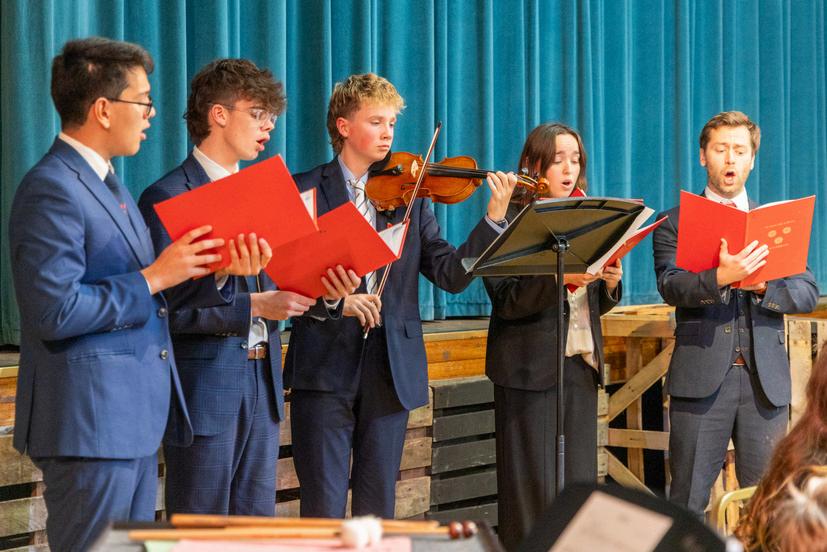
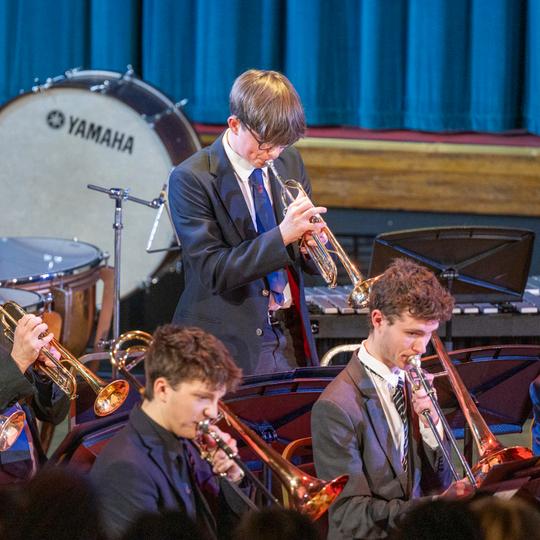
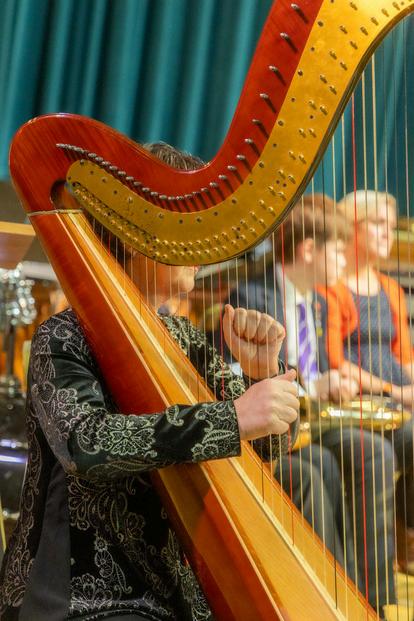
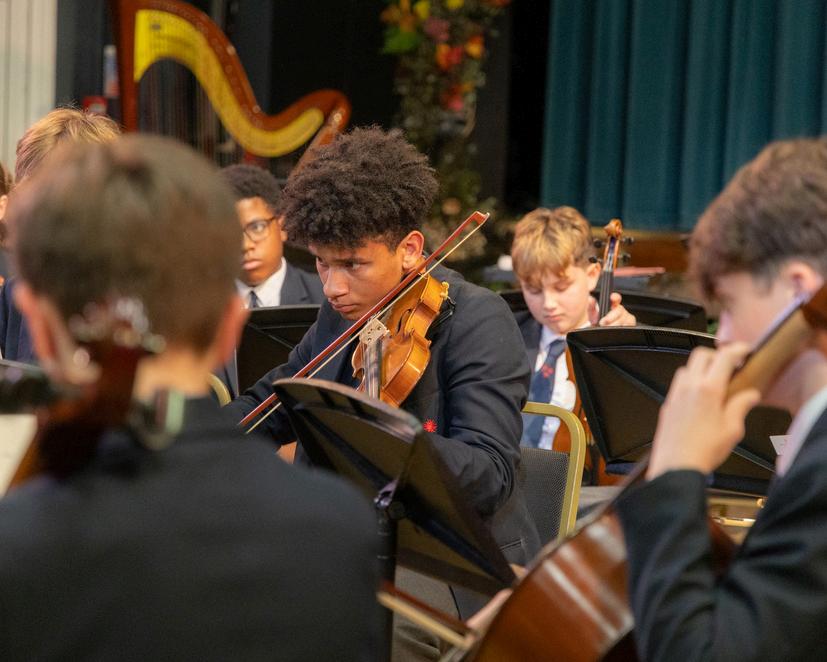
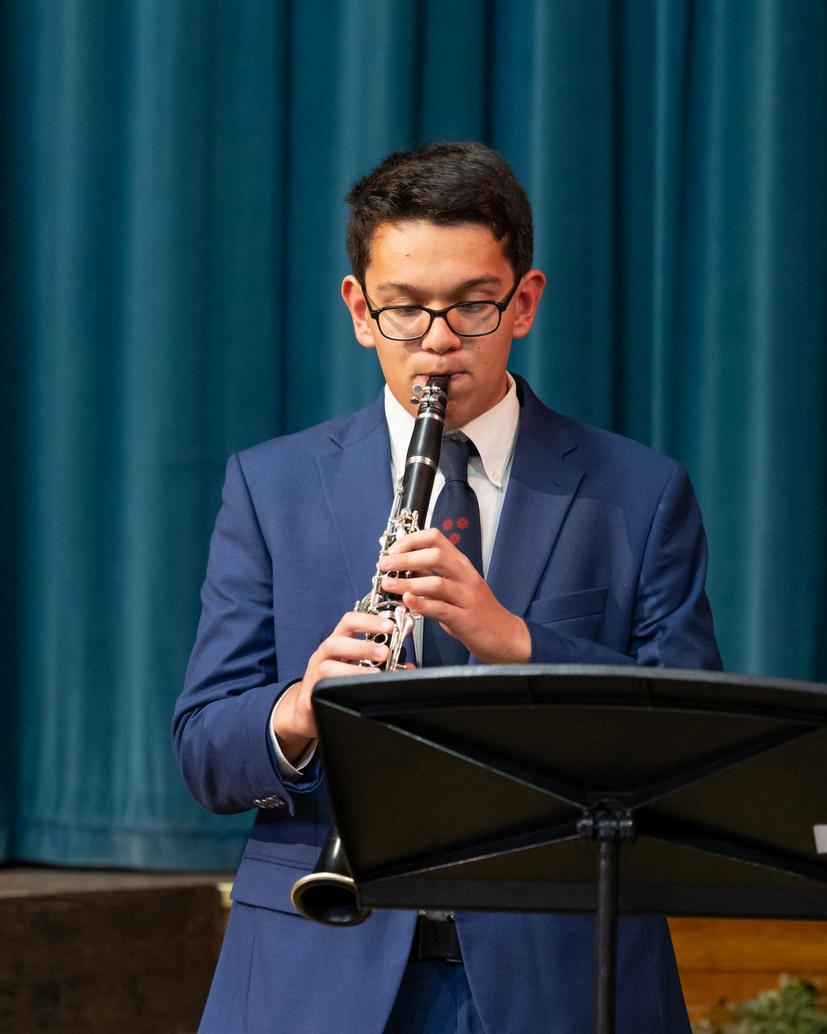
The Music Technology A-level course provides students with a grounding in both the theory and history of Music Technology and its practical application through a range of courseworkbased tasks. Students learn to sequence, record and produce using modern, professional-standard technology
This course has an emphasis on practical projects using the Music Department’s recording studio and the iMac suite, both of which utilise Logic. This course requires a good deal of time to be spent working in the recording studio outside of lesson time. Whilst the guided learning hours are exactly the same as any other A-level course, most homework and coursework tasks will need to be completed using the facilities here in school and this will mean spending plenty of time in school outside of your lesson time. The exam board is Edexcel.
You will be assessed on the following:
Recording (coursework)
Technology Based Composition (coursework)
Listening and Analysis (examination)
Production (examination)
Although GCSE Music is not a strict requirement, there is an element of music theory within Music Technology and a knowledge of music is recommended. A technological mind, experience with computer software and a willingness to work hard are essential
Physics is all about understanding how the universe works, from the tiniest particles to the vastness of space Its principles shape the technology we use every day - smartphones, computers, and cutting-edge medical scanners Studying physics at A-level could put you at the heart of solving global challenges like renewable energy, nuclear fusion, and affordable space exploration Whether it’s designing suspension bridges, launching rockets, or developing lifesaving medical technology, Physics gives you the tools to make a real impact on the world.
At St Edmund’s, A-level Physics is taught by specialist teachers with a range of backgrounds including Astrophysics and Mechanical Engineering The topics covered during the Lower Sixth include: Measurements and their Errors, Particles and Radiation, Waves, Mechanics and Energy and Electricity In the second year of the course we study Further Mechanics and Thermal Physics, Fields, Nuclear Physics and ‘Turning Points in Physics’ which places key moments in the development of the subject into an historical context . For example, the significance of special relativity and the discovery of electromagnetic waves.
We follow the AQA Physics specification, assessment is by three 2-hour examination papers. In addition, Students are required to demonstrate their practical skills over at least 12 internally assessed practical tasks.
Are you interested in how society works? Do you worry about how well your rights are protected? Do you get angry when you watch the news? If so, maybe A-level Politics is for you.
Politics is a living subject: constantly changing and developing As you read this page, politicians are making decisions that will impact significantly on your future life Perhaps, you should find out more about them…
We will be following the AQA Government and Politics syllabus This focuses on the institutions and processes of the British and American systems (with reference to other countries and European Union), encouraging candidates to identify points of contrast and comparison and critique political ideas This subject will develop your critical thinking and argumentative skills. It will also encourage you to write in a focused and coherent way, relating abstract ideas and political ideologies to the real world.
The AQA A-level is assessed on the basis of three two-hour examinations taken in the summer of the Upper Sixth.
These are:
UK Government and Politics
USA Government & Politics
Political Ideas
Psychology is the scientific study of the mind and behaviour: psychologists are interested in exploring the reasons behind what we do, think or feel At A-level we attempt to answer questions such as: Why do we obey? How reliable is memory? What counts as ‘normal’ behaviour? To answer such questions, we examine a wide range of theories, and the evidence psychologists have gathered to support or refute these theories. Psychologists gather this evidence using a range of methods, including experiments, interviews, case studies, questionnaires and observations. You will discover what these methods entail, why they are useful and their limitations You will be encouraged to look critically at psychological theories and evidence to develop skills of analysis and evaluation
We follow the AQA A-level specification which is examined at the end of two years of study with 3 exam papers, each 2 hours long and worth 33.3% of the final mark.
Paper 1
Introductory Topics in Psychology
Section A: Social Influence
Section B: Memory
Section C: Attachment
Section D: Clinical Psychology and Mental Health
Paper 2
Psychology in Context
Section A: Approaches in Psychology
Section B: Biopsychology
Section C: Research Methods
Section A: Issues and Debates in Psychology
Section B: Cognition and Development
Section C: Schizophrenia
Section D: Forensic Psychology
It is important to realise that while psychology is a fascinating subject offering insights into many current issues and concerns, it is also a broad and demanding subject A high level of commitment and organisation is essential You need to be able to write coherently, think analytically and be able to evaluate the strengths and weaknesses of theories and of research;there is a strong emphasis on scientific methodology.
Students interested in the Leiths Diploma and A-level French should contact the Head of Sixth Form In the case of very low demand, the school reserves the right to offer a tutorial subject