
St. Clair Health is proud to celebrate the physicians named Top Doctors—recognized for their expertise, dedication, and commitment to outstanding patient care.
Rami M. Ausi, MD
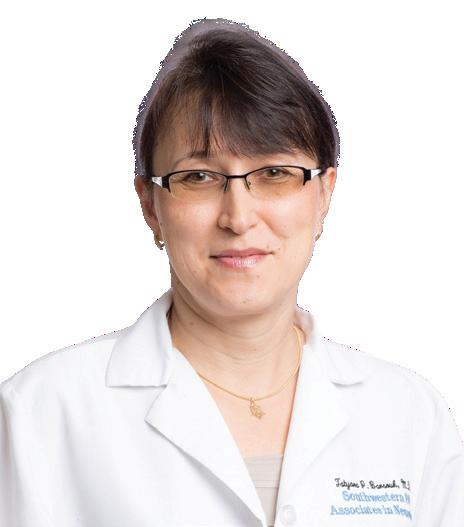
Tatyana P. Barsouk, MD
Stephen G. Basheda, DO
Bridget K. Beier, DO
Nicholas A. Bellicini, DO
Kevin P. Bordeau, MD
Stephanie S. Brown, MD
Raye J. Budway, MD
Daniel E. Buerger, MD
David J. Burkey, MD
David B. Catalane, MD
Mark A. Cedar, DO
Lori L. Cherup, MD
Robert J. Chiu, MD
Frank A. Civitarese, DO
Louis A. Civitarese, DO
Bridger Clarke, MD
M. Sabina Daroski, MD
Wayne A. Evron, MD
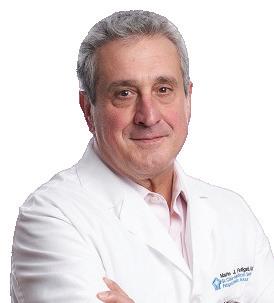
Mario J. Fatigati, MD
Elizabeth J. Froelich, MD
John P. Girod, DO
Gaurav Goel, MD
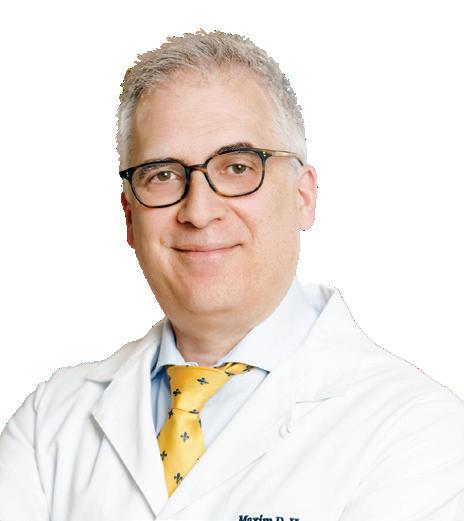
Maxim Hammer, MD
Michelle Harvison, MD
Jay Herman, MD
Scott A. Holekamp, MD
Andy C. Kiser, MD
David L. Limauro, MD
Jeffrey C. Liu, MD
Xuong Lu, MD
James H. MacDougall, MD
Richard H. Maley, MD
Ashith Mally, MD
Christopher M. Manning, MD
Christopher Marsh, MD
Robert E. McMichael, DO
Leigh H. Nadler, MD
Lisa A. Oliva, DO
Craig Richard Oser, DO
Amelia A. Pare, MD
Jeffrey A. Perri, MD
Brett C. Perricelli, MD
Matthew G. Pesacreta, MD
Kristen Peske, DO
Julia Kisin Polat, MD
Christopher Pray, MD
Patrick G. Reilly, MD
Vincent E. Reyes, MD
Antonio M. Riccelli, MD
Edward J. Ruane, MD
Theresa Schuerle, DO
Robert N. Shogry, MD
Arthur P. Signorella, MD
Patrick Sleckman, DO
Felicia E. Snead, MD

Michael J. Speca, DO
Arthur D. Thomas, MD
Amy B. Turner, DO
Justin J. Vujevich, MD
Jason G. Whalen, MD
Paul M. Willis, MD
Ryan W. Zuzek, MD
WAKE-UP CALL
Innovative sleep apnea treatment enables retired teacher—and her family—to rest easier.
RAPID RESPONSE
The Pulmonary Embolism Response Team (PERT) was designed to save lives when every minute counts.
THE POWER OF PARTNERSHIP
Celebrating 10 years with the Mayo Clinic Care Network.
FLOW STATE
Interventional radiology is opening new doors in patient care.
SHOCK TO THE SYSTEM
Pulse field ablation helps patients spend less time in the hospital and more time living.
DECODING THE SIGNS
Specialized endocrine care uncovers the hidden causes behind complex health concerns.
CLEARER ANSWERS
New care pathway and advanced therapies are reshaping what’s possible for a woman with dementia.
FROM THE HEART
Longtime nurse leader grows career alongside St. Clair’s cardiovascular program.
SINCE 1954, St. Clair Health has been dedicated to quality, innovation, responsiveness to community needs, and the humanity of the physicians, nurses, and caregiving staff.


St. Clair Express Care
St. Clair Health
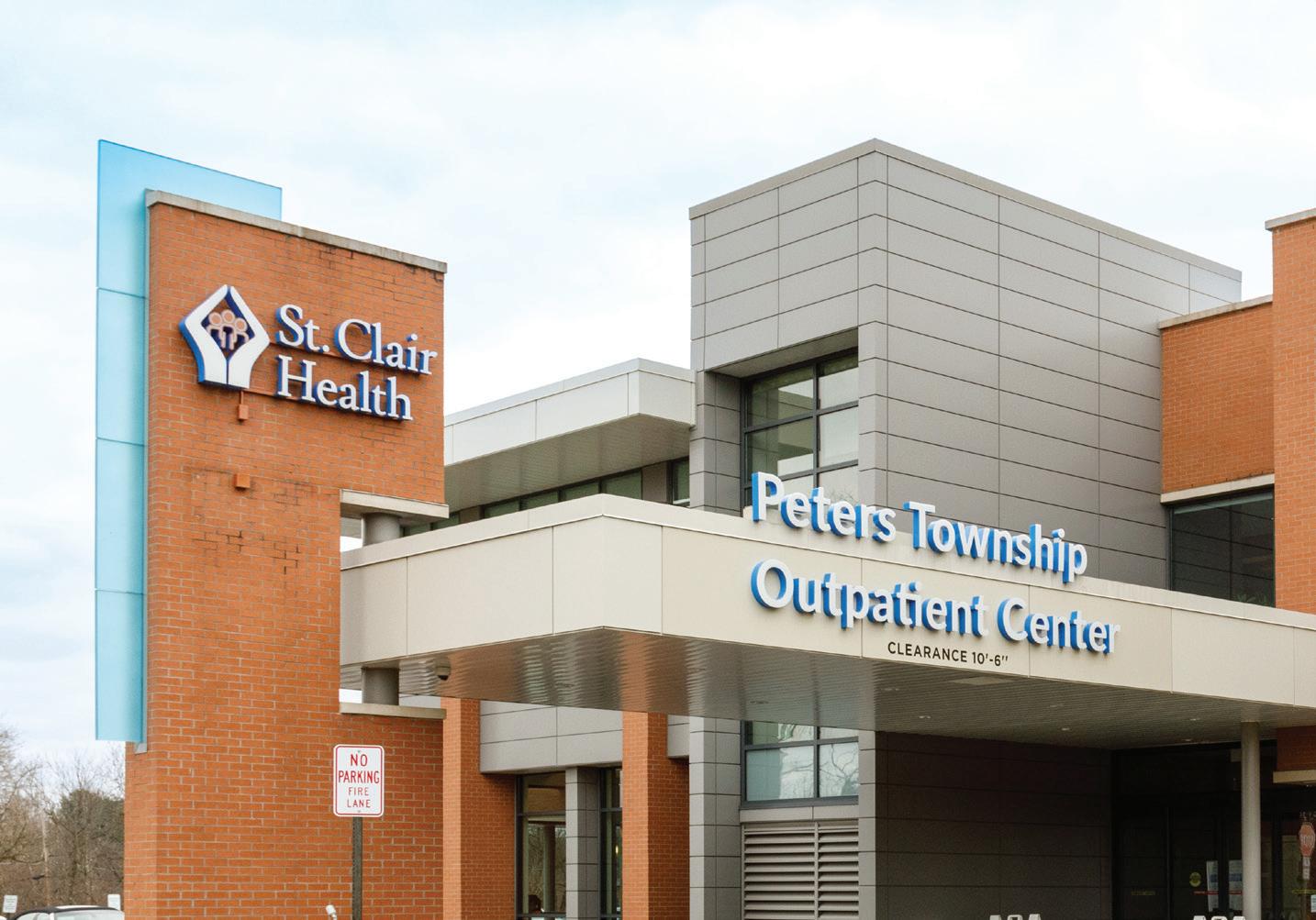
Peters Township Outpatient Center 3928 Washington Road McMurray, PA 15317
Open Friday 5 PM – 9 PM and Saturday 8 AM – 1 PM For minor illnesses and non-emergent concerns (Patients ages 18 and up)
X-ray services are not available at Express Care. Conditions requiring imaging should be treated at Urgent Care.
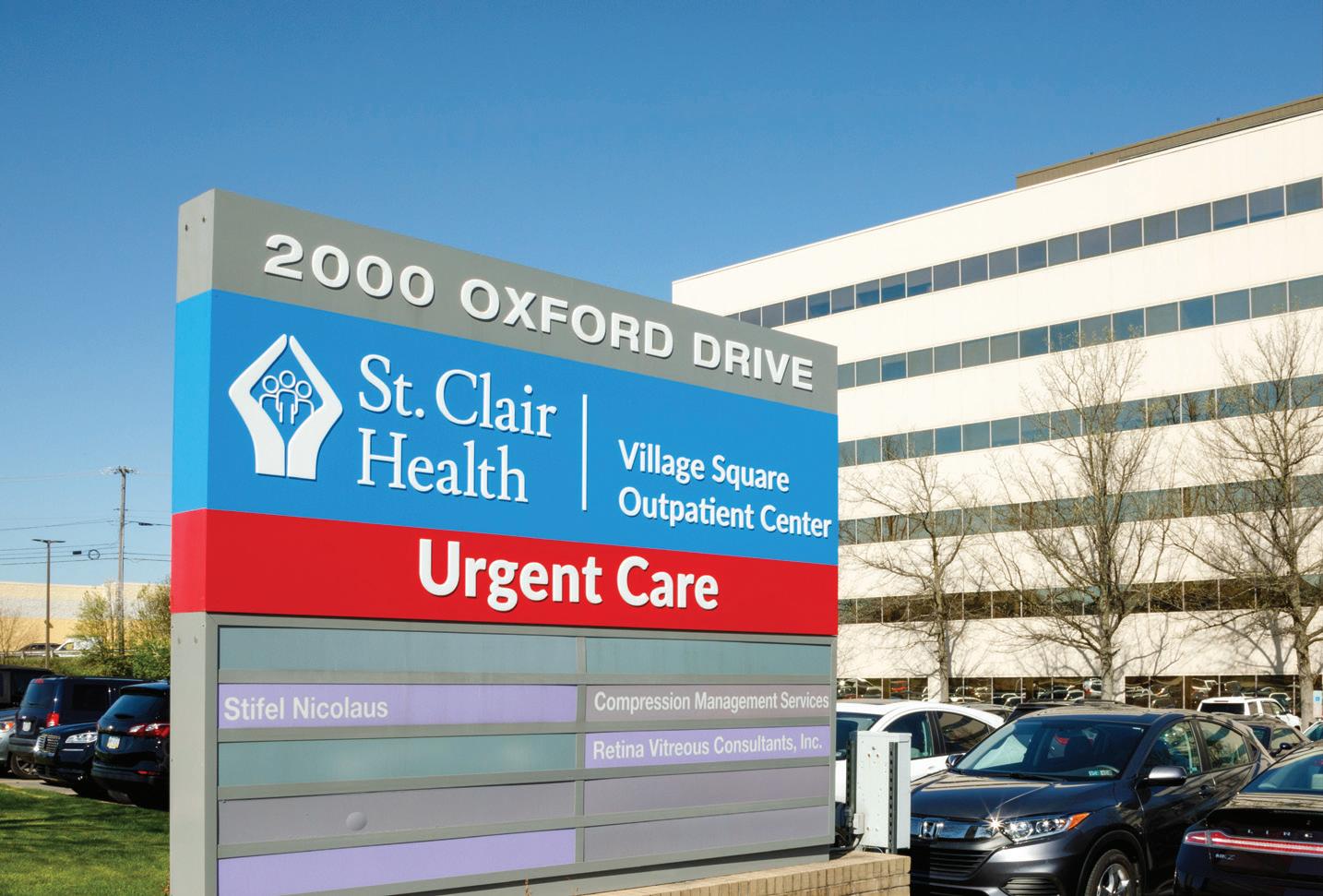
Express Care & Urgent Care at St. Clair Health
Convenient, high-quality care—close to home.
St. Clair Urgent Care
St. Clair Health
Village Square Outpatient Center 2000 Oxford Drive Bethel Park, PA 15102
Open 7 Days a Week | 8 AM – 8 PM
For injuries or illnesses requiring prompt attention, including X-rays (Patients ages 3 and up)
If you are experiencing chest pain, shortness of breath, dizziness, severe headache, uncontrolled bleeding, or another life-threatening condition, call 911 or go to the nearest emergency department.
Walk in—no appointment necessary. Most insurances accepted. Affordable self-pay rates available.
Visit stclair.org/urgentcare or scan the QR code to learn more about services and hours, and reserve your spot online.

John T. Sullivan, MD, MBA Senior Vice President and Chief Medical Officer
Delivering advanced treatments and specialized expertise right here in your community.
Our goal at St. Clair Health is to continually elevate the capabilities of our clinical services so that patients can access advanced treatments right here in our own community. That work has been grounded in a simple but important principle: proximity matters, but it must be paired with quality.
At St. Clair Health, we have been intentional about expanding the depth and sophistication of care available to you locally. We have achieved this through physician recruitment, technology investment, and reinforcing our existing culture of high-quality care delivery. St. Clair continues to attract well-trained physicians who want to practice in a specialized, collaborative, patientcentered environment.
Over the past two years alone, we’ve welcomed more than 60 new physicians across primary care and a wide range of specialties. They bring new expertise, new approaches, and expanded capabilities to our patients. That growth allows us to continually enhance what St. Clair offers patients.
In neurosurgery, for example, we have introduced advanced spinal navigation systems that use 3D imaging in the operating room to guide procedures with greater precision and consistency. In cardiology, we have equipped our physicians with pulse field ablation technology to treat complex rhythm disorders more effectively.
Investment in skilled specialists and technology in the fields of neurosurgery and cardiology are just some of the examples of how we are offering more advanced capabilities to our patients. We are focused on ensuring that patients in the communities we serve have access to care that is not only highly advanced but also deeply personalized.
In a health system of our size, collaboration happens naturally since physicians across specialties know each other, communicate
JOHN T. SULLIVAN, MD, MBA
directly, and coordinate care in a way that feels connected and personal for patients. That approach benefits patients at every stage, from diagnosis through treatment and follow-up.
This degree of access and coordination, combined with the continued growth of our subspecialty services, is something patients may not always realize is available right here in the South Hills of Pittsburgh. But it’s something we’ve worked hard to build here at St. Clair, because we recognize it can make a meaningful difference for patients and their families.
When you’re facing an emergency or serious medical condition, the last thing you want to worry about is navigating traffic or an unfamiliar facility. Receiving care nearby offers a level of convenience and comfort that becomes an essential part of the overall experience.
This issue of HouseCall details our ongoing efforts to deliver advanced care, close to home, across the health system. It also highlights the strength of our long-standing collaboration with Mayo Clinic, which provides our physicians with additional resources and expertise when needed.
Together, these stories reflect our broader commitment to ensuring that exceptional care is always within reach and that we’re continuing to build on it every day—so the care you need is right here when it matters most.
As your needs continue to evolve, so does the care our teams deliver. We are committed to expanding clinical capabilities while strengthening the culture and patient experience that have long been at the heart of St. Clair Health. n
Dr. Sullivan serves as Senior Vice President and Chief Medical Officer. He specializes in anesthesiology and is board-certified by the American Board of Anesthesiology. He earned his medical degree at the University of Michigan and completed a residency in anesthesiology at Massachusetts General Hospital, an affiliate of Harvard University Medical School. Prior to joining St. Clair, Dr. Sullivan served as Associate Chief Medical Officer at Northwestern Memorial Hospital and Professor of Anesthesiology at Northwestern University Feinberg School of Medicine in Chicago.
"I fall asleep more quickly, I stay asleep all night, and I wake up very awake. Plus, my husband doesn’t need his earplugs now.”
ANN BRENNEMAN Patient



A treatment option for sleep apnea that helps patients breathe easier.
Patricia Ann Brenneman’s snoring was the subject of playful but pointed complaints from her family for years.
Her husband, Dave, learned to sleep with earplugs most nights just to try to get some rest. At times, he noticed that she would stop mid-snore, then gasp herself awake.
On a family trip to Japan, the commentary became harder to ignore when her grandchildren compared her sleep noises to motorcycles, lawn mowers, and even airplanes. By the end of the trip, the verdict was unanimous.
“They didn’t want to room with me anymore,” she says. “It was so embarrassing.”
At the time, Ann—as she prefers to be called—didn’t think much of her snoring beyond the inconvenience it caused her loved ones. She didn’t feel like something was wrong.
“I’m not tired all the time,” she says. “I’m not someone who falls asleep during the day.”
After 40 years as a special education teacher and now enjoying retirement with 11 grandchildren and a greatgrandchild, slowing down has never come naturally.
“I pretty much stand up and move, move, move until I crash,” she says.
Obstructive sleep apnea, as she understood it, was something that made people exhausted—but the condition doesn’t always present in obvious ways.
Ann didn’t recognize sleep disruptions herself, but Dave picked up on her breathing pausing and restarting throughout the night. That concern eventually led Ann to raise it during a visit with Brian R. Elford, DO, an Otolaryngologist (ENT specialist) with St. Clair Medical Group, who recommended an at-home sleep study.
The results were striking, showing that Ann experienced nearly 19 breathing interruptions per hour. That number was well above the threshold for diagnosis of obstructive
sleep apnea, as anything over five events per hour is considered abnormal.
“As that number increases, so does the strain on the body,” explains Laurie A. Kilkenny, MD, who practices with St. Clair Medical Group Pulmonary & Critical Care. “Patients don’t always feel the interruptions, but their body is experiencing them over and over again throughout the night.”
Those interruptions occur when the airway collapses during sleep, limiting oxygen flow and forcing the body to briefly wake to resume breathing. Over time, the effects can extend far beyond disrupted sleep, contributing to cardiovascular disease, cognitive changes, and other chronic conditions.
“That’s something we talk to patients about often,” says Dr. Kilkenny. “Even when symptoms aren’t obvious, the impact on the body can still be significant over time.”
Although she hadn’t felt the effects herself, Ann understood the diagnosis wasn’t something to ignore. She was ready to move forward with treatment right away.
For years, the standard treatment for obstructive sleep apnea has been continuous positive airway pressure (CPAP). This therapy delivers a steady stream of air through a mask to keep the airway open during sleep.
“When patients are able to use CPAP consistently, it’s very effective,” shares Dr. Kilkenny. “The challenge is that not everyone can tolerate it.”
For some, the issue is comfort. For others, including Ann, it’s the physical presence of the mask itself. She notes, “I have such an aversion to almost anything on my face.”
As an alternative, Ann tried an oral appliance designed to reposition the jaw. When it didn’t fully resolve her sleep apnea, however, she began exploring other options.
“I had seen a commercial for Inspire on television,” says Ann. “As soon as I learned there was something other than a mask, I said, ‘Let’s do it.’”

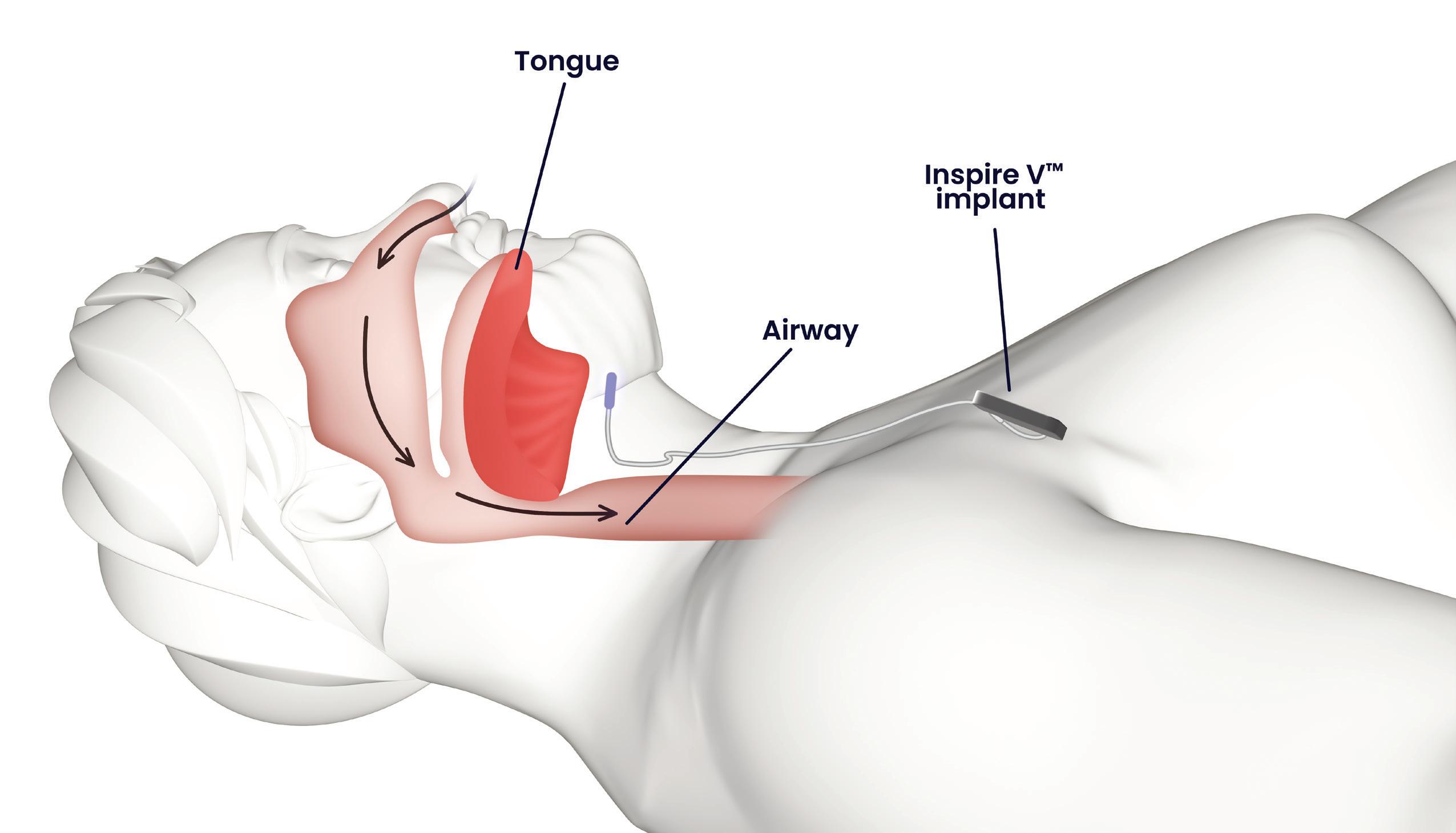
Inspire® therapy helps keep the airway open during sleep without a CPAP mask.
Inspire therapy is an innovative approach to treating sleep apnea that works from within the body rather than around it. There are no masks, hoses, or external equipment—just a system designed to work naturally with the body during sleep.
The system is built around a small implantable device placed beneath the skin in the upper chest. It includes three components: a pulse generator, a sensing lead that monitors breathing patterns, and a stimulation lead that delivers gentle signals to the nerve that controls tongue movement.
“With obstructive sleep apnea, the tongue and surrounding tissues relax and fall backward during sleep, blocking the airway,” explains Richard H. Maley, Jr., MD, Chief of Thoracic Surgery at St. Clair Health who is an Inspire-trained surgeon. “Inspire addresses that directly by stimulating the nerve that moves the tongue forward, helping to keep the airway open.”
While this solution is designed for people with moderate to severe obstructive sleep apnea who have struggled with CPAP, not every patient is a candidate.
Determining eligibility requires a careful, coordinated evaluation. At St. Clair Health, that process brings together specialists across sleep medicine, pulmonology, and surgery to ensure the right patients are matched with the right treatment.
“We take a very thoughtful approach to evaluation,” emphasizes Dr. Kilkenny. “It’s important to confirm not just the diagnosis, but also the specific characteristics of a patient’s airway.”
One key step is a drug-induced sleep endoscopy (DISE), which allows physicians like Dr. Maley and Dr. Elford to observe how a patient’s airway behaves in a sleep-like state.
“Not all airway collapse looks the same, and DISE allows us to see exactly where the obstruction is occurring,” explains Dr. Maley. “This ensures that Inspire will be effective for that patient before we ever consider surgery.”
In some patients, the airway narrows in a way that responds well to stimulation. In others, the collapse occurs more uniformly, making Inspire less effective. Identifying those differences is critical in determining whether the therapy is the right fit.
That determination also takes into account the severity of a patient’s sleep apnea, their ability to tolerate CPAP therapy, and overall health considerations. Together, these factors help confirm that patients selected for Inspire are most likely to benefit.
For patients who qualify, the procedure itself is minimally invasive and highly efficient. Performed on an outpatient basis, Inspire implantation typically takes just a few hours.
“It’s a well-tolerated procedure,” says Dr. Maley. “Patients go home the same day, and most are able to return to their normal routines fairly quickly.”
Ann’s experience was exactly that. She was back home resting comfortably within hours of the procedure, and recovery was even easier
than she expected. She recalls, “Pain next to none. I didn’t even need to take Tylenol.”
But the success of Inspire therapy isn’t defined by the procedure alone. It’s shaped by what happens afterward.
Following a short healing period, the device is activated in office and carefully adjusted over time by Dr. Kilkenny, who works closely with patients to fine-tune the therapy.
“We start at a low setting and gradually increase it,” she explains. “That allows patients to get used to the sensation and helps us find the level that provides the best results.”
Patients like Ann use a handheld remote to turn the device on each night, with a delay that allows them to fall asleep before stimulation begins.
“The first time is funny,” says Ann. “You open your mouth, and it just happens.”
As the settings are adjusted, the sensation becomes more familiar. Patients can make small adjustments within physician-set parameters, while regular follow-up visits ensure the therapy continues to perform as intended.
When Ann reached her “sweet spot,” the results were undeniable. A follow-up sleep study confirmed what she and her care team had been working toward: zero apnea events.
“I fall asleep more quickly, I stay asleep all night, and I wake up very awake,” says Ann. “Plus, my husband doesn’t need his earplugs now.”
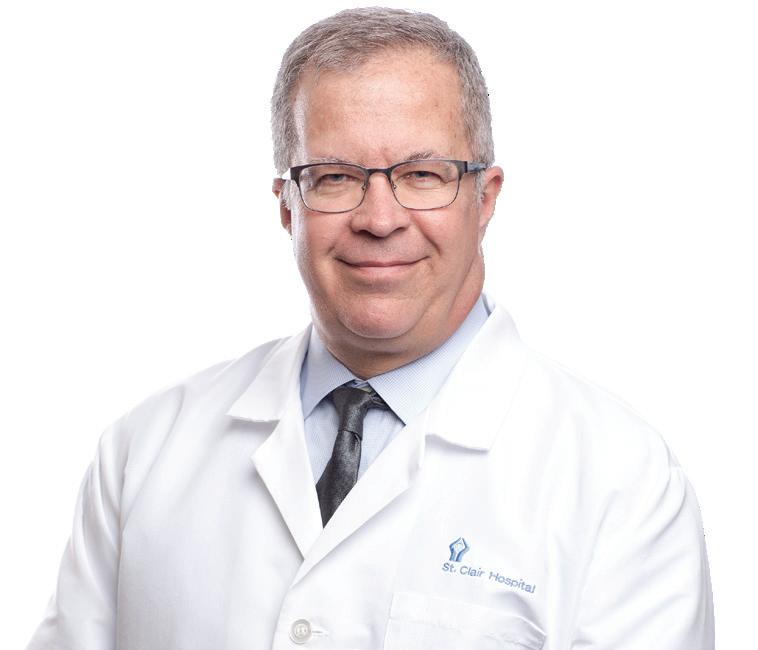
RICHARD H. MALEY, JR., MD
Dr. Maley is Chair of the Department of Surgery and Chief of Thoracic Surgery. He is boardcertified by the American Board of Surgery and the American Board of Thoracic Surgery. Dr. Maley earned his medical degree at Hahnemann University Medical School and completed residencies in general surgery at the University of Kentucky and cardiothoracic surgery at UPMC. He then completed fellowships in trauma/critical care at the University of Kentucky and thoracic surgery at Memorial Sloan Kettering Cancer Center in New York City. Dr. Maley practices with St. Clair Medical Group and was named a Top Doctor by Pittsburgh Magazine in 2026. To contact Dr. Maley, please call 412.942.5710.
Her experience reflects a broader shift in how sleep apnea is now treated. One that prioritizes not only clinical outcomes, but also a patient’s comfort and quality of life.
At St. Clair, that approach is supported through close collaboration among specialists who guide patients from diagnosis through the procedure and long-term follow-up.
“We’re able to offer patients a highly specialized treatment option right here in their community,” Dr. Maley says. “That kind of access can make a real difference in whether someone seeks care and ultimately gets better.”
Ann is sleeping better—and living better—than she has in years. Even more, long-standing jaw pain has disappeared thanks to Inspire.
“It’s rewarding to see patients regain not just better sleep, but better overall health,” says Dr. Maley.
Dr. Kilkenny adds, “We’re not just treating sleep apnea. We’re helping patients like Ann improve their quality of life in a meaningful way.”
For Ann, the decision to try Inspire feels simple in hindsight. That’s why she doesn’t hesitate to share her perspective with others who may be weighing their options.
“If something is wrong, fix it,” she says.
Ann’s story is a reminder that sleep apnea doesn’t always look the way people expect, and that effective treatment can take different forms for different patients.
At St. Clair Health, options like Inspire reflect our commitment to meeting patients where they are and offering advanced, personalized care that fits into their lives. n
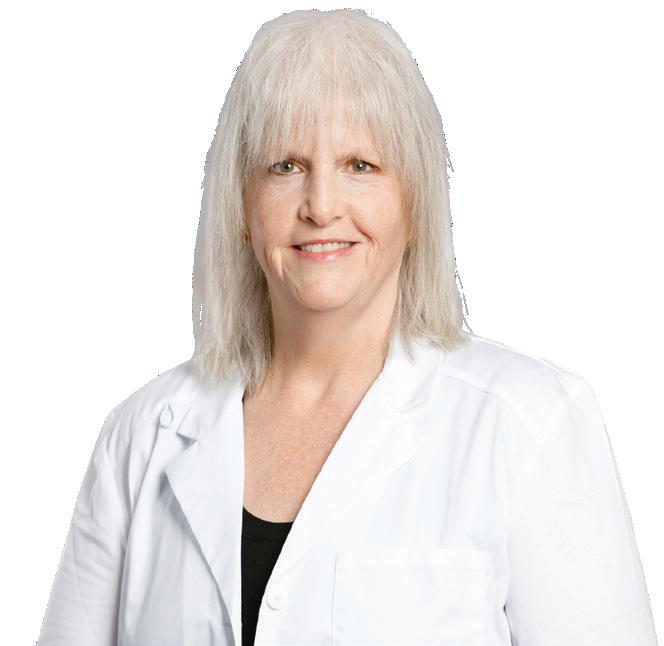
LAURIE A. KILKENNY, MD
Dr. Kilkenny is Chief of Pulmonary at St. Clair Health. She specializes in critical care medicine and pulmonary disease and is boardcertified by the American Board of Internal Medicine. Dr. Kilkenny earned her medical degree at New York University and completed residency in internal medicine at New York University Medical Center and training in Oncology at Memorial Sloan-Kettering Cancer Center. She then completed a fellowship at UPMC Presbyterian. Dr. Kilkenny practices with St. Clair Medical Group. To contact Dr. Kilkenny, please call 412.942.5620.

R. ELFORD, DO
Dr. Elford specializes in otolaryngology and is board-certified by the American Osteopathic Board of Ophthalmology and Otolaryngolgy. He earned his medical degree at the Philadelphia College of Osteopathic Medicine and completed a residency in ENT at Millcreek Community Hospital. Dr. Elford practices with St. Clair Medical Group. To contact Dr. Elford, please call 412.831.7570.

How the Pulmonary Embolism Response Team is redefining life-saving care.



It often begins without warning. A sudden tightness in the chest. A breath that won’t come. A wave of dizziness that turns into something far more serious.
There is no clear signal of what’s happening, only the overwhelming sense that something is very wrong and help is needed.
Whether patients arrive by ambulance or are driven by a loved one, the challenge is immediate for the St. Clair Health team: identify the cause, stabilize the patient, and determine whether something lifethreatening is unfolding.
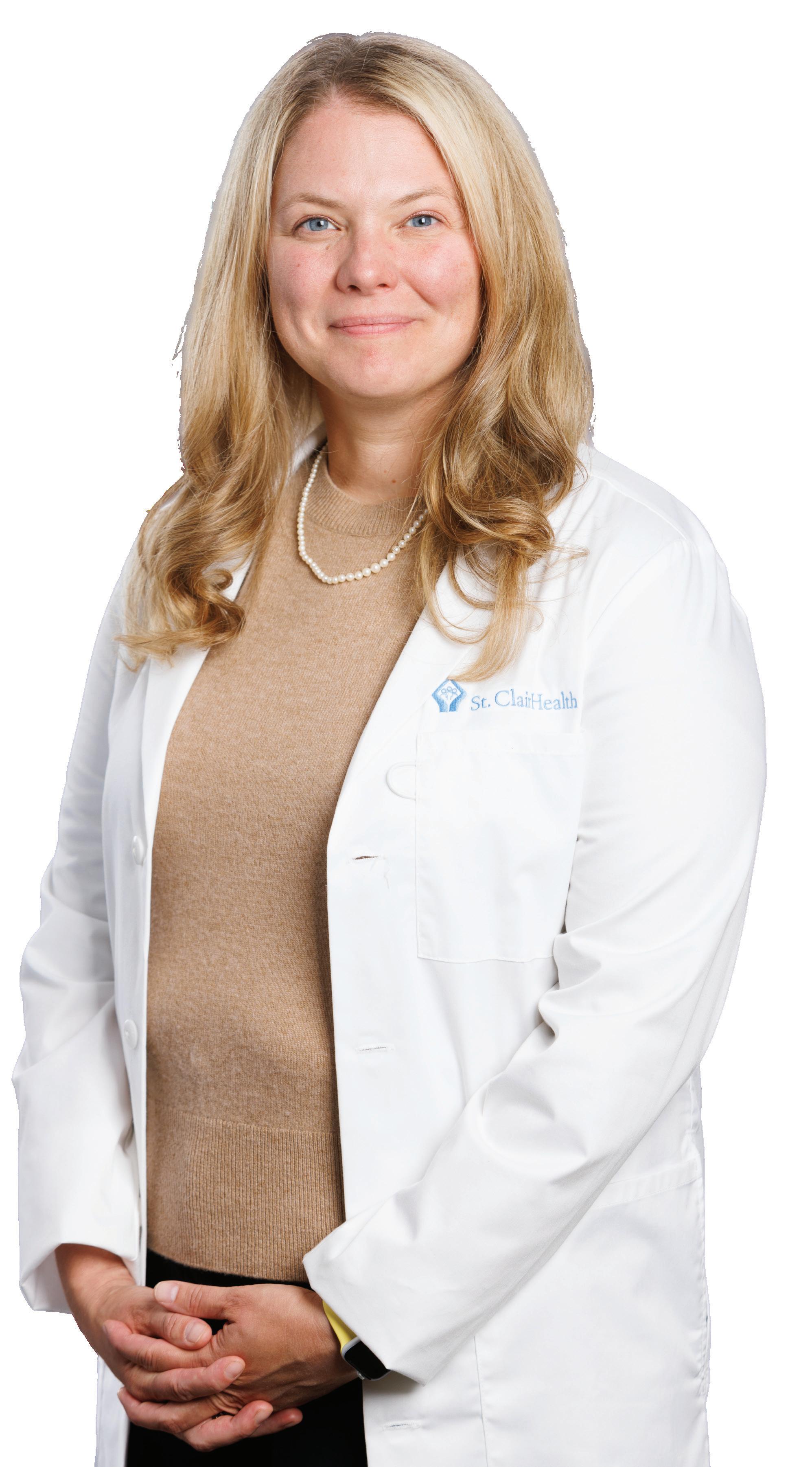
“It’s up to us to first identify anything life-threatening and then act quickly,” says Tiffany S. Behringer, MD, Chair of Emergency Medicine. And when the issue is a pulmonary embolism, time is not a luxury. It’s a lifeline.
Responding to that level of urgency requires a highly coordinated approach. Designed to bring together specialists across disciplines, the Pulmonary Embolism Response Team (PERT) ensures there is no delay in determining the best course of action when a pulmonary embolism is suspected or confirmed.
A pulmonary embolism occurs when a blood clot—typically formed in the deep veins of the legs—travels through the bloodstream and becomes lodged in the lungs. This blockage restricts blood flow, disrupts oxygen exchange, and puts strain on the heart.
“People think these clots just appear in the lungs, but they travel from the lower extremity veins and get stuck in your lungs “where the pulmonary arteries act like a strainer,” explains Ryan W. Zuzek, MD, FACC, Chief of Cardiology. “And depending on the size and location, that can be catastrophic.”
The right side of the heart, which pumps blood into the lungs, can begin to fail as blood backs up into the heart and pressure builds. According to Andrew Perez IV, MD, FCCP, who specializes in Critical Care and Pulmonary Medicine,
"We’re seeing patients be discharged earlier, be readmitted less often, and most importantly have lower mortality. That tells us the program is making a meaningful impact.”
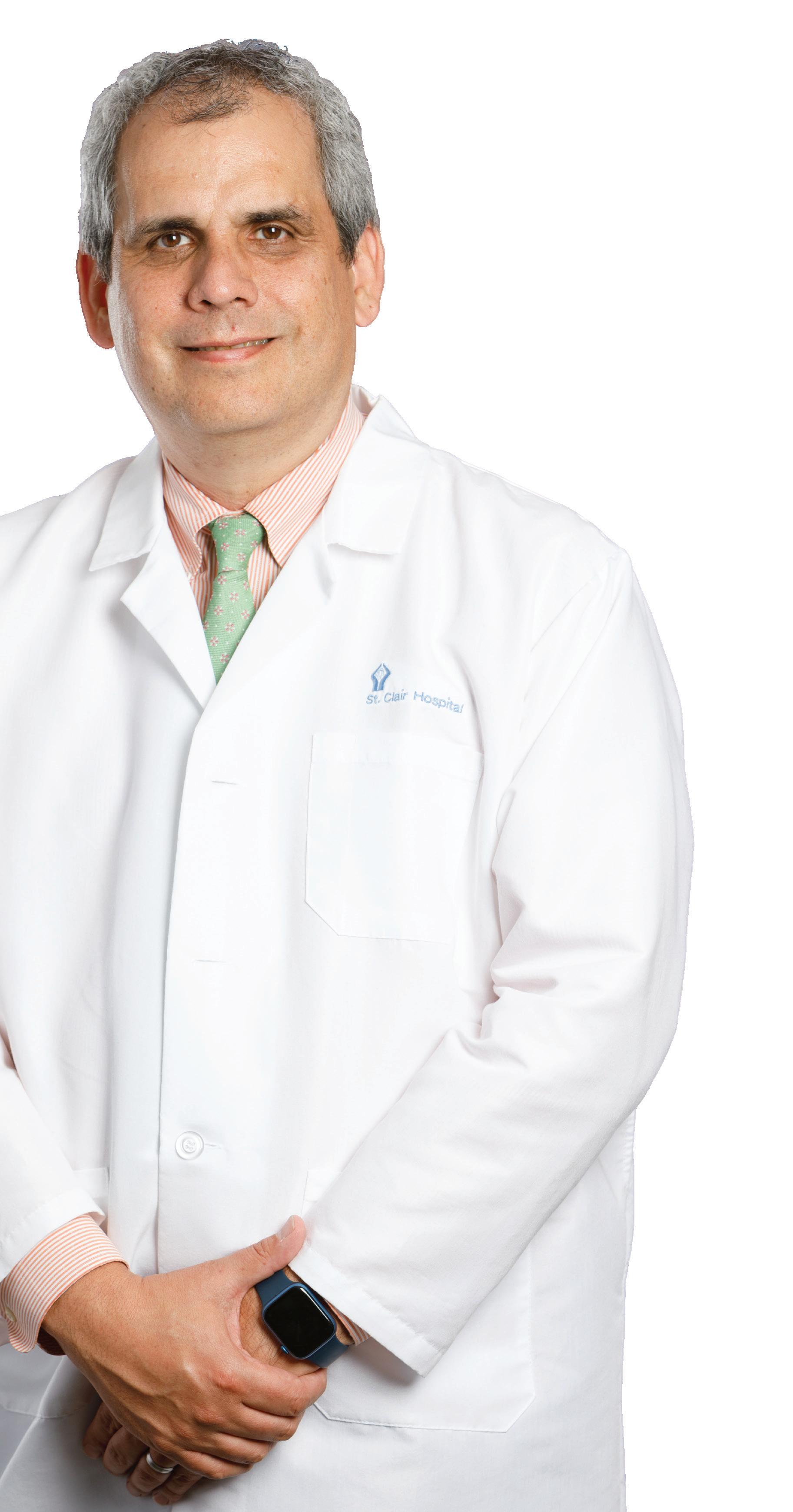
ANDREW PEREZ IV, MD, FCCP St. Clair Medical Group Pulmonary & Critical Care Medicine
a pulmonary embolism can lead to cardiopulmonary compromise and death if left untreated.
Because a pulmonary embolism can present in many different ways—and progress so quickly—it is one of the most dangerous conditions care teams can encounter. At St. Clair Health, it’s also one of the most coordinated.
Specialists from emergency medicine, critical care, and cardiology each bring a unique perspective. Together, they work toward a single goal: making the best possible decision for every patient, as quickly as possible. The process begins the moment a patient arrives at St. Clair Health.
Continued on Page 12

A pulmonary embolism occurs when a blood clot—typically formed in the deep veins of the legs—travels through the bloodstream and becomes lodged in the lungs.

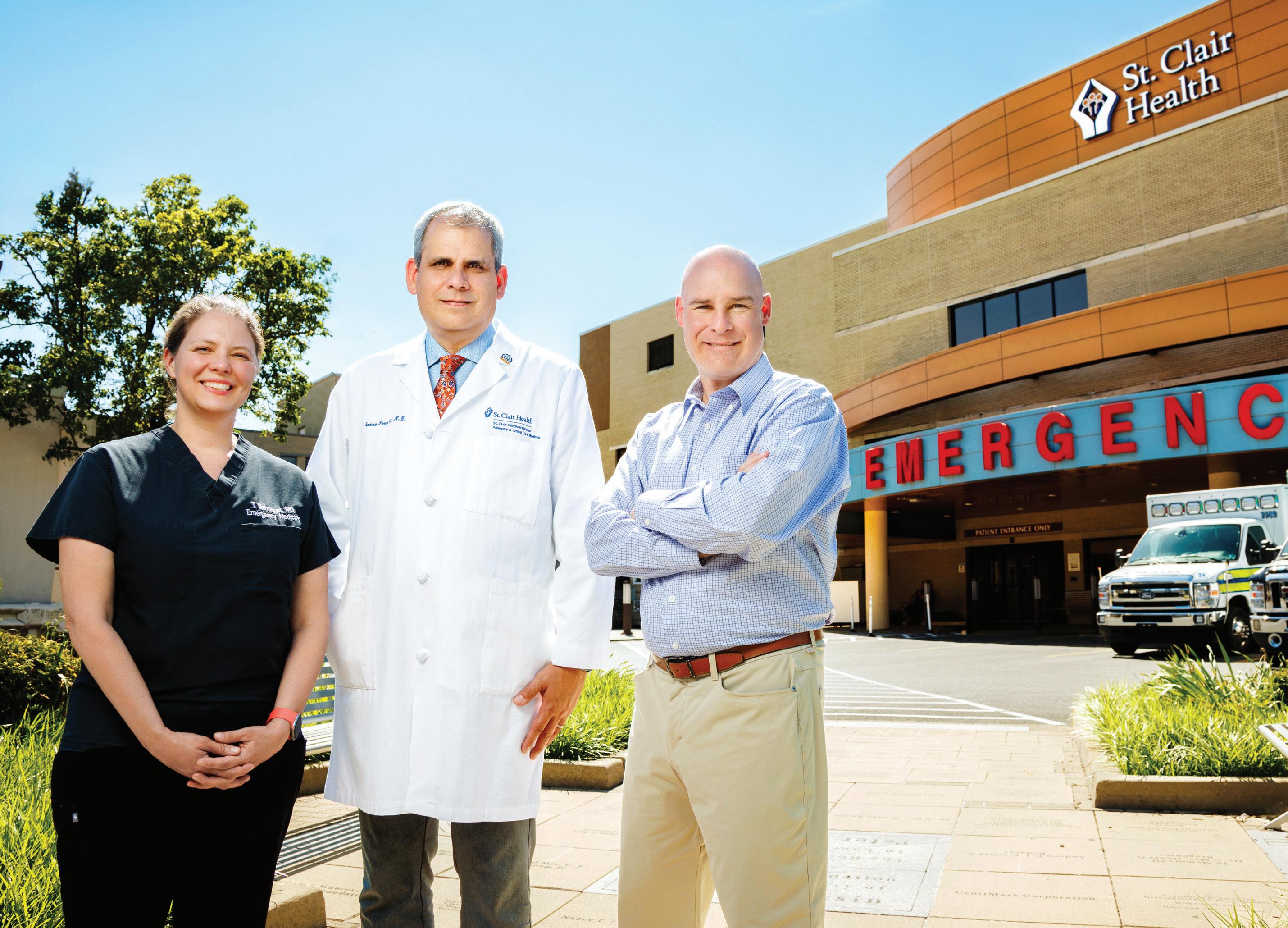
Clair Health's PERT Team delivers rapid, coordinated care when every minute counts.
Emergency medicine physicians assess symptoms, initiate monitoring, and order diagnostic testing. A CT scan can confirm the presence of a clot, while blood tests determine how much strain the clot is placing on the heart. Echocardiograms provide additional insight into cardiac function, if needed.
Critical care then steps in to evaluate the patient and categorize the severity of the embolism. Some patients are considered low risk and can be treated with medication alone. Others fall into intermediate or high-risk categories, where more advanced interventions may be necessary.
“If somebody is really struggling, and they have a clot, every minute in that scenario counts,” emphasizes Dr. Behringer.
For those higher-risk patients, that urgency often requires additional expertise from cardiology, including specialists in interventional radiology, and, when needed, cardiothoracic surgery.
One of the most significant advancements in pulmonary embolism treatment has been the ability to remove clots using minimally invasive techniques. Instead of relying solely on blood thinner treatment to prevent
further clotting while the body slowly breaks down the blockage, physicians can now intervene directly.
“We go in through a vein and guide a catheter into the lungs,” explains Dr. Zuzek. “Essentially, we suction the clot out. It’s like a vacuum inside the body.”
The results can be immediate and dramatic, which is why it’s one of the most satisfying procedures for Dr. Zuzek and his team of interventional cardiologists.
“You see it happen in real time,” he says. “Patients go from needing high levels of oxygen to almost none. Their blood pressure improves, and their heart rate normalizes.”
These advanced procedures also reduce the risk of long-term complications that can develop when residual clots continue to strain the heart and lungs.
However, not every case requires immediate intervention. One of the strengths of the PERT model is its ability to tailor care to each individual
patient. By combining rapid diagnostics with collaborative decision-making, the team ensures that treatment is both appropriate and efficient.
That precision has translated into measurable improvements. St. Clair Health has managed 180 PERT activations since the program was launched in 2024, with the majority initiated through the emergency department and improved outcomes across the board.
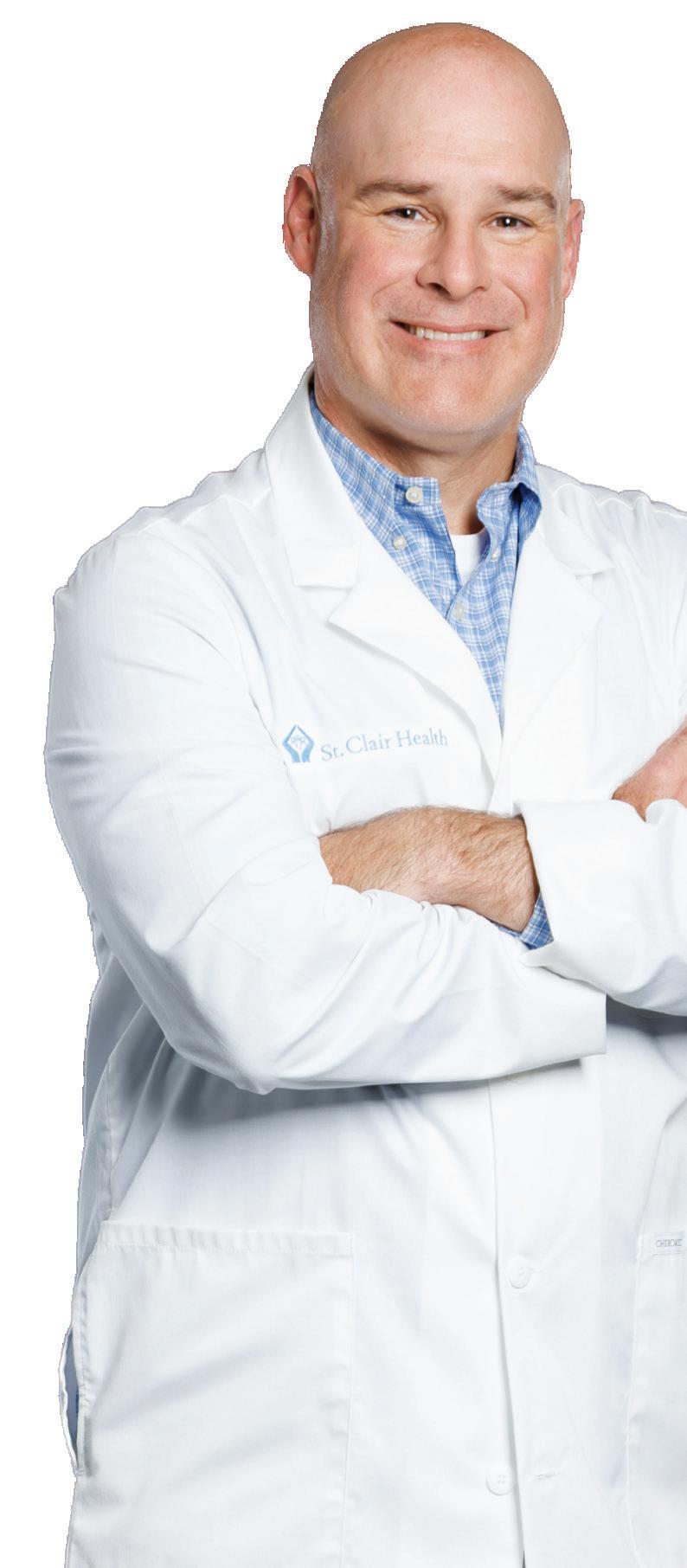
“We’re seeing patients be discharged earlier, be readmitted less often, and most importantly have lower mortality,” shares Dr. Perez. “That tells us the program is making a meaningful impact.”
Behind those positive outcomes are real patients and real moments where this level of coordination made a big difference.
Dr. Perez recalls a recent case in which a patient arrived in cardiac arrest due to a massive pulmonary embolism. Within moments, the PERT program was activated to stabilize the patient, initiate life support, and remove the clot.
Though this patient required extracorporeal membrane oxygenation (ECMO) to take over heart and lung function, allowing those organs to rest and heal, Dr. Perez says, “The patient came off ECMO within days and went home shortly after. That outcome wouldn’t have been possible without the PERT model.”
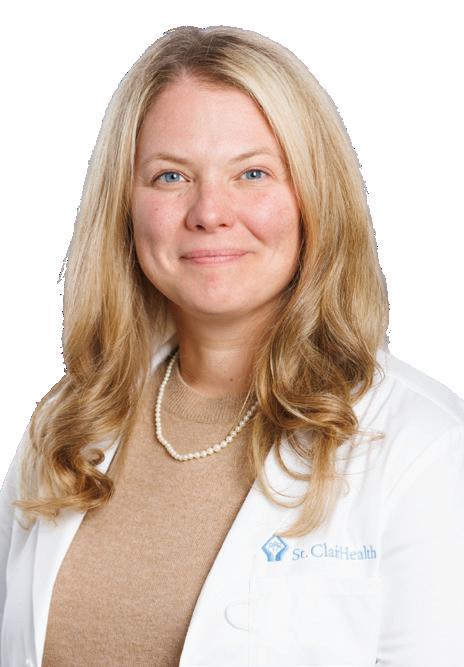
Dr. Behringer serves as Chair of Emergency Medicine. She is board-certified by the American Board of Emergency Medicine. Dr. Behringer earned her medical degree at the University of Pittsburgh School of Medicine and completed a residency in emergency medicine at Vanderbilt University. To contact Dr. Behringer, please call 412.942.2850.
It’s a powerful example of what can happen when advanced care is available close to home. In critical situations, it’s the difference between life and death.
“Sometimes those extra 20 minutes matter,” says Dr. Behringer. “I live in the South Hills and knowing that this level of care is available right here matters.”
As the program continues to grow, so does its potential. Plans are underway to expand services, including the development of a pulmonary hypertension clinic and continued participation in national registries to benchmark outcomes.
Pulmonary emboli are unpredictable and can escalate quickly, often without warning, making timely access to the right care team and the right treatment all the more critical.
At St. Clair Health, your care team is ready. n
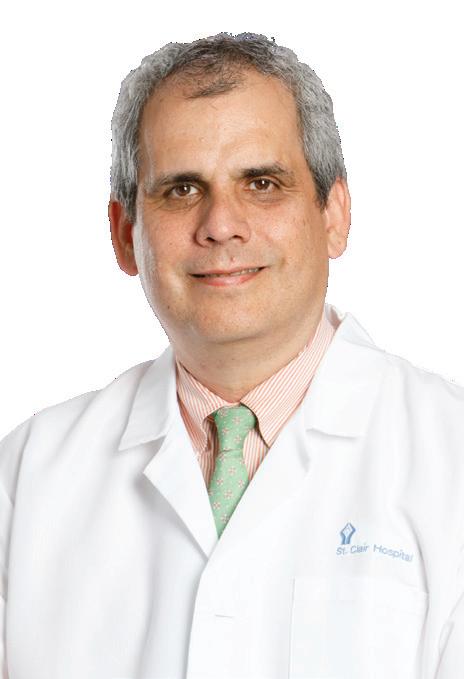
Dr. Perez is board-certified by the American Board of Internal Medicine in critical care medicine, pulmonary medicine, and sleep medicine. Dr. Perez earned his medical degree from the University of Texas Medical Branch in Galveston. He completed his internal medicine residency at Pittsburgh Mercy and a fellowship in pulmonary and critical care medicine at UPMC. Dr. Perez practices with St. Clair Medical Group. To contact Dr. Perez, please call 412.942.5620.
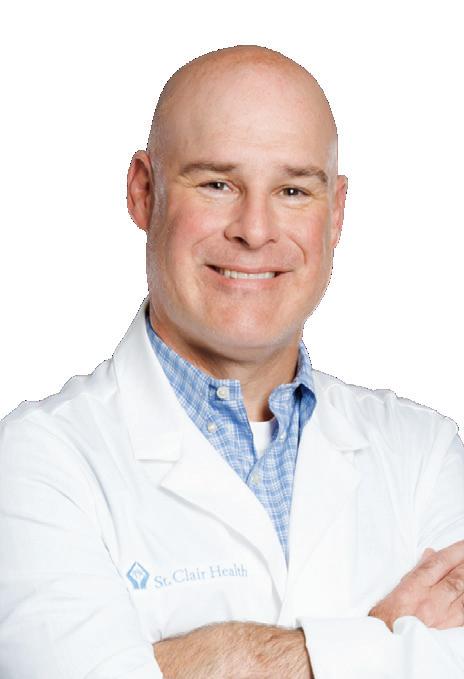
Dr. Zuzek serves as Chief of Cardiology, Director of Interventional Cardiology and specializes in cardiovascular disease and interventional cardiology. He is board-certified in internal medicine, cardiology, interventional and nuclear cardiology, and vascular medicine. Dr. Zuzek earned his medical degree at the University of Ireland. His postgraduate training includes an internal medicine residency at the Cleveland Clinic, where he was later an attending physician. Dr. Zuzek completed fellowships in cardiology and interventional cardiology at Brown University in Providence, RI. He practices with St. Clair Medical Group and was named a Top Doctor by Pittsburgh Magazine in 2026. To contact Dr. Zuzek, please call 412.942.7780.

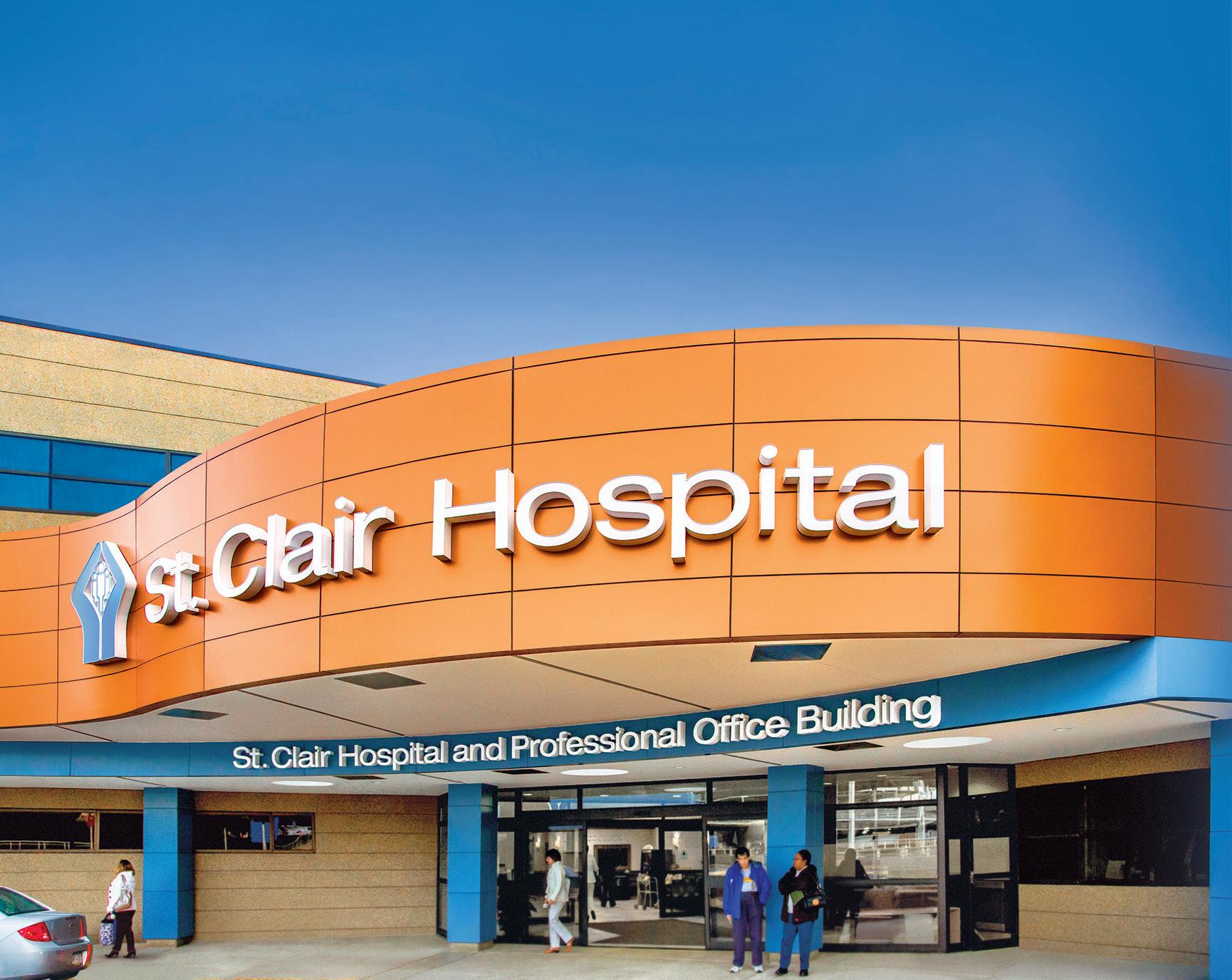
Celebrating 10 years as a member of the Mayo Clinic Care Network.
At St. Clair Health, delivering expert care is at the heart of everything we do. Our clinical collaboration with Mayo Clinic Care Network strengthens that commitment by connecting our physicians to the renowned expertise of Mayo Clinic.
Over the past 10 years, St. Clair physicians have drawn on this collaboration to help guide care decisions, particularly in complex or rare cases. Patients continue to receive care from the physicians they know and trust, while benefiting from added clinical insight without leaving the community they call home.
“St. Clair was carefully selected to join the Mayo Clinic Care Network in 2016 based on a shared commitment to quality, safety, and patient-centered care,” shares John T. Sullivan, MD, Senior Vice President & Chief Medical Officer at St. Clair Health. “The collaboration gives our physicians access to additional insight when it matters most, ensuring our patients benefit from the most informed decisions possible.”
From confirming diagnoses and refining treatment plans to improving care delivery and expanding access to trusted health information, the collaboration supports your care in meaningful ways:
Nationally Recognized Expertise, Close to Home
Patients continue to receive care from the physicians they know and trust at St. Clair Health, with the added benefit of Mayo Clinic Care Network expertise behind the scenes. It’s a seamless experience that combines the comfort of local care with the confidence of world-class knowledge.
When questions arise, especially in challenging cases, timely answers can make all the difference. Through secure eConsults, St. Clair physicians connect directly with Mayo Clinic specialists to support decision-making when it matters most. This connection extends far beyond individual cases, fostering ongoing dialogue among leading medical minds who are committed to advancing patient care.
Care Guided by the Latest Evidence
Through tools like AskMayoExpert, St. Clair physicians have access to the latest clinical guidelines, research findings, and evidence-based care pathways. This ensures that every treatment plan is not only highly informed but also reflective of current best practices.
"The collaboration gives our physicians access to additional insight when it matters most, ensuring our patients benefit from the most informed decisions possible."
JOHN T. SULLIVAN, MD
Senior Vice President & Chief Medical Officer, St. Clair Health
Trusted Health Information at Your Fingertips
Through St. Clair’s website, patients have access to a comprehensive health information library covering a wide range of conditions, treatments, and wellness topics. These Mayo Clinic Care Network resources help patients better understand their care and make more informed decisions about their health.
Stronger Care Through Shared Learning
St. Clair is part of a global network of 45 like-minded organizations focused on delivering the highest standards in medicine. Through affinity groups and healthcare consulting, physicians and leaders share insights to enhance care delivery, strengthen programs, and improve the patient experience locally.
This decade of collaboration reflects a shared commitment to excellence that continues to strengthen care at St. Clair. It is just one more way our health system is expanding access to leading-edge care while meeting the evolving needs of the communities it serves.
“As we celebrate this milestone, our focus remains on the future,” says Dr. Sullivan. “Looking ahead, we will continue to invest in the resources and collaborations that help us deliver the highest quality care, right here at home.” n
Scan here to learn more about how St. Clair Health and Mayo Clinic Care Network are working together to create a healthier future for our patients.
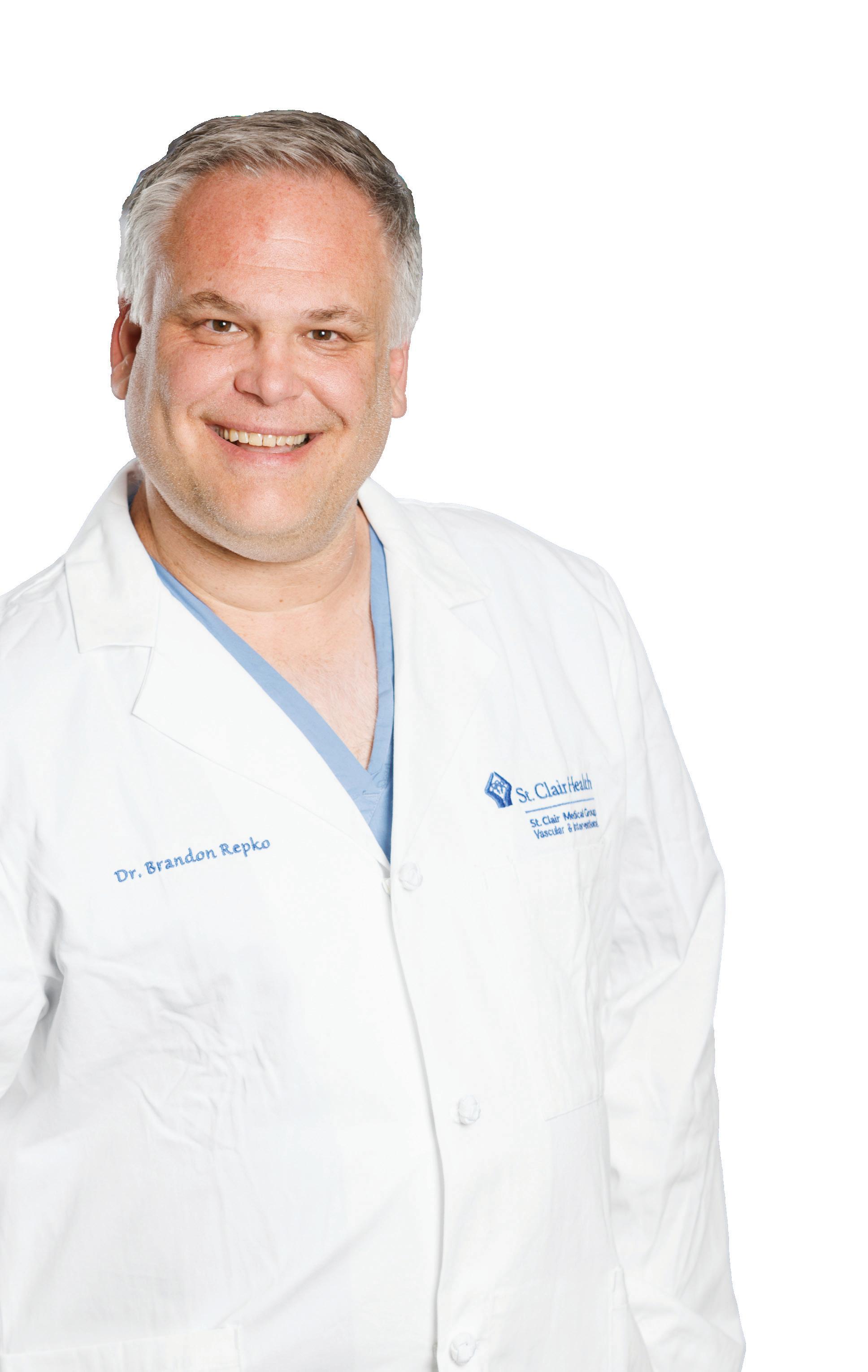
If you ask Brandon M. Repko, MD, what he does for a living, his answer may surprise you. He may tell you he’s a plumber—not of pipes in a house, but of the human body. It’s a comparison that echoes the thinking of Dr. Charles Dotter, an American radiologist widely regarded as the father of interventional radiology.
Blood vessels, after all, function much like pipes. When something is blocked, leaking, or growing abnormally, it disrupts the body’s natural flow. A key part of Dr. Repko’s work is identifying and fixing those issues to restore flow without the need for traditional surgery.
“Everything comes down to flow,” explains Dr. Repko.
It’s a simple analogy for the highly sophisticated field known as interventional radiology (IR). And it reflects the mindset Dr. Repko brings as the newest interventional radiologist at St. Clair Health, where he is helping to build a program designed to deliver image-guided, minimally invasive care to treat a wide range of conditions from inside the body.
For Dr. Repko, joining St. Clair isn’t just a career move. It’s a meaningful opportunity to serve the community where his roots run deep. Dr. Repko grew up in the Pittsburgh area before leaving for a decade of education and training, returning in 2010 to be closer to family while raising his own. Today, he lives in Mars with his wife and three children.
“I like the idea of building something where I grew up. There’s a different level of investment,” he says. Though if you asked him years ago, Dr. Repko could not have envisioned that he would develop a modern medicine program here in the South Hills.
His path to medicine didn’t follow a straight line. It began in research, where he worked on artificial organ development, before Dr. Repko pivoted to medical school. It wasn’t until his final year of training that he discovered IR. But once he did, the fit was immediate.
“Once I found IR, I knew that was it,” he recalls. “It combined problemsolving, innovation, and hands-on procedures in a way nothing else did.”
Dr. Repko found a specialty that aligned with the way he thinks— constantly evolving, deeply technical, and focused on finding less invasive ways to treat complex conditions. The blend of precision and creativity that defines IR is also what makes it one of the most rapidly advancing specialties in modern medicine.
Using advanced imaging like ultrasound, CT scans, or X-rays, interventional radiologists like Dr. Repko guide tiny instruments through the body to treat disease. Instead of large surgical incisions, physicians use small punctures—often no bigger than the tip of a pen—to insert catheters, wires, balloons, or stents directly to the problem area.
The result for many patients is less pain, lower risk of complications, and faster recovery times. Many procedures that once required open surgery and days or weeks of recovery in the hospital, can now be performed in hours, often on an outpatient basis.
This shift is reshaping not only how healthcare is delivered, but where. At St. Clair, IR is increasingly centered at the new Vein Center in Dunlap Family Outpatient Center, where patients can undergo procedures and return home the same day.
“This is where healthcare is going,” he says. “Patients don’t want to stay in the hospital longer than they have to, and they don’t need to in many cases.”
Outpatient care at the St. Clair Health Vein Center offers meaningful advantages, including:
• Greater convenience for patients and families
• Lower overall cost of care
• Reduced disruption to daily life
It also reflects a broader philosophy that advanced care can be delivered safely and efficiently close to home.
One of Dr. Repko’s main priorities is expanding services at the Vein Center to treat a common but often undertreated group of conditions that impact circulation and quality of life. Venous disease, including varicose veins, swelling, and complications from prior blood clots, affects millions of people—yet only a fraction receive care.
“We’re probably only treating about 20-30 percent of the patients who need it,” shares Dr. Repko. But left untreated, these conditions can cause pain, skin changes, and serious complications like chronic ulcers. By expanding services and increasing awareness among referring physicians, Dr. Repko aims to ensure more patients receive timely,
appropriate care that addresses their underlying issues rather than simply relieving symptoms.
At the same time, Dr. Repko is working to bring advanced embolization therapies—an area of rapid growth in IR—to the South Hills. These treatments target abnormal blood vessel growth, which is often driven by inflammation and contributes to a wide range of common conditions.
According to Dr. Repko, the body forms new blood vessels in response to stress or injury, but those vessels can worsen inflammation and disease. By blocking them, embolization reduces excess blood flow and helps break that cycle.
This novel approach is already transforming care for conditions such as fibroids, hemorrhoids and enlarged prostate (BPH), as well as chronic joint and musculoskeletal pain. In many cases, embolization allows patients to avoid surgery entirely or delay it significantly.
Looking ahead, Dr. Repko envisions a comprehensive Center for Vein Health and Embolization Therapy at St. Clair that serves as a regional hub for advanced, minimally invasive care that brings together specialists across disciplines.
“The goal at St. Clair is to create a streamlined, efficient place where patients can get the care they need quickly,” he says. “This means working closely with primary care physicians and specialists throughout the region.”
That collaborative approach ensures patients are guided to the most fitting treatment—whether that’s IR, surgery, or other specialty care.
Every condition Dr. Repko treats shares the same fundamental challenge: something isn’t flowing the way it should. Like a skilled plumber, IR allows him to navigate and restore balance in the body’s “pipes” without disrupting the whole system.
And now, thanks to the advanced capabilities at St. Clair Health, those solutions are closer than ever—right here in the South Hills. n
Dr. Repko is board-certified by the American Board of Radiology in Interventional Radiology and Diagnostic Radiology. He earned his medical degree from Thomas Jefferson University. Dr. Repko completed a Transitional Year internship at UPMC Mercy, a residency in Diagnostic Radiology at Penn State Milton S. Hershey Medical Center, and a fellowship in Vascular and Interventional Radiology at the University of Washington School of Medicine. Dr. Repko practices with St. Clair Medical Group. To contact Dr. Repko, please call 412.942.6317.

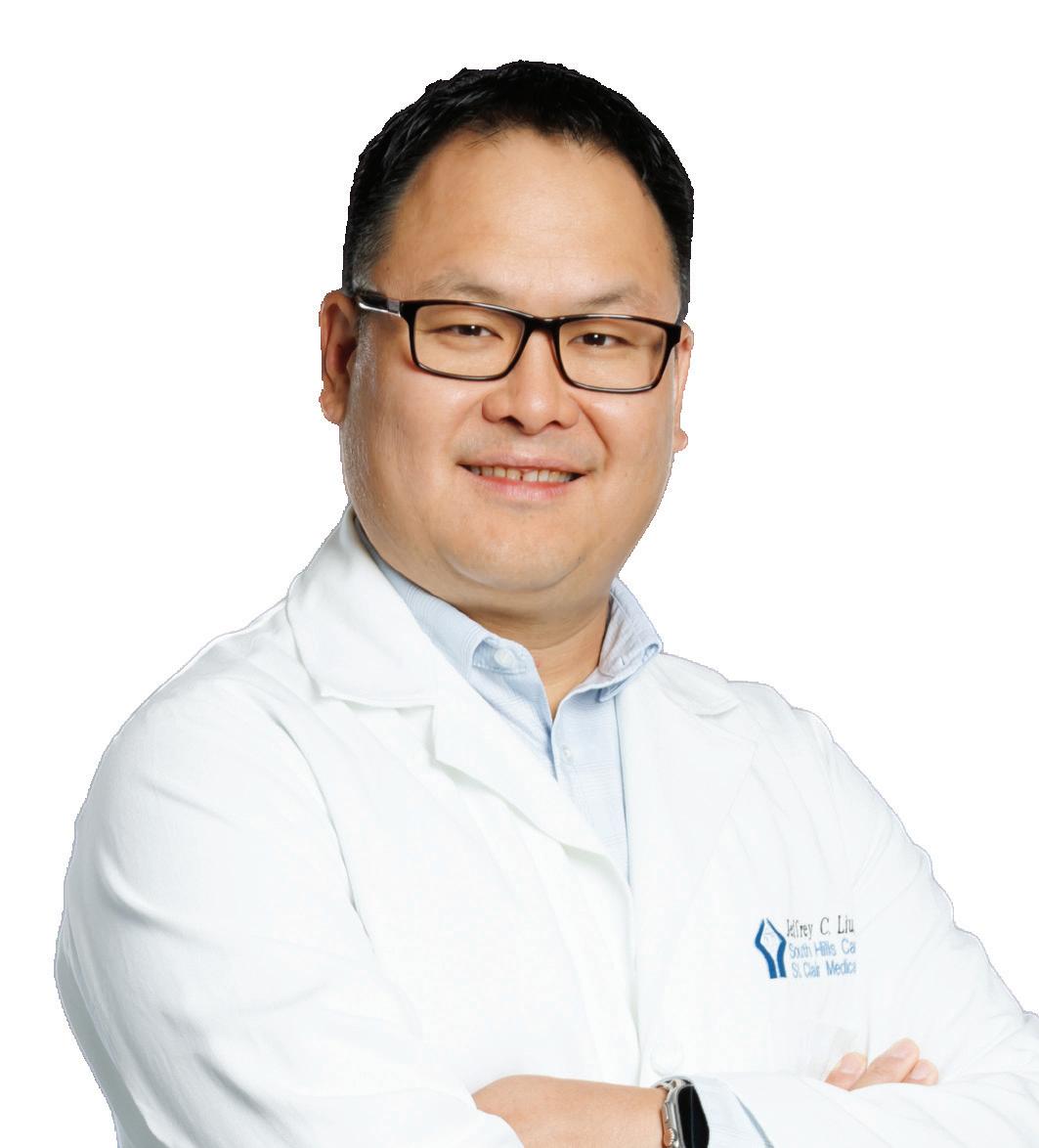
Nearly 11 million American adults are living with atrial fibrillation (AFib)—a condition that occurs when the heart’s electrical signals become disorganized.
For more than 25 years, a growing field known as ablation therapy has helped patients with AFib better manage their symptoms. During this minimally invasive procedure, physicians guide specialized tools into the heart to create small areas of scar tissue that disrupt abnormal electrical signals and restore a more normal rhythm.
Traditionally, ablation has relied on thermal energy—using extreme heat to burn or cold to freeze heart tissue. Though effective in regulating AFib symptoms, these methods pose risks to neighboring structures, like the esophagus and phrenic nerve, which play important roles in swallowing and breathing.
“Because of these risks, thermal-based energy sources were somewhat limiting how aggressive we could be in treatment, simply out of concern for patient safety,” explains Jeffrey C. Liu, MD, FHRS, Director of Electrophysiology at St. Clair Health.
Today, a new technique called pulsed field ablation (PFA) is changing what’s possible for patients with AFib.
Rather than using heat or cold, PFA delivers short bursts of targeted electrical energy to the heart tissue causing the abnormal rhythm. These pulses are designed to affect only the heart cells involved in AFib, helping physicians treat the problem area with greater precision while reducing the risk of damage to surrounding structures.
The technology has already been used in Europe for several years and is now being widely adopted as the standard of care for AFib treatment by leading heart programs across the United States, including St. Clair Health.
“PFA is the biggest evolution in ablation therapy that we’ve seen in quite some time,” says Dr. Liu. “At the end of the day, it makes ablation therapy better, safer, faster, and easier for patients with AFib.”
Advancements in ablation technology have dramatically changed the patient experience. Traditional ablation procedures could take up to eight hours and often required several nights in the hospital. Now, PFA procedures are typically completed in just one to two hours and often performed on an outpatient basis.
While traditional methods use temperature changes to create the necessary scars, PFA uses rapid, targeted electrical pulses. The benefits of using these pulses are:
Most patients return home the same day after a short recovery period. They are generally advised to rest and limit activity for about two weeks while small incision sites heal, after which many can resume their normal routines.
(undamaged)
According to Dr. Liu, “Ablation has shown now time and again to be the absolute best therapy for these folks to get them out of AFib, keep them out of AFib, and ultimately help the heart function improve.”
PFA is designed to affect heart muscle cells while being gentler on different types of surrounding tissue, such as the esophagus or nearby nerves.
EFFICIENCY
Ablation therapy has evolved from being considered a last resort to a widely recommended treatment option for many patients with AFib. A growing body of research shows that ablation can significantly reduce symptoms, improve quality of life, and, in some cases, help the heart function more effectively over time.
Because of the way the energy is delivered, the active part of the procedure is often very quick.
“With pulsed field ablation, our lesions are so much better from the start,” he shares. “The results are comparable in effectiveness to thermal-based solutions, but the safety profile is as good as we hoped to see.”
While the technology is newer, current data shows that PFA is as effective as traditional methods in restoring a steady heart rhythm.
PFA allows for a more effective treatment during the initial procedure, which may reduce the need for repeat interventions. Success rates for the procedure—defined as no recurrence of AFib after one year without need for additional medications—range from 70% to 80 percent.
While PFA is an extremely promising and effective treatment, Dr. Liu stresses the importance of talking to your doctor about all your options for managing AFib.
“AFib is by far the most common abnormal heart rhythm we see,” said Dr. Liu. “But an AFib diagnosis is no reason to despair. We offer a lot of options, and maybe most importantly, the opportunity to sit down and talk with somebody.”
FEATURE TRADITIONAL ABLATION (HEAT/COLD)
While this chronic condition is not typically life-threatening, AFib does require ongoing care to reduce the risk of complications such as stroke. Treatment plans may include medications, lifestyle changes like weight management and blood pressure control, screening for sleep apnea, and procedures such as ablation when appropriate.













Both traditional ablation and PFA are considered safe, routine procedures. Your doctor will choose the best method based on your specific heart anatomy and medical history.
The addition of PFA builds on the strength of St. Clair’s growing cardiovascular program, which includes milestones such as more than 500 transcatheter aortic valve replacement (TAVR) procedures, expansion of left atrial appendage closure with WATCHMANTM, and continued growth in cardiothoracic surgery services.
PULSED FIELD ABLATION (PFA)
Track Record Decades of proven success and data. Modern technology with excellent results. How it Works Uses extreme heat or cold. Uses high-speed electrical pulses.
“We have a lot to be excited about with our cardiovascular service line here, and we’re proud to offer all these services with good outcomes as well,” said Dr. Liu.
Precision Very effective at targeting specific areas. Highly selective for heart muscle cells.
Recovery Generally 1-3 days for most activities. Often a similar or slightly faster recovery.
Altogether, these advancements ensure patients have access to sophisticated, high-quality care without needing to travel far from home.

For patients in the South Hills and surrounding communities, access to PFA represents more than just a new treatment option for AFib. It reflects St. Clair’s ongoing commitment to bringing advanced cardiovascular care closer to home.
www.upbeat.org
If you or a loved one is living with AFib or ongoing heart rhythm symptoms, PFA may be an option worth exploring. The team at St. Clair Health is here to help you understand your condition, explore treatment options, and access advanced care—right here in your community. n
Dr. Liu serves as Director of Electrophysiology and specializes in cardiovascular disease, interventional radiology, and cardiac electrophysiology. He earned his medical degree at Jefferson Medical College, Philadelphia. He completed a residency in internal medicine at the University of Maryland Medical Center, served as Chief Resident at the Baltimore VA Medical Center, and completed fellowships in cardiovascular medicine and cardiac electrophysiology at UPMC. Dr. Liu is board-certified in cardiovascular disease and cardiac electrophysiology. He practices with St. Clair Medical Group and was named a Top Doctor by Pittsburgh Magazine in 2026. To contact Dr. Liu, please call 412.942.7900.

or many patients, symptoms like fatigue, unexplained weight changes, or weakening bones don’t tell a clear story on their own.
But taken together, they can reveal a deeper issue rooted in the endocrine system.
Made up of glands that produce hormones, the endocrine system acts as the body’s internal communication network. It sends chemical messengers through the bloodstream to regulate metabolism, energy, growth, bone strength, and countless other functions.
Because hormones influence so many parts of the body, endocrine disorders are often subtle, interconnected, and not always easy to identify.
“Many endocrine conditions don’t present in obvious ways,” says Wayne A. Evron, MD, who practices with St. Clair Medical Group Endocrinology. “It takes careful evaluation to connect the dots.”
That complexity is exactly why specialized care matters.
At St. Clair Health, patients have access to advanced endocrinology expertise close to home—a level of diagnostic precision and coordinated care not always found in community-based settings.
Endocrinologists diagnose and treat a broad range of conditions, including diabetes, thyroid disease, obesity, osteoporosis, adrenal
Sophisticated endocrine care is closer than you think.
disorders, and pituitary disease. Many of these conditions share symptoms with more common health concerns, which can delay diagnosis.
“We’re often looking at patterns over time through symptoms, lab values, and how they interact to arrive at the right diagnosis,” says Dr. Evron. That deeper analysis can reveal problems that may otherwise go unnoticed.
For example, elevated cholesterol may sometimes be linked to hypothyroidism. Patients with uncontrolled hypertension may have an adrenal disorder contributing to the problem.
“The key is identifying the underlying issue rather than just treating the symptoms,” stresses Dr. Evron. “When you understand the root cause, you can tailor treatment in a way that’s much more effective.”
Bone health offers one of the clearest examples of why that approach matters. Osteoporosis is often thought of simply as a part of aging, but it is both a common and overlooked condition that is also closely tied to hormonal health.
According to the Bone Health & Osteoporosis Foundation, osteoporosis affects an estimated 10 million Americans, with women accounting for
about 80 percent of those cases. Statistics also show that one in two women over age 50 will experience an osteoporosis-related fracture in their lifetime.
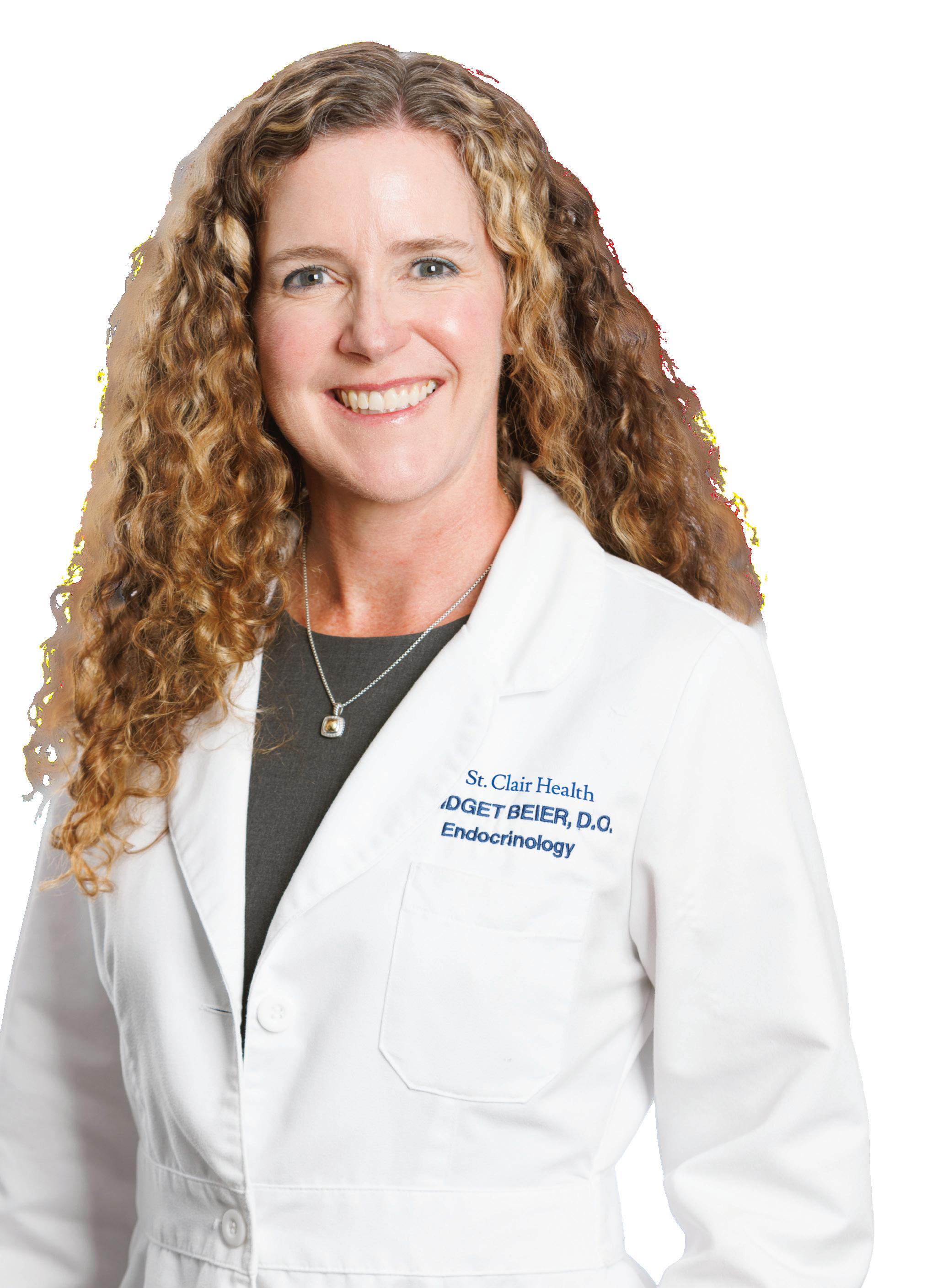
“Your bones are living tissue that’s constantly being broken down and rebuilt,” explains Bridget K. Beier, MD, who practices with St. Clair Medical Group Associates in Endocrinology. “As we get older, especially after menopause, we start losing bone faster than we’re building it.”
As that balance shifts, bone becomes weaker. The internal architecture of the bone becomes thinner, more porous, and more likely to fracture.
One challenge is that osteoporosis is often undetected until a fracture occurs. Some patients may not realize they have weakened bones until they develop back pain from a spinal compression fracture or suffer an injury after minimal trauma.
While menopause and aging are major risk factors, they are not the only ones. Others include family history, low body weight, smoking, heavy alcohol use, chronic steroid use, poor nutrition, and lack of physical activity.
“If you have risk factors, you don’t have to wait until age 65 to get screened,” Dr. Beier insists. “You can and should be screened for osteoporosis earlier.”
That is particularly relevant in Western Pennsylvania, where an aging population increases the need for proactive bone health care.
As the number of patients at risk continues to grow, so does the importance of getting the diagnosis, and the underlying cause, right. Specialized endocrine care can make a difference because treatment begins with understanding why bone loss is happening.
“Endocrinologists play a unique role because we look for secondary or underlying causes that might not otherwise be identified,” says Dr. Beier. These causes can include thyroid disease, vitamin D deficiency, and celiac disease.
“In some cases, like primary hyperparathyroidism, treating the underlying condition can actually improve bone health long term,” she explains.
Once those factors are addressed, treatment can be tailored to the individual patient with a two-fold strategy. According to Dr. Beier, lifestyle changes and medications really work together as partners in managing the condition.
Lifestyle measures such as strength training, weight-bearing exercise, adequate calcium intake, vitamin D optimization, and fall-prevention strategies remain an essential foundation of care.
Dr. Beier specializes in endocrinology, diabetes, and metabolism. She is board-certified in Endocrinology, Diabetes, and Metabolism by the American Board of Internal Medicine. Dr. Beier earned her medical degree at the Lake Erie College of Osteopathic Medicine and completed a residency in internal medicine at the University of Connecticut. She then completed a fellowship in endocrinology and metabolism at the Virginia Commonwealth University School of Medicine. Dr. Beier practices with St. Clair Medical Group and was named a Top Doctor by Pittsburgh Magazine in 2026. To contact Dr. Beier, please call 412.942.2140.
When bone loss has progressed or fracture risk is elevated, medication can also play a critical role. Anti-resorptive medications can help slow the breakdown of bone and reduce further loss.
When those foundational steps are not enough, far more advanced therapies are available than many patients realize. Newer anabolic therapies go a step further by stimulating new bone formation, helping rebuild strength in appropriate patients.
Another important shift in care is timing. Rather than waiting until osteoporosis becomes severe or a fracture occurs, physicians increasingly emphasize earlier intervention for patients at higher risk.
At St. Clair Health, endocrinology care is closely connected with other specialties to ensure patients receive fully integrated support. That collaboration often begins with screening during routine care, continues with advanced evaluation by endocrinology, and, when needed, includes specialty care for fracture management.
“Managing endocrine conditions often requires coordination across specialties,” says Dr. Evron. “We work closely with primary care, gynecologists, orthopedists, and other specialists to make sure patients are getting comprehensive care.”
That coordinated model helps patients move more smoothly through diagnosis and treatment rather than navigating multiple providers on their own. It is complemented by convenient access to diagnostics like bone density scans at multiple St. Clair Health locations and availability of advanced therapies at the Sipe Infusion Center.
“We’re fortunate to have an infusion center right here, where patients can receive advanced treatments close to home,” says Dr. Beier.
Together, these resources allow St. Clair Health to deliver a level of endocrine care that is both highly specialized and fully integrated—without requiring patients to travel far.
Dr. Evron adds, “It’s not only convenient for care. It also makes a meaningful difference in how quickly we can diagnose and begin treatment.”
While endocrine conditions are complex, they can be managed successfully with the right diagnosis and care plan.
With the right support from St. Clair Health, patients can better understand their condition, take control of their health, and move forward with greater confidence. n
WAYNE A. EVRON, MD
Dr. Evron specializes in endocrinology, diabetes, and metabolism. He is board-certified in Endocrinology, Diabetes and Metabolism by the American Board of Internal Medicine. Dr. Evron earned his medical degree at the University of Pennsylvania and completed a residency in internal medicine at UPMC Presbyterian. He then completed a fellowship in endocrinology and metabolism at University of Pittsburgh. Dr. Evron practices with St. Clair Medical Group and was named a Top Doctor by Pittsburgh Magazine in 2026. To contact Dr. Evron, please call 412.942.7295.
Mary Jane Busic built a life around staying sharp, organized, and independent. After spending her career working for companies like Verizon and Chevron, she approached retirement with the same confidence and attention to detail that had become second nature.
When subtle signs of dementia began to interrupt her daily life in 2022, she paid attention to them.
“The biggest thing I noticed was the forgetfulness,” says Mary Jane. “The times I could not come up with words, it was frustrating.”
Those around her weren’t overly concerned at first; they attributed the changes to normal aging. Her sister, Diane Puccetti, remembers those early conversations well.
“At first, we’d kind of laugh about it,” she says. “It wasn’t until I saw how much it bothered Mary Jane that I realized there might be something deeper.”
For Mary Jane, that possibility carried added weight. She had watched dementia affect her mother and other relatives, giving her firsthand experience of how cognitive decline can gradually reshape a person’s life.
This awareness prompted her to seek answers early. Like many patients and families navigating cognitive changes, however, finding those answers was not a simple or immediate process.
“One of the biggest challenges in dementia care is that patients don’t always know where to start,” says Maxim D. Hammer, MD, MBA, Chief of Neurology. “And even when they do, it’s not always a straightforward path to answers.”
Primary care providers are often the first to hear about these concerns. Subtle memory changes, difficulty finding words, or shifts in behavior may be raised during routine visits—if they are brought up at all.
“A lot of patients don’t mention these symptoms right away,” shares Mario J. Fatigati, MD, FACP, CMD, who practices with St. Clair Medical Group Internal Medicine. “Sometimes it’s the family who notices first, or sometimes it comes up gradually over time.”

Mary Jane’s early evaluation reflected that complexity. Initial testing suggested mild cognitive impairment, a condition that exists between normal aging and dementia. For patients and families, that gray area is common and often one of the most difficult stages to navigate.
“As a neurologist, one of the challenges is distinguishing between normal aging and something more serious,” explains Tatyana P. Barsouk, MD, who practices with St. Clair Medical Group Neurology and has been guiding Mary Jane’s care since 2022. “Mild cognitive impairment represents an intermediate stage.”
Over time, Mary Jane’s symptoms progressed. By 2024, she was experiencing more noticeable challenges with memory and concentration. Additional testing suggested possible association with Alzheimer’s, but a definitive diagnosis remained out of reach.
For years, this kind of uncertainty was common in dementia care. Patients like Mary Jane often moved between providers and tests without a clear path forward, waiting months or even years for answers.
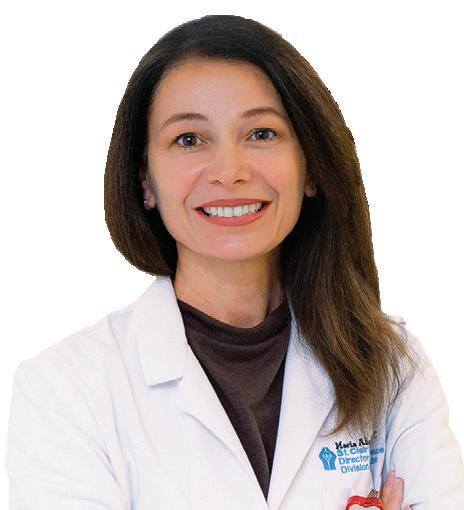
“In the past, this process could be fragmented,” shares Maria Abraham, DMSc, MBA, MPAS, PA-C, Director of the Neuroscience Service Line. “Now, we have a much clearer pathway to connect patients with the resources they need.”
At St. Clair Health, that pathway begins in primary care, where screening has become a more intentional and standardized part of patient care. Rather than relying solely on patients or families to raise concerns, providers are better equipped to recognize subtle cognitive changes earlier.
“Primary care is where we identify patients who may benefit from cognitive screening and make sure they get to the right next step quickly,” says Dr. Fatigati.
From there, patients are referred to neurology for a more comprehensive evaluation to build a complete picture of cognitive function. That process may include detailed cognitive assessments, laboratory work to rule out other potential causes, and advanced imaging such as amyloid PET scans.
Continued on Page 24


Mary Jane is benefiting from St. Clair Health's specialized dementia care pathway.
“We’re looking at how different parts of the brain are functioning and what might be contributing to those changes,” says Dr. Hammer. “We can confirm what’s happening in the brain with a much higher degree of certainty.”
That level of precision is changing what the diagnostic journey looks like for patients like Mary Jane. It’s helping to reduce delays, provide clearer answers, and identify patients while they may still be eligible for newer treatment options.
For Mary Jane, the turning point came during a routine follow-up visit with Dr. Barsouk.
“She said to me, ‘There is this new test,’” recalls Mary Jane. “It’s a blood test that actually looks at the amyloid in your brain.”
Amyloid is a protein that can build up in the brain and form plaques, interfering with how brain cells function. New diagnostic tools are helping clinicians detect these biological changes earlier, guiding both diagnosis and treatment.
“We now understand that Alzheimer’s disease begins in the brain years, sometimes decades, before symptoms appear,” clarifies Dr. Barsouk. “That’s why earlier identification is so critical.”
After completing blood-based biomarker testing, imaging, and additional evaluation,
Mary Jane finally received a definitive diagnosis: early-stage Alzheimer’s disease.
For many patients, receiving that diagnosis can feel overwhelming. But for Mary Jane, it brought the clarity and sense of direction she hadn’t had before.
“I found out I had Alzheimer’s,” she says. “But I also found out there was something I could do about it.”
After years of uncertainty, she not only had a diagnosis but a plan. Along with a care team helping her understand what came next and what options were available.
Mary Jane learned she was a candidate for a newer class of therapies designed to slow the progression of Alzheimer’s disease by targeting amyloid in the brain. She currently receives regular infusions at the Sipe Infusion Center as part of an 18-month course, with each visit carefully structured to include preparation, monitoring, and follow-up.
“Instead of sending patients to multiple places, we’re able to manage everything here,” says Abraham. “And our care team is involved throughout each infusion, monitoring patients closely and adjusting treatment plans in real time.
That level of care requires close coordination across many specialties.”
That coordination is a defining feature of the new dementia care pathway at St. Clair Health. Equally important is where that care happens.
For patients living with dementia, receiving treatment close to home is far more than a convenience. Long drives, unfamiliar settings, and disrupted routines can turn even a single appointment into a significant challenge for both patients and the family members helping coordinate their care.
By offering advanced dementia care locally, St. Clair helps remove one of the biggest barriers that patients and their families often face.
Patients can receive specialized treatment in a familiar environment, supported by a team they know, without the added strain of difficult travel.
Abraham understands how addressing this challenge can change everything. Watching her own mother experience Alzheimer’s disease helped to shape her commitment to building a more coordinated approach at St. Clair for other families.
“The goal was to create a coordinated, endto-end experience,” emphasizes Abraham. “From the moment concerns are identified, through
diagnosis and treatment, we want patients like Mary Jane to feel guided every step of the way.”
As Mary Jane’s treatment continues, so does her perspective on what success looks like. The goal isn’t to reverse what’s already happened, but to help preserve what matters most—her independence, her routines, and her sense of self.
“I’m not going to see any miracles,” she says. “But I have a chance to keep doing the things that matter most to me.”
That sense of possibility reflects a broader shift in dementia care. One that emphasizes earlier identification, clearer answers, and more proactive treatment.
“We’re in a very different place now than we were even a few years ago,” says Dr. Hammer. “Having this coordinated pathway offers us a real opportunity to identify patients earlier and intervene in ways we couldn’t before.”
But the impact extends far beyond diagnosis and treatment. The St. Clair team also supports patients and their families as they adjust to life with a cognitive diagnosis.
“Primary care plays an important role in helping patients and their families navigate what comes next,” says Dr. Fatigati. “We help connect them to the right resources and make sure they have the support they need over time.”
MAXIM D. HAMMER, MD, MBA
For many families, that guidance is just as important as the medical care itself. It helps them make informed decisions, manage day-to-day challenges, and feel more confident moving forward.
“We’re here to guide patients and their families through every stage,” reiterates Abraham.
At St. Clair Health, the goal is to provide advanced dementia care while ensuring that no one has to navigate the journey alone. n
Dr. Hammer serves as Chief of Neurology. He earned his medical degree at Albany Medical College in Albany, NY. Dr. Hammer completed a neurology residency at Cleveland Clinic and a vascular neurology fellowship at UPMC. Before joining St. Clair Health, he held numerous titles, including Vice Chairman, Clinical Affairs, Department of Neurology; Clinical Director of Neurology; and Director of Stroke Services at UPMC Mercy Hospital. Dr. Hammer is an associate professor at Duquesne University’s College of Osteopathic Medicine and adjunct professor in the Department of Neurology at the University of Pittsburgh School of Medicine. He practices with St. Clair Medical Group and was named a Top Doctor by Pittsburgh Magazine in 2026. To contact Dr. Hammer, call 412.942.6300.
MARIO J. FATIGATI, MD, FACP, CMD
Dr. Fatigati specializes in internal medicine and primary care. He serves as Associate Chief Medical Officer of St. Clair Health and Chief Medical Officer of Kane Community Living Centers of Allegheny County. Dr. Fatigati is board-certified by the American Board of Internal Medicine and the American Board of Internal Medicine—Geriatric Medicine. He earned his medical degree at Universita Di Roma in Italy before completing both an internal medicine residency and fellowship at St. Francis Medical Center. He practices with St. Clair Medical Group and was named a Top Doctor by Pittsburgh Magazine in 2026. To contact Dr. Fatigati, call 412.221.3377.
TATYANA P. BARSOUK, MD
Dr. Barsouk specializes in neurology and clinical neurophysiology. She is board-certified by the American Board of Psychiatry and Neurology. Dr. Barsouk earned her medical degree at the Dnepropetrovskij Medicinskij Institute. She completed a neurology residency at AHN Allegheny General Hospital and a fellowship at UPMC Bedford Memorial. Dr. Barsouk practices with St. Clair Medical Group and was named a Top Doctor by Pittsburgh Magazine in 2026. To contact Dr. Barsouk, call 412.942.6300.
MARIA ABRAHAM, DMSC, MBA, MPAS, PA-C
Maria Abraham serves as the Director of the Neuroscience Service Line and Director of Advanced Practice Providers with St. Clair Medical Group. She is board-certified by the National Commission on Certification of Physician Assistants. Maria received her Master of Physician Assistant Studies (MPAS) degree at Chatham University and Doctor of Medical Science (DMSc) degree at University of Lynchburg. To contact Maria, call 412.942.6300.







At St. Clair, we’ve assembled some of the country’s best cardiovascular specialists right here and created one of the most comprehensive heart programs anywhere. Diagnosing and treating heart disease. Treating abnormal heart rhythms. Repairing valves. Using the latest techniques. Saving lives. If the problem is your heart, the answer is St. Clair.


Few have witnessed the evolution of St. Clair Health’s cardiovascular services program as closely as Shawn Balaschak, RN, BSN, MSM
Shawn entered nursing in the late 1990s, as the decline of Pittsburgh’s steel mills and manufacturing industry created a particularly challenging job market.
“I didn’t set out to work in cardiovascular care,” Shawn shared. “I fell into it, and it ended up shaping my entire career.”
After graduating from Carlow College, he accepted a cardiovascular internship in Arkansas, where he trained in a highvolume cardiac care setting. This experience gave him both the technical foundation and the confidence to thrive in a demanding clinical environment.
In 1998, when an opportunity arose to return home to Pittsburgh, he took it—joining St. Clair as a staff nurse in the cardiac catheterization laboratory (cath lab) just as the hospital was launching its heart program. At the time, services were limited to just the essentials.
“The growth of our cardiovascular program over the past two decades has been remarkable,” Shawn said. “We've continually expanded our capabilities, invested in new technologies, and built a team dedicated to delivering exceptional care for our patients.”
Over the years, Shawn grew alongside the program—his career progression mirroring the evolution of cardiovascular services at St. Clair. He stepped into leadership roles including Manager of the Cath Lab and Director of the Cath Lab and Vascular Service Line, while the program greatly expanded to offer nearly every level of heart care short of transplantation.
Today, Shawn serves as Director of the Cardiovascular Service Line, overseeing a full spectrum of services including interventional cardiology, electrophysiology, structural heart programs, diagnostics, and rehabilitation.
While this leadership role keeps him busy, Shawn remains a constant presence on the ground. He rounds regularly, supports staff, and continues to assist in procedures. His approachable, hands-on leadership style reinforces a culture built on teamwork, trust, and accountability.
That culture has helped propel the program from its early foundations into a highly advanced, comprehensive service line.
Most recently, St. Clair earned Transcatheter Aortic Valve Replacement (TAVR) certification from the American College of Cardiology, making it one of only three hospitals in Pennsylvania and the only one in Western Pennsylvania to earn this distinction.
Since launching the TAVR program in 2019, the team has performed more than 500 procedures. The minimally invasive treatment for severe aortic stenosis allows physicians to implant a new valve within the diseased one using a catheter—most often through a small incision in the leg—resulting in shorter recovery times for patients.
“This certification validates the strength of our TAVR program and the rigorous standards our entire heart team upholds every day,” emphasized Ryan W. Zuzek, MD, Chief of Cardiology.
The certification followed a comprehensive, year-long evaluation of clinical outcomes, training, protocols, and team coordination, affirming that St. Clair patients receive care aligned with the highest national standards.
“This achievement represents not only a milestone for our TAVR program, but also a meaningful step forward for patients seeking advanced cardiac care in our community,” explained Kyle D. Buchanan, MD, Interventional Cardiologist.
That spirit continues to guide the program forward. Through participation
Expert care from people who care. It’s more than our tagline—it’s the relentless drive we bring to carry out our mission every single day. Interested in joining the team? Follow St. Clair Health Careers on Facebook or LinkedIn or visit stclair.org.
in multiple research studies in recent years, the team is working to shape future standards of cardiac care and bring cutting-edge treatments to patients sooner. Emerging therapies such as renal denervation and leadless pacemakers are on the horizon, as the team continues to strengthen the program in preparation for seeking Cardiovascular Center of Excellence designation from the American College of Cardiology.
Behind these advancements is a deeply integrated team. Cardiologists, surgeons, anesthesiologists, nurses, x-ray technologists and support staff work together seamlessly—reviewing cases, coordinating care plans, and stepping in wherever needed to ensure the best possible outcomes.
For Shawn, success is measured one patient at a time. Because in cardiovascular care, the ability to intervene quickly can change the course of a patient’s life.
“There are times within minutes we can stop a heart attack and have someone feeling fine again,” Shawn said. “That’s one of the most rewarding parts of what we do.”
At St. Clair, advanced technology and national recognition are only part of the story. The true strength of the program lies in the people behind it—a team with a shared commitment to excellence that shows up every day for their patients and each other. Their collaboration, dedication, and compassion are the beating heart of cardiovascular care at St. Clair. n
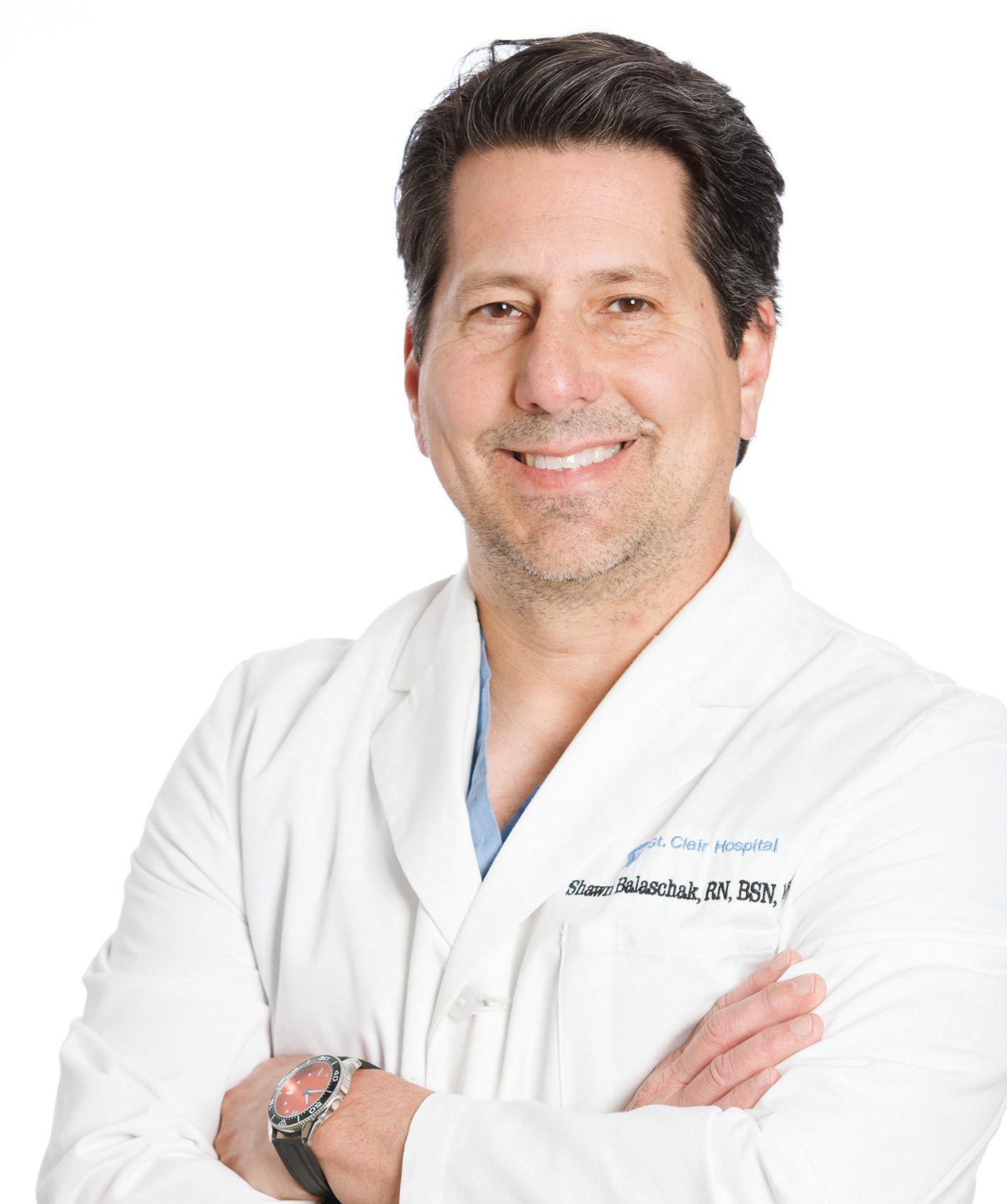
Shawn Balaschak, RN, BSN, MSM
1000
Heartbeats & Haybales
@StClairHealth

Please visit providers.stclair.org to find a doctor near you.
Thank you to the sponsors, donors, volunteers, and guests who helped make the 2026 Summer Swing a success. Your generosity supports exceptional cardiovascular care right here in our community and helps ensure patients have access to the advanced treatments, technology, and compassionate care they need close to home.
While the event may be over, the impact continues throughout the year.
To support The Heart Center at St. Clair Health, scan the QR code below or visit stclair.org/give.