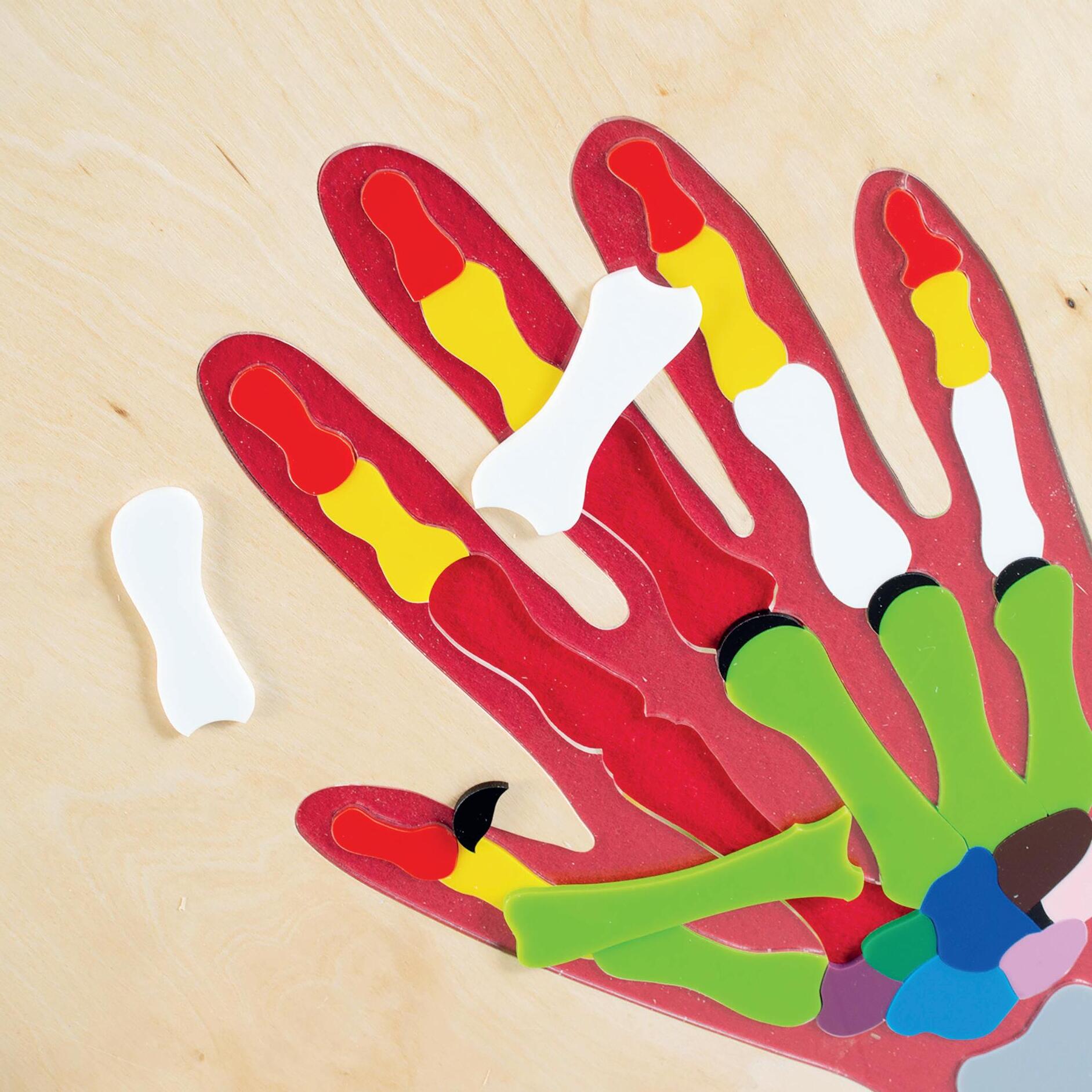
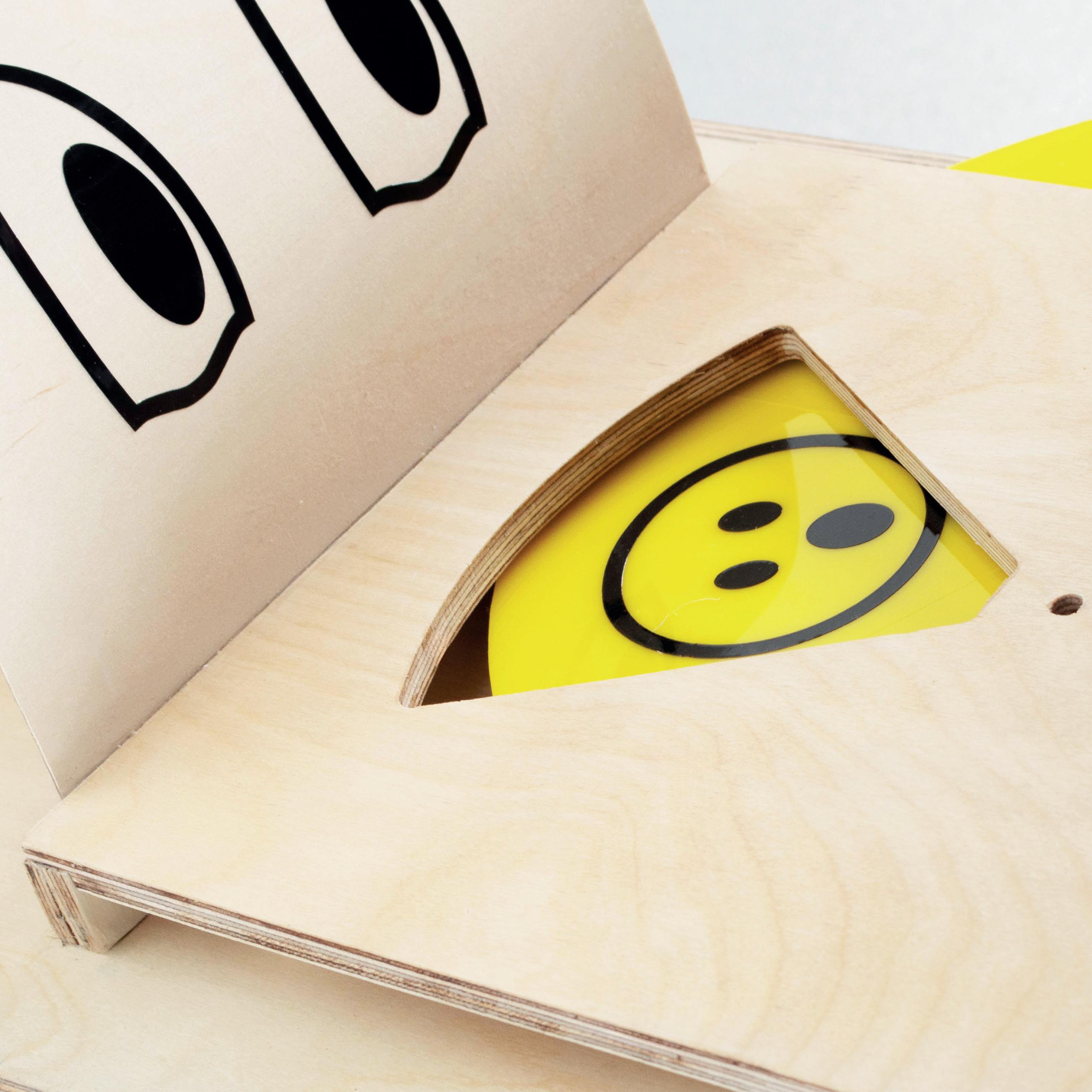
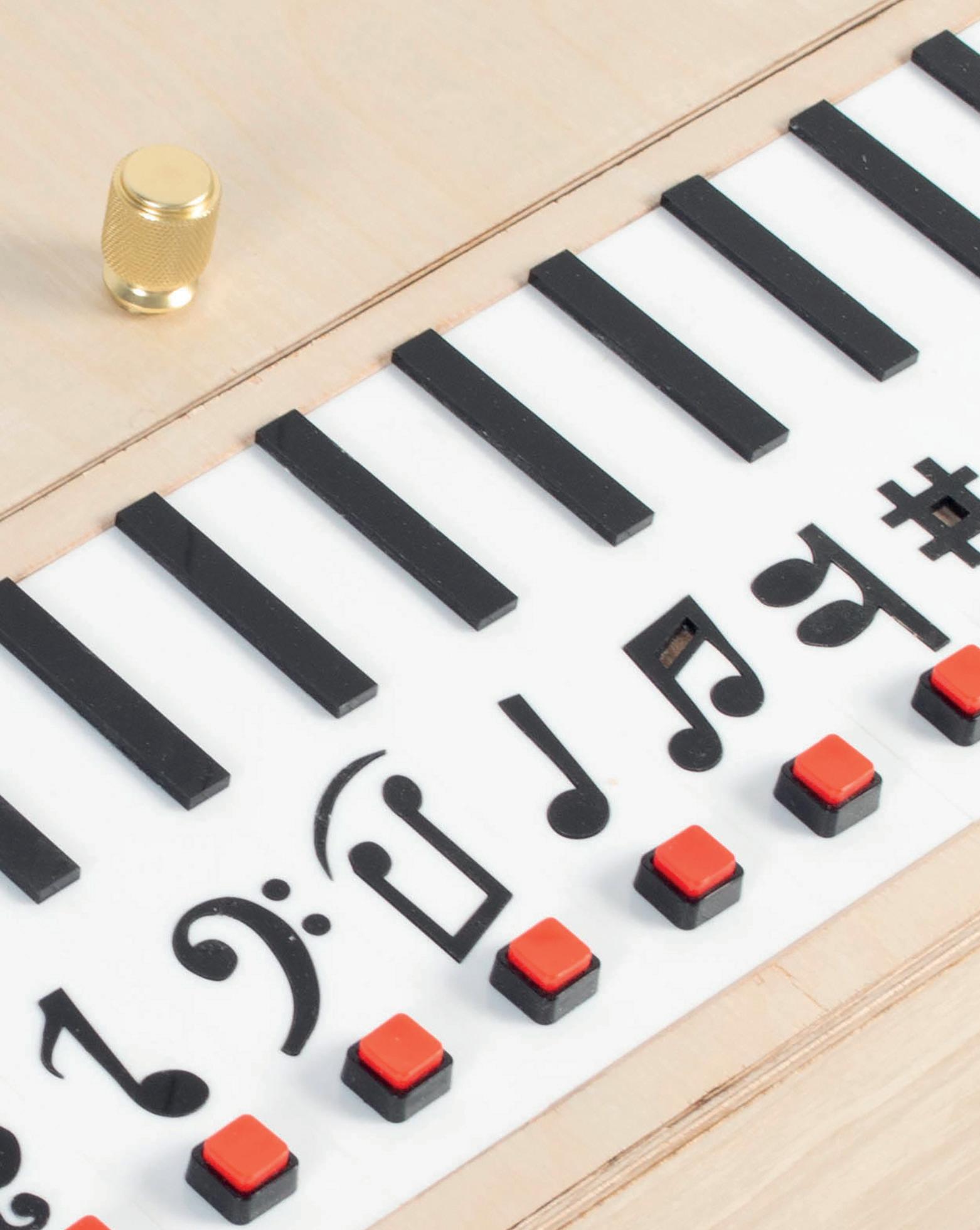
The images in this publication are the work of St Catherine’s Design Technology students
Artificial intelligence isn’t just changing how we live and work - it’s changing how we imagine.
In the world of product design, AI is no longer a futuristic add-on; it’s an active collaborator that expands what human creativity can achieve. While sceptics worry about automation replacing artistry, the truth is that AI is redefining the designer’s role, not erasing it.
AI tools now assist designers from the first spark of an idea to the final
prototype. What once took days of sketching and brainstorming can now happen in minutes. With generative tools like ChatGPT, designers can describe a concept in words and instantly receive dozens of visual possibilities. It’s like brainstorming with a partner who never runs out of ideas! Arguably, this doesn’t make human creativity redundant - it amplifies it. Designers still decide what matters, but AI helps them explore beyond their biases and limitations.
Visualisation and prototyping, once time consuming steps, are becoming effortless. Text-to-3D systems can transform a few sentences into detailed digital models. AI rendering engines simulate light, texture, and materials with lifelike accuracy, helping teams visualise products before they even exist. This accelerates feedback and iteration, reducing waste and cost. The design process becomes less about technical execution and more about creative decisionmaking.
It’s like brainstorming with a partner who never runs out of ideas. Arguably, this doesn’t make human creativity redundant - it amplifies it.
Perhaps the most exciting impact of AI is personalisation. Instead of designing for the “average” user, designers can now create products tailored to individual needs. From custom-fit shoes to adaptive digital interfaces, AI enables a level of humancentred design that mass production never could. Products are no longer static - they learn, adapt, and evolve with the user. In an age where people crave individuality, AI offers a pathway to true personalisation at scale.
Sustainability, too, is being reshaped by AI. By analysing materials, supply chains, and energy consumption, AI helps designers make environmentally responsible choices. It can predict how a product will impact the planet before it’s even built. That means fewer wasted resources, more circular design, and products that are built to last.
The future of design won’t just be smarterit will be greener.
Still, this new frontier comes with responsibility. AI can generate ideas, but it
cannot understand ethics, emotion, or cultural context. Those remain human domains. Designers must ensure that AI-driven creations are inclusive, accessible, and aligned with real human values. The challenge isn’t to design faster - it’s to design better. The role of the designer is shifting from maker to curator, from creator of objects to orchestrator of intelligent systems. That’s not a loss - it’s an evolution. The best designers of the AI era will be those who can guide technology with empathy and purpose.
AI won’t replace designers, but designers who embrace AI may replace those who don’t. The future of product design belongs to those who can balance logic with imagination - those who see AI not as a threat, but as a partner in creating more meaningful, personalised, and sustainable products for a changing world
AI won’t replace designers, but designers who embrace AI may replace those who don’t.
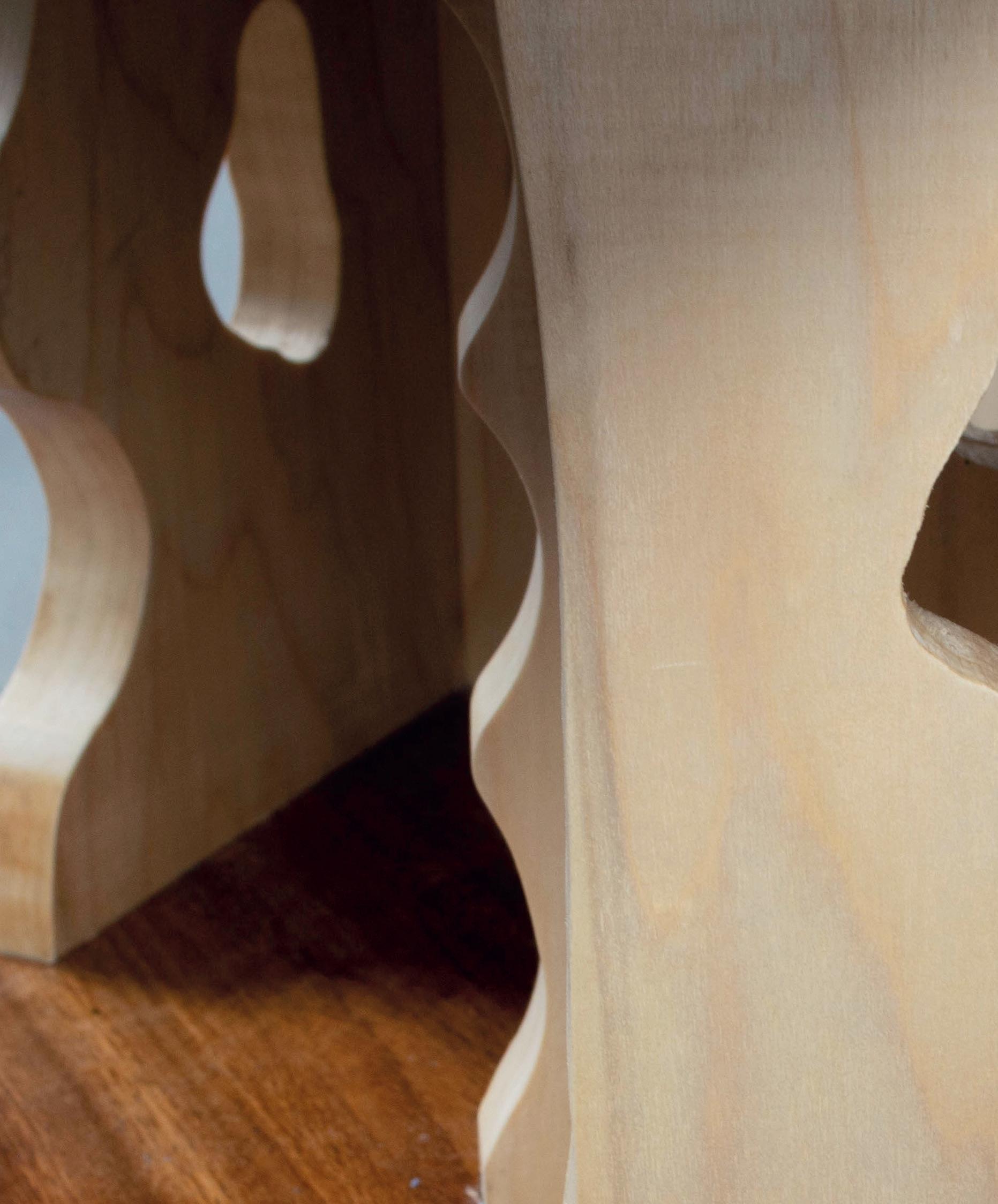
At St Catherine’s creative thinking is key to all that we do. The Art & MakerSpace @ The John Palmer Art Centre is a place where girls of all ages can explore their creativity.
Thank you to those of you who have supported the Creative Arts through our Art & MakerSpace Campaign or by becoming a member of our Creative Circles.
If you would like to find out how you can help create opportunities for students to explore their creativity, please do get in touch
Jane Pink Acting Director of Development
+44 (0) 1483 899787
jane.pink@stcatherines.info
stcatherines.info/artmakerspace