STATIC
FEATURING: NANOCATALYSTS AND THEIR USE IN BIOFUEL PRODUCTION

FEATURING: NANOCATALYSTS AND THEIR USE IN BIOFUEL PRODUCTION
Acid mine drainage……………………………………………………….………….Page 5
The Discovery of Neurotransmitters: From Frog Hearts to Modern Neuroscience…Page 12
The Use of Psilocybin and MDMA in the Treatment of PTSD……………………..Page 17
Advancing Biodiesel Production through various Nanomaterial Productions………Page 22
Colouring the Molecular World: How Cryo-EM is Redefining Biological Imaging..Page 26
Computation and the Classification of Finite Groups………………………………..Page 31
Developments Towards Practical Quantum Computing……………………………..Page 36
Could we use Artificial Intelligence to help prove whether P = NP?...........................Page 45
How the Misalignment of Incentives is Sabotaging Scientific Progress: is Decentralised Science the Solution?....................................................................................................Page 50
The Impact of Artificial Intelligence on Modern Software Development……………Page 57
Exploring the Efficacy of Focused Ultrasound Treatment in Patients with Tremor Dominant Parkinson’s Disease…………………………………………………………………..Page 61
Oncolytic Virotherapy for Glioblastoma; Improving Median Survival Time Through an Enhanced Immune Response…………………………………………………………Page 70
Extended Reality (XR) in Exposure Therapy for PTSD: A Rapid Review of Clinical Potential and Limitations………………………………………………………………………..Page 76
CRISPR-mediated Reactivation of Foetal Haemoglobin (HbF) as a Sustainable Therapeutic Solution for Beta-Thalassemia………………………………………………………...Page 82
PSMA – From Diagnosis to Treatment: The Key to Prostate Cancer Management? Page 86 The Use of AI and 3D Printing in Personalised Paediatric Cardiac Surgery………….Page 89
The Use of AI and 3D Printing in Personalised Paediatric Cardiac Surgery………….Page 93
Ozempic on the Brain: Investigating the Rise of Glucagon-Like Peptide-1 Receptor Agonists and Their Potential to Treat Neurodegenerative Diseases……………………………..Page 97
Cracking the Code of Chronic Pain: Molecular Gateways and Emerging Treatments.Page 109
Advancements and Implications of Robotic-Assisted Coronary Artery Bypass Grafting: A Minimally Invasive Revolution………………………………………………………Page 124
2024-2025
Leadership
Tom Burton
Ideja Bajra
Operations
Bryn Carney
Isobel Fenemore
Kimy Pedersen
Abigail
AradiPosylkin
Creative
Violeta Vigo
Victoria SchroederFinckh
Constantin Mareschal
Ailsa Bruce
When we launched STATIC three years ago, it was little more than an idea fuelled by curiosity and a shared belief that St Andrews deserved a platform to highlight fresh perspectives on STEM innovation. What began as a small-scale club has grown into a publication that has sparked conversation and brought together voices from across the University and beyond.
This third edition marks a special moment for us. Not only as the latest chapter in STATIC’s journey, but also as the point where we, the founders, hand over the reins.As we step into the next stage of our own careers, we do so with immense pride in what STATIC has become and with deep gratitude to the innovative writers, editors and readers who have shaped it along the way.
We are confident that STATIC will continue to evolve and inspire, carrying forward its mission within the StAndrews STEM community. Watching its next chapter unfold will be one of our greatest joys and we can’t wait to see where the next generation will take it.
With thanks and excitement, Ideja and Tom
The Founders of STATIC.

On joining STATIC this year, we’ve been introduced to a different side of science in StAndrews. With talks from industry pioneers, events aimed at sharing research goals and opportunities to learn more about the scientific publishing process, STATIC offers students an amazing chance to take their work to a different level. Through the spaces and events we organised to share innovative ideas, we also built meaningful connections that fostered both professional and personal relationships.
As Tom and Ideja graduated they leave behind a strong network of professional connections that allow StAndrews students a glimpse into the reality of professional work. With the guidance of Ideja and Tom, we’re looking to take STATIC to an even wider audience, and further embracing all of the scientific excellence that St Andrews Students have to offer.
We hope that current members join us on this journey in the next academic year!
Bryn and Tom

Hannah
Sushmhitah
Sandanatavan
Pedro Lourenco
Editing
Leadership
Ava Grönberg
Tom Dunlop
Editing
Alethea
Stevenson
Amelie Baveja
Ghaith
Albarakati
Louisa Willan
Mackensie
KawaguchiFabian
Gayatri
ChatterjiSharma
VioletMelcher
EditedbyHannahBettsandTomBurton
TheminingindustryisnotoriousforitsimpactontheenvironmentwithAcidMineDrainage (AMD)lyingattheforefrontofissues.IntheUS alone,AMDhascontaminated22,000kilometersof streamsand180,000acresoffreshwaterreservoirs (Tuffnell,2022).ThetermAcidMineDrainage describesthemovementofwaterswithhighconcentrationsofheavymetals.Asvaryingsurface watersourcesincludingrainwater,snowmelt,or pondwaterchemicallyreactwithrocksthatcontainsulfur-bearingmineralsinshallowsubsurface watersulfuricacidiscreated(USEPA,2015).This reactioncausesmobilizationofheavymetalsand increasingacidityinthehostwater(USEPA,2015).
Thetoxiccontaminantsfoundwithinthesewaters aredominatedbyhighpercentagesofarsenic,lead, andmercury,ultimatelydepositingthemintowater bodiesimpactingcommunitiesandvariousnatural landscapes(USEPA,2015).Recentattentionand activismhavedriventhedevelopmentofsustainableAMDtreatmenttechnologiestoreducewaste sludgeandbrinethatresultfromtheseacidic,metalladenwaters,promptingashifttowardsmoreefficientandenvironmentallyresponsibleremediation strategies(Naiduetal.,2019).Whiletraditional AMDtreatmentshavecenteredonneutralization andcontainment,advancementsinbiologicaland chemicaltechnologies,alongsidehybridapproaches haveledtoamoresustainableandeffectivepath towardsremediation.Basedonthelimitationsof single-methodapproaches,acombinationofinnovativetreatments,includingsulfate-reducingbioreactors,constructedwetlands,andhybridadsorption systems,offerpromisingsolutionsforAMDmanagement,minimizingimpactontheenvironment, prioritizingeconomicefficiency,andadaptingto site-specificconditions.
AcidMineDrainageincreasesinseveritywhen orebodiesaredisturbedbyminingpractices.As water,associatedwithmineralexplorationandharvesting,percolatesthroughsulfides,oxidationcan occurresultingintheformationofsulfuricacid(US EPA,2015).
PyriteisoneofEarth’smostabundantsulfideminerals,commonlyfoundinavastrangeofgeological settings,andisknowntobealeadingcauseof AMDgenerationduetoitscommonality(Murphy andStrongin,2009).Pyriteoxidationisthegreatest contributortoAMDformation(Figure1).
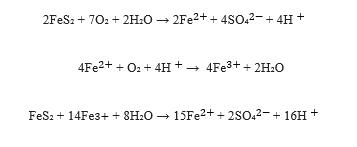
Figure1: Thegeneralisedreactionsintheoxidation ofPyrite
Theoxidationofsulfidetosulfatesolubilizesthe ferrousiron,whichisthenoxidizedtoferriciron. Thesereactionscanoccurinstantaneouslyorcan catalyzethemicroorganismsthatgainenergyfrom oxidation.Theferricironsthatareproducedcan thenoxidizeanadditionalPyrite.Thesereactions releasehydrogenions,whichlowersthepHofthe hostwater(MitchellandCraddock,2011).When sulfidesareexposedtowater,air,ormicrobialactivity,areactioncanoccurresultinginthedevelopment ofsulfuricacid,creatingandreleasinghydrogen ions(Yuanetal.,2022).
Oxidationcancontinuetoreleaseacidandmetals intosurroundingwatersourcesfordecadesafter mininghasstopped,makingthisprocesscommon inbothactiveandabandonedminingsites(Moncur etal.,2005).Thisreactionoccursinwasterock
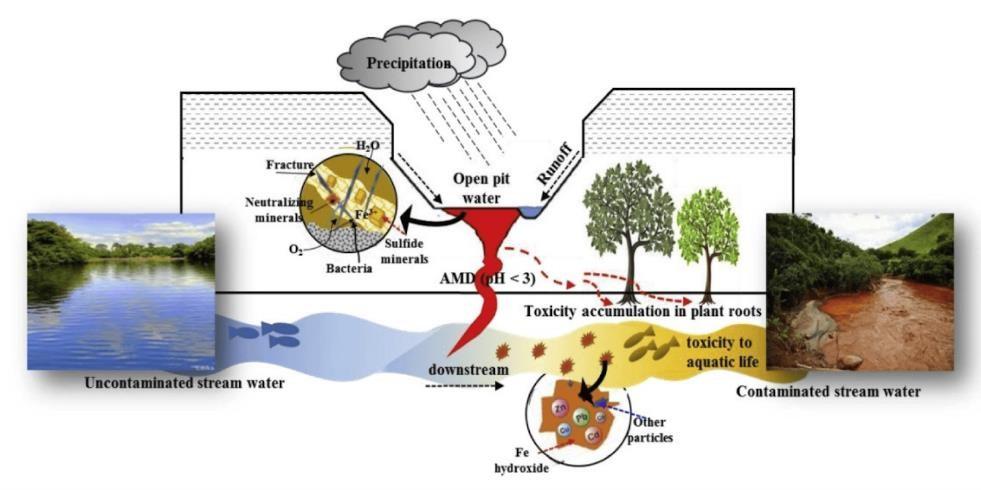
Figure2: AMDformationandcontaminationpathways(Yuanetal.,2022)
piles,tailings,undergroundtunnels,leachpads,and openpits(Moncuretal.,2009).Theacidcreated candissolvemetalsandmetalloidssuchasarsenic fromthesurroundingrock,accumulatingaslurryof toxiccomponentswithinthewaterbody.
Uncontaminatedstreamwaterisinfiltratedbytoxic runoffproducedinthepitwatersofaminefollowingprecipitationandoxidation,loweringthepH oftheflow(Yuanetal.,2022).Thisrunoffcan spreadintotheterrestrialbiospherebywayofplant roots,harmingaquaticlifethroughcontaminated streamwaters(Figure2)(Yuanetal.,2022).The acidityofthesewatershasbeenshowntoalter surroundingenvironments,killingfish,flora,and organismsinthewaterandsoils(Malmstr¨omet al.,2008).Thisisexemplifiedincasessuchas thepollutionintheOdielandTintoRiversin Spain,wherepollutionfromAMDpersistsformore than50kilometersdownstream,damagingestuarine sedimentsattheR´ıadeHuelvaestuaryandtheGulf ofCadiz(Alvarengaetal.,2021).Theseareashave beensignificantlydegradedecologicallyduetothis prolongedcontamination(Alvarengaetal.,2021). TreatingAMDisessentialtomitigateitsenvironmentalimpact.Treatmentmethodscanbroadlybe categorizedaspassivemethodsoractivemethods. PassivemethodsrelyonnaturalprocessestoincreasepHandremovecontaminants,requiringminimalhumaninterventionandfewenergyresources (Skousenetal.,2016).Passivetreatmentsystems arecommonlyusedinlow-flow,low-contamination environmentsorinadditiontoothertreatmentmethods(Skousenetal.,2016).Thus,theyareoften inefficientincasesoflarge-scalepollution(Fripp etal.,2000).AprimeexampleofapassiveAMD treatmentisutilizedinWestVirginiasites,where
anoxiclimestonedrainsinterceptAMD.Asthe acidicwaterpercolatesthroughthelimestone,the flowreactswiththecalciumcarbonate,increasing alkalinityandpH,andfacilitatingtheprecipitation ofdissolvedmetals.Thisprocessreducestheacidity andmetalconcentrationsintheflowwithoutcontinuouschemicaladditionormanagement(Skousen etal.,2016).Comparatively,activemethodsoften involvechemicaladditivestoneutralizeacidityand facilitatemetalprecipitation.Anactiveapproach requirescontinuousoperation,energyinput,and maintenance(Skousenetal.,2016).However,active methodsaremoreapplicableinwidespreadAMD pollutionevents.
Traditionally,AMDremediationfocusesonneutralizingtheacidandreducingmaterialexposure toreducethepotentialforoxidation.Neutralization canbeusedasbothapassiveandactivetreatment method(Tayloretal.,2005).Whenusedasanactive method,alkalinesubstancesareaddedtopolluted waterbodiestoincreasethepH,neutralizetheacid, andincreasedissolvedmetalprecipitation(Keane, 2025).Alkalineagentssuchaslimeorlimestone areprevalentintheseneutralization-basedmethods (Iakovlevaetal.,2015).Asanactiveapproach,alkalinechemicalsmustbecontinuouslyaddedtothe waterbodycreatinganongoingneedformaterials, equipment,andlabor(Keane,2025).Thisprocess alsocreatessludge,ametalladenwasteproduct thatcansettleinwaterways.Asneutralizationprecipitatesmetals,substantialsludgevolumescan begenerated(Keane,2025).Thissludgerequires disposal,contributingfurthertothelabor-intensive processandexacerbatingenvironmentaldenudation. Additionally,whileneutralizationreducesacidity,it doesnotcompletelyremovealldangerouscontaminants,suchascertainheavymetalswhichremain asourceofpollutionandfurtherdegradethelandscape(SheoranandSheoran,2006).
Thepassiveapproachtoneutralizationreliesonnaturalprocesses,creatinganalkalinitysourcewhile followingthesamegeneralprocessastheactive treatmentthoughnotrequiringcontinuoushuman intervention(Skousenetal.,2016).Thismethodcan beextremelycostandlaborefficient.However,it isnotasubstantialsourceofAMDtreatmentasit rarelyoccursonlargescales(Skousenetal.,2016). ContainmentisanothertraditionalmethodforAMD remediation.Containmentisolatesminewastethat couldproduceAMDifgiventheopportunityto
oxidize(Keane,2025).Thespecificsofcontainment practicescantakemultipledifferentforms.Containmentofteninvolvesisolatingminewastefrom groundwater,relocatingandcoveringwastewith impermeablematerial,restrictingwaterinfiltration (Keane,2025).Othermethodsofcontainingthe wasteincludedivertingwaterpathwaysawayfrom wastestoragelocations,isolatingtheminewaste underwatertopreventoxygenexposure,andfillingabandonedminestopreventAMDformation (Keane,2025).Thesetechniqueshavevariations withdifferingbenefitsanddrawbacks.Somepopularcritiquesincludethelongevityofcontainment, coveringwastedoesnotalwayseliminatetheability forAMDtoformbutratherdelaysoxidation.Barrierscandegradeandifcontainmentisbreached,due toerosion,extremeweather,ormaterialfailure,the generationofAMDcancontinuewithoutrestriction (Skousenetal.,2016).Morebroadly,containment doesnotremoveortreatAMDbutpreventsit. Ifwasteisalreadyoxidizedorcontainmentfails, additionaltreatmentisnecessary(Skousenetal., 2016).
Thoughneutralizationandcontainmenttechniques havebeenusedforoveracentury,recentstudies arehighlightingthatnosingularapproachcanaptly treatorremediateAMD(Rambabu,2020).This hasledtothedevelopmentofnotonlycountless innovationsbutalsouseofmultipleoverlapping methods.
RecentadvancementsinAMDtreatmenthaveemphasizedadsorptiontechniquesandsulfatereducing bacteriawithinhybridapproaches(Mosaietal., 2024).Adsorptionemploysmaterialsincludingactivatedcarbonorbio-sorbentstobindpollutantsand increasewaterquality(Mosaietal.,2024).Sulfate reducingbacteriaisaformofbioremediation,utilizingorganicmattertoremovedangerouselements fromwaterstreamsimpactedbyAMD(Mosaiet al.,2024).
Adsorptiontargetsheavymetals,effectivelyremovingthemfromasolution.WhenAMDencountersan adsorbentthedissolvedmetalsinthecontaminated flowattachtothesurfaceofthesolidadsorbent, removingthemetalsfromthesolution(Yangetal., 2024).Unliketechniquesthatattempttotargetall contaminants,adsorptiontargetsmetalions,separatingthemfromsulfateions(Yangetal.,2024). Avarietyofinnovativematerialscanbeusedas theadsorbent,fromnaturalsubstanceslikezeolite,
sawdustandeggshells,tomoreadvancedmaterials suchasmagneticgrapheneoxide(Dehghanietal., 2023).Thismethodprovidespromisinginnovations notonlybecauseofitsrelativesimplicitybutalso becausemostabsorbentscanbecleanedandreused, reducingtheoverallwasteproducedfromtreatment (Dehghanietal.,2023).Adsorptionhasyettobe usedonalargescale,withmostresearchrestricted tolabsettingsandsmallwatersamples.However, currentstudiesfocusonapplyingadsorptionin large-scaletreatmentsystemsandsuggestthatthis techniquecouldbecomemorewidelyusedinfuture (Yangetal.,2024).
Sulfatereducingbacteria(SRB)isanotheractive areaofresearchininnovativeAMDtreatments.SRB canreducesulfatestosulfideswhenprovidedwith anorganiccarbonsourcesuchaslactateandglucose (Mosaietal.,2024).ThesulfateionsinAMDact aselectronacceptorsduringmetabolismoforganic matterandareconvertedtohydrogensulfideresultinginhighlystablemetalsulfideprecipitates, allowingfortheremovalofmetalsfromthepolluted watersource(Mosaietal.,2024).Thisprocessis costeffectiveandleadstoanincreaseinpHin drainagewatersduetothegenerationofalkalinity fromthemetabolismofthebacteria.
Theseapproachescanthenbecombinedwithin hybridframeworkstoaddressthelimitationsof thetraditionalmethods.Thecombinationofboth traditionalandinnovativetechniquesenhancesthe efficientremovalofcontaminantsandoptimizes treatmentsustainabilityandcost(Nguegangetal., 2022).
TheintroductionofinnovativetreatmenttechniquesforAMDhaspresentednewavenuesfor AMDmitigationthatcanreducewaste,exemplified intherecyclabilityofmanyadsorptiontechniques. However,duetoongoingresearch,thesetechniques promiseadvancementsthatcansoonbeappliedon large-scaleissuesbutcurrentlydonothavethe abilitytoaddressreal-worldpollutioneventsat scale.
Acentralexampleoftheseinnovationscanbeseen withinthenewlydevelopedCloSUREtechnologies pioneeredbyMintekinSouthAfrica(Mosaietal., 2024).CloSUREisanSRBtechnologyofAMD treatmentusingsulfatecontent.Figure3simply illustratestheCloSUREprocess.
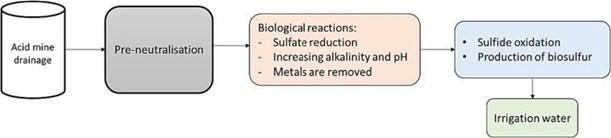
Figure3: SimplifiedIllustrationofAMDTreatment withCloSURE(Mosaietal.,2024)
ficientcontactbetweentheadsorbentanddissolved metals(Anetal.,2024).
CloSUREconsistsofsulfatereductionthrough biologicalprocessesfollowedbysulfideoxidation andtheproductionofbiosulfurresultinginaclean watersource(Mosaietal.,2024).Sulfateisreducedthroughdissimilation.Thesulfidecreatedin thisprocessinteractswithmetalsinthesolution, formingmetalsulfideswhichcanbeeasilyremoved duetoitslowsolubilityandhighstability(Mosai etal.,2024).Ifunchecked,ahighconcentrationof sulfidescanleadtocorrosion.However,thebiologicalremovalofsulfidestransformstoxicmetals suchasmercuryleadingtotheireasyremovalfrom thewaterbody(Mosaietal.,2024).Theuseof naturallyoccurringanaerobicprokaryoticmicroorganismsallowsforthistechnologytobeeasilyappliedinhard-to-reachenvironments..Additionally, significantlylesssolidwasteisproducedcompared totraditionaltechniques.Thekeydrawbacktoan approachcomprisedsolelyofinnovativetechniques isthatmethodssuchasCloSUREhaveonlybeen usedinalimitednumberofpilottests.Thatsaid, whenused,ithasbeenshowntoremovemorethan 85%ofsulfateandsulfide(Mosaietal.,2024). TechnologiessuchasCloSUREpresentanexciting nextstepforAMDremediationstrategies,butwith testingstillunderway,thiscannotbeanendall solution.
AsshowninFigure3,thesenewtreatmentmethods integratetraditionalapproachessuchasneutralization.Similarly,manyacademicsourcespresentthe possibilityofcombiningmultiplemethods,both innovativeandtraditional,tomaximizeproductivity andminimizewaste(Beauclairetal.,2023).Each methodexplainedthusfarhasitsownlimitations, includingamountofwasteproducedandapplicabilityonlargescales(Wibowoetal.,2024).
Adsorptionforexample,isalow-costandrapidapproachforAMDtreatment,butevenwithadsorbent recycling,sludgecanbegeneratedandapplicability atlargerscalemaybechallengedbytheneedforef-
Toimproveefficiencyoftreatmentandachievemore comprehensivetreatmentofpollutedwaterbodies, thechallengeofAMDremediationrequiresnot onlyinnovativeapproachesbutalsoinvolvement ofmultiplemethodstocomplementtherestrictions ofanysingulartreatment(Sahooetal.,2013).A keyconsiderationwhencombiningapproachesis thatAMDinoneenvironmentcanbedifferent fromAMDinanother.IntheWitwatersrandBasin inSouthAfrica,thewatercontaminationgreatly differsfromthoseintheMakumCoalfieldinIndia (Wibowoetal.,2024).Goldminingexecutedatthe SouthAfricansiteleaveswaterbodiesstrewnwith highconcentrationsofarsenicanduraniumwhile thesiteinIndiahashighlevelsofironleading toelevatedlevelsofdissolvedmetalsandhigher ratesofacidification(Wibowoetal.,2024).The uniquecharacteristicofeachsiterequiresadifferent combinationoftreatmentstailoredspecificallyto thelocationandconditions(Figure4)(Wibowoet al.,2024).Asimplifiedprocessofthedevelopment
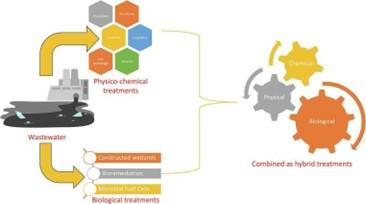
Figure4: Thesite-specificcapabilitiesofAMD treatment(Wibowoetal.,2024)
ofphysical,chemical,andbiologicaloptionsfor remediationcanbedesignedspecificallyforthe issueathand.Wibowoetal.(2024)toucheson theapplicabilityoftechniquessuchasbiological treatmentmethodsincludingSRB,adsorption,and neutralizationemphasizingtheadvantageofhybrid technologies’customizationpotentialtosite-specific conditions,contaminantcompositionandtreatment aims.Theadaptabilityofthemulti-methodapproach centersadynamicandever-evolvingapproachto AMDtreatment.Arangeofpossiblecombinations ofbothtraditionalandinnovativeapproachesexist,
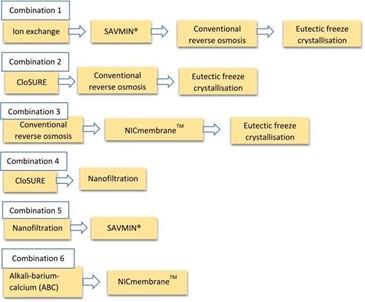
Figure5: VariedcombinationsofAMDtreatmentapproachesemphasizingthepossibilityofsitespecifichybridAMDtechniques(Mosaietal.,2024) includingtheintegrationofCloSUREtechnology. However,thesecombinationsarehypothetical,and havenotbeentestedexperimentally(Mosaietal., 2024).Wibowoetal(2024)presentsasimilar hesitationexplainingthathybridtechnologiesfor AMDremediationarestillbeingdeveloped,Figure 5hasbeencalibratedfromcomputationalmodelling ratherthanon-siteapplications.However,theseapproachesmayhavestrongfuturepotential. Traditionalmethodshaveobjectiveflaws,withinnovativetechniquessuchasadsorptionandSRB presentingsomepossiblesolutionstoaddresslimitations.Themostpromisingnextsteptowards efficientandsustainableAMDtreatmentismultimethodapproaches.Still,furtherresearchmustbe conductedtograduatefromcomputationalmodelling,developinginsteadreal-worldsolutionsto AMDissues.
AdvancementsinAMDtreatmenttechnologies havegreatlyevolvedfromconventionalmethods toinnovativeapproaches.Whilemanyinnovative approachesoffersignificantimprovementsfromtraditionalmethods,theyhaveyettobeappliedon largescales,remainingpilotprogramsorlabexperiments.Hybridmodelsprovidethemostpromising stepforward,buildingonafoundationoftraditional techniqueswhileintegratinginnovativesite-specific
approachestominimizeharmfulwasteproducts, andensuretreatmentsuccess.Promisingmodern researchisbeingconductedtomakeimpactfuladvanceswithinAMDremediationandsafeguardthe naturalenvironmentfromfurtherdegradation.Traditionaltreatmentshavecenteredonneutralization andcontainmentfordecades.Hybridapproaches integratenewlydevelopedinnovativetechnologies, presentingamoreefficientandsustainablepath towardsreducingandrestrictingAMD.Duetothe limitationsoftraditionalmethods,researchisrequiredtofurtherdevelopinnovativetechniquestailoredtosite-specificconditionsforeffectiveAMD management.
AlsenoKagisoMosai,GebhuNdlovuand HlangananiTutu(2024).Improvingacidmine drainagetreatmentbycombiningtreatment technologies:Areview.TheScienceofThe TotalEnvironment,919,pp.170806–170806. doi:https://doi.org/10.1016/j.scitotenv.2024.170806
Alvarenga,P.,Guerreiro,N.,Sim˜oes,I.,Imagin´ario, M.J.andPalma,P.(2021).Assessmentofthe EnvironmentalImpactofAcidMineDrainage onSurfaceWater,StreamSediments,and MacrophytesUsingaBatteryofChemical andEcotoxicologicalIndicators.Water,13(10), p.1436.doi:https://doi.org/10.3390/w13101436
An,W.,Liu,Y.,Chen,H.,Sun,X.,Wang, Q.,Hu,X.andDi,J.(2024).Adsorptionproperties ofPb(II)andCd(II)inacidminedrainageby oystershellloadedlignitecompositeindifferent morphologies.ScientificReports,[online]14(1). doi:https://doi.org/10.1038/s41598-024-62506-0
Beauclair,N.,Vhahangwele,Masindi, Msagati,T.A.M.andMemory,T.(2023). AcidMineDrainageTreatmentTechnologies. HybridizedTechnologiesfortheTreatment ofMiningEffluents,pp.245–285.doi:https: //doi.org/10.1002/9781119896920.ch8
Dehghani,M.H.,Ahmadi,S.,Ghosh,S.,Othmani, A.,Osagie,C.,Meskini,M.,AlKafaas,S.S., Malloum,A.,Khanday,W.A.,Jacob,A.O., G¨okkus¸, O.,Oroke,A.,MartinsChineme,O.,
Karri,R.R.andLima,E.C.(2023).Recent advancesonsustainableadsorbentsforthe remediationofnoxiouspollutantsfromwater andwastewater:Acriticalreview.Arabian JournalofChemistry,[online]16(12),p.105303. doi:https://doi.org/10.1016/j.arabjc.2023.105303
Fripp,J.,Ziemkiewicz,P.andCharkavorki, H.(2000).AcidMineDrainageTreatment.[online] Availableat:https://apps.dtic.mil/sti/pdfs/ADA37 9475.pdf[Accessed21Mar.2022].
GustiWibowo,Y.,Safitri,H.,Khairurrijal, K.,Taher,T.,OdeArham,L.,Jasipto,A.,Akbari Danasla,M.,Fadhilah,R.,KharismaArmy,E., ZulHakim,H.,TawfiequrahmanYuliansyah,A. andTriBayuMurtiPetrus,H.(2024).Recent advancesinacidminedrainagetreatmentthrough hybridtechnology:Comprehensivereviewof scientificliterature.EnvironmentalNanotechnology, Monitoring&Management,[online]21,p.100945. doi:https://doi.org/10.1016/j.enmm.2024.100945
Iakovleva,E.,Makila,E.,Salonen,J.,Sitarz, M.,Wang,S.andSillanp¨a¨a,M.(2015).Acidmine drainage(AMD)treatment:Neutralizationandtoxic elementsremovalwithunmodifiedandmodified limestone.EcologicalEngineering,81,pp.30–40. doi:https://doi.org/10.1016/j.ecoleng.2015.04.046.
Keane,C.(2025).Whatcanbedonetopreventor cleanupacidminedrainage?[online]American GeosciencesInstitute.Availableat:https://professi on.americangeosciences.org/society/intersections/f aq/what-can-be-done-prevent-or-clean-acid-mine-d rainage/prevent-or-clean-acid-mine-drainage/.
Malmstrom,M.E.,Berglund,S.andJarsjo,J. (2008).Combinedeffectsofspatiallyvariable flowandmineralogyontheattenuationof acidminedrainageingroundwater.Applied Geochemistry,23(6),pp.1419–1436.doi:https: //doi.org/10.1016/j.apgeochem.2007.12.029.
Mitchell,G.andCraddock,T.(2011).An IntroductiontoAcidMineDrainage.[online] Availableat:https://dep.wv.gov/WWE/getinvolved /sos/Documents/Presentations/AMD Introduction. pdf?utm source=chatgpt.com[Accessed28Feb. 2025].
Moncur,M.C.(2013).Acidminedrainage: past,present...future?[online]WatonEarth. Availableat:https://uwaterloo.ca/wat-on-earth/new s/acid-mine-drainage-past-presentfuture.
Moncur,M.C.,Jambor,J.L.,Ptacek,C.J.and Blowes,D.W.(2009).Minedrainagefromthe weatheringofsulfidemineralsandmagnetite. AppliedGeochemistry,24(12),pp.2362–2373. doi:https://doi.org/10.1016/j.apgeochem.2009.09.01 3.
Murphy,R.andStrongin,D.R.(2009).Surface reactivityofpyriteandrelatedsulfides. SurfaceScienceReports,64(1),pp.1–45. doi:https://doi.org/10.1016/j.surfrep.2008.09.002.
Naidu,G.,Ryu,S.,Thiruvenkatachari,R., Choi,Y.,Jeong,S.andVigneswaran,S.(2019).A criticalreviewonremediation,reuse,andresource recoveryfromacidminedrainage.Environmental Pollution,[online]247,pp.1110–1124. doi:https://doi.org/10.1016/j.envpol.2019.01.085.
Nguegang,B.,Masindi,V.,MsagatiMakudali, T.A.andTekere,M.(2022).Effectivetreatment ofacidminedrainageusingacombinationof MgO-nanoparticlesandaseriesofconstructed wetlandsplantedwithVetiveriazizanioides: Ahybridandstepwiseapproach.Journalof EnvironmentalManagement,310,p.114751. doi:https://doi.org/10.1016/j.jenvman.2022.114751.
Rambabu,K.(2020).Biologicalremediation ofacidminedrainage:Reviewofpasttrends andcurrentoutlook.EnvironmentalScience andEcotechnology,[online]2,p.100024. doi:https://doi.org/10.1016/j.ese.2020.100024.
Sahoo,P.K.,Kim,K.,Equeenuddin,Sk.Md. andPowell,M.A.(2013).CurrentApproaches forMitigatingAcidMineDrainage. ReviewsofEnvironmentalContamination andToxicologyVolume226,pp.1–32. doi:https://doi.org/10.1007/978-1-4614-6898-1 1.
Sheoran,A.S.andSheoran,V.(2006).Heavy metalremovalmechanismofacidmine drainageinwetlands:Acriticalreview.
MineralsEngineering,19(2),pp.105–116. doi:https://doi.org/10.1016/j.mineng.2005.08.006.
Skousen,J.,Zipper,C.E.,Rose,A.,Ziemkiewicz, P.F.,Nairn,R.,McDonald,L.M.andKleinmann, R.L.(2016).ReviewofPassiveSystemsfor AcidMineDrainageTreatment.MineWater andtheEnvironment,36(1),pp.133–153. doi:https://doi.org/10.1007/s10230-016-0417-1.
Taylor,J.,Pape,S.andMurphy,N.(2005). ASummaryofPassiveandActiveTreatment TechnologiesforAcidandMetalliferousDrainage (AMD)EARTHSYSTEMSPTYLTDEnvironment -Water-Sustainability.[online]Availableat: https://www.earthsystems.com.au/wp-content/uploa ds/2012/02/AMD Treatment Technologies 06.pdf.
Tuffnell,S.(2022).Aciddrainage:theglobal environmentalcrisisyou’veneverheardof. [online]www.history.ox.ac.uk.Availableat: https://www.history.ox.ac.uk/article/acid-drainage-g lobal-environmental-crisis-youve-never-heard.
USEPA(2015).AbandonedMine Drainage.[online]USEPA.Availableat: https://www.epa.gov/nps/abandoned-mine-drainage.
Yang,Y.,Wang,Y.,Xue,C.,Lin,Y.,Lee, J.-F.,Yi,X.andDang,Z.(2024).Efficient removalofheavymetalsfromacidmine drainageby ϵ-MnO2adsorption.Journalof CleanerProduction,[online]452,p.141936. doi:https://doi.org/10.1016/j.jclepro.2024.141936.
Yuan,J.,Ding,Z.,Bi,Y.,Li,J.,Wen,S.and Bai,S.(2022).ResourceUtilizationofAcidMine Drainage(AMD):AReview.Water,14(15),p.2385. doi:https://doi.org/10.3390/w14152385.
DariushKhodakhah
EditedbyHannahBettsandMacKenzieKawaguchiFabian
Theunderstandingofneurotransmittershasadvancedsignificantlyinthepastcentury,shaping modernneuroscienceandexpandingtheknowledge ofsynapticcommunication.Thiswaspropagated throughclarificationofchemicalvs.electricalsignalingbyOttoLoewiandhisexperimentoffrog heartsandHenryDale’sworkwithmuscarinicreceptors,whichledtothediscoveryofacetylcholine andthejointawardofthe1936NobelPrizein PhysiologyorMedicine.Subsequentdiscoveriesof dopamine,serotonin,andotherneurotransmitters werebasedheavilyonfluorescence,histochemistry, andelectrophysiology.Throughunderstandingthe compositionofthesechemicalsandthemechanism inthesynapticcleft,scientistshavebeenableto furtherourneuroscientificunderstanding.Asresearchcontinues,newinsightsintoneurotransmitterdynamicsarethebasisfornoveltherapeutic approaches,advancesinneurotechnology,anda greaterunderstandingofneuroplasticity.
Neurotransmittersarethechemicalmessengersin ourbrainthattransmittheelectricalsignalfrom nervesthroughthesynapticcleft.Earlyresearch onhowneuronalsignalswerepropagateddebated whetherconductionwasfullyelectricorpotentially involvedachemicalcomponent.Apivotaldiscovery wasmadebyOttoLoewiandHenryDale,winning themboththeNobelPrizein1936.OneofLoewi’s mostwell-knownexperimentswashis1921’Dream experiment’,which,asthenamesuggests,cameto himinhissleep.
Theexperimentbeganwithtwofrogheartsplaced inseparatecontainersofRinger’ssolution,asubstancethatkeepsorgansaliveoutsideofthebodyfor extendedperiodsoftime.Frogheartswerechosen astheybeatreadilyoutsideofthehostinthecorrect
solution.Heartonehaditsvagusnerveintact,heart twohadnoneuronalconnections,onlychemical exposurethroughthefluid.Loewithenelectrically stimulatedthefirstheart’svagusnerve.Thiscaused adecreaseinheartrate(bradycardia),whichwas consistentwiththeknownparasympatheticeffect ofthevagusontheheart.Loewitooksomeofthe Ringer’ssolutionfromthefirstheart’scontainerand addedittothecontainerwiththesecondheart.The fluidtransferredalsocausedhearttwotoslowdown, indicatingthatitwasasubstancewithinthefluid fromthevagusnervethatcausedtheparasympatheticsubstancefromthevagusnerve,whichhe termed’vagusstoff’(Loewi,1921).Thisexperiment settheprecedentthatneuronaltransmissionwasnot solelythroughelectricalconduction:thechemical component,vagusstoff,waslaterimplicatedinneuronaltransmission.
HenryDale’sresearchbuiltuponLoewi’sfindings,exploringthenatureofvagusstoff.Dalehad previouslyisolatedacetylcholinein1913alongwith ArthurEwinsattheWellcomePhysiologicalResearchLaboratories(Tansey,2006).Itwaspurified fromarareextractfromabatchofergot,andina lettertoafellowphysiologisthewrote:”Wegotour ofour...ergotextract...acetyl-cholineandamost interestingsubstance.Itismuchmoreactivethan muscarine,soeasilyhydrolysedthatitsaction,with exactlysimilareffects,...likeadrenaline.”(Dale, 1913).
Thesubsequentyear,Dalepublishedapaper onthepharmacologyofcholinederivatives,noting twomainfeaturesofacetylcholine:itsmaineffects couldbereproducedthroughinjectionsofacetylcholineormuscarine(Dale,1914).
In1926,Loewifurtherbuiltuponhisvagusstoff experiments,investigatingwhytheeffectsofthe substanceweresoshort-lived.Hebelievedthat theheartproducedasubstancethatdegradedthe vagusstoff.LoewiandhiscolleagueNavratilthen
extractedavagusstoff-containingfluidandleftdifferentsamplesofitindifferenttemperaturesolutions.Thelongerthefluidwasleft,theless effectithadontheheart.Whenleftat56°Cthe fluidpreventedthislosssuggestingthatenzymes inthefluidthatdegradedvagusstoffhadbeendenaturedinthesolution.Theyhaddiscoveredthat vagusstoffmustthereforebeacholine-esterand theenzymethatdegradeditacholine-ester(Loewi andNavratil,1926).Acetycholine,however,had stillnotbeendiscoveredinvivo.In1929Dale andhiscolleagueDudleyaccidentallydiscovered itwhilelookingforendogenoushistamines.Fresh spleensfromoxenandhorseswerecollectedand placedonicetopreservebiochemicalintegrity.The spleenswerethenhomogenisedinabuffersolution withfilteringtoleavetheliquid.Thepresence ofacetylcholinewastestedbyapplicationofthe filtratetoisolatedfroghearts.Acetylcholinewas knowntohavebradycardiceffects,andonthe applicationoftheliquidthiswasseen.Toconfirmthisresponsewasfromacetylcholineandnot anothersubstance,atropine,amuscarinicreceptor antagonist,wasadded.Preventionofbradycardia wouldindicatecompetitiveantagonismtookplace andthatacetylcholinewasresponsiblefortheinitial bardycardiceffect.Theresultswereconsistentwith thishypothesis,andthusacetylcholinewasfinally discoveredtonaturallyexistinmammals(Dale andDudley,1929).Theculminationofthework confirmedtheelectrochemicaltransmissionacross synapsesandconfirmedtheidentityofvagusstoff asacetylcholine.Theresearchsettheprecedentfor thediscoveryofmanyotherneurotransmitters,with thenexttobediscoveredbeingnorepinephrine.
UlfvonEuler,aSwedishphysiologist,wasinterestedintheactivityofendogenoussubstances,havingpreviouslydiscoveredprostaglandin,vesiglandin (v.Euler,1935)andpiperidinein1942.In1946 hediscoverednorepinephrinetobeasubstance distinctlydifferentfromadrenaline.Theexperiment requiredtheextractionofsympatheticnervoustissuesfromavarietyofanimals,namelycatsand rabbits.Thetissueswerethenhomogenisedand treatedwithanacidsolutiontoextractaminecontainingproducts.Thesympathomimeticamines werethenisolatedthroughbutanol-basedextraction,
wherebutanolisaddedtotheaqueoussolution inaspecificratiobeforeshakingvigorouslyto allowbutanoltodissolvethetargetcompounds. Thesolutionisthenlefttosettletoseparateinto twolayers,withthelayersthenseparatedusing aseparatingfunnel.Thedissolvedamineswere testedusingpaperchromatographyandtheseparatedaminesthencomparedusingUVspectra. Thekeysubstanceinthesympatheticnerveterminalshadanabsorptionprofiledistinctfromthat ofepinephrine,akeyfinding.Thephysiological effectsofthesubstanceweretestedbyinjection intocatsandrabbits;actingasbioassays.Blood pressureresponses,heartratechanges,andchanges invasculartonewereobserved.Onapplicationof thesubstancetoisolatedmuscle,adrenergicnerve stimulationoccurred,confirmingthatthesubstance wasaneurotransmitter(v.Euler,1946).
Thediscoveryofnoradrenalinenotonlydemonstratedtheexistenceofmultiplecatecholamines butalsoprovidedcrucialevidencethatneurotransmittersareselectivelystoredandreleasedfrom nerveendings.Thishelpeddistinguishthechemical mediatorsofthesympatheticandparasympathetic nervoussystems,solidifyingtheconceptthatdifferentneurotransmittersregulatedistinctautonomic functions.
Theincreaseininterestsurroundingcatecholaminesandtheiractionsonthenervoussystem wasfurtheredbytheidentificationofdopaminein thehumanbrain.ThiswasbyMontaguin1957 (Montagu,1957).Themorecommonlyknownresearcher,AvidCarlsson,thenusedanassayapproachin1957toprovethatdopaminewasnot onlyanintermediatetocatecholaminesynthesis, butaneurotransmitter.Carlsonnusedreserpine,a drugknowntodepletemonoamineneurotransmitters,andobservedseveremotordeficitsinmice, suchasakinesia,eyelidptosis,andadepletionof brainserotonin.Themiceweretheneitheradministeredaprecursorofserotoninorcatecholamines, andobservedtoseeiftheakinesiaameliorated. Itwasonlyinthecatecholamineprecursor3,4dihydroxyphenylalanine(DOPA)thattheakinesia wasabletobeimproved.Afurtherinjectionof MOAinhibitorsignificantlyreducedtheamountof DOPArequiredtosavethemousefromtheakinetic phenotype(Carlssonetal.,1957).Thefollowing year,Carlssondidsomemoreworktoconfirm thepresenceanddistributionofdopamineinthe
brain.HomogenisedbrainwasmadetobeapHof around5.3usinghydrochloricacid,asthisallows forcharacteristicchangesinthefluorometricpropertiesofthecatecholamines(CarlssonandWaldeck, 1958).Thisallowedforthestructuraldifferentiation ofdopaminefromadrenalineandnorepinephrine distinguishingdopamineasaseparatesubstance withpropertiesalikeneruotransmitters.
ThediscoveryofdopaminebyCarlssonwasacatalystofinterestforscientistsinthe1950stofurther exploremonoaminesandneurotransmission.Serotonin,termed’enteramine’byVittorioErspamer in1937,wasidentifiedasavasoactivesubstance extractedfromenterochromaffincells(Erspamer andVialli,1937).Itwasn’tuntilelevenyearslater thatRapportandcolleagueswereabletoisolate andnameserotonin.Theisolationrequiredfive steps:ethanolprecipitationofproteins,acetoneprecipitationofsalts,chloroformextractionofinactivesubstances,butanolextractionoftheactive substance,anddilituricacidprecipitation(Rapport etal.,1948a).Theresultwasanimpurecrystal. Followinganacetoneprecipitationandamethanol extraction,theextractedsubstancewasnamedserotonin,’ser’referringtothesourceoftheextract, cowserum,and’tonin’referringtotheobserved vasoconstrictiveeffects(Rapportetal.,1948b).The followingyear,thestructureofserotoninor5hydroxytryptaminewasdiscovered(Rapport,1949). Nowthatthestructureofserotoninwasdiscovered,thesignificanceofserotonininthebodyand neuraltransmissionwouldrequirenovellocalizationtechniquestobeemployed.ItwastheFalckHillarpmethodthatallowedthisbreakthrough.The techniqueinvolvedtheexposureoffreeze-dried tissuestoformaldehydevapour.Thiswouldconvertdopamine,noradrenalineandserotonininto fluorescentyellow-greenmolecules(Falck,1962). Dahlstr¨omandFuxeemployedthistechniqueto localiseserotonintocertainnerveterminals,establishingitasaneurotransmitterfoundinthe vesiclesofcertainnerones,specificallythoseofthe raphenuclei(DahlstromandFuxe,1964).These moleculesandmediatorsoftheactionpotential werethebasistowhichmodernneurosciencehas sprouted–currentlyflourishingwithavastarrayof researchareas.
Havingunderstoodthebasicprinciplesofneurotransmissionandthesitesatwhichcertainneurotransmittersarelocalised,neurosciencehasbeen abletoexpandsignificantly.Somenovelresearch regardingneurotransmittersincludethelocalisation ofneurotransmitterreceptorstocertainpartsofthe brain(andhencethetracksofspecificneurotransmitterslocalisation),andlinkedabnormalitiesin thesereceptortrackstothirteendisorders(Hansen etal.,2022).
OnehundredyearsafterLoewi’sdiscoveries,connectomics,afieldthataimstomaptheconnections ofneuronstoeachother,hasemergedasaforefrontofneuroscientificinterest.Thiswouldallow amuchbetterunderstandingofhowdifferentparts ofthebrainareinterconnectedtoformfunctional networks.Beingabletounderstandhowdifferent tractsrunwouldallowforabetterunderstanding ofcognitioninbothhumansandanimalsandthe useof’comparativeconnectomics’tounderstand howchangesintheconnectome(thecollectionof connectionsinthebrain)manifestasbehavioural differencesinindividuals(CatherineCaruso,2023). Anentire Drosophilamelanogaster connectomehas beenmapped,sothisrelativelynewfieldshouldexpectarapidexpansiononceimaginganddatabases forhumanbrainsbecomeestablished(Dorkenwald etal.,2024).
Neuromodulationistheprocessbywhichneuronesstrengthenorweakenconnectionstoother neurones.Understandingthemechanismsbywhich thisworkswouldallowscientiststounderstand neuroplasticityandthereforehowlearningworks onamechanisticlevel,hencealsoallowingfor therapeuticuse.Fromapaperinwhichtheuse ofSSRIswereusedforpatientssufferingfrom neuropsychiatricdisorders,SSRIswerenotfound tohelpwithcognitivedecline,butagapinthe literatureexistsfortheuseofthedrugsfortreating post-TBIPTSD(Yueetal.,2017).Anotherexample offutureresearchishowspecificserotoninreceptorsandtheirlocalisationlinktoneuromodulation andthebroaderbehaviouralmodulation.Toput itbriefly,differentreceptorsofserotoninconvey differenteffectsandarepartofdifferenttracksand thereforethespecificfunctionsofeachshouldbe furtherexplored.TheideawasexploredbySalvan etal.,provingtheheterogenousdistributionofthe
receptorsandthusprecipitatedthisareaoffuture research(Salvanetal.,2023).
Itwasonlythroughanexperimentinvolvingtwo amphibians’heartsprocuredinaGerman’ssleep thatsetofftheexplosionofthecomprehension ofneuralcommunication.Withnewprecedentsbeingset,thetranslationaleffectsshouldsoonbe innumerable-whetherintheclinic,laboratory, ornoveltechnologies.Concurrently,technological advancementsinimagingmodalitieswillalsoallow forfutureexpansionandperhapsmasteryofwhat makesuswhoweare,unweavingtheintricateweb ofcomplexitythatisneuralscience.
ANewFieldofNeuroscienceAimsto MapConnectionsintheBrian—Harvard MedicalSchool[WWWDocument],2023. URLhttps://hms.harvard.edu/news/new-fieldneuroscience-aims-map-connections-brain (accessed3.31.25).
Carlsson,A.,Lindqvist,M.,Magnusson, T.,1957.3,4-Dihydroxyphenylalanine and5-HydroxytryptophanasReserpine Antagonists.Nature180,1200-1200. https://doi.org/10.1038/1801200a0
Carlsson,A.,Waldeck,B.,1958.AFluorimetric MethodfortheDeterminationofDopamine (3-Hydproxytryamine.).ActaPhysiol.Scand. 44,293-298.https://doi.org/10.1111/j.17481716.1958.tb01628.x
Dahlstrom,A.,Fuxe,K.,1964.Localizationof monoaminesinthelowerbrainstem.Experientia 20,398-399.https://doi.org/10.1007/BF02147990
Dale,H.H.,1914.THEACTIONOF CERTAINESTERSANDETHERSOF CHOLINE,ANDTHEIRRELATIONTO MUSCARINE.J.Pharmacol.Exp.Ther.6,147-190. https://doi.org/10.1016/S0022-3565(25)08268-0
Dale,H.H.,1913.DaletoElliott.
Dale,H.H.,Dudley,H.w.,1929.Thepresenceof histamineandacetylcholineinthespleenoftheox andthehorse.J.Physiol.68,97-123.
Dorkenwald,S.,Matsliah,A.,Sterling,A.R., Schlegel,P.,Yu,S.,McKellar,C.E.,Lin,A.,Costa, M.,Eichler,K.,Yin,Y.,Silversmith,W.,SchneiderMizell,C.,Jordan,C.S.,Brittain,D.,Halageri,A., Kuehner,K.,Ogedengbe,O.,Morey,R.,Gager, J.,Kruk,K.,Perlman,E.,Yang,R.,Deutsch,D.,
Bland,D.,Sorek,M.,Lu,R.,Macrina,T.,Lee, K.,Bae,J.A.,Mu,S.,Nehoran,B.,Mitchell,E., Popovych,S.,Wu,J.,Jia,Z.,Castro,M.a.,Kemnitz,N.,Ih,D.,Bates,A.S.,Eckstein,N.,Funke, J.,Collman,F.,Bock,D.D.,Jefferis,G.S.X.E., Seung,H.S.,Murthy,M.,2024.Neuronalwiring diagramofanadultbrain.Nature634,124-138. https://doi.org/10.1038/s41586-024-07558-y
Erspamer,V.,Vialli,M.,1937.Ricerchesulsecretodellecelluleenterocromaffini.BollSocMedChirPavia51,357-363.
Falck,B.,1962.ObservationsonthePossibilities oftheCellularLocalizationofMonoaminesbya FluorescenceMethod.ActaPhysiol.Scand.Suppl. 197,1–25.
Hansen,J.Y.,Shafiei,G.,Markello,R.D.,Smart, K.,Cox,S.M.L.,Nørgaard,M.,Beliveau,V.,Wu, Y.,Gallezot,J.-D.,Aumont, ´ E.,Servaes,S.,Scala, S.G.,DuBois,J.M.,Wainstein,G.,Bezgin,G., Funck,T.,Schmitz,T.W.,Spreng,R.N.,Galovic, M.,Koepp,M.J.,Duncan,J.S.,Coles,J.P.,Fryer, T.D.,Aigbirhio,F.I.,McGinnity,C.J.,Hammers,A., Soucy,J.-P.,Baillet,S.,Guimond,S.,Hietala,J., Bedard,M.-A.,Leyton,M.,Kobayashi,E.,RosaNeto,P.,Ganz,M.,Knudsen,G.M.,PalomeroGallagher,N.,Shine,J.M.,Carson,R.E.,Tuominen, L.,Dagher,A.,Misic,B.,2022.Mappingneurotransmittersystemstothestructuralandfunctional organizationofthehumanneocortex.Nat.Neurosci. 25,1569–1581.https://doi.org/10.1038/s41593-02201186-3
Loewi,O.,1921. Uberhumorale ubertragbarkeit derHerznervenwirkung.Pfl¨ug.Arch.F¨ur GesamtePhysiol.MenschenTiere189,239–242. https://doi.org/10.1007/BF01738910
Loewi,O.,Navratil,E.,1926. ¨ Uberhumorale UbertragbarkeitderHerznervenwirkung.Pflug. Arch.F¨urGesamtePhysiol.MenschenTiere214, 678–688.https://doi.org/10.1007/BF01741946
Montagu,K.A.,1957.CatecholCompoundsinRatTissuesandinBrainsof DifferentAnimals.Nature180,244–245. https://doi.org/10.1038/180244a0
Rapport,M.M.,1949.SERUMVASOCONSTRICTOR(SEROTONIN):V.THEPRESENCE OFCREATININEINTHECOMPLEX.APROPOSEDSTRUCTUREOFTHEVASOCONSTRICTORPRINCIPLE.J.Biol.Chem.180,961–969. https://doi.org/10.1016/S0021-9258(19)51208-X
Rapport,M.M.,Green,Arda.Alden.,Page, I.H.,1948a.PARTIALPURIFICATION OFTHEVASOCONSTRICTORINBEEF SERUM.J.Biol.Chem.174,735–741. https://doi.org/10.1016/S0021-9258(18)573555
Rapport,M.M.,Green,Arda.Alden.,Page, I.H.,1948b.SERUMVASOCONSTRICTOR (SEROTONIN):IV.ISOLATIONAND CHARACTERIZATION.J.Biol.Chem.176, 1243–1251.https://doi.org/10.1016/S00219258(18)57137-4
Salvan,P.,Fonseca,M.,Winkler,A.M., Beauchamp,A.,Lerch,J.P.,Johansen-Berg, H.,2023.Serotoninregulationofbehavior vialarge-scaleneuromodulationofserotonin receptornetworks.Nat.Neurosci.26,53–63. https://doi.org/10.1038/s41593-022-01213-3
Tansey,E.M.,2006.HenryDaleandthediscoveryofacetylcholine.C.R.Biol.329,419–425. https://doi.org/10.1016/j.crvi.2006.03.012
v.Euler,U.S.,1935. UberdieSpezifische BlutdrucksenkendeSubstanzdesMenschlichen Prostata-undSamenblasensekretes. Klin.Wochenschr.14,1182–1183. https://doi.org/10.1007/BF01778029
v.Euler,U.S.,n.d.ASpecificSympathomimetic ErgoneinAdrenergicNerveFibres(Sympathin) anditsRelationstoAdrenalineandNor-Adrenaline -EULER-1946-ActaPhysiologicaScandinavica -WileyOnlineLibrary[WWWDocument].URL https://onlinelibrary.wiley.com/doi/10.1111/j.17481716.1946.tb00368.x(accessed3.30.25).
Yue,J.K.,Burke,J.F.,Upadhyayula,P.S.,Winkler,E.A.,Deng,H.,Robinson,C.K.,Pirracchio, R.,Suen,C.G.,Sharma,S.,Ferguson,A.R.,Ngwenya,L.B.,Stein,M.B.,Manley,G.T.,Tarapore, P.E.,2017.SelectiveSerotoninReuptakeInhibitors forTreatingNeurocognitiveandNeuropsychiatric DisordersFollowingTraumaticBrainInjury:An EvaluationofCurrentEvidence.BrainSci.7,93. https://doi.org/10.3390/brainsci7080093
KaavyaChandrasekar
EditedbyHannahBettsandLouisaWillan
Post-TraumaticStressDisorder(PTSD)isawellknownmentalhealthconditionthat,whiletypically associatedwithmembersofthearmedforces,can affectanyonewhohasexperiencedtrauma.Despite theavailabilityofpsychotherapy,theconditionremainshighlyprevalent,underscoringtheneedfor noveltherapeuticapproaches.Onesuchapproach currentlyunderexplorationispsychedelic-assisted therapy(PAT).Substancesexploredthusfarinclude psilocybin,morecolloquiallytermed‘MagicMushrooms’,and3,4-methylenedioxymethamphetamine (MDMA).Thisreportaimstosummarisetheeffects ofpsychedelicassistedtherapyonthehumanbody, evaluateitsapplicationinthetreatmentofPTSD andfinallycomparetheefficacyofpsilocybinand MDMAinclinicaluse.
Post-TraumaticStressDisorder(PTSD)affects justover2.5millionindividualsintheUK.Itis estimatedthat1in10individualswillexperienceit intheirlives(PTSDUK,n.d.).
PTSDisamentalhealthconditiontriggeredby traumaticexperiences,typicallyresultinginsevere psychologicaldistress(OxfordPress,n.d.).Itcan resultinflashbacks—vividrecalloftheexperience—aswellasgeneralnegativechangesinoutlookandmood.
Thereiscurrentlynouniversallystandardisedor consistentlyeffectivetreatmentforPTSD,butpsychotherapyremainsthemostwidelyexploredtherapeuticapproach.However,psychotherapyisusually appliedinanevidence-basedmanner,relyingon clinicalexpertiseandindividualisedtreatmentplanning,unlikepharmacologicaltreatments,whichare oftendevelopedandevaluatedusingstandardised empiricaltrials(Corrigan&Hull,2015).
Thedifferencesbetweenpsychotherapeuticand pharmacologicalapproachestoPTSDhaveled toincreasedresearchinbothareas,withthe aimofintegratingthemintoamoreholistic andeffectivetreatmentstrategy.Amongemerging pharmacologicalapproaches,psilocybinand3,4methylenedioxymethamphetamine(MDMA)have receivedthemostresearchattention.
In2013,areviewregardingthediagnosticprocessofPTSDwasundertakenbythe Diagnostic andStatisticalManualofMentalDisorders.As aresult,significantchangesweremadetoPTSD diagnosis,shiftingPTSDfromananxietydisorder toastressandtraumadisorder.Thenumberof symptomclustersforthedisorderincreased,with anovelinclusionofdissociationasakeysymptom (Watkins,etal.,2018).In2019,theWorldHealth Organisation(WHO)introducedcomplexPTSD (cPTSD)asaseparatedisorder,characterisingit throughsymptomssuchasemotionaldysregulation anddifficultieswithhumaninteractionandcommunication.
Asthediagnosticprocessesandsymptomatic evidenceofPTSDchangedovertime,treatment optionswereexploredandmodified.Moderntreatmentsaresplitintotwocategories:traumafocused interventionsandnon-traumafocusedinterventions. Traumafocusedinterventionsaredesignedtodirectlyaddresstrauma,processmemories,andmanagecopingwiththem.Non-traumafocusedinterventionsaddressthesymptomsofPTSDratherthan thetriggerthatcausesthem,emphasisingcoping skills(Watkinsetal.,2018).
Highlyrecommendedtreatments,byboththe AmericanPsychologicalAssociationandthedepartmentofVeteranAffairs,includeProlongedExposure(PE),CognitiveProcessingTherapy(CPT)and CognitiveBehaviouralTherapy(CBT).
ProlongedExposureinvolvesinvivoexposures, inwhichindividualsdirectlyconfrontfearedsituations,imaginationexposure,andbreathingretraining.Theapproachencouragespatientstosystematicallyengagewithfear-inducingstimuli,processtheassociatedemotionalcontent,andwork oncontrolledbreathingtechniquestohelpmodify dysfunctionalfearstructures(Watkins,etal.,2018).
ThemainintentionofCognitiveProcessingTherapyistoidentifyandpromoteacognitivechange toapatient’smaladaptivethoughts.Itaimstochallengenegativethinking,particularlyself-blame,and replacethoseideaswithamorerealisticperspective, viaaprocessknownasaccommodation.Overall,it shiftsthepatient’sideasofself,society,andthe worldaroundthem(Watkins,etal.,2018).
CognitiveBehaviouralTherapydrawsfromthe modelsoutlinedinbothPEandCPT.Priorto treatment,individualswithPTSDoftendevelop maladaptivecognitiveandbehaviouralresponses, suchasavoidanceorthoughtsuppression.These canblockthebrainfrommodifyingthenegative appraisaloftraumaticmemories(Ehlers,etal., 2005),contributingtoacycleofguiltandcontinued avoidanceoftrauma-relatedstimuli(Watkins,etal., 2018).CBTaimstodisruptthiscyclebyteaching thepatienttoidentifytraumatriggersandrestructure theirthinkinginamorerational,adaptiveway.
Allthesepsychotherapieshaveproveneffectivein thetreatmentofPTSD.However,modernresearchis provingmorecanbedone.Theuseofpsychedelics asadjunctivetherapieshasbecomearapidlygrowingareaofresearch.Ofparticularinterestisthe focusontheirpotentialtoenhanceneuroplasticity andinducealteredstatesofconsciousness(Morland &Woolley,2025).
Psilocybinisanaturallyoccurringpsychedelic compoundfoundinoverahundredspeciesof fungiworldwide.Typicallyreferredtoas‘magic mushrooms,’theeffectsofpsilocybinincludehallucinations,intenseemotions,nausea,increasedheart rateandalossofsenseoftimeandspace(National InstituteonDrugAbuse,2024).
Itsmechanismofactionremainsunderdebate asneuroimagingstudieshaveproducedconflicting results.However,evidencesuggeststhatthebrain’s DefaultModeNetwork(DMN)—theactiveregion
ofthebrainwhenatrest—playsapivotalrole, particularlyinvolvingtheprefrontalcortexandhippocampus(Smausz,etal.,2022).Theseregions areresponsiblefortheformationandretrievalof episodicmemories,andworktogethertosupport normallearningandmemorymechanisms(Preston &Eichenbaum,2013).
PsilocybinwasfirstusedbytheAztecsand Mazatecs,forhealing,divination,andspirituality, beforethe16thcentury(Wasson,1980).
Therehavebeenmanyeffortstoexplorepast usesofpsilocybin,howeverduetothedecadeslongglobalarrestofresearchonpsychedelicdrugs, researchhasbeenlimited(Nutt,etal.,2020).This waspartlyduetothe1960sSmallHeroinEpidemic (Mold,2007).Tocombatthis,PresidentRichard NixonpassedtheControlledSubstancesAct,which theUnitedNationssimilarlyfollowed,placingahalt ontheexplorationofpsychedelicdrugs,including psilocybin.Inthe1990s,fundingandresourcesfor clinicaltrialseventuallyre-emerged(Smausz,etal., 2022).
In2001,thepsychoactiveeffectsweredescribed inastudybyGriffithsetal.whereparticipants underwentadouble-blindplacebotrial.Theparticipantswhoreceivedpsilocybinweresignificantly morelikelytoreportexperiencingmysticalexperiencescomparedtothoseintheplacebogroup. Followingageneralincreaseinthepersonalitytrait ofopenmindedness,theuseofpsilocybinresulted inpositivelifeimpactin80%ofpatients.(Griffiths, etal.,2006).
Morerecently,in2021,researchrevealedthat psilocybininteractsprimarilywithserotoninreceptors—particularlythe5-HT2Areceptor—ratherthan actingthroughgeneralmonoamineneurotransmission,therebyadvancingourunderstandingofthe relationshipbetweenpsychedelicsandneuroplasticity.
3,4-Methylenedioxymethamphetamine(MDMA), commonlyknownasecstasy,wasmanufacturedin theearly20thcenturyasadrugtocontrolbleeding (Dunlap,etal.,2018).Itspsychoactiveeffectswere rediscoveredinthelate1960sleadingtogrowing recreationalinterest.Bythe1970s,MDMAhad beenidentifiedinstreetsamplesinmorethan10 USstates,particularlyalongtheWestCoast.Itwas
notoriginallyplacedintheControlledSubstances Act,andwasonlyaddedin1985afteritstartedto bewidelysynthesisedasa‘legalalternative’tothe popular3,4-methylenedioxyamphetamine(MDA) (Passie&Bezenhofer,2016).
MDMAreleasesmonoamines,suchasserotoninanddopaminebyactingontworeceptors. ItfunctionsasanantagonistattheTraceAmineAssociatedReceptor1(TAAR1),triggeringcascadesofintracellularsignalsthatpromoteneurotransmitterrelease.ItalsoinhibitstheVesicular MonoamineTransporter2(VMAT2),reducingneurotransmitterstoragewithinvesiclesandpromoting theirrelease(Dunlap,etal.,2018).
Despitethelackofexperimentalevidence,theoreticalevidencesuggeststhatMDMAproducespositivetherapeuticeffectsbyincreasingtheavailability ofserotonin(Patel&Titheradge,2015).Thus,the psychologicalresponseselicitedbyMDMAsupport itspotentialuseintrauma-relatedpsychotherapy (Sessa,etal.,2019).
BothpsilocybinandMDMAshowgreatpotential foruseinpsychedelic-assistedtherapy.Thereisalso thepossibilityofcombiningtreatmentssequentially, whichmaybeexploredinfutureresearch(Fonseka &Woo,2023).
Currently,moreresearchhasbeenconductedon theuseofMDMAforPTSDtreatment,withstudies findingthatitiswelltoleratedandlackssignificantabusepotential.However,adversereactions suchashyperthermiaandrhabdomyolysishavebeen reportedincasesofrecreationaluse,especially whencombinedwithalcoholconsumption.ClinicallyadministeredMDMAdoesnotproducethe sameadverseeffects,demonstratingthatthecontext ofadministrationcaninfluencebothitssafetyand efficacyintreatingPTSD.Ethicalconcernsremain, includinghowMDMA’stherapeuticusemayinfluencepublicperceptionofPTSDandwhether itsapprovalfortherapeuticpurposescouldlead toincreasedrecreationaluse(Hartstein&Menon, 2024).
Ontheotherhand,whilepsilocybinisstillin anearlierstageofexplorationasapsychedelic treatmentoptionforPTSD,currentevidencesuggestsitposesnomajorhealthrisks.Themost significantconcernistheriskofabadtrip(NYU
GrossmanSchoolofMedicine,2025).Thisissaid toinvolvefrighteningfeelings,includinganxiety, fear,andasenseoflosingoneself(Gashi,etal., 2021).Althoughtherisksarerelativelylow,some effects,suchasflashbacksandmuscleissues,remainaconcern.Fromautilitarianperspective,while theuseofpsilocybinofferssubstantialbenefits, thepotentialforindividualstoexperienceharmful sideeffects,particularlyinpublicsettings,raises importantmoralandethicalconcernsregardingits broadersocietaluse.
Modernclinicalresearchhassignificantlyelevatedourunderstandingofbothpsilocybinand MDMAinthetreatmentofPTSD.In2023,followingaphaseIIItrialconductedbytheMultidisciplinaryAssociationforPsychedelicStudiesfor MDMA-assistedtherapy,itwasreportedthat67% ofparticipantsnolongermetthediagnosticcriteria forPTSDaftertreatmentand88%hadasignificant reductioninclinicalsymptoms(Mitchell,etal., 2023).
PsilocybiniscurrentlyinphaseIItrials.In2022, adouble-blindphaseIItrialstudiedthecombination of25mgofpsilocybinwithpsychotherapyforindividualswithtreatment-resistantdepression(TRD). Thisresultedina29%reductionindepression scoresafterthreeweeks(Goodwin,etal.,2022). Nevertheless,despitetheexpandingevidencebase, limitationssuchasnarrowparticipantcriteria,small samplesizesandoverarchingregulatoryconstraints continuetorestricttheprogressofcurrentresearch. Futurelargescaleanddiverseclinicaltrialsare essentialtocomprehensivelyevaluatethesafetyand efficacyofpsychedelic-assistedtherapies.
Inconclusion,bothMDMAandpsilocybin demonstratesignificanttherapeuticpotentialfor PTSDtreatment.Clinicalresearchshowsthatboth drugsfacilitateareducedfearresponseandpromote emotionalprocessingandpsychologicalhealing. Thesetherapeuticsusedinconjunctionwithpsychotherapy,enhancefeelingsoftrustandemotional openness,makingiteasierforpatientstoconfront traumaticmemories.Psilocybin,inparticular,has beenassociatedwithprofoundpsychologicalinsightsandincreasedneuralplasticity,whichmay contributetolong-termimprovementsinmental health.Whilebothdrugshaveshownpromising
resultsinexperimentalsettings,furtherresearchand clinicaltrialsarenecessarytofullyunderstandtheir efficacy,safety,andlong-termeffects.Nonetheless, thenarrativeofgrowingevidencecertainlysuggests thetransformativepromiseofthesepsychedelicsin advancingPTSDtreatment.
Corrigan,F.&Hull,A.,2015.Neglectofthe complex:whypsychotherapyforpost-traumatic clinicalpresentationsisoftenineffective.BJPsych bulletin,39(2),pp.86-89.
Dunlap,L.,Andrews,A.&Olson,D.,2018. DarkClassicsinChemicalNeuroscience:3,4Methylenedioxymethamphetamine(MDMA).ACS chemicalneuroscience,9(10),p.2408–2427.
Ehlers,A.etal.,2005.Cognitivetherapyforposttraumaticstressdisorder:developmentandevaluation.Behaviourresearchandtherapy,43(4),pp. 413-431.
Fonseka,L.&Woo,B.,2023. Therapeuticroleofpsilocybinand3,4methylenedioxymethamphetamineintrauma: Aliteraturereview..WorldJPsychiatry,13(5),pp. 182-190.
Gashi,L.,Sandbery,S.&Pederson,W., 2021.Making“badtrips”good:Howusersof psychedelicsnarrativelytransformchallengingtrips intovaluableexperiences.InternationalJournalof DrugPolicy,Volume87.
Goodwin,G.M.,Aaronson,S.T.,Alvarez,O. &Arden,P.C.,2022.Single-DosePsilocybinfora Treatment-ResistantEpisodeofMajorDepression.. TheNewEnglandJournalofMedicine,387(18),p. 1637–1648.
Griffiths,R.,Richards,W.,McCann,U.&Jesse, R.,2006.Psilocybincanoccasionmystical-typeexperienceshavingsubstantialandsustainedpersonal meaningandspiritualsignificance.Psychopharmacology,187(3),pp.268-283.
Hartstein,G.L.&Menon,S.N.,2024.NewTerritory:EthicalChallengesAssociatedWithMDMAAssistedPsychotherapyforPTSD’.AmericanJournalofPsychiatryResidents’Journal,20(1),pp.1922.
Mitchell,J.M.etal.,2023.MDMA-assisted therapyformoderatetoseverePTSD:arandomized, placebo-controlledphase3trial..Naturemedicine, 29(10),p.2473–2480.
Mold,A.,2007.Illicitdrugsandtheriseof epidemiologyduringthe1960s.Journalofepidemiologyandcommunityhealth,61(4),pp.278-281.
Morland,L.&Woolley,J.,2025.PsychedelicAssistedTherapyforPTSD.[Online]Available at:https://www.ptsd.va.gov/professional/treat/ txessentials/psychedelics assisted therapy.asp#four [Accessed1April2025].
NationalInstituteonDrugAbuse,2024. Psilocybin(MagicMushrooms).[Online] Availableat:https://nida.nih.gov/research-topics/ psilocybin-magic-mushrooms#what-is-psilocybin [Accessed11March2025].
Nutt,D.,Erritzoe,D.&Carhard-Harris,R.,2020. PsychedelicPsychiatry’sBraveNewWorld.Cell, 181(1),pp.24-28.
NYUGrossmanSchoolofMedicine, 2025.Post-TraumaticStressDisorder TreatmentwithPsychedelicDrugs. [Online]Availableat:https://med.nyu.edu/ departments-institutes/population-health/ divisions-sections-centers/medical-ethics/ education/high-school-bioethics-project/ learning-scenarios/ptsd-treatment-psychedelics#: ∼:text=Also%2C%20while%20it%20has%20not, and%20vomiting%2C%20and%[Accessed3April 2025].
OxfordPress,n.d.TheOxfordEnglishDictionary.Oxford:OxfordUniversityPress.
Palamar,J.etal.,2023.Trendsinillicitketamine seizuresintheUSFrom2017to2022.AMA Psychiatry,80(7),pp.750-751.
Passie,T.&Bezenhofer,U.,2016.TheHistory ofMDMAasanUndergroundDrugintheUnited States,1960-1979.Journalofpsychoactivedrugs, 48(2),pp.67-75.
Patel,R.&Titheradge,D.,2015.MDMAforthe treatmentofmooddisorder:alltalknosubstance?. TherAdvPsychopharmacol,5(3),pp.179-188.
Preson,A.&Eichenbaum,H.,2013.Interplay ofhippocampusandprefrontalcortexinmemory. Currentbiology:CB,23(17),pp.R764-R773.
PTSDUK,n.d.PostTraumaticStress Disorderstatsandfigures.[Online]Available at:https://www.ptsduk.org/ptsd-stats/#: ∼:text=4%20in%20100%20people%20in, population%20in%20this%20age%20range [Accessed8Februry2025].
Sessa,B.,Higbed,L.&Nutt,D.,2019.AReview of3,4-methylenedioxymethamphetamine(MDMA)-
AssistedPsychotherapy.Frontiersinpsychiatry, 10(138).
Smausz,R.,Neill,J.&Gigg,J.,2022.Neural mechanismsunderlyingpsilocybin’stherapeuticpotential–theneedforpreclinicalinvivoelectrophysiology.Journalofpsychopharmacology,36(7),pp. 781-793.
Wasson,R.G.,1980.TheWondrousMushroom: MycolatryinMesoamerica.17thEditioned.New york:McGraw-Hill.
Watkins,E.,Sprang,K.&Rothbaum,B.,2018. TreatingPTSD:AReviewofEvidence-BasedPsychotherapyInterventions.Frontiersinbehavioral neuroscience,12(258).
HannahOrchison
EditedbyHannahBettsandTomDunlop
Abstract -Theuseofnanocatalystsinbiodiesel productionrepresentsasignificantadvancement inrenewableenergytechnology.Biodieselisan alternativefuel,derivedfrombiomassthrough theprocessoftransesterification.Biodieselisa promisingalternativetofossilfuelduetoitshigh energydensityandlowerenvironmentalimpact. Nanocatalysts(predominantlymetaloxides)offer distinctadvantagesoverconventionalcatalysts, includinghighersurfacearea-to-volumeratios andgreaterrecyclabilitywhenusedinbiodiesel production[2].Thisreportexaminesthepotentialofvariousnanocatalyststhatuseorganicallyderivedmolecules,includingcalciumoxidederivedfromwastesnailshellsandlipaseextracted fromfungi,inenhancingbiodieselproduction efficiency.Thefindingsindicatethatnanocatalystssignificantlyimprovebiodieselyieldwhile reducingproductioncostsandenvironmental impact.Withtheglobaldemandforsustainableenergyproduction,usingnanotechnologyin biofuelproductioncouldreducegreenhousegas emissionsandmitigateclimatechange.
Climatechangeisaglobalissueattheheartof the21stcentury.Ourplanetcanonlyproducea finiteamountofnaturalresourcesandwithstand minimaltemperaturefluctuationbeforethecomplexbalanceofourglobalenvironmentisirrevocablydisruptedwithcatastrophicconsequences.Over 75% ofclimate-causinggreenhousegasesareproducedwhenfossilfuels,suchasgas,oil,andcoal, areburnttogenerateenergyfortransport,residentialuse,industrialprocessesor(mostcommonly) electricityproduction[1].Asconcernsoverclimate changecontinuetogrow,thesearchformoresustainableenergyalternativeswithfeweradverseenvironmentaleffectshasbecomeincreasinglyurgent.
Biofuels,particularlybiodiesel,haveemergedasa promisingsolutionduetotheirrenewablenature, loweremissions,andcompatibilitywithexisting fuelinfrastructure.
Biofuelisatypeoffuelproducedfromliving matter(biomass).Thisincludesfoodwaste,agriculturalby-products,andplants[5].Biodieselisa commonbiofuelproducedviatransesterification,a processwherevegetableoils/animalfats(biomass) reactwithmethanolinthepresenceofacatalyst. Comparedtopetroleum-basedfuels,biodieselis biodegradable,non-toxic,andemitsfewergreenhousegases,makingitaviableoptionforreducing theenvironmentalimpactoffuelproduction[2]. Akeychallengeinbiodieselproductionisthe efficiencyandcostofcatalysis.Traditionalcatalystshavemanydrawbacks—enzyme(biological) catalystscanbedamagedbyacidicmethanoland areextremelyexpensive[6].Incontrast,acidcatalystscancorrodeequipmentandleadtoslow reactionrates.Nanocatalystshaveemergedinrecent yearsascutting-edgeinnovationswithinthefieldof biodieselproduction,astheyhavefewerlimitations thanregularcatalysts.
Nanomaterials(alsoknownasnanoparticles)are particleswhichareapproximately1–100nm(10 9 to10 8m)indiameter,muchsmallerthanthe particlesizeofbulkmaterials,whichareusually inrangesofmicrons(10 6m).Whenaparticular nanomaterialisusedasacatalyst,itisreferred toasananocatalyst.Nanoparticlesofmanydifferentmaterialsmakesuitablecatalystsbecausethey exhibituniquephysiochemicalpropertiescompared to‘normal-sized’molecules,enablingefficientand sustainablebiodieselproduction.
Thesepropertiesincludeahighsurfacearea-tovolumeratio,whichallowsmoreofthecatalyst’s surfacetoparticipateinreactions;loweractivation energy,meaningthetransesterificationprocesscan occurmorereadilyandatlowertemperatures;and enhancedreactivityduetotheirhighsurfaceenergy andsmallsize,whichincreasesinteractionwith reactantmoleculesandboostsoverallyield.
Severaltypesofnanocatalystsareunderinvestigationforuseinbiodieselsynthesis.Metaloxide nanocatalysts,suchascalciumoxide,haveshown promiseduetotheirstrongbasicity,easeofrecovery,andcost-effectiveness.Magneticnanocatalysts, whichincorporatemagneticpropertiesforeasier separationandreuse,offeradditionaladvantagesin industrialapplications.Otheremergingnanomaterials,includingzeoliteandcarbon-basedcatalysts, arealsobeingexploredfortheirpotentialtoenhance biodieselyieldsandreducewastegeneration.
Thisstudyexaminesnanocatalystswhichuseorganicallyderivedmolecules(i.e.fromlivingorganisms).Theseareconsideredsomeofthemostsustainablenanocatalystsbecausetheyalreadyexistin nature,sodon’trequireexpensive,energy-intensive synthesis,andtheyuserenewablematerials[3].
Nanobiocatalystscombinenanoparticlesandtheir desirableproperties,includinghighsurfacearea andstability,withbiologicalcatalyststoenhance biodieselproduction.AstudybyT.Touqeeretal. (2019)successfullydevelopedahigh-performance nanobiocatalystthroughtheimmobilisationofAspergillusterreus(atypeoffungi)lipase(atypeof enzyme)ontopolydopamine(PDA)-coatedFe3O4 nanoparticles.ThePDAcoatinghelpedsecurely attachtheenzymeontothenanoparticleswhilst maintaining97.27%ofthelipase’snativeactivity (17.82U/mg/min)[4].
Thecatalystshowed97%efficiencyinconvertingwastecookingoilintobiodiesel,withahigh yieldof92%underoptimisedconditions(37°C,30 hours)[4].Unliketraditionalchemicalcatalysts,this nanobiocatalystworkedefficientlywithlow-quality oilsanddidnotproduceharmfulbyproducts.
ThemagneticnatureofFe3O4 nanoparticlesallowed easyseparationandreuseofthenanobiocatalyst usinganexternalmagnet,acriticaladvantageover conventionalcatalysts,whicharedifficulttoremove
fromotherproducts.Aftersevenreactioncycles, theimmobilisedlipaseretained25.79%ofitsinitial activity,withnear-completeretentionoverthefirst fourcycles[4].Thisreusabilityreducesoperational costs,makingtheprocesseconomicallyviableand moresustainable.
Additionally,theimmobilisedlipaseexhibitedenhancedthermalandpHstability,performingoptimallyat40°CandpH8buttoleratingawide rangeofph.Incomparison,freelipase(withoutthe nanocatalyst)performedoptimallyat37°CandpH 7[4].However,itsrelativeactivityathigherpH levelsdropsmorerapidlythanthattheimmobilised lipase.Thisbroaderoperationalrangeiscrucialfor industrial-scalebiodieselproduction,wherereaction conditionsmayfluctuateandacatalystthatisnot significantlyimpededbyminorchangesinpHis useful.
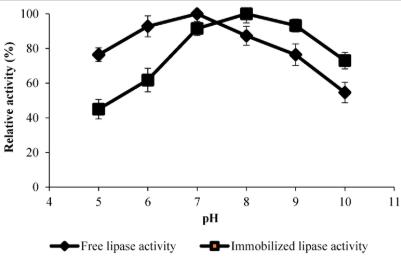
Figure1: EffectofpHontheactivitiesoffreeand immobilisedlipase(T.Touqeeretal.,2019)
Ametaloxidenanocatalystcomprisesmetaland oxygenatoms(e.g.,CaO,TiO2,ZrO2,Fe3O4)onthe nanoscale.Thesecombinethecatalyticpropertiesof metaloxideswithnanoscaleadvantages.Onesuch examplewouldbecalciumoxidenanocatalysts, whichcanbesynthesisedfromeggshellsandused tocatalysethetransesterificationofsoybeanoilto producebiodiesel[7].
Mansiretal.(2018)demonstratedthatcalcined eggshellnanoparticlesformahighlyefficientbifunctionalcatalystwhenmodifiedwithtransition metalsliketungstenoxide(WO3).TheCaOcomponentfacilitatestransesterificationoftriglycerides,
whiletheacidicWO3 sitessimultaneouslyesterify freefattyacids(FFAs).Asacatalyst,CaOcan enablegreaterthan 90% biodieselyieldfromwaste cookingoil,undermoderateconditions(65°C,2–6 hours).
Unlikeconventionalhomogeneouscatalysts(e.g., NaOH),thesenanocatalystsavoidsoapformation, eliminatingtheneedforcostlypre-treatmentsteps. Theirsolid-phasenaturealsosimplifiesseparation; centrifugationorfiltrationcanrecoverthecatalyst forreuse,reducingwasteandoperationalcosts.Aftersevencycles,thecatalystretained ˜ 80%activity, withminimalleachingofactivesites[7].
A2024studybyAoetal.developedametal oxidenanocatalystbytransformingwastesnail shellsintocalciumoxide-magnetite(CaO-Fe3O4) nanocomposites.Thiscatalystharnessesthestrong basicityofCaOfortransesterification,andthemagneticpropertiesofFe3O4 foreasyrecovery. Thenanocatalystdemonstratedremarkableperformance,achieving97.7%biodieselyieldfromsoybeanoilunderoptimisedconditions(24:1methanolto-oilratio,8.6wt%catalystloading,66°Cfor62 minutes).ThissignificantlyoutperformedconventionalCaOcatalystsduetoitsdualfunctionality.
TheCaOcomponentefficientlyconvertedtriglycerideswhiletheFe3O4 interfacesitesesterifiedfree fattyacids,preventingsoapformationcommonwith low-qualityfeedstocks[8].
Likethenanobiocatalyst,akeyadvantageofthe snail-shellderivednanocatalystswasmagneticrecoverability,whichallowssimpleseparationwith anexternalmagnetfollowingreactions.Thecatalyst maintained68.1%activityaftersevenreusecycles, asignificantimprovementoverconventionalCaO catalystswhichtypicallysufferfromrapiddeactivation.
Thesystemshowedexcellentthermalstability,withstandingtemperaturesupto80°Cwithoutdegradation,makingitsuitableforindustrial-scaleprocesses [8].Post-reactioncharacterisationrevealedthatthe nanocatalystretaineditscorestructureevenafter multiplecycles,thoughsomemagnetisationlossdid occur(from7.2to4.2emu/g)[8].
Thethreenanocatalystseachofferuniqueadvantagesforbiodieselproduction.Thefungi-derived nanobiocatalystexcelsinsustainabilityandbiocompatibility,achievinghighyieldwithminimal byproductsandexceptionalpHandthermalstability, thoughitshowslowerreusabilityaftermultiple cycles.Eggshell-derivedCaO-WO3 nanocatalysts provideastrongbalanceofefficiencyanddurability, withhighyieldandexcellentreusability,thanksto theirbifunctionalabilitytohandlebothtriglycerides andfreefattyacids.Snail-shell-derivedCaO-Fe3O4 nanocompositesoutperformtheothersinbiodiesel yieldandthermalresilience,combiningstrongcatalyticactivitywitheasymagneticrecovery.Overall, whileallthreeareeco-friendlyandcost-effective, thechoiceofcatalystmaydependonspecific feedstockquality,desiredprocessconditions,and scalabilityneeds.
Nanocatalyst Type Source Material KeyComponents
FungiDerived Nanobiocatalyst
FungiAspergillus Terrus Lipase +PDAcoated Fe3O4 92% Retains ∼ 26% activity after7 cycles
EggshellDerived Metal Oxide Waste eggshells CaOmodifiedwith WO3 > 90%
Snail-Shell Derived Nanocatalyst Waste snail shells CaOFe3O4 nanocomposite 98%
Retains ∼ 80% activity after7 cycles
Retains ∼ 68 1% activity after7 cycles
TableI: Comparisonofkeypropertiesofthree nanocatalysts
Thisstudyhighlightsthesignificantpotential oforganicallyderivednanocatalysts,inadvancing sustainablebiodieselproduction.Byleveragingthe uniquephysiochemicalpropertiesofnanomaterials, thesecatalystsofferacompellingalternativeto conventionalchemicalsforbiofuelproduction. Fungi-derivednanobiocatalystsandmetaloxide nanocatalystssynthesisedfromeggshellsand snailshellsdemonstratenotonlyhighbiodiesel yields(over90%)butalsoimpressivestability,
reusability,andenvironmentalcompatibility. Thesematerialsreducerelianceonnon-renewable resources,lowerproductioncosts,andsimplify post-reactionseparationprocesses.Incorporating magneticmaterialsfurtherenhancescatalyst recovery,makingtheseapproacheshighlyattractive forindustrialapplications.
Astheglobaldemandforcleanenergy intensifies,nanotechnologypresentsascalable andenvironmentally-focusedsolutiontoimprove biodieselefficiencywhileaddressingwaste managementandreducinggreenhousegas emissions.Futureresearchshouldfocuson optimisingsynthesistechniques,improvinglongtermcatalystdurability,andevaluatinglarge-scale implementationtofullyrealisethetransformative potentialofnanocatalystsinrenewablefuel production.
[1]SEI,IISD,ODI,ClimateAnalytics,CICERO, andUNEP.(2019).TheProductionGap:Thediscrepancybetweencountries’plannedfossilfuel productionandglobalproductionlevelsconsistent withlimitingwarmingto1.5°Cor2°C.link:http: //productiongap.org/[lastaccessed01/04/2025]
[2]Narasimhan,M.,Chandrasekaran,M.,Govindasamy,S.,Aravamudhan,A.(2021)‘Heterogeneousnanocatalystsforsustainablebiodieselproduction:Areview’,JournalofEnvironmental ChemicalEngineering,9(1),104876https://doi.org/ 10.1016/j.jece.2020.104876
[3]Changmai,B.,Vanlalveni,C.,Ingle,A.P., Bhagat,R.,Rokhum,S.L.(2020)‘Widelyused catalystsinbiodieselproduction:areview’,RSC Advances,10,pp.41625-41679https://doi.org/10. 1039/D0RA07931F
[4]Touqeer,T.,Mumtaz,M.W.,Mukhtar,H., Irfan,A.,Akram,S.,Shabbir,A.,Rashid,U.,Nehdi, I.A.,Choong,T.S.Y.(2019)‘Fe3O4-PDA-Lipase asSurfaceFunctionalizedNanoBiocatalystforthe ProductionofBiodieselUsingWasteCookingOilas Feedstock:CharacterizationandProcessOptimization’,Energies,13(1),177https://doi.org/10.3390/ en13010177
[5]SilvaC´esar,A.,Conejero,M.A.,,Barros Ribeiro,E.C.,Batalha,M.O.,(2019)‘Competitivenessanalysisof“socialsoybeans”inbiodiesel productioninBrazil’,RenewableEnergy,133,pp.
1147-1157https://doi.org/10.1016/j.renene.2018.08. 108
[6]Norjannah,B.,ChyuanOng,H.,Masajuki, H.H,Juan,J.C.,ChongW.T.(2016)‘Enzymatic transesterificationforbiodieselproduction:acomprehensivereview’RSCAdvances,6,pp.6003460055https://doi.org/10.1039/C6RA08062F
[7]Mansir,N.,Teo,S.H.,Rashid,U.,Saiman, M.I.,Tan,Y.P.,Alsultan,G.A.,Taufiq-Yap,Y.H. (2018)‘Modifiedwasteeggshellderivedbifunctionalcatalystforbiodieselproductionfromhigh FFAwastecookingoil.Areview’,Renewable andSustainableEnergyReviews,82(3),3645-3655 https://doi.org/10.1016/j.rser.2017.10.098
[8]Ao,S.,Greer,H.F,Alghamdi,L.A.,Rashid, U.,Halder,G.,Wheatley,A.E.H.,Rokhum,S.L. (2024)‘Snailshellderivedmagneticnanocatalystsforbiodieselproduction:Processoptimizationthroughresponsesurfacemethodology,kinetics,andthermodynamicstudies’Biomassand Bioenergy,191,107442https://doi.org/10.1016/j. biombioe.2024.107442
AnanyaDarshan
EditedbyAndrewLinzandAletheaStevenson
Abstract—Cryogenic-electronmicroscopy(cryo-EM) hasrevolutionizedstructuralbiologybyenablinghighresolutionimagingofbiologicalmoleculesintheirnearnativestates.Unlikeconventionalelectronmicroscopy, cryo-EMovercomeskeylimitationssuchasradiation damageandsampledehydration,allowingresearchersto visualizeproteinstructures,molecularinteractions,and misfoldedproteinslinkedtodisease.Itsapplicationsare broad,rangingfromfundamentalbiologicalresearchto pharmaceuticalstudies-includingdrug-bindingsiteanalysisandinvestigationsintoneurodegenerativediseases.A significantrecentdevelopmentisREELcryo-EM,which integrateselectronenergylossspectroscopy(EELS)with scanningtransmissionelectronmicroscopy(STEM).This approachproducescolor-coded,element-specificmapsof biologicalstructures,enablingpreciseidentificationof atomiccompositionandlocalization.Suchcapabilities providecriticalinsightsintometaltoxicityandmetaldependentenzymaticprocesses.Ascryo-EMtechnology continuestoadvance,itisredefiningourunderstanding ofcellulararchitectureandmolecularfunction,solidifying itsroleasanindispensabletoolinbothresearchanddrug discovery.
Thedevelopmentofstructuralbiologytechniquessuchasx-raycrystallographyandcryogenicelectronmicroscopy(cryo-EM)hasrevolutionized thefieldofmolecularbiologyandbiochemistry, providingunprecedentedinsightsintothecomplex structuresthatformthefoundationoflife(Calloway, 2020).Althoughtheexistenceofcertainmolecularinteractionshasalreadybeenacknowledged, themechanismsbehindthemremainunclear;microscopicimagingtechniqueshavesinceenabled scientiststoobservetheseprocessesinaction,drivingrapidadvancesacrossbiologicaldisciplines. Today’sadvancedmicroscopytechniquesallowresearcherstovisualizecomplexbiologicalstructures athighresolution,andtherecentintroductionof colorization(Stahlberg,2024)totheseimagesmarks acrucialstepforwardbyenhancingtheinter-
pretabilityofmoleculardata.Thisdevelopment, particularlyimpactfulinvisualizingprotein-metal complexes,demonstratesthatthefieldcontinuesto holdconsiderablepotentialforfurtherinnovation (Stahlberg,2024).Thesecapabilitieshavemademicroscopyanindispensabletoolinmodernbiological research,drivinginnovationsinmedicine,genetics, andourfundamentalunderstandingoflifeatits mostbasiclevel.Thisarticleexplorescryo-EM,its keyadvancements,currentapplications,andfuture developments.
Microscopy,atafundamentallevel,harnessesthe interactionsbetweenradiationandphysicalmatter togenerateimagesthatwouldotherwisebeinvisible tothenakedhumaneye.Lightisaformofelectromagneticradiation,existingonaspectrumthat includesradiowaves,microwaves,infrared,ultraviolet,X-rays,andgammarays.Thelightmicroscope usesvisiblelightasthesourceofradiation,anda seriesofcarefullyalignedlensesandapertureshelp magnifytheresultingimageallowingustoview cellsandmulticellularstructures.Thetermradiation,however,isnotlimitedtotheelectromagnetic spectrum.Bothelectromagneticwavesandparticle beams,suchasacceleratedelectrons,canfunctionas radiationsourcesformicroscopysincetheyexhibit wavelikepropertiesthatinteractwithspecimens. Thescaleofwhatcanbeimageddependsdirectly uponthesourceofradiationandtherelativesizeof itswavelengthtothesample.Visiblelightalonehas asmallenoughwavelengthtoimagethefundamentalstructuresofbiologicalmatter;however,ahighly acceleratedbeamofelectronshasawavelength roughly100timessmallerthanvisiblelight(Milne etal.,2012)allowingforimagingatmuchhigher resolutions.
Electronmicroscopyhasproventobeahighly promisingpieceoftechnology;however,itisnot withoutitslimitations,themostapparentbeingthe susceptibilityoforganicmattertohighdosesof electronradiation.Highenergyelectronirradiation leadstochangeswithintheelectronicconfigurationofmolecules,resultinginthebreakdownof chemicalbondsandsubsequentlossestotheshape, positionandstructureofthesample(Egertonet al.,2004).Thevariousdegradationprocessesare characterisedbytheircriticaldose–theamount ofelectronradiationasamplecantoleratebefore beingdestroyed(Egertonetal.,2004).Animaging processwhichleadstothedestructionofthevery samplebeingimagedislessthanideal.Lower energyelectronbeamscanbeusedtominimise thedamageincurredbythesample.However,since theenergyofthebeamisindirectlyproportional totheelectronwavelength,lowerenergybeams resultinlowerresolutionimages(Stahlberg,2024). Anotherissuearisesduetotheoperatingenvironmentofanelectronmicroscope,astheelectrons mustbeacceleratedinavacuuminordertopreventthebeambeingdeflectedoffcoursebyair particles.Sincebiologicalmattercontainsahigh percentageofwater,whichvaporisesinavacuum, untreatedsamplesarepronetostructuralcollapse anddeformationastheirinternalmoisturerapidly evaporatesduringimaging(OikonomouandJensen, 2017).Flash-freezingsamplesbeforeimagingoffers asolutiontobothproblems(CresseyandCalloway, 2017).Thistechnique,perfectedbyaninternational teamofscientistswhowonthe2017NobelPrizein Chemistry,preservesthespecimen’shydrationand naturalbiologicalstructurethroughrapidimmersion incryogenicliquids–mostcommonlyliquidethane (BockandGrubm¨uller,2022).Thedevelopmentof cryo-electronmicroscopy(cryo-EM)combinedthis freezingapproachwithspecializedimageprocessingsoftware,andforlargersamplestheadditionof cryoprotectantstoassistwithfreezing,tofacilitate theimagingprocess(HurbainandSachse,2012).
Cryo-electronmicroscopyhasemergedasatransformativeanalyticalplatform,openingunprecedentedwindowsintothemoleculararchitecture thatunderliescellularprocesses.Thetechnique’s
diverseapplicationshavefundamentallyreshaped howresearchersexploreandinterprettheintricate structurallandscapeofbiologicalsystems.Onekey applicationofcryo-EMisenablingscientiststo identifypreviouslyunknownatomiccompositions withincomplexproteinstructures,revealingcrucial moleculardetailsthatremainedhiddenwithother techniques.Aminoacidsformthebasicbuilding blocksofproteins,whosestructuredeterminestheir abilitytofunctionproperly(Albertsetal.,2015). Thispowerfulmethodcapturestheintricatearrangementsofaminoacidsandthefoldingpatterns thatdetermineproteinstructure,illuminatinghow proteinsachievetheirfunctionalthree-dimensional shapesandoperateinmolecularinteractions.A compellingexamplecomesfromthecharacterizationofamyloid-fibrils,fibrelikeassembliesofmisfoldedproteinsextracteddirectlyfromAlzheimer’s diseasebraintissue(Kollmeretal.,2019).Cryo-EM analysisuncoveredmultipledistinctmorphologies, includinganovelC-shapedpeptidefold(apeptidebeingashortchainofaminoacidsthatcan functionasbuildingblocksforproteinsorperform specializedrolesinbiologicalsystems(Albertset al.,2015))andanunexpectedright-handtwiststructuralfeaturesabsentinlaboratory-grownfibrils (Kollmeretal.,2019).Thisdiscoveryhighlights thecriticalimportanceofstudyingdisease-relevant structuresinpatient-derivedmaterialsratherthan relyingexclusivelyonartificialmodels.Moreover, cryo-EMprovidesunprecedentedinsightsintoproteinmisfoldingdiseasessuchasAlzheimer’sand Parkinson’s,wherespecificmisfoldedconformationsdrivediseasedevelopment(Negi,Khurana, andDuggal,2024).Byvisualizingthesediseasespecificfibrilstructuresatnear-atomicresolution, researcherscannowdecipherthestructuralmechanismsofneurodegenerationanddesigntargeted therapeuticsthatpreciselyinteractwithdamaging ordisease-causingproteinstructures.
Pharmaceuticalresearchhasseensignificantadvancementswiththeadventofcryo-electronmicroscopy,benefitinginthreekeyareas.First,cryoEMoffersdetailedstructuralinsightsintodrugbindingsites,enablingresearcherstovisualizehow therapeuticcompoundsinteractwiththeirmolecular targets.Adrug-bindingsiteisaspecificregionon
proteinssuchasenzymes,receptors,ortransporters whereadrugcanattach(Chufan,Sim,andAmbudkar2015).Theinteractionbetweenthedrugand thebindingsitecanprofoundlyinfluencetheprotein’sfunction.Understandingtheseinteractionsis essentialindrugdiscovery,asitallowsresearchers todesignmoreeffectivecompounds.Theability toobservebindingsitesatsuchhighstructural resolutionisvitalforunderstandingbindingmechanismsattheatomiclevel.Leadingpharmaceuticalcompanies,includingPfizer,haveincorporated cryo-EMintotheirstructuralbiologyworkflows, utilizingittoadvancethediscoveryandoptimizationofdrugtargets(Ilitchev2019).Additionally, thehigh-resolutionstructuraldataobtainedthrough cryo-EMenablesthedesignofmoreselectiveand potentdrugs.Byprovidingaclearerunderstanding ofthethree-dimensionalshapesofproteinsand complexes,cryo-EMallowsresearcherstodevelop drugsthatmorepreciselyinteractwiththeirtargets, improvingtheireffectiveness.Theseimprovements indrugdesignandtargetdiscoverycontributeto theoverallaccelerationofdrugdevelopment.By providingprecisemolecular-levelinformation,cryoEMstreamlinesthedrugdevelopmentprocess,reducingtimelinesandincreasingthelikelihoodof successfultherapeuticoutcomes.
Recentadvancementsincryo-EMhaveintroducedReconstructedElectronEnergyLossSpectroscopy(REELS),aninnovativetechniquethat combineselectronenergylossspectroscopy(EELS) withscanningtransmissionelectronmicroscopy (STEM)toanalysetheatomiccompositionof biologicalandmacromolecularstructuresatunprecedentedresolution(Pfeil-Gardineretal.,2024). EELSmeasuresenergylostbyelectronsasthey interactwithatomsinasample.Whenanelectron beamencountersmaterial,someenergytransfers toatoms,withtheamountlostdependingonthe specificelementsandtheirchemicalbonds.By analysingthisenergylosspattern,researcherscan identifytheatomictypespresentandunderstand theirchemicalenvironmentandbondingstates.This capabilitymakesEELSaneffectivetoolformappingtheelementalcompositionofcomplexmaterialsattheatomiclevel,crucialforcomprehending structuralpropertiesofbiologicalsystems(Pfeil-
Gardineretal.,2024).Scanningtransmissionelectronmicroscopy(STEM)focusesafineelectron beamthatscansacrosssamplesinaprecisepattern,distinguishingitfromtraditionaltransmission electronmicroscopy(TEM)whichusesabroad beam(WilliamsandCarter,2009).Aselectrons passthroughthesample,theirinteractionsgenerate signalsthatrevealinternalstructureatatomic-scale resolution(WilliamsandCarter,2009).TheintegrationofSTEMwithEELScreatesapowerfulanalyticalapproach:STEMprovideshigh-resolutionstructuralimagingwhileEELSsimultaneouslydelivers elementalcompositiondatafromthesamesample regions,significantlyadvancingourunderstanding ofcomplexbiologicalsystems(Pfeil-Gardineretal., 2024).AgroundbreakingfeatureofREELcryoEMisitsabilitytointroducecolourtocryo-EM imaging(Pfeil-Gardineretal.,2024).Byassigning specificcolourstodifferentatomicelements,scientistscandirectlyvisualizeelementaldistribution acrosscomplexstructures.Theenergylossdata collectedbytheEELSdetectorgeneratesathreedimensional,color-codedmapwhereeachcolour representsadifferentelement,providingdetailed spatialdistributionofatomsthroughoutthesample. Thisinnovativecombinationoftechniquesenables researcherstoexaminebiologicalmaterialswith unprecedenteddetailandchemicalcontext.REEL cryo-EMissettingthestagefordeeperinsightsinto biologicalmacromolecules,theirinteractions,and theirrolesinhealthanddisease,representingone ofthemostsignificantrecentdevelopmentsincryoelectronmicroscopy.
Recentbreakthroughsincryo-electronmicroscopy,particularlythroughREELanalysis,have transformedourabilitytopinpointheavyatoms withinintricateproteinstructures12.Thisadvancementrepresentsawatershedmomentformetal detectioninbiologicalsamples,illuminatingcritical aspectsofmetaltoxicitymechanismsandmetaldependentenzymaticfunctions(Pfeil-Gardineret al.,2024)(Stahlberg,2024).Byenablingtheidentificationofspecificatomswithnear-atomicprecision,theseinnovationsaddressoneofstructural biology’smostpersistentchallenges-accurately determiningatomiccompositionwithincomplex
macromolecularassemblies(Pfeil-Gardineretal., 2024).Theimplicationsfortoxicologyresearchare profound.Cryo-EMnowallowsscientiststovisualizewithremarkableclarityhowtoxicmetalsaccumulatewithinspecificcellularcompartments(PfeilGardineretal.,2024),providingcrucialspatial contextthatcouldtransformourunderstandingof heavymetalpoisoningatthecellularlevel.Thisprecisionextendstoneurodegenerativeresearch,where cryo-EMoffersunprecedentedinsightsintodiseases linkedtometaldysregulation(Pfeil-Gardineretal., 2024).Scientistscannowdirectlyobservetherelationshipbetweencopperorironaccumulationand conditionslikeAlzheimer’sdisease,revealingin strikingdetailhowmetalimbalancescompromise cellulararchitectureandfunction.
Theevolutionofelectronmicroscopy,particularly cryo-EMtechnology,representsoneofthemost transformativedevelopmentsinmodernmolecular biology.Fromaddressingfundamentallimitations ofconventionalelectronmicroscopythroughflashfreezingtechniquestothegroundbreakingREEL cryo-EMthatintroducescolourvisualizationat atomicresolution,theseadvancementshaverevolutionizedourabilitytoexplorethemolecular foundationsoflife.Theapplicationsofcryo-EM spancriticalareasofscientificinquiry,includingdetailedproteinstructureanalysisofdiseaserelevantproteinsandproteincomplexes,structureguideddrugdiscoveryforlargeproteinsthatdo notcrystallize,andpharmaceuticalresearchthat acceleratesdrugdevelopmentbyenablingprecise visualizationofbindingsites.Thetechnology’s capacitytoidentifyspecificatomiccompositions withincomplexmacromolecularstructureshasfilled alongstandinggapinstructuralbiology,allowing unprecedentedinsightsintoproteinfolding,misfoldingdiseases,andmetal-dependentbiological processes.Furthermore,thedevelopmentofcolour incryo-EMthroughtheintegrationofEELSand STEMtechniquesmarksanewfrontierinmolecular visualization.Byallowingforthecollectionof element-specificvisualinformation,colouredcryoEMimagesenableresearcherstosimultaneously analysebothstructuralarchitectureandchemical compositionofbiologicalsamples.Asthistechnologycontinuestoadvance,itsimplicationsfor
understandingfundamentalbiologicalmechanisms, neurodegenerativediseases,andmetaltoxicitywill likelyexpandevenfurther.Thejourneyfromearly microscopytotoday’ssophisticatedcryo-EMtechniquesillustrateshowmethodologicalinnovations drivescientificdiscovery,ultimatelydeepeningour understandingoftheintricatemolecularprocesses thatunderpinlifeitself.Cryo-EMstandsasatestamenttohowtechnologicalbreakthroughscantransformtheoreticalconceptsintovisiblereality,continuallyredefiningtheboundariesofwhatscientists canobserve,analyse,andultimatelycomprehend aboutthemicroscopicworld.
WorksCited:Alberts,B.,Johnson,A.,Lewis, J.,Raff,M.,Roberts,K.,Walter,P.(2015). MolecularBiologyoftheCell(6thed.). GarlandScience.Alberts,B.,Johnson,A., Lewis,J.,Raff,M.,Roberts,K.,Walter,P. (2015).MolecularBiologyoftheCell(6thed.). GarlandScienceBock,L.V.andGrubm¨uller, H.(2022).Effectsofcryo-EMcoolingon structuralensembles.NatureCommunications, 13(1).doi:https://doi.org/10.1038/s41467-02229332-2.Callaway,E.(2020).Revolutionary cryo-EMistakingoverstructuralbiology. Nature,[online]578(7794),pp.201–201. doi:https://doi.org/10.1038/d41586-02000341-9.Chufan,E.E.,Sim,H.-M.and Ambudkar,S.V.(2015).MolecularBasisof thePolyspecificityofP-Glycoprotein(ABCB1). ABCTransportersandCancer,[online]pp.71–96. doi:https://doi.org/10.1016/bs.acr.2014.10.003. Cressey,D.andCallaway,E.(2017). Cryo-electronmicroscopywinschemistry Nobel.Nature,550(7675),pp.167–167. doi:https://doi.org/10.1038/nature.2017.22738. Egerton,R.F.,Li,P.andMalac,M. (2004).RadiationdamageintheTEMand SEM.Micron,[online]35(6),pp.399–409. doi:https://doi.org/10.1016/j.micron.2004.02.003. Hurbain,I.andSachse,M.(2011).The futureiscold:cryo-preparationmethodsfor transmissionelectronmicroscopyofcells. BiologyoftheCell,103(9),pp.405–420. doi:https://doi.org/10.1042/bc20110015. Ilitchev,A.(2019).HowPfizerisDriving DrugDiscoverywithCryo-EM.[online]
LifeinAtomicResolution.Availableat: https://www.thermofisher.com/blog/atomicresolution/how-pfizer-is-driving-drug-discoverywith-cryo-em[Accessed4Jun.2025].Kollmer, M.,Close,W.,Funk,L.,Rasmussen,J.,Bsoul, A.,Schierhorn,A.,Schmidt,M.,Sigurdson, C.J.,Jucker,M.andF¨andrich,M.(2019). Cryo-EMstructureandpolymorphismofA amyloidfibrilspurifiedfromAlzheimer’s braintissue.NatureCommunications,10(1). doi:https://doi.org/10.1038/s41467-019-12683-8. Milne,J.L.S.,Borgnia,M.J.,Bartesaghi,A.,Tran, E.E.H.,Earl,L.A.,Schauder,D.M.,Lengyel,J., Pierson,J.,Patwardhan,A.andSubramaniam,S. (2012).Cryo-electronmicroscopy-aprimerforthe non-microscopist.FEBSJournal,[online]280(1), pp.28–45.doi:https://doi.org/10.1111/febs.12078. Negi,S.,Khurana,N.andDuggal,N.(2024).The MisfoldingMystery:-synandthePathogenesis ofParkinson’sDisease.Neurochemistry International,177,pp.105760–105760. doi:https://doi.org/10.1016/j.neuint.2024.105760. Oikonomou,C.M.andJensen,G.J.(2017).The developmentofcryo-EMandhowithasadvanced microbiology.NatureMicrobiology,[online]2(12), pp.1577–1579.doi:https://doi.org/10.1038/s41564017-0073-7.Pfeil-Gardiner,O.,Higor,R.,Riedel, D.,Chen,Y.S.,Lorks,D.,Kukelhan,P.,Linck, M.,M¨uller,H.,Petegem,V.andMurphy,B.J. (2024).Elementalmappinginsingle-particle reconstructionsbyreconstructedelectronenergylossanalysis.NatureMethods,[online]21(12), pp.2299–2306.doi:https://doi.org/10.1038/s41592024-02482-5.Stahlberg,H.(2024).Cryo-electron microscopyincolor.NatureMethods,21(12), pp.2233–2234.doi:https://doi.org/10.1038/s41592024-02427-y.Williams,D.B.,Carter,C.B.(2009). TransmissionElectronMicroscopy:ATextbookfor MaterialsScience(2nded.).Springer.
SarahAoudia
EditedbyAndrewLinzandGayatriChatterjiSharma
Abstract -Thisarticleexplorestheintersectionofcomputationaltoolsandabstractgroup theory.Afterintroducingfundamentalgroup theoreticconcepts,suchasthedihedraland symmetricgroups,itexaminesthelong-standing challengeofclassifyingallfinitegroups-atask madedifficultbytheirinfinitevariety.Thearticlehighlightshistoricalclassificationeffortsby mathematicianslikeCayleyandH¨older,before turningtorecentbreakthroughsmadepossible bytheadventofcomputationalgrouptheory (CGT).Centraltothisprogressaresoftware systemslikeGAP(Groups,Algorithms,Programming),whichenablesefficientstorage,exploration,andisomorphismcheckingforvast numbersofgroups.Whilefullclassificationremainselusive,GAP’scapabilitiescontinueto grow,openingnewpathwaysinunderstanding groupstructure.Thearticleconcludeswithadiscussionofongoingchallengesandopenquestions inthefiniteclassificationproblem.
Theadventofcomputationaltoolscontinuestohave aprofoundimpactonmodernmathematics.From everydayitemslikecalculatorstogroundbreakingusesofartificialintelligencetosolvecomplex problems,postulatenewconjecturesandevenproducerigorousproofsoflongstandingmathematical statements,theboundsofwhatwecandoare stretching.Withinnumbertheory,mathematicians usepowerfulcomputerstosearchforhugeprime numbers-numbersonlydivisiblebythemselves and1-thathumanscouldnevercheckbyhand. AstrikingexamplecameinOctober2024,when acomputerdiscoveredthecurrentrecord-holder: 2136279841 1,aprimeconsistingofover41million digits(Mersenne.org,2024).Withintherealmof computationalgrouptheory,aprogrammingsystem knownasGAP(Groups,Algorithms,Programming) standsasacornerstone(GAP,2024).Thisarticle willfirstgivesomebackgroundongrouptheoryand theopenquestionofclassifyingfinitegroups,before examiningthesignificanceofGAPinprogressthus
farandasapotentialtooltofurtherclassificationin future
Theabstractdefinitionofagroupwasfirst introducedin1854byArthurCayley(Cayley, 1854).Agroup (G, ∗) consistsofacollectionof objects(G)togetherwithabinaryoperation(∗) thatsatisfiesthefollowingfourrulesforallobjects g,h and k in G:
1) Closure: g ∗ h isin G
WhentwoobjectsinGarecombinedusing theoperation ∗,theresultisalsoin G
2) Associativity: (g ∗ h) ∗ k = g ∗ (h ∗ k) Combiningthethreeobjectscanbedonein eitherorderabove.
3) Identity:Therealwaysexistsanobjectin G, namely e,suchthat e ∗ g = g ∗ e = g. Thisobjectdoesnotchangetheresultwhen combinedwithanyobjectinGinanyorder.
4) Inverse:Foreach g,thereexists g 1 in G such that g ∗ g 1 = g 1 ∗ g = e Eachobjecthasaunique‘inverse’,suchthat theycanceleachotheroutwhencombinedto givetheidentity, e. Thisformaldefinitionofagroupallowsfor structureswithverydifferentappearancesand properties.Wenowexploretwosuchexamples, beginningwiththe dihedralgroupofsize6, D3 ,whichconsistsofallthesymmetriesofan equilateraltriangle.
D3 = {p,p2 ,p3 ,r,s,t} isagroupof3rotations and3reflections(seeFigure1).
Wecaneasilyshowtheset D3 isagroupby checkingthegroupaxioms(seeFigure1),wherewe
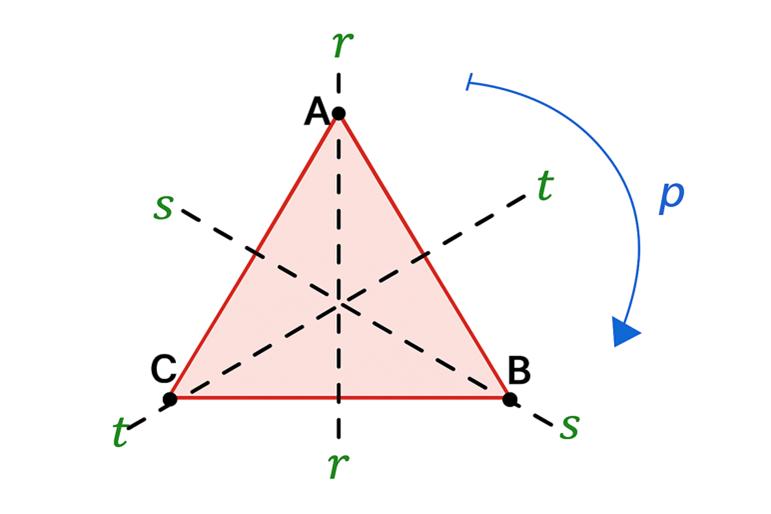
Figure1: Adiagramshowingtheelementsof D3 visuallyasrotationsandreflectionsofatriangleand atableexplainingtransformationsofeachelement.
Rotations
p:Arotation120degrees clockwise,sending A → B,B → C,and C → A
p 2 :Arotation240degrees clockwise,sending A → C,B → A,and C → B.
p 3 :Arotation360degrees clockwise,sending A → A,B → B,and C → C
Reflections
r:Areflectionontheaxis through A,swapping B and C
s:Areflectionontheaxis through B,swapping A and C
t:Areflectionontheaxis through C,swapping A and B
TableI: D3 rotationsandreflections
definetheoperation(∗)sothat a ∗ b means:perform transformation a first,followedby b.Forexample, performing p ∗ s onewouldrotatethetriangle120 degreesclockwise,thenreflectacrossthe s axis. Withalittlethought,onecanclearlyseethisis thesametransformationassimplyperforming t , so p ∗ s = t.
Closure
Associativity
Anycombinationofrotationsandreflectionswillalwaysbeequivalenttoeithera rotationorareflection(i.e.anotherelement of D3 ).
Performing‘(a then b)then c’isequivalent to‘a then(b then c)’.
Identity p 3 ,rotating360degrees,bringseachvertex backtoitsoriginalpositionhencecomposing p 3 withanyelementdoesnotchange theoutput.
Inverse p 3 ,r,s and t arealltheirowninverses. p and p 2 areinversesofeachother,soallelements havea(unique)inverseelement.
TableII: Showing D3 satisfiesthegroupaxioms.
Thesecondgroupwewilldiscussisthesymmetric grouponthreepoints, S3 ,whichisthecollectionof
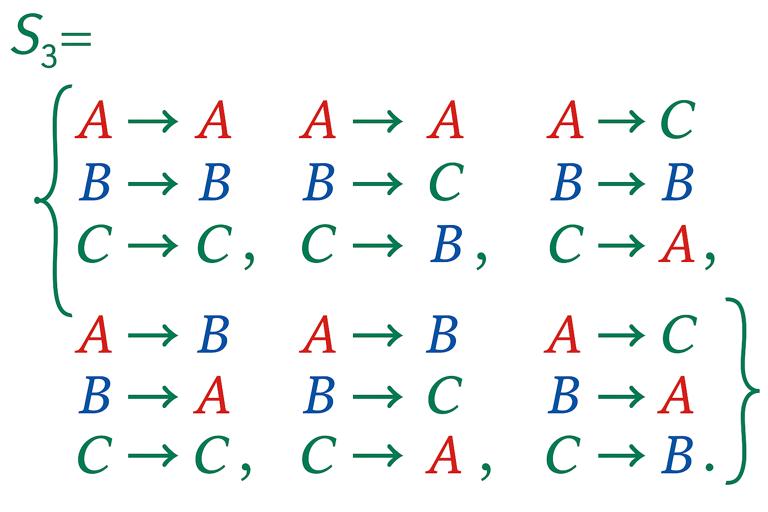
Figure2: Avisualrepresentationoftheelements of S3 ,showingwhereeachelement A,B and C maps.Lefttoright,wewilllabeltheseelements f1 ,f2 ,...,f6 foreaseofnotationindiscussion
allpossibleone-to-onefunctionson3points.Essentially,theseareallthepossiblewaysof‘pairing up’thethreepoints(ofwhichthereare6options). Wewillusethepoints A,B and C (seeFigure2for theelementsof S3 ).
Thegroupoperationhereis‘compositionoffunctions’,similarlyto D3 .Forexample,performing f3 ∗ f6 meanssend A to C andthen C to B,so overallwesend A to B.Similarly,wesend B to A and C to C,givingus f4 ,so f3 ∗ f6 = f4 . Although D3 and S3 mayappeartodescribevery differentgroups,theyareinfactstructurallyidenticalinhowtheirelementscombine.Ingrouptheory,sucharelationshipiscalledanisomorphism, denoted D3 ∼ = S3 .Thismeansthereexistsaone-toonecorrespondencebetweentheelementsofthetwo groupsthatpreservesthegroupoperation.Usinga Cayleytabletoshowhowallelementsofeachgroup combinewithoneanother(seeFigure3),wecansee howthesetwotablesareidentical,uptorelabelling thenamesoftheelements.
Toagrouptheorist,sayingthat D3 and S3 are isomorphicisasgoodassayingtheyare”thesame” groupintermsoftheiralgebraicstructure.Every groupelementin D3 canbematchedtoaunique elementin S3 suchthattheirrespectiveCayley tablesareidenticaluptorelabelling.Thekeyinsight hereisthatgroupisomorphismabstractsawaythe specificinterpretation(rotationsandreflectionsvs. matchingupelements)andfocusespurelyonthe behaviourofthegroupoperation.
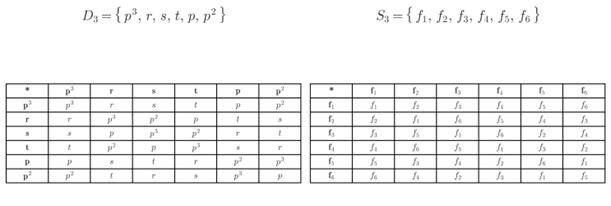
Figure3: Aside-by-sidecomparisonoftheCayleytablesof D3 and S3 ,showingtheirsimilarity. Specifically,performingtherelabelling: p3 → f1 , r → f2 , s → f3 , t → p → f5 , p2 → f6 , r → f2 , s → f3 , t → f4 producestwoidenticalCayley tables,proving D3 ∼ = S3 .
Clearly,isomorphicgroupsmusthavethesamesize (numberofelements)tomatchtheelementsuponeto-one.Thisprovidesafirstcriterionforisomorphism.Ifwecouldclassifyexactlywhenanytwo groupsofthesamefinitesizeareisomorphic,we wouldachieveacompleteclassificationofallfinite groups-afundamentalgoalinabstractalgebra.
Unsurprisingly,thereisahugedifficultyinthe classificationofallfinitegroups.Althoughweonly considergroupsofafinitesize,thereareinfinitely manysuchgroupsintotalasthereisatleastone foreverypositiveintegersize.Assuch,afullclassificationwilllikelyneverbeachieved.However, tremendousprogresshasbeenmadeinclassifying large,meaningfulsubsetsofthem.Forexample, foreachprimenumber p,thereisonlyonegroup ofsize p uptoisomorphism,sosizes 2, 3, 5, 7, 11 areeasilyclassified(Cayley,1854).Holder gavecompleteclassificationsforsizes p3 ,p2 q,pqr andp4 foranydistinctprimes p,q and r (Holder, 1893),markingthefirstsystematictreatmentof mixedprimepowers.Attheturnofthetwentieth century,Bagneraextendedthecataloguetosize p5 (Bagnera,1898),Westernsettledthe p3 q case (Western,1899),andLeVavasseurdeterminedall groupsofsize p2 q 2 (LaVavasseur,1899)(Eick, 2024).Enumeratingallgroupsofsizeatmost215 byhandwasaremarkablefeatbyLunn&Senior (Lunn&Senior,1934-1935),withtheexceptionof sizes128and192.Allofthesewereundertaken byhandandrequiredpagesandpagesofhandcomputation–unsurprisinglybecomingtediousand
introducingerrorssuchasCayley’sinitialclassificationofgroupsofsize6(Cayleyarchive,2021). Thiscorpusalreadycoversasubstantialnumberof finitegroups,layingmuchofthegroundworkon whichmodern,computer-aidedclassificationsnow build.
In2000,ateamledbyBesche,Eick,andO’Brien usedcomputerstopushclassificationtoallsizes ≤ 2000 (exceptsize1024)(Bescheetal.,2001),discovering49,910,529,483distinct,non-isomorphic groups.Thesheerscaleofthisnumbershowswhy brute-forceapproacheswerenolongerviablebeyondsize215.
Thiswasoneofthefirstfeatsof Computational GroupTheory (CGT)-aninterdisciplinaryfield blendingabstractgrouptheorywiththepractical powerofcomputersciencetostudygroupsusing algorithmsandsoftware.Itsimportanceliesinits abilitytohandlegroupsofsuchimmensesize andcomplexitythatmanualcalculationsbecome intractableorimpossible.Oneprominenttoolis GAP (Groups,Algorithms,Programming),asystem developedcollaborativelyoverseveraldecadesand significantlysupportedbyresearchersatinstitutions liketheUniversityofStAndrews,UK,andVrije UniversiteitBrussel,Belgium.GAPenablesresearcherstoperformotherwiseimpossiblecalculations:generatinggroupCayleytables,checkingfor isomorphisms,findingidentityelements,andmuch more.Forexample,theSmallGroupslibraryinGAP containscompletedataonallgroupsofsizeupto 2000(except1024),groupswhosesizefactorisesin atmostthreeprimesandgroupswithoutafactor p2 foranyprime p (Eick,2024).Thesearestoredinefficientcodedformsanduserscancallupanygroup fromthelibrarywithasimplecommand.Extending ourworkon D3 and S3 fromearlier,wecanseek outthesegroupsintheSmallGroupslibrary,and evenbuildabasicfunctioncalledAreIsomorphic (seeFigure4)toperformasimpleisomorphism checkinGAP(Colazzo,2025).AsseeninFigure 4,itnowtakesveryfewlinesofcodetoachieve thesameresultasalltheworkweachievedinour backgroundsection.Thisisaverysimpleexample ofwhatcannowbeachievedforgroupsofsize severalthousand!
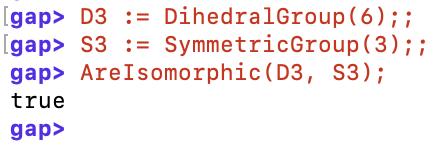
Figure4: AscreenshotofsomeGAPcoding,where redisuserinputandblackisoutput.Weseek thegroups D3 and S3 storedinGAP(asdefined inBackground)anduseasimplefunctionbuilt usinginbuiltGAPfunctionsforisomorphismtotest whether D3 ∼ = S3 ,whichwehavepreviouslyseen tobetrue.
Despitethesepowerfultools,theclassification problemremainsfarfromsolved.GAP’s capabilitiesareexpanding-theSmallGroups libraryisconstantlybeingextended,andnewGAP packagesarefrequentlybeingaddedtodealwith increasinglycomplexgroups-butseveraldeep challengespersist.Wewillbrieflyconsiderthree suchissues.
1. AlgorithmEfficiency:Inthebackground ofthesimpleinbuiltGAPfunctionsare manycomplexalgorithms,manyofwhich growexponentiallywithgroupsize,making themsloworimpracticalforlargeinputs. Developingalgorithmsthatareefficientboth intheoryandpracticeremainscritical.
2. RepresentationIssues:Groupscanbe representedinmanyways,suchas permutations(S3 ),matrices,ormore abstractlyasthesymmetriesofapolygon (D3 ).Differentrepresentationsvarygreatly incomputationalefficiencyandleadto vastlydifferentalgorithmicpossibilities. Evenforsmallgroups,choosingthe‘right’ representationisoftenanon-trivialtask.
3. IsomorphismProblem:Forlargegroups,it’s impracticaltocomparefullCayleytables (whichhavesize n × n forgroupsize n),so moresophisticatedtestsarerequiredtofind isomorphismsbetweentwogroups-or,even moredifficult,toprovethereisnone!
Openproblemsinachievingafullclassification offinitegroupsoftenarisefromissuesindeveloping algorithmsthatcannavigatethesethreechallenges andproduceaccurateoutputsinasensibleamount oftimewithourcurrentcomputationalpower.We willlistthreeopenproblemsbroughttoattention byProf.BettinaEick,whichdemonstratesome remaininggapsinclassification(Eick,2024).
1. Allgroupsofsize1024:Thenumberof groupsofsize1024(=210 )isenormous.We haveacompleteenumerationofthesegroups (Bescheetal.,2001),howeverthelisthas neverbeenfullywrittenoutorstoredinfull duetoitssheersize.Meaningfulprogress nowhingesonnewcomputationaltoolsor applyingexistingalgorithmsusingmassive computingpower.
2. Groupscontainingfiveprimefactors:These aregroupswithsizeoftheform pqrst,where theprimesmayormaynotbedistinct.So far,wehavegroupclassificationofsizeup tofourprimes.
3.Mixedprimepowersoftheform p5 q and p6 q, where p and q aredistinct.Groupsofsize pnq for n ≤ 5 havebeenenumeratedbyEick andMoede(Eick&Moede,2018),butthey havenotbeenlistedasinProblem1.Itis believedbyProf.BettinaEick(Eick,2024) thatproofsinEick&Moedes’2018paper couldbemade‘constructive’astotranslate intoanexplicitlistingofgroupswithsizes ofthisformratherthanaproofofhowmany exist.Onfullcompletionof p5 q,anextlogical stepwouldbeconsidering p6 q andsubsequent powersof p.
Itisimportanttonotethatsolvingtheseproblems isapracticalCGTproblem,as theoretically we cancomparefinite-sizedCayleytablesandperform straightforwardisomorphismchecks-thenovelty comesindevelopingpracticalalgorithmstosolve theseproblems.Classifyingthegroupsofthese formswouldcreatericherdatabasesoffinitegroups thatmathematicianscanuseintheirresearch.While thefullclassificationoffinitegroupsmaynever bereached,thepursuitofthegoalhasalready transformedourunderstandingofalgebraandsymmetry.Fromthehand-drawnCayleytablesofthe
19thcenturytotoday’scloud-basedrepositories hostingbillionsofgroups,thefieldhasevolved dramatically.Thisleapwasdrivenbycomputational grouptheory,poweredbysystemslikeGAPand sustainedbyanenthusiasticinternationalcommunityofmathematiciansandcomputerscientists.
1.Mersenne.org.MersennePrimeDiscovery - 2136279841 1 isPrime!Availableat:https: //www.mersenne.org/primes/?press=M136279841 [Accessed9June2025].
2.GAP-Groups,Algorithmsand Programming,Version4.14.0.Availableat: https://www.gap-system.org/[Accessed:9June 2025].
3.Cayley,A.(1854)‘Onthetheoryofgroups, asdependingonthesymbolicequation n =1’, PhilosophicalMagazine7(42),pp.40–47.Reprinted in:Cayley,A.(1889)TheCollectedMathematical PapersofArthurCayley.Vol.2.Cambridge: CambridgeUniversityPress,pp.123–130.
4.H¨older,O.(1893)‘DieGruppenderOrdnungen p3 , pq 2 , pqr, p4 ’,MathematischeAnnalen,43, pp.301–412.
5.Bagnera,G.(1898)‘Lacomposizionedei gruppifinitiilcuigrado ` elaquintapotenzadi unnumeroprimo’,AnnalidiMatematicaPuraed Applicata,SerieIII,1,pp.137–228.
6.Western,A.(1899)‘Groupsoforder p3qp3 qp3q’,ProceedingsoftheLondonMathematical Society,30,pp.209–263.
7.LeVavasseur,R.(1899)‘Lesgroupesd’ordre p2 q 2 , p ´ etantunnombrepremierplusgrandquele nombrepremier q’,ComptesRendusdel’Acad´emie desSciencesdeParis,128,pp.1152–1153.
8.Eick,B.(2024)‘Classificationoffinitegroups: recentdevelopmentsandopenproblems’,FoundationsofComputationalMathematics.Available at:https://doi.org/10.1007/s10208-024-09688-1 (Accessed:9June2025).
9.Senior,J.K.andLunn,A.C.(1934) ‘Determinationofthegroupsoforders101–161, omittingorder128’,AmericanJournalof Mathematics,56,pp.328–338.
10.Senior,J.K.andLunn,A.C.(1935) ‘Determinationofthegroupsoforders162–215, omittingorder192’,AmericanJournalof Mathematics,57,pp.254–260.
11.Thecollectedmathematicalpapers ofArthurCayley:Cayley,Arthur,18211895:InternetArchive.Availableat: https://archive.org/details/collectedmathema 02cayluoft/page/122/mode/1up?view=theater [Accessed:9June2025].
12.Besche,H.U.,Eick,B.andO’Brien,E.A. (2001)‘Thegroupsoforderatmost2000’, ElectronicResearchAnnouncementsofthe AmericanMathematicalSociety,7(1),pp.1–4. doi:10.1090/S1079-6762-01-00087-7.
13.IlariaColazzo(2025).[online]Available at:https://www.ilariacolazzo.info/gap/slides/lectur e2.html#34[Accessed9Jun.2025].
14.Eick,B.andMoede,T.(2018)‘Theenumeration ofgroupsoforder pnq for n ≤ 5’,Journalof Algebra,507,pp.571–591.
MalachiJohns
EditedbyAndrewLinzandTomBurton
Abstract -Effortstowardsquantumcomputing havegainedincreasingattentionandattracted increasingamountsofinvestmentinrecent years,withexcitementovernewdevelopments comparabletothehypearoundnewartificial intelligenceproducts.However,itisstillunclear whetherquantumcomputerswillbecomea commerciallyviableoption,andifso,whenwe canexpecttheirwidespreaduse.Thisreview exploresthestrengthsandweaknessesofcurrent researchdevelopmentstoexaminethefuture viabilityofquantumcomputers.
Asdemandincreasesforhighercomputational powerandsolutionstoincreasinglycomplexproblems,eventhemostadvancedsupercomputerscan beinsufficient.Formanyapplications,suchas quantumchemicalsimulations,logisticalproblems, cryptography,andmore,classicalcomputingissurprisinglyinefficient–whichiswhymoreandmore governmentsareinvestinginthedevelopmentof quantumcomputers(QCs)(Seatter,2025,Duranton, 2024,Griffith,2024).
Oneofthemostimportantapplicationswouldbe incryptography:theRivest-Shamir-Adleman(RSA) encryptionscheme,whichprotectssensitiveinformationontheinternet,isbasedonthedifficultythat classicalcomputershaveinfactoringlargenumbers intoprimes(Shafique,2024).Whileaclassical computercanfactoriselargenumbers,ittendsto takeanextremelylongtime–ittooktwoyears andagreatdealofcomputationalpowerforone computertofactorisea768-bitRSAkey,whilemost RSAkeysare1024or2048bitslong(Bhatt,2024).
Aquantumcomputerwould,intheory,beableto factorisethesenumbersinmuchshortertimeframes, whichhasraisedconcernsaboutinternetsecurity–
thoughthelargestnumberfactorisedbyaquantum computersofarwas56,153,whichisonly16bits long(Dattani,2014).
TheinitialideaofaQCisoftenattributedto RichardFeynman’s1981paper“SimulatingPhysics withComputers”(Feynman,1982),inwhichhe notedtheadvantagesthataQCwouldhaveovera classicalcomputerforsimulatingquantumsystems: classicalcomputersrequireincredibleamountsof processingpowertomodelquantumsystems,butif acomputeralreadyhasafundamentallyquantum nature,itwon’tbesodifficultforittomimicthe similarquantumnatureofthemoleculesthatmake uptheuniverse.AQCwillalsohaveadramatically increasedprocessingpowercomparedtoaclassical computerwiththesamenumberofbits:whilethe powerofaclassicalcomputerincreaseslinearly withthenumberoftransistors(hencetheexponentialgrowthintransistorsinacomputerinthepast fewdecades(Auth,2023)),aQC’sabilitytoaccess quantummechanicalsuperpositionsmeansthatits powerincreasesas2N,whereNisthenumberof qubitsintheprocessor(Gill,2025).
Whilethepotentialbenefitsaresignificant,functionalQCshavebeendifficulttoimplement.Current state-of-the-artQCsarestillunreliableandhave littleprocessingpower(Dargam,2023),anditis stillunclearhowlongitwilltaketocreatean efficientQCthatdefinitivelyout-performsclassical computers(McKenzie,2023).Nonetheless,there havebeensomeimpressiverecentdevelopmentsin themostchallengingareasofdevelopment,suchas noisesuppression(Singh,2023,Williams,2023), errorcorrection(GoogleQuantumAIandCollaborators,2025),andscalability(Main,2025,Oxford, 2025).Thisarticleaimstoanalyseakeyrecent developmentsineachoftheseareastoconsiderthe probablefutureofQCs.
Aquantumcomputerhasmanyofthesame functioningpartsasaclassicalcomputer:bitsthat carryinformation,gateswhichperformoperations onthebitstocarryoutcalculations,andmemory (Wong,2022).Thedifferenceliesinthenatureof thebitsthemselves.Whilstaclassicalcomputeruses binarybitsthatcanbeinoneoftwodistinctstates0 or1,thequantumbitsor“qubits”inaQCcanexist insuperpositionbetweenthesestates(Zygelman, 2018,LaPierre,2021,Wong,2022).Thismeans theycanoccupybothstatessimultaneouslyandto differentextents.Aqubitcanbehalfinstate0and halfinstate1,ortwo-thirdsinstate0andonethirdinstate1;butthissuperpositionwillcollapse whenthequbitismeasuredsothatthemeasured valuewillbeeither0or1.Afterthemeasurement, thequbitwillbeentirelyinthemeasuredstate (LaPierre,2021).Superpositionturnsouttobean incrediblyusefulattributeforQCsbecauseitallows asingleprocessoreffectivelytotraceoutmultiple computationalpathwayssimultaneouslybybeingin multiplestatessimultaneously(LaPierre,2021). Theotherdifferencebetweenqubitsandclassical bitsisthatqubitscanbeconnectedthroughentanglement(Zygelman,2018,Wong,2022).Classical bitscanonlyinteractwitheachotherviaelectrical signals,whichcantravelonlyasfastasthespeedof light.Anentangledpairofqubits,ontheotherhand, cantransmitinformationinstantlybetweenarbitrary distances.Entanglementmeansthatthestateofeach individualparticleisunknown,butthestateofboth particlestogetherisknown(LaPierre,2021):for instance,youcouldhaveapairofparticlessuch thatoneisinstate0andtheotherinstate1. Thissaysnothingaboutthestateofeachindividual particle:thereisafiftypercentchanceofthefirst particlebeinginstate0,andanequalchanceof itbeinginstate1,butwestillknowthestateof theentiresystem.Thisallowsustoinferthestate ofthesecondparticleonlyafterwemeasurethe stateofthefirst:ifthefirstparticle’sstateis0, weknowthesecond’sis1.Practically,thiscan’t beusedtotransportinformationfasterthanlight, asthequantuminformationstoredintheentangledparticlesmustbeaccompaniedbyclassical informationtransportedinclassicalcommunication channels(LaPierre,2021),butallowingqubitsto “measure”eachotherthroughentanglementallows
forsimplerandthusmorefault-tolerantprocessors. ThecontinuingdevelopmentofQCsismostlyfocusedaroundmaintainingsuperpositionandentanglementofthequbitsandprotectingqubitsfrom decoherence,thecollapseofthesequantumstates. Thestateofaqubitisextremelysensitive,and eventhesmallestdisruptionsor“noise”fromthe environmentorevenfromotherqubitscancause decoherence.Theproblemsthispresentslieinthe persistenceofenvironmentalnoisethatdisruptsthe extremelysensitivequbits,thedifficultyofcorrectingerrorsinthequantumcircuits,theissueof scalingthesesystemstomeetrequirementsforuse inindustry,andmakingsomewayofunifyingdevelopmentsineachoftheseareassothatthequantum computingworldhassomelevelofstandardisation. Thisreviewwilldiscussrecentdevelopmentsin eachoftheseareastoassesshowviablequantum computersareforcommercialuse.
A.Noise
Noiseisoftenconsideredthemostsignificant challengetothedevelopmentofQCs.Itintroduces uncertaintyanderrorsinquantumsystemsbydisruptingtheconstituentqubits.Vibrationsintheenvironment,impuritiesinanyfunctionalcomponents, orevencosmicwavescancausedecoherence;by interactingwiththequbits,theyeffectivelymeasure thequbits’state–becausethequbits’reactiontothe environmentalnoisewilldependontheirstates,so aqubit’sstatecanbeinferredfromtheeffectithas onthenoise–whichcollapsesanysuperpositions. MostQCsoperateatextremelylowtemperatures ofafewmillikelvintodecreasedisorderinthe surroundingsystemandarethoroughlycushioned fromexternalvibrations,butthesesystemsremain vulnerabletootherinfluencesfromqubitscloseto eachotherorcontrolledbythesamehardware. Recentdevelopmentshaveimplementedtheidea ofdirectlycancellingtheeffectsofnoiseonthe qubitsinaquantumchipratherthantryingtoshield thechip(Song,2023)(Gupta,2020)(Majumder, 2020)(Williams,2023)(Singh,2023).Thismethod allowsforthesuppressionofcorrelatederrorsby measuringandcancellingthenoisefromthesystemitselfaswellastheenvironment.Onedesign (Singh,2023)usesanarrayofspectatorqubits interspersedwithdataqubits;thedataqubitsarethe
onesthatperformcalculations,whilethespectator qubitsmeasurethenoiseinthesystem.Aclassical controlsystemtakesthosemeasurementsofthe environmentaroundthedataqubitsandsendsa correctivefeedforwardsignaltonegatetheeffect ofthenoiseonthesystem.
Thearraycontainsdataqubitsmadeoftrapped rubidiumatomsandspectatorqubitsoftrapped caesiumatoms(Singh,2022,Singh,2023).Neutral atomqubitsareatomsthathavebeencooledto near-absolutezeroandarrangedintoaprocessing chip(NIST,2025);thedataisrepresentedinthe atomicenergylevels(Ebadi,2021,Scholl,2021). Becausethespectatorqubitsaremadeofadifferent elementfromthedataqubits,theyhaveadifferent electronicexcitationspectrumandcanabsorbdifferentwavelengthsoflight.Whenthespectatorqubits scatterlightfromameasuringlaser,theemitted wavelengthsthencannotdisruptthedataqubits,but thedispersedsystemofspectatorqubitscanstill measureaspatiallyvaryingnoiseenvironment.Dur-
Figure1: Aschematicofthemethodofusingmidcircuitreadoutsfornoisecorrection,takenfrom (Singh,2023).Thespectatorqubitsprovidemidcircuitreadoutmeasurements,showninyellow, whicharesenttoaclassicalprocessor(grey)that thensendsafeedforwardsignaltothedataqubits forreal-timecorrection.
ingacalculation,thespectatorqubitmeasurements areusedtoinferthenoisearoundthedataqubits viaaclassicalalgorithminrealtime,asshown schematicallyinFig.1.Todemonstratetheefficacy ofthismethod,theresearchersaddedartificialnoise aroundtheprocessorwithcomparableattributesto thosefoundinlaboratoryenvironments.Thequbits intheprocessorshowedcorrelatederrorsthatwere thensuppressedusingafeedforwardsignalthat updatedthephaseofthedataqubits.
Inthefirsttest,thenoisewasadjustedsothat withoutthespectatorqubitsitwouldcausecomplete decoherenceofthedataqubitsandnopatternwould
beobserved.AsshowninFig.2,withthefeedforwardfromthespectatorqubits,thecoherenceof thedataqubitswasrecoveredineachrepetitionof theexperiment,andforfieldstrengthslessthan11 mGthecoherenceofthedataqubitswasstable.At higherfieldstrengths,thespectatorqubitscouldno longeraccuratelydetectphaseerrorsandcoherence wasonceagainlost.
Thespectatorqubitsalsoinfluencedthewaythe
Figure2: Dataqubitsremaincoherentlongerwith thefeed-forwardfromthespectatorqubits(green) thanwithoutthefeed-forwardsignal(blue).Taken from(Singh,2023).
dataqubitsreactedtodifferentfrequenciesinthe surroundingnoise:whilethedataqubitswould experiencehighdecoherenceratesnearresonantfrequencies,thespectatorqubitswereabletoachieve anetgaininthemeasuredcoherenceinthese regions.ThiseffectisshowngraphicallyinFig. 3.Therewereadditionaleffectsduetothefinite amountoftimeittakestotakeandanalysethe measurementsofthespectatorqubits,sofurther experimentationwillbenecessarytoreducethis time.Thismethodisapplicabletomanyquantum computingplatforms,whichwillassistinefforts towardsscalabilityasgreaternumbersofinteracting qubitsgenerallybecomemoreerror-proneTheprocedureisalsoconvenientbecauseitdoesnotrequire multiple-qubitgatesthatwouldnecessitatemore complexhardware.Itmayalsobeusedtomeasure spatiallyvariednoiseenvironments,thoughthiswas notmeasuredinthestudy.Theresultsofthisstudy supportfurtherdevelopmentsinerrorcorrectionand long-rangequbitentanglement,whichisimportant forscalabilityaswell.
Figure3: Qubitsareprotectedfromdecoherenceat resonantfrequenciesbythenoisecancellingeffect ofthespectatorqubits.Takenfrom(Singh,2023). Withthefeed-forwardsignaloff(blue),thedata qubitsshowhighdecoherenceratesnearthefirst andthirdharmonic,whereaswiththefeed-forward signalon(green),thedataqubitsaremuchmore stablewithresonantfrequenciesofnoise.
ForQCstobeusefulinmostapplications,itis necessarytoachieveerrorratesunder 10 10,much lowerthanthecurrentlowesterrorratesof10-3 (GoogleQuantumAIandCollaborators,2025).In classicalcomputers,errorsoccurintheformofbit flips,whereabiterroneouslyswitchesbetweenthe0 and1states(Microsoft,2025),resultingindatacorruptionanddevicemalfunctions(Baraniuk,2022). Ifeveryoneinathousandbitsinacomputation flippedunpredictably,theresultwouldbeunusable. Apopularmethodtoreduceerrorsinquantumdevicesistousequantumerrorcorrection,constructinglogicalqubitsfromthecombinationofmultiple physicalqubitssothatthestateofthelogicalqubit ismorestable(GoogleQuantumAIandCollaborators,2025,Microsoft,2024,Roffe,2019).Alogical qubitisthebitthatcarriesinformationtocarryout calculations,whilethephysicalqubitsinthelogical qubitaretheindividualcomponentssuchastrapped ionsorneutralatoms.Calculationsareperformedon thelogicalqubitsinmuchthesamewayasclassical calculationsareperformedonclassicalbits,but thelogicalqubitstillhasthedesirablequantum propertiesfromitsconstituentphysicalqubits.The individualphysicalqubitscaneffectivelycheckeach othersothatonemismatchinonephysicalqubit
doesnotdisrupttheentirecalculation,butthisonly worksifthephysicalerrorrateisbelowacertain threshold.Ifthephysicalerrorrateisbelowthis threshold,theerrorrateoflogicalqubitsdecreases approximatelyexponentiallywithincreasingcode distance,ameasureofhowmanyphysicalqubits areusedineachlogicalqubit(GoogleQuantumAI andCollaborators,2025)
ϵ
where ϵd isthelogicalerrorrate, p isthephysical errorrate, pthr isthethresholderrorrate,and d is thecodedistance.Thereare 2d2 1 physicalqubits ineachlogicalqubit,forreasonsthatwillbeclear later.Wecanalsodefineanerrorsuppressionfactor(GoogleQuantumAIandCollaborators,2025) whichrepresentsthedecreaseinlogicalerrorrate whenthecodedistanceisincreasedbytwo.
Λ=
Thephysicalerrorratesformostquantumprocessorshaven’tbeendefinitivelybelowthisthreshold, whichmakesquantumerrorcorrectiondifficultto implementusefully.However,asofDecember2024, Google’sQuantumAIteamhaveshowndefinitive below-thresholderrorratesintwooftheirWillow processorsaswellasmakingsignificantprogress inothererrormitigationtechniquessuchassystem stability,anddecodinginrealtime(GoogleQuantumAIandCollaborators,2025).Aschematicof the105-qubitprocessorisshowninFig.4,with superconductingdataqubitsinyellowandmeasure qubitsinterspersedaroundtheminblue,justlike thespectatorqubitsdiscussedpreviously.Thearray hasddataqubitsoneachside–thusthereare d2 dataqubitsand d2 1 measurequbits,totalling 2d2 1 physicalqubitsintheprocessor,withthe sidelengthofthearraybecomingthecodedistance. Thegeneratedmeasurementsarethendecodedwith oneoftwoofflinedecoders,oneinrealtimeand oneafterthefact.
Toestablishthatthecodeoperatesbelowthethresholderrorrate,itisobviouslynecessarytomeasure theerrorratesatdifferentdistances.Thestateofthe logicalqubitismeasured,decoded,andcompared withtheinitiallogicalstatetodeterminewhetheran errorhasoccurred.Physicalerrorratesaremeasured usingthemeasurequbits:anerrorisdetectedifthe stateofthemeasurequbitisdifferentfromexpected
Figure4: Aschematicofthelayoutofthedata andmeasurequbits,takenfrom(GoogleQuantum AIandCollaborators,2025).Thedataqubitsare showninyellow,formingagridinterspersedwith measurequbitsinblue.Leakageremovalqubitsare showningreen.
fromanoiselessenvironment.Thephysicalerror ratetendstoincreaseasthecodedistanceincreases becauseofinterferencebetweenqubits,butthis effectwilllikelyreachalimitatlargerprocessor sizes.Usingthesemeasurements,itisestablished thatthecodeoperatesbelowtheerrorthresholdin distance-3,5and7subgridsofthe105-qubitprocessor:theincreasingdistanceresultsinsignificantly lowererrorratespercomputationalcycle.Higherdistancelogicalqubitsaresimulatedusinganoise modelbasedoncomponenterrorratesmeasured experimentally,accountingaswellforleakageand qubitinterference,andthisdataisshownalongside theempiricalresults.Importantly,thedistance-7 logicalqubithadalifetimeofovertwicethatof itslongest-livedconstituentphysicalqubitandthree timesthemedianlifetimeofthephysicalqubits. Thissuggeststhatusingmorestablelogicalqubits madeofmanylessstablephysicalqubitsisaviable pathwaytomorefault-tolerantQCs.
Themostobviousremainingproblemisthatthese quantumprocessorshavetroublinglyfewlogical qubits.AfunctionalQCwouldneedmillionsof qubitstobedefinitivelymoreusefulthanclassical
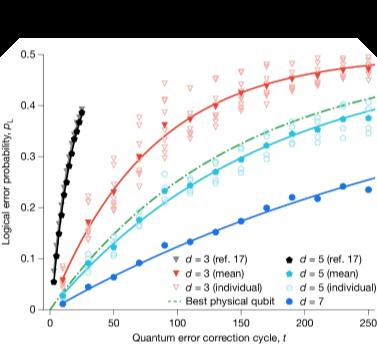
Figure5: Errorprobabilitiesovertimeofcodes ofvariousdistances,takenfrom(GoogleQuantum AIandCollaborators,2025).Higherdistancecodes (tealandblue)tendtohavelowerlogicalerrorprobabilitythaneventhebestphysicalqubit,represented bythedottedgreenline. computersinmanycontexts–butasestablishedpreviously,processorswithhigherqubitcountstendto havegreaterphysicalerrorratesduetointerference betweentheconstituentqubits.Evenifthoseerrors saturateathigherprocessorsizesorcouldbesuppressed,theprocessoritselfwouldbeprohibitively big;sotheproblemofscalabilitybecomesoneof connectingmultipleprocessorssothatlogicaloperationscanbeperformedacrossmultiplemodules. Thisapproachiscalleddistributedquantumcomputing(DQC),whereindividualprocessingmodules arelinkedtogether,allowingforgreatertotalpower withoutsacrificingtheoverallperformanceofthe device.WhileDQCseemslikeitshouldbefeasible enough,ascalableDQCarchitecturewasonlyfound inFebruaryof2025(Main,2025,Oxford,2025). Thestudy,publishedinNature(Main,2025),uses twodistinctprocessingmodules,eachwiththeir ownnetworkandcircuitqubits,connectedwith classicalandquantuminformationchannels.Qubits fromeachmoduleareentangledwiththoseofthe othermodulesothatthedataqubitsoneachmodule areeffectivelyconnectedandcanruncalculations inconcertwitheachother.Theninformationcan
betransferredbetweenthemodulesusingquantum teleportation,sotheprocessingisdeterministicand repeatableeventhoughtheentanglementprocessis probabilistic.
Thequbitsfromeachmoduleareentangledusing interferenceofphotonsbetweenthemodules,which isespeciallybeneficialforscalingQCsbecause photonscancarryquantuminformationoverlong distanceswithouttheneedforcryogenicsorvacuums,sothereisnoneedtocooltheopticalcablesto afewmillikelvinliketheprocessoritself.Theuseof quantumteleportationalsoavoidsthepossibilityof informationlossthatwouldoccurifquantuminformationweretransferreddirectlybetweenmodules; quantumgateteleportation(QGT)reliesonlyona simplepairofentangledqubitsandtheexchangeof twoclassicalbitsbetweenthemtotransfercomplete informationbetweenthemodules.
Becausethequantuminformationchannelisused exclusivelyforgeneratingentangledpairs,channel lossescanbeovercomebyrepeatingtheprocess, andthedistancebetweenmodulescanbeincreased arbitrarilybyaddingquantumrepeatersbetweenthe modules.Theresultingteleportationprotocolsafter entanglementisestablishedallowforthecontinuous anddeterministicoperationoftheQC,whichis crucialforscalability:iftheinformationtransfer betweenmodulesisprobabilistic,thenalarge-scale computerwillproduceanexponentiallylargeset ofundesirableoutcomesalongwithonesingular outcome,becauseeveryinstanceofinformation transferhasafiniteprobabilityoftheinformation beingchanged.Thiswouldnecessitateaprotocol forfindingtheonedesirableoutcomeoutofthe largersetofundesirableoutcomes,whichwouldbe aprobleminitself.
Perhapsthemostobviouschallengethatwill comewithimplementingtheideasdescribedabove isthateachproofofconceptisrunonaunique quantumdevicebyresearcherswhoknowhow tohandlethatdevicespecifically(Donne,2025) –unliketoday’scomputers,whichalmostanyone canrunwithease,evenwithoutknowinganything abouttheindividualcomputerthey’reusing,quantumdevicesarediverseandunique.Ifquantum computersaretobecomeanintegralpartofindustry, therewillneedtobesomelevelofstandardisation
betweenprocessordesigns,awayofrunningany programmeonanyquantumcomputerregardless ofitsdesignparametersandofhavingquantum computerscommunicatingwitheachothertoform a“quantuminternet”.
Designinganoperatingsystem(OS)forquantum computersisnotasimpletask–thefirstdesign ofanOSforquantumnetworks(QIA,2025)was presentedinNatureinMarch(Donne,2025).The operatingsystemiscalledQNodeOS,anabbreviationofquantumnodeoperatingsystem,anditcan domanyofthefundamentaltasksthataclassical computer’sOScando:convertingprogrammesinto tasksforthequantumprocessors,managingmultipleprocessorsofdifferentdesign,andmultitasking (Donne,2025).
First,itisassumedthattheprogrammescomprise classicalandquantumblocksofcode,organisedby acompilerorbyaprogrammer(Donne,2025).The classicalcodeblocksarelargelywhatyouwould expectfromaclassicalcomputer,localornetworked operationscarriedoutonaclassicalprocessoror usingnetworkdevices.Thequantumcodeblocks containtheoperationsthataquantumprocessor mightrun,aswellasnetworkedquantumoperations thatwouldberunthroughmultipleprocessorsin concert,e.g.entanglement.Thequantumblocks canalsohaveclassicalcontrollogic,forexample inthemid-circuitreadoutprocedureinanoisecancellingprogramme.TheOSarchitectureiscorrespondinglydividedintothreeparts:theclassical networkprocessingunit(CNPU)thatexecutesclassicalcodeblocks,thequantumnetworkprocessing unit(QNPU)thatmanagestheexecutionofquantum codeblocks,andtheQDevice,thequantumprocessorthatrunsoperationsonqubits.
Oneofthedesignchallengesthattheteamfacedwas thateachpartoftheirproposedsystemwouldoperateonwildlydifferenttimescales(Donne,2025): classicaloperationsgenerallytakemillisecondsto run,whiletheexecutiontimeofaquantumoperationcanbeontheorderofnanoseconds,a milliontimesshorter–andtheclassicalcontrol algorithmspairedtoaquantumprogrammewill correspondinglyneedprecisiononthenanosecond scale.Inaddition,theOSwouldneedtobeable tofacilitatethegenerationofentangledpairsof qubitsondifferentprocessors(Donne,2025),which alsonecessitatesprecisemanagementofwheneach processorgeneratesentanglement.Theentangle-
mentscheduleisfurthercomplicatedbyitsinterdependencewiththeclassicalnetworkschedule, asentanglementgenerationcannotbecarriedout simultaneouslywiththelocaloperations(Pompili, 2022,Krutyanskiy,2019)inanycurrentlyfunctioningprocessors.Thesolutionherecomesfromthe separationofthearchitectureintothreelogically separatepartswhichcanbeimplementedatdifferent timescalesasnecessary(Donne,2025).
Abroad-strokesdescriptionofhowQNodeOS workssoundsincrediblyintuitive(Fig.6):aprocessiscreatedontheCNPUandregisteredon theQNPU,whichmakesitsownQNPUprocess. PhysicalinstructionsaresenttotheQDevicein responsetoQNPUandclassicalnetworkprocesses, andthedevicereturnstheresultoftheoperations backtotheQNPU.Theonlypartofthearchitecture thatdependsonthedesignofthequantumchipsis theQDriver,whichtranslatesquantumoperations writteninthelanguageoftheOSintophysical instructionsthattheindividualprocessor(Donne, 2025).QDriversforafewspecificsystems(Teller, 2021,Pompili,2022,Hermans,2022,Teller,2023) havealreadybeenpresented.Theteamdemonstratedthevalidityoftheirsystembyexecuting anarbitraryquantumnetworkprocessonatwonodesystemofonequbitpernode.Theirresults presentedhighreliability,showingthatQNodeOS couldrunprogrammesusingentanglement,classicalcommunication,andmillisecon-levelmemory lifetimes(Donne,2025).Theyalsodemonstrated thecapabilityofQNodeOStomultitaskbyrunning multiplequantumapplicationssimultaneously.All applicationswerestartedintheCNPUconcurrently, sotheQNPUwassentinstructionsforallofthe programmessimultaneouslyandcontinuouslythat itthenscheduledseparatelyfortheclientnodeto run(Donne,2025).Theresultsofeachapplication wereequaltowhatwouldhavebeenexpectedif itwererunwithoutmultitasking,butthefraction ofruntimeduringwhichthequantumchipwasactivelyexecutingphysicalinstructionsincreasedwith increasingnumberofsimultaneousprocessestorun –eliminatingtheinefficiencycausedbyaquantum processorwaitingforclassicalcomputationstorun beforeexecutingitsnextstepbyinsteadrunning partofanotherapplication.
Thisprogresssuggeststhepossibilityofmanynew areasofresearchbothinquantuminformationscienceandincomputerscienceresearch,aswellas

Figure6: ThelogicaldesignofQNodeOS.The systemissplitintothreemodules:theCNPUshown ingrey,theQNPUingreen,andtheQDevicein pink.TheCNPUandmostelementsoftheQNPU arehardware-independent,whileonlytheQDriver andtheQDevicearehardware-dependent.Figure takenfrom(Donne,2025).
inspiringaverypositiveoutlookonthedevelopment ofclassical-quantumhybriddevicesoraquantum internet.
Asquantumtechnologiesprogressandbecome moreimportantformanyindustrialapplications,it isstillunclearwhetherQCswillsoonbeasuseful astheoreticalpredictionssuggested.TherearealreadyfunctionalQCs,butthedifficultyofproducing andmaintainingonefaroutweighsthebenefitsso far.However,theserecentdevelopmentsinnoise cancellation,distributedquantumcomputing,error correction,andstandardisationprovideaninspiring
outlook.
Giventhedevelopmentsdescribedhere,itseems likelythatquantumcomputerswillbecomecommerciallyviablewithintheforseeablefuture–it’s onlyaquestionofwhenandwhodoesitfirst. Continuedinvestmentwillbeimperativeforfuturetechnologies,butthebenefitsofQCstothe searchforbetterbatteriespharmaceuticals,artificial intelligence,cybersecurity,andmodellingmakethe difficultyworthwhile.
AUTH,C.2023.EvolutionofTransistors: HumbleBeginningstotheUbiquitousPresent. IEEESolid-StateCircuits,15.BARANIUK, C.2022.TheComputerErrorsfromOuter Space.BBCFuture[Online].Available: https://www.bbc.co.uk/future/article/2022101 1-how-space-weather-causes-computer-errors [Accessed20May2025].
BHATT,H.2024.WhatisRSA?Howdoes anRSAwork?Available:https://www.encrypti onconsulting.com/education-center/what-is-rsa/ [Accessed20May2025].
COLLABORATORS,G.Q.A.A.2025.Quantum errorcorrectionbelowthesurfacecodethreshold. Nature,638.
DARGAM,J.2023.WhatIsNISQQuantum Computing?Available:https://thequantuminsider. com/2023/03/13/what-is-nisq-quantum-computing/.
DATTANI,N.S.2014.QuantumFactorizationof 56153withonly4qubits.
DONNE,C.D.2025.Anoperatingsystem forexecutingapplicationsonquantumnetwork nodes.Nature,639.
DURANTON,S.2024.QuantumComputing TakesOffWith$55BillionInGlobalInvestments. Forbes[Online].Available:https://www.forbes.com /sites/sylvainduranton/2024/06/26/quantum-now/.
EBADI,S.2021.Quantumphasesofmatter ona256-atomprogrammablequantumsimulator. Nature,595.
FEYNMAN,R.P.1982.SimulatingPhysicswith Computers.InternationalJournalofTheoretical Physics,21.
GILL,S.S.2025.QuantumComputing:Vision andChallenges.QuantumComputing:Principles Paradigms.Elsevier.
GRIFFITH,A.2024.Unlockingthepotential ofquantum:£45millioninvestmenttodrive breakthroughsinbrainscanners,navigation systems,andquantumcomputing.
GUPTA,R.S.2020.Integrationofspectator qubitsintoquantumcomputerarchitecturesfor hardwaretune-upandcalibration.Phys.Rev.A, 102.
HERMANS,S.L.N.2022.Qubitteleportation betweennon-neighbouringnodesinaquantum network.Nature,605.
KRUTYANSKIY,V.2019.Light-matter entanglementover50kmofopticalfibre.npj QuantumInformation,5.
LAPIERRE,R.2021.IntroductiontoQuantum Computing,SpringerCham.
MAIN,D.2025.Distributedquantumcomputing acrossanopticalnetworklink.Nature,638.
MAJUMDER,S.2020.Real-timecalibration withspectatorqubits.npjQuantumInformation,6.
MCKENZIE,J.2023.Whenwillquantum computersfinallybreakintothemarket?Available: https://physicsworld.com/a/when-will-quantum-c omputers-finally-break-into-the-market/[Accessed 20May2025]
MICROSOFT.2024.IntroductiontoQuantumError Correction.Available:https://learn.microsoft.com/ en-us/azure/quantum/concepts-error-correction.
MICROSOFT.2025.QuantumErrorCorrection. Available:https://quantum.microsoft.com/en-us/insi ghts/education/concepts/quantum-error-correction [Accessed20May2025].
NIST.2025.QuantumComputingExplained. Available:https://www.nist.gov/quantum-infor mation-science/quantum-computing-explained [Accessed20May2025].
OXFORD.2025.Firstdistributedquantum algorithmbringsquantumsupercomputerscloser. Available:https://www.ox.ac.uk/news/2025-02-06-f irst-distributed-quantum-algorithm-brings-quantum -supercomputers-closer[Accessed20May2025].
POMPILI,M.2022.Experimentaldemonstration ofentanglementdeliveryusingaquantumnetwork stack.npjQuantumInformation,8.
QIA.2025.QIAresearcherscreatefirstOperating SystemforQuantumNetworks.Available: https://quantuminternetalliance.org/2025/03/12/qia -researchers-create-first-operating-system-for-qua ntum-networks/[Accessed20May2025].
ROFFE,J.2019.QuantumErrorCorrection: AnIntroductoryGuide.
SCHOLL,P.2021.Quantumsimulationof 2DantiferromagnetswithhundredsofRydberg atoms.Nature,595.
SEATTER,M.2025.HowtoInvestinQuantum ComputingCompanies.InvestingNewsNetwork [Online].Available:https://www.nasdaq.com/artic les/how-invest-quantum-computing-companies.
SHAFIQUE,M.A.2024.QuantumComputing: Circuits,Algorithms,andApplications.IEEE Access,12.
SINGH,K.2022.Dual-Element,Two-Dimensional AtomArraywithContinuous-ModeOperation. Phys.Rev.X,12.
SINGH,K.2023.Mid-circuitcorrectionof correlatedphaseerrorsusinganarrayofspectator qubits.Science,380.
SONG,H.2023.Optimizedmitigationofrandomtelegraph-noisedephasingbyspectator-qubit sensingandcontrol.Phys.Rev.A,107.
TELLER,M.2021.HeatingofaTrapperIon InducedbyDielectricMaterials.Phys.Rev.Lett., 126.
TELLER,M.2023.Integratingafibercavity intoawheeltrapforstrongion–cavitycoupling. AVSQuantumSci.,5.
WILLIAMS,S.C.P.2023.‘Noise-cancelling’ qubitsdevelopedatUChicagotominimizeerrors inquantumcomputers.Available:https://pme.uchi cago.edu/news/noise-cancelling-qubits-developed-u chicago-minimize-errors-quantum-computers.
WONG,H.Y.2022.IntroductiontoQuantum Computing:FromaLaypersontoaProgrammer in30Steps,SanJos´e,CA,USA,SanJos´eState University.
ZYGELMAN,B.2018.AFirstIntroduction toQuantumComputingandInformation,Springer Charm.
ThomasBurtonBSc.(Hons) EditedbyPedroLourencoandTomDunlop
Abstract -Thisarticleexploresoneofthe mostimportantopenquestionsinmathematics andcomputerscience:thePvsNPproblem. Itbeginsbyexplainingthemeaningofthe twocomplexityclassesinaccessibleterms,then reviewsthestrategiesresearchershaveusedto tryandresolvethequestion,includingdirect proofs,relativisation,naturalproofs,andcircuit complexity.Thearticlethenshiftsfocustothe emergingroleofartificialintelligence(AI),particularlylargelanguagemodels(LLMs),astools toaidinhypothesisgeneration,formalreasoning, andproofconstruction.Finally,itconsidersthe transformativeimplicationsthatsolvingPvsNP wouldhaveacrossscience,technology,security andsociety.ThereviewarguesthatwhileAImay notyetbethekeytoasolution,itisreshaping thewayweapproachoneofthemostenduring problemsofourtime.
Everyday,whetherwerealiseitornot,werely onalgorithmstohelpussolveproblems—finding thefastestroutetowork,sortingouremails,recommendingsongswemightlike.Manyofthese tasksarestraightforwardforcomputerstohandle. Butlurkingbeneaththesurfaceoftheseseemingly simplesolutionsisoneofthebiggestunanswered questionsinmathematicsandtheoreticalcomputer science:Iseveryproblemwhosesolutioncanbe quicklycheckedalsoonethatcanbequickly solved?Thisistheessenceofthe PvsNP problem. P,whichstandsfor“polynomialtime,”refersto theclassofproblemsthatcomputerscansolveefficiently.Thatis,givenaninput,there’sanalgorithm thatcanfindasolutionrelativelyquickly,evenas theinputgetslarger.Aclassicexampleissortinga listofnamesalphabetically.Whetherthelisthasten namesortenthousand,moderncomputerscando
itfast,duetowell-understoodsortingalgorithms. Anotherexamplemightbefindingtheshortestpath betweentwopointsonamap;yourphonedoes thiseverydayusingalgorithmsdesignedtokeep calculationsquick.
NP,ontheotherhand,standsfor“nondeterministic polynomialtime.”Theseareproblemswhere,even ifwedon’tknowhowtosolvethemquickly,wecan atleastcheckasolutionquicklyifsomeonehands ittous.Inmathematics,wecallthisapolynomial timeverifier.ThinkofaSudokupuzzle.Solvingone fromscratchcantakealongtime.Butifsomeone givesyouacompletedgridandclaimsit’savalid solution,it’srelativelyeasytocheckthatallthe rulesarefollowed;eachnumberappearsonceper row,column,andbox.Thisisan NP problem: difficulttosolve,easytoverify.
So,thebigquestionis:Arethesetwotypesofproblemsthesame?Iseveryproblemthatcanbeverified quicklyalsosolvablequickly?That’swhatmathematiciansmeanwhenweaskwhether P = NP. Thisismorethanjustanintellectualpuzzle.The answerhasenormousimplications.If P = NP,we couldpotentiallyrevolutionisefieldslikemedicine, logisticsandbeyond.Ifnot,itwouldconfirmthat someproblemswillalwaysbefundamentallyhard, orimpossibletosolveinpolynomialtime,nomatter howcleverouralgorithmsbecome.
Evenif P = NP,itdoesn’tautomaticallyimply practicalsolvability.Manypolynomial-timealgorithmsmayfeatureextremelylargeconstantfactorsthatrendertheminefficientinpractice.This incidentalinefficiencyispreciselywhytaskslike cryptographicencryptionremainsecure:although theymaybesolvableintheory,theirrealworld runtimesarestillprohibitive.Thefollowingrapid reviewarticlewilllookatrecentdevelopmentsin thefield,particularlytheintriguingpossibilitythat AI,especiallyLLM’scouldhelpusexploreoreven solvethisproblem.Finally,Iwillexplorewhatit
wouldmeanfortheworldifwedid,oneday,finally settlethequestionofwhether P equals NP
Fordecades,someofthesharpestmindsin mathematicsandcomputersciencehavebeen tryingtoprovewhether P equals NP ornot.But despiteallthebrainpower,researchandevena million-dollarprizeforwhoeversolvesit,the questionremainsstubbornlyunanswered.Why? Becauseprovingsomethinglikethisisincredibly hard,especiallywhenwedon’tevenknowwhich sideoftheequationistrue.Let’sstartwithwhata proofmeansinthiscontext.
It’snotaboutrunningamillionsimulationsor testingeverypuzzleandseeinghowfastwecan solveit.Thatwouldtakeaninfiniteamountof time.Whatmathematiciansarelookingforisa logicalargument;astep-by-stepexplanationthat showswhy P mustbeequalto NP,orwhyitisn’t. Itmustworkforeverysingleproblemintheclass, notjustsome.Overtheyears,researchershave triedmanydifferentanglestogetthere.Mostfall intoafewbigcategories:
Somehavetriedtodirectlyprovethat P equals NP orthatitdoesn’t,byusingtraditional mathematicaltechniques.Often,thisinvolvesproof bycontradiction,tryingtoassumetheopposite ofwhatyouwanttoshow(forexample,assume P = NP),andthenfindingalogicalinconsistency thatprovesitcan’tbetrue.Thechallenge?Youare dealingwithabstractconceptsthatstretchacross hundredsofdifferenttypesofproblems.It’slike tryingtoprovethateverykeyintheworldfits intoaparticulartypeoflock;it’snotenoughto checkafew,youmustaccountforallpossible combinations.Assupportedthroughanarticle publishedbyPrincetonUniversity,“thesimplest versionofaproofthat P = NP wouldbeaproof thatan NP complete problemcanbesolvedin polynomialtime”[1]whichcapturesjusthow broadlysuchaproofwouldneedtoapply;itwould havetoworkforeveryproblemintheclass,not justoneortwo.
Onemethod,popularinthe1970s,wasto seewhathappensto PvsNP whencomputers aregivenextra”powers”—likeamagicboxthat caninstantlyanswerspecifictypesofquestions. Surprisingly,whenresearcherstriedthis,they foundexampleswhere P = NP underonesetup, and P = NP underanother.Thistoldussomething important:thisapproachalonecouldn’tsettlethe question.It’sliketryingtosolveariddle,but dependingonwhattoolsyou’reallowedtouse,you getcompletelydifferentanswers.Asoneexpert incomplexitytheoryexplained,“the PvsNP questionhascontradictoryrelativizations,”which effectivelyshowsthat“the PvsNP question cannotbesolvedbyanyprooftechniques[that relyonrelativization]”[1].Inotherwords,if twodifferentversionsofthesameproblemyield oppositeoutcomesdependingonthe‘rulesofthe game’,thenthoserulesarenotenoughtogiveus therealanswer.
Anothermajorideawastotrytoprovethings usingmethodsthatseem“natural”orintuitive methodsthatcapturecommonpatternsacross manyproblems.Butresearchersdiscoveredthatif yourelytoomuchonthesetypesofproofs,you enduprunningintowalls.Infact,inthe1990s, twocomputerscientistsshowedthatif P = NP istrue,thenmanyofournaturalwaysoftrying toproveitmightbedoomedtofail.Thatwasa soberingmomentforthefield;itmeantthateven ourbestideasmightbeblindtotheanswer.This insightwassummarisedinafoundationalpaper whicharguedthat“ifyoudefineanaturalproof asonethatreliesonanaturalproperty...thenit followsthatnonaturalproofcanseparate P from NP.”[2]Theimplicationwasclear:conventional mathematicalintuitionmightsimplybetoolimited tobreakopenthispuzzle.
Onepromisingdirectionistothinkofproblemsin termsofcircuits—sortoflikesimplifiedblueprints foracomputer.Ifyoucanshowthatcertain problemsrequiremassivecircuitsthatnosmall
orefficientdesigncouldeverhandle,thatwould provetheycan’tbesolvedquickly.Thiswould beawinforthe“P = NP”side.Butbuilding theseargumentsisextremelytricky,andprogress hasbeenslow.It’sliketryingtoprovethat nomatterhowyoudesignamachine,itwill alwaysneed 10, 000 parts—youmusteliminate everypossibleclevershortcut.Infact,researchers studyingthisapproachfoundthat“evenavery roughapproximationofthemaximumcliqueof agraphrequiressuperpolynomialsizemonotone circuits,”[3]highlightingjusthowdemandingsome problemsarewhentranslatedintocircuitform. Theseresultsoffersomeofthestrongestevidence wehave,thoughtheystillfallshortofsettlingthe generalcase.
Despitethesechallenges,theefforthasnotbeen wasted.Eachattempthastaughtusmoreaboutthe limitsofcomputation,andwherewemightfindthe cracksinthewall.Still,mostexpertstodaybelieve that P isnotequalto NP,butprovingitformally isstilloutofreach.So,thequestionnowbecomes: couldanewkindofthinkerbringsomethingnew tothetable?Thefollowingsectionwillexplore whatartificialintelligence,especiallytoday’smost powerfulmodels,mightbringtothesearchfora solution.
AIisalreadytransforminghowwecommunicate, codeandcreate.Inrecentyears,researchershave begunexploringwhetherLLM’scouldbeusedto approach,assistwith,orevengeneratestepstoward aproofofwhether P equals NP.Whilewearefar fromseeingacomputerindependentlyproducea rigorousproof,therearegrowingsignsthatAIcould becomeapowerfulallyinthejourney.
Oneoftheearliestandmostpromisingdirectionsis usingAIasahypothesisgenerator,nottofindfinal answers,buttohelpmapoutpotentialarguments. Ina2023experiment,researcherspromptedGPT4 withaseriesofstructuredquestionsabout PvsNP, leadingthemodelthroughnearly 100 stepsofwhat theycalledSocraticreasoning.Remarkably,the modelgeneratedaconsistentframeworkandeven proposedastructuredoutlineofaproofsketch.The researchersnotedthat“GPT4successfullyproduces aproofschemaandengagesinrigorousreasoning
...concluding‘P = NP’”[4].Althoughthisoutline doesnotmeetthestandardsofaformalproof,it demonstratesAI’sgrowingabilitytoexplorecomplexlogicalterrain,sometimeshighlightingpaths thathumanresearchersmayoverlook.
Beyondbrainstorming,AIisalsomakingstrides informalmathematics;thestep-by-steplanguage thatprofessionalmathematiciansusetovalidate theorems.NewtoolslikeGoedelProver,anopensourcelanguagemodelfine-tunedformathematical proofwriting,areoutperformingearlierbenchmarks informalenvironmentssuchasLean.Thesesystems cangenerateprecisemathematicalargumentsusing logicalsyntax.Similarly,atoolcalledLogicLM blendslanguagemodelswithsymbolicreasoning: ittranslatesnatural-languagemathstatementsinto formallogic,checksthemwithsymbolicsolvers, andrefinestheoutput.Theresult,asitscreators reported,wasa“39% improvementinaccuracy overLLMsalone,”[4]demonstratinghowcombiningAI’slanguagefluencywithexactmathematical checkingproducesmorereliableresults.
PerhapsevenmoreexcitingisAI’sabilitytocritique andimproveitsownreasoningwithstructuredfeedback.Inarecentstudy,researchersdemonstrated thatLLMs,whenpairedwithexternalverifiers, coulditerativelyrefinecomplexlogicchains.One paperexplainedthatintegratinglargemodelswith soundproofassistantsmadeitpossibleto“repair flawedproofattemptsmorereliably,”[5]opening thedoortoaprocessofcontinuousmachine-guided revision.Thismodelmirrorshowmathematicians oftenwork,draftinganargument,testingit,finding holesandrevisinguntilitholdstogether.These developmentsarebeingpulledtogetherintowhat somecallcollaborativeproofpipelines.Arecent systemcalled APOLLO takesageneratedproof fromanLLM,sendsittoLean(aformalverifier) andthenpromptstheLLMtoreviseitbasedon Lean’sfeedback.Accordingtoresearchers,thissystemreducedthenumberofinvalidattemptsand improvedthespeedatwhichvalidproofswere constructed.Inpractice,it’sasiftheAIisbecoming notjustacleverguesser,butanapprenticemathematician;learningtowrite,reviseandformally defendideas.
Yetwhiletheseadvancesareimpressive,recent researchremindsusnottomistakepolishedoutput fortrueunderstanding.AstudyreleasedinJune 2025,“TheIllusionofThinking”[6],foundthat
eventhemostadvancedlanguagemodelsstruggle significantlywhenproblemcomplexityincreases. Theiraccuracyoftencollapses;evenwhengiven correctinstructions,suggestingthatwhatappearsto bestructuredreasoningmayinfactbesurface-level pattern-matching.Incertainpuzzles,themodels oftenfaileddespitehavingallthestepsavailable. Thishighlightstheongoinggapbetweengenerating afluentexplanationandperformingdeeplogical reasoning,animportantcautionasweexploreAI’s roleintacklingmajoropenproblemslike PvsNP. So,whatdoesthismeanfor PvsNP?WhileAI isstillfarfromindependentlysolvingtheproblem, itsabilitytogenerateideas,constructstructured arguments,andrefinethemthroughformallogic ischangingthelandscape.AImaynotgiveusa finalansweronitsown,butitmightsoonhelp researchersreachinsightsfaster,testmorepossibilitiesandstructureclearerargumentsthanever before.
Astoolsbecomemoresophisticatedandcollaborativemodelsimprove,thequestionisnolongercan AIhelp,buthowmuchitwillaccelerateprogress, andwhowillguideit?
Foraproblemasabstractas PvsNP,itsresolutionwouldcarryenormousreal-worldconsequences thatcouldrippleacrossscience,technology,industryandeverydaylife.Whetheritturnsoutthat P equals NP ornot,finallysettlingthisquestionwould reshapehowweunderstandthepowerandlimitsof computation.Butifitturnsoutthat P = NP,andwe arealsoabletofindpracticalalgorithmstomatch, theimplicationswouldbetransformative. Attheheartofthisliestheideathatmanyoftoday’s mosttime-consumingproblems,likescheduling airlineroutes,predictingproteinfolding,cracking codesoroptimisingdeliverylogistics,fallintothe NP category.Wecancheckgoodsolutionswhenwe seethem,butwecan’talwaysfindthemefficiently (inpolynomialtime).Ifsomeonecouldprovenot onlythat P = NP butalsoshowhowtomake thoseefficientsolutionsworkinreallife,itwould effectivelyunlocktheabilitytosolveeveryproblem wecancurrentlyonlyverifybyinputtingasolution. Theimpactonmedicinecouldberevolutionary. Imaginebeingabletocomputetheoptimalstructure
foranewdrugcompoundinsecondsorquicklysimulateandtestcountlessclimatemodelstofindthe mostlikelyoutcomes.Fieldsthatrelyonmassive trial-and-errorlikegenetics,physics,chemistryand materialssciencewouldhaveshortcutstoinsight. Complexsimulations,currentlytoocostlytorunat scale,couldbecomeroutine.Intechnologyandindustry,optimisationproblemsthatcurrentlyrequire vastcomputingpowercouldbehandledwithease. Companiescouldoptimiseandresourceallocation modelsinnearrealtime.Financialmarketscould runhyper-efficientriskcalculations.Evenbasic taskslikeautomateddesignandsoftwaretesting couldbemadeexponentiallyfaster.Andthenthere’s AIitself.IfAIsystemscouldaccesssolutionsto hardproblemsefficiently,theirplanning,decisionmaking,andlearningcapabilitieswouldskyrocket. Systemsthattodaystrugglewithcombinatoriallogic couldsuddenlyoperateatlevelsofperformance wecan’tyetimagine.EntirenewcategoriesofAI applicationscouldemerge.
Ofcourse,theimplicationswouldnotbepurelypositive.Moderncryptography,whichprotectsnearly everythingwedoonline,frombankingandmessagingtonationalsecurity,isbuiltontheassumption thatcertainproblems(likefactoringlargenumbers) arecomputationallyhard.If P = NP andmore efficientmethodswerefound,itcouldrendermost existingencryptionbreakableovernight.Wewould needtorapidlyrethinkhowtosecuredigitalsystems inaworldwherenothingiscomputationallyoutof reach.Butevenaproofthat P = NP wouldstillhave enormousvalue.Itwouldfinallyconfirmwhatmost researcherssuspect:thatsomeproblemsarejust inherentlyhardandunsolvableinpolynomialtime, meaningtherearenoshortcuts.Thiswouldredirect efforttowardbetterapproximationalgorithmsand evenentirelynewparadigmslikequantumcomputing,methodsthataccepttheselimitsandwork aroundthemcreatively.
Perhapsthemostexcitingimplicationisthis:ifAI canassistinsolving PvsNP,evenbyguiding humans,organisingideasorexploringpatterns,it wouldshowthatweareenteringaneweraofcollaborativemathematicaldiscovery.Thenthequestion wouldbe,howarewesplittingthemillion-dollar prize?
The PvsNP problemsitsattheheartoftheoreticalcomputerscience,yetitsimplicationsreachfar beyondacademia.Fromlogisticsandmedicineto cybersecurityAI,thequestionofwhetherproblems thatareeasytocheckarealsoeasytosolvecould definethelimitsofwhattechnologycanachieve. Afterdecadesofeffort,traditionalapproacheshave fallenshortofdeliveringadefinitiveanswer.Now, AIisenteringtheconversationasapowerfulcollaborator.LLM’sandformalreasoningtoolsareshowingearlypromiseinstructuringarguments,checking logicalconsistencyandguidingthecreativeprocess ofproofexploration.WhileAIhasnotyetdelivered abreakthrough,itmaywellbecometheaccelerant thatpropelsresearcherstowardone.Whether P is equalto NP ornot,theprocessofsolvingitwill continuetodeepenourunderstandingofcomplexity, proofandtheevolvingrelationshipbetweenhuman andmachineintelligence.
[1]Arora,S.andBarak,B.(2007).ComputationalComplexity:AModernApproach.[online]Availableat:https://theory.cs.princeton.edu/ complexity/book.pdf.
[2]Katz,J.(2008).LectureonRelativization.[online]Availableat:https://www.cs.umd.edu/ ∼jkatz/complexity/f05/relativization.pdf.
[3]StanfordUniversity(2019).TheNatural ProofsBarrierandP=?NP.[online]Availableat: https://theory.stanford.edu/∼liyang/teaching/ projects/natural-proofs-barrier-and-P-NP.pdf
[4]Dong,Q.,Dong,L.,Xu,K.,Zhou,G.,Hao, Y.,Sui,Z.andWei,F.(2023).LargeLanguage ModelforScience:AStudyonPvs.NP.[online] arXiv.org.doi:https://doi.org/10.48550/arXiv.2309. 05689
[5]Github.io.(2025).Goedel-Prover.[online] Availableat:https://goedel-lm.github.io/
[6]AppleMachineLearningResearch.(2025). TheIllusionofThinking:Understandingthe StrengthsandLimitationsofReasoningModelsvia theLensofProblemComplexity.[online]Available at: https://machinelearning.apple.com/research/ illusion-of-thinking
HowtheMisalignmentofIncentivesisSabotaging
HugoOkadaandOsianGuthrie
EditedbyPedroLourencoandAvaGronberg
Abstract -Systemicincentivemisalignments withintraditionalscienceinhibitprogressacross researchfunding,knowledgedissemination,and thetranslationofdiscoveries,causinginefficiencies,biases,andrestrictedaccess.ThisreviewcriticallyanalysestheseissuesandevaluatesDecentralisedScience(DeSci)asatransformativesolution.DeSciproposestorealign theseincentivesthroughblockchaintechnology [1],DecentralisedAutonomousOrganisations[2] (DAOs),andtokeneconomics,offeringnovel modelsfordemocratisedfunding(e.g.VitaDAO), open-accesspublishing(e.g.ResearchHub),and streamlinedintellectualproperty[3]managementviaIP-NFTs[4].Whilepresentingpromisingframeworkstoaddresslong-standingchallenges,DeScifacessignificanthurdles.These includerobustDAOgovernance,crypto-asset volatility,regulatoryuncertainties,andadoption barriers.ThepotentialofDeSci,therefore,dependsoneffectivelyaddressingthesepitfallsby ensuringDeSci’sincentivesalignwiththegreater goalofscientificprogress.
FromthediscoveryofDNAtotheharnessing ofelectricity,sciencehasbeentheengineofhumanprogress;yetparadoxically,theverystructures designedtoaccelerateitnowinhibitadvancement. Misalignedincentivesunderminetheefficacyof researchfunding,knowledgedissemination,andthe translationofscientificdiscoveriesintomainstream use.
Thismisalignmentpervadesresearchfunding;rather thandirectscientificoutput,thesystemincentivises peripheralactivities.Forexample,researchersdedicatesubstantialtimetoadministrativetasks,particularlygrantwriting,becausegrant[5]successisa
primarycurrencyforacademicprestige,institutional standing,andcontinuedlaboratoryoperation(Herbertetal.,2013).Thisfocuscanalsoleadtobiased allocation,withfundingbodiessometimesfavouring establishedresearchersorinstitutions,orlessrisky, incrementalprojectsoverpotentiallytransformative novelideas(Boletal.,2018).
Similarly,inscholarlypublishing,incentivesare skewedtowardpublicationinhigh-impact,often paywalledjournalssuchasNature.Thisdynamic hascreatedanoligopolisticmarketdominatedbya fewlargepublishers,restrictingaccesstopublicly fundedresearch(Larivi`ereetal.,2015).Thepressuretopublishcontributestodetrimentaloutcomes suchasthereplicationcrisisand,inextremecases, researchfraud,becauseresearchersareincentivised toprioritisenoveltyandpositiveresultsoverreproducibility.
Furthermore,thetranslationofbasicscientificdiscoveriesintopracticalapplicationsisfrequently stymiedbythe”valleyofdeath.”Thisgappersists, inpart,becauseacademicrewardsystems-driven bymetricslikepublicationcountsinhigh-impact journalsandgrantacquisitionforbasicresearch -oftenundervaluethecomplex,time-consuming, andsometimesless-citedworkoftranslationalscience(Butler,2008;Seyhan,2019;QingKe,2019). Thiseffectivelydisincentivisesthecrucialbridgebuildingbetweenlaboratoryfindingsandreal-world solutions.
Inresponsetothesedeeplyrootedincentive misalignments,DecentralisedScience(DeSci)has emerged.Utilisingblockchaintechnology,DecentralisedAutonomousOrganisations(DAOs),and tokeneconomics.DeSciisnotmerelyacollection ofnoveltools,butratheraconcertedattemptto fundamentallyrealigntheincentiveswithinthescientificecosystem.Itproposesalternativemodelsfor
funding,collaboration,publication,andintellectual propertymanagement,aimingtofosteramoreefficient,open,andimpactfulscientificenterprise.This reportcriticallyevaluatesincentivemisalignments withintraditionalscienceandanalysesDeSci’spotentialinrealigningtheseincentivesbyexamining theirpotentialtoaddresslong-standingchallenges andtherisksassociatedwiththesenascentapproaches.
Fundingisthecornerstoneofallscientific progressandexperimentation.Withoutfunding, trialswouldnottakeplace,andscientistswould notbepaid.Yet,theincentivestructuresembedded withintraditionalsciencefrequentlycultivatea cultureofinefficiencyandbias,divertingresources andresearchers’attentionawayfromthescience itself.Thesemisalignmentsstartfromthevery beginningofthefundingprocess.
Researchersdedicateadisproportionateamountof timetoadministrativetasks,particularlywriting grants,ratherthantodirectdiscovery.Areportfrom Australia’sNationalHealthandMedicalResearch Councilfoundthatthepreparationofproposals forasinglegrantroundconsumedanestimated 550workingyears,translatingintoapproximately $41millioninsalarycostswithasuccessrateof only21%forthesearduouslycraftedproposals (Herbertetal.,2013).Thisadministrativeload persistsbecausethesystemitselfincentivises suchbureaucracy:grantacquisitionisaprimary metricforacademicsuccess,institutionalprestige, andtherebythecontinuedoperationalviability oflaboratories.Consequently,atime-consuming applicationprocessisnormalised,leadingto extensivedelaysandresourcediversionsthat directlyunderminethecapacityforrapidscientific progress.
Beyondsheerinefficiency,thecurrentfunding ecosystemisfrequentlycriticisedforbeing biased,whichhasfurtherknock-oneffectson themisdirectionofresourcesandthestiflingof innovation.Asmentioned,theskewedincentive structureoftenfavoursthosewithprestige (researchers,institutions),creatingaMatthew effectwherebythosewhoalreadypossessresources andrecognitionaremorelikelytoreceivefurther support(Boletal.,2018).Thissystemically
perpetuatedpreferenceinadvertentlypenalises novel,high-risk-high-rewardresearch,whichmay struggletogaintractionagainstmoreincremental proposalsemanatingfromwell-establishedfigures infamiliarfields(Azoulayetal.,2011).Afamous exampleisthediscoveryofCRISPRinthe1990s byresearchersattheUniversityofAlicante, which,duetothenovelty(amongotherbiological reasons),wasrepeatedlyrejectedbyjournalsuntil itwasfinallypublishedin2005.Researchers fromtheUniversityofAlicantefinallygained recognitionin2013whenscientistsfromMITand HarvardfirstsuccessfullyappliedCRISPR-gene editingonhumancells.Thishighlightshowbiases towardsprestigiousinstitutionscanhinderscientific progress-imaginewhatprogressmayhavebeen madeiftheCRISPRbreakthroughhadbeen publishedinthe90s?
Inresponsetotheseissues,DeSciutilisesseveral mechanismsaimedatrecalibratingfunding incentivestocreateamoreagile,transparent andmeritocraticsystemforresourceallocation. KeyamongtheseareDecentralisedAutonomous Organisations(DAOs),exemplifiedbyplatforms suchasVitaDAO,whichfundslongevityresearch, andAthenaDAO,whichadvanceswomen’shealth research.DAOssuchastheseusuallyhavea treasuryfromwhichfundingisdrawn.They facilitatecommunity-drivenvotingonfunding proposals,aimingtoreduceinstitutionalbiasand expeditedecisionsbyshiftingpowerfromoverly centralisedcommittees.VitaDAOisthelargest DeSciDAO;ithasacommunityofapproximately 10,000members,with2,000individualsholdingthe governancetokenwithwhichvotesarecast(Lukacs etal.,2023).Todate,VitaDAOhassuccessfully raisedinexcessof$10million,aportionof whichoriginatesfromPfizerVentures,atraditional pharmaceuticalsectorentity.Althoughthismay callintoquestionthesupposeddecentralisation withinthesesystems,DAOshavetakenstepsto addressissuessuchasplutocracy(ibid).
Toaddresspotentialplutocracyinvoting,whereby wealthdictatesinfluenceinvoting,DAOsuse mechanismssuchasquadraticvoting,whichmake itharderforsingle,heavilyinvestedentitiesto dominategovernance(Lustenburgeretal.2025). Inotherwords,thecostofvotingincreases quadraticallywiththenumberofvotes.Thismeans
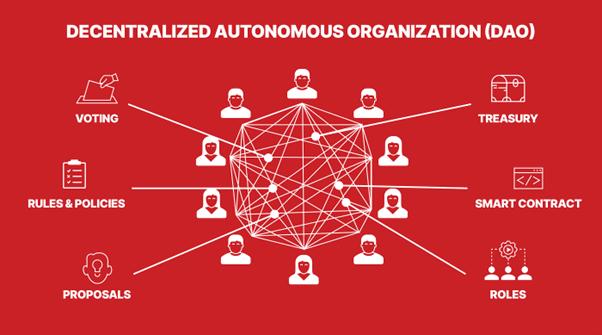
Figure1: IllustratesthedemocraticandcommunityfocuseddynamicofaDAO(GREEDAcademy, 2025).
itbecomesincreasinglyexpensiveforonepersonto dominateadecision,givingmorebalancedpower acrossthecommunity.Thisalleviatestheriskof vote-buyingoroff-chaincollusionbyinfluential stakeholders,whichcouldswayfundingdecisions awayfrompurescientificmerit(Caravello2025). Intermsofmeritocracy,DeSciplatformsofferonchainreputationsystems,suchasResearchHub’s Reputation(REP)score.Thesesystemsreward diversescientificcontributions,whichcreate verifiabletrackrecordsindependentofinstitutional affiliationandthusincentivisevaluablecommunity participation.Complementingthis,directtokenised incentives,likeResearchHub’sResearchCoin ($RSC),offeramonetaryrewardforspecificactions suchaspeer-reviewingorsharingreproducible research,contributionswhichareoftenundervalued andunder-incentivisedintraditionalmodels. Althoughpromising,DeScicomeswithits challengesand,byexistingontheblockchain,it presentspotentialrisksabsentintraditionalmodels. WithinDAOsthemselves,lowparticipationand voterapathyarepersistentconcernsacrossthe broaderDAOecosystem,andDeSciisnotimmune (Caravello,2025).ManyDAOsstrugglewithactive voterparticipationratesthatcanbeaslowas 5-10%oftokenholdersforimportantprotocols (Lukacsetal.2023)canseverelyunderminethe credibilityoffundingrounds,whilethevoting mechanisms,althoughdecentralised,canbeslow. Moreover,DAOmembersvotingonfundingmay notpossessthespecificscientificexpertiseneeded toaccuratelyassesscomplexproposals,albeit thosedisinterestedinlongevitywouldlikelycare
aboutfundingit.Lastly,thevolatilityinprices ofgovernancetokenssuchastheaforementioned $RSCmakeslong-termbudgetingforresearch projectshighlyuncertainforscientists.
Traditionalscientificpublishingsuffersfromsystemicincentivemisalignmentsthatlimitresearch accessibility,inflatecosts,andexacerbatethereproducibilitycrisis.Thisissuestemsnotfromthe aforementionedpitfallsofprestige-basedfunding butratherfromprestigiouspublishinghousesthemselves.Thecareerprogressionofanacademic disproportionatelyrewardspublicationinhighprestige,frequentlypaywalledjournals,enabling largepublisherstoformanoligopoly.Deutsche Bankdescribesitasa”triplepayment”system wherepublicfundssupporttheinitialresearch, compensateresearchersandpeerreviewers,and thenpublicinstitutionsandindividualspayagainto accessthepublishedfindings.Nearlytwodecades ago,majoracademicpublishersinthescience,technical,andmedicalsectorswerealreadyreporting substantialannualrevenuesofaround$20billion -afigurethatwouldbesignificantlyhighertoday.ProfitmarginsforsomepublisherslikeElsevierarereachingnearly40%,exceedingMicrosoft,Google,andCoca-Cola(Becerril-Garc´ıa, 2024).Journalschargeexorbitantfees,withNature requiring$11,000(OranskyandMarcus,2021)and TheLancetGlobalHealthchargingupto$7,000 perpaperpublished(Lancet,nodate),beyondany subscriptioncosts.
Thecompetitivepressuretosecurepublicationsin highlyselectivejournalscaninadvertentlycompromisescientificintegrity.Thissystemfostersbias towardpublishingexclusivelypositiveorostensiblynovelresults,leadingtotheunderreportingof nullornegativeresults,despitetheirimportanceto scientificprocess.Inmoresevereinstances,these pressureshavebeenimplicatedinresearchfraud, wherephotoshoppeddementiaresultsledto$34 billioninfundingbeingmisdirectedawayfrom discoveringatreatmentforovertwodecades(OHA, 2025).Yet,thisshouldnotbesurprising,consideringthat70%ofscientistscannotreproduceanother researcher’sresults,highlightingthecorruptionin
science(Baker,2016).
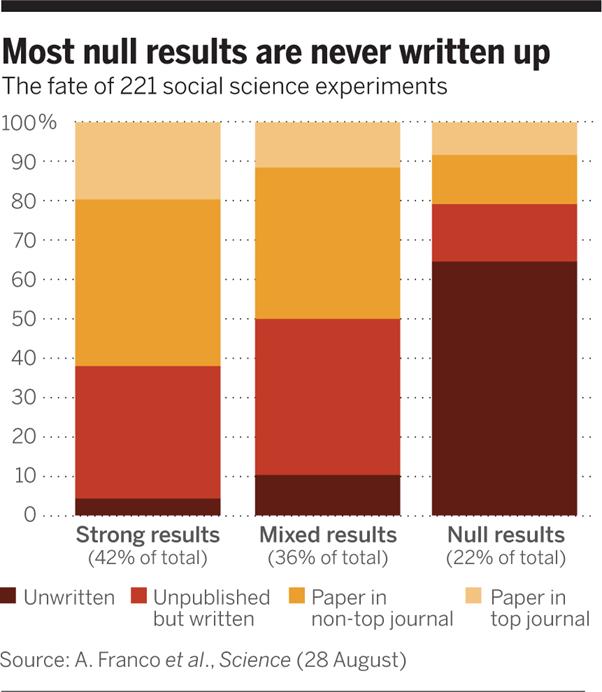
Figure2: Showsthe“filedrawer”phenomenon, wherescientistsabandonresearchwhichisless likelytobepublished(Francoetal.,2014).
DeScioffersmechanismsdesignedtofundamentallyrealignknowledgedisseminationincentives, cultivatingaresearchecosystemthatisinherently moreopen,transparent,andcollaborative.DeSci initiativeschampionOpenAccessPlatformsand DecentralisedRepositories,exemplifiedbyprojects likeResearchHub,coinedthe”GitHubforscience.” Theseplatformsaimtodismantlepaywallsand circumventprofit-extractingintermediaries,suchas NatureandScience,byfacilitatingdirectsharing ofresearchresults,methodologies,datasets,preliminaryfindings,andpreprints,makingthemaccessible totheglobalscientificcommunity.
Complementingthisinfrastructuralshift,DeSci promotesincentivisedcollaborationandopenness throughouttheresearchlifecycle,ratherthanconfiningpeerinteractiontopre-publicationreview.Scientificcontributionsoftenoverlookedinacademia, suchasnullresults,replicationstudies,andthe creationofanalyticaltools,canbedirectlyrewardedonDeSciplatforms(e.g.ResearchHub) throughplatform-specifictokens.Thismodelen-
couragessharingallresearchoutputsregardless oftheirperceived”publishability”inconventional journals.Publicationsontheseplatformscanevolve dynamically,allowingupdateswithnewdataand corrections.
Despitecompellingadvantages,establishedjournals haveoligopolisedtheacademicincentivestructures, presentingadoptionbarriersforDeSciplatforms. WhileplatformslikeResearchHubdemonstratepotentialwith850weeklycontributors,achieving comparablecredibilityremainschallenging.Additionally,DeSciplatformsmustnavigateevolving regulatorylandscapeswhileavoidingnewbiases thatmightfavourresearchpopularinonlinecommunitiesovercomplexfundamentalscienceorinadvertentlyexcluderesearcherslessfamiliarwiththe requisitetechnology.
Thejourneyfromlaboratorydiscoveryto commercialapplicationfacesa”valleyofdeath” intranslationalresearch.Forcontext,90%ofdrug candidatesenteringclinicaltrialsfailFDAapproval (Millar,HillandWhelan,2022).Developinga singledrugtakesapproximately10-15yearsand $2.6billion,a145%increasefromearly2000s estimates(Leetal.,2020&WaltmanandLarivi`ere, 2021)
Thevalleyofdeathstemsfrommisalignedacademic incentives,rewardingpublications,citationsrather thanthetranslationofdiscoveriesintoapplications. Seyhan(2019)arguesthatthelackofappropriate incentivesinacademiatopursuethetranslationof discoveriesintoclinicalinnovationscontributesto extremelylowsuccessrates.Empiricalresearch byQingKe(2019)demonstratesthatclinical researchpapersconsistentlyreceivesignificantly fewercitationscomparedtobasicscience[6] publications.-aproxyfortheacademicrewards thatdriveresearchers’careersandrecognition.This citationdisparitycreatespowerfuldisincentives forpursuingtranslationalworkdespiteitshuge societalimportance.
DeSciutilisesthetechnologyofblockchainto providetransparentpathwaysfromdiscovery toapplication.IP-NFTs(IntellectualProperty Non-FungibleTokens)serveasimmutabledigital
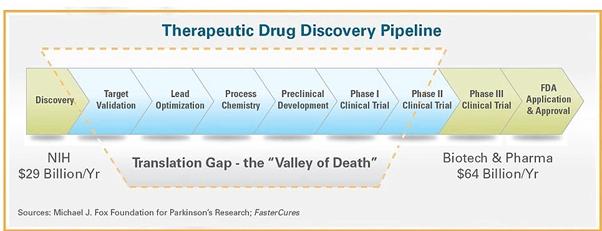
Figure3: Thetranslationgap,or“ValleyofDeath”, wherethemajorityofdrugdiscoveriesfail.
certificatesofownershipon-chain,creating verifiableIPrecordsmanageablethroughsmart contracts.Smartcontractsself-executingpieces ofcodethatliveontheblockchain;once certainpre-agreedconditionsaremet-such asaproductreachingasalesmilestone-the smartcontractautomaticallycarriesoutthe definedtermsofanagreementwithoutneeding atraditionalintermediary.Thismodelallows forfractionalownership,allowingresearchersto raisecapitalwithoutcedingcompletecontrolof theirresearch(Shilina,2023).Inaddition,smart contractscanstreamlinelicensingagreements byautomaticallyconnectingresearcherswith commercialpartnersandremovingbureaucracy inthedrug-approvalprocess(Boicova-Wynants, 2022).Mostimportantly,embeddedsmartcontracts candistributeroyaltiestoresearchersand contributorswhencommercialmilestonesare achieved,suchasbringingaproducttomarket orwhenacertainsalesgoalisreached,creating incentivesalignedwithtranslationoutcomesrather thanjustacademicmetrics(Białas,2025).
DeSciDAOs,suchasHairDAOforhairloss, VitaDAOforlongevity,orevenPsyDAOfor medicalpsychedelicresearch,offerapromising solutiontothetranslational”valleyofdeath”.These DAOshavemission-drivenresearchcommunities thattargetspecificmedicalchallengesordisease areas(Shilina,2023).Unliketraditionalresearch institutionswithbroadmandates,thesespecialised DAOsconcentrateresources,expertise,andfunding directlyonasingleissue(Lee,2023).Thistargeted approachbreaksdownsilosbetweenacademic researchers,clinicians,patients,andindustry partnersbyunitingthemwithinagovernance structurethatalignsincentivestowardtranslational outcomes.Bycombiningdomain-specificfocus
withtransparentfundingallocationandmilestonebasedrewardsembeddedinsmartcontracts,DeSci DAOscanstrategicallydirectcollectiveresources towardbridgingcriticalgapsinthetranslational pathwaythattraditionalinstitutionsoftenneglect duetocommercialuncertaintyormisaligned academicincentives(Lopez,2025).
Despitethesepromisingframeworks,DeSci’s approachfacesimplementationchallenges.IPNFTsexistinuncertainregulatoryterritory,raising questionsabouttheirlegalstatusacrossjurisdictions (Białas,2025).TokenisedIPalsorisksintroducing commercialisationchallengesifgovernance structuresarounditareinefficient,potentially stallingR&D(Lopez,2025).Additionally, blockchain-basedIPmanagementfacesadoption barriersasmanyresearchersandinstitutionslack thetechnicalexpertisetonavigateon-chainsystems andsmartcontracts,makingitdifficulttointegrate practicallyintotheexistingacademicinfrastructure (Białas,2025).
WhileDeSciaddresseslegitimatepainpointsin translationalresearch,itseffectivenessdependson thoughtfulimplementationthatpreservesscientific integrity,ensuresequitableaccess,andmaintains supportforthefullspectrumofresearchfrom fundamentalinquirytopracticalapplication.
Themisalignedincentivesentrenchedwithinthe systemoftraditionalsciencedemonstrablyimpede progressacrossresearchfunding,knowledgedissemination,andthetranslationofdiscoveriesinto tangible,real-worldimpact.Currentframeworks oftenprioritiseadministrativeburdensoverefficientresourceallocation,fosterpaywalledpublishingoligopoliesdetrimentaltoopenaccess,and perpetuatethevalleyofdeath,therebyfostering inefficienciesandbiases.DeSciemergesasanovel paradigmproposingtherecalibrationoftheseincentivesthroughblockchain-basedmechanismssuchas DAOs,tokenisedrewards,andIP-NFTs.Thesetools aimtocultivateamoredemocratic,transparent,and efficientscientificenterprise.
However,whileofferingcompellingsolutionsto long-standingissues,DeSciconfrontssignificant implementationchallenges.ConcernsregardingrobustDAOgovernance,includingvoterapathyand
plutocracy,thevolatilityofcrypto-assets,theuncertainlegalandregulatorylandscapefortokenised IP,andbarrierstowidespreadadoptionwithinthe establishedscientificcommunitymustbeaddressed. TheultimatesuccessofDeSciintransformingscientificpracticehingesonitscapacitytorigorously navigatethesecomplexities.Furtherresearchand careful,iterativedevelopmentarecrucialtoascertainwhetherDeScicanmatureintoasuperiormodel foradvancingscientificdiscoveryandapplication.
Al-ShahiSalman,R.,Dennis,M.S. andSandercock,P.A.G.(2014)‘Research misconduct:timeforaunitedapproach’, Nature,533(7603),pp.452–453.Availableat: https://www.nature.com/articles/533452a (Accessed:5June2025).
Azoulay,P.,GraffZivin,J.S.andManso,G. (2011)‘Incentivesandcreativity:evidencefrom theacademiclifesciences’,TheRANDJournalof Economics,42(3),pp.527–554.
Białas,P.(2023)HowDecentralized Science(DeSci)IsRevolutionizingResearch. UlamBlog,21February.Availableat: https://www.ulam.io/blog/how-decentralized -science-is-revolutionizing-research(Accessed:5 June2025).
Boicova-Wynants,A.(2022)Research project:NFTsinIPStrategyofaCompany. IPBusinessAcademy.Availableat: https://ipbusinessacademy.org/research-proje ct-nfts-in-ip-strategy-of-a-company(Accessed:5 June2025).
Bol,T.,deVaan,M.andvandeRijt,A. (2018)‘TheMattheweffectinsciencefunding’, ProceedingsoftheNationalAcademyofSciences, 115(19),pp.4887–4890.
Butler,D.(2008)‘Translationalresearch:Crossing thevalleyofdeath’,Nature,453(7197),pp. 840–842.
Caravello,A.(2023)DAOVotingConfidence isinDecline.HowtoRestoreit?Shutter
NetworkBlog,21December.Availableat: https://blog.shutter.network/dao-voting-confidence -is-in-decline-how-to-restore-it/(Accessed:5June 2025).
GreedAcademy(2023)Governance.Medium, 12March.Availableat:https://medium.com/@Gree dAcademy/governance-623612c5707d(Accessed: 5June2025).
Herbert,D.L.,Barnett,A.G.,Clarke,P.andGraves, N.(2013)‘Onthetimespentpreparinggrant proposals:anobservationalstudyofAustralian researchers’,BMJOpen,3(5),e002800.
Ke,Q.,Ahn,Y.-Y.andSugimoto,C.R.(2019)‘A systematicidentificationofscientificdisciplines’ orientationtowardbasicorappliedresearch’, JournalofInformetrics,13(1),pp.383–394.
Larivi`ere,V.,Haustein,S.andMongeon,P. (2015)‘TheOligopolyofAcademicPublishersin theDigitalEra’,PLoSONE,10(6),e0127502.
Lee,J.Y.(2023)‘DecentralizedAutonomous Organizations(DAOs)Unchained:ANewForm ofCorporateGovernance?’,UniversityofIllinois LawReview,2023(4),pp.1293–1348.Available at:https://illinoislawreview.org/wp-content/upl oads/2023/08/Lee.pdf(Accessed:5June2025). L´opez-L´opez,A.V.,Navas-Mart´ın,M. ´ A.and Larr´u-Rup´erez,L.(2024)‘DecentralizedScience (DeSci):AnExploratoryStudyofItsPossibilities inOpenScience’,Laws,13(4),p.131.Availableat: https://doi.org/10.3390/laws13040131(Accessed:5 June2025).Lukacs,M.,Pinter,N.,Roˇzon,R.and P´olvora,A.(2023)OpportunitiesandLimitationsof DecentralizationinDecentralizedScience.Preprint. Availableat:https://www.researchgate.net/publica tion/373824086 Opportunities and Limitations of Decentralization in Decentralized Science (Accessed:5June2025).
Lustenburger,etal.(2025)[Articleonquadratic votinginDAOs].SupposedlyAppliedSciences, 15(7),Article3491.OHAEditorialTeam(2025) TheAlzheimer’sResearchScandal.Occupational HealthAssessment,10February.Availableat: https://occupationalhealthassessment.com/2025/02 /10/the-alzheimers-research-scandal(Accessed:5
June2025).
Seyhan,A.A.(2019)’Lostintranslation: thevalleyofdeathacrosspreclinicaland clinicaldivide–identificationofproblems andovercomingobstacles’,TranslationalMedicine Communications,4,articlenumber18.doi: 10.1186/s41231-019-0050-7.
Shilina,S.(2023)Intellectualproperty(inscience): Thepotential&advantagesofNFTs.Preprint. Availableat:https://www.researchgate.net/publica tion/369952984 Intellectual property in science The potential advantages of NFTs(Accessed:5 June2025).
Wager,E.andKleinert,S.(2014)‘Whyscience needsstandardsofevidence’,Science,345(6200), pp.1210–1211.Availableat:https://www.science. org/doi/10.1126/science.1255484(Accessed:5June 2025).
[1]Adistributedledgerwithgrowinglistsof records(blocks)thataresecurelylinkedtogether viacryptographichashes.
[2]Ablockchain-basedsystemthatenablespeople tocoordinateandgovernthemselvesmediatedby asetofself-executingrulesdeployedonapublic blockchain,andwhosegovernanceisdecentralised (i.e.independentfromcentralcontrol).
[3]Intangiblepropertythatistheresultofcreativity andinnovationandwhichcanbeownedinasimilar waytophysicalproperty.
[4]Provideasecureandimmutableproofof ownershipforintellectualpropertyon-chaininthe formofanNFT(non-fungibletoken),meaningthat eachis1:1andcannotbereplicated.
[5]Enablesausertorequestspecificindividualsor groupstoaddressaresearchchallengeorcomplete atask.
NifemiAwotorebo
EditedbyPedroLourencoandAvaGr¨onberg
Abstract -Theriseofartificialintelligenceand generativeAI,suchasChatGPTandClaude,has hadmassiveimpactsonalmosteveryindustry. Particularlywithinsoftwaredevelopmentand testing.AItoolslikeGitHubCopilotarenow integratedintomostIDEs,whilecompletelyAIpoweredintegrateddevelopmentenvironments (IDEs)likeCursorareemerging.Asthesetools develop,theyraisequestionsaboutwhatimpact thiswillhaveonthewaydeveloperswork,the extenttowhichcertaintaskscanbeautomated, andtherisksbehindintegratingAIintothe workspace.A2023surveybyGitHubfound that92%ofsoftwaredevelopersareusingAI professionallyandpersonally[6].However,new OpenAIresearchhasalsoshownthatAImodels likeClaudestillfallshortinreal-worldsoftware engineeringtaskscomparedtohumandevelopers [2].Thiscontrasthighlightsboththepotential andlimitationsofAIwithinsoftwaredevelopment.ThispaperexploreshowAIistransformingSoftwaredevelopmentandtherisks associatedwithitsintegration.
Softwareengineeringandtechnologyhasalways beensynonymouswithbeingfastpacedandinnovative,withnewtechnologiesconstantlyarriving. Requiringdevelopersandcompaniesaliketoeither adaptorbeleftbehind.FromtheriseofIntegrated DevelopmentEnvironments(IDEs)thathelpedimprovecodedevelopmenttocollaborationtoolslike Gitthatrevolutionisedandimprovedhowteams worktogether.Toolsareconstantlybeingdeveloped tomakedevelopmentmoreefficient.However,the riseofAIrepresentsafundamentalshift,where toolsarenotbeingusedtoaiddevelopersbut aretakingonsignificantpartsofthedevelopment
processforthem.
MetaCEOMarkZuckerbergrecentlysuggested thatAIwillbecapableofreplacingmidlevel engineers[8],acceleratingtheautomationofroutinecodingtasks.Thisstatementreflectsabroader industrydebate:Whatrolewillhumandevelopers playasAIgeneratedcodebecomesmoreefficient andbetteratsolvingcomplexproblems?WhilstAI canleadtoincreasedproductivity,italsointroduces riskssuchasunreliable,insecurecodeandoverrelianceonautomation.
ThisreportexploreshowAIisshapingsoftware development,thechallengesitpresentsandsome ofitspotentialfutureusecases.
Beforedivingintoitsimpact.Itisimportant togiveabriefoverviewregardingthetechnical advancementsthathaveallowedforthisshifttobe possible.
- TransformerArchitectures:Thefoundation ofmoderngenerativemodelssuchas ChatGPTandClaude.
- LargerContextWindows:Modelssuch asGPT-4turbonowsupport > 100K tokens[10]whichallowsbetterunderstanding ofcomplextextandcodebasesallowingfora moreappropriateandcontextdrivenresponse toanyqueries.
- RetrievalAugmentedGeneration(RAG): ThisallowsAImodelstopullinrelevant externalinformationtoimproveresponses. Theseadvancementshavefueledthedevelopmentof modernAItoolsleadingtomorecapablesystems.
Asmodelshavegrownmorecapabletherole ofthesoftwareengineerischanginginresponse. ToolslikeGitHubCopilotandCursornowassist ineverythingfromboilerplatecodegenerationto suggestingimplementationanddesigndecisions.
GoogleCEOSundarPichairecentlyrevealedthat AIisgeneratingover25%oftheircode,anditis nowtheengineer’sjobtoeitheracceptorrejectthe code[5].Airbnbcutamultimonthcodemigration projectdownto6weeksusingLargeLanguage Models[11].Thisshowcasesamajorstrengthof AI:automatingtraditionallytime-consumingtasks. Allowingcompaniesanddevelopersaliketofocus onmorehigh-leveltasksratherthanroutinemaintenance.
Butthesetoolsdon’teliminatetheneedforengineers,insteadtheyshiftresponsibilities.Theirjob nowincludesverifyingthatAIgeneratedcodeis secure,efficient,andreliable.Thisevolvingcollaborationbringsnewchallenges,especiallywhenAIgeneratedcodesometimesdoesnotmeetrealworld standards.
AItoolsoftenperformwellinstandardcoding benchmarks,butreal-worlddevelopmentismuch hardertoquantify.Manybenchmarksareoften “gamed”[7]meaningmodelsarefinetunedtoperformwellonthemwhichinflatestheirperceived competence.
ArecentOpenAIstudyfoundthathouseholdmodels suchasClaudestrugglewithrealworldproblemsolvingtaskscomparedtohumandevelopers.The bestmodelonlycompletedamere26.2%oftasks correctly[2].ThisisastarkreminderthatAImodels stillfallshortofhumanreasoningandproblemsolvingabilities.Thestudyhighlightedthefactthat themodelsfellshortinkeyareascrucialtobeing anindustrystandardsoftwareengineersuchas: understandingprojectwidecontext,problemsolving andhandlingedgecasesandwritingtests. However,thestudyalsohighlightedsomekey strengths.AImodelsoutperformedhumansinnavigatinglargecodebases,locatingfunctiondefinitions andevaluatingexistingcode.Successratesalso significantlyimprovedwhenmodelsweregiven morethan1attempt.OpenAI’so1modelnearly tripledit’saccuracywhengivenseventriesinstead
ofone[2].ThesefindingssuggestthatAIcannot yetreplacehumandevelopersbutcanaugmentthem effectively.
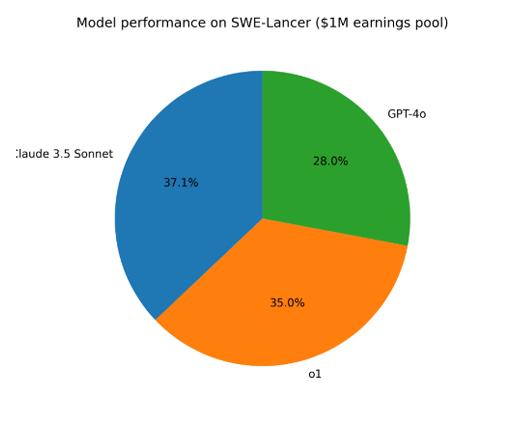
Figure1: ModelperformanceonSWE-Lancer ($1Mearningspool).Claude3.5Sonnetearned themost,capturing40.3%ofavailableearnings, followedbyo1(38.0%)andGPT-4o(30.4%). Source:https://www.bensbites.com/p/swe-lancercan-ai-make-it-as-a-freelancesoftware-engineer.
Historically,developersreliedheavilyonpeer reviewedsitessuchasStackOverflow.Asoflate 2022thesitehadover100millionmonthlyvisitors. HoweverwithinsixmonthsofChatGPTsrelease, trafficfellbyover25%asseeninFigure2.[11] Thisswiftdeclinecanbeattributedtothefactthat LLMssuchasChatGPTcangenerateresponses almostinstantaneously,andmorespecificfollowup questionscanbeaskedandtheendusercanreceive tailoredresponses,unlikemoretraditionalforum websites.However,akeyupsideofStackOverflow wastheabilitytoupvoteanddownvoteresponses basedontheircorrectness.YetwithAIgenerated codethereisnomechanismofpeervalidation. ThiscanquicklybecomeanissueasAImodels tendtosoundcompletelycorrectevenwhenthey getthingswrong.Anissuesocommonithasits ownname,“AIhallucinations”.Thiscanleadto developersofallskilllevelssimplycopyingand pastingcorrectlookingcodewithoutrealisingthat itiscompletelyincorrect,potentiallyintroducing
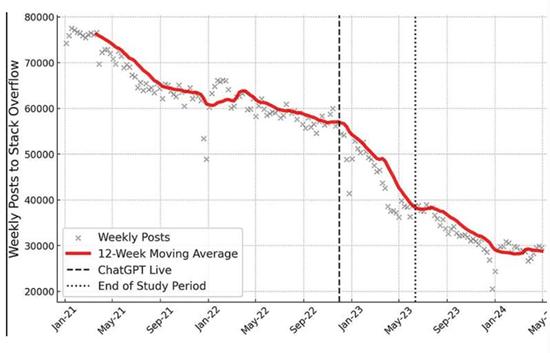
Figure2: tackOverflowtrafficdrop afterChatGPT’srelease.Source: https://techxplore.com/news/2024-09-chatgptlinked-decline-knowledge-online.html securityrisksandbugsintosystems.Thislossof communalknowledgesharingalsoreducescollaborativelearningandknowledgevalidation.Makingit harderfordeveloperstounderstandwhyasolution worksanddoeswhatitdoes.
TherisksonrelyingonAIwithoutproperoversightextendbeyondcorrectnessandintoprivacy andsecurity.AStanfordstudyfoundthatdevelopers whoutilisedOpenAI’scodexmodelweremore likelytointroducesecurityvulnerabilities[3].This alignswithabroadertrendthatAImayspeedup developmentbutcanalsospreadinsecureorfaulty codeifusedincorrectly.Majorcompanieshave alreadytakenstepstoreducetheriskofAI-induced securityissues.Samsungmadeheadlinesin2023 forbanningtheuseofChatGPTaftertheaccidental leakofinternalcodetotheopenAImodel[4]. Thecompanyreportedlyfearedthatthedatashared withthebotcouldbestoredonserversownedby companiessuchasGoogle,OpenAIandMicrosoft. Thereisalso,thefearthatsensitivedatasharedwith ChatGPTcouldbesharedwithendusers.Thecombinationofthelackoftransparency,hallucinated contentandpotentiallyunsecureoutputsmakesit clearthatcurrentAItoolsifnotusedappropriately canbecomemoreofaburdentomajororganisations thanaids.
Giventhesechallenges,thepathforwardisnotto abandonAI,buttouseitwisely.ThemostpromisingresultscomewhenhumansandAIcollaborate withthemodelservingmoreasanassistantthan anauthoritativefigure.Astouchedonbefore,AI modelsexcelattaskssuchasrefactoringcode, navigatinglargefilestructuresandlocatingrelevant functionsquickly.Buttheyconsistentlyfailinareas wherehumandevelopersthriveinsuchaswriting secureandrobusttests,reasoningthroughambiguity andmanagingedgecases.Thefutureofsoftware developmentisnotAIversushumans.ItisAIwith humans.DeveloperswhoknowhowtocriticallyassessAIoutput,understanditslimitationsandknow howtointegratethesetoolsintotheirworkflowwill betheoneswhothrivemostinthefuture.
AIinsoftwareengineeringisevolvingfrommuch moreofapassivetooltoanactiveagentcapableof reasoningandexecutingtasksfreely.Unliketools suchasGitHubCopilotwhichsuggestscodeline byline,newersystemssuchasOpenAI’sCodex canoperatemoreautonomously.Codexcanread, testandeditrealcodebasesinisolatedenvironments.Developerscanguideitsbehaviourbyusing configurationfiles,enablingittofollowproject conventions.Theseagenticsystemsmarkanew phaseinthesoftwarelifecycle.WhereAIdoesn’t justassistdevelopersbutalsocollaborateswith them.Ashighlightedthroughoutthispaper,this transformationcarriesbothopportunityandrisk.On theonehand,wehavefasterdevelopmentstages anditeration,butontheotherhand,therearestill concernsaboutreliabilityandsecurity.
Whilethepaceoftechnologicalchangeisnothing new,theriseofgenerativeAImarksashiftnot justintoolsbutalsoresponsibilities.Developers arenolongerjustlimitedtobuildingandtesting applications;theyareinvolvedinreviewingand overseeingcodewrittenbymachines,demanding newskillsfromthefutureandcurrentengineers alike.Thoughcurrentmodelsstillfallshortinreal worldtasks,theirrapidimprovementsuggeststhat thegapwillcontinuetonarrow.Thechallenge aheadwillnotbeaboutresistingortryingtostop
thisimprovementbutratherlearningtoguideit andensurethatAIenhanceshumancreativityand problem-solvingabilitiesratherthanreplacingthem. Thefutureofsoftwaredevelopmentwillnotbe AItryingtooutdohumansorviceversa.Humans willworkwithAItoenhancesoftwareandmake developersmoreefficientthanever.Similartothe introductionofthefirstmajorIDEinMicrosoft VisualBasic,in1991.
[1]SignHouse.(2024).StackOverflow GrowthandUsageStatistics(2024) -SignHouse.[online]Availableat: https://usesignhouse.com/blog/stack-overflow-stats/ [Accessed20Mar.2025].
[2]Smith,T.(2025).AICoding:NewResearch ShowsEventheBestModelsStruggleWith Real-WorldSoftwareEngineering-DevOps.com. [online]DevOps.com.Availableat:AICoding: NewResearchShowsEventheBestModels Struggle WithReal-WorldSoftwareEngineeringDevOps.com
[3]University,S.(n.d.).DanBonehand teamfindrelyingonAIismorelikelyto makeyourcodebuggier—StanfordElectrical Engineering.[online]ee.stanford.edu.Availableat: https://ee.stanford.edu/dan-boneh-and-team-find-rel ying-ai-more-likely-make-your-code-buggier.
[4]Ray,S.(2023).SamsungBansChatGPT amongEmployeesafterSensitiveCode Leak.[online]Forbes.Availableat: https://www.forbes.com/sites/siladityaray/20 23/05/02/samsung-bans-chatgpt-and-other-chatbot s-for-employees-after-sensitive-code-leak/
[5]Kelly,J.(2024).AIWritesOver 25LookLikeForSoftwareEngineers? Forbes.[online]1Nov.Availableat: https://www.forbes.com/sites/jackkelly/2024/11/01/ ai-code-and-the-future-of-software-engineers/
[6]Hurler,K.(2023).GitHubSurvey Finds92[online]Gizmodo.Availableat:
https://gizmodo.com/github-survey-92-perce nt-programmers-are-using-ai-tools-1850534570
[7]Syed,T.(2024a).TeachingtotheTest: HowBenchmarkGamingCouldInfluenceAI Progress.[online]Boxcars.ai.Availableat: https://blog.boxcars.ai/p/teaching-to-the-test-how -benchmark?utm source=chatgpt.com[Accessed 16May2025].
[8]Marks,G.(2025).BusinessTechNews: ZuckerbergSaysAIWillReplaceMidLevel EngineersSoon.Forbes.[online]26Jan.Available at:https://www.forbes.com/sites/quickerbettertech/2 025/01/2/business-technews-zuckerberg-says-ai-wil l-replace-mid-levelengineers-soon/.
[9]OpenAI(2024).Newmodelsanddeveloper productsannouncedatDevDay.[online] Openai.com.Availableat:https://openai.com /index/new-models-and-developer-products-annou nced-at-devday/?utm source=chatgpt.com.
[10]Simone,S.D.(2025).HowAirbnbUsed LLMstoAccelerateTestMigration.[online]InfoQ. Availableat:https://www.infoq.com/news/2025/ 03/airbnb-llm-test-migration/[Accessed16May 2025].
[11]Hub,S.(2024).ChatGPT’sriselinkedto declineinpublicknowledgesharingononline Q&Aplatforms.[online]Techxplore.com.Available at:https://techxplore.com/news/2024-09-chatgpt-l inked-decline-knowledge-online.html[Accessed20 Mar2025].
KatherineMellor
EditedbySushmhitahSandanatavanandAletheaStevenson
Abstract—TremorDominantParkinson’sDisease(TDPD)presentsasignificanttherapeuticchallenge,aspharmacologicalinterventionsareinsufficientorpoorlytolerated.MRI-guidedfocusedultrasound(MRgFUS)has surfacedasanovel,incisionless,neurosurgicaltechnique, thatcanprovidepreciseandtargetedablationofthebrain regionsassociatedwithtremorgeneration.Thisstudyaims toevaluatetheefficacyandsafetyofMRgFUSinthe treatmentofTD-PD,withafocusonmotorsymptom control,thesafetyprofileandit’soutcomescomparatively tothosefromdeepbrainstimulation(DBS).
Parkinson’sdisease(PD)isthesecondmost commonneurodegenerativedisorderglobally,after Alzheimer’sdisease,itposesasignificantburden onhealthcareandpatients’qualityoflife(Aarsland etal.,2021).Withanageingglobalpopulation, theincidenceandprevalenceofPDareincreasing, makingitapublichealthconcern.Accordingto theGlobalBurdenofDiseasestudy(Feiginetal., 2020),morethan8.5millionindividualswereliving withPDin2019;thisisexpectedtodoubleby 2040(Dorseyetal.,2018).PDischaracterisedby motorsymptomsincluding:restingtremor,bradykinesia,rigidityandposturalinstability,thatprogressivelyimpairtheindividual’smobilityandindependence.Additionallytherearenon-motorsymptomssuchas,mooddisorders,depression,cognitive dysfunction,hallucinosisandcomplexbehavioural disorders(Poewe,2008).Therisingprevalenceof thisdieasecoupledwiththeextensivelife-limiting symptomshighlightstheneedforinnovative,effectiveandminimallyinvasivetreatments.PDarises fromtheprogressivelossofdopaminergic(DA) neuromelanin-containingneuronsinthesubstantia nigra(SN)andnoradrenergicneuronsinthelocus coeruleus(Dickson,2012).TheSNisdividedinto
tworegions:parsreticulata(SNpr)andparscompacta(SNpc).WhereSNprcontainsGABAergic neuronsandactsasanoutputnucleusofthebasal ganglia,andthelattercontainsdopamineproducing neuronsthatprojectintothestriatum(Partanenand Achim,2022).DAprojections,referredtoasthenigrostriatalpathway,areessentialintheregulationof voluntarymovement(Chanetal.,2010).Dopamine releasedfromtheSNpcterminalsmodulatesthe activityofstriatalneuronsintwocircuits,thedirect andindirectpathways.Wherethedirectpathway facilitatesmovementandtheindirectinhibitsit (YoungCB,2023).InPD,degenerationofSNpc leadstoadopaminedeficit,thusreducingtheactivationofthedirectpathwayandinhibitionofthe indirect.Thispromptsexcessiveinhibitoryoutput fromglobuspallidusinternus(GPi)tothethalamus whichreducesitsabilitytoexcitethemotorcortex (McGregorandNelson,2019).Consequently,thalamocorticalmotordriveisdiminished,manifesting asbradykinesia,motorrigidityandrestingtremor. Inthepresenceofmotordysfunction,approximately 50
AnotherpathologicalhallmarkofPDisthepresenceofLewyBodies(LB),primarilycomposed ofmisfolded-synucleinprotein.Thepresenceofa presynapticneuronalprotein,-synuclein,isinvolved insynapticvesicletraffickingandneurotransmitterrelease(Mahul-Mellieretal.,2020).InPD, -synucleinproteinundergoesmisfoldingandaggregationinto-sheet-richfibrilswhichaccumulate andbecomeneurotoxic.Theycontributetoneuronal dysfunctionthroughimpairmentofsynapticfunction,mitochondrialdamage,lysosomalandproteasomaldysfunctionandactivationofinflammatory responses(Calabresietal.,2023).Braakstaging denotesthedistributionofLB,beginninginthe dorsalmotornucleusofthevagusnerveandthe
olfactorybulb(stages1-2),progressingtoSNpcand othermidbrainnuclei(stage3),andcorticalregions (stages5-6)(Braaketal.,2004).Thiscorrelates withsubstantialnon-motordysfunctionincluding sleepdisturbances,anosmiaandGIdisturbances, thatoftenprecedemotorsymptoms(Radadetal., 2023).
DAneuronsintheSNpcarevulnerabletomitochondrialdysfunctionduetohighmetabolicdemand andrelianceoncalciumbuffering,thusdemonstratingreducedactivityofmitochondrialcomplexI inSNpcofPDpatients(Vos,2022).Thisleads toincreasedgenerationofreactiveoxygenspecies (ROS)whichareresponsibleforoxidativedamage tolipids,proteins,andDNAandalsocontributeto neuronalinjuryandcelldeath.TheselectivesusceptibilityofDAneuronsmaycomefromdopamine itself;dopaminemayauto-oxidisetoformquinones andROS,amplifyingoxidativestressinanalready compromisedenvironment(Zhouetal.,2023).
ChronicneuroinflammationassiststheprogressionofPDasresidentialimmunecellsofthebrain (microglia)areactivatedinresponsetoneuronal injuryandthepresenceofaggregated-synuclein protein(FerreiraandRomero-Ramos,2018).ActivatedmicrogliacauseanexcessivereleaseofproinflammatorycytokinessuchasTNF-,IL-1,IL-6, ROSandnitricoxidewhichcreatesatoxicenvironmentthatexacerbatesneuronaldamage(C¸ınar etal.,2022).PDisassociatedwithdysfunction oftwomajorintracellularproteindegradationsystems:ubiquitin-proteasome(UPS)andautophagylysosomalpathway(ALP)(Panetal.,2008).ImpairmentofUPSislinkedtotheaccumulationofubiquitinatedproteinsinLBandmutationsinseveral genesinvolvedinproteindegradation,Parkin(E3 ubiquitinligase)andUCHL1,bothassociatedwith familialPD(Doss-Pepeetal.,2005).ALPiscrucial inthedegradationoflargeproteinaggregatesand damagedorganelles.Mutationsingenes,LRRK2, GBAandATP13A1,thataffectlysosomalfunction arelinkedtoPD(Pangetal.,2022).Additionally, impairedautophagypromotes-synucleinaccumulationandincreasedneuronalvulnerability.
WhilstPDisgenerallyconsideredadopaminergicdisorder,themotorfunctionofthestriatum isbasedontheequilibriumbetweendopamineand acetylcholine,DAactivitywithintheSNpcismodulatedbyglutamatergicandGABAergicinnervations (Aosakietal.,2010).PDdisplaysamultisystem
patternofdegeneration,wherebyneurodegeneration ofnoradrenergicneuronsinthelocuscoeruleusand serotonergicneuronsinraphenucleiareassociated withmooddisordersandautonomicdysfunction. Whilstneurodegenerationofcholinergicneurons inthepedunculopontinenucleusislinkedtogait abnormalities(Barone,2010).
Pharmacologicaltherapyremainsthefirst-line treatmentforPD,focusingonsymptomsmanagementratherthanacure.Levodopaisthegold standardfortreatingmotorsymptoms,andisoftencombinedwithadjunctivetherapiessuchas dopamineagonists,MAO-BinhibitorsandCOMT inhibitorstoenhancedopaminergictoneanddelaythelevodopainitiation(Regensburgeretal., 2023).However,chroniclevodopatherapyisassociatedwithmotorcomplicationslikedyskinesiaand the“on-off”phenomenon,wherepatientsexperiencedramaticfluctuationsinmobility(Lees,1989). WhenpharmacologicalinterventionsbecomeinadequateinadvancedPD,surgicalinterventionssuch asdeepbrainstimulation(DBS)areconsidered. DBStargetsthesubthalamicnucleus(STN)andGPi tomodulateneuronalactivitythroughcontinuous electricalstimulation.Whilstmultiplestudieshave exhibitedtheefficacyofDBS,itremainsaninvasive procedurewithriskssuchashaemorrhage,infection andhardwarediscomfortthatlimititsapplicability (FenoyandSimpson,2014).
MRI-guidedfocusedultrasound(MRgFUS)isan emerging,non-invasivetherapythatutiliseshighintensityultrasoundwavestoablatespecificregions ofthebraininordertotreatthemotorsymptoms ofPD.Preproceduralplanningincludesimagingof thetargetstructuressuchastheventralintermediate nucleus(VIM)ofthethalamus,GPiandSTN,to determinethesuitabilityofthepatientfortreatment (Ghanounietal.,2015)t.MRgFUSintegratesthree keycomponents:afocusedultrasoundtransducer array,MRIscannerandathermaldosecontroller (JungandChang,2018).Thetransducerarraysemit ultrasoundrays,knownassonication,thatconverge atadefinedlocalpointwheretheenergyisthen absorbedbythebraintissue.Thisresultsindisruptionofabnormalneuronalactivitybyheatingto5560°C.MRIthermometryallowsforreal-timemonitoringoftemperature,usingtemperaturesensitive MRparameters,toensurethesafetyandefficacy ofthetreatment(RiekeandButtsPauly,2008). Priortopermanentablation,lowenergysonication
isappliedtothetargetareatoobserveforsymptom reliefandsideeffects,thistemporary‘reversible lesioning’helpsfinetunethefinaltargetwhichis observedinthreeplanes(sagittal,axialandcoronal) (Schlesingeretal.,2017).Onceconfirmed,ultrasoundofincreasingintensitiesisusedtoraisethe temperatureto46-50°C,uptoamaximumtemperatureof60°C,untilanimprovementinthetremor isaccomplished(Luetal.,2023).Toachieveablationagradualincreaseintotalenergyisrequired, eitherbyincreasingintensityorexposuretimeto sonication,whichisthenstoppedwhencontrolof thetremorisachieved.TargetingtheSTNreduces pathologicalinhibitionviatheindirectpathwayto alleviatesymptomsofbradykinesiaandrigidity, whichisalsoachievedinablationoftheGPiby decreasingoveractivebasalgangliaoutput.VIM, akeycomponentofthecerebellothalamiccircuit, exhibitsabnormaloscillatoryactivitywhenrelaying motorsignalstothecortexinPD.Targetingthe VIMviaDBSorMRgFUShasbeenproventobe effectiveinreducingtremorsymptoms(Schlesinger etal.,2017).
Thenon-invasivenatureofMRgFUSexhibitsexcitingadvantagessuchasabsenceofpre-,intra-and post-surgicalcomplicationsaswellastheabsence ofimplantswhicheliminatestheneedfordevicerelatedmaintenance.Withitsimmediatesymptom reliefandabilitytobeanoutpatientprocedure,this innovationprovestobeanexcitingadvancementin thecareofPDpatients.Thisreviewaimstoexplore andevaluatetheuseandefficacyofMRgFUSin thetreatmentofPD.ItwillcompareMRgFUSto existingpharmacologicalandsurgicaltreatments, throughexaminationofitsadvantages,limitations andclincaloutcomes.Finally,itwilldiscussthe prospectsofMRgFUS,includingbilateralapplications,neuromodulationanddrugdelivery.
Studieswerecollatedbymanuallysearching PubMed,Medline,Embase,CochraneLibraryand GoogleScholar.Thesearchutilisedthefollowingkeywords:“Parkinson’sDisease”,“PD”,“focusedultrasound”,“MRgFUS”,“motorsymptoms”, “safety”and“efficacy”.Additionalpaperswereselectedtoprovideadequatebackgroundinformation regardingPDandMRgFUS.
InclusionCriteriaRandomisedclinicalstrials (RCT),meta-analysisandsystematicreviewsthat
werepublishedinEnglishwereincluded.Studies werescreenedbybothtitleandabstracttodetermine theirapplicabilityforthisreview.Literaturethat examinedtheefficacyandchallengesoftheuseof MRgFUSinPDwerekept.
ExclusionCriteriaNon-humanstudies,narrative reviewsandconferenceabstractswereexcluded. Anystudiesthatcouldnotbeaccessedandthose involvingatypicalorsecondaryparkinsonismwere excluded.
AtotalofelevenstudiesexaminingtremordominantPDtreatedwithMRgFUSwereanalysed, includingobservationalcohorts,RCTs,prospective studies,reviewsandmeta-analyses.Themajority targetedtheVIM,whilstasubsetexploredpallidothalamictract(PTT),STNandGPi.
UnifiedParkinson’sDiseaseRatingScale (UPDRS-III)Sevenoftheanalysedstudiesutilised theMDS-UPDRS-IIItodeterminemotorscores followingMRgFUSinboththe“on-medication” and“off-medication”states,howeverthe“onmedication”statewasmorewidelyreported(Tian etal.,2023,Cesaranoetal.,2024,Monteiroet al.,2024,Armengou-Garciaetal.,2024,Geetal., 2021,Xuetal.,2021,Liangetal.,2025).Tian etal.(2023)reportedresultsinmorefrequent intervalsthantheotherstudies,reportingonthe “on-medication”and“off-medication”state,atone, three,sixandtwelvemonths(Tianetal.,2023). Across258participantsinthe“onmedication” statethemeanUPDRS-IIIscorewas12.2(95
Theseresultswerecorroboratedforthe“on”state by(Cesaranoetal.,2024)indicatinga37
TremorScores(CRST)TheClinicalRatingScale forTremor(CRST)scorewasusedbyfiveofthe papers(Tianetal.,2023;Shirambaetal.,2025; Monteiroetal.,2024;Agrawaletal.,2021)(Xuet al.,2021).Thepapersdeterminedvaryingextents ofefficacy,withresearchconductedbyTianet al.(2023)unabletodeterminetheefficacydueto insufficientdataandShirambaetal.(2025)displayingsignificantreductionacrossone,three,sixand twelvemonthspostoperation(Tianetal.,2023, Shirambaetal.,2025).
Sixstudiesappliedvariedmeasuresincluding QUESTscores,PD-39,depressionandcognitive (MoCA)assessmentstodeterminetheimpactthat MRgFUShasonQoLandnon-motorsymptoms (Shirambaetal.,2025,Agrawaletal.,2021,Monteiroetal.,2024,Geetal.,2021,Xuetal.,2021). Acrossthesixstudiesavariedeffectwasobserved, withGeatal.(2021)andXuetal.(2021)reporting nosignificantimprovement.WhilstShirambaetal. (2025)displayedthreestudieswithQUESTscores of-1.5(95%CI:-2.3;-0.7)and-1.5(95%CI:-2.1;0.8)atoneandthreemonthsrespectively(Shiramba etal.,2025).Agrawaletal.(2021)reinforcesareductionwithaQUESTscoreof-1.5(95%CI:-2.93; -0.04)illustratinganinconclusiveresult(Agrawalet al.,2021).
BothMonteiroetal.(2024)andTianetal.(2023) showeddiminishingefficacyatthetwelve-month mark,withlittleresearchgoingbeyondthistime frame(Monteiroetal.,2024,Tianetal.,2023). Agrawaletal.(2021)identifiedaRCTthatfollowed patientsfor3yearswhichfoundthatthesepatients experienceda63%reductionindisabilityscoreand a50%improvementinQoL(Agrawaletal.,2021). Tianetal.(2023)notedinfourstudiesthateight patients,outoffourty-nine,experiencedarelapseof tremorsymptomsatvariouspointsincluding:one week,onemonth,threeandsixmonths(Tianet al.,2023).Shirambaetal.2025revealedastatisticallysignificantdecreaseinhandtremorreduction betweenonemonthandfiveyearspostMRgFUS (Shirambaetal.,2025).
Ninestudiesnotedadverseevents(AEs)which canbegroupedinto:AEsassociatedwithMRgFUSprocedureandAEsassociatedwithablation (Armengou-Garciaetal.,2024,Agrawaletal., 2021,BalduinodeSouzaetal.,2025a,Chuaet al.,2023,Geetal.,2021,Monteiroetal.,2024, Shirambaetal.,2025,Tianetal.,2023,Xuetal., 2021).BalduinodeSouzaetal.(2025)reportedan incidencerate(IR)of2.63AEsperpatientwhereas thecontroldemonstratedanIRof1.05AEs.The mostcommonAEsassociatedwithMRgFUSwere
dizzinessandheadaches,withanoddsratio(OR)of 4.35(95%CI:1.23-14.64)and0.88(95%CI:0.194.16),thisissupportedbyallninepapers(Balduino deSouzaetal.,2025a).Othernotablesymptoms includedvertigo,nauseaandvomiting,sensorydisturbancesandpin-sitecomplications.However,all symptomsreportedweretransientandmild,resolvingwithinhourstodays.AblationAEscomprisedof gaitdisturbances,dysarthria,orofacialparaesthesia, ataxiaandhemiparesis.Gaitdisturbanceswerethe mostfrequentAEassociatedwithablation,with anORof4.53(955%CI:0.79-26.07)(Balduino deSouzaetal.,2025a).Inalargeprospective cohort,gaitdisturbances,aswithotherablationrelatedAEs,continuedtothreetofourmonthspost operation.Chuaetal.(2023)displayedanIRfor: gaitimbalance(38%),weakness(17%),dysarthria (6%)andbyoneyearmostsideeffectsweremild (Chuaetal.,2023).BalduinodeSouzaetal.(2025) alsosuggeststhattherewasnostatisticaldifference inlife-threateningcomplicationsbetweenthetreatmentandcontrolgroups(BalduinodeSouzaetal., 2025a).
Liangetal.(2025)examinednumeroustrialswith over3,000patientsinvolved,comparingtheefficacy betweenDBSandMRgFUSinboththe“on”and “off”medicationstateacrossdifferenttreatment modalities.Inthe“off”state,DBSfocusingonthe STNsignificantlyimprovedtheUPDRS-IIIresult. Inthe“on”state,DBStargetingtheSTNand GPiandMRgFUSaddressingtheSTNsignificantly improvedUPDRS-IIIscore,withaSMDof-0.83,0.80and-1.83respectively.QoLwasalsoassessed, withtheuseofSTN-DBSandGPi-DBSshowing significantimprovementinQoL(Liangetal.,2025).
ThisdiscussionevaluatestheuseofMRgFUSfor tremor-dominantPDpatientswithafocusonits clinicaloutcomesandpotentialAEs.Acomparison isdrawnbetweenDBSandMRgFUStodetermine itssuitabilitycomparedtothecurrentgoldstandard treatmentofDBS.
MRgFUSoffersanexcitingnon-invasivetreatmentalternativetocurrentpharmacologicaland
surgicalinterventions,providingconsistentandsubstantialtremorandmotorsymptomrelief.AreductioninUPDRS-IIIscoresof30-40%across1-12 monthspost-treatment,wasobservedwithpatients reportingmoderatetosubstantialoverallimprovementinthe“on”state(Tianetal.,2023,Cesarano etal.,2024).Astimepost-interventionincreased, scoresrosehighlightingapotentiallydiminishing effect(Agrawaletal.,2021,Monteiroetal.,2024, Shirambaetal.,2025,Tianetal.,2023).Whilst inthe“off”state,resultswerelargelyinconclusive withavarietyofclinicaloutcomesreported.Nonmotorfunctionsremainedmostlyunchangedand medicationdependencewasstable.Somestudies demonstratedanincreaseinQoLanddecreasein disabilityscoresdemonstratingtheeffectivenessof MRgFUS(Agrawaletal.,2021,Shirambaetal., 2025,Liangetal.,2025).Headaches,dizzinessand sensorydisturbancewerecommoncomplications associatedwithMRgFUS.TheseAEsweretransient duringthetreatmentprocessandwereresolved withindaysatmost.Complicationsassociatedwith ablationbroughtadifferentsetofAEsincludinggait disturbances,ataxia,dysarthria,orofacialparaesthesiaandhemiparesis.Inaminorityofpatients,AEs relatedtoablationpersistedformonths,however theywereallclassedasmoderateAEs.(Balduino deSouzaetal.,2025b,Chuaetal.,2023).Inthe “on”state,bothDBSandMRgFUSsignificantlyimprovedmotorsymptomscomparedtothebaseline, althoughSTN-DBSrankedfirstoverall(Liangetal., 2025).
Despitethepromisingtherapeuticpotentialof MRgFUSinmanagingtremor-dominantPD,theexistingliteraturehasnotablelimitationsandsources ofbias.Theselimitationsoriginatefromstudydesign,sampleselection,measurementtools,generalisability,whichmustbefurtherassessedtoevaluatethestrengthofevidenceandnavigatefuture research.
OneofthemostsignificantlimitationsisthenarrowavailabilityoflargeRCTS.Systematicreviews andmeta-analysesreliedheavilyonsingle-arm, smallprospectivecohortseries,duetothereonly beingafewblindedRCTsinexistance.Thelackof robustRCTdatameansourabilitytoestablishrelationshipsaswellascontrolandidentifyconfoundingvariablesisdiminished.Additionally,thelack
ofblindinggivesrisetopotentialperformanceand expectationbias,wherebypatientsandclinicians unintentionallyinfluenceoutcomesorreportingof symptoms.Moststudiesinvolvedasmallcohort, ofonlyaround20participants,andasaresultof thisstatisticalpowerofthestudywasreduced,the subgroupanalyseswerelimitedandeffectsizesexaggerated.Foracomplexandmultifactorialdisorder suchasPDlargersamplesizesarenecessaryto understandthespectrumofdiseasepresentations andtreatmentresponsesthatcanoccur.Selection biasisevidentinmostMRgFUSstudies,asparticipantsarefrequentlyolderadultswithtremordominantPDwithmild-moderatediseaseseverity andfewcomorbidities.Therebygeneralisabilityis limitedtothebroaderPDpopulationincludingearly onset,severecognitiveimpairmentoradvanced multisysteminvolvement.Mostparticipantswere screenedforfavourableskull-densityratios(SDRs), aparametercrucialforeligibilityforsuccessful ultrasoundtransmission.Asaresult,patientswith lowSDRswereexcluded,furtheremphasisingthe selectionbiasatplay(Kyleetal.,2024).Another limitationoriginatesfromthevariabilityintarget areasacrossstudiesresultinginheterogeneity.Most studiesablatetheVIM,someexplorePTT,STN andGPiandcombinationsthereof(Campins-Romeu etal.,2024).Eachofthesetargetsdifferentmotor circuitsandmaydisplaydistinctvariabilityinclinicaleffect(Liangetal.,2025).Differencesinlesion targeting,energydeliveryprotocolsandintraoperativemonitoringmaythereforeinfluenceefficacyand AEs.Thisvariabilitycomplicatestheinterpretation ofresultsandwithoutstandardisedprotocolsitbecomeschallengingtocompareoutcomes,especially whencoupledwithdifferentpatientphenotypesand symptomfocuses.Technicalparametersemployed inMRgFUSincludingtargetingcoordinates,thermalthresholdsandsonicduration,arenotstandardisedduetoMRgFUSbeinganemergingtreatment (Panetal.,2024).Somecentresemployhigher peaktemperatureswhilstothersmaymaintainlower thresholdstominimiseAEs(Campins-Romeuetal., 2024).FurthervariabilityisintroducedviaSDRs aspatientswithlowSDRsrequiredanadjusted protocolorwereexcluded,leadingtoinconsistency ineligibilitycriteria.Therewassignificantvariation inhowtreatmentoutcomewasmeasured,withsome focusingontremorreductionusingCRSTscores whilstothersusedsubscoresofUPDR.Whilst
appropriate,thesescalesneglectothersymptoms likegaitinstabilityandnon-motormanifestations. FewtrialsconsiderQoL,cognitiveandbehavioural changesorsleep,whichresultsinanarrowfocus thatoverlooksthegreaterimpactthatMRgFUScan haveonpatientautonomyandwell-being.ThemajorityofpublishedMRgFUSstudiesreportfollowupsfrom3to12months,withfewlengtheningto 5years.AsPDisaprogressiveneurodegenerative disorder,shortfollow-upsmaynotreflectthesustainedeffectsorefficacyofMRgFUSonpatients long-term.
CurrentMRgFUStreatmentisperformedunilaterallyduetoconcernsaboutbilaterallesion inducedAEslikecognitivechangesandbalance issues(Brunoetal.,2020).Futuredirectionsshould includethedevelopmentofsafebilateraltreatment protocolsthroughstagedproceduresandaltering dosing.Advancementsinreal-timethermalmonitoringandintraoperativeimagingmayhelptomitigate risksbyensuringgreaterprecisionanddevelopmentoflargerlesionvolumesandeventualbilateral treatments.Researchshouldexamineanddetermine outcomesbasedontargetsbeyondVIM,suchas STNandPTT,whichmaybroadenMRgFUSuse beyondtremorsuppressionbasedonlocationdependentoutcomes.CurrentevidenceforMRgFUS islimitedtorelativelyshort-termoutcomes,longitudinalstudieswithfollow-upsextendingfurther thanfiveyearswouldbebeneficialtodeterminethe durabilityofclinicaloutcomes,emergingAEsand anytremorrecurrence.Establishingstandardised treatmentregimensanddevelopinglargeblinded RCTswillhelpfacilitateabetterunderstandingof theclinicaloutcomesandhowtheyvarybytarget andpopulation.Suchdatacouldalsocontributeto cost-effectivenessanalysesfordeterminingpolicy andfundingdecisions.
Asneuromodulationtherapiescontinuetoevolve, futureresearchcomparingMRgFUSandDBSmust evolvebeyondefficacycomparisonsandaddressa widerarrayofimplications.Thesetwointerventions areoppositeintheirinvasivenessbutcanbeused synergisticallyinpersonalisedPDmanagement.To date,fewRCTshavecomparedMRgFUSandDBS withsmallsamplesizesandshort-followupdurations.Futuretrialsshouldbestratifiedbymotorphenotypei.e.tremor-dominantvsakinetic-rigidand
includestandardisedoutcomemeasurementssuch asUPDRS.Itisvitalthatlong-termoutcomesare assessedtodeterminemotorsymptomprogression, medicationdependenceandanyneedforrepeated treatment.Additionally,theyshouldexplorebilateralintervention,acurrentlimitationofMRgFUS, asbilateralDBSisusedroutinely.Acomparison incost-effectivenessbetweenMRgFUSandDBS shouldincludedirectproceduralcostsaswellsas longtermmaintenance,batteryreplacementsand programmingforDBSandpotentialtremorrecurrencewithMRgFUS.
MRgFUShasthepotentialtogobeyondits ablationapplicationsbyleveraginglow-intensity focusedultrasound(LIFU)forneuromodulationand blood-brainbarrier(BBB)modulation(Baeketal., 2017).ReversibleneuromodulationwithLIFUcan beusedtomodulateneuronalactivitywithoutcreatingapermanentlesionbyinfluencingmembrane permeability,ionchannelactivityandneuronalexcitability(Baeketal.,2017).Thus,thereisan opportunitytotemporarilysuppresspathological oscillatoryactivityassociatedwithtremorsandalso hopefullyofferareducedrangeofAEsthatareassociatedwithirreversibleablationorsurgicalelectrode placement.AnotherpromisingavenueofMRgFUS isitsabilitytoreversiblyopentheBBBwhencombinedwithintravenousinjectedmicrobubbles(Luo etal.,2022).Thistechniquetemporarilydisrupts thetightjunctionoftheendothelialcellsincerebral vesselsallowingthepassageoflargemoleculesinto basalganglia(Lietal.,2023).Thiswouldovercome thelimitedabilityofdrugstopenetratetheCNS, oneofthemajorbarrierstoPDtreatment,which inturnwouldreducetheneedforhighsystemic dosesthatincreaseperipheralAEs.Inthismodel, MRgFUSwouldbecomeamultifunctionaltherapeutictoolsupportingprecisionneurologyadapting protocoltodiseasestageandsymptompresentation.
AsMRgFUSareirreversible,unlikeDBS,concernssurroundingthefinalityofthedecisionare raisedwhichbecomesparticularlyrelevantwhen dealingwithyoungerpatientsorthoseinearly stagesofthediseasewhomaywishtopreserve futureoptions.Duetothelackoflongitudinal studies,long-termoutcomesofMRgFUSareunderinvestigation.Patientsundergoingirreversible
treatmentsintheabsenceofresearchintolong-term efficacymayencounterunexpectedcomplications.
MRgFUSisanemerging,non-invasivetreatment alternativefortremordominantPD,particularlyin patientswhoareunsuitableorreluctanttoundergo invasiveproceduressuchasDBS.Agrowingbody ofevidencedisplaysthesustainedbenefitintremor severityandenhancementofmotorfunctionby targetingkeystructuresinthebasalgangliathalamocorticalcircuit.Theminimallyinvasivenature oftheprocedurecombinedwithreal-timeMRI guidanceandtheabsenceofimplantedhardware augmentsitsfavourableriskprofilebylowering infectionriskandhardwarerelatedcomplications. Regardlessofitsadvantages,MRgFUSstillhas limitations.AsMRgFUSisapprovedforunilateraluseonlyitsutilityinpatientswithbilateral symptomsislimited.Whilsttremorresponseis excellent,MRgFUSshowsinconclusiveefficacyon addressingothersymptomssuchasbradykinesiaor rigidity,whichremainbettermanagedusingDBS. Ongoingresearchintobilateraltreatment,patient selectioncriteriaandlong-termoutcomesiscritical tooptimisingMRgFUSanditsintegrationinPD management.
AARSLAND,D.,BATZU,L.,HALLIDAY,G. M.,GEURTSEN,G.J.,BALLARD,C.,RAY CHAUDHURI,K.WEINTRAUB,D.2021.Parkinsondisease-associatedcognitiveimpairment.NatureReviewsDiseasePrimers,7,47.AGRAWAL, M.,GARG,K.,SAMALA,R.,RAJAN,R., NAIK,V.SINGH,M.2021.Outcomeand ComplicationsofMRGuidedFocusedUltrasoundforEssentialTremor:ASystematicReviewandMeta-Analysis.FrontiersinNeurology, Volume12-2021.AOSAKI,T.,MIURA,M., SUZUKI,T.,NISHIMURA,K.MASUDA,M. 2010.Acetylcholine-dopaminebalancehypothesis inthestriatum:anupdate.GeriatrGerontolInt, 10Suppl1,S148-57.ARMENGOU-GARCIA,L., SANCHEZ-CATASUS,C.A.,AVILES-OLMOS, I.,JIMENEZ-HUETE,A.,MONTOYA-MURILLO, G.,GOROSPE,A.,MARTIN-BASTIDA,A., GONZALEZ-QUARANTE,L.H.,GURIDI,J.
RODRIGUEZ-OROZ,M.C.2024.UnilateralMagneticResonance-GuidedFocusedUltrasoundLesion oftheSubthalamicNucleusinParkinson’sDisease:AProspectiveStudy.Movementdisorders: officialjournaloftheMovementDisorderSociety, 39,2230-2241.BAEK,H.,PAHK,K.J.KIM,H. 2017.Areviewoflow-intensityfocusedultrasound forneuromodulation.BiomedEngLett,7,135142.BALDUINODESOUZA,A.L.,MENDES, T.P.,ROCHADOSSANTOS,M.A.,MORO,P., NIRTA,L.DELIMAXAVIER,L.2025a.Safety ofFocusedUltrasoundAblationinParkinson’sDisease:AMeta-AnalysisofRandomizedControlled Trials.Journalofclinicalneuroscience:official journaloftheNeurosurgicalSocietyofAustralasia,135,111159.BALDUINODESOUZA,A. L.,MENDES,T.P.,ROCHADOSSANTOS,M. A.,MORO,P.,NIRTA,L.DELIMAXAVIER, L.2025b.SafetyofFocusedUltrasoundAblation inParkinsonx2019;sDisease:AMeta-Analysisof RandomizedControlledTrials.JournalofClinical Neuroscience,135.BARONE,P.2010.NeurotransmissioninParkinson’sdisease:beyonddopamine. EurJNeurol,17,364-76.BRAAK,H.,GHEBREMEDHIN,E.,R¨uB,U.,BRATZKE,H.DEL TREDICI,K.2004.Stagesinthedevelopmentof Parkinson’sdisease-relatedpathology.CellTissue Res,318,121-34.BRUNO,F.,CATALUCCI,A., VARRASSI,M.,ARRIGONI,F.,GAGLIARDI, A.,SUCAPANE,P.,CERONE,D.,PISTOIA,F., RICCI,A.,MARINI,C.MASCIOCCHI,C.2020. BilateralMRgFUSthalamotomyfortremor:Asafe solution?Casereportandreviewofcurrentinsights.ClinicalNeurologyandNeurosurgery,197, 106164.CALABRESI,P.,MECHELLI,A.,NATALE,G.,VOLPICELLI-DALEY,L.,DILAZZARO,G.GHIGLIERI,V.2023.Alpha-synuclein inParkinson’sdiseaseandothersynucleinopathies: fromovertneurodegenerationbacktoearlysynapticdysfunction.CellDeathDisease,14,176. CAMPINS-ROMEU,M.,CONDE-SARDON,R., SASTRE-BATALLER,I.,MORATA-MARTINEZ, C.,LOSADA-LOPEZ,M.,LEON-GUIJARRO,J. L.,RAGA-RODRIGUEZ,L.,PEREZ-GARCIA, J.,GUTIERREZ-MARTIN,A.,LOZANO,A.M., BAVIERA-MUNOZ,R.MARTINEZ-TORRES,I. 2024.MRgFUSsubthalamotomyinParkinson’sdisease:anapproachaimedatminimizingLesion Volume.npjParkinson’sDisease,10,230.CESARANO,S.,SAPORITO,G.,SUCAPANE,P.,
BRUNO,F.,CATALUCCI,A.,PISTOIA,M.L., SPLENDIANI,A.,RICCI,A.,DICESARE,E., TOTARO,R.PISTOIA,F.2024.Stagedmagnetic resonance-guidedfocusedultrasoundthalamotomy forthetreatmentofbilateralessentialtremorand Parkinson’sdiseaserelatedtremor:asystematic reviewandcriticalappraisalofcurrentknowledge.FrontNeurol,15,1409727.CHAN,C.S., GERTLER,T.S.SURMEIER,D.J.2010.A molecularbasisfortheincreasedvulnerabilityof substantianigradopamineneuronsinagingand Parkinson’sdisease.MovementDisorders,25,S63S70.CHENG,H.-C.,ULANE,C.M.BURKE,R. E.2010.ClinicalprogressioninParkinsondisease andtheneurobiologyofaxons.AnnalsofNeurology,67,715-725.CHUA,M.M.J.,BLITZ,S.E., NG,P.R.,SEGAR,D.J.,MCDANNOLD,N.J., WHITE,P.J.,CHRISTIE,S.,HAYES,M.T.,ROLSTON,J.D.COSGROVE,G.R.2023.Focused UltrasoundThalamotomyforTremorinParkinson’s Disease:OutcomesinaLarge,ProspectiveCohort. MovementDisorders,38,1962EP-1967.C¸ıNAR, E.,TEL,B.C.S¸AHIN,G.2022.NeuroinflammationinParkinson’sDiseaseanditsTreatmentOpportunities.BalkanMedJ,39,318-333.DICKSON, D.W.2012.Parkinson’sdiseaseandparkinsonism: neuropathology.ColdSpringHarbPerspectMed, 2.DORSEY,E.R.,ELBAZ,A.,NICHOLS,E., ABBASI,N.,ABD-ALLAH,F.,ABDELALIM,A., ADSUAR,J.C.,ANSHA,M.G.,BRAYNE,C., CHOI,J.-Y.J.,COLLADO-MATEO,D.,DAHODWALA,N.,DO,H.P.,EDESSA,D.,ENDRES,M., FERESHTEHNEJAD,S.-M.,FOREMAN,K.J., GANKPE,F.G.,GUPTA,R.,HAMIDI,S.,HANKEY,G.J.,HAY,S.I.,HEGAZY,M.I.,HIBSTU, D.T.,KASAEIAN,A.,KHADER,Y.,KHALIL, I.,KHANG,Y.-H.,KIM,Y.J.,KOKUBO,Y., LOGROSCINO,G.,MASSANO,J.,MOHAMED IBRAHIM,N.,MOHAMMED,M.A.,MOHAMMADI,A.,MORADI-LAKEH,M.,NAGHAVI, M.,NGUYEN,B.T.,NIRAYO,Y.L.,OGBO, F.A.,OWOLABI,M.O.,PEREIRA,D.M., POSTMA,M.J.,QORBANI,M.,RAHMAN,M. A.,ROBA,K.T.,SAFARI,H.,SAFIRI,S.,SATPATHY,M.,SAWHNEY,M.,SHAFIEESABET, A.,SHIFERAW,M.S.,SMITH,M.,SZOEKE,C. E.I.,TABAR´eS-SEISDEDOS,R.,TRUONG,N. T.,UKWAJA,K.N.,VENKETASUBRAMANIAN, N.,VILLAFAINA,S.,WELDEGWERGS,K.G., WESTERMAN,R.,WIJERATNE,T.,WINKLER,
A.S.,XUAN,B.T.,YONEMOTO,N.,FEIGIN, V.L.,VOS,T.MURRAY,C.J.L.2018.Global, regional,andnationalburdenofParkinson’sdisease,1990x2013;2016:asystematicanalysisfor theGlobalBurdenofDiseaseStudy2016.The LancetNeurology,17,939-953.DOSS-PEPE,E. W.,CHEN,L.MADURA,K.2005.-Synuclein andParkinContributetotheAssemblyofUbiquitin Lysine63-linkedMultiubiquitinChains*.Journalof BiologicalChemistry,280,16619-16624.FEIGIN, V.L.,VOS,T.,NICHOLS,E.,OWOLABI,M.O., CARROLL,W.M.,DICHGANS,M.,DEUSCHL, G.,PARMAR,P.,BRAININ,M.MURRAY,C. 2020.Theglobalburdenofneurologicaldisorders: translatingevidenceintopolicy.LancetNeurol,19, 255-265.FENOY,A.J.SIMPSON,R.K.,JR.2014. Risksofcommoncomplicationsindeepbrainstimulationsurgery:managementandavoidance.JNeurosurg,120,132-9.FERREIRA,S.A.ROMERORAMOS,M.2018.MicrogliaResponseDuring Parkinson’sDisease:Alpha-SynucleinIntervention. FrontCellNeurosci,12,247.GE,Y.,GU,F., YANG,X.,CHEN,Z.,DONG,W.WANG,Z.2021. Clinicalapplicationofmagneticresonance-guided focusedultrasoundinParkinson’sdisease:ametaanalysisofrandomizedclinicaltrials.Neurological Sciences,42,3595EP-3604.GHANOUNI,P., PAULY,K.B.,ELIAS,W.J.,HENDERSON,J., SHEEHAN,J.,MONTEITH,S.WINTERMARK, M.2015.TranscranialMRI-GuidedFocusedUltrasound:AReviewoftheTechnologicandNeurologic Applications.AJRAmJRoentgenol,205,1509.JUNG,N.Y.CHANG,J.W.2018.Magnetic Resonance-GuidedFocusedUltrasoundinNeurosurgery:TakingLessonsfromthePasttoInform theFuture.JKoreanMedSci,33,e279.KYLE, K.,MAAMARY,J.,JONKER,B.,PETERS,J., BARNETT,Y.,BARNETT,M.,D’SOUZA,A., MALLER,J.,WANG,C.TISCH,S.2024.Consistencyiskey:influenceofskulldensityratio distributionontheformationofclinicallyeffectivelesionsandlong-termtremorsuppressionfollowingtreatmentwithMR-guidedfocusedultrasound.JNeurosurg,140,648-656.LEES,A.J. 1989.Theon-offphenomenon.JNeurolNeurosurgPsychiatry,Suppl,29-37.LI,Q.,TANG,Z., ZHANG,Y.,YUAN,T.,YUAN,B.,DU,L.JIN, Y.2023.Applicationoflow-intensityultrasound byopeningblood–brainbarrierforenhancedbraintargeteddrugdelivery.InternationalJournalofPhar-
maceutics,642,123191.LIANG,M.,HOU,L., LIANG,J.BAO,S.2025.Amelioratingmotor performanceandqualityoflifeinParkinson’s disease:acomparisonofdeepbrainstimulation andfocusedultrasoundsurgery.FrontNeurol,16, 1449973.LU,H.,WANG,X.LOU,X.2023. Currentapplicationsformagneticresonance-guided focusedultrasoundinthetreatmentofParkinson’s disease.ChinMedJ(Engl),136,780-787.LUO, T.,BAI,L.,ZHANG,Y.,HUANG,L.,LI,H., GAO,S.,DONG,X.,LI,N.LIU,Z.2022.Optimaltreatmentoccasionforultrasoundstimulated microbubblesinpromotinggemcitabinedeliveryto VX2tumors.DrugDeliv,29,2796-2804.MAHULMELLIER,A.-L.,BURTSCHER,J.,MAHARJAN, N.,WEERENS,L.,CROISIER,M.,KUTTLER, F.,LELEU,M.,KNOTT,G.W.LASHUEL,H. A.2020.TheprocessofLewybodyformation, ratherthansimply-synucleinfibrillization,isoneof themajordriversofneurodegeneration.Proceedings oftheNationalAcademyofSciences,117,49714982.MCGREGOR,M.M.NELSON,A.B. 2019.CircuitMechanismsofParkinson’sDisease. Neuron,101,1042-1056.MONTEIRO,J.D.S., BB,E.S.,DEOLIVEIRA,R.R.,BORGES,P., PEREIRA,M.,COSTA,K.A.,NUNES,A.L. S.,TELLES,J.P.M.VALENc¸A,M.M.2024. Magneticresonance-guidedfocusedultrasoundventralintermediatethalamotomyforTremor-Dominant Parkinson’sdisease:asystematicreviewandmetaanalysis.NeurosurgRev,47,701.PAN,L.,XIONG, Y.,LI,Y.,SUN,B.,LI,X.,ZHOU,S.LOU, X.2024.Consensusforclinicalapplicationsof transcranialmagneticresonance-guidedfocusedultrasound.ChinMedJ(Engl),137,2684-2686.PAN, T.,KONDO,S.,LE,W.JANKOVIC,J.2008.The roleofautophagy-lysosomepathwayinneurodegenerationassociatedwithParkinson’sdisease.Brain, 131,1969-78.PANG,S.Y.-Y.,LO,R.C.N.,HO, P.W.-L.,LIU,H.-F.,CHANG,E.E.S.,LEUNG, C.-T.,MALKI,Y.,CHOI,Z.Y.-K.,WONG,W. Y.,KUNG,M.H.-W.,RAMSDEN,D.B.HO, S.-L.2022.LRRK2,GBAandtheirinteraction intheregulationofautophagy:implicationson therapeuticsinParkinson’sdisease.Translational Neurodegeneration,11,5.PARTANEN,J.ACHIM, K.2022.Neuronsgatingbehavior-developmental, molecularandfunctionalfeaturesofneuronsinthe SubstantiaNigraparsreticulata.FrontNeurosci,16, 976209.POEWE,W.2008.Non-motorsymptoms
inParkinson’sdisease.EurJNeurol,15Suppl1, 14-20.RADAD,K.,MOLDZIO,R.,KREWENKA, C.,KRANNER,B.RAUSCH,W.-D.2023.Pathophysiologyofnon-motorsignsinParkinson’sdisease:somerecentupdatingwithbriefpresentation.ExplorationofNeuroprotectiveTherapy,3, 24-46.REGENSBURGER,M.,IP,C.W.,KOHL, Z.,SCHRADER,C.,URBAN,P.P.,KASSUBEK, J.JOST,W.H.2023.ClinicalbenefitofMAOBandCOMTinhibitioninParkinson’sdisease: practicalconsiderations.JNeuralTransm(Vienna), 130,847-861.RIEKE,V.BUTTSPAULY,K. 2008.MRthermometry.JMagnResonImaging, 27,376-90.SCHLESINGER,I.,SINAI,A.ZAAROOR,M.2017.MRI-GuidedFocusedUltrasound inParkinson’sDisease:AReview.Parkinson’sDisease,2017,8124624.SHIRAMBA,A.,LANE,S., RAY,N.,GILBERTSON,T.,SRINIVASAIAH,R., PANICKER,J.,RADON,M.,OSMAN-FARAH, J.MACEROLLO,A.2025.EfficacyandSafety ofMagneticResonance-GuidedFocusedUltrasound ThalamotomyinEssentialTremor:ASystematic ReviewandMetanalysis.MovementDisorders. TIAN,X.,HU,R.,HE,P.YE,J.2023.Efficacy andsafetyofmagneticresonance-guidedfocused ultrasoundforParkinson’sdisease:asystematicreviewandmeta-analysis.FrontiersinNeurology,14, 1301240.VOS,M.2022.MitochondrialComplex Ideficiency:guiltyinParkinson’sdisease.Signal TransductionandTargetedTherapy,7,136.XU, Y.,HE,Q.,WANG,M.,GAO,Y.,LIU,X.,LI, D.,XIONG,B.WANG,W.2021.Safetyandefficacyofmagneticresonanceimaging-guidedfocused ultrasoundneurosurgeryforParkinson’sdisease:a systematicreview.NeurosurgRev,44,115-127.
YOUNGCB,R.V.,SONNEJ2023.Neuroanatomy, BasalGanglia.StatPearls[Internet];lk.ZHOU,Z. D.,YI,L.X.,WANG,D.Q.,LIM,T.M.TAN,E. K.2023.Roleofdopamineinthepathophysiology ofParkinson’sdisease.TranslationalNeurodegeneration,12,44.
KaitlynGrosh
EditedbySushmhitahSandanatavanandAletheaStevenson
Abstract—Oncolyticvirotherapyshowsgreatpromisein extendingthelivesofthosediagnosedwithglioblastoma (GBM).Standardtreatmentregimensincludechemotherapyandradiation,butthesemodalitieshavebeenshown tohaveamediansurvivaltimeofonly12-15months. Byincreasingtheimmunogenicityofthetumourmicroenvironment,thesecoldtumourscanbeturned“hot”, thusallowingforthebody’snaturalanti-tumourdefence tobestrengthened.BoththeOncolyticHerpesSimplex viruses(oHSV)andtheMeaslesvirus(MV)havebeen engineeredfortherapeuticuseandsoallowforinfection ofonlythecancerouscells.Administrationofanoncolytic virusenhancestheimmuneresponseinthetumourby inducingviralreplication,whichfacilitatesdestructionof thetumour.OnetrialhasshownthatoHSVincreases mediansurvivaltimeto30.5months,comparedtothe average12-15monthswithastandardregimen.MVhas similarlyincreasedtheone-yearsurvivalrateto45.5%, whichissignificantlyhigherthanwhatisseenwithcurrent treatments(17.7%).Additionally,thedeliverymethodof oncolyticvirusescaninfluencepatientoutcome.Intratumoralinjectionallowsforthebloodbrainbarriertobe bypassed,whilstalsoofferingtheabilitytodeliverahighly potentviruswithminimaloff-targeteffects.Asaresult ofthis,intratumoralinjectionmayberecommendedfor integrationintoclinicaltrialsinordertomaximizeeffects. TheuseofoHSVandMVforGBMtreatmenthaveshown significantlyimprovedpatientoutcomes,however,further trialsinvestigatingsafetyandefficacyareneededpriorto integratingthesetreatmentsintoanewstandardofcare.
Glioblastoma(GBM)isafast-growing,highly aggressivebraintumourthathasamediansurvival timeofonly12-15monthsanda5-yearsurvivalrate oflessthan5%(Xuetal.,2024);(Gunasegaranet al.,2024).Itisclassifiedasagrade4tumour,which isthemostseveregradeatumourcanhave,and typicallydevelopsinthefrontalortemporallobe. Despitebeingthemostcommontypeofadultmalignantbraintumour,treatmentoptionsarelimitedand
typicallysuccessratesarelow.Conventionaltreatmentbeginswithsurgicalresectionofthetumour tothefullestextent,followedbyacombinationof radiationandtemozolomide(TMZ)chemotherapy (Rose,2022).Duetothelowsurvivalrateassociated withtraditionaltreatment,patientsdiagnosedwith GBMmaybeencouragedtoseekoutclinicaltrials investigatingnewpotentialtherapiessuchaslaser interstitialthermaltherapy,immunotherapy,andoncolyticviraltherapy.Whilemostpatientsdonot expressanyidentifiableriskfactors,therehavebeen somelinkshighlightingpotentialenvironmentaland geneticinfluences.Exposuretohigh-doseionising radiationistheonlyconfirmedriskfactorforGBM thatisnotgenetic,asaresultcertainmilitary veteransareathigherriskofdevelopingthistumourdevelopmentduetotheirpreviousradiation exposure.(Gunasegaranetal.,2024).SomeGBM patientshavebeenpreviouslydiagnosedwithneurofibromatosis,vonHippel-Lindausyndrome,and Li-Fraumenisyndrome,whichcouldsuggestalink betweenthesegeneticdisordersandGBMformation (Bondyetal.,2008).Additionally,smallgenetic mutationsinthegenomecanaffectaperson’sresponsetotreatment.Isocitratedehydrogenase(IDH) enzymemutationsarefoundinover80%ofGBM casesandarethoughttodrasticallyimprovemedian survival(31monthsvs15months)(Hanetal., 2020).Theseenzymesareimportantastheycatalyse isocitratetoalpha-ketoglutarateintheKrebscycle. IthasalsobeenfoundthattheO6-methylguanineDNAmethyltransferase(MGMT)geneplaysakey roleinconferringchemoresistance,asaresultofthis patientswithamutationinthisgeneareassociated withpooreroutcomes.(Kitangeetal.,2009).
Oncolyticvirusescanbeadministeredinseveral ways,andcurrentlythereisnogold?standard deliverymethodyetdetermined.ItiscrucialtoconsidertheroleoftheBBB(haveyouestablishedthis acronym?)whendeliveringvirotherapy,especially forGBM.Theimmunogenicityofthevirusshould alsobeconsidered,ashighlyimmunogenicviruses cannotsitinthebloodstreamforlongperiodsof timewithoutcausingadverseeffects(Romanishin etal.,2024).Intratumoralinjectionisthemost commonmethodofadministration,andinvolvesthe virusbeinginjecteddirectlyintothetumouritself meaningtheBBBcanbebypassedandthusensures thevirusisdeliveredinfull.Thismethodisalso beneficialforadministeringahighlyimmunogenic virus,whichconfersthelargestimmuneresponse (Romanishinetal.,2024).However,thisdelivery methodisinvasiveinGBMpatients,asthetumour needstobesomewhatexposedtoreceivetheinjection.Convectionenhanceddelivery(CED)isa technique(+tohelpcombatthisissue)?thatinvolves placingacatheterinthebrain,directlyintothe tumour,thatcanbeaccessedthroughtheskull, likeashunt.Thevirusisthendeliveredthrough thecatheterallowingittoflowdirectlyintothe tumour(Romanishinetal.,2024).Thishelpsbypass theBBBandalsoallowsforre-dosingifneeded withoutneedingtoperformasecondsurgery.It alsohelpsprotectsurroundinghealthybraintissue frompotentialtoxiceffectsofthevirus(Romanishinetal.,2024).However,thecatheterplacement needstobeincrediblypreciseandthismethodof deliverymaynotbefavouredbythepatient.There arenumeroussystemicdeliveryoptionsthatare lessinvasive,suchasintravenousandintraarterial delivery,butasaresultofbeinglessinvasivethey aretypicallynotaseffectiveintratumoraldelivery(Romanishinetal.,2024).Intravenousdelivery allowsforconvenientrepeateddosing,yetdoesnot circumventtheBBBandmayyieldoff-targeteffects fromhighlyimmunogenicviruses(Romanishinet al.,2024).Intraarterialdeliveryismoredirecttothe brainthanintravenous,butalsodoesnotensurethe viruswillcrosstheBBB.Oncolyticvirotherapyis oftenusedonitsownanddoesnotalwaysinvolve tumourresectionandchemotherapy.Thereispotentialtomakeoncolyticvirotherapylessinvasive,but thisdependsonthemethodofdelivery.Themost
successfulmechanismisintratumoraldelivery,as itallowstheBBBtobebypassedandlimitsthe off-targeteffectsfromhighlyimmunogenicviruses. AlthoughthecatheterplacementforCEDandintravenousdeliveryarestillinvasive,itlimitstherisk ofdamagingsurroundinghealthytissues,whichis oftenaconcernwithtumourresection.
TherearenumerouspropertiesuniquetoGBM whichmaycontributetothepoorprognosis.Current treatmentbeginswiththeremovalofthetumour, butdependingonsizeandlocation,itoftencannot beremovedinfullwithoutdamagingsurrounding tissues(Rose,2022).Followingsurgery,patients willthenundergoradiationandchemotherapywith TMZ.AmutationintheMGMTgenebyhypermethylationoccursinover40%ofGBMpatients(Kitangeetal.,2009).ThisactsasaDNA repairingenzyme,butafterchemotherapytreatment,apoptosisandcytotoxicitycanoccurdueto chemotherapy-inducedalkylation(Kitangeetal., 2009).AsMGMTistypicallyoverexpressedintumourcells,thiscanleadtochallengeswithstandard treatmentssuchasTMZ.Additionally,manydrugs arelargeandcannotcrosstheblood-brainbarrier (BBB),makingthetumourevenmoredifficultto reachwithdrugs(Rose,2022).Thisresistancecan leadtoregrowthandanoveralldecreasedmedian survivaltime.GBMareinherentlyresistantand oftengrowquicklymeaningtreatmentcanoften berenderedineffective.Thetumouritselfhasa uniquemicroenvironmentwithapoorlyfunctioning immuneresponse.Theimmunesystemnaturallyhas mechanismstorecogniseandkilltumourcellsby employingnaturalkillercells,Tcells,andBcells, however,withGBM,thisprocessisinterrupted (Razavietal.,2016).Immunosuppressivecytokines areproduced,whichpromotetumourgrowthand inhibittumournecrosisfactor-alpha(TNF-)(Razavi etal.,2016).Tcellproliferationisreducedand Tcellsbecomemorevulnerabletoapoptosis(,resultinginlessincirculation)?.Tissuehypoxia,as wellasabnormalbloodflow,canoccurdueto theredirectionofoxygenintoproliferatingtumour cells(Razavietal.,2016).Asaresultofthis severalimmunosuppressivepathwaysareactivated, reducingthebody’snaturaldefenceagainstthetumour.This,inturn,createsaneedforinterventions
suchassurgeryandchemotherapy.However,these interventionsareoftennoteffectiveasthemedian survivaltimewithtreatmentisstillrelativelylow (+stat?)(Xuetal.,2024).GBMpatientsareindire needofanewtherapytohelpprolongtheirlifespan andenhancetheirqualityoflife.
Numerousclinicaltrialsareinprogresstostudy potentialtherapiesthatmayimprovemediansurvivaltime,withoneofthemostpromisingtechniquesbeingoncolyticvirotherapy.Thisinvolves theinjectionofaspecificvirusorviralvector intothetumourwiththeaimofenhancingthe body’santi-tumourresponse(Gunasegaranetal., 2024).Injectioninducesapoptosisandnecrosisof thetumour,itcausesthereleaseofcytokinesand cytotoxiclymphocyteswhichtargetthetumour,thus killingthecancercells.Thisallowsforonlythe tumourtobetargeted,meaninghealthytissuecan beleftunaffectedandthelikelihoodoftheside effectsthatareoftenseenwithchemotherapyis decreased.GBMarereferredtoas“cold”tumours duetotheirlimitedimmuneresponseinthetumour microenvironment.Coldtumoursareskilledatevadinganti-tumourimmuneresponses,astheylackthe necessaryTcellsandareimmunosuppressive(Wu etal.,2024).“Hot”tumours,incontrast,haveactive immunesystemsandsoaretypicallyassociated withbetterpatientoutcomes.Thisisbecausethey aremoreresponsivetoavarietyoftherapies,such asimmunotherapy,duetotheenrichedTcellmicroenvironmentofthetumourandtheirfavourable responsetoimmunecheckpointinhibitors(Wuet al.,2024).Oncolyticvirotherapyhasthepotentialto turnacoldtumourintoahottumourbyenhancing thetumourmicroenvironmentsoitisimmunosupportive,whichistheorisedtoaidinimprovingthe mediansurvivaltimeforpatientswithGBM(Wuet al.,2024).Whenanoncolyticvirusentersthecancer cell,animmuneresponseistriggeredinthehost. Antigen-presentingcells(APCs)arethenstimulated toreleaseseveralsignallingmoleculeswhichinitiate theimmuneresponse(Romanishinetal.,2024). Tumour-associatedantigens(TAAs)arelocatedon thesurfaceofcanceroustumours,andtheysignaltotheimmunesystemtotriggerasignalling cascade(Romanishinetal.,2024).Viralpathogenassociatedmolecularpatterns(PAMPs)arepartof
theoncolyticvirusandtheyenhancetheimmune responsebysignallingtoimmunecellstorespondto thetumour(Romanishinetal.,2024).Theoncolytic viruscanalsocausethereleaseofchemokinesin responsetocancercelllysis,whichispartofthe destructiveprocess.Byintroducinganoncolytic virus,animmuneresponseistriggeredthrough asignallingcascade,therebyrecruitingnecessary immunecells,suchasTcellsandcytokines,toaid inapoptosisofthecancercells,thusinfluencing degradationofthetumour.Thisprocessalsoconvertsthetumourfromcoldtohot,makingitmore responsivetosubsequentimmunotherapy(Wuetal., 2024).
Over30differentviruseshavebeenstudiedin clinicaltrialsthusfarandhavehadvaryingsuccess. Mostvirusesusedareeitherretrovirusesoradenovirusesengineeredtoinfectonlycancercellsand inciteviralreplicationandthereforekillthecancer cells.AphaseI/IIclinicaltrialofatriple-mutated oncolyticherpessimplexvirus(oHSV),G47,was showntosafelyincreasemediansurvivaltime(Todo etal.,2022).Thestudywasconductedinadultswith recurrentGBMfollowingtypicalradiationandTMZ treatment.G47wasadministeredintratumorally,and themedianoverallsurvivalfromdiagnosiswas30.5 months.The1-yearsurvivalratewas38.5%,which isslightlyhigherthantheaverage(Todoetal., 2022).Thiswaslikelyduetotheinducedlymphocyteinfiltrationofthetumourcellsandviralreplication,whichcausedthetumourtodestruct.Although ithasbeendeemedsafe,G47causedsideeffectsin 12/13patients,mostcommonlycausingheadache, fever,andvomiting(Todoetal.,2022).Another engineeredHSV-1strain,G207,hasdemonstrated somesuccessinaphaseItrial(Markertetal., 2014).Ithasbeenalteredtonotincludethegene forneurovirulenceinordertominimiseoff-target effects,whilststillbeingeffectiveinfightingthe tumour.G207isinfusedintothetumourandthen followedwithradiationthenextdaytomaximise efficacy.Thisregimenwasdeemedsafeaspatients experiencedmildtomoderateadverseeffects,such asheadache,seizures,andfever(Markertetal., 2014).Themediansurvivaltimeafterinjectionwas 7.5months,withmostinjectionstakingplace18 monthsafterdiagnosis,andwithmanypatientshavingatleastapartialresponsetotreatment(Figure
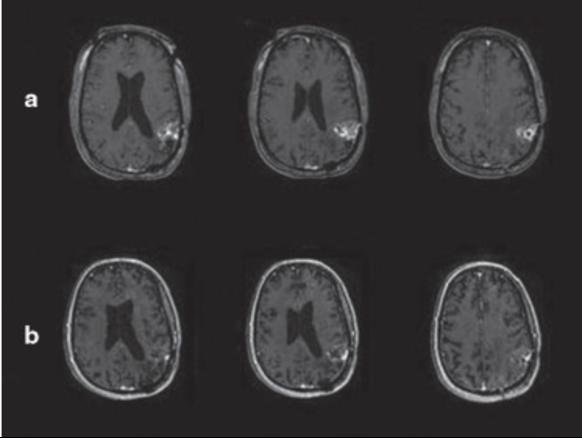
Fig.1.PatientResponsePreandPostG207InoculationThis patientshowsapartialresponsetotheG207andradiationregimen, illustratedbythereducedtumourvolumefrombeforetreatment(a) andonemonthfollowingtreatment(b).
1).Themedianprogressionfreesurvivaltimewas 2.5months(Markertetal.,2014).
Measlesvirus(MV)strainshavealsobeenderivedaspotentialpromisingoncolyticvirustherapies.InaphaseItrial,ameaslesderivative,measles viruscarcinoembryonicantigen(MV-CEA),was administeredinpatientswithrecurrentGBMeither intratumorallyorintheresectioncavity(Galaniset al.,2024).Thetreatmentwaswelltolerated,andthe medianoverallsurvivalwas11.6monthsfollowing treatment(Galanisetal.,2024).Additionally,the one-yearsurvivalwas45.5%,whichisrespectably highforagrade4tumour(Galanisetal.,2024). Noimmunosuppressioncausedbytreatmentwas observed.Biopsiesrevealedlymphocyteinfiltration, aswellasanincreaseintheproinflammatory cytokinesandchemokinesthatareneededtocreateanimmunosupportiveenvironment.Acombined approachofMVandanti-programmedcelldeath protein1(anti-PD-1)hasalsobeeninvestigatedto maximisetheefficacyoftheanti-tumourresponse (Hardcastleetal.,2016).Thishasonlybeendonein vitro,buttheresultswerepromising.Thiscombined approachcausedhumanGBMcellstoupregulate programmedcelldeathligand1,thuscreatinga proinflammatoryresponse(Hardcastleetal.,2016). Althoughthisstillneedstobetestedinvivo,it showsapromisingcombinationapproachthatmay improvesurvivalodds.
Whilstoncolyticvirotherapyisstillinearlystages ofdevelopment,muchofthedatashowspromise thatitcouldextendthemediansurvivaltimefor
patientsdiagnosedwiththisfataltumour.Withthe currentcombinationofchemotherapyandradiation, themediansurvivaltimeis12-15months,andthe one-yearsurvivalisapproximately17.7%(Ohgaki andKleihues,2005).UntreatedGBMhasamedian survivaltimeofonly3-6months(Mazarakisetal., 2024).TheoHSVderivativeG47wasshownto extendthemediansurvivaltimeto30.5monthsafter diagnosisinaphaseItrial,essentiallydoublingthe mediansurvivaltime(Todoetal.,2022).Although mostpatientsexperiencedsideeffects,theywere alldeemedmild(Todoetal.,2022).Theaverage progressionfreesurvival(PFS)wasonly8days fromthelastG47injectiononaverage,however, onepatientexperienced382dayswithoutprogression(Todoetal.,2022).G207isanotheroHSV derivativewhichshowedsuccessinearlytrials (Markertetal.,2014).Themediansurvivaltime fromdiagnosiswas25.5months,andtheaverage PFSwas2.5months,whichismuchhigherthan G47(Markertetal.,2014).Bothderivativeshave similaroverallsurvivalandsideeffects,soitis difficulttodeterminewhichonemayworkbest forapatient.ThelongerPFS,however,mayallow patientstofeelfewersideeffectsofthetumoureven iftheydonotlivelonger,thusenhancingthequality oflife.OncolyticMVhavenotbeenstudiedinas muchdepth,buttheystillshowpotentialtoenhance immunogenicityinGBM.MV-CEAdemonstrateda mediansurvivaltimeof11.6monthsaftertreatment andaone-yearsurvivalrateof45.5%(Galanis etal.,2024).Themediantimebeforetreatment wasnotstated,whichmakesthedatadifficultto comparetooHSVtrials.MV-CEAdidincrease theone-yearsurvivalratesignificantly,toahigher ratethanwhatwasseenwithoHSVadministration (Galanisetal.,2024).BothoHSVandMVdemonstratedsafeandrelativelyeffectivetreatmentsthat enhancedGBMpatientoutcomes.Additionally,it canbeconcludedthatintratumoraldeliveryappears tobethebestformofadministration.Itallowsfor highlyimmunogenicvirusestobeused,astheofftargeteffectsareminimizedbytargetedinjection (Romanishinetal.,2024).Itismoreinvasivethan othermethodssuchasintravenousandintraarterial delivery,butnomoresothanthecurrentstandardof carerequiringtumourexcision.Futureresearchin thefieldisstillneededtohelpfurtherincreasethe efficacyofthetreatment.Combinationtherapyusing oncolyticvirusescombinedwithothermolecules,
suchasanti-PD-1,mayenhancetheimmunogenic effectsevenmore(Hardcastleetal.,2016).This combinationtherapyinvolvestheuseoftwodifferentanti-tumourstrategies,whichmayoptimize patientoutcomes.Currentoncolyticvirotherapytrialshaveshownpromiseinextendingthemedian survivaltimeforpatientswithGBM,particularly withtheuseofHSV1andMV,highlightingits potentialtorevolutionizethestandardofcarefor GBM.
Bondy,M.L.,Scheurer,M.E.,Malmer,B., Barnholtz-Sloan,J.S.,Davis,F.G.,Il’yasova,D., Kruchko,C.,McCarthy,B.J.,Rajaraman,P., Schwartzbaum,J.A.,Sadetzki,S.,Schlehofer,B., Tihan,T.,Wiemels,J.L.,Wrensch,M.,Buffler, P.A.andBrainTumorEpidemiologyConsortium (2008).Braintumorepidemiology:consensusfrom theBrainTumorEpidemiologyConsortium.Cancer,113(7Suppl),pp.1953–68.doi:https://doi.org 10.1002/cncr.23741.
Galanis,E.,Dooley,K.E.,KeithAnderson, S.,Kurokawa,C.B.,Carrero,X.W.,Uhm,J.H., Federspiel,M.J.,Leontovich,A.A.,Aderca,I., Viker,K.B.,Hammack,J.E.,Marks,R.S.,Robinson,S.I.,Johnson,D.R.,Kaufmann,T.J.,Buckner,J.C.,Lachance,D.H.,Burns,T.C.,Giannini,C.andRaghunathan,A.(2024).Carcinoembryonicantigen-expressingoncolyticmeasles virusderivativeinrecurrentglioblastoma:aphase 1trial.NatureCommunications,15(1),p.493. doi:https://doi.org/10.1038/s41467-023-43076-7.
Gunasegaran,B.,Ashley,C.L.,Marsh-Wakefield, F.,Guillemin,G.J.andHeng,B.(2024).Viruses inglioblastoma:anupdateonevidenceand clinicaltrials.BJCReports,2(1),pp.1–21. doi:https://doi.org/10.1038/s44276-024-00051-z.
Han,S.,Liu,Y.,Cai,S.J.,Qian,M.,Ding, J.,Larion,M.,Gilbert,M.R.andYang,C. (2020).IDHmutationinglioma:molecular mechanismsandpotentialtherapeutictargets. BritishJournalofCancer,122(11),pp.1580–1589. doi:https://doi.org/10.1038s41416-020-0814-x.
Hardcastle,J.,Mills,L.,Malo,C.S.,Jin, F.,Kurokawa,C.,Geekiyanage,H.,Schroeder, M.,Sarkaria,J.,Johnson,A.J.andGalanis,E. (2016).Immunovirotherapywithmeaslesvirus strainsincombinationwithanti–PD-1antibody
blockadeenhancesantitumoractivityinglioblastomatreatment.Neuro-Oncology,19(4),p.now179. doi:https://doi.org/10.1093neuonc/now179.
Kitange,G.J.,Carlson,B.L.,Schroeder,M.A., Grogan,P.T.,Lamont,J.D.,Decker,P.A.,Wu, W.,James,C.D.andSarkaria,J.N.(2009). InductionofMGMTexpressionisassociated withtemozolomideresistanceinglioblastoma xenografts.Neuro-Oncology,11(3),pp.281291. doi:https://doi.org/10.1215/15228517-2008-090.
Markert,J.M.,Razdan,S.N.,Kuo,H.-C., Cantor,A.,Knoll,A.,Karrasch,M.,Nabors, L.B.,Markiewicz,M.,Agee,B.S.,Coleman, J.M.,Lakeman,A.D.,Palmer,C.A.,Parker,J.N., Whitley,R.J.,Weichselbaum,R.R.,Fiveash, J.B.andGillespie,G.Y.(2014).APhase1 TrialofOncolyticHSV-1,G207,Givenin CombinationWithRadiationforRecurrentGBM DemonstratesSafetyandRadiographicResponses. MolecularTherapy,22(5),pp.1048–1055. doi:https://doi.org/10.1038/mt.2014.22.
Mazarakis,N.K.,Robinson,S.D.,Sinha,P., ChristosKoutsarnakis,SpyridonKomaitis,Stranjalis,G.,Short,S.C.,Chumas,P.andGeorgiosGiamas(2024).Managementofglioblastomainelderlypatients:Areviewoftheliterature.ClinicalandTranslationalRadiationOncology, 46,pp.100761–100761.doi:https://doi.org/10.1016 j.ctro.2024.100761.
Mohammed,S.,Dinesan,M.andAjayakumar, T.(2022).Survivalandqualityoflifeanalysisin glioblastomamultiformewithadjuvantchemoradiotherapy:aretrospectivestudy.ReportsofPractical OncologyandRadiotherapy,27(6),pp.1026–1036. doi:https://doi.org10.5603/rpor.a2022.0113.
Razavi,S.-M.,Lee,K.E.,Jin,B.E.,Aujla,P.S., Gholamin,S.andLi,G.(2016).ImmuneEvasion StrategiesofGlioblastoma.FrontiersinSurgery,3. doi:https://doi.org/10.3389fsurg.2016.00011.
Romanishin,A.,Vasilev,A.,Khasanshin,E., Evtekhov,A.,Pusynin,E.,Rubina,K.,Kakotkin, V.,Agapov,M.andSemina,E.(2024).Oncolyticviraltherapyforgliomas:Advances inthemechanismsandapproachestodelivery.Virology,593,pp.110033–110033.doi:https:/ doi.org/10.1016/j.virol.2024.110033.
Rose,L.(2022).QA:Understandingglioblastoma (GBM).MDAndersonCancerCenter.Availableat: https://www.mdanderson.org/cancerwise/understanding glioblastoma.h00-158828856.html.
Todo,T.,Ino,Y.,Ohtsu,H.,Shibahara,J.and Tanaka,M.(2022).AphaseI/IIstudyoftriple mutatedoncolyticherpesvirusG47inpatients withprogressiveglioblastoma.NatureCommunications,13(1).doi:https://doi.org/10.1038/s41467022-31262-y.
Wu,B.,Zhang,B.,Li,B.,Wu,H.and Jiang,M.(2024).Coldandhottumors:from molecularmechanismstotargetedtherapy.SignalTransductionandTargetedTherapy,9(1). doi:https://doi.org/10.1038/s41392-024-01979-x.
Xu,J.,Liu,X.,Ding,J.,Zhang,H.,Yao, T.,Li,S.,Yang,R.,Yu,N.,Yue,Q.,Zhan, C.andGao,X.(2024).Nanosynergist-engineered oncolyticadenovirusenhancingimmunevirotherapyefficacyforglioblastomaviainterrupting antiviralresponses.NanoToday,57,p.102328. doi:https://doi.org/10.1016/j.nantod.2024.102328.
JiminLim
EditedbySushmhitahSandanatavanandAletheaStevenson
Abstract -Post-TraumaticStressDisorder (PTSD)affectsapproximately3.9%oftheglobal population,withsignificantlyhigherratesamong populationsthathavebeenexposedtowar orinterpersonalviolence.Whiletrauma-focused therapiessuchasexposuretherapyareeffective, limitationssuchaspoorpatientengagementand highdropoutratesstillpersist.ExtendedReality(XR),particularlyVirtualReality(VR),has emergedasanovelmodalitytoenhanceexposure therapythroughprovisionofimmersive,controlledenvironmentsfortraumareprocessing. ThisrapidreviewaimsedtoevaluaterecentliteratureonXR-basedexposuretherapyforadults withclinicallydiagnosedorprobablePTSD, assessingbothclinicalpotentialandcurrentlimitations.Astructuredsearchwasconductedusing OVIDMEDLINEinaccordancewithPRISMA guidelines.Studieswereincludediftheyused XRasaninterventionforexposuretherapy, appliedvalidatedPTSDoutcomemeasures,and werepublishedfrom2022onwards.Fourstudies mettheinclusioncriteria.Allstudiesutilised VRastheXRmodality.VRETwasfoundtobe generallyfeasible,well-tolerated,andassociated withshort-termreductionsinPTSDsymptoms. Studiesreportedstrongpatientengagement,particularlythroughmultisensoryinput.However, severallimitationswerecommon:smallsample sizes,highdropoutrates,lackofcontrolgroups, non-standardisedprotocols,andabsenceoflongtermfollow-up.XR-enhancedexposuretherapy, especiallyVRET,demonstratesclinicalpromise asafeasibleandengaginginterventionfor PTSD.Nonetheless,furtherresearchisneeded toestablishitscomparativeefficacy,long-term durability,andoptimalimplementationformats acrossdiversetraumapopulations.
Post-TraumaticStressDisorder,otherwiseknown asPTSD,isdefinedbyICD-10asadisorder displayedasadelayedresponseafterastressful eventorsituationofvaryingdurationlikelyto causesignificantdistresstothemajorityofpeople (WHO,2019).AccordingtotheDSM-5criteria fordiagnosis,someonecansufferfromPTSDafter anexperienceofdirectexposuretoaseriously traumaticeventorwitnessinganeventasithappenedtoothersorsomeonenearthem,suchas familymembersorfriends(APA,2013).Inthese cases,individualswillshowsignsofdissociative reactions,otherwiseknownasflashbacks,whenthey feelasiftheyareexperiencingarecurrenceofthe traumaticevent(APA,2013).AnothersignofPTSD canbeacontinuousavoidanceofrelatedfactors, suchasavoidingtalkingaboutthethoughtsand feelingsfeltduringtheevent,andnegativereactions suchasirritablebehaviouroranger(APA,2013). Anestimated3.9%ofpeopleintheworldhave sufferedfromPTSDataparticularstageintheir lives(Koenenetal.,2017),andspecificpopulations, suchaspeoplewhoareexposedtoviolentconflict orwar,havethreetimestheamountofpeoplewho arediagnosedwithPTSD(Charlsonetal.,2019). TherearevarioustreatmentsforPTSDandthey canbemainlydividedintotrauma-focusedtherapyandsymptom-focusedtherapy(Schraderand Ross,2021).Whilesymptom-focusedtherapyis mostlythroughpharmacotherapyonly,traumafocusedtherapyincludesvariousmethodssuchas cognitivebehaviouraltherapy(CBT),prolonged exposure,writtenornarrativeexposuretherapy, andeyemovementdesensitisationandrestructuring (EMDR)(SchraderandRoss,2021).Amongthese varioustreatmentoptions,isthemethodofexposure
therapywhichtypicallyinvolvestwokeyconcepts: imaginalexposure,whichinvolvesgraduallyrevisitingtheeventthroughtherapysessions,andin vivoexposure,whichinvolvesreal-lifescenarios andobjectsrelatedtothetraumaticevent(Norret al.,2019).
However,sinceextendedreality(XR),arapidly evolvingfield,wasintroducedtothefieldofexposuretherapy,thepotentialforanewtreatmentoption wascreated.OutofthethreetermsincludedinXR, whicharevirtualreality(VR),augmentedreality (AR),andmixedreality(MR)(BeckerandFreitas, 2023),VRisseentobethemostcommonlyused, usuallyenabledthroughahead-mounteddisplay (Difedeetal.,2022).Withthisnewtechnology, exposuretherapy(ET)seekstotreatPTSDby visualisingtheactualeventthatthepatientsare sufferingfrom,whichisamuchstrongereffect oftheimaginalexposureelement(Difedeetal., 2022).PreliminarystudiessuggestXR-enhanced exposuretherapymayimprovepatientengagement andreduceavoidance,butthecurrentevidencebase remainslimited.
ThisrapidreviewaimstoexplorethecurrentliteratureonXR-basedexposuretherapyforPTSD byevaluatingthedesign,outcomes,andlimitations ofexistingliteratureanddeterminingtheclinical potentialofXR-basedexposuretherapyandits prospects.Toensurethatthecurrenttrendsare examined,paperspublishedforthepastthreeyears onlywillbeselectedinthisrapidreview,and thepopulationwillaimtoincludeonlypatients clinicallydiagnosedwithPTSDtoensurethatthe effectofVRETcanbeviewedasobjectivelyas possible.
AsearchwasconductedwiththePRISMAguidelinesusingtheOVIDMEDLINEdatabase,which willbeavailableintheresultssectionofthisreview. Theinclusionandexclusioncriteriafortheliterature searchcanbeseeninTable1.
Publicationtypessuchasmeta-analysis,systematicreviews,andbibliometricanalysiswereexcludedassecondaryresearchpaperswerenoteligibleforthisrapidreview.Allprimaryresearchtypes wereincludedinthisreview,includingcasestudies, casereports,andcohortstudies.Furthermore,studiesthatusedXRforpurposesotherthanapplication
InclusionCriteria
Alltypesofstudymethods including:
-Pilotstudies
-Casestudies
-Casereports
-Cohortstudies
-LongitudinalStudies
Studiesthatincludeaspecific interventionofXR-basedexposuretherapy
Studiespublishedafter2022
Studiesthatincludepatients clinicallydiagnosedwith PTSD
ExclusionCriteria
Publicationtypesincluding: -Meta-analysis -Systematicreview -Conferenceletters -Editorials -Criticalreviews -Dissertationthesis -Editorialmaterial -Commentary -Bibliometricanalysis
StudiesthatdonotuseXR forapplicationtoexposure therapy,suchasfordiagnosis purposesonly
StudiesthatincludeexposuretherapyasaninterventionwithoutXR
TableI:InclusionandExclusionCriteria
toexposuretherapyorsetacombinationofXRand othertreatmentsforPTSDastheirinterventionwere excluded.
Thesearchstringusedfortheliteraturesearch was(PTSD)AND(exposuretherapy)AND(virtual realityORextendedrealityORaugmentedreality ORmixedrealityORxrORvrORarORmr).The detailsofthePEOframeworkusedforthisreview canbeseeninTable2.
Adultswhoare18 yearsorolderwho wereclinically diagnosedwith PTSD XR-based exposure therapy
ValidatedPTSDmeasures e.g.CAPS-5,PCL-5 Secondaryoutcomeonly consideredifsymptom datapresent
TableII: SelectionCriteriaaccordingtoPEO framework
Toviewtheobjectiveeffectofthetreatmentas muchaspossible,thepopulationwaslimitedto adultswhoare18yearsorolderwithaclinical diagnosisofPTSDsuchasthecriterialistedin DSM-5.Theoutcomewasaimedtoincludethe papersthatusedvalidatedPTSDmeasures,and thesecondaryoutcomewasonlyconsideredifdata relatedtoPTSDsymptomswerepresent.
Afterinputofthesearchstringmentionedabove, MEDLINEshowed38paperspublishedoverthe
pastthreeyears.Fourstudieswereselectedin totalforthisrapidreview,andthePRISMAflow diagramforthispapercanbeseeninFigure1 (Pageetal.,2021).Thesummarizedresultsfrom

Figure1: PRISMAFlowDiagram
theselectedstudiescanbeseeninTable3(Found atendofarticle).
AsseenfromTable3above,allthepapers exploredvirtualreality(VR)astheXRmodalityappliedtoexposuretherapyinpatientswitha clinicalorprobablediagnosisofPTSD.Sample sizesrangedfrom9to44,withstudiesbasedin Denmark,theUK,theUSAandNetherlands.Populationsconsistedofmilitaryveteranswithcombat orMST-relatedtraumaandadultswithtraumafrom childhoodsexualabuse.Allstudiesusedvalidated clinicaloutcomemeasuressuchasCAPS-5,PCL, andBDI.
AllfourstudiesshowVRETbeinggenerally feasible,immersive,andwell-tolerated,itcanbe
deducedfromthisthatXR-basedexposuretherapy showspotentialforclinicalapplicationinPTSD management.Furthermore,anoverallthemethat wasseeninallfourpaperswasthepositivetherapeuticeffectofVRET.InHanniganetal.(2023), someindividualswithinthedramaticimprovement groupreportedimmenseemotionalreliefandimprovementsinCAPS-5scores.Loucksetal.(2025) alsoshowedthisbyshowingthedramaticsymptom reductioninthecaseofpatientswithMST-related PTSDwithadropinPCL-5pointsby32.This showedthepotentialofVRETforMST-related PTSD,acasewheretraditionalimaginalexposure applicationisdifficult.AlthoughVRwasembedded withinabroadertherapeuticcontextinthispaper, thissuggestspotentialforfutureuseofVRETand forthetreatmentprogressionofMST-relatedPTSD. However,dropoutrateswerenotableinFolkeetal. (2023)andvanMeggelenetal.(2022),someof whichweresuggestiveofimprovementsneededin theVRETdeliverymethod.Thishighlightstheneed forvarietyinthedeliverymethodofVRET,such asfullyguided,semi-automated,orhybridmodels. Anotherareathatishighlightedistheneedto considerthedegreeofinvolvementofthetherapist forsupportduringthesesessionssincetheyalso contributetoachangeinthedegreeofinvolvement. ThetechnologicaldetailsofXRbasedexposure therapyinallthestudiesalsomustbetakeninto consideration.Surprisingly,inFolkeetal.(2023) patientsreportedthattheVRscenariothatwas createddidnotproperlymapthecontextoftheir traumaticexperiencebutdidnotimpacttheirimmersioninthescenario.However,inFolkeet al.(2023)patientsreportedthatthetactileand auditorystimulienabledthemtoengagedeeply inthetreatmentprocess.Furthermore,inLoucks, RizzoandRothbaum(2025),thepaperreportedthat technologicalglitchesoccurredwhichimpactedthe patients’VRETtherapysessionsandthusbecame alimitationoftheirstudy.Thisshowsthatwhile thedetailsoftheVRscenariothatpatientscreate withtheirtherapistdonothavetobeconsideredin depth,thetechnologicalsmoothnessofVRETneeds tobetakenintoaccountinfuturestudiestoensure acompletelyimmersiveexperience.Anotherfactor thatneedstobetakenintoconsiderationisthatVR wastheonlymodalityusedforexposuretherapy inallfourpapers,futureresearchonwhetherother typesofXRwouldbeeffectiveforexposuretherapy
shouldtobeundertaken.
Mostofthestudiesalsofacedsomecommonlimitations.Noneofthestudiesusedblindingdesigns, threepaperslackedcontrolgroups,andmostof thestudieshadasmallparticipantsample.Anotherissuethatarosewasthatthepapershad non-standardisedprotocols,whichlimitedtheassessmentoftheclinicaladvantageandpotential considerationofVRETasanalternativedelivery method.Finally,mostofthepapersdidnotincludelong-termfollow-upsintheirstudydesigns, whichraisesquestionsandpotentialconcernsabout thelong-termeffectsofVRETandwhetherthe improvementsexperiencedmadearetemporaryor longerterm.
Despitetheselimitations,VRETisfeasibleand clinicallypromisingintheaspectthatitleadsto symptomaticdevelopmentandimprovementincoping.Intermsofstructure,futureresearchshould aimtowardsdevisingresearchwithalargerparticipantgroupthatincludesacontrolgroup,long-term follow-up,andbetterexperimentalcircumstances suchasblindingshouldbeused.Regardingthe evolutionofVRET,thereshouldbemoremeasures putintopreventtechnologicalglitchesthatwould preventthepatientsfromcompleteimmersioninto theVRETsessionsfromoccurring.Furtherstudies needtoprioritiselarger,controlledtrialswhilestickingtostandardisedclinicaloutcomemeasuressuch asPCL-5andCAPS-5.Finally,consideringthat mostoftheVRETtrialswereundertakenonpatients withmilitary-relatedtrauma,futurestudiesneedto considerthepotentialofVRETacrosspatientswith differenttraumatypesandconsiderthesuitability ofVRETontreatment-resistantPTSDorthosewith difficultyaccessingconventionaltherapy.
ThisrapidreviewaimedtoevaluatetheeffectivenessofXR-basedexposuretherapyasatreatmentforadultswithclinicallydiagnosedorprobablePTSDbydoingaliteraturesearchusingone databasefollowingthePRISMAguidelines.Four studieswereselectedforreviewaftertheliterature screeningprocess,whichallusedVRastheirmain modalityforexposuretherapy(VRET).Acrossall thestudies,VRETprovedtobehighlyengagingfor thepatientsbyprovidinganimmersiveexperience, andleadtonoticeableimprovementsinboththe
symptomsoftheirPTSDandinfacinginvivo factorsrelatedtothetraumaticevent.However, ithastoberememberedthatmostofthesepapersdidnothaveacomparatorgroup,aproper blindingprocessoralong-termfollow-up,which shouldbeprioritisedinfuturestudies.Furthermore, standardisedmethodsfortestingtheeffectiveness ofXR-basedexposuretherapyalongsideclinically validatedmeasurementsforoutcomesshouldbethe goldstandardforfutureresearchinthisarea. Althoughmoreexplorationneedstobedonein utilizingotherXRmodalitiesforexposuretherapy, VRETcurrentlysuggestsapromisingfuturefor thetreatmentofPTSDbyprovidinganimmersive experiencewhichthepatient’shighlightasabenefit potentiallybecauseitissomethingthatimaginary exposuretherapylackstheabilitytodo.Improving accesstoXRtechnologiestohelpcreateabasisfor futureresearch,utilisingotherXRmodalitiesfor exposuretherapy,andevaluationofthelong-term durabilityoftreatmenteffectswillbeessentialin determiningthefutureroleofXR-basedexposure therapyinPTSDtreatment.
AmericanPsychiatricAssociation(APA)(2013) Diagnosticandstatisticalmanualofmental disorders.5thedition.Arlington,VA.
Becker,A.andFreitas,C.(2023)‘Evaluation ofXRApplications:ATertiaryReview’, AssociationforComputingMachinery,56(5). doi:10.1145/3626517.
Charlson,F.,etal(2019)’NewWHOprevalence estimatesofmentaldisordersinconflictsettings: asystematicreviewandmeta-analysis’,Lancet, 394(10194),pp.240-248.DOI:10.1016/s01406736(19)30934-1.
Folke,S.,Roitmann,N.,Poulsen,S.andAndersen, S.B.(2023)’FeasibilityofVirtualRealityExposure TherapyintheTreatmentofDanishVeteranswith Post-TraumaticStressDisorder:AMixedMethod PilotStudy’,CyberpsycholBehavSocNetw,26(6), pp.425-431.DOI:10.1089/cyber.2022.0236.
Hannigan,B.,vanDeursen,R.,Barawi,K., Kitchiner,N.andBisson,J.I.(2023)’Factors
associatedwiththeoutcomesofanovelvirtual realitytherapyformilitaryveteranswithPTSD: Theorydevelopmentusingamixedmethods analysis’,PLoSOne,18(5),pp.e0285763.DOI: 10.1371/journal.pone.0285763.
Koenen,K.C.,etal(2017)’Posttraumatic stressdisorderintheWorldMentalHealth Surveys’,PsycholMed,47(13),pp.2260-2274. DOI:10.1017/s0033291717000708.
Loucks,L.,Rizzo,A.andRothbaum,B.O. (2025)’VirtualRealityExposureforTreating PTSDDuetoMilitarySexualTrauma’,Journal ofClinicalPsychology,81(2),pp.81-92.DOI: https://doi.org/10.1002/jclp.23750.
Page,MJ.etal(2021)‘PRISMAFlowDiagram’, BMJ,372.DOI:10.1136/bmj.n71.
vanMeggelen,M.,etal(2022)’Arandomized controlledtrialtopilottheefficacyofacomputerbasedinterventionwithelementsofvirtualreality andlimitedtherapistassistanceforthetreatmentof post-traumaticstressdisorder’,FrontDigitHealth, 4,pp.974668.DOI:10.3389/fdgth.2022.974668.
WorldHealthOrganisation(WHO)(2019). Internationstatisticalclassificationofdiseasesand relatedhealthproblems.11thedition.Availableat: https://icd.who.int/browse10/2019/en#/F43.1
Author (Year) Country
XRModality
SampleSize (N)
Folke etal. (2023) Denmark VRExposure 9(dropout rate33%)
Hannigan etal. (2023) UK VRExposure 42
Danish military veterans, probable diagnosis ofPTSD CAPS-5, PCL,BDI, WHO-5
UK military veterans with treatmentresistant PTSD CAPS-5, LEC-5, PHQ-9, GAD-7, MSPSS, WSAS, EQ-5D-5L
Loucks, Rizzo and Rothbaum (2025) USA VRExposure 20,focuson onepatient case US military veteran with PTSDdue tomilitary sexual trauma (MST)
van Meggelenetal. (2022) Netherland
VR+limited therapistguided program
44(12 in3MR intervention, 18inTAU comparator)
PCL-5
Tactileandaudiostimuli,confrontational/engagingnatureofVRET andreducedsymptoms highlighted
Improvementin coping,symptom relief,andemotional regulation(dramatic improvement, moderateimprovement andminimal improvementgroups)
ReducedPTSD symptoms(PCL-5 decreasedfrom49-17), decreaseofdistress duringtrauma-related invivosituations
Pilotstudy,small group,nomedication accountedfor,no controlgroup,no followup.
Mixedmethods;lacked long-termoutcomes.
Nocomparatorgroup: non-randomized,technologicalglitchesoccurred,VRwaspartof broadertherapy.
Adults clinically diagnosed with PTSD from childhood sexual abuse (CSA) andwar veterans PCL-5, DES,BDIII,OQ-45-2, MINI
DecreasedPTSDand depressionsymptoms inboth3MRand TAUgroups(also infollowup),no significantdifferences insymptomchanges remissionrates Nostrongcontrol; digital-onlylimitations, noblinding,high dropoutin3MRgroup (45%)
TableIII:DataExtractionTable: CAPS-5:clinician-administeredPTSDscaleforDSM-5,MINI: Mini-InternationalNeuropsychiatricInterview,PCL-C:PTSDChecklist-CivilianVersion,BDI-II: BeckDepressionInventory-II,WHO-5:WHO-FiveWell-beingIndex,LEC-5:LifeEventsChecklist forDSM-5,PHQ-9:PatientHealthQuestionnaire,GAD-7:GeneralisedAnxietyDisorder,MSPSS: MultidimensionalScaleforPerceivedSocialSupport,WSAS:WorkandSocialAdjustmentScale, EQ-5D-5L:EuroQolfive-dimensionaldescriptivesystem,OQ-45-2:OutcomeQuestionnairewellbeing,DES:DissociativeExperienceScale
CRISPR-mediatedReactivationofFoetal
IshaniBadala
EditedbySushmhitahSandanatavanandAletheaStevenson
Abstract -Beta-thalassemiaisahereditaryhemoglobinopathycausedbymutationsin the β-globin(HBB)gene,thatleadstoimpairedhemoglobinsynthesis,chronicanaemia, andtransfusiondependence.Reactivatingfoetal haemoglobin(HbF; α2γ2)presentsamutationindependentstrategytohelpcompensatefor βglobindeficiency.Thispaperexplorestheuse ofCRISPR-Cas9genomeeditingtoinduceHbF expressionviatwoprincipalapproaches:disruptionoftheerythroid-specificBCL11Aenhancerandeditingof γ-globin(HBG1/2)promoterstomimichereditarypersistenceoffoetal haemoglobin(HPFH).Bothstrategiestarget hematopoieticstemandprogenitorcells(HSPCs) exvivo,enablingdurableHbFproductionposttransplantation.Thesetherapiesareespecially valuableforpatientswithcompoundheterozygousmutations,astheyofferagenotype-agnostic alternativetogenecorrection.Whilebothapproachesaresafeandeffective,someweaknesses limitcurrentaccessibility,particularlyinlowresourcesettings.Futuredirectionsincludebase andprimeediting,invivodelivery,andnongenotoxicconditioningtoimproveprecision,reducerisk,andexpandaccess.CRISPR-mediated HbFreactivationthusrepresentsapotentially curativestrategyfor β-thalassemia.
Beta-thalassemiaisaninheritedblooddisorder whichiscausedbymutationsintheHaemoglobin subunitbeta(HBB)genethatcodesforthe beta(β)-globinproteinin β chains.Thesechains areamaincomponentofadulthaemoglobin (HbA)soasaresultofthisdisorder,thereis animbalancebetween α and β-globinchains
(medlineplus.gov,2020).Thisimbalanceleadsto defectiveredbloodcell(RBC)production,chronic haemolyticanaemia,andotherclinicalsymptoms dependingonthegenotypeoftheindividual.It iscommonintheMediterranean,SouthAsia, andMiddleEast,itisaprobleminlow-and middle-incomecountries(LMICs),whereexposure totreatmentislimited.Standardtreatmentslike bloodtransfusionsfollowedbyironchelation therapy,althougheffectiveinalleviatingsymptoms, arenotasustainablecure,duetorisksoforgan damagefromirontoxicityandalloimmunization (LinderandChou,2021).Hematopoieticstemcell transplantation(HSCT)-istheonlyestablished curativeapproachbuthaslimitationssuchas highcosts,donoravailability,andtheriskof graft-versus-hostdisease.
Haemoglobin(Hb)primarilyfunctionsasan oxygencarriermolecule.Itisaquaternaryprotein composedoffourglobinsubunitsthateachcontain ahemegrouprespectivelywithaniron(Fe2+) ionatitscentre,boundtoaporphyrinring.and primarilyfunctionsasanoxygencarriermolecule. AsafoetusHbisexpressedasfoetalhaemoglobin andcontainstwoalphaandtwogammachainsHbF; α2γ2.However,afterbirththegammaglobin geneissilencedbytranscriptionalrepressors, andbeta-globin(HBB)expressionisupregulated toproduceadultHb-HbA α2β2.Inindividuals affectedbybeta-thalassemia,HBBmutationslead todefectiveorabsent β-globin,causinganaemia (Wuetal.,2017).Thereforethe β-globindeficiency couldbecompensatedforbyreactivatingHbF. Somepatientswithbeta-thalassemiahave compoundheterozygousmutations,meaning theyinherittwodifferentallelicmutationsinthe HBBgene,andsoproductionofbeta-globinchains ofhaemoglobinisaffectedtovaryingdegreesand
thussoistheseverityofthebeta-thalassemia. Beta-thalassemiamutationsareoftwotypesβ 0 (beta-zero)and β + (beta-plus)mutations. β 0 completelystopsbeta-globinproductionwhereas β + mutationsreducebeta-globinproduction.When bothinheritedallelesareseverelyaffected,for example, β 0/β 0,theindividualisdiagnosedwith thalassemiamajorwhichrequiresringlifelong bloodtransfusions.Whenonemutationismilder (β 0/β +),itislesssevere-thalassemiaintermedia. Lastly,individualsmayinheritonenormalandone defectiveHBBgene(β/β + or β/β 0),resulting inthalassemiaminor,whichcausesonlymild anaemia.
Patientswithcompoundheterozygousmutations areinterestingfromatherapeuticperspective becausetheydonotrequireregulartransfusions howevertheystillexperiencesignificantclinical complications.Duetothedisorder’sranging genotypes,anidealsolutionwouldfocuson somethingasidefromthemutatedgene.Onesuch solutionisreactivationoffoetalhaemoglobin(HbF) inducedbyCRISPR-Cas9.HbFformsfunctional haemoglobintetramerswithalphachainsthereby compensatingforthedeficient β-globinchains
CRISPR-Cas9disruptserythroid-specificenhancer ofBCL11A-akeytranscriptionalrepressorofHbFandintroducesHereditarypersistenceoffoetal haemoglobin(HPFH)mutationsintothe γ-globin genepromoterstoreactivatefoetalhaemoglobin expression(Hanetal.,2022).Sincethisdoesnot directlycorrectthemutation,itcouldhelptreat compoundheterozygotesandpatientswithvariable genotypes.
Throughthisreport,Iaimtoexplorethepotential ofCRISPR-mediatedinductionofHbFviatargeted disruptionofBCL11Aanddirecteditingof-globin promoters.
CRISPR(ClusteredRegularlyInterspacedShort PalindromicRepeats)isderivedfromanadaptive immuneresponsefoundinbacteriawhereCas9 proteinactivityprotectsthecellfromexternal pathogensuponinfectionwithphages(bacteriophages)fromviruses.WhenCas9proteinisassociatedwithCRISPR,itfunctionsasanendonucleaseanenzymethatcutsDNA.
Ifabacterialcellsurvivesphageinfection,itcuts aportionoftheinvadingpathogen’sDNAand insertsitintoitsowngenomeattheCRISPR locusregion.Thisregioniscomposedofrepeated sequencesintegratedwithinsertsofviralsequences called‘spacers’.Ifthebacterialcellisinfected withthesamephageagain,itcantranscribesthe CRISPRregionintoanRNAstrandwhichisfurther processedtoformsmallerguideRNAs.
GuideRNAs(gRNA)aresyntheticRNAmolecules thatmatchspecificDNAsequencesinthetarget genome.TheycompriseofacrRNAwhichbinds totheDNAtarget,andatracrRNAwhichbinds toCas9.gRNAsformcomplementarybasepairs withtheviralDNAsequencetoinduceCasprotein’s nucleaseactivity,thusallowingittocuttheforeign DNAandresolvetheinfectionbeforereplicationoccurs.Cas9enzymebindstothegRNAandcutsboth strandsoftheviralDNAsequenceatcomplementarybasepairstothetargetsequence,adjacentto thePAM(ProtospacerAdjacentMotif)whichisa3nucleotidemotif.FollowingthecuttingofDNA,the cellrepairsthebreakusingeitherNon-Homologous EndJoining(NHEJ)whichligatestheDNAends directly,introducingdeletionsorinsertions(InDels) anddisruptinggenefunction;orthroughHomologyDirectedRepair(HDR)whichusesahomologous DNAtemplatetorepairthebreak.
BCL11A(B-celllymphoma/leukaemia11A)isa zinc-fingertranscriptionfactorthatbindsdirectly topromoterregionsof γ-globingenesandrecruits co-repressors(NuRD-nucleosomeremodellingand deacetylasecomplex)torepressHbFtranscription throughhistonedeacetylation,condensation,and DNAmethylationinadulterythrocytes.BCL11A expressioninRBCprecursorsisregulatedbythe erythroidenhancerinintron2oftheBCL11A gene.Theenhancerisboundbytranscriptionfactors (GATA1,TAL1,KLF1)whichactivateitonlyin erythroidcells;anddisruptingthisenhancervia CRISPRCas9thereforestopsBCL11Aexpression inRBCs,butpreservesitsfunctioninothertissues, thusmakingitanidealtargetingenetherapy.
B.HbFreactivationviaBCL11AErythroidEnhancerDisruption-TheCTX001Trial
ThisCRISPRapproachisusedintheCTX001 TrialconductedbyCRISPRtherapeuticsandVertex PharmaceuticalstotreatpatientswithtransfusiondependentBeta-thalassemiaandsicklecelldisease (Frangouletal.,2020).CRISPR-Cas9wasusedto disrupttheerythroid-specificenhancerinintron2 ofBCL11AinautologousCD34+hematopoietic stemandprogenitorcells(HSPCs)(Frangouletal., 2020).
Patients’HSPCsarecollectedbyapheresisand editedex-vivo.Inthisediting,aCRISPR-cAS9 ribonucleoprotein(RNP)complexwasintroduced intocellsviaelectroporation,atechniquethatuses ashortelectricalpulsetoopenporesintheplasma membranetoallowtheRNPcomplextoenter.The RNPcomplexismadeupoftheCas9proteinanda gRNA.Thedoublestrandbreak(DSB)introduced byCas9intheBCL11Aerythroidenhancerinintron 2disruptstheenhancer,downregulatingBCL11A inRBCs,thusreactivatingHbF(Frangouletal., 2020).Aftercompletionofediting,myeloablative conditioningisdoneandthepatientisadministered achemotherapydrug-busulfan,thatwipesoutbone marrowcellscreatingspaceforeditedcellsto engraft.Thepatientisthenreinfusedintravenously witheditedCD34+cellswhichstartproducing RBCswithhighlevelsofHbFinthebonemarrow.
C.HbFReactivationviaEditingtheGammaGlobinPromoter,PointMutationsMimickingHPFH
ThesecondapproachofCRISPR-Cas9involves editingthegamma-globinpromoter.HereditaryPersistenceofFoetalHaemoglobin(HPFH)isabenign conditioncausedbypointmutationsinthe γ globin promoter(region200to115)disruptingbinding sitesforBCL11A,thuspreventingrepressionof γglobin,causingHbFlevelstobeelevatedthroughout life(Khosravietal.,2019).
CRISPRintroducesthesemutationsintotheHBG1 andHBG2promoterregionsusingCas9,arepair template(HDR-homology-directedrepair)andbase editorswhichcausepointmutations,i.e.,change asinglenucleotidewithoutintroducinganydoublestrandbreaks(Khosravietal.,2019).These mutationsremoveorweakentherepressorbinding sitesasinHPFH,enablingtranscriptionalactivators (GATA1,NF-γ)tobindtothepromoterandincrease
γ-globintranscriptionandsubsequentlyHbFlevels,replicatingtheHPFHphenotype(Khosraviet al.,2019).CRISPRisalsointroducedintopatient HSPCsbyex-vivoeditingasdescribedintheprevioussection.
ENHANCER DISRUPTIONVERSUS γ -GLOBIN
PROMOTER EDITINGINTHE CONTEXTOF HBF
INDUCTION
BothCRISPRapproachesaimtoincreaseexpressionoffoetalhaemoglobin(HbF)tocompensateforthe β-globindeficiencyinbeta-thalassemia. However,theydifferintermsoftheirmolecular targets,editingmechanism,efficiencyinHSPCs, andtranslationalcapacity.
BCL11Adisruptstheerythroidenhancerwhich drivesBCL11AexpressioninRBCprecursors viainteractionswithtranscriptionfactorssuchas GATA1andKLF1.Cas9disruptsthisenhancer usingnon-homologousendjoining(NHEJ)andthus relievesrepressionofthe γ-globingenesHBG1/2 byreducingBCL11AexpressioninRBCs.Results fromtheCTX001trialreferencedaboveshowedan increaseinHbFlevelsbygreaterthan40%and transfusionindependenceinthemajorityoftreated patients(Wang,SiwkoandLi,2023)(Khosraviet al.,2019).
Contrastingly, γ-globinpromotereditinginduces HPFHpointmutationsdirectlyintotheHBG1/1 promoterregions(Benjamin,2023).Theseeditsdisruptthebindingmotifsforrepressorslike BCL11A,enhancing γ-globintranscription.Tominimisegenotoxicity,editingisdoneusingbaseor primeeditorsthusavoidingDSBs.However,this methodisnotoftenusedclinicallyduetothe challengesassociatedwitheditingHSPCssuchas howtheyarelargelyquiescentandresistantto homology-directedrepair(HDR),additionallybase editingefficiencyinthesecellsisyettobetested inhumans.
BCL11Adownregulatesamasterrepressorcausing epigeneticchangesacrossthe β-globinlocusand activationofbothHBG1andHBG2.Thiscauses erythroidcellstoshifttoafoetalgeneexpression profile.The γ-globinpromoterhoweverislocus specificandreliesontheavailabilityofexisting chromatinandtranscriptionfactorsatthepromoter. Thisleadstovariabilityinexpressioninpatients (Khosravietal.,2019)(Benjamin,2023).
Patientswithcompoundheterozygousbeta thalassemiainherittwomutationsintheHBB gene,andasaresulttheyoftenhavelittleorno adult β-globinproduction.Thisleadstoasevere α-globinchainexcess,theseunpaired α chains precipitateinerythroidprecursorsandcausetheir prematuredeath(Papizanetal.,2021).Elevating foetalhaemoglobin(HbF, α2γ2)cancompensate forthe β-globinshortfallbyproviding γ-globin chainsthatpairwith α chains,formingfunctional HbFtetramers.Thisreducesthetoxic α-globin surplusandamelioratesineffectiveerythropoiesis (Rahimmaneshetal.,2022).Notably,reactivating HbFbenefitspatientsregardlessofthespecificHBB mutationspresent,becauseitbypassestheneedfor anyfunctional β-globin.CRISPRtargetsacommon regulatoryelementratherthaneachpatient’sunique mutation,makingitbroadlyapplicable.For example,BCL11Aenhancerdisruptionfocuseson anerythroid-specificconsensusmotif,soonegRNA canbeusedasauniversaltreatmentfordiverse β-thalassemiagenotypes(Papizanetal.,2021). Similarly,creatingsmalldeletionsorHPFH-like pointmutationsintheHBGpromotersprevents repressorslikeBCL11AorZBTB7Afrombinding, thusleadingtoHbFre-expression(Rahimmanesh etal.,2022).Theinduced γ-globincompensatesfor defective β-chainsonbothalleles.Thisapproach alsoaddresses α-globinchainimbalanceby providingalternatebindingpartnersforexcess α chains,[Idon’tthinkthisnextbitisclear]muchas co-inheritanceof α-thalassemiaisknowntoreduce free α-globinandimprove beta-thalassemiabalance (VOON,WARDANandVADOLAS,2007). AcriticalquestioniswhetherCRISPRtherapies canreplaceallogeneicbonemarrowtransplantsas thestandardcurativeapproachfor β-thalassemia. AllogeneicHSPCtransplantislimitedbydonor availabilityandriskssuchasgraft-vs-hostdisease (Everetteetal.,2023).Inpractice,fewerthan20% ofpatientshaveanHLA-matchedsiblingdonor available(O’HanlonCohrt,2020).CRISPR-based therapyoffersanautologousalternative–the patientbecomestheirowndonor,avoidingimmune incompatibility.Intrials,theefficacyofexa-celin eliminatingtransfusionneedsanddiseasesymptoms hasmatchedorexceededwhatisseenwithBMT,
indicatingthatgene-editedautologousgraftscan effectivelysupplantdonortransplantsfroma clinicalstandpoint(www.aabb.org,2022).Notably, becausethepatient’sowncellsareused,therisk ofgraftrejectionandchronicimmunosuppression isessentiallyremoved.Despitethis,itisimportant toacknowledgethattheCRISPRapproachstill requiresmyeloablationandtransplantationofstem cells,whichcarrysimilarupfrontrisksandresource demandsaliketothoseofBMT.Moreover,due totheaforementionedcostandinfrastructure issues,allogeneicBMT(whenasuitabledonor exists)currentlyremainsthemoreaccessible optioninmanysettings.Thus,inhigh-resource settings,CRISPR-basedHbFinductionispoisedto graduallyreplaceBMTforthosewithoutdonorsor thoseathighriskoftransplantcomplications.But inlow-resourcesettings,traditionaltransplantation (andpalliativecare)willlikelycontinueuntilgene editingtherapiesbecomemoreaffordableand simplified.Insummary,whileCRISPR-mediated HbFreactivationhasclinicallyprovenitcanplay thesamecurativeroleasabonemarrowtransplant, itsreal-worldreplacementofBMTwilldepend onovercomingsignificanteconomicandlogistical problems.
TomakeCRISPRcuresmoreeffective,accessible,andequitablethefollowingcouldbeconsidered:
1. Invivogenomeediting: Onetransformative goalistodelivergeneeditingtoolsdirectly intothepatient’sbody,whichwouldallowfor editingofbloodstemcellsinsitu.Invivo editing(forexample,viainjectablenanoparticlesorviralvectors)couldreducetheneed forbonemarrowharvestandtransplantation (Molteni,2023a).
2. Baseeditors: Asexplainedearlieringammaglobinpromoterediting,therearegenome editorsbeingdevelopedthatareabletomake morepreciseDNAchangeswithoutcreating double-strandbreaks.Baseeditors(suchas adenineorcytosinebaseeditors)canconvertonenucleotidetoanotherinatargeted manner.Oneapplicationforthisistointroducebenignhereditarypersistenceoffoetal
haemoglobin(HPFH)mutations:forexample,BeamTherapeutics’BEAM-101usesa baseeditortoalterasinglebaseinthe γglobinpromoters,preventingBCL11AbindingandthuselevatingHbF,allwithoutcutting theDNA(Baseeditingboostshemoglobin inSCD,2024).Earlyclinicaldataforbase editinginsicklecelldiseaseisencouraging –inanongoingPhase 1/2 trial,BEAM101treatedpatientshaveshown¿60%HbF intheirbloodandnovaso-occlusivecrises, evenatjust1–6monthspost-treatment(Base editingboostshemoglobininSCD,2024). Thissuggestsbaseeditorscanachieveatleast comparable(potentiallyevenhigher)foetal haemoglobininductionwithpossiblyfewer off-targetconcernsthanCRISPRnucleaseapproaches.
3. Saferconditioningmethods: Anactivearea ofresearchisfindingalternativestotoxic chemotherapy(busulfan)forconditioning. ThecurrentCRISPRtherapystillrelieson chemo-basedmyeloablationtoallowedited cellstoengraft,whichcancausesignificant sideeffects(onepatientinabaseediting trialdiedfromcomplicationsrelatedtoconditioning,notthegeneedititself(BaseeditingboostshemoglobininSCD,2024)).Futureregimensmaylooktousegentlernongenotoxicconditioning–forexample,monoclonalantibodiestargetingstemcellniches (suchasanti-CD117)arebeingtestedtoclear bonemarrowinamoreselectiveway(Base editingboostshemoglobininSCD,2024).In oneapproach,HSCsareeditedtoberesistant toananti-CD117antibody,sothatadministeringtheantibodyselectivelydepletesonly thepatient’suneditedcells,makingspacefor editedones(Baseeditingboostshemoglobin inSCD,2024).
4. Ethicalandregulatoryconsiderations: One concernislong-termsafetyandmonitoring –sinceCRISPR-editedcellscouldpersist forlife,patientsmustbefollowedforyears todetectanylate-occurringeffects(suchas clonalproliferationorunanticipatedmutations).Patientsneedtounderstandthepotentialbenefitsanduncertaintiesassociatedwith this;forexampletheyshouldconsiderthe potentialunknownlong-termeffectsorthe
fertilityimplicationsofchemotherapy).There isalsoabroaderethicalboundarytomaintain as,whilethesetherapieseditsomaticcells, publicconcernremainshighregardingany geneticmanipulation.
5. HSPCEditingConsiderations: Inpractice, patientCD34+ hematopoieticstemandprogenitorcells(HSPCs)arecollected,CRISPReditedexvivo,andthenreinfusedafter myeloablativeconditioning(Papizanetal., 2021).Akeyconsiderationismaintaining HSPCpotencyandmulti-lineagecapacityaftereditinginotherlineages.BCL11A,for instance,iscriticalin B-lymphoidandneural development,andgermlineBCL11AknockoutislethalwithHSCandneurologicdefects(Rahimmaneshetal.,2022).Thus,rather thansilencingBCL11Athroughoutthebody, CRISPRtargetsanenhanceractiveonlyin erythroidcells,leavingBCL11Aintactelsewhere(Rahimmaneshetal.,2022).Edited HSPCscanthendifferentiatenormally.
CRISPR-inducedreactivationoffoetal haemoglobinisemergingasapotentiallycurative strategyfor β-thalassemiaandrelateddisorders. Byupregulatingthebody’sownfoetal-stage haemoglobin,thisapproachbypassesgenetic defectsinthe β-globingene–anespecially importantadvantageforcompoundheterozygous patients,whocarrydiversemutationsthatare difficulttocorrectwithasingleconventional therapy(Molteni,2023).Thesignificancefor compoundheterozygotes(andindeed,most β-thalassemiagenotypes)ishugeasitnot onlyimprovespatients’qualityoflifebut alsoaddressestheunderlyingdiseaseina sustainableway,potentiallyreducingtheburdenon healthcaresystemsinthelongrun.Insummary, CRISPR-mediatedHbFreactivation’ssuccessin β-thalassemiashowcaseshowprecisegeneediting canachieveoutcomesunattainablewithdrugs alone.Whilechallengesofcost,accessibility,and long-termconsequencesremain,theprogressthus farconfersgreatpotentialanditwilllikelyserve asamodelforfuturegenetictherapies.
Han,Y.,Tan,X.,Jin,T.,Zhao,S.,Hu,L., Zhang,W.,Kurita,R.,Nakamura,Y.,Liu, J.,Li,D.,Zhang,Z.,Fang,X.andHuang, S.(2022).CRISPR/Cas9-basedmultiplex genomeeditingofBCL11AandHBGefficiently inducesfetalhemoglobinexpression.European JournalofPharmacology,918,p.174788. doi:https://doi.org/10.1016/j.ejphar.2022.174788.
Linder,G.E.andChou,S.T.(2021).Red celltransfusionandalloimmunizationin sicklecelldisease.Haematologica,106(7). doi:https://doi.org/10.3324/haematol.2020.270546.
medlineplus.gov.(2020).Betathalassemia: MedlinePlusGenetics.[online]Availableat: https://medlineplus.gov/genetics/condition/beta-tha lassemia/#description.
Wu,L.,Peng,Z.,Lu,S.,Tan,M.,Rong,Y., Tian,R.,Yang,Y.,Chen,Y.andChen,J. (2017). β-thalassemiacausedbycompound heterozygousmutationsandcuredbybone marrowtransplantation:Acasereport.Molecular MedicineReports,16(5),pp.6552–6557. doi:https://doi.org/10.3892/mmr.2017.7476.
Frangoul,H.,Altshuler,D.,Cappellini,M.D., Chen,Y.-S.,Domm,J.,Eustace,B.K.,Foell,J., delaFuente,J.,Grupp,S.,Handgretinger,R., Ho,T.W.,Kattamis,A.,Kernytsky,A.,LekstromHimes,J.,Li,A.M.,Locatelli,F.,Mapara,M.Y., deMontalembert,M.,Rondelli,D.andSharma, A.(2020).CRISPR-Cas9GeneEditingfor SickleCellDiseaseand β-Thalassemia.New EnglandJournalofMedicine,[online]384(3). doi:https://doi.org/10.1056/nejmoa2031054.
Rahimmanesh,I.,Boshtam,M.,Kouhpayeh, S.,Khanahmad,H.,Dabiri,A.,Ahangarzadeh, S.,Esmaeili,Y.,Bidram,E.,Vaseghi,G., HaghjooyJavanmard,S.,Shariati,L.,Zarrabi, A.andVarma,R.S.(2022).GeneEditingBasedTechnologiesforBeta-hemoglobinopathies Treatment.Biology,[online]11(6),p.862. doi:https://doi.org/10.3390/biology11060862.
Molteni,M.(2023).WithCRISPRcureson
horizon,sicklecellpatientsaskhardquestions aboutwhocanaccessthem.[online]STAT. Availableat:https://www.statnews.com/2023/03/0 7/crispr-sickle-cell-access/.
Papizan,J.B.,Porter,S.N.,Sharma,A. andPruett-Miller,S.M.(2021).Therapeutic geneeditingstrategiesusingCRISPR-Cas9 forthe β-hemoglobinopathies.Journalof BiomedicalResearch,[online]35(2),pp.115–134. doi:https://doi.org/10.7555/JBR.34.20200096.
Baseeditingboostshemoglobininsicklecell disease.(2024).NatureBiotechnology,42(12), pp.1759–1759.doi:https://doi.org/10.1038/s41587 -024-02517-4.
www.aabb.org.(2022).GeneTherapyPrevents Vaso-OcclusiveCrisesinPatientsWithSCD. [online]Availableat:https://www.aabb.org/news-r esources/news/article/2024/05/14/gene-therapy-pre vents-vaso-occlusive-crises-in-patients-with-scd.
Khosravi,M.A.,Abbasalipour,M.,Concordet, J.-P.,Berg,J.V.,Zeinali,S.,Arashkia,A., Azadmanesh,K.,Buch,T.andKarimipoor, M.(2019).TargeteddeletionofBCL11Agene byCRISPR-Cas9systemforfetalhemoglobin reactivation:Apromisingapproachforgene therapyofbetathalassemiadisease.European journalofpharmacology,854,pp.398–405. doi:https://doi.org/10.1016/j.ejphar.2019.04.042.
Wang,L.,Siwko,S.andLi,D.(2023).Wakingup thesilencedbeauty:CRISPR/Cas9mediatedreactivationoffetalhemoglobingenestotreatsevere beta-thalassemiainyoungpatients.LifeMedicine. doi:https://doi.org/10.1093/lifemedi/lnad009.
Benjamin,H.(2023).CRISPR-Cas9promoting fetalhemoglobinproductionimprovesseveresickle celldisease.[online]2MinuteMedicine.Available at:https://www.2minutemedicine.com/crispr-cas9-p romoting-fetal-hemoglobin-production-improves-s evere-sickle-cell-disease.
VOON,H.,WARDAN,H.andVADOLAS,J. (2007).Co-inheritanceof α-and β-thalassaemiain miceamelioratesthalassaemicphenotype.Blood Cells,Molecules,andDiseases,39(2),pp.184–188.
doi:https://doi.org/10.1016/j.bcmd.2007.01.006.
VertexPharmaceuticalsNewsroom.(2024). VertexPresentsPositiveLong-TermDataOn CASGEVYTM(exagamglogeneautotemcel)atthe AmericanSocietyofHematology(ASH)Annual MeetingandExpositionandProvidesProgram Update—VertexPharmaceuticalsNewsroom. [online]Availableat:https://news.vrtx.com/news-r eleases/news-release-details/vertex-presents-positiv e-long-term-data-casgevytm-0.
BSH.(2024).Trialresultsforgenetherapy forsicklecellandthalassaemiapublished.[online] Availableat:https://b-s-h.org.uk/about-us/news/tri al-results-for-gene-therapy-for-sickle-cell-and-tha lassaemia-published
.Everette,K.A.,Newby,G.A.,Levine, R.M.,Mayberry,K.,Jang,Y.,Mayuranathan, T.,Nimmagadda,N.,Dempsey,E.,Li,Y., Bhoopalan,S.V.,Liu,X.,Davis,J.R.,Nelson, A.T.,Chen,P.J.,Sousa,A.A.,Cheng,Y., Tisdale,J.F.,Weiss,M.J.,Yen,J.S.andLiu, D.R.(2023).Exvivoprimeeditingofpatient haematopoieticstemcellsrescuessickle-cell diseasephenotypesafterengraftmentinmice. NatureBiomedicalEngineering,[online]pp.1–13. doi:https://doi.org/10.1038/s41551-023-01026-0
RidhimaRanade
EditedbySushmhitahSandanatavanandLouisaWillan
Canceriscurrentlythesecondleadingcauseof deathglobally,withincidencecontinuingtorise.It placesanimposingburdenonhealthcareinfrastructuresandcreatesprofoundpsychosocialandeconomicchallengesforpatientsandtheirfamilies(1). IntheUK,prostatecancer(PCa)isthemostcommonlydiagnosedcancerinmen,withapproximately 55,000casesdiagnosedannually(2).Thisisof increasingconcern,asincidenceratesareprojected toriseby15%overthenext15years(2).PCa presentswithconsiderableheterogeneity,including differencesacrossethnicgroups,phenotypictraits, gradingandclinicalprogression.Therefore,itisimperativethatrobustdiagnostictechniquesareused afterscreeningtoconfirmthepresenceofdisease anddetermineitsclinicalsignificance.Prostatespecificmembraneantigen(PSMA)positronemissiontomography(PET)isapromisingimaging techniquewithgreaterspecificityandsensitivityin diagnosisthanconventionalimagingmethods.Its usecanhelpavoidunnecessarybiopsiesorpotential overdiagnosis(3).Thisrapidreviewexploreshow PSMAPETcanenhancePCamanagementbysupportingdiagnosis,staging,detectionofrecurrence, andtherapeuticresponse,whilealsohighlighting areaswherefurtherimprovementisneeded.
Currently,thereisnosingledefinitivetestor screeningmethodforthediagnosisofPCa.While theprostate-specificantigen(PSA)testmaybe usefulinflaggingupearlyPCacases,itsresults areofteninconclusive.Forinstance,elevatedPSA levelscanalsobeindicativeofbenignprostatic enlargement,acommonandnon-threateningcondition.Therefore,PSAtestingaloneisnotrecommendedasascreeningtool.Afterapatientpresents withsymptoms,typicallyofagenitourinarynature, PSAbloodtests,digitalrectalexaminations,MRI scansandbiopsiescanallbeusedtoinvestigatethe presenceofPCa(4).
Toavoidovertreatment,PCamanagementisapproachedthroughaprognosis-focusedlensthat prioritisessymptomcontrolandqualityoflife overcurativetreatment,particularlyinpatientswith localisedcancer(5).However,whereprogressive diseaseissuspected,activesurveillancethrough PSAmonitoringandrepeatprostaticbiopsyis required.Treatmentoptions,whenindicated,includechemotherapy,radiotherapy,hormonaltherapy,andradicalmethodssuchasprostatectomy, externalbeamradiotherapy,andbrachytherapy(6). Animagingtechniquegainingclinicaladoptionin nuclearmedicineisPSMAPET,whichrelieson visualisationthroughradiotracersbindingtoPSMA expressedonPCacells.
Prostate-specificmembraneantigen(PSMA)is amembraneglycoproteinthatisexpressed1001000timesmoreabundantlyinprostaticcarcinoma cellsthaninnormalcells(7).Itsexactfunction inprostaticepitheliumisunknown;however,the proteinisknowntocarryoutvariousenzymatic functions,particularlyassociatedwithaninternalisationsignal(8).AstudybyBostwicketal.examiningPSMAimmunohistochemicalexpressionin 184samplesfoundapositivecorrelationwithcancer severity.PSMAexpressionincreasedprogressively frombenignprostatichyperplasiatohigh-grade prostaticintraepithelialneoplasiaandwashighestin prostaticadenocarcinoma,withstainingratesrising from69.5%inbenigncasesto80.2%inthemost aggressivecancers(9).Overexpressionoccursin 95%ofprostatecancercells,makingPSMAan attractivetargetforradiotracerswhichcanthenbe detectedbyPET.IntheUK,fordiagnosticpurposes, Gallium-68andFluorine-18PSMAradiotracersare availablethroughNHSEnglandformenwithhighriskprimaryprostatecancerwhentheresultsfrom
standardimagingtechniquesareinconclusiveor whenbiochemicalrecurrenceoccursafterradical therapy(10).Biochemicalrecurrenceisdefinedas anincreaseinprostate-specificantigen,occurring monthsorevenyearsbeforerecurrentdiseasebecomesvisibleonstandardimagingmodalities(10, 11).
WhencomparedwithstandardimagingtechniquesinisolationsuchasMRI,CTandbone scintigraphy,PSMAPETprovidesgreatersensitivityandspecificity,evenwhendiseaseburden islow(3).Itisparticularlyusefulforstaging high-riskprimaryPCaandforidentifyingspread tolymphnodesorbone,asthesepatientsareat increasedriskofmetastasis.Detectionofthese ‘occultmetastases’iscrucialfortimelyintervention andcanimprovepatientoutcomes.PSMAPETcan alsoguidebiopsies,whichisespeciallyvaluable inbiopsy-naıvepatientswithclinicalsuspicionof disease,andprovidesadditionalbenefitinrepeatbiopsiesfollowinginitialnegativeorinconclusive results(3,11).
ThefirststepingeneratingaPSMAPETimage istheinjectionofaradiotracer.Thisbindstoits target,PSMA,andemitspositrons,whichgenerate photonsuponreactingwithelectronsinthebody. Theresultingphotonpairs,generatedthrougha processtermedannihilation,aredetectedbythe PETscanner.Scanningproceedsfrommid-thigh tothebaseoftheskull,generatinganimagethat showsradiotracerdistributionthroughoutthebody. Fusionofthismodalitywithananatomicalimagingtechnique,suchascomputedtomography(CT) allowsdetailedvisualisationofradiotraceractivity (12).Areaswhereradiotracersarehighlyconcentrated,knownas‘hotspots’,indicategreateruptake duetoabundantbiomoleculartargetsorelevated metabolismandmayreflectpathologicalactivity (12).
Amongpatientswhohaveundergoneradical prostatectomy(i.e.,curativetreatment),approximately5-20%continuetoexhibitPSAlevelsabove thecriticalthresholdfourtoeightweeksafter surgery(PSA ≥ 0.1ng/mL)(3,11).Thismay indicateincompletetumourremovalorpreviously undetectedmetastaticdisease(3,11).Evenatlow PSAlevels(< 0.2 ng/mL),PSMAPETcandetect
tumoursin33%ofcases.Thishighsensitivityis particularlyvaluableforpatientswithbiochemical recurrence,asitcanhelpguidemoreprecisetreatment(3,11).
PSMAisnotonlyausefultargetforimaging butcanalsoplayatherapeuticrole.Theranostics isaninnovativeapproachtoPCathataimsto bothdiagnoseandlocatethetumour,aswellas delivertargetedradiationusingradioisotopes.A radioligandisselectedtotargetPSMAandisfirst labelledwithadiagnosticradioisotope,followed byatherapeuticradioisotope.Locatingthetumour reliesonthedetectionofpositronemissionsviaPET scanning,whereasprecisionradiotherapyrelieson alpha-orbeta-emittingradionuclides.Theseemissionsdifferintheircytotoxicproperties,enabling theselectionofaradionuclidetailoredtothetumour’ssizeanddistribution.Alphaparticlesinduce double-strandedDNAbreaksandhaveahigher linearenergytransfer(LET)overashorterrange (50–80µm),makingthemeffectiveatselectively irradiatingtargettissuewhileminimisingdamage tosurroundinghealthytissue(13).Betaparticles, bycontrast,inducesingle-strandedDNAbreaksand havealowerLEToveralongerrange(0.2–12mm), makingthemmoresuitableforlargertumours(13).
Althoughradioligandtherapyisnotyetwidely availableintheUK,Lutetium-177,a β-emittingradioisotope,hasshownpromiseintreatingmetastatic castration-resistantprostatecancer(mCRPC)and gainedFDAapprovalin2022.Ongoingtrialscontinuetoinvestigateitsefficacybothasastandalone treatmentandincombinationwithothertherapies (14).
ThePET/CTprovidescritical,life-savingdiagnosticinformation;however,itisnotwithoutlimitations.Eachscanexposespatientsto ∼25mSv ofradiation,equivalenttoeightyearsofnatural (background)radiation.Greaterradiationexposure increasestheriskofdevelopingcancer,sothorough clinicaljustificationisessential(15).
PSMA,theprimarytargetindiagnosticsand therapeutics,isnotexclusivetoprostaticepithelium. PSMAoverexpressionisalsoobservedintumours
inotherpartsofthebody,suchasrenalcellcarcinomas,gliomas,andhepatocellularcarcinomas,raisingtheriskofpotentialoverdiagnosis(16).Some prostatecancersmaynotexpressPSMAandmay thereforeremainundetectedbythisimagingmodality(17).Additionally,thelackofaglobal,standardisedprotocolforreportingrepresentsanother limitation.TheranosticagentstargetingPSMAhave beenshowntoreducepainandextendprogressionfreesurvival.However,duetoPSMA’sexpression innon-prostatetissues,off-targetuptakeinthesalivaryglandsremainsasignificantconcernwiththis approach(14).
PSMAPETimagingandtheranostictreatments havegreatlyimprovedthediagnosisandmanagementofprostatecancerbyenablingmoreaccuratedetectionandpersonalisedtherapy.However, challengessuchasradiationrisks,off-targeteffects, andinconsistentreportingmuststillbeaddressed beforetheseapproachescanbeimplementedroutinely.AstreatmentssuchasLutetium-177become morewidelyavailable,furtherresearchandthe developmentofclearguidelineswillbeessential toensuretheseadvancesbenefitpatientssafelyand effectively.
1.OrganizationWH.Cancer2025[Available from:https://www.who.int/health-topics/cancer# tab=tab 1.
2.UKCR.Prostatecancerstatistics2024 [Availablefrom:https://www.cancerresearchuk. org/health-professional/cancer-statistics/ statistics-by-cancer-type/prostate-cancer#prostate stats0.
3.vonStauffenbergF,PoyetC,Beintner-Skawran S,MaurerA,SchmidFA.CurrentClinicalApplicationsofPSMA-PETforProstateCancerDiagnosis, Staging,andTreatment.Cancers(Basel)[Internet]. 2024[cited;16(24).Availablefrom:10.3390/cancers16244263.
4.NHS.Prostatecancer2024[Availablefrom: https://www.nhs.uk/conditions/prostate-cancer/#: ∼:text=Tests%20for%20prostate%20cancer,a% 20biopsy
5.(NHS)NHS.Prostatecancer–Treatment2021 [Availablefrom:18October2021.
6.(NICE)NIfHaCE.Prostatecancer–Management2024[updated04-2025.Available from:https://cks.nice.org.uk/topics/prostate-cancer/ management/management/.
7.RistauBT,O’KeefeDS,BacichDJ.The prostate-specificmembraneantigen:Lessonsand currentclinicalimplicationsfrom20yearsofresearch.UrologicOncology:SeminarsandOriginal Investigations[Internet].2014[cited;32(3):2729.Availablefrom:https://doi.org/10.1016/j.urolonc. 2013.09.003.
8.BaˇrinkaC,RojasC,SlusherB,PomperM.GlutamatecarboxypeptidaseIIindiagnosisandtreatmentofneurologicdisorders andprostatecancer.CurrMedChem[Internet].2012[cited;19(6):856-70.Availablefrom: 10.2174/092986712799034888.
9.BostwickDG,PacelliA,BluteM,RocheP, MurphyGP.Prostatespecificmembraneantigen expressioninprostaticintraepithelialneoplasia andadenocarcinoma:astudyof184cases. Cancer[Internet].1998[cited;82(11):225661.Availablefrom:10.1002/(sici)10970142(19980601)82:11¡2256::aid-cncr22¿3.0.co;2-s.
10.EnglandN.CommissioningPolicy:PSMA PET/CTImagingforIndividualswithHigh-Risk PrimaryorRecurrentProstateCancer.NHSEngland;2025[cited30-05-2025].
11.PalotManzilFF,KaurH,SzabadosL. Gallium-68Prostate-SpecificMembraneAntigen PositronEmissionTomography:APracticalGuide forRadiologistsandClinicians.Cureus[Internet].2022[cited;14(3):e22917.Availablefrom: 10.7759/cureus.22917.
12.ImagingSoNMaM.MolecularImaging andProstateCancer[Availablefrom: https://snmmi.org/Patients/Patients/Fact-Sheets/ Molecular-Imaging-and-Prostate-Cancer.aspx.
13.BaucknehtM,CiccareseC,LaudicellaR, MosilloC,D’AmicoF,AngheloneA,etal.Theranosticsrevolutioninprostatecancer:Basics,clinicalapplications,openissuesandfutureperspectives.CancerTreatmentReviews[Internet].2024 [cited;124:102698.Availablefrom:https://doi.org/ 10.1016/j.ctrv.2024.102698.
14.AlSadiR,BouhaliO,DewjiS,Djekidel M.177Lu-PSMATherapyforMetastatic Castration-ResistantProstateCancer:AMiniReviewofState-of-the-Art.Oncologist[Internet].
2022[cited;27(12):e957-e66.Availablefrom: 10.1093/oncolo/oyac216.
15.SocietyAC.UnderstandingRadiation RiskfromImagingTests.2018[cited30-062025].Availablefrom:https://www.cancer. org/cancer/diagnosis-staging/tests/imaging-tests/ understanding-radiation-risk-from-imaging-tests. html.
16.VandeWieleC,SathekgeM,deSpiegeleer B,deJonghePJ,BeelsL,MaesA.PSMA-Targeting PositronEmissionAgentsforImagingSolidTumors OtherThanNon-ProstateCarcinoma:ASystematic Review.IntJMolSci[Internet].2019[cited;20(19). Availablefrom:10.3390/ijms20194886.
17.HopeTAAR,CheeB,etal.PSMAPET inProstateCancer—FromApprovaltoAppropriateUse.JAMAOncology[Internet].2023 [cited;9(5):637-8.Availablefrom:10.1001/jamaoncol.2023.0191.
SamuthDeSilva
EditedbySushmhitahSandanatavanandLouisaWillan
Congenitalheartdefects(CHD)arethemost commonbirthdefect,appearingaround0.9%to 1.2%worldwide.Thesecasesareoftenuniqueand complexduetoanatomicalvariationsbetweeneach infant’sheartandareoftenassociatedwithlifelong comorbiditiesthatreducethequalityoflife.Recently,theriseofpersonalisedpaediatriccardiac surgeryhasbeentransformativeinthemanagement ofcongenitalheartdefects.Advancementsinartificialinteligence(AI)and3Dprintinghaveenhanced planningandaccuracyofsurgeries,resultingin improvedpatientoutcomes.
AIfacilitatesdiagnosis,predictiveriskevaluationanddecision-makingwithinmultidisciplinary teams.Meanwhile,3Dprintingcanbeusedtocreate patient-specificcardiacmodelstovisualise,plan andprepareforsurgeries.Despitegrowinginterest, evidencesupportingtheuseofthesetechnologiesto personalisecareforindividualsremainslimited.
Currentliteraturefocusesontheaccuracyand utilityof3D-printedmodels,alongwithemergingpreliminarydataontheuseofAIinsurgical planning.Adeeperunderstandingofthequantitativebenefitsofthesetechnologieshasthepotential totransformthemanagementofcongenitalheart defects,improvesurgicalprecisionandenhance patientoutcomes.
3.12millionbabieswerebornwithcongenital heartconditionsin2019,withatotalof13.3millionindividualslivingwiththecondition(1).In thefieldofcongenitalheartdisease,theuseof AIhasfacilitatedsegmentationofcardiacstructuresbyanalysingechocardiograms,MRIandCT, therebyimprovingdiagnosticaccuracy(2).AIpredictivemodelshavedemonstratedsuperiorperformancecomparedtotraditionalriskstratification
toolswhichrelyonexpertopinion,andareinherentlysubjective(3).Byincorporatingcomplex, high-dimensionaldata,AImodelscangenerate evidence-basedpredictionsforindividualpatients withhighaccuracy(3).
Theemergenceof3Dprintingenablestheuse ofcommonimagingmodalitiestoprovideclinicianswithaspatialunderstandingofthecomplex cardiacanatomyininfantsaffectedbyCHD(4). Thisincreasedspatialresolutioncanhelpwithmore difficultcasesthatinvolvemoredelicatestructures suchasvalvesandtheatrialseptum(4).Thisstudy aimstoevaluatetheclinicalimpactofAI-driven segmentation,AIpredictivemodelsand3Dprinting inpaediatriccardiacsurgery.
Congenitalheartdefectsrepresentabroadspectrumofstructuralabnormalitiesinvolvingtheheart andgreatvessels.Defectsoftheatrialandventricularseptaarethemostcommon(5).Diagnosisrelies onmultimodalityimaging,oftenbeginningprenatally.Earlydetectionandplanningenableappropriatemanagementofdelivery,earlyinterventions, and,insomecases,informeddecisionsregarding terminationofpregnancy(5).Theprimarydiagnostictoolisechocardiography,whichisusedin90% ofCHDcases.Itprovidesadetailedviewofthe anatomyoftheheartacrossvariousimagingplanes. Thisincludesaxial,sagittal,andlong-axisviews, neededfordiagnosis,monitoring,andfollow-up(6).
Prenataldiagnosishasbeenshowntosignificantly improveoutcomesforinfantsrequiringimmediate post-birthcare,leadingtobetterbloodpH,oxygen levelsandalowerriskofsevereorgandamage (6).Despiteadvancementsinimagingandsurgicaltechniques,themanagementofCHDremains challengingduetotheintricateandhighlyvariable
anatomyofthepaediatricheart,whichrequires asurgicalapproachtailoredtoeachpatient(7). Thesesurgerieshavetheirownperi-operativerisks associatedwithalterationsinintracardiacshunting andvascularphysiology,whichcanincreasetherisk ofprematuredeath(8,9).Addressingthesesurgical challengesisimportantforreducingmortalityand improvingthelong-termoutcomesofchildrenwith congenitalheartdefects.TheimplementationofAI and3Dprintingcanhelpoptimisesurgicalplanning andaddressmanyofthesechallengeswithgreater precisionandaccuracy.
A.Imagesegmentationandpredictivemodels
AIhasbeenshowntoanalysefetalechocardiogramsmoreeffectivelythanthetypicalcommunity clinician.InamodelbyArnaoutetal.,AIdetected tetralogyoffallot(TOF)with75%sensitivityand 76%specificity,andhypoplasticleftheartsyndrome (HLHS)with100%sensitivityand90%specificity. Incomparison,cliniciansdetectedTOFonly3050%ofthetime,andthistrendwassimilarfor HLHS(9).
Furthermore,deeplearningmodelsusinggraphbasedmatchingtosegmentsectionsoftheheartprovideincreasedanatomicalaccuracy,withanaverage improvementof11.9%overtraditionaltechniques (11).
Figure1showsresultsfromasystematicreview thatlookedover35recentstudiesonAImodelsfor predictingpost-surgicaloutcomes.Theseoutcomes includedmortality,lengthofstayinhospital,and ICUstayandfoundthatAImodelsoutperformed traditionalpredictiontools,withsomeevenachievinganareaunderthecurve(AUC)of0.997,indicatingalmostperfectpredictiveaccuracy(3).
3Dprintingcanprovideaccurate,personalised heartmodelsthatenhancethree-dimensionalunderstandingofthecomplexanatomyincongenital heartdisease(12).Thefirststepinthisprocessis segmentingCTorMRIdatatocreateanaccurate digitalmodelreadyforprinting.
InastudybyValverdeetal.,3Dmodelsinfluenced47.5%ofsurgicaldecisionsinover40
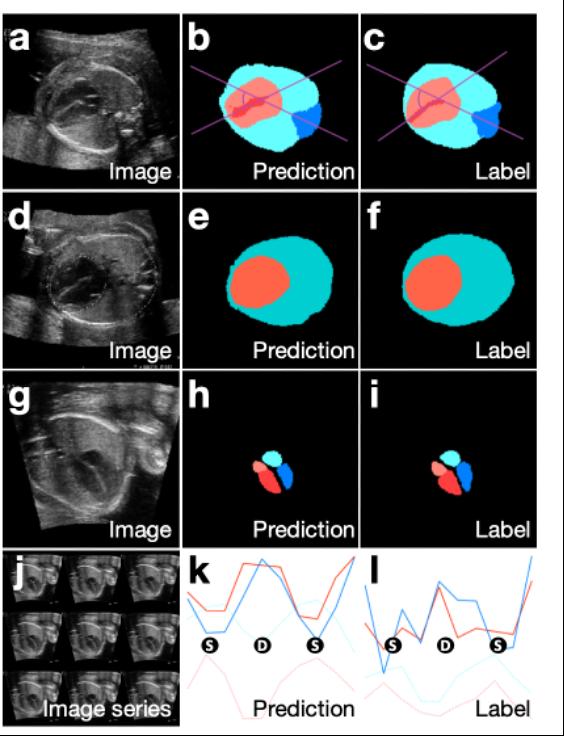
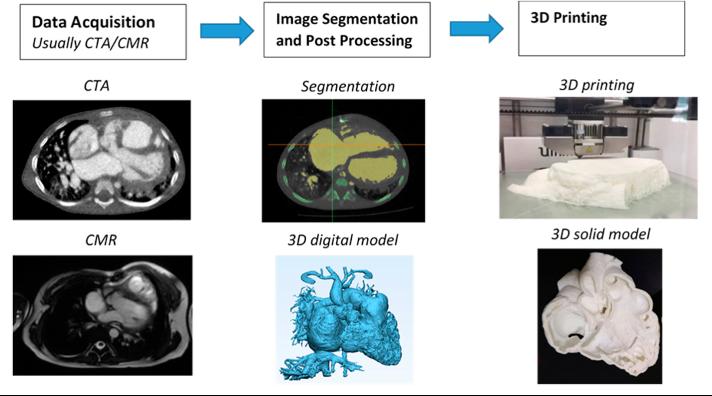
patients(13).OtherstudieshavereportedsignificantlyshorterICUstaysandreducedmechanical ventilationtimeswhen3Dprintedmodelswereused (p¡0.05)(14).
Additionally,3Dmodelsimprovedoctor-patient anddoctor-parentcommunication.Aparentalstudy byBiglinoetal.showedthat3Dmodelsincreased satisfactionandunderstandingamong92parents, withconsultationslengtheningfrom16to21minutes(15).Similareffectswereobservedinadolescentpatients,whoshowedsignificantimprovements inunderstanding(p¡0.005)andcommunicationconfidence(p¡0.001).However,30%ofpatientsalsoexperiencedincreasedanxiety,highlightingapotential psychologicalimpactof3Dprintedmodels(15).
DespitethepromisingintergrationofAIand3D printinginpersonalisedpaediatriccardiacsurgery, severallimitationspreventwidespreadclinicalimplementation.Firstly,themajorityofAIstudies includedinthisreviewfocusedonsmallpatient groupsorhomogenousdatasets,limitingthegeneralisabilityoftheirfindingstothebroaderpopulationofindividualswithCHD(3).Decisionsmade usingAImodelsoftenlackexplanationandtransparency,whichcanreducetrustandlimittheirusein high-stakesenvironmentssuchaspaediatriccardiac surgery(2).Additionally,useofAImodelsinvolves thetransferofsensitivechildhealthdata,which isvulnerabletocyber-attacksandmaycompromise patientconfidentiality(16).
Oneofthemainlimitationsof3Dprintingis thetimeandcostrequiredtocreatemodels,makingthemlessreliableandpracticalinemergency surgicalcases(12).Additionally,theaccuracyof printedmodelsisheavilydependantonthequality ofimagingandsegmentationalgorithms,whichvary betweeninstitutions(4).
Astechnologyadvances,thefutureofpaediatriccardiologyisbecomingincreasinglyintergratedwithAIand3Dprinting,enablingtreatment thatissafer,fasterandmorepersonalised.However, aspreviouslydiscussed,severallimitationsprevent thesetechnologiesfrombecomingstandardinthe managementofCHD.
Oneproposedsolutiontoaddressthelackof transparancyinAImodelsisthedevelopmentof explainableAI(XAI),whichcanexplainitsreasoningandtherebyreducetheriskofmisdiagnosis(17). Federatedlearningalsooffersapromisingapproach todataprotectionbykeepingpatientdatalocally athospitalsandsharingonlythelearningoutcomes withtheAImodel,ensuringthatnosensitivepatient informationistransferred(17).
Futureresearchshouldfocusonconducting larger,multicentrestudiestofurtherimprovetheaccuracy,reliabilityandgeneralisabilityofAImodels and3Dprintinginpaediatriccardiology.
TheintegrationofAIand3Dprintinginpaediatriccardiacsurgeryhasledtosignificantadvancementsinthemanagementofcongenitalheart
defects.AI-drivenimagesegmentationandpredictivemodelshavedemonstratedhigherdiagnosticaccuracyandimprovedpre-operativeplanning. Meanwhile,3DprintinghasenhancedspatialunderstandingofCHDthroughprintedpatient-specific heartmodels,supportingsurgicalplanningand communicationwithpatientsandtheirfamilies. Despitelimitationssuchaslackoftransparency, dataprotectionconcernsanddataheterogeneity, technologicalinnovationshavebeenproposedto tacklethis,includingexplainableAImodelsand federatedlearning.Movingforward,thereisaneed forlargescale,multicentrestudiestovalidatethe accuracyandeffectivenessofthesetechnologies forwidespreadclinicalimplantation.Ultimately,AI and3Dprintinghavethepotentialtotransform paediatriccardiacsurgeryandimprovelong-term outcomesforchildrenwithcongenitalheartdefects.
1.RothGA,MensahGA,JohnsonCO,AddoloratoG,AmmiratiE,BaddourLM,etal.Global BurdenofCardiovascularDiseasesandRiskFactors,1990–2019:UpdateFromtheGBD2019 Study.JAmCollCardiol.2020;76(25):2982-3021.
2.SethiY,PatelN,KakaN,DesaiA,Kaiwan O,ShethM,etal.ArtificialIntelligenceinPediatricCardiology:AScopingReview.JClinMed. 2022;11(23).
3.MohammadiI,RajaiFirouzabadiS,HosseinpourM,AkhlaghpasandM,HajikarimlooB, Zeraatian-NejadS,etal.Usingartificialintelligence topredictpost-operativeoutcomesincongenital heartsurgeries:asystematicreview.BMCCardiovascDisord.2024;24(1):718.
4.CapelliniK,Ait-AliL,PakV,Cantinotti M,MurziM,VignaliE,etal.Three-dimensional printedmodelsasaneffectivetoolforthemanagementofcomplexcongenitalheartdisease.Front BioengBiotechnol.2024;12:1369514.
5.Caro-Dom´ınguezP,SecinaroA,Valverde I,FouillouxV.Imagingandsurgicalmanagementofcongenitalheartdiseases.PediatrRadiol. 2023;53(4):677-94.
6.HaxelCS,JohnsonJN,HintzS,RennoMS, RuanoR,ZyblewskiSC,etal.CareoftheFetus WithCongenitalCardiovascularDisease:FromDiagnosistoDelivery.Pediatrics.2022;150(Suppl2).
7.HolstKA,SaidSM,NelsonTJ,CannonBC, DearaniJA.CurrentInterventionalandSurgical
ManagementofCongenitalHeartDisease:Specific FocusonValvularDiseaseandCardiacArrhythmias.CircRes.2017;120(6):1027-44.
8.LuiGK,SaidiA,BhattAB,BurchillLJ, DeenJF,EaringMG,etal.DiagnosisandManagementofNoncardiacComplicationsinAdultsWith CongenitalHeartDisease:AScientificStatement FromtheAmericanHeartAssociation.Circulation. 2017;136(20):e348-e92.
9.RaissadatiA,HaukkaJ,PatilaT,Nieminen H,JokinenE.ChronicDiseaseBurdenAfterCongenitalHeartSurgery:A47-YearPopulation-Based StudyWith99%Follow-Up.JAmHeartAssoc. 2020;9(9):e015354.10.RimaArnaoutMDLCMB, ErinChinnMS,YiliZhaoPhDRDCS,AnitaMoonGradyMD.Deeplearningforimprovedprenatal diagnosisofcongenitalheartdiseaseusingfetal echocardiograms.2018.
11.XiaoweiXuTW,DewenZeng,YiyuShi, QianjunJia,HaiyunYuan,MeipingHuang,Jian Zhuang.AccurateCongenitalHeartDiseaseModel Generationfor3DPrinting.arxiv.2019.
12.SunZ,LauI,WongYH,YeongCH.PersonalizedThree-DimensionalPrintedModelsinCongenitalHeartDisease.JournalofClinicalMedicine. 2019;8(4):522.
13.SunZ.Patient-Specific3D-PrintedModels inPediatricCongenitalHeartDisease.Children (Basel).2023;10(2).
14.ZhaoL,ZhouS,FanT,LiB,LiangW,Dong H.Three-dimensionalprintingenhancespreparation forrepairofdoubleoutletrightventricularsurgery. JCardSurg.2018;33(1):24-7.
15.BiglinoG,KoniordouD,GaspariniM, CapelliC,LeaverLK,KhambadkoneS,etal. PilotingtheUseofPatient-SpecificCardiacModelsasaNovelTooltoFacilitateCommunicationDuringCinicalConsultations.PediatrCardiol. 2017;38(4):813-8.
16.SenS,RamakrishnanS.Artificialintelligence inpediatriccardiology:Wheredowestandin2024? AnnalsofPediatricCardiology.2024;17(2).
17.MohamedYaseenJabarullaaTU,Thomas Jackb,PhilippBeerbaumb,SteffenOeltze-Jafraa. ArtificialIntelligenceinPediatricEchocardiography:ExploringChallenges,Opportunities,andClinicalApplicationswithExplainableAIandFederated Learning.Arxiv.
HannahBetts
EditedbySushmhitahSandanatavanandGayatriChatterji-Sharma
Abstract -Neurodegenerativediseasesare life-alteringanddebilitating,andaredefining aworseninghealthcrisisaffectingmillionsof people.Today,noveltherapeuticsarereceiving approvaltoalleviatesymptomsanddelay someneurodegenerativediseases,butacure remainsoutofreach.Researchisinvestigating innovativeapproachestounravelthecomplex pathologyofneurodegenerativediseases, focusingonthebrain’srelationshipsacross thebodyandevaluatingexistingtherapeutics forpotentialsolutionstoaclassofcurrently incureablediseases.Glucagon-likepeptide-1 receptoragonistsareatherapeuticclasswith afascinatinghistory,andhaverecentlygained attentionasabreakthroughtreatmentfor obesity.Today,glucagon-likepeptide-1receptor agonistsaredemonstratingneuroprotective effects,mitigatingkeyaspectsofAlzheimer’s andParkinson’sdiseasepathologyanddelaying symptomonset.Thisevidencesuggeststhat glucagon-likepeptide-1receptoragonistscould offernovelinsightsintoneurodegenerative diseasepathology,andaidinthediscoveryand designofnoveltreatmentstocombatthese complexdiseases.
Alzheimer’sDisease(AD)isanaggressive anddebilitatingneurodegenerativedisease,with life-alteringsymptoms.NearlyonethirdofAD casesworldwidearelinkedtomodifiablerisk factors(Zhangetal.,2024).IntheUnitedStates, oneinthreeAmericansdiefromdementia—a higherdeathratethanbreastandprostatecancer (Alzheimer’sAssociation,2025).Globally,over55
millionpeoplesufferedfromdementiain2020, afigurepredictedtoincreaseto139millionby 2050(Alzheimer’sDiseaseInternational,2025). Worldwide,dementiacoststotalled818billion USDin2015,by2030,thiswillriseto2.8trillion (Alzheimer’sDiseaseInternational,2025).ADis anincreasinglydirehealthcrisis,withanurgent necessityforeffectiveandsafetherapeuticsto combatthisdisease.
Manytherapeuticshavedemonstratedpotentialto temporarilyalleviateorstabilisesymptomsofAD, butlong-termefficacyandsafetyisunconfirmed duetovariableoff-targeteffects.TheFDA hasapprovedtherapeuticsthatpresentpotential disease-modifyingeffects,butthesetherapeutics demandstrongervalidation(Zhangetal.,2024). Asthemissionforsaferandmoreeffective ADtherapeuticspersists,drug-repurposinghas gainedtraction,utilisinginsightsfrompre-existing therapeuticsandnoveldiscoveriesforapplication intreatingAD.Oneclassoftherapeuticthathas demonstratedunexpectedpromisetoberepurposed, areglucagon-likepeptide-1receptoragonists(GLP1RAs),orastheyaremorecolloquiallyknow, weightlossdrugs,suchasOzempic.Thisproposes thattherapeuticsusedtotreattype-2-diabetes (T2D)orobesity,couldbeappliedtoresolvean entirelynewproblem,neurodegenerativediseases.
ThecurrentunderstandingofAD’spathology isakaleidoscopeofoverlappinghypotheses. HallmarkfeaturesofADpathologyincludethe
accumulationofAβ plaques,neurofibrillarytangles (NFTS),neuroinflammation,andsubsequent neuronalcelldeath.Manyhypothesesexist, suchasthecholinergic,amyloid,tauprotein, inflammatory,oxidativestress,andmicrobiotagut-brainaxishypotheses(Fig.1).Eachproposes adifferentmechanismbywhichADpathology andsymptomonsetoccurs(Zhangetal.,2024).
Forexample,themicrobiota-gut–brainaxis hypothesisproposesthatalterationsinthegut microbiomemayincreasethepermeabilityof thegutbarrierandleadtoanimmuneresponse, systematicinflammation,andimpairmentofthe blood-brain-barrier,causingneuroinflammation andneurodegeneration(KowalskiandMulak, 2019).However,thesehypotheseslackconclusive evidence(Zhangetal.,2024).
ADsymptomscanincludecognitiveimpairments, severememoryloss,neuropsychiatricsymptoms, andchangesinbehaviouralandemotional presentation.Thereiscurrentlynocurefor AD,andwithdiseaseonsetoccurringdecades beforeclinicalsymptomspresent.Researchhas increasinglyfocusedontargetingthesepreclinical stagesofADtoidentifytherapeuticpotential, beforeonsetbecomesunstoppable(Zhangetal., 2024).
Since2020,threetherapeuticshavereceived FDAapprovalastreatmentsforAD:aducanumab (Aduhelm),donanemab(Kisunla),andlecanemab (Leqembi).Aducanumab(Aduhelm),manufactured byBiogen,receivedacceleratedFDAapproval in2021,buthassincebeendiscontinued.Itwas thefirstmonoclonalantibodytobeapproved forADtreatment.ThetherapyremovedAβ plaques,reducingcognitiveandfunctionaldecline inpatientswithearlyonsetAD(Alzheimer’s Association,2025).Aduhelm’sapprovalwasa landmarkeventforADresearchandtreatment,and furthertherapeuticsemergedsoonafter.Biogen citedAduhelm’sdiscontinuanceasabusiness decisiontoreprioritizeresourcesfocusingonAD andthatitwasunrelatedtothetherapeuticssafety orefficacy(Alzheimer’sAssociation,2025).
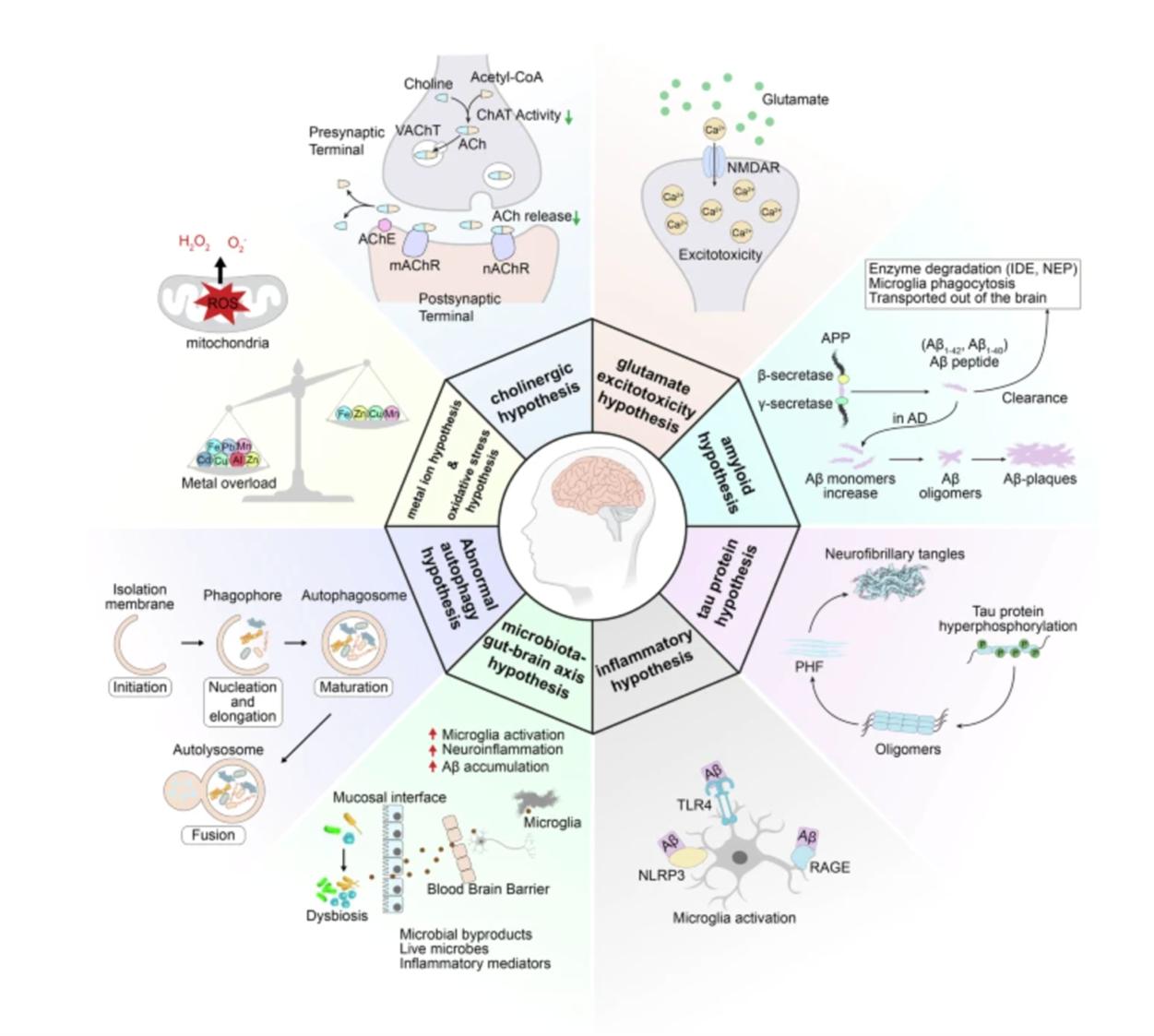
Figure1:DiagramofDiversityofADPathology. Thisoutlinesthemechanismsunderlyingkey hypothesesofADpathologyincludingthecholinergichypothesis,theglutamatergichypothesis,the amyloidhypothesis,thetauproteinhypothesis,the inflammatoryhypothesis,themicrobiota-gut-brain axishypothesis,theoxidativestresshypothesis,the metalionhypothesis,andtheabnormalautophagy hypothesis(Zhangetal.,2024).
Lecanemab(Leqembi),alsomanufacturedby Biogen,receivedFDAapprovalin2023(Biogen, 2024).Itisamonoclonalantibodydelivered viaintravenousfusion,primarilytargetingand removingAβ plaqueformationinthebrain. Thisreducescognitiveandfunctionaldeclinein patientswithearlyonsetAD,aswellasmild cognitiveimpairmentormilddementiadueto AD.Leqembi’sabilitytoslowdiseaseprogression allowspatientstogainabetterqualityoflife. Leqembihasanannualcostof$26,500USDfor patients(Alzheimer’sAssociation,2025).
Donanemab(Kisunla),manufacturedbyEliLilly, receivedFDAandMHRAapprovalin2024 (Alzheimer’sDiseaseInternational,2024;Hartnell, 2024).Itisananti-amyloidmonoclonalantibody, administeredintravenouslyeveryfourweeks. Donanemabtrainsourimmunecellstorecognize andremoveamyloidprotein.Itdemonstrated efficacyinearlyonsetADpatientsandpatients sufferingfrommildcognitiveimpairmentormild dementia.IntheclinicaltrialTRAILBLAZER-
ALZ2,three-quartersofpatientstakingKisunla hadamyloidsuccessfullyclearedfromtheirbrains (Hartnell,2024).Additionally,afteroneyear,half ofthepatientsshowednodeclineinmemory andcognitiveskills.WhileKisunlaisanexciting therapeuticforADtreatment,italsopresentskey limitations.Firstly,91.5%ofpatientsintheclinical trialsidentifiedaswhite,highlightingthenecessity formorediverseclinicaltrialstomitigatepotential long-termsideeffectsorofftargeteffects(Hartnell, 2024).Additionally,sideeffectssuchasheadaches, reactionstotheintravenousdrip,swelling,or microbleedsrelatedtoamyloidwereobserved (Hartnell,2024).Donanemabhasanannualcostof $32,000USDforpatients(Alzheimer’sAssociation, 2025).
Asoftoday,researchiscontinuingtodiscovera therapeuticthateffectivelyandsafelyalleviates thedebilitatingsymptomsandirreversibleonset ofneurodegenerativediseasessuchasAD.A therapeuticlikethiswouldnotonlychange millionsofpeople’slives,butpotentially,prevent memorylossinmillionsmore.Thisisadiscovery whosepathwillbepavedbyinvestigatingthe kaleidoscopeoftheoriesbehindneurodegeneration, anddeliveringaclarifiedunderstandingfedby researchspanningbeyondthefieldofneuroscience. So,whenanoveltherapeuticrevolution,arrived onthedoorstepofthepharmaceuticalindustry, neurosciencequicklytooknotice.
It’snotoftenthatanoveltherapeuticbecomes ahousehold-name.Butby2025,Ozempichadbecomeever-present,notjustinthepharmaceutical industry,butacrosspop-culture.Asthisnoveltherapeuticmadeitswayontothemarket,itsimultaneouslyslippedintosonglyrics,TikToks,and everydayconversations.Withitsrapidrisetofame camethequestion:wheredidthisdrugcomefrom, andwhyisitgeneratingsuchexcitement?Ozempic, alsoknownassemaglutideisaGLP-1RA,aclassof therapeuticswhosehistoriesarejustasfascinating astheirmodernimplications,risingfromastory ofaccidentaldiscovery,emotional-bias,andgiant lizards(Kolata,2023).
Obesityaffectsnearly42%ofAmericans(Kolata,
2023).However,asresearchtofindatreatmenthit onedeadendafteranother,andsocietalopinion erroneouslygrewtoconsiderobesityamoralfailingmorethanachronicillness,thepharmaceuticalindustry’sinterestincuringobesitywanedif notcompletelyplateaued(Kolata,2023).Attention shiftedinsteadtodiabetes,adiseasecharacterised byhighbloodsugarlevelswhichistreatedbythe injectionofinsulin.Insulinisahormonesecretedby thepancreasthathelpscellsstoresugar,decreasing bloodsugarlevels.However,researchintodiabetes revealedaserendipitoussolutionforobesitywhen thebrainwasexposedtohighlevelsofanatural hormone,GLP-1.Itwassoonevidentthatthesolutiontooneproblemmayemergeinthepursuitof solvinganother(Kolata,2023).
GLP-1isahormonenaturallyproducedinourgut. GLP-1RAsaresyntheticmimicsofthishormone, regulatingbloodsugarandactingoninsulinto stimulatethepancreaswhenbloodsugarrisestoo high.Targetingthesemechanismsquicklybecame anappealingtreatmentfordiabetes.Whiletheinitial discoveryofGLP-1RAwasexciting,itcamewith akeylimitation:thesyntheticagonistdidn’tlast long.GLP-1RAsdegradedanddisappearedbefore reachingthepancreas.Thus,researchsetoutto findalonger-lastingsolutionandfounditsanswer inahighlyunexpectedplace.Gilamonstersare giantlizardsthatuseaGLP-1varianttomaintain bloodsugarlevelstabilitywhentheylackasource ofnutrition.Theselizardsgolong-spansoftime withoutfoodthustheirGLP-1variantlastssignificantlylongerthanitshumancounterpart.In2005, thislonger-lastingGLP-1RAssyntheticanalog, exenatide,waspatentedandwentonthemarketas Byetta(EuropeanMedicinesAgency,2024).However,Byettarequiredtwoinjectionsdaily,makingit inconvenientlytimeandcostconsumingforboth itspatientsandproducers.Itwasclear,further innovationwasneededtoestablishamoreeffective diabetestherapeutic(Kolata,2023).
NovoNordisktookakeyfirststep,attachingGLP1RAtoafattyacid,producingtheGLP-1RA liraglutidewhichbindsbloodproteinsstabilizing thehormoneandallowingittocirculateforupto 24hoursbeforedegradation.Thisinnovationledto thedevelopmentofthetherapeuticVictoza,which receivedFDAapprovaltotreatT2Din2010(U.S. Food&DrugAdministration,2010).Inthewakeof itssuccess,researchersnotedasurprisingsideeffect
tothediabetestherapeutic:patientsexperienceda slightlossinweight.Thisobservationlitaspark inresearchtoexploreothernaturallyoccurring hormones’potentialeffectsonweightloss.One suchhormone,leptin,demonstratedpromise.When geneticallymodified,leptinwasfoundtoaffect theweightofmice.Micewithleptinwereable tomaintaintheirbodyweight,whilemicewith aleptin-knockoutateuncontrollably.Amgensoon boughttherightstoleptintobeginhumantrials,but theweightlosseffectsdidnottranslatefromanimal modeltopatient(Kolata,2023).NovoNordisk continuedtointerrogateGLP-1RAsandresearch discoveredthatpatientswithanintravenousdripof GLP-1RAsconsumednearly12%lessfoodthan thosewithaplacebo.Anewtherapeutic,Saxenda wasapprovedin2014atadoseneartwicethat ofVictoza(Caffrey,2015).PatientstakingSaxenda lost5%oftheirbodyweight.ThefirstGLP-1RA weight-losstherapeutichadhitthemarket,butthe primarygoalremained:GLP-1RAsneededtolast longer(Kolata,2023).
In2017,cameOzempic,abreakthroughindiabetesandobesitytreatmentalike.Ozempicisan injectabletherapeuticthatwasdevelopedasanadjuncttoexerciseanddiet,treatingadultswithT2D. Itisadministeredsubcutaneouslyusingprefilled multidoseinjectionpens.Thedrugiscomposedof theactivesubstrateGLP-1RAsemaglutide,andhas a94%structuralhomologywithhumanGLP-1(Fig. 2)(KommuandWhitfield,2024).
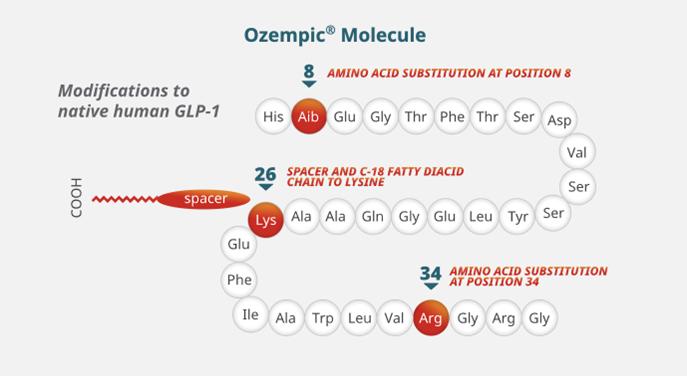
Figure2:TheOzempicMolecule. ThemodificationsmadetothenativehumanGLP-1hormoneto produceOzempicareindicated(NovoMEDLINK, 2025).
Ozempicincreasestheamountofinsulinthe
pancreasreleasesinresponsetofood,aidinginthe controlofbloodglucoselevels.Itfurtherslows gastricemptying,increasingpancreatic β -cellproliferationandreducingglucagonrelease,subsequently reducingappetite.
ThroughactivationofGLP-1receptorsinthegastrointestinaltract,pancreas,andbrainOzempic lowerslevelsofbloodglucosebetween1.2-1.8% overaperiodof10-13months.Otherdiabetes treatmentsachievemerelyhalfthatreduction(EuropeanMedicinesAgency,2025).Resultsfroma 12-weeksingle-centre,randomized,double-blind, placebocontrolledparallel-grouptrialfoundthat adultswithT2DtakingOzempicfor12weeks achievedaninsulinresponseresemblinghealthy people(Fig.3)(NovoMEDLINK,2025).Additionally,Ozempicsignificantlyreducesoccurrenceof serioushealthcomplicationsassociatedwithdiabetes,suchasheartattackandstroke(European MedicinesAgency,2025;KommuandWhitfield, 2024).
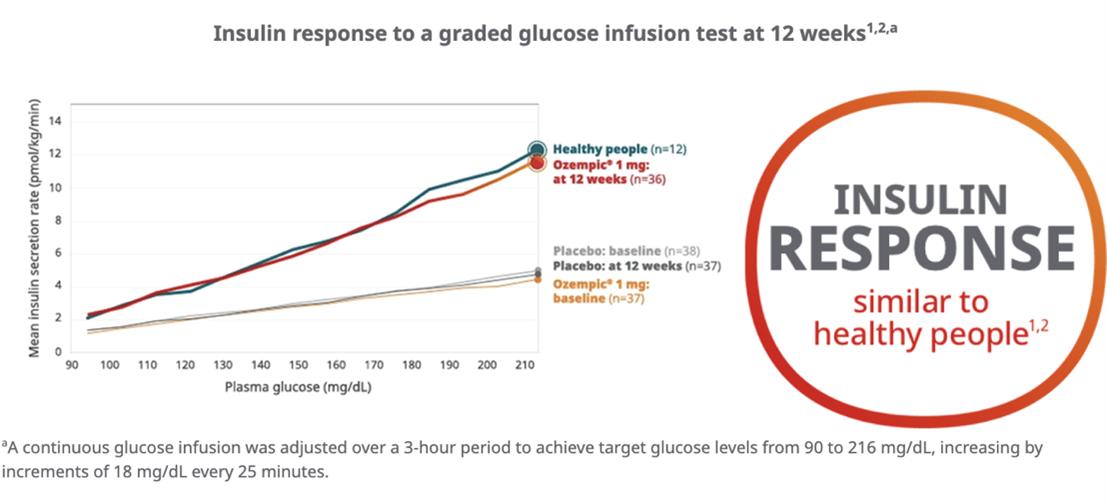
Figure3:Ozempic’sEffectivenessOvertime. Resultsfroma12-weeksingle-centre,randomized, double-blind,placebocontrolledparallel-grouptrial demonstratethatadultswithT2DtakingOzempic for12weeksachievedaninsulinresponseresemblinghealthypeople(NovoMEDLINK,2025).
Additionally,patientstakingOzempicdemonstratedsignificantweightloss,achievinga15%loss inbodyweight,threetimesgreaterthanthatseen withSaxenda.However,Ozempicwasdesignedto treatT2D,andwasapprovedsolelyforthispurpose. Itwasn’tuntil2021thatitreceivedapprovaltotreat weightlossunderanewname:Wegovy. Ozempicwasthefirstdrugofitskind,alife changingtherapeutic,andtheworldtooknotice. USadvertisementsranacrossscreenspromoting thenoveldiabetestherapeutic’smiraculousweight
losseffects.DoctorsbeganprescribingOzempicoff labelforweightlossandsocialmediafascination frenzied(Kolata,2023).Fortunately,Wegovycaught up,andtheOzempicobsessionhaslargelysubsided. Nonetheless,thefascinationwithweightlosstherapeuticshasonlygrown.Weightlosstherapeutics likeWegovycrosstheblood-brainbarrier(BBB) anddon’tactsolelyinthebrainregionsthey’re intendedto.Theyhavebeendetectedinareasofthe brainunrelatedtoappetiteregulation,slippinginto placesthatGLP-1shouldn’texist,aphenomenon researchhassetouttoinvestigateasitremains poorlyunderstood(Kolata,2023).
In2022,GLP-1RAtirzepatide,orMounjaro,developedbyEliLillyreceivedFDAapprovalasa diabetestherapeutic.Ittoocamewithaside-effect ofweightloss(Lilly,2022).Mounjarowasapproved totreatT2Dmellitusincombinationwithdietand exercise.In2023,itreceivedapprovalintheUSas aninjectableweightlosstherapeuticunderthename Zepbound.ZepboundactivatesreceptorsforGLP1andglucose-dependentinsulinotropicpolypeptide (GIP)intheintestine.Itreducesappetiteandfood intake,andisdistinctfromOzempicinthatit additionallyactsonGIP,asecondincretinthought toworktogetherwithGLP-1(FDA,2023).This madeZepboundthefirstandonlydual-GIPand GLP-1RAapprovedforweightloss(Billingsley andAungst,2025).Studieshavedemonstratedthat ZepboundresultsingreaterweightlossthanWegovy,achievinganaverageweightlossof25%per year,comparedtoWegovy’s16%.ThisislikelypartiallyachievedbyZepboundhigherweeklydosage, thoughthetwotherapeuticshaveyettobedirectly compared.However,inarandomizedcontrolled trialwithover1,800participants,Zepboundwas associatedwithmoreseriousadverseeffectsand ahigherdiscontinuationratethanOzempic.Both medicationsarepricedsimilarly(Puddick,2025).
ThemostrecentT2Dtherapeuticwithweightloss therapeuticpotentialcomesjustthisAprilof2025, asEliLillyannouncedthesuccessofPhase3 clinicaltrialsforitsoralGLP-1RA,Orforglipron. Itisthefirstoralsmall-moleculeGLP-1RAto successfullycompleteaPhase3clinicaltrial,setting itapartfromitsinjectablecounterparts.Further, Orforgliproncanbetakenatanytimeofdaywith norestrictionsonfoodorwaterintake.Recently,Eli LillyannouncedpositiveresultsfromtheirPhase3 clinicaltrial,ACHIEVE-1,a40-week,randomized,
double-blind,placebo-controlledtrialevaluatingthe safetyandefficacyofOrforgliproncomparedtoa placeboinadultpatientswithT2D.IfOrforglipron receivesFDAapprovalforT2D,itprojectedto impactanestimated760millionadultsby2050. ACHIEVE-1isjustoneofseventrialsexamining thesafetyandefficacyofOrforgliproninindividuals withdiabetesandobesity.Thistrialdemonstrated statisticallysignificantresults,anddeterminedthat Orforglipron’ssafetyprofileisconsistentwithother therapeuticsintheGLP-1RAclass.Adverseeffectsincludegastrointestinal-effects,nausea,constipation,orvomiting.EliLillyexpectstosubmit Orforglipronforregulatoryapprovalforweightloss bytheendof2025(Table1)(Lilly,2025).
Medication ActiveIngredient DrugClass FDA Approval Approved usage(s)
Byetta Exenatide GLP-1receptor agonist 2005 Type2diabetes
Victoza Liraglutide GLP-1receptor agonist 2010 Type2diabetes
Saxenda Liraglutide GLP-1receptor agonist 2014 Overweight /Obesity
Ozempic Semaglutide GLP-1receptor agonist 2017 Type2 diabetes /heart disease prevention
Wegovy Semaglutide GLP-1receptor agonist 2021 Overweight /Obesity
Mounjaro Tirzepatide GLP-1and GIPreceptor agonist 2022 Type2diabetes
Zepbound Tirzepatide GLP-1and GIPreceptor agonist 2023 Overweight /Obesity
Orforglipron Orforglipron GLP-1receptor agonist N/A N/A
TableI: T2DTherapeuticswithWeightLossTherapeuticsCounterparts
Weightlosstherapeuticshavecapturedthe fascinationofthepharmaceuticalindustryand thepublic.Now,they’rerepositioningtowards anovelbreakthrough,demonstratingunexpected potentialtotreatneurodegenerativediseasessuch asAlzheimer’sDisease(AD)(McKenzie,2024). Thejumpfromweightlosstherapeuticsto neurodegenerativediseasesdidn’tcomecompletely
outoftheleftfield.Thereisalong-datedhistoryof interestintheintersectionofdiabetesandAD,with severalstudiessuggestingaconnectionbetween insulinresistanceandAD.Thus,curiosityrose regardingwhetherdrugsfordiabetes,targeting metabolicdiseasesandendocrinediseasepathways mayalsobeaffectiveagainstAD.Metaanalysis confirmedthiscuriosity,linkingT2Dtoan increasedriskofdevelopingAD(McKenzie, 2024).Further,databasereviewsrevealedsimilar implications:patientsprescribedGLP-1RA therapeuticslikesemaglutidewere10%lesslikely todevelopdementiacomparedtothosetaking otherdiabetestherapeutics(Mecaetal,2024).
Semaglutide,theGLP-1RAseeninOzempicand Wegovy,hasshownpotentialtoreducetherisk ofdiabetesrelatedcognitivedeclineandmitigate ADpathologybypresentinganti-inflammatoryand neuroprotectiveproperties.Chronicinflammation isawell-establishedhallmarkofneurodegenerative diseases,andsemaglutidemaycounteractthisby reducinglevelsofpro-inflammatorycytokines, inhibitinginflammatorypathways,reducing braininflammation,anddecreasingneuronal degeneration.Further,semaglutidemayprovide directneuroprotectiveeffects.Theseinclude enhancingcellularrepairmechanisms,upregulating neurotrophicfactors,reducingreactiveoxygen species(ROS),andincreasingtheactivityof antioxidantenzymes.Thesemechanismssupport neuronalsurvivalandpromoteneuralgrowth (Allder,2024).
Furtherstudieshaveinvestigatedtheroleof GLP-1RAsinslowingtheprogressionof neurodegeneration.Studiesinrodentsdemonstrated diabetesandobesitytherapeuticsimproved hallmarksofADpathology(SmithandBlum 2025).
InADmodels,semaglutidereducedAβ plaquedeposition,mitigatedneuroinflammation, amelioratedbehaviouraldeficits,andimproved spatiallearningandmemoryinmazenavigation testsandnovelobjectrecognitionassays (Fig.4).Thesefindingsindicatemultiple mechanismsofactionandsuggestsemaglutide’s primarymechanisminvolvesinhibitionof acetylcholinesterase,increasingtheavailability ofacetylcholineandenhancingthecholinergic systembysupportinggrowthandmaintenanceof cholinergicsynapses.Itpredominantlymitigates
Aβ andtaupathologyintheCA3hippocampal region,keyareasimplicatedinADpathology. Further,inADmousemodels,thewaternavigation taskwasusedtomeasuretheeffectsofGLP-1 RAonmemoryandliraglutide,theGLP-1RA inVictozaandSaxenda,demonstratedefficacyin preventingneuronalapoptosis(Mecaetal,2024). InPDmodels,semaglutideelicitedneuroprotective effects,modulatedneuroinflammation,enhanced mitochondrialfunction,promotedneurogenesis, improvedmotorfunction,andameliorated dopaminergicneuralloss.Semaglutidedemonstrates strongpotentialasadisease-modifyingtreatment strategy,specificallyduetoitsinvolvement inmechanismsofimpairedcognitivefunction associatedwithinsulinresistance(Fig.4). Neuronalmetabolismandsynapticefficacysuffer fromdesensitisationofinsulinsignallingpathways andinsuliniskeytoactivatinggrowthfactorsthat stimulatesbrainreceptors,regulatingmitochondrial functionality,cellularenergyutilization,cell survival,andsynapticprocessing.Impairedinsulin signallingcanreduceordelayneuronalrepair, increasingtheriskofdevelopingneurodegenerative pathologies.GLP-1RAslikesemaglutidemay aidincompensatingfordeficienciesininsulin signalling,activatingthesamegrowthfactor cascadesseenininsulin.InPD,T2Dand desensitizedinsulinsignallingarelinkedtodisease onset.Twofurther,GLP-1RAs,liraglutideand lixisenatide,demonstratedefficacyinmaintaining enzymescrucialtodopamineproduction.Atrial oflixisenatideinearlyPD,demonstratedthedrug presentedneuroprotectiveproperties,slowingthe progressionofmotordysfunctionat12monthsina phase2trial.However,gastrointestinalsideeffects wereadditionallynoted(Meissneretal.,2024; Mecaetal,2024).Inmousemodelsexenatide,the GLP-1RAinByetta,restoredmotorfunctionality andsemaglutidepreventedlossofdopaminergic neurons.Overall,semaglutideexhibitedsuperior efficacyinrestoringmitochondrialfunctionand antioxidantbalancebyenhancingautophagy(Meca etal,2024).Anotherstudydemonstratedexenatide improvedmotorfunctioninpatientswithPD comparedtoplacebo.Exenatideiscurrentlybeing investigatedinalargertrialpopulationofpatients withPD(Lenharo,2024).
GLP-1RAshavebeenimplicatedin multiplesignallingpathwaysassociatedwith
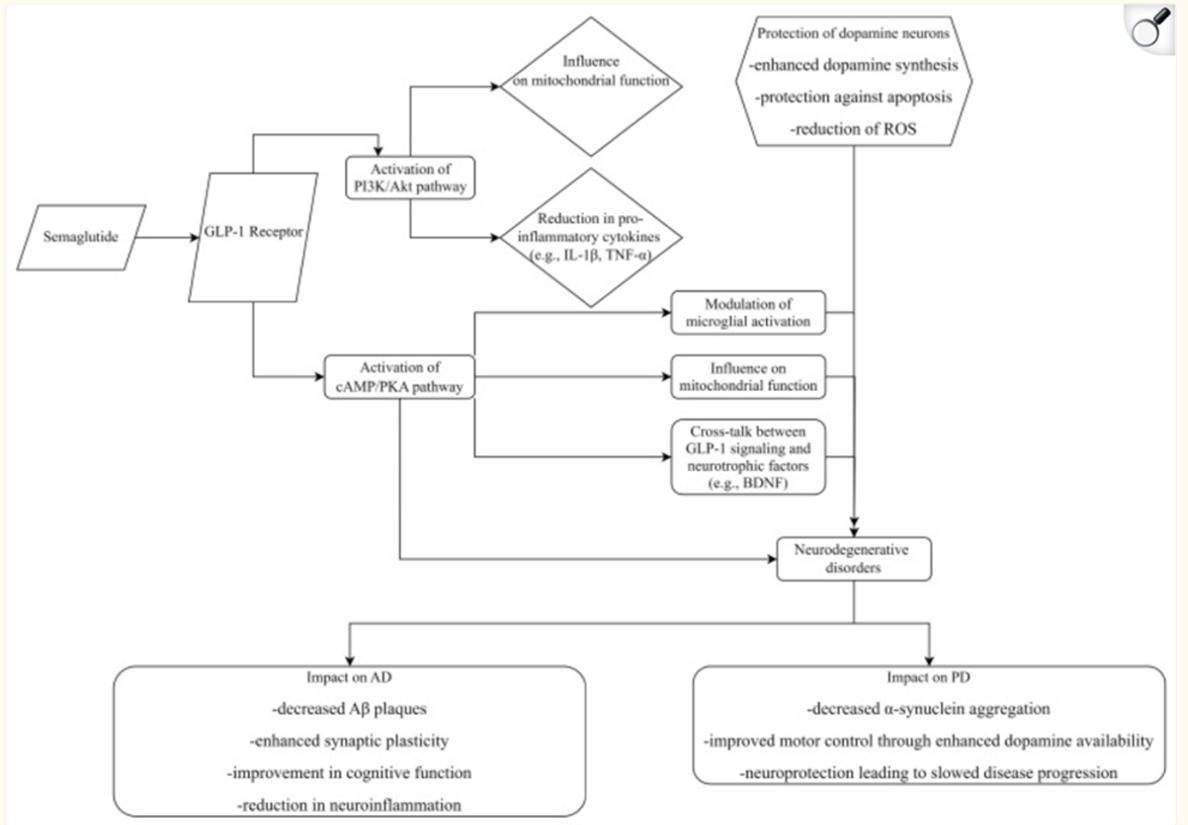
Figure4:Semaglutide’sMechanismofActionin ADandPD.Thisfigurehighlightssemaglutide’s effectonneurodegenerativediseasemechanisms (Mecaetal.,2024).
neuroprotection.Inincretinsignallingchronic administrationofGLP-1RAsinmousemodelsof diabetesdemonstratedthatfollowingbinding andactivationofGLP-1receptors,cAMP levelsincreasedrapidly,activatingpathways involvedinproteinandmitochondrialbiogenesis whileinhibitingneuronalapoptosis.Inthe P13K/Aktsignallingpathway,semaglutidewas foundtobeexperimentallycorrelatedwith neuroprotectiveproperties,enhancingmitochondrial function,reducingneuro-apoptoticreactions,and inhibitingproinflammatoryandneurodegenerative serine/threnoninekinase.Semaglutidetreatment alsoreducedimpairmentofautophagicand lysosomalpathways.Overall,acrossinvivoandin vitrostudies,theeffectsofGLP-1RAsdemonstrate immensepromiseaspotentialtreatmentsfor neurodegenerativediseasessuchasADandPD, buttheadditionalsideeffectsandmechanismsthat arenotfullyunderstoodrequirefurtherresearchto validatethesefindings(Mecaetal,2024).
Therearemanytheoriesexploringthemechanisms bywhichweightlosstherapeuticsaffect neurodegenerativediseases.Diabetesandobesity areriskfactorsfordementia.Consequently,weight losstherapeuticsmaysimplyreducetheriskof developingADbyimprovingmetabolichealth. Further,neurodegenerativediseasesdemonstrate increasedinflammation.Theanti-inflammatory propertiesofGLP-1RAscouldalsoberesponsible forimprovingADpathology.Healthyinsulin functionisalsoakeyaspectofmemoryformation. Weightlosstherapeuticscurbinsulinresistance andstudiesinanimalmodelssuggestthatGLP-1 RAtherapeuticsimproveinsulinsignallinginthe brain.Finally,weightlosstherapeuticsmaytarget meaningfulregionsofthebrainassociatedwith learningandmemory.Aspreviouslyaddressed, liraglutideaccessedregionsofthebrainbeyond appetitecontrol,includingthehippocampus,anarea associatedwithearlydamageinAD.Semaglutide demonstratedmoremixedresults,suggestingthis therapeuticmaystruggletopassthroughthe blood-brain-barrier(SmithandBlum2025).
Today,Kariyapharmaceuticalsisdeveloping KP045,adualactiontherapeuticofGLP-1RAand GIPreceptoragonist.Thisaimstoremoveadd-ons toGLP-1RAssuchasfattyacidsthatlimitthe therapeuticsabilitytoreachthebrain.Removing fattyacidsallowsforcellmembranereceptorsto
SomeGLP-1RAtherapeuticsbeinginvestigated forrepositioningtowardsneurodegenerativedisease haveevenprogressedtoclinicaltrial.APhaseII trialof200ADpatientswasconductedacross24 clinicsintheUK.Halfofthepatientsweregiven aninjectionofupto1.8mgliraglutidewhilethe otherhalfreceivedaplaceboinjection.Priortothe injectionwithliraglutide,MRIsofbrainstructure, PETscansofglucosemetabolism,anddetailed memorytestingwereconductedandevaluated (Rey,2024).Theliraglutidecohortdemonstratedan 18%slowerdeclineincognitivefunctioncompared topatientsreceivingaplacebo(McKenzie, 2024).Further,patientswhohadtakenliraglutide demonstratedasignificant50%reductioninbrain shrinkagecomparedtoplacebopatients,specifically inthefrontal,temporal,parietallobesandtotalgrey matter—,areasknowntobeinvolvedinmemory, learning,language,anddecisionmaking(Rey, 2024).Thesefindingssuggestliraglutidemaybe neuroprotectivethoughresearchremainsuncertain ofthemechanismsbywhichitelicitsthese effects.Itisbelievedliraglutideinfluencesmultiple processesinthebrainincludinginflammation,tau proteinaggregation,insulinresistance,andAβ accumulation,slowingbrainvolumeshrinkage (Rey,2024).Followingthis,anotherstudyfound thatT2Dpatientstakingsemaglutidehada40-70% reducedADrisk(McKenzie,2024).Theseresults furthersupporttheneuroprotectivepotentialof GLP-1RAs.
recognizetheGLP-1RAtherapeutic,enablingitto reachthebrainfaster.Thisalsoaidsinavoiding off-targeteffectsandimprovingperipheraleffects ofthedrug(McKenzie,2024).
TheinvestigationofGLP-1RAstotreat neurodegenerativediseasetreatmenthasbecome anongoingraceofresearch,butevenmoreso,a waitinggame.NovoNordisk,alongexistinggiant intheresearchofGLP-1RAsisexpectingreadouts fromtwolargeclinicaltrials:EVOKEandEVOKE plus,testingsemaglutideinpatientswithAD.These trialsareexpectedtobecompletedinSeptember 2025(McKenzie,2024).Otherindustrygiants, suchasEliLillyarealsoinvestigatingGLP-1RAs potentialimplicationsintreatingneurodegenerative diseases.Resultsfromtheseclinicaltrialscould revealimperativeconclusionsintheconsideration ofGLP-1RAsaspotentialtherapeuticstobe repositionedtowardsneurodegenerativediseases. However,itiskeythatasresearchcontinuesto explorethesetherapeutic’sexcitingpotential,it doesnotdosowithoutheavyconsiderationofthe riskfactorsandpatientsafety.
Thecelebrationoftheserendipitousdiscoveryof GLP-1RAsandconsequentlyweightlosstherapeuticsmustbecoupledwithanequivalentevaluation ofassociatedriskfactors.Large-scaleanalysisof datafromnearly2millionusersofweightloss drugsrevealedaprevalenceofoff-targeteffects. StudieshavefoundGLP-1RAsputpatientsata 146%higherriskofpancreatitis,alife-threatening disease(Guglielmi,2025).Furtheradverseside effectsincludehypoglycaemia,thyroidc-celltumours,diabeticretinopathy,anaphylaxis,andgall bladderdisorders(KommuandWhitfield,2024). AccordingtoNovoNordisk’sMEDLINKresource, semaglutideinduceddose-dependentandduration dependentthyroidc-celltumoursatclinicallyrelevantexposure.Thesefindingshowevernotethat itremainsunclearwhetherOzempiccausesthyroid c-celltumoursinhumans.NovoNordiskadvises patientsreceivefurtherevaluationifserumcalcitoninlevelsarefoundelevatedorifthyroidnodulesarefoundinphysicalexaminationsorneck imaging(NovoMEDLINK,2025).TheFDAstates similarfindingsregardingZepbound,warningthat
Zepboundshouldnotbeusedinpatientswitha personalorfamilyhistoryofmedullarythyroidcancerorinpatientswithmultipleendocrineneoplasia syndrometype2(FDA,2023).Thesehealthrisks shouldbecarefullyconsideredbothinthecurrent useofweightlosstherapeuticsandfutureresearch expandingtheapplicationsofGLP-1RAs. TherisingpopularityofOzempicadditionally broughtwithitanincreasedprevalenceofcompoundedandcounterfeitpreparationofsemaglutide. Patientsshouldalwaysseekprescriptionfroma medicalprofessionaltoensuretheyareprescribed anapprovedandsafetherapeutic(Kommuand Whitfield,2024).
Alongsidetheseriskfactors,therearefurtherimpressionsweshouldtakeawayfromthediscovery andhistoryofweightlosstherapeutics.Theweight losstherapeuticrevolutionrisesfromahistoryingrainedwithemotionalbias—somethingworth consideringasnoveltechnologiesandinnovation pushthepharmaceuticalindustryintoanewera ofdiscoveries.AchiefscientificofficeratNovo Nordisk,acompanywhichcanbedeeplyhighly creditedforthemodernsuccessofGLP-1RAs, oncecitedhavingtospendalmosthalfayear convincinghisCEOthatobesitywasnotamoral failingorcausedbyalackofwillpower(Kolata, 2023).Abeliefonceupheldandstilllingers,yet onesopoorlymisinformed.Itisessentialthat emotionalbiasdoesnotimpedescientificdiscovery andprogress.Itisinterestingtoreflecttenyears ago,whenGLP-1RAsfirstemergedasweight losstherapeutics.InaneraofWeightWatchers, dietfads,andmedia-drivenbodyimageideals:how muchsoonermightlife-changingtherapeuticssuch asWegovyandZepboundhavearrivedhadresearch notbeenhinderedbyjudgmentandbias?
Thepossibilityofweightlosstherapeuticsbeing repurposedforneurodegenerativediseasesisundeniablyexciting,butthesefindingsdemandfurther evaluationandevidencetoprocureeffectiveand safetherapeuticsforpatients.Preclinicalstudies demonstratingthebenefitsofGLP-1RAstargeting corepathologyofADandPDhavelimiteddata. Strongerresultswithalowerincidenceofdisease progressionandexhibitingbettersafetycouldbe instrumentalinboostingthereputationofGLP1RAsastreatmentsforneurodegeneration.More researchmustdemonstratesafetyandefficacyin chronicuseofthesetherapeutics(McKenzie,2024).
GLP-1RAsareaclassofdrugswithextraordinarypromisenotonlyasweightlosstherapeutics, butacrossdrugdiscovery.Ariskassessmentof GLP-1RAs,includingsemaglutide,foundbroader implicationsforthesetherapeutics.Thestudy,conductedoverthreeyears,followedmorethan200,000 individualswithdiabeteswhowereonGLP-1RA therapeutics,and1.7millionpeoplewithdiabetes usingblood-sugar-loweringmedications.Ittracked effectson175healthconditionsandfoundpatients takingGLP-1RAtherapeuticshadalowerriskof developingconditionssuchasheartdisease,strokes, andkidneydisease.Further,GLP-1RAsseemedto lowertheriskofpsychoticdisordersby18%and addictiondisordersby13%comparedtodiabetes medication.ThiseffectstandsoutasGLP-1RAsare knowntoactonbrainregionsinvolvedinreward andimpulsecontrol,lendingitpotentialtocurb cravingsfortobacco,alcohol,cannabis,oropioids, andreducedependenceonsubstancesinvolvedin thecurrentaddictionepidemic(Guglielmi,2025a; NCDAS,2025).
Asof2025,weight-losstherapeuticshavebegunemergingacrossthepharmaceuticalindustry.Afewweight-losstherapeuticscurrentlybeingtestedinclude:AMG133,Retatrutide,Orforglipron,MariTide,CagriSema,Amycretin,andEnobosarm.Thesetherapeuticsexhibitstrongpotential forweightloss,andmitigatinglimitationsofpresent therapeutics.Futureresearchandinnovationwill onlyaidintheevolutionofGLP-1RAtherapeuticsandtheinsightstheymayprovidetoareas ofdrugdiscoverybeyondobesityandweightloss (Guglielmi,2025b;(Kolata,2023).
NeurodegenerativediseaseslikeAlzheimer’sdiseaseareaworseningpublichealthcrisis.These diseasesareparticularlydetrimentaltopatients,with widespreadlife-alteringhallmarksymptomssuch ascognitiveimpairments,severememoryloss,and neuropsychiatricsymptoms.However,oneofthe mostpowerfulcomplexitiesofAD,isthatdisease onsetcanpredatethesesymptomsbydecades.It isadiseasewhichhasperfectedtheabilityto hide,progressivelyaffectingmechanismsandsystemsthroughoutthebodywithsymptomsappearing longafterdiseasemechanismsonset.Therapeutics
forADaimtotargettheaetiologyandcellular mechanismsresponsibleforearlydiseaseonsetand progression.Therapeuticssuchasdonanemaband lecanemabaretheonlyexistingFDAapproved therapeuticstotreatAD.Thesetherapeutics,target keyelementsofADaetiologysuchasAβ plaques formation,andareeffectiveindelayingdisease progressionandprovidingabetterqualityoflife. However,thesetherapeuticsareintendedforpatientssufferingfromearlyonsetAD.Further,these therapeuticsarecoupledwithofftargeteffectsand arenotacure.Innovationandcontinuedresearchare crucialtodevelopingADtherapeuticsthatdemonstrateefficacyandsafety,aneffortthathasgrown toincludeinvestigationofexistingtherapeuticsfor potentialnovelapplications.
Manytherapeuticshavedemonstratedpromisefor repositioningtowardstreatingneurodegenerative diseases,butrecentlyamorenoveltherapeuticclass hassteppedintothespotlight.GLP-1RAs,asyntheticmimicofnaturallyoccurringhormoneGLP-1, haveafascinatingtherapeutichistory,arisingfrom serendipitousdiscovery,innovation,andrepositing foranoveltherapeuticpurpose,obesity,despite bias.So-calledweightlosstherapeutics,suchas Saxenda,Wegovy,andZepboundarosefromT2D therapeutics.Today,researchsuggestspotentialfor thesetherapeuticstotreatneurodegenerativediseases.InAD,GLP-1RAsdemonstratedareduced riskofdiabetesrelatedcognitivedeclineandmitigatedkeyADpathologyreducingbraininflammation,Aβ plaquedeposition,andneuronaldegeneration.Theseeffectsimprovedspatiallearning,memory,andbehaviouraldeficitsinananimalmodel. InPD,GLP-1RAswerealsoneuroprotective,mitigatingneuroinflammation,enhancingmitochondrial function,andpromotingneurogenesisbyimprovinginsulinsignallingalongtheinsulinsignalling pathway.Theseeffectsimprovedmotorfunction andameliorateddopaminergicneuronloss.GLP-1 RAshavedemonstratedwidespreadneuroprotective effectsandefficacyagainstdiseasemechanismsin arangeofstudiesincludinginvitroexperiments,in vivomodels,andclinicaltrials.However,off-target effectsareaconsiderablelimitationofthesetherapeutics,andmoredataandconcreteresultsfrom clinicaltrialsarenecessarytodeterminetherapeutic safetyandefficacy.
Researchandclinicaltrialstestingthepotentialof GLP-1RAstotreatneurodegenerativediseasesare
ongoing,buttheresultsthusfarareundeniably exciting.Findingsafeandeffectivetreatmentsto aidthegrowingnumberofpeoplesufferingthe debilitatingeffectsofneurodegenerativediseases demandsinnovationandnoveldiscoveries.GLP-1 RAsmaynotbeacure,buttheinsightswecan gainfromthesetherapeuticsandbeingattentiveof moderndrugdiscoveriesiswhatpusheseffortsto treatandcureneurodegenerativediseasesforward. ThestoryofGLP-1RAs,fromtheirdiscovery andrepositioningtopublicreceptionandemergingresultsintrialsofneurodegenerativediseases highlightsboththestrengthsandlimitationsofdrug discoveryandservesasacompellingexamplelikely inspirecontinuedprogressacrossthepharmaceuticalindustry.Asdrugdiscoveryadvancesandinnovates,towardstreatingclassedincurablediseases likeneurodegenerativediseases,thestoryofGLP1RAsinvitesustowonder:,mighttheanswersto theincurablealreadybewithinourreach,inour laboratories,ourpharmacies,oreventheshelvesof ourownhomes?
Alzheimer’sAssociation(2025)Alzheimer’s DiseaseFactandFigures.Availableat:https: //www.alz.org/alzheimers-dementia/facts-figures#: ∼:text=in%20each%20state-,Quick%20facts,Amer icans%20are%20living%20with%20Alzheimer’s
Alzheimer’ssDiseaseInternational(2025)Dementia Statistics.Availableat:https://www.alzint.org/abo ut/dementia-facts-figures/dementia-statistics/
Zhang,J.,Zhang,Y.,Wang,J.etal.Recent advancesinAlzheimer’sdisease:mechanisms, clinicaltrialsandnewdrugdevelopmentstrategies. SigTransductTargetTher9,211(2024).doi: 10.1038/s41392-024-01911-3
EuropeanMedicinesAgency(2025)Ozempic. Availableat:https://www.ema.europa.eu/en/medic ines/human/EPAR/ozempic
KommuS,WhitfieldP.Semaglutide. [Updated2024Feb11].In:StatPearls [Internet].TreasureIsland(FL):StatPearls Publishing;2025Jan-.Availablefrom: https://www.ncbi.nlm.nih.gov/books/NBK603723/
NovoMEDLINK(2025)Ozempicsemaglutide injection.Availableat:https://www.novomedlink. com/diabetes/products/treatments/ozempic/about/m echanism-of-action.html
Alzheimer’sAssociation(2025)Aducanumab DiscontinuedasanAlzheimer’ssTreatment. Availableat:https://www.alz.org/alzheimers-demen tia/treatments/aducanumab
Kolata,G.(2023).WeKnowWhereWeight LossDrugsCameFrom,butNotWhyThey Work.TheNewYorkTimes.Availableat: https://www.nytimes.com/2023/08/17/health/weight -loss-drugs-obesity-ozempic-wegovy.html
Alzheimer’sAssociation(2025)Donanemab ApprovedforTreatmentofEarlyAlzheimer’s Disease.Availableat:https://www.alz.org/alzheime rs-dementia/treatments/donanemab
Biogen(2024)Leqembi®(lecanemab)Authorized forEarlyAlzheimer’sDiseaseinGreatBritain. Availableat:https://investors.biogen.com/news-rel eases/news-release-details/leqembir-lecanemab-aut horized-early-alzheimers-disease-great
Biogen(2023)FDAGrantsTraditionalApproval forLEQEMBI®(lecanemab-irmb)forthe TreatmentofAlzheimer’sDisease.Available at:https://investors.biogen.com/news-releases/news -release-details/fda-grants-traditional-approval-leq embir-lecanemab-irmb
Alzheimer’sAssociation(2025)Lecanemab ApprovedforTreatmentofEarlyAlzheimer’s Disease.Availableat:https://www.alz.org/alzheime rs-dementia/treatments/lecanemab-leqembi
Hartnell,I.(2024).Whatisdonanemab? Alzheimer’sSociety.Availableat:https: //www.alzheimers.org.uk/blog/what-is-donan emab-alzheimers-drug
Guglielmi,G.(2025a)Obesitydrugs:huge studyidentifiesnewhealthrisks.Nature637,1034. doi:10.1038/d41586-025-00173-5
Guglielmi,G.(2025b)Theweight-lossdrugs
beingtestedin2025:willtheybeatOzempic? Nature638,591-592.doi:10.1038/d41586-02500376-w
Allder,S.(2024).ThePotentialofOzempic inTreatingAlzheimer’sandDepression:A PromisingHorizon.Re:CognitionHealthBrian andMindExperts.Availableat:https://recognitio nhealth.com/the-potential-of-ozempic-in-treating-a lzheimers-and-depression-a-promising-horizon/
Meca,A.D.,Boboc,I.K.S.,Mititelu-Tartau, L.,&Bogdan,M.(2024).Unlockingthe Potential:Semaglutide’sImpactonAlzheimer’s andParkinson’sDiseaseinAnimalModels.Current issuesinmolecularbiology,46(6),5929–5949. https://doi.org/10.3390/cimb46060354
McKenzie,H.(2024)EvidenceMounts forPotentialofGLP-1sinAlzheimer’s Disease.BioSpace.Availableat:https: //www.biospace.com/drug-development/evidence-m ounts-for-potential-of-glp-1s-in-alzheimers-disease
Rey,S.(2024)Weight-lossdrugmayslow Alzheimer’sdecline.Imperial.Availableat: https://www.imperial.ac.uk/news/255214/weight-los s-drug-slow-alzheimers-decline/
Smith,D.G.andBlum,D.(2025)ToProtect AgainstAlzheimer’sResearchersLooktoWeight LossDrugs.TheNewYorkTimes.Availableat: https://www.nytimes.com/2025/01/31/well/mind/o zempic-alzheimers.html
Lenharo,M.(2024)Obesitydrugshaveanother superpower:taminginflammation.Nature626,246. Doi:10.1038/d41586-024-00118-4
LillyINVESTORS.(2022)FDAapprovesLilly’s Mounjaro™(tirzepatide)injection,thefirstand onlyGIPandGLP-1receptoragonistforthe treatmentofadultswithtype2diabetes.Available at:https://investor.lilly.com/news-releases/ news-release-details/fda-approves-lillys-m ounjarotm-tirzepatide-injection-first-and#: ∼ : text=News%20Release-,FDA%20approves%20Lil ly’s%20Mounjaro%E2%84%A2%20(tirzepatide) %20injection%2C%20the%20first,with%20type%2 01%20diabetes%20mellitus
FDA.(2023).FDAApprovesNewMedication forChronicWeightManagement.Availableat: https://www.fda.gov/news-events/press-announcem ents/fda-approves-new-medication-chronic-weigh t-management#:∼:text=For%20Immediate%20Rel ease:%20November%2008,Espa%C3%B1ol
Billingsley,AandAungst,C.(2025)Zepbound vs.Ozempic:5DifferencesBetweenThese WeeklyInjections.GoodRx.Availableat: https://www.goodrx.com/conditions/weight-l oss/zepbound-vs-ozempic
Puddick,R.andLead,S.(2025).Zepboundvs Wegovy.SecondNature.Availableat:https://www. secondnature.io/us/guides/lifestyle/glp1s/zepbound -vs-wegovy?srsltid=AfmBOopL1MeueDyLR6ng YC5VwoSQYrtkMSGPyEJfGz Eg886XiqeUiMV
LillyINVESTORS.(2025)Lilly’soralGLP-1, orforglipron,demonstratedstatisticallysignificant efficacyresultsandasafetyprofileconsistentwith injectableGLP-1medicinesinsuccessfulPhase3 trial.Availableat:https://investor.lilly.com/news-r eleases/news-release-details/lillys-oral-glp-1-orfor glipron-demonstrated-statistically
Meissner,W.G.,Remy,P.,Giordana,C., Maltˆete,D.,Derkinderen,P.,Hou´eto,J.L., Anheim,M.,Benatru,I.,Boraud,T.,BrefelCourbon,C.,Carri`ere,N.,Catala,H.,Colin, O.,Corvol,J.C.,Damier,P.,Dellapina,E., Devos,D.,Drapier,S.,Fabbri,M.,Ferrier, V.,...LIXIPARKStudyGroup(2024).Trialof LixisenatideinEarlyParkinson’sDisease.TheNew Englandjournalofmedicine,390(13),1176–1185. https://doi.org/10.1056/NEJMoa2312323
EuropeanMedicinesAgency.(2024)Byetta. Availableat:https://www.ema.europa.eu/en/medic ines/human/EPAR/byetta
Kowalski,K.,&Mulak,A.(2019).BrainGut-MicrobiotaAxisinAlzheimer’sDisease. Journalofneurogastroenterologyandmotility, 25(1),48–60.https://doi.org/10.5056/jnm18087
NCDASNationalCenterforDrugAbuseStatistics. (2025)DrugAbuseStatistics.Availableat:
https://drugabusestatistics.org/
USFood&DrugAdministration.(2010) DrugApprovalPackage.Availableat: https://www.accessdata.fda.gov/drugsatfda d ocs/nda/2010/022341s000TOC.cfm
Caffrey,M.(2015)LiraglutideApprovedUnder NewNametoTreatObesity.AJMC,21(SP2). Availableat:https://www.ajmc.com/view/liraglutid e-approved-under-new-name-to-treat-obesity
LeenShanwar
EditedbySushmhitahSandanatavanandThomasBurton
Abstract -Theprevalenceofchronicpain reaches20%ofadultsworldwidewhileitstands asaprimarycauseofdisability.Thestandard painmanagementapproachesincludingopioids andNSAIDsproviderestrictedpainreliefbenefitswhileexposingpatientstomajorsafety risks.Theinterestintargetedmolecularand circuit-basedtherapieshasincreasedbecause ofthissituation.Thisreviewsynthesisesfindingsfrompeer-reviewedsystematicreviews, meta-analyses,andclinicaltrialsidentifiedvia PubMed,Cochrane,andGoogleScholar.Studies focusedonfouremerginginterventionclasses: neuromodulation(SCS,TMS,VNS),TRPchannelblockers,cannabinoid-basedtherapies,and monoclonal/ion-channelinhibitors.Non-peer-reviewed,non-English,andanimal-onlystudies wereexcluded.Thesetherapiesconsistentlydeliverbothpainreliefandfunctionalimprovementtopatientswithneuropathicandback painconditions.Thepainrelieffromnon-invasiveneuromodulationtechniquessuchasTMS andtVNSremainslimitedtosmalleffects. ThepreclinicaldevelopmentofTRPchannel antagonists(TRPV1,TRPA1)faceschallenges becauseofsafetyissuesandtrial-relatedinefficacy.Cannabinoidsproduceminimalbutmeasurablepainreliefalthoughtheycausenoticeable cognitivesideeffects.Theanti-NGFantibody treatmentproducessignificantpainrelieffor osteoarthritisandlowbackpainpatients,yet safetyconcernsexistregardingjointhealth.The clinicaldevelopmentofNav1.7sodium-channel blockershasnotsucceededdespitetheirstrong geneticfoundation.SCSandanti-NGFtherapies demonstratethemostpromisingclinicalbenefitsamongcurrenttreatmentoptions.Thefield requiresadditionalresearchonlong-termsafety outcomestogetherwithbetterbiomarker-based patientselectionmethodsandwell-designedtri-
alsthatincludediversepopulations.Theadvancementofprecisepainmanagementdepends onunderstandingthecurrentdevelopmentsin treatmentapproaches.
Chronicpainaffects 20% ofadultsglobally, makingitamajorpublichealthproblem(Goldberg andMcGee,2011)andaleadingfactorin contributingtotheglobalburdenofdisease, primarilythroughtheburdenofdisability(Mills etal.,2019).Chronicpainisdefinedas“pain thatpersistsorrecursformorethan3months” (Treedeetal.,2019)wherepainisconceptualised as“anunpleasantsensoryandemotionalexperience associatedwith,orresemblingthatassociatedwith, actualorpotentialtissuedamage”accordingto theInternationalAssociationoftheStudyofPain (IASP)(Pain,2020).
Theeconomicburdenissignificant,underscoring itsurgentpublichealthimportance:intheUS alone,annualcostsrangefrom $560 to $635 billion in2010dollars,surpassingthoseforcostsforheart disease($309 billion),diabetes($188 billion)and cancer($243 billion)(GaskinandRichard,2012). Traditionalpaintreatments,particularlyopioids, havesignificantshortcomings.Whileeffective intheshort-termpainrelief,whenusedfor anextendedperiodoftime,theycanleadto dependence,physicalandmentalhealthproblems, andevendeathfromaccidentaloverdosesorheart disorderscausedbyadverseeffects(England, 2023).
Theopioidcrisishasbecomeamajorpublichealth emergencybecauseitresultedinmorethan80,000 opioid-relateddeathsthroughouttheUnitedStates during2022whilecausing 76% oftotaloverdose deaths(SpencerMR,2024).Theoverdosedeath numbersdecreasedby 27% toapproximately
80,000in2024comparedto110,037in2023,yet thesestatisticsdemonstratepersistentweaknesses inthesystem(Statistics,2025).
TraditionalpainkillerssuchasNSAIDsand anticonvulsantsprovidelimitedpainreliefby reducingpainby 30 50% buttheirlong-termuse isrestrictedbyadversesideeffects(Finnerupet al.,2015).
Theevidentrealitiesrevealtheurgentneedfor therapeuticsbeyondtheopioids.Recentstudies thereforeemphasisetheneedtolookbeyond thesetraditionalmodalities(Jayathilakeetal., 2025,Johnsonetal.,2025).Inthiscontext, fouremergingcategoriesofinterventionshave drawnparticularinterestaspotentialchronic paintherapies:neuromodulationtherapies,TRP channelblockers,cannabinoid-basedtreatments, andmonoclonalantibodytherapies.
Theprimaryobjectiveofthisreviewis to:
1.Todescribethefundamentalmolecularprocessesthatcausechronicpain.
2.Toassesstheeffectivenessandsafetyofnew therapeutictargetsandtheirmechanismsof actioninpreclinicalandclinicalstudies.
3.Toidentifygapsincurrentknowledgeand promisingareasforfutureresearchinchronic paintherapeutics.
4.Toprovideevidence-basedrecommendations fortranslatingmoleculardiscoveriesintoclinicalpractice.
Theliteratureshowsgrowinginterestinthese fouremergingtherapeuticstrategiesbecauseofrecentdevelopments.Theseapproachesdemonstrate mechanism-basedtargetedstrategiesforchronic painmanagementwhichmovebeyondtraditional systemictherapies.
Thecomplexnatureofchronicpainrequires morethansymptomanalysistounderstandit properly.Instead,amolecular-levelframeworkhas becomeessentialtodissectthepathophysiology ofdifferentpaintypes:nociceptive,inflammatory, andneuropathic,eachofwhicharisesfromdistinct mechanismsandthereforedemandstailored
therapeuticstrategies(Finnerupetal.,2021,Vardeh etal.,2016).
Keymolecularpathwayinchronicpainincludes ionchanneldysregulation,neuroinflammationand immune-mediatedsignalling.TRPV1functions asakeynociceptivesignallingmoleculewhich respondstoheatandcapsaicinstimuliwhilealso participatinginperipheralsensitisationprocesses (JuliusandBasbaum,2001).Thevoltage-gated sodiumchannelsNav1.7,Nav1.8andNav1.9 becomeoverexpressedinchronicpainconditions toproducespontaneousneuronalactivityand hyperexcitability(Dib-Hajjetal.,2013).TheproinflammatorycytokinesTNF-α,IL-1β andIL-6 whichimmuneandglialcellsproduceenhance nociceptorexcitabilityandcontributetocentral sensitisation(Milleretal.,2009).Inflammatory painisalsomediatedbyCOX-2andprostaglandin E2(PGE2),whichlowerpainactivationthresholds viaEPreceptors(RicciottiandFitzGerald,2011) ,whileactivationofthecomplementsystem (particularlythroughC3aandC5a)further sensitisespainpathwaysviacomplementreceptors onsensoryneurons(RenandDubner,2010). Neuroinflammationfunctionsasafundamental paindriverwhichaffectsbothinflammationand neuropathicchronicpainsubtypes.Activated glialcellsincludingmicroglia(Iba1+,CD11b+) andastrocytes(GFAP+,S100β +)produceproinflammatorycytokinesandchemokinesand neurotrophicfactorswhichdisruptsynaptic homeostasisandcauseneuronalhyperexcitability andcentralsensitisation(Jietal.,2013).The persistentactivationofglialcellshasevolvedinto arecognisedcharacteristicofmaladaptivepain processing.Thedysregulationofneurotrophic factorsNGFandBDNFaffectsreceptorsensitivity andsynapticstrengththroughmechanismsthat includeNGFenhancementofTRPV1activity andsubstancePandCGRPreleaseinsensory afferentswhichstrengthenspainsignalling(Pezet andMcMahon,2006).
Sensitisationoccursatbothperipheralandcentral levels.Peripherally,inflammatorymediators includingprostaglandinsandcytokinesincreasethe activationthresholdofnociceptorsbymodifying ionchannelssuchasTRPV1andsodiumchannels whichresultsinincreasedpainsensitivity(Woolf andMa,2007).Thespinalcircuitsdeveloplongtermsynapticplasticitybecauseofcontinuous
nociceptiveinputwhichresultsinchanges toNMDAandAMPAreceptoractivityand plasticity-relatedtranscriptionfactorsc-Fosand CaMKIIexpressionleadingtochronicpainstates (LatremoliereandWoolf,2009).
Painclassificationhasreceivedadditional refinementthroughrecentgeneticandmolecular research.ThePLAC8,ROMO1andA3GALT2 genetriodemonstrateshighaccuracy(AUROC =0 919)indistinguishingbetweenneuropathic andnociceptivepain(Youngetal.,2023).The expressionofgenesinchronicpainhasbeenlinked byepigeneticmodificationswhichincludehistone methylationmarksH3K27me3andH3K9ac(Denk andMcMahon,2012).Similarly,microRNAs likemiR-155ininflammatorypain,miR-203in neuropathicpain,andthelet-7familyinnociceptive pain,arenowunderstoodtofine-tunemolecular cascadesincludinginflammation,ion-channel expression,andsynapticremodelling(Sakaiand Suzuki,2014).
Themoleculardifferentiationofchronicpaintypes marksafundamentalshiftinhowweunderstand andclassifypain.Thesedistinctmolecular mechanismsprovidethefoundationfordeveloping targetedtherapeuticsandprecisionmedicine approachesinchronicpainmanagementwhichis essentialforadvancingbeyondtraditionalanalgesic approachestowardmoreeffective,personalisedpain treatmentwhichwillbediscussedinthecoming section.Understandingthesepathophysiological mechanismsiscriticalforevaluatingwhetherthe emergingtherapiestrulytargettheunderlying causesofchronicpain.Thefollowingsections assessfoursuchinterventions.
Studiesweremanuallyidentifiedbythe authorthroughtargetedsearchesinGoogle Scholar,PubMed,ScienceDirect,ResearchGate andEmbase.Clinicalandtherapeuticguidelines wereadditionallysourcedfromdatabasesincluding theCochranelibrary,NICEandNIH/NHSpublic repositories.Theselectionprioritisedsystematic reviewsandclinicaltrials,followedbymetaanalyses,randomisedcontrolledtrials,preclinical studies,andobservationalcohortstudiesrelevant tomolecularpainmechanismsandinterventions.
Thefollowingsearchtermswereused,individually andincombination,tooptimisecomprehensives: “Chronicpain”,“Neuromodulationtherapy”,“TRP channelblockers”,“Cannabinoid-basedanalgesia”, “Monoclonalantibodiespain”,“Molecularpain inhibitors”,“Nociceptionmodulation”,“Molecular targetsinpain”and“Peripheralandcentral sensitisation”.Additionalstudieswereidentified throughreferenceminingofkeyarticlestoensure conceptualdepth.
Studieswerescreenedandcomparedmanuallyby theauthoragainstpredefinedinclusioncriteria.The literaturereviewfocusedonfourdistincttreatment categorieswhichincludedneuromodulation therapies,TRPchannelblockers,cannabinoid-based treatmentsandmonoclonalantibodies/molecular inhibitors.Theselectionofthesemodalitiesfor reviewwasbasedonpreviousstudiesandinitial researchfindingsandtheexistingscientificevidence supportingtheirpotentialapplications.Thesefour classeswereselectedbasedonpromisingclinical evidenceandsufficientexistingliteraturetoallow meaningfulevaluationwithinthereviewscopeNo restrictionwasplacedonpopulationdemographics andtherewasnorestrictiononpublicationdate.
Theresearchexcludedcasereportsandeditorials andnon-peer-reviewedpublications.Thestudies wereexcludediftheyfocusedonlyonacutepain ornon-targetedinterventionsandiftheywerenot publishedinEnglish.
Theinitialsearchincludedsystematicreviewsandmeta-analysesandclinicaltrialsfrom PubMed,Cochrane,andGoogleScholardatabases whichwerenarroweddowntofourintervention classes:neuromodulation,TRPchannelmodulators,cannabinoid-basedtherapies,andmonoclonal antibodies.Theprimaryoutcomesmeasuredwere changesinpainintensity(VAS/NRS,WOMAC), functionalimprovement,andsafety.
InterventionClass KeyIncludedStudies
Neuromodulation
Huygen2024(SCSvsmedicalmanagement,networkmeta-analysis);West 2023(SCSleadmigration,metaanalysis);Hoelzer2017(SCSinfectionrates);Jiang2022(rTMS, meta-analysis);Attal2016(rTMSvs sham/tDCSRCT);Lapa2025(rTMS infibromyalgia);Costa2024(tVNS, meta-analysis);Farmer2021(tVNS consensusguidelines);Lange2011(fibromyalgia,implantableVNStrial); Duff2024(auricularVNS,metaanalysis).
TRPChannel modulators
CannabinoidBasedTherapies
Arendt-Nielsen2016(TRPV1antagonistV116517,humanpainmodel); Iftinca2021(TRPV1-targeteddrugs, review);Koivisto2024(TRPchanneltherapies,review);Koivisto2018 (TRPA1antagonists,review);MelladoLagarde2024(TRPA1antagonist LY3526318,3RCTs).
Johal2020(cannabinoidsinchronic non-cancerpain,meta-analysis);Wang 2021(medicalcannabisforpain,metaanalysis);Huggins2012(FAAHinhibitorPF-04457845,OAkneepain RCT);Kaur2016(BIA10-2474safety review);Rezende2023(ECSreview); Cecilio2023(cannabisvsneuromodulatorsreview).
MonoclonalAntibodies
Schnitzer2015(anti-NGFantibodies, OAmeta-analysis);Jayabalan2017 (tanezumabinmusculoskeletalconditions,review);Siebenga2020(Nav1.7 inhibitorPF-05089771,humanpain models);Yang2025(Nav1.7inhibitor translationalgap,review);Wermeling 2005(ziconotide,review).
Recentadvancesinchronicpainresearch havehighlightedfourpromisingstrategiesthat targetpainatthemolecularorcircuitlevel. First,neuromodulationtherapies(e.g.spinal cordstimulation(SCS),transcranialmagnetic stimulation(TMS),andvagusnervestimulation (VNS))directlyalterneuralpaincircuits.Second, TRPchannelblockers(antagonistsofTRPV1, TRPA1,etc.)aimtosilenceoveractivenociceptor channels.Third,cannabinoid-basedapproaches modulatetheendocannabinoidsystemusing THC/CBDorenzymeinhibitors(FAAHinhibitors). Fourth,molecularinhibitors(suchasanti–nerve growthfactorantibodiesandselectiveion-channel blockerslikeNav1.7inhibitors)targetkeypain mediators.Eachoftheseemergingtherapies
hasshownefficacyinsomeconditionsbutalso importantrisksorlimitations.
Neuromodulationuseselectricalormagnetic stimulationtoalterpainsignallinginthenervous system.TheparadigmaticexampleisSpinalCord Stimulation(SCS),inwhichimplantedelectrodes deliverpatternedpulsestothedorsalcolumns.By activatinglarge-diameterafferentsandinhibitory interneuronsinthespinalcord(“gatecontrol”)and engagingdescendingmodulatorypathways,SCS canmarkedlyreducechronicneuropathicpain(e.g. failedbacksurgerysyndrome,complexregional painsyndrome)(Huygenetal.,2024).Ina2024 systematicreviewandnetworkmeta-analysis (13trials,1,561patients),bothconventionalSCS andnewerhigh-frequency/paraesthesia-freeSCS producedsignificantlygreaterpainreliefthan medicaltherapyaloneforbackandlegpain (Huygenetal.,2024).Forexample,novelSCS paradigms(e.g.high-frequencyordifferential targetmultiplexedSCS)wereassociatedwithmuch higheroddsof ≥ 50% painreduction(OR ≈ 9) thanconventionalmedicalmanagement(Huygen etal.,2024).Thesestudiesalsofoundmodest functionalimprovementswithSCSversuscontrol (e.g.mean7-pointdroponWOMACfunction) (Huygenetal.,2024).Notably,closed-loop (feedback-controlled)SCSsystemsarenowintrial: the36-monthEVOKERCTshowedthatadaptive closed-loopSCS(whichadjustsstimulationin realtimetomaintainparaesthesia)producedmore durablereliefthantraditionalopen-loopSCS,with higherratesof ≥ 50% painreduction(77 6% vs. 49.3% at36months).
Despiteefficacy,SCScarriesdevice-related risks.Arecentmeta-analysis(53studies,2932 patients)estimatedleadmigrationinabout 10% ofimplants(Westetal.,2023).Mostmigrations requiredrevisionsurgery.Othercomplications includehardwarefailure,epiduralhematoma,and infection.Infectionratesinlargeserieshaveranged 2 6% (Hoelzeretal.,2017).Thesedeviceissues, leaddisplacement,batteryreplacements,wound complications,limitSCSusetocarefullyselected patients.Inaddition,highcostsandtheneedfor
surgicalimplantationareimportantbarriers.
1)TranscranialMagneticStimulation(TMS): Thisreferstonon-invasiveneuromodulationthat usesfocusedmagneticpulsestoexciteorinhibit corticalregionsinvolvedinpain.RepetitiveTMS (rTMS)overthemotorcortexordorsolateral prefrontalcortexcanengagedescendinginhibitory pathwaysandaltermaladaptivecorticalplasticity. Meta-analysesofrandomizedtrialsshowthat highfrequencyrTMSyieldsmodestpainrelief inneuropathicpainconditions.Forexample, Jiangetal.(2022)pooled38trialsofrTMSfor chronicneuropathicpainandfoundasignificant analgesiceffectversussham(effectsize ≈−0.66, favouringactivetreatment)(Jiangetal.,2022). Efficacyappearedtodependonparameterssuch asstimulationsite,frequency,treatmentcourse.In ahead-to-headtrialinpatientswithlumbosacral radiculopathyneuropathicpain,10HzrTMS producedsignificantlygreaterpainreductionthan shamoranodaltDCS(p=0.023)(Attaletal.,2016). ThesestudiesshowthatrTMSissafeandcan improvechronicneuropathicpainscoresovershort follow-up.However,resultshavebeenmixedin conditionslikefibromyalgia,partlyduetovariable protocols(Lapaetal.,2025).Overall,evidence supportsuseofrTMSasanadjunctinrefractory neuropathicpain,butitsroleislimitedbymodest effects,shortdurationofbenefit,andheterogeneity ofresponse.
2)VagusNerveStimulation(VNS): This particularlynon-invasivetranscutaneousVNS (tVNS)hasdemonstratedanalgesicpotentialin chronicpainbymodulatingbrainstemnucleisuch asthenucleustractussolitariusandlocuscoeruleus. Arecentmeta-analysisof15randomizedcontrolled trials(auricularorcervicaltVNS)publishedthrough October2023reportedamoderatepooledeffect sizeofCohen’sd=0.41(95%CI0.17–0.66) favouringactivestimulationovercontrols,with moderateheterogeneity(I2 ≈ 54%)(Costaet al.,2024).Intrialsusingnon-active(sham orno-stimulation)comparators(n=3),the effectsizewaslargeratd ≈ 0 79 (95%CI 0.25–1.33).Subgroupanalysesfurtherrevealed similarmoderateeffectsforbothauriculartVNS(d =0.42)andcervicaltVNS(d=0.36)(Costaetal., 2024).Safetyprofileswerereassuringstimulation
wasmild,mostlycausingtransientskinirritation ordiscomfort,withnoseriousadverseevents reportedacrossstudies(Farmeretal.,2021).Early pilottrialshavealsoindicatedpossiblebenefit infibromyalgia,withimplantableVNSshowing preliminaryimprovementintenderpointsand tolerabilityinanopen-labelPhaseI/IIcohortof14 patients(Langeetal.,2011)andinchronicknee osteoarthritisandpelvicpain,showinganalgesic trendsthoughlimitedbysmallsamplesizesand preliminarydesigns(Duffetal.,2024).However, moststudiesremainsmallandshort-term,and optimalpatientselectioncriteriaandstimulation parametersarenotyetestablished.
Overall,neuromodulationshowspromisefor chronicpainbyalteringneuralcircuits.SCS hasthestrongestevidenceforchronicbackand neuropathicpain(Huygenetal.,2024),and innovationslikeclosed-loopcontrolcanenhance outcomes.TMSprovidesanon-invasiveoption withmoderatebenefitsinneuropathicpain(Jiang etal.,2022,Attaletal.,2016).VNS/tVNSis emergingwithsomepositivetrialsbutneeds furthervalidation.Alldevice-basedtherapiescarry limitations:surgicalrisks,devicemalfunction,and costslimitpatienteligibility.Thedurabilityof effects(especiallyforTMSandVNS)isalsoa concern,andlong-termbenefitbeyondmonthsis notwellestablished.
TransientReceptorPotential(TRP)channelson nociceptornerveendingstransducethermaland chemicalstimuliintopainsignals.Amongthese, TRPV1(thecapsaicin/heatreceptor)andTRPA1 (theirritant/coldreceptor)havebeentargetedfor analgesia.TRPV1antagonistsaimtoblocknoxiousheatsignallingandinflammatorysensitisation, whileTRPA1blockersaimtopreventamplificationofpainbyendogenousirritants.Inprinciple, blockingthesechannelsshouldreducechronicpain signalsattheperiphery.
SeveralTRPV1antagonistshavebeendeveloped andtestedintrials.Theseagents(e.g.V116517,SB705498,ABT-102)reliablyraiseheatpainthresholdsinhumans,confirmingon-targeteffects.In ahumancapsaicinmodel,theTRPV1antagonist V116517significantlyincreasedheatpainthresholdsandsuppressedcapsaicininducedhyperalgesia
(Arendt-Nielsenetal.,2016).Notably,V116517 didnotinducesystemichyperthermiainthattrial (Arendt-Nielsenetal.,2016),unlikesomeearlier TRPV1antagonists.However,aninherentissueis thatblockingTRPV1alsobluntsnormalheatsensation.TheV116517studywarnedof‘heatanalgesia’ asasafetyconcernifpatientscannotfeeldangerousheat,theyriskburns.Moregenerally,many TRPV1blockersinpasttrialscausedhyperthermia (e.g.fever)orreducedtheabilitytosensehigh heat,limitingtheirclinicaluse(Iftincaetal.,2021, Arendt-Nielsenetal.,2016).Thus,despiteproof-ofconceptanalgesiainexperimentalpain,noTRPV1 antagonisthasyetreachedthemarketforchronic pain.Bycontrast,agonistsofTRPV1(capsaicin) areinclinicaluse(e.g.high-dosecapsaicinpatch)to desensitisenociceptors.Ongoingtrialsareexploring injectedcapsaicinorresiniferatoxinforarthriticand cancerpain(Koivistoetal.,2024),whichsidesteps thehyperthermiaissuebyusingagonism-induced defunctionalisationratherthanblockade. TRPA1antagonistsarealsounderinvestigation. TRPA1mediatespainfromcold,oxidativestress andinflammatorymediators.Animalmodelsshow thatblockingTRPA1profoundlyreducesmechanicalandcoldhyperalgesiawithminimalsideeffects (Koivistoetal.,2018).AnovelTRPA1antagonist, LY3526318,wastestedinthreeplacebo-controlled trialsofkneeosteoarthritis,chroniclowbackpain, anddiabeticneuropathy(the“ChronicPainMaster Protocol”)(MelladoLagardeetal.,2024).Unfortunately,LY3526318didnotsignificantlyreducepain versusplaceboat4weeksinanyoftheseconditions. Therewasanon-significanttrendtowardimprovementinlowbackpain,butnotinOAordiabetic neuropathy.Moreover,aconcerningfindingwasthat LY3526318causedliverenzymeelevationsinsome patients(apotentialhepatotoxiceffect)(Mellado Lagardeetal.,2024).Thus,althoughTRPA1isan attractivetargetbiologically,clinicaldevelopment faceschallenges.
Insummary,TRPchannelblockaderemainsexperimental.TRPV1antagonistscanrelievepainin models,butsystemichyperthermiaandlossofheat sensationhavestymiedprogress(Iftincaetal.,2021, Arendt-Nielsenetal.,2016).TRPA1antagonists haveshownefficacyinanimalsbutthusfarhave failedtodemonstrateclearbenefitinhumantrials andmaycarryorgantoxicity(MelladoLagarde etal.,2024).CommonadverseeffectsofTRP
blockersincludealteredthermosensation(elevated bodytemperatureorinabilitytosenseheat(Iftinca etal.,2021))andpotentialorgan-specifictoxicity.In practice,translatingTRPmodulatorsintotherapies ishinderedbysafetyissuesandtheredundancyof painpathways.Futuredirectionsmayfocusonlocaliseddelivery(e.g.intra-articularTRPV1agonist injections)orcombinationtherapiesthatmitigate thermoregulatoryrisk(Koivistoetal.,2024).
Theendocannabinoidsystem(ECS)enables cannabinoidstocontrolpainthroughCB1 andCB2 receptorsthatexistmainlyinthe centralnervoussystemandimmunecellsand throughnaturalligandsanandamideand2arachidonoylglycerol(2-AG)(Rezendeetal., 2023).ExogenouscannabinoidssuchasTHCand CBDinteractwiththesepathwaysthroughTHC whichfunctionsasapartialCB1 agonisttoproduce analgesiaandeuphoriaandCBDwhichlacks psychoactivityyetinfluencesreceptoractivity(e.g., glycine,GABAA)andenzymaticprocessesand inflammatorymediators(CecilioandJ´unior,2023). Thetherapeuticapproachfocusesonelevating endocannabinoidlevelsthroughfattyacidamide hydrolase(FAAH)enzymemodulationtoprovide painreliefwithoutCB1 activation(Schlosburget al.,2009).
Systematicreviewsofclinicaltrialsshowthat cannabinoidsproducemodestanalgesiainchronic noncancerpain.Forexample,Johaletal.(2020) pooled36trials(4,006patients)ofsmoked, oromucosal(spray),ororalcannabinoids.Compared toplacebo,cannabinoidssignificantlyreducedpain scoresby ∼0.68pointsona0–10scaleat2–8 weeks(Johaletal.,2020).Thisreductionissmall butstatisticallysignificant,anditwassomewhat largerfororalcannabinoids(e.g.dronabinol, nabilone)thanforinhaled/sprayformulations. Anothermeta-analysis(BMJ2021)similarlyfound asmallincrease(∼10%morepatients)achieving minimalpainreliefwithmedicalcannabisversus placebo(Wangetal.,2021).Thus,cannabinoids canimprovepainandsleep/functiontoasmall degree(e.g. ∼1–2pointchangeonquality-of-life scales)(Wangetal.,2021).However,thesebenefits aregenerallyconsideredsmallinmagnitude. Theevidencecertaintyismoderateforshort-term
effects;longer-termbenefitsremainuncertain(Johal etal.,2020,Wangetal.,2021).Adverseeffectsand risksareimportantdrawbacks.Meta-analysesshow cannabinoidssignificantlyincreasenon-serious sideeffects(nausea,dizziness,sedation,cognitive changes)comparedtoplacebo(Johaletal.,2020, Wangetal.,2021).IntheBMJreview,oral cannabinoidswereassociatedwithsmallabsolute risksofdizziness(9–28%),cognitiveimpairment (∼26%),nausea,vomitinganddrowsiness(Wang etal.,2021).Seriousadverseeventswererareand comparabletoplaceboinmoderntrials(Johalet al.,2020),butpsychoactiveTHCcancauseacute intoxicationsymptomsor,rarely,psychosisin vulnerableindividuals.Thus,psychoactiveriskisa clearconcern,especiallywithhigh-THCproducts. FAAHinhibitors(whichblockendocannabinoid breakdown)havebeentestedtoavoid psychoactivity.TheFAAHinhibitorPF-04457845 increasedanandamidelevelsbutfailedtoproduce analgesiainosteoarthritiskneepain(Hugginset al.,2012).Thedrugwaswelltolerated,indicating thatmereelevationofendocannabinoidsmaynot sufficeforpainrelief.Afirst-in-humanFAAH inhibitor(BIA10-2474)tragicallycausedbrain haemorrhagesina2016trialthathasatotalof128 participants(Kauretal.,2016),highlightingthat off-targettoxicitycandoomthisapproach. Dosingandformulationvariabilityalsolimit cannabinoids.Plant-derivedproductsvarywidelyin THC/CBDcontent,bioavailabilityandmetabolism. Clinicaltrialsuseregulatedpharmaceutical formulations(dronabinol,nabiximols(THC+CBD spray),nabilone)withfixeddosing,butpatients inpracticemayuseinconsistentpotencies.Thus, translatingtrialresultstoreal-worlddosingis difficult.Legalandregulatorycontextsarecritical. Medicalcannabisislegalforchronicpainin CanadaandpartsoftheUSwhilepharmaceutical cannabinoids(nabilone,dronabinol)areapproved forotherindications(e.g.chemotherapynausea). However,cannabinoidsremainScheduleI(illegal) underUSfederallaw,whichcomplicatesresearch andprescribing.Someagencies(e.g.theAmerican CollegeofPhysicians)recommendconsidering cannabinoidsonlyafterconventionaltherapiesfail, giventhemodestbenefit(Wangetal.,2021).In summary,cannabinoidsshowlimitedanalgesic benefitinchronicpain(Johaletal.,2020,Wanget al.,2021),temperedbypsychoactiveandcognitive
sideeffects.Theirplaceintherapyisstillbeing definedbyongoingtrialsandchangingregulations.
D.Monoclonalantibodiesandmolecularinhibitors
Thiscategoryincludesbiologicandsmall moleculedrugstargetingspecificpainmediators. Theprototypeisanti–nervegrowthfactor(NGF) antibodies(e.g.tanezumab,fulranumab,fasinumab). NGFsensitisesnociceptorsininflammation;blockingitcanpotentlyreducepain.Multiplerandomizedtrialsinosteoarthritis(knee/hip)haveshown thatanti-NGFantibodiesprovidelargeanalgesic effects.Inonemetaanalysisof13trials,highdosetanezumabproducedastandardizedeffect sizeof ∼0.7onWOMACpain(versusplacebo) (SchnitzerandMarks,2015).Eveninlaterphase III,tanezumabsignificantlyoutperformedNSAIDs, yieldingbetterpainandfunction(Schnitzerand Marks,2015).Otheranti-NGFagents(fulranumab, fasinumab)showedsimilartrends. However,earlytrialsrevealedpotentialjointrelatedriskssuchasrapidlyprogressiveosteoarthritis,whichpromptedtemporaryregulatoryhalts. Mostreviewsnotethatsafetyrisks(requiring jointreplacements)increaseathigherantibody doses(SchnitzerandMarks,2015).Forexample, Schnitzeretal.foundthatwithdrawalsduetoadverseeventsweremorefrequentathigheranti-NGF doses,thoughlowdosesappearedsafe.Current developmentisfocusedonlowerdosesandcareful patientselection.A2021JAMAtrialshowedthat lowdosetanezumab(2.5mg)stillimprovedOA painsignificantly,butwithsomecasesofarthropathy(SchnitzerandMarks,2015).Tanezumabdevelopmentwashaltedin2021aftertheFDAadvisory committeerejectedapprovaloversafetyconcerns. Anti-NGFantibodiesremaininvestigational,with approvaldependentonoptimisingrisk–benefitand ensuringlong-termsafety(Pfizeretal.,2021). TheNav1.7sodiumchannelservesasanother moleculartargetbecauseitisencodedbySCN9A. TheSCN9Agenecontainsloss-offunctionmutationswhichresultincongenitalinsensitivitytopain, thusmakingNav1.7anattractiveanalgesictarget. NumerousselectiveNav1.7blockershavebeendeveloped.Unfortunately,clinicaltrialshavebeendisappointingsofar.Forexample,theselectiveNav1.7 inhibitorPF-05089771wastestedinabatteryof
humanpainmodels,aloneandwithpregabalin.It failedtoproduceanysignificantanalgesiceffect versusplacebo(Siebengaetal.,2020).Previous diabeticneuropathytrialsshowedonlymodest,nonsignificantpainreduction.Inhealthyvolunteers,PF05089771didnotdifferfromplaceboonevoked painmeasures(Siebengaetal.,2020).Infact,study authorsconcludedthatNav1.7inhibitionhadno discernibleanalgesiaintheirtestbattery.Several similarcompoundshavebeentested(forexample inpost-herpeticneuralgia,trigeminalneuralgia,etc.) withnorobustsuccess.Itappearsthatselectively blockingNav1.7alonemaybeinsufficient,possibly becauseofredundantpainpathwaysorinadequate peripheralbioavailability.Thus,Nav1.7blockers remainpromisingintheorybutunproveninpractice (Siebengaetal.,2020).Othermolecularinhibitors areindevelopment(e.g.bradykininantagonists, TRKreceptorinhibitors,etc.),butevidencein chronicpainislimited.Oneexampleisziconotide, apeptideNtypecalcium-channelblocker(delivered intrathecally)thatprovidespotentanalgesiaforrefractorypain,butitscomplexity(intrathecalpump, stricttitration)limitsuse(Wermeling,2005). Insummary,monoclonalantibodieslikeanti-NGF havedemonstratedstronganalgesiainosteoarthritis trials(SchnitzerandMarks,2015)butcarrysafety issuesofjointdeterioration.Selectiveion-channel blockerssuchasNav1.7antagonistsremainexperimental,withtrialsfailingtoshowclearbenefit (Siebengaetal.,2020).TheuseofNGF-related arthropathyandCNSeffectsofchannelblockersas safetyconcernslimitsthelevelofenthusiasm.The futuredirectionsincludetherefinementofdosing andregimen(e.g.intermittentNGFblockade)and thecombinationoftargets,butatpresentthese therapiesarenotpartofstandardchronicpain management.
Emergingmolecularlytargetedtherapiesshow variedefficacyrelativetoconventionalchronicpain treatments.Neuromodulationhasrobustevidence ofbenefit.Spinalcordstimulation(SCS),especiallywithnewerwaveforms(highfrequency,burst, etc.),consistentlyoutperformsconventionalmedical management(CMM)inchronicneuropathicback andlimbpain.AsshownintheHuygen2024
networkmetaanalysis,bothtraditionalandnovel SCSapproachesoutperformconventionalmedical management,confirmingitsroleindifficult-to-treat neuropathicpain((Huygenetal.,2024).Repetitive TMS(rTMS)alsoyieldsstatisticallysignificantpain reduction.A2021systematicreviewnotedthat high-frequencystimulationovermotorcortex(M1) producedthebestoutcomes,althoughprotocolsvary widely(Attiaetal.,2021).Transcutaneousvagus nervestimulation(tVNS)isnewerbutpromising: arecentmeta-analysisfoundamoderatepooled effect(Cohen’sd≈0.41)infavouroftVNSversus controlforoverallpainreduction(Costaetal., 2024).Notably,auricularversuscervicaltVNShad similarlysmall-tomoderatebenefits.
Bycontrast,TRPchannelblockershavemixed results.Topicalcapsaicin(aTRPV1agonist)is inwideclinicaluseforneuropathicpain,often providingsustainedreliefwithgoodtolerability (Koivistoetal.,2024,Zhouetal.,2023).Arecentmeta-analysisinarthralgiafoundcapsaicin andotherTRPV1-targetedpreparationssignificantly reducedchronicjointpain(standardisedmeandifference ≈–0.53versusplacebo/NSAIDs)(Zhouet al.,2023).BothTRPV1andTRPA1antagonists remainexperimental,withtranslationhinderedby safetyissuesandlimitedefficacyintrials(Koivisto etal.,2024,Jainetal.,2022).
Cannabinoid-basedtherapiesyieldonlymodest benefit.Theresultsofextensivereviewsindicate THC/CBDproducessmallbutmeasurablepositive effectsonchronicpainmanagement.Meta-analyses showcannabinoidsprovideonlysmallimprovementsinpain,withtypicalpsychoactiveandcognitivesideeffects(BilbaoandSpanagel,2022).The overalltherapeuticadvantageisminimalbecause patientsneedtoconsidertypicalsideeffectswhich includecognitiveandmoodalterationsandsedation. FAAHinhibitors(whichraiseendocannabinoidlevels)havesofarfailedtoshowclinicalanalgesia. APhase2osteoarthritistrialoftheFAAHinhibitorPF-04457845robustlyinactivatedFAAHyet showednopainreliefcomparedtoplacebo(Hugginsetal.,2012),leadingtoearlystudytermination forfutility.Thisdiscordancebetweentargetengagementandpainoutcomeshighlightslimitations. Amongmonoclonalantibodiesandmolecularinhibitors,anti–nervegrowthfactor(NGF)antibodies haveshownstrikingpainreductions.MultipleRCTs inosteoarthritisandlowbackpainreportthatanti-
NGFmAbs(e.g.tanezumab,fasinumab)achieve “clinicallymeaningfulpainrelief”(Jayabalanand Schnitzer,2017)superiortoplaceboorNSAIDs, witheffectsthatcanpersistinlonger-termfollowups.Thesedrugstendtooutperformtraditional analgesicsonintensityandfunctionoutcomes.In contrast,Nav1.7sodium-channelinhibitorshavenot metexpectations.Thegeneticevidencesupporting Nav1.7blockers(Nav1.7mutationscauseinsensitivitytopain)hasnottranslatedintoclinicalpain reliefintrials(Yangetal.,2025).Theefficacyof anti-NGFtherapyexceedsconventionalanalgesics forspecificconditionsbutNav1.7inhibitorshave notproveneffectiveinclinicalpractice.
Giventheevidence,anti-NGFantibodiesand advancedneuromodulationcurrentlyseemmost promising.Anti-NGFmAbsstandoutforboth stronganalgesiaandsomeevidenceofsustained effect(JayabalanandSchnitzer,2017).Recenttrials,especiallyatoptimisedlowerdoses,showthat thesebiologicscanmeaningfullyreduceosteoarthritisandchroniclowbackpainwhentraditional drugsfail.Likewise,SCS(particularlywithnew high-frequencyorburstwaveforms)isrepeatedly showntoprovidesuperiorpainreliefandfunctional gainscomparedtomedications(Huygenetal.,2024, Headetal.,2019).Noninvasiveneuromodulation likeTMSandtVNSmaybeusefuladjuncts:they producesmallereffectsbutcanbedeployedwithout surgeryandmightbenefitpatientsaversetodrugs. Thisbodyofevidencesuggestsamovetowardprecisionpainmedicine.Forexample,patientselection canbeguidedbymechanisticphenotyping.The ISC17536trialillustratesthataTRPA1antagonist couldbeeffectiveinadefinedsubgroup(“pain phenotype”)(Jainetal.,2022).Genetictestingfor SCN9Amutationswillpotentiallyidentifypatients whowouldbenefitfromNav1.7blockerswhenmore potentorcombinationdrugsbecomeavailable. Neuroimagingandsensorytestingcouldpredict TMSrespondersthroughmotorcortexexcitability patterns,andpsychologicalprofilingcoulddeterminewhotoleratescannabinoidsideeffects.The integrationofbiomarkers(imaging,genetics,quantitativesensorytests)withtheseemergingtherapies willenablepersonalisedtreatmentbyprovidingthe appropriatetherapytotheappropriatepatient.
Thefieldhasmadesignificantprogress,butmajor gapscontinuetoexist.Thetranslationofnumerous promisingtargetsintoclinicalpracticehasfailed becausepreclinicalmodelshaveproveninsufficient. Forinstance,Nav1.7blockersexemplifya“discordance”problem:mostanimalstudiesusedyoung malerodentsandmeasuredevokedpainaftera singledose,whereashumantrialsinvolveddiverse adultswithchronicneuropathyandrepeateddosing (Yangetal.,2025).Thismismatchlikelycontributedtoclinicalfailure.Similarly,manyneuromodulationtrialslacklong-termdata:while6-or 12-monthresultsexist,weneedmoreevidenceon multi-yeardurabilityandoptimaldeviceprogramming.
Majorresearchneedsincludebettertrialdesignsand endpoints.Chronicpaintrialsmustcontendwith highplaceboresponseandsubjectiveoutcomes. Theuseofinnovativedesignssuchascrossover ‘withdrawal’designsinsomecannabistrialsand objectivebiomarkers,includingneuroimagingand nociceptivereflexescouldenhancetherigorofthe study.TheheterogeneityofthesamplepopulationisachallengebecauseRCTsoftencombine differentpainconditionsthatmayhavedifferent responses(e.g.nociceptivevsneuropathic).Futuretrialsshouldeitherstratifybymechanismor useadaptivedesignsthatareguidedbyinterim biomarkersignals.
Thecurrentresearchlacksinformationabout safetyoptimisationanddosingmethods.ThedoseresponserelationshipsofTRPmodulatorsand cannabinoidsareintricatebecausehigherdoseslead totoxicitywithoutprovidingsignificantadditional painrelief.
Theprocessofdevelopingpaintherapiesfrom moleculartargetsneedstomatchpreclinicalmodels tohumandiseaseconditionswhileidentifyingpatientbenefitsandcollectingstronglong-termoutcomedata.
Thedevelopmentofthesenewtherapiesbrings multipleethicalandregulatorymattersintoplay. Neuromodulationdevicespresentsurgicalriskstogetherwithhighcosts.ThereversiblenatureofSCS implantationdoesnoteliminateitsinvasivenature
whichcreateschallengesregardinghealthcareresourcedistributionandpatienteligibilitycriteria. Thenon-invasivemethodsTMSandtVNSprovide saferalternativesbuttheyremaincostlyandneed specialisedequipmentandtraining.Thedisclosure ofpotentialconflictsofintereststandsasafundamentalrequirementbecausetVNSstudiesfrequentlyinvolvedevicemanufacturers(Costaetal., 2024)thusrequiringindependenttrialswithstrict protocols.Thedevelopmentofanti-NGFantibodiesencounteredregulatorychallengesbecauseearly clinicaltrialsshowedpatientsdevelopedrapidly progressiveosteoarthritis.TheFDAimplemented strictriskmitigationstrategies(e.g.dosingcaps,exclusions)beforereconsideringapproval(Jayabalan andSchnitzer,2017).Theethicalrequirementto monitorjointsafetywillbecomeessentialforthese drugstobeusedonalargescale.
Cannabinoidtherapiescreatemultiplelegaland socialproblems.Medicalcannabisandcannabinoidshavereceivedapprovalincertainjurisdictions,yetmultipleregionsmaintaintheirprohibitionstatus.Medicalpractitionersneedtohandle differentregulatoryframeworkswhilepatientscan accessuntestedpreparationswhosestrengthremains unknown.Theuseofcannabinoidsrequirescarefulconsiderationbecausetheycancausenegative effectsonthemindandbehaviourofpeoplewho areyoungorhavesubstanceabuseproblems.The fatalPhaseIaccidentinvolvingBIA10-2474has ledtostrictregulationsfornoveldrugsincluding FAAHinhibitorswhilesafetymonitoringandethicaloversightofearlytrialscontinuetobeessential priorities.
Thelastconcerninvolvesequalaccessandcost.The highcostofthesetherapies(implantabledevices, biologicantibodies)mayrestricttheirusetowellinsuredpatientsandcreatehealthequityissues.We needtoguaranteethatpainmanagementprogress doesnotcreatemorehealthdisparities.
Theemergingmoleculartreatmentsforchronic paindemonstratepromisingresultsbuttheyalso presentcertainboundaries.Thecontrolledtrials demonstratethatthesetreatmentsperformbetter thanstandardmedications(e.g.SCSandantiNGF antibodies(Huygenetal.,2024,Jayabalanand Schnitzer,2017)),buttheireffectivenessdoesnot extendtoallpatients.Thevariabledurationof treatmenteffectscanbeexplainedthroughmechanisticunderstandingofchannelfunctionandneural
plasticity.Theoptimisationoftreatmentapproaches throughindividualpatientbiologicalcharacteristics (e.g.sensoryphenotypes,genetics)willleadto betterresults.Thepathtofullintegrationofthese newapproacheswithtraditionaltherapiesrequires substantialtranslationalworkthatincludesbetter trialdesignandsafetyandethicalresolution.
Thereviewcontainsmultipleessentiallimitations.ThereviewonlyincludedEnglish-language systematicreviewsandmeta-analyseswhichcould haveexcludedunpublisheddataandnonEnglish trialswhilecreatinglanguage/publicationbias.The heterogeneityoftrialdesignsandpopulationslimitscomparabilityandgeneralisability.Theresearch durationwasbrief,andtheparticipantnumbers werelimitedwhichpreventedscientistsfromfully understandinglong-termeffectivenessandsafety outcomes.Thestudycannotconfirmthepresence ofpublicationandreportingbiases.Theclinical heterogeneityofchronicpainmakesitdifficultto applyfindingsfromoneconditionormechanismto otherconditions.Ourconclusionsfacelimitations becauseoftherestrictedscopeandheterogeneity andbiasandlimiteddataavailability.
Ourcomprehensivereviewshowsthatspinal cordstimulation(SCS)andanti-nervegrowthfactor(anti-NGF)antibodiesarethemosteffective emergingchronicpaintreatments.Otherinterventionshaveproducedeitherminimalorinconsistent therapeuticoutcomes.Cannabinoidsoffermodest reliefwithnotablepsychoactiveandcognitiveside effects,limitingbroaderadoption(Banerjeeand McCormack,2019).TRPchannelmodulatorsexistinexperimentalstagesbecauseinitialTRPV1 antagonisttrialsfailedtodeliverresultsandhighconcentrationagonistsproducebriefpainepisodes (KoivistoandSzallasi,2023).NaV1.7-selectiveinhibitorsfailedtodemonstrateanalgesiceffectsin clinicalresearchdespitetheirgeneticpotential. Non-invasiveneuromodulationtechniquessuchas repetitiveTMSproducetemporarypainrelief,but thediversenatureofprotocolsandresultsmakesit impossibletodrawdefinitiveconclusions(Hamidet al.,2019).Themosteffectivetreatmentsforchronic painappeartobeSCSandanti-NGFtherapieswhile
othermodalitiesshowpromisebutlacksufficient evidence.
Thefutureofmedicalpracticewilldependon mechanisticphenotypingandbiomarker-guidedprecisionmedicine.Thebiologicaldiversityofchronic painrequirespatientstoreceivetreatmentbased ontheirspecificunderlyingmechanismswhichincludesensoryprofilesandinflammatorymarkers andgeneticsignatures.Thediscoveryofobjective molecularbiomarkersthatpredictpainstatehascreatedopportunitiesfor“precision”trials(Niculescu etal.,2019).Theintegrationofdiagnostictestsinto clinicalresearchallowsdoctorstoselecttreatments thatwillprovidethemostbenefittotheirpatients. Futureresearchneedstoconductextendedinvestigationsaboutspinalcordstimulationdurabilityand safetytogetherwithreal-worlddatacollectionfor patientretentionratesandadverseeventmonitoring. Theuseofadaptiveandplatformtrialdesignswill speedupthetestingprocessfordifferentpatient populations.Thesafetymonitoringprocessneedsto remainstrictbecauseoftheanti-NGFtherapyissues andpotentialcognitivesideeffectsfromcannabinoids.Theinclusionofdiverseandunderserved populationsintrialsremainsvitaltoestablishprecisionpainmanagementasanequitabletreatment optionforallpatients.
Translatingmolecularinsightsintotargetedtherapieswillbeessentialtoachievingsafe,effective, andequitablepainreliefformillionslivingwith chronicpain.
ARENDT-NIELSEN,L.,HARRIS,S., WHITESIDE,G.T.,HUMMEL,M., KNAPPENBERGER,T.,O’KEEFE,S.,KAPIL, R.&KYLE,D.2016.Arandomized,doubleblind,positive-controlled,3-waycross-overhuman experimentalpainstudyofaTRPV1antagonist (V116517)inhealthyvolunteersandcomparison withpreclinicalprofile.Pain,157,2057-2067.
ATTAL,N.,AYACHE,S.S.,CIAMPIDE ANDRADE,D.,MHALLA,A.,BAUDIC,S., JAZAT,F.,AHDAB,R.,NEVES,D.O.,SOREL, M.,LEFAUCHEUR,J.P.&BOUHASSIRA,D. 2016.Repetitivetranscranialmagneticstimulation andtranscranialdirect-currentstimulationin neuropathicpainduetoradiculopathy:arandomized
shamcontrolledcomparativestudy.Pain,157,12241231.
ATTIA,M.,MCCARTHY,D.&ABDELGHANI, M.2021.RepetitiveTranscranialMagnetic StimulationforTreatingChronicNeuropathicPain: aSystematicReview.CurrPainHeadacheRep,25, 48.
BANERJEE,S.&MCCORMACK,S.2019. CADTHRapidResponseReports.Medical CannabisfortheTreatmentofChronicPain:A ReviewofClinicalEectivenessandGuidelines. Ottawa(ON):CanadianAgencyforDrugsand TechnologiesinHealthCopyright©2019Canadian AgencyforDrugsandTechnologiesinHealth.
BILBAO,A.&SPANAGEL,R.2022.Medical cannabinoids:apharmacology-basedsystematic reviewandmeta-analysisforallrelevantmedical indications.BMCMedicine,20,259.
CECILIO,S.&J ´ UNIOR,J.2023.Cannabis versusneuromodulatorsinchronicpain.Brazilian JournalOfPain,6,146-152.
COSTA,V.,GIANLORENc¸O,A.C.,ANDRADE, M.F.,CAMARGO,L.,MENACHO,M.,ARIAS AVILA,M.,PACHECO-BARRIOS,K.,CHOI,H., SONG,J.J.&FREGNI,F.2024.Transcutaneous vagusnervestimulationeectsonchronicpain: systematicreviewandmeta-analysis.PainRep,9, e1171.
DENK,F.&MCMAHON,S.B.2012.Chronic pain:emergingevidencefortheinvolvementof epigenetics.Neuron,73,435-44.
DIB-HAJJ,S.D.,YANG,Y.,BLACK,J.A. &WAXMAN,S.G.2013.TheNa(V)1.7sodium channel:frommoleculetoman.NatRevNeurosci, 14,49-62.
DUFF,I.T.,LIKAR,R.,PERRUCHOUD, C.,KAMPUSCH,S.,KoSTENBERGER,M., SATOR,S.,STREMNITZER,C.,WOLF,A., NEUWERSCH-SOMMEREGGER,S.&ABDELSAYED,A.2024.ClinicalEicacyofAuricular VagusNerveStimulationintheTreatmentof ChronicandAcutePain:ASystematicReviewand
Metaanalysis.PainandTherapy,13,14071427.
ENGLAND,N.2023.Reducinglong-termopioid use[Online].Available:https://www.england. nhs.uk/longread/reducing-long-term-opioid-use/ [Accessed14June2025].
FARMER,A.D.,STRZELCZYK,A., FINISGUERRA,A.,GOURINE,A.V., GHARABAGHI,A.,HASAN,A.,BURGER, A.M.,JARAMILLO,A.M.,MERTENS,A., MAJID,A.,VERKUIL,B.,BADRAN,B.W., VENTURA-BORT,C.,GAUL,C.,BESTE, C.,WARREN,C.M.,QUINTANA,D.S., H¨aMMERER,D.,FRERI,E.,FRANGOS,E., TOBALDINI,E.,KANIUSAS,E.,ROSENOW, F.,CAPONE,F.,PANETSOS,F.,ACKLAND, G.L.,KAITHWAS,G.,O’LEARY,G.H., GENHEIMER,H.,JACOBS,H.I.L.,VANDIEST, I.,SCHOENEN,J.,REDGRAVE,J.,FANG,J., DEUCHARS,J.,SZ´eLES,J.C.,THAYER,J.F., MORE,K.,VONCK,K.,STEENBERGEN,L., VIANNA,L.C.,MCTEAGUE,L.M.,LUDWIG, M.,VELDHUIZEN,M.G.,DECOUCK,M., CASAZZA,M.,KEUTE,M.,BIKSON,M., ANDREATTA,M.,D’AGOSTINI,M.,WEYMAR, M.,BETTS,M.,PRIGGE,M.,KAESS,M., RODEN,M.,THAI,M.,SCHUSTER,N.M., MONTANO,N.,HANSEN,N.,KROEMER,N. B.,RONG,P.,FISCHER,R.,HOWLAND,R.H., SCLOCCO,R.,SELLARO,R.,GARCIA,R.G., BAUER,S.,GANCHEVA,S.,STAVRAKIS,S., KAMPUSCH,S.,DEUCHARS,S.A.,WEHNER, S.,LABORDE,S.,USICHENKO,T.,POLAK,T., ZAEHLE,T.,BORGES,U.,TECKENTRUP,V., JANDACKOVA,V.K.,NAPADOW,V.&KOENIG, J.2021.InternationalConsensusBasedReview andRecommendationsforMinimumReporting StandardsinResearchonTranscutaneousVagus NerveStimulation(Version2020).Frontiersin HumanNeuroscience,Volume14-2020.
FINNERUP,N.B.,ATTAL,N.,HAROUTOUNIAN,S.,MCNICOL,E.,BARON,R., DWORKIN,R.H.,GILRON,I.,HAANPaa, M.,HANSSON,P.,JENSEN,T.S.,KAMERMAN, P.R.,LUND,K.,MOORE,A.,RAJA,S.N., RICE,A.S.,ROWBOTHAM,M.,SENA,E., SIDDALL,P.,SMITH,B.H.&WALLACE,M. 2015.Pharmacotherapyforneuropathicpainin
adults:asystematicreviewandmetaanalysis. LancetNeurol,14,162-73.
FINNERUP,N.B.,KUNER,R.&JENSEN, T.S.2021.NeuropathicPain:FromMechanisms toTreatment.PhysiolRev,101,259-301.
GASKIN,D.J.&RICHARD,P.2012.The EconomicCostsofPainintheUnitedStates.The JournalofPain,13,715-724.
GOLDBERG,D.S.&MCGEE,S.J.2011. Painasaglobalpublichealthpriority.BMCPublic Health,11,770.
HAMID,P.,MALIK,B.H.&HUSSAIN,M. L.2019.NoninvasiveTranscranialMagnetic Stimulation(TMS)inChronicRefractoryPain:A SystematicReview.Cureus,11,e6019.
HEAD,J.,MAZZA,J.,SABOURIN,V., TURPIN,J.,HOELSCHER,C.,WU,C.& SHARAN,A.2019.WavesofPainRelief:A SystematicReviewofClinicalTrialsinSpinal CordStimulationWaveformsfortheTreatment ofChronicNeuropathicLowBackandLegPain. WorldNeurosurg,131,264-274.e3.
HOELZER,B.C.,BENDEL,M.A.,DEER,T.R., ELDRIGE,J.S.,WALEGA,D.R.,WANG,Z., COSTANDI,S.,AZER,G.,QU,W.,FALOWSKI, S.M.,NEUMAN,S.A.,MOESCHLER,S.M., WASSEF,C.,KIM,C.,NIAZI,T.,SAIFULLAH,T., YEE,B.,KIM,C.,ORYHAN,C.L.,ROSENOW, J.M.,WARREN,D.T.,LERMAN,I.,MORA,R., HAYEK,S.M.,HANES,M.,SIMOPOULOS,T., SHARMA,S.,GILLIGAN,C.,GRACE,W.,ADE, T.,MEKHAIL,N.A.,HUNTER,J.P.,CHOI, D.&CHOI,D.Y.2017.SpinalCordStimulator ImplantInfectionRatesandRiskFactors:A MulticenterRetrospectiveStudy.Neuromodulation, 20,558-562.
HUGGINS,J.P.,SMART,T.S.,LANGMAN,S., TAYLOR,L.&YOUNG,T.2012.Anefficient randomised,placebocontrolledclinicaltrial withtheirreversiblefattyacidamidehydrolase1inhibitorPF-04457845,whichmodulates endocannabinoidsbutfailstoinduceeective analgesiainpatientswithpainduetoosteoarthritis
oftheknee.Pain,153,1837-1846.
HUYGEN,F.,SOULANIS,K.,RTVELADZE,K., KAMRA,S.&SCHLUETER,M.2024.Spinal CordStimulationvsMedicalManagementfor ChronicBackandLegPain:ASystematicReview andNetworkMeta-Analysis.JAMANetwOpen,7, e2444608.
IFTINCA,M.,DEFAYE,M.&ALTIER,C. 2021.TRPV1-TargetedDrugsinDevelopmentfor HumanPainConditions.Drugs,81,7-27.
JAIN,S.M.,BALAMURUGAN,R.,TANDON, M.,MOZAFFARIAN,N.,GUDI,G.,SALHI, Y.,HOLLAND,R.,FREEMAN,R.&BARON, R.2022.Randomized,double-blind,placebocontrolledtrialofISC17536,anoralinhibitorof transientreceptorpotentialankyrin1,inpatients withpainfuldiabeticperipheralneuropathy:impact ofpreservedsmallnervefiberfunction.Pain,163, e738-e747.
JAYABALAN,P.&SCHNITZER,T.J. 2017.Tanezumabinthetreatmentofchronic musculoskeletalconditions.ExpertOpinBiolTher, 17,245-254.
JAYATHILAKE,N.J.,PHAN,T.T.,KIM,J., LEE,K.P.&PARK,J.M.2025.Modulating neuroplasticityforchronicpainrelief:noninvasive neuromodulationasapromisingapproach. Experimental&MolecularMedicine,57,501-514.
JI,R.-R.,BERTA,T.&NEDERGAARD,M. 2013.Gliaandpain:Ischronicpainagliopathy? PAIN,154.
JIANG,X.,YAN,W.,WAN,R.,LIN,Y.,ZHU, X.,SONG,G.,ZHENG,K.,WANG,Y.&WANG, X.2022.Eectsofrepetitivetranscranialmagnetic stimulationonneuropathicpain:Asystematic reviewandmeta-analysis.NeurosciBiobehavRev, 132,130-141.
JOHAL,H.,DEVJI,T.,CHANG,Y.,SIMONE, J.,VANNABOUATHONG,C.&BHANDARI,M. 2020.CannabinoidsinChronicNonCancerPain: ASystematicReviewandMeta-Analysis.Clin MedInsightsArthritisMusculoskeletDisord,13,
1179544120906461.
JOHNSON,B.W.,STRAND,N.H.,RAYNAK, J.C.,JARA,C.,HABTEGIORGIS,K.,HAND, B.A.,HONG,S.&MALONEY,J.A.2025. CannabinoidsinChronicPainManagement:A ReviewoftheHistory,Eicacy,Applications,and Risks.Biomedicines,13.
JULIUS,D.&BASBAUM,A.I.2001.Molecular mechanismsofnociception.Nature,413,203-10.
KAUR,R.,SIDHU,P.&SINGH,S.2016. WhatfailedBIA10-2474PhaseIclinicaltrial? Globalspeculationsandrecommendationsfor futurePhaseItrials.JPharmacolPharmacother,7, 120-6.
KOIVISTO,A.,JALAVA,N.,BRATTY,R.& PERTOVAARA,A.2018.TRPA1Antagonistsfor PainRelief.Pharmaceuticals(Basel),11.
KOIVISTO,A.P.&SZALLASI,A.2023. TargetingTRPChannelsforPain,Itchand NeurogenicInflammation.IntJMolSci,25.
KOIVISTO,A.P.,VOETS,T.,IADAROLA, M.J.&SZALLASI,A.2024.TargetingTRP channelsforpainrelief:Areviewofcurrent evidencefrombenchtobedside.CurrOpin Pharmacol,75,102447.
LANGE,G.,JANAL,M.,MD,A.,APN,J., FOBLER,M.,COOK,D.&NATELSON,B.2011. SafetyandEfficacyofVagusNerveStimulationin Fibromyalgia:APhaseI/IIProofofConceptTrial. PainMedicine,12,1406-1413
LAPA,J.,DASILVA,V.A.&CIAMPIDE ANDRADE,D.2025.Repetitivetranscranial magneticstimulationforfibromyalgia:arewethere yet?PainRep,10,e1221.
LATREMOLIERE,A.&WOOLF,C.J.2009. CentralSensitization:AGeneratorofPain HypersensitivitybyCentralNeuralPlasticity.The JournalofPain,10,895926.
MELLADOLAGARDE,M.M.,WILBRAHAM, D.,MARTINS,R.F.,ZHAO,H.S.,JACKSON,
K.,JOHNSON,K.W.,KNOPP,K.L., DIBENEDETTO,D.&BROAD,L.M.2024. Clinicalproof-of-conceptresultswithanovel TRPA1antagonist(LY3526318)in3chronicpain states.Pain,166,14971518.
MILLER,R.J.,JUNG,H.,BHANGOO,S. K.&WHITE,F.A.2009.Cytokineandchemokine regulationofsensoryneuronfunction.HandbExp Pharmacol,41749.
MILLS,S.E.E.,NICOLSON,K.P.&SMITH,B. H.2019.Chronicpain:areviewofitsepidemiology andassociatedfactorsinpopulation-basedstudies. BritishJournalofAnaesthesia,123,e273-e283.
NICULESCU,A.B.,LE-NICULESCU,H., LEVEY,D.F.,ROSEBERRY,K.,SOE,K.C., ROGERS,J.,KHAN,F.,JONES,T.,JUDD, S.,MCCORMICK,M.A.,WESSEL,A.R., WILLIAMS,A.,KURIAN,S.M.&WHITE,F. A.2019.Towardsprecisionmedicineforpain: diagnosticbiomarkersandrepurposeddrugs. MolecularPsychiatry,24,501-522.
PAIN,I.A.F.T.S.O.2020.Definitions ofChronicPainSyndromes[Online]. Available:https://www.iasppain.org/advocacy/ definitions-ofchronicpainsyndromes/[Accessed14 June20252025].
PEZET,S.&MCMAHON,S.B.2006. NEUROTROPHINS:MediatorsandModulatorsof Pain.AnnualReviewofNeuroscience,29,507-538.
PFIZER,I.,ELI,L.&COMPANY2021.Pfizer andEliLillyandCompanyAnnounceOutcome ofFDAJointAdvisoryCommitteeMeetingfor Tanezumab.
REN,K.&DUBNER,R.2010.Interactions betweentheimmuneandnervoussystemsinpain. NatureMedicine,16,1267-1276.
REZENDE,B.,ALENCAR,A.K.N.,DE BEM,G.F.,FONTES-DANTAS,F.L.& MONTES,G.C.2023.EndocannabinoidSystem: ChemicalCharacteristicsandBiologicalActivity. Pharmaceuticals,16,148.
RICCIOTTI,E.&FITZGERALD,G.A.2011. ProstaglandinsandInflammation.Arteriosclerosis, Thrombosis,andVascularBiology,31,986-1000.
SAKAI,A.&SUZUKI,H.2014.Emerging rolesofmicroRNAsinchronicpain.Neurochem Int,77,58-67.SCHLOSBURG,J.E.,KINSEY, S.G.&LICHTMAN,A.H.2009.Targetingfatty acidamidehydrolase(FAAH)totreatpainand inflammation.Aapsj,11,3944.
SCHNITZER,T.J.&MARKS,J.A.2015. Asystematicreviewoftheeicacyandgeneral safetyofantibodiestoNGFinthetreatmentof OAofthehiporknee.OsteoarthritisCartilage,23 Suppl1,S817.
SIEBENGA,P.,VANAMERONGEN,G.,HAY,J. L.,MCDONNELL,A.,GORMAN,D.,BUTT,R. &GROENEVELD,G.J.2020.LackofDetection oftheAnalgesicPropertiesofPF-05089771,a SelectiveNa(v)1.7Inhibitor,UsingaBatteryof PainModelsinHealthySubjects.ClinTranslSci, 13,318-324.
SPENCERMR,G.M.,MINInOAM2024. DrugOverdoseDeathsintheUnitedStates, 2002–2022
.NCHSDataBrief
.Hyattsville,MD :NationalCenterforHealthStatistics .
STATISTICS,N.C.F.H.2025.U.S. OverdoseDeathsDecreaseAlmost27%in 2024[Online].Hyattsville,MD:National CenterforHealthStatistics.Available: https://www.cdc.gov/nchs/pressroom/nchs press releases/2025/20250514.htm#print[Accessed].
TREEDE,R.-D.,RIEF,W.,BARKE,A.,AZIZ, Q.,BENNETT,M.I.,BENOLIEL,R.,COHEN, M.,EVERS,S.,FINNERUP,N.B.,FIRST,M. B.,GIAMBERARDINO,M.A.,KAASA,S., KORWISI,B.,KOSEK,E.,LAVAND’HOMME, P.,NICHOLAS,M.,PERROT,S.,SCHOLZ, J.,SCHUG,S.,SMITH,B.H.,SVENSSON, P.,VLAEYEN,J.W.S.&WANG,S.-J.2019. Chronicpainasasymptomoradisease:theIASP ClassificationofChronicPainfortheInternational
ClassificationofDiseases(ICD-11).PAIN,160.
VARDEH,D.,MANNION,R.J.&WOOLF, C.J.2016.TowardaMechanism-BasedApproach toPainDiagnosis.JPain,17,T50-69.
WANG,L.,HONG,P.J.,MAY,C.,REHMAN, Y.,OPARIN,Y.,HONG,C.J.,HONG,B.Y., AMINILARI,M.,GALLO,L.,KAUSHAL, A.,CRAIGIE,S.,COUBAN,R.J.,KUM,E., SHANTHANNA,H.,PRICE,I.,UPADHYE,S., WARE,M.A.,CAMPBELL,F.,BUCHBINDER, R.,AGORITSAS,T.&BUSSE,J.W.2021. Medicalcannabisorcannabinoidsforchronic non-cancerandcancerrelatedpain:asystematic reviewandmeta-analysisofrandomisedclinical trials.Bmj,374,n1034.
WERMELING,D.P.2005.Ziconotide,an intrathecallyadministeredN-typecalciumchannel antagonistforthetreatmentofchronicpain. Pharmacotherapy,25,1084-94.
WEST,T.,ELSABAN,M.,HUSSAIN,N., SCHAPPELL,J.,ROGERS,K.,ORHURHU, V.,PROKOP,L.J.&D’SOUZA,R.S.2023. IncidenceofLeadMigrationWithLossofE icacyorParesthesiaCoverageAfterSpinalCord StimulatorImplantation:SystematicReviewand ProportionalMeta-AnalysisofProspectiveStudies andRandomizedClinicalTrials.Neuromodulation, 26,917-927.
WOOLF,C.J.&MA,Q.2007.Nociceptors— NoxiousStimulusDetectors.Neuron,55,353-364.
YANG,J.,XIE,Y.F.,SMITH,R.,RATT´e, S.&PRESCOTT,S.A.2025.Discordance betweenpreclinicalandclinicaltestingofNaV 1.7-selectiveinhibitorsforpain.Pain,166,481-501.
YOUNG,B.,STEPHENSON,J.,ISLAM,B., BURKE,N.N.,JENNINGS,E.M.,FINN,D.P. &MCHUGH,P.C.2023.TheIdentificationof HumanTranslationalBiomarkersofNeuropathic PainandCross-SpeciesValidationUsinganAnimal Model.MolNeurobiol,60,11791194.
ZHOU,X.,LI,Z.&XING,B.2023.Eicacy andsafetyofTRPV1-relatedpreparationsinthe
treatmentofinflammatoryarthralgia.Medicine (Baltimore),102,e36268.
AdvancementsandImplicationsofRobotic-Assisted CoronaryArteryBypassGrafting:AMinimally
PritjaWahi
EditedbySushmhitahSandanatavanandThomasBurton
Abstract -Thispaperdiscussesthepromiseof robotic-assistedCABGtorevolutionisetherapy ofcoronaryarterydisease,highlightingtechnologicaladvancementaswellasthemajorrealworldissuesthatlimititswidespreaduse.These technologies,supportedbyplatformsliketheda Vincisystem,havereducedincisionsizes,minimisedsurgicaltrauma,andimprovedprecision ingraftingprocedures.Thisliteraturereview examinesthebenefitsofrobotic-assistedCABG, includingreducedrecoverytime,reducedinfectionrisk,andreducedriskofstrokeinrelation tothetraditionalon-pumpsternotomyCABG. Whileobstaclessuchasexpenseandtechnical learningcurvestillexist,robotic-assistedCABG presentsoptimisticoutcomes,includingreduced hospitalstayandreducedpostoperativecomplications.Futureprospectsofroboticallyassisted CABGwillbediscussed,withcontinuedresearch furtherattemptingtoexpanditsapplicationand furtherimprovingoperatingresultsinpatients.
Theintegrationoftechnologyinhealthcareis fundamentaltotheintentofdrivingefficiencyand improvingpatient-outcomes.Thekeyquestionis whethernewertechnologiesalwaysofferbetteroutcomesoriftraditionalmethodsshouldbemaintainedduetotheirlong-standingsuccess.Thesignificanceofthiscanbeseeninthe treatmentof coronaryarterydisease.Asthemostcommonly performedsurgicalprocedure[1],aCoronaryArtery BypassGraftisapioneeringexampleofthetreatmentprocedureofovercomingatheromatousblockagesincoronaryvesselsandrestoringbloodflowto theischemicmyocardium.Itrestoresfunctionand viabilityofthemyocardiumwhilerelievinganginal
symptomsinpatients[1].Thistraditionalapproach involvesamediansternotomyfollowedbyremoval ofthegreatsaphenousveintouseasagraft.The remainderoftheprocedurecanbeperformedeither withorwithouttheusageofacardiopulmonary bypass(CPB).Inon-pumpCABG,theheart-lung machinetemporarilyreplacesthefunctionsofthe heart.Thisallowsthehearttobestoppedduring surgery.Inoff-pumpCABG,specialisedinstruments areusedtostabilisetheareaoftheheartwhere graftsareplacedallwhileitcontinuestobeat [1].Thisapproachcomeswithitsowndrawbacks suchaslargeincisions,prolongedrecoverytimes, andincreasedriskofinfection.Robotic-assisted surgeryhasemergedasatransformativeinnovation incardiacsurgery,offeringthepromiseofenhanced precisionandreducedrecoverytimes.Thefollowing literaturereviewwillcloselyexaminethetechnologicalrevolutiontoapproachingaCABGprocedure. Further,itwillexplorethebenefitsprovidedby robotic-assistedsurgerywhilstweighingtheimplicationsoftheseperceivedbenefits.Toconclude, challengesproposedbyroboticassistedsurgeryand howpatientpresentationsareultimatelythefinal determinantinchoosingthebestcourseoftreatment willbeexploredthroughadiscussionofclinical indicationsandcomparativeoutcomes
MinimallyinvasiveapproachestoCABGwere firstintroducedin1994[4],markingasignificant shifttowardslessinvasivesurgery.Therearetwo establishedtypesofroboticCABGtechniques,the RoboticAssistedMinimallyInvasiveDirectCABG (RA-MIDCAB)andTotallyEndoscopicCABG (TECAB)[2].InRA-MIDCAB,roboticassistance
isutilisedtoharvesttheinternalmammaryartery (IMA)whilsttheanastomosisisperformedunder directvisualisationthroughasmallanteriorincisionandistypicallyperformedusinganoff-pump method.TECABcanbedoneeitheron-pump,offpumporon-pumpwithabeatingheartandtheentire operationisperformedtotallyendoscopically[2]. Bothhavebeenshowntohaveconsiderableeffects onloweredpostoperativemorbidityandmortality, andgenerallyenhancedrecovery[2].Thisresults inreducedsurgicaltrauma,shorterrecoverytime andearlierreturntonormalactivities[2].Since itsintroduction,roboticCABGhasevolvedsignificantly,notablythroughthedevelopmentoftheda Vincisystem,akeyplatformthatrevolutionised surgicalcapabilities.AparticularlyimportanthistoricstepindevelopingtheroboticCABGprocedurewasthereleaseofthesecondandthird generationdaVincisystems[4].Whencompared topreviousgenerations,thethirdgenerationenabled bettervision,includedafourtharm,procedurespecificinstruments,andbetterinstrumentreach[3]. Advancedroboticsystemsnowprovideenhanced high-definitionthree-dimensional(3D)visualisation togetherwithimprovedcontrol,dexterity,andprecisionfromfourroboticarms[2].ForaMIDCAB procedure,roboticassistanceprovides3Dtelemanipulationthatfurtherminimisesaccesstraumaof theLIMAharvestbyavoidinglargerincisionsand widerribspreading[2].Whencomparedwiththe “goldstandard”on-pumpsternotomyCABG,this methodlendsamuchsmallerincisionneeded[2]. Withtheevolutionofroboticplatforms,thepotential benefitsforpatientshavebecomeclearer,especially inreducingsurgicaltraumaandimprovingrecovery times.
UponanalysingthedevelopmentofminimallyinvasiveCABGtechniques,itisevidentthatthereare considerablepatientbenefits.Themostappealing aspectofthetechniqueisthattheincisionlength andthusoverallsurgicaltraumaaresignificantly decreased[5].Whencomparingthesternotomyand minimallyinvasiveCABGtechniques,itisimportanttoconsiderthatmostpatientsreceiveasingle vesselbypassgraft,andthenumberofmultivessel bypassesviaamini-thoracotomyhasonlyrecently
increased,thus,itisnotalwaysadirectcomparison.Nevertheless,animportantconsiderationwhen analysingbenefitsofminimallyinvasivetreatment ofcoronaryarterydiseaseistheriskofstrokein thepatient.Astudyconductedshowingtheintraoperativeandpostoperativeperformanceofallmethodscurrentlypracticedfounda 1.3% strokerate inaseriesof234patientsundergoingsternotomy CABGforsinglevesseldisease[5].Ontheother hand,minimallyinvasiveproceduresdemonstratea strokerateof 0.4% and 1.0% inroboticallyassisted MIDCABandTECABrespectivelyin25yearsof minimallyinvasiveCABG[5].Thisistherefore verysatisfactoryandmayindicatethatlessinvasive proceduresleadtorelativelylowerstrokerates. Further,itisalsoimportanttoconsiderinfection risk.InlargerCABGseriesweseeratesofsternal woundinfectionintherangeof 2 4% to 4 4% [5]. Ontheotherhand,aninfectionrateof 0.7% and 1 0% inroboticallyassistedMIDCABandTECAB respectivelyisdemonstrated[5].Therefore,itcan reasonablybeconcludedthatminimallyinvasive proceduresmaintainedthelevelsofintraoperative andpostoperativesurvivalthatwouldbeexpected oflowcomplexityconventionalCABGthrough sternotomy.
Patientoutcomesareanotherimportantaspectto considerwhendecidingtheviabilityofatreatment modality.Toanalysethis,astudycomparingfive studieswithamixedroboticCABGcohortreporting onmid-to-longtermoutcomeswithameanfollowuptimeof54.5monthswasconsulted[2].Accordingtothis,patientsstillrequiredsix-to-seven postoperativedaysinthehospital,whichappears modestwhencomparedtoconventionalCABG. However,thisisnotconsistentwithfindingsinhighvolumecentres,withpatientsstayinganaverageof fourdays[2].Thisislikelyaresultofthepresence ofatechnicalandlearningcurverequiredina TECAB,andcanthusbeclassifiedasasignificant barriertothewiderutilisationofminimallyinvasive androboticCABGinhealthcaretoday.Inmore recentandlargerpropensity-matchedanalysesof theUSNationalInpatientSamplefrom2012to 2017,roboticCABGwasfoundtobeassociated withlowerin-hospitalmortality,rateofacutekidney injury,transfusion,post-operativebleedingandhospitallengthofstaycomparedtoconventionalCABG
[2]Inordertoshowcasethisbetter,theShanghai JiaoTongUniversityofChinacomparedaMIDCABandRACABprocedure.Theydiscoveredthat theincisionlengthwassignificantlyshorterandthe patientnumberwithintercostalpainaftersurgery wassignificantlylowerintheRACABgroup.These resultssuggestthereislesssurgicaltrauma.The postoperativestaywasalsoshorterintheRACAB group(9.2±3.8vs.7.8±3.0days, P =0.024)[6].
Althoughsternotomyisstillwidelyconsidered thegold-standardofsurgicalinterventionincoronaryarterydisease,sternotomy-freeapproachesare movingcloserintothespotlightwheretheyare applicable.Thiscontext-dependentapproachhas provenextremelyeffectiveinspecificcases.Thus far,thesehaveincluded:“Tricuspidvalve:surgery withoutsternotomy,asaredowithoutpericardial dissection,withorwithoutcross-clamping,Mitral valve:surgerywithoutsternotomy,asaredo(specificallywithpatentmammary)withorwithoutpericardialdissection,withorwithoutcross-clamping, beatingheart/fibrillatingheart,Redocaseswithprevioussternalwoundinfection(specificallythose withlossofsternalbone),Caseswithmorbidobesity,Frailpatientswithorwithoutsignificantosteoporosis,Patientswithlargebreastimplants”[7]. Ongoingresearchisbeingconductedintermsofexpandingthisfurtherintoamoregeneralisabletreatmentplan.Addressingthesebarriersisultimately thekeytofurtheradvancementoftheMIDCAB approach,particularlytheRA-MIDCAB.According toDr.ShahzadRaja’sarticleoutliningthe‘New ClinicalAdvancesinMinimallyInvasiveCoronary Surgery’publishedinMay2025,‘Ongoingresearch isessentialtodevelopmoreadvancedanduserfriendlytechnologies,suchasroboticsystemswith enhancedcapabilities,improvedimagingtools,and tactilefeedbackfeatures.’Itcanthusbeconcluded thatthefutureofMIDCABliesinthereservation ofitsapplicationforcaseswhereitprovidesaclear surgicalbenefit.Throughresearch,thismargincan beexpandedinthefuturewithoutcompromising surgicalcompleteness.
Inconclusion,roboticCABGisanunprecedentedtechnologyinthetreatmentofcoronary
arterydisease.Thefieldhasdevelopedgreatlyin reducingtraumaduringsurgery,enhancingaccuracy,andimprovingrecoveryamongpatients.TechniqueslikeRA-MIDCABandTECABhaveproven benefits,includingminimalwounds,lowerinfection rates,andlessriskofstroke,withsimilar,longtermoutcomestotraditionalCABG.Withstanding difficultiesposedbyalearningcurve,cost,and thelimitedscopeofitsuse,roboticCABGhas unprecedentedpotentialforapplicationinspecific clinicalconditions.Asstudiescontinueadvancing towardsbeingmoreadvancedandsophisticatedin itsapproach,robot-assistedCABGwillincreasingly beattheforefrontofthetreatmentofcoronary arterydisease,offeringpersonalised,less-invasive, andcost-effectivesurgicaloptionsforpatients.
[1]Bachar,B.,Manna,B.(2023)NationalCenterforBiotechnologyInformation(NCBI)(2020) CoronaryArteryBypassGraft.Availableat:https: //www.ncbi.nlm.nih.gov/books/NBK507836/.
[2]Hwang,B.,etal.(2024)’Systematicreview andmeta-analysisoftwodecadesofreportedoutcomesforroboticcoronaryarterybypassgrafting’, AnnalsofCardiothoracicSurgery.Availableat: https://www.annalscts.com/article/view/17126/html.
[3]Canale,L.S.,etal.(2013)’Roboticallyassisted totallyendoscopiccoronaryarterybypasssurgery’, JournalofThoracicDisease,25(2),5Suppl6(Suppl 6),S641–S649.Availableat:https://pmc.ncbi.nlm. nih.gov/articles/PMC3831835/.
[4]Bonatti,J.(2024)’Historicallandmarksinthe developmentofroboticcoronarybypassgrafting’, AnnalsofCardiothoracicSurgery.Availableat: https://www.annalscts.com/article/view/17127/html.
[5]Bonatti,J.,etal.(2021)’Minimallyinvasiveandroboticcoronaryarterybypassgrafting—a 25-yearreview’,JournalofThoracicDisease. Availableat:https://pmc.ncbi.nlm.nih.gov/articles/ PMC8024818/.
[6]Gong,W.,etal.(2016)’Robot-assistedcoronaryarterybypassgraftingimprovesshort-term outcomescomparedwithminimallyinvasivedirect coronaryarterybypassgrafting’,JournalofThoracicDisease.Availableat:https://pmc.ncbi.nlm. nih.gov/articles/PMC4805807/.
[7]Faerber,G.,etal.(2023)’IsThereaFutureforMinimalAccessandRobotsinCardiac
Surgery?’,JournalofCardiovascularDevelopment andDisease.Availableat:https://pmc.ncbi.nlm.nih. gov/articles/PMC10531980/.