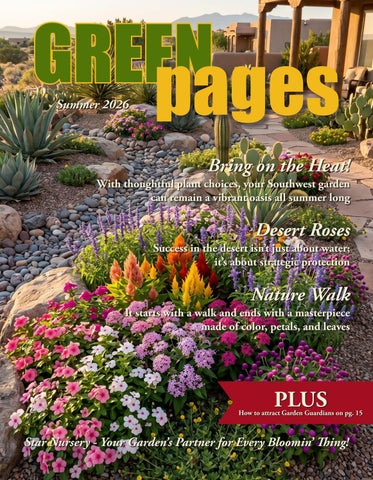
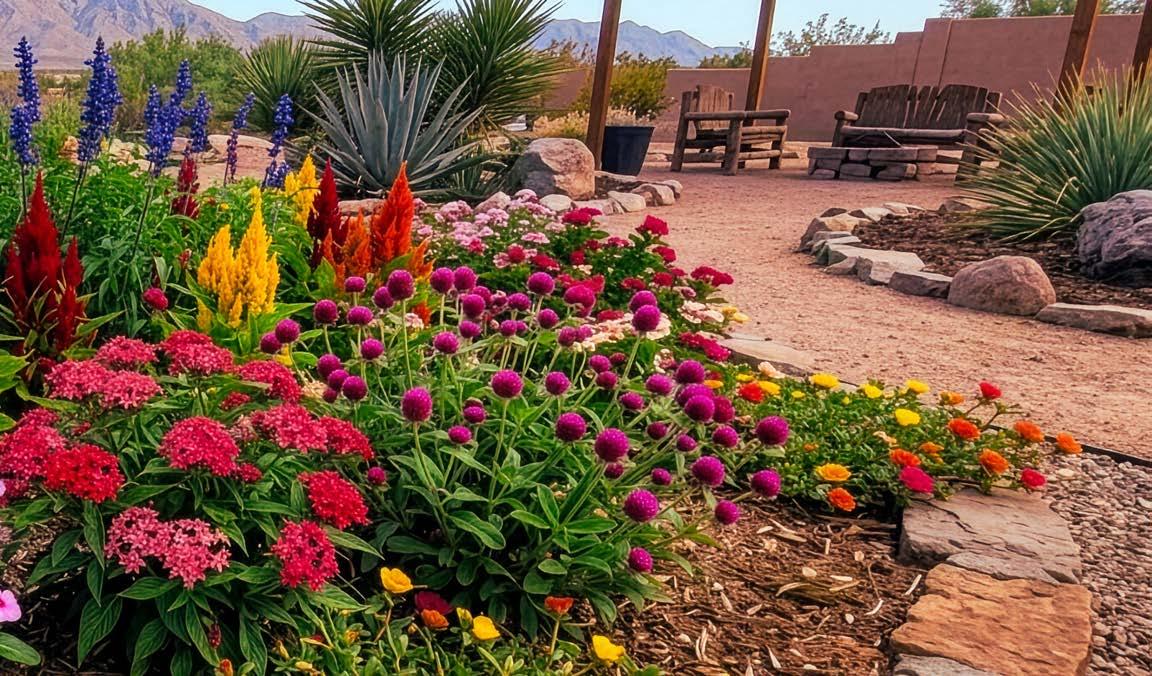
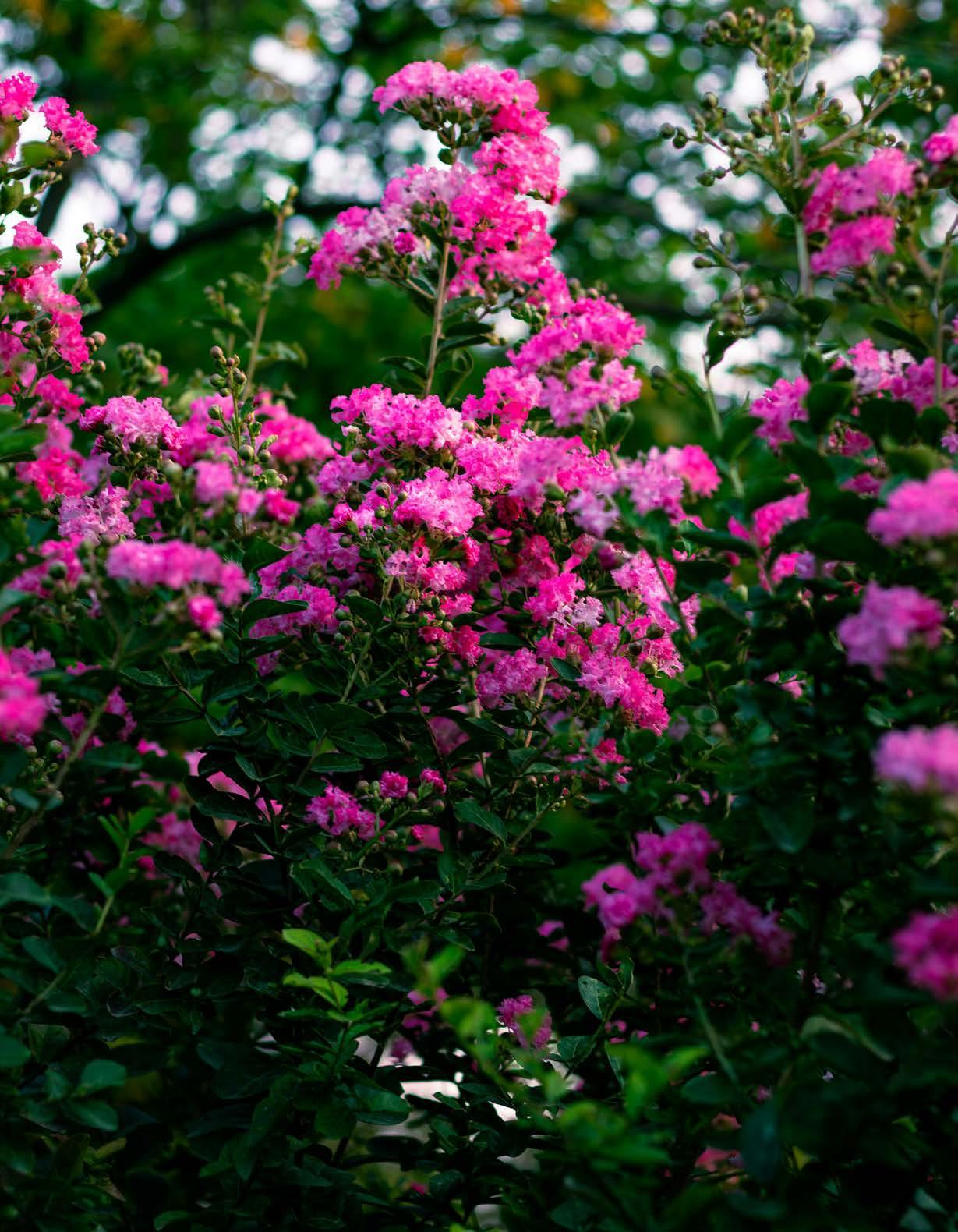
With thoughtful plant choices, your Southwest garden can remain a vibrant oasis all summer long
Desert Roses
Success in the desert isn’t just about water; it’s about strategic protection
Nature Walk
It starts with a walk and ends with a masterpiece made of color, petals, and leaves
Star Nursery - Your Garden’s Partner for Every Bloomin’ Thing!
Garden Centers
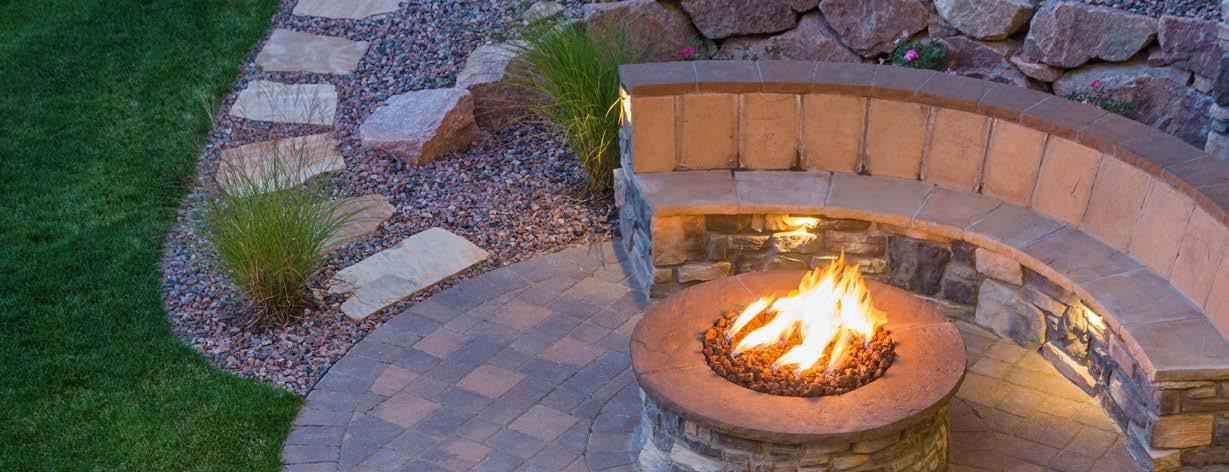
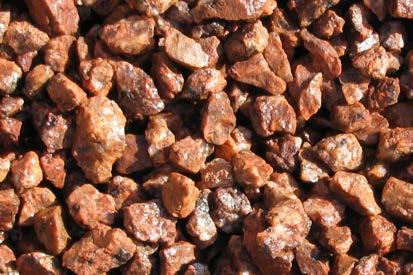
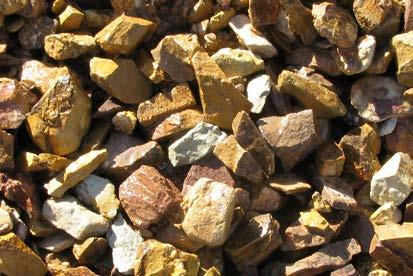
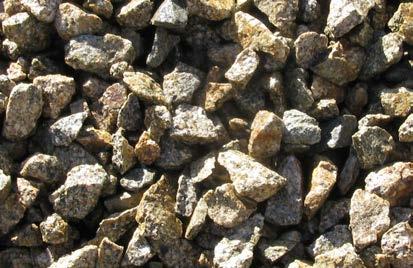
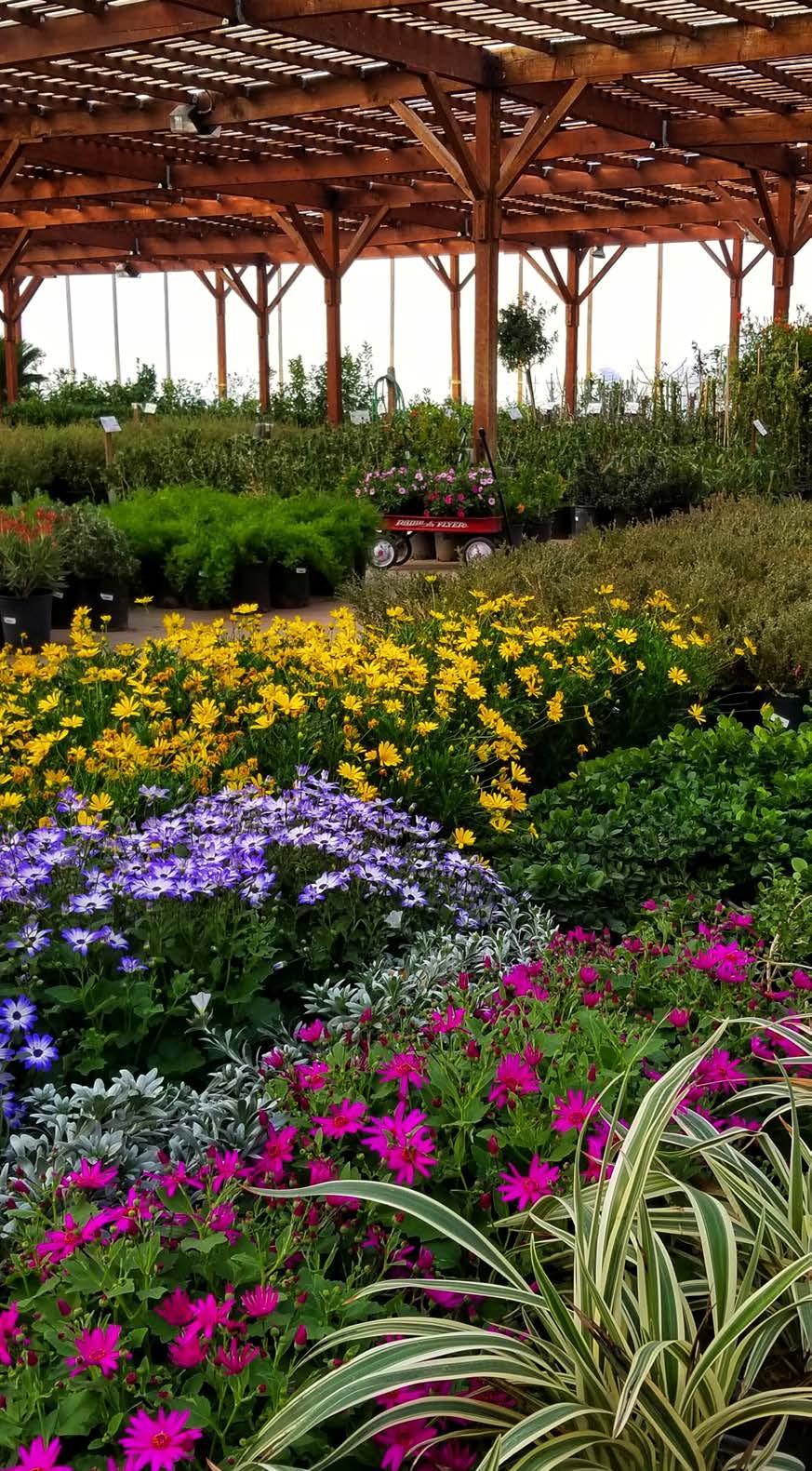
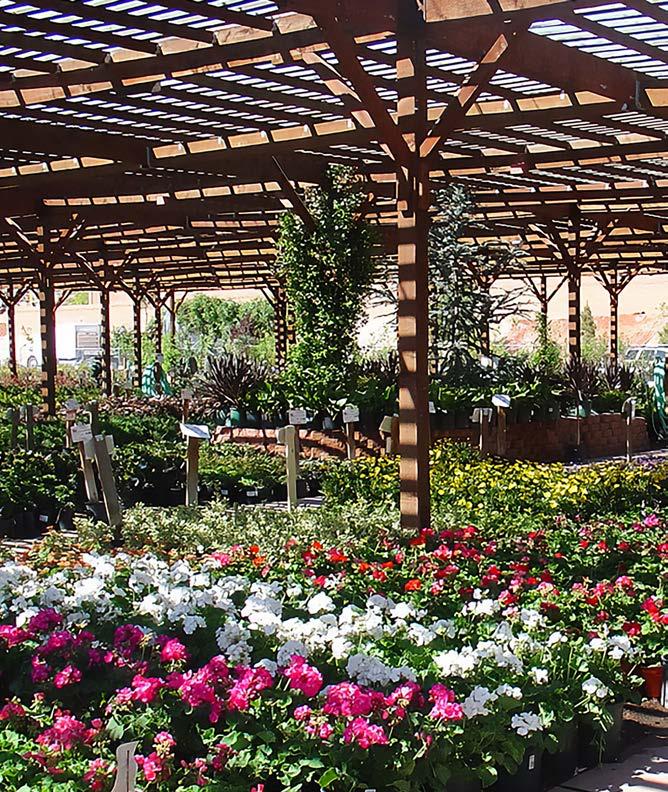
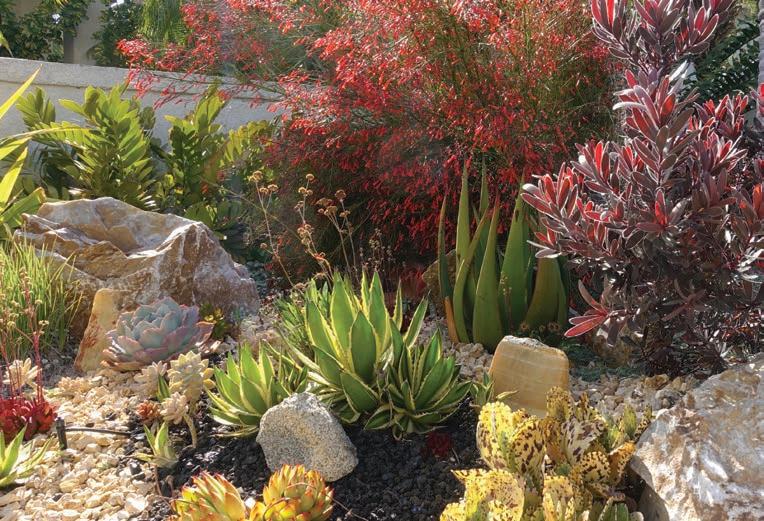
Create a maintainable and drought tolerant landscape. Use flagstone for a beautiful and unique walkway.
9 DECORATIVE ROCK YARDS
Nevada
Las Vegas
2600 W. Ann Rd. (702) 471-ROCK (7625)
5380 Blue Diamond Rd. (702) 382-ROCK (7625)
8725 S. Eastern Ave. (702) 251-ROCK (7625)
Pahrump
911 Buol Rd. (775) 775-5300
Arizona
Utah
4140 Stockton Hill Rd. (928) 757-STAR (7827)
Fort Mohave
Kingman 6325 Hwy. 95 (928) 788-STAR (7827)
Lake Havasu
1141 N. Lake Havasu Ave. (928) 505-ROCK (7625)
DELIVERY SERVICE AVAILABLE
1335 S. Dixie Dr. (435) 673-5436
Dixie 1145 W. Sunset Blvd. (435) 215-4356
St. George
ATTENTION VALUED GREEN PAGES SUBSCRIBERS:
If you would like to continue to receive our quarterly Green Pages magazine in your mailbox, we ask you please resubscribe to our mailing list by filling out the form found on our website at: STARNURSERY.COM/SUBSCRIBE or scan the QR code below.
You can always pick up a FREE copy at your favorite Star Nursery Garden Center or view our Green Pages archive online at: STARNURSERY.COM/GREEN-PAGES
Our Staff
Art/Design Doug Ryan
Contributing Staff Kelly Davis Madalyn Watt
Editor Tim Jeffery
Horticultural Experts Joey Lynn Paul Noe
06
SUMMER GARDENER’S CALENDAR:
Keep your garden thriving this summer with our professional tips, expert strategies and month-by-month yard care
For a FREE copy of Green Pages subscribe online at www.starnursery.com
Please help us set the record straight. If you are receiving the GREEN PAGES under the wrong name or address OR wish to be removed from our mailing list. Please email marketing@starnursery.com and we will fix it.
Community Partners
RODEO
Help your “Desert Queens” thrive this summer, shifting from encouraging rapid spring growth to managing heat-stress
BRING ON THE HEAT:
Our pick of six standout annual performers that deliver reliable color through even the hottest summer months in the
GARDEN GUARDIANS:
Let’s talk about one of the most effective and natural allies in maintaining a healthy landscape that often goes
ST. JUDE’S X STAR NURSERY:
NATURE WALK:
Turn summer walks into creative adventures that spark imagination and help children discover the wild beauty around them.
STORE SPOTLIGHT: LAKE HAVASU
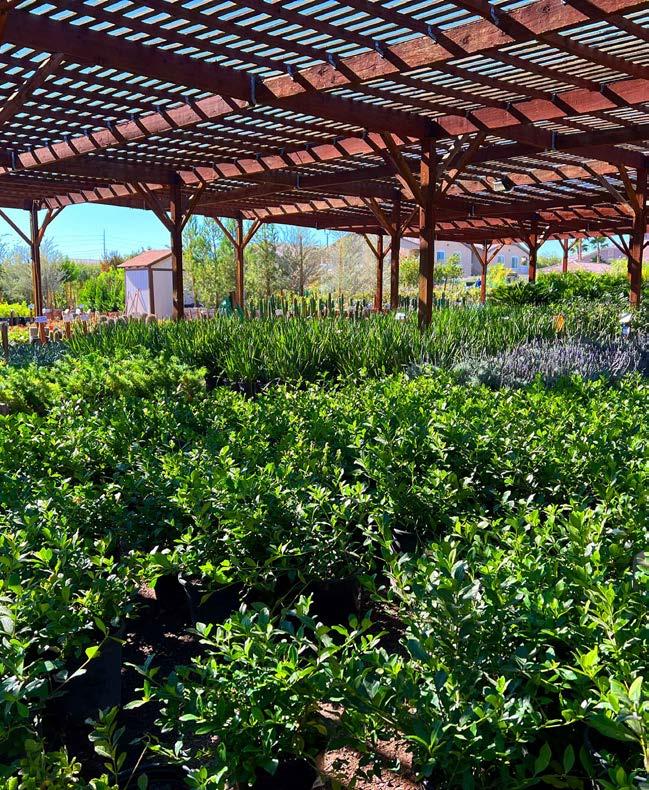
Nine years ago, Star Nursery purchased a property that would become more than just a business, it would become a cornerstone of the Lake Havasu community.
NURSERYMAN GRADUATES:
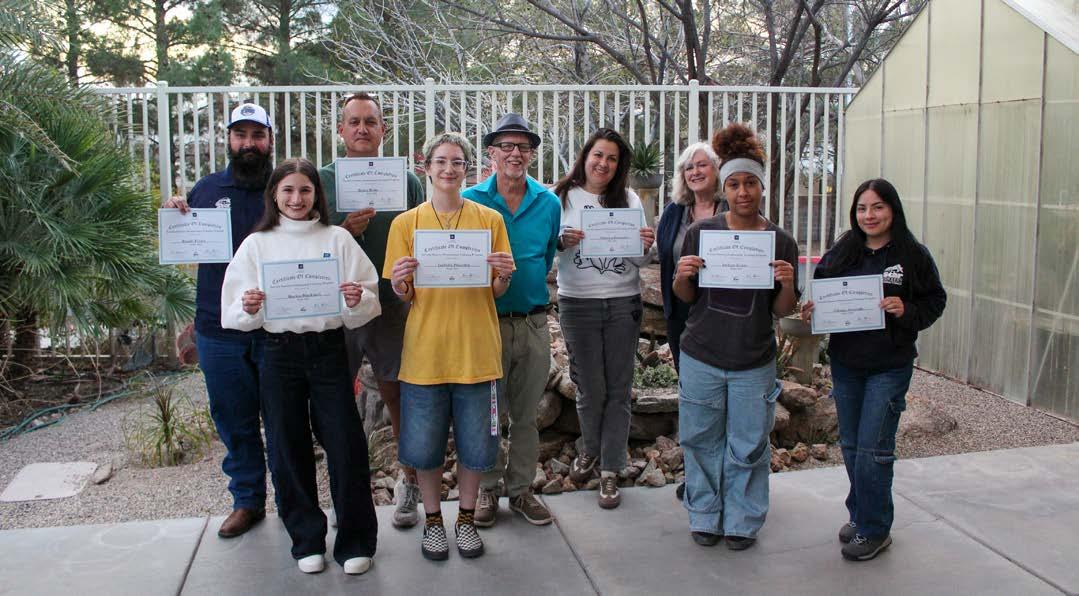
Desert gardening expertise you can trust: Celebrating our newly certified team members making Star Nursery your go-to resource for 43 years and counting.
Join us in supporting St. Jude as they continue to lead the way the world understands, treats and defeats 18 20 22
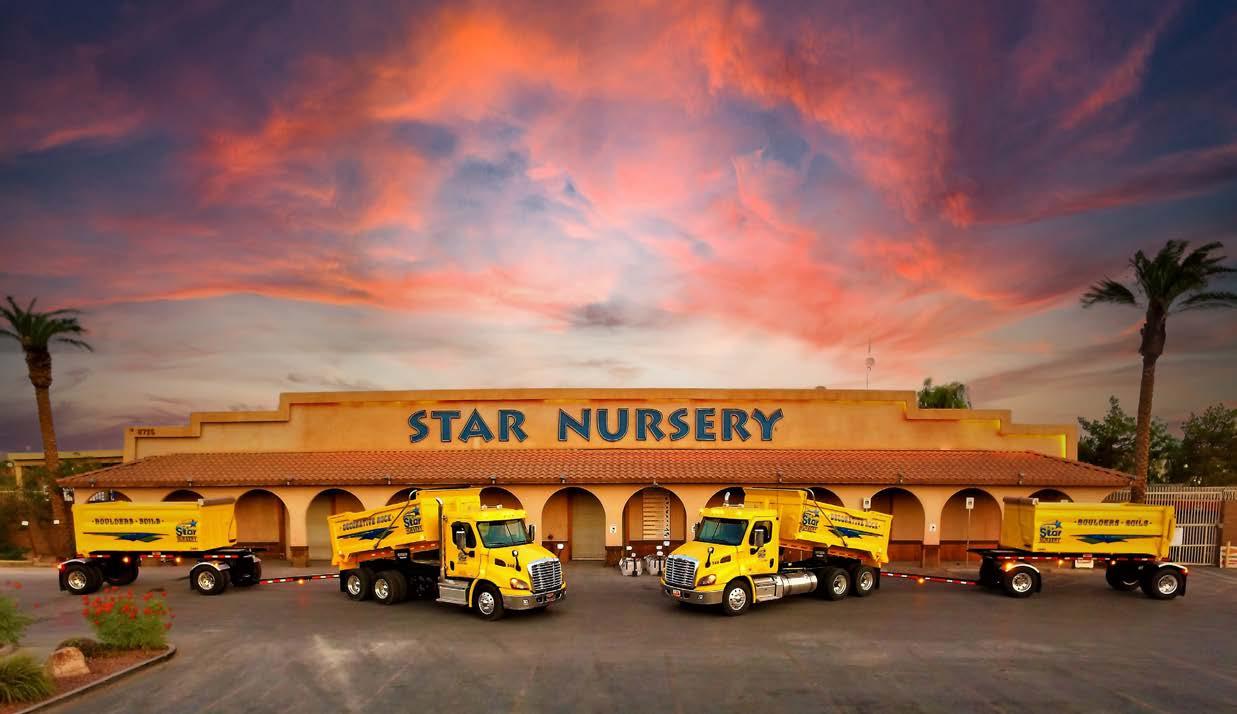
WITH OVER 40 YEARS OF HISTORY, STAR NURSERY IS YOUR TRUSTED PARTNER FOR GROWING BEAUTIFUL LANDSCAPES IN THE DESERT. ACROSS OUR 16 CONVENIENT LOCATIONS, WE’VE DEDICATED OURSELVES TO DELIVERING AFFORDABLE LANDSCAPE SUPPLY AND EXPERT ADVICE THAT IS TAILORED TO OUR ENVIRONMENT.
OUR HISTORY
In 1983, Craig Keough, founder and owner, noticed the absence of a convenient one-stop shop where the community could purchase affordable landscape supplies. Starting with humble origins, Mr. Keough began selling plants at his first location on the corner of Wynn Road and Tropicana. Over the years, Star Nursery has grown in tandem with the growth of the Southwest. Today, we have locations across Southern Nevada, Southern Utah, and Northern Arizona.
Our journey is marked by a commitment to ensure that the communities we serve can access the resources needed to build gardens and landscapes at a reasonable cost. We believe that beautiful outdoor spaces shouldn’t be a luxury, but a possibility for everyone.
OUR PROMISE HOUSE CALLS
At Star Nursery, our promise is rooted in your success. Aware of the challenges that desert gardening presents, our staff is committed to continuous learning. Through education programs, community partnerships, and the passing down of generational knowledge, we ensure that our plant experts stay up to date on the latest horticultural knowledge.
When you need advice on your landscape, view our online garden resources, stop by and chat with an expert, or schedule a one-on-one consultation!
If you’ve been experiencing problems in your yard and can’t seem to find a solution, call Dr. Q!
A wide range of factors can affect a plant’s health. Most of the time, our in-store experts will be able to offer gardeners a solution on the spot! However, there are times when diagnosing an issue is more complex. In this case, you may require an expert to visit your home and examine the issue.
When you schedule a house call with the Dr. Q team, you’ll receive one-on-one advice from a Star Nursery expert. For a service fee of $90, you will receive up to one hour of consultation in your yard. To set up an appointment, please visit your favorite Star Nursery location to purchase your House Call.
LOCATIONS
Las Vegas, NV
Ann Road & Simmons 2600 W. Ann Rd. North Las Vegas, NV 89031 (702) 216-STAR (7827)
West Cheyenne & Tenaya 7330 W. Cheyenne Ave. Las Vegas, NV 89129 (702) 253-STAR (7827)
W. Charleston Blvd. & Cimmaron 8170 W. Charleston Blvd. Las Vegas, NV 89117 (702) 360-STAR (7827)
W. Tropicana & Fort Apache 9480 W. Tropicana Ave. Las Vegas, NV 89147 (702) 278-STAR (7827)
Boulder Hwy. & E. Tropicana 5340 Boulder Highway Las Vegas, NV 89122 (702) 435-STAR (7827)
S. Eastern & Pebble
8725 S. Eastern Ave. Las Vegas, NV 89123 (702) 333-STAR (7827)
Blue Diamond & Lindell
5380 Blue Diamond Rd. Las Vegas, NV 89139 (702) 444-STAR (7827)
Lake Havasu Ave. & College Dr. 1141 N. Lake Havasu Ave. Lake Havasu City, AZ 86403 (928) 505-ROCK (7625)
Kingman, AZ
Stockton Hill Rd. & Gordon Dr. 4140 Stockton Hill Rd. Kingman, AZ 86409 (928) 757-STAR (7827)
Fort Mohave, AZ
Hwy. 95 & Boundary Cone Rd. 6325 Hwy. 95 Fort Mohave, AZ 86426 (928) 788-STAR (7827)
Bullhead City, AZ
Mohave Dr. & Miracle Mile 1579 Mohave Dr. Bullhead City, AZ 86442 (928) 758-STAR (7827)
St. George, UT
Sunset Blvd. & Bluff St. 1145 W. Sunset Blvd. St. George, UT 84770 (435) 688-STAR (7827)
Dixie Dr. & Gubler Ln. 1335 S. Dixie Dr. St. George, UT 84770 (435) 674-STAR (7827)
Washington, UT
Telegraph Rd. & 500 W. 385 W. Telegraph Rd. Washington, UT 84780 (435) 986-0820
JUNE Summer Gardener’s Calendar & Holidays
• Mulch: Replenish mulch layers in June to cool soil, suppress weeds, and retain moisture. Focus on vegetable beds, which need extra moisture during summer heat. Cedar mulch naturally deters insects without pesticides, while Dr. Q’s Premium Paydirt Planting Mix offers fully composted nutrition. Apply a 2-3” layer, keeping mulch away from flower stems and tree trunks to prevent rot.
• Thinning Trees: Thin overgrown desert trees if winter pruning was missed, especially before summer winds arrive. Acacias, Mesquites, Olives, and Sumacs benefit from removing crossing and drooping branches. Avoid heading cuts in summer—they trigger heat-stressed new growth and expose branches to sunburn.
• Burnt Leaves: Leaf burn indicates water stress—leaves overheat when they can’t cool through evaporation. Wind, heat, and oxygen-poor soil also contribute. Check your irrigation system for malfunctions and repair as needed. Consider shading vulnerable plants until fall temperatures drop.
• Grub Treatment: June is peak season for grub eggs. Apply granular insect killer like BioADVANCED Complete Insect Killer at the base of susceptible plants. Always read product labels before application.
• Planting: Plant sunflower seeds now for fall decorations (90-110 days to harvest). June is ideal for gourds, melons, pumpkins, and squash—all perfect for autumn harvest.
• 7th–13th National Garden Week
• Rose Month
• Pollinator Month
• Perennial Garden Month
• Fresh Fruit & Vegetable Month
• 6th National Gardening Exercise Day
• 10th National Herbs and Spices Day
• 11th National Corn on the Cob Day
• 12th National Red Rose Day
• 13th National Weed Your Garden Day National
• 16th Arborist Appreciation Day
• 16th National Fresh Vegetables Day
• 22nd–28th National Pollinator Week
• 23rd National Pink Flamingo Day
• 27th National Orange Blossom Day
• 27th National Onion Day
JULY
• Watering: Avoid overwatering despite hot, dry conditions—clay soils drain poorly and can drown root systems. With drip irrigation, water no more than every other day (unless soil is sandy). Deep, infrequent watering builds strong roots and controls weeds. Water container plants daily in early morning until water flows from drainage holes and soil is evenly moist.
• Disease and Pest Control: Watch for spider mites on roses. Use BioADVANCED Rose and Flower Care to treat insects, disease, and fertilize simultaneously. For squash bugs, apply Bonide Pyrethrin Garden Insect Spray. Avoid overhead watering of vegetables to minimize disease risk.
• Pines and Ash Trees: Pine needles naturally brown and drop from inner branches during summer heat. Reduce stress by placing a soaker hose in a spiral around the tree base, extending just past the drip line. Soak on low for 2-4 hours weekly. Deep soak ash trees as well—proper hydration helps prevent Hendersonula toruloides (sooty canker), a fungus causing branch wilt and death.
• Arborvitaes, Cypress, Junipers, and Pines: July is ideal for cleaning inner branches to prevent spider mite webbing. Untreated infestations cause color loss, stunted growth, and can lead to death. Use a high-powered spray nozzle to blast dead needles from the canopy. Repeat weekly throughout summer.
• Planting: Late July to early August is perfect for planting celery, green beans, eggplant, melons, peppers, squash, and tomatoes for fall harvest. In full sun areas, use 50% shade cloth to protect young leaves from afternoon heat.
• Palm Trees: Summer is peak growing season. Plant, prune, and fertilize now using Dr. Q’s Palm Food to prevent nutrient deficiencies. Prune conservatively—only removing yellow, brown, or broken fronds. Over-pruning makes palms vulnerable to disease.
• 4th Independence Day
• 5th National Build a Scarecrow Day
• 8th National Blueberry Day
• 10th National Pick Blueberries Day
• 10th National Don’t Step on a Bee Day
• 16th National Cherry Day
• 16th National Fresh Spinach Day
National
• Peach Month
• Water Quality Month
AUGUST
• Harvest Produce: Harvest summer squash and tomatoes promptly to avoid woody, overgrown squash and mushy tomatoes. Depending on variety, apples, pears, grapes, peaches, and figs may be ready. Continue picking zucchini and other summer vegetables.
• Prune Summer Stressed Tomato Plants: Cut heat-stressed plants down to one foot. They’ll rebound and produce fruit once temperatures drop below 90°F.
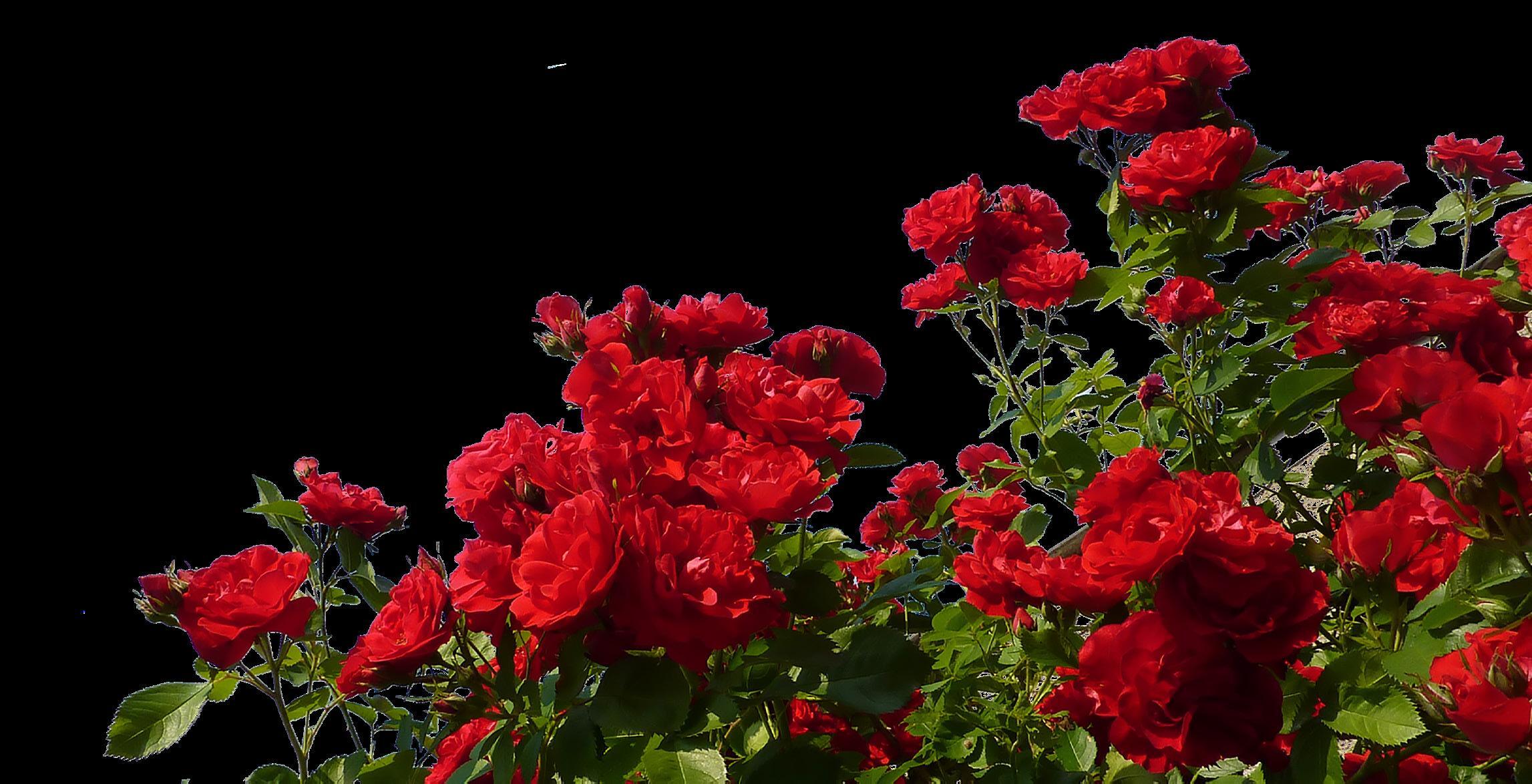
• Maintain Roses: Summer is tough on roses, but proper care ensures fall recovery. Deadhead faded blooms, apply cooling mulch, and fertilize with mild products like Dr. Q’s Rose & Flower Food.
• Watch Lawn Weeds: Monitor and remove broadleaf weeds (dandelion, clover, crabgrass) by hand or with herbicide. Practice year-round prevention—weeds allowed to seed cause years of problems. See Star Note #625 for details. Scan the QR below or find them online at starnursery.com/star-notes.
• Fungus: Powdery mildew appears as white/gray spores on leaf surfaces. Treat early with copper or sulfur fungicide to prevent spread. Repeat every 10-14 days. Always read product labels before use.
• Pest Control for Cacti: Cochineal scale insects appear as white, cotton-like coverings on cactus pads. Control small colonies with weekly high-pressure water blasts during late summer when they’re most active.
• Oleanders: Check for rough, knotted lumps indicating oleander gall—a bacterial disease spread by sucking insects that causes malformed flowers, split branches, and potential death. Using sterilized tools, prune affected branches 1 foot below galls. Remove and dispose of fallen debris; do not compost.
• 2nd–8th National Farmers Market Wk.
• 3rd National Watermelon Day
• 8th National Sneak Some Zucchini Onto Your Neighbor’s Porch Day
• 9th National Melon Day
• 15th World Honey Bee Day
• 19th National Potato Day
• 23rd–27th World Water Week
DESERT ROSES
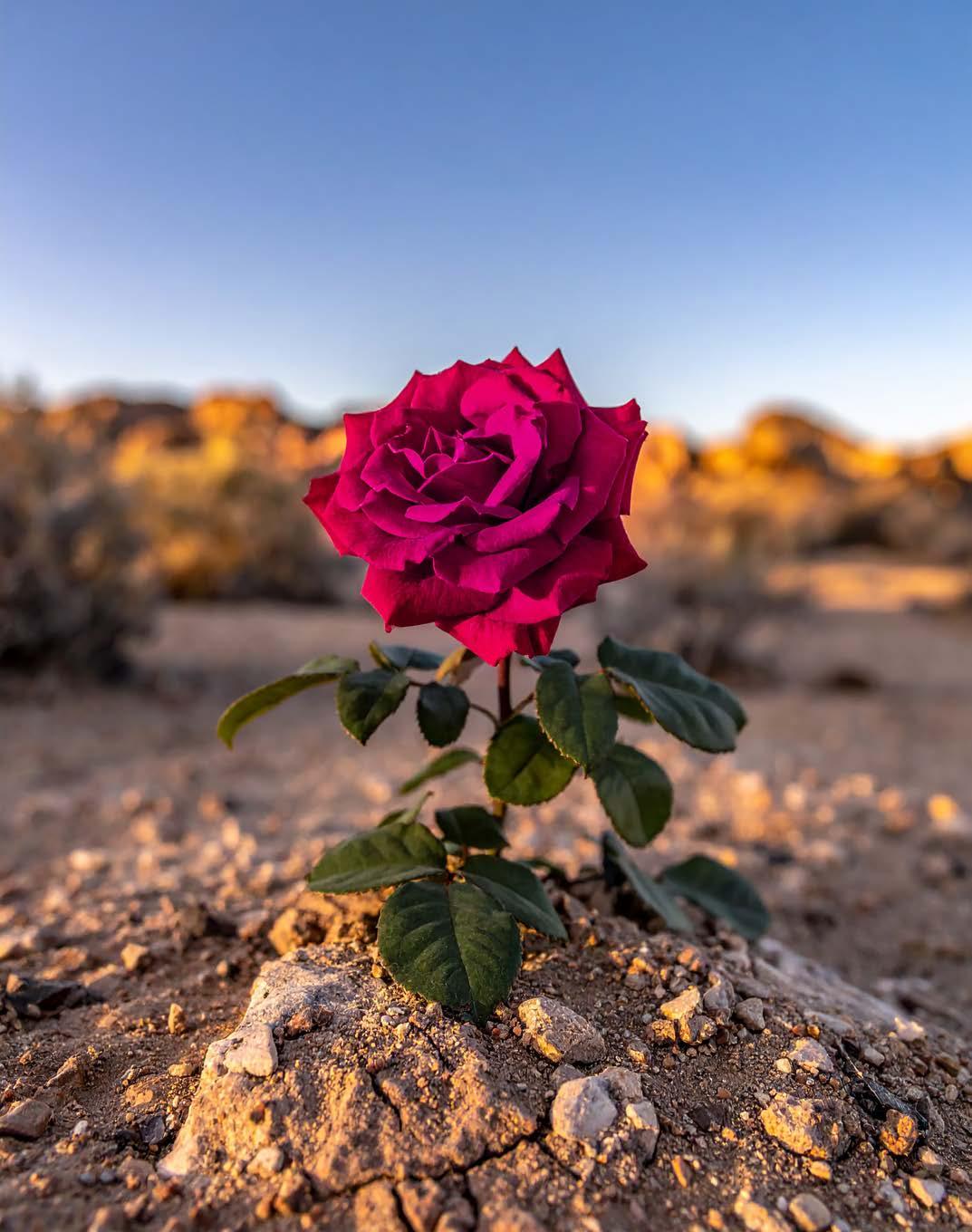
In the Mojave, summer is the true test of a gardener’s resolve. While the lush, effortless blooms of spring are a fond memory, the relentless triple-digit heat of July and August requires a tactical shift in care. To keep your “Desert Queens” thriving through the peak of the season, the goal must move from encouraging rapid growth to managing heat-stress survival.
The Foundation of Heat Defense
Success in the desert isn’t just about water; it’s about strategic protection. In our climate, selection and placement are your roses’ first line of defense against brutal thermal spikes.
• Sun & Shadow: While roses love sun, the afternoon desert sun is often too much of a good thing. Aim for at least six hours of morning light followed by afternoon shade. Even dappled shade during the punishing 2:00 PM to 5:00 PM window can be the difference between a blooming bush and a scorched one.
• of windows and white walls. These surfaces act as magnifying glasses, bouncing UV rays back onto the plant and scorching the foliage.
• common desert mistake—it absorbs heat all day and radiates it back into
the root zone all night, creating a “double-bake” effect. Always use an organic mulch or bark to keep roots insulated, cool, and moist.
Identifying Summer Stress
When temperatures climb above 100°F, roses enter a semi-dormant “hunker down” mode. They aren’t dying; they are simply conserving energy. You will likely notice shrinking blooms—summer buds are naturally smaller and less fragrant than spring flushes—and sunscald, which appears as crispy leaf edges or blackened canes.
You may also see Iron Chlorosis (yellow leaves with green veins). This indicates the plant is struggling to uptake nutrients in alkaline soil during extreme heat. It is vital to avoid the temptation to use heavy nitrogen fertilizers to “fix” this. In high heat, roses are in survival mode.
Dawn Patrol: A Proactive Approach to Pest Control
Dry heat is the calling card of Spider Mites; check the undersides of leaves for fine, dusty webbing. Meanwhile, Thrips often hide inside developing buds, causing them to turn brown and fail to open. While Aphids are typically spring visitors, keep a close eye out during a humid monsoon season when they can make a surprise summer comeback.
The best way to combat these invaders without harsh chemicals is to incorporate a “Morning Walkabout” into your routine. Once a week, during your dawn patrol, use a sharp stream of water to blast the undersides of the rose leaves. This disrupts the mite breeding cycle, provides a temporary humidity boost, and cleans off desert dust so the leaves can “breathe” better. This early shower also allows the foliage to dry before
The Summer
• a tiny umbrella, shading the sensitive bark of the canes from the sun.
• DO Deadhead: Remove only the spent flowers. This prevents the plant from wasting precious energy on seed (rose hip) production that it needs for survival.
• DO Deep Soak: Irrigation must be consistent and deep. Infrequent, heavy watering at the base is vastly superior to daily light sprinkles, as it encourages roots to grow deep into the cooler, protected soil.
• DO Manage Foliage: To prevent fungal issues during the monsoon humidity, remove any spotted leaves and ensure there is enough airflow around the base of the plant.
Visit StarNursery.com for your free Star Note #520 on Rose Selection, Care, and Planting.
BRING ON THE HEAT!
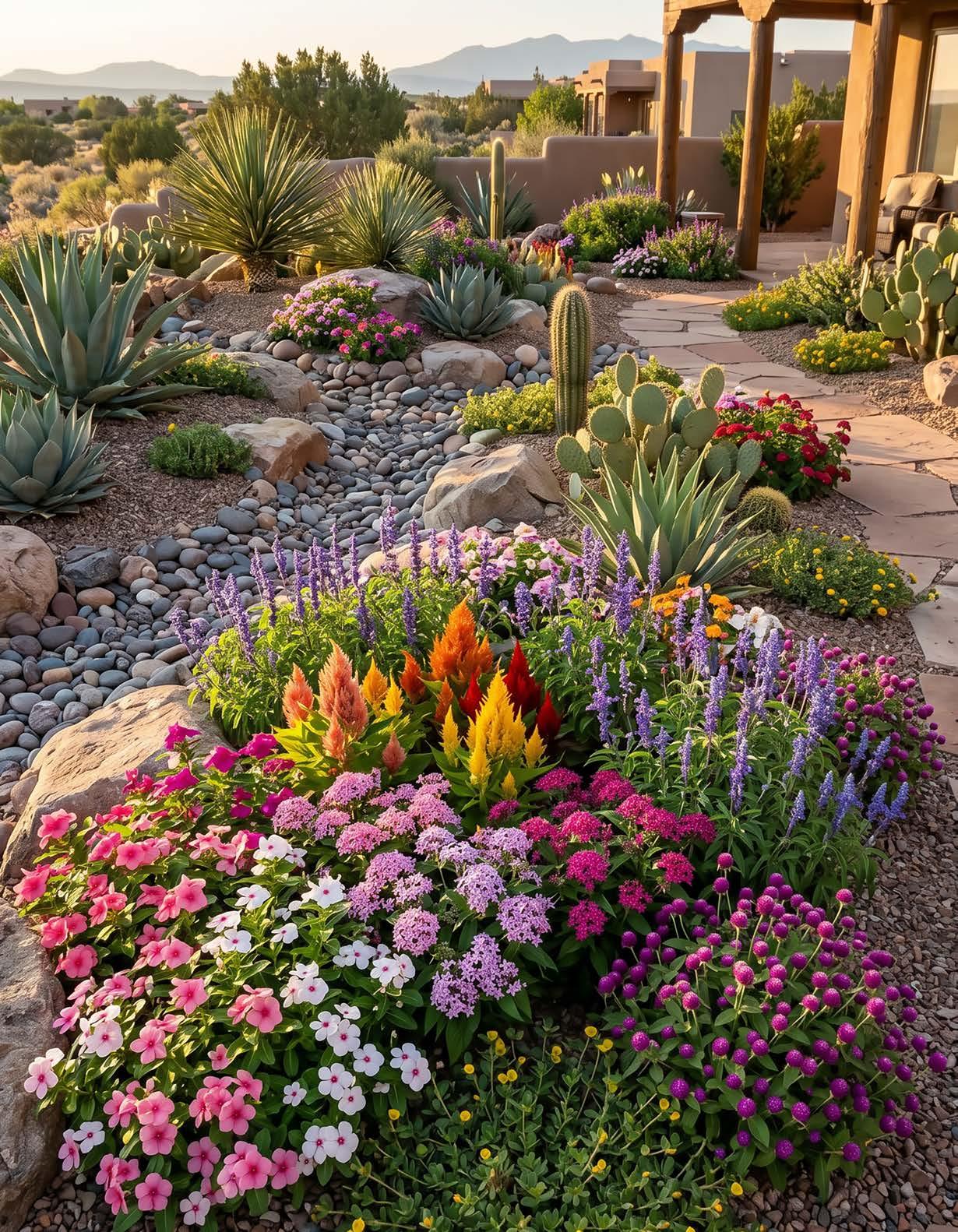
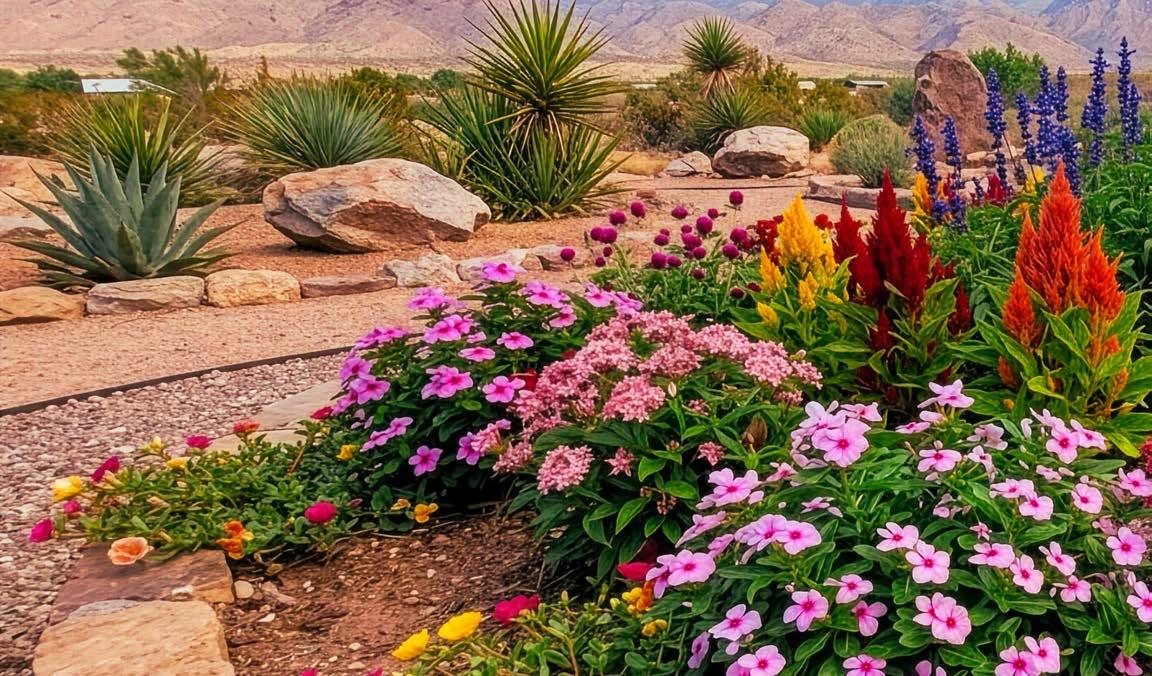
When summer arrives in the Southwest desert, gardeners face intense sunlight, low humidity, and soaring temperatures that can challenge even the hardiest plants. But with the right selection of heat-loving annuals, your landscape can remain vibrant and colorful all season long. The key is choosing varieties that not only tolerate but thrive in these conditions. Here are six standout performers that deliver reliable color through the hottest months.
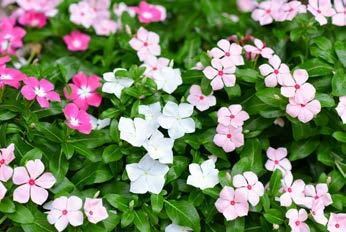
Often called periwinkle, vinca is a cornerstone of Southwest summer plantings. Its glossy green foliage and bright blooms in shades of pink, white, red, and lavender hold up beautifully in extreme heat. Vinca is highly drought-tolerant once established and resists many common summer diseases, making it a low-maintenance favorite for beds, borders, and containers.
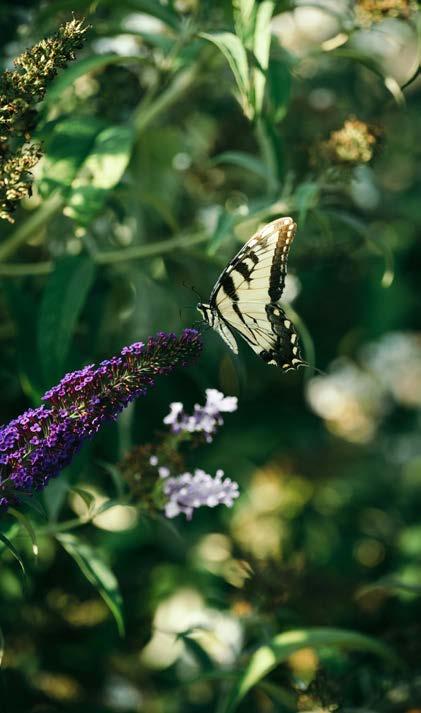
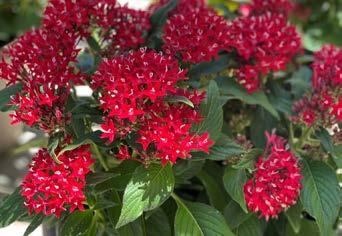
If you’re looking to attract pollinators, pentas are a must-have. Its starshaped flower clusters bloom continuously in red, pink, lavender, and white, drawing butterflies and hummingbirds even in high temperatures. Pentas prefer well-drained soil and regular watering, but reward gardeners with nonstop color and lively garden activity.
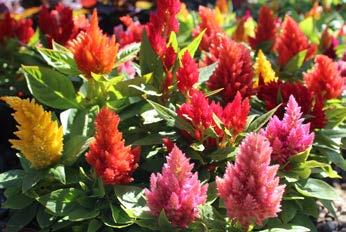
For bold texture and vivid hues, celosia stands out. Whether you choose the feathery plumes or the crested “cockscomb” types, these plants bring shades of red, orange, yellow, and magenta into the landscape. Celosia thrives in full sun and heat, making it ideal for adding drama to summer beds and mixed containers.
Vinca (Catharanthus roseus) Star Flower (Pentas lanceolata) Celosia (Celosia spp.)
Summer annual flowers for the Desert Southwest
To get the most out of your summer annuals, plant in well-draining soil and water deeply but infrequently to encourage strong root systems. Mulching with Dr. Q’s Paydirt helps retain soil moisture and moderate temperatures. Group plants with similar water needs together, and don’t be afraid to combine different textures and colors for a dynamic display.
With thoughtful plant choices, your Southwest garden can remain a vibrant oasis all summer long—no matter how high the temperature climbs.
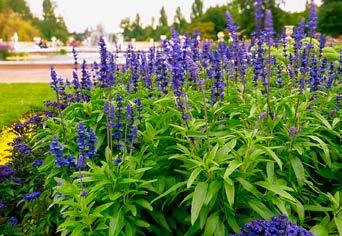
Not all salvia is created equal when it comes to heat tolerance, but many annual varieties excel in Southwest summers. With spikes of red, purple, and blue flowers, salvia adds vertical interest and attracts pollinators. It performs best with consistent watering and good drainage, and benefits from occasional deadheading to encourage continuous blooms.
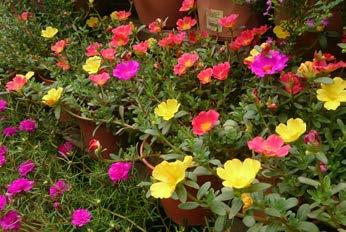
When it comes to extreme drought and heat tolerance, purslane is nearly unbeatable. Its succulent foliage stores moisture, allowing it to flourish in hot, dry conditions where other plants struggle. The bright, jewel-toned flowers open in the sun and create a carpet of color, perfect for rock gardens, borders, and containers.
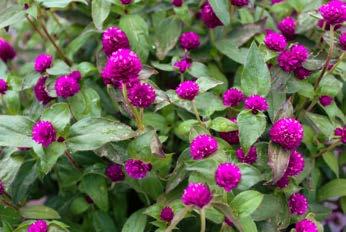
Also known as globe amaranth, gomphrena produces small, ball-like blooms that retain their color even in intense heat. Available in shades of purple, these flowers are not only long-lasting in the garden but also excellent for cutting and drying. Gomphrena thrives in heat but prefers afternoon shade. It requires minimal care once established.
Salvia (Salvia farinacea) Purslane (Portulaca oleracea) Buddy Purple (Gomphrena globosa)
GARDEN GUARDIANS
How Southwestern lizards protect your plants
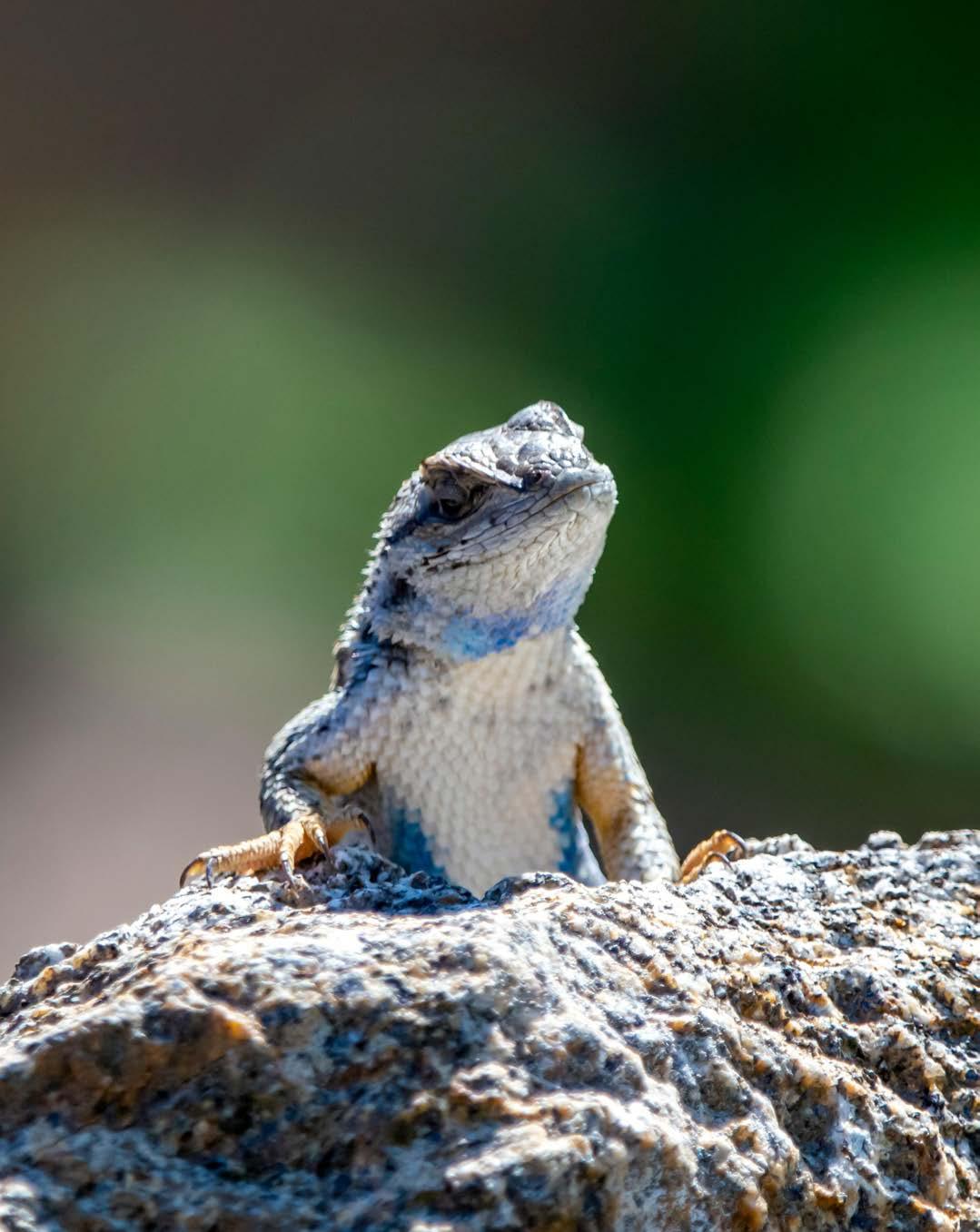
Western Fence “Blue Belly” Lizard (Sceloporus occidentalis)
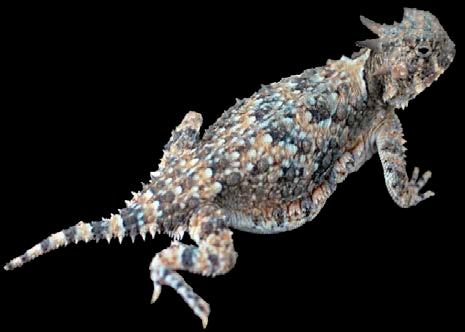
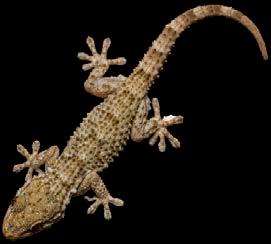
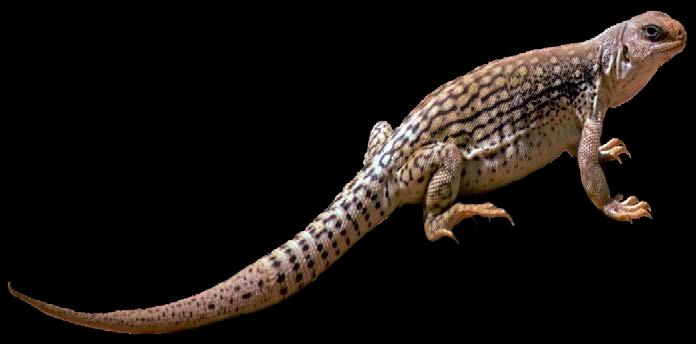
Gardening in the desert Southwest comes with unique challenges: intense heat, limited water, and persistent pests. While many gardeners focus on irrigation systems and drought-tolerant plants, one of the most effective and natural allies in maintaining a healthy landscape often goes unnoticed—lizards. These small reptiles play a surprisingly important role in sustaining vibrant, balanced desert gardens. Our desert is home to many different varieties of lizards including Desert Iguana, Blue Belly Fence Lizards, Geckos, and Horned Toad Lizards.
Natural Pest Control
One of the most significant benefits of lizards is their appetite for insects. Many common desert lizard species feed on ants, beetles, flies, spiders, and even small caterpillars. These are the same pests that can damage plants, spread diseases, or disrupt soil health. By simply existing in your yard, lizards help keep insect populations under control without the need for chemical pesticides.
This natural pest management is especially valuable in desert environments, where fragile ecosystems can be easily disrupted by overuse of chemicals. Encouraging lizards means reducing reliance on sprays and maintaining a more organic garden.
Balance in the Ecosystem
Lizards are an important part of the desert food web. They serve both as predators and prey, helping maintain ecological balance. While they control insect populations, they also provide food for birds and other wildlife. A garden that supports lizards is typically a garden that supports broader biodiversity.
Healthy biodiversity improves
soil quality, pollination, and overall plant resilience—key factors for success in arid landscapes.
Low-Maintenance Allies
Unlike many other forms of pest control, lizards require no upkeep. They don’t need feeding, watering, or special care beyond a habitat that suits them. In fact, desert gardens naturally provide many of the elements, and incorporating features like flat stones, small rock piles, or shaded crevices, you can create microhabitats where lizards can bask and hide from predators. These simple additions make your landscape more inviting without adding maintenance.
Indicators of a Healthy Environment
The presence of lizards often signals a well-balanced garden. Because they are sensitive to environmental changes, including pollution and habitat disruption, thriving lizard populations suggest that your garden is functioning as a healthy ecosystem. If lizards are absent, it may indi cate overuse of pesticides, lack of shelter, or insufficient plant diversity.
Conservation Benefits
In the desert Southwest, water conservation is essential. Lizards indirectly contribute to water efficiency by reducing plant stress caused by insect damage. Healthier plants require less atten tion and are better able to retain moisture.
gardens—they are essential partners in maintaining a thriving, sustainable landscape. From controlling pests to supporting biodiversity and signaling environmental health, their presence offers numerous benefits with no added cost or effort. By welcoming lizards into your garden, you’re not only improving your plants’ health but also contributing to a more balanced and resilient desert ecosystem.
How to Attract Lizards to Your Garden
Encouraging lizards is simple and aligns well with desert landscaping principles:
• Add rocks, logs, or gravel areas for basking
• Provide shaded hiding spots
• Avoid pesticides and insecticides
• Incorporate native plants that attract insects (their food source)
• Include a small, shallow water source if possible
Additionally, by relying on natural pest control instead of chemical treatments, gardeners avoid practices that may require extra water for application or cleanup.
Lizards are more than just occasional visitors in desert
Desert Iguana (Diposaurus dorsalis)
Mediterranean House Gecko (Hemidactylus turcicus)
Desert Horned Lizard (Phrynosoma platyrhinos)
St. Jude Children’s Research Hospital® is leading the way the world understands, treats and defeats childhood cancer and other life-threatening diseases.
Families never receive a bill from St. Jude for treatment, travel, housing or food — so they can focus on helping their child live.
When St. Jude opened in 1962, childhood cancer was largely considered incurable. Since then, St. Jude has helped push the overall survival rate in the U.S. from 20% to more than 80%, and we won’t stop until no child dies from cancer.
For more information, contact Erica.Thompson@alsac.stjude.org
Art by St. Jude patient Bertha
NATURE WALK
Creative masterpieces of color and imagination
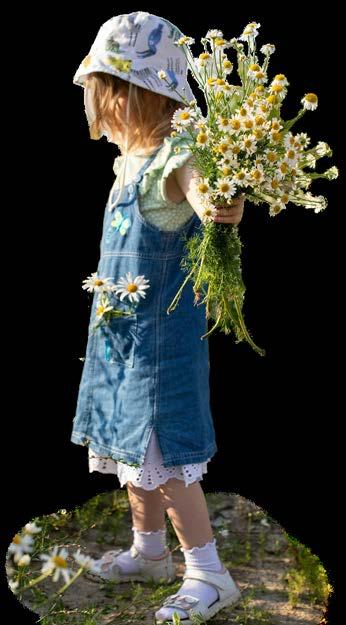
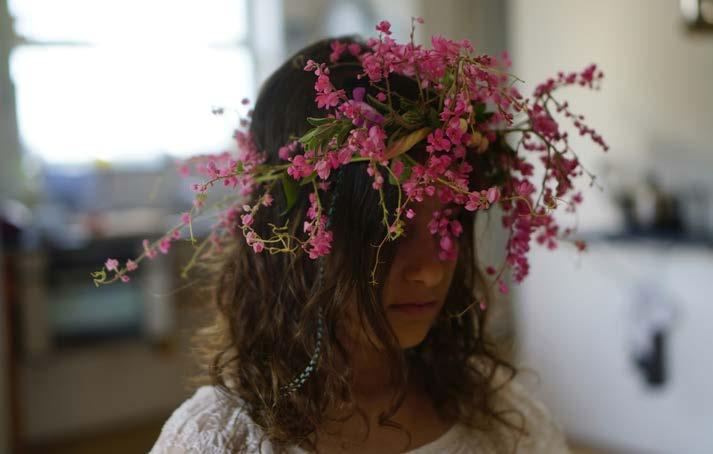
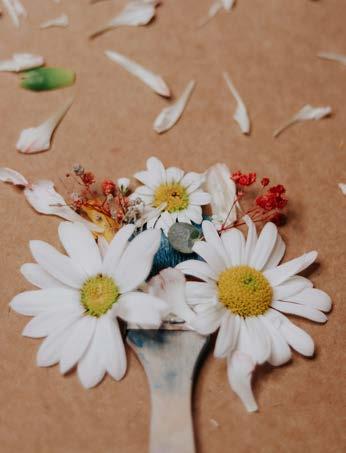
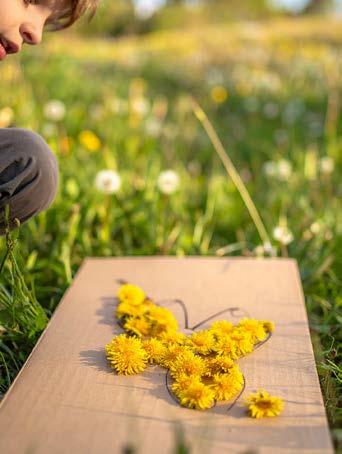
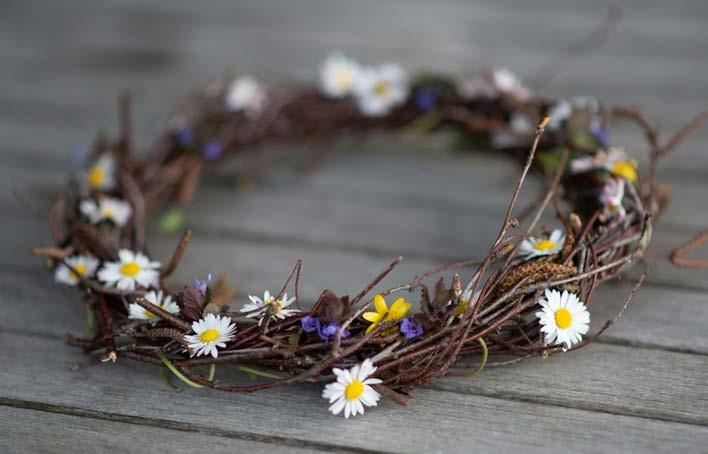
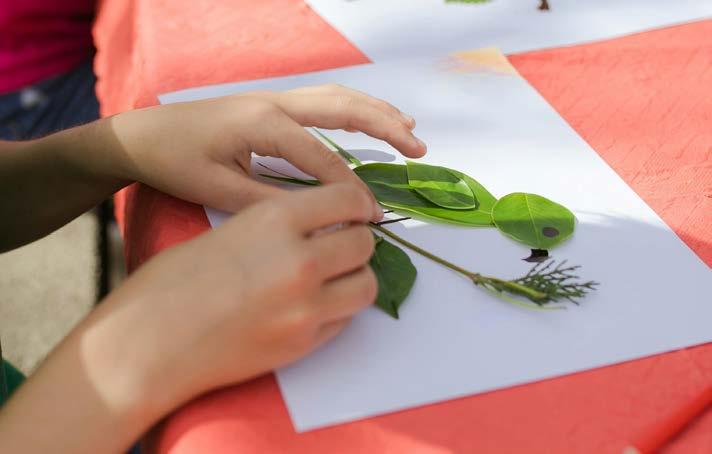
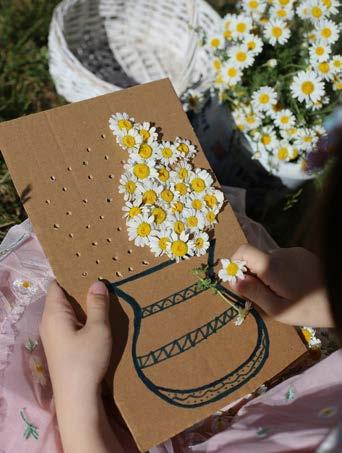
Looking for something to entertain your kids this summer? Spend some time outside with a simple mission: To collect beauty. What your child ends up experiencing could end up being a memorable highlight of the summer. Get outside and let your kids see what is around them. You can plan and start by drawing a cardboard character and give them hair or a crown. Sketch a vase and find the flowers to fill it up. If you don’t know what they want to create, go on the walk first and see what you collect. The fun part about this is there is a plethora of ways to craft their little discoveries. You can make a bracelet or spell out their name. You could punch holes in the cardboard with the first let-
ter of their name. You can do a shape like a butterfly or their favorite animal. Design a rainbow or get paperclips and colored paper to have a matching game. There are no rules or steps to follow. It starts with a walk and ends with a masterpiece made of color, petals, leaves, all from your child’s imagination!
Focus on: Being creative, (highlight the possibilities) spending time outside, and observing nature.
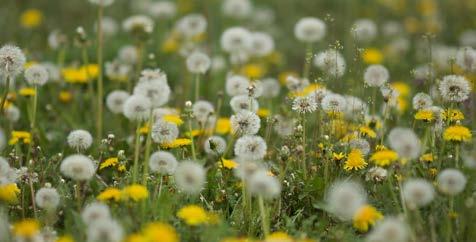
Common flowers to find in Las Vegas: cassias, yellow bells, sage, lantanas, desert daisy, tree leaves,lavender, rosemary, succulent leaves.
STORE SPOTLIGHT
Lake Havasu City, Arizona
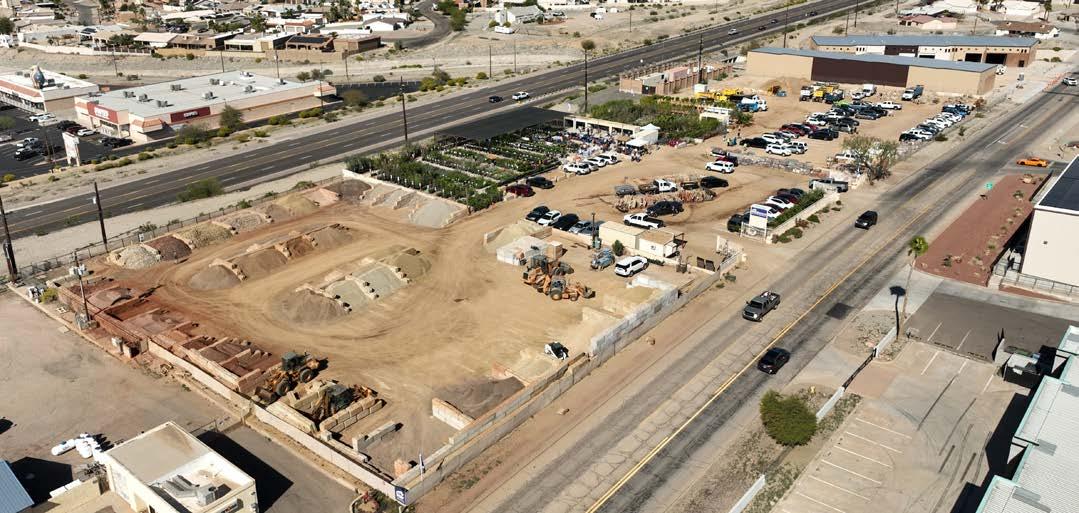
Nine years ago, Star Nursery purchased a property that would become more than just a business, it would become a cornerstone of the Lake Havasu community.
What sets this store apart isn’t its size, but its spirit. “We don’t see ourselves as just cashiers or managers, we take ownership of the entire operation,” management explains. “Every interaction is intentional. We bring energy, positivity, and a genuine approach to customer service that goes beyond transactions.”
That commitment extends far beyond the sales floor. The store has woven itself into the fabric of Lake Havasu through sponsorship of the local Rodeo Grounds, support for the San Bernardino County Sheriff’s Department, contributions to the Western Arizona Humane Society, and donations of Christmas trees to local churches and plant material for community events.
Since opening, the transformation has been remarkable. Strategic remodeling projects have improved accessibility for disabled individuals and veterans, while a refreshed marketing approach has repositioned the business
from “just a rock yard or nursery” into a true destination, a place that feels exciting and welcoming, not just functional.
“We’ve built ties into the Lake Havasu community through involvement in local events, partnerships, and charity work,” management reflects. “We’ve been able to strengthen relationships beyond just business.”
As Eric Solano approaches the oneyear mark as General Manager, it’s clear that this role has been transformative, not just for the store, but for his understanding of what leadership truly means.
“This store has taught me what true ownership and leadership looks like, stepping into the GM position, espe-
cially within my first year, has shown me that success isn’t about titles, it’s about accountability, consistency, and how you show up every day.” he says. With full responsibility for operations, team leadership, and community involvement, Eric has learned to balance multiple priorities while leading a tightknit team with intention and purpose.
But it’s not the responsibilities that fuel his passion, it’s the people. “My favorite part of being the general manager is the people, the team, and the community. With such a small team, I get to be directly involved in everything we do, and I can see the impact of our effort every single day.” That hands-on approach has allowed Eric to ensure everyone feels valued while maintaining the high standards that set this location apart.
For Eric, the role goes beyond retail. “We’re not just running a store. We’re helping shape a stronger, more connected Lake Havasu community.” It’s that sense of pride, in the team, the work, and in building something meaningful, that defines Eric’s leadership and the culture of this store.
Get help with:
• Seasonal Plant Stress Issues
• Pest or Weed Problems
• Landscape Diagnostics
• Irrigation Problems
Stop by any Star Nursery location to set up your Dr. Q house call
* House Call fee applies, see an associate for details
SCAN TO SUBSCRIBE SCAN TO SUBSCRIBE
CONGRATULATIONS GRADUATES
Desert gardening comes with its challenges, but it’s a journey we at Star Nursery absolutely love. For over 43 years, we’ve been building our expertise and working together as a team across the Southwest, and we couldn’t be more passionate about what we do.
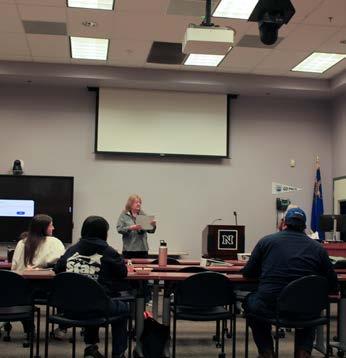
Back in 2021, we started something special—a partnership with the University of Nevada, Reno Extension to create the Certified Nevada Nurserymen course. It’s been wonderful for our community! Led by experienced desert gardening pros, this program gives both our staff and local gardening enthusiasts the kind of quality education that really makes a difference.
Over twelve weeks, students dive into everything from plant biology to indoor horticulture. They learn what makes our Zone 9 climate so unique, discover the beauty of native plants, and understand how to protect our delicate desert ecosystem. The course covers practical skills too—how to spot plant diseases and pests, what treatments work best, and hands-on techniques like pruning, potting, and propagation.
What makes us proudest? Knowing our graduates are out there helping their neighbors garden successfully while caring for our environment. In just four years, so many of our Star Nursery team members have completed the program, and we have more working through it right now. We just celebrated 9 new graduates, and we’re excited to see them share what they’ve learned with all of you.
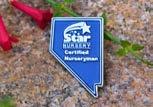
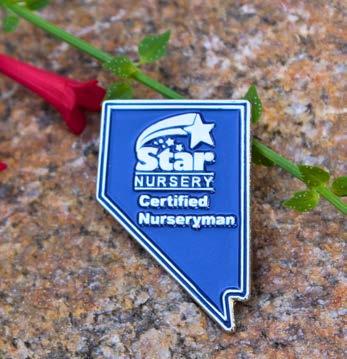
Next time you visit, keep an eye out for team members wearing a distinctive blue Nevada pin—that’s your sign you’re talking with a certified Nevada Nurseryman. Don’t hesitate to ask them your desert gardening questions, no matter how big or small. We’re here to help you grow!
Honoring our winter student body
WATER SMART CLASSES FREE!
Get the help you need to make your landscape desert-friendly, and your irrigation system and home more water-efficient! These FREE CLASSES are taught by experts from the Southern Nevada Water Authority in partnership with the Springs Preserve.
CLASSES IN ENGLISH CLASES EN ESPAÑOL
BASICS OF PERFORMING A HOME WATER AUDIT
BASICS OF A WATER SMART LANDSCAPE DRIP IRRIGATION
Find class dates & times SCAN TO REGISTER
BASES PARA CREAR UN HUERTO Y UN JARDÍN EFICIENTE
BASES PARA INSTALAR UN SISTEMA DE RIEGO POR GOTEO
AUDITORÍA DE AGUA EN EL HOGAR
Classes are offered both in person and online. In-person classes are held at the Springs Preserve, 333 S. Valley View Blvd.
For additional landscaping resources, visit snwa.com.