

By Kaitlyn Gibbons
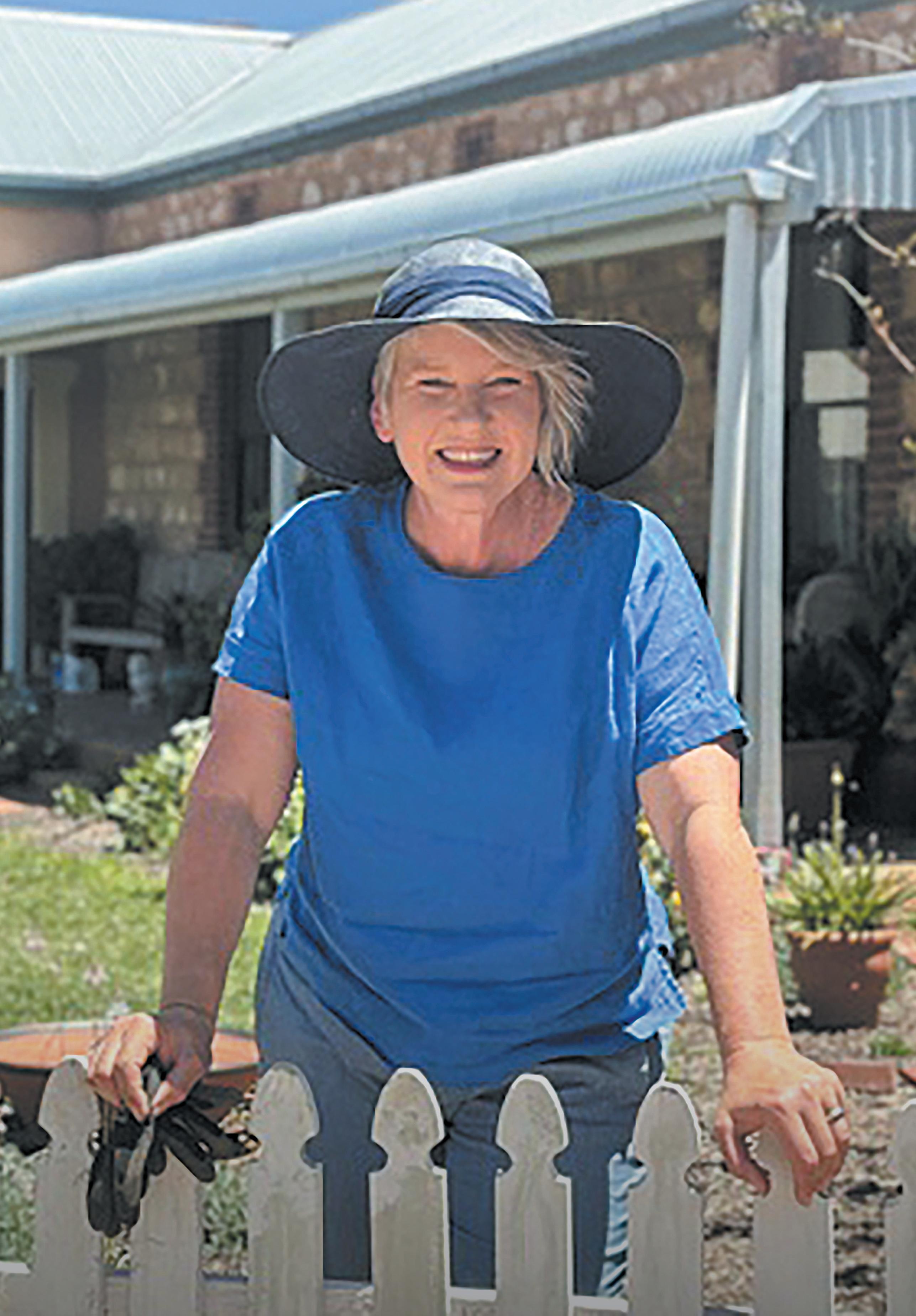
For many Australians, gardening is more than just a hobby - it is a way to stay active, connected and relaxed while continuing to enjoy the outdoors and their own homes.
South Australian gardening expert Sophie Thomson said there were many simple ways older people could adapt their gardens to make them safer, easier to manage and more enjoyable as they age.
Ms Thomson said raised garden beds were one of the best lowmaintenance options for older gardeners wanting to continue growing vegetables and herbs at home.
“If you want to grow some veggies, grow them in raised beds, because then that’s better for your back and less bending,” she said.
“Many gardeners, as they age, find that the physical bending is tricky, so I would say raised beds are an absolute must.”
She also encourages gardeners to prioritise mulching, saying it helped reduce weeds, save water and minimise physical strain.
“It might be a no brainer, but sometimes when mulch wears thin, people think ‘I can’t afford to mulch’, but mulching is actually going to save you money on water, save you time and effort in less weeds,” she said.
For gardens that had become overgrown, Ms Thomson suggested placing newspaper or cardboard beneath mulch to help suppress weeds and make maintenance more manageable.
Safety was another important consideration for older gardeners, particularly when it came to reducing the risk of cuts, falls and physical strain.
“As people age, many people have thinner skin or they’re on medication, which means that they bleed more easily so protecting
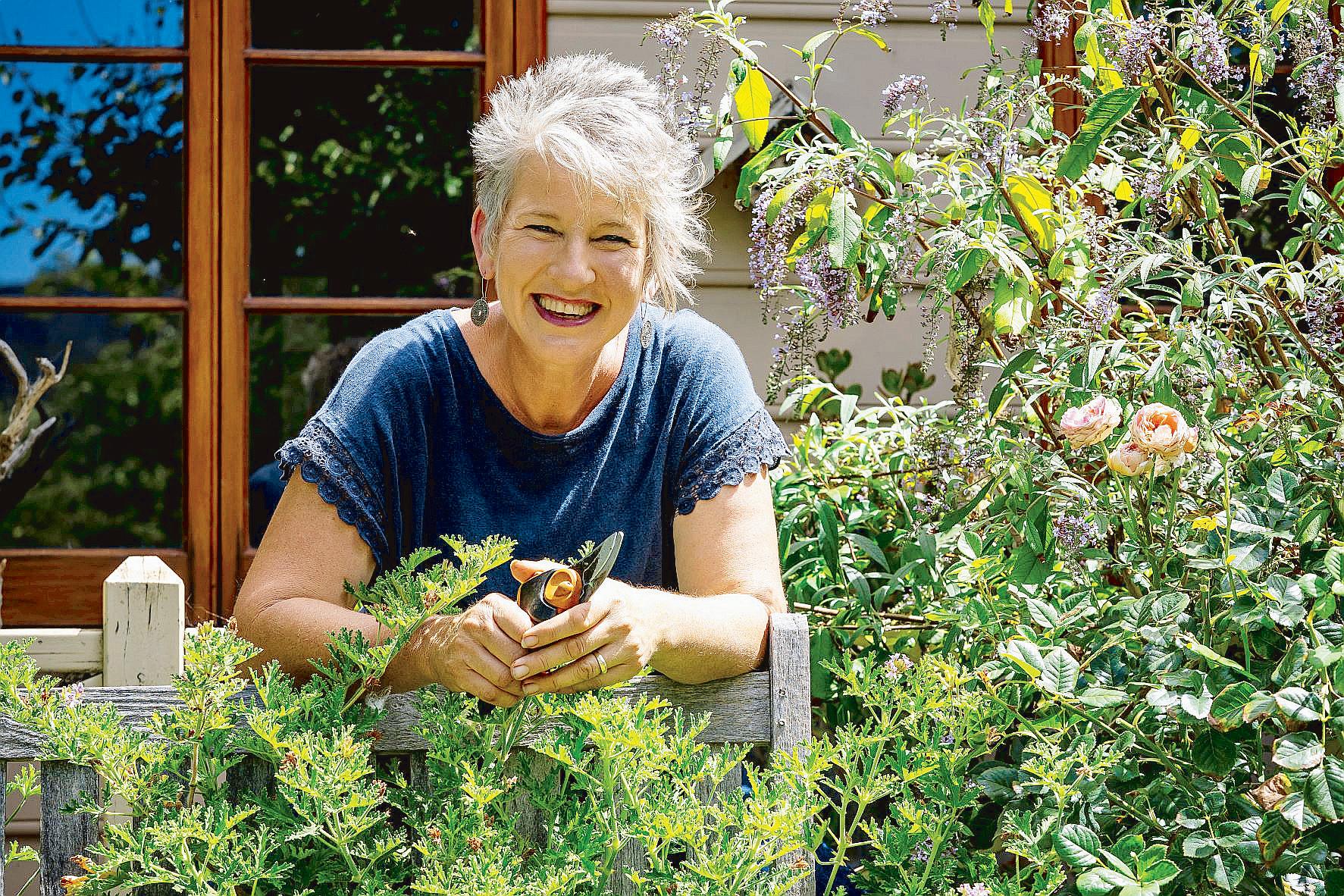
ing gloves is really important,” Ms Thomson said.
She said investing in quality tools could also make gardening easier and more comfortable.
“Some tools used to come with an Arthritis Foundation Ease of Use Award, making pruning a whole lot easier… easier to cut for less effort,” she said.
Alongside the physical benefits, Ms Thomson said gardening also played a significant role in supporting mental health and wellbeing.
“There are four key areas where there are now studies to prove that gardening is good for our health and wellbeing,” she said.
She said gardening provided low impact exercise using all major muscle groups, while also offering stress relief.
“In terms of relaxation, if people are going through a tough time, whether it’s health challenges or
lenges, recovering from a flood or whatever it is, gardens give us a place to manage our stress,” Ms Thomson said.
“It’s about getting out in your garden and just being there and tuning into what’s around you, whether it’s the birds, the bees, the butterflies, whatever it is, you will feel better from tuning into that and managing your stress.”
Research has also shown gardening can assist people experiencing mental health challenges.
“There was a study in Norway with patients with moderate to severe depression and at the end of a three month horticulture course, everyone had reduced symptoms,” Ms Thomson said.
She added that growing even small amounts of fruit, vegetables and herbs at home could also improve access to fresh, nutritious food.
Copies distributed across regional SA in our publications:
• Murray Valley Standard
• The Transcontinental
• The Recorder
• Whyalla News
ADVERTISING ENQUIRIES:
Tricia Waters
Phone: 0428 710 036
Email: tricia.waters@satoday.au
EDITORIAL ENQUIRIES: Sharon Hansen
Phone: 0419 842 727
Email: sharon.hansen@satoday.au
life, Ms Thomson said one of the biggest mistakes people make is creating unnecessary trip hazards through narrow paths, excessive pots and decorative edging.
“You need to make paths a bit wider, make sure that there’s no trip hazards and that’ll be good.”
She encouraged older Australians to focus less on perfection and more on creating a garden that remained enjoyable and accessible.
“It might be that they get someone in to help mow the lawns and do a bit of weeding, but they literally can go out, sit on a bench under a tree, if that gives them joy, I think that’s wonderful,” Ms Thomson said.
“If that’s what gives them joy and happiness, it’s better to be happy in a garden that you love, even if you have to get a bit of help to stay in it than to be miserable without a garden.”

By Theo Dimou
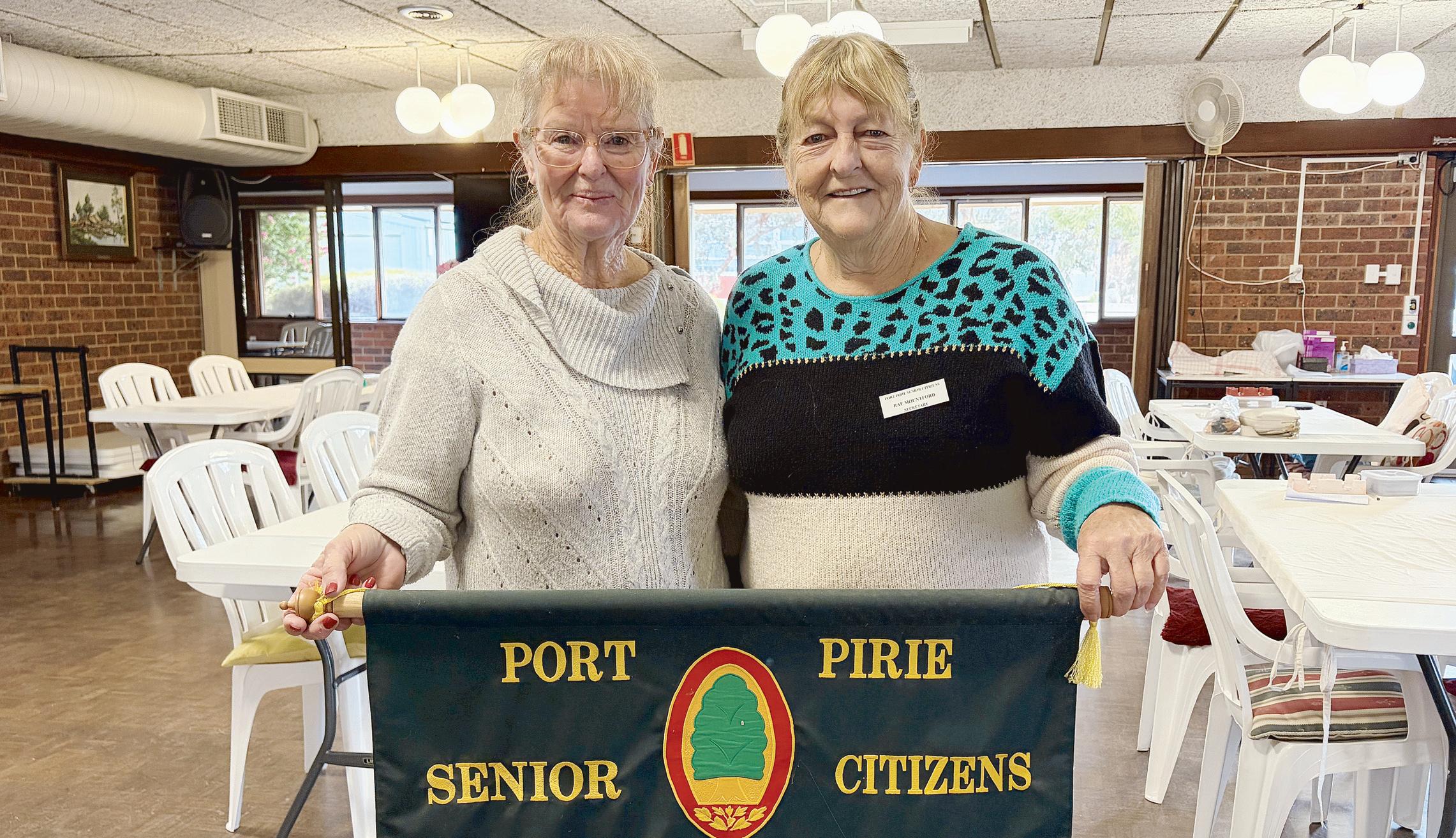
Friendships, laughter and a sense of belonging are just some of the reasons hundreds of locals call the Port Pirie Senior Citizens Club their second home.
What began as a place to socialise has become a thriving community hub, as more than 230 members regularly take part in activities, such as exercise classes, cards, line dancing and singalongs.
Club president Beverly Partridge said she joined around five years ago, simply looking for something to do and quickly found much more than just a weekly activity.
“It was just for somewhere to go and the interaction with other people,” Mrs Partridge said.
“There’s always something happening and it’s just the enjoyment of it all.”
Mrs Partridge said the club offered a welcoming environment, where members could make new friends and stay active.
“It’s always a laugh to be had and it’s just good fun,” she said.
“It’s somewhere for people to go and interact instead of sitting home; because it’s not healthy sitting home and not going anywhere.”
Membership is open to anyone aged 50 and over for just $20 a year.
The club hosts cards on Monday afternoons, yoga on Monday evenings, the Movers for Life exercise group and bias bowling on Tuesdays, singalongs with guest entertainers and a light luncheon on the second and fourth Wednesday of each month, Active Plus exercises and Hoy on Thursdays, and line dancing and Hand and Foot cards on Fridays.
Members can also enjoy Christ-
mas celebrations, the annual general meeting, day trips and extended bus tours throughout the year, while facilities include a mini bus, library, billiard table and craft stall.
Mrs Partridge said the club’s Christmas functions were among her favourite memories.
“We decorate the hall, everyone dresses up and it’s just so good,” she said.
“It’s something everyone looks forward to.”
Looking ahead the club is focused on replacing its ageing mini bus, which will no longer be able to carry passengers within the next three years due to its age.
The club has already raised close to $20,000 through garage sales, bingo nights, line dancing events and its trading table, with further support being sought through community organisations and
grants. “If you’re looking for somewhere to belong, somewhere to have fun and meet people, this is the place,” Mrs Partridge said.
“It’s become a second family for so many of us.”
Secretary Raelene Mountford said she joined the club after moving to Port Pirie in 2010, having been encouraged by her doctor’s surgery to become involved in the community.
“I met so many people here,” Mrs Mountford said.
“I worked in the kitchen for a few years and then I went into the office.
“I was very quiet, very reserved, but now I’m out and about all the time, it’s given me confidence to interact with other people.”
Since then, she has watched the club grow from around 80 financial members to around 230,
making it one of the largest senior citizens clubs in South Australia.
“I’m very proud of that,” she said. Mrs Mountford said the club had become an important meeting place for retirees, widows, widowers and people living alone.
“We’ve got a lot of those sort of people coming in now, because they’re sitting home and doing nothing,” she said.
“Once they get down here, they keep coming.”
Mrs Mountford said lowering the membership age to 50 had also helped attract younger retirees and people living with disabilities who were unable to work, ensuring even more locals had a welcoming place to connect, stay active and build lasting friendships.












By Jack O’Halloran
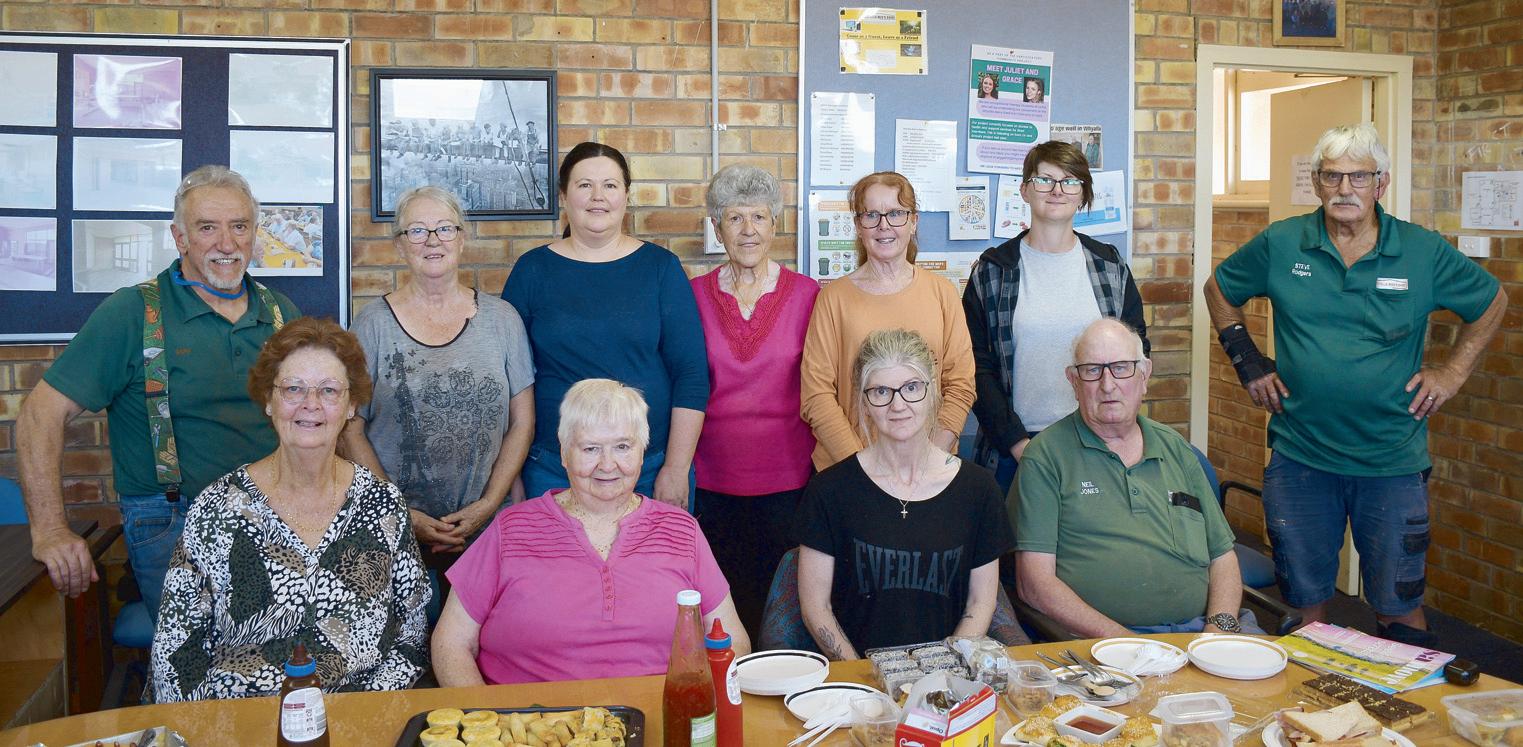
WHYALLA - They say you can’t teach an old dog new tricks, but a group of Whyalla seniors is proving that saying wrong - one woodworking project at a time.
The Whyalla Men’s Shed, in collaboration with U3A, has introduced a new program called Seasoned with Sawdust – Woodwork Classes for Oldies, giving older adults the chance to learn practical woodworking skills while enjoying good company, a few laughs and the satisfaction of creating something with their own hands.
Funded through the Rural Health Innovation Fund (RHIF), supported by Country SA PHN, the initiative is designed specifically for older community members.
The first round of weekly sessions began last year, with the classes proving increasingly popular.
Shed coordinator Gary Misan said the program was about much more than woodwork.
“We old blokes at the Shed believe that staying active, connected, and creative shouldn’t stop
with age and also that it’s never too late to learn something new,” Mr Misan said.
During the classes, participants learn basic woodworking skills and techniques while working on practical projects of their own.
“Class participants learn basic woodwork skills and techniques by tackling some simple yet practical bespoke projects,” Mr Misan said.
The results have already been impressive.
Participants have crafted a variety of useful items, including small storage shelves, tables, a bookshelf
Whyalla locals, Debbie and Iain, have one mission: to help people move better and hurt less.
As we age, we face common challenges such as slower recovery from injuries, changes in posture, and pain from activities we enjoy, like gardening or playing with grandchildren. You might be recovering from surgery or experiencing balance issues and reduced mobility. However, it’s important to know that you don’t have to accept this.
Ellen, 81, came to us concerned about having a back massage due to her osteoporosis and pain. Iain worked gently but effectively, releasing deep tension. Ellen said she felt safe and well cared for, saying, “I walked away feeling so much better.”
What people wish they realised sooner.
Bones need movement to stay strong, but tight muscles, tension and weakness can restrict safe movement. It’s a catch-22 - and it’s exactly what Debbie addresses. She guides clients through weight-bearing, balance, and functional strength exercises to improve mobility. Whether through one-on-one sessions, semi-private movement groups, Pilates or Strength & Conditioning classes, Debbie can help you restore your movement ability.
The Sunnd Olistico System That Works
Iain’s remedial massage releases the restrictions holding you back. Debbie helps you build the functional strength and balance your body needs. These services complement each other, and many clients benefit from both, finding that releasing tension through massage makes movement easier - just like Ellen did.
Contact Sunnd Olistico to reclaim the freedom to fully enjoy life.
and even a fish-tank stand.
Mr Misan said participants have shown significant improvement in using tools and workshop equipment, with the benefits expected to extend beyond the shed.
“As classes progress and skills develop we expect that participants’ confidence in using tools and being able to tackle projects on their own will grow,” he said.
“As a result we hope classes will result in improved participant selfesteem, sense of purpose and of achievement.
“We expect too that some of the skills learnt during classes can also be applied outside the workshop, for example to tackle small home maintenance projects thereby making them even more useful.”
While the projects are a rewarding part of the program, the social aspect is equally important.
The classes provide an opportunity for older adults to stay active,
meet new people and share experiences in a welcoming environment.
Di, Karen, and Angela are all newcomers to the classes and said they have thoroughly enjoyed it thus far.
“I came to the class because I’m always trying to improve my skills with tools like the drill at home,” Di said.
“In these classes, you learn practical, hands-on skills as you go.”
Karen said she had some experience using tools previously, but the classes have broadened her knowledge.
“You learn by doing and by figuring out simpler, more effective ways to complete the work,” Karen said.
Angela praised the volunteers for their help and said that woodworking has given her a renewed sense of confidence.
“The volunteers are fantasticthey come around and help you when you get stuck and need to catch up,” she said.
“The class has given me more confidence to take on small jobs and use tools at home.
“It’s not just about woodworking - it’s also a social space where people can connect.”
Embraced by participants, the program provides a combination of practical skill-building, supportive volunteers and a strong social atmosphere, making the classes both enjoyable and empowering.
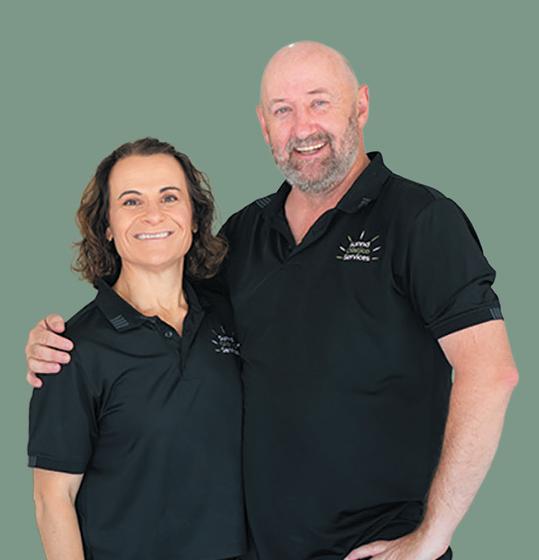
Debbie Pucinischi (Movement Restoration Coach)
Debbie 0434 553 260
Iain Bryers (Massage Therapist)
Iain 0400 693 514
Thousands of older South Australians can now access more cost-of-living savings following changes to the State Government’s Seniors Card program from July 1, 2026. The expansion removes previous work-related restrictions, allowing about 80,000 additional South Australians to join the program regardless of how many hours they work. The card is now available to all South Australian permanent residents aged 60 and over, while Aboriginal and Torres Strait Islander people aged 50 and over are also eligible. Previously, the Seniors Card was limited to people over 60 who worked fewer than 20 hours a week. The changes aim to help more older residents access discounts and services as household costs, including fuel and grocery
prices, continue to rise. Benefits available through the program include free 24/7 Adelaide Metro public transport, fuel and grocery discounts, reduced-cost health services and savings on home maintenance. The 202627 State Budget has allocated $8.4 million over four years to support the expansion, with the government saying the program will help more seniors remain connected, active and financially secure. Membership remains free, with members able to receive updates and offers, including the WeekendPlus publication. Eligible residents can apply online using their driver’s licence number, Medicare number or pension card number. Application forms are also available through local public libraries.
By Theo Dimou
PORT
PIRIE
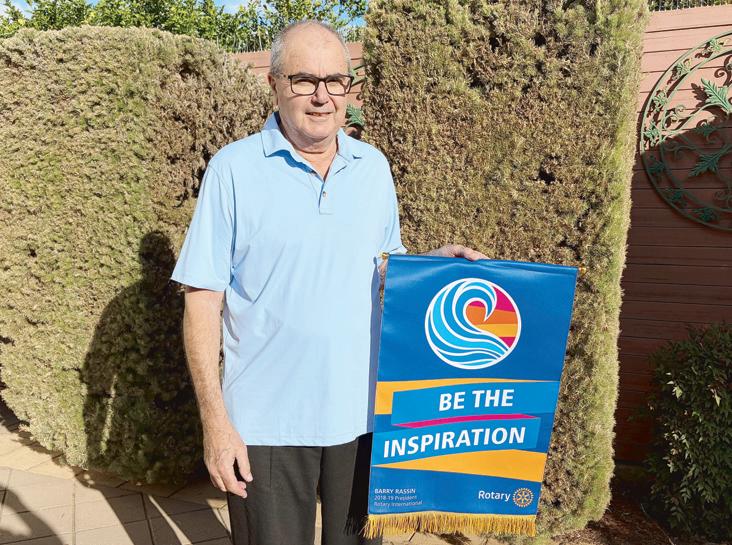
- For over five decades, Sebastian Mezzino has dedicated his time to help others, whether it is through sporting clubs, cultural organisations, service groups or community programs. Born in 1954 to an Italian family, the 71-year-old Port Pirie resident has spent a lot of his life contributing to the local community, while he has also grown his family’s seafood business across four generations.
Mr Mezzino’s volunteering journey began as a teenager through local sport, when he first joined the Northern Demons soccer club, before he became vice-president, a committee member, life member and now patron.
He said his family’s involvement in volunteering gave him all of the reason to contribute himself.
“I think it also comes with your upbringing,” Mr Mezzino said.
“When you grow up seeing your parents helping others and being involved in the community, it just becomes natural that you want to
do the same.
“My father always said if you’re going to join a service club, don’t become a knife-and-fork member.
“That meant don’t just sit there and attend meetings, get involved and help.”
Some of Mr Mezzino’s commitments range from being involved in the Port Pirie Italian Committee for over 50 years and president for six, serving 35 years as Justice of the Peace, and involved in Rotary for the past 25 years, where he was president from 2018 to 2019.
Through Rotary, he has helped with barbecues, community mar-
kets, fundraising events, shelter box projects for disaster relief and local support initiatives for people experiencing homelessness.
One of his highlights with Rotary was when he hosted international exchange students, which led to overseas travel and lifelong friendships.
“We had three or four exchange students stay with us over the years,” Mr Mezzino said.
“One of them invited us to her wedding in France years later.
“Those relationships have been amazing.”
Mr Mezzino and his wife have also volunteered with Fred’s Van, and help prepare meals for people in need every six weeks.
“It warms your heart when you see the projects you’re involved in helping people,” he said.
“You realise you can make a difference, even in small ways.”
Mr Mezzino said while volunteering can require time and commitment, the personal benefits far outweigh the sacrifices.
At Barunga Village, we believe growing older should be filled with connection, comfort and peace of mind — for you and your family.
Based in the seaside town of Port Broughton, our caring community offers a full range of aged care services. Whether you are looking to enjoy retirement living by the coast, need a little extra help at home or are seeking full-
time residential care, we are here to support you every step of the way.
Our Community team helps older people live safely and independently at home, offering flexible, personalised support across the Yorke Peninsula, Mid North and Lower North regions.
From help with shopping and gardening to transport and personal care, we are here to make daily life easier.
Our retirement village features spacious, well-appointed homes that give you the freedom to live the lifestyle you choose - close to the beach, local clubs and friendly neighbours.
For those needing a higher level of care, our residential homes in Port Broughton and Crystal Brook provide 24-hour support, including specialist dementia care.
As a local not-for-profit organisation, everything we do is guided
“You meet people, you socialise, you learn new skills and you feel satisfaction knowing you’re helping others,” he said.
“For older people especially, it can also help with loneliness and getting out of the house.
“In the old days, people were working 10 or 12-hour days running businesses and they still made time for service clubs.
“Now people seem busier than ever, but communities still need volunteers.”
Mr Mezzino encouraged younger people to consider becoming involved, even if it was only in small ways.
“You’re never too young and never too old,” he said.
“You might not be able to do physical work, but you can still offer experience, ideas or support.
“Once you get involved, you realise how much you get back from it yourself.
“You’re helping the community, but you’re also building friendships and being part of something meaningful.”
by our purpose of helping people live the best life possible.
We are proud to support older people and their families through every stage of ageing, providing care that is compassionate, respectful and tailored to individual needs.
At Barunga Village, we would welcome the opportunity to discuss how we can support you or your loved ones to live well, your way


Older Australians navigating the aged care system can now access a more personalised online experience through the Federal Government’s My Aged Care dashboard, designed to make finding information, services and support easier.
Accessible through the My Aged Care website, the dashboard acts as a central hub where users can access tailored guidance based on their individual circumstances and better understand the steps involved in their aged care journey.
The personalised dashboard includes a checklist that guides users through key stages of accessing aged care. Rather than searching through large amounts of information, users are presented with practical next steps relevant to their situation, helping simplify what can often be a complex process.
The dashboard is part of My Guide to Aged Care, a resource designed to provide information suited to a person’s needs and preferences. It aims to help older Australians, their families and carers make informed decisions by bringing together important infor-
mation in one convenient location.
Users can return to the dashboard at any time to monitor progress, revisit previous information and continue working through their personalised checklist. This allows people to move through the process at their own pace while keeping track of completed and upcoming tasks.
Another feature allows users to save useful information for future reference. Whether researching services, comparing care options or exploring community support, users can bookmark relevant con-
tent and easily return to it without repeating searches.
The dashboard also allows users to manage personal preferences, ensuring the information they receive is better matched to their circumstances.
By tailoring content, the platform aims to provide a more relevant and user-friendly experience.
The personalised guide supports people at every stage of the aged care journey, from those beginning to explore available services through to those preparing for an aged care assessment or consider-
ing ongoing support options.
Family members and carers can also use the platform to better understand the aged care system and the processes involved in supporting a loved one.
The My Aged Care website provides information on a range of services, including support to remain living independently at home, short-term care, residential aged care, respite care and assistance for carers. It also explains eligibility requirements, assessment processes and how governmentfunded services operate.
By combining personalised guidance with practical resources, the dashboard aims to reduce confusion and improve confidence for people making decisions about their care and future support.
As demand for aged care services grows, digital tools such as the My Aged Care dashboard are becoming increasingly important in helping older Australians, families and carers access reliable information more easily and confidently.
Since 1990, Phil Hoffmann Travel has been helping South Australians and beyond explore the world with confidence, care and expertise.
What began as a proud South Australian travel business has grown into one of Australia’s most trusted travel brands, with 10 locations across South Australia, more than 160 passionate travel professionals, and 13 national travel industry awards and counting.
For over 35 years, Phil Hoff-
mann Travel has helped travellers turn their holiday dreams into unforgettable memories.
From European river cruises and luxury ocean voyages to Australian getaways, escorted tours, solo traveller escapes, multi-generational holidays and once-in-a-lifetime adventures, their expert consultants bring world-class knowledge, trusted advice and personalised service to every journey.
More than simply booking a holiday, Phil Hoffmann Travel

takes the time to understand what matters most to each traveller.
Every itinerary is crafted with care, ensuring clients receive exceptional value, thoughtful recommendations, insider tips and complete peace of mind from the moment they begin planning to the moment they return home.
Whether it’s your first overseas escape, a long-awaited family holiday, a special celebration or the journey of a lifetime, Phil Hoffmann Travel’s experienced team is there to guide, support


and inspire you from take-off to touch down.
Recently recognised with its 13th win for Most Outstanding Branded Leisure Travel Agency in Australia in 2025, Phil Hoffmann Travel continues to set the benchmark for excellence, innovation and customer care.
Wherever your next journey takes you, Phil Hoffmann Travel is here to support you every step of the way.
Contact Phil Hoffmann Travelphone 13 11 00 or visit pht.com.au.



Patients around the world are set to benefit from new international recommendations designed to improve the delivery of stroke rehabilitation and strengthen research practices.
Developed by a team of global experts, the recommendations aim to advance stroke rehabilitation care and address gaps in access, particularly in low- and middleincome countries where services remain limited.
The World Stroke Organisation (WSO) has identified rehabilitation as a key priority in reducing the global impact of stroke, which affects one in four people during their lifetime.
As part of the work, the WSO certification program, which began in 2021 with a focus on acute stroke interventions, has expanded to include a rehabilitation certification program.
Associate Professor Elizabeth Lynch, a rehabilitation researcher at Flinders University’s College of Health and Enablement, is part of the international team overseeing the implementation of evidence-
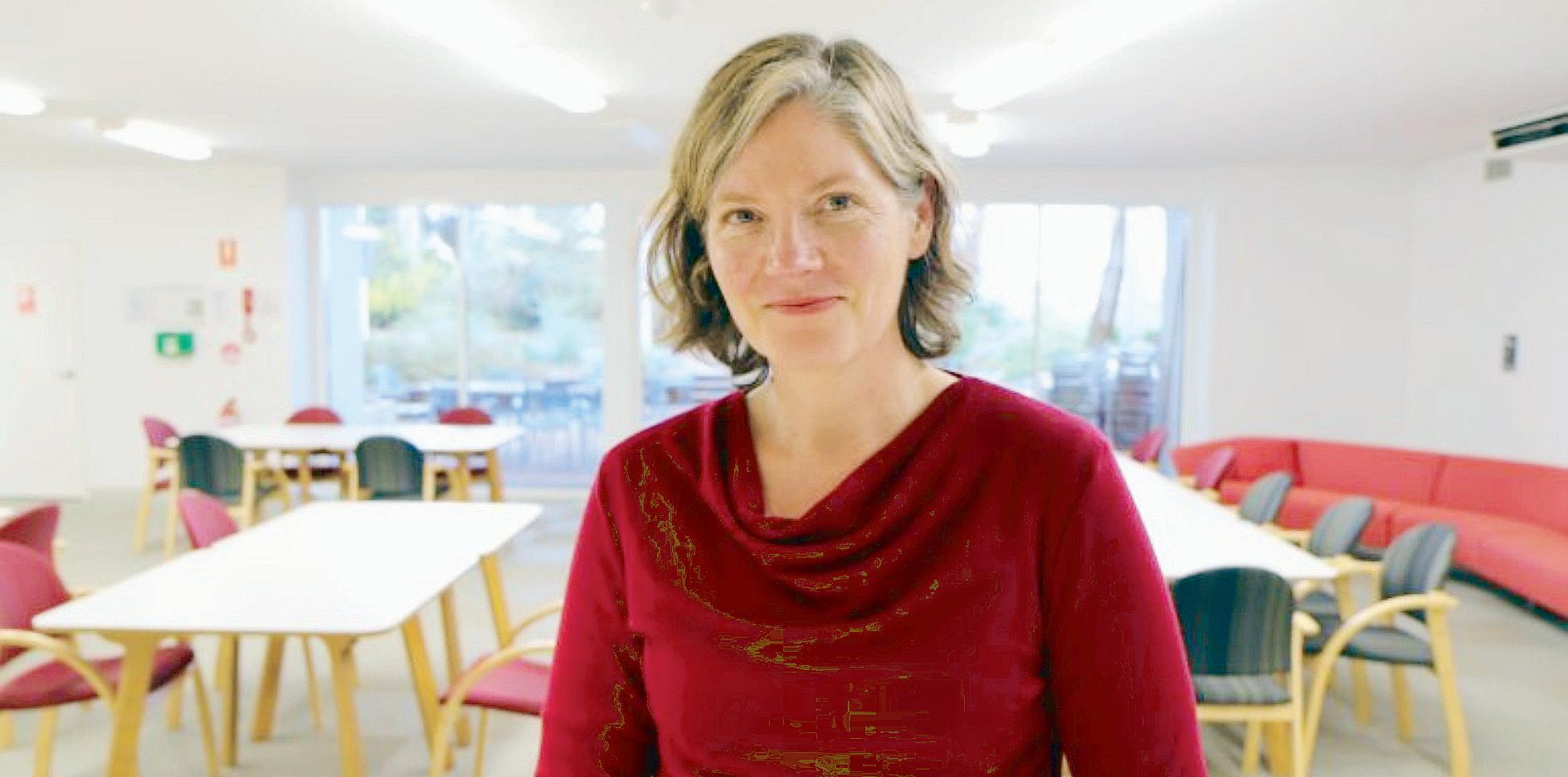
based stroke rehabilitation recommendations.
The team has developed a new rehabilitation certification program and recommendations for involving stroke survivors in stroke-related resources.
The program is supported by freely available resources to help services implement the recommendations.
“We anticipate the recommendations in this program will have a big impact on the way stroke care is delivered and how research is conducted,” Associate Professor
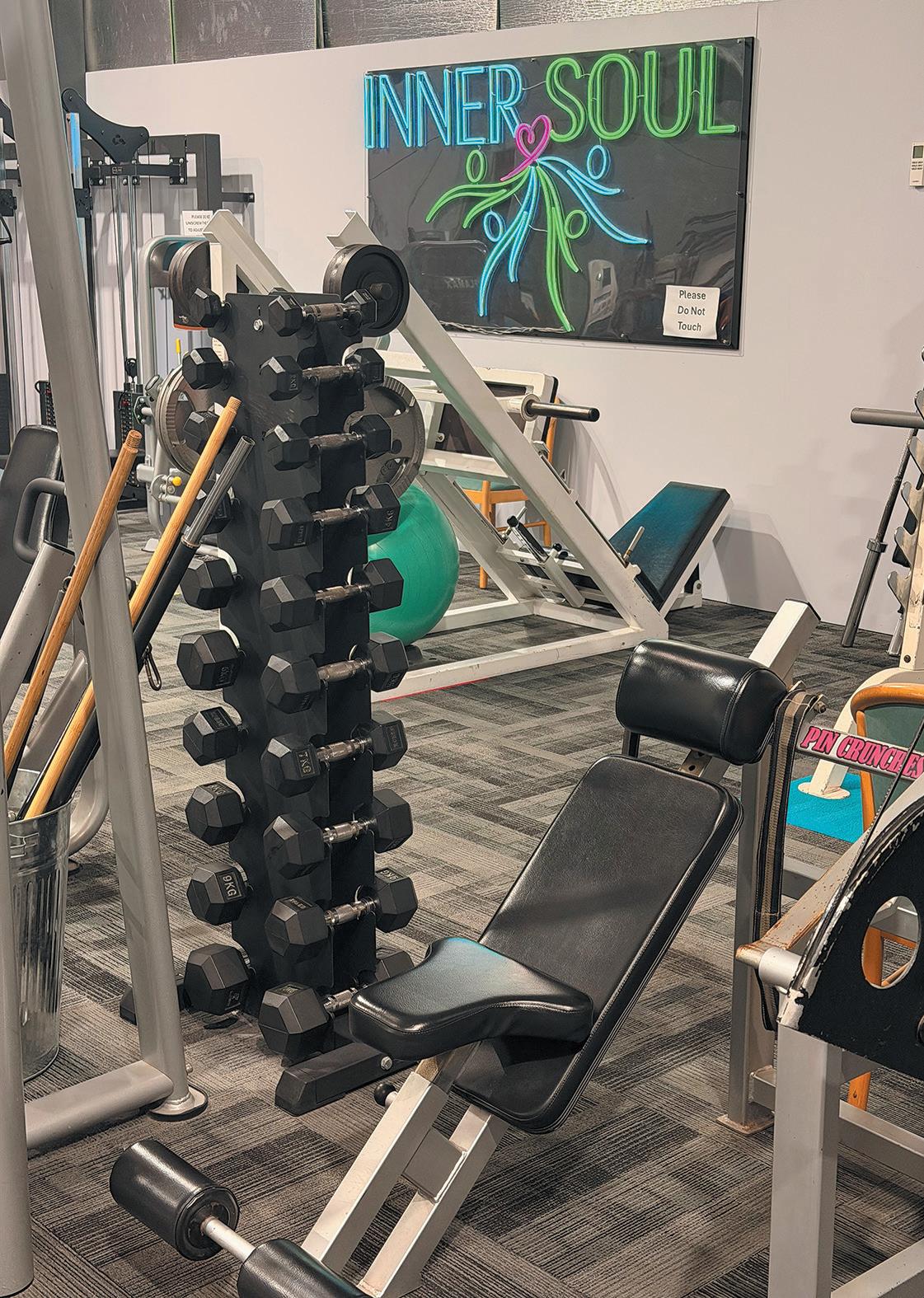
For more than 30 years, InnerSoul Physical Rehabilitation has been helping people in Murray Bridge improve their health, independence and quality of life through personalised care and expert support.
Owned by Donna JaenschBrown, InnerSoul is a community-focused health and fitness facility specialising in physical rehabilitation, healthy ageing, disability support and individualised exercise programs.
The team also welcomes anyone wanting to improve their overall health and wellbeing, regardless of age or fitness level.
Unlike a traditional 24-hour gym, InnerSoul is fully supervised whenever it is open, with qualified staff available to provide guidance, encouragement and assistance every time members train.
Every member receives a personalised exercise program tailored to their health history, lifestyle, goals and any existing medical conditions or injuries.
Programs are regularly reviewed and updated, ensuring clients continue progressing
safely and effectively.
InnerSoul also works alongside a range of allied health professionals, providing access to services including physiotherapy, therapy support and specialised exercise prescription.
The facility supports participants through the National Disability Insurance Scheme (NDIS) and My Aged Care, delivering tailored programs that help clients maintain independence, build strength and improve overall wellbeing.
Beyond fitness, InnerSoul is committed to creating a welcoming environment where members feel supported and connected.
Ms Jaensch-Brown said the calm, friendly atmosphere and personalised approach had made the facility a trusted destination for people seeking rehabilitation, improved mobility or simply a healthier lifestyle.
“We’re unique in what we offer, our focus has always been on supporting people through rehabilitation, disability and healthy ageing while creating a community where everyone feels welcome.
Lynch said.
Published in the International Journal of Stroke, the research involved 24 international authors working to improve stroke rehabilitation delivery across different healthcare settings.
The WSO Rehabilitation Certification Program will establish a process to certify stroke rehabilitation centres using internationally applicable criteria to assess service delivery.
“It’s a rigorous process to identify evidence-based criteria and process to evaluate rehabilitation ser-

vice delivery at international sites,” Associate Professor Lynch said. The program will classify services into three tiers:
• Basic for low-resource settings beginning rehabilitation services,
• Essential for middle-resource settings and;
• Advanced for high-resource settings.
Currently, there are no internationally agreed standards for delivering stroke rehabilitation.
The new program will allow services across different countries to assess their care, identify strengths and address areas needing improvement.
Associate Professor Lynch said the recommendations would support multidisciplinary teams to provide better care for stroke patients.
“The WSO rehabilitation recommendations incorporate the most current evidence and has been refined after pilot testing, and will help to advance international stroke rehabilitation delivery,” she said.

Specialising in Aged Care, Disability & Rehabilitation Community Minded, Community Focused, Minded, Focused, Community Driven Driven.

Inner Soul is a vital part of the local community's well-being, offering essential
Inner Soul is a vital part of the local community's well-being, essential services and a space for people to enhance their health and happiness services and a space for people to enhance their health and happiness.
As Inner Soul continues to grow, they are driven to attract more individuals
As Inner Soul continues to grow, they are driven to attract more individuals seeking support and to become a part of a community who is with you every time and to become a of a community who is with you every time you are in their facility you are in their facility.

They work alongside various allied health professionals, enabling them to offer a wide range of services that cater to the diverse needs of the community needs of the community.
Individuals receive personalized care Individuals receive care and support in different areas of and in different areas of their well-being their well-being.
We are a service provider to be able We are a service to be able to support clients on Support at to clients on at Home Packages as well Home as well.
Over 30 years of fitness industry
Over 30 years of fitness industry experience experience.


96 Eleanor Terrace Murray Bridge Murray You Can Call Donna On: 0411 353 117 donna@innersoulphysicalrehabilitation.com.au





By Jack O’Halloran
WHYALLA - Have you ever wondered where your family came from?
Researching your family history is one of the most rewarding hobbies one can do.
Aside from allowing you to better understand your ancestors, tracing your family lineage can lead you to unknown relatives that you may not have previously known.
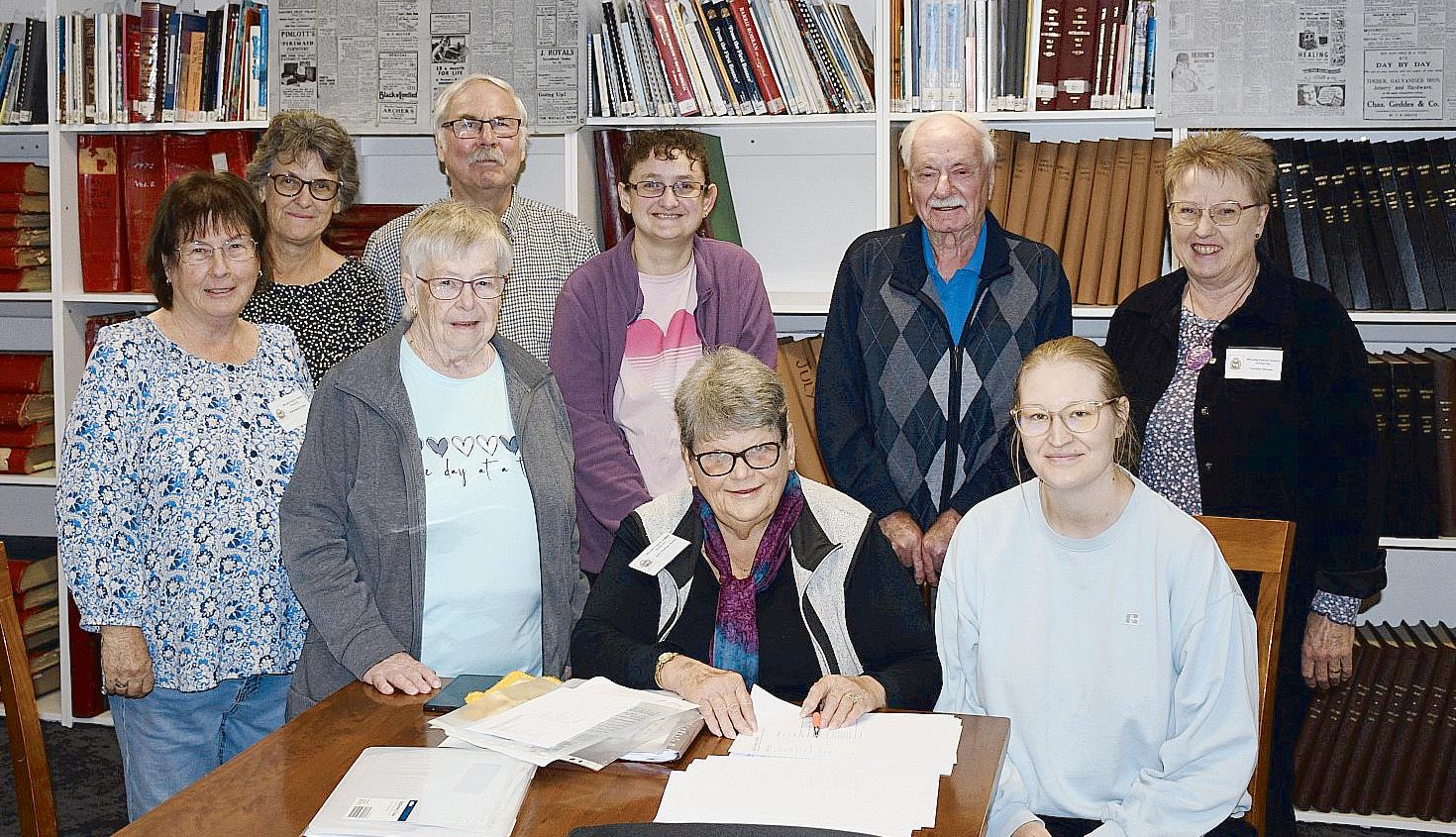
At the Whyalla Family History group, members gather on the second and fourth Wednesday of every month to offer their expertise to those who want to find out more about where they came from.
Carolyn Ronan is a member of the Whyalla Family History Group and first began seriously researching her family history in 2017.
She said her family had always recorded events and photographs, which led to her taking up the hobby more seriously a few years ago.
“My family was always interested in recording events throughout our lives,” Ms Ronan said.
“The key thing that really sparked me was that my husband, for his 60th birthday, wanted to go to Ireland because he knew he was descended from a convict.”
What began as a simple trip to Ireland quickly turned into a much deeper search into family connections, records, and stories that had been lost across generations.
That search began with a single clue - a letter found among family papers that had originally been sent to her husband’s father before he passed away.
With little more than an address
in Cashel, the couple travelled to Ireland in 2017 and began searching for answers.
“We started in the cemetery at Cashel in Ireland trying to find the lady whose name was on the letter,” Ms Ronan said.
What followed was an unexpected series of encounters with locals, distant relatives, and eventually an invitation that no amount of research could have predicted.
“At this cemetery, there were a couple of blokes attending the graves and when we asked if they recognised the names on the letter, they said ‘Oh, they live up there on the hill’.”
From there, they found themselves at the home of the family linked to the letter - a moment Ms Ronan described as both emotional and surreal.
“This lady, Una, was quite overcome that we’d come all the way from Australia with a letter she had written,” she said.
While the experience was deeply moving, she says it also highlighted the challenges of tracing ancestry
across countries and incomplete historical records.
“We still haven’t been able to find a direct connection, possibly because many of the records were destroyed,” she said.
Despite that, the journey has brought meaningful connections with people previously unknown to the family.
“It’s an absolute delight connecting with distant relatives you never knew existed,” Ms Ronan said.
“My husband was over the moon because he had found other people with the same surname.”
For Ms Ronan, the discoveries are part of what makes family history so compelling - not just the facts and names, but the human stories behind them.
“The part that I like is putting the stories together and looking at the time and the life of where they lived,” she said.
Her research has also extended beyond Ireland, uncovering links in Switzerland through old family documents written in German.
One discovery, found among her
mother’s papers, led her to connect with a local historian overseas in Switzerland.
“It was really sensational to think that someone living today was descended from the same greatgreat-grandparents,” she said.
Now an active member of the Whyalla Family History Group, Ms Ronan said the shared knowledge and support of others plays a key role in her ongoing research.
“I really love being part of the Whyalla Family History Group because we all have different areas of knowledge,” she said.
“We share ideas and we also share the challenges.”
She also cautions that family history research is rarely straightforward, and mistakes or dead ends are part of the process.
“Sometimes you discover you’ve gone down the wrong pathway and it’s not actually your family at all,” she said.
“Even if an article has been researched thoroughly, there can still be errors in it.”
For those just beginning their own journey, Ms Ronan encourages patience and careful verification of sources.
“Always start with yourself and your own birth certificate and work backwards,” she said.
“Don’t be in a rush to try and find famous connections to your ancestry because you could be disappointed.”
Ultimately, she believes family history is less about perfection and more about persistence, curiosity, and connection.
“There’s not really a wrong way to research family history - it’s however you get hooked into it,” she said.
For older South Australians, few things matter more than staying in the home they love, in the community they know, close to the people who matter most.
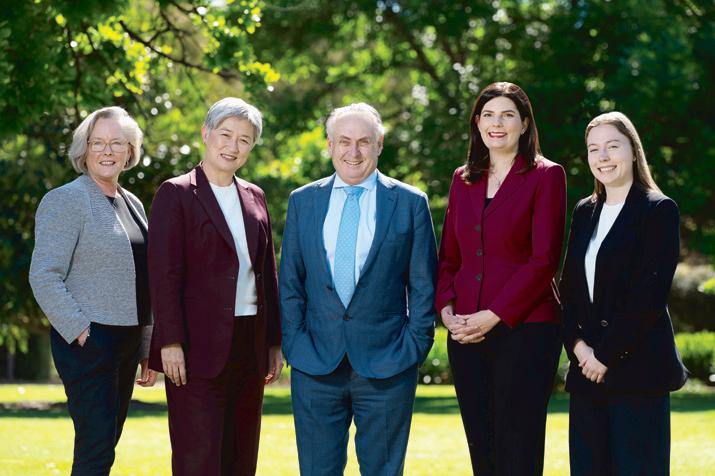
The Albanese Labor Government’s $4.3 billion Support at Home program, which came into effect late last year, is the most significant transformation of inhome aged care in a generation.
The Support at Home program has replaced the Home Care Packages program and the Shortterm Restorative Care program.
The Commonwealth Home Support program will become part of the Support at Home program in the second half of 2027. The program covers nursing, occupational therapy, medication support, cleaning, gardening, shopping, and meal preparation.
Clinical care services are fully funded by the government, and from later this year, personal care like showering and dressing will also be free.
Our government is delivering real improvements to the system with better quality, more packages and
shorter wait times.
By 2035, around 1.4 million Australians will benefit from the Support at Home program, helping them remain independent at
home for longer.
Older Australians keep our communities thriving, whether as grandparents, volunteers, neighbours or friends. When older people remain close to home the fabric of our regions and towns is strengthened.
Support at Home is designed to ensure that older Australians can access the care they need without having to leave the places and people they love.
To find out if you’re eligible, contact My Aged Care at myagedcare.gov.au or call 1800 200 422.
By Jason Irvine
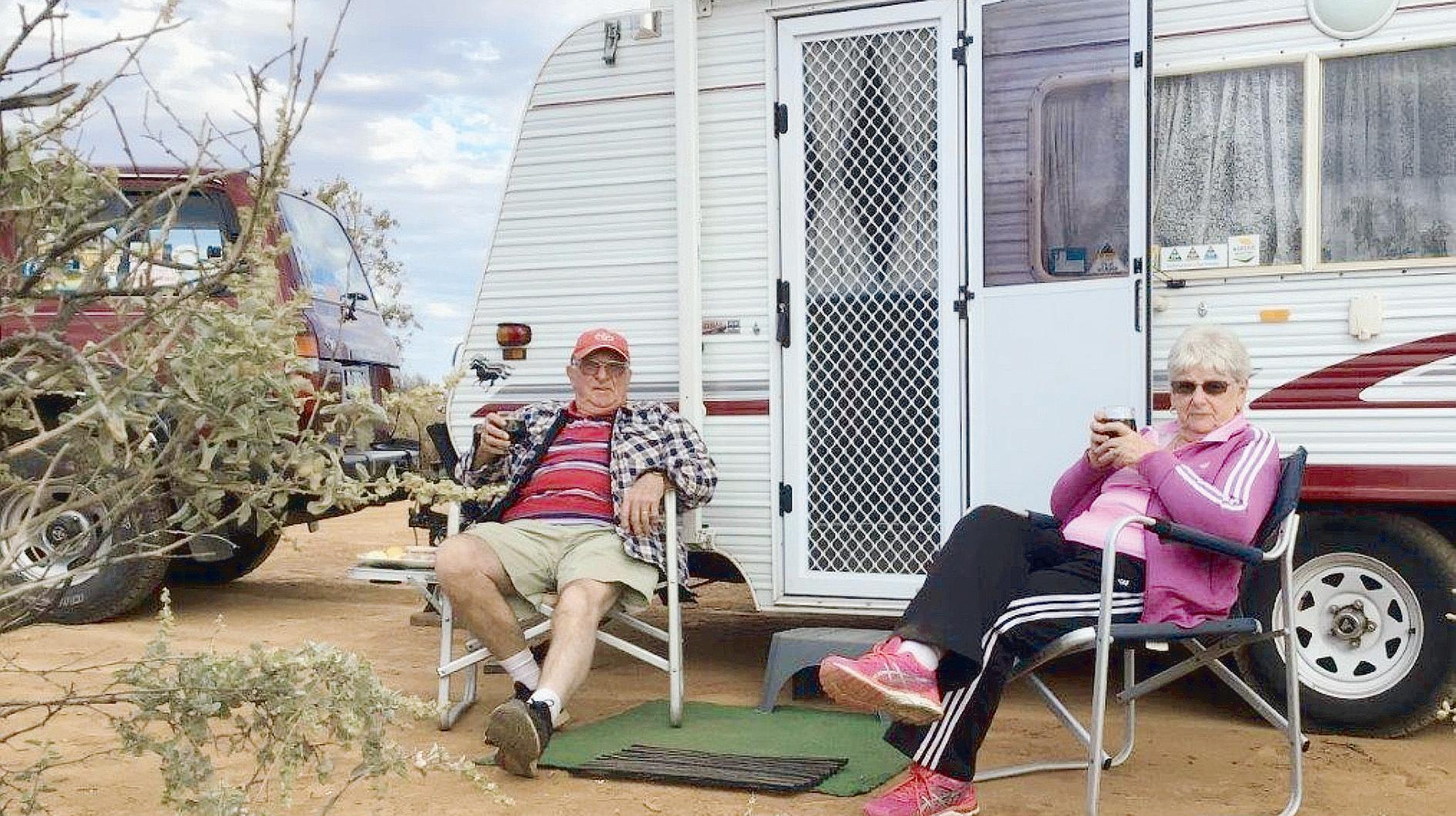
Taking trips across the vast countryside and exploring parts unknown to most Australians, Graham and Maureen Edwards have been making memories on the road for more than 60 years.
From a honeymoon in a hired caravan in 1963 to taking in some of the country’s most remote locations, the couple’s adventures and way of life expand well beyond the bitumen.
Since then, the pair have owned several vans and taken upwards of 75 trips spanning a number of kilometres of direct and dirt road tracks that would be hard to accurately measure.
While trips to the Simpson Desert, Cape York and Smoky Bay stand out, as well as the treacherous Canning Stock Route in Western Australia, their love and passion for travel never changed.
For Mr and Mrs Edwards, travelling in a four-wheel drive with a caravan towed in back, traversing some of the toughest routes in the county, demands careful planning - but it was all worth it.
“Australia’s got some magnificent scenery, but unfortunately the best of it is off the beaten track and if you don’t go off the beaten track, you miss it,” Mrs Edwards said.
“It takes a lot of effort; you’ve got to be well prepared with your vehicles, food and water, and you’ve got to think ahead - it’s easier to prepare your vehicle at home than it is out on the road.”
While they have visited many of Australia’s iconic destinations, Mr Edwards said there were many sights that go unnoticed for regular travellers.
“There’s just so much out there,” he said.
“When you go to Cape York, it’s amazing how many people don’t go across to Thursday Island when it’s just a short trip away.
“We’ve always gone off the beaten track; you meet other people, have a couple of drinks and chew the fat and that’s what makes travelling so enjoyable.”
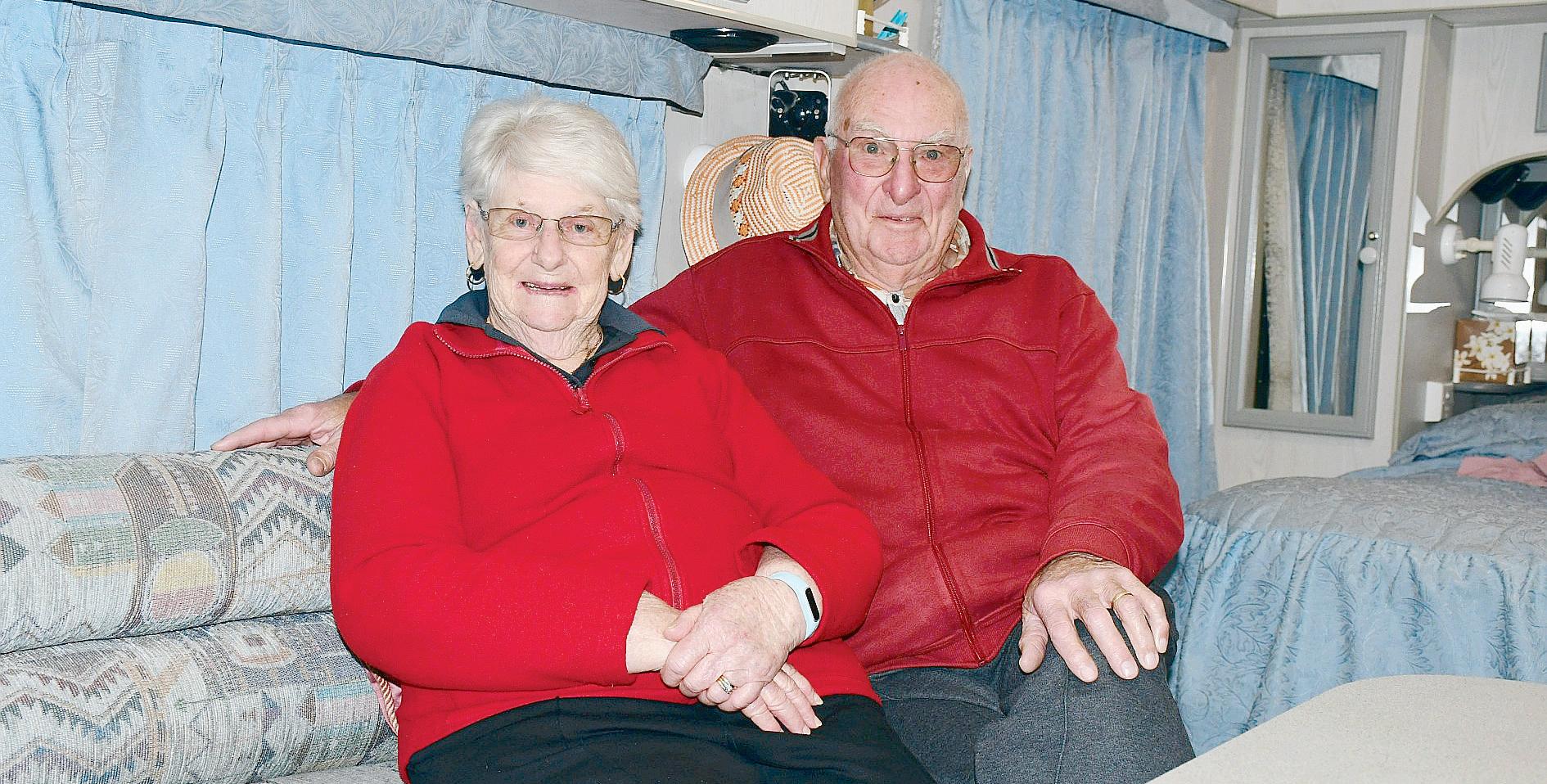
Now in later life, they admit travelling has become more physically demanding, but said it definitely beats staying in one place and not exploring what is beyond one’s hometown.
“As we’re getting older, it’s getting harder,” Mr Edwards said.
“The caravan days, I can see the end in sight, but you never give up because while you’re out there running around, you’re not looking at the four walls of a nursing home.”
The sentiment is shared by many older Australians as a way of remaining active, curious and con-
nected, with Mr Edwards encouraging others not to wait too long before setting off
It’s a sentiment shared by many older Australians who see travel not simply as recreation, but as a way to remain active, curious and connected.
“I would encourage people, while they’re younger, to do Australia while they’re fit and able be-
cause the older you get, the harder it gets,” he said.
“You could travel for a lifetime in Australia and probably still not see it all.”
Looking back on more than six decades on the road, the pair are content with their travels, however, admit there are still a few more places to tick off on the bucket list.













By Jason Irvine
For more than 25 years, Grandcarers SA has been supporting grandparents and other informal kinship carers, all of whom provide fulltime primary care for children from within their families.
The independent organisation’s multi-faceted service was first developed to assist grandparent and kinship care families across South Australia through personal, peer and financial support.
Fast forward to today and Grandcarers SA provides support to over 1000 grandparents and informal carers who care for more than 2000 children across South Australia.
Grandcarers SA chief executive officer Mike Feszczak said the organisation prides itself on understanding the challenges faced by grandparents and kinship carers in South Australia.
“Research suggests that there are up to 7000 children being raised through informal arrangements with their kin in SA, usually grandparents,” he said.
“Our aim is to help grandparents and other kinship carers to deal with the emotional, practical and financial challenges they face, whilst trying to provide a safe and nurturing environment for the children in their care.”
Through personal support, information provision and resources, education and development funds and advocacy, the organisation works to create a caring community for all involved.
Personal support focuses on providing practical and emotional assistance to carers, including confidential support through a telephone helpline, face-to-face meetings, tailored advice and re-

ferrals to other agencies that can assist with financial, legal and child protection matters.
Grandcarers SA also runs its “Village Program”, which brings carers together through peer support meetings where they can share experiences, seek advice and build social connections.
Information provision and resources ensures carers have access to relevant information, guides and support materials, with Grandcarers SA distributing resources covering a variety of topics.
These include legal rights, family support services, trauma-informed care and available assistance programs. Workshops are also organised throughout the year on issues identified by carers as important.
Through its education and development fund, it provides limited financial assistance to help cover education and extracurricular expenses for children in kinship care.
The fund aims to ensure children
have access to learning opportunities, sporting activities and personal development experiences that might otherwise be out of reach due to financial constraints.
Additionally, across its advocacy work, the organisation campaigns for informal kinship carers to receive greater recognition and support from government, arguing they should have access to assistance comparable to that available to formal carers.
It regularly makes submissions and advocates for policy and legislative changes to improve outcomes for carers and the children in their care.
Mr Feszczak said that while children can end up in kinship care for a number of reasons, the positive impact of grandcarers or informal carers delivers great benefits on children’s lives.
“Grandcarers raise children in a loving and nurturing environment, keeping the children within their family and culture,” he said.
“Research shows that kinship care provides better mental health outcomes and more stable placements than care outside of the family, reducing the need for healthcare and income assistance later in life.”
He said while many grandparents and kinship carers unexpectedly found themselves raising children, they did not have to face the journey alone.
“If you are a full-time carer, raising children from your family, Grandcarers SA is here to help and we can offer emotional, practical and some financial support,” he said.
“We hear numerous stories of children being removed from a traumatic situation, with little hope for the future, becoming meaningful adults through effective support, education and the loving care of grandcarers.”
For more information or to register for support, visit grandcarers.au
Older Australians are being encouraged to stay alert to scams, fraud and financial abuse, with a new guide providing information to help people protect their money and personal information.
Developed by the Australian Banking Association, the guide supports older people, families, friends and carers to understand common risks and take practical steps to stay safe when managing finances.
Scammers are using increasingly sophisticated tactics, including fake investment opportunities,
impersonation scams, romance scams and attempts to access banking details. Fraudsters often rely on trust and urgency to pressure people into transferring money or sharing sensitive information.
The guide encourages older Australians to be cautious when receiving unexpected contact, take time to verify information and seek advice from trusted sources before making financial decisions.
Financial abuse is also highlighted as a concern, with situ-
ations where someone misuses another person’s money or assets without their knowledge, consent or understanding. This can involve family members, friends, carers or others in positions of trust.
Practical advice includes keeping banking details secure, using strong passwords, protecting personal information, monitoring accounts and contacting banks if a transaction appears suspicious.
Families and carers are encouraged to have respectful conversations about financial safety while supporting older people’s inde-
pendence and decision-making.
As technology creates more ways to manage money, it has also opened new opportunities for scammers through fake websites, emails, phone calls and messages.
The guide aims to help older Australians recognise warning signs, make informed choices and maintain control over their finances.
More information is available through the Australian Banking Association’s Safe and Savvy guide and Scamwatch.
By Kaitlyn Gibbons
For many older Australians, the idea of moving into a retirement village can feel daunting, often accompanied by concerns about losing independence, downsizing or changing lifestyles.
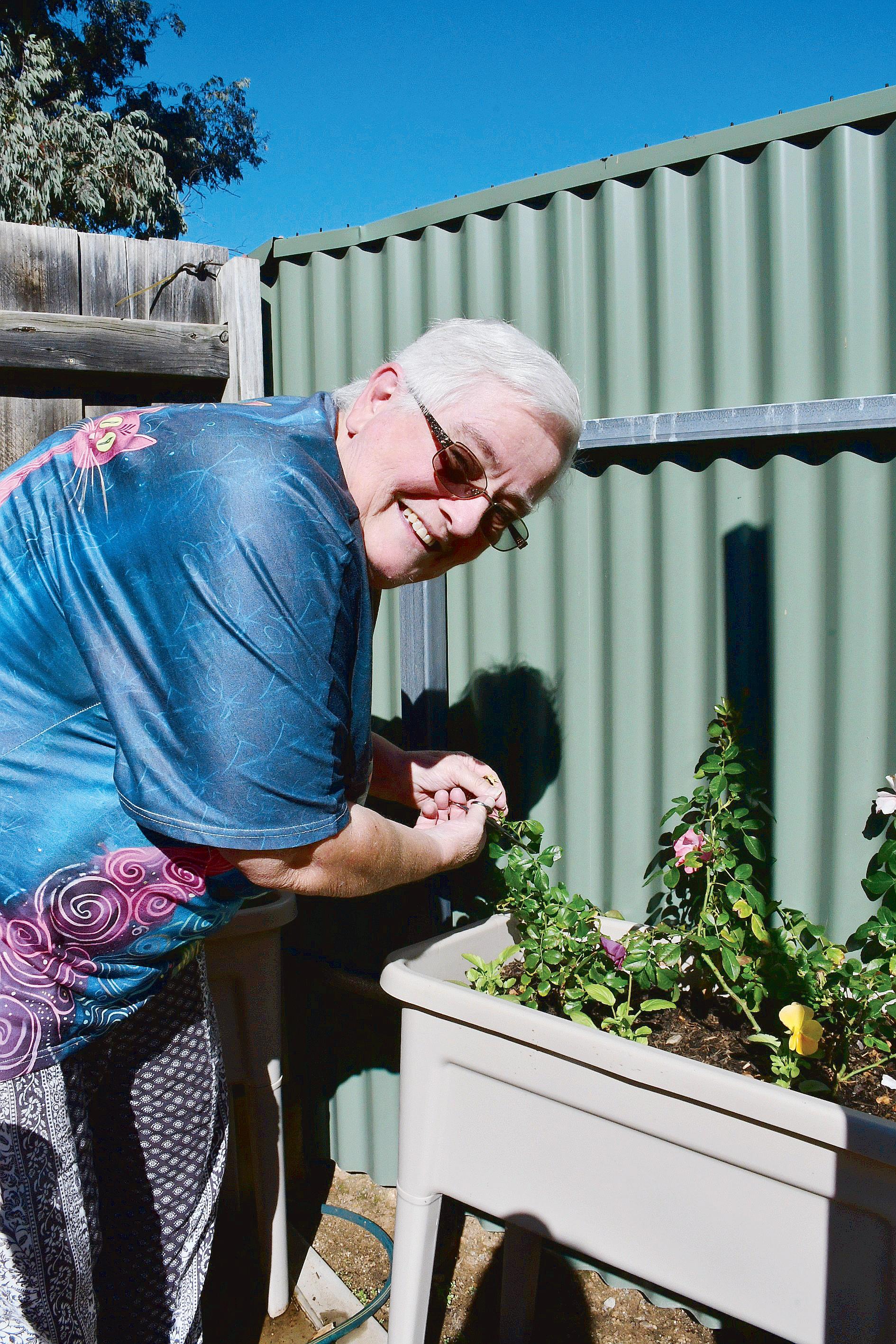
But for Murray Bridge resident Claire Van Eck, making the move into Murraylands Retirement Village has instead brought greater freedom, peace of mind and a renewed sense of wellbeing.
Ms Van Eck said financial practicality and easier living were the main reasons behind her decision.
“Maintaining a big house when you’re not on [an aged care package] and you’ve got to do your own cleaning and things, can be very difficult,” she said.
“Whereas, when you’re in a retirement village, generally they are smaller, well-kept units.”
Having previously run her own business, Ms Van Eck said she carefully considered the costs involved before making the transition.
“I weighed it all up quite hard and the $170 a week I pay is a lot less than all of the other stuff I was paying,” she said.
While finances played a role, Ms Van Eck said the emotional and physical benefits had been just as significant.
“I am feeling better, emotionally, mentally, physically, you feel better,” she said.
“If something goes wrong, they will maintain it, they will fix it.
“I get my gutters cleaned, I got my dishwasher mended, things get done for you and that really is a real positive.”
Ms Van Eck said one of the biggest misconceptions about retirement village living was the belief residents lost their independence or individuality.
“I think people feel when they’ve moved into a retirement village, their singularity and their individuality has gone, but that’s up to you,” she said.
“I don’t think people actually understand that.”
Although the village offers regular social activities and opportunities for connection, Ms Van Eck said residents were free to participate as much or as little as they liked.
“They have a lot of things in retirement villages, like craft and cooking, and this and that, and pool and happy hour and all that,
but if you don’t want to go, you don’t go, you maintain your own independence,” she said.
“I’m quite happy going off and doing my own thing and maintaining my individuality.”
Ms Van Eck said she had also been surprised by how different the reality of retirement village living was compared to her expectations.
“The actuality of living in a retirement village, compared to what you think it’s going to be like, is very different,” she said.
She said the secure environment, modern facilities and reduced stress had all contributed to a more comfortable lifestyle.
“I have a garage, I can drive in and out of my house,” she said.
“The gates are locked at night, we can still get out, but people
can’t wander through so that’s nice.
“It’s just open and you can do what you want and you don’t have to panic when something goes wrong.”
Ms Van Eck said helping her own parents transition into care had also shaped her perspective and reinforced the importance of considering options earlier.
“My father didn’t want to go so that made me think we’d left it too late,” she said.
“People leave it too long and then the options are limited.
“Make the decision yourself, check it out, have a look at it and talk to people.”
Murraylands Retirement Village chief executive Rowena Fox said one of the biggest benefits residents experienced after moving into a retirement village community was the sense of connection.
“As we are here to provide affordable retirement living predominantly for local people, they tend to reconnect with people that they haven’t seen for some time or where they share people in common which assists them connect to each other,” she said.
Ms Fox said common concerns included downsizing and worries around losing space for visiting family members.
“To assist with this concern, we have accommodation attached to the office for families to rent when they are visiting,” she said.
Ms Fox said living among people with the same life experiences often helped reduce feelings of social isolation.
“When you are with people that have similar backgrounds and similar ages, they then generally have similar interests,” she said.
“This ensures that connections within the village are possible and reduces social isolation that can be often felt in the wider community.”



By Nyibol Gatluak
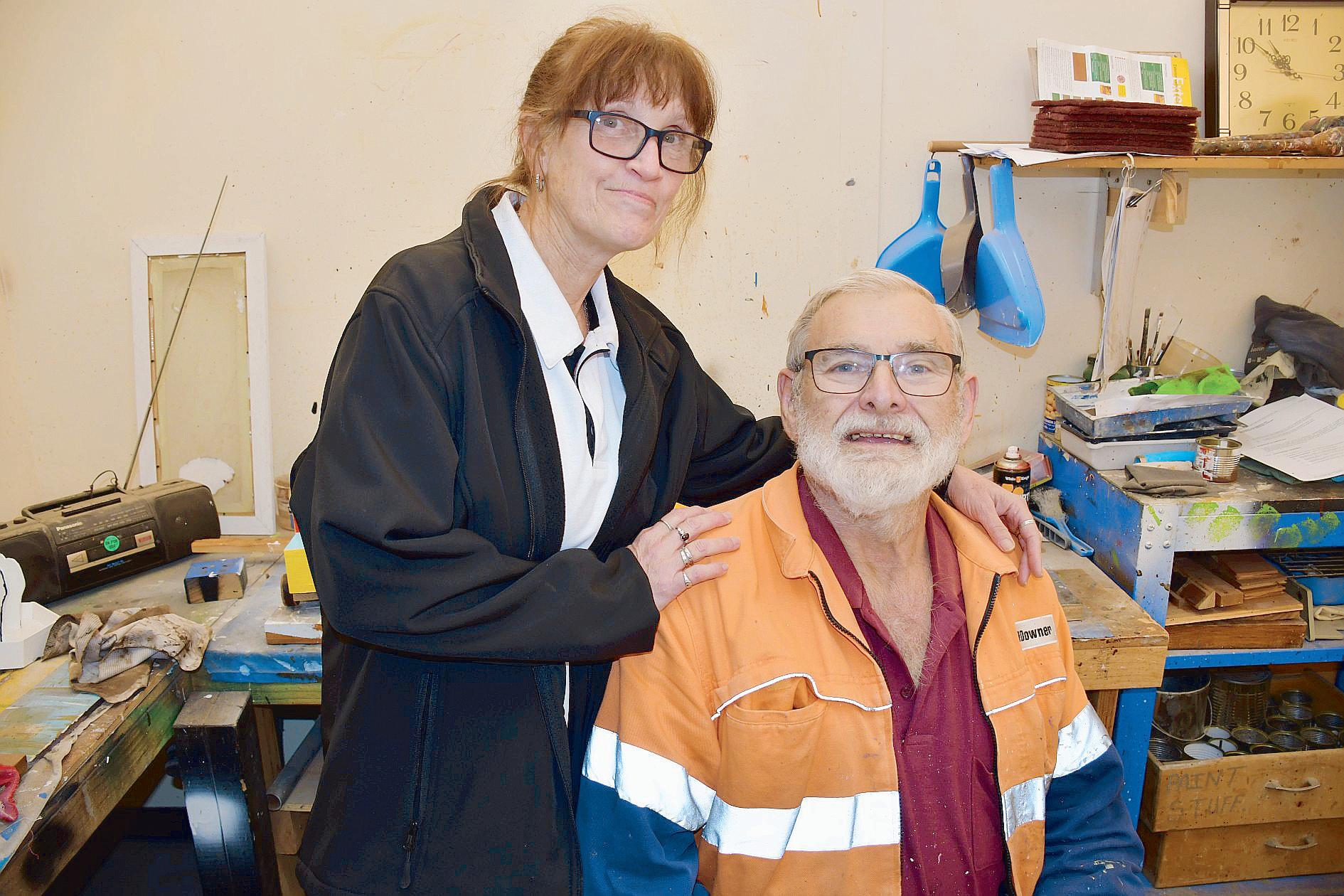
PORT AUGUSTA - The Port Augusta Men’s Shed offers retired men over 65 years of age and veterans a safe space to take part in physical and social activities, as well as provides support for people socially.
A self-sufficient community project founded in 1999, men’s sheds help community members work on group and individual projects, skill-development, connect with others, access free health information and relax.
Port Augusta City Council community programs manager Brooke Mundy believes the program is necessary to help support the local community.
“It is about connecting the men to reduce social isolation, by keeping their minds and bodies active and engaged,” Ms Mundy said.
“They do a range of activities, they can build things, we have a garden where they can grow fruit and vegetables.”
“I love going in and seeing all the men, connecting with them and having a laugh and all the cool projects they complete.”
“They make things like toy boxes, fix broken chairs and make little trinket boxes.”
Shed coordinator Carol Winen has been a part of the community for almost three years and said the shed is about fostering community
connection among the men.
“It is really rewarding watching these guys come together, they sit there and talk and they don’t mind that I am the only female here,” she said.
“They talk about their problems, health issues, this is what this shed is about, coming together and supporting one another.”
Ms Winen said that watching friendships form among the participants has also been a highlight.
“We recently lost two members there that have both passed away, it is really hard considering we are only open on Mondays and Tuesdays but you’ve still got that
contact and you make friends,” she said.
The men’s shed has about 18 members and three volunteers.
The volunteers come in to support the older participants, who may be struggling with mobility issues.
“Some of [the participants] are ex-boiler makers or ex-railway workers, so they have got their trades all behind them,” she said.
“So seeing them come together with all their pallets and stuff.”
As well as metal work and woodwork, the program offers participants paint projects and gar-
dening work as well.
Brian McGovern has been a participant of the shed for 27 years.
“My favourite part of this program is the woodwork inside and doing a bit of gardening,” he said.
“Just growing a few things and blokes taking home capsicums and spring onions.”
Co-coordinator Neil Edwards has been a part of the program for 25 years and would like to see the program expand in the future.
After suffering from a stroke, Mr Edwards believes the program has provided him with a meaningful community.
“When I was retired [after having the stroke] that was the biggest thing that I missed, companionship, workmanship and all that sort of stuff.”
“You get your own little group here, you can talk to each other, tell each other your problems …”
The Port Augusta Men’s Shed operates on Monday and Tuesday every week from 9am-2pm, and is located on Railway Parade and Carlton Parade.
It costs $3 per day.
All participants must register through MyAgedCare, with morning tea and lunch provided on the day.
For more information, contact mensshed@portaugusta.sa.gov.au or phone 8641 9160.
A Senate committee report recognising the importance of the Commonwealth Home Support Program (CHSP) has been welcomed by three leading aged care organisations, which say it highlights the need to protect vital support services while ensuring older Australians help shape any future reforms.
Ageing Australia, COTA Australia and the Older Persons Advocacy Network (OPAN) stated the report acknowledged the critical role CHSP plays in helping older people to remain independent, connected to their communities and living safely in their own homes.
The organisations, representing older Australians, service providers and advocates, said the report reinforced the value of preventative, entry-level support services and made it clear that any future changes must be developed through meaningful consultation and co-design with older people.
More than 860,000 older Australians currently receive assistance through CHSP, which provides practical support to help people remain at home while easing demand on hospitals and residential aged care services.
The Senate Community Affairs Committee report follows evidence presented by older people, providers and advocacy groups, including submissions and testimony from Ageing Australia, COTA Australia and OPAN.
The organisations welcomed the committee’s recommendation that consultation take place before decisions are made about the long-term future of CHSP, including whether it continues as a standalone program or becomes part of the Support at Home program.
It was also noted the report recognised more time was needed to finalise reforms, with changes expected to be settled
by 2030.
They said any agreed rollout should include at least a 12-month period between decisions and implementation to provide certainty for older Australians and allow service providers adequate time to prepare.
The groups also supported progressing the planned 1 July, 2027, reform allowing older people to direct their funding across more than one aged care provider, saying it should not be delayed while broader decisions on the future of CHSP are considered.
COTA Australia chief executive Patricia Sparrow said older Australians must be included in any decisions about the future of aged care.
“For many older Australians, entry-level care is the support that helps them stay independent, healthy and connected to their community,” Ms Sparrow said.
“Older people need outcomes,
not bureaucracy or specific programs.
“They support reform, but they want confidence that change will improve aged care, not create uncertainty.”
“This report sends a clear message that the future of CHSP should be driven by what delivers the best outcomes for older Australians.”
From 11 August, 2026, the third stage of the CHSP Data Exchange (DEX) reforms will introduce additional reporting measures for service providers.
The changes are designed to help the government better understand the hidden costs involved in delivering CHSP services.
The new metrics will build on earlier DEX changes introduced from July 2025 and January 2026, improving the information available about service delivery and program performance.