

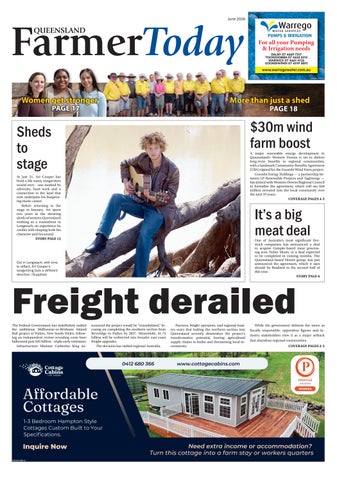
At just


that now underpins his
ing music career.
Before returning to the stage in January, Art spent two years in the shearing sheds of western Queensland working as a rouseabout in Longreach, an experience he credits with shaping both his character and his sound.
PAGE 12
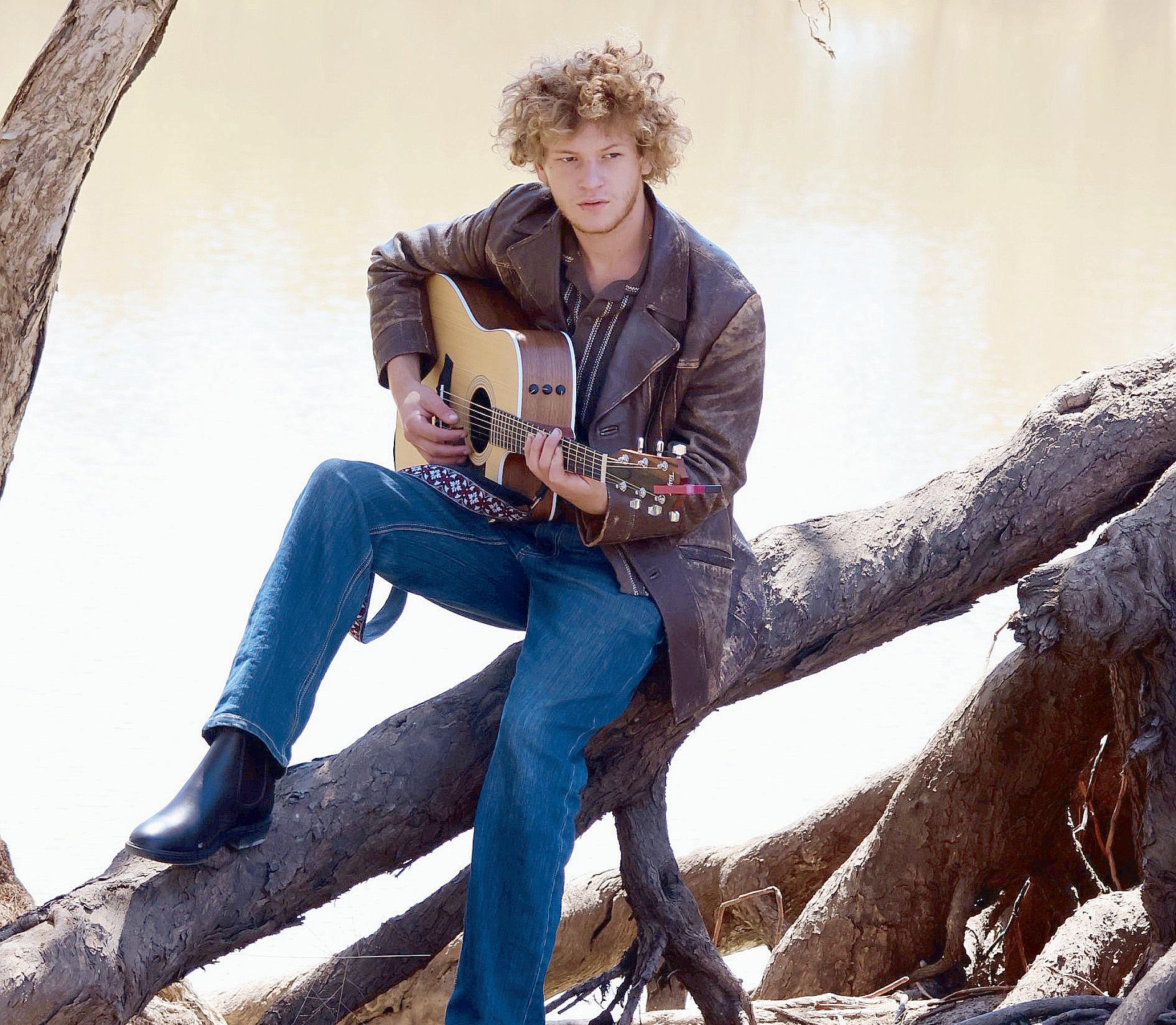
Out in Longreach, with time to reflect, Art Cooper’s songwriting took a different direction. (Supplied)













A major renewable energy development in Queensland’s Western Downs is set to deliver long-term benefits to regional communities, with a landmark Community Benefits Agreement (CBA) signed for the Goombi Wind Farm project. Goombi Energy Holdings — a partnership between LP Renewable Projects and TagEnergy — has joined with Western Downs Regional Council to formalise the agreement, which will see $30 million invested into the local community over the next 35 years.
One of Australia’s most significant livestock companies has announced a deal to acquire Gympie-based meat processing icon Nolan Meats, in a deal expected to be completed in coming months. The Queensland-based Hewitt group, has just announced the agreement, which it says should be finalised in the second half of this year.
PAGE
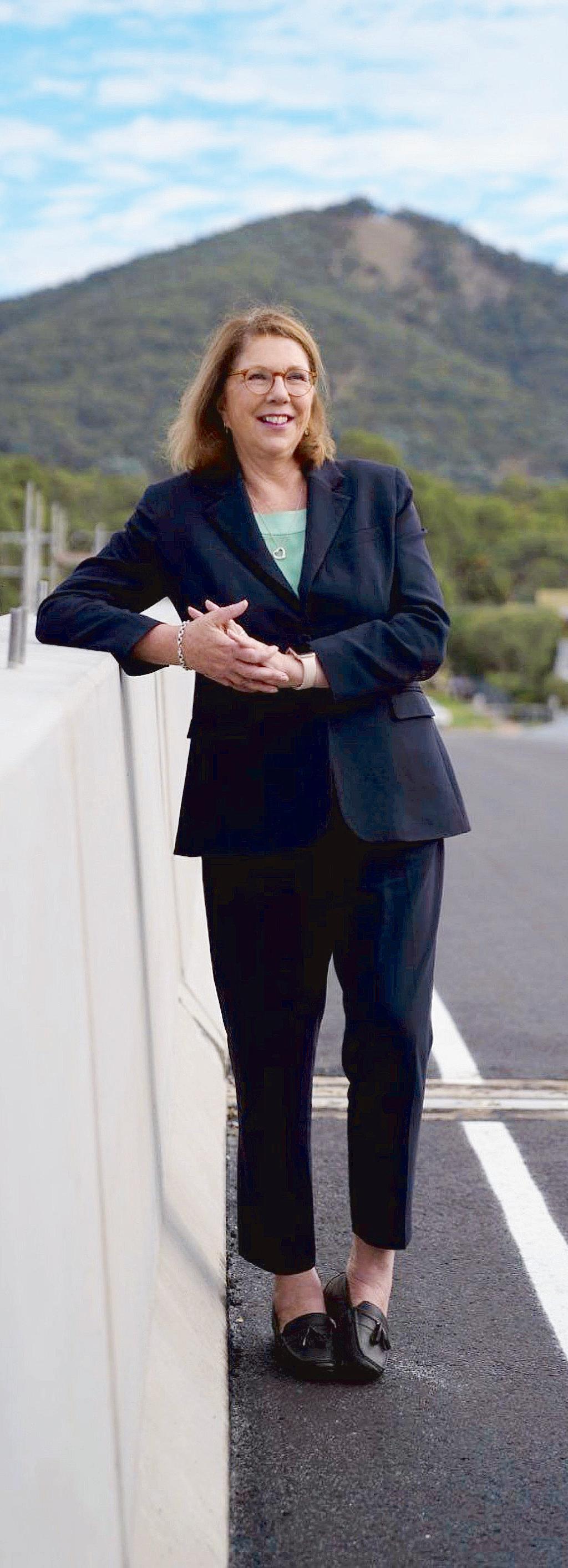
The Federal Government has indefinitely stalled the ambitious Melbourne-to-Brisbane Inland Rail project at Parkes, New South Wales, following an independent review revealing costs have ballooned past $45 billion - triple early estimates. Infrastructure Minister Catherine King an-

rattled regional Australia.

freight operators, and regional leaders warn that halting the northern section into Queensland severely diminishes the project’s transformative potential, leaving agricultural supply chains in limbo and threatening local investments.
While the government defends the move as fiscally responsible, opposition figures and industry stakeholders view it as a major setback that abandons regional communities.
COVERAGE PAGES 2-3




By Fiona Gowers
Address: 154-156 Haly Street
Kingaroy 4610
Telephone: 07 4182 0450
Website: QueenslandFarmerToday.com.au
CONTACT US
Editorial:
Email: newsdesk@QueenslandFarmerToday.com.au
Advertising:
Email: advertising@QueenslandFarmerToday.com.au
Classifieds:
Phone: 07 4182 0450 or 1300 666 808
Email: sales@networkclassifieds.com.au
EDITORIAL
Fiona Gowers Editor
E: fiona.gowers@QueenslandFarmerToday.com.au
Breanna Lloyd Journalist
E: breanna.lloyd@QueenslandFarmerToday.com.au
ADVERTISING
Jane Lowe Sales & Marketing
E: jane.lowe@QueenslandFarmerToday.com.au
P: 0408 488 609
Jodie Williams Sales & Marketing
E: jodie.williams@WesternDownsToday.com.au
P: 0401 377 140
Jemma Wilson Sales & Marketing
E: jemma.wilson@BurnettToday.com.au
P: 07 4182 0458
Gayle Hopes Sales & Marketing
E: gayle.hopes@TodayNewsGroup.com.au
Queensland Farmer Today is published monthly and part of the Today News Group. Published by South Burnett Today Pty Ltd ACN 641 796 349.
Publisher: Damian Morgan
Managing Director: Daniel Pelcl.
All material is copyright to South Burnett Today Pty Ltd.
All significant errors will be corrected as soon as possible. For our terms and conditions please visit QueenslanFarmerToday.com.au/terms-and-conditions/
Toowoomba and
Surat
Basin
Enterprise
(TSBE) has voiced its strong concern over the Federal Government’s decision to cut funding for the Inland Rail project, warning it could have critical consequences for regional Queensland’s economy and freight network.
TSBE chair April Cavanagh said the move came at a crucial time, arguing that Australia should strengthen its freight infrastructure rather than increase reliance on already stretched road transport routes.
“This is an incredibly disappointing decision, particularly when rail freight is more fuel-efficient, more cost-effective, produces lower carbon emissions and (is) safer than adding more trucks to our highways,” Ms Cavanagh said.
“Pulling back from Inland Rail during ongoing fuel cost and supply chain challenges sends the wrong signal to regional businesses and communities.
“Inland Rail was an economic catalyst for the Darling Downs and South West, with benefits flowing through agriculture, manufacturing and export supply chains.
“The project’s expected spend was to be $5 billion alone in our region.
“Our region has consistently and constructively advocated for this project, including direct engagement with Canberra and detailed budget submissions that have gone unanswered.“
TSBE warned that without Inland Rail, increasing freight volumes will be forced onto roads that are already under strain.
“The Warrego, Newell and Gore Highways are already operating near capacity, with failing infrastructure, including the Bremer River Bridge, seeing reduced load limits and thousands of commuters driving at 70km/h, not to mention restricted loads impacting renewable energy construction projects on the Western Downs,” Ms Cavanagh said.
“Without this rail investment, congestion, safety risks and maintenance costs will only increase.”
TSBE is calling on the Federal Government to urgently invest in alternative freight infrastructure if Inland Rail does not proceed.
“If Inland Rail isn’t moving forward, we need immediate and guaranteed funding to upgrade key corridors like the Warrego and Gore highways, as well as the associated bridge infrastructure,” Ms Cavanagh said.
“Regional businesses need certainty and communities need safe, fit-for-purpose infrastructure.
“The decision reinforces concerns about the imbalance between metropolitan and regional infrastructure investment.
“Regional Australia drives exports, feeds the nation and underpins the economy.
“Equitable investment in our regions including our highways is essential.”
Port of Brisbane chief executive officer Neil Stephens said The Port of Brisbane played a critical role in connecting south west Queensland producers to global markets.
“However, current freight rail constraints mean more than 98 per cent of the Port’s container trade is transported by road,“ he said.
“By comparison, many leading international ports move 20 to 30pc of freight by rail - delivering significant gains in efficiency, cost and emissions reduction.
“As population and demand for our primary and natural resources continue to grow, it is essential that infrastructure keeps pace.
“We have long advocated for Inland Rail and, in particular, a dedicated freight connection to the Port of Brisbane and will continue to do so to support Toowoomba and regional communities.
“With or without Inland Rail, Australia must work towards moving more freight off roads and onto rail.”

For regional Australia, Inland Rail was never just another infrastructure project... it was a promise.
For more than a decade, farmers, freight operators and rural communities have planned around the vision of a dedicated Melbourne to Brisbane freight corridor.
It was meant to ease pressure on congested highways, cut transport costs and, critically, give inland producers a more competitive pathway to port.
That promise now hangs in the balance.
The Federal Government’s decision to halt the project at Parkes - citing a ballooning cost now exceeding $45 billion - may be fiscally responsible on paper. But on the ground, it feels like yet another example of regional priorities slipping down the list.
No one denies the reality of cost blowouts. Inland Rail has been plagued by them, alongside planning challenges and community concerns. But nation-building infrastructure has never come cheap, and it rarely delivers its full value in the short term.
For agriculture, the stakes are particularly high. Efficient freight is not a luxury; it is the backbone of a globally competitive industry. Every extra dollar spent on transport chips away at farmgate returns and weakens Australia’s position in export markets.
The decision to redirect funding into smaller upgrades may deliver quicker wins, but it falls short of the transformational change Inland Rail promised. What’s left is uncertainty. Communities that have lived with the corridor hanging over their land for years are no closer to resolution. Businesses that invested in the project’s future are now reassessing. If Inland Rail is to remain a nationbuilding vision rather than a cautionary tale, regional Australia will need more than reassurances, it will need a renewed commitment to finishing what was started.
- Fiona Gowers

By Fiona Gowers
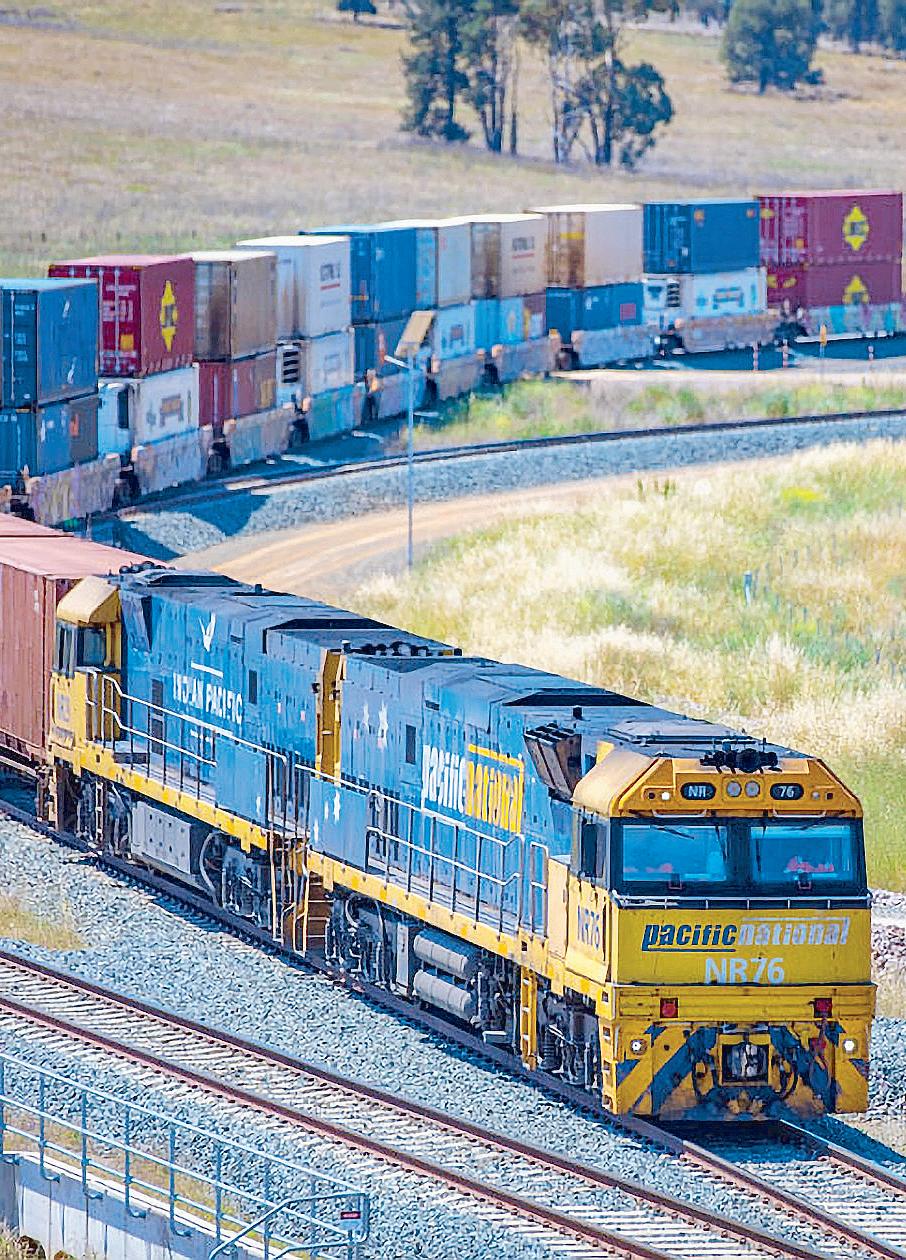
The Federal Government’s decision to cut funding for the Inland Rail project has rattled regional Australia, with farmers, freight operators and rural communities warning the move could have dire consequences for the nation’s agricultural supply chain.
Announced before the 2026 Federal Budget, the decision will see the ambitious Melbourne to Brisbane freight corridor effectively stalled at Parkes in central New South Wales, with all works north of that point put on indefinite hold.
The move follows an independent cost review that found the full project would now exceed $45 billion - more than triple early estimates - prompting the government to reconsider its scope and financial viability.
Minister for Infrastructure, Transport, Regional Development and Local Government Catherine King said the government would instead “consolidate” the project, completing the section between Beveridge in Victoria and Parkes by 2027.
“This follows independent cost assurance work… confirming the cost estimate now exceeds $45 billion to deliver the full Inland Rail project,” she said in a recent media release.
As part of the revised plan, $1.75 billion will be redirected into upgrades of the broader east coast freight network, including track improvements and passing loops, which the government argues will deliver more immediate benefits.
However, critics say the decision represents a major setback for regional industries that have long relied on the promise of Inland Rail to improve market access and reduce transport costs. A project decades in the making
The Inland Rail project has been planned for more than a decade; its modern iteration first gained traction in 2008 when a feasibility study was commissioned to examine a dedicated inland freight route linking Melbourne and Brisbane.
Envisioned as a 1600-kilometre rail line running through regional Victoria, New South Wales and Queensland, the project aimed to transform Australia’s freight network by enabling doublestacked container trains and significantly reducing reliance on road transport.
According to Inland Rail Pty Ltd, the project was designed to “better link businesses, manufacturers and producers to national and global markets” while delivering safer roads and lower emissions.
Initial cost estimates in 2017 placed the project at around $9.3 billion, later revised to $16.4 billion by 2020. But successive reviews revealed escalating costs, with a 2023 assessment lifting the figure to $31.4 billion before the most recent analysis pushed it beyond $45 billion.
The project has also faced ongoing challenges, including complex environmental approvals, community concerns and questions over planning and governance.
Regional impact and industry concern
For many in the agricultural sector, Inland Rail has long been viewed as a nation-building project - one that would improve the efficiency of moving grain, livestock and other commodities from inland regions to ports.
Supporters have long argued the rail line could remove hundreds of thousands of truck movements from major highways each year, cutting freight costs and easing congestion.
But the decision to halt the northern section has left many regional communities in limbo.
A report from ABC Rural highlighted growing uncertainty among landholders and producers, with some farmers saying the project has hung over their properties for years without resolution.
“It weighs on my mind every day of the week,” one Queensland farmer said of the proposed rail corridor.
Regional business leaders have also voiced frustration, with one describing the funding cut as a “disaster” for communities that had planned around the project’s completion.
The halt is expected to impact towns across northern New South Wales and southern Queensland, where Inland Rail was forecast to drive investment, jobs and infrastructure development.
Political divide sharpens
The funding decision has also intensified political debate, with opposition figures accusing the gov-
ernment of abandoning regional Australia.
Nationals and Coalition representatives have argued the project’s long-term economic benefits outweigh its rising costs, particularly for exportfocused industries.
Meanwhile, the government has defended the move as a necessary recalibration in light of ballooning costs and fiscal pressures.
Ms Catherine King said the previous funding model had failed to account for the true cost of completing the line.
“It will cost an additional $45 billion to build… that money had not been provisioned for,” she said in a recent interview.
The 2026 Federal Budget reflects this shift in priorities, with billions reallocated to other infrastructure projects, including urban rail developments and broader freight network upgrades. What happens next?
Under the revised plan, construction will continue on the southern section of Inland Rail, with the Beveridge to Parkes corridor expected to be operational by 2027.
The government has indicated it will retain land corridors and planning approvals for the northern section, leaving the door open for future development should economic conditions improve.
Inland Rail Pty Ltd said in a recent statement it remains “committed to successfully completing all sections of the project from Beveridge to Parkes.”
However, for producers and regional communities north of Parkes, the future remains uncertain.
Industry stakeholders warn that without the full Melbourne to Brisbane connection, the project’s transformative potential will be significantly diminished.
For Australia’s agricultural sector - already grappling with rising input costs, supply chain disruptions and global competition - the scaling back of Inland Rail raises serious questions about

16.9 - 30 (14) ................................$880 18.4 - 30 (14) ..............................$1020
- 30 (14) ..............................$1450
- 34 (14) ..............................$1060
- 30 (14) ..............................$1450 825 - 20 (14) ................................$289
- 20 (8) ..................................$220
- 20 (16) ...............................$320 1000 - 20 (16)..............................$345
- R. 20 WANL ....................$250 14000 x 20 (20) .........................$800
- 225 .............................$225 825 R-15 (14) ...............................$320
R225 ................................$236 11R 225............................................$245
- 22.5 ...............................$330
- 32 (20) ...........................$2350
- 32 (16) ................................$980
750 - 16 /RIB (8) .........................$150
600 - 16 RIB (8) ..........................$125 710.70 R42 .................................$3700
480.80 R50 ...............................$2300
480.80 R 42 ...............................$1830
520.85 R42.................................$2120
520.85 R42.................................$1950
710 .70 - R38 ............................$2800
800.65 R32 ...............................$3450
900 . 60 R 42 ...........................$5500
35 SL -32 ....................................$5000
- 70 - 28................................$965
.45 - 26.5 ............................$2520
65R R28 .............................$1400
x 28 Tractor (12) ...............$930
x 28 Industrial ................$1045


By Fiona Gowers
A major renewable energy development in Queensland’s Western Downs is set to deliver long-term benefits to regional communities, with a landmark Community Benefits Agreement (CBA) signed for the Goombi Wind Farm project. Goombi Energy Holdings — a partnership between LP Renewable Projects and TagEnergy — has joined with Western Downs Regional Council
to formalise the agreement, which will see $30 million invested into the local community over the next 35 years.
Located between Chinchilla and Miles, the Goombi Wind Farm is the first large-scale wind farm in Queensland to establish a Community Benefits Agreement under the state’s new renewable energy planning framework, marking a significant step forward in how regional communities share in the returns of energy infrastructure.



The agreement outlines a structured, longterm investment program targeting key regional priorities, including housing, workforce skills and local infrastructure.
The funding is designed to provide consistent and reliable support for communities throughout the project’s life.
LP Renewable Projects director Llion Parry said the initiative demonstrated how renewable energy developments can deliver tangible outcomes beyond power generation.
“We are proud to be developing the Goombi Wind Farm and are delighted to see the enormous benefits renewable energy projects can have for regional communities,“ Mr Parry said.
Directly investing $30 million into initiatives identified by the local community demonstrates the hugely positive impacts that renewable energy projects can provide.
“I’d like to thank Western Downs Regional Council for working with us to navigate this new and evolving regulatory landscape,” he said.
region’s growing importance within Australia’s energy transition.
“This agreement represents a meaningful commitment to the Western Downs and the communities that host energy infrastructure,” Cr Smith said.
“It will provide long-term support for local initiatives while helping ensure the region continues to play a leading role in Queensland’s energy future.”
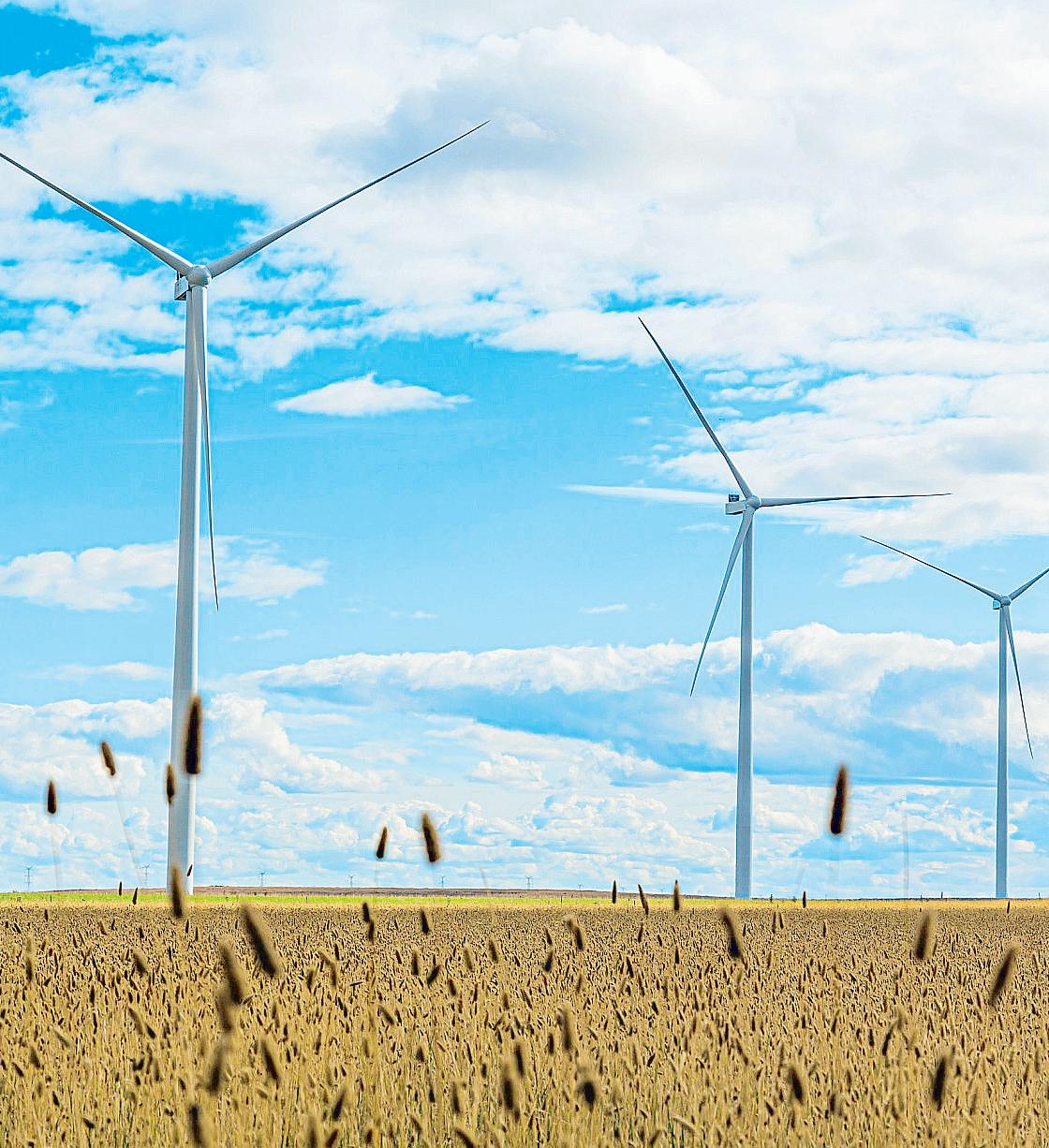
The Goombi Wind Farm is expected to include up to 107 wind turbines, with a total generation capacity of up to 800 megawatts - enough to power approximately 400,000 Queensland homes and businesses annually.
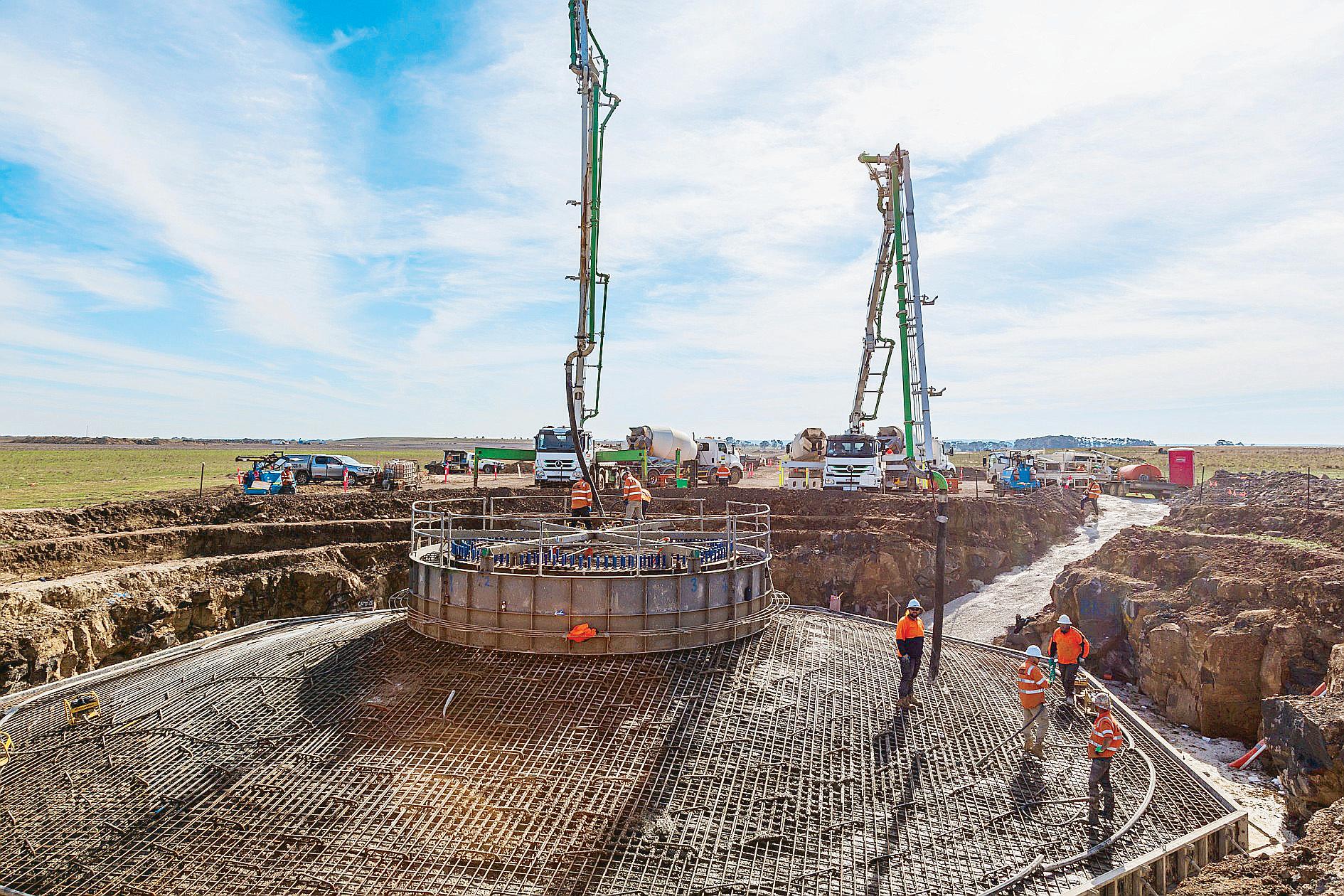
Construction is anticipated to support around 300 jobs at peak, across roles such as civil works, electrical trades, transport and site operations, during a build period of up to three years.
Once operational, the project is expected to sustain a smaller workforce of around 10 to 12 ongoing roles.
TagEnergy managing partner – Australia Andrew Riggs said the project would play a key role in strengthening both the state’s energy supply and regional economies.
“At TagEnergy we believe renewable energy projects should create real and enduring value for regional communities,” Mr Riggs said.
“The Goombi Wind Farm will contribute significant new renewable energy capacity to Queensland’s electricity network while supporting long-term investment and opportunities for the Western Downs.”
Western Downs Regional Council Mayor Cr Andrew Smith said the agreement reflected the



When offering FMDs, FMD Providers must provide clients with a mandatory statement on the scheme’s conditions (the statement is commonly included in the Product Disclosure Statement). Details that FMD Providers must include in this statement can be found in Schedule 1C of the Income Tax Assessment Regulations 1997. Financial institutions also hold the responsibility for ensuring that the details in the statement are kept up to date. Source: DAFF website.
* Interest rates are subject to change without notice. You should consider if it is appropriate for your own objectives, financial situation or needs. Eligibility criteria, terms and conditions, fees and charges apply. See our website for
A battery energy storage system (BESS) is also planned as part of the broader development, aimed at improving energy reliability and supporting grid stability across the region.
For agricultural communities across the Western Downs, the agreement signals a growing emphasis on ensuring large-scale infrastructure projects deliver practical, on-the-ground benefits - not only during construction, but well into the future.
The Community Benefits Agreement is expected to serve as a model for future developments, aligning renewable energy investment with regional growth, resilience and community wellbeing.
By Fiona Gowers
As momentum builds behind the Goombi Wind Farm, Chinchilla landowner Rob Hart says experience with resource development has helped local producers understand how large-scale projects can coexist with agriculture - and even strengthen farm businesses.
Mr Hart, who operates a mixed farming enterprise about 300 kilometres west of Brisbane, has three properties located within the footprint of the planned wind farm, placing him at the centre of the development.
“We are very familiar with the development,” he said.
“Four to five years ago they put in a sodar machine to assess what the wind quality was like and if it was economic.“
That assessment phase alone took two years, before developers moved forward with more detailed planning.
“So, yeah, it’s already been a fairly long journey, even though only in the past probably two years it’s really kicked on.“
For Mr Hart and other landholders, the transition into hosting renewable energy infrastructure has been eased by prior experience with coal seam gas development across the region.
“We have been through this semi-industrialisation of farmland,” he said.
“All of the landholders have got gas wells on their property.
“So, we have experience dealing with contracts, construction on our land and uncertainty.”
That experience, he said, has helped landholders better navigate negotiations and adapt to change.
“Yes, that has made us far better equipped to have this additional impost on the land.
“We’ve been through the fear, the worry. But, on the gas side of things, the more we understood it, the better we were able to manage the coexistence between having these multiple income
streams on our properties.”
While early resistance to resource projects was common, Mr Hart said attitudes had shifted significantly over time as communities have seen the economic benefits.
“So, you know, 15 years ago when the gas was being developed, there was opposition.
“But today it’s only the zealots who are against it because the community has seen - certainly as a landholder - the income is fabulous because it doesn’t matter whether it rains or not, you still get your compensation.
“And that’s exactly the same benefit you get with the wind farm.”
For producers facing increasingly variable seasons, diversified income streams are becoming an important part of long-term business sustainability.
Beyond the farm gate, Mr Hart said the broader economic impact of energy developments had been significant for regional communities, particularly in creating local employment opportunities.
“It means that for our kids, there’s apprenticeships, school-based apprenticeships, there’s jobs, you know, straight away for 18-year-olds.
“Whereas 20 years ago, that was never the case. I had to go away when I was a kid because there were no jobs here.“
He said the contrast with regions that relied solely on agriculture was noticeable.
“You go through an area, say in New South Wales or Victoria, where you’ve only got agriculture and it’s a stark difference in terms of the economic activity and the positivity, I think.”
The Goombi Wind Farm is expected to involve 14 landholders across a combined footprint of about 14,000 hectares, with construction currently slated to begin in late 2027, pending final approvals.
For Mr Hart, the project represents another step in the evolution of farming in the Western Downs — one where agriculture and energy production increasingly go hand in hand.









By Arthur Gorrie
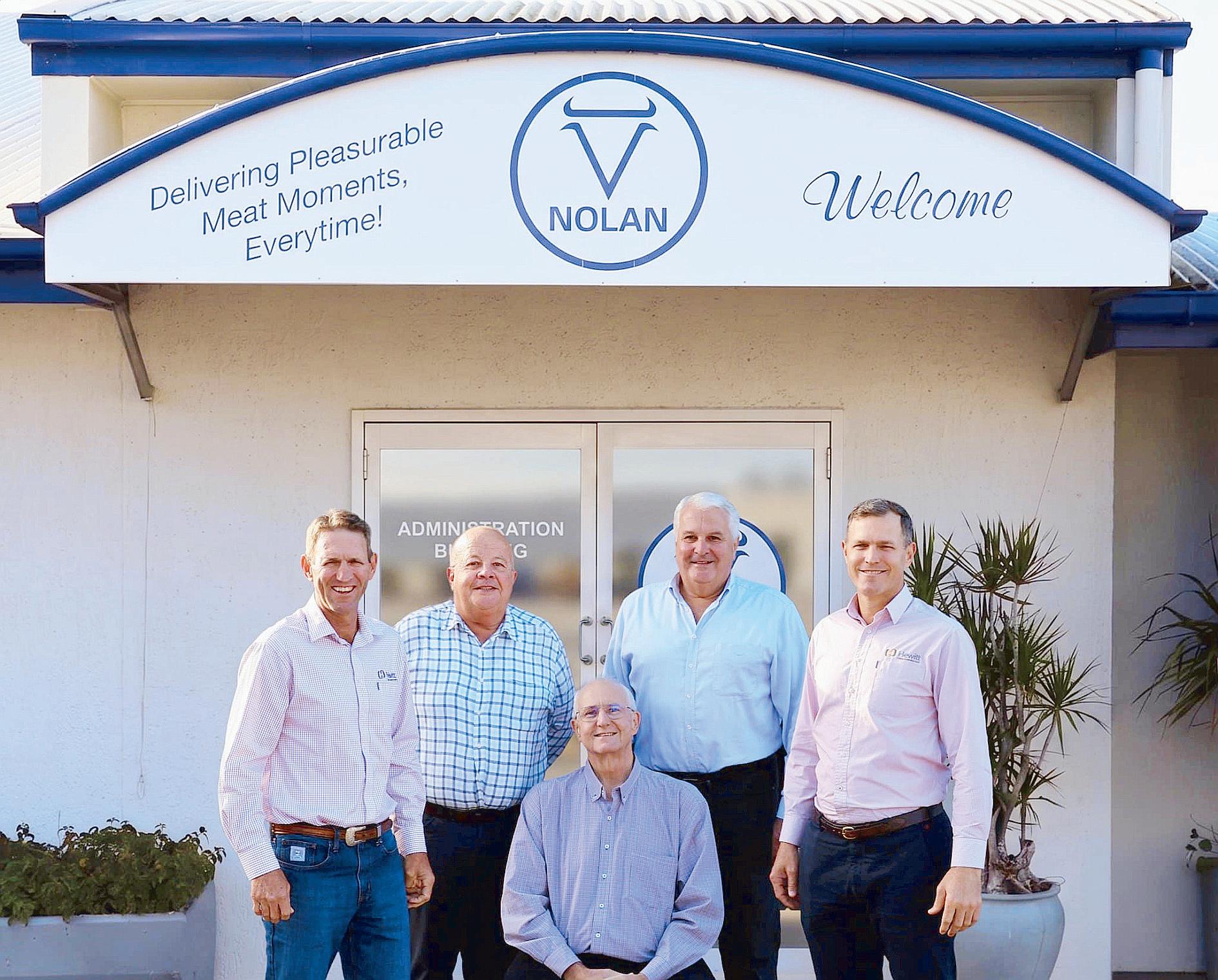
One of Australia’s most significant livestock companies has announced a deal to acquire Gympiebased meat processing icon Nolan Meats, in a deal expected to be completed in coming months.
The Queensland-based Hewitt group, which operates a huge portfolio of certified organic grazing properties across eastern and central Australia, has just announced the agreement, which it says should be finalised in the second half of this year.
“The deal remains subject to customary conditions precedent, including applicable regulatory approval,“ the Hewitt announcement said.
“Following the transfer of ownership, operations will continue at the existing facility in Gympie,“ the announcement said.
“One of the pioneers of Queensland’s meat processing industry is embarking on a historic new chapter with Australia’s largest Certified Organic meat producer.“
Nolan Meats confirmed that its shareholders have entered into an agreement for Hewitt to acquire the nearly 70-year-old business, subject to regulatory and other customary approvals.
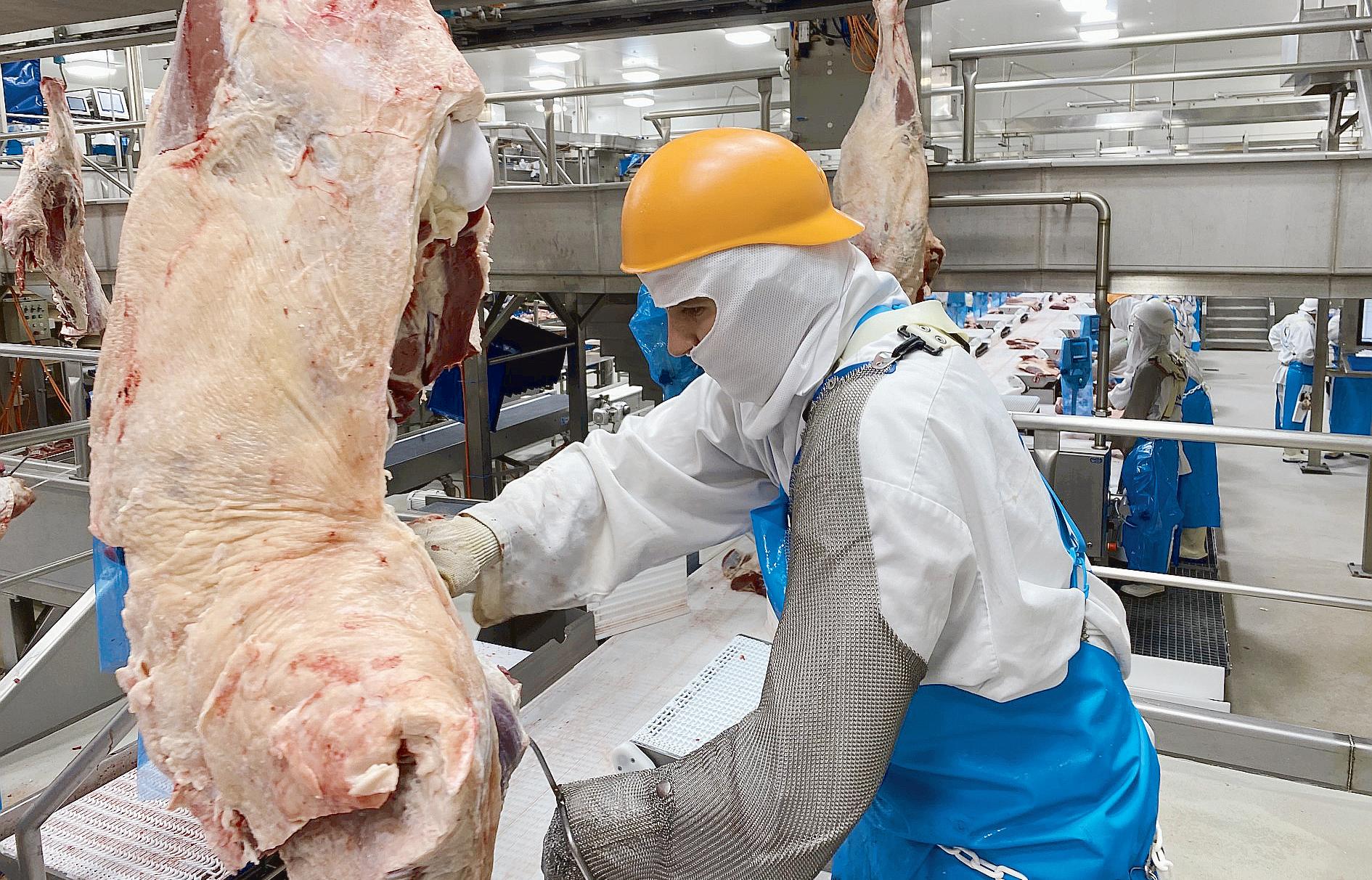
“The family-owned business, which is run by brothers Terry, Michael and Tony Nolan, will continue to operate from its Gympie home, where it is the region’s largest private employer, and services both domestic and export markets,“ a Nolan announcement said.
“Nolan Meats has pioneered many industryfirsts, including being the first meat processor in Australia to operate under the Australian Export Meat Inspection System (AEMIS), and in 2017 opened what was, at the time, the largest fully automated meat chilling and distribution centre in the Southern Hemisphere.
“Hewitt, under the leadership of brothers Mick and Ben Hewitt, has grown significantly in the past decade to become Australia’s leading organic meat producer.
“The company oversees extensive agriculture operations across regional Australia. It also operates a retail food arm, including the Cleaver’s Organic brand locally, together with export operations to Asia and the Americas.
“Acquiring a processing plant under the proposed deal with Nolan Meats will strengthen Hewitt’s ability to deliver high-quality products across domestic and export markets at greater scale, while creating expanded opportunities for current and future employees, customers and suppliers.“
Speaking on behalf of the Nolan family, Terry Nolan said it was an opportunity to ensure the business that began as a “humble (Gympie) butcher shop opened by his parents Pat and Marie in 1958, was well positioned for the future.
“We are proud of the role Nolan Meats has played within the Gympie region and the wider Australian meat industry over many decades,” Mr Nolan said.
“It is the right time to transition the business to a group that shares similar values, a long-term commitment to Australian agriculture and a strong focus on people, community and industry.”
“The proposed transfer of ownership will provide continuity for Nolan Meats employees, cus-
tomers, suppliers and producers, while maintaining its role as one of regional Queensland’s leading meat processing operations.”
Hewitt Group chief executive and managing director Mick Hewitt said the proposed purchase was an ideal match between two Australian founder-led businesses with deep ties to the rural communities in which they operated.
“My brother Ben and I started out as kids from the bush, growing up in a regionally founded fami-
ly business. To have the opportunity to bring Nolan Meats and Hewitt together is a great honour, and an important step in our mission to create prosperity for the people who work within our businesses and the communities in which we operate,” Mr Hewitt said.
Completion remains subject to customary conditions precedent, including applicable regulatory approvals, and is currently expected to occur in the second half of 2026.
By Arthur Gorrie
When Deane Hewitt left Parramatta in 1904 to work as a Jackaroo in Moura, Queensland, he could not have known the family journey he was starting.
And he would have had no idea of how his family’s future would intersect with that of the Gympie family who founded what is now our region’s largest private employer, Nolan Meats.
And as the Hewitt website says, “it’s safe to say he would be staggered at how the world, and the agricultural industry would change over the next century“.
When members of another Hewitt generation, Gunny and Loye Hewitt purchased Ryhddings in Moura in 1948, they also would not have imagined today’s family business would hold more than 5.6 million acres with over 200,000 livestock, in Queensland, New South Wales and the Northern Territory.
By the time Colin and Linda Hewitt formally founded the Hewitt Cattle Company in 1987, “everyone was beginning to understand the delicate balance between feeding the world, and nurturing the system that provides the food”
“Today that balance is more precarious than ever,“ the website says, referring to the company’s commitment to preserving the land and environment, treating livestock humanely and formally adopting an objective to ‘feed the world with a system that lasts forever’
“We’re delivering on this by applying a simple approach: we treat animals well, treat people well, and treat the land well“ - all of this verified and backed “by the most rigorous external certification process.“
The Nolan Meats story is also one of relative-
ly small beginnings. Pat and Marie Nolan started it all in 1958, when they opened their Gympie retail butchery. They aimed to provide quality meat to the people of Gympie. Their search for reliable and consistent sources of quality product led them
to work more closely with suppliers and become more involved in processing and production.
In 1964, they bought a small country slaughterhouse, later adding cattle production to their business, expanding into wholesaling and adding feedlot operations, as well as a modernisation program for the meat processing side of the business.
Between 1976 and 1980, Pat and Marie’s sons Michael, Tony and Terry joined the business and are today directors of the company.
Like Hewitts, Nolan Meats is an Australian, family-based company, now with state-of-theart production and processing operations. The company pursues World’s Best Practice ideals while continuing to provide consistently great guaranteed tender beef.
The firm’s location provides easy access to major transport routes and, as Terry Nolan has said, if you go into a restaurant and order a steak, anywhere on the eastern seaboard, there is a better than fair chance it came from Gympie.
Access to The Port of Brisbane and a modern export accredited Distribution Centre in Gympie ensures a secure cold chain to stow containers destined for international customers.
The announcement of Hewitt’s purchase of Nolan Meats is subject to finalisation, including regulatory approvals, but is expected to be finalised later this year, an official announcement said this week.
By Fiona Gowers
An alliance of regional banks, small businesses and community groups is calling for urgent action to halt the decline of face-to-face banking services in rural and regional Australia.
It warns that the loss of branches is undermining investment, employment and economic resilience in the bush.
The Regional Banking Investment Alliance (RBIA) says the withdrawal of bank branches has created a $1 billion annual gap in regional investment and resulted in the loss of nearly 4000 jobs over the past nine years.
The group argues that current measures, including the federal government’s moratorium on branch closures and services such as Bank@Post, are failing to address the scale of the issue.
According to the RBIA, major banks are continuing to scale back opening hours and inbranch services, including cash handling, despite the temporary safeguards.
Instead, the alliance proposes a bank-funded, low-cost cost-sharing model designed to maintain and restore essential banking services in regional and remote communities.
The model would support the return of trained staff and preserve local jobs, ensuring access to face-to-face banking for individuals and businesses.
RBIA member and Regional Australia Bank CEO David Heine said the proposal would address an imbalance already affecting smaller institutions.
“Face-to-face services are part of a bank’s social licence to operate in Australia and many are abandoning that responsibility,” Mr Heine said.
“Face-to-face banking services are not ‘nice to have’ – they provide essential services and trained personnel to cater for needs of the people and businesses in our regional and remote communities.
“Branches provide employment and infrastructure as well as community engagement and support. They are places of action when people

need help from trained professionals – security, privacy, scam prevention, problem solving and cash services.”
The alliance said regional banks were increasingly carrying the burden of “pass through banking” , providing in-person services for customers of larger and digital-only banks that continue to profit from deposits and lending without maintaining a physical presence.
Over the past nine years, regional and remote Australia has seen a 38 per cent reduction in bank branches, equating to around 900 closures.
The RBIA estimates major banks have saved about $1 billion annually through these cuts, while some of the country’s fastest-growing institutions offer no regional branch services at all.
Despite two federal parliamentary inquiries confirming the importance of bank branches in regional communities, the alliance says no meaningful policy response has been implemented.
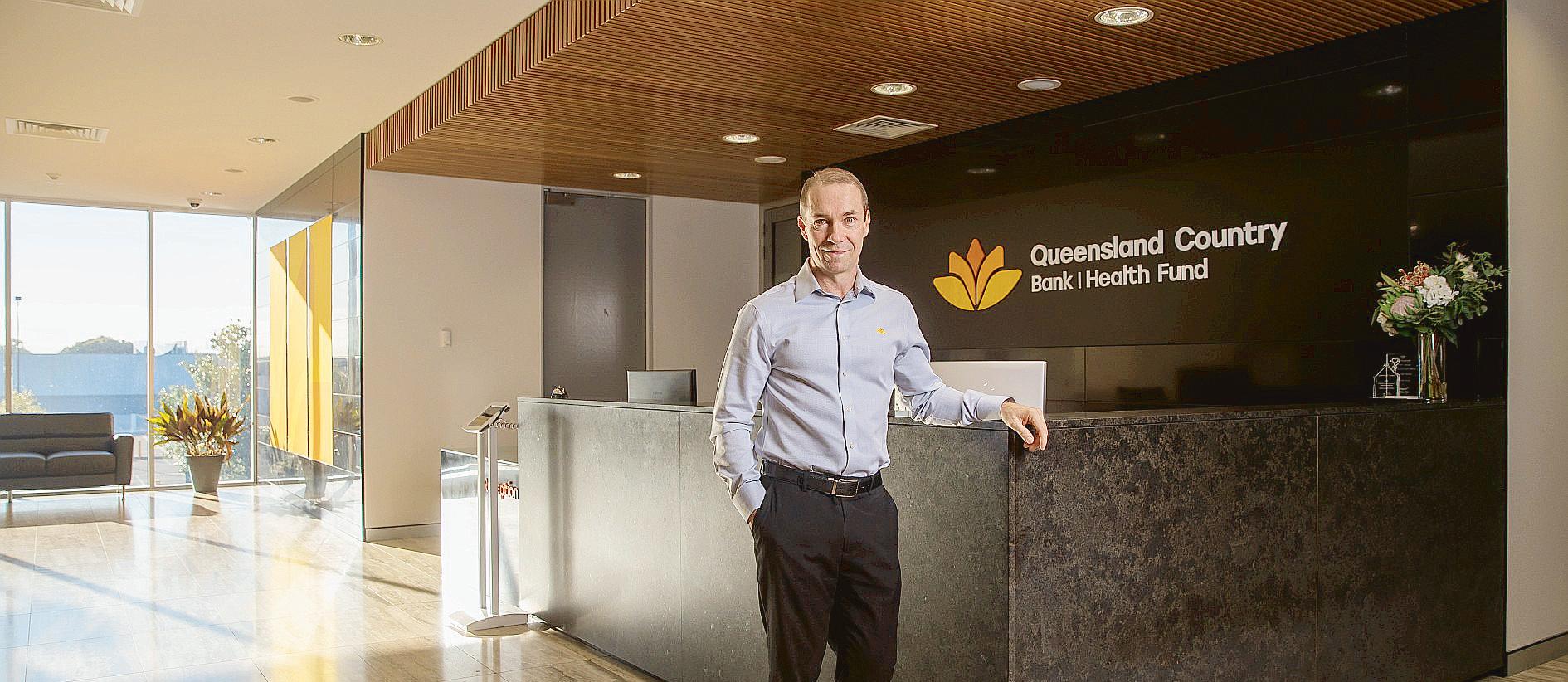
Queensland Country Bank CEO Aaron Newman said maintaining a local presence was critical for regional economies and community wellbeing.
“While others are stepping back, we’re continuing to invest in our branch network because
we know how critical it is for jobs, local economies and the livability of communities,“ Mr Newman said.
“Being a customer-owned bank means we’re here for the long term, and we’re committed to showing up where it matters most.
“The approach being proposed is a practical and fair solution to a growing problem. Regional banks like ours are already doing the heavy lifting to maintain face-to-face services, often supporting customers from across the broader banking system.
“A modest, industry-funded model would help ensure these essential services remain viable and accessible for the communities that rely on them.”
The RBIA argues the current moratorium only applies to the major banks, does not prevent reductions in services or opening hours and is due to expire in 2027.
It also maintains that Bank@Post does not provide the level of service, privacy or security required by regional customers.
“A proper incentive-based scheme is needed to preserve the financial viability of existing branches and incentivise banks to invest

in new ones.
“The RBIA has developed a modest and affordable cost-sharing model that redistributes bank funds to where they need to go, helping fund regional staff working face-to-face in our towns and communities.
“This is a bank problem and the industry needs to step up and fulfil its obligations to the Australian people. That is why the model is 100 per cent funded by banks, with no taxpayer funds needed.”
The alliance has recently held consultations with community groups, businesses, banks and government stakeholders, including Treasury, as it seeks broader support for reform.
Industry groups have also backed the push, highlighting the importance of cash access and in-person banking for regional economies, including agriculture and fuel retail.
Australasian Convenience and Petroleum Marketers Association CEO Rowan Lee said he supported the Regional Banking Investment Alliance.
“It is essential that bank branches remain open, especially in regional areas,“ Mr Lee said.
“Fuel stores have been mandated by the government to accept cash and bank branches have the staff and the security to ensure the ongoing accessibility to cash.”
Combined Pensioners & Superannuants Association senior policy officer Billy Pringle said vulnerable groups would be disproportionately affected by further closures.
“Face-to-face services cannot simply be replaced by online banking, especially for groups and communities who are digitally excluded. A loss of bank branches in the bush means a loss of financial autonomy and financial safety for these communities.“
The RBIA, which represents 24 regional banks and supporters, is continuing to campaign for the introduction of a community service obligation to guarantee access to face-to-face banking services nationwide, regardless of location.

Queensland and Victoria have produced Australia’s best beef and lamb at the RNA’s prestigious Royal Queensland Branded Beef and Lamb Awards.
Stockyard Beef from the Darling Downs in Queensland won Grand Champion Branded Beef of Show for its Kiwami while Midfield Meat International’s Union Station in Victoria produced the Champion Branded Lamb of Show.
Last month at the Brisbane Showgrounds the Royal Queensland Awards crowned Australia’s best beef, lamb, cheese, dairy, ice cream, gelato and sorbet from a total of 592 entries.
Chief judge of the Royal Queensland Branded Beef and Lamb Awards Elaine Millar said the 2026 competition’s beef and lamb scores were high and extremely close, with only one or two points differentiating them, confirming that all classes were worthy of accolades.
“Due to the extraordinary marbling in both the beef and lamb entries, plus the texture, colour and sheen the uncooked visual judging was overwhelmingly the best we have ever experienced,” she said.
“This then transitioned into outstanding commentary and tight scoring of the very important cooked component of the judging process.
“Visually, the majority of the beef entries could have been mistaken for wagyu. “Entries in this year’s beef competition delivered a wonderful diversity in flavour, texture and visuals yet exceptional consistency in quality.”
Ms Millar said the Grand Champion Stockyard Kiwami showcased outstanding qualities - textbook marbling, perfect lasting yet retained juiciness, melt in the mouth firm but silky tenderness and beautifully well-balanced complex flavours.
“Another divine winning wagyu entry from Stockyard,” she said.
Ms Millar said each year in the Branded Lamb competition judges notice the refinement of the silken thread marbling in the cutlet eye which when cooked, finesses and brings elegance to the
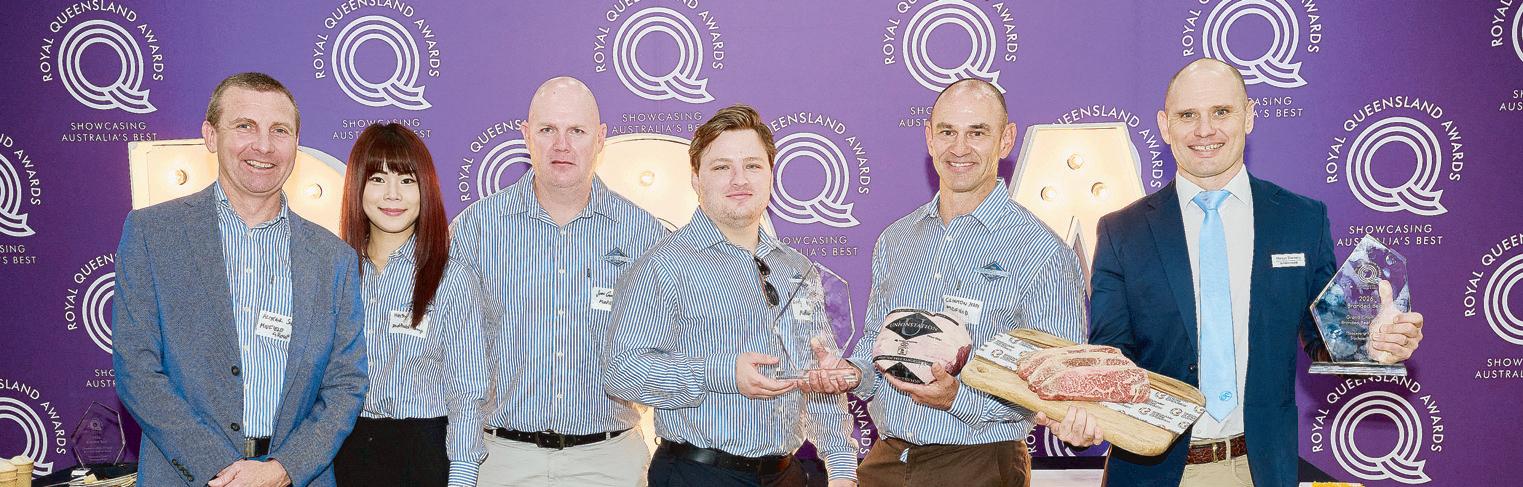
Winners of Australia’s best lamb from the Midfield Meat International team from Warrnambool in Victoria (from left) Alastair, Hestra, Joey, Cody and Clinton with winner of Australia’s best steak Marcus Doumany from Stockyard on the Darling Downs at the Royal Queensland Awards in Brisbane last month. (Supplied)
texture and flavour.
“The 2026 Champion Branded Lamb Union Station by Midfield Meat International delivered stunning complex flavours paired magnificently with the fine silken textures resulting in a harmonious mouthfeel and an ongoing lasting length on the palate,” she said.
Ms Millar said the new level of quality and sophistication set by this year’s beef and lamb entries was an incredible accomplishment to have achieved in a year of varied challenges such as catastrophic floods and drought.
“The Royal Queensland Awards provide the platform for exhibitors to measure their success against their peers, receive the national recognition they so richly deserve and have the opportunity to proudly showcase their medals on their product packaging.
“The Awards also ensure Australia’s retail and food services industries and the end diner are able to purchase and enjoy these outstanding winning proteins.”
The Royal Queensland Awards recognise and celebrate Australia’s finest food and beverage products and the producers behind them across
seven categories - distilled spirits, beer, wine, beef, lamb, dairy and ice cream.
Some of the award-winning products will be showcased on the Royal Queensland Cooking Stage at the Royal Queensland Show (Ekka) which is now just 99 days away.
GRAND CHAMPION BRANDED BEEF OF SHOW (Australia’s best steak)
• Stockyard Kiwami by Stockyard Beef
GRAND CHAMPION BRANDED LAMB OF SHOW (Australia’s best lamb)
• Union Station by Midfield Meat International Pty Ltd
OTHER BEEF TROPHY WINNERS
CHAMPION MSA GRADED BRANDED BEEF OF SHOW
• Stockyard Gold by Stockyard Beef
Grain Fed Class 1 MSA Graded
• Gold: Stockyard Gold by Stockyard Beef
• Silver: Sir Thomas by Mort & Co Ltd
• Bronze: Angus Reserve Black Angus Beef by NH Foods Australia Wagyu Class AUS-MEAT Marble Score 6 or less MSA and Non MSA
• Gold Diamantina Wagyu – SB6 by Stanbroke
• Silver: Tajima Australian Grainfed Wagyu by Andrews Meat Industries
• Bronze: Carrara Wagyu by Kilcoy Global Foods Wagyu Class AUS-MEAT Marble Score 7+ MSA and Non MSA
• Gold: Stockyard Kiwami by Stockyard Beef
• Silver: W. Black by Andrews Meat Industries
• Bronze: The Phoenix by Mort & Co Ltd. Open Class
• Gold: Diamantina Black Onyx – SB7 by Stanbroke
• Silver: JBS Australia Yardstick MB2+ by JBS Australia
• Bronze: JBS Australia Riverina Angus MB2+ by JBS Australia
OTHER LAMB TROPHY WINNERS Branded Lamb – 20 kg or less MSA and Non MSA
• Gold: Ambassador by Australian Lamb Company/Minerva Foods
• Silver: Coles Finest Lamb by Coles
• Bronze: Royal Trade by Royal Wholesale Meats Branded Lamb – 20kg or more MSA and Non MSA
• Gold: Union Station by Midfield Meat International Pty Ltd
• Silver: Tasmanian Royal by Royal Wholesale Meats
• Bronze: Royal Trade by Royal Wholesale Meats Restaurant Trade Branded Lamb – 24kg or more MSA and Non MSA
• Gold: Sovereign by Australian Lamb Company/ Minerva Foods
• Silver: Tasmanian Royal by Royal Wholesale Meats
• Bronze: ‘246’ by Midfield Meat International Pty Ltd.
By Fiona Gowers
Queensland producers have taken centre stage at this year’s Royal Queensland Awards, with Darling Downs beef and a North Queensland gelato claiming top honours in fiercely contested national categories.
Held in Brisbane, the Royal Queensland Cheese & Dairy and Ice Cream, Gelato & Sorbet Awards, alongside the Branded Beef and Lamb Awards, attracted 592 entries from across Australia, highlighting the strength and diversity of the nation’s food production sector.
Darling Downs-based Stockyard Beef secured the coveted Grand Champion Branded Beef of Show title for its Kiwami product, reinforcing Queensland’s reputation for producing premium Wagyu beef.
Chief judge of the Branded Beef and Lamb Awards Elaine Millar said the winning entry stood out for its exceptional eating quality.
“Another divine winning wagyu entry from Stockyard,” she said.
Ms Millar described the Kiwami beef as showcasing textbook marbling, excellent juiciness and a well-balanced, complex flavour profile — attributes highly sought after in premium beef markets.
In the dairy and dessert categories, Townsville business Zina’s Mangoes delivered a standout performance, taking out the Grand Champion Ice Cream, Gelato or Sorbet of Show for its French Vanilla gelato.
The win marks a significant achievement for the North Queensland producer, particularly as a first-time entrant in what has become Australia’s largest competition of its kind.
Chief judge Russell Smith said the winning gelato excelled in one of the most technically challenging categories.
“Vanilla is one of the most difficult flavours to perfect, he said. “Zina’s Mangoes used a very high-quality vanilla bean and delivered a gelato with a silky-smooth texture.
“It was fantastic to award Grand Champion to a first-time entrant in what has become the biggest Ice Cream, Gelato and Sorbet competition in Australia.
“This competition continues to grow, boasting a 30 per cent increase in entries this year.”
Zina’s Mangoes also claimed Champion Va-
nilla, Chocolate or Strawberry Ice Cream or Gelato of Show, along with Champion Ice Cream or Gelato of Show, capping off a successful showing.
While Queensland producers dominated key categories, other states also featured prominently.
Victoria’s Midfield Meat International won Champion Branded Lamb of Show for its Union Station product, while King Island Dairy claimed Grand Champion Cheese or Dairy Product of Show for its Roaring Forties Blue.
Mr Smith praised the winning cheese, noting its longstanding reputation and consistent quality.
“The Roaring Forties Blue has been famous for the past 20 to 30 years and it had all the fruity flavours you would expect in the cheese,“ he said.
“It is one of the best Roaring Forties I have ever tasted.
“The standard of entries across the two dairy competitions was very high, with an outstanding showing in the flavoured milk classes. It was wonderful to see producers using real strawberry juice in their strawberry milk!
“The top cheese products were up there with the best cheeses in Australia and on average the quality in cheese and dairy was very high.”
The Royal Queensland Awards continue to play an important role in recognising excellence across Australia’s food and fibre industries, spanning categories including beef, lamb, dairy, wine, beer and spirits.
With the Royal Queensland Show (Ekka) just months away, a selection of the award-winning products will be showcased to the public, providing an opportunity to highlight the innovation and quality driving Australia’s agricultural and food production sectors.
GRAND CHAMPION BRANDED BEEF OF SHOW (Australia’s best steak)
• Stockyard Kiwami by Stockyard Beef
GRAND CHAMPION BRANDED LAMB OF SHOW (Australia’s best lamb)
• Union Station by Midfield Meat International Pty Ltd
GRAND CHAMPION DAIRY PRODUCT OF SHOW (Australia’s best cheese)
• Roaring Forties Blue by King Island Dairy
GRAND CHAMPION ICE CREAM, GELATO OR SORBET OF SHOW (Australia’s best ice cream)
• French Vanilla Gelato by Zina’s Mangoes Pty Ltd
OTHER BEEF TROPHY WINNERS
CHAMPION MSA GRADED BRANDED BEEF OF SHOW
• Stockyard Gold by Stockyard Beef
• Grain Fed Class 1
• Gold: Stockyard Gold by Stockyard Beef
• Silver: Sir Thomas by Mort & Co Ltd
• Bronze: Angus Reserve Black Angus Beef by NH Foods Australia
• Wagyu Class AUS-MEAT Marble Score 6 or less MSA and Non MSA
• Gold Diamantina Wagyu – SB6 by Stanbroke
• Silver: Tajima Australian Grainfed Wagyu by Andrews Meat Industries
• Bronze: Carrara Wagyu by Kilcoy Global Foods
• Wagyu Class AUS-MEAT Marble Score 7+ MSA and Non MSA
• Gold: Stockyard Kiwami by Stockyard Beef
• Silver: W. Black by Andrews Meat Industries
• Bronze: The Phoenix by Mort & Co Ltd.
• Open Class (Excludes Wagyu)
• Gold: Diamantina Black Onyx – SB7 by Stanbroke
• Silver: JBS Australia Yardstick MB2+ by JBS Australia
• Bronze: JBS Australia Riverina Angus MB2+ by JBS Australia
OTHER LAMB TROPHY WINNERS
• Branded Lamb – 20 kg or less MSA and Non MSA
• Gold: Ambassador by Australian Lamb Company/Minerva Foods
• Silver: Coles Finest Lamb by Coles
• Bronze: Royal Trade by Royal Wholesale Meats
• Branded Lamb – 20kg or more MSA and Non MSA
• Gold: Union Station by Midfield Meat International Pty Ltd
• Silver: Tasmanian Royal by Royal Wholesale Meats
• Bronze: Royal Trade by Royal Wholesale
Meats
• Restaurant Trade Branded Lamb – 24kg or more MSA and Non MSA
• Gold: Sovereign by Australian Lamb Company/Minerva Foods
• Silver: Tasmanian Royal by Royal Wholesale Meats
• Bronze: ‘246’ by Midfield Meat International Pty Ltd
OTHER CHEESE AND DAIRY TROPHY WINNERS
CHAMPION COW’S MILK CHEESE OF SHOW
• Roaring Forties Blue by King Island Dairy
CHAMPION NON-COW’S MILK CHEESE OF SHOW
• Black Savourine by Yarra Valley Dairy
CHAMPION DAIRY DESSERT OR YOGHURT OF SHOW
• Gourmet Apple and Cinnamon Yoghurt by Maleny Cheese
CHAMPION BUTTER, MILK OR CREAM OF SHOW
• Bulla Crème Fraiche 200ml by Bulla Dairy Foods
CHAMPION BUFFALO, GOAT, SHEEP OR OTHER NON-COW’S MILK PRODUCT OF SHOW
• Fresh Camel Milk by Summer Land Camels
CHAMPION QUEENSLAND CHEESE OR DAIRY PRODUCT OF SHOW
• Fresh Camel Milk by Summer Land Camels
OTHER ICE CREAM, GELATO AND SORBET TROPHY WINNERS
CHAMPION VANILLA, CHOCOLATE OR STRAWBERRY ICE CREAM OR GELATO OF SHOW
• French Vanilla Gelato by Zina’s Mangoes Pty Ltd
CHAMPION FLAVOURED ICE CREAM OR GELATO OF SHOW
• Enchanted Orchard by Gelato Wonderland CHAMPION ICE CREAM OR GELATO OF SHOW
• French Vanilla Gelato by Zina’s Mangoes Pty Ltd
CHAMPION SORBET OF SHOW
• Coconut Delight by Wicked Ice Cream.
By Julian Lehnert
Queensland’s Minister for Water, Ann Leahy, has committed her government to the rebuild of Paradise Dam in the wake of Sunwater’s vote of no confidence leaked to the public earlier this month.
Former Premier of Queensland and current leader of the Labor Opposition, Steven Miles, as well as Bundaberg MP Tom Smith and Logan MP Linus Power pushed Ms Leahy on the future of Paradise Dam during Parliament’s 12 May Question Time.
The state’s water minister remained adamant her government would continue pressing on with the troubled rebuild of Paradise Dam despite the contents of a letter from Sunwater board chair Jeff Seeney to Ms Leahy, tabled by Mr Miles.
In his letter, Mr Seeney took aim at the former Labor government’s “pre-emptive announcement“ of the rebuild project back in 2023, calling it unsupported by technical or financial expertise.
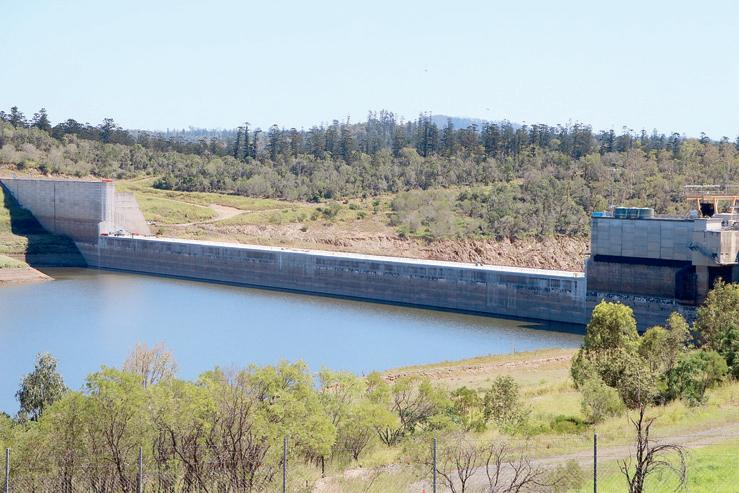
Labor oversaw the lowering of Paradise Dam’s wall by close to six metres in 2020, brought on by severe damage to the structure in the 2013 floods.
A 2023 investigation into the dam’s concrete construction revealed sub-standard materials, leading Sunwater to declare the wall irreparable.
The water services company began investigating options to fund the construction of an entirely new dam wall downstream of the original structure.
However, according to last week’s leaked letter from Sunwater’s chair Jeff Seeney, the organisation found itself blindsided by Labor’s 2024 commitment of $600 million to the rebuild, with the Federal Government vowing to pitch in an equal amount.
“Further examination of the previous Governments [sic] decision indicates it lacks any rigour or professional credibility,“ Mr Seeney wrote.
“It has since been established that Sunwater tasked consultants to provide an evidence base for the announcement after it was made.“
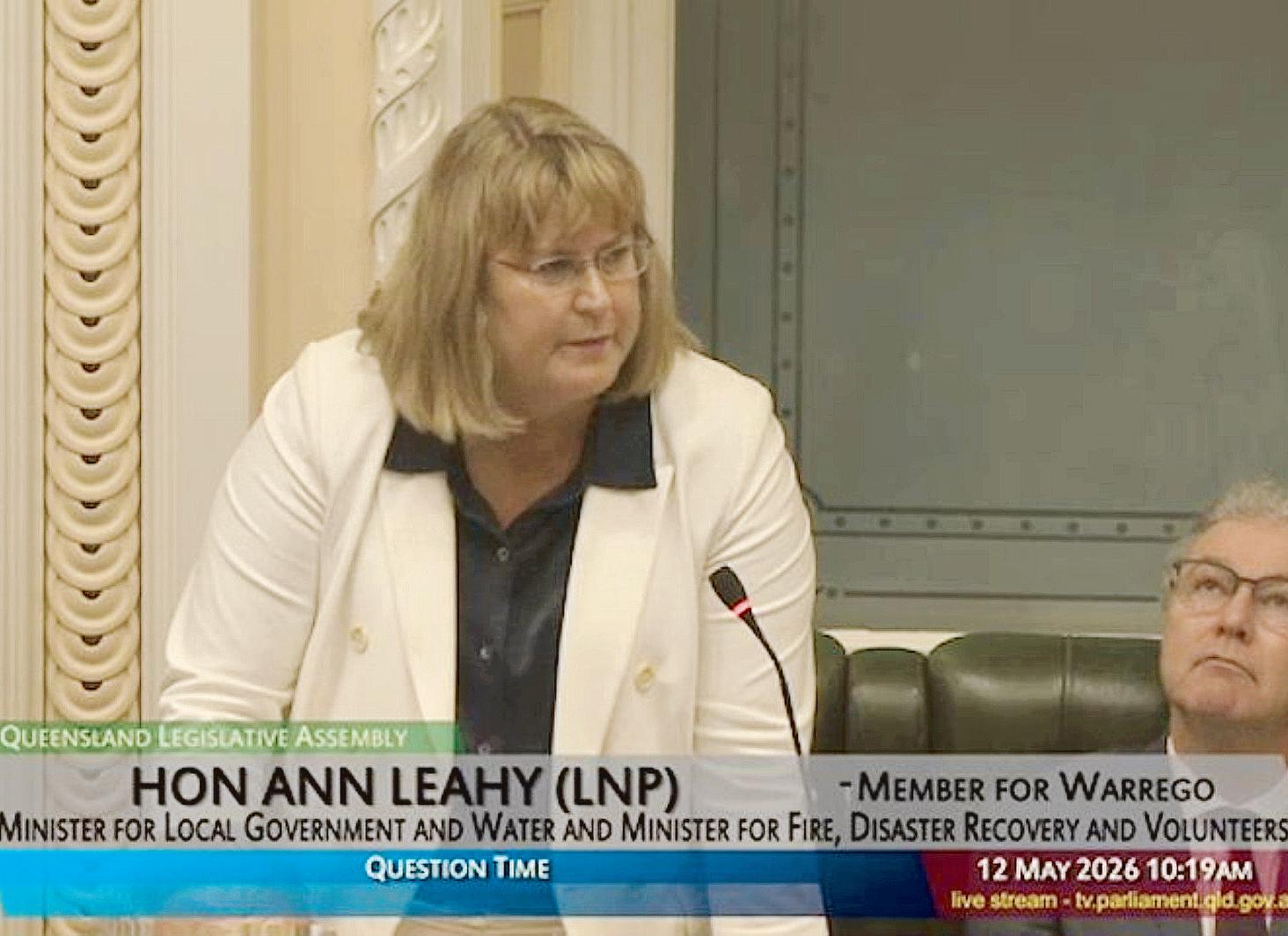
According to Mr Seeney, the rebuild of Paradise Dam - costs of which had since blown out to over $4.4 billion - should be “no further considered“ by the current LNP government.
He claimed in his letter to Ms Leahy that Sunwater’s business case on the project - which has been outstanding for the past two years but which is at last expected to come before the Queensland Government by the end of May - would support his and his board’s scathing assessment of the venture.
Ms Leahy said she had spoken to “stakeholders“ to promise the continued rebuild of Paradise Dam in spite of Sunwater’s letter.
“[O]ur government made an election commitment to rebuild Paradise Dam,“ she said during Question Time on 12 May.
“That is exactly what we will be doing. (...) This morning I met with stakeholders to reconfirm our commitment.“
Bundaberg’s Tom Smith asked the water minister whether she would push her government to ignore the - expected to be scating - outcome of Sunwater’s business case in going ahead with the works at Paradise Dam. Mr Smith cited deputy premier Jarrod Bleijie in his question, who in June 2025 said “we [the Queensland Government] are not going to wait for the business case.“
“We have designated this project as a coordinated project to ensure it is not hindered by unnecessary red tape,“ Ms Leahy responded.
“I have written to Sunwater to confirm our government’s expectations that the detailed business case needs to provide the comprehensive options and analysis to ensure that the community has confidence and that there is respect for taxpayers’ money.
“When we talk about business cases, we will take that business case. We will look forward to that business case,“ she said.
Queensland’s water minister also fielded a question about the fate of Sunwater’s board in the wake of its dissent being made public.
Logan MP Linus Power asked Ms Leahy if she would push for the water services company’s board to be sacked over the letter.
“I have confidence in the board,“ Ms Leahy replied.
“They are doing the work they are tasked to do.
“They have expressed concern in relation to what happened under the previous Labor government. They are entitled to do that.
“I encourage the board to do the work they are doing because it is exposing the failures of the Labor Party.“
By Fiona Gowers
New polling suggests regional Queensland communities are increasingly concerned about climate change while maintaining strong support for a future powered by renewable energy.
Farmers for Climate Action surveyed 357 residents across Gladstone and Central Queensland (including 204 in Gladstone and 153 across the broader region) to better understand local attitudes.
The results form part of a wider poll of 1965 people living in key renewable energy zones, conducted on 20 March by research firm 89 Degrees East.
The findings highlight a shift in sentiment, particularly among communities already experiencing climate variability.
FCA CEO Verity Morgan-Schmidt said the data showed 30 per cent of Gladstone residents
and 28pc of Central Queensland residents polled had become more concerned about climate change in the past year.
“Residents across the region have become more concerned about climate change in the past 12 months,“ she said.
“In Gladstone, heatwaves and floods (both 74pc) and bushfires (69pc) were the top drivers. Across Central Queensland, floods (70pc), heatwaves and droughts (both 63pc) topped the list.“
Cost-of-living pressures, particularly energy prices, also featured prominently in the results.
“Some 43pc of Gladstone residents and 48pc of Central Queensland residents blame energy companies profiteering for high energy bills.
Others blamed coal breakdowns and international events; just 15pc and 18pc respectively thought clean energy was responsible.
“Some 59pc of Gladstone residents named solar as the `significant energy source’ for the
future, while 46pc nominate onshore wind, 37pc say coal, 31pc say gas, with nuclear last at 24pc.
“Some 68pc of Central Queensland residents named solar as the `significant energy source’ for the future, while onshore wind, coal and gas are equal at 36pc, with nuclear last at 25pc.
“Support for the clean energy shift is 65pc in Gladstone and 61pc in Central Queensland, with opposition at just 17pc and 20pc respectively and about one in five neither supporting nor opposing.
“The data showed a striking gap between real and perceived support for clean energy in Gladstone and Central Queensland.
Only 49pc of Gladstone residents and 37pc of Central Queensland residents thought there was majority support for clean energy in their community.
“Media and social media algorithms will
continue to promote conflict and negativity and FCA will continue to listen to farmers, not Facebook.“
The polling underscores a growing recognition across regional communities of both the risks posed by climate change and the opportunities presented by renewable energy, particularly as agriculture continues to adapt to shifting seasonal conditions.
Fact File
• Increased heatwaves and floods are driving increased climate concern across Central Queensland
• Locals blame energy company profiteering for high bills
• Clear majorities in both Gladstone and Central Queensland support the shift to clean energy, though most don’t realise they’re in the majority.






























• for 2032 and beyond
•
•



Delivering for Queensland
•Delivering a new Toowoomba Hospital



•
•






















































new Queensland Government is delivering for the Darling Downs:
•Delivering three new early intervention and rehabilitation programs in Toowoomba
•Upgrading Tanduringie Creek Bridge.
Find out what else we’re delivering for you.
By Fiona Gowers
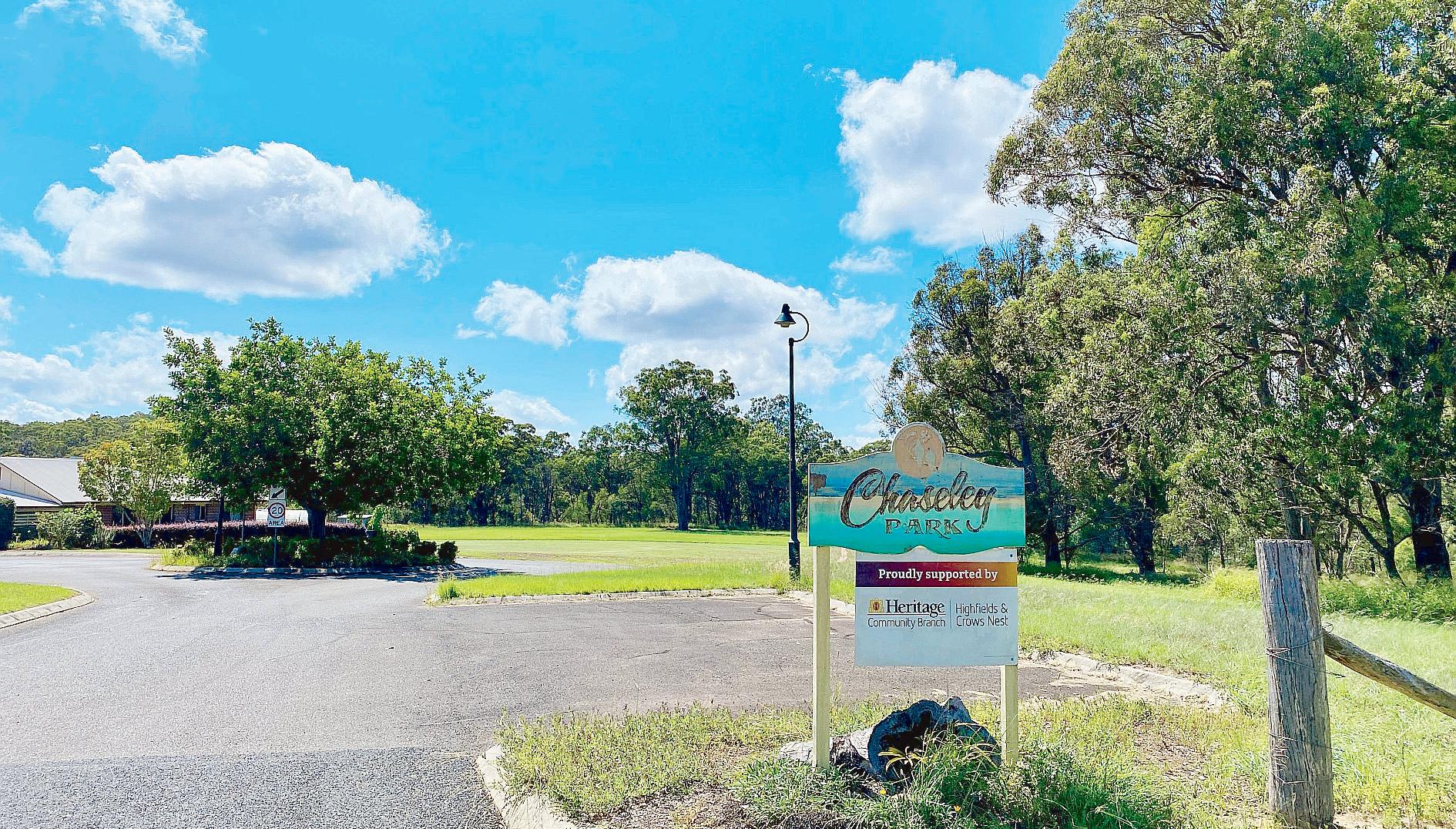
A major community-driven housing project at Crows Nest is set to provide a lifeline for vulnerable residents, with the development of Chaseley Park aimed at ensuring locals can remain in the region they have long called home.
Led by the local charity Crows Nest Community Solutions Limited (CNCS Ltd), the Chaseley Park project will deliver affordable and community housing designed to support ageing residents, people living with disability and others experiencing housing stress across the district.
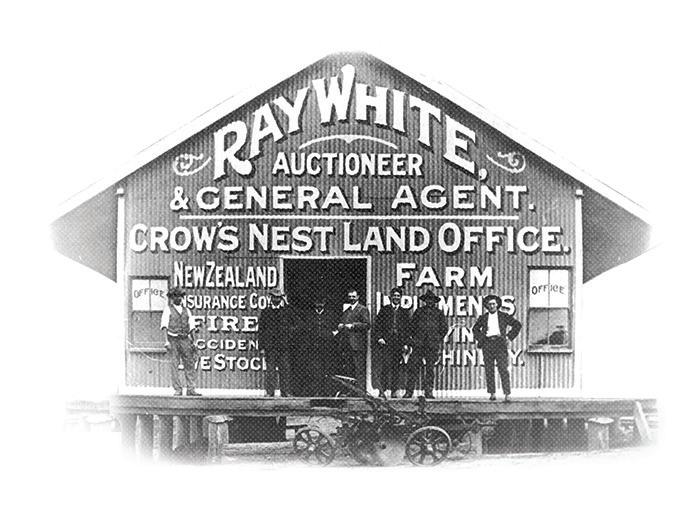
The development carries deep historical roots in the region, named in honour of Chaseley MacDiarmid, a long-standing contributor to the early Crows Nest community and the Crows Nest and District Co-Operative Hospital Society Ltd.
Mrs MacDiarmid, who passed away in June 2025 at the age of 102, played an integral role in shaping local health and community services.
The land itself was originally granted by the Queensland Government to the Crows Nest hospital society to support additional care services for the district.
Over time, ownership transitioned through local government before CNCS Ltd secured the remaining balance of the Chaseley Park land from Toowoomba Regional Council to ensure the original vision for the precinct could be realised.
That vision remains central to the project today - to create housing that allows people with strong ties to Crows Nest to remain in their community, rather than being forced to relocate due to a lack of suitable accommodation.
Currently, the existing Chaseley Park precinct includes seven dwellings, comprising a mix of freehold and community housing.
The next stage of development will significantly expand this offering.
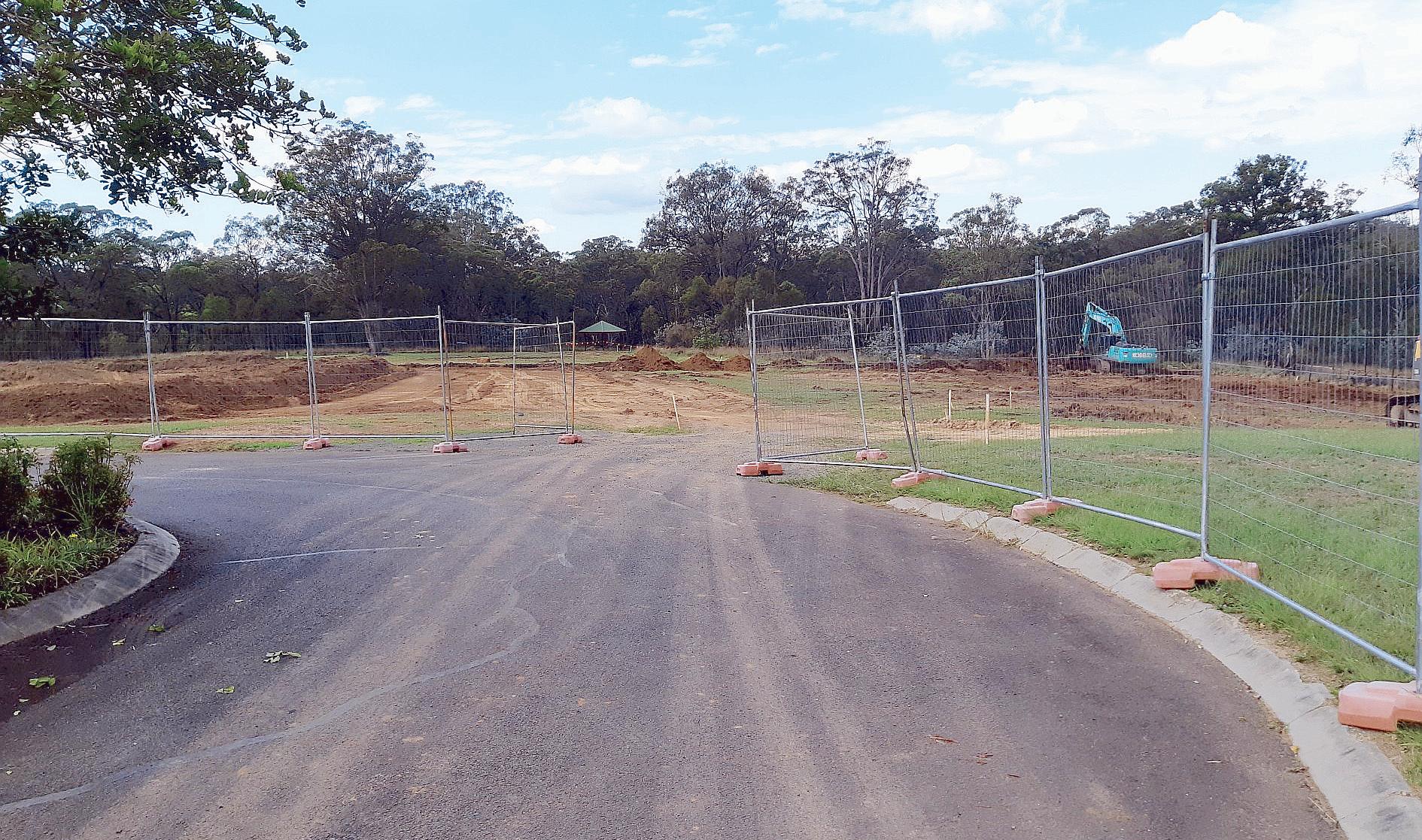
The earthworks delivering the infrastructure for Stage 1 is currently under construction.
Stage 1 construction of the dwellings for Chaseley Park has been divided into two stages.
Stage 1A will see the construction of six new dwellings, which will include a mix of detached homes and duplex-style accommodation.
Stage 1B, comprising a further eight dwellings, will proceed subject to securing additional funding.
Future stages will be rolled out in line with demand and available funding.
Importantly, the development has been designed with long-term liveability in mind.
Stage 1 housing has been designed to meet fully accessible Specialist Disability Accommodation (SDA) standards and platinum-level accessibility benchmarks, enabling residents to “age in place” without the need for costly modifications later in life.
This approach aligns with broader trends across the disability and aged care sectors, where maintaining independence and community connection is increasingly recognised as vital to wellbeing.
CNCS Ltd has identified a clear target group for the development, including older residents, people with disabilities, individuals on

community housing waiting lists and those experiencing disadvantage or financial hardship.
Priority will also be given to people with a strong connection to the Crows Nest region.
By increasing the availability of affordable housing, the project aims to address a critical shortfall in the area, where limited rental options and rising costs have made it difficult for some residents to remain local.
Beyond housing, the Chaseley Park development is expected to deliver broader economic and social benefits to the region.
Construction of the project will create employment and training opportunities for local residents, while also supporting local trades and businesses.
Increased population within the precinct is anticipated to drive demand for goods and services, providing a further boost to the local economy.
Community engagement is also a key component of the project, with CNCS Ltd encouraging local organisations to become involved as stakeholders and support networks for future residents.
The adjacent Dingo Mountain site - a 45-hectare parcel of land CNCS Ltd acquired in 2018will play an important role in this vision.
With the creation of the charity Crows Nest Environmental Ltd in 2023, the Dingo Mountain site was transferred to this environmental company to ensure that the area is being suitably managed and preserved as a natural reserve, offering opportunities for recreation,
environmental education and community activities. Neighbouring conservation areas, including Hartmann Park and sections of Crows Nest National Park, further enhance the natural appeal of the precinct.
Organisers hope the integration of housing, green space and community engagement will create a vibrant and supportive environment for residents.
With an ageing population and increasing
demand for accessible housing across regional Queensland, developments like Chaseley Park are becoming increasingly important in sustaining rural communities.
For Crows Nest, the project represents more than just new housing; it is a commitment to preserving community ties, supporting vulnerable residents and ensuring that people who have built their lives in the region can continue to call it home.
By Fiona Gowers
At just 21, Art Cooper has lived a life many songwriters would envy - one marked by adversity, hard work and a connection to the land that now underpins his burgeoning music career.
Before returning to the stage in January, Art spent two years in the shearing sheds of western Queensland working as a rouseabout in Longreach, an experience he credits with shaping both his character and his sound.
It’s a far cry from where things began.
“I grew up in Beaudesert and really enjoyed it,“ he said. “Then we moved to Brisbane when I was about nine or 10 and everything suddenly changed for me,” he said.
“It was such a big adjustment.“
Life took another turn when Art fell seriously ill during Year 12, spending six months in hospital and being diagnosed with ulcerative colitis — a lifelong condition.
“I was just like, ‘Yeah, nah, there’s no way in hell I can do that,” he said, recalling the expectation he would complete three terms of missed school work in one.
“So, I thought, ’No, bugger that. I’ll try to find a job’.”
After a brief and unhappy stint in a panelbeating apprenticeship in Brisbane, Art sought something completely different - within the shearing industry.
“I was cold-calling (shearing) contractors… None of them would take me a) Because of (lack of) experience and b) Because I was based in Brisbane,” he said.
“To be honest, it’s easier to get a bloody gig in Brisbane than it is to get a job in the shearing industry.”
It took six months before Bowden Shearing Pty Ltd in Longreach accepted him.
“Rayleen (Bowden) basically said, ‘When can you start?’ And I said, ‘In three days’.”
That decision changed everything. Baptism by wool Like many newcomers, Art admits he arrived with a romanticised view of life in the sheds.
“I don’t think I’d ever seen a sheep,” he said.
“I saw an oil painting (of shearing) by Englishborn Australian artist Tom Roberts when I was 17 in a pub I wasn’t allowed to be in and thought, ‘Yeah, I reckon that’d be all right’.”
The reality, he quickly realised, was something else entirely.
“I didn’t quite realise just how hard rouseabouting was physically and mentally, until I started doing it,“ Art said.
Long days, relentless physical labour and the isolation of being 13 hours from home tested him early.
“But… I was just like, ’Well, I can’t really get back in the car and go back home. I think I’ve just got to stay here’.”
And stay he did, for two full years.
From December 2023 to December 2025, Art worked across sheds in the Longreach region, gaining not only experience but a sense of belonging.
“I’ve got people now who would back me for life,” he said.
“I made a great group of friends from all walks of life out there and that’s the beautiful thing about small towns.”
For Art, the shearing industry offered more than a pay cheque, it provided stability, resilience and perspective.
“Rouseabouting was a really great experience, really for life,” he said.
Songs from the sheds
While the days were spent working, nights often turned to music.
Art had always played - drums from age 11 and guitar from 14 - and had been part of punk bands.
“I was in a few punk bands back when I was a teenager because I was angry with the world and didn’t know why,” he said.
Out in Longreach, with time to reflect, his songwriting took a different direction.
“I just took my guitar and was writing songs for about two years.”
The result is a catalogue of original material shaped by sweat, solitude and the rhythm of rural work.
“Working so hard every day in Longreach was definitely a big inspiration on the lyrics,” he said.
“I look back on all those songs and almost all of them are like, ‘I’ve been breaking my back every day, I’ve been wiping the sweat away’...“

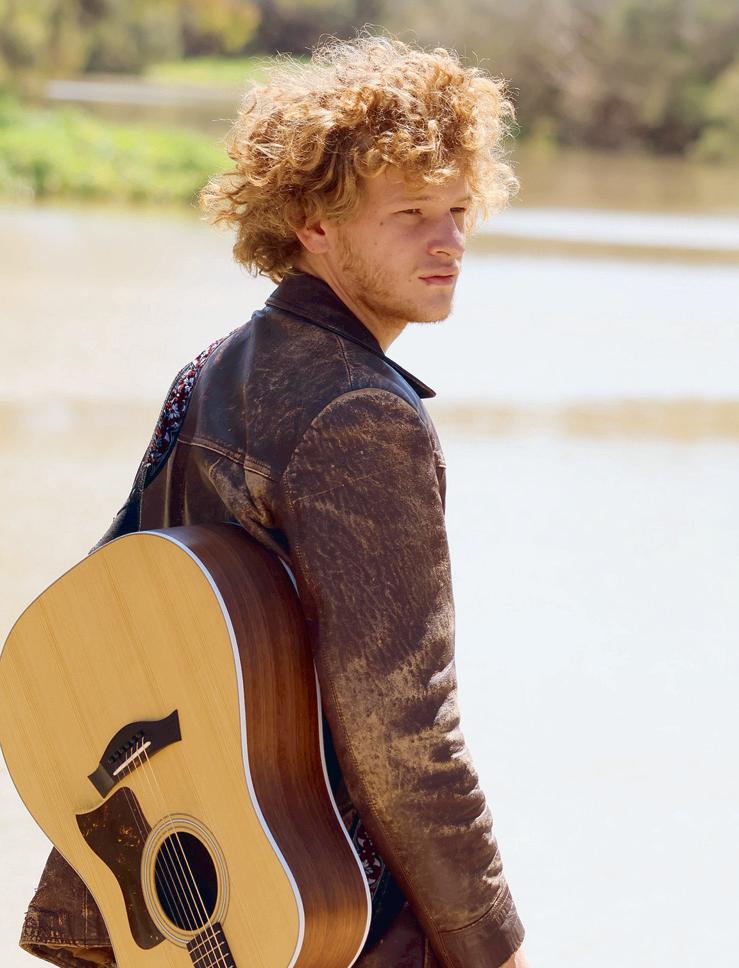
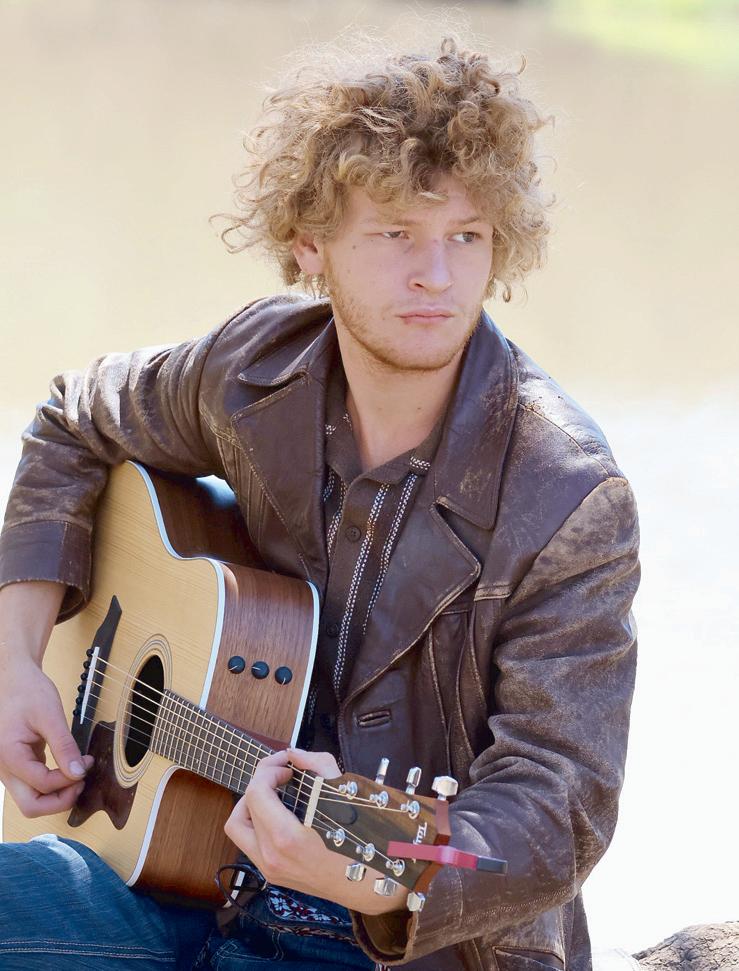

His sound today is tricky to define, but he describes it simply as “country and blues for the urban mind”
There’s also a lighter side to his songwriting.
“Like most 18-year-old, 19-year-old boys, they’re not very good in the women department,” he said. “And so I think I drew some inspiration from that.”
Now back in Brisbane though, he’s found a new guide.
“I’ve got a girlfriend now so she’s acting as kind of my muse at the moment.”
A surprise return to music
Despite writing consistently, Art’s unexpected return to performing came through a stint on Australian Idol.
“I’ve always had music in my life but Australian Idol just kind of came up,” he said.
“I made the top 50 but I was only on for one episode.”
While brief, the experience gave him the im-
petus he needed to pursue music more seriously.
Since then, he’s been steadily building a presence, playing in pubs, clubs and regional venues.
“I’ve been getting a few gigs. Enough to sort of keep you going.”
Like many emerging artists, breaking into the industry hasn’t been easy.
“The worst thing was when you first start, you’re either getting no response or you’re getting rejected,” he said.
“But I’m glad I got my first break and now it’s starting to pick up.”
Recent performances have taken him back to the bush, including a show at the reopening of the Barcaldine Hotel and an upcoming gig in Inverell.
Staying grounded
Despite the challenges of the music industry, Art remains pragmatic about his ambitions.
“I just want to be able to pay my rent,” he said.
“That’s probably the end goal for me. Just be
sort of self-sufficient and playing original songs… Everything after that would be a gift.”
It’s a grounded outlook shaped in part by his time as a rouseabout - where effort, not ego, defines success.
He also understands the importance of staying mobile in both music and life.
“I’ve got wheels and I can travel,“ he said. “Music’s one of those things you’ve got to travel with. If you stay in the one city, no one will ever hear you.”
And while the stage may be Art’s future, the sheds are never far from his mind.
“If I ever get rich and famous, one day I’ll just play my gigs in shearing sheds,” he said.
It’s a fitting ambition for a young artist whose story - and sound - has been forged far from the spotlight, in the dust, noise and camaraderie of rural Australia.
Contact Art Cooper at bookings.artcooper@ gmail.com
By Jane Lowe
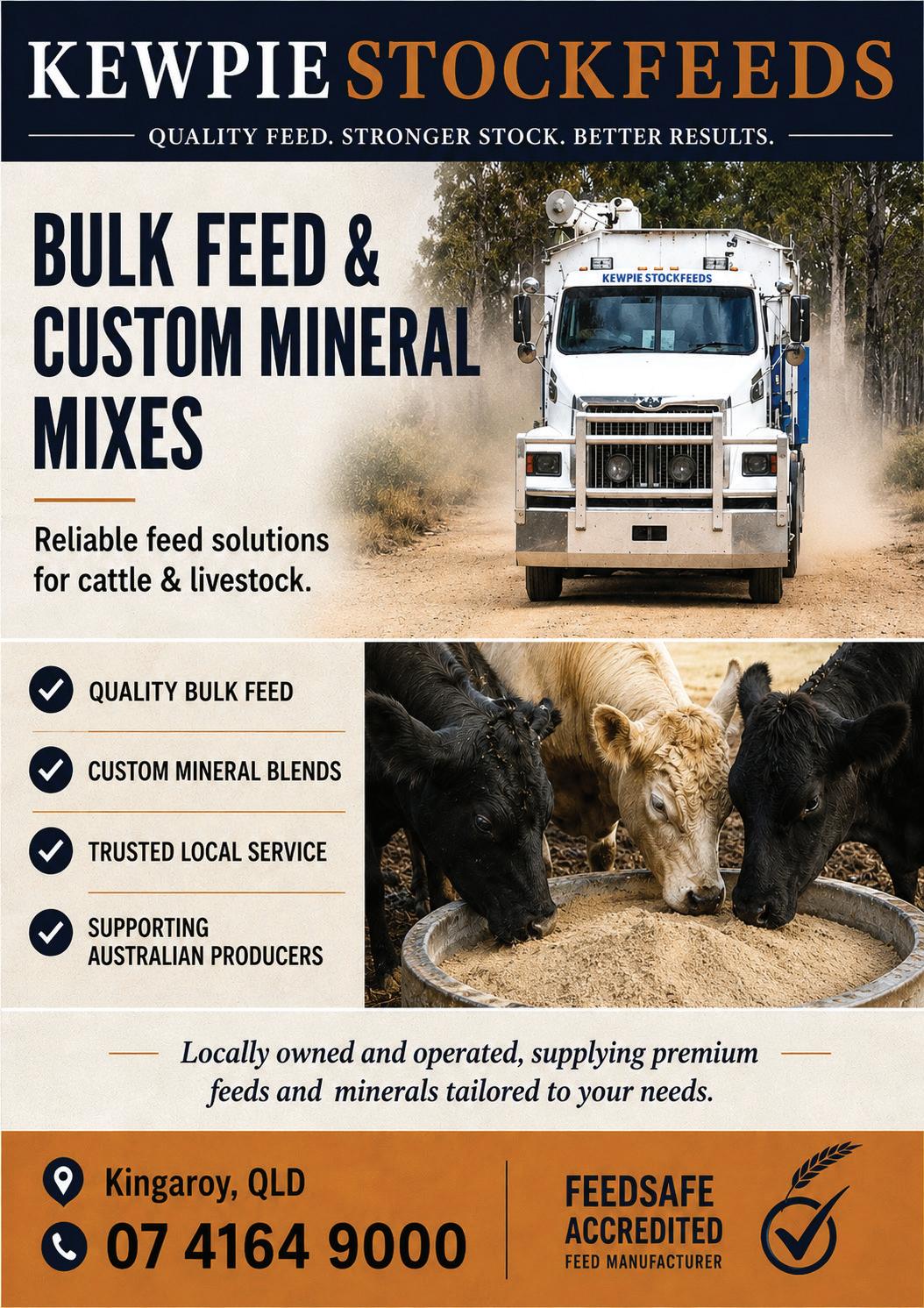
For nearly six decades, Kewpie Stockfeeds has been part of the backbone of regional Australia, built on hard work, family values, livestock, and the grit that defines the rural industry. Now, with a bold new visual identity, the company is stepping confidently into the future while honouring a legacy that began in 1968.
Following new ownership in late 2022, the Kewpie Group set out to rethink its brand with purpose. This was not simply a modern refresh, but a deliberate evolution, one that captures the strength, resilience and authenticity of agriculture, grounded in life beyond the city while looking firmly ahead.
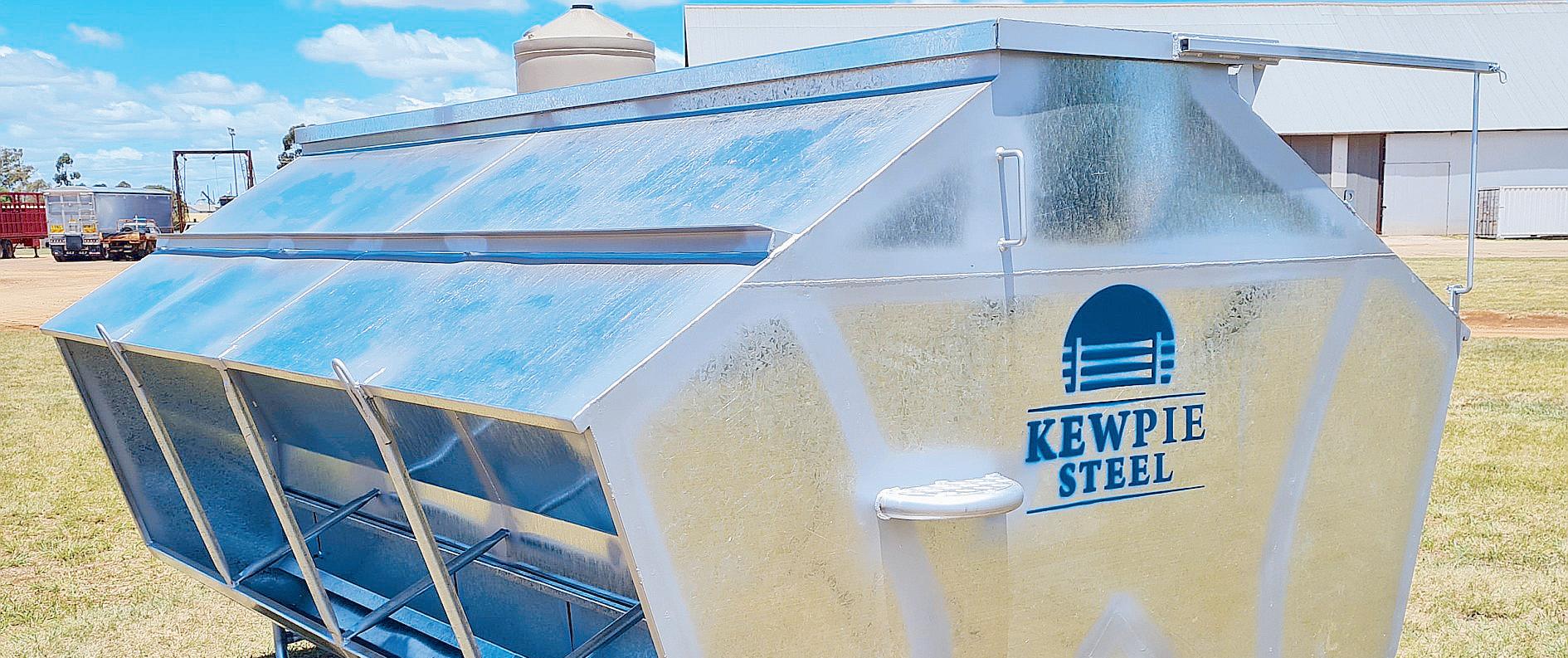
Months of planning, development and refinement went into creating a logo that genuinely represents the agricultural sector and the diverse, vertically integrated businesses that make up the Kewpie Group, which includes Stockfeed Milling,
Beef Cattle and Pork Production as well as Steel Sales and Fabrication. Every detail was carefully considered to reflect not only the customers Kewpie serves, but also the people behind the business, the team driving it forward every day.
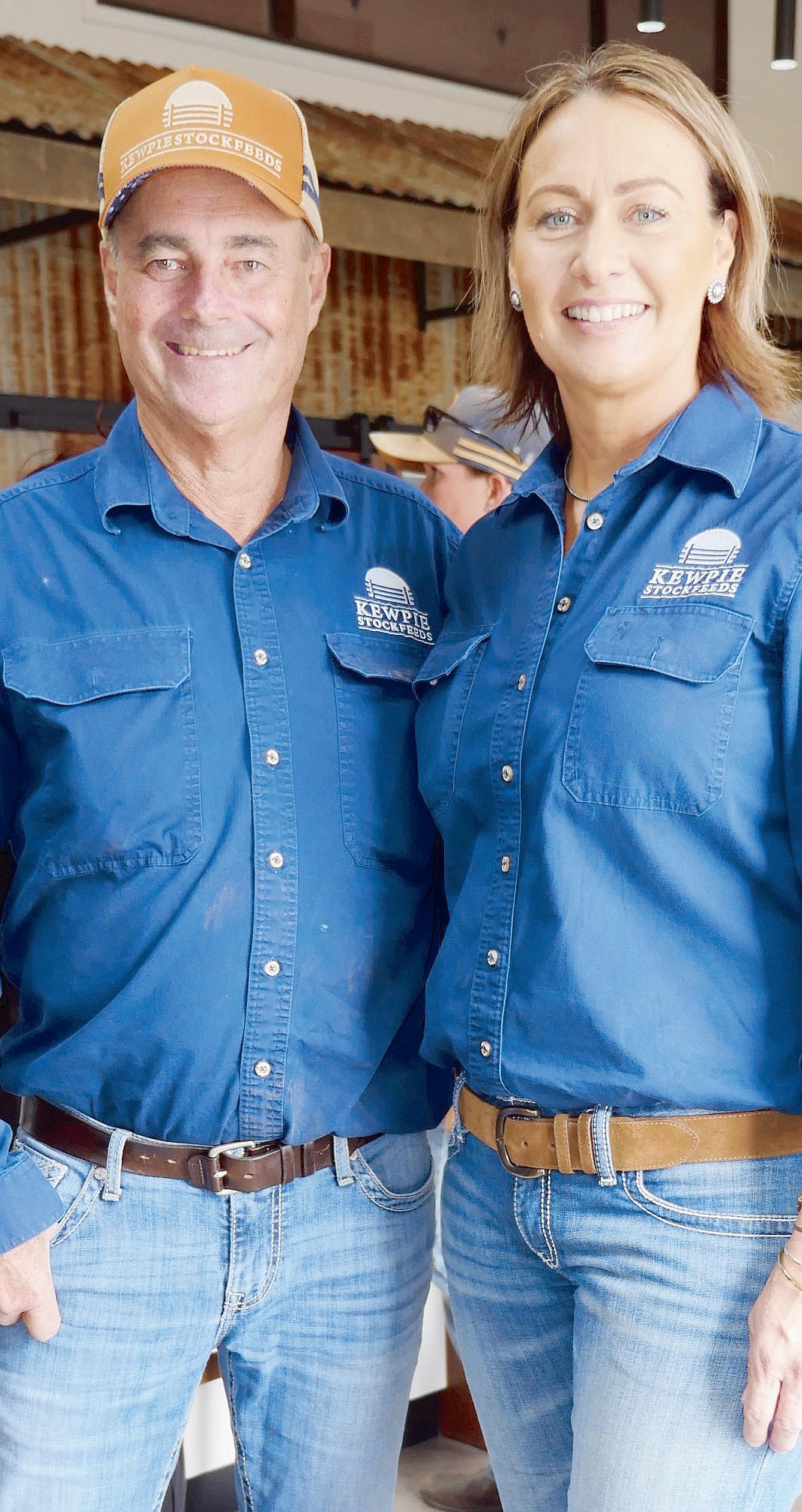
“Kewpie is proudly rural, we are stockfeed, livestock, steel yards, feed bins, open paddocks and rolling hills. “We are agriculture in its real form, backed by a passionate and dedicated team, and proudly family-owned,” owner Delvene said.
The design brief centred on capturing the unmistakable essence of the Australian bush, drawing inspiration from the rugged warmth of stockman culture. From weathered fence posts to livestock gates, every influence reflects the character of the land. While heritage brands provided inspiration, the goal remained clear: to create something distinctive, original and unmistakably Kewpie.
The logo itself tells that story. Fence elements symbolise strength, structure and protection, both
of livestock and crops, while also acknowledging the steel infrastructure central to the industry and Kewpie’s Steel Sales and Fabrication division. The rising sun signals a new beginning under fresh ownership, representing progress and forward momentum while remaining grounded in family tradition and local investment.
Colour plays a vital role in reinforcing this identity. Moving away from polished corporate tones, the palette draws on worn denim and steel blues, dusty earth beiges, leather-inspired tans, dusty pink and matte black. The result is a look that feels authentic and hardworking, echoing stockyards, workwear and the everyday reality of country life, without drifting into themes of drought or hardship. Each colour is intentionally assigned to represent the distinct business units within the broader organisation.
“It had to feel warm, trustworthy and strong,” Delvene said. “We wanted the brand to represent
every part of a business, while also reflecting families, resilience and pride in agriculture.”
Importantly, the new identity avoids the soft, overly stylised look often seen in modern agribusiness branding. Instead, it carries weight, solid, capable and grounded which pays respect to the men and women whose work underpins the sector.
The result is a brand that feels unmistakably rural Australian, honest, durable and built for the next generation of agriculture.
As Kewpie moves into the future, this branding is more than a logo, it is a reflection of people, place and purpose. Across country towns, field days and community events, Kewpie’s continued investment through sponsorships and support is becoming part of the fabric of regional life. The Kewpie name is not just seen, it is recognised, trusted and quietly backed by the communities it stands alongside.
By Fiona Gowers
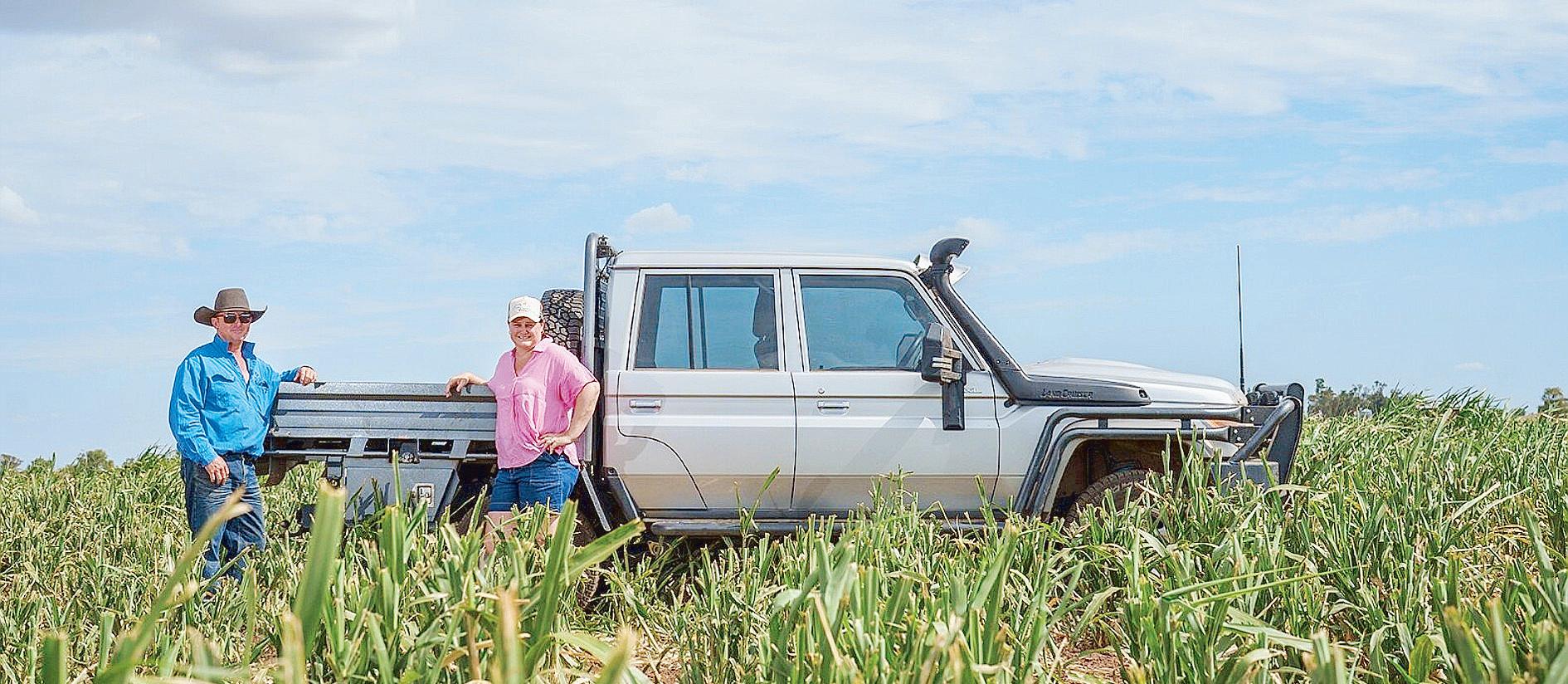
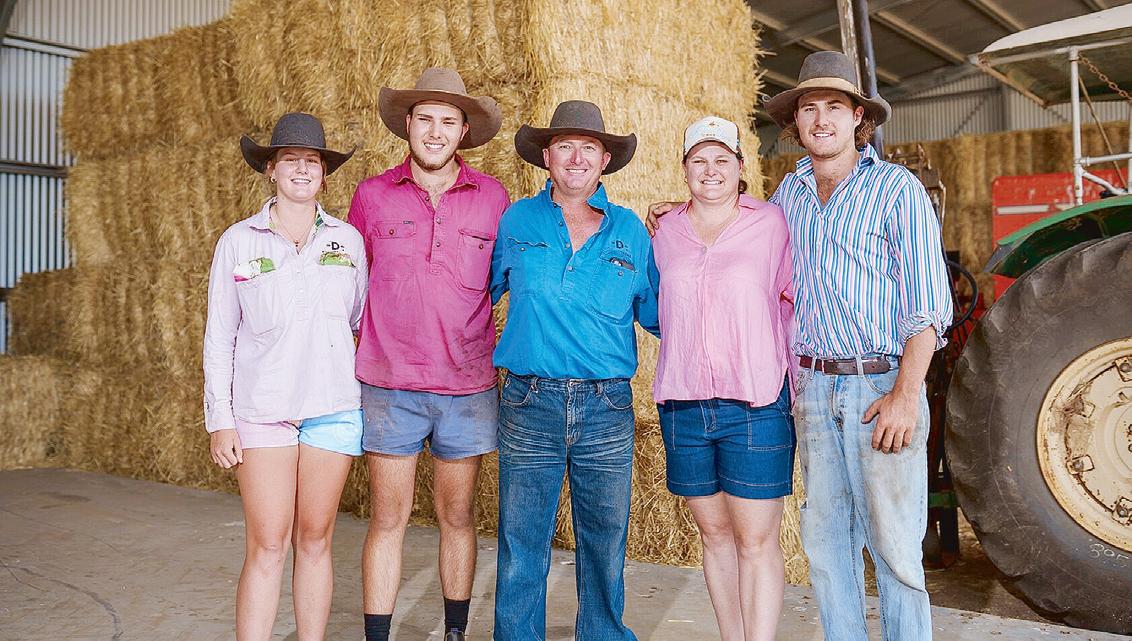
For southwest Queensland graziers Anthony and Kylee Curtis, the events of 2019 remain etched in memory as one of the most challenging periods in their time on the land.
As drought ravaged the state, paddocks across their property turned barren, livestock welfare became an increasing concern and the pressure of sustaining their primary production enterprise mounted, both financially and emotionally.
When the rain finally arrived, it brought relief. Pastures recovered, cattle numbers were rebuilt and operations resumed. But for the Curtises, the experience left a lasting impression and a clear focus on future preparedness.
For the past 15 years, the couple have operated a Charbray breeding enterprise at Scottland Downs, located an hour north-west of Goondiwindi, with a strong emphasis on producing quality genetics for the market.
“Our priority is in breeding,“ Kylee said. “We breed Charbray cattle and we breed stud bulls that we sell, and weaners that we sell to Roma Sale Yards.“
Determined to better safeguard their operation against future dry periods, the Curtises turned to support available through the Queensland Rural and Industry Development Authority (QRIDA).
Kylee said the Drought Preparedness Grant aligned closely with their long-term planning.
“We saw the opportunity of the Drought Preparedness Grant, which linked in with our forward planning, our vision of trying to be prepared for the next drought because we know it will come one day.”
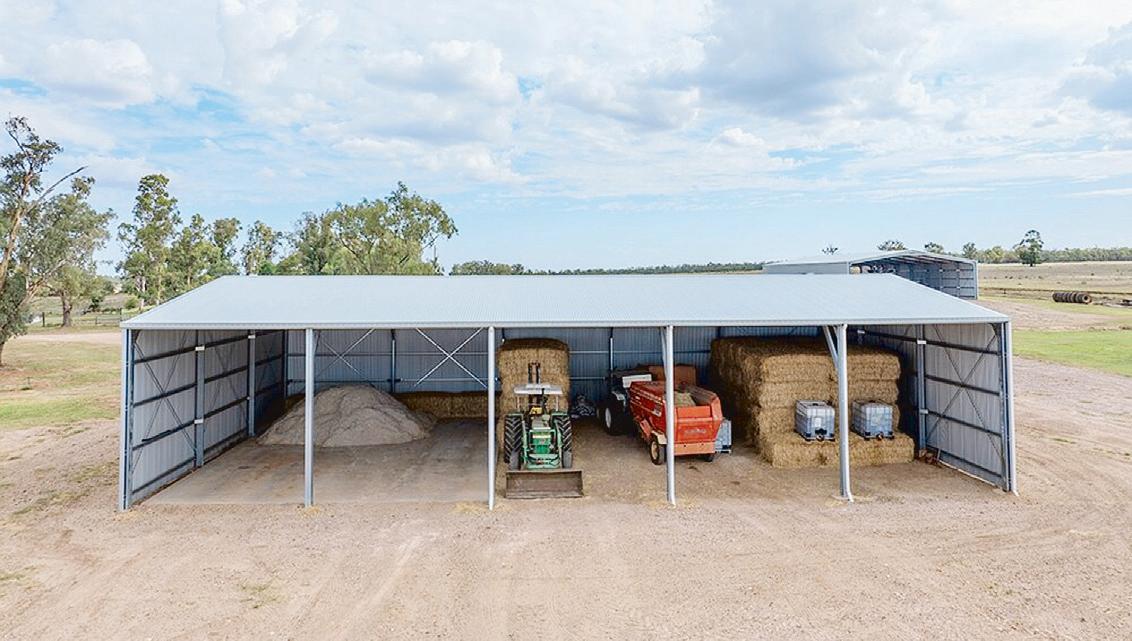
With assistance from the grant, the family invested in critical on-farm infrastructure, constructing a commodity shed designed to store large volumes of feed during prolonged dry conditions.
“(The year) 2019 was extremely dry for everyone, not just us and we were feeding all our cattle, all the family’s cattle, and we never wanted to go through that again of buying food,“ Anthony said.
“We got the Drought Preparedness Grant to build a commodity shed. The shed was roughly $75,000; we got the concrete floor where we put the cotton seed and we do our own hay and silage.“
To meet the co-contribution requirements of the grant, the Curtises also accessed a QRIDA Sustainability Loan, which complemented the funding package.
“The Drought Preparedness Grant made up that 25 per cent and then the Sustainability Loan made up the rest, so they went hand in hand to support us in being able to build the shed,“ Kylee said.
“It was smoother than I thought applying for
both the Drought Preparedness Grant and the Sustainability Loan, they blended as one rather than two, so that made sense to us and it was straightforward.“
The addition of on-farm feed storage has significantly strengthened the resilience of the business, providing greater confidence heading into future seasons.
“It just gives you security knowing that you’ll be in a lot better position than what you were in last time,“ Anthony said.
“A big part of our business is breeding stud cattle, and you don’t want to sell your stud cattle when it gets dry so we want to be in a position to
feed them so we can keep trading when it gets raw.“
Beyond drought resilience, the infrastructure has also improved day-to-day operational efficiency and cost management.
“We can also be more cost effective in our management of commodities too with this shed. If family have feed on the ground at their place, we’ve got the facility now to store it and keep it in good condition until it’s needed,“ Anthony said.
Drawing on their experience, the Curtises are encouraging other producers to consider available support measures to future-proof their operations.
“You have to expect that drought is going to
come,“ Kylee said. “Watching Anthony and my family and I go through what we did in the millennium drought and again back in 2019, it was hard emotionally, financially so if we can try and avoid that again we will.“
Their story highlights the broader challenges faced by rural producers, where financial pressures, natural disasters and isolation can take a significant toll.
For those in need of support, QRIDA provides access to mental health resources and a range of confidential services for individuals and families living and working in regional and rural communities.
By Maddison Richards
When theft dampens a homespun dream, the small victories become even sweeter.
Fiona Richards is a mother of five from Tansey, and with her two eldest children already graduated from high school and her third-eldest just a year away from graduating, the question of what to do to support her youngest arose.
Inspiration soon struck the Burnett local.
“We’ve had a little stand for years just selling pumpkins, and I thought ‘why not make something bigger and sell more things’,“ Fiona said.
“I wanted to make it bigger, because with all the kids finishing school, I needed something to do.“
Fiona said she had no desire to work a normal ’nine to five’ job, as she wanted the freedom to stay at home, look after her younger kids and still be able to take them to their athletics trainings and watch them compete.
With her background in horticulture, a passion for gardening and a real green thumb, a farm stand made the most sense to the mother of five.
Fiona’s farm stand, Seven Views Farm Stand, is located along Tansey Cemetery Road in Tansey. It currently stocks pumpkins, seasonal vegetables and flowers, chicken and duck eggs and anything else she can produce at home.
Her aim for the farm stand was to make a small living off of it.
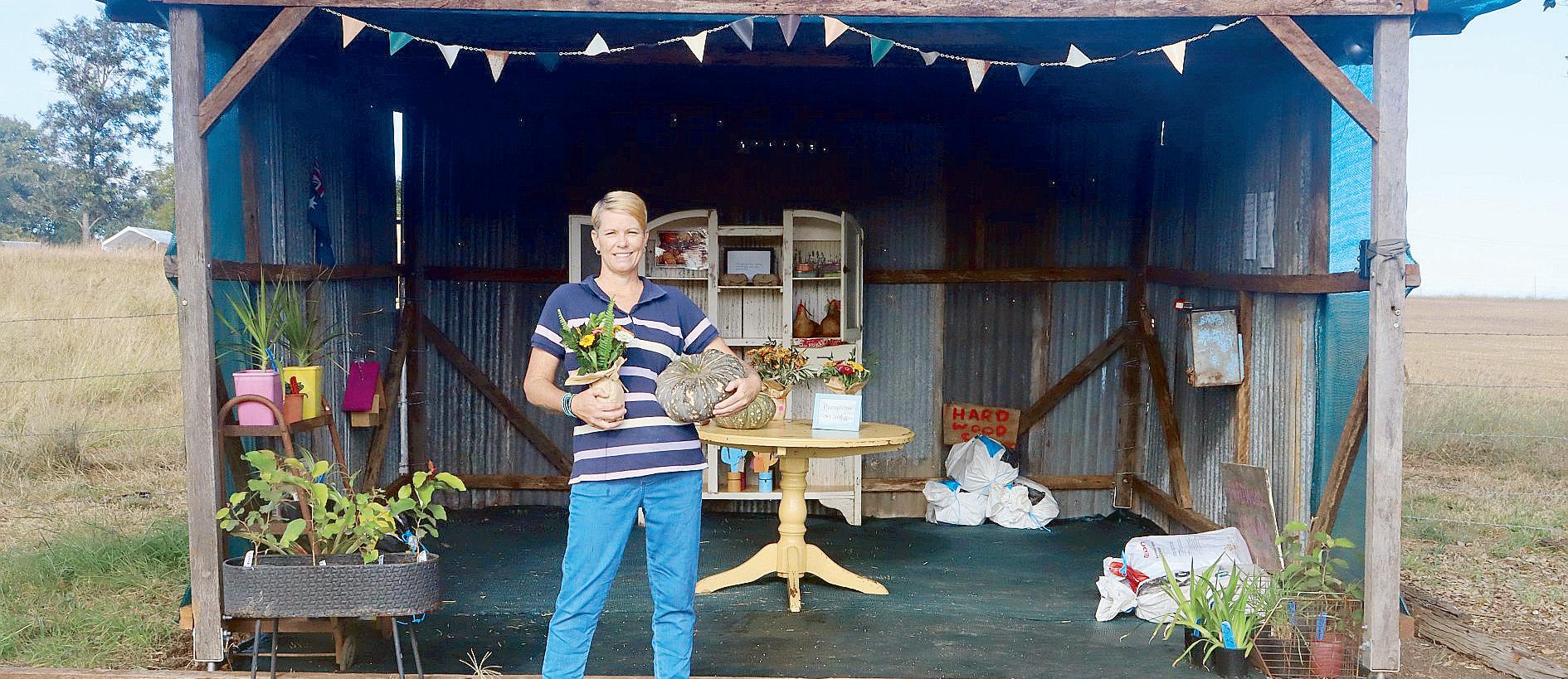
Since launching her small business venture, however, Fiona has seen both good and bad days.
“Some days I don’t sell anything, but other days you’ll be like ‘oh my god, that’s really cool’,“ she said.
“I know it’s a lot of passers-by, a lot of travelers [that buy from it] because we live on a main highway, so we catch all the traffic that goes past.“
As time went by, locals began to realise the existence of the stall as well, and have started to stop by regularly.
Despite the success of seeing people patronise her stand, Fiona has struggled with one dampener to her dream - theft.
Since getting her farm stand up and running Fiona has encountered a repeat issue of theft, losing an estimated 10 per cent of her takings so far.
“To be honest, it’s more disappointing than making me angry,“ she said.
When she first opened her farm stand, Fiona said she placed some cartons of eggs in the stand. That night, a fox came to steal and eat her eggs.
To add salt to the wound, she soon after encountered her first ’human’ theft, having several pumpkins stolen from the stand the same day.
“It made me disappointed that people can stoop so low to steal,“ Fiona said.
“There was also the fact that I’ve had someone rip open a money tin and steal nine dollars,“ she added.
“I don’t get angry, I just get disappointed and sad.
“It makes you think ‘what’s the point’ - but then I get good days where people pay for everything and it’s fantastic.“
“The thing that really annoys me is they [thieves] don’t think anything of it,“ Fiona said.
“We have cameras, and we know that it’s the older males who are stealing.“
Despite this theft issue, Fiona is determined to keep her farm stand dream alive.
“I want it to grow as a small business and make it profitable,“ she said.
“I just hope that people are more honest, and that they realise this is someone’s hard work they are affecting.
“It doesn’t take five minutes to grow vegetables, it takes months - only for someone to turn around and steal them.“
“Support roadside stalls. Whether it’s a kid selling firewood or someone selling their flowers - it’s someone trying to make a living,“ Fiona said.




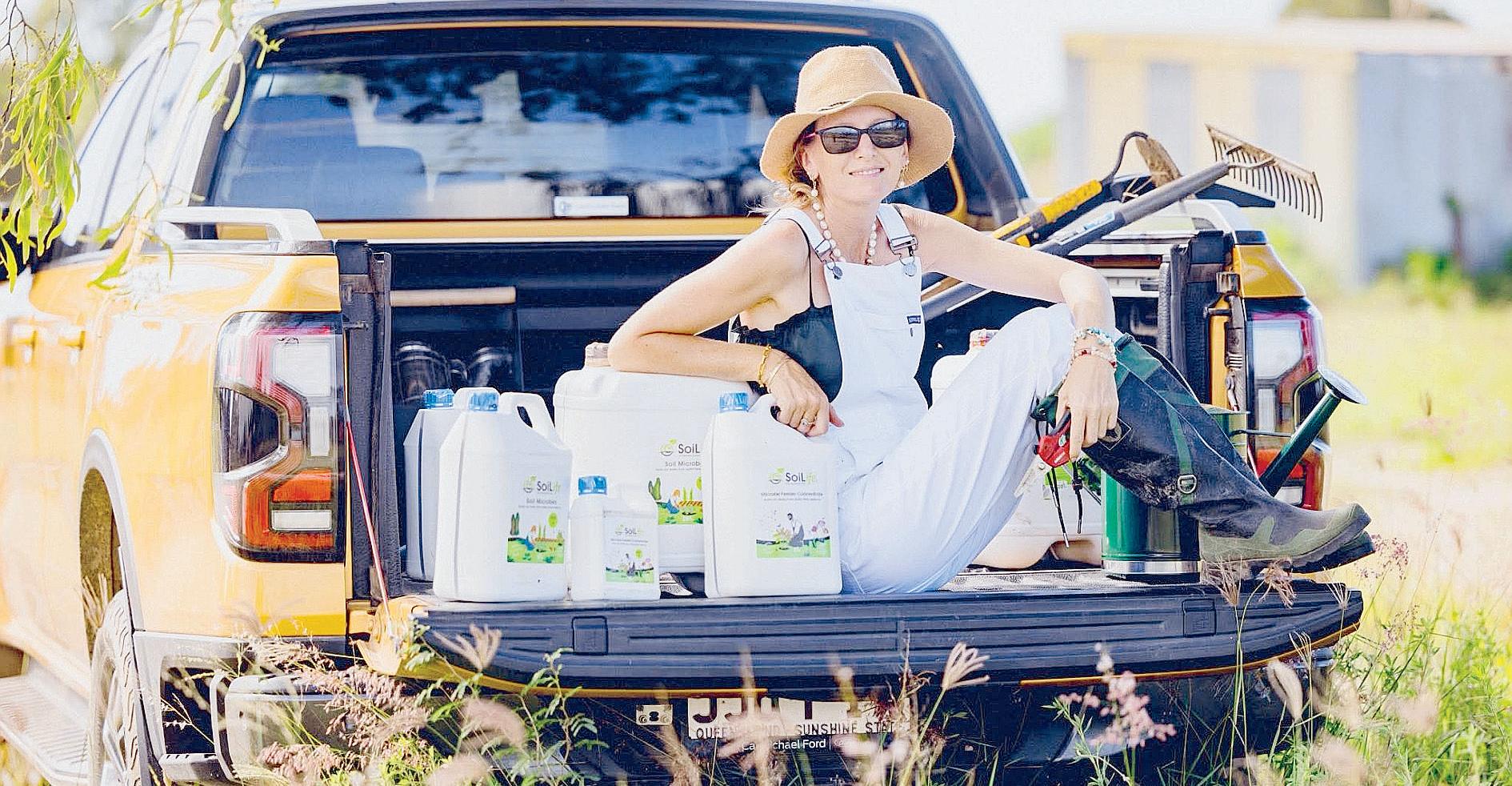
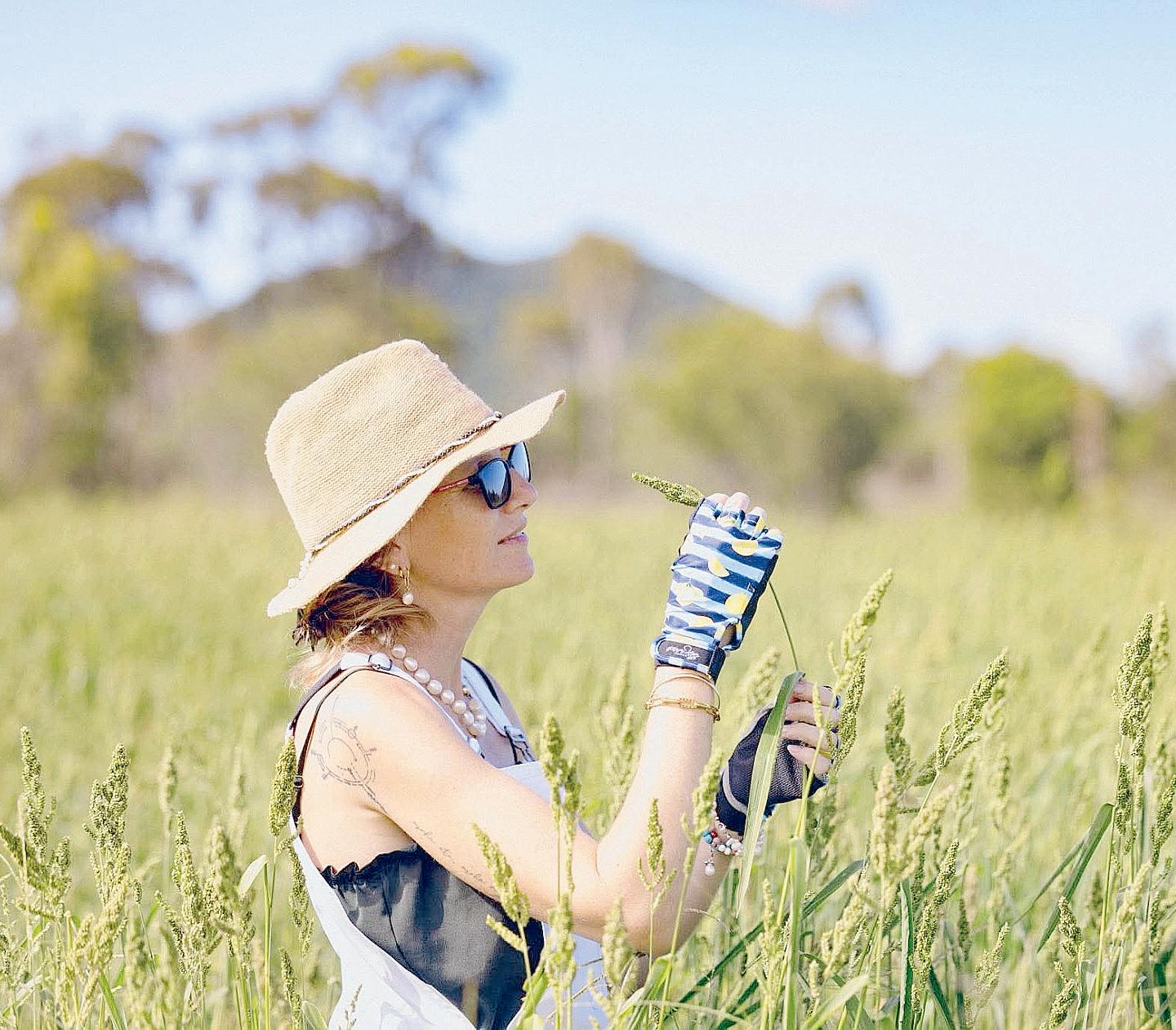
By Fiona Gowers
A new horticultural venture is emerging just outside Bowen, where local grower Wanita Sparr is transforming rural land into a seasonal flower production enterprise focused on fresh, locallygrown blooms.
Still in its early stages, the Bowen Flower Farm is currently trialling a range of flower varieties to determine which are best suited to North Queensland’s tropical growing conditions.
The experimental phase will help guide future production, with a long-term goal of supplying fresh-cut flowers to the local market while diversifying regional agricultural output.
“Most flowers sold in Australia travel long distances before reaching people’s homes,” Ms Sparr said. “I wanted to explore what could be grown right here in our region and share the beauty of locally grown flowers with the community.”
As development continues, Ms Sparr is documenting the process of establishing a flower farm
from the ground up, including the challenges and opportunities that come with growing non-traditional crops in a tropical environment.
The venture reflects a broader trend of onfarm diversification, with plans to expand beyond production to include agritourism experiences such as pick-your-own flowers, seasonal events and educational workshops aimed at promoting sustainable agriculture.
“I’m learning as I go,” Ms Sparr said. “But that’s part of the adventure. Every season teaches us
something new about what can grow here.”
Once production scales up, the farm is expected to host small community events, offering locals and visitors the opportunity to engage directly with flower production and gain a better understanding of the region’s emerging horticulture sector.
Updates on the farm’s progress and future activities will be shared with the community via social media as the enterprise continues to grow.
Nurses across the Darling Downs were last month recognised for their vital role in delivering safe, compassionate care, with International Nurses Day celebrations shining a spotlight on the profession’s impact on community health.
Marked under the theme Our Nurses. Our Future. Empowered Nurses Save Lives, this year’s celebrations highlighted the theme in action through a panel discussion on leadership and the recognition of outstanding nurses whose contributions are shaping the future of care.
Darling Downs Health chief executive Annette Scott PSM said the day recognised the dedication and skill nurses bring to their work every day.
“Our nurses are at the heart of our health service and the communities we serve,“ Ms Scott said. “They are there at life’s most significant moments, delivering high-quality care while advocating for patients and supporting families.
“In an increasingly complex healthcare environment, their clinical expertise and commitment to continuous improvement are critical to achieving better health outcomes for our region.”
A major highlight of the day was the Leadership at Every Level panel discussion, which reinforced that leadership in nursing is not defined by titles, but demonstrated through everyday actions.
Darling Downs Health executive director nursing and midwifery Alison Broadbent encouraged nurses to actively shape the future of the profession.
“Let’s be the owners of our profession and drive our professional changes rather than be on the receiving end of that,” Ms Broadbent said.
“The gift of being a nurse is that we adapt and manage what’s in front of us. That ability strengthens our workforce and ultimately improves care for our communities.”
Panel speakers shared insights on humancentred leadership, the importance of relationships and the value of learning through experience.
Acting assistant director of medical services
Anu Nair highlighted the importance of com-
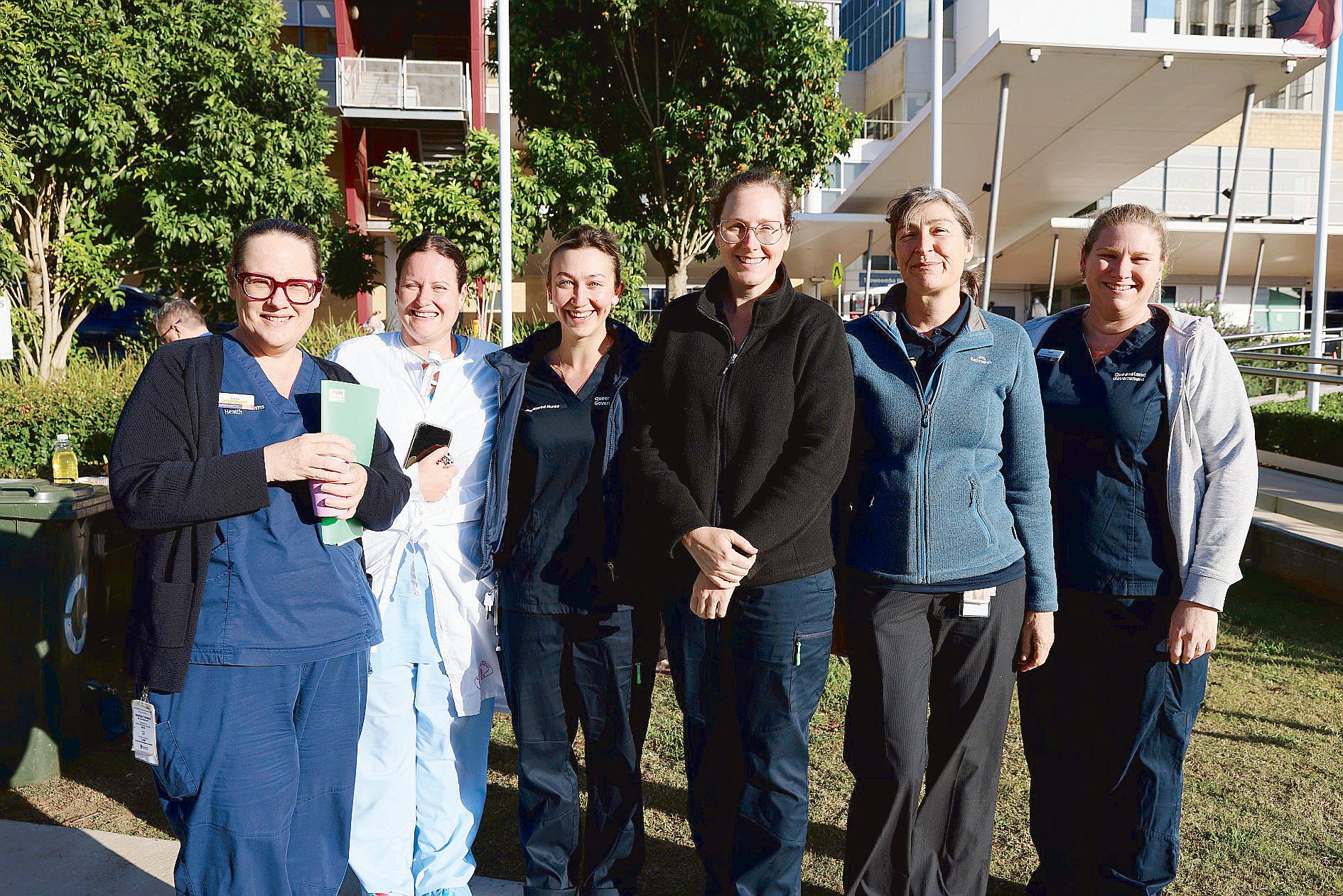
passion in leadership.
“Leadership is not just about ticking the box.
The best way to lead a team is to lead with kindness,” Ms Nair said.
The discussion highlighted that strong relationships and communication are key to influencing positive outcomes, regardless of formal roles and encouraged nurses at all stages of their careers to embrace their leadership potential.
The day also recognised outstanding contributions to nursing excellence, with clinical nurse consultant Cathie Manns named Darling Downs Health Nurse of the Year and Stanthorpe Hospital’s Laura Brown awarded Darling Downs Health Graduate Nurse of the Year.
Cathie was recognised for her decades-long contribution to nursing as a respected mentor and clinician and her leadership in patient safe-
on community health.
ty and sepsis care.
Laura was acknowledged for her exceptional commitment to patient-centred care early in her career and is known for her strong advocacy and dedication to continuous learning who supports her colleagues to deliver safe care.
Toowoomba Hospital was illuminated in blue on 12 May in tribute to the profession.
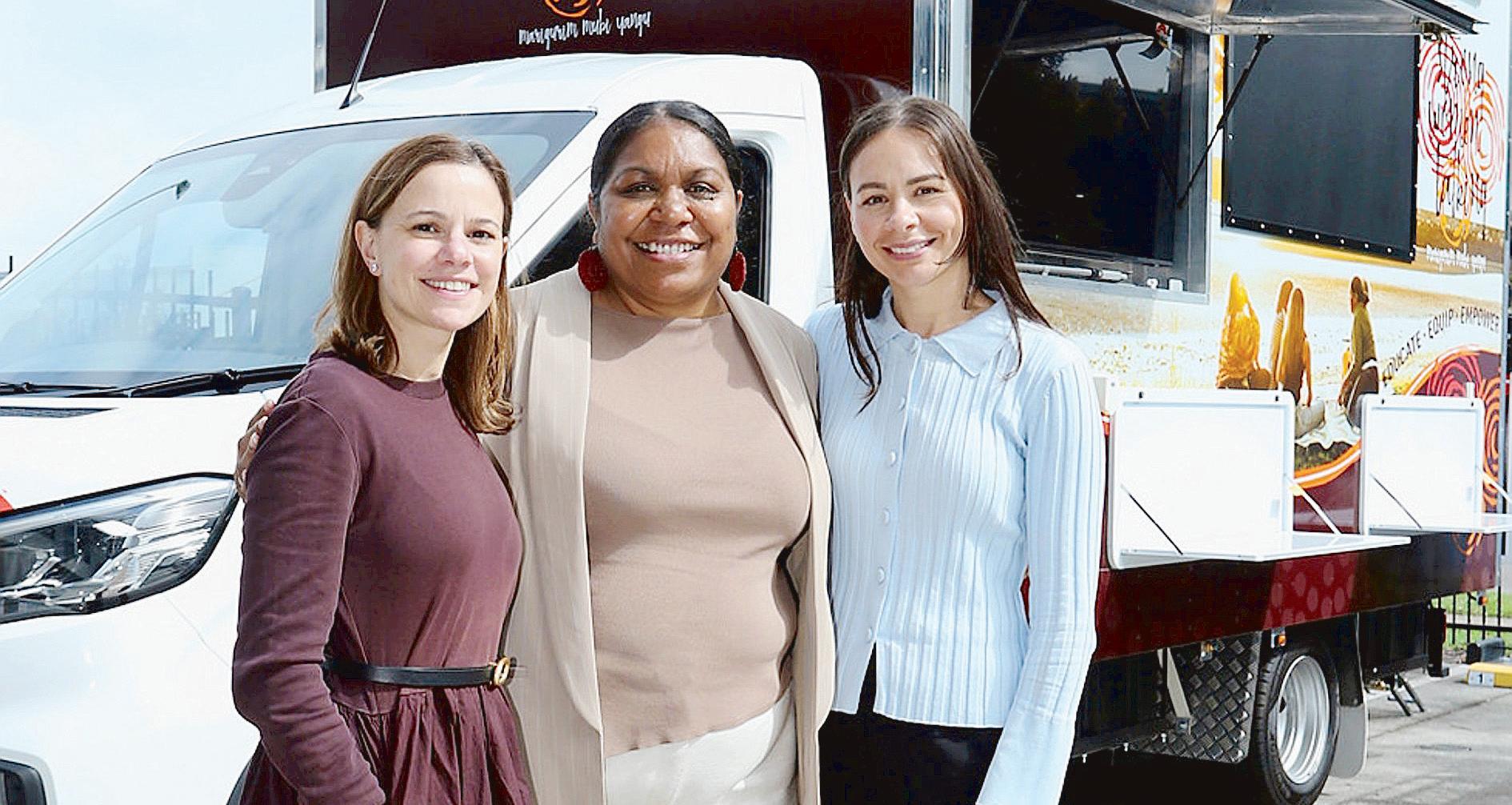
First Nations-led organisation Strong Women Talking has launched a new mobile education van to expand its outreach across Queensland, bringing its programs directly to First Nations communities.
The Strong Women Talking mobile van will be used to deliver education and awareness sessions focused on domestic and financial abuse, and economic empowerment, in a trauma-informed and culturally-grounded way.
The bespoke mobile van features beautifully designed elements along with Strong Women Talking’s branding on the exterior and is equipped with resources and facilities to support conversations about financial abuse.
This project was supported through CommBank Next Chapter Innovation, which provides selected organisations with grants of up to $200,000, alongside non-financial support including executive mentoring and strategic guidance.
It is helping to address financial abuse in First Nations communities and forms a commitment in CommBank’s FY26-28 Elevate Reconciliation Action Plan.
Launched during Queensland Domestic and Family Violence Prevention Month, the Queensland initiative aims to make support and education more accessible, particularly in communities where services are harder to reach.
Founder and CEO Sono Weatherall, a Butchulla and Garrawa woman, established Strong Women Talking to support First Nations women impacted by domestic and family violence.
Its model unites elders, aunties and peer support to create culturally safe spaces where women can connect, learn and rebuild connection to culture, community and identity.
Sono Weatherall, CEO and founder of Strong Women Talking, said: “The mobile van will help extend our reach and meet women where they are. It’s about taking support and education into community in a way that feels safe and culturally grounded.
“For many women, it starts with being able to have a yarn. This will help us reach more women and communities and continue building that connection.”
Angela MacMillan, CommBank Group Customer Advocate, said: “This innovative project
reflects the importance of locally led, culturally centred support.
“Strong Women Talking is a strong example of a community-led approach shaped by the needs of First Nations women and families.
“Through CommBank Next Chapter Innovation, we’re proud to support the work of Strong Women Talking to help extend their reach into more communities.
“Access to safe, local support can play an important role in financial abuse recovery.”
Throughout 2026 CommBank continues to work with its other Next Chapter Innovation part-
In the coming months, Strong Women Talking’s mobile van will visit various local communities in Brisbane before travelling to regional areas in Queensland later this year.
Financial abuse is one of the most common forms of domestic and family violence and can have lasting impacts on a person’s independence and financial security.
Through CommBank Next Chapter, the bank provides support to people impacted by financial
abuse and domestic and family violence, helping them rebuild financial independence.
Anyone worried about their finances because of domestic or family violence or coercive control can contact the Next Chapter Team on 1800 222 387 or visit commbank.com.au/nextchapter for support – even if you don’t bank with us.
If you or someone you know is experiencing domestic or family violence, call 1800RESPECT (1800 737 732) or visit www.1800RESPECT.org. au) or 13 YARN (13 92 76 or www.13yarn.org.au). In an emergency or if you’re not feeling safe, always call 000.

Men don’t talk face to face, they talk shoulder to shoulder
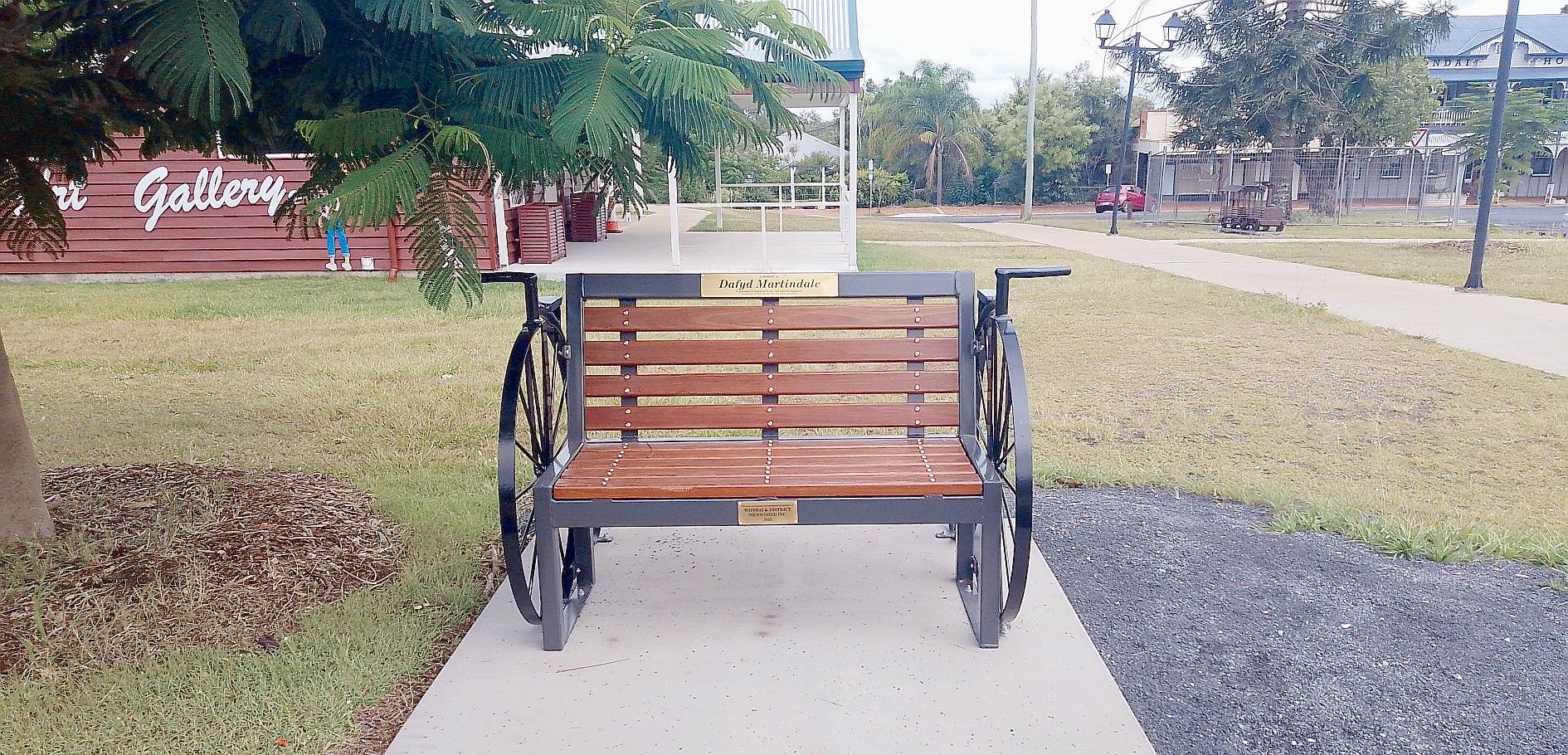
The
Each member played a role in bringing the project to life, resulting in a functional yet eye-catching tribute that reflects Daf yd’s
Now a feature of the park, the seat stands as a reminder of the difference one person can make in a community. For the Wondai Men’s Shed, projects like this highlight the organisation’s broader purpose: fostering connection, contributing to the community and creating something meaningful for others to enjoy.
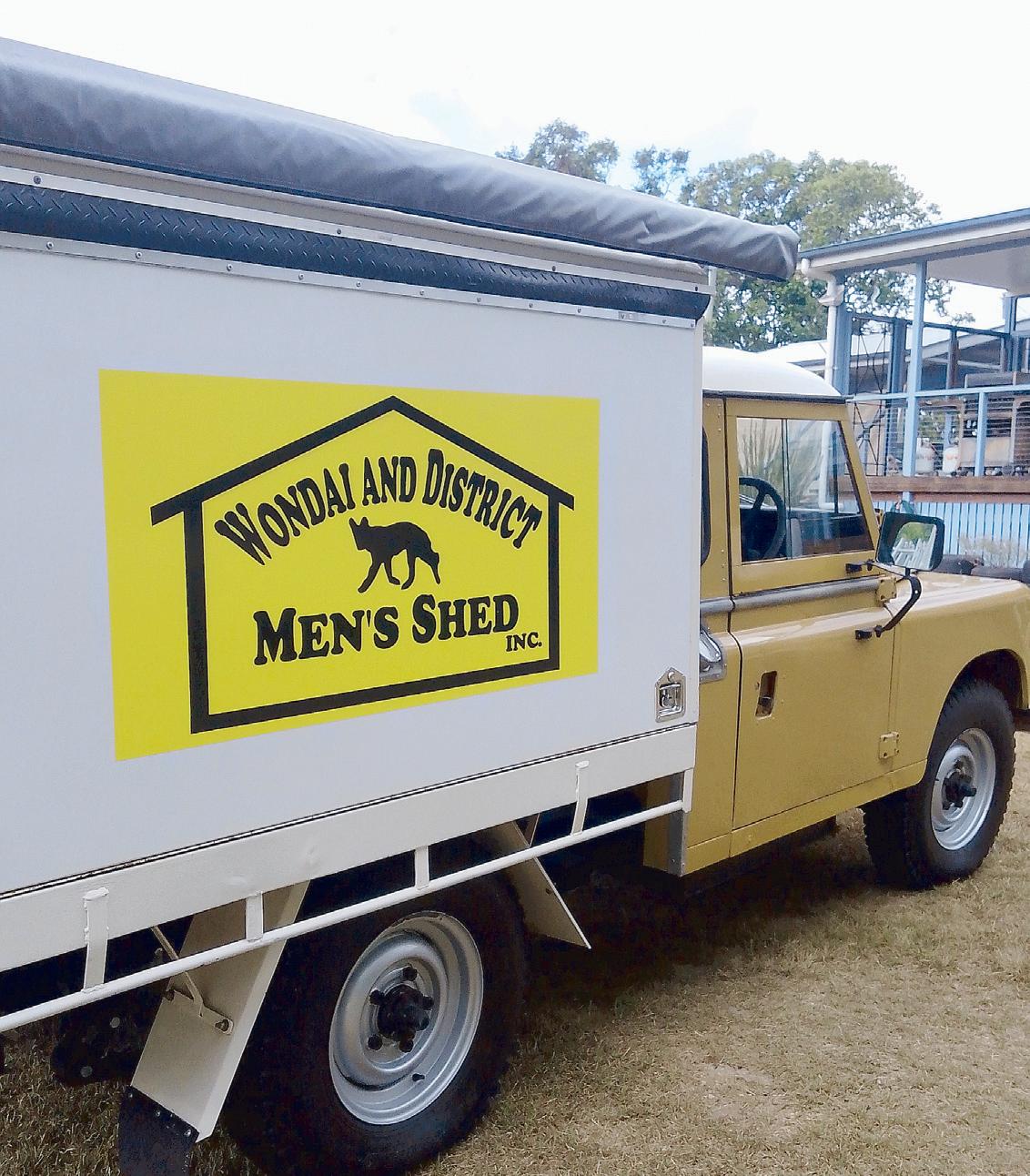
By Fiona Gowers
In a quiet corner of Queensland’s South Burnett, something powerful is taking shape inside a modest shed.
No, it’s not just timber projects and community jobs, but connection, purpose and, most importantly, a lifeline for men’s mental health.
At the centre of it all is Wondai and District Men’s Shed president Jim Rook, whose passion for supporting local men has turned a simple idea into a thriving community hub in just over a year.
The shed officially opened its doors on 8 April, 2024, but its foundations were laid long before that. Mr Rook said the concept had been brewing for up to 18 months, sparked by conversations with mates Neville French and Morrie Mason.
“Nev and I were members of a shed in another town and he said to me years ago, ‘I’m thinking about getting a men’s shed going at home’,” Mr Rook recalled.
“And it just sort of evolved from there.” What began as a conversation eventually became a commitment, one Mr Rook admits he approached with some hesitation.
“I had reservations there at one stage,” he said. “And then I thought, ’This has got to work’.”
And work it has. From an initial group of seven - just enough to form a management committeethe shed has grown to 19 members, uniting men from all walks of life.
But, for Mr Rook, the numbers only tell part of the story.
“It’s a great bunch of blokes,” he said. “Some of them I knew, others I’d never met before, but everyone just fits in. You can make a silly comment and someone will fire one straight back. It’s just a happy place.”
While the workshop hums with practical activity, from building tables and chairs to crafting mud kitchens for the local kindergarten, Mr Rook is quick to emphasise that participation isn’t about productivity.
“Members don’t have to join in and do anything,” he said. “They can sit around and just chat, and that’s perfectly fine.”
In fact, he affectionately refers to one group of regulars as the “knights of the round table” - a handful of men who gather simply to share stories and enjoy each other’s company.
It’s this relaxed, inclusive atmosphere that underpins the shed’s deeper purpose: supporting men’s mental health.
“We’ve had a couple of guest speakers come in to talk about mental health, and I’m looking at organising another one soon,” Mr Rook said.
“The talks encourage fellas to talk. It opens lines of communication without them even realising.”
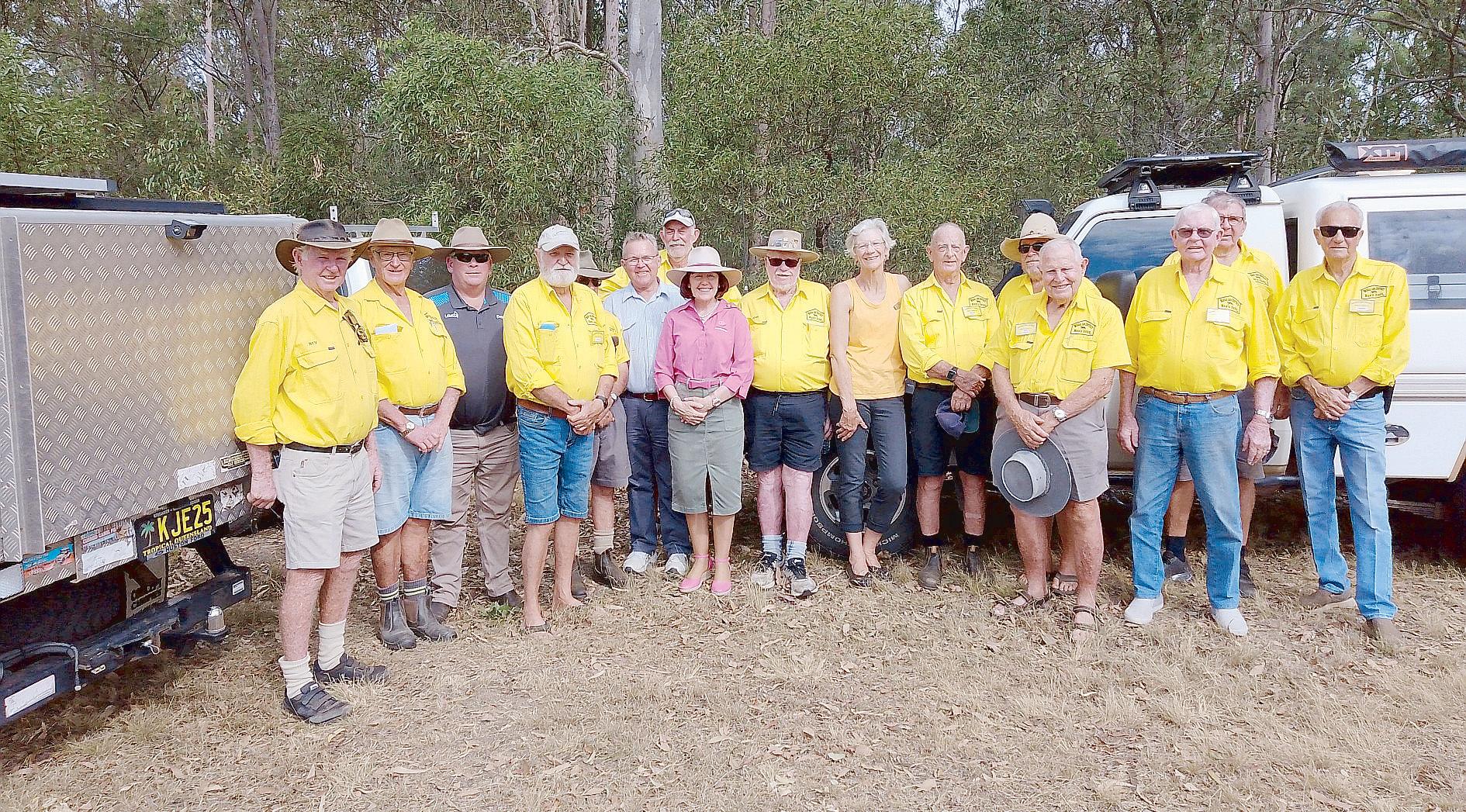
For many members, the impact has been profound.
“Quite a few of the men say they don’t know where they’d be without the shed,” he said. “Men have just got to make the effort to come alongthey’ll get so much out of it.”
Mr Rook admits he’s not naturally a big talker, but something about the shed environment changes that.
“Down there, it’s just a different atmosphere,“ he said. “I feel totally comfortable talking.
“It’s a community of men within a community.”
That sense of openness extends beyond casual conversation. Every couple of months, the management committee meetings are opened to all members, encouraging transparency and shared ownership.
“We’re all quite open about everything,” Mr Rook said. “That’s probably why it’s working so well.”
The shed’s influence also reaches far beyond its walls, with members actively contributing to the broader Wondai community.
Shortly after opening, the group stepped up
to help clean the local golf club following flood damage.
“I just said to the fellas, ‘come on, we’ll go and pick some rubbish up’ - and they did,” Mr Rook said.
Since then, they’ve continued to take on a range of community projects, including refurbishing signage for the council, building custom furniture and supporting local businesses.
“We’ve got welders, builders, even a retired minister,” Mr Rook said. “Everyone brings something different.”
Fundraising efforts have also become part of the shed’s rhythm, from selling hot chips at the Wondai races to catering at auctions.
But their most ambitious goal yet is just around the corner: building a new, larger shed.
The current space, while well-used, is no longer big enough to comfortably accommodate the growing membership.
“When we get 16 or 17 fellas turn up, it gets a bit cramped,” Mr Rook said.
Plans are now underway for a purpose-built facility near the Wondai hospital — a 25-metre by 18-metre American barn-style structure, with an
estimated cost of $500,000.
To help fund the project, the group has come up with a creative grassroots campaign.
“Instead of selling bricks, we’re selling a square foot of concrete floor for $10,” Mr Rook explained.
Supporters can choose to have their names displayed on a recognition board, though anonymity is also respected.
“It’s been going well — money’s coming in,” he said.
Beyond providing more space, the new shed represents something bigger: a long-term investment in the wellbeing of local men.
For Mr Rook, the pride in what’s been achieved so far is undeniable, but it’s the stories behind the smiles that matter most.
“They’re getting heaps out of it,” he said.
And as the Wondai and District Men’s Shed continues to grow, it’s clear that what started as a simple idea between mates has become something far more significant - a place where men can find connection, purpose and support ... one conversation at a time.
Tuesday 21st July
Lotus Herefords 44 Hereford Bulls Sale @ 1pm
Tony & Barbara Holliss, Glen Innes NSW M: 0418 655 009

Cameron 0419 841 005 Ace 0488 016 109 E: hollissofp@gmail.com www.lotusherefords.com.au
Wednesday 22nd July
Glenwarrah Herefords 25 Bulls (Horn & Poll) Sale @ 11.30am

Day3
David & Kate Collins, Bundarra NSW M: 0497 270 455 E: glenwarrahbrooksby@gmail.com www.glenwarrah.com.au
Thursday 23rd July
Amos Vale Herefords
35 Hereford Bulls Sale @ 1pm

Mark & Wendy Campion, Glen Innes NSW M: 0428 334 626 E: amosvaleherefords@gmail.com www.amosvaleherefords.com.au Glen Innes 4 3 B 23 24
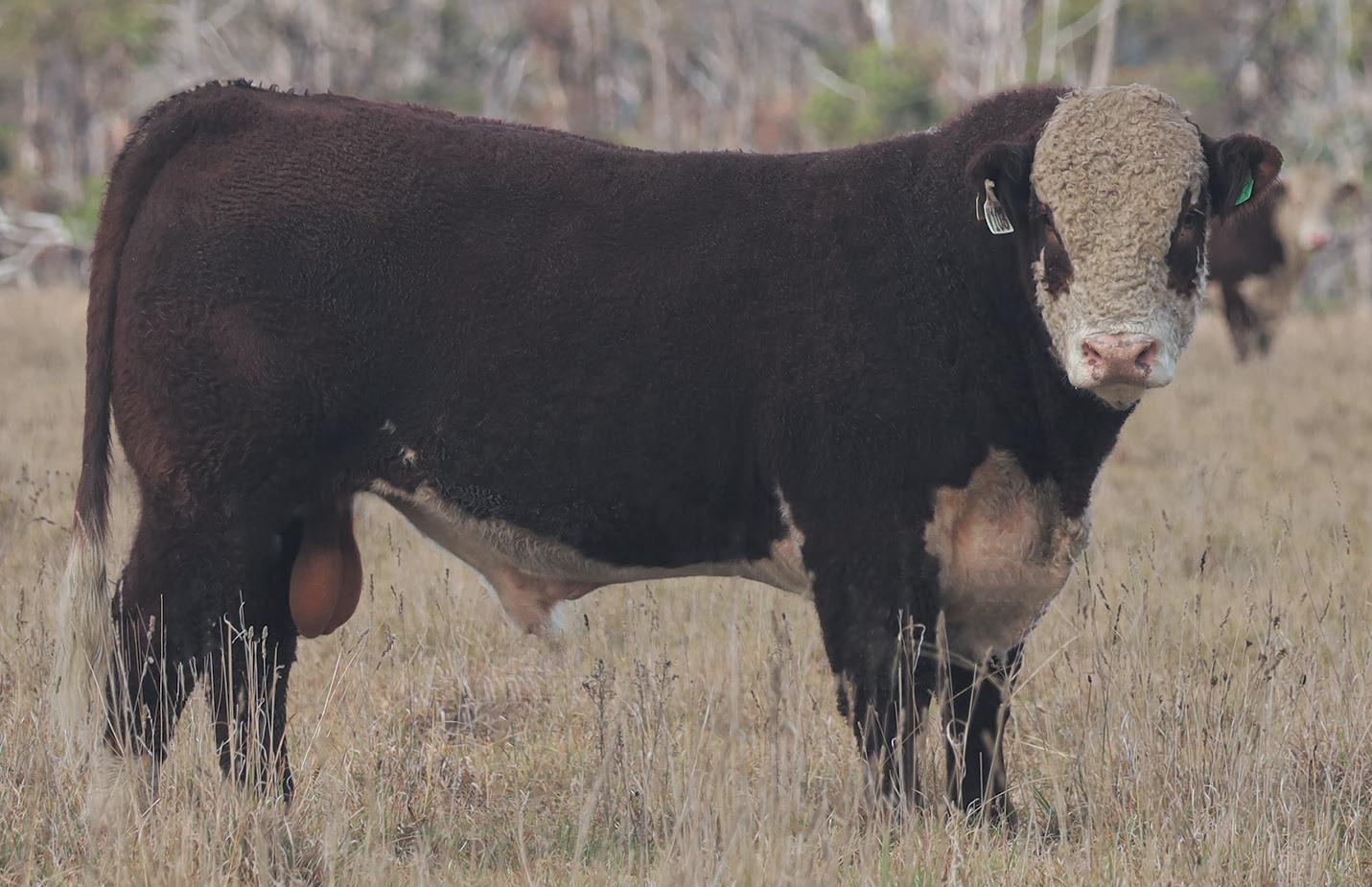
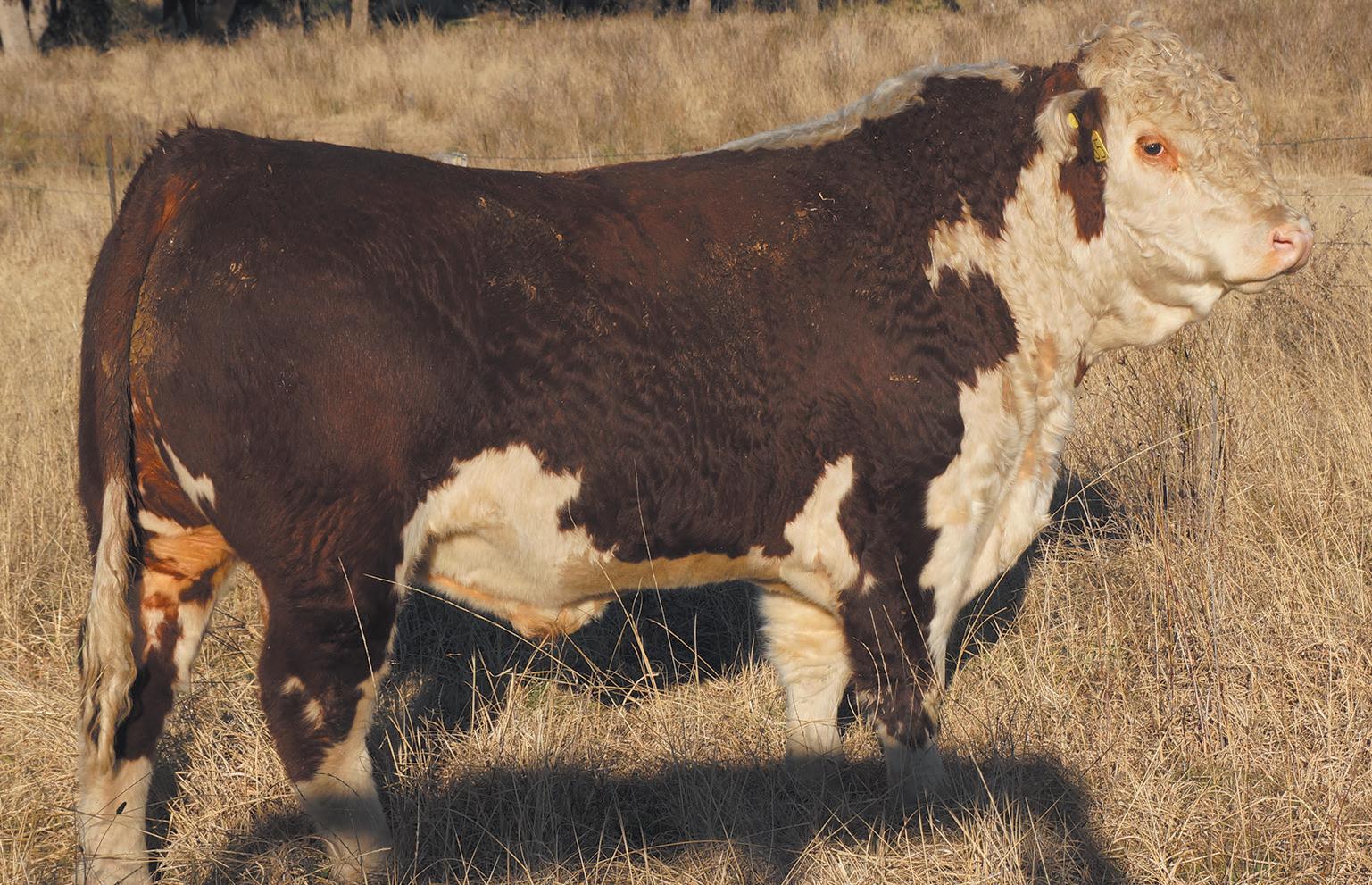
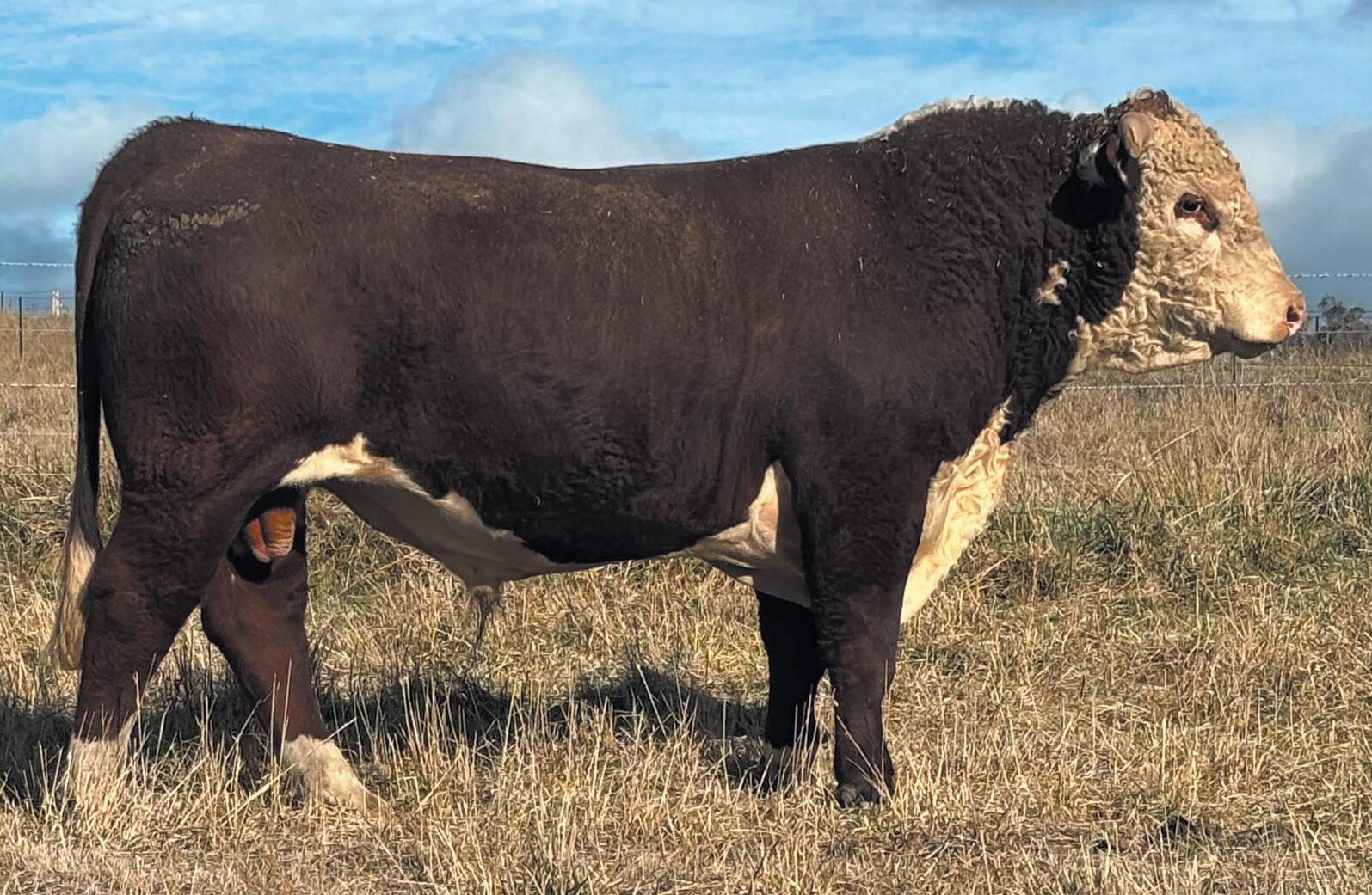



Friday 24th July


Glen Innes Bull Sale (Horn & Poll) 43 Bulls & 11 Females


Thursday 23rd July - Show @ 1.30pm Friday 24th July - Sale @ 11am

Catalogue Online a Or au


By Jane Lowe
Woodchopping remains a popular and traditional drawcard at the Crows Nest Show in Queensland, bringing together local and regional axemen and women to compete in a range of fast-paced, highly skilled events.
Woodchopping and sawing has been part of Australian life since the earliest days of settlement, when felling and gathering timber was essential for building homes, fencing properties and everyday survival. Legend has it the sport itself began in 1873, sparked by a pub bet between a couple of determined blokes – a story that feels perfectly at home in Australian history.
One young competitor 14-year-old Archie Head from East Burpengary is on a path to outshine five generations of family woodchoppers.
Archie first competed at just five years old. By the age of six, he was already turning heads after starring on the television program Little Big Shots for channel 7 in 2018.
Archie comes from a proud woodchopping family that has competed at Brisbane’s Ekka for generations, including his mother Katrina and his father Jamie, a world champion axeman. Archie said he has been “hitting an axe on a block for as long as I can remember” and has been competing since he was five.
One of the most impressive events is tree felling, where competitors use springboards to cut notches into the pole, insert boards, and climb several metres into the air. Using strength, balance and precision, they cut from both sides, showcasing a skill that is both athletic and deeply connected to Australian heritage.
At Crows Nest, competitors tackled the hoop pine poles, climbing to heights of around four to six metres in a spectacular test of speed, technique and nerve
With over 100 exhibits at the Crow Nest Show Stud Cattle section, Gold Crest Victor won Grand champion of show. Victor also won Champion and reserve senior champion European bull, reserve junior champion European bull, reserve champion European female, First place in pair bulls and first for the breeders group.
KBV Simmental stud, KBV TULLY won the Interbreed Champion Female and Interbreed Pair of Females.
The Sunnyside Park team attended the Crows Nest Show and had a successful day placing Grand Champion Tropical Bull - Sunnyside Park Mr Jasper and Grand Champion Tropical Female - Sunnyside Park Miss Kiara and in the Interbreed they place 3rd in Pair of Bulls, 3rd in Pair of Females and 2nd in the Breeders Group.
Steph Laycock, Esk was the judge for the Stud beef cattle and Young judges.
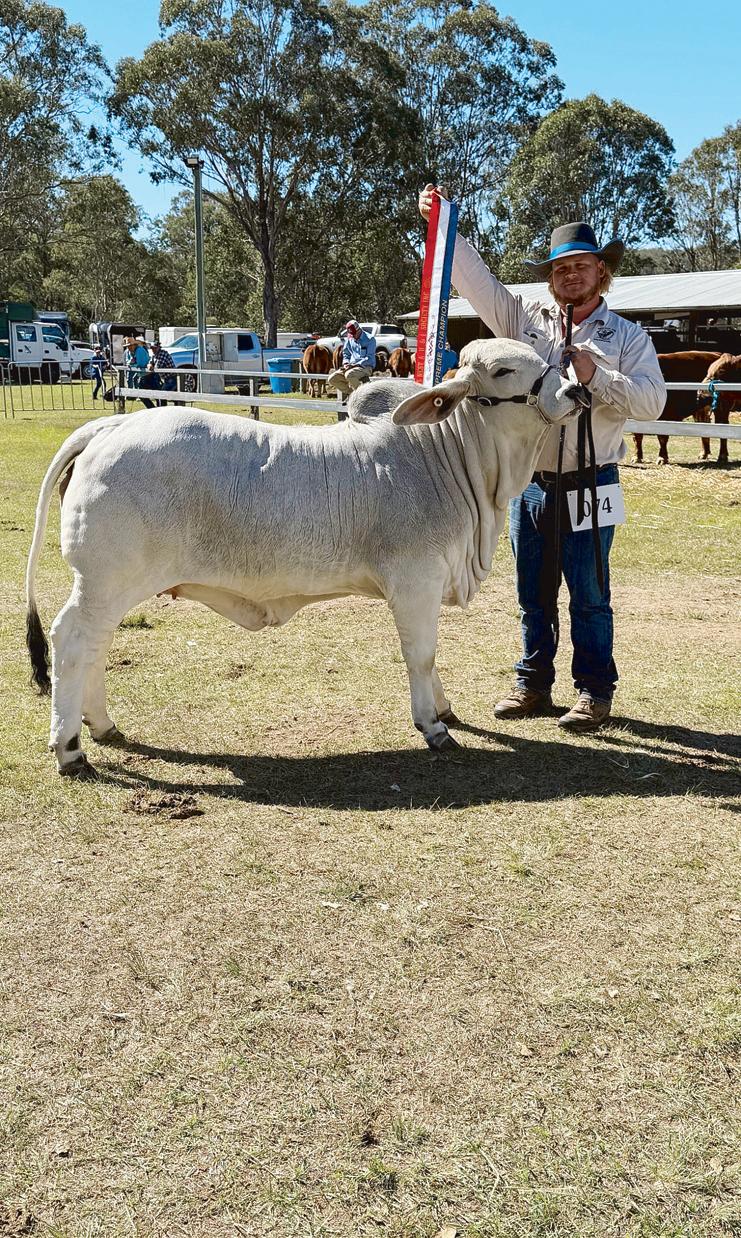
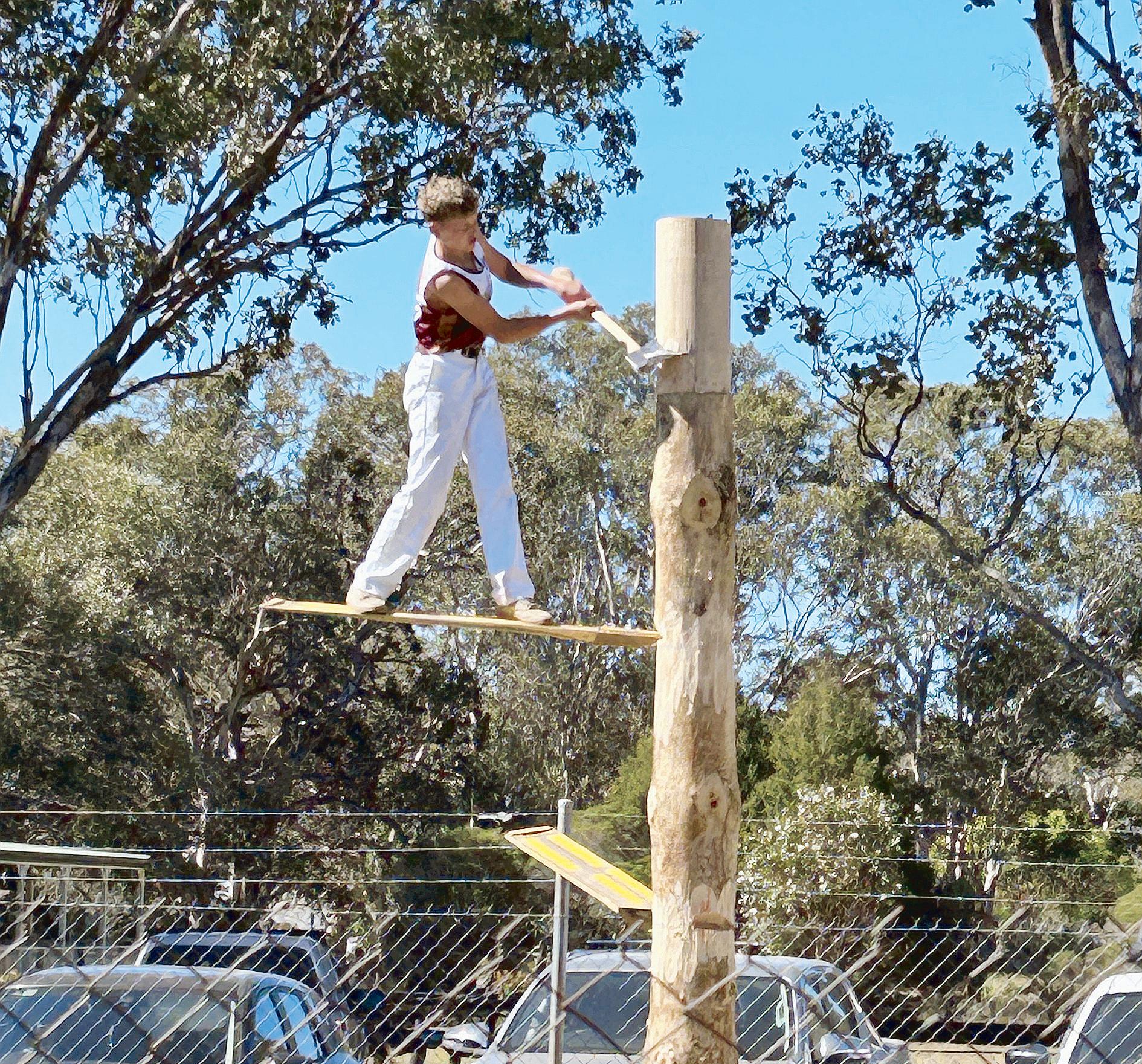
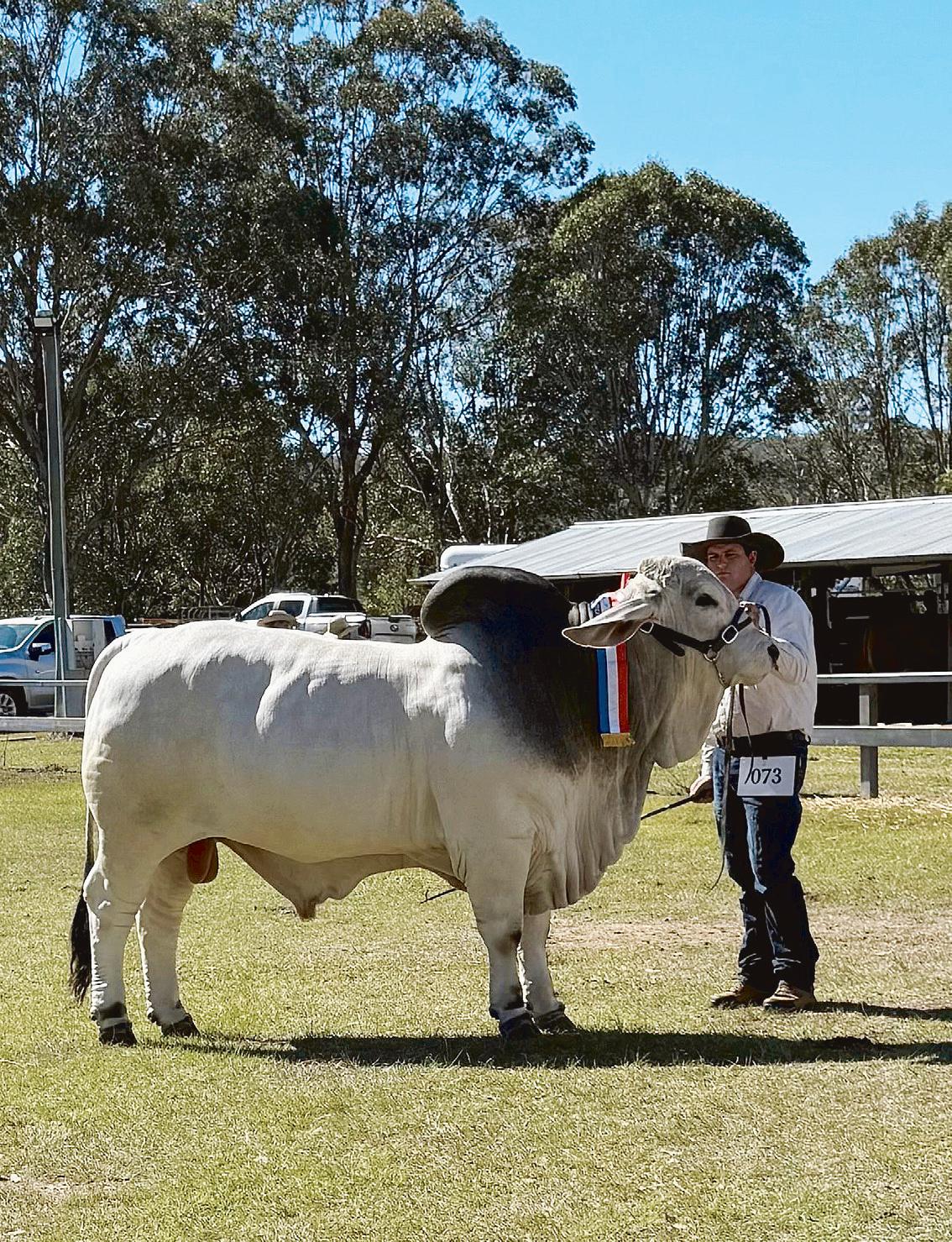
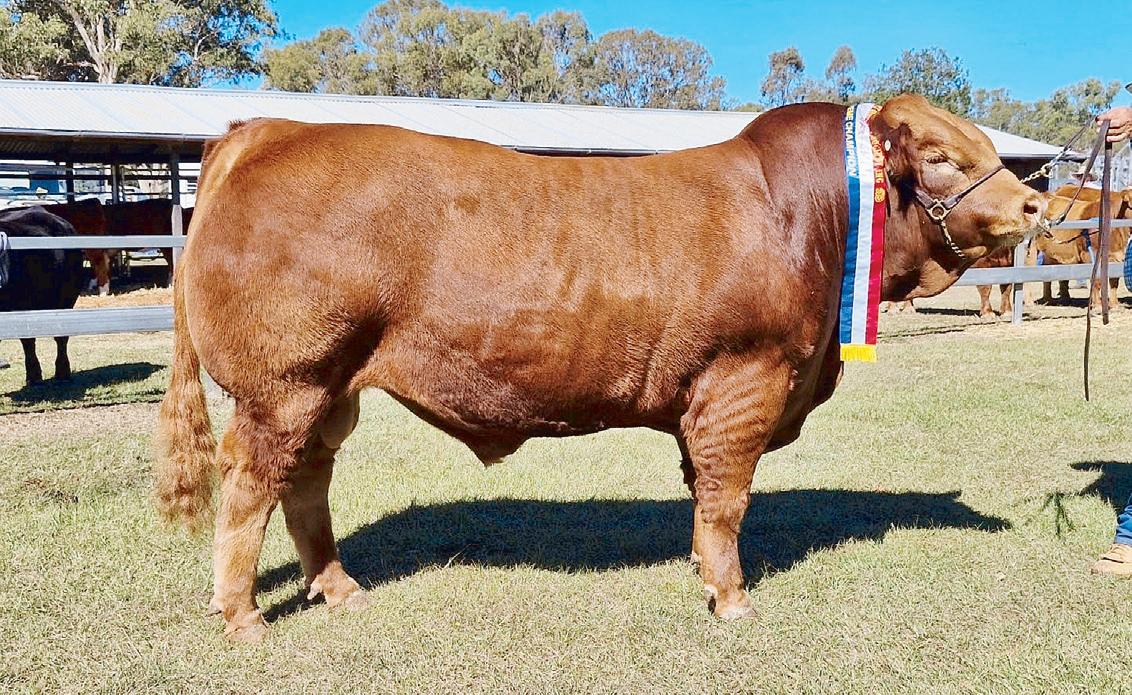
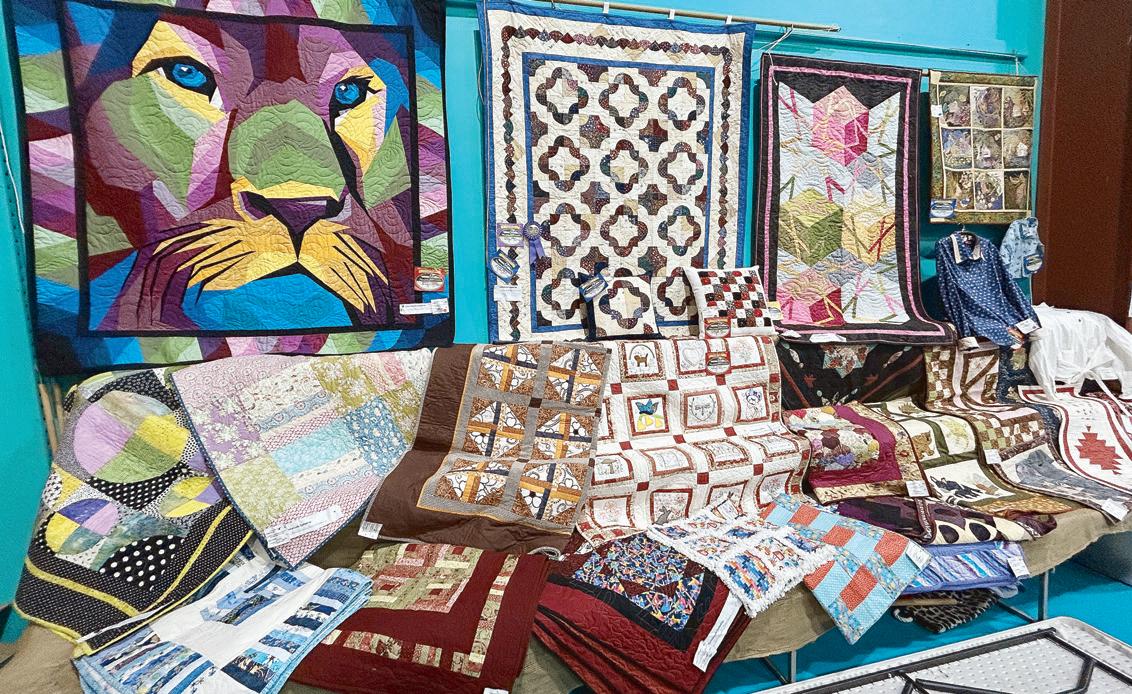
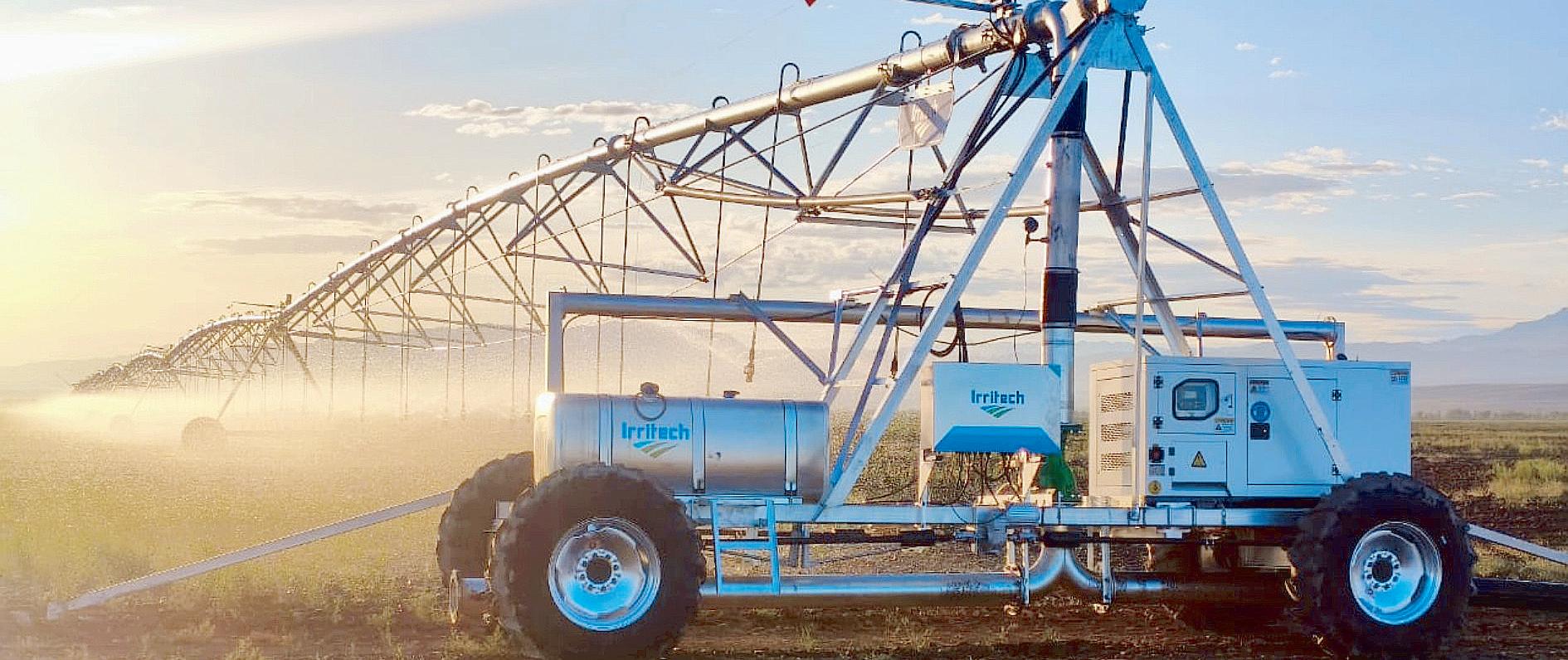
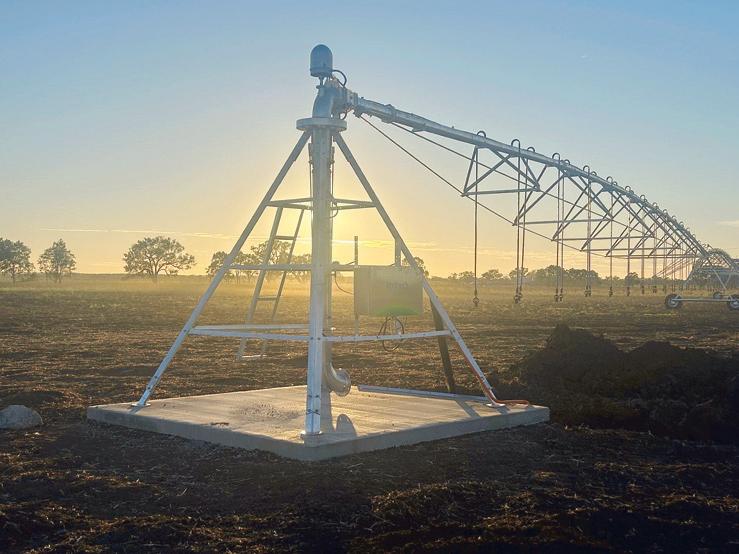
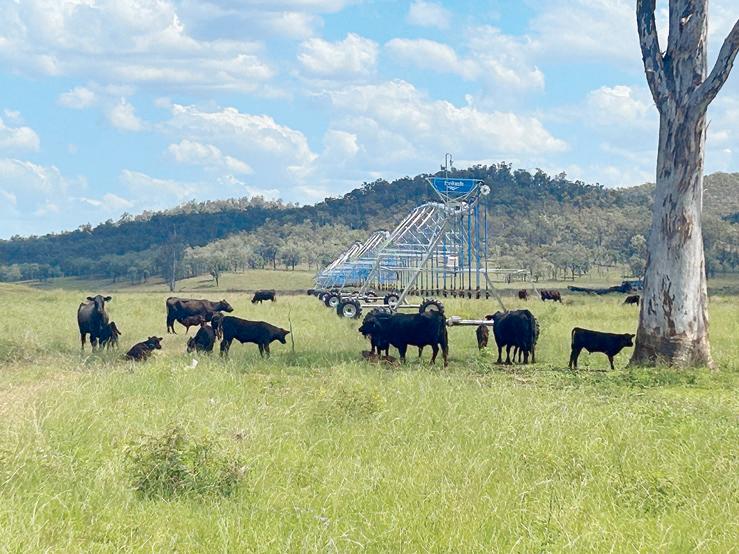
By Jane Lowe
Queensland farmers looking to improve water efficiency and lift productivity have a dedicated irrigation specialist on the ground, with Irrigation Pump and Services the Queensland-wide dealer for Irritech Global centre pivot and linear move irrigation systems.
Irrigation Pump and Services specialise in delivering reliable and tailored pumping and irrigation services throughout the state, providing sales, installation, servicing and ongoing support for growers across broadacre, horticulture, orchards and vineyards. With more than 30 years’ experience in water supply and irrigation systems, the team brings practical knowledge that helps producers make confident decisions around upgrading or expanding their watering infrastructure.
The business offers repairs, relocation and upgrades to most brands of centre pivots, along
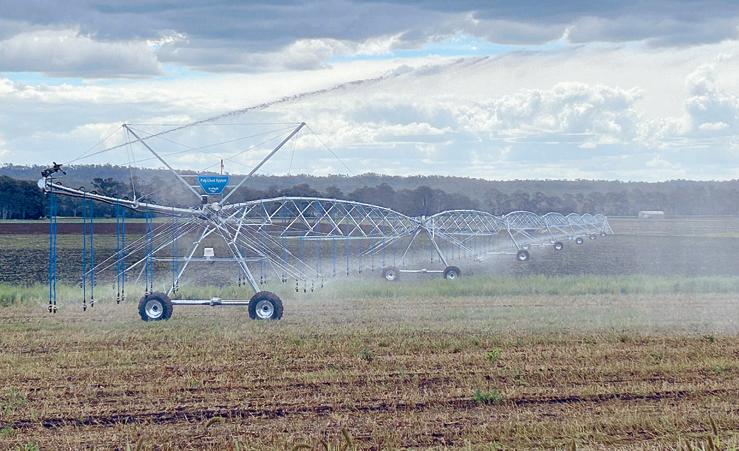
with a reliable supply of parts to keep machines running during critical irrigation periods. Not every situation requires a brand new system, one of IPS’s fields of expertise is working with existing farm infrastructure, both small and large scale operations. In-field demonstrations are also available, giving customers the opportunity to see

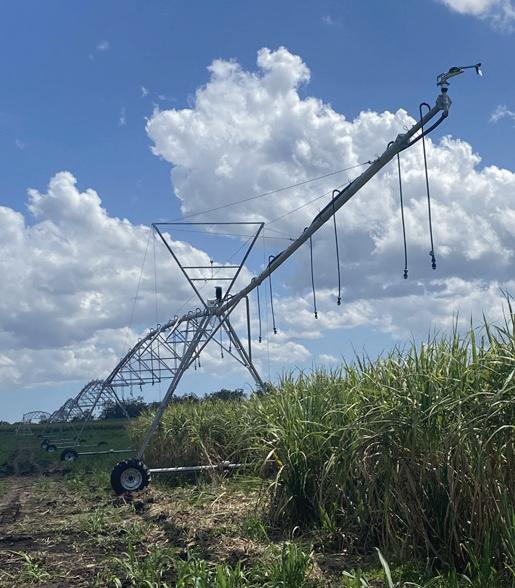
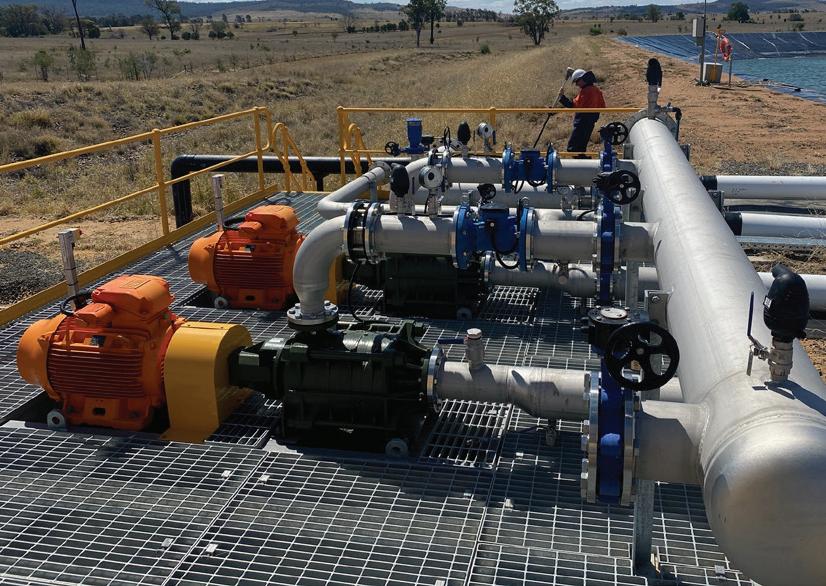
pivot and linear move performance in real working conditions before committing to a purchase with projects in the Nanango, Monto, Mundubbera, Clermont, Atherton Tablelands, Darling Downs and Lockyer Valley areas.
Centre pivot and lateral move irrigation have become widely adopted across Australian agriculture, offering significant advantages over traditional methods such as flood irrigation.
Modern pivot systems can improve uniformity, reduce water loss and significantly cut labour requirements. In many operations, these systems have helped increase yields and profitability while improving water efficiency.
Irritech Global, is recognised internationally for its focus on durability, continuous improvement and user-friendly operation, providing irrigation equipment designed to perform in demanding agricultural environments.
Irritech centre pivots are built with premium components, including genuine UMC drive mo-

tors and gearboxes, plus quality sprinkler and end gun options from Komet and Senninger. Electrical reliability is enhanced with Honeywell micro switches, Schneider contactors, and safetyfocused tower boxes featuring indicator lights to provide instant alerts when a circuit fault occurs.
Control panels can be customised, including stainless steel designs, and are equipped with LED lighting for safe operation at night. QR codes on the panels and tower boxes also allow users to quickly access troubleshooting videos and technical documentation.
Irrigation Pump and Services also provides a full range of irrigation services beyond pivots, including orchard and vineyard irrigation systems, pipelines and stock watering systems, poly welding, pump sets, solar pump solutions, borehole submersible pumps and turbine pumps. Every irrigation project is unique, which is why we offer complete support from design to commissioning, and for the seasons beyond.
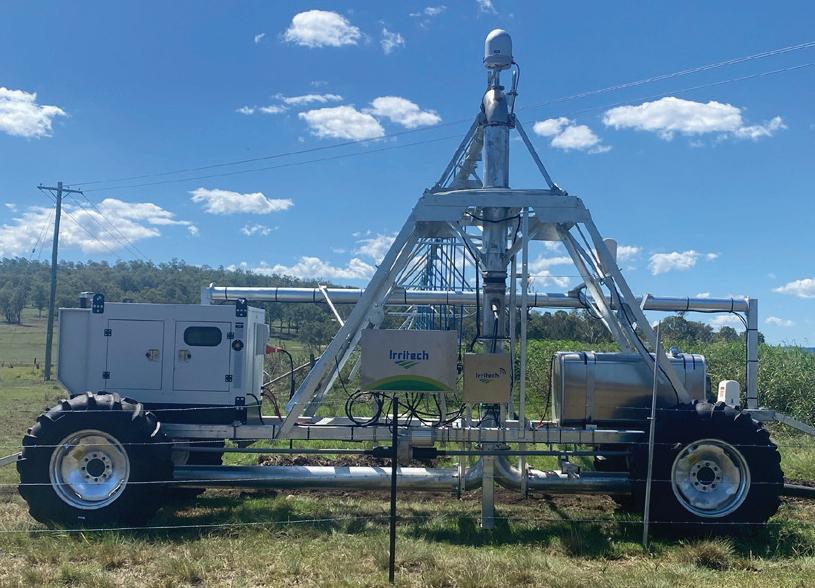
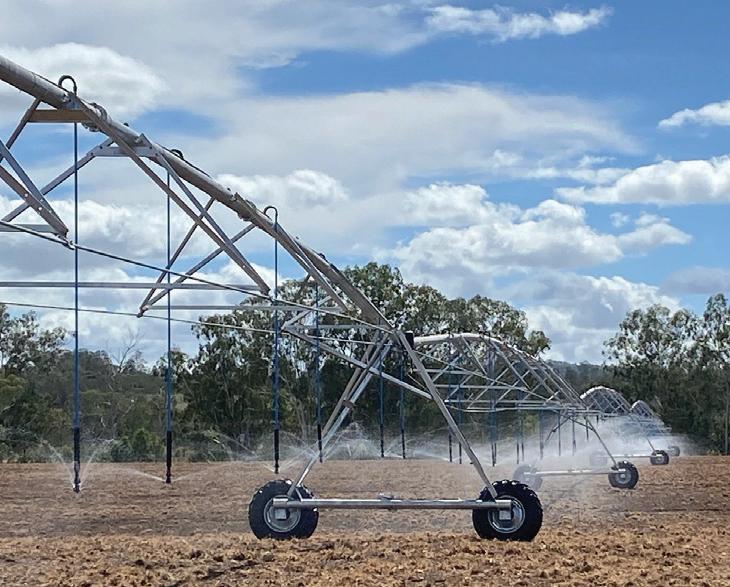
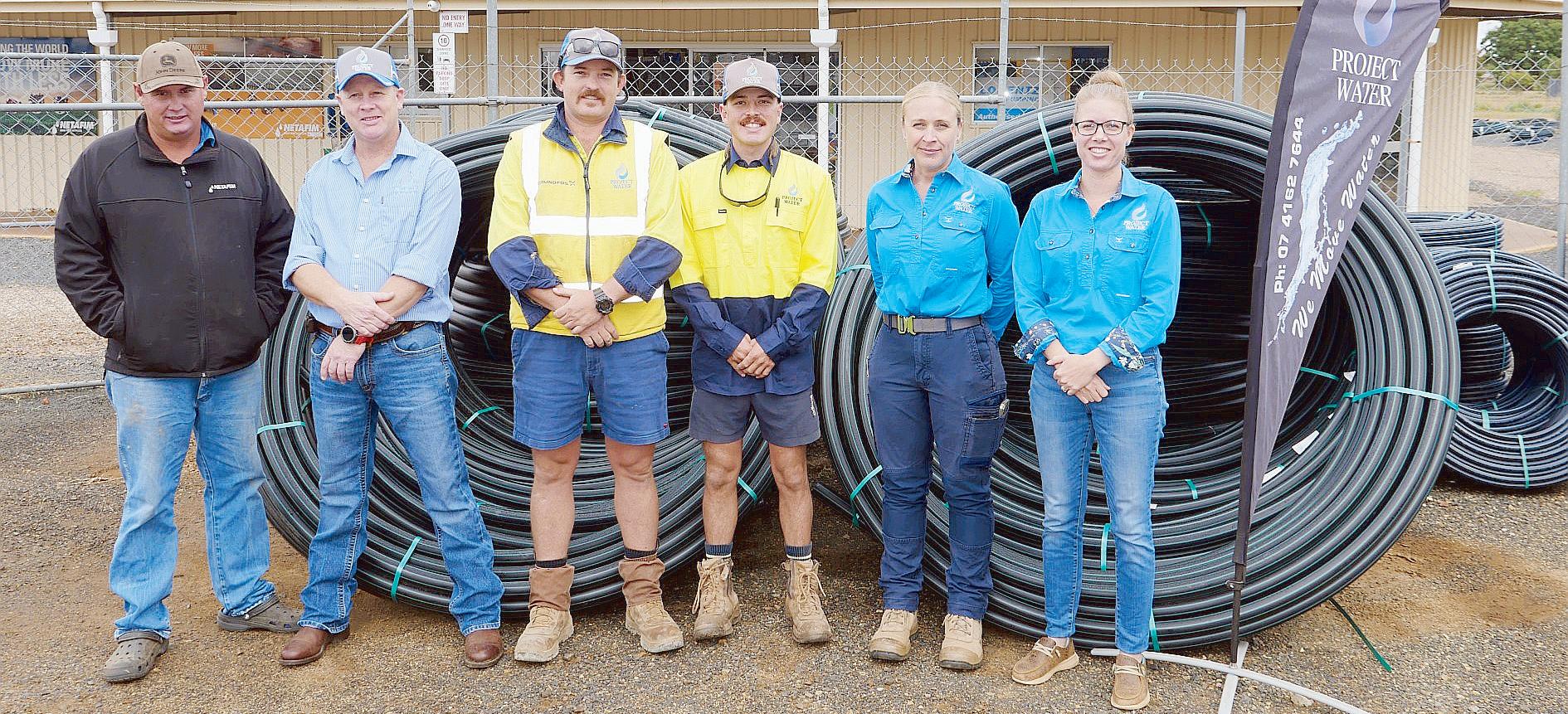
Project Water is your local water solutions specialist, delivering reliable, practical outcomes for rural and regional communities. With expertise spanning pumps and stock watering systems through to irrigation and complete turnkey design, the team provides end-to-end support tai-
lored to each property’s needs. From solar pumping solutions to tanks, troughs, pipes and fittings, Project Water combines technical knowledge with hands-on experience to ensure the right solution is delivered every time.
a shop front and team based in Kingaroy, alongside a second team operating out of Mun-
is complemented by a willingness to travel extensively, supporting producers
right across Queensland with responsive service and on-the-ground expertise.
Backed by over 25 years of industry experience, our team offers trusted knowledge and practical insight.
By Jane Lowe
Providing cattle with access to clean drinking water through trough systems can significantly improve weight gain and grazing efficiency, according to industry research that continues to reshape how producers manage water and pasture resources.
Studies have shown cattle drinking clean water from troughs can gain up to 23 per cent more weight compared with animals drinking directly from dams. The difference largely comes down to water quality and consumption patterns.
Livestock are far more likely to drink regularly when water is clean, fresh and easily accessible. Increased water intake encourages higher dry matter intake, which is critical for feed
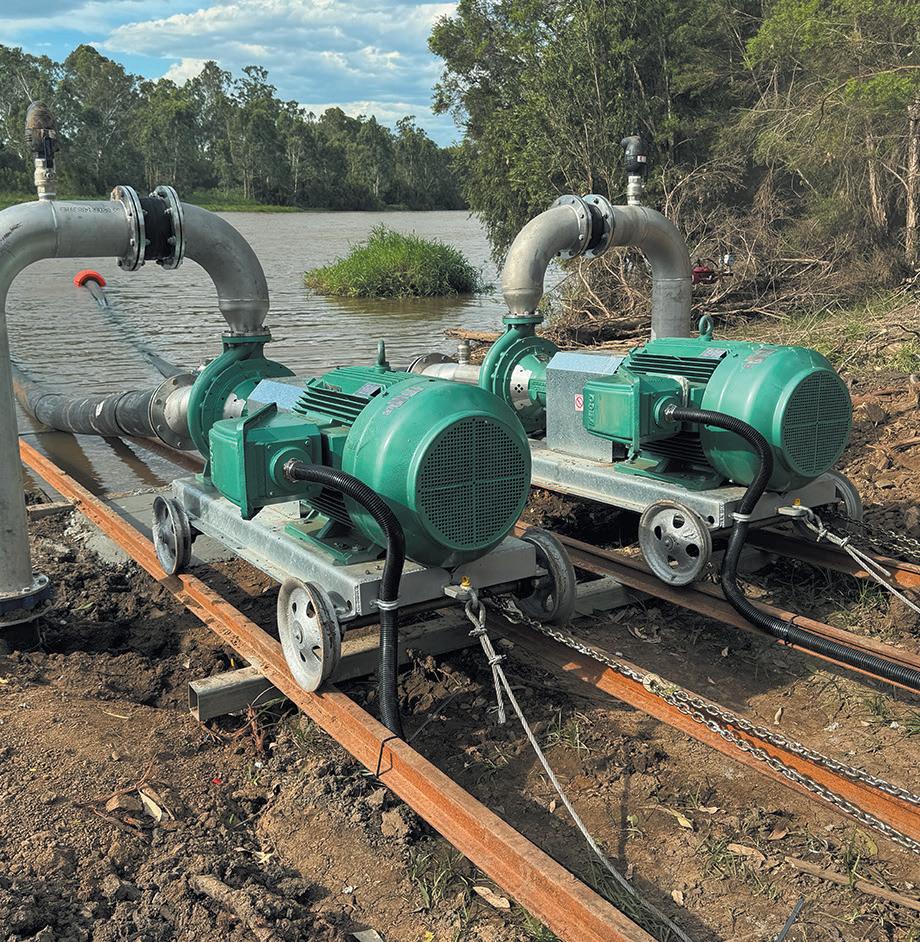
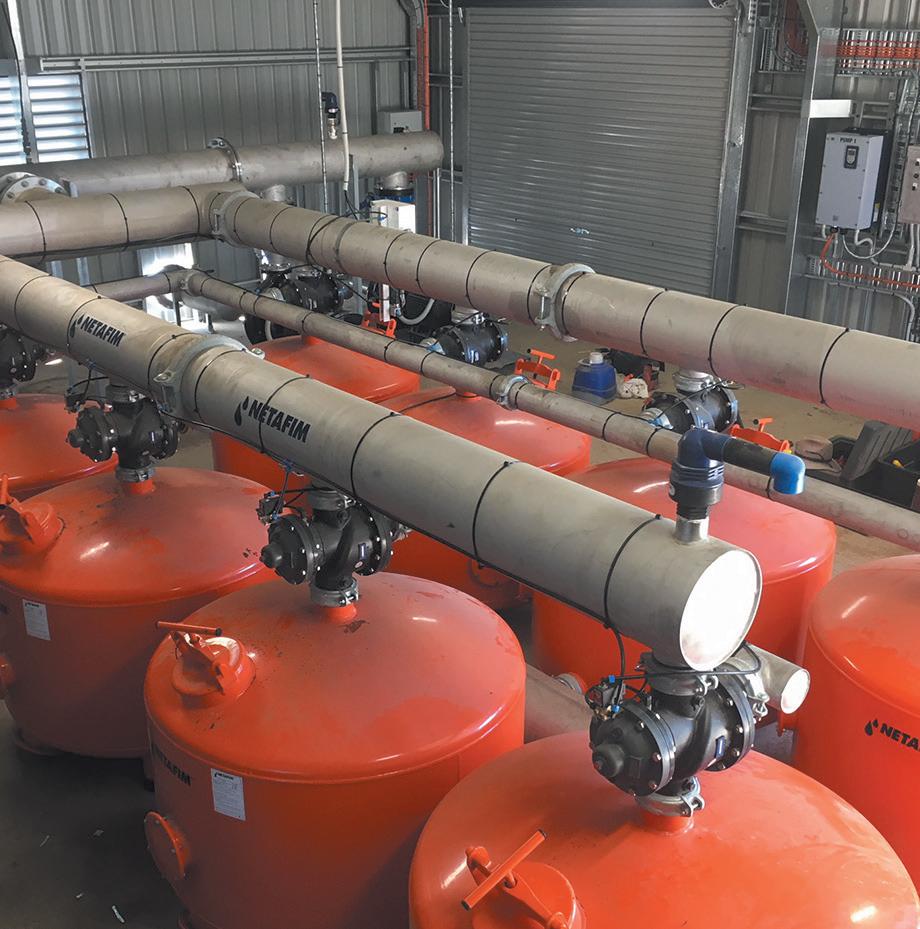
conversion and growth. In simple terms, when cattle drink more clean water, they eat more pasture and convert that feed more efficiently into weight gain.
Dams remain an important water source across many grazing operations, but direct livestock access can reduce water quality through contamination, sediment disturbance and manure runoff. Installing trough systems supplied by pumps, pipelines or reticulated water networks allows producers to maintain a cleaner water source while protecting natural waterways.
Well-designed water systems also improve how cattle use pasture. Grazing research suggests cattle perform best when water is located
Our range includes:
• Pumps-agricultural & industrial
• Filtration systems
• Poly rainwater tanks
• Concrete troughs
• Poly pipe & fittings
within about 250 metres of grazing areas. When water is further away, livestock tend to overgraze areas close to the water point while underutilising pasture in other parts of the paddock. Strategically placed troughs encourage more even grazing distribution, improving pasture utilisation and helping maintain ground cover. This can be particularly valuable in large paddocks where water placement often dictates grazing pressure.
Reticulated water systems are becoming increasingly common across northern and western grazing regions because they give producers greater flexibility in managing stock. By controlling where water is available, producers can shift grazing pressure, rest paddocks and better

match livestock demand to seasonal pasture availability.
Alongside improved water infrastructure, digital tools are also helping graziers make more informed management decisions. Platforms such as the Australian Feedbase Monitor allow producers to track pasture biomass and monitor grazing progress throughout the season. By combining accurate feed budgeting with reliable access to clean drinking water, producers can maintain livestock health while improving productivity and pasture management. For many operations, investing in better water infrastructure is proving to be one of the most effective ways to lift both cattle performance and long-term grazing sustainability.
Our services include:
• Pump installation & repairs
• Stockwater systems
• Irrigation systems
•Complete turnkey solutions-
DESIGN, SUPPLY & CONSTRUCT
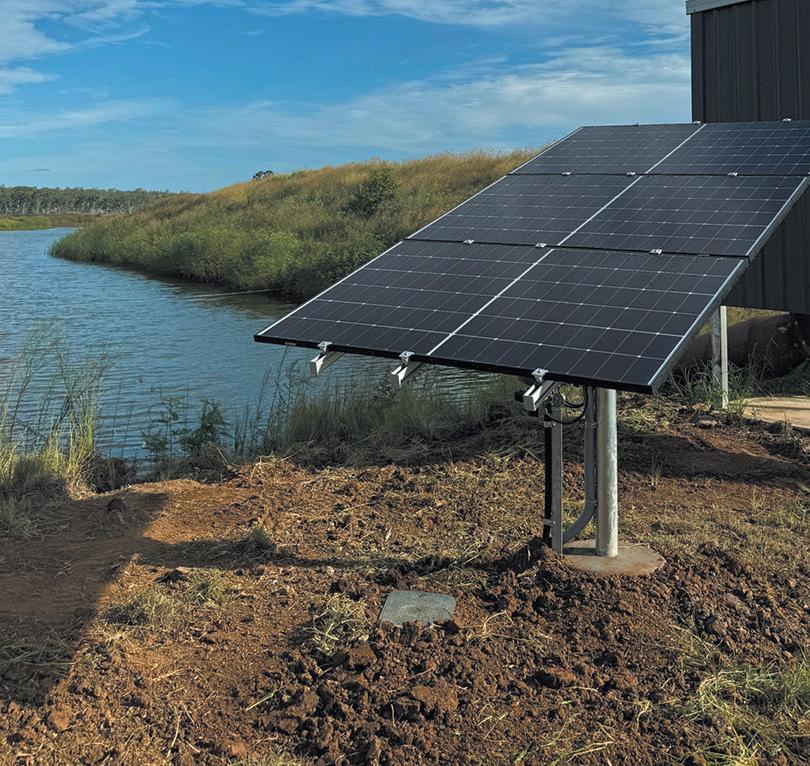
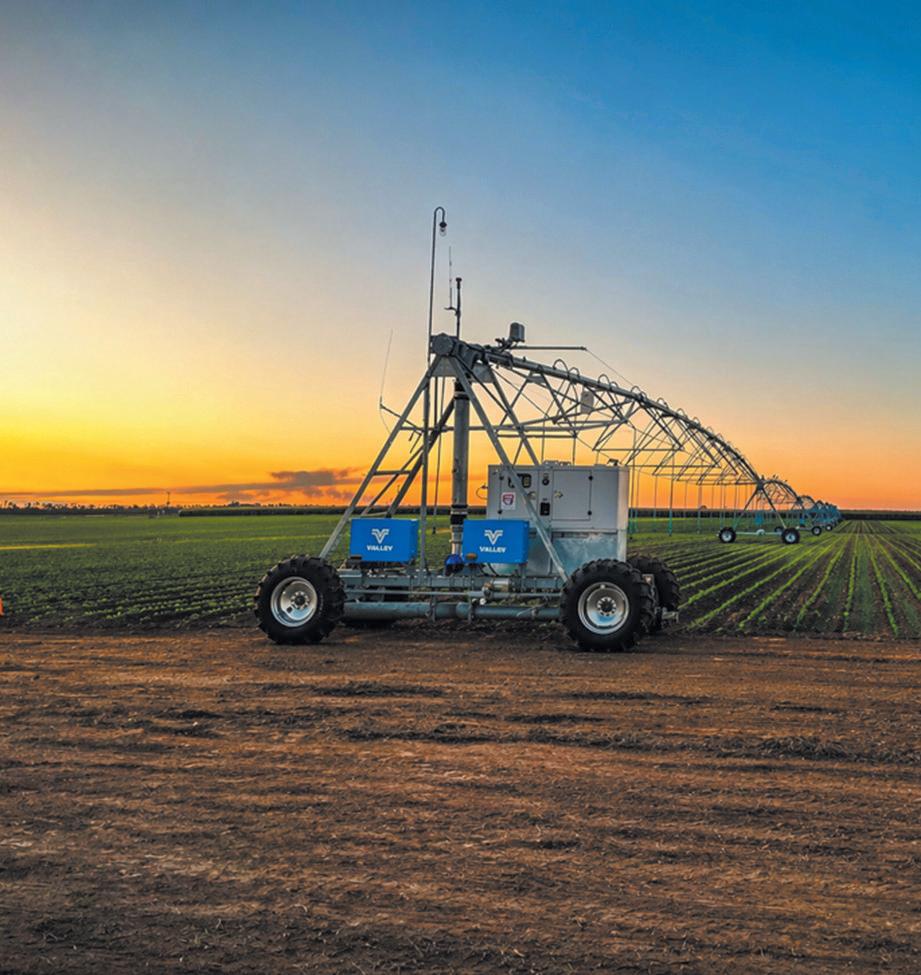
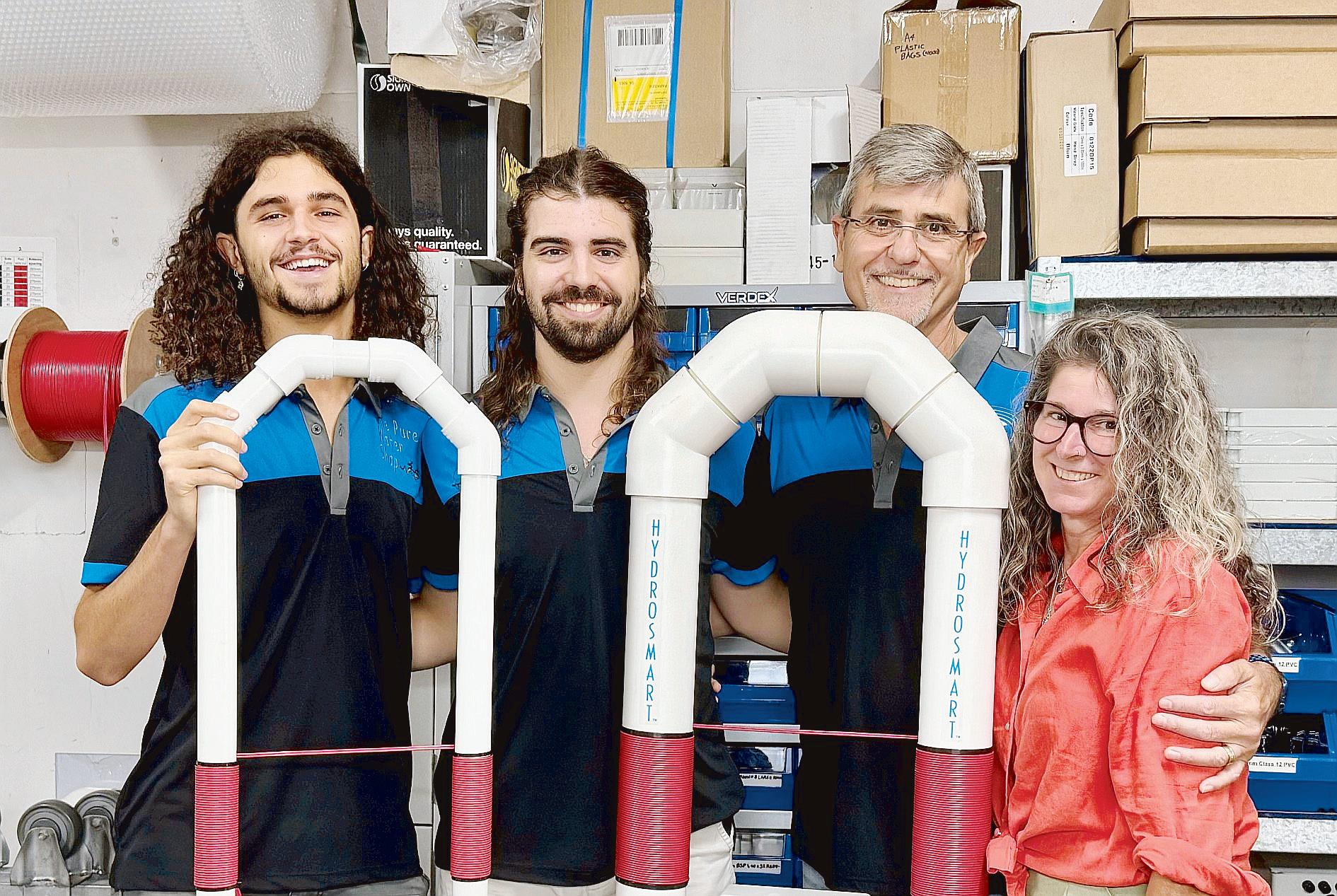
By Jane Lowe
In the face of changing climate and water challenges, South Australia’s Hydrosmart is pioneering sustainable solutions for farmers across Australia.
Their innovative water conditioning technology is transforming hard, saline, and mineralrich bore and dam water into a valuable resource for agriculture.
Hydrosmart’s system employs computergenerated resonance frequencies to alter the physical properties of water without chemicals or filters.
This process dissolves minerals like calcium and iron, preventing scale buildup in irrigation systems and enhancing water flow.
The treated water retains beneficial minerals in a form more accessible to plants and livestock, promoting healthier growth and productivity outcomes.
Livestock also benefit from improved water quality.
Farmers have observed increased weight gains and reduced illness in cattle and sheep when provided with Hydrosmart-treated water, even from previously unsuitable sources.
Commencing a 3-year scientific trial with SARDI on sheep the CEO of Hydrosmart Paul Pearce is keen to learn if methane reduction is also an outcome of sheep drinking treated water due to increased micro-oxygen availability potentially impacting outputs and they have a cud output testing device on site.
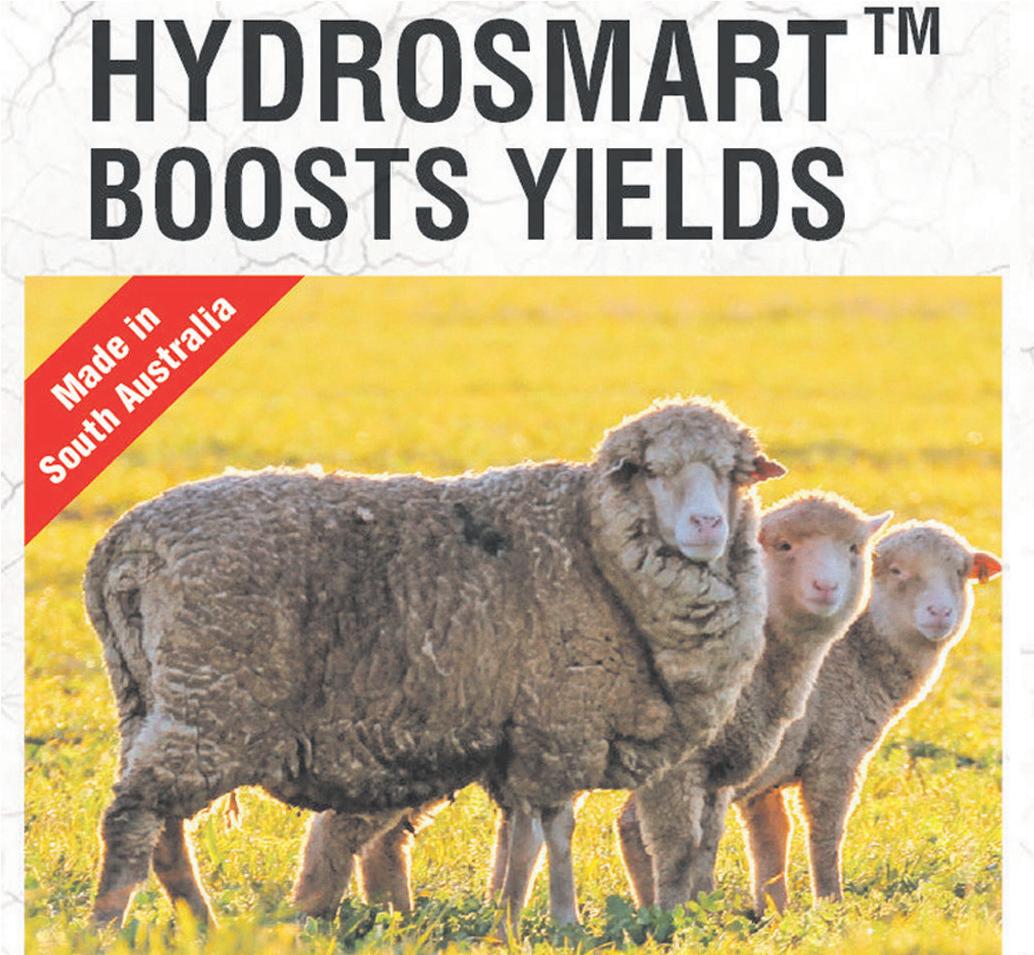
Another independent plant trial has showed a 34.5 % increase in Broccoli crop outcomes over a summer crop on treated V untreated bore water at 2,000 ppm TDS
Farmers are reporting significant benefits of activated water.
In NSW farmer Scott Darcy from Highbank Farms installed a 300 mm HydroMAX system on flood irrigation and saw worms returning and improved soil softening instead of hard rock like soil, he could pick up handfuls and observed a 25 % increased yield on the winter cereal and lucerne crops.
Similarly, in Tintinara, SA, Michael McCabe noted a 25% increase in Lucerne crop yield and improved soil with reduced chemical compaction after using Hydrosmart-treated wa-
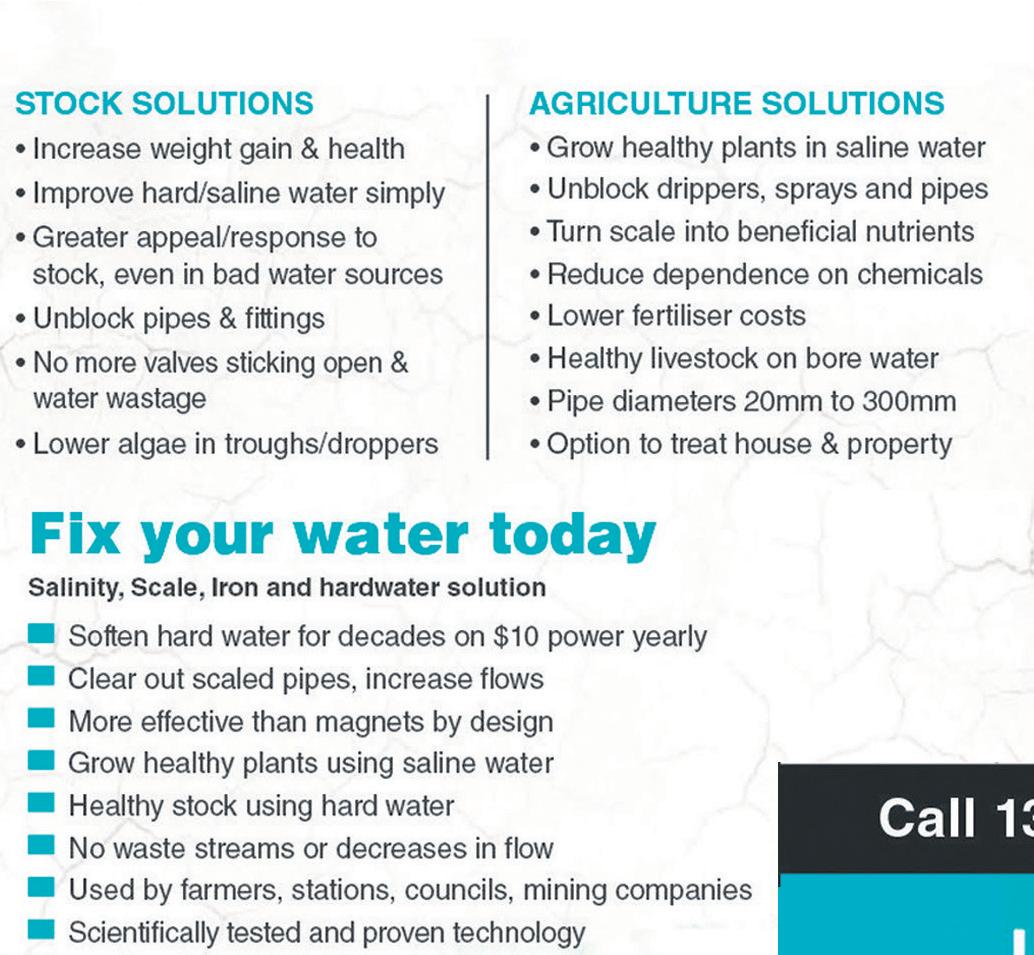
ter of 4,500 ppm TDS.
Economically, Hydrosmart offers a cost-effective solution.
The unit requires no maintenance and operates at approximately $10 per year in electricity costs with units still now working 25 years later the same as #day1 they were turned on. By reducing need for chemical water treatments and extending the lifespan of irrigation equipment, farmers can achieve significant savings.
As climate variability continues to impact water availability, Hydrosmart’s technology provides a sustainable and efficient method for farmers to optimise their water resources, ensuring the health of their crops, livestock, and the environment.

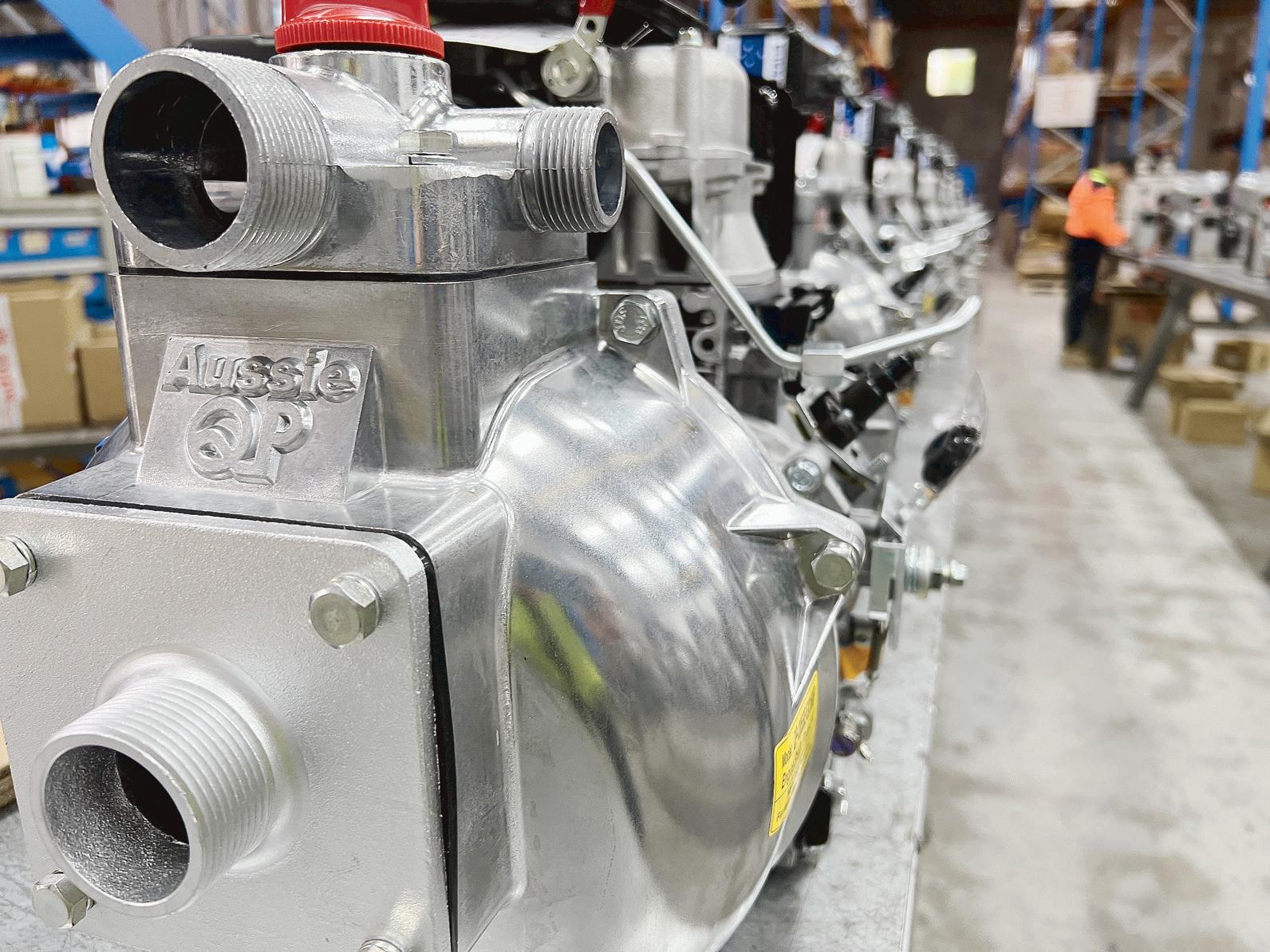

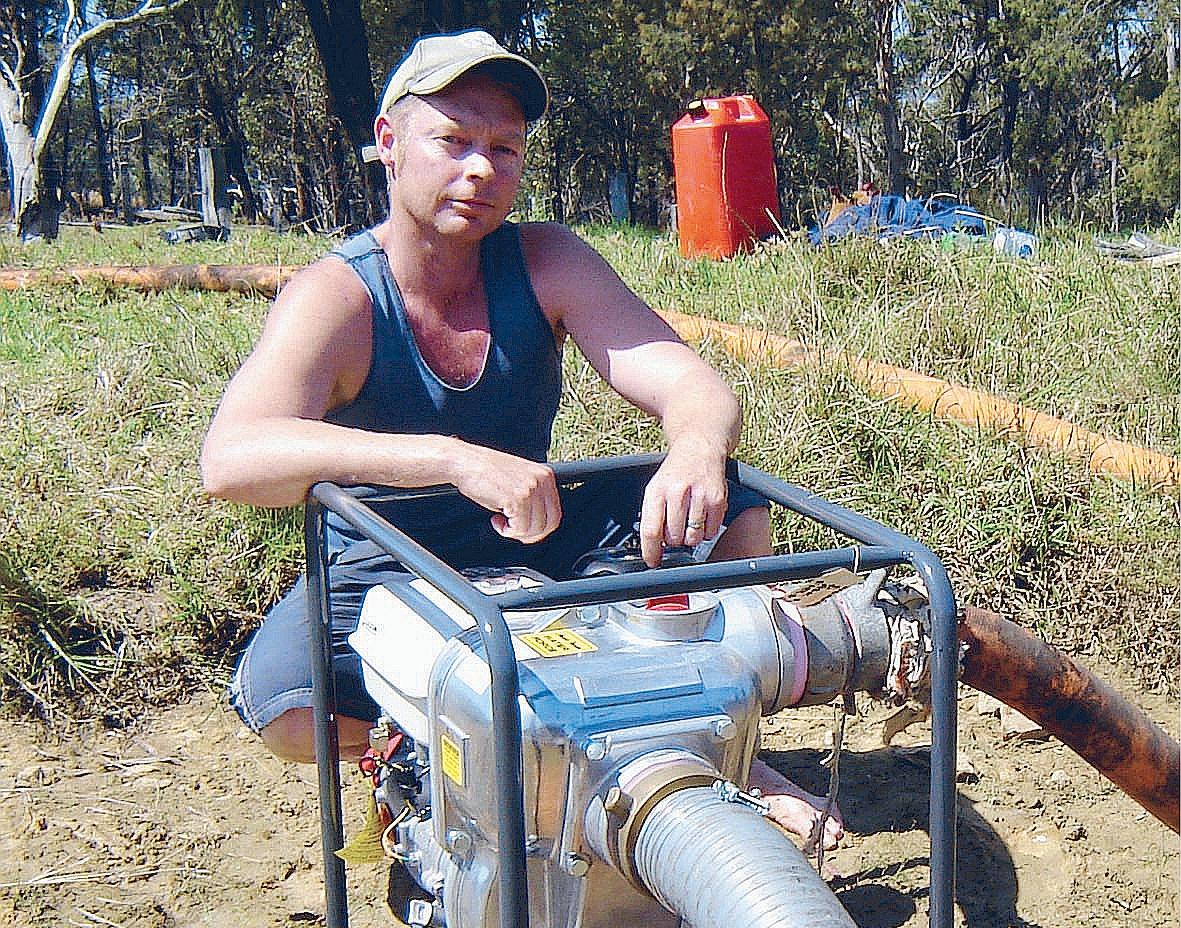
By Aussie Pumps
With farmers focused on maximising future yields and sowing at this busy time, it’s easy for the end of financial year to creep up unnoticed. Aussie Pumps are alerting farmers and small business owners to the Government’s Instant Asset Writeoff support.
Aussie Pumps is urging business owners to consult with their tax agent to determine if they are eligible. Companies with a turnover of less than $10 million can get the benefit of instantly writing off assets worth individually up to $20,000.
The benefits are enormous! Now is the time to buy and take advantage of these tax incentives.
Australian Pump Industries has some great suggestions for products that will appeal to farmers, businesses, and tradespeople. The company is focused on meeting market needs through research and user feedback. They design products to be more efficient, ultra reliable and last a lifetime. The inspiration is the feedback from a wide range of customers who use Aussie’s products. The company have developed a product range that is considered first rate in terms of quality but also in performance, value for money and safety.
“Our key priority is to provide performance and value for money for end users,” said Aussie Pumps Chief Engineer John Hales. “Because we’re lean in the way we do things, we’re able to produce top quality products designed for Australian conditions. Understanding our markets requirements whether it’s for contractors, Local Government, farmers or tradesmen is key for us” he said.
The company is always keen to learn from consumers. Hales claims that most of the product development over the years has been based on ideas or inspirations from users of pump and pressure cleaner products. A good example is the Aussie Fire Chief lightweight portable fire pump. It’s claimed to be the best pump of its kind in the world. This Honda powered high pressure pump out-performs and out-features all others.
“It’s what’s on the inside of the pump that counts, not the paint job on the outside” said Hales. “Open up an Aussie Fire Chief and you’ll see a big 7” inch diameter heavy duty impeller that delivers a whopping 75m head and flows of up to 450 lpm. Not only that but the impeller is perfectly matched to the volute and the horsepower of the Honda engine that provides the power” , he said.
It’s that perfect hydraulic mix that means longlife, trouble-free operation and maximum performance without engine overload.
THE SELF PRIMING REVOLUTION
Aussie Pumps is established as the South Pacific leader in self-priming centrifugal pumps. The company focused on self-priming pumps because they understand the great convenience
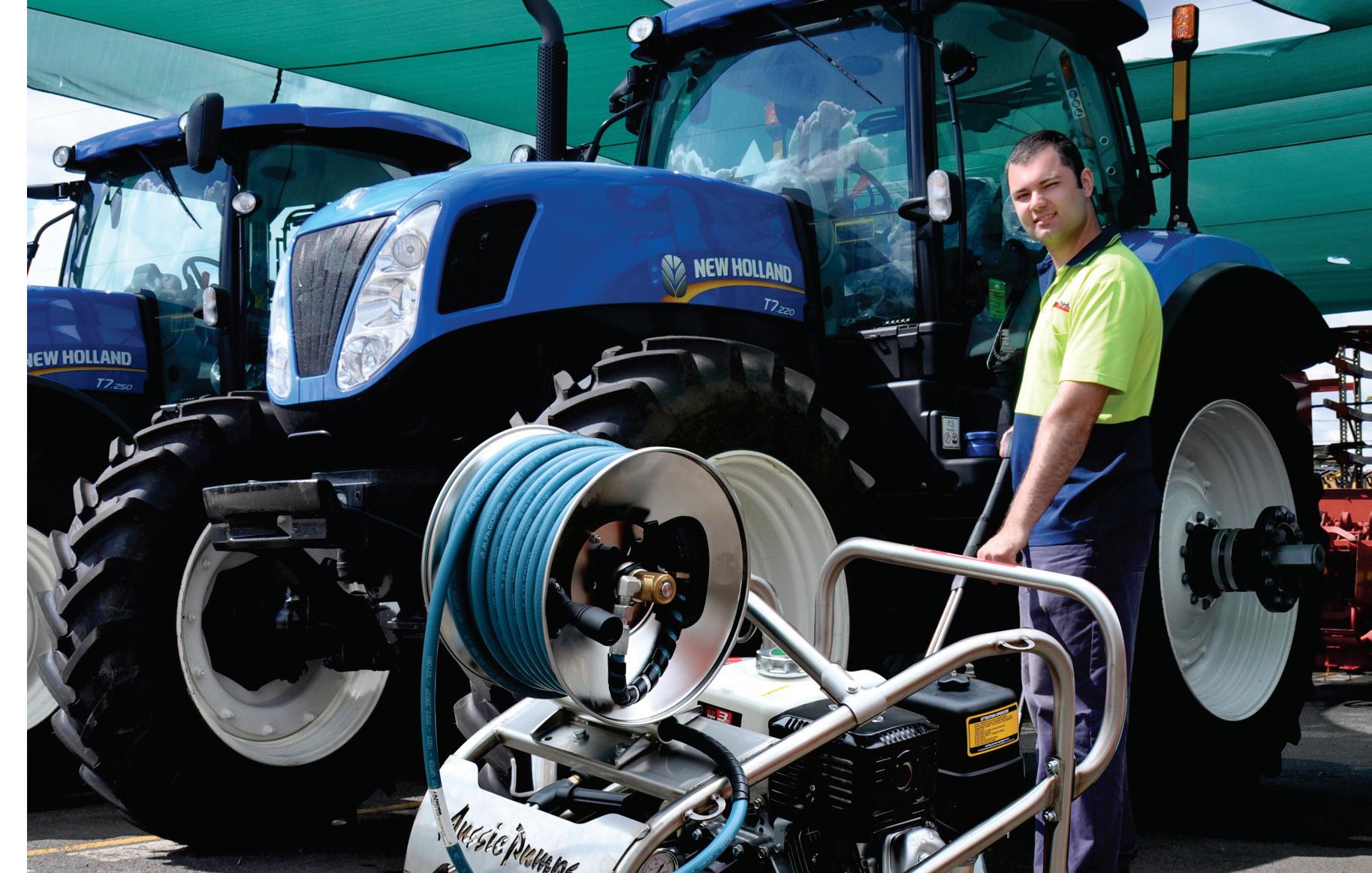
they offer users.
Having to refill a suction line every time you want to start up a pump is a tedious and cumbersome chore. The Aussie GMP motor pump range provides farmers and industry with heavy duty cast iron, bronze or even stainless-steel models that prime themselves! Those pumps, available in semi trash or high-pressure configuration are ideal for pumping effluent, clean water and in some cases even diesel fuel!
AUSSIE’S CLEANING REVOLT
Australian Pump saw an opportunity to develop products professionals. buying motivations were completely different to consumer market.
“We see farmers now evolving as businessmen who understand that their time is their most valuable asset” said Hales. The result was development of a complete range of high-pressure water blasters with Honda petrol engines or Yanmar diesels.
The range, starting with the 3,000 psi Aussie AB30 “Pocket Rocket” offer models that go all the way to 7,000psi (500 bar). Their heavy-duty range
of gearbox drive pressure cleaners are designed for continuous service.
Called the Aussie Scud, the machines are a breakthrough in design. They offer a unique ergonomic, stainless-steel frame with four 13” inch steel wheel with big flat free tyres, that are easy to move around.
The performance from 3,000 psi to 5,000 psi, means that there are models available for every application. The best news is that dramatically increasing production volume means Aussie has been able to keep prices at highly competitive levels.
DROUGHT
When the company started, the country was in a serious drought. They knew they had to provide something better than what was already available. The product simply had to perform better.
Their engineering focus is on self-priming pumps. The development a full range of tanker pumps for water carts with 13hp Honda engines and Yanmar diesels helped struggling farmers to
move water.
The company has experienced a surge of interest in its self-priming, cast-iron close coupled monobloc pump range. The star of the show is big three-inch-high pressure motor pump that has a maximum flow of over 1,000 litres a minute and a maximum head of 75 metres. Driven by a 22kw 415 v motor, it’s ideal for installations in dam or riverbanks.
“We owe a debt to Regional Australia for giving us a go when we started! We relate to the executive farmers who know that third world knock-off products are never going to perform when the pressure is on” , said Hales.
AUSSIE FARMERS SUPPORT
The team at Australian Pump is interested in hearing from farmers, learning about their issues and is keen to provide solutions. Your local Aussie Gold Distributor can provide expert advice and support; they know the value of Aussie’s unique high-quality products.
Find them listed in the full-page ad or online @ aussiepump.com.au.

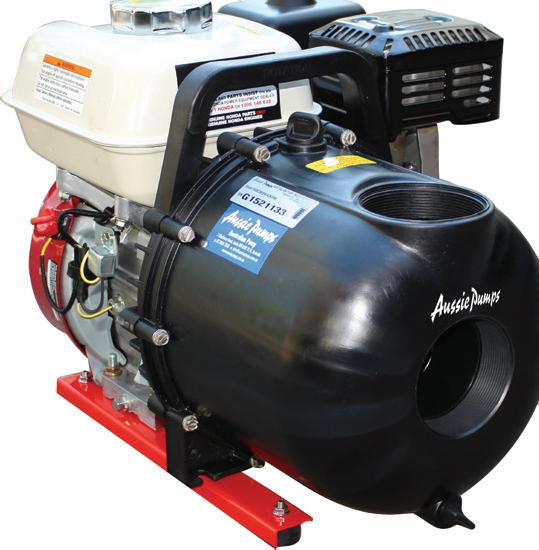


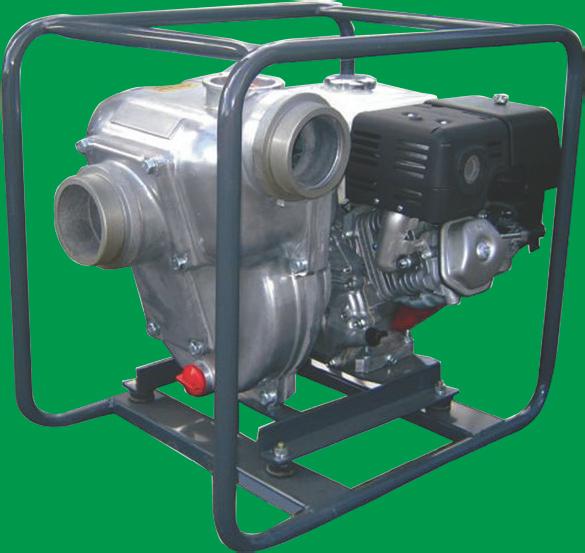

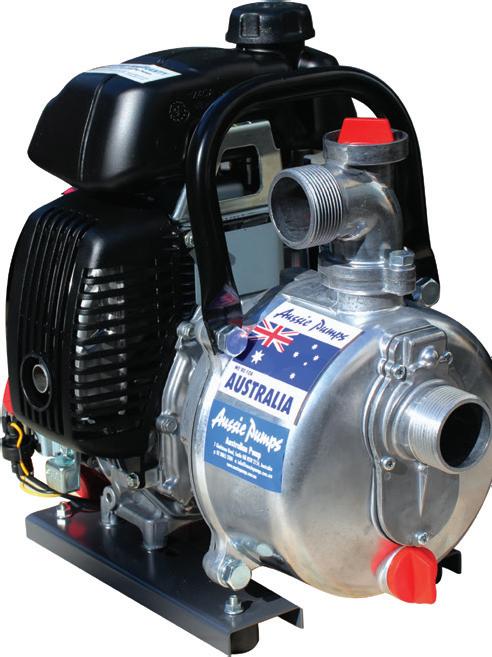
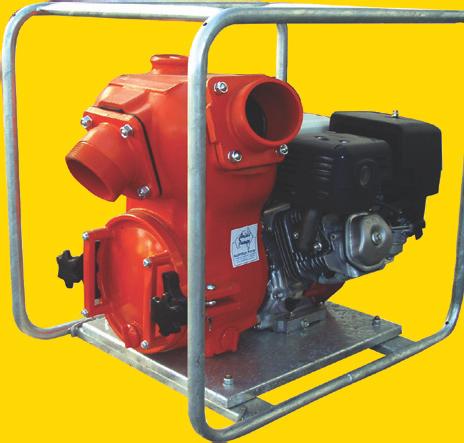


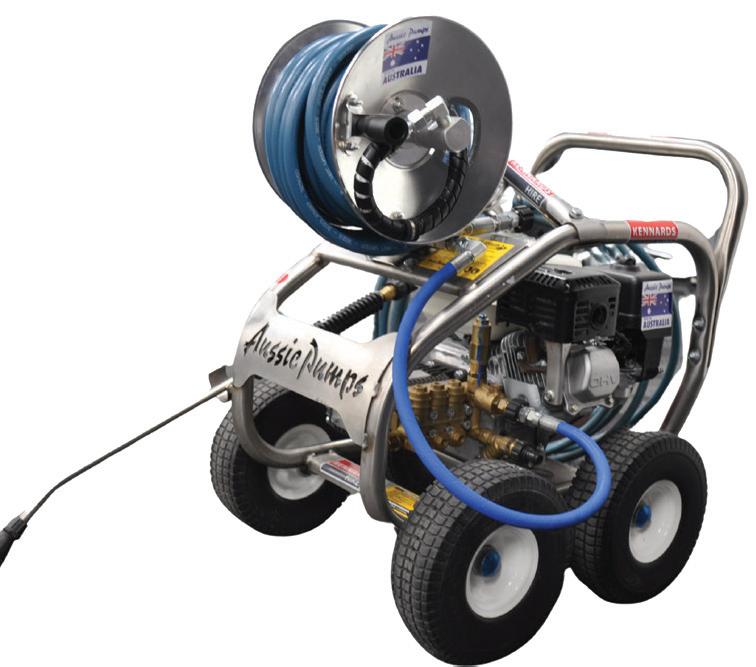
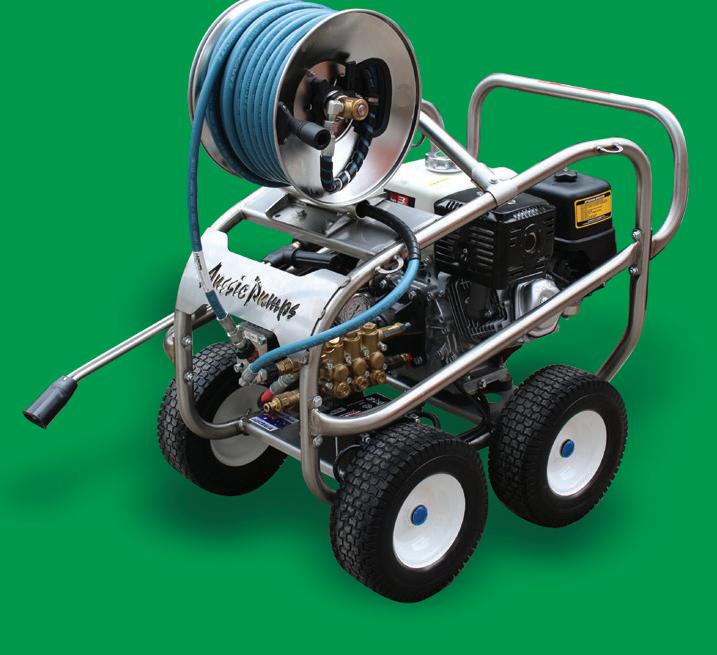





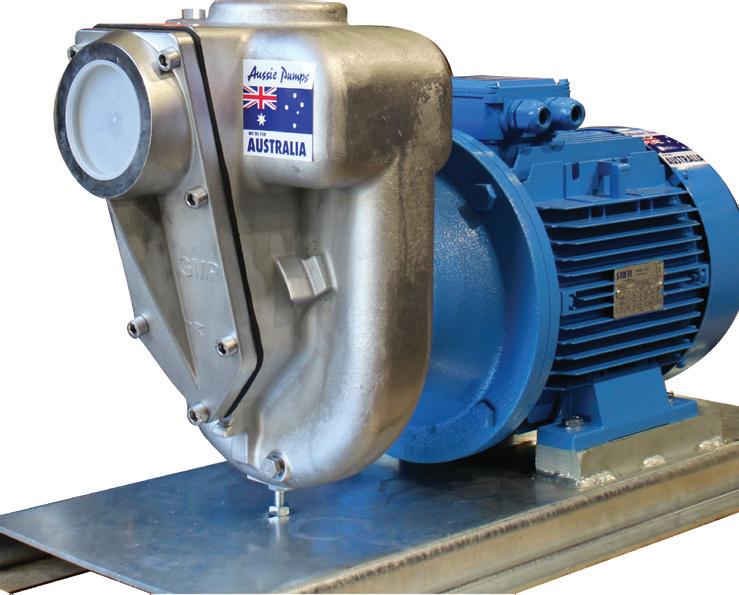



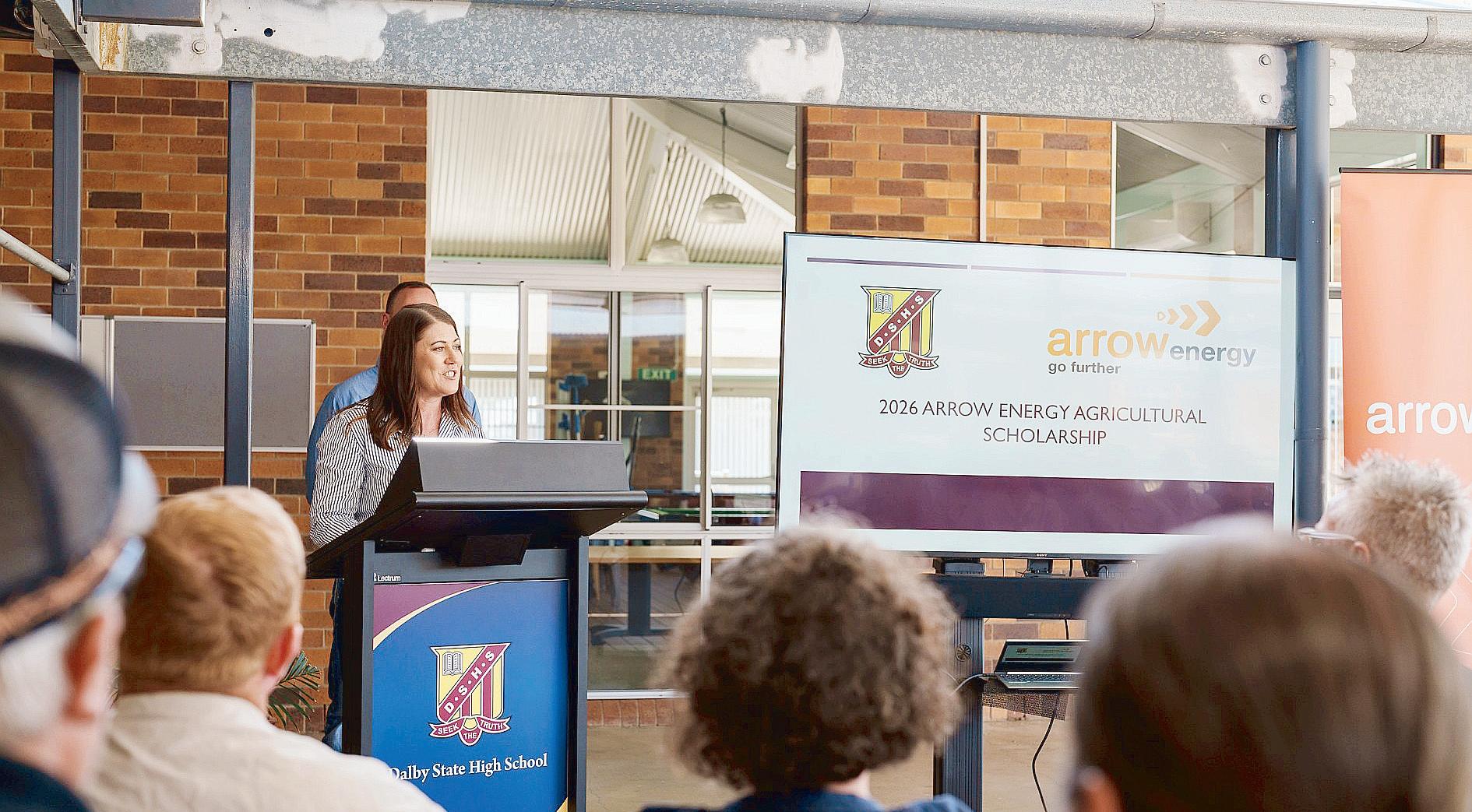
By Fiona Gowers
Ten students from across the Western Downs have each been awarded $5000 agricultural scholarships through a long-running partnership between Dalby State High School and Arrow Energy that supports the next generation of producers and ag professionals.
The $50,000 program enables recipients to live and study at the school’s Bunya Campus, a dedicated agricultural education facility offering hands-on training in farming systems, animal husbandry and land management.
Dalby State High School deputy principal Candice Bagley said the scholarships were vital in ensuring students from regional and remote areas could access quality agricultural education without leaving their communities.
“This scholarship program allows our boarders to access an education here at Dalby State High School that many would otherwise have to travel significant distances to receive,” Ms Bagley said.
“It gives students access to a larger high school environment and to the diverse agricultural programs we offer, supporting both ATAR and vocational pathways.”
She said the benefits extended well beyond the classroom, helping to build resilience in both students and rural communities.
“The scholarships ease financial pressure on families and give students confidence and opportunities they might not otherwise have,” she said.
“Our students are developing practical skills, becoming innovative in agriculture and taking that knowledge back to their communities, which strengthens the industry and rural communities into the future.”
Scholarship recipient Lily Anderson said the support had opened doors to opportunities that would otherwise be out of reach.
“The scholarship is a massive financial aid and I’m really grateful for it,” Lily said.
“It allows me to stay here and to take part in the innovative agriculture program, with handson experience right on our doorstep.”
Fellow recipient Lexie Gibson said the program was helping her pursue both academic and leadership ambitions.
“Receiving the scholarship means I can continue my course of study in agricultural science and accounting and also take part in leadership opportunities,” Lexie said.
“Learning at the Bunya Campus has given me access to so many opportunities and experiences that are shaping my future in agriculture.”
The 2026 scholarship recipients are Lilly Anderson, Emily Ballon, Charlee Doring, Lexie Gibson, Cadence Haines, Carmen Hartley, Connor Hiles, Hannah Schwerin, Tom Valentine and Brianna White.
Arrow Energy community officer Jayne Weier said the initiative - now in its 16th year - reflected the company’s long-term commitment to regional communities and the industries that underpin them.
“We know how important agriculture is to families and communities across the Western Downs and we’re really proud to support students who are passionate about building their future in the industry,” Ms Weier said.
“By supporting local students, we’re investing not only in their education, but in the long-term strength of local farming communities.”
By Fiona Gowers
Quinalow State School has marked a major milestone, celebrating 125 years of education with a solid show of community pride and a growing student base that reflects renewed
in small rural schools.
Held on Saturday, 2 May, the anniversary attracted 450 attendees to the school, located between Dalby and Toowoomba, with past and present students, staff and families uniting to honour more than a century of learning in the Western Downs.
Principal Trish Luckock said the day exceeded expectations.
“It was a success, a huge success, we had a brilliant day, a beautiful day,” she said.
The celebrations highlighted not just the school’s long history, but also its recent growth, with enrolments climbing steadily in recent years.
“We currently have 98 students at the school now,” Ms Luckock said.
“That has grown over the past four years. We were back to 60 in 2022 and now we’re up at 98.”
She said the increase reflected both families relocating to the district and others choosing to travel for a more personalised education experience.
“It’s not just one or the other sort of thing,“ Ms Luckock said. “People are looking for the small school feel so they’re prepared to drive. And then we’ve had a few move to the area.”
Established in 1901 as a one-teacher school, Quinalow has evolved alongside the region, expanding its facilities and curriculum over the decades.
The addition of a secondary department in 1966 and a mini Practical Arts Centre in 1985 helped ensure students could complete more of their education locally - a key factor for rural families.
Today, the school caters to students from Prep to Year 10, a structure that presents both opportunities and challenges.
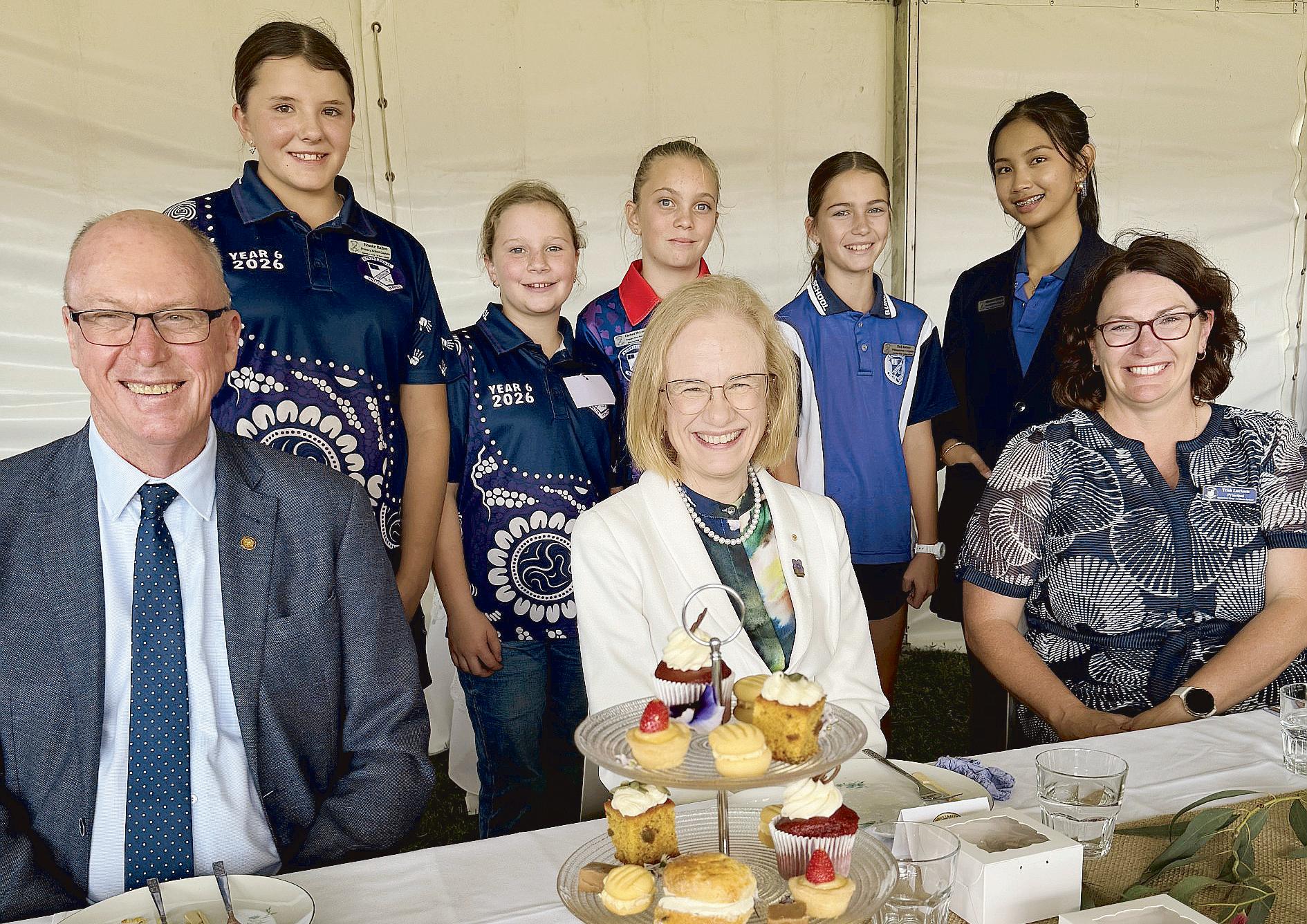
“Prep to 10... Does Prep to Year 10 present challenges? It sure does,” Ms Luckock said.
“So you have children beginning Prep and then possibly 17-year-olds by the time they finish Year 10. So, it’s a very wide range, it really is.”
Despite the big gap, she said the school’s close-knit environment was one of its greatest strengths.
“I would say the school community is like a big family, that connection is there,” she said.
“And it works because the older kids become the role models for the younger kids.”
The anniversary celebrations gave students





a chance to connect with the school’s past, with memorabilia displays proving particularly popular.
“And we’ve got one of our very first teachers here today talking to all the kids about her time at school and they’ve just loved it.”
Historic items, including a corporal punishment record book from the early 1960s, sparked curiosity among students.
“That was one of the most interesting items on the day, the corporal punishment book that was kept in the early 60s. I’ve got it on display here. It’s amazing.”
The event also celebrated the deep historic ties many families have with the school, including one family now in its fifth generation.
“Tommy and Ryder Brown are fifth generation here at Quinalow, which is amazing and they cut the cake on Saturday.”
For Ms Luckock, who began as principal in 2022, the milestone was also a moment of reflection on her own journey in education.
“I graduated in 2015 and I moved to Thargomindah (in south west Queensland) as a normal primary teacher and then worked my way up into principal,” she said.
“I absolutely love it. I have a challenge every day. I might say sometimes I don’t necessarily like it, but I do love my job.”
She said modern teaching continues to evolve, particularly in the wake of COVID, with technology presenting both opportunities and challenges.
“Yes, it can and it can also present great challenges to students, too, because sometimes you need to be writing for your brain to take in what you’re actually doing, so typing is not the same as writing,” she said.
“So there is a challenge there that we’ve got to have a bit of a balance between using laptops fulltime and still allowing the writing to happen so that they’re still absorbing.”
The official celebrations included an opening by the Governor of Queensland Dr Jeannette Young, a cake cutting and the opening of a time capsule, alongside school tours and live entertainment from past and present members of the school community.
For Ms Luckock, one of the proudest moments came from seeing her students take centre stage.
“I was most proud when all my student leaders were on the stage with me on the weekend, representing the school with so much pride,” she said.
As Quinalow State School looks to the future, its steady growth and strong community ties suggest the next chapter is just as promising as the last 125 years.



















By Julian Lehnert
Kilcoy cattle stud Mervale Livestock has another winner on its hands with Mervale Vanilla Ice, a limousin bull who, in just his second appearance at a country show, came away with close to a half-dozen sashes including grand champion and supreme exhibit nods.
Mervale’s Sarah Benbow entered the 16-month-old limo bull into the Blackbutt Show on Saturday 16 May, after he won a reserve junior bull sash at the Kingaroy Show the week prior.
Vanilla Ice wowed judge Marty Rowland, who bestowed upon the Kilcoy-based beast the titles of Supreme Male of Show, Supreme Stud Beef Exhibit, Junior and Grand Champion European Bull, and Interbreed Champion Bull.
Ms Benbow said her newest champion can trace his lineage back to well-established Canadian sire Greenwood Pld Zambuka and dam Birubi Moon Flash, who came from a since-dispersed stud in New South Wales.
Mervale’s co-owner reported she was “very proud“ of Vanilla Ice’s sweep at Blackbutt, predicting another strong showing when the junior limo bull takes on the Royal Brisbane Show in early August.
His wins at Blackbutt will also catapult Vanilla Ice into Mervale’s lead bull list for the Jen-Daview Livestock’s 16 August Invitational Bull Sale at the Coolabunia Saleyards.
Ms Benbow is hopeful her recent show-stopper will have similar success with August’s buyers.
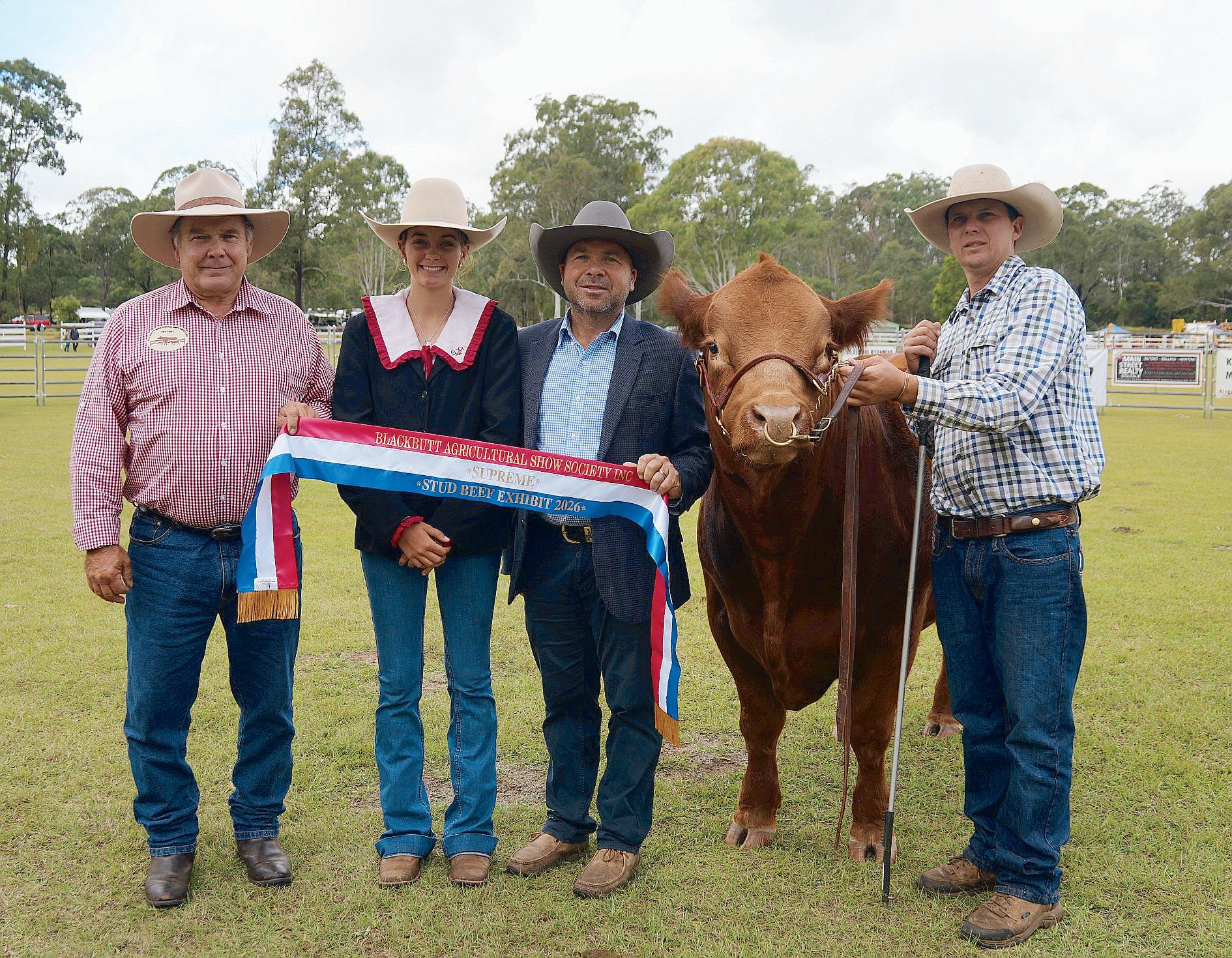
newsdesk@queenslandfarmertoday.com.au enquiries, contact our team.
40,000 readership per month
Inserted into the following newspapers: • South Burnett Today • Central & North Burnett Today

Lynda Crombie 0427 785 947
E: lynda.crombie@queenslandfarmertoday.com.au
Daniel Pelcl 0408 956 830
E: daniel.pelcl@burnetttoday.com.au
Sharon Jones P: 07 4182 0451

E: sharon.jones@burnetttoday.com.au




Warwick Today • Stanthorpe Today • Leader Today • Jimboomba Today • Beaudesert Times • Emerald Today • CQ Today
• Goondiwindi Argus
Also available from the follow outlets: • Hartleys Newsexpress Toowoomba • Roma Sale Yards
• Warwick Sale Yards

• News Extra Central City • Dalby Saleyards • The Barn, Oakey • Crows Nest Newsagency • CQLX Gracemere,
Longreach saleyards • Emerald saleyards • Goombungee Newsagency















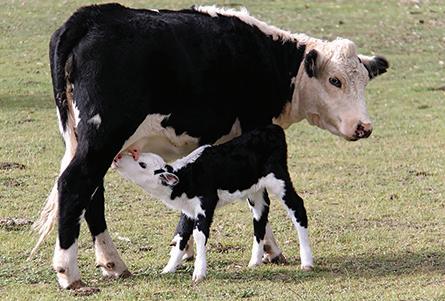
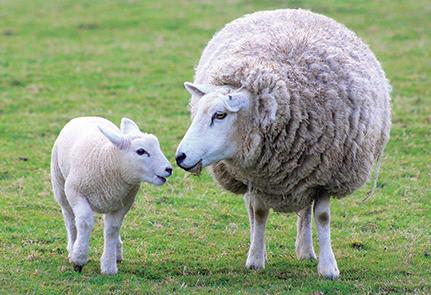





Berends have been operating since 1966 and are one of the last Australian tractor implement manufacturers still going. We build a large range of slashers, mulchers, rippers, graders, post hole diggers, cultivators etc and have an extensive dealer network throughout Queensland.
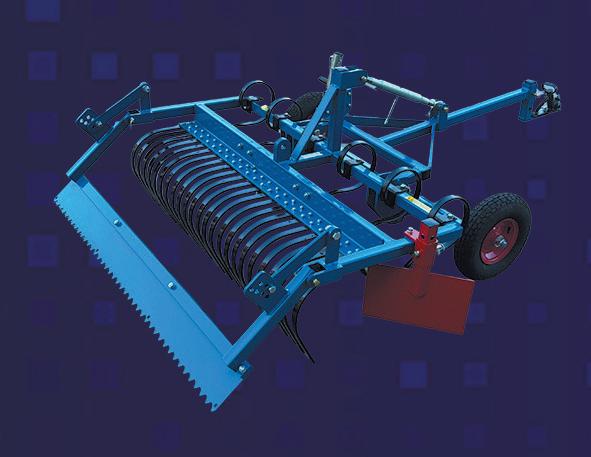


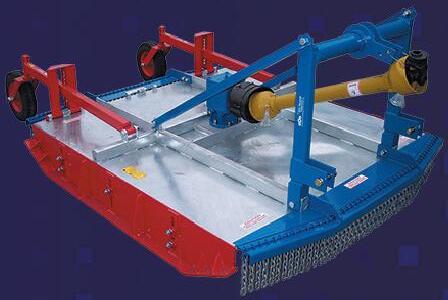


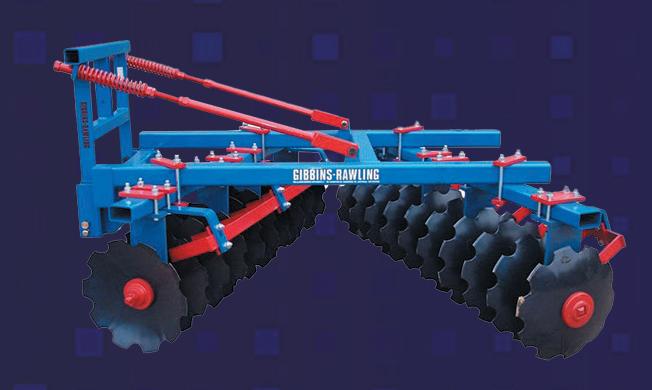

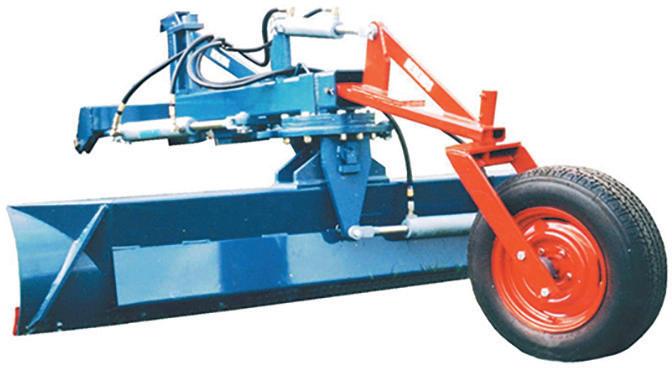











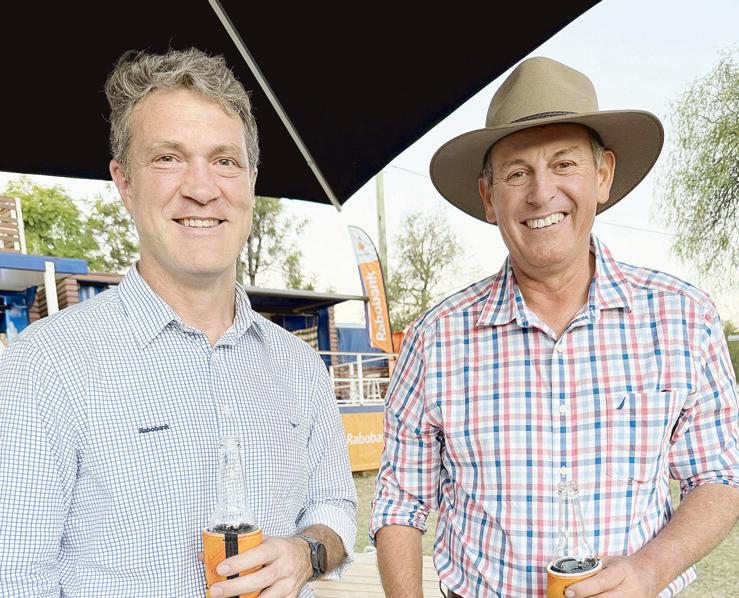
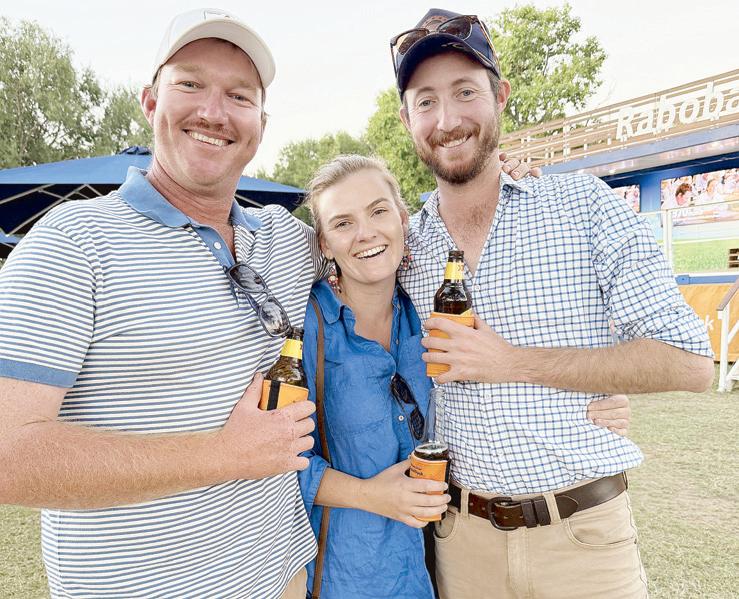














Cattle Report
• Report Date: 20/05/2026
• Saleyard: Charters Towers
Numbers lifted significantly for a yarding of 2285 head with just over 800 prime cattle. Buyer attendance improved in all categories, in a very strong market. Cattle were drawn from Croydon to Georgetown and south of The Belyando and the local area. All categories lifted 30c to 55c consistently, with some prime and feeder classes up to 65c to 77c better. Western restockers were very active on younger cattle with quality.
Good quality vealer steers to backgrounders sold to 478c, most from 420c to 464, similar heifers to grass made to 386c. Heifers to processors averaged 345c/kg. A large sample of light yearling steers returning to the paddock averaged 372c to 446 selling to 476c. Medium yearling steers to feed sold to 386c to average 367c/kg. A good single line of steers above 400kg to feed sold to 428c to average 417c//kg. Prime yearling heifers to the trade made to 380c to average 372c/kg. Prime grown steers above 400kg to processors sold to 384c to average 364c, heavyweight steers sold to 386c/kg. Prime grown heifers to the trade sold from 300c to 376c/kg. A limited number of heavy young bullocks topped at 384c to average 376c/kg. Very strong demand for cows saw a lift in averages throughout.Medium weight 2 and 3 score cows sold from 292c to 350c to average 330c to 343c/kg. A good sample of prime heavyweight cows topped at 348c to average 344c/kg. Heavy bulls to processors reached 368c/kg. A line of cows with mixed age calves sold for $1,350 per unit. Market Reporter, Mick Kingham
• Report Date: 20/05/2026
• Saleyard: Casino
Casino penned 862 mixed quality cattle 294 less than last sale. The cows presented in mixed condition however that category resulted in much dearer trends with all cow buyers participating processors and paddock buyers alike. Young cattle also dearer particularly weaners. Weaner steers and heifers under 200kgs resulted in dearer trends to background. Weaner steers to feed gained 5c/kg 430c to 495c/kg similar backgrounders 14c/kg better 380c to 518c/kg. Weaner heifers to 280kgs for background purposes much dearer 320c to 398c/kg. Similar processors 21c/ kg dearer 338c to 352c/kg. Yearling steers to background 300c to 355c/kg and 458c/kg to feed. Yearling heifers to process 310c to 363c/kg. Heavy grown steers to process 394c to 410c/kg grown heifers much dearer 270c to 379c/kg. Cows back to the paddock 296c to 318c/kg medium cows to process 240c to 346c/kg. Heavy cows 320c to 368c/kg and prime heavy cows to 35c/kg better 356c to 380c/kg. Heavy bulls were cheaper 347c to 368c/kg. Stephen Adams MLA
• Report Date: 20/05/2026
• Saleyard: Dalby
Useful falls of rain over the supply area reduced cattle numbers at Dalby by 3,001 head to 3,764. The number of cows penned also reduced to 670 head. Export buyer attendance was good and all were active in the market and there was a return to a full panel of feeder operators along with restockers. Light weight yearling steers returning to the paddock were firm to 5c/kg better. Yearling steers to feed averaged 8c/kg dearer and more in places. Light weight yearling heifers varied in
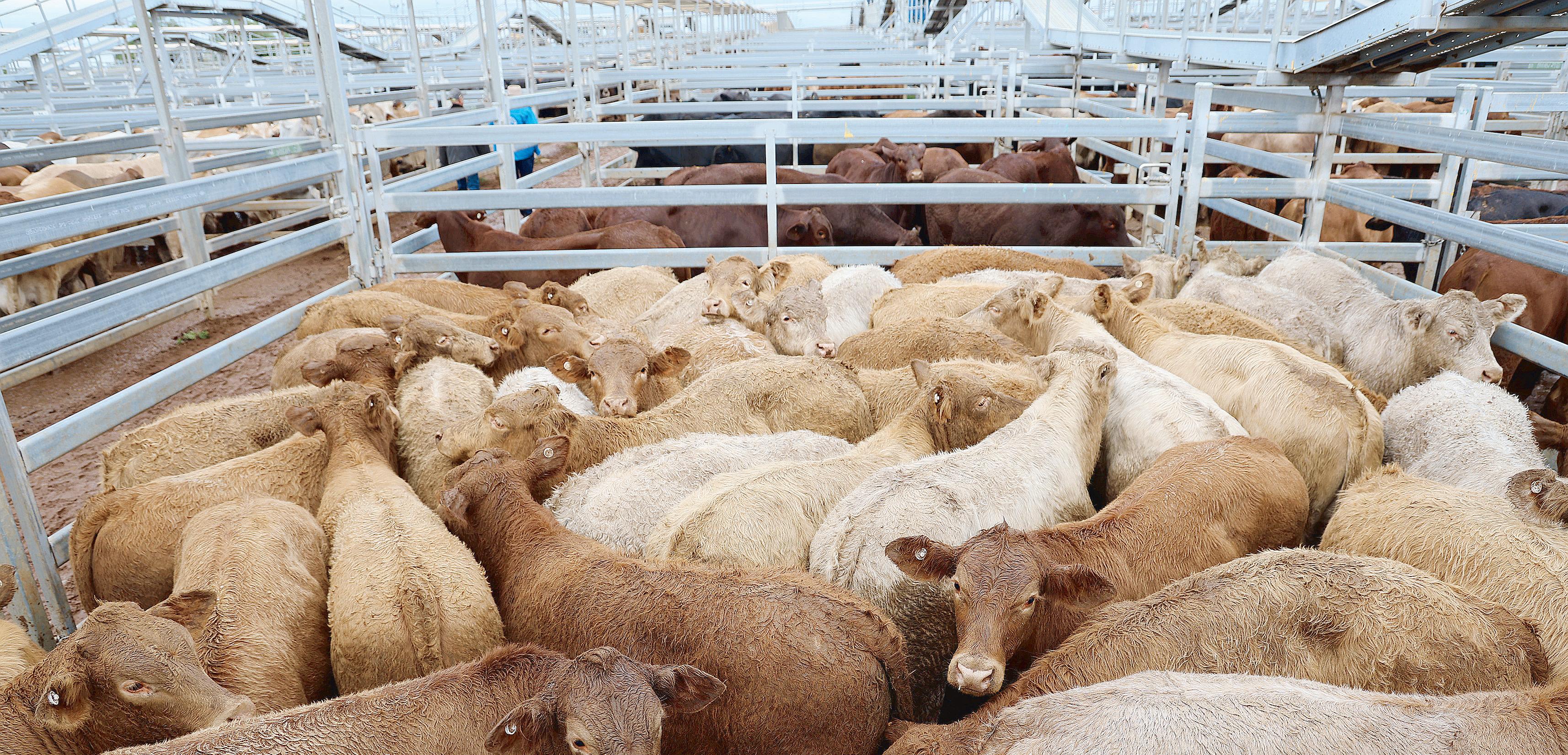
price according to quality. Yearling heifers to feed sold to a market 12c/kg dearer and more on quality lines. Heavy grown steers and bullocks experienced stronger support. Medium weight plain condition cows struggled to maintain last week’s prices however heavy weight cows improved a further 2c to 6c/kg. Yearling steers under 200kg to restockers made to 513c to average 451c and the under 280kg lines made to 525c to average 477c/ kg. Yearling steers to feed for the domestic market made to 536c with a good sample from 483c to 496c/kg. Heavy weight yearling steers to feed made to a top of 534c with most sales around 478c/kg. Light weight yearling heifers returning to the paddock averaged from 339c to 366c and sold to 420c/kg. Medium weight yearling heifers to feed averaged from 418c to 423c with one pen reaching 460c/kg. Heavy weight yearling heifers to feed made to 446c and averaged 420c/kg. Heavy grown steers and bullocks made to 465c and averaged 442c to 448c/kg. Grown heifers made to 432c/kg. Medium 2 score cows averaged 298c and made to 306c/kg. Heavy weight 3 score cows averaged 342c and the best of the cows made to 390c to average 374c/kg. Heavy weight bulls made to 410c with one bull finding a new home at 426c/kg. Market Reporter Trevor Hess.
• Report Date: 19/05/2026
• Saleyard: Roma Store
With some very much needed rain Roma Agents yarded 6,578 head a slight increase from the previous sale. All of the regular buyers present and active with one extra southern operator. The market dearer for light backgrounding steers and heifers. Heavy feeders firm to dearer as was bullocks and heavy heifers. Cows though were easier through out. Yearling steers under 200kg topped 540c to average 488c/kg to restockers. Yearling steers 200 to 280kg sold from 350c to 542c/kg to restockers. Yearling steers 280 to 330kg made to 539c to average 496c/kg to restockers. Yearling steers 330 to
400kg topped 528c to restockers and 511c/kg to Lot Feeders. Yearling steers 400 to 480kg sold to 511c/kg to Lot feeders. Yearling steers over 480kg selling from 418c to 486c/kg to Lot Feeders. Yearling heifers under 200kg sold from 284c to 414c/ kg to restockers. Yearling heifers 200 to 280kg sold from 300c to 452c/kg to restockers. Yearling heifers 280 to 330kg made 452c to average 429c/kg to restockers. Yearling heifers 330 to 400kg topped 442c/kg to Lot Feeders. Yearling heifers 400 to 480kg sold to 384c to processors and 420c/kg to restockers. Yearling heifers over 480kg sold from 386c to 410c/kg to processors. Grown steers 500 to 600kg sold from 418c to 498c/kg to processors. Grown steers over 600kg selling to 460c to average 430c/kg to processors. Grown heifers over 540kg sold to 454c/kg to processors. Approx 1,700 cows offered. The cow market could not maintain the levels of the previous sale. The score 4 cows selling to 377c/kg to processors. The 3 score cows over 520kg sold from 308c to 388c/kg to processors. The 2 score cows 400 to 520kg sold from 234c to 290c/kg also to processors. Bulls 450 to 600kg sold to 360c/kg to processors. Bulls over 600kg to 418c/kg to processors Market Reporter David Friend.
• Report Date: 19/05/2026
• Saleyard: Warwick
Light rain across the general supply area had no effect on numbers at Warwick with agents penning very close to the previous weeks level of 1297 head. There was a wide variation in the quality of the cows and the young cattle section contained a large number of light weight lines. Buyer attendance was good with representatives covering all classes. Light rain fell as the sale progressed and prices responded with improvements of 40c/ kg on the young cattle and cows gained 12c to 20c/kg. Light weight yearling steers under 280kg to restockers averaged 490c and sold to 570c/ kg. Yearling steers to feed for the domestic mar-
ket made to 538c and averaged 479c/kg. Heavy weight yearling steers to feed averaged 476c with sales to 502c/kg. Light weight yearling heifers under 280kg to restockers made to 404c and averaged 384c/kg. Medium weight yearling heifers to feed made to 426c and averaged 384c/kg. Heavy weight yearling heifers to feed averaged 393c and made to 436c and local trade lines made to 454c with most sales at 424c/kg.
The occasional bullock made to 440c and heavy grown heifers made the 424c/kg. Medium weight 2 score averaged 283c and sold 308c/kg. Heavy weight 3 score cows averaged 327c and the best of the heavy weight cows made 377c to average 352c/kg. Heavy weight bulls were dearer and sold to 414c/kg. Market Reporter, Trevor Hess. Sheep report
• Report Date: 19/05/2026
• Saleyard: Warwick
The recent rain event across the supply area reduced numbers to 674 lambs and 713 grown sheep at Warwick. The demand from butchers and processors for young lambs and trade weight lambs plus the heavier lambs out stripped supply with all classes selling to much dearer trends. Young lambs in the 12-16kg range to butchers sold from $130 to $192 with those in the 16-18kg range at $179 to $212/head. Older lambs in the 18-22kg range to butchers sold from $192 to $260/ head. Lambs to suit the wholesale meat trade sold from $259 to $283/head. Lambs in the 26 to 30kg range to processors sold from 276 to $296/head. Hoggets to processors dearer selling from $215 to $256/head. Merino ewes to restockers sold from $130 to $170/head. Heavy crossbred and dorper ewes to processors sold from $160 to $240/ head. Merino wethers to processors sold from $179 to $182 with dorper wethers at $244/head. Ram lambs to the butcher trade sold from $207 to $228/head. Market Reporter Errol Luck.

By Fiona Gowers
More young women from regional and remote Queensland will receive greater support to complete their secondary education and transition into employment or further study, following a new partnership between Bravus Australia and NRL Cowboys House.
Bravus Australia chief executive officer Mick Crowe said the company had joined as Presenting Partner of the NRL Cowboys House Girls Campus, reinforcing an already successful program while helping connect students with career pathways in Queensland’s mining, rail and port industries.
Since the Girls’ Campus opened in 2019, 43 students from remote and educationally disadvantaged communities across North and Far North Queensland have completed their schooling in Townsville, going on to further education, training or jobs.
“As a company, we’re passionate about creating opportunities and pathways for the next generation of regional Queenslanders, whether that’s on the footy field or on-site,” Mr Crowe said.
“As a parent, you understand how important it is to create the right environment for young people to grow, particularly young women taking big steps early in life.
“Leaving family and community to pursue an education takes real courage and that should never be underestimated.
“This partnership isn’t symbolic. It’s about education, life skills and turning classroom learning into practical outcomes.
“Through our mining, rail and port operations, we can show these young women how their learning connects to real careers available close to home.”
Cowboys Community Foundation chief executive officer Fiona Pelling said the partnership would also be recognised through a new visual feature at the campus, with a life-sized mural installed at the entrance celebrating the first five Girls Campus graduates.
The mural honours the leadership, resilience and ambition of the inaugural cohort and has been intentionally designed to allow future students to contribute their own artistic additions over time.
“Bravus has been one of our most committed community partners since 2019 and this partnership is the natural next step in a relationship built on shared values,” Ms Pelling said.
“They understand what NRL Cowboys House is about – it’s not just a boarding facility, but a place where our young people can discover their potential and build the confidence to step boldly into their futures.
“This partnership sends a powerful message to every student, family and community we serve – together, we are building a stronger future for us all.”
Bravus first became involved in the Cowboys’ community programs in 2019 through its support of the Try for 5! school attendance initiative, before expanding its involvement as Presenting Partner of the Adopt-a-School program and later as a Platinum Partner of the North Queensland Toyota Cowboys NRL and NRLW teams.
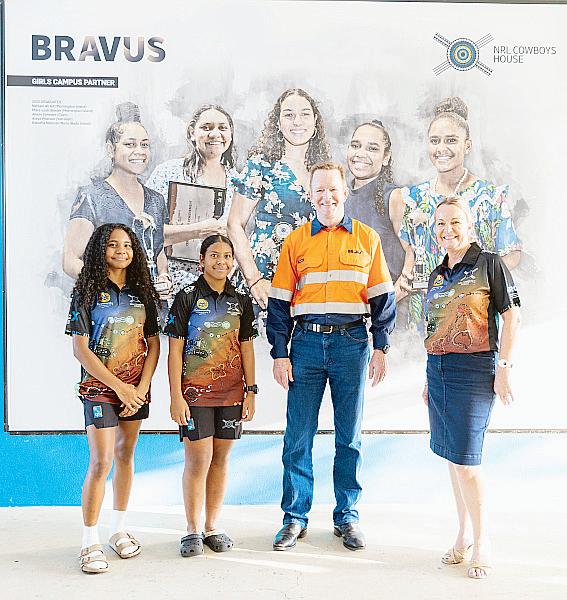
Today, more than 2000 people are employed across Bravus Australia’s operations, including the Carmichael mine, the North Queensland Export Terminal at the Port of Abbot Point, and Bowen Rail Company.
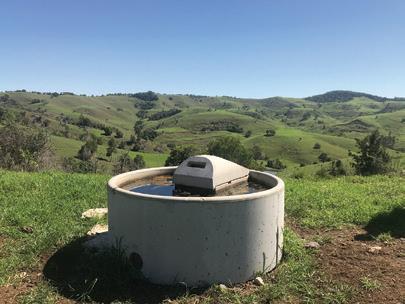
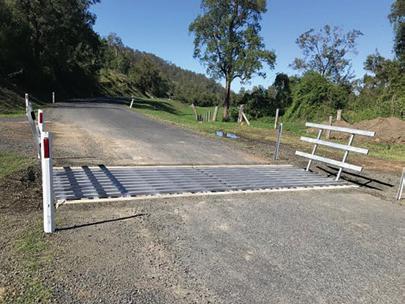
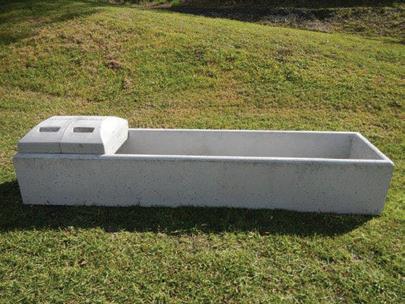
NRL Cowboys House, which has received national recognition for its impact, is a joint initiative between the National Rugby League, the North Queensland Toyota Cowboys and both the Queensland and Australian governments.
Bravus Australia’s partnership with the North Queensland Cowboys
It aims to support young people from regional and remote communities to access education and opportunity.
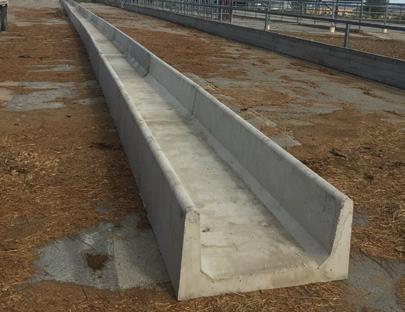
• Bravus Australia, through Bravus Mining and Resources (then Adani Mining), began its association with the Cowboys in 2019 as a supporter of the ‘Try for 5!’ program.
• In 2020, Bravus Australia elevated its association to major partner and then platinum partner in 2021. This includes the delivery of the Adopt-A-School program, the Cowboys’ longest-running community program.
• In October 2025, Bravus Australia extended its platinum partnership agreement to include its mining, rail, port and renewables businesses.