





























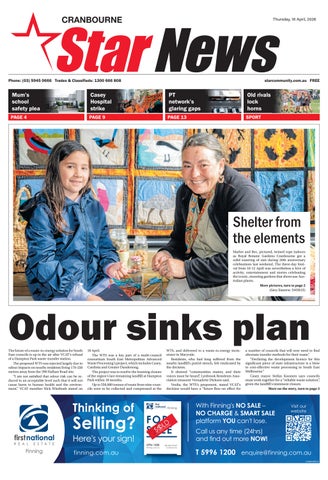
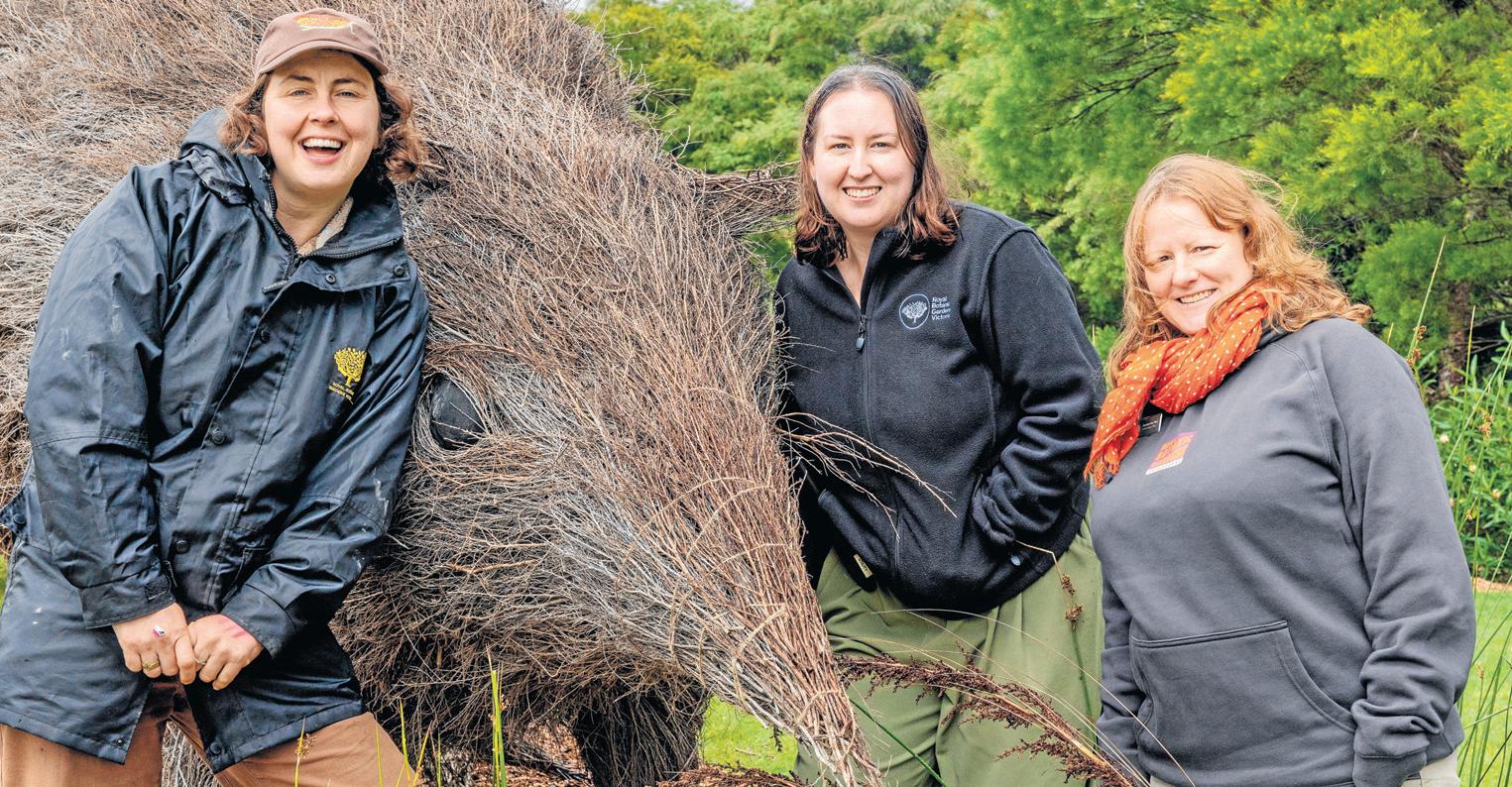
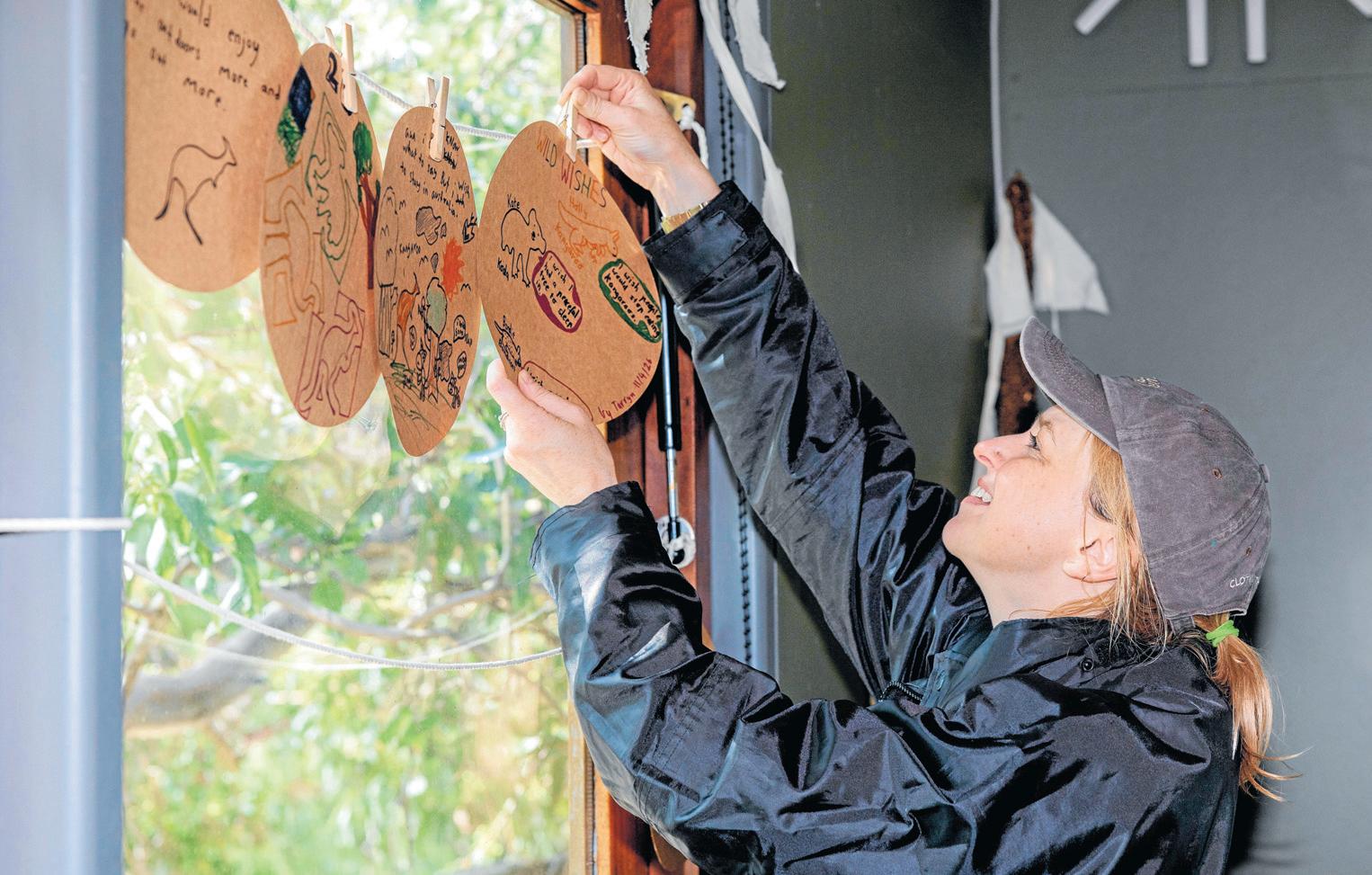
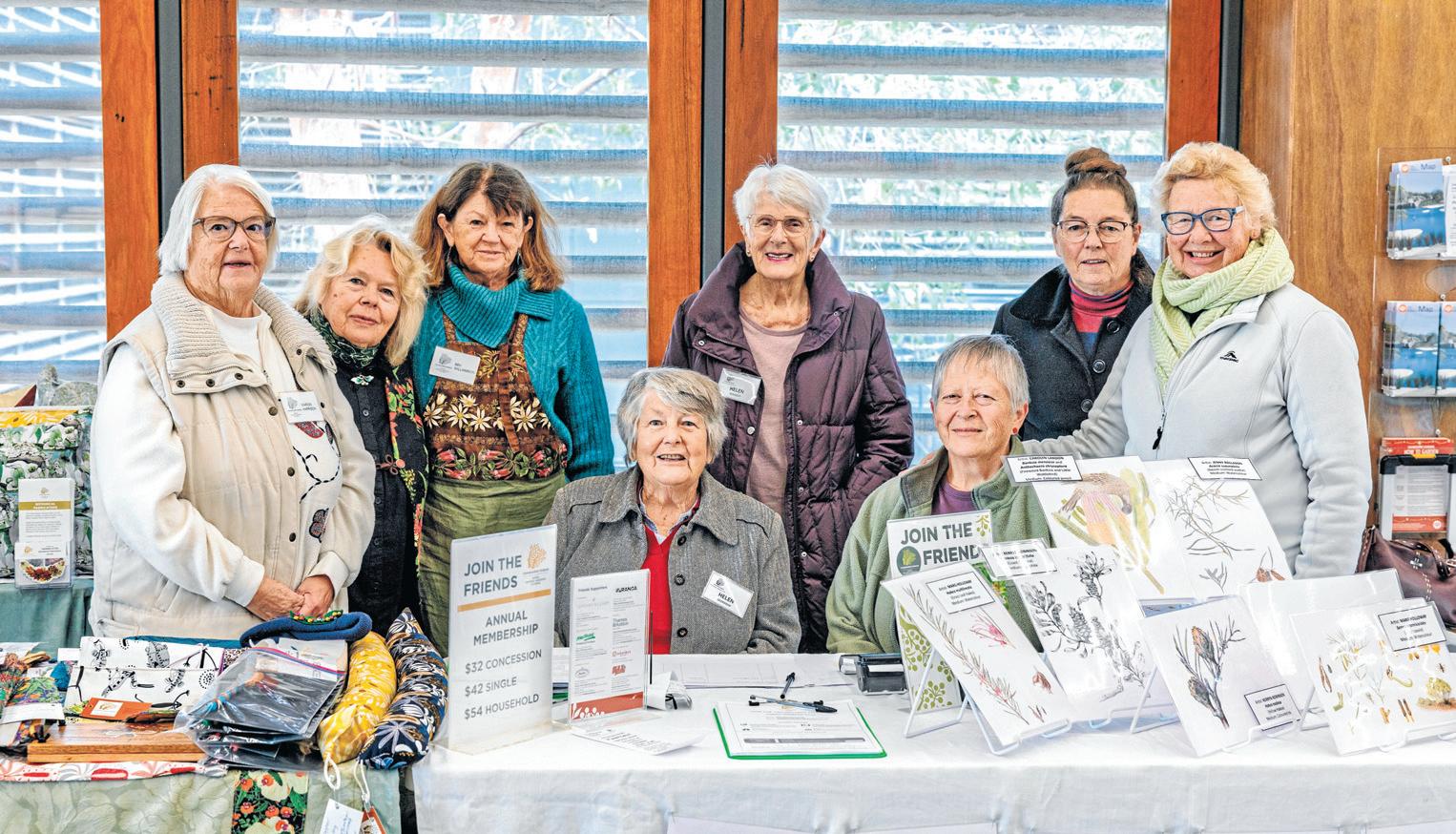
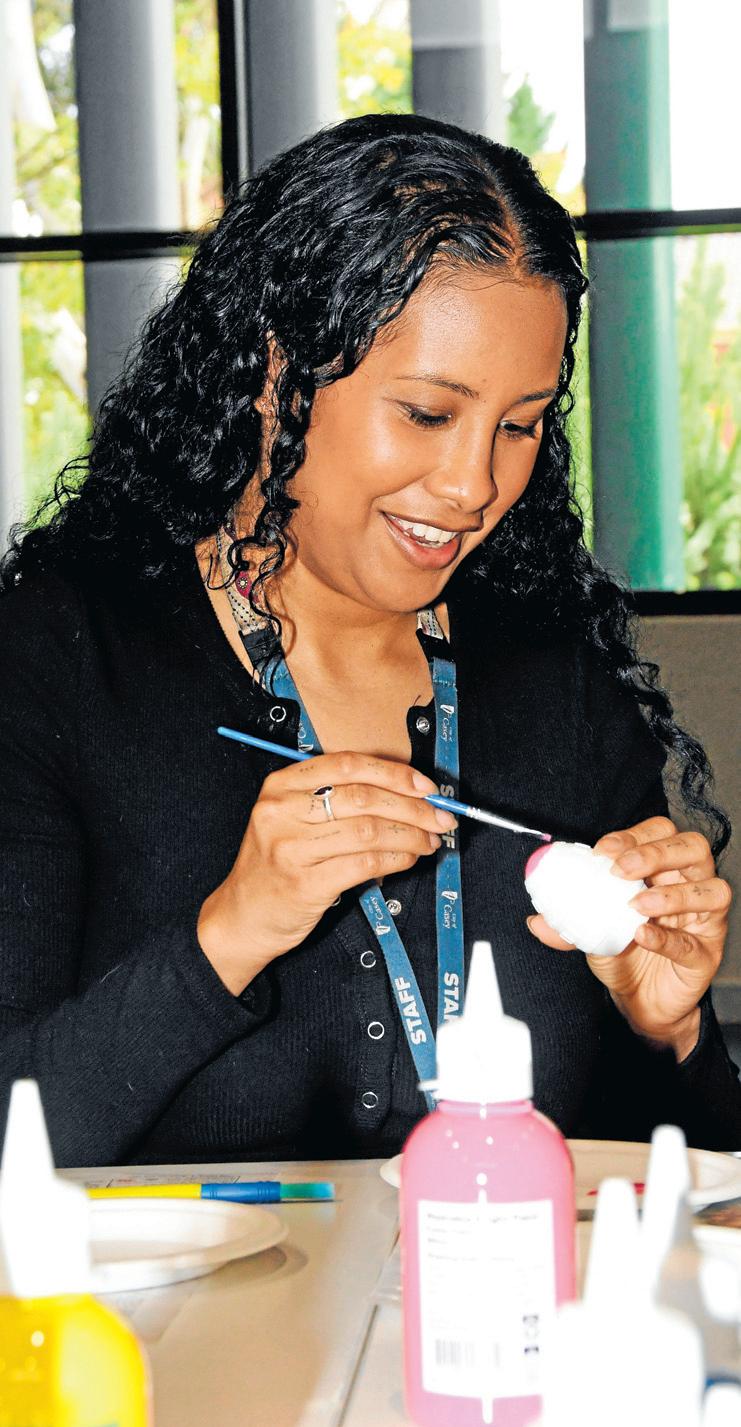
Marlee and Bec, pictured, twined rope indoors as Royal Botanic Gardens Cranbourne got a solid watering of rain during 20th anniversary celebrations last weekend. The three-day festival from 10-12 April was nevertheless a hive of activity, entertainment and stories celebrating the iconic, stunning gardens that showcase Australian plants.
More pictures, turn to page 2 (Gary Sissons: 545815)
The future of a waste-to-energy solution for South East councils is up in the air after VCAT’s refusal of a Hampton Park waste-transfer station.
The proposed WTS was rejected largely due to odour impacts on nearby residents living 170-250 metres away from the 290 Hallam Road site.
“I am not satisfied that odour risk can be reduced to an acceptable level such that it will not cause harm to human health and the environment,” VCAT member Nick Wimbush stated on 10 April.
The WTS was a key part of a multi-council consortium South East Metropolitan Advanced Waste Processing’s project, which includes Casey, Cardinia and Greater Dandenong.
The project was to resolve the looming closure of the region’s last remaining landfill at Hampton Park within 18 months.
Up to 550,000 tonnes of waste from nine councils were to be collected and compressed at the
WTS, and delivered to a waste-to-energy incinerator in Maryvale.
Residents, who had long suffered from the nearby landfill’s putrid stench, felt vindicated by the decision.
It showed “communities matter, and their voices must be heard” , Lynbrook Residents Association treasurer Vernadette Dickson said.
Veolia, the WTS’s proponent, stated VCAT’s decision would have a “future flow-on effect for


a number of councils that will now need to find alternate transfer methods for their waste”
“Declining the development licence for this significant piece of state infrastructure is a blow to cost-effective waste processing in South East Melbourne.”
Casey mayor Stefan Koomen says councils must work together for a “reliable waste solution” , given the landfill’s imminent closure. More on the story, turn to page 3

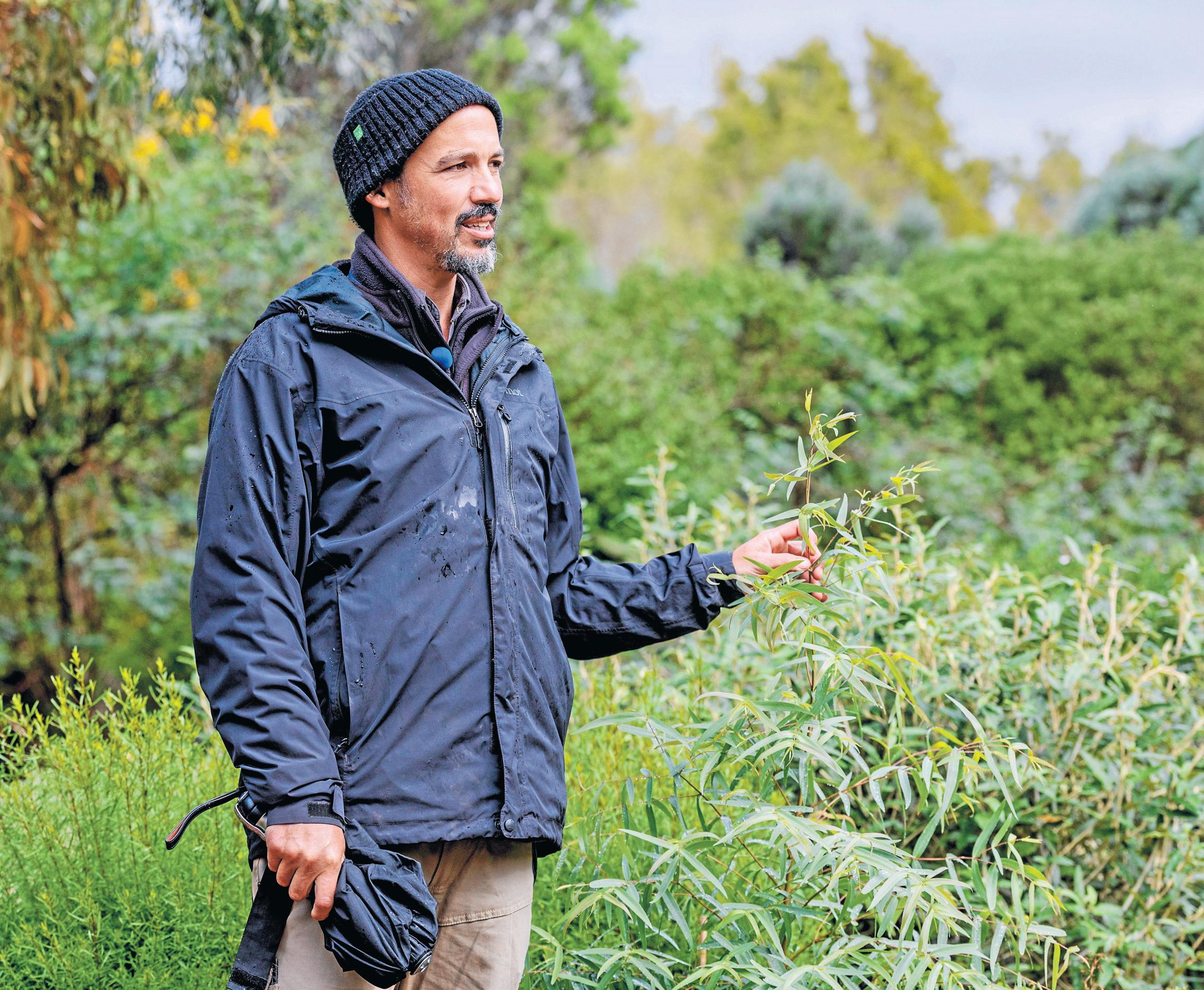
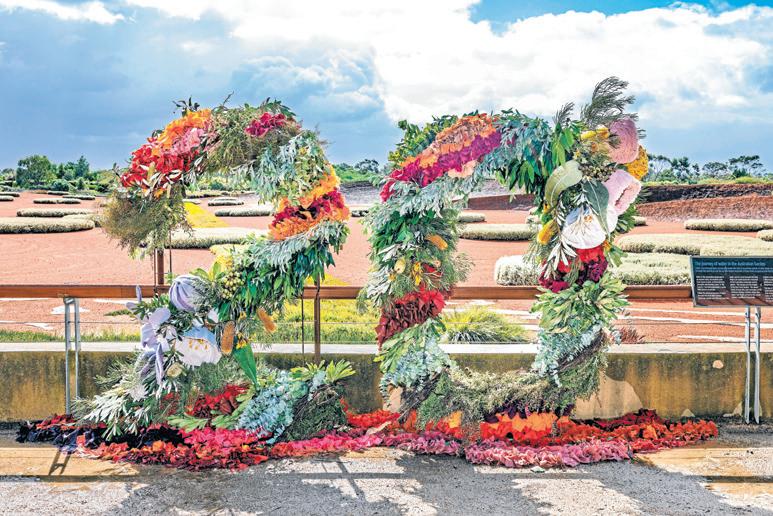
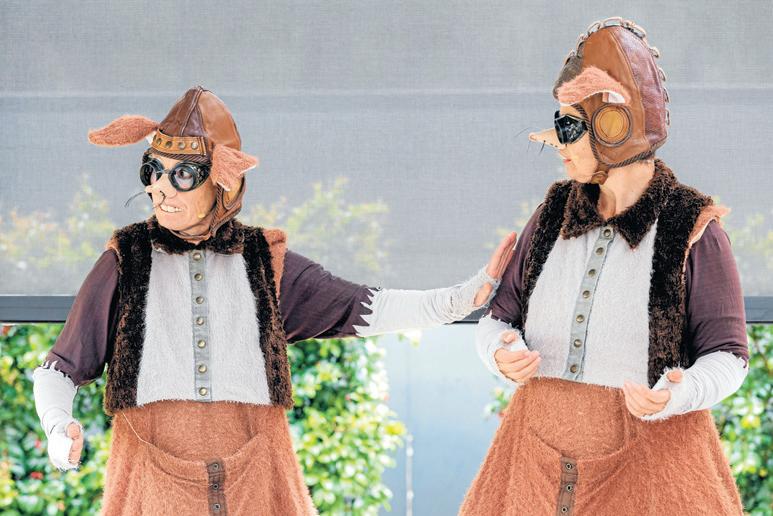
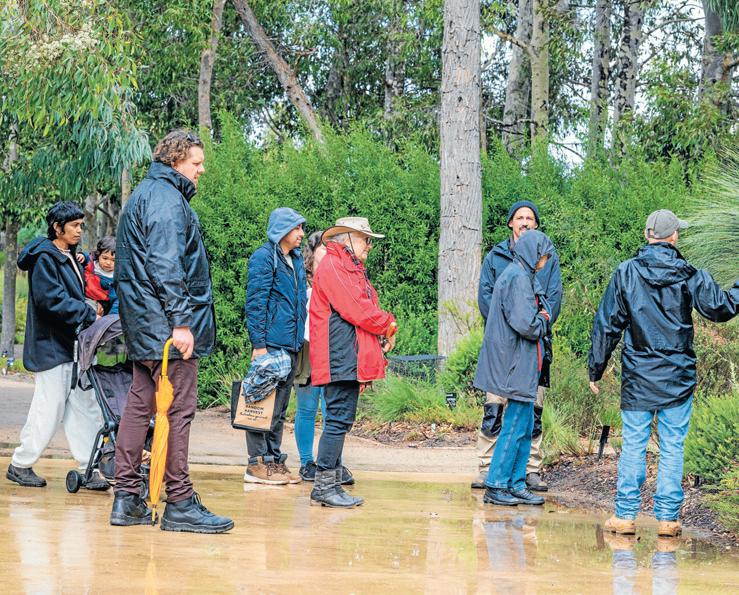
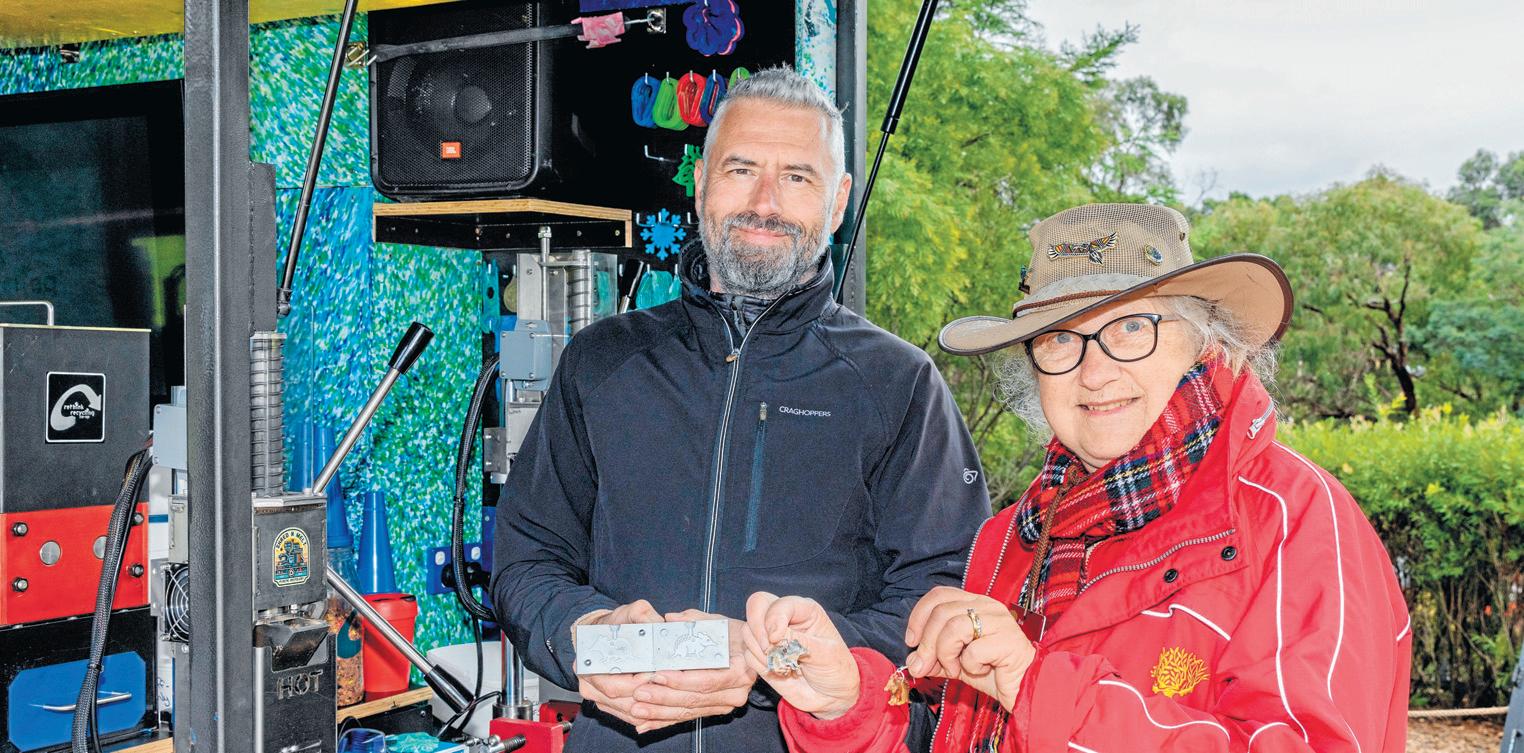
Despite the autumn weather settling in with rain and brisk air on Sunday afternoon, many Casey locals braved the cold to celebrate the 20th anniversary of Cranbourne’s Royal Botanic Gardens. With loads of fun lined up, scores of children were able to enjoy various programs and performanc-
es. From a theatre ensemble of the Big Bandicoot Backyard from Born in a Taxi performers to a Wild Cities interactive program and exhibition. A spokesperson said that with the fuel prices soaring, many are choosing to take advantage of closer local spaces in the region.

By Cam Lucadou-Wells
A waste-to-energy project across nine councilsincluding Casey - is teetering after a waste-transfer station (WTS) in Hampton Park was rejected by VCAT.
The WTS’s operator Veolia Recycling & Recovery had appealed to VCAT after the Environment Protection Authority Victoria refused a development licence last year.
On 10 April, VCAT member Nick Wimbush upheld the EPA refusal, largely because of the potential odour impacts on nearby residents.
The WTS was planned to collect up to 550,000 tonnes of waste a year from nine municipalities, as part of the South East Metropolitan Advanced Waste Processing consortium project.
The waste would then be compressed and bulk-delivered to a waste-to-energy (WTE) incinerator in Maryvale.
Cardinia Shire, Casey and Greater Dandenong are among the councils believed to have signed 25-year supply agreements for the WTS.
The SEMAWP was justified by the imminent closure of the Hallam Road landfill at Hampton Park – the region’s only remaining landfill.
The tip is expected to be filled by mid-2027 to 2028.
Veolia argued at VCAT that councils would otherwise dispose of waste in landfills further away, at greater cost and fuel use.
A solution was needed with “some urgency” , Mr Wimbush noted.
He noted Veolia’s attempts to demonstrate “best available techniques and technology” (BATT) to control odour.
This included a ‘negative pressure’ system with rapid-drop doors in the delivery-tipping hall and a 20-metre ventilation stack.
However, Mr Wimbush noted homes were just 170-250 metres to the north and west – significantly less than the 500-metre separation guidelines for putrescible waste.
About 35 per cent of the waste was expected to
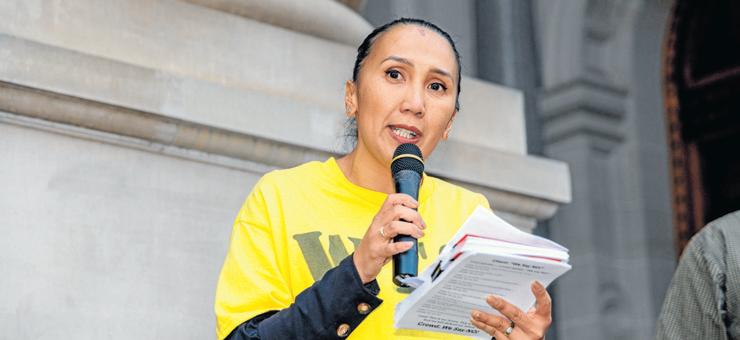
Vernadette Dickson, of Lynbrook Residents Association, says the VCAT decision is a ‘defining moment’. (Gary Sissons: 480136)
be putrescible.
“I am not satisfied that odour risk can be reduced to an acceptable level such that it will not cause harm to human health and the environment,” the member stated.
“This will be a large facility handling a significant amount of odorous waste, and there are uncertainties that make the risk of future odour impacts on the surrounding community unacceptable.”
Waste trucks were expected to peak at 26 per hour, though not expected before 7am.
The WTS was overwhelmingly opposed by neighbours who have long endured putrid odours from the nearby landfill at 290 Hallam Road, Hampton Park.
The EPA had received 711 public objections out of 751 submissions, prior to refusing the licence.
Lynbrook Residents Association treasurer Vernadette Dickson said the VCAT decision was a “defining moment for our community”
“Residents stood up, spoke out, and refused to accept a development that threatened our health, our environment, and our way of life.
“This outcome proves that when a community unites with purpose and determination, it cannot be ignored.”
Ms Dickson praised EPA for “standing firm”.
“This decision sends a clear message — communities matter, and their voices must be heard.
“The LRA will continue to stand strong, advocate fiercely, and protect the place we proudly call home.”
Casey Residents and Ratepayers Association president Anthony Tassone said the outcome highlighted the “critical importance of genuine community consultation” in major infrastructure decisions.
“The community has consistently raised concerns that this proposal progressed without meaningful consultation with the people most affected,” Mr Tassone said.
“There is a big difference between general support for reducing landfill and asking residents to accept a large-scale waste facility near their homes.”
The decision recognised that neighbouring residents should not bear a “disproportionate environmental burden”
“We are not against waste infrastructure,” Mr Tassone said.
“But it must be done properly, with the right planning, clear separation from homes, and genuine engagement with the community from the outset.”
In 2024, the WTS was approved by Casey Council administrators, weeks before councillors were elected.
At a 17 February council meeting this year, Casey city planning and infrastructure director Kathryn Seirlis said Casey and other SEMAWP councils had “clearly and transparently” communicated their intention to pursue advanced waste for several years.
The SEMAWP project also “strongly aligns” with community surveys and research, showing support for less reliance on landfill, she stated.
Ms Seirlis stated that Casey’s issuing of a permit for Veolia’s waste transfer station was a “separate matter” and “not influenced” by the signing of the SEMAWP agreement.
Veolia had been shortlisted during the SEMAWP procurement before acquiring the proposed waste-transfer site, Ms Seirlis said.
By Cam Lucadou-Wells
VCAT’s refusal of a Hampton Park waste-transfer station is a “blow to cost-effective waste processing” in the South East, says the project’s proponent.
A Veolia spokesperson said it was “disappointed” in VCAT’s decision on the WTS at 290 Hallam Road on the grounds of odour health impacts.
The verdict would have a “future flow-on effect for a number of councils that will now need to find alternate transfer methods for their waste” , the spokesperson said.
“Declining the development licence for this significant piece of state infrastructure is a blow
to cost-effective waste processing in South East Melbourne.
“We understand this may raise questions and create uncertainty for these councils and we are committed to working through the implications with affected parties as quickly as possible.”
The proposed WTS was a key part of a multi-council consortium South East Metropolitan Advanced Waste Processing’s project, which includes Casey, Cardinia and Greater Dandenong.
With the Hampton Park landfill due to close in the next 18 months, waste from nine councils would instead be collected and compressed at the WTS and delivered to a waste-to-energy in-
By Cam Lucadou-Wells
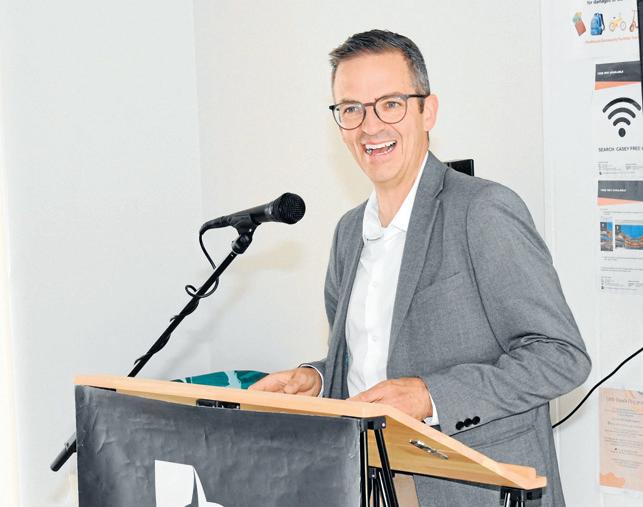
Casey mayor Stefan Koomen says councils must work together for a “reliable waste solution” after a proposed waste-transfer station at Hampton Park was refused at VCAT last week.
The WTS was to collect up to 550,000 tonnes of landfill waste a year from nine councils including Casey, Cardinia and Greater Dandenong.
Waste would be compressed at the WTS and transported to a waste-to-energy incinerator in Maryvale.
The project, as part of a South Eastern Metropolitan Advanced Waste Processing (SEMAWP) partnership of the nine councils, was touted as a solution to the impending closure of the South East’s last remaining landfill at Hallam Road, Hampton Park.
The proposed WTS site was to be next to the landfill, which has been subject to putrid-odour complaints from nearby residents as well as enforcement action from Environment Protection Authority Victoria (EPA).
On 10 April, VCAT upheld the EPA’s refusal of a development licence for the WTS, largely due to odour and human health impacts on neighbours living between 170 and 250 metres away.
This was significantly less than the 500-metre separation guidelines for putrescible waste.
“This will be a large facility handling a significant amount of odorous waste, and there are uncertainties that make the risk of future odour impacts on the surrounding community unacceptable,” VCAT member Nick Wimbush stated.
Casey will await whether WTS proponent Veolia lodges a Supreme Court appeal within 28 days, before the council considers “any next steps”, Cr Koomen said.
“The Hampton Park landfill is expected to close in the next year or so, and Council has a responsibility to work with other councils in the region to ensure our residents continue to have access to a reliable waste solution.”
Casey would continue to work with the multi-council consortium (SEMAWP), MaryvaleCo and Veolia to progress the waste-to-energy project, Cr Koomen said.
He acknowledged the “tireless advocacy of local residents who made their voices heard throughout this process, and to those who dedicated their time to represent their community”.
Casey Residents and Ratepayers’ Association has criticised Casey’s earlier approval of a planning permit for the WTS, accusing the council of a lack of meaningful community consultation.
cinerator in Maryvale.
On 10 April, VCAT upheld the EPA’s refusal of a development licence for the WTS, largely due to odour and human health impacts on neighbours living between 170-250 metres away.
This was significantly less than the 500-metre separation guidelines for putrescible waste.
Veolia stated that the length of time taken by EPA Victoria “which ultimately led to the matter proceeding to VCAT” was a “concern”
“Delays like these directly impact the confidence of the private sector when it comes to investing in the sustainable infrastructure needed to affordably meet the state’s ambitious 2030 circular economy targets.”
Approval was granted by Casey’s administrators, weeks before the late-2024 councillor elections.
Casey’s planning and building manager Tania Asper said its officers followed due process when they assessed the WTS planning permit application.
“In its decision, VCAT confirmed that the planning permit and review process by Council was not called into question.
“VCAT also referred to the EPA confirming it consented to the issuing of a planning permit, subject to conditions being met.”
By Cam Lucadou-Wells
An Endeavour Hills man who smashed his way through an office’s locked glass-door and used a broken shard to inflict a “horrific” attack on a security guard has been jailed.
Ubill Kojan, 26, pleaded guilty at the Victorian County Court to aggravated burglary, theft, assault with a weapon and assault by kicking at a State Trustees office in Dandenong.
In August 2024, the State Trustees client, who had been banned from the Lonsdale Street office due to previous poor behaviour, was refused entry by the guard.
Kojan had been in dispute with the office over its administration of his finances, claiming they were not giving him enough to live on.
He was further enraged when he rang a State Trustees employee, who ended the call due to Kojan’s “demeanour”
He kicked in the entrance’s glass panels, creating a hole large enough for him to get inside.
Picking up a large glass shard from the broken door, Kojan entered with intent to assault the guard, sentencing judge Gabriele Cannon said
on 14 April.
Kojan climbed on top of a raised desk and over a glass barrier in a bid to get to the guard, who escaped through a side security door and rang triple-0 outside on Foster Street.
The office was locked down but Kojan was able to exit through the broken door.
Still with the shard in hand, Kojan grabbed the guard by the back of the neck – telling him “words to the effect of ‘give me my f***ing money’”
Kojan kicked the victim to ground, and kicked him again in the back.
When the victim regained his footing, Kojan held the shard to the victim’s neck.
As he did so, he knocked the guard’s phone from his hand.
Kojan grabbed the phone and walked away shortly before police arrested him.
In a police interview, Kojan told police that “to be honest I was going to kill (the guard) today”
“Karma is a b***h and today, that’s what happened. I left a statement.”
He said that with the shard of glass, he was “going to put it through his f***ing mouth, I don’t
Kojan admitted to police that the incident had demonstrated his anger management issues. He had intended to visit State Trustees to negotiate his finances “logically”
Judge Cannon said Kojan “knew very well” he was not permitted to go inside the office.
“However you did so, and behaved in a most terrifying manner towards the victim who was doing no more than trying to make an honest living.”
Kojan’s anger at State Trustees in no way justified his “horrific” and “utterly dreadful” attack, followed by “extremely concerning” comments to police, the court heard.
Judge Cannon noted the “dreadful impact” on the guard, who suffered a laceration to his arm.
The victim stated that he’d felt helpless during the assault and feared he’d never see his family again.
In 25 years in the security industry, he’d never been in such a situation, he said. It was “unbelievable” that someone would attack him like that for doing his job.
He’d since felt apprehensive returning to
By Violet Li
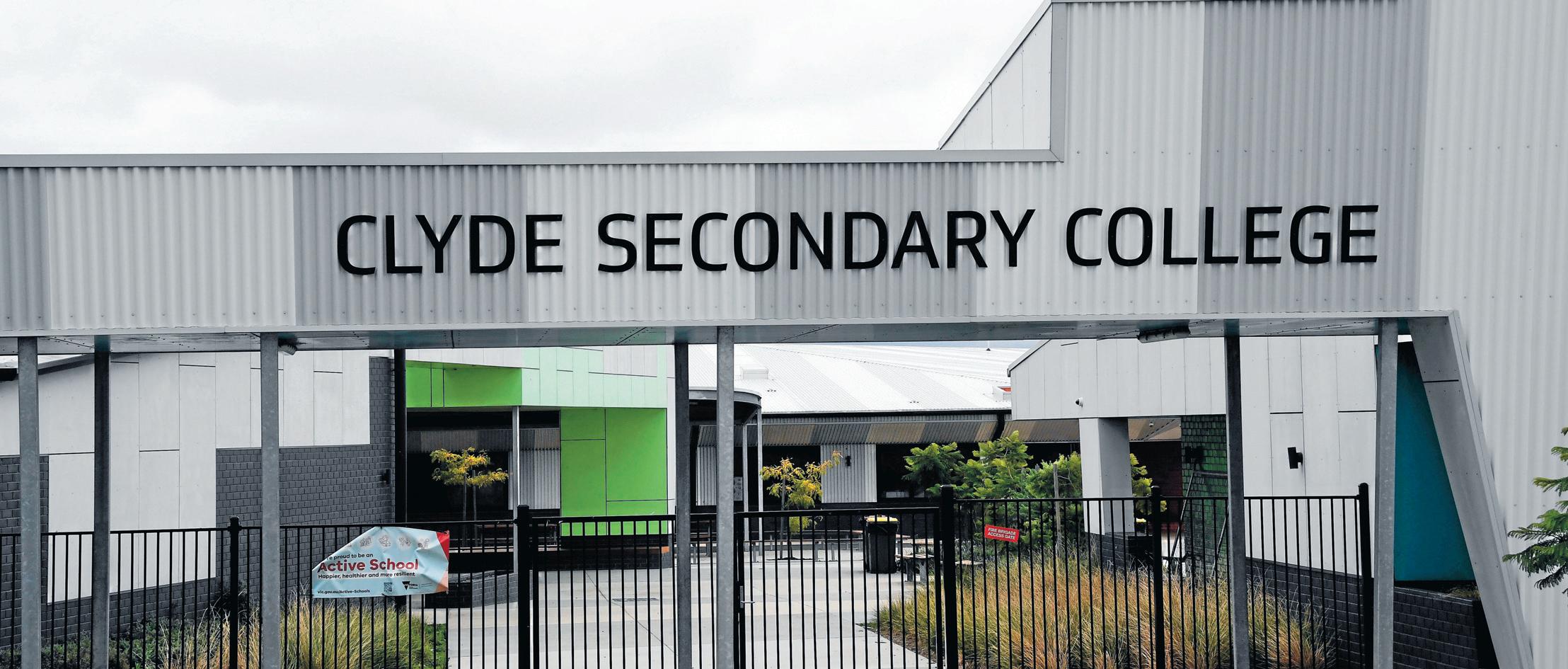
A Clyde mother has alleged Clyde Secondary College failed to call police and emergency services after her daughter was violently attacked on campus during school hours, forcing her to dial triple-zero herself.
The student was assaulted about 1.30pm on 1 April by a group of girls while on the phone with her mother.
“My daughter called me at school, and she said to me, ‘Mum, I’m going to get bashed,’ and I said to her, ‘Why? What’s going on?’” the distressed mother recalled.
“And then I could just hear a lot of yelling in the background. I told her to try to find help.”
Her daughter told her that there were no teachers around.
“I asked her to try to get to the office, and then I unfortunately had to hear them attack her while I was still on the phone with her.
“I could hear them hitting her, kicking her to the ground. I could hear her screaming and her friends screaming her name. And that went on for maybe 60 seconds.”
When the mother arrived at the school, she found her daughter disoriented, unable to recall her locker combination and struggling to form sentences. These were symptoms that raised immediate medical concerns for her.
“I asked the school team if they had called emergency services, given that she had been quite brutally attacked. And they said no. They wanted to get a statement from her first, which is obviously not appropriate at all when she needed to have medical treatment,” the mother said.
“I kept asking over and over again, can you please call the police? Can you please call her an ambulance? And no one did…
“I had to call 000 myself in the school office, and I had to file the police report myself, and
I had to drive my daughter to the emergency myself.”
Victoria Police confirmed they are investigating the incident.
They said the female victim was allegedly assaulted by between four and five other students.
The victim sustained minor injuries and reported the incident to the police on 7 April. No arrests have been made, and the investigation into the incident remains ongoing.
The mother further alleged that the situation has escalated since the attack, with videos of the incident shared online and the girl subjected to ongoing threats.
“When she was in the hospital, these girls created a group chat that they added my daughter to. (They were) telling her that they’re going to come for Round Two, asking her how the concrete tasted,” the mother said.
“They think it’s funny, they were laughing about it. They were saying all sorts of horrible things to her, like that next time they’re going to destroy her face.
“My daughter kept trying to leave the group and they kept adding her back. In the end, she just blocked them all but they were continuing to message my daughter’s friends.
“One of them even created a fake account and actually sent the video to me, with laughing faces saying, is this your daughter getting her ass beat?”
The mother also raised broader concerns about safety at the school, claiming multiple violent incidents had occurred over the past 18 months, including weapons being reportedly brought on campus and an alleged rape threat against her daughter.
The mother claimed the school’s response after the incident was inadequate.
She said staff did not contact her immediately following the assault and only called later
work, fearful of upsetting anyone in case they might attack him.
Judge Cannon outlined Kojan’s history of violent offending, including breaching family-violence intervention orders.
The Sudanese-born refugee had long-standing drug and complex mental health issues, including schizophrenia – a diagnosis rejected by Kojan.
He’d smoked cannabis on the day of the attack, and wasn’t complying with his medication regime. He was subject to a community treatment order at the time.
In sentencing, Judge Cannon said she’d try to maximise Kojan’s “guarded” rehabilitation prospects, given he was fairly young. But he had a “good way to go”
She rejected a defence submission for a sentence combining jail and a community correction order.
Kojan was jailed for three years and eight months, with a non-parole period of two years and three months.
The term includes 615 days in pre-sentence detention.
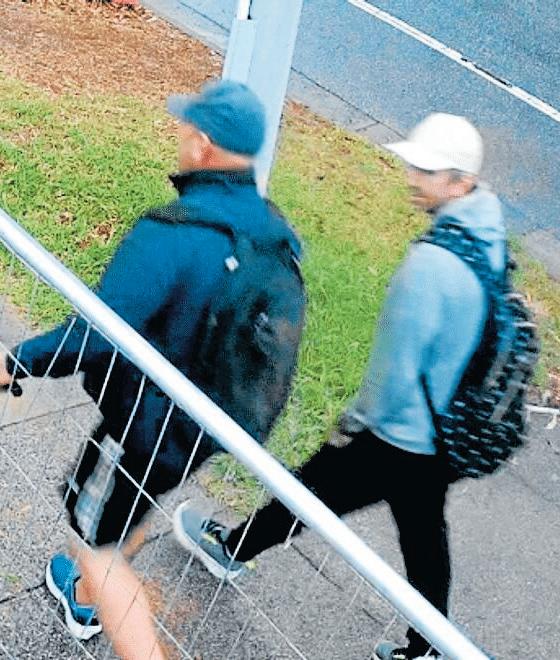
Detectives have released images of two men they believe can assist with their enquiries.
that night while she was at the hospital. They asked whether the mother would still attend a pre-arranged meeting and if her daughter would return to school the next day.
“It just seems like they just did not comprehend the extent of what had happened,” she said.
“They didn’t tell me anything about following up. They didn’t give us any reassurance about taking any action against those children.
“Obviously, it was only two days out from the end of term anyway.”
The concerned family is now considering transferring schools or homeschooling.
“I can’t send her back there. I’m too worried about her,” the mother said.
“She said to me when we walked out of that school office, she was just broken. She just looked at me, and she said, mum, I just got bashed in front of the whole school. Please don’t make me go back there.”
A Department of Education spokesperson said student safety was the priority and the incident was under investigation.
“The safety of students and staff is our priority,” the spokesperson said.
“The school is investigating the incident and taking appropriate action, including making support available for impacted students.”
In November last year, concerned parents also raised alarm on radio station 3AW after the school was placed into lockdown when a student brought what was believed to be a firearm onto campus, later confirmed by police to be a cap gun.
Parents told the radio that they were not informed of the lockdown at the time, with some only learning of the situation from their children while they were hiding in classrooms.
Another parent said they received routine school notifications during the lockdown, but no alert about the incident itself.
Southern Metro Region Crime Squad detectives are appealing for public assistance following a home invasion in Hallam earlier this month.
Investigators have been told two unknown men entered a property on Princes Highway about 7.25am on Good Friday, 3 April.
The pair kicked into the garage door before going upstairs in the property according to Victoria Police.
The offenders confronted a 76-year-old occupant of the home who was making his breakfast, making demands for his keys.
The man was threatened by the offenders with a taser before the duo fled, last seen on foot heading towards Harmer Road.
Nothing was stolen from the property and there were no physical injuries.
Detectives have released images of two men they believe can assist with their enquiries.
The first man is perceived to be Caucasian, aged in his late 20s, medium build, approximately 185cm tall with light brown hair.
He was wearing a light grey hooded jumper, black tracksuit pants and a cream-coloured baseball cap.
The second man is perceived to be Caucasian, aged in his late 40s to early 50s, solid build, approximately 180cm tall and grey facial hair.
He was seen wearing a navy-blue puffer jacket, black shorts with white stripes down the sides, a grey baseball cap and sunglasses.
Anyone who witnessed the incident, has CCTV or dashcam footage or anyone with information is asked to contact Crime Stoppers on 1800 333 000.
By Violet Li
Casey Council says it will not offer a general opt-out for the upcoming purple-lid glass recycling bin due to the state requirements.
The response comes after the Casey Residents and Ratepayers Association (CRRA) called for greater flexibility in the rollout of the four-bin waste system.
In a submission to the Council’s recent Kerbside Waste Policy Review, CRRA argues that the draft updated kerbside policy goes beyond state requirements in the Circular Economy (Waste Reduction and Recycling) Act 2021 and its supporting Regulations by effectively mandating every household receive a fourth purple-lid bin, despite legislation only requiring councils to provide access to recycling services.
Instead, CRRA is calling for a simple, universal opt-out option for the purple-lid glass bin, while maintaining access through alternatives such as drop-off or shared services.
CRRA President Anthony Tassone said the Council’s own consultation highlighted significant community concerns that had not been adequately addressed.
“Residents have clearly raised issues about space constraints, particularly in townhouses and smaller properties, as well as cost-of-living pressures,” he said.
“There was also strong opposition to additional fees for changing bin services, which risks penalising households trying to manage waste more efficiently.
“Our position is straightforward. Recycling reform should work with the community, not impose a one-size-fits-all model that does not suit every household.”
CRRA’s submission points to the neighbouring Frankston Council, which allows residents

to opt out of glass bins.
According to Frankston Council’s website, each residential property with a recycling bin (yellow lid) must have a glass-only bin on the premises. However, residents can apply to cancel the glass bin, with no refund upon approved cancellation.
However, Casey Council has advised that the rules outlined in the Household Waste and Recycling Service Standard 2024 make it clear that this glass recycling service is to be delivered through kerbside collection, unless there’s
a genuine practical reason why that can’t happen.
The Service Standard makes it clear that councils can’t offer a general opt-out option for the glass service.
Because of this, Council doesn’t have the flexibility to allow households to choose not to have a glass (purple) bin if it wants to stay compliant with state requirements.
City of Casey Mayor Cr Stefan Koomen said their priority is finding the right balance –meeting their legal responsibilities while also

running a service that’s safe, practical, cost-effective and fair for the whole community.
“Where the rules allow, the draft policy does include flexibility - such as different bin sizes, shared services, and tailored solutions for developments where a standard kerbside bin isn’t suitable,” he said.
“We know changes to waste and recycling matter to our residents. Many households are already dealing with limited space, convenience issues and cost-of-living pressures.
“That’s why community feedback being shared through the current consultation is so important, and we appreciate residents taking the time to have their say.”
The State Government requires all Victorian councils to use the standard colours for waste bins: red for garbage, yellow for commingled recycling, lime green for Food and Garden Organics, and purple for glass.
In the second half of last year, Casey Council swapped rubbish and recycling bin lids to be in line with the state policy, at a cost of an estimated $3.6 million (ex GST).
The State’s kerbside reform mandates councils to provide a glass service by 2027, which Casey hasn’t provided yet.
The whole kerbside reform is expected to cost Casey Council $12.3m, including the provision of purple-lid bins, according to a budget report for the 2025/26 financial year.
Casey ratepayers’ waste service charge increased by 12 per cent in the 2025/26 financial year, with the kerbside reform being one of the contributing factors.
A final updated kerbside policy will be presented to the Council for consideration at its May 2026 meeting.
To read the draft policy, visit: conversations. casey.vic.gov.au/kerbside-policy
When living at home is no longer the best option, you need a place with care you can trust.
Our brand-new residential aged care home at Summerset Cranbourne North offers residents exactly that.
Designed around a modern small household model, our four households of 18 care suites provide a warm, homely environment focused on wellbeing.
For those who don’t yet need aged care but could use a little extra help with everyday tasks, our assisted living apartments offer the perfect blend of independence and support.
Care suites and assisted living apartments are available now. Explore your options at our upcoming open days - a relaxed way to experience the village, meet the team and learn more about care at Summerset Cranbourne North.
Care you can trust.
Care and assisted living open days
Friday 17 & Sat 18 April
10am to 2pm, tours every half hour
Summerset Cranbourne North 98 Mannavue Boulevard, Cranbourne North 03 7068 5642 | cranbourne.sales@summerset.com.au
By Dalal Smiley, chief executive of Wellsprings for Women
Today, my attachment to Lebanon is stronger than ever.
Day and night, my thoughts are consumed by the suffering inflicted on my homeland.
I think of my family, friends, and neighbours, reflecting on their dashed hopes for a life free from violence.
As I watch the news, a sense of hopelessness washes over me; I find myself desperately searching for a glimmer of hope—anywhere.
My journey to Australia began in 1976, a move made necessary by the civil war that had erupted a year earlier.
I was just a teenager then.
I vividly remember a beautiful spring morning in Ain Rumaneh, East Beirut on 13 April 1975.
From our fourth-floor balcony, the peace was shattered by gunfire.
We watched, terrified, as gunmen ran through our streets with automatic rifles.
I didn’t know then that this day marked the end of the life we knew.
After 18 months of living in the heart of the conflict, and after local militias attempted to force my 14-year-old brother into the war, my mother decided we had to flee.
We left our home thinking it was temporary.
We didn’t know the war would last 15 years, claiming 150,000 lives and displacing millions.
Australia became a sanctuary for 30,000 Lebanese people during those years, though our history here stretches back to the 1880s.
Today, nearly 250,000 Australians claim Lebanese ancestry.
We have added to the vibrancy of this country, contributing to the arts, politics, and entrepreneurship.
In Greater Dandenong, our heritage is alive in

the scent of fresh manouche from AB Bakery or Baladi on Brady and the gatherings at the Dandenong Mosque or St. Paul’s church.
We are a community of small business owners, artists, public servants and linguists, fiercely preserving our dialect and our traditions at events like the Ramadan Night Market.
Yet, living in a multicultural society carries its own weight.
Acceptance often feels conditional—predicated on remaining “agreeable” and leaving our conflicts at the border.
As I watch Lebanon being bombed, I feel the sting of seeing my adopted country remain silent or issue “carefully curated” statements.
I find myself suppressing my grief and my opinions, fearing that expressing support for the resistance or the protection of my homeland
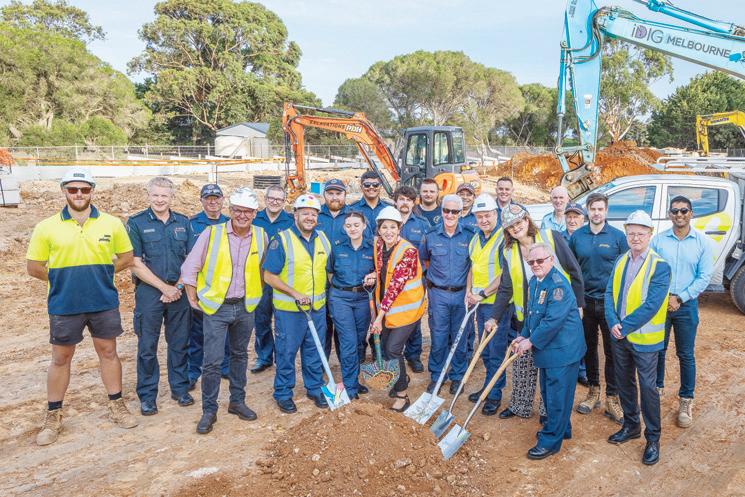
Construction is officially underway on a new fire station for Clyde Fire Brigade.
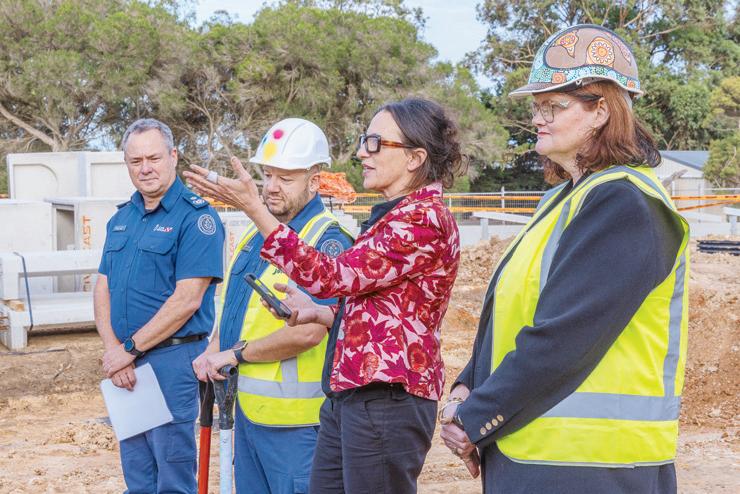
CFA Assistant Chief Fire Officer District 8 Sean Kerr joined brigade members on-site for a ceremonial sod turn on Wednesday 8 April, commemorating the start of the project.
The new station is being developed on 8 Ballarto Road, Clyde, and will replace the existing station at 17 Railway Road in Clyde.
Clyde Fire Brigade Captain Stuart Bluck, who has been serving with the brigade for 15 years, said the upgraded station will better support the brigade’s operations for years to come.
“The new station will allow the Clyde Fire Brigade to continue providing dedicated service to the local area well into the future,” he said.
“It’s a very exciting moment for our brigade, and we are all keen to start turning out of it once it’s all complete.
“Clyde is growing, and we have had a significant number of new members join the brigade in recent years, so we’re really pleased to have a space to grow the brigade further. We will be going from the original station built in the 1940’s to
a nice new modern station that will serve us well.”
The new fit-for-purpose station will include a motor room with three drive-through bays, storage space, operation areas and a multipurpose room.
The design incorporates private change facilities for volunteers, both men and women, and accessible unisex ablutions to align with contem-




porary building amenity legislation.
CFA Assistant Chief Fire Officer District 8 Sean Kerr said the new design reflects CFA’s commitment to volunteer safety, inclusivity and sustainability.
“The station has been designed with sustainability in mind, with a solar panel system, planning in place for future installation of an electric vehicle charging station, rainwater recycling, and water-sensitive designs within the landscaping,” he said.
“It’s also positive to see the inclusion of separate change room spaces for men and women and accessible unisex amenities for our volunteers.”
Clyde Fire Brigade currently has 88 members, including 16 women and 38 operational firefighters.
Brigade members have attended numerous significant incidents and campaign fires, including the 2009 Black Saturday bushfires, 2019-20 summer bushfires and more recently the 2026 Walwa Complex Fires.
Over the last three years, the brigade has responded to 310 callouts annually. This includes
might make my fellow citizens uncomfortable— or worse, lead to legal repercussions.
But I am not giving up on Australia, nor on Lebanon.
I carry both in my heart.
I will continue to advocate for a version of Australia that prioritises human rights and takes effective action to end the wars in Lebanon and Palestine.
road rescues as well as grass, scrub and structure fires.
Bass MP Jordan Crugnale, who was at the sod-turn, said: “Clyde continues to grow with energy and momentum, and the need for strong, well-supported emergency services grows alongside it.
“This new station will stand as a place of connection, readiness, and community pride.”
Construction of the new station is expected to be complete in late 2026.



































By Jensy Callimootoo
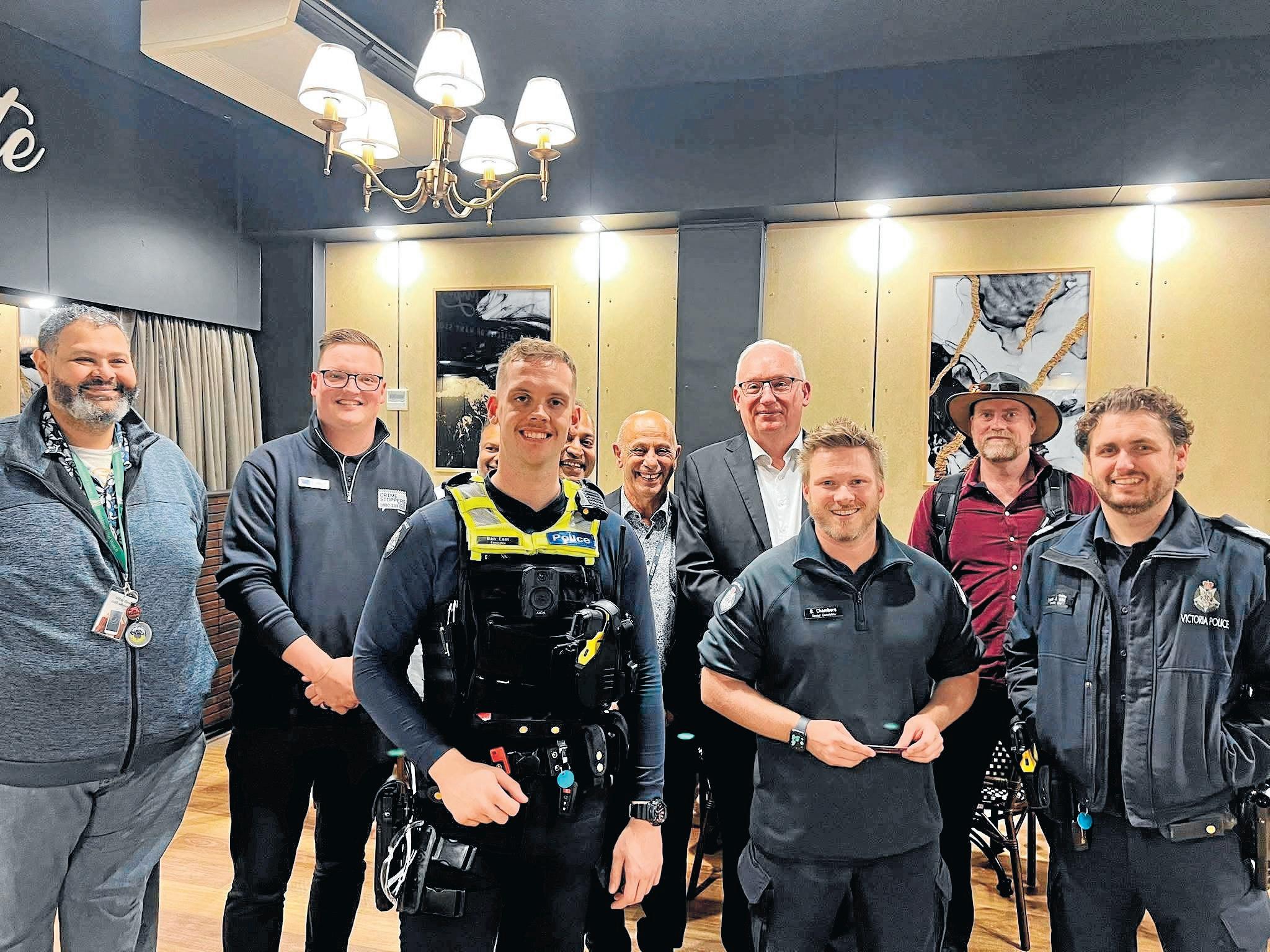
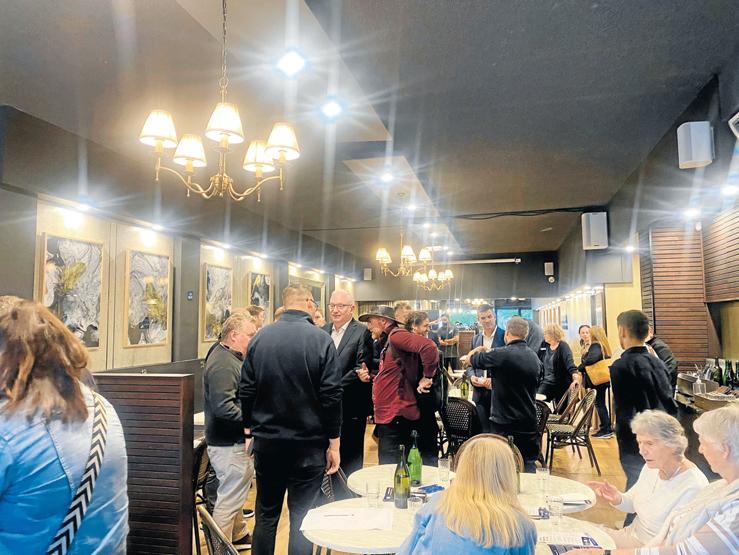
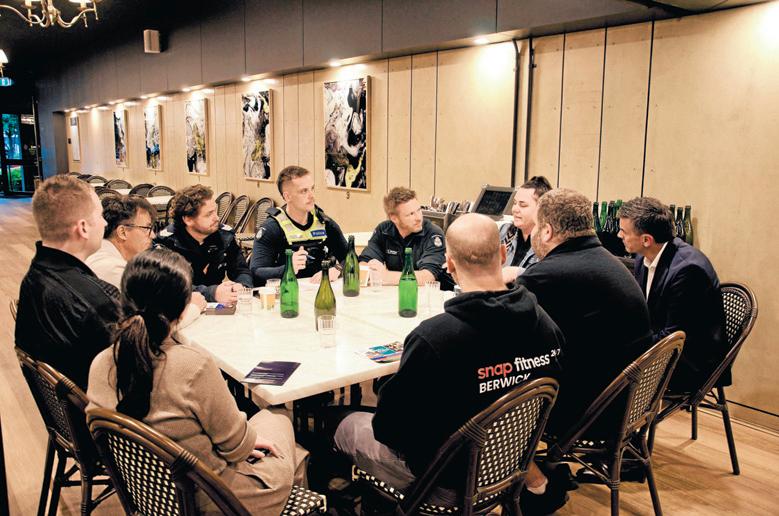
Rising crime concerns have brought Casey residents and traders together, as fears grow over safety in the region.
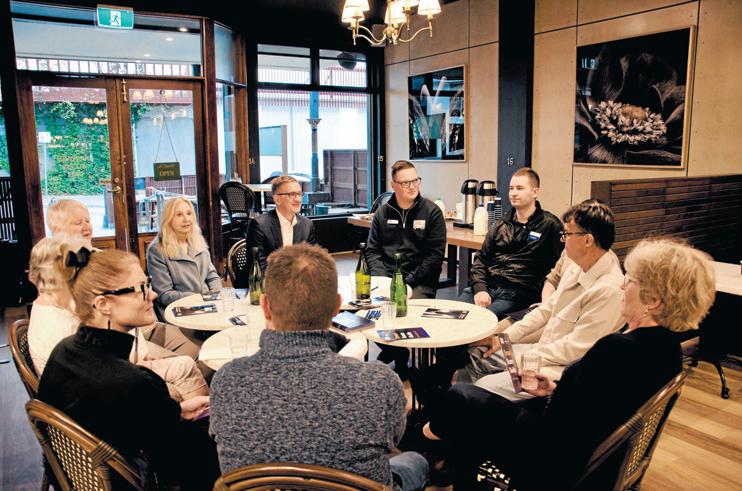
Hosted by Mush Rahaman, owner of La Baguette cafe and longtime trader in High Street, Berwick, the event spotlighted small business safety.
Attendees were split into four groups, allowing them to share concerns directly with local police, community safety officers from Casey Council, Neighbourhood Watch Casey, and Crime Stoppers representatives.
Several MPs were also in attendance, including Federal Member for Bruce Julian Hill, Member for Berwick and Shadow Minister for Police and Corrections Brad Battin, and Libertarian MP David Limbrick.
The forum was sparked by a violent incident in February 2026, when Berwick jeweller Johny Toros was assaulted during an attempted robbery.
Masked offenders armed with hammers stormed his High Street store in the middle of the day, carrying empty backpacks in an attempt to steal valuables. Mr Toros was taken to Casey Hospital following the attack.
The incident has left many traders shaken, with one local business owner saying her sense of safety has deteriorated, particularly when walking alone at night.
Many traders voiced frustration over what they perceive as slow or insufficient police responses to incidents.
Some said this has discouraged them from reporting crimes altogether; a concern strongly addressed by law enforcement at the forum.
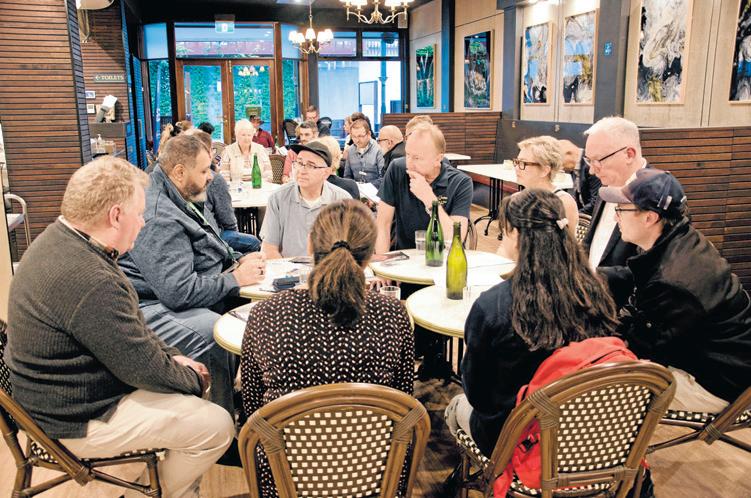
Police underscored the importance of reporting every incident, urging residents and business owners to call triple 000 in any emergencies.
“If you keep calling triple 000, it’s going to help us help you,” a senior constable told attendees, noting that reporting plays a key role in securing additional resources and funding for the area.
A community safety officer from Casey Council highlighted that the perception of crime in Casey is changing.
And while the majority of people still feel safe in Casey, a 2025 survey conducted by the council found that 36 per cent feel safe, while 34 per cent feel unsafe in Casey.
Further, 35 per cent of those surveyed experienced crime in the 12 months prior — an increase of eight per cent since 2023.
While Casey comes out on top for the number of reported crimes and offences, it is one of the biggest municipalities in Victoria with a population of over 300,000 with continuous growth expected.
For longtime trader Harry Hutchinson, the forum provided a rare opportunity to share experiences and connect with others facing similar challenges.
Mr Hutchinson’s own store was broken into nine times over a one year period at his previous location on Loveridge Walk.
Speaking after the forum, he said the event left him feeling cautiously optimistic.
“You feel less lonely when you’re able to speak to other people about it,” he said.
He added that in all his years working in Berwick, he had never seen a forum dedicated to addressing trader safety concerns.
Amid the calls for change from locals, many gained clarity on how they can do their part to deter crime. Here’s a few highlights from the night.
According to police and Crime Stoppers, a heightened number of property burglaries are opportunistic. Specifically, over the last six months, 86 per cent of all theft in Casey has not been targeted offences.
Meaning offenders are typically checking for unlocked doors or vehicles as well as skimming for valuables left in cars. Law enforcement reiterated the need to triple- check doors ensuring they’re locked.
All four institutions involved in the forum emphasised the need in reporting crime. According to police, this will in turn help them understand the need for resources and funding.
Stay connected with your neighbours, including local businesses. A campaign by Neighbourhood Watch Casey has emphasised the importance of staying connected to build a safer community.
A woman and a child have been critically injured in a five-car crash on Monash Freeway in Dandenong North on Sunday 12 April. Major Collision Investigation Unit detectives are investigating the collision in the freeway’s out-bound lanes near the Stud Road off-ramp just after 2pm.
The woman and child, who were travelling in a Mazda 3, were taken to hospital with critical injuries, police say.
Another child in the Mazda was hospitalised with minor injuries.
Three of the four occupants of a blue Mitsubishi were transported to hospital with non-life-threatening injuries.
The occupants of a BMW, a Volkswagen Tiguan and a white Mitsubishi were not injured. The driver of Volkswagen, a 34-yearold Berwick man, was interviewed by police and released. He was “assisting with enquiries” , police say.
All out-bound lanes and one in-bound lane of the Monash Freeway were closed for several hours.
Investigations into the circumstances of the collision are ongoing. Any dashcam footage or information to Crime Stoppers on 1800 333 000 or crimestoppersvic.com. au
A driver has died in a fiery crash in Narre Warren East early on Sunday 12 April.
Emergency services were initially called to the scene following reports of a fire on the side of Wellington Road, near Muddy Creek Road, just after 4am.
A vehicle, believed to have been travelling north along Wellington Road, was found on fire and crashed into a tree.
The driver and only occupant of the vehicle died at the scene.
Police will prepare a report for the Coroner.
Any footage or information to Crime Stoppers on 1800 333 000 or crimestoppersvic.com.au
Casey Crime Investigation Unit detectives are investigating the theft of an ATM from a shopping centre in Lynbrook in the early hours of Sunday 12 April.
Police were called to the scene following reports three men in a silver 4WD had smashed into the entrance of the Lynbrook Boulevard centre and made off with the machine about 4.10am.
Attending police located the stolen ATM at a construction site in Aylmer Road shortly after.
The ATM has been seized by police and will be forensically examined.
The investigation is ongoing.
Anyone with information is urged to contact Crime Stoppers on 1800 333 000 or visit crimestoppersvic.com.au.
By Jensy Callimootoo
As the dust settles following consecutive union strikes involving the education sector, kindergarten teachers continue to call on the state government for fairer pay and better work conditions.
Union members are seeking for a 35 per cent pay increase spanned over four years, to ensure salaries of preschool educators are competitive with school staff.
It also demands improved conditions that will address an already excessive workload and “burdensome administrative requirements”
It’s been over one month since the 24 hour stop-work action took place, yet no progress has been made, says the Australian Education Union (AEU).
It marked the second state-wide industrial action in just five months, following the first strike in September 2025 and has now exceeded 20-months of negotiations.
Guided by the AEU, since 9 March, educators have also implemented a ban on unpaid overtime work.
Jay White, long-time director and teacher at Woodbine Preschool in Cranbourne North, tells Star News that the combination of rising expectations and insufficient paid time, is creating an unsustainable workload across the sector.
Marching alongside her team to Parliament last September and February, she says that the workload that is placed on early childhood workers is “exorbitant”
“At the moment that pile of work is getting bigger and bigger with no recognition,” Jay said.
In the background of fighting for better working conditions, the government’s kinder reforms have added on to the already mounting pressure.
These changes include free kinder for threeyear-olds for up to 15 hours a week by 2029.
As well as the transition of four-year-old kind-
er to a 30 hour a week pre-prep program by 2036.
Jay says the added hours are simply unrealistic at their current award level.
“At the moment teachers can’t teach that many hours a week, so that needs to be recognised in the new award,” she said.
With the introduction of free kindergarten, class sizes are expected to increase while staffing levels are unlikely to sufficiently meet this demand.
“Kindergarten classes often have 30 to 33 children with three staff,” she said.
“Which makes for a very busy environment and also increases the workload of teachers supporting and planning for these children.”
The educator of over a decade, says that the introduction of free kinder has effectively made the Department of Education the sole source of income for sessional kindergartens.
Previously, centres could supplement funding by charging families rates that help to support wages and operations, but with these fees removed, that financial flexibility has disappeared.
As a result, kindergartens now rely entirely on government funding not only to run their programs but also to pay staff wages, raising concerns about funding control and financial sustainability.
Mounting administrative demands and new compliance requirements are also significantly increasing the workloads, with no additional time or pay to compensate for this, says Jay.
While educators have long been required to complete annual mandatory reporting training through the Victorian government, a new national training model has been introduced.
Jay says the new program largely duplicates existing material but must still be completed in full, adding up to an estimated 10 additional hours of training each year on top of the existing two-hour requirement.
She reiterates that there is no capacity to complete this within paid non-contact hours, forcing many staff members to undertake unpaid overtime to remain compliant.
Beyond training, kindergarten teachers are responsible for a broad range of administrative and support tasks typically handled by dedicated staff in schools.
From managing enrolments, preparing medical plans, writing referrals to NDIS applications, liaising with therapists, and coordinating transitions to primary school.
At their current award rate, a teacher delivering 15 hours of classroom instruction receives just 7.5 hours of non-contact time to manage planning, documentation, communication, and operational duties, but this allotted time is often absorbed by basic setup and pack-down tasks.
Since April 2024, staff have not had a pay increase.
But with the state’s new kinder policy, Jay says that in addition to an adequate wage, Early Learning Association Australia and the Department of Education need to make appropriate accommodations in the new award to address the excessive workload.
In early March, Narre Warren South MP Gary Maas, who connected with Jay to hear her concerns first-hand, said he would discuss these concerns with Victoria’s treasurer and Minister for Industrial Relations and Regional Development, Jaclyn Symes.
“I know the hard work of our early childhood educators and staff. I am hopeful that there will be a resolution soon,” he said.
“Her (Jay) union, the AEU, are seeking better pay and conditions for our early childhood teachers, educators and pre-school field officers.
“I share Jay’s view that they must all be supported, recognised and valued.”
At the time of writing, Jay has not yet received an update from Mr Maas.
By Cam Lucadou-Wells and Afraa Kori
State Parliament steps were swathed in orange as medical staff walked out on strike from hospitals including Dandenong and Casey this month.
On 1 April, more than 1000 medical scientists, hospital pharmacists, psychologists and dietitians from Monash Health and across the state rallied in Melbourne’s CBD for a 28 per cent wage rise over four years and improved conditions.
The Health Services Union Vic No. 4 Branch members included Dandenong Hospital’s community-health dietician Rhiannan Cheng and medical scientist Iszac Lenne.
Their hospital hallways are currently covered in orange union posters to promote their industrial campaign.
Lenne says their actions are designed to hit the hospital’s bottom line, not patient outcomes.
“I joined (the industrial action) because I’m proud of what I do, though most people haven’t heard of us.
“If your own health journey started with a blood test, you can be sure a medical scientist was working with you.”
Lenne is part of a laboratory that operates 24/7. He was the only member able to stop work to represent the lab at the march because of the nature of their work.
“What we do changes hourly, if not faster,” Lenne says.
“It can’t stop and we are barely staffed to provide this essential care.”
There’s just one person rostered to cover blood transfusion needs, including emergencies, he said.
“If they need help? Then we’re pulling someone away from something else.
“It’s just another thing we’re fighting for, we need funding for more specialists in the lab so that both us and our patients are being looked after.”
During Covid, every swab went through a pathology lab; meanwhile every cancer diagnosis involves lab pathology.
His message to Health Minister Mary-Anne Thomas was to “come visit Dandenong Pathology”
“Whenever you’re free, we’re quite literally always open. I’d love to show you the work you could be supporting.”
As a dietician, Cheng helps young people including those with iron deficiencies and irregular eating patterns.

She gives personalised recommendations on diet, meals and budgeting to help them grow in independence, she says.
“The type of work bans we have been implementing has really highlighted how much administrative work I am doing alongside direct client care work.”
Another attendee at the rally was pharmacist and union delegate Chris Sharp, who has worked at Monash Health since 2019 and at Casey Hospital since March 2025.
Sharp currently helps patients understand the risks and benefits of medicines, providing doctors with detailed medication histories, and supporting safer prescribing decisions during admission and discharge.
Before coming to Casey, he led work to strengthen support for people who smoke or vape, which he claims was cut following the 2024 State Budget.
Unlike broader union messaging focused on wage negotiations, Sharp said the profession had also been shaped by cuts to preventative health programs and a lack of professional development opportunities.
He pointed to structural issues affecting health professions, including what he described as long-standing gender-based undervaluation.
“The Fair Work Commission has reviewed this gender-based undervaluation, as it did for nurses and midwives, and said it must be corrected,” he said.
“Our Union played a vital part in this decision with several of our members providing their expert testimony to a full bench at the Fair Work Commission as part of the process.”
Sharp said more than half of his colleagues attended the rally, while others took part in dif-

Over 35,000 people attended the March state-wide stop action. (Facebook/ Australia Education Union)
By Jensy Callimootoo
Victorian public school staff will yet again take part in industrial action as they continue their calls for better pay and work conditions.
Beginning in Term 2, teachers, principals and support staff will stop work for a half day, which according to the union, will roll on through a region- by-region basis.
It marks the next step following the March state-wide strike action which saw more than 35,000 public school staff rally to Parliament House on Spring Street.
Despite the government’s plans for no interruption to classes and schooling on the day of the strike, many schools had to amend classes schedules, while other students were told not to attend altogether. It was the first stop-action to effect the public school sector in over a decade with union members demanding a 35 per cent pay salary increase to be spanned over four years.
It also called for improved conditions in the next Victoria Government Schools Agreement (VGSA).
ferent stop-work actions, which had increased pressure at the bargaining table.
“For most of us, it was our first time participating in a stop-work rally and the energy was incredible,” he said.
“The stop-work gave us credibility. Until then, Monash Health hadn’t taken us seriously, and Union leadership were invited to meet the Health Minister just hours before the rally.
“The stop work action impacted internal services on the day, with no known impacts on patient care. We’re very clear: we will not take action that risks patient harm. That’s fundamental to who we are as health professionals.”
In joining the rally, Sharp and Cheng both wanted to show the State Government that “we are serious about getting the offer we deserve” Enterprise bargaining negotiations with the Victorian Hospitals Industrial Association have continued for 12 months.
The union’s call for a 28 per cent pay rise over four years is the same as the wage deal struck by the Government with Victorian public nurses and midwives in 2025.
In real terms, the state’s offer of a three per cent wage rise a year was a pay cut, Cheng says.
She also called for reproductive health leave, better career progression and access to professional development.
“I have not been able to attend any conferences in seven years.
“The last one I did attend, I had to pay for this and received no reimbursement from my employer despite the entitlement in our current EBA.”
Union branch secretary Matt Hammond said the rally on April Fools Day was to send a message that “we won’t be taken for granted”
He said the members would escalate the industrial action, if necessary.
“These people are incredibly skilled health professionals without whom, just like doctors and nurses, the health system would fall apart.
“They’re tired of waiting for the Allan government to make an offer that recognises their contribution to public health.”
A Victorian Government spokesperson said the Victorian Hospitals Industrial Association continued to negotiate in good faith with the Health Services Union.
“We will always back our dedicated healthcare workforce and the extraordinary care they provide to Victorians who need it most.”
Monash Health was contacted for a comment.
This would see smaller class sizes, increased allied health and classroom support for students, modern and flexible working arrangements and a reduction of workload and unnecessary administration requirements.
Next stages of Industrial action will also see bans on attending meetings and writing comments in school reports.
Additionally, union actions will also see staff not responding to emails from the Department of the Education or implementing any new programs or initiatives from the department.
Justin Mullaly, the branch’s president, said that the government was undervaluing public school staff, reiterating that Victoria teachers, support staff and principals were the lowest paid in the nation.
“Public school staff are sick and tired of being overworked and undervalued,” said the union boss.
“They are being taken for granted by the Premier Jacinta Allan and Education Minister Ben Carroll and will raise their voices around Victoria and significantly escalate their industrial action.
“The Allan Labor Government – employer of the nation’s lowest paid public school teachers and underpaid education support staff and principals – needs to start respecting public schools and the hardworking people who educate Victoria’s children and young people.
“They have cut $2.4 billion from Victoria’s public schools, meaning we have the lowest funded public schools in the country. And right now, every state Labor MP should be ashamed of the fact that they think they can call Victoria ‘the education state’.”
A stark contrast remains in salaries for public school teachers across Victoria in comparison to other states across the country.
According to the AEU, the minimum wage for entry level teachers in Victoria sits just short of $80,000 rising incrementally to about $118,000.
While other state’s minimum wage stacks above $80,000, with NSW’s minimum wage starting at $90,000 for a graduate and incrementally increasing to above $133,000 as of 2026.
In Victoria’s neighbouring state, salaries for ACT teachers start at approximately $91,000 for a graduate and rise incrementallywithanannualincreasetoabout$126,000.
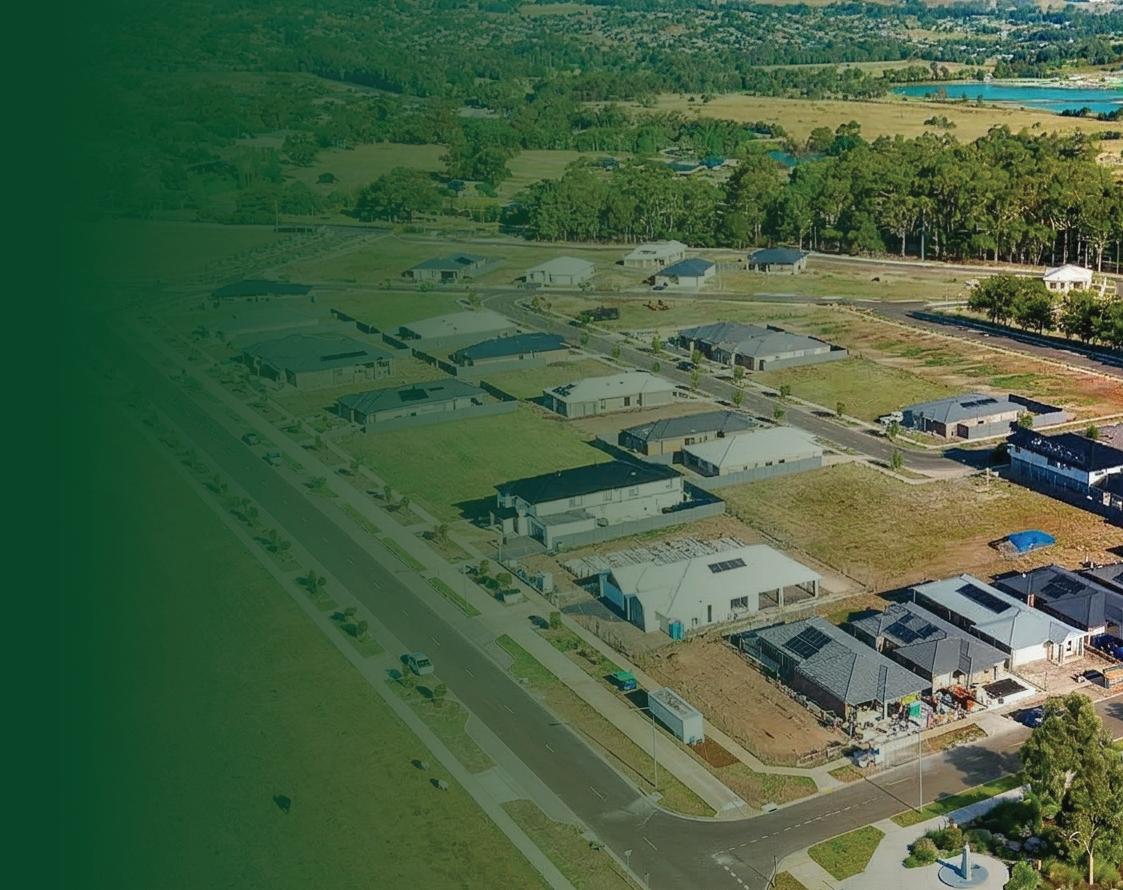
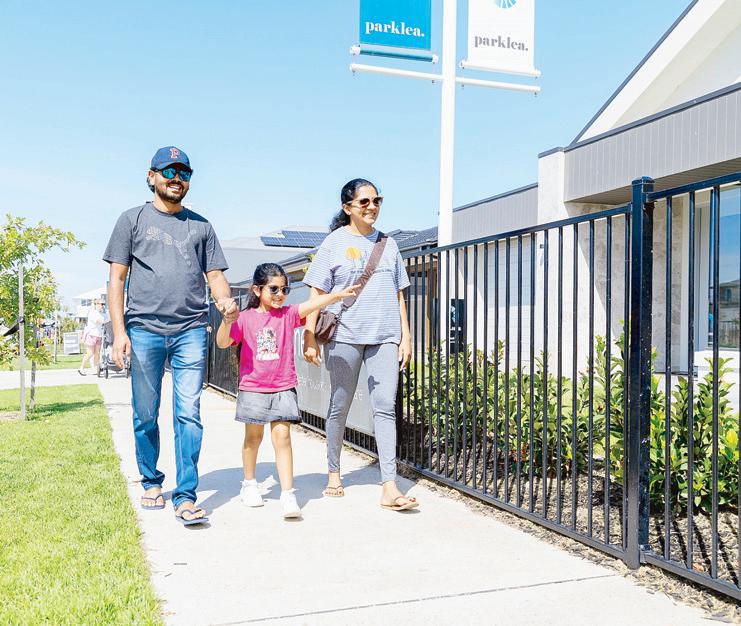
If you’ve driven past Ridgelea recently, you will notice that what was once an empty stretch of land is now a place people are calling home, and a community finding its rhythm.
From open land to a lived-in community
Ridgelea has sold almost 300 residential lots, with more than 100 sold in 2025 alone. It’s a clear sign that families are choosing to put down roots in Melbourne’s south-east.
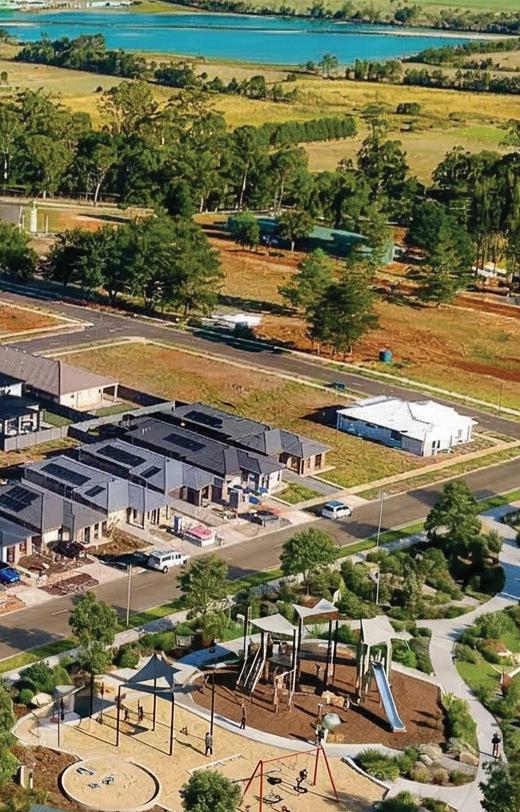
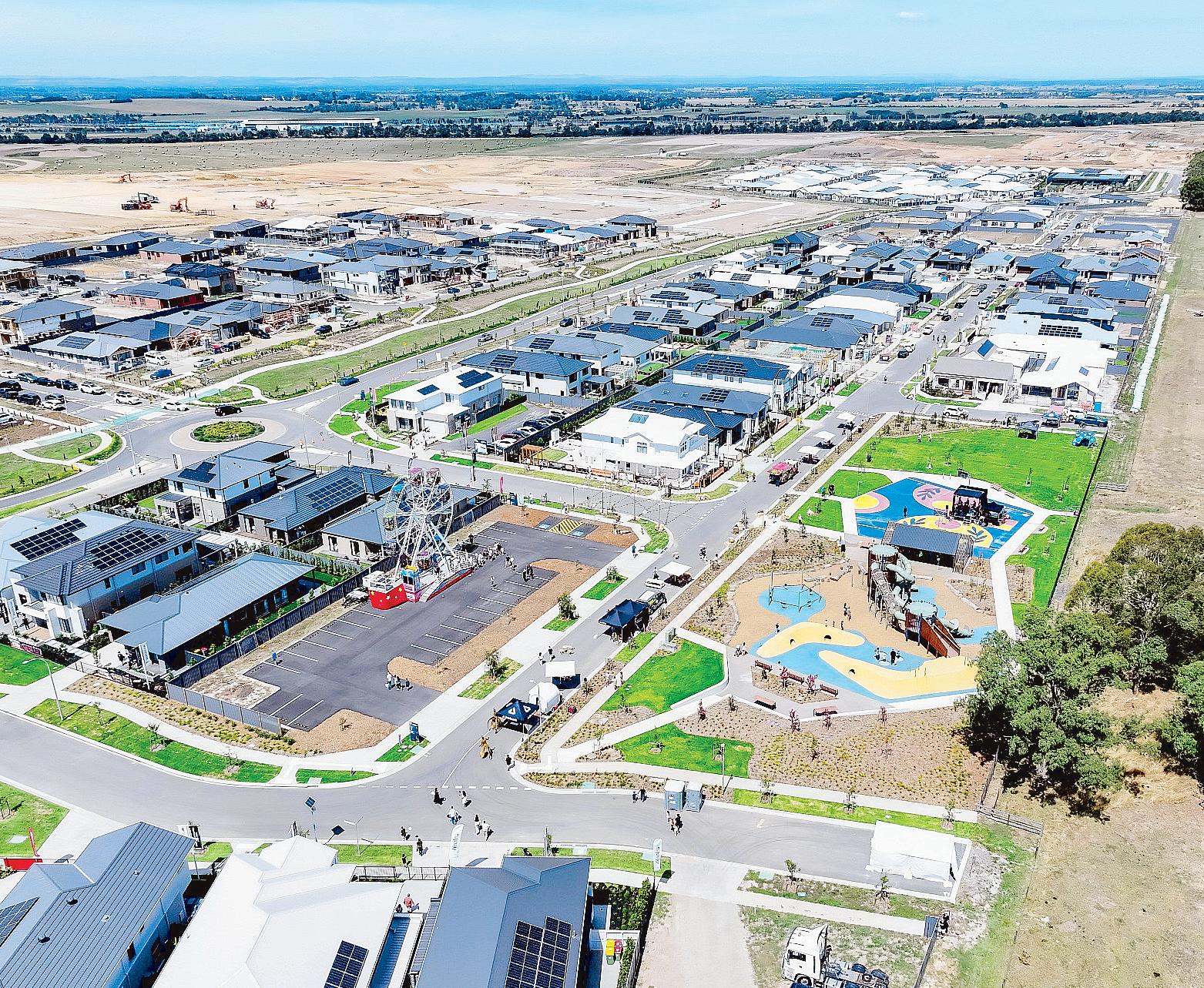
With over 10 stages either complete or under development, the estate is moving confidently from vision to reality. Roads and traffic lights are in, landscaping is underway, homes are rising, and residents are beginning to shape everyday life within the neighbourhood.
The Display Village is now open
A major milestone has arrived with the opening of the Ridgelea Display Village, now welcoming visitors exploring their home-building journey.
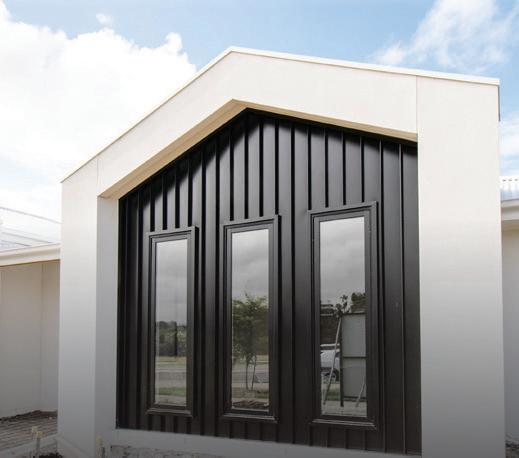
Featuring 37 display homes, the village brings together a wide range of builders, from established names such as Metricon and Carlisle to architecturally driven designs by Roseleigh and Kialla. It offers a practical way for future homeowners to walk through different layouts, compare styles and start forming a clearer vision for what’s next.
A launch that brought the community together
The Display Village officially opened with a largescale community event, welcoming an estimated 800 visitors across the afternoon.
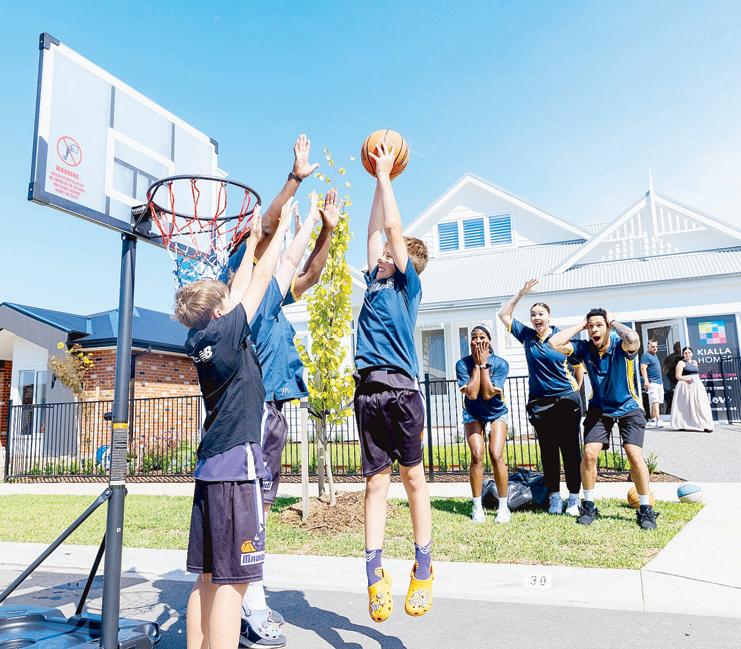
Families from across the Casey Cardinia region explored the homes while enjoying a relaxed, festival-like atmosphere. Children lined up for ferris wheel rides, reptile encounters sparked plenty of excitement, and live music from a fivepiece band carried throughout the estate.
For many, it was their first experience of Ridgelea: and one designed to feel welcoming from the outset. Visitors moved between homes with food, drinks and activities woven throughout the day, turning what can often feel like a practical exercise into something far more memorable.
Behind the scenes, the event reflects a broader
focus from developer Parklea on creating genuine communities, not just land releases. As General Manager Corporate Jarod Mills explains, the goal is to shape places where people feel a sense of connection from the very beginning.
Art inspired by the landscape
Visitors are also welcomed by a striking entry artwork by Australian artist Anderson Hunt.
Inspired by leaves, seed pods and natural forms collected locally, the piece reflects the
character of the surrounding environment and reinforces Ridgelea’s connection to its landscape.
A new park for everyday family life
Ridgelea’s first park is also officially open. Featuring play areas, BBQ facilities, shaded seating and basketball courts, it’s designed to grow with the community and cater to a range of ages and activities.
Looking ahead
With lot sizes ranging from 385m² to 730m² and
land priced between $382,000 and $615,000, Ridgelea presents an appealing opportunity to secure a place in one of the region’s most exciting new neighbourhoods.
With the display village now open and Stage 17 selling, Ridgelea continues to build momentum as both a destination for homebuyers and a place to call home.
To learn more, visit in person or head to ridgeleaestate.com.au

Foot, knee, and leg pain treatment can be complex and multifaceted, therefore it’s crucial to consult an experienced musculoskeletal professional for thorough evaluation and a personalised treatment plan.
Musculoskeletal Podiatrist Dr. Paul Dowie, from Foot and Leg Pain Clinics, provides insight into the winning formula for combating foot and leg pain:
1. Identify Underlying Causes & Contributing Factors: Foot and leg pain can stem from biomechanical issues, injuries, overuse, arthritis, repetitive stress, nerve and vascular problems. Accurately diagnosing the underlying cause and contributing factors is essential for effective treatment.
2. Consider Individual Variability: Each person’s pain experience, tolerance and response to intervention is unique, so understanding the nature of the condition, and tailoring individual treatment plans is crucial.
3. Adopt a Conservative vs. Surgical Approach: Depending on the severity and nature of your condition, treatment can vary greatly. A nonpharmaceutical approach often provides better long-term healing outcomes, helping to avoid surgical intervention. Weight bearing strategies, strengthening and condition programs, physical therapy and natural regenerative therapies, such as Prolotherapy or PRP, are all excellent strategies to assist healing before considering surgical approaches.
4. Orthoses utilisation: Custom orthotics, braces, moon boots, strapping and taping can all be helpful to support, immobilise and treat. These

can help improve gait, relieve joint and tissue stress, improve mobility, enhance stability and comfort.
5. Identify Multidisciplinary Care Options: Some cases benefit from a multidisciplinary approach with various specialists working together to provide comprehensive care.
6. Incorporate Appropriate Rehabilitation: Rehabilitation plays a vital role in restoring function and reducing pain. Targeted strengthening and conditioning programs can play a crucial role in successful treatment.
7. Consider Lifestyle & Activity Modifications: This can help to help alleviate stress on affected joints and tissues until healed.
By The Better Health Content Team
Measles is one of the most contagious viral diseases in the world, and recent rises in confirmed cases have created significant publichealth concern.
This illness is caused by the measles virus, which enters the body through the nose and throat and spreads through tiny droplets released when an infected person coughs, sneezes, or talks.
These droplets can remain in the air for up to two hours, meaning someone can get infected even without direct contact. Symptoms usually begin seven to 14 days after exposure and start with high fever, runny nose, watery red eyes, and a dry cough. A few days later, small white spots may appear inside the mouth, followed by the well-known red rash that spreads from the face downwards.
Since early symptoms resemble a severe cold or flu, many people don’t realise they are infected until the rash appears, by which point they may have already passed the virus to others.
The main reason measles spreads so easily is incomplete or delayed vaccination. The measles-mumps-rubella (MMR) vaccine is highly
effective, but individuals who have missed one or both doses remain vulnerable. Travellers returning from countries experiencing outbreaks can unknowingly bring the virus into their communities, leading to rapid transmission.
Exposure in crowded public places—such as airports, schools, shopping centres, or public transport—also increases the risk. People with weak immune systems, infants too young to be vaccinated, and adults who lack documented immunisation are at higher risk. Vaccine hesitancy, misinformation, and gaps in routine childhood immunisation all contribute to the re-emergence of this preventable disease.
Preventing measles is simple and almost entirely dependent on vaccination. Two doses of the MMR vaccine offer about 97 per cent protection and are considered the most reliable defence. This vaccine is safe and widely accessible. People who plan to travel should ensure their vaccines are up to date, as measles remains common in many parts of the world.
While good hygiene practices — like washing hands and covering coughs — help reduce general infection risk, they cannot stop measles
on their own because the virus spreads through the air. During a local alert or outbreak, avoiding close contact with infected individuals, limiting time in crowded indoor spaces, and monitoring symptoms can help curb spread.
Parents should strictly follow recommended immunisation schedules for their children to protect both their family and the broader community.
Although measles has no specific antiviral cure, most people recover with proper rest and supportive care.
Treatment focuses on easing symptoms and strengthening the immune system. Doctors usually recommend drinking plenty of fluids, resting, taking paracetamol for fever, and isolating to prevent infecting others.
itamin A supplements may be given, especially to children, to reduce symptom severity and support recovery. In cases where complications develop—such as pneumonia, ear infections, or dehydration—hospital treatment may be needed.
Rarely, measles can lead to serious complications like encephalitis, which requires urgent medical attention. Because complications can
8. Patient Education: Educating patients about their condition, treatment options, and selfcare techniques can greatly assist long-term wellness.
For help with foot, knee or leg pain, injuries or arthritis you can consult Dr. Dowie at Foot and Leg Pain Clinics in Berwick. Ph 1300 328 300
be severe and treatment options are limited, prevention through vaccination is the most powerful protection.
In summary, measles continues to spread quickly wherever immunity gaps exist. The best defence is staying informed, ensuring routine vaccinations are up to date, and responding promptly to symptoms.
With awareness, timely prevention, and proper care, communities can minimise transmission and protect the most vulnerable.





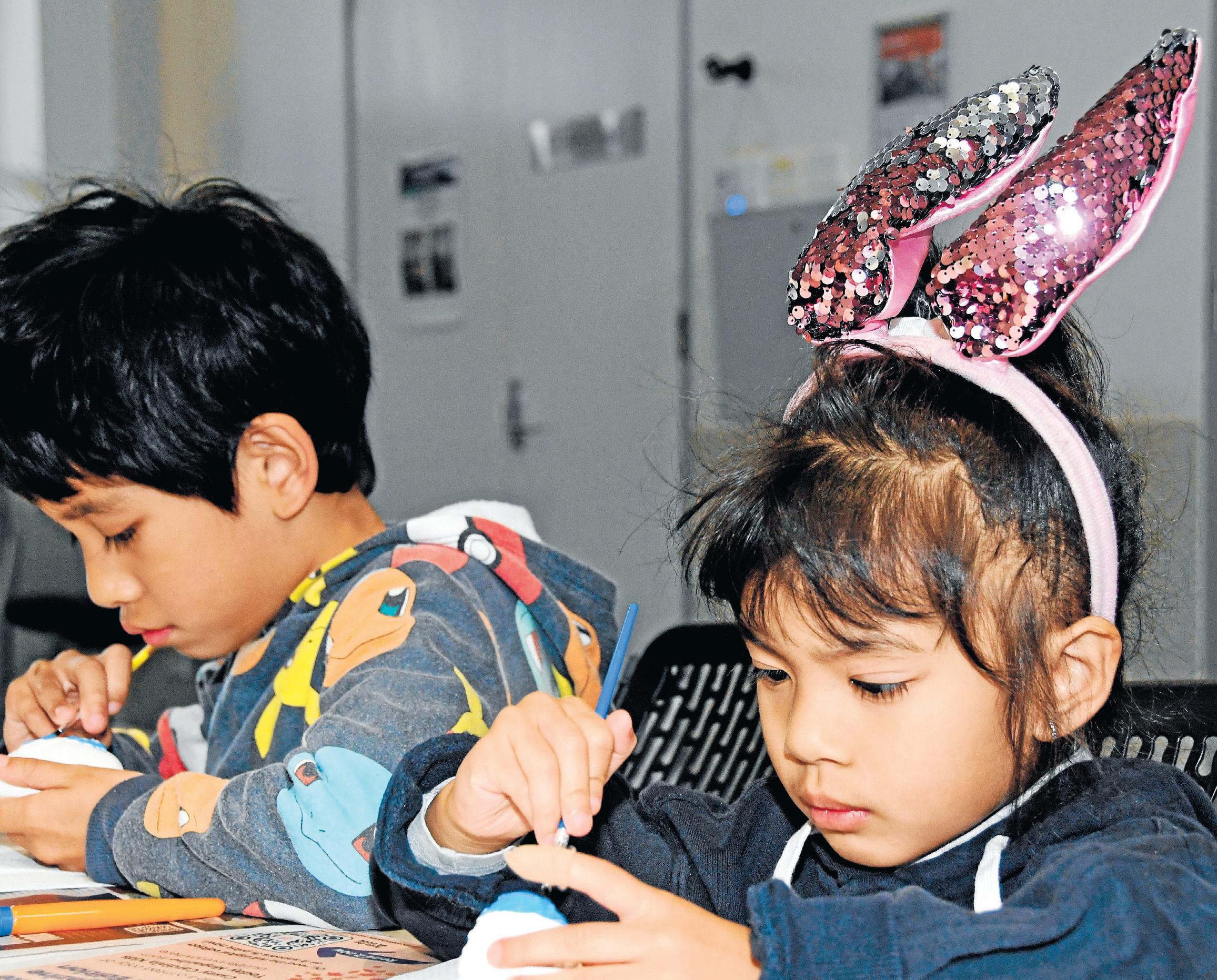


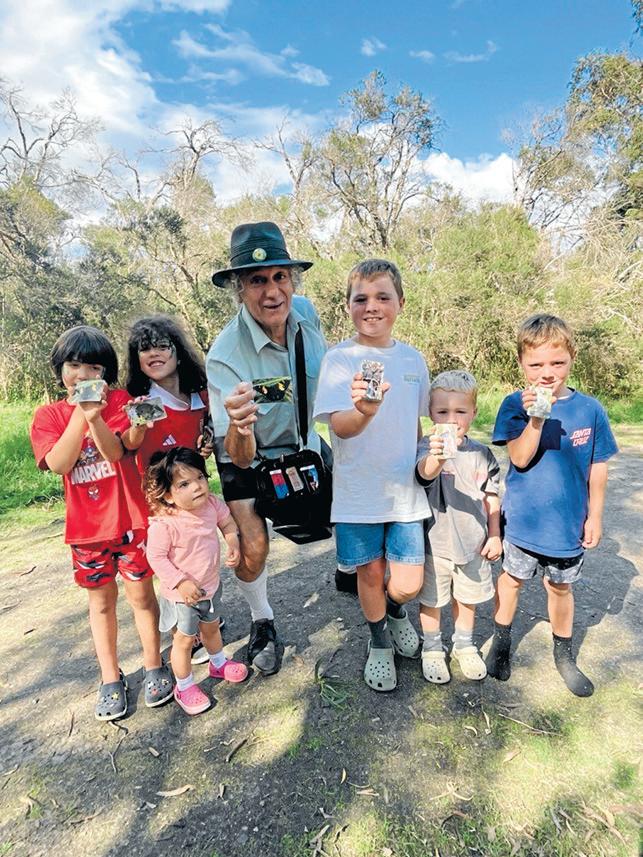
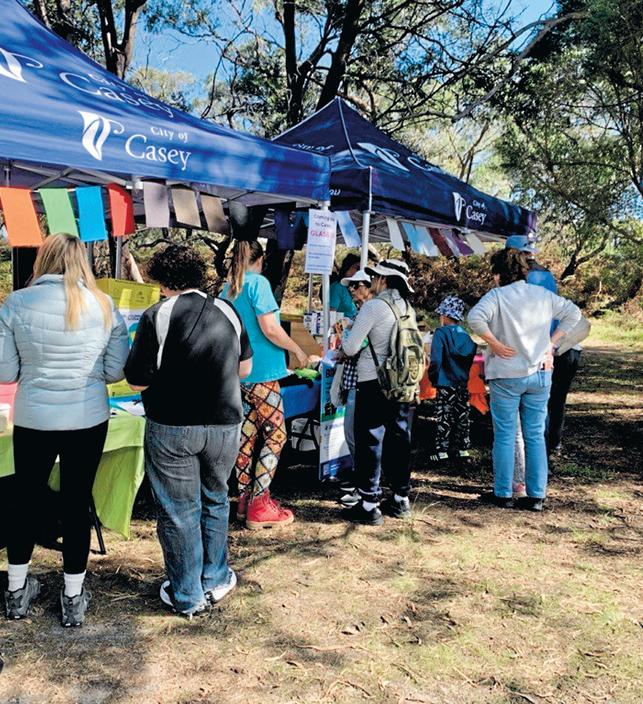
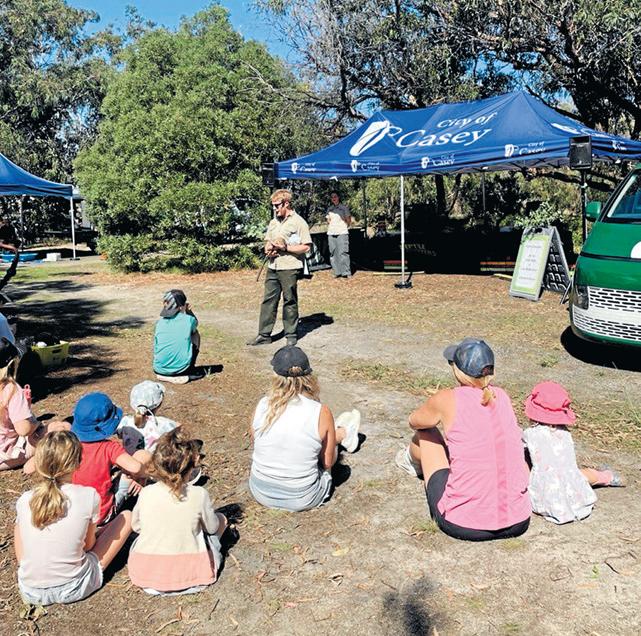
It was a successful day at the Wild About Blind Blight event on Thursday 9 April, with nearly 100 people attending. Hosted by the City of Casey, locals celebrated the natural environment in a fun and educational format. With the day covering bin composting to snake safety. There were also wildlife shoes, mangroves walk and talk, face painting and a roving performance by The Connies.
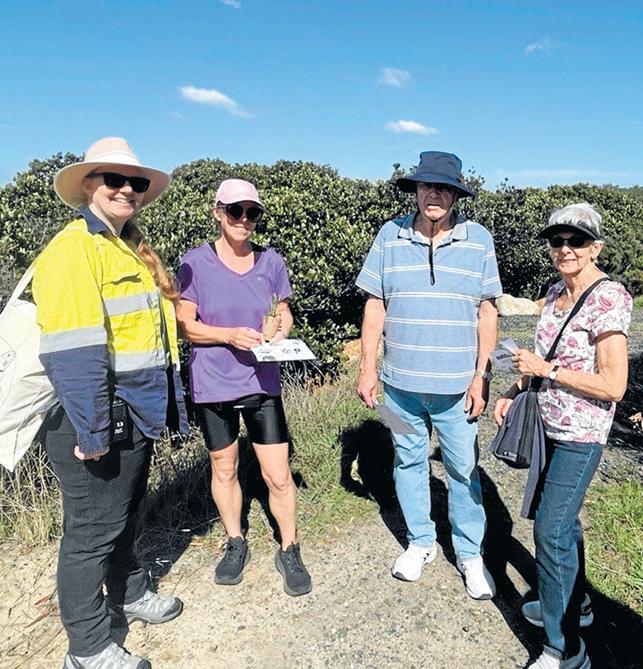
By Jensy Callimootoo
As the fuel economy is worsened by the conflict in the Middle East, ripple effects across the rest of the world have spot-lighted Melburnian’s dependence on vehicles, petrol and diesel.
But with soaring fuel costs pinching already tight household budgets, many have chosen to swap out their vehicles for public transport.
Victoria’s public transport system in its outer south east has also been put under the magnifying glass — leaving many Casey locals unsatisfied.
Most recently, as the state-government responded to the crisis with a month of free transport, the Pakenham and Cranbourne line endured two consecutive weeks of interruptions.
In early April, on the second day of free public transport, a deliberately cut wire in Yarraman caused havoc; with hundreds of commuters facing major delays to their morning commute.
A week later, buses yet again replaced trains between Oakleigh and Westall Station due to power faults.
Peter Parker, former bus planner at the Department of Transport and convenor of Fix Dandy Buses, says that he’s concerned that continuous unplanned disruptions to transport services will discourage people from using public transport in the future.
“My worry is that people get induced by the free PT, try it, find it doesn’t work for them because of disruptions and swear never to use it again,” he said.
“Worse than if they didn’t offer free PT at all.”
Mr Parker said that in the current times, it’s crucial that the state and transport department provide reliable and faster networks to leverage people to continually utilise the services that’s available to them.
This is further evident in Casey’s growing fringe suburbs.
As populations continue to grow with more houses being built, many have complained that public transport continues to fall behind.

In recognition of the unmet transport needs, as part of its state election advocacy program, the Casey Council is campaigning for better bus network improvements by advocating for $50 million from the state government.
The funding would go into research and consequently improve bus services in the area by forming a more equitable transport system.
It will be seeking multiple targeted bus network coverage improvements across Casey, with a specific focus on growth areas such as Clyde, Lyndhurst and Cranbourne.
This would include the rerouting of bus ser-
vices to include new and growing suburbs, as well as introducing new or extending existing amenities.
Specifically, the council cites advocacy for improvements to bus routes 828 and 893, which would see more frequent services.
The 828 bus route serves as a major connective passage that operates between Hampton Station and Berwick Station and currently runs every 60 minutes from 5:30am to 9:10pm.
It includes stops at Fountain Gate Shopping Centre, Dandenong Station, Southland Shopping Centre and Moorabbin Airport (DFO).
The City of Kingston has also previously advocated for improvements to route 828. Mr Parker says that Casey’s advocacy for better roads and transports are welcomed.
“Route 828 is a popular main road bus route serving major destinations in Melbourne’s south-east but has gaps of up to 60 minutes on evenings and weekends,” he said, Mr Parker hoped that Casey joining other councils like Kingston Council, would encourage the state government to fund a major frequency and operating hours upgrade for the route.

























































By Cam Lucadou-Wells
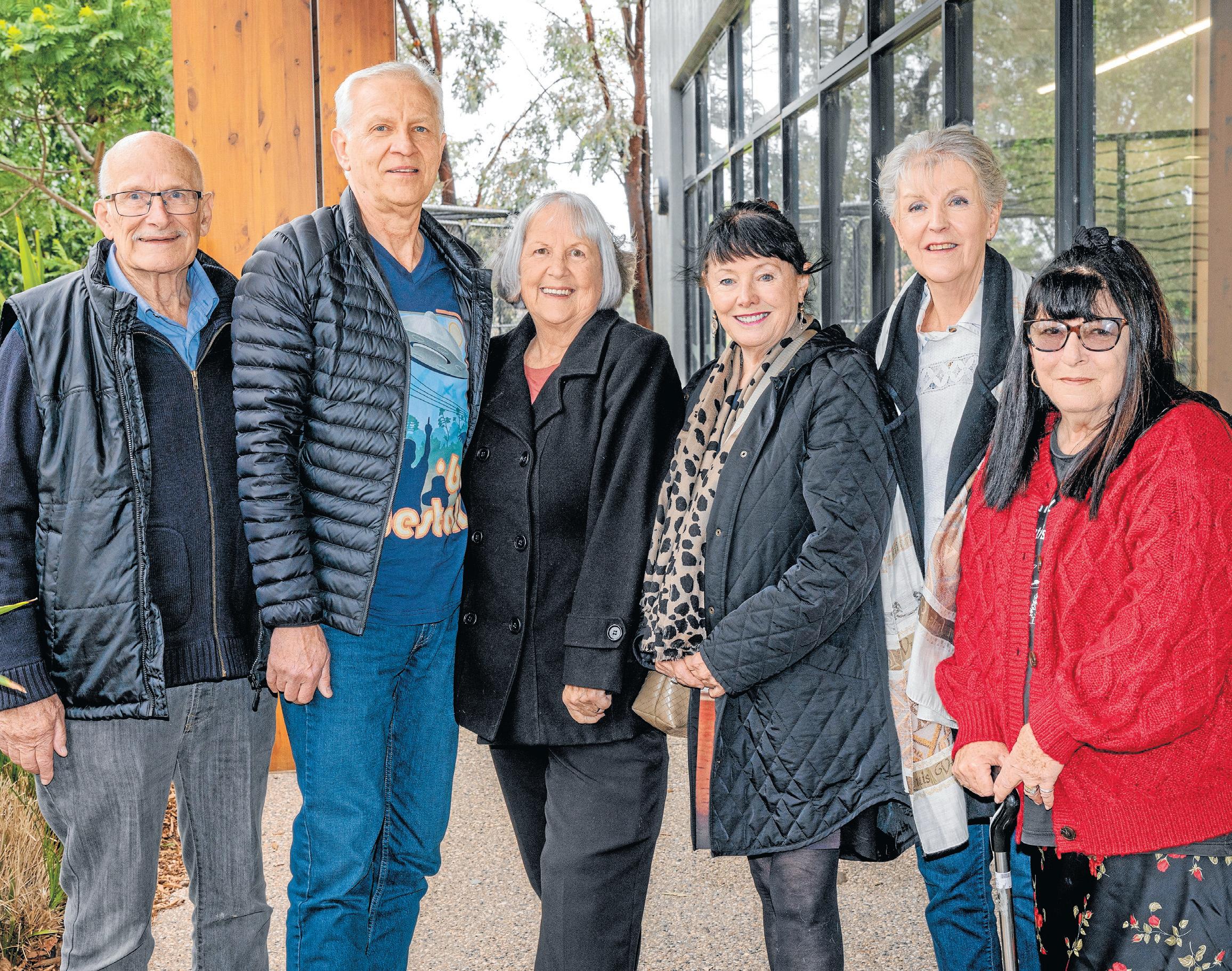
The elusive silver disc that danced in the blue sky over Westall in 1966 still sears in observers’ memories.
Joy Clarke, a former Westall High School student at the time, bristles at those who dismiss what she and more than 300 others saw in broad daylight 60 years ago.
“I have nothing to lie about. I ask them one question: Were you there?
“Well, I was and so were 300 other people, I say. End of story.”
She joins the chorus of witnesses and researchers calling for the long-awaited release of Government files to shine more light on the incident.
“We just want some verification that something unusual happened on that day.
“If they have evidence that it was an experimental craft, fine. But otherwise we’re not going to accept this ‘fact’ they keep flagging – that it was just a weather balloon.
“If that was the case, why was the army there? The dark suits, police, fire brigade? The area cordoned off, the roads closed?”
On 6 April 1966, she was in science class about 10.30am when a girl raced in from the corridor to say there were flying saucers in the sky. Her teacher Andrew Greenwood, who was later interviewed by Dandenong Journal, wouldn’t let the students out until the recess break.
“(At recess) we bolted out to the school oval and there were the flying saucers.”
She describes three metallic saucer-shaped objects with lights around the bottom.
“Five little aircraft from Moorabbin Airport played a game of cat and mouse with them.
“The (UFOs) would zoom up in the air, then be over there, then over there. Their speed was amazing.
“At the same time, the little planes would have to do a big circle to get anywhere near them.”
Some of her peers were in “massive hysteria” , a chaos of yelling, screaming, running, crying and excitement.
“I was absolutely in awe. Some of the kids were scared, I was transfixed – I thought, what in the hell was this?
“They were trying to get kids back into class. It took three hours to do it because no one wanted to.”
Army jeeps rolled down Rosebank Avenue that afternoon. Joy remembers guys with clipboards, and soldiers wearing camouflage.
Students were pulled into the principal’s office and met “men in dark suits” . Residents were visited door-to-door and told to “shut their mouths” , she says.
Joy remembers speaking with three members of the Victorian UFO Society at her family’s table. They took her photo in one of the grass circles, which by that time had been burnt out by authorities.
She was one of the students who defied a stern ban against going to The Grange reserve after the incident.
It was where many had spotted the flying object behind trees and where a large circle of flattened grass was reportedly found.
She and her sister spied on two soldiers at
By Cam Lucadou-Wells
Sixty years on, the Government remains silent on the famous Westall UFO event, to the frustration of surviving witnesses.
Primary and high-school students, teachers and market gardeners were awestruck as they watched up to three fast-moving silver objects in clear skies on a mid-morning just before Easter on 6 April 1966.
They say a giant circle of flattened grass at The Grange reserve was swarmed by military jeeps and troops that day.
Schools were reportedly visited by “men in dark suits” while witnesses were slapped with a media ban.
It remains one of the few daytime UFO sightings by scores of witnesses – many of whom are calling for the Department of Defence to release its report on the event.
Who can say what was seen that daywere they alien ‘flying saucers’? Or top-secret military technology? Weather balloons?
A petition was tabled at Federal Parliament last year, calling for an independent inquiry into the event.
Defence Minister Richard Marles has yet to respond with the 90-day deadline, and his office didn’t answer an inquiry from Star News last week.
“It’s a slap in the face to the witnesses who have lived with this for 60 years,” the lead petitioner Grant Lavac says.
“Why have the authorities not been transparent? That’s the burning and enduring question that sits in the mind of so many people.”
Shane Ryan, an academic who’s interviewed more than 330 witnesses of the UFO and grass circle since 2005, says there’s a growing desperation for answers.
“Everyone is getting on – including me. There’s that sense of urgency because lots of people have passed away.”
Recently, “the door has been opened” as US departments have been directed to release files on alien and extraterrestrial life, Ryan said.
such a circle, digging soil and “keeping an eye out”
Joy also ignored a media ban issued by the school principal while “people in uniforms” hovered behind him.
She stepped up for an interview with a Channel 9 reporter outside the school that day, until a police officer put a hand on her shoulder and told her to “stop talking” . The news service was also directed to stop filming and leave.
There’s reportedly no record of the news report in the TV station’s archives.
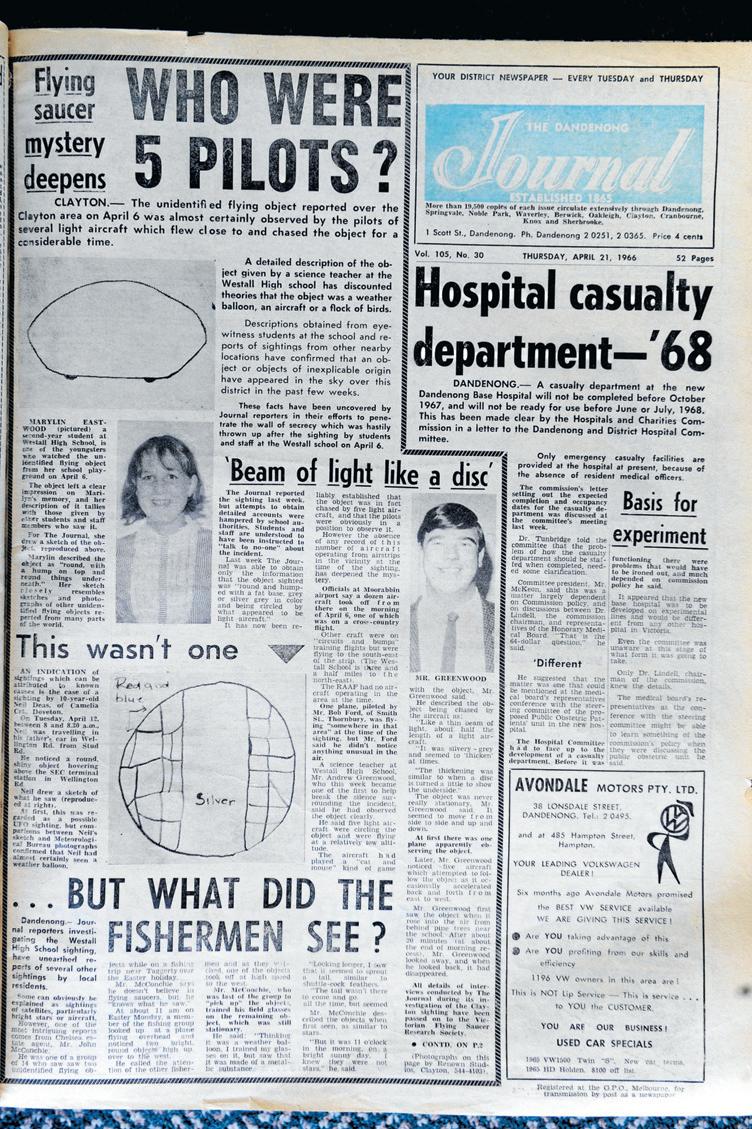
Another eyewitness was Marilyn Smith, who was interviewed by Dandenong Journal in 1966, and provided a sketch of what she saw.
At the time, she was 14-year-old Westall High student Marilyn Greenwood.
The object was “round, with a hump on top and round things underneath,” she told the newspaper.
The Journal wrote: “Her sketch closely resembles sketches and photographs of other unidentified flying objects reported from many parts of the world.”
Today she remembers being awestruck by what she saw and what happened.
“We were all kids and dealt with it differently. The hysteria was huge, we went off in different directions.
“My jaw was touching the ground – I just couldn’t believe it, am I imagining this?
“Its shape was like two saucers on top of each other. It had a distorting vapour around it.
“It wasn’t even there for a minute – it turned on its side and it disappeared.
“Even though it was incredible and impressive, it was also terrifying. We didn’t know what was going to happen.”
She remembers bolting across to find flattened grass at The Grange at lunchtime, and after school being interviewed by the waiting Channel 9 news crew.
“I thought, ‘the hell with it, I’ll do it’ . I got a detention but it was worth it.”
At the Grange, she didn’t dare to touch the circles in the
grass.
“We didn’t know if it was radioactive. We just sat behind the logs about 15 feet away.”
Smith says it’s incredible how the tale has endured. But what she craves is an explanation.
“The US Government now says that they saw UFOs. To find out the truth would be really good.”
Westall witnesses are continuing to speak out for the first time, having remained silent out of fear for their reputations and careers.
“There’s been a shift in society that people are more open to talking about things,” Ryan says.
“Not necessarily coming to definite conclusions, but that something did happen and there was a sense of a covering-up of it.
“Someone in the government may have known more than what the witnesses knew.”
Only weeks ago, Ryan spoke with the child of a high-ranking, well-credentialled Department of Supply official, who investigated the incident and wrote a report at the kitchen table.
The official kept a personal copy of his report. But upon his instructions, his wife incinerated the copy upon his death in 1970.
Ryan hopes that the official copy of the report exists in Government archives, that it might “break open” what had happened.
Dandenong Journal was the only media outlet raising questions at the time.
A week after the incident, its front page was splashed with the headline: FLYING SAUCER MYSTERY: SCHOOL SILENT.
That month, it tried to “penetrate the wall of secrecy which was hastily thrown up” after the sighting (WHO WERE 5 PILOTS: Flying saucer mystery deepens, 21 April 1966).
Despite a media ban on staff and students, Westall High School teacher Andrew Greenwood told the Journal that five light aircraft circled and followed the object in a “cat and mouse” game.
The object was “like a thin beam of light, about half the length of a light aircraft” , he said.
Decades later, Greenwood said he was reprimanded and threatened with charges under the Official Secrets Act. He was also threatened with being labelled a drunk and the loss of his career.
Yet, that question on the five pilots remains unanswered, Ryan says.
“I’ve never given up hope that the mystery would be solved.”
Council is refreshing the Hampton Park Central Development Plan to support better development opportunities in Hampton Park Central, and the community is invited to have their say.
An updated version of the Hampton Park Central Development Plan is currently out for community consultation, with key updates including:
■Review of the Development Plan’s vision and key development guidelines, including access and movement, built form, building height, public realm directions and precinct guidelines.
■Simplified planning requirements to create a clearer, more adaptable development frame-
work.
“Cr Pereira and I have been working with Council officers to look at how we can better guide the transformation of Hampton Park Central, so it becomes a more accessible and inviting place for the local community,” Mayor Cr Stefan Koomen said.
“In 2025, Council completed a feasibility study into the planning and development opportunities in Hampton Park Central, which found the existing Development Plan was too prescriptive and had contributed to a lack of investment across the privately owned parts of the precinct.”
River Gum Ward Cr Lynette Pereira said she
hoped to see a more attractive, inviting and functional centre for residents, businesses and visitors.
“It’s great to see Hampton Park receive the attention it deserves. I know how much my community wants to see this area transformed into a thriving space,” she said.
“I really encourage all community members to jump onto Casey Conversations or attend a pop-up and share your thoughts.”
The review of the Hampton Park Central Development Plan follows the recent announcement from the State Government that the Hampton Park Activity Centre will be receiving
a $250,000 grant for upgrades, landscaping and other works to beautify the area.
Community engagement on the draft updated Hampton Park Central Development Plan is open from Tuesday 31 March to Tuesday 28 April.
Community members can have a say by completing an online survey at: conversations.casey. vic.gov.au/hp-development-plan-2026 or by visiting a community pop-up: ■Thursday 23 April, 4:00 pm to 6:00 pm, Hampton Park Shopping Centre ■Sunday 26 April, 12:00 pm to 3:00 pm, Hampton Park Library
By Jensy Callimootoo
For many across Australia and New Zealand, comedian and satirist, John Clarke, had a regular spot on prime time tv.
Famously known for his iconic satirical character, Fred Dagg, with his succinct manner of speaking, black singlet, gumboots and kiwi persona.
Dagg, and therefore John Clarke, became a cultural phenomenon, transcending the then rigid structure of content delivery through television, radio and print media.
From his mark on the ABC’s Gillies Report, to his influence on The Games, a mockumentary TV series portraying the preparations for the 2000 Olympic Games in Sydney.
For many, his comedic timing and ability to instil humour in his work was the very reason why Clarke resonated with the audience — the familiarity and his active “reaction against” structure as Clarke noted himself in an interview.
Now, nearly a decade after his passing, Clarke’s daughter, Lorin Clarke tells his story through a different lens.
‘But Also John Clarke’ will be showcasing at Bunjil Place on Saturday 18 April as part of the Melbourne International Film Festival (MIFF).
Guided by his daughter, the film tells the story of the great icon by delving into Clarke’s archives of more than 200 boxes of his work and letters silhouetted by personal anecdotes and never seen before footage.
Star News spoke to Lorin Clarke ahead of the Bunjil Place showing this weekend:
Q. What first drew you to making this film, and why did now feel like the right time to tell this story?
Clarke: I was only interested in making this film if I could find a way of getting across the things that fascinated me when I peppered Dad with questions about himself. He says in the film that his biography isn’t the point, it’s more his perspective that makes him who he is. He backed himself from an early age, even when people were trying to tear him down. He decided to follow what interested him and, whenever possible, subvert or resist what annoyed him. It was pathological. If there was a rule, he’d narrow his eyes at it. You know those chimes they play in theatres to indicate that it’s time to take your seat? He told me once that those chimes really mean “it’s almost time to leave your house” He wasn’t going to hurry just because of some
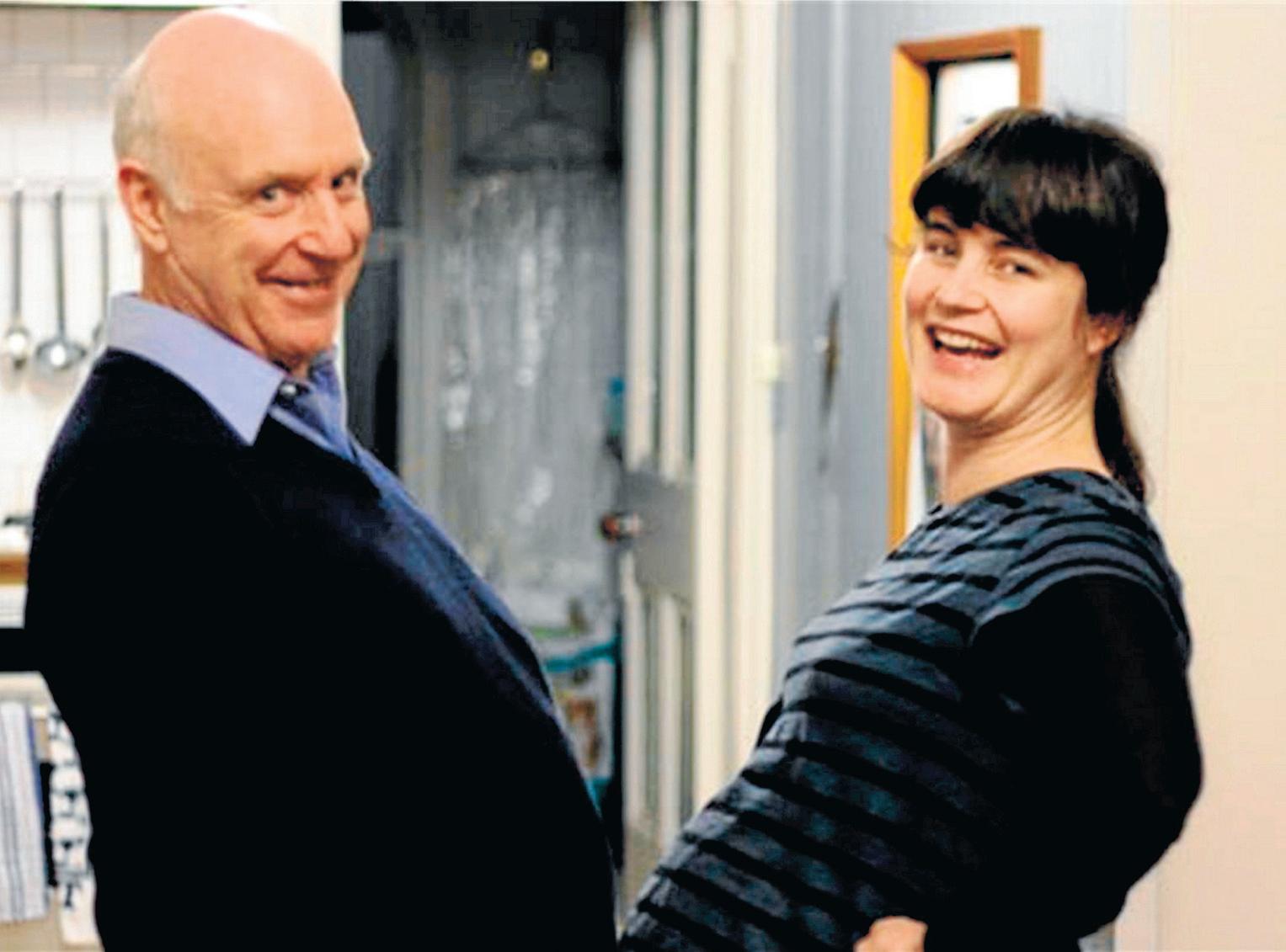
posh-sounding made-up chime-law. There’s something about his refusal to be kicked in the face by the world, and his nose for finding the fun, that feels like a radical act these days.
Q. What surprised you most during the process of making it?
Clarke: I wasn’t surprised by much in the making of the film except maybe how familiar it was. I’m a writer and I’ve directed theatre for years, but for some reason, in the lead-up to the film, it felt like I was about to fly a space craft with a BMX license. I say this in case there are any creative people reading this who need to be reminded not to be spooked by the tools. It was also lovely to turn up to set and chat with people I’d known since I was a kid who also happen to be some of the funniest people in the world.
Q. What do you hope audiences take away after watching it?
Clarke: I made this film as a way of celebrating Dad’s audience, who always understood him better than the networks who promoted him or the reviewers who critiqued him. Someone once

described what she liked about the Clarke and Dawe political interviews by saying ‘I watch you guys with a straight face and then I laugh at the news’ . There’s a contemporary phrase that covers this: his audience understood the assignment. The other thing I hope people get from it is that nobody saw John Clarke coming. Fred Dagg was new and different. The Games was new and different. The interviews were new and different. The next thing will be new and different and I hope creative and funny people value their own work and keep making interesting things.
Q. Was there any point in the making of this film, that you realised the film would resonate beyond your own experience of grief and memory?
Clarke: There were two ushers in week one at MIFF, both far too young to even be ushers to be honest I’m sure it could not possibly have been legal, and they were both new to Australia. Far too young to know John Clarke or Fred Dagg, and each from different parts of the world. One of them had tears in her eyes and told me my
Dad reminded me of her Papa. The other one was bouncing on the balls of her feet with a huge grin saying she had never heard of either of us but she hadn’t laughed that much in ages. So I got one of my favourite reviews in the first week the film ever screened.
Q. Because this film is both a daughter’s portrait and a cultural history of John Clarke, how did you decide what to keep private versus what to share with the audience/fans?
Clarke: I often find myself feeling for the families of public figures who are difficult or controversial. My Dad wasn’t particularly controversial. If he’d secretly murdered puppies on weekends or something, I might have wanted to keep more things private (the puppy murdering, probably) but we had so much home video footage, and all of it was as boring as all get-out. It was the perfect way to invite viewers into the family, and I didn’t feel the need to search the footage for arguments about who let the dog out or where are the car keys or which of you kids left the paint on the table. That just wasn’t the point. The most personal parts of the story were about his early life, and the people in my family who entrusted me to tell that story were very generous and helpful in helping me find the best way to tell it. So always take boring videos, is the lesson.
Q. The film feels more like a conversation than a conventional tribute. How intentional was that shift away from standard documentary structure?
Clarke: I have a background in radio. I believe in conversation as a way of disarming the best preparer. In this case, I was chatting mostly with people I knew and loved, too, so it was never going to be a 60 minutes style investigation. There’s a quote at the end of the film about the joys of collaboration, and how people who collaborate creatively often borrow bits of each other. Our editor, Aleck Morton, found that quote. The first time he played it to me felt like being struck by lightning. It really underscored how this isn’t a film about the individualistic journey of a singular genius. It’s about how finding the fun together is a creative imperative worth following. Aleck did such a lot of work patching together not only my interviews but also other conversations Dad had across his career. We also asked some of the people we interviewed to read some of Dad’s words, so in a way one of the key collaborations is between us as filmmakers, and Dad as the subject of the film. He helped tell his own story.








































Active Autumn
City of Casey presents a full month of free or lowcost activities designed to suit a wide range of ages, abilities and fitness levels. Includes body attack, body balance, body pump, Bollywood dance, casual pickleball, chair yoga, lawn bowls, Les Mills Shapes, Les Mills Thrive, line dancing, park runs, walking football (soccer).
• Runs until 30 April at various locations. Details: casey.vic.gov.au/active-autumn
Melbourne International Film Festival
MIFF films at discounted prices, with panel discussions and Q&As with filmmakers. Featured films are The Bad Guys 2 (PG) (17 April, 12.30pm), The President’s Cake (M) (17 April, 6.30pm), But Also John Clarke (M) (18 April, 4.30pm) and Journey Home, David Gulpilil (M) (19 April, 4.30pm)
• Friday 17 April - Sunday 19 April at Bunjil Place, Narre Warren. Tickets: bunjilplace.com.au
Active Autumn Amazing Race
In this exciting and inclusive event, teams travel on foot through Wilson Botanic Park and into the centre of Berwick, following a map and solving clues along the way. At each checkpoint, participants will complete a variety of challenges, including cryptic puzzles, photo challenges and construction tasks.
• Sunday 19 April 1pm at Wilson Botanic Park, Berwick; $5 entry fee. To register, visit tickets.bunjilplace.com.au/11257
Playdaze for Nature Play Week
Interactive wildlife display by Wildlife Xposure, and fun activities for children 0-5 years.
• Thursday 23 April 9.30am-11.30am at Wilson Botanic Park Berwick; free event.
Anzac Day Endeavour Hills
A day to reflect and commemorate the lives lost in the service of Australia hosted by DandenongCranbourne RSL.
• Thursday 23 April 11am at Endeavour Hills Peace Memorial, Heatherton Road, Endeavour Hills.
Visible Mending Workshop
Mend your moth-chomped or ropped garments and give them new life. Bring woollen clothing, stretchy clothing and woven clothing (eg jeans), plus take a look at sashiko, embroidery, and weaving mends. Light refreshments provided.



• Friday 24 April 9.30am-12pm at Good Food
Emporium, Unit 15/430-440 Princes Hwy, Narre Warren; free event. Bookings required at events. humanitix.com/visible-mending-workshop-24-4
Anzac Day services
March and services are being held by community groups across City of Casey on Anzac Day.
• Saturday 25 April at Berwick: march (10.40am) and service (11am) at cenotaph, High Street; Bunjil Place: dawn service (6am); Cranbourne: dawn service (6am) at Greg Clydesdale Square, High Street; Hampton Park: dawn service (6am) at Arthur Wren Hall, 16-20 Stuart Avenue; Narre Warren North: service (9.30am) at cenotaph, Memorial Drive; Pearcedale: dawn service (6am) at public hall, 45 Pearcedale Road; Tooradin: service (10am) at Memorial Reserve, South Gippsland Highway and Skye (6am, hosted by Dogs Victoria, dogs welcome) at KCC Park, 655 Westernport Highway.
Marvellous Mangroves walk
Coastal Villages Dads’ Group presents a free activity and walk for all dads, grandfathers, father figures and their children. Look for mud crabs and shorebirds as you learn about the mangroves’ amazing ecosystem. Bring hats, sunscreen & drinking water for you and your children. Wear suitable walking shoes and bring insect repellent (for the friendly mosquitoes). Supported by the City of Casey’s Sustainability & Environment team.
• Sunday 26 April 9am-11am. Meet at Blind Bight Boat Ramp car park, 28 Anchorage Drive, Blind Bight; free event. Bookings: trybooking.com/DITYD
Melbourne City Football Club tour
Cranbourne Dads’ Group presents an evening behind-the-scenes at Melbourne City Football Club for all dads, grandfathers, father figures and their children.
• Monday 27 April 6.30pm-8pm at Melbourne City Football Club, 369 Casey Fields Blvd, Cranbourne East; free event. Bookings: trybooking. com/events/landing/1558181
Come and try Lawn Bowls
Suitable for all ages, however children need to be accompanied by an adult. Friendly members to assist all participants. Flat-soled shoes or barefeet required on the playing surfaces. Refreshments available to purchase.
• Thursday 30 April 5pm-6.30pm at Narre Warren Bowls Club, 1 Majid Drive, Narre Warren; free event.
Bookings: trybooking.com/DKMKQ
Detox Your Home
Free drop-off for household chemicals such as bleach, pesticides, weed killers and cleaning products, which should never be put in your rubbish bins or poured down the drain.
• Saturday 2 May 9am–3pm at Chisholm Tafe, 2 New Holland Drive, Cranbourne East. Bookings required: eventbrite.com.au/e/detox-your-homecranbourne-tickets-1983835063077?utm-campaign=social&utm-content=attendeeshare&utmmedium=discovery&utm-term=listing&utmsource=cp&aff=ebdsshcopyurl Car boot sale
Turn your car boot into a mini-market stall for preloved items at this Pinoy Casey Community Inc (PCCI) fundraiser. Now accepting stallholders.
• Sunday 3 May 10am-4pm at 4/260-276 Abbotts Road, Dandenong South; free visitor entry. Stall bookings: Josiah/Kim, 0468 884 003 or pinoycaseycommunity@gmail.com
Ageing Well at Home Expo
For older adults, families, and caregivers. Explore smart solutions for living well at home - with stalls and expert presentations on assistive technology, social connection, aged care, health and wellness, and in-home services. Morning tea, door prizes.
• Tuesday 5 May 10am-12.30pm at Bunjil Place; free event. Register at tickets.bunjilplace.com.au/ overview/11198
Diversity and Inclusion Workshop
Explore how diversity and inclusion can strengthen community groups. Learn the value of inclusive practices, how to recognise different types of bias and simple strategies to create positive change.
• Tuesday 5 May 6pm-8pm at Bunjil Place, Boon Wurrung and Wurundjeri room; free event. Register at forms.office.com/pages/responsepage.aspx?id =QimgRFtOCkKLxPYLkSgfLgG35tGJyC1PibohyteL0 KZUMlAwSEU3RkRQUzZLTENUMDBGQ0pCOVAwR y4u&route=shorturl
Berwick Mechanics Institute talk
A talk on The Social History of Mechanics Institutes will be presented by Heather Arnold, a history enthusiast and former local-history librarian. Heather will speak about the 180-plus years of mechanics institutes - in buildings from the humble to the splendid. Light refreshments to follow.
• Wednesday 6 May 2pm-4pm, 15 High
Street, Berwick.
Singers wanted
Cranbourne Chorale is recruiting for its non-auditioned adult community choir for mixed voices. Our repertoire is a mix of uplifting songs. Feel free to visit us without obligation, the first four sessions are free of charge.
• Wednesday rehearsals 7.30pm at The Factory, Building 5, 65 Berwick-Cranbourne Rd, Cranbourne East. Details: Jenny, 0438 358 032. U3A Cranbourne
Three new classes for 2026 - mosaics with talented artist Tony Shannon (Tuesdays 12pm), beginner Italian with tutor Jan (Wednesdays 10am-12pm) and Italian study group with tutor Jan (Thursdays 12.30pm-2.30pm). New members over 50 welcome. Our membership fee is $55 per annum and you can join in as many classes as you wish.
• Details: u3acranbourne.org.au
Casual pickleball
Just turn up early to secure your place. All equipment supplied.
• Fridays 10am-11.30am and Sundays 10.30am11.30am at Olive Road sporting complex, Eumemmerring. All equipment supplied, $5.40 per session.
Weekly badminton
Adults welcome (Mondays 7pm-9pm) and ladies and retired (Wednesdays 12pm-2.30pm).
• Hallam Badminton Club, Frawley Road Recreation Reserve; $5.
Meditation and positive thinking
Learn how to make your mind your best friend through open-eyed meditation. Led by Bhavani Padmanabhan, these free sessions are open to all. Presented by Bakhtar Community Organisation and The Brahma Kumaris Organisation.
• Saturdays 2pm at 23-47 Gunns Road, Hallam. Registrations: 9703 2555 or 0403 551 596. DnD at Orana
Dungeons and Dragons (DnD) is an inclusive tabletop, fantasy, role-playing game.
• Second Saturday of each month, 1pm-9pm at Orana Community Place, 16/18 Playwright St, Clyde North. Details: Jonathan Whelan, thestoryweaver.dnd@gmail.com

What
•Engage
•
•Understand














•Meet
•
team. Requirements
• Strong communication and interpersonal skills.
• Confidence in making outbound sales calls.
• Motivated, goal-oriented, and results-driven.






•Ability to work independently and as part of a team.
•Previous sales or customer service experience is a plus, but not required.
How to Apply If
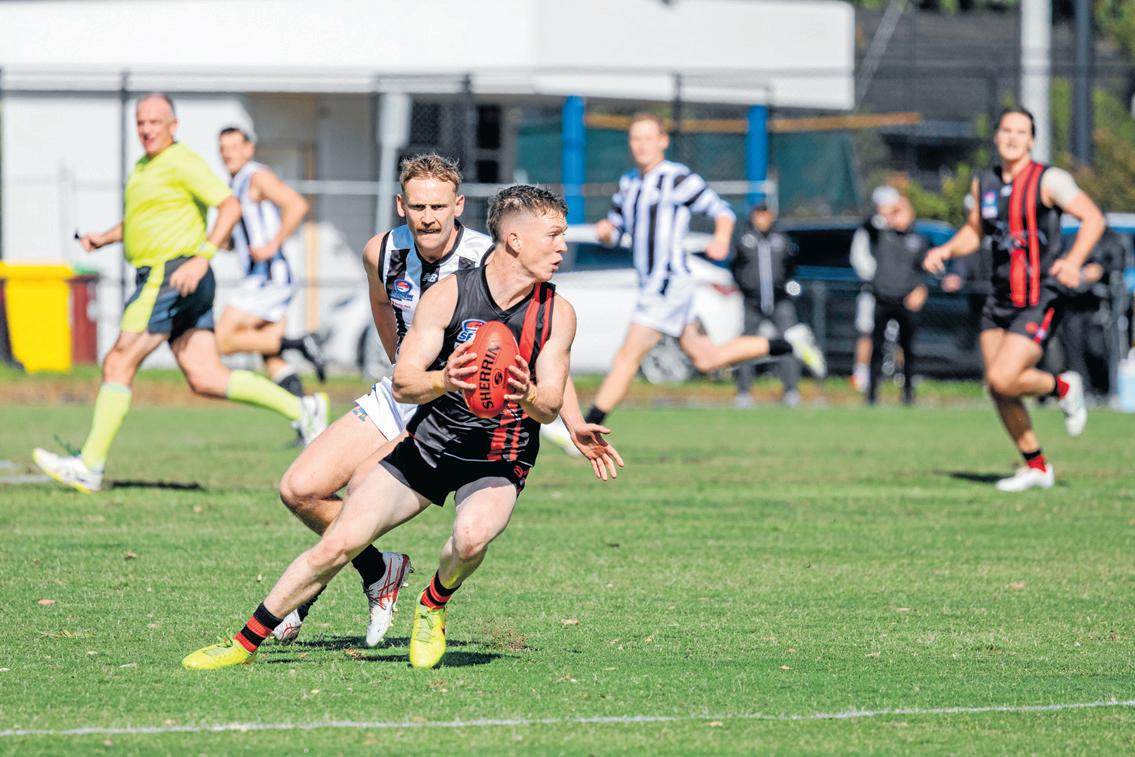
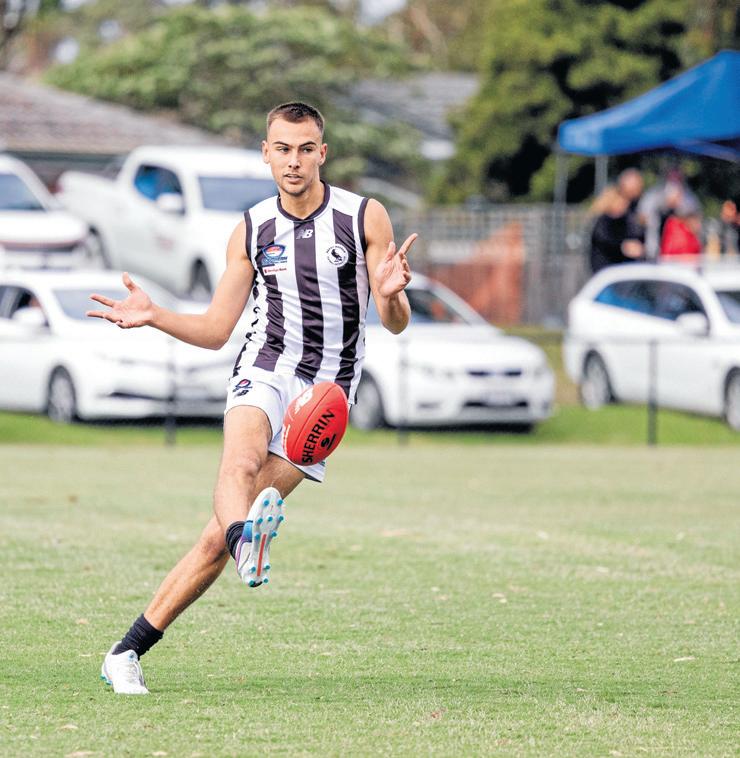
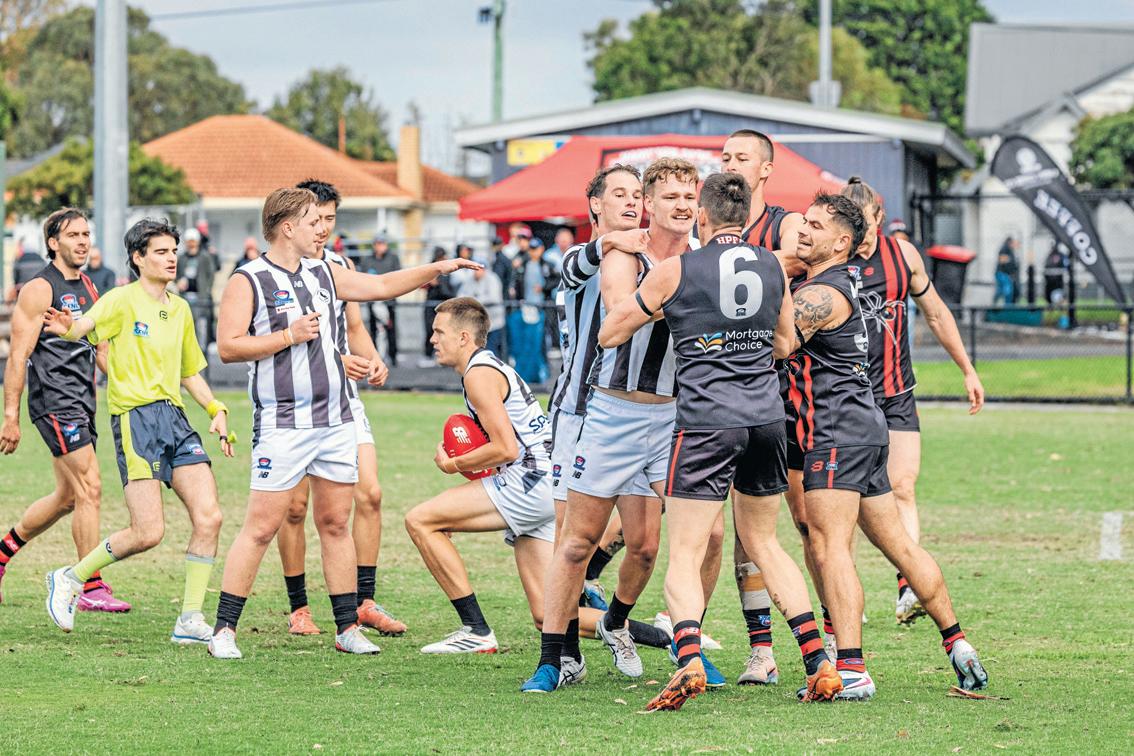
By Blair Burns
There was rain, wind and plenty of fire at Robert Booth Reserve as Narre Warren knocked off Hampton Park by 54 points in a much-anticipated round one encounter, the Magpies winning 12.15(87) to 4.9(33).
It was a special occasion for the Redbacks as they unfurled their Division 2 flag in front of their home supporters before the game, but they couldn’t cap it off with a fairytale victory.
A strong Magpies side bolstered by the inclusions of Jack Toner (Williamstown) and Sam Toner (Richmond) was clearly too strong as the game wore on.
Narre Warren coach Steve Kidd said it was pleasing to start the season with a gritty win.
“To win by nine goals in those conditions was pleasing,” he said.
“We finished off strong and if we had been able to kick more accurately, we could have turned that maybe into a 12-goal win.
“We lost the third quarter by one point and apart from that, we won every other quarter.”
The wind was blowing heavily to one end of the ground and the Redbacks decided to kick with the wind in the first term after winning the toss.
There was plenty of intensity in the first stanza despite the conditions making for a scrappy and contested match which turned out to be a real arm-wrestle in the first quarter.
Heath Briggs was getting plenty of the ball in the midfield, while it didn’t take long for Narre Warren’s new recruit Cal Porter to also impress.
Despite a solid first quarter at Division 1 level, the Redbacks had just 1.4 to show for it as they were unable to make the most of opportunities with the wind.
To add salt to the wound, Narre Warren landed a late dagger.
With no game for Richmond VFL, Sam Toner returned to the Magpies and was busy up forward, taking a strong mark late, which Bull made him earn.
Toner converted after the siren and his teammates got around him as Narre Warren took the lead 12-10 at the first break.
Kidd said he felt like the Magpies started the game well but, in a similar vibe to the Redbacks, they were unable to capitalise in front of goal.
“I thought we actually moved the ball quite well from end to end into the breeze, we just couldn’t finish the job in front of the sticks,” he said.
“We were going a tiny bit slow when going inside forward 50, so in the second quarter, we sort of fixed that up a bit and lowered the eyes better while using the wind to our advantage.”
Shortly into the second term and Toner kicked another for the Magpies, after a spearing pass from brother Tom found his chest in the goal square.
The young Richmond VFL talent gave Bull a look at the footy before going back and slotting his second.
Narre Warren was getting on top, well and truly, but some costly misses left the door slightly ajar before Hampton Park produced its play of the game.
Briggs and Stephen Oreste ran the ball from defence to the forward line and hit Makaio Haywood on the chest on the edge of the goal square – a brilliant end-to-end play which brought the margin back to six points, 16-22.
From this point on, the second quarter belonged to the visitors as they put the foot down
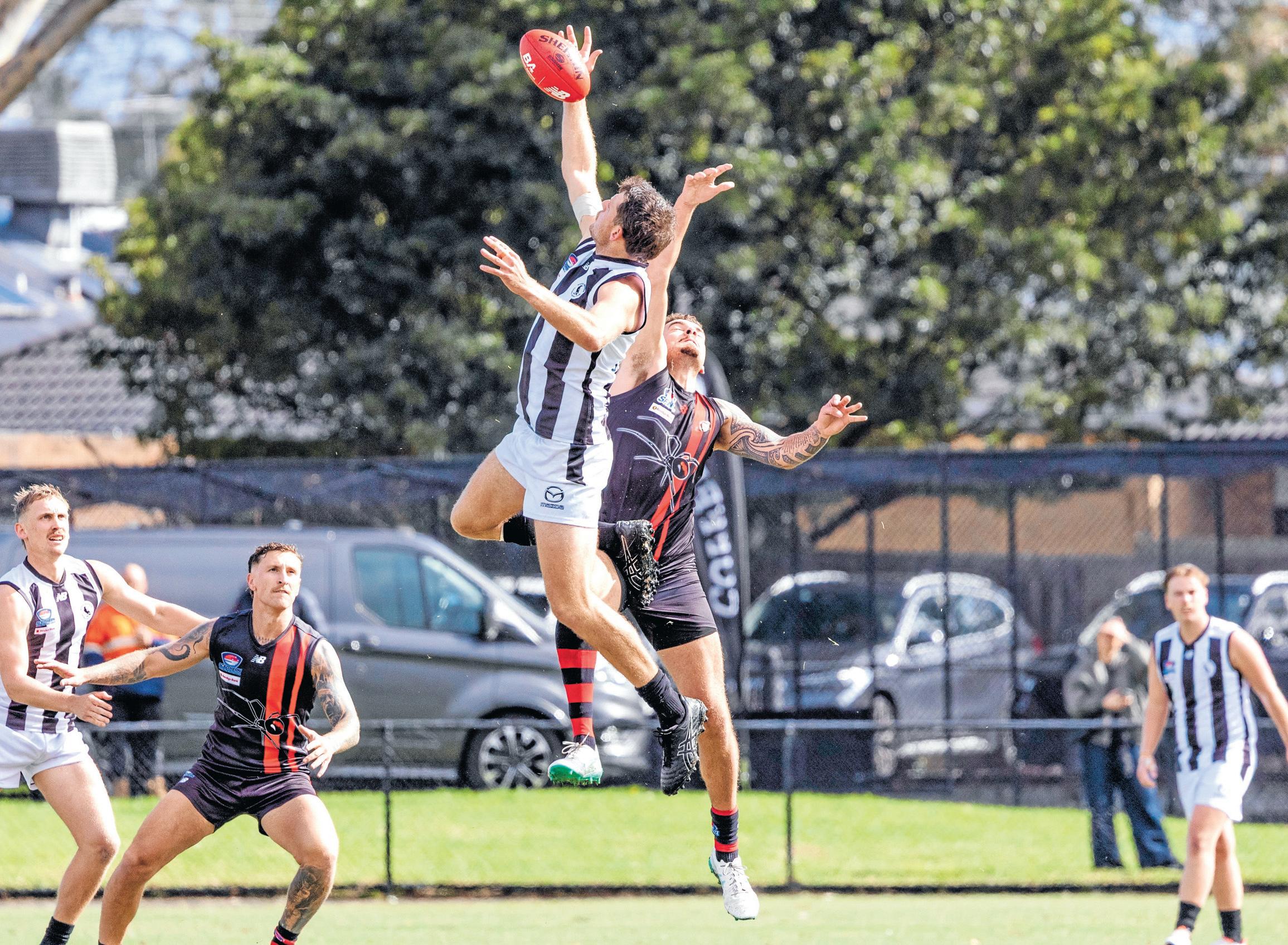
and kicked four goals in the space of a couple of minutes.
Riley Siwes kicked a nice left foot snap out of a pack, before young star Julian Goerlitz kicked a goal around the corner shortly after.
Then it was set shot goals to Jake Richardson and Jett Kearney which put Narre Warren up 4616.
In a short period of time, the Magpies had flexed their muscles and taken the game away from the home team, controlling play in their half and making the most of the breeze.
Rain poured down at the half time interval as the players piled into the rooms and supporters either ventured to their vehicles or hovered undercover.
“I felt like we were probably a tiny bit too relaxed in the rooms at half time and I told the players that,” Kidd said.
“We knew the first 15 minutes of the third quarter was going to be critical and if we could put a few goals on the board, we might break them.
“We probably dropped off of a fraction in the third term and they went with us, but we were good enough in the end.”
The third term was a similar story as the first for the Redbacks, as they kicked 1.4 once again with aid of the wind.
There was some theatre in the third quarter with a premature celebration at each end, one from Tom Toner and another with
Jayden Weichard.
Cal Porter was getting the better of Mitch Cox in the midfield and tackling with a ferocity that inspired his Narre Warren teammates.
Sam Toner added a third major with a brilliant snap goal before he spent the rest of the match off due to playing limited minutes.
With the scoreboard reading 62-26 at threequarter time, the Magpies had worn down the hopeful Redbacks and the game was all but over.
Kidd spoke to the team about burying the Redbacks and building on the 36-point margin in the final term, putting the home team to the sword if you will.
They had enough opportunities, but ultimately kicking 3.7 prevented them from winning by an even greater margin, while Hampton Park also faced problems with inaccuracy throughout the game.
Narre Warren applied great defensive pressure and managed to lock it in and force the Redbacks’ defenders into some errors in the back half.
Sam Toner was really impressive with three goals, while Richardson also booted three majors.
Declan Brown was impressive in a new role on the wing, helping back in defence and working hard both ways.
Hayden Dwyer was named Narre Warren’s best, doing a power of work in the ruck and combining nicely with Porter, who brought plenty of grit in the conditions.
Kidd was “rapt” with Porter’s first game in the black and white, also commending the performance of his reliable ruckman.
“Cal is a great leader on field, he understands what sort of game we want to play and he leads the guys well – it was an excellent first game, his tackling and his finesse with kicking,” he said.
“Hayden is just a competitor, not just with his ruck work, but even when the ball is on the ground … he is in good shape and leads us in there.”
There was no doubt that Narre Warren successfully nullified the impact of Bull and Cox, who both would’ve had plenty of the ball but couldn’t break the game open like they usually can.
Briggs was a standout for Hampton Park, while Aaron Holden also performed well.
While the Redbacks brought some bite early in the match, the Magpies ultimately worked them over and set up a comprehensive win.
• SOUTHERNDIVISION1
By Blair Burns
Two fourth-quarter goals from returning Cranbourne legend Marc Holt led the Eagles to a memorable round-one victory against Murrumbeena in Southern Division 1, winning 6.10(46) to 3.13(31) at Amstel Reserve.
Nine minutes into the fourth quarter and the home side led by just one point, before Holt took a strong mark and pushed that out to seven points – soon adding another to make it a safe 13 points in the dying stages of the game.
If you were going to pick a guy to lead the troops home, who better than a guy who has kicked more than 1200 goals at the club and has one end of the oval named after him.
The 15-point win meant a lot more to the club than just four points and was the perfect start to a second-chance campaign at Division 1 level.
Not only did the seniors taste success, but the reserves and Under-19s both won to make it three from three on the day – the first time in recent years that the club has achieved this feat.
Only a few weeks ago, the Eagles were preparing to take on Doveton in the season opener of Division 2, but now they are 1-0 in the top division after a low-scoring battle against the Lions.
“I think it was a really important day for our senior group to put their best foot forward, just for our own confidence as well,” coach Angelo Soldatos said.
“It was great for the 19s who had to front up week after week last season with tough results, and in the twos, it was close all day but we kicked the last couple to win a close one.
“We unfortunately lost Jay Mills to what we think is an ACL in the reserves, he’s the coach of the twos, captain, vice president and does a lot of stuff around the club – that was probably the only sour note on the day.”
To win the game was big for the Eagles, but to have a couple of 17-year-old debutants star made it even more special.
Will Nisbet … remember the name.
The young half-back was clinical in the victory and earned best on ground honours for his team, also kicking the only goal in the second quarter as he crept down and unloaded on the left boot.
“It was a pretty handy debut from a 17-yearold, he works really hard and does a lot of stuff well,” Soldatos said.
“Being young, there will be ups and downs
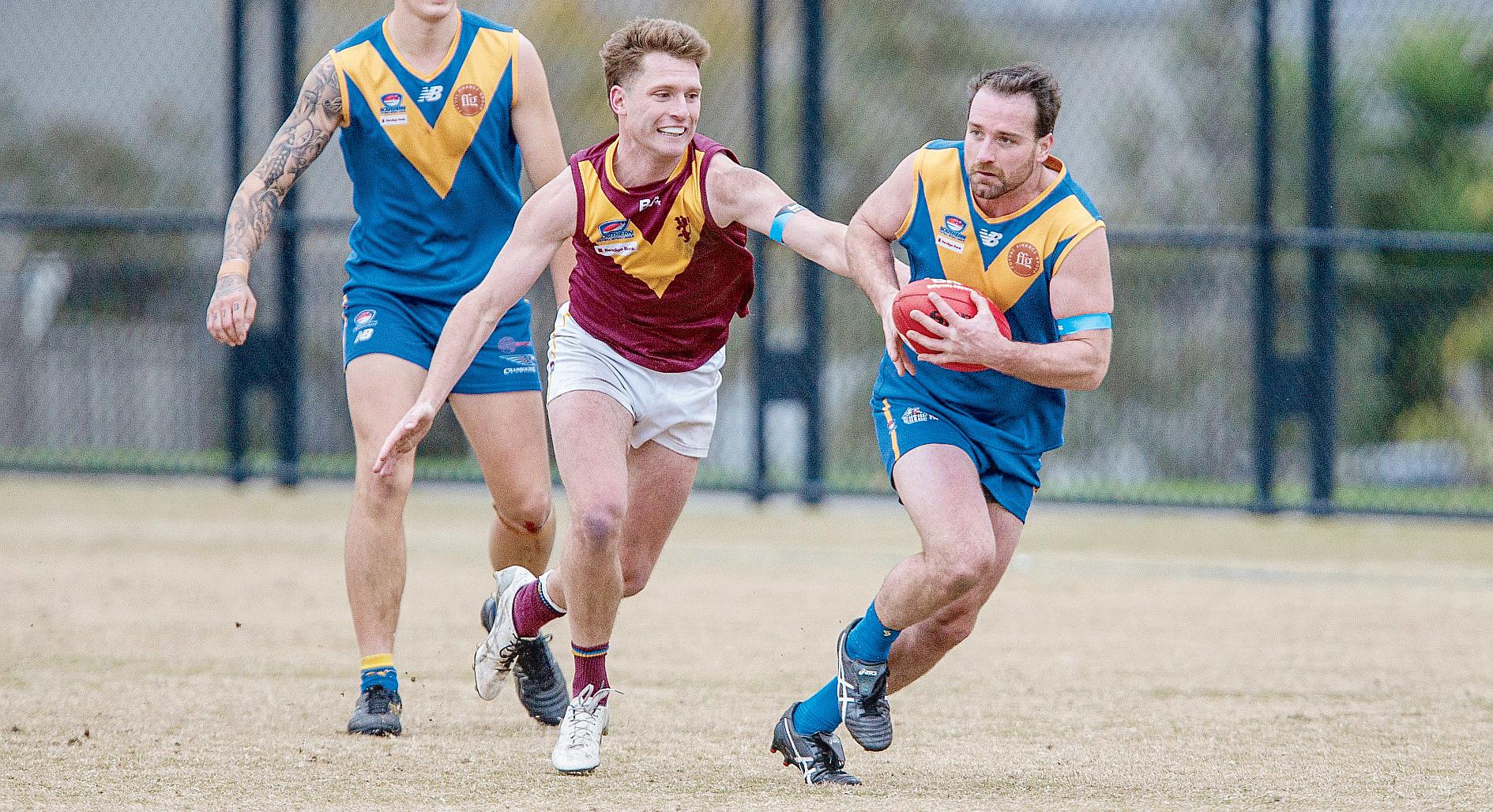
but it was a solid display – he defended well and kicked a nice goal when other guys were struggling with the conditions.
“Charlie (Ellis) also made his debut and provides a bit of X-Factor as a small forward.”
Cranbourne trailed 10-7 at quarter time and despite only a small deficit on the scoreboard, Soldatos made a few tactical moves.
“I didn’t love the way the game was going in the first quarter, which was not through a lack of effort, it was just a bit too chaotic for how we want to play,” he said.
“We adjusted some stuff defensively at quarter time and looked more structurally sound behind the ball.”
Tom Freyer locked up Ed Standish, who kicked 35 goals last season for the Lions, while the defensive unit of Jake Cowburn, Dillan Bass, Glenn
Osborne, Dale Alanis, Luca Bellinvia and Nisbet held up really well throughout the match.
Forward recruit Trent Marotta performed well in the conditions which were tough for a big key forward, booting two goals.
After quarter time, it was an arm wrestle but the Eagles had managed to get on top and establish a 31-16 lead at three-quarter time, keeping the Lions goalless for the middle two periods.
Murrumbeena had kicked 1.10 in the opening three quarters which did not help their case for a victory.
Both teams kicked a couple of goals in the final quarter but Cranbourne held on by 15 points.
• SOUTHERN DIVISION 1 CRANBOURNE 1.1 2.4 4.7 6.10(46) MURRUMBEENA 1.4 1.6 1.10 3.13(31)
Cranbourne Goals: Marc Holt 3, Trent Marotta
2, Will Nisbet. Best: Will
Ryan
Stephens, Marc Holt, Trent Marotta, Charlie Ellis. Murrumbeena Goals: Julian Callahan, Blake Meadows, Thomas Rigby. Best: Levi Young, Louis Nousis, Samuel Michael, Thomas Rigby, Edward Adams, William Hayes.
RESULTS R1: Bentleigh 17.6 (108) def St Paul’s McKinnon 8.8 (56), Cheltenham 11.12 (78) def Port Melbourne 11.8 (74), Dingley 9.18 (72) def Springvale Districts 9.10 (64).
LADDER: Cheltenham 8, Narre Warren, Bentleigh, Cranbourne, Dingley 4, Port Melbourne, Springvale Districts, Murrumbeena, St Paul’s McKinnon, Hampton Park.
FIXTURE R2: Dingley v Cheltenham, St Paul’s McKinnon v Cranbourne, Bentleigh v Hampton Park, Narre Warren v Port Melbourne, Murrumbeena v Springvale Districts.
By Blair Burns
Pearcedale has survived a scare at Hastings to win by 18 points - 10.8(68) to 6.14(50) - in the first game of the MPFNL Division 2 season on Saturday.
The Blues came home strong with the wind in the final quarter and more than doubled their score to kick 4.3 in the final term, but earlier inaccuracies had proven costly.
Despite losing so much experience in the offseason, the vast majority of onlookers expected Pearcedale to get the four points and push past Hastings without too much trouble.
However, the home team was up for the challenge and put plenty of pressure on the Dales. With more scoring shots across the four quarters, it was perhaps an opportunity gone begging for a Blues side which won just three matches last season. Pearcedale was kicking with the wind in the first term and it didn’t take long for the side to lock the ball inside 50, with repeat entries and shots on goal.
Cruiz West was busy early and had three shots at goal inside the first 10 minutes but the wind was playing havoc and he only managed 0.1.
But his teammate up forward Luke Daniel managed to find the middle of the big sticks … twice. Daniel kicked two nice snap goals, both inside the first 10 minutes of the game and gave the visiting Pearcedale a great start with the breeze.
The rain started to come down as Hastings’ Jackson Muscillo got one against the flow to steady things for the Blues.
At quarter time, the scoreboard read 21-6 in favour of last year’s preliminary finalists, as coach Peter Bastinac urged them to continue what they had started.
But what followed was a quarter completely

Cruiz West was among Pearcedale’s best performers in the win over Hastings on Saturday. (Stewart Chambers: 499249)
controlled by Hastings, who got on top in the midfield and won the territory battle.
They were first to the ball and put the head over the footy, getting rewarded by the umpires with a total of 36 free kicks for the game, helping them surge forward.
Despite their dominance, Hastings’ inability to find the middle of the big sticks had seemingly blown a big chance to win.
The Blues kicked an astonishing 1.10 for the quarter and still trailed by 13 points as Pearcedale kicked two of its own in the second term.
The third quarter was more of an arm-wrestle but the Dales extended their lead to 33 points as skipper Kaolan Thornton led the way in the contest. But the Blues were ready and came home strong with the wind.
The first goal was a hot holding the ball call which went against Pearcedale big man Ethan Vagg and resulted in a goal to Thomas Muscillo.
Skipper Bradley Kovac was next to hit the scoreboard with a captain’s goal and the margin was back to 20 points just six minutes into the final term.
One of the big moments in the game came a few minutes later when West gathered the ball inside 50, looked inboard and found Daniel.
Daniel went back and calmly slotted his second major from the 50m arc, steadying things for the Dales and halting Hastings’ momentum.
The Blues got the next two goals and got the score back to 14 points but Luke Jennings extended it with a goal for Pearcedale and they held on to win by 18 points.
It was an important win for the Dales who blooded some youngsters including debutants Ollie Southwell, Kayden Wright and Ash Mullen. West was at his damaging best despite some wayward early kicking, finishing the game with 26 disposals, two goals and 11 marks. Thornton (28 disposals, seven tackles) led from the front, while Hastings’ brother duo Thomas Muscillo (29 disposals, three goals, 10 tackles) and Jackson Muscillo (27 disposals, one goal, seven tackles) were elite in the loss.
• MPFNL DIVISION 2
HastingsGoals: Jackson Muscillo 2, Bradley Kovac, Thomas Muscillo, Tyler Regan. Best: Thomas Muscillo, Jackson Muscillo, Tyler Regan, Jake Milward, Thomas Finn. Pearcedale Goals: Luke Daniel, Mitchell Davis, Luke Jennings, Cruiz West 2, Ethan Vagg. Best: Finn Jakstas, Huw Jones, Cruiz West, Luke Daniel, Ash Mullen.
OTHER RESULTS (R1): Chelsea 25.16 (166) def Bonbeach 8.5 (53), Rye 22.15 (147) def Tyabb 9.9 (63), Crib Point 8.13 (61) def Frankston Bombers 4.9 (33), Seaford 15.18 (108) def Karingal 2.5 (17), Red Hill 7.8 (50) def Somerville 5.10 (40).
LADDER: Seaford, Chelsea, Rye, Crib Point, Pearcedale, Red Hill 4, Somerville, Hastings, Frankston Bombers, Tyabb, Bonbeach, Karingal 0.
FIXTURE R2: Bonbeach v Frankston Bombers, Crib Point v Chelsea, Karingal v Hastings, Pearcedale v Seaford, Red Hill v Rye, Tyabb v Somerville.


Turn your unwanted jewellery and gold and precious itemsinto CASH
Your Questions Answered
Show your items to our expert buyers. After we have calculated the price based on its resale value, you can then decideto sell them to us or just walk away with a free assessment of your jewellery!
Is it worth keeping old jewellery that you will never wear again? Theextra cash may help now or in the future rather than unwanted jewellery sitting in your drawer!
We buy all gold Jewellery, Antiques & Contemporary Jewellery Diamonds, Silver Jewellery, Gold Sovereign Coins and other coins, Precious Stones, Including Broken Jewellery and Watches and unusual Items.