
















Peter Bannan
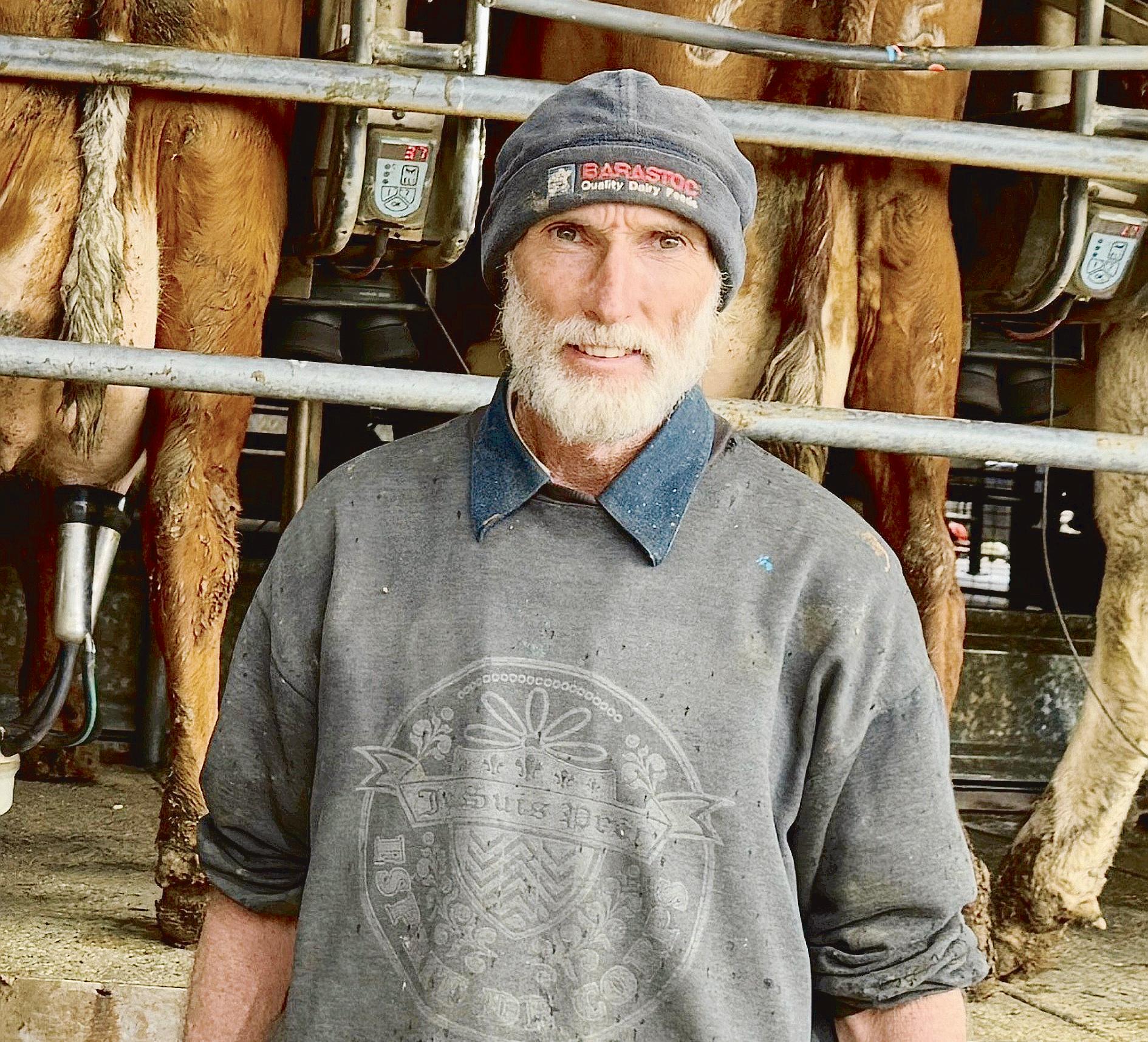
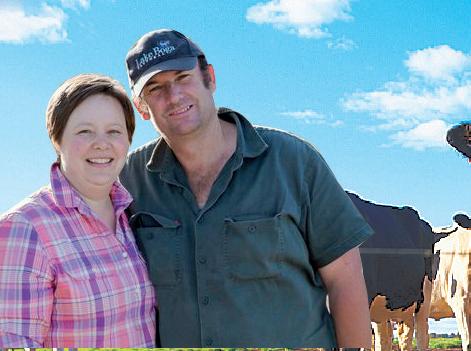
TRAGOWEL dairy farmers Frank and Marianne Kelly are proving patience, persistence and smart genetics can pay off in a big way.
Thecouple,whomilk420AustralianRedsontheir 500-hectare farm south of Kerang, are celebrating a string of breeding successes after more than a decade of steady genetic improvement.
Their herd now ranks sixth nationally in the Australian Red breed for Balanced Performance Index (BPI), climbing one place in the latest April 2026 Australian Breeding Values release.
The Kellys have also cracked the elite ranks with three of the top five genomically tested Australian Red heifers in the country, while their first homebred AI sire, ARBDENNIS, is making waves in the genetics industry.
Frank said the results were the payoff from years of sticking to a clear breeding strategy focused on fertility, calving ease, strong udders and durable feet and legs.
“We’re really pleased with the herd and the direction it is going, the quality of the heifers and their durability and calving ease,” he said.
“The herd has never been in be er shape.”
The Kelly family’s breeding journey stretches back generations.
Frank’s father, Denis, was a founding member of Victorian Artificial Breeders Co-op, the precursor to Genetics Australia, and among the first farmers in the region to embrace artificial insemination.
“Dad got straight into AI when it started,” Frank said.
“There were strong farmer discussion groups in those days and most of them thought AI was the future and they went straight into it. Dad was one of them which set us on a good path.”
The family farm has been operating for nearly 80 years and has evolved through several breeding systems, from Holsteins and Jerseys to straight Holsteins, then three-way crosses, before se ling on Australian Reds about a decade ago.
“We were looking to improve on fertility when we went with the Reds,” Frank said.
That decision has transformed calving on the
property.
“It didn’t change instantly but as soon as I bred the black and whites to Reds, we spent a lot less time in the paddocks with them,” he said.
“Now they just have their calves and you go out the next morning and the calves are all healthy and running around.”
The Kellys have embraced genomic testing over the past four years, testing every calf and heifer born on the farm.
Frank said the technology was now helping

“Wehadplentyof heiferssoweendedupmilking abiggerherdandtheseasonwasgood,”Franksaid. Among the standouts is heifer 4926, a daughter of VIKRVESTY, which topped the Australian Red genomic rankings in December 2025 and now sits second after the latest April release.
Despite the impressive figures, Frank remains pragmatic.
“She’s just a young heifer but I did pick her out and had a look at her after she came to the top,” he said.
“She’s nothing special at this stage but she’s a nice-looking animal and we’ll see how she goes as she comes into the herd.”
The Kelly’s breeding success is also a racting nationala entionthroughtheirbullARBDENNIS, formerly known as Winifred Denis, which joined Genetics Australia’s Australian Red team last year.
Following the latest ABV release, ARBDENNIS now ranks fourth for BPI, eighth for Health Weighted Index and fifth for Sustainability Index within the breed.
“He hasn’t yet got the results on the ground but the GA guys say he is a good animal to handle and fairly productive,” Frank said.
Unlike traditional stud breeders, the Kellys usually identify their ca le by numbers rather than names.
But Winifred Denis was given a special title in honour of Frank’s parents.
The family has now registered three animals for theAIsystem,includingthebull’sdam,Homedale Froerup Winifred.
them make smarter breeding and management decisions.
“We’re ge ing good solid results so we’re at the stage where we can select from the lower end of those heifers and move them on,” he said.
“We’ve got excess numbers each year but now we can breed from the best and go to beef with the rest.”
Strong heifer numbers helped the farm expand to 420 milkers this season, about 20 more than originally planned.
Frank hopes ARBDENNIS can help boost interest in Australian Reds as a stand-alone breed, rather than simply as part of crossbreeding programs. He believes the breed is heading in the right direction by maintaining fertility and health traits, while also lifting production and dairy strength.
Back on the farm, the focus remains firmly on functionality.
“We’ve selected to improve udders and they’re ge ing be er every year,” Frank said.
“Feet and legs are also critical for us because they have to walk so far. If their feet and legs aren’t good, they’re going to struggle.”
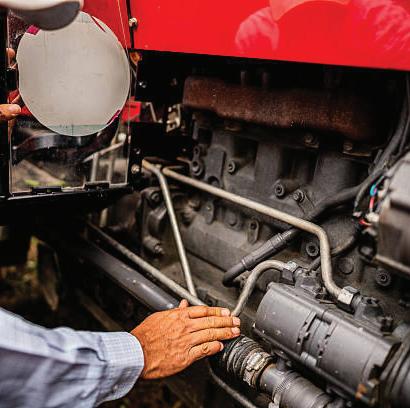
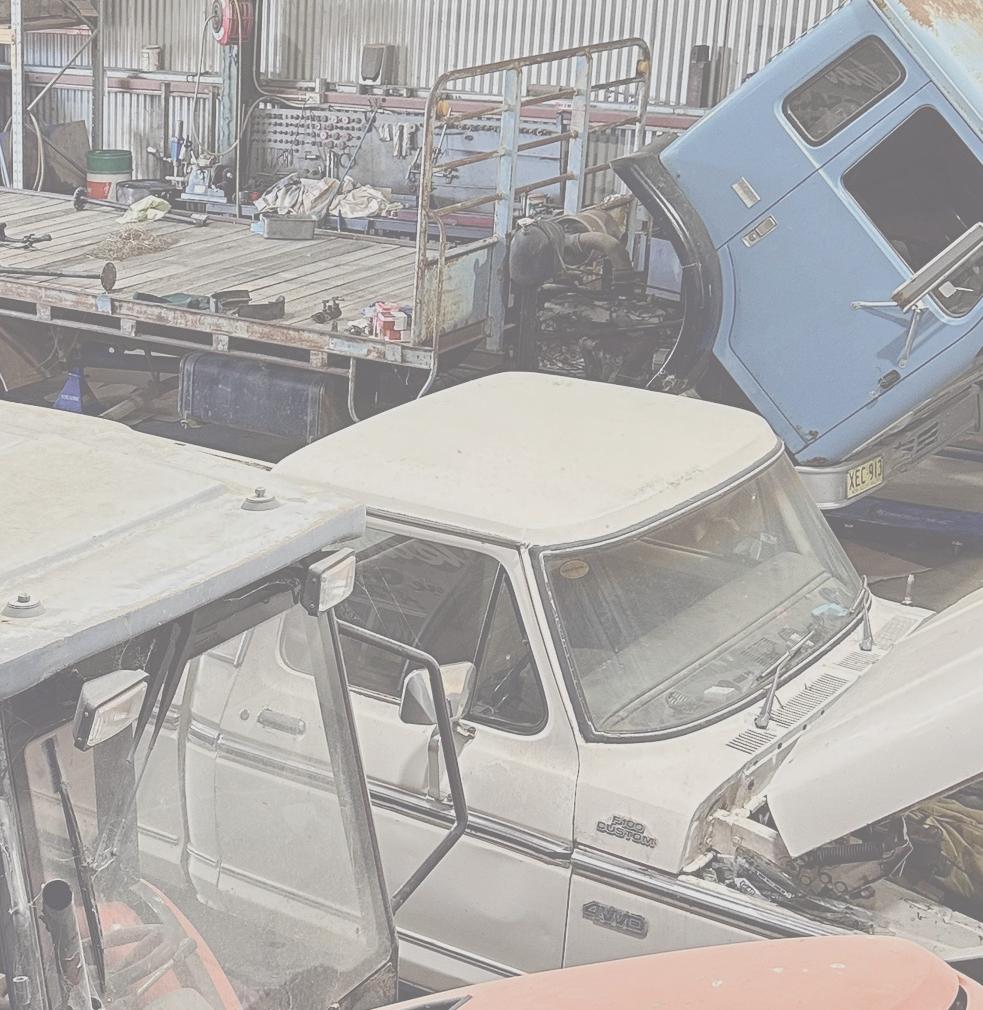
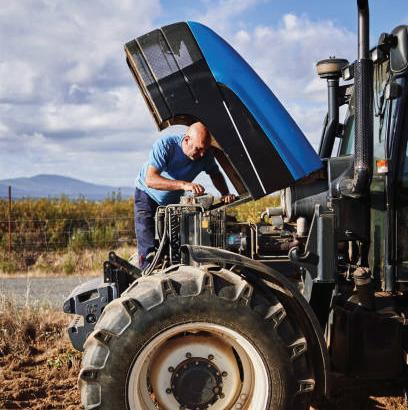
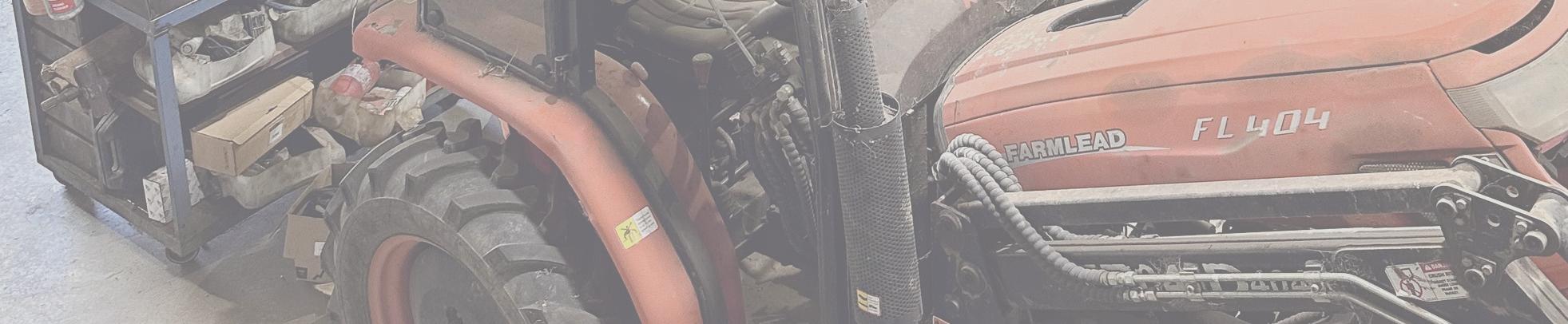
Andrew’s Trade Services (ATS) has become a familiar name across the Mallee, but the story behind it is as local as they come. Founder Andrew Brasser grew up on a dairy farm outside Swan Hill, where early mornings, long days and machinery that refuses to cooperate were part of the curriculum. It was an upbringing that taught him three things. Nothing on a farm breaks at a convenient time. Tools are never where you left them. And someone must be willing to crawl under it, over it or through it to get things moving again.
Instead of steering clear of the hardest work farming can offer, Andrew spent more than fifteen years servicing agriculture, horticulture and mining operations. Cereal crops, rock quarries, poultry farms, nuts and olives. You name it, if it produced something, he has probably repaired something on it. The knowledge gained from those years became the foundation of Andrew’s Trade Services. Today the business supports farms across the region with integrated fabrication, mechanical, hydraulic and seasonal maintenance services. The work ranges from routine servicing to urgent breakdowns, and whatever the problem, the ATS approach stays the same. Turn up, work hard and fix it properly.
Local producers say the appeal is simple. ATS understands the pressure of seasonal windows and the need for repairs that are practical and reliable. If parts are unavailable, ATS fabricates or adapts. If something can be rebuilt instead of replaced, they do it. The focus is always on being resourceful and getting the operation back online.
Andrew himself operates in what he calls two modes. The first is the familiar line of “I’m so busy”, usually delivered while juggling three jobs at once.

Local tradesman Andrew Brasser says the standard never changes. “Fix it properly so they can get back to work. Simple as that.”
The second is when he tries to relax, but ends up finding something to do and makes himself busy anyway. The conclusion is obvious. He only has one mode, and it is busy.
That busy nature has shaped a strong commitment to the region. ATS continues to support farms, local businesses and the producers who keep the Mallee working. From full cycle harvest support to custom fabrication, the aim is to deliver practical fixes, preventative strategies and long-term reliability.
If you want a team who shows up, solves problems and keeps your operation moving, it’s time to bring ATS into your farming program. Call 0400 558 578 or visit andrewstradeservices.com.au to submit an enquiry.
Bevan Jones
RICE growers across the region are nervously watching the skies as concerns mount over water availability ahead of next season, with Moulamein farmer Jeremy Morton warning that many producers could begin with zero water allocation, unless conditions improved dramatically.
Mr Morton said the outlook for the coming rice season was heavily dependent on strong winter and spring rainfall, both locally and across key catchment areas feeding major dams.
“It is going to be a challenge next year unless we get major inflow in the dams and we need good rain in catchments as well,” he said.
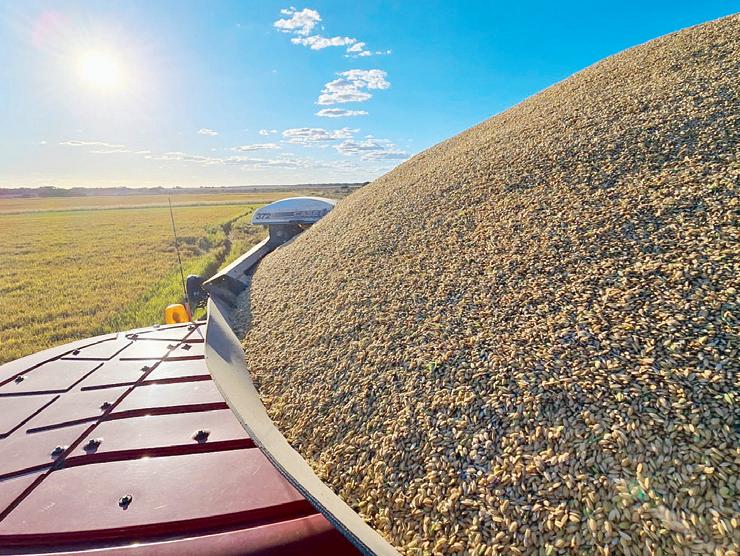
Rice harvest wrapped up earlier than usual this year.
“We will certainly open with zero water allocation next season unless we get our water supply up to the point where we have good water allocations,andthatinvolvesaboveaveragewinter and spring rain, so it’s not looking very promising at this stage.”
Edmund Coleman
THE Victorian Opposition has announced they will pause the VNI West project if elected to government at November’s state election, but stopped short of declaring whether the project would be scrapped entirely.
Nationals’ candidate for Murray Plains Bre Hosking said the project would be “stopped in its tracks” until individual property rights were restored, VCAT appeal rights reinstated, and a review of the Victorian Transmission Plan was undertaken.
“Unequivocally (our position) is to stop VNI West, but we do have to review what contracts are in place,” he said.
“The government has changed the rules that
The uncertainty follows a significantly smaller harvest this year, with Mr Morton estimating production was only about a quarter of a normal
many times… we need to see where it’s at to know if it stops dead for good.”
VicGrid chief executive Alistair Parker has said on multiple occasions VNI West was “too important” not to go ahead, and a Victorian Government spokesperson said the infrastructurewasneededto“keepthelightson”.
“Not implementing (the Victorian Transmission Plan) would stop new energy connecting to the grid, risk blackouts, push up power prices and cost the economy $9.6 billion over the next three decades,” a Victorian Government spokesperson said.
Mr Hosking’s own property is earmarked to host around 5.5 kilometres of VNI West transmission, and although he has been staunchly opposed to the project, the Nationals’ candidate said it was not out of the question that VNI West may be essential for the state’s energy security.
“Very possibly it could be, but that’s all the more reason why the government needs to get
crop.
The reduced planting area meant harvest wrapped up earlier than usual, with most crops harvested by April.
“It wasn’t a particularly large crop this harvest, so there wasn’t much to harvest, and it meant we finished earlier,” he said.
Despite the smaller season, Mr Morton said harvesting earlier in autumn was often beneficial for grain quality, as rice crops could suffer if they matured during unsuitable temperatures or wet conditions.
“You don’t want rain during harvest because the grain is already mature and it increases cracking, which means poorer quality product,” he said.
Rice quality is measured by the percentage of wholegrain retained after milling, with growers ideally aiming for 60 to 65 per cent wholegrain.
Mr Morton said some seasons had delivered returns below 50 per cent, resulting in more
out and engage with people,” he said.
“And if it is essential for our state’s electricity, they need to prioritise it in such a way that landholders are fairly and appropriately compensated.
“It seems very frustrating that they say something’s essential but are not willing to then ensure it happens by looking after the communities that are impacted.”
Mr Hosking said he had not received any payments from VicGrid, but ecological surveys were undertaken due to his lease arrangement with the State Government.
“We’ve tried on multiple occasions to engage proactively with VicGrid about what (VNI West) will look like, how it can be built in a way that the impacts are minimised on our farming practices,” he said.
“We’ve talked to them about what is appropriate and fair compensation… and the fact that we don’t really want it at all.
“But VicGrid has refused on every occasion to
broken grain and reduced value.
High water prices also continued to place pressure on growers.
Mr Morton said many farmers would struggle to make a profit purchasing all of their water allocations on the market.
He considered himself fortunate to have relied largely on water carried over in on-farm storage.
“Most of the water we used was water we had in storage, so that was lucky,” he said.
Adding to the challenges this season were cool early conditions that affected crop establishment, along with damage from wild pigs shortly before harvest.
“Once they get in the crop, they are hard to find and remove because they are good at hiding,” Mr Morton said.
“Twoweeksfromharvesttheyallturnupbecause there are not a lot of crops around, so you tend to a ract all of them.”
engage in those conversations.
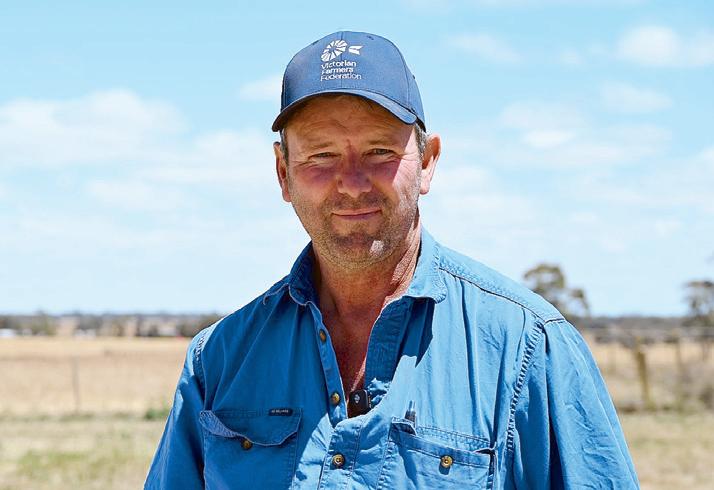
“Farmers and landholders in Murray Plains, and all regional Victoria, have been denied a voice in Victoria’s energy transition for far too long.” Nationals’ candidate for Murray Plains, Brett Hosking, said the Opposition would pause VNI West if elected in November. Picture: File









MORE than 2400 people and organisations have weighed in on the future of water across the Murray–Darling Basin, as a major consultation period comes to a close.
The Murray–Darling Basin Authority has wrapped up its 12-week public consultation for the basin plan review, marking a key step in shaping how water is managed across one of Australia’s most critical systems.
Submissionsflowedinrightuptothe1Maydeadline, with voices ranging from First Nations groups and communitymemberstoindustrybodiesandalllevels of government.
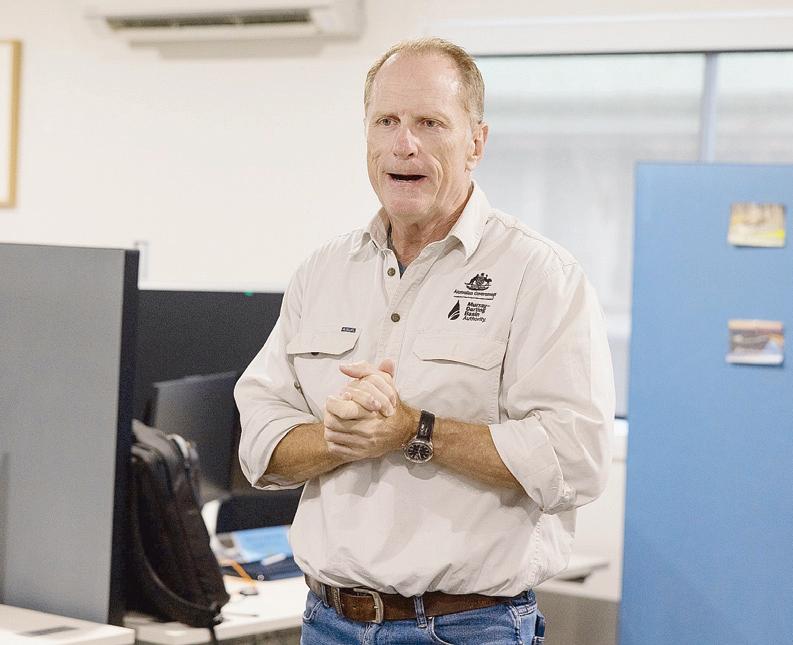
MDBA chief executive Andrew McConville said the strong response showed just how much was at stake.
“People care deeply about the basin and its future,” he said.
“We’ve seen that in the time people have taken to share their experiences, challenge our thinking and put forward ideas.
“We want the basin plan, as it’s reshaped through the review, to help manage the basin’s limited water in a way that keeps rivers healthy as the climate changes, while also supporting the communities and industries that rely on them.”

Mr McConville said the feedback highlighted just how complex the issue was.
“Submissions and conversations have reflected a wide range of perspectives on the future of water management,” he said.
“The basin is complex, and good policy depends on
understanding those different perspectives.”
Mr McConville thanked those who took part, many of whom travelled to a end meetings and share their stories.
“So many of you travelled, came to meetings, shared your stories, challenged us and gave your honest views. That means a great deal,” he said.
“We’ll now take the time to consider every submission in detail, because your insights and lived experiencearecentraltoshapingthenextstageof this review.”
Theconsultationperiod,whichbeganon5February, drew more than 2800 participations across meetings, forums and online channels.
The MDBA also connected with more than 500 First Nations people and groups, and visited more than 90 towns and regional centres across the basin.
Every submission will now be individually assessed, feeding into a What We Heard report due in late June.
Submissions will also be published where consent has been provided.
Findings from the consultation, along with scientific and technical analysis, will help shape the final basin plan review report, set to be delivered to basin governments before the end of the year.


Peter Bannan
REGIONAL Victoria has been left short-changed in this year’s state budget, with farmers warning criticalfundinggapscouldhitamulti-billiondollar industry.

The Victorian Farmers Federation said the budget failed to deliver the detail and investment needed for regional communities, leaving major questions unanswered.
VFF acting president Peter Star said many in the regions would be disappointed.
“For many this budget will be seen to kick the can down the road during an election year,” he said.
MrStarsaidangerremainedoverthecontroversial Emergency Services and Volunteer Fund Levy changes, with farmers still waiting for clarity.
“Farmers and regional Victorians have been extremelyvocalintheiropposition.They’vebeenleft inthedarkastoitsfutureandwewillbecontinuing to call for it to be scrapped entirely,” he said.
While the government touted a $1.04 billion roads package, Mr Star said it fell short.
the future, but is lacking when it comes to detail for regional Victoria,” Mr Star said.
The agriculture sector contributes more than $22 billion annually to the state economy, yet the VFF said the $84 million allocated to support farmers must be significantly boosted.
“We need a roadmap to grow and build for the future,” Mr Star said.
Despite the criticism, the VFF welcomed several measures, including $5.9 million for farmer and rural mental health, $7.6 million for biosecurity, $4.9 million for agricultural electrification and emissions reduction, $12.7 million for new CFA stations, $75 million for regional health infrastructure and $127 million to improve freight rail.
Mr Star said farmers were battling tough conditions, including drought, rising costs and global uncertainty.
“Victorian farmers and regional Victorians are doing it extremely tough in the face of sustained droughtandexplodingcostpressureswithongoing overseas tensions,” he said.
Mr Star said more support was expected in the lead-up to the election.




“It is a step in the right direction, but fails to deliver the level of investment required to fix Victoria’s deteriorating road network,” he said.
He said the budget had been promoted as a longterm vision but lacked substance for regional areas.
“The budget has been sold as Victoria’s vision for

“Help at the farm gate eventually flows to consumersanditisawin-winduringacost-of-living crisis to get support to primary producers who are being forced to pass on these huge price increases,” he said.











At its peak, the Lake Boga farm supplied as many as 100,000 tonnes of tomatoes to Kagome.

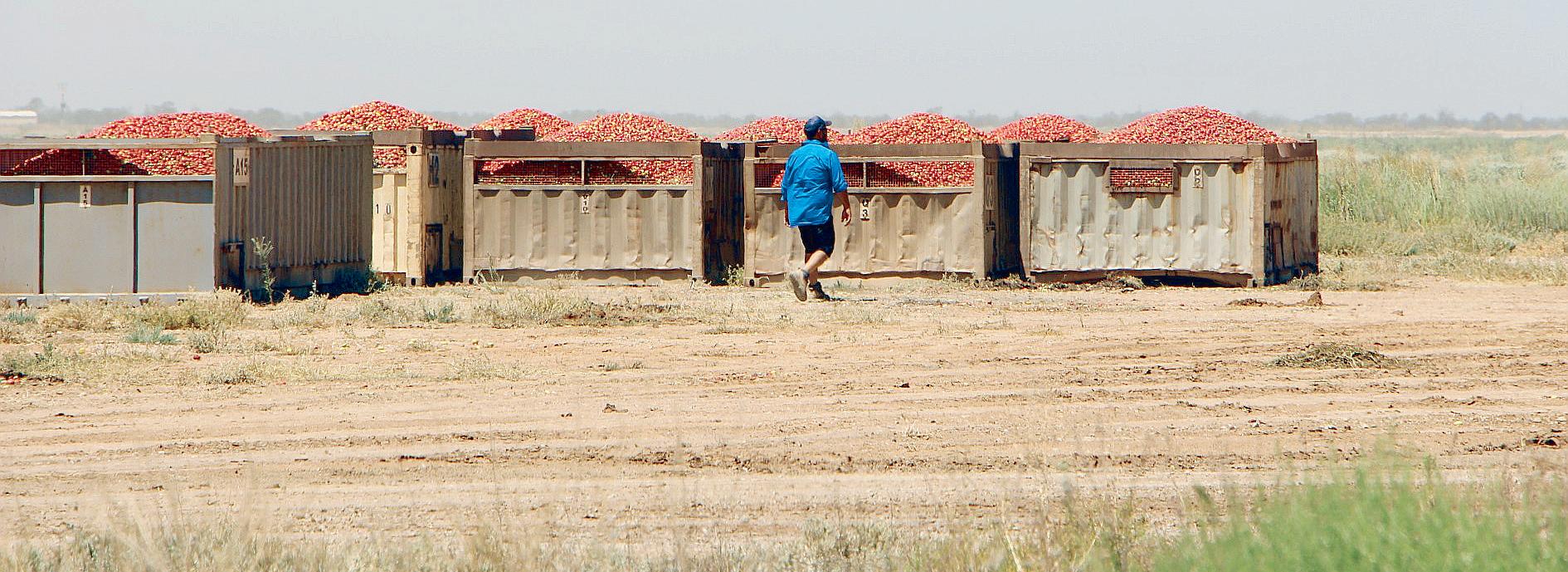
JOBS are set to go at Lake Boga’s major tomato farm after agricultural giant GO.FARM announced it would slash most of its workforce following the early end of a supply deal with processor Kagome.
The company confirmed its contract with Kagome would finish a year earlier than planned, blamingaworldwideglutof tomatoesandshifting market conditions.
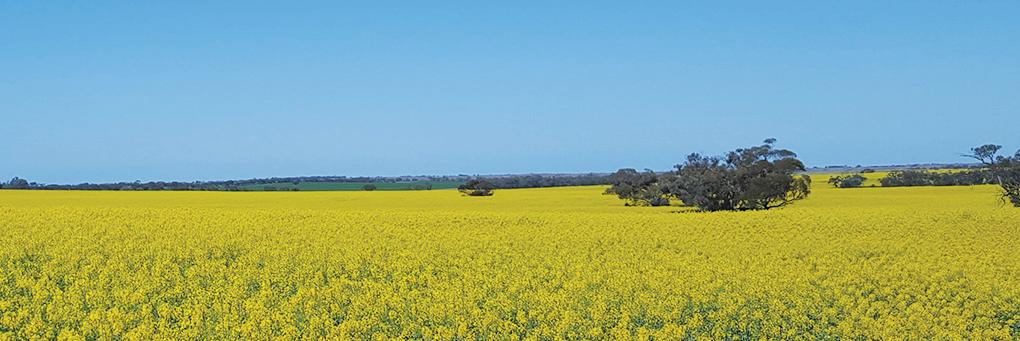
GO.FARM managing director Liam Lenaghan said the Lake Boga operation would transition away from large-scale tomato production and move into winter cropping.
“Our supply partner requested an early end to the agreement due to a global oversupply of tomatoes,” Mr Lenaghan said.
He said the decision had been driven by a combination of market pressures and operational factors.
The move is expected to dramatically reduce staffing numbers at the site, with the workforce shrinking from 13 employees to just three or four

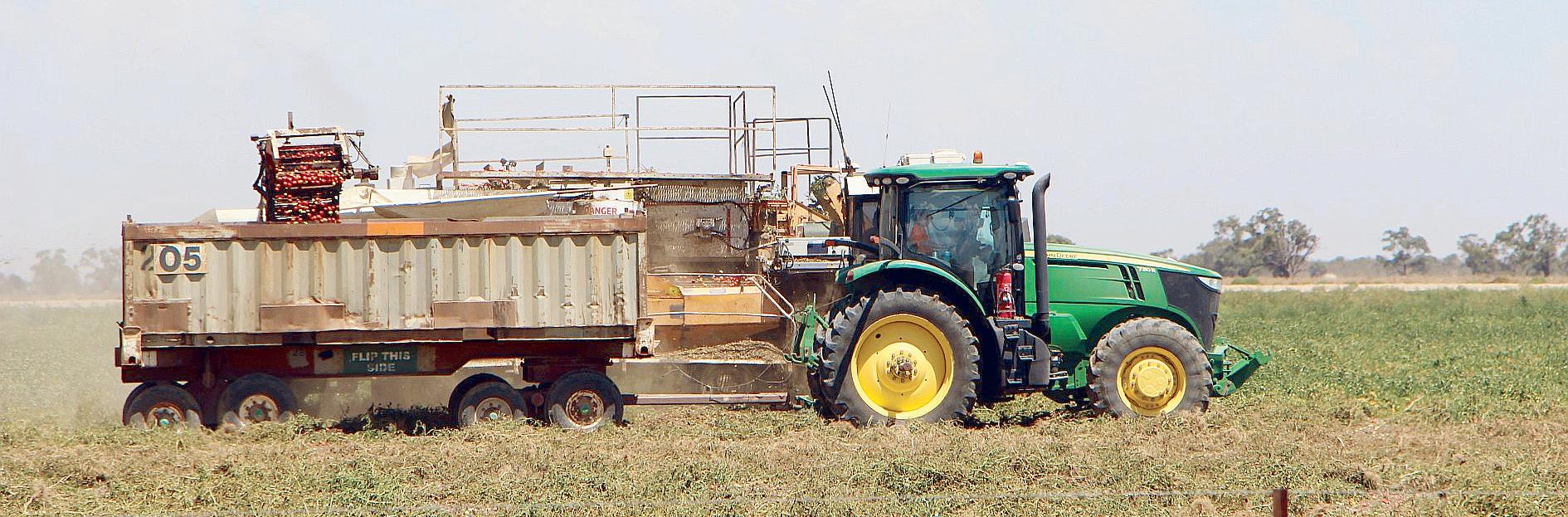
during the transition period.
Mr Lenaghan said supporting affected workers remained the company’s priority.
“We are looking at opportunities across the broader GO.FARM portfolio where possible and assisting team members as they consider their next steps,” he said.
Despite the cutbacks, Mr Lenaghan said the Lake Bogapropertystillheldstronglong-termpotential because of its water security, infrastructure and flexible farming capacity.
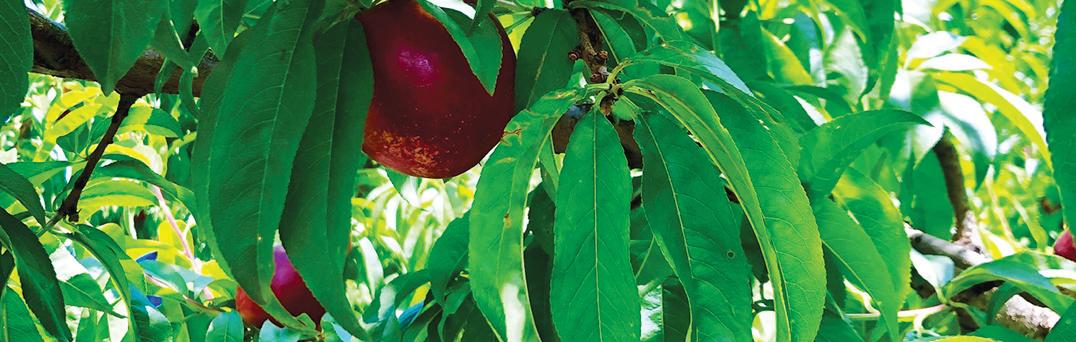

The company is now investigating other highvalue agricultural opportunities for the site, including both annual and permanent cropping options.
At its peak, the Lake Boga farm supplied as many as 100,000 tonnes of tomatoes to Kagome.
Tomato production will continue through GO.FARM’s Katunga operation.
Kagome chief executive Brad Free said Australia’s tomato processing industry was being squeezed by a flood of overseas product, particularly from

China and the United States.
“In 2023, China significantly increased production capacity while the US also ramped up supply, flooding the global market,” Mr Free said. He described the current conditions as a major but temporary challenge for the local industry.
Mr Free said some Australian manufacturers had turned to cheaper imported tomato products, only to encounter supply shortages caused by international freight and logistics problems.
“It becomes frustrating when manufacturers focus purely on the price difference, then come back to local suppliers when overseas stock runs short,” he said.
Kagome contributes around $105 million annually to economies across northern Victoria and southern New South Wales, but Mr Free said the company was battling razor-thin margins amid soaring production costs.
“We’ve got diesel, fertiliser, irrigation water, currency pressures and inflation all working against us at the moment,” he said.
He said the cost pressures impacting the sector were likely to continue until at least Christmas.















with Matt Rowlands
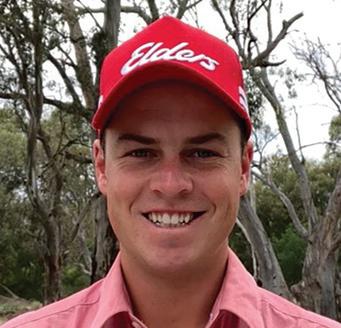
FALLING sheep numbers and tightening cattle supply are reshaping livestock markets across the country, with producers being urged to think carefully before selling stock as prices continue to shift week by week.
Elders livestock agent Matt Rowlands said reduced sheep numbers across Victoria and New South Wales were driving strong competition for quality lambs and mutton, while forward contracts were also soaking up supply.
“We’re seeing reduced numbers come into the open market space and that’s driving the market,” Mr Rowlands said.
“Some of that supply has also been taken up by forward contracts being offered for May, June and July.”
Those contracts have been sitting between $11.80 and $12.80 a kilogram during the next six weeks.
Despite that, Mr Rowlands said the heavy export lamb market had eased during the past fortnight, dropping between 30 and 60 cents a kilogram.
“Heavy export lambs are currently trading around $10.40 to $11 a kilo,” he said.
Trade lamb prices have fluctuated between $11 and $11.80 a kilogram, with Mr Rowlands saying the market was increasingly rewarding producers with well-finished stock.
“We’re starting to see a price split that will continue into winter between the better presented, fully finished lambs and lambs that have been turned off for age or feed and aren’t fully finished,” he said.
Mr Rowlands said declining quality and lighter weights across eastern seaboard saleyards were also influencing prices.
At last week’s Swan Hill market, heavy lambs topped at $391, with a peak price of $420 recorded. Many lambs sold between $10.60 and $11.40 a kilogram.
Mr Rowlands said presentation was playing a major role in returns.
“The basis of that price being better later in the week than early was solely on presentation and the quality of lambs still coming out of the area,” he said.
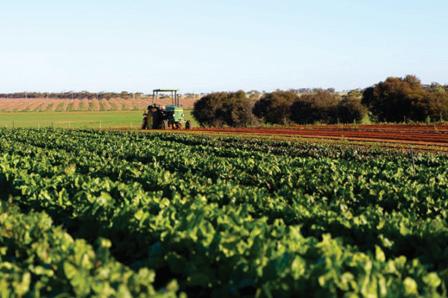
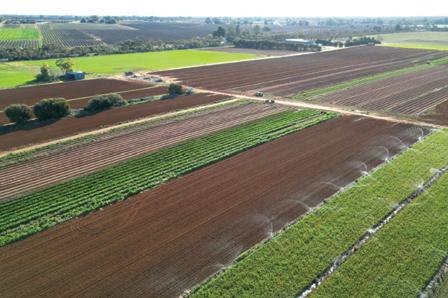
“If you’ve got lambs and you’re looking at letting them go or holding onto them, there are options out there to test the market, but producers should be putting a fair bit of thought into it.”
Mr Rowlands encouraged producers to seek advice as processor demand shifted rapidly.
“The market is changing day by day at the moment on what processors are really after and what they’ll pay for the right product,” he said.
The mutton market has softened slightly, with Mr Rowlands attributing the change to processors slowing kills and an increase in northern stock coming south due to dry conditions.
Even so, strong prices were still being achieved.
“We had a very good mutton market at Swan Hill,” Mr Rowlands said.
“Some heavy Merino sheep topped over $300, which is a fantastic result.”
Most heavy mutton was trading around or just above $8 a kilogram.
In the cattle market, Mr Rowlands said the major northern sell-off appeared to have

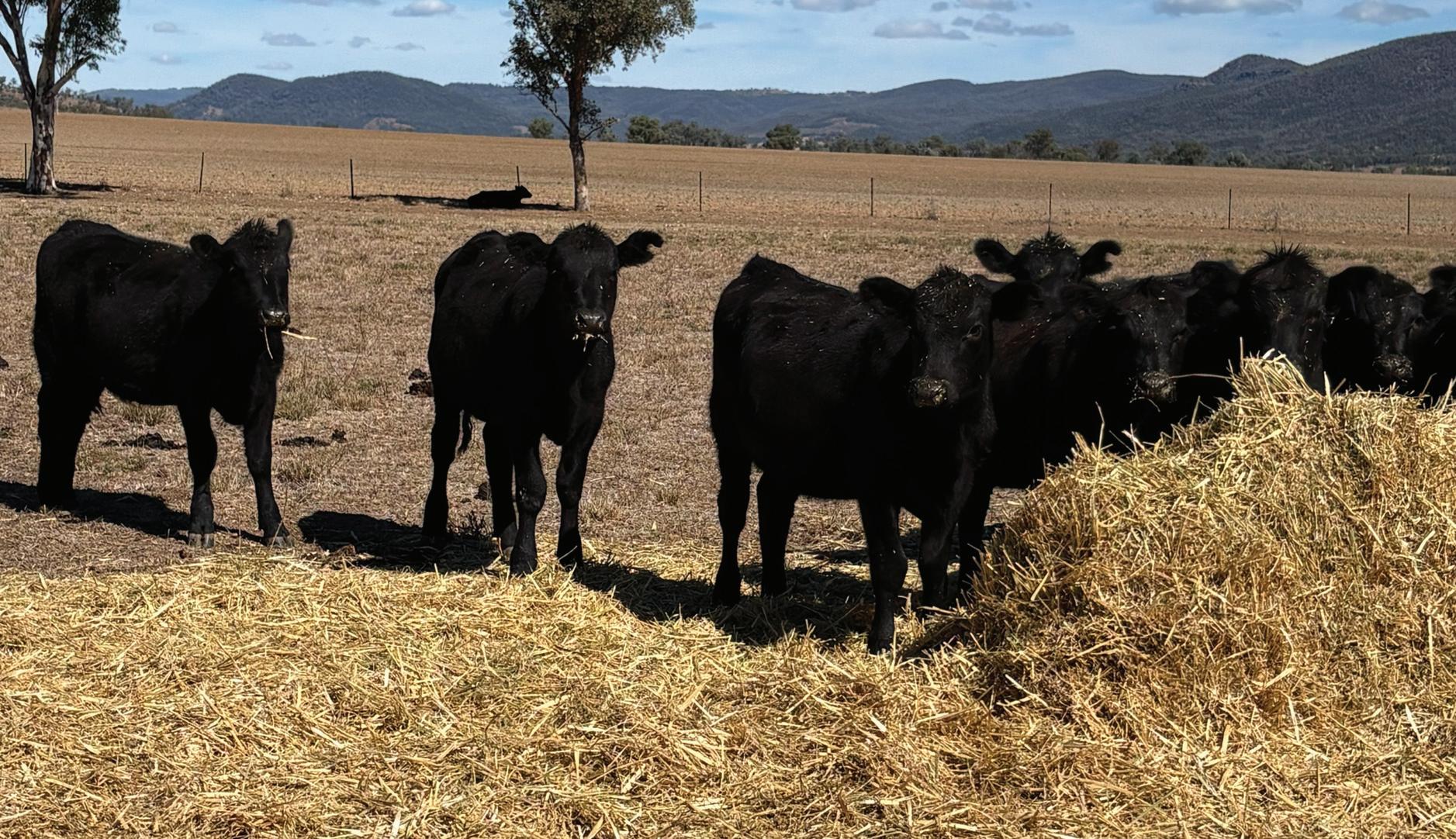
Store cattle from north still present good buying opportunities.
peaked, helping stabilise prices.
“The main flush out of the north has now subsided,” he said.
“We’ve seen the cattle market stabilise and lift 20 to 40 cents across different categories over the last two to three weeks.”
Demand remained strongest for wellpresented cattle suited to feeder or processor orders, with tighter winter supply expected to support prices further.
However, Mr Rowlands said ongoing dry conditions in northern Australia were still creating opportunities for producers with feed available.
“There are opportunities presenting in smaller store stock to put them away on feed and grow them out over winter,” he said.
“The trade price for lighter weight cattle to get in and out at the same, if not more, cents per kilo hasn’t really presented itself for the last two years.
“For anyone with feed, it’s still a great opportunity to put some of these smaller cattle away and really turn a dollar out of them.”
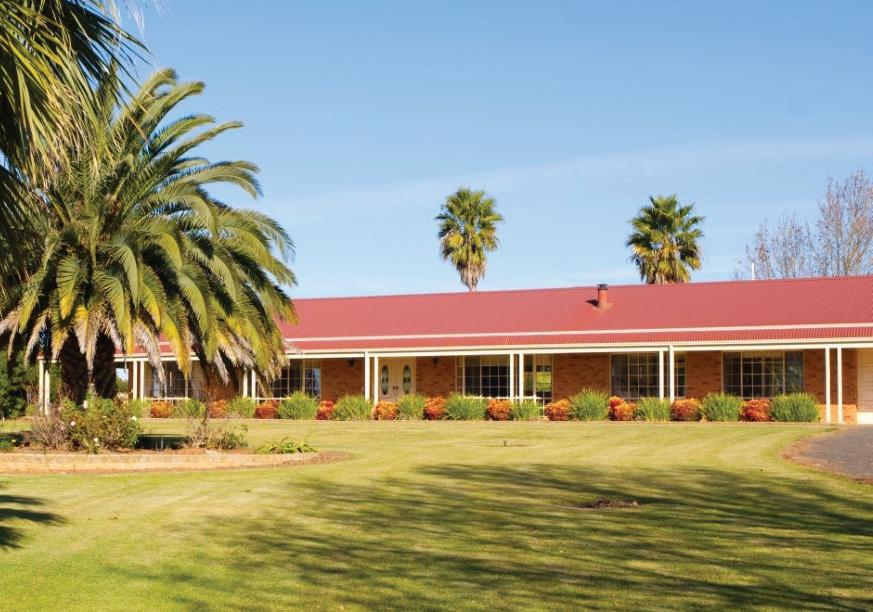
All Year Round Production, Versatile Irrigation, Development Potential ‘WOOLAHRA’ Vinifera Vic 95.5ha/236.07ac*
• Located 22km* from the regional centre of Swan Hill and Melbourne 362km*
• Outstanding 50sq home under roof encompassing open plan living, kitchen and dining; main bedroom plus ensuite, two bedrooms and office, double garage and inground pool.
• Combination of GMW pipeline irrigation water and town water to the property.
• Modern improvements include extensive shedding infrastructure as machinery storage and vegetable grading and packing facilities. Also, 18kw solar system, 30kva generator for emergency power backup, 21 pallet coolroom and large enclosed hay shed, intensive cattle feed pens.
• Maximise production using 17ha/42ac* permanent and 4ha/10ac* semi-permanent overhead irrigation on premium undulating red sandy loams. 158ac* potential development.
• Proven producer of quality and in demand vegetables during winter months using the local favoured winter climate. Asking Price: $3,300,000
*approx
By Almonds Australia chief executive
Tim Jackson

THEindustryhasallbutcompletedharvestandhas incurred extra costs in fuel due to the wet harvest and the increased costs of diesel.
It’s estimated that Australia uses 34 billion litres of diesel a year and the almond industry used one million litres per week during harvest.
Asthedemandeasesafterharvest,mucha ention has turned to securing sufficient fertiliser for the year ahead.
The outlook does not look as rosy as the fuel supplies, which look like they will be okay, albeit at a higher price, until things se le down in the Middle East.
We have heard that Australia currently has about one third of its annual fertiliser needs in the country.
Alternative sources of supply, like Nigeria, are being explored but there is widespread feedback thatlongertermsupply,costsandvolumesarestill very much an unknown.
About 70 per cent of the nation’s urea has been supplied from the Middle East.
Fertiliser Australia is driving the search and behind scenes work to meet the demand for all of agriculture.
These extraneous costs have led to the ABA insisting on the soon to begin benchmarking project to include data from last financial year, rather than 2025-26.
This is the first time in almost 20 years that costs of production and volumes used have been aggregated and analysed for the industry.
Much has changed in this time and obtaining
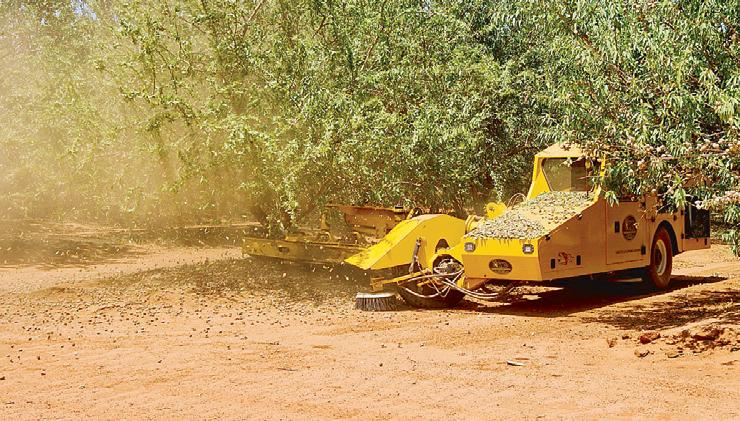
Harvest has concluded, but higher diesel prices and wet conditions have pushed up fuel costs.
accurate figures per region will be as important as it will be to aggregate national numbers.
The exercise will a empt to gain key production datafromupwardsof 40growersacrossalldistricts to develop key documents and benchmarks.
Water costs are another impost in 2026.
More than 50 per cent of the industry relies on the temporary water market for their needs.
Prices have been hovering around $400 per megalitre recently, so there is growing interest on wherecostswillgointhecomingirrigationseason.
To assist growers, the ABA will host a grower webinar on Monday, 18 May.
Renowned water market analyst Ben Williams from Ricardo will deliver the Water Market Webinar at 12.30pm.
Water policy expert Christine Freak will also present on water policy.
The Australian Almond Conference will be held in Adelaide in October.
The 13-15Octoberevent will take on a slightly different look this year, with a full day dedicated to marketing activities and the final two days on growing and production.
Nominations for the Almond Industry Hall of FarmandOutstandingServiceawardhaveopened. Industry members are encouraged to submit their nominations for the board’s consideration.


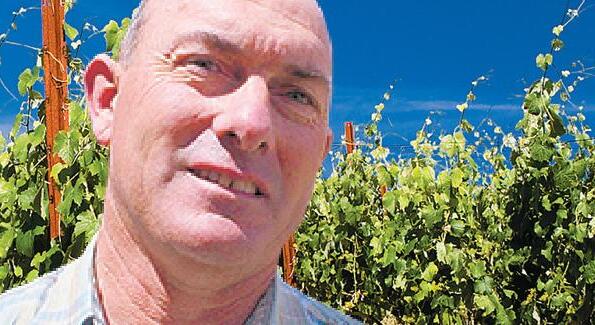
LOCAL GMW irrigators from the pipeline districts are urged to comment on the latest pricing proposal to modernise the pipeline infrastructure.
The proposed costs to irrigators and nonirrigating landholders will be high.
While there are ongoing concerns about the sustainability of the Tresco and Nyah districts, GMW’s failure to adequately maintain these systems has compounded the issue.
Asking landholders to bear most of the costs - without any clear improvement to water pressure or quality - warrants formal feedback to the water authority.
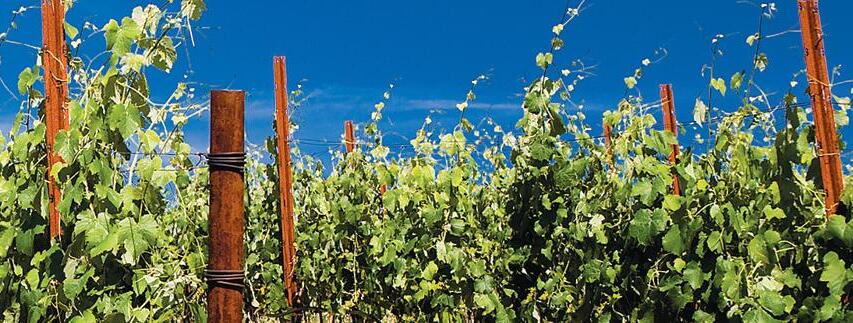
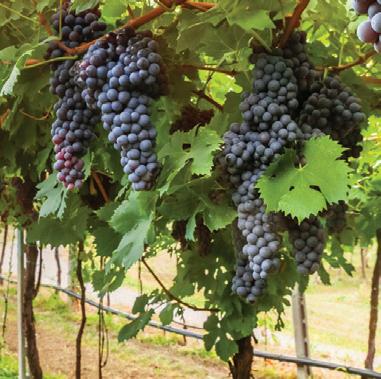
With the grape harvest completed last month, the harvester was recently cleaned up and put back in the shed.
I wonder if the grape job will be in a be er position next season.
Reports are coming in that most growers harvested some fruit to the ground this season.
Due having no buyers and non-viable prices being offered, wineries were only buying fruit that they had a use for, and were not willing to speculate on extra fruit.
The grapevines are almost fully dormant and therecent15mmof rainwashelpfullesseningthe requirement to irrigate.
The current outlook for the next water season indicates that, if catchments stay drier than usual, we may not receive our full allocation of permanent water next season.
This will likely push temporary water prices higher, requiring careful consideration of whether growing a full crop is economically viable amid the continued oversupply of winegrapes.
I will be spreading compost for the next couple of weeks and generally trying to tune out a bit before the lengthy task of mechanical pruning begins at the end of this month.
On a lighter note, the ibises have arrived as they do each year, and they’re certainly enjoying a ready supply of snails.
On cold days if I haven’t got the shed locked, the ibises will actually wander in and heat up their snail meals in the microwave oven, and yes it does tend to make a mess.
To make it even harder for some of the snails, they’ve started ge ing decked out in various colours to support their political sides, ready for the coming state election.
Talk to your mates.




Bevan Jones
GLOBAL urea markets weakened this week as geopolitical tensions, shipping disruptions and affordability concerns combined to create fresh uncertainty for fertiliser buyers, including Australian farmers preparing for winterandspringapplications.
One of the biggest concerns relates to the uncertainty surrounding the war in the Middle East and concerns facing global nitrogen markets with the situation that is unfoldingwiththeStraitof Hormuz.
Reports currently indicate approximately 20 fully loaded urea vessels, destined for Australia,remainstrandedintheArabGulf.
The delayed cargoes are estimated to represent as much as 600,000 tonnes of product.
Broader shipping disruption across the region is also intensifying, with around 1600 vessels and more than 20,000 seafarers reportedlyaffected.
Industry experts say that the situation is placing additional pressure on an already volatileglobalfertilisermarket.
Australian Fertiliser Corporation chief executiveofficerSteinHaugansaideverything was up in the air until the situation with the Straitof Hormuzwasresolved,andChinagave moreclarityabouttheirexportposition.
“The global urea market is currently being driven as much by geopolitics as by agriculturalfundamentals,”hesaid.
“Until logistics through the Strait of Hormuz normalise and China clarifies its export position, volatility is likely to remain elevated.”
Trading activity slowed considerably

following India’s recent urea import tender, with many buyers becoming increasingly cautious about commi ing to higher-priced product.
India remains a major influence on global nitrogen demand and is expected to issue another import tender later this month or earlyJune.
Total Indian urea imports for the current campaign reportedly reached a record 10.38 million tonnes as domestic production declinedduetoreducedLNGavailability.
Meanwhile, Iranian urea exports continue despiteongoingregionaltensions.
Several cargoes have reportedly entered SoutheastAsianmarketsatvaluessignificantly below prevailing international prices, with IranianFOBvaluesfallingfromapproximately USD 770 per tonne to around USD 705 per tonne.
Marketparticipantsarealsocloselywatching diplomatic discussions between the United States and Iran, with any easing of sanctions potentiallyreshapingglobalureatradeflows, given Iran’s estimated export capacity of aroundninemilliontonnesannually.
Adding further uncertainty, China remains absent from export markets despite elevated internationalprices,whileweatherforecasters continue monitoring potential El Niño conditions across the southern hemisphere that could influence fertiliser demand in key agriculturalregionsincludingAustralia.
For Australian growers, the combination of shipping delays, global politics and affordability pressures means fertiliser markets are likely to remain highly unpredictable heading into the next applicationseason.
SALLY is heading for Perth, Zimbawbe, UK, USA, Chile and Brazil.
If you see me looking like a lost, hungry, unshaven, unclean wildebeest you better just leave me alone.
It’sbestnottotryandtameorfeedwildanimals, just let them be in their natural environment.
Sally is pretty amazing and my hope is she learns a ton and has a great time.
A month is a long time in agriculture.
The farm is going better than I could have hoped for - grass growth rates are strong, cows are in excellent condition and are milking well, the young stock look fat, well and content, and the baby calves are growing like weeds.
Our workforce is strong and stable.
It’s the highest standard I think we have had in the last decade.
With the addition of a handy allrounder, a diesel mechanic and a part time chief financial officer, we are in great shape.
I know that form is only temporary and pride comes before the fall, but I’m quietly celebrating the achievement that has been years in the making and might last two weeks or two years.
The person that I trust to give me financial guidance is the key one.
I have known for years that I am the biggest weakness (and the strength), in continued growth and success in this business.
As we grew, we reached past the point of my capacity to run the business based on gut feeling and instinct.
Actually, I think that’s unfair on me, the decisions are really easy when you have accurate information to work with.
We tried monthly board meetings, accountants and consultants but I couldn’t fit into their system because order is not my natural, home chaos is.
The fault lay with me, not them - but perhaps we’ve now landed on a model that works both for and with me.
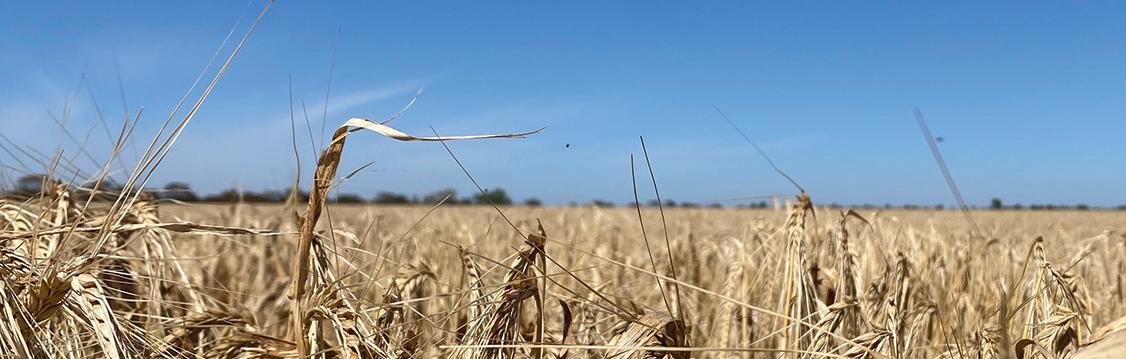
Crops are just starting to poke their heads through the ground, emerging barley crop green is one of my favourite colours.
We will finish sowing the last paddock at Kerang this week which is a full month earlier than last year and we have done a better job. In breaking news, I actually sat on the air seeder for a day before the rain, for the first time ever. By the end of the day, I’d half learned how to use the GPS.
At the start, however, I managed to create some beautifully not-so-straight lines - artistic, I prefer to call them - that will give my employees plenty of ammunition to laugh at their boss for years to come.
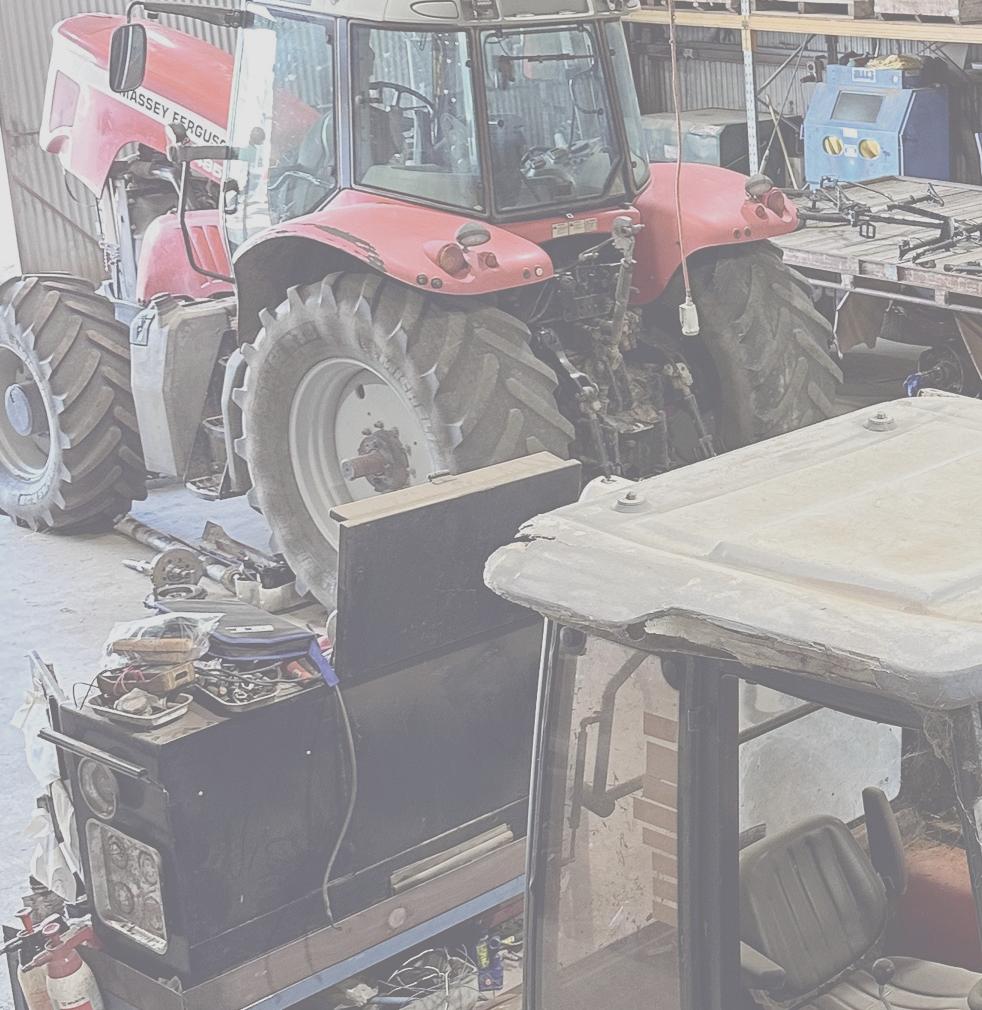
Thank you to Jason Collins from Swan Hill Wholesalers who has lent us a fridge truck while ours is out of action getting a motor rebuilt.
Swan Hill Wholesalers have been a very big part of our business from the get go.
They gave us support before we probably deserved it, they have been faithful at every turn in trying to get a small local food producing business off the ground.
I should be concerned about the spring and lack of irrigation water and the super El Nino (sounds like something out of Sesame Street), but I’m not.
I don’t even know where the panic button is located at the moment so I can’t hit it. Besides, I have other things to do, when wild animals are left to their own devices - they party, they travel, they run wild.






Peter Bannan
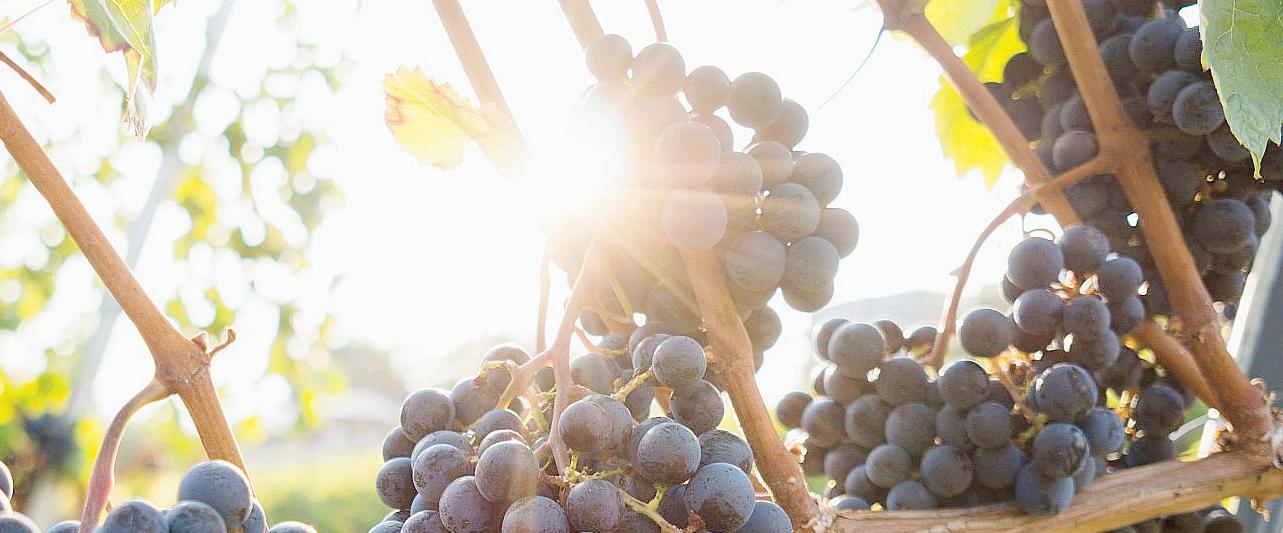
WINEGRAPE growers across the Murray Valley are facing mounting uncertainty over fuel and fertiliser supplies after a season many say they would rather forget.
Murray Valley Winegrowers chair Chris Dent said growers had largely made it through harvest without major fuel disruptions, but concerns were now shifting towards soaring input costs and fertiliser availability ahead of spring.
“Fuel on its own isn’t down the list of our biggest costs, but fuel, fertiliser and chemicals together have some impacts,” Mr Dent said.
“It’ll be interesting to see what the price is and what the availability of fertiliser is come springtime.”
Mr Dent’s concerns come amid growing fears about supply disruptions linked to conflict in the Middle East.
Diesel prices have surged across Australia in recent weeks, while fertiliser supplies have also tightened.
According to the Australian Farm Institute, diesel accounts for 84 per cent of total energy use in primary industries, while Rabobank found Australia imports more than 90 per cent of its urea fertiliser.
Member for Murray Helen Dalton warned Australia’s dependence on imported fertiliser was becoming a national security risk.
“When the Strait of Hormuz is under pressure and urea prices spike overnight, it is Murray farmers who absorb the hit,” Ms Dalton said.
Federal Agriculture Minister Julie Collins has met with industry leaders and said there was currently enough fertiliser either in Australia or on the water for the immediate planting season, although shortages could begin emerging later this year.
Australian Grape and Wine chief executive Lee
McLean said grape and wine businesses remained highly exposed to rising input costs and supply chain uncertainty.
At a local level, Mr Dent said many growers were already under severe financial pressure following a disastrous vintage marked by low grape prices, weak demand and devastating rain events.
“We went into the season knowing grape prices were pre y ordinary and demand was very low,” he said.
A March deluge proved catastrophic for many vineyards across northern Victoria and the Sunraysia region.
“We had five inches of rain at the worst time ever as a grape grower,” Mr Dent said.
“Some fruit went completely mouldy and ro en within about 10 days of the rain.”
Mr Dent said later-ripening varieties such as shiraz were particularly hard hit, with some crops left unsalvageable.
“It’s not one we really want to remember,” he said.
Mr Dent fears the financial strain may force more growers out of the industry, particularly older family operators nearing retirement.
“There’s some pre y tough stories out there,” he said.
“A lot of small growers treated the vineyard as their super fund, but sadly in the current scenario it’s not realising what they hoped.”
Mr Dent said younger generations were increasingly reluctant to continue family vineyards as uncertainty deepened.
“Itmightbecomethefinalpushforsomegrowers to stop growing grapes altogether,” he said.
A March deluge proved catastrophic for many vineyards across northern Victoria and the Sunraysia region. Picture: Supplied
Dr Webster said the scale of the oversupply was significant.
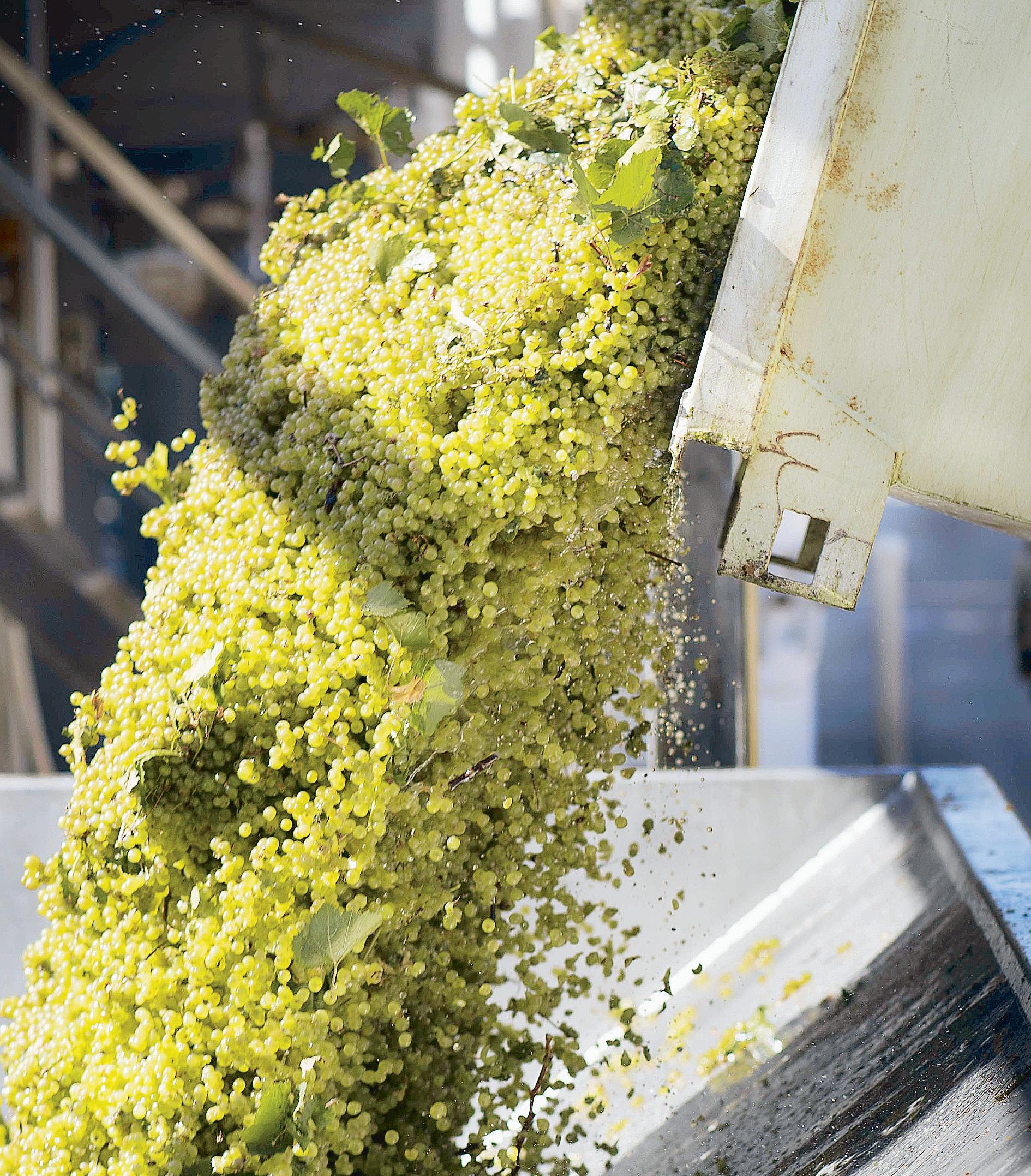
A PUSH is underway to investigate whether Australia’s massive wine surplus could be turned into ethanol as fuel shortages and rising costs hit regional industries.
Anne Webster said The Nationals were backing calls for Commonwealth funding to explore converting surplus wine into biofuel, arguing the country’s wine glut and fuel supply concerns had created the “perfect scenario” for investment.
The Member for Mallee said she had spent years advocating for a domestic biofuels industry while the wine sector struggled under an estimated 260 million litre oversupply si ing in storage.
“For years the wine industry has been under huge pressure with low prices paid to winegrape growers because so much wine is in storage,” Dr Webster said.
“Australian farmers, our transport and manufacturing industries and motorists need fuel supplies to be supplemented by biodiesel and ethanol production.”
Nationals leader Ma Canavan publicly backed a wine-to-ethanol investigation during a speech in Griffith, while Dr Webster has contacted Treasurer Jim Chalmers urging research funding be included in the Federal Budget.
“Apparently the wine oversupply equates to about two days’ worth of Australia’s fuel needs,” she said.
She also argued a biofuels facility could provide future diversification for table grape growers facing export disruptions.
“Rather than dispose of grapes that are no longer fresh enough for export, a processing facility into ethanol would be an ideal alternative,” she said.
Dr Webster said the Mallee was well positioned for potential ethanol or biodiesel processing plants because of its location between Victoria, New South Wales and South Australia, where much of the excess wine was stored.
But industry leaders remain sceptical the idea stacks up financially without major government subsidies.
Chris Dent, chair of Murray Valley Winegrowers and manager of Gorton Drive Estates near Swan Hill, said the concept had been examined repeatedly before.
“I guess it’s not silly, but once you start digging into it, it becomes cost prohibitive by a long shot,” Mr Dent said.
“There’s abundance of wine, that’s for sure, but sadly that wine is worth way more than what you’re going to get for fuel.”
Mr Dent said estimates suggested it could cost about “$5 to make $1 worth of ethanol”.
“A lot of our excess wine is actually already in bo les. There’s another practicality that’s kind of out of the realms of possibility,” he told North West Farmer.
Mr Dent pointed to France, where surplus wine has previously been converted into ethanol and industrial alcohol, but said those programs relied heavily on taxpayer support.
“That’s the only way it happens. The government would have to tip in serious money because it just won’t stack up commercially,” he said.
Tresco grower Colin Free said turning wine into spirit rather than fuel was often a more realistic option and was already used overseas.
“The industry is in a world of pain and the government could be assisting with serious money to greatly expand exports,” Mr Free said.
“So many amazing wines are produced in Australia, and the industry creates a lot of tax for the government, but when we have too much of a good thing and look to government support, unless you’re a flag or a frog you can forget it.”


Amy Hyde
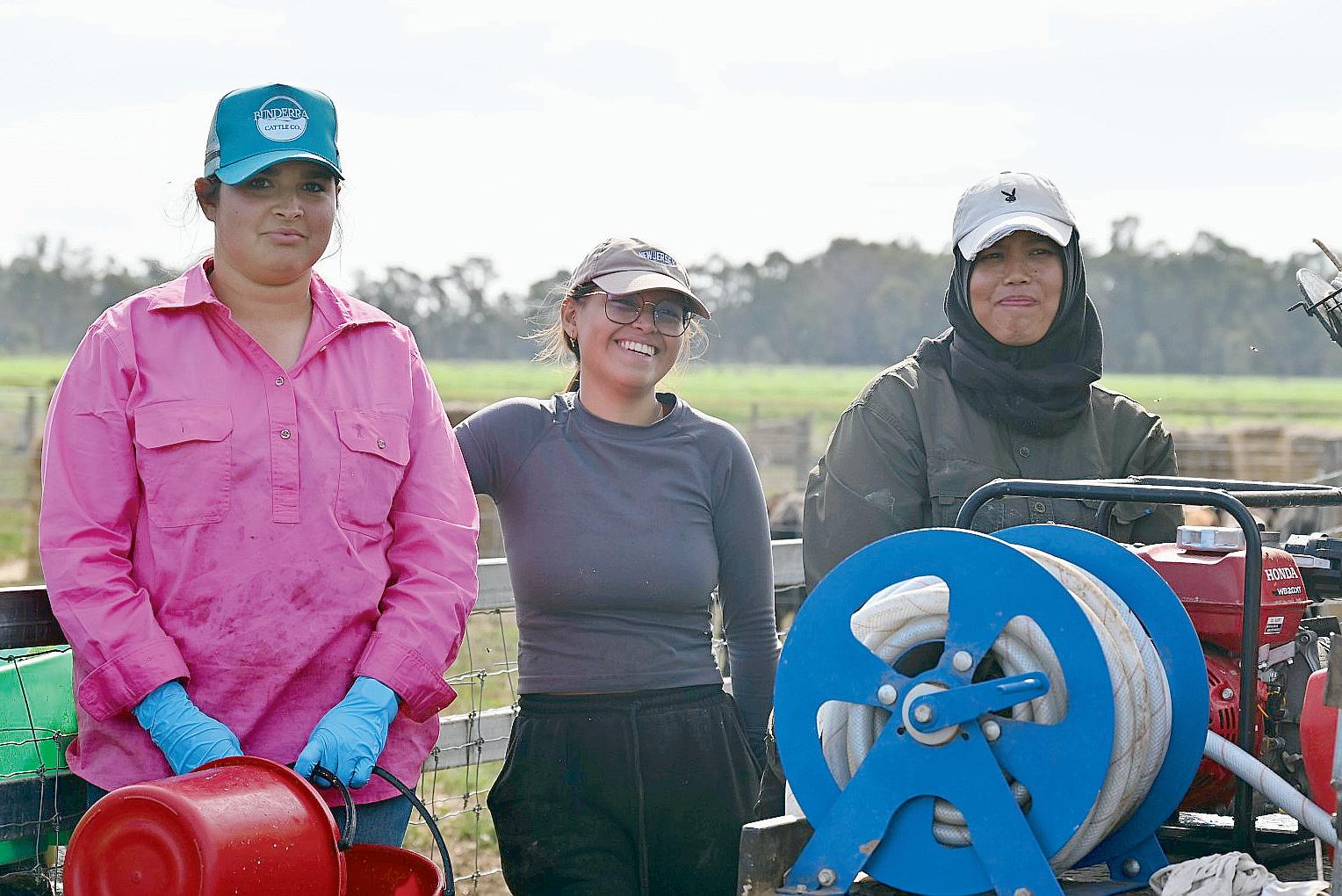
FOR many dairy farmers across the Mallee, overseas workers have become the backbone of an industry struggling to a ract local labour. What began as a practical staffing solution has grownintosomethingfardeeperforBethuneLane founders Sally and Paul Bethune, who say their international staff have become an essential part of the business.
“We weren’t necessarily finding a lot of Australians who wanted to milk cows five or seven days a week, and that doesn’t mean there’s none, they just don’t live in our region,” Mrs Bethune said.
“Over the years, we have built great partnerships with our international staff who are here on a bunch of different visas for a bunch of different purposes,” she said, noting there were mutual benefits for both the overseas workforce and dairy farmers.
“We get a workforce that is willing to learn, and they get to work in an Australian industry that helps them fulfill their goals,” Mrs Bethune said. Through work visa programs and the Pacific Australia Labour Mobility (PALM) Scheme, overseas workers are increasingly filling critical labour gaps across the dairy industry. Since its inception in April 2022, the PALM Scheme has allowed businesses across Australia to hire temporary workers from nine Pacific Islands and countries for up to nine months.
Mrs Bethune said workers in Australia through the PALM Scheme had helped fill seasonal labour gaps while progressing their own goals.

“For our PALM Scheme workers, their goal is to make money and send it back home to their families on the Pacific Islands, and for us, that works perfectly because we are a seasonal business,” she said.
“They work for nine months, they earn money, they send it home. They go home for three or four months and see their families. And then for us, it’s been wonderful that some of our PALM Scheme guys have wanted to come back and work for us again,” she said.
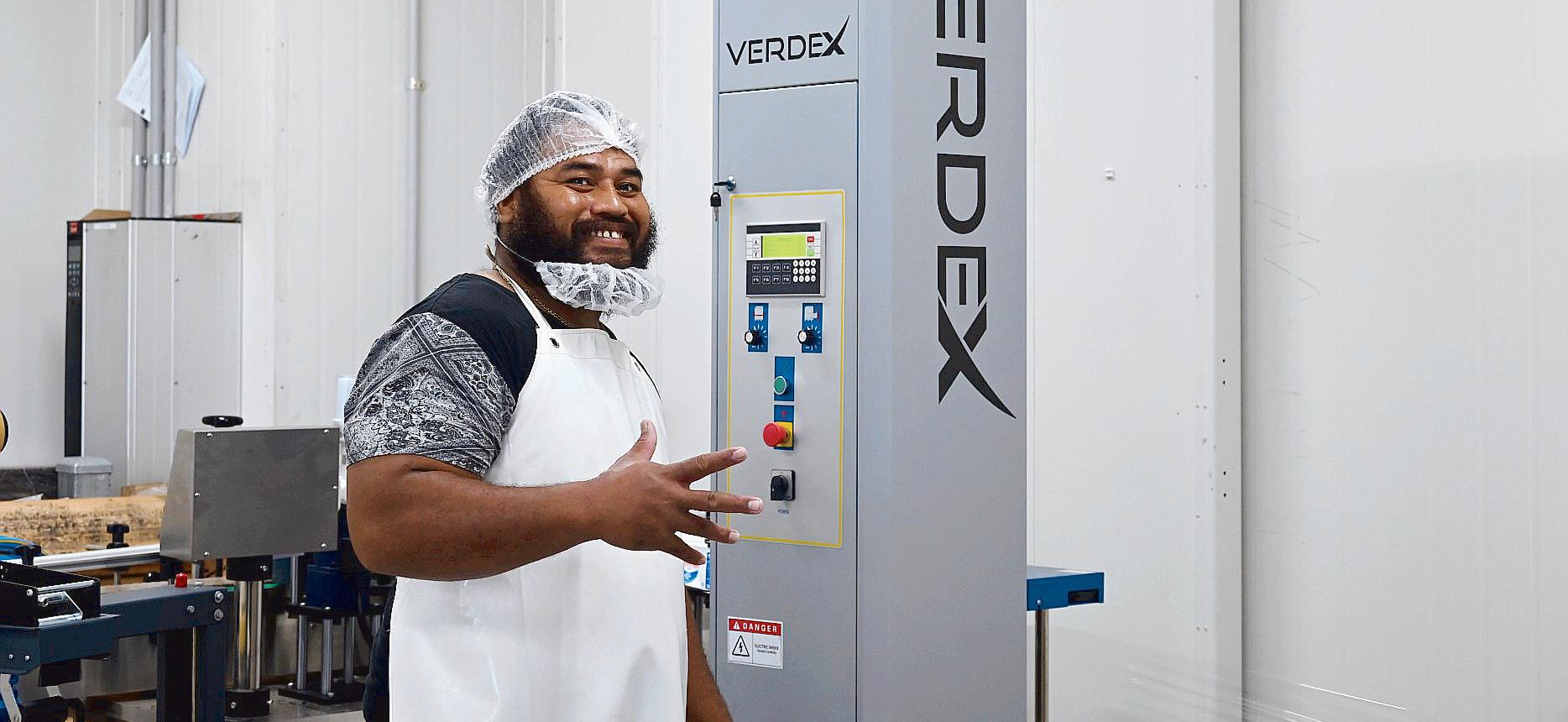
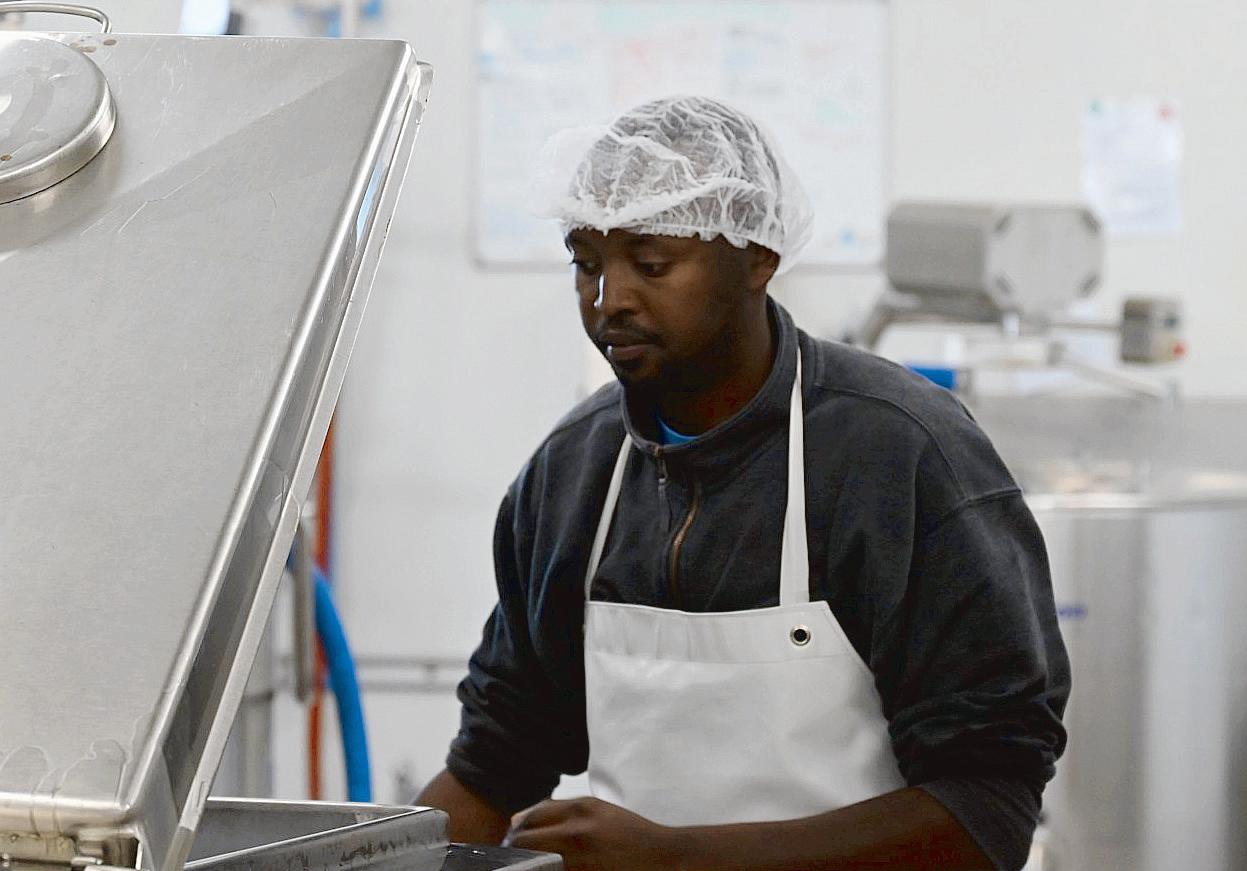
Among those building a life in the Mallee through the dairy industry is Eric, who brings a range of critical skills from Kenya.
“I have worked on a farm in Kenya and in Saudi Arabia,” Eric said.
“I work in a few roles here because I understand what is happening in the Milk Enhancement Centre (MEC) and I also have experience working on the farm side of things.”
MrsBethunesaidit’snotuncommonforworkers hailing from Kenya and the Philippines to work in farms in Saudi Arabia before applying for work visas in Australia.
“Workers from Kenya and the Philippines tend to go to Saudi Arabia and work on a big farm there for some years,” she said, noting some operations ran up to 100,000 cows.
“They’ll work there, and that’s where they build up their skills, and then they have enough experience and skills that they’re qualified for a skilled dairy visa from Australia,” Mrs Bethune said.
“It’s great that people like Eric can come from overseas with skills and experience.”
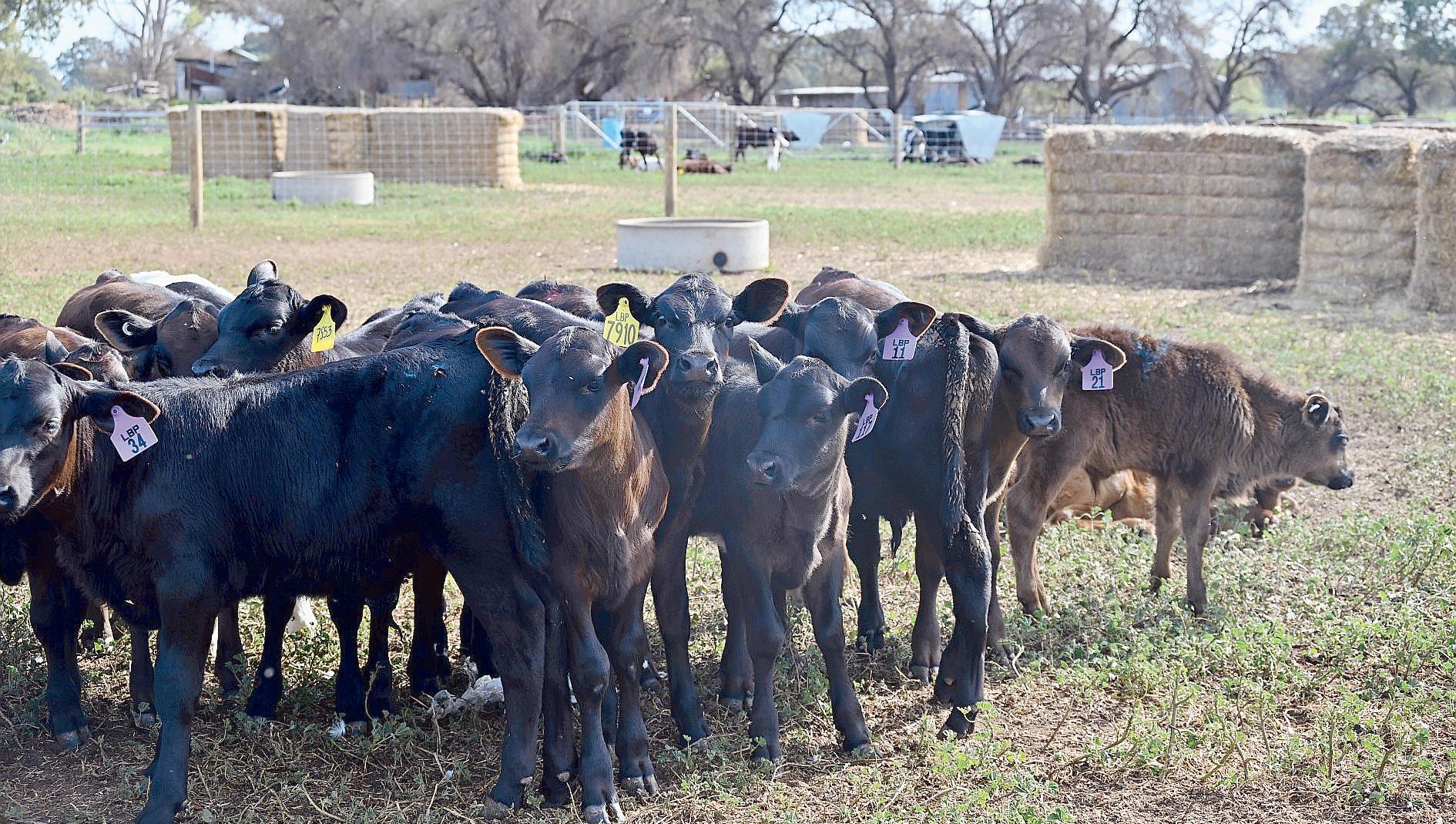
Calf-rearing staff Nova and Jaensly are also a part of Bethune Lane’s growing international workforce,helpingmanageoneof thefarm’smost labour-intensive areas.
Their presence highlighted the range of educational and professional experience among the international workers contributing to the Mallee dairy industry.
Nova, who hails from Indonesia, brings valuable experience in animal husbandry, while also studying marketing and communications on a student visa.
Meanwhile,Jaensly,whohasreturnedtoBethune Lane for her third season, was seeking a change of paceandthechancetoexplorenewopportunities.
“IwasstudyingarchitectureinPeruandIneeded a break so I thought I would come here to travel and find some new opportunities,” Jaensly said. Mrs Bethune said maintaining staff happiness was a priority, with the business making an effort totailorexperiencesandsupporteachindividual’s needs and goals within the industry.
“Like all our staff, whether they’re international or Australian residents, we employ people, and over time we learn their skills and interests, and try to give them as many opportunities as possible to do the work they enjoy,” she said.
“No one loves their job 100 per cent of the time, but as long as they can do 70 to 80 per cent of the things that they like, then that’s a win for everyone.”


The crew at Goodyear Curlewis Street have all your commercial tyre needs covered, from truck to tractor tyres and repairs – we do it all.
Stocking the biggest range of tyres in the area at competitive prices. With our on farm service truck, we have all your on site jobs and after hours call outs covered, we will keep you on the road or in the paddock.








Warnings Information at www.bom.gov.au/vic/warnings or Ph: 1300 659 210 (local call cost)
Information at www.bom.gov.au/vic/warnings or Ph: 1300 659 210 (local call cost)
Swan Hill Sun protection recommended 11:40am-1:10pm
Swan Hill Sun protection recommended 11:40am-1:10pm
Mallee
Mallee Forecast
Mostly sunny. Light winds becoming northeasterly 15 to 20 km/h during the morning. Saturday. Cloudy. Very high chance of showers. The chance of a storm in the northwest in the morning and afternoon. Winds northeasterly 15 to 25 km/h becoming light during the evening.
Victoria
Mostly sunny. Light winds becoming northeasterly 15 to 20 km/h during the morning. Saturday. Cloudy. Very high chance of showers. The chance of a storm in the northwest in the morning and afternoon. Winds northeasterly 15 to 25 km/h becoming light during the evening.
Victoria
Showers developing in the west. Dry and mostly sunny elsewhere. A mild day with moderate north to northeasterly winds. Saturday. Showers increasing in the west, possibly extending over central parts later. A mild day with moderate north to northeasterly winds.
Showers developing in the west. Dry and mostly sunny elsewhere. A mild day with moderate north to northeasterly winds. Saturday. Showers increasing in the west, possibly extending over central parts later. A mild day with moderate north to northeasterly winds.
Sun and Moon
River Heights
© Commonwealth of Australia 2026 www.bom.gov.au Issued May 13, 2026
© Commonwealth of Australia 2026 www.bom.gov.au Issued May 13, 2026

7:17am5:28pm10:04am7:31pm 7:17am5:27pm11:03am8:44pm
Capacity% FullCurrentChangeLast Year Dartmouth3,856,23265.22,513,4565,9122,900,767 Hume3,005,15722.0661,50019,353676,273 Eildon3,334,15840.31,344,5679771,985,658 Others1,421,54551.6733,786-11,890818,191 Total11,617,09245.25,253,30914,3526,380,889
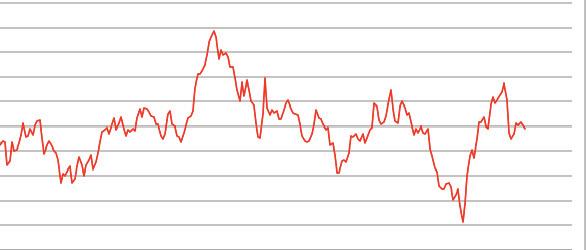
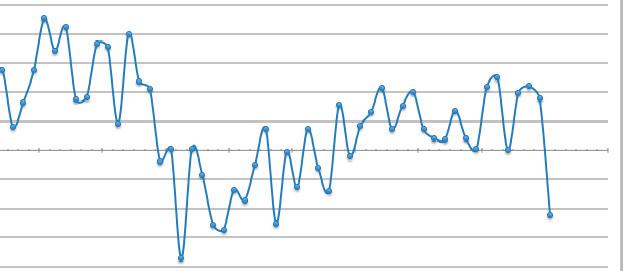







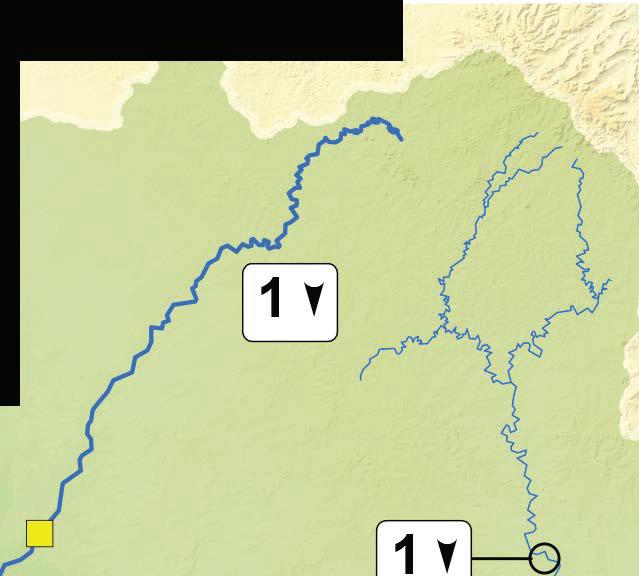

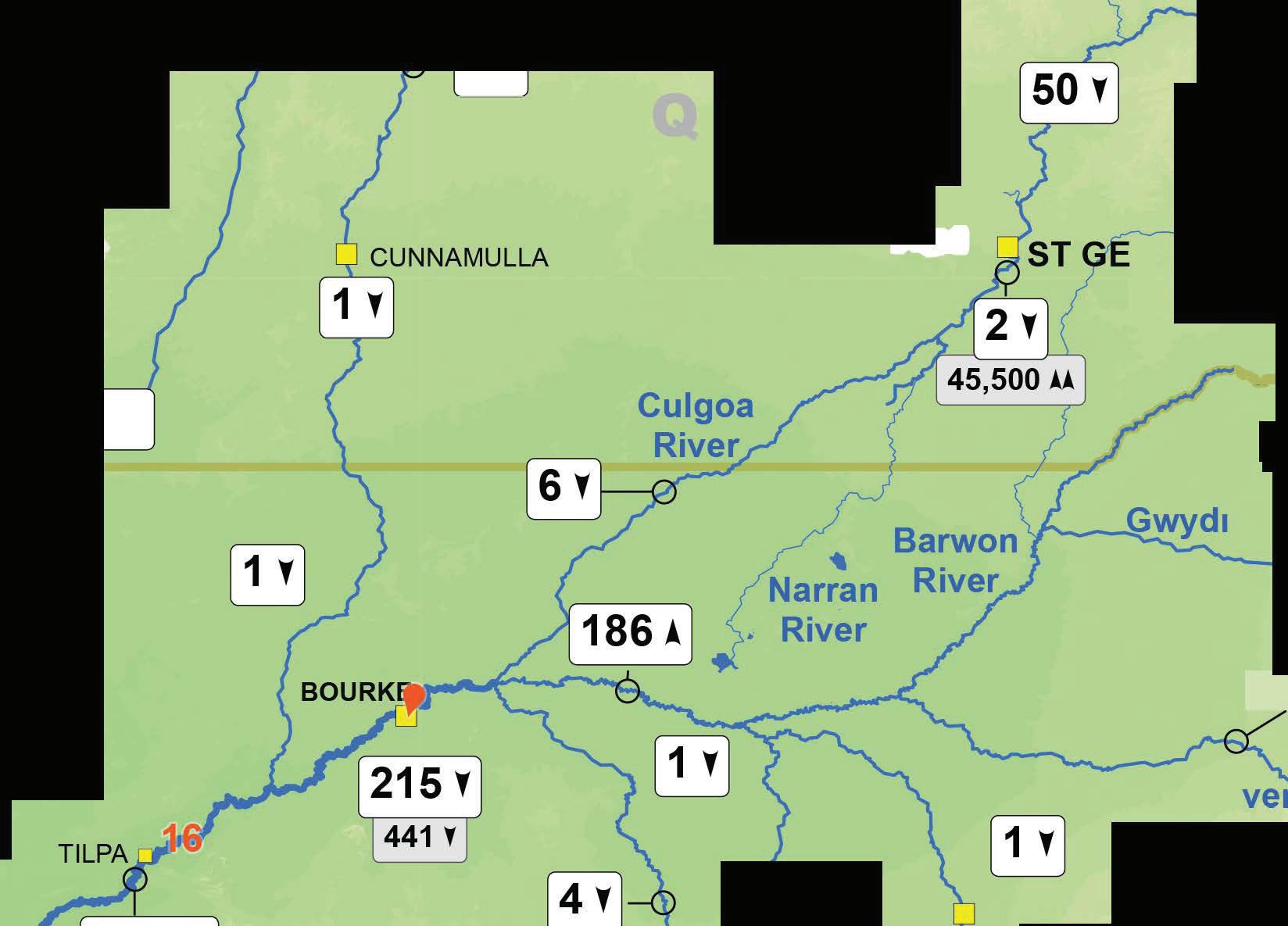
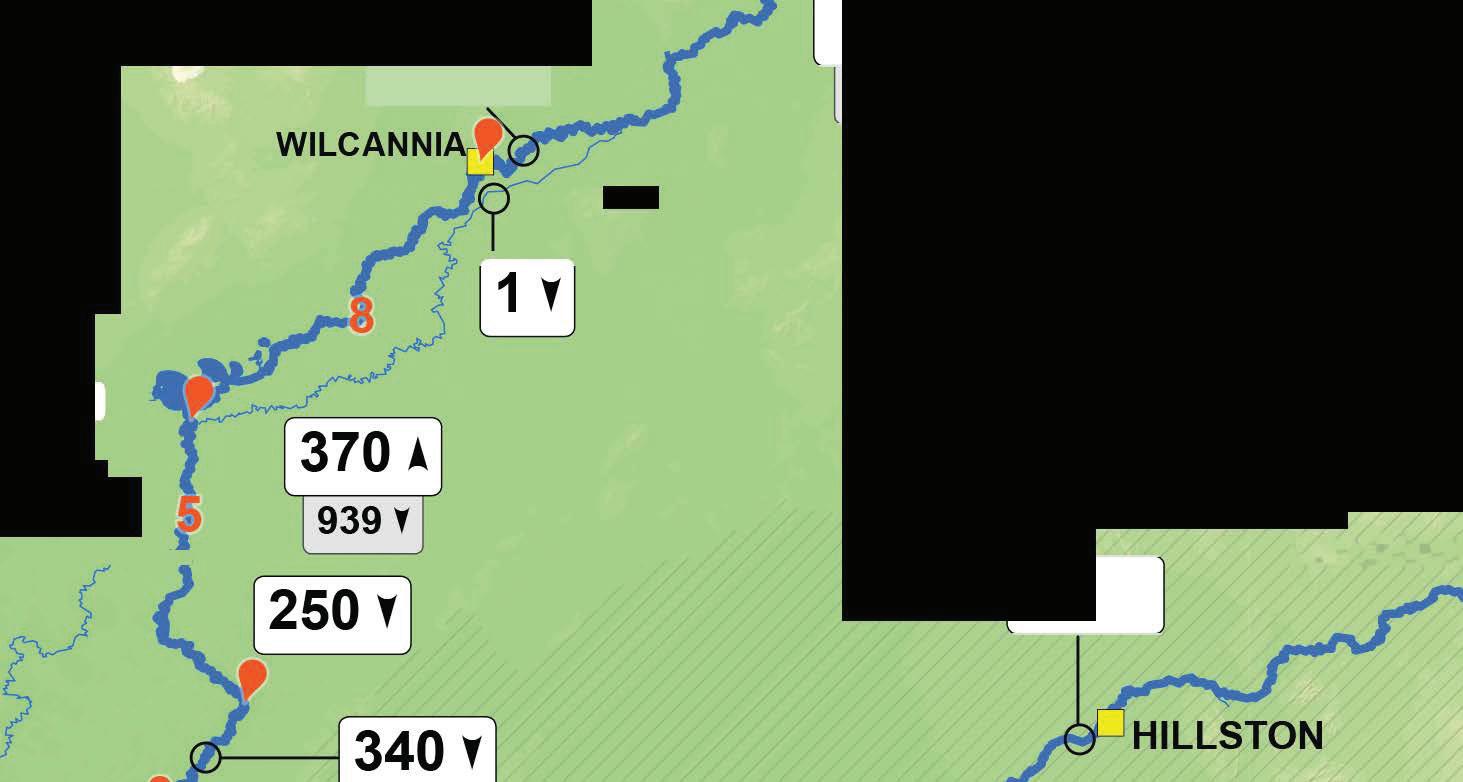





















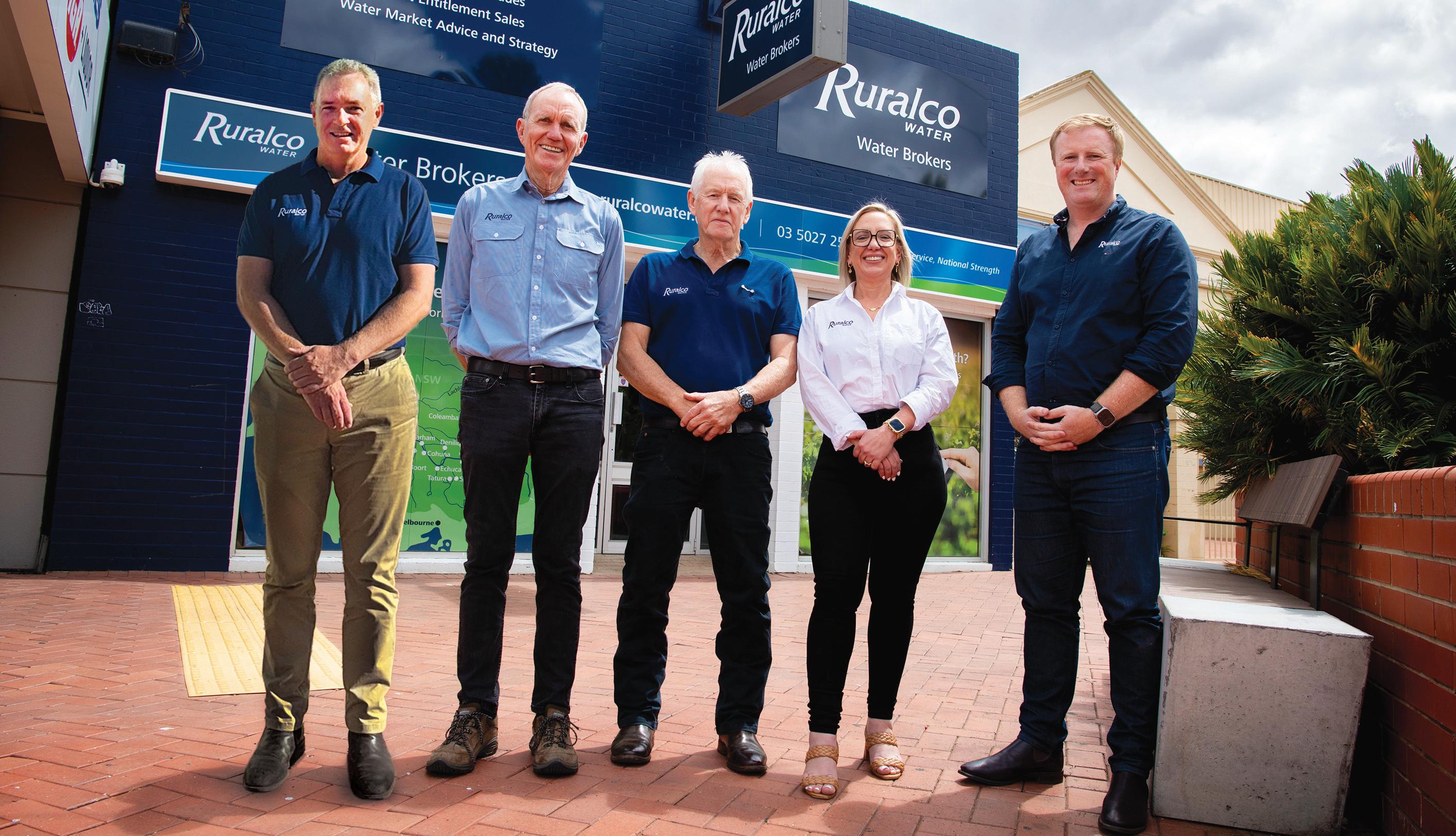
There has rarely been a more critical time for irrigators to plan for the coming season.
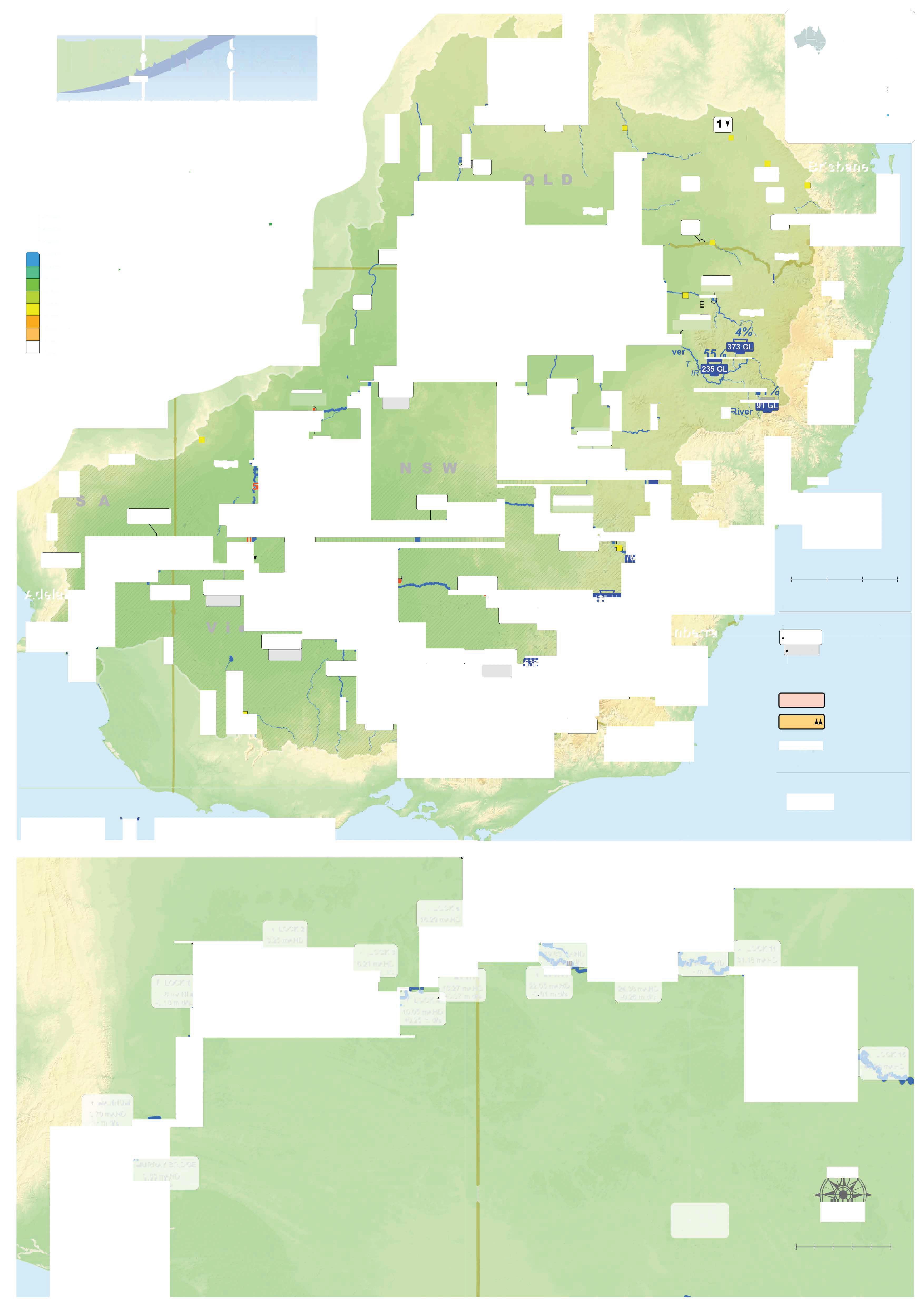
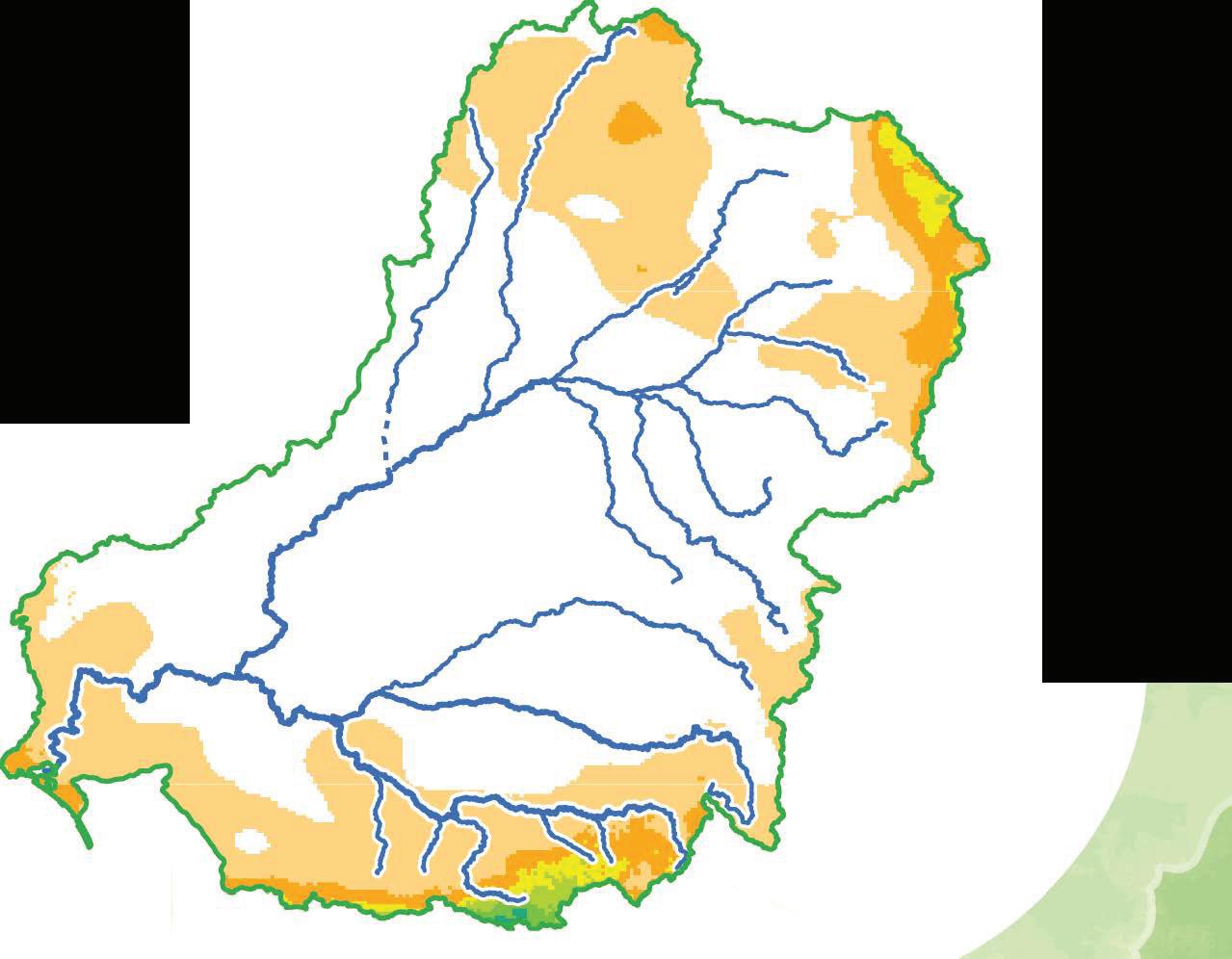
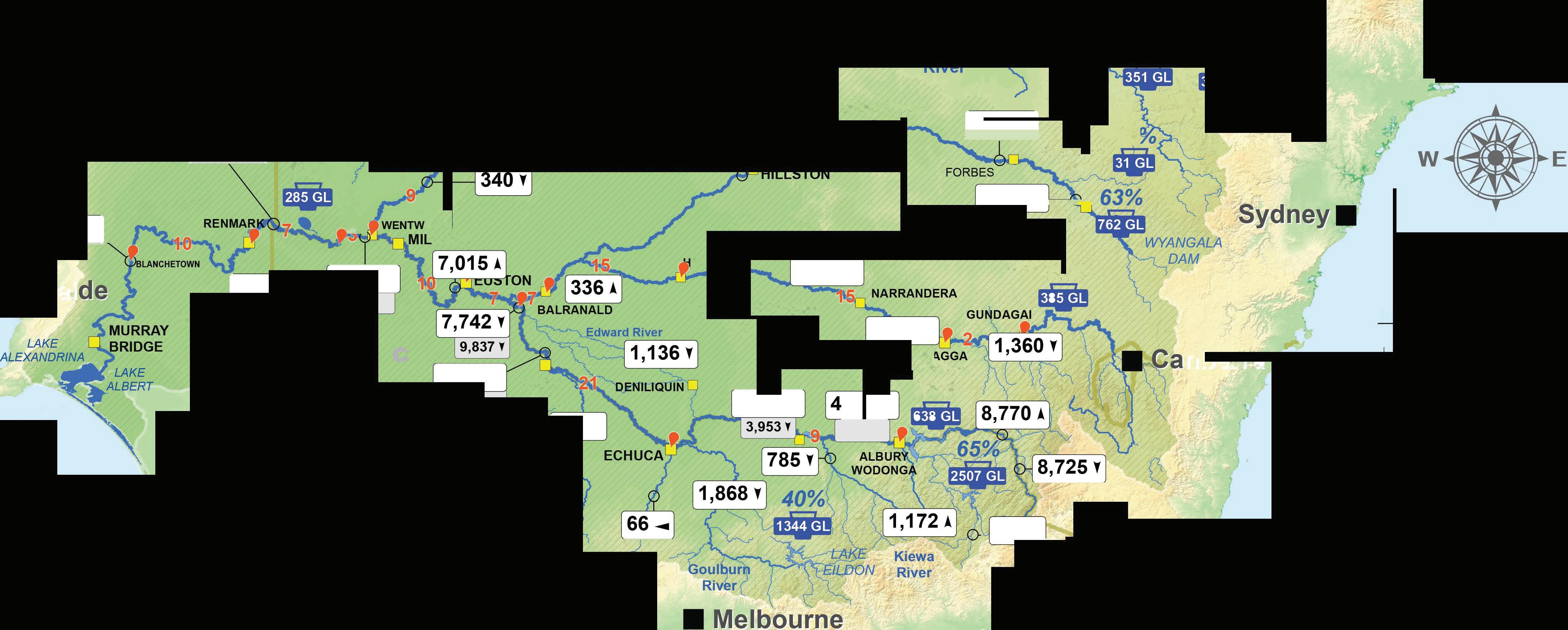
Water availability across the Southern Murray–Darling Basin continues to emerge as a key issue ahead of the 2026–27 season, with early allocation projections pointing to a potentially challenging year for irrigators across Victoria, South Australia and New South Wales. Figures from the Murray–Darling Basin Authority (MDBA) show that major Southern Basin storages are currently sitting at around 44% capacity, down from 52% at the same time last year. While recent rainfall has provided some short-term relief for on-farm irrigation demands and winter crop preparation, the broader picture reflects ongoing dry conditions across much of the Southern Basin.
In Victoria, early modelling under a dry inflow scenario indicates opening allocations for Murray High Reliability Water Shares at around 17%, with zero opening allocations projected for Goulburn High Reliability Water Shares. While allocation levels can change as the season progresses, particularly following a significant rainfall event, increasing variable climate patterns have made allocation outcomes more difficult to predict with confidence.
OnFriday15May,followingpublicationofthispublication, the Northern Victorian Resource Manager (NVRM) is expected to provide an updated seasonal determination outlook, including the current risk of spill. At the time of writing, the risk of spill is estimated at around 35% in the Murray system and approximately 10% in the Goulburn. This announcement is likely to influence irrigators’ decision-making around carryover and may drive increased demand for carryover capacity (often referred toas“parking”),particularlyforlowreliabilityentitlements in the Murray, being the risk of spill is greater. There is currently approximately 398GL of privately held unused water in the Goulburn system and around 364GL in the Victorian Murray (below the Barmah Choke), Zone 7. Despite low opening allocation projections, these volumes highlight the amount of
water that may be carried over into the new season.
Providing a sense of optimism amongst water users.
Conditions in New South Wales appear more constrained, particularly for General Security licence holdersintheMurrumbidgeeandNSWMurraysystems. Early projections suggest these users should prepare for zero or very low opening allocations at the start of the 2026–27 season.
In South Australia, the projected minimum ( or worstcase) opening allocations for Class 3 River Murray irrigators for the 2026–27 water year is at 62%.
Historical comparisons are already informing market expectations. In previous low-allocation years, such as 2019–20, allocation markets experienced sharp price increases. This experience appears to be influencing
current trading behaviour, with some irrigators seeking tosecurewaterearlierorretaincarryoverwherepossible. While many irrigators remain focused on day-to-day operational decisions, the combination of below-average storage levels, conservative opening allocation projections and historically responsive markets suggests early planning for the 2026–27 season may be prudent. As has been demonstrated in past low-allocation years, water markets tend to move quickly once supply constraints become clear. How the season ultimately unfolds will depend heavily on winter and spring inflows, but early indicators point to another year in which water availability, and its cost, will remain central to decisionmaking across the Southern Basin.
– Wendy Saunders

Over the past week, rainfall across the Southern Basin has been limited. While the Bureau of Meteorology is forecasting a potential rainfall event this weekend, it remains to be seen whether this will materialise into anything meaningful.
With final irrigation days now underway for Goulburn–Murray Water channel districts and overall irrigation demand beginning to ease, temporary allocation prices have softened slightly over the past week.
Forward allocation agreements are receiving increased attention, as growers and corporate operators look to manage exposure to potential water availability and price volatility next season. Despite these ongoing seasonal uncertainties, confidence in the permanent entitlement market appears to be improving. Buyer activity has increased, with renewed interest in water entitlements as part of longer term business and risk management strategies.