


AUSTRALIAN farmland prices are expected to grow modestly in 2026, continuing the trend seen over the past year, Rabobank says in its latest annual Australian Farmland Price Outlook.
The report, by the specialist agribusiness bank’s RaboResearch division, says the outlook for agricultural land prices in 2026 points to “moderated” growth, with the median price per hectare set to increase by approximately two per cent in its “base case” forecast.
This expectation is driven by the combination of a mixed outlook for agricultural commodity prices, elevated farm input costs exacerbated by the Iran war and the prospect of further interest rate increases.
It follows similarly constrained growth in Australian farmland values last year, the bank says, with the median price per hectare of all agricultural land types nationally increasing by 0.4 per cent in 2025. While this was a turnaround from a 2.6 per cent decline seen in 2024, it was considerably below the averaged annual growth rate of approximately 11 per cent over the past decade.
Report lead author, RaboResearch commodity analyst Paul Joules said the bank’s view was that the market had now transitioned into a new phase, characterised by more moderate growth and that this cycle was likely to persist over the coming years.
“Our base case forecast expects Australian agricultural land values to continue rising in 2026, with the median price per hectare projected to increase by around two per cent yearon-year,” he said. “And the expectation is for similarly moderate growth in land values from 2026 to 2031, with the market having firmly entered a weaker growth cycle, driven by higher
The Border Watch
Address: Level 1 / 1 Commercial Street East, Mt Gambier SA 5290
Telephone: 08 8741 8170
Website: www.borderwatch.com.au
Hamilton Spectator
Address: 84 Gray Street, Hamilton, Vic 3300
Telephone: 03 5572 1011
Website: www.hamiltonspectator.com.au
Portland Observer
Address: 92 Percy Street, Portland, VIC 3305
Telephone: 03 5522 3000
Website: www.portlandobserver.com.au
CONTACT US
Editorial: Email: editorial@agtoday.com.au
EDITORS: Elisabeth Champion
E: elisabethchampion@tbwtoday.com.au
Marlene Punton
E: marlene.punton@portlandobserver.com.au
Advertising:
Email: advertising@agtoday.com.au
ADVERTISING CONSULTANTS
Leesa Cook
E: leesa.cook@portlandobserver.com.au
Sierra Laird
E: sierra.laird@portlandobserver.com.au
Alicia Galloway
E: alicia.galloway@hamiltonspectator.com.au
Shannon Benge
E: shannon.benge@hamiltonspectator.com.au
Christine Cock
E: christine.cock@tbwtoday.com.au
Christine Black
E: christine.black@tbwtoday.com.au
Josh Phelan
E: josh.phelan@tbwtoday.com.au
Published by SA Today Pty Ltd. ACN 644 311 937
interest rates and softer commodity pricing.” 2025 prices “held firm”
The report said the bank’s analysis – of a highquality data set sampling Australian commercial sales across the country analysed by a team of professional appraisers* – found Australian agricultural land values had “held firm” in 2025. This was despite a complex environment for agricultural commodities across the course of the year, RaboResearch said.
Mr Joules said lower interest rates had likely helped underpin market stability, with the official cash rate cut by 75 basis points over the course of 2025.
Farmland price growth in 2025 was found to have been driven by grazing land, which recorded a three per cent increase in median price per hectare on the previous year. This contrasted with arable (cropping) land values, which declined by one per cent over the same period.
“Land purchasing conditions improved year-on year in 2025,” Mr Joules said, “supported by three RBA rate cuts over the year. This made land acquisitions more attractive, particularly in the latter part of the year.
“Strong returns in the livestock sector help explain why most price appreciation occurred in grazing land, while in contrast, negative growth in arable land prices partly reflects deteriorating cropping sector margins, which declined year-on-year.”
At the same time, Mr Joules said, farmers had contended with “sticky” input costs through 2025, including elevated fertiliser prices. “However, while grain and oilseed prices were disappointing, a bumper winter crop harvest helped partially offset the impact of lower prices on producers’ overall financial performance,” he said.
Land price moves varied across the country, the report found, with South Australia and New South Wales showing the largest increases in the median price per hectare of grazing land – at 23 per cent and 22 per cent respectively. New South Wales though also saw the biggest fall in arable land prices in the nation – with the median price per hectare of this land type in the state declining by 11 per cent. Arable land prices in South Australia however increased the most in the year, with median price per hectare up 13 per cent.
2026 – challenging farm budget conditions Looking ahead, the report said, conditions for farm budgets are challenging in 2026, with
farmers under significant pressure from rising input costs and a mixed income outlook across commodity sectors.
“Taken together, these dynamics imply only modest support for further land-price appreciation and underpin RaboResearch’s view that (farmland) sale activity may slow from current levels,” the report said.
Mr Joules said elevated farm input costs amid the Iran war – combined with rising interest rates – underpinned RaboResearch’s more subdued outlook on farmland price growth in 2026.
“A key challenge, and one likely to remain a recurring theme in 2026, is the supply shock stemming from the Iran war,” he said. “The conflict has already driven fertiliser and diesel prices to exceptionally high levels, which are expected to have a material impact on margin potential across the sector.”
Added to this, Mr Joules said, there are signs the RBA could raise interest rates further in 2026, following two hikes at the beginning of the year.
Grazing land is expected to again “outperform” arable land during the year, with higher projected price growth, the report said, supported by relatively resilient livestock commodity prices.
“Beef prices are forecast to hold up given the strong global demand, although poorer seasonal conditions could see prices ease,” Mr Joules said. “Reduced sheep supply should continue to underpin sheep and lamb prices and the recent lift in wool prices could persist on the back of tightening Australian supply. And while we remain cautious about dairy, farmgate milk prices are expected to remain mostly unchanged.”
Modest improvements were anticipated in grain and oilseed prices, Mr Joules said, with canola potentially benefiting from elevated oil prices. “Nevertheless, global supply could cap upside,” he said.
Mr Joules said forecasts were also indicating El Nino conditions may develop around mid-year. “El Nino conditions typically result in rainfall deficits in eastern and southern Australia and weaken grain and oilseed production,” he said.
Foreign investment
The report said foreign investment in Australian agricultural land had rebounded in 2024/25, following a decline in 2023/24.
Preliminary data indicates a 34 per cent

year-on-year increase in new foreign investment within the agricultural sector, RaboResearch said, with total inflow of capital reaching AUD 7.1 billion in 2024/25.
Mr Joules said Australian Tax Office data indicated livestock land accounted for 87 per cent of foreign-held agricultural land, with foreign investment heavily concentrated in the Northern Territory, Queensland and Western Australia.
Investment performance
The report said when it came to investment performance, Australian farmland had overall generated returns broadly in line with the ASX 200 in the period since 1999. However, there was a “real distinction” in compound annual growth rate (CAGR) over the past seven years, it said.
“Since 2019, farmland has delivered an exceptional CAGR of 10.72 per cent, with residential land the next-best performer at 8.84 per cent,” Mr Joules said. “This reflects the fact the sharp upswing in agricultural land values began in earnest from 2019, likely supported by strong harvests and elevated commodity prices.”
*The report analysed more than 2000 sales from 2025 from a data set comprised of in excess of 16,000 sales across the country since 2019. This high-quality data represents a sample of the Australian commercial farm sales market.
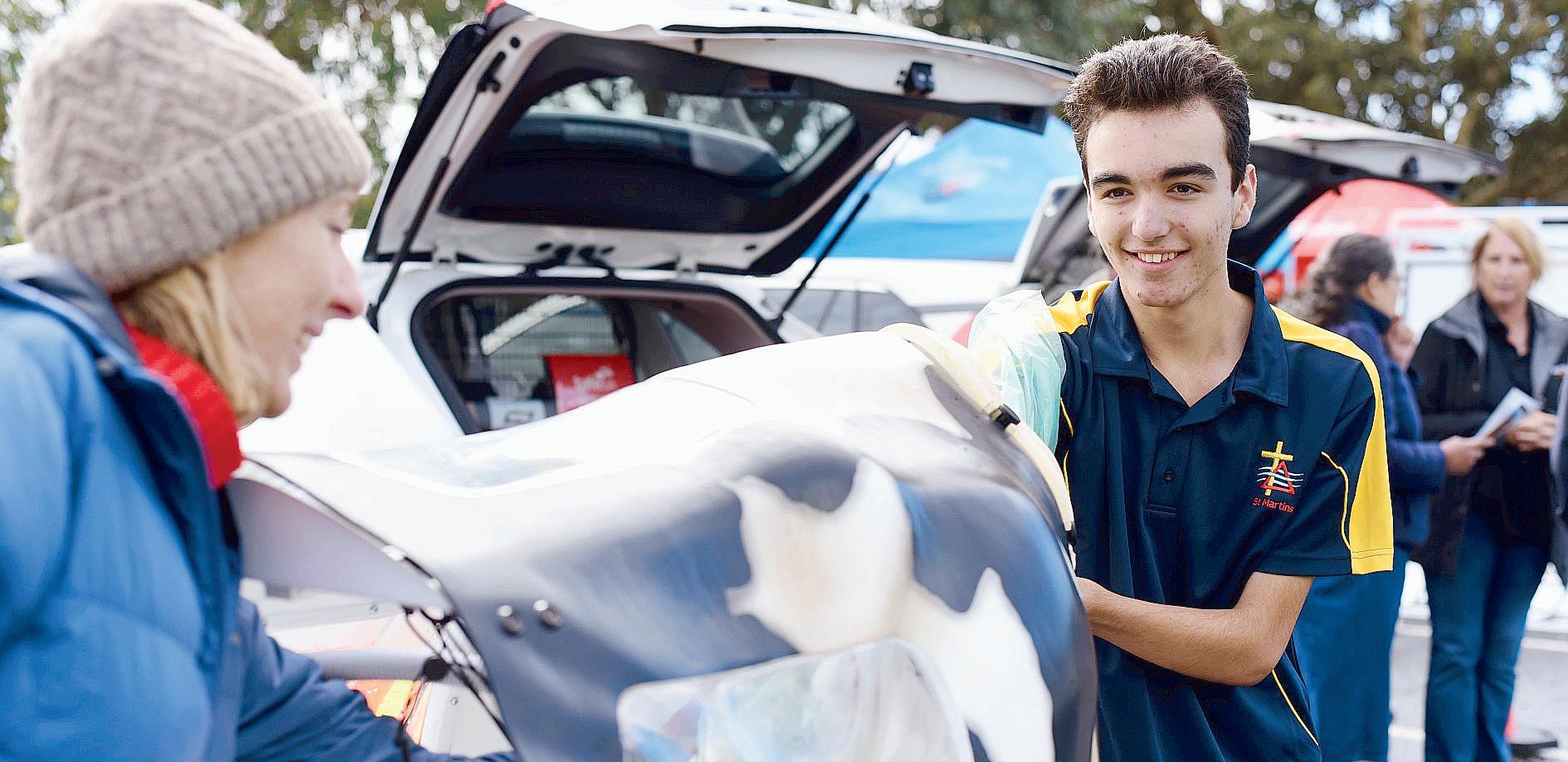
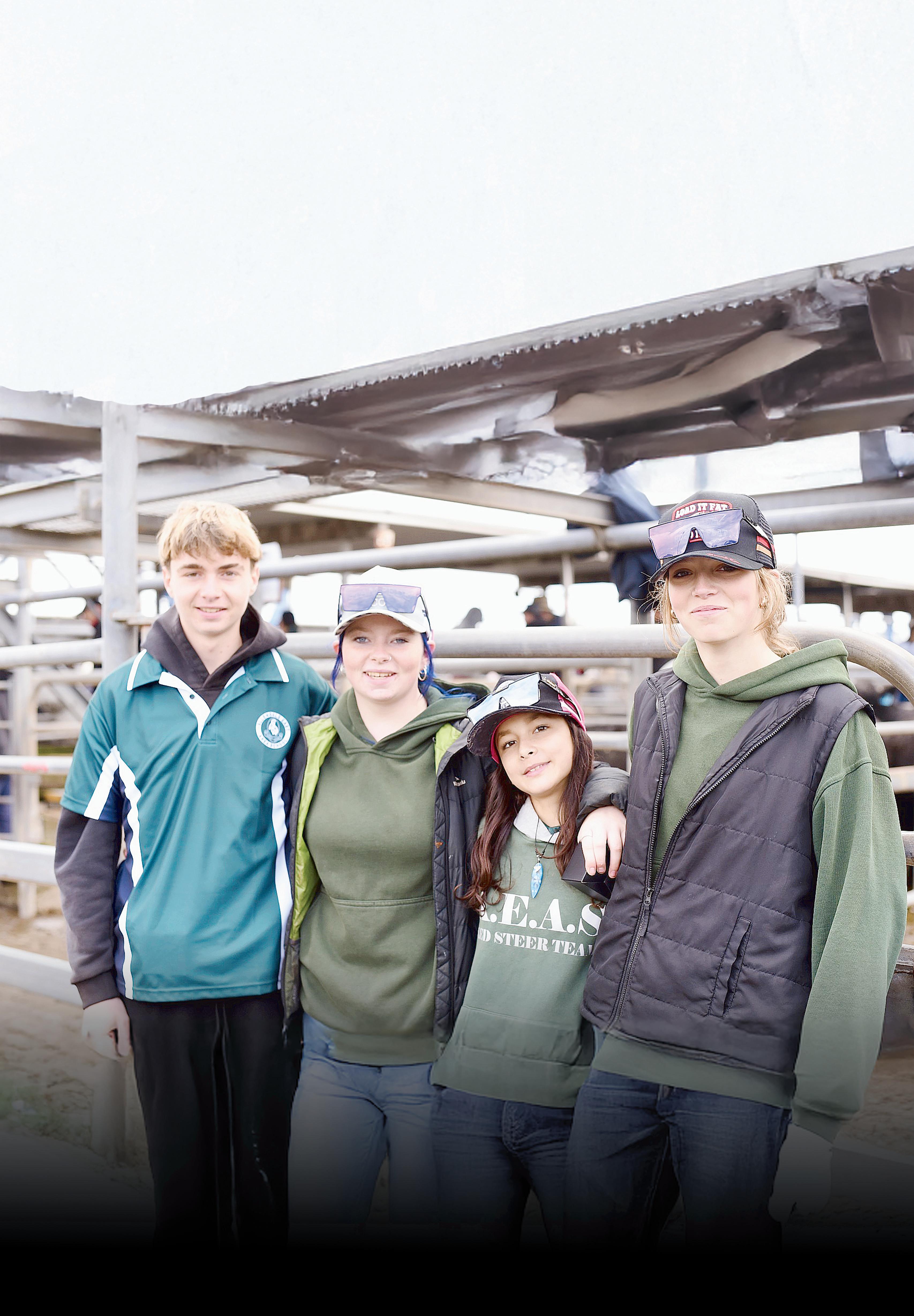
A NUMBER of students gathered at the Mount Gambier Saleyards recently to test out agriculture.
The District Council of Grant’s Youth in Ag event attracted more than 120 students from high schools around the region.
Students were able to see first hand cattle sales, speak with industry leaders as well as get advice on further study in agricultural sectors.
District Council of Grant chief executive officer Gary Button said students travelled from
six schools as far as Lucindale to participate in the day of “immersive education”
“Council has received very positive feedback from the event, and we’re glad to see passion for careers in agriculture from our region’s young people,” Mr Button said.
“It was a pleasure to partner with Workforce Australia Local Jobs on a much-needed experience for youth.
“Council also thanks all the stallholders for contributing to the success of the day, and key staff at the saleyards and in the community development team for pulling together the event.”


NOMINATIONS are now open for the 2026 Agricultural Town of the Year Award, with rural communities across South Australia encouraged to put themselves forward.
The award recognises towns that excel in agriculture and are also great places to live and work, celebrating the strength and vitality of the state’s agricultural sector.
Now in its eighth year, the award is an initiative of the Department of Primary Industries and Regions (PIRSA), delivered in partnership with Solstice Media - owner of InDaily SA and SALIFE.
The winning town will receive a certificate and trophy presented by the Minister for Primary Industries and Regional Development, town entrance signage, a community event and sign unveiling ceremony, media exposure including features and video highlights, a double-page feature in the February 2027 edition of SALIFE, coverage by InDaily SA, and networking opportunities.
Last year’s winner was Lameroo, recognised for its excellence in agriculture, regional development and strong community collaboration after being selected from a record 96 nominations.
Minister for Primary Industries and Regional Development Clare Scriven said South Australia was home to so many agricultural communities which were worthy of being celebrated for the contributions they made to primary industry sectors.

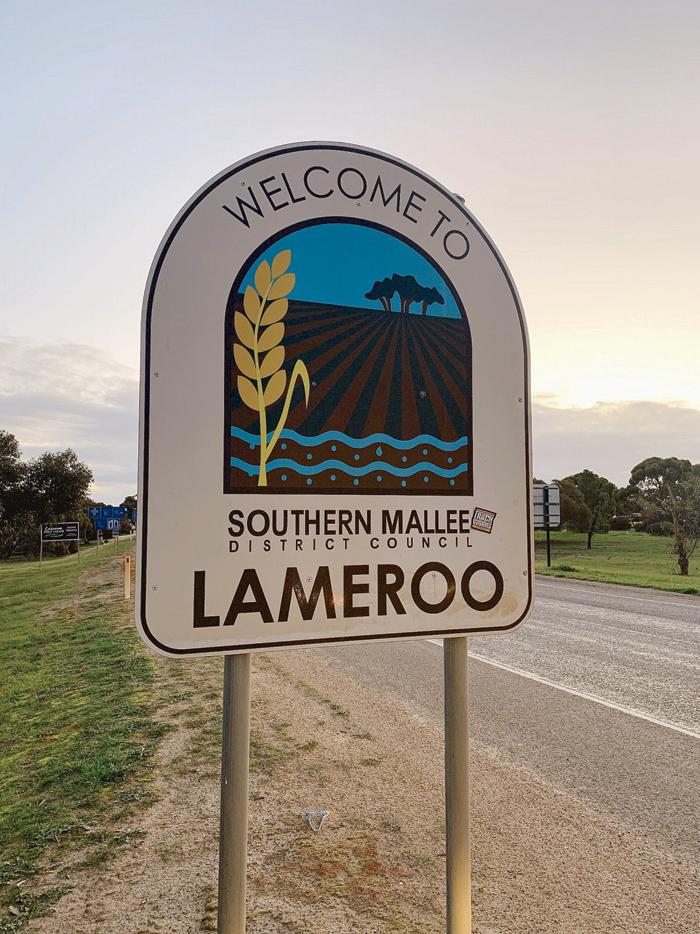
“Every year the Ag Town of the Year Award shines a spotlight on country communities, highlighting their agricultural output, community spirit and why they’re great places to work in or call home,” she said.
Nominations close on 6 May, with finalists announced in August and the winner revealed later this year.

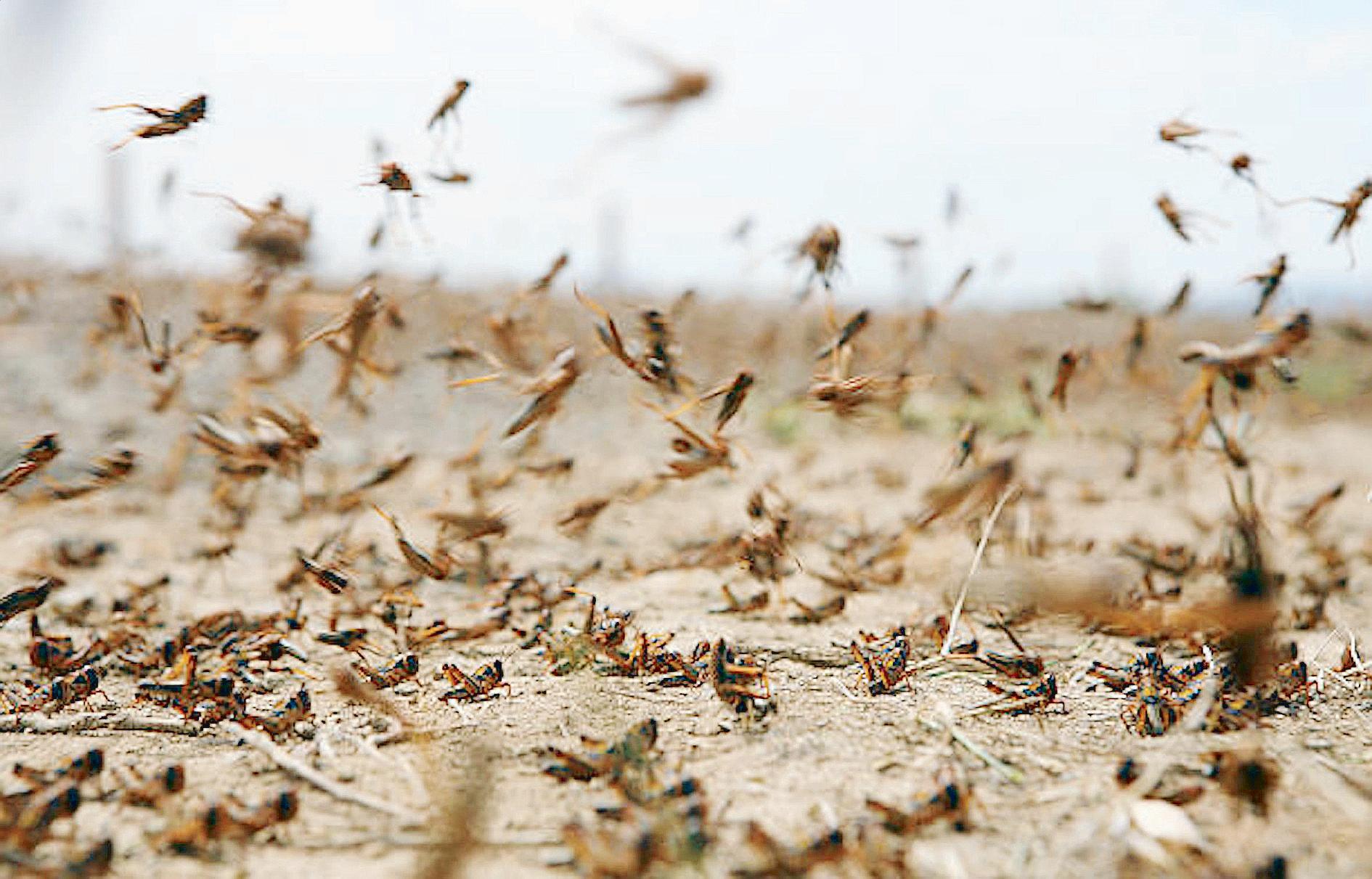
REPORT locust activity in your area - that is the message from Grain Producers SA (GPSA), following increasing numbers across several cropping regions during the early stages of seeding.
Chief executive officer Brad Perry said grain producers in SA should continue to report locusts on farms to the organisation.
“Initial indications are that these locusts may have moved into South Australia from interstate where activity has been building,” he said.
“We’re seeing reports across multiple regions, which suggests this isn’t an isolated issue and reinforces the need for a coordinated and proactive response.”
Mr Perry said GPSA was working with the Department for Primary Industries and Regions SA (PIRSA) on providing information on locust sightings and helping to prioritise areas of surveillance.
“Grain producers are dealing with challenges around fuel and fertiliser, growing mice populations and a forecast for a drier season, and now we’re seeing locusts emerge as another risk,” he said.
GPSA encouraged growers to monitor paddocks closely, particularly during early crop establishment.
“It is critical that grain producers report locust sightings on their farm to the PIRSA Exotic Plant Pest Hotline on 1800 084 881, as this will ensure a cohesive response,” Mr Perry said.
“We’re urging grain producers to stay vigilant during seeding and early crop establishment, particularly looking for, and reporting, egg-laying activity, hopper bands, adult







swarms and high densities of the pest.”
PIRSA survey teams are being deployed to assess the extent of locust movement and better understand numbers and distribution.
The situation is not yet being classified as a locust plague or outbreak, with authorities responding to a migration event involving adult locusts rather than an established infestation.
“Early action and reporting will be key to preventing what could become a much broader problem for South Australian grain


producers,” Mr Perry said.
The Australian Plague Locust Commission (APLC) have reported there were two nights with wind conditions suitable for locust migration southwest into South Australia on 21 April towards northern Eyre Peninsula regions and 24 April (with further warm winds across Saturday and Sunday) conducive to locust movement into the Riverland and Mallee.
PIRSA said while there was currently lim-
ited data on population build-up in outback source areas, the scale of movement into cropping zones suggested favourable breeding and migration conditions.
The South Australian Research and Development Institute’s recent locust update stated the season presented a challenging situation, with many growers having already sown and emerging crops now exposed to migrating adult locusts.
“Adults are highly mobile and can move quickly between paddocks and districts, readily reinvading treated areas and feeding on establishing crops and pastures, particularly where local densities are high,” the update said.
“Warm daytime temperatures (above 20° Celsius) and light winds are likely to further encourage local movement. Egg-laying is also likely to occur over the coming weeks, typically in hard, bare ground where adults tend to aggregate such as: tracks, fence lines and sparsely vegetated paddocks.
“These eggs will enter a winter diapause and are likely to hatch in early spring (August to September), potentially leading to a renewed increase in locust activity. Marking these areas now will assist with monitoring and management at spring hatch. It is important to note that seed treatments are not effective against locusts.”
Australian plague locusts are a notifiable plant pest, and all reports are treated with appropriate attention by authorities.
For more information on Australian plague locusts and the current situation in South Australia, visit pir.sa.gov.au/news/pestfacts/ australian-plague-locust-activity-increasingacross-sa




















A new workshop is set to connect regional businesses with the growing agritourism sector, offering practical insights and exploring diversification opportunities across the Limestone Coast.
The Agritourism Opportunity: Limestone Coast workshop is a collaborative initiative by the Limestone Coast Regional Tourism Organisation (LCLGA), Regional Development Australia Limestone Coast (RDALC), and the Tourism Industry Council South Australia (TiCSA).
The initiative aligns with broader regional priorities, including the Limestone Coast Destination Management Plan 2026–2030.
This partnership underscores a shared commitment to supporting regional industry growth.
Agritourism connects visitors with the region’s land, produce, and unique places. It encompasses a wide range of experiences — from farm stays and tours to tastings and behind-the-scenes access — and offers a way to build upon the region’s strong agricultural foundation.
LCLGA Executive Officer Charlotte Edmunds said local government was supporting communities and industry through sustainable economic development and placemaking.
“The LCLGA recognises tourism is key to building a resilient and diverse Limestone Coast regional economy—creating sustainable business growth, supporting local entrepreneurship, and generating year-round business and employment opportunities,” she said.
“Within this growing sector of our economy there’s immense potential for agritourism in the Limestone Coast.
“The diversity of the region’s food and wine sector combined with the growing visitation and our unique natural attractions marks a significant opportunity for the Limestone Coast to capitalise on demand for agriculture-based visitor experiences.”
“Agritourism also offers primary producers an opportunity to diversify income, building business resilience by creating an alternative revenue stream that are less dependent on climate and market fluctuations,”
said Ms Edmunds.
Tourism Research Australia reports that agritourism experiences generate over $20 billion annually in visitor spend across Australia.
The sector is known for its higher-than-average visitor spend and strong contribution to regional economic growth.
This workshop is specifically designed for primary producers who are considering diversifying into agritourism or those who want to better understand its potential for their
existing operations.
For many, agritourism can offer an alternative revenue stream, building business resilience less dependent on climate and market fluctuations.
The session will provide practical insights and real-world examples to help participants understand how agritourism can be applied to their specific business.
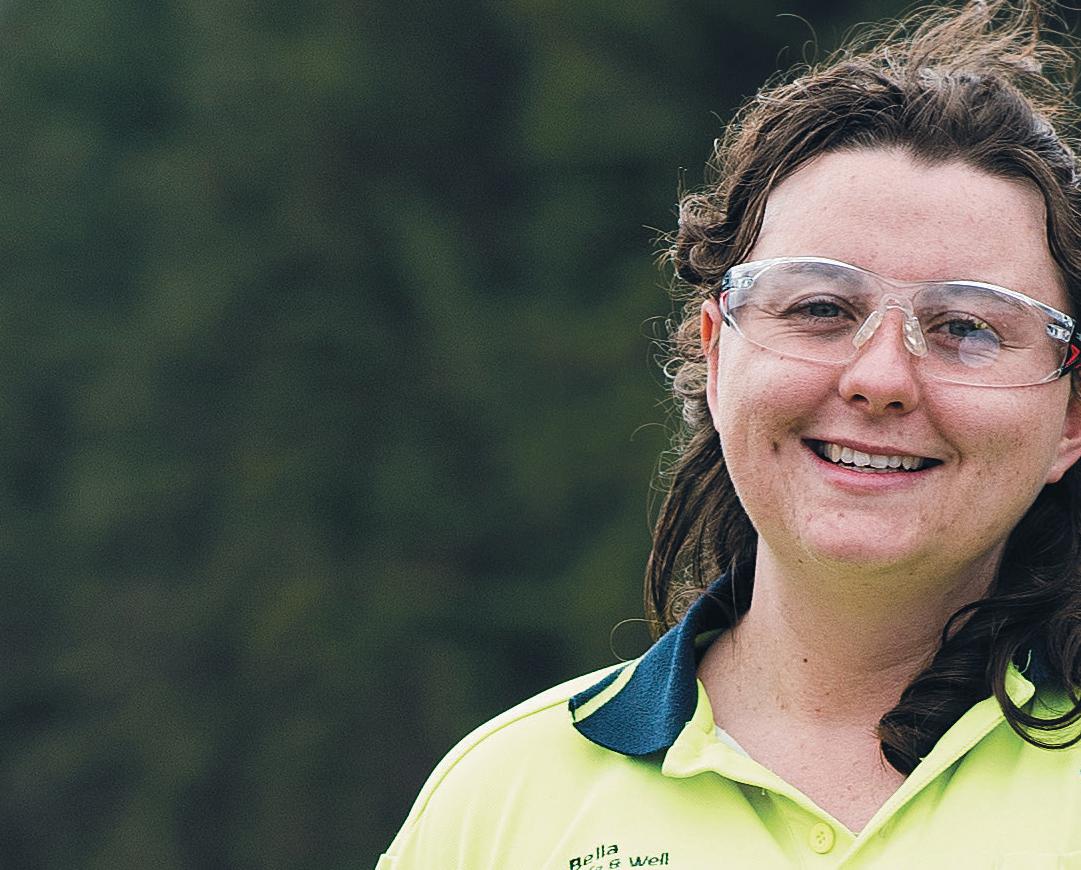
A key feature of the session is an agritourism panel featuring operators at different stages of their journey, including Narelle Zanker from Dairy Adventures (Mannum), Sue Bell of Bellwether Wines, and David Galpin from Warrawindi Retreats.
Participants will hear from those who have successfully established agritourism businesses, as well as experts who can help them start navigating the path ahead.
Limestone Coast Regional Tourism Manager, Kate Napper, said there was a range of opportunities to be considered as part of the larger agritourism trend.
“Agritourism will look slightly different for each and every business. This workshop will explore the different ways in which agritourism can operate and how it can translate to opportunities for individual businesses.” Ms Napper said.
“It’s an opportunity to hear from existing operators sharing real experiences and get a better sense of what’s involved before taking the next step.”
The Agritourism Workshop will be held on Thursday 21 May from 1pm to 5pm at Bellwether Wines.
Attendance is subsidised, with tickets available at $20 per participant.







AS farming enterprises grow, many now operate with formal Boards that include independent Chairs and Directors who are not owners and are not involved in day-today farm operations.
While this structure brings stronger decision-making and accountability, it also carries clear legal responsibilities — including for work health and safety.
Under South Australia’s work health and safety laws, Directors and officers have a personal duty of due diligence. This duty applies regardless of whether a Director works on the farm, lives locally, or attends only periodic Board meetings. Being “hands-off” operationally does not remove responsibility.
For large farming operations and agribusinesses, due diligence means Directors must actively understand how work is being carried out and the risks workers are exposed to. This includes the use of heavy machinery, livestock handling, hazardous chemicals, contractors, seasonal labour and remote work environments.
Boards are expected to ensure appropriate systems, policies and resources are in place to manage these risks, and that incidents and near-misses are reported, investigated and addressed. While safety tasks can be delegated to managers or farm leadership teams,
responsibility cannot. Regulators will closely examine what questions the Board asked, what information it received, and how it responded.
In family-owned farming businesses, this often requires a shift in mindset. Practices that worked when owners were directly involved in daily operations may no longer be adequate as the business scales and governance becomes more formal. Good intentions and experience must be supported by documented systems.
Well-run Boards treat work health and safety as a standing agenda item, alongside financial performance, succession planning and growth strategy.
Doing so protects people, safeguards family wealth and supports the long-term sustainability of the business.
If you have questions about your obligations as a Director, or would like assistance reviewing your Board governance or work health and safety frameworks, Joanna Andrew leads Mellor Olsson’s Governance Advisory practice and can provide practical advice tailored to farming and agribusiness operations.


Adelaide Barossa Valley
Clare Valley
Port Lincoln




Mellor Olsson provides clear, commercial legal advice to family owned and owner managed businesses. We support family businesses at every stage, from establishment and growth to transition, succession and dispute resolution.
We advise on:
Business
Property
Regulatory
Succession


IN a slower farmland market, an old idea is beginning to reappear.
It is called vendor finance.
For many farmers, the expression will not be new. Older farmers may remember a time when sales were sometimes made on “terms” , with the vendor helping the purchaser into ownership by leaving part of the purchase money in the property.
The idea is simple enough. Instead of the purchaser borrowing money from a bank, the vendor helps fund the purchase. The buyer pays a deposit. The vendor receives part of the price at settlement and lends the balance to the purchaser, secured by a mortgage over the farm.
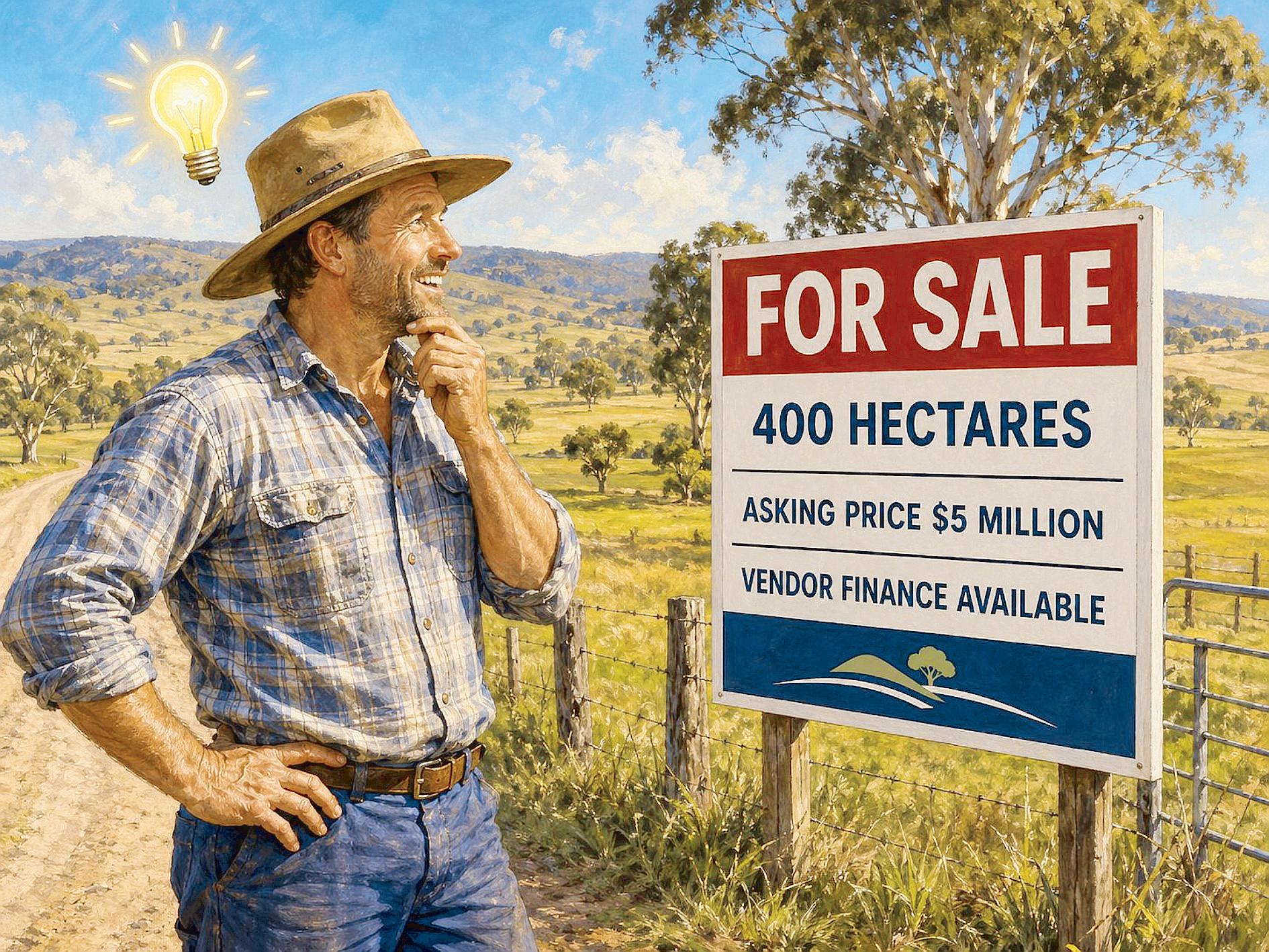
That is not a new idea. What is interesting is that it seems to be reappearing in some rural property advertising at a time when the farm market is no longer as hot as it was.
This article is not about loose or risky “terms contracts” , where completion is delayed and ownership remains unresolved. Indeed, in South Australia, these are illegal. The cleaner and more relevant structure is the vendor mortgage. The sale settles, title passes to the purchaser, the vendor then holds a registered mortgage, just as a bank would.
A vendor mortgage is a completed sale with a loan attached. It is not an, arguably vague, promise to pay later.
Why is vendor finance on the increase? The reason vendor finance is returning is not hard to understand.
After a long and strong rise in farmland values, the market has become more cautious. Costs are rising fast, interest rates are higher than they were. Consequently, banks are more careful. Many farmers still want to buy land, but cannot always make the numbers work on ordinary bank terms.
At the same time, many vendors are reluctant to cut their price.
This leaves a gap which vendor finance can often bridge.
Vendor finance can turn a willing buyer into an actual buyer where the obstacle is finance rather than lack of interest.
Why not just run an EOI campaign?
“Expressions of Interest” (EOI) has become a common selling method for rural property.
In a strong market, this approach can be very effective. It avoids putting a ceiling on price. It creates uncertainty. It allows the agent to draw out competing buyers. If several parties want the same farm, an EOI campaign can work well.
But in a buyer’s market, the psychology changes.
If no price is quoted, buyers may not become excited. They may become suspicious.
They may wonder whether the vendor is

may not spend money on proper due diligence because they do not know whether the vendor’s expectation is even within reach.
If the problem is that buyers do not exist, vendor finance will not solve it. If the problem is that buyers exist but are capital-constrained, a different transaction structure may matter more than another polished campaign.
Asking prices and confidence
There is also something to be said for specific asking prices in a slower market.
Farm buyers are not fools. They understand that asking prices are negotiable. They also understand that not every quoted price is right. But an asking price gives them a starting point.
It creates greater symmetry of information.
In most cases, the vendor and his or her agent usually know the vendor’s price expectations. In an EOI campaign, the buyer is often left guessing. In a strong market that uncertainty can stimulate competition.
In a slow market it can suppress enquiry.















property against comparable sales, and decide whether it is worth engaging.
That does not mean every farm should be advertised with an asking price. Some properties are unusual.
Some have special-purchaser (neighbour) value. Some are genuinely hard to price.
But in a slower market, opacity is not always clever.
What might the numbers look like?
The possible attraction of vendor finance is the spread between borrowing rates and deposit rates.
Suppose a farm sells for $5 million.
The purchaser contributes $2 million in equity and the vendor leaves $3 million in on first mortgage.
If the purchaser would otherwise have had to borrow from a bank at, say, 7.5 to 8 per cent, and the vendor might only earn 4 to 5 per cent on a term deposit, there is room for a middle ground.
A simple calculation shows the possible win-
On a $3 million vendor mortgage, 6.5 per cent interest equals $195,000 a year.
If the purchaser had borrowed the same $3 million from a bank at 7.75 per cent, the annual interest bill would be $232,500. The purchaser is $37,500 a year better off.
If the vendor had placed $3 million on term deposit at a bank at 4.5 per cent, the annual income would be $135,000. The vendor is $60,000 a year better off.
That is the win-win argument. But it must be stated honestly: the vendor is not simply earning a higher return. The vendor is being rewarded for accepting lending risk, and that risk must be priced, understood and secured.
Strengths of vendor finance
Vendor finance may widen the buyer pool, particularly where a capable local, neighbouring or younger farmer has the ability to farm the land but not enough equity to complete the purchase on ordinary bank terms.
CONTINUEDPAGE8
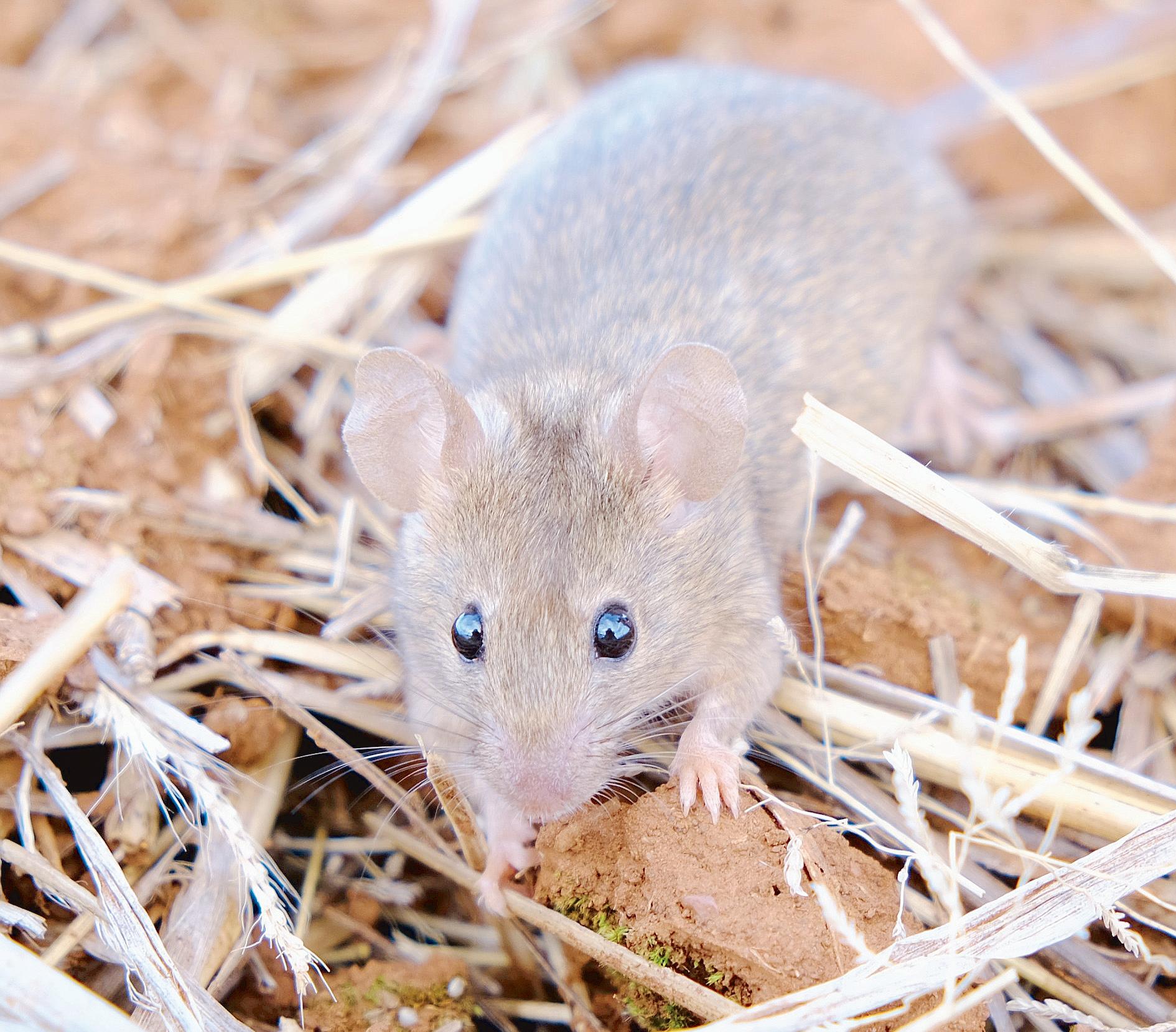
LEADING rural charity Rural Aid is encouraging farmers across South Australia and Western Victoria to seek support as worsening mouse activity threatens crops, livestock feed, and farm infrastructure.
Recent forecasts from the CSIRO indicate high mice populations across southern South Australia, moderate levels in south-west Western Australia, and lower – but still present – activity across parts of Queensland, New South Wales and Victoria.
The warning follows the devastating 2020–2021 mouse plague in eastern Australia, which caused an estimated $1 billion in damage.
Mice infestations can have severe impacts on farming operations, including consuming newly planted seeds, destroying emerging crops, contaminating livestock feed, and damaging machinery, vehicles, and household wiring.
With conditions expected to remain challenging, Rural Aid is reminding primary producers that support is available and encouraging those affected to get in touch early.
Rural Aid chief executive officer John Warlters said the emerging situation is deeply concerning.
“Mouse activity of this scale can escalate quickly and place enormous pressure on
farming families,” Mr Warlters said.
“We’ve seen firsthand the destruction these plagues can cause.
“We want farmers to know they’re not alone – support is available, and we encourage anyone impacted to reach out as soon as possible.”
Rural Aid provides a broad range of services at no cost to farmers, including financial assistance for immediate or unexpected expenses, professional counselling and wellbeing support for farmers and their families
Hay deliveries for livestock during challenging periods, water deliveries for drinking and household needs and volunteer support through the Farm Army and Farm Recovery Event programs to assist with on-ground needs
Assistance is available now for farmers.
Call 1300 327 624 or visit www.ruralaid. org.au. We’re here to help.
Seek support as mice threaten farms, says Rural Aid.
It may also help maintain the price level by offering time and structure rather than an immediate discount.
Properly structured, a vendor mortgage gives clear positions: the buyer owns the farm, and the vendor holds mortgage security.
Weaknesses and risks
The vendor does not receive all cash at settlement and becomes, in effect, a private lender. That may not suit a vendor who needs money for another purchase, debt repayment, retirement, aged care, tax or family equalisation.
If the purchaser defaults, enforcement can be slow, costly and awkward, especially where the buyer is local or known to the family. Security over land is powerful, but it is not the same as cash, and farm terms of trade can deteriorate.
What safeguards are needed?
Both sides need independent legal and financial advice.
Properly structured, a vendor mortgage gives clear positions: the buyer owns the farm, and the vendor holds mortgage security.”
The interest rate should be commercial, and the repayment and default provisions should be clear. The vendor should ask bankstyle questions about the purchaser’s financial position, debt, farming record and capacity to service the loan.
Insurance (a critical issue), rates, outgoings, tax consequences and any family or succession implications should be dealt with before signing.
Choosing the right agent
Vendor finance also changes the question of how a farmer should choose an agent.
The best rural agent in this market may not be the one with the glossiest photographs or the largest database. Those things matter,
but they are not enough.
A vendor should ask the agent for comparable sales evidence in writing.
What has sold? When did it sell? What did it make? How does it compare for soil, rainfall, scale, improvements, location and purchaser motivation?
Most rural agents are highly professional, and vendors should listen carefully to their advice. But advice on price should be supported by evidence.
The vendor should also ask why a particular method of sale is recommended. Why EOI? Why auction? Why private treaty? Why an asking price?
Most importantly, the vendor should ask:
Are buyers unwilling, or are they unable?
If buyers are unwilling, the price may be too high.
If buyers are unable, vendor finance may be worth discussing.
Not a magic wand
Vendor finance is not charity nor is it a way of avoiding commercial reality.
It is private credit secured by land.
Used badly, it can create disputes and expose vendors to serious risk. Used well, it may help unlock sales that otherwise would stall.
Its reappearance is therefore worth watching. It suggests that some agents and vendors are again thinking beyond the standard toolkit of EOI, auction and private treaty.
In a slower farm market, that may be exactly what is needed.
The problem may not always be lack of buyers.
Sometimes the problem is lack of bankable structure.






AT Breakwater Insurance Brokers, we believe that effective risk management in agriculture begins with something simple, yet often overlooked: genuine connection.
Farming is not just a business it’s a way of life shaped by seasons, uncertainty, and resilience. No two farms are the same, and neither are the risks they face.
From weather variability and machinery breakdown to livestock, crop exposure, and evolving market pressures, the complexity of today’s agricultural environment demands more than a one-size-fits-all insurance solution.
That’s why we take a different approach.
Rather than asking farmers to fit into prepackaged policies, we go to them.
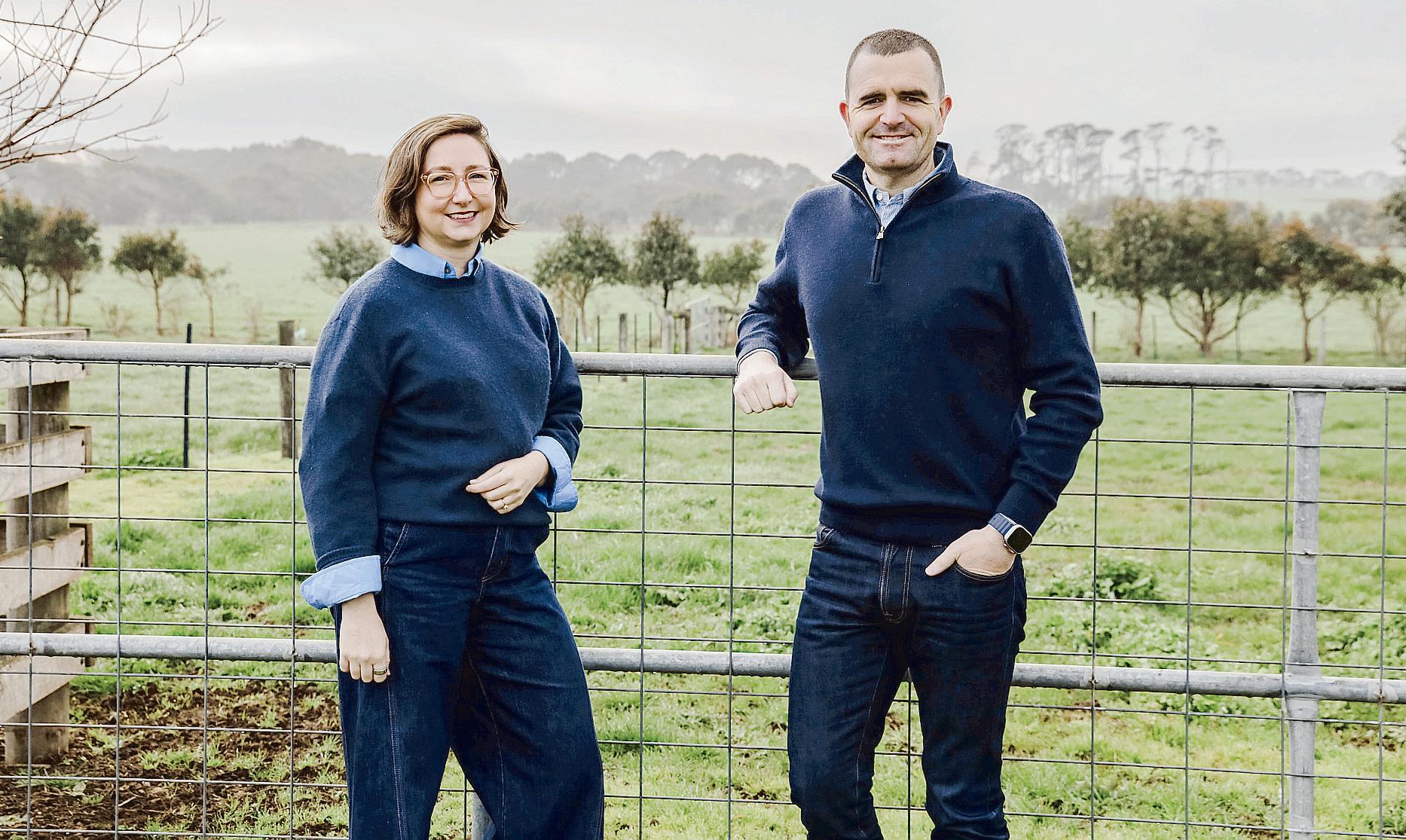
We walk their properties, sit at their kitchen tables, and take the time to understand not just the physical assets of the farm, but the people behind it. We listen carefully to their goals, concerns, and critically, their appetite for risk.
This on-the-ground approach allows us to tailor insurance strategies that reflect the realities of each operation. It also builds trust, something that cannot be achieved through emails and phone calls alone.
When clients know their broker truly understands their business, they gain confidence that their cover will respond when it matters most.
In regional communities, relationships matter.
Service is not just about responding to
claims; it’s about being present, proactive, and invested in long-term success.
As the agricultural sector continues to
evolve, so too must the way we support it. By prioritising personal service and deep client understanding, we can help ensure
that farmers are not only protected but empowered to keep moving forward with confidence.
WITH research showing 41 per cent of rural women report lacking equal opportunities for career advancement, Australian Women’s Charity, The Warrior Woman Foundation, has now expanded its flagship Young Warrior Woman Program nationally to reach vulnerable young women across the country.
The program has a particular focus on advancing young women’s careers and financial literacy.
Since 2020, The Warrior Woman Foundation has supported over 200 young women in-person, matching each with dedicated mentors who provide personalised oneon-one guidance, alongside structured life skills education covering areas such as financial literacy, career readiness, and con-
fidence-building. Through a combination of mentoring and practical workshops, the initiative equips young women with the tools and networks needed to navigate their futures.
This year, the Foundation will expand the Young Warrior Woman Program online for the first time, allowing young women aged 17 to 25 from regional communities across all of Australia to receive the same level of personalised support and connection previously only delivered in-person.
Applications are now open for mentees across Australia, with the next intake commencing in June, and young women from all backgrounds are called to register and join a supportive community focused on building independence and confidence. To apply as
a mentee please visit warriorwoman.org.au/ mentee/.
About The Warrior Woman Foundation:
Founded in 2020 by Jessica Brown, The Warrior Woman Foundation is an Australian notfor-profit organisation empowering young women across Australia through mentoring programs and education. By connecting participants with experienced mentors, the Foundation supports the development of resilience and essential life skills including career pathways and financial literacy. With more than $1.3 million of in-kind value generated through volunteer contributions over the past six years, the program is set to expand nationally in 2026. For more information on The Warrior Woman Foundation, please visit warriorwoman.org.au


AUSTRALIAN researchers have revealed the intricate relationship between two major fungal wheat diseases and how the order of infection can dramatically influence disease severity and plant resistance.
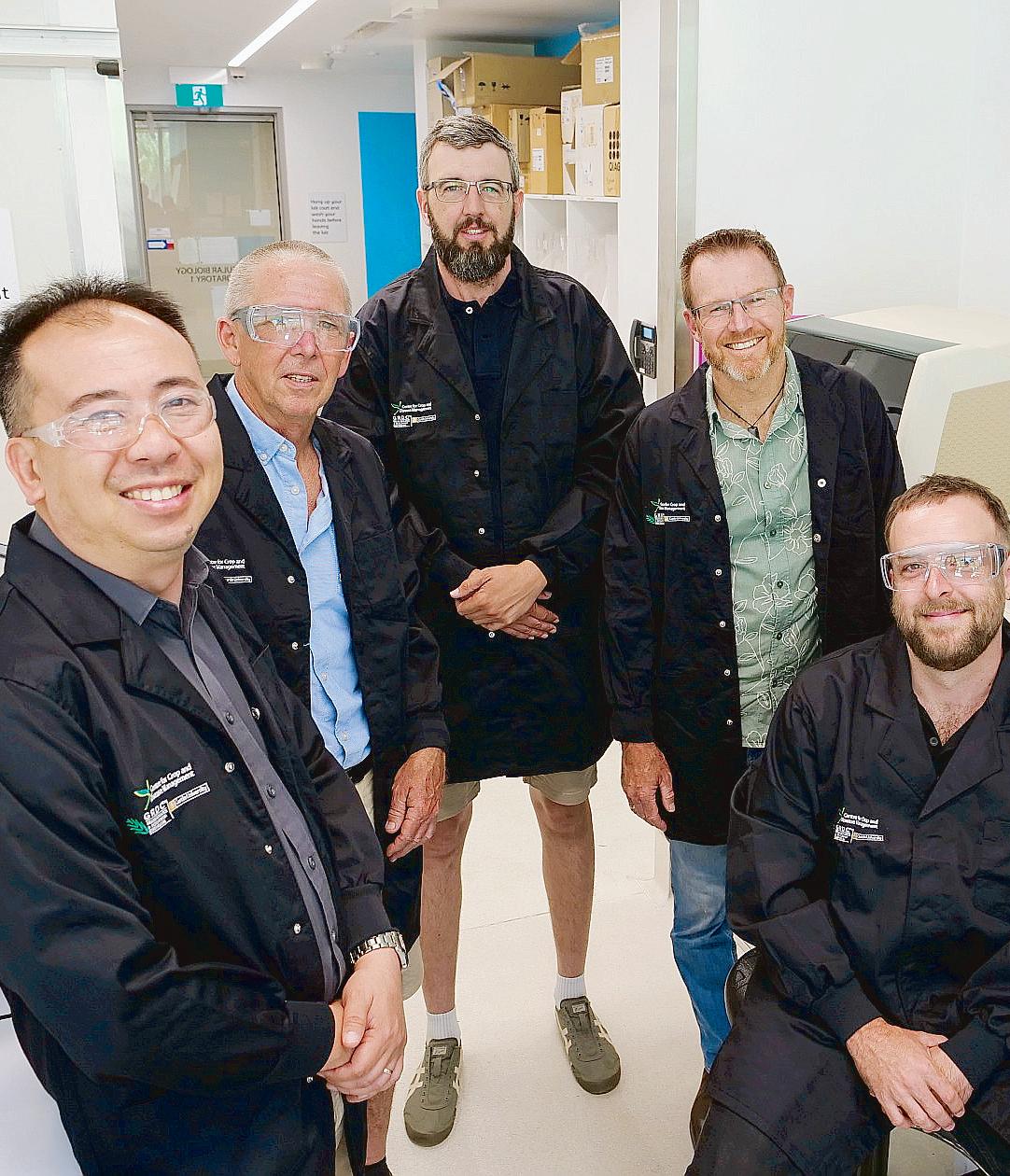
The breakthrough study on septoria nodorum blotch and yellow leaf spot was led by scientists from the Centre for Crop Disease Management (CCDM) in collaboration with the Western Australian Department of Primary Industries and Regional Development (DPIRD) and Australian Grain Technologies (AGT).
Following development of a digital Polymerase Chain Reaction (PCR) method to quantify the pathogen presence in samples, researchers have discovered when the yellow leaf spot pathogen infects wheat first, it primes the plant for septoria nodorum blotch, breaking down host resistance.
Conversely, when the septoria nodorum blotch pathogen strikes first, it suppresses yellow leaf spot and outcompetes the pathogen.
This study builds on an earlier PhD to investigate the finer details of interactions that occur during co-infection, providing intriguing insights into the cooperation and competition between pathogens.
CCDM researcher Leon Lenzo said the new digital PCR method, which allows the analysis of pathogen DNA, was an essential development for this study.
“Studying disease symptoms such as lesion sizes works well to estimate the pathogen presence when you have controlled conditions and only a single disease infection,” he said.
“However, using digital PCR, we could reli-

The study found co-infection was common, with most symptomatic wheat leaf samples infected by both pathogens.
“Plants infected first by the yellow spot pathogen had a significantly higher disease load compared to single disease infections, particularly the elite cultivar Scepter,” Mr Lenzo said.
“The opposite occurred when septoria nodorum blotch was introduced first, suggesting both a co-operative and competitive relationship depending on which disease gets the upper hand.
DPIRD plant pathologist Geoff Thomas emphasised the importance of these findings for industry, suggesting they could help improve resistance rankings for wheat varieties.
“This work explains how these pathogens interact and how infection order influences disease expression and resistance response,” he said.
“This impacts our thinking on how to best rate varieties for their resistance, so growers in regions where both diseases are prevalent can have a better idea on how crops will respond to this co-infection complex.”
CCDM director, Professor Mark Gibberd, praised the team’s achievement, highlighting its significance for future breeding and management strategies.
“This study is a significant first step in working towards the development of management strategies to simultaneously control multiple pathogens through genetic resistance and cultural practices,” he said.
ably distinguish between these two common diseases, and get accurate quantifications on their relative presence within the crop.”
Researchers collected leaf samples from WA field sites in the 2022 growing season, including a long-term AGT disease nursery in Northam and DPIRD trial plots in South Perth. These trials tested how infection order influences disease severity using cultivars with varying resistance levels.
“We don’t know the exact mechanisms that drive this yet, but the reality is that the yellow leaf spot pathogen often strikes first in nature, as its spores release earlier in the season than septoria nodorum blotch, and are generally better at surviving harsh conditions. Now that we know this can drive co-infection with the septoria nodorum blotch pathogen, it should be a consideration for growers when looking at crop resistance to these diseases.”
“The research showcases CCDM’s focus on addressing problems that regularly occur in field for Australian growers, and the centre’s ability to work deeply and collaboratively with other experts in the state.
“Work such as this ensures Australian agriculture remains a global leader in grain production research and innovation.”
The paper, Fair-weather friends. Sequential co-infection demonstrates priority effects in the outcome of Parastagonospora nodorum and Pyrenophora tritici-repentis polymicrobial foliar disease of wheat, was recently published in the journal Plant Disease.
PRIMARY producers can get a helping hand when it comes to transitioning energy systems.
The Agriculture, Fisheries and Forestry Energy Transition Roadmap (2026–2036), released by AgriFutures Australia, provides a system-wide view of how agriculture, fisheries and forestry can adapt to changing energy markets and technologies while maintaining productivity.
AgriFutures Australia managing director Brianna Casey said energy has become an increasingly important factor shaping how farm businesses operate and plan.
“The impact of the ongoing conflict in the Middle East on the availability and affordability of key agricultural inputs is only the latest example of energy costs becoming harder to manage, and supply becoming less certain,” Ms Casey said.
“Energy is no longer just an input cost, it is shaping decisions about investment, diver-

sification, expansion and how primary production businesses stay productive into the future.
“Energy is also playing a growing role in how food and fibre are produced, the cost of production, and the strengths of supply chains.”
The Roadmap looks beyond individual technologies to broader systems that underpin on-farm decision making, including infrastructure, policy and tax settings.
Drawing on feedback from across industry, energy, government and the supply chain, it identifies where the energy transition is already progressing and where key barriers remain.
The findings point to a mixed energy future.
Electrification is expected to expand in fixed operations such as irrigation, sheds and processing, while a range of liquid fuels, including emerging alternatives such as biofu-
els, are likely to remain important for heavy machinery, transport, forestry and fishing operations.
The research also shows that many of the enabling conditions required for large-scale change are not yet in place. Constraints in regional infrastructure, grid capacity, supply chains, policy settings and workforce capability mean producers are currently managing much of the complexity associated with the transition.
“The Roadmap highlights that this transition will occur at different speeds across the sector, depending on the availability of technology, infrastructure and viable energy options,” Ms Casey said.
“It also reinforces the importance of coordinated action across industry, government and the energy sector to support practical and sustainable change.”
The Roadmap builds on AgriFutures Australia’s broader research program examin-
ing how changes across energy markets and regulation are affecting primary production businesses, including forthcoming work on how tax settings interact with emerging activities and income streams.
It is designed to support coordination across the sector, complementing existing industry plans and aligning with Australia’s national Net Zero Plan and the Agriculture and Land Sector Plan.
AgriFutures Australia has also identified renewable fuels, including biofuels, as a priority area for further work, particularly for parts of the sector where electrification remains challenging.
Future research will examine barriers to producing biofuels at scale in Australia, including regulation, transport, feedstocks and investment.
The Agriculture, Fisheries and Forestry Energy Transition Roadmap (2026–2036) is available on the AgriFutures Australia website.




A team of 120 Wagyu calves for Keith Hay’s GeneFlow is ushering in a new era of beef breeding in Australia.
The Western District is the stage for the breeding, with Glenormiston used for the new push.
The calves are among the first born in Australia using Trans Ova technology and Mr Hay couldn’t be happier with their progress.
For the past four years, GeneFlow had been using embryo transfer (ET) and IVF services through Genetics Australia’s TLG operations, which over the past 12 months has transitioned to Trans Ova.
“We’re very happy with what has happened with the transition to Trans Ova,” Nr Hay said.
“I think it’s positive for Australia that the largest embryo company in the US wants to set up here. They’ve been doing IVF embryos for a long time so it’s a compliment to Australia.”
Mr Hay’s Wagyu females are left on agistment at Genetics Australia’s Glenormiston facility for the donors to have several rounds of IVF. The fertilised IVF eggs are then implanted into recipients on site for Mr Hay and other clients.
TLG’s IVF and ET services officially moved to the URUS Trans Ova technology and processes at the start of this year after a gradual implementation during 2025.
The changes came as part of Genetics Australia’s joint venture with the URUS group, which also includes Trans Ova, and followed extensive training for local staff.
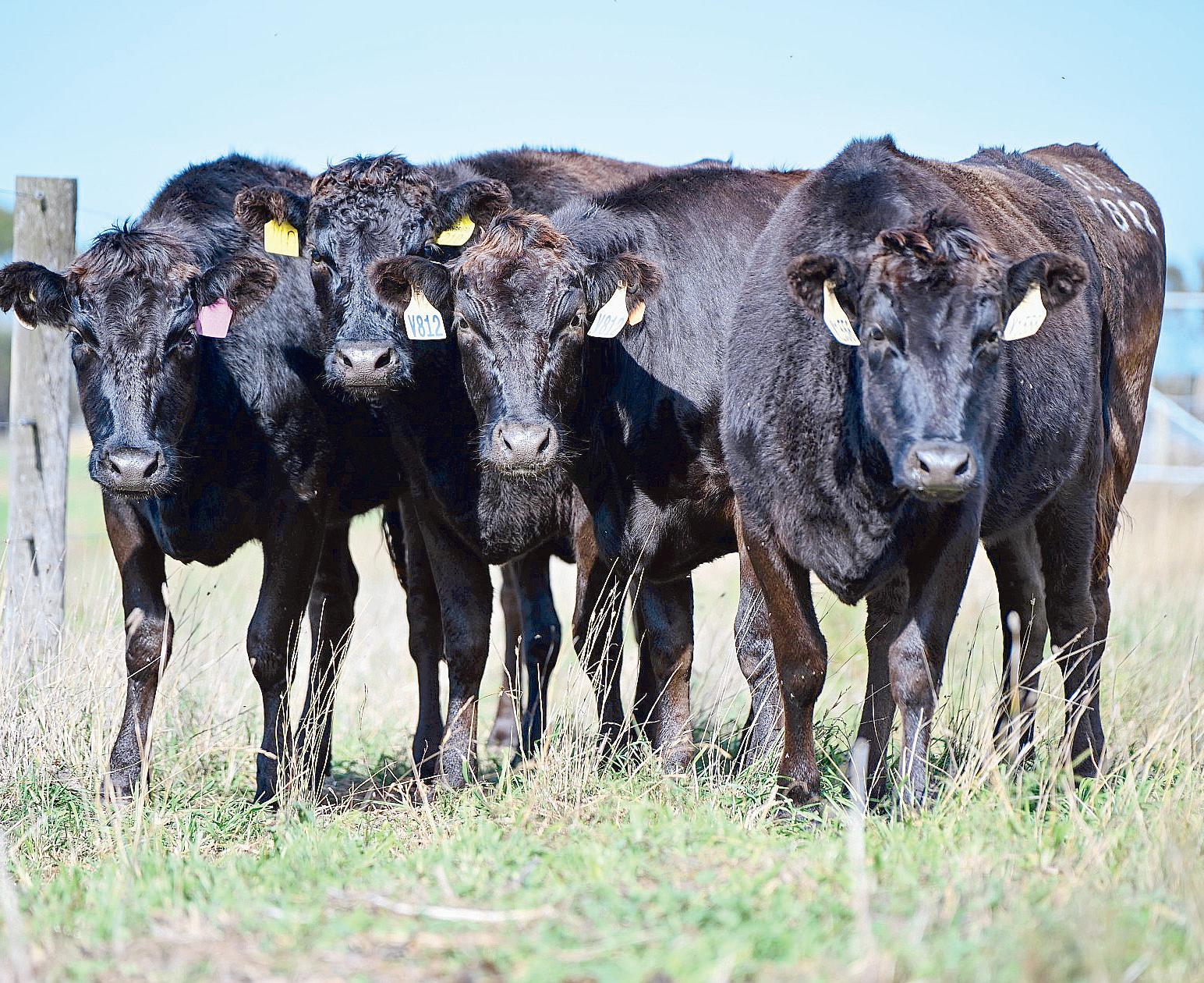
All 120 Trans Ova calves are Wagyu and Mr Hay says they are impressive and growing well without any health problems.
“They’re coming out of the top cows in Australia,” he said. “Genetically speaking, we’re the second-best Wagyu stud in Australia at the moment.”
GeneFlow has been making a mark in the Wagyu space with the purchase of several high-quality females at industry cattle sales and performing IVF on them with Trans Ova.
“We are trying to breed a large 1 per cent herd and we’ve now started contracting to new entrants into the Wagyu industry,” Keith said. “They come to us and want a 20 per cent herd, a 10 per cent herd or whatever they want, and we deliver the embryos and the pregnancies to allow that to happen for them, or they could buy our already created heifers.
“We’re the only ones that can do it at scale in Australia as we rotate up to 75 donors with four or five top Australian Wagyu bulls.”
Mr Hay recently attended a Wagyu conference in Brisbane and purchased a great Wagyu milk heifer, 3D GENETICS W0206 (3DWF25W0206) and the most even bull ever offered for sale in Australia 3D GENETICS W0030 (3DWF25W0030).
Mr Hay believes the breed is poised forgrowth.
Mr Hay was originally a dairy farmer at Mayrung in southern New South Wales before starting his own IVF company in 2017. The lab was shut down during the COVID pandemic, leading to the start of his commercial contracting of embryo creation for GeneFlow’s Wagyu and Angus business.
“We were with TLG from the end of COVID and followed their growth all the way through and now we’ve shifted to Trans Ova,” he said.
“There were 900 people at the conference, and they were very positive about Wagyu,” he said.
The business expanded two years ago with a leased a property at Stanthorpe in Queensland to run and calve embryo recipients, and he is pleased to keep growing with the new Trans Ova systems.
“It was a natural progression. I’ve been a dairy farmer and member of GA and followed their transition through to where they are today. I think it was a good idea to connect with one of the global leaders of embryo creation.”
“The Wagyu industry believes it will be the terminal sire for the beef industry in Australia long-term. People want marbling in their meat and Wagyu is the natural breed to do that marbling.”