
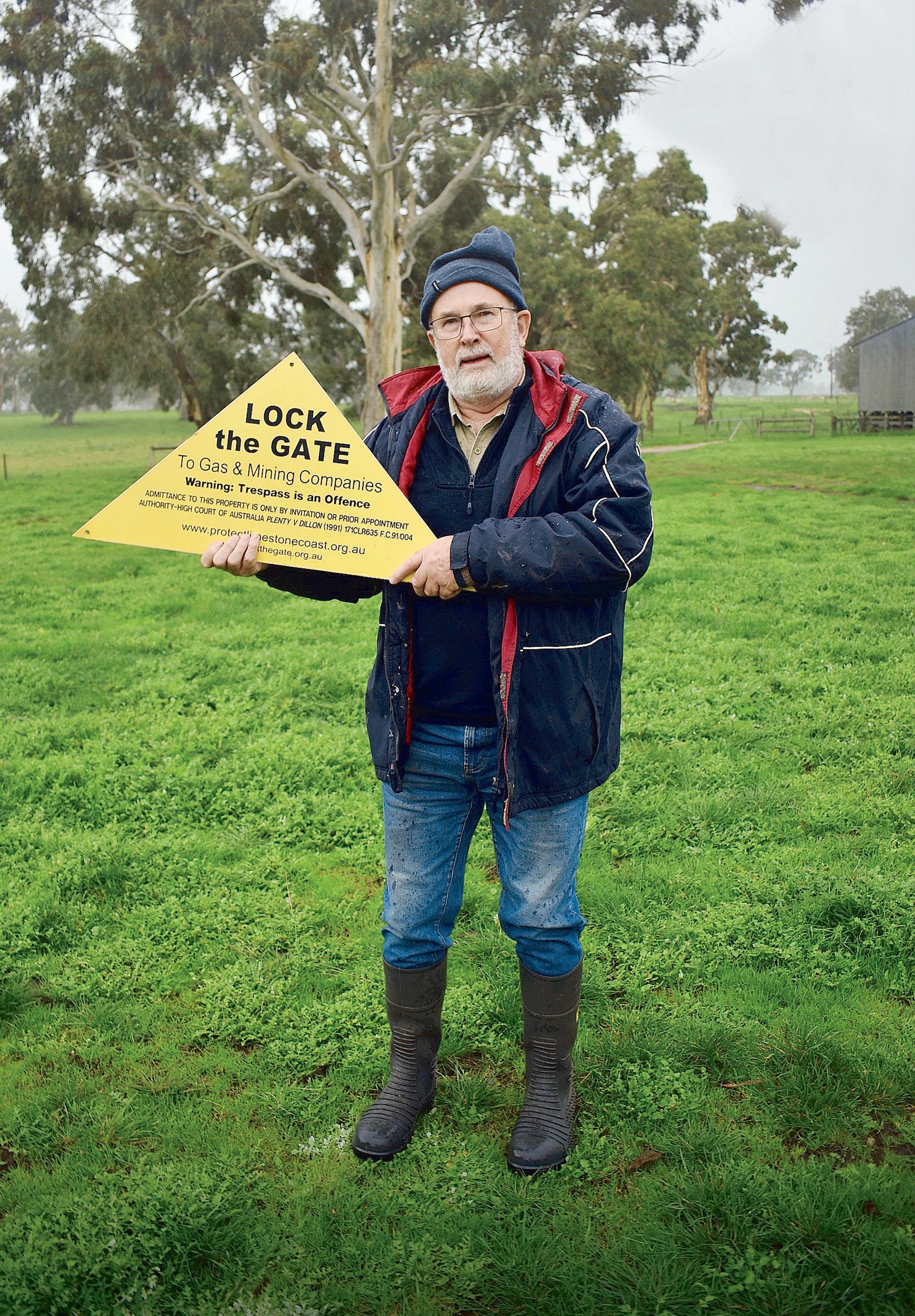



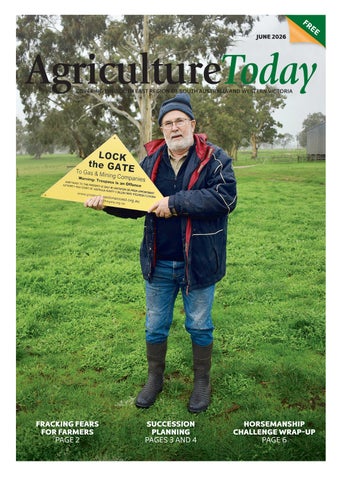
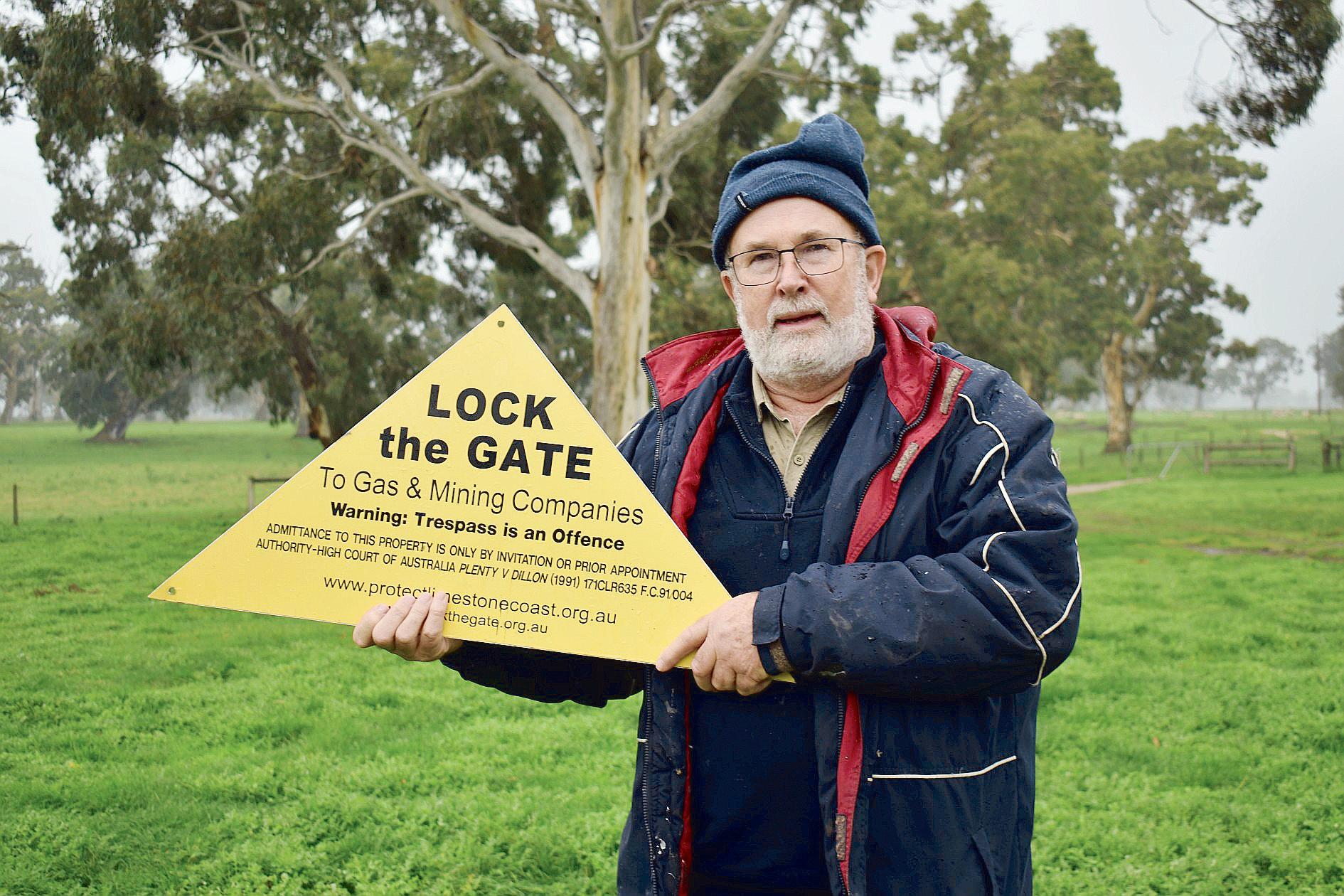
FARMERS in the region are concerned about the impact of unconventional gas exploration could have on local land if permitted in South Australia.
While Victoria has a legislated ban on fracking, the South Australian government is considering lifting a 10-year moratorium - a move that worries farmers and residents on both sides of the border.
Limestone Coast farmer Tony Beck said from an agricultural point of view, the worst aspect would be the pads in an area which would be fracked, occupying about 10 per cent of the land surface.
Mr Beck said the percentage rate was high for a “large-ish” centre pivot and believed there could be up to four pads per pivot.
He said many farmers were finding it difficult to trust engineers following concerns shown in other areas across the state with alleged leaks on other sites.
Mr Beck spent his early days hand drilling for water into his family property - where he still resides - and said over time he had experienced a range of difficulties including losing infrastructure after hitting underground caves.
“In those days, the cost of aluminium casing, which is the pipe we used to pump the water through to get it to the crop of potatoes or beans, carrots, anything else, was quite a bit,” Mr Beck said.
“It was cheaper to drill a new bore than to buy more casing and that is not the case today, if you establish a terrific bore it is usually connected near a track on your farm, using PVC piping which enables us to pump it wherever we want it to go.”
The Border Watch
Address: Level 1 / 1 Commercial Street East, Mt Gambier SA 5290
Telephone: 08 8741 8170
Website: www.borderwatch.com.au
Hamilton Spectator
Address: 84 Gray Street, Hamilton, Vic 3300
Telephone: 03 5572 1011
Website: www.hamiltonspectator.com.au
Portland Observer
Address: 92 Percy Street, Portland, VIC 3305
Telephone: 03 5522 3000
Website: www.portlandobserver.com.au
CONTACT US
Editorial:
Email: editorial@agtoday.com.au
EDITORS: Elisabeth Champion
E: elisabethchampion@tbwtoday.com.au
Marlene Punton
E: marlene.punton@portlandobserver.com.au
Advertising:
Email: advertising@agtoday.com.au
ADVERTISING CONSULTANTS
Leesa Cook
E: leesa.cook@portlandobserver.com.au
Sierra Laird
E: sierra.laird@portlandobserver.com.au
Shannon Benge
E: shannon.benge@hamiltonspectator.com.au
Christine Cock
E: christine.cock@tbwtoday.com.au
Christine Black
E: christine.black@tbwtoday.com.au
Josh Phelan
E: josh.phelan@tbwtoday.com.au
He said his family had experienced drilling using different rigs which could drill kilometers.
“All sorts of things can go wrong, the bits of casein, the rocks and there was one time where we were drilling right into a big boulder underground,” Mr Beck said.
“They [gas companies] are going to find all these sorts of problems, we have already heard about some of the stories up near Katnook where they have had troubles for conventional gas.”
Mr Beck said he was also concerned about potential budget blowouts leading to a further
increase in gas prices as well as unconventional gas exploration being conducted on fault lines unknowingly.
“We know they need to close to a fault line and just the slightest deviation and they are in it,” he said.
“The spatial impact is at least as big a problem as the water, if not bigger, because they can come and park their truck on something the size of my house…we know they need enormous areas and these ones are massive machines.”
Mr Beck said there were also risks of drilling through multiple aquifers, karst formations which did not “behave the way conventional geology textbooks” would describe.
“The engineering complexity does not scale linearly…it compounds…and the consequences of failure at that depth, in this hydrogeology are not recoverable the way a shallow well problem is recoverable,” he said.
“The Limestone Coast community did not ask for this fight but 95 per cent of them, when surveyed by the government’s own researchers, said no.
“The aquifer, the farming, the wine industry, the community - they all said the same thing.”
Despite Premier Peter Malinauskas and Minister for Mining and Energy Tom Koutsantonis stating permits for unconventional gas exploration would not be approved unless water safety was guaranteed, Mr Beck believed it was not worth the risk, especially with the Limestone Coast Water Allocation Plan review underway.
A new support fund for primary producers has been unveiled.
The South Australian government is investing $8 million over four years to advance the prosperity, sustainability and resilience of South Australia’s primary producers through the Primary Industries Future Forward Fund.
It will support research and innovation that benefits our state’s grain growers, seafood producers, livestock and dairy farmers, wine producers, horticulturalists and timber industries.
Minister for Primary Industries and Regional Development said the government would work with producers to ensure the fund serves it’s purpose.
“Primary producers are the heart of South Australia’s economy, communities, and way of life, contributing more than $17 billion in Gross State Product each year,” she said.

for their present and future needs, and invests in the projects that will strengthen the heart of our economy.”
The Future Forward Fund will assist primary industries to invest in research and development, innovation, and cutting-edge technologies, promote South Australian products and support businesses to respond to environmental and market pressures, increase sustainability and implement greener practices throughout the supply chain and improve preparedness for environmental disruptions, biosecurity threats and other emerging issues.
The Future Forward Fund builds on the successful model of the South Australian Wood Fibre and Timber Industry Master Plan, which will now form part of the new fund.
“We will work with our primary producers and forest industries to deliver a Primary Industries Future Forward Fund that delivers
“This is why the Malinauskas government is delivering the Primary Industries Future Forward Fund, which will help to strengthen our grain growers, wine producers, livestock farmers, seafood producers, horticulturists and forest industries.

The new funding will be extended to other primary industries including livestock, seafood, grains, horticulture and wine.

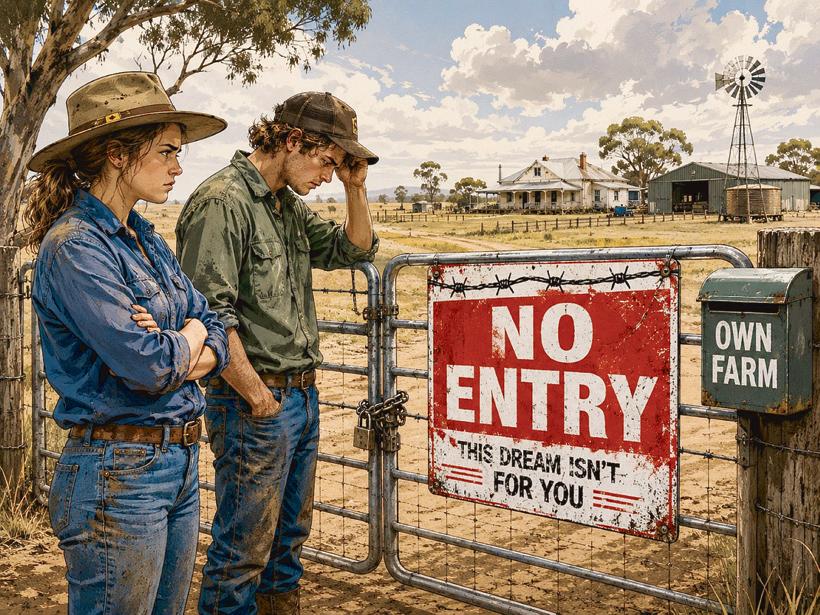
THERE is a question sitting behind many farm succession discussions, but it is not often put plainly.
Who gets to farm?
Not who gets to work on a farm.
Not who gets a job as a manager, contractor or employee.
But who gets secure operating control of land, stock, plant, decisions and risk in their own right?
For most of Australian history the answer has been family succession, marriage, purchase, lease, share farming, share dairying or gradual movement from employee to owner.
Those pathways still exist but they are becoming narrower. The problem is not that young people have all gone soft rather, it is that the capital cost of entry has swollen. Land values have risen, farms have aggregated, machinery has become dearer, and banks naturally prefer borrowers with strong existing assets.
A capable young person may have the labour, stock sense, discipline and management ability to farm well, but still have no realistic way into secure operating control.
That is not only a personal frustration, it may become an economic problem.
Fewer farms, fewer entry points
Neil Barr’s 2014 RIRDC report, New Entrants to Australian Agricultural Industries: Where are the young farmers?, remains one of the best Australian starting points. [1]
Barr found that the number of Australian farmers aged under 35 had fallen sharply since the 1970s.
His explanation was not simply that young
people had lost interest.
The largest factor was farm aggregation: there were fewer farms for young people to enter.
That is a crucial distinction.
If three smaller farms are absorbed into one larger business, the new business may gain scale, machinery efficiency and financial strength.
But the number of independent farm entry points has fallen. One might say that the ladder has become narrower.
Barr also noted that aspiring entrants generally need farmers to be exiting the industry so that fresh blood can come to the fore. Again, that sounds obvious, but it matters.
If older farmers stay longer, if neighbours accumulate land, if land is bought by absentee owners, or if succession is delayed, there are fewer openings for the next generation.
This does not mean aggregation is always wrong, rather it means aggregation has a social consequence as well as a business logic.

The farm is not the farm business
One perennial confusion in Australian discussion is that we often speak of “the farm” as though it were one thing. A property and a business.
It is not, there are two main factors at play: the landlord’s capital and the tenant’s capital.
The landlord’s capital is the land and fixed improvements (i.e. real estate).
The tenant’s capital is livestock, machinery, stores, working capital and often a large slice of the operating risk.
This distinction is well understood in traditional tenancy systems, but is less familiar in Australian farming culture. However, it’s not rocket science and these distinctions show up on the assets column of a farm balance sheet.
University of New England work by Alison Sheridan, Lucie Newsome and others on gender and farm succession is relevant here. [2]
Family farm succession often involves not only economics, but tradition, gender, rising land values and the desire to keep the farm intact.
If family succession remains the main route into farming, then family custom becomes land-access policy by default. This works well in some situations but falls woefully short of being a suitable universal prescription. Australia is positively heaving with examples of bad farmers pretending to make a living on good land or employing a manager who should really be the tenant and not the employee.
The English tenancy lesson England is important as a broad case study. Not because England has solved the problem but because it has a mature tenant farming culture.
It also has large private and institutional landlords: landed estates, Oxbridge colleges, the Church, charities, the Crown Estate, the

National Trust and others. These are not government land reformers but responsible landowners who are long term stewards of income producing real estate.
Where Australia often assumes the farmer and the landowner are the same person, England has long accepted that land can be owned by one party and farmed by another.
English farm tenancy law has evolved from a landowner-biased system before WW2 to an overly tenant- friendly system from 1948 which was exacerbated in 1976 by legislation which made farm tenancies heritable assets. All this was unwound by fresh legislation in 1995 which introduced the Farm Business Tenancy (FBT). [3]
In brief, the FBT is a market based flexible system which opens the door for incoming new entrant tenants.
In other words it provides a ladder which is not too narrow and has secure rungs. It is attractive to landlords and tenants because it is businesss-orientated. [4]
A good landlord can select a capable younger tenant for a smaller holding, then let that tenant progress to larger holdings as skill, capital and performance develop.
Importantly, the FBT is not socialism or land reform. It is private property using tenancy law intelligently.
Other countries: partial answers
Other countries offer useful examples, but no perfect model.
France has long used forced heirship, under which children have legal claims to shares of the estate.
This may look fair, but it can work badly for farms, because equal division of wealth is not the same as preserving a viable farming unit.
Continued page 4


THERE is a common assumption among farmers adopting virtual fencing that we need to address directly: due to the monthly subscription model, many believe the provider owns the equipment.
They don’t.
Under standard commercial arrangements, farmers take legal ownership of the collars and transmission towers from the outset.
The subscription covers software, data, support and warranty; but the physical assets are yours. If a fire destroys them, that loss sits with you.
And if they are not scheduled on your farm policy, you likely have no cover at all.
Make the Decision Consciously
A fully fitted property can carry significant value in collars and towers; value that won’t appear on a standard farm policy unless it has been specifically added.
Whether you choose to insure them is a decision that depends on your setup, the replacement cost involved, and your risk appetite. But it needs to be a conscious choice, made in conversation with your broker; not a gap you discover after a loss.
At Breakwater, our clients often insure collars as specified farm contents and treat towers similarly to other freestanding infrastructure. We also work through the broader questions virtual fencing raises: how livestock cover responds to
technology failures, dairy milk contamination risk, and liability for escaped animals. None of these have clean answers yet; insurers are still working through their positions. That is exactly why specialist broking advice matters.
If you have adopted virtual fencing and haven’t yet had this conversation with your broker, it’s time. Contact the team at Breakwater Insurance Brokers to discuss today.
This article provides information rather than financial product or other advice. The content of this article, including any information contained in it, has been prepared without taking into account your objectives, financial situation or needs. You should consider the appropriateness of the information, taking these matters into account, before you act on any information. Visit our website breakwaterib.com. au to review our
From page 3
Ireland has had similar succession pressures, though family settlement and transfer arrangements have often softened the effect.
New Zealand is closer to Australia, with a strong culture of family ownership, leasing, sharemilking and commercial pragmatism.
The United States offers mixed lessons.
Some states have strong family-farm traditions, but large-scale corporate leasing and investment ownership are also common. Europe recognises the issue
The OECD and EU both recognise generational renewal in farming as a real issue. [5] [6] They identify barriers including access to land, capital and credit.
The EU also makes the critical distinction between successors and new entrants. A son or daughter taking over a family farm is not the same as a capable outsider trying to enter farming with no inherited land.
Europe has young-farmer supports and CAP mechanisms.
But Europe also shows the danger of poor policy design.
Area payments (i.e. government handouts for owning land) and subsidies can be capitalised into land values and rents.
In plain English, money intended to support farmers can end up strengthening the value of land already controlled by incumbents.
That only makes entry harder. Big is not always beautiful
The increase in farm size by aggregation is an ongoing trend which is not necessarily always of economic benefit. It is not clear that management practices improve with scale.
Some large corporate farming companies
have a remarkably chequered profit history, particularly in northern cattle grazing, no names no pack drill.
Indeed the “skin in the game” factor is often a discipline which produces efficiencies which elude corporate farmers.
I have witnessed some stunning inefficiencies in corporate farming in both the UK and Australia.
It would be too strong to say that institutional ownership is always less productive.
It is just that it never seems to win the efficiency stakes.
But it is fair to ask whether ownership structure affects land stewardship, entry opportunities and rural community life.
Local farmers have skin in the game of local respect as well as the making of a living.
A vibrant family farm system has social multiplier effects that elude impersonal corporate regimes.
The missing machinery
While Australia has leasing, share farming and sharemilking, it does not have a deep culture of tenancy farming nor a widely recognised system for cultivating new entrants.
There are some hidden efficiencies in a tenancy system.
An owner-operator farmer retiring and leasing out his or her farm will receive a steady rental stream from the farm and interest or dividends from the cash realised by selling livestock and machinery.
On top of this there is the reduction in risk from diversification of capital investment.
The missing piece is a tenure and investment system that allows landowners, investors and capable operators to work together safely and fairly.
That means sound long-term leases, fair
rent reviews, treatment of improvements, exit valuations, land matching, share-farming structures and succession pathways.
It also means professional administration.
In the UK, rural practice chartered surveyors and specialist agricultural valuers commonly provide this machinery, dealing with rent reviews, compensation, improvements and disputes. [4]
Ashby and Ashby’s RIRDC work on successful land leasing made a similar Australian point: leasing needs proper planning, advice, clear agreements and competent administration, not casual paddock deals. [7]
Without that machinery, the default remains simple.
Inherit, marry, buy, or stay employed.
That may not be enough.
A question for Australia
This article does not argue for land reform.
Nor does it argue that small farms are better than large farms or that every young person who wants to farm should be given land.
The question is more practical.
If Australian agriculture wants capable new farmers, how are they supposed to gain secure operating control of land?
England’s system suggests one possibility: a private landlord and tenant model, professionally administered, where capable entrants can start small and progress.
New Zealand suggests another: share farming and sharemilking as equity-building ladders. [8]
Uruguay shows the far more interventionist version: a public land-access institution. [9]
Australia may not want any of these models exactly, but it should at least ask whether
its present system is enough.
Perhaps the future lies in something like franchise farming: land owned by one party, capital partly provided by another, and farming carried out by skilled operators under long-term, performance-based, professionally managed agreements.
That is only a suggestion for discussion.
But the underlying question is unavoidable.
If capable people cannot enter farming unless they inherit land, marry into it, or borrow on a frightening scale, then Australian land tenure deserves a fresh look.
References
[1] Barr, N. (2014) Details: New Entrants to Australian Agricultural Industries: Where are the young farmers? RIRDC publication no. 14/003. Article use: Australian farmer ageing, farm aggregation and reduced entry points.
[2] Sheridan, A.; Newsome, L.; Lawson, A.; Charry, S.; Field, S. (2021–2023). Details: Work on gender, family farm succession and increasing farm values in Australia, including Intergenerational farm succession: How does gender fit? and Changing scripts: gender, family farm succession and increasing farm values in Australia. Article use: Gender, tradition, family succession and rising farm values.
[3] UK Law Commission / UK agricultural tenancy law material. Details: Summary of pre-1995 Agricultural Holdings Act tenancies and post-1995 Farm Business Tenancies under the Agricultural Tenancies Act 1995.
Article use: English tenancy-law history, including older security/succession rights and the 1995 FBT framework.
[4] GOV.UK / DEFRA (updated 2024). Details: Agricultural tenancies guidance: Farm Business Tenancies, compensation for improvements, rent reviews, termination and dispute procedures. Article use: FBT operation and the professional machinery around compensation, rent reviews and disputes.

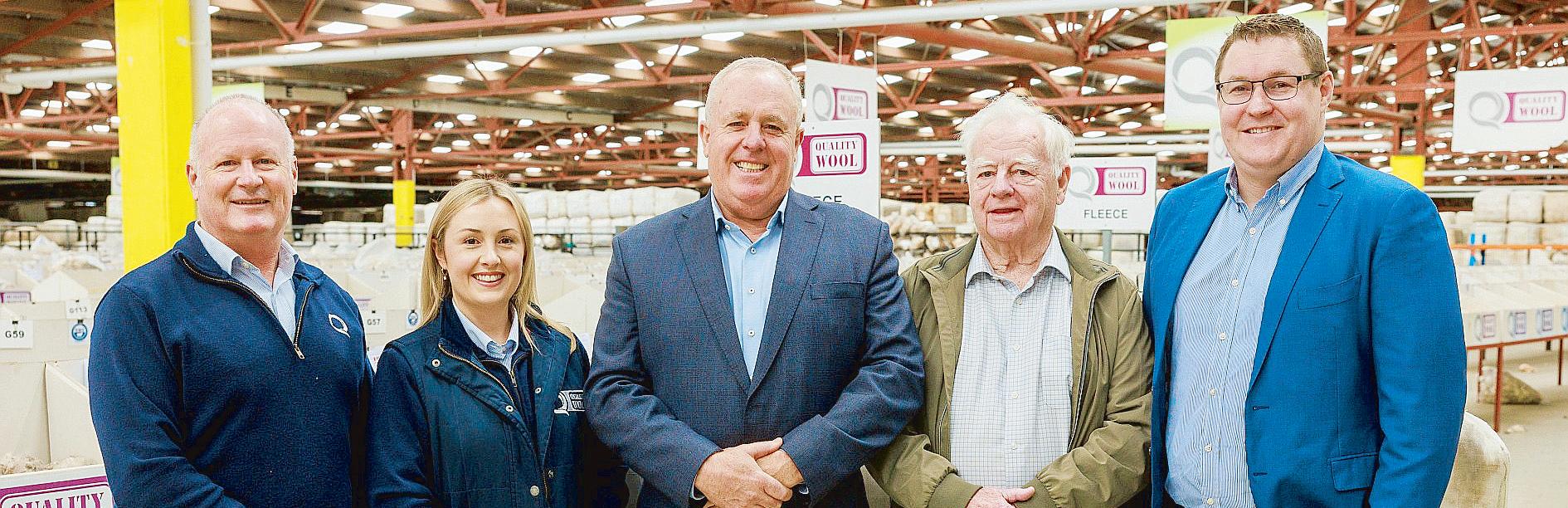
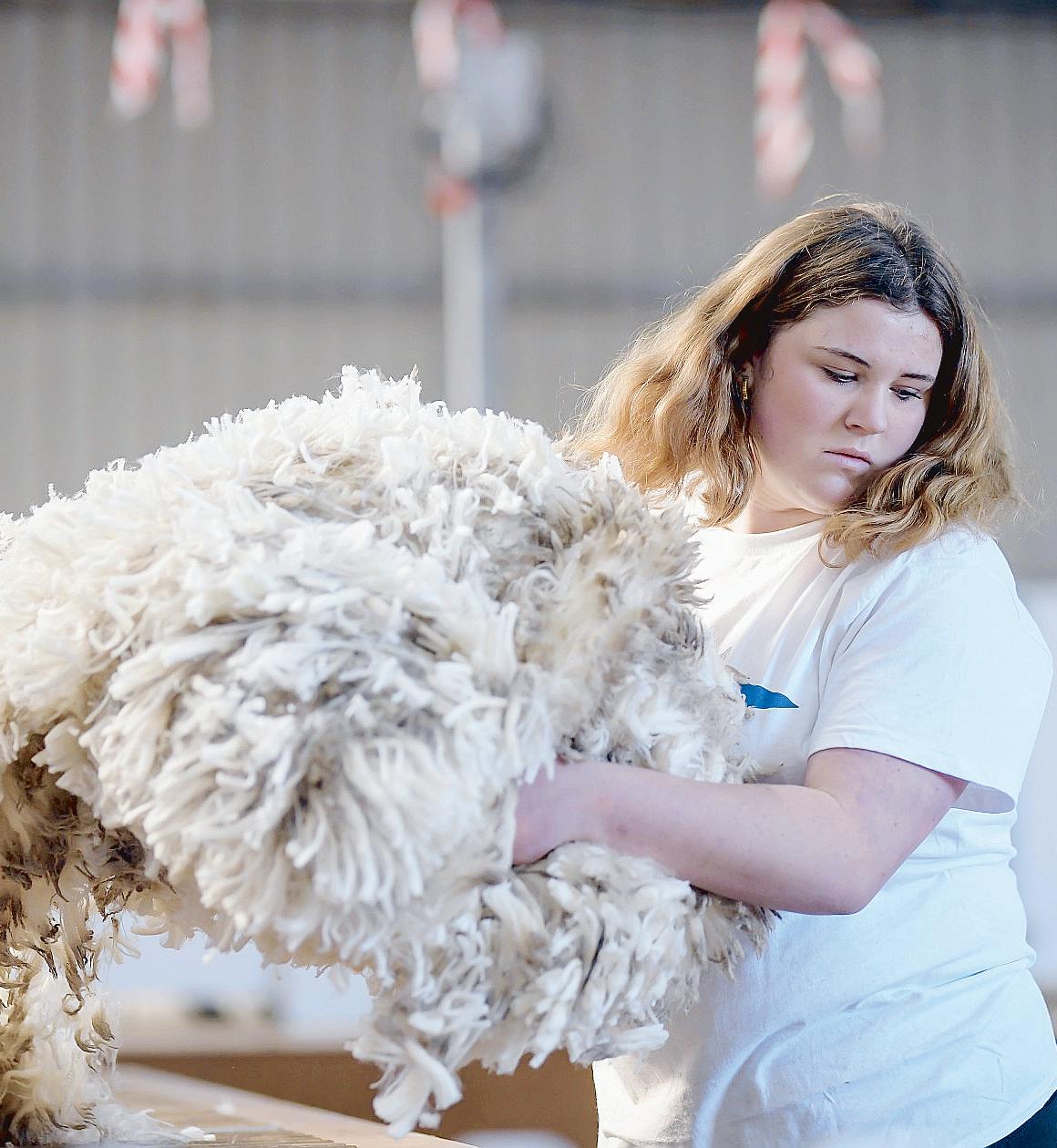
THERE are changes incoming for the wool industry as two well-known wool marketing firms team up.
Quality Wool and Techwool Trading will merge their regional wool marketing divisions from July 1.
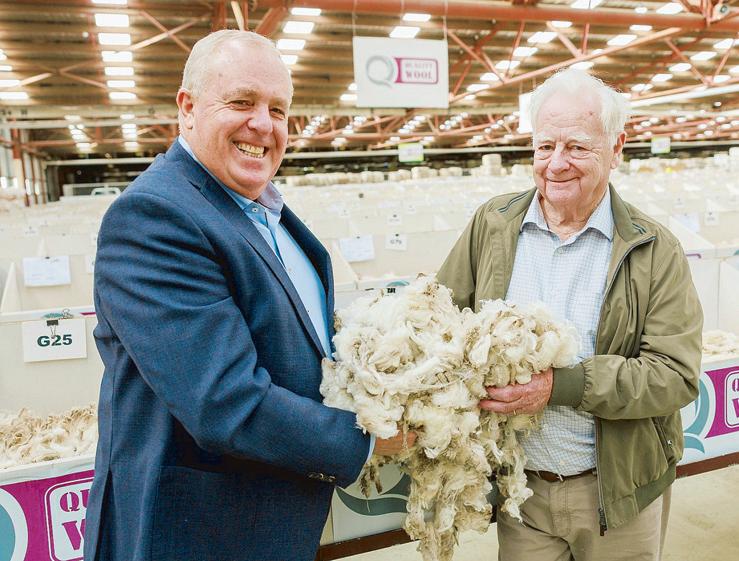
Mark Dyson of Quality Wool and Rod Franklyn of Techwool Trading are two leaders of the wool industry who have been long-time family friends, as well as friendly rivals “on the field”
The merger will further grow Quality Wool’s expansive country network through the South East of South Australia and Victoria, and will allow Techwool Trading to hone its focus on the ongoing development and success of its exporting division.
Techwool Trading wool stores at Kingston in SA and at Hamilton, Mortlake and Laverton in Victoria, plus its wider country buying division to the north, will join the national Quality Wool network, and all existing staff at the sites will be retained.
Headquartered in Adelaide, Quality Wool has regional sites at Jamestown, Bordertown, Dublin, Eden Valley, Naracoorte, Lameroo and Karoonda in SA, in addition to its Port Adelaide wool store.
The company is already located at Bendigo, Ararat, Benalla, Mansfield and Ballarat in Victoria and has sites at Parkes, Orange, Condobolin, Grenfell, Gulargambone and Deniliquin in New South Wales, while its reach also extends into Queensland and over to Western Australia.
All stores feed into Quality Wool’s major receival store and show floor in Geelong.
The business, which is celebrating 35 years this season, offers a comprehensive range of
marketing and buying services, including premium traceability marketing opportunities through quality assurance schemes such as Responsible Wool Standard (RWS) and ZQ by Zentera, plus on-farm wool collection.
Managing Director of Quality Wool Mr Dyson said the Techwool Trading sites fit perfectly into their network.
“Including Naracoorte, they strengthen our support to growers across southern SA and Victoria through to Geelong,” he said.
“Our support for growers of premium traceability wools will further grow in the region and the economies of scale will improve marketing efficiencies and allow additional service benefits.
“Growers will have easy access to deliver direct to our store in Geelong, but we will also be

P: 08 8414 3400
E: lawyers@molawyers.com.au
Adelaide BarossaValley
ClareValley
PortLincoln
By appointment: Balaklava, Bordertown, Burra, Ceduna, Cleve, Cummins, Elliston, Kadina, Keith, Kimba, McLaren Vale, Riverton, Streaky Bay and Wudinna.

running a trucking service to the Western Districts out of Geelong.”
Managing Director of Techwool Trading Mr Franklyn said the merger was a strategic move to allow specialised support to continue to its grower clients with another family-owned company that had built a strong, sophisticated network and had great relationships with farmers across Australia.
Mr Franklyn said, in turn, it would allow Techwool Trading to further specialise its exporting business and strengthen its buying power throughout Australia.
He said both companies held similar values and approach to business, hence he anticipated a seamless transition for Techwool Trading’s country wool buying division.



MellorOlssonprovidesclearlegaladvicetofamily ownedand owner managedbusinesses.Wesupportindividuals,families andfamilybusinessesateverystage,fromestablishmentand growthtotransition,successionanddisputeresolution.
Weadviseon:

Succession planning and asset protection
Governance and advisory services
Business structuring and strategic advice
Contracts and commercial agreements
Mergers, acquisitions and business sales
Property, leasing and conveyancing
Employment and workplace relations
Regulatory compliance and risk management
Dispute resolution and litigation
Mining & Native Title negotiations
Family matters and estate planning

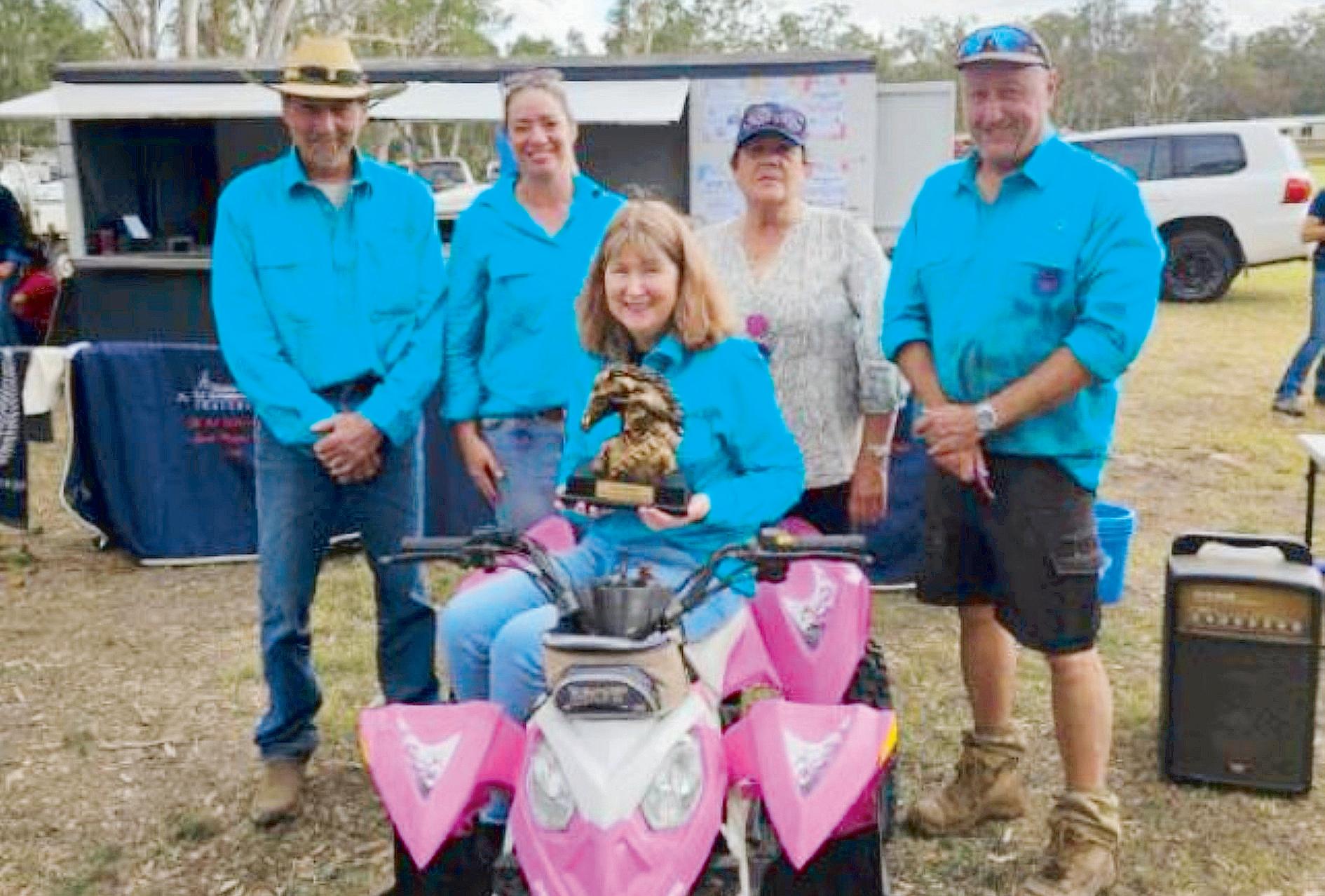
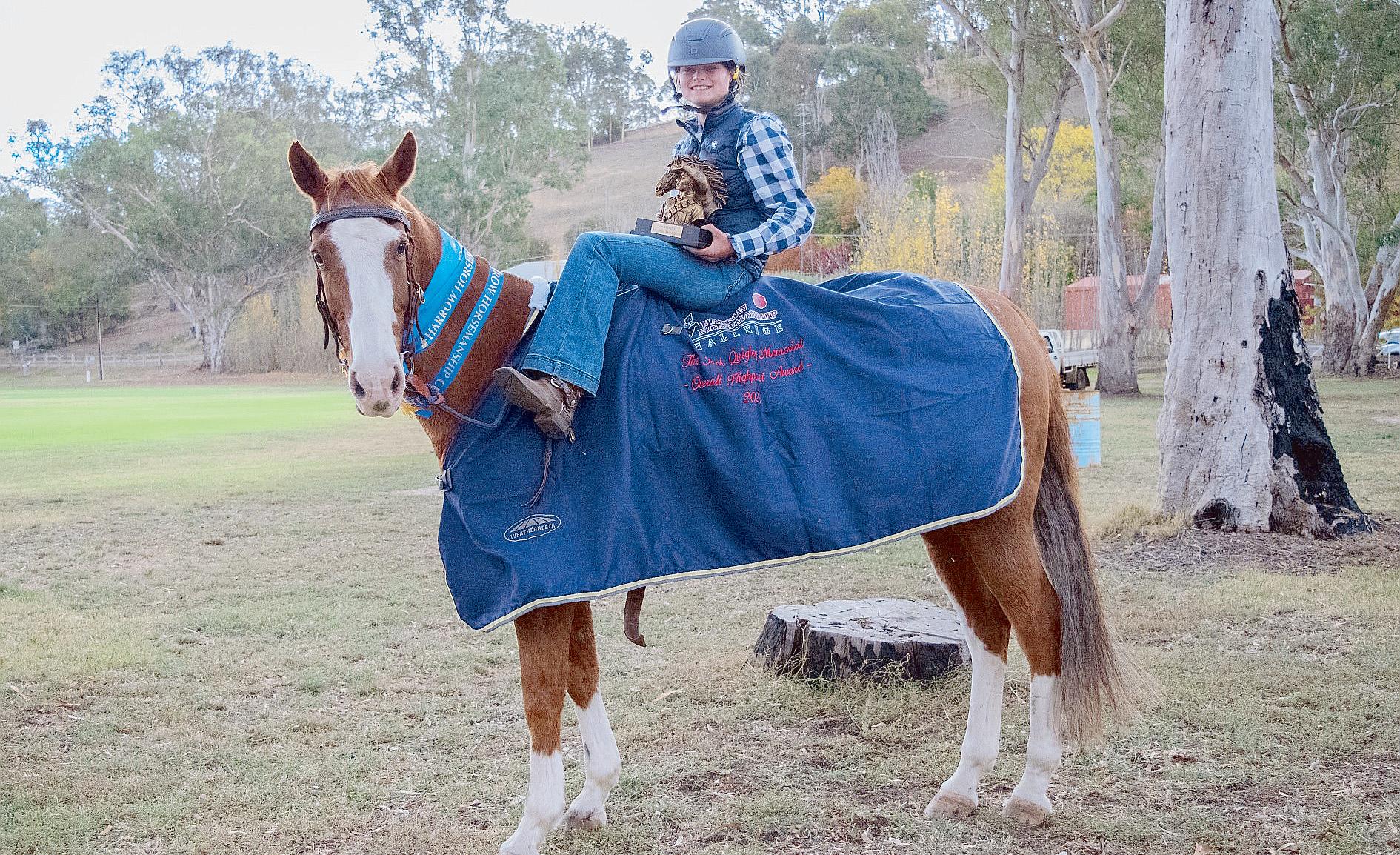
THE annual Harrow Horsemanship Weekend proved to be another outstanding success this year, bringing together horse enthusiasts from across Victoria and South Australia for a memorable weekend of camaraderie, competition, and remembrance.
The weekend commenced with a special Anzac Day march featuring local riders president of the Harrow Horsemanship Challenge Toni Nolan, sisters Charlotte, Felicity and Ebony McClure, siblings Mitchell and Maddie Grigg, and Simon Ellul from Penola, in which he proudly rode in his Light Horse attire.
The occasion marked a significant milestone, as it was the first time in more than 50 years that horses had participated in Harrow’s Anzac Day march. Riders were honoured to represent Australia’s legendary Light Horse regiments while also showcasing the spirit of the Harrow Horsemanship Challenge.
This year’s event attracted 70 entrants with approximately 90 per cent of these riders camping at the grounds having travelled extraordinary distances to compete. The weekend provided an opportunity for participants to ride in remembrance of the men and women who served and sacrificed for our country.
Adding a fresh challenge to the program, organisers introduced a new reconnaissance ride on Saturday.
The navigation-style course required riders to collect information along the way while aiming to complete the course within an optimum time of five minutes which was unknown to the riders. The new addition was well received and added an exciting element to the competition.
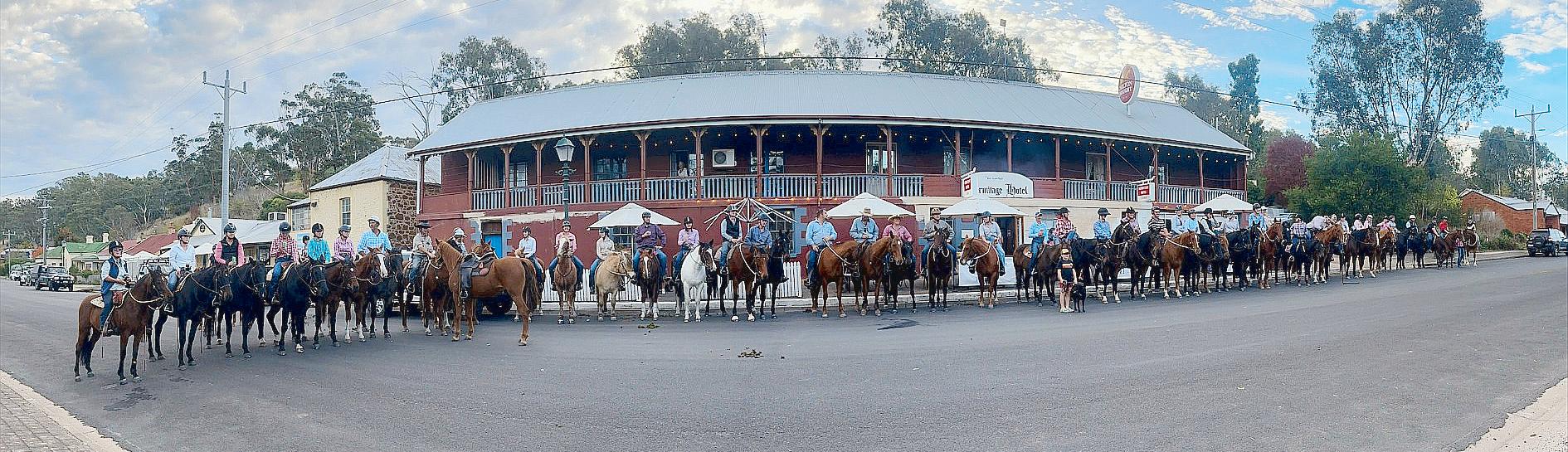
Following the day’s events, riders gathered for the much-loved annual pub ride to the Hermitage Hotel.
The ride featured the largest line-up of horses seen to date, creating a spectacular sight through the district. Participants then enjoyed a delicious spit roast dinner beneath the magnificent gum trees surrounding Johnny’s fire pit at Johnny Mullagh Park, sharing stories and laughter well into the evening.
Sunday’s competition saw riders tackle the Legacy Dash, a timed event, and the Remembrance Ride, which combined obstacles and a working pattern course.
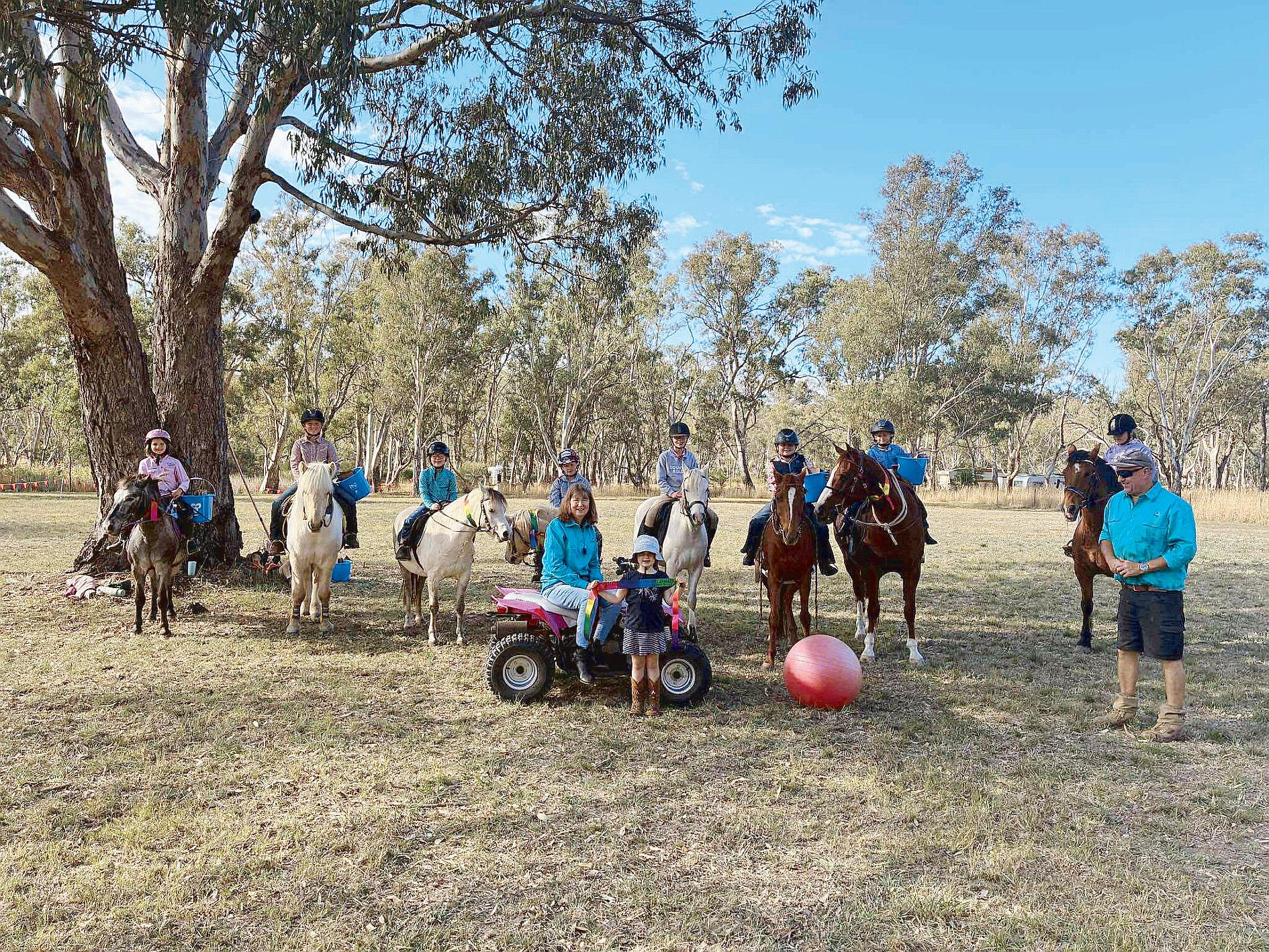
The weekend also catered for its youngest participants, with aspiring riders taking part in the Piccaninnies Course.
The program was expertly coordinated by secretary and treasurer of the committee Amanda Shrive, alongside committee member Troy Shive, who helped introduce the next generation to the fundamentals of horsemanship.
A special highlight of the weekend was the beautiful handcrafted leather poppies created by Christian Harvey.
Each participant received one of these
unique keepsakes, providing a lasting reminder of the weekend’s purpose of remembrance and respect. The committee extends its sincere gratitude to Christian for his craftsmanship, generosity, and contribution to the event.
The committee would also like to express its heartfelt thanks to every sponsor, volunteer, rider, and supporter who helped make the weekend possible.
Events such as this rely heavily on the gen-
erosity of local businesses, community members, and volunteers.
Their support ensures the Harrow Horsemanship Weekend continues to grow while honouring those who have served our country.
The Harrow Horsemanship Weekend continues to be a unique event that combines horsemanship, history, and community spirit.
As a not-for-profit event run by a dedicated committee of just five members and supported
by the Harrow Promotion and Development Group, its success is a testament to the hard work of volunteers and the enthusiasm of riders who return year after year.
With strong attendance, new events, and a record number of horses taking part in the pub ride, the 2026 Harrow Horsemanship Weekend will be remembered as one of the most successful and meaningful gatherings in the event’s history.
JERSEY breeders from across Australia have seen first-hand how one farming family has helped their cows adapt to increasingly warm conditions.
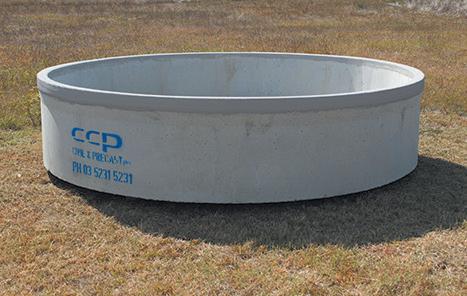
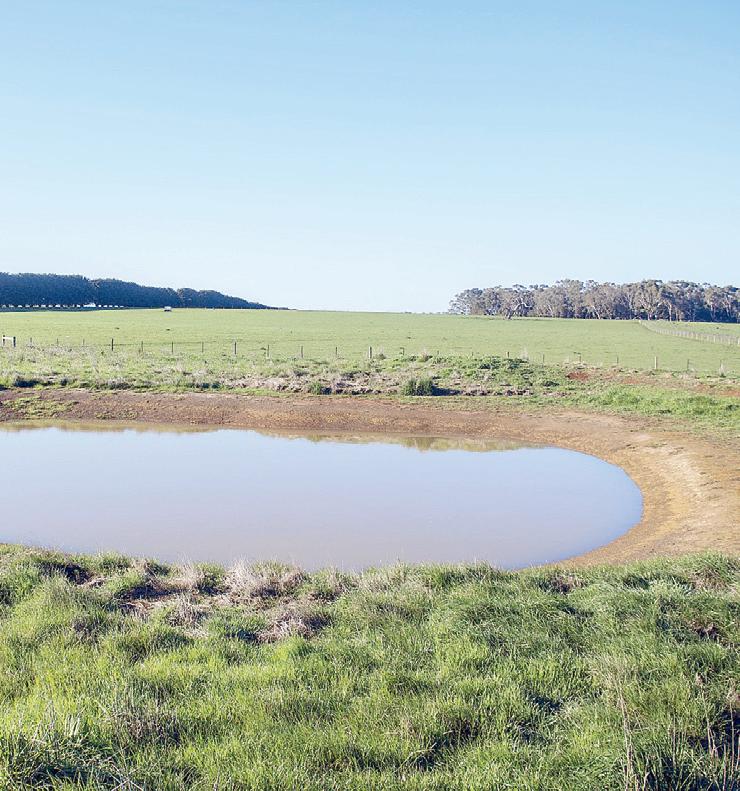
Dam repairs, however, are often high-risk and expensive and should only be undertaken when the cause of failure and repair options are well understood.
Repairs should only be attempted on larger, well-constructed dams.
Understanding the dam’s history – who built it, what equipment was used, and how it has performed – is essential before any work begins.
Poor construction, unsuitable materials, inadequate compaction and soil contamination are among the most common causes of dam failure.
While poor maintenance can contribute, it is rarely the primary factor.
Diagnosing the cause of dam failure can be complex. It is important to determine whether the leak is through the wall or floor of the dam, and whether it is isolated or widespread.
Thorough inspections should ideally be carried out across multiple seasons, including winter, spring and summer. Where possible, landholders should: inspect the dam bank for seepage, subsidence, cracks, or tunnels
• check the waterline for whirlpools or surface turbulence
• examine downstream areas for soft ground or lush vegetation, indicating seepage
use a steel probe or crowbar to test soil firmness in suspect areas
• watch for unusual signs such as bright yellow or very clear water, which may indicate tunnelling or unsuitable soil
• monitor and photograph the site regularly to track changes in water levels or visible issues
• inspect the dam after heavy rain to identify potential problems carefully examine any breach in the dam wall, looking for signs of unsuitable materials like sand, gravel or topsoil.
Soil testing is a crucial part of any repair effort. Testing should include samples from the failure site and surrounding areas, as well as any potential borrow pits.
Basic soil assessments, including texture, aggregate stability and shrinkage, can be undertaken by landholders using simple guide-
lines available on the Agriculture Victoria website: Soil materials for farm dam construction
Repair options depend on the location, cause and severity of the failure.
Solutions may include reworking existing materials, sourcing suitable material nearby or using additives like lime, gypsum, bentonite or specialised products such as sealants or membranes.
Expert advice should always be sought before using manufactured products, as locally sourced materials are often more effective.
Dam repair works usually involve:
• excavating the site for safe machinery access
• preparing the foundations to optimise bonding
• ensuring repair materials are moist and placed in layers not exceeding 100 mm
• compacting each layer with multiple passes of a padfoot roller
• ensuring the total depth/width of repair materials exceed 300 mm
• shaping final slopes to a maximum gradient of 3:1 (horizontal:vertical).
Repairing dams also present significant health and safety risks, including unstable soil, steep slopes, machinery hazards and exposure to dust.
All works should be carried out by qualified and experienced personnel, and safety protocols must be in place, including reliable emergency communication.
Permits or licences may be required to undertake dam repairs. Landholders are encouraged to contact their local council planning officer and water authority for guidance.
Find more information about available drought support by visiting Drought support or call 136 186.
THERE have been further detections of Varroa Mite in the Limestone Coast in the past few months.
Varroa mite was first detected in South Australia in September 2025 at Pooginook in the Riverland and in November, the mite was confirmed in beehives near Salt Creek and at Taratap.
Since then, there have been further detections in the regions including at Coombe in January and at Worrolong, Western Flat and Wirrega in February.
Movement control orders have been applied to the affected sites to ensure bees, hives and associated equipment cannot be moved to allow for a traceback assessment, surveillance, and development of a management plan.
All beekeepers with positive detections are working with PIRSA to undertake surveillance at all linked sites, where additional sampling and tracing will be carried out to establish the extent of the incursion.
Varroa mite (Varroa destructor) is the most serious pest affecting honey bees worldwide and is a threat to Australia’s honey and honey bee pollination plant industries.
They are tiny reddish-brown external parasites of honey bees. Individual mites can be easily seen on brood, but they are difficult to identify on adult bees.
If left untreated, varroa mites will kill any beehive or colony they infect.
For more information, visit pir. sa.gov.au/animal-management/animalhealth/species/bees/varroa-mite
JERSEY breeders from across Australia have learned how one farming family has helped their cows adapt to increasingly warm conditions.
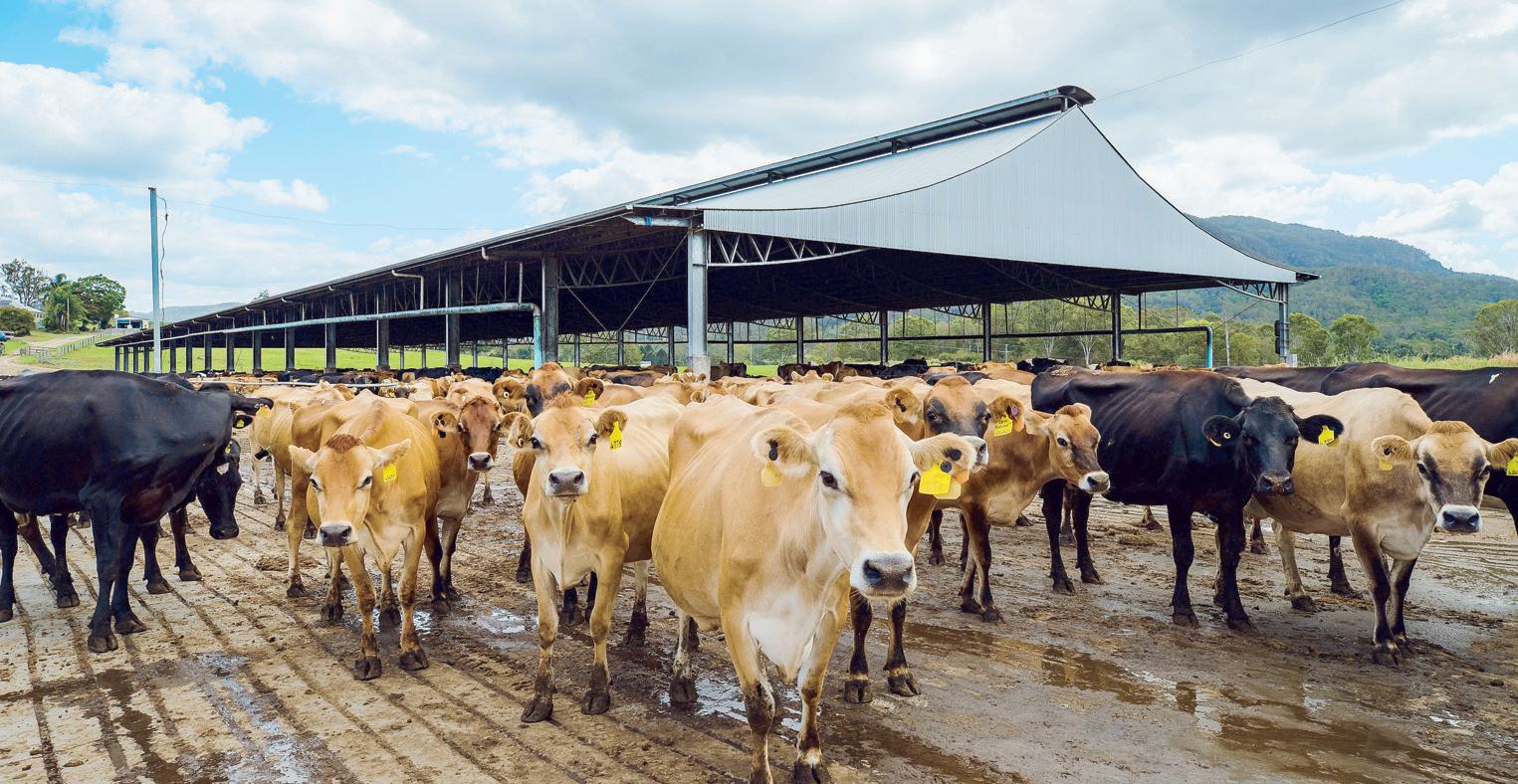
Dairy farmers from Victoria and South Australia made the trip to the three-day Jersey Australia AGM and annual conference in Noosa at the end of May, with a farm and herd visit to Chad and Carita Parker’s Glen Echo Jerseys at Kenilworth where they milk more than 1000 cows.
The business has undergone phenomenal growth over the past two decades, increasing from 150 cows.
The Parker family installed two freestall barns in 2017 and 2024 and invested in silage storage to accommodate the herd’s growth and to help the cows cope better with the increas-
ingly humid conditions.
“It’s more comfortable for the cows in the shed rather than grazing because of the weather conditions up here are not good for grazings,” Mr Parker said.
The herd is 50 per cent Glen Echo Jerseys, 30 per cent Jersey-Holstein cross and 20 per cent Holsteins.
The main farm has about 200 hectares that is grazed for dry stock and heifers and double that size for crops.

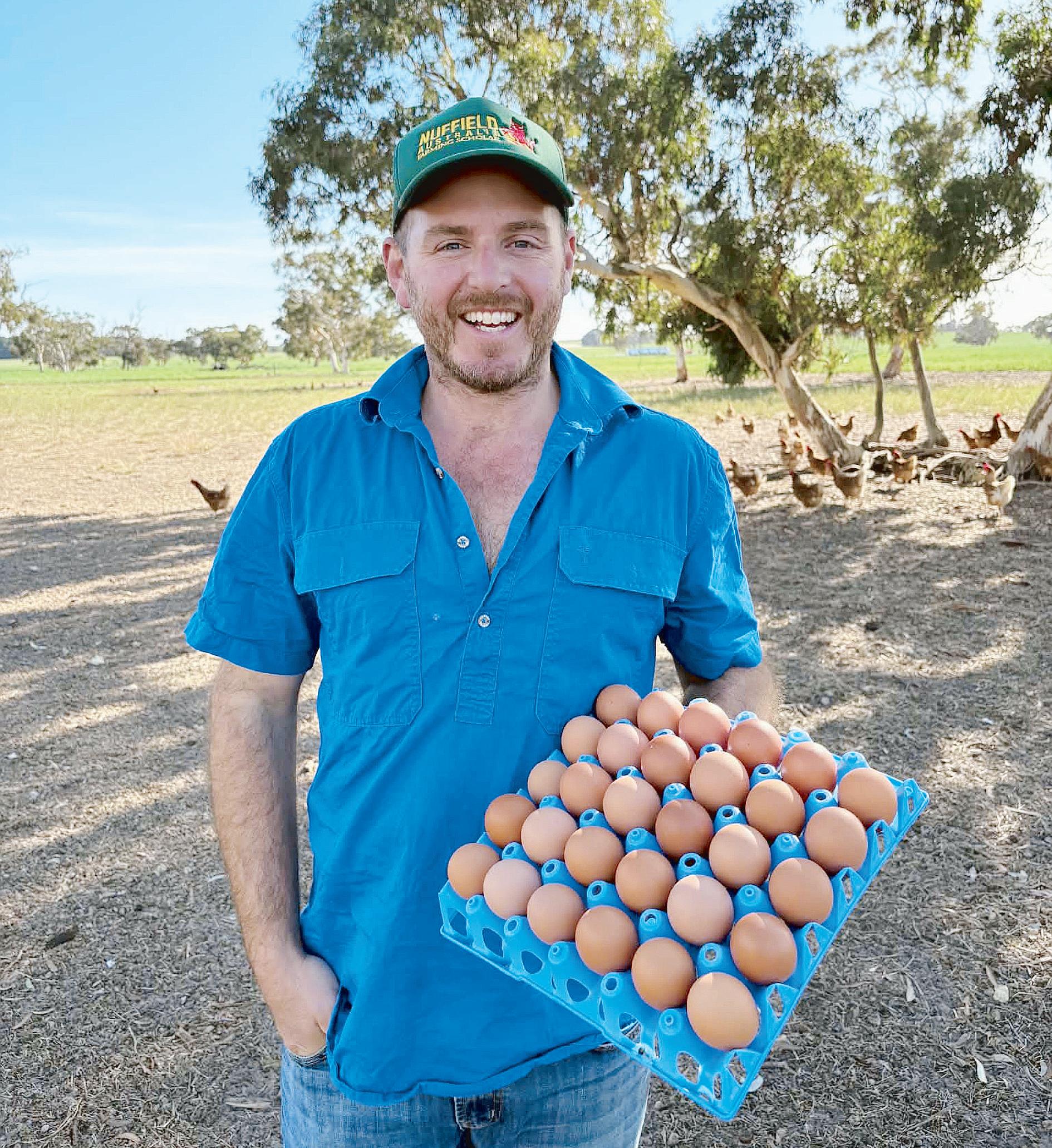
LIMESTONE Coast egg producer Sam Clothier is learning from farmers across the world as a recipient of a Nuffield scholarship.
Mr Clothier recently set off on 15 weeks of international travel, exploring cutting-edge agricultural practices and research along with other scholarship recipients.
Their findings will be shared with peers and industry stakeholders, helping shape the future of farming in Australia.
Mr Clothier received the scholarship to study free range poultry systems, hen health, productivity and longevity.
His family run 10,000 laying hens in a pasture-based system, selling through Limestone Coast Eggs.
The operation sits alongside a 3000-ewe prime lamb and trade cattle enterprise.
Mr Clothier described himself as a passionate ambassador for agriculture with a strong focus on innovation in free-range poultry systems.
He is now setting out to research worldleading strategies to incorporate into egg production systems across Australia.
He is especially interested in exploring automated mobile housing systems and cooperative farming models in the USA and Canada.
He was motivated to apply for the scholarship after having scores of conversations with egg producers, all with a similar question –how can we manage bird health and disease threats in a free-range system?
He will examine how to close the mortality and laying rate gaps between pasture-based and cage production systems, along with ways to maximise production while optimis-
ing bird health and contributing to hen longevity.
With avian influenza having a devastating impact on egg producers in Australia and abroad, the research is timely and aligns with the Australian Egg Corporation’s goals for sustainable production and health and disease management.
With caged egg production systems being phased out by 2036, his study is relevant to the future of the industry.
Nuffield Australia Executive Director and 2013 Scholar Guy Hebblewhite said the 2026 scholars embodied the innovation and resilience that define Australian agriculture.
“Their drive to learn from global leaders and apply insights locally will spark fresh thinking and strengthen agricultural communities nationwide,” he said.
“A scholarship is about building on generations of knowledge while boldly exploring new ideas to shape a more sustainable and profitable future.
The 2025 Nuffield Australia Impact Report found that almost 90 per cent of scholars enhanced their farming systems and boosted production as a direct result of their research. The assessment also found half of alumni were more likely to undertake further study following their scholarship, reinforcing the program’s role in fostering lifelong learning and leadership.
Sam Clothier is on a learning journey as a 2026 Nuffield scholar. (Supplied)


MELLOR Olsson has recently been recognised among Australia’s best law firms, with its inclusion in the 2027 Best Law Firms in Australia rankings released last week.
The firm achieved Tier 1 rankings in Agriculture and Rural Affairs, Trusts and Estates, and Planning and Environmental Law, reinforcing its position as a trusted adviser to primary producers and the family-owned businesses that underpin our regions.
For many agricultural enterprises, legal advice extends well beyond day-to-day operations. Succession planning, estate structuring and intergenerational transition are critical to ensuring long-term sustainability.
Mellor Olsson’s strength in trusts and estates, alongside its deep understanding of agriculture and family business dynamics, positions the firm to support clients through these pivotal moments with clarity and confidence. Mellor Olsson CEO Cameron Thomson said the recognition speaks to the firm’s longstanding focus on client service and expertise.
“These rankings reflect what we value most – trusted advice, strong relationships, and specialist knowledge delivered by lawyers who are leaders in their fields,” he said.
This recognition comes at a time when agriculture continues to intersect with major economic and environmental considerations, particularly in regions such as the South-East where mining and environmental issues remain front of mind.
Navigating these competing interests requires not only technical expertise, but a deep understanding of land, legacy and the communities involved.
Planning and environmental law has become central to these conversations, and the firm’s Tier 1 ranking in this area highlights the depth of experience it brings to land use, development and resource management.

Importantly, the firm’s recognition extends beyond practice areas to the individuals behind the work. A number of Mellor Olsson lawyers have been recognised among the best in Australia in their respective disciplines.
Among them is Mellor Olsson Partner, Anthony Kelly, who has been named Lawyer of the Year in Planning and Environmental Law. This is a significant national honour that underscores the calibre of advice available to clients navigating complex regulatory and environmental challenges.
As Mr Kelly noted, “Planning and environmental issues are becoming increasingly complex, particularly where agriculture, land use and resource development intersect. Having assisted numerous farmers in negotiations with mining companies, our role is to provide clear, practical advice that helps clients navigate these challenges with confidence.”
Mellor Olsson was also recognised across a broad range of practice areas, including Commercial Law, Native Title Law and Real Property Law, along with Government Practice, Leasing Law and Litigation, further reinforcing the depth of expertise supporting modern agricultural and family business operations.
A recent Grain Producers SA (GPSA) survey reveals that South Australian farmers are facing a period of significant financial instability as they begin the 2026 seeding season.
The GPSA Seeding and Seasonal Outlook 2026 Survey, which gathered responses from 384 South Australian grain producers, revealed an industry pushing forward with planting but facing severe financial anxieties.
Despite high soil moisture levels, growing expenses for essential supplies like fuel and fertiliser are severely undermining industry confidence and potential profit margins.
To manage these rising overheads, many growers are choosing to reduce fertiliser applications or transition toward lower-input crops like lentils.
While overall seeding areas have slightly increased, a vast majority of producers remain anxious that stagnant grain prices cannot keep pace with soaring production costs.
Consequently, the sector is experiencing fragile sentiment, with many businesses describing their current economic position as increasingly strained.
The high cost of inputs remains the most significant concern for 58 per cent of producers and 93 per cent of respondents reported that input costs, availability issues, and low grain prices have negatively impacted their confidence in achieving a profitable crop.
Specifically, 95 per cent expected their fuel costs to exceed their budgets, with one in three growers anticipating an extra $50,000 or more in fuel bills.
Similarly, 87 per cent expect higher fertiliser costs than they originally budgeted for and 73 per cent of surveyed grain producers were
already reducing their fertiliser use, a notable increase from the 50 per cent who did so during the 2025 drought.
When asked about the extent of the reductions, 24 per cent planned a reduction between 25 per cent and 50 per cent, while 13 per cent planned to reduce their usage by more than half.
While overall planned cropping hectares have seen a 5 per cent increase compared to 2025, 28 per cent of producers are altering their crop mix to favor lower-input crops to manage
costs and risks.
The percentage of growers planting wheat fell from 92 per cent in 2025 to 87 per cent in 2026, and barley plantings saw a slight decrease from 87 per cent to 84 per cent.
Conversely, lentil plantings have increased, with 56 per cent of producers sowing them in 2026, up from 49 per cent the previous year.
Margins are being heavily squeezed from all directions with 49 per cent describing their current financial situation as “manageable
but tight,” a further 28 per cent reported being “under significant pressure” heading into the seeding season and 21 per cent described their financial situation as comfortable.
The overall confidence rating for the season ahead sits at a neutral, fragile 5 out of 10, however this is higher than last year when it was at a 4.
This is despite positive environmental conditions, as 53 per cent of producers rated the seasonal outlook based on current soil moisture as either “good” or “excellent”








AS winter approaches, sheep farmers may encounter cases of pregnancy toxemia, also known as twin lamb disease, in their flocks.
This condition occurs due to an inadequate energy intake during the last four to six weeks of pregnancy.
During this critical period, a ewe’s energy requirements increase significantly, as she needs to provide energy for both herself and her rapidly growing lambs. Ewes carrying twins are particularly susceptible to this issue, hence the name “twin lamb disease.”
Outbreaks of twin lamb disease are often triggered by stress and environmental factors that lead to a reduced food intake, such as during yarding, holding off feed, or severe weather. Affected ewes may appear drowsy, blind, and unresponsive, and the condition can progress over several days. The presence of affected ewes is a sign that all is not well within the rest of the flock. Many other ewes may also be subclinically affected and could develop further cases of twin lamb disease. This occurs because of a breakdown of body fat at a rate that the ewe’s liver is unable to cope with, leading to a swollen, yellow, crumbly, and greasy liver upon autopsy.
Affected ewes can sometimes be successfully treated with an energy-rich drench, such as glycerine, provided it is administered in the early stages of the disease. However, the most important prevention measure is to provide goodquality supplementary feeding to the ewes most at risk during the last eight weeks of pregnancy.
For further advice, farmers should contact their local veterinarian, an Agriculture Victoria Veterinary or Animal Health Officer, or call the Emergency Animal Disease Hotline at 1800 675 888.
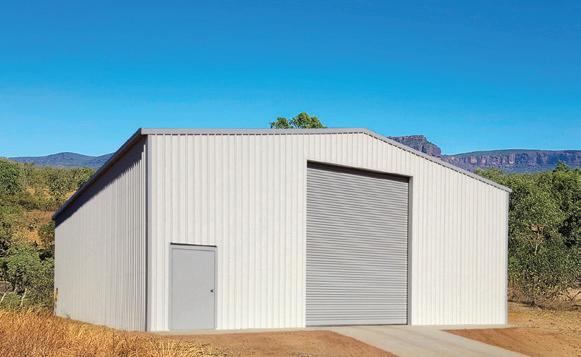
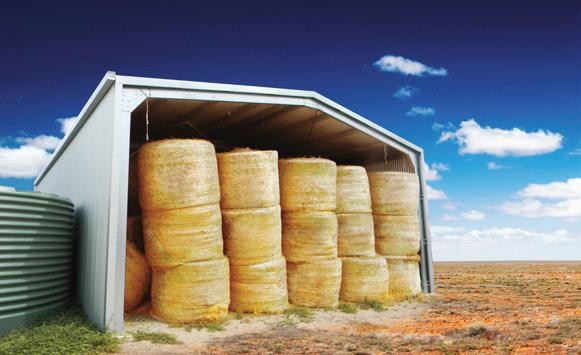
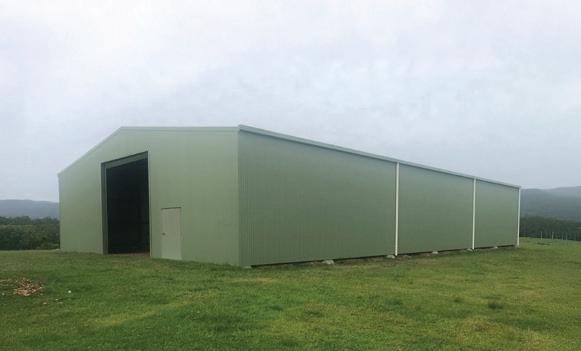
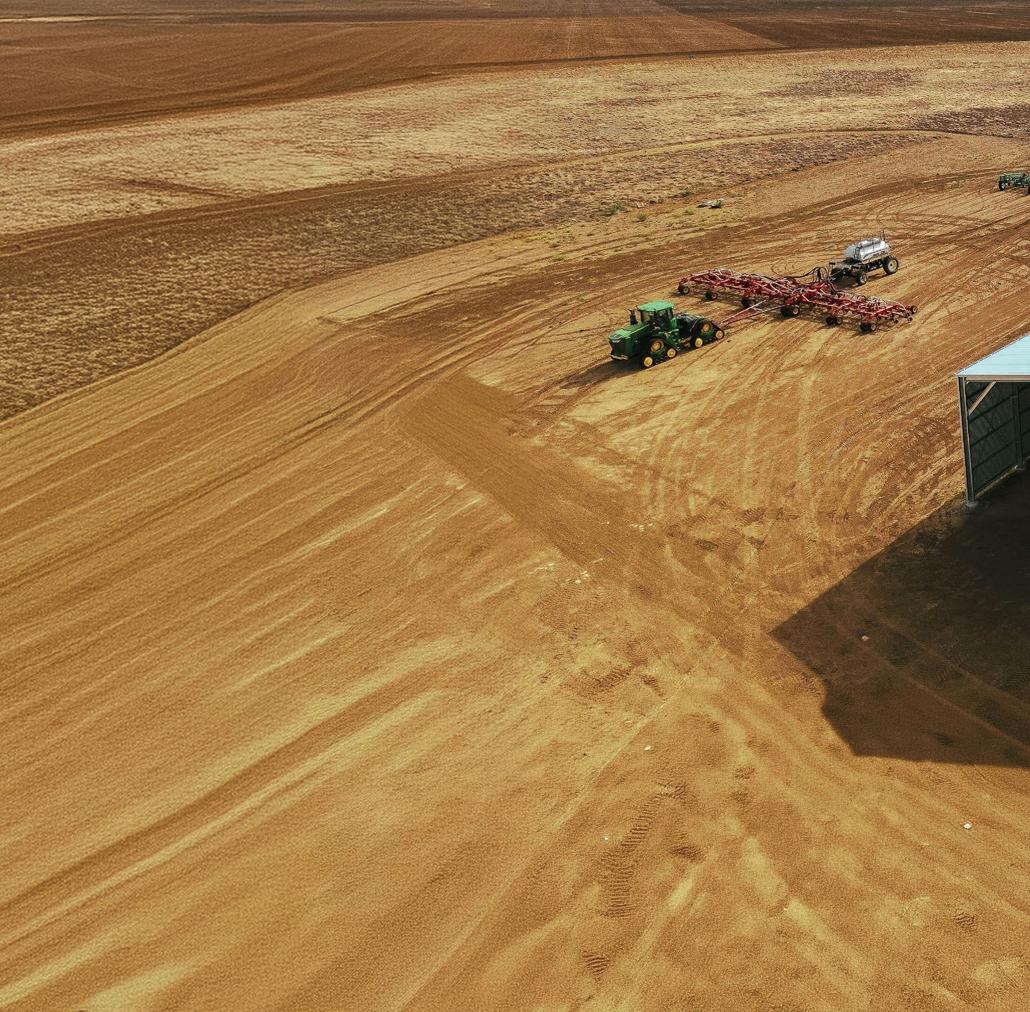
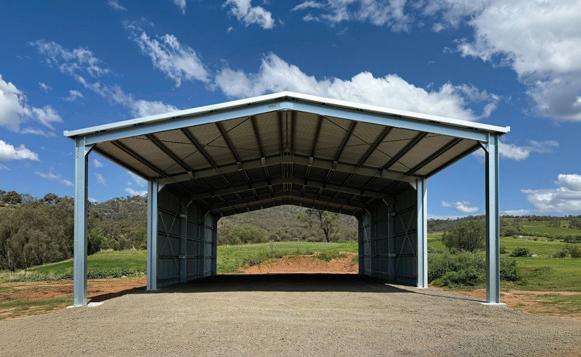
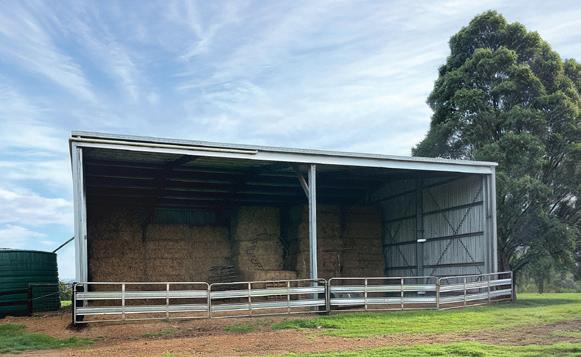
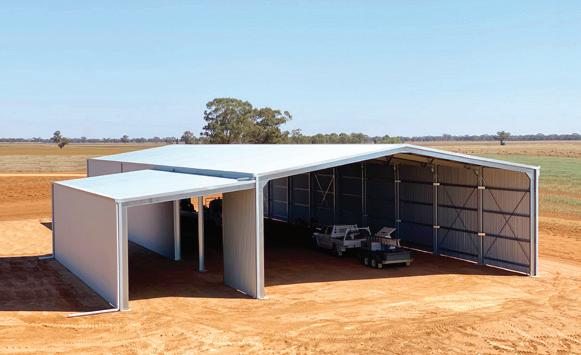
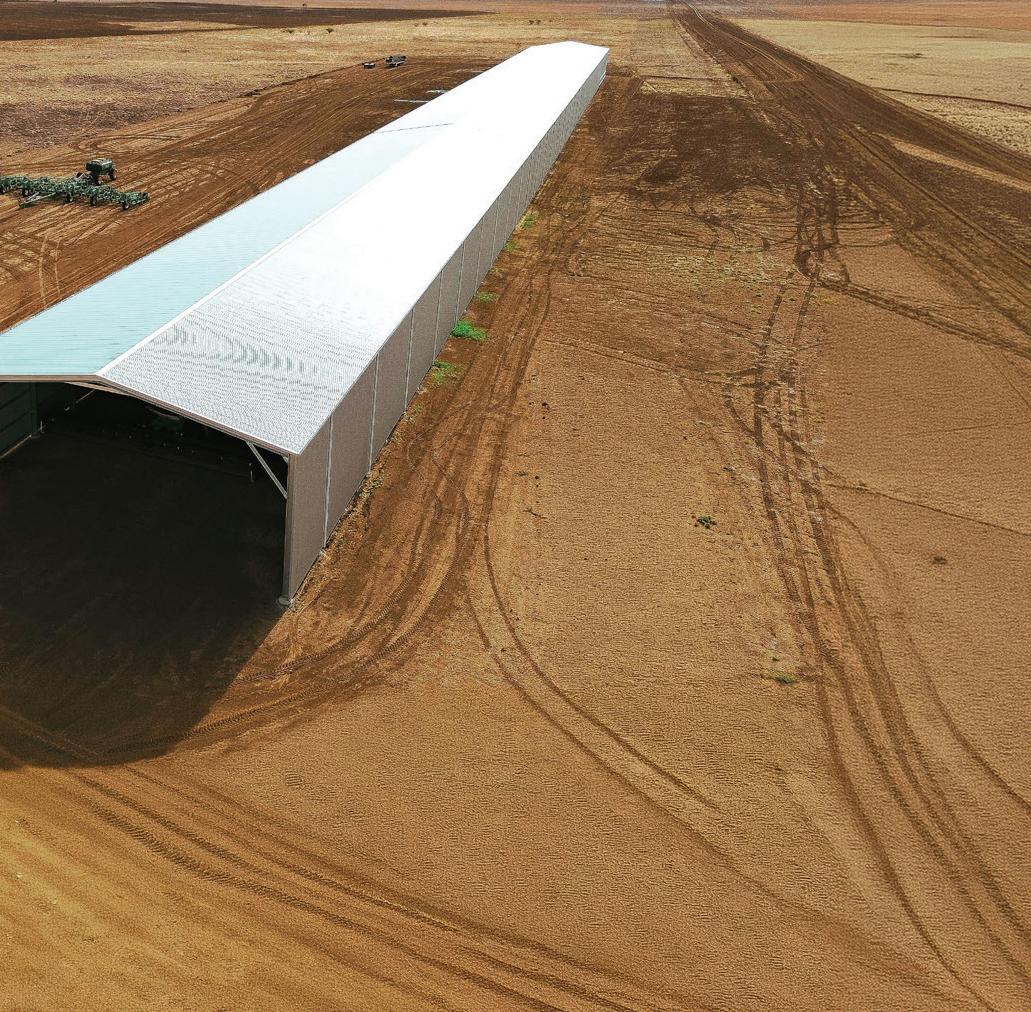
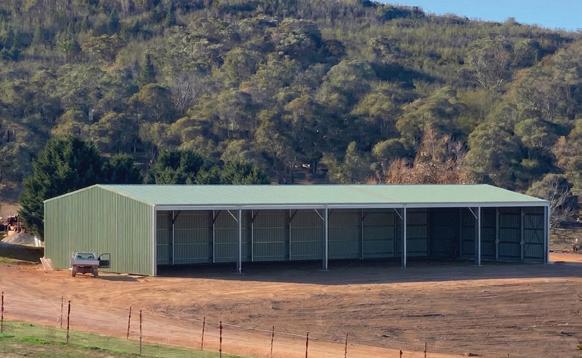
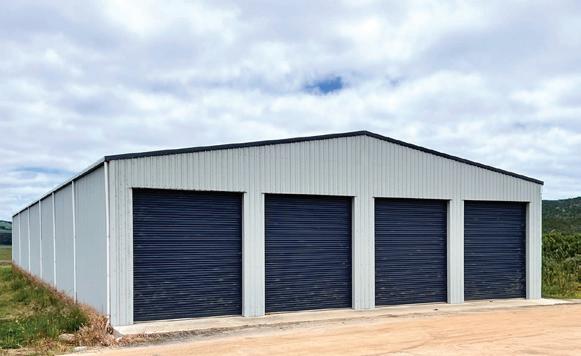
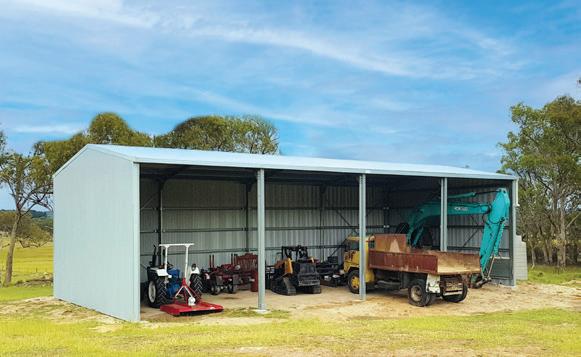
AS end of financial year pressure builds across regional Australia, demand for locally made infrastructure is surging and Australian businesses are among those being urged to act before looming industry price rises take effect.
Australian shed manufacturer Now Buildings says current market conditions have created what may be the last opportunity for customers to secure pre-increase pricing on Australian made steel sheds, with major suppliers already flagging incoming cost rises across steel, freight and building components.
Now Buildings’ EOFY “Beat the Steel Price Rise” Sale campaign comes amid growing concern across the construction and manufacturing sectors about escalating material costs expected later this year.
For farmers, transport operators, small businesses and regional property owners, the timing is significant, with Now Buildings reporting a surge in enquiries as businesses move quickly to secure projects before the market shifts.
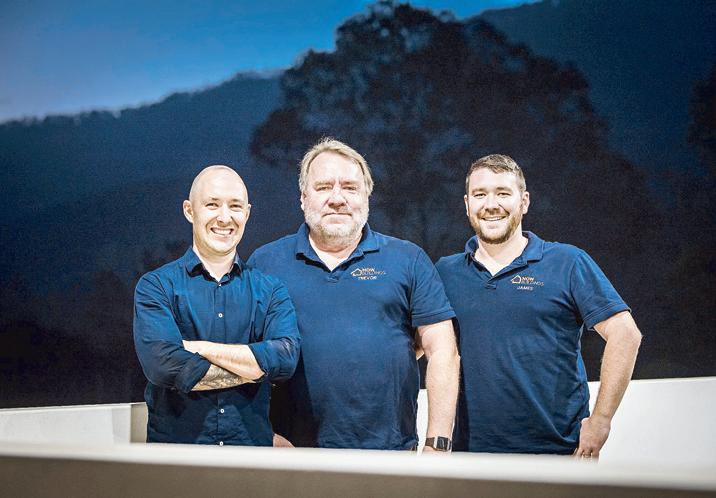
The team at Now Buildings say they have spent months negotiating with suppliers to secure current pricing allocations before increases take effect, a strategy designed to shield customers from the next round of industry adjustments.
But the company warns the opportunity is limited.
Once existing allocations are exhausted, prices will move in line with supplier increas-
es, with projections suggesting rises could exceed 10% across parts of the sector.
Behind the EOFY sales push, however, is a broader message focused on Australian manufacturing.
Now Buildings say they are proud to be family owned and operated, with their entire range of sheds certified Australian made by the not-for-profit organisation Australian Made.
At a time when imported products continue to flood the market, the distinction really matters.
Australian made products must meet strict manufacturing and quality standards, while also supporting local jobs, regional suppliers and domestic industry capability.
For buyers, the benefits extend far beyond national pride.
Locally manufactured products are designed specifically for Australian conditions, including harsh climates, engineering requirements and compliance standards. They also typically offer more reliable supply
ADVERTORIAL
THE Lower Limestone Coast Water Allocation Plan (the Plan) is currently progressing through the amendment process.
To support transparency and community involvement the Limestone Coast (LC) Landscape Board is holding a third round of consultation this coming week.
Community and stakeholder input is central to the amendment process. Farmers, licence holders and industry groups contribute their knowledge to ensure the plan reflects legislation, science and practical experience.
The Lower Limestone Coast Prescribed Wells Area is one of South Australia’s most productive agricultural regions. Groundwater is at the centre of this success, highlighting that this
important resource requires ongoing protection and responsible management.
Manager Planning and Engagement at the Limestone Coast Landscape Board Dr Liz Perkins said as a shared resource, water required thoughtful planning to ensure it supports social, environmental and agricultural activity now and into the future.
“Sustainable water allocation planning is crucial in achieving this balance,” she said.
Since the last consultation, key concepts have evolved.
These updates cover the structure of water licences, water access entitlements and consumptive pools, which are now available for stakeholders and community to review.
These key settings will inform progression
of other policy revisions such as adaptive management, transfers and sustainable management. Making this a critical stage in the process to seek feedback.
Resource condition limit setting continues to be a key area of interest for both stakeholders and the community.
It forms the basis for how we protect our water resources. While resource condition limits will not be proposed during this round of consultations an update on the development will be provided.
This update will give stakeholders and community the information they need to understand how resource condition limits will be set and what to expect later in the year.
Dr Perkins said the Limestone Coast com-
chains, stronger warranties and easier access to customer support.
The economic impact is equally important for regional communities.
Every Australian made purchase helps support local manufacturers, transport operators, steel suppliers, tradespeople and small businesses, industries that form the backbone of many country towns.
Now Buildings says its commitment to Australian manufacturing has remained unchanged since the company was established in 2008, working exclusively with local suppliers such as Lysaght.
As uncertainty continues across global supply chains, many businesses are now reassessing the value of buying local, not just from an economic standpoint, but for reliability and long term certainty.
For regional Australians considering a new shed this financial year, the message from industry appears increasingly straightforward: Act early, buy local and secure pricing before the next round of increases arrives.
munity had a strong track record of working together to manage water.
“Landholders, industry and community all play a role in shaping water allocation plans that reflect shared priorities,” she said.
“We encourage everyone to stay informed and join the discussion at the upcoming forums.
“Your input helps shape a water allocation plan that works for our region.”
Forums will be held in Mount Gambier 16 June, Kingston 17 June, Naracoorte 18 June, Millicent 22 June or Online 24 June.
To find out more and register to attend visit the project page engage.lclandscapesa.com. au/llcwap
BENDIGO Bank Agribusiness’ latest monthly commodity update reports tightening supply and a shift away from synthetic ‘fast fashion’ is driving a surge in the Australian wool market while avocado supply is bracing for a dive.
“The Australian wool sector is currently enjoying a sustained period of growth, driven by demand for natural, sustainable yearround apparel – not just for winter warmers,” said Bendigo Bank Agribusiness Senior Manager Industry Insights, Eliza Redfern.
“Expanding beyond traditional winter wear, the fibre’s temperature control properties are securing its place in summer and technical apparel. With supply constrained, this strong pricing is expected to hold into the 2026/27 season,” she said.
This pivot back to natural fibres, combined with increased costs for synthetic alternatives and tighter supply picture, is reflected in the AWEX EMI - currently sitting at 1,886 c/ kg - 58.4 per cent higher year-on-year.
vgThe broader agricultural sector faces a mixed and complex outlook as it transitions into the winter months, Ms Redfern said, with avocado supply about to fall significantly.
“Following a bumper season in Western Australia, the market is bracing for a reduction in avocado output as the harvest moves to Central Queensland, with the anticipated drop in regional yields expected to tighten overall national supply and strengthen farmgate returns,” she said.
“Consequently, Hass avocado retail prices – currently between $2.20-$2.75 per piece –are forecast to lift as high as $3.50 as the winter season progresses.”
Other key insights from the May report: Grain prices climb on weather and crop risk: Northern grain markets saw significant price lifts in April, with Brisbane and Newcastle wheat and barley leading the gains. The strength was driven by weather-driven risks in the US and low rainfall across southern Queensland and northern NSW, which keeps planting confidence in check.
Brazilian beef exports caps local cattle prices: Increased volumes of lower-cost Brazilian beef exports into key international markets is directly limiting what export buyers are willing to pay for Australian cattle. With a dry forecast likely to increase local turn-off, this global competition is expected to maintain pressure on Australian cattle prices in the near term.
Sheep and lamb prices hold strong despite dry outlook: Unlike the broader livestock trend, lamb and mutton prices remain firm. A smaller national flock compared to the highs of 2023 and significantly improved processing capacity are providing a floor under prices, which should limit the potential downside in the months ahead.
Limited increases for dairy retail prices: While inflationary pressures rise for producers and processors, a combination of steady farmgate milk prices and cost-conscious shoppers are expected to limit significant increases in the retail price of dairy products for the time being.
(Emily Spooner: 494305)

Agriculture Today is a monthly farming publication dedicated to delivering trusted agricultural news, industry insights, and market information. Reaching more than 36,000 readers across South East South Australia and Western Districts Victoria, it connects producers, agribusinesses and rural communities throughout one of Australia’s most productive farming regions.
The July edition will feature a special focus on Education and Farmer Health.
Bookings for the next edition close Friday 26 June, 2026.
To find out more please contact our team today: