MARCUS Heironymus will walk from Goondiwindi to Brisbane, finishing at the hospital where he was treated for cancer at just 16 years old almost 10 years ago.
The 400km hike aims to raise money and awareness of the challenges patients, families and friends face when a loved one is diagnosed with cancer.
Growing up in a rural community, Marcus saw first-hand how his parents and those around him made things work, finding last-minute accommodation, driving long distances to hospital and managing extended stays away from home.
Marcus was diagnosed with testicular cancer at 16 and had to travel to Brisbane to access specialist treatment.
For his family, that meant an eight-hour round trip, highlighting the challenges many regional families continue to face today.
One step in front of the other, Marcus will set off from Goondiwindi on 25 July and arrive at Princess Alexandra Hospital on 17 August.
His walk, dubbed The Chemo Commute, will raise funds for Sony Foundation’s You Can Stay program, which provides free accommodation for regional families forced to travel to the city for treatment - support that wasn’t available when Marcus was undergoing treatment himself.
According to the Australian Cancer Plan, approximately seven million Australians live in rural or remote areas (28 per cent of the population), and people living in rural Australia are 1.3 times more likely to die from cancer.
“It’s a retrace of what I had to go through. Every time I’ve driven to Brisbane, I’ve always thought, ’This road sucks. I’d hate to walk it.’
“Then I thought maybe I should do it,“ Marcus said.
After attending the Princess Alexandra Hospital symposium last year, Marcus found himself on a panel alongside clinicians discussing what they wanted to see over the next five years.
He said better implementation of AI and technology to improve access to healthcare was among the ideas discussed.
“It’s one thing to have incredible treatment, but it’s another thing to be able to access
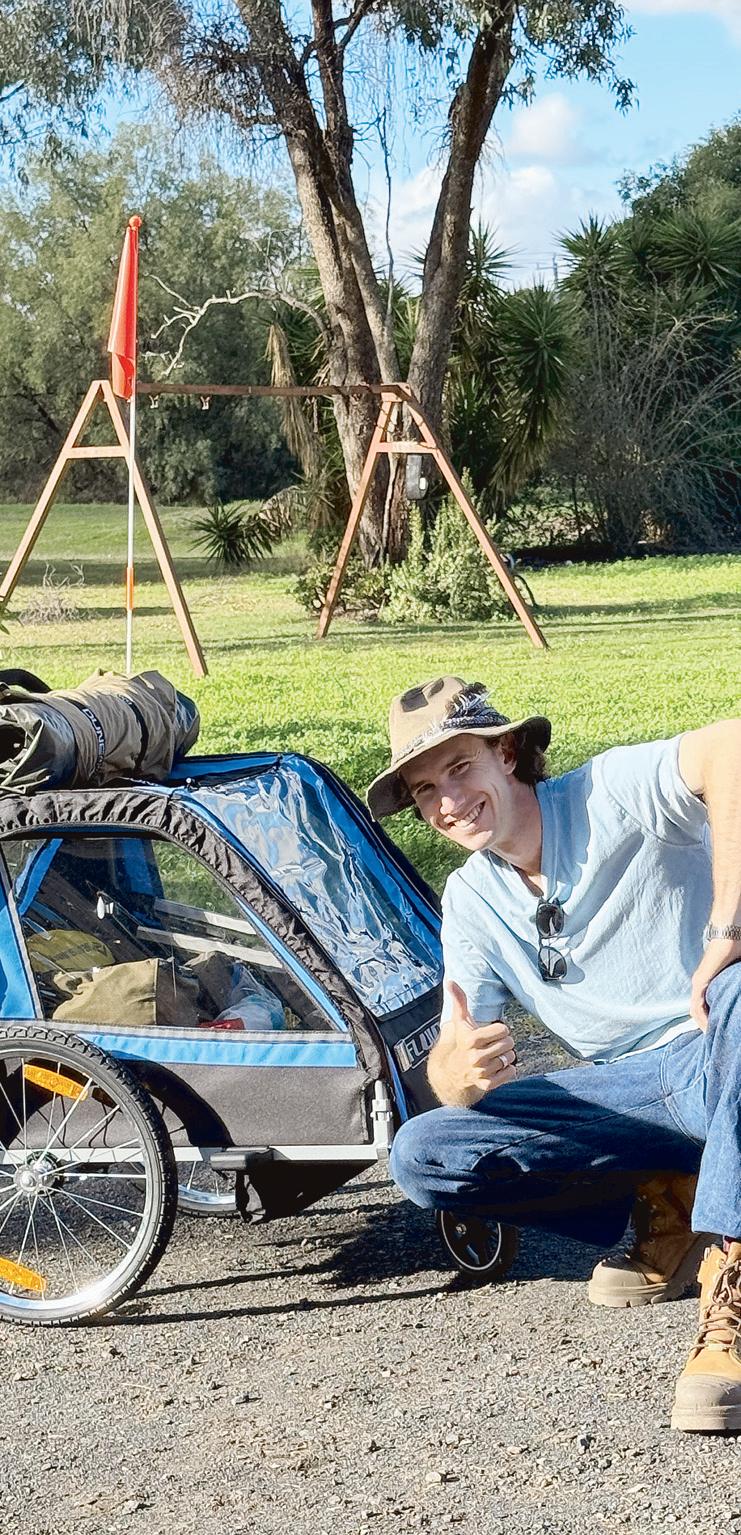
the journey he made as a teenager for cancer treatment, to raise funds for regional families facing the same challenge.
it,“ he said.
“So, if there’s anything I can do to help regional families access that treatment, I’d love to do it.“
At the same time, Marcus came across an advertisement for Sony Foundation Australia’s You Can Stay program, which launched two years after he completed treatment.
“If I’d had this, it would have been peace of mind for my family,“ he said.
“When I got my diagnosis, my first thought wasn’t, ’I have cancer.’ It was, ’How are me and my family going to navigate this, and what’s it going to do to them?
“This program takes the whole accommodation issue out of the way.
“It’s somewhere safe and clean where they can rest their heads.“
Marcus underwent an accelerated threemonth chemotherapy trial before requiring further surgeries after the cancer spread to his lymph nodes and abdomen back in 2018 - a year after his diagnosis.
“I got prepped on the operating table and you’re essentially being told you may not wake up,“ he said.
“I also had fluid connecting from my lymph nodes, and while I was being prepped for surgery, Mum and Dad had to find somewhere to stay.
“Accommodation and travel when things like this happen is another stress to worry about.
“It’s hard enough being told your child has cancer, but when everyone’s exhausted it just
adds even more pressure.“
Marcus said he was fortunate to have grandparents living in Brisbane, which helped ease some of the burden on his family, but not everyone has access to help.
He has already raised more than $40,000 despite only launching the fundraiser last month, with Rural Affinity and Budget Direct Insurance having made significant donations.
Marcus will spend much of the journey walking with friends joining him along the way, while also embracing periods of solitude.
The trek to Brisbane will include some nights camping and others spent finding accommodation as he goes.
Marcus is due to arrive at the Princess Alexandra Hospital on 17 August before attending the hospital’s annual Brissy4Ward gala fundraiser on 20 August, which raises money for the hospital’s charitable programs.
“When your child is sick, family still have to get there and if they have property, someone has to look after the place, the crops, maybe some animals ... and they have to take time off work,“ Marcus said.
“I’m lucky in a sense that I’ve only had to travel 400km this time.
“There are stories of people having to travel twice that distance, if not more, so raising money for this program will just help relief some pressure from families.“
For more information about The Chemo Commute, including how to donate, visit sonyfoundation.org/the-chemo-commute.
THIS week I write about bird flu and the impact the H5N1 strain could have on the Australian poultry industry using the trajectory in the United States when it arrived there in 2022.
There’s another projected impact and that’s within our native birdlife populations.
We often cover the beautiful native birds that frequent the Rosewood wetlands, there’s words by Wendy Creighton and a photography smorgasbord by Lyle Radford.
Countries already fighting the virus have lost millions of native birds and tens of thousands of mammals.
There’s hope biosecurity measures will prevent losses of that magnitude from happening here, but only time will tell.
Rosewood lost a true gentleman recently, Trevor Halter devoted himself to making the district a better place live and visit.
You can read what Ipswich West MP Wendy Bourne had to say inside.
And Wendy Creighton writes about a proposal for a one-into-three residential subdivision at Flame Tree Court.
This and more inside.
- Lara Hart
WALK: Marcus Heironymus is retracing
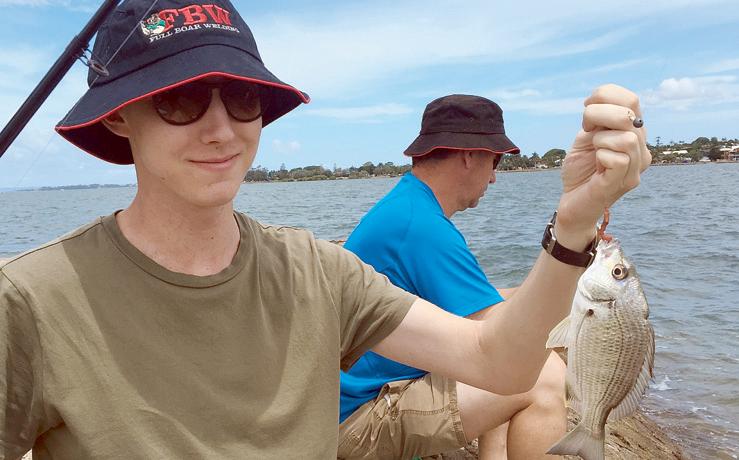
OUTING: Marcus Heironymus enjoys fishing with his dad.
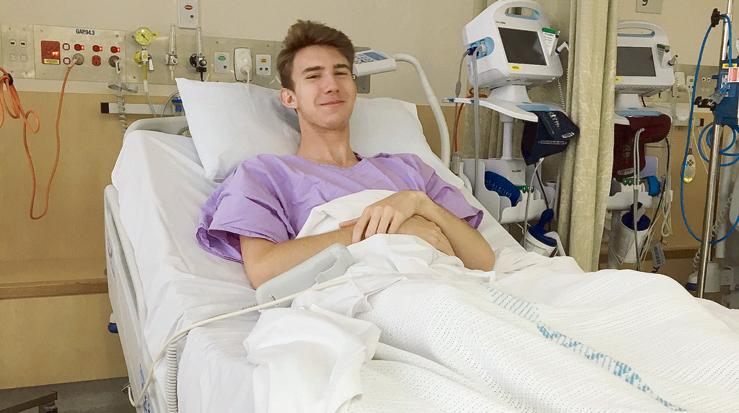
HOSPITAL: Marcus Heironymus during his cancer treatment in 2017 after being diagnosed with testicular cancer at the age of 16.
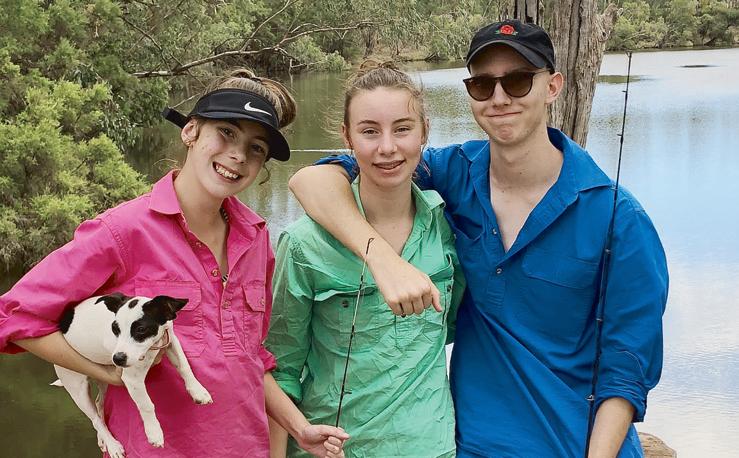
FAMILY: Marcus Heironymus with his sisters, Lydia and Sophie.
Bird flu enters Queensland
By LARA HART
THE south east Queensland poultry industry is on alert now the highly pathogenic H5N1 strain of avian influenza has entered the state.
The regions around the Scenic Rim and outer Ipswich have some of Queensland’s largest concentrations of free-range egg producers, broiler (meat chicken) farms, small commercial poultry breeders, hobby poultry keepers, as well as poultry clubs and exhibition breeders.
Because of that concentration, these areas would likely be among those most affected if the strain is detected in domestic poultry.
Since the H5N1 outbreak began in the United States in 2022, the US Department of Agriculture reported egg laying hens accounted for around three quarters of all commercial poultry losses.
USDA data also shows more than 43 million laying hens were lost during 2022 alone, reducing egg inventories by 29 percent by years end.
Wholesale egg prices increased by 267 percent during the lead up to Christmas 2022.
The US outbreak continued into 2024-25, periodically causing spikes in egg prices after major layer farms were culled.
The chain of events in the US has been watched closely by Australian producers, who prepared for not if the strain entered the country, but when.
And it’s not just commercial producers on edge, people with backyard flocks of chooks and ducks and bird watchers are also on alert.
Australia’s first case of H5 bird flu was reported on 20 June in Western Australia, with further detections in wild seabirds in WA, SA and NSW.
In Queensland, the strain was detected in a dead wild seabird on Moreton Island by academics at the Queensland Government’s Biosecurity Sciences Laboratory (BSL).
However, to date, there remain no detections in poultry, nor evidence of large-scale deaths in any animals in the state.
Moreton Border News recently reported on the incursion, and interviewed Scenic Rim producer Rob Joyce from Heritage Poultry.
Mr Joyce said the incursion of a milder strain of bird flu early last year led to birds being culled and measures put in place.
“That happened down South and led to the eggs shortage,” he said.
“A fair bit of work was done about what could happen if [H5N1] got here, so there are already some plans in place.”
The Consultative Committee on Emergency Animal Diseases recommended states and territories encourage free-range producers to keep their birds indoors where practical, in an effort to reduce contact with wild birds and protect commercial poultry from H5N1 bird flu.
“In Western Australia and South Australia, they’ve even gone down the track where they’ve applied to have free range birds tempo-
rarily allowed to be locked up but still be called free range,” Mr Joyce said.
“We have started to lock up [our poultry] because we do free range and pasture range birds.
“We still have them on pasture, and they’re now moved onto fresh ground regularly as we make adaptions.”
Poultry fanciers also have a lot to lose because replacing elite breeding lines can take years rather than months because genetic selection programmes cannot be restarted overnight.
One of the ways the strain can reach farmed
poultry is through contact with wild birds.
“The last thing you want is to have all your birds outside where wild birds can fly in,” Mr Joyce explained.
“Usually it is the water bowls that attract them, they land among the flock to drink.
“That’s not all wild birds because magpies are considered a low risk, we’re talking about sea birds, migratory ducks and water fowl that are the main issue.
“It is very important to keep water containers where wild birds can’t access them.”
The community is also urged to continue to report sick or dead wild birds.
MONDAY - PUB CLASSICS $20 – 200g Rump, Chicken Schnitty or Grilled Barra, all served with chips and salad (Dinner only)
TUESDAY - TWO FOR ONE – Purchase two mains off our selected menu and receive the lesser value meal for free (Dinner only)
WEDNESDAY - PARMY PARTY $20 – Your choice of 6 different Parmy’s served with chips and salad. (Dinner only)
THURSDAY – BLACK ANGUS $20 – 250g Black Angus rump served with chips, salad and sauce. (Dinner only)
FRIDAY/SATURDAY/SUNDAY – ALL DAY DINING
LUNCHES FROM $15 MONDAY-FRIDAY LUNCHES FROM MONDAY-FRIDAY
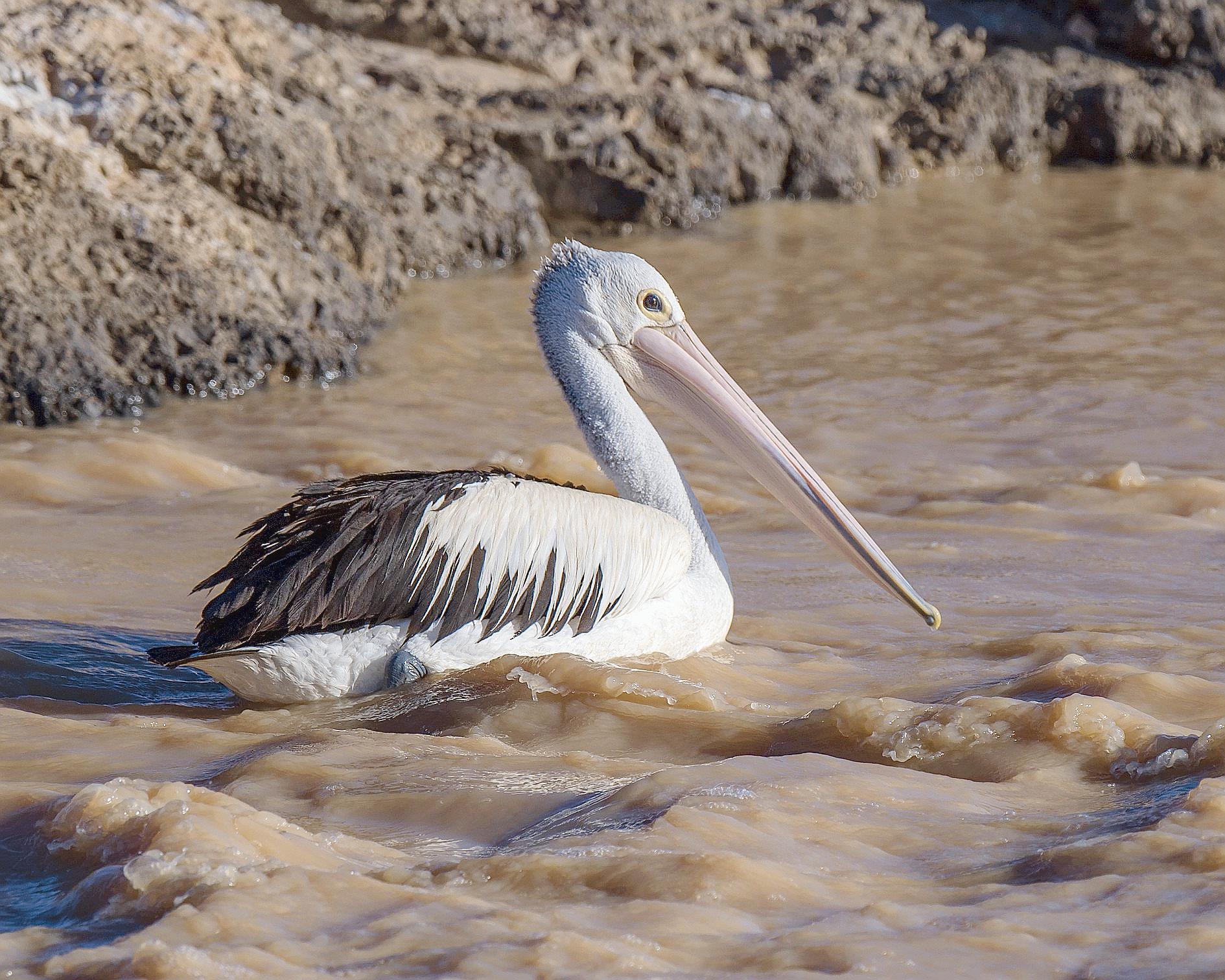
Wild seabirds like the Australian Pelican are being blamed for bird flu entering Australia. (Lyle Radford: 566157)
Ipswich West MP Wendy Bourne writes about the life of the late Trevor Halter
and how the Rosewood community was better off with him in it:
Vale, the remarkable Trevor Halter
YESTERDAY, I joined Trevor Halter’s family, friends, and members of the Rosewood community to celebrate the life of a truly remarkable man.
Some people leave a legacy through the positions they hold or the recognition they receive.
Trevor’s legacy was built through something far more enduring.
Decades of quietly serving others with kindness, humility, and an unwavering commitment to his community made him truly a ‘lion’ of a man.
For more than 40 years, Trevor devoted himself to making Rosewood a better place.
After moving to Rosewood in 1980, he immersed himself in community life.
He served on the Rosewood State School P&C Association, later becoming President, coached local hockey during the winter months, volunteering at the Rosewood Swimming Pool throughout summer, and dedicated 15 years to the local ambulance committee.
In 1999, Trevor joined the Rosewood Lions Club, where he became one of its most valued and dependable members.
Whether he was helping to run the Lions Op Shop, or manning sausage sizzles, Trevor never
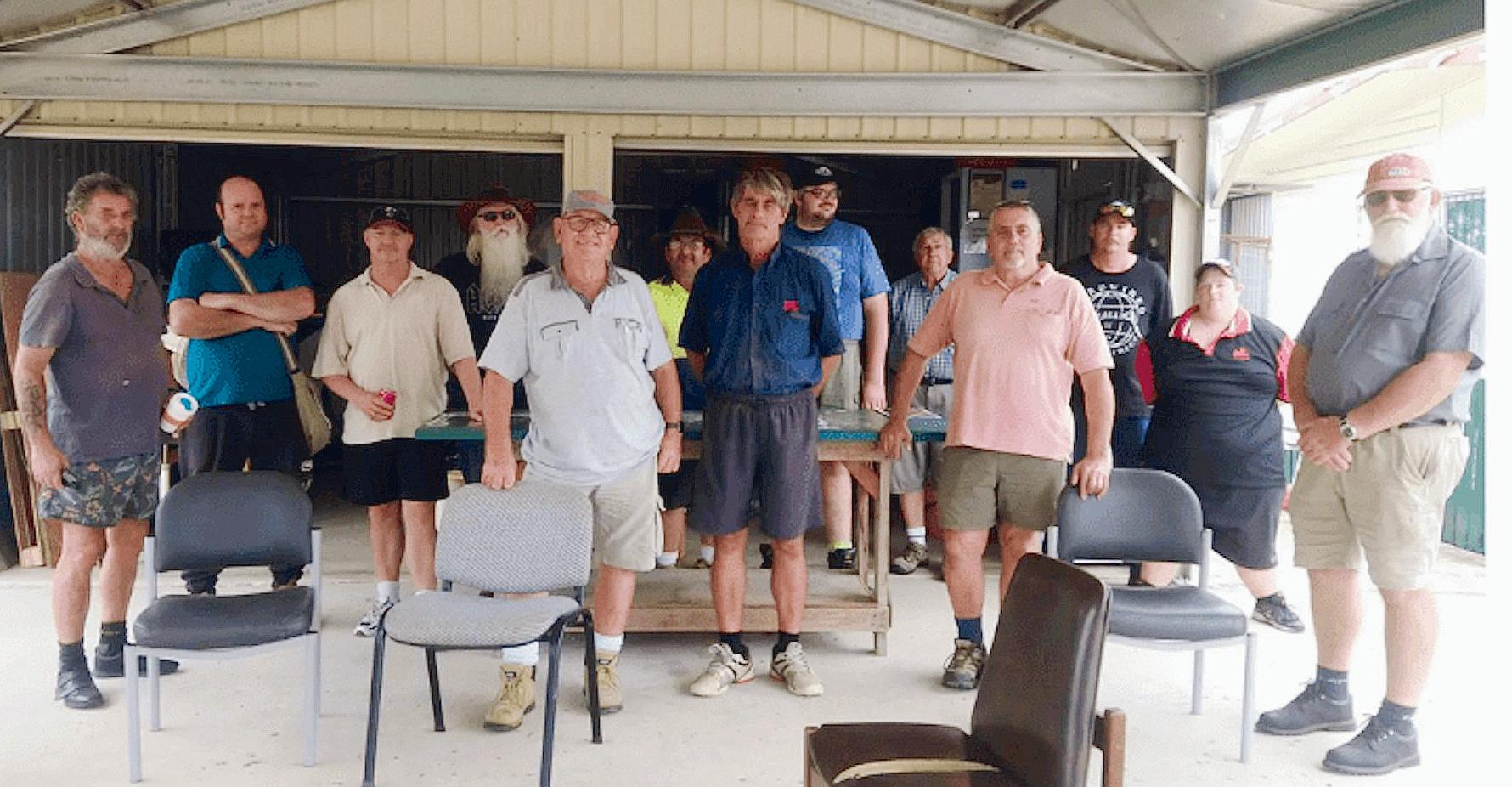
Shed photo Trevor in the front line up, second from the left (with hat).
sought recognition. He simply saw something that needed doing and got on with it.
His generosity also extended to the Rosewood Men’s Shed and the Rosewood Community Centre, where he gave countless hours of his time, practical skills, and encouragement to others.
His leadership of the Men’s Shed created a place of friendship, purpose and belonging for many local men.
Trevor embodied the true meaning of volunteerism.
He understood that grand gestures don’t build communities, rather it is the people willing to give their time, lend a hand and care for their neighbours.
What stood out most about Trevor was not the number of organisations he served, but the way he served them.
He was known as a gentleman of quiet strength, integrity, and compassion.
He led by example and inspired countless others to become involved in their community.
The Rosewood Community Centre described Trevor as someone whose “commitment and kindness have left a lasting impact on so many people.“
It is a sentiment shared by everyone fortunate enough to have known him.
Rosewood has lost one of its finest community champions.
While Trevor’s passing leaves an enormous void, the legacy he leaves behind will continue to be seen every day—in the organisations he helped build, the volunteers he inspired, the friendships he nurtured and the lives he touched.
On behalf of the people of Ipswich West, I extend my sincere condolences to Trevor’s family, friends, fellow Lions members, volunteers and everyone who had the privilege of knowing him.
Thank you Trevor for a lifetime of service. Rosewood is a stronger, kinder, and more connected community because of you.
Your contribution will never be forgotten.
Rosewood Men’s
Complex bid for Walloon infill housing
By WENDY CREIGHTON
A proposal for a one-into-three residential subdivision is not an unusual development pitch given the state-driven push for infill housing.
What is unusual for one recent infill application to the Ipswich City Council is the complexity of the proposal.
In May, the landowner’s planners applied to have the proposal assessed under the superseded Ipswich City Planning Scheme 2006 rather than the Ipswich City Plan 2025.
In June, council planners gave the request the tick of approval.
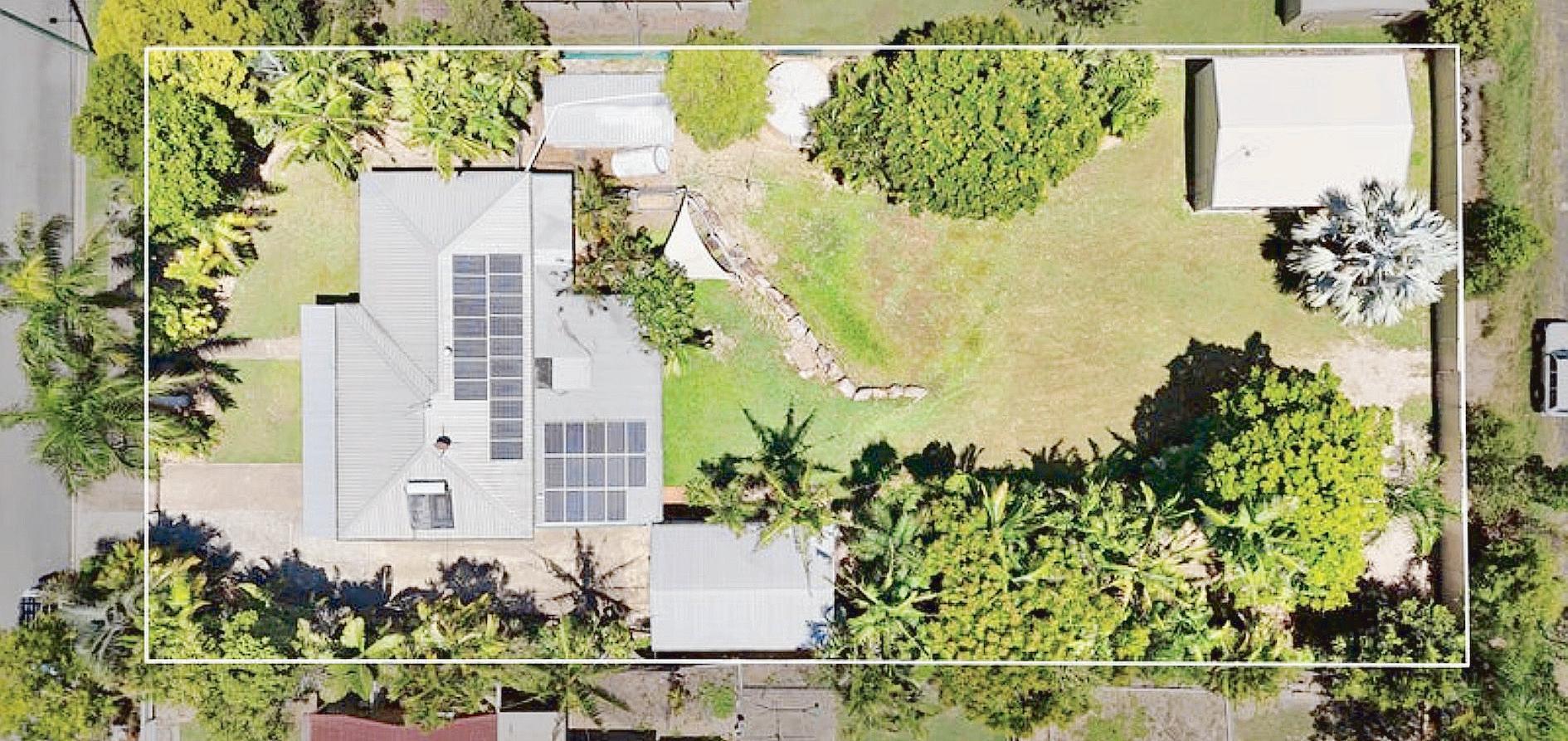
In July, the landowner’s planners formally submitted the application to subdivide the 2,000sqm allotment at 32 Flame Tree Court.
The plan is to break up the land into three titles – two, 453sqm rear allotments with frontage to Rohl Road and a 1,094sqm allotment with frontage to Flame Tree Court on which the existing home is located.
Under the superseded planning scheme, the application is impact assessable as it creates more than one new allotment.
Also, under the old scheme, the land is zoned ‘future urban’.
And complicating the assessment, there’s an ‘access restriction strip’ in place on its western boundary, which stops the landowner from establishing a vehicle driveway along the Rohl Road frontage.
The application addresses the restriction with the request that it be lifted.
Further adding to the complexity, while the landowner has footed the bill to win approval for the infill development to be assessed under the old scheme, the application does lean on the new City Plan in so far as arguing for the
acceptance of the subdivision under its current low density residential zoning.
“The proposal represents a logical, efficient and ultimately optimal subdivision outcome for the subject land,” the landowner’s planners noted.
“Importantly, the development does not compromise future urban development potential; represents the highest and best use of the land in its current context; is supported by confirmed infrastructure servicing; and aligns with both the historical planning intent and future urban growth trajectory of the locality.”
A birdseye view of the property taken when it was placed on the market in 2025. council is currently reviewing a one-into-three subdivision application for the land. (NGU Real Estate - Lifestyle)
Small school, big opportunities
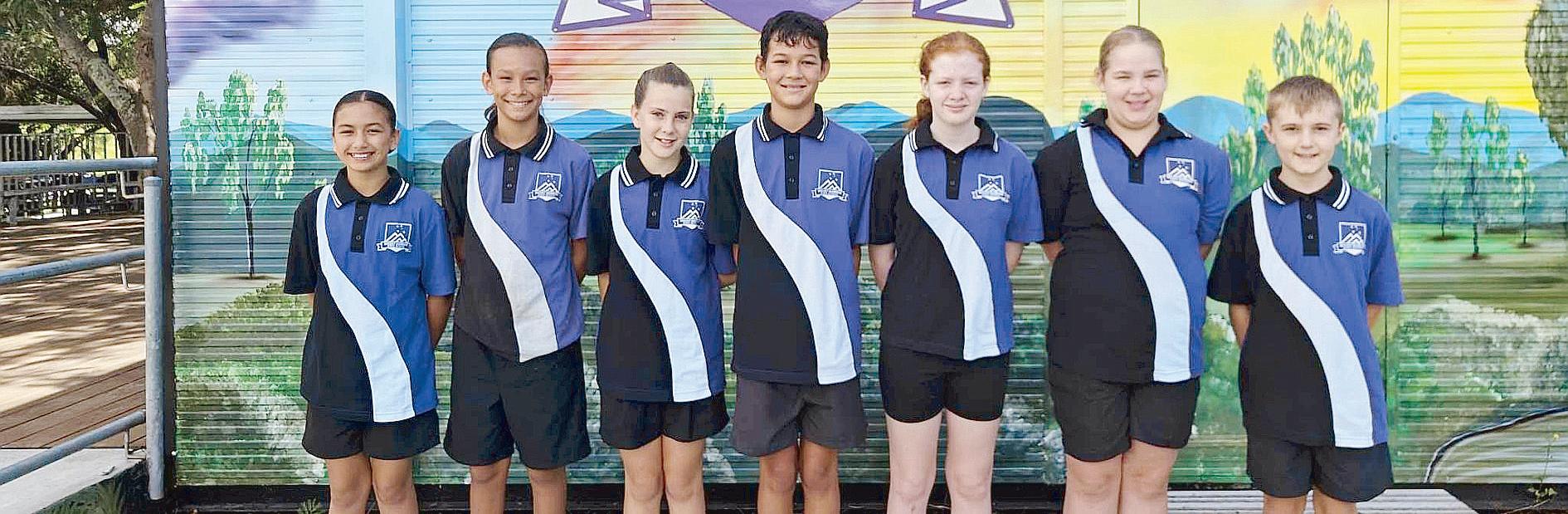
WHEN people think about choosing a school, it’s easy to focus on size. At Mount Marrow State School, we believe it’s not the size of a school that matters—it’s the opportunities, the relationships and the sense of belonging that shape a child’s education.
As a small school, we have the privilege of knowing every student as an individual. Every child is seen, supported and encouraged to
reach their potential. That personal attention allows us to celebrate strengths, provide extra support when it’s needed and help students grow in confidence.
Our students enjoy opportunities that extend well beyond the classroom. From leadership roles and sporting events to the latest technology and strong community partnerships, they are encouraged to challenge themselves,
develop new skills and make meaningful contributions.
What we’re most proud of isn’t a single award or achievement. It’s the consistency of what happens here every day. Our school is warm, welcoming and caring. Classrooms are calm and engaging, staff know every student by name, and families are genuine partners in their children’s learning. It’s a place where students feel safe to have a go, build friendships
and enjoy coming to school.
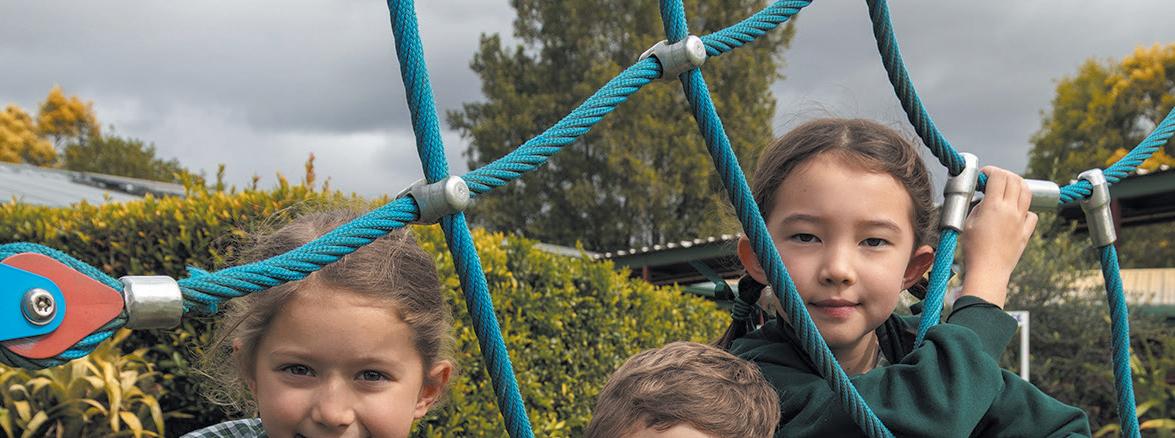
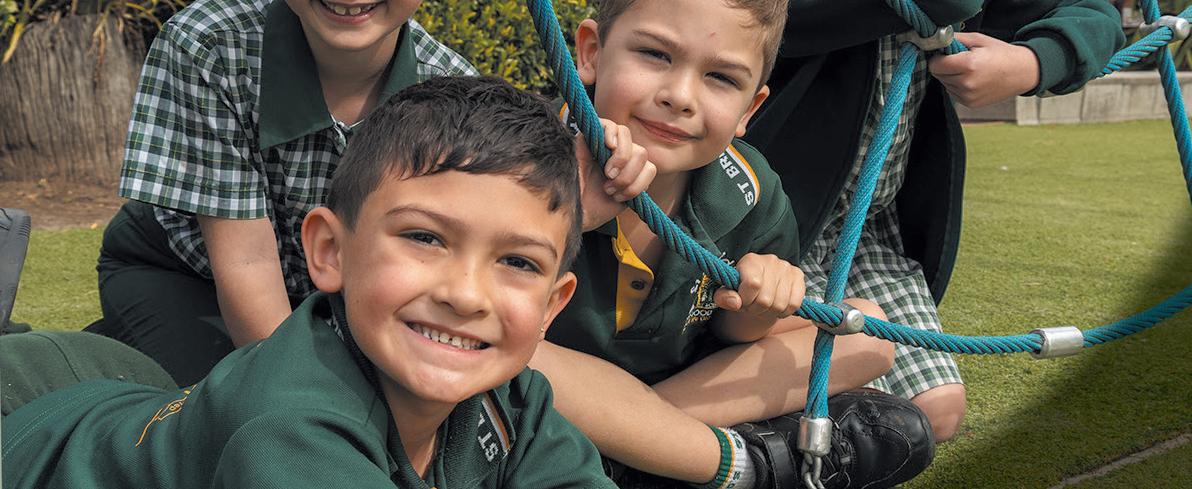
If you’re considering a school for your child, we encourage you to come and experience Mount Marrow State School for yourself. Spend an hour with us, meet our students and staff, and see what makes our small school such a special place to learn.
Sometimes, the biggest opportunities are found in the smallest schools.
If you’re considering a school for your child, we encourage you to come and experience Mount Marrow State School for yourself. (Mount Marrow SS)
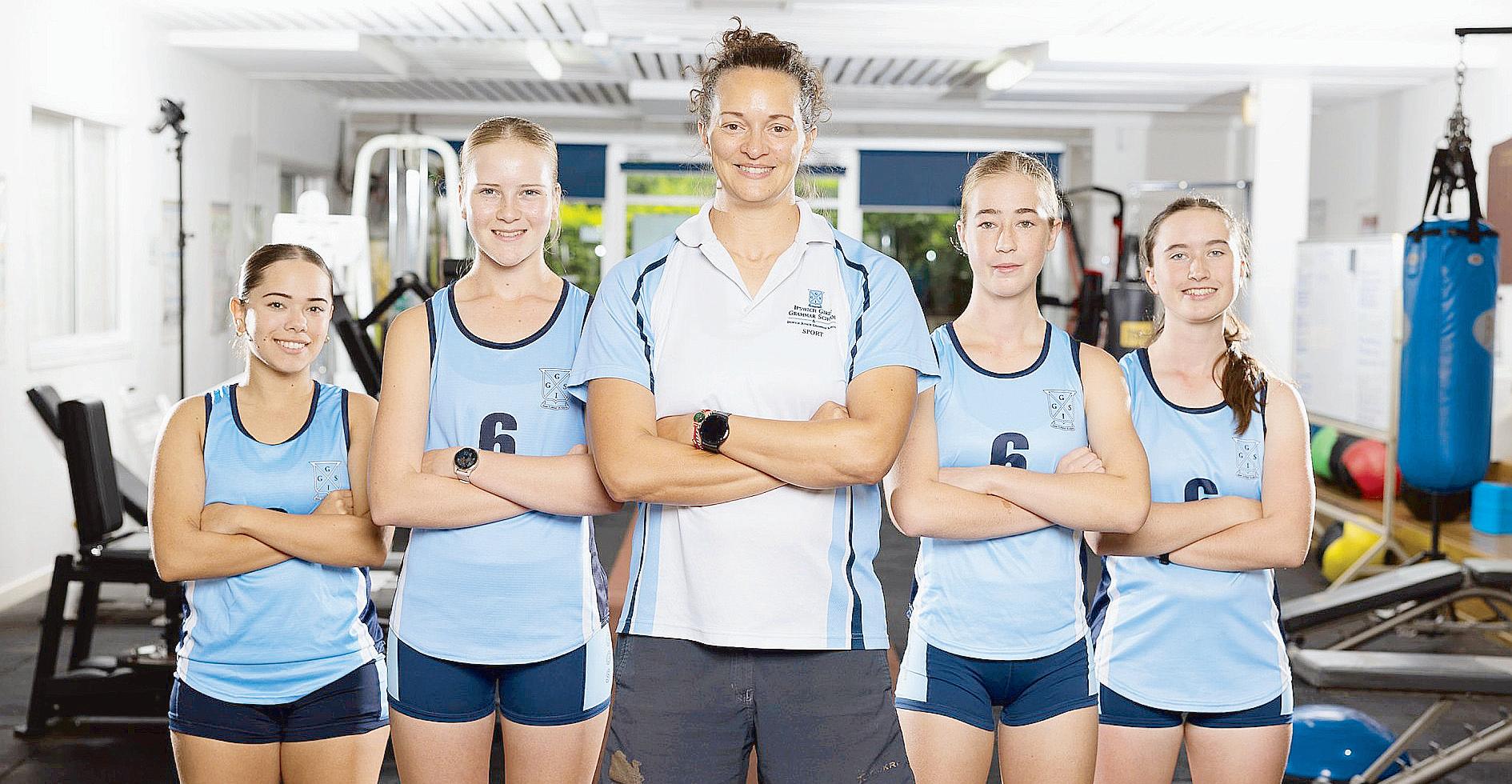
WITH a wide smile, can-do attitude and a passion for fitness, Track and Field Olympian Jade Lally is helping to pioneer a female-specific, school-based athlete development program at Ipswich Girls’ Grammar School.
Drawing upon her own career as an elite athlete and five years as the school’s Strength and Conditioning Coach, Ms Lally is working alongside Ipswich Girls’ Grammar School to further enhance the school’s Strength and Conditioning program with biologically informed training.
According to Ms Lally, what is often overlooked is the role that biology plays in training and performance.
“Creating training programs that translate to an athlete’s specific sport is standard, but for female athletes, biology is a major influence on their performance and wellbeing”, Ms Lally said.
“For example, girls are at greater risk of ACL injuries at certain times during their menstruation cycle, and impact things like endurance or fatigue.
“There will be times where the girls will naturally be stronger and times where they won’t be firing. It’s important that they understand that it’s not them, they’re not weak… it’s just their hormones making it a tougher week and we plan for that.
“Through this program, we want to empower our girls, give them the opportunity to develop as athletes but also grow physically and emotionally in a way that is safe and supported.”
Ipswich Girls’ Grammar School Principal, Kyle Thompson said that the program supports all students, particularly the school’s elite and emerging athletes.
Where distance doesn’t de ne her day.
With the flexibility of our after-school Grammar Plus program, she’s stretched and supported, without the strain of the daily commute.
At Ipswich Girls’ Grammar School, we know strong wellbeing lays the foundation for strong learning. When girls feel supported, safe and confident they think more clearly, engage more deeply and have serious fun in the process.
The Grammar Plus program provides everything they typically get at home, without the peak-hour traffic.
Grammar + Study
Afternoon tea, shower, dinner with the boarders, two-hour supervised homework session, late pick-up at 9pm.
Grammar + Overnight
All of the benefits of Grammar + Study, plus an overnight stay.
Year 7 2027, limited places available
“We’re immensely proud to offer a program like this… one that takes a truly holistic approach to support them to achieve their best, not just as athletes, but as young women.
“There’s no question of Jade’s expertise, but it’s her personal experience as an elite athlete
and her genuine passion for the students’ wellbeing that is our greatest asset.
Director of Sport, Jess Latorre said that with the Olympian’s elite experience and outstanding coaching, IGGS can redefine how young female athletes prepare and develop.
Jade Lally is making an impact on and off the track for IGGS.
Small school growing big minds
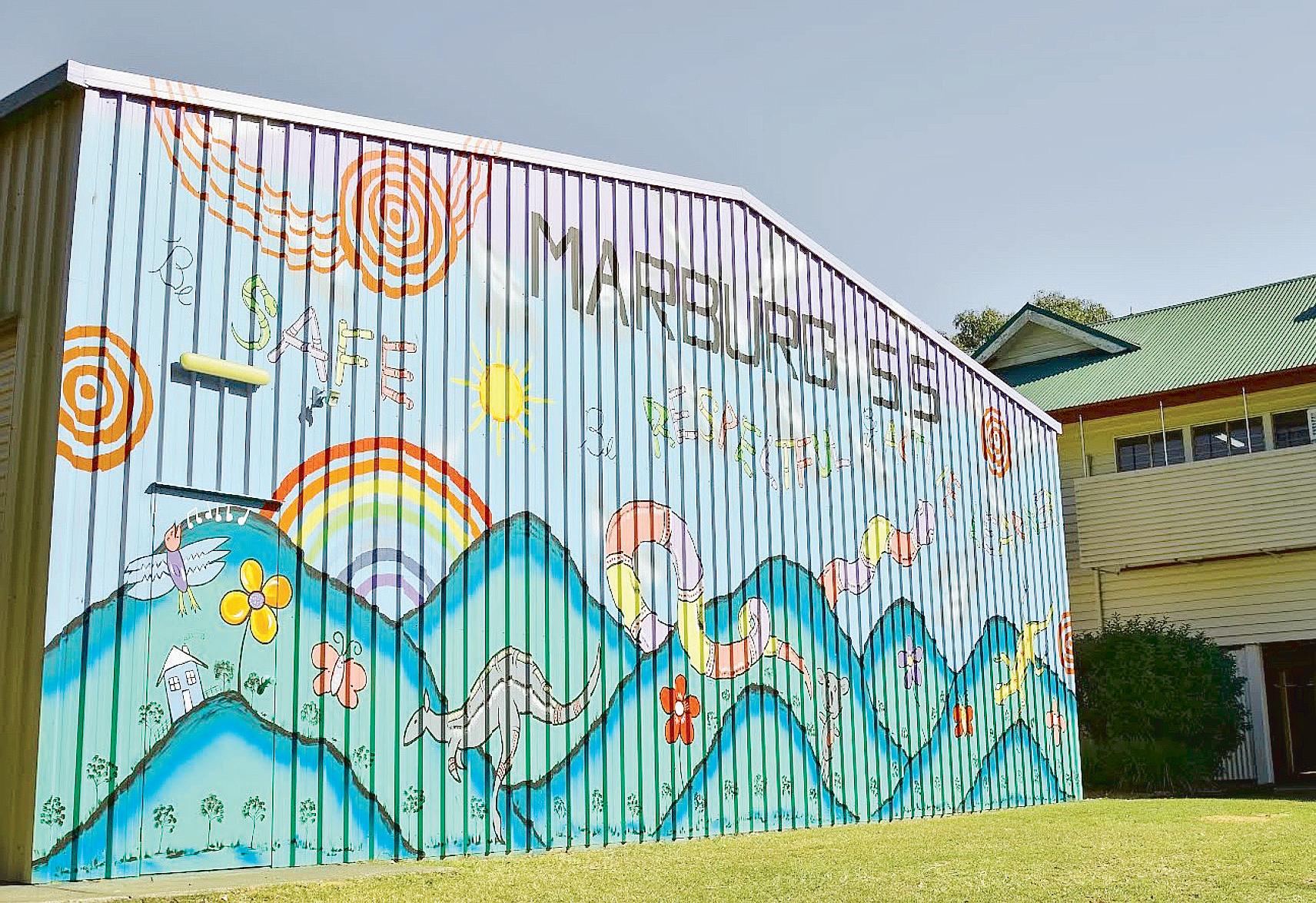
MARBURG State School is a heritage-listed state school established in 1879.
Tucked away in a rural setting, the school is easily accessed from the Warrego Highway yet still retains its country charm. Marburg State School is comprised of a new and experienced teaching team committed to building on the strong foundations ofsuch a proud school. At Marburg State School we aim to develop the potential in every child academically, socially and emotionally. We want our students to become the most valuable citizen they can be and strive to offer a wide variety of learning experiences so that each child can achieve their potential.
Marburg State School has a strong and ongoing association with the local community, actively involved in many events across the region. We welcome the opportunity for prospective students to experience our inclusive school community.
Contact the school on (07) 5464 4218 for enrolment enquires. Louisa Street, Marburg
• Highly skilled and dedicated staff
• Catering for individual student needs
• Caring and safe environment
Marburg State School has a strong and ongoing association with the local community, actively involved in many events across the region. (Marburg SS)
Humans pose the biggest threat
By LARA HART
SIMPLE changes around homes, roads and rural properties could dramatically reduce the number of native animals needing rescue, according to new research that has identified human-created hazards as the biggest threat to many endangered species.
Researchers from the University of Queensland analysed more than a decade of wildlife rescue records from New South Wales, examining more than 52,000 cases involving 158 species listed as critically endangered, endangered or vulnerable.
The study found that entanglement in fruit tree netting, fencing wire and other materials was responsible for almost 12 percent of rescues – twice the number caused by vehicle strikes.
Lead researcher Dr Kate Dutton-Regester said the findings highlighted opportunities for people to make simple changes that could have a significant impact on wildlife.
“Entanglement in fruit tree netting, wire, fencing and marine debris was the cause of almost 12 percent of cases, double the number caused by road accidents,“ she said.
Dog attacks accounted for 4.4 percent of rescues, with dogs responsible for more than three times as many attacks as cats.
Cat attacks represented just 0.6 percent of recorded rescue cases.
The researchers also found that the cause of injury or illness was unknown in one in five cases, raising concerns that emerging threats, including disease, could be going undetected.
Emeritus Professor Jacquie Rand said the findings suggested greater attention should be given to preventing human-related hazards.
She said using wildlife-safe fruit tree netting with small mesh sizes, maintaining wildlife
corridors and improving road design in known wildlife hotspots could all reduce injuries to species such as koalas, gliders and possums.
The research also highlighted the emotional toll on wildlife carers.
Almost six in 10 rescued animals did not
survive, while only 24 percent were eventually released back into the wild.
Professor Rand said every rescue involved veterinarians and volunteers who often experienced stress and compassion fatigue, contributing to burnout and reducing the capacity of wildlife rescue organisations.
Farm Safety Week brings timely reminders
FARM Safety Week comes with timely reminders from Farmsafe Australia who shared Sophie Halliday’s advice.
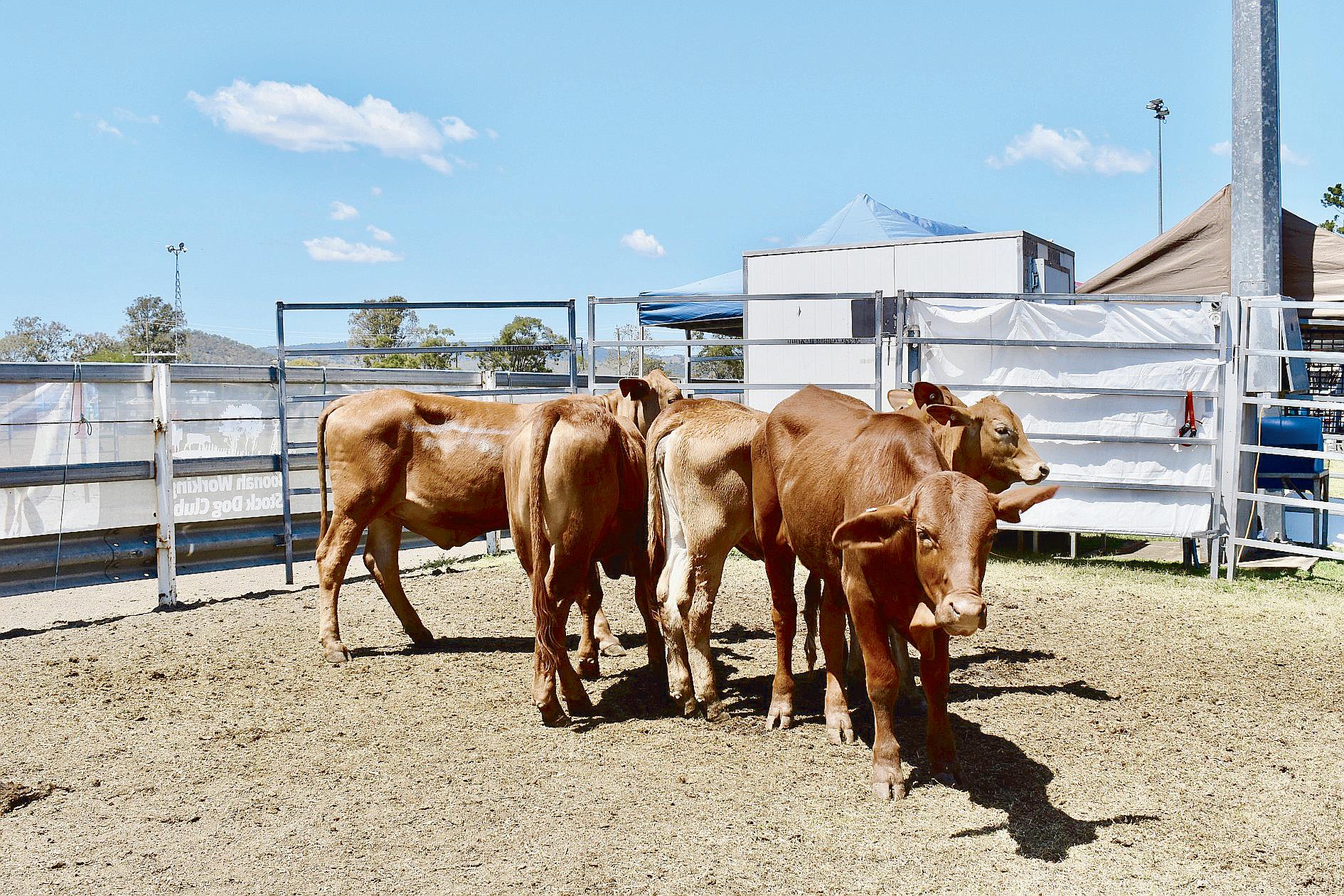
“When you’re working with bulls, you’ve always got to be aware,“ Ms Halliday said.
“They’re big, they’re unpredictable and they can misbehave, so you can never assume today’s going to be the same as yesterday.“
Having grown up on farms, Ms Halliday said many of her most important safety lessons came from watching the people around her.
“I’ve been doing this my whole life. I grew up watching my parents work,“ she said.
“Watching them taught me that it’s the simple things that keep you safe.“
Rather than focusing on complicated safety systems, Ms Halliday believes everyday habits shape the strongest safety cultures.
“What we do every day sets the standard,“ she said.
“It’s simple things like wearing a helmet, putting on a seatbelt and making sure everyone around you is doing the same.“
She said those visible behaviours mattered because they became habits that protected people when the unexpected happened.
“The moment we stop paying attention is usually when things go wrong,“ she said.
“Looking back, we’ve all had moments
where we think, ’I probably should have done that a better way.’“
“For me, it was rushing a job because I
For Scenic Rim residents, where encounters with native wildlife are a part of daily life, the researchers say practical measures on private properties and thoughtful planning around wildlife habitat could help keep more animals safe and reduce the need for rescues in the first place.
wanted to get away for the weekend. Thankfully nothing happened, but it reminded me how quickly pressure can influence good decisions.“
Ms Halliday hopes more people entering agriculture will see safety as part of being a good farmer, not something separate from the job.
“Looking after yourself and looking out for your mates is just part of good farming,“ she said. “The simple things don’t take long, but they can make all the difference.“
Farmsafe Australia Chair Felicity Richards said many serious farm incidents occurred during ordinary, familiar tasks rather than unusual or high-risk situations.
“One of the biggest challenges in agriculture is familiarity,“ Ms Richards said.
“When we’ve done something hundreds of times before, it’s easy to become comfortable and assume nothing will go wrong.“
“But wearing a helmet, buckling a seatbelt, using the right equipment and staying aware are the small decisions that quietly shape safer workplaces.“
“They’re also the behaviours that influence everyone else, because people notice what we do far more than what we say.”
Looking after yourself and looking out for your mates is just part of good farming.
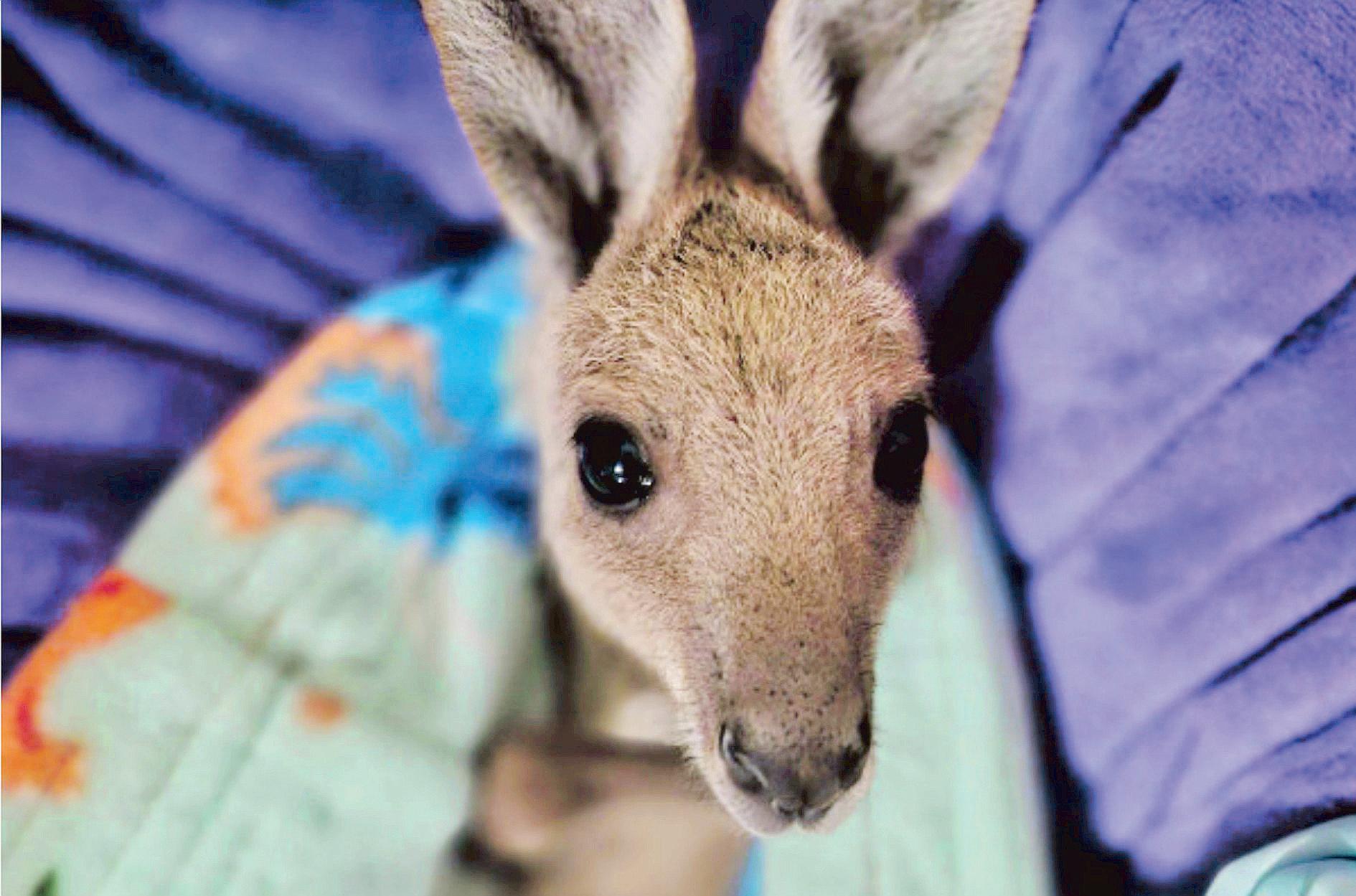
A joey rescued from the pouch of its deceased mother.
1 QUEEN STREET WALLOON
MONDAY - PUB CLASSICS $20 – 200g Rump, Chicken Schnitty or Grilled Barra, all served with chips and salad (Dinner only)
TUESDAY - TWO FOR ONE – Purchase two mains off our selected menu and receive the lesser value meal for free. (Dinner only)
WEDNESDAY - PARMY PARTY $20 – Your choice of 6 different Parmy’s served with chips and salad. (Dinner only)
THURSDAY – BLACK ANGUS $20 – 250g Black Angus rump served with chips, salad and sauce. (Dinner only)
FRIDAY/SATURDAY/SUNDAY – ALLDAYDINING LUNCHES FROM $15 MONDAY-FRIDAY
TUESDAY $5 Kids Meals*
WEDNESDAY 2 Parmis for $30* THURSDAY Free Sweet Potato Friesupgrade*
27 School Rd, Rosewood Dine in or Takeaway *T&C’s apply on meal deals
Lunch 11am-2pm Dinner 5pm-late Friday Nights Sunday Sesh from 8pm-late from 12 noon-4pm Phone 5464 1413
Family celebrates 140-year legacy
By JESSE HAMILTON
MORE than 350 members of the Bichel family gathered at the Laidley Cultural Centre on Saturday, 25 July, to celebrate 140 years since Heinrich and Catherine Bichel arrived in Australia from Germany.
The 2026 Bichel Family Reunion brought together generations of family members to celebrate their German heritage, share stories and recognise the connections that have been maintained since the first reunion held 40 years ago.
The day featured a range of activities celebrating the family’s history, including photographs of the different Bichel family branches, including the Eda and Otto, Carl, Helene and Frank, Anna, Richard and Dolly, Heinrich and Olga families.
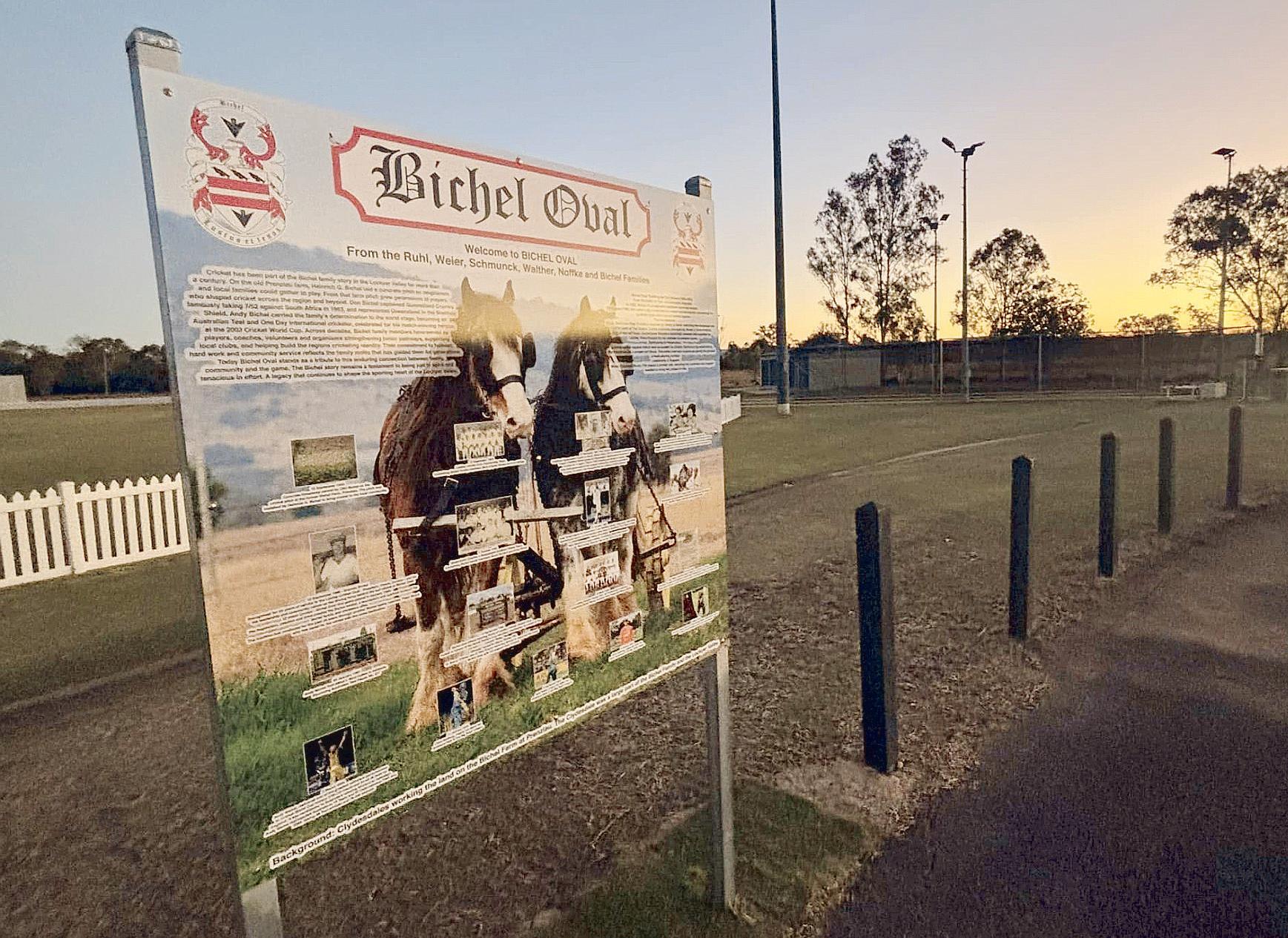
A special moment of the reunion was the unveiling of the Bichel Storyboard Sign at Bichel Oval, celebrating the strong cricketing ties the family has to the region.
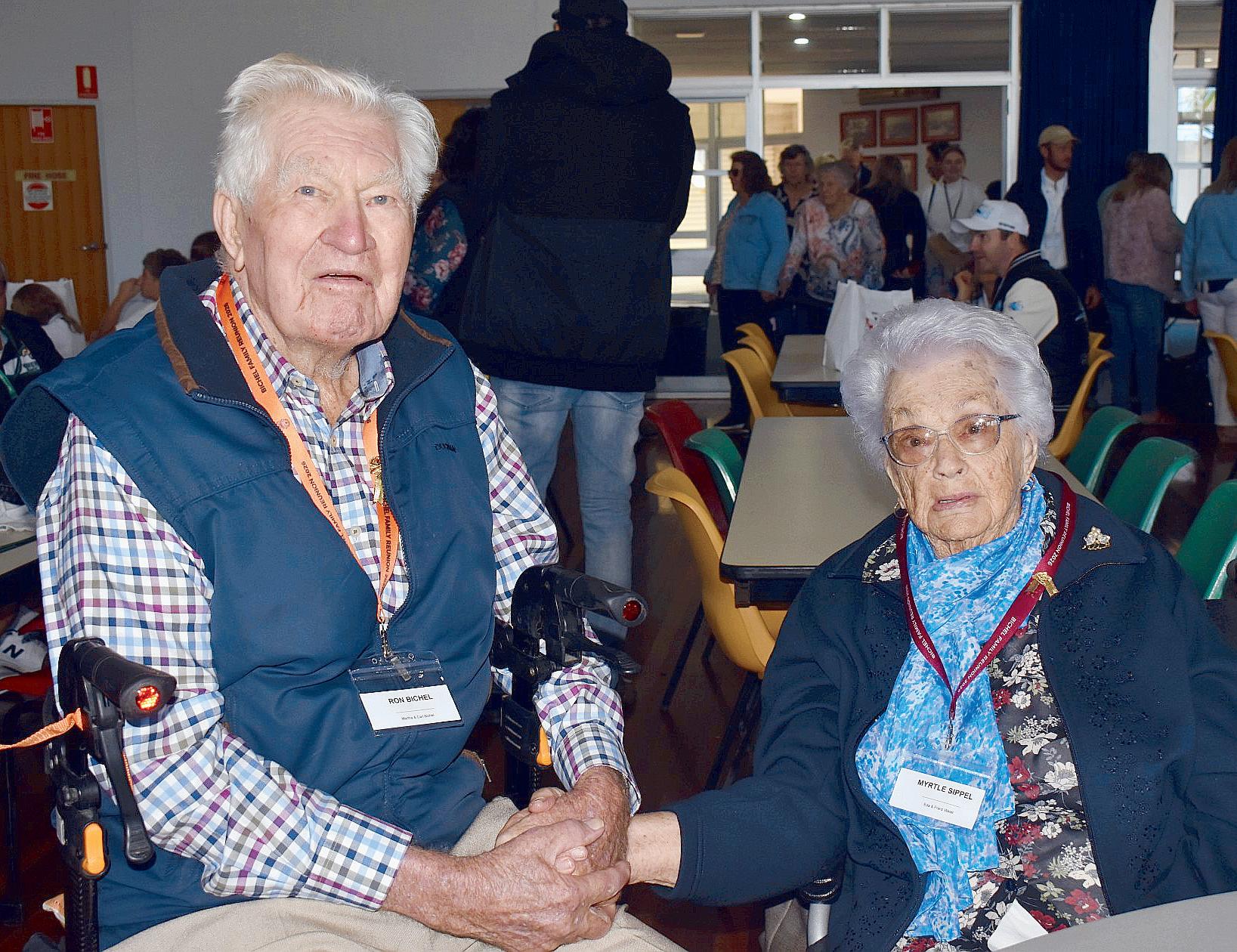
The reunion recognised some of the family’s longest-standing members, with Ron Bichel from Buderim, aged 95, and Myrtle Sippel from Boonah, aged 97, among the most senior Bichel family members in attendance.
The Bichel Family Reunion 2026 YouTube channel has also helped preserve the family’s history, featuring interviews with descendants including Jillian Bulfoni (nee Ruhl), who shared stories connected to the Bichel family line.
The family’s Australian story began in 1886 when Heinrich and Catherine Bichel arrived from Germany before raising 16 children, whose descendants have continued to grow across the country, including throughout the Lockyer Valley, Somerset and Ipswich regions.
Wayne Bichel thanked the reunion committee for their work in bringing the milestone celebration together.
“Standing here today has taken a whole lot of Bichel determination,” he said.
“The committee have restored gravestones, built storyboards, expanded the family tree, tracked down descendants, coordinated displays and managed a thousand moving parts.
“We’ve done it with passion and pride, and today is the celebration of that effort.
“I just really want to acknowledge the original committee from 1986.
“That committee set the foundation, they created the first gathering of the family, presented the stories and the photos and the connections that we still rely on today.
“Their work just didn’t organise an event. It created a legacy that our committee is trying to match.”
The reunion celebrated not only the family’s history, but the ongoing connections between generations, with descendants continuing to share and preserve the Bichel story for the future.
The day also featured activities for all ages on Bichel Oval, with adults and children taking part in events including broom throwing, and gumboot throwing.
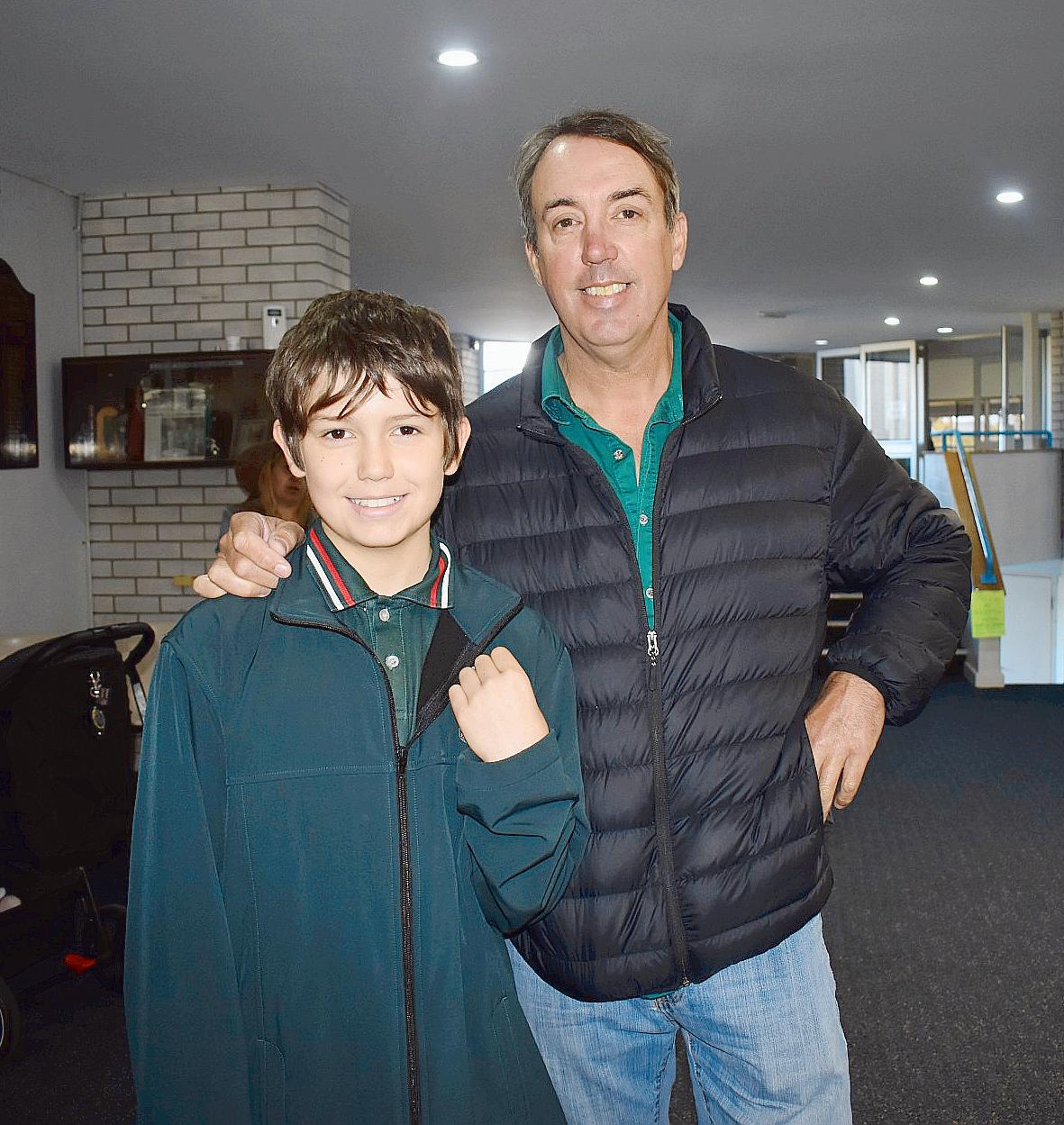
Father and son Paul and Max. Son Max carries the Bichel lineage on his mother’s side. (Jesse Hamilton)
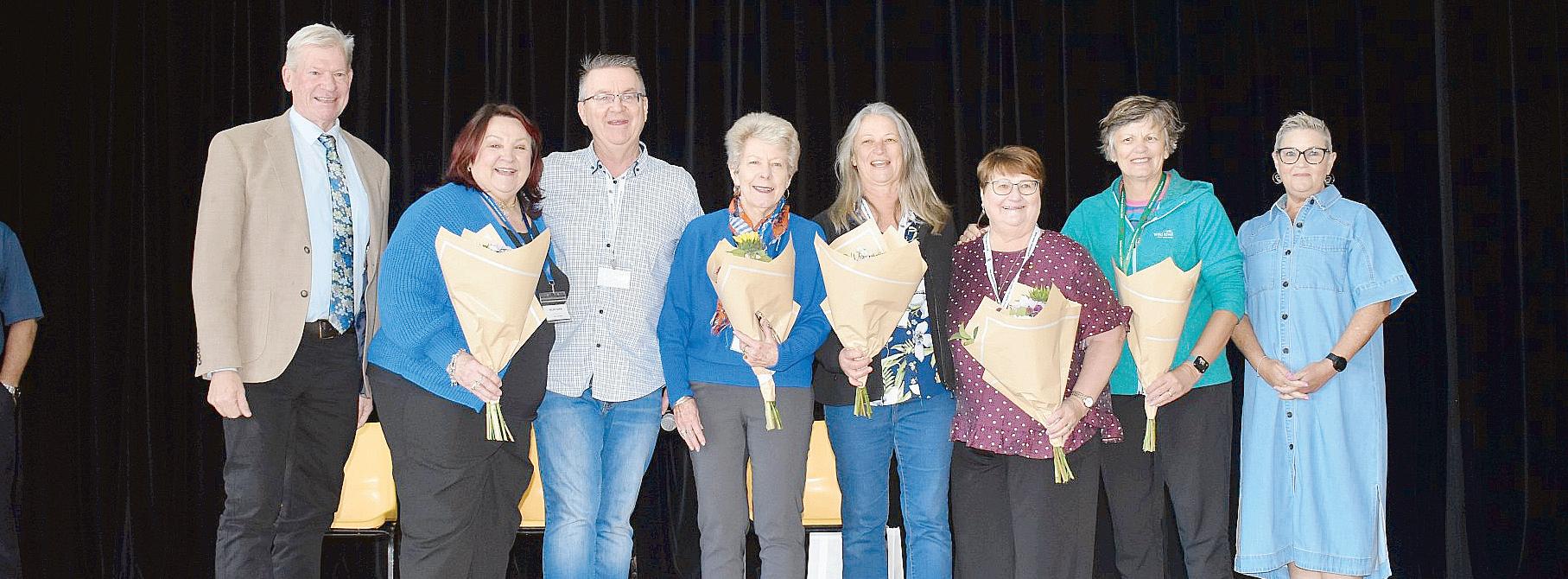
The 2026 Bichel Reunion Committee was congratulated and welcomed on stage for their dedication in making the 2026 reunion a reality.
The Bichel Storyboard Sign unveiling now on Bichel Oval Laidley celebrates 140 years of history since the family first arrived in Australia from Germany.
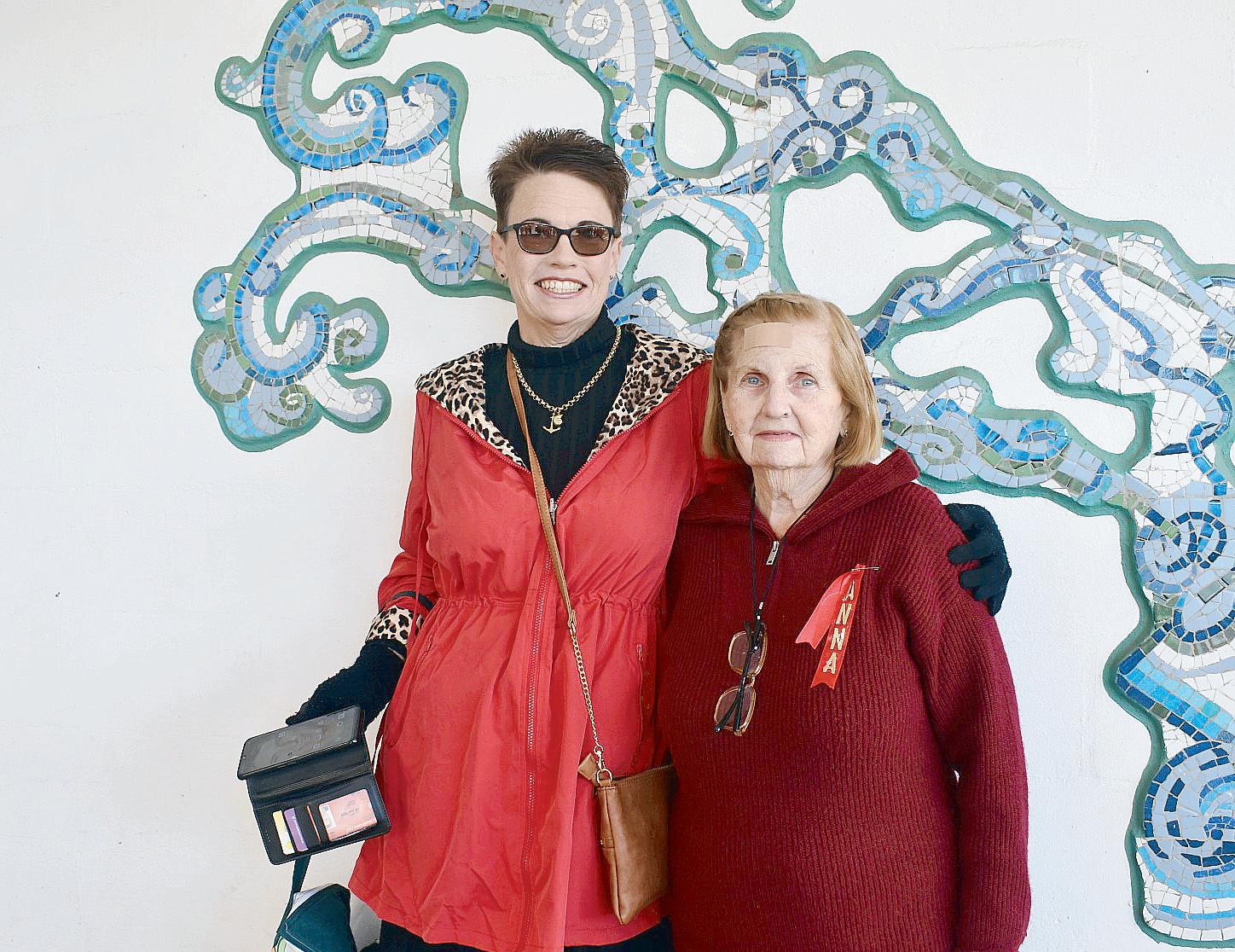
Kim McCarthy (left) was present at the first Bichel reunion as a young teen. Pictured with mum Rita. Ron Bichel from Buderim (95) with Myrtle Sippel from Boonah (97), two of the most senior Bichel family members at the reunion.
Test alert as we’re buzzed in unison
By LARA HART
THERE are few things that unite Australians these days.
Not politics, footy or whether pineapple and beetroot belongs on pizza (yuck), but apparently … a text message.
Last week every mobile phone in Australia simultaneously buzzed, beeped, chirped or screamed with a national emergency alert and for a few glorious seconds, 27 million people all had exactly the same thought:
“Well... this can’t be good.“
It turns out it was only a test … only a test?
Because nothing says “relax“ quite like every phone in the country deciding, in unison, that it has something incredibly important to tell you.
Which got me wondering: what exactly is the emergency big enough to warrant telling every Australian exactly the same thing?
Australia isn’t one suburb.
If you’re lying on a beach in Cairns working on a tan, are you really going to need the same instructions as someone halfway down a ski run at Perisher Blue?
Imagine the alert.
EMERGENCY. SEEK HIGHER GROUND IMMEDIATELY.
The bloke in Cairns says, “Righto, tsunami.“ The skier in Perisher replies, “Mate... I am on higher ground.“
Or perhaps:
AVALANCHE WARNING. MOVE TO SAFETY.
The family on the Gold Coast, knee-deep in the surf, might spend a worrying thirty seconds wondering whether avalanches have somehow become aquatic.
Australia is wonderfully inconvenient when it comes to nationwide emergencies.
We’re simply too big, cyclones don’t usually bother Hobart and bushfires don’t threaten Bondi and Darwin simultaneously.
A dust storm in Broken Hill is mostly just another Tuesday for Broken Hill.
The geography refuses to cooperate with the idea that one alert fits all.
Which leaves us wondering—what sort of event would?
A meteor?
Alien invasion?
An outbreak of aggressive magpies armed with tactical planning?
Whatever it is, it has to be something capable of making everyone from Broome to Brisbane stop what they’re doing and read the same message.
It’s an oddly fascinating thought.
Of course, COVID gave us a glimpse of something close.
Those two years remain one of the strangest chapters in modern history—not because pandemics are unprecedented, but because they were unprecedented for most of us.
Generations before us lived through wars, rationing and outbreaks of diseases that reshaped societies.
Modern Australians, on the other hand, had largely grown up believing the biggest
inconvenience was slow Wi-Fi.
Then suddenly the whole world was talking about the same thing.
Every news bulletin, every conversation, every supermarket aisle and every press conference.
For perhaps the first time in history, a virus travelled through a world that was even faster than it was.
What happened in New York at breakfast was on our televisions before lunch.
We watched Italy lock down in real time and we knew infection numbers in Los Angeles almost as quickly as those in Logan.
Our connected world compressed geography into a phone screen.
And perhaps that’s exactly what this national alert system is trying to harness.
Not Australia’s geography but Australia’s connectivity.
If something genuinely catastrophic occurred, information could reach almost everyone within seconds.
No waiting for the six o’clock news and no hoping someone turns the radio on.
Your phone becomes the messenger and that is in equal parts reassuring and terrifying.
Because for the system to be used nationally, the event would almost have to ignore state borders, climates and common sense.
It would need to be the sort of emergency where it genuinely doesn’t matter whether you’re skiing at Perisher, snorkelling on the Great Barrier Reef, having a flat white in Melbourne or arguing with a self-checkout in Adelaide.
That’s a very short list and until then, every
nationwide alert is likely to produce the same uniquely Australian response.
Then immediately ask someone else, “Did your phone go off too?“
And if the day ever comes when every Australian needs exactly the same message at exactly the same time, I suspect none of us will be wondering why our phones went off.
We’ll just be hoping the message arrives before whatever prompted it.
Development option part of the parcel
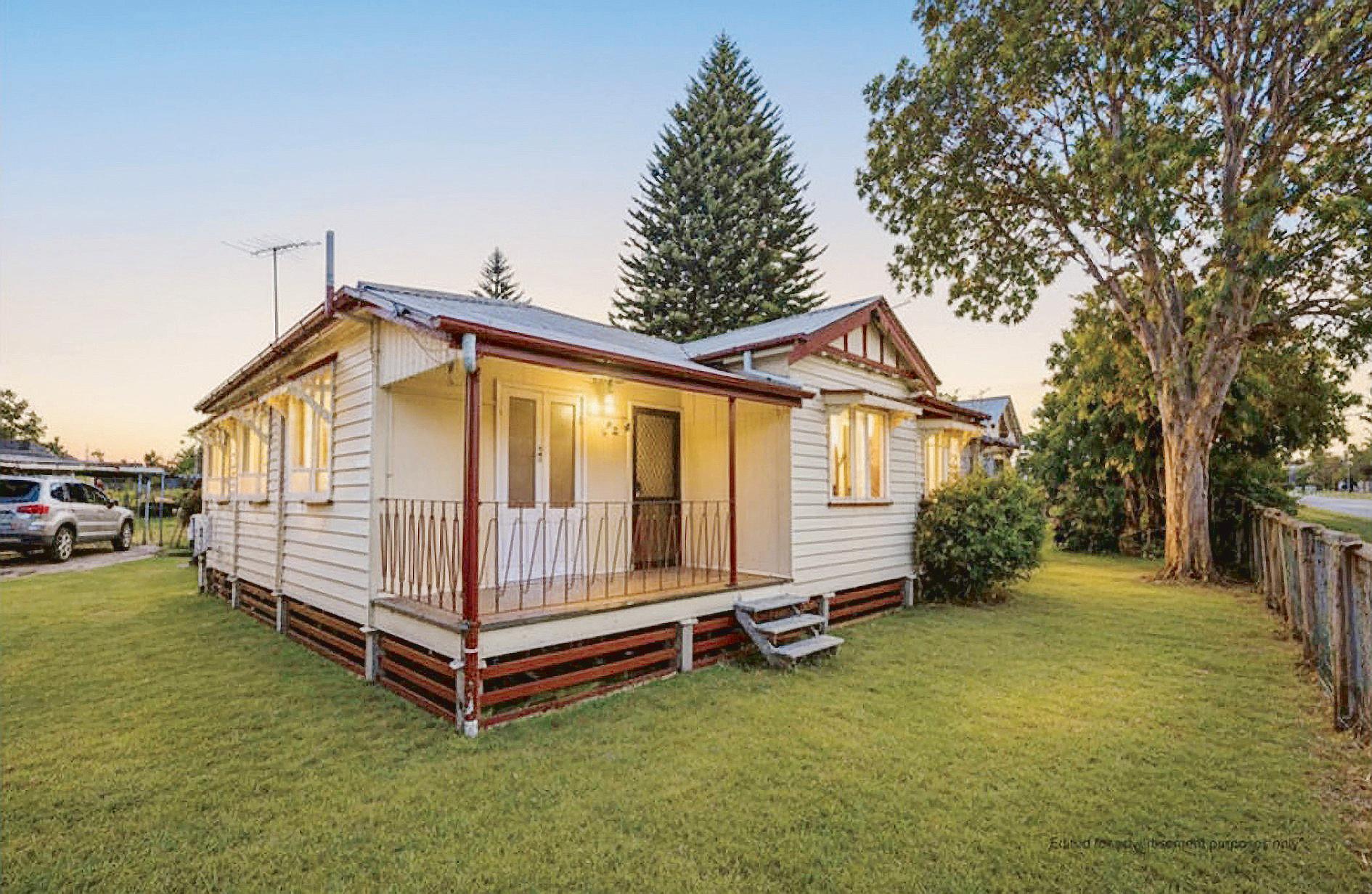
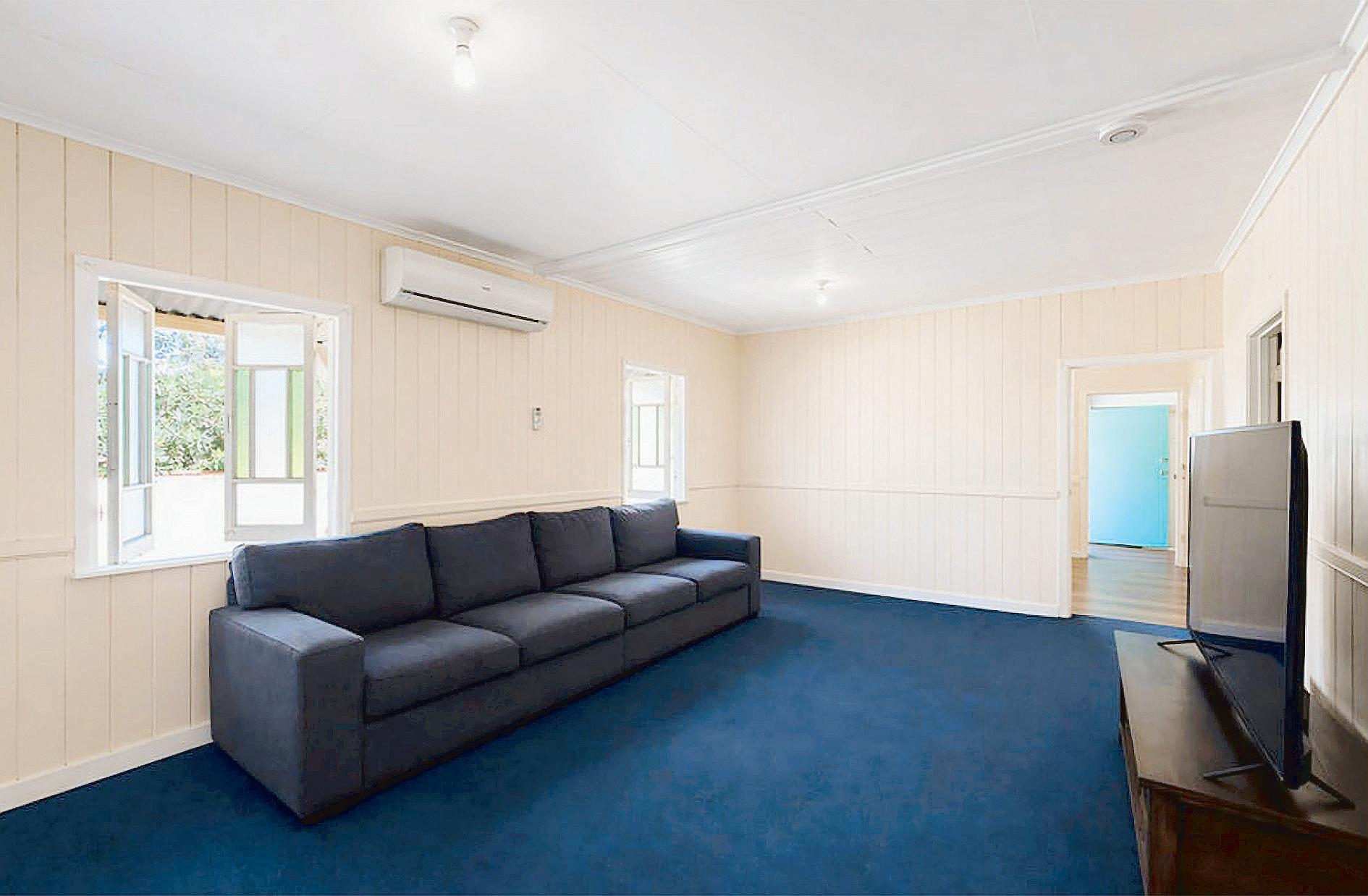
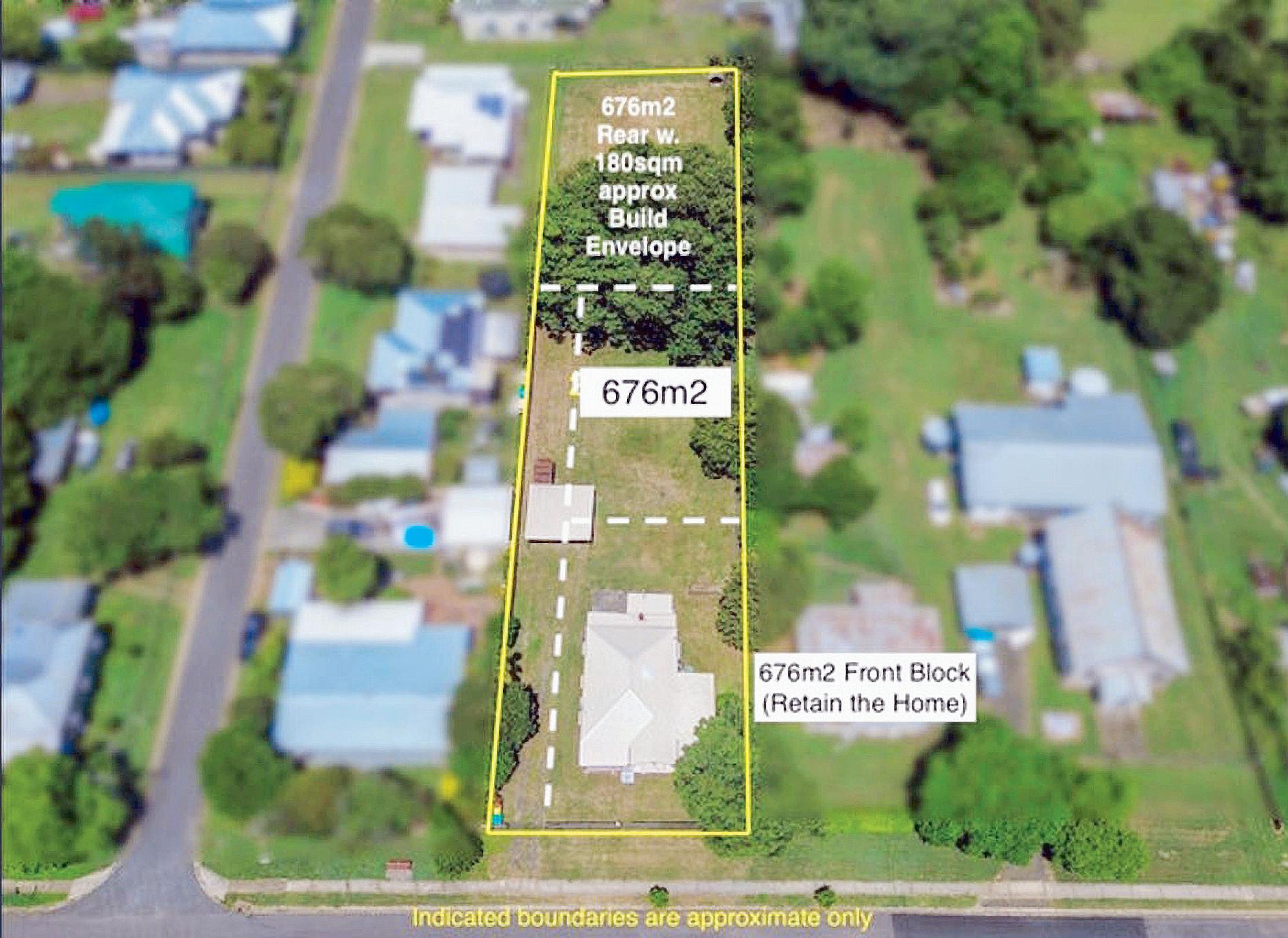
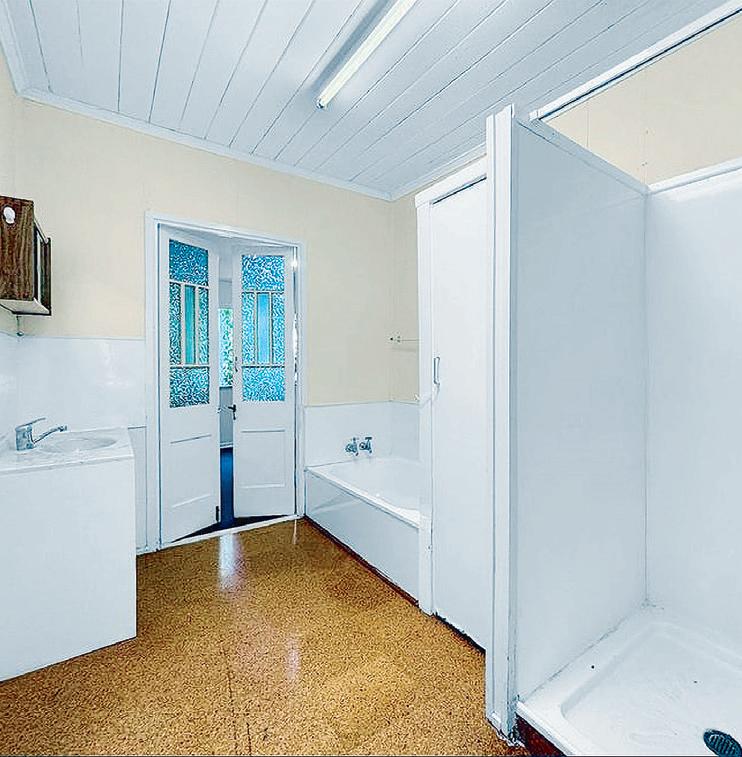
ROSEWOOD home on a large town allotment with approved subdivision plans, sold recently for $960,000.
The three bedroom, one bathroom home in Albert Street is located on a flat 2,023sqm block.
The property comes with development and operational work approvals to subdivide the house off on its own block and to cut off two rear blocks.
The comfortable home also has some timber floors, a front porch and a double carport. Its location places it only one street back from the town centre.
The property has wide frontage to Albert Street and is close to the Rosewood train station.
The home last sold in 2025 for $690,000.
Supercars fans hitting Ipswich
THE Repco Supercars Championship will celebrate its visit to Queensland Raceway with a free community event in the heart of the city ahead of next month’s Century Batteries Ipswich Super 440.
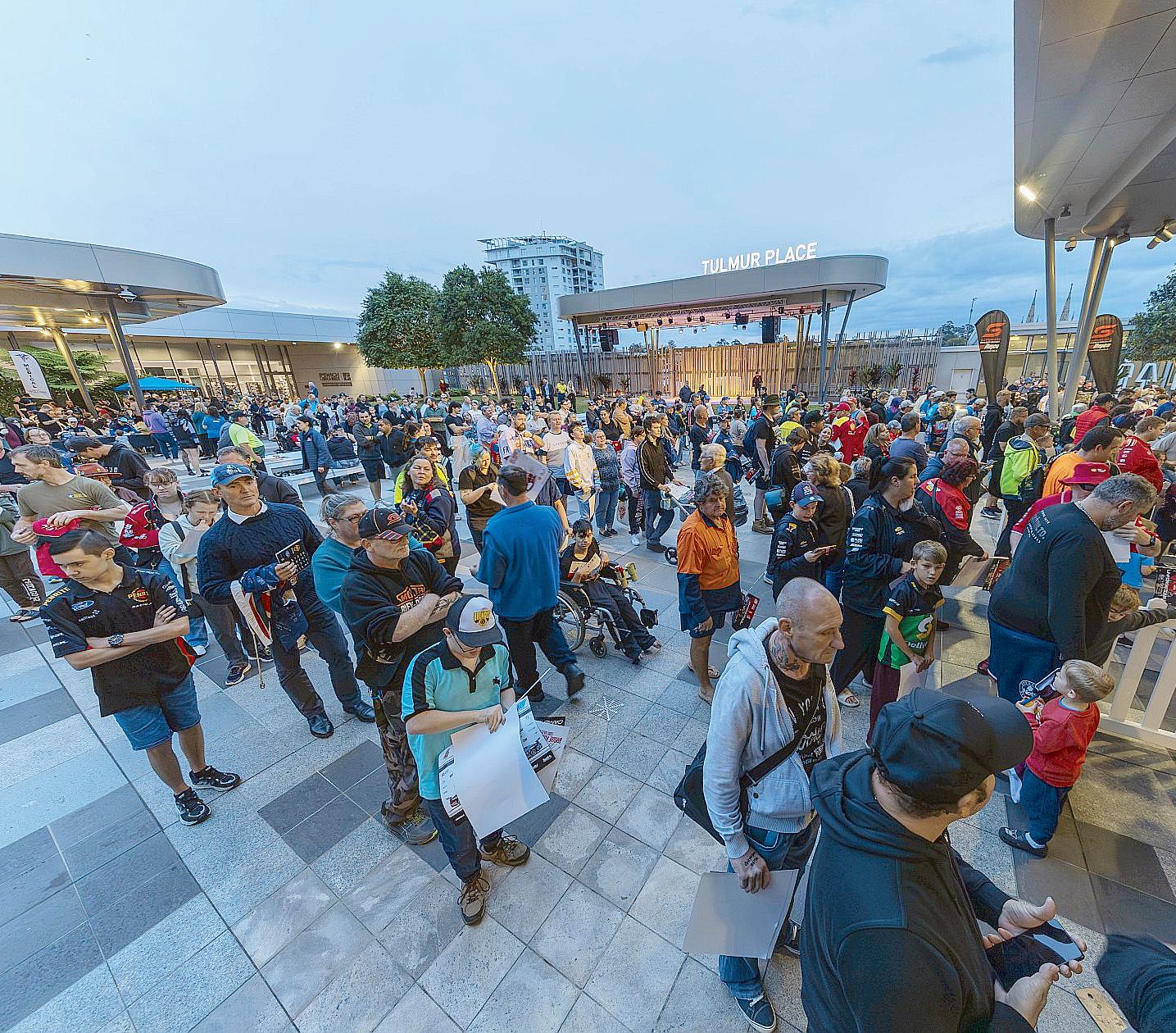
On Thursday 20 August, Tulmur Place in the Nicholas Street Precinct in Ipswich CBD will host Supercars Fan Fare from 4.30pm to 6.30pm, giving locals the chance to get up close and personal with their favourite Supercars stars before the action begins at Queensland Raceway.
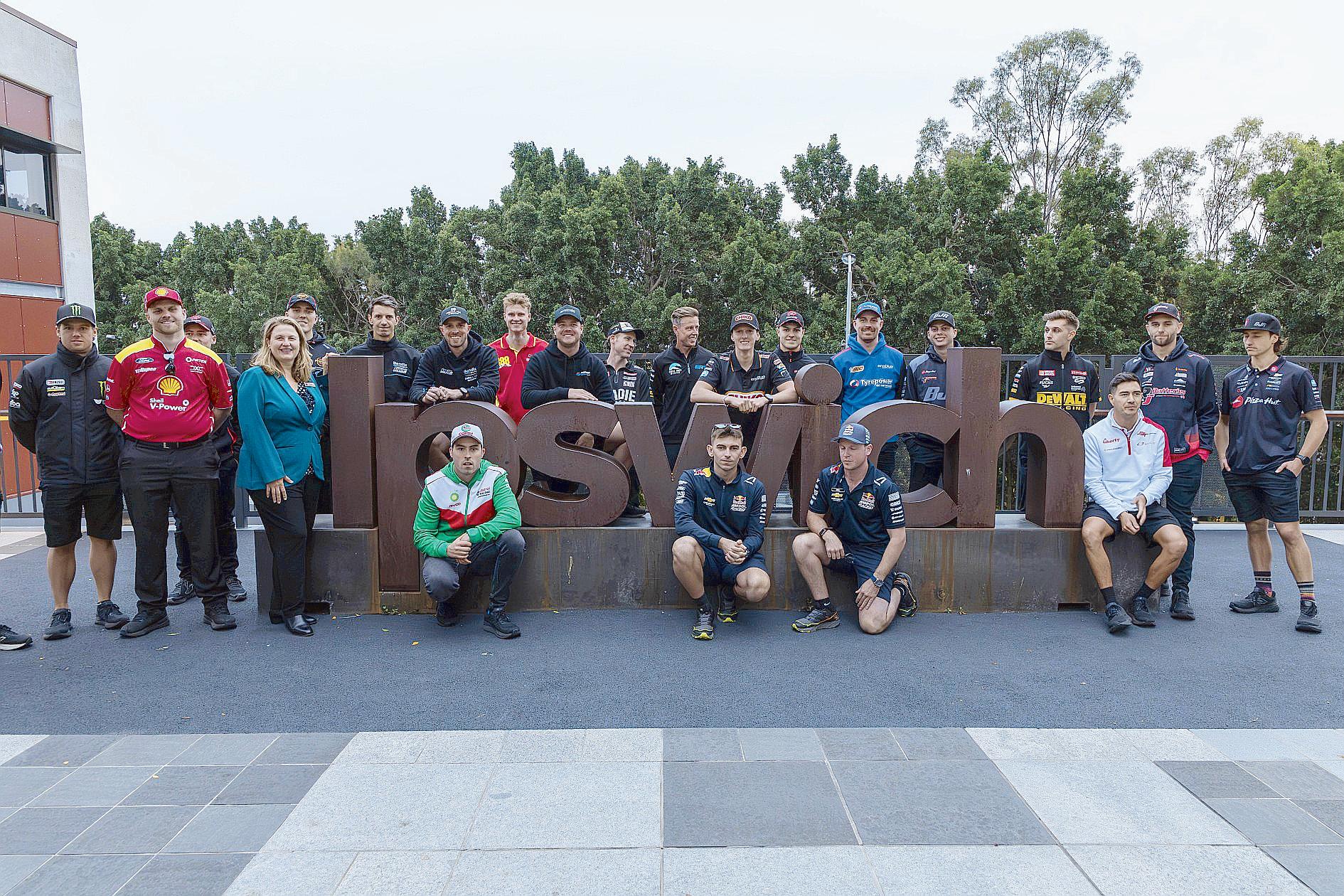
All 27 Supercars drivers competing in the Century Batteries Ipswich Super 440 will be in attendance, marking the largest Supercars grid to race at Ipswich since 2013.
A free autograph session will take place from 5pm to 6pm, while fans young fans can also take on activities and challenges hosted by the Hot Wheels Stunt Team.
Century Batteries Ipswich Super 440 Event Manager Matt Gegg says Supercars Fan Fare is a fantastic opportunity for the Ipswich community to celebrate the return of Supercars to the region.
“Supercars Fan Fare will be a great way to fire up a huge weekend of racing in Ipswich,” Gegg said.
“The event is free to attend and promises something for everyone, from dedicated motorsport fans to families looking for a great afternoon out in town.“
Ipswich Mayor Teresa Harding said hosting Supercars in Ipswich brings excitement and economic benefit to the city.
“Tulmur Place will dazzle with star power this August with the Supercars Ipswich Fan Fare event giving fans a chance to get up close and personal with their favourite Supercars drivers in the heart of our city,” Mayor Harding said.
Supercars returns to Ipswich next month.
“Ipswich is the place to be when it comes to major events, and council is proud to be supporting the 2026 Century Batteries Ipswich Super 440 at Queensland Raceway in August.
“I look forward to seeing residents and visitors enjoying Supercars right here in Ipswich.”
The Ipswich event will again be the final event of the Repco Sprint Cup; the driver leading the championship at the end of the Ipswich weekend will earn an automatic berth in the Supercars Finals, as well as 25 bonus points for the Finals opener on the Gold Coast in October.
The Century Batteries Ipswich Super 440 takes place 21-23 August at Queensland Raceway. Tickets are on sale now at Supercars.com. Camping and Priority Parking options are also available to race fans and can be found on the Queensland Raceway website and Supercars.com.
Plenty of people turned out to last year’s fan event.
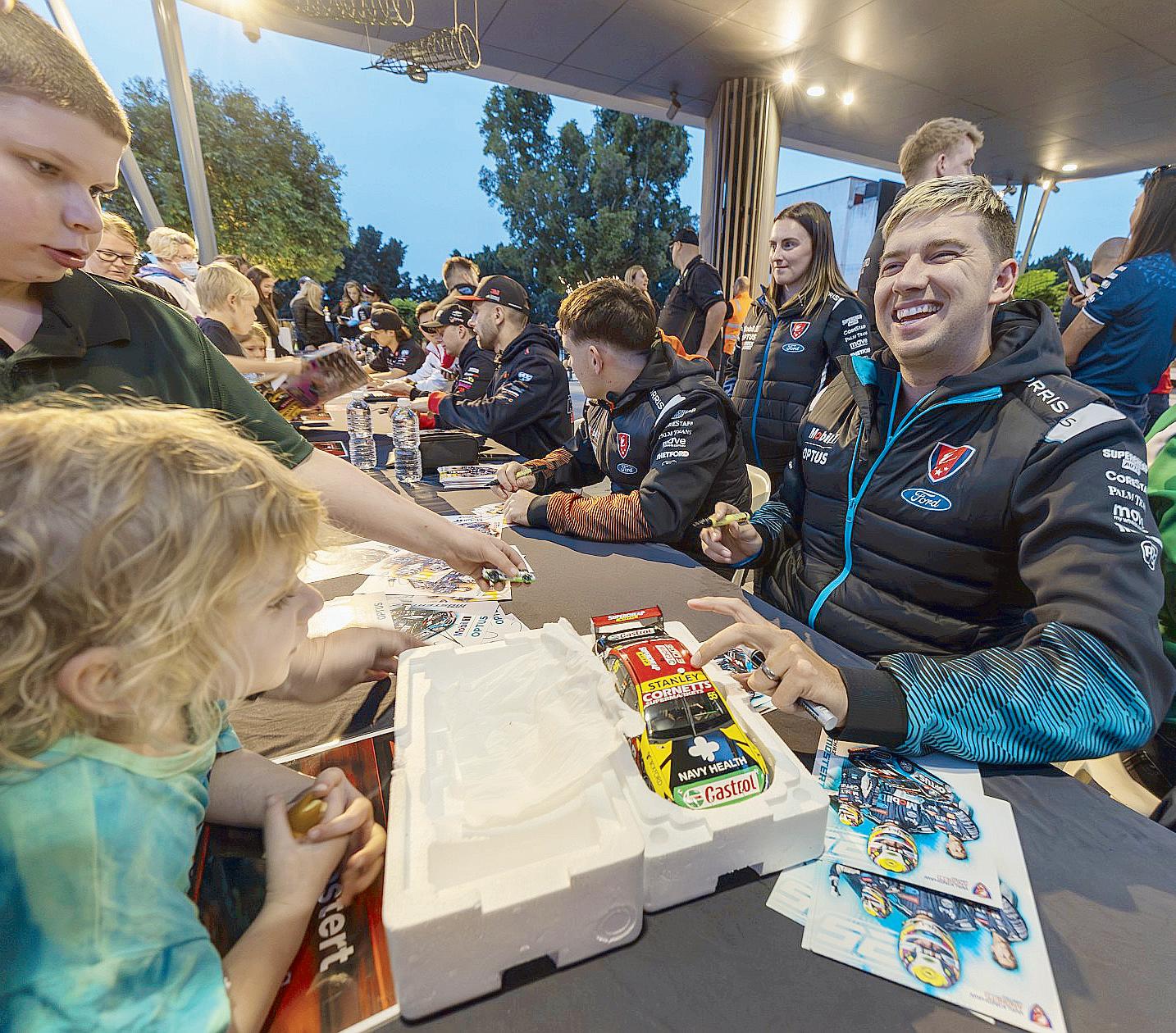
Chaz Mostert greeted by a young fan.
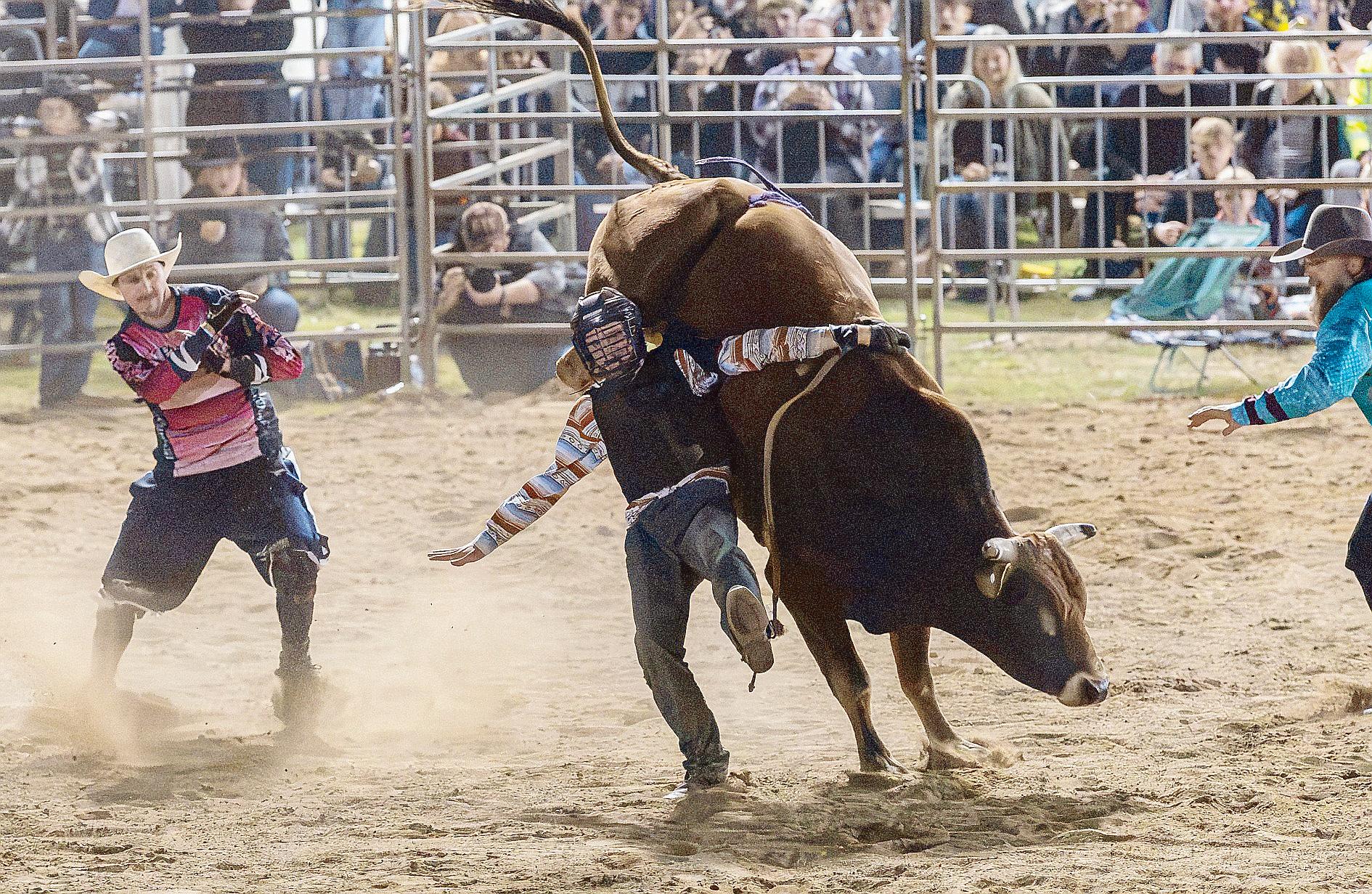
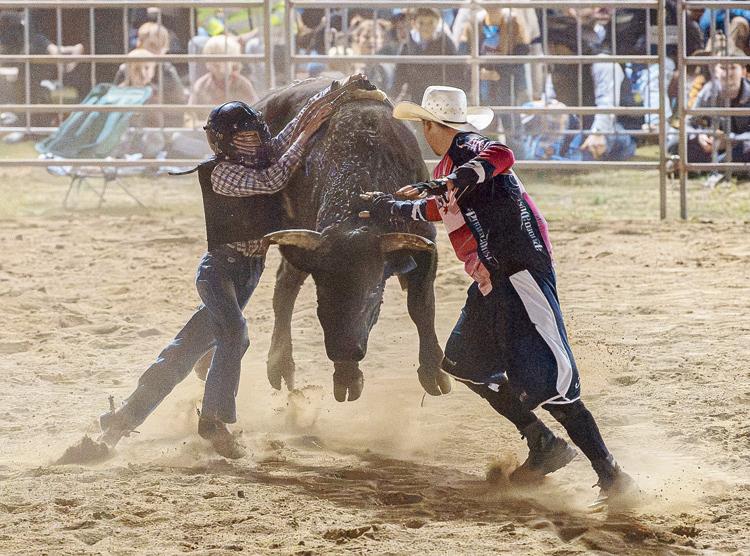
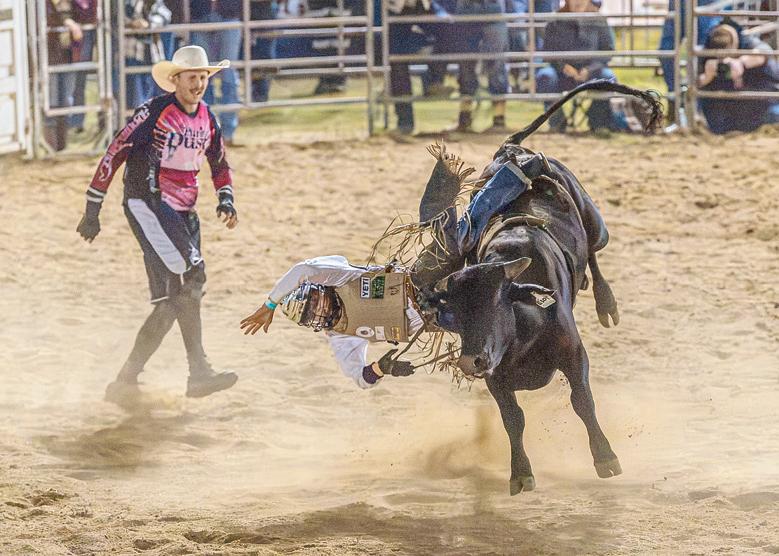
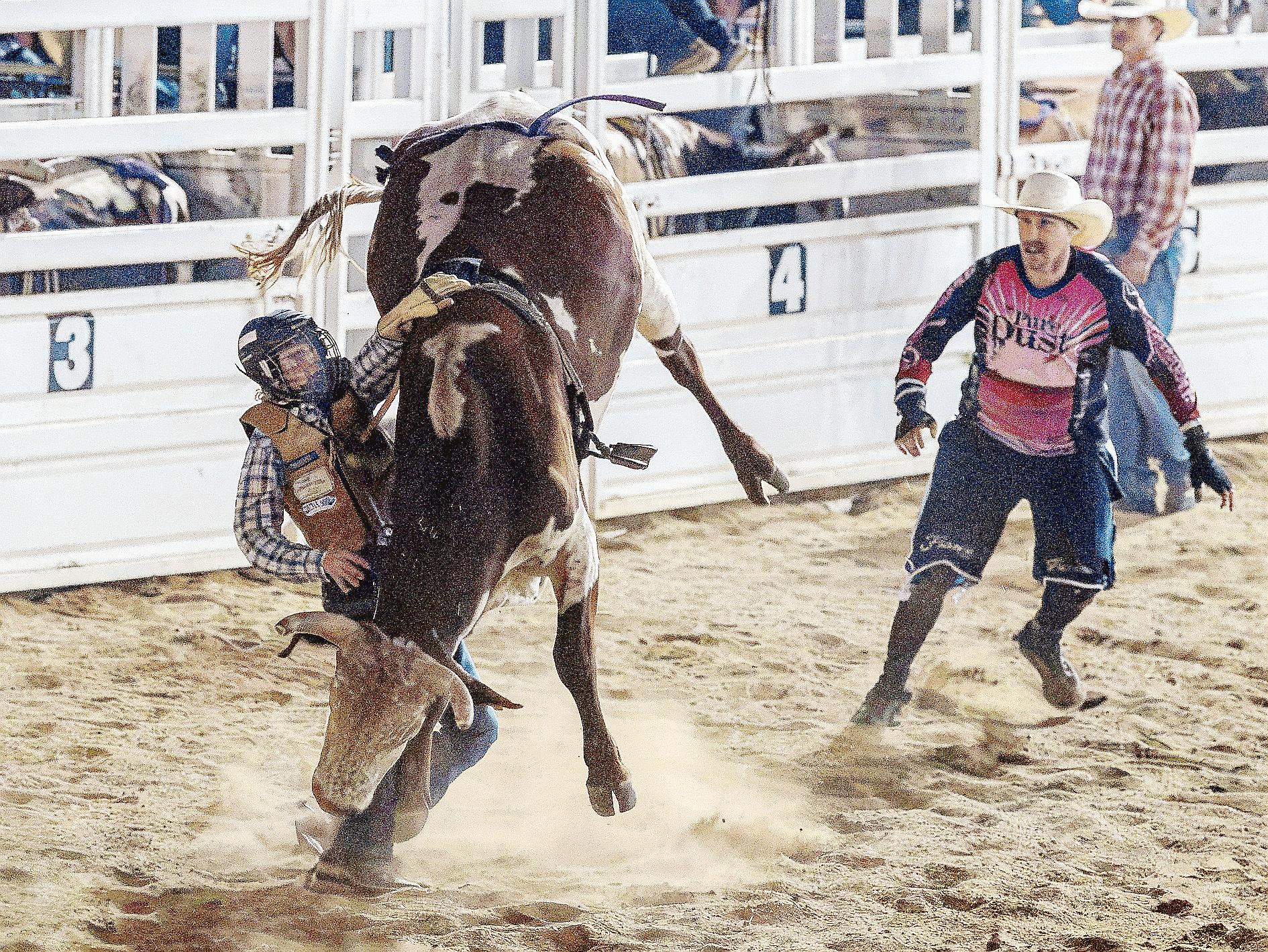
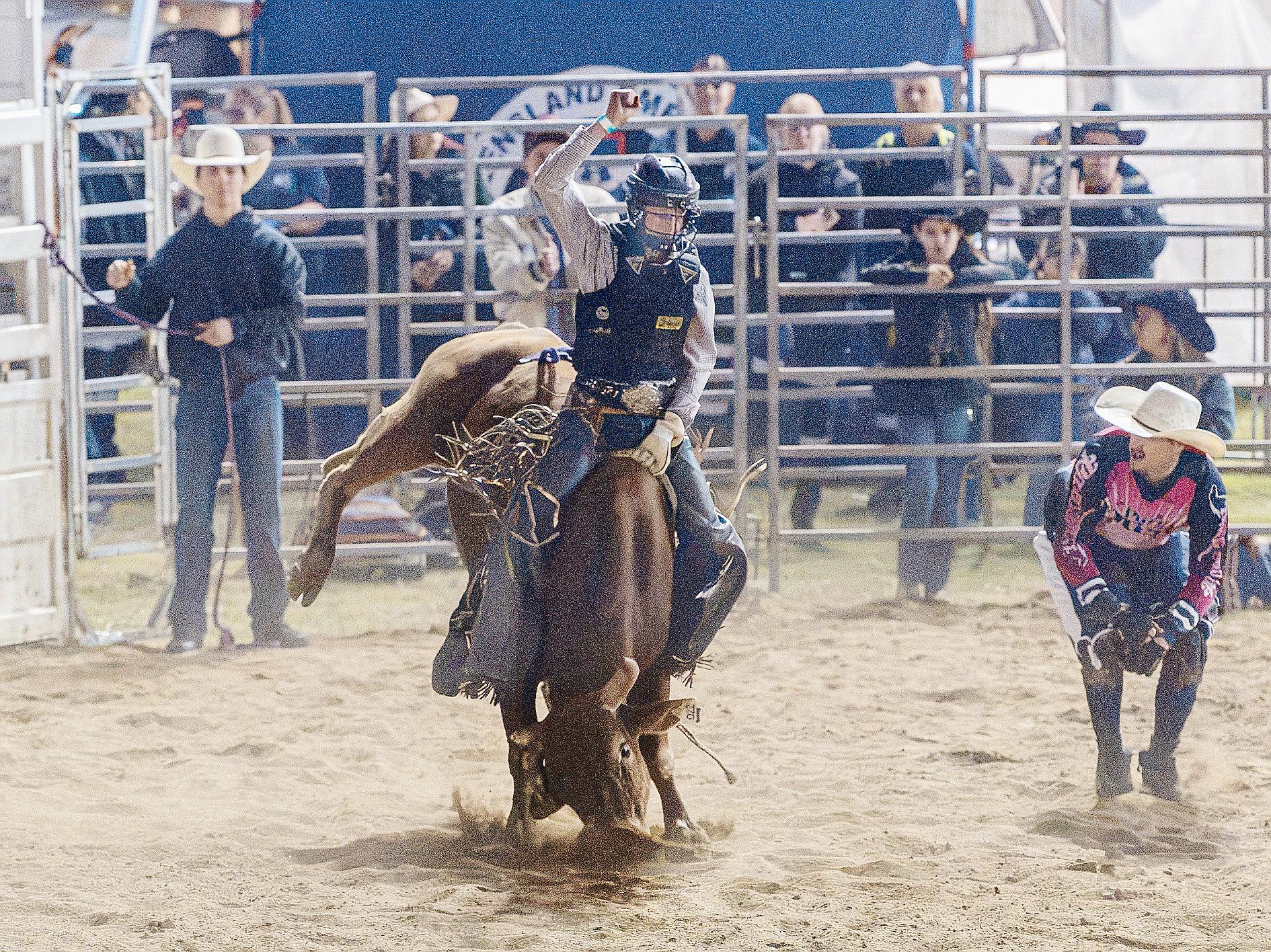
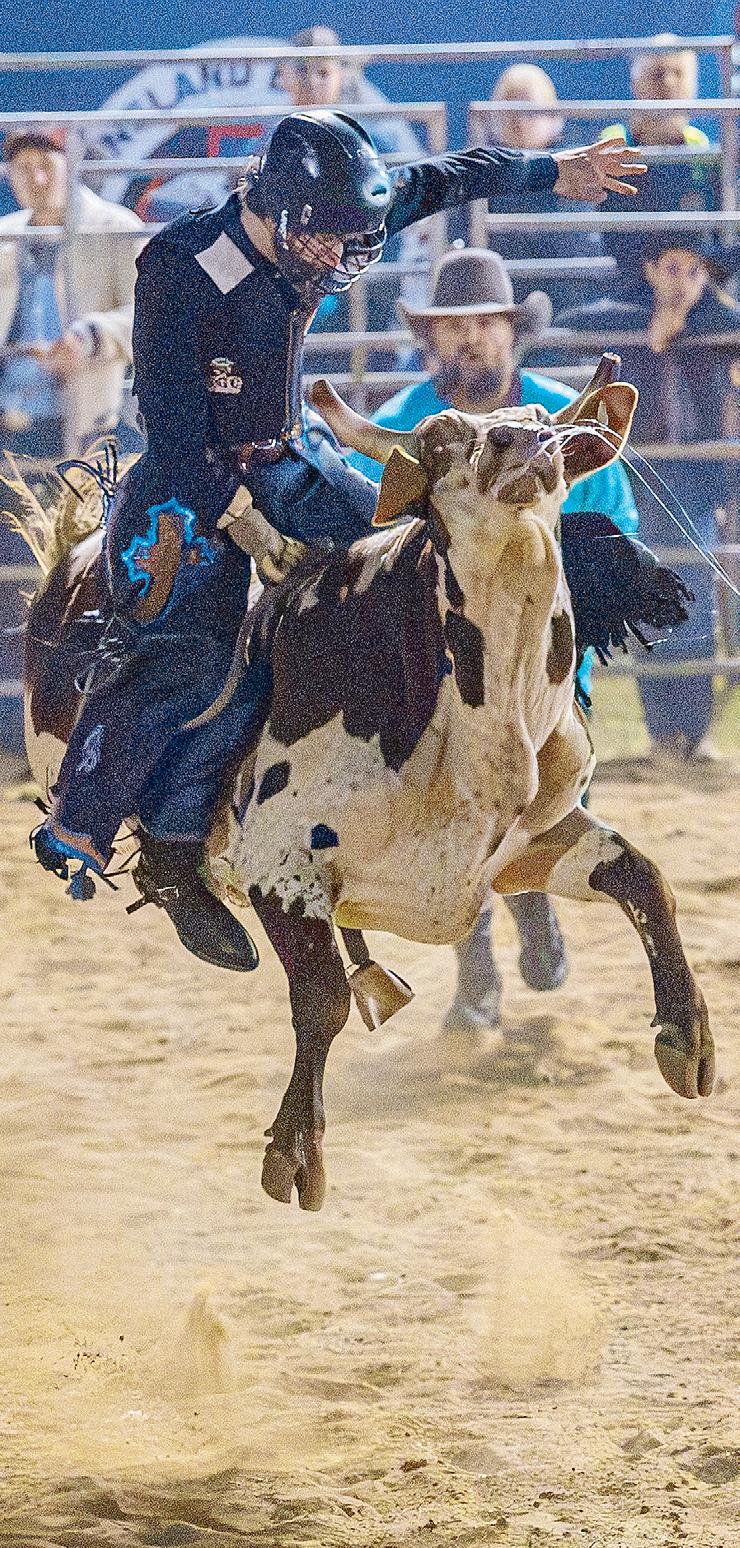
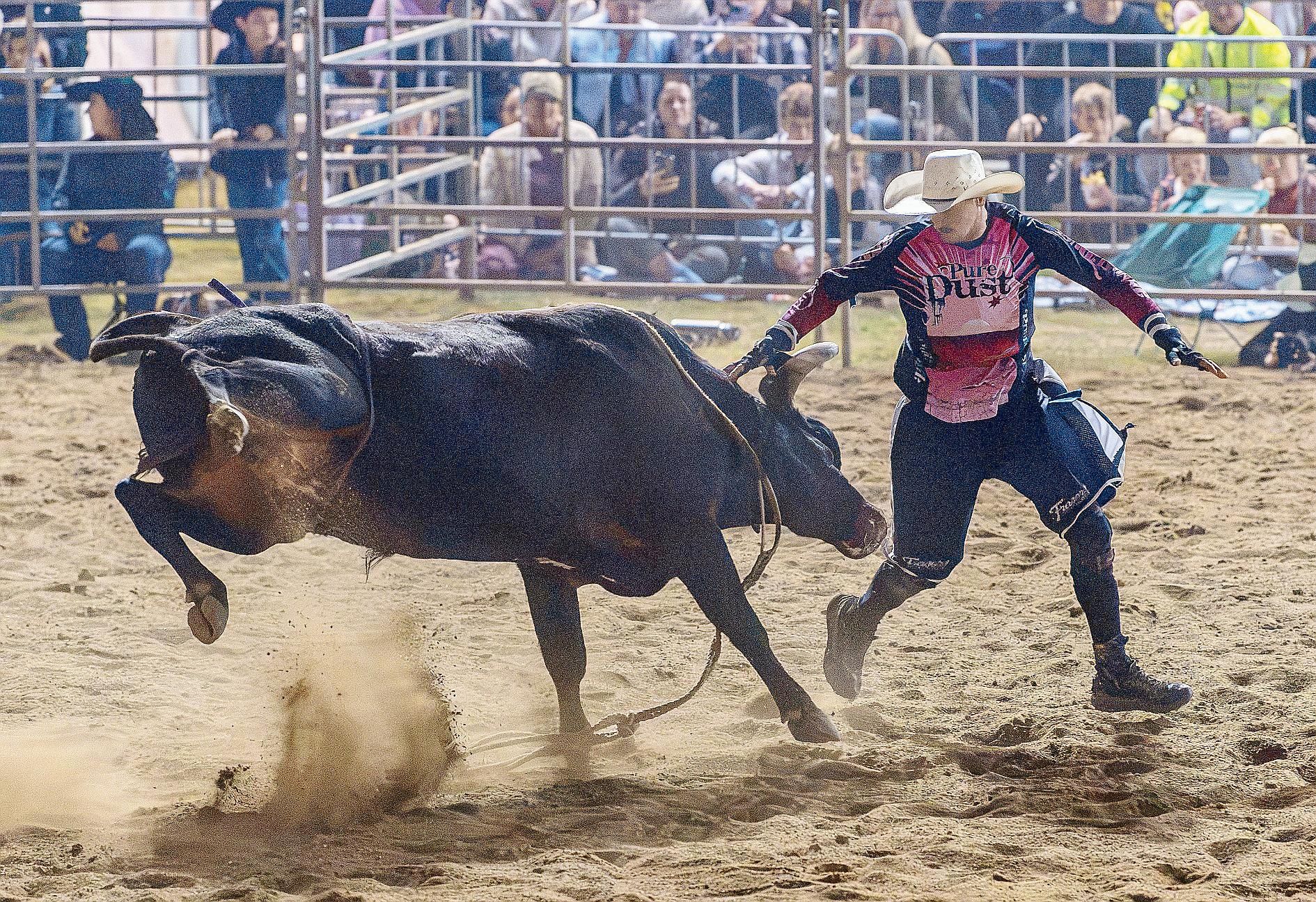
High octane Bull-O-Rama action
By LARA HART
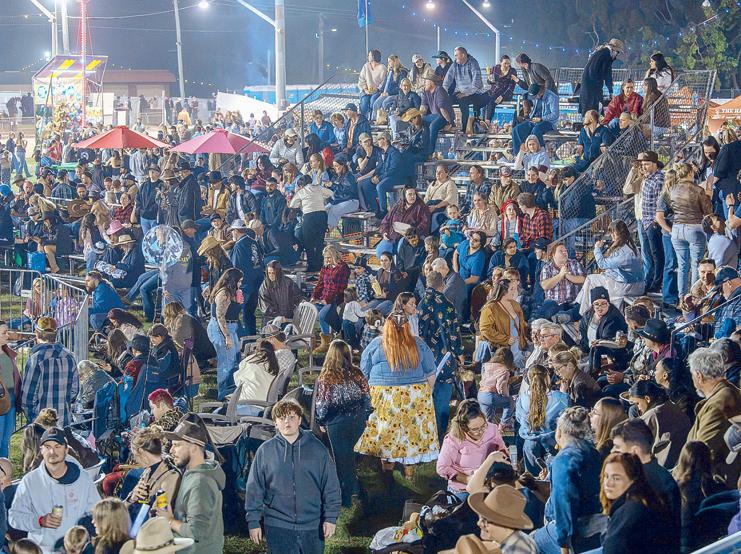
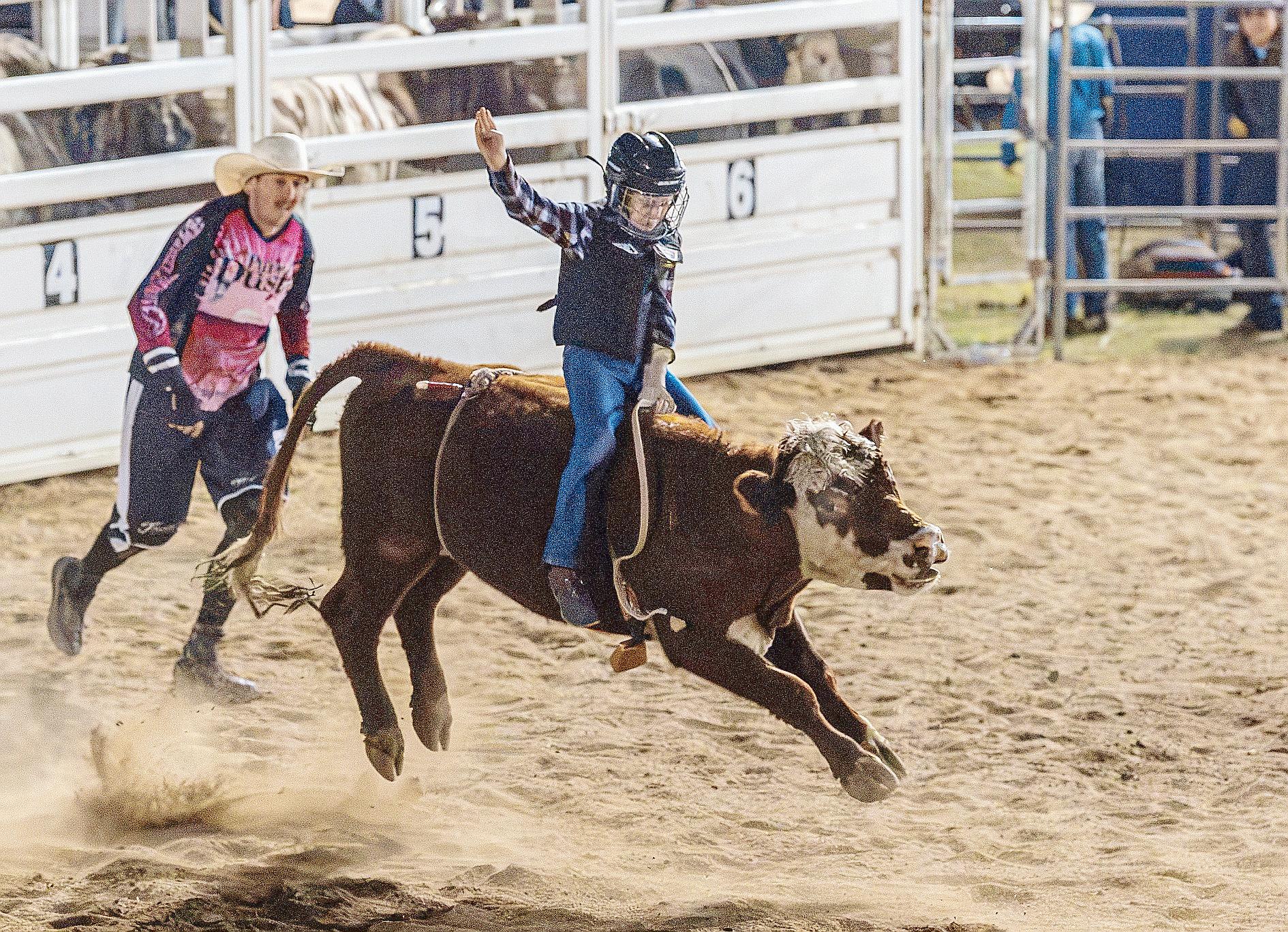
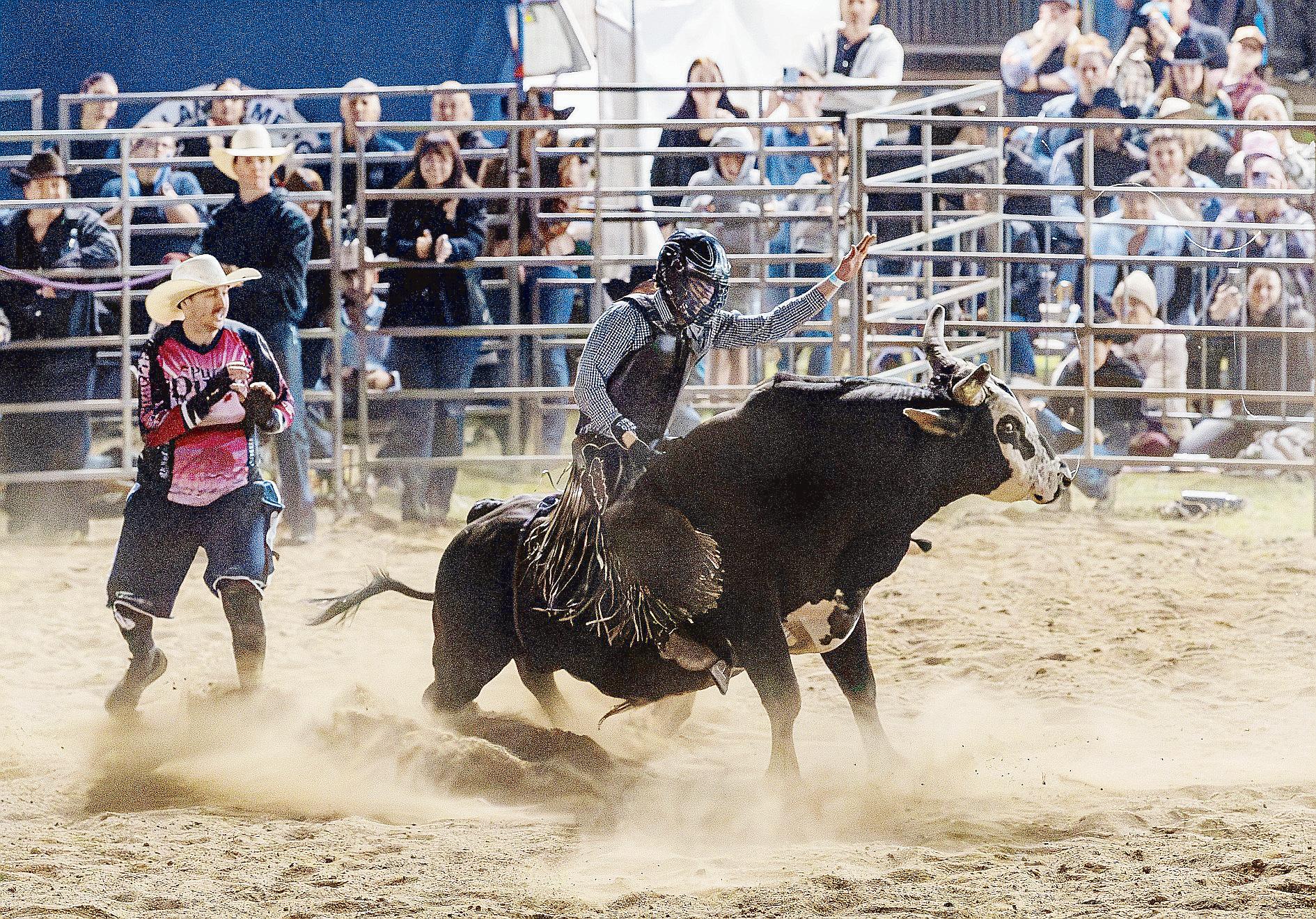
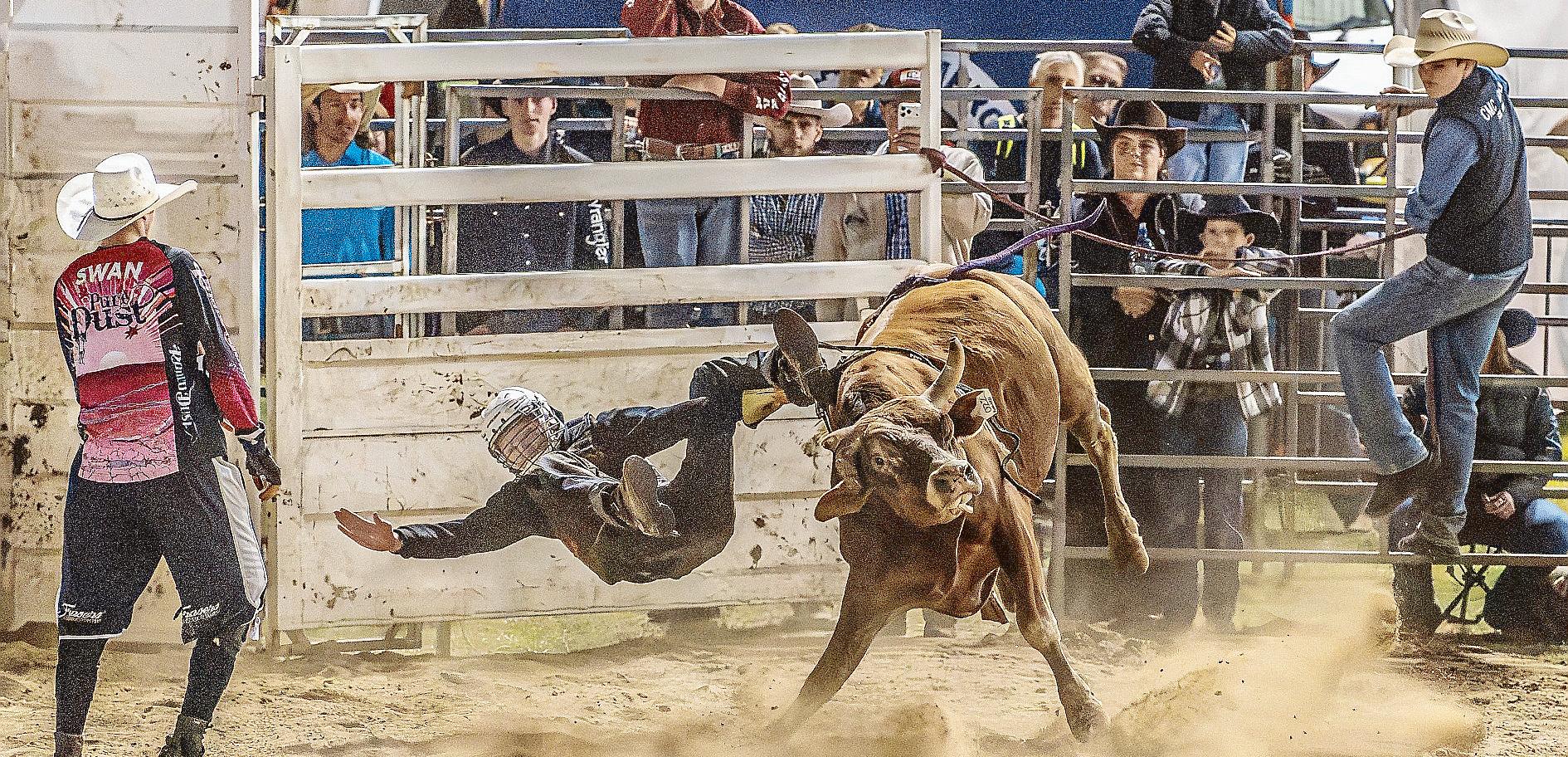
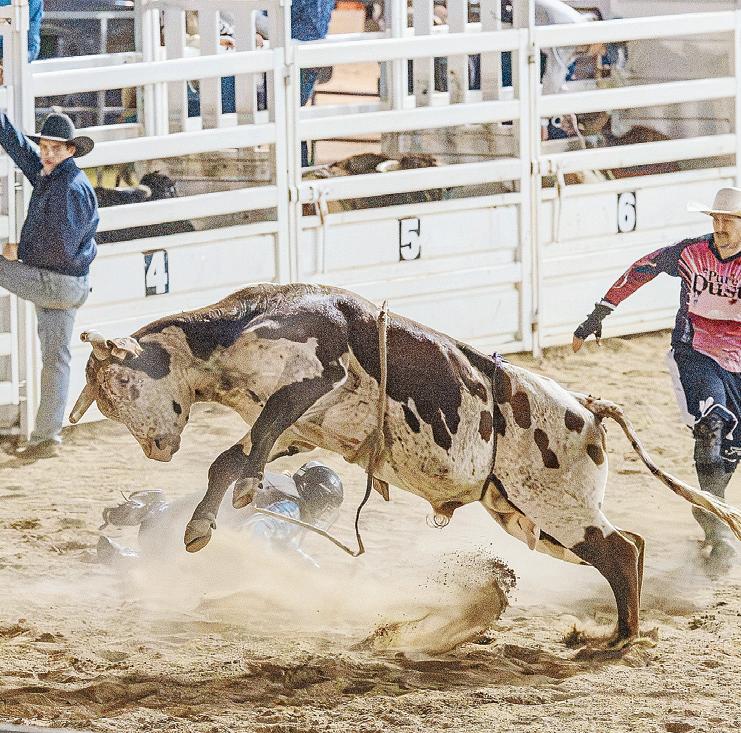
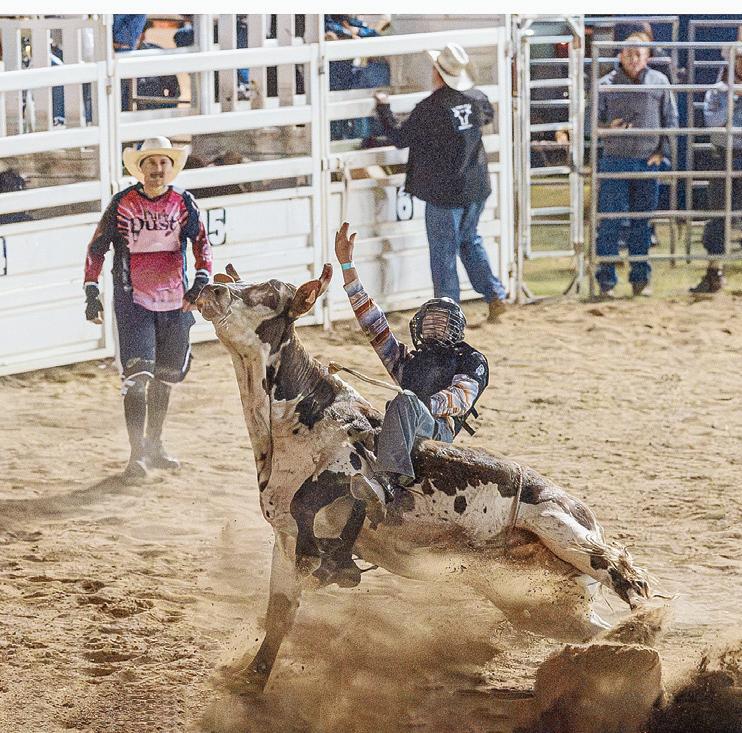
THE Ipswich Showgrounds came alive on Saturday night as Bull-O-Rama returned, drawing rodeo enthusiasts and families together for an evening of thrilling competition and country entertainment.
Hosted by the Ipswich Show Society in partnership with the National Rodeo Association, the event featured a packed program that showcased riders of all ages and experience levels.
Spectators watched mini bulls, junior and novice bull riding competitions before the night’s main attraction, the Open Bull Ride, where experienced competitors took on some of Australia’s toughest bucking bulls.
Beyond the arena, the Showgrounds offered a festival atmosphere with food trucks, market stalls, live entertainment and a licensed bar, giving visitors plenty to enjoy between events.
An after-party rounded out the evening, keeping the crowds entertained well into the night.
The Bull-O-Rama has become a regular highlight on Ipswich’s events calendar, celebrating the region’s strong rural heritage while introducing new audiences to the excitement and skill of professional bull riding.
The event also provides valuable opportunities for emerging riders to compete alongside seasoned professionals.
Organisers promoted the event as a showcase of some of the country’s best bull-riding talent, with the action beginning in the late afternoon before building to the headline Open Bull Ride under lights.
The successful staging of the event once again reinforced Ipswich’s reputation as a destination for major regional sporting and entertainment events, attracting visitors from across south east Queensland to experience the excitement of rodeo competition.
Official competition results and rider placings had not been published at the time of writing.
Novice Bull Ride. Ipswich rider Jacob Davies. (Lyle Radford: 567879)
U15 Mini Bull Ride Eli Potter. (567879) U15 Mini Bull Ride Chase Wieland. (567879) Huge crowds attended the Bull-O-Rama. (567879)
Under 18 Junior Bull Ride, Cooper Bennett. (567879)
Under 18 Junior Bull Ride, Harry Armitage from Gatton. (567879)
Under 18 Junior Bull Ride, Charlie Falls. (567879) Under 18 Junior Bull Ride, Rodeo assistants need to be on their toes. (567879)
7-U12 Mini Bull ride Ryder Campbell. (567879)
Open Bull ride. Wesley McDonald on Derringer. (567879)
Under 18 Junior Bull Ride, Darcy Merrell. (567879)
Under 18 Junior Bull ride, some bulls were just plain agro. (567879)
Under 18 Junior Bull Ride, Ipswich rider Jacob Davies. (567879)
Horses are everything for Caroline
By PETER FOLEY
FOR
Caroline Allardyce, horses are the golden thread running through her life: from a childhood connection with a famous Melbourne Cup winner, to years spent showjumping and the demanding, captivating world of racehorse training.
Caroline was born in Malaysia, where her father was posted to RAAF Base Butterworth, before her family settled in South Australia.
They lived near the stud farm that housed Rain Lover, winner of the 1968 and 1969 Melbourne Cups.
“I used to ride over to there and help the old lady, Mrs Andrews - Jean Andrews, her name was - feed the yearlings and the weanlings - and get eggs,” Caroline said.
“I was only eight or nine at the time.”
No wonder horses mean so much to her. They are life, family, work, fun, and the lasting fascination that rewards those who devote their lives to them.
“I used to showjump horses years ago but the opportunity to train never really arose until 30 years ago, I guess,” she said.
Based at Gatton, near her Forest Hill home, Caroline made an auspicious start to training when To The Lifeboats won on her home track in April 2000.
She has now notched 68 wins, 21 of them ridden by her son, Jimmy Orman, who rode his mum’s horse Iniquity to victory at his first ride on a metropolitan track in 2014.
A former champion gymnast now riding in Hong Kong, Jimmy began his career apprenticed to his mother. His father, Michael Orman,
was also a jockey.
Jimmy won three consecutive Brisbane premierships and rode more than 1300 winners before taking up a full-time Hong Kong contract.
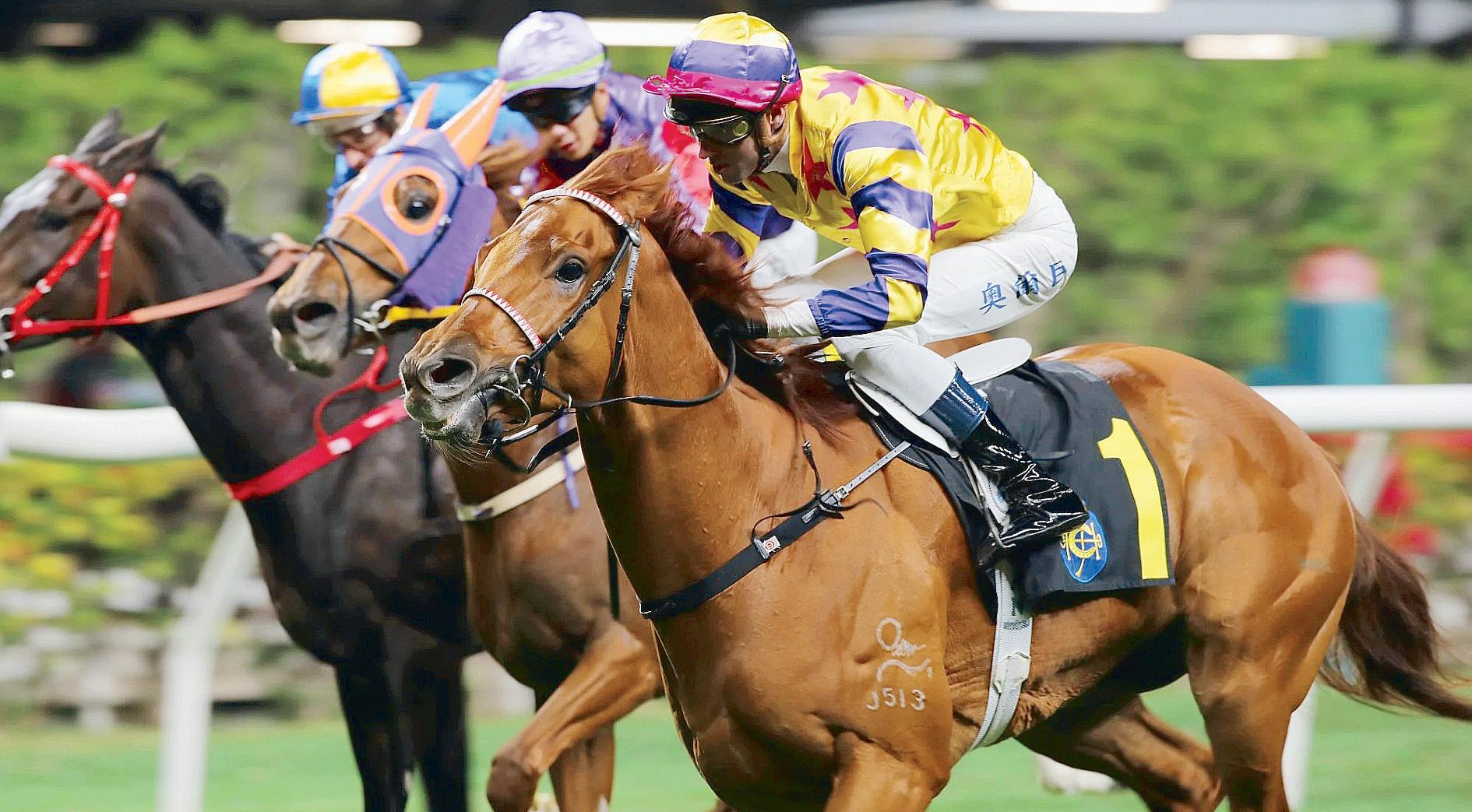
He began his first stint in Hong Kong in February 2025, took his chances, and closed his rookie season with 13 wins. In the 2025-26 season, he has added 32 more.
Caroline is now training at Ipswich after being suspended from Gatton racetrack following a dispute over flies.
Away from racing, she has spent 40 years in cattle reproduction through her business, Advanced Cattle Breeding, which specialises in artificial insemination.
At Ipswich last Friday, Caroline won with Kinki Fish, whose backstory is as intriguing as his name.
“I was talking to Jim on the phone a couple of months ago, and it’s big in Hong Kong for the owners to take them out for dinner after they win races,” she said.
The restaurant was called Kinki, and Jimmy told his mum the Kinki fish served there - a sweet, tender fish, highly prized in Japanese cuisine - was the best fish he had eaten.
Caroline had a lightbulb moment that brought together the restaurant story and Jim’s advice about the Hong Kong racehorse market.
“He said if you get one with ability here, it’s easy to sell to Hong Kong for good money,” she said.
“So I hunted around and I did my homework.”
At Inglis online, she found an unraced three-year-old gelding by Street Boss out of Bring The Magic, a Sebring mare trained by Chris Waller before being sold as a broodmare for $310,000.
Caroline paid just $5500 for the gelding.
“I bought him with the intention of selling him to Hong Kong and he got that name Kinki Fish because of the restaurant in Hong Kong,” she said.
“Obviously, there’s upside with the family. She’s by Sebring and I’m an absolute lover of Street Bosses. I just love the breeding.”
Kinki Fish had two trials leading into last Friday’s race. Caroline said he was poleaxed and nearly fell in the second trial.
“I had every intention of marketing him to Hong Kong and then thought we’d blown it with the trials,” she said.
“But then I thought: Stuff it; we’ll just soldier on for the races.”
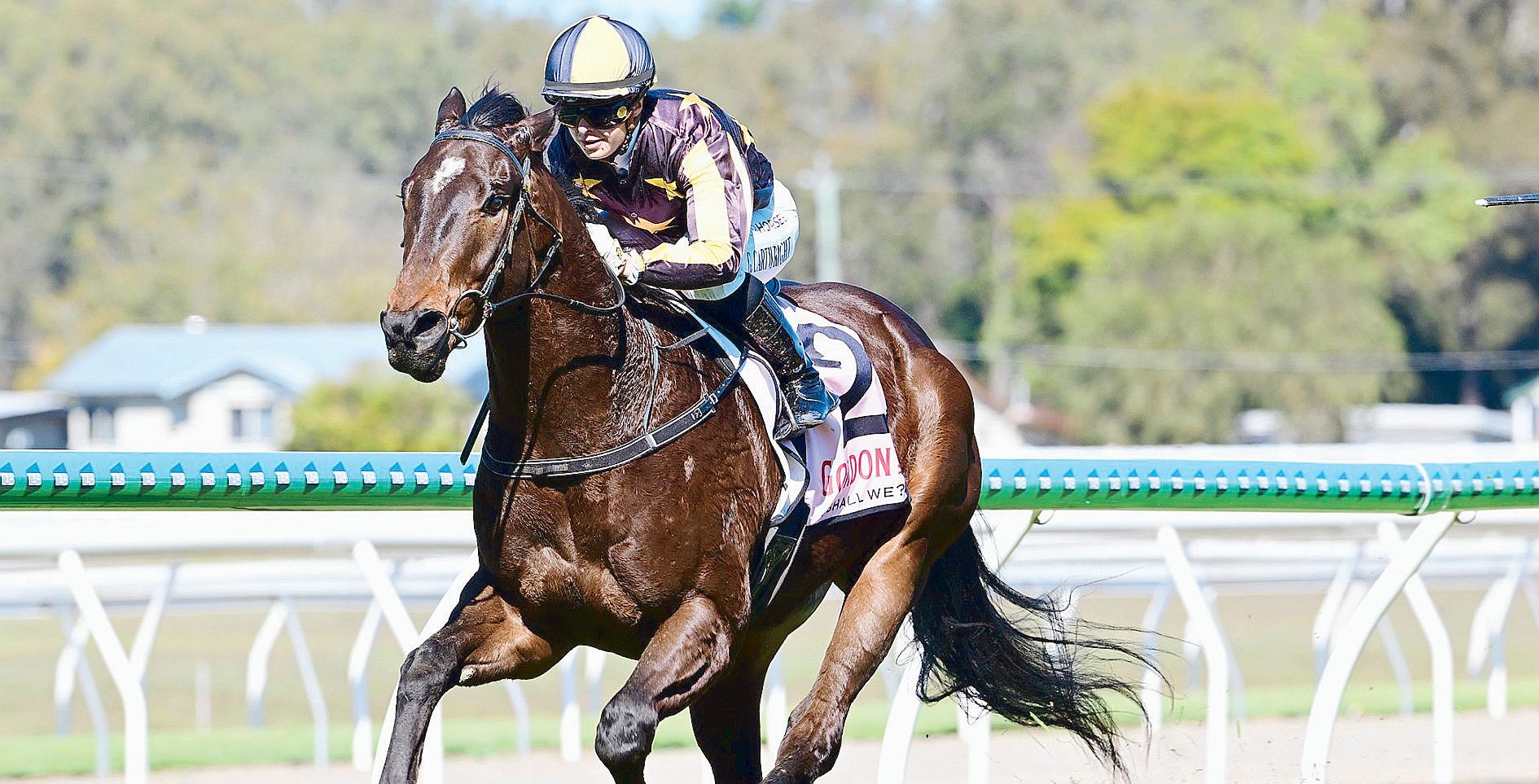
On Friday, Kinki Fish rushed along the rails in the straight to win the Gordon’s Gin Maiden Plate (800m).
“He’s not an 800-metre horse; he’s probably a 12, 14, maybe mile horse,” Caroline said.
“He’s a good horse. Or has the potential to be. Let’s see where he goes, but I’m very happy with him at the moment.”
Caroline went within an ace of back-to-back wins when her gelding Beat the Rap, carrying 60kg and jumping from a wide barrier, was just run down in the next race.
Kinki Fish, with Georgina Cartwright in the saddle, storms along the rails to triumph in the Gordon’s Gin Maiden Plate (800m). (Trackside Photography)
Charming Babe storms home down the outside to give Jimmy Orman his first win in Hong Kong at Happy Valley. (Hong Kong Jockey Club)