

By LARA HART
By LARA HART








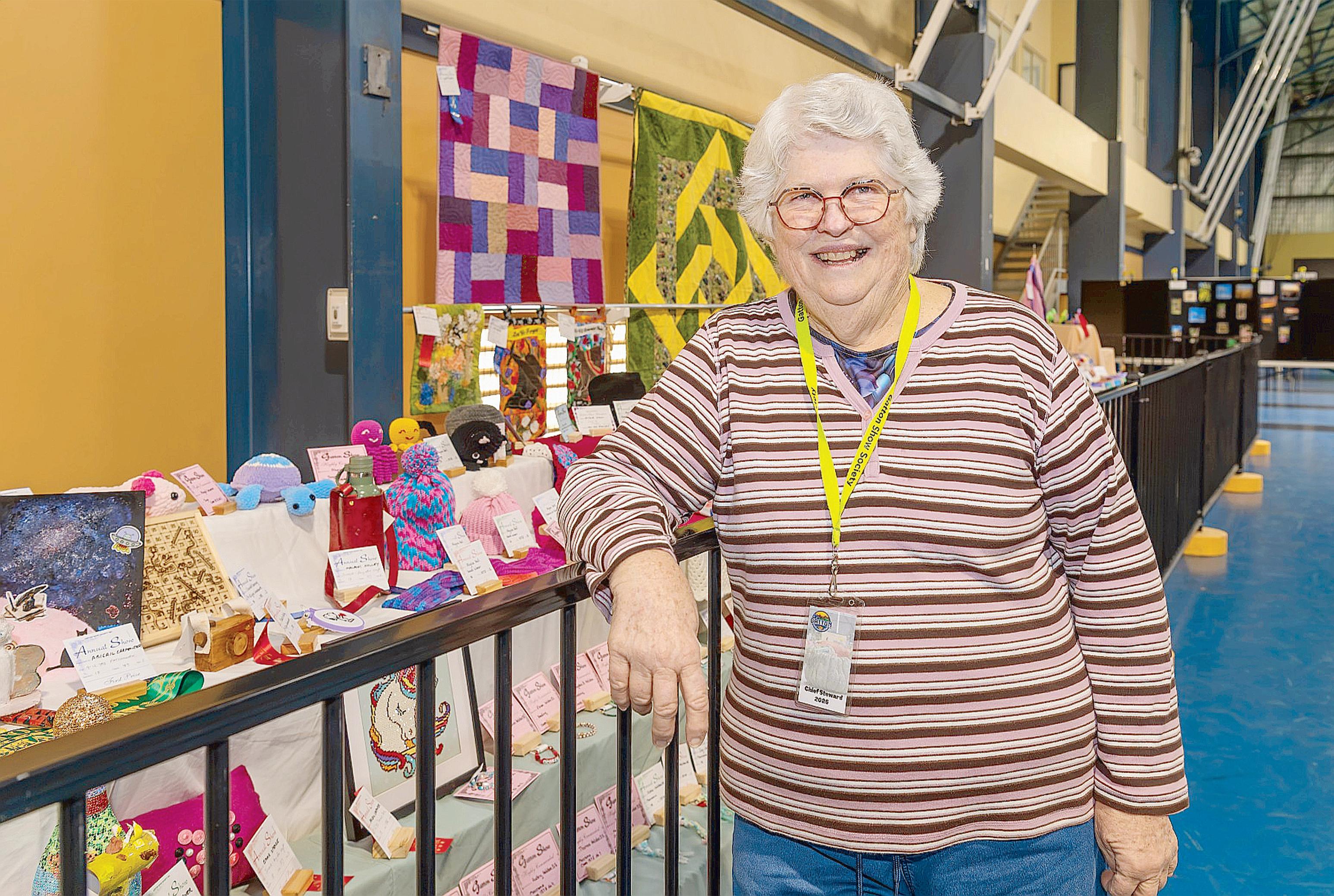
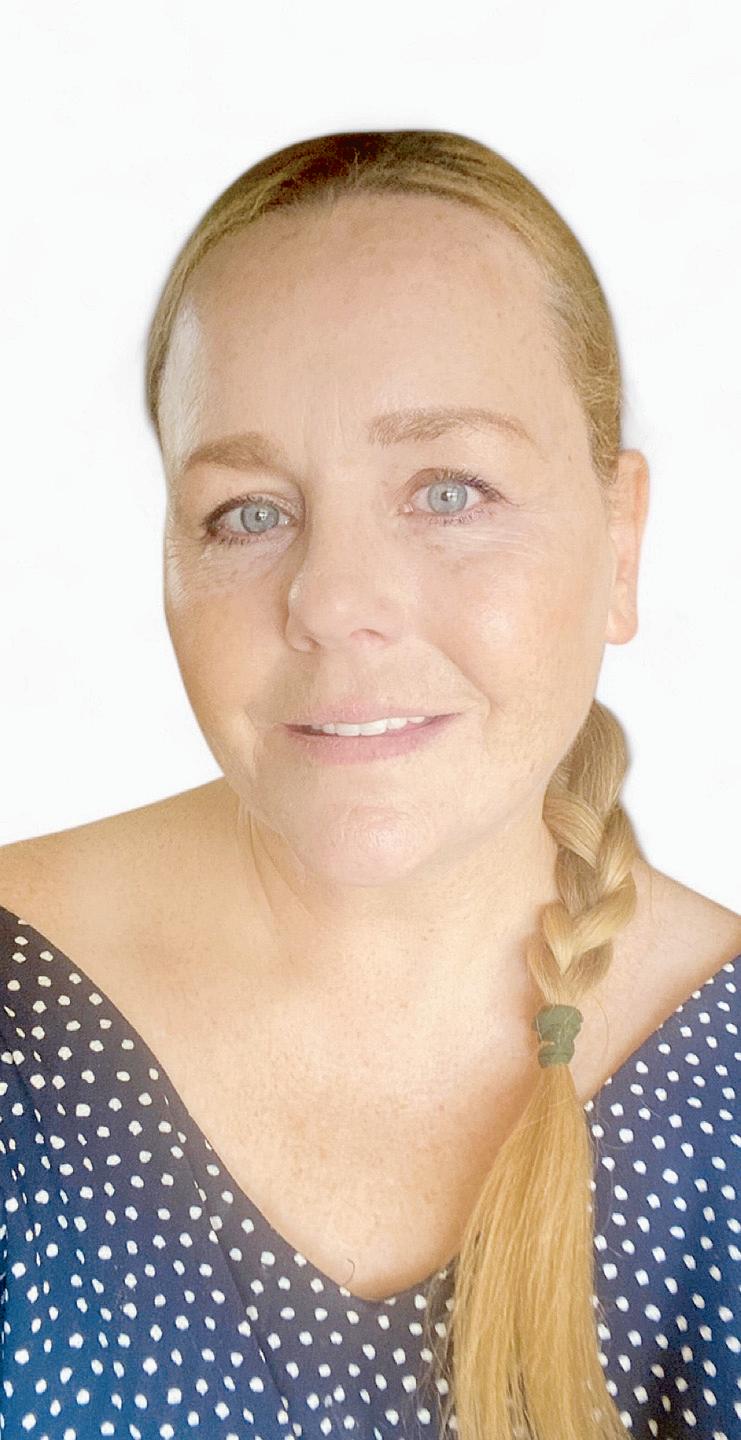
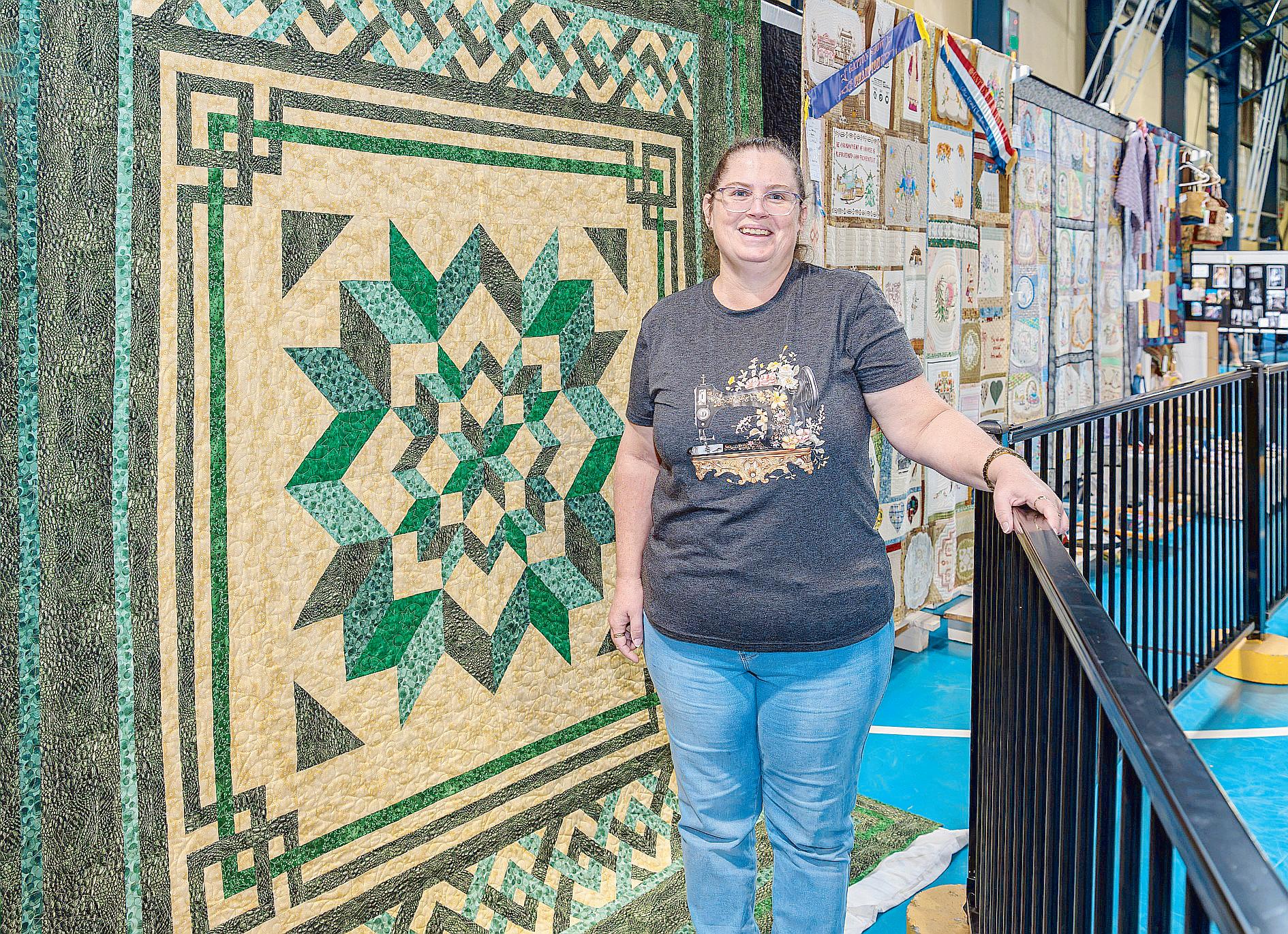
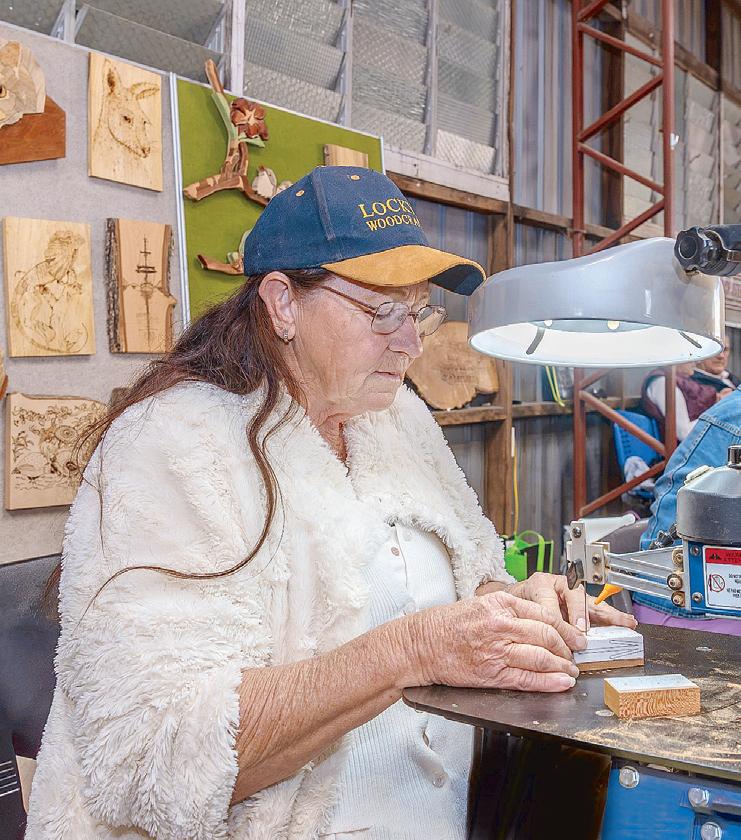
WHEN she’s not crime fighting as founder of Harrisville Neighbourhood Watch, Pam Lobwein is getting stuck in as chief steward of the Needlework and Craft section at the Gatton Show.
Her section had more than 700 entries that were beautifully presented to showgoers in the pavilion.
Thousands of visitors enjoyed two action-packed days of family entertainment at the 2026 Gatton Show, with more than 8000 people coming through the gates to celebrate one of the Lockyer Valley’s biggest annual events.
The official opening on Friday was conducted by former Olympic showjumper and Helidon local Guy Creighton, who welcomed visitors before the night program got underway.





IPSWICH City Council is asking the community to have its say on what makes Rosewood special and share their ideas for the areas, as part of its upcoming Rosewood Place Plan.
Council says it is seeking feedback from those who live, work, run a business or choose to spend time here in the region.
It says the RPP is a shared vision and action plan not only for the heart of Rosewood, but for the main street and community facilities.
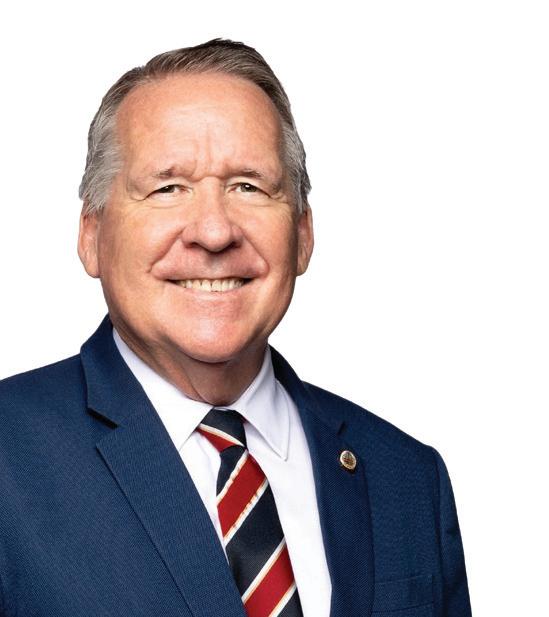
Division Four Councillor Jim Madden said he was pleased to support the proposal by Council Officers.
“I had previously successfully proposed that Council prepare Master Plans, with an accompanying ShapeYourIpswich campaign, for undertaking the Rosewood Aquatic Centre, Caledonian Park and the Rosewood Showground” Cr Madden said.
“I did so because the master plans for these
facilities were out of date by many years.”
Cr Madden said the Western Corridor, with a current population of about 10,000, is expected to increase to upwards of 80,000.
“This is comparable to the population of Gladstone,” he said.
Cr Madden said these master plans alongside the RRP were necessary for this region in years to come.
He pointed to further comments made in a recent Council Budget speech.
“With the Ipswich Western Corridor, which extends from Karrabin to Rosewood, Council is having to plan for a massive population increase comparable to that in the Ripley Valley Priority Development area.
Division Four Councillor David Martin said unlike some of the newer suburbs including Ripley and Springfield, Rosewood has been


around for a long time.
“Rosewood has a history with many old buildings and sites that need to be preserved, so that it maintains its unique fabric and ties to its heritage,” Cr Martin said.
Cr Martin said John Street will always be the heart of Rosewood.
“With three historic pubs, old buildings, the Cobb and Co Park, and the Historic Railway Station, you cannot replicate that.
“It is good to see the character maintained,” Cr Martin said.
Council says the RPP will be delivered in partnership between community, council, local businesses, service providers and others.
Community engagement closes 2 August 2026. To offer feedback or to attend a community workshop, visit shapeyouripswich.com.au/ rosewood-place-plan
WHEN I think of Country Women’s Associations, I can almost taste the beautifully baked cakes and tarts the ladies make from scratch.
Of course, the CWA does a lot more than baking and the Lowood branch recently celebrated its 99th birthday with a morning tea.
I reckon the food would have been spectacular with no box or shop bought cakes in sight.
Wendy Creighton writes about the plan in a proposed housing estate on the Eastern edge of Rosewood to build more than 360 new homes.
She also writes about WestVETS Veterinary Service and its planned expansion of its Haigslea operations through the construction of a state of the art equine and large animal hospital.
Council have reached out and asked the community for feedback on what makes Rosewood special.
It has also asked for ideas on improvement as part of the upcoming Rosewood Place Plan.
Harrisville Lions had its annual president changeover and Marburg is getting basketball hoops.
In my Ramblings I write about family WhatsApp groups and the frustration felt by elderly parents when their adult children give advice that’s not needed.
Thank you for reading.
- Lara Hart

By WENDY CREIGHTON
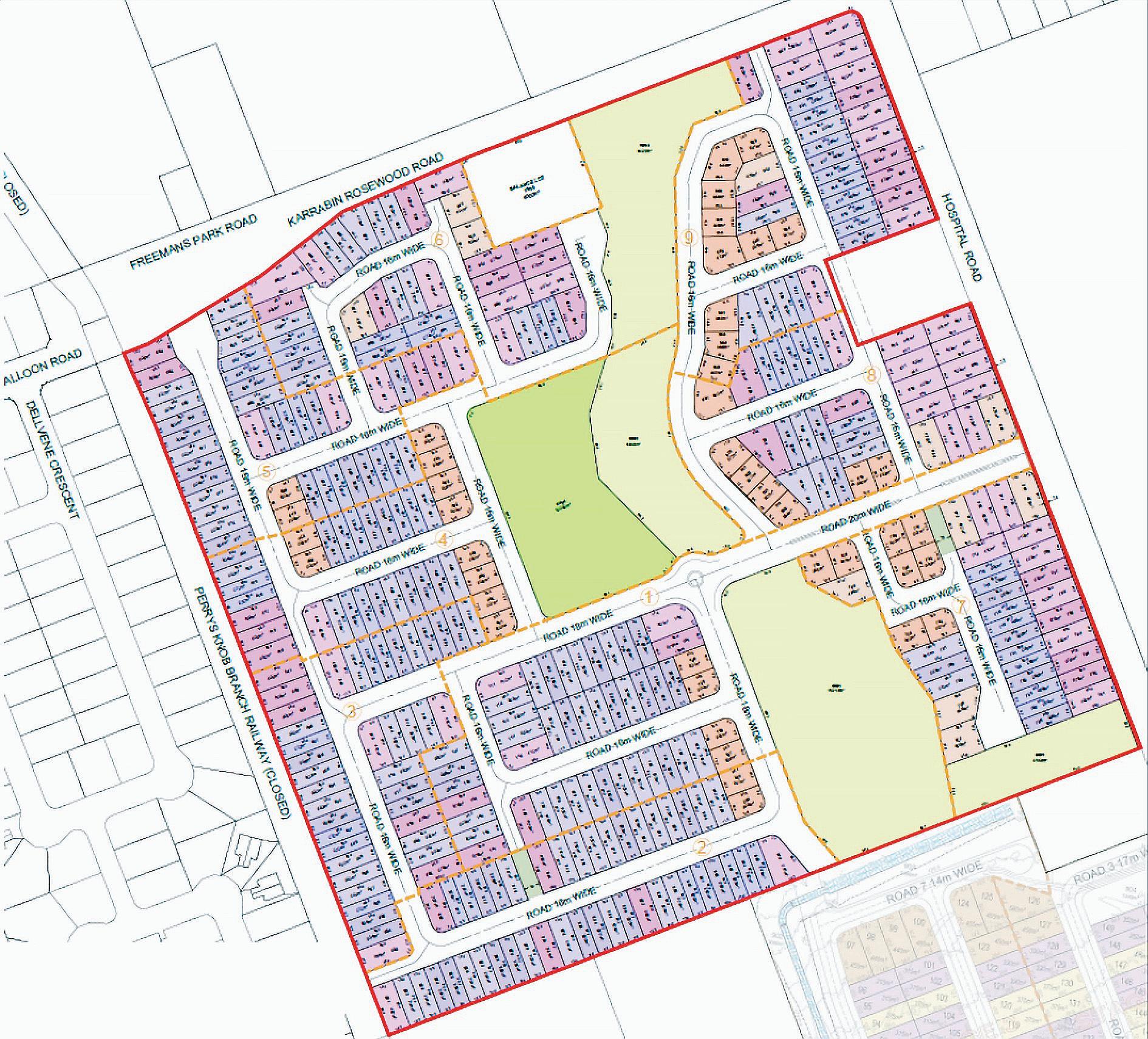
MORE than 360 new homes sites are planned in a proposed housing estate on the eastern edge of Rosewood.
Almost 70 per cent of the lots are proposed to be between 250sqm and 350sqm.
The remainder of the 367 allotments are proposed to range from 351 to 450sqm (99 in total) and 451 to 680sqm (19 in total).
HBK Projects (Rosewood) Pty Ltd, is the developer hoping to gain a permit to subdivide the 22.8ha block bounded by Hospital Road, Rosewood Karrabin Road and the old Perry’s Knob rail line.
In an application submitted to council on July 14, town planning agents for the developer outlined plans to establish a “new suburban neighbourhood”.
Those plans included a 2.3ha drainage corridor with new plantings as well as 1.07ha of detention and bioretention basins. A 4,000sqm allotment is also proposed to be excised to accommodate the existing home and outbuildings on the former grazing property.
The land is located within the low density residential zone under the new Ipswich planning scheme.
In the application, the developer’s town planning agents described the land as having … “degraded environmental and geological values” as it was cleared and parts of it lie above former underground coal mining tunnels.
The developer is proposing a nine stage subdivision with the first four stages to be constructed over the ‘non-mining affected area’ on the south-west portion of the property … “to enable the development to commence with minimal reliance on the required mining remediation program”.
“The site has a history of underground coal mining and previously formed part of the Rosewood No. 2 Colliery mine,” according to the application.
“It is understood the coal mining activities took place from the late 1950s to the early 1970s. “Access to the mine was via the Rosewood No. 2 Tunnel, located to the south-east of the site.
“Previous workings were undertaken in the central and north-eastern corner of the site, also extending beyond the eastern
site boundary.
“It is likely that some of the dams on site … may be associated with surface depressions related to historical underground mining subsidence.”
It is also surmised that a depression in the north-western corner was caused by a trial shaft that had collapsed or gradually filled in.
However, according to the town planning
agents, the proposed development … “responds to the characteristics of the land … and commits [the developer] to significant improvements to the land through various proposed waterway reconstruction, mine remediation and revegetation activities”.
The primary vehicle access to the housing estate is proposed as via Hospital Road, with a future connection to the adjoining development to the south-east.
Three pedestrian and bikeway connections to Karrabin Rosewood Road and one to Hospital Road are planned.
And the developer is proposing a widening of Hospital Road and a major upgrade of the intersection of Hospital Road with the Karrabin Rosewood Road.
Acoustic fencing is proposed along the Karrabin Rosewood Road boundary of the estate.

By MORGANNE KOPITTKE
THE story of one of Australia’s darkest wartime tragedies was unpacked at Gatton Library last week, with acclaimed author and historian Grantlee Kieza OAM heading to the region to talk about and share the research behind his latest book, Ellen Savage and the Heroes of AHS Centaur.
On Thursday 16 July, the Brisbane-based writer spoke to members of the community at the library about the sinking of the Australian hospital ship Centaur during World War II, an attack that claimed 268 lives and remains one of the deadliest attacks on Australians at sea.
On 14 May, 1943, just before down, the Centaur was cruising north from Sydney to bring home troops wounded fighting the Japanese in New Guinea.
However, off the coast of Brisbane a Japanese submarine commander fired a torpedo into the Centaur and many of those on board were killed instantly.
Kieza’s latest book explores the true story of courage under fire and survival during the sinking of the hospital ship, particularly New South Wales army nurse Ellen Savage.
Lockyer Valley Regional Council’s Libraries and Galleries portfolio councillor Julie Reck had encouraged residents to join in for a morning with the author.
“Grantlee Kieza OAM is Australia’s No. 1 bestselling historical biographer, with his nationally bestselling biographies, including Mary Penfold, Mr and Mrs Gould, Sister Viv, Flinders, The Remarkable Mrs Reibey, Hudson Fysh, Lawson, Banks, Macquarie, Banjo, Mrs Kelly, Monash and Bert Hinkler,” she said.
“These talks are a great way to find out the story behind the story, see the world from a different angle, or learn new things.”
Cr Reck said it was a moving story.
“These sessions often provide opportunities for you to ask the author questions about their book and writing experiences and have the author sign copies of their book for you,” she said.
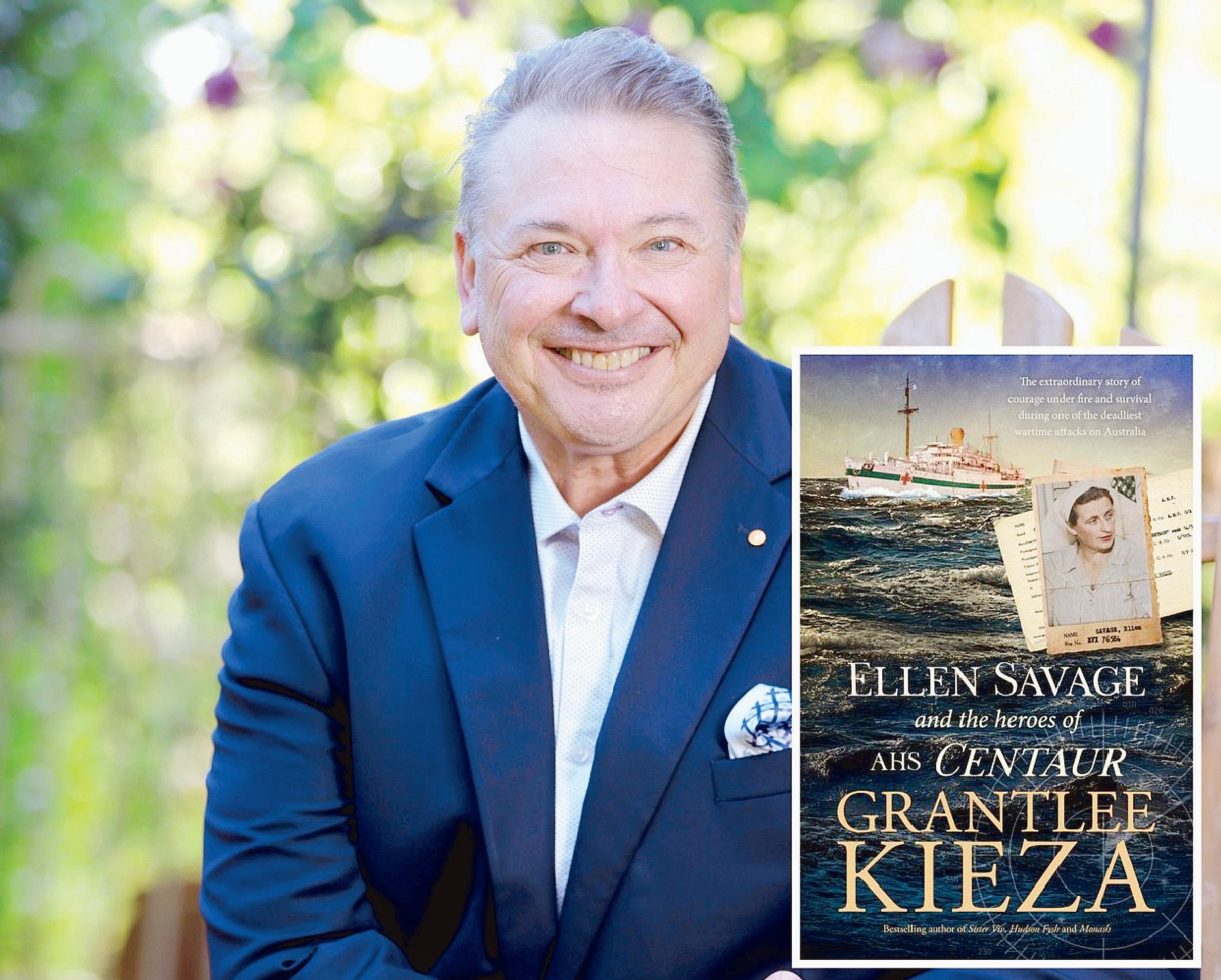
Author Grantlee Kieza OAM visited Gatton Library to unpack his latest title
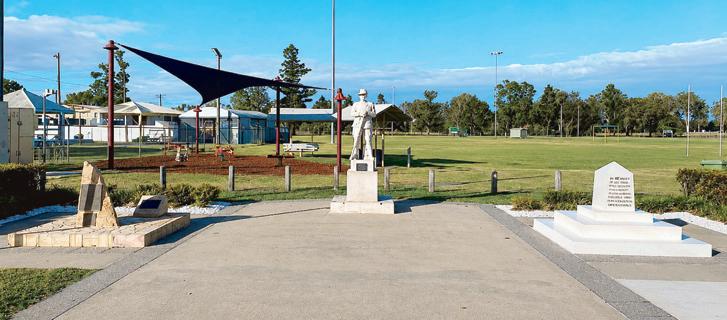
EXECUTIVE members at Rosewood RSL Sub Branch have put a proposal to upgrade the War Memorial to the community for discussion and support.
The members behind the Rosewood Memorial Upgrade Project at ANZAC Park, Mill Street, Rosewood, are looking for in-principle support for the initiative.
The existing memorial is a central place of remembrance for Rosewood and the surrounding district.
It provides a focal point for ANZAC Day, Remembrance Day and other commemorative services, and honours the service and sacrifice of local veterans, serving personnel and their families.
The proposed upgrade seeks to enhance this important site so it can better reflect Rosewood’s continuing connection with Australia’s military history.
At this early stage, the project concept includes improvements such as new commemorative panels recognising significant conflicts



involving Australian service personnel, a stronger acknowledgement of the contribution of women who served, recognition of animals that supported Australian forces, and improvements to the overall presentation of the memorial precinct so it becomes a more dignified and cohesive memorial space.
The Rosewood RSL Sub Branch is consulting with the local community, Ipswich City Council and relevant design, engineering and construction specialists.
No final design decisions or formal costings have yet been confirmed, however it is expected that the project will require strong community backing, careful planning and a significant funding effort.
The aim is to progress design, approvals and installation in time for the 2028 ANZAC Day service.
Community support will demonstrate that the project has broad local endorsement and that the community recognises the impor-
tance of preserving and strengthening this place of remembrance for future generations.
At this stage, the executive committee are not looking for financial commitments, but rather in-principle support by organisations for the upgrade and a short letter or email confirming that support.
All of that will help the Sub Branch as it moves forward with discussions with council, potential funding bodies, local stakeholders and the wider community.
If you are able to assist, contact the Rosewood RSL Sub Branch Secretary by email at secretary@rosewood.rslqld.net.au.
MONDAY - PUB CLASSICS $20 – 200g Rump, Chicken Schnitty or Grilled Barra, all served with chips and salad (Dinner only)
TUESDAY - TWO FOR ONE – Purchase two mains off our selected menu and receive the lesser value meal for free (Dinner only)
WEDNESDAY - PARMY PARTY $20 – Your choice of 6 different Parmy’s served with chips and salad. (Dinner only)
THURSDAY – BLACK ANGUS $20 – 250g Black Angus rump served with chips, salad and sauce. (Dinner only)
FRIDAY/SATURDAY/SUNDAY – ALL DAY DINING
LUNCHES FROM $15 MONDAY-FRIDAY LUNCHES FROM MONDAY-FRIDAY


By WENDY CREIGHTON
WESTVETS Veterinary Service is planning a major expansion of its Haigslea operations through the construction of a state-of-the-art equine and large animal hospital.
If the development is approved by the Ipswich City Council, the new facilities will represent a consolidation of the firm’s business operations.
In the application for a development permit for the project, the firm’s town planning agents noted that WestVETS was the largest equine and large animal hospital service provider in Queensland with operations at Mt Crosby Road, Anstead and on the 27.6ha property at 2401 Warrego Highway, Haigslea.
“[The] current facility at Anstead cannot be expanded to incorporate the new and modern facilities that are required to service the equine, racing and sport horse communities,” it was noted in the application.
“The [proposed] Haigslea expansion project represents a significant investment in the Ipswich City region, by moving a major and well-established veterinary service facility from Brisbane City to Ipswich, to achieve a broader and technologically improved range of equine and large animal vet services.”
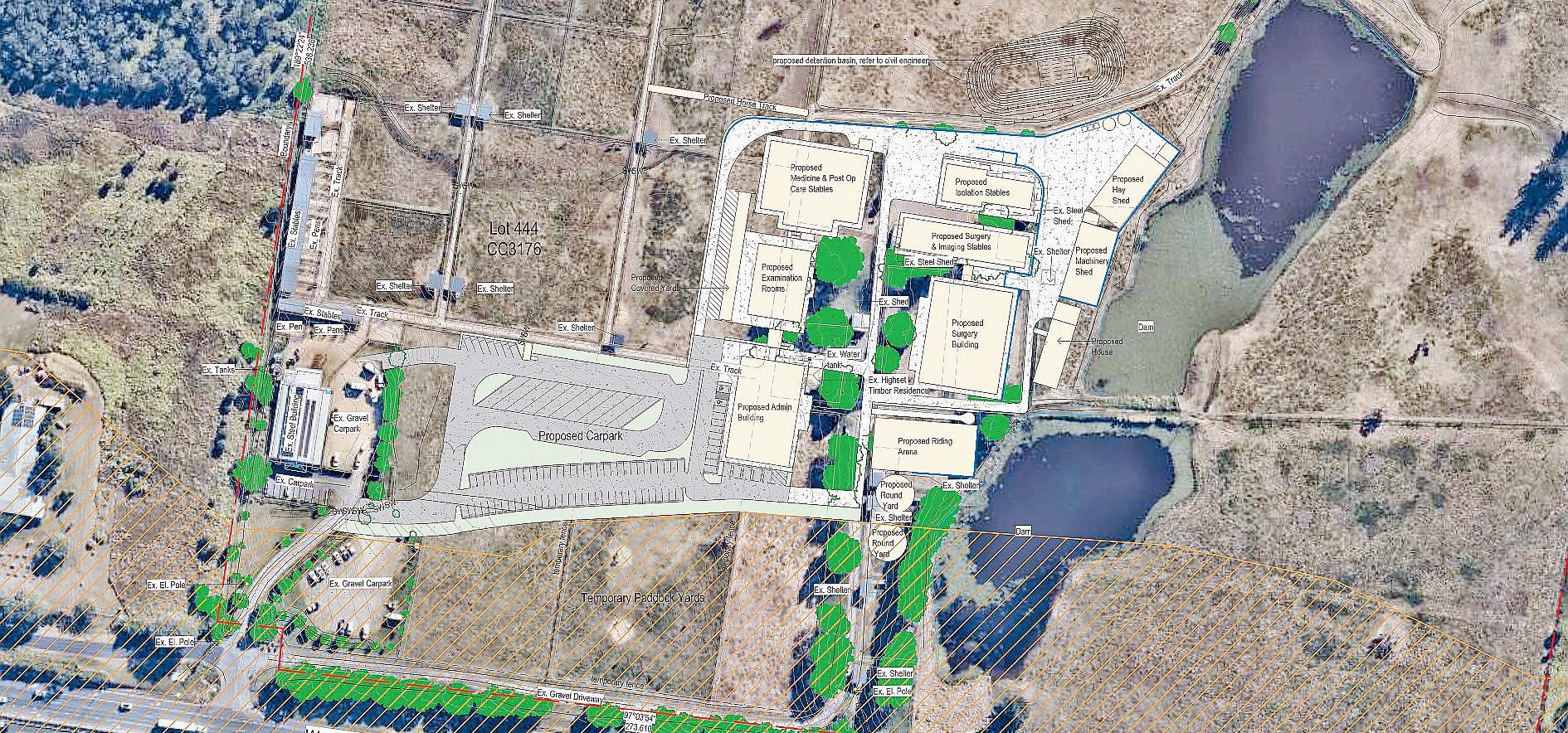
WestVETS’ application outlines a master planned layout which would include examination rooms and covered yards; medicine and post-operative care stables; isolation stables; and surgery and imaging stables.
It also incorporates purpose-built buildings for surgery and administration and a 99 bay carpark as well as parallel parking bays for horse floats and trailers.
Other on-site infrastructure includes a machinery shed, two round yards, a riding arena
Tell us what matters to you in Division 4
Wednesday 5 August | 900 am – 11.00 am Walloon CWA Hall, 534 Karrabin Rosewood Road, Walloon Join us at the RADSc Walloon Community Pop Up Hub
Friday 7 August | 800 am – 1000 am Chapters Bookshop, Cafe and Wine Bar, Karalee Shopping Village, Junction Road, Karalee
Monday 10 August | 900 am – 11.00 am Rosewood Library, Event Space, Level 1, 15 Railway Street, Rosewood
Wednesday 12 August | 9.00 am – 11.00 am Marburg Community Centre, 110 Queen Street, Marburg Join us at the RADSc Marburg Community Pop Up Hub ty Hub
and horse access and examination paths.
If approved, the equine and large animal hospital would be the only one in Queensland with a standing CT scanner which, according to the applicant … “is critical for modern racehorse welfare and diagnostics”.
“The new facility will provide essential 24/7
emergency and referral support for veterinarians across Queensland and Northern NSW, and also vet services for local farms and rural communities.”
The Haigslea property is located in the rural zone where the proposed expansion is code assessable under the Ipswich planning scheme.

Saturday 15 August Saturda | 7.00 am – 11.00 am wood Anglican Church Marrkets, Rose 72 John Street, Rosewood

Wednesday 19 August
900 am – 11.00 am Yamanto Coffee Club, anto Central Shopping Cenntre, Yama 88 Warwick Road, Yamantto 4
Wednesday 26 August
900 am – 11.00 am unkibuds Cafe (near Aldi), F Brassall Shopping Centre, 68 Hunter Street, Brassall
Councillor Jim Madden
Division 4
Phone: (07) 3810 7879
Email: jim.madden@ipswich.qld.gov.au

Councillor David Martin
Division 4
Phone: (07) 3810 6163
Email: david.martin@ipswich.qld.gov.au








By LARA HART
“WHEN did I become stupid?“
Dad asks this question every so often, usually after one of his children has offered a little too much unsolicited advice.
He is not angry, he is genuinely puzzled because from where he’s sitting, getting older hasn’t made him any less capable.
He still knows how to balance a budget, negotiate with tradesmen, change a tyre, grow tomatoes that could win awards and tell within five minutes whether someone is trying to sell him something he doesn’t need.
He’s still the same bloke who, thirty years ago, we relied on for life’s big decisions.
He taught us how to drive, how to work hard, how to solve problems and, for a very long time, he was the family bank.
His knowledge hasn’t evaporated because he’s retired.
Yet somewhere along the way, retirement seemed to come with an invisible label that read: Handle with care. May need assistance.
And that’s when it struck me that families don’t just grow older anymore. ... they create WhatsApp groups.
There was a time when family communication consisted of yelling, “Dinner’s ready!“ from the back door or leaving a note on the kitchen bench saying, “Gone to the shops.“
Now we have more family chats than family traditions.
There’s the main family group where birthdays are remembered, grandchildren are applauded for existing and everyone politely reacts with a thumbs-up to photos of someone’s dinner.
Then there are my one-on-one chats with each of my four siblings.
These range from heartfelt conversations to pressing matters like, “Has dad worked out Netflix yet?“
And finally, there’s the exclusive committee that is the siblings-only chat.
Four members, no parents allowed and ours is called Shelank.
Mum’s name was Shelagh, dad’s is Hank, blend them together and you get Shelank. Mum passed away last year, but the name remains and so does the purpose because dad is still front and centre of almost every conversation.
He’s become the agenda and the funny thing is, dad isn’t living life wrong.
In his mind, and probably in reality, he’s much the same man he’s always been.
He possesses the same knowledge, the same skills and the same instincts that guided us through childhood and well into adulthood.
What’s changed isn’t him, it’s us.
We’ve quietly become the parents who remind him about appointments.
We suggest maybe not climbing onto the roof “just to clear one little gutter.“
And we gently enquire if he’s remembered to take his tablets.
No one appointed us, we simply formed a committee.
And committees have an unfortunate habit

Dad’s knowledge and life experiences haven’t evaporated just because he’s retired.
of mistaking concern for authority.
The truth is, none of it comes from believing dad is incapable, it comes from knowing exactly how much we’d miss him if something happened.
Love has a funny way of sounding like instructions.
Then, just as I was feeling rather smug about understanding dad’s predicament, life tapped me on the shoulder.
My eldest turned thirty and I’ve noticed a disturbing trend.
“Mum, are you sure you should lift that?“
“Did you remember your doctor’s appointment?“
“You know you don’t have to do everything yourself.“
Excuse me?
I haven’t been declared incompetent by a court of law and I’m still perfectly capable of carrying my own shopping, thank you very much.
Which leaves me with one rather unsettling question.
Is there... a WhatsApp group?
Do my children have a siblings-only chat where my life choices are analysed in real time?
“Mum says she’s cleaning the gutters”, cue
three horrified emojis.
“Someone ring her.“
Perhaps there are meeting minutes and a roster with action items.
Maybe someone has even volunteered to hide my ladder.
Families have always worried about one another and that’s nothing new.
What’s changed is that technology allows us to worry collectively, instantly and with photographic evidence.
It’s comforting to know you’re loved and it’s reassuring to know there are people looking out for you.
But I completely understand why dad occasionally asks, “When did I become stupid?“
Because growing older doesn’t make you forget everything you’ve ever known.
It just means the children who once relied on your wisdom have quietly started comparing notes in a WhatsApp group you aren’t invited to.
And judging by the questions my children have started asking me, I have a horrible feeling there’s already a WhatsApp group with my name on it.
I’m just praying they haven’t called it Mum’s Decline.
By FLIGHT LIEUTENANT
NATASHA SILVER
THE ground support and refuelling mission is already under way at RAAF Base Amberley before the first jet aircraft even launches for Exercise Pitch Black.
Home to more than 5000 personnel and supporting five flying squadrons, Australia’s largest operational air base is also home to No. 23 Squadron, whose 444 aviators generate the airbase capability that enables the Royal Australian Air Force’s largest multinational exercise.
While the largest flying serials take place over northern Australia, the air power on display begins thousands of kilometres away at Amberley.
Throughout Exercise Pitch Black, Australian and international multi-role tanker transport aircraft depart Amberley to refuel aircraft operating across northern Australia, extending their endurance and enabling complex multinational air operations.
The Commanding Officer of No. 23 Squadron, Wing Commander (WGCDR) Ashleigh Gomba, is excited to lead the teams that provide vital support to the exercise.
“Amberley is such an important part of Exercise Pitch Black because it is enabling the successful conduct of the exercise through the provision of sustainment and other airbase support,” WGCDR Gomba said.

“When people think about Exercise Pitch Black, they often think about the fast jets supporting the exercise.
“The mission starts well before that, with hundreds of individuals providing support long before the first engines start.”
Before dawn, catering teams prepare meals







for aviators beginning another demanding day, while Air Movements personnel coordinate passengers, cargo and equipment heading north.
Across the airfield, the aerodrome engineer inspects operating surfaces and firefighting while security forces establish round-the-clock
protection, ensuring the base is ready to launch another day of flying.
Air movements operator, Leading Aircraftwoman (LACW) Jessica Lomax, plays a crucial role in supporting Exercise Pitch Black.
“Everything for Pitch Black comes through movements at some point. You can’t really go anywhere without a mover and we’ve got to make sure the passengers arrive safely and their cargo’s coordinated,” LACW Lomax said.
On one morning alone, the team loaded 120 personnel from No. 1 and No. 6 Squadron bound for Darwin to support the F/A-18F Super Hornet and EA-18G Growler, while simultaneously receiving a United Kingdom KC-30 Voyager Multi-Role Tanker Transport aircraft and NATO Multinational Multi-Role Tanker aircraft.
WGCDR Gomba highlighted that each role at RAAF Amberley contributes to generating air power including the international refuelling force at Amberley including Spain, United Kingdom and NATO Multi-National, MultiRole Tanker Transport Unit
“There is one thread that connects the work of all individuals who are posted to 23 Squadron, and that is the thread of enabling airbase operations.
“Without the chefs, without the movers, without the airfield engineers, we don’t have the ability to provide effective airbase support.” Wing Commander Gomba said.






By MORGANNE KOPITTKE
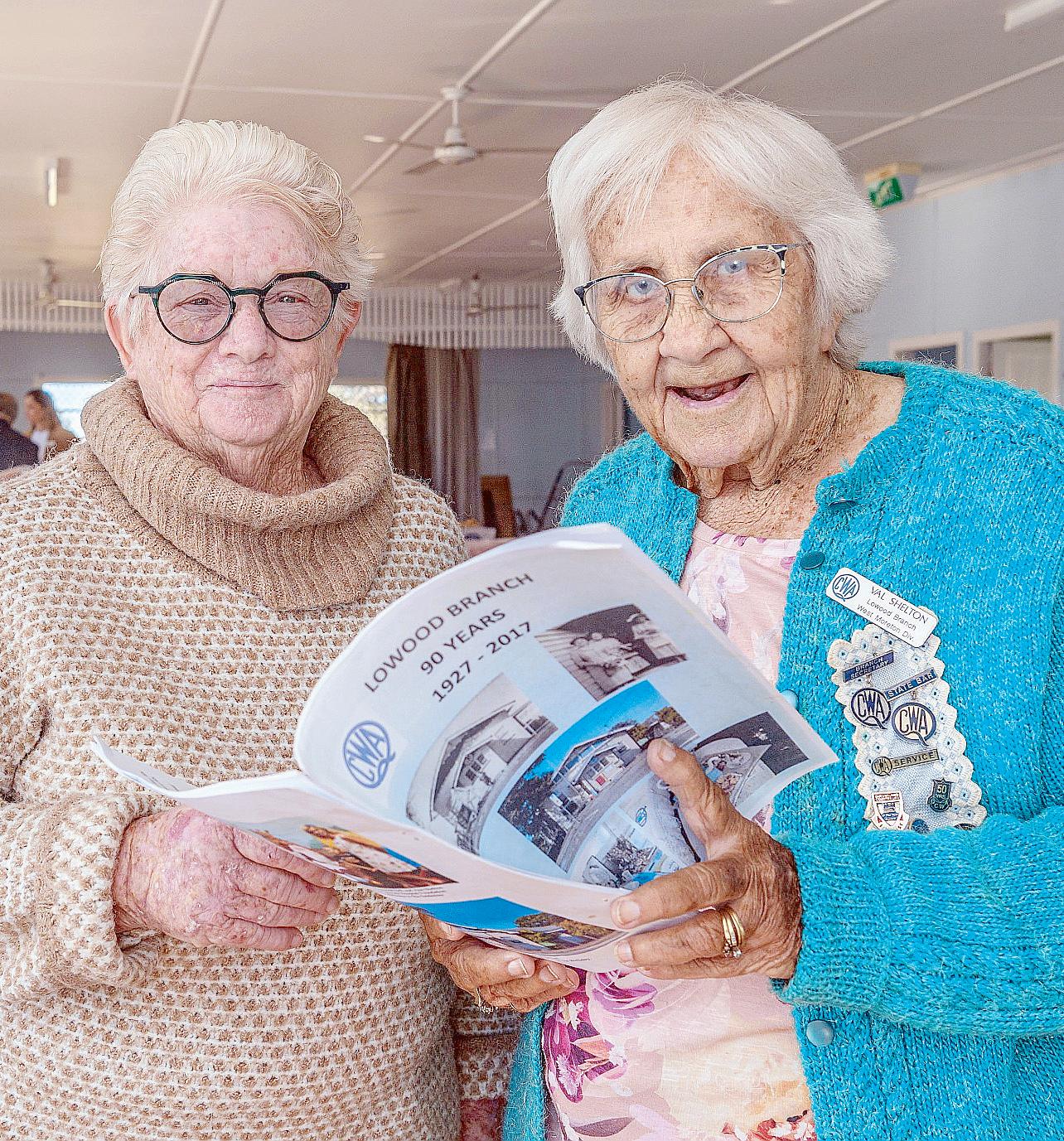
THE Lowood branch of the Queensland Country Women’s Association (QCWA) has celebrated its 99th birthday, marking another milestone ahead of its centenary celebrations next year.
A morning tea was held at the Lowood CWA Hall on Tuesday morning, with Somerset Regional Council Mayor Jason Wendt and three other councillors in attendance, as well as representatives from CleanCo.
There was also members of the Boonah, Glamorgan Vale and Glenore Grove branches and other invited guests.
In all, 50 guests attended the celebrations.
Lowood QCWA President Pam Elliott said to be a stable organisation in the Lowood community has always been important to the members of the branch.
“Through the years members have always assisted where possible with helping whoever was in need. This was a factor in the 2011 floods,” she said.
“It showed the community needed and appreciated the QCWA and that is why it has lasted this long.”
Currently there are seven active members of the Lowood QCWA who work very hard for the local community.
The Lowood CWA was formed on 18 July 1927 at a meeting held in Guthrie’s Hall at Lowood. Meetings were held in Guthrie’s Hall and the Jubilee Theatre until 1953 when the CWA Hall and restrooms in Main Street were opened.
Ms Elliot said the branch’s current goals are to continue assisting local community organisations, schools and individuals. In particular victims of domestic violence.
“Our hall is very important to the community as many groups use it such as seniors-karate and other classes are held regularly,” she said.
Lowood QCWA President Pam Elliott and the oldest and longest member Val Shelton With a booklet Val put together nine years ago. She has been a member for 57 years. (Lyle Radford: 565618)
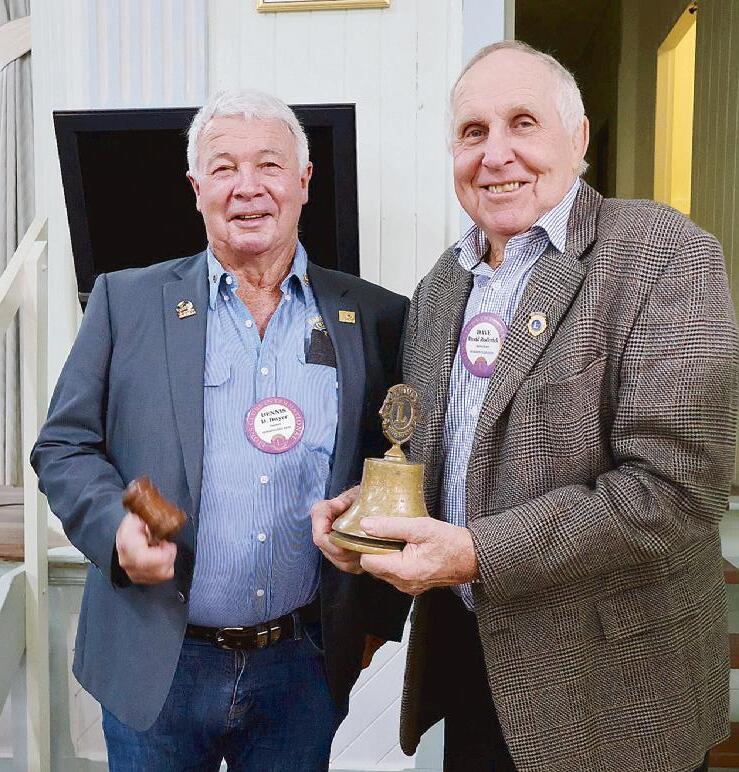
ON Saturday night Harrisville Lions Club held its annual change over event within the local School of Arts hall.
Incoming president Dennis Dwyer was welcomed into the role by outgoing president David Roderick.
There were approximately 60 members and guests at what was the club’s 44th changeover dinner.
The Harrisville club was chartered on 4 December 1982 with 31 members.
Teneale McLeary recently became the 100 th person to be welcomed as a member since its inception.
These days member numbers lie at 39 and
invitations have been extended to several potential new members.
In his outgoing address David spoke of the club’s many historic milestones and the changing demographic of members and volunteers in current times.
Over the past 12 months the Harrisville Lions Club has received a steady income through various activities including catering, car parking and district marshalling of the annual Ipswich 100 Bike Ride.
Funds earned by the club have been returned to the community through donations, sponsorships and purchases for the good of the district.
Guests at Saturday night’s dinner included representatives from the Lions Medical Research Foundation, the Ipswich Hospice and The Pink Door which is an Ipswich organisation run by the Women’s Crisis Support Service Inc.
Each representative was presented with a substantial donation from the Harrisville Lions Club to support the vital work undertaken by their respective organisations.
Dennis has held the reins of the Harrisville Lions Club on three previous occasions and in his address hinted at the busy year ahead for the club, starting with the annual Harrisville Christmas in July this Saturday.
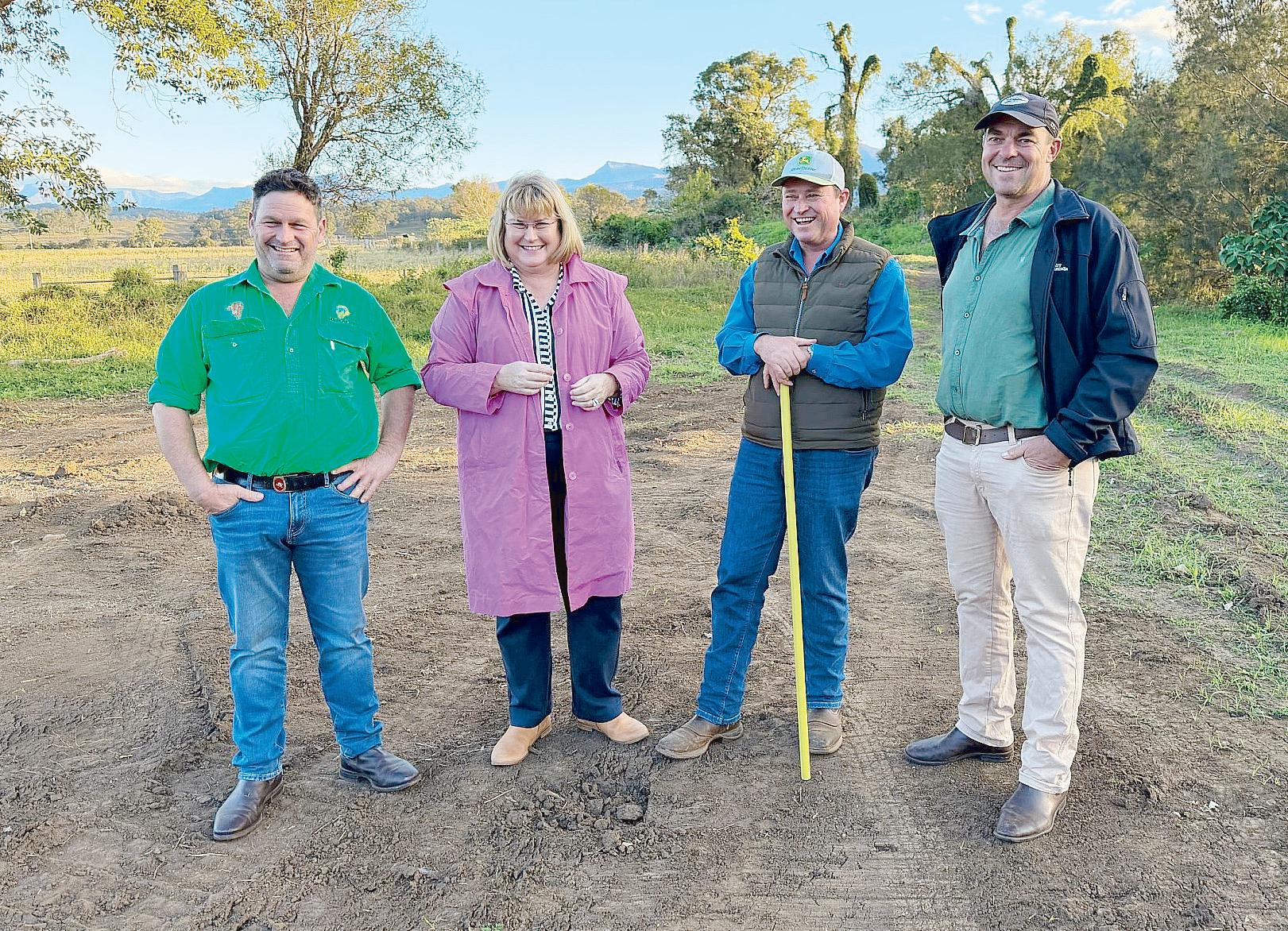
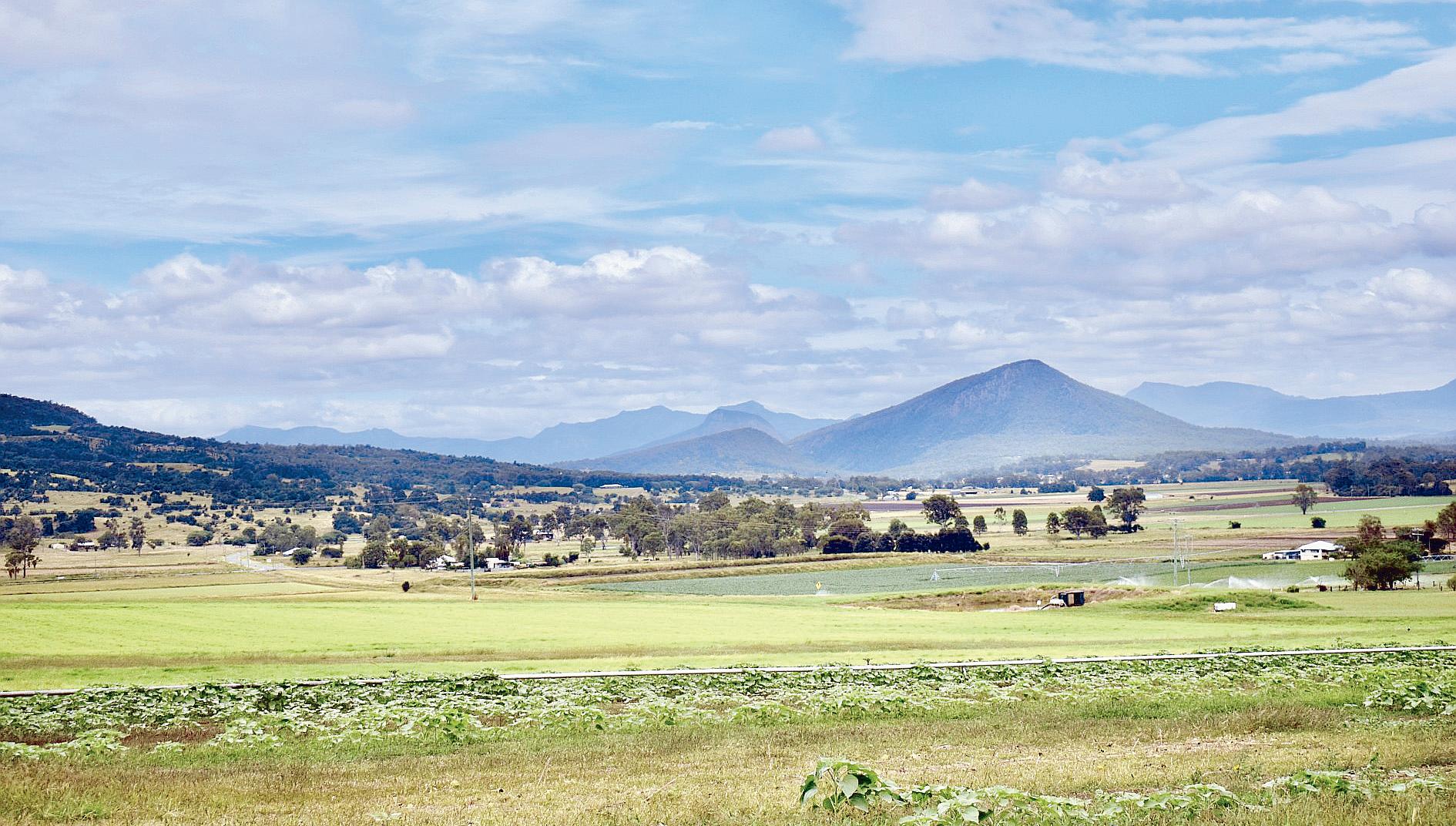
THE Water for Warrill project is one step closer to becoming a reality, with a State Government grant of $3.4 million awarded to develop a detailed business case.
TheprojectwillhelpsoutheastQueensland producers, residents and the environment by identifying low-impact water storage investments that can turn floodwaters into productive water.
Water for Warrill Chairman, Richard Gorman, said the project’s research to date has estimated there’s up to 22,000 megalitres of additional water available during flooding events that could drought-proof the region’s fresh food producers, without impacting existing users and environmental flow.
“Communities grow where water flows, that’s the reality in agriculture and the next drought is never that far away and we want to be prepared for it,“ he said.
“By turning floodwaters into productive water with smart, low-impact water storage, we can increase our farming region’s productivity and protect Ipswich and the Moreton Bay.
“This grant from the Queensland Government for the detailed business case is a critical step forward that will deliver detailed construction-ready designs for water storage for our community.“
Water for Warrill deputy chair and dairy farmer, Paul Roderick, said this farmer-led initiative has identified a portfolio of practical solutions to complement the water already in the system.
“Having a more reliable source of water gives us the confidence to expand and invest in our businesses, and we see a broader benefit for the whole community,“ Mr Roderick said.
“Our members are really looking forward to getting something tangible to invest in.“
Water for Warrill member and poultry farmer, Matthew Van Den Brink, has experienced first-hand the impact of running out of water during drought times.
“With support from the Government, we are showing we can get things done, we’re now getting to the detailed planning stage with
growers,” Mr Van Den Brink said.
The project’s research shows that a more secure water supply can result in up to 1340 new jobs in agriculture, value-added processing and supporting industries for the Scenic Rim region.
The project has the potential to deliver a $305M boost to the region’s economy, including $150M in new agricultural revenue each year, by enabling irrigators to consolidate ex-
isting production and expand their operations.
The business case will be undertaken over the next 18-24 months, and will deliver costed plans for infrastructure, potential changes to water sharing agreements, and a pathway to implementation.
“As well as the economic benefits for the agricultural supply chain, we have a growing local population which will need extra water for households, industry and parks and gardens,”
Mr Gorman said.
“The research to date has also demonstrated that improved infrastructure and water planning systems can maintain environmental flows while also minimising downstream flood impacts.
“As farmers are the biggest users of water by volume in the region, we are driving this initiative on the community’s behalf.”
LAST year one of the most actively eroding stretchesofwaterwayinsoutheastQueensland acquired funding for rehabilitation and flood mitigation through the Commonwealth-State Disaster Recovery Funding Arrangements.
Now major on ground works are underway on the $6.7 million project to boost flood resilience, restore waterway health and protect agricultural land along Upper Warrill Creek.
Upper Warrill Creek is a major tributary of the Bremer River, which flows through the Scenic Rim and Ipswich City local government areas before joining the Brisbane River as it flows to Moreton Bay.
The significant earthworks are underway to reshape eroded banks, stabilise slopes and establish native vegetation, with more than 20,000 new native plants to reduce erosion and protect agricultural land while slowing flood waters.
Financial assistance is being provided through the jointly funded CommonwealthState DRFA Efficiencies Funding Program.
The project will enable major catchment works that strengthen flood resilience, prevent loss of productive farmland, reduce sediment to Moreton Bay and improve habitat for native species.
Resilient Rivers SEQ is leading the project, with intensive weed removal now underway across more than 50 hectares of waterway corridors.
This includes the removal of cat’s claw creeper, an invasive vine that smothers native trees, destabilises riverbanks and destroys habitat for native animals including koalas, gliders and birdlife.
Native planting will help anchor soils, filter nutrients and improve downstream water
quality.
Major floods in 2017, 2022, and 2024 caused widespread damage across the Scenic Rim, including loss of agricultural land and crops, severe erosion and significant impacts to local waterways.
These events accelerated sediment loss and degradation of the river system, increasing vulnerability to future floods.
Thousands of native plants will be established in the project’s final stage later this year, ensuring long-term stability of the reprofiled banks and reducing erosion risks downstream.
Senator for Queensland Corinne Mulholland said the project was an important investment in disaster resilience and regional economic resilience.
“These measures to look after Upper Warrill Creek will provide long-term benefits to
local economies by protecting land, crops, and the primary producers who rely on it,” she said.
“The Scenic Rim has built an incredible reputation for its agriculture, food, tourism and natural beauty, and so I hope this restoration project will help local primary producers and tourism operators can continue to grow with confidence.“
Scenic Rim mayor Tom Sharp said restoring Upper Warrill Creek was about protecting the landscapes its communities depended on.
“By repairing damaged banks, removing invasive weeds and re-establishing native vegetation, we’re improving the creek’s health and supporting our communities,” he said.
“This is a practical, long-term investment in the resilience and productivity of the Scenic Rim.”
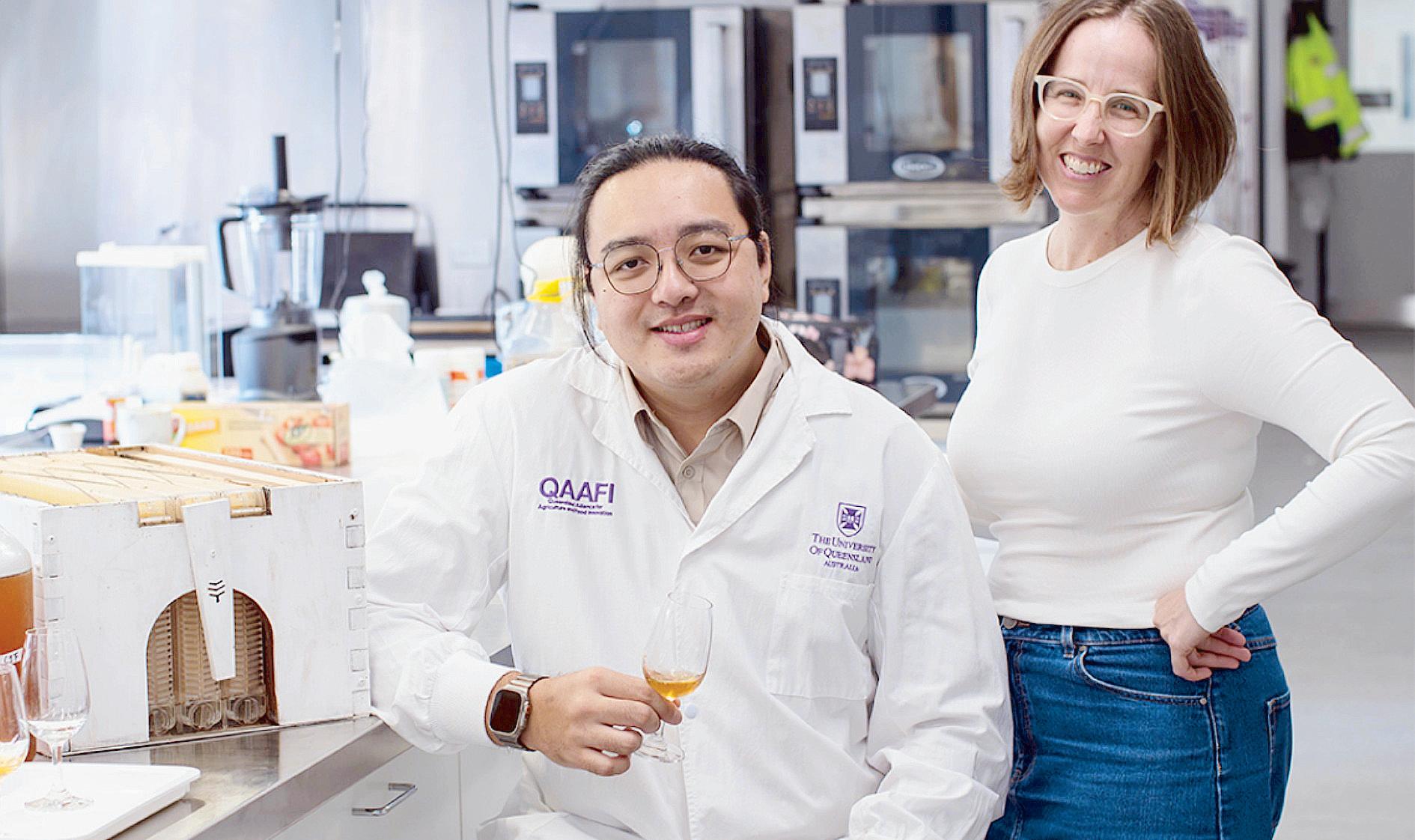
RESEARCH at The University of Queensland is determining whether the way honey is harvested and stored can affect the taste and quality of the product.
Queensland Alliance for Agriculture and Food Innovation PhD candidate James Yu Jun Lian said his work aimed to safeguard the future of premium Australian honeys.
“This is the first detailed look at how gentle extraction may preserve Australia’s unique botanical flavours,” Mr Lian said.
“It opens the door to defining what freshness means in honey, which is something the industry has never formally measured.”
The research compared honey from three locations across South East Queensland and Northern New South Wales using two extraction methods, the traditional Langstroth hive and the Australian made Flow Hive, followed by commercial processing.
“The processes used for the past century with the Langstroth hive expose honey to heat, oxygenation and vibrations,” Mr Lian said.
“Heating and spinning honey to extract it from the frames means different honeys can become similar in flavour, rather than distinctive.
“Those processes can damage the beautiful botanical notes that give Australian honeys a unique bouquet, thus reducing their intrinsic value.
“The Flow Hive minimises any disturbance to the hive while allowing the honey to flow naturally with no extra heat and minimal agitation.”
Mr Lian said honeys extracted from the Flow Hive had a lighter colour and lower levels of hydroxymethylfufural or HMF, a compound used to measure the quality of heat exposure of honey.
“Lower HMF and lighter colour signals reduced chemical damage to the honey,” Mr Lian said.
“We’ve also compared the aroma and flavour of heated and aged honeys, which became more caramelised and medicinal in taste, proving that heat and oxygen detrimentally affected their flavour.”
Sensory scientist Professor Heather Smyth said work was underway to find ways to show and measure a honey had been damaged.
“There’s huge interest globally in understanding honey freshness and how different processing methods influence quality,” Professor Smyth said.
“Honey lacks the well developed freshness metrics found in industries like wine and coffee and this work is helping establish those foundations.
“This includes things like the colour, texture and physical properties of the honey but also its composition in terms of sugar content and flavour.
“Odour compounds can tell us something has been bruised or damaged, like the acetaldehyde note of a bruised apple tells us something has been lost.”
The team plans to track how honey changes post-harvest, aiming to pinpoint when key quality shifts occur and how different extraction methods can influence flavour, aroma and texture.
“We want to take advantage of the varieties of boutique Australian honeys compared to other countries and open opportunities for high value gastronomic applications,” Mr Lian said.
“Our honeys should be valued for their unique aroma profiles and the flavour linked to our native plants.”
THE Queensland Farmers’ Federation (QFF) and its peak body members have its outlined the top priorities for Queensland agriculture in this year’s state government budget.
The priorities included continued support for industry led workforce programs and technology adoption initiatives, the removal or review of tax settings, appropriate rural irrigation water pricing and enhanced biosecurity measures, including a whole of government approach to biosecurity and the continuation of the Fire Ant Suppression Taskforce (FAST) program.
QFF CEO Jo Sheppard said that on the back of a disappointing federal budget for agriculture, Queensland farmers are looking to their state government to uplift dwindling farm business confidence stemming from significant cost pressures, including increases in fuel, fertiliser and labour costs.
“There is a real opportunity for the Queensland Treasurer to deliver a budget that reverses declining business confidence and unlocks greater investment in regional Queensland,” Ms Sheppard said.
Key requests from QFF and its peak body members included the application of genuine Lower Bound pricing for rural irrigation wa-
ter
investment in the highly regarded industry-led SmartAg Queensland training program.
Queensland Fruit & Vegetable Growers CEO Scott Kompo-Harms said the budget presented an opportunity to address regulatory challenges facing horticulture businesses while ensuring government policies better reflect the realities of regional farm operations.
“We called on the Queensland Government to review the current regional payroll tax settings to address inequities that do not reflect the operating realities of horticulture businesses,” he said.
“We also supported payroll tax exemptions during periods of significant disruption, providing growers with improved cashflow to retain staff and maintain business continuity when production, markets or income are impacted by circumstances beyond their control.”
“QFF and our peak body members will continue to engage with the Queensland Government highlight areas of essential investment and opportunities to unlock greater productivity, profitability and sustainability in Queensland agriculture,” Ms Sheppard said.


MONDAY - PUB CLASSICS $20 – 200g Rump, Chicken Schnitty or Grilled Barra, all served with chips and salad (Dinner only)
TUESDAY - TWO FOR ONE – Purchase two mains off our selected menu and receive the lesser value meal for free. (Dinner only)
WEDNESDAY - PARMY PARTY $20 – Your choice of 6 different Parmy’s served with chips and salad. (Dinner only)
THURSDAY – BLACK ANGUS $20 – 250g Black Angus rump served with chips, salad and sauce. (Dinner only)
FRIDAY/SATURDAY/SUNDAY – ALLDAYDINING LUNCHES FROM $15 MONDAY-FRIDAY
Friday Nights Sunday Sesh from 8pm-late from 12 noon-4pm Phone 5464 1413 27 School Rd, Rosewood
Lunch 11am-2pm Dinner 5pm-late
TUESDAY $5 Kids Meals*
WEDNESDAY 2 Parmis for $30*
THURSDAY Free Sweet Potato Friesupgrade*
Dine in or Takeaway *T&C’s apply on meal deals


























































By MORGANNE KOPITTKE
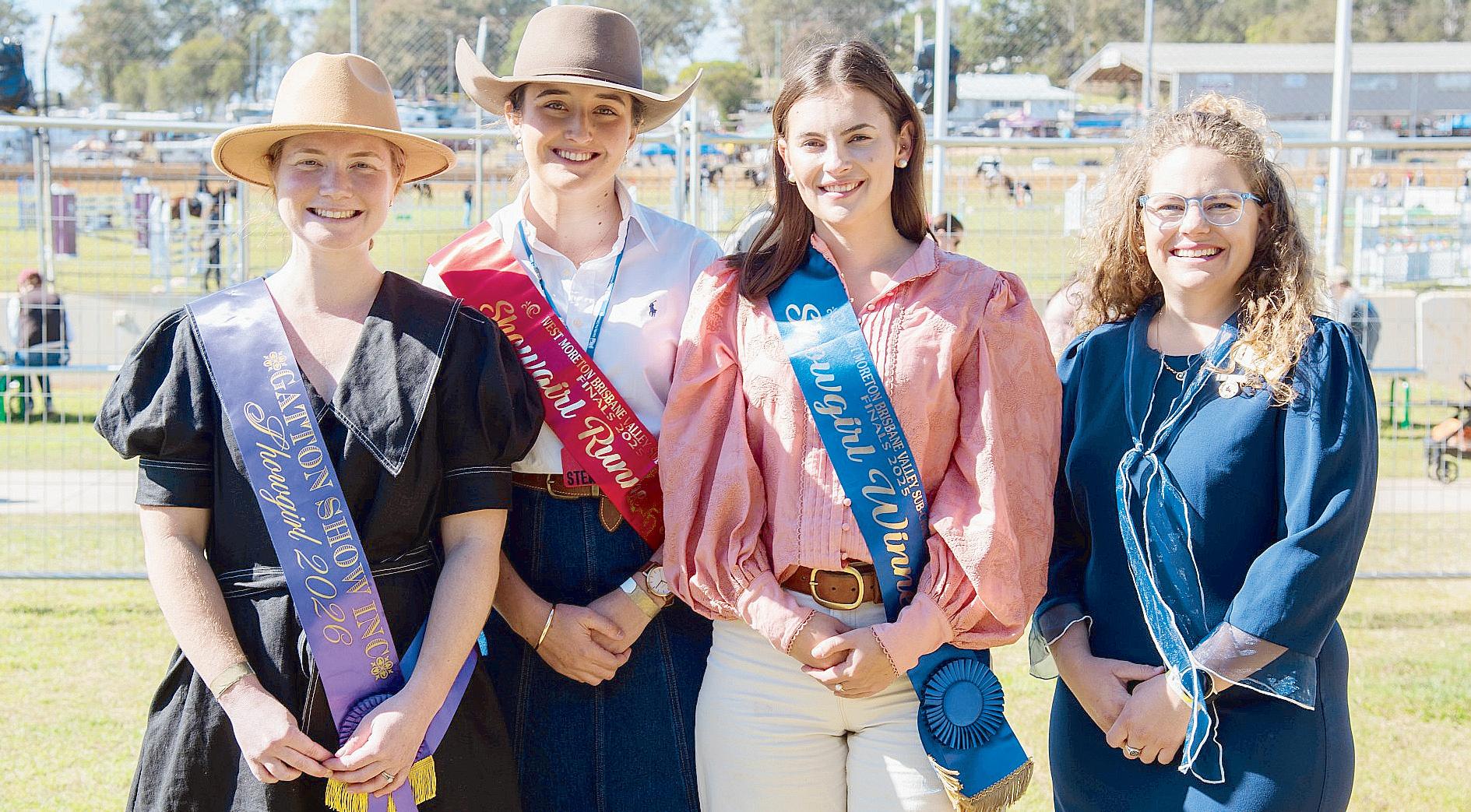
THOUSANDS of visitors enjoyed two actionpacked days of family entertainment at the 2026 Gatton Show, with more than 8000 people coming through the gates to celebrate one of the Lockyer Valley’s biggest annual events.
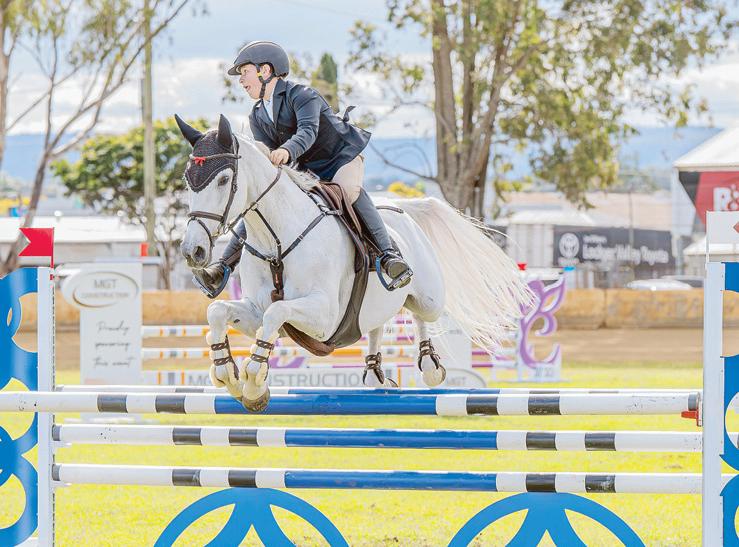
The show offered something for all ages at the Gatton Showgrounds on both Friday 17 July and Saturday, 18 July, with Friday’s program featuring reptile shows, an animal nursery, sand sculpting displays and llamas entertaining the crowds in the outer ring throughout the day.
A major three-day showjumping program also began at the showgrounds on Thursday.
The official opening on Friday was conducted by former Olympic showjumper and Helidon local Guy Creighton, who welcomed visitors before the night program got underway.
The Friday night program featured an extended trotting program, beef and sheep young judges and paraders competition, The Young Farmers Challenge which had 13 teams, dog jumping demonstrations and a mini fireworks display.
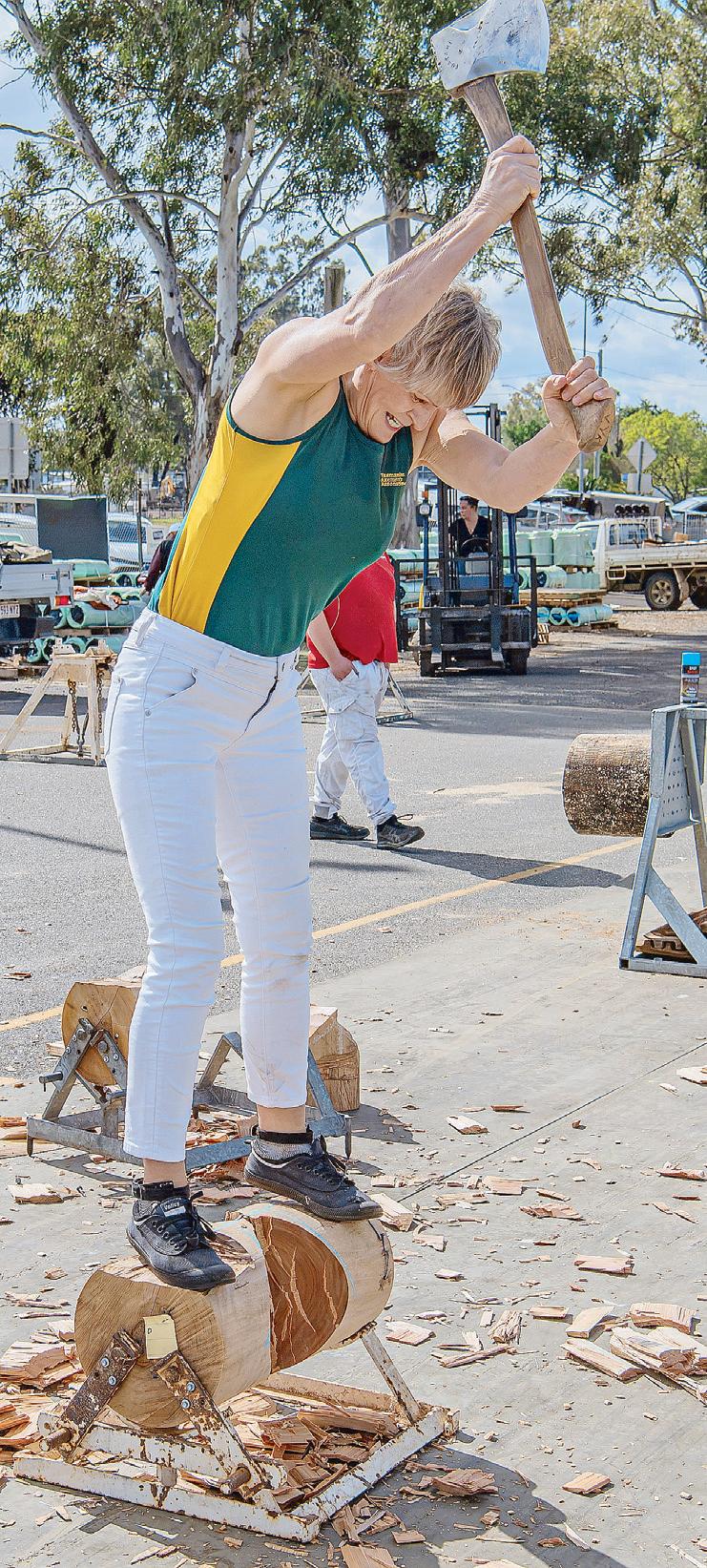
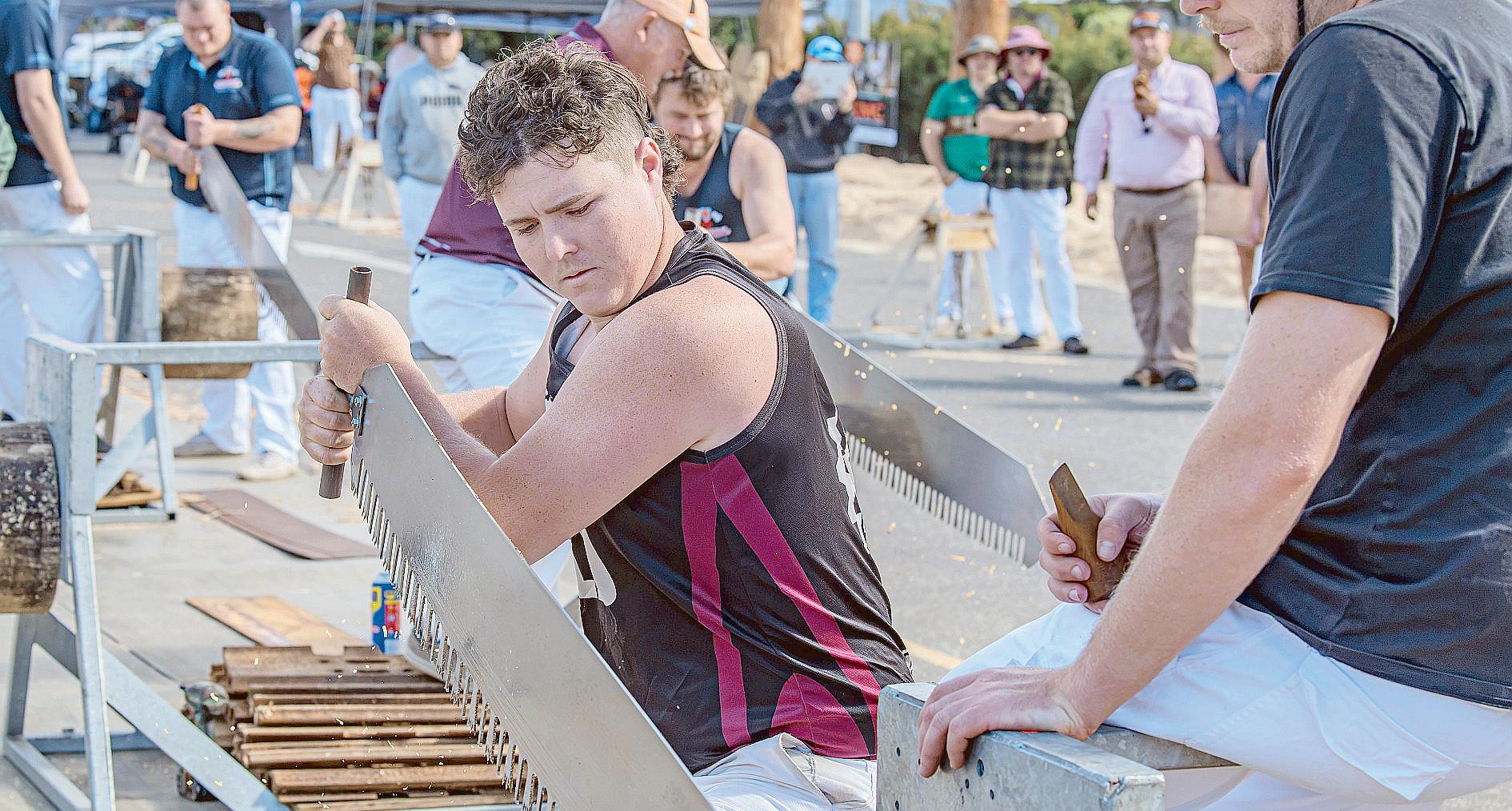
One of the show’s standout attractions was the woodchopping competition, which began on Friday morning and continued throughout Saturday.
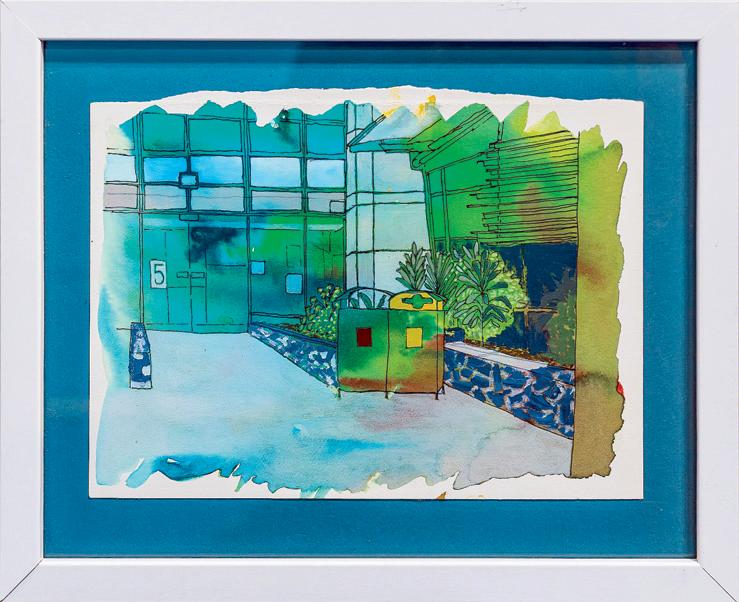
Inside the pavilions, visitors explored an array of exhibits including fruit and vegetable produce and eggs, alongside schoolwork exhibits, cookery entries, photography, fine arts, painting and needlework.
The needlework and craft section was again one of the show’s popular attractions, with more than 700 entries received this year.
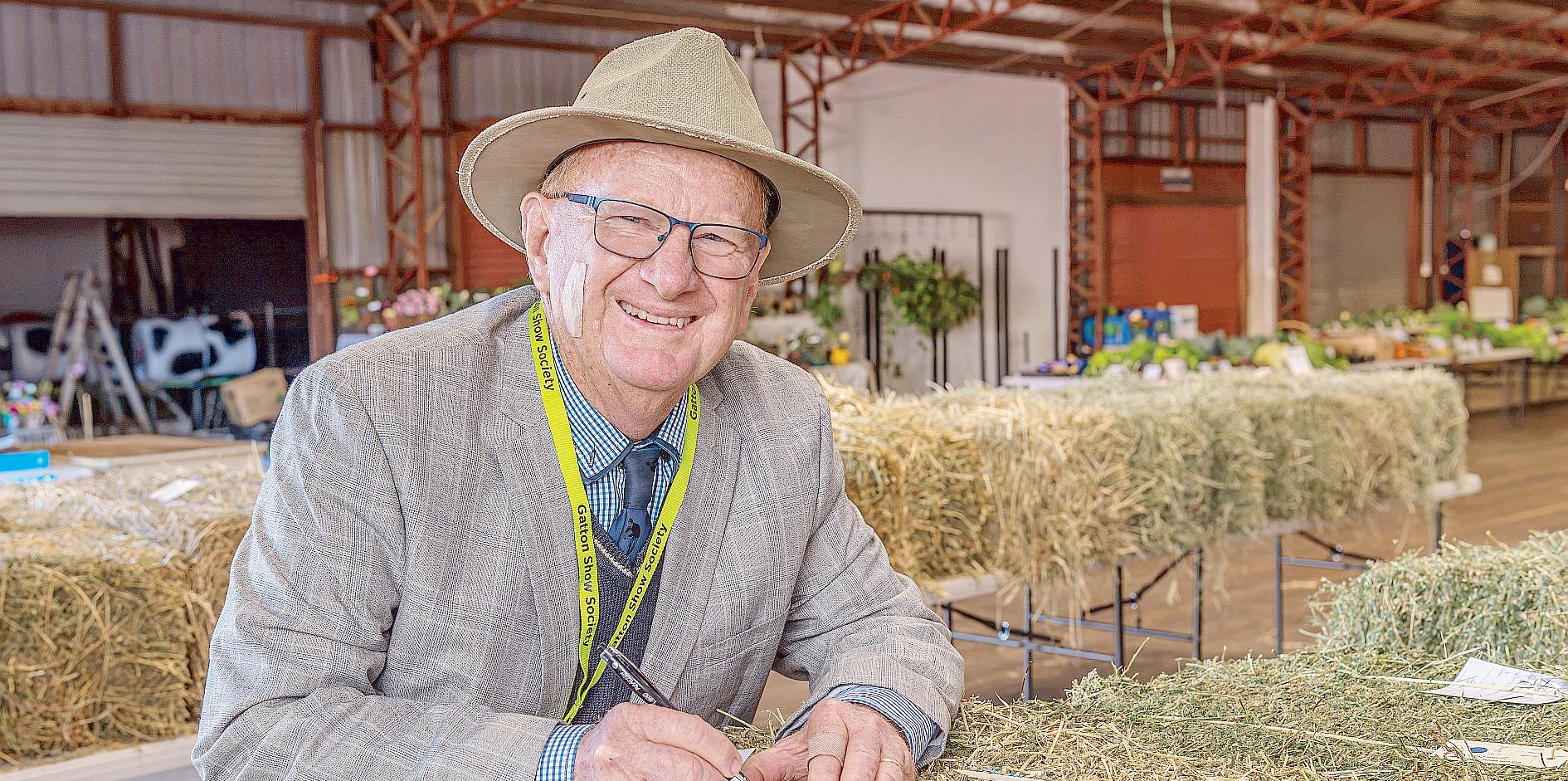
Gatton Show Society president Katherine Raymont said the 2026 show was a huge success, with a great crowd on Saturday.
“We had terrific entries in all our pavilion sections, like the needlework, the photography, the fine arts, the cookery, the schoolwork and the agriculture produce. Some of the biggest numbers,” she said.
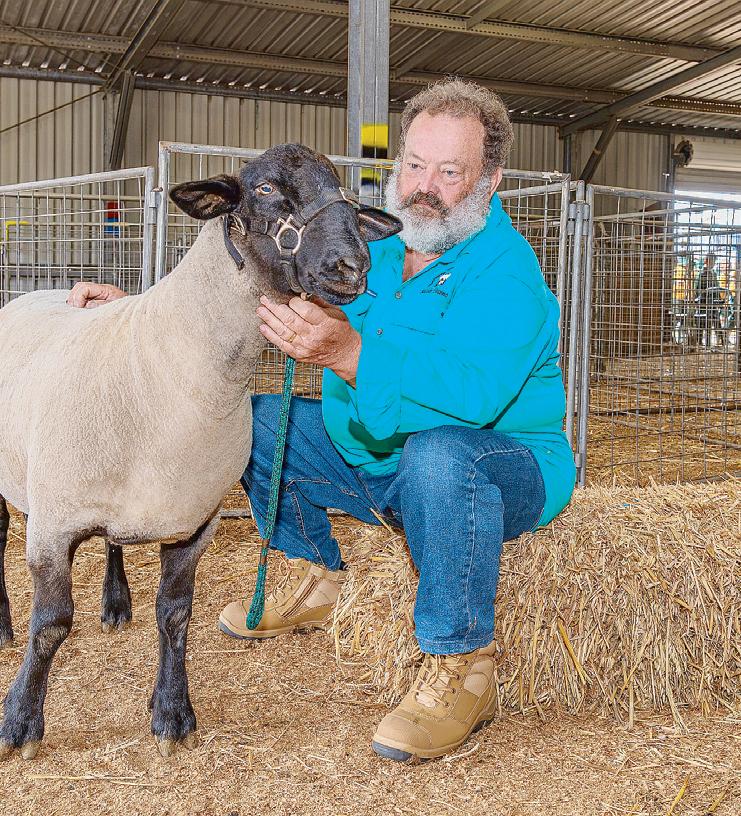
As well as the exhibits in the pavilion, there were also more than 200 head of cattle, 55 sheep and 200 poultry at the show this year.
There was no shortage of entertainment for families on Saturday, with children enjoying stilt walkers, balloon artists, face painting, showbags, food stalls and a trackless train throughout the day.
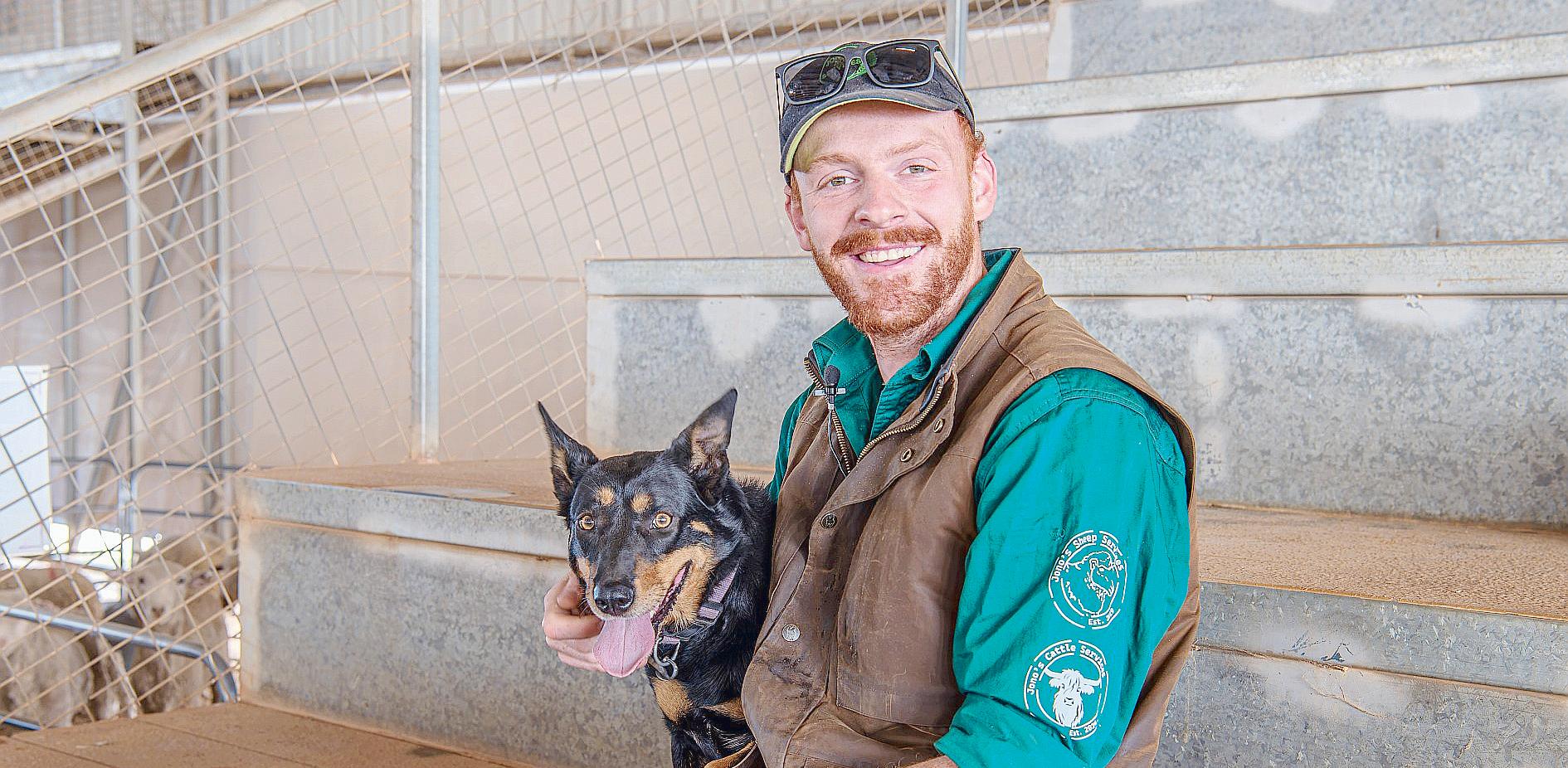
On Saturday night, crowds turned out for a thrilling performance by the Flair Riders (motorbikes, chariot races, rollover quad bikes and motorbike freestyle trials), then the Outback Riders, Jono’s Sheep Trial and the return of the Lockyer Ag Challenge.
The show then concluded with its traditional fireworks spectacular.
However, there was still plenty of entertainment left, with visitors choosing to be entertained by musician Boyd Ridley in the bar area or check out the Lockyer Valley Speedway demo.
The Gatton Show Society has also extended a big thank you to all sponsors, supporters and volunteers who help make the show happen, as well as members of the public.



IN a wonderful play on words, astronomers have detected sugar in the Milky Way.
We’re not talking about the chocolate bar, we’re talking about the Milky Way that has been studied by astronomers and enthralled Earthlings for hundreds of years.
Ashe sugar erythrulose, commonly found in raspberries, has been discovered in interstellar gas clouds near the centre of the Milky Way, marking the first confirmed discovery of a sugar molecule beyond our Solar System.
The sugar, erythrulose, was identified in a dense molecular cloud about 26,700 lightyears from Earth near the galactic centre.
Researchers used two highly sensitive radio telescopes in Spain to detect the molecule by matching 12 distinct radio signals from the cloud with laboratory-measured spectral fingerprints of erythrulose. Erythrulose presence in space demonstrates that complex sugars can form naturally in interstellar environments, potentially providing the raw materials for prebiotic chemistry.
Scientists suggest that such sugars could have been delivered to early Earth via asteroids and comets, contributing to the chemical inventory necessary for the emergence of life
The discovery also strengthens the idea that life’s building blocks may be widespread across the galaxy, as sugars like ribose and glucose have previously been found in meteorites and asteroid samples, indicating that prebiotic



molecules can form before planets existed.
The findings open the possibility that similar sugars exist in other regions of the galaxy, potentially supporting life elsewhere .
networkclassifieds com au networkclassifieds.com.au
- 2026
Sadly missed by her husband of 56 years, Ken, her two daughters and six grandchildren.




















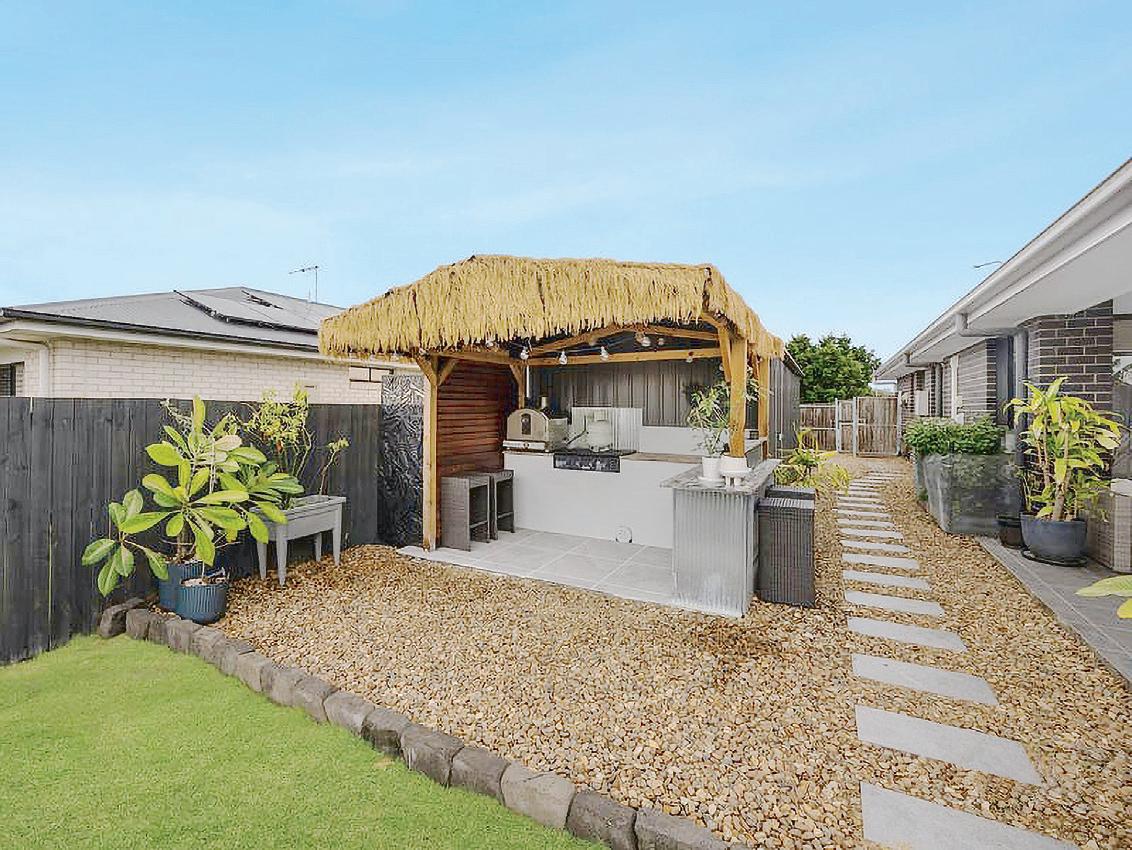
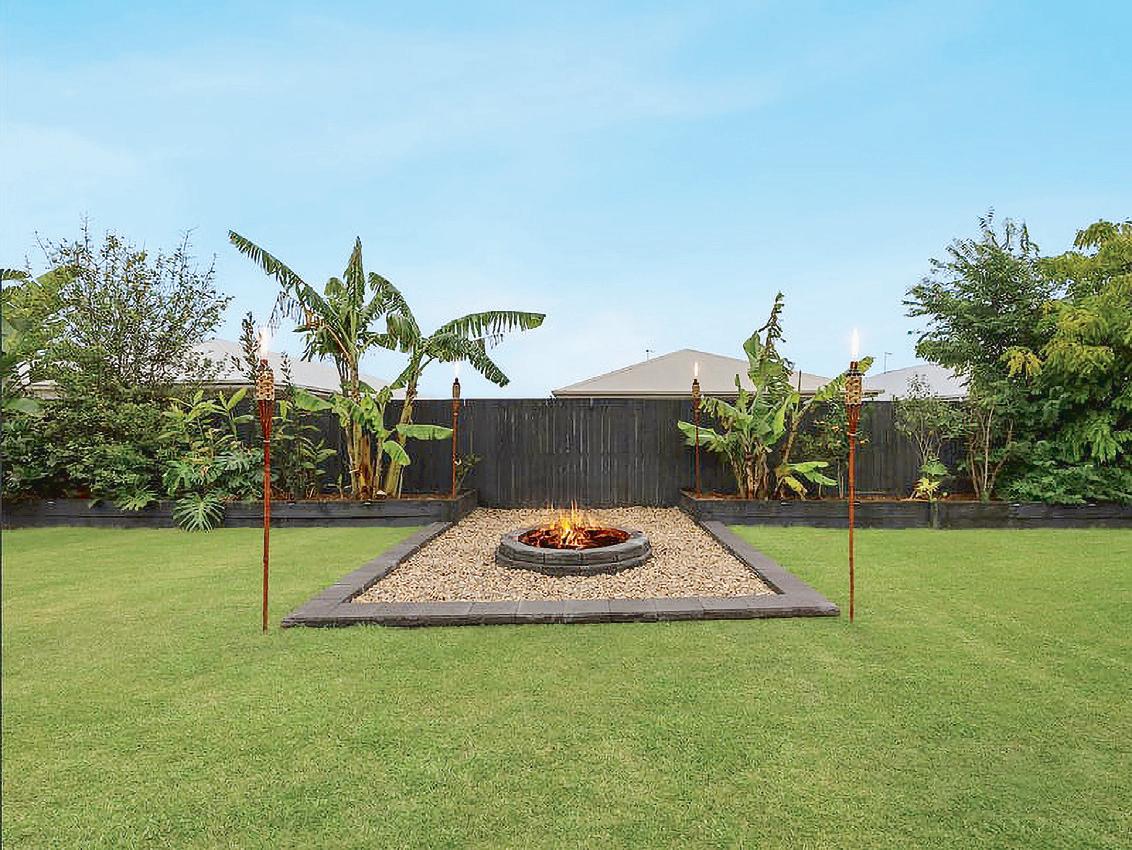
A Walloon home offering a “blend of space, comfort, and convenience”, sold last month for $1,030,000.
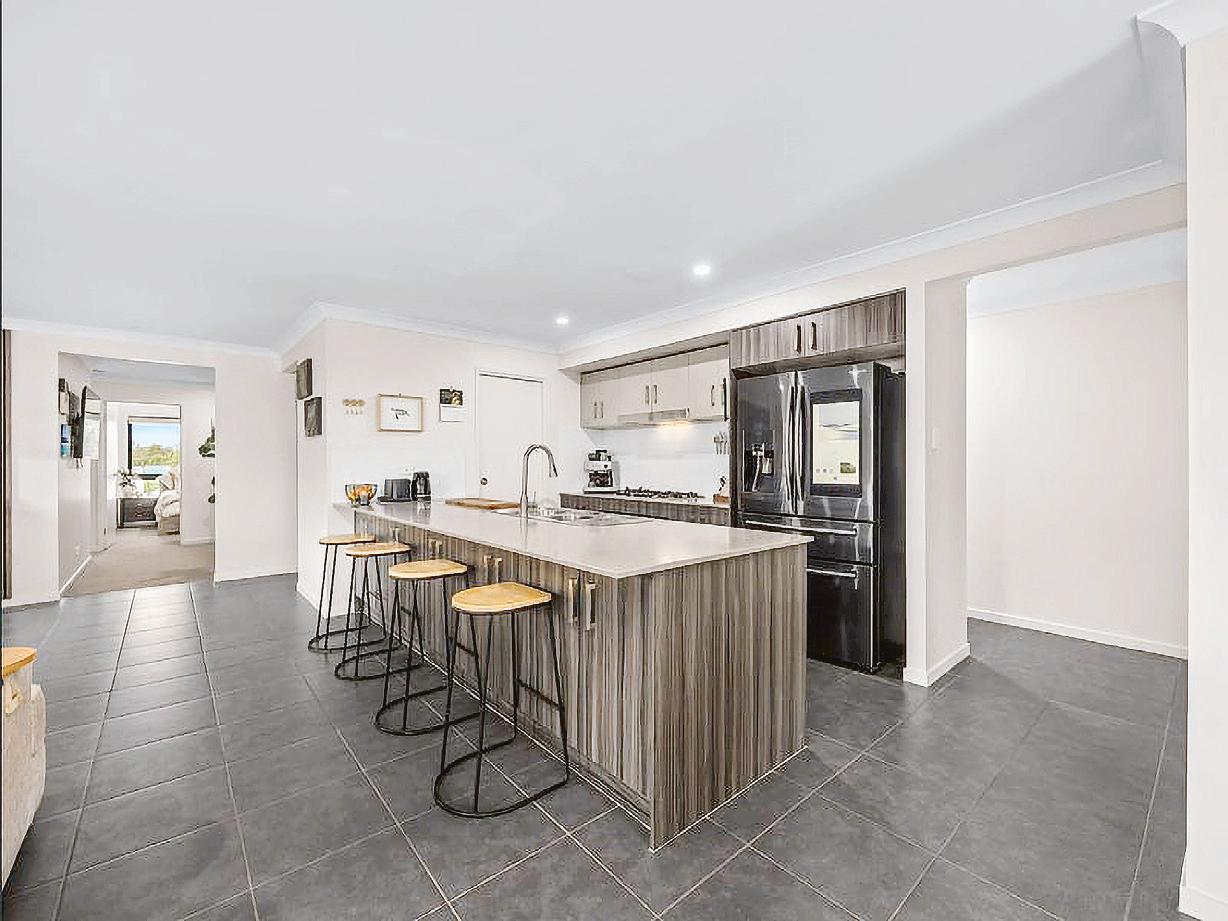
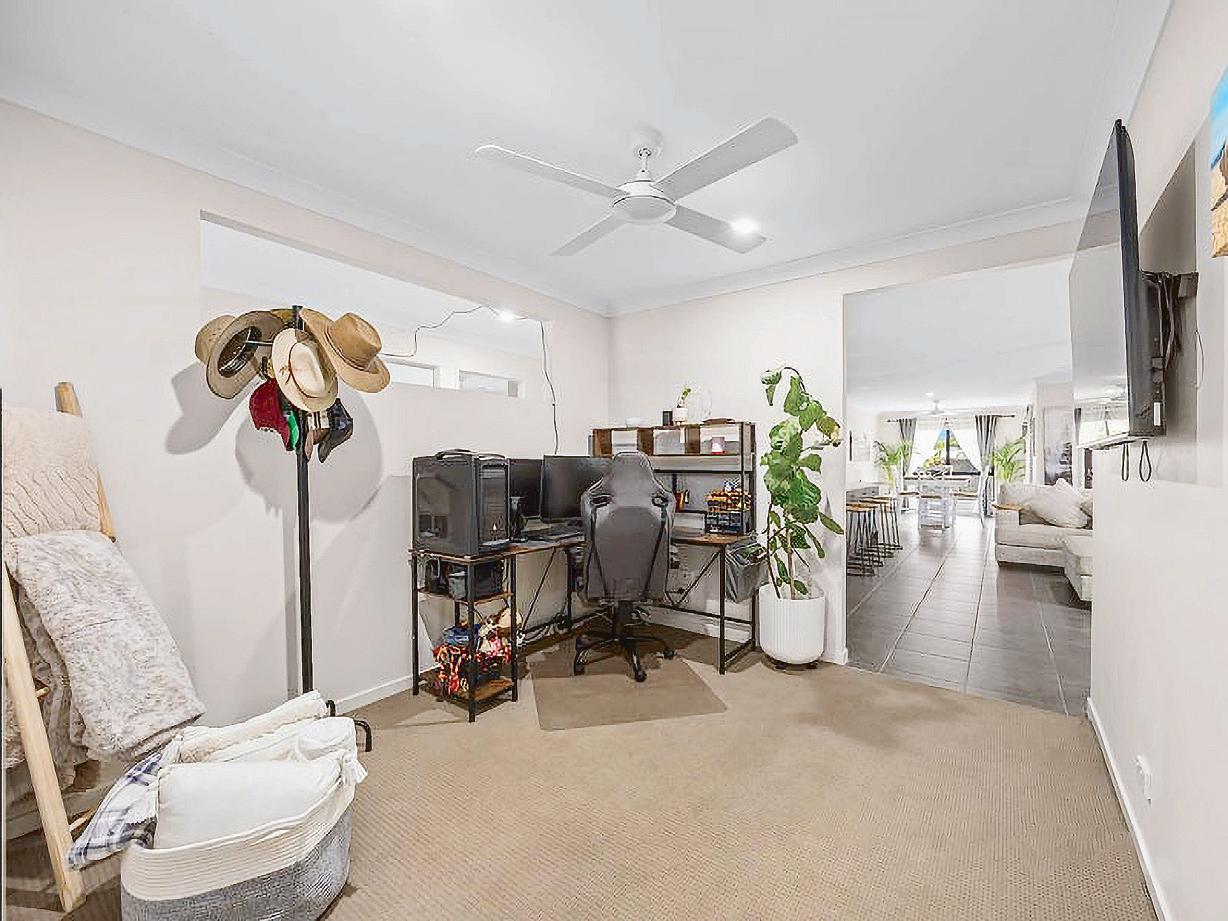
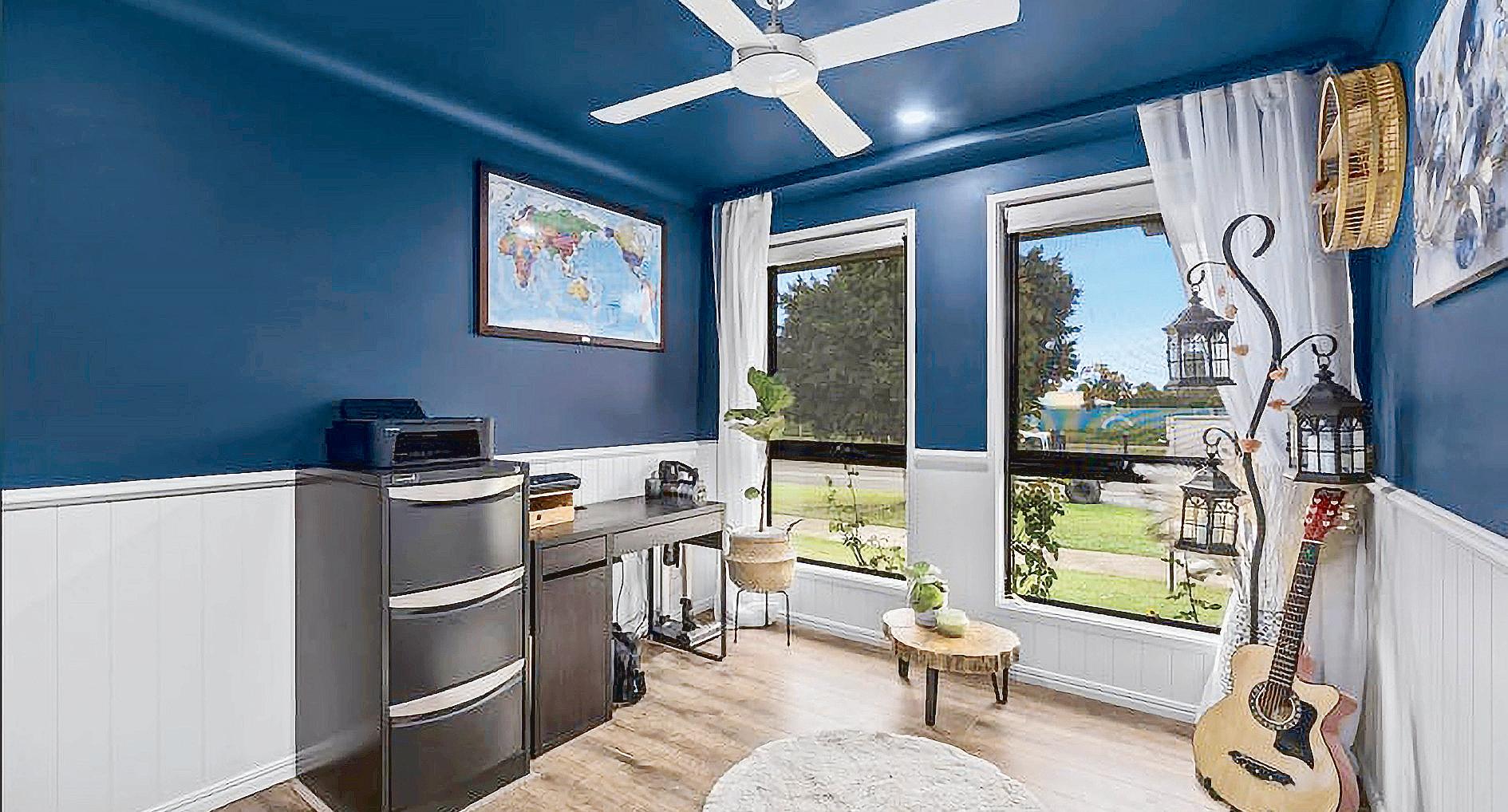
Built in 2019 on an 800sqm block in Parkland Drive, the façade of the four bedroom, two bathroom, home has high street appeal.
The interior layout includes a kitchen with a gas stovetop and a walk in pantry and the living area and main bedroom are air conditioned.
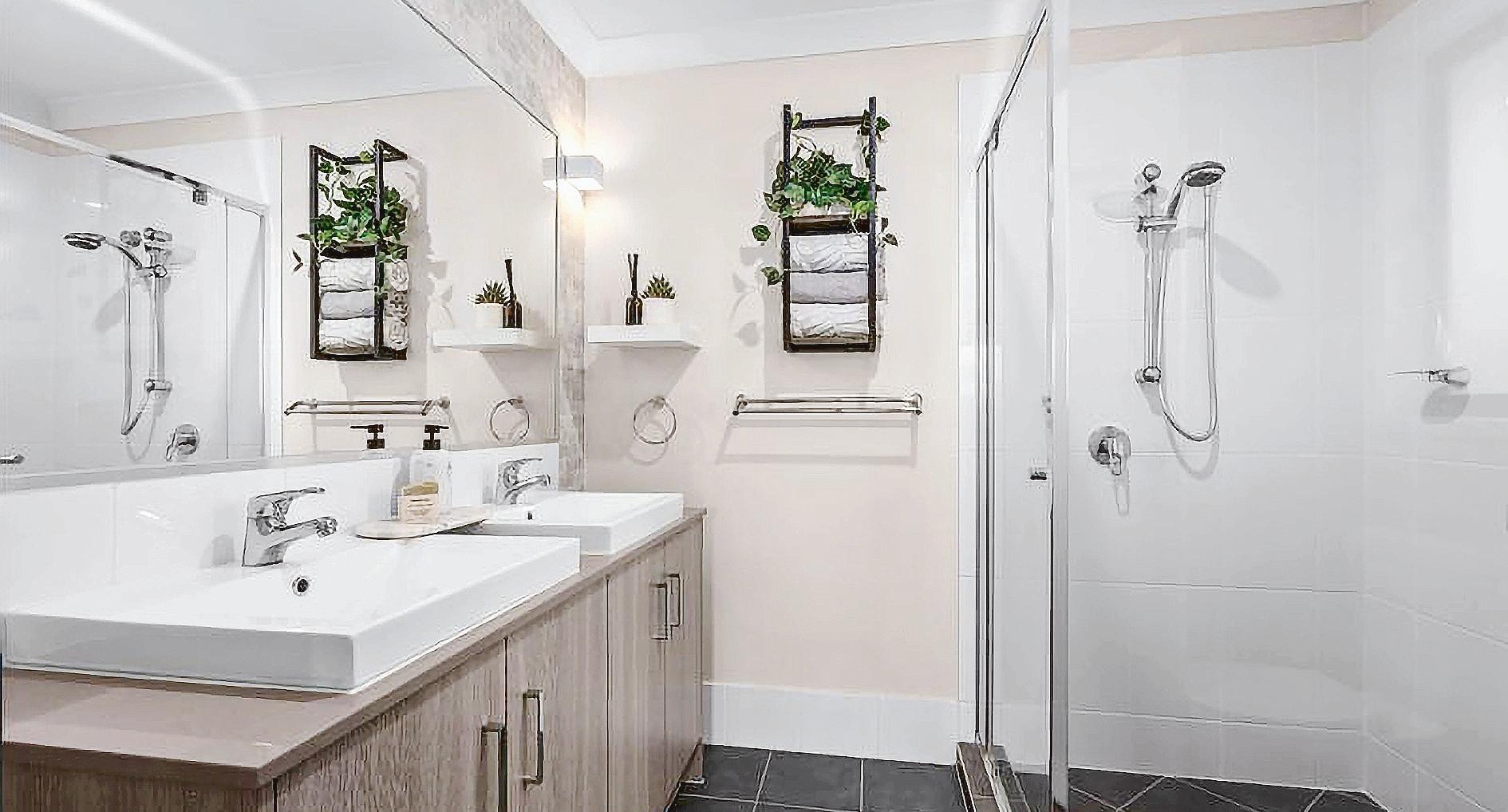
The master suite features a walk in wardrobe and ensuite.
And there’s a double, lock up garage, solar and a separate laundry.
The yard is fenced and well maintained. It has side access through double gates, a firepit and an undercover bar area.
There is also a garden shed and chook pen.
The property last sold in 2017 for $197,000.

By CLANCY NUGENT
MOLLIE O’Callaghan is set to be Australia’s golden girl when the Commonwealth Games kick off this Thursday, but she has revealed the incredible lengths she went to in order to overcome a serious injury and represent Australia in Glasgow.
The 22-year-old Ipswich star is Australia’s top star in the pool and could be in for a famous gold medal haul considering a number of her main competitors will not be featuring, including the retired world record holder Ariarne Titmus in the freestyle events and backstroker Kaylee McKeown, who pulled out due to sickness.
O’Callaghan could claim gold in a number of events after qualifying for the 100m and 200m freestyle, as well as the 50m backstroke, which she may compete in in the absence of McKeown, and several relays.
She took to social media to give her fans an update on how she has been racing the clock to get fit for the Commonwealth Games.
“It hasn’t been the easiest lead-up. I’ve been managing an ongoing shoulder injury as well as a back injury,“ O’Callaghan said.
“Last month I was told I wouldn’t be able to compete at Trials, the Commonwealth Games or Pan Pacs.
“I was also told to stop swimming immedi-
ately.
“It was a moment that reinforced just how much representing Australia means to me and how badly I want to be part of this team.
“The scans showed stress fractures and bone oedema in my lumbar spine.
“My team immediately sought advice from a spinal specialist to see if there was any safe way for me to compete.
“Thankfully, after further assessment everything has continued to move in a positive direction, and after Trials I was given the green light to compete at the Commonwealth Games and Pan Pacs.
“Things might look a little different for me at the Commonwealth Games and Pan Pacs but I’ll give everything I have and do my absolute best every time I race.
“A huge thank you to my team and my spinal specialist for working tirelessly to find a way to keep me in the water while making sure my recovery always came first. I truly couldn’t have done this without you.
“I can’t wait to wear the green and gold again. See you in Glasgow,“ she said.
The five time Olympic champion won seven medals on her Commonwealth Games debut four years ago and will be part of a swim team that are expected to dominate the medal tally.
By PETER FOLEY
RACING is full of uncertainty, but Anthony Allen knows one thing for sure: whatever happens on the track is quickly put into perspective back at home.
Anthony started his racing career in his hometown of Grafton, working first for David Campbell before spending two years with trainer John Shelton.
At 17, his 18-month-old sister Indiana died while she was waiting for a liver transplant.
He has a tattoo on his back, a tribute to Indiana and a permanent mark of the loss that has stayed with him.
“It was one of those tragedies that you wish didn’t happen,” Anthony said.
“It was early in my career and it was a bit rough, but work and riding kept me busy.
“Getting a tattoo was a way of representing her.”
Anthony moved to Queensland about 15 years ago and finished his apprenticeship with Brisbane trainer Steele Ryan.
“I came up here and set the world on fire a little bit,” he said.
“That’s what the claim does, when you get the opportunities.”
A highlight was riding five winners in a day on July 14, 2012.
Steele advised a stint with Gerald Ryan in Sydney, believing the move would help Anthony’s career.
Riding with the big boys was daunting at first, sharing the jockeys’ room with the likes of Jim Cassidy and Nash Rawiller, but he enjoyed the challenge.
Back in Queensland, Anthony earned a reputation as a dependable jockey, building to 700 winners. Then the horse of his racing life arrived in 2021.
Incentivise emerged on Ipswich Cup Day, with a 10-length romp in the Provincial Stayers Final (2500m) for Toowoomba trainer Steve Tregea.
It was one of nine dominant victories in a row for Incentivise, with the streak taking in wins at Toowoomba, Eagle Farm and in the Tattersall’s Cup.
Anthony was his jockey and a big part of the gelding’s development; he knew he had great potential. But a stable change to Peter Moody dashed his dreams.
Incentivise crashed the 2021 Spring Racing Carnival, winning the Makybe Diva Stakes, Turnbull Stakes and Caulfield Cup with Brett Prebble in the saddle.
He ran second to Verry Elleegent in the 2021 Melbourne Cup, which turned out to be his last start.
“One of my big supporters was Steven Tregea and obviously that horse upcoming was really nice to watch and I saw him develop into a really good horse,” Anthony said.
“Looking back on it, obviously it’s not the highlight, but at least I can see I was a big part of that horse’s career.
“Obviously I would have loved it to be me. But it is racing and it’s just how the cookies crumble.”
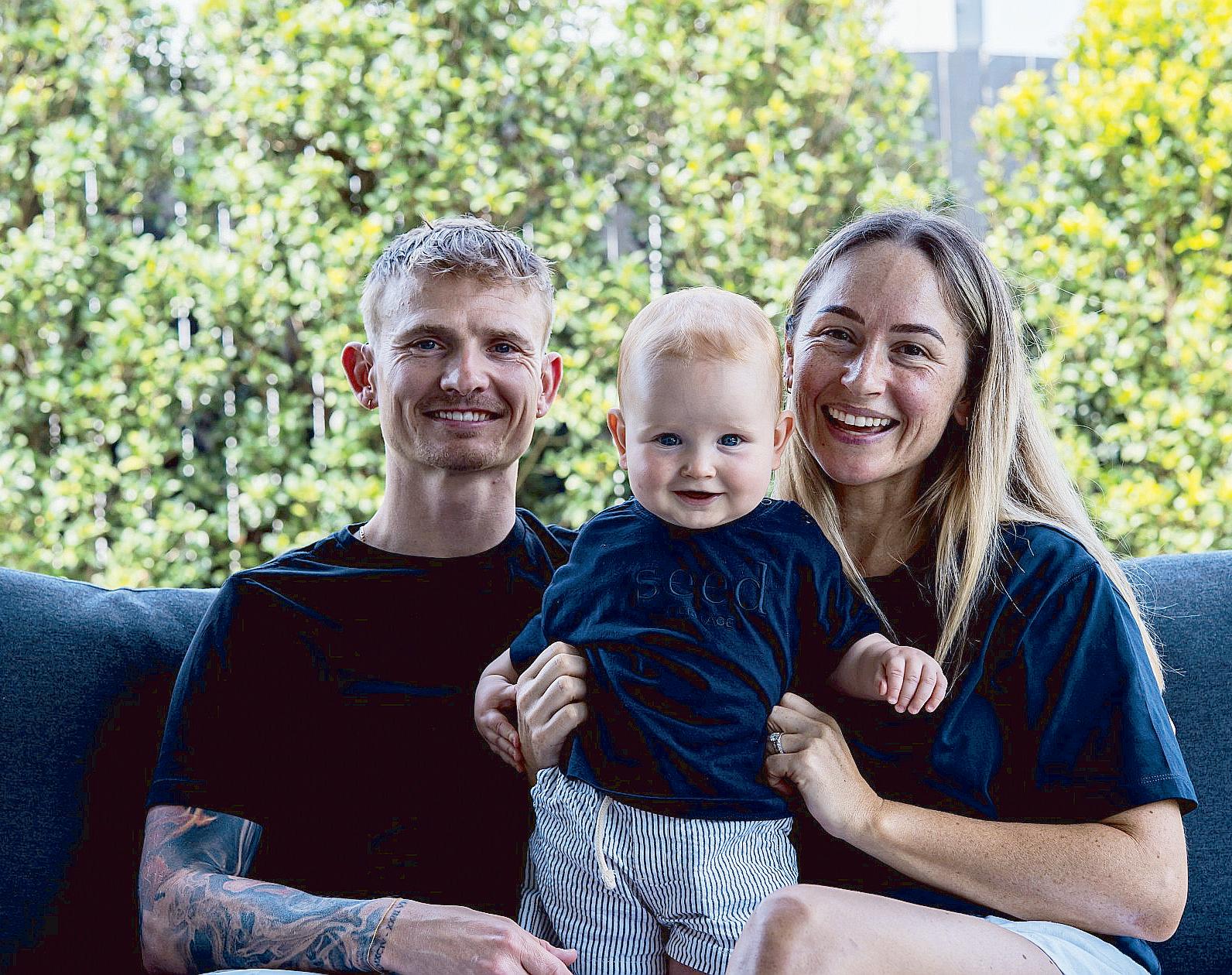
Anthony and his wife, former jockey Lani Allen, have two children. Their daughter Poppy was born by Caesarean section on December 28, 2023, after a scan found no heartbeat.
“We had little Poppy and at 37 weeks, she passed away,” Anthony said.
“It was rough for me and my wife. It’s one of those things where we all had high hopes, and then when it happened, there was a grieving process.
“Every day’s a battle, but we’re still happy that we have a chance to have that little girl named Poppy.”
The couple’s son Hugo arrived a year later. A child born after loss is often known as a Rainbow Baby, as in a rainbow after the storm. But Lani and Anthony have a different interpretation.
“We call Poppy the Rainbow Baby,” Anthony said. “We call him the Hope Baby because he gave us a big hope.
“He’s really good. Now he’s 19 months old; he’s fine, making a mess, walking, talking and watching Paw Patrol and stuff like that.
“Like, coming home, straight away, he wants me to play. He keeps mum busy all the time.”
At Ipswich last Thursday, Anthony rode another winner on Divil A Bit, a gelding trained at Beaudesert by emerging trainer Ruby Chatterton.
“Obviously every trainer you ride for, you
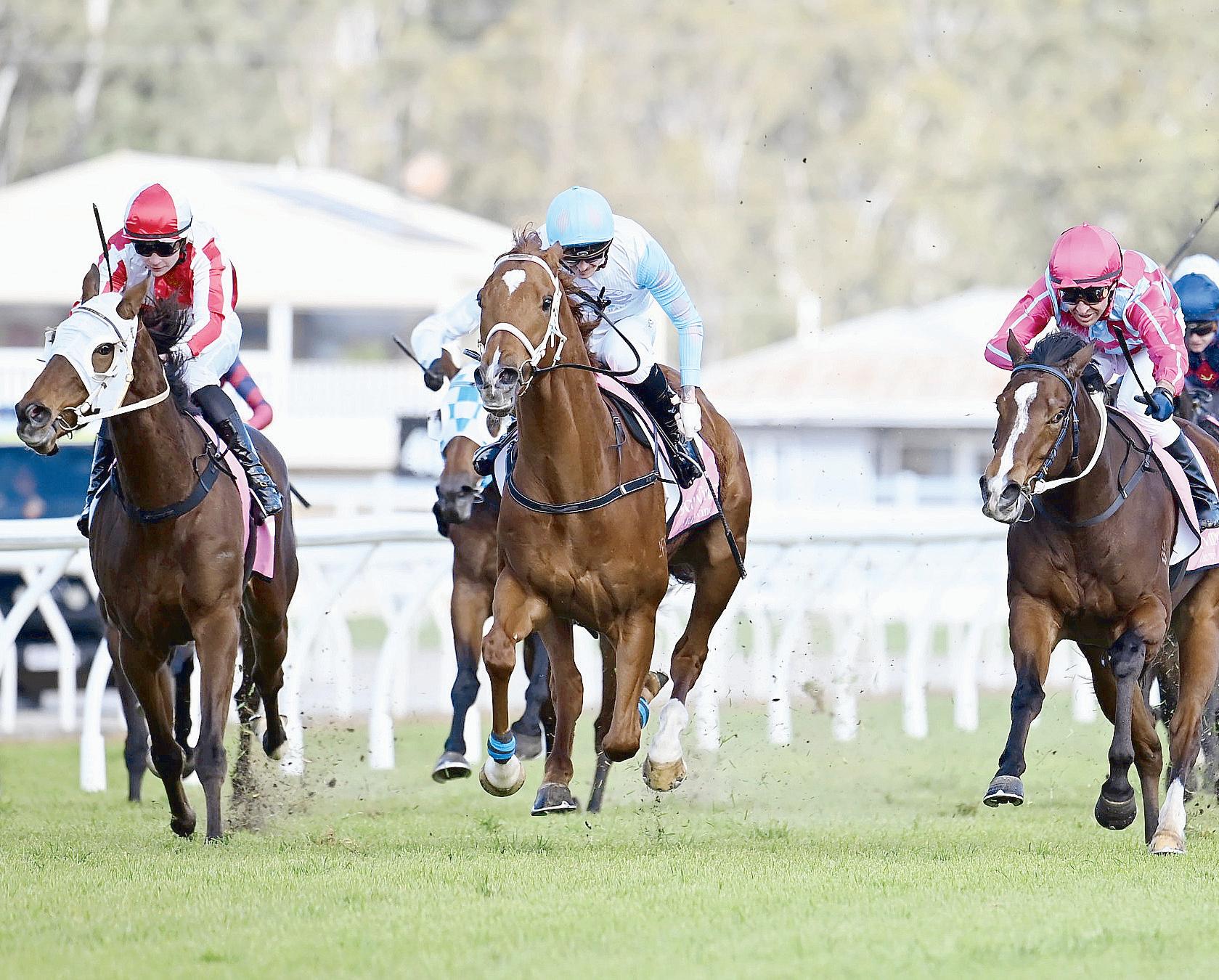
want to win, but today was Ruby, and it was just awesome to get the job done,” he said.
“They’re a really nice crew and they’re slow-
ly getting into training, getting some results. That’s my second win for them in a matter of three rides.”
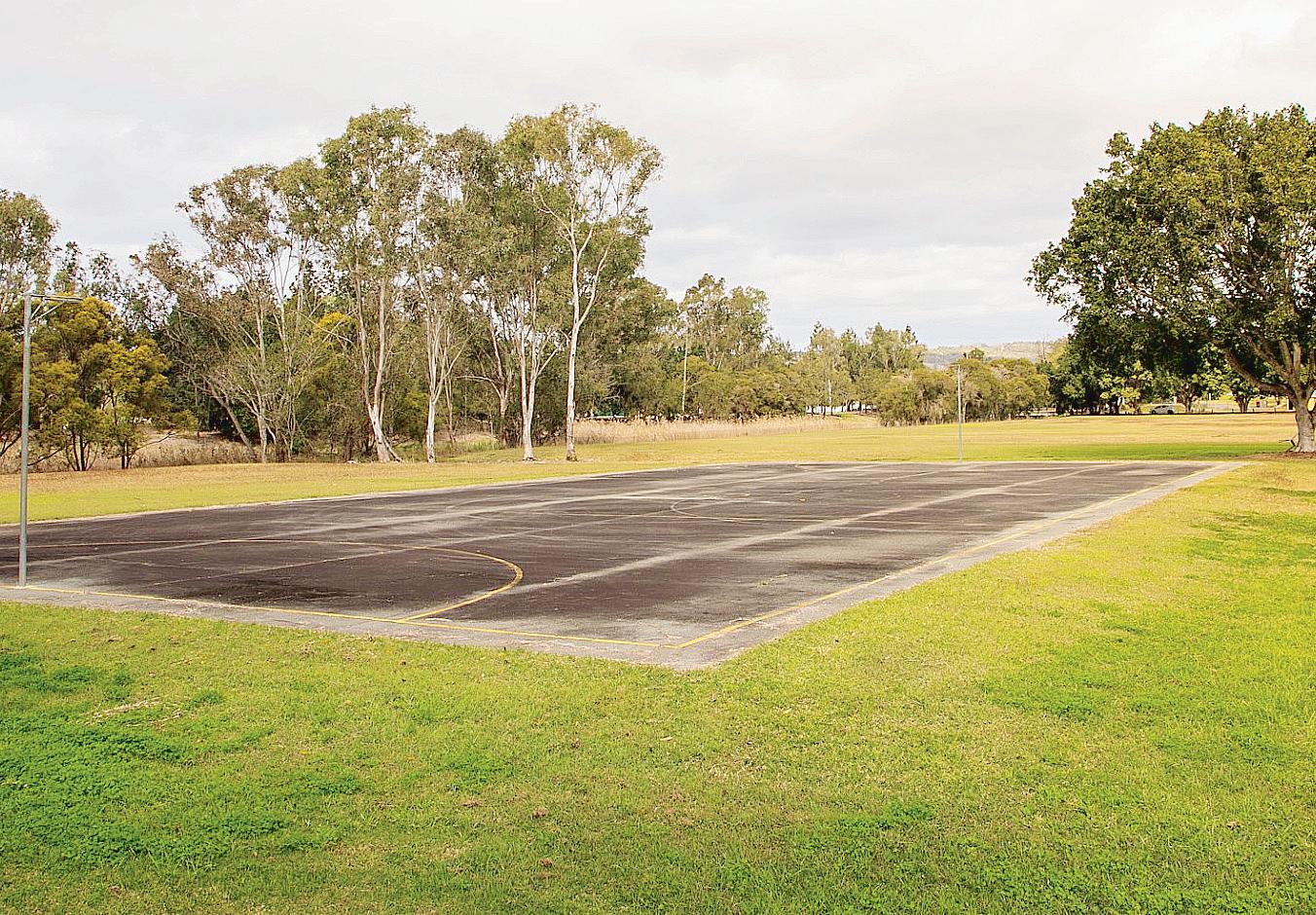
MARBURG residents who enjoy a game of basketball are in for a treat with a basketball hoops planned for Marburg under Ipswich City Council’s Provisional Projects sub-program.
Division 4 Councillor David Martin said the basketball hoop project responded to community need.
“Marburg residents currently have a multipurpose court at the Marburg Community Oval for netball and basketball, but there’s no basketball hoop setup there, which is about to change,” Cr Martin said.
“The hoop will be installed on the western side of the court and enable locals to practice their lay-ups and slam dunks or simply play a casual pick-up game.”
Division 4 Councillor Jim Madden said the projects benefitted the community and delivered on council’s ongoing commitment towards promoting active and healthy lifestyles.
“With Ipswich growing rapidly, council remains committed to delivering services to our community to a high standard,” Cr Madden said.
“These projects will encourage residents to be active and healthy and also connect with their neighbours, creating a happier, healthier and more connected city.”
The upgrade at Marburg Community Oval follows recently completed upgrades to courts at Stallard Park at Yamanto and at Henry Lawson Bicentennial Park at Walloon.
The skatepark in Redbank Plains Recreation Reserve in Division 1 will also get a new connecting concrete slab.
Division 1 Councillor Pye Augustine said the skate park project in Division 1 was considered after feedback from park users.
“Skaters using the park raised an issue of losing balance and falling over on this patch of unconcreted ground, so council decided to link the whole floor to make it easier for skaters,” Cr Augustine said.
“It is satisfying as a councillor to be able to solve issues like these for residents, giving them more opportunity to safely enjoy our fantastic sport facilities.”
Division 1 Councillor Jacob Madsen said
the value of the Provisional Projects sub-program lay in being able to deliver for residents based on their feedback.
“The area to be concreted at the Redbank Plains Recreation Reserve is only 10 square metres in size but will make a big difference to skaters using the facility, making it not only
more exciting but also safer,” Cr Madsen said.
“Provisional Projects allow councillors to engage with their community and put forward projects that are not already in the Capital Works Program but would be beneficial to the community, so I am looking forward to seeing skaters enjoy this improvement to the park.”
By CLANCY NUGENT
QUEENSLAND Greyhound Racing Club
Chairman David Nugent has made serious claims, following the Q’s first 12 months of operation, that the club is considering legal action against anti-greyhound racing groups trying to put an end to the sport in Queensland.
Nugent suggested that much of the negative rhetoric regarding the Q had been inaccurate and implored the community to take on board its efforts to make the sport safer for their animals.
“We have had a lot of discussions about the ’antis’ in the boardroom this past 12 months and we are considering legal action to try to stamp out lies and the untruths that are spread by these groups that try to pull this industry down,“ Nugent said.
“We want to reshape the industry narrative around positive stories, around animal welfare and the real facts about the injuries that elite athletes like our dogs suffer from racing at high speeds.
“Look out for that work in the coming times,“ he said.
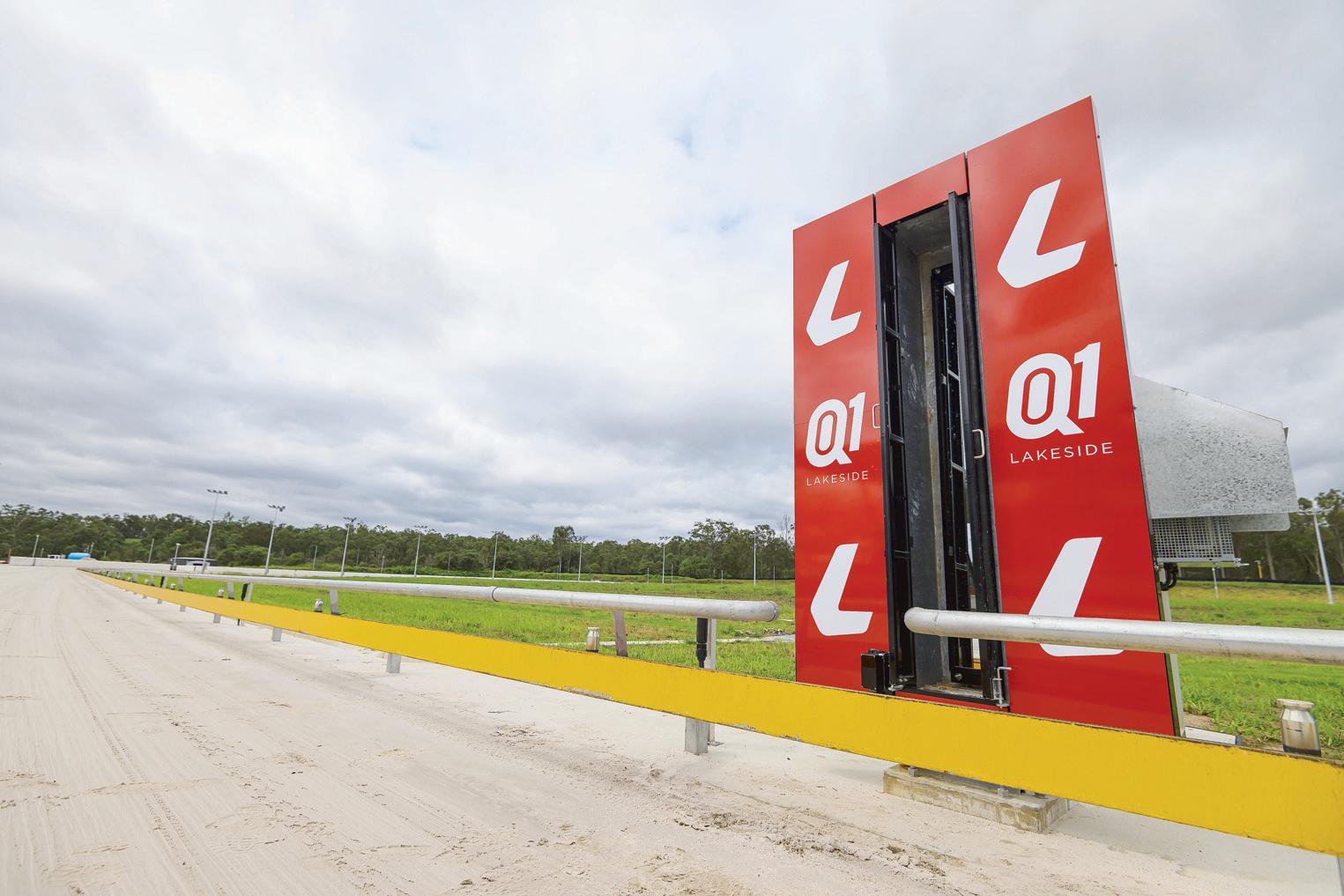
The Q reached 12 months in operation.
Nugent suggested The Queensland Greyhound Racing Club will look into the way in which injuries and deaths are reported, while still ensuring the public they were not shirking
their responsibility of keeping the sport as safe as possible.
Amy MacMahon, president of Coalition for the Protection of Greyhounds, said the threat of
legal action would not disuade her organisation and those like it to act differently, emphatically backing the data they release as factual.
“I think responses like this from any greyhound sector is really the details of a dying industry that that they know it is on the way out,“ MacMahon said.
“I’m not particularly surprised (that legal action has been threatened), we’re seeing similar sorts of responses in Tasmania, where there is a ban on the table.
“We take the accuracy of the data and information that we share extremely seriously.
“We know that there’s at least 19 greyhounds who have died from racing injuries in Queensland this year, and we will continue to do everything that we can and building up a movement so that we can end greyhound racing in Queensland,“ she said.
The $90 million facility was opened in June last year before a review into the venue at Purga was commissioned following the suspension of major races due to track issues in July 2025. Following that review, the venue was deemed safe for operation and has seen its weekly slate of races and trials increased.

By MICHELLE HOARE
RAAF Base Amberley Corporal Elise Franco is consumed by soccer.
Since her days of playing as the only 9 year old girl in a team of boys, her passion propelled her to selection at the Queensland Academy of Sport, and playing for the Brisbane Roar FC at 17.
Corporal Franco always wanted a career that was hands-on and joined the Army aged 19. Her soccer aspirations were temporarily set aside.
“I wanted to join Defence as I love being hands-on, I became an electrician and did my apprenticeship through the ADF,“ she said.
“I think since growing up I always wanted to do something along the lines of Army, Fire, Rescue, or Police. I love the challenges that come with that type of job,” Corporal Franco said.
Since joining the ADF, Elise has worked across the South Pacific with 6th Engineer Support Regiment which is a specialised engineer regiment of the Australian Army. She has worked on a number of different exercises and operations.

“Being an electrician at 6ESR we do a lot of work building partnerships in the South Pacific Islands, I’ve been on multiple trips to Vanuatu, Solomon Islands, the Cook Islands and recently did an Army Aboriginal Community Assistance Programme in 2025 in the Torres Strait Islands.”
Although she was enjoying her work, something was missing. She felt that she had given up her dream of playing at the elite level. Fortunately for Elise, Defence supports high per-
formance athletes to serve their country while continuing their sporting career. Being paid to play sport is just one of the many benefits of a career in the ADF.
“I spoke to my chain of command and said that I want to put my sport first this year as a personal goal. I want to give it my best effort in 2026 and see where it takes me.”
“I found out that I was able to try out for Trinidad and Tobago representation as my paternal grandfather was born there which made me eligible to gain dual citizenship and try out
for the national team.”
Elise was successful in national selection for the Trinidad and Tobago Women’s Football (soccer) team.
“Work has been extremely supportive of my goals which I’m so thankful for. They have made it possible for me to play for Trinidad and Tobago.”
Elise said the best thing for her about playing sports is building relationships and networking.
“There’s something so nice about building
friendships with people after going through such highs and lows with them on and off the field. I feel like sport is the place I feel most confident, I love being active and sport allows me to express myself on the field.”
Having a rewarding and meaningful career and playing sport at an elite level is a juggle but Elise is grateful to the support she has had from the ADF.
“Defence life definitely has its challenges but as an Army electrician I’ve found it so rewarding helping developing countries during humanitarian and disaster relief trips.”
“If you are good at sport the ADF can be supportive of you playing professionally, I have travelled with work and sport, experiencing so much during my 8 years in Defence that I wouldn’t have otherwise had the opportunity to.”
Anticipation was high when Elise played midfield for Trinidad and Tobago against El Salvador in a World Cup qualifying game in what could have been their Women’s World Cup debut.
What about playing for Australia?
“I was at one point in the U20s Australian Squad. I didn’t make it further and I think as amazing as it would be, I’m now 27 and I feel like it’s a bit out of reach. I’m keen to move forward with my Defence career and continue playing for Trinidad and Tobago,” said Corporal Franco.
From grassroots to international level, whether playing, coaching, administering or officiating, the ADF offers a range of opportunities for personnel to benefit from participation in sport.