During National Volunteers Week and National Palliative Care Week, volunteers at Palliative Care South-East reflected on the personal reasons behind their dedication to supporting people with terminal illnesses and their families.
Betty Williams joined after witnessing the care given to close friends with cancer and now assists families through bereavement counselling.
Roy Francis, volunteering for nearly eight years, was inspired after losing his wife and now provides home visits, emphasising the importance of listening and emotional support.
Long-time volunteer Ambassador Halina Hili, motivated by a family loss, helps educate communities about palliative care, highlighting its role in improving quality of life and supporting families during difficult times.
FOR MORE ON THIS STORY, TURN TO PAGE 4
Prevention plea
By Jensy Callimootoo
Community organisations in Casey and Greater Dandenong say recent state and federal budget commitments to addressing violence against women do not go far enough, particularly in preventing abuse before it occurs.
While the Federal Government pledged more than $700 million toward tackling gender-based violence, including funding for Indigenous family
safety initiatives and reforms to the child support system, advocates argue too much focus remains on crisis response rather than long-term prevention.
Wellsprings for Women chief executive Dalal Smileysaidstrongerinvestmentisneededineducation, cultural change and prevention programs, especially within multicultural communities.
The criticism comes amid alarming local statistics. Victoria Police recorded 161 family violence incidents across Casey, Greater Dandenong and Cardinia in a single week, including serious allegations involving threats, weapons, arson and breaches of intervention orders.
She echoed concerns from advocacy groups that only a small proportion of family violence funding is directed toward preventative measures.
Data from the Crime Statistics Agency also showed Casey recorded nearly 8,000 family violence-related offences in 2024/25, marking a significant annual increase.
Local groups are now urging governments to provide stable, long-term funding for culturally specific prevention and support programs. FOR MORE ON THIS STORY, TURN TO PAGE 3
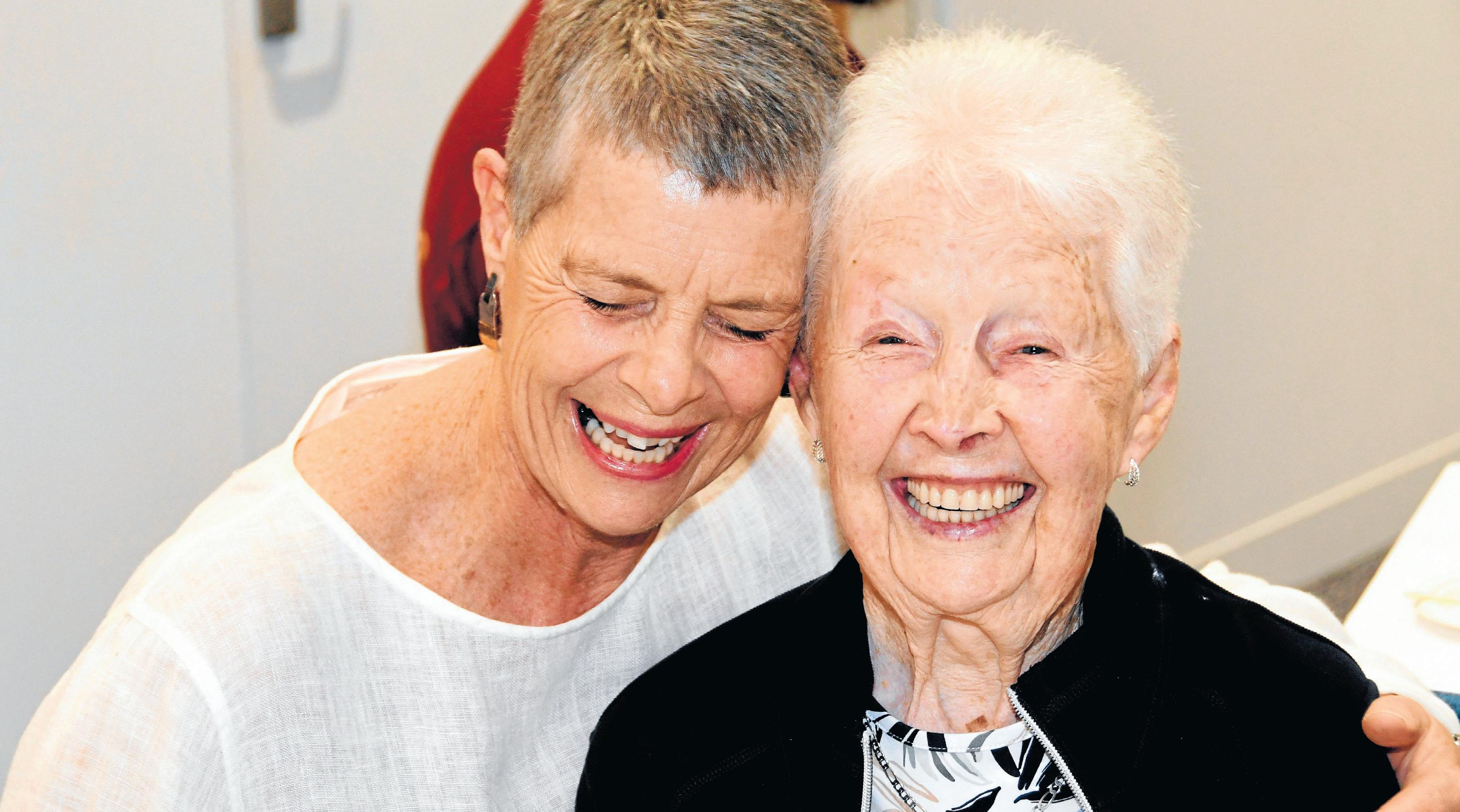
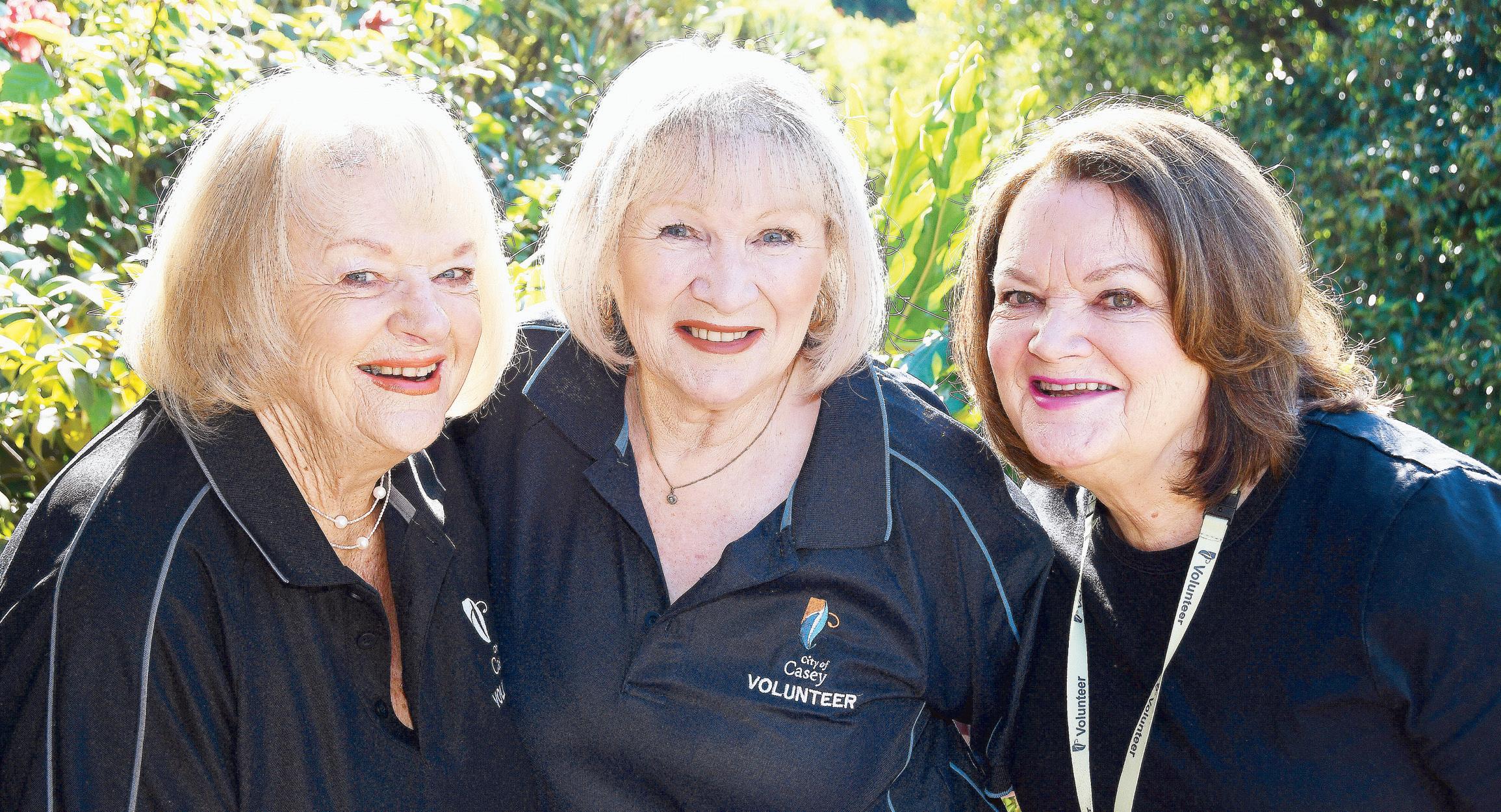
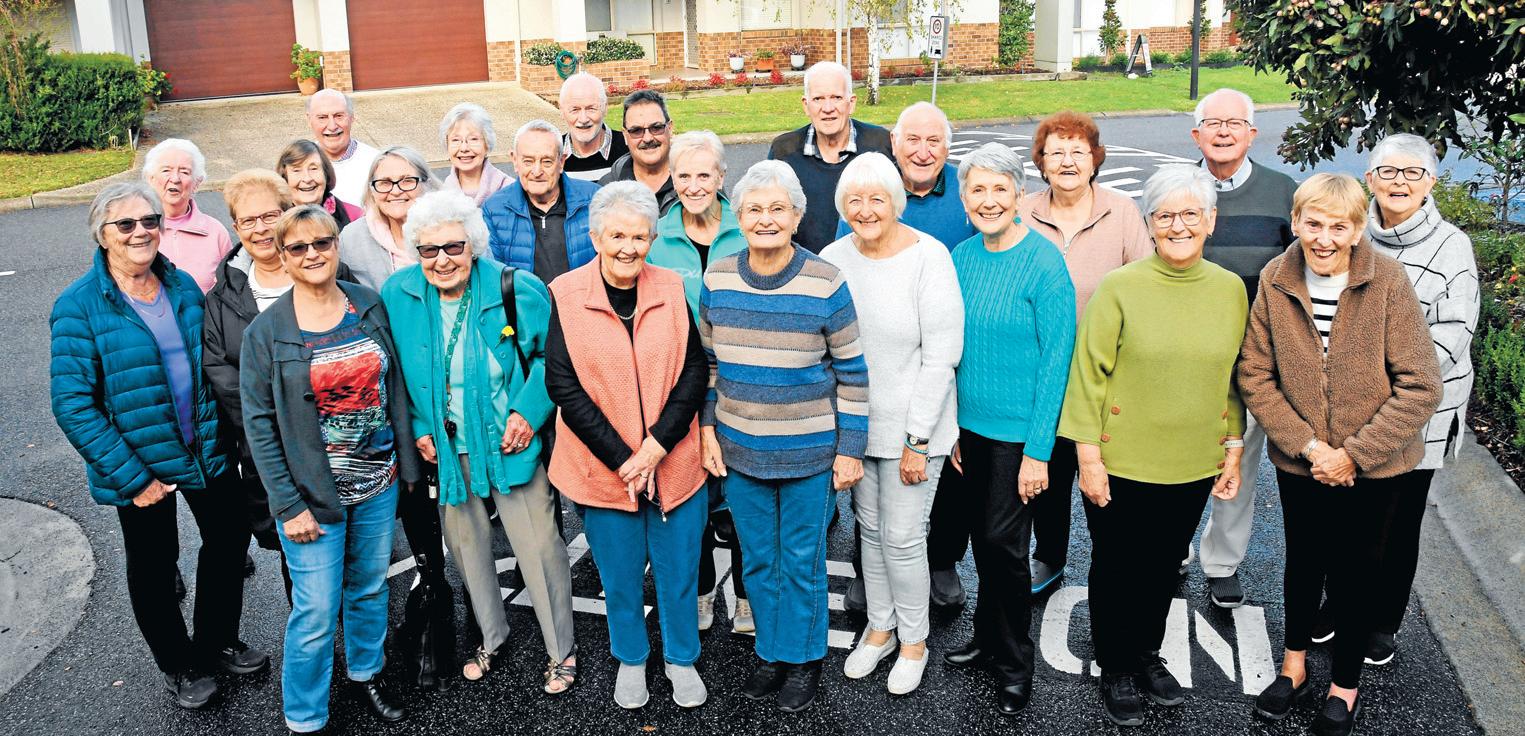
Volunteers Jo and Betty who has been volunteering at Palliative Care South East for 35 years. (Stewart Chambers: 552077)
Trio’s century of support
By Carmela Mendoza
At 82, Margaret Sansom AM is still serving her community through volunteer work.
Every Monday she delivers to the elderly community in the City of Casey, sending meals to those who are not able to cook their own food.
For 45 years, Margaret has delivered for Meals on Wheels, becoming a steady presence in the lives of many in her community.
Known for her long-standing service and deep involvement at Inner Wheel, her work has earned her numerous awards.
However, it is the quiet consistency of showing up that truly defines her story.
Margaret’s community service originates back to her childhood.
“My parents instigated volunteer work. My mum and dad were fundraising for the Oakleigh swimming pool,” she says.
Since then, Margaret has volunteered for several community groups. From sausage sizzles to local sports clubs, she has been a helping hand for a long time.
“I guess it’s been in my blood [to volunteer],” she says.
Diana Heath, 77, and Jeanette Pike, 74, have also volunteered at Meals on Wheels alongside Margaret, both contributing 40 and 15 years, respectively.
Together, the three of them make up 100 years of community service.
“You really get to know the whole area of the City of Casey,” says Margaret.
“Some of these people don’t even see anybody week to week until their meals are delivered to them,” she says. “We might be the only ones that they see.”
The trio’s volunteer work is through Inner Wheel, an international women’s organisation affiliated with the Rotary Club.
Their focus is on community service, charity and women’s empowerment.
Margaret has been a member for many years and was inducted as national president between
1997 to 1998.
Through this organisation, she has volunteered for City of Casey through its meal delivery program for local senior citizens.
Diana has been a part of Inner Wheel for as long as she has volunteered for Meals on Wheels.
“It’s just a way of giving back,” she says.
“I was young when I started and [my grandchildren] have been in the car and seen what I do.
“Helps to show them that they need to do
something within the community.”
Their work involves more than just meal delivery.
With every visit, they check in on the health and well-being of elderly residents, prioritising community connection.
“You get to meet some lovely people,” says Diana.
Inner Wheel Narre Warren is also hosting its event for Biggest Morning Tea at the Officer Public Hall on Saturday (23 May).
The event has sold out, with 80 people expected to attend. These women volunteer to serve their community, not to receive any special credit.
Through meal delivery, fundraising and more, Margaret, Diana and Jeanette remain supporters for City of Casey and beyond.
“It just gives [us] a lot of joy and satisfaction,” says Margaret. For details on volunteering, visit casey.vic. gov.au/volunteer-for-ageing
Two teens arrested for alleged arson attack
Two teens, including a 16-year old from Casey, have been arrested following an alleged attempted arson attack in Melbourne CBD on Friday morning.
Police spotted a white Kia wagon arrive at a licenced venue on Flinders Lane about 4:45am on Friday 15 May.
Officers allege that two males ran from the car with a jerry can in hand and smashed a window to the premises.
They then allegedly poured fuel into the venue.
Police moved in and arrested two boys.
But the driver of the Kia took off from the scene in the vehicle and despite a search of the area, the driver and the kia were not located.
The boy from Casey and a 16 year old boy from the Monash area will be interviewed by investigators with detectives working to determine any possible links to previous incidents.
On April 27, Operation Eclipse com-
FIFA
menced, to target serious and organised crime syndicates believed to be involved in a series of offending linked to hospitality venues as well as determining the notice for the attacks.
The operation is led by the Gang Crime Squad and Arson and Explosives Squad, in collaboration with local police.
Specialist units involved in Operation Eclipse will focus on the organisers and those “pulling the strings” , according to a media release by Victoria Police.
Investigators are continuing to look at all possible motivations behind the offending including who is involved and why.
“Police remain open to a range of possibilities and we encourage anyone with any information to come forward,” said the release.
“Police continue to have an increased presence in both an overt and a covert capacity throughout these entertainment precincts, including increased patrols of these areas and visits to licensed premises”
World Cup matches to screen live at Bunjil Place
Football fans will be able to watch FIFA World Cup matches live on the outdoor screen at Bunjil Place throughout June and July.
The City of Casey announced daily televised matches will be shown at the venue during the tournament, with screenings set to create a public viewing space for fans.
No registration is required. Locals are welcome to bring their own picnic.
Matches will be shown between 7am and 11 pm on Monday to Saturday, and 9am to 10pm on Sundays, except the USA v Australia match on 20 June, to abide by the EPA regulations.
Mayor of the City of Casey Stefan Koomen said
that the FIFA World Cup is one of those events that captures the attention of communities right across the world.
“As someone who has always loved the game, I know how exciting it is to share those big moments with family, friends and fellow fans,” he said.
“We’re proud to welcome the community to Bunjil Place to experience the atmosphere, celebrate together and enjoy world-class football on the big screen.”
A full list of matches is available through: bunjilplace.com.au/news/fifa-world-cup-onbig-screen
With 100 years of volunteering between them, Margaret Sansom (45yrs), Diana Heath (40 yrs) and Jeanette Pike (15 yrs). (Stewart Chambers: 553155)
Funding shortfall amid crisis
By Jensy Callimootoo
Local Casey organisations have called on the government to do more in tackling the rise in violence against women, arguing that the Federal Budget falls short of addressing the serious crisis.
The 2026/27 Federal Budget which was handed down last week (12 May) committed over $700 million to ending gender-based violence.
This includes a $218.3 million for the first-ever Aboriginal and Torres Strait Islander family safety plan.
And $182.6 million to go towards closing systematic loopholes that give offenders the opportunity to capitalise off and weaponise the child support system.
A week prior to that, the Victorian State Budget committed $74 million to family violence prevention and response measures, as well as crisis accommodation, specialist care management and continuation of the central information point.
But local organisation, Wellsprings for Women in Dandenong, says that the budgets fall short of creating meaningful change.
Chief Executive for the organisation, Dalal Smiley tells Star News that a greater proportion of the budget should be allocated to primary prevention and requires major policy shifts to effectively address the underlying cause of violence against women.
“If we were to look specifically at the State Government budget, peak bodies such as VCOSS and Safe and Equal state that the Victorian State Budget’s allocation to primary prevention is structurally inadequate and failing to fund the long-term cultural change required to stop violence before it starts,” she says.
Organisations like VCOSS have long spotlighted the issue, demanding that the state government allocate at least 10 per cent of the total family violence budget exclusively to primary prevention rather than 3 per cent.
It comes as recent data from Victoria Police show that in just one week, 161 family violence
incidents were reported within the Casey, Greater Dandenong and Cardinia area.
Out of the 161 call outs, 85 were in Casey, 45 in Greater Dandenong and 31 in Cardinia.
One report involved a 36-year old man who allegedly strangled and threatened to kill his former partner with a hammer before attempting to set part of his home alight.
Another 35 year old man allegedly used a handgun to threaten and rob his former partner and persistently breached a family violence intervention order.
A 28 year old man, allegedly killed his family dog and also persistently breached ongoing fam-
Glass recycling contracts were secured in 2024
By Jensy Callimootoo
The City of Casey signed contracts for its controversial purple-lid glass recycling bin rollout in 2024, council has revealed.
The disclosure has reignited criticism from community groups who argue residents were denied meaningful input into a major waste reform decision already financially committed without notice.
Council confirmed the tender for the manufacture and delivery of the glass-only bins was awarded in September 2024 under CEO delegation.
City of Casey Manager of Sustainability and Waste Michael Jansen said the process had been planned over an extended period.
“Between February and December 2024, Council undertook a rigorous contractual process for all kerbside waste reform requirements, which included the supply and delivery of glass-only bins,” Mr Jansen said.
“This was a planned and carefully managed process, not a rushed decision, with the tender awarded in September 2024.”
Mr Jansen said manufacturing of the bins was already underway and the council was now considering how the service could operate for households with limited storage space.
“Off the back of our recent Kerbside Waste Collection Policy engagement with the community, Council have started to plan how a shared waste service might work for properties with little space, including retirement homes,” he said.
Residents can expect deliveries of the new glass-only bins between September and November of this year, with collection services beginning in November.
There has been mounting scrutiny over the timing of the contracts and the consultation process surrounding Casey’s transition to the Victorian Government’s four-bin kerbside waste system.
Inanemailfollowingacommunityinquiryto Mayor Stefan Koomen, it was revealed that the contracts were entered under CEO delegation, which at the time had a $15 million threshold.
Since councillors took office in late 2024, this threshold has since been reduced to $5 million.
Casey Residents and Ratepayers Association (CRRA) president Anthony Tassone said the timeline demonstrated the council had effectively locked in the rollout while residents were still being asked for feedback in September 2024.
At the time, Casey Council was under state-appointed administration.
It is noted by Casey Council that the consultation period focused on how the service should be operated “not whether it would go ahead”
Tassone said the council’s kerbside waste policy review generated more than 3600 responses raising concerns about storage limitations, cost-of-living pressures and the absence of an opt-out option, yet contracts proceeded regardless.
“Ratepayers were invited to have their say on the glass bin rollout at the exact same time the contracts were being awarded,” he said.
“That is not genuine consultation, that is window dressing.
“Thousands of residents told Council they didn’t have room for a fourth bin.
“Council signed the contracts anyway and is only now starting to plan what to do about it. That is planning in reverse.”
On the council’s plans to manage restricted spaces, Tassone said storage constraints extended well beyond retirement villages, including townhouses, small-lot housing and higher-density developments across Casey.
Mr Tassone also questioned council’s refusal to disclose the potential financial penalties of pausing or altering the contracts.
“Council has told ratepayers these contracts can’t be paused without financial consequences but won’t say what those consequences are,” he said.
“Ratepayers are being asked to accept a multi-million dollar decision on faith. That’s not good enough.”
When asked about the estimated costs for cancellation or pausing the contracts, the council declined to publicly comment.
ily violence intervention order.
Similarly, data from the Crime Statistics Agency (CSA), shows that Casey continues to report the highest number of family violence incidents.
In the period of 2024-25, 7919 FV- related offences were reported in the region — a 13.2 per cent increase from the previous year.
In the midst of horrific and serious violence impacting women and children in the City of Casey, Smiley calls on the state and federal government to “significantly strengthen long term investment” in family violence prevention.
Specifically, Wellsprings for Women is calling for dedicated long-term multicultural preven-
tion funding, investment in bicultural and multilingual prevention workforces, stronger support for community-led prevention initiatives and funding certainty beyond short-term grant cycles.
“Family violence prevention in multicultural communities cannot rely on short-term project funding while violence continues to escalate,” said Smiley.
“Governments are acknowledging the seriousness of the crisis, but there remains a significant gap between crisis response funding and sustained investment in prevention within culturally diverse communities.”
South-Eastern Metropolitan MP Michael Galea has announced details on the Casey’s bus network upgrade (FILE)
New Casey bus routes revealed
By Violet Li
Further details have emerged on Casey’s bus network upgrade announced in the 2026 State Budget, with several routes set to be extended deeper into the municipality’s fast-growing suburbs.
According to South-Eastern Metropolitan MP Michael Galea, under the proposed changes, Route 795 would directly service Junction Village and Botanic Ridge, running through these suburbs and not just past them as current. It would also see an increase in frequency, going up from five buses a day to an hourly service.
A new Route 896 would connect parts of Cranbourne East with Cranbourne Station, including the Livington and Mayfield Estates, with a minimum weekday frequency of every 40 minutes.
Routes 888 and 897 would both be extended further south into Clyde, with 888 receiving a “massive frequency uplift” from 60 minutes to a new weekday daytime frequency of 20 minutes.
Before any changes are introduced, the Department of Transport and Planning (DTP) is expected to undertake public consultation on the proposed network reforms.
Mr Galea noted that this budget also funds additional nighttime services on Route 928, which runs from Berwick to Pakenham.
“I think it’s also important to note the fierce advocacy of our local Labor MPs, especially Pauline Richards, Jordan Crugnale and Gary Maas,
which has led to this exciting announcement,” he said.
“As the south east grows, Labor is growing our bus network with it.
A DTP spokesperson said almost $23 million had been allocated to improve and upgrade Casey’s bus network.
DTP has advised that more than 132,000 residents across the municipality are expected to fall within the catchment area of the new services. It has also advised that the reforms would target growth suburbs including Botanic Ridge, Blind Bight, Casey Fields, Clyde, Clyde North, Cranbourne, Cranbourne East, Cranbourne North, Devon Meadows, Junction Village, Tooradin and Warneet.
The overhaul would improve service frequencies and operating hours, with better connections planned to destinations including Federation University, train stations and shopping centres.
Further information on specific route improvements will be announced in due course.
The latest investment builds on previous State Budget and Growth Areas Infrastructure Contribution (GAIC) funded bus upgrades in Casey, including extensions to Routes 798 and 831 last year. In the lead-up to the November State Election, Casey Council is advocating for $50 million to investigate and improve bus services across the municipality.
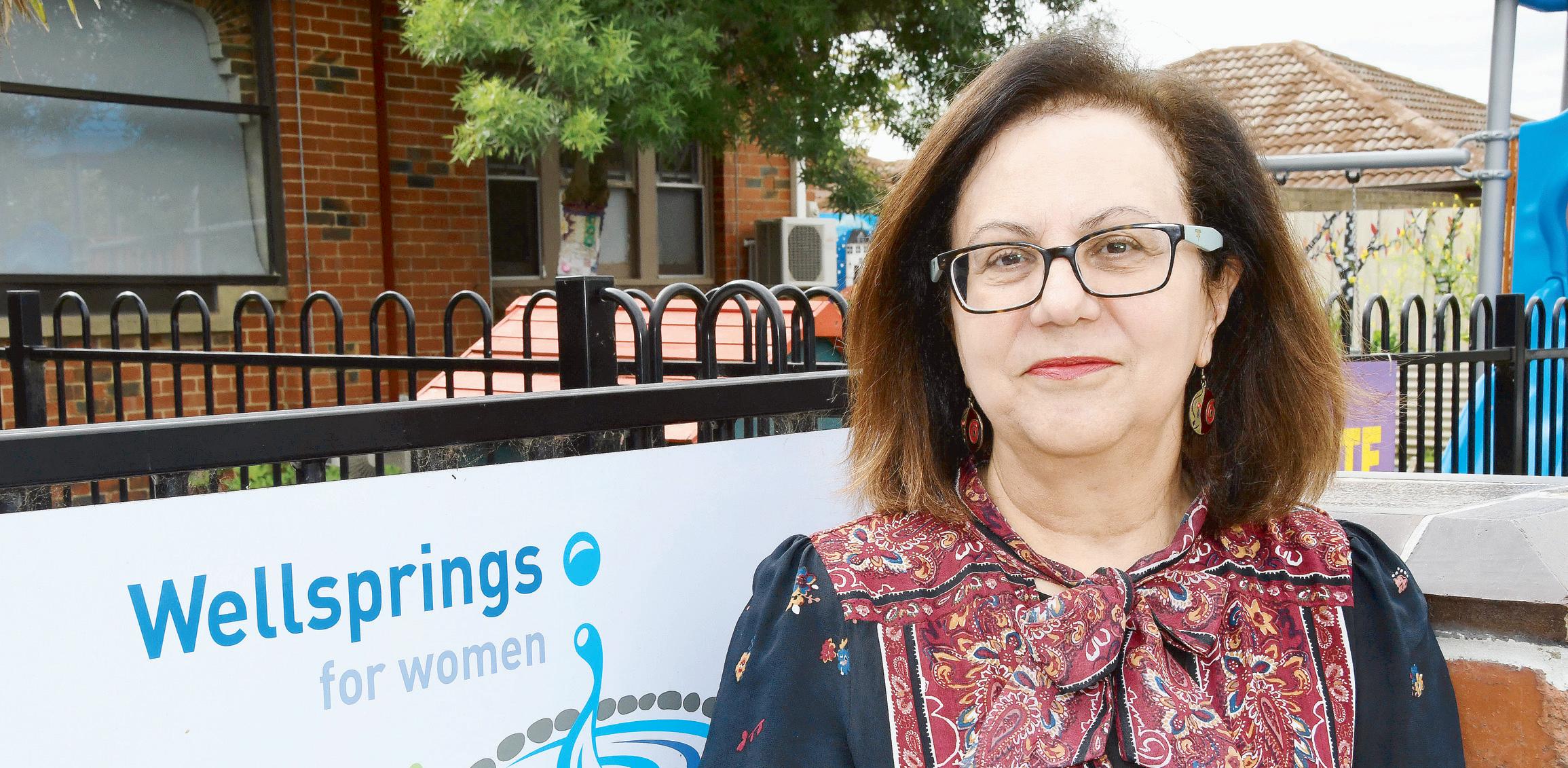
Dalal Smiley, Chief Executive at Wellsprings for Women. (Stewart Chambers: 365111)
Reforms raise concerns
By Jensy Callimootoo
Single mum from Casey, Maya Pinn has been a full time caretaker for her son Lloyd for the last eight years, now she’s worried the National Disability Insurance Scheme (NDIS) reforms may introduce more rigid red tapes to its assessments — a process that already takes weeks.
Lloyd was diagnosed with a rare genetic condition IQSEC2-related disorder, a neurodevelopment condition requiring around-the-clock care. He has epilepsy, severe intellectual disability, cortical vision impairment and relies on a feeding tube for food and medication.
Maya’s daughter, Elsie, who’s six, has also been diagnosed with Attention Deficit Hyperactivity Disorder (ADHD) and is currently under the NDIS.
Like many families already navigating the NDIS, the reforms are creating uncertainty and anxiety.
Maya, who became a disability advocate when her son Lloyd was born, already has a lot on her plate.
From running an adaptive clothing business ‘Rarewear’ and continence aid company ‘Middlemates’ to pursuing her PhD, Maya said the proposed changes fail to fully consider the realities faced by families caring for children with profound disabilities.
“He is probably about one [developmentally] and he’s eight,” she said.
“I spoon feed him, carry him in and out of the shower, change his nappies, give him medication through his feeding tube and monitor him overnight because of seizures.
“That level of care never stops.”
The reforms which would involve significant cuts and restructuring to the NDIS were first announced in April, the Federal Budget revealed these reforms will save approximately $37.8 billion over the next four years.
The key aim for the overhauls is to return the scheme to its “original intent”, with Mark Butler, Minister for Health and Aging, arguing that it was “growing too fast”
By the end of the decade, the reforms, he outlined, would see 160,000 participants cut from the current scheme — currently there’s over 760,000 participants using its services.
Previously, the government estimated it to grow over 900,000 by 2046.
In doing so, it will also set stricter and clearer eligibility requirements for participants, with Mr Butler stating the scheme would move away from diagnosis and focus on the functional capacity.
This would see a tightening criteria around plan reassessments and strengthen the guidance about what are reasonable and necessary supports. This will involve standardised, evidence-based assessments at the core of accessing the scheme.
Other reform measures will also see the targeting of “fraud” in the NDIS and “dodgy providers” , said Butler when announcing the reforms back in April.
This will see the bolstering of oversight of pro-
viders and payments and the strengthening of the National Disability Insurance Agency (NDIA) and enforcement capabilities with introduction of regulatory controls to establish safeguards from NDIS exploitation.
All participants are expected to have transitioned to the new framework plan by December 2030.
While Maya supports reforms aimed at improving the sustainability of the scheme, she said many changes were adding more complexity to an already exhausting system.
“Navigating the NDIS is basically a part-time job,” she said.
“The reforms are adding so much complexity without clarifying anything.”
She said reassessments alone can involve months of gathering reports from physiotherapists, occupational therapists, speech therapists, dieticians and specialists, alongside lengthy written impact statements detailing every aspect of
daily care.
“It’s reports from every single provider, specialist appointments, quotes for equipment, reassessments and then waiting months for approval,” she said.
“We’re paying thousands of dollars just for reports.”
She described waiting more than a year to secure essential equipment such as wheelchairs, despite Lloyd being unable to stand independently.
“We got approval for a power wheelchair, but months later we still haven’t even had him re-measured for it because he’s grown in the meantime,” she said.
Although the government says the reforms will place greater emphasis on functional capacity rather than diagnosis, she believes families dealing with rare diseases often still struggle to access appropriate support.
She also raised concerns about the government’s new Thriving Kids program, warning children with rare conditions are often diagnosed too late to access early intervention support.
“The average diagnosis for a rare genetic condition can take seven to nine years,” she said.
“If support is only focused on younger children under eight, many families are going to miss out entirely.”
Despite her concerns, she said reforms were necessary, particularly around governance and provider oversight, but argued the government needed to listen more closely to families with lived experience.
“The point of early intervention is to reduce support needs later in life. If you don’t support children early enough, they’ll need more support long-term anyway.” Maya said.
She also fears the ongoing uncertainty around the reforms is making it impossible for families to plan for the future.
“We don’t even know what Lloyd’s future is going to look like, let alone how the NDIS is going to support him,” she said.
“All these constant changes mean families can’t plan anything properly.”
Celebrating volunteers at Palliative Care South East
By Jensy Callimootoo
For many devoted volunteers at Palliative Care South-East, the intention behind giving back resonates deeply, some with personal stories to tell, others with a special inkling to give back.
Between 10 to 16 May, hundreds across the sector were celebrated for National Palliative Care Week, leaving many reflecting on their reason why they volunteer.
One of them is Roy Francis.
Roy began volunteering with Palliative Care South East nearly eight years ago, but has decades of experience before that.
The story behind his volunteer-ship stems from the ongoing love for his wife, who passed away from a terminal illness.
It was years later when a friend suggested that he get involved in palliative volunteering.
First starting at Peter Mac, he later moved to Palliative Care South East, where he’s now involved in home visits.
“Unless one feels the emotions of their clients and can see the world through their eyes, then there’d be little point in volunteering this,” he said.
In his time volunteering, the retiree has observed a burgeoning gender gap in palliative care and services.
One that he hopes will be slowly addressed as the conversations around death become less taboo.
“With my current organisation it’d probably be at least four times or five times the number of women versus men.” Roy said.
“I think it’s reticent about chaps getting assistance. Because when I meet them, men often don’t like to talk about their grief.”
Roy highlights the importance of transparency when speaking to someone living with a terminal illness and their family.
“The best thing you can do is to just sit there and shut up,” he said.
“It’s to create the space for people to open up as though you were not there.
“That’s incredibly important and all these years of volunteering has simply validated that incredibly important idea.”
For Betty Williams and Halina Hili, these sentiments are also echoed.
Betty Williams has volunteered with Palliative Care South East for nearly 35 years. Starting at the very beginning stages with the organisation in Dandenong.
She takes up a special role in the bereavement program, where she often counsels and helps families understand their grief and complex emotions.
“I had two very close friends who both became ill with cancer,” she said.
“And because of that, I then was able to watch the palliative care people come in, the nurses, volunteers and I was able to see what palliative care did.
“They offered support, care, support, encouragement.
“They gave not only to my friends who were ill, but to their families.
“And so when I was asked, had I thought about volunteering, I felt in some way I wanted to give back to palliative care in appreciation for all they’ve done for my friends.”
Halina has been volunteering at the organisation for three years, and while she doesn’t have the length of experience as Betty or Roy, her time
at Palliative Care has been “fulfilling”
Halina works as an ambassador for the organisation. This includes acting as an outreach to community groups and providing more information about what palliative care actually is.
“It’s really interesting that there’s a wide range of opinions of what people actually see and we try to change their adverse thoughts about what palliative care is to something a bit brighter and more realistic,” she said.
Halina too was prompted by a death in the family and saw first hand the impact palliative services can help someone.
“Apart from providing family support when they go to a client’s home and maybe sit with them or take them out for coffee or tell them about biographies.” said Halina.
“It’s literally every single thing you could ever think of, they provide.
“That period is actually about living better, not anything on the negative side.”
On Monday 18 May, Palliative Care South East hosted a special celebration, aimed at recognising the work its volunteers do and the impact of their contribution to the organisation.
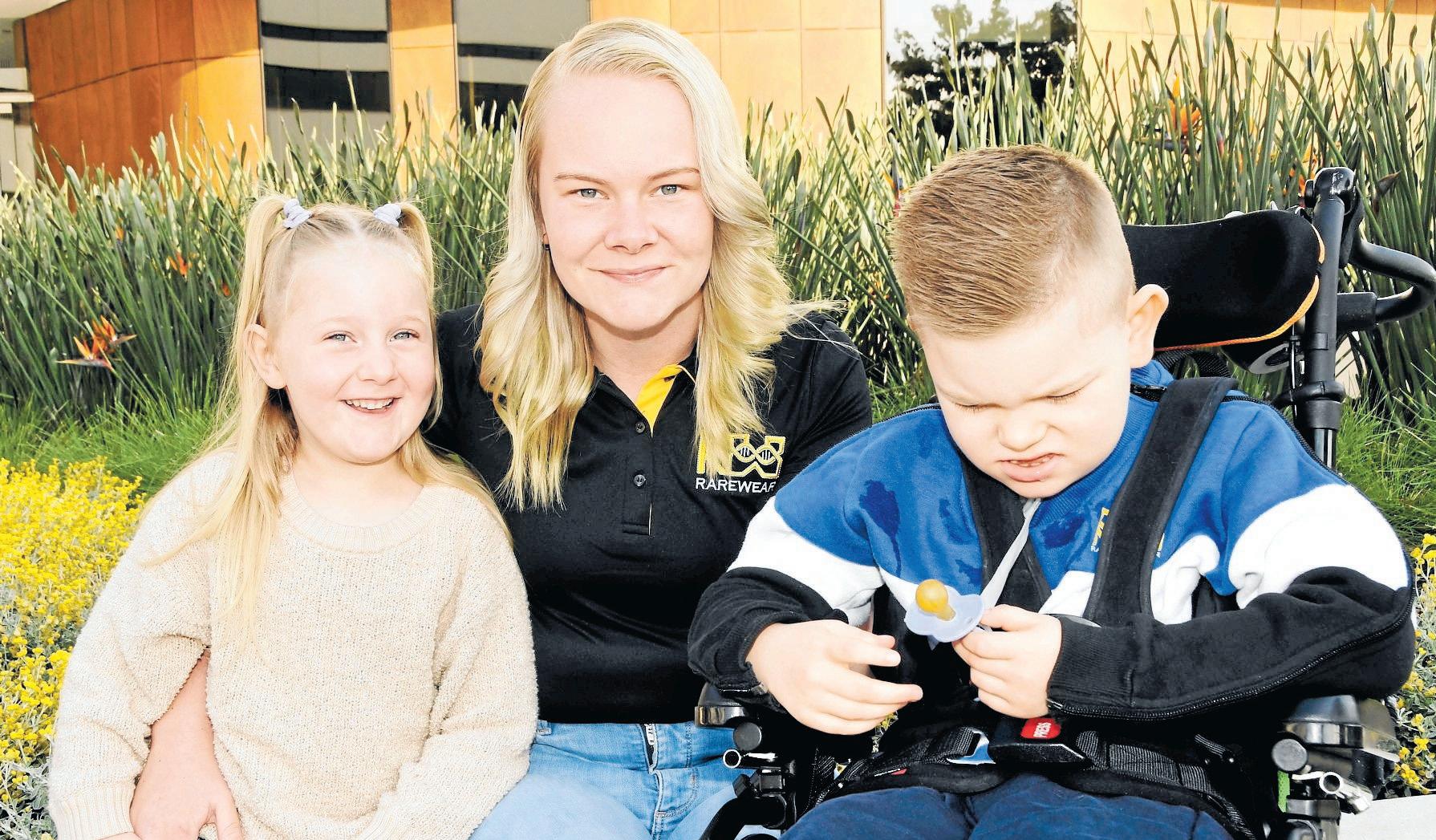
Maya Pinn with her two children, Elsie and Lloyd in 2024. (Stewart Chambers: 399275)
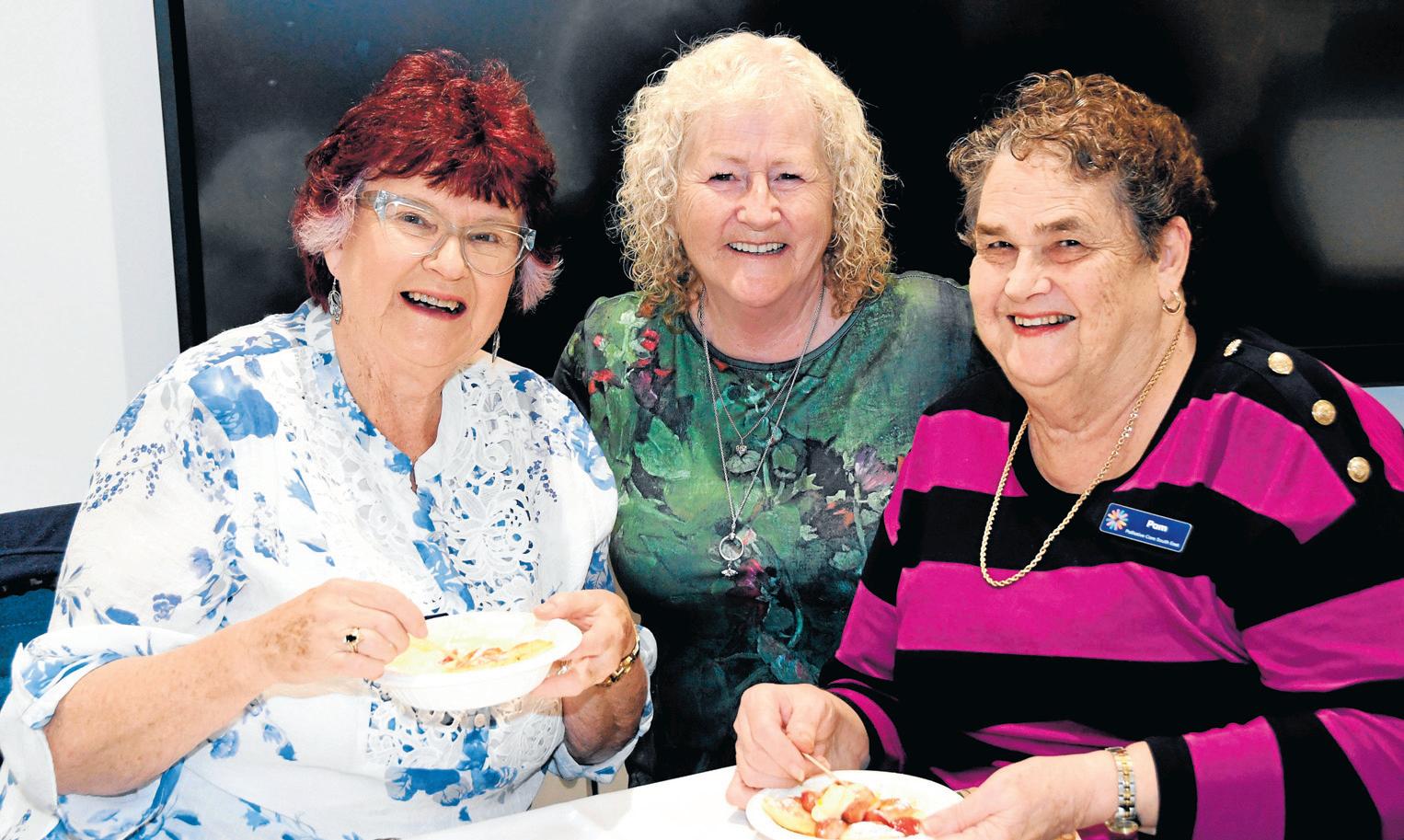
Volunteers Natalie, Lisa and Pam.
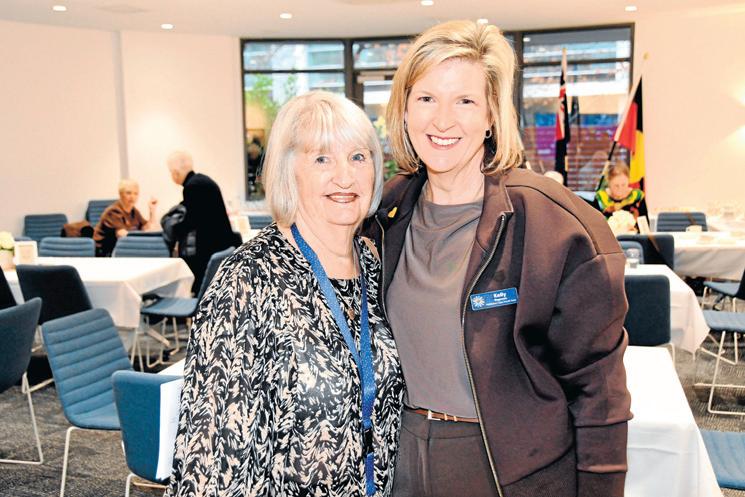
Volunteer Maureen with Kelly Rogerson, Palliative Care South East CEO.
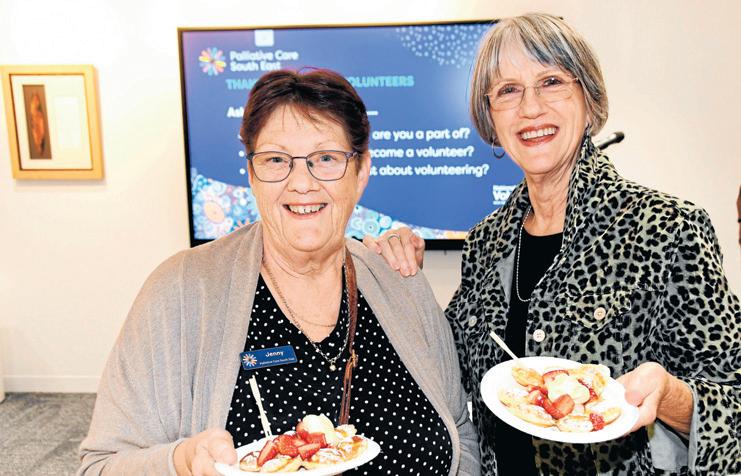
Volunteers Jenny and Jan.
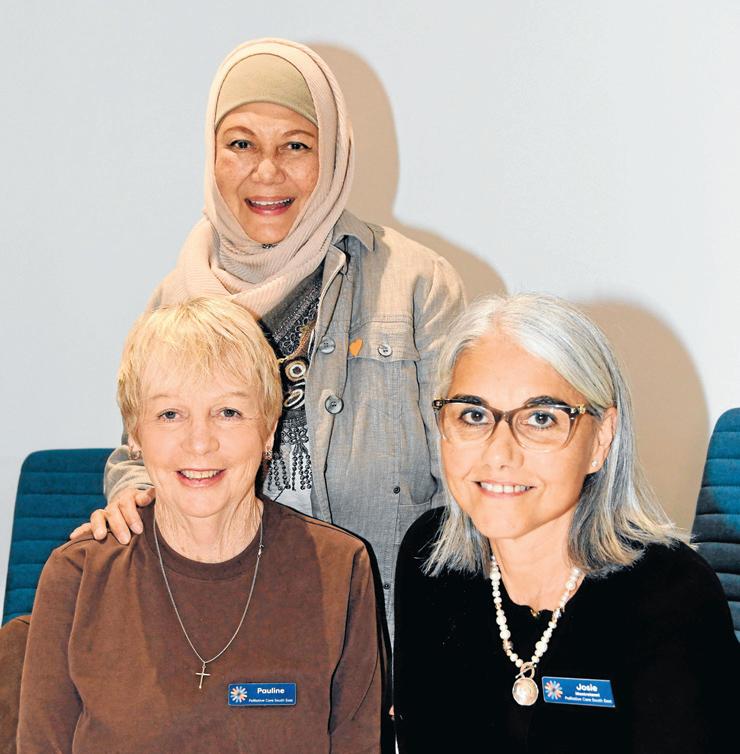
Volunteers Pauline, Sheri and Josie.
Liberals are dead wrong
By Cam Lucadou-Wells
A former Liberal aspiring candidate and his wife are mortified after the party falsely declared him ‘dead’ in an email to members.
John Ternel said his and his wife Selina’s phones lit up with calls after the erroneous mass-email from the party’s Victorian branch membership department on Tuesday 12 May.
A “distressed old lady” rang Selina, saying sorry that her husband had passed.
“Selina replied: he’s very much alive, he’s sitting next to me,” Ternel says.
It was particularly traumatising since Selina’s brother had suddenly died two weeks ago.
“She was shattered. And she’s angry,” Ternel said of his wife’s reaction.
“She still gets calls from extended family and friends about her brother’s death.
“It’s caused a lot of heartbreak. The timing was poor.”
The offending email was sent hours after Ternel notified the party’s Victorian headquarters of his and his wife’s resignations.
The email stated: “We have been informed that Mr John Ternel has sadly passed away and is no longer a member of the Narre Warren/Endeavour Hills Branch, Narre Warren North SEC, Bruce FEC.
“Our deepest condolences go out to John’s family.”
That night, the party sent a correction notice to members, blaming a “system error” for the incorrect “automated notification”
“Mr Ternel formally notified the Party of his resignation today, and while this was correctly processed as a resignation, a fault within the Portal erroneously recorded his status as deceased,” the notice stated.
“We sincerely apologise for any confusion or distress this error may have caused. Please disregard the earlier notification regarding Mr Ternel’s passing.”
The matter was being “escalated” to “our developers” to ensure there was no repeated error, the notice stated.
Liberal state vice-president Geoff Gledhill also left a voicemail apology to Ternel.
A member emailed headquarters that night: “To misquote Twain, the report of John’s death is an exaggeration.
“I suggest that this is more than a simple mistake; it just shows the depth of the rot that has set in the administration of our once-fine Party.”
Ternel, who works in IT, suspects that the ‘error’ was “deliberately done” – though he’s adamant the party would not have known of his brother-in-law’s recent passing.
“I’d like to think it was an IT error, I don’t know if it was a threat of some sort.
“It shows you’ve got to be careful with this sort of thing. You don’t know what’s happening in people’s personal lives.”
He and Selina are among nine members who
have resigned from his former Narre Warren branch at the same time, he says.
Several of them, like him, are considering a defection to One Nation.
Ternel says he’s in talks with One Nation, in hope of being preselected as its candidate.
The Liberals have “lost direction” , he says.
One Nation better represents his former party’s “Menzies” founding values – that “we’re equal, we’re all free and work hard, be rewarded”
Ternel joined the Liberals in 2024, seeking to run as a candidate in Bruce for the 2025 federal
Retirement village residents seek rate relief
By Jensy Callimootoo
Retirement village residents across Casey are calling on the council to introduce discounted rates, arguing they are paying full council rates despite funding and maintaining most of their own infrastructure and community services.
Representatives from 16 retirement villages in the City of Casey lodged a formal submission to council on 8 May seeking a “Retirement Village Differential Residential Rate” for the 2026/27 financial year.
The proposal asks for retirement village units to receive a rate set at 75 per cent of the standard residential rate, effectively a 25 per cent discount.
The submission is backed by a petition signed by 1818 retirement village residents and was tabled at Casey Council’s April meeting by Cr Scott Dowling.
Woodlands Park Retirement Village resident and Residents Advisory Committee chairman Ken Ardley, said retirement village residents were being “unfairly” charged for services they largely funded themselves.
“Because we run private property, the council doesn’t provide us with very many services, so we pay full rates for services that we don’t obtain or don’t receive,” Ardley said.
“The only real service we receive from the council is the collection of garbage, recycling and green waste.”
The submission argues retirement villages are fundamentally different from standard residential developments because they privately maintain roads, footpaths, drainage, street lighting, community centres, recreation facilities and landscaped areas that would normally fall under council responsibility.
Across Casey’s 16 retirement villages, residents maintain about 35 kilometres of roads, up to 65 kilometres of pedestrian pathways, more than 675 streetlights and over 90 kilometres of drainage and guttering infrastructure.
Residents also pay ongoing village maintenance fees averaging almost $6000 annually, cov-
ering maintenance, staffing, insurance, utilities and emergency response systems.
Supporters of the proposal say this amounts to double costs, with residents paying both village levies and full municipal rates.
Ardley said many residents were retirees living on fixed incomes who were increasingly struggling with rising costs.
“In Woodlands Park, I’ve got one of the biggest units and mine are about $2200 a year,” he said.
“That’s just virtually paying for them to collect our garbage.
“We do have a lot of residents that struggle. They’re living virtually on their pension and it makes it difficult.”
The submission states many retirement village residents experienced council rate increases of between 25 and 30 per cent over the three years to June 2025, driven by rising property valuations, higher municipal rates and increased levies.
Residents say retirement villages also reduce pressure on council-funded services because many communities provide their own amenities
such as gyms, pools, bowling greens and wellness programs onsite.
“We don’t rely on the council,” Ardley said.
“We’ve got a gymnasium, tennis court, library, and a heated swimming pool. Most residents don’t need to use the council’s facilities.”
The submission cites Victorian Government differential rating guidelines, which specifically identify retirement village land as a category councils should consider for reduced rates where residents experience different service levels.
Under these guidelines, while local councils are required to consider setting a reduced differential rate for retirement village land, offering a discount is not strictly compulsory, and the decision to implement or determine the rate percentage rests with individual councils.
Woodlands Park and another retirement village had made a prior submission for the 2025/26 financial year. This also requested the council consider differential rates for retirement villages. However, the council rejected their submission at the time.
election and in Narre Warren North at this year’s state election.
In the first tilt, he was advised to withdraw because he was unlikely to succeed as a “new member”
In the second instance, the party has kept preselection candidacy open for five months, giving him the impression that he wasn’t wanted.
Ternel thinks he was on the outer because “I can’t be controlled”
“It was really hard to leave the Liberal Party because it’s like leaving your family. But loyalty wasn’t two-way.”
Fuel costs threaten food help
By Jensy Callimootoo
Community food relief organisation, Transit Soup Kitchen and Food Support in Narre Warren, is calling on the public for support as soaring fuel prices threaten its ability to deliver food to vulnerable families across the region.
The charity, which travels extensively each week collecting and distributing food to people experiencing hardship, says its monthly fuel costs have more than doubled in recent months.
What was once a manageable expense of around $600 per month has now climbed to nearly $1300 in the month of May alone.
Despite the financial strain, the organisation remains committed to continuing its vital community work.
However, representatives say the rising cost of fuel is placing significant pressure on operations and they are now seeking community assistance to help keep services running.
“Like so many families, we’re feeling the impact of rising living costs,” the organisation said in a statement.
“We’ll continue doing everything we can to support those doing it tough, but right now we need a little help ourselves.”
Community members who are able to contribute are encouraged to donate toward fuel expenses.
To donate go to, transitoutreach.org.au/ donating
John Ternel still alive after the Liberal Party informed members that he had passed away. (Stewart Chambers: 553616)
Woodland Park in Berwick are among the 16 retirement villages in Casey calling on the council for differential rates. (Stewart Chambers: 554364)
Many benefits of walking football
By Jensy Callimootoo
In December 2018, Rob from Casey suffered a massive stroke that left him catatonic for six weeks.
He lost movement on his left side, experienced significant vision loss and cognitive challenges and was unable to return to work or drive trucks, which at the time was his livelihood.
“For four years I lost confidence in myself because I felt completely useless,” Rob said.
Everything changed in June 2024 when Rob came across a newspaper article about a walking football group in Dandenong South.
Encouraged by the Saturday afternoon sessions, Rob attended with his 14-year-old daughter, Wendy.
The pair immediately loved it.
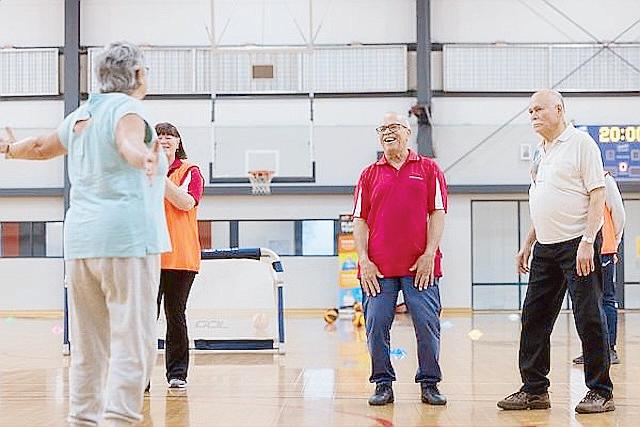
Walking Football 4 Health’s mission is to foster community connection, social inclusion and participation through a game designed with inclusion at its heart.
Regardless of age, ability or background, the organisation now runs a number of programs across Melbourne’s south-eastern suburbs for seniors, women, families and people living with disability.
Since the first joined in June 2024, Rob has
become an active member in Walking Football 4 Health and has now become a session leader.
“Walking football has given me a new lease on life,” Rob said.
“If I don’t play for a while, I start getting twitchy. It’s helped with my brain damage; always looking for the next pass.”
For his daughter, Wendy, the program also became life-changing.
Diagnosed at 13 with a non-ossifying fibroma, a benign tumour condition that weakened both femurs, she had been forced to stop playing basketball.
“I really enjoy the game,” Wendy said.
“I’m learning soccer and the people on the teams are really helpful. I enjoy being part of a team again and being more active without stressing my legs.”
Rob’s wife, Robyn, says the impact on their family has been enormous.
“Since starting Walking Football, Rob’s mental health has improved substantially,” she said.
“He’s gone from feeling isolated to looking forward to the game each week. It’s also given him and Wendy a bonding experience they wouldn’t have otherwise had.”
Budget, housing and the death of the Australian dream?
OPINION
The conversation around housing and this year’s Federal Budget has become dangerously simplistic.
Investors versus renters. Boomers versus young people. Landlords versus first-home buyers.
But truth be told… the reality is far more nuanced than that.
Because the real question is not: “How do we punish investors?”
It is: “How do we increase housing participation, affordability and supply while still helping ordinary Australians enter the market responsibly?”
The Albanese Government’s proposed changes to negative gearing and capital gains tax have triggered fierce debate nationwide.
Some economists argue the reforms are overdue corrections to a distorted market.
Others warn they could reduce rental supply, push rents higher and hurt smaller “mum-anddad” investors more than large-scale developers and sophisticated investors who will simply restructure and adapt.
And that is the point.
The people most affected are unlikely to be the wealthy. They will find a way through, they always do.
The people likely to feel the pressure are younger Australians trying to get into the market, working families with one or two investment properties, and PAYG earners trying to build long-term security.
Take one young woman I’m currently helping as a Buyers Agent. Let’s call her “Naomi.” She is 25 years old, works full-time and earns around $70,000 a year.
Under current lending conditions, she can borrow roughly $300,000. That doesn’t buy much anywhere, let alone where she works or lives currently.
So what is her option?
Stay with parents forever? Rent forever? Or rentvest?
Buying an affordable investment property in a growth corridor while continuing to live at
home or rent a small place near where she works may be the only realistic pathway she has into the market.
Yet somehow the conversation has turned into making all investors the villain.
For many younger Australians, rentvesting is not greed. It is survival. It is strategy.
It is one of the last remaining pathways into wealth creation and housing security.
Perhaps governments have missed that nuance entirely.
First home buyers should be able to start and prosper with an investment property.
At the same time, Australia absolutely does have a housing problem. But fundamentally, it is a supply problem.
We have close to a million unoccupied dwellings nationally, according to census discussions, yet conversations around bringing vacant homes back into productive use remain strangely muted.
Why are we not incentivising granny flats, dual-occupancy developments and smaller infill projects?
Why are we not helping everyday Australians create additional rental supply instead of discouraging them from participating altogether?
Good policy should encourage participation, supply and long-term thinking - not simply create headlines.
The irony is that grandfathering existing investors may actually deepen inequality. Those who already hold substantial property wealth continue benefiting under old rules while younger Australians face an entirely different playing field.
So if governments are serious about fairness, perhaps the conversation should not simply be “grandfather forever”
Perhaps it should be a gradual transition over five or 10 years so everyone eventually plays by the same rules.
Because right now, the system risks protecting established wealth while making entry harder for the next generation.
And here is another uncomfortable truth.
Australia’s political debate around migration and housing has become emotionally charged rather than economically honest.
Yes, migration places pressure on infrastructure and housing.
But migrants also build businesses, fill critical workforce shortages, pay taxes and help keep the economy functioning.
Australia needs skilled migrants. Australia also needs healthcare workers, tradespeople, agricultural workers and people willing to contribute to the collective whole.
But contribution is the key word.
Citizenship should mean something.
Not just access… but responsibility!
There seems to be an expectation from some that Australia should simply provide.
Housing. Benefits. Opportunity. Security.
But the social contract works both ways. Commit to Australia - and Australia will commit to you.
That seems fair.
Work hard. Pay taxes. Participate. Integrate. Belong. Build a life here.
Become part of the broader Australian story rather than remaining permanently disconnected from it.
Truth be told… most migrants already understand this instinctively. They come here for opportunity, safety and stability, and they contribute enormously in return.
What frustrates people is not multiculturalism itself.
It is the perception that governments constantly pander to identity politics and voting blocs instead of reinforcing shared national expectations around contribution, participation and belonging.
At the same time, simplistic slogans and reac-
tionary politics help nobody either.
The idea floated in some circles of “one home built equals one migrant” is economically absurd and socially dangerous.
But pretending there are no legitimate public concerns around infrastructure, affordability and cohesion is equally dishonest.
A mature democracy should be capable of holding both truths at once.
Migration works best when it strengthens the nation collectively - not when politics reduces people into either victims or scapegoats.
Perhaps governments also missed an enormous opportunity with the first-home buyer policy itself.
Why not allow first-home buyer grants to support strategic investment purchases as well as owner-occupied homes?
That could allow younger Australians to buy more affordable properties, improve serviceability and potentially move into those homes later as incomes grow.
Or those that have never been in a position to buy, to buy something small that one day they could retire in!
Instead, many young people are being forced into an impossible choice: buy badly now or never buy at all.
Modern politics rarely rewards long-term thinking.
It rewards quick wins, emotional slogans and election-cycle optics.
Housing has become one of the clearest examples of that.
Maybe the bigger question is not whether negative gearing should exist.
Maybe the bigger question is: what kind of Australia are we trying to build?
One where wealth compounds endlessly for those already inside the system? Or one where younger Australians still believe the dream is achievable?
Because once people lose belief in participation, they stop believing in systems altogether. Truth be told… housing policy should not just be about economics. It should be about preserving belief in the Australian dream itself.
Walking 4 Health Football. (Supplied)
Think living today with tomorrow sorted
Summerset Cranbourne North is more than a retirement village. It’s a vibrant, welcoming community of like-minded people, who value connection, comfort, and independence.
Live independently in a thoughtfully designed one, two or three bedroom villa with spacious open-plan living and built-in safety features for peace of mind.
Our assisted living apartments offer the perfect balance of independence and support - ideal for those who value their autonomy but appreciate a helping hand with everyday tasks.
Residents in our residential aged care home can enjoy comfort, privacy, and a true sense of community in thoughtfully designed care suites. Each suite is part of a smaller household, creating a warm, familiar environment that feels like home.
Book an appointment today
Open 7 days, 9am to 5pm
Summerset Cranbourne North 98 Mannavue Boulevard, Cranbourne North 03 7068 5642 | cranbourne.sales@summerset.com.au
We are proud to win Most Trusted Brand in Aged Care and Retirement Villages in New Zealand. This recognition means a great deal to us, because trust sits at the heart of everything we do. It reflects the confidence our residents, their families, and communities place in us every day. We are equally proud to now bring this award winning model to Australia.
With independent living, assisted living and residential aged care available now,* and our stunning village centre now open, there has never been a better time to visit Summerset Cranbourne North.
Book an appointment with our friendly team, or join us at one of our upcoming events.
Push for cannabis cautions
By Violet Li
The State’s Upper House has backed a motion to call on the government to ensure people caught with small amounts of cannabis are cautioned, rather than arrested.
The motion, brought by Legalise Cannabis Victoria MP Rachel Payne, was agreed to by the Victorian Legislative Council on Wednesday 13 May.
Ms Payne called on the State Government to investigate options for legislative reform to Victoria Police’s cannabis cautioning scheme.
She noted a September 2024 Victoria Police Manual (VPM) update that recommended cautions over arrest for personal possession of small amounts of cannabis (up to 50 grams), and to remove restrictions on the number of cautions. The aim is to divert eligible people away from contact with the formal criminal justice system.
However, Ms Payne pointed to data from the Crime Statistics Agency Victoria to argue that the changes are not well-known and are not working as intended. She said the arrest rates remained high despite the updated guidance. Police arrests accounted for 48.5 per cent (3763) of recorded cannabis possession outcomes in 2025, while cautions were 33.5 per cent (2597).
In 2023, police arrests contributed to 52 per cent of recorded cannabis possession outcomes, while cautions comprised 35 per cent.
“No one should have their life derailed over a joint. Not in 2026. Victoria Police already agreed and quietly moved to a cautioning approach in 2024, but good policy isn’t good enough,” Ms Payne said.
“It is either being ignored or unevenly applied. It’s time to take a fair and common-sense approach and to make cautioning official.”
During the motion debate, she asked for clarity to be provided in legislation.
Ms Payne also cited comments from former senior Victoria Police officer Greg Denham, who helped design Victoria’s original cannabis
cautioning program in 1998.
Mr Denham said the original goal of the cannabis cautioning program was to reduce unnecessary police work and avoid saddling people with criminal records for low-level offences.
“Nobody joins the Victoria police to spend their shift busting someone for a joint. But we were stuck…” he said.
“Legislate cautioning and give officers something solid to stand on.”
Labor MP Michael Galea supported the motion during the debate but said appropriate consultation processes should take place with Victoria Police, the Department of Justice and Community Safety and the Department of Health to ensure there were no adverse, unintended consequences.
Libertarian MP David Limbrick also supported the motion.
“It is the most ridiculous use of police resources that you could think of, yet we continue to do it…” he said.
Liberal MP Renee Heath took a more cautious position during the debate, raising concerns about cannabis reform and its broader social impacts.
“I am open to many more conversations on this, but I will say this: I am far from convinced. I do not see how normalising drug use in any way, shape or form is healthy when cannabis leads to higher rates of psychosis, higher rates of depression, higher rates of disengagement from work or school or whatever,” she said.
Self Help Addiction Resource Centre (SHARC) CEO Clare Davies said such support was a crucial step towards a fairer and more consistent approach in Victoria.
“What might be seen as a minor cannabis charge can follow someone for years — affecting their housing, their ability to get work, and their mental health. For young people, and for those already dealing with hardship, that kind of system response can close doors rather than offer support,” she said.
The motion was agreed to without a formal recorded vote.
Legalise Cannabis Victoria MP Rachel Payne called on the State Government to investigate options for legislative reform to Victoria Police’s cannabis cautioning scheme. (FILE)
FOCUS ON … MEDICALLY SPEAKING
Foot and knee pain help
Most people suffer foot or knee pain at some point in their lives but it can be difficult to find effective treatment with long-term results. Foot and knee pain expert and musculoskeletal podiatrist, Dr. Paul Dowie explains,
“Many foot and knee conditions are misdiagnosed and incorrectly treated, often because only symptoms are treated and the cause and contributing factors are not addressed.”
With 25 years experience in lower limb musculoskeletalmedicineDr.Dowiehasbeenthechosen practitioner to some of the world’s best athletes. He provides proven solutions to help alleviate pain, heal injuries and even delay or eradicate the need for surgery. Following are some insights Dr. Dowie provided into best practice treatment for many common foot and leg complaints.
Bad foot posture can continually pull your body out of alignment, placing undue stress on other joints and tissues contributing to pain, injury and degeneration. Consulting a lower limb, musculoskeletal expert who has an understanding of complex foot and leg biomechanics, is essential in ascertaining the exact nature of your condition and providing appropriate treatment.
Many foot and knee conditions, e.g. plantar fasciitissymptoms,knee,heelandanklepain,injuries and arthritis are incorrectly treated with cortisone injections, anti-inflammatory medications and arthroscopies. These may provide some temporary relief but rarely fix these conditions, and they can actually delay healing and even cause further tissue damage.
To achieve safe, effective, long-term outcomes in assisting pain, function and mobility concerns, the latest medical research supports the following strategies:
1. Assisting load management, to reduce forces and stress placed through the joints and tissues
2. Encouraging joint and tissue repair (often with
natural regenerative therapies i.e. Prolotherapy and PRP)
3. Improving joint and tissue function, strength,
Free meningococcal B vaccines for students
Victorian teenagers will soon be able to receive free meningococcal B vaccines.
Health Minister Harriet Shing announced the free vaccines for the life-threatening disease will be made available to year 10 students from 1 January 2027.
The state government said that while the vaccine is already available privately through GPs, it comes at a cost of more than $250 out of pocket.
The rollout of the free vaccine will cost $9 million.
“This free vaccination program will save lives and give parents the peace of mind that their teenager is protected from this awful disease,” Ms Shing said.
It will be available through existing school
immunisation programs via GPs, pharmacies, local council immunisation services, and Aboriginal health services.
Year 10 students (or age equivalent) have been found to be one of the highest risk groups of contracting the disease, the state government said.
It also aligns with the timing of the meningococcal ACWY vaccine given to Year 10s under the National Immunisation Program (NIP) schedule.
The state-funded meningococcal B vaccination program will help lift immunisation coverage.
condition and range of motion to support longterm healing
If you have any foot or leg pain, you can see
The state government said it will continue to advocate to the federal government to add a full listing of the vaccine on the NIP. The free vaccine will roll out from 1 January 2027.
FOOT & LEG PAIN CLINICS
Dr. Dowie at his Foot and Leg Pain Clinics in Berwick and other locations across Melbourne. Call 1300 328 300.
If you need assistance with foot and knee pain contact Dr. Dowie at his Berwick clinic. (554137)
Residents weigh in on $1m
By Violet Li
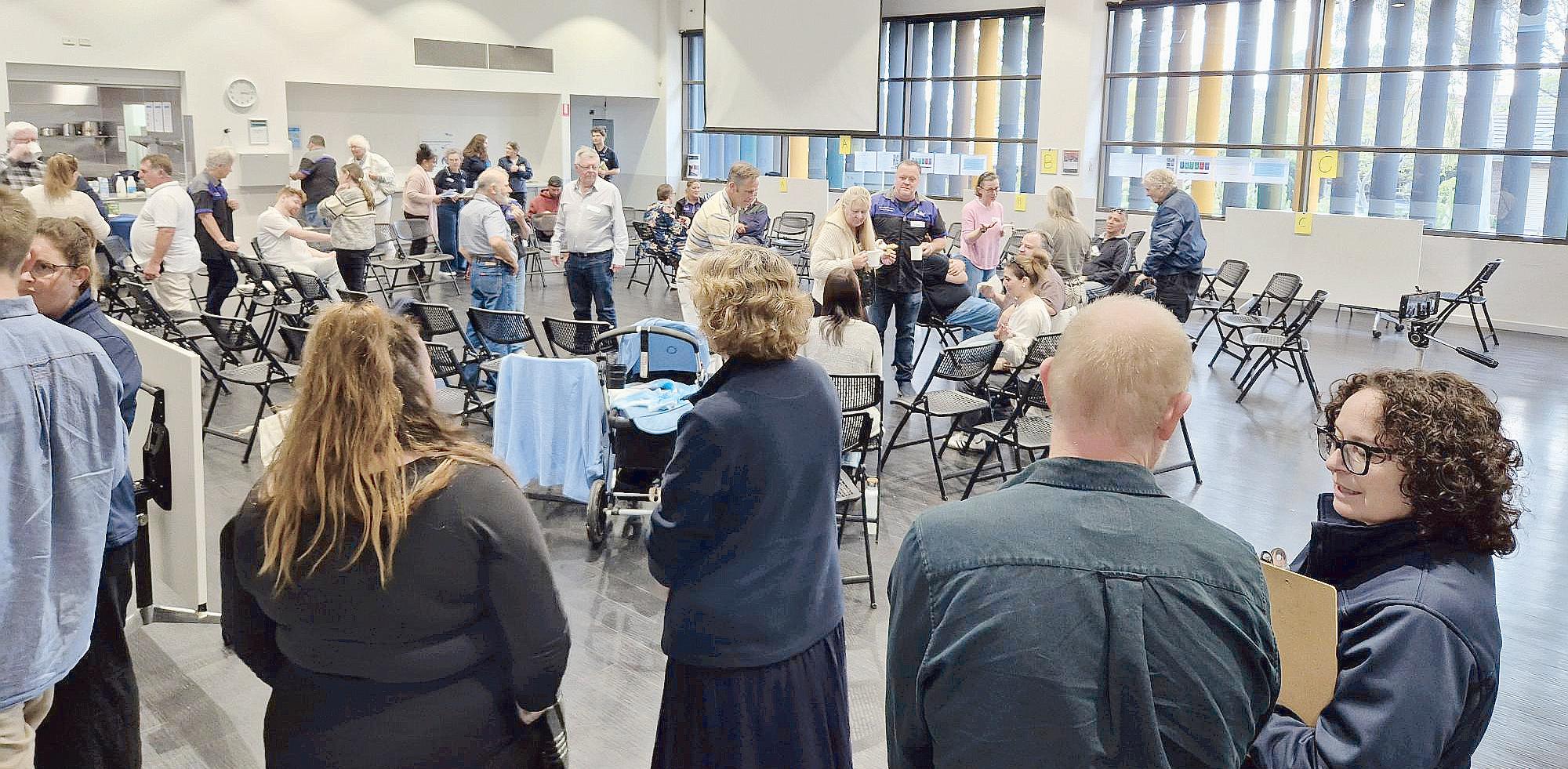
Residents affected by issues linked to the Hallam Road Landfill gathered in Lynbrook on Saturday 9 May to help shape how a court-ordered $1 million restorative justice payment should be spent in their community.
Projects discussed at the forum ranged from community gardens, Indigenous-led cultural spaces and youth engagement initiatives to environmental restoration works, park upgrades and a proposed permanent stage at Banjo Paterson Park.
The community forum, held at Lynbrook Community Centre, was organised by EPA Victoria to support decisions on allocating the $1 million fund, which resulted from enforcement proceedings over the landfill’s long history of compliance issues.
According to the EPA Victoria, nearly 70 people registered for the session, where residents, community groups and government representatives discussed potential projects aimed at restoring public spaces and benefiting communities near the landfill.
The State’s environment watchdog noted that the forum was not a decision-making meeting, stressing the projects discussed were still ideas that could later become formal submissions.
Lynbrook Residents Association (LRA) president Scott Watson said the meeting focused on consultation and explaining the application process.
“They’ve invited community members to come along and have a talk about what they see the area looks like after the money is being spent,” he said.
Among the ideas raised was “The Garden” , a community garden proposal put forward by the LRA.
Mr Watson said the LRA was also considering a permanent community stage at Banjo Paterson Park to support local events.
Local cultural organisation Biik Bundjil proposed an inclusive Boonwurrung-led proposal that would create space for all communities.
River Gum Ward Councillor Lynette Pereira, who attended the meeting and spoke on behalf of herself rather than the council, recalled that residents also raised ideas, including tree plantings around the surrounding area and toilet upgrades at Banjo Paterson Park.
She said she had previously sought funding support for some of the proposals through Council processes.
Cr Pereira noted that the restorative funding came with strict eligibility criteria, including requirements for incorporated entities.
“The EPA will ultimately decide, and whichever way they go, they will likely need Council in-
put,” Cr Pereira said.
“I’m glad the community is finally getting something after all these years of complaints and suffering.”
The event summary report listed a range of other community suggestions, including restoration works at the Bam Bam Swamp Cranbourne Nature Conservation Reserve, youth engagement and mindfulness spaces, upgrades to parks and reserves, and a legacy micro-grants fund for smaller environmental projects over the next five to seven years.
EPA Victoria CEO Joss Crawford attended the session, alongside representatives from the City of Casey, Melbourne Water and Bunurong Land Council.
“It was great to see people take time out of their Saturday afternoon to come together and talk about how they could use this money for a community benefit,” Ms Crawford said.
“Many who attended had been directly affected by the issues caused by Veolia’s landfill.”
EPA regional manager Viranga Abeywickrema said the authority would continue consulting with the community to determine which ideas should be prioritised.
“The rules around how restorative justice funding can be spent are strict, but we will con-
tinue to consult with the community to determine what ideas should be prioritised and get the maximum community benefit from the Veolia payment,” he said.
Mr Watson said they walked away very happy with the process.
“Everything was really positive in the room that I saw. People were active in it,” he said.
“We are happy to hear that the money was used only for projects within the impacted communities.”
In addition to the payment of $1 million into EPA’s restorative justice project account, the company agreed to contribute $75,000 towards EPA’s
legal costs and to undertake certain activities to improve regulatory compliance at the Hallam Road Landfill.
Anyone interested in making a proposal should download the form from the EPA website: epa.vic.gov.au/hallam-road-landfill-restorative-project Questions can be directed to restorative@epa. vic.gov.au.
Project proposals are due by 5pm, Friday 17 July 2026.
Possibility of Boonwurrung-led cultural precinct being explored
By Violet Li
A proposal discussed at EPA Victoria’s Hallam Road Landfill community forum is exploring the possibility of creating a Boonwurrung-led community and environmental space in Casey.
The concept, developed by cultural organisation Biik Bundjil, focuses on connection to Country, Indigenous revegetation, community healing, cultural learning, and creating spaces that encourage belonging and positive community connection.
Jaeden Williams-Briggs, a Boonwurrung man and founder of Biik Bundjil, said the proposal is still in early development and would require further discussions with environmental experts, council, community organisations, and potential partner organisations before determining what may be suitable for the site.
“We’re still in the early stages of exploring what may be appropriate and achievable for the site over time,” he said.
“The intention is to explore ways Country, culture, environmental restoration, and community connection could positively support the area over time.
“A key part of the vision is creating spaces that encourage people from all cultures and backgrounds to come together through shared connection, learning, and care for Country.”
Mr Williams-Briggs said ideas being explored include Indigenous plant revitalisation, permaculture, and shared community spaces designed around cultural knowledge, cross-cultural connection, and environmental sustainability.
“At its core, the vision is about strengthen-
Jaeden Williams-Briggs, a Boonwurrung man and founder of
said the proposal of a Boonwurrung-led community and environmental space in Casey is still in early development and would require further discussions with environmental experts, council, community organisations, and potential partner organisations before determining what may be suitable for the site. (FILE)
ing connection, belonging, and relationships with Country and community,” he said.
The proposal is currently being explored as part of broader discussions connected to EPA
Mr Williams-Briggs said conversations with local organisations and stakeholders are
ongoing and that any future direction would depend on environmental suitability, partnerships, community consultation, and longterm feasibility.
Residents affected by issues linked to the Hallam Road Landfill gathered in Lynbrook on Saturday 9 May to help shape
$1 million restorative justice payment should be spent in their community. (Supplied)
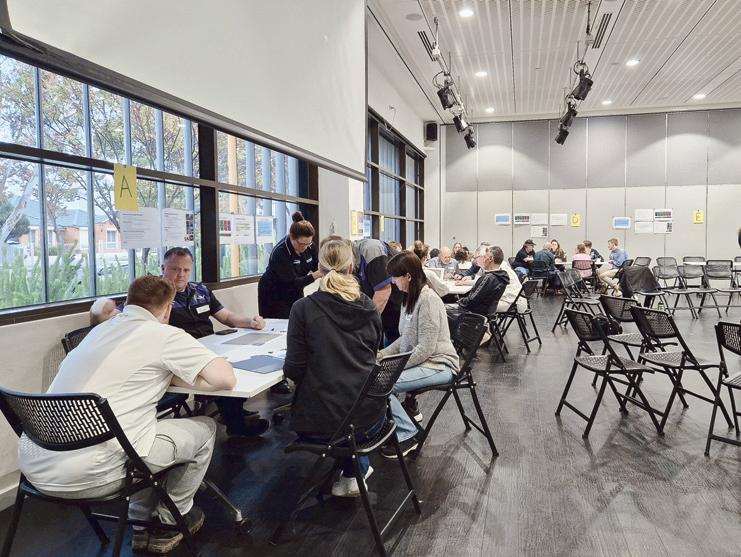
Residents were split into groups to discuss project ideas.
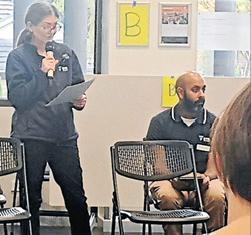
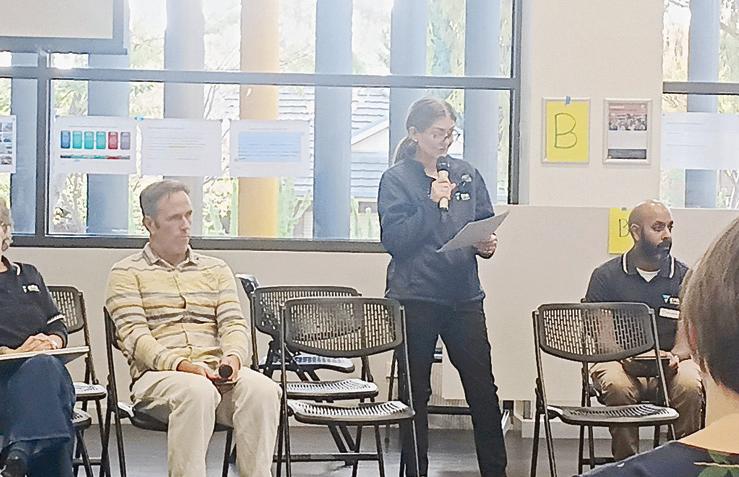
A resident shared her idea.
Victoria’s restorative justice process linked to the Hallam Road Landfill.
Biik Bundjil,
Volunteer at The Bridge
At The Bridge, our purpose is to empower lives and inspire futures by providing holistic support to people with disabilities.
We are always looking for volunteers that are willing to help people living with disabilities to enjoy a range of recreational, sporting, and work activities.
Volunteering is beneficial for personal and professional development where you can learn more about yourself as well as contributing to the development of others.
We will provide induction training, ongoing mentoring and will support you every step of the way on what can be an incredible and exciting new experience for you.
The Bridge offers a variety of activities to support our participants to lead more independent and happy lives:
· Keeping fit: swimming, basketball, sailing and gym
· Socialising: shopping, luncheons and morning/afternoon tea
· New skills: work experience, using public transport, numeracy and literacy, woodwork, plus arts and crafts
Meet Linda, one of our lovely volunteers, who helps out at both our Cranbourne and Beaconsfield day service sites.
Linda started at The Bridge in 2022 and is very well loved by our clients.
Having had a 20-year career working in Specialist Disability Schools, Linda knew The Bridge from some of her students attending services in the past.
After taking some time off, she wanted to stay in the disability sector and give back.
In her words, she thought The Bridge was a great organisation and was very impressed by them, so she contacted us to volunteer and we’re so glad she did!
Linda helps out with various activities offered at the sites such as fishing and golf but is known for her coffee and news mornings where she takes a group of clients to the local shopping centre.
We are very lucky to have Linda and all our other volunteers at The Bridge.
If you would like to see what volunteering options we have currently available, please contact volunteer@thebridgeinc.org.au.
Linda, one of our wonderful volunteers at The Bridge.
Students giving back
Casey Grammar joins forces with Backpacks 4 VIC Kids to pack essential care packs for children in out-of-home care across Victoria.
When most teenagers were sleeping in or scrolling through their phones on the school holidays, a group of compassionate students from Casey Grammar chose to spend their precious free time doing something far more meaningful, packing backpacks filled with essential items for children in out-of-home care across Victoria.
Working alongside B4VK’s dedicated volunteer team, the young helpers packed My Essentials (ME) Packs, the charity’s core program, which are distributed to babies, children, and youth who have been removed from their homes due to abuse, domestic violence, family crisis, or other traumatic circumstances.
“Often these children arrive in emergency care with nothing but the clothes on their back. A backpack packed with care and kindness can make an enormous difference to how safe and welcome they feel.” — Sally Beard, Founder & CEO, Backpacks 4 VIC Kids
Backpacks 4 VIC Kids relies entirely on the generosity of the public, schools, and corporate partners. There are many ways to get involved.
For more information about volunteering opportunities for schools and community groups, visit www.backpacks4vickids.org.au.
What teachers had to say Monique, CGS Teaching Staff, said: “I love seeing the way that our students have the opportunity to give back to other children their own age who are going through challenging times.
“We really appreciate the ongoing partnership with Backpacks 4 Vic Kids. Our students attend each holidays at the end of Terms 1-3 and it is always oversubscribed (even though it is in their
own time). We have students who have returned repeatedly and who find it a very meaningful experience.
“I really appreciate the way that volunteering at Backpacks 4 Vic Kids broadens our students’ sense of community. However, we always have many staff offering to come as well because it is
such a fantastic opportunity to support the wonderful work being done by B4VK.”
Nicole, CGS Teaching Staff, said: “I have attended days at Backpack 4 Kids several times now with Casey Grammar and each time I am profoundly moved with the good work they do. Their systems of packing, sorting and processing items
young people in crisis might need are impressive, with the impact of their contributions visible to students as to the difficult circumstances some people face.
“I find these days immensely valuable and am grateful for the opportunity to assist, even in this very small way.”
Student reflections
“Volunteering there has shown me how much I take for granted, having a safe home, food, school, and people who care about me. Not every child has that. I may never understand why opportunities are so uneven, but I do know that I can help those who have a lesser advantage than me, allowing them to experience what it feels like to be cared for.” - Ekam, Year 10
“While the tasks themselves were simple, it was meaningful to consider that a small item like a torch could provide comfort, safety, and reassurance, ESPECIALLY in unfamiliar environments. It reinforced the principle that even small actions can have a lasting impact.” - Alex, Year 11
“Something that stood out to me at Backpack 4 Vic Kids were the Volunteers, All the Volunteers were very welcoming and helpful even giving us a full tour of the complex, you could tell they were really passionate about the work they were doing, Wayne a long-time volunteer, had some great jokes and career advice in my field that left a lasting impression on me.” - Mantej, Year 11
“Volunteering with Backpack 4 Vic Kids is a highly meaningful experience that goes beyond the tasks completed on the day. It involves contributing time and effort to support children experiencing adversity, instability, and uncertainty. Even simple responsibilities, such as preparing care pack items, collectively help provide comfort, dignity, and reassurance.” - Alex, Year 11
Volunteering adapts despite rising cost of living pressures
New insights show Australians are continuing to participate in communities of their choice in ways that are more flexible, informal and responsive to everyday life. As cost-of-living pressures rise and demands on people’s time intensify, volunteering is evolving to remain accessible and relevant.
From helping a neighbour with groceries to coaching local sport, supporting a school fundraiser or contributing skills online, Australians are volunteering in ways that fit around their lives. While not always captured by traditional measures, these contributions remain critical to community wellbeing.
As the driving force behind National Volunteer Week 2026 (18-24 May), Volunteering Australia is leading this year’s campaign under the theme “Your Year to Volunteer” , recognising those already contributing and inviting more people to see where they might take part.
This year’s campaign aligns with the United Nations International Year of Volunteers for Sustainable Development (IVY 2026), a global moment to recognise volunteers and highlight the role volunteering plays in strong, connected communities by fostering solidarity, civic engagement, and a sense of belonging.
While participation continues to evolve, barriers remain. Particularly around time, awareness, and how people are invited to get involved. These include competing work and study commitments, family responsibilities, health considerations and uncertainty about where or how to start, reinforcing the need for more flexible and accessible pathways into volunteering.
Work is already underway to make volunteering more accessible and flexible for more Australians. The National Strategy for Volunteering and enabling Action Plan supports this shift by recognising informal contributions and encouraging more inclusive ways to get involved across all stages of life.
Volunteering Australia chief executive officer Mark Pearce emphasises the importance
of removing structural and financial barriers to participation and ensuring volunteering remains accessible, flexible, and inclusive for all Australians.
“The National Strategy for Volunteering is about making it easier for people to get involved,” Mr Pearce says.
“We know there is a strong willingness to contribute across the community, but systems, structures, and expectations haven’t always kept pace with how people live today. By reducing friction and improving access, we can unlock even more participation.
“At a time when Australians are under increasing pressure, what stands out is not that volunteering is declining, but that it is adapting.
“We’re still seeing people show up for their communities, but they are doing it in different ways, in more flexible ways, and often in ways they don’t even recognise as volunteering.”
Mr Pearce says National Volunteer Week provides a moment to recognise this full picture.
“Volunteering is not limited to formal roles or long-term commitments. It includes the everyday ways people support each other and strengthen their communities,” he says.
“Your Year to Volunteer is both a recognition of what already exists and an invitation. There is no single way to volunteer. What matters is that people can take part in ways that work for them.”
Australians are encouraged to make 2026 Your Year to Volunteer by exploring opportunities through state and territory Volunteering Peak Body websites, GoVolunteer.com.au, or by building on the ways they already contribute within their communities.
Volunteers and organisations are invited to share their stories during National Volunteer Week 2026 using #NVW2026 and #VolunteerYear, showcasing the diversity and everyday reality of volunteering across the country.
Casey Grammar joins forces with Backpacks 4 VIC Kids to pack essential care packs for children in out-of-home care across Victoria. (554593)
Our top show stars
The regional final of the ten Central and South Gippsland show societies was held in Lang Lang last Sunday.
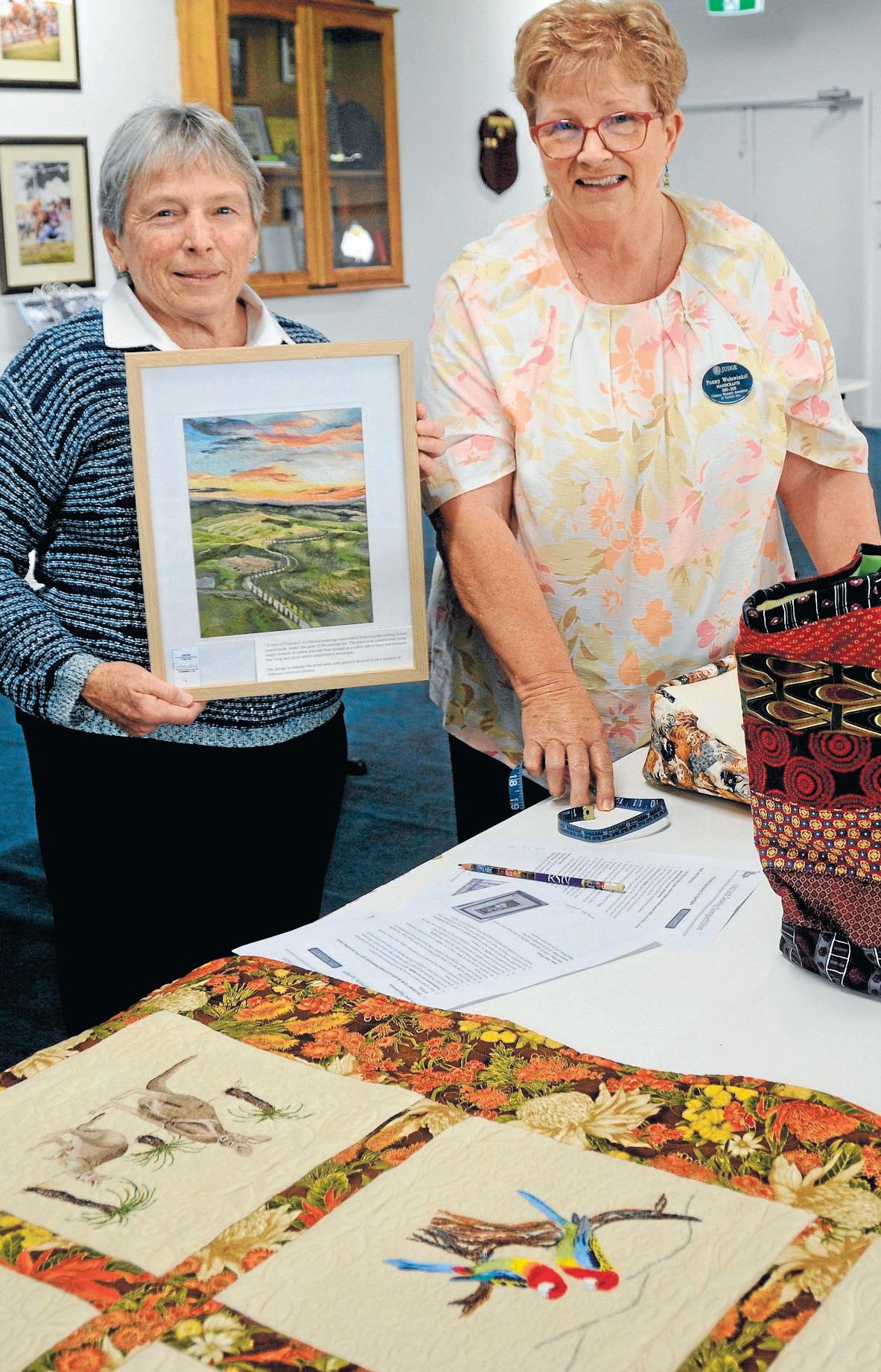
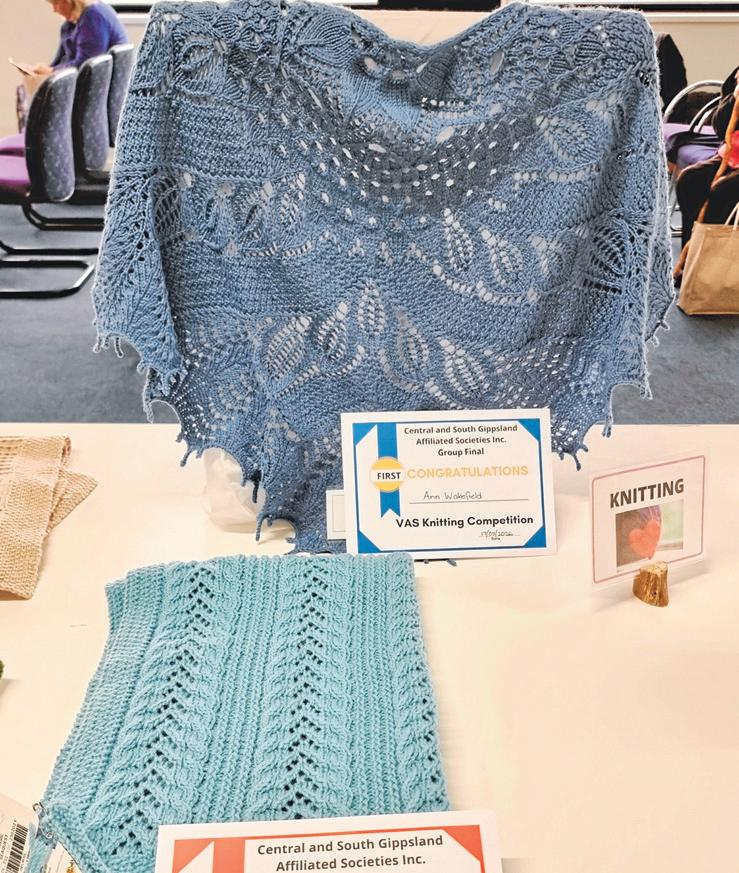
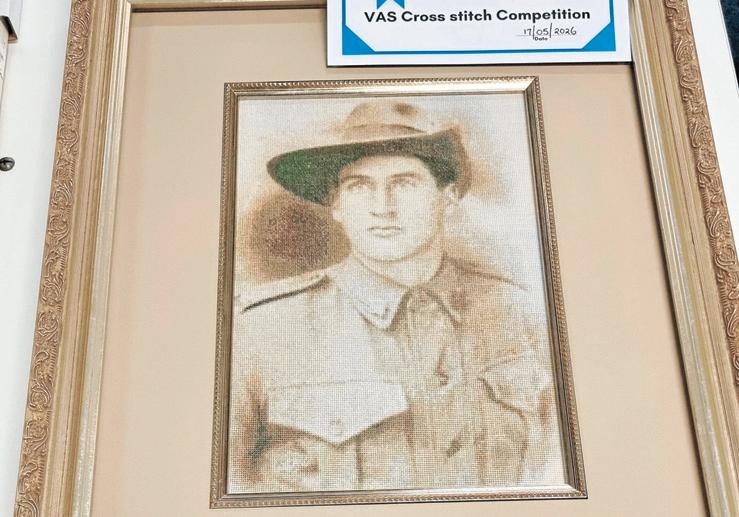
Exhibiters qualifying at their local shows showcased their winning entries in the twelve designated classes.
Judging took place on the day so the winning entries will now progress to the next level representing Central and South Gippsland at the Melbourne Royal in September.
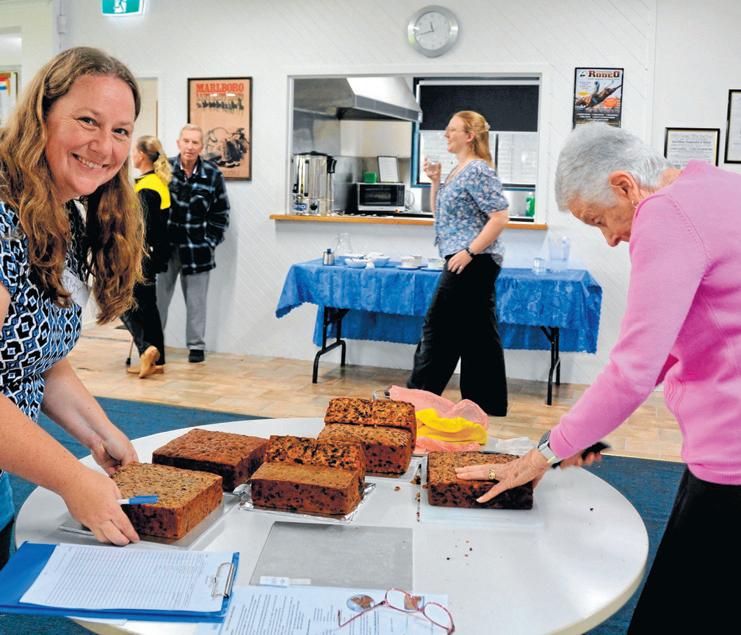
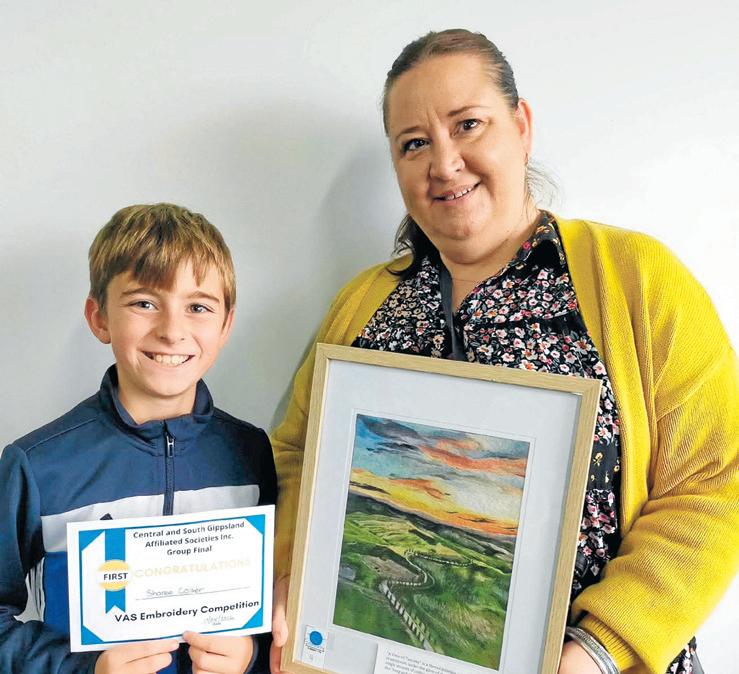
At Melbourne they will compete with other show regions in Victoria. There were some stunning entries in the craftwork of crochet, cross stitch, embroidery, knitting, patchwork and sewing which made it quite difficult for the judges. The cooking included junior carrot and sultana muffins, junior boiled fruit cake along with senior carrot cake and senior rich fruit cake.
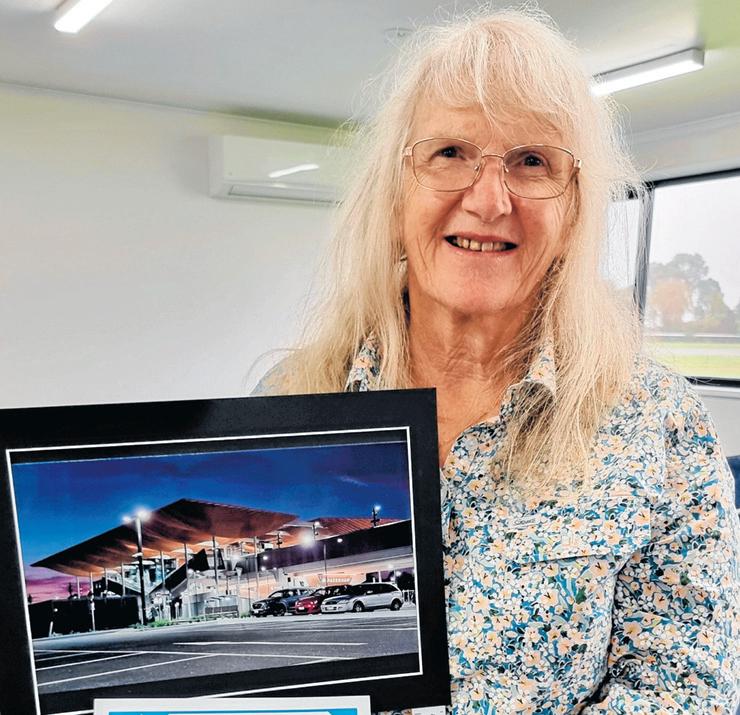
These items are all made to a set recipe from the Melbourne Royal. The theme for the photography section was Australia architecture, part or all of a building or structure and showed many
different themes.
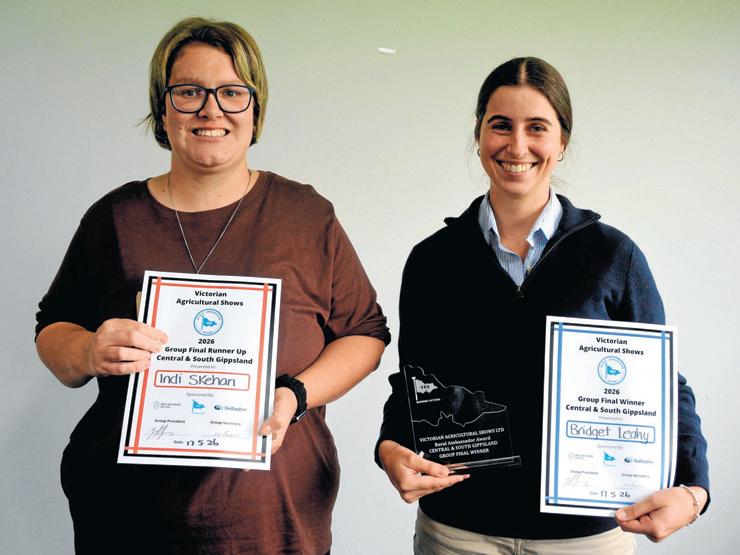
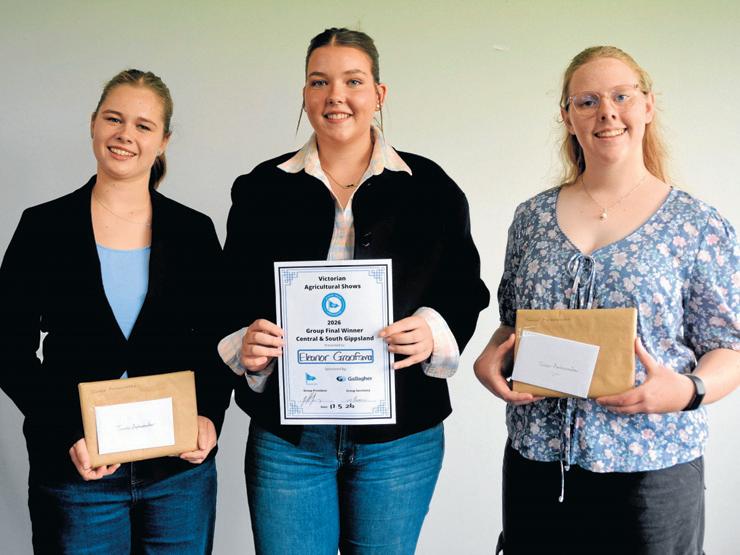
Also judged on the day was the senior and junior Rural Ambassadors.
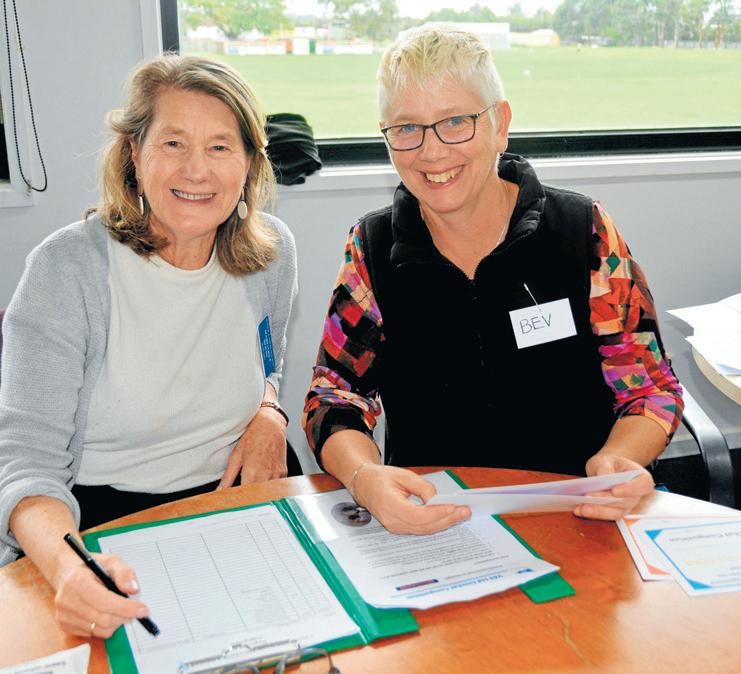
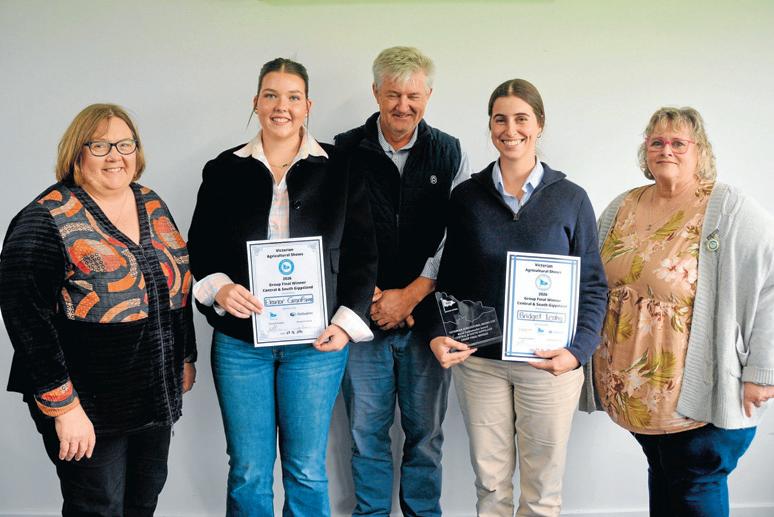
Our young representatives spoke on their involvement with their local shows, volunteering and what the future holds. All young ladies are keen members of their show societies and spoke enthusiastically. Judges from Dandenong and Melbourne Royal were tasked with interviewing and nominating the winners.
Winner of the Senior Rural Ambassador is Bridget Leahy representing Berwick Show with Runner up Indi Skehan representing Warragal Show. Winner of the Junior ambassador is Eleonor Graafsma representing Warragul with the runners up Felicity Winnington from Berwick and Ashlee Rogers from Pakenham.
Thanks must go to the Lang Lang show society for hosting the event and providing a scrumptious lunch for the participants and volunteers.
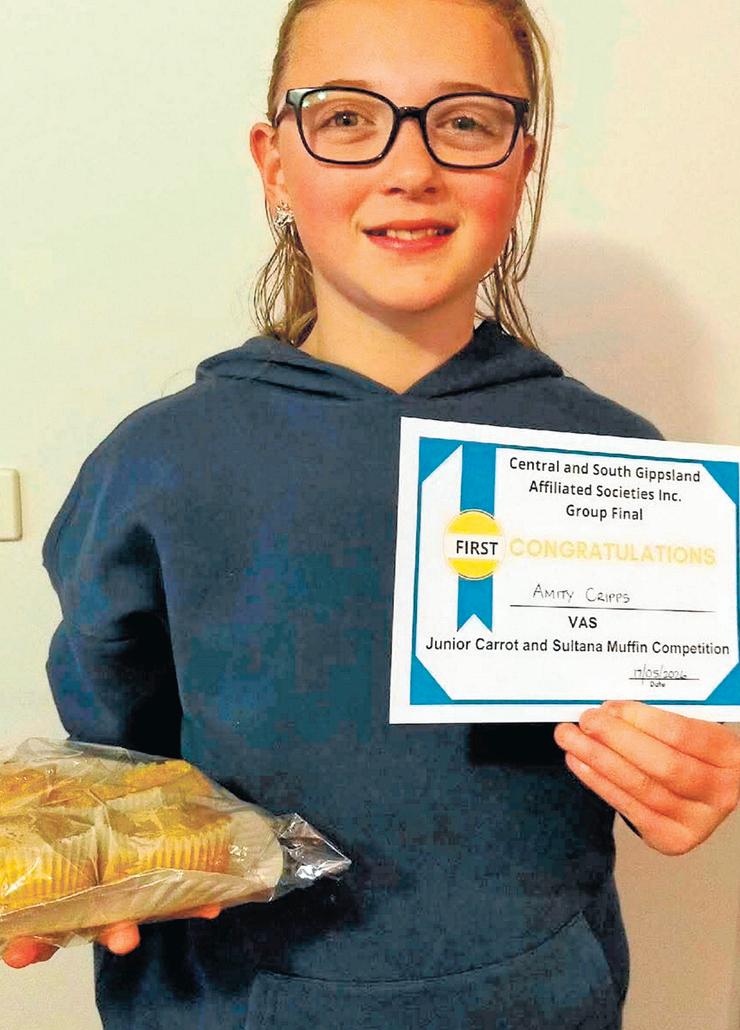
Amity Cripps winner of the Junior Muffins representing Foster.554570_01
Bill relief goes statewide
By Cam Lucadou-Wells
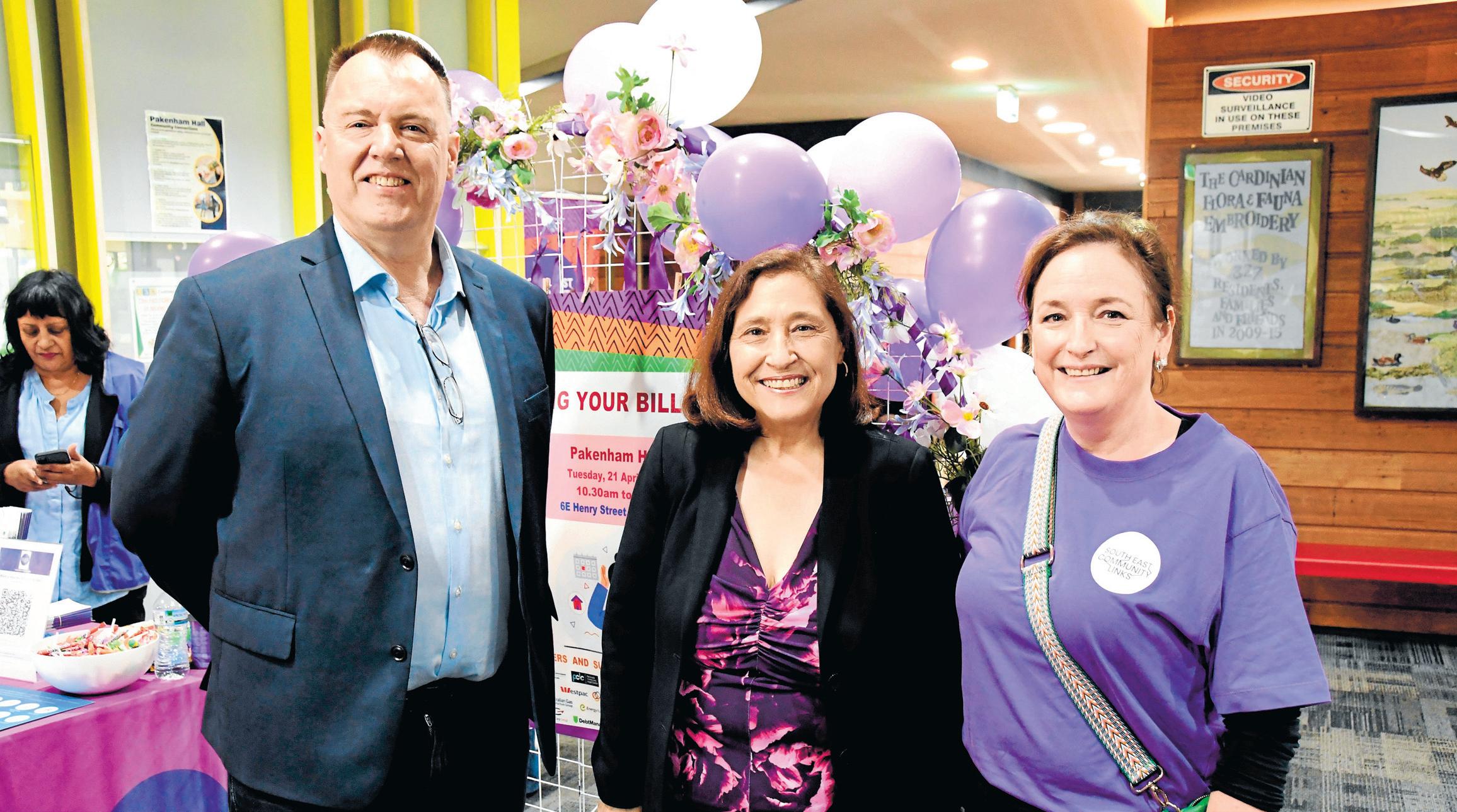
A South-East charity’s success-story Bring Your Bills is set to expand statewide, thanks to a State Budget boost of $2.3 million.
The South East Community Links events have achieved great bang-for-buck by bringing customers face-to-face with more than 30 utilities, banks, government services, legal and support agencies.
Consumer Affairs Minister Paul Edbrooke stated that at each event, “families walked away millions in debt sorted and savings found”
“That’s what real help looks like.”
Since 2025, BYB events have helped more than 3000 people and families to save $11 million in debt and bills.
A recent event in Pakenham helped 800 attendees achieve $1.5 million of relief. Similar results occurred at BYBs in Springvale, Dandenong and Hampton Park.
The extra Budget funding will extend BYB from the South East to reach about 5000 Victorians a year.
SECL chief executive Peter McNamara said the program was a “low-cost, high-impact” response that helped people before they spiral into homelessness, legal action or financial crisis.
More than 70 per cent of attendees at Pakenham felt an immediate reduction in financial stress. More than a third were working.
“This isn’t about poor choices, it’s an affordability issue, with the cost of food, fuel and housing rising faster than people can keep up,” McNamara said.
“Seeing people leave with a smile and a sausage in bread is priceless.”
Many hadn’t contacted their provider about their debt beforehand but tried to manage on their own, McNamara said.
“Bring Your Bills changes that. People walk in with a problem and leave with a plan.”
BYB started in a carpark at SECL’s Dandenong office with “a couple of staff members who wanted to make a difference”
“We had people turning up to the office with bills they didn’t understand, debts they couldn’t manage, and nowhere to go,” McNamara said.
“So, we brought services to them. Financial counsellors, banks, ombudsman services, energy and water companies, all in one place.
“It brings human connection back into
hardship support through simple, face-to-face conversations.”
Narre Warren South MP Gary Maas told Parliament on 13 May that BYB was important for his community.
“Think of a recreational space like a basketball court ... filled with representatives from our major banks, from our major telcos, from our major utilities companies, that are all there
with the ability to strike, there and then, money that you may be in deficit for paying.
“They are able to say, ‘You’re in arrears in paying these bills; we’re able to strike that today. You can’t afford to pay that bill and you’re able to show us this – these bills are cut off.’
“This investment from the government of $2.3 million will help ensure that it reaches even more people across the state.”
South East Community Links CEO Peter McNamara, Energy and Resources Minister Lily D’Ambrosio and SECL housing and homelessness head Marcia Harkins at Bring Your Bills in Pakenham in April. (Stewart Chambers: 543221)
to look at the application and any documents that support the application at the office of the responsible authority, Casey City Council. This can be done in office hours and is free of charge.
Any person who may be affected by the granting of the permit may object or make other submissions to the Responsible Authority.
An objection must:
•be made to the Responsible Authority in writing to, Manager Planning, P.O. Box 1000, Narre Warren 3805 or emailed to caseycc@casey.vic.gov.au
•include the application number and site address
•include the reasons for the objection, and •state how the objector would be affected.
The Responsible Authority must make a copy of every objection available at its office for any person to inspect during office hours free of charge until the end of the period during which an application may be made for review of a decision on the application.
The Responsible Authority will not decide on the application before: 9 June 2026
If you object, the Responsible Authority will advise you of its decision.
WHAT’S ON
Biodiversity Day at Myuna Farm
Come and celebrate International Day for Biodiversity. A train ride to wetlands, where you can meet flying foxes and watch them fly out at sunset. Frog calls and water bugs activities.
• Thursday 21 May and Thursday 6 June (due to popular demand), 4.30pm-6.30pm at Myuna Farm, Kidds Road, Doveton; free event. Bookings: trybooking.com/DLBDC
Cranbourne Seniors Club
Devonshire Tea on Friday 22 May, 1.30pm3.30pm; $10pp. Morning Melodies with Gavin Chatelier, first Friday of the month, 11am-3pm; $15 lunch included.
National Seniors Australia Berwick hosts a social morning tea and fundraiser event for the Cancer Council.
• Wednesday 27 May 10am-12pm at The Old Shop, Old Cheese Factory, 34 Homestead Road, Berwick. Details: Jennifer, 0474 254 287
All In for Reconciliation
2026 National Reconciliation Week event featuring dance performance, storytelling and activities.
• Wednesday 27 May 4pm-6pm at Bunjil Place plaza, Narre Warren; free event.
Visible Mending Workshop
Bring along your ripped or moth-chomped woollen clothing, stretchy clothing, and woven clothing (jeans are ideal). We will also look at things like sashiko, embroidery and weaving mends. Light refreshments provided.
• Friday 29 May, 9.30am - 12pm at Good Food Emporium, Unit 15/430-440 Princes Hwy, Narre Warren; free event. Bookings: events.humanitix. com/visible-mending-workshop-29-5
VACCA Community Fundraiser
Reconciliation Week event and community fundraiser for Victorian Aboriginal Child and Community Agency with art by N’Dene Riley, family activities, food and raffle prizes. Hosted by Story House Early Learning Lynbrook.
• Monday 1 June 2.30pm-5.30pm at Lynbrook Community Centre, 2 Harris Street; free entry.
Trades & Services
Bookings: trybooking.com/DLLMG
Movie night with Cranbourne Dads’ Group
Bring your children for a movie, supper and meet other father figures. For all dads, grandfathers, father figures and their children. Suitable for children aged 6 years and under.
• Saturday 6 June, 6.30pm-8.30pm at Cranbourne West Community Hub, 4 Flicka Blvd, Cranbourne West; free event. Bookings: trybooking.com/DJYGF
Berwick Farmers Market
Farm fresh fruit and veggies, open range ethical eggs, honey, baked goods, artisan breads, vegetable seedlings, ethically raised meats, jams and preserves, dairy, wine, nuts, ready to eat goods. No crafts.
• Saturday 13 June, 8am-12pm at Old Cheese Factory, Homestead Road, Berwick. Details: farmersmarketattheoldcheesefactory.org.au
SWAN Cobbers
Meet and chat with other father figures of children with a rare or undiagnosed genetic condition. In June, you and your children are invited to join us to plant some trees. T
• Sunday 14 June 10am-11.30am at Variety
Livvi’s Place Minta, Soho Boulevard, Berwick; free event. Bookings: trybooking.com/DIXKP
Gardening Together
Free gardening fun for dads, grandfathers and their children. Grow vegetables to eat, learn about insects, and have fun in the kids’ play garden. Bring hats, sunscreen and water bottles. All gardening tools and resources provided.
• Saturday 20 June 10am-11.30am at Old Cheese Factory, Homestead Road, Berwick; free event. Bookings: trybooking.com/DIZAQ
The Swinging 60s
The choir Voices of Casey presents songs from the 1960’s. With guest singers from the Vocal Performance School. Elaborate afternoon tea included.
• Saturday 20 June 1pm at Hampton Park Baptist Church, 1 Orient Place, Hampton Park. Details: voicesofcasey@gmail.com
Family violence fundraiser
Rotary Club of Casey presents Unlocking Hope— a special fundraising event in support of RizeUp
LOCALPLUMBER
and their vital work empowering families impacted by domestic and family violence. Delicious food, with drinks at bar prices. Live music from guest artist Paul Hogan, lucky door prizes and silent auctions. Dress code: cocktail.
• Saturday 20 June, 7pm-11pm at Beaconsfield Club, Holm Park Reserve, 100 BeaconsfieldEmerald Road, Beaconsfield; $65pp. Bookings: trybooking.com/events/1564861/sessions/6350052/sections/3013983/tickets
International Yoga Day
Presented by Saathi Multicultural Association Of Australia. All levels are welcome.
• Sunday 21 June 2pm-3pm at Lynbrook Community Centre, 2 Harris Street, Lynbrook; free event. Bookings: trybooking.com/DKXUN Brown Women Comedy Workshops
Eight-week stand-up comedy course for women of colour, created and delivered by Australian South Asian Centre (ASAC). Learn joke writing, storytelling, comedic structure, improvisation, stage presence and dealing with nerves. You’ll also get dedicated script coaching, peer feedback sessions. Finishes with a showcase performance in front of a live audience.
Just retired? Learn new skills and meet new people. Improve mental wellbeing. Have fun and enjoy good company.
• Mondays-Saturdays 10am-3pm at Sydney Pargeter Reserve, 289 Power Road, Endeavour Hills. Details: John, 9700 1810.
Games Days
Mahjong, whist and darts on second and fourth Fridays of the month (11am-2pm), line dancing on Thursdays (10am-12pm), carpet bowls on Mondays and Thursdays (1pm-3pm), garden group on Mondays (10am-12pm), cards on Saturdays (1pm), bingo first Wednesday of the month (1pm-2pm) and table tennis on Saturdays (9.30am-12pm). Social days are held every Wednesday 10am-2pm with a live entertainer from 1pm.
• Narre Warren Senior Citizens Club, 192/196
Centre Road, Narre Warren. Singers wanted Cranbourne Chorale is recruiting for its non-auditioned adult community choir for mixed voices. Our repertoire is a mix of uplifting songs. Feel free to visit us without obligation, the first four sessions are free of charge.
• Wednesday rehearsals 7.30pm at The Factory, Building 5, 65 Berwick-Cranbourne Rd, Cranbourne East. Details: Jenny, 0438 358 032. U3A Cranbourne
Three new classes for 2026 - mosaics with talented artist Tony Shannon (Tuesdays 12pm), beginner Italian with tutor Jan (Wednesdays 10am12pm) and Italian study group with tutor Jan (Thursdays 12.30pm-2.30pm). New members over 50 welcome. Our membership fee is $55 per annum and you can join in as many classes as you wish.
• Details: u3acranbourne.org.au
Casual pickleball
Just turn up early to secure your place. All equipment supplied.
• Fridays 10am-11.30am and Sundays 10.30am-11.30am at Olive Road sporting complex, Eumemmerring. All equipment supplied, $5.40 per session.
Weekly badminton
Adults welcome (Mondays 7pm-9pm) and ladies and retired (Wednesdays 12pm-2.30pm).
Learn how to make your mind your best friend through open-eyed meditation. Led by Bhavani Padmanabhan, these free sessions are open to all. Presented by Bakhtar Community Organisation and The Brahma Kumaris Organisation.
• Saturdays 2pm at 23-47 Gunns Road, Hallam. Registrations: 9703 2555 or 0403 551 596.
DnD at Orana
Dungeons and Dragons (DnD) is an inclusive tabletop, fantasy, role-playing game.
• Second Saturday of each month, 1pm-9pm at Orana Community Place, 16/18 Playwright St, Clyde North. Details: Jonathan Whelan, thestoryweaver.dnd@gmail.com
Wickers run riot over Bulls
By Justin Schwarze
Berwick is flying high after thumping Noble Park at Pat Wright Oval to the tune of 99 points on Saturday in round six of the Eastern Premier Division.
The Bulls now sit bottom of the ladder - the only team without premiership points - after a comprehensive 22.20(152) to 8.5(53) defeat.
There were some worrying signs early, despite the Bulls only trailing by five points at quarter time, with Berwick having 10 scoring attempts to five in the opening term.
Fortunately for the Bulls the scoreline read 4.6 to 4.1 at the first break, with co-captains Ben Marson and Lachie McDonnell keeping the home side in touch.
Marson kicked three goals in the opening stanza; the last of those on the quarter-time siren after a costly turnover from Berwick captain Will Arthurson.
Berwick once again appeared to play the better footy at the start of the second term, but Noble Park defended well and it took the Wickers 13 minutes to open their account.
A quick reply from Luke Molinaro cut the margin back to eight points midway through the second.
But Berwick then began to get rewarded for its superior run and carry around the ground.
Full-forward Jai Neal kicked a lovely set shot from the pocket, his third for the day, before the dangerous Harry Canning kicked a crumbing goal to make it 25 points the difference at the major break.
The Bulls were lucky to be only four goals down however, with Berwick having 11 scoring shots to one; but kicking 3.8 to 1.0 for the quarter.
The Wickers looked very close to blowing this one apart, with midfielders Ashton Williamson, Luke Nelson and winger Matt Nelson providing a dangerous front half with plenty of opportunities to score.
And the visitors finally got bang for their buck in the third.
Sam Frangalas started the rout with a brilliant snap after a strong tackle on Harley Fairbank, before Luke Nelson marked and goaled against his former club to push the margin out to 37 points.
Berwick then quickly kicked another, before Marson provided brief respite with his fourth for the afternoon.
But the visitors then surged again, kicking four goals to round out the premiership quarter to take a 10-goal lead to the final change.
Jack Lawrence and Raiden Bergman started the four-goal surge before Luke Nelson and Ben Todd completed a 7.2 to 1.2 third term.
Todd’s goal came way too easily from stoppage and provided an early indication to what the last quarter might look like for both clubs.
Berwick was quick, confident and running on top of the ground, while the Bulls looked slow and lacking a coordinated effort around the ground.
Berwick then really put the foot down in the last, with Williamson kicking a goal on the full-
time siren to end a painful 8.4 to 2.2 final period for the hosts.
Williamson’s last kick of the match was gifted via turnover and symbolised the gap between the clubs on the day.
“We’re moving the ball really well and using our speed and numbers,” Berwick senior coach Andrew Williams said.
“Particularly in the second quarter, the footy was played in our front half and it was really pleasing to have so many opportunities to score.
“Once the game opened right up, we were able to move the ball with a bit more freedom and hit some targets inside 50 and finish our work.
“It was a pretty rounded performance all the way through, all of our lines were connected and it was really consistent footy.
“The way we shared the ball and our pressure to get the ball back at times was terrific.
“That was right across the board, it wasn’t any particular part of the ground, everyone played their role and was working hard.
“We worked hard to get it back on defence and when we did, we really opened the game up.
“We tried to create as many turnovers as we could to kickstart our opportunities to move the
ball when their defence was a little out of shape.
“That’s what really worked well for us, we were able to use the footy and find some marks inside 50.
“There were a lot of opportunities to get the ball from rebound of Noble Park’s turnovers and our pressure was really strong.”
Berwick’s forward line couldn’t help but look potent, given the glut of entries provided, with Neal kicking five, Canning and Lawrence three each, while Bergman, Nelson and Todd all landed multiple blows on the day.
Berwick looked super-sharp, an exciting team on the rise, while the Bulls epitomised what a bottom team might look like.
The victory is the icing on the cake of an encouraging opening six games for the Wickers, winning three while being ultra-competitive with powerhouses East Ringwood and Doncaster East and reigning premiers Balwyn.
“We played some really good footy against East Ringwood, we had equal scoring shots and ended up with more inside 50s and more of the footy,” Williams explained.
“I knew we were doing a lot right but I think it was just little moment things where we might’ve
given the ball up in dangerous areas and got hurt on transition a couple of times.
“Against top sides, they’re going to hurt you when you turn the ball over in poor spots or we don’t quite manage a moment in a critical contest.
“Those are the things as a young group we want to keep learning and get better from those experiences.
“It felt like we played some really strong footy, we’re getting a lot of the ball and got a lot going inside 50.
“For me, the growth of the group is taking our chances and putting the score on the board and making sure that we try and limit opportunity for the opposition to score easy goals on us.
“We’re getting to that stage where the competition for spots is strong and guys are really putting a lot of time into their footy.”
Marson was the standout for the Bulls, playing a lone hand with five goals, while Fairbank, Callum Morgan and full-back Dean Jones tried their best on a difficult day all round.
Noble heads to sixth-placed Blackburn this week, while Berwick travels to Seebeck Oval to take on a wounded Rowville.
Exciting times as potential grand final preview delivers
By Blair Burns
All eyes were on the huge round-six clash between Narre Warren and Beaconsfield in South East Precinct Netball League (SEPNL) A Grade netball on Saturday, with the Magpies prevailing by three goals in an enthralling contest, 51-48.
The two sides are the benchmark teams of the A Grade competition and the early grand final favourites.
Despite Narre Warren claiming bragging rights in both of the first two meetings, the Eagles have not been far behind with final margins of two and three goals.
A thrilling contest was expected, and it didn’t disappoint as both teams worked hard to get their noses in front of the other.
In the big moments, it was the Magpies who won the ball or converted better on crucial scoring chances through goal shooter Mercy Loelu, who finished with 22 goals; she had great assistance from Jayda McConkey (18 goals).
Another thing that captured the eyes of spectators was the shooting battle at each end, with Loelu and Beaconsfield’s Chloe Maas (32 goals) making their names known as two of most dam-
aging shooters in the league.
The Narre Warren victory sees the side move to 5-0 and sit on top of the ladder while Beaconsfield occupies second spot at 3-2.
In the other A grade match, Cardinia Tigers
fought really hard against Berwick and looked as offensively dangerous as they have all season, but it wasn’t enough to get the points as the Wickers prevailed 65-30.
Berwick moved the ball with great speed and
managed to get their shooting pair Mika Baram and Mackenzie Holland some really good looks in the goal ring.
The shooting duo combined for 51 goals and helped set up the game for the Wickers, who never looked like losing despite some strong competition from the Tigers.
Tatiana Lefau (17 goals) led the way for Cardinia in the attacking third.
Hampton Park had the bye and will resume its season against Berwick, while Cardinia will battle it out against the ladder-leading Magpies.
A GRADE FIXTURE R7: Cardinia Tigers v Narre Warren at James Bathe Reserve 3:05pm, Berwick v Hampton Park at Edwin Flack 3:05pm.
Berwick star Caleb Van Oostveen takes a strong mark on the chest in the Wickers’ huge win over Noble Park. (Gary Sissons: 553583)
Addison Cripps has been impressive in wing defence for Narre Warren this season. (Rob Carew: 549000)
Two-for-two from Cavaliers
By Justin Schwarze
Casey NBL1 South Men were up for the challenge in round seven, picking up a pair of wins against strong opposition.
This is the momentum boost Luke Kendall’s side was looking for after an inconsistent start to 2026.
On Saturday, the Cavaliers went to Nunawading and stunned the top-placed Spectres in a back-and-forth affair.
The first term was an armwrestle, but the hosts managed to get their noses in front by two at quarter time, before a dominant second was controlled by Casey.
Nunawading shot just 25 percent from twopoint range and the Cavaliers operated aggressively on the interior, posting 20 points in the paint to take the quarter by 13 and hold an 11-point buffer at the half.
But the Spectres showed why they were top of the table, holding the visitors to just 13 points in the third and drawing within one at three-quarter time.
A competitive fourth was on the way, and the Cavaliers couldn’t be held down long as they caught fire down the stretch.
Preston Bungei knocked down a pair of triples to set the tone early in the last, before Tanner Krebs took over.
Casey scored on 11 consecutive trips down the floor, led by Krebs’ masterful shot creation and work in the mid range.
Krebs scored 13 points in that period and the offensive execution led to the Cavaliers pulling away and winning 103-95.
Krebs finished with 27 points, five rebounds and five assists on 11/19 shooting, while Bungei stuffed the statsheet and posted 24 points, seven boards, five dimes, three steals and three blocks.
The offence continued to hum on Sunday as Casey completed a rout of Bendigo at home.
The game was effectively over in the first quarter with the Cavaliers firing a barrage, connecting on five threes to overrun the Braves 37-14 at quarter time.
Bendigo slightly trimmed the lead in the second by outsourcing the hosts by eight, but two more dominant periods saw Kendall’s side push
it out to a 109-76 blowout.
An even-scoring spread had six Casey players in double-figures, spearheaded by Krebs and Jesse Ghee with 19 each.
Casey Women split their games, going down to Nunwading 91-85 in their first hitout.
A disastrous first quarter was the undoing for the Cavaliers despite showing elite fight to get back into the contest over the remainder of the contest.
They were outscored 36-17 in the opening quarter, a hole they couldn’t drag themselves out of.
Courageous Storm falls short against the champs
By Blair Burns
While Cardinia Storm Hockey Club didn’t register a win in the seniors over the weekend, there was no shortage of effort with some inspiring performances.
The Storm faced last year’s premiers Mentone Panthers in the Women’s Metro 1 South competition, and they were up for the challenge, but fell short 3-0.
It was a tough and competitive contest, Cardinia’s defensive pressure and ability to create scoring opportunities managed to keep Mentone honest in defence.
The Storm’s midfield worked tirelessly all game with Lilly Kelly, Alana Nancarrow and Teagan Peterson leading the way.
The younger players also continued to grow in their roles with Scarlett Hawkins and Chloe Ludlow performing strongly.
But ultimately, Mentone slowly worked over the inspired Storm side, getting some good looks at goal and converting on three chances throughout the game.
Sarah Dunlop was a brilliant goalkeeper, providing leadership and directing her teammates while producing plenty of goal-saving plays.
In the Men’s Metro 1 South competition, it was an even battle against St Bedes and the teams couldn’t be split at the end of the game with a 0-0 draw.
With no bench, it was a gallant effort from Cardinia, who actually controlled most of the play in the quarter as they locked it in their half.
Gareth Ventom looks to attack for Cardinia Storm. (Stewart Chambers: 428633)
All five starters were in double-digits, led by Dallas Loughridge’s 27 points on 58 percent shooting.
On Sunday, Casey bounced back in a big way by demolishing Bendigo 95-63.
It was a straightforward result for the Cavaliers, winning every quarter, including the first by 14 and fourth by 11, to gradually build an insurmountable margin.
Loughridge was again the top performer with 31 points and six steals on 10/18 shooting, while Samantha Bowman provided a double-double of
15 points and 14 rebounds.
The Women remain in the top four at 8-3, while the Men surged into eighth with a record of 6-5.
Both Casey outfits will make the long trek out to Mount Gambier to face the Pioneers on Saturday in round eight.
A perfect trip across Bass Strait for the Dandenong Rangers Men saw them pick up two convincing wins.
On Friday night, a blistering opening term from Dandenong aided it in holding off the Hobart Chargers 98-94.
Joe Palmer was brilliant, scoring 33 points on 52 percent shooting while hauling in seven rebounds.
Harry Froling provided 23 points and eight boards, while Michael Meadows posted a doubledouble of 17 points and 10 rebounds for Dandenong.
On Saturday, a wire-to-wire performance from the Rangers led them to rolling the Northern Force 116-93.
Palmer led the charge again with 31 points and eight rebounds on 11/18 shooting, with Sam Davidson flourishing with 25 points in a promotion into the starting lineup.
The Rangers now sit sixth with a 7-3 record.
The Dandenong Rangers Women had an opposite weekend, dropping both games after picking up some recent form.
The first was a close loss to the Hobart Chargers, where the hosts overran the Rangers in the fourth to win 100-95.
Imogen Rock was stellar as usual in the loss with 30 points and nine rebounds on 12/16 shooting.
The Northern Force were far too good on Saturday, stringing together a strong effort after quarter time to down the Rangers 98-83.
Skipper Catherine MacGregor poured in 25 points for Dandenong.
The Rangers sunk to 17th with the 0-2 weekend, holding a record of 3-8.
A double-header for both Dandenong outfits awaits in round eight, starting with a home matchup with Knox on Saturday, followed by a trip to Keilor on Sunday.
Shooting practice has the Cannons back on track
By Blair Burns
It was a strong weekend for the Casey Hockey Club as the Cannons won six of their eight senior matches, with a plethora of strong performances.
The Women’s Vic League (WVL1) Reserves side had an impressive 6-0 win against WestVic Hockey, maintaining its spot inside the top four with a 2-2-1 record so far this season.
Emma Harris had a day to remember for the Cannons, scoring three goals in the victory, while Jessica Rowland was busy creating attacking plays with two goals.
Ellie Gallus was the other goalscorer, producing a classy play to find the back of the net.
The WVL1 side also had a big clash against WestVic but the teams couldn’t be split and both had their third draw of the year, the final scoreboard reading 2-2.
Talk about a captain’s performance … look no further than Casey’s Mikaela Davis who scored both goals and led her team by example.
Goalkeeper Tara Lambert managed to save some late attempts from WestVic to ensure the game finished in a draw.
The Cannons had another strong win in the Women’s Pennant D South East competition, defeating MCC with ease 3-0 to move into second spot on the ladder.
Metro 1 South match to give the Cannons a 1-0 win against Glen Eira.
In the men’s matches, Matthew Light gave his MVL1 team a chance at victory against WestVic with two goals, but the Cannons fell short 3-2.
The third quarter was more of an even battle before Cardinia had to survive in the final term, under siege from St Bedes’ best attacking players.
They fired shots again and again but Darren Rowe was like a brick wall for the Storm, saving plenty of attempts as goalkeeper.
St Bedes responded in the second term and while the Storm held them at bay, they were working hard to find the back of the net.
The different scoring avenues were one of the most pleasing things for Casey, as Emily Harris, Sophie Kimm and Clare Robson all scored a goal.
On Sunday, the Cannons were too strong for Greater Dandenong in the Women’s Pennant E South East competition as they won 2-0.
Thanks to goals from Kayleigh Looby and Kelly McLauchlan, Casey was able to control the game and secure another strong victory, while Emily Noney scored the only goal in the Women’s
The MVL1 Reserves won 5-0 by forfeit against WestVic, before the Men’s Metro 2 South side got a percentage-boosting 6-3 win.
The Cannons had five different players find the back of the net with Will Justice the only multiple goalscorer with two.
Tadhg McCurran continued his strong season with a crucial goal, while Matthew Robson, Myouren Shanmugalingam and Harjoban Singh Sidhu produced impressive plays to score.
Tanner Krebs averaged 23 points per game across the weekend to lead Casey to two important wins.
(In2Action Photography)
Cleo Guastella searches for a teammate in Casey Cannons’ draw on the weekend. (Rob Carew: 553587)