Australia’s National Local Government Newspaper


The Barossa Council is helping to build biodiversity in backyards by giving away native plants to local property owners.
Residents can simply bring their rates notice to Barossa Bushgardens between 1 May and 30 June and access five free native plants per property as part of the initiative.
Limited to 300 people across the council area, the native tubestocks are offered on a first-in-first-served basis strictly during the promotion period – no early birds.
Mayor Bim Lange said the program, now in its third year, was in direct response to feedback from the community.
“In addition to the replanting work we have been undertaking, we want to keep encouraging people to plant natives in their garden as another way to intentionally and proactively make a difference,” Mayor Lange said.
“Local species are water wise, low maintenance and provide habitat, shelter and food for wildlife like native bees, birds, insects and small mammals. This means you can spend less time in the garden while reaping the rewards of a beautiful green space.”
The Barossa’s Best Native Garden Competition also returns to help celebrate the region’s finest green thumbs.
Avid gardeners, whether experienced or beginners, are invited to email images of how they are using native plants at home for a chance to win plants from Barossa Bushgardens and some extra gardening goodies.
The Federal Government needs to continue its focus on developing and supporting the regions, according to a regional advocacy group.
The Regional Australia Institute (RAI), the nation’s first and only independent think tank dedicated to building robust regional economies, believes the government needs to prioritise long-term investment in planning, infrastructure and services needed to support growing communities.
According to RAI CEO Liz Ritchie new data from the Australian Bureau of Statistics (ABS) shows the estimated resident population of regional Australia reached 9.78 million in June 2023, an increase of more than six per cent since 2018.
Ms Ritchie said people living in regional Australia now made up nearly 40 per cent of the national population and investment and planning in services, supports and infrastructure must reflect this.
“Regional Australia is growing at a rate that hasn’t been seen for decades. It is undergo-
ing not only a significant demographic change but will also be at the centre of an unprecedent economic evolution, as the nation’s transition to net zero emissions unfolds. Whilst regional communities have matured in recent years, the supports needed to assist them have not,” Ms Ritchie said.
“Housing stocks are under immense pressure in many communities, 3.7 million regional Australians still live in a childcare desert, and too many regional residents struggle to access a GP.
“It is why the RAI has developed the Regionalisation Ambition – a 10-year, 20-goal framework for regional Australia, to better plan for and invest in the growth of regional Australia. We know it will take a coalition of people to shift the dials on those goals, but government plays a critical role.
“Developing a National Population and Set-
tlement Plan would help to enable analysis of high-growth scenarios and their implications for planning, industry growth, and infrastructure and service provision. It would provide a cohesive plan for not only regional Australia’s future, but the nation as a whole.”
The Institute has welcomed the Federal Government’s commitment to several regionally focused initiatives in the past year, including the establishment of a Regional Investment Framework, the restoration of the ‘State of the Regions’ report, the development of a Regional Jobs and Skills Roadmap and a dedicated regional migration strategy.
Ms Ritchie said the RAI is pleased to continue partnering with the government on big policy initiatives, but a coordinated approach to ensure investment, population and migration, infrastructure, jobs and skills, and housing policies worked in unison was needed.
“Many of the government’s plans for our nation’s future rely upon regional Australia doing the heavy lifting. If we don’t start planning for the impacts of this pipeline, we foresee major shortages, undersupply and dissatisfaction amongst our regional communities, with little to no legacy at the end. We need a system in place that speaks to the hearts and minds of regional Australians,” Ms Ritchie said.
“The Future Made in Australia Act, another worthy policy initiative, has the potential to direct and deepen regional Australia’s role as the engine room of the nation’s renewable energy effort and play a key part of Australia’s manufacturing renaissance, but this will backfire if staff cannot be found, and they have nowhere to call home. Australians want to live in our regions and they continue to vote with their feet, why aren’t we planning for this future?”
This year is a real year of change. Already we have had the Queensland elections with brand new mayors and councillors now taking their place in council chambers across the State and then later in the year elections will be held in both NSW and Victoria. What is pleasing to see are the number of programs being held to prepare would-be councillors for the challenges they may face once they are elected. I’m sure it’s daunting when that dream of “making a difference” in your community suddenly becomes a reality and it’s nice to see programs across the country helping to ease the way.
-Tania
Phillips Editorial CoordinatorTHE GOOD OIL PAGE 6
ENERGY PAGE 10
EDUCATION PAGES 12-13
MAYORAL PROFILES PAGE 16
RURAL AND REGIONAL PAGE 18
METRO AND SUBURBAN PAGE 19
Six years of community consultation have gone into the new City of Kingston updated planning rules, approved earlier this month by the Victorian Government.
Kingston Mayor Jenna Davey-Burns thanked the enormous cross-section of residents, community groups and local businesses who helped shape this important work and design the way forward for sustainable growth in our city.
“Housing is a critical issue for all levels of government and innovative solutions are needed to deliver much-needed housing supply while retaining all of the things our residents love about Kingston,” Cr Davey-Burns said.
“We know Melbourne can’t keep sprawling outwards and that the Victorian Government requires all councils to take their fair share of growth. We have worked hard to channel this required growth into the right places – near train stations, activity centres and major roads, while protecting quieter residential streets.
“Kingston is also proud that sustainability is at the core of the new planning rules. We will be encouraging light coloured rooves and innovative approaches to landscape requirements to ensure new homes are not only energy efficient, but are safe, healthy places that people want to live.
“These changes also respond directly to the increasing financial burden being placed on residents to cool their homes during summer.”
Karkarook Ward Councillor Hadi Saab said they were confident the plan would enable suf-
ficient growth to meet the state government’s forecast demand for housing in the city over the next couple of decades at least.
“As a result, we are doing our part in addressing Melbourne’s housing crisis,” Cr Saab said.
Caruana Ward Councillor George Hua said this work is a key part of planning for a bright future for Kingston – with vibrant neighbourhoods that meet the many needs of the community.
“We want to encourage a mix of housing choices so young people can buy their first home in the neighbourhood they grow up in and older people who wish to downsize can stay in the community they love,” Cr Hua said.
The council said the new residential housing rules will: encourage new affordable homes in the right places so that key workers like nurses, firefighters, manufacturing workers and teachers can live close to the communities they serve; provide for a mix of houses big and small to meet our different needs; help see our shopping centres bustling with activity and new businesses attracted to the area so we continue to thrive; direct new growth to the right areas where there is transport and services; play our part to address the housing crisis and deliver new homes, without needing to sacrifice our beautiful green open spaces like
golf courses; provide for more energy efficient housing to cut the costs of living associated with renting or owning a home; direct key issues, including building heights, setbacks, and landscaping; create innovative solutions for urban cooling to ensure we focus on growing our tree canopy in new developments.
Banksia Ward Councillor Cameron Howe said Council embarked on this city-shaping process in response to the Victorian Government’s Plan Melbourne, which calls on local councils to take a fair share of growth.
“After listening to community feedback, we have settled on a plan that balances the Victorian Government requirements, while importantly still protecting quieter residential areas,” Cr Howe said.
Developing the new planning rules has been a huge undertaking over the past six years and has included:
· Multiple drafts in responding to community feedback.
· Incorporating feedback from the Victorian Government that an earlier draft didn’t accommodate enough additional housing growth.
· Review by an Independent planning panel.
· Formal approval by the Victorian State Government.
Barunga West Council has taken a further step in addressing the regional housing crisis with the release of 18 new allotments for sale on Grace Harwar Drive in Port Broughton.
Australia’s National Local Government Newspaper
Website: LGFocus.com.au
Noosa Office:
Telephone: (07) 5455 6946
Address: 36 Mary Street, Noosaville Qld 4566
Pakenham Office: Telephone: (03) 5945 0666
Address: 10 Army Road, Pakenham VIC 3810
This new development, located behind Moshulu Street, provides much-needed residential land and marks a proactive move by Council towards addressing the housing shortage in the area.
Each of the 18 allotments exceeds 1,000 square metres, offering ample space for new homeowners and growing families. The development will be serviced with mains water, power, bitumen roads, curbing, and street lighting. Its prime location, close to quality homes and within walking distance to the main street, ensures convenient access to local amenities.

Network with LG Focus twitter.com/@LGFocusau facebook.com/LocalGovernmentFocus
Editorial:
E: editorial@LGFocus.com.au
Advertising:
E: advertising@LGFocus.com.au
Classifieds:
P: 1300 666 808
E: sales@NetworkClassifieds.com.au
EDITORIAL
Tania Phillips Journalist
E: tania.phillips@StarNewsGroup.com.au
ADVERTISING
Michelle Gibson Sales Executive
E: michelle.gibson@StarNewsGroup.com.au
P: 07 5292 5304
M: 0413 608 678
Port Broughton offers a range of essential services, including a school, hospital, doctor’s surgery, IGA, post office, hardware store, hotel, bakery, butcher, marine store, deli, helipad, and chemist. It also boasts excellent sport facilities and groups, such as golf, bowls, netball, football, and cricket. The town’s close proximity to the Clare Valley wine region, Port Pirie, Kadina, Wallaroo, Moonta, and North Beach, adds to its appeal.
This new residential development is part of Council’s broader strategy to boost housing availability and contribute to the National Cabinet’s goal of creating 1.2 million welllocated homes over five years, beginning in July 2024. Barunga West Council has committed to contributing at least 67 new proper-

Preparing for the future.
ties annually.
Barunga West Council CEO Maree Wauchope said the development was a critical step in addressing the housing shortage in the region.
“By acquiring and developing land for residential purposes, we are taking decisive action to ensure a steady supply of affordable housing, contributing to our goal of maintaining a two per cent annual growth rate,” she said. The council is in negotiations with the State Government for potential sites within the subdivision to implement three dwellings under the Regional Key Worker Hous-
ing Scheme. This initiative aims to promote affordable housing solutions for essential community workers, fostering a vibrant and sustainable community.
With a recent 2.5 per cent increase in new properties, accounting for 69 additional ratepayers, the demand for housing in the Barunga West region at the top of Yorke Peninsula is clear. Council’s expedited home approvals and a $500 annual rate rebate for first-time homeowners further support new development and growth in the area.
Ms Wauchope said that to meet the increasing demand for housing in the region, it was vital to ensure a sufficient supply of suitable residential land within the Council area. This required careful planning to designate specific zones for residential development, rather than repurposing them for agricultural activities such as cereal cropping. Understanding this need, Barunga West Council made a decisive move by purchasing land to extend Grace Harwar Drive, creating a new residential development.
“The initial landowner had no plans to develop this land, largely due to the significant costs of bringing essential utilities like power and water to the site,” Ms Wauchope said.
“Recognising the impact this could have on local housing, Council took proactive measures to acquire the land and ensure it is used for residential purposes.”
2024 National General Assembly 2-4 July
National Convention Centre, Canberra Registrations are now open for the 2024 National General Assembly (NGA) from 2-4 July in Canberra. ALGA are also reminding councils to submit motions for the 30th anniversary NGA, with a theme of Building Community Trust.
Australian Council of Local Government
5 July
National Convention Centre, Canberra ALGA is delighted to once again partner with the Federal Government to host the 2024 Australian Council of Local Government (ACLG) in Canberra. The ACLG event will be held at the National Convention Centre on Friday 5 July, after the 2024 National General Assembly (NGA). The 2024 ACLG is expected to attract around 600 local government representatives, including mayors and Shire Presidents, councillors, CEOs as well as a range of peak body representatives.
2024 NSW Local Government elections 14 September
There are 128 local government councils in NSW.
Each council represents a local government area.
The NSW Electoral Commission will be conducting the elections for 126 councils on Saturday, 14 September 2024 for the election of Councillors. Some councils will also be holding mayoral elections, constitutional referendums and/or polls.
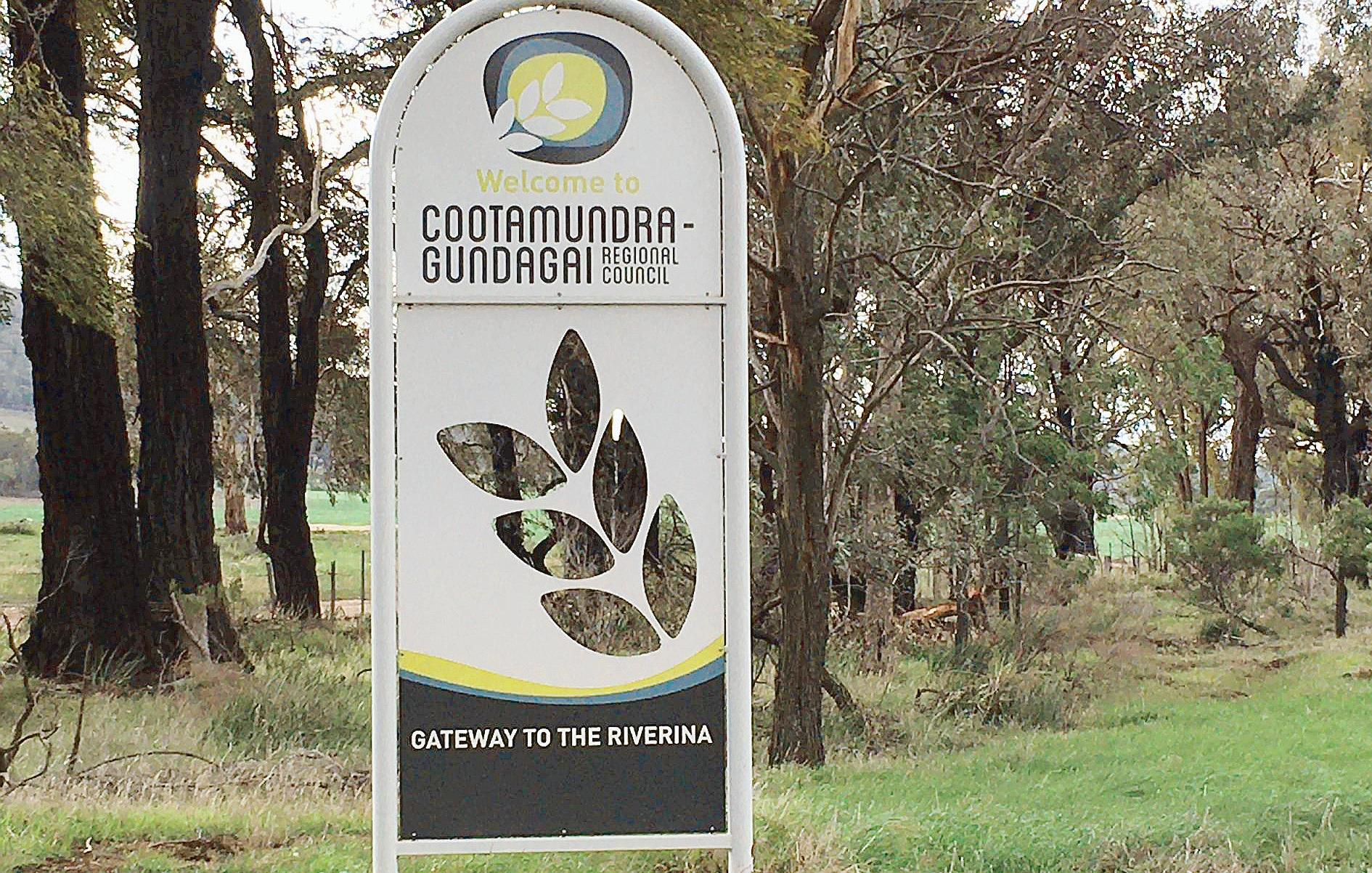
NSW Minister for Local Government Ron Hoenig recently announced that the Cootamundra-Gundagai de-amalgamation proposal went on public exhibition.
“On Thursday, 28 March I received a proposal from Cootamundra-Gundagai Regional Council, outlining in detail its plan to de-amalgamate,” Mr Hoenig said.
“The proposal, supported by the council’s Implementation Plan, sets out how two new local government areas would be achieved, including details about rates, service levels, staffing and boundaries.”
The proposal was placed on public exhibition for 28 days.
“I appreciate the community has been asked on numerous occasions to have input into plans for demerger. Unfortunately, the roadmap process initiated by the previous government was legally flawed.
“I am following the statutory provisions of the Act to progress the demerger lawfully.
“I thank the community for their patience as the process towards establishing two sustainable Council areas progresses.
“I will consider any submissions prior to
The Western Australian Government is set to introduce long service leave regulations to give clarity and certainty of the entitlements for around 23,000 Western Australian local government workers.
The new regulations improve the operation of the local government long service leave portability scheme, which is an integral part of local government employment conditions.
Local Government Minister Hannah Beazley said this would mean that when staff change employment from one local government to another, their previous service continues to count towards their long service leave entitlements.
“Replacing these outdated regulations is just one part of the Cook Government’s reform agenda, which delivers the biggest improvements to WA’s local government system in 25 years,” she said.
“These changes bring clarity to employees’ entitlements in different situations, and we expect it will be easier for local government employers to calculate and administer long service leave.
“Ensuring part-time or casual workers have fair access to long service leave is especially important for women and younger people in our local government workforce.
“Tens of thousands of Western Austra-
lians serve our community by working in local government - their dedication needs to be recognised and fairly rewarded through long service leave.
“I would like to thank sector unions, the WA Local Government Association and Local Government Professionals WA for their input developing these reforms.”
The new regulations, which come into effect on 1 September, introduce a raft of improvements including:
· a longer permitted period of break between local government sector employers that maintains the employee’s continuity of service;
· allowing for parental leave pay from the Australian Government to count towards long service leave accrual;
· allowing advanced long service leave and the cashing out of long service leave; and
· clear protections for the entitlements in the event of unfair or unlawful dismissal.
These changes will also bring specific benefits for employees who have worked casually or part-time or who have moved between employers.
Roger Jaensch will become the acting Minister for Local Government in Tasmania following Nic Street’s announcement he would be taking time out.
“As many would know, I have had challenges with my mental health for a number of years,” the Liberal member for Franklin said in a statement on 8 May.
“In recent weeks I have increasingly struggled and am currently working on my recovery with all the appropriate supports. I will be taking a period of leave to ensure I have the time and space to recover.
“It is my intention to return to my Ministerial duties in the coming weeks.
“During my time in politics, I have not shied away from talking about mental health issues openly and honestly to help break down the stigma attached to them.
“I have chosen to use my situation as an opportunity to be upfront with Tasmanians, and normalise this issue, just like any other health issue.
deciding whether to refer the proposal to the NSW Local Government Boundaries Commission for review and appoint commissioners to undertake a public inquiry into the proposal.
“Should the Boundaries Commission determine that the review results in two financially sustainable Councils, then I would be prepared to recommend to the Governor a return to the former Cootamundra and Gundagai local government areas.”
Submissions closed 10 May 2024.
“I would like to thank and acknowledge the Premier, Jeremy Rockliff, and my colleagues for their support in recent weeks, and I hope to return to work as soon as possible.
“In my absence, Deputy Premier Michael Ferguson will be acting Minister for Finance, Minister Roger Jaensch will be acting Minister for Local Government, and Minister Nick Duigan will be acting Minister for Sport and Events.”
Nominations are now open for the NSW 2024 Ministers’ Awards for Women in Local Government, which recognise the outstanding achievements and contribution of women in councils across NSW.
The 17th annual awards will be presented on Tuesday, 20 August during a ceremony at NSW Parliament, co-hosted by Minister for Local Government Ron Hoenig and Minister for Women Jodie Harrison.
“As I have travelled around the state to visit councils, I have met some incredible women who work exceptionally hard every day to make their community a better place,” Minister Hoenig said.
“These awards are a chance to showcase their efforts, and the example they provide to any woman interested in working or serving in local government.
“Last year we received a record number of nominations so I encourage everyone to keep up that enthusiasm and submit a nomination for this year’s awards.”
The Awards highlight and celebrate women’s excellence with awards recognising individuals and council programs across metropolitan and regional councils. The categories include:
· Alternative Pathways Award – a female staff member who is breaking down gender stereotypes
· Champion of Change Award – a general manager or senior manager who has excelled in supporting and encouraging women’s par-
ticipation at their council
· Elected Representative Award – a councillor who has advanced the position of female elected representatives
· Employment Diversity Award – a successful council program to increase female participation in senior leadership roles or at the elected representative level
· Woman of Distinction Award – a woman who has demonstrated exceptional innovation, integrity and initiative or who has a positive influence on others
· Young Achiever’s Award – an outstanding trainee/apprentice (aged 25 and under)
· Councillor Lilliane Brady OAM Award – the winner will be determined by the Minister for Local Government to recognise and honour the dedication and tireless work of a female council staff member or elected representative (nominations not required)
Nominations close Friday, 14 June 2024. For more information about the Awards or to make a nomination, go to: olg.nsw.gov.au/ our-minister/ministers-awards-for-women-inlocal-government
The long-awaited inquiry into regional telecommunications in Western Australia has been announced, according to WALGA president Karen Chappel and CEO Nick Sloan.
“We have received advice that the Legislative Council Standing Committee on Public Administration has resolved to undertake an Inquiry into regional telecommunications in Western Australia,” Cr Chappel said.
“The terms of reference are to inquire into and report on issues impacting regional telecommunications in Western Australia.”
Mr Sloan said WALGA would provide a sub-
mission from a sector-wide perspective that would address issues that occur over significant parts of regional WA, such as resilience and capacity.
“Please note that this inquiry is parallel to, but not directly related to the Telecommunications Review currently being undertaken by the Commonwealth Government, Chaired by Hon. Alannah MacTiernan.”

The peak body representing Queensland councils has welcomed the launch of the latest round of the critical Works for Queensland program, with councils to share in $300 million over the next three years.
Local Government Association of Queensland President Mark Jamieson said Works for Queensland provided vital funding for councils to deliver projects in their local communities, as well as help keep skills, workers and their families in regional communities.
He said while councils welcomed the extension of the program and the top up to $100 million a year, councils and their communities would continue to advocate for Works for Queensland to be made permanent, and indexed.
“Works for Queensland is critical to the liveability and sustainability of 65 councils across Queensland, and the local communities they represent,” Mr Jamieson said.
“At last year’s LGAQ Annual Conference councils overwhelmingly backed the motion to permanently fund Works for Queensland at $100 million a year and index it.
“This is why the LGAQ has been relentless in its campaign to have this funding secured and at the right amount of $100 million per year, as well as for a top up round to account for the reduction in funding over the last three years.
“We thank Premier Steven Miles for ensuring his government delivers on the promise to restore it to $100 million a year

Maitland City Council has released a Maitland themed edition of Monopoly, featuring iconic landmarks and locations from across the Local Government Area.
Players will buy, sell and trade their way to victory as they explore all that Maitland has to offer including rural Tocal, The Levee lifestyle precinct, historic Walka Water Works and others. Some may even find themselves locked up in historic Maitland Gaol. Maitland Mayor Philip Penfold said: “It’s only fitting that Maitland as one of NSW’s fastest growing regional cities has its own version of Monopoly that celebrates our rich history, heritage and culture.”
“Maitland is a fantastic place to live, work and play – and fun initiatives like this spotlight our landmarks and lifestyle including our lively arts community, colourful events calendar, burgeoning culinary scene and boutique accommodation options,” the mayor said.
“This edition is a great keepsake for locals and visitors as it retains all the beloved elements of the traditional game, with the added charm that comes from capturing Maitland’s riverside locale and historic locations.”
Since its launch in 1935, Monopoly has become a beloved pop culture classic and is a firm fixture in household board game collections across the globe. Maitland Monopoly is now available for purchase at the Maitland Visitor Information Centre, Maitland Regional Art Gallery, Maitland Gaol and via the MyMaitland website mait.city/MaitlandMonopoly
Click and collect options are also available at select locations.
Redland City will be well represented at the Australian Local Government Association (ALGA) National General Assembly when Council advocates on five key issues on behalf of the community.
over the next three years.
“Communities and councils also need certainty however, and that means locking in Works for Queensland every year, indexed to keep up with growing construction and workforce costs.
“As well as delivering facilities for communities, the funding has also helped keep skills and workers and their families in communities.
“Projects have included upgrades to local infrastructure critical in ensuring the liveability of the state’s regional communities, including water and sewerage treatment plant upgrades, road upgrades, and upgrades to facilities crucial to economic development like airports and tourism infrastructure.
“Works for Queensland is the cornerstone job creation program for Queensland’s local government sector.
“It represents a critical partnership between the State and local governments that highlights the economic and social benefits of working together to create, support and sustain local jobs in Queensland communities.
“To ensure community liveability and the sustainability of every local community, Works for Queensland must be funded properly and permanently.”
Mayor Jos Mitchell said the National General Assembly (NGA) in July 2024 provided an opportunity for Council to influence the national policy agenda and propose new ways of strengthening the local government sector.
“Local governments play an important role in delivering for their communities every day and the motions Council has adopted not only respond to the needs of the Redlands Coast community, but to the needs of local government throughout Australia,” she said.
“All five motions support this year’s Assembly theme of ‘Building Community Trust’ by identifying opportunities that will support councils to meet the needs of their communities, particularly in the areas of infrastructure and the environment.
“As the national voice of local governments, ALGA advocates on behalf of all local governments for funding and policy outcomes that support and deliver better results for our communities.”
The five motions endorsed by Council include:
· A fairer approach to the application of the Environment Protection and Biodiversity Conservation Act 1999 to provide greater clarity around the application of the Act and to provide acknowledgement for previous environmental protection efforts appropriate for the threatened species. This would ensure local governments can plan and deliver
important community infrastructure for their communities.
· The restoration and maintenance of local government Financial Assistance Grants to at least one per cent of Commonwealth taxation revenue. Without appropriate Financial Assistance Grants, Councils need to generate additional revenue to maintain community infrastructure, levels of service, and meet needs and expectations of communities, shifting the financial burden to ratepayers.
· Greater access to federal funding by local government for essential infrastructure projects and establishment of a framework linking infrastructure investment with forecasted population growth.
· A review and amendment of The Native Title Act 1993 to make certain mainstream Australian law applies over native title land and to restore financial assistance for responding to native title claims.
· Calling on the Australian Government to consult with and empower local governments, through funding, to deliver on-ground activities that achieve the goals, objectives and strategies of the National Recovery Plan for the Koala.
The Council also endorsed Mayor Jos Mitchell to be the city’s official delegate at the Assembly and to move and speak to the motions.
A national approach to kerbside recycling will help Australia’s 537 councils to reduce the five mega tonnes (MT) of waste sent to Australian landfills every year, the nation’s peak local government group says.
Through its 2024-25 Federal Budget submission, the Australian Local Government Association (ALGA) is seeking $120 million over four years to standardise kerbside bins across Australia’s cities, towns and regions and implement a new national education campaign.
ALGA President Councillor Linda Scott said confusion around which products can be recycled – and which kerbside bin should be used –remains a significant barrier to diverting waste from landfill.
“Australia’s councils are committed to reducing the waste we send to landfill, as well as recovering valuable resources that can be separated, processed and used to make new products,” Cr Scott said.
“Standardising bin lids across the entire country would allow us to run a national education campaign that would give Australians the information they need to make informed decisions about what they put in their bins.
“While New South Wales, Victoria and the ACT already have standardised kerbside bins, this new federal program would enable councils in other states and territories to accelerate the transition in a nationally consistent way.”
Local councils manage around 25 per cent of Australia’s waste, collecting approximately 9.7 mega tonnes each year from kerbside bin services. This waste is sorted at material recovery facilities and dispatched to what can be recycled at reprocessing facilities in Australia and overseas. Cr Scott said local government is also working closely with the Federal Government to strengthen product stewardship.
“Fundamental to improving kerbside recycling collection is the redesign of packaging so there is less waste, and it contains less mixed material and is more easily recycled,” Cr Scott said.

After the recent disastrous weather across the country, now is the time to share your experiences and learn from others at the Floodplain Management Australia (FMA) National Conference in Brisbane from 21-24 May 2024.
The theme of the Conference is “Floods in a Changing Climate”, which will focus on keeping flood risk management a high priority when seasonal forecasts are for below average rainfall, and flooding patterns change as the climate warms.
The FMA National Conference has been held annually for over 50 years and is the most respected flood risk management event held in Australia. It will bring together over 350 flood professionals and community members with interests in flood risk management.
Attendees will include Commonwealth, State and Local Government representatives, research organisations and education providers as well as consultants, engineers, landuse planners, emergency responders and com-
munity volunteer organisations.
During the week attendees will hear motivational and innovative presentations from outstanding keynote speakers and industry professionals, take part in interactive workshops and networking events, and participate in informative field trips addressing floodplain risk management issues and inspiring achievements.
A Local Government Councillors’ session will also be convened, and optional Pre-Conference workshops on topical issues will be held on the Tuesday.
To find out more about the Conference, visit floodplainconference.com
To learn more about FMA, head to floods. asn.au


you a Local Government Councillor or Staff Member affected by recent floods?
We invite you to attend the 2024 Floodplain Management Australia National Conference at the Brisbane Convention and Exhibition Centre in Brisbane from 21-24 May 2024.
The theme of the Conference is “Floods in a Changing Climate”, which will focus on keeping flood risk management a high priority when seasonal forecasts are for below average rainfall, and flooding patterns change as the climate warms.
The Conference is for anyone interested in making our communities more flood safe. It will bring together over 350 flood professionals and community members with interests in flood risk management including engineers, consultants, land use planners, emergency responders and more. Details are at www.floodplainconference.com For



Political pundits are coming from everywhere to slam the federal government’s plans to support solar energy and critical minerals industries. And some of that ill-founded criticism is coming from within government circles.

A case in point is the criticism by Gary Banks, the recent chair of the Productivity Commission (PC), at a conference in Fremantle last month.
He declared that Labor has ‘embarked on a fool’s errand by embracing a new Made in Australia agenda’. He also railed about the death of proper policy development in Canberra, and he condemned a culture of secrecy and the growing politicisation of the public service. Well, he got the last bits right.
Banks warmed to his task by insisting that a new wave of subsidies would risk repeating past mistakes. He said import replacement was at the heart of the agenda, and the risk is a long-term dependence on public support... companies would be encouraged to maximise government sponsorship, particularly where the competitive fundamentals are lacking.
An alternative view
Now let’s slow down here and put an alternative view.
The catalyst for Banks’ diatribe was presumably Albanese’s announcement of $1 billion subsidies to underpin the production of solar panels in Australia, together with a loans and grants for rare earths refining in the Northern Territory.
This obviously offended Banks because he was taking on the Treasurer Jim Chalmers who has responsibility for the PC. The sensitivity is that six months ago, Chalmers issued a ‘statement of expectations’ (a loaded phrase in Canberra-speak) to the Productivity Commission that explicitly asked it to take account of the government’s goal to be a renewable energy superpower. In other words, the PC should use some judgement in this space.
Well, the fact of the matter is that the PC is basically a law unto itself. Hence, it’s been an outlier within the federal policy system – 180 intelligent people, most of whom have a strong grounding in economic theory and fervent in its defense of free trade. Generally speaking, its staff has little feel for the challenges facing Australian manufacturers, farmers or small business operators. Their usual position is that

industry policy is inherently interventionist and misguided, and our consumers benefit in any case.
So, I’m cheering for Jim Chalmers – it’s rare to see a Treasurer pushing for an industry policy. Governments all over the globe facilitate start-up activities, and the savvy ones like Germany, Switzerland, South Korea, Sweden etc. have industry programs that focus on creating competitive advantage. Chalmers and the Industry Minister Ed Husic understand this. The signs are therefore good that Australia can move into a new era where manufacturing and the value adding of raw materials are seen as legitimate wealth generators. The corollary of this is to have energy, education and training, trade, defence and immigration policies that support this. Defence policy is worth a special mention here because a submarine manufacturing in Australia is the antithesis of what I’m talking about!
Anyway, the notion of ‘smart specialisation’ might be a vehicle for delivering the required attitudinal change. It’s OECD jargon that has evolved from studies of successful manufacturing economies, where the emphasis is on design, innovation, supply/value chains, robotics, clusters and international joint ventures.
Role for local government?
One thing that the feds have done reasonably well - in tandem with the states and local gov-
ernment - is ‘picking up the pieces’ when industries close. I guess we’ve had a lot of practice!
But delivering smart specialisation is obviously a lot different. Three suggestions for councils with an interest in this field:
· Send strong signals to investors and policymakers that you’re open for business. Gladstone has always been on the front foot, so the recent federal support for its Alpha highpurity alumina project was not a surprise.
· Co-fund network and/or cluster programs to facilitate collaboration and inter-company alliances.
· Pitch consistently to potential international investors, jointly with state agencies. Forget Austrade – it has exited this space.
Truck accidents
A spate of truck accidents and deaths is being reported. It’s not surprising given the antics of truck drivers I’ve witnessed of late.
· Example 1 - Hume Highway near Mossvale.
A truck, with ‘wide load’ signage, carrying half a modular home at speeds in excess of 115km/hour. Was the driver aware that the speed limit for trucks is 100km/hour in EVERY state and territory, except the NT? Sheer madness.
· Example 2 - Pacific Highway near Port Mac-
quarie. A truck tailgating yours truly for at least 10km in zero visibility due to pouring rain.
· Example 3 - Sunshine Coast. Ubiquitous tradies in utes performing slaloms well above the speed limit in heavy traffic.
What is going on? But it would take a huge amount of police surveillance to rein in this behavior.
One way around this is to introduce laws to install speed limiters on trucks. I’ve seen it working a treat in Portugal. And Ontario saw a 73 per cent drop in truck crashes after mandatory speed limiter technology took effect in 2009.
I’m interested to know why trucks in Australia aren’t required to have signage indicating they’re limited to a speed of 100km/hour. Surely this should be mandated. The kicker would be a phone number to report transgressions. This is a tricky area but there’s a way through this.
I’m currently awaiting a call back from the feds on this. They’re going to insist on an email, so I’ll be sending them this article as background! I will report on my progress next month.
Rod Brown is a Canberra-based lobbyist specialising in industry/regional development. Email apdcockatoo@iprimus.com.au
Ballina Shire Council has recently rolled out a new Beach Safety Program to improve the safety and first aid infrastructure available along the shire’s beaches.
This new program includes Critical Response Kits and Rescue Tubes installed at numerous locations from North Wall, East Ballina to Seven Mile Beach at Lennox Head.
This is in addition to the emergency markers, angel rings and an emergency response beacon already installed along Ballina Shire’s coastline.
“Each of the Critical Response First Aid Kits includes a trauma bleed kit, CAT tourniquet, defibrillator, and a CPR kit inside a portable rescue box. The Beach Rescue Tubes include a foam surf rescue device, rope and lanyard inside a rescue box,” said Ballina Shire Council’s Manager of Open Spaces, Cheyne Willebrands.
This equipment has been provided for community members to access in the case of an emergency and aims to improve patient outcomes.
Mr Willebrands explained that the beach safety equipment now available is first class. Thanks to a key group of people, beach visitors can now access critical medical and rescue infrastructure in emergency situations.
“Although this readily available equipment is a significant step forward, it does not diminish the crucial importance of adhering to the fundamental message of swimming between the flags.”
This initiative has been a joint effort and made possible with the donation of defibrillators from the Matthew Hardy Memorial Project and with the assistance of NSW Department of Primary Industries and Surf Live Saving NSW.
“Our shire’s coastline is dotted with pristine beaches, which are enjoyed year-round by visitors and locals. Beach users can now surf, swim and play with peace of mind knowing safety and first aid equipment is available in key locations,” added Ballina Shire Council’s Mayor Sharon Cadwallader.
The Critical Response Kits and Rescue Tube boxes feature QR codes, enabling the community to easily report incidents, damage or missing items to Council. By fostering community awareness and ownership, Council aims for these safety items to be respected and used in emergency situations only.


The City of Stirling was saddened by the news that former City of Stirling Councillor and twotime Deputy Mayor June Copley passed away earlier this month.
June served as a City of Stirling Councillor for 18 years, representing the Balga Ward from 1989 – 2007. During this time June served as the Deputy Mayor twice, first from 1999 – 2000 and then again from 2005 – 2007.
Mayor Mark Irwin said June’s distinguished career in local government was punctuated by a number of awards.

“June served the local community in Balga for nearly two decades on Council and was an outstanding volunteer for various community, sports and action groups,” he said.
“During that time she was recognised for her excellence by the sector with a Meritorious Service Award, Distinguished Service Award, Life Membership and Honours Certificate of Appreciation.
“A few years after she retired from Council, June was awarded an Order of Australia Medal (OAM) for her service to local government, sporting organisations and to the community of Balga.”
In 2008 the City named the June Copley Hall at Leisurepark Balga in her honour, which was officially opened by Mayor at the time and now Freeman of the City, David Boothman JP. Vale June Copley OAM.
Ku-ring-gai Council has announced the appointment of David Marshall as its new General Manager.
Mayor Sam Ngai said Mr Marshall was appointed following an extensive search by an experienced independent recruitment firm.
“In the recruitment process, we were impressed by the quality of talent available in the local government sector. After an exhaustive process the Councillors decided that David was the best person for the job,” the mayor said.
Mr Marshall was previously the Council’s Director Corporate and has been acting in the role of General Manager for the last seven months.
Mayor Ngai said Mr Marshall had already commenced the transformation of the organisation during his tenure as Acting General Manager.
“Under his leadership we have delivered improvements to our customer service operations and identified significant cost savings. He has a continued focus on improving the resident experience.”
Mr Marshall has extensive experience in local government with previous roles leading finance, governance, information technology, people and culture, customer service, libraries, recreation facilities and property management.
He holds an MBA, a Bachelor of Engineering (Honours), a Graduate Diploma in Ac-

David Marshall.
counting and is a Fellow of CPA Australia.
Mr Marshall said he was honoured to lead the organisation and was looking forward to working with the Mayor, Councillors and staff to plan for the future and serve the community.
“I look forward to building on the Council’s solid foundation to deliver a high performing organisation with excellent service delivery and customer focus. I will continue to grow a strong and open relationship with the community.”
Regional Council welcomed the region’s first female Mayor Teresa Millwood and nominated its Deputy Mayor Nicholas Pervan at the post-election meeting held in Innisfail.
Alongside the declaration of office for Mayor Millwood were new Councillors Peter Reed (Division one) and Ellen Jessop (Division two), as well as returning Councillors Trudy Tschui (Division three), Nicholas Pervan (Division four), Jeff Baines (Division five) and Renee McLeod (Division six).
Mayor Millwood congratulated her fellow Councillors on their appointments and said she’s looking forward to working with Council to deliver priorities for the community.
“We need to get back to essential services and provide value for money so that our community is satisfied that they’re receiving the services they’re paying for,” Mayor Millwood said.
“I’m committed to providing honest and reliable representation for the Cassowary Coast and will be available to anyone who wants to discuss their ideas and aspirations for our future.”
Employment, housing and community safety are among the issues to be prioritised in a vision for Aurukun Shire Council, according to newly elected Mayor Barbara Bandicootcha.
Mayor Bandicootcha is looking forward to working with Deputy Mayor Craig Koomeeta and Councillors Jayden Marrott, Leona Yunkaporta and Eloise Yunkaporta to develop Council priorities based on the community’s needs.
“I was voted in by the community and I’m willing to sit down and hear what they have to say,” she said.
“There is too much division within community and amongst us along family lines. The community didn’t have choices back when the missionaries rounded people up from the surrounding area. But now things have changed, and I want the community to have a say.
“Today we have choices. We are all the Wik nation, but we live differently within our tribe and our clan groups. Wik people need to be in the driver’s seat. Solutions should always be driven by the Wik nation.
“As a new Council we need to discuss issues such as education and how we get our children to school. It takes a community to raise a child, but a lot of people are refusing to be a part of that and not stepping in when they see children doing the wrong thing.
“I want to see more people becoming involved in community issues instead of the same people having to take responsibility
all the time.
“Division is not part of our culture. Our Elders who achieved great things in the past did so because they were united.
“More healing programs are needed to deal with inter-generational trauma to help people whose mindset has them living in the past and dwelling on issues from years ago. They need to think about what tomorrow brings.
“Employment is a big issue and more local people need to seek and remain in employment. Job-ready programs and initiatives to support employees could help with this.
“Housing is also an issue which I am already getting requests for help with, and we need to understand why some houses are not occupied. I’m pleased to learn that council has put out a tender for a safety management plan which will address issues such as sly grogging and alcohol management.
“There needs to be a review of effective service delivery against the funds that are currently provided in our community to ensure there is no duplication and the community’s needs are being met.
“A lot of people keep reminding me that it will be a big challenge, but I am ready for this and will do my best for my community.”

Teamwork and cooperation will serve as the cornerstones for the 2024-elected Southern Downs Regional Council’s upcoming term, and in order to reflect commitment to unity and governance, the Councillor portfolio system has been reinstated in the first order of the day.
Representing a balanced blend of youth and experience, the new line-up sees incoming Mayor Melissa Hamilton, and Councillors Sarah Deane, Morwenna Harslett, Carla Pidgeon, Joel Richters and Russell Wantling joining incumbent Councillors Ross Bartley, Sheryl Windle and Cynthia McDonald at the table.
Southern Downs Council’s Chief Executive Officer Dave Burges said he looked forward to working collaboratively with the team to create a solid foundation for effective governance and community representation.
“Being a member of Council is both rewarding and demanding, and I wish the Councillors all the best for their term, especially those who are new to local government,” Mr Burges said.
“The efforts of Councillors are vital in shaping the future of our region, addressing local issues and advocating for the interests of residents.”
Southern Downs Mayor Melissa Hamilton promised to foster a team environment in the new Council for the benefit of the region.
“The recent election has delivered a Council with a wonderful blend of youth and experience,” Mayor Hamilton said.
“I look forward to the new Councillors bringing energy, enthusiasm and fresh ideas into the Council Chamber, and existing Councillors providing the leadership and guidance that is needed to create a cohesive Council.
“I have asked my fellow councillors to join with me in committing to working as a team for the benefit of the people of the Southern Downs whom we have the privilege to represent.
“They gave us a clear message that they wanted a Council that would listen to them and work together respectfully.
“I wish the Councillors all the best for the

next four years and look forward to leading the Southern Downs Regional Council with you.”
Entering her third term as an elected representative, Councillor Sheryl Windle has accepted the role of Deputy Mayor and said she looked forward to a productive term working with the Councillors to contribute to the region’s growth and well-being.
“I am happy to fulfil the role to the best of my ability. I think this team can deliver. We have a very positive team around the table,” she said.
At the first ordinary meeting of Council the portfolio system was unanimously adopted.
Mayor Melissa Hamilton said reinstating the
portfolios allowed each Councillor to demonstrate their leadership across strategic issues that are important to the progress and prosperity of the region.
“This Council recognises that the best way to make real progress on the issues affecting the region is through teamwork and cooperation,” she said.
“Reinstating the portfolio system allows each councillor to identify opportunities and advocate for our region. Our portfolios are based around what we want our communities to be: vibrant, liveable, connected, secure, productive, healthy, active and inspired.

“This will let us get the most out of every councillor, and we can harness their skills, experience and passion for the benefit of the whole community.”
Portfolios: Mayor Melissa Hamilton Liveable communities Councillor Sheryl Windle; Connected communities Councillor Ross Bartley; Resilient communities Councillor Cynthia McDonald; Secure communities Councillor Joel Richters; Productive communities Councillor Carla Pidgeon; Healthy communities Councillor Sarah Deane; Active communities Councillor Russell Wantling and Inspired communities Councillor Morwenna Harslett.


Australia’s first biomethane-to-gas-network injection plant was formally certified in March by GreenPower in an important next step for Australia’s nascent renewable gas sector.
Renewable Gas certification means renewable gas certificates can be issued for gas produced at the Malabar Biomethane Injection Plant (MBIP), owned and operated by Jemena, certifying that gas produced at the plant is lowemission renewable gas.
And now three new biomethane production facilities are a step closer to being developed in regional areas of New South Wales, after energy infrastructure company Jemena and renewable gas producer Optimal Energy recently signed a three year Memorandum of Understanding (MoU).
Through the arrangement, Optimal Renewable Gas (ORG) will identify suitable sites in regional New South Wales in proximity to agricultural and other waste sources (which are a key feedstock for the production of biomethane) that could produce up to 1.5 petajoules of biomethane, in preparation for building the facilities. Additionally, Jemena will undertake feasibility and preparatory work so biomethane can be injected into the nearby NSW gas distribution network.
Biomethane is a renewable gas created by processing biogas, which is generated from decomposing organic waste. It is completely interchangeable with natural gas and is, therefore, compatible with all existing gas network infrastructure, gas appliances used in homes and businesses today, and in industrial manufacturing processes.
Internationally, biomethane production is also demonstrating the benefits of a circular economy - where organic waste is diverted from landfill, reducing fugitive emissions and providing renewable energy which can be used to complement other renewables such as wind and solar, and displace natural gas in networks.
Managing Director of Optimal Renewable Gas, Mike Davis, said: “Work has begun to start assessing projects in NSW to produce biomethane to inject into the gas network. Based on our work to date, we could potentially be looking at somewhere closer to 2-4 petajoules per annum. Our near-term aim is to have ten grid-scale plants in production or under development nationally by 2030.”
“This is a no-brainer for regional NSW, establishing a circular economy to optimise the management of organic waste, accelerating the energy transition, improving regional energy security, and decarbonising difficult-toelectrify gas demand whilst returning nutrients back to agriculture.”
Jemena’s Managing Director, David Gillespie, said: “We’re pleased to bring to the

table our long- standing energy infrastructure expertise, together with the experience we’ve developed through the Australian-first Malabar Biomethane Injection Plant which – since earlier last year – has been producing biomethane from wastewater and injecting it into the NSW gas distribution network.”
“It’s our view that biomethane offers a hereand-now way to help reduce emissions. Transitioning the energy system so it meets Australia’s net-zero emission targets is a massive undertaking, and we need to be looking at all available options. Continuing to use Australia’s extensive, existing gas networks to transport increasing volumes of renewable gases like
biomethane can complement renewable electricity, both in firming the network, and in continuing to power many businesses and manufacturing sectors, as well as heat homes and hot water systems.”
The potential for biomethane and other bioenergy sources to become part of Australia’s future energy system has been outlined in the Australian Renewable Energy Agency’s (ARENA) 2021 Bioenergy Roadmap. It projects that by the start of the next decade, Australia’s bioenergy sector could contribute around $10 billion in extra GDP per annum, create over 26,000 new jobs, reduce Australia’s emissions by about 9 per cent, divert an extra 6 per cent
of waste from landfill, and enhance fuel security.
Research commissioned by Jemena has identified potential sources of biomethane –agricultural waste, waste water and landfills – in the vicinity of its NSW network that could produce up to 30 petajoules of biomethane annually. To put this in context, Jemena’s 386 industrial costumers used around 49.6 petajoules of gas last year.
The potential for a renewable gas industry, to bring circular economy benefits and job opportunities to regional areas, is immense.


Renewable gases, like biomethane and renewable hydrogen, are being demonstrated and developed around the country and already being used successfully overseas, in places like Europe, UK and USA.
If we look at the big picture we can find big opportunities, more solutions and more ways to support the energy transition.




A new documentary has been launched investigating experiences of violence and harassment in workplaces in Georgia and Australia, after a major worldwide poll found the two countries to be at opposite ends of the scale in terms of the reported prevalence of the issue.
The documentary, ‘Digging Deeper’, by Susan Maybud – an international consultant on gender equality and former Senior Gender Specialist at the International Labour Organization (ILO) – seeks to understand drastic disparities in the levels of workplace violence and harassment reported to the World Risk Poll in different countries, focusing on Georgia and Australia as two of the most contrasting examples.
The Lloyd’s Register Foundation World Risk Poll, a unique global study of risks to people’s safety, highlighted Australia as reporting some of the highest levels of violence and harassment in the world, compared with some of the lowest in Georgia.
The Poll, conducted by Gallup, which surveyed 125,000 people across 121 countries on multiple safety topics, found that 48 per cent of respondents in Australia said they had experienced some form of violence and harassment in the workplace in their lifetime, compared to under four per cent in Georgia. The documentary sees Susan travel to both countries to speak to workers’ and employers’ representatives as well as UN agencies and government officials working to tackle the issue.
The documentary explores the situation in the – still relatively new – private sector in Georgia, where active efforts are being made to educate workers and reform laws and regulation to make reporting violence and harassment easier.
Despite the low figures reported to the Poll, local experts suggest that stigma and a lack of understanding may be causing underreporting of a still significant problem.
The documentary explores proactive efforts
being made by the tripartite organisations –government, unions, and employers – who are working towards ratification of the ILO’s landmark Convention 190 on eliminating violence and harassment in the workplace.
In Australia, a contrasting story is explored about the high levels of reporting seen there.
In part because of movements such as ‘MeToo’ and high-profile cases of workplace violence and harassment surfacing in the media, many workers, especially young women, appear to feel more able than in many other countries to recognise and report cases.
A clear understanding of what is and isn’t acceptable in the workplace, as well as improved reporting procedures and regulations mean that Australia’s high figures in the Poll may be better news than it seems.
Discussing the documentary’s findings, Susan Maybud said: “On paper, Australia and Georgia are in completely opposite situations when it comes to violence and harassment in the workplace.
“It was fascinating to be able to film in both of these countries and examine the factors behind reporting in each location. There’s more to the figures than first meets the eye, to which this documentary provides important context,” she said.
“In Australia, while reported experience is alarmingly high, it is encouraging that this does at least seem to represent a growing recognition of what constitutes violence and harassment and a resolve not to tolerate it. This is an essential first step to tackling the problem.
“In Georgia, while more work needs to be done to educate people and provide effective
methods of reporting and response, underreporting has been acknowledged and positive efforts are being made.”
In the documentary, Susan also looks closely at specific groups who are at increased risk. In both countries, LGBTQI+ groups are more likely to experience violence and harassment at work, as are migrant workers in Australia.
Ed Morrow, Senior Campaigns Manager at Lloyd’s Register Foundation, said: “As the World Risk Poll has found, violence and harassment in the workplace is a prevalent issue across much of the world. However, it is critical that we also understand what is causing disparities in the figures between countries like Georgia and Australia.
“‘Digging Deeper’ was commissioned to explore these issues in depth, and shed light on the factors that may lead to different levels of reporting. This in turn suggests action that can be taken to both increase reporting, improving our understanding of the extent of the problem, and then to root it out.
“This documentary showcases the efforts countries like Georgia are making to improve reporting, as well as the positive impact of stringent regulations and worker education in countries with high reporting like Australia.
“While on the surface, the discrepancy between the figures is great, the documentary shows that countries can learn a lot from each other in tackling violence and harassment in the workplace. We hope it will inspire policymakers, employers and unions everywhere to strive for safer workplaces.”
The documentary and poll can be viewed at lrfoundation.org.uk.
The Wollongong City Council has won the 2024 Welcoming Cities Award for Change in the local government category.
The awards, in their third year, recognise the progress taken to strengthen social cohesion with newly arrived people to the city so that everyone has a chance to participate, belong and thrive.
Wollongong City Lord Mayor Councillor Gordon Bradbery AM said that the Council received the award for successfully developing local partnerships that have worked together to run local water safety education initiatives for multicultural communities.
“In 2012 following a number of drownings in Wollongong, including the drownings of former refugees and international students, Council supported the establishment of the Illawarra Multicultural Water Safety Network,” Cr Bradbery said.
“Facilitated by the NSW Office of Sport, the Network brought together key players to advocate for the needs of multicultural communities and deliver water safety programs
in the region.”
Through this Network, Wollongong City Council Lifeguards and Council’s Community Development team worked with local aquatic services and community based multicultural organisations to get water safety information and skills to newly arrived and multicultural communities.
In 2019, Wollongong City Council led a statewide Water Safety Forum for government, not-for-profits, and community to learn from each other and strengthen partnerships.
The Illawarra Multicultural Water Safety Network continues to operate to this day, with a recent water safety workshop taking place at Wollongong City Beach in April 2024.
“While Council has offered general water safety programs for the wider community for decades, the Network is a way we can better target and refine our safety initiatives to meet
Sunshine Coast Council Mayor Rosanna Natoli is urging the community to be alert to fake social media and messages that appear to be from her but in reality, are multiple impersonation attempts.
Mayor Natoli has one official Council Facebook account (Mayor Rosanna Natoli) but fake accounts have been set-up in her name.
As well as fake profile social media accounts, the scammers have allegedly been messaging and Skype calling people asking for personal information, bank details and organising meetings.
“Please know that I would never seek money from community members or send links to organise or join meetings via social media platforms,” Mayor Natoli said.
“To help keep everyone safe, please be vigilant.
“We encourage anyone who has received social media or other communications via a fake profile to report this behaviour to the social media network it’s occurring on, the Queensland Police Service and the Australian Cyber Security Centre.
“Don’t be fooled by these scammers and take steps to protect yourself from cybercrime.”
Sunshine Coast Council and Mayor Natoli have made reports to the Queensland Police Service and the Australian Cyber Security Centre and will continue to monitor the situation.
Sunshine Coast District Officer Acting Superintendent Chris Toohey said cybercrime was a criminal offence.
“Please be cautious when communicating with people online and if in doubt, do not engage,” A/Superintendent Toohey said.
“If you think you have provided your financial details or sent money to a scammer, contact your financial institution immediately and report the incident to police.”
Sunshine Council has also warned of scam phone callers saying they are from Council and asking residents for personal information or asking to visit their home.
The Council does not contact customers asking for personal information. If in doubt, please contact Council to verify the contact is legitimate.
They said impersonators were getting smarter and they’re making fake social media accounts harder to trace these days.
the needs of our multicultural communities,” Cr Bradbery said.
“This work is incredibly important as migrants, international students, and refugees are an at-risk community of drowning deaths in Australia.
“We want to make sure everyone is safe when they visit our beaches. That means making sure everyone, especially those who haven’t grown up around the ocean, have access to the knowledge to develop experience so that they have a good time in the water, without getting into trouble.”
The City of Wollongong is a Welcoming City. Joining the Welcoming Cities network supports the Our Wollongong 2028 Community Strategic Plan goals to build a connected and engaged community and creative and vibrant city.
However, if an account is fake, there’s always a sign.
The Council said to be sure if a social media account is fake or not, check the following elements:
· An accounts “About” or “Details” information will usually contain no details or be blank if the account is fake.
· Impersonators will have a lower number of followers than a legitimate account.
· Incorrect spelling can be a good indicator of a fake page.
· Language that doesn’t match an account such as incorrect gender, age or public opinion.
· Low or no comments on posts.
· Fraud account may message personally giving financial advice or requesting “Donations”.
As the peak body for the community and stakeholder engagement sector, IAP2 Australasia (IAP2A) believes that engagement, when done well, improves environmental, social and governance outcomes and increases trust in the democratic process.
The evidence for authentic engagement is compelling with 82 per cent of businesses stating, “communicating and engaging with stakeholders openly was seen as the most critical factor for building trust”. (1)
IAP2A defines engagement as “an intentional process with a specific purpose of working across organisations, stakeholders and communities to shape the decisions or actions of members of the community, stakeholders or organisation in relation to a problem, opportunity or outcome”.
Better engagement means better outcomes for council, your projects, and your community. IAP2A support local government in this endeavour with best practice community engagement training, case studies, tools and templates.
Enhance your community engagement outcomes and develop your knowledge with the IAP2A Certificate of Engagement, recognised by local government agencies as the prerequisite training for engagement professionals.
IAP2A trainers all have extensive backgrounds in training and engagement, meaning you are learning from someone who has hands-on experience in the field.
Choose your path, with public training options available both virtually and face-to-face, or let IAP2A come to you with our tailored inhouse training options. (1) Source: Creating value and balancing stake stakeholder needs (KPMG and AICD survey –2019).


Build on your experience and take the next step in your management career with postgraduate study.
Explore CQU’s wide range of online, on-campus and hyperflexible course options.


It’s your turn to join over 4,000 other IAP2 Australasia trained community engagement professionals.

IAP2 Australasia’s Certificate of Engagement is for engagement professionals who want to master community engagement, learn practical frameworks and gain industry recognition that will empower your career.
Widely recognised by local government agencies as the prerequisite for engagement professionals. Explore your options today. Master Community Engagement with IAP2 Australasia
In recent years, the increase in Freedom of Information (FOI) requests for councils shows no signs of reducing.
Managed by small teams, often with limited resources, FOI requests can pose challenges in tracking and meeting deadlines.
Katrina Windebank, Team Leader Information Management at the City of Unley, offers insight into the impact of Vendor Panel’s FOI Management System on her team’s processes.
Referring to past practice, Katrina candidly describes management of FOI requests as “quite painful”.
“State Records provided a FOIMS for over a decade, but the system was prone to crashes and was replaced with spreadsheets, which proved inadequate for the regulated, complex nature of FOI processes. Challenges intensified when dealing with larger FOI requests involving multiple stakeholders,” she said.
“There were more challenges with high staff turnover rates post-Covid. With limited training resources available, teams struggled with the intricacies of FOI legislation and procedures, relying on individuals with specialised knowledge. This strained our capacity and created considerable stress when navigating written instructions and convoluted spreadsheets.”
With urgent need for more effective FOI management, Katrina sought alternative solutions.
“Vendor Panel offered a tailored FOI platform aligned with South Australian legislative requirements. Its cost-effectiveness, useability and procurement solution made it an attractive

proposition for a small council like Unley.
“Implementation presented other challenges, including accommodating SA legislation when consulting with third parties. Vendor Panel solved this with functions to streamline consultation and enhance user navigation.
“Since deployment, we’ve seen tangible benefits. The platform’s intuitive interface was adopted easily by the IM team, significantly reducing training needs.
“With multiple copyright inquiries processed quickly, the system demonstrated its efficiency handling diverse requests. Thorough tracking capability provided us real-time visibility in FOI processes, improving collaboration and accountability. A streamlined process generating
letters and simpler reports also contributed to time savings and efficiency.
“With this success, Unley is exploring expanded system use to include police and legal discovery and insurance claims. The potential to integrate with Electronic Document and Records Management Systems (EDRMS) offers exciting prospects for greater operational synergy.
“Vendor Panel’s innovative FOI management system has resulted in greater compliance and stakeholder satisfaction for our council. As FOI requests grow, adopting a tailored solution like this has been a welcome breakthrough for navigating this regulatory landscape with confidence.”
Two clever and creative projects that showcase the City of Greater Geelong’s sustainability commitments have been recognised in two separate awards.
The city’s sculptural Dell Eco Reef at Clifton Springs took out top prize at the Victorian LGPro Awards for Excellence in the ‘Special Projects Initiative’ category.
Designed by The Reef Design Lab’s Alex Goad in collaboration with the City’s Senior Strategic Environmental Planner Ralph Roob, this innovative reef helps to reduce coastal erosion while also creating a habitat for marine life.
The 46 Erosion Mitigation Units, made of eco-friendly concrete and recycled shells, are also a tourism drawcard for recreational snorkelers and swimmers.
The Dell Eco Reef has won multiple awards including the international Dezeen Award for Sustainable Design (Building Product) of the Year 2023.
Meanwhile, the sustainable bridges project at Cowies Creek in Seagull Paddock won an ‘Excellence in Environment and Sustain-
ability’ award at the 2024 International Public Works Conference.
The City, local manufacturer Austeng, Deakin’s cutting-edge Waurn Ponds Carbon Nexus facility and Australian engineering company Rocla are behind the two bridges, which are made from a world-first geopolymer designed to be maintenance-free for at least 100 years.
The geopolymer is extremely long-lasting and uses up to 80 per cent less greenhouse gases in production than concrete, while also being made from recycled materials.
In 2022, the bridges were recognised with three awards and a commendation at the Institute of Public Works Engineers Australasia (IPWEA) Victorian Division awards.
Mayor Trent Sullivan said the awards were well earned recognition for the City teams and project collaborators involved.
“Our Dell Eco Reef and sustainable bridg-
es are great examples of circular economy solutions in practice that meet community need,” Mayor Sullivan said.
“Council is committed to delivering innovative investments that prioritise sustainability and benefit both the environment and our people.
Councillor Peter Murrihy said the winning projects delivered environmental, financial and social benefits.
“The Dell Eco Reef units help to build a healthier ecosystem along our coastlines, contain recycled materials and also protect humans from the fallout of storm surges and erosion,” Cr Murrihy said.
“Council was keen to encourage sustainable innovation as well as delivering safe and accessible infrastructure at Cowies Creek, by inviting companies to come up with solutions to the costly maintenance and waste problem associated with traditional bridges.”
A significant milestone for the Swan Hill community has been marked with the official opening of the Swan Hill Riverfront Precinct, by Senator Jana Stewart.
The Swan Hill Riverfront Precinct project has seen the remarkable transformation of an underutilised and restricted area within the Swan Hill Riverfront into a contemporary and vibrant community space, breathing new life into the region.
Swan Hill Rural City Council’s Mayor, Cr Stuart King said the initiative reflected Council’s commitment to creating spaces that enhance the well-being and connectivity our residents.
“The activation of the Swan Hill Riverfront Precinct is an example of our dedication to fostering a thriving community and showcasing the beauty and potential of our region, whilst encouraging tourism and improving our economy,” Cr King said.
Works undertaken as part of this project include the establishment of a new Active and Adventure Play Precinct and a Regional Skate Park at Riverside Park, the upgrade of Monash Drive, the creation of the Marraboor River Viewing Platform and Boardwalk, and
the installation of a pedestrian path connecting Riverside Park and Pioneer Settlement, among other enhancements.
Cr King said these initiatives were derived from the Swan Hill Riverfront Masterplan 2013, a collaborative effort involving input from over 2,000 community members.
“Council took an inclusive approach to this ambitious project from the onset, ensuring that the development aligned with the desires and aspirations of our residents.
“We are grateful for the contributions of the community and our local First Nation People, who played a pivotal role in the creation of the artwork for the Active Play Precinct at Riverside Park. Their focus on the river and its significance to the Aboriginal community adds a profound layer of meaning to these spaces,” Cr King added.
Cr King said that the impact of these projects extends far beyond the physical enhance-
Edward River Council (ERC) continues to affirm its solid financial position amidst the Federal Government inquiry into the sustainability of local government, convening its first Community Session on its Draft 2024-2025 Operational Plan and Budget.
The meeting in early May at the Deniliquin Town Hall drew approximately 20 engaged community members who took the opportunity to discuss Council’s financial sustainability and ask questions on next year’s operational plan and budget.
The meeting provided an opportunity to emphasise the prudent financial management strategies employed by Council. In addressing questions on financial stability, ERC Interim CEO Gary Arnold reinforced Council’s robust financial position and underscored its commitment to bolstering long-term sustainability.
“The Draft Operational Plan and Budget represent our dedication to delivering essential services and fostering community development,“ said Mr Gary Arnold.
“But we are also still refining the budget to bring it into balance and reduce spending on items such as fuel and vehicles. While work is ongoing, we have so far found savings of $1.25 million.”
Key highlights of the draft Operational Plan include: Completion of remaining flood repair works; Enhancements to ensure a safe and reliable water supply; Implementation of a three-bin waste collection service, integrating recycling and FOGO (food organics, garden organics) management under a regional contract and facilitation of the September local government elections, including support for potential candidates and an induction program for the incoming Council members.
Despite fiscal challenges, ERC’s budget forecasts an operating surplus, demonstrating prudent financial management and strategic allocation of resources. The Council is committed to delivering essential services while maintaining fiscal responsibility.
ments, with approximately 30 full-time equivalent positions created during the construction phase and a significant boost to the local economy, estimated at $7 million.
“These developments have fostered social benefits, making the region more attractive to live in, improving community connections, supporting local heritage and culture, and promoting social inclusion.
“Looking to the future, the Activating Swan Hill Riverfront Precinct stands as a testament to what can be achieved through collaboration, innovation, and a shared vision for the future.
“Together, we look forward to enjoying these vibrant spaces and creating lasting memories for generations to come,” he said.
The Activating the Swan Hill Riverfront Precinct project is thanks to funding from the Commonwealth Government’s Building Better Regions Fund and $1 million from the Victorian Government’s Regional Development portfolio.
“We acknowledge the concerns raised by Murray River Council to the Federal Government’s inquiry, and we are committed to addressing similar challenges within our area. We are planning for an operating surplus but, like all small rural councils, we are still reliant on capital grant funding to be able to maintain our assets like roads, water and sewer,” said Mr Arnold.
“Our focus remains on delivering tangible benefits to our community while ensuring long-term financial sustainability. And we believe we are on track to achieve just that.”
Edward River Council commissioned a review into its financial sustainability in early 2023.
It adopted the report with nine strategies to implement over the medium to long term, aimed at shoring up Council’s ability to support growth and renew asset infrastructure for the community. A number of those actions have been included in the draft 24-25 Operational Plan for implementation.
Swan Hill Rural City Council has joined a slew of other Victorian councils in encouraging would-be councillors to take part in Municipal Association of Victoria’s Stand for Council campaign ahead of the elections later this year.
Swan Hill Rural City Council, Mayor Cr Stuart King said Council was the closest level of government to the community, allowing passionate residents to represent their communities.
“In order to successfully represent our communities, we need great community leaders and quality candidates to put their hand up for election,” Cr King said.
“Providing a voice for our community is a privilege and I am proud to represent local residents. I would be honoured for other potential candidates to come forward and join me.”
Cr King said to support potential candidates Council has partnered with the Municipal Association of Victoria (MAV,) to host regional-based information sessions to provide information and inspiration.
Swan Hill Rural City Council will host a Stand for Council session on Wednesday, 7 August 2024 at Swan Hill Town Hall PACC with check-in commencing from 6pm.
The MAV will also be providing a Citizen to Councillor Guide 2024 – a guide for prospective candidates to further understand the roles and responsibilities of a councillor and the importance of this elected position.
Council’s CEO Scott Barber said the importance of strong local leadership cannot be understated.
“Our Council has a proud history of strong community representation, and we rely on community leaders to put their hand up and become a candidate,” Mr Barber said.
“I encourage anyone thinking about standing to come along or log in to the session and

utilise the resources of the MAV Stand for Council campaign.”
MAV CEO Kelly Grisby said the MAV Stand for Council campaign is designed to encourage and support a diverse range of candidates from across the Victorian community including first nations, and new and emerging communities.
“If you are thinking of nominating for council as a candidate, these sessions and resources will help you to further consider the broad responsibilities of a councillor, the wide range of issues you will be required to make decisions about and the time commitment,” Ms Grigsby explained. For more information on the MAV Stand for Council campaign please visit the MAV website: mav.asn.au/stand-forcouncil-2024
Local government fosters a strong culture of training for councillors and staff according to Democracy Matters Managing Director Sandy Killick.
“But what if your council lacks the one training component that ties all the others together?” she said.
Ethical dilemmas - deciding what’s the right thing to do at a given moment - are common in councils because people with diverse beliefs, motives, and perspectives must work together following an election. It’s surprising, therefore, that ethics training isn’t a standard feature of council training programs.
The learning curve for mayors and councillors is steep, and induction programs encompass multiple critical elements: code of conduct, meeting procedures, conflict of interest, community engagement, planning, and more.
“The value of ethics training is that it brings these critical elements together in a way that strengthens council decision-making,” she said.
Research by Deloitte Access Economics indicates that organisations with a robust culture of ethical behaviour and decision-making report better mental and physical health among their members. Further, Deloitte found unethical behaviour leads to poorer financial outcomes for businesses.
Local government is an exercise of trust. Community members and local businesses trust that council meetings adhere to ethical standards, where decisions are made by individuals with open and well-informed minds, committed to using the council’s finite
 CEO Robyn Stevens.
With NSW councils just months from going to the ballot box, Shoalhaven Council is calling for would-be councillors to come to pre-election candidate sessions.
CEO Robyn Stevens said it was time to join Council for a candidate information session to find out all you need to know about how to register as a candidate, as well as valuable insights into what it means to be a Shoalhaven City Councillor.
Ms Stevens encouraged people interested in becoming a Councillor or the Mayor to attend a session to ensure they understand the roles and responsibilities this will entail.
“We belong to a caring and vibrant community with people who have a lot to offer the Shoalhaven and could make a valuable contribution as a democratically elected Councillor,” Ms Stevens said.
“Each session will provide an overview on the legal and ethical responsibilities, time commitments, available support and the
skills required to successfully fulfil the roles of Mayor or Councillor,” she said.
“Becoming a Councillor is a rewarding and meaningful pursuit and I invite every aspiring candidate to attend a session, whether it be in-person or online.”
The pre-election candidate sessions will take place on the following dates: Wednesday 12 June, 4pm to 8pm, Ulladulla Civic Centre (in person session) maximum 20 participants; Thursday 13 June,4pm to 8pm, Nowra Administrative Centre (in person session) maximum 20 participants; Friday 14 June, 4pm to 8pm (virtual) maximum 15 participants.
The next NSW Local Government election is on Saturday 14 September 2024.
PROFESSIONAL ETHICS: Navigating the grey zone Want to improve council outcomes & boost community trust?
resources most effectively. Ethical conduct enhances council outcomes and boosts community trust.
“There needs to be more open conversations and public debate about ethical issues.” - Professor Ian Harper, Dean of Melbourne Business School
In 2023, mayors and councillors ranked among the bottom five professions in the Governance Institute of Australia Ethics Index. How can we account for this low trust in local government? More importantly, how can we elevate it?
“Professional Ethics: Navigating the Grey Zone” is a practical course designed specifically for mayors, councillors and senior managers. It strengthens the skills and confidence necessary to uphold council values. Most individuals want to act ethically; practicing what you would say and do increases the likelihood of consistent ethical behaviour.
Acting ethically isn’t always straightforward. You may find yourself as the lone voice on an issue, opposing more experienced councillors, or worrying that raising concerns may tarnish council’s reputation. “Professional Ethics: Navigating the Grey Zone” equips you with effective strategies to navigate these situations. Like to know more? Contact Sandy Killick at Democracy Matters via sandy@democracymatters.com.au
for Councillors & by Democracy Matters

course for Mayors, Councillors & Managers

This month Local Government Focus catches up with Mayor Leonie Kerley from Barunga West Council in Yorke Peninsula, South Australia.
Local Government Focus: Tell us about your area: what makes your council special or different?
Mayor Kerley: At the top of Yorke Peninsula in South Australia lies the Barunga West Council (BWC) area — a stunningly beautiful region of beaches, rich farmland and friendly small towns. Barunga West is bounded by the Hummock Range to the east, with valuable farming land spreading to the coastline. BWC has a population of 2169 (LGA 2021). It encompasses a large area of 1528 square km with a 930km road network. The estuary at Port Broughton with its mangroves and samphire is an important and very special part of our coastline as it provides the breeding grounds for a commercial fishing industry and recreational fishing which brings hundreds of fishers to our community. Farming land in BWC is some of the best in South Australia.
LG: Do you have a favourite part / aspect / attraction in the council area?
Mayor Kerley: We have stunning sunrises and sunsets and they are a photographer’s dream. Great fishing brings seasonal tourists to the award-winning Port Broughton Tourist Park, fresh from a multi-million-dollar upgrade. The award-winning Bute Silo Art is a very new attraction but one which has put BWC in the spotlight. And a favourite part about BWC is its country feel and laid-back lifestyle.
LG: How long have you been on Council and why did you become involved in Local Government?
Mayor Kerley: I have lived in BWC all my life so have a lot of historical knowledge which is invaluable in my role as an Elected Member. This is my 24th year as an elected member and my sixth year as Mayor. In about 1999 I attended a council meeting to present a petition, the EMs invited me to stay for the meeting, which I did, and I was hooked. I just thought this is what I want to do. Make a difference. When I was a child, sitting around the meal table, discussions invariably included politics, state and federal. My grandfather was Chairman of Bute District Council and my cousin was a former Mayor of Glen Innes Council. The local State MP, Fraser Ellis, is a relative, so maybe there is something in my heritage which made me interested in local government. It was difficult at first being the only female on council and even more difficult trying to change ingrained ideas. Later in my time as an EM there were five females on a nine-person council. We currently

have three female EMs making inroads in what has been a male dominated arena. I make the point though that I am not in LG to push the female barrow, I’m just me doing a job I love.
LG: What activities do you enjoy outside of work hours?
Mayor Kerley: Outside of Mayoral hours I am the proof reader (among other things) with a small group who publish a monthly magazine called the Port Broughton Echo. Any mistake you see, blame me. I’m a rather intense gardener, where I spend most of my spare time. I love the natural environment and I love my acre of land where I’ve planted hundreds of trees and shrubs and where I raise native seedlings to plant and to share with friends. I am always happiest when I’m elbow to elbow walking through a scrub somewhere. I love photography. I always wanted to be an artist, but can’t paint to save myself, so I take photos. Being able to nurture and welcome artists who wish to use Gallery 1871 in Port Broughton is very fulfilling.
LG: What are they key challenges facing you and your Council?
Mayor Kerley: Key challenges would always be rates, how to stretch them further and how we can keep them as low as possible; how to be sustainable. Engaging the community. Challenges are that Local Government is becoming more involved, more logistical and with more
legal hurdles than ever before. Navigating the legislative requirements isn’t easy and that in itself is a problem as the general public don’t understand how intricately detailed Local Government is.
LG: What innovative projects or policies is Council working on?
Mayor Kerley: Currently we are working on our Civic Square upgrade and splashpad adjacent to the Port Broughton jetty. We have almost finished the Bute play space and Silo Art viewing area. A new industrial zone has been created and two new housing estates, one in Port Broughton and one in Bute, are being developed to accommodate much needed housing blocks and population growth. Barunga West Council has proposed new planning rules with the aim of protecting the area’s local heritage, marking itself as the first council to utilise South Australia’s Code Amendment process for this purpose. Local heritage has been sadly neglected in BWC until now and I’m excited that hopefully we will have an extensive list of Heritage buildings.
LG: Tell us about a specific success you have had in Local Government.
Mayor Kerley: The freeholding of Fisherman Bay has probably been the highlight. This complex process began at the time I was elected to council in 2000 and is finally being completed in 2024. Working alongside our CEO Maree Wauchope, who has led a very challenging chapter for council over the past five years, we finally have got the job done. This has been a mammoth decision-making effort by Elected Members led by Ms Wauchope.
LG: What is the best part about being a Councillor?
Mayor Kerley: Knowing I’m making a difference! Meeting people. Working side by side with an amazing and encouraging CEO. Opportunities which I would never have, meeting community leaders, meeting mayors and forming invaluable friendships. One of my favourite events would be Citizenship ceremonies and welcoming our newest Australians to our district.
LG: What is the worst part?
Mayor Kerley: I love most things about my job as an EM and mayor but media interviews scare the pants off me.
LG: What do you hope to accomplish in the future?
Mayor Kerley: A district which has a grow-
ing population and economic growth, that is constantly evolving and progressive. I want to continue to engage with the community and engage with our youth to encourage involvement with Barunga West Council and Local Government.
Accomplishments of BWC of which I’ve been an integral part and of which I am extremely proud: - Fisherman Bay freeholding, involving $20 million of private investment and the $3 million Port Broughton CWMS upgrade.
· Advocating to the State Government for road upgrades, resulting in the upgrade of the Bute to Port Broughton Road.
· Top of the Yorke branding and tourism marketing strategy.
· Sensory Santa sessions for our annual Santa’s Cave.
· Introducing FOGO, which was a contentious issue, but which has proven to be very successful.
· Bute Silo Art winning gold in Best Rural Art and Silver for Best Mega Mural in the Australian Street Art Awards.
· Port Broughton being awarded the 2023 SA Tiny Tourism Town Award.
· Bringing attention to the importance of the natural environment, which is now a focus of our Strategic Community Plan.
· Getting Gallery 1871 (an art gallery in Port Broughton) up and running.
· Poppy Project (my idea supported by EMs and staff) whereby members of the community made crosses and knitted poppies for an installation of 1000 poppies on Port Broughton Foreshore for ANZAC Day. A massive community effort (one of my proudest moments paying tribute to all servicemen and women).
· My suggestion to build a dog park and subsequent use of the park has been huge. It’s become a meeting place for dog owners (The 7am Club) where friendships are made, and it’s used regularly by tourists wanting their dogs to have a safe run.
· Supporting the construction of a Helipad in Port Broughton.
· Construction of all-abilities playground.
· Recreational Trails Strategy.
· Foreshore sand replenishment. We might be small, but we are mighty and will continue to make brave decisions for the future of BWC.
Shaun “Zoro” Radnedge, Mayor of Murweh Shire in Queensland, sits down to answer Local Government Focus’ questions.
LG: Tell us about your area: what makes your Council special?
Mayor Radnedge: The Murweh Shire’s biggest asset is our communities. When our communities have to come together, as we recently saw with the floods across our Shire a month ago, they pull together and look after each other. This makes the Council and the Shire’s residents a resilient bunch and forms a real connection between residents. This builds a special bond within the community— one that I’m proud to be a part of.
LG: Do you have a favourite part/aspect/attraction in the council area?
Mayor Radnedge: We are a go-to Queensland outback driving holiday destination, a reputation we’ve developed thanks to a long list of tourist attractions, too many to mention here. But I will say that from being the Bilby capital of Australia to our WWII Secret Base, we’re proud of all of them and all are a must see.
LG: How long have you been on Council, and why did you become involved in Local Government?
Mayor Radnedge: This is my third term on the Council. I was a councillor for four years, and this is my second term as mayor. I am involved in the local government because, after raising a family here, I wanted an opportunity to shape the future for future generations of

Murweh of residents.
LG: Do you have another job? If so, tell us about it and how it contributes to your role/ views as a councillor.
Mayor Radnedge: Yes, we’ve been in the butcher shop for 25 years, and it’s been an enormous learning curve. As a butcher, I’m very accessible and always up for chat. I interact with the community daily and hear their feedback, good and bad. It really helps to communicate with residents at the grass roots.
LG: What activities do you enjoy outside of work hours?
Mayor Radnedge: It’s busy with a retail business and mayoral duties, so when I do get some downtime, I like to spend it with my family. I love going to any social events within our community, especially any activities that interact with the community.
LG: What are the key challenges facing you and your Council?
Mayor Radnedge: The biggest challenge to the Shire is sustainability. We must attract future generations by making sure the Shire liveable and attractable and excellent place to raise a family and run a business.
LG: What innovative projects or policies is the Council working on?
Mayor Radnedge: Our next big challenge is working with government and insurance companies to make insurance premiums affordable and fair for Murweh residents and not burden them with additional costs during
the current cost-of-living crisis.
LG: Tell us about a specific success you have had in Local Government.
Mayor Radnedge: In July 2023, we began campaigning against the injection of waste products into the Great Artesian Basin. We now have the backing of every Council in Qld, and it’s at the forefront of the media and even is being challenged in court if the government doesn’t act. It was Murweh Council that brought that forward.
LG: What is the best part about being a Councillor?
Mayor Radnedge: It’s being able to contribute, to listen to the community, and help make the Murweh Shire more liveable, inclusive, and family-friendly.
LG: What is the worst part?
Mayor Radnedge: The constant challenges of dealing with the State and Federal governments’ cost-shifting to local governments can be very frustrating.
LG: What do you hope to accomplish in the future?
Mayor Radnedge: To make our Shire sustainable and help deliver a good quality of life for all our current and future residents to enjoy the best part of South West Queensland.
The peak body representing councils in Western Sydney, the Western Sydney Regional Organisation of Councils (WSROC), has welcomed the Federal Government’s announcement of a $1.9 billion investment boost to infrastructure projects in the region.
The Western Sydney region includes 13 local council areas covering 8,982 square kilometres, and is home to 2.7 million people, who together power the third largest economy in Australia.
“The Federal Government’s commitment to funding infrastructure on that scale acknowledges the importance of Western Sydney as the fastest growing region in Australia and demonstrates the benefits of inter-governmental partnerships,” said WSROC President, Councillor Barry Calvert.
“Continued investment in the region by both the federal and state governments, working alongside local councils, will not only improve the quality of life for Western Sydney families but will create new jobs arising from development opportunities around the Western Sydney International Airport precinct.
The new $1.9 billion federal funding includes: A $500 million investment in Mamre Road Stage two (added to the $253.6 million allocated by the NSW Government for Stage 1 of the project); A $400 million investment to deliver priority sections of Elizabeth Drive upgrade. This builds on the NSW Government’s $200 million commitment for Elizabeth Drive safety and enabling works; A further $115 million Federal Government commitment for Mulgoa Road Stage Two will allow the NSW Government to move ahead with upgrades to the pinch point; The new $500 million Federal investment for Richmond Road, Garfield Road and Memorial Avenue will support the NSW Government’s existing $385m commitment; A $100 million Federal investment to deliver new infrastructure to support bus services to the Western Sydney International Airport; A $20 million Federal investment to support the deliv-

WSROC urges improved transport interconnectivity.
ery of the final business case for Stage 1 of the Western Sydney Freight Line.
“It is pleasing to also see additional Federal funding to continue such vital projects as Appin Road, Spring Farm Parkway and bus infrastructure for the future Western Sydney International Airport,“ said Councillor Calvert.
“The fact that the Federal Government is prepared to commit to investment on such a scale underscores the importance of supporting growth in Western Sydney, which is expected to be home to over four million people by 2041.”

Embark on a journey through the world of resource recovery at the Australasian Waste and Recycling Expo (AWRE).
Over two days, Expo attendees can immerse themselves in live events curated to unveil cutting-edge concepts and limitless possibilities within the industry.
The thrilling lineup of exclusive events is set to unite industry titans, laying the foundation for a future defined by sustainability and teamwork.
As waste management takes the spotlight in today’s landscape, AWRE stands as the gateway to connect with forward-thinking pioneers, forging new relationships that propel ecofriendly advancement.
Discover a showcase of full-circle innovative products and sustainable solutions to collect, process, and recycle waste more smartly. Future critical areas include sustainable packaging, software and technology, and more.
Connect with an influential community of waste and recycling professionals, service pro-
viders, government departments, and special interest groups to successfully drive change. Learn from renowned industry leaders in the free-to-attend Seminar program focusing on the latest challenges, developments, strategies, and policies that are shaping Australasia’s waste and recycling industry.
With inspiring talks from leading experts in the sector, including Suzanne Toumbouro, CEO of Australian Council of Recycling, and Brett Lemin, Executive Director of Waste Contractors & Recyclers Association of NSW, the two-day live event helps form new connections and build strategies for a more sustainable and profitable economy. Experience unparalleled networking to exchange best practices, forge partnerships, and connect with new customers, all in one place.
Join them at AWRE to drive and celebrate Australia’s transition to a Circular Economyregister today - awre.com.au/register.
“Joint investments by the NSW and Federal Governments in road and transport projects across the region are especially welcome.
“WSROC’s advocacy is increasingly focused on impressing on all levels of government of the need for and benefits from working in partnership, including with local government.
“For example, Western Sydney councils are very keen to work with both the Federal and NSW Governments to build greater connectivity around the planned section of the Metro Western Sydney Airport line north to Tallawong and south to Macarthur.

“That section of line has the capacity to have stations at two-kilometre spacings, resulting in 30 new stations supporting communities that could actually accommodate the growth of Western Sydney.”
“Also, a north-south rail link that links Tallawong to St Marys, and an extension to Leppington from Western Sydney international Airport.
“We are calling on the Federal and NSW Governments to at least fund business cases for such projects and to show further top-level strategic commitment in that space.”


The Shire of Harvey is increasingly attracting a wider pool of job candidates following the recent launch of its new recruitment campaign – Your Future Starts Here.
The campaign uses high quality photography from the Destination Harvey Region team to showcase the local lifestyle and get potential candidates living outside the Region interested in a sea-change.
Shire of Harvey CEO and LG Professionals WA Director Annie Riordan said the campaign was developed to tackle regional recruitment challenges and support the Shire’s growth.
“We know regional local governments often face recruitment challenges, so we decided to take a good look at how we market our job listings,” she said.
“The Harvey Region is well known for its agriculture sector, but we are also a mix of coastal towns, excellent schools, welcoming sporting clubs, delicious eateries and a modern retail scene – all located just 90 minutes south of Perth.
“This campaign encourages potential job candidates to imagine a life in the Harvey Region.
“And we are so thrilled to see our candidate pool widen.”
The Your Future Starts Here campaign is heavily promoted in print advertising and on social media, alongside the Shire’s newly launched staff profile videos.
These videos feature a staff member explaining why they like working for the Shire of Harvey, accompanied by a paragraph about their position and personal interests.
“A lot of job candidates want to know about the culture of a workplace before they apply, so we decided to showcase ours,” Ms

Riordan said.
“These videos are posted to LinkedIn and let job seekers see how we run things, what staff have to say about working here and they also showcase some of the fun personalities
we have in the office.
“You can follow us on LinkedIn to check them out.”
For more information about the Shire of Harvey, visit harvey.wa.gov.au
An ambitious wild dog exclusion fencing program in southwest Queensland’s Balonne Shire is delivering a $100 million increase in agricultural income and around 230 extra jobs in the Shire.
Since 2019, Balonne Shire Council has secured $13 million in Federal government grants and State government loan funding to deliver the Balonne Shire Exclusion Fencing program, which was a major catalyst that inspired additional private farm funding to create a total of $44 million investment in exclusion fencing in the Shire.
A total of 1,692km of fencing has been constructed as part of the Balonne Shire Exclusion Fencing Program, which encompasses an area of 695,554 ha on 87 properties and more than 66 per cent of the Shire is now fenced with exclusion fencing.
Recently, the Council commissioned an economic report by Hall Chadwick into the effects of the exclusion fencing program, which identified significant reduction in stock
losses and a significant improvement in employment, stock reproductive rates and overall wellbeing of landholders.
This project has also created a greater ability for on-farm diversification, which has generated an additional $42 million in investment in plant and equipment, yards and sheds, internal fences and water improvements on local farms.
Balonne Shire Mayor Samantha O’Toole was heartened by the positive results detailed in the report.
“Our exclusion fencing program is delivering outstanding benefits for our Shire and it’s great to see them all laid out in this report,” Mayor O’Toole said.
“This has been a collaborative effort with landholders contributing a 50:50 contribu-

tion, where Council coordinated a special rate for landholder loans from Queensland Treasury Corporation.
“We are now seeing the obvious benefits of reduced stock losses and improved stock reproductive rates.
“We are also seeing other benefits from farmers regaining control of their properties and being prepared to invest and diversify.
“For our small Shire to see an increase of around 230 jobs from one, mostly grant funded program is a great outcome for locals and landholders alike.
“This new fencing is also giving our landholders the opportunity to explore different types of farming to improve productivity in a variety of conditions, including an unexpected growth in cropping.”
The Australian Rail Track Corporation (ARTC) recently convened with Narromine Shire Council Mayor, Cr Craig Davies and Council Executive Staff to discuss the ongoing progress of activities related to the future construction phases of the Inland Rail project.
Mayor Craig Davies expressed his satisfaction with the quarterly update, noting the continued momentum of the $31.4 billion infrastructure endeavour within the Narromine Shire.
The discussion reaffirmed ARTC’s commitment to delivering the project as planned.
At present, ARTC’s primary focus remains on completing the Melbourne to Parkes route before initiating the Narromine to Narrabri phase.
From September 2024 onwards the Materials Distribution Centre, situated along Craigie Lea Lane at Narwonah will become operational.
This centre will commence accepting deliveries of materials earmarked for stockpiling, facilitating track laying construction centred from Narromine all the way through to Narrabri. “The Narwonah site brings opportunities for value adding agricultural activities and other agricultural related businesses and will, in time, become the focal point of much of the agricultural service industries for Narromine and surrounding region,” the Mayor said.
“It forms the vision behind the current rezoning by Council in this precinct and will serve the Shire into the decades ahead.
“The Inland Rail project stands poised to bring numerous benefits to the Narromine region. These include meeting the increasing freight demands, reducing the reliance on road transport for freight movement.
“Each train using Inland Rail will be able to carry the equivalent freight volume of 110 B-double trucks, enabling faster, safer and more reliable delivery of freight, reducing supply chain costs for our producers.
“While the construction activities will provide initial opportunities, we cannot ignore the long-term benefits that Inland Rail will provide for future generations.”
Further information can be found by visiting ARTC’s website.


The Hawkesbury River County Council (HRCC) has received a substantial funding boost of $230,000 allocated towards Landcare initiatives.
The grant, extended over a four-year period, is made possible through the NSW Government’s Landcare Enabling Program and is set to invigorate conservation efforts across the Hawkesbury, The Hills Shire, Penrith, and Blacktown areas.
Landcare, a collaborative endeavour focused on sustainable land management and environmental restoration, unites local communities with a shared goal of nurturing their environment.
HRCC chair Councillor Jerome Cox said the funding was important for the region.
“HRCC, operating under a county council model, is strategically positioned to facilitate Landcare initiatives across our region,” he said.
“Establishing partnerships with local landholders is pivotal in advancing our collective mission of enhancing land management practices.
“Demonstrating our steadfast commitment to Landcare, HRCC has allocated additional funding to facilitate the employment of a fulltime position dedicated to this cause.“
While Landcare activities in the Hawkesbury region date back to the 1980s, HRCC has been at the forefront of coordinating efforts since 2016, according to HRCC general manager Chris Dewhurst.

“The burgeoning interest in Landcare within our community over recent years is remarkable, and we are delighted to secure this continued funding to sustain our momentum. Anticipate significant progress over the next four years,“ he said.
Central to the funding allocation is the appointment of a Local Landcare Coordinator, with Monique Bailey assuming this role six months ago.
Despite her early successes, Monique emphasises the importance of community engagement: “I have exciting plans for Landcare activities tailored for beginners and established Landcarers in the upcoming months.”
The City of Newcastle has secured more than $75,000 in funding to help residents aged 15 to 24 deliver urgent climate change solutions for the city.
City of Newcastle was invited to apply to the Bloomberg Philanthropies Youth Climate Action Fund (YCAF) following Lord Mayor Nuatali Nelmes’ visit to the United Nations Climate Change Conference in Dubai in December last year.
Alongside Melbourne and Hobart, Newcastle was one of only three Australian cities to be chosen for the funding by the YCAF, which will provide technical assistance to support up to 100 cities worldwide in delivering youth-led climate action.
Cr Nelmes said young City of Newcastle staff and the City of Newcastle Youth Advisory Council will review applications to make sure the priorities of young residents are captured.
“This funding gives our young residents the chance to design and deliver urgent climate solutions,” Cr Nelmes said.
“Microgrants of between $1500 and $7500 will be available for individuals 15 to 24 years, or organisations who represent them, to deliver youth-led climate projects, from tree planting to policy proposals.
“Any city that fully allocates the initial round of funding within six months can apply for a further $150,000 to distribute to more projects over the following year.
“With more than 80 per cent of youth around the world reporting they’re worried climate change threatens people and the planet, this is a great chance for our youth to make a difference in their own backyard.”
Michael R. Bloomberg, UN Special Envoy on Climate Ambition and Solutions and the 108th mayor of New York City said climate change is an all-hands-on-deck challenge.
“It’s critical that young people, who have the most at stake help lead the way. This new fund will help mayors mobilise and empower tomorrow’s leaders to take action today,” Mr Bloomberg said.
Emilia Sáiz, Secretary General for United Cities and Local Governments, said youth today are the guardians of our future.
“Bringing them together with local governments through this groundbreaking initiative, we will see cities reach newfound progress in shaping more resilient and regenerative communities that can act on the climate emergency in entirely new ways,” Ms Sáiz said.

James Anderson, who leads the Government Innovation program at Bloomberg Philanthropies, said the Youth Climate Action Fund will provide a springboard for mayors worldwide to put these lessons to work.
“In order for cities to catalyse ever broadening, ever more ambitious efforts, they’ll need to continue to shift away from traditional, top-down models to those that solicit ideas and crowd in energy from across the community, including and especially from young people who are so vested in solving the climate crisis,” Mr Anderon said.
As an active member of the Global Covenant of Mayors for Climate & Energy, Cr Nelmes has led a concerted effort to create an environmental legacy for future generations.
The youth-led climate projects will align with our 10-year Newcastle Environment Strategy, which was adopted last year with the key priorities of action on climate change, nature-based solutions and the circular economy.
Some of the initiatives already underway include transitioning City of Newcastle’s vehicles, plant and equipment to electricpowered or low emission alternatives and expanding our urban forest to create connected green corridors for iconic, threatened and pollinator species.
Applications for the Youth Climate Action Fund open on 1 June and close on 30 June 2024.
For more information on how to apply contact sustainability@ncc.nsw.gov.au
Ipswich in Queensland found a unique way to celebrate Mother’s Day this year with their Plant a Tree for mum campaign.
Ipswich Mayor Teresa Harding said Trees for Mum has blossomed into a local Ipswich tradition that brings together the community to celebrate Mother Nature and the special women in our lives.
“Hundreds of Ipswich residents honour Mother’s Day each year by planting native plants with Ipswich City Council’s Habitat Connections program,” Mayor Harding said.
“Trees for Mum is a great way for the community to come together, learn about the local flora and fauna and leave a permanent, growing dedication to the hard work and sacrifice of our mums.”
Division Three Councillor Marnie Doyle said the event was in Tite Family Park, Bundamba this year as part of council’s strategic Habitat Connections waterway rehabilitation program.
“Tite Family Park is on Bundamba Creek, which is one of our priority urban waterways. It already has rich vegetation and the Mother’s Day planting will increase the site’s restoration by an additional 2,000 trees, shrubs and lomandra,” Cr Doyle said.
“As these plants grow and become established, they will have multiple benefits including providing habitat, increasing the creek’s resilience to flood, and beautifying this popular walking area.”
Division Three Councillor Andrew Antoniolli said it was exciting to see the differ-

for the future.
ence that thriving Trees for Mum Day plantings from past years have made to the city’s natural environment.
“It’s a beautiful way to honour our mothers, grandmothers and other special women in your life and a fantastic way to meet other like-minded community members,” Cr Antoniolli said.
“It’s a fun and meaningful project the whole family can participate in, with an end result that is a gift to the whole community.”
City of Parramatta’s relationship with Dharug and the First Nations community has hit a new milestone with the official launch of the groundbreaking First Nations Strategy at the City’s meeting place, Parramatta Town Hall.
The First Nations Strategy 2024-2029 will drive understanding, recognition, and respect of Dharug and other First Nations people across the City of Parramatta and is a first for a council within Greater Sydney beyond a Reconciliation Action Plan.
The strategy will work towards First Nations people having better access to local services and programs, grant funding, and greater input into Council’s work and decision-making processes. The strategy will also build on Council’s ongoing efforts to acknowledge Dharug history and celebrate their rich culture.
City of Parramatta First Nations Committee chair Jayne Christian said consultation with Dharug and the First Nations Indigenous community was key.
“The First Nations Strategy is the result of a process informed by the Aboriginal Community that distils what’s important to the Aboriginal Community connected to Parramatta,” Ms Christian said.
“It allows for the cohesive functioning of the whole community and it embeds these principles and objectives into how the City of Parramatta measures success.”
City of Parramatta Lord Mayor Councillor Pierre Esber said the Strategy is about putting words into action.
“We want to centre Dharug and all First Nations people at the heart of what Council does,” Cr Esber said.
“We are moving past a reconciliation plan and taking the next step towards practical outcomes - I am proud Council is stepping up and delivering this strategy.”
Cr Esber said this strategy allows for a bigger vision to become a reality.

“Our goals and actions must also reflect the needs and aspirations of Dharug and other First Nations people who have a connection to this Country.
“Parramatta has always been an important gathering place for Dharug and other First Nations people, and we want to ensure it continues to be.”
This five-year strategy has been developed in consultation with the First Nations community, service providers, staff and the wider community for almost two years and is focused around five pillars: social justice, cultural leadership, social cohesion, celebration and accountability.
It builds on the legacy of the Council’s Stretch Reconciliation Action Plan, which increased spend in procurement from First Nations businesses and delivered greater incorporation of First Nations culture into programming including at Riverside Theatres and Parramatta Artists’ Studios.
The City of Busselton is partnering with Guide Dogs WA to support the first ever Guide and Assistance Dogs in Formal Training WA’s South West.
Guide Dogs WA sought expressions of interest from City staff to be ‘Bed and Breakfast Boarders’.
Guide and Assistance Dogs in training programs need good homes.
Bed and Breakfast Boarders take on daily responsibilities for caring for the dog, providing loving homes while the young adult dog is in formal training.
Volunteers are fully supported by Guide Dogs WA staff and there is no cost to volunteers according to City of Busselton Chief Executive Office, Tony Nottle.
“The initiative was well received by staff, with no shortage of expressions of interest,” he said.
“This is a great opportunity for the City to partner with a community service provider and directly support Disability Access and Inclusion initiatives.
“For Guide Dogs WA, having the dogs located in one location that they can regularly come and collect them from will aid in their training work. It’s also a great opportunity to extend their work into the South West.”
Guide Dogs WA CEO Anna Presser said the City’s support was greatly appreciated.
“On behalf of Guide Dogs WA, I extend my heartfelt appreciation to all the staff at the City of Busselton who eagerly stepped forward. Witnessing the City’s enthusiastic embrace of our training program fills me with immense gratitude,” she said.

“Each of our dogs undergoes meticulous assessment to ensure that their potential is maximised in roles tailored to their unique skills and traits. Whether serving as a Guide Dog, Autism Assistance Dog, Facility Dog, Therapy Dog, Ambassador Dog or Breeding Dog, our remarkable dogs profoundly impact the lives of both those they serve and the community at large.
“We are delighted that Louie and Thia are now nestled in homes filled with love, care and support, and we see this partnership as just the beginning of an exciting future between Guide Dogs WA and the City of Busselton.”
“They serve as a bridge to opportunities once thought unattainable, opening doors to newfound possibilities.


Guide Dogs Louie and Thia are 14 months old and will be boarded for a period of approx-
imately eight months. They have now been placed with their Bed and Breakfast Boarders and have settled in extremely well, both in their work and home environment. Louie and Thia are collected by their Guide Dog trainers up to four times per week for approximately one to two hours of training.