
“From the minute she was born, we knew how to love Lizzie, but we didn’t know how to help her overcome all the difficulties that life had thrown her way.”
- Lizzie’s mom, Sarah



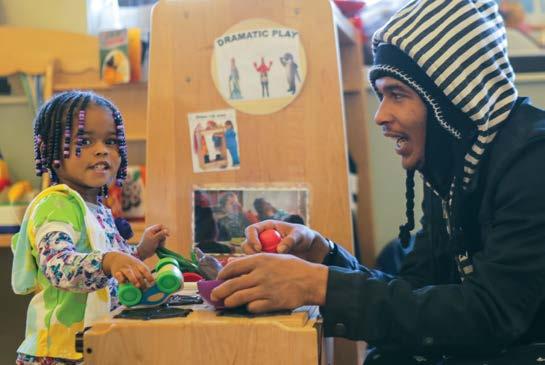
The first five years of a child’s life
are the most critical in terms of development. It’s the time when 90 percent of a child’s brain growth takes place, along with the cognitive development that often determines the course of a child’s future. Yet for many children, those critical years are spent just trying to survive. Whether that’s due to a serious medical condition or an economic factor like homelessness, there are very few places to turn for the specialized child care and family support that these children need to thrive. Ensuring that all children get the proper start in life is a goal that’s been driving PACT: Helping Children with Special Needs since 1981.
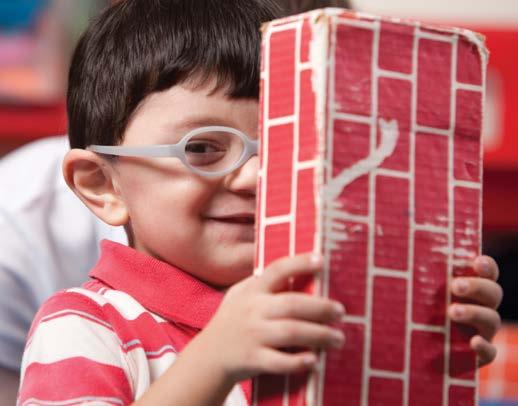

“There was no other specialized child care program that offered the kind of full-time nursing care that Nicholas needed. I don’t know where we’d be today without PACT.”
–Nicholas’ mom, Lisa
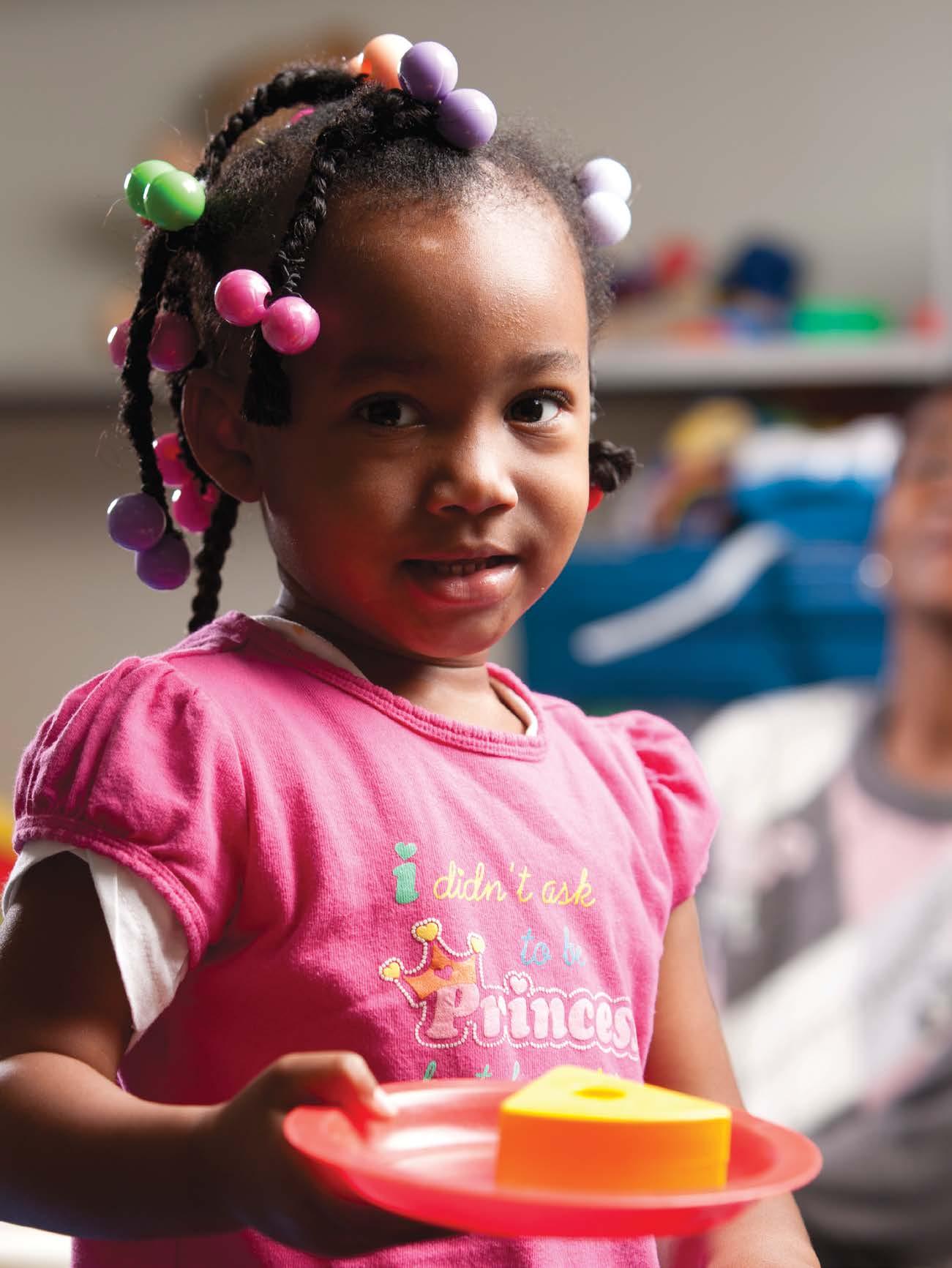
“I can’t change the past, but I can make sure that my daughter grows up knowing that she’s loved.” –Mrs. B

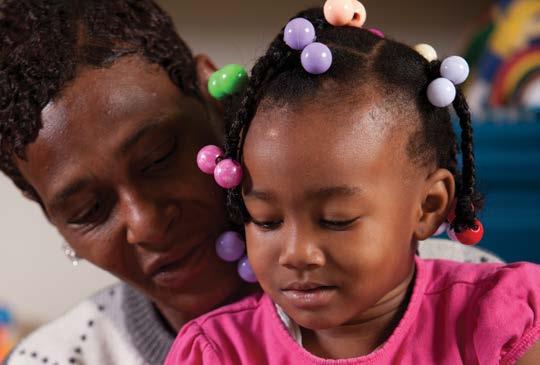
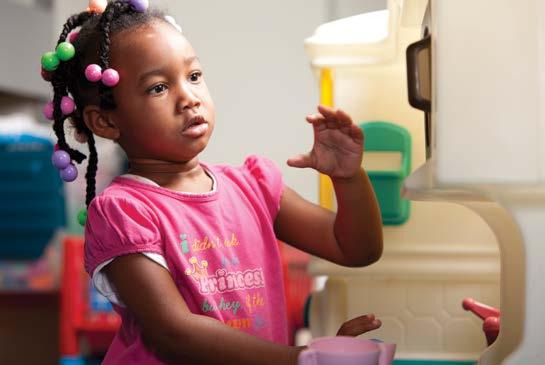
We’re working to build stronger parent-child attachment among families affected by homelessness.
When 22-month-old Aniya first arrived at PACT’s Therapeutic Nursery, she and her mother had just moved from a homeless shelter to a sober living facility. Having already lost custody of one child, her mother, Mrs. B, was determined to create a nurturing environment for her daughter, yet both were exhibiting classic signs of trauma. Aniya suffered from extreme separation anxiety, was experiencing marked speech delays, and didn’t take well to the concept of sharing.
Mrs. B, struggling to overcome addiction while at the same time trying to provide for her child, often had difficulty hiding her frustration. Our therapists worked closely with Mrs. B on simple things like tone of voice, and they played games and sang songs with Aniya to help her feel more secure. Mrs. B also took advantage of the parenting programs that PACT’s Therapeutic Nursery offered, and within weeks, there was a marked difference in both mom and baby.
In fact, as the months went by, it was Aniya who often helped new toddlers settle in, patting them gently on the back and singing the “When Mommy Comes Back” song. Now, Aniya attends a community preschool program. On her last day at PACT’s Therapeutic Nursery, as she said good-bye to her therapists, there were a lot of hugs—but no tears.

PACT’s Therapeutic Nursery is the only program in Baltimore City providing child care and Early Head Start services to infants and toddlers who are living either in a homeless shelter or in the community following a period of homelessness.
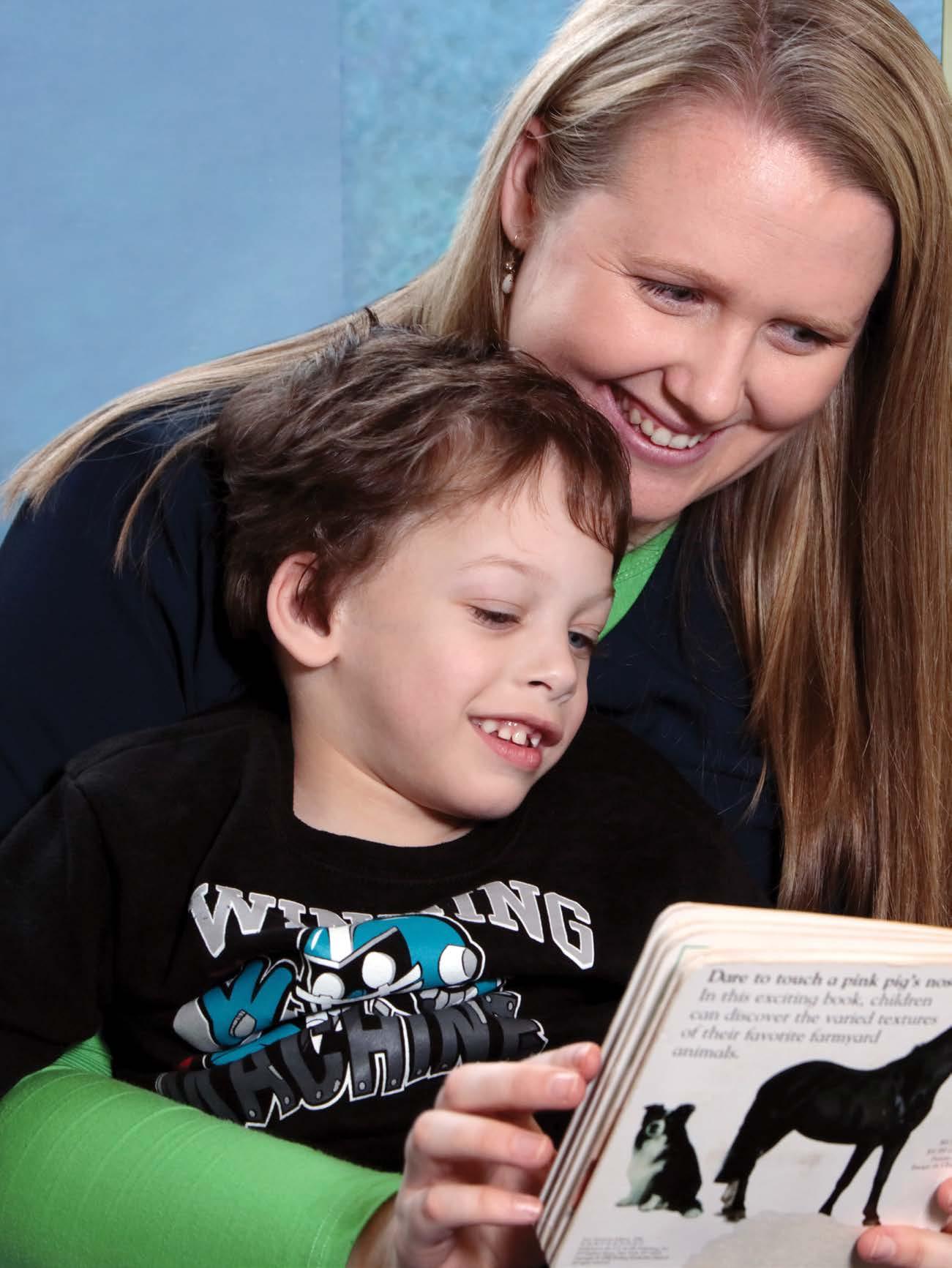
“Training at PACT changed my life in more ways than I ever could have imagined, and it inspired me to become a pediatric nurse.”
–Sarah Mullen, former PACT trainee
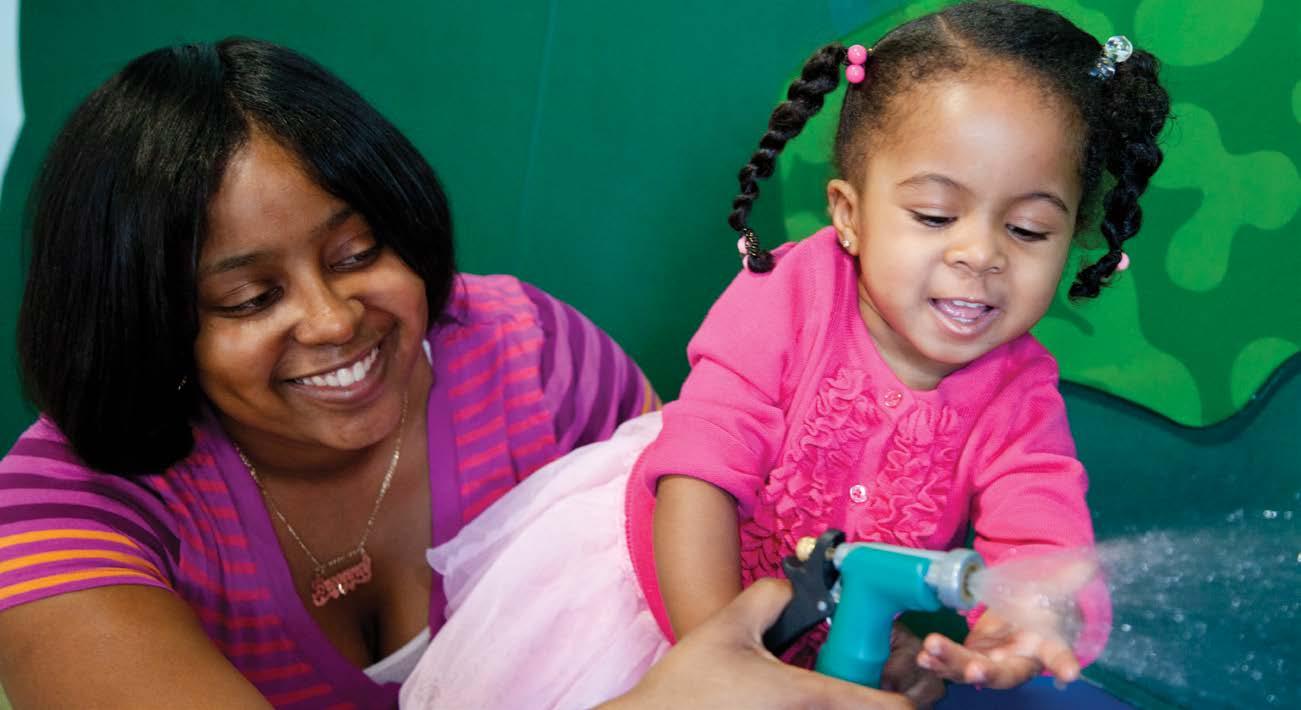
We’re changing our world by sharing ways to put parent-child attachment theory into action.
MAKING AN IMPACT THROUGH PARTNERSHIPS:
• PACT’s child care directors and infant mental health staff members provided consultation, training and hands-on support to help develop the United Way Family Center at Benjamin Franklin High School, just outside of Baltimore. The child care center for student parents incorporates many of the parent-child attachment interventions used at PACT’s Therapeutic Nursery, after which the center was modeled.
• With funding from the Maryland State Department of Education, PACT’s infant mental health specialists developed a pilot project to increase parent and caregiver engagement. PACT staff members provided training in Dr. Linda Gilkerson’s relationship-based model, Fussy Baby Network, to the Kennedy Krieger Institute Child and Family Support Program’s developmental therapists (occupational, physical and speech-language therapists). These therapists provide home-based parent training and therapy to children and families in the Baltimore City Infants and Toddlers Program.
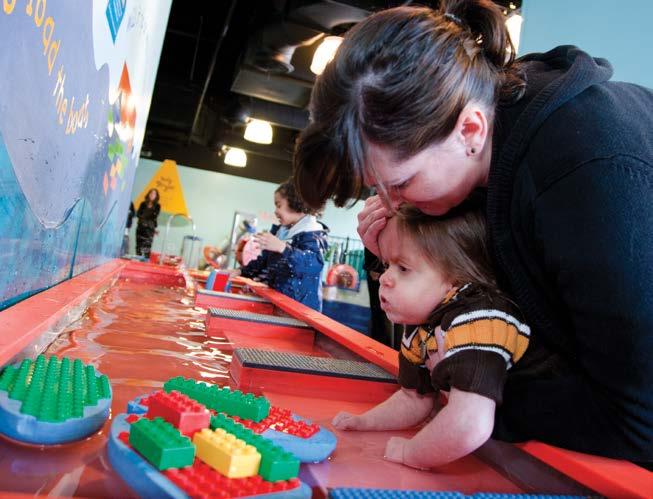
• PACT and the Port Discovery Children’s Museum developed a variety of therapy groups and other activities to make the museum more accessible to children with special needs. Together, they built an online toolkit, Explorability.org, so that other children’s museums across the country might adopt this model.
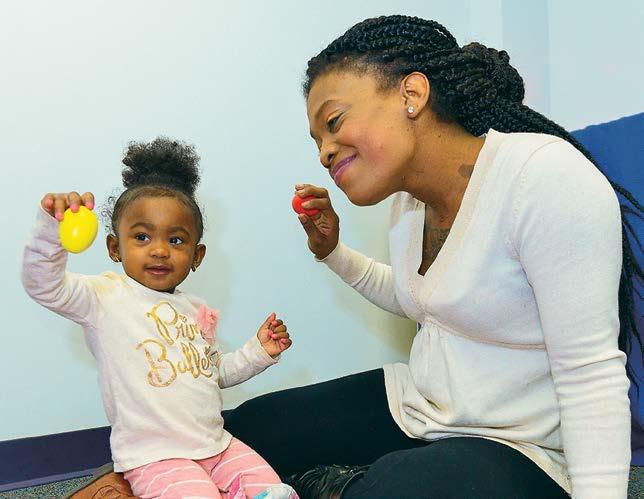
MAKING AN IMPACT THROUGH ADVOCACY:
• PACT leadership staff members meet with city, state and national government agencies and legislative bodies to advocate for at-risk children and their families who face challenges related to homelessness, complex medical needs and developmental disabilities. Additionally, PACT participates in local and national workgroups to develop new policies to help young children and families impacted by significant traumas.
MAKING AN IMPACT THROUGH PUBLICATIONS AND RESEARCH:
• PACT’s infant mental health social workers authored a practical guidebook detailing their parent-child attachment interventions for clinicians and early childhood providers serving at-risk populations. The book describes PACT’s parent-child attachment philosophy, and offers ways for clinicians and early childhood programs to implement the unique, nurturing attachment interventions developed by experts at PACT’s Therapeutic Nursery for homeless infants and toddlers.
• PACT Therapeutic Nursery staff members have published numerous articles in national journals on topics such as parent-child attachment, family engagement, reflective practice and mindful awareness play.
• PACT Therapeutic Nursery staff members conducted a multi-year research project and published findings demonstrating that the interventions employed at PACT’s Therapeutic Nursery succeeded in strengthening parent-child attachment in this high-risk population.
MAKING AN IMPACT THROUGH TRAINING:
• Every year, Therapeutic Nursery staff members train more than 500 professionals—from all disciplines—in parent-child attachment, family engagement, mindfulness, trauma-informed care and reflective practice at local, national and international conferences.



WHY WE NEED YOUR SUPPORT.
PACT is an independent affiliate of Kennedy Krieger Institute. Although affiliated, PACT retains its own 501(c)(3) status and a separate board of directors, and it is responsible for its own funding. Without your support, families in medically or economically fragile situations would have nowhere else to turn for specialized child care and family support.