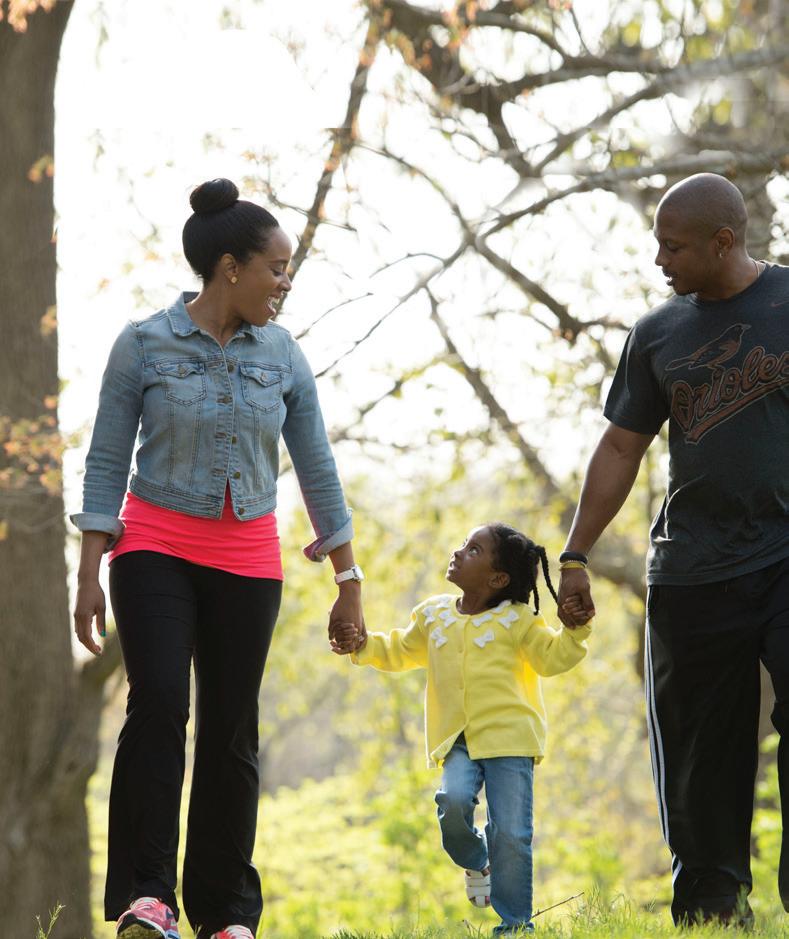
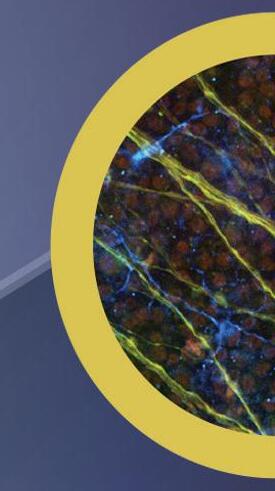
With your support, Kennedy Krieger Institute brings together researchers, scientists, physicians, therapists, educators, and advocates to fi nd the keys our patients and students need to unlock their potential and succeed in family, school, and community life.
To learn more about the Institute’s patient care, research, professional training, special education, and community programs, visit KennedyKrieger.org.
PATIENT CARE PATIENT CARE
An interdisciplinary team of specialists works together to evaluate, diagnose, and create individualized treatment plans to guide patients and families throughout all stages of care.
RESEARCH & TRAINING RESEARCH & TRAINING
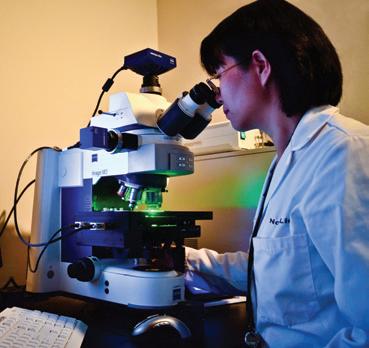
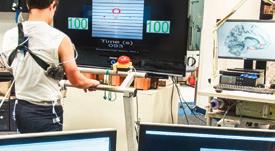
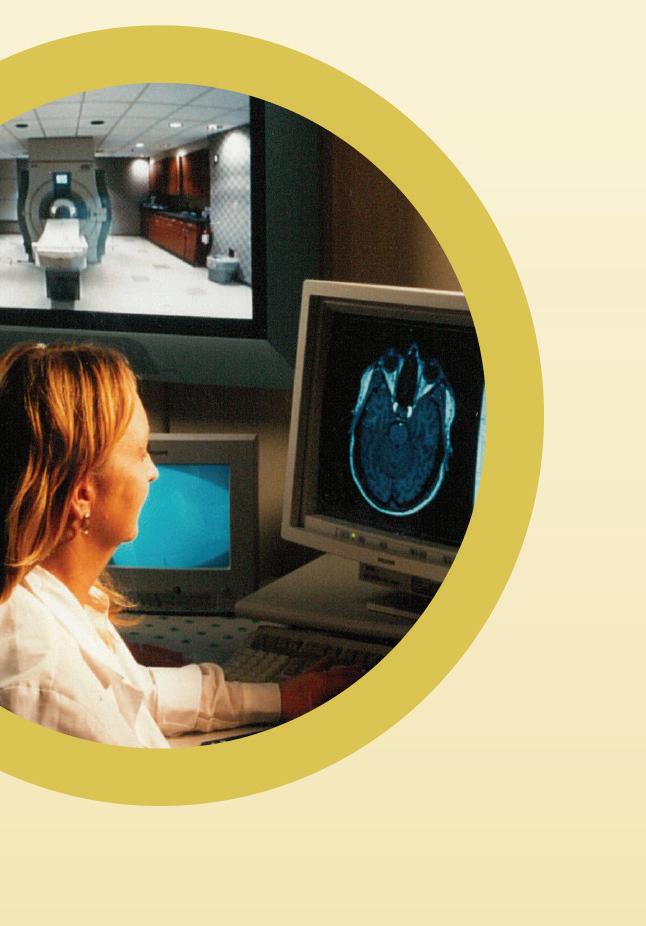
Our innovative research and professional training programs are leading the effort to advance understanding, prevention, and treatment of disorders and injuries of the brain, spinal cord, and musculoskeletal system.
SPECIAL EDUCATION SPECIAL EDUCATION
We offer school-based, hospital-based, and recreational programs designed to unlock the potential inside our students, and share our knowledge with educators everywhere through training and consulting services.
COMMUNITY INITIATIVES COMMUNITY INITIATIVES
We are committed to helping people with developmental disabilities achieve their potential and enjoy success in community life by providing access to resources, services, and model programs.
Dear Friend,
With its intricate web of billions of neurons, the brain is the most complex organ in the human body. Especially complex is the brain of a young child, continuously evolving and forming hundreds of new connections every second. Each pathway is interwoven with another, creating a neural network that delivers signals throughout the nervous system, enabling a child to move, speak, and learn. When something goes awry, whether through a turn of genetics or a twist of fate, this delicate network can unravel, disrupting function or behavior and locking a child’s potential inside.
At Kennedy Krieger Institute, we are dedicated to finding the keys to unlock the potential of children with problems and injuries that affect the developing brain. Sometimes that means pinpointing a causal gene or biomarker, or reactivating neural pathways. Other times, it’s understanding how to reach children with uncontrollable behaviors so they can learn, or helping families to advocate for their children’s needs. We are always looking for the next breakthrough, and we are committed to sharing our knowledge to help children everywhere.
None of this would be possible without you. We are so appreciative of your commitment to helping us unlock the potential of the patients, students, and families we serve.
Sincerely,
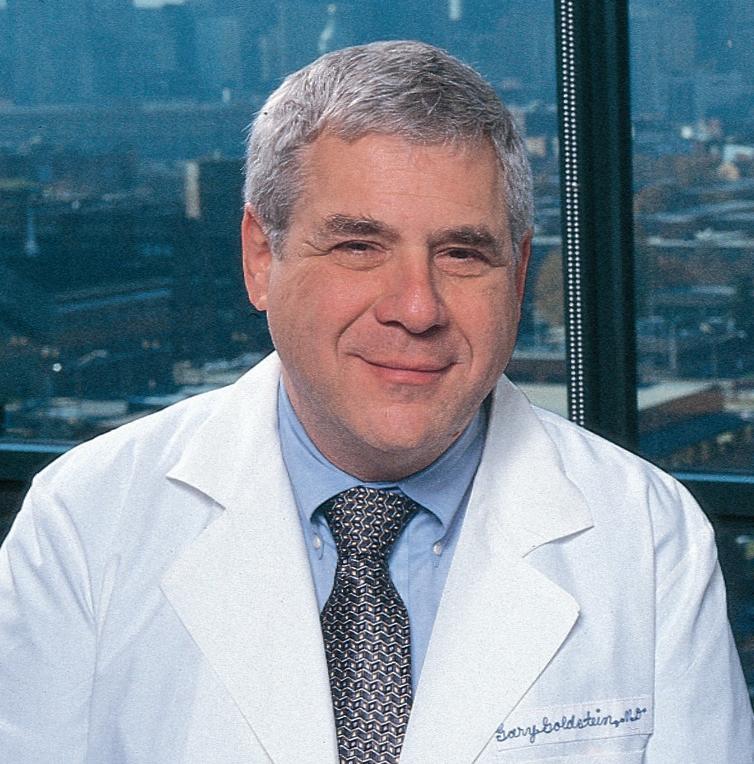
Gary W. Goldstein, MD President and CEO
“ ”
e therapists at Kennedy Krieger are amazing. is was the most difficult nightmare any parent could imagine, and they made it OK. ey give every parent hope.
– Logan’s Mom
PATIENT CARE PATIENT CARE
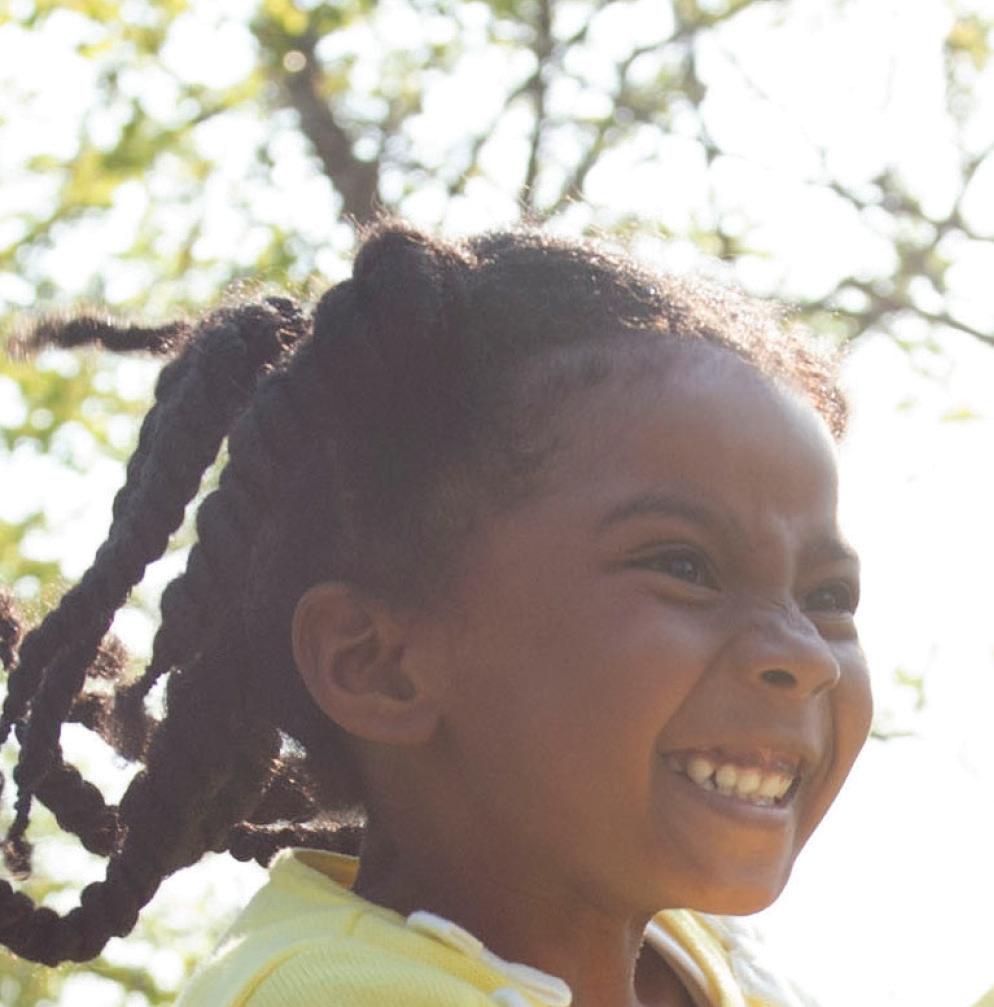
Logan loves dollhouses
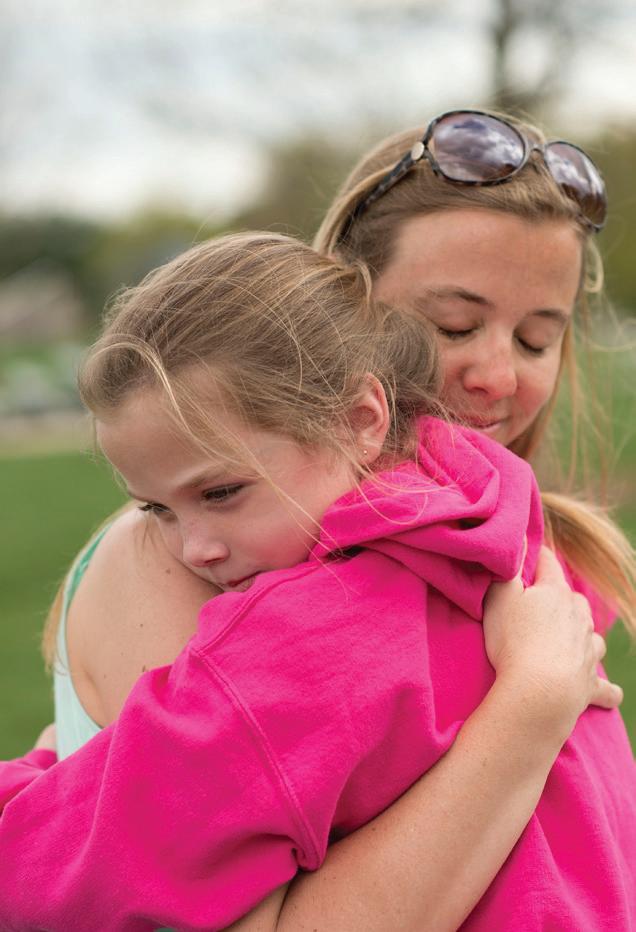
spending time with her mom and dad. She has a smile that can light up any room. But a year ago, she had little to smile about. Last spring, Logan developed a fever that wouldn’t break. The pediatrician thought it was an ear infection, but a course of antibiotics didn’t help. Two weeks later, Logan still didn’t want to get out of bed. When her mom, Brianna, tried to help her stand, Logan fell to the floor.
At the emergency room, she seemed to lose all function. Her arms were the fi rst to go limp, then her legs and the rest of her body. “From her neck down, she was a noodle,” recall her parents, Reggie and Brianna, who will never forget seeing their daughter so helpless, with tubes connected to her tiny body. Tests revealed she had transverse myelitis, a rare neurological disorder that can cause permanent paralysis. Logan needed intense inpatient rehabilitation and medical care, and her family found it at Kennedy Krieger’s International Center for Spinal Cord Injury. At fi rst Logan was scared and didn’t understand why she needed to stay in the hospital and undergo therapy. The therapists reassured and encouraged her, explaining that the harder she worked, the stronger she would become. They made therapy fun by demonstrating fi rst on her stuffed animal, and showing her pictures and videos for motivation.
Like all patients at Kennedy Krieger, Logan had a team of specialists working together to help her and her family. Logan’s team included an occupational therapist, a physical therapist, a physician, and a behavior therapist to help her cope. “The therapists at Kennedy Krieger are amazing,” says Brianna. “This was the most difficult nightmare any parent could imagine, and they made it OK. They give every parent hope.”
Logan underwent daily activity-based restorative therapy—exercises and activities such as functional electrical stimulation that focus on prompting cells to “remember” how to move while encouraging the growth of new nervous system cells. Slowly, Logan began to regain function and movement. She had to relearn everything, from how to move her arms and bend her legs to how to pull herself up to stand. Once she was stabilized, she went home but continued with outpatient therapy. On September 28, 2014, Logan began walking independently again. It’s a date that her mother says will be engraved in her brain forever. Soon after, Logan began running and hasn’t stopped since. Her ankles are weaker than they once were, but Logan has made a near complete recovery.
“We are so grateful,” says Brianna. “People come from all over the world for the medical care Logan received at Kennedy Krieger.”
FINDING THE KEYS FOR LOGAN
Logan’s team of specialists used activity-based restorative therapies to help her regain function and movement, and a tailored treatment plan that motivated her to improve skills.
RESEARCH & TRAINING RESEARCH & TRAINING
KennedyKrieger.org/Research-Training
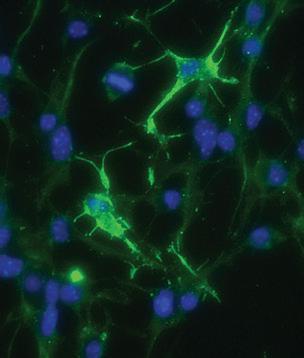
At Kennedy Krieger Institute, we are dedicated to understanding and treating the problems and injuries that affect a child’s developing brain. Our scientists focus on dozens of key research areas, such as autism, brain injury, cerebral palsy, spinal cord injury, behavioral disorders, genetic muscle disorders, and intellectual disability.
With advances in imaging technology, genome sequencing, and bioinformatics, our knowledge continues to expand, leading to better diagnoses and more advanced interventions. In addition to sharing our knowledge through published research, every year Kennedy Krieger trains hundreds of professionals who go on to deliver life-changing care to children across the country and around the world.
Some of our recent research and training highlights and accomplishments include:
include
Research initiatives at the Institute have led to the passage of legislation to implement newborn screening for adrenoleukodystrophy (ALD) in seven states, enabling early diagnosis and life-saving therapies, and paving the way toward nationwide implementation.
Researchers developed a new xenograft model for successful regeneration of human skeletal muscle in mice, enabling accelerated research in facioscapulohumeral muscular dystrophy
The nation’s largest online autism research effort, the Interactive Autism Network (IAN), reached more than 50,000 registered participants.
The RISE (Research Initiatives for Student Enhancement) programs expanded to include partners in California, Georgia, Ohio, and South Dakota, and continued to provide training for undergraduate, graduate, and professional students to increase the diversity of the public health workforce and reduce health disparities in underserved populations.
MORGAN’S STORY
Our researchers are at the forefront of understanding and treating brain injuries including concussions, placing patients like Morgan in the best of hands.
Parents don’t realize—I never realized—how much time it takes to truly heal the brain. I learned so much from the doctors at Kennedy Krieger.
”
– Morgan’s Mom
RESEARCH & TRAINING RESEARCH & TRAINING
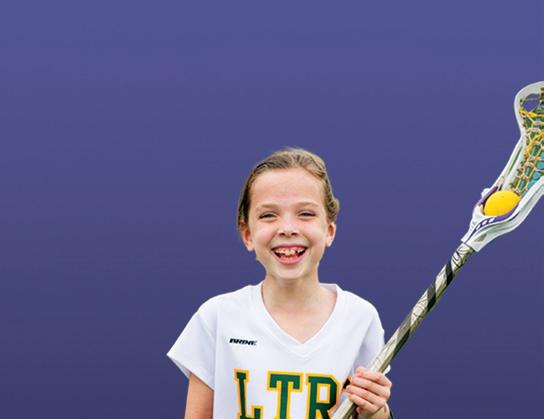
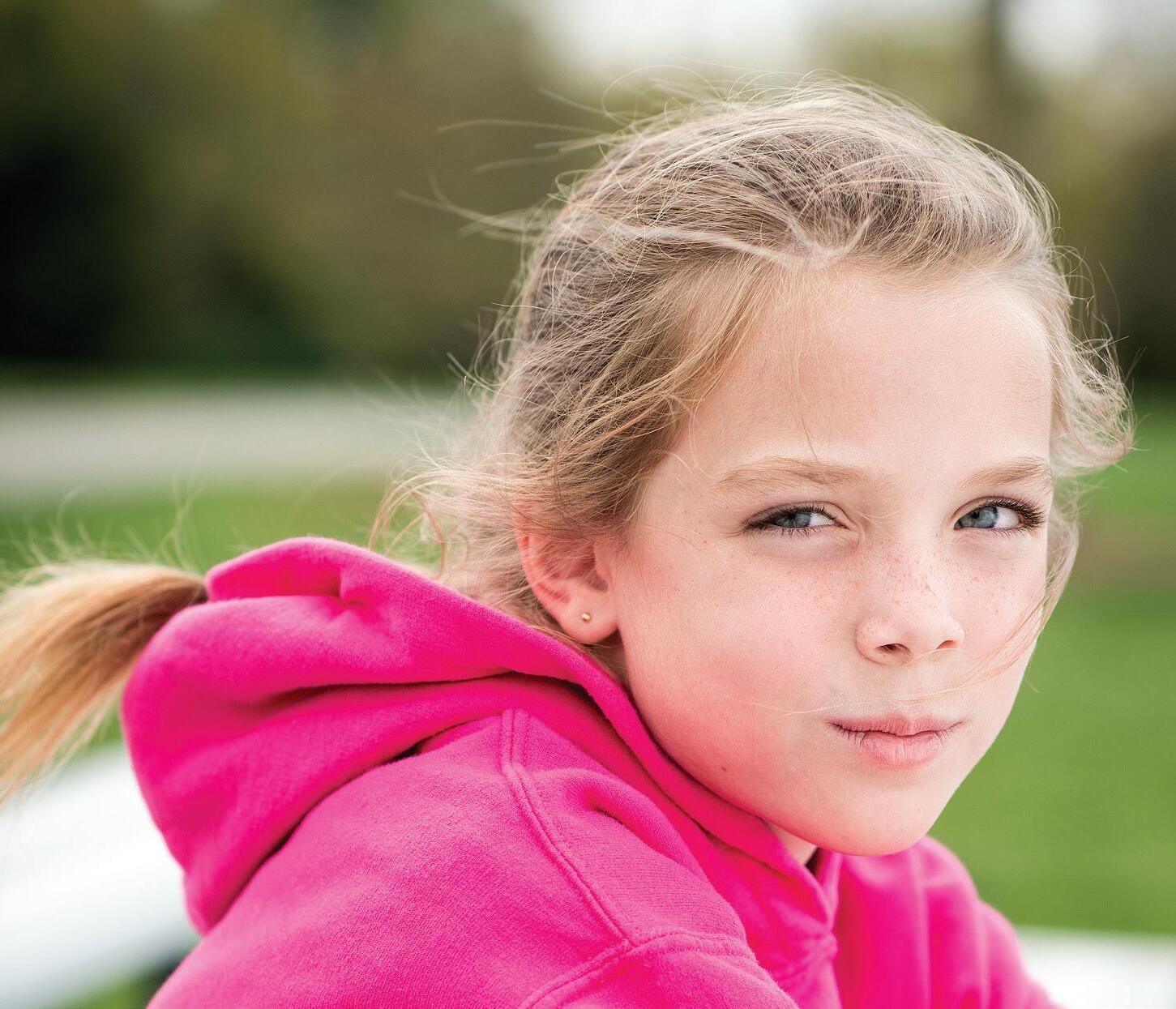
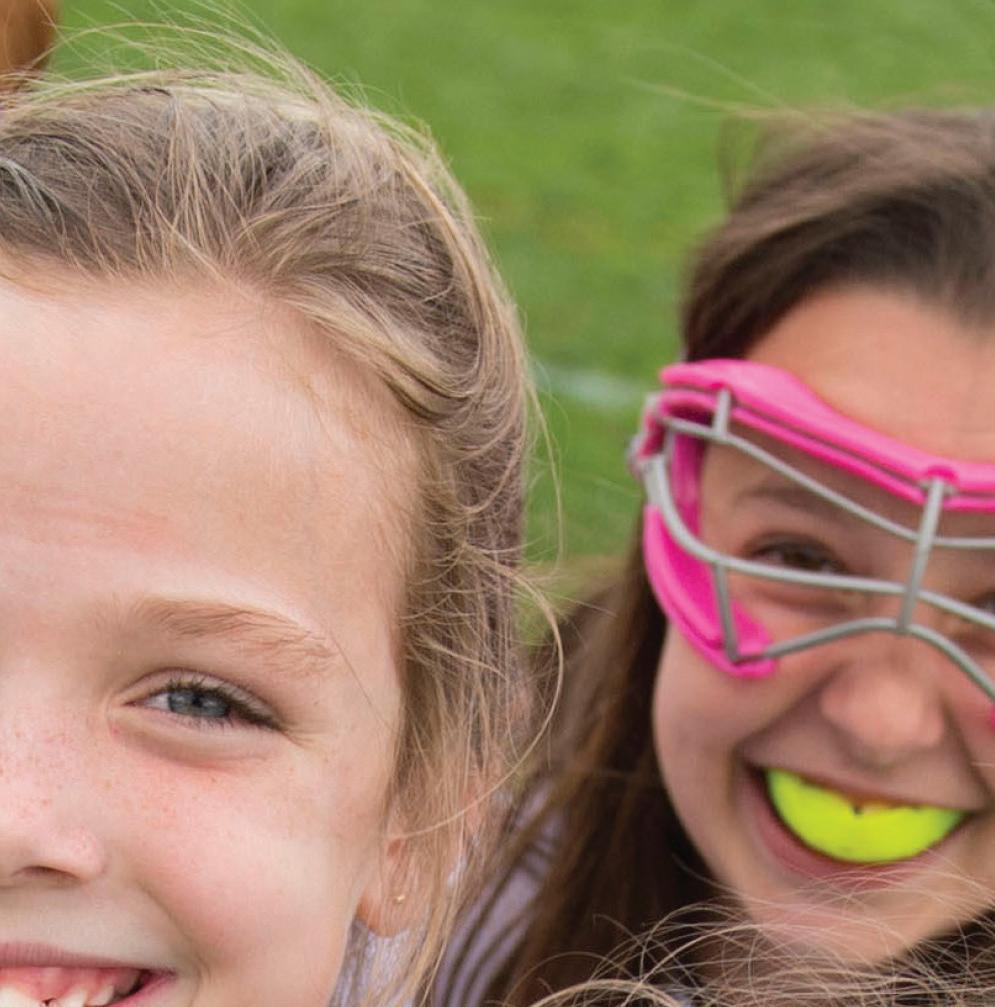
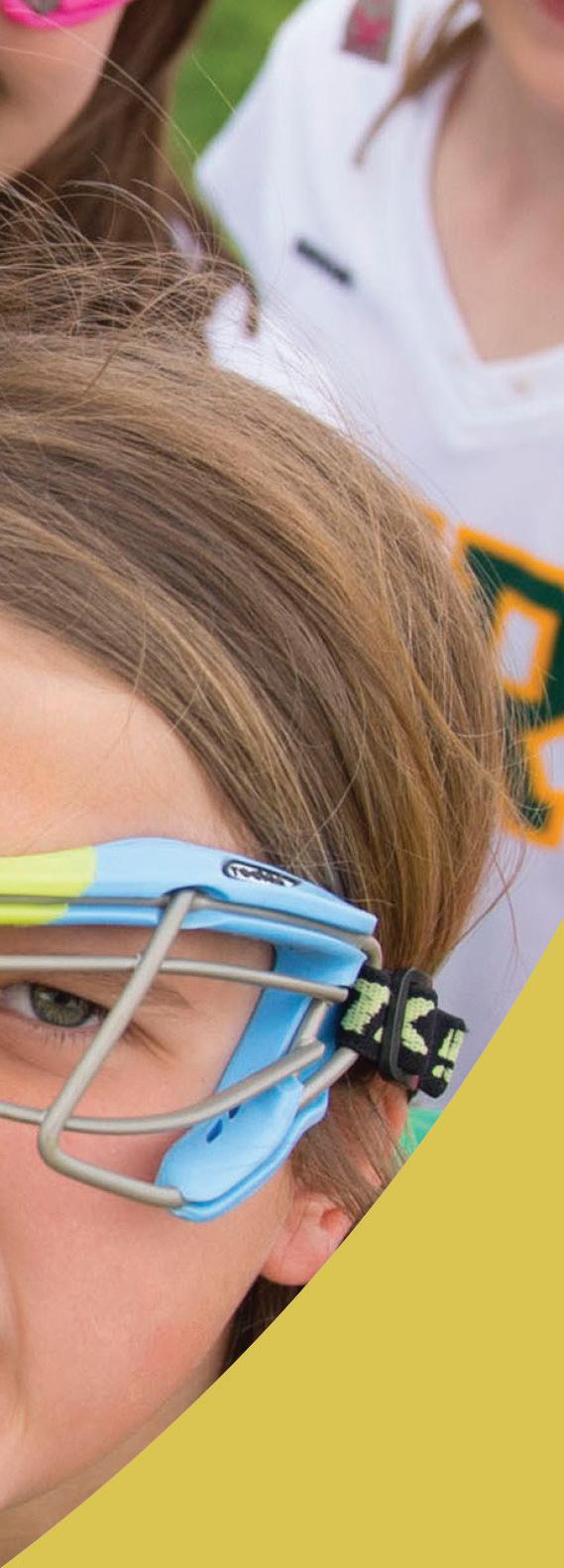
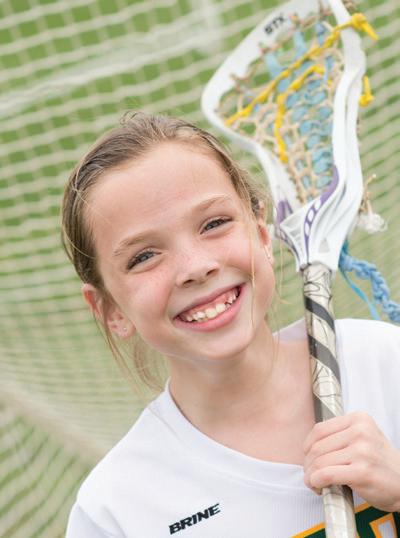
Morgan loves lacrosse and soccer, and is known for her high energy and athleticism. But a sledding acci threatened to change that.
nurse
During an afternoon playing in the snow, Morgan’s sled veered out of control and her head collided with her big sister’s. No one knew it at the time, but Morgan had sustained a concussion. Her mother, Lizzy, called her pediatrician’s office, and the nurse practitioner advised watchful waiting. Later that day, Morgan began showing worrisome symptoms. She seemed lethargic and irritable—out of character for the active 7-year-old. “I saw her demeanor changing; her coloring had changed,” recalls Lizzy. “She was not her happy, bubbly self.”
Morgan’s mom knew something was wrong and called the pediatrician again, asking to be seen. The doctor took a look and sent them to the emergency room. A brain scan showed no swelling or bleeding of the brain, but revealed a broken orbital bone, for which she was referred to an eye specialist. They left the ER with a concussion diagnosis, but no clear care instructions other than to avoid sports until her symptoms stopped. Fortunately, Morgan’s mom recognized the seriousness of concussion. She turned to Kennedy Krieger for her daughter’s care. Morgan underwent a thorough evaluation by specialists which included medical, cognitive, and motor testing. Doctors explained that if Morgan resumed activities too soon, her brain would not have the chance to properly heal. This meant no running or jumping, no climbing, and no sports, which was devastating to Morgan, who had recently made the travel lacrosse team. Even sedentary activities like watching TV or reading could be too taxing and cause her symptoms to worsen. Doctors gave her a detailed concussion care plan to follow at home and school.
“It was very scary, very hard, because she is so active and just loves running,” says Lizzy. “But we knew that if she had a second concussion on top of the fi rst one, the damage could be lasting—it could be a forever injury.” Concussion care is complex; unlike with a broken arm in a cast, you can’t see into the brain to fi nd out its condition. And with a 7-year-old, it can be difficult to discern normal behavior from nuanced symptoms, like irritability. But Morgan was in good hands. Kennedy Krieger’s experts have been treating children with brain injuries for nearly 40 years, and its researchers are at the forefront of investigating the best ways to diagnose and treat concussions and prevent long-term effects on the brain.
Through a series of follow-up visits at the Institute, specialists continued evaluating Morgan’s progress and refi ning her recovery plan. She was gradually allowed to resume some activities, while being monitored for any increase in symptoms. Eight weeks after her injury, doctors determined that it was safe for Morgan to return to all normal activities, including lacrosse. Morgan was able to join her team for the last half of the lacrosse season. Her fi rst game back, she scored a goal. Morgan’s mom is grateful for her daughter’s progress and for the doctors who treated Morgan. “I learned so much from the doctors at Kennedy Krieger,” she says. “I left the ER without an education, whereas at Kennedy Krieger the doctors sat down and had a long talk with us about concussions. I left with a plan for what she was and was not allowed to do that I could share with her school and with her coaches.”
FINDING THE KEYS FOR MORGAN
e care Morgan received at Kennedy Krieger was based on nearly 40 years of experience treating children with brain injuries, and its researchers are on the forefront of investigating the best ways to diagnose and treat concussion and prevent long-term eff ects on the brain.
SPECIAL EDUCATION SPECIAL EDUCATION
KennedyKrieger.org/SpecialEducation
Kennedy Krieger is an award-winning and nationally recognized leader in special education, providing innovative models of education for children with a wide range of learning, emotional, physical, neurological, and developmental disabilities.
Whether at our day schools, our partnerships with public school systems, or any of our other locations throughout the Baltimore-Washington region, we strive to provide the innovative and customized approaches that students with complex disabilities need for success.
Some of our recent special education highlights and accomplishments include:
○ Expanded special education to international students through the Student Exchange and Visitors Program. Student referrals are being made from Asia, the Middle East, and Europe.
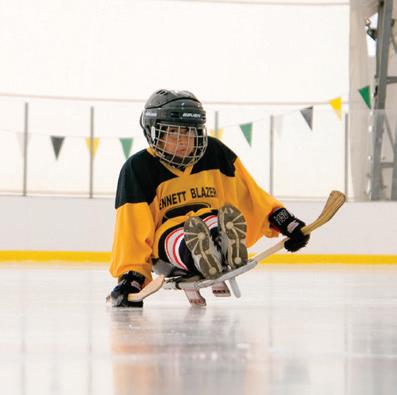
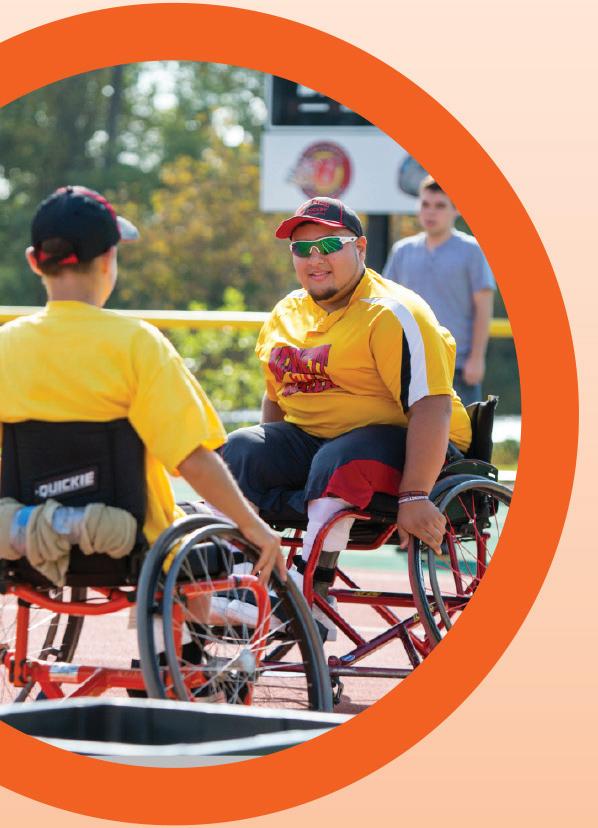
○ Built a new, fully accessible, multipurpose sports field for use by both the school programs and our adaptive sports program
○ Expanded our special education consulting services to additional states, including Louisiana, Indiana, and Texas, to help teachers better serve children with special needs
○ Implemented a virtual classroom training environment with student avatars to provide teachers with opportunities to practice specialized teaching skills.
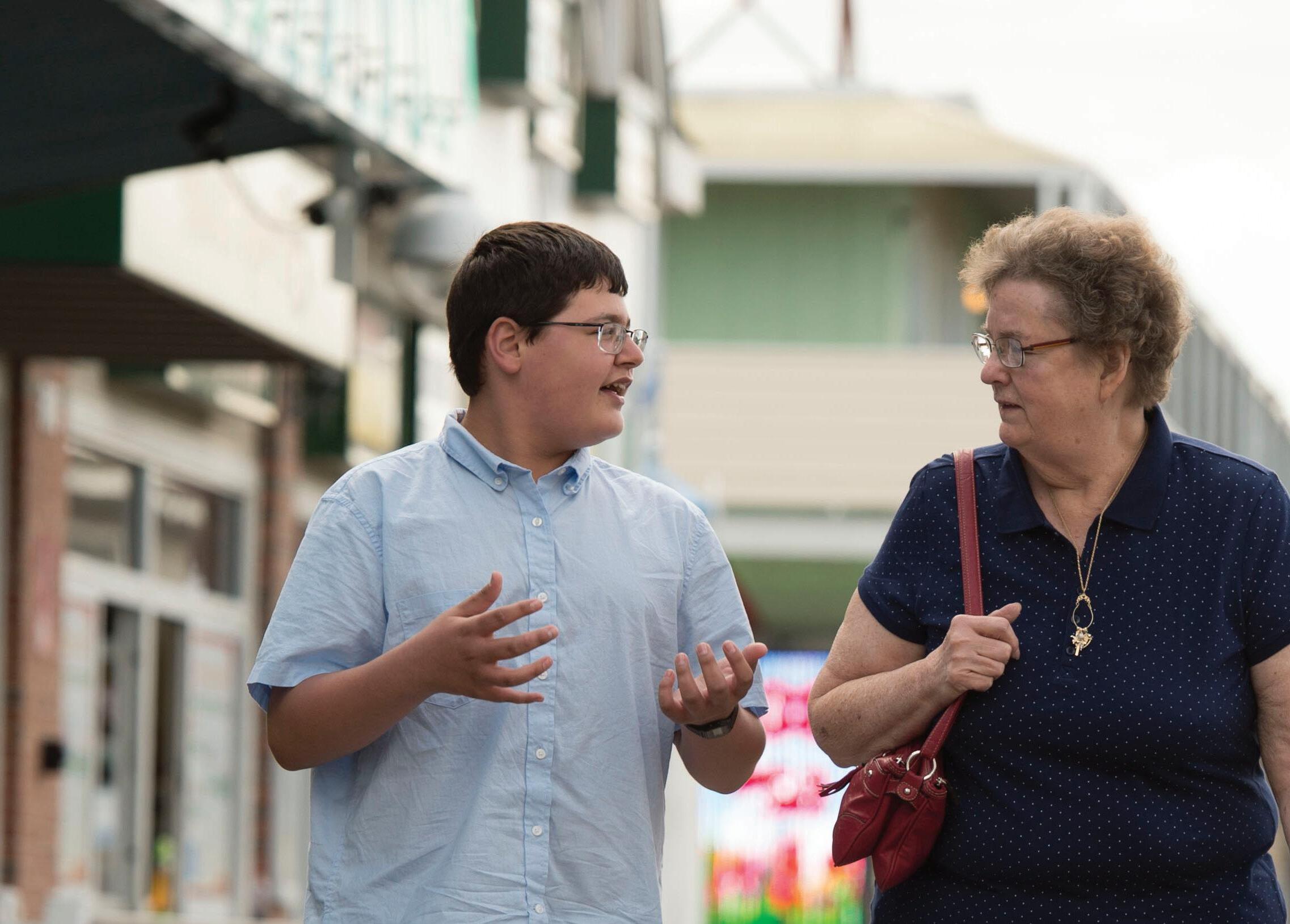
When Noah was young, his teachers and those closest to him were overwhelmed by his diffi cult behaviors. It was hard to see his natural gifts.
e change in Noah has been remarkable. It’s like we got a brand new kid! “ ”
– Noah’s Mom
SPECIAL EDUCATION SPECIAL EDUCATION
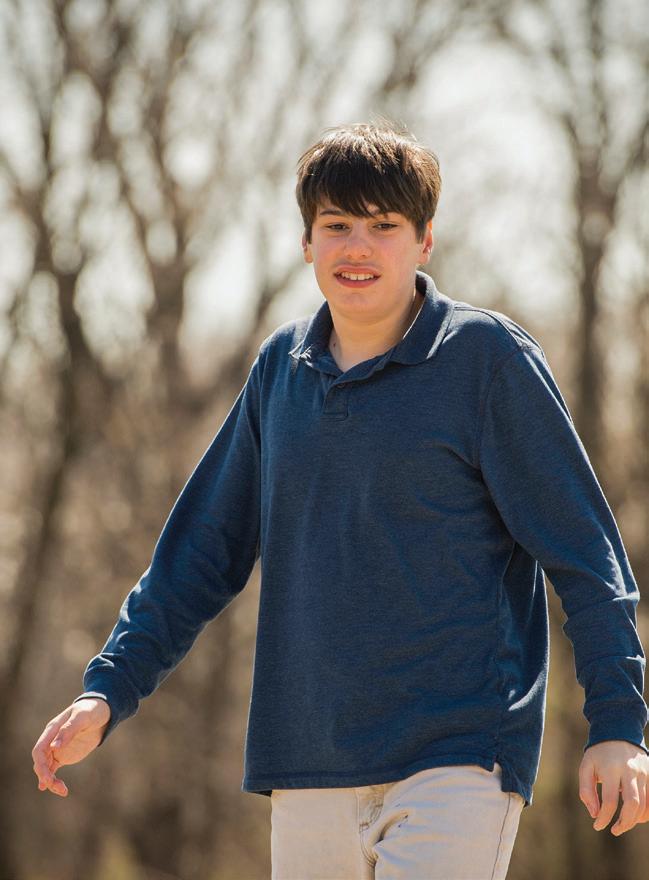
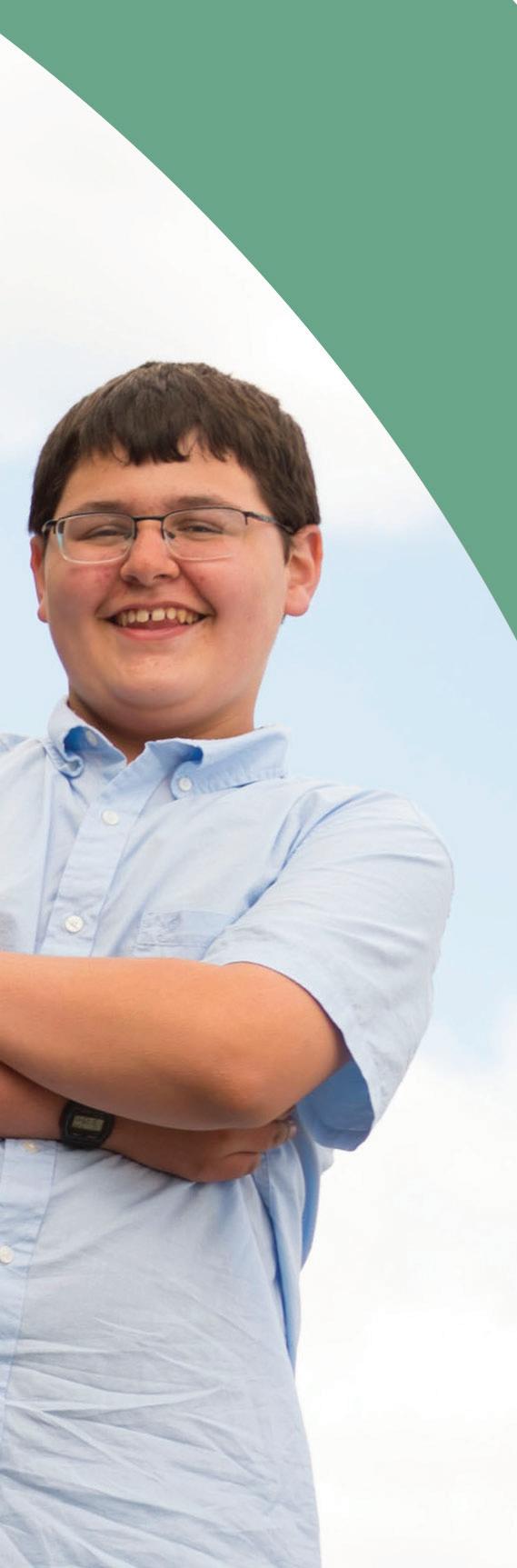
Noah is naturally funny
was
When Noah was in fi fth grade, his behavior started becoming more and more difficult at home and at school. He was very aggressive. He was hitting. He was spitting, recalls Noah’s mom, Diana. “He wasn’t getting the support he needed…He just didn’t know how to cope.”
It’s a situation that happens all too often for children with autism. Diana was getting calls every day from the school asking what she was going to do about his behaviors.
“It was a very difficult time for us and for Noah too, because he knew he didn’t want to be like that,” says Diana. “But he was reacting the only way he knew how…it was a really tough time.”
make up his own jokes. He loves singing and music. He loves to help people, too. But when Noah was young, it was hard to see his natural gifts. His teachers and those closest to him were overwhelmed by his difficult behaviors.
Noah needed a school that specialized in the unique needs of students with autism. When the family visited Kennedy Krieger’s Montgomery County School, they instantly knew it was the right fit.
Kennedy Krieger worked with the family to understand Noah’s needs and how best to motivate him. Noah’s team included a social worker, speech therapist, occupational therapist, behavior analyst, and teachers, all working together to provide the support he needed to learn. And they developed a strong relationship with Noah’s family to ensure consistency between home and school.
Now in high school, Noah is thriving. This past year was a special one for Noah. He won awards for most improved student and the president’s education award for outstanding academic achievement.
“He’s just come so far,” says Diana. “We could not have done it without Kennedy Krieger.”
FINDING THE KEYS FOR NOAH
Kennedy Krieger was able to off er Noah what so many other schools could not: an understanding of the brain-behavior relationship in children with autism, and how to translate this knowledge into academic success.
KennedyKrieger.org/Community
COMMUNITY INITIATIVES COMMUNITY INITIATIVES
Kennedy Krieger’s reach extends far beyond our hospital and classroom doors to improve the lives of individuals with disabilities in the community. The Institute’s community initiatives include outreach, education, training, early intervention support services, adaptive sports, access to resources, and therapeutic foster care programs.
The cornerstone of our community efforts is the Maryland Center for Developmental Disabilities (MCDD) at Kennedy Krieger Institute, which partners with community organizations and state agencies to provide vital resources and services for families throughout Maryland. Through a focus on professional training, community services, research, and information dissemination, the MCDD helps people with intellectual and developmental disabilities achieve independence, productivity, and inclusion within their communities.
Some of our recent community highlights and accomplishments include:
○ Conducted statewide trainings for more than 8,000 individuals, families, and professionals.
○ Celebrated the reappointment of a MCDD representative by President Obama to a key administration post advising on policies that affect individuals with intellectual disabilities.
○ Expanded Project HEAL (Health, Education, Advocacy, and Law) partnerships to include RE/MAX Preferred, Ballard Spahr LLP, and DLA Piper, one of the world’s largest law firms.
○ Continued statewide developmental disability community outreach and advocacy initiatives, providing advocacy and legal services and access to resources and support for families.
DAVID’S STORY
As David’s only caregiver, Sheryle worried about her grandson’s future as she watched him struggle to learn and fall further behind at school.
“Project HEAL
empowered me to advocate for my grandson. He is now receiving the services he needs, and I know the right questions to ask when an attorney isn’t with me.
”
–
David’s Grandmother
COMMUNITY INITIATIVES COMMUNITY INITIATIVES
From a young age, David
fell
and attention problems, and had frequent mood swings. In school, he struggled with learning and fell behind, so much so that in fi fth grade, he was reading at only a fi rst-grade level. David was frustrated and angry and frequently acted out. On bad days, he would shove books and papers to the floor and crouch under his desk or bolt from the classroom. To his adoptive grandmother, Sheryle, a retired teacher, it was obvious that David needed help. But her request for additional support for her grandson went unheeded at the school. Instead, they seemed to blame her for David’s learning problems and expected her to fi x his “inappropriate behavior.”
As David’s only caregiver, Sheryle worried about David’s future, especially as she approached the milestone age of 70. “I decided I had to do something,” recalls Sheryle. “I didn’t want to lose David. I didn’t want him to be the child you read about in the newspaper—a child who showed problems, but no one did anything.” Sheryle searched for help, and found Kennedy Krieger’s Project HEAL (Health, Education, Advocacy, and Law). The only medical-legal partnership in Maryland, the program offers help navigating the educational system for families of children with disabilities.
While David began outpatient treatment at Kennedy Krieger, Project HEAL attorney Karen McLaughlin consulted with David’s doctors and traveled to the family’s community on the Eastern Shore to help Sheryle advocate for David’s educational needs. Karen attended multiple meetings with the school and Sheryle to advocate for the services and supports David needed to be successful. Karen explained that David had a right to these services under federal and state laws.
With an attorney knowledgeable about both the educational system and David’s clinical needs by Sheryle’s side, the school began to respond. The school system hired an aide to work one-on-one with David each day and began making other changes, such as allowing him to enroll in extended school year services.
The changes have made a profound difference for David. “He knows he has limitations, but he doesn’t feel angry anymore,” says Sheryle. “He doesn’t have to hide under his desk, because he knows people are there to help him.” David’s mood improved, too. Now when Sheryle asks David about his day, he says, “I had a great day!”
“Project HEAL empowered me to advocate for my grandson,” says Sheryle. “He is now receiving the services he needs, and I know the right questions to ask when an attorney isn’t with me.”
Sheryle turned 70 in July. But now, the weight of worry about David’s future has lessened because of the impact that she and Project HEAL had on her grandson’s education and his future.
FINDING THE KEYS FOR DAVID
Project HEAL helped Sheryle navigate the complex educational system and become an advocate for her grandson, ensuring that he receives the educational services he needs.
Finding the keys through medical-legal partnership
Navigating the complexities of the educational system to ensure that a child’s educational needs are met is overwhelming for many families of children with intellectual and developmental disabilities. It requires knowledge of federal disability laws, special education, and medical conditions—a rare combination of expertise.
Project HEAL attorneys collaborate with Kennedy Krieger healthcare professionals and trainees to ensure that patients receive the medical and legal care they need, now and in the future. It’s one more way Kennedy Krieger is committed to serving children and families in the community. that a child’s educational needs are met is overwhelming for disabilities. It requires knowledge of federal disability laws,
Maureen van Stone recognized the need for this expertise and created Kennedy Krieger’s Project HEAL, Maryland’s only comprehensive medical-legal partnership. A community-based program of the Maryland Center for Developmental Disabilities (MCDD) at Kennedy Krieger Institute, Project HEAL provides comprehensive advocacy and legal services for children with intellectual and developmental disabilities and their families.
In the News
A feature story in The Baltimore Sun highlights a family helped by Project HEAL, while providing the history and mission of the program.
KennedyKrieger.org/ProjectHEALStory
“Project HEAL educates and empowers family members to advocate for their loved ones long after we close our case with them.”