Our Areas of Specialization
We provide patient care through a comprehensive range of developmental, behavioral and rehabilitation programs for children and young adults. Our areas of specialization include:
• Attention deficit disorders/ADHD
• Autism spectrum disorders
• Behavioral disorders
• Brain injury
• Cerebral palsy
• Chronic pain
• Communication disorders
• Concussion
• Developmental disorders
• Down syndrome
• Feeding disorders
• Genetic disorders
• Learning disorders
• Mental health disorders
• Movement disorders
• Muscular dystrophy
• Neurological disorders
• Physical and neurological rehabilitation
• Sleep disorders
• Spina bifida
• Spinal cord injury and paralysis
Visit KennedyKrieger.org/PatientCare for more information.
Who We Are
For more than 80 years, our renowned doctors, researchers, therapists and educators have empowered individuals to unlock their potential and succeed in family, school and community life. Serving more than 24,000 patients each year, we provide unique access to leading experts in neurorehabilitation, mental health, behavioral and neurological disorders, and other disorders and injuries of the brain, spinal cord and musculoskeletal system.
To ensure that our patients and their families receive the best possible care, we take an interdisciplinary, team approach. Our staff members work closely with professionals and with our patients’ family members to develop comprehensive and individualized treatment plans. Depending on a patient’s needs, we offer a full continuum of care, including:
• An inpatient pediatric specialty hospital
• More than 75 outpatient clinical programs across 10 patient care locations
• Intensive day treatment programs
• In-home and community-based care
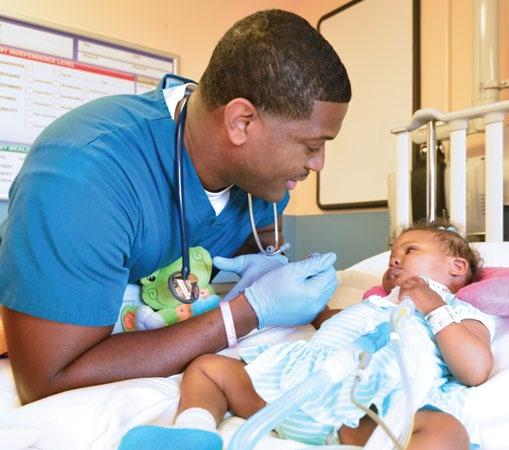
Neurobehavioral Unit (NBU): This 16bed inpatient unit serves individuals with developmental disabilities who are self-injurious, aggressive and displaying other severe and highly treatment-resistant behavioral disorders. The program’s treatment approach is databased, intensive and unique in that it involves the integration of applied behavioral analysis and pharmacological interventions.
Rehabilitation Unit: Interdisciplinary rehabilitation therapies are available for children with acute and chronic brain and spinal injuries and disorders, complex medical conditions, and pain disorders, as well as for those recovering from orthopedic surgery. Services include 24-hour medical, nursing and respiratory care, as well as intensive therapy services to meet a patient’s needs and medical condition. Our team is able to care for patients with tracheostomies, feeding tubes, ventilators, central lines and other medically complex issues
SPECIALTY MEDICAL PROGRAMS
International Adoption Clinic: Pre- and postadoption services are offered for families adopting a child. Services prepare families to care for newly adopted children and to augment care provided by the child’s primary healthcare provider. The clinic helps identify potential areas of medical or developmental concern by providing medical evaluation and preventive care and making referrals for appropriate resources.
Center for Autism and Related Disorders
(CARD): This interdisciplinary center combines research, developmental assessment, diagnosis, interventions (including medical management), community outreach and training to improve the lives of individuals with autism spectrum disorders (ASD), their families and the communities that care for them. Our interdisciplinary team includes experts in the disciplines of neurology, occupational therapy, speech-language pathology, psychiatry, developmental pediatrics, neuropsychology, clinical psychology and clinical social work. The center endorses a flexible treatment approach, and adjusts core methods and intervention goals to meet the needs of each child.
Barth Syndrome Clinic: This clinic is one of the few programs in the world dedicated to the diagnosis and treatment of individuals with Barth syndrome. The interdisciplinary clinic features a unique collaboration among experts in Barth syndrome, including specialists from genetics, hematology, cardiology, nutrition and physical therapy. Because Barth syndrome affects so many systems of the body, treating a patient with this disorder often requires the involvement of Kennedy Krieger experts from a wide range of medical specialties.
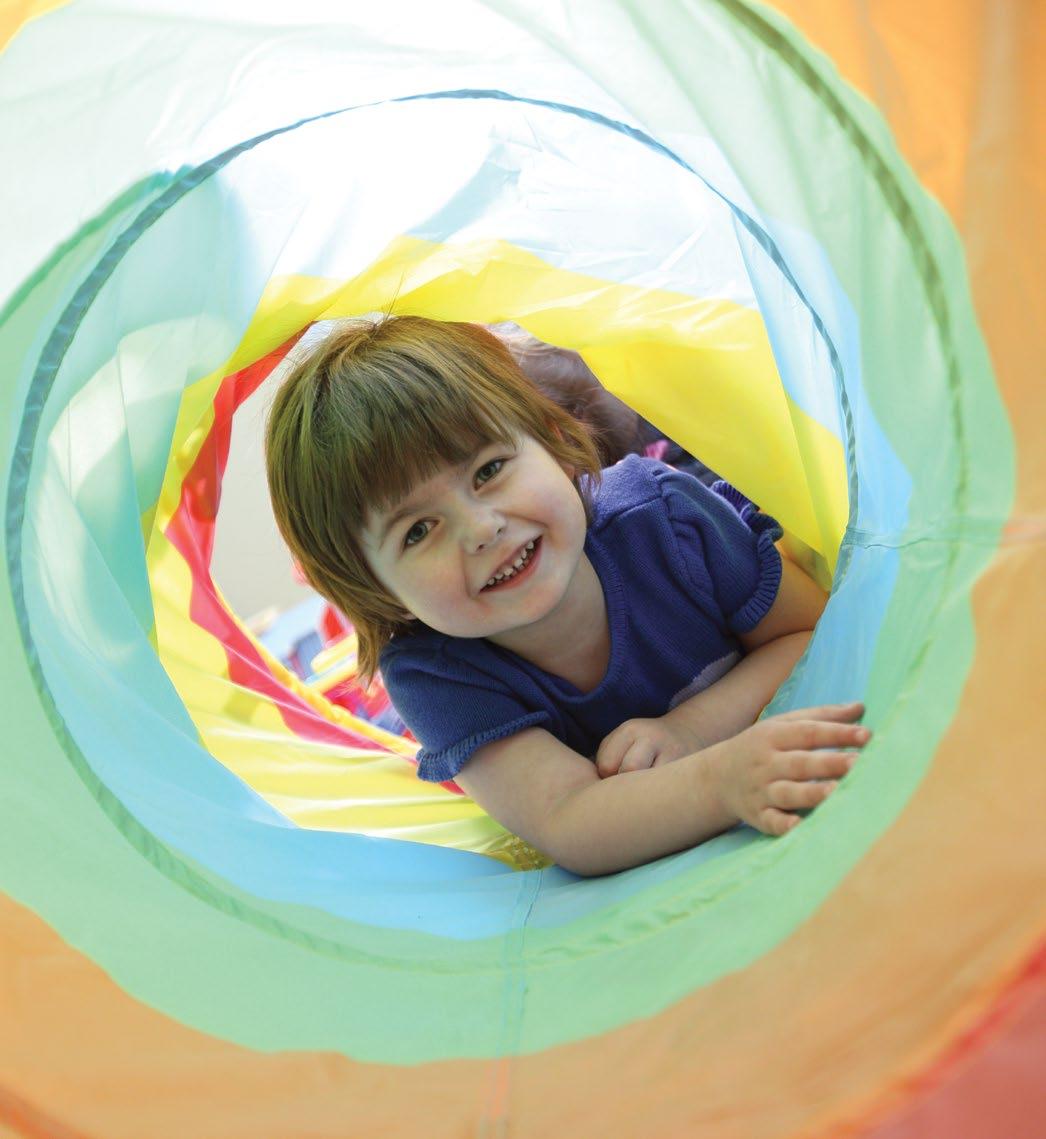
on optimizing function, promoting self-esteem and minimizing health problems. Treatment options include non-surgical services such as oral medications, physical therapy, splinting, casting and bracing. Neurosurgical procedures include selective dorsal rhizotomy, baclofen pump placement and deep brain stimulation.
Concussion Clinic: In this clinic, children ages 2 to 18 are evaluated by a physician and a neuropsychologist for diagnosis and treatment of a concussion. The goal is to determine the best path for the child’s recovery and to help the child return to academic, athletic and community life. Care is based on the latest treatment techniques and modalities informed by the clinic’s research team. The clinic also provides education and support for families who have questions about their child’s recovery.

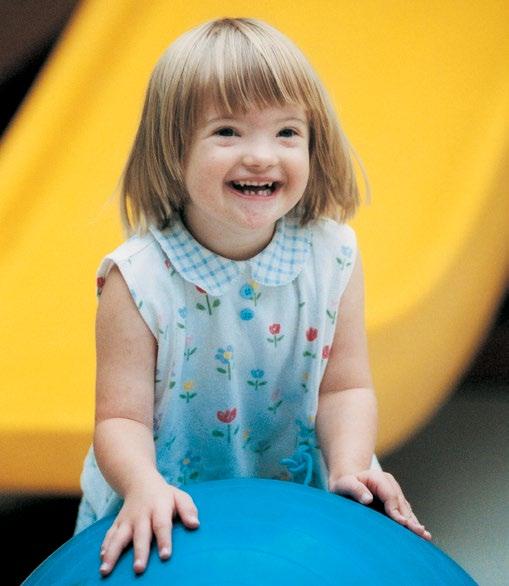
Cranial Cervical Clinic: Serving infants and toddlers with torticollis and plagiocephaly, this clinic provides comprehensive evaluations and coordinates care to ensure the earliest and most appropriate intervention possible.
Center for Development and Learning: This center is an outpatient medical program for the comprehensive evaluation and treatment of children and young adults who have problems in language development, attention, learning, behavior or school adjustment. The outpatient program includes a team of physicians, nurse practitioners and nurses who work individually with our patients and families or within skilled, interdisciplinary teams to deliver family-centered, timely, evidence-based care.
Down Syndrome Clinic and Research Center: This center provides interdisciplinary and comprehensive evaluations and services for patients from birth to adulthood with Down syndrome. Our services include those for pediatric developmental delay, complex neurodevelopmental and behavioral concerns, and adolescent and adult mental health needs. We emphasize clinical care and research to treat underlying cognitive and neurobehavioral dysfunction, and we continue to develop research studies to examine the neurobiological basis of intellectual and co-occurring mental health impairments associated with Down syndrome.
Feeding Disorders Program: This program combines medical expertise with therapeutic techniques of behavioral psychology in the treatment of children with feeding disorders, including disruptive meal-time behaviors, failure to consume enough nutrients to promote growth, and abnormal suck-and-swallow patterns. Our interdisciplinary team of specialists includes nutritionists, speech-language pathologists, occupational therapists, social workers and nurses, and can measurably increase a child’s appropriate eating behaviors while decreasing inappropriate behaviors, making meal time family time again. The program offers a continuum of services for treatment, including outpatient therapy, intensive therapy in a day hospital program, and inpatient treatment.
Fragile X Clinic: This clinic provides comprehensive evaluation and treatment services for children and adults with fragile X syndrome and fragile X-associated disorders. The clinic is staffed by an interdisciplinary team of experts in neuropsychology, speech-language pathology, genetic counseling, psychiatry, social work services and neurology, and offers consultations, comprehensive evaluations, medication management and referral services.
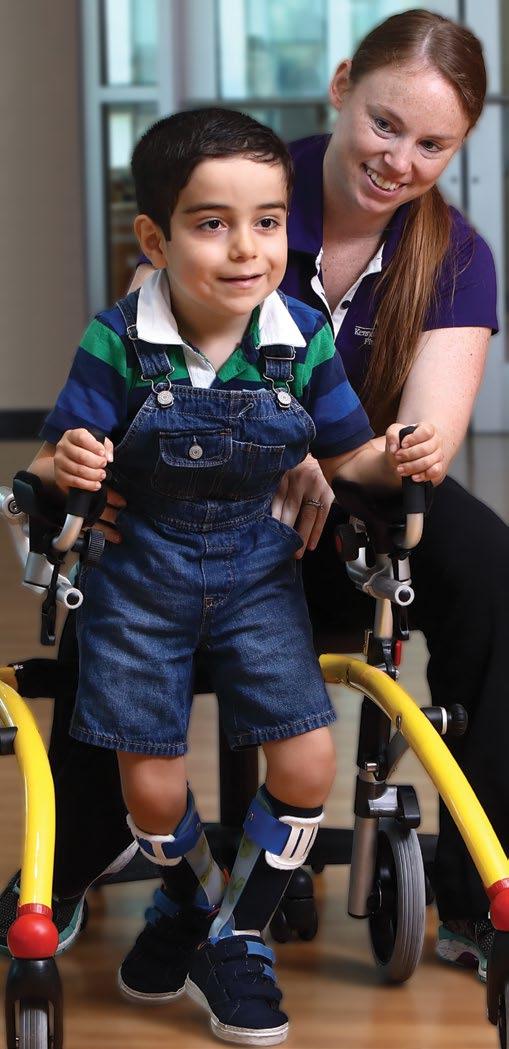
Infant Neurodevelopmental Center: In coordination with local NICUs, this interdisciplinary clinic monitors newborns with low birth weight and other high-risk issues, including diaphragmatic hernias and microcephaly, from infancy into later childhood. Follow-up includes assessment for developmental disabilities, including cognitive impairments, behavior problems, and sensory, motor, learning and language disorders.
Moser Center for Leukodystrophies: The center provides comprehensive care to patients with leukodystrophies through an interdisciplinary approach, bringing together the fields of neurogenetics, genetic counseling, neurorehabilitation, endocrinology and urology, along with physical, occupational, speech and aquatic therapies. Cutting-edge technologies and techniques in neuroimaging, genomics, biomedical engineering and nanotechnology help our experts enhance the understanding, diagnosis and treatment of leukodystrophies.
Limb Differences Clinic: This clinic provides quality, comprehensive medical care that focuses on optimizing health and function for those with congenital, post-surgical or trauma-related limb differences. Each patient receives a comprehensive evaluation, treatment recommendations and follow-up from our interdisciplinary team, which includes physicians, therapists and prosthetists.
Center for Genetic Muscle Disorders: This center provides individualized interdisciplinary care for children and adults with muscular dystrophy and congenital myopathy. Comprehensive care involves diagnosis and management of the disease from neurologists and rehabilitative therapists with muscle expertise. Patients receive access to novel therapies and research, and can remain in the program from childhood through adulthood.
Clinical Neurophysiology Clinic and Laboratory: This clinic and lab evaluates and treats children with a broad range of disorders affecting the brain and nervous system, including epilepsy, seizures, headaches, movement disorders and encephalopathies. We specialize in performing EEGs and sleep studies (PSGs) in children and adults with disabilities, often to evaluate or rule out seizures or sleep abnormalities. The lab conducts outpatient overnight EEGs for individuals who may have sleep-related seizures. Our specialists have specific experience in caring for individuals with the kinds of behavioral issues that usually complicate these tests.
Nutrition Clinic: This clinic provides nutrition assessment, education, intervention and monitoring to help children achieve optimal nutrition and health. Clinical nutritionists work within an interdisciplinary team to customize food intake and meal plans to the needs of children, both typically-functioning and with developmental disabilities, including failure to thrive, feeding problems, tube feedings, cerebral palsy and other neurological disorders. The clinic also offers a weight management program to help overweight patients and their families develop a healthy lifestyle through individual or group counseling.
Orthopedic Clinic: This clinic evaluates children for orthopedic problems such as gait disorders, subluxation of the hips, and scoliosis. Children are also evaluated for appropriate treatment options that could include surgical interventions such as selective dorsal rhizotomy, intrathecal baclofen pump placement and deep brain stimulation. Unique to Kennedy Krieger is the ability to combine post-operative care with intensive post-operative physical therapy, thus maximizing surgical benefit.
Osteogenesis Imperfecta Clinic: This clinic diagnoses, treats and manages children and adults with osteogenesis imperfecta (OI) and related inherited disorders. Our interdisciplinary team includes medical professionals from audiology, nutrition, orthotics, physical therapy, orthopedics, radiology and social work. This comprehensive team ensures a thorough evaluation of each patient’s individual needs. Services include biochemical testing, genetic analysis and counseling, and state-of-the-art treatment aimed at increasing bone density and decreasing fractures. The program conducts clinical research in OI and directs the OI registry.
Pain Rehabilitation Program: This program provides inpatient, day and outpatient interdisciplinary evaluation, treatment and follow-up services for children and adolescents with chronic pain that causes functional disability. Treatment includes intense physical, occupational and psychological therapies, therapeutic recreation, and medical and nursing management. The program helps patients develop pain-coping skills and participate more fully in daily activities. Patients are evaluated and treated in the outpatient clinic and, if appropriate, are referred to the inpatient unit.
Rehabilitation Clinics: These clinics provide comprehensive evaluation, treatment and followup for children and adolescents with complex motor disorders and a variety of functional deficits involving mobility, self-care, communication and adjustment. A physician specializing in pediatric rehabilitation medicine evaluates the patient and develops a treatment program that may include spasticity treatment, therapy recommendations, Botox, intrathecal baclofen pump, splint or orthopedic management, neurosurgery, orthopedic surgery, and other interventions to improve overall quality of life. Occupational and physical therapy is provided as needed.
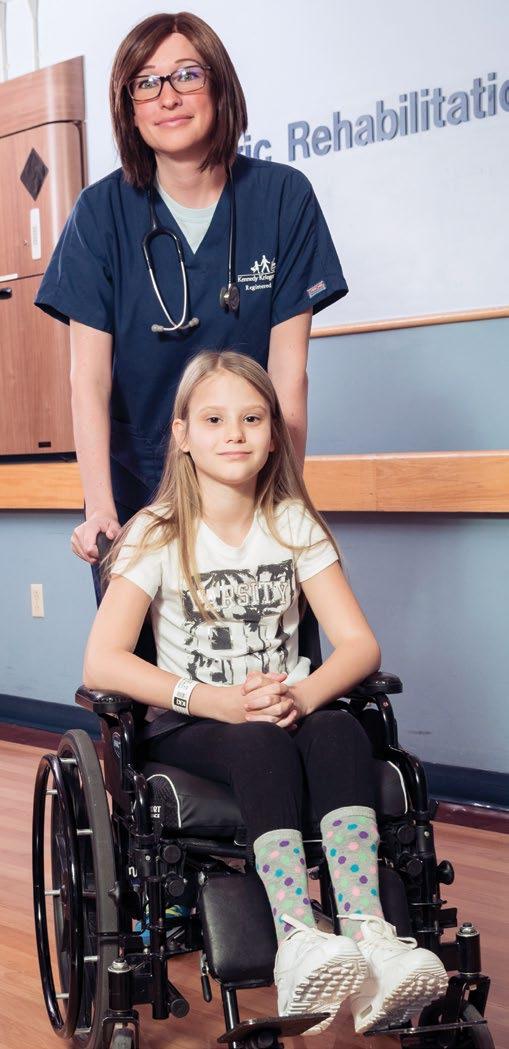
International Center for Spinal Cord Injury: This center helps children and adults with spinal cord injuries and paralysis caused by accidents, strokes, tumors, birth defects and other causes. Treatment goals include improvement of health and optimal recovery of day-to-day and neurologic function. As a research facility, the center’s mission is to incorporate today’s science into clinical care by developing and applying advanced rehabilitation restoration strategies that promote spontaneous recovery in those living with paralysis. The center provides inpatient care for children through the age of 21 and outpatient care to individuals of all ages.
Hunter Nelson Sturge-Weber Center: This center offers comprehensive medical care with diagnostic evaluation and an interdisciplinary treatment approach for patients with Sturge-Weber syndrome (SWS). With specialists in neurology, epileptology, ophthalmology, dermatology, neuroradiology, rehabilitative medicine, endocrinology and psychiatry, the center works closely with parents, local physicians and teachers to provide an overall management plan for each patient’s ongoing care.
Tuberous Sclerosis Clinic: The Tuberous Sclerosis Clinic is one of only about 25 clinics in the United States dedicated specifically to the care of individuals affected by tuberous sclerosis complex (TSC) and their families. We provide expert care, with special emphasis on the identification and treatment of autism, intellectual disability, anxiety, ADHD, selfinjury and aggression in individuals with TSC.
Behavioral Psychology Outpatient Programs
• Behavior Management Clinic: This clinic assesses and treats common behavioral problems and disorders for children ages 2 through 12 who have varying levels of function, including mild cognitive and speech delays. The clinic focuses strongly on caregiver training. Children may also be treated individually or in groups to address skill deficits and internalizing problems.
• Child and Family Therapy Clinic: This clinic provides evidence-based treatment to children and their families who exhibit a wide range of behavioral and emotional problems, including disruptive behavior, attention deficit hyperactivity disorder (ADHD), executive functioning difficulties, anger management difficulties, parent-child conflict, parent-teen communication difficulties, depression, anxiety, impulse control difficulties, school-related difficulties and adjustment/stress-related problems. The clinic serves children and adolescents ages 6 to 20.
• Pediatric Developmental Disabilities Clinic: This clinic provides a range of behavioral assessments and treatments for children and adolescents diagnosed with, or suspected of having, a broad range of developmental and behavioral disorders. Services are provided primarily to families, with a focus on identifying and limiting the environmental variables that motivate and maintain problem behaviors.
• Neurobehavioral Unit Outpatient Clinic: This program offers a range of outpatient services for children and adults with severe problem behaviors who present a risk of injury to themselves and others, have not responded to previous interventions, or are at risk for restrictive placement.
Neuropsychology Department Outpatient Clinics: The outpatient assessment services within the Department of Neuropsychology are organized into specialized clinics, including services for those who are deaf or hard of hearing; who have genetic conditions, developmental disabilities, behavioral issues, executive functioning issues, congenital heart defects, epilepsy or brain injury; and who are undergoing or have survived treatment for cancer. Individuals referred for assessment are assigned to one of these clinics based on specific needs. We offer comprehensive neuropsychological assessment services for children with a range of medical, neurological, developmental, attention, learning, emotional and behavioral issues, from birth to young adulthood. Our programs apply professional expertise to understanding development and function, and emphasize providing targeted treatment recommendations to families, caregivers, schools and professionals.
Psychiatric Mental Health Program: This program provides child- and family-centered clinical care focused on emotional and psychiatric symptoms. A plan of care is developed for each individual, and it may include diagnostic evaluation, consultation, therapy (individual, family and group) and medication management. Our care team includes psychiatrists, psychiatric nurse practitioners, psychologists, clinical social workers, nurse clinicians and care coordinators. Our clinicians see patients with a range of genetic disorders and specialized medical and psychiatric conditions.
Pediatric Psychology Consultation Clinic: This clinic uses behavior analysis and therapy to teach children and families skills for coping with pain, anxiety and behavioral symptoms associated with chronic medical conditions. By addressing the learning, behavioral and psychosocial challenges
associated with the diagnosis and treatment of medical problems, individuals can better benefit from advanced diagnostic procedures and therapies and improve their quality of life.
Center for Child and Family Traumatic Stress:
This center provides comprehensive mental health assessment and treatment services to children and families affected by abuse, neglect, violence, grief, loss and other traumatic events. Our provider team of psychiatrists, psychologists, social workers, professional counselors, case managers and recreational therapy assistants offers evidence-supported and culturally sensitive services in a traumainformed environment.
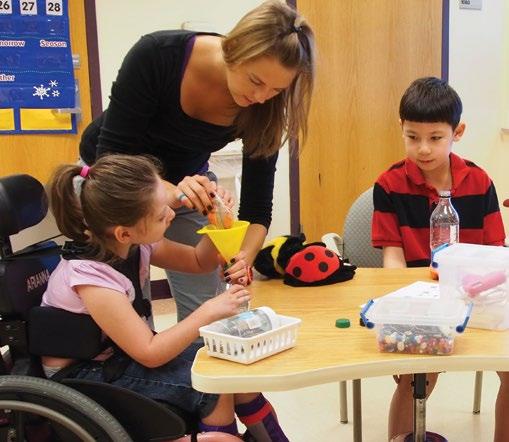
Occupational Therapy Clinic: This clinic offers evaluation and treatment to improve fine motor skills, oral motor and feeding skills, hand-eye and body coordination, strength, and sensory processing. The goal of the clinic is to help patients achieve increased ease in activities of daily living (including eating, dressing, grooming, hygiene, toileting, play and community activities) through technology, therapeutic intervention and the use of adaptive equipment, as needed.
Physical Therapy Clinic: This clinic provides assessment and offers therapeutic exercise to improve muscle strength, joint range of motion, posture, balance and coordination, as well as taping and myofascial work. Our team helps individuals increase independence, develop and enhance functional skills, and accelerate progress in activities such as sitting, transferring in and out of positions, walking, and engaging in leisure and sport activities. Special equipment such as braces, walkers and wheelchairs may be recommended to improve independence or mobility.
Fairmount Rehabilitation Programs
• Constraint-Induced and Bimanual Therapy Program: Using an evidencebased understanding of the brain’s natural ability to form new connections, this specialized therapy focuses on increasing upper extremity function for children with hemiparesis. Our unique program combines a period of daily constraint-induced movement therapy followed by a period of intensive bimanual therapy to ensure carryover of new skills.
• Healthy Lifestyles Therapy Program: This program is designed to help patients ages 4 to 21 with chronic physical impairments to explore their exercise options (e.g., aquatics, yoga and adapted sports), begin an exercise program designed by an experienced therapy team, and continue their regimens at home or in community gyms.
• Focused Interdisciplinary Therapy Program: This program offers intensive therapies that target specific goals for children and adolescents with persistent, physically disabling conditions. Structured, highly repetitive practice of skills in a variety of contexts often helps a child acquire that particular skill more quickly. Patients enrolled in the program typically receive therapy services three to six hours per day, five days a week, for two to six weeks.
Seating Clinic: This clinic provides seating and mobility options for patients with special needs. Therapists experienced in seating and positioning people with disabilities evaluate clients to determine their functional status, medical concerns and positioning needs, and to address any environmental and social issues patients may have related to seating.
Speech and Language Clinic: Through outpatient programs, speech-language pathologists offer evaluation and treatment services to individuals ranging in age from infancy through young adulthood. Patients may have communication, literacy, oral motor, or feeding and swallowing disorders, which can co-exist with other cognitive, motor, medical and mental health concerns linked to known or suspected diagnoses. The clinic considers overall needs when identifying strategies to improve patients’ functional skills. Clinic specialists consult with assistive technology experts and others, as needed.
DAY HOSPITAL PROGRAMS
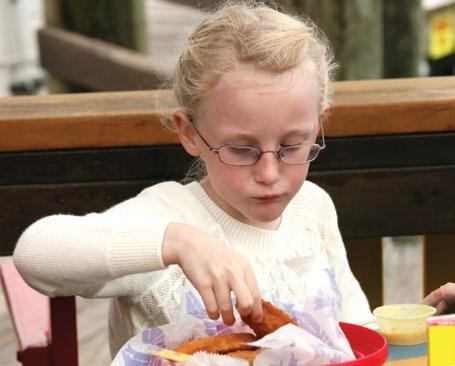
Feeding Disorders Day Program: As part of our Feeding Disorders Continuum, we offer a daytime feeding program. Day treatment services are usually recommended for children whose medical status is stable, but whose mealtime behavior is sufficiently problematic to warrant more intensive treatment than that offered through outpatient services. Day treatment is typically provided five days a week at Kennedy Krieger, with parents and caregivers implementing treatment on the weekends. Our interdisciplinary team includes occupational and speech therapists; nutrition and gastroenterology experts also monitor children’s progress during day treatment.
Specialized Transition Program
Neurorehabilitation Day Hospital: This comprehensive rehabilitation day hospital treats children and adolescents with intensive therapy needs related to neurological, pain and orthopedic conditions. Patients receive a full range of cognitive and physical rehabilitation services, including rehabilitation medicine and nursing, in an educational setting that offers a more natural environment for school-aged children.
COMMUNITY PROGRAMS AND SERVICES
Child and Family Support Center: This center-, home- and community-based program offers occupational, physical and speech therapies to children from birth through age 5, and provides caregiver training and mental health services for children, adolescents and parents living in Baltimore City and Baltimore County. We also provide service coordination for eligible Baltimore City infants and toddlers, and we have a unique service coordination program for both Latino families and Orthodox Jewish families living in Baltimore City.
Community Rehabilitation Program: This program occurs in a patient’s home or in a community setting. We offer a wide spectrum of services ranging from intensive, daily therapy for patients with acute needs to the use of one or two professionals to help those with less severe needs return to or more fully participate in community activities. The program is coordinated to allow for the revision of a client’s treatment program throughout the course of rehabilitation.
PACT: Helping Children with Special Needs: PACT services include a medical child care center and pre-K classroom staffed by nurses, child care teachers and therapists, as well as child care and an Early Head Start program for young children whose families are homeless. We also provide consultation and technical assistance on best practices for child care providers, and we provide statewide and national training in infant mental health and parent-child attachment interventions.
Photo courtesy of Brian Schneider Photography.
Kennedy Krieger coordinates all services— whether medical or nonmedical—for families traveling to the Institute from outside the United States, both before they depart and throughout their stay. Experienced international care management coordinators serve as primary liaisons between international patient families and their Kennedy Krieger patient care team members.
Our Services:
• Medical screening coordination and medical records review
• Information about diagnosis and treatment options
• Appointment scheduling and follow-up
• Interpreter services
• Assistance with travel arrangements and accommodations
Email International@KennedyKrieger.org or call 1-888-554-2080 to contact our international care management coordinators.
OUR CULTURE OF CARE
Kennedy Krieger Institute recognizes and respects the rights of patients and their families and treats them with courtesy and dignity. The Institute provides care that preserves cultural, psychosocial, spiritual and personal values, beliefs and preferences. Care is free from discrimination based on age, race, ethnicity, religion, culture, language, physical or mental disability, socioeconomic status, sex, sexual orientation and gender identity or expression, including transgender. We encourage patients and families to become active partners in their care by asking questions, seeking resources and advocating for the services and support they need.
Contact Information
Referrals may be made by doctors, parents, acute care discharge planners and community providers. For each child, we gather and review medical and insurance information and formulate a plan that is best for the child and his or her family members. Pre-admission tours of the inpatient hospital may be scheduled by appointment.
Inpatient Referrals
Email Intake@KennedyKrieger.org or call 443-923-9412 for more information about inpatient admissions.
Parents and Family Members
To make an outpatient appointment, please call 443-923-9400 or call toll-free at 888-554-2080. TTY users, please contact us at 443-923-2645 or dial 711 to make a Maryland Relay call.
Physicians and Healthcare Professionals
Email FindASpecialist@KennedyKrieger.org or call our Physician Referral Line at 443-923-9403 to make a referral.
Kennedy Krieger Institute 707 North Broadway Baltimore, MD 21205 Visit KennedyKrieger.org/Patient-Care for more information.


To learn more, get involved and stay connected, visit: KennedyKrieger.org/Connect
The photographs on pages 25 and 28 are being used for illustrative purposes only, and any person shown is a model.