WILD ABOUT NATURE FOR OUR YOUNGER VISITORS
Discover the exhibition and have fun!
welcome to the exhibition
This exhibition is full of pictures and sculptures by lots of different artists.
But they are all passionate about one thing - wildlife!
my name my age i am visiting the exhibition with
WHY ARE ARTISTS INSPIRED BY
WILDLIFE?
These artists find wonder and beauty in the natural world. Some of the pictures draw our attention to endangered species, and tell stories about our planet’s wildlife and landscapes.They might use art to inspire change.
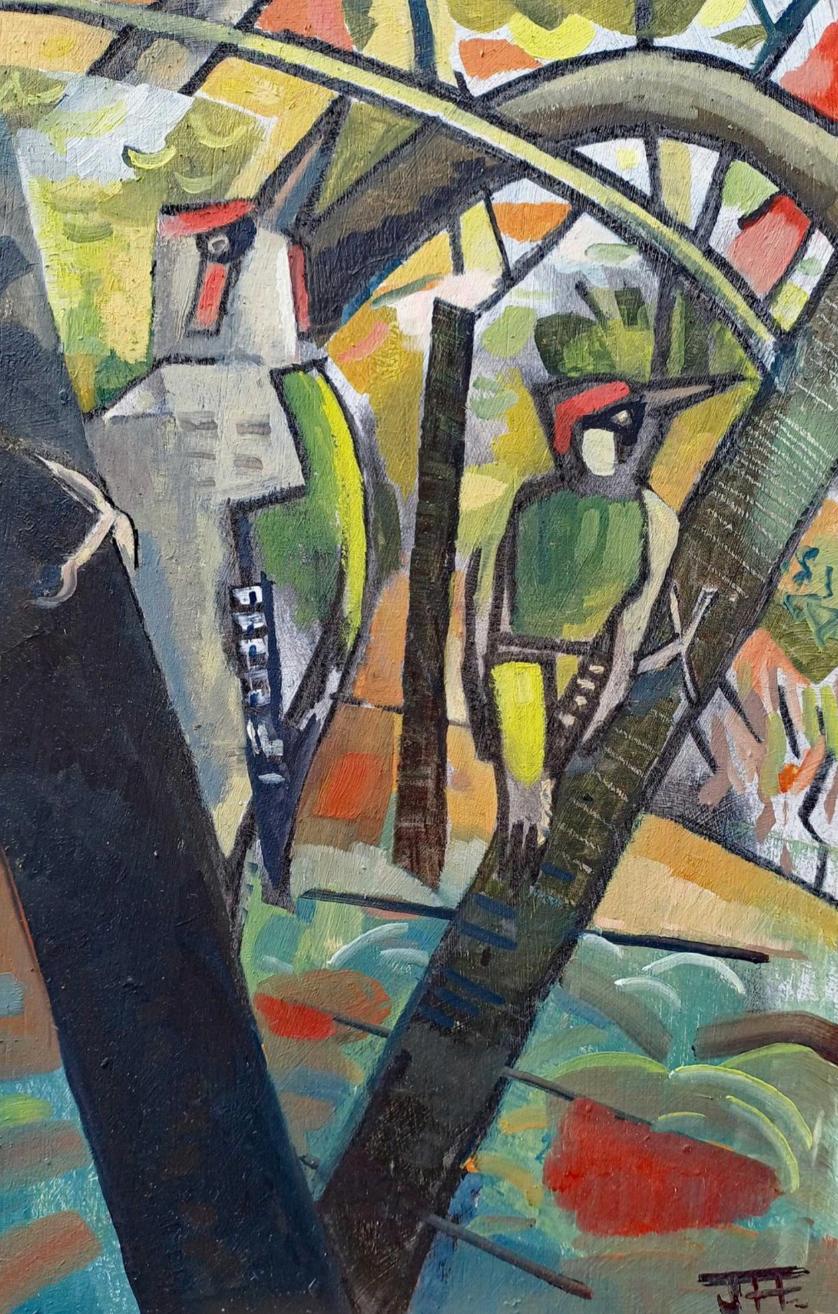
Can you find this picture in the exhibition?
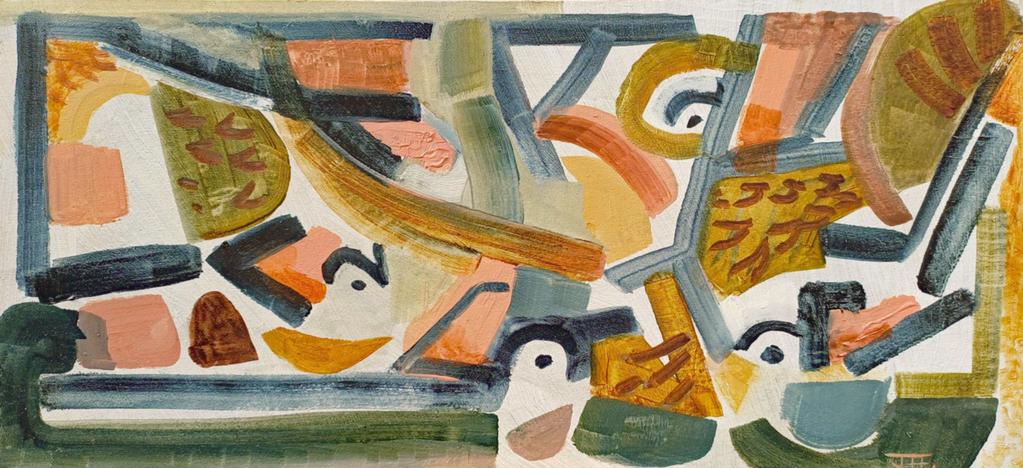
This is a painting by an artist called John Foker It is called Autumn Travellers
John tries to capture the whole of a wildlife experience in his paintings; the movement of nature, the seasons, and the atmosphere of a place.
Notice the earthy autumn colours; oranges, yellows, pinks and browns. And look at the strong flat brush strokes. Do they make you think of trees? Branches? Nests? See how the birds are suggested by just a few lines and shapes (a beak, a wing, an eye). They are almost camouflaged by the colours and patterns around them, just like they are in the real world.
John does not give us all the realistic details of the scene. He gives us a ‘feeling’ of what is taking place, and this encourages us to use our imagination when we look at the picture.
LET’S USE SOME STRONG SHAPES TO MAKE ART!
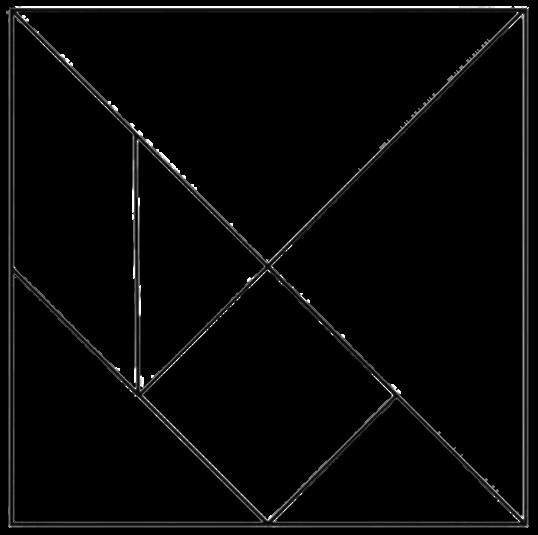
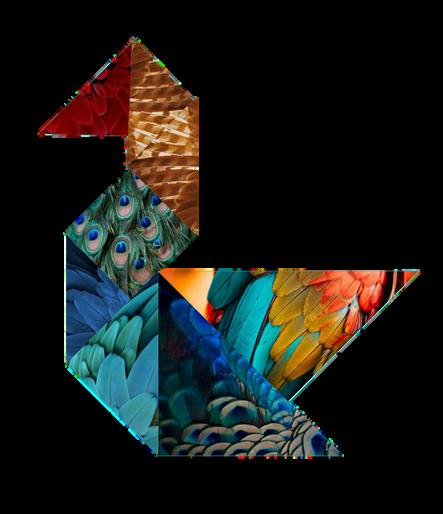
TANGRAM BIRDS
A tangram is a very old Chinese puzzle made by cutting a square into five triangles, a square, and a rhomboid in exactly this pattern
Copy or trace the pattern onto thick paper or cardboard
Cut out the shapes carefully
Then see if you can use the shapes to create these birds!
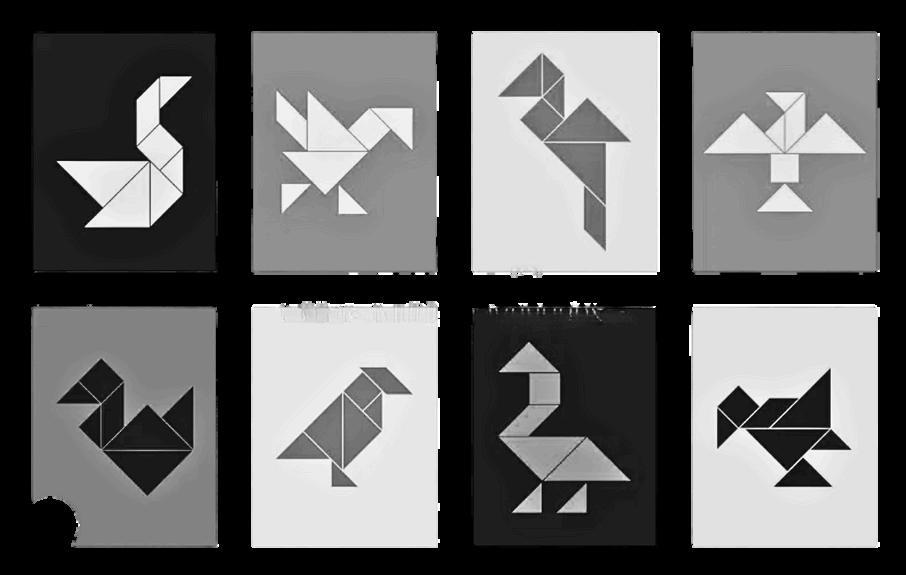

TRY SOME

You could cut your tangram shapes out of newspaper, wrapping paper, old magazines, any scraps, odds or ends and use them to make imaginary birds.
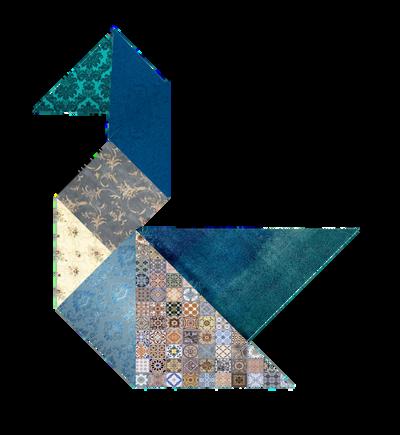
What materials do you think we have used to make these birds?


Do the birds make us think of different things, depending on the materials they are made from?
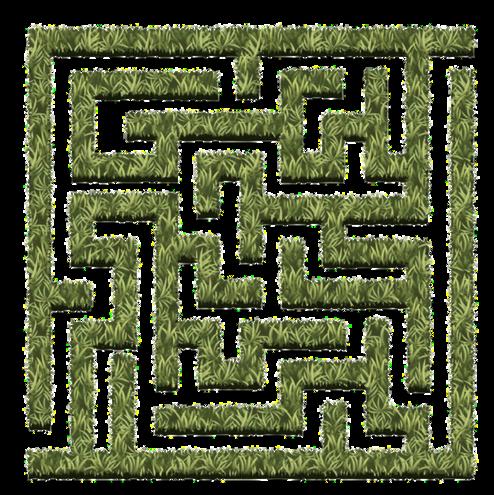
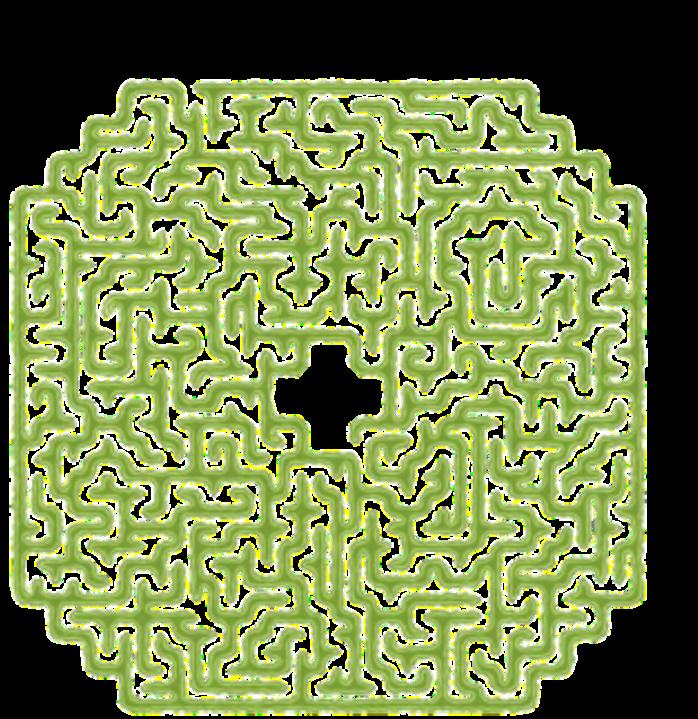
A-MAZE-ING NATURE


HISTORY TIME
ALL THE PICTURES IN OUR EXHIBITION WERE PAINTED VERY RECENTLY.
BUT DID YOU KNOW THAT THE EARLIEST PAINTINGS OF ANIMALS ARE THOUSANDS OF YEARS OLD?
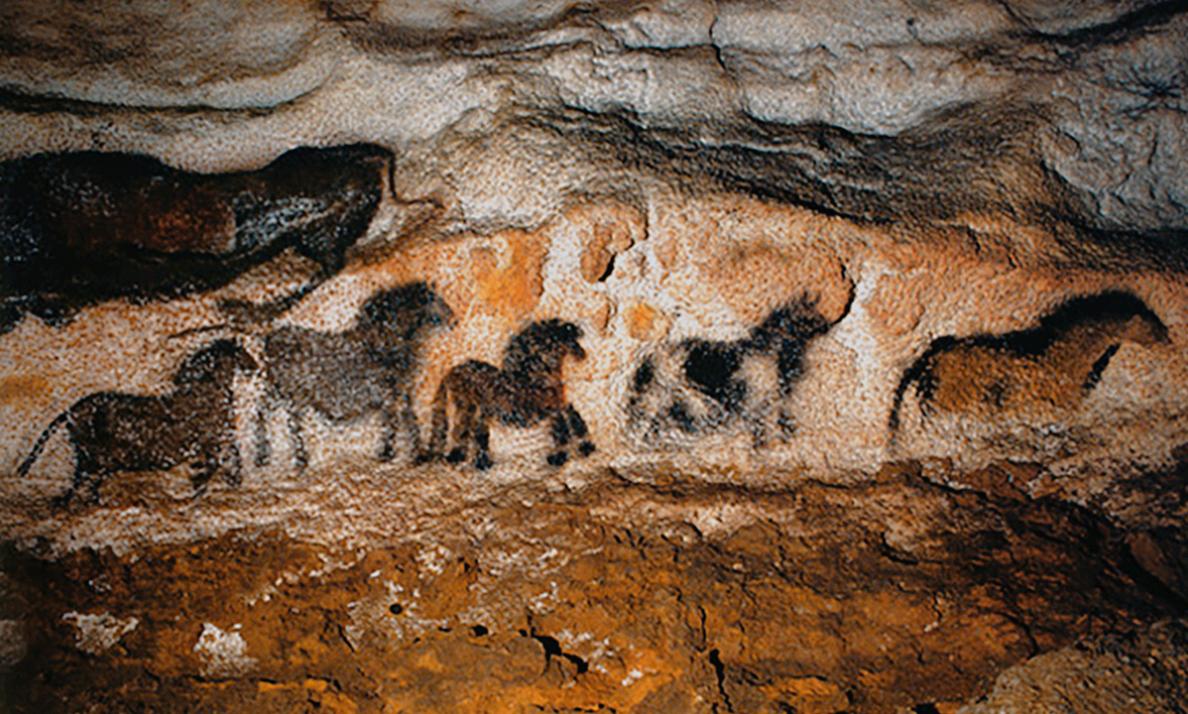
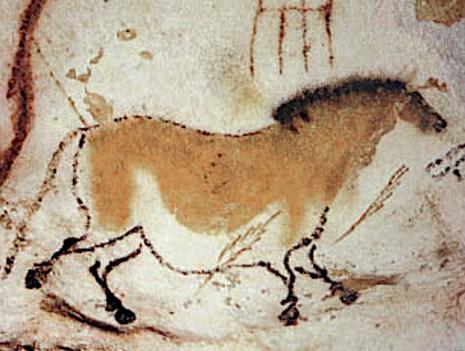
Cave paintings are drawings and paintings found on walls and ceilings inside caves Most of these artworks were made a very long time ago during prehistoric times The most famous cave paintings are between 10,000 and 20,000 years old, and scientists believe that some could even have been painted 32,000 years ago!
We don't know for sure why people made these paintings. They could have been part of rituals or special ceremonies. They might also have been a way of sharing important information, telling stories or explaining things to others. Interestingly, most of these paintings are in parts of caves that are hard to reach, in the areas where people didn’t live.


THE INCREDIBLE STORY OF THE LASCAUX CAVES
On September 8th 1940, four boys were walking with their dog in the woods near their village in south-west France. They came across a hole in the ground. There was a local story about a secret tunnel which led to buried treasure - and the boys got very excited! They dropped stones into the hole to get an idea of how deep it was, then one by one they climbed carefully down the hole, which was 15 meters deep. The boys were terrified, but the thought of what they might find kept them going
To their astonishment, they found themselves in a cave whose walls were covered in paintings! They realised that they had found something very important and managed to scramble back out again. But they decided to keep it a secret. The next day, they showed the cave to their friends, charging them a small fee to explore!
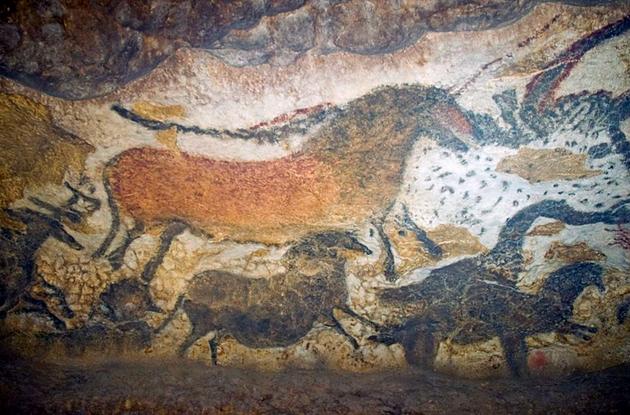
The news quickly spread and soon many people were arriving to see the cave. So the boys went to see their school master, Leon Laval, who was a member of the local prehistory society. He thought it might be a trick to trap him in the hole! But when he went down and saw the paintings, he was amazed There were even more paintings which led off the main cave, like rooms in a gallery There were pictures of bulls (the now extinct aurochs species), oxen, horses, and stags as well as images of hunters with
arrows. Marcel, the youngest of the boys, persuaded his parents to let him pitch a tent near the entrance so that he could keep guard and show visitors round.
The news of the paintings spread further, across Europe and the rest of the world In 1948 the family that owned the land organised daily tours that brought thousands of visitors every year to see the paintings It is thought that the pictures were over 17,000 years old
Sadly, the pictures started to get damaged The huge numbers of visitors did not mean to harm the paintings, but with so many people breathing underground, the air became thick and wet. Moisture ran down the cave paintings and mould started to grow. Electric lighting (which had been put in so visitors could see) added to the damage and the paintings started to fade. In 1963, Lascaux was closed to the public so that the pictures could be saved, and 300 experts were brought in to try and stop any further damage.
A very good replica of the site has been created and - with the help of modern technology - visitors can still experience the pictures as if they were in the cave 300,000 people visit the Lascaux exhibitions every year
And young Marcel, who found the cave, remained committed to the Lascaux cave paintings all his life, working as part of the team until he was an old man.
LET’S MAKE SOME CAVE PAINTINGS
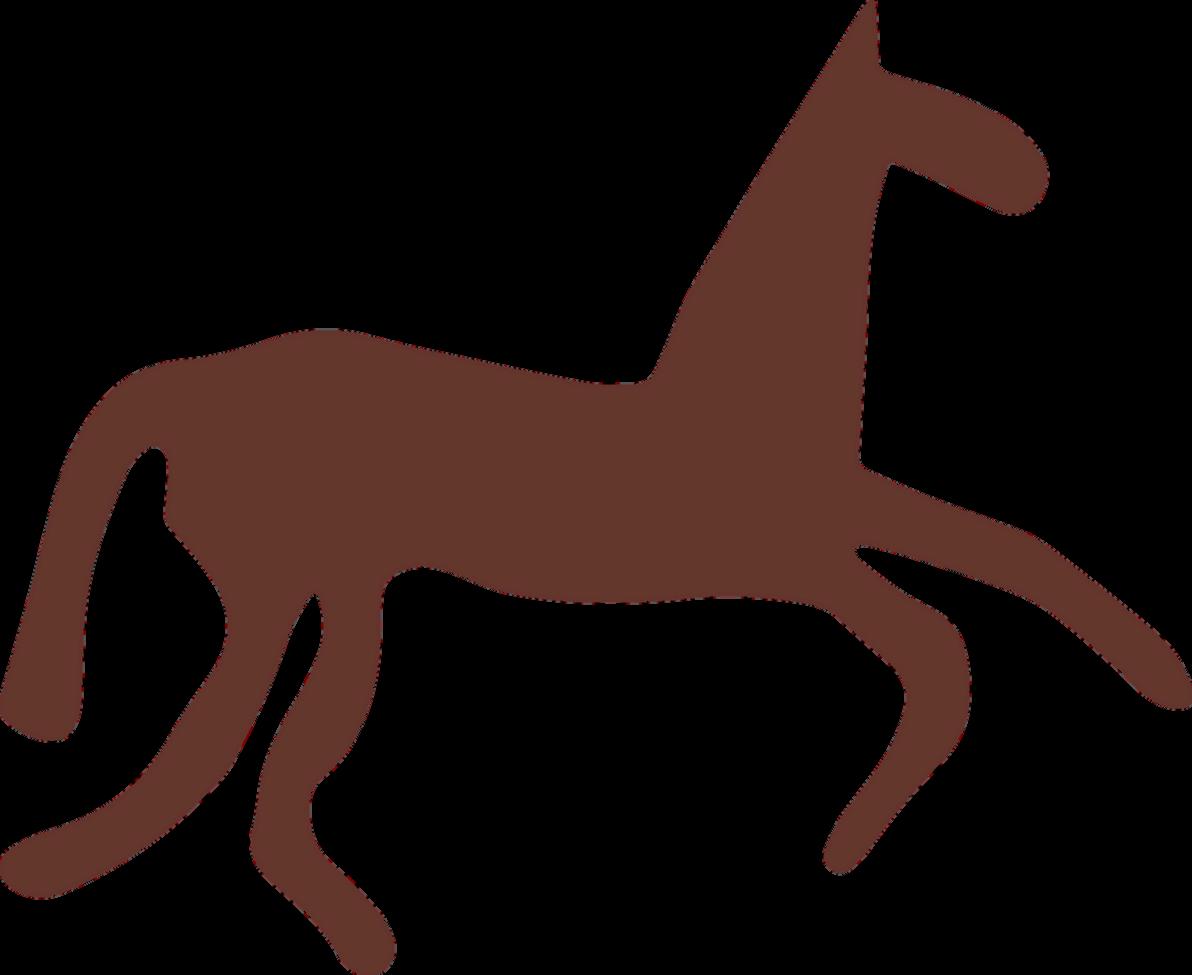
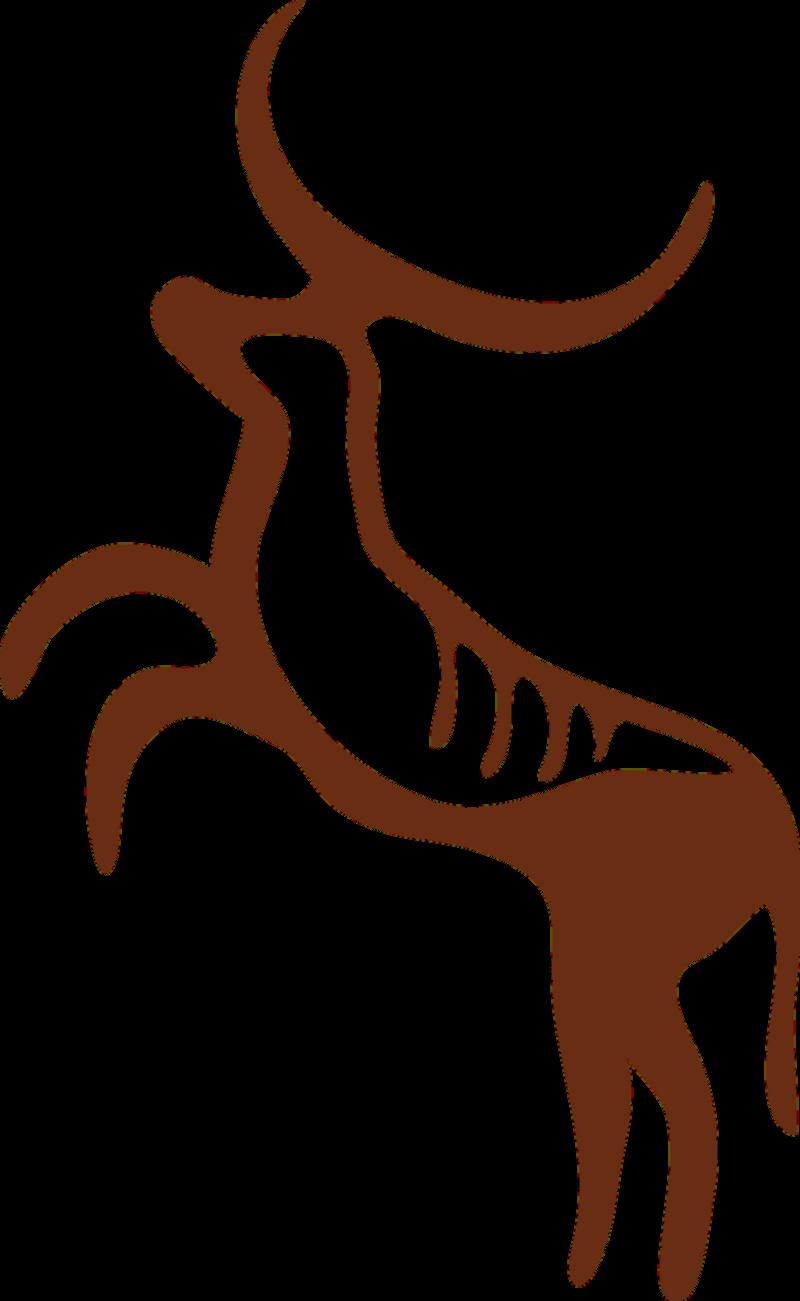
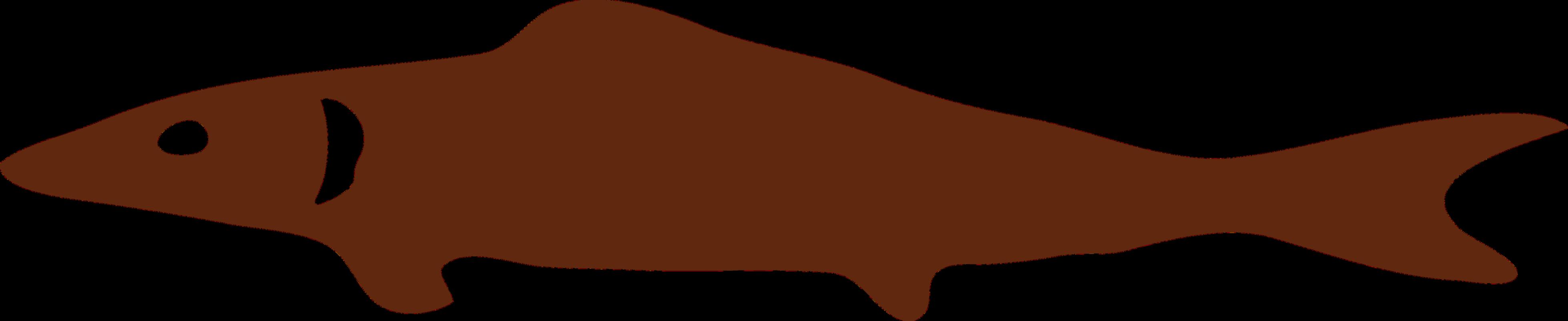
Look at the images on the last few pages. You can also copy these silhouettes to help you get started.
MY CAVE PAINTINGS
WE’RE BACK IN THE EXHIBITION AGAIN
LOOK AT THESE LOVELY BUGS!

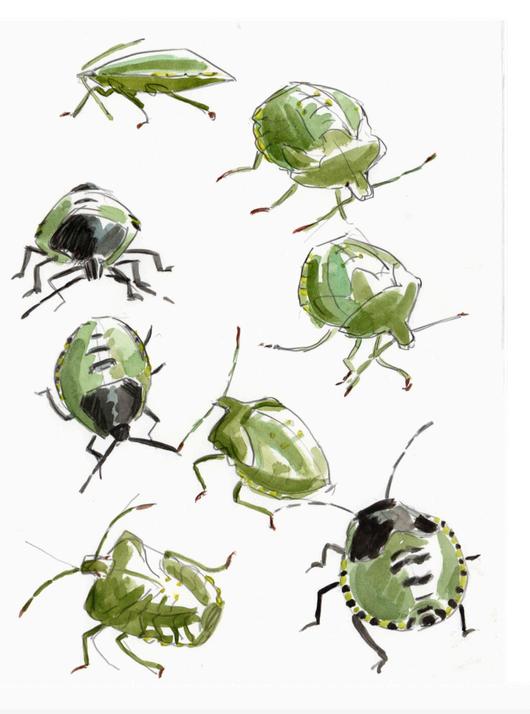
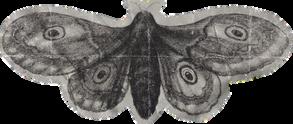
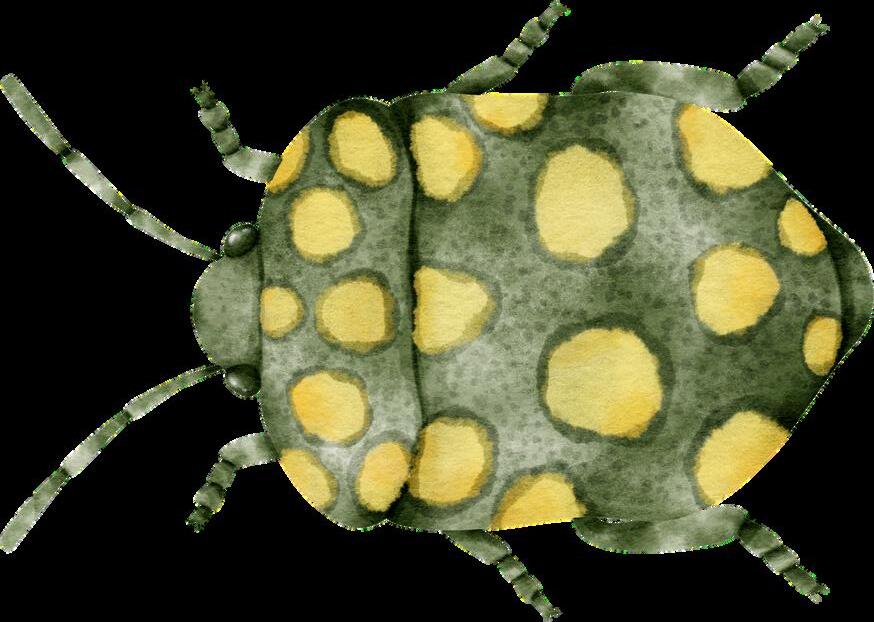
This painting of green shield bugs is by Adele Pound. Can you find some other insect paintings by Adele in the exhibition?
To paint her beautiful bugs, Adele sometimes uses a magnifying glass and magnifying lenses clipped onto her glasses so that she can see the details of these tiny insects. She says that ants and flies don’t mind if she’s working closely to them, but bees and butterflies are far less happy! She once followed a green shield bug round and round a broad bean stalk - perhaps it didn’t want to be painted?
Adele then bought a pair of powerful binoculars and she waits in the undergrowth to see what crawls past Insects are the main focus of her art work during the summer She loves how much there is to learn about insect life, just by patiently watching them, and painting what she sees.
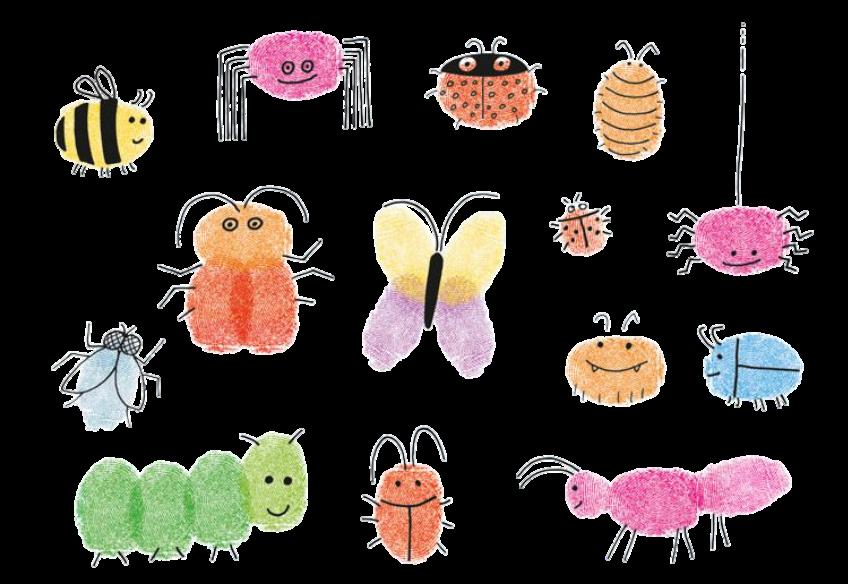
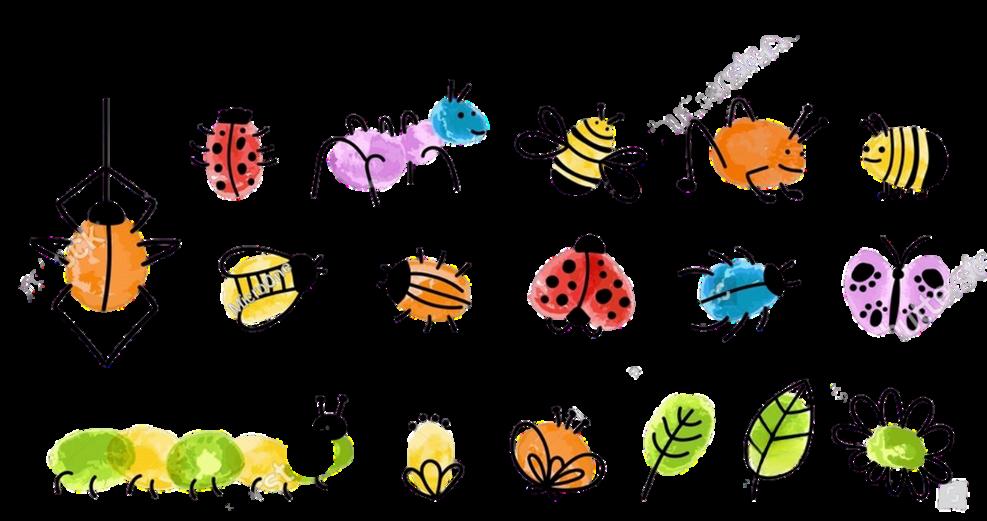
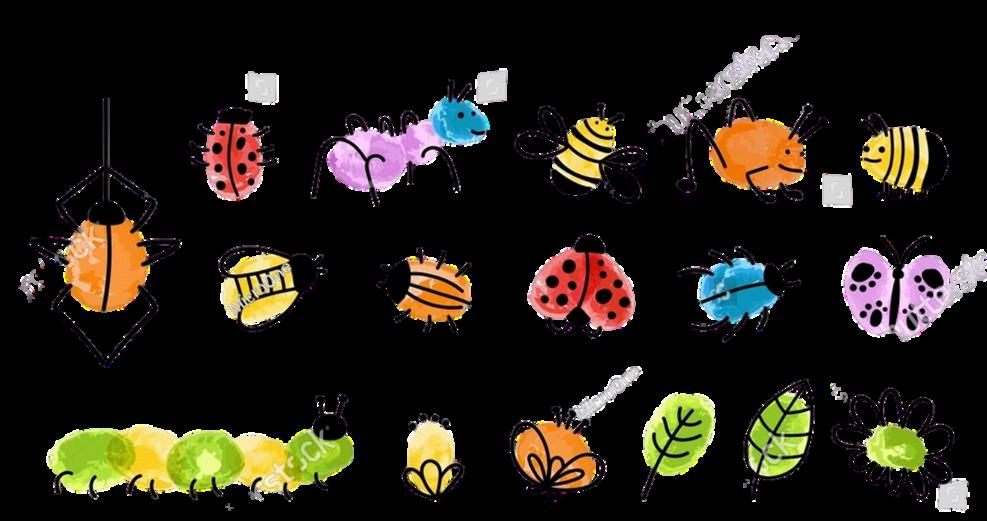
THUMB PRINT BUGS
MY EXHIBITION NOTES
my favourite piece of art is i like it because
Who do you think this artwork was created for? Why do you say that? how do you think it was made?
What do you think the artist is trying to say in this artwork?
If you could ask the artist a question, what would you ask them?
what emotions do you feel when looking at this artwork?
What does this piece of art say about the world in which we live?
This in-house publication has been designed foryoungervisitors to accompany Artists in the Natural World, Society of Wildlife Artists
Booklet author & design Kate Romano
The Association for Cultural Exchange
Images used:
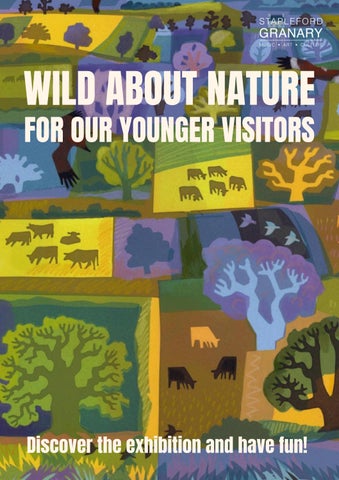
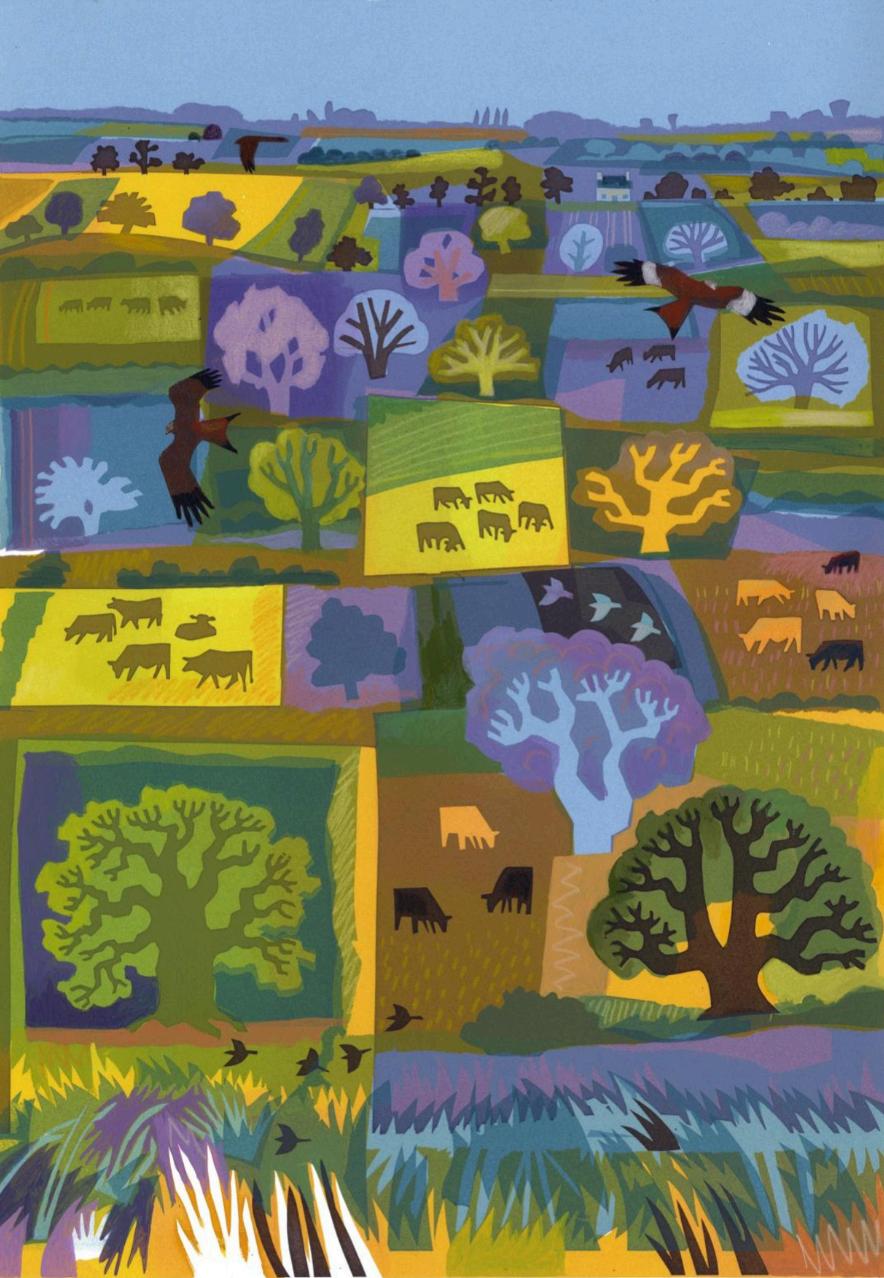
Cover & back - Fields, Kites, Cows, Carry Akroyd
Inside pages - Autumn Travellers, John Foker | Instar, Adele Pound | Green Woodpeckers, John Foker