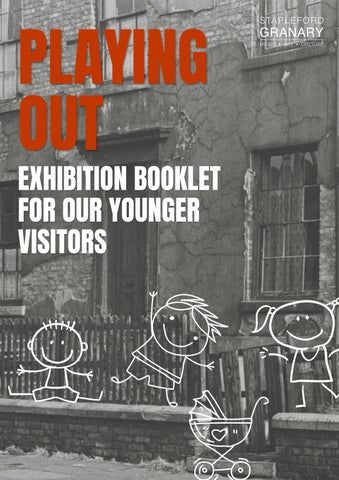
PLAYING OUT — EXHIBITION BOOKLET FOR OUR YOUNGER VISTORS
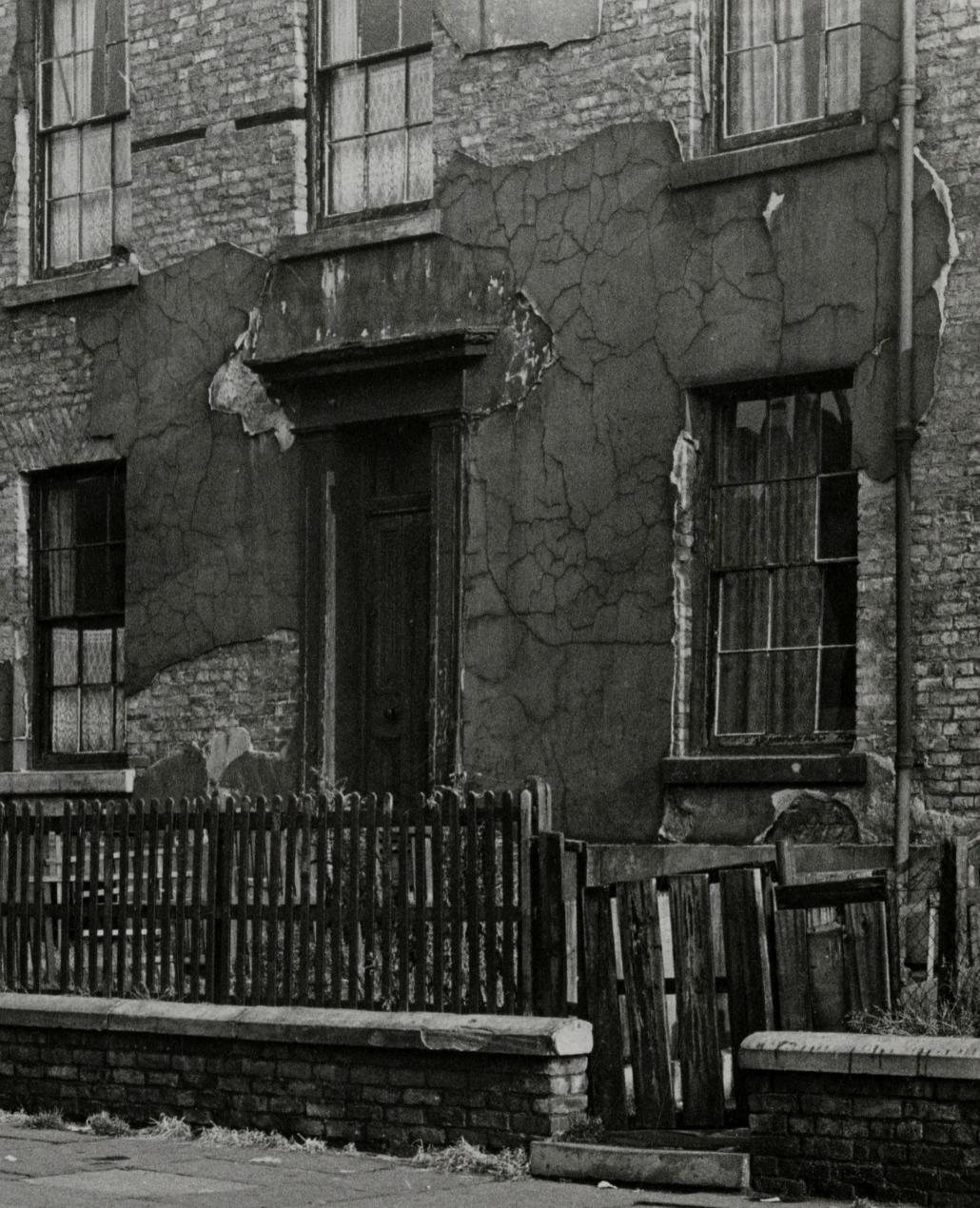
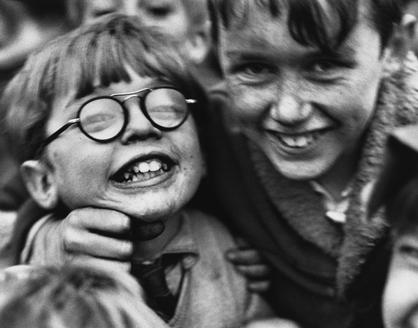
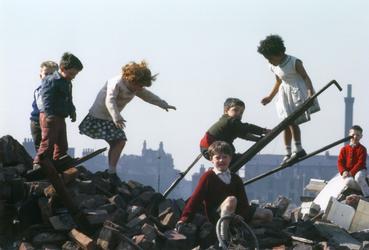
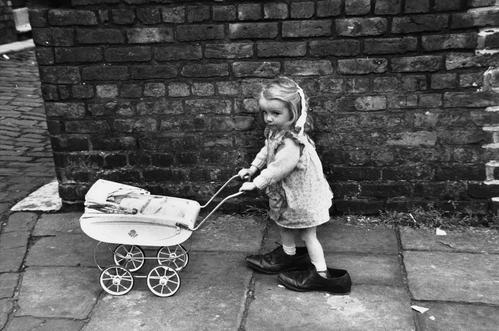
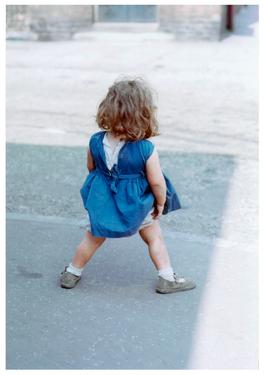
These photographs were taken around 60 years ago.The children in the pictures are grown up now, and some might even be grandparents, or greatgrandparents!
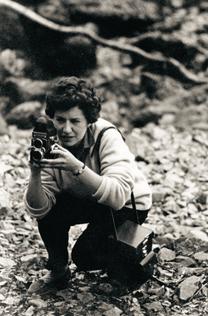
The pictures were taken by a very talented photgrapher called Shirley Baker. We’ll find out more about Shirley soon.
We’re also going to take a look at the sort of games children played in the past, and the games they play today; so this booklet is really all about YOU!
My name is
I am years old
My favourite game to play is
My favourite places to play are in my bedroom at my friend’s house in the garden in the park in the school playground all of the above!
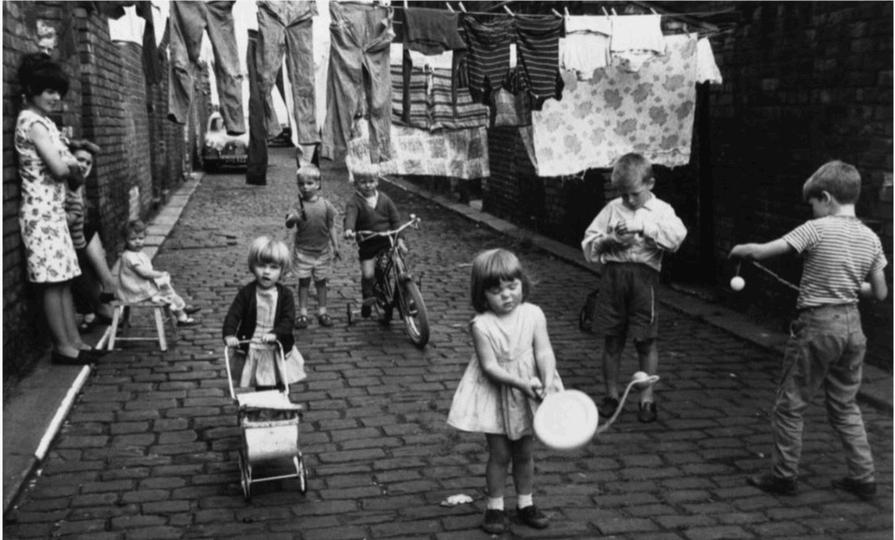
LET’S TAKE A CLOSER LOOK AT ONE OF SHIRLEY BAKER’S PHOTOGRAPHS
CAN YOU SPOT THIS PHOTOGRAPH IN THE EXHIBITION?
THINGS TO THINK ABOUT
What clues can you see that might suggest when the picture was taken?
What time of day is it? What do you think the weather is like?
What are all the children doing?
Do you think the children are friends? Brothers and sisters? How old do you think they are?
Who is the lady, and who do you think she is looking at? What might she be thinking?
Who do you think the clothes on the washing line belong to? Who might the car belong to?
Do you think that they all know they are having their photograph taken?
DID YOU KNOW?
We can guess that this photograph was probably taken on a Monday. That’s because Monday for many families was washing day Factories were closed on Sundays, which meant that the air was at its cleanest on Mondays, and that was better for drying clothes outdoors
A CHILDHOOD IN THE 1950s & 60s
Streets were almost free of traffic in the 1950s and early 60s, and were exciting playgrounds for children. Boys played cricket and football, and girls would often choose skipping ropes and hoops, toy prams and dolls to play with. Hopscotch patterns were chalked on to the road.
Children spent a lot of time outdoors in the 1950s and 60s.They were often outdoors forwhole days at weekends and during the school holidays, only coming home when it was time for lunch and dinner.
Many cities had areas that were left in ruins after the German bombing raids of the second World War These bomb sites had been largely cleared, but piles of rubble still remained — perfect for exploring and making dens!
If you had a bike, you could cycle off to the countryside or a large city park with plenty of trees to climb.You might spend an afternoon fishing for sticklebacks and minnows with nets in the local stream.
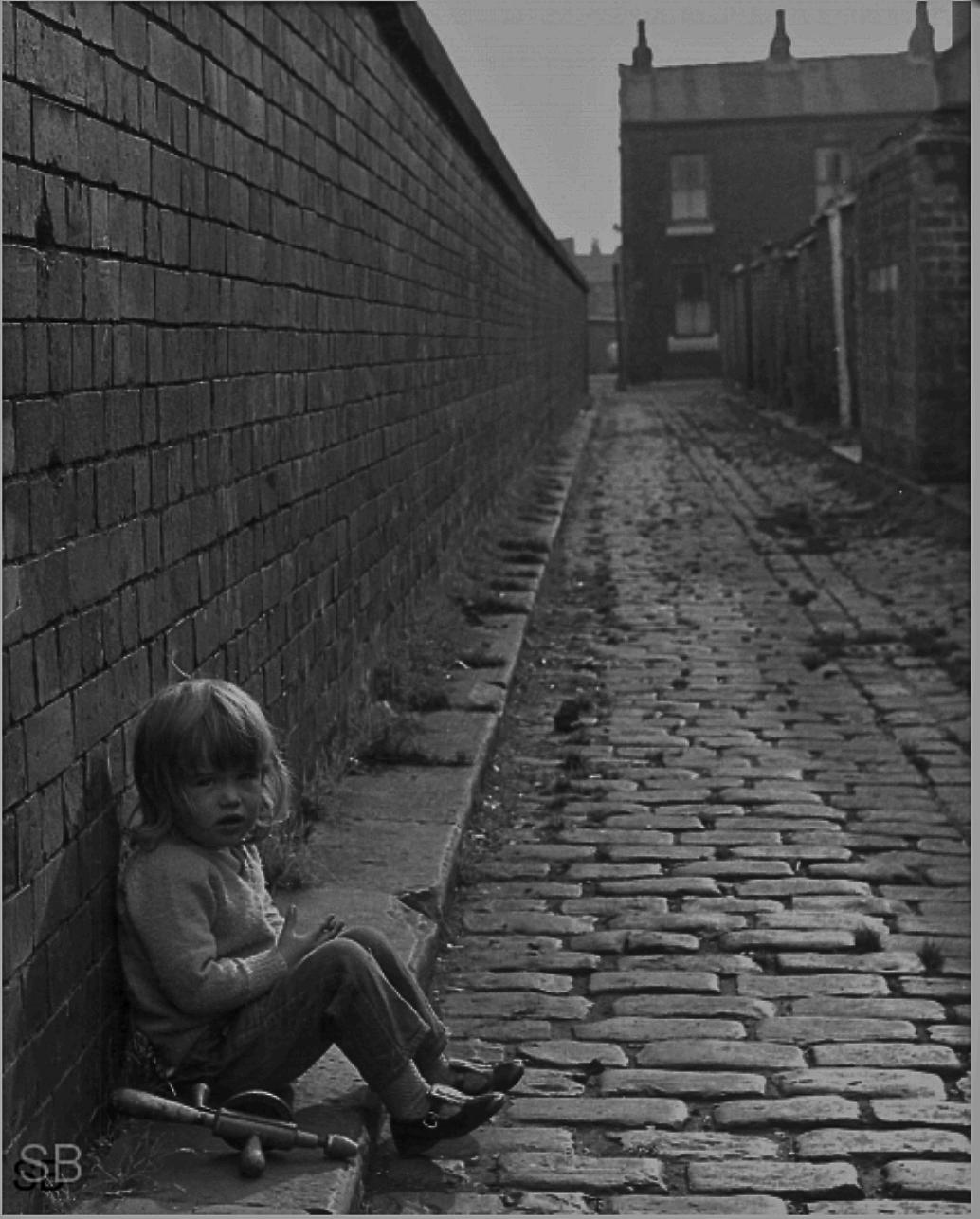
In the 1950s, many old terraced houses in Manchester and Salford were demolished to make way for new homes.The old houses were often cramped, damp and had no inside toilets. But they were home to large communities of working class families who, despite the hardships, were happy there. Families looked out for one another, and helped when they could.
Shirley Bakerwas shocked and saddened to see communities torn apart, as families were relocated to new high-rise blocks of flats or estates outside the city She decided to take the photographs to show the dramatic changes that were taking place
She particularly enjoyed taking photographs of children at play in the streets and alleyways Perhaps she felt encouraged by the cheeky smiles and the strong sense of adventure and creativity that she saw amongst all the destruction Years later, many of the children in the photographs (now grownups) said how proud they were to be part of history, and that they were glad that Shirley Baker had captured the spirit of their childhoods so beautifully.
Do you have a favourite family photograph? What do you like about it?
What might other people learn about your family from the picture?
Give each of these playing out activites a score out of ten (0 is the worst, 10 is the best)
Building a den
Climbing trees
Leapfrog
Hopscotch
Skipping or jump rope
Football
Cricket
Tennis
Fishing
Pooh sticks
Hide & seek
Farmer, farmer, may we cross your golden river?
Hand clapping games
Hoop spinning
Duck, duck goose
Simon says
And then someone replied:
In a while, crocodile!
Have you ever said: See you later, alligator!
That little rhyme is hunderds of years old, passed on from generation to generation of children, in streets and school playgrounds!
Here are some more children’s playground rhymes. Do you know any of them?
A skipping rhyme
A pig walked into a public house,
And asked for a drink of beer.
Where’s your money sir?
In my pocket, sir.
Where’s your pocket, sir?
In my jacket, sir
Where’s your jacket, sir?
I forgot it, sir, Please walk out.
Ickle Ockle Chocolate Bottle Ickle Ockle Out Acountingoutrhyme
See a pin and let it lay, Bad luck you’ll have all that day Rhymesforgood luck andsuperstition
See a pin and pick it up, All day long, you’ll have good luck
Do you like apples? Do you like pears? Do you like falling down the stairs?
Rhymes about not treading on
If you stand on a line You’ll marry a swine
If you stand on a square You’ll marry a bear
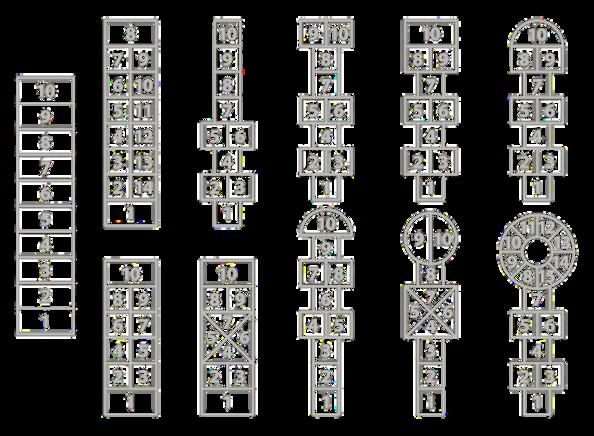
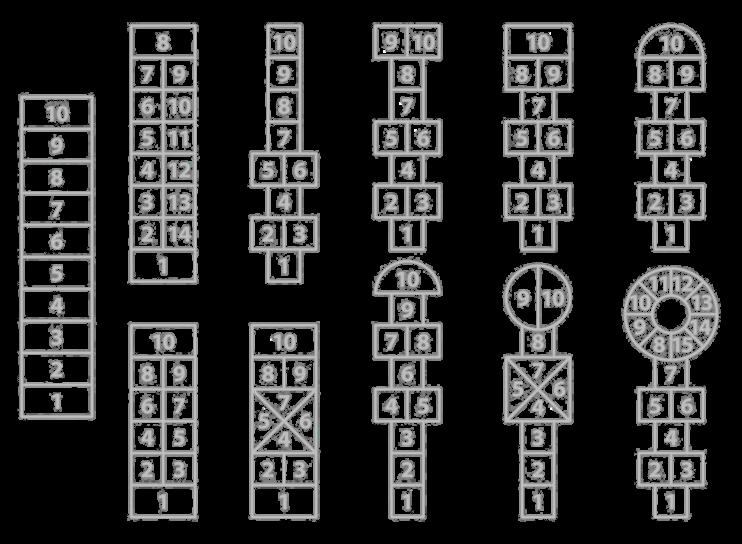
LET’S PLAY HOPSCOTCH
The ‘scotch’ part of the word hopscotch has nothing to do with Scotland It’s an old English word which means cutting or scoring into the ground to make the pattern for the hopping!
To start, draw a 10-square grid on the ground with chalk, and number the squares 1 to 10 Throw a small stone into square one. Hop through the entire course on one foot (in order, from 1 to 10) missing out the square with the stone If you have drawn two numbers side by side, you can land on both feet. Turn around, hop back, and pick up the stone. Then, do the same for squares two, three, four... all the way up to ten. If you throw the stone on to the wrong square, or get the hopping wrong, it’s the next person’s turn!
There ar
A LITTLE HOPSCOTCH HISTORY LESSON
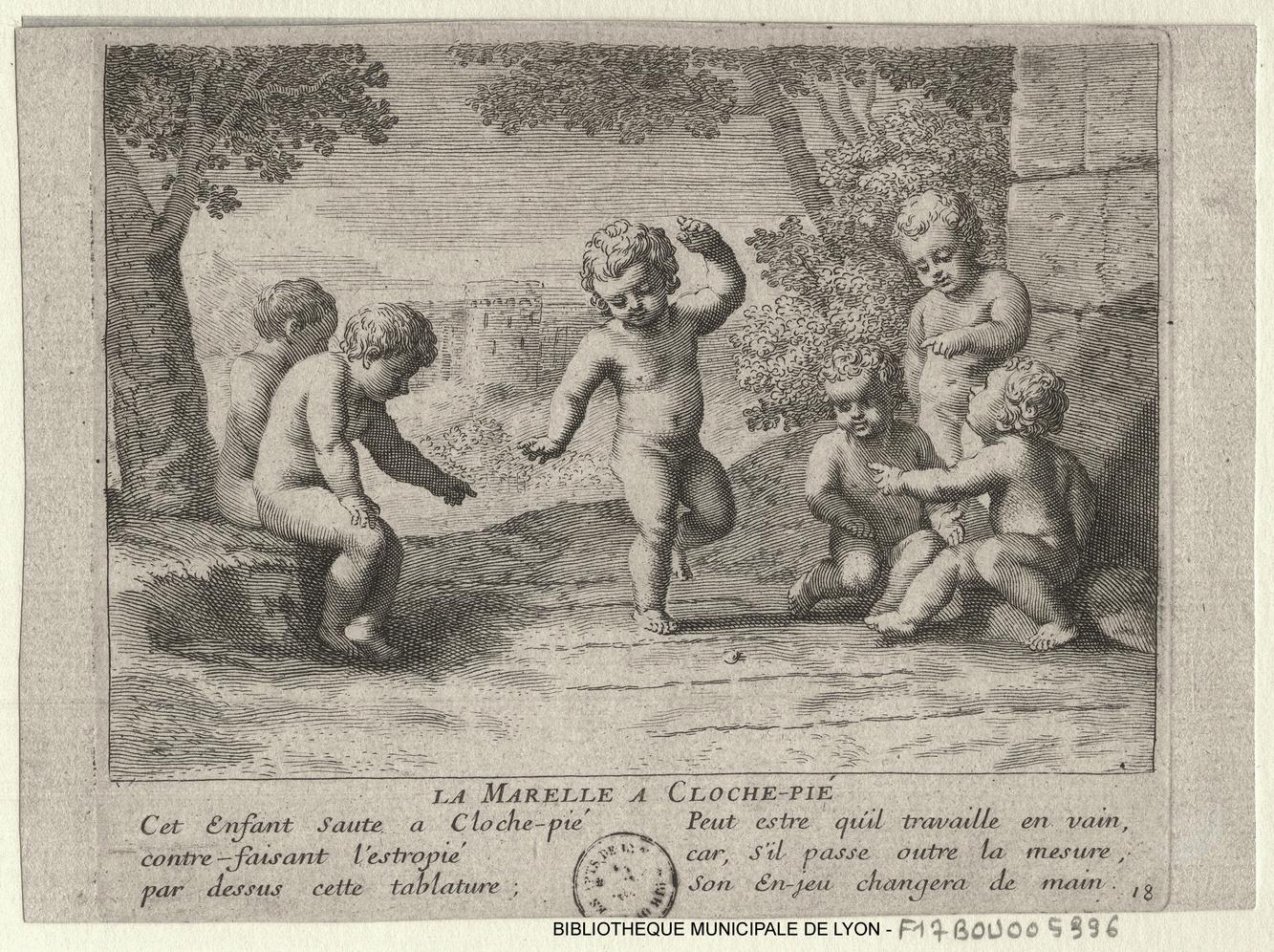
The earliest evidence of a hopscotch game is a picture in a very old French book called Les Jeux et plaisirs de l’enfance.This means ‘The games and pleasures of childhood’, and it was created over 350 years ago, in 1657.
The book is full of pictures of cherubs playing childhood games, and many of them are games that we still play today!They include tennis, darts, kite flying, and blind man ’ s buff In some of the pictures, the cherubs are climbing trees, doing hand stands, sailing boats, and enjoying a punch-up!
This picture below shows the hopscotch game The hopscotch grid is set out in a simple ladder shape You can see the stone, and the cherub hopping on one foot.The others seem to be watching very carefully in case he makes a mistake!
The pictures are engravings made by the talented French engraver Claudine Bouzonnet-Stella The original images were painted by her famous uncle, the artist Jacques Stella
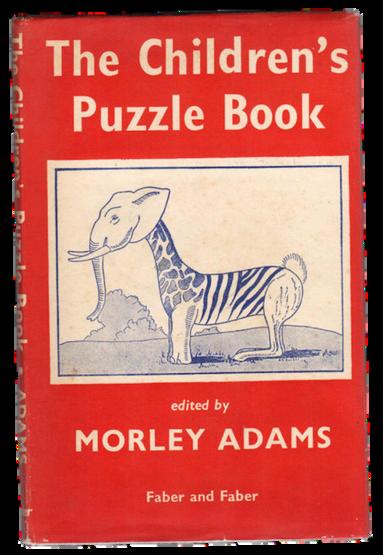
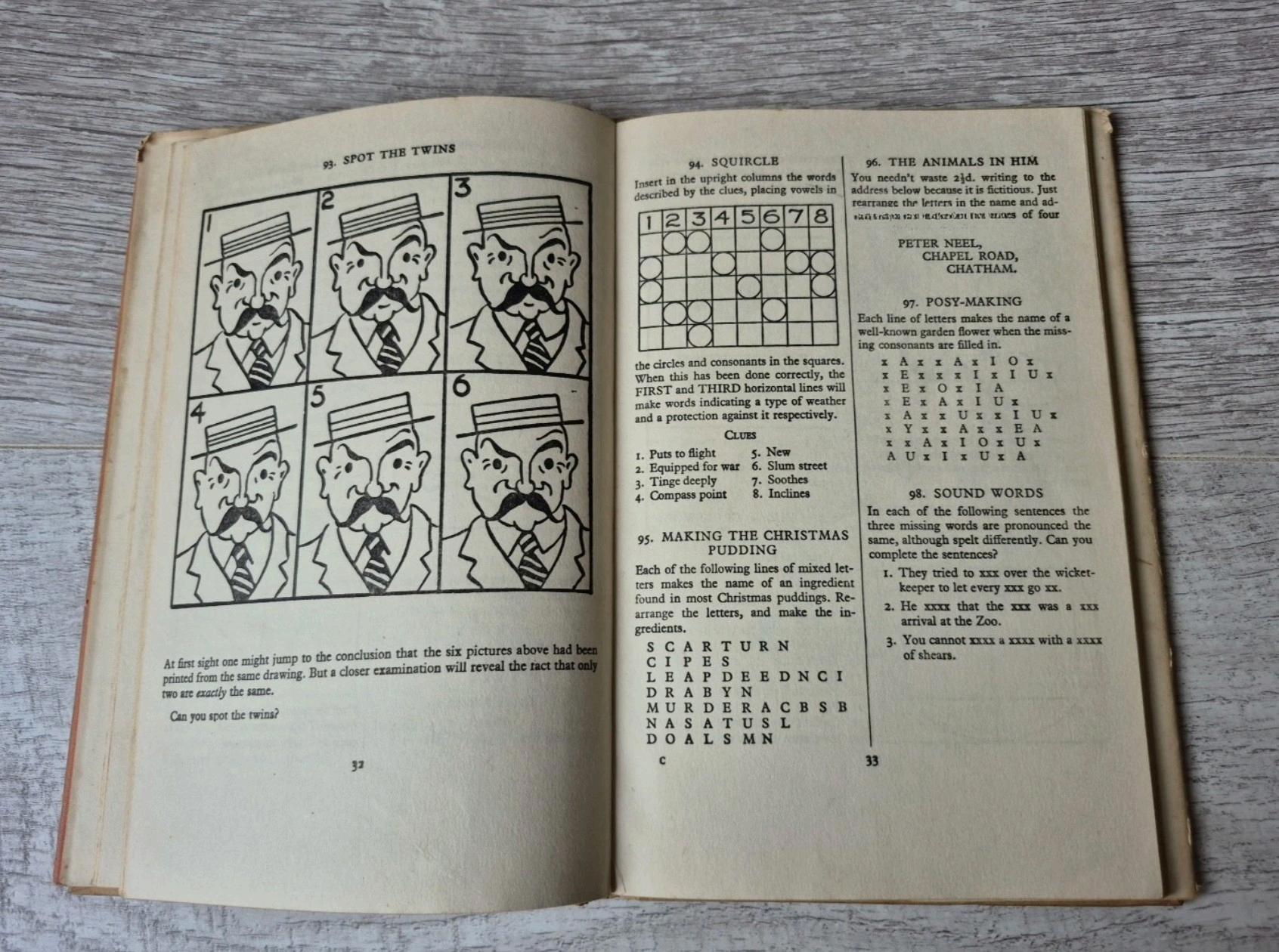
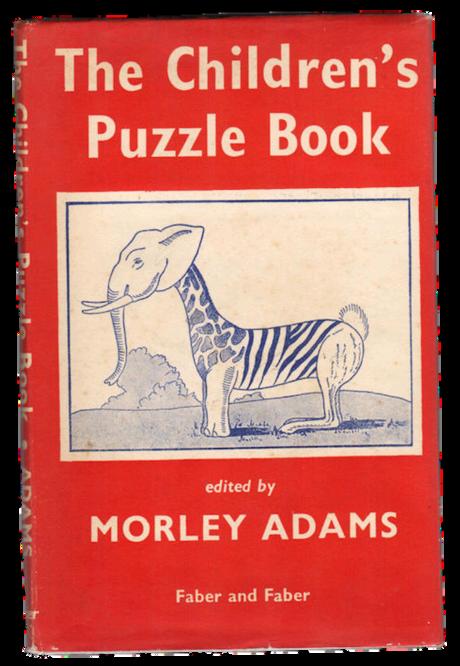
Here are some puzzles from a children’s book which was popular in the 1950s.They are quite tricky!
ANIMAL ADDRESS
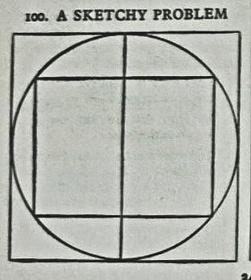
A SKETCHY PROBLEM
Can you draw this figure without taking your pencil off the paper, and without going over the same line twice?
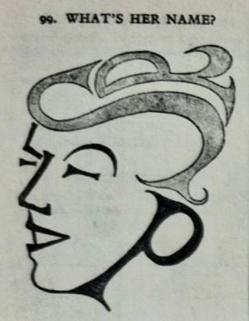
WHAT’S HER NAME?
Rearrange the letters which make up her picture to find out her name (clue: there are 9 letters)
Rearrange the letters in the name and address to find the names of four animals, using ALL the letters
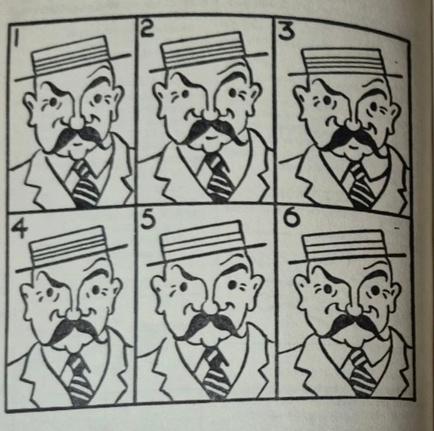
SPOTTHETWINS
These pictures look very similar, but only two are exactly the same. Can you find the twins?
Can you make the letters that spell your own name into a puzzle drawing? It doesn’t need to be a face - it could be anything you like!
Draw your own imaginary creature here, made up of different animals
My creature is called
It’s really fun and easy to make your own playground rhymes, like the ones on page 6 of this book. If you can’t find words to rhyme, just make them up!
Here are a few more to inspire you: will you write a skipping rhyme, a counting out rhyme, a nonsense rhyme, or something else?
Hibble hobble blue bobble, Hibble hobble out Turn the dirty dish cloth, In-side-out.
Thanks forvisiting:
we hope you had a great time!
This in-house publication has been designed foryoungervisitors to accompany Shirley Baker: Children at Play exhibition at Stapleford Granary (June- August 2026).
Photographs in this booklet supplied by Nan Levy and used for non-commercial educational purposes