Stratego Group - Via Cassanese 224 20054 Segrate (MI) - Tel. +39 02 49534500 www.strategogroup.net
A questo numero hanno collaborato Francesco Bordoni, Gwyn Garrett, Elena Piccinelli, Alexia Rizzi, Federico Zecchini
Traduzioni
Claudia Campana, Valeria Sanna
Impaginazione Vanessa Maradini
Stampa PressUP - Nepi (Viterbo) - www.pressup.it
Pubblicazione iscritta al n. 163 del Registro di Cancelleria del Tribunale di Milano in data 14/03/2007 Iscrizione nel Registro degli Operatori della Comunicazione n. 4028C
La riproduzione totale o parziale degli articoli e delle illustrazioni pubblicati su questa rivista è permessa previa autorizzazione della Direzione. La Direzione non assume responsabilità per le opinioni espresse dagli autori dei testi redazionali e pubblicitari
Editore
Converting Srl
Piazza Castello 28 - Milano convertingsrl@convertingmagazine.it
Pubblicità
Stratego Group Srl sales@convertingmagazine.it 02 49534500
INFORMATIVA EX D.LGS.196/03 - Converting Srl, titolare del trattamento, tratta i dati personali libera-mente conferiti per fornire i servizi indicati. Per i diritti di cui all’art.7 del D.Lgs.196/03 e per l’elenco di tutti i responsabili del trattamento rivolgersi al responsa-bile del trattamento, che è il direttore responsabile. I dati potranno essere trattati da incaricati preposti agli abbonamenti, al marketing, all’amministrazione e potranno essere comunicati alle società del gruppo per le esterne per la spedizione della rivista e per l’invio di materiale promozionale. Il responsabile delle trattamento dei dati raccolti in banche dati a uso redazionale è il direttore responsabile a cui, presso via Cassanese 224 20190 Segrate, tel. 02 26927081, fax 02 26951006, ci si può rivolgere per i diritti previsti dal D.Lgs. 196/03
12|Forse non tutti sanno che… La stampa a caldo con lamina ha oltre 130 anni
Hot foil stamping is over 130 years old
14|La voce della Connection
The voice of the Connection
18|Il mercato del Vietnam
The potential of Vietnam market
22|Print4All Conference 2026
I Platinum Sponsor dell’evento Platinum Sponsors of the event
32|Costi per le PMI,
SME costs, increases up to 40%
39|Ticinoplast: l’estrusione come opportunità di sviluppo Extrusion as opportunities for development
42|HR all’opera. Intervista a Neni Rossini - SIT Group HR at work. Interview with Neni Rossini - SIT Group
29|ACIS: sostenibilità, normative e mercato del cartone ondulato Sustainability, regulation and market dynamics of corrugated board
36|Plastik: estrusione in-house,
50|Mercato anilox in Italia: chi sono gli utilizzatori
The anilox market in Italy: who are the users
72| arriva la manifattura additiva Flexo plates, additive manufacturing arrives
46|Estrusione materie plastiche, partiamo dalle fondamenta
Plastic extrusion, starting from the fundamentals
48|
130 nuovi diplomati
130 new graduates from the Academy of Graphics
54| per segmenti
A value chain best read by segments
60|La macchina “giusta”? Polivalente! Intervista a Andrea Colombo - Tecom
The “right” machine? Multipurpose! Interview with Andrea Colombo - Tecom
62| Giocare d’anticipo, ITP controcorrente
Staying ahead of the curve, ITP goes against the grain
66|Trend di laminazione: meno complessità, più performance
Lamination trends: less complexity, higher performance
68|Laminazione: intervista a Laminati Cavanna
Lamination: interview with Laminati Cavanna
In collaborazione con
ASSOCIAZIONI
Un numero da collezione
Il punto di riferimento del mercato: trend, analisi economica del settore e la classifica aggiornata dei Big del Converting
Un numero speciale bilingue da consultazione per tracciare un quadro completo dei fornitori di tecnologie, servizi, software, consumabili e materiali per l’industria della stampa e del converting di packaging e etichette. Sarà inoltre presente agli eventi nazionali e internazionali con cui Converting Magazine ha una partnership.
Partecipa anche tu alla Converting Connection n.3/2026, la piattaforma giusta per te!
C’è un’immagine che attraversa questo numero di Converting Magazine più di ogni altra: quella di un’industria che oggi si trova a “estrudere aria”. Non è solo una provocazione tecnica.
È la sintesi perfetta di ciò che sta vivendo il converting contemporaneo: ottenere di più con meno materiale, meno energia, meno margine d’errore, mentre aumentano le variabili da governare.
Nel mondo dell’estrusione, della laminazione e del packaging flessibile, ogni micron eliminato dal film aggiunge complessità al processo. Ogni nuova richiesta di sostenibilità introduce materiali meno stabili, formulazioni più difficili, equilibri più delicati. Eppure, proprio dentro questa tensione, la filiera sta mostrando la sua natura più evoluta: non una semplice industria di trasformazione, ma un sistema capace di integrare scienza dei materiali, automazione, controllo digitale e competenze umane.
Il filo rosso di questo numero è qui: nella capacità di governare la complessità senza semplificarla artificialmente. Le aziende più avanzate non cercano scorciatoie. Investono in know-how, raccolta dati, impianti intelligenti, controllo di processo, formazione delle persone. Perché oggi non basta più avere
There is one image that runs through this issue of Converting Magazine more than any other: that of an industry that today finds itself “extruding air.” It is not merely a technical provocation. It is the perfect summary of what the modern converting industry is experiencing: achieving more with less material, less energy, and less margin for error, while the number of variables to manage continues to grow.
In the world of extrusion, lamination, and flexible packaging, every micron removed from the film adds complexity to the process. Every new sustainability requirement introduces less stable materials, more challenging formulations, and more delicate balances. Yet, precisely within this pressure, the supply chain is revealing its most advanced nature: not merely a processing industry, but a system capable of integrating materials science, automation, digital control, and human expertise.
The common thread of this issue lies here: in the ability to manage complexity without artificially simplifying it. The most advanced companies do not seek shortcuts. They invest in know-how, data collection, smart systems, process control, and
macchine performanti: serve comprendere le relazioni invisibili tra materiali, energia, velocità, qualità e sostenibilità.
È una condizione che ricorda il lavoro dei grandi liutai: materiali apparentemente simili che reagiscono in modo diverso, equilibri minimi capaci di cambiare il risultato finale, sensibilità tecnica che nessun automatismo può sostituire del tutto. Anche il converting vive oggi questa ricerca continua di armonia tra prestazioni, sostenibilità, costi, normative e qualità produttiva. Un equilibrio dinamico, in cui esperienza, capacità di interpretazione e visione industriale diventano gli strumenti decisivi per trasformare complessità e variabilità in valore concreto.
Questo numero racconta una filiera che non sta aspettando il futuro: lo sta costruendo, linea dopo linea, layer dopo layer. Con pragmatismo industriale, certo. Ma anche con quella tensione tecnica e culturale che da sempre distingue chi non si limita a seguire il cambiamento, bensì contribuisce a definirlo.
employee training. Because today, it is no longer enough to have high-performance machines: one must understand the invisible relationships between materials, energy, speed, quality, and sustainability.
It is a condition reminiscent of the work of great violin makers: seemingly similar materials that react differently, minute balances capable of altering the final result, and technical sensitivity that no automation can fully replace. Today, the converting industry, too, is engaged in this continuous search for harmony between performance, sustainability, costs, regulations, and production quality. A dynamic balance, in which experience, interpretive skills, and industrial vision become the decisive tools for transforming complexity and variability into tangible value.
This issue tells the story of an industry that isn’t waiting for the future: it’s building it, line by line, layer by layer. With industrial pragmatism, certainly. But also with that technical and cultural drive that has always distinguished those who don’t merely follow change, but help define it
Green claim: prove prima delle promesse Dal 27 settembre 2026 entreranno in vigore nuove regole europee contro il greenwashing che cambieranno profondamente il modo di comunicare la sostenibilità. La Direttiva UE 2024/825, recepita in Italia dal Dlgs 30/2026, vieta claim ambientali generici o non dimostrabili e impone alle imprese maggiore trasparenza verso clienti e mercato. Espressioni come “green”, “eco-friendly”, “sostenibile” o “a impatto zero” non potranno più essere utilizzate senza prove verificabili, dati tecnici e
service. Non-certified environmental labels, claims based solely on carbon offsetting, and future sustainability promises unsupported by concrete and measurable plans will also be prohibited. Companies will be required to collect documentary evidence, use recognised certifications and adopt more precise, less emphatic communication strategies. Sustainability can no longer be promoted through generic slogans, but must instead be supported by objective, verifiable and easily accessible data.
Plastica europea:
transizione sotto pressione
L’industria europea della plastica vive una fase critica: rallentamento economico, riciclo in difficoltà, norme più complesse e tensioni geopolitiche stanno ridisegnando la filiera. Secondo Plastic Consult, l’Europa ha perso oltre 15 milioni di tonnellate di capacità produttiva tra chimica, intermedi e polimeri, aumentando la dipendenza dalle importazioni. Anche il riciclo soffre: prezzi bassi delle materie vergini, costi operativi in crescita e domanda incerta frenano la competitività dei materiali riciclati. In
million tonnes of production capacity across chemicals, intermediates and polymers, increasing dependence on imports. Recycling is also under pressure: low virgin-material prices, rising operating costs and uncertain demand are undermining the competitiveness of recycled materials. In Italy, the plastics sector remains strategic, with thousands of companies and turnover exceeding €30 billion in plastic product manufacturing. The new EPR scheme for non-packaging plastic products could support recovery and traceability, but only if implemented through clear and manageable rules. The real challenge is to make the transition sustainable not only from an environmental perspective, but also economically, avoiding additional costs and complexity for companies and consumers alike.
ReMade, continuità nella certificazione del riciclato Simona Fontana, direttrice generale CONAI, è la nuova presidente della Fondazione ReMade e resterà in carica fino a marzo 2027. La nomina arriva dopo la scomparsa di Valter Facciotto, che aveva assunto la guida
circolare di CONAI, a testimonianza della continuità tra consorzio e Fondazione nello sviluppo di modelli produttivi più circolari e trasparenti.
ReMade: Continuity in Recycled Content Certification
Simona Fontana, General Director of CONAI, has been appointed new President of the ReMade Foundation and will remain in office until March 2027. The appointment follows the passing of Valter Facciotto, who had taken leadership of the Foundation in spring 2024. ReMade plays a central role in promoting circular economy through certification of recycled-content materials and by-products used in production, supporting companies and public administrations in the adoption of reliable and verifiable environmental criteria. Among the new presidency’s main objectives is the consolidation of Green Public Procurement as a strategic lever to promote the market for recycled materials and foster more sustainable supply chains. CONAI’s Board of Directors also approved the Foundation’s 2025 financial statements and social report, confirming the growth
its certification system. Luca Stramare, director of CONAI’s Center for Circular Economy Studies, has also joined the Executive Board, underscoring the continuity between the consortium and the Foundation in developing more circular and transparent production models.
Plast
2026, fiera sempre più internazionale
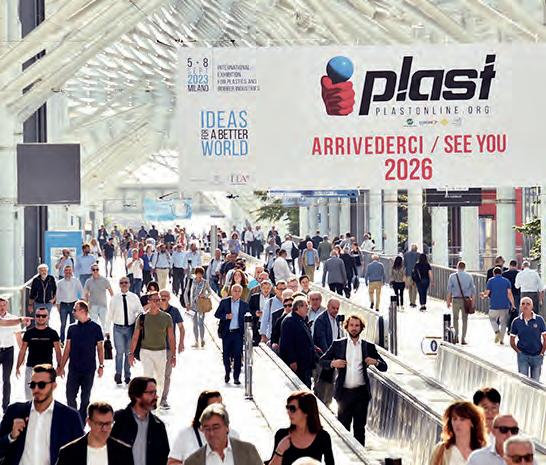
Plast 2026 si prepara ad aprire dal 9 al 12 giugno a Fiera Milano confermandosi il principale appuntamento europeo dell’anno per plastica e gomma. La ventesima edizione registra oltre 1.000 espositori, il 44% dei quali internazionali, su più di 40.000 metri quadrati.
Tra questi, 200 aziende non avevano partecipato alle due edizioni precedenti: un segnale di fiducia importante in un contesto economico e geopolitico complesso. L’organizzazione punta anche a rafforzare la presenza di visitatori esteri grazie alle delegazioni di buyer promosse con Agenzia ICE e accordi con associazioni di categoria: sono attese oltre 300 aziende delegate, con
e America Latina. La manifestazione includerà i saloni satellite Rubber, 3D Plast e PlastMat, dedicati a gomma, stampa 3D e materiali innovativi. In uno scenario di export italiano in chiaroscuro, Plast 2026 si propone come piattaforma strategica per innovazione, sostenibilità e sviluppo commerciale internazionale.
Plast 2026, an increasingly international trade show
WEBGUIDE SOLUTION
UNIQUE AND TAILOR-MADE, BECAUSE THE ONLY STANDARD THAT TRULY MATTERS IS YOURS.
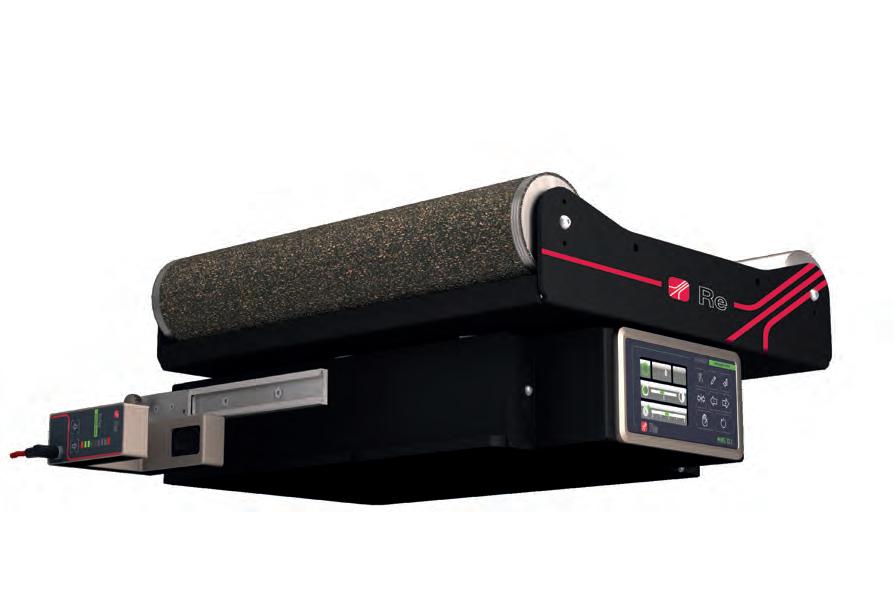
To achieve a specific objective, speed needs to be guided. Our web guiding systems are created with this purpose in mind, ensuring dependability even at high speeds. Each webguide is custom-made to cater to unique requirements and delivers exceptional precision regulation through a blend of cutting-edge software and state-of-the-art components.
to 12 at Fiera Milano, reaffirming its status as the year’s leading European event for plastics and rubber. The 20th edition features over 1,000 exhibitors-44% of whom are international-spanning more than 40,000 square meters. Among these, 200 companies had not participated in the two previous editions: a significant sign of confidence in a complex economic and geopolitical context. The organizers also aim to boost the number of international visitors through buyer delegations organized in collaboration with the Italian Trade Agency (ICE) and agreements with industry associations: over 300 delegated companies are expected, with strong participation from India and Latin America.
The event will include the satellite exhibitions Rubber, 3D Plast, and PlastMat, dedicated to rubber, 3D printing, and innovative materials. Against the backdrop of Italy’s mixed export performance, Plast 2026 positions itself as a strategic platform for innovation, sustainability, and international business development.
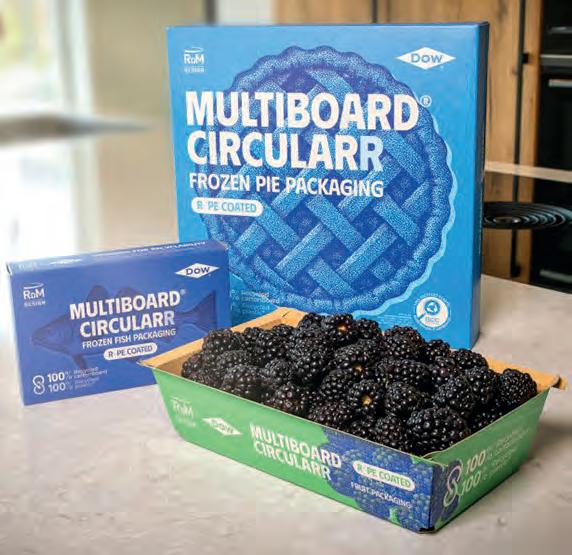
Multiboard CirculaRR, barriera alimentare circolare Dow e RDM Group lanciano
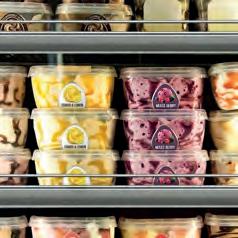
Multiboard CirculaRR, nuova soluzione per il packaging alimentare con barriera, pensata per unire prestazioni tecniche, sicurezza e circolarità. Il prodotto nasce dall’integrazione tra l’esperienza di RDM Group nei cartoncini a base di fibra riciclata e le competenze di Dow nei polimeri circolari e nel riciclo avanzato. È realizzato con cartoncino riciclato
rivestito con polietilene da plastica riciclata, anche tramite bilancio di massa, ed è destinato ad applicazioni a contatto con alimenti come surgelati, prodotti da forno, vaschette per frutta e pet food secco.
La componente plastica è certificata ISCC PLUS, mentre l’idoneità al contatto alimentare è confermata dalla certificazione ISEGA. Il ridotto contenuto di PE, circa il 5% del peso, permette il trattamento nei flussi di riciclo della carta mista.
Valutato anche secondo il protocollo 4evergreen, Multiboard CirculaRR si propone come risposta concreta ai futuri requisiti del PPWR, che dal 2030 imporrà imballaggi riciclabili e obiettivi di contenuto riciclato.
Multiboard CirculaRR, a circular food barrier
Dow and RDM Group are launching Multiboard CirculaRR, a new barrier food packaging solution designed to combine technical performance, safety, and circularity.
The product is the result of integrating RDM Group’s expertise in recycled fiber-
Exquisite Food, Bespoke Packaging
Exquisite Food, Bespoke Packaging
Deliforma accoppiato a PET nero lucido rappresenta l’equilibrio perfetto tra estetica raffinata e prestazioni tecniche avanzate per il food packaging. Progettato per il contatto diretto con gli alimenti, garantisce massima versatilità grazie all’idoneità alla termoformatura e all’utilizzo sia in forno tradizionale che in microonde. Disponibile con certificazione FSC, questa combinazione si distingue per un profilo sostenibile, essendo pienamente riciclabile nella carta e rientrando nelle prime fasce di contribuzione per lo smaltimento.
Deliforma con PET nero è solo una delle innumerevoli soluzioni personalizzabili e in formato speciale: la ricerca di accoppiamenti ad hoc tra diversi cartoncini e film tecnici già disponibili a magazzino permette di abbattere i tempi di consegna, ottimizzare i costi e garantire l’assoluta certezza della quantità fornita.
Commer Carta è il centro taglio che distribuisce cartoncini per imballaggio ed applicazioni grafiche: seleziona e taglia fogli in formato speciale di materiali in fibra vergine o riciclata, certificati e adatti al contatto con alimenti. Con i servizi di accoppiatura a film i suoi cartoncini sono disponibili anche con un’ulteriore barriera superficiale, sia per luxury pack sostenibili sia per food delivery e confezioni alimentari a contatto prolungato e attente all’ambiente. Forte dei suoi 40 anni di attività, è riconosciuta sul mercato per il suo servizio affidabile, just in time e di consulenza ai clienti, per l’alta qualità dei suoi materiali e l’attenzione alla sostenibilità di prodotto e di processo.
based paperboard with Dow’s expertise in circular polymers and advanced recycling. It is made from recycled cardboard coated with polyethylene derived from recycled plastic, including through mass balance, and is intended for food-contact applications such as frozen foods, baked goods, fruit trays,
Perfectfold conquista gli scatolifici italiani
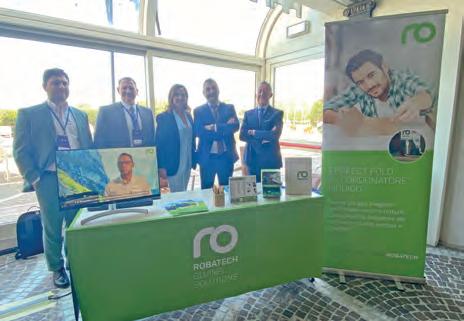
In occasione dell’Assemblea Nazionale di Associazione CIS, svoltasi il 17 e 18 aprile 2026, Robatech ha acceso i riflettori su PerfectFold, l’innovativo sistema per la piegatura precisa del cartone ondulato. L’interesse di imprenditori e “decision maker” è stato immediato, soprattutto per il concreto potenziale di riduzione dei costi e per la straordinaria semplicità di integrazione nei processi produttivi esistenti. Grande protagonista al desk è stata la dimostrazione “live” del principio di funzionamento: il liquido di cordonatura SpeedUp veniva applicato con precisione sulla linea di piega di un cartone ondulato campione da un esperto Robatech, simulando ciò che avviene in modo automatizzato con gli impianti Robatech. Il risultato è stato tangibile fin da subito: una significativa riduzione della rigidità del materiale, che consentiva pieghe estremamente accurate con uno sforzo minimo. Una prova pratica che ha convinto anche i più esigenti. PerfectFold ha piacevolmente sorpreso gli operatori del settore per una serie di vantaggi chiave: garantisce una precisione costante, pieghe perfette, dimensioni interne esatte e inserti impeccabili, contribuendo così a ridurre sensibilmente potenziali reclami per non conformità da parte dei clienti. Allo stesso tempo, le linee di piega “ammorbidite” migliorano la stabilità del processo, aumentando l’affidabilità nella produzione di cartone ondulato. Il tutto si traduce in un significativo incremento dell’efficienza, della velocità e della
and dry pet food. The plastic component is ISCC PLUS certified, while its suitability for food contact is confirmed by ISEGA certification. The low PE content-approximately 5% by weight-allows it to be processed in mixed paper recycling streams. Also evaluated according to the 4evergreen protocol,
Multiboard CirculaRR offers a concrete solution to future PPWR requirements, which will mandate recyclable packaging and recycled content targets starting in 2030.
sostenibilità, grazie alla riduzione degli scarti, a una maggiore resa dei materiali e a un minore impatto ambientale. Molto apprezzata anche la facilità con cui PerfectFold può essere integrato nelle linee produttive esistenti, senza necessità di interventi complessi. La partecipazione all’evento ha confermato il posizionamento di Robatech non solo come leader nell’applicazione di adesivi hot melt, ma sempre più come partner tecnologico completo per l’industria del packaging. In particolare, i produttori di scatole in cartone hanno mostrato molto interesse anche per i sistemi di applicazione della colla a freddo. Prossima frontiera: un unico sistema di controllo che gestisca entrambe le applicazioni, colla a freddo e liquido di cordonatura, sullo stesso impianto. “Il bilancio della nostra partecipazione alla manifestazione è stato estremamente positivo: durante l’evento abbiamo programmato successivi incontri di approfondimento con diverse aziende interessate”, commenta Erick Dusi, Sales and Marketing Director di Robatech Italia. “PerfectFold rappresenta uno strumento innovativo per ridurre scarti e non conformità nell’industria del cartone ondulato, migliorando in modo sostenibile la velocità della linea e l’efficienza produttiva”.
Perfectfold wins over italian carton manufacturers
At the CIS Association’s National Assembly, held on April 17 and 18, 2026, Robatech turned the spotlight on PerfectFold, the innovative system for the precise folding of corrugated cardboard. The interest of business owners and “decision-makers” was immediate, especially due to the concrete potential for cost reduction and the extraordinary ease of integration into existing production processes. The star of the show at the booth was the “live” demonstration of how it works: a Robatech expert precisely applied SpeedUp creasing fluid to the fold line of a sample corrugated cardboard
sheet, simulating what happens automatically with Robatech systems. The result was immediately apparent: a significant reduction in the material’s stiffness, allowing for extremely precise folds with minimal effort. A practical demonstration that convinced even the most demanding visitors.
PerfectFold pleasantly surprised industry professionals with a range of key benefits: it ensures consistent precision, perfect folds, exact internal dimensions, and flawless inserts, thereby helping to significantly reduce potential customer complaints regarding non-conformity. At the same time, the “softened” fold lines improve process stability, increasing reliability in corrugated cardboard production. All this translates into a significant increase in efficiency, speed and sustainability, thanks to reduced waste, improved material yield and lower environmental impact. Also highly appreciated was the ease with which PerfectFold can be integrated into existing production lines, without the need for complex modifications.
Participation in the event further confirmed Robatech’s positioning not only as a leader in hot-melt adhesive application, but increasingly as a complete technology partner for the packaging industry.
Corrugated box manufacturers, in particular, also showed strong interest in the company’s cold-glue application systems. The next frontier is a single control system capable of managing both cold glue and stitchingfluid applications on the same line.
“Our participation in the exhibition delivered extremely positive results: during the event, we scheduled followup technical meetings with several interested companies,” commented Erick Dusi, Sales and Marketing Director of Robatech Italia. “PerfectFold is an innovative solution for reducing waste and non-conformities in the corrugated board industry, while sustainably improving line speed and overall production efficiency.”
FORSE NON TUTTI CHE... SANNO
... la stampa a caldo con lamina ha oltre 130 anni
di Francesco Bordoni
L’impressione a caldo, o stampa a caldo, in inglese hot stamping, utilizzando una lamina, è opera dell’inventore tedesco Ernest Oeser che nel 1892 registrò il primo brevetto in Germania. Il brevetto di Ernest Oeser riguarda una macchina da stampa che all’epoca utilizzava fogli laminati in oro.
La tecnologia è una evoluzione dell’antica arte della «doratura» impiegata prevalentemente in legatoria per dare valore aggiunto ai libri; fra il 300 d.C. e il 500 d.C. si è iniziato ad arricchire pergamene con foglie d’oro e solo attorno al 1300 si iniziarono a utilizzare l’oro in conchiglia per arricchire i codici, come tratta Cennino di Andrea Cennini (???? ÷ 1398) nel suo libro in volgare «Libro dell’Arte».
La doratura dei libri e delle pelli ha origine in Persia e arriva in Italia grazie ai mercanti. La vera doratura a foglia d’oro impressa a caldo sulle legature in pelle si è sviluppata in Italia, in particolare a Firenze e Venezia, alla fine del 1400.
Fino alla fine del 1700 si utilizzavano tecniche a freddo ma a partire dagli inizi del 1800 prese piede l’utilizzo dell’applicazione a caldo.
L’invenzione di Oeser ha permesso l’industrializzazione del processo che ha visto il suo sviluppo prepotente a partire dai primi degli anni 50 del XX Secolo, quando apparvero le prime bobine per la laminazione a caldo, che sostituirono in brevissimo tempo i fogli.
DID YOU KNOW THAT...
hot foil
stamping is over 130 years old
Hot stamping, which uses a foil, was invented by the German Ernest Oeser, who registered the first patent in Germany in 1892. Ernest Oeser’s patent was for a printing machine that, at the time, used gold-foil sheets.
The technology is an evolution of the ancient art of “gilding,” used primarily in bookbinding to add value to books;
between 300 AD and 500 AD, people began embellishing parchments with gold leaf, and it was not until around 1300 that gold leaf began to be used to embellish manuscripts, as described by Cennino di Andrea Cennini (????–1398) in his vernacular book *Libro dell’Arte*.
The gilding of books and leather originated in Persia and arrived in Italy thanks to merchants. True gold leaf gilding, applied by hot stamping to leather bindings, developed in Italy-particularly in Florence and Venice-in the late 1400s.
Cold techniques were used until the late 1700s, but the use of hot application gained traction starting in the early 1800s. Oeser’s invention enabled the industrialization of the process, which saw rapid development starting in the early 1950s, when the first hot-stamping rolls appeared, quickly replacing individual sheets.
La voce della Connection
La Converting Connection è lo strumento di riferimento per il settore della stampa e del converting. In questa sezione vengono pubblicate le novità delle aziende inserite nel network 2026. Troverai “la voce della Connection” in ogni numero della rivista.
EPC
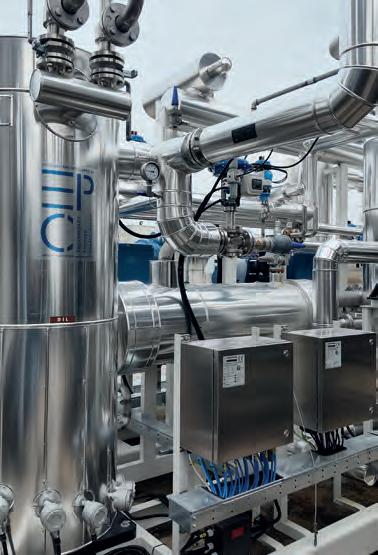
Quando i dati guidano l’industria EPC Impianti si distingue per un approccio ingegneristico basato sull’analisi dello stato dell’arte degli impianti esistenti, quale punto di partenza per la customizzazione di ogni progetto. Le decisioni tecnologiche derivano da una valutazione strutturata dei dati di processo, delle performance operative e degli obiettivi produttivi del cliente. Un approccio che trasforma il dato in leva di innovazione e ottimizzazione dei processi, nonché un plus per il cliente che decide di investire e innovare.
Negli ultimi anni il settore del packaging flessibile ha registrato una crescita significativa degli investimenti in impianti e tecnologie, spesso orientati al miglioramento dell’efficienza di abbattimento dei COV per adeguarsi a limiti emissivi sempre più stringenti. Tuttavia, tali investimenti non sempre derivano da un’effettiva analisi delle reali esigenze operative e, in molti casi, non garantiscono ritorni economici sostenibili nel breve periodo. Il nodo centrale resta la scarsa visibilità dei costi reali: oltre ai CAPEX iniziali e facilmente identificabili, incidono consumi energetici, inefficienze e sprechi di materiale che emergono nel tempo. In questo contesto EPC Srl ha avviato una ricerca di mercato
sulle principali aziende del settore packaging, con l’obiettivo di analizzare come i dati vengano oggi utilizzati nei processi decisionali e produttivi. I risultati saranno presentati in occasione della Print4All Conference, offrendo una lettura delle leve di miglioramento per l’industria.
When Data Drives Industry
EPC Impianti stands out for its engineering approach based on the assessment of the state of the art of existing plants, which represents the starting point
for the customization of every project. Technological decisions stem from a structured evaluation of process data, operational performance, and the customer’s production goals. This approach transforms data into a driver for innovation and process optimization, while also representing added value for customers investing in technological advancement.
In recent years, the flexible packaging industry has experienced significant growth in investments in plants and technologies, often aimed at improving VOC abatement efficiency in order to comply with increasingly stringent emission limits. However, these investments do not always arise from an effective analysis of actual operational needs and, in many cases, fail to ensure sustainable short-term returns on investment.
The key issue remains the limited visibility of the real costs involved: beyond the initial and easily identifiable CAPEX, factors such as energy consumption, inefficiencies, and material waste have a substantial impact over time.
Within this context, EPC Srl has launched a market research study involving leading companies in the packaging industry, with the aim of analyzing how data is currently being used in decision-making and production processes. The results will be presented during the Print4All Conference, providing insights into the key drivers for improvement across the industry.
COLORCONSULTING
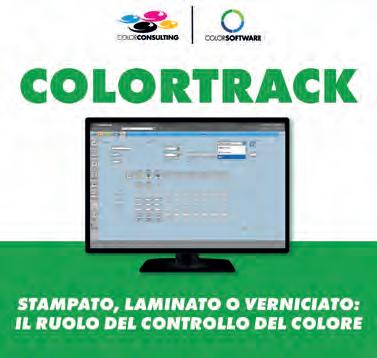
Dal film alla stampa: il ruolo del controllo colore Laminazione o accoppiamento sono processi fondamentali che ogni converter è costretto a eseguire per fornire caratteristiche fondamentali ad uno stampato e per proteggere i prodotti che il packaging contiene. Spesso però, queste lavorazioni, sono fonte di colori inaspettati dovuti al processo in sé o agli adesivi utilizzati. ColorSoftware Suite di ColorConsulting è una combinazione di diversi software che lavorano in sincronia per garantire: qualità, ripetibilità, ottimizzazione di tempi e consumi.
L’unica soluzione sul mercato ad avere una funzione multi target per garantire e facilitare la gestione dei cambiamenti di colori, in fase di laminazione. La soluzione si compone di quattro software: ColorTrack, ColorAnalytics, InkWeigh e ColorConnector. Più nello specifico: ColorTrack insieme a ColorAnalytics permette di digitalizzare i dati di produzione, tenere sotto controllo la qualità, prevedere i consumi e ottimizzare i tempi di avviamento. InkWeigh invece è un vero e proprio sistema di gestione degli inchiostri che consente una tracciabilità infinita dei batch e l’utilizzo di inchiostri resi in formulazione al posto dei nuovi, ottimizzando i consumi. ColorConnector infine riduce l’errore umano, consentendo un inserimento dati univoco grazie al collegamento diretto con il gestionale aziendale. La soluzione fornisce quindi un’integrazione unica per ottenere efficienza e qualità. Valuta l’impatto di ColorSoftware Suite sui tuoi processi: richiedi una demo dedicata, scrivi una mail a info@colorconsulting.it
From film to print: the role of color control Lamination or bonding are essential processes that every converter must carry out to give printed materials
key properties and to protect the products inside the packaging. However, these processes are often a source of unexpected color variations, caused either by the process itself or by the adhesives used. ColorConsulting’s ColorSoftware Suite is a combination of different software tools working together in sync to ensure quality, repeatability, and optimization of time and consumption. It is the only solution on the market with a multi-target function, designed to support and simplify color changes during the lamination phase. The solution includes four software tools: ColorTrack, ColorAnalytics, InkWeigh, and ColorConnector. More specifically, ColorTrack together with ColorAnalytics allows you to digitalize production data, keep quality under control, predict consumption, and optimize start-up times. InkWeigh is a complete ink management system that ensures full batch traceability and enables the use of returned inks in new formulations, reducing waste. Finally, ColorConnector reduces human error by enabling consistent data entry through direct integration with the company’s management system. Overall, the solution provides a unique level of integration to achieve both efficiency and quality. Evaluate the impact of ColorSoftware Suite on your processes: request a dedicated demo by emailing info@colorconsulting.it
NGW GROUP
Un partner industriale continuo Nel settore della stampa digitale, la tecnologia da sola non basta più. Le aziende non cercano semplicemente un fornitore di macchine, ma un partner in grado di accompagnarle lungo tutto il percorso: dalla definizione del progetto fino alla produzione reale. NGW Group si posiziona proprio in questa direzione, con un modello in cui i servizi rappresentano il vero valore aggiunto. Ogni progetto parte da un approccio
consulenziale: prima della tecnologia vengono analizzati obiettivi produttivi, mercati di riferimento e marginalità attesa, per individuare la soluzione più coerente con il business del cliente. Prima dell’investimento, il cliente può testare le applicazioni direttamente sui propri materiali all’interno del demo center, verificando in modo concreto qualità e risultati con il supporto di tecnici specializzati. L’installazione è seguita da un team dedicato che pianifica ogni fase operativa, garantendo un avviamento rapido e controllato. A questo si affianca un percorso di formazione strutturato, pensato per rendere il cliente autonomo nella gestione e nell’ottimizzazione della produzione. Il servizio di assistenza tecnica completa il modello, con supporto su tutto il territorio nazionale, sia da remoto che on-site, con tempi di intervento rapidi. In questo modo NGW Group si distingue non come semplice fornitore, ma come partner industriale continuo, orientato alla crescita produttiva e alla sostenibilità degli investimenti nel tempo.
An industrial partner
In the digital printing industry, technology alone is no longer enough. Companies are no longer simply looking for a machine supplier, but for a partner capable of supporting them throughout the entire journey: from project definition to fullscale production. NGW Group positions itself precisely in this space, with a model where services represent the real added value. Every project starts with a consultative approach: before selecting any technology, production goals, target markets, and expected margins are analysed in order to identify the most suitable solution for the client’s business. Before any investment, customers can test applications directly on their own materials within the demo center, validating quality and final output with the support of specialised technicians. Installation is handled by a dedicated technical team that plans each step in advance, ensuring a fast and controlled start-up.
Per scoprire tutte le aziende che hanno scelto la Converting Connection 2025, inquadra il qrcode
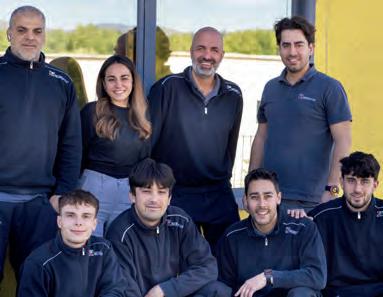
Il team dell’area tecnica di NGW Group The NGW Group Technical Team
This is complemented by structured training programs designed to make customers fully autonomous in managing and optimising production processes. Technical support completes the model, with nationwide coverage, both remote and on-site, and fast response times. In this way, NGW Group positions itself not as a simple supplier, but as a long-term industrial partner focused on productivity growth and sustainable return on investment over time.
OMET
Differenziarsi per competere
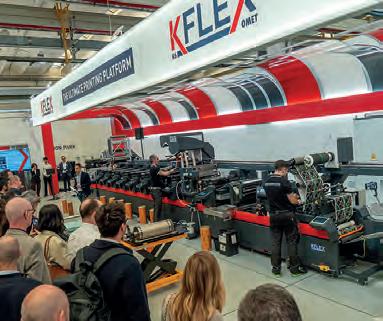
L’evento all’Innovation Park ha riunito oltre 150 partecipanti internazionali attorno a un tema centrale per il printing e il converting: differenziarsi per generare valore. Al centro dell’incontro, una visione industriale orientata non solo alla tecnologia, ma anche alla crescita delle aziende, alla competitività e alla costruzione di modelli di business solidi e sostenibili.
Le presentazioni e le demo live di iFlex 440 e KFlex K6 hanno messo in luce tecnologie modulari pensate per migliorare efficienza produttiva, facilità d’uso, rapidità di setup e controllo dei processi. Ampio spazio anche all’evoluzione digitale, con strumenti per analisi dei dati, pianificazione, monitoraggio della produzione e assistenza continua, anche da remoto. I contributi di Kurz e Tesa hanno arricchito il dibattito su personalizzazione, materiali e applicazioni ad alto valore aggiunto. Un momento di confronto e approfondimento in pieno stile Omet che da sempre valorizza e condivide le competenze nel mercato.
Standing out to compete
The event at Innovation Park brought together over 150 international participants to discuss a key theme for the printing and converting sectors: standing out to create value. At the heart of the meeting was an industrial vision focused
not only on technology, but also on business growth, competitiveness and the development of robust and sustainable business models. The presentations and live demos of the iFlex 440 and KFlex K6 highlighted modular technologies designed to improve production efficiency, ease of use, quick set-up and process control. There was also ample focus on digital evolution, with tools for data analysis, planning, production monitoring and continuous support, including remote assistance. Contributions from Kurz and Tesa enriched the discussion on customisation, materials and high value-added applications. A moment of exchange and in-depth analysis in true Omet style, which has always valued and shared expertise within the market.
SISTRADE SOFTWARE
Gestione completa degli utensili per il packaging
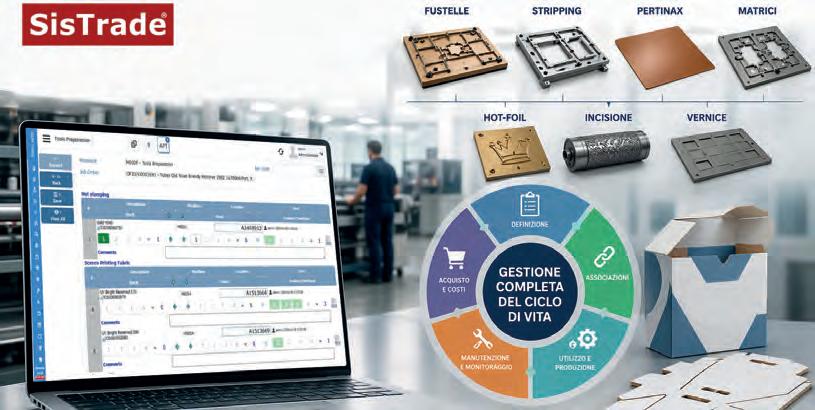
Nel settore del packaging, l’efficienza operativa è strettamente legata al controllo puntuale di un’ampia gamma di utensili produttivi: fustelle, sistemi di stripping, pertinax, matrici, cliché per stampa a caldo, strumenti di incisione e lastre per verniciatura. Sistrade Software affronta tale complessità attraverso un modulo evoluto di gestione e manutenzione utensili e fustelle, permettendo il governo completo del ciclo di vita di ciascuna risorsa. La piattaforma consente di creare, codificare e amministrare tutte le tipologie di utensili in un ambiente centralizzato. Gli utensili possono essere generati automaticamente in base alle necessità produttive, eliminando potenziali ritardi. È possibile configurare attributi avanzati quali materiale, tipologia di macchina e metodo di stripping, mentre la gestione degli stati assicura una visibilità in tempo reale su disponibilità e utilizzo. Sistrade Software garantisce inoltre un controllo rigoroso dell’inventario, validando le
ubicazioni di magazzino ed evitando duplicazioni. Il monitoraggio del ciclo di vita supporta l’ottimizzazione delle attività di manutenzione e sostituzione, mentre l’integrazione con fornitori e fatturazione consente un’analisi dettagliata dei costi. Le funzionalità avanzate permettono la gestione di relazioni gerarchiche tra utensili, assicurando che ogni ordine includa la corretta configurazione degli strumenti. Un assistente integrato suggerisce inoltre le soluzioni più idonee già in fase di preventivazione. Attraverso la centralizzazione e l’automazione dei processi di gestione utensili, Sistrade Software supporta le aziende del packaging nella riduzione degli sprechi, nella minimizzazione dei tempi di fermo e in una maggiore reattività alle esigenze produttive.
Comprehensive tooling management for packaging
In the packaging industry, efficiency depends on precise control of a wide range of production tools—from diecutters to stripping tools, pertinax, matrices, hot-foil plates, engraving tools, and varnish plates. Sistrade Software addresses this complexity with a comprehensive Tools and Die-Cutters Maintenance module, enabling full lifecycle management of every asset. The system allows companies to create, code, and manage all tool types within a unified environment. Tools can be automatically generated when required, ensuring no production step is delayed. Users can define detailed attributes such as material, machine type, and stripping method, while integrated status management ensures real-time visibility of tool availability and usage. Sistrade Software also guarantees accurate inventory control by validating storage locations and preventing duplication. Lifecycle tracking monitors tool performance and wear, optimizing maintenance and replacement timing.
Financial tracking links tools to suppliers and invoices, supporting precise cost analysis. Advanced association features enable the creation of hierarchical tool relationships, ensuring every job includes the correct combination of primary and auxiliary tools. Additionally, a selection wizard integrated into estimating and job planning suggests the right tooling from the start. By centralizing and automating tooling management, Sistrade Software helps packaging companies reduce waste, minimize downtime, and respond faster to production demands.
TIKAPPAPI
Ubicazioni intelligenti con Edigit, produzione più veloce Nelle aziende delle arti grafiche, la gestione del magazzino è un elemento strategico per garantire efficienza e continuità produttiva.
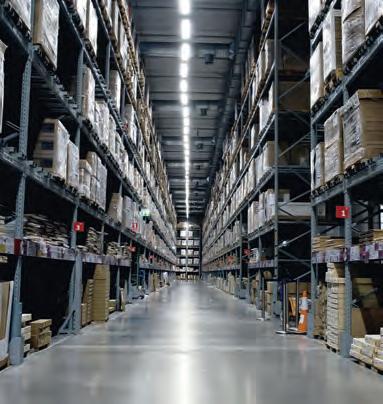
Non si tratta solo di stoccare materiali, ma di organizzarli in modo intelligente, così da renderli sempre disponibili e facilmente rintracciabili. In questo contesto, il modulo Ubicazioni Magazzino di Edigit, il gestionale ERP verticale di Tikappapi per il mondo della stampa e cartotecnica, introduce un approccio evoluto alla logistica, trasformando lo spazio fisico in una mappa digitale precisa e aggiornata.
Ogni materiale è associato a una posizione specifica, assicurando il controllo puntuale delle giacenze e una visione chiara degli stock. L’integrazione con i processi aziendali e le informazioni costantemente allineate, rendendo ogni operazione più fluida e precisa. Il magazzino, quindi non è più solo uno spazio operativo, ma una leva concreta per la crescita dell’azienda. Contattaci per scoprire come trasformare il tuo magazzino in un vero vantaggio competitivo con Edigit.
Smart warehouse locations with Edigit, faster production
In graphic arts companies, warehouse management is a strategic element to ensure efficiency and production continuity. It’s not just about storing materials, but about organizing them intelligently so they are always available and easy to locate. In this context, the Warehouse Locations module of Edigit, Tikappapi’s vertical ERP software for the printing and converting industry, introduces an advanced approach to logistics, transforming physical space into a precise and constantly updated digital map. Each material is assigned to a specific location, ensuring accurate stock control and a clear overview of inventory. Integration with business processes and continuously aligned information make every operation smoother and more precise. The warehouse is therefore no longer just an operational space, but a concrete driver of business growth. Contact us to find out how to turn your warehouse into a real competitive advantage with Edigit.
SEI LASER
Nuovo concetto di nobilitazione digitale
SEI Laser ridefinisce il concetto di nobilitazione digitale con Klimtjet, il modulo che porta nel mondo delle etichette effetti premium ad alta risoluzione. Klimtjet applica verniciatura selettiva e cold foil digitale con effetti oro, argento e metallizzati estremamente fini, valorizzando ogni più piccolo dettaglio del design. Nessun cliché, nessun setup complesso: tutto avviene in modo completamente digitale, con la massima libertà creativa e convenienza, per piccole e medie tirature. In questo scenario si inserisce anche KyoJet, soluzione single-pass che integra stampa inkjet UV, finitura e taglio laser in un unico passaggio: “dal PDF alla spedizione”. Con velocità fino a 55 m/min, automazione completa e setup automatico, KyoJet elimina tempi morti, riduce gli scarti e consente una produzione on-
demand altamente personalizzata, gestita da un singolo operatore. Per scoprire queste tecnologie dal vivo, SEI Laser ti invita al prossimo Open House “Labels of Wonder”, l’evento dedicato all’innovazione nel converting digitale. Si terrà mercoledì 10 e giovedì 11 giugno 2026 presso la sede di SEI Laser, Via Enrico Fermi 48, Curno, Bergamo. Per avere maggiori informazioni o per iscriverti consulta il sito www.seilaser.com/labels-ofwonder/
New concept of digital embellishment SEI Laser is redefining the concept of digital embellishment with Klimtjet, the module that brings high-resolution premium effects to the label industry. Klimtjet applies selective varnishing and digital cold foil with exceptionally fine gold, silver, and metallic effects, enhancing even the smallest design details. No clichés, no complex setup: everything is carried out entirely digitally, offering maximum creative freedom and cost-effectiveness for short and medium print runs. Also part of this scenario is KyoJet, a single-pass solution that integrates UV inkjet printing, finishing, and laser cutting in a single workflow: “from PDF to shipment.” With speeds of up to 55 m/min, full automation, and automatic setup, KyoJet eliminates downtime, reduces waste, and enables highly customized on-demand production managed by a single operator. To experience these technologies live, SEI Laser invites you to the upcoming Open House “Labels of Wonder,” an event dedicated to innovation in digital converting. The event will take place on Wednesday, June 10 and Thursday, June 11, 2026, at SEI Laser headquarters, Via Enrico Fermi 48, Curno, Bergamo, Italy. For more information or to register, please visit www.seilaser.com/labels-ofwonder/
Macchine per la filiera grafica-cartotecnica: le potenzialità del mercato vietnamita
Un mercato in crescita e in cui l’Italia è protagonista per macchine da stampa e materiali.
L’AZIENDA
STUDIA BO Società con competenze distintive nel campo economico, econometrico e informatico. Sviluppa sistemi informativi e portali a supporto dei processi decisionali delle imprese.
La domanda vietnamita di macchine della filiera grafica-cartotecnica
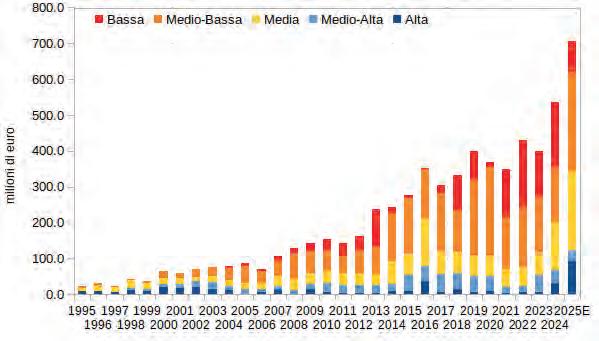
A consuntivo 2025 (pre-stime) il Vietnam è stimato essersi attestato al 6° posto assoluto tra i paesi importatori mondiali di macchine della filiera grafica-cartotecnica. A fine 2025, infatti, le importazioni di questo mercato stono stimate avere per la prima volta superato i 700 milioni
di euro. Si tratta di livelli del 77% superiori a quelli del periodo pre-pandemico (2019), con un tasso medio annuo di crescita nel periodo 2020-2025 prossimo al +10% nei valori in euro. La composizione qualitativa delle importazioni vietnamite di macchine della filiera graficacartotecnica mostra, tuttavia, una prevalenza delle importazioni delle fasce di prezzo più
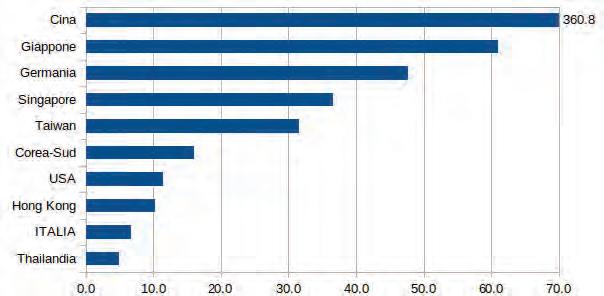
Top competitori 2025 di macchine per l’ind. grafica, cartaria e del converting
Il mercato vietnamita crescerà, tra il 2026 e il 2029, arrivando a superare i 745 milioni di euro
Focus on foreign markets
Machinery for the graphics and paper converting industry: the potential of the Vietnamese market
A growing market in which Italy plays a leading role in the supply of printing presses and materials.
Vietnamese demand for graphics and paper converting machinery
By the end of 2025 (preliminary estimates), Vietnam is estimated to have ranked 6th overall among global importing countries for graphics and paper converting machinery. By the end of 2025, in fact, imports into this market are estimated to have exceeded €700 million for the first time. This represents a 77% increase on pre-pandemic levels (2019), with an average annual growth rate of around +10% in euro terms for the period 2020–2025.
Italy ranks only ninth in the list of supplier countries to the Vietnamese market, with an estimated export value last year of €6.8 million (equivalent to 1.1%) – a long way behind Germany (the leading European competitor), which, with a 7.8% share, ranks third in the list.
According to ExportPlanning forecasts, in the 2026–2029 scenario, Italian exports are expected to accelerate significantly, at an average annual growth rate (CAGR) of +27.5% in euro terms (reaching €18 million by the end of the period).
Breakdown of Vietnamese imports by sector
Looking at the various sectors in detail, in 2025 (preliminary figures) Vietnamese imports were highest for printing machinery (€347.6 million) and converting machinery (€252.6 million), followed – some way behind – by paper converting machinery (€66.7 million), machinery and materials for plate making (€29.5 million) and bookbinding machinery (€9.2 million).
In the 2026–2029 scenario, the largest contributions to the growth of Vietnamese imports are expected to come – in order –from the printing machinery sector (+€18.6 million, equivalent to an average annual growth of 1.3 percentage points) and the converting machinery sector (+€17.2 million, corresponding to 1.7 percentage points per year).
contenute: complessivamente, nel 2025 (secondo le pre-stime ExportPlanning) le importazioni delle fasce Alta e Medio-Alta di prezzo sono stimate aver rappresentato poco più del 17 per cento delle importazioni complessive del mercato. Di contro, le fasce di prezzo più basse hanno rappresentato oltre la metà dei flussi di importazione complessivi. Secondo le previsioni ExportPlanning, nello scenario 2026-2029 si prevede che l’import vietnamita possa crescere ad un ritmo medio annuo moderatamente positivo nei valori in euro (CAGR: +1.4%), arrivando a superare i 745 milioni di euro. Tuttavia, va sottolineato come nel 2026 le previsioni sull’evoluzione delle importazioni del mercato risultino di segno negativo (-4.2% nei valori in euro), per poi tornare a mostrare una intonazione positiva (CAGR: +3.3%) nel successivo triennio.
Leadership cinese tra i paesi fornitori, con l’Italia al 3° posto
La Cina è di gran lunga il principale paese fornitore del mercato vietnamita di macchine per l’industria grafica, cartaria e del converting, con una quota 2025 stimata in quasi 59 punti. L’Italia figura solamente al nono posto nel ranking dei paesi fornitori del mercato vietnamita, con un valore esportato l’anno scorso stimato pari a 6.8 milioni di euro (pari all’1.1 per cento), ben distante dalla Germania (primo paese concorrente europeo), che – con una quota del 7.8% - si posiziona al terzo posto del ranking. Secondo le previsioni ExportPlanning, nello scenario 20262029 si prevede, peraltro, che l’export italiano possa accelerare in misura significativa, ad un ritmo medio annuo (CAGR) del +27.5% nei valori in euro (arrivando al termine del periodo a quota 18 milioni di euro).
Composizione delle importazioni vietnamite per comparto
Nel dettaglio dei diversi comparti, nel 2025 (preconsuntivi) le importazioni vietnamite hanno espresso i valori più elevati con riferimento a
Italian exports to the Vietnamese market by sector
In 2025, Italian exports reached their highest levels in the printing machinery sector (€3.6 million) and the machinery and materials for plate making sector (€2.5 million), whilst they were negligible or very low in the other sectors. In the 2026–2029 scenario, Italian exports are expected to receive the most significant boost from sales of converting machinery (+€7.1 million, driven by a sharp acceleration already anticipated in 2026) and printing machinery (+€4 million, equivalent to a CAGR of +20.2%), whereas trends in other sectors are expected to be decidedly sluggish.
Vietnamese production in the graphics-paper-converting sector
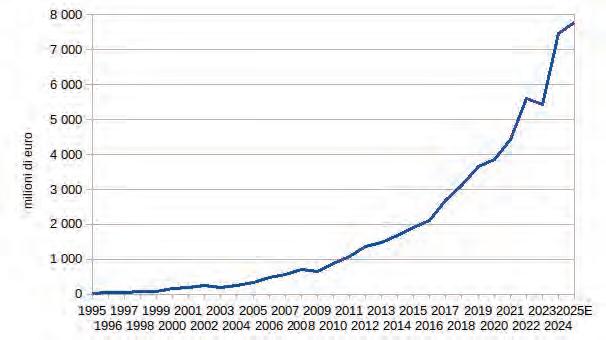
Vietnamese production is estimated at around €7.8 billion (preliminary figures for 2025), making the country the 19th largest producer in the sector worldwide. During the period under review, Vietnamese production of these products showed
Importazioni
macchine da stampa (347.6 milioni di euro) e macchine per converting (252.6 milioni di euro), seguite – a distanza - da macchine cartotecniche (66.7 milioni di euro), macchine e materiali per la preparazione delle forme (29.5 milioni di euro) e macchine per legatoria (9.2 milioni di euro).
Nello scenario 2026-2029 i maggiori contributi alla crescita delle importazioni vietnamite sono attesi provenire - nell’ordine - dai comparti macchine da stampa (+18.6 milioni di euro, pari ad una crescita medio annua di 1.3 punti percentuali) e macchine per converting (+17.2 milioni di euro, corrispondenti a 1.7 punti percentuali ogni anno)
Le esportazioni italiane sul mercato vietnamita per comparto
Nel 2025 le esportazioni italiane hanno espresso i maggiori valori nei comparti macchine da stampa (3.6 milioni di euro) e macchine e materiali per la preparazione delle forme (2.5 mln €), mentre hanno evidenziato valori nulli o molto contenuti
sustained and prolonged growth, with an average annual rate over the last fifteen years of +15.6% in euro terms. Vietnam’s main figures relate to the Flexible Packaging segment (estimated at €2.6 billion in 2025 preliminary figures, ranking 16th globally) and the Bags/Shoppers segment (€1.5 billion, ranking 4th globally).
Positive results in Vietnamese production are also relevant in the segments of Paper Manufacturing Products (6th position worldwide, with a value of nearly €1 billion), Packaging Paper and Other Paper Manufacturing products (EUR 788 million), and Finished Tissue Products (EUR 700 million).
Steady Growth
The analysis of the Vietnamese market highlights a recent phase of strong growth, with imports in the sector reaching record levels in 2025, making Vietnam the 6th largest importing country worldwide within the supply chain.
Produzione della filiera grafica-cartaria-converting
negli altri comparti. Nello scenario 2026-2029 le esportazioni italiane sono attese ricevere i contributi più positivi dalle vendite di macchine per converting (+7.1 milioni euro, complice una forte accelerazione, già attesa nel 2026) e macchine da stampa (+4 milioni euro, pari ad un CAGR del +20.2%), a fronte – invece – di andamenti decisamente poco dinamici negli altri comparti.
La produzione vietnamita nella filiera grafica-cartaria-converting
La produzione vietnamita è stimata pari a circa 7.8 miliardi di euro (pre-consuntivi 2025), che fanno del paese il 19° produttore mondiale della filiera. Nel periodo esaminato, la produzione vietnamita di prodotti ha mostrato una fase di crescita sostenuta e prolungata, con un ritmo medio annuo negli ultimi quindici anni del +15.6% nei valori in euro.
I principali valori del Vietnam sono riconducibili ai segmenti Imballaggio Flessibile (2.6 miliardi di euro stimati a pre-consuntivo 2025, attestandosi al 16° posto a livello mondiale) e Sacchetti/ Shopper (1.5 miliardi di euro, posizionandosi al 4° posto assoluto a livello mondiale). Buoni
risultati della produzione vietnamita sono, inoltre, rintracciabili nei segmenti Prodotti di cartotecnica (6^ posizione mondiale, con un valore di quasi 1 miliardo di euro), Carta per imballaggio e altra cartotecnica (788 milioni di euro) e Prodotti finiti tissue (700 milioni di euro).
Una crescita costante
L’analisi del mercato vietnamita evidenzia una fase recente di robusta crescita, con il raggiungimento nel 2025 di livelli di massimo nelle importazioni del settore, facendo del Vietnam il 6° paese importatore mondiale della filiera. La produzione vietnamita di prodotti evidenzia i maggiori valori nell’ambito dei segmenti Imballaggio flessibile (2.6 miliardi di euro nelle pre-stime 2025) e Sacchetti/Shopper (1.5 mld €, posizionandosi al 4° posto assoluto a livello mondiale), e l’elevata specializzazione nel segmento Prodotti di cartotecnica (1 miliardo di euro, posizionandosi al 6° posto a livello mondiale).
La composizione qualitativa delle importazioni vietnamite mostra, tuttavia, una ridotta rilevanza delle importazioni delle fasce di prezzo più elevate, prossime al 17 per cento del totale dei flussi importati.
Le vendite italiane del settore rivolte al mercato vietnamita, inoltre, presentano ancora valori contenuti (6.8 milioni di euro stimati a preconsuntivo 2025), posizionandosi solamente al 9° posto tra i paesi partner del mercato (e ampiamente distanziate dalle vendite tedesche).
Le prospettive di sviluppo di questo mercato nel prossimo quadriennio (2026-2029) appaiono moderatamente favorevoli; soprattutto, si attende una accelerazione per l’export italiano del settore, previsto in crescita di oltre 11 milioni di euro nello scenario al 2029.
La crescita sarà dovuta, in particolare, ai comparti macchine per converting, atteso incrementare le proprie vendite di 7.1 milioni di euro, e – in misura minore - macchine da stampa, previsto in crescita di circa 4 milioni di euro.
Vietnamese production shows its highest values in the Flexible Packaging segment (EUR 2.6 billion in 2025, preliminary estimates) and Bags/Shopping Bags (EUR 1.5 billion, ranking 4th worldwide), as well as a high level of specialization in the Paper Manufacturing Products segment (EUR 1 billion, ranking 6th worldwide).
However, the qualitative composition of Vietnamese imports shows a limited share of higher price ranges, accounting for approximately 17% of total import flows. Italian sales to the Vietnamese market in this sector remain relatively limited (EUR 6.8 million estimated for 2025 preliminary figures), ranking only 9th among
the country’s trade partners (and trailing significantly behind Germany).
The development outlook for this market over the next four-year period (2026–2029) appears moderately positive; in particular, an acceleration is expected for Italian exports in the sector, projected to grow by more than EUR 11 million by 2029.
This growth will be mainly driven by converting machinery, expected to increase its sales by EUR 7.1 million, and— to a lesser extent — printing machinery, forecast to grow by approximately EUR 4 million.
Label and packaging quality starts with finishing
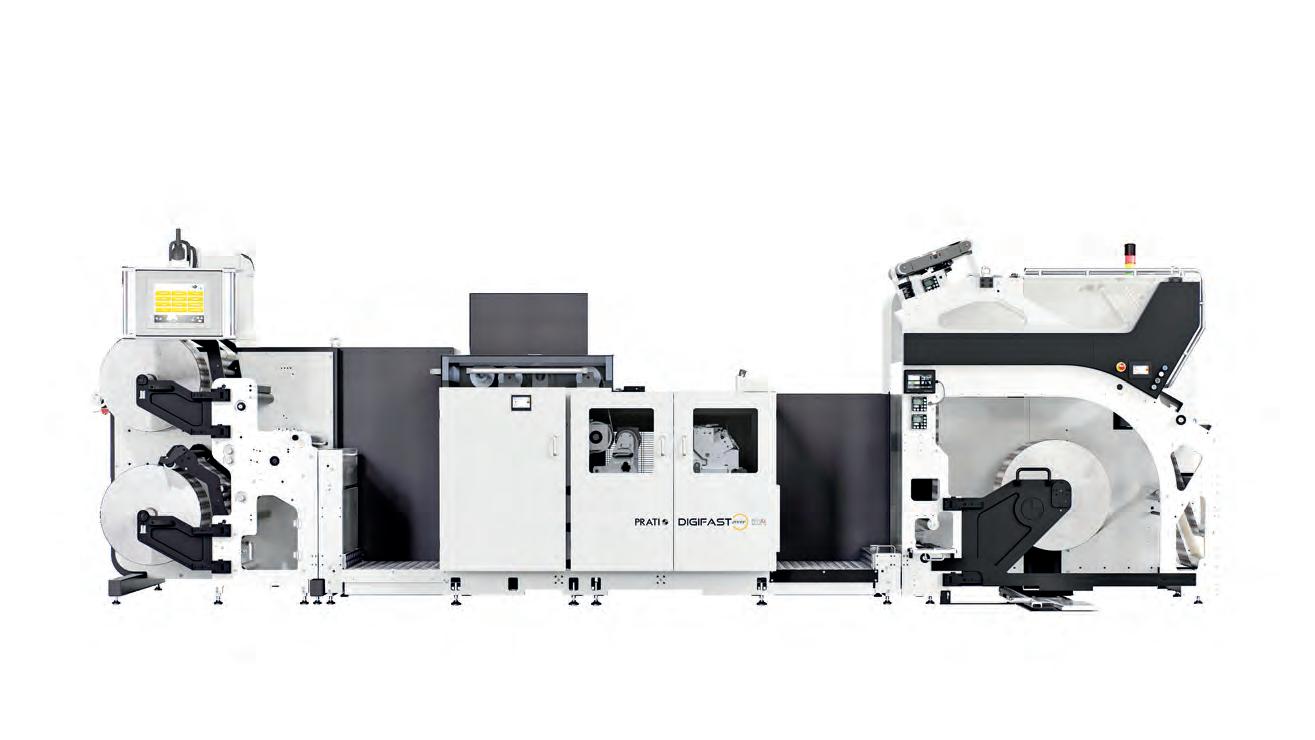
DIGIFAST20000: Mid-Web Printing & Digital Finishing Line for Labels and Packaging.
Ideal for short runs and just-in-time production, combining speed, modularity and high efficiency. Configurable near-line with HP Indigo 200K or as a standalone offline solution, in both rotary and semi-rotary modes.
Nell’era in cui Humans print the world, Print4All Conference 2026 - 1 e 2 luglio Centro Congressi Ville Ponti di Varese - accende il dibattito su Human+Machine e Human+Life. Ecco cosa pensano i Platinum Sponsor dell’evento.
L’AUTORE
LA REDAZIONE
Chi sono i Platinum Sponsor della Print4All Conference 2026? Qual è la loro visione di sinergia uomo-macchina per un settore a servizio di una dimensione esperienziale a misura d’uomo?
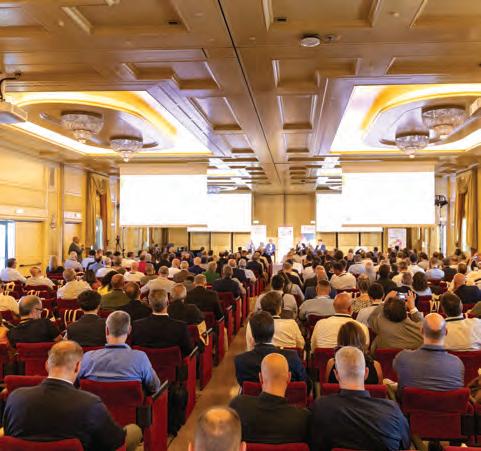
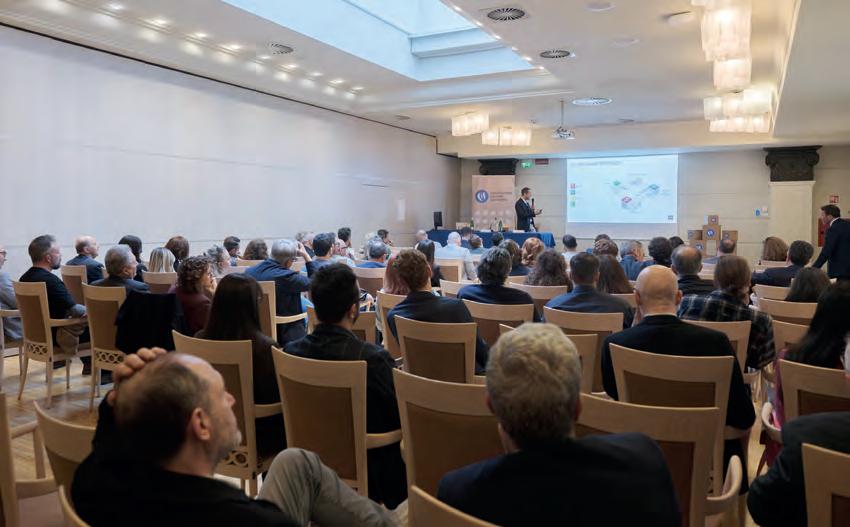
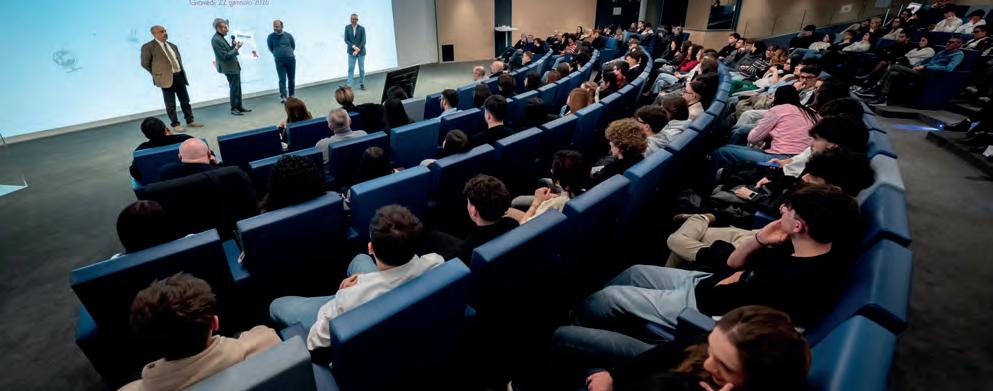
La sala della conferenza nella scorsa edizione del 2024
Industry events
The conference hall at the 2024 event
About the Print4All Conference 2026
In an era where “Humans print the world,” the Print4All Conference 2026-July 1–2 at the Ville Ponti Congress Center in Varese-sparks a debate on Human+Machine and Human+Life. Here’s what the event’s Platinum Sponsors have to say.
Who are the Platinum Sponsors of the Print4All Conference 2026? What is their vision of humanmachine synergy for an industry serving a humancentered experiential dimension?
Heidelberg: a smart and resilient ecosystem
Heidelberg brings to the Conference its vision of integration between automation, data, and human expertise across the entire printing and converting supply chain. In a context where the boundaries between technologies are becoming increasingly blurred, the company emphasizes the value of a
Heidelberg: ecosistema intelligente e resiliente Heidelberg porta alla Conference la propria visione di integrazione tra automazione, dati e competenze umane lungo l’intera filiera del printing e converting. In un contesto in cui i confini tra tecnologie si fanno sempre più fluidi, l’azienda sottolinea il valore di un approccio sistemico.
«L’evoluzione tecnologica non è una contrapposizione tra offset e digitale, ma un ecosistema integrato in cui macchine connesse, servizi e persone lavorano insieme per aumentare produttività, sostenibilità e qualità del lavoro», ha spiegato Marco Marangoni, Territory Head e amministratore delegato di Heidelberg Italia. «La Print4All Conference è l’appuntamento che mette insieme tutti gli humans who print the world: l’intera filiera che trasforma le idee in realtà.
Come Heidelberg crediamo che il futuro sia in questo equilibrio dinamico tra dato, macchina e persona, per un’industria più intelligente e vicina alla vita delle persone».
systemic approach. “Technological evolution is not a dichotomy between offset and digital, but an integrated ecosystem where connected machines, services, and people work together to increase productivity, sustainability, and the quality of work,” explained Marco Marangoni, Territory Head and CEO of Heidelberg Italia.
“The Print4All Conference is the event that brings together all the people who print the world: the entire supply chain that turns ideas into reality. At Heidelberg, we believe the future lies in this dynamic balance between data, machines, and people, for a smarter industry that is closer to people’s lives.”
Petratto:
Modularity and Human-Machine Integration
“Our constant investment in R&D, our ability to listen, and the expertise that sets us apart allow us to integrate the human-machine relationship and develop innovative, flexible, and modular solutions for packaging, commercial printing, e-commerce, specialty processes, and smart pre- and post-press
Petratto: modularità e integrazioneUomo-Macchina
«Il costante investimento in R&D, la capacità di ascolto e le competenze che ci distinguono, ci permettono di integrare il rapporto uomomacchina e di sviluppare soluzioni innovative, flessibili e modulari per packaging, commerciale, e-commerce, lavorazioni speciali e pre e fine linee intelligenti», ha affermato Giorgio Petratto. La partecipazione come Platinum Sponsor assume un valore strategico anche in ottica di filiera.
«La partecipazione come Platinum Sponsor rafforza una visione di sistema che mette al centro il mondo della stampa e del converting, e crea connessioni tra costruttori di tecnologia, stampatori e brand owner su temi chiave come Human+Machine e Human+Life», ha proseguito Petratto, evidenziando il ruolo del finishing come snodo sempre più strategico.
TCE Group: flessibilitàe ottimizzazione
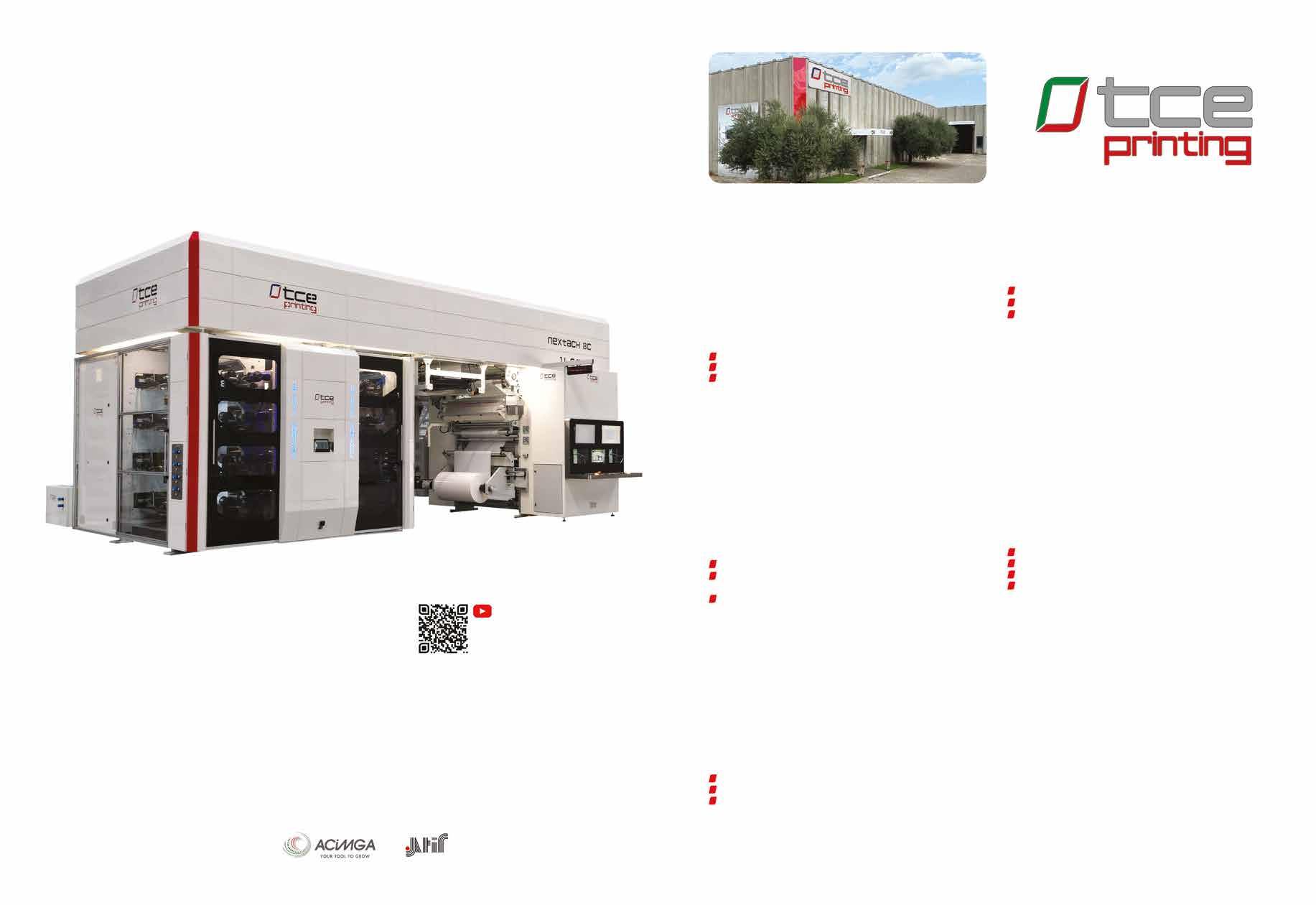
«Il nostro impegno in Print4All Conference 2026 nasce dalla convinzione che il futuro del printing e del converting passi attraverso la collaborazione tra persone, tecnologie e processi», commenta Zümran Yerlıkaya, Founder TCE Printing.
La Conference diventa così una piattaforma concreta di confronto per l’intera filiera. «La scelta di sostenere Print4All Conference come Platinum Sponsor si inserisce anche nella visione di filiera: creare una piattaforma di connessioni dove gli humans who print the world possono confrontarsi su innovazione tecnologica e integrazione, portando valore concreto alle imprese», aggiunge Yerlıkaya.
Uteco: ESG e Automazione nel Flexible Packaging
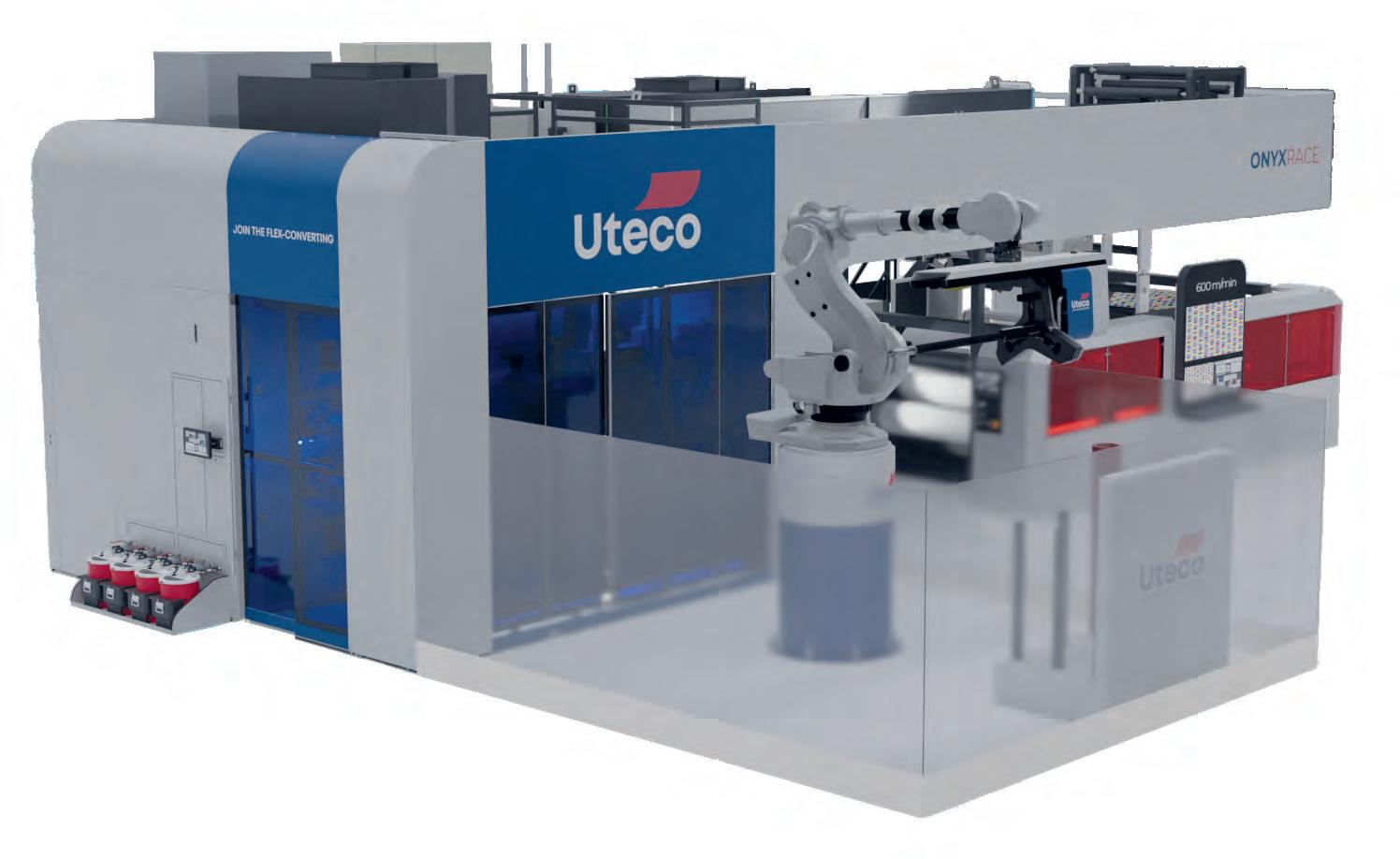
In linea con il tema Human+Machine, Uteco presenta soluzioni flexo integrate in una
lines,” stated Giorgio Petratto. Participation as a Platinum Sponsor also holds strategic value from a supply chain perspective. “Participating as a Platinum Sponsor reinforces a systemic vision that places the world of printing and converting at the center, and creates connections between technology manufacturers, printers, and brand owners on key themes such as Human+Machine and Human+Life,” continued Petratto, highlighting the role of finishing as an increasingly strategic hub.
TCE Group: Flexibility and Optimization
“Our commitment to the Print4All Conference 2026 stems from the conviction that the future of printing and converting lies in collaboration between people, technologies, and processes,” commented Zümran Yerlıkaya, Founder of TCE Printing.
The Conference thus becomes a concrete platform for dialogue across the entire supply chain. “The decision to support the Print4All Conference as a Platinum Sponsor also aligns with our supply chain vision: to
strategia ESG, con l’obiettivo di migliorare le performance produttive e ridurre l’impatto ambientale. Un approccio contribuisce ad ampliare il concetto di Human+Life verso un packaging più sostenibile e competitivo.
«Per noi Print4All Conference è la vetrina perfetta per condividere le nostre ultime innovazioni, dialogare con clienti e partner e contribuire al dibattito su come persone, macchine e dati possano trasformare il settore», ha dichiarato Mattia Carpinetti, Head of Product Marketing di Uteco. «Un momento di confronto e discussione su innovazione e sostenibilità nel packaging».
L’evento per tutta la filiera della stampa e del converting, tappa fondamentale nella roadmap verso Print4All 2027.
create a platform for connections where ‘humans who print the world’ can discuss technological innovation and integration, bringing tangible value to businesses,” adds Yerlıkaya.
Uteco: ESG and Automation in Flexible Packaging
In line with the Human+Machine theme, Uteco presents flexo solutions integrated into an ESG strategy, with the goal of improving production performance and reducing environmental impact. This approach helps expand the concept of Human+Life toward more sustainable and competitive packaging.
“For us, Print4All Conference is the ideal platform to showcase our latest innovations, engage with customers and partners, and contribute to the discussion on how people, machines and data can transform this industry,” said Mattia Carpinetti, Head of Product Marketing at Uteco. “A valuable opportunity for exchange and discussion around innovation and sustainability in packaging.”
Masterpack: tante piccole rivoluzioni
Il noto converter di packaging flessibile progetta nuovi prodotti sostenibili ad alte prestazioni e investe sulle ultime tecnologie flessografiche, sostenuto da partnership strategiche con i fornitori di software, macchine e anilox. Intervista a Raul Rizza, Plants manager.
L’INTERVISTATO
RAUL RIZZA
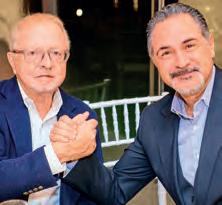
Da sx Claudio Binda Founder of Masterpack, e Raul Rizza, Plants Manager
Per difendere la meritata fama di innovatore e partner di sviluppo nel mondo complesso del packaging flessibile, Masterpack continua a investire su tecnologie e processi con una serie di scelte audaci che permettono di raggiungere nuovi livelli di produttività e qualità. Il Direttore di stabilimento, Raul Rizza, ci parla di traguardi e progetti, standardizzazione e laminazione, e del ruolo strategico degli anilox di nuova generazione per un ulteriore salto di qualità nella stampa flessografica.
Flexo printing
Masterpack: a series of small revolutions
The well-known flexible packaging converter designs new, high-performance sustainable products and invests in the latest flexographic technologies, supported by strategic partnerships with suppliers of software, machinery and anilox rolls. Interview with Raul Rizza, Plant Manager.
To uphold its well-deserved reputation as an innovator and development partner in the complex world of flexible packaging, Masterpack continues to invest in technologies and processes through a series of bold choices that enable it to reach new levels of productivity and quality.
Plant Manager Raul Rizza talks with us about milestones and projects, standardisation and lamination, and the strategic role of next-generation anilox rolls in achieving a further leap in quality in flexographic printing.
Raul Rizza, Masterpack nasce innovatore. Come si sta sviluppando oggi l’azienda? Puntando sui prodotti ad elevata marginalità con un alto contenuto di prestazione e di servizio: come sempre ma in modi nuovi. Negli ultimi anni la proprietà ha investito oltre 5 milioni di euro portando l’organico a 208 dipendenti, ampliando la capacità produttiva e introducendo un nuovo sistema MES che consente di monitorare in tempo reale i 26 impianti in funzione nei due stabilimenti di Gattico-Veruno (NO) e Monvalle (VA) e di
Raul Rizza, Masterpack was born an innovator. How is the company developing today?
By focusing on high-margin products with a high level of performance and service: as always, but in new ways. In recent years, the owners have invested over €5 million, increasing the workforce to 208 employees, expanding production capacity and introducing a new MES system that allows real-time monitoring of the 26 production lines operating at the two plants in Gattico-Veruno (NO) and Monvalle (VA) and to measure the profitability of individual
product segments, steering production towards more profitable lines. At the same time, we have increased direct exports, which now account for 30% of turnover, mainly to Northern Europe, Switzerland and the United Kingdom.
How has process management changed? Towards total standardisation. Advanced data management allows us to control print quality, efficiency, waste and margins and, above all, to refine what really makes the difference for us: the control of all the parameters surrounding the printing process. Quality is not determined by the machine alone but by the complete system.
Any examples of interventions?
The high quality achievable through skilful management of the flexo system, and the reduction in average print runs which demands flexibility, speed and a ‘light-touch’ process, drive us to continuously improve this technology.
misurare la redditività dei singoli segmenti merceologici orientando la produzione verso linee più profittevoli. Al contempo abbiamo aumentato l’export diretto, oggi al 30% del fatturato, diretto soprattutto in Nord Europa, Svizzera e Regno Unito.
Com’è cambiata la gestione del processo?
In direzione di una standardizzazione totale. La gestione avanzata dei dati ci consente di controllare qualità di stampa, efficienza, scarti e marginalità e, soprattutto, di perfezionare quello che per noi fa davvero la differenza: il controllo di tutti i parametri che stanno attorno alla stampa. La qualità non la fa la macchina da sola ma il sistema completo.
Qualche esempio di intervento?
L’elevata qualità raggiungibile gestendo sapientemente il sistema flexo, e la riduzione delle tirature medie che esige flessibilità, rapidità e “leggerezza” di processo, ci impegnano nel miglioramento continuo di questa tecnologia. Ultimamente abbiamo lavorato molto sulla prestampa, e i test eseguiti su sistemi Crystal Quartz in collaborazione con dei fornitori di lastre hanno ottenuto livelli di definizione delle sfumature e resa dei pieni molto vicini alla rotocalco. Inoltre, abbiamo adottato sistemi di controllo colore centralizzati, server condivisi per le ricette e strumenti di misurazione in linea con riduzioni molto significative di variabilità e tempi di avviamento. Naturalmente monitoriamo con
attenzione anche gli sviluppi delle altre tecnologie, a partire dalla stampa digitale inkjet che - superati i limiti di complessità gestionale, velocità limitata e instabilità produttiva - potrebbe essere integrata su lavori a bassa tiratura.
La prestampa resta dunque un reparto strategico…
In Masterpack è considerato il “braccio destro del commerciale” perché collega cliente e produzione. Questo reparto segue il progetto grafico, anticipa i problemi di stampa, propone soluzioni per ottimizzare costi e varianti cromatiche e contribuisce alla fidelizzazione dei clienti.
Dove state indirizzando gli investimenti?
Sul piano tecnico continuiamo a impegnarci sul controllo di processo, nel mantenimento delle condizioni macchina e nella formazione continua degli operatori con il coinvolgimento diretto dei fornitori. Questo approccio riduce gli errori operativi e consente di gestire tecnologie sempre più complesse con personale distribuito su turni multipli. Se invece guardiamo alle cifre, gli investimenti più importanti riguardano ovviamente il parco macchine, che continuiamo a ingrandire, e di recente l’implementazione di un significativo progetto di sviluppo imperniato sugli anilox.
Perché proprio gli anilox? Perché con l’evoluzione dei sistemi
Recently, we have worked extensively on pre-press, and tests carried out on Crystal Quartz systems in collaboration with plate suppliers have achieved levels of halftone definition and solid ink coverage very close to those of rotogravure. Furthermore, we have adopted centralised colour control systems, shared servers for recipes and in-line measurement tools, resulting in very significant reductions in variability and makeready times. Naturally, we also closely monitor developments in other technologies, starting with digital inkjet printing which – once the limitations of management complexity, limited speed and production instability have been overcome –could be integrated into short-run jobs.
Pre-press therefore remains a strategic department…
At Masterpack, it is considered the “righthand man of sales” because it links the customer and production. This department oversees the graphic design, anticipates
printing issues, proposes solutions to optimise costs and colour variations, and contributes to customer loyalty.
Where are you directing your investments?
On the technical front, we continue to focus on process control, maintaining machine conditions and the ongoing training of operators with the direct involvement of suppliers. This approach reduces operational errors and enables us to manage increasingly complex technologies with staff working across multiple shifts. If, on the other hand, we look at the figures, the most significant investments obviously concern our machinery fleet, which we continue to expand, and, more recently, the implementation of a major development project centred on anilox rollers.
Why anilox rolls in particular?
Because whilst plates have made enormous progress with the evolution of digital
digitali le lastre hanno fatto progressi enormi, ma il trasferimento del colore dipende ancora essenzialmente dall’anilox: se non è perfettamente controllato si perde in costanza e oggi il cliente non chiede solo qualità, ma “consistenza” nel tempo. Per questo abbiamo sostituito il lavaggio a ultrasuoni con un sistema di pulizia laser automatizzato, che previene danneggiamenti e usura permettendo di dosare la potenza in funzione dei residui e dei prodotti applicati. Ma, soprattutto, abbiamo standardizzato il parco anilox su tutte le macchine, per garantire uniformità, prevedibilità e tempi ridotti di set-up, e adottato anilox di nuova generazione della Simec su una serie di applicazioni critiche (vernici bicomponenti, bianchi ad alta coprenza, prodotti ad alto contenuto di silicio…), ottenendo una migliore capacità di scarico dell’inchiostro e maggiore resistenza alla pulizia aggressiva.
Col digitale le lastre hanno fatto progressi enormi, ma il trasferimento del colore dipende ancora dall’anilox
systems, colour transfer still depends essentially on the anilox roll: if it is not perfectly controlled, consistency is lost, and today’s customers demand not only quality but also ‘consistency’ over time. For this reason, we have replaced ultrasonic cleaning with an automated laser cleaning system, which prevents damage and wear by allowing the power to be adjusted according to residues and the products applied.
But, above all, we have standardised the anilox fleet across all machines to ensure uniformity, predictability and reduced set-up times, and adopted Simec’s new-generation anilox on a range of critical applications (two-component varnishes, high-opacity whites, products with high silicon content…), achieving better ink discharge capacity and greater resistance to aggressive cleaning.
All these choices are consistent with your commitment to standardising processes. How important was the relationship with the supplier?
Tutte scelte coerenti con l’impegno a standardizzare i processi. Quanto ha contato il rapporto con il fornitore?
Il supporto tecnico e la relazione di fiducia che si sviluppa con il fornitore è determinante, quanto se non più del prezzo.
Simec ha messo in campo un referente di cui abbiamo potuto apprezzare sia la competenza su prodotti e tecnologia, sia la precisione con cui ha presentato dati storici sui consumi, trend di utilizzo, analisi del nostro parco installato e proposte coerenti con il nostro sviluppo. Inoltre, ha testimoniato l’evoluzione di un’impresa con l’anima e la flessibilità tipiche delle migliori PMI verso una cultura manageriale, veicolata da imprenditori di terza generazione motivati e capaci. E poiché, per noi, non si trattava di acquistare un cilindro ma di costruire una partnership tecnica di lungo periodo, tutto questo è significativo.
Anche il reparto laminazione è stato al centro di un recente investimento…
Sì, abbiamo introdotto una nuova laminatrice con carrello flexo, utilizzata sia per l’accoppiamento tradizionale sia per applicazioni speciali, anche grazie a una scelta radicale: considerata la ritrosia degli utilizzatori a comunicare le condizioni finali d’uso del packaging - pastorizzazioni, sterilizzazioni, umidità elevata, stress termici imprevisti… - abbiamo deciso di adottare adesivi ad alte prestazioni indipendentemente dall’applicazione.
Sono più costosi ma garantiscono maggiore sicurezza del prodotto finale e minore rischio operativo per chi lavora sulla macchina. Inoltre, questa macchina ci permette di applicare vernici termosaldanti a base acqua, adesivi water-based a registro e sistemi apri-chiudi su carta, e con
The technical support and the trust that develops with the supplier is crucial, as much as, if not more than, the price. Simec provided a dedicated contact person whose expertise in both products and technology is remarkable, along with the precision with which they were able to present the relevant data - including historical consumption figures, usage trends, analysis of our installed fleet and make proposals aligned with our development plans.
At the same time, we were able to appreciate the evolution of a company combining the spirit and flexibility typical of the best Italian SMEs with a more structured managerial culture, driven by motivated and capable third-generation entrepreneurs. And since, for us, this was not about purchasing a single piece but about building a long-term technical partnership, all of this made a real difference.
Lamination has also been at the centre of recent investments…
il carrello flexo possiamo eseguire verniciature fuori linea, alleggerendo il carico delle macchine da stampa e aumentando la capacità produttiva. Ora stiamo sviluppando una nuova configurazione per realizzare verniciatura termosaldante fronteretro su carta in un unico passaggio, con barra di volta integrata, ampliando le possibilità di trasformazione su supporti sostenibili.
Nuovi progetti?
Anche in vista della progressiva entrata in vigore del PPWR, stiamo sviluppando nuove soluzioni in carta termosaldabile con patch in cellulosa, destinate a pasta secca, top di vaschetta e imballi tecnici.
Un altro sviluppo tecnico molto promettente riguarda la micro e nano perforazione laser, destinata a modulare la permeabilità dei film per prolungare la shelf life di ortofrutta fresca e prodotti deperibili. Su queste applicazioni stiamo collaborando, come partner tecnologico per la sperimentazione di nuove soluzioni, con grandi gruppi internazionali per testare nuove soluzioni. A conferma del posizionamento di Masterpack come riferimento tecnico ad alta specializzazione.
Yes, we have introduced a new lamination machine equipped with a flexo trolley, for both conventional lamination and more specialised applications.
This was accompanied by a rather decisive choice: given the reluctance of our customers to share with us details on the real final applications of the packagingpasteurisation, sterilisation, high humidity or unexpected thermal stress - we decided to adopt high-performance adhesives across the board, regardless of the application.
They are more expensive, but they ensure a greater reliability of the final product and reduce operational risk on board the machine. In addition, this technology allows to apply water-based heat-seal coatings, register-applied water-based adhesives and reclosable systems on paper.
The flexo unit can also carry out off-line coating, easing the workload on printing presses and increasing overall production capacity. We are currently developing a new
configuration to enable single pass frontand-back heat-seal coating on paper, with an integrated turn bar, further expanding converting possibilities on sustainable substrates.
New projects?
With the gradual implementation of the PPWR in mind, we are developing new heat-sealable paper solutions with cellulosebased patches, designed for dry pasta packaging, tray lids and technical packaging applications. Another highly promising development involves laser micro- and nano-perforation, aimed at controlling film permeability to extend the shelf life of fresh produce and perishable goods.
On these applications, we are working as a technology partner with major international groups, supporting the testing and development of new solutions - further reinforcing Masterpack’s positioning as a highly specialised technical key player in the market.
Acimga: concentrati sul bersaglio.
Lavoriamo con precisione per offrire servizi di qualità ai nostri associati.
ACIMGA lavora per garantire agli associati la massima visibilità e il massimo vantaggio competitivo in Italia e all’estero attraverso la prestazione di servizi di punta, creando una vera cultura di settore, coinvolgente e sinergica, favorevole alla crescita e allo sviluppo del settore della stampa e del packaging, per tutte le tecnologie e applicazioni
Acimga è l’associazione costruttori italiani macchine per l’industria grafica, cartotecnica, cartaria, di trasformazione e affini.
Converting è una rivista B2B che utilizza tutte le tecnologie e i canali utili ad assicurare l’incontro tra gli operatori della filiera della stampa e del converting di imballaggio.
Parla, in italiano e in inglese, di tutto ciò che concorre a realizzare e commercializzare packaging flessibile, prodotti cartotecnici e cartone ondulato, etichette, tissue.
Abbonamento annuale
5 numeri all’anno
Informazioni su promozioni e abbonamenti: www.strategogroup.net
Indagine sul corrugated
ACIS: cartone ondulato, eccellenza italiana tra sostenibilità, normative e mercato
Dalla ricerca Ipsos Doxa: 8 italiani su 10 conoscono il cartone ondulato, il 57% delle imprese ne ha aumentato l’utilizzo. Gli scatolifici trasformatori si confermano un tassello fondamentale del tessuto produttivo italiano.
Si è svolta il 17 e 18 aprile a Milano Marittima l’Assemblea Nazionale dell’Associazione Italiana Scatolifici - appuntamento di riferimento per il comparto degli scatolifici trasformatori e degli imballaggi in cartone ondulato - che ha riunito imprese, istituzioni e stakeholder per fare il punto su scenario economico, evoluzione normativa e prospettive di mercato. L’evento si conferma, anno dopo anno, un momento centrale di confronto e aggiornamento per gli scatolifici trasformatori italiani, un comparto costituito da circa 300 imprese, fortemente radicate nei territori e capaci di coniugare qualità, flessibilità e innovazione. In linea con quanto emerso nelle precedenti edizioni, anche l’Assemblea 2026 ha restituito l’immagine di un settore solido e coeso, capace di affrontare le complessità del contesto economico.
Nel corso dei lavori è emerso come, nonostante uno scenario globale ancora incerto, gli scatolifici continuino a dimostrare capacità di adattamento e resilienza, sostenuti dal tipico spirito imprenditoriale delle PMI e dal forte radicamento nel tessuto produttivo del territorio in cui operano.
Sostenibilità e transizione ecologica Tra i principali punti di forza del comparto, la sostenibilità della filiera: il cartone ondulato si conferma uno degli imballaggi più virtuosi, con un tasso di riciclo pari al 92,5%, già superiore agli obiettivi europei fissati al 2030. L’Italia è il secondo produttore europeo di cartone ondulato, subito dopo la Germania e davanti a Spagna e Francia; il
Survey on corrugated
ACIS: Corrugated board excellence across sustainability, regulation and market
dynamics
According to a recent Ipsos Doxa survey, 8 out of 10 Italians are familiar with corrugated cardboard, and 57% of companies have increased its use. Converting box businesses continue to underscore their role as a key pillar of Italian manufacturing.
The National Assembly of the Italian Association of Box Manufacturers was held on 17–18 April in Milano Marittima - a key event for the corrugated packaging and converting box sector - bringing together companies, institutions and stakeholders to assess economic outlooks, regulatory developments and market prospects. Year after year, the event confirms its role as a central forum for discussion and industry updates for the Italian converting box manufacturing segment- a sector comprising around 300 companies, deeply rooted in their local territories and able to combine quality, flexibility and innovation. As in previous editions, the
2026 gathering once again portrayed a solid and cohesive industry, succesfully navigating an increasingly complex economic environment. The sessions revealed that despite ongoing global uncertainty, box manufacturers continue to demonstrate strong adaptability and resilience, supported by the typical SME entrepreneurial spirit and by their deep integration within local industrial ecosystems.
Sustainability and ecological transition
Among the sector’s key strengths is the sustainability of its supply chain: corrugated board remains one of the most
virtuous packaging solutions, with a recycling rate of 92.5%, already exceeding the European targets set for 2030. Italy is the second-largest producer of corrugated board in Europe, after Germany and ahead of Spain and France. The sector also stands out for its high use of recycled raw materials, which account for around 85% of production, while the remaining 15% consists of virgin fibre sourced from responsibly managed forests certified through rigorous chain-of-custody systems.
These characteristics make corrugated board increasingly central to the transition towards circular production models and to the gradual replacement of higher-impact materials such as plastics, particularly in sectors like e-commerce and agri-food.
European regulations and SME competitiveness
The discussion also focused on new European regulations, in particular the Packaging and Packaging Waste Regulation
settore si distingue anche per l’elevato utilizzo di materia prima riciclata, che copre circa l’85% della produzione, mentre il restante 15% è costituito da fibra vergine proveniente da foreste gestite e certificate secondo rigorose catene di custodia. Caratteristiche che rendono il cartone ondulato sempre più centrale nei processi di transizione verso modelli produttivi circolari e nella progressiva sostituzione di materiali a maggiore impatto ambientale, come la plastica, in particolare nei settori dell’e-commerce e dell’agroalimentare.
Normative europee e competitività delle PMI
Al centro del confronto anche le nuove normative europee, in particolare il Regolamento sugli
(PPWR) and the Deforestation Regulation (EUDR), both of which represent major challenges for the future of the sector.
“Our industry is part of a virtuous supply chain in terms of recycling, use of secondary raw materials and good design practices, and these regulationsparticularly the PPWR - will create many opportunities for corrugated packaging.
However, the impact of regulatory complexity and compliance costs on our companies must be taken into account. We are working with national and European institutions to highlight these criticalities and to call for concrete support measures for our SMEs,” commented Andrea Mecarozzi, President of the Italian Box Manufacturers Association.
The results of the Ipsos Doxa survey: the market in three dimensions
Saturday was dedicated to the presentation of the Ipsos Doxa survey conducted for the Italian Box Manufacturers Association, which provides an up-to-date snapshot of the corrugated cardboard packaging market from the perspective of consumers, companies
imballaggi e rifiuti da imballaggio (PPWR) e il Regolamento sulla deforestazione (l’EUDR), che rappresentano sfide molto importanti per il futuro del comparto.
“Il nostro settore è parte di una filiera virtuosa in termini di riciclo, utilizzo di materia prima seconda e buone pratiche di progettazione e questi Regolamenti, in particolare il PPWR, genereranno molte opportunità per gli imballaggi in cartone ondulato. Sono però da considerare gli impatti delle complessità normative e dei costi per gli adeguamenti sulle nostre imprese.
Stiamo lavorando con le istituzioni nazionali ed europee per sottolineare queste criticità e richiedere supporti concreti alle nostre PMI”, ha commentato Andrea Mecarozzi, Presidente Associazione Italiana Scatolifici.
Il cartone ondulato si conferma uno degli imballaggi più virtuosi, con un tasso di riciclo pari al 92,5%
and manufacturers. The data reveals a high level of familiarity and trust in the material: 8 out of 10 Italians say they are familiar with corrugated cardboard and its characteristics, while over 50% say they frequently interact with this type of packaging, thanks in part to the rise of e-commerce. With regard to corrugated box manufacturers, the research paints a picture of a solid sector deeply rooted in the Italian manufacturing sector that primarily serves a domestic market composed largely of small and mediumsized enterprises.
On the side of companies purchasing packaging, the research highlights growing demand: 57% of the companies surveyed have increased their use of corrugated cardboard packaging over the past year, while 51% report having replaced other materials, particularly plastic, with cardboard solutions. New drivers of growth are also emerging: more than 8 out of 10 companies consider packaging customization increasingly important, while there is growing attention to sustainability, logistics efficiency, and the reduction of over-packaging.
The outlook for the sector
During the Assembly, the future prospects of the sector were also discussed, with particular attention to the role of corrugated box manufacturers-Italianowned, family-run SMEs-within the Italian manufacturing and logistics system.
“Our research data confirms that the time has come to take a leap forward in positioning: corrugated cardboard packaging is no longer a ‘mere commodity’ but an enabling infrastructure for production continuity, product safety, distribution efficiency, communication, and the ecological transition of the economy. This will also help to strengthen the relevance of the sector in dialogue with institutions and strategic stakeholders,” concluded Andrea Mecarozzi.
The Exhibition
The National Assembly of the Italian Corrugated Box Manufacturers Association has long been an important event for commercial and supply chain partners. A large exhibition area-almost a ‘minitrade show’ featuring the main suppliers to corrugated cardboard processing companies-was open throughout the event.
I risultati della ricerca Ipsos Doxa: il mercato in tre dimensioni
La giornata di sabato è stata dedicata alla presentazione della ricerca Ipsos Doxa realizzata per l’Associazione Italiana Scatolifici, che offre una fotografia aggiornata del mercato degli imballaggi in cartone ondulato dal punto di vista di consumatori, imprese e produttori.
Dai dati emerge un elevato livello di familiarità e fiducia nel materiale: 8 italiani su 10 dichiarano di conoscere il cartone ondulato e le sue caratteristiche, mentre oltre il 50% afferma di interagire frequentemente con questi imballaggi, anche grazie alla diffusione dell’e-commerce. Riguardo agli scatolifici, la ricerca restituisce l’immagine di un settore solido e fortemente radicato nel tessuto produttivo italiano che lavora soprattutto al servizio di un mercato nazionale composto in larga parte da piccole e medie imprese.
Sul fronte delle imprese acquirenti di imballaggi, la ricerca evidenzia una crescita della domanda: il 57% delle aziende intervistate ha aumentato l’utilizzo di imballaggi in cartone ondulato nell’ultimo anno, mentre il 51% dichiara di aver sostituito altri materiali, in particolare plastica, con soluzioni in cartone.
Emergono inoltre nuovi driver di sviluppo: oltre 8 aziende su 10 considerano sempre più rilevante la personalizzazione del packaging, mentre cresce l’attenzione verso sostenibilità, efficienza logistica e riduzione dell’over-packaging.
Le prospettive del settore
Nel corso dell’Assemblea si è inoltre discusso delle prospettive future del comparto, con particolare attenzione al ruolo degli scatolifici trasformatori – PMI a capitale italiano e a gestione familiare – nel sistema manifatturiero e logistico italiano.
“I dati della nostra ricerca ci confermano che è arrivato il momento di fare un salto di posizionamento: l’imballaggio in cartone ondulato non è più una ‘semplice commodity’ “ ma una infrastruttura abilitante per la continuità produttiva, la sicurezza dei prodotti, l’efficienza distributiva, la comunicazione e la transizione ecologica dell’economia. Questo aiuterà anche a rafforzare la rilevanza del comparto nel dialogo con le istituzioni e gli stakeholder strategici”, ha concluso Andrea Mecarozzi.
L’Area espositiva
L’Assemblea nazionale dell’Associazione Italiana Scatolifici si conferma da anni anche un appuntamento importante per i partner commerciali e di filiera. Un’ampia area espositivaquasi una ‘piccola fiera’ dei principali fornitori delle imprese trasformatrici di cartone ondulato - è stata attiva per tutta la durata dell’evento.
SISTEMA INTELLIGENTE DI ISPEZIONE DELLA COLLA
PER MACCHINE PIEGA-INCOLLA
INTELLIGENZA ARTIFICIALE APPLICATA ALLA PRODUZIONE DI CARTONI
Configurazione e controllo dell'ispezione della colla da un'unica schermata
Ridurre le attività di programmazione
Ispezione precisa su ogni tipo di materiale
PER SAPERNE DI PIÙ
Costi per le PMI: aumenti fino al +40%
L’analisi condotta da I-AER - Institute of Applied Economic Research su 457 PMI italiane evidenzia che, in caso di continua escalation, i costi energetici potrebbero aumentare tra il +30% e il +40% nell’arco dell’anno.
L’AUTORE
FABIO PAPA
Docente di economia e Direttore scientifico di I-AER
Le tensioni internazionali riaccendono la pressione sui mercati energetici e il rischio per le imprese italiane è concreto. Il segnale più immediato arriva dal petrolio. Dopo l’escalation tra Stati Uniti, Israele e Iran, il Brent - principale prezzo di riferimento del petrolio per l’Europa - è risalito sopra gli 91 dollari al barile. A spingere le quotazioni è soprattutto il timore di criticità nei traffici attraverso lo Stretto di Hormuz, corridoio strategico da cui transita circa il 20% del petrolio e del gas naturale liquefatto globali. Se l’incertezza dovesse perdurare, le stime indicano un possibile rialzo oltre i 100 dollari, con effetti a catena per le PMI. E i segnali di tensione non si fermano ai carburanti. Nella prima settimana di marzo anche il PUN (Prezzo Unico Nazionale) - l’indicatore di riferimento del prezzo all’ingrosso dell’energia
elettrica in Italia - ha mostrato un forte rialzo, con una variazione complessiva di circa +29% rispetto a sette giorni prima. Sul fronte gas, il PSV (Punto di Scambio Virtuale) - principale riferimento per il prezzo del gas naturale sul mercato italiano - ha registrato a marzo 2026 un incremento di circa +49% rispetto al mese precedente. Si tratta di variazioni molto rilevanti che colpiscono direttamente i bilanci aziendali. Nelle PMI italiane i trasporti pesano mediamente per il 6% dei costi e l’energia per circa il 4%: in totale quindi fino al 10% della struttura dei costi è sensibile alle oscillazioni dei mercati energetici.
In una PMI con 10 milioni di euro di fatturato e circa 9,5 milioni di costi complessivi, energia e trasporti valgono mediamente circa 800 mila euro l’anno. Con rincari nella fascia alta delle stime
SME costs: increases up to +40%
The analysis conducted by I-AER - Institute of Applied Economic Research - on 457 Italian SMEs shows that, in the event of continuous escalation, energy costs could increase by between +30% and +40% over the year.
Rising international tensions are once again putting pressure on energy markets, and the risk for Italian companies is becoming tangible. The most immediate signal comes from oil. Following the escalation involving the United States, Israel and Iran, the Brent - the main benchmark price for oil in Europe - has climbed back above USD 91 per barrel. Driving prices upward is primarily concern over potential disruptions to traffic through the Strait of Hormuz, a strategic corridor through which around 20% of global oil and liquefied natural gas passes. If uncertainty
persists, estimates indicate a possible increase beyond USD 100, with knock-on effects for SMEs. And the signs of tension are not limited to fuels.
In the first week of March, the PUN (National Single Price) - the benchmark for wholesale electricity prices in Italy - also recorded a sharp increase, with an overall rise of around +29% compared to the previous week. On the gas side, the PSV (Virtual Trading Point) - the main reference for natural gas prices on the Italian market - recorded an increase of approximately
+49% in March 2026 compared to the previous month. These are highly significant changes that directly impact corporate balance sheets In Italian SMEs, transport accounts on average for 6% of costs and energy for around 4%: in total, up to 10% of the cost structure is sensitive to fluctuations in energy markets. In an SME with €10 million in revenue and approximately €9.5 million in total costs, energy and transport typically account for around €800,000 per year. With price increases at the upper end of estimates, this cost item could rise by between €200,000 and €300,000 within a few months, generating an overall increase in company costs of between +2.4 and +3.4 percentage points.
“Increases of this magnitude,” comments Fabio Papa, professor of economics and founder of I-AER, “rapidly compress margins and make logistics and sourcing more
questa voce potrebbe aumentare tra i 200 mila e i 300 mila euro nel giro di pochi mesi, generando un incremento complessivo dei costi aziendali tra +2,4 e +3,4 punti percentuali sul totale dei costi.
“Aumenti di questa entità - commenta Fabio Papa, professore di economia e fondatore di I-AER - comprimono rapidamente i margini e rendono più onerosi e instabili logistica e approvvigionamenti, con effetti persistenti su redditività e posizionamento. Nei settori dove l’energia è una leva di competitività, se i costi corrono più della possibilità di adeguare i prezzi la volatilità rischia di lasciare effetti persistenti su redditività e posizionamento.”
Costi per le PMI: variazioni per comparto L’impatto varia infatti per comparto. Nel settore della logistica l’impatto dei rincari si traduce immediatamente nei conti delle imprese. Un’azienda di trasporto con circa 5 milioni di euro di fatturato e una flotta di 15 mezzi potrebbe trovarsi ad affrontare un aumento dei costi del carburante superiore ai 100 mila euro annui se il diesel dovesse crescere del 20-25%. Un incremento di questa entità riduce drasticamente la redditività delle tratte e spinge diverse aziende a rivedere le rotte meno convenienti o a rinegoziare le condizioni con i clienti.
Nella manifattura la pressione è particolarmente evidente: un’azienda del settore legno con 10 milioni di ricavi e circa 400 mila euro di costi energetici annui potrebbe vedere la bolletta crescere di oltre 150 mila euro, con effetti diretti sulla marginalità e sui piani di produzione e investimento. Nel metalmeccanico, un’impresa con circa 12 milioni di fatturato e consumi energetici vicini ai 600 mila euro annui potrebbe sostenere aumenti tra 120 e 150 mila euro, comprimendo ulteriormente margini già ridotti. Anche nella ristorazione l’impatto è significativo: un ristorante con 1,5 milioni di fatturato e costi energetici tra 50 e 70 mila euro annui potrebbe
registrare rincari aggiuntivi di 20-30 mila euro, con una conseguente forte pressione sui margini. Il contesto italiano amplifica la vulnerabilità. Nonostante la quota delle rinnovabili abbia raggiunto il 51,8% nel 2024, l’Italia rimane dipendente dal gas per il 42% della produzione energetica. Poiché una parte significativa dell’elettricità è generata da gas naturale, ogni tensione internazionale tende a trasferirsi rapidamente sui costi energetici delle imprese. “È un paradosso solo apparente - continua Papale rinnovabili crescono, ma la dipendenza dal gas mantiene elevata l’esposizione alla volatilità.”
La risposta delle imprese
Gli imprenditori stanno già correndo ai ripari per difendere i bilanci aziendali in uno scenario che molti definiscono sempre più critico. Il 70% delle imprese del campione prevede di aumentare i propri listini tra il +3% e il +5% nelle prossime settimane nel tentativo di assorbire almeno in parte l’esplosione dei costi. Tuttavia, per molte aziende questo intervento viene considerato solo una misura temporanea e probabilmente insufficiente a compensare l’impatto dei rincari.
Dalle interviste emerge un clima di forte preoccupazione. Il 58% delle imprese ha già deciso di bloccare temporaneamente gli investimenti previsti per il 2026 per preservare la liquidità aziendale, mentre il 46% prevede di
expensive and unstable, with persistent effects on profitability and positioning. In sectors where energy is a competitive lever, if costs rise faster than the ability to adjust prices, volatility risks leaving lasting impacts on profitability and market positioning.”
SME Costs: Variations by Sector
The impact varies by sector. In logistics, cost increases are immediately reflected in company accounts. A transport company with around €5 million in revenue and a fleet of 15 vehicles could face an increase in fuel costs exceeding €100,000 per year if diesel prices rise by 20–25%. An increase of this magnitude drastically reduces route profitability and pushes many companies to revise less profitable routes or renegotiate terms with customers. In manufacturing, the pressure is particularly evident: a wood industry company with €10 million
in revenue and approximately €400,000 in annual energy costs could see its energy bill increase by more than €150,000, with direct effects on margins as well as production and investment plans.
In the metalworking sector, a company with around €12 million in turnover and energy consumption close to €600,000 per year could face increases of between €120,000 and €150,000, further compressing already tight margins. The impact is also significant in the food service sector: a restaurant with €1.5 million in revenue and annual energy costs between €50,000 and €70,000 could see additional increases of €20,000–30,000, resulting in strong pressure on margins. The Italian context amplifies this vulnerability. Although the share of renewables reached 51.8% in 2024, Italy remains dependent on gas for 42% of its energy production. Since a significant share
of electricity is generated from natural gas, any international tension tends to quickly translate into higher energy costs for businesses. “It is only an apparent paradox,” Papa continues. “Renewables are growing, but dependence on gas keeps exposure to volatility high.”
The response of companies
Entrepreneurs are already taking action to protect their balance sheets in a scenario that many describe as increasingly critical. 70% of companies in the sample plan to increase their price lists by between +3% and +5% in the coming weeks in an attempt to absorb at least part of the surge in costs. However, many companies see this measure as only temporary and likely insufficient to offset the impact of rising costs. Interviews reveal a climate of strong concern. 58% of companies have
congelare nuove assunzioni almeno fino alla metà dell’anno. Nel settore manifatturiero la tensione
è ancora più evidente: il 67% delle aziende sta valutando di ridurre i turni produttivi o rallentare i volumi per evitare di lavorare con margini troppo compressi, una scelta che potrebbe avere effetti diretti sia sull’occupazione sia sulla capacità produttiva. Non si tratta soltanto di una percezione di rischio, ma di una situazione che gli imprenditori descrivono come sempre più concreta: rispetto al 2025, gli ordini attualmente “in pancia” per i prossimi mesi risultano inferiori tra il -10% e il -15%. Un segnale che indica un rallentamento già in atto della domanda industriale.
I costi per le PMI nei trasporti
La pressione è particolarmente forte anche sul fronte dei trasporti. Il 57% delle imprese ha già avviato rinegoziazioni con i vettori per contenere l’aumento dei costi di trasporto, mentre l’80% sta intervenendo direttamente sui contratti commerciali aumentando il costo del trasporto applicato ai clienti o introducendo adeguamenti legati al carburante. Un meccanismo che rischia di trasferire rapidamente l’aumento dei costi lungo tutta la filiera produttiva e distributiva, con possibili effetti a catena sui prezzi finali e quindi anche sull’inflazione nei prossimi mesi.
Tutta questa situazione rischia di generare due effetti critici per il sistema e i costi per le PMI. Il primo è un possibile rallentamento dell’economia reale: il blocco degli investimenti, il congelamento delle assunzioni e la riduzione dei volumi produttivi sono segnali di un sistema imprenditoriale che sta entrando in modalità difensiva. Se queste scelte dovessero protrarsi nei prossimi mesi, il rischio è quello di frenare la crescita delle imprese e ridurre la capacità del tessuto produttivo di sostenere lo sviluppo economico.
Il secondo riguarda la pressione sui prezzi lungo tutta la filiera. Se un numero crescente di aziende inizierà a trasferire sistematicamente l’aumento dei costi su clienti e distributori, il risultato potrebbe essere una nuova spinta inflattiva che finirebbe per riflettersi direttamente sui prezzi finali e sul potere d’acquisto dei consumatori.
“Dai dati emerge una reazione difensiva diffusa - conclude Fabio Papa - con aumenti dei listini, blocco di investimenti e assunzioni e riduzione dei volumi. Il rischio è un rapido rallentamento dell’economia reale, nel cuore del sistema delle PMI.”
already decided to temporarily halt planned investments for 2026 in order to preserve liquidity, while 46% plan to freeze new hires at least until mid-year.
In the manufacturing sector, the tension is even more evident: 67% of companies are considering reducing production shifts or slowing volumes to avoid operating with excessively compressed margins - a choice that could have direct effects on both employment and production capacity. This is not merely a perception of risk, but a situation that entrepreneurs describe as increasingly concrete: compared to 2025, current order books for the coming months are down between -10% and -15%. A signal indicating that a slowdown in industrial demand is already underway.
Transport Costs for SMEs
Pressure is also particularly strong in transport. 57% of companies have already started renegotiating with carriers to contain rising transport costs, while 80% are acting directly on commercial contracts by increasing transport charges applied to customers or introducing fuel-related adjustments This mechanism risks quickly passing cost increases along the entire production and distribution chain, with potential knock-on effects on final prices and, consequently, on inflation in the coming months.
This overall situation risks generating two critical effects for the system and SME costs The first is a potential slowdown in the real economy: the halt in investments, hiring freezes, and reduction in production volumes are all signs of a business system entering a defensive mode.
If these choices persist in the coming months, the risk is a slowdown in business growth and a reduced ability of the industrial base to support economic development. The second concerns price pressure along the entire supply chain If an increasing number of companies begin systematically passing cost increases on to customers and distributors, the result could be a new inflationary push, ultimately reflected in final prices and in consumers’ purchasing power.
“The data shows a widespread defensive response - concludes Fabio Papa- with price increases, a halt to investments and hiring, and reduced volumes. The risk is a rapid slowdown in the real economy, at the core of the SME system.”
“Il film ideale”
Che ruolo gioca l’estrusione nella qualità, prestazione, sostenibilità ambientale ed economica di un film polimerico? Gli esperti di Plastik raccontano sfide, segreti e prospettive di una tecnologia complessa, grazie a cui l’azienda bergamasca ha creato nuovi prodotti e aperto nuovi scenari.
GLI INTERVISTATI
PIERLUIGI BANFI
Esperto di estrusione cast
In-house Extrusion
«In un processo di estrusione entrano in gioco così tante variabili che due impianti identici dei migliori costruttori non producono necessariamente identici materiali. Ci si può dedicare una vita ma non si finisce mai di imparare». Simone Castelli, Direttore Tecnico “nato” e cresciuto in Plastik SpA, e Pierluigi (Pierre) Banfi, 40 anni da star dell’estrusione cast in aziende di tutto il mondo e storico collaboratore del converter bergamasco, introducono così una tecnologia tanto complessa quanto determinante nel garantire la qualità dei film plastici.
Lo fanno sulla scorta di una lunga storia di lavoro insieme, nutrita di stima reciproca e dell’identica passione per il fare le cose bene. Facendo crescere competenze così approfondite da aver permesso all’azienda di Albano Sant’Alessandro di mettere a punto, con un processo unico, quel film microforato “respirabile” che a fine anni Novanta ha rivoluzionato il pannolino e oggi è adottato dalle multinazionali di tutto il mondo. E di continuare a perfezionare prodotti sempre nuovi, con caratteristiche specifiche per le diverse applicazioni, che posizionano Plastik fra gli innovatori su scala globale.
“The Ideal Film”
What role does extrusion play in the quality, performance, and environmental and economic sustainability of a polymer film? Experts at Plastik share insights into the challenges, know-how and future outlook of a complex technology that has enabled the Bergamo-based company to develop new products and open up new market opportunities.
“So many variables come into play in any extrusion process that even two identical lines from top-tier manufacturers do not necessarily produce the same material. It’s a topic you can dedicate a lifetime to, and still never stop learning.”
This is how Simone Castelli, Technical Director who has grown professionally within Plastik SpA, and Pierluigi (Pierre) Banfi - a leading figure in cast extrusion with 40 years of international experience and long-time collaborator of the Bergamo-based converter - introduce a technology that is as complex
as it is critical in ensuring plastic film quality. They do so drawing on a long-standing collaboration built on mutual respect and shared commitment to doing things right. Over time, this has led to the development of a highly specialised expertise, enabling the company to create, through a unique process, the breathable micro-perforated film that revolutionised the diaper market in the late 1990s and is now used by multinational companies worldwide. It has also brought on continuous innovation, with the development of new products tailored to specific applications, positioning Plastik among global innovators.
In-house extrusion? A game changer
Extrusion processes rely on cast technology to process more fluid polymers - at speeds as high as 300–400 m/min - ensuring tight control over thickness and surface quality, while blown film extrusion is typically used with more rigid and stable materials, which are slower to process. To achieve the desired properties, a first compound is often prepared (or sourced
SIMONE CASTELLI
Direttore Tecnico di Plastik SpA
L’estrusione in-house? Asso pigliatutto Il processo di estrusione utilizza la tecnologia cast per lavorare anche a velocità di 3-400 m/ min i polimeri più fluidi e controllarne spessore e qualità superficiale, o quella in bolla per i materiali più duri e stabili, più lenti da gestire. Per ottenere le proprietà desiderate spesso si crea (o si acquista da terzi) un compound che poi viene nuovamente estruso, in un doppio processo che diventa ancora più complesso nelle formule che integrano il carbonato di calcio - inerte e difficile da trasformare, e che non deve essere interrotto: gli impianti funzionano 24/7 pena perdite ingenti in tempo e scarti per rifasarsi sugli standard definiti.
«Gestire l’estrusione direttamente - spiega Castelli - permette di controllare formulazioni e proprietà dei film partendo dai materiali più diversi, anche saltando la fase di compounding, con tempi di sviluppo molto rapidi; inoltre è un fattore chiave per l’integrazione del materiale riciclato, con le sue tipiche variabilità. Si estrudono prevalentemente film multistrato, con in superficie gli strati dalle proprietà ottiche e tattili, e all’interno quelli che garantiscono la resistenza meccanica anche se sottoposti a processi di stiraggio estremo, per ottimizzare prestazioni e costi, e ridurre gli spessori senza compromettere la qualità».
10 micron, traspirante e in un solo passaggio Gestendo in casa questa tecnologia, Plastik ha creato prodotti innovativi e un processo inedito, che esperti e utilizzatori del calibro di P&G e Kimberly Clark sono venuti da tutto il mondo a “toccare con mano”. Il famoso film breathable è nato così, in un lavoro di ricerca sull’estrusione cast durato 4 anni su spinta e con il contributo diretto di Gianangelo Cattaneo - presidente del gruppo Plastik e uomo di innovazione tecnica e carisma - che rende possibile produrre il materiale respirabile in una sola operazione, gestendo direttamente in linea carbonato e polimeri.
Gestendo l’estrusione si controllano formulazioni e proprietà dei materiali più diversi, anche PCR
«Ci hanno provato in molti - racconta Banfi - ma ci siamo riusciti solo noi, con vantaggi rilevanti: abbiamo l’esclusiva della formula e in 10 minuti otteniamo esattamente ciò che vogliamo, senza bisogno di correzioni. Inoltre, padroneggiare la tecnologia permette di continuare a svilupparla mirando a ottenere risultati sempre nuovi - anche in combinazione con l’estrusione in bolla per ottenere film micro goffrati - in collaborazione con gli altri attori della filiera da cui abbiamo imparato molto. Sui film per esempio, le loro strutture e i loro
externally) and then re-extruded, giving rise to a two-step process that becomes even more complex when formulations include calcium carbonate - an inert and challenging filler that requires continuous processing. These lines operate 24/7, as any interruption would result in significant downtime and high waste production when re-establishing process stability.
“Managing extrusion in-house,” explains Castelli, “allows us to control film formulations and properties starting from a wide range of raw materials, in some cases even bypassing the compounding phase, with very fast development times. It is also a key factor in integrating recycled materials, which are inherently variable. We mainly produce multilayer films, with outer layers providing optical and tactile properties, and inner layers ensuring mechanical strength, even under extreme
stretching conditions. This allows us to optimise performance and cost while reducing thickness, with no compromises on quality.”
10 microns and breathable, in a single step
By managing this technology in-house, Plastik has developed innovative products and a unique process that leading companies such as P&G and KimberlyClark have travelled from around the world to see first-hand.
This is how the well-known breathable film was developed, through four years of R&D on cast extrusion, lead and directly supported by Gianangelo CattaneoChairman of the Plastik Group and a major figure in technical innovation - making producing breathable material in a single step possible, by handling both calcium carbonate and polymers directly in-line.
“Many have tried,” says Banfi, “but we’re the only ones who’ve succeeded, with significant advantages: we hold the exclusive rights to the formula, and in 10 minutes we get exactly what we want, without needing to make any adjustments. Furthermore, mastering the technology allows us to continue developing it with the aim of achieving ever-new resultsincluding in combination with blown film extrusion to produce micro-embossed films - in collaboration with other players in the supply chain from whom we have learned a great deal.
Take films, for example: their structures and behaviors, which aren’t evident from reading data sheets… molecular weight or the distribution of molecular weight itself greatly influence the extrusion process when speeds exceed 200 m/min, and Plastik in cast often exceeds that…».
comportamenti, che non si evincono dalla lettura dei data sheet… il peso molecolare o la distribuzione stessa del peso molecolare influenzano enormemente il processo di estrusione quando si superano i 200 m/min e Plastik in cast li supera spesso…».
Le sfide: spessori e nuovi materiali
La riduzione drastica degli spessori degli ultimi anni ha creato nuove criticità che solo un’estrusione diretta permette di affrontare. «Se 340 anni fa - spiega Castelli - si produceva a 30 micron e qualsiasi formula poteva andare bene, ora estrudiamo aria… il mercato chiede i 10 con le stesse proprietà di resistenza, macchinabilità, estetica, saldabilità eccetera, ovviamente senza buchi (uno degli aspetti più difficili da gestire).
Significa mescolare polimeri compatibili ma con caratteristiche diverse e da lavorare a temperature diverse, che generano sfridi poi da recuperare. Non solo: nel settore igienicosanitario il film dev’essere percepito il meno “plastico” possibile, al tatto e alla vista, ed essere compatibile con le linee dei clienti, garantendo stabilità e continuità di processo a velocità elevate su macchine diverse, non sempre allo stato dell’arte».
The Challenges: Thicknesses and New Materials
The drastic reduction in thicknesses in recent years has created new challenges that only direct extrusion can address. “If 30 years ago,” explains Castelli, “we were producing at 30 microns and any formula would work, now we’re extruding air… the market demands 10 microns with the same properties of strength, processability, aesthetics, sealability, and so on, obviously without holes (one of the most difficult aspects to manage).
This means blending compatible polymers with different characteristics that must be processed at different temperatures, generating waste that must then be recovered. Not only that: in the sanitary sector, the film must feel and look as “nonplastic” as possible and be compatible with customers’ production lines, ensuring process stability and continuity at high
Le esigenze di sostenibilità ambientale prescrivono, inoltre, di integrare una quota crescente di materiale riciclato post-consumo (PCR) – che nel processo di Plastik può arrivare a percentuali molto elevate - e di testare sempre nuovi polimeri compostabili o biodegradabili. «Sono materiali spesso più costosi, meno facili da reperire e più difficili da processare, che generano una maggiore quantità di scarti e a cui gli utilizzatori chiedono le stesse prestazioni del polimero vergine… L’estrusione consente di governare queste variabilità, adattando le formulazioni e compensando le differenze», sottolinea Banfi.
Il futuro? Sostenibilità, tecnologia e know-how
L’estrusione evolve attraverso una combinazione di tecnologia e competenze. I costruttori di macchine, sottolineano i due tecnici, lavorano sull’efficienza energetica (uno dei principali driver di sviluppo dell’intera manifattura, Ndr) e a perfezionare componenti sensibili come le teste di estrusione cast, per ottenere una distribuzione più precisa degli strati. Quanto ai materiali, continuerà l’aumento dell’utilizzo di riciclato, nonostante le note criticità di costo e di approvvigionamento, in attesa di nuove opportunità offerte da tecnologie alternative come il riciclo chimico.
Il problema di fondo, su cui si giocherà gran parte dell’innovazione nei prossimi anni, resta l’equilibrio tra qualità, costo e sostenibilità, affermano i due esperti. «In un contesto sempre più complesso non basta avere buone macchine, gestire i big data e sfruttare tutte le prerogative dell’IA, ma serve la capacità di governare il processo in modo completo. E, come sempre, saper guardare le cose in modo diverso».
speeds on various machines, which are not always state-of-the-art.”
Environmental sustainability requirements also mandate integrating an increasing proportion of post-consumer recycled (PCR) material - which in Plastik’s process can reach very high percentages - and constantly testing new compostable or biodegradable polymers. “These materials are often more expensive, harder to source and more difficult to process; they generate a greater amount of waste, yet users demand the same performance from them as from virgin polymer… Extrusion allows us to manage these variables by adapting formulations and compensating for differences,” Banfi emphasizes.
The
future? Sustainability, technology, and know-how Extrusion is evolving through a combination of technology and expertise. Machine manufacturers,
the two technicians note, are working on energy efficiency (one of the main drivers of development across the entire manufacturing sector, Ed.) and refining sensitive components such as cast extrusion heads to achieve more precise layer distribution. As for materials, the use of recycled content will continue to rise, despite the well-known challenges of cost and supply, while awaiting new opportunities offered by alternative technologies such as chemical recycling. The underlying issue, on which much of the innovation in the coming years will hinge, remains the balance between quality, cost, and sustainability, the two experts state. “In an increasingly complex environment, it is not enough to have good machines, manage big data, and leverage all the capabilities of AI; what is needed is the ability to fully govern the process. And, as always, the ability to look at things differently.”
L’estrusione? Opportunità di sviluppo
“Oggi non basta più saper estrudere bene: bisogna capire dove andrà il mercato prima che il mercato lo chieda davvero”. Come il produttore di film diventa progettista di innovazione e sostenibilità concreta, nell’esperienza e nelle scelte tecnologiche di Ticinoplast. Intervista all’Amministratore Delegato, Gianandrea Tonelli.
Che sia “una bestia da domare” giorno dopo giorno, gestendo una variabilità estrema di materiali in ingresso e la grande quantità delle variabili di processo, è la premessa di ogni discorso sull’estrusione. Insieme al fatto che si tratta di una tecnologia determinante nella qualità e sostenibilità (anche economica) dei film per imballaggio.
In questa intervista Gianandrea Tonelli, amministratore delegato di Ticinoplast, braccio destro di quel Paolo Rossi che ha fatto grande la società milanese, ci racconta come e perché. Spiegando come evolvono la tecnologia e l’impiantistica dell’estrusione in bolla, quali elementi fanno la differenza, e dove sta investendo la filiera in attesa che si chiariscano tutte le implicazioni del Regolamento europeo sul packaging e il packaging waste di cui devono ancora essere redatti gli allegati tecnici.
Gianandrea Tonelli, perché l’estrusione in bolla?
Nel packaging flessibile, la differenza tra un film tecnicamente corretto e un materiale industrializzabile sta nella capacità di governare le variabili palesi ed “occulte” del processo. È su questa capacità che Ticinoplast ha costruito il proprio posizionamento e puntato
Extrusion? Opportunities for development
“Today, it is no longer enough to know how to extrude well: you have to understand where the market is headed before the market actually demands it.” How a film manufacturer becomes a designer of innovation and concrete sustainability, through Ticinoplast’s experience and technological choices. Interview with CEO Gianandrea Tonelli.
That it is “a beast to be tamed” day after day, managing extreme variability in input materials and the vast number of process variables, is the premise of any discussion on extrusion.
Along with the fact that it is a technology that is decisive for the quality and sustainability (including economic sustainability) of packaging films. In this interview, Gianandrea Tonelli, CEO of Ticinoplast and right-hand man to Paolo
Rossi-the man who made the Milanbased company great-tells us how and why. Explaining how bubble extrusion technology and plant engineering are evolving, which elements make the difference, and where the industry is investing while awaiting clarification of all the implications of the European Regulation on packaging and packaging waste, for which the technical annexes have yet to be drafted.
L’INTERVISTATO
GIANANDREA TONELLI Amministratore Delegato di Ticinoplast
Gianandrea Tonelli, why bubble extrusion?
In flexible packaging, the difference between a technically sound film and a material suitable for industrial production lies in the ability to control both the obvious and “hidden” variables of the process. It is on this ability that Ticinoplast has built its positioning and focused on bubble extrusion, which allows for better and broader management of complex multilayer structures and greater uniformity in the distribution of the various layers.
This has a significant impact on the film’s performance, starting with the consistency of mechanical and optical properties throughout production, even with materials of varying viscosity. And it generates significant advantages in a
Blown film
Ticinoplast S.P.A. è stata fondata nel 1967 a Pogliano Milanese e si è progressivamente specializzata nell’estrusione di film blown a base poliolefinica, principalmente per packaging di alimenti, farmaci e pet food. Con una capacità produttiva a ciclo continuo di 21.000 t/ anno, 75 dipendenti, un fatturato 2025 di 41 milioni di euro e un export diretto del 35%, Ticinoplast è uno dei principali player italiani del settore, non solo trasformatore tradizionale ma partner tecnico per la messa a punto di soluzioni avanzate per film a base poliolefinica. Fra i progetti più rilevanti di R&D spicca la collaborazione con la bulgara Plastichim-T per lo sviluppo di film di BOPE.
Ticinoplast S.P.A. was founded in 1967 in Pogliano Milanese and has progressively specialized in the extrusion of polyolefin-based blown films, primarily for food, pharmaceutical, and pet food packaging. With a continuous production capacity of 21,000 tons per year, 75 employees, a 2025 revenue of 41 million euros, and direct exports accounting for 35% of sales, Ticinoplast is one of the leading Italian players in the sector, not only as a traditional converter but also as a technical partner for the development of advanced solutions for polyolefin-based films. Among the most significant R&D projects is the collaboration with the Bulgarian company Plastichim-T for the development of BOPE films.
sull’estrusione in bolla, che consente una migliore e più ampia gestione di strutture multistrato complesse e una più elevata uniformità nella distribuzione dei diversi layer. Questo influisce molto sulle prestazioni del film, a partire dalla costanza delle proprietà meccaniche e ottiche lungo tutta la produzione, anche con materiali di diversa viscosità. E genera vantaggi rilevanti in una fase di rivoluzione dei materiali orientata all’economia circolare e alla gestione responsabile delle risorse.
Quali sono i cambiamenti più radicali e sfidanti?
Sono innumerevoli. Ad agosto, per esempio, entra ufficialmente in vigore il divieto di usare i PFAS che nella produzione dei film da imballaggio facilitavano notevolmente il processo produttivo e le cui alternative, che hanno impegnato tutta la filiera in uno sforzo
phase of materials revolution oriented toward the circular economy and responsible resource management.
What are the most radical and challenging changes?
There are countless ones. In August, for example, the ban on the use of PFAS officially comes into effect; these substances significantly facilitated the production process in the manufacture of packaging films, and their alternativeswhich have engaged the entire supply chain in a Herculean research effort-are not nearly as easy to manage. But the real challenge will come “the day after tomorrow,” in 2030, when traditional PET/ PE or PA/PE and aluminum laminates will need to be replaced with recyclable singlematerial structures that continue to ensure adequate protection of the packaged
erculeo di ricerca, non sono altrettanto semplici da gestire. Ma il bello arriverà “dopodomani”, nel 2030, i polilaminati tradizionali PET/PE o PA/ PE e alluminio andranno sostituiti con strutture riciclabili monomateriale che continuino a garantire una protezione adeguata del prodotto confezionato senza perdere trasparenza, rigidità, stabilità termica e stampabilità. Il che non è sempre possibile.
Un esempio?
Rispetto al PE, che salda intorno ai 90-100 gradi e inizia a deformarsi intorno ai 120, il “vecchio” PET garantisce maggiore rigidità e trasparenza, e una finestra termica più ampia, oltre i 200 gradi, assicurando saldature adeguate sulle attuali macchine confezionatrici: i confezionatori ci rinunceranno solo in presenza di soluzioni efficaci e macchinabili a velocità industriali. O, ancora, utilizzare quote di materiale riciclato, come richiesto, crea problemi di contatto alimentare e migrazione di sostanze potenzialmente dannose, oltre che di tracciabilità e conformità documentata alle norme sulla sicurezza del packaging. Chiaramente dobbiamo ancora risolvere aspetti di gestibilità del packaging waste, magari affiancando riciclo meccanico e chimico, e prima ancora condividere una definizione chiara ed
I nuovi estrusori integrano regolazioni che riducono scarti, fermi e consumi energetici, e raccolgono i dati significativi
product without sacrificing transparency, rigidity, thermal stability, and printability. Which is not always possible.
An example?
Compared to PE, which seals at around 90–100 degrees and begins to deform at around 120, “old” PET offers greater rigidity and transparency, as well as a wider temperature range-beyond 200 degrees-ensuring proper sealing on current packaging machines: packagers will only abandon it if effective solutions capable of operating at industrial speeds become available. Or, furthermore, using recycled material quotas, as required, creates issues regarding food contact and the migration of potentially harmful substances, as well as traceability and documented compliance with packaging safety standards. Clearly, we still need to
resolve issues regarding the management of packaging waste, perhaps by combining mechanical and chemical recycling, and even before that, we need to agree on a clear and unambiguous definition of the very concept of sustainability, which is often used ambiguously and not supported by objective data.
In recent years, we have seen the entire flexible packaging supply chain engaged in very significant R&D projects, precisely to overcome these difficulties. For you extruders, what are the most problematic aspects today? Despite the advanced automation of processes, extrusion remains an “empirical science” that requires continuous adjustments and skilled operators. The main challenge concerns the variability of resins, which-compared to what
univoca del concetto stesso di sostenibilità, spesso utilizzato in modo ambiguo, non supportato da dati oggettivi.
Negli ultimi anni abbiamo visto l’intera filiera del packaging flessibile impegnata in progetti di R&D molto rilevanti, proprio per superare queste difficoltà. Per voi estrusori quali sono, tutt’oggi, gli aspetti più problematici?
Nonostante l’avanzata automazione dei processi, l’estrusione resta una “scienza empirica” che richiede continui aggiustamenti e operatori competenti. La criticità principale riguarda la variabilità delle resine che, rispetto a quanto risulta dai data sheet possono cambiare significativamente distribuzione dei pesi molecolari, additivazione, comportamento reologico, risposta termica.
A cui si sommano variabili apparentemente secondarie ma in realtà decisive come le condizioni meteorologiche (temperatura e umidità), le differenze di comportamento fra linee nominalmente identiche…
Come le gestite?
Partendo dalla digitalizzazione radicale del processo per ridurre instabilità e scarti.
is indicated in the data sheets-can significantly vary in molecular weight distribution, additives, rheological behavior, and thermal response. Added to this are variables that seem secondary but are actually decisive, such as weather conditions (temperature and humidity), and differences in behavior between nominally identical lines…
How do you manage them?
By starting with the radical digitization of the process to reduce instability and waste. Melting temperatures, pressures, electrical absorption, bubble stability, thermal profile, thickness uniformity: everything is detected and maintained automatically and in real time within optimal parameters. With the understanding that every deviation has a cause and must be investigated: if an extruder consumes
Temperature di fusione, pressioni, assorbimenti elettrici, stabilità della bolla, profilo termico, uniformità dello spessore: tutto viene rilevato e mantenuto automaticamente e in tempo reale entro i parametri ottimali. Con la consapevolezza che ogni scostamento ha una causa e va indagato: se un estrusore consuma energia in modo anomalo, qualcosa nel materiale caricato, nella formulazione o nel processo non sta funzionando come dovrebbe.
Gli estrusori di ultima generazione fanno la differenza?
Decisamente. La nuova linea installata da poco (fornita da Windmoeller & Hoelscher, come quasi tutte le altre di Ticinoplast, Ndr), integra termocamere e sistemi di supporto all’operatore, che rilevano gli scostamenti e li riportano nella norma, riducendo drasticamente scarti, tempo improduttivo e consumi energetici. Inoltre, permettendo di raccogliere tutti i dati significativi, aiuta a scegliere la macchina più efficiente per ogni prodotto.
Quali sono gli aspetti chiave di un impianto in bolla?
La larghezza utile del film, che deve essere coerente con la fascia delle confezionatrici a valle della filiera; il numero di strati e il rapporto tra gli strati; la geometria della testa, la velocità di cambio produzione; la capacità di raffreddamento; i sistemi di controllo digitale del processo. In Ticinoplast tendiamo a privilegiare le macchine multistrato perché offrono maggiore flessibilità formulativa, la possibilità di distribuire meglio le funzionalità nei diversi strati e una migliore adattabilità a più applicazioni, anche se, per contro, producono più scarti nei cambi lavoro, chiedono tempi più lunghi di pulizia e sono più complesse da gestire.
D’altronde, oggi la differenza non la fanno più i segreti di ricetta ma la capacità di leggere il processo prima che diventi un problema e avere impianti adeguati è fondamentale.
energy abnormally, something in the loaded material, the formulation, or the process is not working as it should.
Do the latest-generation extruders make a difference?
Definitely. The new line recently installed (supplied by Windmoeller & Hoelscher, like almost all of Ticinoplast’s others, Ed.) integrates thermal cameras and operator support systems that detect deviations and bring them back to normal, drastically reducing waste, downtime, and energy consumption.
Furthermore, by allowing all relevant data to be collected, it helps select the most efficient machine for each product.
What are the key aspects of a cast film line?
The effective film width, which must be
consistent with the range of packaging machines downstream of the line; the number of layers and the ratio between layers; the die geometry, the production changeover speed; the cooling capacity; the digital process control systems.
At Ticinoplast, we tend to favor multilayer machines because they offer greater formulation flexibility, the ability to better distribute functionalities across the different layers, and better adaptability to multiple applications, even though, on the other hand, they produce more waste during job changes, require longer cleaning times, and are more complex to manage. After all, today the difference is no longer made by recipe secrets but by the ability to anticipate process issues before they become problems, and having the right equipment is essential.
Dentro alle aziende: HR all’opera
Come vengono gestite davvero le risorse umane nel converting. Intervista a Neni Rossini, presidente SIT Group.
L’INTERVISTATA
NENI ROSSINI Presidente SIT Group
Questione di persone: è il motto di SIT e chi conosce l’azienda sa che non è uno slogan. In questa intervista, la prima di una serie ideata per comprendere come la gestione delle risorse umane venga realmente interpretata nel mondo della stampa e del converting, Neni Rossini spiega con chiarezza perché.
Partirei dalle basi:
INTERVISTA A CURA DI CLAUDIA CAMPANA
cosa fanno le HR nella vostra azienda? Il ruolo delle Risorse Umane è fondamentale, complesso e appassionante, e accompagna l’azienda in tutte le sue dinamiche. C’è un
Inside companies: HR at work
How human resources are really managed in the converting industry. Interview with Neni Rossini, President of SIT Group. Converting surveys
A Matter of People: that’s SIT’s motto, and anyone familiar with the company knows it’s not just a slogan.
In this interview, the first in a series designed to understand how human resources management is actually interpreted in the world of printing and converting, Neni Rossini clearly explains why.
Let’s start with the basics: what does HR do in your company?
The role of Human Resources is essential, complex and exciting, and it supports the company in all its operations.
elemento che ha sempre orientato il nostro modo di lavorare: l’attenzione alle persone. È una convinzione che ci accompagna fin dall’inizio, tanto che sotto il nostro logo compare proprio “questione di persone”, un’espressione che riflette il percorso fatto, in cui la crescita del Gruppo è passata anche e soprattutto dalla passione e dal coinvolgimento di tutti coloro che ne sono parte.
Al di là di tecnologie, processi e modelli organizzativi, che possono essere simili tra aziende concorrenti, sono le persone a fare la vera differenza.
There is one element that has always guided the way we work: our focus on people. It is a conviction that has been with us from the very beginning, so much so that “a Matter of People” appears right under our logo-an expression that reflects the journey we’ve taken, in which the Group’s growth has depended above all on the passion and commitment of all those who are part of it.
Beyond technologies, processes and organizational models-which may be similar among competing companies-it is people who make the real difference.
How does this approach translate into daily activities?
It involves understanding the company’s needs, which are constantly changing. It is not just a matter of roles, but also of the historical moment, the company’s life cycle, and stage of development. There have been periods, for example, when we built entire functions
Abbiamo
un sistema di obiettivi, individuali e aziendali, a cui si collegano strumenti di valutazione e meccanismi di incentivazione
Come si traduce questo approccio nelle attività quotidiane?
Si tratta di comprendere quali siano le esigenze dell’azienda, che cambiano continuamente. Non è solo questione di ruoli, ma anche di momento storico, di ciclo di vita e fase di sviluppo dell’azienda. Ci sono stati periodi, ad esempio, in cui abbiamo costruito intere funzioni da zero, che richiedevano profili di ruolo e competenze anche molto diversi rispetto a quelli cercati oggi, in un’organizzazione già strutturata.
Negli anni si è progressivamente sviluppato un sistema di obiettivi, individuali e aziendali, a cui si collegano strumenti di valutazione e meccanismi di incentivazione. Un’evoluzione rilevante che rende più chiaro e concreto il legame tra il contributo di ciascuno e i risultati complessivi dell’azienda. Se un tempo questi aspetti erano meno strutturati, oggi rappresentano uno strumento importante per orientare gli sforzi di tutti in modo coerente e rafforzare la partecipazione agli obiettivi comuni.
Mi diceva che questo lavoro è continuo, non limitato ai momenti formali. Esatto, è un lavoro quotidiano. Ci sono momenti strutturati, come gli incontri di valutazione annuali e i colloqui one-to-one, ma gran parte del lavoro si costruisce ogni giorno.
È un processo che richiede continui aggiustamenti perché cambia con l’esperienza e con l’evoluzione dell’azienda e del gruppo di lavoro. L’obiettivo è consolidare una coerenza reale tra azienda e persone, in cui ciascuno possa esprimere il proprio contributo, attraverso il proprio modo di lavorare e di relazionarsi, generando un valore che si amplifica nella dimensione collettiva.
Com’era la gestione del personale all’inizio dell’azienda?
All’inizio eravamo pochissimi: mia mamma e cinque persone; un nucleo molto piccolo, quasi familiare. Allora non servivano certo strumenti di gestione o momenti formali di feedback, perché tutto era immediato e sotto gli occhi di tutti. Con la crescita, anche in termini dimensionali e geografici, quella immediatezza non sarebbe più possibile. Oggi siamo quasi mille persone, distribuite su più sedi, e quel modello non sarebbe più adeguato a sostenere i valori e il percorso che vogliamo portare avanti insieme.
Come avete affrontato questa crescita senza perdere lo spirito iniziale?
È stata la nostra sfida più grande e ci lavoriamo ancora e sempre. Come dicevamo,
from scratch, requiring role profiles and skills that were very different from those sought today in an already structured organization. Over the years, a system of individual and company-wide objectives has gradually developed, linked to evaluation tools and incentive mechanisms. This significant evolution makes the connection between each person’s contribution and the company’s overall results clearer and more concrete. While these aspects were once less structured, today they serve as an important tool for consistently aligning everyone’s efforts and strengthening commitment to shared goals.
You mentioned that this work is ongoing, not limited to formal occasions. Exactly, it’s a daily effort. There are structured moments, such as annual
performance reviews and one-on-one meetings, but much of the work is built day by day. It’s a process that requires constant adjustments because it changes with experience and with the evolution of the company and the work team.
The goal is to establish genuine alignment between the company and its people, where everyone can contribute through their own way of working and interacting, generating value that amplifies within the company as a whole.
How was personnel management at the start of the company?
At the beginning, there were very few of us: my mom and five people; a very small, almost family-like core. Back then, we certainly didn’t need management tools or formal feedback sessions, because
everything was immediate and out in the open. As we grew-both in size and geographically-that immediacy was no longer possible. Today we’re nearly a thousand people, spread across multiple locations, and that model would no longer be adequate to uphold the values and the path we want to pursue together.
How have you managed this growth without losing the initial spirit? It has been our greatest challenge, and we are still working on it constantly. As we said, the day-to-day nature and immediacy that characterized our relationships in the beginning can no longer be replicated exactly as they were. What we strive to maintain, however, is precisely the spirit that made those relationships so direct: a way of interacting based on attention,
SIT Group: leader nel packaging flessibile, opera con sede centrale a San Marino e 6 stabilimenti a San Marino, in Italia e in Ungheria. Dà lavoro a 950 persone.
SIT Group: a leader in flexible packaging, headquartered in San Marino and with 6 plants in San Marino, Italy, and Hungary. It employs 950 people.
la quotidianità e l’immediatezza che caratterizzavano i rapporti dell’inizio non sono più replicabili tali e quali. Quello che cerchiamo di mantenere, però, è proprio lo spirito che rendeva quei rapporti così diretti: un modo di relazionarsi fatto di attenzione, presenza e coinvolgimento.
L’idea è che ciascuno, nel proprio ruolo, possa incarnare questo approccio, contribuendo a costruire relazioni di qualità a tutti i livelli dell’organizzazione, anche con il supporto dei responsabili e di figure con una particolare sensibilità relazionale. In un certo senso, è come se questo modo di essere – che era innato in mia mamma – si diffondesse oggi nell’organizzazione. In SIT esiste naturalmente una struttura di responsabilità, ma il risultato è sempre il frutto del contributo di ciascuno e del lavoro di squadra.
Dottoressa Rossini, lei ha un legame personale molto forte con l’azienda. Questo influisce sul modo di gestire le persone? Sicuramente sì, io sono cresciuta in azienda. Venivo qui dopo scuola, e le persone che lavoravano alle macchine mi facevano da babysitter. Per questo ho sempre avuto un rapporto diretto con tutti.
Ancora oggi di molti conosco non solo nome e volto, ma anche le famiglie e le storie personali. Questo livello di conoscenza è ovviamente più
presence and engagement. The idea is that everyone, in their own role, can embody this approach, helping to build quality relationships at all levels of the organization, supported by managers and individuals with a particular relational sensitivity. In a way, it’s as if this way of being-which was innate in my mother-is spreading throughout the organization today. At SIT, there is naturally a hierarchy of responsibility, but the result is always the fruit of everyone’s contribution and teamwork.
Dr. Rossini, you have a very strong personal connection to the company. Does this influence how you manage people?
Definitely yes; I grew up in the company. I used to come here after school, and the people working at the machines would
difficile da mantenere con chi lavora in altre sedi o all’estero, ma l’obiettivo resta lo stesso: far sentire a tutti il valore che hanno. Il rischio, con la crescita e la specializzazione, è che ciascuno veda solo una parte e perda la visione d’insieme. Per questo lavoriamo tanto affinché sia chiaro che i risultati sono sempre il frutto del contributo di tutti.
Qual è il ruolo della proprietà rispetto alle risorse umane?
Nel nostro caso, abbiamo fatto la scelta precisa di non essere operative nella gestione quotidiana. L’azienda ha radici e cultura familiare ma una gestione assolutamente manageriale, quindi né io né mia mamma ricopriamo ruoli operativi: il nostro compito è garantire coerenza
babysit me. That’s why I’ve always had a direct relationship with everyone. Even today, I know not only the names and faces of many, but also their families and personal stories. This level of familiarity is obviously harder to maintain with those working at other locations or abroad, but the goal remains the same: to make everyone feel valued. The risk, with growth and specialization, is that everyone sees only a part and loses sight of the big picture. That’s why we work hard to make it clear that results are always the fruit of everyone’s contribution.
What is the role of ownership with regard to human resources?
In our case, we made the specific choice not to be involved in day-to-day management. The company has family roots and culture but is managed entirely by professionals, so neither my mother nor I hold operational
roles: our task is to ensure consistency in our values and to be present on issues concerning people, especially those that are more sensitive or require special attention.
The Human Resources department serves as one of the primary “collection points” for information and potential issues, alongside an organizational structure where those responsible for people have clear responsibilities; on particularly sensitive matters, we also intervene directly: there can be no disconnect between corporate values and people’s actual lives.
Can you share some concrete examples of interventions in difficult situations? The cases vary and often involve personal situations, even outside the strictly workrelated context.
We address family, health or financial problems with concrete interventions, such
sui valori ed essere presenti sulle questioni che riguardano le persone, soprattutto quelle più delicate o che richiedono una particolare attenzione.
La funzione di Risorse Umane rappresenta uno dei primi “punti di raccolta” delle informazioni e delle eventuali problematiche, insieme a un’organizzazione in cui chi si occupa delle persone ha responsabilità chiare, e sui temi particolarmente sensibili interveniamo anche noi direttamente: non può esserci scollamento tra i valori aziendali e la vita concreta delle persone.
Può raccontare qualche esempio concreto di intervento in situazioni difficili?
I casi sono diversi e spesso riguardano situazioni personali, anche al di fuori dell’ambito strettamente lavorativo. Si affrontano problemi familiari, di salute o economici con interventi concreti, come un supporto economico con prestiti senza interessi o semplicemente un sostegno psicologico, quando necessario. Negli anni poi si sono anche presentate purtroppo situazioni più complesse, come i problemi di tossicodipendenza. In un contesto con molti giovani può accadere di intercettare anche queste fragilità. In questi casi abbiamo sempre cercato di contribuire a un percorso di recupero, affiancando la persona, e supportando la famiglia, nel momento in cui decideva di intraprenderlo con serietà.
Il posto di lavoro è sempre stato mantenuto per chi si è impegnato concretamente in questo percorso. E la soddisfazione più grande è vedere chi è riuscito a uscire da queste situazioni e tornare al suo lavoro in SIT, come è accaduto nella maggior parte dei casi. L’azienda supporta, ma richiede responsabilità.
Come mantenete l’equilibrio tra attenzione alle persone e sostenibilità aziendale? È un equilibrio fondamentale. Da un lato c’è
massima attenzione alle persone, dall’altro è necessario mantenere chiarezza su valori e obiettivi. L’azienda resta un’organizzazione con una finalità precisa, e tutti siamo chiamati a essere responsabili e corretti. Lo scopo è il bene comune: un principio molto chiaro, che orienta e aiuta.
Che effetto ha questo approccio sulle persone?
Sicuramente definisce in modo molto netto l’identità dell’azienda e rende immediato capire quando c’è affinità, quando una persona ci si riconosce. Da ciò si sviluppa un senso di appartenenza che si traduce anche in responsabilità: le persone diventano parte attiva e portatrici di un modo di vivere l’azienda. E quando percepiscono che il loro contributo è riconosciuto e incide sul risultato comune, questo impegno si rafforza e diventa anche una grande fonte di energia.
Personalmente, mi considero molto fortunata. È un privilegio poter vivere e lavorare in un contesto così, con persone che stimo e a cui mi sento profondamente legata, e condividere insieme questo percorso.
La funzione di Risorse Umane rappresenta uno dei primi “punti di raccolta” delle informazioni e delle eventuali problematiche
as financial support through interest-free loans or simply psychological support, when necessary. Over the years, unfortunately, more complex situations have also arisen, such as drug addiction issues. In an environment with many young people, we may also encounter these vulnerabilities. In these cases, we have always sought to contribute to a path of recovery, standing by the individual and supporting the family, once they decided to commit to it seriously.
The job has always been preserved for those who have made a concrete commitment to this path. And the greatest satisfaction is seeing those who have managed to overcome these situations and return to their work at SIT, as has happened in most cases. The company provides support, but it also demands responsibility.
How do you maintain the balance between caring for people and corporate sustainability? It is a fundamental balance. On the one hand, there is maximum attention to people; on the other, it is necessary to maintain clarity regarding values and
objectives. The company remains an organization with a specific purpose, and we are all called upon to be responsible and fair. The goal is the common good: a very clear principle that guides and helps.
What effect does this approach have on people? It certainly defines the company’s identity very clearly and makes it immediately obvious when there is a connection, when a person identifies with it.
From this, a sense of belonging develops that also translates into responsibility: people become active participants and ambassadors of a way of experiencing the company. And when they feel that their contribution is recognized and impacts the shared outcome, this commitment strengthens and also becomes a great source of energy.
Personally, I consider myself very lucky. It is a privilege to be able to live and work in such an environment, with people I respect and to whom I feel deeply connected, and to share this journey together.
Converting Mag 4 Education
Estrusione materie plastiche: partiamo dalle fondamenta
Una guida chiara all’estrusione materie plastiche per capire, passo dopo passo, come nasce il film plastico destinato al packaging.
L’AUTORE
LA REDAZIONE
Quando si parla di estrusione materie plastiche, si indica un processo industriale che trasforma granuli di polimero in un film continuo, sottile e flessibile, destinato a molti impieghi nel packaging. Tutto parte dalle materie prime: polietilene, polipropilene e altri polimeri vengono caricati nella tramoggia dell’estrusore, spesso insieme ad additivi che servono a modificare caratteristiche come scorrevolezza, trasparenza, resistenza o saldabilità. Per chi è alle prime armi, si può immaginare l’estrusore come una macchina che fonde e spinge la plastica in modo controllato, trasformandola da granulo solido a massa fluida pronta per essere modellata.
Converting Mag 4 Education
Plastic Extrusion:
Starting from the Fundamentals
A step-by-step look at how plastic film for packaging is produced
Plastic extrusion is the industrial process that turns polymer granules into a continuous, thin and flexible film used across a wide range of packaging applications. It all starts with raw materials: polyethylene, polypropylene and other polymers are fed into the extruder hopper, often together with additives designed to enhance properties such as processability, clarity, strength or sealability. At its core, an extruder melts and conveys plastic in a controlled way, transforming solid granules into a homogeneous molten mass ready to be shaped
Il cuore dell’impianto: vite e cilindro l cuore del processo di estrusione materie plastiche è formato da cilindro e vite. La vite ruota all’interno del cilindro e trascina in avanti il materiale, mentre il calore fornito dalle resistenze e l’attrito generato dal movimento portano il polimero alla fusione. Non si tratta solo di “sciogliere” plastica: in questa fase il materiale deve essere plastificato in modo uniforme, senza degradarsi. La vite ha quindi il compito di alimentare, comprimere, miscelare e stabilizzare la massa fusa. Una fusione omogenea è fondamentale perché ogni irregolarità, già in questa fase, può riflettersi sulla qualità finale del film.
Il modo più semplice per leggere l’estrusione materie plastiche è questo: alimentare, fondere, formare, raffreddare e avvolgere
The Core of the Process: Screw and Barrel
At the heart of the extrusion line are the screw and the barrel. As the screw rotates, it conveys the material forward, while externally applied heat and internal friction bring the polymer to the melt phase. This is not simply a melting step: the material must be plastified evenly and without degradation. The screw therefore performs several critical functions - feeding, compressing, mixing and stabilising the melt. Achieving a uniform melt is essential, as any inconsistency at this stage will carry through to the final film quality.
Film Formation: Two Main Technologies
Once molten, the polymer flows through the extrusion die, where it takes on its initial shape. From here, production typically follows one of two main routes: blown film or cast film. In blown film extrusion, the melt exits through an annular die and is inflated
Come nasce il film plastico
Una volta fusa, la materia plastica passa attraverso la testa di estrusione, cioè l’elemento che dà forma iniziale al prodotto. Da qui si sviluppano due grandi famiglie produttive: film in bolla e film cast. Nel primo caso, la massa fusa esce da una filiera anulare e viene gonfiata con aria fino a formare una bolla, poi raffreddata e appiattita.
Nel secondo, il polimero esce da una filiera piana e viene steso su un rullo raffreddato. In entrambi i casi, il principio è lo stesso: ottenere un film con spessore il più possibile costante, buona stabilità dimensionale e proprietà adatte all’uso finale. Per il packaging, questo significa costruire un materiale che dovrà proteggere, contenere, comunicare e spesso anche saldarsi bene sulle linee di confezionamento.
Raffreddamento, traino e controllo qualità
Dopo la formatura, il film deve essere raffreddato rapidamente e in modo uniforme. Questa fase è meno visibile, ma decisiva: un raffreddamento non corretto può influire su trasparenza, planarità, ritiro e resistenza meccanica. Il film viene poi trainato, guidato lungo i rulli e avvolto in bobina.
Durante il percorso si controllano parametri come spessore, larghezza, tensione e presenza
di difetti superficiali. In un moderno impianto di estrusione materie plastiche, il controllo è continuo e permette di correggere il processo quasi in tempo reale. È proprio questa stabilità a fare la differenza tra una produzione efficiente e una bobina che crea problemi nelle lavorazioni successive, come stampa, laminazione o converting.
Estrusione materie plastiche: un processo tecnico, ma facile da capire Per un neofita, il modo più semplice per leggere l’estrusione materie plastiche è questo: alimentare, fondere, formare, raffreddare e avvolgere. Dietro a questi cinque verbi c’è però una tecnologia molto sofisticata, perché ogni passaggio influenza il risultato finale.
La scelta del polimero, il disegno della vite, la temperatura, il tipo di filiera e la gestione del raffreddamento determinano le prestazioni del film. Capire queste fondamenta aiuta a comprendere tutto il resto del mondo del packaging flessibile. Prima ancora di stampa e trasformazione, infatti, c’è un passaggio essenziale: produrre un film ben fatto, con caratteristiche costanti e adatte all’applicazione per cui è stato progettato.
into a bubble, which is then cooled and collapsed. In cast extrusion, the polymer is extruded through a flat die and cast onto a cooled roll.Despite these differences, the objective remains the same: to produce a film with consistent thickness, stable dimensions and properties tailored to its end use. In packaging, this means creating a material capable of protecting, containing, communicating and, in many cases, sealing reliably on high-speed lines.
Cooling, Haul-Off and Process Control
After forming, the film must be cooled quickly and uniformly - a phase that is less visible but critical to performance. Inadequate cooling can affect optical properties, flatness, shrinkage and mechanical strength. The film is then
conveyed through the line, guided over rollers and wound into reels. Throughout the process, key parameters such as thickness profile, width, tension and surface quality are continuously monitored.
In modern extrusion lines, this control is ongoing and allows operators to make near real-time adjustments. This level of process stability is what ultimately distinguishes efficient production from output that may create issues in downstream operations such as printing, lamination or converting.
A Complex Technology, Made Simple
For those approaching extrusion for the first time, the process can be summarised
in five steps: feeding, melting, forming, cooling and winding. Behind this apparent simplicity lies a highly engineered system, where each stage directly influences the final outcome.
Material selection, screw design, temperature profile, die configuration and cooling strategy all play a decisive role in defining film performance. Understanding these fundamentals provides a solid foundation for navigating the broader world of flexible packaging. Before printing and converting come into play, there is a critical prerequisite: producing a highquality film, with consistent properties aligned to its intended application.
Formazione professionale e industria del territorio
Dall’accademia della Grafica 130 nuovi diplomati pronti per il mondo del lavoro
Cerimonia al Kilometro
Rosso per gli studenti di AFP Patronato San Vincenzo: un percorso tra scuola, laboratori e aziende che rafforza il legame tra formazione e filiera grafica e cartotecnica bergamasca.
L’AUTORE
La filiera grafica e cartotecnica bergamasca accoglie una nuova generazione di professionisti. Giovedì 22 gennaio, nella sede di Confindustria Bergamo al Kilometro Rosso, si è svolta la cerimonia di consegna dei diplomi dell’Accademia della Grafica di AFP Patronato San Vincenzo: 130 studenti delle classi terze, quarte e quinte hanno ricevuto attestati di qualifica professionale e diplomi relativi all’anno
scolastico 2024/2025, al termine di un percorso formativo sviluppato tra aula, laboratori tecnici ed esperienze dirette in azienda.
L’iniziativa, realizzata in collaborazione con il Gruppo Cartai, Cartotecnici, Grafici ed Editoriali di Confindustria Bergamo, rappresenta un esempio concreto di integrazione tra sistema formativo e industria. Una collaborazione che negli ultimi anni si è tradotta in investimenti
Vocational Training and Local Industry
130 new graduates from the Academy of Graphics ready to enter the workforce
A ceremony at the Kilometro Rosso innovation district for the students of AFP Patronato San Vincenzo: celebrating a pathway combining school, laboratories, and businesses that strengthens the bond between education and the graphic arts and paper manufacturing supply chain in the Bergamo area.
The graphic arts and paper manufacturing supply chain welcomes a new generation of professionals in Bergamo. On Thursday, January 22, at the Confindustria Bergamo headquarters at Kilometro Rosso, the diploma award ceremony of the Academy of Graphics of AFP Patronato San Vincenzo took place: 130 students from third-, fourth-, and fifth-year classes received vocational qualification certificates and diplomas for the 2024/2025 school year, at the
end of a training course developed across classroom learning, technical labs, and hands-on industry experience. The initiative, carried out in collaboration with the Paper, Paper manufacturing, Printing and Publishing Group of Confindustria Bergamo, represents a concrete example of integration between the education system and industry.
In recent years, this collaboration has translated into targeted investments in lab upgrades, the introduction of advanced technologies, and the development of internship, apprenticeship, and job placement pathways. A model that helps strengthen graduates’ employability and respond to the strong demand for technical skills across the supply chain.
Opening the event Gianluca Panseri, President of the Paper, Paper manufacturing, Printing and Publishing Group; Don Marco Perrucchini, General Director of AFP Patronato San Vincenzo; and Efrem Barcella, Director of the AFP Bergamo site. The ceremony was
mirati nell’aggiornamento dei laboratori, nell’introduzione di tecnologie più avanzate e nello sviluppo di percorsi di stage, apprendistato e inserimento lavorativo. Un modello che contribuisce a rafforzare l’occupabilità dei diplomati e a rispondere al fabbisogno di competenze tecniche della filiera.
Ad aprire l’incontro sono stati Gianluca Panseri, presidente del Gruppo Cartai, Cartotecnici, Grafici ed Editoriali, Don Marco Perrucchini, direttore generale di AFP Patronato San Vincenzo, ed Efrem Barcella, direttore della sede AFP di Bergamo. Alla cerimonia hanno preso parte anche Marco Spada, presidente di ENIP-GCT, e Tommaso Savio Martinico, direttore generale dell’ente bilaterale nazionale per la formazione grafica e cartotecnica, a testimonianza di una rete territoriale attiva nel sostenere lo sviluppo delle competenze tecniche dei giovani.
Nel suo intervento, Don Marco Perrucchini ha sottolineato il valore educativo e sociale della formazione professionale, evidenziando come la scuola debba saper riconoscere e valorizzare i talenti individuali. La cerimonia ha dato spazio anche alle testimonianze degli studenti: un rappresentante per ciascuna classe ha raccontato l’esperienza degli stage e il contatto diretto con le aziende del territorio, momenti che hanno permesso di sviluppare autonomia, responsabilità e una maggiore consapevolezza del proprio percorso professionale.
Un passaggio particolarmente significativo è stato il riconoscimento ad alcuni ex allievi che si sono distinti nel mondo del lavoro per merito e competenza, dimostrando come il percorso formativo possa tradursi in carriere solide nel settore grafico e cartotecnico, ambiti chiave anche per il comparto del packaging. Nel corso dell’evento è stato inoltre presentato il docufilm “Mattia fa le scatole.
Storie di giovani in fabbrica”, realizzato da ENIPGCT. Il progetto racconta il lavoro in cartotecnica e nella produzione industriale con uno sguardo contemporaneo, mettendo in luce l’evoluzione tecnologica delle fabbriche e le opportunità di crescita professionale offerte ai giovani, contribuendo a superare stereotipi spesso associati al lavoro manifatturiero. Un ringraziamento è stato infine rivolto ai coordinatori dell’Accademia della Grafica –Pierangelo Manenti, Giovanna Rossi e Massimo Malanchini – per l’impegno nella progettazione didattica e nell’accompagnamento degli studenti lungo il percorso formativo.
La cerimonia ha così rappresentato non solo il traguardo di oltre cento giovani diplomati, ma anche il risultato di una collaborazione strutturata tra scuola e imprese, fondamentale per garantire il ricambio generazionale e lo sviluppo delle competenze nella filiera grafica, cartotecnica e del packaging.
also attended by Marco Spada, President of ENIP-GCT, and Tommaso Savio Martinico, General Director of the national bilateral body for training in the graphic arts and converting sectors, highlighting an active local network supporting the development of young people’s technical skills.
In his speech, Don Marco Perrucchini emphasized the educational and social value of vocational training, underlining how schools must be able to recognize and enhance individual talents.
The ceremony also gave space to students’ testimonies: one representative from each class shared their internship experience and direct contact with local companiesmoments that helped develop autonomy, responsibility, and a stronger awareness of their professional path. A particularly
significant moment was the recognition granted to several former students who have distinguished themselves in the workplace for merit and competence, demonstrating how this training course can lead to solid careers in the graphic arts, paper manufacturing and printing sectors, which are also key areas within the packaging industry.
During the event, the docufilm “Mattia fa le scatole. Storie di giovani in fabbrica”, “Mattia makes boxes, Young people’s stories in the factory” produced by ENIPGCT, was also presented.
The project portrays work in paper manufacturing and industrial manufacturing in a contemporary perspective, highlighting the technological evolution of production environments and the professional growth opportunities
available to young people, helping to overcome the stereotypes often associated with manufacturing work. Finally, thanks were extended to the coordinators of the Academy of Graphics - Pierangelo Manenti, Giovanna Rossi, and Massimo Malanchini - for their commitment to designing the curricula and supporting students throughout their formative path.
The ceremony thus represented not only an achievement for more than one hundred young graduates, but also the positive outcome of a structured collaboration between schools and companies, essential for ensuring an effective generational turnover and the development of skills across the graphic arts, paper manufacturing, and packaging supply chain.
Mercato anilox in Italia: chi sono davvero gli utilizzatori tra stampa flexo, pulizia e rigenerazione
Il sondaggio fotografa il mercato anilox attraverso un campione di aziende dove stampa flexo, pulizia anilox e rigenerazione anilox sono già leve strategiche.
L’AUTORE
LA REDAZIONE
Nell’ultimo sondaggio proposto da Converting Magazine in partnership con Simec Group, il campione restituito dal sondaggio ha un profilo molto netto: a rispondere sono soprattutto aziende che vivono la stampa e il converting sul piano produttivo, non teorico. Il 53% dei partecipanti è composto da stampatori packaging, mentre il 13% appartiene al mondo dei converter attivi in accoppiamento, coating e taglio. Seguono cartotecniche con il 12%, il settore etichette e narrow web con il 9% e altri operatori della filiera grafica con un ulteriore 9%. In altre parole,
Quali anilox sono attualmente in uso (totale parco)?
The
Anilox Market in Italy: Who Are the Actual Users in Flexo Printing, Cleaning, and Regeneration?
The survey provides a snapshot of the anilox market through a sample of companies where flexo printing, anilox cleaning, and anilox regeneration are already strategic drivers
In the latest survey conducted by Converting Magazine in partnership with Simec Group, the respondents have a very clear profile: the majority are companies actively involved in printing and converting at the production level, not just in theory. Fifty-three percent of participants are packaging printers, while
il pubblico intervistato coincide con il cuore operativo del mercato, quello che usa gli anilox ogni giorno e ne misura l’impatto su qualità, continuità di stampa e costi di esercizio.
Nord Italia e PMI strutturate guidano il campione
Anche la distribuzione geografica conferma una fotografia coerente con la geografia industriale del packaging: il 38% delle aziende ha lo stabilimento principale nel Nord-Est e il 30% nel Nord-Ovest, mentre Centro e Sud si attestano rispettivamente al 12% e al 14%. Sul piano dimensionale emerge un campione composito ma tutt’altro che marginale: almeno il 20% delle imprese dichiara meno di 5 milioni di euro di fatturato, un altro 20% si colloca tra 10 e 25 milioni, il 15% tra 25 e 50 milioni e il 14% oltre i 100 milioni. Anche il numero di dipendenti racconta una base industriale ben strutturata: il 30% ha tra 11 e 50 addetti, il 21% tra 101 e 250, il 18% tra 51 e 100 e il 16% supera i 250. È dunque un campione fatto in larga parte di PMI evolute e imprese industriali capaci di gestire un parco anilox con criteri tecnici e organizzativi già abbastanza consolidati.
La flexo resta centrale nella gestione degli anilox
Il sondaggio mostra con chiarezza che il tema
13% are converters active in lamination, coating, and die-cutting. Next are paper converters at 12%, the label and narrow-web sector at 9%, and other players in the graphic arts supply chain at an additional 9%.
In other words, the surveyed audience represents the operational heart of the market-those who use anilox rolls every day and measure their impact on quality, print consistency, and operating costs.
Northern Italy and well-established SMEs lead the sample
The geographic distribution also confirms a picture consistent with the industrial geography of the packaging sector: 38% of companies have their main facility in the Northeast and 30% in the Northwest, while the Center and South account for 12% and 14%,
Anilox Survey Italy
anilox è strettamente legato alla diffusione della stampa flexo. Solo il 28% dei rispondenti dichiara di non utilizzare questa tecnologia; per tutti gli altri la flexo pesa in misura diversa, ma spesso rilevante: nel 26% dei casi vale addirittura tra il 76% e il 100% delle tecnologie di stampa presenti in azienda, mentre nel 20% incide tra il 51% e il 75%. Tra gli 80 rispondenti che hanno compilato la sezione tecnica, il gruppo più numeroso è quello con 3-5 macchine flexo operative, pari al 31,25%, seguito da chi ne ha 1-2, pari al 23,75%.
Anche il parco anilox appare significativo: il 27,5% dichiara meno di 10 cilindri in uso, ma oltre il 40% si colloca già tra 10 e 50 unità, e quasi un quarto supera i 50 anilox. Il dato è interessante perché conferma che, nelle realtà dove la flexo conta davvero, l’anilox è gestito come una risorsa critica e non come un semplice componente di ricambio.
Pulizia anilox e rigenerazione anilox: prevale il pragmatismo
È però sulle pratiche di utilizzo che il sondaggio diventa più rivelatore. La rigenerazione anilox non è affatto residuale: il 47,5% dei rispondenti la considera la modalità prevalente di gestione, mentre un ulteriore 33,75% afferma di adottarla almeno in alcuni casi, in combinazione con l’acquisto di anilox nuovi. Solo l’8,75% dichiara di sostituire direttamente con cilindri nuovi. Anche sul fronte della pulizia anilox emerge un approccio molto operativo e poco ideologico: i lavaggi chimici sono la tecnologia più utilizzata, con il 51,25%, seguiti dal servizio esterno al 27,5%, dalla pulizia manuale al 25% e dal laser al 21,25%. Ultrasuoni e sistemi termici restano più marginali. La lettura tecnica di questi numeri è
L’anilox è ormai riconosciuto come un asset strategico della stampa flexo
respectively. In terms of size, the group is diverse but far from marginal: at least 20% of companies report less than 5 million euros in revenue, another 20% fall between 10 and 25 million, 15% between 25 and 50 million, and 14% exceed 100 million. The number of employees also points to a well-structured industrial base: 30% have between 11 and 50 employees, 21% between 101 and 250, 18% between 51 and 100, and 16% have more than 250. It is therefore a sample consisting largely of advanced SMEs and industrial companies capable of managing an anilox fleet using technical and organizational criteria that are already fairly well-established.
Flexo remains central to anilox management The survey clearly shows that the anilox theme is
chiara: il mercato italiano conosce bene il valore del recupero, ma applica ancora modelli di manutenzione molto differenti, spesso costruiti sulle risorse interne disponibili, sul tipo di lavoro e sulla frequenza dei problemi di intasamento.
Un mercato maturo, ma ancora non del tutto standardizzato Nel complesso, il campione racconta un mercato anilox in Italia già consapevole, economicamente attento e abbastanza maturo da considerare la rigenerazione come parte del ciclo di vita del prodotto. Allo stesso tempo, la varietà dei metodi di pulizia e delle logiche di gestione suggerisce che la standardizzazione non è ancora pienamente diffusa.
Più che un sistema uniforme, emerge una pluralità di pratiche: alcune aziende hanno già una visione strutturata, altre restano ancorate a modelli più adattivi. È forse questo il messaggio più interessante che arriva dal sondaggio: l’anilox è ormai riconosciuto come un asset strategico della stampa flexo, ma la vera frontiera competitiva si giocherà sempre più sulla capacità di governarlo con metodo, programmando pulizia, controllo delle prestazioni e rigenerazione in una logica industriale completa.
closely linked to the prevalence of flexo printing. Only 28% of respondents state that they do not use this technology; for all others, flexo plays a role of varying but often significant importance: in 26% of cases, it accounts for between 76% and 100% of the printing technologies used in the company, while in 20% of cases it accounts for between 51% and 75%.
Among the 80 respondents who completed the technical section, the largest group consists of those with 3–5 operational flexo presses, accounting for 31.25%, followed by those with 1–2, accounting for 23.75%. The anilox fleet also appears significant: 27.5% report fewer than 10 cylinders in use, but over 40% already have between 10 and 50 units, and nearly a quarter have more than 50 anilox cylinders.
Intervista a Simec Group
Nicolò Martino Della Torre, Sales Manager Simec Group »
Come sta cambiando oggi il mercato anilox in Italia e quali richieste vi arrivano dai clienti? Vediamo due direzioni chiare. Da un lato cresce la standardizzazione: meno varianti inutili e parchi anilox più uniformi, che rendono la produzione più flessibile. Dall’altro, con l’aumento degli inchiostri a base acqua, servono celle più pulite ed efficienti nello scarico.
Quanto contano pulizia e manutenzione degli anilox per garantire qualità di stampa e continuità produttiva? Spesso si interviene quando l’anilox ha già perso capacità di densità. Oltre alla pulizia profonda, è fondamentale una routine ordinaria: riduce i cicli intensivi e mantiene costante il rendimento, con benefici diretti su qualità di stampa e stabilità.
Come supporta Simec i clienti nella scelta e nella gestione degli anilox lungo il loro ciclo di vita?
Stiamo introducendo un sistema di diagnostica da remoto che permette agli stampatori di controllare in autonomia il proprio parco anilox. Su questi dati forniamo report su usura, pulizia e vita utile residua, per intervenire in modo mirato.
Interview with Simec Group
How is the anilox market in Italy evolving today, and what are customers asking for?
We see two clear trends. On the one hand, standardisation practices are indeed growing: fewer unnecessary variants and more uniform anilox inventories, which make production more flexible. On the other hand, with the increasing use of waterbased inks, cleaner cells and more efficient ink release are required.
How important are cleaning and maintenance in ensuring print quality and production continuity?
In many cases, intervention takes place only when the anilox has already lost density performance. In addition to deep cleaning, a regular maintenance routine is essential: it reduces the need for intensive cleaning cycles and helps maintain consistent performance, with direct benefits for print quality and process stability.
How does Simec support customers in selecting and managing anilox rolls throughout their lifecycle?
We are introducing a remote diagnostics system that allows printers to independently monitor their anilox inventory. Based on this data, we provide reports on wear, cleanliness and remaining service life, enabling targeted and timely intervention.
This data is interesting because it confirms that, in companies where flexo truly matters, anilox is managed as a critical resource and not as a simple spare part.
Anilox cleaning and anilox regeneration: pragmatism prevails
However, it is regarding usage practices that the survey becomes most revealing. Anilox refurbishment is far from marginal: 47.5% of respondents consider it their primary management approach, while a further 33.75% report using it in at least some cases, alongside the purchase of new anilox rolls.
Only 8.75% state that they regularly directly replace worn rolls with new ones. When it comes to anilox cleaning, the picture is equally pragmatic and operational rather than ideological: chemical cleaning is the most widely used method at 51.25%, followed by external service providers at 27.5%, manual cleaning at 25%, and laser cleaning at 21.25%. Ultrasonic and thermal systems remain more marginal. From a technical standpoint, the interpretation of these figures is clear: the Italian
Inquadra il QR Code e partecipa anche tu allo studio sugli anilox
market fully understands the value of recovery, but still applies highly differentiated maintenance models, often shaped by internal resources, job types and the frequency of clogging issues.
A mature market, but not yet fully standardised
Overall, the sample points to an Italian anilox market that is already aware, cost-conscious and sufficiently mature to consider refurbishment as part of the product lifecycle. At the same time, the wide range of cleaning methods and management approaches suggests that standardisation is not yet fully established. Rather than a uniform system, what emerges is a plurality of practices: some companies have already adopted a structured approach, while others still rely on more adaptive models.
This is perhaps the most interesting takeaway from the survey: the anilox roll is now recognised as a strategic asset in flexographic printing, but the real competitive frontier will increasingly lie in the ability to manage it methodically - by planning cleaning, performance monitoring and refurbishment within a fully integrated industrial framework.
ESTRUSIONE FILM
UNA FILIERA DA INTERROGARE
Il mercato dell’estrusione di film plastico è uno di quei territori industriali che non si lasciano raccontare con una sola chiave di lettura. Dentro la stessa filiera convivono costruttori di impianti, produttori di film, converter, stampatori, trasformatori e utilizzatori finali: soggetti diversi, con priorità diverse, ma legati da una trasformazione comune. Efficienza, sostenibilità, qualità, riciclabilità, automazione e competitività non sono più temi separati; sono parti dello stesso equilibrio produttivo. Con questo lavoro di ricerca abbiamo voluto ascoltare la filiera, distinguendo i punti di vista e provando a restituire una fotografia ragionata di un settore ampio, tecnico e in rapido cambiamento. La scelta di suddividere il sondaggio in tre cluster nasce proprio da qui: evitare una lettura indistinta e mettere in evidenza come le stesse sfide assumano significati diversi a seconda del ruolo occupato nella catena del valore. Non si tratta soltanto di misurare opinioni, ma di capire dove si stanno concentrando le tensioni del mercato e quali domande l’industria si sta ponendo per i prossimi anni. L’articolo che segue non pretende di chiudere il dibattito, ma di aprirlo con dati, osservazioni e spunti utili a chi progetta, produce, trasforma o utilizza film plastico. Perché il futuro dell’estrusione non dipenderà da una sola innovazione, ma dalla capacità dell’intera filiera di leggere insieme tecnologia, mercato e responsabilità ambientale.
The plastic film extrusion market is one of those industrial sectors that cannot be fully understood through a single lens. Within the same industry, plant manufacturers, film producers, converters, printers, processors, and end-users all coexist: different players with different priorities, yet united by a shared transformation process. Efficiency, sustainability, quality, recyclability, automation, and competitiveness are no longer separate issues; they are parts of the same production balance. With this research, we sought to listen to the supply chain, distinguishing different perspectives and attempting to provide a reasoned snapshot of a broad, technical, and rapidly changing sector. The decision to divide the survey
into three clusters stems precisely from this: to avoid an indistinct reading and to highlight how the same challenges take on different meanings depending on the role occupied in the value chain. It is not merely a matter of gauging opinions, but of understanding where market tensions are concentrated and what questions the industry is asking itself for the coming years. The following article does not aim to close the debate, but to open it with data, observations, and insights useful to those who design, produce, process, or use plastic film. Because the future of extrusion will not depend on a single innovation, but on the entire supply chain’s ability to interpret technology, the market, and environmental responsibility together.
RAFFAELE ANGELILLO
Il sondaggio di Converting Magazine
Una filiera da leggere per segmenti
Tra efficienza energetica, materiali riciclati, qualità del film e nuove pressioni normative, il settore cerca un equilibrio industriale tra sostenibilità e prestazioni.
L’AUTORE
Raccontare il mercato dell’estrusione di film plastico significa entrare in una filiera ampia, dove convivono tecnologie, modelli produttivi e priorità molto diverse. Per questo il sondaggio ha scelto di separare l’analisi in tre cluster: chi costruisce macchine, chi le utilizza per produrre film e chi impiega il film nei processi di trasformazione, stampa e packaging. È una distinzione necessaria, perché la stessa parola “estrusione” assume significati differenti lungo la catena del valore: per i costruttori è innovazione impiantistica, per i produttori è efficienza industriale, per gli utilizzatori finali è qualità, lavorabilità e sostenibilità del materiale. Il quadro che emerge è quello di un settore chiamato a tenere insieme prestazioni, riciclabilità, costi e pressione normativa, senza rinunciare alla competitività.
Produttori di macchine:
un’offerta sempre meno standard
Per i costruttori di macchine, la fotografia del sondaggio racconta un’offerta che non si limita più alle categorie tradizionali. Accanto a estrusione in bolla e cast film, emerge infatti il peso dei sistemi ibridi o specialistici, indicati per oltre la metà dei rispondenti. È un segnale interessante: il mercato sembra chiedere linee meno standardizzate e più capaci di adattarsi a materiali, applicazioni e requisiti produttivi
The Converting Magazine survey
A value chain best read by segments
Across energy efficiency, recycled materials, film quality and mounting regulatory pressure, the industry is seeking an industrial balance between sustainability and performance.
Describing the plastic film extrusion market means entering a broad value chain where very different technologies, production models and priorities coexist. For this reason, the survey separates the analysis into three clusters: machine manufacturers, film producers, and those using film in converting, printing and packaging processes. This distinction is essential, as the same word “extrusion” takes on different meanings along the value chain: for machine builders it means technological innovation,
diversi. Anche i settori applicativi serviti confermano questa trasversalità, con indicazioni che rimandano a una presenza diffusa in più comparti, senza una predominanza netta. L’estrusione film, insomma, non appare legata a un solo sbocco, ma resta una tecnologia abilitante per packaging alimentare, industriale, film tecnici e altre applicazioni.
for producers it is about industrial efficiency, and for end users it relates to material quality, processability and sustainability. The overall picture is that of a sector required to balance performance, recyclability, cost and regulatory pressure, without compromising competitiveness.
Machine manufacturers: an increasingly non-standard offering
For machine builders, the survey highlights an offering that is no longer confined to traditional categories. Alongside blown film and cast film extrusion, hybrid or specialist systems now account for more than half of responses. This is a meaningful signal: the market is clearly demanding less standardised lines, capable of adapting to different materials, applications and production requirements. The application sectors served confirm this cross-industry reach, with
Energia come primo banco di prova Il tema più concreto, tuttavia, è l’energia. Negli ultimi tre anni, la riduzione dei consumi è stata indicata come l’innovazione di maggiore impatto da oltre il 50% dei costruttori. Quando però si passa alla quantificazione del risparmio, le risposte si disperdono: c’è chi dichiara riduzioni inferiori al 5%, chi tra il 10% e il 20%, chi oltre il 20% e chi non dispone di dati misurati. Il dato conferma la centralità dell’efficienza, ma anche la difficoltà di costruire benchmark omogenei.
D6 Quanto i requisiti
6 - Quanto i requisiti di sostenibilità stanno influenzando lo sviluppo delle vostre macchine?
Risposte: 4 Saltate: 25
La sostenibilità influenza lo sviluppo delle macchine con un valore medio pari a 3 su 10 (grafico 6). Non è un risultato dirompente, ma va letto insieme alle sfide tecniche indicate: materiali riciclati PCR e strutture mono-materiale sono le principali sfide per chi oggi fa parte della filiera. La traiettoria industriale è chiara: servono macchine in grado di processare materiali più complessi, meno costanti e più legati alle nuove esigenze di riciclabilità.
Il digitale resta in fase selettiva Il digitale, invece, appare ancora frammentato. Monitoraggio remoto, manutenzione predittiva, integrazione MES/ERP e controllo qualità automatico raccolgono ciascuno una quota di risposte, senza un vincitore netto. Questo suggerisce che la digitalizzazione sia ormai entrata nel lessico tecnico, ma non abbia ancora assunto una gerarchia condivisa di priorità.
Totale rispondenti: 4
D9 Quanto ritenete che l’IA possa aiutarvi nelle fasi decisionali di processo?
9 - Quanto ritenete che l’IA possa aiutarvi nelle fasi decisionali di processo?
Risposte: 4 Saltate: 25
Ancora più prudente il giudizio sull’intelligenza artificiale, che ottiene un valore medio di 2 su 10 come supporto alle decisioni di processo (grafico 9). Per i costruttori, almeno in questa fase, l’innovazione sembra passare più da energia, materiali e controllo impiantistico che da algoritmi decisionali.
3 3/27/2026 10:27
Utilizzatori di macchine: produzioni complesse, numeri da leggere con cautela Il cluster degli utilizzatori di macchine va letto con cautela, perché le risposte restituiscono un profilo netto che sembra distante dalla percezione nota. L’azienda rispondente dichiara
responses pointing to a broad presence across multiple segments, without a clear predominance. Film extrusion, in other words, is not tied to a single end-use, but remains an enabling technology for food packaging, industrial packaging, technical films and other applications.
Totale rispondenti: 4
Energy as the first proving ground
The most tangible issue, however, is energy. Over the past three years, consumption reduction has been identified as the most impactful innovation by more than 50% of machine builders. When it comes to quantifying savings, however, responses diverge: some report reductions below 5%, others between 10% and 20%, some above 20%, while
others lack measured data. The result confirms the centrality of efficiency, but also the difficulty of establishing consistent benchmarks.
Sustainability influences machine development with an average score of 3 out of 10 (Chart 6). While not a breakthrough result, it should be read alongside the key technical challenges identified: PCR recycled materials and mono-material structures emerge as the main challenges for the value chain today. The industrial direction is clear: machines must be capable of processing more complex, less consistent materials, increasingly driven by recyclability requirements.
Digital remains selective
Digitalisation, by contrast, still appears fragmented. Remote monitoring, predictive maintenance, MES/ERP integration and automated quality control each gather a share of responses, with no clear frontrunner. This suggests that digitalisation is now part of the technical vocabulary, but has yet to establish a shared hierarchy of priorities. Even more cautious is the view on artificial intelligence, which scores an average of 2 out of 10 as a support for process decision-making (Chart 9). For machine builders, at this stage, innovation seems to be driven more by energy, materials and process control than by decision-making algorithms.
Risposte: 1 Saltate: 28 DATE
di utilizzare sia blown film sia cast film e di avere tra 4 e 6 linee operative nello stabilimento. Non si tratta quindi di una produzione elementare, ma di una realtà con una certa complessità industriale: in questo senso i dati ci suggeriscono che a rispondere siano aziende di dimensioni maggiori le cui necessità potrebbero non essere condivise da chiunque. Questa complessità emerge anche dal numero medio di strati dei film prodotti: la risposta si colloca nella fascia 7-9 strati. È un dato significativo, perché le strutture multistrato sono spesso necessarie per garantire prestazioni tecniche elevate, ma possono diventare più difficili da conciliare con obiettivi di semplificazione, riciclabilità e uso di materiale riciclato.
Il riciclato resta una frontiera difficile
Risposte: 1 Saltate: 28
3/30/2026 5:14 PM
Alla domanda sulla percentuale media di riciclato utilizzato nella produzione, la risposta è principalmente “nessuno”. È uno dei passaggi più interessanti del sondaggio: la sostenibilità è riconosciuta come tema strategico, ma la sua applicazione industriale non è automatica. Tra disponibilità dei materiali, prestazioni richieste e stabilità di processo, il riciclato resta ancora una variabile complessa. Il dato va messo in relazione con l’importanza attribuita alle strutture mono-materiale riciclabili, che ricevono il massimo punteggio. La direzione è chiara, ma il percorso non è lineare: produrre film riciclabili o con materiali secondari richiede equilibrio tra progettazione, macchine, materie prime e requisiti del cliente finale.
Produttività prima di tutto
Il consumo energetico incide meno del 5% sul costo totale di produzione del film. Questo aiuta a spiegare perché, nella scelta di una nuova linea di estrusione, i criteri indicati siano soprattutto produttività, qualità del film e affidabilità del costruttore. La priorità, per chi produce film, resta la continuità industriale: macchine affidabili, output costante, qualità controllata. La criticità operativa più evidente è il costo delle materie prime. È un tema strutturale per
Machine users: complex production, data to be read with caution
The machine user cluster must be interpreted with caution, as responses reflect a profile that appears more structured than expected.
The responding companies report using both blown film and cast film technologies, with between four and six operating lines in the plant.
This is not a basic production setup, but one which portrays companies with a certain level of industrial complexity - suggesting that respondents may represent larger players whose needs are not necessarily representative of the entire market. This complexity is also reflected in the average number of layers in the
films produced, which falls within the 7–9 layer range. This is a significant figure, as multilayer structures are often required to achieve high technical performance, but may be harder to reconcile with simplification, recyclability and the use of recycled content.
DATE 3/30/2026 5:14 PM
Recycled content remains a challenging frontier
When asked about the average percentage of recycled content used in production, the most common answer is “none”. This is one of the most telling findings of the survey: sustainability is recognised as a strategic issue, but its industrial implementation is not straightforward. Ongoing issues with material availability, required performance and process stability, make recycled
content stil a complex variable. This should be considered alongside the importance attributed to recyclable mono-material structures, which receive the highest score. The direction is clear, but the path is not linear: producing recyclable films or using secondary raw materials requires balancing design, machinery, raw materials and end-user requirements.
Productivity comes first
Energy consumption accounts for less than 5% of total film production costs. This helps explain why, when selecting a new extrusion line, the main criteria are productivity, film quality and supplier reliability. For film producers, the priority remains industrial continuity: reliable machines, consistent output
la trasformazione plastica, dove la marginalità dipende spesso dall’equilibrio tra prezzo del materiale, efficienza di linea e valore del prodotto finito. Anche l’impatto economico dell’adozione di soluzioni sostenibili riceve il massimo punteggio, segnalando che la transizione ambientale viene percepita anche come questione di conto economico.
La pressione reputazionale entra in fabbrica
La percezione negativa della plastica da parte dei consumatori viene valutata al massimo livello di impatto nei prossimi 3-5 anni (grafico 24). Il messaggio è chiaro: la spinta ambientale non è più soltanto normativa o reputazionale, ma entra nelle scelte industriali. Resta però da capire come trasformarla in produzione stabile, economicamente sostenibile e tecnicamente affidabile. L’intelligenza artificiale, anche in questo cluster, non sembra ancora il principale strumento di risposta: il valore assegnato al suo possibile contributo nelle decisioni di processo resta basso (grafico 25).
Utilizzatori di film:
il packaging detta le priorità Il cluster degli utilizzatori di film è quello che restituisce la base più ampia di indicazioni. Il campione opera soprattutto nella produzione di imballaggi industriali, indicata da oltre il 30%, seguita da stampa flessografica, produzione packaging senza stampa e altri ambiti della trasformazione, ciascuno attorno al 20% (grafico 28). Al netto delle risposte legate alla
La spinta
Risposte: 9 Saltate: 20
28 - In quale settore operate principalmente?
Stampa flessografica
Stampa rotocalco
Converting / Laminazione
Produzione packaging senza stampa
Produzione imballaggi industriali
Altro (specificare)
Risposte: 9 Saltate: 20
29 - Qual è la principale applicazione del film che utilizzate?
Stampa flessografica
Stampa rotocalco
Packaging alimentare
Converting / Laminazione
Produzione packaging senza stampa
Altro (specificare) Sondaggio
Packaging non alimentare
Produzione imballaggi industriali
Packaging industriale
ambientale non
è più soltanto normativa o reputazionale, ma entra nelle scelte
industriali
imballaggio logistico
There are no responses.
Applicazioni tecniche
Packaging alimentare
and controlled quality. The most evident operational challenge is the cost of raw materials. This is a structural issue in plastics processing, where margins often depend on the balance between material cost, line efficiency and product value. The economic impact of adopting sustainable solutions also receives the highest score, indicating that environmental transition is perceived as a financial as well as a technical issue.
Packaging non alimentare
Packaging industriale
imballaggio logistico
Applicazioni tecniche
TOTALE
Reputational pressure enters the plant
Negative consumer perception of plastics is rated at the highest level of impact over the next 3–5 years (Chart 24). The message is clear: environmental pressure is no longer only regulatory or reputational - it is increasingly shaping industrial decisions.
However, the challenge remains how to translate this into stable, economically viable and technically reliable production. Artificial intelligence, also in this cluster, is not yet seen as the primary response: its perceived contribution to process decisions remains low (Chart 25).
Film users: packaging sets the priorities
The film user cluster provides the broadest range of insights. The sample is mainly by over 30% active in industrial packaging production, followed by flexographic printing, packaging production without printing and other converting activities, each around 20% (Chart 28).
Excluding lamination-related responses, this points to a universe closely tied to packaging and downstream processing.
The main applications are food packaging and industrial packaging, both around 40% (Chart 29). This dual focus is revealing: on one side, safety, protection and compliance; on the other, strength, logistics, cost and functionality. Films must be sustainable, but first and foremost must perform.
Printability and sealability remain critical
The most critical technical properties confirm this approach. Printability is cited by 44.44% of respondents, followed by sealability at 33.33%, while barrier properties, mechanical strength and optical quality are each at 22.22% (Chart 30). For converters and film users, sustainability cannot come at the expense
Risposte: 9 Saltate: 20
vostra applicazione?
L’innovazione del materiale viene accettata solo se compatibile con le esigenze operative.
laminazione, che non vengono considerate in questa analisi, emerge un universo molto vicino al packaging e alla trasformazione finale. Le applicazioni principali sono packaging alimentare e packaging industriale, entrambe attorno al 40% (grafico 29). È una doppia polarità che dice molto: da una parte requisiti di sicurezza, protezione e idoneità all’uso; dall’altra resistenza, logistica, costi e funzionalità. Il film deve essere sostenibile, ma prima ancora deve funzionare.
D33 Qual è il principale criterio nella scelta di un fornitore di film?
33 - Qual è il principale criterio nella scelta di un fornitore di film?
rispondenti: 9
Stampabilità e saldabilità restano decisive Le caratteristiche tecniche più critiche confermano questa impostazione. La stampabilità è indicata dal 45% dei rispondenti, seguita dalla saldabilità al 33%; proprietà barriera, resistenza meccanica e qualità ottica si fermano al 22% (grafico 30). Per chi trasforma o utilizza film, la sostenibilità non può compromettere la resa nei processi successivi.
Questo è uno dei punti chiave dell’indagine: l’innovazione del materiale viene accettata solo se compatibile con le esigenze operative. Un film più riciclabile, ma difficile da stampare o saldare, rischia di non trovare spazio industriale.
Sostenibilità presente, ma non dominante La sostenibilità incide nella scelta del film con un valore medio di 3 su 10. Il dato non va letto come disinteresse, ma come segnale di equilibrio: il mercato la considera, ma la mette sullo stesso piano di qualità, prezzo, disponibilità e prestazioni. Le soluzioni già
of downstream performance. This is one of the key findings of the survey: material innovation is only accepted if it remains compatible with operational requirements. A more recyclable film that is difficult to print or seal risks not being suitable for industrial adoption.
Sustainability present, but not dominant
Sustainability influences film selection with an average score of 3 out of 10. This should not be read as a lack of interest, but rather as a sign of balance: the market considers it alongside quality, price, availability and performance.
The most widely adopted solutions are recyclable mono-material films and films with recycled content, both at 33.33%, while around 20% of respondents report not yet using sustainable films. Supplier selection reflects a similarly balanced market: film quality, price, technical innovation and product sustainability each account for 21% of responses (Chart 33). Sustainability is now embedded in decision-making, but does not dominate on its own.
The challenge of recycled and bio-based materials
The main difficulties in using films with recycled or bio-based content relate to
aesthetic quality, cited by 44.12%, and variability of properties at 33.27%. This is one of the most concrete challenges highlighted by the survey: the transition towards sustainability depends not only on material composition, but on the ability to ensure visual consistency, production stability and commercial appeal.
Down-gauging - reducing film thickness - scores an average of 3 out of 10. Once again, a pragmatic approach prevails: reducing material usage is important, but not at the expense of weakening the film or compromising its suitability for the intended application.
adottate sono soprattutto film mono-materiale riciclabili e film con contenuto riciclato, entrambi al 34%; resta però circa il 20% che dichiara di non usare ancora film sostenibili. Anche la scelta del fornitore conferma un mercato senza automatismi: qualità del film, prezzo, innovazione tecnica e sostenibilità del prodotto ottengono ciascuno il 21% delle risposte (grafico 33). La sostenibilità è ormai dentro il processo decisionale, ma non domina da sola.
Il nodo dei materiali riciclati e bio-based Le difficoltà più rilevanti nell’utilizzo di film con materiale riciclato o bio-based riguardano la qualità estetica, indicata dal 43%, e la variabilità delle proprietà, al 33%.
È uno dei nodi più concreti dell’intera indagine: la transizione sostenibile non si gioca solo sulla composizione del materiale, ma sulla sua capacità di garantire continuità visiva, stabilità produttiva e appeal commerciale. Il down-gauging, cioè la riduzione dello spessore, ottiene un valore medio di 3 su 10. Anche qui prevale un approccio pragmatico: ridurre materiale è importante, ma non a costo di indebolire il film o renderlo meno adatto all’impiego finale.
L’IA non è ancora la leva principale L’intelligenza artificiale resta ai margini anche in questo cluster, con un valore medio di 2 su 10 come supporto alle decisioni di processo. Le attese espresse guardano altrove: qualità più alta, maggiore competitività economica, film certificati sostenibili o compostabili, più contenuto riciclato e migliore riciclabilità.
Per gli utilizzatori, il futuro del film non sarà definito da una sola innovazione, ma dalla capacità di combinare sostenibilità e prestazioni senza generare nuovi problemi industriali. È qui che si giocherà la credibilità della transizione: non nella promessa del materiale “verde”, ma nella sua capacità di lavorare bene sulle linee, arrivare al cliente con costi sostenibili e mantenere il valore funzionale del packaging.
Sondaggio tecnico sul mercato dell’estrusione di film plastico
D36 Quale trend influenzerà maggiormente il vostro utilizzo
nei prossimi anni?
36 - Quale trend influenzerà maggiormente il vostro utilizzo di film nei prossimi anni?
Risposte: 9 Saltate: 20
Norme, reputazione e riprogettazione Guardando ai prossimi anni, la tendenza più influente sarà rappresentato dalle nuove normative ambientali, indicate dalla maggior parte dei rispondenti (grafico 36). Seguono aumento del contenuto riciclato e riduzione degli spessori. La spinta principale, quindi, arriva dall’esterno: norme, richieste di mercato e pressione reputazionale.
La percezione negativa della plastica da parte dei consumatori ottiene un valore medio di 3 su 10. La risposta più diffusa è la riprogettazione della stampa in chiave sostenibile, scelta dall’89% dei rispondenti. È un dato forte, perché sposta il tema dalla sola materia prima al progetto complessivo del packaging: grafica, riconoscibilità, comunicazione e riciclabilità devono essere pensate insieme.
Aumento contenuto riciclato
Strutture mono-materiale
Riduzione spessori
Materiali bio-based
Nuove normative ambientali
OPZIONI DI RISPOSTA
Aumento contenuto riciclato
Regulations, reputation and redesign
Looking ahead, the most influential trend will be new environmental regulations, indicated by the majority of respondents (Chart 36), followed by increased recycled content and thickness reduction. The main drivers are therefore external: regulation, market demand and reputational pressure.
Strutture mono-materiale
Riduzione spessori
Materiali bio-based
Nuove normative ambientali
TOTALE
Negative consumer perception of plastics scores an average of 3 out of 10. The most common response is redesigning printing with a sustainability focus, selected by 88.89% of respondents. This is a significant finding, as it shifts the discussion from raw materials alone to the overall packaging design: graphics, recognisability, communication and recyclability must be addressed together.
AI is not yet the main lever
Artificial intelligence remains marginal in this cluster as well, with an average score of 2 out of 10 as a support for process decision-making. Expectations are directed elsewhere: higher quality, improved cost competitiveness, certified sustainable or compostable films, increased recycled content and better recyclability. For film users, the future will not be defined by a single innovation, but by the ability to combine sustainability and performance without creating new industrial constraints.
This is where the credibility of this transition will be tested: not in the promise of “green” materials, but in their ability to run efficiently on production lines, reach the market at sustainable cost levels, and maintain the functional value of packaging.
SurveyMonkey
La macchina “giusta”? Polivalente!
Tailor made, polivalenti e capaci di lavorare i materiali sostenibili più sfidanti. Come cambia l’estrusione in bolla per rispondere alle nuove richieste del mercato. Intervista a Andrea Colombo, CEO di Tecom.
L’INTERVISTATO
ANDREA COLOMBO
CEO di Tecom
Oggi la sfida principale dei produttori di film plastici è riuscire a far “digerire” all’estrusore materiali sempre meno prevedibili. Inizia così l’intervista che abbiamo raccolto da Andrea Colombo, CEO di Tecom - storico costruttore di estrusori in bolla, oggi parte del gruppo Union e del gruppo Mech-I-Tronic. I film prodotti su queste macchine per il 90% sono trasformati in sacchi tecnici, shopper compostabili, film termoretraibili per fardelli, cappucci per pallet, fino ai film sottili per accoppiamento, da converter medio-piccoli perlopiù italiani.
Che chiedono anzitutto flessibilità. «Se prima si parlava soprattutto di produttività - afferma Colombo - oggi il cliente chiede come primo requisito di un impianto la versatilità. Una linea deve poter lavorare materiali diversi, cambiare formulazione rapidamente, ridurre gli scarti e mantenere la qualità costante. Naturalmente, più il trasformatore è strutturato più importanti diventano la continuità produttiva e la stabilità nel lungo periodo della macchina, comunque e sempre prerequisiti per lavorare bene».
Personalizzazione e servizio
Tecom realizza impianti “tailor made”, «anzitutto per realizzare i prodotti che interessano all’utilizzatore – tipologie di materiali, numero
The “right” machine? Multipurpose!
Tailor-made, versatile and capable of processing the most challenging sustainable materials. How blown film extrusion is evolving to meet new market demands. Interview with Andrea Colombo, CEO of Tecom.
Today, the main challenge for plastic film producers is enabling the extruder to “handle” increasingly unpredictable materials. Andrea Colombo, CEO of Tecom - a long-established blown film extrusion machine manufacturer, now part of the Union Group and the Mech-I-Tronic Group - clears the air from the outset.
90% of films produced on these lines are used for technical sacks, compostable shopping bags, shrink films for multipacks, pallet hoods and thin films for lamination, mainly by small and mid-sized converters, largely based in Italy. And what they demand above
Tecom (Olgiate Olona, VA) nasce nel 1963 come azienda meccanica nel tessile per riconvertirsi sulla plastica a fine anni Sessanta. Oggi realizza linee per l’estrusione in bolla di film da 1 a 5 strati, destinati al packaging flessibile, con estrusori fra i 35 e i 120 mm di diametro e filiere che raggiungono i 1000 mm. Tecom processa tutti i tipi di materiali - PE, biodegradabili, compostabili, PCR e PET riciclato - ma si distingue in particolare per la lunga esperienza sui sostenibili. Serve perlopiù aziende piccole e medio-grandi, per l’80% italiane, e oggi fa parte del gruppo Union e del gruppo Mech-I-Tronic.
Tecom (Olgiate Olona, Varese) was founded in 1963 as a mechanical company serving the textile industry, before transitioning to plastics at the end of the 1960s. Today, it manufactures blown film extrusion lines for 1- to 5-layer films for flexible packaging, with extruders ranging from 35 to 120 mm in diameter and dies up to 1,000 mm. Tecom processes all types of materials - PE, biodegradable and compostable polymers, PCR and recycled PET - but distinguishes itself in particular for its long-standing experience with sustainable materials. Its customers are mainly small to medium-sized businesses, 80% of them Italian, and the company is today part of the Union Group and the Mech-I-Tronic Group.
all is flexibility. “While the focus used to be primarily on productivity,” says Colombo, “today customers see versatility as the key requirement for an extrusion line. A line must be able to process different materials, switch formulations quickly, reduce waste and maintain consistent quality. Naturally, the more structured the converter, the more important long-term production continuity and machine stability become - which remain essential prerequisites for efficient operation.”
Customisation and Service
Tecom builds fully tailor-made lines, “first and foremost with the aim of producing the specific products required by the customer - in terms of material types, number of layers, thickness distribution and so on - but also of overcoming any structural constraint, such as limited space within the plant.”
The number of variables involved makes a customised approach essential, and the same applies to after-sales service: “Customers are not just buying a machine, they’re also buying the certainty of long-term support.
Blown Film Extrusion
di strati, spessori relativi eccetera - ma anche per superare vincoli strutturali come, tipicamente, gli spazi disponibili nello stabilimento. Le variabili da affrontare sono così numerose da richiedere un’offerta customizzata, e lo stesso avviene post vendita: «Il cliente non compra solo la macchina ma anche la possibilità di essere seguito nel tempo e - visto che “il problema” non è il guasto in sé ma il fermo che ne deriva - una risposta rapida, magari in teleassistenza, vale quanto una buona soluzione tecnica, e crea fiducia e fedeltà».
I materiali sostenibili trainati dal PCR
La sostenibilità di materiali e processi è un tema imprescindibile e in Tecom lo hanno preso seriamente sin dall’inizio. «Abbiamo iniziato a lavorare sui primi biodegradabili, quando dal mercato arrivava di tutto, e anche grazie a quel lavoro ora riusciamo a gestire con efficienza quelli ben più evoluti di ultima generazione. Ma oggi è il PCR, ovvero il riciclato post-consumo, a dominare la scena. E se in molti casi parliamo di strutture che integrano fra il 30 e il 50% di plastica riciclata, le nostre macchine producono anche strati con il 100% di rigenerato».
È una prestazione non banale, visto le difficoltà generate dalla variabilità di questo materiale, che cambia da lotto a lotto e viene definito “vivo” per l’estrema mutevolezza di comportamento. Per il costruttore di macchine questo si riflette sulla stabilità della bolla, la distribuzione dello spessore e, infine, sulla qualità complessiva del film, e saper gestire queste problematiche genera indubbiamente vantaggi competitivi.
A volte anche ridisegnando parti della macchina, racconta Colombo ricordando il profilo della vite modificato per gestire lo strato centrale di PET riciclato nei sacchi da rifiuti di un cliente spagnolo.
Fattori cruciali e sviluppi futuri Nell’estrusore ogni componente è cruciale, a partire dai sistemi per il controllo automatico dello spessore che, anche sul riciclato, migliora la qualità della bobina e riduce i problemi successivi di stampa e saldatura, e il dosaggio gravimetrico, fondamentale per mantenere costante la miscela dei materiali. Anche perché, spiega il manager «le nostre linee viaggiano anche a 200 m/min, soprattutto nei film da 6–7 micron per accoppiamento, ma oggi conta ancor più la capacità di mantenere quella velocità con i materiali difficili. Le direttrici principali su cui si muove la R&D di settore, infatti, sono la gestione dei riciclati, l’efficienza energetica e l’aumento della stabilità della bolla e della velocità di produzione. In vista della vera sfida: tenere insieme efficienza, flessibilità e sostenibilità senza complicare il lavoro dell’operatore».
Since the real issue is not the potential fault itself but the downtime it can cause, a fast response - including remote support - can be just as valuable as a solid technical solution, and it builds trust and long-term loyalty.”
Sustainable Materials Driven by PCR
Sustainability of both materials and processes is now a fundamental requirement, and Tecom has always taken it very seriously. “We started working on early biodegradable materials when the market was still highly fragmented, and thanks to that experience we are now able to efficiently handle the much more advanced materials available today. But currently, PCR - post-consumer recycled material - is the dominant trend. While many applications involve structures with 30–50% recycled content, our machines are capable of
producing layers even from 100% recycled material.” This is no trivial achievement, given the challenges associated with the variability of recycled materials, which can differ significantly from batch to batch and are often described as “living” materials due to their highly variable behaviour. For machine manufacturers, this directly affects bubble stability, thickness distribution and ultimately overall film quality. The ability to manage these variables is a clear competitive advantage - sometimes requiring redesign of key components. Colombo cites, for example, a modified screw profile developed to handle the recycled PET core layer in refuse sacks for a Spanish customer.
Key Factors and Future Developments
In extrusion, every component plays a crucial role, starting with automatic
thickness control systems which - even when processing recycled materials - improve reel quality and reduce downstream issues in printing and sealing. Gravimetric dosing is equally essential to ensure consistent material blends.
As Colombo explains, “our lines can run at speeds of up to 200 m/min, particularly for 6–7 micron films for lamination, but today what matters even more is the ability to maintain those speeds when processing difficult materials.
The main directions for R&D in the sector are therefore the handling of recycled materials, energy efficiency, and increasing both bubble stability and production speed - all in view of the real challenge: combining efficiency, flexibility and sustainability without making the operator’s job more complex.”
Giocare d’anticipo: ITP controcorrente
Come evolve - in piena rivoluzione verde - la produzione di film flessibili nelle scelte strategiche, tecniche e operative dell’impresa pavese. Intervista al direttore generale, Carlo Poggi.
L’INTERVISTATO
CARLO POGGI
Direttore Generale
ITP SpA
L’installazione, in un edificio realizzato ad-hoc, della prima linea italiana di estrusione in Tripla Bolla® e di nuove macchine a bolla singola di ultimissima generazione. L’istituzione di una figura deputata a capire le esigenze dei clienti e a progettare insieme il film “giusto” per ciascuno. L’investimento nello sviluppo di nuove soluzioni per nuovi segmenti di mercato e nella certificazione di processi e prodotti. La costante revisione delle supply chain, sollecitata dagli eventi internazionali, e la paziente costruzione di solidi rapporti di fiducia con fornitori selezionati di materie prime vergini e riciclate… Sono i principali elementi che definiscono la politica di sviluppo di ITP: uno dei player italiani di riferimento per la fornitura di film per il flexible packaging, caratterizzato da una grande proattività e da un’offerta modulata sulla base di un’interazione continua tra esigenze applicative, vincoli di processo e competenze tecniche. Il direttore generale, Carlo Poggi, ci spiega come.
Dottor Poggi, partiamo dall’attualità: le tensioni geopolitiche in Medio Oriente vi stanno creando problemi di approvvigionamento?
Sì, ma più che sulla disponibilità delle materie prime l’impatto ha riguardato la logistica, provocando ritardi nelle consegne che rendono
Packaging films
difficile pianificare la produzione. Finora il sistema ha retto grazie agli stock e a una domanda non particolarmente in crescita, ma il rischio resta; per questo stiamo lavorando sulla catena di fornitura e sul rafforzamento dei rapporti con la filiera.
Quali sono oggi i pilastri della vostra offerta? Il nostro core storico sono i film termoretraibili, dove la competizione si gioca su efficienza, volumi e controllo costi. Poi abbiamo il segmento industrial dei film più tecnici per la protezione
Staying Ahead of the Curve: ITP Goes Against the Grain
How is flexible film production evolving-amid the green revolutionin the strategic, technical, and operational choices of the Pavia-based company? Interview with General Manager Carlo Poggi.
The installation, in a purpose-built facility, of Italy’s first Triple Bubble® blown film extrusion line and new, state-of-the-art single bubble extrusion machines. The creation of a dedicated role to understand customer needs and collaboratively design the “right” film for each one. Investment in developing new solutions for new market segments and in certifying processes and products. The constant review of supply chains, driven by international events, and the patient building of solid relationships of trust with selected suppliers of virgin and recycled raw materials… These are the key elements defining ITP’s development
strategy: one of Italy’s leading suppliers of films for flexible packaging, characterized by a high degree of proactivity and an offering tailored through continuous interaction between application requirements, process constraints, and technical expertise. The new General Manager, Carlo Poggi, explains how.
Mr. Poggi, let’s start with the current situation: are geopolitical tensions in the Middle East causing you supply issues? Yes, but rather than affecting raw material availability, the impact has been on logistics, causing delivery delays that make
production planning difficult. So far, the system has held up thanks to warehouse stocks and demand that hasn’t grown significantly, but the risk remains; that’s why we’re working on the supply chain and strengthening relationships with our partners-on diversifying suppliers, increasing imports, and strengthening supply chain relationships.
What are the pillars of your offering today?
Our historic core business is heat-shrinkable films, where competition revolves around efficiency, high volumes, and cost control. Then we have the industrial segment of more technical films for surface protectionhigh-value but tied to the cyclical trends of the end-use sectors (automotive, construction and furniture)-with a range of widths up to 2000 mm and a state-of-theart machine park sized accordingly. Finally,
di superfici, ad alto valore ma legato alla ciclicità dei settori di sbocco (automotive, edilizia e arredamento), con un parco macchine evoluto e dimensionato di conseguenza. Infine, l’area strategica del packaging primario per food e pharma - dove siamo impegnati a perfezionare proposte per applicazioni come blister cold-form e materiali per termoformatura, a “tolleranza zero errori”. In questi due settori di sbocco - grandi e anticiclicistiamo concentrando gli investimenti più cospicui per soddisfare requisiti tecnici e normativi sempre più stringenti.
Come li affrontate?
Lavorando contemporaneamente su tecnologia, infrastrutture e servizio perseguendo, come tutti, transizione dai laminati multistrato a strutture monomateriale, down-gauging e integrazione del PCR. La nostra tecnologia chiave resta l’estrusione in bolla, che abbiamo sviluppato ulteriormente con la linea a Tripla Bolla®, capace di realizzare fino a 13 strati: un investimento importante, che ci consente di ripensare completamente le strutture dei film.
Può fare qualche esempio?
Oggi sostituiamo strutture multistrato da 60–70 micron con lid monomateriale in PE da 25–35 micron, mantenendo proprietà barriera, antifog, anti-UV e alte prestazioni in saldatura. In altri casi siamo passati da accoppiati complessi di circa 65 micron a soluzioni monomateriale da 50 micron, con ulteriori margini di riduzione (anche dei costi).
Possiamo dire che le principali barriere tecniche sono superate?
L’evoluzione della tecnologia è continua e, soprattutto, non esistono soluzioni universali. Se in alcune applicazioni, come i surgelati, il monomateriale funziona molto bene, in altre restano da affrontare limiti di saldabilità, resistenza termica o compatibilità con le linee di confezionamento esistenti. Anche la riduzione degli spessori va valutata caso per caso: confezionare minestroni o cubetti di spinaci surgelati comporta vincoli diversi…
La gestione del packaging a fine vita è un tema a dir poco cruciale: che criticità incontriamo oggi nel riciclo di film plastici?
Il riciclo meccanico genera materie prime varie e instabili che possono generare bruciature, difetti superficiali, rotture della bolla, soprattutto sugli spessori sottili; l’impiego sempre più esteso di PCR e PIR richiede additivi per migliorare la reologia e un controllo molto più rigoroso del processo, e anche gli impianti sono più sollecitati, con maggiore usura e necessità di pulizie frequenti.
Proprio per affrontare queste criticità, stiamo lavorando su una selezione sempre più accurata di fornitori qualificati di PCR e PIR e garantiamo la tracciabilità dei materiali attraverso l’adozione di schemi di certificazione riconosciuti, come Plastica Seconda Vita, che assicurano controllo, trasparenza e affidabilità lungo tutta la filiera. Quanto al riciclo chimicopromettente ma per ora con costi elevati e capacità limitate - ci vede
impegnati su progetti e partnership con l’obiettivo di arrivare preparati quando il mercato sarà maturo.
Come stanno evolvendo additivi e resine?
Abbiamo eliminato completamente i PFAS e si è trattato di cambiamento profondo: abolito l’additivo “semplice”che si butta nella mescola e risolve tutti i problemi - ora si lavora sulla chimica della resina e sulla reologia, con un tipo di processo radicalmente diverso. E anche nella stampa flexo c’è fermento nei consumabili, con un orientamento degli inchiostri verso i prodotti base acqua o poliuretanici.
In tutto ciò che ruolo svolge la digitalizzazione dei processi?
Un ruolo centrale. Gli impianti più recenti permettono una raccolta dati avanzata, che utilizziamo per analisi qualitative e ottimizzazione; grazie agli sviluppi registrati in questo ambito, stiamo iniziando a pianificare progetti
the strategic area of primary packaging for food and pharmaceuticals-where we are committed to refining solutions for applications such as cold-form blister packs and thermoforming materials, with “zeroerror tolerance” and raw materials certified according to pharmacopoeia standards. In these two large, counter-cyclical end-use sectors, we are concentrating our most significant investments to meet increasingly stringent technical and regulatory requirements.
How are you addressing these challenges?
By working simultaneously on technology, infrastructure, and service, pursuing-like everyone else-the transition from multilayer laminates to single-material structures, down-gauging, and the integration of PCR. Our key technology remains blown film extrusion, which we have further developed
with the Triple Bubble® line, capable of producing up to 13 layers: a major investment that allows us to completely rethink film structures.
Can you give some examples?
Today we are replacing 60–70-micron multilayer structures with 25–35-micron single-material PE lids, while maintaining barrier properties, anti-fog, UV protection, and high sealing performance. In other cases, we have moved from complex laminates of about 65 microns to 50-micron single-material solutions, with further potential for reduction (including cost savings).
Can we say that the main technical barriers have been overcome?
Technological evolution is continuous and, above all, there are no universal solutions. In some applications, such as frozen
foods, mono-material structures perform very well; in others, however, limitations still need to be addressed, particularly in terms of sealability, thermal resistance and compatibility with existing packaging lines. Thickness reduction, too, must be assessed case by case: packaging frozen soups or diced spinach involves very different constraints…
So you essentially work on highly customised products?
More than that: at ITP, customisation has evolved into a systemic co-design approach, leading to the creation of a dedicated role-the product developer. This is a technical specialist who works closely with the customer to analyse machinery, temperatures, cycle times and operating conditions, enabling the joint development of tailor-made solutions. Another key partnership, which the company has
ITP SpA (Bosnasco, PV) produce materiali per il packaging flessibile. Fondata nel 1972 come Industria Termoplastica Pavese e sviluppata dalla famiglia Centonze con il supporto di un management giovane e dinamico, oggi impiega oltre 200 addetti e fattura circa 100 milioni di euro. La produzione è fin dalle origini situata nella sede lombarda, in Oltrepò Pavese. - Tre le principali linee di prodotto - film termoretraibili, film industriali e soluzioni avanzate per alimentare (lid, skin, shrink bag, surgelati) e farmaceutico. Il cuore tecnologico di ITP è l’estrusione in bolla di PE integrata con stampa flexo, a cui tre anni fa si è aggiunta l’innovativa Tripla Bolla® capace di realizzare strutture fino a 13 strati.
ITP SpA (Bosnasco, PV) manufactures materials for flexible packaging. Founded in 1972 as Industria Termoplastica Pavese and developed by the Centonze family with the support of a young and dynamic management team, the company now employs over 200 people and has a turnover of approximately 100 million euros. Production has been based at the Lombardy headquarters in Oltrepò Pavese since the company’s founding. Its three main product lines are heat-shrinkable films, industrial films, and advanced solutions for the food (lid, skin, shrink bag, frozen foods) and pharmaceutical sectors.
The technological heart of ITP is PE blown film extrusion integrated with flexo printing, to which the innovative Triple Bubble® blown film system was added three years ago, capable of producing structures with up to 13 layers.
basati su AI per manutenzione predittiva. In parallelo, stiamo integrando SAP, CRM e MES per gestire i dati di tutti i processi aziendali e metterli in relazione fra loro.
ITP è posizionata come fornitore premium: come gestite qualità e tracciabilità, soprattutto sul PCR?
In vari modi, anzitutto lavorando con fornitori
cultivated since its early days, is with packaging machinery manufacturers. This collaboration makes it possible to qualify films directly on production lines, ensuring reliable machinability and minimising potential issues for customers.
End-of-life packaging management is a critical issue: what challenges are currently faced in recycling plastic films?
Mechanical recycling generates variable and unstable raw materials, which can lead to burn marks, surface defects and bubble breaks -especially in thin gauges. The growing use of PCR and PIR requires additives to improve rheology, along with much tighter process control. Equipment is also placed under greater stress, with increased wear and more frequent cleaning requirements.
To address these challenges, we are working on increasingly rigorous selection of qualified PCR and PIR suppliers and ensuring full material traceability through recognised certification schemes such as Plastica Seconda Vita, which guarantees control, transparency and reliability across the value chain. As for chemical recycling-
in grado di garantire range qualitativi precisi per ogni lotto di materiale che è, dunque, tracciato e documentato. Inoltre, come detto, siamo certificati Plastica Seconda Vita, che rappresenta un’ ulteriore garanzia di trasparenza verso tutti gli stakeholder. L’essere percepiti come fornitori premium deriva dal fatto che utilizziamo materie prime con performance maggiori rispetto alle soluzioni più economiche: non è solo una questione di prezzo, ma di progettazione e prestazione.
A livello strategico, come affrontate uno scenario così complesso?
Anticipando il cambiamento per essere pronti quando le occasioni maturano. Non si tratta di fare rivoluzioni, ma di gestire una trasformazione progressiva costruendo competenze e relazioni lungo tutta la filiera. La vera sfida è leggere la complessità e trasformarla in un vantaggio competitivo.
promising, but currently limited by high costs and low capacity-we are involved in projects and partnerships aimed at being ready when the market reaches maturity.
How are additives and resins evolving?
We have completely eliminated PFAS, and this has been a profound shift. The “simple” additive-something you could just add to the blend to solve problems-has been phased out. Today, the focus is on resin chemistry and rheology, requiring a fundamentally different process approach. There is also strong momentum in flexo printing consumables, with inks increasingly moving towards water-based and polyurethane systems.
What role does process digitalisation play in all this?
A central one. The latest-generation equipment enables advanced data collection, which we use for qualitative analysis and optimisation. Building on these developments, we are starting to plan AIbased predictive maintenance projects. At the same time, we are integrating SAP, CRM and MES systems to manage and correlate data across all company processes.
ITP is positioned as a premium supplier: how do you manage quality and traceability, particularly for PCR? In several ways. First and foremost, by working with suppliers capable of guaranteeing precise quality ranges for each batch of material, which is therefore fully tracked and documented.
In addition, as mentioned, we are certified under the Plastica Seconda Vita scheme, providing an extra layer of transparency for all stakeholders. Being perceived as a premium supplier stems from our use of higher-performance raw materials compared to lower-cost alternatives: it is not just a matter of price, but of design and performance.
From a strategic standpoint, how do you navigate such a complex scenario? By anticipating change so as to be ready when opportunities materialise. It is not about radical disruption, but about managing a progressive transformation by building capabilities and relationships across the entire value chain. The real challenge is to read complexity and turn it into a competitive advantage.
PENSI DI ESSERE IL MIGLIORE CONVERTER?
CANDIDATI AL PREMIO ORO DELLA STAMPA
La tua azienda verrà valutata da una giuria qualificata secondo questi criteri:
• Profilo etico
• Investimenti tecnologici e strutturali
• Certificazioni
• Accordi Merger and Acquisition (M&A)
• Internazionalizzazione dell’offerta
• Visibilità/ campagne adv/marketing
• Iniziative (ESG)
• Formazione
• Risultati di bilancio negli ultimi 3 anni
Candidati nella categoria Oro Converter, entra nella rosa dei premiati degli ultimi 10 anni che sono:
Fiorini InternationalGerosa GroupGoglio Corapack
Gualapack ICO IGB Innovative Graphic Boxes
Masterpack Nuova Erreplast Poplast
Sacchital
Sacchettificio Nazionale G. Corazza
INVIA LA TUA CANDIDATURA SU www.orodellastampa.it
La cerimonia di Premiazione sarà il 3 dicembre 2026.
È UNA INIZIATIVA DI
Trend di laminazione: meno complessità, più performance
La laminazione evolve da fase tecnica a leva progettuale: il settore cerca soluzioni capaci di conciliare riciclabilità, barriera, macchinabilità e continuità produttiva.
L’AUTORE
LA REDAZIONE
Nel packaging flessibile la laminazione non è più soltanto un passaggio di trasformazione, ma uno snodo strategico. È qui che si decide se una struttura può garantire protezione, estetica, resistenza meccanica e, allo stesso tempo, rispondere alle nuove richieste di sostenibilità. Abbiamo fatto sintesi dei dati più rilevanti esportati dai recenti sondaggi di Converting Magazine unendo la visione di alcune aziende intervistate sul tema, con l’obiettivo di delineare trend e progressi di un settore cruciale per tutta la filiera. Il dato più indicativo emerso da questa analisi riguarda la principale criticità dei processi di laminazione: il 42% dei rispondenti indica la compatibilità con materiali sostenibili.
Seguono la velocità di processo, al 15%, i consumi energetici, al 8%, e i costi operativi, al 4%. Il problema, su questo tema, non è solo produrre di più o consumare meno, ma riuscire a laminare materiali nuovi, spesso più complessi da gestire rispetto alle strutture tradizionali.
Il monomateriale spinge i trend di laminazione
Tra i principali trend di laminazione, la compatibilità con i monomateriali emerge come
Mono-materials, Sustainable Materials and Reliability in Lamination
Lamination Trends: Less Complexity, Higher Performance
direzione prioritaria. È indicata dal 36% dei rispondenti come l’innovazione oggi più rilevante nella laminazione. L’integrazione in linea segue al 22%, mentre gli adesivi sostenibili raccolgono il 11% e la laminazione a freddo il 7%.
Il monomateriale diventa quindi il banco di prova dell’innovazione: semplifica potenzialmente il fine vita dell’imballaggio, ma impone nuove verifiche su barriera, adesione, resistenza e lavorabilità. Per i converter e per i fornitori di tecnologia, il tema non è più soltanto accoppiare supporti diversi, ma costruire strutture più semplici senza perdere prestazioni.
Il monomateriale impone nuove verifiche su barriera, adesione, resistenza e lavorabilità.
Lamination is evolving from a purely technical step into a strategic design lever: the industry is seeking solutions capable of combining recyclability, barrier performance, machinability and production continuity.
Lamination is no longer just a converting step in flexible packaging production: it has become a strategic design lever. It’s what can give a structure its ability to guarantee protection, aesthetics and mechanical strength while also meeting the ever growing demand for sustainability. We analysed and consolidated the most relevant data emerging from recent Converting Magazine surveys, combining it with insights shared by companies on the subject, with the aim of outlining the key trends and developments shaping a crucial
segment of the converting value chain. The most significant finding concerns the main perceived challenge in lamination processes: 42% of respondents identified compatibility with sustainable materials as the primary critical issue.
This is followed by process speed at 15%, energy consumption at 8% and operating costs at 4%. The challenge is no longer simply about producing more or consuming less, but about being able to laminate newgeneration materials, which are often far
more complex to handle than traditional structures.
Mono-materials
Driving Lamination Trends
Among the key lamination trends, compatibility with mono-material structures clearly emerges as the main direction of development. It is identified by 36% of respondents as the most important innovation currently shaping lamination technologies. Inline integration follows at 22%, while sustainable adhesives account for 11% and cold lamination for 7%. Mono-material structures are therefore becoming the real test bench for innovation: they may simplify end-of-life management and recyclability, but they also introduce new challenges in terms of barrier performance, adhesion, resistance and processability. For converters and technology suppliers alike, the focus is no longer simply on bonding different
Accoppiamento: prima viene l’affidabilità Nel campo dell’accoppiamento, la priorità resta l’affidabilità del processo, indicata dal 23% dei rispondenti come principale fattore nella scelta delle tecnologie. La riciclabilità della struttura pesa per il 15%, mentre prestazioni barriera e richieste del brand owner raccolgono entrambe l’11%.
È un segnale importante che racconta come la sostenibilità stia avanzando, senza sostituire la solidità industriale. Un accoppiato deve restare stabile, performante e ripetibile. Delaminazioni, scarti, difetti estetici o problemi di adesione non sono più accettabili in una filiera in cui l’imballaggio deve garantire shelf life, sicurezza e continuità sulle linee di confezionamento.
Flessibilità e costo totale di esercizio
Lo sviluppo dei sistemi di accoppiamento si muove verso una maggiore adattabilità. Il principale driver tecnologico è la flessibilità applicativa, indicata dal 22% dei rispondenti. Seguono velocità di processo e riduzione dei costi totali di esercizio, entrambe al 18% (grafico 21). La flessibilità diventa decisiva perché il mercato chiede strutture più diversificate, lotti più frammentati e materiali in continua evoluzione. In questo scenario, la competitività non si misura solo sulla velocità nominale della macchina, ma sulla capacità di cambiare lavoro, controllare il processo, ridurre gli scarti e mantenere costante la qualità.
Sostenibilità dentro la struttura
Il punto centrale è che la sostenibilità non riguarda più solo la scelta del materiale, ma l’intera architettura dell’imballaggio. Un supporto sostenibile deve poter essere laminato, accoppiato e trasformato senza compromettere le funzioni richieste dal packaging: barriera,
Risposte: 28 Saltate: 59
21 - Qual è il principale driver tecnologico nei sistemi di accoppiamento?
Velocità di processo
Flessibilità applicativa
Riduzione dei costi totali di esercizio
Non progettiamo sistemi di accoppiamento
but on engineering simpler structures without compromising
Reliability Comes First in Lamination
In lamination applications, process reliability remains the top priority, identified by 23% of respondents as the key factor when selecting technologies. Structure recyclability accounts for 15%, while barrier performance and brand-owner requirements both stand at 11%. This is a significant signal: sustainability is advancing, but not at the expense of industrial robustness. A laminate structure must remain stable, high-performing and repeatable. Delamination, waste, aesthetic defects or adhesion failures are no longer acceptable in a supply chain where packaging is expected to guarantee shelf life, safety and continuity on high-speed packaging lines.
protezione, resistenza, aspetto e macchinabilità. Per questo compatibilità con materiali sostenibili e monomateriali rappresentano oggi due facce della stessa trasformazione. Da una parte ci sono le criticità produttive; dall’altra, le traiettorie di innovazione. I trend di laminazione vanno quindi nella direzione di strutture più semplici, processi più controllabili e tecnologie capaci di accompagnare il passaggio verso imballaggi più riciclabili.
Il futuro premierà soluzioni capaci di ridurre la complessità senza ridurre il valore dell’imballaggio: adesivi più coerenti con il fine vita, macchine più flessibili, processi più stabili e strutture progettate fin dall’inizio per essere performanti e più facilmente riciclabili.
Flexibility and Total Operational cost
The development of lamination systems is moving towards greater adaptability. The main technological driver is application flexibility, identified by 22% of respondents (chart 21), followed by process speed and reduction of total operating expenses, both at 18%.
Flexibility is becoming critical in a market that increasingly demands more diversified structures, shorter runs and to work with materials that are constantly evolving. In this context, competitiveness is no longer measured solely by nominal machine speed, but by the ability to handle quick job changes, maintain process control, reduce waste and ensure consistent quality.
Built-in Sustainability
Sustainability is no longer just about material selection, but about the entire architecture of the packaging structure. A sustainable substrate must still be suitable
33
for lamination, bonding and converting without compromising the functions required by the final packaging application: barrier performance, protection, resistance, appearance and machinability. This is why compatibility with sustainable materials and mono-material structures now represent two sides of the same industrial transformation. On the one hand, there are production challenges; on the other, innovation trajectories. Lamination trends are therefore moving toward simpler structures, more controllable processes, and technologies capable of supporting the transition to more recyclable packaging.
The future will favor solutions that reduce complexity without compromising packaging value: adhesives better suited for end-of-life, more flexible machinery, more stable processes, and structures designed from the outset to be high-performing and more easily recyclable.
Storie di carta, barriere e sostenibilità
Il mercato, sempre al limite della rottura di stock, chiede tempi di consegna sempre più stretti e più “sostenibilità percepita”. Ma la transizione verso i nuovi materiali è ancora aperta. Intervista a Carlo Fornaroli, direttore generale, e Ivan Lucev, responsabile produzione di Laminati Cavanna SpA.
CARLO FORNAROLI
Direttore generale
IVAN
LUCEV Responsabile produzione
Laminazione base solvente, solvent-less e base acqua di materiali flessibili, coating e verniciature con applicazioni a tutto campo nel food, pet food, cosmetico, medicale e nel vasto mondo dell’industrial.
Laminati Cavanna è un unicum nel settore: terzista puro (non trasforma in proprio e non stampa), effettua per altri tutti i tipi di accoppiamento e spalmatura, taglio e rettifica dei cilindri, su un parco macchine allo stato dell’arte. Inoltre, essendo specialista in supporti
Stories of paper, barriers and sustainability
A market constantly on the edge of stock shortages is demanding ever shorter lead times and greater “perceived sustainability.” Yet the transition to new materials is still a work in progress. We spoke with Carlo Fornaroli, General Manager, and Ivan Lucev, Production Manager at Laminati Cavanna SpA.
Solvent-based, solventless and water-based lamination of flexible materials, along with coating and varnishing for applications ranging from food and pet food to cosmetics, medical and industrial sectors. Laminati Cavanna stands out as a unique player: a pure contractor - no in-house converting or printing - it provides third-party lamination and coating services, as well as cutting and cylinder grinding, supported by a state-of-the-art machinery fleet.
e adesivi, svolge il ruolo centrale di hub per la R&D di filiera, mettendo a punto e testando nuovi materiali insieme ai clienti e ai grandi player del settore. A margine dell’evento in cui, durante la giornata del Made in Italy, Anna Paola Cavanna ha festeggiato i 57 anni dell’azienda e presentato nuovi progetti per una cultura del packaging flessibile e dello spreco alimentare, abbiamo chiesto a Carlo Fornaroli, direttore generale, e Ivan Lucev, responsabile produzione, come cambia il mercato e, quindi, il modo di fare laminazione.
At the same time, the company’s expertise in substrates and adhesives ensures its role as a key R&D hub within the supply chain, working alongside customers and major industry players to develop and test new materials.
We met the team on the sidelines of the event, hosted by the Made in Italy Day, where Anna Paola Cavanna, while celebrating the company’s 57th anniversary, showcased the new initiatives focused on flexible packaging culture and food waste, and asked Carlo Fornaroli, General Manager, and Ivan Lucev, Production Manage. how the market is evolving - and how lamination is evolving with it.
How is demand changing in your industry?
Converters and packaging users are both pushing for ever shorter times - in just a few years, average delivery times have dropped from six weeks to around fourwhile smaller orders are placed to keep store levels low. At the same time, demand for more sustainable
Lamination
Come sta cambiando la domanda nella vostra industria?
Converter e utilizzatori di packaging ci chiedono consegne sempre più rapide - in pochi anni siamo passati da una media di 6 settimane alle 4 attuali - e ordinano in piccole tirature per ridurre gli stock a magazzino. Inoltre è esplosa la domanda di soluzioni più sostenibili: carta, strutture mono-materiale, supporti riciclabili o compostabili, ma anche effetti visivi naturali con superfici opache, minore brillantezza e quant’altro veicoli messaggi di sostenibilità.
E i materiali tradizionali?
Le strutture tradizionali composte da poliaccoppiato multimateriali sono ancora oggi la soluzione più economica e con prestazioni di barriera, stabilità e affidabilità superiore, ma si stanno spostando dalla GDO con target di consumatori più sensibili all’ambiente - disposti a sostenere i maggiori costi di un imballo più sostenibile o percepito tale - ai discount dove l’acquirente guarda anzitutto il prezzo e praticità.
Ma in ballo c’è anche più sostanza: l’alluminio assicura una barriera assoluta; il poliestere ha una resistenza termica e meccanica che consente una tenuta di registro perfetta ed una ottima resistenza al calore in fase di trasformazione e confezionamento; il polietilene è il migliore materiale per il contatto alimentare, il più pulito e quello che salda meglio…
Laminati Cavanna festeggia i 57 anni e lancia progetti per
nuova una cultura del packaging
solutions has surged: paper, mono-material structures, recyclable or compostable substrates, along with more “natural” visual effects such as matte finishes and reduced gloss - all elements that help convey a sustainability message.
What about traditional materials?
Traditional multi-material laminates remain the most cost-effective option, offering superior barrier performance, stability and reliability. However, their positioning is shifting: away from mainstream retail where environmentally conscious consumers are more willing to pay for sustainableor perceived-as-sustainable - packaging, and toward discount channels, where price and practicality remain the main drivers. There is also a technical reality to consider. Aluminium provides an absolute
Insomma, i vecchi poliaccoppiati non si sostituiscono facilmente perchè sono il frutto di un’evoluzione di processi, macchinari e materiali durata decenni. Riprogettare tutto in funzione dell’ottimizzazione del fine vita rischia di generare strutture meno efficienti, più costose la cui riciclabilità non è certa.
Voi realizzate anche laminati monomateriale e processate nuovi tipi di materie prime. Cosa cambia nei vostri processi?
Tralasciando i casi estremi delle prime strutture compostabili, dai comportamenti imprevedibili, difetti ingestibili, e limiti tecnici insormontabili, siamo giunti in molti casi al PP scelto come monomateriale idoneo a sostituire i tradizionali multimateriali.
Per conferirgli la resistenza meccanica del PET bisogna orientarlo, per conferirgli la barriera dell’alluminio occorre laccarlo con vernici barriera, in produzione occorre affrontare problemi di residuo solvente e di tensionamento, oltre che di sensibilità al calore... E alla fine il confezionatore avrà un multistrato molto più instabile, spesso poco planare e sensibile al calore. Il risultato immediato è una forte riduzione delle velocità di trasformazione e un aumento proporzionale dei costi. Pagherà il consumatore.
Dunque, W la carta? È sicuramente uno dei materiali più richiesti dal mercato nonostante i sui evidenti limiti: non è
barrier; polyester delivers the thermal and mechanical resistance needed for excellent register stability and heat resistance during converting and packaging; polyethylene remains the best material for food contactclean, safe and highly sealable.
In short, traditional laminates are not easily replaced. They are the result of decades of development across materials, machinery and processes. Redesigning structures purely with end-of-life optimisation in mind risks leading to less efficient, more expensive solutions with uncertain recyclability.
You also produce mono-material laminates and process new raw materials. How do your processes change?
Leaving aside early experiments in compostable structures - often marked by unpredictable behaviour, difficult defects and technical limitations - polypropylene (PP) has emerged in many cases as the preferred mono-material alternative to traditional laminates.
However, matching the performance of conventional structures is far from uncomplicated. To achieve PET-like mechanical strength PP must be oriented and to equate to the barrier properties of aluminium it requires barrier coatings.
This brings along additional challenges in production, including solvent retention, web tension control and heat sensitivity. The result is often a structure that is less stable, less flat and more sensitive to
idonea al contatto diretto con l’alimento, non è saldante e non è barriera. Creare un packaging con la carta vuol dire quanto meno applicare una lacca termosaldante che sia anche idonea al contatto con alimenti ed una lacca che consenta alla carta di creare barriera per la protezione dell’alimento. In alcune classi di prodotti funziona, in altri non ancora.
Insomma, il vostro modo di lavorare è cambiato parecchio?
Sì. Prima il focus era sulla velocità produttiva, oggi conta di più la flessibilità.
Dobbiamo poter passare rapidamente da un materiale all’altro, gestire piccole tirature e ridurre gli scarti.
Ogni commessa può richiedere regolazioni specifiche e, dunque, operatori esperti, che sanno capire il comportamento anche di materiali nuovi o instabili e correggere i parametri di lavorazione con tempestività.
E anche questo, come noto, non è scontato: non solo mancano professionisti già formati ma fatichiamo a trovare giovani interessati a lavorare in produzione, soprattutto su più turni.
process conditions. In practical terms, this means lower converting speeds and higher costs - which ultimately fall on the end user.
So, is paper the answer?
Paper is certainly among the most requested materials, despite its well-known limitations: it is not suitable for direct food contact, it is not sealable and it does not provide barrier properties. To function in packaging, paper typically requires at least a heat-sealable coating suitable for food contact, along with some barrier coating to protect the product. This works in some applications, but not yet across the board.
Has your way of working changed significantly?
Very much so. If the focus was once on production speed, today flexibility is key. We need to switch quickly between materials, handle short runs and minimise waste. Each job can require specific adjustments, which makes experienced operators essential -
Come gestite la carenza di personale?
Cavanna ha una Academy molto attiva, con forti legami col territorio e gli istituti professionali. Dopo il recruiting, il percorso di formazione è interno: affianca i nuovi arrivati con professionisti esperti, e può durare, a seconda delle mansioni e delle ambizioni delle persone, da poche settimane a uno o due anni. Guardando al futuro, nuove opportunità potrebbero aprirsi con l’automazione dei processi, tipicamente nella logistica, che libererebbero risorse da spostare su attività più specializzate. O con l’inserimento nelle attività produttive delle donne, fino ad ora impiegate prevalentemente in altri tipi di lavoro e con molte potenzialità inespresse.
Le attrezzature ausiliarie aiutano?
Sono sempre più importanti. In Cavanna utilizziamo sistemi avanzati di controllo in continuo per monitorare la grammatura ed effettuare il dosaggio automatico dell’adesivo, telecamere per rilevare difetti superficiali e strumenti per misurare in tempo reale il residuo solvente. Ci permettono di intervenire sui problemi con tempestività, riducendo gli scarti e migliorando il controllo del processo, su cui continuiamo a investire.
Qual è oggi la sfida principale per un’azienda che fa laminazione avanzata?
Trovare ogni volta un equilibrio tra sostenibilità ambientale, economica e qualità dei prodotti e dei processi, creando valore e rimanendo competitivi. Il mercato chiede materiali nuovi, ma poiché costano più di quelli tradizionali i clienti fanno i test e poi li mettono nel cassetto, per usarli quando saranno costretti ad adottarli dalle normative o dai consumatori.
Nel frattempo la palla torna a noi.
people who can interpret the behaviour of new or unstable materials and fine-tune process parameters in real time. This is increasingly challenging: not only is there a shortage of skilled professionals, but attracting younger people to production roles - especially shift-based work - is becoming more difficult.
How do you address this labour shortage?
Cavanna has developed a strong in-house Academy, with close links to local technical schools. After recruitment, training takes place internally, pairing new hires with experienced operators.
Depending on the role and career path, this can take anywhere from a few weeks to one or two years. Looking ahead, automationparticularly in logistics - could help free up resources for more specialised tasks. There is also significant potential in increasing the presence of women in production roles, where they are still underrepresented.
Do auxiliary systems help?
They are becoming essential. At Cavanna, advanced in-line systems monitor coating weight and manage automatic adhesive dosing, while cameras detect surface defects and instruments measure residual solvents in real time. These tools enable faster intervention, reduce waste and improve overall process control - an area where investments remain ongoing.
What is the main challenge today for a company in advanced lamination?
It all comes down to finding the right balance - each time - between environmental sustainability, economic sustainability, and product and process quality, while continuing to create value and remaining competitive. The market is asking for new materials, but their higher cost often leads customers to try them once and then set them aside, until regulations or consumer pressure make their adoption unavoidable. Until then, the responsibilityand the challenge - remains with us.
Italian manufacturers association of machinery for the graphic, converting and paper industry
OUR MEMBERS
Cliché: arriva la manifattura additiva
Custom Flexo sfrutta le prerogative della stampa 3D per produrre cliché customizzati e con un impatto ambientale abbattuto grazie alla riduzione di materia prima, chimica e emissioni. A un prezzo competitivo, con un’alta qualità di stampa e senza dover cambiare materiali o macchine.
L’INTERVISTATO
CARLO FURGIUELE
Presidente del CDA Custom Flexo
Nel dibattito sulla sostenibilità del packaging l’attenzione si concentra su materiali, riciclabilità e design ma spesso trascura altri fattori dall’impatto rilevante. In fase di stampa, tipicamente, i cliché flessografici: prodotti con un processo sottrattivo, chimicamente intensivo ed energivoro di esposizione completa del fotopolimero, lavaggio a solvente ed eliminazione del materiale in eccesso.
La start-up torinese Custom Flexo è partita da qui per sviluppare una nuova tecnologia proprietaria che ribalta principi e risultati. Si basa sulla progettazione 3D e su un processo di Additive Manufacturing SLA, che stampa strato su strato solo ed esclusivamente il materiale necessario, eliminando il washout chimico e riducendo drasticamente consumo di materia ed energia. E che, giustamente, ha fatto rumore.
Parliamo, infatti, della prima applicazione industriale - a livello globale - della stampa 3D in ambito flexo. E di un processo brevettato, interamente sviluppato in Italia, che presenta vantaggi ambientali documentati e validati da IMQ in uno studio comparativo di LCA condotto con metodologia approvata dalla Commissione Europea.
Plates: additive manufacturing arrives
-84% di impatto ambientale…
La riduzione (certificata) dell’impatto ambientale aggregato del processo additivo Custom Flexo raggiunge l’84%, con un impatto complessivo di circa il 16% rispetto al metodo convenzionale, su 15 delle 16 categorie previste dallo standard EF 3.1. E senza “burden shifting” cioè senza trasferire la differenza di impatto sui processi a monte o a valle.
Custom Flexo leverages the advantages of 3D printing to produce customised flexo clichés with significantly reduced environmental impact, thanks to lower raw material usage, reduced chemistry and fewer emissions - all at a competitive cost, with high print quality and without requiring changes to materials or machines.
In the ongoing debate on packaging sustainability, attention is often focused on materials, recyclability and design, while other high-impact factors tend to be overlooked. One such example is flexographic clichés, typically produced through a subtractive process that is both chemically intensive and energyconsuming, involving full photopolymer exposure, solvent washout and the removal of excess material. Turin-based start-up Custom Flexo has taken this as
a starting point to develop a proprietary technology that overturns both principles and outcomes. It is based on 3D design and an SLA additive manufacturing process, which prints layer by layer using only the necessary material, eliminating chemical washout and drastically reducing material and energy consumption. And, understandably, it has generated considerable attention. We are, in fact, looking at the first industrial applicationglobally - of 3D printing in the flexo sector.
A patented process, entirely developed in Italy, offering documented environmental benefits validated by IMQ through a comparative LCA study conducted using a methodology approved by the European Commission.
–84% environmental impact…
The (certified) reduction in the overall environmental impact of the Custom Flexo additive process reaches 84%, with a total impact of approximately 16% compared to the conventional method, across 15 of the 16 categories defined by the EF 3.1 standard. And importantly, with no “burden shifting”, meaning the impact is not transferred upstream or downstream in the value chain. The improvement - explains Carlo Furgiuele, Chairman of Custom Flexo - is driven by a 90% reduction in material usage, the elimination of solvents, and lower energy
Flexo printing
Il miglioramento - spiega Carlo Furgiuele, presidente del CDA di Custom Flexo - è trainato dal 90% in meno di materiale utilizzato, dall’eliminazione dei solventi e dalla riduzione dei consumi energetici e degli scarti, intervenendo su una componente del processo produttivo finora non ottimizzata, che crea nuove opportunità: «questa tecnologia migliora la performance ambientale dei converter e degli stampatori, supporta obiettivi di decarbonizzazione science-based e, più in generale, rafforza l’allineamento ai principi di economia circolare. Senza richiedere modifiche al design del packaging o ai flussi industriali esistenti, facilitandone così l’adozione su scala».
… con una qualità massima di stampa e di processo
I nuovi cliché, prodotti su scala industriale e per usi industriali, sono progettati per essere competitivi anche nel prezzo e sulla qualità dello stampato. «Per favorirne l’adozione - afferma Furgiuele – abbiamo assegnato ai nostri prodotti un prezzo vantaggioso, di circa 0,10 €/cm. Ma il valore per l’utilizzatore non dipende solo dal
consumption and waste, targeting a part of the production process that had so far remained unoptimised and opening up new opportunities: “This technology improves the environmental performance of converters and printers, supports science-based decarbonisation targets and, more broadly, strengthens alignment with circular economy principles - without requiring changes to packaging design or existing industrial workflows, thereby facilitating large-scale adoption.”
… with maximum print and process quality
The new printing plates, manufactured on an industrial scale for industrial use, are designed to be competitive in terms of both price and print quality. “To encourage their adoption,” says Furgiuele, “we have set an attractive price for our products, at around €0.10 per cm. But the value
costo unitario: è amplificato dalla riduzione di scarti, energia, avviamenti, rilavorazioni e fermi macchina. E, soprattutto, dalla qualità di stampa assicurata da cliché progettati su misura per ciascuna tipologia di macchina, supporto, grafica e parametri di processo».
I cliché Custom Flexo sono realizzati con fotopolimeri polimerizzati tramite luce UV, ad elevata precisione geometrica e qualità superficiale, tramite un processo produttivo più semplice di quello tradizionale, che dimezza i passaggi di lavorazione. Inoltre, il software proprietario - al centro di questa tecnologia - automatizza la progettazione parametrica e rende il processo più replicabile, scalabile e meno dipendente dalla manualità. Portando a un processo di produzione che si inserisce nella filiera esistente della stampa flessografica senza modificarla in modo radicale.
In armonia coi processi esistenti
I cliché Custom Flexo entrano nella fase di produzione della lastra dove normalmente viene utilizzato un cliché convenzionale, che può essere sostituito o affiancato dal Custom Flexo™ Plate. «Il senso della nostra innovazione - spiega infatti Furgiuele - non è la modifica dell’intera linea produttiva, ma l’inserimento di un nuovo tipo di cliché nel processo di Flexo Plate Manufacturing già esistente. In questo modo, il converter/ stampatore può continuare a lavorare con la propria supply chain, le proprie macchine e i propri materiali, beneficiando al contempo di una lastra più performante e conforme agli standard europei di prossima implementazione».
I primi cliché Custom Flexo sono stati ottimizzati per la stampa di cartone ondulato e oggi si vanno progressivamente estendendo alle altre applicazioni flexo, su nuove tipologie di packaging in fase di prototipazione.
for the user doesn’t depend solely on the unit cost: it’s amplified by the reduction in waste, energy, makeready, rework, and downtime. And, above all, by the print quality ensured by plates custom-designed for each type of machine, substrate, graphic, and process parameter.”
Custom Flexo plates are made from UV-cured photopolymers, featuring high geometric precision and surface quality, through a production process simpler than the traditional one, which cuts the number of processing steps in half. Furthermore, the proprietary software-at the heart of this technology-automates parametric design and makes the process more repeatable, scalable, and less dependent on manual labor. This leads to a production process that fits seamlessly into the existing flexographic printing workflow without radically altering it.
È la prima applicazione industriale della stampa 3D in ambito flexo a livello globale
In harmony with existing processes
Custom Flexo clichés enter the plate production phase where a conventional cliché is normally used, which can be replaced or supplemented by the Custom Flexo™ Plate. “The point of our innovation,” explains Furgiuele, “is not to modify the entire production line, but to introduce a new type of cliché into the existing Flexo Plate Manufacturing process. In this way, the converter/printer can continue to work with their own supply chain, machines, and materials, while benefiting from a higher-performance plate that complies with upcoming European standards.”
The first Custom Flexo clichés were optimized for corrugated cardboard printing and are now gradually being extended to other flexo applications, on new types of packaging currently in the prototyping phase.
I
DI CONVERTING 2026
Il power sponsor è un partner privilegiato di Converting magazine. Sostiene la rivista con un investimento in comunicazione “powerful”, che gli permette di ottenere la massima visibilità su tutti i nostri mezzi e in ogni occasione.
POWER SPONSOR
SUPPORTS CONVERTING 2026
Power sponsor is a privileged partner of Converting Magazine. It supports us financially, with a “powerful” investment in communcation that enable it to attain maxinum visibility across all our media, and at every opportunity.
H U MAN S PR I NT T HE WORLD
1- 2 LUGLIO 2026
CENTRO CONGRESSI VILLE PONTI VARESE (VA)
HUMAN + MACHINE
Nel printing e converting del futuro,la sfida non è solo innovare, ma armonizzare persone, macchine e dati per un’industria più intelligente e sostenibile. L’evoluzione tecnologica non sostituisce l’uomo: crea un nuovo equilibrio tra competenza umana e capacità digitale.
HUMAN + LIFE
Nel printing e converting, innovazione e design si fondono per generare valore, funzionalità e sostenibilità. Human+Life racconta le applicazioni di stampa e packaging che arricchiscono le vite delle persone.
VISIONE RESPONSABILITÀ
DISCIPLINA CULTURA DEL VALORE
LEADERSHIP
Il risultato dipende dal contributo di ciascuno RESPONSABILITÀ
La cultura della responsabilità genera impegno attivo e accelera le decisioni. In Inci.Flex essere responsabili significa essere consapevoli , seguire gli obiettivi reali, avere libertà di azione. Lo spirito di squadra viene esaltato dal contributo unico e personale di ognuno che contribuisce al miglioramento sinergico dell’Insieme .